As The Post has reported, an increase in colorectal cancer diagnoses in 20- and 30-somethings is alarming health experts.
“As a cancer dietitian, I want to educate you on the things that do increase colon cancer risk and then things you can do to lower your colon cancer risk,” Andrews said in an eight-minute TikTok this week that’s drawn more than 18,000 views.
She advises quitting drinking, cutting out processed meats, adopting a high-fiber diet, moving more, exercising regularly, limiting red meats, eating whole grains, emphasizing plant foods, stopping smoking, undergoing regular screenings, reducing fat tissue, consuming more dairy and focusing on gut health.1. Quit drinking
Andrews’s primary suggestion is to slash the sauce. “The first thing you want to do is remove alcohol. Alcohol is going to increase risk of colon cancer,” she said.
Alcohol raises the cancer risk because rather than ingesting it, your body breaks it down into a chemical called acetaldehyde, which damages DNA and prevents the body from repairing itself.
The Centers for Disease Control and Prevention warns that all alcoholic drinks, including red and white wine, beer and liquor, have been linked to cancer. The more you drink, the higher your cancer risk.2. Cut out processed meats
No. 2 on the chopping block, or deli slicer, are processed meats.
Andrews explains, “Any consumption of processed meats increases risk of colorectal cancer, especially those red, processed meats, like sausages, things that are considered red meat, like beef, pork or lamb, pepperonis on pizza, daily meats for your sandwiches.”
She added: “Removing processed meats from your lifestyle, which also includes hot dogs, is definitely going to help you reduce your risk of cancer.”
Other experts agree. In 2015, the World Health Organization named processed meat a carcinogen.3. Follow a high-fiber diet
Andrews explains that consuming 30 grams of fiber a day helps reduce the risk of colon cancer. She recommends that people seek fiber from plant sources, which include fruits, veggies, whole grains, beans, legumes, nuts and seeds.
“We need to be focusing more on adding these plant foods with every single meal,” she said. “You’re gonna get to your 30 grams pretty quick.”4. Exercise regularly
Andrews insists that regular exercise is essential to lowering your risk of colon cancer. She suggests 150 minutes of moderate or 75 minutes of vigorous physical activity a week, a recommendation that echoes the World Health Organization.
Moderate intensity is defined as the ability to talk but not sing while working out, while vigorous intensity equates to the inability to converse.5. Move more, sit less
In addition to meeting your moderate or vigorous minutes each week, Andrews stresses the importance of being physically active throughout the day.
“I need you to be moving … using your body, moving around, doing things with your family, doing things with yourself, going for walks, doing things around the house,” she said. “Moving more and sitting less will reduce your risk of colon cancer.”6. Limit red meats
Though it’s nutrient-rich, red meat contains heme iron, which can facilitate the production of potentially carcinogenic chemicals.
According to Andrews, moderation is the name of the game. She says 18 ounces, or 500 grams of red meat a week, is generally OK. “You just don’t want to go beyond that 18 ounces,” she explained.
She also strongly warns against the carnivore diet: “It’s a very low-fiber diet. It’s full of processed meats, it’s full of red meats. That’s going to absolutely increase your risk of colon cancer absolutely 100%.”7. Choose whole grains
Andrews says to reach for the whole kind when it comes to grains. “You name it, there is a whole grain option, and I need you to be choosing that more. It’s going to be higher in fiber, it’s going to have more nutrition, likely more protein. It’s going to be a better choice,” she said.8. Emphasize plant foods
In addition to adding fiber to your diet, plant foods are rich in phytochemicals and antioxidants, known to combat cancer.
“When you eat an orange, or nuts or a whole-wheat piece of bread, you’re reducing the risk of cancer,” she said. “You’re shielding those cells from any type of free radicals … or you’re helping those cells repair and get back to normal and not become a cancerous cell. It’s amazing.”9. Stop smoking
Andrews insists that if you want to lower your colon cancer risk, pass on puffing, particularly if you’re smoking and drinking.
“If there’s smoking going on, you’re definitely increasing your risk of many different cancers,” she said. “You increase your risk of cancer worse if you combine both the alcohol and the smoking.”10. Get screened for cancer
Andrews recommends regular screenings. Screenings for colorectal cancer typically start at age 45, but those experiencing symptoms and those with a family history may be eligible earlier.
“Everyone’s going to be a little bit different, but you need to be checking in with your doctor and getting screened,” she said. “That’s a great way to find things if they’re there ahead of time so you can get them gone.”11. Reduce body fat tissue
To combat this fat and lower your risk, she suggests “more plant foods, higher fiber, more exercise, moving more — all of these things are going to help you lower that body fat.”12. Embrace dairy
Andrews says calcium is key to colon health. Her suggestion to get down with dairy is supported by a recent study that suggests dairy products can help the immune system fight off tumors.
The Post reported that the compound trans-vaccenic acid, or TVA, found in dairy products like milk, cheese, butter and yogurt, seems to activate T cells, which help the immune system fight germs and protect against disease.13. Improve gut health
Andrews says good gut health holds the key to staving off colon cancer. She urges those with GI issues to seek treatment and recommends everyone prioritize fiber, pro- and prebiotic foods, hydration and adequate sleep.
“What that does is it creates really consistent bowel movements,” she said.
Keeping active with daily walks, even if they are as short as 30 minutes, will do wonders for your health. We know that staying active is one of the best ways to keep our bodies healthy. It encourages consuming mostly a plant-based diet, eating till full – not stuffed, being active, finding a purpose in life, and more.
But did you know it can also improve your overall well-being and quality of life?
Here are just a few of the ways physical activity can help you feel better, look better and live better. Because, why not?
It’s a natural mood lifter.
Regular physical activity can relieve stress, anxiety, depression and anger. You know that “feel good sensation” you get after doing something physical? Think of it as a happy pill with no side effects! Most people notice they feel better over time as physical activity becomes a regular part of their lives.
It keeps you physically fit and able.
Without regular activity, your body slowly loses its strength, stamina and ability to function properly. It’s like the old saying: you don’t stop moving from growing old, you grow old from stopping moving. Exercise increases muscle strength, which in turn increases your ability to do other physical activities.
It helps keep the doctor away.
Stand up when you eat your apple a day! Too much sitting and other sedentary activities can increase your risk of heart disease and stroke. One study showed that adults who watch more than 4 hours of television a day had an 80% higher risk of death from cardiovascular disease.
Being more active can help you:
lower your blood pressure
boost your levels of good cholesterol
improve blood flow (circulation)
keep your weight under control
prevent bone loss that can lead to osteoporosis
All of this can add up to fewer medical expenses, interventions and medications later in life!
It can help you live longer.
It’s true, 70 is the new 60… but only if you’re healthy. People who are physically active and at a healthy weight live about seven years longer than those who are not active and are obese. And the important part is that those extra years are generally healthier years! Staying active helps delay or prevent chronic illnesses and diseases associated with aging. So active adults maintain their quality of life and independence longer as they age.
Here are some other benefits you may get with regular physical activity:
Helps you fall asleep faster and sleep more soundly.
Improves your self-image and self-confidence.
Helps you spend more time outdoors.
The American Heart Association recommends at least 150 minutes of moderate-intensity aerobic activity each week. You can knock that out in just 30 minutes a day, 5 days a week. And every minute of moderate to vigorous activity counts toward your goal.
So, this is easy! Just move more, with more intensity, and sit less. You don’t have to make big life changes to see the benefits. Just start building more activity into your day, one step at a time.
12 cheap foods with anti-aging properties that longevity scientists swear by
Certainly! Aging gracefully is a common goal, and incorporating certain foods into your diet can help. Here are 12 cheap foods with anti-aging properties that longevity scientists recommend:
Whether you’re a longevity enthusiast, scientist, or just curious about the latest advancements in age reversal science, RAADfest promises an immersive experience where you can connect with like-minded individuals and explore groundbreaking research. 123
If you’re passionate about extending human lifespan and optimizing wellness,
this conference is definitely worth attending!
Researchers were sharing their latest findings on anti-aging, and some of it felt like Magic Kingdom-level fantasy. Swiss stem cell treatments that were billed as age-reversing, yellowy young plasma injections that promised to cure all, and portable hyperbaric oxygen chambers were all on the menu for eternal life seekers to peruse.
There are plenty of ways to spend thousands, if not millions, of dollars seeking longevity.
But to me, none of these expensive (and potentially risky) regimens were as compelling as the simple, cheap foods I kept hearing about at the conference that we can all eat to live longer. I was amazed at how — once again — so many of the things that experts unequivocally say are longevity-promoters are sitting right in front of us, every day.
Here are 12 foods that I heard about at the conference:
Eating broccoli and leafy greens will help your body produce more valuable nitric oxide
You may have heard that nitrates in processed meats and fertilizer are bad for us. Nitrates that build up in contaminated water, preserved foods, and even some of our drugs may contribute to cancer risk by converting into toxic nitrosamines inside our bodies, which can damage DNA and promote tumor growth.
When we eat nitrate-rich vegetables like broccoli, our bodies produce nitric oxide, which is good for healthy aging. Nitric oxide helps oxygen and nutrients move throughout the body more efficiently. And, the antioxidants that are in fresh vegetables actually counteract the production of nitrosamines in the body.
If you don’t enjoy broccoli, other leafy greens like kale, spinach, or arugula, as well as beets, carrots, and raw cauliflower will each pack a big nitrous oxide punch for your system. Eating more antioxidant-rich broccoli can even lower your risk of developing cancer, among other age-related health issues.
Antioxidant supplements that promise to boost your glutathione levels don’t tend to work very well, and may even do some harm.
A group of several studies published in 2014 and 2015 from researchers in the US, Sweden, and Finland suggested that antioxidant supplements like glutathione pills may even contribute to increased cancer risk, in both mice and people.
But glutathione-promoting sulfur-rich foods like asparagus, avocados, green beans, and spinach are a cheap and simple, safer way to improve your glutathione stores.
SuperAgers eat foods rich in carotenoids.
They keep your brain and heart young.
Deep-hued carrots, rawparsley, leafy greens, and squash like pumpkin are thought to promote healthy aging due, in part, to the same chemicals that are responsible for their bright, vibrant colors.
Ogliastra, Sardinia (Italy): The Ogliastra region of Sardinia is home to some of the oldest men in the world. They live in mountainous regions where they usually work on farms and drink a lot of red wine.
Nicoya Peninsula (Costa Rica): The diet of the Nicoyan’s is based on beans and corn tortillas. The people in this region are still regularly active in sports into old age and have a certain sense of life, a “plan de vida”.
Seventh-day Adventists in Loma Linda, California (USA): The Seventh-day Adventists are a group of very religious people. They eat a strict vegetarian diet (and follow the example of the BibleI) and live in close-knit communities.
In these destinations, the focus of a new Netflix series, wellness isn’t a conscious goal, but an ancient way of life. As the modern wellness trend continues its march, more travelers are incorporating health-focused activities, from yoga retreats to vegan food tours, into their trips.
Yet there are a handful of destinations around the world where wellness isn’t a conscious goal, but an ancient way of life, and whose inhabitants live remarkably long and happy lives.
They’re called Blue Zones. And they’re the subject of a popular new docuseries on Netflix, Live to 100: Secrets of the Blue Zones, hosted by author, educator and National Geographic Fellow Dan Buettner.
Buettner has extensively studied the world’s Blue Zones – there are only five in the world – and drawn some simple if surprising conclusions about these far-flung areas.
“I have found that most of what people think leads to a long, healthy life is misguided or just plain wrong,” says Buettner in the series, dismissing the fitness obsessions and health crazes we’re all too familiar with. “The fact of the matter is that most of us are leaving good years on the table.”
What’s the secret to the Blue Zones?
The answer varies, though residents in all five Blue Zones share several characteristics. Their community members tend to live an active lifestyle, surrounded by friends and family. In general, they are religiously observant, or adhere to a shared belief system. Their diet tends to be plant-based – with a glass of wine or two to unwind.
Yet each has unique characteristics that you need to experience in person (or at least via Netflix) to fully understand. Here is a short introduction to the world’s five Blue Zones.
With an aging population and millions of people living alone, Japan is experiencing a loneliness epidemic, which is linked to higher rates of depression, dementia and heart disease. But on the island chain of Okinawa, tight-knit communities are bucking the trend – and living ever longer as a result. More people here reach the age of 100 than almost anywhere else on earth.
What’s their secret?
Some put it down to moai, traditional social groups formed in childhood and continued throughout adulthood through regular meet-ups. These networks provide lifelong friendship, as well as practical, spiritual and financial support. Centenarians also credit ikigai, or a sense of purpose, as a driver of longevity. They achieve such purpose is achieved by, for example, growing their own vegetables such as sweet potato, goya (bitter melon) and kabocha squash, all known for their health benefits. Diet-wise, the mantra “hara hachi bu”– eat until you’re 80% full – may also be a factor.
You can learn about the art of endurance at a homestay in the rural Okinawan village of Ogimi, where you can witness the locals’ laid-back approach to timekeeping and hear the elders’ life stories. Sit down for lunch at Emi No Mise, famed for its longevity bento set, or go in search of the fountain of youth on a hike to one of the region’s many waterfalls.
For Sardinians, longevity is in the genes – the M26 genetic marker, to be precise. There are nearly 10 times more centenarians per capita here than in the US, but experts think that this comes down to more than just biology.
In the mountainous province of Nuoro, Sardinia’s traditional lifestyle prevails: people take gentle exercise every day; eat fresh, seasonal food including lots of whole grains and little meat; and consider older generations a valued part of society. Locals ascribe their long-lasting health in part to physical labor, while the strong island winds which keep the air they breathe clean. Then there’s the wine – the grape variety cannonau (a local grenache) has two to three times more artery-friendly flavonoids than other wines, and is usually taken in moderation with both lunch and dinner.
Want in? Immerse yourself in nature by volunteering on an organic farm through organizations such as WWOOF, where you will live alongside local people, eating home-cooked meals and spending your days working the land. If you’re short on time (after all, we won’t all live to 109) visit Sella & Mosca vineyard, or learn to make minestrone and other death-defying recipes at a cooking class. There’s even a Longevity Tour for would-be nonagenarians.
Beans, beans, the magical fruit – the more you eat the more you…get out of life? It would appear so in Costa Rica’s Nicoya Peninsula, home to the longest-lived people in all of the Americas, and where the health-boosting triumvirate of squash, corn and beans known as las tres hermanas (the three sisters) grow in harmony to provide the perfect balance of carbs, protein and fibre. Corn is still prepared the traditional Mayan way: by soaking it in slaked lime or ash before grinding, which releases the corn’s niacin, reducing toxins and allowing the body to absorb more calcium, iron and minerals.
Having a sense of purpose (plan de vida), an optimistic outlook, strong family ties and regular exercise are all said to contribute to longevity here. Throw in a healthy dose of vitamin D (aka sunshine), nutrient-packed tropical fruits, calcium-rich water and widespread spirituality and it would appear you have the recipe for a long, happy and healthy life. Brave the crowds the week before Easter to witness locals’ faith in action at Semana Santa festivities, or de-stress on the beach in Santa Teresa or Montezuma. Learn to make your own corn tortillas at a homestay or cooking class – and don’t forget to eat your beans.
A third of the population of Ikaria makes it to their 90s. Dementia is practically non-existent. So what is it about this lesser-known Greek island that keeps people living longer?
Years of isolation may be a factor. Strong winds meant fewer sailors came ashore in centuries past, ensuring that traditional cultures were preserved and the people self-sufficient. Occupied by Germans and Italians during the Second World War and later used as a place of exile for communists, a culture of solidarity emerged, embedding strong social bonds. All this paired with a healthy Mediterranean diet – olive oil, red wine, homegrown organic vegetables, local honey (rather than refined sugar) and goat’s milk – and a relaxed pace of living has seen life spans stretch further.
Ikaria’s Blue Zone inclusion has drawn visitors from all over the world, and it’s easier than ever to get here – yet this rugged island remains unspoiled. Come to soak in the healing waters of spa town Therma, or rediscover your zest for life with a skinny dip on nudist-friendly Nas beach. Indulge in afternoon naps, drink wine linked to longevity (after all, Ikaria is known as the birthplace of Dionysos, God of wine) and join panigyria (traditional feast days) for local food, live music and dancing, where even the oldies are likely to stay up until the wee hours. One tip: leave your watch at home.
Los Angeles might be known for SoulCycle, smoothie joints and Lululemon-clad joggers – but you’ll need to head east to find California’s wealthiest people. In Loma Linda, a population of around 9000 Seventh-day Adventists are known to live around a decade longer than other US citizens, most likely due to their plant-based diets and religious practices.
Churchgoing and Bible-study groups create dependable social circles, while observing the Sabbath allows time to unwind. Avoiding alcohol, taking regular exercise and eating plenty of fresh vegetables and whole grains keeps disease at bay, too.
Get a taste of the good, long life at Loma Linda farmers market (which sells no meat, poultry or seafood), or take a gentle hike in Hulda Crooks Park, named after longtime resident and mountaineer nicknamed Grandma Whitney, who scaled hundreds of peaks between the age of 65 and 91 and lived until the grand age of 101.
This article was first published Nov 23, 2019 and updated Sep 14, 2023.
The longevity secrets of Singapore, is the 6th blue zone city: where people are living the longest, happiest lives. Buettner was first intrigued by Singapore in 2005 when he wrote a cover story for National Geographic on happiness, he tells Fortune. Since then, he’s met with residents and pored over data, analyzing the island’s health metrics. The life expectancy has grown by 20 years since 1960, and the number of centenarians doubled in the last decade, Buettner writes in his book.
Hunza Valley Pakistan – Search (bing.com) Those who have heard of the Hunza are likely familiar with the legendary rumors that this secluded people have a life expectancy of 120 years, with some living up to the age of 150. Meanwhile, the average life expectancy in Pakistan is only 67 years.
If you want to skip our discussion on the factors contributing to the longevity of people globally, you can go directly to the 5 Places Where People Live The Longest in The World. There are many places across the world that have gained attention for their unique lifestyle factors, healthcare systems, and cultural practices that contribute to the longevity of their residents. One of the key factors contributing to high life expectancies in these places is the effectiveness of the healthcare systems.
The global healthcare market size 2023 has reached $8,348.44 billion and is anticipated to expand to $8,963.64 billion in 2024 at a compound annual growth rate (CAGR) of 7.4%. The market is expected to grow further to $10,908.9 billion by 2028 at a CAGR of 5.0%. This positive trend is attributed to various factors, including advancements in medical technology, an aging population, increased health insurance coverage, government healthcare initiatives, and the integration of AI and technological innovations in the medical field. Taiwan and Belgium rank among the top countries with the best healthcare systems in the world. Meanwhile, Singapore and Vatican City are among the places where people live the longest in the world.5 Countries where people live the longest (bbc.com)
We explore the benefits of meat and tackle common questions surrounding the carnivore diet. Addressing concerns such as the lack of fiber, gut microbiome, and the hierarchy of meats, we seek to build a localized, resilient, and nutrient-dense food system. Let’s take a closer look at these topics, starting with the myth of fiber’s necessity and the evolution of dietary guidelines.
Despite popular belief, it was never actually proven that fiber was beneficial for our health. This misconception began in the 1980s when people started getting constipated and overweight due to reduced fat consumption which coincided with the USDA’s declaration against saturated fat and cholesterol. However, it was later revealed that this declaration was mired in corruption and fraudulent data, casting doubt on the credibility of these guidelines.
Transitioning from fiber, we’ll explore the connections between fat in our diet, government recommendations, and heart disease rates as well as address the misconception that cholesterol-lowering medications and reduced meat consumption have effectively lowered heart disease rates.
Key Takeaways
The necessity of fiber in our diets has been overblown and wasn’t proven to be beneficial in the first place.
The relationship between fat consumption, dietary guidelines, and heart disease rates is highly controversial and warrants a reevaluation of conventional wisdom.
Cholesterol-lowering medications and reduced meat consumption may not be as effective at combating heart disease as previously thought.
The Importance of Meat
When discussing the benefits of meat, it’s important to address the misconceptions around the need for dietary fiber, the gut microbiome, and the hierarchy of meats. As I delved deeper into the topic, I found that the emphasis on fiber originated in the 1980s when people began struggling with constipation and obesity due to reduced fat consumption. However, fat plays a crucial role in digestion and maintaining a healthy stool. Interestingly, the human body doesn’t actually need fiber to function optimally.
Contrary to popular belief, fiber doesn’t significantly impact factors like blood pressure. When it comes to the gut microbiome, the fuel for bacteria differs from species to species. While some animals, like gorillas, have bacteria that can break down fiber to extract nutrients, humans do not possess such capacity.
As I continued my research, it became clear that the hierarchical prioritization of meat sources varies by region. In the case of Central Arkansas, a focus on developing a localized, resilient, and nutrient-dense food system is essential. By promoting sustainable farming practices that yield high-quality meats, we can establish a diet that provides the necessary nutrients and contributes to the prosperity of the region.
In conclusion, incorporating meat into our diets is crucial for overall health and well-being. By understanding the true importance of meat, the misconceptions around fiber, and the role of the gut microbiome, we can work towards creating a sustainable and nutritious diet.
Countering the Myths about Fiber
The argument for consuming fiber began in the 1980s when people started getting constipated and gaining weight due to decreased fat consumption. It was believed that fiber was needed to bulk up the stool and promote digestive health. However, this sudden need for fiber seems questionable since there weren’t any such issues before the 1980s.
Fiber’s proponents also claimed that consuming more plant-based foods was beneficial due to their fiber content, even though fiber lacks nutrients and calories. If you think about it, consuming something like celery—which requires more energy to digest than it provides in calories—seems counterproductive and ultimately, ineffective for weight loss or overall health.
Several studies have since been conducted to test the benefits of fiber, but many lack quality evidence or show only minimal improvements, such as a 1.2-point decrease in blood pressure. As a result, it’s worth questioning whether our bodies truly need fiber.
Our human body is not designed to digest fiber.
In fact, no vertebrate animal can break down fiber on its own. Herbivores rely on bacteria in their guts to break down fiber into fat and protein, which they then absorb. Humans, on the other hand, cannot do this, which suggests that we aren’t meant to consume a fiber-rich diet.
In conclusion, the push for fiber consumption is built on shaky ground and questionable evidence. Our ancestors didn’t rely on fiber for their digestive health, and there’s no compelling reason to believe that our bodies require it. It’s important to consider the larger picture of our dietary needs and question the common assumptions we’ve come to accept.
The Role of Fat in Our Diet
In the 1980s, there was a significant shift in dietary advice, with a focus on reducing fat intake, particularly saturated fats. This was due to the belief that fat causes heart disease and weight gain. However, this guidance was not based on solid evidence, and it has since been discredited. In fact, fat plays a crucial role in our overall health and is necessary for proper digestion.
The elimination of fat from our diets inadvertently led to an increase in constipation, which ultimately resulted in the promotion of fiber as a remedy. However, the necessity of fiber in our diets is debatable. Our bodies cannot digest fiber on their own – we rely on gut bacteria to break it down, and different animals have varying abilities to do so. For instance, gorillas can break down fiber efficiently, while humans cannot.
Nevertheless, it’s important to remember that consuming a balanced diet that includes healthy fats is essential for maintaining good health. Fats help to lubricate our digestive systems and can prevent many health issues that are mistakenly attributed to cholesterol and saturated fat consumption.
With a focus on consuming nutrient-dense, quality meats and fats, we can maintain a localized, resilient food system that supports sustainable agriculture. Avoiding an overemphasis on fiber and reassessing the role of fat in our diets can help promote optimal health and well-being.
The Controversy Surrounding USDA’s Dietary Guidelines in 1977
In 1977, the USDA declared that saturated fat and cholesterol cause heart disease. This sparked a significant shift in dietary habits, leading to an increased focus on consuming fiber and avoiding fat. However, it later came to light that this declaration was influenced by bribes from the sugar industry.
Internal memos from sugar companies, published in the Journal of American Medical Association in 2016, revealed that three Harvard professors were paid off to falsify data and publish fraudulent studies. These studies aimed to make it appear as if cholesterol cause heart disease when, in reality, sugar was a more likely culprit.
One of these professors was eventually named the head of the USDA and authored the 1977 USDA declaration. This conflict of interest and fraud led to a significant controversy surrounding the USDA’s dietary guidelines. As a result, people began avoiding fat, which had several unintended consequences.
Firstly, constipation rates increased, as fat is necessary for proper digestion and maintaining soft stools. Secondly, obesity rates skyrocketed, with a dramatic increase from 8% in 1980 to 42% today. Heart disease rates also tripled since the 1980s, despite reductions in cholesterol levels, less meat consumption, and other lifestyle changes.
The push for fiber consumption was primarily based on the belief that it would help with weight management and digestion. But prior to the 1977 USDA declaration, fiber’s importance in the human diet was never proven. Some studies have shown weak correlations between fiber and reduced blood pressure or other health benefits, but the quality of evidence remains low.
Moreover, considering our inability to break down fiber, it’s questionable whether we’re even supposed to consume it at all. Herbivores, for example, can cultivate bacteria to break down fiber and absorb the nutrients from it, whereas humans cannot.
In conclusion, the controversy surrounding the USDA’s dietary guidelines in 1977 resulted from fraudulent studies influenced by the sugar industry. The shift towards consuming less fat and more fiber had unintended negative consequences on our health, which has led to questioning the validity of the guidelines.
The Deception in the Sugar Industry
I’ve come across some alarming facts regarding the corruption within the sugar industry. In the 1960s, the sugar companies paid Harvard researchers to manipulate data and propagate fraudulent studies. Their aim was to convince the world that cholesterol causes heart disease, when in reality, the studies showed a strong correlation between sugar and heart disease. The Journal of American Medical Association published actual internal memos from the sugar companies in 2016, revealing this deception.
Mikhaila Peterson is a Canadian health blogger who runs the blog “Don’t Eat That”.
She is also the daughter of renowned Clinical Psychologist, Jordan Peterson. Mikhaila endured multiple health problems when she was growing up. She was diagnosed with Juvenile Rheumatoid Arthritis at age 7 which eventually led to her needing a hip and ankle replacement as a teenager. She took multiple prescription medications, suffered from serious skin problems, was severely depressed and had chronic fatigue. After years of research trying to solve her autoimmune problems, she began to focus on her diet and started eliminating foods via self experimentation. Mikhaila eventually ended up on a Carnivore diet (beef and water only) which resolved her multiple conditions. She’s now off of all medications and in complete remission.
Maggie of White Haven Ranch in Canada dropped out of veterinarian school at UBC in Vancouver to work on a ranch and eventually own her ranchland and cattle, which she still works to this day in her 80s. Since she was a child she loved world or organic meat but hated vegetables, as most do, and when she moved away to work on a remote ranch, she decided to eat meat exclusively and never looked back.
Now, more than 65 years later, she still eats only meat and water and is able to work 14 hours in -40 degree weather to care for her herd because as she points out, the cattle industry is under serious attack, and who is going to feed everyone when they realize meat is the best thing for them? Her’s is an amazing story that will give encouragement and conviction to anyone considering a Carnivore way of life. Enjoy!
What is the typical diet of Maggie and her family?
Maggie and her family have been carnivores, primarily consuming venison and salmon. Their oldest daughter did not taste beef until she was 10 years old.
What are the main challenges for ranchers in Alberta, Canada?
Ranchers face barriers to profitability due to the high cost of land and depleting mineral levels in the soil.
How do ruminant animals digest their food?
Ruminant animals have a large rumen where their food is fermented and digested, with bugs playing a crucial role in breaking down the food.
Why are ranchers not benefiting from the increased meat prices?
Despite the significant increase in meat prices, ranchers are not reaping the benefits, impacting their profitability.
What are the effects of depleting mineral levels in the soil?
Depleting selenium and copper levels in the soil can have detrimental effects on the nutritional requirements of animals and the overall health of the land.
Her name is Maggie White and Her name is Maggie White- she was born in Montreal in 1941 and lives/works on White Haven Ranch in Alberta Canada. White Haven Ranch is the picturesque setting for the Canadian TV series Heartland. The show is filmed in Alberta, Canada, with most of the exterior shots taking place in Millarville, a small town near High River. The interior scenes are filmed in Calgary 1.
4chartable.com5horsetoloan.com6equinehelper.com It looks unbelievable because it’s so hard to comprehend someone looking like this at her age, but it’s real. We should certainly question the things that seem too crazy to be true but then instead of just writing them off, maybe we should all consider searching for the facts ourselves. There is a great YouTube interview with her from “The Plant Free MD” Anthony Chaffee.
This is 82-year old Maggie White of White Haven Ranch in Canada and she’s been eating just meat and water for the past 65 years. She still works 14 hour days, often in sub zero temperatures and could easily pass for a woman in her 50s.
Suni Lee and Simone Biles celebrate after the artistic gymnastics women’s all around individual final during the Paris 2024 Olympic Games at the Bercy Arena in Paris, on August 1, 2024. PAUL ELLIS/AFP via Getty Images
Gymnastics superstar Simone Biles won gold in the women’s all-around final, becoming the first American to win the event twice. Teammate Suni Lee earned a bronze medal in the event. https://cbsn.ws/3WxXV0D
There are few athletes in American Olympic history more accomplished and revered than Simone Biles.
The gymnast is a six-time all-around champion at the Artistic Gymnastics World Championships, a nine-time champion at the USA Gymnastics National Championships and a recipient of seven medals at the Summer Olympics. In 2022, she was presented with the Presidential Medal of Freedom, the highest civilian honor in the United States.
By virtually any measurement, she’s considered one of the greatest gymnasts of all-time, someone whose profile and fame has transcended her own sport and turned her into a symbol of national pride.
For someone whose career has been defined by winning and outright dominance, the 2020 Summer Olympics represented a break from that vaunted trend.
A heavy favorite in several events entering the Tokyo Games, Biles withdrew from much of the competition, though she still managed to secure two medals (one individual, one team). Her decision ignited a wide-ranging, occasionally intense public conversation around mental health and how it affects elite, seemingly unflappable athletes.
As Biles prepares for the 2024 Summer Olympics in Paris, the third Olympics of her decorated career, here’s a look back at her experience at the 2020 Tokyo Olympics, why she withdrew from the competition and what she can expect from the 2024 games:
Why did Simone Biles withdraw from the 2020 Olympics?
After her dominant performance at the 2016 Summer Olympics in Rio de Janeiro in which she won four gold medals, including in the all-around, Biles entered the 2020 Tokyo Olympics not only as a favorite to replicate those feats, but as one of the most famous faces and biggest stars of the entire Olympics, at least from an American perspective. Questions loomed about whether she could even surpass what she had done five years earlier and win a record five gold medals at a single Olympics.
Ultimately, she found herself in the headlines, but for entirely unexpected reasons.
Biles’ difficulties began in the team competition. During an Amanar vault, Biles balked while in mid-air, doing only 1.5 twists instead of the customary 2.5 and nearly falling to the mat on her landing.
Those at the event immediately noticed something didn’t appear to be right, with NBC analyst Nastia Liukin, herself a former Olympic all-around champion, noting that “it looked like she almost got lost in the air” while executing the move. Biles had experienced a similar problem during warmups for the team final.
After the snafu, Biles left the competition floor and eventually withdrew from the team finals. Even without Biles, the United States won a silver medal, getting edged out by the Russian Olympic Committee (ROC) for the gold.
In the immediate aftermath, USA Gymnastics said Biles pulled out due to a “medical issue” and would be “assessed daily to determine medical clearance for future competitions.” Following the event, Biles said she was not physically injured, but was prioritizing her mental health and trying to ensure that a diminished version of herself didn’t jeopardize her team’s chance at medaling.
“After the performance I did, I just didn’t want to go on,” Biles said at the time. “I have to focus on my mental health. I just think mental health is more prevalent in sports right now. We have to protect our minds and our bodies and not just go out and do what the world wants us to do. I don’t trust myself as much anymore. Maybe it’s getting older. There were a couple of days when everybody tweets you and you feel the weight of the world.
“We’re not just athletes. We’re people at the end of the day and sometimes you just have to step back. I didn’t want to go out and do something stupid and get hurt. I feel like a lot of athletes speaking up has really helped. It’s so big, it’s the Olympic Games. At the end of the day, we don’t want to be carried out of there on a stretcher.”
In the ensuing days, Biles withdrew from the uneven bars, vault and floor exercise competitions. She had won the gold medal in the vault and floor in the 2016 Summer Olympics.
Biles remained in the field for the balance beam and adjusted her routine, ditching her usual full-twisting double back tuck in favor of a double back pike. She earned a bronze medal in the event, matching her finish from five years earlier in Rio de Janeiro.
“It means more than all the golds because I’ve been through so much the last five years and the last week while I’ve even been here; it was just… it was very emotional,” she said on NBC’s “Today” Show. “And I’m just proud of myself and all of these girls as well.”
“I didn’t really care about the outcome,” she later added. “I was so happy that I made the routine and then I got to compete one more time.”
Biles received widespread support as she endured her mental health struggles, but was also the subject of criticism from pundits and talking heads outside the world of gymnastics, some of whom labeled her a quitter.
In reality, her exit from the Olympics was much more nuanced.
While “mental health” can be a wide-ranging, sometimes nebulous term, what affected Biles was something much more specific.
Biles was dealing with what gymnasts call “the twisties,” something she referenced repeatedly while discussing her withdrawal from the various Olympics events. While the term sounds playful and even fun, it’s an incredibly serious matter.
Though it’s not a technical medical diagnosis, the twisties refer to the psychological phenomenon a gymnast experiences when they encounter a disconnect between their body and mind while performing skills, like twists, in competition. It can cause a gymnast to lose their sense of space and air awareness while executing a routine, potentially causing them to do more or fewer twists or flips than intended. In some instances, dealing with the twisties can prevent a gymnast from landing safely on the mat, which could result in serious injury. In other sports, they are analogous to what is colloquial called “the yips.”
Gymnasts who had dealt with the twisties or were aware of the debilitating effect of them came out to praise Biles and fight against whatever backlash had been directed at her. Among those coming to Biles’ defense was Jacoby Miles, who had bailed early on a skill during competition, stopping earlier than she was supposed to, and landed on her neck, paralyzing her from the chest down.
“She was brave enough and strong enough, even though it was the Olympic stage, to say ‘No, for my own safety, physical and mental health, I’m going to step out and make this decision,’” Miles said to Sports Illustrated. “I thought (it) was just really, really smart on her part.”
Biles took it upon herself to try to educate others on the twisties. In a series of posts on Instagram, Biles explained that her “mind and body are simply not in sync” and showed herself trying to complete a 1.5 twist before landing on her back.
“I don’t think you realize how dangerous this is on a hard/competitive surface,” she wrote in a caption.
Biles also wrote that while afflicted with the twisties that she “literally can not tell up from down. It’s the craziest feeling ever. Not having an inch of control over your body. What’s even scarier is since I have no idea where I am in the air I also have NO idea how I’m going to land. Or what I’m going to land on.”
How many Olympic gold medals does Simone Biles have?
Biles has won four gold medals at the Summer Olympics, all of which came in Rio de Janeiro in 2016. She won the all-around, vault and floor exercise individually and was part of the United States’ gold-medal-winning team in the team final.
Additionally, Biles has a silver medal from the 2020 team competition and a pair of bronze medals, both from the balance beam. Her seven total medals rank her in a tie for ninth all-time among female Olympic gymnasts and in a tie with Shannon Miller for the most by an American female gymnast.
Is Simone Biles going to the 2024 Paris Olympics?
Biles will be one of five female American gymnasts competing at the 2024 Summer Olympics in Paris.
She is just the fourth American woman to ever make three Olympic gymnastics teams. With one medal, she would break a tie with Miller as the most decorated American female gymnast ever and with two gold medals, she could break Anton Heida’s record for most gold medals by an American female gymnast. She could also become just the third woman to win gold in the all-around twice, joining Larisa Latynina and Vera Caslavska.
At 27 years old in a sport that has historically favored teenaged competitors, she could become the oldest all-around champion since 1952, the oldest American to win an Olympic women’s gymnastics medal since 1948 and the oldest American ever to win a gold medal in women’s gymnastics (the current record-holder, Aly Raisman, was 22 when she did so in 2016).
Biles enters the competition still near the top of her game. She was the gold medalist in the all-around, balance beam and floor exercise at the 2023 World Championships. In 2024 U.S. National Championships in late May and early June, she swept the available gold medals, winning in the all-around, vault, uneven bars, balance beam and floor exercise.
The goat around her neck was a reference to her G.O.A.T. — or Greatest of All Time — status as the most heavily decorated gymnast in history, and the U.S. gymnast with the most Olympic medals.
“My goat necklace is just kind of an ode, because the people love it and then some people hate it, so it’s like the best of both worlds. And I was like, okay, if it goes well, I’ll wear the goat necklace, I know people will go crazy over it,” Biles told reporters, including PEOPLE, in a press conference after the all-around final. “But at the end of the day, it is crazy that I’m in the conversation of greatest of all time athletes, because I still think I’m Simone Biles from Spring, Tx. that loves to flip.”
Biles won the all-around competition for a second time, after previously earning gold at the 2016 Rio Olympics. She finished first with a score of 59.131, beating second-place winner Rebeca Andrane of Brazil by 1.199 points. Biles’ U.S. teammate and 2020 Olympic all-around champion Suni Lee earned bronze with a score of 56.465.
The Minnesota native—who became the first Asian-American woman to win the gold medal in the women’s all-around event four years ago at the Tokyo Olympics—just helped propel Team USA to win again. Suni—along with teammates Simone Biles, Jordan Chiles, Jade Carey, and Hezly Rivera—nabbed first place in July 30’s team event at the 2024 Games. Suni competed in bars, beam and floor.
“Olympic champions forever
the 21-year-old captioned a celebratory Instagram.”
This is an extra-special win for Suni, who’s now looking to reclaim her individual all-around title after experiencing some scary health issues. In April 2023, Suni was diagnosed with two incurable kidney diseases after waking up with unexplained swelling in her ankles, face, hands, and legs months prior.
“I just kept getting more swollen,” the athlete shared in an interview with SELF.
For the 21-year-old, making the 2024 Games was an “incredible journey,” Suni told TODAY host Hoda Kotb.
There were so many times
“Where I thought about quitting and just giving up because I was so sick,” she said. “But once I had those people around me who lifted me up and supported me and just made sure that I was good, I knew that this is something that I wanted.”
Alongside sharing her incredible talent with the world, Suni has been open about her kidney diseases, struggling with eczema, and her mental health. Ahead, here’s everything to know about the gymnast’s health conditions.
Suni initially blamed all the swelling she was experiencing throughout her body to her training regimen. After slipping off the bar at the gym, doctors then thought she was having an allergic reaction, but her symptoms didn’t go away.
“I kept peeling off the bar. I couldn’t hold on,” she told SELF. “My fingers were so swollen, and I couldn’t even do a normal kip cast to handstand on bars.” She told the outlet that she gained around 40 pounds.
Suni’s doctors first discovered one kidney disease, then a second. While Suni hasn’t shared her exact diagnosis, she has revealed that there isn’t a cure for her condition.
She’s currently in remission.
Last September, Suni was forced to sit out of the world championship team because of challenges related to her kidney disease medication.
“They’re still monkeying with the medication to try to get it so she reacts the same way each day,” her coach, Jess Graba, told USA Today. “As they’re adjusting the medication, then some days aren’t very good, so we have to adjust our training and sometimes we don’t train that day.”
In January 2024, Suni received a call from her doctor saying that her medications were working well, meaning she could head back to the gym and continue training.
“We have it under control now,” Suni told the Associated Press.“We know what to do and the right medication to take.”
She has eczema.
In June, Suni opened up at a panel in partnership with Eli Lilly and Company (the pharmaceutical company and health equity sponsor of Team USA) about her longtime journey with eczema. Eczema is an inflammatory skin condition which Suni was diagnosed with at a young age.
“My skin was always super dry, super flaky. It was really uncomfortable because it was really itchy,” she said, per CBS. “But my mom ended up taking me to the doctor and my doctor sent me to a dermatologist, and that’s when we got my diagnosis and we found the right treatment plan.”
The gymnast was embarrassed by the condition when she was younger because “nobody ever talked about it.” However, this encouraged her to be the role model she wished she had growing up.
“It can be kind of isolating when you deal with eczema and having an eczema flare-up.
So I just want people to know that you are not alone and it does not define you,” she said. “When you deal with it and you’re constantly looking down at your skin, you probably think, ‘Oh, other people are looking at it and staring at it.’ But in reality, I don’t really think anyone’s looking that hard.”
Because of her dry skin, she swears by Aquaphor’s Healing Ointment. “I use Aquaphor for everything. If I’m ever feeling very dry, I’ll put it on my face, use it on my lips. I also have eczema, so I put it on my eczema if it’s feeling irritated,” she told Pop Sugarin July 2024. “I feel like Aquaphor just fixes everything. I will never leave without it.”
Competing in the Olympics for the second time can come with a lot of pressure, but she told Women’s Health that journaling helps her find peace before a competition. “It has been something that is both therapeutic and so incredibly helpful in my preparation for meets,” she said.
Suni also goes to therapy, a positive outlet that allows her to verbalize how she feels. “It’s always good to have outside help and just to be able to talk to somebody that doesn’t really know what’s going on,” she told WH.
As for her self-care routine, she keeps it simple. “If I do too much, I’ll just get overworked and start overthinking,” she said. “I just try and stay with what works, and I think this has been working the best.”
I enjoyed watching the interaction between her, Simone ( ) & Suni () of Team USA ! They showed much respect for one another throughout the competition.
Certainly! 🌈 A rainbow is a captivating optical phenomenon caused by the interaction of light with water droplets in the atmosphere. So can the sun be distorted at times to.
Something’s Wrong in the Sky
Here’s how it works:
Formation: When sunlight passes through raindrops, it refracts (bends) and internally reflects within the droplets. This process disperses the light into its component colors, creating a spectrum.
Circular Arc: The rainbow appears as a multicolored circular arc in the sky. The most common type is the primary rainbow, which has red on the outer edge and violet on the inner edge.
Color Sequence: The colors in a rainbow follow a consistent order: red, orange, yellow, green, blue, indigo, and violet (ROYGBIV).
Viewing Angle: To see a rainbow, you need sunlight behind you and raindrops in front of you. The angle between the incoming sunlight and your line of sight determines the rainbow’s position.
Double Rainbow: Sometimes, a fainter secondary rainbow appears outside the primary one. The secondary rainbow has reversed colors and a wider arc.
Remember, rainbows are not just beautiful; they’re also a delightful reminder of the magic of light and water! 🌦️🌈 123
Rayleigh Scattering: This process causes the sky to appear blue during the day. Shorter wavelengths (like blue) scatter more effectively by air molecules, while longer wavelengths (such as red) are less scattered, resulting in the reddish hues during sunrise and sunset.
Glowing Skies: The additional particulate matter in the sky scatters different colors at various angles, creating the magical pink and purple hues we sometimes see during sunset and sunrise.
Halos, Coronas, and Sun Dogs: These optical phenomena occur due to scattering or refraction by ice crystals and other particles in the atmosphere. Their appearance depends on particle sizes and geometries.
Mirages: These occur when light rays bend due to thermal variations in the refractive index of air, leading to distorted images of distant objects.
Rainbows: A combination of internal reflection and dispersive refraction in raindrops produces rainbows. They are more visible when the Sun is closer to the horizon.
Visual Illusions: Crepuscular rays, anticrepuscular rays, and other remarkable illusions play tricks on our eyes, adding to the wonder of atmospheric optics.
So next time you gaze at the sky, remember that its beauty is a result of intricate interactions between sunlight and our atmosphere! 🌈🌅🌇12.
The sky takes on those vivid hues during sunrise and sunset due to a phenomenon called Rayleigh scattering. Here’s how it works: When sunlight strikes gas molecules in the atmosphere, longer wavelengths (like red, orange, and yellow) easily pass through, while shorter wavelengths (such as blue and violet) scatter away.
I’ve been sun gazing daily for twenty years. Haven’t missed a sunrise or sunset in many many years. I know the sun very well. Since this CREEPY fake sun appeared last week at sunset, the sunrise, sunset and daily sun is the scariest shit I’ve ever seen. You can hardly see what it really looked like through this photo I took on my cell phone. It was way worse and more artificial in person. The “sun” the last four days is like the worst LED light poison I have ever seen. Y’all need to start waking up and speaking up.
All the satanic lies and deception about the cosmos are inundated with us since birth are beginning to unravel. Like the spinning ball extravaganza and NASA’s $60 million a day voodoo show for instance…
The earth isn’t spinning at over 1,000 mph, hurtling anywhere at 67,000 mph in an expanding, accelerating universe, but is still a non-rotating, stationary flat plane surrounded by over 60,000 miles of Antarctic ice wall. Curvature 8 inches to the mile, squared? Non-discernible and non-demonstrable.
According to the Book of books written by the Creator of Heaven and Earth, the sun and moon – arguably the same size and local – and wandering planets and the stars are inside the hard, crystalline firmament. Planetarium experience.
Well when you look at what the chemicals they are spraying in the sky as well as air pollution from the ground is it any wonder that all the chemicals are in our atmosphere and when the sun goes around the world it heats up those chemicals up , when the chemicals gear up they create a real ruin of heating up our atmosphere.
Why does it expand and eventually fill the entire sky with a haze?
Have you noticed the sky is clear for days and even weeks and you rarely ever see a plane even flying and when you do see a plane, they leave no visible trail….and then all of a sudden one day you see trails covering the sky and planes crossing everywhere?
Have you seen a dozen planes in the air at one single time before.
I guess the other days they just shut air travel down huh?
Would air traffic controller approved that?
You cannot be that naive to believe this isn’t a real phenomenon. Nobody remembers the sky looking like this when we were children. When you’re outside on a cold day and you see your breath does it linger for several seconds or does it disperse over several hours? Think about that one. What’s happening is obvious….Pretty sure it is from the aluminum getting dumped in the atmosphere from the chemtrails. The atmosphere is becoming ionized.
Something seriously isn’t right with the sun this year. I have mentioned before that it seems like it’s a silver disc in the sky. I used to be able to Sun gaze at it and I cannot even look at that metal object. It hurts my eyes so much. What’s odd is that I’m getting burned but it doesn’t feel like a sunburn and I have not peeled once. There’s not a time that I haven’t gotten a sunburn and it hasn’t peeled. This time I’m getting burned, especially my face and there is no peeling at all.
It’s called a hexagon light. It’s covering up our sun. These people are crazy doing crap like this but they are trying to fry people. If you haven’t done a metal detox I would highly suggest it.
Totally agree that it’s different. It burns brighter and hotter. And it’s hotter in the late afternoon instead of like 12-3 pm. & My skin feels “kinda prickly” when I stand outside (around 4-6 pm)… Def can’t look up at it, not for long that’s for sure.
Brody Malone was eliminated from contention in the men’s all-around on Saturday in Paris. The Team USA gymnast fell twice on the high bar during the first day of competition and finished third among his teammates Frederick Richard and Paul Juda with the only two athletes per country eligible to advance to the 24-person final.
Malone’s performance shocked many as he was considered Team USA’s best chance at an all-around medal. While it’s a disappointment, his very involvement in the 2024 Olympics was an incredible feat. Malone suffered a devastating knee injury in March 2023 when he fell on his dismount at the DTB Cup in Germany.
Malone suffered a “tibial plateau fracture in his right knee, a fully torn LCL, a torn meniscus, a partially torn PCL and some cartilage damage.”
Forget the Olympics, a year ago he was relearning to walk following three surgeries. Retirement was not out of the question.
Malone made a miraculous comeback and won the US gymnastics championships a year later. Malone, his friends and family are sorely disappointed today, but once they have some distance, simply making the journey to the Paris Olympics will be as impressive as any medal.
How Brody Malone went from the worst meet of his life to powering the USA to Olympic bronze.
Malone was born in Johnson City, Tennessee, on January 7, 2000, to John and Tracy Malone. He has two brothers and one sister.[1] Malone’s parents enrolled him in gymnastics at age three because he was a very active child.[2]
Malone’s mother died of cancer in 2012,[3] and his step-mother died in 2019 after suffering a brain aneurysm.[2] Throughout middle school and high school Malone competed in rodeo events such as team roping and jackpots,[4] similar to his father, who competed in rodeo at Georgia Southern University.[2]
Malone graduated from Stanford University with a degree in management science and engineering.[5]
Personal life
Brody Malone was born in Johnson City, Tennessee but calls Rockmart, Georgia his hometown. On December 31, 2023, Malone announced his engagement to his longtime girlfriend Serena Ortiz[6].
“You’ve just got to forget about it,” he said. On to the next one.
And in that next one, Malone was back to himself.
In a team final where the U.S. men’s gymnastics team had no major mistakes, boosting them to a first Olympic medal in men’s gymnastics since 2008, it was Malone’s resurgence that played the most significant role. The Americans improved their score from qualifying by 4.56 points. Malone, the only returning Olympian on the team, improved his personal score on five events by 4.07.
“The first night was a fluke for Brody. That’s not who he is,” USA Gymnastics men’s high performance director Brett McClure said. “I really believed I didn’t need to say anything to him other than, ‘Let’s get in this. Let’s get in this competition.’ And he was like, ‘Absolutely.’ He turned it around like he always does.”
Malone’s performance Saturday was so poor, so shocking and so uncharacteristic that he felt obligated to apologize to his teammates afterwards. He arrived in Paris with a realistic shot at earning an individual medal. Instead, he fell four times − including twice on his best event, high bar − and failed to even qualify for the 24-person all-around final.
“I mean, that was probably one of the worst meets of my life,” the Stanford product said. “But I knew that I had the capability to go out and hit routines, so I just kind of set my mind right and went out there and did it for the guys today.”
Syque Caesar, who coaches Malone, said they had a conversation after Saturday to hit the reset button. The reigning U.S. champion declined to reveal the details of that conversation, saying some of what they talked about was “pretty personal,” but he said it helped.
Caesar suspects that, as the only returning member of the 2021 Tokyo Olympic team, Malone might have tried to put too much pressure on his shoulders − spent too much time worrying about “the little things.” He was the one who started the team’s group chat after Olympic trials, someone who was clearly mindful of team camaraderie and togetherness outside of the gym.
“You have to take care of yourself to be a good teammate, and he was a little too selfless,” Caesar said. “And I think his performance (Saturday) didn’t reflect how much of a team player he wanted to be.”
Sam Mikulak, a 2021 teammate who is now another one of his coaches, thought Malone “just needed some rest” and also “There’s so many variables that I can go into,” Mikulak continued, “but honestly, I think he just needed a little more time to acclimate himself.”
All of that − and Malone’s incredible return from a gruesome injury earlier this year − just made Monday’s performance more special. Malone said that, as a former college gymnast on a team filled with current and former college gymnasts, they just tried to treat it as NCAA championships − just another competition. The result was a much improved vault, a complete turnaround on high bar and a penultimate pommel horse routine that left him pumping his fists in celebration.
“That Brody you saw out there is the Brody that we all know,” Caesar said. “So I’m glad it came together the moment it needed to come together.” Although Malone did not qualify for any individual finals, he said he will absolutely stick around in Paris to cheer for his teammates.
McClure, who oversees the men’s program, said his next task is to convince the 24-year-old Malone to also stick around for the next Summer Games, in 2028 in Los Angeles.
“Not off the table yet,” Malone said. “We’ll see.”
I have a natural affinity for so-called hillbillies.
Republican Vice Presidential candidate JD Vance highlighted his Appalachian roots in his speech at the Republican National Convention. Though his 2016 memoir “Hillbilly Elegy” is credited with launching his political career, it has faced significant criticism for demonizing the region’s 26 million residents.
Critics argue that Vance’s narrative unfairly generalizes the entire region, overlooks systemic issues, and perpetuates a classist and dehumanizing view that enables ongoing exploitation of Appalachia’s resources.
I grew up in a small town near the borders of West Virginia and Kentucky.
The memoir was supposed to be about life in Appalachia and the struggles the region faces, but Vance’s family didn’t reside in Appalachia – they lived in Middletown, a place with over 50,000 people less than 45 minutes from Cincinnati.
When I read the memoir, I was aghast at the depiction of my community.
Vance painted Appalachia as a place to escape. While there are moments of admiration, he insinuated Appalachians were stubborn folks with no value and no real culture, fueled by drugs, self-pity and lack of motivation to work hard.
Vance’s portrayal of my part of America was personal – not universal.
Substance abuse, poverty and a wide range of problems have afflicted the region for years, since most industries in the area have faded – like coal mining or timber harvesting. When these industries left the region, they also left the communities behind to fend for themselves.
One main message to interpret from the memoir was Vance’s own way to success: Join the military, find a way to go to Yale and then you’ll end up a millionaire.
He makes it seem so achievable. Unfortunately, for the vast majority – nearly everyone, that is – of Appalachians, achieving even a career that can provide for your family is difficult.
My grandparents worked in factory after factory as plants closed. My parents couldn’t afford to get the college education they craved. After reading “Hillbilly Elegy,” I believe Vance would say that they didn’t work hard enough – that they didn’t want it enough, but I know better.
These communities need investment and are willing to put in the work, but they don’t have opportunities for upward mobility. Many students in the region, like myself, are first-generation college students whose parents couldn’t even afford to set aside money to help fund their college expenses.
Many families want job training, social programs, recreational facilities, improved educational resources and steady employment, and most importantly, we want industries to see the potential and the thriving culture that exists in the region. Children and families are being left out of a conversation Vance can start, given his political and Silicon Valley ties.
There is potential for growth in the region, but we need cooperation from employers, politicians and those with a platform to uplift the area.
Readers of “Hillbilly Elegy” have heard Vance’s message: I escaped Appalachia.
Because of Appalachia, I have lived a wonderful life with supportive parents, grandparents and a tight-knit family.
I have found memories with my papaw playing the banjo and in the “holler,” of bluegrass music and my mamaw’s slight southern drawl.
As I prepare to enter my career, I appreciate the support of the Appalachia I know and love. It’s quite different from Vance’s image of the region.
Certainly in 2009: Diane Sawyer, a renowned journalist, reported on the lives of children living in poverty in the Appalachian Mountains echoes what JD Vance said about Appalachia.
In her special report titled “A Hidden America: Children of the Mountains,” she highlighted the challenges faced by families in this region.
Here are some key points:
Appalachian People (03:12)
FREE PREVIEW
The Appalachians are home to descendants of pioneers, America’s legendary fighters who display rugged, traditional virtues. Many have been left behind; they are the poorest in the nation and face a myriad of social problems. Diane Sawyer orients viewers to the upcoming program.
Pride of Appalachia (03:02)
Meet high school football star Shawn Grim who sleeps in a truck, having moved out to escape infighting and other problems in the hollow where his family lives.Grim says he drinks a beer a day to “flush out my kidneys.” He works at Burger King and has a girlfriend from the right side of the tracks–to her father’s great dismay.
Grim’s Resillience (02:55)
Grim’s family burn tires to recycle metal trim for money and digs coal illegally from highway embankments. His mother keeps pain pills in a safe. We hear his drunk father droning. Grim plays offense and defense on the football team, through an injury. His coach talks about Grim’s resilience.
Courtney (01:57)
In Calf Creek, KY, kids are baptized in a creek. Courtney says her mother used to be hooked on drugs; they now live in a house with twelve people, three generations.
Beating Addiction (03:29)
A mother, part of the Appalachian painkiller addiction epidemic, frequently abandoned her kids. Now sober, she eight miles to GED classes. The grandmother and rock of the family finds strength in church.
War on Poverty and Appalachia (02:01)
LBJ declared his War on Poverty from Inez, KY. Bobby Kennedy toured here in 1968. Today there are two Appalachias–some regions are like the rest of America; others still struggle greatly.
Pain Pill Addiction (01:35)
Pharmaceutical companies dump pain drugs in Appalachia. Drug dealing is a major business in the region.
Daughter of Appalachian Addict (03:00)
Six-year-old Erica was interviewed five years ago about her mother, jailed for DUI. Now 11, Erica’s mother is still on drugs; Erica takes long walks to get away from her mother; she struggles in school.
Helping the Sick (01:11)
Many heroes reach out to isolated Appalachian populations. A woman transports the sick from the hills to her clinic. She guards her pain pills with a gun.
Tooth Decay (02:10)
Central Appalachia leads the country in toothlessness, as many are addicted to Mountain Dew as an antidepressant. A dentist has turned his truck into a moving clinic to provide care.
Mines of Appalachia (02:25)
We go down in a mine to see what working there is like. An 18-year-old wanted to be an army engineer but had to go embrace a life in the mines because his girlfriend had a baby.
Danger in Mines (02:25)
We move into the heart of a Kentucky mine to see what it would be like to try to escape in an emergency. Workers are reluctant to talk about dangers with mine officials looking on. Black lung disease is a problem.
Mine Owner (02:09)
A mine owner says he has openings, but applicants have drug and alcohol problems. He has contributed generously to the Appalachian region and built a huge house to signify commitment to staying.
Football Future (01:13)
Shawn Grim is the first person in his family with a high school diploma and has a football scholarship from Pikeville College.
Incest in Appalachia (01:52)
We learn that a young man and his 15-year-old half-sister have had sex.The girl’s father is furious; the mother shares her own experience of being molested. Sawyer interviews the distressed girl.
Giving Up Hope (02:00)
Shawn, college football player from the Appalachians, drops out after eight weeks, having been hindered by his economic disadvantages.
Appalachians Blamed for their Problems (01:26)
Asked why they don’t just leave, Appalachians say they love the mountains and people. People talk about the lack of educational opportunities kids have there.
Continuing to Struggle in Appalachia (02:37)
We learn what has happened to some of the people we have met. Some have fulfilled modest aspirations, others continue to hope despite difficulties.
Update on Appalachia (05:08)
Viewers have contributed to help a struggling people featured in the 20/20 program. After the report on epidemic soda addiction, Pepsi has contributed money to dental health in the region.
What Appalachia Needs (02:04)
Summary: Kentucky’s governor and others talk about how federal stimulus money is going to provide needed infrastructure in the Appalachians, and about the industries that can provide new jobs.
Appalachian Poverty: Isolated pockets in Central Appalachia have three times the national poverty rate. Families struggle with limited resources, lack of opportunities, and harsh living conditions.
Prescription Drug Abuse: The region grapples with an epidemic of prescription drug abuse. The abuse rate is twice that of major cities like New York or Miami.
Shortest Life Span: Residents face health disparities, including the shortest life span in the nation. Factors like inadequate healthcare contribute to this grim reality.
Four Children’s Stories:
Shawn Grim (18): An Appalachian high school football star determined to be the first in his family to graduate from high school and attend college.
Courtney (12): Living with 11 relatives in Inez, Kentucky, Courtney’s mother, Angel, walks 16 miles roundtrip to attend GED classes, hoping for a better life for her daughters.
Erica (11): Erica aims to save her mother, Mona, from addiction to prescription drugs and alcohol. They live in Cumberland, Kentucky.
Mona: Mona’s life is ravaged by struggles and despair, reflecting the challenges faced by many families in the region.
Having grown up in the back woods Appalachia the only way out in get a good education or join the military. Watching this was like watching a replay of my childhood. Now that the rest of America ( meaning those with money) has discovered the beauty and quiet if the Southern Highlands I can honestly say it has not gotten better but worse.
Why you ask?
Because when outsiders move in they do not bring any meaningful jobs in.
We are nothing but a service industry society and you only get that around cities like Asheville. Otherwise, it is a bunch of dirt-poor fuckers struggling with various addictions punctuated buy enclaves of rich pricks who don’t give two flying fucks about the locals as long as their view does not get mess with, and they can get cheap labor at the restaurant or shop.
But what really gets me is these same people who do not want to give back to the community in any meaningful way are the very one writing editorials in the newspaper complaining about all the backward inbred fucks that live in the area. Additionally, I can honestly say that after all my travels and seeing what shitholes inner-city living can be and third world armpits that living in the backwoods in Appalachia sucks just as bad if not worse than those places.
This is Mallory Davenport, my friend from Alabama / Florida who I visited back in 2017. Loving Life, Having Faith in God is Stronger Than the Fear of Cancer.
Facing the Fear of Cancer by Joel Schorn – Bing video She has had cancer since 2012 but her answer to cancer is getting immunotherapy from time to time eating well and loving life along the Gulf Coast. She told me that she doesn’t want to leave the life she loved so well with her husband Jack and what is surrounding her. She feels her love for life gives her the super-duper will and immune system that helps to fight her cancer off.
You have the energy to keep going in the right direction …
If you and your partner enjoyed kissing at the beginning of your relationship, making it a more common occurrence again could reignite romantic feelings.
Kissing causes your brain to release oxytocin and serotonin, promoting bonding, as well as helping you relieve stress and anxiety.
“Continuing to hug, kiss, [and] snuggle is an important component…but it’s discovering that love can be both adventurous and caring that will reignite passion to live.
What I have noticed about Mallory is that she has a special spirit about herself that comes from the special family bond and friendships she has in her life. Mallory states in one of her Facebook posts, you can’t worry about the chaos when there is a 100# pound German Shepherd laying by your side. Mainly because you start to think about how this perfect creature, that God made, loves you unconditionally and you’re their whole world.
The sky over Bay Minette in the evening… photo from Mallory Davenport
Mallory gains great joy from the little extra joy from nature that is life. Mallory thinks your outlook on life helps you defeat cancer…also when you go to Mallory’s facebook page. I have noticed most cancer survivors know more about cancer than doctors themself because of the research that they and their cancer circle of friends do for them. Mallory has a High IQ about cancer awareness with new and continued posts.
On 2-02-2022 I was diagnosed with breast cancer. Most of you know I’ve been fighting lymphoma for over a decade. I first noticed the tumor in September but didn’t feel like dealing with it at the time. In January I finally decided to have it looked at. I also had a little hope it was just my lymphoma but knew deep down it was breast cancer. Unfortunately, treatment for Hodgkin’s Lymphoma can cause secondary cancers.
It’s a unique situation to have 2 primary cancers at one time My lymphoma is under control at this time which is great. I’ve had numerous doctors appointments and conversations with my oncologist and radiologist on what’s best for me. They both know I’m going to do things my way because they know I know my body better than anyone. My radiologist, whom I haven’t seen since I had paralysis from the waist down back in 2017, has told me “Mallory, you have defied the odds. “
No one thought you would be here or if you did make it out of that we didn’t think you would be walking without a cane.” We talked for over an hour. He reminded me of what I’ve been through and how mentally strong I am. He told me however I decided to handle this situation he had my back and so does my oncologist, with whatever — I decide to do. Everyone’s response and even my own when they called to tell me it was breast cancer, was “well shit.”
The second response from my close friends and family was “how do you feel about this?” I would reply, indifferent. Not mad, sad, or scared, just indifferent. Cancer doesn’t scare me. It never has. It sucks, it’s aggravating and annoys me to no end at times but we all face trials in life. Mine is just cancer. I don’t know one person that isn’t facing some obstacle in their life. Life is hard. I try to always figure out what I can learn from the obstacles that I’m faced with.
How can it make me a better person?
I trust God’s will, and whatever he has in store for me.
……So I’ve pondered my situation for months now. Had conversations with friends who have been through breast cancer to gather all the insider info I can. I’ve learned breast cancer is not like lymphoma. It’s a little bit more difficult to navigate. So here I am navigating through it.. honestly. Sometimes I forget I have cancer until the aches and pains creep up on me at times reminding what my body and mind and spirit have been through.
I’m not your typical cancer patient.
No one can tell I have some disease that’s been trying to kill me for over a decade and now a second one is trying to creep in and take me out . So, in my true fashion I decided the best course of action is to up and go on a road trip out west with Jack and hike.
So here I am hiking in the desert in Moab and Bryce Canyon.
My quote is cropped but here are the words. “I learned in the five years of battling cancer that once you get a diagnosis, it brings you to many crossroads where you have to make tough decisions. You don’t get to see the results in advance. You walk courageously on your chosen path, hoping and praying for the most favorable outcome. I realize that this is life.
Psalm 91:11-12, NLT. God has commanded angels to guard you.
God has given angels, not your circumstance or situation, the authority to act on your behalf. God is your refuge and strength. He is your protection, and He has commanded angels to come to your aid. Www.ShannonKnight.com
FROM MY HEART
“Reflecting on Fourteen Years of Healing: Understanding, Empathy, and Respect”
I want to share something today. I am approaching this delicately and with deep consideration for each of you. This isn’t just about marking another “breast cancer survival anniversary,” but rather reflecting on the journey of living, healing, and the deeply personal experiences we all face going through breast cancer.
Talking about breast cancer can be incredibly personal. For many women, even writing or saying those words can feel overwhelming. It’s a profoundly intimate experience, different for everyone. I want to acknowledge the sensitivity of this topic and honor the courage it takes to face these delicate conversations together.
“A Heartfelt Story”
Just yesterday, a dear friend of mine, who is healing from stage IV breast cancer, was trying to enjoy a moment of joy and normalcy in her life. Despite her efforts to embrace and savor these moments, she encountered a passive-aggressive comment on social media. The remark was not only insensitive but also deeply hurtful, and witnessing such cruelty was both heartbreaking and deeply upsetting.
No one deserves to be treated poorly, especially when they are simply trying to find some happiness and relief amidst their ongoing struggles. The emotional toll of dealing with cancer is already immense, and facing negative, judgmental comments only adds to this burden.
This experience moved me profoundly and compelled me to share my thoughts today. I have experienced it personally and seen others go through similar and even worse experiences. We have the right to protect our emotional well-being. If you come across negativity that feels hurtful or intrusive, it’s absolutely okay to block those comments or individuals. Your peace of mind and mental health are crucial, and you have every right to safeguard them.
“The Intimate Nature of Breast Cancer”
In 2011, I survived stage IV breast cancer without chemo, which made me quite the controversy. Now, in my fourteenth year of being cancer-free, I understand deeply how delicate and sensitive this diagnosis can be. It touches every part of our lives—physically, emotionally, mentally, and spiritually. Sharing such an intimate part of oneself publicly requires immense courage. Many of us fear judgment or misunderstanding from those who haven’t walked in our shoes. The fear of being seen differently or reduced to our diagnosis is a heavy burden to bear.
I was first diagnosed with breast cancer in 2006, and I was single most of that time. There is an understandable fear of what men may think about dating a woman who has had breast cancer twice. Will she be a burden? These concerns are real and deserving of our empathy and awareness. I am now blessed to be married to a man who loves me as I am, but when I was single, sharing this part of my life felt even more overwhelming. Concerns about dating and approaching the subject can be very sensitive. Once something is shared online, it stays there indefinitely. This can be intimidating and make a deeply personal experience feel exposed.
“The Challenge of Transparency and Privacy”
In 2010, when I had a recurrence at stage IV, I had to raise money for my treatment. It was incredibly difficult to share my personal story publicly. The need for transparency felt like an invasion of my privacy at a time when I was trying to focus on healing. However, without transparency, people find it hard to trust, especially when raising money for alternative cancer treatment like I was doing with “Angels for Shannon” in 2010. It is such a balancing act.
I’ve seen that family or friends can often be unsupportive, adding to the emotional burden. On the other hand, there are those who draw closer, offering consistent support and understanding. This support is crucial and can make all the difference.
I feel that the spiritual impact is significant too. Some women find their faith tested to the breaking point, while others draw closer to God, finding strength and solace in their spiritual beliefs. Supporting women through these spiritual challenges is just as important as addressing their physical and emotional needs.
Every woman’s story is precious and deserves to be heard. When women share their stories so vulnerably, it is a gift to others who can glean something from it and feel a sense of commonality. However, we are not entitled to push for more. Privacy is a powerful part of healing, as it allows us to process and recover on our own terms. Respecting a woman’s right to privacy is essential because it acknowledges her autonomy and personal journey. I want every woman to feel supported in whatever choice she makes because intuition and personal choice are so important on this healing journey.
“Reflecting on Fourteen Years of Survival”
Now, in my fourteenth year of being cancer-free, I find myself looking back on the journey with a deeper perspective. The psychological and emotional impacts of cancer are profound and vary greatly from person to person. Each woman’s experience is distinct, shaped by her own circumstances and inner strength.
“Respecting Personal Choices”
Whether you decide to share your story or keep it private, know that your choice is valid and deserves respect. Our experiences and how we navigate them are deeply personal. Trusting your intuition and making choices that feel right for you is essential on this path to healing.
“A Glimpse into the Past”
This photo was taken on September 9, 2010, during a time when I was facing stage IV breast cancer. UCLA had informed me that there was nothing more they could do, giving me only months to live and advising me to get my affairs in order. Now, in my fourteenth year of being cancer-free, I find myself reflecting more deeply on these experiences. There is so much to consider about how cancer affects us psychologically and emotionally, in ways that are unique to each of us.
My brother gave me the dog tag around my neck in this photo and it holds a special scripture which helped me through cancer: Psalm 34:4, “I sought the LORD, and he answered me; he delivered me from all my fears.”
Joe Biden has bowed to the inevitable, and abandoned his attempt at re-election. It was a decision that should have been made four years ago in his first election campaign. Even back then in 2020, there were clear concerns about the Democratic nominee’s age and health.
But the Democratic party, with the active connivance of sections of the US media, worked overtime to cast any such concerns as nothing more than Republican slurs, and Mr Biden won the election.
Questions about his health, however, never quite went away.
Clips of the President stumbling, misspeaking or appearing visibly confused continued to circulate for the duration of his term, in each case defused by helpful allies across the press, dismissed as “cheapfakes” or labelled “misinformation”.
When major news outlets started reporting this week that top neurologist and Parkinson’s disease (PD) specialist Kevin Cannard, M.D. made eight visits to the White House between July 2023 and March 2024, the rumor mill began to churn. Could President Biden have this inflammatory neurodegenerative disorder? Would that help explain his unmissable faltering and soft speech, conflation of disparate issues with one another, and halting movements during the recent
The murmurs about President Joe Biden’s health — and particularly commentary about whether he’s exhibiting signs of Parkinson’s disease — have reached a fever pitch. On Monday, the New York Times reported that a Parkinson’s specialist visited the White House eight times between July 2023 and March 2024, raising questions about whether the president was quietly being evaluated and treated for the condition.
That was followed by a contentious White House press briefing in which press secretary Karine Jean-Pierre was bombarded by questions about the president and Parkinson’s. “Has the president been treated for Parkinson’s? No. Is he being treated for Parkinson’s? No, he’s not. Is he taking medication for Parkinson’s?
No,” Jean-Pierre parried.
Later that evening, the White House released a letter from Kevin O’Connor, the president’s physician, which noted that the president “has not seen a neurologist outside of his annual physical.” The letter also implied that the Parkinson’s specialist mentioned in the New York Times story, Kevin Cannard, had been to the White House over the years to see other staffers and military members in his capacity as neurologist to the White House medical unit, which he’s held since 2012.
O’Connor referred back to the results of a medical exam released in February that reported “no findings which would be consistent with … Parkinson’s,” among other conditions. The neurological exams as part of the annual physicals were conducted by Cannard, according to O’Connor’s letter.
But that letter has not tamped down the speculation. On Wednesday morning, NBC aired an interview with a neurologist, who declared, “He has Parkinsonism. That is a fact. He has degeneration of the brain.” (More on “Parkinsonism” below.)
To be clear, it’s hard to make a Parkinson’s diagnosis from afar, says Anthony Lang, a neurologist and researcher who leads Parkinson’s disease research at the University of Toronto’s Tanz Centre for Research in Neurodegenerative Diseases. “I’d be very reluctant to come to any specific conclusion without a clear, hands-on assessment of the individual,” he says.
But the reason doctors like CNN medical correspondent and neurologist Sanjay Gupta, among others, have been vocal is that the movement changes typical of Parkinson’s — even if they’re caused by a different condition — can be fairly straightforward to the trained eye. And according to Lang and doctors I’ve spoken with, and in my own view as a doctor, further neurological testing would be the most reasonable recommendation based on what we’ve observed.
That’s why speculation about the disease has picked up — and why the controversy might linger.
Why we’re suddenly talking about Biden and Parkinson’s
It’s a well-known fact that Joe Biden is 81 and moves his age. What kickstarted the latest bout of speculation about deeper health problems was his disastrous June 27 debate performance against Donald Trump.
During the debate, Biden often spoke haltingly, occasionally losing his way mid-thought, and while his opponent spoke, his face was often frozen and expressionless. A tsunami of commentary about his health followed, including speculation about Parkinson’s.
In a column published on CNN’s website July 5, Gupta wrote that he and “more than a dozen” of his neurologist colleagues had been stunned by the president’s “confused rambling; sudden loss of concentration in the middle of a sentence; halting speech and absence of facial animation, resulting at times in a flat, open-mouthed expression.”
What Gupta and some medical experts seized upon were some classic symptoms. Parkinson’s involves changes in the way people move, and often, later in the disease, cognitive problems like dementia. In this illness, many of these symptoms are caused by a problem with the brain’s production of dopamine, a molecule involved in signaling body parts to move.
The changes in movement caused by the condition are so characteristic that doctors often group them together using the condition’s name, whether or not the diagnosis has been made. Parkinsonism is an umbrella term that describes a combination of slowness, stiffness, a flexed posture, decreased facial expressiveness, soft speech, gait changes (including a slower, shorter stride), and often, tremors.
Although primary care doctors are commonly the first to identify these findings based on a patient’s physical exam, specialists are often involved in confirming a Parkinson’s diagnosis and managing treatment. A full neurologic exam aimed at making the diagnosis includes observing a patient in action and putting them through a range of active and passive movement exercises.
Other tests, including brain MRIs and spinal taps, can help rule other conditions out, or are used in research settings to help make a diagnosis in select patients — but “it really is mainly clinical diagnosis,” says Lang. In other words, it’s a diagnosis made by observing and examining a patient, not by doing lab tests or CT scans.
People can have Parkinsonism without having Parkinson’s disease. Drugs that block or deplete dopamine — for example, antipsychotic drugs and medicines used to treat some gastrointestinal conditions — can cause these symptoms. Less commonly, so can brain tumors and strokes. That’s part of why doctors are hesitant to speculate on Biden’s diagnosis (or anyone else’s) purely on the basis of observing his movements and speech on video.
Although Parkinson’s motor symptoms can be minimized with medication, it’s a progressive and debilitating illness with cognitive components that loom larger with age. Stress temporarily worsens the disease’s symptoms, and maintaining stamina can be especially challenging for people with the condition: About half of all people with Parkinson’s say fatigue is a major problem. Dementia is incredibly common in older people with the disease, affecting around 80 percent, and can come on relatively quickly.
Oral medications and other treatments exist that help reduce the condition’s physical symptoms, although there’s no known way to slow its associated cognitive changes. Synthetic forms of dopamine are a cornerstone of Parkinson’s treatment, and other medicines (including some that mimic dopamine’s effects) may also be helpful. Some people in late stages of the disease may benefit from a surgically implanted device called a deep brain stimulator, which sends electrical impulses from a tiny pacemaker-like box implanted in the chest to electrodes implanted in the brain.
Doctors inexperienced in evaluating Parkinson’s may miss the diagnosis, attributing its symptoms to normal aging. However, the condition involves findings that skilled clinicians can typically identify using certain maneuvers. A physical exam also involves close observation of the patient for the posture and gait changes, masked face, tremor, and other typical signs. Not all patients have all the symptoms, and especially early in the disease, some symptoms may be absent, which may complicate or delay diagnosis and treatment.
Why the controversy might linger
For Joe Biden, the president of the United States, the stakes of getting that assessment are higher than the average person’s.
For his part, Lang echoes what Gupta and other expert sources have floated: The president should undergo cognitive testing and other evaluations to determine the causes of his physical changes. “If the results indicate an issue, then they should deal with it honestly and appropriately,” Lang says.
There is simply not enough evidence from observing Joe Biden on TV to say that he definitely has Parkinson’s. But the reason why some medical experts have felt comfortable piping up is there is enough evidence to recommend further testing — even with the results from the February medical exam. Barring a sudden change in how the president moves, talks, and acts, the speculation isn’t likely to go away anytime soon.
George Soros is a Hungarian-American businessman, investor, and philanthropist.
As of October 2023, he had a net worth of US$6.7 billion, having donated more than $32 billion to the Open Society Foundations, of which $15 billion has already been distributed, representing 64% of his original fortune.
Morality of Money in Society is a complex and multifaceted topic. Money, while a tool for facilitating trade and economic growth, can also influence human behavior and social dynamics in profound ways.
Positive Aspects
Economic Growth and Development: Money enables investment in infrastructure, education, and healthcare, which can improve living standards and reduce poverty.
Charity and Philanthropy: Wealth can be used to support charitable causes, fund research, and provide aid to those in need.
Ethical Wealth Management: Encouraging responsible investment and consumption can help mitigate some of the negative impacts of wealth.
Social Responsibility: Promoting corporate social responsibility and ethical business practices can ensure that wealth generation benefits society as a whole.
Education and Awareness: Raising awareness about the ethical implications of financial decisions can foster a more equitable and compassionate society.
Money, in essence, is neither inherently good nor bad. Its moral value depends on how it is used and the intentions behind its use. What are your thoughts on how society can better balance the moral implications of money?
254,385 views Jul 15, 2024 In a shocking revelation, BlackRock confirmed that Thomas Crooks, the suspect in the attempted assassination of former US President Donald Trump at a campaign rally, briefly appeared in one of their advertisements. Here’s what we know so far.
The BlackRock Ad: Thomas Crooks, a 2022 graduate from Bethel Park High School, appeared as an unpaid student extra in a BlackRock advertisement last year. The ad featured a teacher from Bethel Park High School, with several students, including Crooks, in the background. This connection has brought additional scrutiny to the investment giant amidst the ongoing investigation. Bing Videos
BlackRock’s Statement: In an emailed statement to Reuters, BlackRock, the world’s largest asset manager, expressed their condemnation of the attempted assassination. “The assassination attempt on former President Trump is abhorrent,” the company stated. BlackRock has since removed the ad from circulation and is cooperating fully with the authorities, providing all relevant video footage.
Thomas Crooks’ Background: Thomas Crooks, who graduated from Bethel Park High School in 2022, has become a focal point in the investigation following Saturday’s incident. The Pittsburgh Tribune-Review reported on his educational background, adding another layer to the unfolding narrative.
BlackRock’s Response: BlackRock emphasized their stance against violence and assured the public of their full cooperation with law enforcement. “We will make all video footage available to the appropriate authorities,” the statement read. As the company prepares to release its second-quarter results on Monday, this unexpected connection to such a serious incident has put them under a spotlight.
Public Reaction: The revelation has sparked widespread reactions, with social media buzzing with discussions and theories. Hashtags like #BlackRockAd, #ThomasCrooks, and #TrumpAssassinationAttempt are trending as people express their shock and demand more answers.
Ongoing Investigation: Authorities are meticulously investigating the attempted assassination, with Thomas Crooks at the center of their inquiries. The cooperation from BlackRock is a critical component in piecing together the events leading up to the incident.
Former Secret Service agent Evy Poumpouras details what she wants to see from a completed investigation of the assassination attempt on former President Donald Trump and who would take the blame.
Blux News – Search (bing.com) will continue to provide updates on this developing story, keeping you informed with the latest details. Stay tuned for more exclusive coverage and insights.
Christiane Amanpour sits down with former U.S. president Barack Obama.
Six years since the end of his term, there is compelling evidence worldwide that democracy is wavering. The former president is raising the alarm and celebrating the next generation of democratic leaders. In an exclusive conversation with Barack Obama Christiane asks the question:
This Marxist Muslim needs to go back to grade school. From her archive, Christiane Amanpour asks former president Barack Obama if American democracy can withstand a second Trump term.
It has never been a Democracy:
Recite the Pledge of Allegiance: “I pledge allegiance to the Flag of the United States of America, and to the “Republic” for which it stands, one Nation under God, indivisible, with liberty and justice for all.” Red Skelton’s Pledge of Allegiance (youtube.com)
Obama & Amanpour: The Full World Exclusive Interview Bing Videos
Is the United States a democracy or a republic?
One of the most commonly encountered questions about the word democracy has nothing to do with its spelling or pronunciation and isn’t even directly related to the meaning of the word itself.
That question is “is the United States a democracy or a republic?”
The answer to this, as with so many other questions about meaning, may be phrased as some form of “it depends.”
Some people assert that a country calling itself a democracy must be engaged in direct (or pure) democracy, in which the people of a state or region vote directly for policies, rather than elect representatives who make choices on their behalf.
People who follow this line of reasoning hold that the United States is more properly described as a republic, using the following definition of that word: “a government in which supreme power resides in a body of citizens entitled to vote and is exercised by elected officers and representatives responsible to them and governing according to law.”
However, both democracy and republic have more than a single meaning, and one of the definitions we provide for democracy closely resembles the definition of republic given above: “a government in which the supreme power is vested in the people and exercised by them directly or indirectly through a system of representation usually involving periodically held free elections.”
So if someone asks you if the United States is a democracy or a republic, you may safely answer the question with either “both” or “it depends.”
This is one of those “either/or” questions that seems like it should have a straightforward answer; after all, two such different words must have two different definitions, right?
The short answer is that democracy and republic are frequently used to mean the same thing: a government in which the people vote for their leaders. This was the important distinction at the time of the founding of the United States, in direct contrast with the rule of a king, or monarchy, in Great Britain.
In part because that context was clear to everyone involved in the American Revolution, these terms were used interchangeably in the late 1700s. Both democracy and republic meant that the power to govern was held by the people rather than a monarch.
At the same time, it’s true that there is nuance and difference between these words, according to their historical use and etymology: democracy comes from the Greek roots meaning “rule by the people,” and the most basic understanding of the word’s original meaning refers to the direct democracy of ancient Greece.
Republic comes from the Latin roots meaning “public good” or “public affair,” used in ancient Rome to mean simply “state” or “country” with reference to the representative democracy of the Roman Republic. The elected representatives in Congress are a contemporary example of this kind of government.
1a: government by the peopleespecially : rule of the majorityb: a government in which the supreme power is vested in the people and exercised by them directly or indirectly through a system of representation usually involving periodically held free elections
2: a political unit that has a democratic government
3: capitalized : the principles and policies of the Democratic party in the U.S.from emancipation Republicanism to New Deal Democracy—C. M. Roberts
4: the common people especially when constituting the source of political authority
(1) : a government having a chief of state who is not a monarch and who in modern times is usually a president
(2) : a political unit (such as a nation) having such a form of government
1 b
(1): a government in which supreme power resides in a body of citizens entitled to vote and is exercised by elected officers and representatives responsible to them and governing according to law
(2) : a political unit (such as a nation) having such a form of government
c : a usually specified republican government of a political unit the French Fourth Republic
2 : a body of persons freely engaged in a specified activity the republic of letters
The Answer is it’s a Republic: Govern by the Constitution
The Constitution of the United States contains a preamble and seven articles that describe the way the government is structured and how it operates. The first three articles establish the three branches of government and their powers: Legislative (Congress), Executive (office of the President,) and Judicial (Federal court system).
Deism: Many Founding Fathers, including Thomas Jefferson and Benjamin Franklin, were influenced by Deism. Deists believed in a rational God who created the universe but did not intervene in human affairs. They emphasized reason and ethics over religious dogma1.
Their beliefs were shaped by the Enlightenment, personal experiences, and the diverse religious landscape of colonial America. This mix of ideas contributed to the foundational principles of the United States.
Is there a specific Founding Father or aspect of their beliefs you’re particularly interested in?
What role did Benjamin Franklin play in shaping the nation?
Copilot
Sent by Copilot:
Benjamin Franklin played a multifaceted and crucial role in shaping the United States.
Constitutional Convention: Franklin was a delegate at the Constitutional Convention in 1787. His wisdom and experience were invaluable in the debates and compromises that led to the creation of the U.S. Constitution2.
Jefferson’s religious views were shaped by the Enlightenment and his commitment to reason and empirical evidence. Despite his unconventional beliefs, he consistently expressed admiration for the moral teachings of Christianity and maintained a personal faith in a rational and benevolent creator.







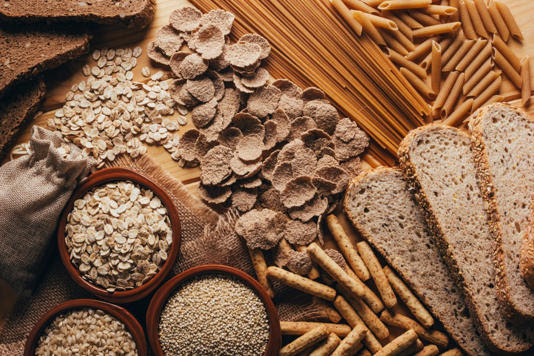
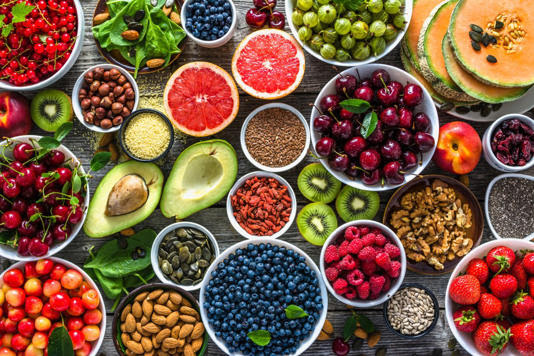
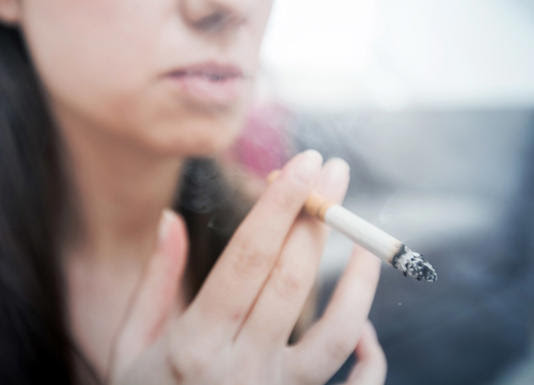
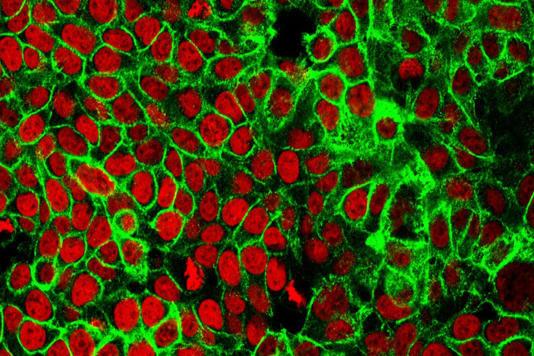
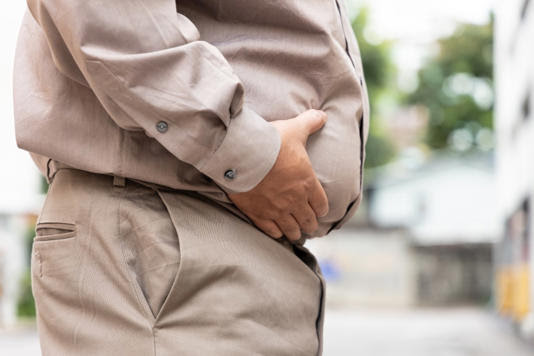




 Related video:





 ) of Team USA ! They showed much respect for one another throughout the competition.


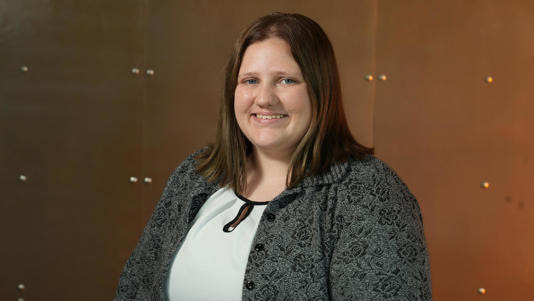


 . So, in my true fashion I decided the best course of action is to up and go on a road trip out west with Jack and hike.
 This Time.


 The BlackRock Ad: Thomas Crooks, a 2022 graduate from Bethel Park High School, appeared as an unpaid student extra in a BlackRock advertisement last year. The ad featured a teacher from Bethel Park High School, with several students, including Crooks, in the background. This connection has brought additional scrutiny to the investment giant amidst the ongoing investigation.


 Thomas Crooks’ Background: Thomas Crooks, who graduated from Bethel Park High School in 2022, has become a focal point in the investigation following Saturday’s incident. The Pittsburgh Tribune-Review reported on his educational background, adding another layer to the unfolding narrative.

 BlackRock’s Response: BlackRock emphasized their stance against violence and assured the public of their full cooperation with law enforcement. “We will make all video footage available to the appropriate authorities,” the statement read. As the company prepares to release its second-quarter results on Monday, this unexpected connection to such a serious incident has put them under a spotlight.

 Public Reaction: The revelation has sparked widespread reactions, with social media buzzing with discussions and theories. Hashtags like

 Ongoing Investigation: Authorities are meticulously investigating the attempted assassination, with Thomas Crooks at the center of their inquiries. The cooperation from BlackRock is a critical component in piecing together the events leading up to the incident.
 Laurence Douglas Fink