
End of Narcissism & Status Quo

BIBLICAL RAPTURE UNLEASHED | Countdown to Armageddon (youtube.com)

The exact same shapes of the chemtrails…..

All I will say is: AMERICA..…REPENT!!!!

Dawn Marie

 “Important info!  Bing Videos
Why the 2024 total solar eclipse will be such a big deal (sciencenews.org)
I’m not claiming to know exactly what all of this means, but I think it is important
enough for all of us to be aware that this is happening and pray for wisdom in this area.
On April 8th this year, there will be an eclipse. One singular eclipse is pretty amazing,
but this one is actually the last in a 3-part series that has SO much meaning behind it.
It is important to know that God said that He would use the sun, moon and stars to communicate with us:

Genesis 1:14- “Then God said, ‘Let there be lights in the expanse of the heavens to separate the day from the night, and let them be for signs and for seasons and for days and years…”
Luke 21:25 – “There will be signs in the sun, moon and stars. On the earth, nations will be in anguish and perplexity at the roaring and tossing of the sea.”
So now that you know that God said that He would use the sun, moon and stars to communicate with us, let’s break down this 3 part eclipse series:  A total eclipse is near. For some, it’s evidence of higher power. For others it’s a warning (msn.com)

1) With the path of this last eclipse, combined with the first 2 eclipses (one in 2017 and
the other in 2023), it will create the Hebrew letter over America that is “Aleph Tav” and in Greek it is the “Alpha and Omega” – both means “The beginning and the end.” God said in Revelation 21:6 that He is the beginning and the end and this Aleph Tav is like His signature. Why would He use an eclipse to put His signature over America?

Let’s dig deeper:
2) He has used eclipses to warn nations of coming judgement so that the nation can repent of their sinful ways and come back to Him. This happened with the story of Nineveh. God told Jonah to go to the wicked nation of Nineveh and warn them about coming judgement. Jonah ran away from the assignment and while out at sea got swallowed up by a whale and was in the whale for 3 days. Jonah repented of running away so the whale spit him up.

He then went to Nineveh and warned the people but there was something that also happened while he was warning the people…an eclipse came over the land. In the 19th century, ancient tablets were discovered that describe an eclipse called the Bur-Sagale eclipse where the totality of the eclipse landed right over Nineveh while Jonah was there preaching the 40-day warning before the coming destruction. Because of this, the people realized that this was a sign from God that what Jonah was saying was true and they repented, and God spared their nation.

It is amazing how much America mirrors Nineveh. 
(If you don’t see it, you may be part of the problem.) To make this even more clear,
this last eclipse on April 8th will be going over 7 cities here in America called – yep you guessed it – NINEVEH! I honestly didn’t even know that we had any city here in the U.S. named that but here we are – with this eclipse going over these cities (and there will be an 8th one that it goes over also called Nineveh in Canada.)   What Atheists Believe Happens When Life Comes to an End (msn.com)
image.png
What is the significance of April 8 – Search Videos (bing.com)

Here are the cities:
🔺𝐍𝐢𝐧𝐞𝐯𝐞𝐡, 𝐓𝐞𝐱𝐚𝐬
🔺𝐍𝐢𝐧𝐞𝐯𝐞𝐡, 𝐌𝐢𝐬𝐬𝐨𝐮𝐫𝐢
🔺𝐍𝐢𝐧𝐞𝐯𝐞𝐡, 𝐈𝐧𝐝𝐢𝐚𝐧𝐚 (𝐭𝐡𝐢𝐬 𝐰𝐢𝐥𝐥 𝐛𝐞 𝐭𝐡𝐞 𝐡𝐢𝐠𝐡𝐞𝐬𝐭 𝐦𝐚𝐠𝐧𝐢𝐭𝐮𝐝𝐞 𝐨𝐟 𝐞𝐜𝐥𝐢𝐩𝐬𝐞
𝐌𝐚𝐠 𝟏.𝟎𝟐𝟑, 𝐭𝐡𝐞 𝐥𝐨𝐜𝐚𝐥 𝐭𝐢𝐦𝐞 𝐩𝐫𝐞𝐝𝐢𝐜𝐭𝐞𝐝 𝐟𝐨𝐫 𝐢𝐭 𝐭𝐨 𝐨𝐜𝐜𝐮𝐫 𝐢𝐬 𝐚𝐭 𝟑:𝟎𝟕 𝐏𝐌)
🔺𝐍𝐢𝐧𝐞𝐯𝐞𝐡, 𝐎𝐡𝐢𝐨
🔺𝐍𝐢𝐧𝐞𝐯𝐞𝐡, 𝐏𝐞𝐧𝐧𝐬𝐲𝐥𝐯𝐚𝐧𝐢𝐚
🔺𝐍𝐢𝐧𝐞𝐯𝐞𝐡, 𝐕𝐢𝐫𝐠𝐢𝐧𝐢𝐚
🔺𝐍𝐢𝐧𝐞𝐯𝐞𝐡, 𝐍𝐞𝐰 𝐘𝐨𝐫𝐤
🔺𝐍𝐢𝐧𝐞𝐯𝐞𝐡, 𝐍𝐨𝐯𝐚 𝐒𝐜𝐨𝐭𝐢𝐚 (𝐍𝐨𝐭 𝐢𝐧 𝐭𝐡𝐞 𝐔𝐒)

Could this be that God is warning us just as He warned Nineveh?
There have been many “Jonahs” in the past few years warning the nation that we need to repent and add in this sign above our heads – we can’t turn away from the fact that it is not a coincidence. But if you need more proof, let’s keep going…
3) The first part of this 3-part eclipse series was in 2017.
The path of that eclipse went over 7 cities named Salem,
which is short for Jerusalem.
🔺𝐒𝐚𝐥𝐞𝐦, 𝐎𝐫𝐞𝐠𝐨𝐧
🔺𝐒𝐚𝐥𝐞𝐦, 𝐈𝐝𝐚𝐡𝐨
🔺𝐒𝐚𝐥𝐞𝐦, 𝐖𝐲𝐨𝐦𝐢𝐧𝐠
🔺𝐒𝐚𝐥𝐞𝐦, 𝐍𝐞𝐛𝐫𝐚𝐬𝐤𝐚
🔺𝐒𝐚𝐥𝐞𝐦, 𝐌𝐢𝐬𝐬𝐨𝐮𝐫𝐢
🔺𝐒𝐚𝐥𝐞𝐦, 𝐊𝐞𝐧𝐭𝐮𝐜𝐤𝐲
🔺𝐒𝐚𝐥𝐞𝐦, 𝐒𝐨𝐮𝐭𝐡 𝐂𝐚𝐫𝐨𝐥𝐢𝐧𝐚

The mathematical “chance” of there being 7 Salem’s with the first eclipse and then 7 Nineveh’s for the 3rd eclipse is unthinkable. But what about the 2nd part of the eclipse?

4) Perhaps the most striking piece of the 2nd eclipse is that the precise center-line of the eclipse path exits the USA directly over Corpus Christi. Corpus Christi means the “Body of Christ” and is one of the only towns named that in the world! 2nd part of the eclipse over Corpus Christi – Search (bing.com)

But let’s go back to this upcoming eclipse and dig even deeper…
5) Jonah was giving a 40-day warning to Nineveh during the eclipse. 
If you look at our April 8th eclipse and fast forward 40 days then you will get to May 18, 2024 – the day before Pentecost. The history of Pentecost is that it is the last Spring Feast that the Lord has given us (there are 4 in the Spring and 3 in the Fall). This is the day that the Lord sent the Holy Spirit down to all those who have accepted Christ.

We are told that the “Restrainer” (many believe this is the Holy Spirit) will be removed before the Tribulation – could it be that this is a warning for that? I’m not sure as that is a worldwide event and this eclipse will be just over North America, but it is something definitely to think and pray about for more clarity and wisdom. 
No matter what, there are too many things lining up for it to not be nothing and so my job is to get the information out to you all so that you can at least be aware of these signs that God is giving us so that you can pray about it.

But let’s keep going…
6) From the start of this 3-part eclipse to the end, it will be 7 years. God uses numbers a lot to communicate with us, and 7 has a ton of meaning. A few examples are – He created the world in 7 days, there will be a 7 year tribulation, 7 is used for completion, etc.
7) Going back to how this correlates with Jonah & Nineveh’s story -at the time of this eclipse, there will be another sign in the sky…it will take place under the constellation, Cetus, which is the whale constellation! And not only will it pass through the 8 cities in North America named Nineveh, it will also pass through Jonah, Texas! Speaking of other towns that it will pass through; these are some of the other city names that it will go right over:

🔺 Rapture, Indiana
🔺 Williamston, Kentucky – this is where the Ark Encounter is located.
The Ark Encounter is a full-size replica of Noah’s Ark.
🔺 Eagle Pass, Texas – where we are having so many border issues.
🔺 And the point where it crosses the 2017 eclipse to mark the center
of the X is an area in southern Illinois called Little Egypt.

What is even more fascinating about this is that Little Egypt is sandwiched in between
2 other cities called Alpha, Kentucky and Omega, Illinois – both having the 2017 eclipse come over their cities. Furthermore, the intersection of the 2017 and 2024 solar eclipses occurs directly over the New Madrid Fault Line, a major seismic zone. An earthquake along this fault line could potentially destroy the U.S., making it one of the most perilous fault lines in the country. I have no idea if this will happen or not, but there are too many things here that are all literally lining up to not share with everyone.

* One more interesting fact is that there are 2,422 days in between the 2017 eclipse and the 2024 eclipse. If you look up 2422 in Strong’s Concordance, an Bible concordance that has every word of the KJV, takes us to Exodus 1:19 which says, “𝐓𝐡𝐞 𝐦𝐢𝐝𝐰𝐢𝐯𝐞𝐬 𝐚𝐧𝐬𝐰𝐞𝐫𝐞𝐝 𝐏𝐡𝐚𝐫𝐚𝐨𝐡, “𝐇𝐞𝐛𝐫𝐞𝐰 𝐰𝐨𝐦𝐞𝐧 𝐚𝐫𝐞 𝐧𝐨𝐭 𝐥𝐢𝐤𝐞 𝐄𝐠𝐲𝐩𝐭𝐢𝐚𝐧 𝐰𝐨𝐦𝐞𝐧; 𝐭𝐡𝐞𝐲 𝐚𝐫𝐞 𝐯𝐢𝐠𝐨𝐫𝐨𝐮𝐬 𝐚𝐧𝐝 𝐠𝐢𝐯𝐞 𝐛𝐢𝐫𝐭𝐡 𝐛𝐞𝐟𝐨𝐫𝐞 𝐭𝐡𝐞 𝐦𝐢𝐝𝐰𝐢𝐯𝐞𝐬 𝐚𝐫𝐫𝐢𝐯𝐞.”

Why would this be of any significance?
Well, to me, it reminds me of how Jesus said that His return would be like a woman in labor with the signs of His coming growing stronger and closer together. We are at a point in history where we are seeing all of the signs that He gave us happening before our eyes. In fact, we are even seeing things that will happen during the tribulation. If we are seeing those things being set up now, that must mean that we are super close to it actually happening.

Going back to God saying that He uses the sun, moon and stars to show us signs – and then Jesus saying that the signs of His coming will be like a woman in labor, well this information leading us back to Exodus 1:19 explaining that the Hebrew women have labor fast is so interesting to me! Could we be on the brink of rapture and tribulation!? I don’t know exactly when it will happen but Jesus did tell us that we would know the season and I do believe that we have been in that season for the past few years and are pushing closer and closer to it!

So what do you do with all of this information?
It is no secret that this world has gone mad and everyone knows that there is something happening behind the scenes that feels really uncomfortable. If you have that feeling, you are right! There is a major push for things to happen that were predicted to happen over 2,000 years ago. Most people seek their understanding in the wrong place though.
They look to the news and the world to guide them; however, these sources will only bring more questions, not answers. It causes people to live in fear, anxiety and depression.

However, Jesus didn’t want us to live that way. He gave us the information so that we would know what is happening when we see these things. The first piece of living in His knowledge is accepting that God sent His son, Jesus, to die for our sins and on the 3rd day, Jesus rose from the grave and conquered death. 

The second piece is to repent to God of your sins and turn away from your sins. Most churches only teach how God loves you but don’t teach repentance anymore and that is
a HUGE part of your faith. Jesus said that there will be many who come to Him and say, “Lord, Lord, I knew you.”

But because they didn’t repent of their sins and seek Jesus’ ways instead of their own,
He will reply, “Get away from me, I never knew you.” We cannot just live however we want without any consequences. Even little children understand this concept, but it has been lost on most adults. 

This is why Nineveh was going to see destruction – because they were a self-serving, sinful nation – just like America is today. You can’t change the heart of this nation, but you can change your heart and lead your homes to do the same. Third, pray for wisdom in these areas.

I know this has been incredibly deep but just like Proverbs 25:2 says,
“It is the glory of God to conceal a thing, but the honor of kings is to search out a matter.” This sign in the sky will be right over your head in just a few weeks – will you have the eyes to see what it really means?” https://youtu.be/pHCdS7O248g?si=WiEzUlp1w6jKluAT

A huge thanks to these sources:
https://eclipsewitness.com/american-eclipse-judgment
Vincent James

image.png
J. Scott Deem 

Exactly. It’s just very strong evidence that the Social Engineers who wrote
the Bible based on the sky clock also had their minions in positions to name the cities. Keeps us Bible thumpers having AHA moments within the confines to our Belief System.
Jesus/son dying and rising after 3 days is just one of many examples of the sky clock being used to tell a story that is geared towards programming people to be on their knees begging for forgiveness. Sounds more like something an evil ruler would need.

The Sun basically dies for 3 days during winter solstice on the 21 of December then starts rising again on Christmas day. The Jesus character story had been used many times before with the same claims. All based on the sky clock.
All the Social Engineers ever had to do was set the stage for their show. Seems so freakin obvious but people are so deeply invested in their beliefs that they cling on to Jesus’ story like naive children. 

They’re being told to just surrender to Jesus, get on their knees and beg for mercy because they are unworthy and sinners from the day they were born. Just let Jesus take the wheel.

Absolutely insane!
Instead of taking action they have people believing they should talk to themselves, aka pray, with their heads bowed and just keep faith as they give their implied consent by remaining silent.
I could link to multiple stories used throughout their story that were before and identical to the Jesus character story.

But people will find the information when they’re ready to completely step outside of the Belief System, aka BS.
And the New Madrid earthquake is definitely part of the plan. When, I don’t know. But all the rain over the area and BP oil drilling into the salt domes that are the foundations of the gulf states, back during the staged spills, is just them setting the stage. The fracking in the area around the fault line was most likely more so to weaken the area and or to create control joints for when they create the shipping route from the gulf coast to the Great lakes. 

So many people who claim to be awake see through so much of the bullshit but cling on to the biggest lie. How did the Bible survive all the resets while being tweaked or revised as needed? How could it have possibly been the most published book and in every hotel room drawer at a point in our recent past? No different than a globe in every kindergarten classroom. 

The Social Engineers use it as a tool to create
an imagine they are more powerful than GOD.

Thus create the problems that validate their bullshit story. If they gain control because people allow them to take the wheel and not Jesus. Then the new world religion will have them convinced that they need to be strictly ruled over and monitored so the wrath of God never happens again. It’s worked in the same way many times. They push all the divisions and “sinful” behaviors like before the fall of Rome then put it in the history books to validate their Bible. 

People are just getting what we’ve always gotten because we keep repeating the same mistakes.
The Social Engineers know well how our minds work and use “Forbidden Knowledge” to maintain their power over the willfully ignorant people that have been easily programmed to believe far more than we know.

Knowledge is the most powerful thing we could ever possess. 
This is why we are so weak, even with our numbers, and they are so strong and have us dependent and in fear.
Who in the hell had the power to reset the date to 1 AD worldwide because some unknown carpenter named Jesus died??? 

Yeah, everything is a lie but let’s cling on to the lie that is at the foundation and also
used to create the BS. 2017, 2023, 2024 U.S. Solar Eclipse End Times Bible Prophecy.
(understanding the times.info)

April’s Total Solar Eclipse Is 360 Years Early. NASA’s Bizarre New Map Shows Why (forbes.com)

Comet that passes Earth once every 71 years visible in the night sky (msn.com)

E mc² Equation – Detailed Explanation and FAQs (vedantu.com)

Which years did the total eclipse happens – Search (bing.com)

The sky is in a 71 year pattern – Search Videos (bing.com)
1740 +71 =1811 +71 =1882 +71 =1953 +71 =2024!!!

Significance of 1740 year – Search (bing.com)
Significance of 1811 year – Search (bing.com)
Significance of 1840 year – Search (bing.com)
Significance of 1882 year – Search (bing.com)
Significance of 1953 year – Search (bing.com)

total eclipse 1883 – Search (bing.com)

total eclipse 1983 – Search (bing.com)²

What is the Biblical Rapture – Search (bing.com)
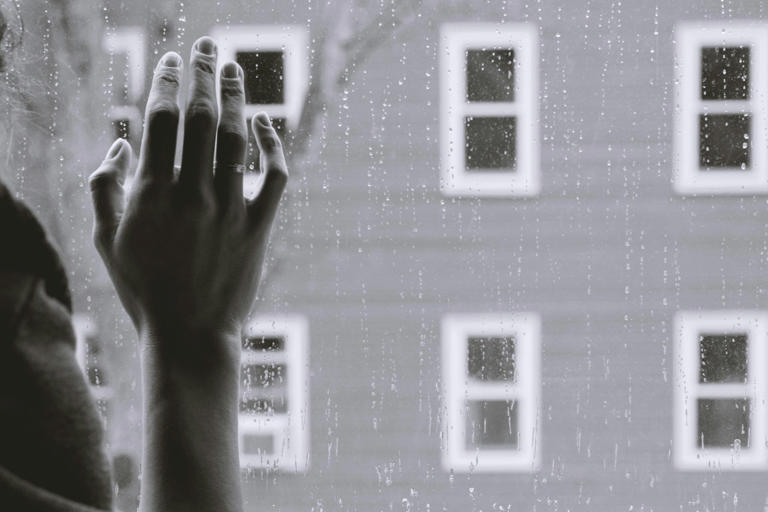
image.png
Posted in Uncategorized | Leave a comment

Are We There Yet?

A black and white image of a woman’s hand pressed against a window dotted by raindrops.

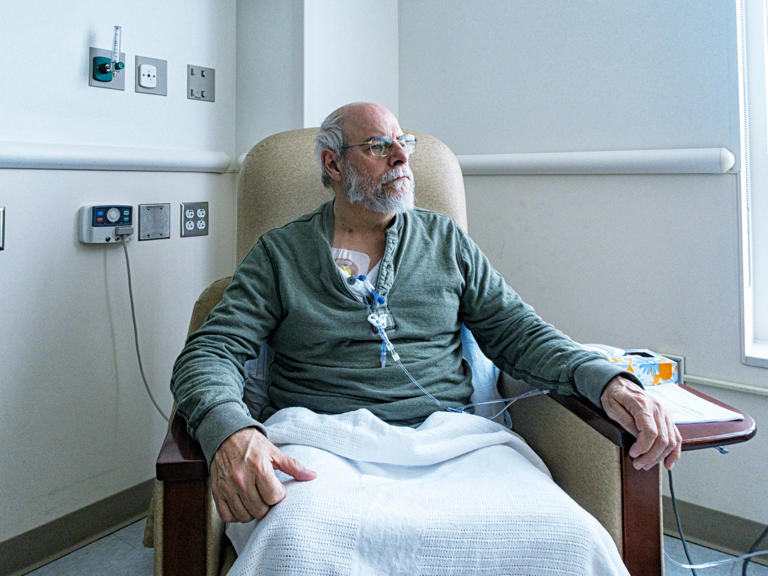
Are we there yet? The future of cancer treatment (msn.com)
In recent years, specialised cancer treatments such as chimeric antigen receptor (CAR)-T therapies, and antibody-drug conjugates (ADCs) have changed the cancer treatment landscape. However, it could be argued that new approaches to prevention, as well as addressing social deprivation may have more impact and be potentially more cost-effective than many new drugs, says FasT BioPharma’s co-founder Anderson Ryan. 

Leading a session at the European laboratory research & innovation group (ELRIG) conference in Manchester, UK, Ryan highlighted that so far, the availability of many new drugs has had a limited impact on overall cancer-related mortality.
He said since 2000, more than 600 new oncology therapies have been approved by the US Food and Drug Administration (FDA): “[But], incremental improvements in survival for the most common cancers hasn’t led to a significant reduction in either the number or proportion of people dying with cancer,” says Ryan. 
However, Ryan said many patients are living a lot longer with cancer: “If they’re living longer, they would still appear on the mortality rate. The benefits are more in terms of the length of survival rather than survival.”  
The amount of money being invested in new cancer therapies is set to increase massively over the next five years, with a recent GlobalData webinar forecasting that the immuno-oncology market is set to grow to over $150bn by 2028.  

GlobalData is the parent company of Pharmaceutical Technology. 
Whilst the incidence and survival rates with some cancers are increasing, the overall picture might not appear to have improved due to the impact of social deprivation. “It could be argued that investing in and addressing social deprivation might have more impact than many drugs,” says Ryan. 
National prevention programmes such as those promoting the uptake of HPV vaccines, increased awareness around the risks of smoking, and routine screening helped reduce the incidences of certain cancers, or have led to earlier diagnosis that are generally associated with more positive outcomes. Ryan explained that new approaches to both prevention and treatment are needed, such as sensitive detection and accurate localisation of a wider range of most-aggressive tumours such as those affecting the pancreas, lung, and liver: “The earlier you can detect cancer, the more the better chance for cure.” 

The ELRIG conference taking place in Manchester, UK on 20-21 March 2024 is covering topics such as animal-free drug discovery, oncology, mass spectrometry and proteomics, and antimicrobial resistance.  
Ryan concluded the talk by highlighting that building on the success of immune therapies will lead to a more durable benefit, and molecular fingerprinting may identify new targets and avenues for cancer prevention. 
The future of cancer treatment” was originally created and published by Pharmaceutical Technology, a GlobalData owned brand.

 image.png
How many types of cancer are there – Search (bing.com)

Medically reviewed by Doru Paul, MD

Cancer is a disease that occurs when cells in the body start to grow and multiply at an out-of-control rate. If you or a loved one has been diagnosed with cancer, you likely have several questions. Can cancer be cured? Yes, cancer is curable, but some types are cured more often than others. A cancer is cured when there are no signs of cancer, no further treatment is needed, and it is not expected to come back. There is no way to guarantee that cancer will never come back. 
Most oncologists (medical doctors specializing in diagnosing and treating cancer) talk about remission rather than cure. Being in remission from cancer means that the cancer is under control and responding to treatment. After you have been in complete remission for 5 years, the risk of cancer coming back decreases. 
To understand how curable a type of cancer is, most oncologists look at the 5-year survival rate. This rate describes the percentage of people who will still be alive 5 years after their cancer diagnosis. This rate varies widely by the type of cancer, the cancer stage, and a person’s overall health. 

What Are The Most Curable Types of Cancer
The current survival rates are highest for thyroid cancer, prostate cancer, testicular cancer, and melanoma. The survival rate for early-stage breast cancer is also high because of screening protocols. 

Thyroid Cancer
Thyroid cancer is a type of cancer that starts in the thyroid, the butterfly-shaped gland located at the front of your neck. The thyroid secretes hormones that affect your metabolism and physical growth. 
 The 5-year survival rate for thyroid cancers in stages 1 and 2 is between 98% and 100%. This may be because thyroid cancers usually grow slowly. This makes them easier to diagnose early when they are more treatable. 
Depending on the stage, thyroid cancer can be treated with surgery, radiation therapy, chemotherapy, hormone therapy, targeted therapy, and immunotherapy. 

Breast Cancer (Early Stage)
Breast cancer is a relatively common type of cancer that begins in the breast tissue or lobules. The 5-year survival rate for breast cancers in stages 0 and 1 is 99% to 100%. Breast cancers classified as stage 0 or 1 are located in the breast tissue or lobules and
have not spread to the lymph nodes or nearby tissues. 
Early-stage breast cancer is often detected with screening tools such as a regular mammogram. Early detection is an important way to improve survival rates. Treatment options for breast cancer include surgery, radiation therapy, chemotherapy, hormone therapy, targeted therapy, and immunotherapy. 

Prostate Cancer
Prostate cancer starts in the prostate, the gland located under the bladder in people assigned male at birth. The prostate is responsible for producing fluid to transport sperm. 
The 5-year survival rate for prostate cancers in stages 1 and 2 is 99%. Prostate cancers usually grow very slowly and are treatable with surgery and radiation therapy. Your healthcare provider may recommend additional treatments including hormone therapy, chemotherapy, immunotherapy, and targeted therapy for more advanced cases. 
Healthcare providers can regularly screen for prostate cancer with blood tests and rectal exams. Related: Everything You Need to Know Before a Prostate Exam

Testicular Cancer
Testicular cancer is another type of cancer that affects people assigned male at birth.
It starts in one of the testicles (testes), the small organs located in the scrotum.
They produce the hormone testosterone, as well as sperm. 
The 5-year survival rate for testicular cancer is 99% for localized tumors. The 5-year survival rate for people with tumors that have spread to the lymph nodes is 96%. When diagnosed in the early stages, testicular cancer is usually treated by removing the affected testicle. 

Melanoma 
Melanoma is a type of skin cancer that often appears as an irregular mole on the skin.
The most common sites for melanoma are areas of the body that receive the most sunlight like the face, scalp, ears, neck, and hands. 
The 5-year survival rate for stage 1 melanoma is 99%. Skin cancer is visible so it tends to be easier to detect early. Melanoma is often treated with surgery to remove the tumor.
Skin cancer is the most common type of cancer diagnosed in the United States. Fortunately, it is highly treatable. The 5-year survival rate for both basal cell carcinoma  and squamous cell carcinoma is 99% when diagnosed before the cancer has spread to the lymph nodes. 

Hodgkin Lymphoma
Hodgkin lymphoma is a type of blood cancer that begins in the lymph tissue, the tissue that is found in the lymph nodes, bone marrow, spleen, and liver. The 5-year survival
rate for Hodgkin lymphoma is between 92% and 95% when diagnosed in stages 1 and 2. Hodgkin lymphoma responds well to radiation therapy. Other types of lymphoma are not as treatable as Hodgkin lymphoma. 

Cervical Cancer
Cervical cancer is a type of cancer that starts in the cervix, the organ located at the bottom of the uterus in people assigned female at birth. The 5-year survival rate for cervical cancer is 91% when diagnosed in the early stages. 
Regular Pap smears (also called Pap tests) are used to screen for cervical cancer.
This helps to diagnose the cancer in an early stage when it is more treatable.
Cervical cancer is often treated with surgery, chemotherapy, and radiation therapy. 

Cancer Disparities
The survival rates for cancer vary widely depending on the type of cancer and when it is diagnosed. These rates are also affected by racial disparities. People who are Black have lower survival rates for many types of cancer, including melanoma and cancers of the lungs, breast, ovaries, uterus, prostate, bladder, and kidneys, compared to people who are white. 
People assigned female at birth who are Black or American Indian and Alaska Native (AIAN) have the highest cancer mortality (death) rates in the United States. For example, breast cancer is more common in white women, but Black women are more likely to die from it. 
Racial disparities in healthcare are a result of reduced access to quality care and longstanding systemic inequalities. Changing this system requires ongoing efforts to rectify injustices and work toward health equity, such as addressing social determinants of health.

Related: Study: Black Women Should Begin Breast Cancer Screening Earlier Than Currently Recommended

What Determines Curability?
Cancer survival rates vary greatly because they are influenced by the type of cancer, when it was diagnosed, and your overall health. Several factors affect cancer survival rates, including:
Stage at diagnosis: The stage describes how far a cancerous tumor has spread from its original site. In general, tumors that are localized (in one area) are more treatable than regional or distant tumors that have spread to other areas of the body. 
Tumor characteristics: Different types of cancer vary by how quickly they grow and spread. They also vary by which treatments they respond to. For example, certain tumors will shrink with hormone therapy while others will not be affected by it. 
Available treatments: Recent advances in cancer treatment like targeted therapy and immunotherapy have improved the survival rates of certain types of cancer. 
Individual risk factors: A person’s overall health, family history, and lifestyle choices greatly affect their cancer prognosis and treatment options. Avoiding risk factors like smoking will likely improve your treatment success. 
Racial and ethnic disparities: Cancer survival rates vary by race and ethnicity, primarily due to unfair access to care, among other inequalities. 
Cancer ‘breakthrough’ as needle ‘500 times thinner than human hair’ could lead to cure (msn.com)

Why Early Detection and Screening Matters
Early detection is an important part of cancer treatment. In most cases, the earlier a case of cancer is caught, the more treatable it is. Cancer screening tests help with diagnosing cancer before the disease has started causing any symptoms. 
Talk with your healthcare provider about the following cancer screening tools:

Colon and rectal cancer: People who are at average risk should begin regular screenings with colonoscopies or stool tests at age 45. 
Lung cancer: People with a history of heavy smoking may benefit from annual lung cancer screening with a low-dose computed tomography (CT) scan starting at age 50. 

Recommended screening tests for people assigned female at birth include:
Breast cancer: People ages 40 to 44 should start annual mammograms,
and people 55 and older should receive mammograms every other year. 
Cervical cancer: People should start regular screenings with a Pap test or human papillomavirus (HPV) test at age 25. 
Endometrial cancer: Once a person reaches menopause, their healthcare provider should talk with them about the risks and symptoms of endometrial cancer, including vaginal bleeding and spotting. 

People assigned male at birth should talk with their healthcare providers
about prostate cancer screening starting between the ages of 45 and 50.
This can be done with a blood test or rectal exam. 

Toxic chemicals your grandparents were exposed to are likely affecting your health,
new research claims. Here’s how it works (msn.com)

Related Video: Where are we in the battle of cancer & heart disease? (Sharecare)

Bonus: 8 ways to slow your biological aging, according to new research (msn.com)

America is facing a spiritual crisis. More leisure time is the cure. (msn.com)

A Quick Review
Cancer occurs when cells start to grow and multiply at an uncontrollable rate.
The most curable cancers in the United States are cancers of the thyroid, breast, prostate, testes, and skin. These types of cancer are considered most treatable when diagnosed in the early stages. 
Cancer curability is often measured by the 5-year survival rate.
This rate measures the percentage of people who are expected to be living 5 years after diagnosis. Several factors affect the success of cancer treatment including the type of cancer, the stage when it was diagnosed, a person’s race or ethnicity, and individual risk factors.
Cancer is considered cured when there are no longer any signs of cancer, there is no need for further treatment, and the cancer is not expected to come back. 

Read the original article on Health.com.

The information on this site has been included in good faith for general informational purposes only.
It is not intended to amount to advice on which you should rely, and we give no representation, warranty or guarantee, whether express or implied as to its accuracy or completeness. You must obtain professional or specialist advice before taking, or refraining from, any action on the basis of the content on our site.
Posted in Uncategorized | Leave a comment

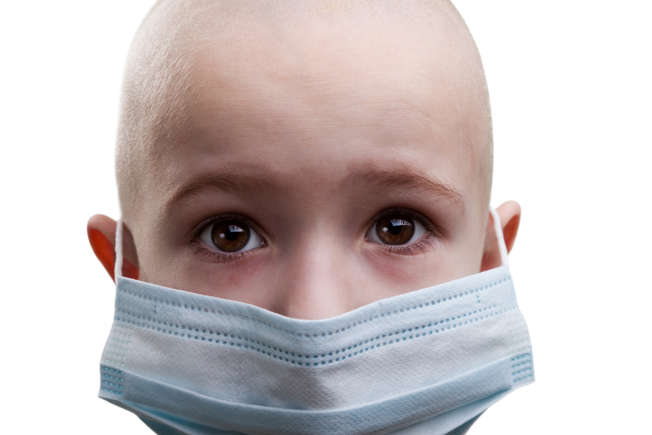
Childhood Cancer

A risk factor is anything that increases the chances of getting a disease such as cancer. 
Different cancers have different risk factors.

Risk Factors and Causes of Childhood Cancer 
Childhood cancer is a rare and complex disease that occurs when gene mutations lead to uncontrolled cell growth and eventually cancer 1 2 3. Some of these gene mutations may be inherited from parents, while others may be caused by environmental factors 2. High dose ionizing radiation and prior chemotherapy are accepted causes of childhood cancer 4, as well as some infections and chemical exposure 5. However, for most childhood cancers, the exact cause is unknown 3.

Lifestyle and environmental risk factors
In adults, lifestyle-related risk factors, such as smoking, being overweight, not getting enough exercise, eating an unhealthy diet, and drinking alcohol play a major role in many types of cancer. But lifestyle factors usually take many years to influence cancer risk, and they are not thought to play much of a role in childhood cancers.
A few environmental factors, such as radiation exposure, have been linked with some types of childhood cancers. Some studies have also suggested that some parental exposures (such as smoking) might increase a child’s risk of certain cancers, but more studies are needed to explore these possible links.  So far, most childhood cancers have not been shown to have environmental causes. (What about chemical exposure brought into the house from work shoes.)

Changes in genes
In recent years, scientists have begun to understand how certain changes in the DNA inside our cells can cause them to become cancer cells. DNA is the chemical that makes up our genes, which control nearly everything our cells do. We usually look like our parents because they are the source of our DNA. But DNA affects more than just how we look. It also influences our risks for developing certain diseases, including some kinds of cancer.
Some genes control when our cells grow, divide into new cells, and die.

Genes that help cells grow, divide, or stay alive are called oncogenes.
Genes that slow down cell division, repair mistakes in a cell’s DNA, or cause
cells to die at the right time are called tumor suppressor genes.
Cancers can be caused by DNA changes that keep oncogenes
turned on, or that turn off tumor suppressor genes.

Inherited versus acquired gene mutations.
Some children inherit DNA changes (mutations) from a parent that increase their risk of certain types of cancer. These changes are present in every cell of the child’s body, and they can often be tested for in the DNA of blood cells or other body cells. Some of these DNA changes are linked only with an increased risk of cancer, while others can cause syndromes that also include other health or developmental problems.

But most childhood cancers are not caused by inherited DNA changes.
 They are the result of DNA changes that happen early in the child’s life, sometimes even before birth. Every time a cell divides into 2 new cells, it must copy its DNA. This process isn’t perfect, and errors sometimes occur, especially when the cells are growing quickly. This kind of gene mutation can happen at any time in life and is called an acquired  mutation. Acquired mutations are only in the person’s cancer cells and will not be
passed on to their children.
Sometimes the causes of gene changes in certain adult cancers are known (such as cancer-causing chemicals in cigarette smoke). But the causes of DNA changes in most childhood cancers are not known. Some may have outside causes like radiation exposure, and others may have causes that have not yet been found. But many are likely to be the result of random events that sometimes happen inside a cell, without having an outside cause.

image.png
The Causes of Childhood Cancer – Search Videos (bing.com)

The growth of childhood cancer is a major source of concern for health organizations all over the world. Childhood Cancer International (CCI) reports that 400,000 children and adolescents under the age of 20 are diagnosed each year. 
Click on to learn more about the most common types of the disease and how to treat it.
On February 15, 2018, Childhood Cancer International (CCI) stated that about 215,000 cases of cancer are detected every year in children and teenagers under 15. The statement was released in the scope of International Childhood Cancer Day. The international cancer research agency has warned of the need for joint global action to address the growing challenge posed by the disease. 

Although the number of children with cancer is much lower, compared to the overall incidence of the disease in adults, the chances of surviving is much greater in children, says CCI. CCI reported that survival rates in developed countries average 84% and that these numbers are improving consistently, even in areas with fewer resources. 
Early stages of childhood cancer are often difficult to diagnose, especially as the
symptoms can be confused with common childhood diseases such as viruses and colds.
The CCI campaign also showed a disparity in access to treatment for childhood cancer in
low and middle-income countries, where 80% of children and adolescents with cancer live. 
Children and teenagers in Africa, Asia, Latin America, and parts of Eastern Europe have difficult access to essential medicines and specialized care. Therefore, the organization also said that the place where the child resides ultimately determines their ability to survive childhood cancer.

image.png
Most common types of childhood cancers

The most common variations of the disease in children are: Acute Lymphocytic
(or Lymphoid) Leukemia, Wilms’ Tumor, Retinoblastoma, Neuroblastoma, Rhabdomyosarcoma, Central Nervous System (Spinal Cord Brain) Tumors,
Primary Bone Tumors, Hodgkin’s Lymphoma, and Non-Hodgkin’s Lymphoma.

Leukemia

According to the American Childhood Cancer Organization (ACCO), this type of cancer affects bone marrow and blood. It constitutes about 30% of all childhood cancer cases. 
The two most common types are acute lymphocytic leukemia (ALL) and acute myeloid leukemia (AML). Both can spread rapidly and require immediate treatment.

Wilms’ tumor

It can affect one or two kidneys. It is most common among children in ages
between 3 and 4 years old. It accounts for 5% of cases of childhood cancer.

Retinoblastoma

It originates in retina cells. It is more common in children less than two years old, except for rare cases where children over six can be affected. It represents about 2% of cases.

Neuroblastoma

It’s more common in children during the first two years of life. This type of cancer, which is about 6% of all cases, can appear anywhere in the body.

Rhabdomyosarcoma

This type of cancer is found in soft tissues, so it is more common in children. It originates from cells that grow in muscles. It represents about 3% of childhood cancers.

Central nervous system tumors

These are the most common malignant tumors in children after leukemia and lymphomas. Spinal cord tumors are less common than those of the brain, both in adults and children.

image.png
The AIRIS II, an entry in the diagnostic category of open MR systems, 

Designed by Hitachi Medical Systems America Inc. (Twinsburg, OH, USA) and
Hitachi Medical Corp. (Tokyo) and is manufactured by the Tokyo branch. A 0.3 T field-strength magnet and phased array coils deliver high image quality without the need for a tunnel-type high-field system, thereby significantly improving patient comfort not only for claustrophobic patients.

Brain Tumors

Brain tumors make up about 26% of all childhood cancers. Treatment and prognosis depend on the exact type and location of the tumor.

Proton Therapy – Search Videos (bing.com)

Proton therapy, also known as proton beam therapy, is a form of radiation treatment used to destroy tumor cells. Instead of using x-rays like regular radiation treatment, it uses protons to sends beams of high energy that can target tumors more precisely than X-ray radiation.

Bone cancer 

Primary bone cancer grows in the bones themselves. This is different from metastatic bone cancer, which is a type of cancer that affects other parts of the body but spreads to the bones. Primary bone cancers make up about 3% of childhood cancer. The most common variations in children are osteosarcoma and Ewing’s sarcoma.

Lymphoma

It starts in the immune system and is likely to be found in the lymph nodes, tonsils, thymus, or spleen. Lymphoma is usually a rapidly growing form of cancer and requires immediate treatment.

Types of lymphoma

Hodgkin lymphoma accounts for about 3% of childhood cancer and is more common in young adults. Non-Hodgkin’s lymphoma accounts for about 5% of childhood cancers and is more common in younger children.

image.png
Childhood cancer is the second leading cause of death in children
under 15 following accidental deaths, according to ACCO.

Worrying figures

The organization warns that research into the development of new, less toxic treatment options has not kept pace with the disease’s growth. The ACCO noted that, of the more than 100 new drugs approved by the US Food and Drug Administration (FDA) since 1990, only two have been developed specifically to treat childhood cancer.

Optimism

Many forms of childhood cancer are now considered treatable, with long-term survival rates exceeding 80%, or in some cases, even 90%.

On the other hand…

Some forms of childhood cancer still have high death rates, and most survivors have long-term health problems.

Medical specialty

The National Cancer Institute points out that cancers in children are not always treated
as those of adults. Pediatric oncology is a medical specialty focused on the care of children with cancer.

Types of treatment

The types of treatment that a child with cancer will receive depends on the type of cancer and what stage it is in. The most common treatments are: surgery, chemotherapy, radiotherapy, immunotherapy, and stem cell transplantation.

Research

The National Cancer Institute warns that every cancer case and treatment should be studied, in order to find out if the specific treatment is considered safe and effective. 
Most of the progress made in identifying curative therapies has been achieved through clinical trials.

Side effects

ACCO stresses that children face unique problems in cancer treatments. Children may respond differently to the drugs used to control the symptoms, when compared to adults.

Life after cancer

It is essential that child cancer survivors receive follow-up care to monitor their health after treatment ends, ACCO emphasizes.

Sources: (ICCD) (ACCO) (NCI)

STARTLING FACT

WHO Predicts New Cancer Cases Will Increase 77% by 2050.
The World Health Organization predicts new cancer cases will reach 35 million globally by 2050, a 77% increase over 2022 figures. Key factors driving this rise include air pollution, alcohol, obesity and tobacco use. 

Surviving the cancer cure | Scott Hamilton | TEDxKC

You may also like: Every miracle performed by Jesus Christ. How many do you know?

Childhood cancer awareness: How you can support a parent who has a child with cancer.

Bonus: cancer survivor – YouTube
Posted in Uncategorized | Leave a comment

Make March Your Month to Quit

My father was diagnosed with stage-4 tongue cancer when I was 17. 

He recovered, and I still remember what a friend told me to help me through it.
Story by insider@insider.com (Lindsay Karp) 

Two decades ago, when I was 17, my dad’s tongue cancer was diagnosed.
He needed aggressive treatment, including chemotherapy and radiation, for seven weeks.
I leaned on a friend’s advice to remember that the treatment, not the cancer, would make him sick.

I was 17 when I arrived home from school to find two cars in the driveway.
I knew life was about to change.
My father, who should’ve been at work, met me in the doorway.
“I have tongue cancer. Stage four,” he said, “But I’m going to be OK.”
My father’s disclosure stung like alcohol on an open wound;
his confidence was emptier than a deserted island.

I’m 39 now — a mother with two children of my own — but I still remember
the words a friend offered in the days following my father’s diagnosis:
“Remember, it’s the treatment making him sick, not cancer.”   
 
I thought my dad was going to die
My paternal grandmother had died from cancer two decades prior. That’s what I knew about cancer at 17: It killed you. It multiplied faster than you could detect it, surreptitiously spreading from one organ to another. Within months of discovering cancer in her lungs and brain, she was gone.
When I heard the words “stage four” from my father, I crumbled. Nothing can prepare us for a loved one’s journey with cancer. But my mother’s friend’s words of advice supported me through unprecedented times.

I reminded myself about the treatment all the time
My father was the stability in my childhood home. He remained calm when my mother and I couldn’t — and during his treatment, that didn’t change. I saw him as our strength.
When I saw him lying in bed instead of mowing the lawn or resting on the couch instead of washing the cars, I reminded myself he was fatigued from the chemotherapy and not from cancer. When his skin became red and irritated,
I remembered that it stemmed from the radiation and not the cancer itself. When swallowing became a chore and he got a feeding tube, I told myself this was a temporary phase in his treatment. And when I saw him after his lymph-node-removal surgery with tubes draining fluid from his neck, I remembered my mother’s friend’s words again. This was all part of his treatment — every symptom was a sign of what was saving him. And it did.  

Those words got me through
My dad survived. Now, 20 years later, he’s the grandfather of my children, always with a joke to share and still capable of remaining calm through stress, a quality I’m continuously trying to adopt.
A diagnosis of stage-four tongue cancer meant aggressive treatment over seven weeks: radiation five days a week, chemotherapy once a week, and a neck-dissection surgery to remove lymph nodes with cancer cells. He’s dealt with slowly progressive dysphagia, a difficulty swallowing, over the past two decades. But his story has a happy ending.
The final months of my senior year of high school weren’t easy, but they would have been much darker had my mother’s friend did not offer those helpful words. I would’ve associated my father’s struggling with a deterioration caused by cancer. I might have viewed manifestations of treatment as signs of sickness and reasons to worry instead of as part of a path toward renewed health. She said the words I couldn’t have found on my own and made perfect sense when nothing else did.

What does smoking cigarettes do to your body – Search Videos (bing.com)
Cigarette smoking is responsible for about 80% to 90% of all lung cancer cases. Smoking causes about 20% of all cancers and about 30% of all cancer deaths in the United States. The American Cancer Society estimates that more than 80% of all cases of the disease are caused by smoking. According to the National Cancer Institute, 30% of all cancer deaths are directly attributable to smoking. Smoking also increases the risk for cancers of the mouth and larynx. Smoking – Our World in Data

Secondhand Smoke and Cancer
SECONDHAND SMOKE (SOMETIMES CALLED PASSIVE SMOKE, ENVIRONMENTAL TOBACCO SMOKE, OR INVOLUNTARY SMOKE) IS A MIXTURE OF SIDESTREAM SMOKE (THE SMOKE FROM THE BURNING TIP OF A CIGARETTE OR OTHER SMOKED TOBACCO PRODUCT) AND MAINSTREAM SMOKE (SMOKE EXHALED
BY A SMOKER THAT IS DILUTED BY THE SURROUNDING AIR) (1–3).

Major settings of exposure to secondhand smoke include workplaces,
public places such as bars, restaurants and recreational settings, and homes (4).
Workplaces and homes are especially important sources of exposure because of the length of time people spend in these settings. The home is a particularly important source of exposure for infants and young children. Children and nonsmoking adults can also be exposed to secondhand smoke in vehicles, where levels of exposure can be high.
Exposure levels can also be high in enclosed public places where smoking is allowed, such as restaurants, bars, and casinos, resulting in substantial exposures for both workers and patrons (3). In the United States, most secondhand smoke comes from cigarettes, followed by pipes, cigars, and other smoked tobacco products.

How is secondhand smoke exposure measured?
Secondhand smoke exposure can be measured by testing indoor air for respirable (breathable) suspended particles (particles small enough to reach the lower airways of the human lung) or individual chemicals such as nicotine or other harmful and potentially harmful constituents of tobacco smoke (3, 5).
Exposure to secondhand smoke can also be evaluated by measuring the level of biomarkers such as cotinine (a byproduct of nicotine metabolism) in a nonsmoker’s blood, saliva, or urine (1). Nicotine, cotinine, and other chemicals present in secondhand smoke have been found in the body fluids of nonsmokers exposed to secondhand smoke.
Does secondhand smoke contain harmful chemicals?
Yes. Many of the harmful chemicals that are in the smoke inhaled by smokers are also found in secondhand smoke (1, 3, 6, 7), including some that cause cancer (1, 3, 7, 8).

These include:
Benzene
Tobacco-specific nitrosamines
Benzo[α]pyrene
1,3–butadiene (a hazardous gas)
Cadmium (a toxic metal)
Formaldehyde
Acetaldehyde

Many factors affect which chemicals and how much of them are found in secondhand smoke. These factors include the type of tobacco used in manufacturing a specific product, the chemicals (including flavorings such as menthol) added to the tobacco, the way the tobacco product is smoked, and—for cigarettes, cigars, little cigars, and cigarillos—the material in which the tobacco is wrapped (1–3, 7).
Does secondhand smoke cause cancer?
Yes. The U.S. Environmental Protection Agency, the U.S. National Toxicology Program, the U.S. Surgeon General, and the International Agency for Research on Cancer have all classified secondhand smoke as a known human carcinogen (a cancer-causing agent) (1, 3, 7, 9). In addition, the National Institute for Occupational Safety and Health (NIOSH) has concluded that secondhand smoke is an occupational carcinogen (3).
The Surgeon General estimates that, during 2005-2009, secondhand smoke exposure caused more than 7,300 lung cancer deaths among adult nonsmokers each year (10). 
Some research also suggests that secondhand smoke may increase the risk of breast cancer, nasal sinus cavity cancer, and nasopharyngeal cancer in adults (10) and the risk of leukemia, lymphoma, and brain tumors in children (3). Additional research is needed to determine whether a link exists between secondhand smoke exposure and these cancers.

What are the other health effects of exposure to secondhand smoke?
Secondhand smoke is associated with disease and premature death in nonsmoking adults and children (3, 7). Exposure to secondhand smoke irritates the airways and has immediate harmful effects on a person’s heart and blood vessels. It increases the risk of heart disease by about 25 to 30% (3). In the United States, secondhand smoke is estimated to cause nearly 34,000 heart disease deaths each year (10). Exposure to secondhand smoke also increases the risk of stroke by 20 to 30% (10).
Secondhand smoke exposure during pregnancy has been found to cause reduced fertility, pregnancy complications, and poor birth outcomes, including impaired lung development, low birth weight, and preterm delivery (11).
Children exposed to secondhand smoke are at increased risk of sudden infant death syndrome, ear infections, colds, pneumonia, bronchitis, and more severe asthma. Being exposed to secondhand smoke slows the growth of children’s lungs and can cause them to cough, wheeze, and feel breathless (3, 7, 10).
There is no safe level of exposure to secondhand smoke.
Even low levels of secondhand smoke can be harmful.

How can you protect yourself and your family from secondhand smoke?
The only way to fully protect nonsmokers from secondhand smoke is to eliminate smoking in indoor workplaces and public places and by creating smoke free policies for personal spaces, including multi unit residential housing. Opening windows, using fans and ventilation systems, and restricting smoking to certain rooms in the home or to certain times of the day does not eliminate exposure to secondhand smoke (3, 4).

Steps you can take to protect yourself and your family include:
not allowing smoking in your home
not allowing anyone to smoke in your car, even with the windows down
making sure the places where your children are cared for are tobacco free
teaching children to avoid secondhand smoke at restaurants, bars, and other places that are smokefree (if your state still allows smoking in public areas)
protecting your family from secondhand smoke and being a good role model by not smoking or using any other type of tobacco product. For help to quit see smokefree.gov or call 1-877-44U-QUIT.

Do electronic cigarettes emit secondhand smoke?
Electronic cigarettes (also called e-cigarettes, vape pens, vapes, and pod mods) are battery-powered devices designed to heat a liquid, which typically contains nicotine, into an aerosol for inhalation by a user. Following inhalation, the user exhales the aerosol (12).
The use of electronic cigarettes results in exposure to secondhand aerosols (rather than secondhand smoke). Secondhand aerosols contain harmful and potentially harmful substances, including nicotine, heavy metals like lead, volatile organic compounds, and cancer-causing agents. More information about these devices is available on CDC’s Electronic Cigarettes page.

What is being done to reduce nonsmokers’ exposure to secondhand smoke?
On the federal level, several policies restricting smoking in public places have been implemented. Federal law prohibits smoking on airline flights, interstate buses, and most trains. Smoking is also prohibited in most federal buildings by Executive Order 13058 of 1997. The Pro-Children Act of 1994 prohibits smoking in facilities that routinely provide federally funded services to children. The Department of Housing and Urban Development published a final rule in December 2016, which was fully implemented in July 2018, that prohibits the use of cigarettes, cigars, pipes, and hookah (water pipes) in public housing authorities, including all living units, indoor common areas, and administrative offices, as well as outdoor areas within 25 feet of buildings.
Many state and local governments have enacted laws that prohibit smoking in workplaces and public places, including restaurants, bars, schools, hospitals, airports, bus terminals, parks, and beaches. These smoke free policies have substantially decreased exposure to secondhand smoke in many U.S. workplaces (13). More than half of all states have implemented comprehensive smoke free laws that prohibit smoking in indoor areas of workplaces, restaurants, and bars, and some states and communities also have enacted laws regulating smoking in multi-unit housing and cars (14). 

To highlight the health risks from secondhand smoke, the National Cancer Institute requires that meetings and conferences organized or primarily sponsored by NCI be held in a state, county, city, or town that has adopted a comprehensive smoke free policy, unless specific circumstances justify an exception to this policy. 
Healthy People 2020, a comprehensive nationwide health promotion and disease prevention framework established by the U.S. Department of Health and Human Services (HHS), includes several objectives addressing the goal of reducing illness, disability, and death caused by tobacco use and secondhand smoke exposure. For 2020, the Healthy People goal is to reduce the proportion of nonsmokers exposed to secondhand smoke by 10%. To assist with achieving this goal, Healthy People 2020 includes ideas for community interventions, such as encouraging the introduction of smokefree policies in all workplaces and other public gathering places, such as public parks, sporting arenas, and beaches.

38000 people die from secondhand smoke every year (bing.com)
Because of these policies and other actions, the percentage of nonsmokers who are exposed to secondhand smoke declined from 52.5% during 1999–2000 to 25.3% during 2011–2014 (15). Exposure to secondhand smoke declined among all population subgroups, but disparities still exist. During 2011–2014, 38% of children ages 3–11 years, 50% of non-Hispanic blacks, 48% of people living below the poverty level, and 39% of people living in rental housing were exposed to secondhand smoke (15).  
Smoking statistics 2024 | SingleCare

After smoking, radon exposure is considered the second most common cause of lung cancer in the United States. 
It is usually suspected when someone who has never smoked or lived around anyone who smokes is diagnosed with lung cancer. 
But what is radon? How might you encounter it in everyday life? And, is there anything you can do to minimize your risk of exposure?
We spoke with Ernest Hawk, M.D., vice president and head of Cancer Prevention and Population Sciences. Here’s what he shared.

What is radon, and how are people normally exposed to it? 
Radon is a naturally occurring, odorless, colorless, tasteless, invisible and radioactive
gas that escapes from certain uranium-containing soils and rock formations. It becomes problematic when enclosed living spaces are built over these areas, typically by seeping into foundational cracks and becoming concentrated in their airspaces. 
This seepage occurs most often at the ground floor level. But depending on the state of ventilation in a particular house — or how “tightly sealed” its windows and doors are —
it could affect the upper living areas as well.

What is radon’s connection to lung cancer? 
The association between radon and lung cancer was originally reported in studies of underground miners, but it’s been confirmed in more recent studies of household exposure, too.
When breathed into the body, radon injures the lungs slightly. Typically, it requires years of exposure before it causes any health concerns. But over time, it can cause lung cancer by damaging the cells’ DNA.

How high is the risk of developing lung cancer from radon exposure? 
The Environmental Protection Agency estimates that radon exposure causes approximately 21,000 lung cancer deaths per year in the United States.
About 2,900 of those deaths occur among people who have never smoked. 
Your risk of developing lung cancer is considerably higher if you smoke and live in a house affected by radon than if you don’t, but it also depends on the dose and duration of your radon exposure.

Are there any warning signs or symptoms of radon poisoning/radon-caused lung cancer? 
No. Unfortunately, the first signs of significant radon exposure are often the same as the symptoms that precede a lung cancer diagnosis:
coughing
shortness of breath, and
hemoptysis (coughing up blood). 
There are no symptoms specific to radon exposure that I’m aware of.  

Are there any unique features of lung cancer that’s been caused by radon exposure? 
Not to my knowledge. This is an area of lung cancer investigation that has previously been understudied. But no molecular signatures of radon have been identified to date.  

Is lung cancer caused by radon exposure diagnosed or treated any differently than other types? 
Again, not that I’m aware of, though the field of lung cancer treatment has exploded over the last decade, with many interventions directed toward specific molecular derangements.
Still, none specifically have been identified as more commonly occurring in radon- versus tobacco-induced cancers. And there is currently no clinical way of identifying patients who have this subtype of lung cancer.

What’s considered an acceptable range of radon inside a home? 
The Centers for Disease Control and Prevention (CDC) and the surgeon general suggest the remediation of homes when measured levels exceed 4 pCuries/L. The World Health Organization suggests home remediation at a level of 3pCuries/L or higher.

When and how often should you get your home tested for radon pollution? 
The CDC recommends it:
at the time of purchase, if it’s never been done before and following any renovations, and before deciding to live in the lower levels of a home, such as a basement bedroom. 
This last one is because radon levels tend to be higher in the lower levels of a home
than in its upper levels.

Who should consider getting radon detectors or having radon mitigation systems installed? 
Anyone can have their home tested, as test kits are inexpensive and widely available. 
If radon levels are above the level recommended for action, speak with a professional mitigation specialist about sealing foundational cracks and installing a venting system.

Are there any geographical features that can increase your risk of radon exposure?
Yes. Some areas of the country are more commonly affected than others. My family home in Maryland is in such a region. When tested, we found that the ground floor had high levels; but it’s now at sub-threshold levels following successful remediation. However, high radon levels have been reported in every state, so home testing is appropriate for everyone.
And, if you’re at high risk — as a heavy smoker, for instance, who has also had significant radon exposure — then it’s worth being screened for lung cancer. Low-dose CT screening can often detect early-stage lung cancer before it spreads.
Radon is a leading cause of lung cancer. It is estimated to cause between 3% to 14% of all lung cancers in a country, depending on the national average radon level and smoking prevalence. Radon is the second biggest cause of lung cancer after cigarette smoking. Lung cancer risk is higher for smokers due to synergistic effects of radon and cigarette smoking.

Radon gas and Lung Cancer – Search Videos (bing.com)

TikTok star Randy Gonzalez died of colon cancer at 35 — these are the top risk factors, from diet to drinking habits

Randy Gonzalez, a 35-year-old TikTok star, died of colon cancer. Research shows it’s on the rise in younger people. Habits like exercising and eating enough fiber can help prevent the disease, according to a doctor. It’s also important to get regular screenings, since genetics can be a major factor too.
Randy Gonzalez, part of a viral TikTok duo, has died of colon cancer at age 35. Gonzalez, along with his 7-year-old son, Brice, had built a hit social media channel known as Enkyboys. Randy Gonzalez (@enkyboys) • Instagram photos and videos

image.pngHe had announced his diagnosis in April 2022, Enkyboy (@enkyboys) Official | TikTok telling his more than 15 million followers he had stage 4 colon cancer and had been given two or three years to live. 
Gonzalez died in hospice January 25, TMZ first reported. 
Colorectal cancer is the third most common cancer diagnosis in the US, according to the American Cancer Society.
While the majority of colon cancer cases occur in people over 50, the disease is on the rise among younger people, in part because of some preventable risk factors, including diet.
Factors like lifestyle, eating habits, and family history all play a role in how at risk you might be. 
But not all factors in colon cancer are in your control, like genetics and other health conditions, according to Dr. Austin Chiang, gastroenterologist and assistant professor of medicine at Jefferson Health.
“The most well-defined risk factors are specific conditions like inflammatory bowel disease, inherited conditions like Lynch syndrome, or a family history of colon cancer,” he told Insider. “However, there are other things that could increase risk such as smoking, frequent consumption of red meat, and obesity.”

How to prevent colon cancer
Making healthy changes to your routine can help manage the risk, according to
Anjee Davis, the president of Fight Colorectal Cancer, an advocacy organization for patients with colorectal cancer.
“Getting screened for colorectal cancer is the most effective and most important way to prevent it and reduce your risk. However, there are lifestyle changes that can reduce your risk of polyps and colorectal cancer,” she told Insider.
Based on the latest evidence, eating more plant-based foods high in fiber, cutting back on alcohol and red meat, and staying active may be helpful ways to stave off colon cancer, though some factors, like genetics, may be out of your control.
image.png

Five top tips to help you quit smoking: 

  • Make a plan. Think about what could help you stop smoking, such as using a nicotine-replacement product, and have it ready before you plan to stop.
  • Get support and let your family and friends know that you’re quitting. Some people find that talking to friends and relatives who have stopped can be helpful. You can also talk to the local stop smoking team.
  • Keep busy to help take your mind off cigarettes. Try to change your routine, and avoid the shop where you normally buy cigarettes.
  • Treat yourself. If you can, use the money you’re saving by not smoking to buy yourself something special.

Miami Valley Hypnosis, Inc.

1100 Wayne St Ste 1593, Troy, OH 45373 · (937) 332-8700

Posted in Uncategorized | Leave a comment

America’s Spiritual Crisis

~ Understanding the Founding Fathers Beliefs about Human Nature ~

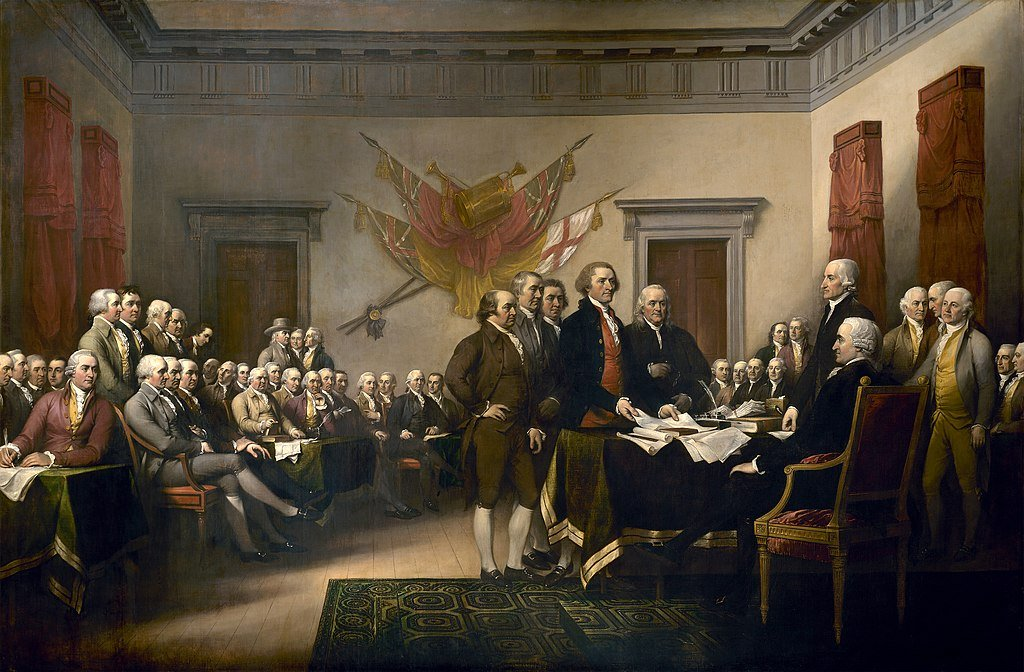
It’s evident from their writings as well as The Declaration of Independence that the founding fathers of our country had a deep faith as well as a good grasp on human nature. What did America’s founders believe about human nature? How might a deeper understanding of their perspective shape the way we think about our current and future challenges to democracy? 

The view of human nature:
that was shared by America’s founding fathers, the implications of its abandonment,
and the tension of fallen human beings entrusted with self-governance will be examined. This conversation of America’s history can help us see the present with fresh insight as we consider how Christians and the Church play a role in the public and political life of the country. 

Dr. Tracy McKenzie, Ph.D., is the Arthur Holmes Chair of Faith and Learning and professor of History at Wheaton College, and past Donald Logan Chair in U.S. History
at the University of Washington. 

Since coming to Wheaton, McKenzie has turned his attention to the ways in which Christians in the United States remember (or misremember) American history. A past president of the Conference on Faith and History, a national organization of Christian historians, he is the author of numerous works including The First Thanksgiving: What the Real Story Tells Us about Loving God and Learning from History, A Little Book for New Historians: How and Why to Study History, and his newest release, the award-winning We the Fallen People: The Founders and the Future of American Democracy.

Related Articles:
Remembering The Declaration of Independence
Faith of Our Fathers: Quotes from America’s Founding Fathers
Online Conversation | The Fall, the Founding, and the Future of American Democracy with Dr. Tracy McKenzie | The Trinity Forum (ttf.org)
 Other interviews with Dr. Tracy McKenzie, – Search (bing.com)

We are distracted in our everyday busy lives by going here and there. 
As long as we have dollars in our pocket, a beer in our hand and little left over for a vacation we are satisfied. Give a Chimpanzee a beer and they are content after all those are who we evolve from. We take little time to care for one another and to listen to each other and we are thoughtless most times in our responses. We see very little and want to hear less about the problems in this country and are only reactive, not proactive to what is going on around us. It’s We The People that has gotten away from our values, principles and morals which this country was built on. If we elect to live with a Third World Banana Republic Government ~ thus we will become one sooner than expected. 

The American Founders, in their pursuit of creating a lasting Constitution, drew wisdom from their deep understanding of human nature. Their insights, gleaned from a study of history, allowed them to craft a foundational document that has endured for over two centuries (Almost 248 years to be exact.) 

What is the average lifespan of a democracy – Search (bing.com)
Ancient constitutions, particularly Greece and Rome, served as their reference points.
However, the Founders recognized that these ancient regimes were founded on unrealistic notions of human behavior. These notions often swung between extremes: either expecting an unattainable level of civic virtue or assuming that despotism was the only way to prevent chaos and destruction among people1.
The defect in these ancient systems lay in their lack of proper institutions to preserve
both virtue and liberty. The Founders sought to address this by creating a constitution grounded in a more realistic understanding of human nature. They acknowledged both
the positive and negative aspects of human motives. James Madison aptly captured this balance: “As there is a degree of depravity in mankind which requires a certain degree of circumspection & distrust, so there are other qualities in human nature which justify a certain portion of esteem & confidence.

 The Republican government presupposes the existence of these qualities to a higher degree than any other form” 1.
By framing the Constitution upon this realistic understanding, the Founders anticipated various political developments. While the forms of tyranny might change over time, the underlying sources—human nature—remain constant. Thus, they crafted a system that balanced civic virtue with liberty, protecting life, liberty, and property from the innate capacity of humans to pursue self-interest2.
In essence, the Founding Fathers built this country upon a foundation that recognized both the potential for virtue and the need for safeguards against human frailties. Their legacy endures, reminding us that understanding human nature remains essential for maintaining a just and enduring society.

image.png
Photo illustration of three hamster wheels© Provided by MSNBC

In 1930, with the world plunged into a deep economic depression, economist John Maynard Keynes published a rosy forecast for the future. He predicted that in 100 years, his grandchildren would only need to work 15-hour weeks, and the greatest problem facing a member of society would be “how to use his freedom from pressing economic cares, how to occupy the leisure, which science and compound interest will have won for him, to live wisely and agreeably and well.”

Just shy of a century later, Keynes’ prediction couldn’t be further from reality. 
People today feel like they’re stuck on a hamster wheel. As corporate profits soar, wages have failed to keep pace. Millions of Americans juggle multiple jobs to make ends meet. Today, the average worker has to clock 70 hours a week to sustain the same quality of life that 40 hours of work afforded 50 years ago. And for many, cellphones and laptops have made it impossible to ever escape the grip of work, even at home.
With one income no longer enough to sustain an average family budget, parents’ days are lengthened by the extra time necessary to shuttle children to and from childcare.
Contrary to Keynes’ predictions, leisure time isn’t expanding; it’s disappearing. Less and less free time leaves Americans feeling more on edge, more anxious, and more alone than ever before. We are disconnected from each other mentally, physically and emotionally, and we witness the ripple effects in the erosion of civility, the growth of fringe politics, and the increase in violence, suicide and overdose rates. The nation’s emotional health is spiraling in part because there is less and less time for leisure and connection.

Research shows that taking time off from work actually improves productivity and reduces the risk of employee burnout; and public health experts have found that engaging in leisure has significant mental and physical health benefits. That’s not a shocking finding to any normal person. Anyone who works a lot and gets time off for a family event or a mini-vacation feels refreshed and in a better mindset when they get back to work.
As both parents and public servants, we have seen that the cost of this contraction of free time has been catastrophic for our families and communities. We both think of our grandfathers when trying to understand the spiritual impact of leisure time. Chris’ grandfather was an engineer who loved his job, but found the most meaning from the work he did in his free time, like helping to build a community pool or design a new senior housing complex in his town. Tim’s grandfather was a steelworker with a job that paid enough so that off the clock he could tend to his garden, go dancing with his bride and her family, volunteer at church, and attend his grandchildren’s sporting events. He even had enough time to volunteer to help build a new parish school — the one that Tim attended. He literally had time to build Tim’s future.

John Rizzi and Val Murphy had good jobs that made them proud. But much of their purpose and happiness came from the fact that their entire life wasn’t about their careers. It was about something bigger. It was about serving others, and the economy of their era gave them plenty of time to serve. The time that we have to ourselves, and our families is the time that helps restore the health of our souls. For most of us, no matter how much we love our work, these moments are our most joyful — when we find perspective and purpose. If America is facing a spiritual crisis today — a crisis of meaning, identity and belonging — then having more leisure time is the medicine we need.
To return to a time when work matters less and leisure matters more, we need to build a new economy where a full-time job provides a living wage. One 40-hour-a-week income should be able to support a family of four. This would assure the worker has adequate free time, and allow one parent in two-parent households, should he or she choose, to be out of the workforce and engaged in full-time family work. The easiest way to reach this goal would be to raise the federal minimum wage. If the federal minimum wage had simply kept up with inflation, today it would be $27 an hour, instead of the current $7.25. Perhaps a nearly $20 increase would be unrealistic, but we need an aggressive effort to help workers make up for all this lost ground.

Strong labor unions will play a big role, too. Unions spent nearly a century fighting for “eight hours for work, eight hours for rest, and eight hours for what you will.” Union organizing is responsible for the few protections we have now between business and personal hours, and stronger unions will be better equipped to fight for better hours, higher wages, reliable pensions and paid leave. That’s why roughly 60% of Americans
feel that the decline in union membership is bad for working people.
We can give unions the boost they need by ensuring federal dollars support union jobs, repealing so-called right-to-work laws that undermine workers, and passing the PRO Act. And we can build on a famous union victory — the Fair Labor Standards Act of 1938, which set up the 40-hour workweek.
We haven’t made meaningful adjustments to the workweek in the 85 years since, and a reckoning is long overdue. The pandemic and the rise of remote work upended many workers’ and employers’ concept of work, providing more flexibility for some, while further blurring the distinction between work and personal time for others.

We should look at policies from countries like Japan, Spain and Britain, which have explored the four-day workweek. Early data from Britain, which recently undertook the world’s largest trial of the four-day workweek, demonstrated significant increases in work-life balance and reductions in employee stress. Call us optimists, but a bipartisan effort to give workers more time with their families probably comes with very little political risk.
We also need a national strategy to reinvest in the physical infrastructure that connects communities. We need public investments and tax incentives to rebuild and reinvigorate old downtowns, expand neighborhood parks and athletic facilities, build bike and walking trails, and clean our waters to encourage outdoor activities like hiking, kayaking and canoeing. In other words, invest in the projects that get people out of their homes and offer opportunities for us to connect with each other in communal spaces — all while creating a good number of jobs.

Finally, we also need to acknowledge that there is a growing industry devoted to exploiting our leisure time. Social media platforms are obsessed with occupying every second of our free time and profiting off the data they collect on us. Recent advancements in AI have only accelerated this trend. In 2013, the average American spent about four hours per week on social media and 6 ½ hours per week with close friends.
By 2021, we were spending almost 16 hours per week on social media and just 2 hours and 45 minutes with our friends. Regulating social media and artificial intelligence to make these products less addictive can restore leisure time that enhances spiritual health, rather than companies’ bottom lines.
We both love our jobs. But we know that the good stuff — the happiness that comes from moments connected to family and friends, the fulfillment that comes with honing a craft or skill, the positive feedback loop that comes from helping others — happens off the clock. People are sick of feeling like their own time no longer belongs to them.
They want meaning and connection outside of work and the most basic freedom to enjoy life on their own terms. For too long, policy has failed to realize the metaphysical value of free time and play — even for adults. We need a new economic vision that prioritizes leisure and social connection. That’s the only path to recover the spiritual health of our nation.  Source: America is facing a spiritual crisis. More leisure time is the cure.

~ This article was originally published on MSNBC.com

The Founding Fathers built this country upon human nature – Search Videos (bing.com)

Wisdom of the Founders: Framing a Constitution on Human Nature – Constituting America

How the Federalists Viewed Human Nature And Its Impact on the Resulting Government System In the United States of America (Part 1) – Guest Essayist: Amy Zewe – Constituting America

How the Federalists Viewed Human Nature And Its Impact on the Resulting Government System In the United States of America (Part 2) – Guest Essayist: Amy Zewe – Constituting America
Posted in Uncategorized | Leave a comment

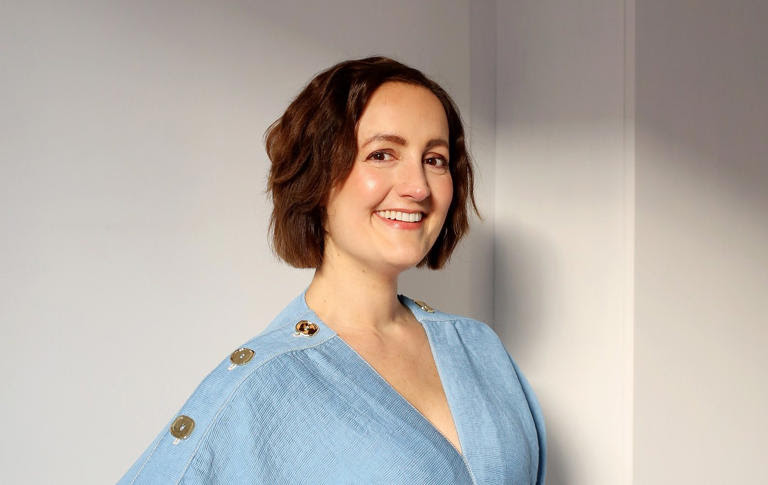
Rosamund Dean

After lengthy and harrowing treatment Rosamund is in recovery and determined to live her life differently © Clara Molden

I am a cancer survivor – here’s what I wish I’d known.
Story by Rosamund Dean

It’s not revelatory to say that cancer treatment is hard, but you don’t realize quite how brutal it is until you go through it. My breast cancer treatment involved 16 cycles of chemotherapy, followed by a 10-hour operation and a week in hospital for mastectomy with reconstruction and lymph node clearance. Then 15 rounds of radiotherapy and, finally, six months of adjuvant chemo. It was the worst 18 months of my life.

Happily, I’m now cancer-free, and prepared to do anything to avoid being back in that chemo chair. So I’ve interviewed doctors, scientists, dieticians and immunologists for a new book to identify the anti-cancer steps that work.
I’m not here to make false promises. We all know heavy-drinking chain-smokers who live for a long time, and sadly many of us have known healthy young people with cancer.
Sometimes there is no rhyme or reason to it. Yet, data from the World Cancer Research Fund (WCRF) found that, of the 387,000 people diagnosed with cancer in the UK between 2019 and 2020, 40 per cent could have been avoided with lifestyle changes.
People avoid talking about this out of fear of “blaming” cancer patients. I get it. When I was diagnosed, I became obsessed with behaviours of which I’d been “guilty”. I drank too much in my 20s; I had a sedentary job and didn’t exercise; I ate ultra-processed foods and too much sugar; I got too stressed… It took months to drag myself out of this cycle of blame.

Think of this not as a stick with which to beat yourself, but as an opportunity to seize the reins. Consistent small actions are way more powerful than sweeping lifestyle changes that can be overwhelming and end up abandoned. But you can reduce your risk of the disease by choosing to be an active participant in your own wellbeing, rather than a passive victim.

Here’s where to start:
Take regular exercise – it doesn’t have to be for long
Strengthening your body is the most powerful anti-cancer thing you can do. A series of large-scale studies in the past few years have clearly shown a causal effect between a sedentary lifestyle and breast cancer, with regular movement reducing your risk by an astounding 40-60 per cent. That’s worth repeating: trials of hundreds of thousands of patients have shown that exercise halves the risk of recurrence. If these benefits were the result of a new drug, it would make headlines as an enormous breakthrough in cancer treatment. 

Exercise is the most powerful anti-cancer thing you can do. ‘Just do something you enjoy,’ says Rosamund
Why staying active shrinks tumors – Search (bing.com)

How physical exercise is key to the treatment of breast cancer (msn.com)
Exercise is the most powerful anti-cancer thing you can do. ‘Just do something you enjoy,’ says Rosamund. So what exactly should we be doing?

Sarah Newman is founder of Get Me Back, an online community for women getting fit after cancer. She says the World Health Organization’s (WHO) recommendations are 150 minutes of moderate aerobic activity each week, so around five 30-minute sessions. “It could be gardening, cleaning, brisk walking, chasing after the kids or going for a jog,” she says. “Then try making half of that time more vigorous cardio, where you’re out of breath, such as running at a faster pace or playing sport.” 
 On top of this, the WHO suggests two strength or resistance sessions a week. Sarah has an introduction to strength training on her YouTube channel @getmebackuk, as well as resistance band workouts (a cheap and easy alternative to  weights) for beginners.
If this sounds overwhelming, there will be something out there that you enjoy doing, whether that’s cycling, walking, dancing – even housework and DIY count. It’s easy to get caught up in whether or not you’re doing the right kind of exercise, but the truth is the best kind of exercise is the one that you will actually do. So stop overthinking it and just get moving.

Cancer survivor nature walks. 
“These events are important because it allows cancer survivors and their family members to be out in the community, out with one another, out in nature, and it provides a place for exercise and for good conversations about things that they are going through,”

Eat right
There is much misinformation out there, so let’s look at what we know for sure.
The WCRF and the American Institute for Cancer Research created guidelines produced by scientists reviewing thousands of scientific papers, now endorsed by the WHO with the caveat that people should treat them as a package, rather than picking one or two. 

They are: keep your weight within the healthy range, and avoid weight gain; be physically active every day; walk more and sit less. Then: eat whole grains, vegetables, fruit and beans as part of your usual diet; limit fast foods and other processed foods high in saturated fat or sugar, as well as cutting down on red meat and eating little, if any, processed meat. Finally: drink water and limit your intake of both sugar-sweetened drinks and alcohol. Note: the WHO recommends meeting your nutritional needs through diet, rather than supplements. 

Rosamund now eats a diet packed with anti-inflammatory foods, below - Rii Schroer
Rosamund now eats a diet packed with anti-inflammatory foods, below – Rii Schroer

These are all sensible points, although I’d argue that a “healthy range” of weight is vague. If someone tells you that smoking or drinking increases your risk, then it’s pretty clear what you need to do. Citing “obesity” as a risk factor is complicated. Many things contribute to the size and shape of a person’s body, including genetics, hormones and environment, so telling someone that they ought to lose weight is too simplistic.

The strongest evidence is around ultra-processed foods, particularly processed meat.
And the way that food is cooked also has an effect: fried or roasted foods are not as good for you. People demonise sugar, but the real issue is the metabolic effects of dramatic blood sugar spikes. This happens LESS with naturally occurring sugars in fruit and veg because the sugar is tempered by the plant fibre.

So added refined sugars are the thing to avoid.
The simplest thing is to focus on “eating the rainbow”, which simply means a variety of different-coloured plant foods. They’re full of phytonutrients: compounds that affect your cellular structure and help prevent disease. Add tomatoes, carrots, beetroot, blueberries and any green veg to your shopping order, and that’s a rainbow.
When it comes to supplements, I agree with the WCRF that it’s better to get nutrients from food, but there are some instances when we need a little extra help. For example, omega-3 if you don’t eat fish, or a B vitamin complex if you’re vegan. And everyone should be taking vitamin D in the winter, particularly if you have darker skin.

While supplements have their place, remember that food is about so much more than nutrients. It’s about love, enjoyment and connection; you can’t get that in a pill.

Cut down on alcohol
Here, the correlation is unequivocal. According to Cancer Research UK, alcohol causes seven different types of cancer, with the evidence linking it to breast cancer particularly robust. “Alcohol is a carcinogen,” says Dr Liz O’Riordan, a breast surgeon who has had breast cancer herself. “We know it can cause cancer by itself, but also alcohol has no nutritional value – it’s only metabolised to fat. And the more fat you have, the more oestrogen you make after the menopause, which increases your risk of breast cancer.” 

After lengthy and harrowing treatment Rosamund is in recovery and determined to live her life differently
After lengthy and harrowing treatment

Rosamund is in recovery and determined to live her life differently. 
The WHO guidance says: “There is no safe level of alcohol consumption. The risk of breast cancer increases with each unit of alcohol consumed per day.” So no matter your starting point, the more you cut down, the more you can reduce your risk.  

Nurture your immune system
“We’re realising that the immune system is highly important, particularly for triple negative tumours,” says Dr Nina Fuller-Shavel, a scientist and integrative medicine doctor. “That’s why we’re now treating people up front with immunotherapy. Optimising the immune system is important for reducing the risk of recurrence.” This is because we all have cancer cells floating around in our bodies and, generally, our immune system picks them off like a sniper. Impaired immunity means those cells are more likely to form a tumour. 

Here are several ways to support your immune system. 
For starters, look after your gut. Eat more slowly and include probiotics (like live yoghurt) and prebiotics (like fibre-packed whole plant foods). 
Keeping your blood sugar balanced, by minimising refined sugars and staying active, is also key – fasting for 13 hours overnight with an earlier dinner and no evening snacking gives your system time to repair, and calm inflammation. As does avoiding ultra-processed foods and refined sugars. Move your body and eat anti-inflammatory foods such as garlic, berries, broccoli and leafy green veg.
Eat seasonally: the less the food has to travel, the fresher it will be, and more nutritious.
It’s also vital to manage stress: repeated activation of your body’s stress response impacts everything from your immunity to your hormones.  
Prioritise sleep. The WHO now lists night-shift work as a probable carcinogen.
If you have trouble sleeping, limit caffeine and stick to a regular routine.

‘Reconstruction: How to Rebuild Your Body, Mind and Life After a Breast Cancer Diagnosis’, by Rosamund Dean, is out now (£16.99, HarperCollins)
Rosamund Dean – Journalist + Author
Rosamund Dean – Search (bing.com)
Rosamund Dean (@rosamunddean) • Instagram photos and videos
Think capitalism is terrible? This economist says it’s already dead. (msn.com)

EXPLORE FURTHER

Chemotherapy saved my life, but was there a better treatment?

thetimes.co.uk

Rosamund and Jonathan Dean on life after a breast cancer …

thetimes.co.uk

‘I was already mourning my breast – I didn’t know cancer …

inews.co.uk

About – Well Well Well with Rosamund Dean (substack.com)
https://www.instagram.com/rosamunddean/
https://www.facebook.com/rosamunddean
Rosamund Dean on Twitter twitter.com
Posted in Uncategorized | Leave a comment

Why They Live Longest in Hawaii

The US State That Has The Highest Life Expectancy (healthdigest.com).

If you really want to know what is going on in this country talk to a Cop, Cashier, Taxi Driver and a Barber. And one of my favorites used to be my barber George Romer and before he passed over to the otherside. What George told me years ago, “if you want to learn about the issue of cancer and what causes it, look at the density of population, air pollution and contaminants in our food supply.” Unfortunately, George did eventually
passed from throat cancer and smoking too many damn cigarettes.

This article presents a list of United States and territories sorted by their life expectancy at birth, sex, race, and in the past. The data in the 2018 column is taken from work funded by the Robert Wood Johnson Foundation for the 50 states and the District of Columbia;[3] from the World Bank for Guam, Puerto Rico and the U.S. Virgin Islands; and from the CIA World Factbook for American Samoa and the Northern Mariana Islands.[4] Data in the 2010 columns comes from Health Data.[5]
Overall, life expectancy at birth in Hawaii, Washington, California, and New York (state) are among the longest in the nation, while life expectancy at birth in Mississippi,  American Samoa, and West Virginia are among the shortest in the nation.
The life expectancy in some states has fallen in recent years; for example, Maine’s life expectancy in 2010 was 79.1 years, and in 2018 it was 78.7 years. The Washington Post noted in November 2018 that overall life expectancy in the United States was declining although in 2018 life expectancy had a slight increase of 0.1 and bringing
it to having not changed since 2010.[6]   List of U.S. states and territories by life expectancy – Wikipedia
Life Expectancy by State 2024 (worldpopulationreview.com)

image.png
The US State That Has the Highest Life Expectancy
BY BETH BRADFORD/JAN. 14, 2024, 7:30 PM EST

Story at a glance
Why They Live Longest in Hawaii – Search Videos (bing.com)
Hawaii has the longest life expectancy at birth out of all 50 states, according to the U.S. Centers for Disease Control and Prevention. On average, a person born in Hawaii can now expect to live until 80.7 years of age. The factors that go into lifespan are complicated, but a few things that can positively affect life expectancy are diet, exercise and access to medical care.

Hawaii’s rich natural beauty and year-round warm weather are not the only perks of the Aloha State. Research shows Hawaii residents, on average, live the longest out of anyone else in the United States.  
In 2021, the average lifespan in the U.S. followed a now years long
trend by dropping to 76.1 years, the shortest it has been since 1996.  
That decline stems mostly from COVID-19 and overdose deaths,
according to the U.S. Centers for Disease Control and Prevention.  
But while every state’s life expectancy has decreased since 2019, 
Hawaii is the only state to have not fallen below the 80-year mark.  
The Hill spoke to experts to try to understand why life expectancy in Hawaii is longer
than the national average. Experts agreed on a few things but wanted to stress that not everyone on the archipelago is living a longer life. Disparities concerning life expectancy exist along race, education, income and gender lines. Here are few factors that contribute to the archipelago long-life expectancy.

Low rates of heart disease and cancer  
Apart from COVID-19 and accidents, the leading causes of death in the United States are cardiovascular disease, cancer and stroke.  
In 2020, almost 697,000 people in the U.S. died from cardiovascular disease, and another 602,305 passed away from some type of cancer, according to data from the Centers for Disease Control and Prevention. 
And while Hawaii residents have their face share of strokes, inhabitants of the archipelago have the second-lowest cardiovascular disease death rate and cancer death rate in the country, according to CDC data. 
Those low rates of cancer deaths and heart disease are, in part, linked to Hawaii’s low smoking rate and relatively low rate of obesity, according to Deborah Carr, a professor of sociology at Boston University.  
Lack of exercise and poor diet are the two main contributors to obesity, and Hawaii residents have a few advantages in those two areas, explained Carr.  
“The fact that they have really temperate weather there helps people to exercise and to walk outdoors,” said Carr. “So, they have that strength going for them.”  
CDC data also show that out of all 50 states, Hawaii has the second lowest obesity rate, with 25 percent of residents 18 years of age and older considered obese.  
While that number has gone up in recent years, it is still far lower than the national average. Meanwhile, about 42 percent of U.S. adults 20 years old and older are considered obese, according to the most recent National Health Statistics report.  

Better access to healthcare 
Along with healthy lifestyle choices, Hawaii residents might have the longest life expectancy out of anyone in the U.S. due to health care on the archipelago, according to Yeonjung Jane Lee, an associate professor of sociology at the Thompson School of Social Work & Public Health at the University of Hawai’i at Manoa.  
Hawaii ranked the highest out of all 50 states and Washington, D.C., in state health care system performance in 2022, according to a study from the Commonwealth Fund.  
The Aloha State was also deemed the best state for health care in the nation in a U.S. News and World Report analysis published last year. Hawaii earned the top spot in the analysis in part because of the low number of preventable hospital admissions and low uninsured rate.  
Hawaii had 2,109 preventable hospital admissions per 100,000 Medicaid and Medicare patients in 2021, a far fall from the national average of 4,378, according to the U.S. News and World Report analysis.  
The analysis also found that a very small percentage of Hawaii residents are uninsured. Only 5.9 percent of the state’s population between the ages of 19 and 64 doesn’t have health insurance — 7 percentage points lower than the national average.  
This is in part due to the Hawaii Prepaid Healthcare Act, a 1970s-enacted law that requires private employers to provide health insurance to employees who work at least 20 hours a week for at least four weeks a year. 
 
image.png
Sunshine and clean(er) air  

Hawaii is famous for its sunny and temperate climate. And that climate essentially remains unchanged throughout the year. The longest and shortest days of the year only have a two- and half-hour difference in length, at 13.5 and 11 hours respectively, according to the National Weather Service.  
The resulting minimal seasonal variations in climate mean Hawaii gets a constant and plentiful supply of sunshine all year round. That sunshine means that many Hawaii residents get a significant amount of vitamin D, which is essential to maintain good health.  
Adequate vitamin D is needed to keep bones healthy, but some studies show that proper vitamin D intake can protect humans against other diseases like breast cancer and hypertension. 
 
RELATED CONTENT

These US cities have the worst life expectancy, report finds

Here are the states with the longest life expectancy

US life expectancy fell again in 2021, driven by COVID and drug overdoses

COVID, drug overdoses drive life expectancy drop
Lee added that Hawaii’s air quality might also play a role in the state’s extended lifespan. At least two cities in Hawaii, Honolulu and the Kahului-Wailuku-Lahaina area, made it to the top five cleanest cities for year-round particle pollution in a 2022 American Lung Association “State of the Air” report.  
Studies indeed show that air quality does have an effect on life expectancy. Air pollution takes about 2.2 years off a person’s life expectancy, according to a report from the Energy Policy Institute at the University of Chicago. 

While many nutritional supplements or alternative therapies might promise a longer life, longevity depends on many factors. A 2023 article in The Lancet says you can look to your family to estimate how long you live, and certain genes combined with your environment factor into your likelihood of developing certain health conditions. Lifestyle also plays a role in how long you live, such as whether or not you consume alcohol, drugs, or tobacco. A healthy diet that limits unhealthy fats, refined sugar, and artificial ingredients can influence your health. Physical, intellectual, and social activity are also included in your longevity.

Your life expectancy can also depend on where you live, according to a 2022 report from the National Center for Vital Statistics. Based on the mortality statistics for 2020, people who live in Hawaii have a life expectancy of 80.7, compared to the national average of 77. Women in Hawaii are expected to live longer (to age 83.8) compared to men in Hawaii (whose life expectancy is 77.6). Residents of Hawaii who have already reached age 65 can expect to live another 21 years.

Why residents of Hawaii might live longer
A 2023 analysis conducted by Ozmosi found that Hawaii has some of the healthiest residents. The study took data from the Centers for Disease Control and Prevention that considered factors such as air quality, prevalence of obesity, chronic disease, and physical activity. Hawaii’s air quality, a lower percentage of inactive people, and a lower obesity rate contributed to its top rating. Hawaii has a mental health program called “Hawaii Cares,” which could point to its lower levels of depression compared to other states. Just 5.35% of people who live in Hawaii have cancer, and less than 5% have coronary heart disease.

Sociologists tell The Hill that Hawaii’s warm climate makes it easier to get outside and exercise. It also has a smaller variation in hours of daylight between the winter and summer solstices, which means more sunshine and healthy vitamin D. Hawaii also has a low percentage of residents who are uninsured because it mandates health insurance for employees who work 20 hours or more a week.

A big difference in life expectancy between states
Life expectancy provides a good snapshot of a state’s quality of life, such as its health habits, health risks, positive community development, and economic resources (per the University of Texas at Austin). You can compare Hawaii’s life expectancy to countries such as Sweden, Iceland, and Canada. The United States has a large discrepancy among states in terms of life expectancy, with an 8.8-year difference between Hawaii and the lowest life expectancy in Mississippi. States in the Deep South have lower life expectancies than those in the Northeast and West Coast. This is partially due to the shift in policies from the federal government to the state government.

A 2020 article in Milbank Quarterly said that states with more liberal policies tend to have longer life expectancies. These policies include how the state approaches tobacco use, civil rights, the environment, gun control, and women’s reproductive health.

Access to healthcare for underserved populations is often cited as the chief reason for poor health outcomes. However, a 2019 article in the Annals of Family Medicine said that access to healthcare can only explain about 10% of premature deaths or unhealthy outcomes. Instead, life expectancy might depend on other factors, such as health behaviors and social circumstances. Unhealthy behaviors include smoking, an unhealthy diet, and a lack of exercise.

Read More: https://www.healthdigest.com/1490478/united-states-state-highest-life-expectancy-hawaii-death/

Social Security: 7 Countries with Better Retirement Programs Than the US (msn.com)

The US State That Has The Highest Life Expectancy (msn.com)

Chronic diseases take a toll on U.S. life expectancy (msn.com)

We already know that lifestyle choices can help influence how long you live.
But where you live may also factor into your longevity.
Consider this: in 2019, the U.S. landed at No. 40 for life expectancy when compared to other countries, according to the World Health Organization. With America’s advanced healthcare system in mind, an average life expectancy of 78.5 years, prior to Covid-19, was pretty low.
But there are some states where residents have a better chance at living longer lives, and it may be due, in large part, to their healthy lifestyles.
Life Extension, a company that aims to “extend the healthy human lifespan,” compiled federal data to determine the best states for longevity based on life expectancy at birth and eight lifestyle factors:

Exercise
Healthy diet
Healthy weight
Sleep quality
Stress levels
Social isolation
Proximity to parks

Amount that people spend on outdoor recreation:
States ranked high not only because of long life expectancies, but also if their residents live a healthy lifestyle.
The No. 1 state for a long, healthy life: Hawaii
It’s not surprising that Hawaii landed the number one spot as the best state for longevity. The Aloha State’s life expectancy at birth is 80.7 years, which exceeds all other states and is three years longer than the national average.
But it wasn’t life expectancy alone that helped the state rise to the top. Two-thirds of their residents report that they eat fruits and vegetables every day, according to data from the Centers for Disease Control and Prevention.
And 82.6% of them also say they have a park or school within a half-mile of their homes, the CDC’s data shows.

Top 10 best states in the U.S. for a long, healthy life
Hawaii
Minnesota and Vermont (tie)
Washington
New Hampshire
Utah
Colorado
Massachusetts
California
Oregon

Washington has the second-highest life expectancy, but it was displaced by Minnesota and Vermont for the No. 2 spot on this list due to lifestyle factors.
More than 80% of Vermonters say they’ve exercised within the past month. While, around 70% of people who reside in Minnesota claim they get sufficient sleep.
Still, Washington didn’t lag far behind, snagging the fourth spot, largely because of its high life expectancy and its residents’ low levels of stress. Less than 30% of those living in the Evergreen State report symptoms of anxiety.

Take this survey and tell us how you want to take your money and career to the next level.
Massachusetts is the best place to raise a family in the U.S.—see which other states made the top 10 list.
Shorter people may live longer than most—and the reasons why may surprise you, 
Ten best and worst states in the U.S. for a long and healthy life (msn.com)

XXXXXXXXXXXXXXXXXXXXXXXXXXx

The 5 Longevity Exercises a Physical Therapist Recommends To Stay Strong and Pain-Free As You Age—No Equipment Required (msn.com)
Biden stumbles over reporter’s ‘hacktastic question’ on using the word ‘illegal’ to describe ‘immigrants’ (msn.com)
Older Americans will spend 12 years living with disability or disease — why are we so unhealthy? (msn.com)
Would you rather be useful or youthful? Here’s what 83% of older adults said in a survey. (msn.com)
Want to live longer? Follow 8 heart-healthy habits, says the American Heart Association (msn.com)

Retirement Planning: Here’s How Much You’ll Need To Save If You Live to 100 (msn.com)
Kacey Musgraves – Austin City Limits Music Festival 2022 HD [Full Set] – YouTube
Eight important rules will help you live six years longer: New research (msn.com)
Here’s How Long You Can Expect To Live In Your State (RANKED) (msn.com)
Scientists have discovered the maximum age a human can live to (msn.com)
35 Places In The U.S. Where You Can Live On $1,500 A Month (msn.com)

Explaining spiritual experiences through a scientific lens (msn.com)
The 10 States Where People Live The Longest, Ranked (msn.com)
Places in America Where People Live the Longest (msn.com)
Loma Linda California :Life Expectancy – Search (bing.com)
Loma Linda California :life Expectancy – Search (bing.com)
A Yale doctor’s wrestle with evolution and faith (msn.com)
Why Are Americans Moving South? | Watch (msn.com)
US states where people live the longest (msn.com)
2002 www.inceptly.com (youtube.com)

Analysis reveals the US states with the best AND worst heart health based on 16 metrics… can you guess which state scored ZERO out of 100? (msn.com)
 I moved to Finland after reading it was the happiest place on earth. Here are 6 things that surprised me living and working here. (msn.com)
These Are the States Americans Are Choosing to Leave and the Places They’re Moving to Instead (msn.com)
What is the cheapest state to live in? What to know about the cost of living | Watch
Golden Years on a Budget: The Top 20 U.S. Cities For Affordable Retirement (msn.com)
The simple things longevity experts do every day to live a longer healthier life (msn.com)
Think capitalism is terrible? This economist says it’s already dead. (msn.com)
This Low-Impact Workout Can Help Seniors Regain Their Strength (msn.com)
What To Do About America’s Shrinking Life Expectancy? | Opinion (msn.com)
Posted in Uncategorized | Leave a comment

Human Interest Story

Why Has American Life-Expectancy Plummeted to a 30-Year Low? (msn.com)

In Florida the further north you go the more south it gets. 
US life expectancy – America is now facing the greatest divide in life expectancy across regions in the last 40 years. Holy shit, the scale has a range of 20 years..  Also, North Florida is much more rural, with more limited access to health systems. That one blue colored county in the Panhandle is Leon County and the only reason it’s blue is because
it contains the capital of Tallahassee and its multitude of clinics and hospitals.  I wonder how this correlates with access to affordable Healthcare.  The map correlates almost perfectly with a per capita income map. 

There’s an even better correlation with obesity rates.

Maps show the typical cause of death in each region of America | Daily ...
Look at these Images. County Obesity Rates and life expectancy – Search Images

It tracks down the county in many areas. 
It is. There’s a correlation between wealth/poverty and life expectancy.
Column: America’s decline in life expectancy speaks volumes about our problems (msn.com)

Of course, obesity is also correlated with income level and access to healthcare.
Also North Florida is much more rural, with more limited access to health systems. That one blue colored county in the Panhandle is Leon County and the only reason it’s blue is because it contains the capital of Tallahassee and its multitude of clinics and hospitals.

Why is it that Mississippi, which has a life expectancy of 74.4,
is portrayed as having a much lower life expectancy on this map?

Infant mortality for black babies is astonishingly high in the south.

The Mississippi River is known as cancer alley. All herbicides and pesticides near it end up draining into that river. These chemicals destroy the gut lining and prohibit the transfer of nutrients from plants to humans both leading to higher cancer rates. Look up Dr. Zach Bush for more information.  – Search Videos (bing.com)
Then you get all the fun oil and gas chemicals from LA and TX. Ook, you smoking bro?
Another explanation, there are a lot of obese and poor African Americans that live there..
I respect your objection about poverty. I just ask you to listen to the rich roll podcast with Dr. Zach Bush. I think this could be correlation rather than causation.

As well Wisconsin is totally blue.

While Louisiana very red as well?

The lighter shades of red are where most of the people live.
The very red rural counties along the river have relatively few people. I wish there was an elegant way of simultaneously portraying population density on a map like this, but I can’t think of a good way to do that. A cartogram would achieve this, although it also makes the image more confusing since we’re expecting it to look like a typical map and get distracted when it doesn’t conform to that expectation… Maybe a dot density plot? Basically, within each county, have a number of (very) small dots in rough proportion to population of the county.

Also, the most striking to me is the disparity between red Detroit (Wayne County, MI)
and blue Ann Arbor (Washtenaw County, MI) just west of it. 

What is Southern Minnesota doing?
Anytime somebody starts to look dead, they just rush ’em to the nearby Mayo Clinic, and presto! Alive again! The Mayo Clinic is one of the best hospital systems in the world and runs basically all healthcare in Southern Minnesota and Western Wisconsin.
That region is generally one of the healthiest states in the country. I live 70 miles or 
112.65 km from that red square in Wisconsin. We should really reevaluate how we are compensating native Americans. They need services and healthcare, not just land. ~Anonymous

Southern Minnesota is the least Scandinavian part of the state.
Don’t get me wrong, it’s more Scandinavian than the average place in the US but not for Minnesota standards. I swear to god those people are immune to everything. My guess is that we just have a culture of healthier eating and exercise. At my work not a single person is obese . We value outdoor activities and staying healthy. Also having mayo probably helps, but my perception is that you only go there for oddball things or specialty treatments. I haven’t had any close family ever go there. 

The twin cities seem to have good hospitals.
The difference in life expectancy between the healthiest and least healthy counties on this map is greater than the difference between US and Mali.  https://ourworldindata.org/life-expectancy
Also, I wish this map used a more varied gradient because the bottom and top percentiles all look the same colour to me. Many of the red spots in the west correlate with native american reservations. Yeah reservations are extremely poor. The county with the lowest life expectancy in the US, Oglala Lakota County, is a reservation. 
Many of the areas in the west correlate with Native American reservations. I go to the pine ridge reservation in South Dakota every year and talk to a lot of the natives there. Part of the reason their life expectancy is so low is because of the high rates of suicide, improper diets, and drugs. Its really heartbreaking actually.

Looking at: https://en.wikipedia.org/wiki/List_of_countries_by_life_expectancy
The countries most close to the bottom end of the US spectrum are:
Eritrea – 66.3
Gabon – 66.5
Ethiopia – 66..6
Kenya – 66.8
Madagascar – 67.0
Djibouti – 67.2
Myanmar – 67.2
Pakistan – 67.4

Where you live in America can have a major effect on how young you die.
Story by By Colin Woodard

 So, if you say coke, that takes 20 years off your life. Pop is a solid 10.

Soda for the win Direct Correlation 

On paper, Lexington County, S.C., and Placer County, Calif., have a lot in common.
They’re both big, wealthy, suburban counties with white supermajorities that border on their respective state’s capital cities. They both were at the vanguard of their states’ 20th century Republican advances — Lexington in the 1960s when it pivoted from the racist Dixiecrats; Placer with the Reagan Revolution in 1980 — and twice voted for Donald Trump by wide margins. But when it comes to how long their residents can count on living, the parallels fall apart. Placer has a Scandinavia-like life expectancy of 82.3 years. In Lexington, the figure is 77.7, a little worse than China’s.

Or take Maine’s far-flung Washington County,
the poorest in New England where the per capita income is $27,437.
The county is a hardscrabble swath of blueberry fields, forestland and fishing ports that was ravaged by the opioid epidemic and is almost completely white. It has one of the worst life expectancies in the entire Northeast: 75.5 years. But that’s more than six years better than the equally remote, forested, impoverished, white and drug-battered Perry County of eastern Kentucky.

The truth of life expectancy in America is that places with comparable profiles —
similar advantages and similar problems — have widely different average life outcomes depending on what part of the country they belong to.
Step back and look at a map of life expectancy across the country and the geographic patterns are as dramatic as they are obvious. If you live pretty much anywhere in the contiguous U.S., you can expect to live more than 78 years, unless you’re in the Deep South or the sprawling region I call Greater Appalachia, a region that stretches from southwestern Pennsylvania to the Ozarks and the Hill Country of Texas.

Those two regions — which include all or parts of 16 deep red states and a majority of the House Republican caucus — have a life expectancy of 77, more than four and a half years lower than on the blue-leaning Pacific coastal plain. 
In the smaller, redder regional culture of New France (in southern Louisiana) the gap is just short of six years. So large are the regional gaps that the poorest set of counties in predominantly blue Yankee Northeast actually have higher life expectancies than the wealthiest ones in the Deep South. At a population level, a difference of five years is like the gap separating the U.S. from decidedly non wealthy Mongolia, Belarus or Libya, and six years gets you to impoverished El Salvador and Egypt.

It’s as if we are living in different countries.
Because in a very real historical and political sense, we are.
The geography of U.S. life expectancy — and the policy environments that determine it — is the result of differences that are regional, cultural and political, with roots going back centuries to the people who arrived on the continent with totally different ideas about equality, the proper role of government, and the correct balance point between individual liberty and the common good.
Once you understand how the country was colonized — and by whom — a number of insights into Americans’ overall health and longevity are revealed, along with some paths to improve the situation.
As was discussed in a widely read article on gun violence earlier this year, when it comes to defining U.S. regions you need to forget the Census Bureau’s divisions, which arbitrarily divide the country into a Northeast, Midwest, South and West, using often meaningless state boundaries and a depressing ignorance of history.
The reason the U.S. has strong regional differences is precisely because our swath of the North American continent was settled in the 17th and 18th centuries by rival colonial projects that had very little in common, often despised one another and spread without regard for today’s state (or even international) boundaries.

Those colonial projects — Puritan-controlled New England; the Dutch-settled area
around what is now New York City; the Quaker-founded Delaware Valley; the Scots Irish-dominated upland backcountry of the Appalachians; the West Indies-style slave society in the Deep South; the Spanish project in the southwest and so on — had different religious, economic and ideological characteristics.
They settled much of the eastern half and southwestern third of what is now the U.S. in mutually exclusive settlement bands before significant third party in-migration picked up steam in the 1840s. In the process — as I unpacked in my 2011 book American Nations:
A History of the Eleven Rival Regional Cultures of North America — they laid down the institutions, cultural norms and ideas about freedom, social responsibility and the provision of public goods that later arrivals would encounter and, by and large,
assimilate into.
Some states lie entirely or almost entirely within one of these regional cultures (Mississippi, Vermont, Minnesota and Montana, for instance). Other states are split between the regions, propelling constant and profound internal disagreements on politics and policy alike in places like Pennsylvania, Ohio, Illinois, California and Oregon.

US life expectancy – America is now facing the greatest divide in life expectancy across regions in the last 40 years : r/ (reddit.com)

These women, pictured in 2016, live in Manhattan, N.Y., in the New Netherland region where life expectancy is 80.9 years, far higher than in other regions like Greater Appalachia and the Deep South.
Record-Breaking Human Lifespans Predicted by The Year 2060. Here’s Why. (msn.com)

These women, pictured in 2016, live in Manhattan, N.Y., in the New Netherland region where life expectancy is 80.9 years, far higher than in other regions like Appalachia and the Deep South. Hidden America: Children of the Mountains – Intro to the Full Special (youtube.com)

At Nationhood Lab, a project I founded at Salve Regina University’s Pell Center for International Relations and Public Policy, we use this regional framework to analyze
all manner of phenomena in American society and how one might go about responding
to them.
We’ve looked at everything from gun violence and attitudes toward threats to democracy to Covid-19 vaccination rates, rural vs. urban political behavior and the geography of the 2022 midterm elections. This summer we’ve been drilling down on health, including a detailed examination of the geography of life expectancy published earlier this week.
Working with our data partners Motivf, we parsed the rich trove of county-level life expectancy estimates calculated from the Centers for Disease Control data for the years 2017-2020 by the University of Wisconsin Population Health Institute’s County Health Ranking and Roadmaps project.

We wanted to answer the bottom-line question:
Is your region helping extend your life or shorten it?


The results show enormous gaps between the regions that don’t go away when you parse by race, income, education, urbanization or access to quality medical care. They amount to a rebuke to generations of elected officials in the Deep South, Greater Appalachia and New France — most of whom have been Republican in recent decades — who have resisted investing tax dollars in public goods and health programs.
“We don’t have these differences in health outcomes because of individual behaviors, it’s related to the policy environments people are living in,” says Jeanne Ayers, who was Wisconsin’s top public health official during the Covid pandemic and is now executive director of Healthy Democracy Healthy People, a collaboration of 11 national public health agencies probing the links between political participation and health. “Your health is only 10 percent influenced by the medical environment and maybe 20 or 30 percent in behavioral choices. The social and political determinants of health are overwhelmingly what you’re seeing in these maps.”

A barn stands past a road sign outside Sandwich, Ill. There are fewer counties where most people can afford and access top-notch clinical care in the southern regions than the northern and Pacific coast ones.
The States With the Shortest Life Expectancy (msn.com)

A barn stands past a road sign outside Sandwich, Ill. There are fewer counties where most people can afford and access top-notch clinical care in the southern regions than the northern and Pacific coast ones. © Daniel Acker/Bloomberg via Getty Images

I shared these maps with cardiologist Donald Lloyd-Jones, a past president of the American Heart Association who chairs the preventive medicine department at Northwestern University in Chicago, who said they didn’t surprise him at all.
“There’s a reason why the Southeastern portion of this country is called the Stroke Belt: It’s because the rates of stroke per capita are substantially higher there and mirrored by rates of cardiovascular disease, diabetes, obesity and other risk factors.”

“The places on your map where you see orange and red have structural and systemic
issues that limit people’s ability to have socioeconomic opportunity, access health care, or achieve maximum levels of education,” Lloyd-Jones added. “All of these policies affect your health and these disparities in longevity absolutely reflect social and structural and historical policies in those regions.”

SOURCE: Southerners Die Younger Than Other Americans. It’s Not Why You Think. – Search (bing.com)

At Nationhood Lab we wondered if all of this might just be a reflection of wealth. Some American regions have always had higher standards of living than others because their cultures prioritize the common good over individual liberty, social equality over economic freedom and quality services more than low taxes.
The Deep South was founded by English slave lords from Barbados who didn’t care about shared prosperity; The Puritan founders of Yankeedom — who thought God had chosen them to create a more perfect society — very much did, and it made the average person materially a lot better off, both then and now. Maybe the differences between the regions would go away if you compared just rich counties to one another or just the poor ones?

Nope.
We used the prevalence of child poverty as our metric and compared the life expectancy
of the least impoverished quartile of U.S. counties — the “richest” ones, in other words — across the regions. As you see in the graphic below, the gaps persisted: 4.6 years between the rich counties in the Left Coast and Deep South, for instance. And they got wider from there when we compared the counties with the highest percentage of children living in poverty: a staggering 6.7 years between those same two regions.
Further, the life expectancy gaps between rich and poor counties within each of these regions varied: It was more than twice as wide in Greater Appalachia (3.4 years) and the Deep South (4.3 years) as in Yankeedom (1.7 years.) We saw similar patterns when we repeated the exercise using education levels. When it comes to life and death, some regions are less equal than others.

The same went for relative access to quality clinical care. CHRR assigns every U.S. county a ranking for this based on a combination of 10 factors, including the number of doctors, dentists, mental health professionals, mammography screens, flu vaccinations and uninsured people per capita, as well as how often Medicare enrollees wind up admitted to hospitals with conditions that should be able to be treated on an outpatient basis, an indication the latter services weren’t available. We compared those counties in the top quartiles of this ranking system to one another across the regions and found the gap between them not only persisted, it actually widened, with the Deep South falling about two and half years behind Yankeedom, El Norte and the Far West, 4.4 years behind New Netherland and 5.1 behind Left Coast.
We repeated the experiment using counties that fell in the worst quartile for clinical care and saw the gap grow even wider, with Greater Appalachian (74.6) and Deep Southern (74.7) life expectancy in those communities lagging Yankeedom by about 3 years and New Netherland by about five and a half. That there are fewer counties where most people can afford and access top-notch clinical care in these southern regions than the northern and Pacific coast ones isn’t really a surprise: laissez-faire political leaders tend to create systems that have looser health insurance regulations, leaner Medicaid programs and fewer public and nonprofit hospitals. That those that do manage to have decent services nonetheless underperform suggests reversing these gaps won’t be easy.

Turns out even the “haves” are not doing better in the “laissez-faire” regions. One of the most arresting facts that emerged from our analysis was that the most impoverished quartile of U.S. counties in Yankeedom (ones where around 30 to 60 percent of children live in poverty) have a higher life expectancy than the least impoverished quartile of U.S. counties (where child poverty ranges from 3 to 15 percent) in the Deep South by 0.3 years. Those are both big regions (circa 50 million people each) with a wide mix of counties: rural, urban, rich, poor, blue-collar and white-collar, agricultural and industrial.
If you compare the poorest category of counties in (completely urbanized) New Netherland to the richest ones in Deep South, the former has a 0.4-year advantage in life expectancy. And people in the Left Coast’s poorest quartile of counties live 2.4 years longer than those in the richest quartile counties in the Deep South.

I asked CHRR’s co-director, Marjory Givens, for her reaction to the gaps. “This is logical considering the overall values and variation in health and opportunity of Yankeedom are more favorable than the Deep South or Greater Appalachia,” she said. “There are regions of the country with structural barriers to health, where types of long-standing discrimination and disinvestment have occurred through policies and practices applied and reinforced by people with more power. … Counties in these regions have fewer social and economic opportunities today.”
One example: States that have expanded Medicaid eligibility have seen significant reductions in premature deaths while those that have not have seen increases. At this writing, 11 states still haven’t expanded the state-implemented program even though almost the entire burden of doing so comes from the federal government.
All but two of those states are controlled by the Deep South and Greater Appalachia. Just one — Wisconsin — is in Yankeedom, and its Democratic governor has been trying to expand it through a (vigorously gerrymandered) Republican legislature. Expansion was a no-brainer for Republican administrations in Michigan, Ohio, New Jersey, New Hampshire and Vermont, but a bridge too far for their colleague’s further south.

“You can have policies that can meaningfully change life expectancy: reduce drug overdoses, expand Medicaid, adopt gun control, protect abortion and maternal health,” says data scientist Jeremy Ney.
These Are The 10 States with The Highest Life Expectancy In The US (msn.com)

“You can have policies that can meaningfully change life expectancy: reduce drug overdoses, expand Medicaid, adopt gun control, protect abortion and maternal health,” says data scientist Jeremy Ney. © Tayfun Coskun/Anadolu Agency via Getty Images

Or take New Netherland, the Dutch-settled area around what’s now New York City. Despite its density, diversity and income inequalities — and contrary to the “urban hellhole” rhetoric of the extreme right — it’s one of the healthiest places to live in the U.S., with an overall life expectancy of 80.9 years.
“You can have policies that can meaningfully change life expectancy: reduce drug overdoses, expand Medicaid, adopt gun control, protect abortion and maternal health,” says data scientist Jeremy Ney, author of the American Inequality data project. “That New Netherland region ticks the box on all five of those.”

Before you ask, yes, we also compared just rural and just urban counties across the American Nations model’s regions and the gaps persisted. As expected, life expectancy is better in urban places in all the regions, but the gap between urban and rural counties almost disappeared in Yankeedom — where even the smallest municipalities often have powers comparable to those of counties in other regions — and the Far West. The latter was a bit surprising given the vast open spaces typical of that region, which fosters the social isolation that has contributed to the region’s frighteningly high suicide rates.
And, given that Black Americans have a nearly four-year disadvantage in life expectancy compared to whites, we looked at racial disparities across the regions. Echoing what we saw between rich and poor counties, there are big gaps in whites-only life expectancy across the regions, with whites in Greater Appalachia dying 3.6 years sooner than whites on the Left Coast and 4.4 years sooner than those in New Netherland. In the Deep South, the region with the distinction of having had the continent’s most repressive formal slave and racial caste systems, the gap with the three aforementioned regions was almost identical — just a tenth of a year better than Greater Appalachia. Three centuries of formal white supremacy hasn’t served whites very well.

Five years ago, University of Cincinnati sociologist Jennifer Malat and two colleagues probed a related question: Given the legacy of white privilege in American society, why do white people have lower life expectancy than their counterparts in Canada and Western Europe, as well as per capita suicide and psychiatric disorder rates far higher than their Black, Asian or Latino peers? Their conclusion: “Whiteness encourages whites to reject policies designed to help the poor and reduce inequality because of animosity toward people of color as well as being unaware that the poor include a great many white people.” Other wealthy countries, they noted, produce poverty rates similar or greater than ours, but they have stronger welfare systems that buffer much of the population from the health problems that often flow from poverty. Whatever the reason, our data definitely show a relationship between social spending and health outcomes for white people across regions.

That said, African Americans actually fare a bit better, relatively speaking, in Greater Appalachia (where their life expectancy is 74.2) than in many other regions, including the Deep South (where it’s 73.6) and even the Far West (74.1) and Yankeedom (73.6). But starkest is that the Midlands — home to cities such as Baltimore, Philadelphia and St. Louis with some of the worst racial disparities in the country — becomes the least healthy region for Black people, with life expectancy falling to just 73 years, which is lower than the overall 2020 figure for Peru. By contrast, the super-densely populated New York City region (New Netherland) remains one of the best for Black longevity, at 76.9 years, 3.9 years higher. The bottom line is that Black/white health disparities are real and enormous, but they don’t really explain the big gaps between U.S. regions.

States that have expanded Medicaid eligibility (like Virginia, pictured) have seen significant reductions in premature deaths while those that have not have seen increases.
The 25 states where people live the longest (msn.com)

States that have expanded Medicaid eligibility (like Virginia, pictured) have seen significant reductions in premature deaths while those that have not have seen increases. © Jahi Chikwendiu/The Washington Post via Getty Images

Analyzing Hispanic life expectancy provides some fresh twists. Hispanics actually have much higher life expectancy than whites in the U.S. Researchers call this the “Hispanic Paradox” because it confounds the usual associations between socioeconomic status and life expectancy, and they’ve spent considerable time trying to understand why without reaching a solid consensus. It has been established — by demographers Alberto Palloni and Elizabeth Arias — that Cuban and Puerto Rican Americans don’t have better life expectancy than whites, but Mexican-Americans do.

I share this background because, curiously, we found that Hispanic life expectancy is relatively poor in El Norte (80.7 years) and the Far West (81.1), the two regions where people of Mexican descent presumably form a supermajority of the “Hispanic” population. New Netherland — home to the largest concentration of Puerto Ricans on Earth, including San Juan — isn’t that great either, at 82.7. Surprisingly, southern regions do really well, with Tidewater and New France hitting the upper 80s to top the list, though you might want to take the latter finding with a grain of salt as the number of Hispanics there is pretty small.
Keith Gennuso of the University of Wisconsin’s Population Health Institute says the reason Hispanic life expectancy is worse in El Norte is likely linked to centuries of discrimination. “Unjust housing policies and forced land dispossessions, immigration enforcement, racial profiling, taxation laws and historical trauma, among numerous other issues, all act as barriers to equal health opportunities for these populations at the border, with known impacts across generations,” he noted. Other researchers have found the mortality advantage is greatest among Mexicans in communities where they are more insulated from less healthy U.S. dietary and lifestyle choices than those of Mexican descent who have been in the U.S. for decades or centuries.

Regional differences persist in other measures of health outcomes that contribute to mortality. With public health researchers at the University of Illinois-Chicago and the University of Minnesota, we looked at several of them and published our conclusions in  academic journals.
Obesity, diabetes and physical inactivity all followed the same general regional pattern, with the bad outcomes concentrated in the Deep South, Greater Appalachia, New France and First Nation at the bottom of the list for all three (and El Norte for diabetes.)
“It’s no big surprise when you look at county-level data that the southern regions have higher prevalence of these things, but never has the relationship been so clean as with the American Nations settlement maps,” says lead author Ross Arena, a physiologist at the University of Illinois-Chicago who studies the health effects of exercise.

The most impoverished quartile of U.S. counties in Yankeedom have a higher life expectancy than the least impoverished quartile of U.S. counties in the Deep South by 0.3 years.
The most impoverished quartile of U.S. counties in Yankeedom have a higher life expectancy than the least impoverished quartile of U.S. counties in the Deep South by
0.3 years. © Amanda Andrade-Rhoades/For The Washington Post via Getty Images

“The gaps you see in life expectancy are just the tip of the iceberg because our health system is really good at keeping unhealthy people alive through medications and surgeries. The regional gap in people’s health span — how many years of your life are you living with a high quality of life with independence and functionality — is probably even greater because it lines up with smoking, access to healthy foods and these other factors.”

So how to improve the situation?
Lloyd Jones, the preventive medicine expert at Northwestern University, says it’s all about the policy environment people live in. “If you just want to move the needle on longevity in the short term, aggressive tobacco control and taxation policies are about the quickest way you can do that,” he says.
“But for the long term we really have to launch our children into healthier trajectories by giving them great educational and socioeconomic opportunities and access to clean air and water and healthy foods.” SOURCE: Southerners Die Younger Than Other Americans.
It’s Not Why You Think. (msn.com)
Posted in Uncategorized | Leave a comment

Rehab Like A Champion

In her crash in Cortina, Shiffrin sprained her MCL, reaggravated a bone bruise from earlier this season and suffered a high-ankle sprain in the same leg. © Mario Buehner-Weinrauch/IMAGO  

Mikaela Shiffrin  – big crash during the women’s downhill race –
Cortina d’Ampezzo, Jan26, 2024 (youtube.com)

CORTINA D’AMPEZZO – January 26, 2024.
Mikaela Shiffrin crashes out in scary-looking Cortina downhill fall | NBC Sports.
After one of the scariest crashes of her career, Mikaela Shiffrin is relieved it wasn’t worse. 
The American skier with a record 95 World Cup wins is “pretty sore,” her coach said, but doesn’t appear to have any ligament damage in her left knee. She won’t race again this weekend, though, and it’s unclear when she’ll return.  “She’s actually quite good,” U.S. team coach Paul Kristofic said after Shiffrin slammed into the safety nets at high speed during a World Cup downhill on Friday.
“She’s positive and in a certain way relieved,” Kristofic told The Associated Press.
“Because it could have been worse. But she’s pretty sore, as you are for most speed crashes. But she was quite upbeat about things.” Shiffrin lost control while landing a jump in a patch of soft snow on the upper portion of the Olympia delle Tofane course that will be used for the 2026 Milan-Cortina Olympics. Then she slammed into the net at high speed.
Medics tended to Shiffrin immediately and she limped off the course with her left boot raised off the snow. As per the protocol in Cortina, Shiffrin was loaded into a helicopter and taken halfway down the mountain to a landing area for further evaluations.
Then she was transported by ambulance to a hospital in Cortina. 

<p>AP Photo/Alessandro Trovati</p> A helicopter flies evacuating United States' Mikaela Shiffrin after she crashed during an alpine ski, women's World Cup downhill race, in Cortina d'Ampezzo, Italy, Friday, Jan. 26, 2024. Shiffrin crashed into the safety nets after losing control landing a jump during a World Cup women's downhill on Friday.

A helicopter flies evacuating United States’ Mikaela Shiffrin after she crashed during an alpine ski, women’s World Cup downhill race, in Cortina d’Ampezzo, Italy, Friday, Jan. 26, 2024. Shiffrin crashed into the safety nets after losing control, landing a jump during a World Cup women’s downhill on Friday.  AP Photo/Alessandro Trovati

Resemblance of December 12, 2015:
 Mikaela Shiffrin injures right knee in crash – NBC Sports
Olympic gold medalist Mikaela Shiffrin was taken by ambulance to a clinic in Italy for a leg injury. The US Ski & Snowboard Team said her ACL and PCL “seem intact” after analysis.
Shiffrin thanked fans for their support in a post on social media after the injury.
Olympian Mikaela Shiffrin was taken to a clinic by ambulance from a skiing event in Italy following a crash on the slope.
On Friday, the US Ski & Snowboard Team said in a statement that Shiffrin, 28, was evaluated for a left leg injury at a local clinic in Cortina d’Ampezzo. According to the post on X (formerly Twitter), Shiffrin’s ACL and PCL “seem intact” after an initial analysis.

The US Ski Team said it will provide “further details” as they come.
The crash occurred midway through Shiffrin’s run on the slope, when the two-time gold medalist lost control and crashed into surrounding nets, according to CNN. The outlet reported that Shiffrin was seen limping and relying on her skis to support her weight as medical officials attended to her after the crash. Shiffrin — who clinched her 87th victory last March, breaking Ingemar Stenmark record of 86 total wins — took to X
to let fans know that she’s in good spirits amid the injury.
As of now, Mikaela Shiffrin has an impressive 95 World Cup wins in alpine skiing, making her the all-time leader in FIS Alpine Ski World Cup career victories. This remarkable achievement places her eight wins ahead of the legendary Ingemar Stenmark, who held the previous record with 86 wins. Notably, the closest female competitor is the retired Lindsey Vonn, who achieved 82 World Cup wins during her career1.

2023/2024 FIS alpine ski World Cup season updated rankings: The race for the crystal globes – Full lists
Watch the unique behind the scenes series following the French alpine team on the World Cup circuit.
Mikaela Shiffrin medals and wins: Full list of records and stats of USA Alpine skiing star
Shiffrin’s dominance extends beyond just wins.

Here are some other key numbers from her incredible career:
17 global medals: Mikaela Shiffrin has graced the podium 17 times at the Olympic Games and World Championships. Her medal collection includes two golds and a silver at the Olympic Winter Games, as well as seven golds, four silvers, and three bronzes at World Championship events.
6 consecutive World Championships golds (2013–2023): Shiffrin’s consistency and excellence have led her to win gold medals in six consecutive World Championships,
a remarkable feat.
150 World Cup podiums: Among these podium finishes, she has an astounding
82 in slalom, which is the most by any skier in a single discipline, regardless of gender.
14 seasons on the World Cup circuit: Shiffrin has been a force to be reckoned with for 14 seasons, from 2010/11 through 2023/24.
15 Crystal Globes: These include five overall Crystal Globes and ten discipline titles (seven in slalom, two in giant slalom, and one in super-G). Her seven slalom titles set an all-time record in a single discipline.
58 World Cup slalom wins: Shiffrin’s dominance in slalom ranks her at the top for any skier, male or female, in a single discipline.
22 World Cup giant slalom wins: She surpassed the previous women’s record held by Vreni Schneider.
17 victories in a single season: In the 2018/19 season, Shiffrin set the FIS World Cup record for the most wins in one season.
First skier to win in all six World Cup disciplines: Shiffrin has triumphed in downhill, super-G, slalom, giant slalom, combined, and parallel races, making her the only person, man or woman, to achieve this feat.
Mikaela Shiffrin’s journey began on March 13, 1995, when she was born in Vail, Colorado, USA. She raced her first World Cup event in Spindleruv Mlyn, Czechia, a day before her 16th birthday in 20111.

Her achievements continue to inspire fans and fellow athletes alike. 🏆🎿

Related: Mikaela Shiffrin Opens Up About Overcoming Her Racing Anxiety and Feeling ‘Destined to Fail’

image.png

Despite the incident during competition, Shiffrin said she’s still smiling. 
Adding onto her post on X, Shiffrin wrote, “But oh my god…looking at
the results for our team makes me smile so much.”

Shiffrin wrote later on Instagram.
“Very thankful it’s not worse, but I’m pretty sore at the moment.”
She fell about 20 seconds into her run just before the narrow Tofana schuss — or chute — through walls of rock, which is the most characteristic feature of the biggest women’s race of the season. “It’s tricky there,” Kristofic said, “because you’re landing it and it’s a left-footed turn that has a pretty sharp drop. And she was carrying more speed than she did in the training run. And then she probably trimmed a little more line than she should have. And it pushed her about a meter too far left. And that’s where the terrain change is quite abrupt.
“So it loaded the ski up like crazy and that’s when things started. She tried to save it but she knew at that point where she was in trouble. So, she was actually trying not to hit the next gate, and that’s when it just caught and she went flying into the net.”
In an otherwise record-breaking career, Shiffrin had some high-profile mishaps at the Beijing Olympics two years ago, when she didn’t finish three of her five individual races.

“She doesn’t fall often,” Kristofic said. “But it can happen. It just goes to show you how on the limit athletes push and and how the courses push them. And they have to if they want to be competitive.” Shiffrin said she won’t race again in Cortina this weekend, and will also sit out a giant slalom at the nearby Kronplatz resort on Tuesday.
“Beyond that, it’s quite hard to say right now,” Shiffrin added. “Need a little time to process with my team and see how everything is feeling in the coming days!”
Attempting to match Annemarie Moser-Pröll’s record with a sixth overall title, Shiffrin holds a 340-point lead over Lara Gut-Behrami, with Federica Brignone 422 points back.

Other top skiers also crashed. Brignone got up and skied down after she went down. Olympic downhill champion Corinne Suter pulled up midway down her run, clutched her left knee, and was airlifted away. Suter tore her ACL and damaged her meniscus and is out for the season.
Michelle Gisin, a two-time Olympic champion, hurt her right tibia and won’t race again this weekend. In all, 12 of 52 starters didn’t finish the race, which was won by Stephanie Venier of Austria.
The downhill was held amid clear and sunny conditions but warm temperatures.
Shiffrin and Brignone became the fourth and fifth former overall World Cup champions
to crash in the past two weeks following season-ending injuries to Alexis Pinturault,  Aleksander Aamodt Kilde and Petra Vlhova. 
“Thank you all for your support,” Shiffrin wrote, along with resharing the US Ski Team’s statement. Shiffrin set for return after hectic start to year – Search Videos (bing.com)

American ski star Mikaela Shiffrin suffered a terrifying downhill crash earlier this year. She speaks to CNN World Sport’s Don Riddell ahead of her highly anticipated return to the sport.  Rehab Like A Champion: Mikaela Shiffrin’s Return To The Slopes – ESPN

Mikaela Shiffrin avoids ligament damage after heavy downhill crash | The Guardian

Olympian Mikaela Shiffrin Taken by Ambulance After Crash During Downhill Ski Competition (yahoo.com)

Returning From Injury, Mikaela Shiffrin Is Rebuilt Once More
Mikaela Shiffrin Keys To Drill Mastery (youtube.com)

Mikaela Shiffrin admits overall World Cup title chances are ‘mathematically a huge stretch’. While making progress in her injury recovery, the double Olympic champion acknowledges she was unable to anticipate her return to competition.

The double Olympic champion is recovering from an injury suffered in the Cortina d’Ampezzo downhill at the end of January: “I have been progressing well. I’m feeling better and better each day,” she said on a video posted on her Instagram account.

“I’ve been able to get on snow this week. I have done some easy light volume and slalom open gates on flat terrain for two days. I’ve also tested it out with some light GS free skiing, and things are feeling pretty good.

“Over the next 10 days, we will be looking to ramp up into a little bit more with a little bit faster speeds … riding course setting, ideally a little bit more of an aggressive surface that is a bit more similar to a race venue.”

Mikaela Shiffrin on anticipating her comeback: ‘It just wasn’t possible…’
After Sunday’s first Super G in Val di Fassa, Italy, was cancelled due to heavy snow, Shiffrin will miss three of the remaining nine races scheduled until the end of the season. She currently trails leader Lara Gut-Behrami by 205 points, and the deficit (with 100 points awarded to the winner of each race) could even double when she returns in Are.

“As soon as we realised that Andorra and Val di Fassa were not going to be possible,
I had to kind of come to terms with the fact that the overall would mathematically be
a really huge stretch,” she admitted. “It’s not really about fighting or not fighting for it.
It just wasn’t possible. Believe me, I would have tried if I remotely thought that I could
just simply make it to the finish of a course somewhere safely, I would have tried. 

That is not in the cards yet, but I’m getting there.”
Mikaela Shiffrin: Top facts you might not know about US alpine superstar.
Shiffrin confessed that being away from the races offered her the chance to
watch them with a ‘fresh perspective’ and to ‘appreciate the level of skiing’:

“Lara (Gut-Behrami) in particular has been stunning to watch. She is really at such a high level of racing right now. As much as I want to be competitive with that right now, we all just have to sit back and appreciate that and it was so exciting to watch AJ (Hurt) get her first GS podium in Andorra, and Paula (Moltzan) get her third World Cup podium in the slalom. It was so much fun to watch my team-mates do that there, and I just wish that I was there to celebrate with them.”

The glow from a laptop screen illuminates the greatest ski racer of all time near the end
of another historic World Cup season. Historic, this time, in two ways: for her continued domino-toppling of all records in sight—and for another injury that in all likelihood will cost her any chance at winning another World Championship this season, as she has in four of the last five years.  Mikaela Shiffrin is in Norway, working her way back. Again. She’s not considering her long-term legacy. It’s still far too soon. She’s focused instead on immediate impacts: on the next generation; on her sport, its popularity, its place in wider pantheons of what humans pay attention to and pay to watch; and, now more than ever, what it demands from its top athletes.

Shiffrin will return this weekend in Åre, Sweden, where she won her first race, set the all-time wins record, sustained her first injury and where she returned to competition after the death of her father. Eric Bolte/USA TODAY Sports
Shiffrin will return this weekend in Åre, Sweden, where she won her first race, set the
all-time wins record, sustained her first injury and where she returned to competition
after the death of her father. © Eric Bolte/USA TODAY Sports

The destination—dominance—never changes. 
Shiffrin wins races within her primary specialty, slalom events, at unprecedented rates. She also nabs speed crowns and combined victories. On March 13, she will turn 29, and yet, she has already won 95 World Cup races, or nine more than the legend, Ingemar Stenmark, who held the previous all-time mark, the one long considered out of reach. She’s not done and doesn’t appear that close to considering retirement. 
Not yet. Shiffrin, when healthy, continues to ski further and further away from all competition except the only competitor she has left: Mikaela Shiffrin.  She must now be defined in only the loftiest terms. By the best kind of brilliance (often) and spectacular failure (rarely but publicly). By World Cup wizardry and Olympic disappointment. By love, laughter and loss. By injuries and grief. And by deep, personal, public introspection that few, if any, famous athletes would ever dare present to the world.

Shiffrin is all those things. She’s also bunkered down inside a rental cabin in Norway;
her room sandwiched between those occupied by her mother, Eileen, and her physical therapist. She describes the space as cozy, meaning wintry and not huge. There are bunk beds in her room and wooden planks overhead and a piano, the one she can’t stop playing. She had booked the cabin in case she could compete. She continues rehabbing her injured knee, healing, making songs.
Shiffrin cannot read sheet music. But she has played the piano since childhood, primarily through sound. Proof that Shiffrin can do pretty much anything lies there. She hears a song, places fingers on keyboards and just plays by ear—everything from Taylor Swift covers to melodies of her own creation. She obviously cannot travel with a piano, and since most hotels don’t have them, any opportunity to soothe anxiety and alleviate pressure and feel human is rare and embraced. 

There’s one problem in Norway—the piano’s location is in her room.
Shiffrin cannot play too late or too loudly. She must play in something like a musical whisper, tapping out chill tunes meant to elicit calm, positive vibes, while not annoying
her neighbors. This is vintage Mikaela Shiffrin, funny and reflective and relatable.
Injuries happen. So will more history, as long as she doesn’t focus on her job,
winning, or where and how she breaks whatever record she’ll topple next.

Dropping soon: new album, Mikaela Shiffrin’s Recovery Instrumentals.
This weekend, she will also return to the competition where magic tends to happen when she skis. Shiffrin won her first World Cup race in Åre, Sweden, along with her all-time record-tying (No. 86) and breaking (87) races. It’s where she sustained her very first injury—and where she returned to competition after her father died.
Also dropping soon: Mikaela Shiffrin, rebuilt once more, steeled beyond belief and ready, above all, to produce another round of magic.
World Cup victory No. 95 unspooled in Slovakia in January. Shiffrin won that race
by the slimmest of margins, 14-hundredths of a second. She climbed onto a medal podium for the 150th time. In a recap email, her reps briefly laid out her plan for the weeks ahead.
Head to Cortina d’Ampezzo, Italy; finish training for the upcoming speed series events; and, ideally, cement another overall season championship, good for six total, tied for the most ever.

“I actually remember everything,” Shiffrin says of the day these plans suddenly changed.
The courses that officials set up in Cortina had “a ton of terrain” layered into them. “They built more terrain on purpose,” Shiffrin says. “And the landing zones weren’t completely thought out.” She launches into an explanation of her injury, which is complex and heavy with jargon but centers on ideal lines for racers, how rarely they actually take them and how more terrain meant more racing farther off ideal lines.
Alpine skiing superstar Mikaela Shiffrin admitted that trying to win her sixth overall World Cup title this season has become a ‘huge stretch’ as she confirmed she
would return to racing in Are, Sweden, on 9 and 10 March. 

Follow Mikaela Shiffrin ⛷💨 (@mikaelashiffrin) • Instagram photos and videos

Bonus: NFL News: Joe Burrow’s Comeback Trail, Inside the Cincinnati Bengals Quarterback’s Inspiring Journey to Recovery and Redemption (msn.com)

Posted in Uncategorized | Leave a comment

WHY – Is Eternal ANSWERLESS

Has the philosophical concept of Eternal Recurrence been debunked? – Search Images. Some visitants in this blog like researching this topic!

Eternal return (or eternal recurrence) is a philosophical concept of predeterminism which hypothesizes that all events in the world repeat
themselves in the same sequence through an eternal series of cycles.
One of the core tenets of Eternal Return is the seemingly metaphysical
perspective change from a linear concept of time to a cyclic universe.

Although notions of framing exist in terms of endlessly repeating cycles have
existed since antiquity, the concept was revived in the 19th century by German philosopher Friedrich Nietzsche.
Having briefly presented the idea as a thought experiment in The Gay Science,
he explored it more thoroughly in his novel Thus Spoke Zarathustra, in which the
protagonist learns to overcome his horror of the thought of eternal return. 
It is not known whether Nietzsche believed in the literal truth of eternal return, or, if he did not, what he intended to demonstrate by it. In any case, opinion is divided among Nietzsche scholars about its subjective religious connotations, but many agree that it is an undeveloped philosophical concept, and therefore somewhat notorious as a philosophical tool.

Nietzsche’s ideas were subsequently taken up and re-interpreted by other writers, such as Russian esotericist P. D. Ouspensky, who argued that it was possible to break the cycle of return.
So one of the things that jumped out at me from looking at some of Nietzsche’s Eternal Work is the concept of eternal return or eternal recurrence, and I know that a lot of people will argue that it’s a thought experiment and it’s not meant to be taken literally, but the idea of living the same life over
 and over again is honestly terrifying to me, and I think it would be scary for a lot of other people. As an atheist, I get a lot of comfort from the idea that death is final, that there’s no other life after this.
That’s why I’m wondering if recently there’s been anyone that’s debunked or disproven eternal recurrence, or at the very least, given some substantial reasons why it’s not true.
The best proof I’ve heard so far is that we don’t really have any evidence that it is, beyond looking too deeply into cosmological models of the universe and ideas like the Big Bounce.
Have any modern philosophers tried to debunk the concept?
The idea of living the same life over and over again is honestly terrifying to me, and I think it would be scary for a lot of other people.

Well, that’s kind of the point. One of the many ways to characterize the Ubermensch is exactly to see it as the man that not only is not scared by this but who would be happy of it:
What if some day or night a demon were to steal after you into your loneliest loneliness, and say to you, “This life as you now live it and have lived it, you will have to live once more and innumerable times more; and there will be nothing new in it, but every pain and every joy and every thought and sigh and everything unutterably small or great in your life will have to return to you, all in the same succession and sequence … Would you not throw yourself down and gnash your teeth and curse the demon who spoke thus? 

Have you once experienced a tremendous moment when you would have answered him: “You are a god and never have I heard anything more divine.” This is the aim of his philosophy in a sense(once again, it is just one of the characterizations).The major difficulty with the eternal return – as a physical thesis – is that there’s no reason to think it’s true. If we take the physical reading of the return, then it must mean that Nietzsche is arguing that an eternal return must happen because, essentially, of determinism. (Skipping a bit over Nietzsche’s critique of causality, I guess.) Yet, if that is Nietzsche’s argument, then he hasn’t done the work to show that the universe is the kind of system which actually works that way.
It is true that you can set up deterministic systems wherein there is a perfect repetition
of the same. Think about, say, a clock with however many hands you want to give it.
Every 12 hours the clock’s hands retrace the exact same relative positions with respect
to one another – over and over. 

There are more complicated examples too (as in the Poincaré recurrence theorem, though only initial states recur and not ever state), but these are just examples of specific systems which recur in specific ways. Nietzsche’s argument (on this reading) is that every state will recur in a totally precisely matching order.
So, Nietzsche has not even shown that the universe is such a system that could plausibly recur, much less one that does or must recur. In fact, if you can show that the universe includes even one system which won’t recur, then it seems like Nietzsche must be wrong, again assuming that Nietzsche is referring to the whole universe recurring.
(Famously, George Simmel claimed that such a system is almost trivial to cook up, and suggests we imagine three circles with the same circumference that are spinning on the same axis at specific, different rates (1:2:1/pi).)

Anyway, sometimes people report being freaked out by philosophical theories which describe things which are possible, but might not be true. The trouble with the Eternal Return, as a physical thesis, is that Nietzsche hasn’t even given us a reason to think it’s possible in the universe we occupy. Insofar as we can imagine it, we’re really only imagining something rather small constrained – so much so that I don’t think we’d even be right to conclude it’s logically possible (since some people argue that logical possibility consists in imagineability).All of that is to say, I’d recommend worrying about theories for which we have evidence, and this isn’t one of those. Moreover, it’s not even clear that Nietzsche thought it was true as a physical theory. So, to add to the prior advice, only worry about theories for which we have evidence and that the theorizer thinks are probably true, and this isn’t one of those.

If you’re being spooked by a concept then consulting Philosophy is rarely helpful, because we don’t have many definitive answers, and if there’s a paper saying something is true there will be one saying it’s false. This is especially confounded by the fact that you seem scared of this prospect despite the fact that you seemingly have literally no reason to believe in it, signalling this is not a reason driven process at all, and thus make it seem pointless to offer you reasons on the matter.
But anyway maybe you can say what you understand eternal recurrence is and why it has spooked you.
Nietzsche would say your terror at the eternal return shows your life is ruled by nihilism; to live a life whose infinite repetition could be affirmed and to have the force to affirm such a life is a key aspect of the overman and part of Nietzsche’s philosophical project is developing the conceptual tools to advance to such a noble state.

As for your fears, in my view the literal reading of the eternal return is both not what FN was saying and a pretty low-probability scenario so I think you can relax. But no, no one has “debunked” it.  Poincare recurrence is similar to the eternal recurrence proposed by Nietzsche, demons aside. As far as I have read it seems like it is possible over extremely extremely, ludicrously long timescales, but that it has not been conclusively proven to exist/occur.

Joshua 1:9 “Have I not commanded you? Be strong and courageous. Do not be frightened, and do not be dismayed, for the LORD your God is with you wherever you go.”

Psalm 94:18–19 When I thought, “My foot slips,” Your steadfast love, O LORD, helped me up. When the cares of my heart are many, your consolations cheer my soul.

Have an amazing week. God bless. 💖❤

Psalm 34:4–5, 8 I sought the LORD, and He answered me and delivered me from all
my fears. Those who look to Him are radiant, and their faces shall never be ashamed.
Oh, taste and see that the LORD is good! Blessed is the man who takes refuge in Him!

Preview YouTube video  Anne-Marie & Little Mix – Kiss My (Uh Oh) [Official Video] – YouTube

Proverbs 3:5–6 Trust in the LORD with all your heart, and do not learn on your own understanding. In all your ways acknowledge Him, and He will make straight your paths.

Romans 15:13 (NIV) May the God of hope fill you with all joy and peace as you trust in Him, so that you may overflow with hope by the power of the Holy Spirit.

Matthew 6:31–34 (NIV) “So do not worry, saying, ‘What shall we eat?’ or ‘What shall we drink?’ or “What shall we wear?’ For the pagans run after all these things, and your heavenly Father knows that you need them. But seek first His kingdom and His righteousness, and all these things will be given to you as well. Therefore do not worry about tomorrow, for tomorrow will worry about itself. Each day has enough trouble of its own.”

1 Peter 5:6–7 Humble yourselves, therefore, under the mighty hand of God so that at the proper time He may exalt you, casting all your anxieties on Him, because He cares for you.

Isaiah 41:13 “For I, the LORD your God, hold your right hand; it is I who say to you,
‘Fear not, I am the one who helps you.'”

Romans 15:13 (NIV) May the God of hope fill you with all joy and peace as you trust in Him, so that you may overflow with hope by the power of the Holy Spirit.

Proverbs 3:5–6 Trust in the LORD with all your heart, and do not learn on your own understanding. In all your ways acknowledge Him, and He will make straight your paths.

Romans 15:13 (NIV) May the God of hope fill you with all joy and peace as you trust in Him, so that you may overflow with hope by the power of the Holy Spirit.


🔥🎵✨


The “oh uh” part is very similar to the sampler song of Nicki Minaj’s Nicki Minaj – Red Ruby Da Sleeze, (Official Lyric Video) (youtube.com) Are the two songs using the same sampler?


image.png

Proverbs 3:5–6 Trust in the LORD with all your heart, and do not learn on your own understanding. In all your ways acknowledge Him, and He will make straight your paths.

How to stream correctly on YouTube: -Search Kiss My (Uh-Oh) MANUALLY –
Watch the FULL video and then watch two other videos from the girls that have
surpassed 100 million views – Anne-Marie, Little Mix Songs – Search (bing.com) 
Watch a video from another artist after this It’s the correct way 🙂

Solo soy él único latino que escucha esta joya de canción…

Anne-Marie & Little Mix la rompieron (◍•ᴗ•◍)❤
TRANSLATED: I’m just the only Latino who listens to this gem of a song…
Anne-Marie & Little Mix broke it!!!

WHY – Is the Eternal ANSWERLESS – Search Videos (bing.com)

The Infinite Universe May Be Paradoxically Finite (msn.com)

Scott Hamilton: No plans to treat brain tumor (youtube.com)

WE GROW OLD  Women of Rock: 25 Influential Icons (msn.com)

💪💯💯💯🙏🙏🙏💖💞💖🌎🌹🌹🌹
Posted in Uncategorized | Leave a comment