Meet Willow Star

I spend most of my life feeling positive, happy, joyous, and so very grateful for this
stage 4 cancer journey.

Feeling my feelings, so much moving through in this winter season.

I also have hard times. tender times. angry times. hopeless times.

Both can be present. feeling ALL the feelings is a part of my healing journey.

What has come up this week is a feeling of utter exhaustion. I am soooo tired.

 I broke down and cried most of the ecstatic dance this week….
feeling the heaviness of it all. 

Grateful for my friends and community for holding me in my tears.
Physically, emotionally, spiritually. I am spent.

I feel like I am spinning wheels and not moving forward even though I know I am.

Why should it be so hard to BE HEALTHY?? why the fuck is it a full time job to protect myself from the environment. from food. from our toxic money hungry establishment. from our SICK care system?

I have learned so much this past 7.5 years about what causes cancer and
90% of cancer is NOT GENETIC! That is not what we are led to believe.

So I’m feeling like I’ll never get to just be. to just go to a restaurant or grocery store without having to be vigilant.

Like my familia relationships will never be easeful. That i won’t ever just be at peace.

My whole life I’ve been grinding. trying to make it all ok for everyone
and not getting my needs met and i’ve not been so patiently waiting.

and I know things will get easier. I know life has so much magic waiting for me.
I know I’m on my path. I trust I’ll heal with my kids. 
I trust I will be able to stop stressing about $ someday soon.
I know the world is waking up. I know healing is happening.

I’ve also made some huge shifts and had some amazing breakthroughs this week too. These are the dialects!

Please know I am ok. please know i share this to normalize these thoughts and feelings.
I post this in hopes it meets the right person right where they need to be met and they don’t feel so alone. ✨

It always gets better. Every day is a fresh start.
know that whatever you are going through….

You are so very loved. and it will get better.
if you are struggling with your cancer healing and have not worked on your emotional healing, boundary setting, you are still people pleasing….  know this is a very important part of true long-term healing. cancersavedmylife

So true Willow. I truly believe doing all of this work helped heal me from ovarian cancer! ❤️❤️❤️❤️I love you girl!

meetwillowstar's profile picturemeetwillowstar
@cancersavedmylife yes!! you are a true hero and miracle!!
I love you and am so proud of you.

cancersavedmylife

@meetwillowstar thanks friend ❤️

susanmorrisontiktok
Oh my gosh. I love this message so much. Because what’s going on emotionally and mentally so significantly impacts our physical beings.

It takes courage to get through most things these days!

whether you are healing cancer, need to leave your marriage, want to move, start a business sharing your gifts, say no to things that don’t serve….it takes a lot of courage.

remember you aren’t alone.

facing our fears is one of the biggest acts of self love there is! it’s simple. it’s not easy.

We have to change our mindset. trust. surrender. move towards the fear.

keep putting one foot in front of the other. step by step move towards that which feels scary or unattainable.

dig deep and know –
YOU CAN DO THIS!!! 💪

you’ve got things to do!!!

Photo by willow star ✨🌟💫 on October 15, 2023.
willow star ✨🌟💫 (@meetwillowstar) • Instagram photos and videos

now feel your inner strength and go do them. 💫

#courage #motivation #fear #healing #cancerjourney

meetwillowstar's profile picturemeetwillowstar
@susanmorrisontiktok thank you cousin. I appreciate you. yes. it’s so overlooked
in western medicine/mainstream society. Healing is so many things. much love!!!

riverrock_diana
I love you and so appreciate the amazing work you are doing in this world.
Thank you for shining ☀️☀️☀️

💜💚💙💛❤️🤍🧡

Thank you for listening. How are y’all feeling these days?

image.png
I already love this new cancer healing center. everything feels
so much more supportive to HEALING.

I LOVE that they ask about DISTRESS in your life.
and acknowledging that it affects your cancer healing.

Progress!!!
#asante #cancerhealing #mbcthriver #stage4cancer #stressandcancer 
#holistic cancer treatment #willows cancer healing journey #cancer positivity
 #cancer advocate #cancercoach

preshshop’s profile picture
Hey girl that’s my center – dm me if you have questions. Are you in Medford ?

meetwillowstar’s profile picture
@preshshop yay!!! I’ll be up in a month. I’d love to connect! I’ll keep ya posted.
Asante Cancer Center Medford Oregon – Search (bing.com)

So much power in accountability. I know a lot of cancer patients see themselves as victims, and I see how easy it is to fall into that mindset… I often have to remind myself that it can’t be my path… I’m making changes and taking responsibility for my own healing. accountability and growth. When we can take accountability for our own experiences we can really empower ourselves to forever heal and grow.  xxxxxxxxxxxx

Each day is a fresh start ✨

to relook at our surroundings.
to renegotiate boundaries
to take accountability for our reality
to shift our perspective
to try something new
to lay something to rest
to learn a new way of doing something
to grow
to love in a new way
to stop self sabotage
to love ourselves even more
to connect with nature
to deepen our spiritual connection

Every day is a fresh start

I’m bringing it back!

Life is a dance. it can be so challenging…and so beautiful.

I’d like to take this time to create a container for us to

CELEBRATE OUR WINS!!🎉🎉

Please list up to 3 things you are proud of yourself for this week.

TOOT YOUR OWN HORN
Our society doesn’t show us that it’s ok to be proud of ourselves.
often, we have to play down our awesomeness. not here!!
Toot your own horn. loud and clear. for all to hear!!!

acknowledge your badass self. pay yourself on the back for doing something hard.
or something you’ve been putting off. from the smallest task to the biggest challenge.
share your wins!!

I’ll start : I’m proud of myself for growing my mentoring/coaching offerings. 
I feel so aligned and am helping people.

image.png
What a sweet affirmation to receive on the mountain.

YOU ARE ENOUGH!!!

I participated in a 3 day retreat with the amazing @riverrock_diana where we connected deeply with ourselves through our connection to nature and the winter solstice.

She took us to the love portal on the mountain.
I was drawn to a little nook within this huge rock formation.

when i landed inside i found this sweet painted rock that says YOU’RE ENOUGH

The irony and beauty of this gift is beyond words. When I was first diagnosed and had just left my 26 year marriage I was seeing a guy for 2 weeks.

i literally asked him if i was “enough” he said – yes you are enough.

guess what- i didn’t hear him say that. I found it while going through texts – years later- when I was writing my book about my dating journey after stage 4 cancer diagnosis.

When I think about that girl who was looking outside of herself for love and validation,
I feel sad. then the sadness turns to joy as that girl is now a woman who’s worked so hard to know – i am soooo enough. I know this in my core and do not need anyone else to believe this. This beautiful synchronistic reminder was a gift from mama Shasta and the universe.

i share with you so you know – you are enough!!! don’t ever forget that.
you are perfect as you are. you are worthy of love. of healing. of ease.
blessings on these last few days of this calendar year knowing.
YOU ARE ENOUGH

#youareenough #affirmations #affirmation of the day #healing
 #mount shasta #mountainnessages #wintersolstice #cancerhealing 
#willowscancerhealingjourney #selflove #healingfromwithin #retreat

image.png
This mountain has shown me my way to self-love. to gratitude. 

Come play with me on Shasta! let’s dance!
To surrender. to joy. to my authentic self. Being in divine union with nature in this way
is a huge part of my healing journey. I wake up to her presence every morning and I feel overwhelmed with gratitude.  #grateful #gratefuleveryday #empoweredhealing #stage4thriver #holistichealing 
#mountshasta #weedca #godisgood #godislove #natureheals

meetwillowstar41 likes meet Willow star there are so many ways to support our bodies without synthetic drugs. Nature is so healing. These beautiful healing plants are a huge part of my stage 4 cancer healing protocols. I can’t imagine my life without cacao and this magical healing plant. willow star ✨🌟💫 (@meetwillowstar) • Instagram photos and videos

mrchrisjoseph’s profile picture
Check out my interview with 7-year, 4th stage breast cancer thriver Willow Star.
The episode is on all the major podcast platforms; Spotify link is in the comments.

Spotifyhttps://open.spotify.com/episode/5WiKjee7aXmXb9nbPR9xDw
A Talk with Seven Year, 4th Stage Breast Cancer Thriver …

WebListen to this episode from Life is a Ride—Overcoming Huge Challenges in Unconventional Ways on Spotify. Join me in this fascinating conversation with seven year, fourth stage …

“I am worthy”

This belief is an important part of healing. It’s taken me a long time to believe that i’m worthy of a healthy body and mind. I am worthy of love.
 I am worthy of all I desire.

Know you are worthy too!!! we are worthy.
Words matter. perspective shifts are our choice.
How we see things affects how we respond.

lingodanna’s profile picture
Whoops premature send. Was saying to get your feet under you and then you got to take it from there and do everything you can to keep yourself well. It just pains me when I hear people say they are NED and “cancer free” which none of us truly ever are but we can keep it at bay. And live with it. Then they’re in complete disbelief and feel ripped off when cancer returns. Of course, it does because they’re not really cancer free of all the circulating cells especially with stages 3 & 4. I’m 13 years out and strict as ever, plant-based and no alcohol, limit sugar. We need to be vigilant every step of the way and not slack off. Ok they’d, my rant. Hopefully it helps someone.

Meetwillowstar’s profile picture
@lingodanna thank you!! i preach this all the time. with sane intention. hoping it helps someone. 13years!!! go you. ❤️

callie.hall.barrett’s profile picture
I had “red devil”
Every other week when they gave it to me I said thanks and in my mind pictured it shrinking the tumors :)))

meetwillowstar’s profile picture
@callie.hall.barrett amazing. Thank you for sharing! I love it!

saltylibrarian’s profile picture
Agree. Calling our medicine poison hurts my heart.

meetwillowstar’s profile picture
@saltylibrarian yeah. it’s certainly not helpful. If you decide it’s right for you I believe we have to see it only as a helper. ❤️

mygurucancer’s profile picture
Exactly what I did! I called it The Red Angel/Savior and it did exactly that – it shrunk my tumors like magic. It’s also a BEAUTIFUL red liquid given slowly in a syringe – I welcomed it with love + gratitude.

And for all of the chemo I did, each time I called it C-Love 😍

meetwillowstar’s profile picture
@mygurucancer awe i see. prayers and blessings on you. trusting in your healing. i always say you shrink em once you can shrink em again. I’m here if you would like support.

mygurucancer’s profile picture
@meetwillowstar Thank you! And yes, I might reach out! Your recent scan experience + incredible healing has already inspired me so much! Love you 🤗

meetwillowstar’s profile picture
@mygurucancer seriously. message me. I’ve got free space today. I know it’s challenging to see stuff we don’t want to see. and I trust they can shrink as fast as they appear. 😉

evatheteachersinsta’s profile picture
😍😍😍😍😍😍😍😍😍 Willow 😍😍😍😍😍😍😍😍

lingodanna’s profile picture
When I was going through chemotherapy, a friend told me about a woman who would write “healing juice” on the chemo bags. So my friend came in and wrote that on my bags every round and it really planted that seed of healing in my mind. ❤️

meetwillowstar’s profile picture
@lingodanna yes yes yes!! love that. it’s so simple and yet we are not shown the way to this. beautiful thx for sharing

eutu29tg’s profile picture
Well, if you don’t like chemo. You can not take it and possibly die. Simple choice. And as for thinking of it as poison. What about the poison in the air, water and food that we breathe in and eat everyday. The plastics, the cosmetics, the paint, the hydrocarbons, etc that we have been soaking on for the past couple of generations. I guess they don’t count, eh? I was on high dose chemo for five years. I hated every day of it. But I wanted to live. It was medicine. 28 years later I got to dance with my fellow cancer thriver sister Tara on the beach. When will we dance my friend?

meetwillowstar’s profile picture
@eutu29tg yes my friend. you get it. xo poisons are all around.
we each need to find our “medicine” whatever that looks like.

bbhwithms’s profile picture
🙌 Absolutely love this. When I was getting infusions for my MS – I spent a lot of time visualizing the medicine battling the disease. I even told my children – who were fairly young at the time – that I imagined the drugs as knights with swords on horses going into my body to fight the bad disease

meetwillowstar’s profile picture
@bbhwithms omg!!! yes!! love that visual of knights and swords! what a great way to share with your lil ones. blessings on your healing!

bbhwithms’s profile picture
@meetwillowstar 🙌. unfortunately in my case it turned out the knights were fighting the wrong battle and the drugs did far more harm than good – the good news is I now have a whole new set of visualizations – centered around my weed – I imagine the terpenes are like tiny little scrubbing bubbles- washing out all the nasty diseased stuff 👍💚💪🔥

meetwillowstar’s profile picture
@bbhwithms awe. Thank you for clarifying. I’ve heard this a lot. and I’m right there with ya with my beloved cannabis. it’s saved my life. 🌲🌲🌲

How are you now?

bbhwithms’s profile picture
@meetwillowstar back to loving life and looking forward to my future 👍

Instead of dreading an endless string of tomorrows filled with pain, depression and fog-
I look forward to every new day and achieving my goals 👍

Cannabis – and other plant based medicines – Search Videos (bing.com) have given me a new lease on life and I’m excited to share my story to try and help others Currently working on book number two and my husband and I have opened a retreat for others to come learn about growing their own medicines 👍

meetwillowstar’s profile picture
@bbhwithms amazing!! love this all. sounds like we could connect more. i’d love to hear more about your offerings. Where are you located. canna has been my savior.

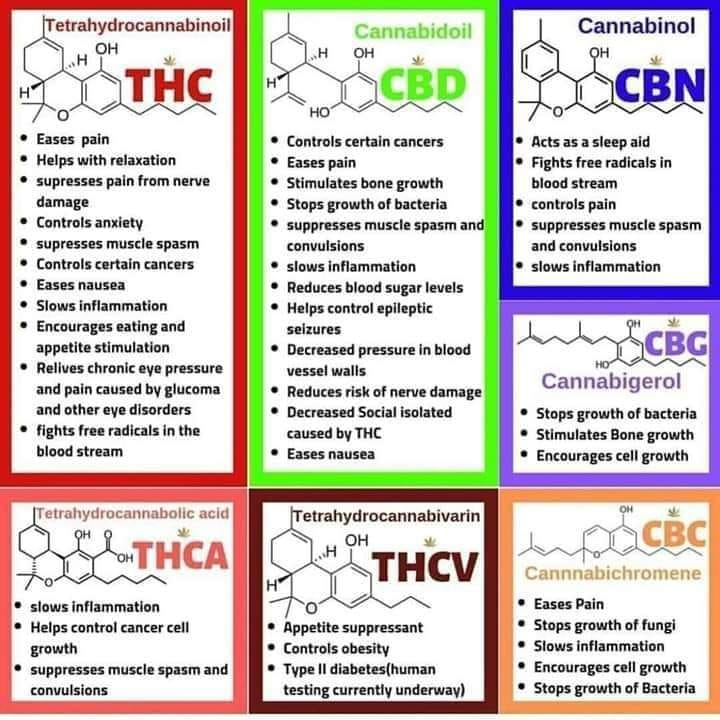
There are so many ways to support our bodies without synthetic drugs. Nature is so healing. These beautiful healing plants are a huge part of my stage 4 cancer healing protocols. I can’t imagine my life without cacao and this magical healing plant.

Supporting :
anxiety, depression, mood, pain, sleep, grieving, heart healing physically and emotionally, inflammation.

dm me for more info if you want to support your mind body and soul naturally.

#plantbased #stage4cancer #cancerthriver #cancercoach #healingnaturally #natureheals #patchamama #cacao #cacaomedicine @rukuxulew

image.png image.png
guitar_gardener

Thank you. I can see that 3/1 is the proper ratio CBD/THC for stage 4, then what is the suggested dosage? Additionally, we have a couple blocks of cacao so how best to powderize it, and what is the dosage of cacao, and how best to make it palatable? Thank you for excellent product sourcing and loving care. 🙌🙏

meetwillowstar@guitar_gardener yes it is a proper dose for estrogen driven mets. I saw Eloise Theisen at Radical Health here in Ca. – Search (bing.com) she dosed me. for tumor shrinking i did 65mgs THC/190 mgs CBD til tumors were gone. Took me 16 months.

The power of suggestion is very strong and real. Don’t mess with it! 🙌

charlestonpierce’s profile picture
❤️🤗❤️

sally.d3asy’s profile picture
Doxorubicin got its name as red devil because of its red colour and because of its potential serious side effects. It’s one of the strongest chemotherapy agents. A lady I know is currently on this drug for breast cancer.

meetwillowstar’s profile picture
@sally.d3asy thx for sharing. I had no idea it was red. It’s quite an intense name. so that makes sense. blessings on your friend

jamieleighwill’s profile picture
Your work & message are SO important. 🙌

meetwillowstar’s profile picture
@jamieleighwill thank you so much. I just want people to feel empowered in their healing. western medicine can only offer specific drugs. it’s limited. nature offers a plethora of options. ❤️

behindtheveels’s profile picture
Sharing something similar. When my aunt was going for her 12 weekly Paclitaxel when she was initially diagnosed. I noticed a lotta patients dreaded going for the next chemo or usually cried before their next session had a lot of side effects. When we used to go for chemo. We used to be excited for the next one as we viewed it as one step before our healing process. She had extremely manageable side effects. Mindset matters a lot

joyfully_tara’s profile picture
Words do matter, I re-named all of my cancer meds… just silly positive names that make me laugh or smile. I make little labels and put them over the box too (those labels/warnings do not feel very healing)

meetwillowstar’s profile picture
@wildly_joyful awe, love that! great job. That’s a great perspective and visual shift. i truly believe this makes a huge difference

lingodanna’s profile picture
Excellent! And Willow Starr’s friend is right on track doing chemotherapy to jumpstart her healing. What people don’t understand is that chemotherapy does not kill the stem cells. So when you see people who are 15 years out from cancer, and then it returns, it’s usually because they’re told they’re cancer free and they go back to the same life and don’t do anything extra. Chemotherapy it’s just a kickstart to get your feet under

meetwillowstar’s profile picture
@lingodanna yup! exactly. That’s what I preach. css as I go back. gotta listen to what your body is needing to change.

h00terslikewh0a’s profile picture
@meetwillowstar I sent you a DM ☺️

xvhash’s profile picture
👏 it’s all about perspectives

meetwillowstar’s profile picture
@xvhash exactly!! you know it. perspective is completely up to us 🙌

image.png
7-year, 4th stage breast cancer thriver – Search (bing.com)

Health update. Heading to San Francisco for my faslodex shots and a colposcopy. After postponed and retesting with a pap smear finding still shows high risk hpv. So now I do feel confident in the colposcopy as I didn’t clear it on my own. this Us ##empoweredhealingas i made a discussion for myself after talking to my healthcare team and doing my own research and listening to my own inner guidance
#empoweredhealing #stage4thriver #willowscancerhealingjourney #hpv #highriskhpv
#colposcopy  #cancercoach #mbcth #madetoheal #rootcausemedicine

15 Reasons You Feel Like You Don’t Belong Anywhere (msn.com)
11 Signs You’re An Old Soul Even If You Don’t Realize It (msn.com)
7-year, 4th stage breast cancer thriver – Search (bing.com)

Tara Coyote Stated Willow is such a blessing. 
So glad you get to live in her wonder and magnificence.
Did I ever tell you about my vision quest there when I was 20? 
 She has given me so much throughout my life too. Love you!
Posted in Uncategorized | Leave a comment

Shannon Knight

This is one of my Favorite Blog Past. Since August 2011, Shannon has been cancer-free!

My Twin Sister Is Part of Me
And I’m A Part of She 

From the day we were formed, we did see,
A wonderful bond that was meant to be.

We laugh, we share, we love, we care,
We do funny things that make people stare.

If it weren’t for the love that we share,
My life and heart would be so bare.

Our bond is as deep as a bond can be,
For our love for each other is shared equally.

Not a day goes by that we’re apart.
I love my twin sister with all my heart 💕

 Shannon Knight Cancer Survivor – Search Videos (bing.com) Is an inspiration to many people from around the world who have been affected by cancer.  She’s survived breast cancer not once but twice, including stage four without ever using chemotherapy.  Shannon has been cancer free since August 2011, and her inspiring story has given
hope to individuals fighting cancer. 
She has appeared in media through, documentary, radio, book, film, magazine and speaking platforms over the last four years. Shannon shares with everyone how cancer physically, emotionally and mentally affected and changed her. You will be inspired and gain new insight and perspective from her own personal experiences that she shares so genuinely and from her heart.

  Wildflower Interview
http://onewildflower.com/wildflower-interviews/
I have been through breast cancer twice. Stage 3 and stage 4.
It’s been two years for my twin sister Jessie Deconti
We were both ER & PR PositiveHER2 Negative
We both beat it without chemo.

(we were blessed is all I can say, truly blessed) 
God bless all of you. There is unity, a sisterhood that starts once we are diagnosed.
We go through the feelings of having to be brave/heal/fight/survive and make difficult choices. There is diversity and respect in the many different ways we try to heal.
I respect every choice It’s a personal thing trying to figure out how to survive.
We have to be there for each other  Look What I found, Yikes!
Radiation burns! 8 Years Ago! I made it through!


This picture with my brother and twin sister (August 2010.)
I was receiving radiation on my sternum (burns from radiation are on the front and back the size of a football), and there were still 4 more weeks of burning in the treatment plan. Yep, just keep burning the burn! You can only imagine my thoughts on the daily 30-minute drive for that appointment.
Laying on my back without clothing on my top half with my arms spread out like a “T” for 5 minutes of burn time were also the most intense moments of praying for me. That was my time alone on the table in a room that had thick walls to protect the medical staff from getting radiation, alone time with God and prayer for healing. I received 22 radiation sessions in August and September.
I lived in Southern CA without the luxury of air conditioning in my home or car.
The oncologist had 40 planned for me, but I developed pneumonia and staph infection in my lungs so holding perfectly still on that table was impossible because of my chronic coughing.
When I look at this picture and the tiny black dot on my chest for the cyberknife target point. I am blown away that the doctor said that it was to pinpoint where the radiation would burn the tumor on my sternum. Well, so much for the target! It is like saying you will drop a bomb on a bullseye and presuming there will be no collateral damage! The radiation hit everything in its path including my lungs.
Sitting on the bed is me, my brother Matthew and twin sis. It’s crazy because this is where we were seated when I got the phone call from the doctor informing me that my biopsy results were positive for a recurrence of metastatic disease stage 4 breast cancer. It’s even eerier to see me holding the phone which I received my bad news from.
The only conventional treatment I tried ever was a bilateral mastectomy with stage three which also had its severe complications for a year because of staph infection. With stage four breast cancer was the radiation…  to keep the bone metastasis on my sternum from paralyzing me.  Unfortunately, it only worsened my health condition causing staph infection again and pneumonia which led to chronic coughing & severe rib and sternum pain.
Instead of continuing with UCLA recommended chemotherapy I made a decision that ultimately saved my life! It was Mexico or bust for me! I understand now why this should be the first choice. The alternative does not destroy you while healing. At least if your body responds and heals you don’t suffer from all the horrific side effects that come with surgery, radiation, and chemotherapy.

San Luis, Arizona Location Guide
Giving up was never an option for me, not ever.

My friend’s family and I raised money. I left the United States to San Luis, Mexico for alternative cancer treatment at CMN Hospital.  Thanks to Dr. Payan and his medical team I am alive today.  His treatment protocol was healthy and not toxic. My body responded favorably to all the healing therapies within 6 months. I was blessed.
I only came across this picture today, Mother’s Day because I was searching for a certain one of my mom. Finding this photo threw me in a bit of a spin at first. The shock wore off, and I felt gratitude as I realized how old the picture is.  I have had a true blessing of seven healthy years this August. No one saw it possible. Indeed, it is my miracle. I don’t take any day for granted. I was not even a grandmother until over a year after this photo was taken. Now my fifth grandchild is due in a month.
It’s also odd little things I will never forget. Like the green paint on the wall; an unfinished project for quite awhile because cancer caused my life to take a sharp turn. There were so many things that felt less important. Trying to figure out how to survive was critical, and exhausting. I was emotionally drained and not given more than a year to live.
I can see in my face how sick I was. I could not alleviate the burning because I kept having to get more radiation while I was burned. I had to drink smoothies because my esophagus was inflamed as well. Illness and discomfort is something you see in the eyes. Fear mixed with not feeling well and trying to act normal all the while is evident for me to see in this photo.
I think acting like it was all going to be okay was a great coping mechanism built in me to keep fighting and not surrender.

On my way to Mexico 
I’ll be taking a lot of pictures at CMN hospital and of the humble little town of San Luis. I’m also going to do immune system treatments. I go every year to make sure and keep my immune system strong after the healed me in 2011. I look forward to seeing everyone and meeting patients
THE DOCTORS
Treated me successfully in February 2011 for stage 4 Breast cancer!
No chemo! Getting ready to do bone marrow stem cell transplant 
When I am around these “great doctors” I feel safe!
They should have their own reality show! Ismael too in the back! Bad ass!
They are just so cool!
  
                                                                                     
Thank you, Dr. Payan, Dr. Rameriz,                                                                              
Dr. Campa, Dr. Ismael at CMN Hospital!
LOVE CMN Hospital!
If you’ve been a patient or a companion of a patient there, then you know their standard of care includes compassion and professionalism! The attention to detail to make us feel like we are loved is better than any hospital in the US.
Four of CMN doctors have known each other since kindergarten, you feel the dedication and camaraderie. Dr. Payan’s niece is the Physical therapist, his sister is in administration, his father is the founder and CEO, it goes on. You hear laughter and see smiling. 

(Dr. Massaru Emoto teaches about water messages see video https://www.youtube.com/watch?v=SOdKA70KkB8)

Everything is Electricity | Cancer Quick Facts (solitarius.org)
Dr. Masuro Emoto intrigues me!! He discovered how beautiful music in the presence of tap water could make beautiful frozen crystal formations. Without music there are no crystal formations at all. He also taped paper strips with different words on bottles of tap water and then photographed the frozen water. Words such as “Thank you,” and “I love you,” caused the tap water to form beautiful crystals! Words such as “You make me sick,” or “You are a fool,” caused ugly, distorted crystals! Dr. Emoto found that simply by praying for the water, by sending it loving thoughts, and by blessing it we can transform the water to beautiful crystals. That being said; Our body is 60% water and CMN Hospital embraces this positive energy as part of the healing. Every day patients get new messages on their IV’s and a prayer is said over treatment  
.
My IV Vitamins with messages of love!! You never know what you’re going to get each day but it’s always something sweet kind and loving! Research Dr. Masaru Emoto the power of positive/negative messages and water!! It’s fascinating and CMN HOSPITAL practices the positive messages during our treatment.
    
                                                                                                                                                     
My IV bag with positive messages on it.

I took many pictures on my last trip to CMN Hospital getting treatments!
You will get only a glimpse of the heart and compassion, the cleanliness and expertise
May 2018″ I AM STILL CANCER FREE 7 YEARS AUGUST BECAUSE OF “CMN”
I HEALED COMPLETELY FROM stage 4 metastatic breast cancer at CMN
CMN Hospital www.cmnact.com includes the bone marrow stem cell transplant and Dendritic cell transplant! Bone marrow stem cell transplant is advanced and healthier than chemo! It is included and safer with a much higher success than chemotherapy.

This procedure can’t be done at clinics! ONLY a hospital with a full staff of orthopedic specialist surgeon Dr. Rameriz,  Dr. Payan,  and the other team. (I will post my picture     in the operating room having it done  In photo Dr. Payan (General Hospital, ACT program director and surgeon) Dr. Campa, Anesthesiologist Dr. Ramirez Orthopedic Surgeon. They are like family when you are there, they are like my family now 
I trust them and I know many of you here on my facebook do too!
READ about the study here==>  https://www.sciencedaily.com/releases/2017/07/170726163736.htm
                                                                                               

Ozone Therapy
                                                                                                           

MAHT THERAPY, CLICK LINK TO LEARN WHAT IT IS                                                                       https://www.cmnact.com/Treatment-Summary.aspx 
at CMN Hospital Alternative Cancer Treatment.
                                                                                    

Far Infrared Sauna, Hyperthermia

Feeling Hot, hot 
feeevvveeeer kick-starts the immune system and makes me sleepy.
                                                                                

Cold laser therapy (Used for inflammation)
                                                                                                                         

These women cook gluten-free, organic, sugar-free, and dairy-free.
 — at CMN Hospital Alternative Cancer Treatment.
.
 Free of cancer almost 7 yrs. I’m just here back at CMN in San Luis Mexico to get my immune system boosted! CMN save my life February 2011 without using chemotherapy.
If you’ve been a patient there, then you know what I mean when I say they really care about all their patients!
My experience at CMN starting from the doctors, nurses and all the way to the dining staff has been consistently more compassionate than any hospital in the US. By my side, they were always uplifting me and reminding me that there is always hope and that it was good that I want to keep trying.
They believe in miracles and that we all deserve one and as long is there a breath of hope in me and the strength to fight that I must.
And so I did  Dr. Payan never said I needed to get my affairs in order and to go home and wait to die. If I believed he believed with me. He made no promises to me but he saw something that proved to be accurate. My will and my intentions to leave no stone unturned even if it meant fundraising (which I did) I would get to Mexico and keep trying!
CMN …You saved my life!
UCLA gave me 3-12 months to live when I was diagnosed with a recurrence of stage 4 breast cancer. I had metastasis to my lungs and my bones. UCLA recommended radiation and chemo. I did 22 rounds of the planned 40 rounds of radiation to my sternum to try and stop cancer from paralyzing me. All it did was burn me and cause cancer to progress even faster. I refused their chemo, quit radiation and crossed the border instead to CMN Hospital in San Luis Mexico. —> www.cmnact.com
It was a life-saving decision I made in February 2011. Now, here I am 7 Yrs later I am cancer free!
This hospital and all my friends and family who contributed to Angels for Shannon to get me to the battleground will forever be my angels and heroes. With God and all of your love and support, you saved my life not just physically but emotionally too. I am a changed woman, feel more purpose, and I have a heart mission now to help others as an advocate. www.shannonknight.com
During my entire battle with cancer, fear was never replaced with courage. Courage never stepped in and permanently wiped away my fear.  On the contrary, fear and courage intertwined, continually swirling about like an erratic dance where light and dark coursed throughout my entire body combatively.
 I kept finding the light but not without being thrown in the dark over and over again.  Most of the time I was able to put on the face of courage each day for my loved ones. 
It feels good to be further away from the fear as each year of being healed from cancer passes. 


Fear/Courage Dark /Light

Episode 12: Shannon Knight: Winning and Thriving Against Cancer and in Life –
The School of Transformation I love my life and the transformation that evolved from the pain was worth it in the end. I just couldn’t see it at the time. I will always remember, and
I understand. You will get through it and be stronger from it.  Sarah McLachlan’s song Fallen will always remind 
me of my journey. Songs tell pieces of our story, not just the disease for me but also my personal life during both cancer battles. I went through fear daily but I kept finding the courage and returning to the light. https://www.youtube.com/watch?v=Jqps9ZdMxs0

Killer Drug in Hospitals
Fact checks this.

If you knew of a prescription drug that was killing 50.9% of its patients
within 30 days of taking it would you take it? Would you recommend it?
Chemotherapy kills 50.9 % at some hospitals and the percentage is higher at others!
I know many people who criticize and are unsupportive to their loved one that is “in the cancer battle.” They are trying to figure out a way to save their own life.
In 2010, the toughest thing I ever had to do was find an alternative treatment
when I refused the UCLA recommended chemotherapy as my course of treatment.
I was diagnosed with a recurrence of metastatic breast cancer stage 4.

My doctor gave me his guess-timate of only 3 to 12 months left for me to live.
He was wrong. I’m 7 years cured now because of following my inner guidance. It was a very personal choice trying to figure out what cancer treatment could save my life “safely.” Unless you are diagnosed with cancer, carrying the weight of having to choose what to do to save your life, you can’t fully understand.  I know family and friends care,  I know they are scared and I know they are suffering too. “I really do but understand how imperative   it is for them to listen to their intuition.” For them to trust themselves.
I get sick to my stomach… and furious EVERY SINGLE TIME I read a letter where family thinks choosing alternative cancer treatment is irresponsible.  When in truth also holistic treatments are not going to cause collateral damage to their immune system. We all know what risk chemotherapy is, it’s a toxic gamble and everyone advised to take it has fear run through them because it is common knowledge that the side effects are gruesome half the time and often times, even fatal.
If you can help a loved one get to the battleground of their choice and withhold your support “only because you don’t approve of their choice” of alternative medicine (you’re not noble) I have no words for this… You know that there is no proof chemo is successful even though insurance may cover it.

 This goes out to all of you who are fighting cancer. Maybe you’ve chosen alternative medicine and some people think you’re crazy for doing so; you’ve lost some of your support.
.
You are not alone, you are going to make new friends who will become your family and eventually everyone will come back around again for you. It’s just a little bit of time for you to listen to your intuition and stay true to yourself while you make your choices.
They’ll be back. 💕Everybody’s learning on this journey and growing and changing.
And fear is at the root of their resistance to your choices. You are still loved. Hang onto your faith. God is there. https://youtu.be/B6fA35Ved-Y
Top Questions I Am Asked Re: Surviving Stage 4 Breast Cancer
Q. What Hospital did I go to for Alternative Cancer treatment?
A. CMN Alternative Cancer Treatment www.cmnact.com

Q. What kind and stage of cancer did I have?
A. I had stage 4 Breast Cancer ER and PR Positive Her 2 Negative with metastasis to bones and all lobes of my lungs
Q. Did I do chemotherapy ever?
A. No, Not ever.
Q. Did I use hormone blockers since the type of cancer I had was ER PR positive?
A. NEVER, neither did my twin sister who had the same type of cancer. I had my ovaries removed (oopherectomy, easy surgery) instead of drug-induced Menopause. giving more money to Big-Pharma and having side effects from Lupron shot, putting myself at risk with secondary Uterine cancer risk with Tamoxfin and many other side effects
Q. What diet did you follow while healing your body from cancer?
A. I did not use, I am not a vegan, I am not vegetarian and Followed a general healthy diet. It was as organic as possible, I avoid sugar I eat mostly chicken fish and turkey with vegetables and vitamin supplements. It is generally a grain free diet.
Q. Am I sure I’m cancer free?
A. I get tested and evaluated regularly and am completely Free of Cancer.
Q. How long have I been Cancer Free?
A. I will be celebrating 7 years in February when I was treated at CMN
Q. Where is CMN Alternative Cancer Treatment?
A. It is in San Luis, Rio Colorado Sonora Mexico. which is a very quiet little town.          
The people are kind and receive foreigners warmly
Q. Why did I choose CMN Hospital? www.cmnact.com
A. It is a well-established advanced and compassionate hospital that has been around for about 35 years.
Q. What treatments did you do?
A. Dendritic, Bone Marrow, HBOT, UVBI, Ozone, FIR, IV C, IV B17 laetrile, nutrition, and so much more Here is a link to their treatment summary. https://www.cmnact.com/Treatment-Summary.aspx
Q. Why are there no patient testimonies on their website.
A. CMN Doctors do not believe in exploiting cancer patients for marketing purposes. Patients are fighting for their lives and are scared. Most importantly they believe in the oath they swore. The Hippocratic Oat says to keep patient information private so they absolutely keep it safe from the world wide web.
Q. What is the success rate of CMN? To answer this question best.
A. I urge you to read my article. https://shannonknight.com/1139/

 Support their choice whatever that treatment may be.
Love is needed
💕
Here is a gift for all cancer survivors and their loved ones.


To order a copy go to Amazon
   GRATITUDE!!! The Key of Appreciation is EVERYTHING! Shannon Knight is giving away her new FLIP BOOK, “Grateful Heart” – complete with videos. You’ll discover her inspirational story and how she defied the odds to become   an angel on earth, helping others with cancer. Please SHARE this with your friends and family. It will change your life. 
.
Look for Shannon Knight in “Becoming the Keys”, currently in production, due out late 2018. #Cancer #Inspiration #KeyMovies #Suvivor All you have to do to read my new book Grateful Heart, a pink and white book. Click on to the link below !! My book will flip open on your device or computer.  
Also checkout my other youtube videos
#angelsforshannon
#shannonknight
#cmnact
#gratefulheart
Posted in Uncategorized | Leave a comment

Dr. Carl O’ Helvie


Dr Carl O. Helvie – Search (bing.com)
(Born. August 13, 1932 – Died December 3, 2019).
It was in 1991 when my father was told he had cancer and since his death on April 03. 2006 from Leiomyosarcoma, when I began researching cancer more heavily. And when the student is ready your mentor will appear,
Dr. Carl O. Helvie, R.N., Dr. P.H.D., from Gouverneur, New York) then became a second fatherly influence on my life. An American registered nurse and Professor Emeritus of Nursing at Old Dominion University.
Helvie was known for his development and implementation of the
Helvie Energy Theory of Nursing and Health.  As a lung cancer survivor of 45 years.
Carl based many of his healing beliefs from Edgar Cayce.

Carl was focused on holistic alternative integrative health and wellness interventions.
A major part of his career also focused on education, practice and research with homeless and low-income individuals and families. He has published books, articles, and research findings in these three areas and Podcast his beliefs in his Holistic Health Show since 2008. Which you can also review in the HHS Archives. 

Carl O. Helvie was diagnosed with lung cancer in his 40s. And remained cancer-free convinced that his regimen of federally unapproved laetrile, a vegetarian diet and an assortment of natural medicines, has helped him to reach his 87. Had hoped to reach the age of 100 and beyond. Using Alternative/Integrative Interventions,” in his belief that natural supplements, herbs, enzymes, along with diet, prayer and meditation helped him beat the disease. And attributes his faith, optimism, self-confidence and doctor and an outstanding support system to his long-term survival and was willing to share his life experience. 

My doctor who I had found after other doctors told me I had six months to live.
Gave me the physical care and I can’t say enough good about him. But within five years after
I had overcome cancer, the Virginia Board of Medicine took his license, and all the poor guy did was try to save lives. He was so progressive that everything he told me to do has since become a proven scientific fact, but I added the mental and spiritual care.  He had me on a vegan-type diet. There’s research now that shows the value of fruit and vegetables in preventing and treating cancer. 
He also had me on a no protein diet and there is a whole theory as to why you don’t eat protein when you are battling cancer because lot of cooked food, and especially protein, do not get properly digested. So, the food just sits in your gut and becomes putrefied, which is never a good thing when you’re battling illness. My doctor also put me on pancreatic enzymes which helps to dissolve the outer protective shell of cancer cells.

That’s a very important part of any treatment.
Carl always told, I credit a lot of my healing to the power of laetrile (a chemically modified version of a substance found in the kernels of apricots, peaches and almonds). Traditional literature states laetrile has cyanide in it, and we all know that cyanide can kill you or send you to the emergency room. That can be frightening to people. But the cyanide requires certain enzymes to activate it, and cancer cells have those enzymes and normal cells do not.
So, it’s really not a health risk from laetrile.
When I went through cancer back in the mid 70s. I took the 2,000 milligrams laetrile every day and I also ate 25 apricot kernels at the same time. The apricots kernels are a major source of natural laetrile. They’re very bitter. I chewed them.  I would take three or four and I would chew them up and I would have a glass of water ready. The water would taste sweet after the kernels. You get used to it; the same way I got use to a vegan diet.
Besides the laetrile, apricot seeds and the vegan diet.
Every day I make this drink in my blender. I take six tablespoons of organic 2 percent cottage cheese and three tablespoons of flax oil. I let it sit for five minutes and then put it in the blender. I add a couple handfuls of pecans, my organic berries, such as strawberries, blueberries or black berries. Then I blend it and it is delicious. Cancer diet expert Johanna Budwig is the biochemist who developed it and found it has a whole different chemical composition which takes oxygen to the cells. When I went to the doctor yesterday and had my test, my oxygen level in my cells was at 98 percent. That’s fantastic. A lot of people drink it as a preventive. 
I recommend at least one meal with salad a day, the limiting of protein intake in a diet that includes lots of vegetables and lots of nuts. I recommend people pray to God every day — or to some higher being — meditate, get out and exercise, even if it’s just walking. And help people. Do what you can every day to help someone and don’t worry about yourself.
Recently, I was asking a question: Ken, you knew Carl — where do you think he may have he went wrong to get Stage 4 Cancer and a ruptured intestine when he did so many things right?
Answer: I won’t second guess anyone who worked until he was 87 years old. But 0ne item in Carl’s diet. I believe that may have been the cancer culprit. . .. was he eating a pound of nuts per day. Because he was vegan and felt they gave him the much-needed protein he needed to stay healthy. While nuts are a convenient snack that provides quick energy, while eating too many nuts could be hindering your health.
While nuts contain anti-inflammatory Omega-3 fatty acids, they are high in Omega-6 fatty acids, which are pro-inflammatory. Striking the right balances is critical and over-eating nuts can actually cause increased inflammation. Nuts are high in phytic acid which is known as an ‘anti-nutrient’. Phytic acid binds to essential minerals in digestive tract and can prevent the minerals from being absorbed. While having nuts or nut butter on occasion is great, overindulging in them can hinder your health.

Aging and Your Immune System:
The immune system is a network of cells, tissues, and organs that work together to defend the body against attacks by organisms such as bacteria, parasites, and fungi that can cause infections.
The cells that are part of this defense system are white blood cells, or leukocytes.
Foreign substances that invade the body are called antigens.
No two individuals have the same immune system. Some people seem to be dressed in a suit of armor against infections while others get floored whenever there are bugs about.
When it comes to germs, getting older has advantages and also disadvantages. As we age, our immune systems will develop defenses against antigens. We acquire antibodies to the germs we’ve defeated in the past. Because of this phenomenon, adults tend to get fewer colds than children.

Now for some of the bad news:
The thymus, which is located behind the breastbone, is one of the organs of the immune system. The thymus is where immune cells white blood cells called T lymphocytes (T cells) mature. The thymus begins to shrink when we are young adults. By middle age it is only about 15 percent of its maximum size.
Some T cells kill antigens directly. Others help coordinate other parts of the immune system. Although the number of T cells does not decrease with aging, T-cell function decreases. This causes parts of the immune system to weaken and increases the risk for becoming ill.
Macrophages, which are white blood cells that ingest antigens, don’t work as quickly as they used to. This slowdown may be one reason that cancer is more common among older people.
There are fewer white blood cells capable of responding to new antigens. Thus, when older people encounter a new antigen, the body is less able to remember and defend against it.
The amount of antibodies produced in response to an antigen is less in older people, and the antibodies are less able to attach to the antigen. These changes may partly explain why pneumonia, influenza, infectious endocarditis, and tetanus are more common among older people and cause death more often.
These changes may partly explain why vaccines are less effective in older people. Later in life, the immune system seems to become less tolerant of the body’s own cells. Sometimes an autoimmune disorder develops; normal tissue is mistaken for non-self tissue, and immune cells attack certain organs or tissues.

5 Reasons Your Immune Function Weakens with Age.
1. Fewer Immune Cells: Because damaged or aging immune cells are not replaced as you age, you have fewer immune cells as you get older. This also slows healing from both illness and injuries. You can use yoga to support …. the healing process by practicing gentle asanas to improve circulation to healing areas and by practicing your favorite types of conscious relaxation to spend more time in the rest-and-digest state.

2. Increased Propensity towards Autoimmune Disorders:
Although autoimmune disorders occur in younger people, the frequency of autoimmune disorders (diseases in which the immune system mistakenly attacks and destroys healthy body tissues) increases with age. Examples include rheumatoid arthritis, lupus, and multiple sclerosis. If your condition allows it, you may be able to use gentle and restorative asana practices along with quieting pranayama and meditation to support your immune system.

3. Reduced Ability to Detect & Correct Cancerous Cell Defects:
As you age, your immune system’s ability to detect and correct cell defects is reduced, resulting in an increase in frequency of cancer. Although yoga can’t treat cancer, you can use yoga for palliative care during treatment and recovery, and to bolster your immune system during the entire process.

4. Chronic Inflammation Gets More Common: As we age our bodies are less able to disarm the inflammatory process, which can lead to chronic inflammation. A healthy immune system uses inflammation to your advantage during acute illness or injury, but chronic inflammation is linked to many serious illnesses, such as autoimmune diseases and heart disease. To reduce your risk of inflammation or prevent chronic inflammation from recurring, use yoga practices to manage your stress levels and foster overall good health.

5. Chronic Stress Weakens the Immune System: While your immune system is initially stronger during periods of acute stress, it starts functioning less well if the stress is ongoing. This increases your risk of contracting serious infections, as some evidence suggests, autoimmune diseases. Furthermore, chronic stress alone can cause life-threatening conditions from heart disease to high blood pressure. 

The end part of this post on December 3rd 2019.
Carl passed away after making his last post on November 5th on Facebook that he had a ruptured intestine and stage 4 cancer and pray for me. GOD, has it stamped in our DNA our end date and the cause of your death. Which no doctor should be allowed to tell you,
If Carl had listened to his doctor back in 1974 – 75 he would have only lived six months.
Posted in Uncategorized | Leave a comment

The Crack of Dawn

Portland native Dawn Ann Pugh is a cancer survivor.

image.png

SOURCE: Portland | Michigan | The Portland Beacon

The mother of two is a passionate supporter of integrative and alternative treatments, including medicinal cannabis.
The Portland Beacon (TPB): Can you tell me a bit about your decision to start Firstlightahealingway.com?

Dawn Ann Pugh (DAP): My website, First Light, A Healing Way (www.firstlightahealingway.com), was originally started under the domain name “With the Crack of Dawn”. The name was a play on my name, Dawn. It began with the Facebook page, and then the interest and inquiries inspired my website. I was always a morning person and thought the name was appropriate since I would usually be up early posting new information bright and early. When the domain for With the Crack of Dawn expired, we thought that First Light, A Healing Way was a great replacement for the website name.

This is why the webpage and Facebook page have different names. Facebook would
not allow me to update the name of my page due to them thinking that the name was misleading to consumers. My Facebook page, With the Crack of Dawn is a bit different than my webpage. I try to stay updated with the newest information as it is made available, but I also like to lighten things up with some fun posts as well.
Highlights like #SundayFunnies offer humor:
While still keeping up to date with breast cancer, healthy living, exercise, and accurate cannabis news. I also like to include hometown business events and happenings. Facebook covers a broad base from around the nation, and other countries. I figure that sharing any local business is good business for Portland.

TPB: What are your main goals in operating the site today?

DAP: I began First Light, A Healing Way to be a resource for others that may have
faced similar choices and challenges that can come with receiving a cancer diagnosis.
I was diagnosed with multiple breast cancers in 2014. I was 39. I discovered that the small lumps I had been observing in my right breast turned into 2 very obvious larger lumps in a matter of hours. Later I found out I had other breast cancers bilaterally as well.
In 2014, I could not find many current, let alone reliable sources of information on alternative and integrative cancer treatment choices. So, I decided to blog in hopes of helping others on their journeys. Writing blog posts has been a very therapeutic experience, albeit challenging. It has been a helpful way to vent, or just share my experiences with others.
Also, a great way to get feedback, and share support and networking events.
Having a reference for patients to go back to for information repeatedly has been my primary focus with the website. I wanted other patients and caregivers to know that there are other options available, or to use in addition to what is presented in most Western medicine doctor practices. Other more natural options. Healthy living overhauls.

It was also created for me to refer patients, family, and friends to when they may have questions on integrative cancer treatments. I am contacted daily by patients and their loved ones concerning the how, what, where, and why pertaining to cannabis medicine. Getting loads of messages daily is fine, but answering them all in a timely fashion became almost impossible.

It takes time to answer everyone thoroughly.
It can also be trying mentally to field concerns from folks going through one of the worst times in their life, getting a cancer diagnosis, or having a loved one receive one. For many, going to a provisioning center for the first time can be a scary, intimidating experience as well.

Especially after a diagnosis or traumatic health event. I walk them through the process to make it less intimidating. Less scary. People need information in a timely manner, and this has been the fastest way to get them the answers they need. Having the website available usually lets patients find answers to the most frequently asked questions conveniently from the privacy of their home.
Of course, every case is different, so I try to personally address whatever that patient or caregivers’ needs may be. I am not a doctor, but I have been blessed with much experience with cannabis medicines personally, and with many other patients. I am teaching my many specialists about cannabis.
I have knowledgeable contacts and resources available for a wide range of questions and needs. It could be anything. Ranging from how to get your medical cannabis card here in Michigan, finding patients a caregiver, to cannabis dosing recommendations for specific needs such as cancer, or seizure disorders.

TPB: How did the diagnosis and the disease impact your career?

DAP: Prior to my cancer diagnosis, I was an expanded dental assistant at a progressive office. I loved my job, and enjoyed a career for over 20 years. I am still not able to perform my job since treatment. Both physically, or cognitively. Personally, it has been one of my biggest challenges. But being a mom is my favorite job by far. My two daughters keep me busy with their schedules.
My oldest even helps proofread posts for me.
It takes so much time for me to write, correct, and maintain my blog, but it is important to me to share good information, and good energy. It may seem like it has been awhile since a new post, but chronic illness doesn’t care about what you think you can do on a daily basis. I try to add to posts as I feel up to it, save them, and eventually they get done.

There are only so many spoons in a day.
Constant patient questions keep me inspired to help others in any way that I can. I try to add blog posts that answer frequently asked questions for cancer patients, and survivors. The main focus of my webpage is support. You can find links to find support groups specific to each patient via social media.
There are also valuable local groups listed that can assist patients as they go through treatment. The Capital Area Young Survivors are a great example of support in our area. Support is a crucial part of dealing with any cancer diagnosis. My hope is to not let anyone feel like they are going through cancer or chronic illness alone, no matter what route of treatment they take.

If there is something that I cannot answer myself, I will try my best to get the answer for them or provide resources for them to find the information themselves.

I have included information that I wish I had known prior to treatment, new information, and helpful information on integrative and alternative treatments available. Whole body health. Medicinal essential oils, teas, dietary habits, healthy living, medicinal cannabis, tips for those going through treatment, or those choosing to treat their conditions with other “alternative” routes of medicine.

TPB: Is there anything else you would like readers to know about?

DAP: This is not my job, but after 20+ years of patient care in my bones, I am just as serious when it comes to helping others whenever I am able. Especially after dealing with cancers myself. Cannabis is medicinal and should be respected as so and used responsibly. For many like me, cannabis medicine has been lifesaving.

I have seen miracles.

I feel like we are given different paths for a reason. If sharing what I have learned with others can save anyone else from learning the hard way, I have accomplished much. One less surgery, fewer prescription medicines, and more days with loved ones. Better quality of life. I hope people continue to reference, and refer their friends and family to First Light, A Healing Way for updated information in the future. I am always open to serving up new topics that followers may be interested in.

You can find our posts on LinkedIn, Reddit, Tumblr, WordPress,
Path, and also Facebook’s with the Crack of Dawn page.
 https://www.facebook.com/firstlightahealingway
Crack Of Dawn – Crack Of Dawn (youtube.com)

image.png
Photo two is Dawn with Landon Riddle, – Search Videos (bing.com) 
A pediatric leukemia survivor, during the Cancer and Cannabis Symposium last year. Dawn said, “He is the first pediatric case to have been deemed ‘cured’ by cannabis.
He is 6 years out since almost dying with chemotherapy treatment.
Using only cannabis and healthy living.”

Cancer Dies When You Eat These 12 Foods (Cancer SECRETS) (youtube.com)


image.png

7 steps to better nutrition habits for cancer survivors – Mayo Clinic Comprehensive Cancer Center Blog | 7 steps to better nutrition habits for cancer survivors – Mayo Clinic Press | Dawn Ann on LinkedIn: Breast Cancer, Flat Visibility, & BII Advocacy, organized by Dawn Ann Pugh | Breast cancer RED DEVIL survivor: Dawn Hensley | Katy Times
When Time Doesn’t Heal | Cancer Today (cancertodaymag.org)
Dawn Ann on LinkedIn: THC vs. Breast Cancer
What is Cancer Survivorship? | Cancer.Net
Cancer Survivorship | The Cancer Atlas
Posted in Uncategorized | Leave a comment

The Miraculous Willow Star Story

I’m Willow Star and I’m reintroducing myself here. Facebook

Living and thriving with stage 4 breast cancer (youtube.com)
I’ve been thriving after being diagnosed with stage 4 cancer 7.5 years ago. I’m so grateful to be here to share his healing from stage 4 metastatic breast cancer. It is very simple. and yet not easy. I believe we need to get to the root cause of “why” cancer came to us.
I believe we need to be our own healer and get support from others.
I believe we need to think outside the box.
I believe we have to believe we can heal. I’m here to inspire. support. educate.
Healing is inevitable when we listen to our inner wisdom.

Willow star  (@meetwillowstar) I’ve been pondering- why are we so mad at cancer?
Cancer is the messenger to let us know our body is sick. Cancer isn’t trying to kill us.
In my experience & understanding it’s a warning.

About our toxic environment and foods along with repressed emotions are some of the things making us sick. Chemo and radiation make us sick, while giving us a clean slate. 
If we don’t heal – why- the cancer came in the first place it generally returns.

Still cancer was just the messenger.

We are canaries in the coal mine. We have to actually work towards freeing ourselves of all of the toxicity in our lives so we can PREVENT cancer. only

10% of cancer is genetic. 90% is environmental. When our bodies are healthy, we generally will not manifest cancer.

I thought I was pretty healthy before my diagnosis. especially compared to others,
I learned from looking back I was far from healthy. I was so sick and broken.

Today I encourage you to take inventory. Where can you take small (or big if you are really ready!) steps to create a healthy environment for your physical, emotional, and spiritual body to thrive in?

I am committing to moving my body 20 mins a day 5 of the 7 days to follow. there. I said it out loud! It’s been a challenge. and I know it’s important. they say 20 mins of exercise 5-6 times a week lowers your chances of getting cancer by half!!

Hello friends! it’s been awhile so i thought i would stop by to say hello and reintroduce myself to y’all. i am willow star (formerly keri vaca) and I am 7.5 years out from being diagnosed with stage 4 MBC with liver mets. I have been tumor free for more than 6 years! This cancer diagnosis was the gift I needed to put myself first and to truly HEAL all parts of me. I can say I am living my best life, and that cancer has been the biggest gift.

What i contribute to my healing:
I left my marriage (we are great friends), take cannabis daily for tumor shrinking, high dose medicinal mushrooms (chaga, turkey tail and reishi) did the Rife machine, breath work, cold plunge, black seed oil, apricot seeds, soursop tea, tons of green juice, plant forward diet, no fragrance or artificial scents in my home, therapy to address anger and resentment, micro dosing psilocybin, dance multiple times a week, meditation, cacao, parasite cleanse, intermittent fasting, no alcohol, rarely eat sugary treats, no tv or radio, rebounder, positive mindset and FAITH i would be ok!!
From Western Meds: I was in
Ibrance for 6.5 years, now off.
Zoladex for 5 years, now I am off

Currently my only western med is Faslodex and I plan to be off of it soon.
I had a shrinking tumor in every tumor before starting western medicine, so I know my protocols worked!
My mindset has been a huge part of my healing. The words I speak, the people I connect with, the way I live my life all support a positive vibe.
I share this to inspire anyone having a hard time in their healing/diagnosis. know you can heal. know you are loved. know you are not alone.

This was a huge breakthrough with me and my oncologist. This is one of my most important videos I have made.
I have wanted to share about estrogen disruptors for years. I can hold back as I know the things I share can be triggering to some and to others they disengage and avoid me.
I now know I have to share, even when it feels scary or hard.
I had my estrogen spike for a few months. my numbers were sporadic and didn’t make sense. My oncologist wanted to put me back on the drug I went off of almost a year ago. I said I wanted to understand WHY my estrogen spiked….and I found the culprit! She was shocked, I was not. This was a huge breakthrough with me and my oncologist. This is one of my most important videos I have made.

Please watch and share.
Fragrance and Estrogen Disruption- my experience (youtube.com)

As Noted, Fragrance and Estrogen – Search (bing.com)

I am also looking for info on natural hormone suppression.
Here’s a general list though the best way to know what works for YOU is an RGCC natural agents panel: • Fresh Ground Flaxseed Meal (must be fresh – goes rancid in 3 hrs)

• Probiotics – Saccharomyces boulardii
• Melatonin – *ApothoCherry® & *BiomeMedic®
• DIM
• I3C
• Chrysin
• Grape Seed Extract
• Apigenin
• Curcumin
• Cat’s Claw
• Calcium d-Glucarate
• Aromat8-PN (by Xymogen)
• Genistein (soy-free)
• Pinus Silvestrus – essential oil

I am Curious if your Oncologist Recommended any complementary therapies for you
Facebook

Dina VanDecker- TibbsMy oncologists work with a board certified oncology naturopath as part of the team. I was so blessed for my team. The Cancer center offers all kinds of holistic care including mental health for current patients and survivors. Plus ongoing support and meetings. Now that I am clear I plan on putting in a proposal to volunteer my time, not sure which modality yet. I have studied a lot. The Biggest reco was 10,000 iu vitamin D because of all the research on links between Breast Cancer and deficient Vit D. Vitamin D Shadow Test – Search (bing.com) Also mushroom complex, collagen, liposomal c (after radiation) and some more specific to my needs.

Bethany Webb
Yes, both of my oncologists (TX and CO) have recommended acupuncture, yoga, nutrition, massage, Reiki, humor, writing….they admit it’s not in their wheelhouse and I also bring ideas (especially supplements) to them and they either say “yes, that sounds great” or they give me a valid research-based reason why it would conflict with my medications.
My cancer center has an integrative wing with many of these complementary therapies too.
I also work with a naturopathic oncologist who is $$$ and not covered by insurance. While I LOVE seeing that medicine is moving into a more integrative direction – it still does have a long way to go!

How do you test for vitamin deficiencies?
Blood test for Vitamin and Mineral Deficiency The sample is then analyzed by a lab. In some cases, a hair or saliva sample may be collected and anal… Is there a blood test to see what vitamins you are lacking? See more

The 7 Critical Blood Tests EVERYONE Should Get – YouTube

Bonus from September 12, 2021: 5 Lessons – From The Passing of a Fellow Cancer Thriver (youtube.com)

Thank you Tara Coyote for creating this space! This group was a lifeline for me in the beginning.
I don’t know where I would be today without it. I look forward to posting here more.

Alternative Cancer, Lyme, Chronic Disease Advice
October 21, 2019  · 
Unresolved trauma or shock an important cause of cancer
Root Cause to Illness & Symptoms: An Intro to German New Medicine (themindbodyrewire.com)
Germany’s famous Surgeon and Cancer Specialist Dr. Ryke Geerd Hamer was studying psychological aspects of cancer and treatment for ten years. He examined and tested over 40,000 cancer patients. He was amazed at why cancer of an organ does not spread to neighboring organs, e.g. he never saw cancer cervix and cancer uterus in the same patient. He also noted that each of his cancer patients suffered psychological stress or shock during the last 3 to 5 years prior to diagnosis and he was not able to come out of that trauma (Puna Wai Ora Mind-Body Cancer Clinic , 2006-2014 ).
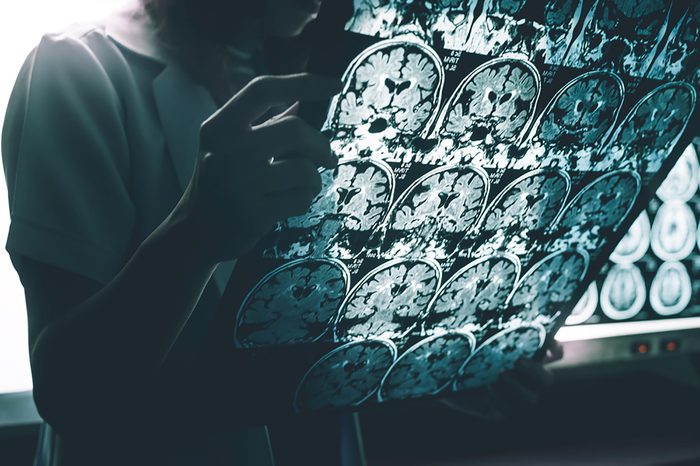
Each patient of Dr. Hamer also underwent a CT scan of the head and in all cases he noticed some dark shadow or concentric circles somewhere in the brain. These dark circles would be in exactly the same place in the brain for the particular types of cancer. There was also a 100% correlation between the location of dark circles in the brain, the location of the cancer in the body and the specific type of unresolved conflict. It was very astonishing. Opponent radiologists said that the spots in the CT scans were machine errors (Artifacts). But Siemens Company which made the machine also admitted that these spots are not Artifacts(Hamer).
Thus Dr. Hamer concludes that when we are in a stressful conflict which is not resolved, the emotional reflex center in the brain which corresponds to the experienced emotion (e.g. anger, frustration, grief) will slowly break down. Each of these emotional centers are also connected to a specific organ. When a centre breaks down, it starts sending wrong signals to the organ it controls, resulting in the formation of deformed cells in the tissues, cancer cells. He also suggests that metastasis is not the SAME cancer spreading. It is the result of new conflicts that might be brought upon by the very stress of cancer diagnosis or of invasive and painful therapies.
Dr. Hamer started to give psychotherapy to his patients along with the treatment. He felt that as soon as psychotherapy shows its effect, the patient is out of this shock (Psychosomatic), cancer cells stop multiplying and the dark circles of brain start to disappear instantly. X-rays of the brain now showed a healing edema around the damaged emotional center as the brain tissue began to repair the affected point. There was once again normal communication between the brain and body. A similar healing edema could also be seen around the now inactive cancer tissue. Eventually, the cancer would become encapsulated, discharged or dealt with by the natural action of the body. Diseased tissue would disappear, and normal tissue would then again appear.
This way Dr. Hamer proved that unavoidable stress or conflict is the cause of cancer and other diseases. The paragraph below shows different psychosomatic trauma or shock and the corresponding cancer it causes.

Organ affected by Cancer and Type of Stress connection.
Bone – Lack of self-worth, inferiority feeling.
Bladder -Ugly conflict, dirty tricks
Breast, right -Conflict with husband or partner
Breast, left -Conflict concerning child, home, and mother.
Cervix -Severe frustration
Colon – Ugly indigestible conflict
Esophagus -Cannot have it or swallow it
Lung – Fear of dying or suffocation, including fear for someone else
Kidneys -Not wanting to live, water or fluid conflict
Liver – Fear of starvation
Testes and Ovaries – Loss conflict
Breast milk gland -Involving care or disharmony
Breast milk duct -Separation conflict
Intestines – Indigestible chunk of anger
Uterus – Sexual conflict
Gall Bladder -Rivalry conflict
Adrenal cortex -Wrong direction, gone astray
Larynx -Conflict of fear and fright
Bronchioles -Territorial conflict
Skin – Loss of integrity
Prostate -Ugly conflict with sexual connections or connotations
Melanoma -feeling dirty, soiled, defiled
Pancreas -Anxiety-anger conflict with family members, inheritance
Spleen – Shock of being physically or emotionally wounded
Rectum -Fear of being useless
Stomach-Indigestible anger, swallowed too much
Thyroid -Feeling powerless
Mouth -Cannot chew or hold it
Lymph glands -Loss of self-worth associated with the location.

Dr. Ryke Geerd Hamer – A controversial doctor
A great innovative scientist Ryke Geerd Hamer was born on May 17, 1935, in Meltmann in Germany and grew up in Friesland. At 18, he started a medical and Theology studies in Tübingen University, where he fell in love with a medical student named Sigrid Oldenburg whom he married a year later.
He completed his degree in Theology and completed studies of Medicine in 1962 and he got his medical registration in 1963. In 1972 he received the Doctor of Medicine degree in internal medicine and began treating cancer patients in the Tübingen University clinic. He was very intelligent and he made many inventions, including the non-traumatic Scalpel (which was 20 times sharper than the ordinary razor blade), bone cutting saws for plastic surgery and automated massage tables, etc.
He earned a lot of money from these inventions and started a clinic in Rome. On August 18, 1978 early morning, a rampaging Italian Prince Victor Emanuel of Savoy shot his son Dirk, who slept unaware in a boat. He was badly injured. Father took care of his son day and night. But on December 7, 1978 Dirk ultimately died in his arms. This was a big shock for the parents. He suffered a loss of confidence and after three years he developed cancer in testes. After a few months his wife also developed breast cancer. He thought it was the result of the shock of his son’s death. Dr. Hamer later named this type of shock, the “Dirk Hamer Syndrome” or DHS.

Root Cause to Illness & Symptoms: An Intro to German New Medicine (themindbodyrewire.com)

https://learninggnm.com/SBS/documents/sbs_index.html

https://drlauryn.com/wellness-knowledge/german-new-medicine-
There are 5 core principles of the gut-brain connection (inspired by the 5 Biological Laws of German New Medicine), explaining how this whole gut-brain thing works at a mental, emotional and physiological level.
101-3-steps-to-rewire-the-gut-brain-connection-heal/

He researched cancer patients for many years and proved that each disease is caused by some mental trauma or shock. He experimented on 40,000 patients and based on these experiences, made the five rules of the New German Medicine. The results caused a furor among the doctors but they were not ready to accept these findings. His research did not see any benefits.
Finally, in 1981, he presented his research at the University of Tübingen for verification. He wanted that his research should be taught in medical schools, so that the patient could be benefited by this research. But the university refused to even review his research.
There was deep conspiracy against Dr. Hamer; he was sued in 1986 by the University and court ordered to confiscate his medical registration. Though his research papers could not be denied in the court. But he did not give up and fought for the truth and science for whole life. His wife could not come out of son’s death agony and eventually died in 1985.

In 1997, he was accused of examining three patients without charging any fee and sent to jail for 19 months as he had no Medical Registration that time. Police took all his research papers and books when he was arrested. His research, study and treatment was so effective that the Public Prosecutor had to admit in the court that 6500 late-stage cancer patients were treated by him, five years later 6,000 of them were still alive.
September 9, 2004 he was arrested again at his residence in Spain, and sent to prison in France. This time he was accused that some French patients died after they read his book, while he never met and consulted these patients. He was released from prison in February, 2006 and in March 2007, he was sent to Sendiyard, Norway. Today he has been living in exile in Norway. This is the price he paid for truly serving humanity.
Journalists and medical experts portray Dr. Hamer as a quack, a self acclaimed miracle healer, a cult leader, or an insane criminal who denied cancer patients the “life-saving” conventional treatments.

Stages of Cancer Development
Phase 1: Inescapable Shock
Phase 1 starts about 18-24 months prior to cancer diagnosis. This is where the person with cancer experiences an unavoidable and prolonged emotional stress or trauma, affecting deep sleep and the production of melatonin. Melatonin, a hormone produced in the pineal gland of the brain during deep sleep, is essential for inhibiting growth of cancer cell and is the primary hormone which regulates the immune system; particularly production of interleukin-2 which controls white blood cell immune functions and protects against microbial infection. Without enough melatonin cancer cells flourish. Dr Hamer proved that every cancer has a specific psycho-emotional cause and a part of the emotional reflex centre in the brain is damaged due to the prolonged stress. And as each part of the emotional reflex centre in the brain controls and is connected to a particular organ of the body. When the emotional centre in the brain breaks down, the organ it controls gets wrong and incomplete signals, becomes cancerous.

Phase 2: Adrenaline Depletion
In phase 2, stress hormone cortisol levels are raised which deplete adrenaline levels. There are limited reserves of adrenaline in the body and when a person is under constant psycho-emotional stress these reserves are depleted quickly. While insulin helps to shift glucose into cells, the adrenaline is crucial for cell respiration and for converting this glucose into ATP energy for the body and for healthy cell division (which occurs via the metabolic pathway known as Oxidative Phosphorylation and via the Krebs’ Citric Acid Cycle in the mitochondria of the cell).
Without adrenaline to stimulate production of the GDP molecule (which is essential for mitochondrial cell respiration and glucose conversion), the cells Krebs’ Cycle and Oxidative Phosphorylation metabolic pathway is broken and the cell is starts to ferment glucose instead as a means to obtain some amounts of ATP energy (via Glycolysis), which creates lactic acid state in the body and a low pH environment in the cell. This sets the stage for the cancer-fungus to evolve in phase 3 to ferment rising glucose and lactic acid, causing cell mutation.

Phase 3: The Cancer Fungus
In phase 3, somatids (small microorganisms essential for life) that live in our cells pleomorphic into yeast-like-fungus to ferment excess glucose and produce lactic acid in cells (due to the cell fermenting glucose for energy caused by a broken Krebs’ Cycle). In a healthy person, somatids have 3 stages in their life cycle – somatid, spore, double spore. However, in a highly acidic low pH lactic acid environment, somatids pleomorphism into a further 13 stages. These stages include viral-bacterial-yeast-like-fungus forms which ferment excess glucose and produce lactic acid in the cell.
These fungal pathogenic forms then shift to the cell nucleus to produce waste products called mycotoxins, inhibiting repair of cell DNA and also inhibiting the very important tumor suppressor genes. Without this gene p53 which regulates cell death (apoptosis), the cell mutation starts beyond repair, and ‘cell-growth regulating’ proto-oncogenes turn into oncogenes, causing normal cells to mutate into cancer cells.

Phase 4: Niacin Deficiency
In phase 4, depleted adrenaline (epinephrine) levels cause a depletion of dopamine in the brain. Adrenaline is made by dopamine, and as more and more dopamine is used up during stress, the amino-acid tryptophan creates serotonin to please the depressed mood. This causes a depletion of tryptophan which is required to produce niacin/niacinamide (vitamin B3) for cell respiration. Normally tryptophan converts niacin and NAD coenzymes which are then required by the Krebs’ Citric Acid Cycle in the mitochondria for cell respiration, glucose conversion and the creation of ATP energy. Without niacin and NAD coenzymes, the Krebs’s Citric Acid Cycle is broken, causing the cell to ferment glucose for energy, resulting in cell mutation and the formation of cancer.

Phase 5: Vitamin C Deficiency
In phase 5, depleted adrenaline levels cause a depletion of ascorbic acid (vitamin C) in the adrenal glands. Ascorbic acid is the important substance used by dopamine to make noradrenaline in the adrenal glands, which is then converted to adrenaline. During prolonged stress more and more adrenaline is depleted, meaning more and more ascorbic acid is used up in the creation of adrenaline. During chronic stress the adrenal glands also release ascorbic acid into the body to diminish the stressful impact of adrenaline on the heart and blood pressure. Ascorbic acid is essential for preventing cell DNA damage caused by “oxidative stress”, converting oxygen waste products superoxide and hydrogen peroxide into oxygen and water within the cell mitochondria throughout the Oxidative Phosphorylation. The continual loss of ascorbic acid (during prolonged chronic stress) thereby increases DNA damage and mutation in cell mitochondria, causing normal cells to turn into cancer.

Phase 6: Immune Suppression
In phase 6, the immune system becomes weaker by a subconscious desire to “exit life”; due to elevated stress hormone cortisol levels depleting serotonin and dopamine levels in the brain that cause internal depression. An individual experiencing prolonged stress becomes tired of life and wants to come out of the never-ending stress and pain of life, by sending messages to the immune system to shut down. This occurs at the subconscious level where the immune system receives signals to stop production of interleukin-2- producing T cells, B cells, natural killer cells, macrophages and neutrophils. Without immune defenses, viral-bacterial-yeast-like-fungus that have pleomorphism within cells in phase 3 continue to grow and newly produced cancer cells go on multiplying.

How to Heal the Psycho-Emotional Trauma
The diagnosis of cancer is not a death certificate; it just shows you that your physical, emotional, mental and spiritual bodies are out of balance. It is a simple warning to you that you have not healed old wounds. These should be identified and healed.

Hammer suggested the following treatments to resolve the Psycho-Emotional conflict:
1) You can consult an experienced healer/therapist to heal these wounds. Many CDs and guides are available to help you in healing deeper layers of buried emotions in your subconscious mind.
2) According to Lothar Hirneise, 100% of all late stage ‘miracle’ cancer survivors had all made considerable “systems change” in their lives. This means they had all either left their stressful jobs, ended troubled marriages, shifted to other places or countries for the purpose of removing all stress from their lives.
3) Cancer patients often do not have proper sleep and thus do not produce enough Melatonin. Remember that melatonin is also produced during meditation. So meditate for at least 30 minutes a day or take melatonin orally.
4) High stress hormone cortisol levels deplete adrenaline reserves in the body. It is essential to include one daily activity to relax your mind, for the purpose of reducing stress hormone cortisol levels. Optimally spend 2 hours per day in relaxation. This can include walking on the beach, sitting amongst nature, undertaking yoga, yoga nidra or divine sleep, massage, meditation or visualization.
5) High stress hormone cortisol, low melatonin levels, parasites, pathogenic microbes, chemotherapy and radiation all weaken the immunity. So it is very important to support the immune system during recovery from cancer. We recommend you incorporate at least one therapy to boost and support your immune system. High dose Vitamin C therapy can be used. Visualization helps boost your Immunity. Consider graviola fruit to prevent side-effects of chemotherapy or radiation. Remember that graviola is not compatible with the Budwig Diet.
6) Removing the Cancer-Fungus, without which Cancer could not exist. Prolonged psycho-emotional stress suppresses the immune power. When the immunity is suppressed, somatids – change from harmless to pathogenic viral-bacterial-yeast-like-fungus forms. Cancer cannot exist without this viral-bacterial-yeast-like fungus. They travel to the cell nucleus and release “mycotoxins” which causes cell DNA damage and the mutation of normal cells into cancer cells, and ferment the glucose in cancer cells. They provide a natural growth factor for cancer cells to metastasize in the body. It is highly recommended you include at least one of the following to remove the cancer-fungus from your body: Apple Cider Vinegar, Garlic, and Soda bicarb, Essiac Tea or Hyperthermia.
7) Toxins which include “mycotoxins” or acidic waste products caused by the cancer-fungus, poor diet, chemicals, alcohol, tobacco, antibiotics, chemo-therapy, fermentation, poor exercise causing build-up of lactic acid, and dead microbes, parasites and cancer cells. These toxins accumulate in the liver which is the master immune system organ. When the liver is flooded with these toxins, the immune system is weakened and you feel sick, and cancer cells, viral-bacterial-yeast-like-fungus thrives. It is very important to detox the liver, colon (the intestinal immune system), as well as the gall bladder and kidneys, to prevent toxin build up within your body. When you are killing the cancer-fungus or cancer cells using an alternative or orthodox approach, you should detox the body at the same time, because your liver cannot remove all the dead microbes and cancer cells being killed in the process from the body. We suggest you to include at least one therapy to detox the liver and colon on a regular basis e.g. Liver-Colon Cleanse and Coffee Enema. Ozonated Water should be strongly considered for it is a super body detoxifier, except lung cancer patients or lung disease.
😎 Niacin (Vitamin B3) is a critical element needed by the body’s cells to function in a healthy way. Without niacin, the Krebs’ Cycle of cells is broken or impaired, and the cell reverts to glycolysis and the fermentation of glucose to obtain energy, causing cancer to develop. Vitamin C can be given 12 grams per day without much difficulty. 500 mg to 1500 mg Niacin (Tab. Neasyn-SR 500) is prescribed per day.
9) Cancer cells can only survive in low pH or acidic environments caused by the lactic acid produced during fermentation and by viral-bacterial-yeast-like-fungus excreting “mycotoxins” within cells. As cancer cells find it difficult to survive in an alkaline environment of 7.5 or greater, so it is essential to include a 3-step program to restore correct cell pH, which includes: 1) alkaline foods, 2) the removal of lactic-acid forming emotional stress and 3) the dextrorotatory lactic acid which is a key ingredient in sauerkraut and cottage cheese.
10) Cancer sometimes manifests as a direct result of a subconscious desire to “exit life”, caused by the individual feeling overwhelmed by the pains of life and no longer having a strong desire to live. This desire to exit life sends messages to the immune system to shut down. This subconscious desire to exit life must be reversed in order to survive cancer. Visualization and guided-imagery tools help to both heal and reverse this subconscious death wish
11) Prayer connects you to God and helps to overcome the subconscious death wish. When we asked what is the best option to cure last stage cancer, the first reply was a prayer. Ask God to forgive you for any wrong-doings, Tell Him to fill your life with love, health and happiness and diminish pain.

Every cancer is unique – why different cancers require different treatments,
and how evolution drives drug resistance (msn.com)
Cancer patients see results with exercise oncology, a growing field embraced in Pittsburgh,
Depression linked to altered brain responses to different types of gestures, study finds.
Physical Activity Has Powerful Effects on Colon Cancer Risk, Research Suggests.
Couples With the Strongest Relationships Have These 13 Things in Common (msn.com)
‘Very high’: Map shows just how many people are finishing 2023 feeling sick (msn.com)
How physical exercise is key to the treatment of breast cancer (msn.com)
Root Cause to Illness & Symptoms: An Intro to German New Medicine.
Healthy habits may reduce risk of breast cancer recurrence (msn.com)
The soup recipe loved by the world’s longest-living family (msn.com)

Yolk: Ask Health Professionals (msn.com) 💯
Posted in Uncategorized | Leave a comment

If You Don’t Know Jack

Justin Latam & The Stride – You Don’t Know Jack! (OFFICIAL LYRIC VIDEO) (youtube.com)

Jack Kungel | Facebook is a man from Kingsville, ON. He beat cancer using a positive attitude, eating his vegetables and CANNABIS. This song is about Jack’s self-healing with cannabis. For his full story, you can go to his website www.jackkungel.com/jacks-story... Jack uses his positive attitude to help others and advocate for the healing powers of the plant that saved his life. You Don’t Know Jack! is featured in the 2020 documentary “Jack’s Garage” (from director Kim Saltarski). You can watch the doc at Jack’s Garage – One Man’s Revolutionary Journey From Death’s Door (jacksgaragedoc.com)

NOTE: In The Cancer Cannabis Industry there are many people with little research background out there pushing weed and seed that have little background and are giving cancer patients a bum steer and cannabis a bad name because they don’t know they don’t know.  Jack is one of the best known and well respected on Facebook for his experience and knowledge.
Also to other Facebook groups for Fact Base Information are Cannabis Oil Success Stories | Facebook | FECO Playbook | Facebook Also some people are big THC people and its always best to start out with lower ratio of THC to CBD and build up 

Before All Else…. (Natural Cures)…Written by Aaron Taylor – Search (bing.com)
Before All Else…. Upon a cancer diagnosis, the natural instinct is to find something external to your body’s own natural chemistry to fight it, maybe a magic plant or exotic herb? After all, your body has let you down, its natural defenses have been compromised. But what if your body’s immunity has fallen because it’s lacking crucial necessities… After all, we wouldn’t expect a plane to fly without wings. The truth is your body is a miraculous healing entity, it will always look for its own homeostasis of well-being, but it needs the fundamental building blocks that establish optimal health before it can do that.

It’s tempting to jump straight into a whole catalogue of touted cancer cures, and continue a sedentary lifestyle and a poor diet, but the truth is, if your body hasn’t got the basics covered, then you might as well forget about healing now, because to rely on a magic cure without effort and change, is rolling the dice with the odds heavily stacked against you. Cannabinoid therapy amongst others is a marvelous anti cancer weapon, but its power is so much greater if your biology is nourished alongside it. There is no substitute for a healthy diet, and there is no substitute for exercise.
I’m not going to go into detail within the role each of these listed elements play in your road to optimal health because this write up would be far too long. Instead use it as a reference and research the finer details yourself. The Absolute Essentials

•Diet
90 Easy Vegetarian Recipes to Make for Dinner Tonight (tasteofhome.com)
You should always remember that it is more important what you are not putting in your body than what you are. There is no sense in fighting the beast with one hand, if you are feeding it with the other. Ketogenic, alkalising, juicing diets etc are all with excellent merit that you should explore, and always eat organic when possible. The general rule is this, if it wasn’t around a 100 years ago, you don’t want it in your body.  

image.png

•Vitamin D
You need to know what your vitamin D blood serum level is, because it is pointless to tell somebody to take a certain amount of vitamin D a day and expect them to land within the optimal range by chance. Everybody absorbs vitamin D at different rates. The blood test you need is called 25(OH)D. You want to be at around 80–100 ng/ml when fighting cancer.

Vitamin D Shadow Test – Search (bing.com)
The shadow test is a way to tell if the sun is high enough for you to make vitamin D. When your shadow is equal in length to your height or shorter, you will get enough sunlight for vitamin D production. If it’s longer, you won’t 1 2 3.
As a general rule of thumb, if your shadow is shorter than you, then you should be able to synthesis vitamin D3.

•Transdermal and Ionic Magnesium
Magnesium plays many important and vital roles, but one of its most vital attributes within the fight against cancer is that it buffers the lactic acid produced by the cancer cells. Transdermal is always the king, but ionic magnesium has unparalleled bio availability compared to regular magnesium supplementation.

•Cachexia
Cachexia occurs when cancer cells produce lactic acid, the liver then metabolises some
of this lactic acid into glucose, of which the cancer then metabolizes again or energy.
It’s basically re-feeding itself. We generally recognize cachexia when somebody is rapidly losing weight and has no appetite; this is when starvation is occurring.
It is a myth that cachexia only happens towards the end of stage 4 cases, because cachexia is occurring in all cancer cases and at all stages. Aside from the aforementioned importance of magnesium, the use of Hydrazine Sulfate has also shown great promise in helping to break the cachexia cycle. Fish: Ask Health Professionals (msn.com)

image.png
image.png image.png

Omega 3 and Cachexia – Search (bing.com)
The purpose of this guideline is to provide evidence-based guidance on the optimal approach for the treatment of cachexia in patients with advanced cancer.
Cachexia is a multifactorial syndrome characterized by loss of appetite, weight, and skeletal muscle,1 leading to fatigue,2 functional impairment,3 increased treatment-related toxicity,4 poor quality of life,5 and reduced survival.4,6–11 
Across malignancies, cachexia is highly prevalent, impacting approximately half of patients with advanced cancer.12,13 Assessment and management of cancer cachexia are major challenges for clinicians. By targeting the glycolytic ally active tumor cells that produce pro-cachexia molecules, restricted diet therapies can potentially reduce tumor cachexia. These therapies could be supplemented with omega-3 fatty acids, which can also reduce the cachexia phenotype.

•The Gut
80% of your immune system lies within your gut. That startling statistic in itself should be enough to motivate you to learn the basics of fermenting your own foods. It’s super easy, and super cheap, and incredibly good for you.Kefir and Kombucha are great, but the king of fermented goodness is sauerkraut. Before you consider taking the easier and much more expensive route of store bought probiotics, consider this; within just 4 ounces of fermented sauerkraut, there are ten trillion living bacteria.
Even if you believe the probiotic count on the bottle, 4 ounces of sauerkraut contains more probiotic than 2 whole bottles of the best probiotic supplement out there. You never believe the bottle by the way. There is simply no comparison to the dead or dying and redundant probiotic supplementation you pay through the nose for, compared to the living and abundant source of probiotics you find in fermented foods.

•Enzymes
Plantazym, Bromelain and Wobenzyme are all fabulous enzymes. Although research suggests that porcine enzymes have a bigger anti-cancer effect. Although an enzyme that is not quite as known as its aforementioned counterparts is Nattokinase. Nattokinase has the ability to break down fibrin. Fibrin is responsible for blood clotting and tumor coating. A few more forward-thinking hematologists have considered that cancer moves more easily around the body when the blood is too thick. Enzymes, and Nattokinase in particular help keep the blood at a healthier density, which is why it is so beneficial for the heart as well. Please note that Nattokinase is derived from soy, although it is from fermented soybeans, which is why Nattokinase is not found in any other soy product.

•The Role of Stress
Stress and stressful events are heavily linked to cancer. Be that through contributing to cancer arising in the first instance or be it through fueling cancer through the stress hormone cortisol. It seems nonsensical to tell somebody with cancer not to worry, but you must do everything in your power to achieve a positive mindset. Controversial it may be, but the use of psilocybin mushrooms has proven to be of immense benefit to those facing the fear of death, where in a lot of cases the fear of dying is removed completely. I understand the use of mushrooms or Ayachusa will be a complete no-go for many people, but I encourage you to at least explore the possibility, if you feel comfortable with the idea. Hypnosis, yoga, meditation and especially exercise are all powerful anti-stress tools you must explore. Winning the battle in the mind puts you halfway to victory already.

•Niacin
One huge link in how stress causes cancer is through a process all aerobic organisms use to generate energy (The Krebs Cycle) in relation to niacin. When we deplete adrenaline, as what happens through the stress hormone cortisol, the body in turn produces more dopamine, because adrenaline is made by dopamine. The body then creates an amino acid called tryptophan to create serotonin to offset any depressed mood. This means a depletion of tryptophan, which is vital, as it is needed to synthesize niacin. Niacin is critical in the Krebs cycle because it is used in the mitochondria of the cell for respiration, glucose conversion and energy. Without Niacin, The Krebs Cycle metabolic pathway is broken, and this causes the cell to then ferment glucose, this results in cell mutation and the formation of cancer.

•The pH of blood refers to how acidic it is.
The pH scale runs from 0 to 14, with 7 being neutral. Blood pH should be between 7.35 and 7.45 for the body’s metabolic processes and other systems to work well1. The body has a complex system of feedback and regulation to maintain healthy pH levels1. The lungs and the kidneys are the two main organs that regulate the pH of the blood1. The lungs can help regulate blood pH rapidly through the process of exhaling carbon dioxide, sometimes producing changes within seconds1. The kidneys regulate the pH of the blood by excreting acids in urine and producing and regulating bicarbonate, which increases blood pH1.
Changes in blood pH can signal underlying medical issues1. Acidosis occurs when the blood is too acidic, with a pH below 7.35, while alkalosis occurs when the blood is not acidic enough, with a pH above 7.451. There are four main ways in which blood pH can change: metabolic acidosis, respiratory acidosis, metabolic alkalosis, and respiratory alkalosis1.
A sudden change in blood pH may indicate an underlying health problem1. Acidosis can cause symptoms such as sleepiness, fatigue, headache, loss of appetite, confusion, and vomiting2. Alkalosis can also lead to symptoms that make it difficult to manage everyday activities. The exact symptoms will depend on the type of pH imbalance2.
It’s important to identify and treat the underlying issue that has caused changes in blood pH levels1. If you have concerns about your blood pH or any related symptoms, it’s best to consult a healthcare professional for an accurate diagnosis and appropriate treatment.

•Water
Water is primarily what we are, it removes wastes and toxins from our bodies, it transports nutrients and oxygen, it protects are organs. For something so important, it makes more than enough sense that we want to be consuming copious amounts, and we want it clean. Bottled spring water in glass bottles is ideal, but to keep costs down in the long term, a reverse osmosis unit at home will serve the purpose perfectly. It is important to add a sprinkle of Himalayan salt to every liter of water you filter through the reverse osmosis unit, as it will remove all the bad and all the good. The body will never operate at the optimum level it needs to to beat cancer if it is dehydrated. You should be looking at around 3-4 liters a day, and even more if conducting high intensity workouts.

Alkaline Water: Ask Health Professionals (msn.com)

•The Lymphatic System
Unlike the circulatory system, your lymph system doesn’t have a pump.
That means you have to be the pump. A sluggish immobile lymph system is a toxic lymph system. The best way to get the lymph system moving is through rebounding, which is basically a mini trampoline. I cannot emphasize enough the importance of getting your body moving, if this isn’t an option then look into armchair exercises or anything else to get the body working.

•Breathing
Sounds straightforward, you can even do it without thinking right? But shallow breathing is not a friend to your body, your body needs big, deep, regular breaths. Practicing deep breathing and even utilizing breathing exercises are a powerful fundamental you need to get on top of. Home oxygen machines can also be of great benefit.

•Sweating
Hopefully your sweating is covered when you’re exercising, but regardless,
it is incredibly important you have a good deep sweat at least three times a week, with daily deep sweats being optimal. My preference is using a far infrared sauna, because then you are reaping additional benefits. Cancer cells are heat sensitive, and far infrared has the ability to penetrate deep into the body to heat you up, as opposed to heating the air up, as traditional saunas do.

•Intermittent Fasting
Fasting isn’t going to be suitable for all cases, and you’ll have to seek
advice and use good judgment to establish if you are a candidate. The rewards from intermittent fasting can be miraculous. Switching the body to burning ketones as a fuel (ketosis) cuts off the primary energy source to the cancer (Glucose) Cancer cells have several more insulin receptors than that of a normal cell, so it loves sugar.

•Sulforaphane
Sulforaphane, a sulfur compound found at the highest level in broccoli sprouts is of such importance I’m going to list it as an essential.
Sulforaphane normalizes DNA methylation, and will actually switch on genes that prevent and fight cancer, and turn off genes that help cancer spread. Buy organic broccoli seeds and grow them for around 3 days in mason jars. Like fermented foods, it is incredibly cheap, and incredibly good for you.

•Beta Glucan
There is nothing that will boost the immune system like Beta Glucan, and no cancer diet is complete without consuming it daily. As with probiotics, you could waste your money on expensive Beta Glucan supplements, which generally come in 100mg capsules, but then you could just consume nature’s highest source for pennies. Just 50 grams of plain rolled porridge oats (again only buy organic) will contain a massive 2500mg of Beta Glucan. To avoid any heat stability issues, you are better to soak your oats in almond or coconut milk for around 30 minutes, rather than heat them up.

•Liposomal Vitamin C
Orally you will absorb about a gram of vitamin C and anything more will just be discarded by the body. Liposomal vitamin C works in a different way to even IV vitamin C, in that it delivers on an intracellular level, which some would say is even more beneficial than the extracellular IV level. If you are going to dedicate to a vitamin C protocol you should first test your Vitamin C Blood Serum level. Apoptosis will occur at around 270 mmol/l. In one liposomal vitamin C study, a VIT C blood serum level of 600mmol/l was achieved on 36g of liposomal vitamin C.

•The Fungus Connection
Cancer and fungus are incredibly similar; and furthermore they coexist. To fight cancer is to fight fungus. Common antifungal drugs have been found to lower tumor markets in various cancers. Fungus plays a pivotal role in the cause and proliferation of cancer by migrating to cell walls and releasing mycotoxins, which in turn cause cell DNA damage and thus the mutation of healthy cells into cancerous ones. Look at the some of the similarities that cancer and fungus share; —Both produce lactic acid. —Both nourish without the need of oxygen —Both are killed with anti-fungal drugs and herbs —Both need sugar to thrive It would be wise to be mindful of the fungus link, and include anti fungal protocols into your regime, such as; Organic Cold Pressed Coconut Oil Raw Organic Apple Cider Vinegar, Sodium Bicarbonate, Oregano Oil

•Root Canals There is some strong evidence to suggest that root canals are heavily
linked to cancer. During a root canal, the nerve of the tooth is removed and the tooth is sterilized. However, it is impossible to sterilize the periodontal ligament, and this serves as a breeding ground for bacteria, which now without oxygen feeding the dead tooth, will become anaerobes, which produce potent toxins that look to proliferate and spread around the body.

•Angiogenesis
Angiogenesis is the growth of new capillary blood vessels. Tumors cannot generally form masses greater than 1-2mm without the need of angiogenesis. With that fact in mind, it only makes sense a cancer protocol should include natural anti-angiogenesis foods, herbs and supplements, such as; Artemisia Annua (Chinese Wormwood) White/Green Tea Curcumin Resveratrol Grape Seed Extract.

•Chronic Inflammation and Gluten
Cancer is as much a disease of inflammation as it is a poorly functioning immune system, so anything that contributes to chronic inflammation is not acceptable, and nothing causes chronic inflammation in the body like gluten does. If you are following a sensible cancer diet, then you will have eliminated gluten already. Other known causes of chronic inflammation are wheat, most grains, pasteurized dairy, and refined sugars.
•Supplementation
Other supplements that have not been mentioned already that I strongly suggest you explore are the following; Glutathione (Liposomal) Resveratrol (Liposomal) Curcumin (Liposomal) Selenium Lugol’s Iodine Essiac Tea Frankincense Bitter Apricot Kernels Melatonin Niacin Cayenne Organic Sulfur.

image.png
Smoothie –   Jack Kungel

Pam Gotcher Good thing there’s not a histamine or oxalate reaction (frequently genetic) in this household, or this would be a real runny nose situation. We are definitely not all the same… It’s a great recipe as long as you don’t have histamine or oxalate issues (which may be genetic, but you’d need a test to show that). I do, so I will not be able to use it. That doesn’t mean that others can’t use it.

image.png
Curious what all the supplements are in the back.

Jack Kungel one smoothie…
Jack Kungel ginseng, ginger, hawthorn. alfalfa powder, Ceylon cinnamon, turmeric, black pepper, mucuna pruriens apple fiber, bromelain, goji berries, black currants red currants… beet powder… ashwagandha spirulina moringa powder… CBG raw cannabis…high thc decarbed cannabis…hemp oil, liquid vitamin D3..liquid light fulvic acid… hemp oil, walnuts, almonds, sunflower seeds, pumpkin seeds… myco 10 mushroom blend… bee pollen, nutritional yeast.  PLEASE NOTE: Turkey Tail Mushrooms: A Natural Immune Booster for Dogs – Pet Wellness Direct

FECO Playbook | Easy medicine for your pet | Facebook

image.png

This saved my life… I was given 3 months February 11/2011… I am almost 13 years cancer free… complete lifestyle change… I had terminal bladder …prostate and 1 of my kidneys…i was sent to have my body parts removed… It took 11 months to see that surgeon… When I got there it was gone… I still have all my body parts… off 22 medications… and cancer free… no it wasn’t too much… it was what i needed to do to live… taking cannabis is the easy part… it’s the rest that needs to happen that people cannot do…EVERYONE FEELS CHEATED…i do not feel cheated…

THE CANCER WAS A BLESSING IT WOKE ME UP…
I am the healthiest I have ever been… I’m 70… ❤
Convert liters to gallons (unitconverters.net)

image.png

Robert Lamarre
  · If it wasn’t for these 2 wonderful people, I would have been ‘ legally dead ‘ months ago but as my friend Jack says,I’d much rather be’ illegally alive ‘ ! Thank You for everything, my Friends. I remain eternally grateful for your compassionate help and wisdom Stewart Martin and Jack Kungel . #FUCKCANCER 

image.png
Green Thinking assembly in Kingsville, Ontario, Canada @ November 7th, 2015 

Green Thinking Assembly 2015 (youtube.com)
Was an initiative designed to discuss the potential benefits of cannabis use for medicinal purposes. The assemblage consisted of speakers who delivered personal testimonies of their various medical journeys and the role cannabis has played in their paths to health and wellness. It was the hope of this assembly to improve public awareness of the need for legislation reform to allow at the very least.
The choice for anyone for whom it may be beneficial to explore the option of including cannabis in their medical treatment without being impeded by the obstacle of stigma or the possibility of criminal charges. For many years the subject of cannabis in general terms has been taboo. It is time to lessen the stigma attached to this topic and to let it be known that “it’s ok to talk about cannabis” and the possible healing properties it has to offer.

I Saw this and it is a great list of strains for cancer. 💯
Thunder Kush Strain – Search (bing.com) Godfather OG Strain – Search (bing.com)
 OG Kush Strain – Search (bing.com) Blue Dream Strain – Search (bing.com) Garlic Breath Strain – Search (bing.com) Sour Strawberry Diesel Strain – Search (bing.com) Animal Cookies Strain – Search (bing.com) Biscotti Gelato – Search (bing.com) GMO Cookies Strain – Search (bing.com) Granddaddy Purple Strain – Search (bing.com) Oreoz Strain – Search (bing.com) Purple Punch Strain – Bing video Sunset Sherbert Strain – Bing video Super Silver Haze Strain – Bing video Super Lemon Haze Strain – Bing video Wedding Cake Strain – Bing video
 Banana Punch Strain – Search (bing.com) Afghan Kush Strain – Search (bing.com) Banana Punch Strain – Search (bing.com) Blue Zkittlez Strain – Search (bing.com) Chemdawg Strain – Search (bing.com) Durban Poison Strain – Bing video Ghost OG Strain – Search (bing.com) Gorilla Glue Strain – Search (bing.com)
Blueberry Moonrocks Strain – Search (bing.com) Blueberry Lemonade Strain – Search (bing.com)  Blueberry CBD Strain – Search (bing.com) Blueberry Pie Strain – Search (bing.com) Blueberry Diesel Strain – Search (bing.com)

OG Kush is great for breast cancer because it has certain Terpenes in it that work together. My preference for giving advice for certain strains is that it’s not a sativa because sativa is having people feel anxiety and they don’t want that. It has a certain Terpenes in it. However, I kind of stick with Indica because it’s easier to fight not feeling lazy and it is to have that high anxiety with feeling your heartbeat real fast.

image.png

New Survey Suggests Medical Cannabis as Effective as Opiates for Neuropathic Pain | NuggMD

The effects of cannabinoids on the endocrine system | Borowska | Endokrynologia Polska (viamedica.pl)

A Deep Dive into the Endocannabinoid System: The Science Behind Medical Marijuana 
A Deep Dive into the Endocannabinoid System:

 The Science Behind Medical Marijuana (unitedpatientsgroup.com)

Mangoes and Cannabis: How Does It Intensify the High? – Sensi Seeds

FECOFF Friday Podcast- Session 8-Jack Klause Facebook

Facebook FECOFF Friday Podcast- Session 6- Meet Pamela Javid Haymes
Join us today for another season of FECOFF Friday Podcast Live at 12pm cst as we welcome the incredible Pamela Javid Haymes! 

Well known in the industry for helping both humans and dogs battle cancer!  (3) Facebook
 Also look at the documentary we did. It will give a great perspective of cannabis and lifestyle…
http://jackkungel.com/index.html

https://fecoplaybook.org/

THC The Healing Conversations | Kim Saltarski (youtube.com)
After his melanoma stage 3B diagnosis in 2014, Kim Saltarski turned to Traditional Chinese Medicine, a plant-based diet and medical cannabis to detoxify and build his immune system to put his cancer in full remission. Kim pays it forward by using his filmmaking skills to tell similar stories of empowered healing including the documentaries: Jack’s Garage, MEND with Dignity and THC – The Healing Conversations.
Please SUBSCRIBE to this channel, like and share this video if it gives you hope.
For more information visit https://www.thcseries.com and like us at   / thcseries  .
Learn more about Kim’s other medical cannabis documentaries at https://www.JacksGarageDoc.com and https://www.MENDDoc.com. 

*Please note: The statements in this documentary are not intended
to be a substitute for professional medical advice.
Cancer Rates By Country [Updated 2022] | Dana-Farber Cancer Institute

The Most Beautiful Version of “Hallelujah” You Have Ever Heard – Lucy Thomas (youtube.com)

Jack’s Garage (youtube.com) follows the extraordinary journey of Jack Kungel who discovered the healing powers of cannabis and made it his mission to help hundreds of others and their pets from around the world.

This is the documentary Big Pharma doesn’t want you to see.

Posted in Uncategorized | Leave a comment

Cancer And Cannabis

Cannabinoids as anticancer drugs: current status of preclinical research | British Journal of Cancer (nature.com)

Go to Patient Version
ON THIS PAGE
Overview
General Information
History
Laboratory/Animal/Preclinical Studies
Human/Clinical Studies
Adverse Effects
Summary of the Evidence for Cannabis and Cannabinoids
Latest Updates to This Summary (08/03/2023)
About This PDQ Summary

Overview
Cannabis and Cancer – Search Videos (bing.com)

This cancer information summary provides an overview of the use of Cannabis and its components as a treatment for people with cancer-related symptoms caused by the disease itself or its treatment.

This summary contains the following key information:
Cannabis has been used for medicinal purposes for thousands of years.
By federal law, the possession of Cannabis is illegal in the United States, except within approved research settings; however, a growing number of states, territories, and the District of Columbia have enacted laws to legalize its medical and/or recreational use.
The U.S. Food and Drug Administration has not approved Cannabis as a treatment for cancer or any other medical condition.
Chemical components of Cannabis, called cannabinoids, activate specific receptors throughout the body to produce pharmacological effects, particularly in the central nervous system and the immune system.
Commercially available cannabinoids, such as dronabinol and nabilone, are approved drugs for the treatment of cancer-related side effects.
Cannabinoids may have benefits in the treatment of cancer-related side effects.
Many of the medical and scientific terms used in this summary are hypertext linked (at first use in each section) to the NCI Dictionary of Cancer Terms, which is oriented toward non-experts. When a linked term is clicked, a definition will appear in a separate window.
Reference citations in some PDQ cancer information summaries may include links to external websites that are operated by individuals or organizations for the purpose of marketing or advocating the use of specific treatments or products. These reference citations are included for informational purposes only. Their inclusion should not be viewed as an endorsement of the content of the websites, or of any treatment or product, by the PDQ Integrative, Alternative, and Complementary Therapies Editorial Board or the National Cancer Institute.

General Information
Cannabis, also known as marijuana, originated in Central Asia but is grown worldwide today. In the United States, it is a controlled substance and is classified as a Schedule I agent (a drug with a high potential for abuse, and no currently accepted medical use). The Cannabis plant produces a resin containing 21-carbon terpenophenolic compounds called cannabinoids, in addition to other compounds found in plants, such as terpenes and flavonoids. The highest concentration of cannabinoids is found in the female flowers of the plant.[1] Delta-9-tetrahydrocannabinol (THC) is the main psychoactive cannabinoid, but over 100 other cannabinoids have been reported to be present in the plant. Cannabidiol (CBD) does not produce the characteristic altered consciousness associated with Cannabis. It is felt to have potential therapeutic effectiveness and has recently been approved in the form of the pharmaceutical Epidiolex for the treatment of refractory seizure disorders in children. Other cannabinoids that are being investigated for potential medical benefits include cannabinol (CBN), cannabigerol (CBG), and tetrahydrocannabivarin (THCV).

Clinical trials conducted on medicinal Cannabis are limited. The U.S. Food and Drug Administration (FDA) has not approved the use of Cannabis as a treatment for any medical condition, although both isolated THC and CBD pharmaceuticals are licensed and approved. To conduct clinical drug research with botanical Cannabis in the United States, researchers must file an Investigational New Drug (IND) application with the FDA, obtain a Schedule I license from the U.S. Drug Enforcement Administration, and obtain approval from the National Institute on Drug Abuse.
In the 2018 United States Farm Bill, the term hemp is used to describe cultivars of the Cannabis species that contain less than 0.3% THC. Hemp oil or CBD oil are products manufactured from extracts of industrial hemp (i.e., low-THC cannabis cultivars), whereas hemp seed oil is an edible fatty oil that is essentially cannabinoid-free (see Table 1). Some products contain other botanical extracts and/or over-the-counter analgesics. These products are readily available as oral and topical tinctures or other formulations often advertised for pain management and other purposes. Hemp products containing less than 0.3% of delta-9-THC are not scheduled drugs and could be considered as Farm Bill compliant. Hemp is not a controlled substance; however, CBD is a controlled substance.

Table 1. Medicinal Cannabis Products—Guide to Terminology

Name/Material
Constituents/Composition
CBD = cannabidiol; THC = tetrahydrocannabinol.
Cannabis species, including C. sativa
Cannabinoids; also terpenoids and flavonoids
 
• Hemp (aka industrial hemp)
Low Δ9-THC (<0.3%); high CBD
 
• Marijuana/marihuana
High Δ9-THC (>0.3%); low CBD
Nabiximols (trade name: Sativex)
Mixture of ethanol extracts of Cannabis species; contains Δ9-THC and CBD in a 1:1 ratio
Hemp oil/CBD oil
Solution of a solvent extract from Cannabis flowers and/or leaves dissolved in an edible oil; typically contains 1%–5% CBD
Hemp seed oil
Edible, fatty oil produced from Cannabis seeds; contains no or only traces of cannabinoids
Dronabinol (trade names: Marinol and Syndros)
Synthetic Δ9-THC
Nabilone (trade names: Cesamet and Canemes)
Synthetic THC analog
Cannabidiol (trade name: Epidiolex)
Highly purified (>98%), plant-derived CBD
The potential benefits of medicinal Cannabis for people living with cancer include the following:[2]
Antiemetic effects.
Appetite stimulation.
Pain relief.
Improved sleep.
Although few relevant surveys of practice patterns exist, it appears that physicians caring for patients with cancer in the United States who recommend medicinal Cannabis do so predominantly for symptom management.[3] A growing number of pediatric patients are seeking symptom relief with Cannabis or cannabinoid treatment, although studies are limited.[4] The American Academy of PediatricsExit Disclaimer has not endorsed Cannabis and cannabinoid use because of concerns about brain development.
This summary will review the role of Cannabis and the cannabinoids in the treatment of people with cancer and disease-related or treatment-related side effects. The National Cancer Institute (NCI) hosted a virtual meeting, the NCI Cannabis, Cannabinoids, and Cancer Research Symposium, on December 15–18, 2020. The seven sessions are summarized in the Journal of the National Cancer Institute MonographsExit Disclaimer and contain basic science and clinical information as well as a summary of the barriers to conducting Cannabis research.[5–11]

References
Adams IB, Martin BR: Cannabis: pharmacology and toxicology in animals and humans. Addiction 91 (11): 1585-614, 1996. [PUBMED Abstract]
Abrams DI: Integrating cannabis into clinical cancer care. Curr Oncol 23 (2): S8-S14, 2016. [PUBMED Abstract]
Doblin RE, Kleiman MA: Marijuana as antiemetic medicine: a survey of oncologists’ experiences and attitudes. J Clin Oncol 9 (7): 1314-9, 1991. [PUBMED Abstract]
Sallan SE, Cronin C, Zelen M, et al.: Antiemetics in patients receiving chemotherapy for cancer: a randomized comparison of delta-9-tetrahydrocannabinol and prochlorperazine. N Engl J Med 302 (3): 135-8, 1980. [PUBMED Abstract]
Ellison GL, Alejandro Salicrup L, Freedman AN, et al.: The National Cancer Institute and Cannabis and Cannabinoids Research. J Natl Cancer Inst Monogr 2021 (58): 35-38, 2021. [PUBMED Abstract]
Sexton M, Garcia JM, Jatoi A, et al.: The Management of Cancer Symptoms and Treatment-Induced Side Effects With Cannabis or Cannabinoids. J Natl Cancer Inst Monogr 2021 (58): 86-98, 2021. [PUBMED Abstract]
Cooper ZD, Abrams DI, Gust S, et al.: Challenges for Clinical Cannabis and Cannabinoid Research in the United States. J Natl Cancer Inst Monogr 2021 (58): 114-122, 2021. [PUBMED Abstract]
Braun IM, Abrams DI, Blansky SE, et al.: Cannabis and the Cancer Patient. J Natl Cancer Inst Monogr 2021 (58): 68-77, 2021. [PUBMED Abstract]
Ward SJ, Lichtman AH, Piomelli D, et al.: Cannabinoids and Cancer Chemotherapy-Associated Adverse Effects. J Natl Cancer Inst Monogr 2021 (58): 78-85, 2021. [PUBMED Abstract]
McAllister SD, Abood ME, Califano J, et al.: Cannabinoid Cancer Biology and Prevention. J Natl Cancer Inst Monogr 2021 (58): 99-106, 2021. [PUBMED Abstract]
Abrams DI, Velasco G, Twelves C, et al.: Cancer Treatment: Preclinical & Clinical. J Natl Cancer Inst Monogr 2021 (58): 107-113, 2021. [PUBMED Abstract]

History
Cannabis use for medicinal purposes dates back at least 3,000 years.[1–5] It was introduced into Western medicine in 1839 by W.B. O’Shaughnessy, a surgeon who learned of its medicinal properties while working in India for the British East India Company. Its use was promoted for reported analgesic, sedative, anti-inflammatory, antispasmodic, and anticonvulsant effects.
In 1937, the U.S. Treasury Department introduced the Marihuana Tax Act. This Act imposed a levy of $1 per ounce for medicinal use of Cannabis and $100 per ounce for nonmedical use. Physicians in the United States were the principal opponents of the Act. The American Medical Association (AMA) opposed the Act because physicians were required to pay a special tax for prescribing Cannabis, use special order forms to procure it, and keep special records concerning its professional use.

In addition, the AMA believed that objective evidence that Cannabis was harmful was lacking and that passage of the Act would impede further research into its medicinal worth.[6] In 1942, Cannabis was removed from the U.S. Pharmacopoeia because of persistent concerns about its potential to cause harm.[2,3] Recently, there has been renewed interest in Cannabis by the U.S. Pharmacopeia.[7]
In 1951, Congress passed the Boggs Act, which for the first time included Cannabis with narcotic drugs. In 1970, with the passage of the Controlled Substances Act, marijuana was classified by Congress as a Schedule I drug. Drugs in Schedule I are distinguished as having no currently accepted medicinal use in the United States. Other Schedule I substances include heroin, LSD, mescaline, and methaqualone.
Despite its designation as having no medicinal use, Cannabis was distributed by the U.S. government to patients on a case-by-case basis under the Compassionate Use Investigational New Drug program established in 1978. Distribution of Cannabis through this program was closed to new patients in 1992.[1–4] Although federal law prohibits the use of Cannabis, Figure 1 below shows the states and territories that have legalized Cannabis use for medical purposes. Additional states have legalized only one ingredient in Cannabis, such as cannabidiol (CBD), and are not included in the map. Some medical marijuana laws are broader than others, and there is state-to-state variation in the types of medical conditions for which treatment is allowed.[8]
ENLARGEA map showing the U.S. states and territories that have approved the medical use of Cannabis.Figure 1. A map showing the U.S. states and territories that have approved the
medical use of Cannabis. Last updated: 10/14/2021The main psychoactive constituent of Cannabis was identified as delta-9-tetrahydrocannabinol (THC).
In 1986, an isomer of synthetic delta-9-THC in sesame oil was licensed and approved for the treatment of chemotherapy-associated nausea and vomiting under the generic name dronabinol. Clinical trials determined that dronabinol was as effective as or better than other antiemetic agents available at the time.[9] Dronabinol was also studied for its ability to stimulate weight gain in patients with AIDS in the late 1980s. Thus, the indications were expanded to include treatment of anorexia associated with human immunodeficiency virus infection in 1992. Clinical trial results showed no statistically significant weight gain, although patients reported an improvement in appetite.[10,11] Another important cannabinoid found in Cannabis is CBD.[12] This is a nonpsychoactive cannabinoid, which is an analog of THC.
In recent decades, the neurobiology of cannabinoids has been analyzed.[13–16] The first cannabinoid receptor, CB1, was identified in the brain in 1988. A second cannabinoid receptor, CB2, was identified in 1993. The highest expression of CB2 receptors is located on B lymphocytes and natural killer cells, suggesting a possible role in immunity. Endogenous cannabinoids (endocannabinoids) have been identified and appear to have a role in pain modulation, control of movement, feeding behavior, mood, bone growth, inflammation, neuroprotection, and memory.[17]
Nabiximols (Sativex), a Cannabis extract with a 1:1 ratio of THC:CBD, is approved in Canada (under the Notice of Compliance with Conditions) for symptomatic relief of pain in advanced cancer and multiple sclerosis.[18] Nabiximols is an herbal preparation containing a defined quantity of specific cannabinoids formulated for oromucosal spray administration with potential analgesic activity. Nabiximols contains extracts from two Cannabis plant varieties. The extracts mixture is standardized to the concentrations of the psychoactive delta-9-THC and the non psychoactive CBD. The preparation also contains other, more minor cannabinoids, flavonoids, and terpenoids.[19] Canada, New Zealand, and most countries in western Europe also approve nabiximols for spasticity of multiple sclerosis, a common symptom that may include muscle stiffness, reduced mobility, and pain, and for which existing therapy is unsatisfactory.

References
Abel EL: Marihuana, The First Twelve Thousand Years. Plenum Press, 1980. Also available onlineExit Disclaimer. Last accessed June 2, 2021.
Joy JE, Watson SJ, Benson JA, eds.: Marijuana and Medicine: Assessing the Science Base. National Academy Press, 1999. Also available onlineExit Disclaimer. Last accessed June 2, 2021.
Mack A, Joy J: Marijuana As Medicine? The Science Beyond the Controversy. National Academy Press, 2001. Also available onlineExit Disclaimer. Last accessed June 2, 2021.
Booth M: Cannabis: A History. St Martin’s Press, 2003.
Russo EB, Jiang HE, Li X, et al.: Phytochemical and genetic analyses of ancient cannabis from Central Asia. J Exp Bot 59 (15): 4171-82, 2008. [PUBMED Abstract]
Schaffer Library of Drug Policy: The Marihuana Tax Act of 1937: Taxation of Marihuana. Washington, DC: House of Representatives, Committee on Ways and Means, 1937. Available onlineExit Disclaimer. Last accessed June 2, 2021.
Sarma ND, Waye A, ElSohly MA, et al.: Cannabis Inflorescence for Medical Purposes: USP Considerations for Quality Attributes. J Nat Prod 83 (4): 1334-1351, 2020. [PUBMED Abstract]
National Academies of Sciences, Engineering, and Medicine: The Health Effects of Cannabis and Cannabinoids: The Current State of Evidence and Recommendations for Research. The National Academies Press, 2017.
Sallan SE, Zinberg NE, Frei E: Antiemetic effect of delta-9-tetrahydrocannabinol in patients receiving cancer chemotherapy. N Engl J Med 293 (16): 795-7, 1975. [PUBMED Abstract]
Gorter R, Seefried M, Volberding P: Dronabinol effects on weight in patients with HIV infection. AIDS 6 (1): 127, 1992. [PUBMED Abstract]
Beal JE, Olson R, Laubenstein L, et al.: Dronabinol as a treatment for anorexia associated with weight loss in patients with AIDS. J Pain Symptom Manage 10 (2): 89-97, 1995. [PUBMED Abstract]
Adams R, Hunt M, Clark JH: Structure of cannabidiol: a product isolated from the marihuana extract of Minnesota wild hemp. J Am Chem Soc 62 (1): 196-200, 1940. Also available onlineExit Disclaimer. Last accessed June 2, 2021.
Devane WA, Dysarz FA, Johnson MR, et al.: Determination and characterization of a cannabinoid receptor in rat brain. Mol Pharmacol 34 (5): 605-13, 1988. [PUBMED Abstract]
Devane WA, Hanus L, Breuer A, et al.: Isolation and structure of a brain constituent that binds to the cannabinoid receptor. Science 258 (5090): 1946-9, 1992. [PUBMED Abstract]
Pertwee RG, Howlett AC, Abood ME, et al.: International Union of Basic and Clinical Pharmacology. LXXIX. Cannabinoid receptors and their ligands: beyond CB₁ and CB₂. Pharmacol Rev 62 (4): 588-631, 2010. [PUBMED Abstract]
Felder CC, Glass M: Cannabinoid receptors and their endogenous agonists. Annu Rev Pharmacol Toxicol 38: 179-200, 1998. [PUBMED Abstract]
Pacher P, Bátkai S, Kunos G: The endocannabinoid system as an emerging target of pharmacotherapy. Pharmacol Rev 58 (3): 389-462, 2006. [PUBMED Abstract]
Howard P, Twycross R, Shuster J, et al.: Cannabinoids. J Pain Symptom Manage 46 (1): 142-9, 2013. [PUBMED Abstract]
Nabiximols. Bethesda, MD: National Center for Biotechnology Information, 2009. Available online. Last accessed June 2, 2021.

Laboratory/Animal/Preclinical Studies
In This Section
Antitumor Effects
Antiemetic Effects
Appetite Stimulation
Analgesia
Anxiety and Sleep
Cannabinoids are a group of 21-carbon–containing terpenophenolic compounds produced uniquely by Cannabis species (e.g., Cannabis sativa L.).[1,2] These plant-derived compounds may be referred to as phytocannabinoids. Although delta-9-tetrahydrocannabinol (THC) is the primary psychoactive ingredient, other known compounds with biological activity are cannabinol, cannabidiol (CBD), cannabichromene, cannabigerol, tetrahydrocannabivarin, and delta-8-THC. CBD, in particular, is thought to have significant analgesic, anti-inflammatory, and anxiolytic activity without the psychoactive effect (high) of delta-9-THC.

Antitumor Effects
One study in mice and rats suggested that cannabinoids may have a protective effect against the development of certain types of tumors.[3] During this 2-year study, groups of mice and rats were given various doses of THC by gavage. A dose-related decrease in the incidence of hepatic adenomama tumors and hepatocellular carcinoma (HCC) was observed in the mice. Decreased incidences of benign tumors (polyps and adenomas) in other organs (mammary gland, uterus, pituitary, testis, and pancreas) were also noted in the rats. In another study, delta-9-THC, delta-8-THC, and cannabinol were found to inhibit the growth of Lewis lung adenocarcinoma cells in vitro and in vivo.[4] In addition, other tumors have been shown to be sensitive to cannabinoid-induced growth inhibition.[5–8]
Cannabinoids may cause antitumor effects by various mechanisms, including induction of cell death, inhibition of cell growth, and inhibition of tumor angiogenesis invasion and metastasis.[9–12] Two reviews summarize the molecular mechanisms of action of cannabinoids as antitumor agents.[13,14] Cannabinoids appear to kill tumor cells but do not affect their nontrans formed counterparts and may even protect them from cell death. For example, these compounds have been shown to induce apoptosis in glioma cells in culture and induce regression of glioma tumors in mice and rats, while they protect normal glial cells of astroglia and oligodendroglia lineages from apoptosis mediated by the CB1 receptor.[9]

The effects of delta-9-THC and a synthetic agonist of the CB2 receptor were investigated in HCC.[15] Both agents reduced the viability of HCC cells in vitro and demonstrated antitumor effects in HCC subcutaneous xenografts in nude mice. The investigations documented that the anti-HCC effects are mediated by way of the CB2 receptor. Similar to findings in glioma cells, the cannabinoids were shown to trigger cell death through stimulation of an endoplasmic reticulum stress pathway that activates autophagy and promotes apoptosis. Other investigations have confirmed that CB1 and CB2 receptors may be potential targets in non-small cell lung carcinoma [16] and breast cancer.[17]
An in vitro study of the effect of CBD on programmed cell death in breast cancer cell lines found that CBD induced programmed cell death, independent of the CB1, CB2, or vanilloid receptors. CBD inhibited the survival of both estrogen receptor–positive and estrogen receptor–negative breast cancer cell lines, inducing apoptosis in a concentration-dependent manner while having little effect on non tumorigenic mammary cells.[18] Other studies have also shown the antitumor effect of cannabinoids (i.e., CBD and THC) in preclinical models of breast cancer.[19,20]
CBD has also been demonstrated to exert a chemopreventive effect in a mouse model of colon cancer.[21]

In this experimental system, azoxymethane increased premalignantt and malignant lesions in the mouse colon. Animals treated with azoxymethane and CBD concurrently were protected from developing premalignant and malignant lesions. In in vitro experiments involving colorectal cancer cell lines, the investigators found that CBD protected DNA from oxidative damage, increased endocannabinoid levels, and reduced cell proliferation. In a subsequent study, the investigators found that the antiproliferative effect of CBD was counteracted by selective CB1 but not CB2 receptor antagonists, suggesting an involvement of CB1 receptors.[22]
Another investigation into the antitumor effects of CBD examined the role of intercellular adhesion molecule-1 (ICAM-1).[12] ICAM-1 expression in tumor cells has been reported to be negatively correlated with cancer metastasis. In lung cancer cell lines, CBD upregulated ICAM-1, leading to decreased cancer cell invasiveness.
In an in vivo model using severe combined immunodeficient mice, subcutaneous tumors were generated by inoculating the animals with cells from human non-small cell lung carcinoma cell lines.[23] Tumor growth was inhibited by 60% in THC-treated mice compared with vehicle-treated control mice. Tumor specimens revealed that THC had antiangiogenic and antiproliferative effects. However, research with immunocompetent murine tumor models has demonstrated immunosuppression and enhanced tumor growth in mice treated with THC.[24,25]

In addition, both plant-derived and endogenous cannabinoids have been studied for anti-inflammatory effects. A mouse study demonstrated that endogenous cannabinoid system signaling is likely to provide intrinsic protection against colonic inflammation.[26] As a result, a hypothesis that phytocannabinoids and endocannabinoids may be useful in the risk reduction and treatment of colorectal cancer has been developed.[27–30]
CBD may also enhance uptake of cytotoxic drugs into malignant cells. Activation of transient receptor potential vanilloid type 2 (TRPV2) has been shown to inhibit proliferation of human glioblastoma multiforme cells and overcome resistance to the chemotherapy agent carmustine. [31] One study showed that coadministration of THC and CBD over single-agent usage had greater antiproliferative activity in an in vitro study with multiple human glioblastoma multiforme cell lines.[32] In an in vitro model, CBD increased TRPV2 activation and increased uptake of cytotoxic drugs, leading to apoptosis of glioma cells without affecting normal human astrocytes.
This suggests that coadministration of CBD with cytotoxic agents may increase drug uptake and potentiate cell death in human glioma cells. Also, CBD together with THC may enhance the antitumor activity of classic chemotherapeutic drugs such as temozolomide in some mouse models of cancer.[13,33] A meta-analysis of 34 in vitro and in vivo studies of cannabinoids in glioma reported that all but one study confirmed that cannabinoids selectively kill tumor cells.[34]

Antiemetic Effects
Preclinical research suggests that emetic circuitry is tonically controlled by endocannabinoids. The antiemetic action of cannabinoids is believed to be mediated via interaction with the 5-hydroxytryptamine 3 (5-HT3) receptor. CB1 receptors and 5-HT3 receptors are colocalized on gamma-aminobutyric acid (GABA)-ergic neurons, where they have opposite effects on GABA release.[35] There also may be direct inhibition of 5-HT3 gated ion currents through non–CB1 receptor pathways. CB1 receptor antagonists have been shown to elicit emesis in the least shrew that is reversed by cannabinoid agonists.[36] The involvement of CB1 receptor in emesis prevention has been shown by the ability of CB1 antagonists to reverse the effects of THC and other synthetic cannabinoid CB1 agonists in suppressing vomiting caused by cisplatin in the house musk shrew and lithium chloride in the least shrew. In the latter model, CBD was also shown to be efficacious.[37,38]

Appetite Stimulation
Many animal studies have previously demonstrated that delta-9-THC and other cannabinoids have a stimulatory effect on appetite and increase food intake. It is believed that the endogenous cannabinoid system may serve as a regulator of feeding behavior. The endogenous cannabinoid anandamide potently enhances appetite in mice.[39] Moreover, CB1 receptors in the hypothalamus may be involved in the motivational or reward aspects of eating.[40]

Analgesia
Understanding the mechanism of cannabinoid-induced analgesia has been increased through the study of cannabinoid receptors, endocannabinoids, and synthetic agonists and antagonists. Cannabinoids produce analgesia through supraspinal, spinal, and peripheral modes of action, acting on both ascending and descending pain pathways.[41] The CB1 receptor is found in both the central nervous system (CNS) and in peripheral nerve terminals. Similar to opioid receptors, increased levels of the CB1 receptor are found in regions of the brain that regulate nociceptive processing.[42] CB2 receptors, located predominantly in peripheral tissue, exist at very low levels in the CNS. With the development of receptor-specific antagonists, additional information about the roles of the receptors and endogenous cannabinoids in the modulation of pain has been obtained.[43,44]
Cannabinoids may also contribute to pain modulation through an anti-inflammatory mechanism; a CB2 effect with cannabinoids acting on mast cell receptors to attenuate the release of inflammatory agents, such as histamine and serotonin, and on keratinocytes to enhance the release of analgesic opioids has been described.[45–47] One study reported that the efficacy of synthetic CB1- and CB2-receptor agonists were comparable with the efficacy of morphine in a murine model of tumor pain.[48]
Cannabinoids have been shown to prevent chemotherapy-induced neuropathy in animal models exposed to paclitaxel, vincristine, or cisplatin.[49–51]

Anxiety and Sleep
The endocannabinoid system is believed to be centrally involved in the regulation of mood and the extinction of aversive memories. Animal studies have shown CBD to have anxiolytic properties. It was shown in rats that these anxiolytic properties are mediated through unknown mechanisms.[52] Anxiolytic effects of CBD have been shown in several animal models.[53,54]
The endocannabinoid system has also been shown to play a key role in the modulation of the sleep-waking cycle in rats.[55,56]

References
Adams IB, Martin BR: Cannabis: pharmacology and toxicology in animals and humans. Addiction 91 (11): 1585-614, 1996. [PUBMED Abstract]
Grotenhermen F, Russo E, eds.: Cannabis and Cannabinoids: Pharmacology, Toxicology, and Therapeutic Potential. The Haworth Press, 2002.
National Toxicology Program: NTP toxicology and carcinogenesis studies of 1-trans-delta(9)-tetrahydrocannabinol (CAS No. 1972-08-3) in F344 rats and B6C3F1 mice (gavage studies). Natl Toxicol Program Tech Rep Ser 446: 1-317, 1996. [PUBMED Abstract]
Bifulco M, Laezza C, Pisanti S, et al.: Cannabinoids and cancer: pros and cons of an antitumour strategy. Br J Pharmacol 148 (2): 123-35, 2006. [PUBMED Abstract]
Sánchez C, de Ceballos ML, Gomez del Pulgar T, et al.: Inhibition of glioma growth in vivo by selective activation of the CB(2) cannabinoid receptor. Cancer Res 61 (15): 5784-9, 2001. [PUBMED Abstract]
McKallip RJ, Lombard C, Fisher M, et al.: Targeting CB2 cannabinoid receptors as a novel therapy to treat malignant lymphoblastic disease. Blood 100 (2): 627-34, 2002. [PUBMED Abstract]
Casanova ML, Blázquez C, Martínez-Palacio J, et al.: Inhibition of skin tumor growth and angiogenesis in vivo by activation of cannabinoid receptors. J Clin Invest 111 (1): 43-50, 2003. [PUBMED Abstract]
Blázquez C, González-Feria L, Alvarez L, et al.: Cannabinoids inhibit the vascular endothelial growth factor pathway in gliomas. Cancer Res 64 (16): 5617-23, 2004. [PUBMED Abstract]
Guzmán M: Cannabinoids: potential anticancer agents. Nat Rev Cancer 3 (10): 745-55, 2003. [PUBMED Abstract]
Blázquez C, Casanova ML, Planas A, et al.: Inhibition of tumor angiogenesis by cannabinoids. FASEB J 17 (3): 529-31, 2003. [PUBMED Abstract]
Vaccani A, Massi P, Colombo A, et al.: Cannabidiol inhibits human glioma cell migration through a cannabinoid receptor-independent mechanism. Br J Pharmacol 144 (8): 1032-6, 2005. [PUBMED Abstract]
Ramer R, Bublitz K, Freimuth N, et al.: Cannabidiol inhibits lung cancer cell invasion and metastasis via intercellular adhesion molecule-1. FASEB J 26 (4): 1535-48, 2012. [PUBMED Abstract]
Velasco G, Sánchez C, Guzmán M: Towards the use of cannabinoids as antitumour agents. Nat Rev Cancer 12 (6): 436-44, 2012. [PUBMED Abstract]
Cridge BJ, Rosengren RJ: Critical appraisal of the potential use of cannabinoids in cancer management. Cancer Manag Res 5: 301-13, 2013. [PUBMED Abstract]
Vara D, Salazar M, Olea-Herrero N, et al.: Anti-tumoral action of cannabinoids on hepatocellular carcinoma: role of AMPK-dependent activation of autophagy. Cell Death Differ 18 (7): 1099-111, 2011. [PUBMED Abstract]
Preet A, Qamri Z, Nasser MW, et al.: Cannabinoid receptors, CB1 and CB2, as novel targets for inhibition of non-small cell lung cancer growth and metastasis. Cancer Prev Res (Phila) 4 (1): 65-75, 2011. [PUBMED Abstract]
Nasser MW, Qamri Z, Deol YS, et al.: Crosstalk between chemokine receptor CXCR4 and cannabinoid receptor CB2 in modulating breast cancer growth and invasion. PLoS One 6 (9): e23901, 2011. [PUBMED Abstract]
Shrivastava A, Kuzontkoski PM, Groopman JE, et al.: Cannabidiol induces programmed cell death in breast cancer cells by coordinating the cross-talk between apoptosis and autophagy. Mol Cancer Ther 10 (7): 1161-72, 2011. [PUBMED Abstract]
Caffarel MM, Andradas C, Mira E, et al.: Cannabinoids reduce ErbB2-driven breast cancer progression through Akt inhibition. Mol Cancer 9: 196, 2010. [PUBMED Abstract]
McAllister SD, Murase R, Christian RT, et al.: Pathways mediating the effects of cannabidiol on the reduction of breast cancer cell proliferation, invasion, and metastasis. Breast Cancer Res Treat 129 (1): 37-47, 2011. [PUBMED Abstract]
Aviello G, Romano B, Borrelli F, et al.: Chemopreventive effect of the non-psychotropic phytocannabinoid cannabidiol on experimental colon cancer. J Mol Med (Berl) 90 (8): 925-34, 2012. [PUBMED Abstract]
Romano B, Borrelli F, Pagano E, et al.: Inhibition of colon carcinogenesis by a standardized Cannabis sativa extract with high content of cannabidiol. Phytomedicine 21 (5): 631-9, 2014. [PUBMED Abstract]
Preet A, Ganju RK, Groopman JE: Delta9-Tetrahydrocannabinol inhibits epithelial growth factor-induced lung cancer cell migration in vitro as well as its growth and metastasis in vivo. Oncogene 27 (3): 339-46, 2008. [PUBMED Abstract]
Zhu LX, Sharma S, Stolina M, et al.: Delta-9-tetrahydrocannabinol inhibits antitumor immunity by a CB2 receptor-mediated, cytokine-dependent pathway. J Immunol 165 (1): 373-80, 2000. [PUBMED Abstract]
McKallip RJ, Nagarkatti M, Nagarkatti PS: Delta-9-tetrahydrocannabinol enhances breast cancer growth and metastasis by suppression of the antitumor immune response. J Immunol 174 (6): 3281-9, 2005. [PUBMED Abstract]
Massa F, Marsicano G, Hermann H, et al.: The endogenous cannabinoid system protects against colonic inflammation. J Clin Invest 113 (8): 1202-9, 2004. [PUBMED Abstract]
Patsos HA, Hicks DJ, Greenhough A, et al.: Cannabinoids and cancer: potential for colorectal cancer therapy. Biochem Soc Trans 33 (Pt 4): 712-4, 2005. [PUBMED Abstract]
Liu WM, Fowler DW, Dalgleish AG: Cannabis-derived substances in cancer therapy–an emerging anti-inflammatory role for the cannabinoids. Curr Clin Pharmacol 5 (4): 281-7, 2010. [PUBMED Abstract]
Malfitano AM, Ciaglia E, Gangemi G, et al.: Update on the endocannabinoid system as an anticancer target. Expert Opin Ther Targets 15 (3): 297-308, 2011. [PUBMED Abstract]
Sarfaraz S, Adhami VM, Syed DN, et al.: Cannabinoids for cancer treatment: progress and promise. Cancer Res 68 (2): 339-42, 2008. [PUBMED Abstract]
Nabissi M, Morelli MB, Santoni M, et al.: Triggering of the TRPV2 channel by cannabidiol sensitizes glioblastoma cells to cytotoxic chemotherapeutic agents. Carcinogenesis 34 (1): 48-57, 2013. [PUBMED Abstract]
Marcu JP, Christian RT, Lau D, et al.: Cannabidiol enhances the inhibitory effects of delta9-tetrahydrocannabinol on human glioblastoma cell proliferation and survival. Mol Cancer Ther 9 (1): 180-9, 2010. [PUBMED Abstract]
Torres S, Lorente M, Rodríguez-Fornés F, et al.: A combined preclinical therapy of cannabinoids and temozolomide against glioma. Mol Cancer Ther 10 (1): 90-103, 2011. [PUBMED Abstract]
Rocha FC, Dos Santos Júnior JG, Stefano SC, et al.: Systematic review of the literature on clinical and experimental trials on the antitumor effects of cannabinoids in gliomas. J Neurooncol 116 (1): 11-24, 2014. [PUBMED Abstract]
Pacher P, Bátkai S, Kunos G: The endocannabinoid system as an emerging target of pharmacotherapy. Pharmacol Rev 58 (3): 389-462, 2006. [PUBMED Abstract]
Darmani NA: Delta(9)-tetrahydrocannabinol and synthetic cannabinoids prevent emesis produced by the cannabinoid CB(1) receptor antagonist/inverse agonist SR 141716A. Neuropsychopharmacology 24 (2): 198-203, 2001. [PUBMED Abstract]
Darmani NA: Delta-9-tetrahydrocannabinol differentially suppresses cisplatin-induced emesis and indices of motor function via cannabinoid CB(1) receptors in the least shrew. Pharmacol Biochem Behav 69 (1-2): 239-49, 2001 May-Jun. [PUBMED Abstract]
Parker LA, Kwiatkowska M, Burton P, et al.: Effect of cannabinoids on lithium-induced vomiting in the Suncus murinus (house musk shrew). Psychopharmacology (Berl) 171 (2): 156-61, 2004. [PUBMED Abstract]
Mechoulam R, Berry EM, Avraham Y, et al.: Endocannabinoids, feeding and suckling–from our perspective. Int J Obes (Lond) 30 (Suppl 1): S24-8, 2006. [PUBMED Abstract]
Fride E, Bregman T, Kirkham TC: Endocannabinoids and food intake: newborn suckling and appetite regulation in adulthood. Exp Biol Med (Maywood) 230 (4): 225-34, 2005. [PUBMED Abstract]
Baker D, Pryce G, Giovannoni G, et al.: The therapeutic potential of cannabis. Lancet Neurol 2 (5): 291-8, 2003. [PUBMED Abstract]
Walker JM, Hohmann AG, Martin WJ, et al.: The neurobiology of cannabinoid analgesia. Life Sci 65 (6-7): 665-73, 1999. [PUBMED Abstract]
Meng ID, Manning BH, Martin WJ, et al.: An analgesia circuit activated by cannabinoids. Nature 395 (6700): 381-3, 1998. [PUBMED Abstract]
Walker JM, Huang SM, Strangman NM, et al.: Pain modulation by release of the endogenous cannabinoid anandamide. Proc Natl Acad Sci U S A 96 (21): 12198-203, 1999. [PUBMED Abstract]
Facci L, Dal Toso R, Romanello S, et al.: Mast cells express a peripheral cannabinoid receptor with differential sensitivity to anandamide and palmitoylethanolamide. Proc Natl Acad Sci U S A 92 (8): 3376-80, 1995. [PUBMED Abstract]
Ibrahim MM, Porreca F, Lai J, et al.: CB2 cannabinoid receptor activation produces antinociception by stimulating peripheral release of endogenous opioids. Proc Natl Acad Sci U S A 102 (8): 3093-8, 2005. [PUBMED Abstract]
Richardson JD, Kilo S, Hargreaves KM: Cannabinoids reduce hyperalgesia and inflammation via interaction with peripheral CB1 receptors. Pain 75 (1): 111-9, 1998. [PUBMED Abstract]
Khasabova IA, Gielissen J, Chandiramani A, et al.: CB1 and CB2 receptor agonists promote analgesia through synergy in a murine model of tumor pain. Behav Pharmacol 22 (5-6): 607-16, 2011. [PUBMED Abstract]
Ward SJ, McAllister SD, Kawamura R, et al.: Cannabidiol inhibits paclitaxel-induced neuropathic pain through 5-HT(1A) receptors without diminishing nervous system function or chemotherapy efficacy. Br J Pharmacol 171 (3): 636-45, 2014. [PUBMED Abstract]
Rahn EJ, Makriyannis A, Hohmann AG: Activation of cannabinoid CB1 and CB2 receptors suppresses neuropathic nociception evoked by the chemotherapeutic agent vincristine in rats. Br J Pharmacol 152 (5): 765-77, 2007. [PUBMED Abstract]
Khasabova IA, Khasabov S, Paz J, et al.: Cannabinoid type-1 receptor reduces pain and neurotoxicity produced by chemotherapy. J Neurosci 32 (20): 7091-101, 2012. [PUBMED Abstract]
Campos AC, Guimarães FS: Involvement of 5HT1A receptors in the anxiolytic-like effects of cannabidiol injected into the dorsolateral periaqueductal gray of rats. Psychopharmacology (Berl) 199 (2): 223-30, 2008. [PUBMED Abstract]
Crippa JA, Zuardi AW, Hallak JE: [Therapeutic use of the cannabinoids in psychiatry]. Rev Bras Psiquiatr 32 (Suppl 1): S56-66, 2010. [PUBMED Abstract]
Guimarães FS, Chiaretti TM, Graeff FG, et al.: Antianxiety effect of cannabidiol in the elevated plus-maze. Psychopharmacology (Berl) 100 (4): 558-9, 1990. [PUBMED Abstract]
Méndez-Díaz M, Caynas-Rojas S, Arteaga Santacruz V, et al.: Entopeduncular nucleus endocannabinoid system modulates sleep-waking cycle and mood in rats. Pharmacol Biochem Behav 107: 29-35, 2013. [PUBMED Abstract]
Pava MJ, den Hartog CR, Blanco-Centurion C, et al.: Endocannabinoid modulation of cortical up-states and NREM sleep. PLoS One 9 (2): e88672, 2014. [PUBMED Abstract]

Human/Clinical Studies
READ MORE: 
Cannabis Pharmacology
Cancer Risk
Patterns of Cannabis Use Among Cancer Patients
Cancer Treatment
Antiemetic EffectCannabinoids
Cannabis
Appetite StimulationCannabinoids
Cannabis
AnalgesiaCannabinoids
Cannabis
Anxiety and SleepCannabinoids
Cannabis
Symptom Management With Cannabidiol
Clinical Studies of Cannabis and Cannabinoids
Current Clinical Trials
Posted in Uncategorized | Leave a comment

Dorothy and Rachel Leland

A Teen’s Journey Through Lyme disease with Dorothy and Rachel Leland,
Heather Gray FDN-P – YouTube https://thelymeboss.com/ Episode 89.

Heather Gray interviews Dorothy Leland and her daughter Rachel about Rachel’s
teen battle with Lyme disease. Misdiagnosed for 9 months, Rachel endured physical and mental struggles, including pain, cognitive issues, and depression. A Lyme Literate doctor and a special chiropractor became her turning points, leading to her recovery and current healthy life. Sharing her story through her journal, Rachel offers hope and insight for others facing similar challenges. In this podcast, you will discover: 

1:29: Dorothy explains how she got involved with Lyme disease.org after her daughter Rachel became sick.
3:13: Rachel explains how she developed knee pain as a soccer player and then other symptoms that led to her being diagnosed with Lyme disease.
5:07: Migrating pain often associated with Lyme disease and how it can be mistaken for other issues.
5:56: How her mental health deteriorated as her Lyme disease progressed and she dealt with gaslighting from medical professionals. 
7:16: How many times Rachel was in a psychiatric facility, Rachel explains her one experience. why it wasn’t helpful. 
8:15: How difficult it was to have Rachel in the psychiatric facility and how she sought help from a specialist therapist.
11:08: Heather Gray FND-P compares her own experience of being diagnosed with celiac disease as an adult to Rachel’s struggles with Lyme disease as a teenager.
12:11: How long it took to get a diagnosis and emphasizes the importance of advocating for oneself.
13:25: How doctors sometimes dismiss patients’ concerns about Lyme disease and even blame them for their illness.
17:03: Different treatments she tried to get better, including antibiotics, hyperbaric oxygen therapy, and chiropractic care.
21:10: Importance of maintenance care for people with Lyme disease to prevent relapses. 
22:45: How her journal inspired her to write a book about her experience.
24:38: How difficult it must have been for Rachel to revisit the dark times in her life while writing the book.
25:22: Dorothy shares her perspective on reading Rachel’s journal and how it revealed some things she didn’t know about her daughter’s experience 
31:51: Importance of sharing Rachel’s story and normalizing conversations about mental health challenges and Lyme disease. 
32:13: Need to address the rising issue of adolescents struggling with mental health and Lyme disease. 
34:32: Being misdiagnosed with Lyme disease due to its supposed non-existence in California. 
35:17: Rachel shares a similar experience of being told Lyme disease wasn’t possible in certain locations.
37:23: Criticizes the dismissive attitude towards Lyme disease based on geographical location.
40:09: How the Neural Retraining System (DNRS) helped her manage her health. 
41:40: Heather criticizes the reliance on medication and highlights the effectiveness of alternative approaches like breathwork and somatic experiencing. 
42:46: Heather shares an example of how managing stress helped her resolve a physical symptom.  

Get Dr. Rawls: https://vitalplan.sjv.io/c/3904974/96… 
Make sure to use LYMEBOSS15 for 15% off Finding Resilience,
A Teen’s Journey Through Lyme Disease, by Rachel Leland and Dorothy Kupcha Leland
Website: resilientlyrachel.com/book/ Instagram: Rachel Leland (@resilientlyrachel)
Heather Gray FDN-P here: heather@thelymeboss.com 
Get healthier food into your diet with these easy, yummy, fast meals today!  
 Download your free video series Real Cooking For Real Life here. https://thelymeboss.com/  
Join us in making Lyme disease visible and accelerating the path towards a cure!

.image.png

A story of survival and hope in the face of a debilitating illness
Finding Resilience: A Teen’s Journey Through Lyme Disease Paperback –
October 19, 2023 – Search Videos (bing.com)

When thirteen-year-old Rachel Leland fell in a soccer game, she had no idea that her life was about to change forever. A seemingly simple injury to her wrist led to an outbreak of inexplicable, debilitating pain throughout her body, leaving her bedridden and needing a wheelchair. This set Rachel and her mother, Dorothy, on a quest to find relief from her agonizing symptoms. Refusing to accept the opinions of doctors who either claimed that she was “faking it” or that nothing could be done, Rachel at last found a diagnosis: chronic Lyme disease.
Rachel and her family were forced into a wildly different reality of long-distance doctor appointments, battles with unsupportive school and health-care systems, and daily doses of IV medications. Throughout the ordeal, Rachel’s mental health deteriorated as well, landing the teenager in a psychiatric hospital.
Based on the journal Rachel kept during her years battling Lyme and depression, this raw memoir chronicles Rachel’s journey to becoming the strong, healthy woman she is today. Interspersed with Dorothy’s insights, Finding Resilience is an unflinchingly honest and inspiring account of the struggles and triumphs they experienced together.
#Thelymebosspodcast #Lymepostcast #Healinglymepodcast #LymeDiseaseAwareness
 #MisdiagnosisMatters #MentalHealthMatters #TeenStruggles #ResilienceJourney 
#ChronicIllnessWarrior #HealthAdvocacy #AlternativeHealing #LymeRecovery
 #FromDarknesstoLight #dorothyleland #rachelleland #Lymebook 

I was thirteen years old when I wrote my very first journal entry on May 1, 2005.
I was in the seventh grade, and my world had begun crumbling down around me at a terrifying pace.
One day I was an accomplished athlete playing her heart out in a competitive soccer league, and the next I was using a wheelchair to get from one junior high class to another.
Seemingly out of the blue, my body had decided I was the enemy, sending bolts of pain shooting through my neck, back, and legs every minute of the day until I couldn’t even manage walking anymore. The worst part was that no one seemed to have any idea what was going on.
What came next was a long, frightening, and often frustrating search for answers.
As my parents and I went to doctor after doctor without any clear explanation for my rapidly deteriorating health, my fear and anxiety skyrocketed. Wanting to help me cope, my mom suggested I write down all my experiences in a journal. I found an old notebook we had around the house, and hoping to make sense of my overwhelming new feelings,
I began to write.
When I composed those first few entries, I had no idea how important that journal would turn out to be, as a place to record my confusion and the dark emotions that sometimes engulfed me. Writing allowed me to bear witness to myself—a self I felt no one else in the world could even see, let alone understand.

My isolation grew
This feeling of isolation only grew during the years that I grappled with chronic illness. Furthermore, I struggled greatly with the concept of hope. Looking back through adult eyes, I can see that my mounting despair was due, in large part, to the fact that I had no role models for my new way of living. I needed someone to show me that I could survive this experience and go on to lead a joyful, meaningful life.
Unable to imagine any light at the end of this tunnel, I found myself stuck in a deep, dark hole with seemingly no way out. But, while I did not have anybody like me to guide my way, I did have the love and support of family and friends, and this kept me going. They held my hands in that place of darkness, encouraging me to keep traveling the long and winding path that finally brought me out of the abyss—and to better health.
Once I found my way out of that bleak situation, and for many years after, my journal collected dust. It had served its purpose, and now I couldn’t bear to revisit the traumatic events I had detailed so painstakingly all those years before. When I dared to divulge anything about that part of my life to the outside world, it was only through carefully crafted inspirational messages on social media.

And then…a shift
These posts were always truthful, but deep inside I knew that their relentlessly upbeat tone didn’t accurately reflect my lived experience. But then, something unexpected shifted my perspective.
One day, I came across an old photo of me taken when my health had first begun declining. Being confronted with evidence of the difficulty I’d overcome at such a young age brought back a flood of emotions I had been denying for so many years. Suddenly, I felt compelled to share the reality of how disheartened and despondent I’d been as a young teen.
I knew that if this picture could stir up such deep feelings in me, it might do the same for others. For the first time, I felt ready to reveal something authentic about what I’d gone through with chronic illness.
I opened Instagram, selected the picture of me in the wheelchair, and in the caption beneath it, I wrote my truth—just as I had in my journal years before. My experience had been scary, frustrating, and hard. It still was hard. And it pained me to see this photo of a girl who I knew was about to endure so much anguish.
It broke my heart to see her smiling for the camera, unaware of how upside down her life was about to become. But as I weighed whether to share this more in-depth post, I knew that if even one person who saw this picture could feel the sense of connection I had so desperately longed for back then, I felt my discomfort would be worth it. I held my breath and pressed “Share.”

An Instagram moment
The response to that Instagram post floored me! Comments poured in from followers who had no idea that I had ever really struggled. Friends who had only known me in my adult years noted that since I always came off so positive, they assumed I had always been that way, even as a sick teen. One acquaintance I had known for years said she couldn’t picture me ever being depressed.
That day, I resolved to finally talk about what had really happened to me. No more glorified social media highlight reels, just the raw truth from someone who had gone through it all and had finally reached a better place.
Using my journal as a guide, I began to write my story all over again. Yet, as I did, I came to recognize that this wasn’t just my story. The experience of my chronic illness had involved my whole family, and much of the picture was unknown to the girl writing that journal.


My mother’s perspective
Wanting to tell this story as completely as possible, I enlisted my mom, Dorothy, to help fill in the blanks. Throughout this book, she provides insight into everything from finding the right doctors to how helpless a mother feels in the face of her child’s serious health problems.
According to the US Centers for Disease Control and Prevention, some 40 percent of school-age children and adolescents have at least one chronic illness. We don’t know how many of them face fear and ambiguity in addition to physical pain as they fight for their experiences to be recognized by family, friends, and the medical establishment.
I was lucky enough to have fierce advocates by my side, but not everyone is so fortunate. Some struggle in isolation, without loving hands to help guide them out. I sincerely hope this memoir can serve as a beacon of light for anyone who needs it. This is the story of my life with Lyme disease. Images (bing.com)
Excerpted from Finding Resilience: A Teen’s Journey Through Lyme Disease, by Rachel Leland and Dorothy Kupcha Leland. (River Grove Books, © 2023.) 

RawlsMDhttps://rawlsmd.com/health-articles/lyme-co…
Lyme Coinfection Comparisons Charts: What Your Symptoms …
WebMay 14, 2021 · Lyme Disease in Children: How to Navigate Symptoms, Testing,
and Treatment by Jenny Lelwica Buttaccio Updated 10/6/22 “It was all very scary,”
says Dorothy Leland, recalling the months leading up to her daughter. 

RawlsMD https://rawlsmd.com/health-articles/Lyme-disease…
Lyme Disease in Children: How to Navigate Symptoms, …
“It was all very scary,” says Dorothy Leland, recalling the months
leading up to her daughter Rachel Diagnosis.

YouTube https://www.youtube.com/watch?v=BNjz7RvfPmY
Parenting Lyme – an interview with Dorothy Leland
Web Dorothy Leland is an author and Lyme Disease activist from California.
Ms. Leland’s Lyme disease journey began when her 15-year-old daughter Rachel began to …

Tick Boot Camp https://tickbootcamp.com/episode-120-lyme-disease…
Episode 120: Parenting Lyme – an interview with Dorothy Leland
Web Nov 14, 2020 · Dorothy Leland is an author and Lyme Disease activist from California. Ms. Leland’s Lyme disease journey began when her 15-year-old daughter Rachel began to….

tickbootcamp.com https://podcast.tickbootcamp.com/episode/214a1184e…
Episode 120: Parenting Lyme – an interview with Dorothy Leland
Web Ms. Leland’s Lyme disease journey began when her 15-year-old 
daughter Rachel began to suffer the symptoms of Lyme disease. 

LymeDisease.org https://www.lymedisease.org/love-hope-Lyme-podcast…
“Love, Hope, Lyme” podcast features LymeDisease.org’s Dorothy …
Web Her next book, co-authored with her daughter Rachel, Finding Resilience: 
A Teen’s Journey Through Lyme Disease will be released on October 24.

BONUS SEARCH LYME DISEASE FROM Wellness Warriors 🌱 | Facebook

JOIN THE Wellness Warriors 🌱 | Groups | Facebook

Posted in Uncategorized | Leave a comment

This is called “Ambigua Loss.”

Expert opinion from Afra Abdussamad
MBBS · 3.5 years of experience · India

The hardest thing watching my mother be confused, scared and frustrated because she did not understand what was going on, who people were or where she was at. My heart broke to watch this disease steal her away from everyone that loved her.
When you love someone with Dementia you lose them more and more everyday.
When they are diagnosed, when they go through different stages, when they need
treatment and when they die.

 This is called “Ambigua Loss.” – Search (bing.com)
I wouldn’t wish Dementia on anyone. As the brain slowly dies, it changes physically and eventually forgets how to complete the simplest of daily tasks and who their loved ones even are.

The mind eventually forgets how to operate its own body.
They can end up lying in bed not moving and not eating or drinking.
There will be people who will scroll by this post because Dementia has not touched them.

They may not know what it’s like to have a loved one who battled or is fighting Dementia.
To Raise Awareness of this Cruel Disease, I’d like my family and friends to put this on their page today. Hold Finger on Post to Copy and Paste to Your Timeline.
A Special Thank You to All Willing to Post This On their Timeline for Dementia Awareness
A very hard thing to watch your loved one have to go through!
🩵💙🩵

Alzheimer’s disease begins long before any symptoms become apparent. This stage is called preclinical Alzheimer’s. This can last many years, even for decades. The rate of progression for Alzheimer’s disease varies widely. On average, people with Alzheimer’s disease live between three and 11 years after diagnosis, but some survive 20 years or more. The degree of impairment at diagnosis can affect life expectancy. Untreated vascular risk factors such as hypertension are associated with a faster rate of progression of Alzheimer’s disease. Pneumonia is a common cause of death because impaired swallowing and aspiration of food leading to infection. 

Expert opinion from Azhar Rao
MBBS · 6 years of experience · India
 How Long Do People with Alzheimer’s Disease Live After Developing the Disease?
Alzheimer’s disease progresses slowly over time. Patients usually go through 3 stages
of the disease; early, middle and late. After being diagnosed with Alzheimer’s disease,
people may live as short as 4 years to as long as 20 years.
However, people living up to 20 years with Alzheimer’s disease are rare.
Most patients die within 4 to 8 years after being diagnosed.  

Dementia vs. Alzheimer’s
Here’s the first thing you need to know: how to tell the difference between dementia and Alzheimer’s disease. Dementia is an umbrella term for symptoms like impaired memory and thinking that interferes with daily living; Alzheimer’s disease is a specific
type of dementia. Other types of dementia include vascular dementia, dementia with
Lewy bodies, frontotemporal dementia, Parkinson’s disease, and Huntington’s disease. 
 “Alzheimer’s is the most common form of dementia—about 60 to 70 percent of the time,
a patient with dementia has Alzheimer’s,” says Richard Isaacson, MD, Director of the Alzheimer’s Prevention Clinic at NewYork-Presbyterian/Weill Cornell Medical Center.
The reason you hear about Alzheimer’s most often is not only because it is the most common type of dementia, but also because the science behind Alzheimer’s is the most advanced across all dementias,” explains Dr. Isaacson. 
These are some of the early signs of Alzheimer’s.

person looking at x-ray scans of the brain

Causes of dementia are vastly different.
A medical illness, metabolic issue (like a nutritional or thyroid problem), vascular disease (like a stroke), or, rarely, infectious diseases can affect brain cells, causing dementia.
Even mad cow disease, which is very rare, can contribute to dementia, says Dr. Isaacson.
A condition called depressive “pseudodementia is another possible source. As he explains, when levels of the neurotransmitter serotonin run low, you may have trouble paying attention. And when you’re distracted, you have trouble remembering things, which can manifest as dementia.
On the other hand, Alzheimer’s has its own origins.
It’s a brain disease marked by deposits of beta-amyloid plaques and proteins called
tau that damage cells in brain regions that control functions like thinking, memory,
and reasoning. Here are the everyday habits that can increase your risk of dementia.

Multiple factors can be at play
There’s also what’s called mixed dementia, meaning there are multiple conditions
that can come together to cause dementia. “Thirty percent of the time, patients who
have Alzheimer’s also have a vascular disease that makes cognitive symptoms worse,”
says Dr. Isaacson. Alzheimer’s and dementia with Lewy bodies (in this disease, clumps
of alpha-synuclein proteins develop in the brain) have been found to occur together.

set of keys on wood table

Symptoms can look very similar.
Losing your keys—again—and forgetting where you parked are basic memory problems,
so how do you know when it crosses the line to dementia or Alzheimer’s? According to the Alzheimer’s Association, in order for a person to be diagnosed with dementia, two of the following must be “significantly impaired”: memory, communication and language, the ability to focus and pay attention, reasoning and judgment, and visual perception.
When it comes to Alzheimer’s, you may forget new information or find that you have to ask family members to remember important facts you should be able to keep track of yourself.
(It’s not those little brain blips where you can’t remember the name of your second cousin and then it comes to you later—that’s normal). Research published in the Journal of Alzheimer’s Disease in 2016 also indicates that difficulty using a map may be one of the earliest warning signs of Alzheimer’s. These are some other warning signs of Alzheimer’s to watch out for.

You may be able to prevent Alzheimer’s  
“We have the Alzheimer’s Prevention Clinic, and the fact that you can talk about those words together is advanced,” says Dr. Isaacson. The clinic investigates how lifestyle choices—a healthy diet, exercise, social and mentally stimulating activities, as well as everyday habits, and ample sleep can markedly reduce your risk of Alzheimer’s.
In fact, a study in 2014 published in the Lancet Neurology, reducing certain risk factors can decrease the risk of Alzheimer’s by 33 percent. The most important ways to prevent Alzheimer’s: Control diabetes and high blood pressure, reduce weight if obese, stay active, treat depression, don’t smoke, and stay in school. The Lancet, in a 2017 article, also notes that staying social (spending time with friends and family members) and managing hearing loss have been shown to be among the controllable factors that may help prevent dementia. Don’t miss these 50 other everyday habits that can decrease your risk of Alzheimer’s.

As for other types of dementia, lifestyle changes may be the best option. Treatment for vascular dementia relies on doing things that are healthy for your arteries and heart: reducing blood pressure and cholesterol, and controlling diabetes. “Managing other chronic conditions is important,” says Dr. Isaacson. “Those are a great way to press the fast-forward button on dementia.”

You can find out if you’re at an increased risk of Alzheimer’s now
If you get evaluated for Alzheimer’s, your doctor can make a diagnosis based on symptoms, a clinical history, and medical tests (to rule out causes like thyroid issues or nutritional deficiencies). Brain imaging tests like a cat scan or MRI can look for beta amylase plaques gunking up brain regions. If you’re worried that you may be developing Alzheimer’s, Isaacson and his colleagues have developed a free, short quiz that will suggest, based on name, face, and occupation recognition, whether you need further evaluation for a possible diagnosis of Alzheimer’s. The results correlate with the levels of beta-amyloid in the brain, he explains. Luckily, there’s good news: Scientists may have found the cause of Alzheimer’s—and how to reverse it. 

image.png
You don’t have to be scared

Forgetting how to work the thermostat in your home, being afraid to leave your neighborhood out of fear you might not get home, or misplacing your belongings so often that it hurts your ability to get out the door can all be particularly worrisome—especially if a loved one expresses concern. If you’re worried, see your doctor, says Dr. Issacson. “Get educated, get informed, get evaluated,” he says. “The earlier the diagnosis, the earlier you can be treated. And the earlier you’re treated, the better you’ll do.” You can also help yourself by avoiding these sleep habits that are associated with a a higher risk of Alzheimer’s.

The post This Is the Difference Between Dementia and Alzheimer’s appeared first on 
The Healthy. → See more questions and expert answers related to Alzheimer’s disease.

image.png
Expert opinion from Ramamurthy Bangalore

M.D., F.C.C.P., F.A.C.P., F.A.A.S.M. (Pulmonologist) · 30 years of experience · USA
Physical activity and brain health: Unveiling the role of sleep in older adults (msn.com)
An Alzheimer lives on average four to eight years after he or she has been diagnosed,
but can survive for 20 years, depending on other variables.

Getting regular exercise can help protect against mental decline in an aging brain.
But poor sleep can take away those benefits. A new study found that people who were more active, but slept less than six hours on average, had faster cognitive (mental) decline.
After 10 years, their cognitive function was equivalent to that of their more inactive peers.
“Our study suggests that getting sufficient sleep may be required for us to get the full cognitive benefits of physical activity.
It shows how important it is to consider sleep and physical activity together when thinking about cognitive health,” said lead author Dr. Mikaela Bloomberg, of University College London (UCL) Institute of Epidemiology & Health Care, in England.
“Previous studies examining how sleep and physical activity might combine to affect cognitive function have primarily been cross-sectional — only focusing on a snapshot in time — and we were surprised that regular physical activity may not always be sufficient
to counter the long-term effects of lack of sleep on cognitive health,” Bloomberg added in a university news release.

two older people lifting weights

The new study included more than 8,950 people in England who were aged 50 and older.
Participants also were asked how much sleep they get on an average weeknight and were divided into three groups: those who averaged fewer than six hours; those who got the optimal six to eight hours; and long-sleepers, those averaging more than eight hours each night.
Each was also scored based on the frequency and intensity of self-reported physical activity and divided into two groups: more active (top-third of scorers), and less active.
To assess participants’ mental function, they were asked to recall a 10-word list, both immediately and after a delay.
They also took a verbal fluency test, in which they were asked to name as many animals as they could in a minute. People were excluded if they self-reported a dementia diagnosis or had test scores indicating some mental impairment.

The study found that six to eight hours of sleep per night and higher levels of physical activity were linked to better cognitive function. Those who were more active also had better mental function no matter how long they slept when the study began. The researchers noted that this changed over the 10-year study period, with those sleeping fewer than six hours having more rapid decline.
This decline was true for folks in their 50s and 60s, but those 70 and up maintained the mental benefits of exercise even with shorter sleep. “It is important to identify the factors that can protect cognitive function in middle and later life as they can serve to prolong our cognitively healthy years and, for some people, delay a dementia diagnosis,” said study co-author Andrew Steptoe of the UCL Institute of Epidemiology & Health Care.

“The World Health Organization already identifies physical activity as a way to maintain cognitive function, but interventions should also consider sleep habits to maximize long-term benefits for cognitive health.”
One limitation of the study is that participants self-reported on their sleep duration and physical activity.
The findings were published in the July issue of The Lancet Healthy Longevity.
Is it harmful to take parents with dementia out for the day? – AgingCare.com 

My mother was diagnosed with dementia about 2 years ago. I quit my job to stay home and take care of her which is something I chose to do. Little did I know how awful this disease can be. It seems that if we stay at home (familiar surroundings) she doesn’t seem to act out or have major delusions. However if we go out, even to the grocery store, etc. by that evening she goes into full delusion mode. Searching the house for unknown objects, asking where her mom and dad are (they passed away 25 and 45 years ago) and she becomes very upset.
My question is, should I not take her anywhere? She always wants to go places and enjoys herself while there, but the evenings are always a mess. It is also nice that I get a chance to go out even if I have to take her with me but I’m not sure its  good for her and I don’t want to cause her undue stress/harm. I would value your opinion! We have the opportunity to get Disneyland passes and would go all the time.

I think my mom would love it but again:

I don’t want to make her evenings more difficult for her. 

image.png
Author: Alissa Sauer

There is nothing funny about Alzheimer’s disease. Though, research suggests laughter can affect Alzheimer’s prevention, help Alzheimer’s caregivers, and improve the quality of life for those afflicted by the disease. Is laughter really the best medicine? Learn more.

There is currently no cure for Alzheimer’s, a disease which 36 million people live with daily. As researchers continue to search for a solution, more emphasis is being placed on prevention of the disease rather than treatment. One way to prevent Alzheimer’s is to improve the health of the brain by looking for new challenges which stimulate growth.

Laughter for Alzheimer’s Prevention
Playing, laughing and being active while accepting new challenges
is a great way to keep the brain engaged and grow new brain cells, to prevent Alzheimer’s.
Researchers have also found that laughter has a wide range of health benefits which aid in Alzheimer’s prevention. Benefits of laughter include:
Heart disease prevention
Lower stress hormones
Ease of anxiety and fear
Increase in social interaction
Lower blood sugar levels
Strengthened immune system

The Benefits of Laughter for Caregivers
According to the Centers for Disease Control and Prevention (CDC), 87% of Alzheimer’s patients are being cared for by caregivers at home. The sacrifices Alzheimer’s caregivers make are great, and range from less time for family and friends and lost income due to missed work, to failing to take care of themselves.
With all the stress that comes with caregiving,
it is crucial that caregivers maintain a good sense of humor.
Strengthening the immune systems so caregivers can stay healthy
Easing tension and lightening the mood
Laughter can help caregivers cope by:
Allowing them to enjoy the moment.
Strengthening family relationships
Promoting mental health
Relieving stress

The Benefits of Laughter for Patients
People who live with Alzheimer’s and related types of dementia can suffer from confusion, frustration and depression. These strong emotions can bring anything from negative feelings to anxiety, which can often lead to behavioral problems and even aggression.
Laughter can help alleviate some of these symptoms,
improving the quality of life for those with Alzheimer’s, by:
Allowing them to redirect negative emotions.
Easing symptoms of depression.
Tempering signs of aggression.
Improving social interaction.
Reducing stress.
How has laughter benefited you or your loved one with Alzheimer’s? Share your story about how laughter has affected you or your family in the comments below.

Related Articles:
How Positive Environments Dramatically Affect Alzheimer’s Patients
How Art Therapy Enhances the Quality of Life for Dementia Patients
Horses May Improve Quality of Life for Alzheimer’s Patients
wide open spaces and alzheimer’s – Search Images (bing.com)

More information
The U.S. National Institute on Aging has more on mild cognitive impairment.
Copyright © 2023 HealthDay. All rights reserved.

Disclaimer: This is for information purposes only, and should not be considered as a substitute for medical expertise. These are opinions from an external panel of individual doctors, and not to be considered as the opinion of Microsoft. Please seek professional help regarding any health conditions or concerns.

Study Finds 15 Health and Lifestyle Factors That Could Increase Risk of Early Dementia (msn.com)
Unlocking mental agility: New study says short exercise bouts may shield against Alzheimer’s,
‘My best days may lie ahead’: I’m following the Colonel Sanders model for living in my 60s —
here’s why you should too (msn.com)
Related video: 5 things we learned about Alzheimer’s disease in 2023 (WPXI Pittsburgh)
Ask a doc: ‘How can I reduce the risk of Alzheimer’s disease?’ Here are 3 tips (msn.com)
Wide open spaces and Alzheimer’s – Search Images (bing.com)
Cancer rates are the highest in this Ohio county (msn.com)
Coconut oil and Alzheimer’s disease – Search (bing.com)
Cod Liver Oil: Ask Health Professionals (msn.com)
Posted in Uncategorized | Leave a comment

The Next Nancy Pelosi

Nikki Haley Will Change Her Personality GAFFE – Search News (bing.com)

After 10 long months of campaigning, it was a 30-­second video that suggested Nikki Haley was finally getting somewhere. The December television ad, paid for by Donald Trump’s allies and aired in New Hampshire, accused the Republican presidential candidate of flip-flopping on the gas tax as South Carolina governor. But you could practically hear the champagne corks popping at Haley’s headquarters in Charleston. “Someone’s getting nervous,” she posted on social media. 
 Haley’s emergence as perhaps the top threat to another Trump nomination isn’t what many Republicans expected when she launched her underdog campaign last February.
But as the first votes in the 2024 GOP presidential primaries neared, she climbed to second place in many national and early state surveys, eclipsing Florida Governor Ron DeSantis and even narrowing the gap with Trump to single digits in the Granite State. 

Her slow-burn rise has been fueled by standout debate performances, which convinced many Republicans—including plenty of Wall Street donors—that Haley is the party’s best hope to beat both the GOP front runner and President Joe Biden.
(One recent poll of a hypothetical matchup with Biden found her leading by 17 points.)
Her momentum has opened a spigot of cash and spurred a series of key endorsements, from New Hampshire Governor Chris Sununu to Americans for Prosperity Action, the Koch-backed grassroots powerhouse that has already spent upwards of $4 million
on her behalf. 
 More than any of Trump’s rivals, Haley has managed to make the case for her candidacy without turning off the pool of Republicans in the former President’s corner. “I believe Donald Trump was the right President at the right time; I agree with a lot of his policies,” Haley says at a recent Iowa town hall in a small ballroom at the Sioux City Convention Center, where a staffer has carted in extra chair after extra chair to accommodate a crowd that has gathered nearly six weeks ahead of the Jan. 15 Iowa caucuses.

 “The truth is, rightly or wrongly, chaos follows him,” she pivots. 
“We can’t have a country in disarray in a world on fire and be dealing with four years of chaos. We won’t survive it.” Haley repeats lines like these in hay-filled barns and quaint eateries across Iowa and New Hampshire, targeting conservatives exhausted by Trump—a disjointed coalition that spans those who revile the former President and those convinced he can’t win. Her ability to draw these contrasts while eschewing direct confrontation have persuaded many non-Trump Republicans that she is their best bet to take him down. 

Haley’s path to the nomination remains steep and narrow.
Trump maintains a huge lead in most national polls and early-state surveys, lapping the field by as much as 50 points in some cases. Haley’s allies argue that will change as rivals drop out and the non-Trump vote consolidates around her.
One of her donors, Eric Levine, likens her strategy to the old joke about two hikers who stumble upon a hungry bear: neither has to outrun the bear, as long as one outruns the other. “Donald Trump wins when there’s a lot of people in the race,” says Levine.
“Donald Trump loses if it’s one-on-one. If it’s mano a womano, he’s gonna lose.” 

The data doesn’t necessarily agree. Some polls suggest Trump would draw a fair share of his rivals’ supporters if they ended their bids. And much of the primary calendar and delegate process this year appears likely to facilitate a Trump nomination. More than one GOP operative suggests to me that Haley’s best shot would be if the former President needed to step aside for health reasons.
But other imponderables, mostly in courtrooms, are recasting the meaning of second place. Trump faces criminal trials that could yield a conviction before November or,
with the Supreme Court involved, scramble the election in unexpected ways. “I think he’s probably the starting quarterback,” says Don O’Connor, a bank worker at a Haley town hall in Clear Lake, Iowa, who is leaning toward her. “But starting quarterbacks get hurt, starting quarterbacks get to the point they can’t play anymore, and you better have a strong backup.” 

The press conference was Trump’s idea. It was October 2018, and he and Haley had agreed that she would resign her post at the end of the year. When they announced the news in the Oval Office, he sounded like he was promoting her. “Nikki Haley, ambassador to the United Nations, has been very special to me,” Trump effused. “She’s done an incredible job.” Haley smiled bashfully as Trump said she’d have her pick of positions if she worked for him again. She pre-empted inquiries about her future by pledging to campaign for Trump. The moment was the capstone of Haley’s successful tenure in an Administration not known for successful tenures. 

Then-President Donald Trump meets with Haley, then United States Ambassador to the United Nations in the Oval office of the White House on Oct. 9, 2018 where she announced her resignation. Olivier Douliery—AFP/Getty Images
Olivier Douliery—AFP/Getty Images© Olivier Douliery—AFP/Getty Images

Then-President Donald Trump meets with Haley, then United States Ambassador
to the United Nations in the Oval office of the White House on Oct. 9, 2018,
where she announced her resignation.

Haley grew up in Bamberg, S.C., the daughter of Indian immigrants in a town still largely divided between Black and white. She learned at a young age that her turbaned father and the rest of her Sikh family couldn’t avoid standing out, and learned almost as quickly to steer conversations back to common ground.

After studying accounting at Clemson University and helping run her mother’s small
retail business, she began eyeing her local state house seat, where the 30-year incumbent was hinting he might retire. He didn’t, but Haley ran anyway and won. Six years later, she found herself an underdog once again.  

“I remember when she told me she was running for governor,” says Nathan Ballentine, a Republican in the South Carolina House who has long been a friend of Haley’s. “I didn’t say it out loud, but in my mind, I was thinking, ‘What the hell is she thinking?’”
She defeated the lieutenant governor, the state attorney general, and a sitting congressman. Taking down a former president? Well, that’s just the next logical step. 
“This is how Nikki Haley gets elected,” says Ted Pitts, her chief of staff when she was governor. “She starts off being kind of seen as a lower-tier candidate, and works her way up the ranks.”

To this day, Haley has never lost a race. Still, her current rivals allege she’s only vying to be Trump’s running mate. They paint her as the candidate of the ruling class—a video from the DeSantis camp includes the slogan “Make the Establishment Great Again!” The portrait amuses those who have followed Haley’s career, in which she rode the Tea Party wave to the governor’s mansion and is now campaigning on capping federal spending and raising the retirement age for young workers. “Nobody’s to the right of Nikki Haley on the economy,” says Drew Klein, senior adviser to AFP Action.
Haley is also known for delicately navigating matters of race and identity. Her response to the racist murders at a church in Charleston in 2015 catapulted her to national prominence. Haley attended the funerals of all nine Black churchgoers and led the removal of the Confederate flag from the state Capitol, a move at odds with much of her party’s base. She was less resolute late last month in New Hampshire when she was asked what caused the Civil War and initially failed to mention slavery.

Related video: Nikki Haley: Ron DeSantis is desperate (FOX News) – Search (bing.com)

In 2016, Haley delivered the GOP response to President Barack Obama’s State of the Union address, using the speech to condemn the “angriest voices” in politics. After Trump beat Hillary Clinton, he met with Haley. He made a dig about her backing Florida Senator Marco Rubio over him in the primaries, Haley recalls in her memoir, but then they talked foreign policy.
When his team offered her the U.N. job, she scoffed to a Trump ally,
“I don’t even know what the United Nations does. All I know is everybody hates it.”
But Haley went on to acquit herself in the role. “She’s been one of the best ambassadors we’ve ever had to the U.N., just for the sole reason that she could very clearly express U.S. positions and often declare outrage,” Iowa Senator Chuck Grassley says. “Too many people that are at the U.N. tried to be too polite.” Many backers cite her foreign policy experience as central to her case for the presidency.

Haley’s staunch support for Ukraine—perhaps her sharpest policy difference with Trump—is informed by her past dealings with Russia. And her backing of Israel’s war against Hamas is an extension of her efforts at the U.N. to champion the U.S. ally. “There has never been anyone that’s been more supportive of the State of Israel than she was when she was at the United Nations,” says Fred Zeidman, a Haley donor who helped with Jewish voter outreach for George W. Bush, John McCain, and Mitt Romney.
Haley at times broke with Trump, condemning Russian election meddling and supporting NATO. But in her memoir, she lavishes praise on him and his agenda. Her pattern of threading the needle on Trump continued for years. After the Jan. 6 attack on the Capitol, she suggested his political career was over, but later said he still had a role to play. She initially said she would not run in 2024 if he did. Once she entered the race, Trump mocked her reversal and took to calling her “Birdbrain.”

But after viewers saw her on the debate stage, her poll numbers began ticking upward, and some fund­raisers supporting her home-state Senator, Tim Scott, moved to her after he dropped out. Haley also stepped into the expectant space vacated by DeSantis, who hasn’t worn well. When former Representative Will Hurd of Texas ended his own presidential bid in October, he quickly endorsed Haley. “The difference between Nikki Haley and Ron DeSantis,” he says, “is when you meet Nikki Haley, you actually like her.” 
On Wednesday night, Haley will have a chance to cement herself as the best Trump alternative when she faces DeSantis one-on-one in a CNN debate in Des Moines. Up to now, her debate performances have continuously bolstered her case. Throughout the face-offs, Republicans have respected how she stays cool under pressure, cracking only in ways that seem relatable, as when she called entrepreneur Vivek Ramaswamy “scum” for mentioning her daughter.
Donald Trump is taking aim at Nikki Haley as Republican candidates gear up for the Iowa caucuses. MSNBC’s Ari Melber reports.

image.png
Nikki Haley, Ron DeSantis, and Vivek Ramaswamy at a GOP debate
in Alabama on Dec. 6 Justin Sullivan—Getty Images

“The key inflection points for her were the debates, which I always expected she would do very well at,” says Republican strategist Alex Conant, who worked for Rubio when Haley endorsed him. “She’s somebody who takes prep seriously. … Some candidates just go into it thinking, ‘I’ve got this, I don’t need any help.’ They just wing it. And she was the opposite of that.”
Her supporters in Iowa especially like how she handled a question on abortion at the first debate, when moderator Martha MacCallum asked what she would say to her party after it sustained loss after loss since the fall of Roe. 
“I am unapologetically pro-life,” Haley said over whistles. “Not because the Republican Party tells me to be, but because my husband was adopted and I had trouble having both of my children, so I’m surrounded by blessings.”

Then, she took a riskier line: “Having said that, we need to stop demonizing this issue. This is talking about the fact that unelected Justices didn’t need to decide something this personal, because it’s personal for every woman and man. Now it’s been put in the hands of the people. That’s great. When it comes to a federal ban, let’s be honest with the American people and say, ‘It will take sixty Senate votes. It will take a majority of the House. So in order to do that, let’s find consensus.’” 
That answer comes up often at her Iowa town halls, where everyone is thinking about electability. “Her view on abortion is much more palatable than any of the other candidates,” says James Koopman, who is canvassing for her in Iowa. “I know that’s a huge emotional button for Democrats. In fact, it’s probably the key issue for them. And if we, being Republicans, haven’t learned anything in the last four years, then we have our head in the sand.”

Seeing a path to an upset beginning here, Haley has assiduously sought to keep expectations low.
“The way I look at it, we just need to have a good showing in Iowa,” she tells the crowd in Sioux City. “I don’t think that means we have to win, necessarily.”
“I think you’ve got three major people that are going to go into Iowa, and I think after Iowa one’s going to drop,” she continues. “And then I think you’re going to have a play with me and Trump in New Hampshire, and then we’re gonna go to my home state of South Carolina, and we’re gonna take it.”
I ask Klein, with the Koch-funded AFP Action, about what I’ve heard about DeSantis’ Iowa ground game being better than Haley’s. “I think we’re undoubtedly a missing puzzle piece in Nikki’s operation,” Klein says. “I think the difference is, other candidates parachuted in.” Can she win Iowa? “Nothing is impossible. But again we continue to say, this is not simply about what the results are in Iowa. This is about what’s the path all the way through those early nominating states and into the convention.”
Obstacles remain. DeSantis still leads her in some polls, and he and his supporters are expected to continue the fight past Iowa. And critically, many in the party see Trump’s nomination as inevitable.

Nikki Haley arrives at the Iowa Athletic Club in Coralville, Iowa, on Dec. 30 Sergio—Bloomberg/Getty Images
Nikki Haley arrives at the Iowa Athletic Club in Coralville, Iowa, on Dec. 30
Sergio—Bloomberg/Getty Images© Sergio—Bloomberg/Getty Images

But there’s a less conventional path to victory that has helped Haley fans nurture hope. Trump could lock up enough delegates to secure the nomination as soon as March. Then, he could be convicted in one of the four trials he faces this year. No one—not ordinary voters, not GOP insiders, not even legal scholars—knows exactly what would happen after that. Trump would still be eligible for the presidency. (He could even run for office from jail.) But some Haley backers want her to stay in the race as long as possible, just in case.
“I’m worried they could figure out a way to prevent him from being on the ballot,” says O’Connor, the voter who’s thinking of Trump like a quarterback. “If we can’t get the nomination in August, who’s our backup plan?”
In the meantime, Haley continues her balancing act. Where some party operatives warn she needs to hit Trump harder, the voters flocking to her disagree. They don’t want more division. “I think he did just about everything right,” says Jim Latham, another Haley supporter in Clear Lake. “I applaud most of his decisions when he was president.

I morally do not care for the man.”
I followed up later to ask if he would vote for Trump if he were the nominee. Assuming Democrats put up Biden, he says the race would be a very ugly thing that would fracture America. He would hold his nose and back Trump.
Back in Sioux City, Haley faces one of her toughest questions of the night. 
“Everything that I’ve heard from ya, I really like,” begins the man who has been handed the microphone. He confesses that he has trouble trusting politicians these days. “I’ve heard a lot of people say that you’re running just to run as President Trump’s VP,” he says. “If asked, what would you say?”
A tight smile spreads across her face. “I’ve never played for a second my entire life,”
she says. “I’m not going to start right now.” As the crowd cheers, Haley scans the room for another question. But the voter presses on: “That’s a no?” She shakes her head and slashes the air twice as if to say, “No chance.” She doesn’t say no. 

Indicted Trump shows nerves about 2024 & Iowa loss:
Don’t believe ‘the polls’ | Watch (msn.com)

image.png
Posted in Uncategorized | Leave a comment