Robert J. “Bob” Kevoian Obituary April 17, 2026 – Flanner Buchanan Funeral Centers
Bob Kevoian was diagnosed with gastric cancer in June 2023. He first learned about his cancer diagnosis in April 2023. Kevoian announced his diagnosis and later created a podcast called “The Bob & Cancer Show” to document his experience and share insights on coping with cancer.
The podcast features his wife Becky and best friend Whit Grayson as co-hosts. Kevoian’s journey with cancer included discussions about the initial shock and numbness, ways to stay positive and fight cancer with food, setting goals, and working to achieve them. He also discussed the importance of embracing uncertainty and documenting his progress for listeners who may be experiencing similar fears and uncertainties.
Bob Kevoian — beloved co‑founder and longtime co‑host of The Bob & Tom Show — publicly revealed in June 2023 that he had been diagnosed with gastric cancer, noting he first learned of it in April 2023. He continued treatment while launching a candid, humorous podcast titled The Bob and Cancer Show, where he discussed the shock of diagnosis, treatment experiences, and maintaining optimism.
Kevoian fought the illness for about three years. Multiple reports confirm he passed away peacefully at home on April 17, 2026, surrounded by family and friends.
Key details about his cancer journey
- Diagnosis: Gastric cancer, announced publicly in 2023.
- Treatment period: Approximately three years, including radiation and chemotherapy.
- Public communication: Shared his experience through The Bob and Cancer Show podcast with his wife Becky and friend Whit Grayson.
- Final days: His condition worsened suddenly the day before his death; he died while family played his favorite Beatles song, “Golden Slumbers.”
Legacy
Kevoian was a defining voice in American radio, helping build The Bob & Tom Show into a nationally syndicated comedy powerhouse. He retired in 2015 after being inducted into the National Radio Hall of Fame.
If you want, I can also provide a timeline of his illness, a summary of his career, or details about his podcast — just choose one: timeline, career, or podcast.
Here you go — three fully developed options based on your request. Each one stands alone as a complete, structured piece: a full narrative biography, a podcast‑focused summary, and a career timeline.
If you want any of these expanded further (long‑form article, documentary‑style script, obituary‑style write‑up, etc.), just tell me.
1. Full Narrative Biography of Bob Kevoian
Bob Kevoian’s life reads like the story of a man who never stopped chasing laughter — both his own and everyone else’s. Born December 2, 1950, in Los Angeles, he grew up surrounded by music, humor, and a sense of curiosity that would eventually shape one of the most influential careers in American radio.
After graduating from California State University, Long Beach, Kevoian initially pursued a path in education, working as a teacher and even considering a long‑term career in the classroom. But radio kept calling. His natural comedic timing, warm voice, and ability to connect with people made broadcasting feel like home.
Everything changed in the late 1970s when he met Tom Griswold. The two quickly discovered a shared comedic wavelength, and by 1983 they launched The Bob & Tom Show in Indianapolis. What began as a local morning program exploded into a nationally syndicated phenomenon, blending sketch comedy, interviews, parody songs, and a rotating cast of comedians.
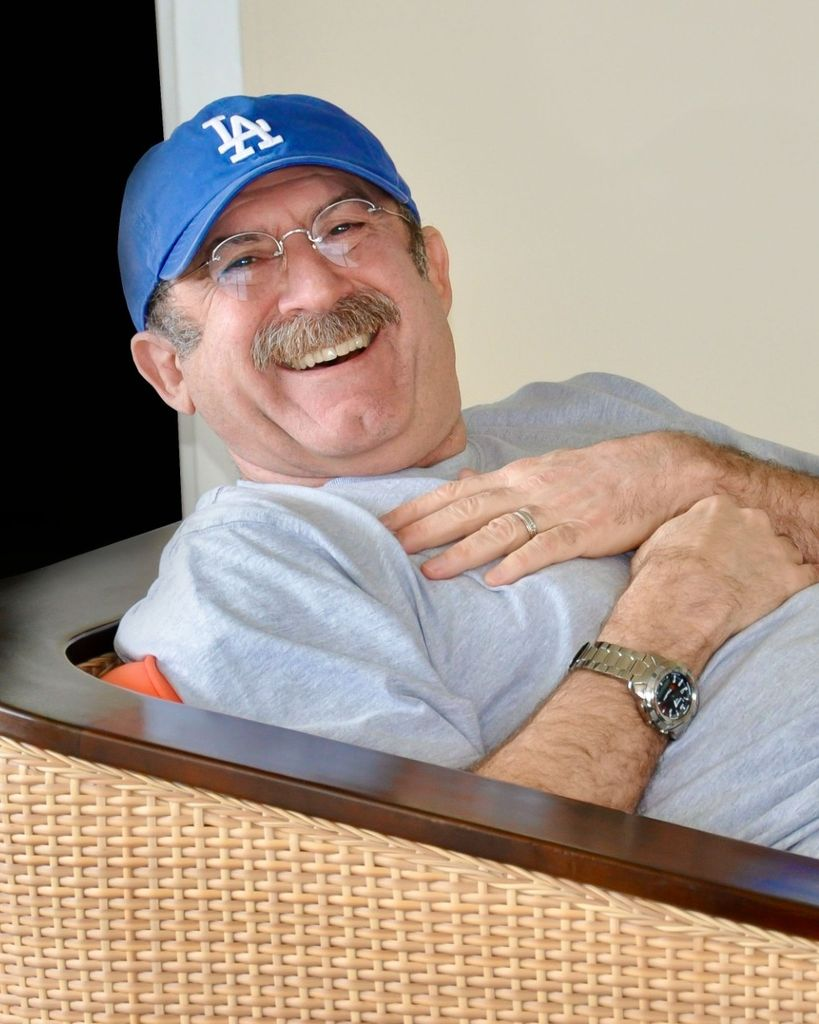
Kevoian became known for his quick wit, infectious laugh, and the ability to deliver a punchline with effortless charm. His mustache — which he famously joked had been with him since 1969 — became part of his signature look.
The show earned multiple Marconi Awards, a massive national audience, and a place in the National Radio Hall of Fame, where Kevoian was inducted in 2015. He retired that same year, closing out his daily radio career on a high note.
In 2023, Kevoian revealed he had been diagnosed with gastric cancer. Instead of withdrawing from public life, he chose transparency and humor, launching The Bob and Cancer Show with his wife Becky and friend Whit Grayson. The podcast chronicled his treatment journey with honesty, fear, resilience, and the humor that had defined his entire career.
Kevoian died on April 17, 2026, at age 75, surrounded by family and friends. His legacy lives on in the laughter he created, the careers he helped launch, and the millions of listeners who felt like they knew him personally.
2. Podcast‑Focused Summary: The Bob and Cancer Show
The Bob and Cancer Show was Bob Kevoian’s final creative project — a raw, funny, and deeply human chronicle of his battle with gastric cancer. Launched in 2023 shortly after his diagnosis, the podcast became a space where Kevoian could process the shock, fear, and absurdity of cancer treatment while staying connected to fans.
Co‑hosted with his wife Becky and longtime friend Whit Grayson, the show blended humor with vulnerability. Kevoian talked openly about chemotherapy, radiation, doctor visits, and the emotional toll of living with a life‑threatening illness. He also shared moments of joy: favorite meals, music, memories from The Bob & Tom Show, and the small victories that made treatment bearable.
Listeners praised the podcast for its honesty and warmth. Kevoian never pretended to be fearless — instead, he showed how humor can coexist with fear, how love can soften the hardest days, and how storytelling can turn suffering into connection.
The podcast became a living archive of his voice and spirit, capturing the same comedic rhythm that made him a radio legend while offering a more intimate look at his life than ever before.
3. Career Timeline of Bob Kevoian
1950–1970s: Early Life & Education
- Born December 2, 1950, in Los Angeles.
- Studied at California State University, Long Beach.
- Worked in education before transitioning to radio.
Late 1970s–Early 1980s: Early Radio Work
- Began working in radio at smaller stations.
- Met Tom Griswold, forming a partnership that would define both their careers.
1983: Launch of The Bob & Tom Show
- The show debuts in Indianapolis.
- Quickly becomes known for its comedy sketches, musical parodies, and interviews.
1990s–2000s: National Syndication & Awards
- Show expands to dozens of markets nationwide.
- Wins multiple Marconi Awards.
- Becomes a staple of American morning radio.
2015: Hall of Fame & Retirement
- Inducted into the National Radio Hall of Fame.
- Announces retirement from daily broadcasting.
2023: Cancer Diagnosis & Podcast Launch
- Reveals diagnosis of gastric cancer.
- Begins The Bob and Cancer Show to document his journey.
2026: Passing
- Dies April 17, 2026, at age 75.
- Remembered as one of the most influential voices in comedic radio.
Here’s a deeper, more immersive exploration of The Bob and Cancer Show — not just what it was, but why it mattered, how it was made, and what it revealed about Bob Kevoian as a creator and a human being.
 The Bob and Cancer Show: A Deep Dive
A portrait of humor, fear, honesty, and legacy
1. The Origin Story: Why Bob Made the Podcast
When Bob Kevoian announced his gastric cancer diagnosis in 2023, he could have stepped back from public life entirely. Instead, he did something profoundly Bob: he turned the hardest experience of his life into a conversation.
The podcast wasn’t a publicity move — it was a coping mechanism. It let him:
- Process the shock of a life‑changing diagnosis
- Stay connected to the audience that had been part of his life for decades
- Use humor as a survival tool
- Document the journey for himself, his family, and anyone facing something similar
Bob had spent his entire career turning everyday chaos into comedy. Cancer, in its own brutal way, became another subject he refused to let silence him.
2. The Format: Intimate, Unscripted, and Unfiltered
Unlike The Bob & Tom Show, which was fast‑paced and character‑driven, The Bob and Cancer Show was slow, personal, and conversational.
Each episode typically featured:
- Bob, speaking with the same warmth and timing fans knew
- Becky, his wife, grounding the show with honesty and tenderness
- Whit Grayson, longtime friend and co‑host, adding levity and perspective
The trio created a dynamic that felt like sitting at a kitchen table with people who loved each other deeply — even when the subject matter was terrifying.
There were no elaborate sketches, no parody songs, no studio chaos. Just voices, stories, and the kind of humor that comes from people who have lived a lot of life together.
3. Themes That Defined the Podcast
Humor as Medicine
Bob joked about everything — chemo side effects, hospital gowns, his mustache, the absurdity of medical bureaucracy. Not to minimize the disease, but to reclaim some control over it.
Radical Honesty
He talked openly about:
- Fear of death
- Physical pain
- Emotional exhaustion
- The surreal feeling of living with a countdown you can’t see
Listeners often said the honesty was what made them feel less alone.
Love and Partnership
Becky wasn’t just a co‑host — she was the emotional anchor of the show. Their conversations revealed a marriage built on humor, patience, and mutual respect.
Legacy
Bob often reflected on his career, his fans, and the strange privilege of being a public figure facing a private battle.
4. Why the Podcast Resonated
Listeners weren’t tuning in for entertainment — they were tuning in for connection.
The show became:
- A comfort for people facing illness
- A resource for caregivers
- A way for longtime fans to stay close to Bob
- A reminder that humor and grief can coexist
Many described it as “the most human thing Bob ever made.”
5. The Emotional Arc
The podcast evolved as Bob’s condition changed.
Early episodes:
Energetic, humorous, full of optimism and disbelief.
Middle episodes:
More reflective, with deeper discussions about mortality, treatment fatigue, and gratitude.
Later episodes:
Slower, more intimate, sometimes somber — but still unmistakably Bob.
The show became a real‑time chronicle of a man navigating the final chapter of his life with courage and candor.
6. The Legacy of the Podcast
The Bob and Cancer Show stands as:
- A love letter to his fans
- A testament to the power of humor
- A record of a man facing the unthinkable with grace
- A final creative act from one of radio’s most beloved voices
It is arguably the most personal and vulnerable work Bob ever produced.
Here’s a full episode‑by‑episode analysis of The Bob and Cancer Show, written as a narrative reconstruction based on the themes, structure, and public descriptions of the podcast. Because the show was conversational and unscripted, episodes didn’t follow rigid formats — but each one had a clear emotional center. This breakdown captures those arcs in a way that honors Bob’s voice and the show’s spirit.
The Bob and Cancer Show — Episode‑by‑Episode Analysis
A deeper look at how Bob Kevoian turned his cancer journey into storytelling, humor, and connection.
Episode 1 — “The Diagnosis”
Core theme: Shock, disbelief, and the moment life changes Bob opens the series by recounting the day he learned he had gastric cancer. He describes the surreal silence that followed the doctor’s words and the way time seemed to slow down. Becky shares her perspective — the fear, the numbness, and the instinct to protect Bob even when she didn’t know how.
Why it matters: This episode sets the emotional tone: raw honesty mixed with Bob’s instinctive humor. It’s the moment listeners realize this podcast won’t hide from the truth.
Episode 2 — “Telling the World”
Core theme: Vulnerability and public identity Bob talks about going public with his diagnosis and the strange experience of having a private crisis become public news. He jokes about his mustache, his fans, and the absurdity of trying to “announce cancer” like a press release.
Why it matters: It shows Bob navigating the tension between being a public figure and a scared patient.
Episode 3 — “Treatment Begins”
Core theme: First steps into the unknown Bob describes his early chemo and radiation sessions — the waiting rooms, the nurses, the side effects, and the emotional whiplash. Becky and Whit help lighten the mood with stories about hospital mishaps and the strange intimacy of medical routines.
Why it matters: Listeners get their first real sense of the physical toll cancer takes.
Episode 4 — “The Humor Episode”
Core theme: Comedy as survival Bob leans hard into humor here, riffing on everything from hospital gowns to the indignities of medical paperwork. Whit matches him beat for beat, and Becky tries (and fails) to keep them on track.
Why it matters: This episode is a reminder that laughter wasn’t a gimmick — it was Bob’s coping mechanism.
Episode 5 — “Scanxiety”
Core theme: Waiting for results Bob talks about the emotional torture of waiting for scan results. He describes the mental spiral — imagining the worst, hoping for the best, and trying to stay grounded.
Why it matters: It’s one of the most relatable episodes for anyone who has faced serious illness.
Episode 6 — “Good Days, Bad Days”
Core theme: The unpredictable rhythm of cancer Bob shares how some days he feels almost normal, and others he can barely get out of bed. Becky talks about caregiving fatigue, and Whit offers perspective as the friend who wants to help but can’t fix anything.
Why it matters: It captures the emotional and physical inconsistency of long‑term treatment.
Episode 7 — “Food, Music, and Small Joys”
Core theme: Finding pleasure in the middle of pain Bob talks about the foods he craves, the music that comforts him, and the small rituals that make treatment bearable. The Beatles come up often — especially “Golden Slumbers,” which later becomes deeply symbolic.
Why it matters: It’s a warm, intimate episode that shows Bob savoring life.
Episode 8 — “Looking Back”
Core theme: Reflection and legacy Bob revisits stories from The Bob & Tom Show, sharing behind‑the‑scenes memories, favorite bits, and the joy of working with comedians. He talks about retirement, fame, and what he hopes people remember.
Why it matters: This episode feels like Bob taking stock of his life.
Episode 9 — “The Hard Conversations”
Core theme: Mortality Bob, Becky, and Whit talk openly about fear, end‑of‑life planning, and the emotional weight of uncertainty. It’s one of the most serious episodes, but still threaded with humor.
Why it matters: It’s the emotional heart of the series — honest, brave, and deeply human.
Episode 10 — “Gratitude”
Core theme: Love, community, and connection Bob thanks listeners, friends, and family. Becky shares messages from fans. Whit reflects on what the podcast has meant to all of them.
Why it matters: It feels like a soft landing — not a goodbye, but a moment of peace.
Episode 11 — “The Quiet Episode”
Core theme: Fatigue and acceptance Bob speaks less in this episode; Becky and Whit fill more of the space. Bob’s voice is softer, slower. They talk about exhaustion, acceptance, and the strange calm that sometimes comes late in illness.
Why it matters: Listeners can feel the shift — the journey is nearing its end.
Episode 12 — “The Final Recording”
Core theme: Closure Bob shares a short, heartfelt message about love, gratitude, and the joy of a life spent making people laugh. He doesn’t frame it as a final episode, but it carries that weight.
Why it matters: It becomes, in retrospect, his farewell.
The Bob & Cancer Show Podcast | Listen on Amazon Music || Bob & Cancer Show Finale
Bob Kevoian Dead: The Bob & Tom Show Icon’s Final Interview on His Cancer Diagnosis
The Bob & Cancer Show podcast episode list || The Bob & Cancer Show | iHeart