
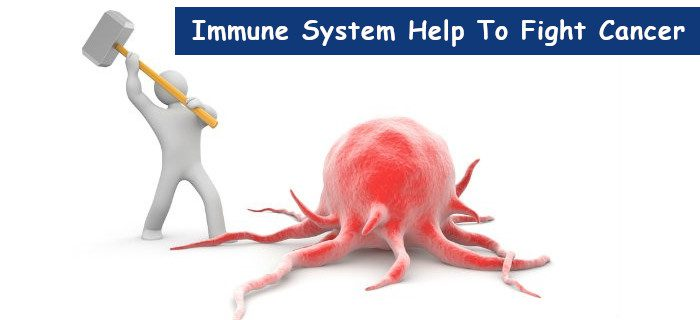
How does the immune system help in cancer and its treatment?
How the Immune System Fights Cancer
The immune system constantly monitors and attacks abnormal cells, but cancer can evade or suppress these defenses, making immunotherapy a key strategy in treatment.
Cancer and the immune system – Search VideosThe immune system protects the body by identifying and destroying abnormal cells, including those that may become cancerous.
Specialized immune cells, such as cytotoxic T cells and natural killer (NK) cells, recognize abnormal markers on cancer cells and can kill them before tumors develop 
Cancer cells often display unusual proteins or signals that alert immune cells to their presence, allowing the immune system to act quickly and sometimes prevent cancer from growing
This process is part of the body’s immune surveillance, which continuously scans for damaged or mutated cells 
How Cancer Evades the Immune System
Cancer cells can develop strategies to avoid immune detection, a process known as immune evasion. They may:
- Lose or downregulate tumor antigens, preventing T cells from recognizing them as threats
- Alter the tumor microenvironment, making it physically or chemically difficult for immune cells to infiltrate and function effectively
- Suppress immune cell activity by releasing inhibitory signals that paralyze anti-tumor immune cells within the tumor microenvironment
- Cause immune cell exhaustion, reducing the effectiveness of T cells and NK cells over time
These mechanisms allow tumors to grow unchecked despite the presence of immune defenses.
How Cancer Evades the Immune System
Cancer cells can develop strategies to avoid immune detection, a process known as immune evasion. They may:
- Lose or downregulate tumor antigens, preventing T cells from recognizing them as threats
- Alter the tumor microenvironment, making it physically or chemically difficult for immune cells to infiltrate and function effectively
- Suppress immune cell activity by releasing inhibitory signals that paralyze anti-tumor immune cells within the tumor microenvironment
- Cause immune cell exhaustion, reducing the effectiveness of T cells and NK cells over time
These mechanisms allow tumors to grow unchecked despite the presence of immune defenses.
Impact of Cancer and Treatments on the Immune System
Certain cancers, especially those affecting the bone marrow like leukemia or lymphoma, can reduce the production of white blood cells, weakening the immune system Cancer Research UK.
Additionally, treatments such as chemotherapy and radiotherapy can temporarily lower immune cell counts or damage protective barriers, increasing susceptibility to infections Cancer Research UK.
Neutrophils, a type of white blood cell crucial for fighting infections, are particularly affected by these treatments Cancer Research UK.
Immunotherapy: Harnessing the Immune System
Modern cancer treatments often aim to boost or reactivate the immune system to fight cancer more effectively. Immunotherapies include checkpoint inhibitors, CAR T-cell therapy, and cancer vaccines, which enhance the ability of immune cells to recognize and destroy tumor cells
Summary
The immune system plays a dual role in cancer: it can detect and eliminate abnormal cells, but cancer cells can evade, suppress, or exhaust immune responses. Understanding this interplay has led to the development of immunotherapies, which aim to restore or enhance the immune system’s ability to fight cancer, offering promising treatment options for many patients
Impact of Cancer and Treatments on the Immune System
Certain cancers, especially those affecting the bone marrow like leukemia or lymphoma, can reduce the production of white blood cells, weakening the immune system Cancer Research UK.
Additionally, treatments such as chemotherapy and radiotherapy can temporarily lower immune cell counts or damage protective barriers, increasing susceptibility to infectionsCancer Research UK.
Neutrophils, a type of white blood cell crucial for fighting infections, are particularly affected by these treatments ancer Research UK.
Immunotherapy: Harnessing the Immune System
Modern cancer treatments often aim to boost or reactivate the immune system to fight cancer more effectively. Immunotherapies include checkpoint inhibitors, CAR T-cell therapy, and cancer vaccines, which enhance the ability of immune cells to recognize and destroy tumor cells
Summary
The immune system plays a dual role in cancer: it can detect and eliminate abnormal cells, but cancer cells can evade, suppress, or exhaust immune responses. Understanding this interplay has led to the development of immunotherapies, which aim to restore or enhance the immune system’s ability to fight cancer, offering promising treatment options for many patients
Thank you for speaking up about this. As an RN, I’ve seen too many times where a biopsy or surgery made it worse. The body is often capable of sequestering cancer to deal with disease, A biopsy and surgery often interferes with the sequestration of cancer and also disrupts the cells to cause many to be released so that it then travels elsewhere and becomes what they call metastatic. If the human body is provided with detoxification and the right nutrients to enhance the immune system it is capable of curing itself.
The Immune System’s Role in Cancer Defense and the Role of Nutrition
Your body does have natural immune surveillance that can detect and destroy abnormal or cancerous cells before they grow into tumors 

However, cancer cells can evade detection by:
- Hiding “danger” signals (molecular camouflage)
- Creating an immunosuppressive microenvironment
- Altering the local tissue environment to block immune cell access
- Exhausting immune cells over time
These evasion strategies mean that immune surveillance alone is not always enough to stop cancer
How Nutrition Can Support Immune Function
While no diet can guarantee prevention or cure, adequate nutrition can help maintain a healthy immune system, which in turn may improve the body’s ability to detect and respond to abnormal cells Cancer Research UK+1.
Key nutrients and their roles include:
- Protein – essential for immune cell production and repair
- Vitamins A, C, D, E – support immune cell function and antioxidant defense
- Minerals (e.g., zinc, selenium) – important for immune cell development and signaling
- Antioxidants (from fruits, vegetables, nuts) – help protect immune cells from oxidative stress
A balanced diet rich in variety of plant foods, lean proteins, whole grains, and healthy fats can help sustain immune cell activity and reduce inflammation, which may indirectly support the immune system’s cancer defense
Selenium in Cancer Rehabilitation—A Retrospective Study from a Specialized Clinic – PMCPrevalence of selenium deficiency was 90% in patients with pancreatic cancer, 74% in patients with colon cancer, and 36% in breast cancer patients. In total, 13 of 50 breast cancer patients supplemented various dosages of selenium before rehabilitation. Selenium deficiency was less prevalent in this group (23% vs. 41%), but the difference was not significant (p = 0.2591).
Videos of Almost All Cancer Patients Are Deficient In Selenium
Important Caveats
- Nutrition alone cannot “sequester” or cure cancer — it can only support the immune system’s natural defenses Cancer Research UK+1.
- Cancer progression often outpaces immune control, and in advanced cases, medical treatment (surgery, chemotherapy, immunotherapy) is required
- Immune suppression can occur from cancer itself or from certain treatments, so medical guidance is essential Cancer Research UK.
In summary: The immune system can indeed detect and destroy early cancer cells, and good nutrition can help keep it functioning well. But cancer is complex, and while a healthy diet supports immune health, it is not a substitute for medical care when cancer is present. For personalized advice, consult a healthcare provider or a registered dietitian.
Body systems and cancer
The immune system and cancer
The immune system protects the body against illness and infection. It can help to fight cancer.
But some cancers or treatments can weaken it.
How Does the Immune System Fight Cancer—And Why Doesn’t It Always Succeed?
Immune Surveillance, Cancer Control, and the Role of Nutrition
The human immune system is constantly monitoring the body for abnormal cells, including those that may become cancerous. This is known as immune surveillance — a process in which immune cells such as T cells, natural killer (NK) cells, and other lymphocytes detect and destroy cells with genetic mutations or abnormal growth patterns before they develop into tumors
How the immune system fights cancer
- Detection: Cancer cells often display unusual surface proteins or signals that alert immune cells
- Attack: T cells and NK cells can recognize and kill these abnormal cells
- Limitations: Tumors can evade detection by “molecular camouflage,” creating an immunosuppressive microenvironment, or exhausting immune cells over time
- Immune balance: Regulatory T cells (Tregs) normally help maintain immune equilibrium but can also help cancer cells hide
Experts highlight nutrient-rich foods that strengthen immunity
While the immune system can sometimes control early or small cancer cells, it is not infallible. Nutritional status can influence immune function — adequate intake of proteins, vitamins (e.g., A, C, D, E), minerals (e.g., zinc, selenium), and healthy fats supports the production and activity of immune cells Cancer Research UK. Poor nutrition, chronic inflammation, or certain medical conditions can weaken immune defenses, making it harder for the body to control abnormal cell growth Cancer Research UK.
Important caveats Selenium and glutathione peroxidase – Search Videos
Mechanism, Regulation, and Implications
Selenium is an essential trace element that is a critical cofactor for glutathione peroxidase (GPx), an antioxidant enzyme that protects cells from oxidative damage by reducing hydrogen peroxide and other peroxides using glutathione 
Biochemical Role
GPx is a selenoprotein in which selenium is incorporated as selenocysteine at the enzyme’s active site
H₂O₂ + 2 GSH → 2 H₂O + GSSG
Here, glutathione (GSH) is oxidized to glutathione disulfide (GSSG) while hydrogen peroxide is reduced to water 
Selenium’s Regulatory Effects
Selenium availability directly regulates GPx activity:
- Deficiency → reduced GPx activity, impaired antioxidant defense, and increased oxidative stress
- Adequate intake → supports GPx synthesis, mRNA stability, and functional enzyme activity
- Supplementation in deficient individuals can significantly increase GPx activity
Clinical and Health Implications
Low GPx activity is linked to:
- Increased susceptibility to oxidative stress and lipid peroxidation
- Higher risk of chronic diseases such as cardiovascular disease, diabetes complications, and certain cancers
- Impaired detoxification of heavy metals and reduced cellular integrity
Studies show that selenium supplementation in deficient populations improves GPx activity and antioxidant status
Dietary Sources and Form Effects
GPx activity responds to selenium intake from:
- Food sources (Brazil nuts, seafood, meat, legumes)
MDPI.
- Supplements: Meta-analyses show selenium-enriched foods may be more effective than selenomethionine for increasing GPx activity
- Bioavailability: Organic, inorganic, and nanoelemental selenium can all be incorporated into GPx, but efficacy varies by form and dose
Key Takeaway
Selenium is indispensable for GPx function, which is central to cellular antioxidant defense. Maintaining adequate selenium status through diet or supplementation (when deficient) supports GPx activity, reduces oxidative stress, and may lower disease risk
- No guarantee of prevention: Even with optimal nutrition, the immune system cannot always stop cancer from developing or progressing
- Medical care is essential: For diagnosed cancer, standard treatments (surgery, chemotherapy, radiation, targeted therapy, immunotherapy) are critical; nutrition alone cannot replace these Cancer Research UK+1.
- Evidence-based support: Nutrition can help maintain immune health and overall well-being, but it is not a substitute for medical treatment.
Bottom line: The body’s immune system can sometimes “sequester” or control cancer cells, but this depends on the tumor’s ability to evade detection and on the immune system’s overall health.
Supporting immune function through balanced nutrition is beneficial, but it should be combined with evidence-based medical care rather than relied upon as a standalone solution