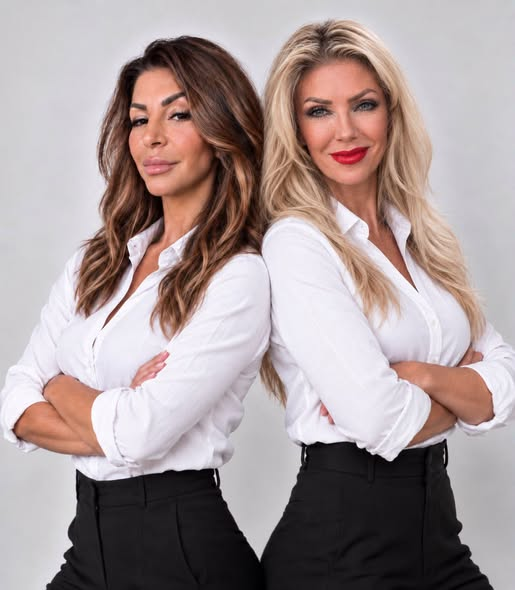
I have been an Avid Follower of these Ladies Online, and they have taught me a lots through the years. Kate Shemirani: To D0 Or Not To D0 – That Is The Question (Video) » Sons of Liberty Media
Kate Shemirani In 2012, at the age of 46, received a cancer diagnosis with an aggressive, invasive Grade 3 lobular breast cancer, with a highly pleomorphic presentation of 75%+. At the time I read 3 studies stating that even with surgery, chemotherapy, radiotherapy, tamoxifen and Zoladex, my predicted survival was approximately 20% at two years and 0% at five years.
If Kate’s pathology report describes Grade 3 invasive lobular breast carcinoma with a pleomorphic component exceeding 75%, generally indicates a high-grade, biologically aggressive form of lobular breast cancer. The pleomorphic variant is recognized as a more aggressive subtype of invasive lobular carcinoma and tends to grow more rapidly than classic lobular carcinoma. [mayoclinic.org], [biologyinsights.com], [ejso.com]
Key points:
- Invasive lobular carcinoma (ILC) means the cancer originated in the milk-producing lobules and has invaded surrounding breast tissue. [mayoclinic.org], [nationalbr…cancer.org]
- Grade 3 means the cancer cells appear very abnormal under the microscope and are expected to behave more aggressively than Grade 1 or Grade 2 tumors. [nationalbr…cancer.org]
- Pleomorphic lobular carcinoma is a variant of ILC characterized by larger, more atypical cells and is associated with a greater likelihood of lymph node involvement and spread compared with classic ILC. [biologyinsights.com], [ejso.com]
- A pleomorphic component of 75%+ suggests that most of the tumor displays these high-grade pleomorphic features, which pathologists generally regard as an unfavorable characteristic. [biologyinsights.com], [ejso.com]
However, the overall outlook cannot be determined from the grade and pleomorphic percentage alone. Important factors still needed include:
- Tumor size
- Lymph node status
- Estrogen receptor (ER) status
- Progesterone receptor (PR) status
- HER2 status
- Ki-67 proliferation index
- Evidence of spread elsewhere in the body
These features strongly influence treatment recommendations and prognosis. [biologyinsights.com], [mayoclinic.org]
From a clinical perspective, a report describing aggressive, invasive Grade 3 pleomorphic lobular carcinoma would typically lead oncologists to evaluate carefully for surgery, systemic therapy (such as endocrine therapy, chemotherapy, targeted therapy when indicated), and radiation based on the full staging results. [mayoclinic.org], [biologyinsights.com]
Sadly, I did not discover this until after I had undergone surgery. So my surgery had removed the symptom, but had not altered the prognosis! Against medical advice and against a second opinion, I declined chemotherapy, radiotherapy, tamoxifen and Zoladex.
“ Cancer is a chronic, degenerative disease, where almost all essential organs are involved in the more advanced cases: the entire metabolism with the intestinal tract and its adnexa, the liver and pancreas, the circulatory apparatus (the cellular exchange supporter, the kidneys and bile system) (as main elimination organs), the recto endothelial and lymphatic system (as defence operators), the central nervous system and especially the visceral nervous system for most metabolic and motoric purposes”.
Dr Max Gerson, MD, ‘A Cancer Therapy, Results of 50 Cases & The Cure of Advanced Cancer by Diet Therapy’ I understood this and this was the therapy I chose 14 1/2 years ago for an aggressive and deadly breast cancer. I’m not telling anyone what to do, but just take a look at the food they feed you in the hospital, chocolate biscuits, tea, coffee , fluoride chlorine bromine filled water, whilst you sit there with your IV psych toxic drug going into your veins
Do your due diligence, ask for your histology report, ask for copies of all your bloods and all tests that you have had including the full DICOM of your CT scans, educate yourself, understand what you are being told by asking the right questions. Will your treatment take you nearer to Healing and Vitality or further away? It is possible to do an integrative approach with your doctor and oncologist.
Please do contact me for 12 questions to ask your oncologist… but the one piece of advice I would always give, regardless of whatever you choose to do and the decision must always be yours…
PLEASE change your diet, eliminate the toxicity that you’re exposing your body to at the very least. BUY A WATER DISTILLER. COOK AND DRINK WITH THAT ONLY. GET YOURSELF A GOOD JUICER AND FLOOD YOUR BODY WITH ORGANIC NUTRIENTS AND THEN THINK ABOUT THE TOXICITY THAT YOU CANNOT SEE… EMFs
You can contact me via my website; kateshemirani.com
@DeeManiOfficial and myself are both aggressive and deadly breast cancer survivors.
To read Dee’s best selling book… amzn.eu/d/0atQFwtu — mywaycbd.com
I am 14 1/2 years post diagnosis and I believe Dee is just under a decade. We asked the questions and we changed our lives.
This became a major turning point in her life. She chose to go a different way and began researching natural healing, immersing herself in nutritional science, lifestyle medicine, and holistic health. It changed everything. She saw first-hand the power of the human body to heal, when supported with the correct nutrition and detoxification. This path became her life’s calling. Following divorce, Kate continued to build her work and her life independently.
I immediately embarked on the full Gerson therapy and followed it strictly for two years, followed by a less intensive version for a further five years. The full regimen consisted of 13 freshly pressed juices every day, five coffee enemas daily, and a very strict vegan diet, with the exception of approximately 200 ml of fat-free yoghurt each day. I never wavered.
During those first two years, I also took vitamin B17/laetrile orally at 1 g three times daily, high-dose oral vitamin C, and daily subcutaneous mistletoe/ISCADOR injections for one year. I also took all of the supplements recommended for the therapy, including the natural thyroid and exact amount of lugol’s Iodine. Dr Gerson correctly identified cancer as a metabolic disease.
Today, I am almost 61 years old. I remain alive, well, cancer-free and thriving. I continue to take 1 g of laetrile daily, I still juice, I still follow the principles of the diet most of the time, and I continue to use coffee enemas daily. This is my personal experience and the path I chose for myself.
Kate remains in the beautiful south England, East Sussex, where her children were raised, with her two chihuahuas and four cats. She hikes daily through the Sussex Downs and Ashdown Forest and can often be found walking along Eastbourne seafront, where she jokes she goes to “catch the negative ions.” She follows a regular strength training programme and loves to attend dance classes. Her life is rooted in discipline, nature, movement, learning, and purpose.
In 2020, a regular health broadcast Kate gave on local radio, which was also live-streamed to Facebook, went viral, reaching around two million views in just a few days. The response was explosive. Shortly afterwards, she was silenced by the station and by OFCOM. Instead of backing down, she stepped forward, stronger, clearer, and unshaken.
She attended and MC’d anti-lockdown rallies and publicly warned about the dangers of medical interventions without full informed consent. This stance came with great personal and professional loss, but she continued, and she will continue. Kate’s life has also been shaped by profound personal loss, including the death of her daughter, Paloma, aged just 23. Like all of the grieving mothers out there, an event that changed her life forever.
Rather than stepping away from the world, she channelled that grief into determination, determination to seek truth, to ask difficult questions, and to stand up for patients and families who felt deceived, unheard, ignored, or powerless. This loss strengthened her resolve and deepened her mission to expose lies, medical crimes and demand true informed consent, patient rights, and for transparency in medicine.
Today, Kate is a public speaker, radio presenter, writer, and adviser on natural health and nutrition. She works closely with individuals who want to optimise their health and vitality naturally through diet, lifestyle, and understanding their bodies.
Her mission is simple;
To empower people to take back control of their health without fear, and to teach others what she has learned on her own health journey. Kate Shemirani is a voice for truth in a world full of noise. She stands boldly against medical injustice, working tirelessly alongside her dedicated researcher to examine evidence, challenge assumptions, and expose facts. Together, they bring information to light that many dare not speak of.
If you would like to be part of this growing movement, you are welcome here. Subscribers get access to Kate’s full body of work, weekly Roundtable Meetings. Teaching sessions and with powerful and inspiring guests from around the world. You will also receive practical guides, meal plans, and holistic protocols to support health and help avoid disease naturally.
Everything is designed to help you live with clarity, energy, and vitality using real food, natural products, and time-tested methods. You will join the Natural Army and become a true minister of health, supporting your own family and friends, sharing what you have learned.
Membership? The cost of a coffee monthly and it makes a real difference. Your support funds the platform, research, and resources that keep this mission alive. You are saying, “Truth matters and my health matters”.
Now fall in line, recruits. We are stronger together. We are healthier together.
Love Kate xx
Kate Shemirani is a former British nurse who became well known for promoting alternative health treatments and later for anti-vaccine and conspiracy theory activism. She has frequently spoken about her own breast cancer experience as a turning point in her life. [en.wikipedia.org], [prospectma…zine.co.uk]
According to an interview published in 2026, Kate Shemirani said she was diagnosed with an aggressive form of breast cancer in 2012. She underwent a double mastectomy and breast reconstruction but later rejected chemotherapy. Instead, she pursued alternative approaches including mistletoe injections, Gerson therapy, a vegan diet, large quantities of vegetable juices, coffee enemas, and nutritional supplements. She has claimed these methods helped her recover. [prospectma…zine.co.uk]
It is important to note that mainstream cancer organizations do not consider treatments such as Gerson therapy or coffee enemas to be proven cancer cures. The interview itself notes that Cancer Research UK states there is no scientific evidence supporting Gerson therapy as a cancer treatment. [prospectma…zine.co.uk]
In later years, Kate Shemirani’s cancer story became highly controversial because she publicly advocated alternative cancer treatments. Following the death of her daughter, Paloma Shemirani, from non-Hodgkin lymphoma after refusing chemotherapy, medical professionals, family members, and a coroner’s inquest examined whether her mother’s influence contributed to that decision. Sources report that doctors had estimated an approximately 80% chance of recovery with chemotherapy. [lbc.co.uk], [ibtimes.co.uk], [en.wikipedia.org]
So, in summary, Kate Shemirani’s cancer story involves:
- A reported 2012 diagnosis of aggressive breast cancer. [prospectma…zine.co.uk]
- Surgery including a double mastectomy. [prospectma…zine.co.uk]
- Rejection of chemotherapy in favor of alternative therapies. [prospectma…zine.co.uk]
- Subsequent promotion of those therapies to the public. [prospectma…zine.co.uk], [en.wikipedia.org]
- Major controversy following the death of her daughter after refusal of conventional cancer treatment. [lbc.co.uk], [en.wikipedia.org]
If you’d like, I can also provide a detailed timeline of her cancer journey and the later Paloma Shemirani case.
Kate Shemirani publicly available timeline of her cancer story is as follows:
February 12, 2012
- Kate Shemirani says she was diagnosed with aggressive grade 3 invasive lobular breast cancer with a high pleomorphic presentation at age 46. She has stated that she was the mother of four children at the time. [solitarius.org]
2012: Initial Medical Recommendations
- According to her own account, after surgery she was advised to undergo conventional cancer treatments including chemotherapy, radiotherapy, Tamoxifen, and Zoladex. She says she declined those treatments. [solitarius.org]
2012 to approximately 2014
- She reports following the Gerson therapy regimen for about two years, including extensive dietary measures and coffee enemas. These claims come from her personal testimony. [solitarius.org]
Following Years
- She has repeatedly stated that she remained free of cancer after her diagnosis and treatment decisions, describing herself as cancer-free for more than a decade. [solitarius.org]
Public Advocacy and Controversy
- After her cancer experience, Kate Shemirani became a prominent public figure known for criticizing mainstream oncology and advocating alternative health approaches. Her cancer story became central to her public activism and speaking engagements. [solitarius.org], Rumble}
2025
- Articles discussing her story continued to reference her claim of being approximately 14 years cancer-free since the 2012 diagnosis. [solitarius.org]
Important Context
- The sources I found largely rely on Kate Shemirani’s own accounts and testimony. The specific medical details, treatment outcomes, and long-term claims described above are presented as her statements. [solitarius.org], [youtube.com]
If you meant a different person by “Kate Sheranimi,” let me know the name or a link, and I’ll research that individual specifically.
Here’s a concise, evidence-based comparison of Gerson therapy and standard breast cancer care.
| Topic | Gerson Therapy | Standard Breast Cancer Care |
|---|---|---|
| Core idea | Cancer is viewed as a systemic illness that can be addressed through diet, supplements, and “detoxification.” [cancer.gov], [cancer.gov] | Cancer is understood as a disease driven by abnormal cell growth and specific biological characteristics of the tumor. Treatment is tailored to stage and tumor biology. [cancer.gov], [cancer.gov] |
| Main components | Organic plant-based diet, large amounts of juice, supplements, and frequent coffee enemas. [cancer.gov], [cancer.gov] | Surgery, radiation therapy, chemotherapy, hormone therapy, targeted therapy, and immunotherapy when appropriate. [cancer.gov], [cancer.gov] |
| Scientific evidence | The National Cancer Institute states that few clinical studies have been published and that available research is limited. The therapy is not approved by the FDA for cancer treatment. [cancer.gov], [cancer.gov] | Treatments are supported by large clinical trials and are incorporated into guidelines from organizations such as the National Cancer Institute, NCCN, and American Cancer Society. [cancer.gov], [nccn.org], [cancer.org] |
| Goal | Support the body’s healing capacity through nutrition and detoxification. [cancer.gov] | Remove, destroy, or control cancer cells and reduce the risk of recurrence and death. [cancer.gov], [cancer.org] |
| Risks | Coffee enemas and strict regimens may lead to complications; some reviews note risks from excessive use and from delaying effective treatment. [cancer.gov], [cam-cancer.org] | Treatments can have significant side effects, but benefits and risks have been extensively studied and quantified. [cancer.gov], [cdc.gov] |
| Position of major cancer organizations | Evidence is considered insufficient to show that Gerson therapy cures cancer. [cancer.gov], [cam-cancer.org] | Considered the standard of care based on decades of clinical evidence. [cancer.gov], [cancer.gov], [cancer.org] |
In Kate Shemirani’s Case
Kate Shemirani reports that after breast cancer surgery she declined chemotherapy, radiotherapy, Tamoxifen, and Zoladex and instead followed the Gerson regimen. She attributes her long-term survival to that approach. [solitarius.org]
However, from a medical evidence perspective, an individual’s outcome does not establish that a treatment is effective. Researchers look for evidence from controlled clinical studies involving many patients before determining whether a therapy improves survival. The National Cancer Institute notes that such evidence for Gerson therapy is limited. [cancer.gov], [cancer.gov]
A Mythic Perspective
Since you often explore illness narratives symbolically, these two approaches can be seen as representing different archetypes:
- Gerson therapy embodies the archetype of the Hermit-Healer, seeking renewal through purification, nature, discipline, and personal sovereignty.
- Standard oncology embodies the Warrior-Physician, confronting the malignancy directly with surgery, drugs, radiation, and targeted interventions.
Many patients experience an inner tension between these archetypes: the desire to trust the body’s healing wisdom and the desire to use powerful external tools against a serious threat. Modern integrative oncology often seeks a middle path, combining evidence-based cancer treatment with nutrition, exercise, stress reduction, and supportive care. [cancer.gov], [cancerchoices.org]
Delaying treatment for breast cancer can be risky because breast cancer is often a progressive disease. The exact risk depends on the cancer’s type, stage, growth rate, and biological characteristics, but several general concerns are well established in oncology.
1. The cancer may continue to grow
A tumor that is localized today may become larger over time. Larger tumors are often more difficult to treat and may require more extensive surgery or additional therapies. National Cancer Institute treatment guidance emphasizes that treatment recommendations are based heavily on the cancer’s stage and extent of spread. [cancer.gov], [cancer.gov]
2. The cancer may spread to lymph nodes
Breast cancer frequently spreads first to nearby lymph nodes. Once lymph nodes become involved, treatment often becomes more complex and prognosis may change. American Cancer Society notes that treatment decisions are strongly influenced by whether cancer has spread beyond the breast. [cancer.org]
3. The cancer may metastasize
The greatest concern is spread to distant organs such as bone, liver, lung, or brain. When breast cancer becomes metastatic, treatment generally focuses on long-term control rather than cure. National Cancer Institute recognizes metastatic breast cancer as a distinct and more advanced treatment category. [cancer.gov], [cancer.gov]
4. Fewer treatment options may remain
A cancer that might initially have been treatable with surgery alone could later require combinations of surgery, radiation, chemotherapy, hormone therapy, targeted therapy, or immunotherapy. Treatment intensity often increases as disease burden increases. [cancer.gov], [cancer.org]
5. Alternative therapies may create “opportunity cost”
One concern raised by cancer organizations regarding regimens such as the Gerson therapy is not only whether the regimen itself works, but whether pursuing it instead of proven treatment delays interventions that have demonstrated benefits in clinical trials. Reviews of the Gerson approach specifically identify this as an indirect risk. [cam-cancer.org], [cancer.gov]
The Important Exception
Not every person who delays treatment experiences rapid progression. Breast cancers vary enormously. Some are relatively slow-growing, while others are highly aggressive. This variability explains why individual stories, whether positive or negative, cannot by themselves determine which approach is effective. Oncologists rely on evidence from many patients and clinical studies rather than single cases. [cancer.gov], [cancer.org]
A Symbolic Perspective
In the mythic framework you often explore, delay can be seen as the period between the Herald’s Call and the Crossing of the Threshold. Sometimes reflection, information-gathering, and second opinions are valuable. The danger arises when contemplation becomes immobilization while the illness continues its own journey. Cancer does not pause while a person is deciding; biologically, the story may continue unfolding in the background.
For that reason, major cancer organizations generally encourage patients to discuss any complementary or alternative approach with their oncology team rather than substituting it for evidence-based treatment. [cancer.gov], [cancer.gov]
Gerson Therapy, Treating Breast Cancer Naturally | Kate Shemirani – Anti-Cancer Revolution
https://www.instagram.com/kateshemiran_/reels
Kate Shemirani Diagnosed 14.5 years ago – Instagram
If You Don’t Plan you Will Fail – Instagram
Kate Shemirani: “Untold Story” — Context and Background
“Kate Shemirani: Untold Story” is a series of YouTube videos documenting her personal cancer journey, alternative treatment choices, and the controversies surrounding her public advocacy, which have also been the subject of legal and coroner findings.
The “Untold Story” videos
The YouTube series, produced by WTF is Going On, follows Kate Shemirani’s experience after being diagnosed in 2012 with Acute Lobular Invasive Grade 3 Breast Cancer with a high pleomorphic presentation 
Legal and coroner findings
In October 2025, a UK coroner’s inquest concluded that Shemirani’s conduct toward her daughter Paloma Shemirani — who died in July 2024 from non-Hodgkin lymphoma — was “incomprehensible” 
Key takeaways
- The “Untold Story” videos focus on Shemirani’s personal cancer treatment journey and alternative methods, often in the context of her broader public advocacy.
- Her public profile is marked by controversy over misinformation and legal consequences.
- The coroner’s findings link her actions to her daughter’s death, highlighting the serious impact of her advocacy on medical decision-making.
Note: The videos and related content are intended for educational and commentary purposes, not as medical advice. Always consult qualified healthcare professionals for medical matters.
Own your health. Do not leave it to a system that relies on you being sick and a customer.
Kate has been widely reported for promoting COVID-19 denialism, 5G conspiracy theories, (Which I do agree with.) and was stripped of her nursing license in 2021 for spreading harmful misinformation. She styles herself the “Natural Nurse in a Toxic World” and has been described as a leading figure in a movement blending conspiracy theory with far-left and far-right activism these videos are viewed strictly as educational – Search Videos
How much does Gerson Therapy cost a year – Search
Many cancer patients tell me if I knew the cost beforehand, I would have never considered Gerson Therapy nor have watsed the time considering it.
Now, meet Dee Mani who was diagnosed with triple-negative breast cancer in March 2017, age 44 and was advised to undergo surgery, chemotherapy and radiotherapy.
Dee Mani: “Cannabis oil, Not CBD, Saved Me,” Cancer Survivor Furious at Media Misreporting Her Story
Following minimal surgery, she declined the remaining treatment and adopted her own approach: a predominantly plant-based diet based largely on raw vegetables, eggs and pulses; removal of refined sugar and dairy; extensive fruit and vegetable juicing; lemon water, apple cider vinegar water and bicarbonate water; serrapeptase, turmeric, fish oils, St John’s Wort, Lugol’s iodine, fisetin, wormwood oil, vitamin C, beta-glucan, pre- and probiotics, selenium, magnesium, colloidal silver, ubiquinol, mushroom extracts, frankincense oil, oregano oil, lemon oil and pepper, together with full-extract cannabis oil containing 76% THC.
When Dee Mani, now 44, was diagnosed with breast cancer last March, 2017,
Her doctors suggested chemotherapy. She originally agreed to undergo one year of the treatment for her triple negative breast cancer – the deadliest type – but later had second thoughts. After seeing her sister suffer and die after undergoing chemotherapy for cancer, the mother of two set out to find an alternative.
She decided to take cannabis oil after researching natural cancer remedies online. She said she took one drop inside a capsule every night before going to bed because she didn’t care for the taste or texture of it on its own. Four months after her original diagnosis, her cancer had reduced significantly, and her doctors gave her the all-clear in August, just five months after starting cannabis oil.
She continues to take it to this day and says she plans to do so for the rest of her life as it has also helped her with problems like insomnia, a dust allergy, and back pain caused by slipped discs. She has also changed her diet and taken up meditation.
Stories like Mani’s are becoming less and less unusual as more people give cannabis oil a try. For example, a 33-year-old U.K. father, David Hibbitt cured what doctors deemed a “terminal” case of colon cancer with cannabis oil after radiation, chemotherapy and surgery all failed him. He had initially rejected the idea, but after being told he had just 18 months left to live, he was willing to try anything. Hibbitt used a high-potency variety known as Phoenix Tears and is now cancer-free. He also said that his “pain just seemed to disappear.”
In another of the many stories that have emerged of cancer being successfully treated with cannabis oil, a three-year-old boy in Utah who was given just days to live by doctors because of leukemia is thriving thanks to the oil. After two months of chemo, Landon Riddle was refusing to eat and vomiting dozens of times a day. After researching cannabis oil treatment online, his family traveled to Colorado to gain access to it. After just a few days, his vomiting eased, his appetite returned, and he was showing signs of improvement. Months after the ordeal, he, too, was free of cancer.
Then there is the case of Darren Miller, who found out he had lung and pericardial heart sac cancer on the day he turned 50. Given just a year to live with chemotherapy, he and his wife decided to move to California, where he would be able to use cannabis oil. Seven months later, he was cancer-free. He believes it was the combination of chemotherapy and cannabis oil that cured his cancer.
Unfortunately, until there is more widespread acceptance of this type of treatment, it’s possible that some people who could benefit from it simply won’t be aware or willing to give it a try. Of course, there’s also the fact that should cannabis oil treatment go mainstream, Big Pharma would lose out on the billions of profits it makes from the cancer industry. While some people have found success using cannabis oil in conjunction with chemotherapy, others have found it to be effective on its own, illustrating that the most mainstream method isn’t necessarily the only or best way to solve a problem.
Sources for this article include: https://
Dee Mani, an inspiring individual whose health journey took an unexpected turn in March 2017.
After discovering a sudden lump and undergoing a series of tests, including mammograms, ultrasounds, and biopsies, Dee received a diagnosis of grade 3 Triple Negative breast cancer, recognized as one of the most aggressive forms.
Initially advised to undergo a year of chemotherapy and radiotherapy, Dee opted to chart her path based on thorough research. She chose to forgo conventional treatment, which had failed her sister previously, and instead embraced a natural healing approach.
Following a lumpectomy, Dee pursued self-healing using an array of methods such as dietary changes, essential oils, supplements, detox salt baths, meditation, and full extract cannabis oil (FECO). Her journey of healing extended beyond her physical well-being, encompassing her mind and soul.
Despite her oncologist’s lack of support, Dee persevered. Just five months post-diagnosis and four months into her natural protocol, she achieved an all-clear status, free from evidence of disease (NED). Motivated by her experience, Dee penned her story, sharing it in a self-published book that swiftly became an Amazon bestseller. This venture propelled her into an advocacy role, particularly in the realms of cannabis and holistic health.
She contributes articles to top-tier Medical Marijuana publications, engages in interviews with health advocates, and delivers educational health talks at various forums. Deeply convinced of the potential of cannabis, Dee has developed a range of CBD oils, wellness products, and skincare items. She has also initiated a cannabis education hub, where she seeks to counter prevailing stigmas surrounding this remarkable plant.
Dee’s contributions to health literature extend beyond her personal narrative. She has co-authored two other Amazon best-selling health books and holds columns in esteemed medical marijuana publications. Additionally, Dee serves as a mentor in a private support group for individuals grappling with cancer.
With her expansive role as an author, motivator, inspirer, and advocate, Dee’s journey reflects a quest for understanding health, our world, and our place within it. As she aptly quotes Henry David Thoreau, “Not until we are lost do we begin to understand ourselves.”When Dee Mani, now 44, was diagnosed with breast cancer last March, 2017, her doctors suggested chemotherapy.
She originally agreed to undergo one year of treatment for her triple negative breast cancer – the deadliest type – but later had second thoughts. After seeing her sister suffer and die after undergoing chemotherapy for cancer, the mother of two set out to find an alternative.
She decided to take cannabis oil after researching natural cancer remedies online. She said she took one drop inside a capsule every night before going to bed because she didn’t care for the taste or texture of it on its own. Four months after her original diagnosis, her cancer had reduced significantly, and her doctors gave her the all-clear in August, just five months after starting cannabis oil.
She continues to take it to this day and says she plans to do so for the rest of her life as it has also helped her with problems like insomnia, a dust allergy, and back pain caused by slipped discs. She has also changed her diet and taken up meditation.
Stories like Mani’s are becoming less and less unusual as more people give cannabis oil a try. For example, a 33-year-old U.K. father, David Hibbitt cured what doctors deemed a “terminal” case of colon cancer with cannabis oil after radiation, chemotherapy and surgery all failed him. He had initially rejected the idea, but after being told he had just 18 months left to live, he was willing to try anything. Hibbitt used a high-potency variety known as Phoenix Tears and is now cancer-free. He also said that his “pain just seemed to disappear.”
In another of the many stories that have emerged of cancer being successfully treated with cannabis oil, a three-year-old boy in Utah who was given just days to live by doctors because of leukemia is thriving thanks to the oil. After two months of chemo, Landon Riddle was refusing to eat and vomiting dozens of times a day. After researching cannabis oil treatment online, his family traveled to Colorado to gain access to it. After just a few days, his vomiting eased, his appetite returned, and he was showing signs of improvement. Months after the ordeal, he, too, was free of cancer.
Then there is the case of Darren Miller, who found out he had lung and pericardial heart sac cancer on the day he turned 50. Given just a year to live with chemotherapy, he and his wife decided to move to California, where he would be able to use cannabis oil. Seven months later, he was cancer-free. He believes it was the combination of chemotherapy and cannabis oil that cured his cancer.
Unfortunately, until there is more widespread acceptance of this type of treatment, it’s possible that some people who could benefit from it simply won’t be aware or willing to give it a try. Of course, there’s also the fact that should cannabis oil treatment go mainstream, Big Pharma would lose out on the billions of profits it makes from the cancer industry. While some people have found success using cannabis oil in conjunction with chemotherapy, others have found it to be effective on its own, illustrating that the most mainstream method isn’t necessarily the only or best way to solve a problem.
Oncologists recommend this simple snack for cancer prevention
Dee Mani is in Koh Samui, Thailand . August 9 ·
August 8th marked 9 years since I was declared cancer free… | Facebook
It was only when a memory popped up that I realised. I’d been so busy living my life that a date which once meant so much had simply passed me by.
I actually think there’s something quite beautiful about the fact that I forgot.
We’ve been programmed to fear cancer so much that many people can’t even bring themselves to say the word. We call it “the Big C”, and I completely understand why.
From a young age, most of us have known somebody who had cancer or somebody who died from it. So without even realising it, we begin associating cancer with death. Then one day, if you’re the person hearing “you have cancer”, all of that fear comes flooding in.
When people contact me after a diagnosis, sometimes they’re so frightened they can barely say the word cancer. I would never tell somebody not to be scared, but I do try to help them understand that their diagnosis doesn’t have to define everything that happens next.
For me, cancer became one of the most life-changing experiences of my life. It made me ask WHY. It made me look at my health, my life and the unresolved trauma I had carried since I was far too young to have experienced it in the first place. I thought I’d dealt with it because I’d got on with my life, but I hadn’t. I’d simply learnt how to live with it.
Facing and releasing that trauma changed me completely. Cancer made me understand my body differently, question everything I thought I knew about health and ultimately changed the direction of my life. That journey also enabled me to go on and help others through their cancer journeys.
I know not everybody gets to tell the story I’m fortunate enough to tell today, and that is never lost on me. But nine years ago, cancer occupied such a huge part of my life and now, I’ve been too busy living to remember such a poignant date.
Cancer happened to me, it taught me and it changed me. But it never got to define me.
Nine years cancer free… when told I would be dead within a year 
Dee Mani Cancer Story – SUMMARY
Dee Mani was diagnosed with Grade 3 Triple Negative Breast Cancer in 2017 and achieved full recovery through natural therapies, including cannabis oil, lifestyle changes, and holistic wellness practices.
Diagnosis and Personal Tragedy
In March 2017, Dee Mani discovered a lump and was diagnosed with Grade 3 Triple Negative Breast Cancer, one of the most aggressive forms of the disease 
She was initially advised to undergo a year of chemotherapy and radiotherapy, but after witnessing her sister’s death from chemotherapy side effects, Dee made the difficult decision to refuse conventional treatment
Oncologists warned her she might have as little as one year to live if she chose this path
Alternative Healing Approach
Dee Mani pursued a natural healing protocol that focused on holistic wellness. Key components included:
- Full-Extract Cannabis Oil (FECO/RSO): Central to her healing, used for its reported anti-cancer properties
solitarius.org+2.
- Dietary Changes: Adoption of a plant-based diet and nutritional supplements to support the body’s healing processes
- Lifestyle and Emotional Practices: Meditation, detox salt baths, trauma work, and emotional wellbeing strategies
- Spiritual and Mind-Body Focus: Practices aimed at mental and emotional resilience, complementing physical healing
Recovery and Outcome
Despite skepticism from the medical community, Dee reports that she achieved complete recovery within five months of her diagnosis
Advocacy and Career
Following her recovery, Dee Mani became a best-selling author with her book My Way: Following the Cancer Brick Road, which chronicles her journey and natural healing methods 
Key Lessons from Dee Mani’s Story
- Trust the Body’s Healing Ability: Dee emphasizes that with proper nutrition, mindset, and natural remedies, the body can heal itself
- Question Conventional Medicine: Her experience highlights the importance of informed decision-making and exploring alternatives
- Holistic Wellness Matters: Physical, emotional, and spiritual health are interconnected in recovery
- Empowerment Through Knowledge: Dee’s story encourages individuals to take an active role in their health journey
Dee Mani’s journey is widely regarded as a testament to resilience, empowerment, and the potential of natural therapies, inspiring many to explore holistic approaches to health and wellness - Dee Mani: How I Cured My Own Cancer – The Power Of CBD And Natural Health – Audio » BabyBoomer.org
From Surviving To Thriving: Journey To Natural Healing – BRAINZ Exclusive Interview With Dee Mani
Dee Mani-mitchell | Pharmacology UniversityKeep your eye out for our new Health Radio show, coming soon: Kate Shemirani “BACK TO ROOT” – Search Videos
Kate Shemirani: Are You Sure? Get A Second Opinion! (Video) – Search
18 Effective Stress Relief Strategies
We both remain alive, well, cancer-free and thriving, and we have turned what we have learned from our individual experiences into educating others.
Keep your eye out for our new Health Radio show, coming soon:
“BACK TO ROOT”
Kate Shemirani
Dee Mani
These are our personal experiences and are not a substitute for individual medical advice.
Kate Shemirani (@KateShemirani) / XDee Mani (@DeeManiOfficial) / X
Dee Mani: How I Cured My Own Cancer – The Power of Cannabis Oil and Natural Health