
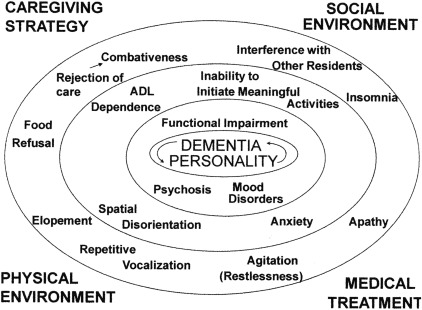
 Dementia doesn’t typically cause true split personality—like dissociative identity disorder—but it can lead to dramatic shifts in behavior and personality that might feel like someone is switching between different selves.
Here’s what’s going on:
 Why Personality Changes Happen in Dementia
- Brain damage: Dementia affects different parts of the brain, especially areas responsible for memory, emotion, and social behavior. As neurons die, personality traits can shift or disappear.
- Frontal lobe dysfunction: Damage here can lead to impulsivity, aggression, or apathy—making someone act very differently from their usual self.
- Delusions and hallucinations: Some types of dementia, like Lewy Body or advanced Alzheimer’s, can cause people to see or hear things that aren’t there. They may respond to these experiences as if they’re real, which can resemble a “split” in personality.
- Mood swings: Rapid changes in mood—calm one moment, angry the next—can make someone seem like they’re flipping between personalities.
- “Show timing”: People with dementia sometimes appear perfectly fine in public or with doctors, but behave very differently at home. This contrast can feel like dual personalities to caregivers.
- The term “sundowning” refers to a state of confusion that occurs in the late afternoon and lasts into the night. Sundowning can cause various behaviors, such as confusion, anxiety, aggression or ignoring directions. Sundowning also can lead to pacing or wandering. Sundowning isn’t a disease.
 When It Looks Like More Than Dementia
Some caregivers report loved ones taking on multiple personas—like a meek version, an aggressive one, and a mediator—all within the same day. While this isn’t classic dissociative identity disorder, it may be a mix of:
- Advanced dementia symptoms
- Psychosis or schizophrenia-like features
- Auditory hallucinations or delusional thinking
Doctors sometimes disagree on whether these behaviors are part of dementia or a separate mental illness. It’s a gray area, and each case is unique.
If you’re seeing this in someone you care about, it’s worth discussing with a neurologist or geriatric psychiatrist. They can help sort out what’s dementia-related and what might need different treatment.
Would you like help understanding the different types of dementia that cause more behavioral changes? Or tips for managing these shifts day-to-day?
1www.healthline.com2www.webmd.com3www.agingcare.com
Understanding the different types of dementia that cause more behavioral changes? Or tips for managing these shifts day-to-day?
Absolutely—let’s break this into two parts: types of dementia with strong behavioral symptoms, and practical tips for managing those changes.
Types of Dementia That Often Cause Behavioral Shifts
Some forms of dementia are more likely to cause noticeable changes in personality, mood, and behavior:
1. Frontotemporal Dementia (FTD)
- Affects the frontal and temporal lobes—areas tied to personality, judgment, and social behavior.
- Common changes: impulsivity, inappropriate social behavior, apathy, emotional bluntness.
- May resemble psychiatric disorders at first.
2. Lewy Body Dementia
- Includes symptoms of Parkinsonism and fluctuating cognition.
- Common changes: vivid hallucinations, paranoia, sleep disturbances, mood swings.
- Can cause dramatic shifts in alertness and behavior from hour to hour.
3. Alzheimer’s Disease
- Most common type, with progressive memory loss.
- Behavioral changes: agitation, wandering, aggression, depression, sundowning (late-day confusion).
4. Vascular Dementia
- Caused by reduced blood flow to the brain.
- Behavioral changes: mood instability, apathy, slowed thinking, irritability.
- Often coexists with Alzheimer’s.
 Tips for Managing Day-to-Day Behavioral Shifts
These strategies can help caregivers and loved ones navigate the ups and downs:
Understand the Triggers
- Look for patterns: time of day, noise, hunger, pain, or confusion.
- Keep a journal to track behaviors and possible causes.
 Create a Calm Environment
- Reduce clutter and noise.
- Use soft lighting and familiar objects to create comfort.
- Stick to a daily routine to reduce anxiety.
 Communicate with Compassion
- Use short, clear sentences.
- Avoid arguing or correcting—redirect gently instead.
- Validate feelings even if the facts are off.
 Use Distraction and Engagement
- Music, art, or simple tasks can redirect agitation.
- Offer activities that match their current abilities.
 Involve Professionals
- A geriatric psychiatrist or neurologist can help with medication or behavioral plans.
- Sudden changes may signal pain, infection, or medication side effects.
Would you like a printable guide or checklist for caregivers? Or maybe we could explore how to respond to specific behaviors like aggression or hallucinations?
Can you provide a checklist for managing behavioral changes?
Absolutely! Here’s a practical and compassionate checklist to help caregivers manage behavioral changes in someone with dementia:
 Dementia Behavior Management Checklist
Understand the Person
- Learn their type of dementia and typical symptoms.
- Know their life history, preferences, and routines.
- Track behavior patterns—when, where, and why they occur.
 Identify Triggers
- Check for pain, hunger, thirst, or discomfort.
- Watch for environmental stressors: noise, clutter, lighting.
- Note time-of-day patterns (e.g., sundowning in late afternoon).
Respond to Behavior
- Stay calm and reassuring—your mood affects theirs.
- Redirect gently: offer a snack, music, or a walk.
- Avoid arguing or correcting—validate feelings instead.
Create a Supportive Environment
- Maintain a structured daily routine.
- Use familiar objects and photos to reduce confusion.
- Minimize overstimulation—soft lighting, quiet spaces.
Communicate Effectively
- Use short, clear sentences and a gentle tone.
- Allow extra time for responses.
- Use non-verbal cues like touch, eye contact, and smiles.
Engage and Distract
- Offer music, art, puzzles, or simple tasks.
- Encourage social interaction with family or pets.
- Match activities to their current abilities.
Monitor and Adjust
- Keep a behavior journal to share with healthcare providers.
- Watch for medication side effects or new symptoms.
- Consult a geriatric psychiatrist or neurologist as needed.
If you’d like, I can help you turn this into a printable version or tailor it to a specific behavior you’re dealing with—like aggression, wandering, or hallucinations. Want to dive deeper into one of those?
What are some common mistakes to avoid in behavior management?
Great question—avoiding common pitfalls can make a huge difference in how smoothly things go when caring for someone with dementia. Here’s a rundown of frequent mistakes and how to sidestep them:
 Common Mistakes in Dementia Behavior Management
1. Arguing or Correcting
- Trying to reason or correct someone with dementia often leads to frustration.
- Instead: Validate their feelings, even if the facts are off. Redirect gently.
2. Ignoring Triggers
- Overlooking what causes agitation—like noise, hunger, or pain—can escalate behaviors.
- Instead: Track patterns and adjust the environment or routine accordingly.
3. Being Reactive Instead of Proactive
- Waiting until a behavior becomes disruptive before acting.
- Instead: Plan ahead with calming routines, soothing activities, and early interventions.
4. Overstimulating the Environment
- Bright lights, loud sounds, or clutter can overwhelm someone with dementia.
- Instead: Create a calm, familiar space with soft lighting and minimal distractions.
5. Using Complex Language
- Long explanations or abstract ideas can confuse and frustrate.
- Instead: Use simple, clear sentences and visual cues.
6. Taking Behavior Personally
- It’s easy to feel hurt or blamed when someone lashes out.
- Instead: Remember it’s the disease talking, not the person. Stay calm and compassionate.
7. Neglecting Self-Care
- Burnout leads to less patience and more mistakes.
- Instead: Take breaks, ask for help, and prioritize your own well-being.
8. Inconsistent Routines
- Sudden changes can cause confusion and anxiety.
- Instead: Stick to a predictable daily schedule with familiar activities.
9. Over-relying on Medication
- Medications can help, but they’re not a cure-all and may have side effects.
- Instead: Try non-pharmacological strategies first, like music, exercise, or sensory therapy.
10. Not Seeking Professional Help
- Waiting too long to consult a specialist can delay effective treatment.
- Instead: Reach out to a geriatric psychiatrist, neurologist, or dementia care team early.
Would you like a printable version of this list or tips tailored to a specific behavior you’re dealing with—like aggression, wandering, or hallucinations? I’d be glad to help.
What are strategies for addressing specific behaviors like aggression?
Managing aggression in dementia can be tough—but with the right strategies, you can often de-escalate situations and bring calm back into the room. Here’s a toolkit of approaches that caregivers and professionals use to address aggressive behavior:
Strategies for Addressing Aggression in Dementia
1. Identify the Triggers
- Keep a behavior journal to track when aggression occurs.
- Look for patterns: time of day, noise, hunger, pain, or confusion.
- Consider physical discomfort like infections, constipation, or untreated pain.
2. Create a Calm Environment
- Reduce noise, clutter, and bright lights.
- Use soft music, familiar scents (like lavender), and comforting objects.
- Stick to a predictable routine to reduce anxiety.
3. Communicate with Compassion
- Speak slowly and gently; avoid arguing or correcting.
- Use short, clear sentences and non-threatening body language.
- Validate feelings: “You seem upset. I’m here to help.”
4. Use Distraction and Redirection
- Offer a favorite activity, snack, or music to shift focus.
- Try sensory experiences like folding laundry, sorting buttons, or pet therapy.
- Redirect with curiosity: “Tell me about that…” or “Let’s go see what’s outside.”
5. Involve Professionals
- Consult a geriatric psychiatrist or neurologist for medication review or behavioral plans.
- Sudden aggression may signal a medical issue—don’t wait to get help.
6. Safety First
- If aggression escalates, give space and stay near an exit.
- Remove dangerous objects and ensure the environment is safe.
- In emergencies, call for help and explain the person has dementia.
Would you like a printable version of this guide or tips tailored to a specific situation—like aggression during bathing or sundowning? I can help you build a personalized plan.
Absolutely—pinpointing triggers is like detective work with heart. It takes observation, empathy, and a bit of trial and error. Here’s how to sharpen your skills:
How to Identify Dementia Behavior Triggers Effectively
1. Know the Common Categories of Triggers
Triggers often fall into these buckets:
- Physical: pain, hunger, fatigue, illness, medication side effects.
- Environmental: loud noises, clutter, unfamiliar surroundings, poor lighting.
- Emotional: fear, frustration, loneliness, overstimulation.
- Routine disruptions: changes in schedule, unexpected visitors, travel.
- Communication breakdowns: not understanding instructions or questions.
 2. Keep a Behavior Journal
- Record what happened, when, and where.
- Note who was present, what was said, and what the person was doing.
- Track what happened before and after the behavior.
- Look for patterns over time—certain times of day, activities, or environments.
3. Use the CAUSEd Framework
This tool helps decode behavior as communication:
- Communication: Are they misunderstood or unable to express themselves?
- Activity: Is the task too hard or unfamiliar?
- Unwell/Unmet needs: Are they in pain, hungry, or tired?
- Story: Does their personal history explain the reaction?
- Environment: Is the space over stimulating or confusing?
- dementia: Consider how brain changes affect perception and response.
You can learn more about this approach from DementiaHub.sg.
4. Observe Non-Verbal Cues
- Watch for facial expressions, body language, and tone of voice.
- Sudden agitation, pacing, or withdrawal may signal discomfort or confusion.
- If they can’t say “I’m in pain,” their behavior might be saying it for them.
5. Rule Out Medical Issues
- Behavior changes mean infection, constipation, or medication side effects.
- Consult a doctor to rule out physical causes.
6. Test and Adjust
- Try changing one thing at a time—lighting, noise level, time of activity.
- See if the behavior improves. If so, you’ve likely found a trigger.
Would you like help building a personalized trigger tracker or exploring how to use this in daily caregiving?
I can help you set up a simple system. Familiar Music Helps Them to relax and calm down
Jamie MacDonald – Desperate (with Lauren Daigle) (Official Performance Video) – YouTube
Lawrence Welk Show – Salute To The Ladies from 1973
A salute to the ladies includes “Lady of Spain,” “Lovely to Look At,” “’til I Waltz Again with You,” “Girl of My Dreams,” “Margie,” “Every Day Is Ladies’ Day” and “The Most Beautiful Girl in the World.”
How to Respond to Anger, Aggression, Violence, TEMPER TANTRUMS in Dementia
Caring for a spouse with frontotemporal dementia – Donna’s Story.m4v – YouTube
What tips is there to help someone with dementia to calm down – Search Videos
Dementia and Sundowning: Tips to Help You Manage Sundowning
How To Convince Someone With Dementia They Need Help
3 things to NEVER do with your loved one with dementia
4 COMMON DEMENTIA CAREGIVER MISTAKES
Top 5 Caregiving Mistakes to Stop Doing Today
100’s of FREE Dementia Training Videos
What Stage of Alzheimer’s is Anger?