Born Eilleen Regina Edwards in Windsor, Ontario, Twain grew up in poverty and faced abuse at the hands of her stepfather. Music became her refuge, and songwriting, her escape. Shania Twain’s rise to stardom is not just a story of talent.
It’s a story of grit, survival, and unshakable strength.
At 22, just as she was gaining momentum in her music career, tragedy struck. Her mother and stepfather were killed in a car accident, forcing Twain to move home and raise her younger siblings. Many careers would have ended there. Hers was just beginning.
Years later, another personal blow would shake her world. Her husband and longtime producer, Mutt Lange, the man behind her early chart-topping albums, had an affair with Twain’s close friend. The betrayal ended both a marriage and a creative partnership. Still, Twain found a way forward.
Then came another challenge, a diagnosis of Lyme disease, which severely damaged her vocal cords and left her uncertain she would ever sing again. After multiple surgeries and years of vocal therapy, Twain made a remarkable recovery.
In 2017, she released Now, her first studio album in 15 years. It debuted at No. 1 on the Billboard 200, solidifying her comeback. Shania Twain didn’t just return. She reclaimed her place atop the genre she helped redefine. A true Queen of Country Pop, forged through hardship and healed by music.
Shania Twain’s Life Challenges
Shania Twain’s journey from rural poverty to global superstardom has been marked by significant personal and professional challenges.
Childhood poverty and family struggles Born Eileen Regina Edwards in Windsor, Ontario, Twain was raised in Timmins by her mother Sharon and adoptive father Jerry Twain after her parents divorced when she was two Fox News. The family lived in financial hardship, often going without basic necessities. Her mother struggled with depression, and the home environment was marked by domestic abuse, violence, and instability Fox News+1. Twain recalled being over-responsible for the household, worrying about her parents’ safety, and enduring hunger and poor living conditions HELLO!+1.
Early exposure to music and stage fright At age eight, Twain began performing in local bars to help support her family, often singing after last call when underage CBS News+1. These early gigs, in smoky, intoxicated environments, left a lasting impression and contributed to her stage fright, which she only overcame in her 50s when she felt confident in her voice and audience CBS News.
Tragic loss of parents At 22, Twain lost both her mother and stepfather in a car accident, a devastating blow that left her in shock and without a stable foundation American Songwriter+1. She took on the role of caregiver for her younger siblings, putting her music career on hold for years American Songwriter+1.
Abuse and trauma Twain has spoken openly about sexual abuse by her stepfather, which she carried silently for years before sharing publicly weverydaystories.com. This trauma, combined with the loss of her parents, shaped her resilience and perspective.
Shania Twain contracted Lyme disease in 2003, which severely affected her voice, and her recovery involved years of medical treatment, vocal therapy, and lifestyle changes.
Diagnosis and Early Symptoms
Shania Twain was bitten by a tick while horseback riding in 2003 during her “Up!” tour, which led to Lyme disease, a tick-borne infection that can affect the joints, heart, and nervous system (ABC News) abcnews.com+1. She experienced severe symptoms including dizziness, blackouts on stage, and loss of balance, which made performing extremely difficult (Woman’s World) Woman’s World. It took several years for doctors to connect these symptoms to Lyme disease, and by the time she was diagnosed, the infection had already caused nerve damage to her vocal cords, resulting in dysphonia and vocal cord paralysis (Today) TODAY.
Treatment Approaches
Twain’s treatment was multifaceted and included both conventional and alternative therapies. Initially, she received antibiotics to address the bacterial infection, which is the standard treatment for Lyme disease (ABC News) abcnews.com. Beyond antibiotics, she explored hyperthermia therapy, which involves exposing the body to high temperatures to target the bacteria, and she also used a range of supplements and nutrients to support her recovery (Biconomy Health) health.biconomy.io. To regain her vocal abilities, Twain underwent vocal therapy, physical therapy, and even Botox injections in her vocal cords to restore control and strength (Chronic Illness) chronicillness.co. She also had several invasive throat surgeries to repair damage caused by the disease (Today) TODAY. Recovery was slow and required persistence, trial and error, and a willingness to endure multiple interventions over several years.
Lifestyle and Supportive Measures
Twain emphasized the importance of a healthy diet, regular exercise, and stress management in her recovery (Biconomy Health) health.biconomy.io. She prioritized self-care, which she credits as a key factor in regaining her health and vocal abilities. Emotional support from fellow musicians and her own resilience played a significant role in her journey back to performing.
Recovery and Long-Term Effects
After nearly a decade of vocal struggles, Twain made a triumphant return to music with her 2017 album Now, although her voice had changed, carrying more emotion and depth than before (Chronic Illness) chronicillness.co. While she has regained her singing ability, she continues to manage the long-term effects of Lyme disease, including ongoing vocal care and health monitoring (ABC News) abcnews.com. Her case has been studied by specialists as a model for treating neurological vocal disorders and chronic Lyme disease.
Shania Twain’s journey highlights the importance of early diagnosis, persistence, and a comprehensive treatment approach for Lyme disease. Her story demonstrates that recovery is possible even after severe complications, and it underscores the value of combining medical treatment with lifestyle adjustments, therapy, and emotional support (Chronic Illness) chronicillness.co+1. Twain has also become an advocate for awareness of chronic illness, inspiring others facing similar challenges.
Professional heartbreak In 2008, Twain discovered her husband, producer Robert “Mutt” Lange, was having an affair with her close friend Marie-Anne Thiébaud HELLO!+1. The betrayal, while painful, was less severe than the grief from her parents’ deaths, but it still triggered a period of emotional reckoning.
Body image struggles During her 2019 Las Vegas residency, Twain admitted to unhealthy habits to control weight gain, including overworking her body and avoiding mirrors AOL. She later embraced body positivity, especially after navigating menopause, and celebrated her “new body” in her music AOL.
Overcoming adversity Despite these challenges, Twain’s early experiences—poverty, abuse, loss, and professional setbacks—became the foundation for her music and her ability to connect with audiences. In her 60s, she reflects that “time” has allowed her to finally “get it right” Fox News+1.
In sum, Shania Twain’s life challenges include poverty, abuse, loss of parents, professional betrayal, and body image struggles, but these experiences have also fueled her resilience, artistry, and deep connection with fans.
Shania, 60, did not have an easy life as a kid. She grew up in the picturesque yet impoverished town of Timmins, Ontario, alongside her four siblings. As a young her, Shania remembered her parents’ struggling to make ends meet.
“For so many years, I’ve opened up about some of the difficulties and challenges [of my childhood],” Shania explained on Today with Jenna and Sheinelle. “But I want my fans to relate to the things I talk about when it comes to heartbreak or disappointment.
The singer as a young teen
Sheinelle chimed in, telling Shania: “They do!” Shania’s heartbreak is what makes her music so powerful and connects her with her many fans.
Shania Twain’s difficult childhood
Aside from being raised in poverty, Shania’s stepfather, Jerry Twain, struggled with addiction and mental health issues, often breaking out into violence towards both the singer and her mom, Sharon.
“I was worried about my father killing my mother,” Shania told The Guardian in 2018. “I thought they’d kill each other. My mom was quite violent, too. Many nights I went to bed thinking: ‘Don’t go to sleep, don’t go to sleep, wait till they are sleeping.’ And I would wake up and make sure everybody was breathing.”
Shania with her parents who tragically died when she was 22
This dark chapter in her life came to a devastating climax when both her parents died in a car crash when she was just 22. Shania recalled her feelings at the time during a 2023 appearance on Today, saying: “I just, you know, I fell apart totally, just into shock for days and I just couldn’t let go of them.”
Shania and Mutt finalized their divorce in 2010, she found solidarity and love with Marie-Anne’s ex-husband Frédéric Thiébaud. The two married on New Year’s Day in 2011 and are still together 15 years later. While she found love, Shania admitted that her divorce was shocking.
“I don’t think that a lot of things that have happened to me since my divorce should have been so hard on me,” Shania reflected on the Armchair Expert podcast in February 2023. “I should have been less naive about life’s ups and downs. Maybe I’m too much, like, ‘That’s all behind me.'”
Attitude matters. A new study published in the Psychological Science journal adds more proof that people who tend to be positive, cheerful and enthusiastic experience less memory loss over time.
How the Study Worked
Researchers from Northwestern University’s Life-span Development Laboratory recruited nearly 1,000 people from across the country to participate in a national study to see if general attitude and memory loss were connected. The research team followed the participants, who were middle-aged or older, for nearly 10 years.
At regular checkpoints, the participants were asked to describe their positive emotions over the previously 30 days and take a memory test. The test involved giving the participants a list of words and asking them to recall them immediately and again 15 minutes later. Participants who had a higher level of positive affect had a lower level of memory decline over almost a decade.
The medical term for being upbeat is “positive affect”. It’s the opposite of “negative affect”, which comes from frequent feelings of sadness and anxiousness.
Building on Other Research
According to the Oxford Handbook of Positive Psychology, these additional emotions can contribute to a positive effect: joviality, self-assurance and attentiveness. The authors also detail how:
Low levels of positive affect contribute to depression and low satisfaction with work and marriage
High levels of positive affect contribute to better physical health, including greater immunity to infections
Another study published in The American Psychologist journal showed a relationship between positive affect and flourishing in life. The researchers defined “to flourish” as “to live within an optimal range of human functioning, one that connotes goodness, generativity, growth, and resilience.” They describe the opposite of flourishing as languishing, a hollow or empty feeling that leads to depression and curbs daily activities.
The authors go on to cite a host of other studies that connect positive affect to positive outcomes such as:
Increased creativity
More resilience to crisis
Better recovery from cardiovascular problems
Less inflammation from stress
Lower risk of stroke
Longer life
Take a look at our blog for five more ways to support senior longevity. Sonata Senior Living in Florida offers independent, assisted living and memory care lifestyles in communities designed to promote independence and prevent isolation. We provide activities, events, gourmet dining, wellness programs and life enrichment through music and classes. Our services also include specialized, around-the-clock memory care for Alzheimer’s disease and dementia.
People with dementia often feel profound confusion, frustration, and fear as their brains struggle to process memories, time, and surroundings. This reality can lead to deep feelings of isolation, vulnerability, and anxiety. Because communication becomes difficult, unmet needs or feelings are often expressed through physical and behavioral changes like pacing or agitation.
The exact experience varies by person and stage, but individuals living with dementia frequently describe or exhibit the following feelings:
Disorientation and Fear: Everyday environments can suddenly feel unfamiliar or threatening. People may constantly feel “lost” or out of place, even in their own homes.
Intense Frustration: Being unable to find the right words, complete formerly simple tasks, or make oneself understood is highly exasperating.
Loss of Control: Individuals often realize they are losing their independence and struggle with the awareness of their cognitive decline, leading to feelings of sadness or grief.
Suspicion and Paranoia: Because memories are distorted or lost, a person with dementia may genuinely feel that items have been stolen or that caregivers have ill intentions simply because they cannot recall where things are.
Emotional Amplification: Damage to brain areas that regulate emotion can make a person overreact or experience rapid mood swings.
Understanding these internal emotions is crucial for providing compassionate care. For strategies, resources, and support networks, you can explore the Alzheimer’s Society or the Alzheimer’s Association.
Agitation in individuals with dementia can be linked to physical changes in the brain and can manifest suddenly due to specific triggers like noise or an inability to perform familiar tasks. People with Alzheimer’s disease may exhibit increased agitation or aggression as the condition progresses.
Agitation is characterized by restlessness and worry, with affected individuals unable to settle down. Various factors contribute to this restlessness, including overwhelming environments, frustration with complex tasks, or discomfort from unrecognized pain.
Additionally, changes in surroundings—such as moving to a new residence, hospitalization, or the presence of guests—can induce agitation. Circumstances like loneliness, excessive stimulation, or loss of privacy further exacerbate this behavior. Dementia may hinder a person’s ability to express their feelings, resulting in frustration or outbursts.
Common causes of agitation include fear, fatigue, routine disruptions, perceived threats, changes in caregivers, and physical discomfort. Such behaviors may be a response to disrupted interactions with their environment.
Does Disappointment Calm a Dementia Patient?
Disappointment itself is not a reliable way to calm a dementia patient. In fact, it can often increase agitation or distress because it may trigger frustration, sadness, or confusion — emotions that are already common in people with dementia Dementia Care Central.
Dementia-related emotional unresponsiveness can feel like personal rejection to caregivers, and disappointment can amplify that sense of loss or misunderstanding Psychology Today. When a person with dementia is already struggling to process emotions, disappointment can make them more withdrawn, irritable, or even agitated Dementia UK+1.
Why disappointment can be harmful
Emotional overload: Dementia patients may not be able to process or regulate disappointment, leading to mood swings or withdrawal Dementia Care Central.
Confusion about cause: They may not understand why they are upset, which can worsen anxiety or agitation Dementia UK.
Loss of trust or connection: Repeated disappointment can erode the sense of safety and trust that is so important for emotional well-being Psychology Today.
What actually helps calm a dementia patient
Research and clinical guidance suggest using calming, non-judgmental approaches instead of disappointment:
Gentle redirection with familiar activities, music, or simple tasks aliyahealthcare.com.
Soothing touch and a calm, low voice to reduce agitation aliyahealthcare.com.
Addressing physical needs like hunger, thirst, or pain, which can be mistaken for emotional distress Senior Safety Advice.
Maintaining a familiar environment to reduce confusion and anxiety Dementia UK.
Using positive, reassuring language and avoiding criticism or negative comments Senior Safety Advice.
Bottom line
Disappointment is not a calming strategy for dementia patients. Instead, focus on reducing triggers, meeting their needs, and using empathetic, supportive communication. This approach is more likely to help them feel safe, understood, and calm.
3 Tools to Heal the Pain of Dementia’s Emotional Disconnect
Learn to recognize, navigate, and heal emotional wounds of caregiving.
Recognizing dementia-related emotional disconnect as normal helps caregivers reduce self-blame and shame.
Identifying your emotional stage in response to emotional unresponsiveness provides relief and clarity.
Understanding dementia relationship dissonance transforms challenges into opportunities for healing.
Simple empathy reframing and self-care rituals can dramatically reduce emotional distress in caregiving.
“I just feel so unloved,” shared a participant in our recent study, reflecting on the deep pain she experienced when her mother—once her best friend—could no longer celebrate her joys or respond to important moments in her life due to dementia.
If you’re caring for someone with dementia, you likely know this pain intimately. But that gut-wrenching feeling isn’t just heartbreak—it signals something deeper. In a recent study published in Aging & Mental Health, my team and I uncovered how dementia’s emotional unresponsiveness can feel like personal rejection, deeply eroding self-esteem and undermining relationships we’ve cherished our entire lives.
Because our earliest relationships shape our deepest sense of safety and worth, feeling ignored—even by someone whose behavior we rationally understand as dementia-related—can trigger ancient, preverbal fears of rejection and abandonment.
Below are three practical, therapeutic tools distilled from our research. These approaches can help caregivers and clinicians alike name, navigate, and heal from what I’ve termed “dementia relationship dissonance.”
1. Name the Invisible Wound: Dementia Relationship Dissonance
Most dementia conversations revolve around practical caregiving tasks—medication, safety, and daily care. Yet, what happens emotionally when someone we love no longer seems able to “tune in” to us?
Our participants described dementia unresponsiveness as more than forgetfulness—it felt profoundly personal, painful, even traumatizing. To acknowledge and validate this emotional pain, I created the term Dementia Relationship Dissonance:
The deep emotional hurt caused by feeling unseen or ignored by a loved one due to dementia symptoms. This creates feelings of misunderstanding, and missed connection.
Why It Matters:
Naming this hurt as dementia relationship dissonance allows you to recognize that your pain isn’t a personal failing. It’s a shared, recognized phenomenon—freeing you from guilt and shame.
Introducing this terminology validates our experiences, helping us articulate grief (yes, you can grieve something that still has physical presence!) and understand reactions as completely natural.
Simple Therapeutic Step:
When you feel ignored or unseen, remind yourself:
“This is dementia relationship dissonance—this gap is caused by dementia, not by me. My feelings are valid because I’m actually wired to see myself through the eyes of others who I love. I will get through this.”
2. Map the Emotional Journey: A Clear 3-Stage Model
Understanding exactly where you are emotionally can bring clarity and comfort. Here’s the emotional roadmap our study participants revealed:
Stage 1: Shock & Pain – The immediate sting of feeling invisible or ignored.
Stage 2: Coping Reactions – Typical responses: withdrawal, attempts at extreme empathy, or seeking outside support.
Stage 3: Interpretation – The most distressing interpretations included questioning self-worth. Painful internal narratives like, “If they don’t recognize me, do I even matter?”
Why It Matters:
Recognizing your stage helps you or your clients understand exactly what emotional support or coping strategy is needed right now.
Simple Therapeutic Step:
Create a quick checklist or use a journal to identify your current stage after difficult interactions:
Am I feeling raw, immediate pain? Am I re-living the pain over and over?
Am I reacting by withdrawing or overly empathizing?
Am I questioning my value?
Identifying your stage points clearly to your next healthy step—grounding exercises, self-care strategies, or reconnecting with your worth outside caregiving.
3. Concrete Strategies to Reconnect and Heal
From our interviews, caregivers repeatedly highlighted four simple, powerful coping strategies:
A. Empathy-Reframing: Instead of personalizing unresponsiveness (“They’re ignoring me”), reframe it as, “They’re in a different world right now.” Some caregivers successfully connected by joining loved ones in memories or activities from their reality—like singing old songs together.
B. Healthy Boundary-Setting: It’s okay—and often essential—to limit your interactions when feeling emotionally overwhelmed. Recognize it’s healthy self-care, not selfishness, to step away for a brief reset.
C. Daily Self-Care Rituals: Establish small rituals post-visit. A caregiver favorite: Take five minutes afterward to write down one positive self-reflection (“I’m patient,” “I’m kind,” “I’m resilient”).
D. Self-Image Repair: When feeling hurt or rejected, consciously remind yourself of three personal qualities unrelated to caregiving (e.g., loyal friend, talented cook, dedicated professional).
Why It Matters:
Concrete actions reduce feelings of helplessness, turning emotional distress into manageable moments of healing.
Simple Therapeutic Step:
At the end of each interaction or therapy session, practice this brief reflective exercise:
“What did I learn or appreciate about myself today?”
Write it down and keep these affirmations handy for difficult moments.
Why This Perspective Matters Now
More than 10 million families face dementia each year. While practical caregiving advice is plentiful, the emotional wounds—particularly those related to feeling unseen—often remain hidden and unresolved.
By understanding dementia relationship dissonance, mapping emotional stages, and adopting practical coping strategies, we empower caregivers and clinicians to transform silent heartbreak into visible paths of healing.
Survivors of stage 4 pancreatic cancer often share inspiring stories of resilience, treatment journeys, and the importance of support systems.Personal Survivor StoryOne notable survivor, Marisa Harris, was diagnosed with stage IV pancreatic cancer and faced a daunting prognosis. Initially, she was advised that chemotherapy would only provide a few extra months of life.
However, she chose to explore alternative treatments alongside chemotherapy, including dietary changes, supplements, and exercise. Despite the challenges, her tumor markers improved, and she became a long-term survivor. Marisa’s story highlights the power of personal determination and the impact of a supportive healthcare team letswinpc.org.
General Insights on Survival
Survival Rates: The five-year survival rate for stage 4 pancreatic cancer is low, typically around 3% to 5%. However, individual experiences can vary significantly, and some patients have exceeded expectations acibademhealthpoint.com.
Treatment Options: While stage 4 pancreatic cancer is considered advanced and often incurable, treatments such as chemotherapy, targeted therapy, and palliative care can help manage symptoms and improve quality of life.
Support Systems: Emotional and psychological support from family, friends, and support groups plays a crucial role in the journey of cancer survivors. Many survivors emphasize the importance of having a strong support network to navigate the challenges of their diagnosis.
ConclusionWhile stage 4 pancreatic cancer presents significant challenges, stories of survivors like Marisa Harris serve as a reminder of the resilience of the human spirit. Each survivor’s journey is unique, and advancements in treatment and supportive care continue to provide hope for improved outcomes and quality of life for those affected by this disease.
Just before his 41st birthday, Dan, a lawyer from Cleveland, experienced a pain in his legs that led to a stage 4 pancreatic cancer diagnosis. Today, Dan is 45 years old, in complete remission and treatment-free.Dan sat down for an interview with From Stage 4 to Survivor: Dan’s Pancreatic Cancer Journey | CURE in which he shared his story. During the discussion, he shared the moment he learned of his diagnosis, and how he ultimately decided to participate in clinical trials for his pancreatic cancer treatment. He also offers his insights into life-changing medical choices, as well as the importance of advocating for oneself as a patient undergoing cancer treatment. From Stage 4 to Survivor: Dan’s Pancreatic Cancer Journey | CURE
CURE, in which he shared his story. During the discussion, he shared the moment he learned of his diagnosis, and how he ultimately decided to participate in clinical trials for his pancreatic cancer treatment. He also offers his insights into life-changing medical choices, as well as the importance of advocating for oneself as a patient undergoing cancer treatment.Just before his 41st birthday, Dan, a lawyer from Cleveland, experienced a pain in his legs that led to a stage 4 pancreatic cancer diagnosis. Today, Dan is 45 years old, in complete remission and treatment-free.
How did you decide to participate in a clinical trial, and what influenced your decision to pursue an experimental treatment?I did two clinical trials. The first one was an immunotherapy and a PARP inhibitor. I did Keytruda (pembrolizumab) and Lynparza (olaparib) for about two years, and then the second one was an early-stage trial.
Both of them were through Memorial Sloan Kettering Cancer Center.I knew both from the knowledge within my family and through conversations with my treating doctors at the clinic that chemotherapy was only going to work for so long, or my body would only be able to tolerate chemotherapy for so long. That was not an end state. That was the first step of hopefully at least a few steps.
Once we got settled back in Cleveland, once I started chemotherapy, and once I was settled into that routine, we started asking questions of my oncologist at the Cleveland Clinic: what trials was the clinic involved in? What options and opportunities did they see for me?
We had those conversations within the Cleveland Clinic world, and then my family began looking through clinicaltrials.gov. They were comfortable enough with the vocabulary and everything else to pinpoint options based on the genetic markers I had, the stage of the disease (which was stage 4) and the fact that my tumors were responding to chemotherapy. They were able to identify different hospitals and groups around the country engaged in pancreatic cancer trials that I might eventually be eligible for.About halfway through my chemotherapy, they started sending messages, saying, “Hey, you guys are running these trials. We’d like more information.
Could we get a secondary consultation with you?” We went through the whole clinic onboarding process, the insurance process, and ended up having consults with both the MSK team and the MD Anderson team. Through that, little by little, we got more information on what I would be eligible for, and we ended up making decisions about which paths to pursue.The important thing about that — there are a couple of things. Number one: patients need to advocate for themselves. They need to ask questions as early as possible: “Is this working? What’s next? What can I do next?
How can I find out what to do next?” If that involves seeing other doctors, no doctor should be upset that you’re seeking additional opinions. It’s strange, patients facing something as difficult as stage 4 pancreatic cancer won’t necessarily want to let their doctor know they’re seeing another doctor, or they might not want to ask about other doctors because they don’t want to be impolite, hurt someone’s feelings, or think the doctor will get annoyed. Any doctor I’ve met does not think that way.Patients need to feel comfortable asking for secondary consults, other opinions, and additional opportunities. Not every oncologist has all the information.
Different people are doing different things at different times, and treating oncologists aren’t necessarily the same people conducting the trials. The more information you can get, the more questions you can ask, and the more conversations you can have, the higher the possibility you will uncover opportunities your treating oncologists didn’t know existed.Outside of conversations with your doctor, if you can figure out how to use clinicaltrials.gov, that is a great resource. It’s not very user-friendly, and the vocabulary can be difficult, but ChatGPT plus clinicaltrials.gov can help identify potential trials you can then discuss with doctors who might have other opportunities.
I would really encourage people to do both of those things to the extent they can.How did you decide to participate in a clinical trial, and what influenced your decision to pursue an experimental treatment?I did two clinical trials. The first one was an immunotherapy and a PARP inhibitor. I did Keytruda (pembrolizumab) and Lynparza (olaparib) for about two years, and then the second one was an early-stage trial. Both of them were through Memorial Sloan Kettering Cancer Center.
I knew both from the knowledge within my family and through conversations with my treating doctors at the clinic that chemotherapy was only going to work for so long, or my body would only be able to tolerate chemotherapy for so long. That was not an end state. That was the first step of hopefully at least a few steps.Once we got settled back in Cleveland, once I started chemotherapy, and once I was settled into that routine, we started asking questions of my oncologist at the Cleveland Clinic: what trials was the clinic involved in?
What options and opportunities did they see for me? We had those conversations within the Cleveland Clinic world, and then my family began looking through clinicaltrials.gov. They were comfortable enough with the vocabulary and everything else to pinpoint options based on the genetic markers I had, the stage of the disease (which was stage 4) and the fact that my tumors were responding to chemotherapy. They were able to identify different hospitals and groups around the country engaged in pancreatic cancer trials that I might eventually be eligible for.About halfway through my chemotherapy, they started sending messages, saying, “Hey, you guys are running these trials. We’d like more information. Could we get a secondary consultation with you?”
We went through the whole clinic onboarding process, the insurance process, and ended up having consults with both the MSK team and the MD Anderson team. Through that, little by little, we got more information on what I would be eligible for, and we ended up making decisions about which paths to pursue.
The important thing about that — there are a couple of things. Number one: patients need to advocate for themselves. They need to ask questions as early as possible: “Is this working? What’s next? What can I do next?
How can I find out what to do next?” If that involves seeing other doctors, no doctor should be upset that you’re seeking additional opinions. It’s strange, patients facing something as difficult as stage 4 pancreatic cancer won’t necessarily want to let their doctor know they’re seeing another doctor, or they might not want to ask about other doctors because they don’t want to be impolite, hurt someone’s feelings, or think the doctor will get annoyed. Any doctor I’ve met does not think that way.
Patients need to feel comfortable asking for secondary consults, other opinions, and additional opportunities. Not every oncologist has all the information. Different people are doing different things at different times, and treating oncologists aren’t necessarily the same people conducting the trials. The more information you can get, the more questions you can ask, and the more conversations you can have, the higher the possibility you will uncover opportunities your treating oncologists didn’t know existed.
Outside of conversations with your doctor, if you can figure out how to use clinicaltrials.gov, that is a great resource. It’s not very user-friendly, and the vocabulary can be difficult, but ChatGPT plus clinicaltrials.gov can help identify potential trials you can then discuss with doctors who might have other opportunities. I would really encourage people to do both of those things to the extent they can.
Lauren Daigle first auditioned for ‘American Idol’ in its ninth season. | Fox/Fox
Before she was famous, Daigle actually was part of the process on three separate seasons of Idol as an auditionee or contestant, then two more once she had made it as a Christian singer-songwriter on her own.
Her first appearance on the show came when she was 18 in 2010 (Season 9), when she missed out to the top 24. She then tried out the following year and did not make it to Hollywood. Her third time as a contestant was in 2012, when she was cut from the show in the Las Vegas round.
Speaking to Cosmopolitan, she said these rejections were what spurred her on to the career she has had since. She said: “I remember thinking, ‘My whole plan has just flipped upside down…’ I knew right then, sitting in that moment, I’m going to have to decide whether I’m going to get back up and start trying or if I’m gonna let that just determine the course of my life.”
Lauren Daigle American idol Lauren Daigle first auditioned for ‘American Idol’ in its ninth season. | Fox/Fox She then moved to Baton Rouge for college, and sang for a band. This led to her getting background vocal work, being invited to an artist retreat and getting signed by a label after they heard her sing.
Daigle said of this to Cosmo: “It’s so beautiful and powerful to see where a ‘no’ can take you. I would tell younger Lauren, ‘Just hang tight. Ride the wave. Let the journey unfold before you as it’s supposed to and you’ll be right where you’re supposed to be.'”
Since then, Daigle has had three number one albums and four number one singles on the Christian charts. She has also won two Grammys, five Billboard Music Awards and two American Music Awards.
In 2019, she returned to Idol for its 17th season. This time, however, she was back as a guest mentor for the top six. She also performed on the finale of Season 18, alongside that night’s winner Just Sam.
Daigle is part of an illustrious list of stars who went on to find fame on their own after failing to make it on American Idol. Among those also rejected from the show were Lady A lead singer Hillary Scott, who auditioned twice, the late Naya Rivera, who used the same audition song for Glee, and Colbie Caillat, who auditioned with her future hit “Bubbly.”
Teenager’s Health Crisis: The Cytomegalovirus Diagnosis
At the age of 15, Lauren Daigle was on a typical high-school path until it was abruptly altered by a serious health diagnosis. She contracted cytomegalovirus (CMV), a common virus that, in her case, caused a debilitating autoimmune response.
This condition required her to be isolated and homebound for two years to protect her weakened immune system. Instead of attending classes and social events with her peers, Daigle was confined to her home, facing not only physical limitations but also the mental and emotional toll of isolation. This period was a significant test of her resilience, forcing her to find strength and purpose in a new way.
What is Cytomegalovirus (CMV)?
Cytomegalovirus, or CMV, is a very common virus belonging to the herpes family, and most people are infected with it at some point in their lives, often without any symptoms. However, for those with weakened immune systems, CMV can cause serious health problems. It is related to the viruses that cause chickenpox and infectious mononucleosis. In cases like Daigle’s, it can trigger a significant autoimmune reaction, forcing the body to fight a battle that leaves it physically drained and highly vulnerable. This is why isolation was necessary for her during her recovery.
The Unexpected Silver Lining: Music as Healing
Forced to stay home and isolated, Daigle’s mother sought a way to combat the depression and loneliness her daughter was experiencing. She enrolled Lauren in voice lessons. What began as a creative outlet quickly transformed into something more profound. For Daigle, singing became her “healing” and a source of purpose during her confinement. This period of intense focus on music was an incubation period for her artistry, helping her discover her true passion and setting her on the path to becoming the Grammy-winning musician she is today.
Launching a Career from a Space of Isolation
The experience taught her deep lessons about resilience and hope. She recalled having visions of her future as a performer even while confined to her home, seeing “stages and people in the crowd”. The isolation and struggle ultimately provided the raw material for her songwriting, infusing her music with a profound sense of purpose and vulnerability that resonates with millions. As she has stated, she could “live a lifetime off of just those two years” of experience. The challenges she faced as a teenager became the launchpad for her successful career, proving that even the darkest moments can contain the seeds of future success.
Later Health and Mental Wellness Struggles
Decades after her battle with CMV, Daigle faced another significant health challenge, this time related to mental wellness. In 2023, following a COVID-19 infection, she experienced debilitating post-COVID symptoms, including panic attacks and anxiety. This period, she noted, felt like a new “rock bottom,” also causing her to confront a different kind of inner struggle. She sought counseling and leaned on her faith, family, and friends to get through it, once again using her personal pain to create meaningful art, like her song “Thank God I Do”. Her openness about these struggles has helped to destigmatize mental health challenges within the Christian music community and beyond.
Comparing Daigle’s Health Battles: Teen Illness vs. Adult Mental Health
Trigger
Debilitating autoimmune response to CMV infection.
Post-COVID symptoms combined with pandemic-related turmoil.
Duration
Roughly two years of being homebound.
Described as an intense period of struggle following COVID-19 infection.
Primary Symptoms
Weakened immune system, isolation, and eventual depression.
Panic attacks, anxiety, and a feeling of “rock bottom”.
Impact on Career
Fueled her passion for music and set her career path.
Inspired new music, including the hit “Thank God I Do”.
Recovery Method
Voice lessons and creative expression as a coping mechanism.
Counseling, support from family, and channeling pain into music.
Lauren Daigle’s story is a powerful testament to the idea that adversity can be a catalyst for growth. The two years she spent in isolation due to cytomegalovirus were a turning point, not an end point. Her experiences with both physical and mental health challenges have provided a wellspring of inspiration, informing her musical message of hope and perseverance.
Instead of being defined by her diagnoses, she used them as launchpads, forging a deeper connection with her faith and her purpose. Her candidness about her struggles has made her an even more relatable figure for fans who have faced their own difficult journeys.
This journey is a clear example of how turning inward during times of physical weakness can lead to immense personal and creative strength. For more information on cytomegalovirus, you can review this detailed overview from Yale Medicine. It is interesting to note the different ways the body and mind can be affected by illness at different stages of life.
Lauren Daigle never won American Idol. She auditioned three times between 2010 and 2012 (Seasons 9, 10, and 11) but was eliminated each time, making it to Hollywood in only one of those seasons Showbiz Cheat Sheet+2.
In Season 9 (2010), she reached the Top 46 but was cut before the Top 24. In Season 10 (2011), she didn’t make it to Hollywood. In Season 11 (2012), she made it to Las Vegas but was eliminated before the live shows americanidol.fandom.com.
Despite not winning, Daigle went on to become one of the most successful Contemporary Christian music artists, with multiple Grammy Awards, Billboard Music Awards, and a strong fan base americanidol.fandom.com+1. She has also returned to the Idol stage as a mentor and performer, but her Idol career never included a title win.
In Conclusion
In summary, Lauren Daigle’s well-documented health challenges include a teenage diagnosis of cytomegalovirus, which forced her into a two-year period of isolation and led her to discover her musical passion. Later, she openly discussed experiencing panic attacks and anxiety following a COVID-19 infection, which also influenced her art.
Her story highlights how overcoming illness and mental health struggles can lead to profound artistic and personal growth. Through her journey, she has demonstrated how resilience can transform hardship into a source of immense strength and creativity, ultimately inspiring her music and her audience.
Grammy Award-winning singer and songwriter @laurendaiglemusic sits down with Jeff Cavins for a deeply personal conversation about growing up in Louisiana, the illness that first drew her close to Jesus, and the way music has become her greatest form of prayer.
In this moving conversation, Lauren opens up about: 01:01 Growing up in Louisiana and the culture that shaped her faith 02:19 The autoimmune illness at 15 that transformed her relationship with Jesus 03:06 How God began showing her visions of stages and arenas before her career began 04:31 Writing “Let It Be Hallelujah” and losing her co-writer to a brain tumor during the process 06:47 How music gives language to prayers people can’t yet find words for 12:24 Pulling over in New Orleans and asking God what labeling had done to her voice .
In this full-length discernment deep-dive, we explore the powerful rise—and controversial shifts—of one of Christian music’s biggest names. From “You Say” to The Ellen Show, Lauren Daigle captured hearts with her voice and message… but in recent years, many believers have asked:
Has her message changed?
Why did she stop clearly naming Jesus in her music and interviews?
Is she still representing the gospel, or has she drifted into cultural compromise? This video unpacks it all—her lyrics, her interviews, her image, and her mission—through a biblical lens. WITH No drama. No gossip. Just honest, prayerful Christian discernment. RISE UP!!!!!!
Dr Josh Axe grew up in Troy, Ohio, on August 18, 1981 en.everybodywiki.com+1. He grew up in the small city, where he played soccer as a child en.everybodywiki.com. His early life in Troy was shaped by his parents’ backgrounds: his father worked on power lines for Ohio Bell (later AT&T) and was a semi-professional water skier, while his mother was an elementary school gym and swim teacher who prioritized her children’s education Houston Axe.
A defining moment came during his teenage years when his mother was diagnosed with stage IV breast cancer and given a 40% chance of survival. Although her cancer eventually went into remission, the experience deeply influenced his passion for using natural methods to help others Houston Axe.
Josh Axe later attended the University of Kentucky, where he competed on the triathlon team that won national championships, and went on to earn a Doctor of Chiropractic degree from Palmer College of Chiropractic, a Doctor of Natural Medicine, and a Certified Nutrition Specialist credential Houston Axe.
Today, he is best known as a doctor of natural medicine, chiropractor, and entrepreneur, with a career spanning functional medicine, media, and natural health products en.everybodywiki.com+1.
Dr. Josh Axe’s “How My Mom Reversed Cancer Naturally (After Chemo Failed)”
In a widely shared episode of The Dr. Josh Axe Show, Dr. Axe shares the story of his mother, Tammy Peterson, who faced an aggressive cancer diagnosis after conventional chemotherapy failed. He describes how she went on to reverse her cancer using a combination of natural, holistic, and faith-based therapiesthehealthinstitute.com.
Key Points from the Episode
Root causes of cancer: Dr. Axe emphasizes that only 5–10% of cancers are inherited; the rest are largely driven by diet, toxins, metabolism, and lifestyleYouTube+1.
Therapies used:
Fasting to reset metabolism and reduce cancer cell growth.
Ketogenic diet to shift the body’s fuel source and create an environment less favorable to cancer cells.
Oxygen therapies to improve cellular oxygenation and support immune function.
Top anti-cancer herbs and supplements such as curcumin, green tea extract, and other phytochemicals thehealthinstitute.com.
Diet and nutrition: Focus on whole, plant-based foods, anti-inflammatory ingredients, and avoiding processed foods and toxins thehealthinstitute.com.
Emotional and spiritual healing: Dr. Axe highlights the importance of faith, prayer, and emotional well-being as part of the recovery process thehealthinstitute.com.
What “Before and After” Looks Like
While Dr. Axe doesn’t provide clinical lab results, the episode frames the “before” as a stage of aggressive cancer post-chemo, and the “after” as a reversal of symptoms and disease through natural interventions. He presents this as a case study to inspire hope and encourage exploring complementary and alternative cancer treatments alongside conventional care.
Important Context
This is a personal story and not a medical guarantee.
Dr. Axe’s approach is part of his holistic, integrative health philosophy, which complements but does not replace standard oncology treatment.
Always consult with a qualified healthcare provider before making changes to cancer treatment plans.
If you want to watch the full episode, it’s available on Dr. Josh Axe’s YouTube channel and The Health Institute’s blog, where he walks through the science, strategies, and spiritual aspects of his mom’s recovery YouTube+1.
How My Mom Reversed Cancer Naturally (After Chemo Failed)
Mrs. Axe Tells Her Story Only 5–10% of cancers are inherited. The rest? Largely driven by diet, toxins, metabolism, and lifestyle. In this powerful episode, Dr. Josh Axe unpacks the real root causes of cancer and shares miraculous healing stories—including his mom, Tammy Peterson, Jordan Rubin, and others who beat the odds with natural and faith-based therapies.
Discover the science, strategies, and spiritual truths that challenge the conventional cancer narrative.
You’ll Learn:
What really causes cancer (hint: it’s not just DNA) How fasting, keto, and oxygen therapies helped reverse aggressive diagnoses The best diets for fighting and preventing cancer Top anti-cancer herbs, supplements, and therapies Why faith and emotional healing are crucial to recovery This episode will open your eyes to the healing potential of holistic medicine, metabolic science, and spiritual hope. Whether you’re facing illness or want to prevent it, you’ll walk away empowered and equipped.
#cancer #naturalhealth #draxe
——
00:00 Backstory of Josh’s Mom
05:16 Patients Who Have Reversed Cancer
06:45 What Really Causes Cancer
15:02 Traditional Chinese Medicine Perspective on Cancer
16:39 Best Cancer-Fighting Diets
36:21 Best Cancer-Fighting Foods
40:18 Top Cancer-Killing Herbs
46:48 Cancer-Fighting Supplements
50:21 Advanced Therapies for Cancer Prevention & Recovery
1:00:32 Importance of Spirituality & Prayer in Healing Journey
Staying healthy in today’s world is an upstream battle. Subscribe to Wellness Weekly, your 5-minute dose of sound health advice to help you grow physically, mentally, and spiritually.
Most people understand the importance of staying physically active as they age. But neuroscientists and health experts increasingly emphasize another form of exercise that often gets overlooked: mental stimulation.
Just as muscles can weaken when they aren’t used regularly, the brain also benefits from being challenged. Learning new skills, solving problems and exposing yourself to new experiences may help keep the mind engaged and resilient over time.
And while occasional mental fatigue is normal, a lack of cognitive challenges may have effects that extend beyond boredom.
Your brain is designed to adapt
One of the most remarkable features of the human brain is its ability to change and adapt throughout life.
Scientists refer to this ability as neuroplasticity.
Neuroplasticity allows the brain to form new connections, strengthen existing pathways and adapt to new information and experiences.
The more people engage in mentally stimulating activities, the more opportunities the brain has to build and maintain these networks.
Why routines can become a problem
Routines offer comfort and efficiency, but experts say doing the exact same activities every day may provide fewer opportunities for cognitive growth.
When tasks become automatic, the brain requires less effort to complete them.
This doesn’t mean routines are bad. However, introducing novelty—whether through learning, hobbies or new experiences—can help activate different areas of the brain.
The goal isn’t to avoid routine altogether but to regularly challenge yourself in meaningful ways.
Mental stimulation and healthy aging
Researchers have long studied the relationship between cognitive activity and brain health.
Activities that challenge thinking skills may help support memory, attention and problem-solving abilities as people age.
Examples include:
Learning a new language
Playing a musical instrument
Reading regularly
Solving puzzles
Taking classes
Practicing new skills
Exploring unfamiliar places
The key factor is engagement. Activities should require active thinking rather than passive consumption.
Screen time isn’t always brain time
Many people spend hours each day looking at screens.
While some digital activities can be mentally stimulating, passive scrolling often requires relatively little cognitive effort.
Experts suggest balancing entertainment with activities that encourage learning, creativity and critical thinking.
In other words, consuming information is not always the same as actively engaging with it.
The connection between brain health and physical health
Mental and physical health are closely linked.
Research suggests that physical activity may support brain function by increasing blood flow and promoting healthy changes within the brain.
Sleep, nutrition, stress management and social interaction also play important roles.
For this reason, experts recommend viewing brain health as part of a broader healthy lifestyle rather than an isolated goal.
Simple ways to challenge your brain
Keeping your mind active doesn’t require complicated strategies.
You can start by:
Reading about unfamiliar topics
Learning a new hobby
Taking a different route during your daily walk
Practicing memory exercises
Joining discussion groups
Trying new recipes
Learning basic phrases in another language
The most effective activities are often the ones that are enjoyable enough to become regular habits.
Your brain thrives on learning
Many people assume that learning slows dramatically with age.
In reality, experts say the brain remains capable of adaptation throughout life.
While aging is inevitable, continued mental engagement may help support cognitive function, curiosity and overall well-being.
Just as regular movement helps keep the body strong, ongoing learning helps keep the brain active.
And sometimes the best thing you can do for your future health is to keep challenging yourself today.
Key takeaways
Mental Stimulation: Engaging in activities like learning new skills, solving problems, and exploring new experiences strengthens neuroplasticity, helping the brain form new connections and stay resilient.
Avoid Routine Overload: Repeating the same tasks daily can reduce cognitive growth. Introducing novelty through hobbies, classes, or challenges activates different brain areas.
Mind-Body Connection: Physical activity, sleep, nutrition, stress management, and social interaction all support brain health, making mental engagement part of a holistic healthy lifestyle.
Are there background details or context that would help me understand this story better?
Absolutely — there is helpful background context that can deepen your understanding of the story you’re reading. The article on your tab is essentially a health‑science explainer, and it’s built on several concepts that aren’t fully spelled out but make the whole piece more meaningful once you know them. Here’s the context that enriches it, drawn directly from the page you’re viewing .
The science behind the article: neuroplasticity
The story assumes you’re familiar with neuroplasticity, the brain’s ability to reorganize itself by forming new neural connections. This is the foundation of the article’s argument:
When you challenge your brain, you strengthen or create new pathways.
When you stop challenging it, those pathways weaken from lack of use.
Understanding neuroplasticity makes the article’s advice feel less like general wellness tips and more like literal “brain training.”
Why routine can be a cognitive trap
The article talks about routines becoming “automatic,” but the deeper context is this:
Automatic tasks shift from the prefrontal cortex (effortful thinking) to more habit‑based circuits.
That shift reduces cognitive load — which is efficient, but it also means your brain stops getting the stimulation that builds resilience.
So the warning isn’t about routine itself; it’s about the absence of novelty.
Passive vs. active mental engagement
The story contrasts screen time with active learning. The underlying idea is that:
Passive consumption (scrolling, watching) doesn’t trigger the same neural activity as tasks that require problem‑solving or creativity.
The article is nudging you toward activities that demand effortful cognition — reading deeply, learning skills, practicing memory, exploring new environments.
This distinction is central to modern cognitive‑health research.
The mind–body connection
The article briefly mentions physical health, but the deeper context is that:
Exercise increases blood flow to the brain.
Sleep and nutrition regulate hormones that affect memory and mood.
Stress and social isolation can shrink or weaken neural networks.
So “challenging your brain” isn’t just mental puzzles — it’s part of a whole‑body ecosystem.
Aging and lifelong learning
The story hints at this but doesn’t fully explain:
Cognitive decline isn’t just about age; it’s about reduced stimulation.
Older adults who continue learning show stronger memory, better attention, and slower decline.
This is why the article emphasizes that learning doesn’t stop being beneficial later in life.
The article’s underlying message
Once you understand the background, the story becomes clearer: Your brain is a living system that thrives on novelty, effort, and curiosity. When you stop challenging it, you’re not just getting bored — you’re depriving your brain of the conditions it needs to stay adaptable and resilient.
If you want, I can also break down the article’s key claims, evaluate the science behind them, or help you build a personalized “brain‑challenge” routine that fits your lifestyle.
This story matters because it’s really about what happens to your brain—and your overall health—when life becomes too automatic. It affects far more people than the article explicitly says, and understanding who’s impacted helps clarify why the message is important.
Why this story is important
Core importance: The article highlights a subtle but powerful truth: your brain needs challenge to stay healthy, just like your muscles need exercise. When you stop learning, stop exploring, or fall into repetitive routines, your brain becomes less adaptable. That loss of adaptability affects memory, attention, problemsolving, emotional resilience, and even physical well‑being.
Here’s why that matters:
Cognitive decline doesn’t start suddenly—it creeps in when life gets too predictable.
Mental stagnation can affect mood, motivation, and stress levels.
Brain health is tied to physical health, so reduced mental engagement can ripple into sleep, energy, and overall vitality.
In a world dominated by passive screen time, it’s easy to feel busy while your brain is actually under‑stimulated.
The story is essentially a wake‑up call: mental engagement is not optional—it’s a pillar of long‑term health.
Who this story affects
The message applies broadly, but certain groups are especially impacted:
1. Adults with highly repetitive routines
People whose days look the same—same tasks, same routes, same habits—are at higher risk of reduced cognitive stimulation.
2. Older adults
Aging brains remain capable of learning, but they need novelty to maintain memory and problem‑solving skills. The article directly connects mental challenge with healthier aging.
3. Anyone spending long hours on passive screen time
Scrolling, watching, and consuming content feel engaging but often require very little cognitive effort.
4. People under chronic stress or low social interaction
5. Students or lifelong learners who’ve paused their learning habits
Stopping active learning—even temporarily—can reduce the brain’s ability to adapt and retain information.
6. Anyone recovering from illness or major life changes
Periods of inactivity or monotony can slow cognitive recovery and reduce mental sharpness.
The bigger takeaway
This story isn’t just about puzzles or hobbies—it’s about protecting your future self. Challenging your brain today helps preserve your independence, confidence, and cognitive strength tomorrow. It’s a reminder that curiosity, novelty, and learning are not luxuries—they’re health practices.
If you want, I can also break down which types of mental challenges give the biggest payoff or help you build a routine that fits your lifestyle.
Here’s the good news: the article you’re reading makes it very easy to turn its ideas into action. The science behind it is clear — some types of mental challenges give your brain a much bigger payoff than others — and you can build a routine around them without overhauling your life.
Below is a breakdown of the highest‑impact mental challenges, followed by a personalized routine you can adapt to your lifestyle.
The mental challenges that give the biggest payoff
These are ranked by how strongly they activate neuroplasticity, based on the research described in your article .
1. Learning something genuinely new
This is the gold standard of brain stimulation. It forces your brain to build new neural pathways rather than reuse old ones.
High‑payoff examples:
Learning a language
Learning an instrument
Taking a class (online or in person)
Picking up a new hobby that requires skill (woodworking, photography, coding)
These strengthen existing pathways and improve cognitive flexibility.
High‑payoff examples:
Logic puzzles
Strategy games (chess, Go, Sudoku)
Math or memory exercises
Brain‑training apps (only the ones that require active thinking)
Why it works: they activate multiple brain regions at once.
3. Exploring unfamiliar environments
This is an underrated powerhouse. Navigation, sensory input, and decision making all fire together.
High‑payoff examples:
Visiting new places
Taking a different route on your walk
Traveling to unfamiliar neighborhoods
Trying new restaurants or stores
Why it works: novelty forces your brain out of autopilot.
4. Creative output (not consumption)
Passive scrolling doesn’t count — your article is very clear about that. Active creation is what stimulates the brain.
High‑payoff examples:
Writing
Drawing or painting
Cooking new recipes
Crafting or building
Designing something (digital or physical)
Why it works: creativity blends memory, planning, motor skills, and imagination.
5. Social interaction with depth
Not small talk — meaningful conversation.
High‑payoff examples:
Discussion groups
Book clubs
Debates
Collaborative projects
Volunteering
Why it works: social cognition is one of the brain’s most complex functions.
6. Physical activity that challenges coordination
Your article emphasizes the mind–body connection. Movement that requires skill boosts brain health more than simple exercise.
High‑payoff examples:
Dance
Yoga
Martial arts
Sports with strategy (tennis, pickleball)
Why it works: motor learning + memory + balance = whole‑brain activation.
A brain‑boosting routine tailored to real life
Here’s a simple weekly structure you can adapt. It’s built around the activities your article highlights as most effective .
Daily (10–20 minutes)
Read something unfamiliar
Do one puzzle or memory exercise
Take a slightly different route or change one small routine
3× per week (30–45 minutes)
Choose one:
Learn a new skill (language, instrument, hobby)
Practice a creative activity
Take an online class
Cook a new recipe
1× per week (1–2 hours)
Choose one:
Visit a new place
Attend a social event or discussion group
Explore a new park, café, or neighborhood
Try a new physical activity
Monthly
Start a new project
Set one “novelty goal” (learn X, try Y, visit Z)
Want me to build a routine specifically for your lifestyle?
I can tailor it to:
your schedule
your interests
your energy levels
whether you prefer solo or social activities
whether you want something low‑effort or ambitious
Just tell me a bit about your typical day and what kinds of activities you enjoy.How does aging impact brain plasticity?
Aging absolutely affects brain plasticity — but not in the “everything slows down” way people often assume. The article you’re reading makes a strong point: the brain stays adaptable throughout life, but how it adapts changes as we age. Here’s a clear, useful breakdown grounded in the content from your page .
The short answer
Aging doesn’t shut down neuroplasticity — it changes the conditions under which plasticity thrives. Older brains can still form new connections, but they need more intentional stimulation to do so.
What actually happens to brain plasticity as we age
1. Plasticity remains — but efficiency decreases
Your brain continues forming new neural pathways throughout life. The article explicitly states that “the brain remains capable of adaptation throughout life” . However, aging can slow the speed at which new connections form.
2. Existing pathways become more dominant
Older brains rely more heavily on established circuits. This means:
routine feels easier
novelty feels harder
learning requires more repetition
But the ability to learn is still there — it just needs more engagement.
3. Novelty becomes more important
Because automatic tasks require less effort, older adults benefit more from activities that introduce newness, like:
learning languages
exploring unfamiliar places
practicing new skills All of these are highlighted in your article as high‑value activities for aging brains .
4. Lifestyle factors matter more with age
The article emphasizes that physical activity, sleep, nutrition, stress management, and social interaction all support brain function . As we age, these factors have a bigger impact on plasticity because the brain becomes more sensitive to changes in blood flow, inflammation, and stress hormones.
5. Passive habits become more harmful
Older adults who fall into repetitive routines or passive screen time get fewer opportunities for cognitive growth. The article warns that “doing the exact same activities every day may provide fewer opportunities for cognitive growth” and that passive scrolling offers “relatively little cognitive effort” .
Why this matters
Because plasticity doesn’t disappear, your choices matter more, not less, as you age. Every new skill, new experience, or new challenge helps maintain:
memory
attention
problem‑solving
emotional resilience
curiosity
overall well‑being
The article’s core message is that ongoing learning is one of the most powerful tools for healthy aging .
If you want, I can go deeper
I can break down:
which activities boost plasticity most for older adults
how often you need to challenge your brain
the difference between “good stress” and “bad stress” for brain growth
how physical exercise directly affects neuroplasticity
Or I can help you build a simple weekly routine that keeps your brain adaptable and strong.
Here’s a clear, science‑backed breakdown of the foods that best support long‑term brain health — and how they connect to the themes in the article you’re reading .
The short answer
The best foods for long‑term brain health are those that reduce inflammation, support blood flow, protect neurons, and fuel cognitive processes. That means omega‑3 fats, antioxidants, fiber‑rich plants, and steady‑energy nutrients.
Below is a structured list of the most powerful categories.
1. Antioxidant‑rich foods
Oxidative stress increases with age and routine, and antioxidants help protect neurons.
Best sources:
Blueberries, blackberries, raspberries
Dark leafy greens (spinach, kale)
Broccoli, Brussels sprouts
Dark chocolate (70%+)
Why they matter: They reduce inflammation and support memory and learning — exactly the functions your article highlights as vulnerable when mental stimulation drops.
2. Omega‑3 fatty acids
Omega‑3s (especially DHA) are essential for neuron structure and communication.
Best sources:
Salmon, sardines, mackerel
Trout
Walnuts
Chia seeds, flaxseeds
Why they matter: They support neuroplasticity — the brain’s ability to form new connections — which your article identifies as the foundation of cognitive resilience.
3. Healthy fats that support blood flow
Good fats help maintain flexible blood vessels and reduce inflammation.
Best sources:
Extra‑virgin olive oil
Avocados
Nuts and seeds
Why they matter: Your article emphasizes the mind‑body connection: better blood flow = better brain function.
4. Foods that protect against cognitive decline
These contain compounds linked to slower aging of brain tissue.
Best sources:
Tomatoes (lycopene)
Turmeric (curcumin)
Green tea (catechins)
Coffee (polyphenols)
Why they matter: They support memory, attention, and problem‑solving — the same skills strengthened by mental challenges.
5. Vitamin‑rich fruits and vegetables
These support neurotransmitter production and overall brain metabolism.
Best sources:
Citrus fruits
Bell peppers
Carrots
Sweet potatoes
Why they matter: They help maintain energy and focus, especially when learning new skills or exploring new experiences.
6. Whole grains for steady energy
The brain needs consistent glucose — not spikes and crashes.
Best sources:
Oats
Quinoa
Brown rice
Whole‑grain bread
Why they matter: Stable energy supports sustained attention and learning, which your article encourages through active engagement.
7. Plant‑based proteins
These support neurotransmitter balance and overall brain structure.
Best sources:
Beans
Lentils
Soy
Peas
Why they matter: They help maintain cognitive stamina and support long‑term brain health.
8. Foods that support gut health
The gut and brain communicate constantly — a healthy gut reduces inflammation and improves mood.
Best sources:
Yogurt
Kefir
Fermented foods (kimchi, sauerkraut)
High‑fiber foods (beans, berries, whole grains)
Why they matter: Better gut health = better mental clarity, motivation, and resilience.
Putting it all together: a simple brain‑healthy daily pattern
You don’t need a strict diet — just consistent choices.
Morning
Coffee or green tea
Oats with berries and walnuts
Afternoon
Leafy‑green salad with olive oil
Salmon or plant‑based protein
Fruit (orange, apple, berries)
Evening
Whole grains + vegetables
Turmeric seasoning
Dark chocolate square for antioxidants
Weekly
Fatty fish 2–3×
Fermented foods 3–5×
A variety of colorful produce
Want a personalized brain‑health meal plan?
I can tailor one to your:
food preferences
cooking habits
budget
health goals
time constraints
Which exercises best maintain cognitive function?
The article you’re reading makes it clear that physical activity is part of cognitive health, not separate from it. Some exercises stimulate the brain far more than others — especially those that combine movement, coordination, memory, and decision‑making. Here’s a breakdown of the exercises that best maintain cognitive function, grounded in the page you’re viewing .
The short answer
The best exercises for long‑term cognitive function are those that:
increase blood flow to the brain
require coordination or balance
involve learning new movement patterns
challenge attention, memory, or strategy
reduce stress and support sleep
These are the activities that most strongly reinforce neuroplasticity — the brain’s ability to form and maintain new connections.
1. Aerobic exercise (the foundation)
Aerobic movement increases blood flow and oxygen delivery to the brain, supporting memory, attention, and problem‑solving — all functions highlighted in your article as vulnerable when mental stimulation drops .
Best options:
Brisk walking
Jogging
Cycling
Swimming
Elliptical workouts
Why it works: Aerobic exercise boosts growth factors that help neurons form new connections.
These activities require balance, timing, and body awareness — all of which activate multiple brain regions simultaneously.
Best options:
Yoga
Tai chi
Pilates
Dance (especially choreographed routines)
Why it works: They strengthen the brain’s motor and sensory networks while reducing stress, which your article identifies as a key factor in brain health.
Sports that require planning, reacting, and adapting are powerful cognitive workouts.
Best options:
Tennis or pickleball
Basketball
Soccer
Table tennis
Why it works: These sports blend physical movement with decision‑making, attention, and memory — the same skills supported by mentally stimulating activities like puzzles and learning new skills .
4. Skill‑learning physical activities
Your article emphasizes that learning new skills is one of the strongest ways to support neuroplasticity. That applies to physical skills too.
Best options:
Martial arts
Rock climbing
Dance classes
Learning new workout routines
Hiking unfamiliar trails
Why it works: Novel movement patterns force the brain to build new pathways — exactly the kind of challenge the article encourages.
5. Dual‑task training (movement + mental challenge)
These exercises combine physical activity with cognitive tasks.
Examples:
Walking while doing memory exercises
Balance training while solving simple math problems
Reaction‑time drills
Dance routines that require remembering sequences
Why it works: Dual‑task training improves cognitive flexibility — the ability to switch between tasks and adapt to new information.
6. Stress‑reducing movement
Your article highlights stress management as essential for brain health. Activities that lower cortisol help protect memory and learning.
Best options:
Gentle yoga
Stretching
Mindful walking
Breath‑focused movement practices
Why it works: Lower stress = better sleep, better mood, and stronger neural connections.
A simple weekly routine for cognitive health
Here’s a balanced plan based on the article’s guidance:
Daily (10–20 minutes)
Brisk walk or light aerobic movement
Add one “novelty” element (new route, new pace, new stretch)
3× per week (30–45 minutes)
Choose one:
Yoga or tai chi
Dance class or choreographed practice
Tennis, pickleball, or another strategy sport
Martial arts or skill‑learning activity
1× per week (1–2 hours)
Explore a new park, trail, or neighborhood
Try a new physical class or activity
Combine movement with mental tasks (dual‑task training)
Want a routine tailored to your lifestyle?
Tell me:
your current activity level
what kinds of movement you enjoy
whether you prefer solo or social exercise
how much time you realistically have
I’ll build a personalized cognitive‑boosting exercise plan that fits your life.
Why Alzheimer’s disease is important to understand.
When Susan Boyle walked onto the stage of Britain’s Got Talent on April 11, 2009, no one expected greatness. Britain’s Got Talent legend Susan Boyle gave OK! magazine an exclusive look around her home in Scotland. Inside Susan Boyle’s humble Scotland home – OK! Magazine house tour – YouTube The singer showed us around the property, which is the same house she grew up in, in January 2020.
In fact…
Many people were already judging her.
Her appearance. Her age. Her confidence.
But what happened next became one of the most viral, emotional, and unforgettable moments in television history.
The Moment Everyone Misjudged Her
Susan Boyle was 47 years old.
She lived a simple life in a small village in Scotland. She wasn’t famous. She wasn’t glamorous. She didn’t look like a typical pop star.
As she introduced herself on stage, the audience smirked. Some laughed.
Even the judges—including Simon Cowell—looked skeptical.
When she said she wanted to be a professional singer like Elaine Paige, people didn’t take her seriously.
At that moment…
No one believed in her.
Then Everything Changed in Seconds
The music started.
Susan chose to sing “I Dreamed a Dream” from the musical Les Misérables.
The first note came out…
And suddenly—
Everything changed.
A Voice That Shocked the World
Her voice was powerful.
Clear. Emotional. Beautiful.
The same people who laughed just seconds before were now frozen in shock.
You could literally see the transformation:
Smiles turned into silence
Doubt turned into disbelief
Judgment turned into admiration
Within seconds, the entire audience was captivated.
A Standing Ovation That Meant Everything
By the time she finished singing, the room exploded.
Everyone stood up.
The judges applauded.
Some looked emotional. Others simply couldn’t believe what they had just witnessed.
It wasn’t just a great performance.
It was a lesson.
Why This Video Became One of the Most Viral Ever
Susan Boyle’s audition didn’t just go viral—it became a global phenomenon.
The video gained tens of millions of views in a very short time, shocking even YouTube analysts.
People from all over the world shared it, not just because of her voice—but because of what it represented.
The Powerful Message Behind Her Story
This moment touched millions because it revealed something deeply human:
Don’t judge someone before they show you who they are
Talent doesn’t depend on appearance
Dreams don’t have an age limit
Sometimes, the most extraordinary people are the most unexpected
Susan didn’t just sing.
She proved the world wrong.
From Unknown Woman to Global Star
After that audition, Susan Boyle’s life changed forever.
She went on to:
Reach the finals of Britain’s Got Talent
Release multiple successful albums
Become an international music star
Her debut album became one of the fastest-selling albums of all time.
From being laughed at on stage…
To being loved around the world.
The Lesson We All Need
Susan Boyle’s story is not just inspiring—it’s a reminder.
In a world where people are often judged instantly, her moment teaches us to pause.
To listen.
To believe.
Because sometimes…
The person you least expect can become the one you never forget.
Susan Boyle attends the Pride Of Britain Awards 2025. MikeMarsland/WireImage
Outside of her music career, Boyle has opened up about her personal life since achieving worldwide fame.
In 2013, she revealed her diagnosis with autism spectrum disorder, previously called Asperger’s syndrome, and how it affected her life and career. The following year, Boyle opened up about her love life, sharing that she was dating her first boyfriend, a doctor whom she met while on tour.
She’s also been candid about her love of kids.On a podcast in June 2019, she spoke about her desire to start a family and her regrets about not having kids of her own. Boyle explained, “Well, when things quiet down a bit I would like to maybe go at fostering.”
Boyle has faced other health struggles in recent years as well. In April 2022, she suffered a stroke, which she opened up about in June 2023. At the time, Boyle said her performance felt “great,” adding, “It is extra special for me actually because last April there I suffered a minor stroke.”
On social media, she shared more details about her health scare the prior year and how she’s worked to recover in the year since. She wrote in part, “For the past year I have worked so hard to get my speech and singing back, with the sole aim of being able to sing on stage again.”
In October 2025, Boyle showed off a new, glam look while attending the Pride of Britain Awards, sharing the red carpet photos on Instagram.
“It was such an honour to celebrate so many truly inspiring people,” Boyle wrote. “Everyone looked absolutely fabulous, and it was lovely to catch up with some familiar faces, including the brilliant Anne Hegerty (I’m a huge fan of The Chase)! A night full of pride, joy and admiration for some incredible heroes.”
A few months later, in May 2026, Boyle debuted another striking transformation, in photos posted on her Instagram. In the pictures, the singer wore a brown velour tracksuit, fur coat, some large sunglasses and her blonde hair cut into a bob with bangs. Instagram “A new era starts tomorrow,” read the caption for the post, which was tagged as an ad.
In another Instagram photo posted the next day, Boyle stood in a recording studio wearing a tracksuit that said “Just One” on the back. “I’ve heard it’s Susan Boyling out there… and it’s about to get hotter. Just One is out soon xx,” read the caption.
Democracy’s Survival Depends On This Key Civic Skill.
And It’s Disappearing.
Here’s how “the whole collective self-government thing goes down the tube,” according to two historians who have studied the fall of other democracies. As the United States has celebrated its 250th anniversary, two historians of the world’s longest-lasting democracies say the country’s fate may depend on whether Americans can rediscover a declining civic skill: compromise.
“We have to figure out a way to compromise, to strike bargains,” Josiah Ober, a Stanford University political scientist, historian, and senior fellow at the Hoover Institution, said when asked how the U.S., as a democracy, can last another 250 years. “Without bargaining, the whole collective self-government thing goes down the tube.”
Ober and fellow historian Brook Manville have become experts on this, having studied what worked, what failed and what lessons modern democracies can take from Ancient Athens, the Roman Republic, Great Britain’s constitutional monarchy, and the founding of the U.S. Their findings were published in their book, ”The Civic Bargain: How Democracy Survives.”
The Trump administration has scheduled a series of high-profile events ahead of the 250th-anniversary of the signing of the Declaration of Independence.NurPhoto via Getty Images
These include infighting among citizens, extreme political polarization and a decline in civic engagement and education, he and Manville said.
“A lot of these things we have seen before,” Manville continued. Today’s political divides, for example, have arisen in all democracies of the past, “and it usually is either corrected or it leads to demise.”
Manville added, “The key thing is not, ‘is this worse than what we did before?’ but rather, ‘is there a chance to recover in a way that we’ve recovered in the past?’”
A vintage illustration of a donkey, goat, and elephant admonishing citizens to participate in voting in the 1960s.
What History Has Shown Us
In the case of Classical Athens, its democracy collapsed after infighting, political instability, and a great war, but it managed a comeback after recognizing and correcting its errors, Manville said. The Romans had similar recovery attempts, but “just couldn’t get there, and that was the end of the Roman Republic,” he added.
“Can it be turned around? Yes. There are examples of this,” Ober said. “If it doesn’t get turned around, could the whole thing go down the tubes and could you have a boot on your neck in the next generation? Yes. That could happen.”
To achieve more stability, the U.S. must go back to its roots of self-government and recognize the very reason for the 250-year celebrations: the signing of the Declaration of Independence, one of the nation’s most difficult bargains, which preceded the even harder-to-agree-upon U.S. Constitution, they said.
The founders had disagreements over taxes, slavery, wartime disruptions, and fears of a British return, according to Ober and Manville. Their first constitution attempt, with the Articles of Confederation, failed. The final one, which has since been amended 27 times, was at the time “the best bargain available,” Ober said.
“The key thing is not, ‘is this worse than what we did before?’ but rather, ‘is there a chance to recover in a way that we’ve recovered in the past?’”
“The idea is, that’s the beginning, and then you’re supposed to, in that ongoing democracy, renegotiate. And it should be getting better over time,” said Ober.
Failure to compromise and respect one another as citizens can lead to an enemy mindset and “you don’t bargain with your enemies, you destroy them,” he said.
Nationwide divides and talk of an “enemy within” have increased in recent years.
One academic analysis found that President Donald Trump, like other presidents before him, predominantly used the word “evil” during his first term in office to describe foreign threats. Since taking office a second time, he has primarily used the word for political opponents, journalists, federal prosecutors and other critics.
Talk of an “enemy within” has increased in recent years in the U.S.
Pelosi supporters clash with police and security forces as people try to storm the U.S. Capitol in Washington on Jan. 6, 2021. JOSEPH PREZIOSO via Getty Images
A University of Cambridge study also found that social and political division has increased by 64% in the U.S. since 1988 ― most of which occurred over the last 18 years. A Pew Research Poll published last month also found that Democrats and Republicans place more importance on advancing their own policies than on finding common ground, and that most people in one political party hold a grossly unfavorable view of someone in an opposing party.
Partisan stalemates among U.S. lawmakers have also led to more government shutdowns, the most recent of which lasted a record 76 days.
“We’re in a difficult time,” Ober said, “and what we say in the book is, yeah, democracies can fail. And sometimes when they fail, there’s gonna be a boss. There will be some individual, or some gang will take over, and they will tell you what to do. If they’re not entirely aligned with your preferred way of doing things, you’re going to suffer from that.”
Partisan stalemates among lawmakers have led to a rise in government shutdowns. The U.S. Capitol is seen ahead of a vote to reopen the government in Washington on Nov. 11, 2025.via Associated Press But there’s still hope, both said.
What Can Be Done
Polls consistently show that most Americans want both parties to solve problems and compromise. Ober said there are also plenty of people “who are really putting their shoulder to the wheel and saying, ‘Let’s start here.’”
These efforts include expanding civic education in schools and community outreach through nonpartisan organizations (a list of which can be found on Manville’s website).
It also includes neighborhood cleanups, local charity work, and attending school board or city government meetings, all of which encourage a sense of belonging and involvement in a community, according to the nonpartisan National League of Cities.
Lessons from past democracies emphasize the importance of public service, said Manville and Ober. Volunteers prepare meals with a Florida food back on June 5.John Parra via Getty Images
Lessons from past democracies similarly emphasize the importance of public service.
In all three historical democracies studied, near-constant warfare meant citizens served in the military. This fostered a “sense of responsibility that goes along with the freedoms and privileges of citizenship,” Manville said.
Such unity was seen in the U.S. during World War II, when Americans fought alongside one another on the front lines, they said.
“They defended certain things that were the American way, and out of that came a certain positive ethos,” Manville said.
In the past, unity in the U.S. was particularly seen during times of war, when Americans fought alongside one another on the front lines, creating “a certain positive ethos,” said Manville. Vintage posters from the First and Second World Wars are seen.Getty No matter the current state of affairs, both Manville and Ober stressed that the U.S. has made tremendous strides and is better off today than in the past.
“Having made it this far is really remarkable; having survived a nightmare civil war is remarkable,” Ober said. “The Jim Crow era was just horrific; we survived that.”
Manville said of this year’s milestone, “The birthday card should be, ‘Congratulations, you made it this far.’”
Things may never be perfect. Issues may continue, but standards can change through active, civic bargaining, they added.
“Everyone gets sick when they’re growing up,” Manville said, “but the strong and healthy bounce back.”
The Pledge of Allegiance is a patriotic statement recited in the United States, which goes: “I pledge allegiance to the Flag of the United States of America, and to the Republic for which it stands, one Nation under God, indivisible, with liberty and justice for all.”
Difference Between a Democracy and a Republic
A democracy and a republic are often used interchangeably, but they have distinct meanings, origins, and implications.
1. Definitions and Origins
Democracy comes from the Greek dēmokratia, meaning “rule by the people.” In its original form (ancient Athens), it meant direct democracy, where citizens voted directly on laws and policies. Today, most democracies are representative democracies, where citizens elect representatives to make decisions on their behalf Merriam Webster+1.
Republic comes from the Latin res publica, meaning “public good” or “public affair.” In ancient Rome, it referred to a state ruled by elected officials, not a monarch, and operating under the rule of law Merriam Webster+1.
2. Core Principles
Democracy emphasizes that political authority comes from the people — either directly or through elected representatives. It focuses on political equality and the legitimacy of government derived from the consent of the governed legalclarity.org.
Republic emphasizes that government is bound by law and operates without a hereditary monarch. It prioritizes the rule of law, individual rights, and institutional checks to prevent tyranny The U.S. Constitution Online+1.
3. How They Differ
Who rules? Democracy answers “who rules?” — the people.
What constrains rulers? Republic answers “what constrains rulers?” — the law legalclarity.org.
In a pure democracy, sovereignty is exercised directly by the people; in a republic, sovereignty is exercised through elected officials who are accountable to the people but operate under legal limits Britannica+1.
4. Modern Practice Most modern states, including the United States, are constitutional republics that are also representative democracies. They have elected officials who govern under a constitution that protects minority rights and limits majority rule The U.S. Constitution Online+1.
5. Key Takeaway
Democracy = system where the people hold ultimate decision-making authority.
Republic = form of government without a monarch, where elected officials govern under the rule of law.
In practice, they often overlap, but a republic adds a legal framework to protect rights and prevent abuse of power, while democracy focuses on popular sovereignty.
Many historians and commentators suggest that democracies tend to last around 250 years before facing decline, though this is more a historical observation than a strict rule.
The idea that democracies have a limited lifespan is often attributed to Alexander Fraser Tytler, an 18th-century Scottish historian, who argued that democracies collapse when citizens prioritize personal gain over civic responsibility, leading to fiscal irresponsibility and eventual authoritarianism. Tytler described a cycle in which societies move from bondage to spiritual faith, courage, liberty, abundance, selfishness, apathy, dependence, and back to bondage, with the average civilization lasting roughly 200–250 years Goodreads+2.
However, the authenticity of Tytler’s quote is debated, and some scholars note it may be a misattribution or a composite of multiple sources Answers. Historical patterns support the notion that empires and republics often endure for about 250 years before internal and external pressures challenge their stability. Factors contributing to democratic decline include political polarization, erosion of civic norms, economic inequality, and concentration of power thenationaldesk.com+1.
For example, contemporary analyses of the United States approaching its 250th anniversary highlight concerns over partisanship, campaign finance influence, and declining public trust in institutions as potential stressors for democratic longevity The Hill+2.
Modern scholars emphasize that while the 250-year figure is not a deterministic law, it serves as a cautionary benchmark. Democracies can endure longer if they adapt through reforms, civic engagement, and institutional resilience. Efforts such as campaign finance reform, fair redistricting, and protection of voting rights are seen as critical to sustaining democratic systems beyond historical averages LinkedIn+1.
In summary, the claim that democracies last about 250 years reflects a combination of historical observation, theoretical cycles of societal behavior, and cautionary lessons for contemporary governance. While not absolute, it underscores the importance of vigilance, civic responsibility, and institutional adaptation to prolong democratic stability.
Born In America | Celebrating 250 Years of American Freedom (1776–2026)
Two hundred and fifty years ago, a remarkable group of ordinary men made an extraordinary decision. They pledged their lives, their fortunes, and their sacred honor to establish a nation founded on liberty, faith, and the God-given rights of every individual.
“Born In America” is my musical tribute to their courage, their sacrifice, and the enduring spirit of the United States of America.
As our nation celebrates its 250th Anniversary, this song reflects on where we’ve been, what we’ve overcome, and the freedoms that continue to unite generations of Americans. Whether your family has been here since the founding of our nation or arrived seeking the American dream, we all share the privilege and responsibility of preserving the blessings of liberty.
This video is dedicated to the brave men and women, past and present, who have defended our freedoms:
Our Founding Fathers
Our Veterans
Active Military
First Responders
And every American who believes that freedom is worth protecting.
The book of Revelation contains vivid prophecies about the end times, including Christ’s return, final judgment, and the ultimate triumph of God over evil.
Key End-Time Verses in Revelation
Revelation 1:3 – “Blessed is the one who reads aloud the words of this prophecy, and blessed are those who hear and take to heart what is written in it, because the time is near.” This verse emphasizes the urgency and nearness of the end times and encourages believers to remain attentive and faithful biblestudyforyou.com.
Revelation 6:12-14 – Describes cosmic disturbances: “I watched as he opened the sixth seal. There was a great earthquake. The sun turned black… the whole moon turned blood red, and the stars in the sky fell to earth.” These signs symbolize the upheaval and judgment preceding Christ’s return biblestudyforyou.com.
Revelation 1:7 – “Look, he is coming with the clouds, and every eye will see him, even those who pierced him; and all peoples on earth will mourn because of him.” This verse highlights the visible and universal nature of Christ’s Second Coming biblestudyforyou.com+1.
Revelation 20:6 – “Blessed and holy are those who share in the first resurrection. The second death has no power over them, but they will be priests of God and of Christ and will reign with him for a thousand years.” This passage speaks of the reward for the faithful and the millennial reign of Christ biblestudyforyou.com.
Revelation 22:12 – “Look, I am coming soon! My reward is with me, and I will give to each person according to what they have done.” This verse reinforces the promise of Christ’s imminent return and the final judgment biblestudyforyou.com+1.
Additional Context from Revelation
The book of Revelation also describes:
Tribulation and persecution – Believers are warned to remain steadfast during times of difficulty, deception, and moral decay (Revelation 3:11; 2 Timothy 3:1-5) Bible Study Tools.
Signs in the heavens and earth – Including earthquakes, blood-red moons, and falling stars, which serve as warnings of the approaching Day of the Lord (Revelation 6:12-14; Mark 13:24-25) biblerepository.com.
The ultimate victory of God – Revelation emphasizes that despite chaos and suffering, God’s sovereignty will prevail, and His kingdom will be established forever (Revelation 11:15; Revelation 19:6) christianitypath.com.
Encouragement for Believers
Revelation repeatedly calls believers to faithfulness, vigilance, and hope, reminding them that Christ’s return is certain and that salvation is available to all who call on His name (Revelation 1:3; Acts 1:11; 1 Thessalonians 5:2) OpenBible.info+1. These scriptures serve both as warnings and as encouragement to remain steadfast in faith during the last days.
Female American rower completes record-breaking solo journey from California to Hawaii
HONOLULU (AP) — A Grand Canyon river rafting guide who aimed to become the first American woman to row across the mid-Pacific solo has completed a record-breaking journey from California to Hawaii.
Hundreds gathered to cheer on Kelsey Pfendler as she pulled into a Honolulu harbor Friday night on her 21-foot row boat, Lily, after nearly a month and a half at sea, local media reported.
Pfendler, who launched from Monterey, California, in May, set out to become the first American woman, youngest woman and fastest woman to make the more than 2,400-mile journey solo, according to her website. Hundreds of thousands of people followed along with her journey on social media, where she shared the highs, lows and quirks of her trek in videos taken as she bobbed alone on the vast ocean.
Pfendler appears to have broken both the previous women’s speed record as well as the men’s speed record, according to records maintained by Ocean Rowing Society International, which adjudicates ocean-rowing achievements for Guinness World Records. The organization didn’t immediately respond to requests for comment from The Associated Press about Pfendler’s finish.
The rowing society’s online records showed Saturday morning that Pfendler finished in just under 44 days, faster than the previous comparable female record holder’s 86 days or the male record holder’s 52 days as recorded by both the society and Guinness World Records.
Pfendler’s video diaries explained the logistics of her passage and survival on the ocean. She detailed challenges including blistered hands, the struggle to sleep amid stiff winds and the mental and physical struggle of coping with sometimes-unfavorable currents and wind. She explained how she cooked, protected her skin from the sun, washed her clothes and made fresh water.
In some videos, her voice cracked with emotion. In others, she poked fun at her own forehead hat tan line and joked about the importance of her caffeine pills.Pfendler’s website says she has been a professional raft guide since she was 18 and has spent the last eight years leading trips along the Colorado River in the Grand Canyon.”I just love boats in the middle of nowhere,” she said in one video.
Local news outlets reported Pfendler was eventually expected to address the media. An emailed interview request sent to Pfendler’s team was not immediately returned.
‘She absolutely crushed it’: Ocean rower set to smash California-to-Hawaii speed record.
Story by Gregory Thomas
After nearly a month and a half at sea, ocean rower Kelsey Pfendler was on the verge of landing in Oahu on Friday evening in a finish that will smash the speed record for rowing from California to Hawaii alone and make her the first American woman to accomplish the feat.
Kelsey Pfendler is 31 years old and was born on 07/05/1994. Previous to Kelsey’s current city of Rome, NY, Kelsey Pfendler lived in Dillon CO and Leadville CO. Pfendler, a Grand Canyon river guide, set out in May from Monterey in her 24-foot boat loaded with supplies and in pursuit of world titles.
Chasing records “pushes people to be stronger and better.”On Friday morning, two days before her 32nd birthday, Pfendler’s satellite tracker showed her nearing her finish line at the Ala Wai Boat Harbor in Honolulu, where friends and family would be waiting to greet her.
Barring last-minute catastrophe, she’d finish in about 43 days, making Pfendler the youngest woman to complete a mid-Pacific crossing solo.In a Friday video post from the deck of her boat, Pfendler spoke about being within sight of her goal and knowing that she would set a new benchmark for future mid-Pacific rowers.
She said she’d been racked with self-doubt early in her journey but then set a daily mileage total and made sure to work until she hit it or surpassed it.”I think it’s going to take a while to really absorb that this is really happening, but at this point, it’s going to happen,” she said. “It’s a crazy feeling to have this moment when I didn’t even expect fully to break the women’s record. … I’m so grateful for this moment. This is huge for me for a lot of reasons.”
Kelsey Pfendler in her rowboat’s cabin before her launch. (Kodiak Greenwood/For the S.F. Chronicle)
Pfendler’s expected finishing time cuts about nine days off of the previous overall speed record, a 52-day mark set by U.K. rower Robert Eustace in 2014, according to the Ocean Rowing Society. The short list of others who have completed the roughly 2,300-nautical-mile voyage alone have taken between roughly 57 and 111 days.
“She absolutely crushed it,” said Carlo Facchino, a Bay Area ocean rower who completed his own solo row to the islands in 2022 and served as part of Pfendler’s shore team during her row.As in all sorts of extreme boating disciplines, Pfendler’s achievement has nuances that set it apart from similar accomplishments.
Notably, she rowed a newer class of rowboat known as a “concept” vessel made by English boatbuilding company Rannoch Adventure. Rowers say that style has come into vogue in the past five or so years because it is aerodynamically distinct and deemed faster than “classic” rowboat designs utilized by many previous mid-Pacific rowers.
One key advantage is that the Rannoch boats have larger bow cabins that better capture tailwinds and help aid a rower’s progress.”In essence, she’s setting her own record while totally blowing away the previous records, which is incredible,” Facchino said. “I bet anyone going forward will row a concept class boat, but they’ll have a tough time beating Kelsey’s record. She’s setting a new gold standard.”
Kelsey Pfendler set out on the roughly 2,300-nautical-mile journey in the hopes of setting world records. (Kodiak Greenwood/For the S.F. Chronicle)
Pfendler had completed a mid-Pacific row in 2024 as part of a four-woman team that completed the journey in 41 days. She was so stoked by the adventure that she wanted to devise another tough ocean objective, she told the Chronicle.”Something I really love about sports and why I find them beautiful is they’re like a metaphor for life,” Pfendler said before her launch.
“You’ll suffer, but the more that you don’t shy away from stress and feeling uncomfortable, the easier it becomes for you to manage and get through.”After setting out from Monterey, Pfendler encountered adversity almost immediately.The toughest part of these rows is often the first 250 miles as rowers struggle to gain separation from the continent while being dragged south by strong coastal currents.
According to video updates Pfendler posted during her trip, the first two weeks were extremely exhausting. At one point, she’d slept about seven hours over seven days, spending every waking moment she could feverishly cranking on her oars to get west into the deep ocean.
Kelsey Pfendler rowed through squalls and periodically scraped barnacles from her boat’s hull during her solo journey from California to Hawaii. (Courtesy of Kelsey Pfendler)
Though Pfendler launched without much fanfare, her profile skyrocketed during her row.While at sea, Pfendler posted daily video reports from her tiny vessel detailing her progress, emotions and routines – like what she eats for breakfast (Cheerios with powdered milk and protein powder) and how she has to periodically scrape barnacles from her hull to reduce drag.
Interest in her journey surged, with her Instagram following rising to nearly 600,000 followers and scores of commenters wishing her well. In one recent video message, “Moana” movie stars Catherine Laga’aia and Dwayne “The Rock” Johnson congratulated Pfendler on crossing the midway point of her voyage.
“We’re deeply inspired by your strength and courage to leave the shore in boldly charting your own course,” Laga’aia said. “We can’t wait to welcome you to our islands of Hawaii when you cross that line and finish,” Johnson said. “Chee Hoo! Got tequila waiting for you!”
Kelsey Pfendler Completes Historic Solo Row from California to Hawaii
Kelsey Pfendler, a 32‑year‑old Grand Canyon river rafting guide, has completed the first solo row from California to Hawaii by an American woman, becoming the youngest and fastest American woman to achieve the feat KHOU+1.
The Journey
Pfendler launched from Monterey, California on May 21, 2026, aboard her 21‑foot rowboat Lily, aiming to row the 2,400+‑mile mid‑Pacific route solo KHOU+1. She faced extreme conditions — blistered hands, stiff winds, adverse currents, and the mental strain of isolation — while managing survival tasks like cooking, making fresh water, and protecting her skin from the sun KHOU+1.
Record‑Breaking Time
She docked in Ala Wai Harbor, Honolulu on July 3, 2026, after 43 days, 17 hours, and 55 minutes at sea KSL+1. This shattered the previous women’s record of 86 days, 10 hours, 5 minutes, set by Lia Ditton in 2020, and also beat the men’s record of 52 days KHOU+1.
Significance
First American woman to row solo from California to Hawaii.
Youngest woman to complete the route solo.
Fastest woman to do so.
Only the third woman ever to row solo to Hawaii KSL.
Purpose and Impact
Pfendler’s mission was both personal and charitable. She rowed to raise awareness and funds for the Whale Foundation, which supports health and wellness for Grand Canyon river guides WBAL NewsRadio 1090/FM 101.5. Her journey was widely followed online, with hundreds of thousands of people sharing her experiences through social media KHOU.
HONOLULU — One woman has completed her goal to become the first American woman and the youngest woman to row from California to Hawaii solo on Friday night.
Kelsey Pfendler docked in the Ala Wai Harbor on Friday night, July 3, 2026, after her more than 2,400-mile trek from Monterey, California to Oahu, Hawaii.
To complete her journey, she rowed a total of 43 days, 17 hours and 55 minutes across the Pacific.
After docking in the Ala Wai, Pfendler was greeted on land with cheers from the excited crowd and several flower leis.
See more of her journey on her Instagram @yourowkelsey and on her online journey tracker.
The current world record, 86 days, 10 hours and 5 minutes, is held by Lia Ditton. Before Pfendler, only two women have ever completed a solo row to Hawaii.
The Key Takeaways for this article were generated with the assistance of large language models and reviewed by our editorial team. The article, itself, is solely human-written.
What’s Next
Pfendler is expected to address the media in Hawaii to discuss her record, her journey, and her charitable goals KHOU. Her achievement marks a milestone in solo ocean rowing and inspires future adventurers to push the limits of endurance and navigation.
Woman Solo-Rows From California To Hawaii.
Then She Comes Across The Continental Shelf: A woman is virally documenting her attempt to become the first American woman to row solo from California to Hawaii.
The trek, which lasts over 2,400 miles, has only been completed nine times in the past. British rower Roz Savage was the first woman to make the solo journey, taking 99 days to travel from San Francisco, California to Waikiki, Hawaii. Her record was later beaten by another British rower, Lia Ditton. Ditton managed to row from San Francisco Bay, California, to Waikiki, Hawaii, in 86 days, 10 hours, 5 minutes.
Now, American rower and TikTok user Kelsey Pfendler(@yourowkelsey) plans to make the trip herself — and, hopefully, set a new record in the process.
Throughout the trip, Pfendler is keeping fans around the world updated via TikTok. A recent update detailed her experience crossing the continental shelf, and it has viewers asking a lot of questions.
What’s Going On With This Woman’s Rowing Trip? In a video with over 8.2 million views, Pfendler recounts her experience crossing the continental shelf.
For context, a continental shelf is the edge of a continent that lies under the ocean. These can vary considerably in width; for example, the continental shelf off of Siberia extends around 800 miles, while the continental shelf in parts of California can be less than a mile wide.
According to Pfendler, reaching the continental shelf off the coast of California meant traveling “about 50 to 60 miles out.”
“As I was approaching it, I was fighting a really, really strong current and some headwind,” she recalled. “I was making, like, maybe 0.8 knots and rowing my heart out to get there.”
This ordeal lasted hours, she says. Eventually, she states she became so tired that she knew she needed to rest — but when she attempted to drop a para-anchor, it began pulling her in the wrong direction. So, she decided to sleep without an anchor for two hours, which she says did not pull her far off course.
“Once I’ve gotten off the coast, I’ve been able to maintain, like, over two knots of speed when I’m rowing. And when I’m not rowing, I’m not going backwards, which is huge,” she laughs. “So, morale’s pretty high right now.”
She closes by noting that she needs to conserve power for her equipment. This includes an AIS, autopilot, and chart plotter, which she says are powered via a carefully-positioned solar panel. She also shows her hands; they are covered in calluses.
What’s The Whole Story Here? According to the San Francisco Chronicle, the 31-year-old Pfendler began her trip on May 21st, leaving from Monterey, California, with the intention of landing in Honolulu, Hawaii. She’s raising money for the Whale Foundation, which is an organization that supports the river guiding community of the Grand Canyon.
As one might expect, Pfendler already has an incredible breadth of experience in the field. She has been a professional rafting guide since she was 18, and today, she works a seasonal rafting guide for the Colorado River and leads trips through the Grand Canyon.
Prior to this trip, Pfendler participated in a host of rowing-related events. She competed on the USA Women’s Open Raft Race Team and was on Team USA in the 2022 World Rafting Championships. Last fall, she was part of a four-woman paddling team that won a national title at the U.S. Rafting Association’s race on the Trinity River. She also previously crewed on a sailboat that crossed the Atlantic from Spain to the Caribbean.
This trip — California to Hawaii — isn’t new to her. She’s previously rowed from California to Hawaii, skippering a four-woman rowing team across her current route for a trip that took almost 41 days. When the journey ended, she tells the Chronicle that she was “almost devastated that it was over.”
Now, she’s making the same journey — but this time, her only companion is her boat: a 24-foot rowboat dubbed “Lily.” The trek is incredibly difficult; when Lily is fully-loaded, she can weigh around 1,200 pounds. The Chronicle notes that other people who have attempted the trek often end it with severely atrophied legs and a body covered in salt sores. Commenters Are Afraid In the comments section, users expressed their worry for Pfendler’s safety.
“I really just downloaded a boat tracker for a stranger to make sure they get to hawaii safely,” wrote a user.
“You said ROWING?! Like no motor involved?! WHYYYY,” questioned another.
“Stay safe diva,” stated a third. “I’m going to bed rn in my warm cozy bed on land!”
Kelsey Pfendler on Friday completed a 2,400-mile solo trip in a rowboat from Monterey, California, to Ala Wai Boat Harbor in Honolulu, Hawaii.
She was greeted by hundreds of cheering fans when she arrived after 9 p.m. in her 21-foot modern rowboat, Lily, Hawaii News Now reported.
Pfendler, a professional raft guide, left Monterey on May 21, documenting her journey on social media. Completing the trip in 43 days, she shattered men’s and women’s records.
Her videos, which she broadcast from her boat, showed how she met challenges along the way, which included maintaining her course against currents and wind, calloused hands, sun protection, clothes washing, cleaning barnacles off the hull and removing the flying fish that jumped into her boat at night.
She desalinated the water she used for bathing, washing clothes and drinking, and she ate only what she’d taken with her from California. She had no support along the way, other than communications about the weather and currents.
Hawaii (WCIV) — Just one week remains in one woman’s journey to be the youngest and fastest American woman to ever solo row from California to Hawaii.
She has been documenting her journey live on her social media channels, where fans continue to follow along from her departure from California’s Coast, all the way to where she sits now approaching mainland Hawaii.
My Journey with the Purple Dragon: Living with Leiomyosarcoma, a Rare and Aggressive Cancer. Patricia Moreira-Cali was a published author, clinical dietitian, and certified diabetes educator based in Gainesville, Florida, with a career spanning education, research, and public health advocacy LinkedIn.
She is best known for her memoir My Journey with the Purple Dragon: Living with Leiomyosarcoma | Cancer Quick Facts a Rare and Aggressive Cancer, published in 2014, which chronicles her experience with leiomyosarcoma (LMS), a cancer affecting about 1 in 5 million people LinkedIn. Proceeds from the book support charitable causes LinkedIn.
✧ Who she is
Born in Brazil and later moving to the U.S. at age 20.
Moreira‑Cali built a career as a clinical dietitian, diabetes educator, university professor, and researcher before her cancer diagnosis radically changed her life path.
She holds a Master of Nutrition Science from the University of California, Davis.
Patricia Moreira lived for 55 years old 2/15/1962 – 6/12/2017 She embarked on a spiritual journey, which took her to Omega Institute, Bali and Brazil, where she met healers, a guru, a physician and other extraordinary people who became instrumental in her finding peace within and starting to believe that everything can be healed, even the Purple Dragon. Born in Brazil, Patricia moved to the United States at age 20. She also has a Master of Nutrition Science from the University of California, Davis, and has worked as a university professor, researcher, speaker, clinical dietitian and diabetes educator. She was the proud mother of three children (including an angel in heaven) and the founder of Helping Children Heal (HCH), an NGO that provides medical treatment for impoverished and sick children who don’t have health care. She also traveled the world, having backpacked solo in Tibet, Nepal, Vietnam, Cambodia, Laos, Namibia, India and many other countries. Above all she is a proactive woman who has been inspiring many as she travels the paths of healing and discoveries, keeping alive the flame of faith that even the Purple Dragon can be tamed.
The soul of Patricia Moreira-Cali has been stirred into full life by a purple dragon known as leiomyosarcoma. It is a rare and aggressive form of cancer, and for women it usually starts in the uterus. On April 23, 2013, Patricia’s uterine “fibroids” were found to be cancerous, and she began a perilous journey that continues today.
She bravely talks about her first year after the diagnosis in her book, “My Journey with the Purple Dragon.” She goes into vulnerable detail about her emotional experiences and her search for a cure.
“Friends and family are not with you at all times of the day and night,” she wrote. “You are alone when the tears seem endless, when the sorrow is so painful that it’s hard to breathe, when the grief cuts through your core, when you long for the freedom to feel healthy, and when you are introduced to death, and somehow you befriend it.”
She experiments with a variety of complementary treatments while doing conventional chemotherapy.
“I have no doubt that the treatment of cancer, and many other chronic diseases, requires a holistic approach,” she wrote. Among her choices were to visit John of God in Brazil, and she describes her experiences there.
Gradually, the reader witnesses Patricia’s inner transformation. “A new me is emerging, growing and flourishing, somehow,” she writes.
When she reaches the end of her first year of treatment, she finds an enviable place of serenity. “I have detached from much illusion, and I feel mostly at peace within.” The book is self-published and could benefit from professional editing, yet overall it is a moving story of courage and a roadmap for others on the journey with cancer.
✧ Her writing
Her primary published work is:
My Journey with the Purple Dragon — a memoir documenting her diagnosis, treatment, and spiritual healing journey through places like Omega Institute, Bali, and Brazil. The “Purple Dragon” is her metaphor for leiomyosarcoma.
And Out Flew the Butterflies — another work listed under her authorship on Goodreads.
Portuguese editions of her memoir, including Minha Jornada com o Dragão Roxo.
✧ Themes in her work
Her writing blends:
Spiritual healing
Holistic health and nutrition
Resilience in the face of rare illness
Travel as transformation
Faith and personal empowerment
✧ Professional background
Beyond authorship, she has worked as:
Published Author at Balboa Press (proceeds from her book support charity).
Clinical Dietitian & Certified Diabetes Educator
University professor (Florida International University)
Researcher (UC Davis)
She also founded Helping Children Heal (HCH), an NGO providing medical care for children without access to healthcare.
✧ Visual reference
✧ If you want to go deeper
Would you like a full summary of her memoir, a profile of her healing philosophy, or a comparison of her works?
Patricia Moreira‑Cali’s healing philosophy is best understood as a three‑layer system: the body, the soul, and the journey. She writes as someone who lived through a rare cancer (leiomyosarcoma) and rebuilt her inner world through nutrition, spirituality, and meaning‑making. Her philosophy is not medical advice; it’s a personal, experiential framework for healing from the inside out.
✧ Core Takeaway
Her healing philosophy centers on integrating scientific nourishment with spiritual awakening, using illness as a catalyst for transformation rather than a purely physical battle.
The Body: Nutritional and Energetic Grounding
Moreira‑Cali’s background as a clinical dietitian shapes her belief that cellular nourishment is the foundation of healing.
Key elements include:
Functional nutrition — food as information that communicates with cells.
Anti‑inflammatory living — reducing physiological stress to free energy for healing.
Mind–body coherence — aligning physiology with emotional intention.
Her approach blends evidence‑based nutrition with the belief that food carries energetic signatures that influence mood, resilience, and spiritual clarity.
✧ The Soul: Illness as a Spiritual Teacher
She frames cancer as a “Purple Dragon”—a metaphor for a force that is terrifying yet transformative.
Her spiritual philosophy includes:
Radical acceptance — meeting illness without denial or collapse.
Inner listening — treating symptoms as messages rather than enemies.
Sacred surrender — releasing control to access deeper intuition.
Transmutation of fear — converting fear into clarity, courage, and compassion.
She draws from meditation, prayer, energy work, and cross‑cultural spiritual traditions (Brazilian, Balinese, and Western contemplative practices).
✧ The Journey: Healing Through Movement, Place, and Meaning
Her memoir describes healing as a pilgrimage—not just through treatments, but through landscapes that shift her consciousness.
Themes include:
Healing travel — environments that open emotional and spiritual pathways.
Community as medicine — teachers, healers, and friends as part of the therapeutic ecosystem.
Purpose discovery — illness as a doorway to one’s deeper calling.
Service as integration — founding Helping Children Heal as a way to transform personal suffering into collective good.
Her philosophy suggests that healing is not a destination but a continuous unfolding of identity.
✧ The Non‑Obvious Insight
Moreira‑Cali treats healing as a relationship—between the self and the illness. Not a fight. Not a surrender. A dialogue.
This reframing allows her to see cancer as a mirror reflecting unresolved emotional patterns, spiritual disconnection, or unexpressed truth. Healing becomes the process of learning what the illness came to teach.
✧ If you want to go deeper
Would you like a deeper dive into her Purple Dragon metaphor, a breakdown of her nutritional principles, or a chapter‑by‑chapter analysis of her memoir?
The Purple Dragon is Patricia Moreira‑Cali’s most powerful symbolic invention — a mythic creature she uses to transform an overwhelming, life‑threatening diagnosis into something she can face, learn from, and ultimately integrate. This metaphor is not decorative; it is the psychological engine of her memoir.
Below is a full, layered dive into what the Purple Dragon is, why it’s purple, how it evolves, and how it functions as a healing technology.
The Purple Dragon: Core Meaning
The Purple Dragon = her cancer, her fear, her awakening, and her teacher. It is the embodiment of everything she must confront — physically, emotionally, spiritually.
It is simultaneously:
A monster (the threat)
A messenger (the meaning)
A mirror (the truth she must see)
A guide (the transformation)
This is why the metaphor works: it allows her to hold contradictory realities at once.
Why a Purple Dragon?
Purple is not random. It carries three symbolic layers:
1. Spirituality & Higher Consciousness
Purple is historically associated with mysticism, intuition, and the crown chakra — the seat of awareness. Her cancer becomes tied to awakening, not just suffering.
2. Royalty & Power
Purple is the color of sovereignty. By choosing purple, she reframes the illness as something powerful but not malevolent — a force worthy of respect, not hatred.
3. Transformation & Alchemy
Purple sits between red (survival) and blue (calm). It symbolizes the fusion of fear and serenity, which is exactly the emotional terrain she must navigate.
Why a Dragon?
Dragons are archetypal creatures of:
Fire (destruction and purification)
Flight (perspective and transcendence)
Guardianship (they protect treasure)
Mythic challenge (heroes grow by facing them)
By choosing a dragon, she positions her illness as a rite of passage — a mythic confrontation that forces her into a new version of herself.
The Dragon’s Evolution Through the Memoir
The Purple Dragon is not static. It changes as she changes.
Phase 1 — The Monster Appears
The diagnosis arrives like a creature bursting into her life. It is terrifying, overwhelming, and seemingly uncontrollable.
Phase 2 — The Dragon Speaks
As she begins her healing journey, the dragon becomes symbolic of:
suppressed emotions
unresolved trauma
spiritual disconnection
unexpressed truth
The dragon becomes a voice rather than an enemy.
Phase 3 — The Dragon Guides
Through meditation, travel, and inner work, she begins to understand:
what the dragon wants her to see
what patterns it exposes
what truths it demands she acknowledge
The dragon becomes a teacher.
Phase 4 — The Dragon Integrates
By the end, the dragon is no longer a threat. It becomes part of her identity — a symbol of:
resilience
awakening
sovereignty
rebirth
She does not “slay” the dragon. She integrates it.
The Dragon as a Healing Technology
The metaphor functions as a psychological tool with four purposes:
1. Externalization of Fear
By giving cancer a form, she can interact with it rather than drown in it.
2. Narrative Control
She becomes the protagonist of a myth, not a victim of a disease.
3. Emotional Processing
The dragon allows her to express rage, grief, confusion, and awe without collapsing.
4. Spiritual Dialogue
The dragon becomes a portal to intuition, meaning, and inner guidance.
This is why the metaphor is so potent: It transforms illness from a medical event into a mythic initiation.
Visual Reference
✧ If you want to go deeper
I can expand this into:
A psychological profile of the Purple Dragon
How the metaphor shapes her healing journey
A comparison between her dragon and other illness metaphors
Ken, here’s a deeper, more structured explanation of Patricia Moreira‑Cali’s healing philosophy, written specifically for you and grounded in the themes you’ve been exploring lately — healing, emotional frequency, longevity, and spiritual integration.
Her philosophy is not a single idea; it’s a three‑pillar system that blends clinical nutrition, spiritual awakening, and mythic storytelling into one coherent healing worldview.
✧ Core Takeaway
Her healing philosophy is built on the belief that the body heals when the soul is aligned, and the soul aligns when the person is willing to listen to the deeper message behind illness.
1. Healing the Body: Nutrition as Cellular Communication
Moreira‑Cali’s background as a clinical dietitian shapes her conviction that food is not just fuel — it is information.
What she believes the body needs:
Anti‑inflammatory nutrition to reduce physiological stress
Functional nourishment that supports detox, immunity, and cellular repair
Energetic food signatures — the idea that foods carry emotional and vibrational qualities
Mind–gut coherence — digestion reflects emotional state
Her philosophy merges science with energetics: Food affects cells, but also mood, clarity, and spiritual receptivity.
This is why her healing journey includes both clinical dietary choices and intuitive eating practices.
2. Healing the Soul: Illness as a Spiritual Messenger
This is the heart of her philosophy. She treats illness not as an enemy but as a teacher.
Core spiritual principles:
Radical acceptance — meeting illness without collapse
Inner listening — symptoms as messages
Sacred surrender — releasing control to access intuition
Transmutation of fear — turning fear into clarity and courage
Her Purple Dragon metaphor is the centerpiece of this pillar: Illness becomes a mythic creature that forces awakening, truth‑telling, and emotional release.
3. Healing Through Journey: Movement, Place, and Meaning
Her memoir is structured like a pilgrimage — Omega Institute, Bali, Brazil — each place unlocking a different layer of healing.
She believes:
Environment shifts consciousness
Travel opens emotional pathways
Community is medicine
Purpose is part of recovery
Her founding of Helping Children Heal is the final integration: Healing becomes complete when it expands beyond the self.
Give a psychological profile of the Purple Dragon
Ken, here is the full psychological profile of Patricia Moreira‑Cali’s Purple Dragon — written with the depth, precision, and mythic‑psychological framing you tend to gravitate toward. This is not just a metaphor; it is a living archetype inside her healing journey.
Core Takeaway
The Purple Dragon is the personified psyche of her illness — a composite of fear, intuition, trauma, awakening, and inner authority. Psychologically, it functions as a shadow‑guide, forcing her to confront what she avoided and integrate what she suppressed.
The Dragon as a Psychological Archetype
The Purple Dragon maps onto several Jungian and mythic archetypes simultaneously:
The Shadow — everything feared, denied, or unintegrated
The Wounded Healer — suffering that becomes wisdom
The Inner Guardian — a force that protects hidden truth
The Initiator — the figure that begins the hero’s transformation
This multi‑layered archetypal structure is why the metaphor feels so alive in her memoir.
Why the Dragon Is Purple (Psychological Meaning)
Purple is the color of integration — the fusion of red (survival, fear) and blue (calm, intuition). Psychologically, this symbolizes:
Fear meeting awareness
Instinct merging with insight
Chaos transforming into meaning
Purple becomes the color of her emotional alchemy.
The Dragon’s Personality Structure
If the Purple Dragon were a psychological entity, its traits would be:
1. Confrontational but not cruel
It forces truth to the surface. It does not attack; it exposes.
2. Ancient and wise
It carries the weight of ancestral patterns, old wounds, and long‑ignored truths.
3. Protective in a paradoxical way
It “hurts” only to reveal what must be healed.
4. Unpredictable
It appears in moments of fear, uncertainty, or emotional rupture — mirroring the instability of illness.
5. Transformational
Its presence always signals a shift: identity, perspective, or spiritual orientation.
The Dragon’s Psychological Function
The Purple Dragon serves four core psychological functions:
1. Externalization of Fear
By giving cancer a form, she can interact with it rather than drown in it. This is a classic trauma‑processing mechanism.
2. Emotional Amplifier
The dragon magnifies suppressed emotions so she can finally feel them.
3. Inner Guide
It becomes a source of intuition — a voice that reveals what she needs to see.
4. Identity Catalyst
It pushes her toward a new self‑concept: not victim, not patient, but initiated heroine.
The Dragon’s Evolution Mirrors Her Psychological Growth
The Purple Dragon changes as she changes:
Phase 1 — The Monster (Fear)
The dragon is overwhelming, chaotic, and threatening. This reflects her initial emotional state: shock, terror, disorientation.
Phase 2 — The Messenger (Truth)
The dragon begins to “speak” — revealing emotional wounds, unresolved trauma, and spiritual disconnection.
Phase 3 — The Teacher (Awakening)
The dragon guides her toward inner listening, surrender, and meaning‑making.
Phase 4 — The Integrated Self (Transformation)
The dragon becomes part of her identity — a symbol of sovereignty, resilience, and rebirth.
The Purple Dragon is not the illness. It is the psychological intelligence of the illness — the part of her psyche that uses suffering as a doorway to awakening.
It is the part of her that already knows the truth she must grow into.
Choose Your Next Deep Dive
How the Purple Dragon shapes her healing journey
Compare the Purple Dragon to other illness metaphors
Chapter‑by‑chapter analysis of her memoir
Which direction do you want to explore next, Ken?
Explain how the Purple Dragon shapes her healing journey
Ken, this is the deepest layer of the Purple Dragon metaphor — not what it is, but how it actively shapes Patricia Moreira‑Cali’s healing journey. Think of this as the map of her transformation: the dragon is not a symbol sitting in the background; it is the force that drives every psychological, emotional, and spiritual shift she undergoes.
Below is the full breakdown, structured so you can see the dragon’s influence at every stage of her healing arc.
Core Takeaway
The Purple Dragon creates her healing journey. It is the catalyst, the teacher, the mirror, and ultimately the companion that transforms her from a frightened patient into an awakened, sovereign self.
1. The Dragon Forces the Journey to Begin
Illness arrives as a rupture — a dragon crashing into her life. This rupture:
shatters her sense of safety
interrupts her identity as a clinician, mother, and professional
demands immediate emotional and spiritual attention
Without the dragon, there is no journey. It is the inciting incident — the mythic “call to adventure.”
2. The Dragon Reframes Illness as Meaning
Instead of seeing cancer as random biological chaos, she interprets the dragon as:
a messenger carrying truth
a symbol of unresolved emotional patterns
a guide pointing toward spiritual awakening
This reframing is psychologically transformative. It shifts her from victimhood to agency.
The dragon gives her illness purpose, which gives her journey direction.
3. The Dragon Determines Her Emotional Path
Every emotional stage of her healing corresponds to a shift in the dragon’s presence.
Fear → The Monster
The dragon is overwhelming, chaotic, and terrifying. This mirrors her initial emotional collapse.
Grief → The Messenger
The dragon begins to “speak,” revealing buried pain and unprocessed trauma.
Surrender → The Teacher
The dragon becomes a guide, pushing her toward inner listening and spiritual clarity.
Integration → The Companion
The dragon becomes part of her identity — a symbol of sovereignty and rebirth.
Her emotional evolution is dragon‑shaped.
4. The Dragon Directs Her Spiritual Awakening
The dragon is the force that pushes her into:
meditation
intuitive listening
surrender practices
meaning‑making
spiritual travel (Omega Institute, Bali, Brazil)
It is the dragon that tells her: “You cannot heal only the body. You must heal the soul.”
This is the turning point of her journey.
5. The Dragon Guides Her Travel and Pilgrimage
Her physical movement mirrors her inner movement.
Omega Institute
The dragon leads her to teachers who help her confront fear.
Bali
The dragon pushes her into environments that open emotional and spiritual pathways.
Brazil
The dragon brings her back to ancestral roots, completing the circle.
The dragon shapes where she goes because it shapes what she needs.
6. The Dragon Reveals Her Purpose
The dragon’s teachings culminate in one revelation:
Healing is not complete until it becomes service.
This is why she founds Helping Children Heal. The dragon transforms her suffering into compassion, her fear into leadership, her pain into purpose.
The dragon becomes the bridge between her personal healing and her contribution to the world.
7. The Dragon Integrates Into Her Identity
By the end of the memoir, the dragon is no longer an adversary. It is:
a symbol of her sovereignty
a reminder of her awakening
a companion in her inner landscape
a representation of her new self
She does not slay the dragon. She becomes the version of herself the dragon was trying to reveal.
This arc is a classic hero’s journey mapped onto illness.
✧ The Non‑Obvious Insight
Her philosophy is not about defeating illness. It’s about integrating it — understanding what it came to reveal, and allowing that revelation to transform the entire inner landscape.
Healing, in her worldview, is a relationship between the self and the illness.
✧ Choose Your Next Deep Dive
Ken, you can continue in any direction you want:
Purple Dragon psychological profile
Her nutritional principles
Chapter‑by‑chapter analysis of her memoir
Which path do you want to open next?
Break down Patricia Moreira-Cali’s nutritional principles
Ken, here is the full, structured breakdown of Patricia Moreira‑Cali’s nutritional principles — the way she blends clinical dietetics, emotional energetics, and spiritual meaning into one healing framework. This is not medical advice; it’s an explanation of her philosophy and how she uses food as a bridge between body and soul.
✧ Core Takeaway
Her nutritional philosophy is built on one idea: Food is information — biochemical, emotional, and spiritual. When you change what you feed your cells, you change what you feed your consciousness.
1. Anti‑Inflammatory Living
This is the foundation of her physical healing approach.
What it means in her system
Chronic inflammation drains the body’s healing energy.
Reducing inflammation frees resources for cellular repair, emotional clarity, and spiritual receptivity.
She sees inflammation as both physiological stress and energetic congestion.
How she frames it
Anti‑inflammatory living is not just about foods — it’s about reducing internal friction in every form: emotional, digestive, spiritual.
2. Functional Nourishment
Her clinical background shows up here.
Core beliefs
Food carries instructions for detoxification, immunity, mitochondrial repair, and hormonal balance.
Nutrients support the body’s natural intelligence rather than “fixing” it.

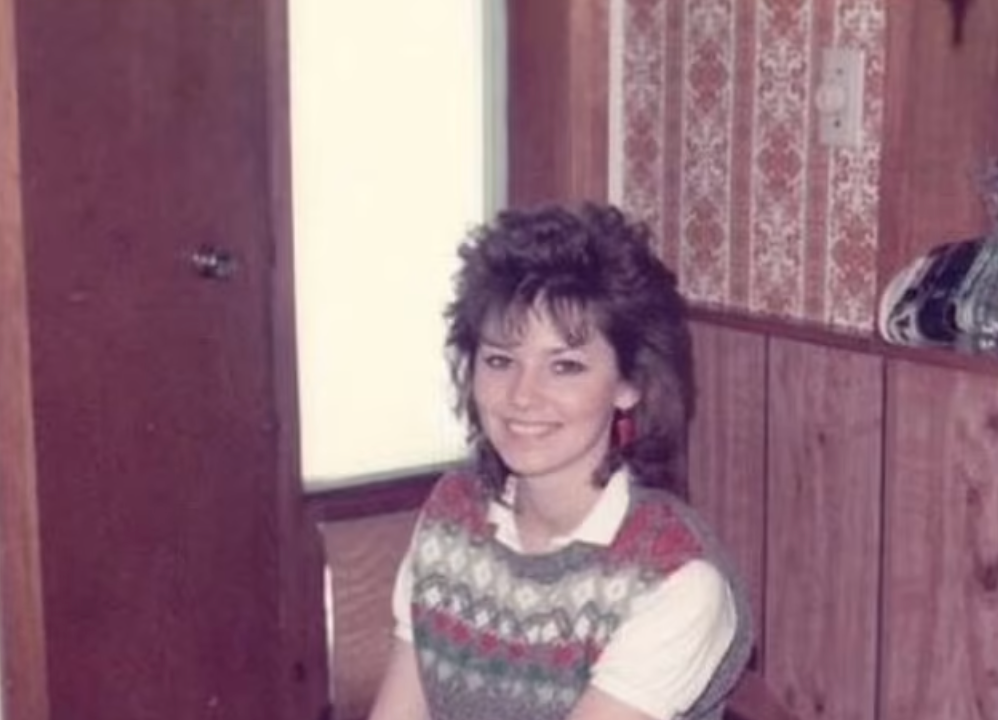
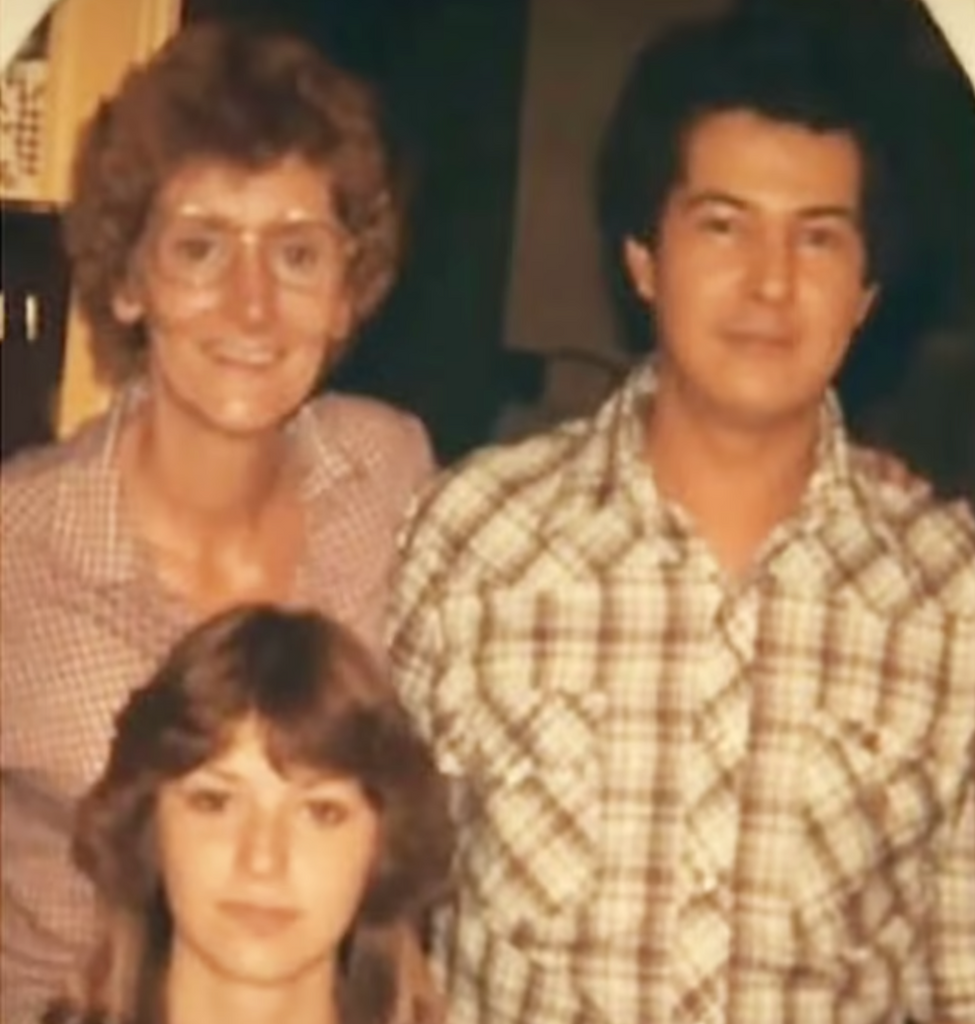



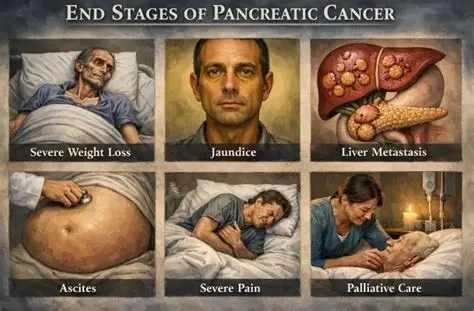


 Has her message changed?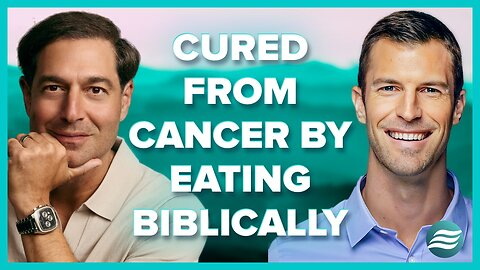
 The science behind the article: neuroplasticity
 Why routine can be a cognitive trap
 Passive vs. active mental engagement
 The mind–body connection
 Aging and lifelong learning
 The article’s underlying message
 Who this story affects
 A brain‑boosting routine tailored to real life
 What actually happens to brain plasticity as we age
 If you want, I can go deeper
 1. Antioxidant‑rich foods
 2. Omega‑3 fatty acids
 3. Healthy fats that support blood flow
 4. Foods that protect against cognitive decline
 5. Vitamin‑rich fruits and vegetables
 6. Whole grains for steady energy
 7. Plant‑based proteins
 8. Foods that support gut health
 1. Aerobic exercise (the foundation)
 2. Coordination‑based exercise (high cognitive payoff)
 3. Strategy‑based sports (top-tier brain training)
 4. Skill‑learning physical activities
 6. Stress‑reducing movement

:max_bytes(150000):strip_icc():focal(604x233:606x235):format(webp)/susan-boyle-Pride-Of-Britain-Awards-2025-102325-6dc2b5fc65da420f9c0fcdf698a09ffa.jpg)



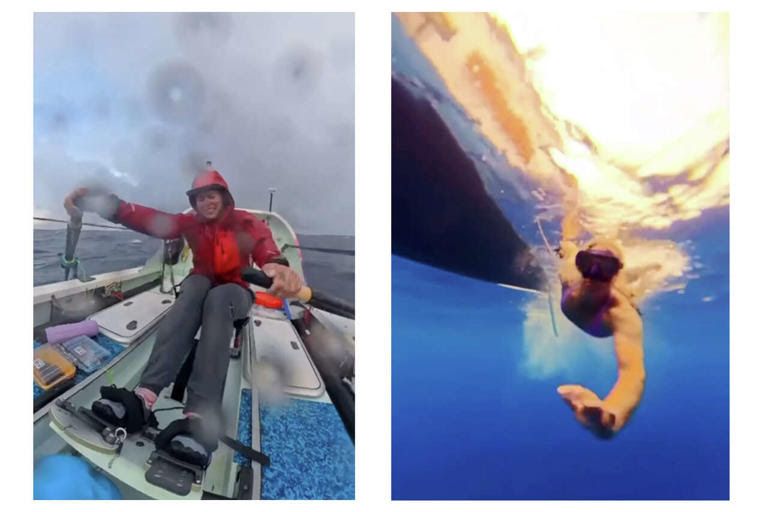
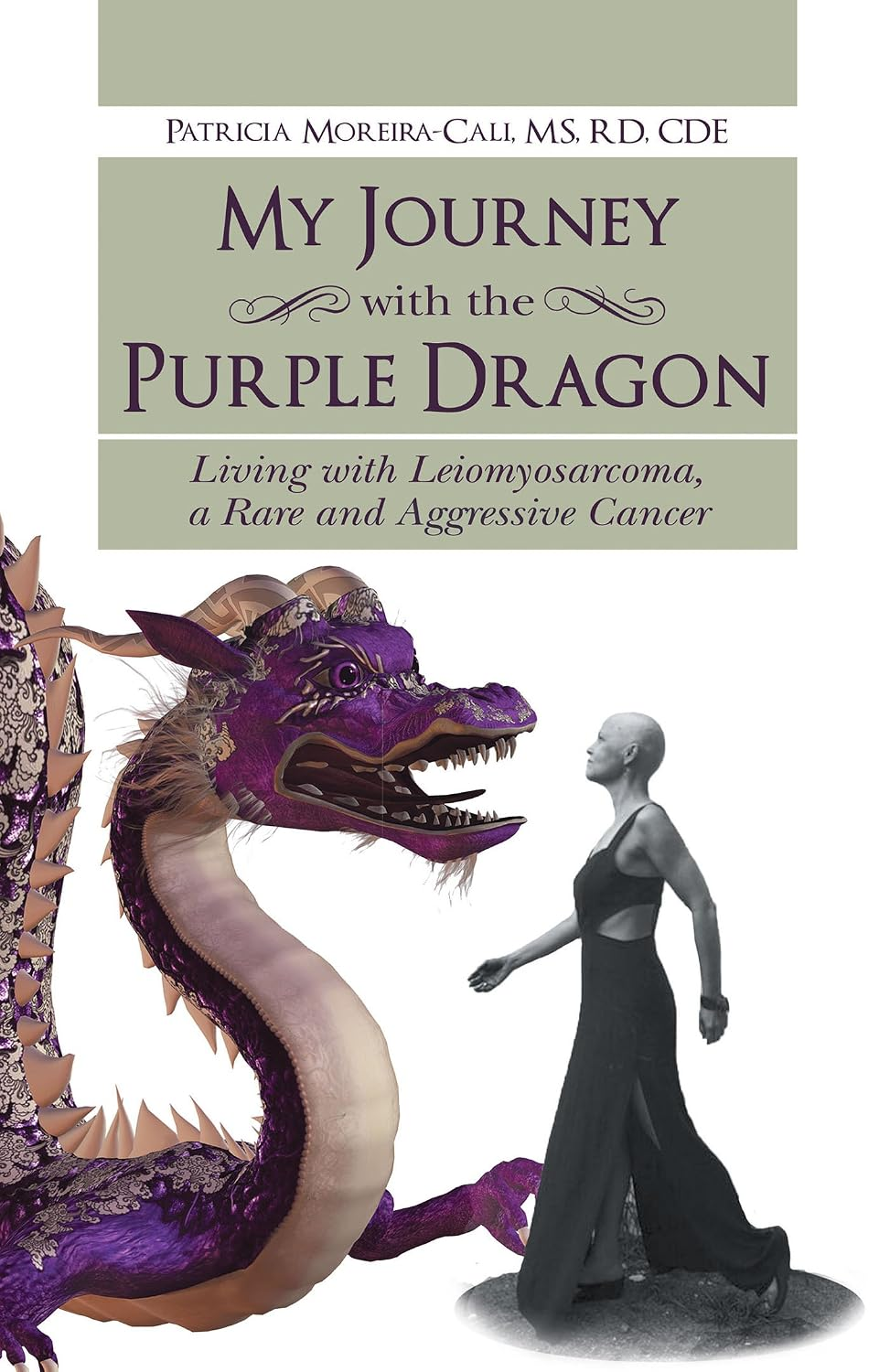
 The Body: Nutritional and Energetic Grounding
 The Purple Dragon: Core Meaning
 Why a Purple Dragon?
 Why a Dragon?
 The Dragon as a Healing Technology
 2. Healing the Soul: Illness as a Spiritual Messenger
 3. Healing Through Journey: Movement, Place, and Meaning
 The Dragon’s Evolution Mirrors Her Psychological Growth
 7. Food as a Bridge Between Body and Soul