In Celery Juice: The Most Powerful Medicine of Our Time Healing Millions Worldwide, Anthony William, the originator of the global celery juice movement, introduces you to celery juice’s incredible ability to create sweeping improvements on every level of our health:
Healing the gut and relieving digestive disorders Providing the brain with critical electrolyte support to counter disease Balancing blood sugar, blood pressure, weight, and adrenal function Neutralizing and flushing toxins from the liver and brain Restoring health in people who suffer from a vast range of chronic and mystery illnesses and symptoms, among them fatigue, brain fog, acne, eczema, addiction, ADHD, thyroid disorders, diabetes, SIBO, eating disorders, autoimmune disorders, Lyme disease & eye problems:
After revealing exactly how celery juice does its anti-inflammatory, alkalizing, life-changing work to provide these benefits and many more, he gives you the powerful, definitive guidelines to do your own celery juice cleanse correctly and successfully. You’ll get instructions on how to make the juice, how much to drink, when to drink it, and what to expect as your body begins to detox. From the original source — here is everything you need to know to receive the full gift of what Anthony calls “one of the greatest healing tonics of all time.”
IS THERE TOO MUCH SODIUM IN CELERY JUICE? All salt is not the same, just like all sugar is not the same. Consuming high fructose corn syrup, which is detrimental to health, is not the same as eating an apple, which can bring healing to the liver and provide a wealth of critical nutrients. So don’t get confused by the idea that all salt is the same, because it’s not. If you hear someone say that there’s too much salt in celery juice, they’re not correct. The sodium cluster groups in celery juice are a subgroup of sodium. Science and research have not even discovered all the variations of trace minerals and subgroups of sodium that reside in celery juice. Sodium cluster salts are healing for the body and we can’t get have enough of them. Sixteen ounces of celery juice on a daily basis provides these sodium cluster salts we so greatly need. Celtic sea salt or Himalayan rock salt are entirely different forms of sodium. No matter how high quality the salt, putting Celtic Sea salt or Himalayan rock salt in a drink or on your food is not the same as consuming enough of these undiscovered sodium cluster salts from celery juice. Sodium cluster salts are the only form of sodium that destroys pathogens, helps detox the body and helps restore electrolytes and neurotransmitter chemicals. The sodium in celery juice is a medicinal sodium that’s meant for your bloodstream and your body whereas you need to be cautious of consuming too much of the type of sodium that comes in even the highest quality salts. Is Celery Juicing Healthy For Your Body:
Yes, celery can be consumed anytime. It is important to incorporate vegetables into every meal. Vegetables, including celery contain a host of vitamins and minerals that help to maintain normal and important biochemical processes in the body. Celery can be consumed in different forms including blending to make juice which can be taken anytime of the day. Celery may also be a wonderful way to manage calorie intake.
Food Science and Technology · 1 years of experience · South Africa Celery juice, used on a daily basis, helps to maintain intestinal flora balance and promotes smooth bowel movement. Celery is mostly water, but also has a lot of soluble and insoluble dietary fiber, which helps to avoid constipation & diarrhea. Flavonoids in celery hinder the growth of certain microorganisms.
B.Sc. Food Science and Nutrition · 6 years of experience · UK You can drink, eat or juice celery anytime of the day, however you can reap most of the benefits on an empty stomach. It is now known that consuming celery on an empty stomach can help improve your stomach acid concentration which helps with digestion. Celery can improve your skin’s appearance, reduce blood pressure, relax the body and more.
Bachelor’s Degree Nutrition and Dietetics · 7 years of experience · Australia Celery is a good option to eat in the morning, due to the high fiber content it can act as a natural laxative, plus can have anti-inflammatory benefits also because it is packed in phytonutrients. Madison Deakin Dietitian – Search (bing.com)
Bachelor’s degree, Nutrition and Food science · 3 years of experience · Australia. Yes, it is good to eat celery in the morning. Celery is a great source of fibre which means including it in your diet in the morning may promote gut and digestive health. A healthy gut and digestion process is associated with better mental & physical health outcomes.
Bachelor of Nutrition and Dietetics · 1 years of experience · Australia Celery is a low calorie vegetable that contains a range of vitamins, minerals and fibre. As celery also has a high water content, it is great for hydration. Celery can be enjoyed at any time of the day as a snack with a dip such as hummus, added to meals such as soup or stew or simply eaten as is!
Cagla E. Kayma Dietitian – Search (bing.com) Bachelor of Science Nutrition and Dietetics · 7 years of experience · UK Yes, it is. High in fiber, celery will help improve digestion by keeping you regular. Celery having a high-water content, it contains numerous vitamins and minerals, including potassium and calcium, which are important for heart health.
M.Sc. in Nutrition and Exercise Sciences · 3 years of experience · UK Celery can be a great choice in the morning as it helps with hydration of the body, ameliorates digestion, reduces appetite, and provides the body with several water soluble vitamins.
M.Sc. Food Science and Technology and Nutrition · 5 years of experience · India. Celery is an easy addition to lunch or snack by serving raw, but not breakfast. Celery should be an add on to the meal. Morning breakfast should be heavy compared to other meals, Celery is very low in calories and high in fiber, which leads to malnutrition if we overdo it. Celery is high in electrolytes, vitamins and fiber and can be an easy addition to lunch or snack.
M.Sc. Food & Nutrition · 7 years of experience · India One should be careful not to overdo it on celery because it is so low-caloric and could lead to malnutrition. While fiber is good for better digestive health, however, too much fiber could lead to bloating or gastric issue or constipation or diarrhea. It is high in electrolytes, fiber and vitamins, good to have once a while or weekly 3-4 times, but not on a regular basis, especially individuals who suffer with gastric disturbances.
B.Sc. Nutrition · Less than a year of experience · India Celery juice or raw celery consumption in the morning is beneficial as it removes the toxins from the body and has liver detoxifying and liver protective properties. It lowers high blood pressure, has glucose-lowering properties, is cardioprotective by reducing the total cholesterol content & increases good cholesterol in the body. It also has antioxidant properties which fights against free radicals and prevents oxidative stress.
Bachelor of Science · 8 years of experience · Argentina There is no scientific evidence as to the best time to eat celery. Celery is a healthy option due to its high fiber and also low kilocalories content. It’s recommended to have 2 or 3 portions of vegetables every day, and celery is a good contribution.
Bachelor in Nutrition · 5 years of experience · Argentina Celery contains many healthy benefits. It is a great source of antioxidants, reduces inflammation and is low in calories. However, there is no evidence to suggest eating celery in the mornings is better than the rest of the day.
5 years of experience · Argentina. Celery in the morning is beneficial due to its fiber, vitamin and mineral content, with components that have antioxidant and anti-inflammatory capacity. Celery is also beneficial for bowel health. In the morning, after night fast, celery is an excellent way of offering the body a nutritional food for starting the day.
PhD in Nutrition · 11 years of experience · Brazil Different health benefits are claimed from eating or drinking celery juice in the morning. But there is no scientific evidence. In fact, consuming celery regularly as well as other vegetables can promote health benefits, but it doesn’t necessarily have to be in the morning.
Nutritionist · 6 years of experience · Brazil Celery has numerous properties just like many other foods. Its consumption is interesting but it should not be unique, if there are food variations and different forms of consumption it is very good. Celery has antioxidant and digestive properties, which are important when thinking about well-being and health.
in Nutrition and Dietetics · 5 years of experience · Brazil It is healthy drinking celery juice in the morning, since this is the period when the intestine is able to absorb all the nutrients from the vegetable. Celery has diuretic properties and drinking its juice can increase the amount of urine produced in the body and help get rid of water retention. Celery is rich in antioxidants substances, which may reduce the risk of many diseases, including heart disease and certain types of cancers.
Bachelor in Nutrition · 1 years of experience · Brazil Although it is possible to mix celery juice with other fruits and vegetables, it is ideal to ingest it separately. Drink a 500 ml glass in the morning on an empty stomach. The most appropriate would be to buy organic celery and make the juice yourself – if organic is not available, wash it thoroughly before consuming.
Bachelor of Science (B.Sc. ) – Nutritional Science · 11 years of experience · Canada. Eating celery in general is good for health as celery also provides a variety of micronutrients from Vitamin A, Vitamin C, Vitamin K, folate, potassium, and of course, fibre. There is no research stating which time of the day is best for eating celery but I personally would not recommend eating a big portion of celery in the morning since it has low calories and would not provide enough energy source to start off our day. A few sticks with other protein-rich food and carbs is acceptable.
Bachelor of Applied Science – Human Nutrition · 17 years of experience · Canada, Celery juice contains vitamin K, vitamin C, and small amounts of vitamin A, potassium, magnesium, and calcium. It also contains luteolin and pyrroloquinoline which may contribute to gut health and have anti-inflammatory properties. Some diets suggest drinking celery juice in the morning to promote digestion and cleanse or detoxify the body. Juicing celery removes some of the fibre and it may be just as beneficial to eat celery whole in other dishes. There is not enough research to show that celery juice on an empty stomach in the morning is as miraculous as some diets may suggest. It would not hurt to start some days with a glass of green juice, but do include whole vegetables in your diet most often.
Masters of Health Science – Nutrition · 20 years of experience · Canada The time of day makes no difference when it comes to eating celery. As a vegetable, it can be eaten any time of the day. There are no added benefits from eating it in the morning.
Bachelor of Arts, certified in plant-based Nutrition · 5 years of experience · Canada. Celery is rich in fibre and nutrients and helps lower cholesterol, treats constipation, reduces stress hormone levels, fights inflammation and other health benefits, which is very much essential when starting a new day.
Master of Science in Nutrition · 32 years of experience · Canada Cilantro and parsley are herbs and celery is a vegetable. The easiest way to distinguish cilantro from parsley is through their taste and smell, because that’s where the two differ the most. Parsley has a pretty mild taste and scent so you may not be able to identify it based on these qualities alone. Cilantro has a very distinct, almost metallic scent and taste. Some people believe it has a soapy flavor, however, fans of the herb note its citrus taste. Celery is a plant that has a long fibrous stalk tapering into leaves and has a mild and strong taste at the same time, giving it a bold flavor. It can taste unpleasant to some people, and has a plant-like taste much like salad and kale does.
Master of Science in Nutritional Science · 4 years of experience · USA Celery is a vegetable that is also made mostly of water, as well as some vitamins. With that said, eating celery at a specific time of day, like the morning, has no proven health benefits. If you enjoy celery, you can eat it whatever time of the day you would like.
Michael Colangelo – Search (bing.com) Master of Science (M.S.) in Nutrition · 15 years of experience · USA Some people like to drink celery juice in the morning and there isn’t any valid reason not to drink it. There are claims it detoxifies, improves skin and digestion, and boosts metabolism and while most of these reports are anecdotal at best, it still makes some people feel good. Like many other vegetables it is a wealth of vitamins, minerals, and other nutrients. If you like celery juice, it is a good way to start your day with a green vegetable and it increases your daily vegetable intake, but don’t forget to incorporate raw celery that isn’t juiced into your diet. A balanced breakfast will also include a source of protein and fat. Variety is the spice of life and a cornerstone of good nutrition
Masters of Science in Nutrition Counseling · 18 years of experience · USA Some people eat celery in the morning because it is believed by some to have detoxifying and anti-inflammatory qualities. Celery is also high in water and has fiber, which are good for hydration and digestion, respectively. Also, the pectin-based polysaccharides (complex carbohydrates) in celery may help with digestion by protecting the lining of the stomach, which may be another reason why some people start the day with celery.
Bachelor of Science in Dietetics and Nutrition · 4 years of experience · USA Celery is a vegetable in the same family as carrots and parsley. The stock is crunchy and fibrous with a slight taster. Parsley and cilantro on the other hand are herbs with distinct tastes, although they look similar. Cilantro also has a rounder leaf, while parsley is more pointed. Cilantro has a strong, almost spicy smell, some people say it tastes like soap. Parsley has a more fresh and mild taste.
The Golden Rule bible verse is the ethical principle of treating others as one would like to be treated12. It can be found in Matthew 7:12 and Luke 6:31, where Jesus said, “Do to others what you would have them do to you“12345. This sums up the Law and the Prophets, or the essence of all that is taught in the Old Testament125. The Golden Rule is part of the Sermon on the Mount, where Jesus also taught about asking God for help4.
Democrats not enthusiastic about Biden According to a new poll from The Associated Press-NORC Center for Public Affairs Research, 52 percent of Democrats do not want Biden to run for president. On the Republican side, 93 percent do not want Biden to run for reelection, which “means that more than one in four adults surveyed do not want the president to seek re-election,” Fox reported. That over nine-in-ten Republicans wouldn’t want Biden to run isn’t especially noteworthy; we live in polarized times and cross-party support for any candidate is low. But that only 48% of Democrats want their incumbent president to run for reelection is noteworthy. But Democrats don’t really have an alternative within the party. Marianne Williamson and Robert F. Kennedy, Jr. have announced campaigns to challenge Biden’s claim to the Democratic nomination – but we’ve got a pretty good idea this all ends with Biden winning his second consecutive Democratic nomination.
Democrats prefer Biden to the GOP alternative Despite the lukewarm support for the president within the party, Democrats are still signaling an intention to support Biden in the general election. “If Biden wins the nomination, 41% of Democrats polled said they would definitely support him – another 40% said they will likely support him,” Fox reported. Why? Like I mentioned, we live in polarized times. Democrats would rather elect an octogenarian with moderate-to-conservative leanings than elect a Republican.
Especially if that Republican turns out to be Donald Trump. It’s funny. Democrats are more worried about Trump than any of the other GOP candidates – even though many of the GOP challengers, like DeSantis and Pence, are more conservative in most respects than Trump. But that doesn’t matter; that’s not how Democrats think. Democrats have been hard-wired to view Trump as public enemy number one – no matter what. So, Democrats will rally to defeat the orange-tinted Republican.
2024 campaign will be massive Biden’s 2024 campaign could well be the most expensive political campaign ever. And the earlier he announces, the faster he can get fundraising. Trump has something of a head start with respect to fundraising. Actually, Trump made a fantastic haul after his indictment – raising millions in hours. The president will have some catching up to do. But with the platform of the presidency and the begrudged support of his party, however, Biden will compensate.
Support for Biden is low for multiple reasons. For one, Biden is 80 years old; if he were reelected, his second term would last through his 86th birthday. Most people agree: that’s too old for the presidency. Second, the progressive wing of the party has, and has always had, reservations about Biden – who authored the 1994 crime bill, crafted Delaware into a corporate haven, has personal misgivings about abortion and voted to invade Iraq.
Robert F. Kennedy Jr. will bring back the democratic party of my father and end the radical left’s nonsense destroying this country. The Republican party is now the Democratic party of the 1960’s. The Democratic party is now the Republican party of the 1860’s.
Renowned American geopolitical and financial cycle expert: Charles Nenner has issued a dire warning about the future of the US dollar, suggesting it may be on verge of collapse. Nenner, who has accurately predicted various economic trends in the past, believes that the dollar’s days as the world’s reserve currency could be numbered due to the increasing influence of the BRICS nations and the potential for global conflict.
BRICS nations pose a threat to the US dollar. The BRICS countries—Brazil, Russia, India, China, and South Africa— have been working to reduce their dependence on the US dollar and are reportedly exploring the creation of a new type of currency. Revealed: Russia, China, Other Countries Get Ready To Tackle The West (msn.com) According to Nenner, the increasing involvement of Saudi Arabia in these efforts could spell the end for the dollar’s dominance. As more countries move away from the top currency, it could lose its position as the global reserve currency, sending its value plummeting. Nenner’s predictions indicate that the dollar could drop to 70 on the dollar index, a far cry from its current position of slightly above 100. The decline of the dollar, he warns, could have far-reaching consequences for the United States economy, leading to a brief increase in exports but ultimately resulting in economic stagnation and decline.
This decline, coupled with the potential collapse of the dollar, could lead to a significant downturn in the United States economy, and possibly even signal the end of American civilization as we know it. The expert highlights the risks associated with his war cycle predictions, suggesting that up to 30% of the world’s population could perish in the next global conflict. Nenner warns that wars in Taiwan, South Korea, and the Middle East could all erupt simultaneously, leaving the country struggling to maintain its position on the world stage.
Signs of economic turmoil ahead: Progressive Democrat brings pitch to rural America (msn.com) Nenner’s outlook is far from optimistic, as he points to troubling trends in the real estate market and the potential for a “Great Depression-style crash” in the near future. The financial analyst notes that major banks are seeking his advice on purchasing physical gold as a means of safeguarding their assets in the face of impending economic catastrophe. As a final warning, Nenner asserts that a collapse of the US dollar would likely lead to investors worldwide dumping their securities, causing further economic turmoil. He cautions that if China and Russia were to sell off their US bonds, consequences could be disastrous for the global economy. Charles Nenner’s predictions paint a bleak picture of the future, and potential collapse of the US dollar and the decline of American influence on the world stage. With geopolitical tensions mounting and economic indicators pointing to a potential crisis, Nenner’s analysis serves as a sobering reminder of the fragility of our global economic system.
IS A WORLD DEPRESSION AVOIDABLE?
In any economic system, the more that the purchasing capacity of money is not utilized or if money is kept stagnant, the more the economic stratum is damaged. If due to huge interest rates charged by banks for credit card debts results in disparities in wealth, then the existing monetary system loses its ability to be the unit of economic equilibrium and stability. Both these factors are being ignored by Fed in its monetary policies. Due to this there is a severe chance of a global economic depression, because of USD being a global trade currency, if Fed does not reform it monetary policies in a timely manner. During world war II, countries in Europe had to engage in trade related to bullion with other countries. When there is a direct trade in bullion, such countries suffer a partial depression. If countries which are prosperous in various spheres and have their economy unrelated to that of other countries undergoing a depression but invest their wealth in enterprises of a non-yielding nature ( or investments which do not earn any income in return) such as excessive defense spending, superfluous constructions, luxury goods, etc. these countries also eventually suffer from economic depression.
Hence, Keeping the defense industry running by means of engaging in unnecessary wars results not only in loss of human lives but such investments also do not yield any returns on their investments. The only way to avoid any kind of global depression is to reform monetary policies of all countries such that employees’ wages catch up with employee productivity. This monetary policy would also force countries to base their currencies on a gold exchange standard which would essentially stabilize their monetary system, domestic economy and also international trade. Engaging in fair trade for non-perishable goods and free barter trade for perishable goods would eliminate any chances of a severe depression. In this case only a very slight economic recession could take place at the end of every financial year due to imbalances in economic transactions as a result of barter trade of perishable goods.
When something, for some reason or other, descends from its universally accepted position, or its natural value is reduced or brought down, we call it devaluation. When the leaders of the state find it difficult to balance the value of the currency with bullion, sometimes they officially reduce the value of the currency. This is called monetary devaluation. Such a monetary devaluation leads to a severe economic depression if there is a trade imbalance which results in huge inflation as a result of monetary devaluation. Hence, If any Global depression is to be avoided, monetary policies of Fed needs to be reformed before the Fed ends its QE in order to avoid any devaluation of dollar at later stage. If no Macro financial reforms are observed, an economic depression could be felt throughout US and the world due to inherent defects in the existing monetary policies of the Federal Government.
Harrison Kass is the Senior Editor at 19FortyFive. An attorney, pilot, guitarist, and minor pro hockey player, Harrison joined the US Air Force as a Pilot Trainee but was medically discharged. Harrison holds a BA from Lake Forest College, a JD from the University of Oregon, an MA from New York University. Harrison listens to Dokken.
April 17, 2019. A date that, four years later, I look forward to.
It’s the yearly reminder that I only get one life on this earth and to just enjoy it… and if ever something challenging or tough comes my way, to rely on the strength God gave me and the ones I love. Because in the end, it’s how you respond to those moments that builds character. So, thank you April 17 for helping mold the woman, wife, mom, daughter, sister, friend and everything else that I am today. #anwarrior
In the years since Matthew Stafford was selected first overall in the 2009 NFL Draft, the quarterback has enjoyed a truly incredible amount of success. On top of everything that Matthew has accomplished in his career, he appears to have found a lot of happiness in his personal life as well. The couple started dating at Georgia where she was a cheerleader and he was a record-setting quarterback. They married in 2015. Matthew met his wife Kelly Stafford, who has been called one of the hottest NFL WAGs, when he was attending the University. While that certainly doesn’t mean the Stafford’s are in the running for the longest-lasting celebrity marriages, it certainly seems like their marriage is built to last.
With that in mind, it is easy to imagine how scary it would have been for the Stafford’s to learn that Kelly had a brain tumor. With that in mind, it begs an obvious question, what has happened to Kelly since her brain tumor was diagnosed? Kelly Stafford has acoustic neuroma brain tumor: Here’s what it means (freep.com) From the outside looking in, it seemed like Matthew and Kelly Stafford were leading an idyllic life. Seemingly deeply in love since they met, Matthew & Kelly have walked down the aisle and welcomed four children into the world.
Unfortunately for the happy couple, in April 2019 Kelly uploaded a post on Instagram which revealed that she’d been diagnosed with a brain tumor. In her post, Kelly revealed how she came to realize something was wrong which led to her seeking answers. “Within the last year, I began to notice things that I thought were just me getting older… I would show my girls how to do a front roll or twirl in ballet class and immediately feel dizzy & off balance. The things I had been doing my entire life were now, all of a sudden, difficult.”
“The beginning of Jan was when I experienced my first spell of vertigo… It kept happening & then it happened while I was holding Hunter.” Kelly continued, “Matthew took me straight to the ER. They checked vitals & bloodwork, all were fine… Several vertigo spells later, Matthew’s team doctor recommended we go get an MRI of my brain to rule everything major out.” After undergoing that MRI, Kelly got news that would scare anyone even though lots of people have survived having brain tumors including Mark Ruffalo. “A few days later we were hit with the results. I had a tumor sitting on some of my cranial nerves. The medical term they used was an acoustic neuroma or vestibular schwannoma. All I heard was brain tumor & that they had to do surgery to take it out… so that is what we are going to do & we believe we found the best doctor to do it.”
To Kelly’s eternal credit, Her Instagram post made it clear that she was doing her best to stay positive about her situation. Most notably, Kelly revealed the inspiring reason she insisted on taking a picture with Matthew to commemorate the day they learned about her brain tumor.
“This is a picture of Matthew & I the day we found out. I wanted this picture of us, so that the day this was all over, we could look back at this photo & remember.”
Despite trying to stay positive, Kelly was willing to be vulnerable enough to write about her fears in her Instagram post. “I’d be lying if I said I wasn’t completely terrified of brain surgery. I am. I am terrified of them opening my head, I’m terrified of losing my hearing, I’m terrified of losing facial function. I’m terrified of far worse things that could happen and I’m terrified that I won’t take the time I need to recover because the guilt I might feel of being absent from my kids for too long..” Finally, Kelly finished her Instagram post by asking her followers to pray for her and her family.
What Happened After Kelly Stafford’s Brain Tumor Diagnosis Later the same month that Kelly Stafford revealed that she had a brain tumor, she followed up on Instagram to reveal that she’d undergone surgery to remove it. As it turns out, Kelly’s follow-up post revealed that her brain surgery didn’t go as planned.
Once Kelly’s surgery began, her surgeon discovered she had an “abnormal” vein in her skull. Fortunately for Kelly, she got very lucky as not only did her surgeon know how to handle the “abnormal” vein, he’d actually written a paper on it. Thanks to her doctor’s expertise, he was still able to successfully complete her surgery, but also took him twice as long. Needless to say, those twelve hours must have been excruciating for Kelly’s loved ones.
Several months after Kelly’s surgery, she was interviewed by Click On Detroit. During the resulting conversation, Kelly revealed a lot about her journey after she found out about the brain tumor. For example, Kelly revealed how she broke down after learning about the tumor and then realized she wasn’t alone. “I remember sitting down with [Matthew] in the waiting room and just losing it. Just thinking about our girls and the unknown. But I remember looking around in that waiting room,” Stafford paused, with tears in her eyes.
“At all the other people sitting there waiting to get looked at.” “I remember one girl had a scar on the back of her head that was pretty fresh. And reminding myself that people go through this every day.” Kelly continued, “It’s not just me. But it was just a really tough moment in my life but as I looked around, I pulled strength from everybody in the room.”
Kelly revealed that feeling like she couldn’t help at home following her surgery was the hardest part of the recovery process for her. “The hardest part about it was coming home to a quiet home. I knew that’s what I needed, and I knew that’s what the doctor said I needed. But when you go through this, the first thing I want to see are my kids.”
“I’m re-learning how to move again. There would be nothing I could do for them. Except for sitting there and watching them,” Kelly continued. “So, I knew that was what I needed, and it wasn’t what I wanted. Every day, Matthew would come and help me out of bed, walk to the sink, brush my teeth.” “I’m normally very upbeat with my kids. I’m loud, that’s just who I am. I couldn’t get that energy up to be that mom that I normally am with them.” Kelly continued, “I felt like they read it immediately.” Most importantly, Kelly finished up the interview by revealing how her recovery was going at that time.
“I feel amazing,” Kelly said, adding she feels close to her old self. “The energy…they said it would take like a year for my energy to be back to what it really was. Your brain gets tired quicker because it’s trying to figure everything out. I push myself. I will try.
It’s because I have great support when I come home.” Later in 2019, Stafford penned an essay about her recovery that was published on ESPN.com. In that piece, Kelly wrote about suffering hearing loss after her brain surgery and not being able to handle loud noises at that time. Furthermore, Kelly wrote about how difficult it was to attend her husband’s football games at that time.
“I’ve only gone to one football game this year. They’re exhausting for me — I mean, I feel like Lions games are always exhausting for everybody, because every game they play, I feel like it always comes down to the last play — but the noise and constant action would be tough for me.” With that in mind, perhaps the best way to sum up how far Kelly has come since her surgery is to look at her Instagram account. After all, Kelly now regularly posts images of the very busy life she shares with her husband and kids including several images of her attending football games. What Happened To Matthew Stafford’s Wife After Her Mysterious Brain Tumor? (msn.com)
Kelly Stafford praises brain tumor doctor: ‘his patience saved my hearing’ and according to doctors, the tumor that Stafford has developed in an area that is responsible for vital functions and is packed tight with nerves. “The most common symptom is tinnitus or a ringing in the ear, followed probably by hearing loss,” said Dr. Jack Rock, a neurosurgeon for Henry Ford Hospital. “The symptom that doesn’t happen slowly over time is vertigo.”
Vertigo was the symptom that alerted Kelly Stafford that there was a problem. “It’s not a rare lesion, but it’s not common. It’s benign and it, in 95 percent of the cases, really mostly in the young people, you can live a completely normal life after surgery,” Rock said. Rock noted the biggest challenge with removing the tumor is making sure the nerve that controls facial movements isn’t damaged.
“It’s challenging to take the tumor off without injuring the nerve. Experienced surgeons can do this fairly reliably, very reliably, but it’s something that takes technical skill to do,” he said. Kelly Stafford praises brain tumor doctor ‘his patience saved my hearing’. On April 3, 2019, Kelly announced that she needed surgery to remove a tumor from her brain on her cranial nerves. She said the medical term doctors use was acoustic neuroma or vestibular schwannoma.
In an Instagram post Tuesday, she explained that after she was diagnosed, they visited doctors all over the country and found Dr. Thompson at the University of Michigan hospital. She wrote that he had worked on thousands of acoustic neuroma cases. “He reminded me of my dad,” she wrote. “He truly cared and was empathetic, which meant so much to me.”
The regular six-hour surgery turned into a 12-hour process after doctors found an abnormal vein. “In his 2000 cases, he had seen it ONE other time. BUT because it was so rare, he & his team wrote a paper on it for other surgeons. Then, God sent him to me & although surprised when he cut in to see the artery, he was confident & prepared. He took his time & was patient.
There was a moment when they thought I might have lost my hearing completely. He made everyone & everything stop, they all sat, & waited for some time… the audio wave returned. His patience saved my hearing, as well as my face. You read right, he PRESERVED MY HEARING!” she wrote.
Family over everything. Wife to an amazing man & mom of 4 girls
Who is Los Angeles Rams quarterback Matthew Stafford’s wife Kelly? Kelly said Matthew told her that when Dr. Thompson gave him the rundown of what happened, he said it was a “team victory.” “He kept giving credit to his team which included, Dr. Telian (ENT), Dr. Joseph (neuro chief resident) Dr. Welch (ENT Fellow) & Jane (Dr. Thompson’s NP). This team is my dream team… like the ‘92 bulls with DR. Thompson as my MJ & Dr. Telian, my Scottie Pippen… MVPs of their craft.”
She said that Dr. Thompson visited every day and when she was forced to return to the hospital after the surgery due to pain and massive headaches, he drove an hour to make sure he saw her in person and check her out.
“I will forever be in debt to this man & his team. I can’t express how grateful I am for him… his kindness, empathy, patience, knowledge, & steady hands.
Dee Mani Mitchell Cancer Story – Bing video Dee Mani-Mitchell developed Triple Negative breast cancer in March 2017. After 5 months, she was declared cancer free with no evidence of disease. To this day she is still cancer free. She now spends her spare time, supporting and mentoring other cancer sufferers and their loved ones. “During my research, I came across an older lady in America who had cured her own Triple Negative Breast Cancer with cannabis oil.
“I then discovered Rick Simpson and The Truth About Cancer and The Sacred Plant docuseries.” Due to the intense level of Reefer Madness in the UK, many are still of the belief that cannabis is a ‘scary,’ drug, linked to mental illnesses such as psychosis and paranoia. “I had smoked a few joints when I was younger,” Dee said, when discussing if she was worried about trying medical cannabis, “so I was well aware of the psychoactive compounds.
“I was more worried about the thought of having to use chemo if alternative medicine didn’t work.” Cannabis oil, however, was not the only treatment Dee received to help cure her cancer. “I had a lumpectomy which was the only medical intervention. “My oncologist expected me to have a combination of chemotherapy and radiotherapy for 12 months.
Dee Mani on The Kate Shemirani Show – 07 May 2023 | TNT Radio (podbean.com) “Apparently Triple Negative doesn’t respond to any anti-cancer drugs and following the lumpectomy there would still be cancer cells left over. “I refused the chemo and rads, and was given all clear 14th August 2017!” Dee’s inspiring story could have been a major catalyst in changing the negative public perception on medical cannabis, helping to raise awareness of the ancient medical herb’s potential use as a cancer treatment.
Instead, Dee’s story was used to generate clicks for Alt-Right news outlets, such as The Sun and The Daily Mail, and as an advert for Holland & Barrett’s CBD products. Discussing her views on the mainstream misrepresentations, Dee said, “I’m annoyed as hell that The Daily Mail (who ran the article first) chose not to disclose the oil I use is FECO with a very high THC level. “Instead, they decided to print that I only used CBD! “They even mentioned that my oil didn’t get me high, which of course it did.
Full spectrum cannabis oil, with THC, that Dee used to cure her cancer.
THC is illegal in the UK. “Following on from the original article the same story went viral globally, it became out of my control to get my correct message across. “I was then approached by Love It magazine. “I agreed to another article on the promise that they would use my correct details and I was able to proofread the details before it went to press. “The article was 100% true and had all the correct details, however, they chose to put a Holland and Barrett advertisement for their CBD oil right smack bang in the middle of the 2 page spread! “I contacted editors from both The Daily Mail and Love It and I’m yet to hear a response from them. “I was also informed that as long as the journalists don’t change my actual quotes (which they hadn’t done) they are free to ‘tweak’ the stories to suit their reader… unfortunately, The Daily Mail believed that mentioning THC as an illegal substance would be too controversial for their readers.”
The Daily Mail is the UK’s most read newspaper. Millions of people read their website every year. Millions of people could have been potentially misled by their coverage of Dee’s story. Placing discussions about CBD oil within articles on Dee’s story has the potential to mislead readers into thinking they too could cure their cancers using legal CBD oils. “It may be a coincidence but as soon as my first article was featured,” Dee explained, “the day afterwards, H&B was all over the mainstream media, with headlines misleading people that their CBD oil cures cancer. “They have simply jumped on a hype to gain bigger profits, most of their stores sold out in an instant! “H&B are giving false hope to cancer patients all over the world and I think it’s an absolute disgrace!
“I would never advise a cancer patient to use CBD oils. I strongly believe that THC is vital. “Each cancer type reacts differently to different ratios, for instance, I knew that Triple Negative responds best with a very high THC, however, I also understand that estrogen-positive types of breast cancer respond better to a lower THC ratio.” Cannabidiol (CBD) has experienced a recent boom in the UK, around 250,000 users in the U.K., double the 125,000 in 2016. THC, however, remains illegal with no sign of being legalised or decriminalized while the Conservatives hold office. THC, they argue, can lead to addiction to harder drugs and the development of severe mental illnesses. Stories like Dee’s, however, illustrate how wrong our Conservative Government truly is when it comes to drug laws. Dee explained to us that cannabis not only helped cure her cancer, but has helped her in other aspects of her life: “Whilst I’ve always considered myself to be healthy, I’ve always suffered from insomnia to the point where I was prescribed valium. “I also have 3 slipped discs in my back, from an injury that occurred almost 20 years ago. Since then, I’ve been on medication daily to alleviate the pain. “I also suffer from allergies (dust, pets, pollen) and needed antihistamines again on a daily basis.
“When Dee Mani started the oil, she no longer had sleepless nights and no back pain It did not take long for Dee to notice the changes: “The sleepless nights went straight away after my very first dose, the back pain and allergies seemed to disappear after a couple of weeks and rarely ever needed to take an antihistamine!”. Dee stated, “Around 2 months after I started taking the oil I felt healthier than I ever had, I couldn’t actually believe that I had cancer because I felt so well.
“Medical cannabis saved my life! While the anti-cannabis campaign by Alt-Right news outlets has scared many unfortunate people into believing that cannabis is an ‘evil, psychosis causing drug,’ Dee was unfazed by the negative reputation the herb has: The fact that cannabis oil is illegal did not for any minute affect my decision. “I started to grow my own plants to produce the oil.” I even decided to inform the police of my harvesting for fear of a neighbour contacting them. “They advised that I was able to have at least 25 plants for medical reasons.” Despite the purposeful campaign to use Dee’s story to sell CBD for Holland & Barrett, the public reaction Dee received for standing up has been a largely positive one: “The public feedback has been absolutely amazing, I’ve had people from all over the world congratulating me on my success and asking for advice on them medicating themselves using cannabis oil. There are so many people touched by my story that are now rooting for this natural plant to finally become legal again.”
Asked what message she could pass onto other 350,000+ British citizens diagnosed with cancer each year, Dee replied: “To simply educate yourself on everything and anything to do with cancer. Understand why you developed cancer in the first place and what you can do to firstly rid it from your body safely, and secondly, make sure you take measures to prevent a recurrence.” “Don’t be afraid to disagree with your oncologist and be proud to have your own opinion.’ Dee said. “Most importantly, believe in the power of medical cannabis!” Cancer survival stories like Dee’s often miss out some key details, with many left thinking that cannabis alone was what cured the cancer. Cancer survivors, who utilize medical cannabis, often make significant changes to their lifestyle, alongside cannabinoid treatments.
“Along the cannabis oil,” Dee explained, “I completely changed my lifestyle. “I quit smoking, cut down on alcohol, ate a plant-based diet, juiced daily, took supplements such as turmeric, vitamin C, garlic pearls and biotin. I took essential oils such as frankincense, oregano, wormwood and lemon oil. “I meditated and took frequent salt baths.” Dee Mani bravely stood up in the face of public persecution and told the world that cannabis oil, containing high levels of THC, saved her from cancer. Unfortunately, vultures decided to use her story to generate clicks on their website and sell CBD oil from Holland & Barrett’s. If the Alt-Right media goes unchecked, millions of desperate cancer patients may be misled into purchasing CBD thinking it contains the same anti-cancer properties as the cannabis oil Dee used to save her life.
Over 350,000 British citizens are diagnosed with cancer each year in the UK, with over 165,000 of them dying. Hundreds of thousands of innocent lives could be helped by legalizing access to full spectrum cannabis oil. Hundreds of thousands of innocent lives could be lost due to misleading articles. Help us tell the truth about Dee’s incredible story, and raise awareness about the true medical potential of THC, by sharing this article.
The success of her book led Dee to start My Way CBD to specialize in natural CBD Healing solutions that add value to the world of natural healing by revolutionizing posture towards hemp products and the wellness cannabinoids bring human lives. Dee is a columnist for two medical marijuana publications and writes with the goal of one better understanding of our health, our world and our place in it. A mission that has occupied them in many different roles: writer, motivator, supporter, inspirer, advocate and awareness builder.
Dee Mani refused the toxic conventional medicine of chemotherapy and radiation and instead opted to heal her body naturally, using a combination of nutrition, supplements, essential oils, cannabis oil and a positive mental attitude. Based on the best-selling cancer book from Amazon with the title “My Way”, in which the Journey of Curing an Aggressive Cancer with Fully Extracted Cannabis Oil, Author Dee Mani-Mitchell decided to open a branch of CBD oils and wellness products with a Difference.
A successful businesswoman who has personally relied on cannabis for many years. She deals with her own health problems and is constantly breaking down barriers with her beliefs. This healing should be built into our more natural life. Dee is on a mission – to improve the quality of life through natural and effective healing Solutions. The exciting part is that Dee has developed a completely unique line of CBD Infusions.
As part of her daily life, she leads a cancer support group in which she Recommends patients add essential oils to their healing protocol and they help with treatment protocol. Apoptosis (cancer cell death). Pure, organic, food-safe (ingestible) essential oils often come at a high price. So Dee decided to include some very powerful essential Oils with their range of broad-spectrum CBD to be more affordable for people who want it. Take both CBD and high-quality essential oils.
Early Life and Education Dee was born Dee Mani on July 4th in Birmingham, United Kingdom. .
Career Dee trained in pharmaceuticals for 5 years after college, she left the pharmaceutical industry after she understood the corruption ongoing. In 2017, she developed Triple Negative Breast Cancer Grade 3, her oncologist recommended a year’s worth of chemotherapy, detailing that she had about one year left to live. But she refused Conventional Medicine (Chemotherapy/Radiotherapy) due to the death of her sister which had taken place several years before. Dee started searching for natural ways to heal and found that many other people were healing with cannabis oil.
So, she decided on this course of action. She took the oil every night, treating it like a sleeping pill as the THC makes you sleepy, and while you sleep, you heal. Dee managed to heal within a short five months, using a range of supplements, diet changes, and the illegal full extract of cannabis oil. She decided to share her experience to help to inspire other cancer patients and their families, her book shared her healing journey. The book’s success led her to create a private cancer support group to help other patients and their families. She also co-authored 2 other Amazon best-selling books Perfect Health and Life After Birth Trauma.
She currently mentors patients worldwide and is also a columnist for two medical marijuana publications Weed World Magazine and Dank Dollz Magazine, and writes with the aim to create a better understanding of our health, our world, and our place in it. She shares healing stories from various patients that she has helped heal from a range of diseases.
She went on to launch her range of CBD oils – called My Way CBD. The reason was to help people access good quality affordable oils, unlike many others on the market. “My job now is to educate people, teaching them how they can be healthy and prevent any disease, not just cancer,” she told The Portugal News.[1] My Way CBD stock infusions of Frankincense, Myrrh, Ashwagandha, Ginger, and Oregano oil. All essential oils are organic and safe for internal use, with 10% of the essential oil in each 30ml bottle of goodness.
My Way guarantees an entire product range with a “complete transparency” and a strict “no evil policy “, which is always free from harmful chemicals, pesticides, solvent residues, Toxins, chlorophyll, fats and lipids, preservatives, sulfates, mineral oils, parabens, animals Tests, artificial colors and perfumes. All products are also vegan, GMO-free and kosher.
All products are formulated with the most refined laboratory tested CBD oils that are certified in both UK countries and US laboratories. She has been interviewed by many publications and podcasters worldwide and nominated for Best Wellness Influencer Award by Cannavist in 2021.
She is recognized internationally as a Natural Health Advocate and a Cannabis Expert as she is on a mission to educate the world on Natural Health and Disease Prevention. [2] She is also the founder of My Way University, an institution offering quality cannabis education about the benefits of medical cannabis.[3]
Personal Life Dee married Ryan Mitchell in 2019, she has 2 biological children Tyler Mani and Layla Mani, and a stepson, Dylan Mitchell. She has lived in The Canary Islands, Greece, and Cape Verde, she is currently residing in Portugal with her kids.
Cutting-edge advances in cancer treatment are underway. What if radiation treatments could be given in a handful of seconds rather than weeks of treatments? What if surgeons could actually see tumor cells rather than simply hoping they got rid of them all? What if scientists could come up with new ways to detect, treat and understand tumors? These were among some of the ideas presented this week in Orlando, Florida, at the American Association for Cancer Research annual conference, where more than 6,500 scientists shared their work and their hopes for improving the lives of cancer patients. Work against cancer has continued over the last three years, despite the pandemic, said Dr. Robert Vonderheide, the conference’s program committee chair. The thousands of presentations and 20,000-person turnout should convince people of that. Obviously, lots of the research is worth public attention. But with Vonderheide’s guidance, USA TODAY picked three ideas that seemed among the most surprising and hopeful, the kinds of approaches that have the potential to transform cancer treatment and patients’ lives.
The first is “flash” radiation, which concentrates weeks of treatments into a few days; the second, an imaging technology that lights up cancer cells to help surgeons track them down.
“Two of the most fundamental tools, cancer surgery and cancer radiation, are undergoing before our eyes fundamental changes in their technology,” said Vonderheide, who directs the Abramson Cancer Center at the University of Pennsylvania. “They are each promising better success.”
A third line of research is providing insights into the role of the nervous system in cancer, which could eventually be used to help patients sleep better, heal faster and live longer.
Researchers typically focus on a tumor, but there are “systemic signals that might tell us how best to treat a patient or that a patient actually has a lurking cancer,” Vonderheide said. Like the immune system, which has increasingly been manipulated to help fight cancer over the last decade, the nervous system monitors the body and remembers what it encounters.
“The immune system is probably the first system to know that cancer exists. And probably the nervous system is the next one,” he said. “Maybe there’s new inroads in early detection if we focus on neurological health and immune health.” None of these new approaches is readily available yet, but Vonderheide thinks they’re among the advances worth watching.
LATEST: In what could be a ‘big shift’ for cancer treatment, mRNA vaccine shows promise against melanoma Flash radiation could mean cancer treatment in seconds, not weeks At least half of patients with solid tumors endure radiation at some point during their treatment. Radiation typically takes about 15 minutes, though sessions can last an hour or more and are scheduled every weekday for three to nine weeks – requiring a total of 15 to 40 visits. Patients may suffer skin burns, dry mouth, difficulties eating and swallowing, and exhaustion. They must upend their lives and often a loved one’s to get to a clinic so many times. Radiation therapy is traditionally delivered in small doses over weeks so it can efficiently kill tumor cells while being less toxic to surrounding healthy tissue, said Constantinos Koumenis, a professor of radiation biology at the University of Pennsylvania’s Perelman School of Medicine. But as many radiation patients can attest, treatments still do plenty of damage to normal tissue. Instead, Koumenis and dozens of other research teams have been testing “flash radiation,” which uses ultra-high dose rate beams of energy to zap tumor cells. Patients might get the same amount of radiation in just two to four sessions of less than 1 second each. “The vulnerability of the tumor cells is essentially the same,” Koumenis said. “What’s different is the normal tissue is more resistant to the flash radiation.”
Proton beam machines are gigantic, hugely expensive and not widely available,he said,
But they can also deliver flash radiation at 1,000 times the dose rate of conventional radiotherapy. While the X-rays used in conventional radiation damage normal tissue on the way to and from the tumor, proton beams are stopped by the tumor, so only affect healthy tissue in one direction, he said. Koumenis and teams in Europe have been testing flash radiation in pets. They’ve shown that they can efficiently and safely deliver these high-dose rate beams in dogs and cats with sarcomas and head and neck cancers. The first human trial, which started about two years ago, showed that the approach was safe and feasible in 10 patients whose cancer had spread to their bones.
Additional human trials are ongoing or are being planned in the next two to three years. Many more studies are needed, Koumenis said, but he hopes using flash radiation in head and neck cancer, for instance, might better preserve the taste buds and salivary glands, enabling the patient to maintain the ability to taste and swallow. “We could keep the same dose, achieve the same control of the tumor, but now spare these senses,” he said. In other cases, when the radiation isn’t aimed at critical organs, patients might be able to tolerate higher doses “and perhaps achieve better control of the tumor and better survival because we’re not causing unacceptable side effects,” Koumenis said. “In my 25 years in radiobiology research, this is the most exciting we’ve been in this field.”
1.95M people may be diagnosed with cancer in 2023:
What to know about the state of cancer New imaging could helps surgeons remove more of the tumor When surgeons go to take out a tumor, they use their instinct and years of experience to know when they’ve cut out enough. Then they send frozen slides to the pathology lab to quickly assess if they’ve gone safely beyond the tumor, creating a negative or clean margin. But time and again, patients whose surgeons thought they got everything find out they didn’t. “Positive margins kill people,” said Dr. Eben Rosenthal, chair of the Department of Otolaryngology at Vanderbilt University in Nashville, Tennessee. “We do surgery the same way we did 30 years ago … It’s disappointing to me as a surgeon.” Rosenthal is at the forefront of an effort to literally highlight tumor cells, offering surgeons an additional way to identify and eliminate cancer.
By adding dyes to therapies that hone in on cancer cells,
A surgeon can get a better look at the tumor as it sits in the body, identifying tumors too small to be felt or seen with the naked eye.Once a tumor is removed, the dyed cells can help surgeons assess what part to send to pathology, avoiding the false sense of security that can come from sampling the wrong bit of tissue or cutting out more healthy cells than necessary – from, say, the nerves, tongue or brain, Rosenthal said.
“It tells you very quickly where to look,” he said. But Rosenthal said the effort he started in 2010 has been mostly ad hoc, combining existing equipment and medication. “Literally, we’re just throwing things together that are not really intended for that purpose,” he said. The approval process has been a challenge, he said, because no one stands to make a lot of money from this procedure. “I would love to see this developed in a way that would really help patients,” he said. “My goal is to show value, so that at some point when a company is able to get off the ground, we can know (it will work).”
Manipulating the nervous system to fight cancer Growing a tumor is a lot like growing a new organ, according to Jeremy Borniger, an assistant professor at the Cold Spring Harbor Laboratory on New York’s Long Island. It may look like a mass of cells, but a tumor is fed by blood vessels, communicates with the immune system, and like any other organ, connects to the body’s nervous system. For decades, scientists have explored ways to treat cancer by manipulating a tumor’s blood supply and changing the way it interacts with the immune system.
Borniger is part of a burgeoning effort to focus on the role nerves play in cancer. “They’re not just playing a passive role,” he said. “They’re important for all phases of cancer development from initiation all the way through to therapeutic resistance and responses to therapy.” Many people with cancer suffer from chronic fatigue, sleep disruption, appetite changes and brain fog. These are all problems of the nervous system, said Borniger, who’s been working to figure out whether these symptoms stem from cancer therapy or cancer itself. Studies in brain tumors have shown that cancercan affect brain circuits – and the tumors that tinker more are more dangerous. How common it is for nerves to directly talk to other types of cancer cells is one of the questions scientists are now asking, Borniger said.
But it’s already clear that when treatments block the communication between nerve and tumor cells,
It “drastically alters” the tumor’s growth, cancer’s spread within the body and its response to treatment. “It’s really exciting that we can mess with one tiny nucleus in the brain and have such a strong effect on physiology and tumor growth,” Borniger said. “The idea will be how linked are these things and what are the right knobs and dials to turn that we can restore this normal functioning so that we can block the bad signaling that promotes cancer.” So far, most of this work has been in animals, but early trials are beginning, particularly with already-approved medications like beta blockers that might affect the release of chemicals from the nervous system even in tumors like breast cancer.
Future treatments, Borniger said, might include electrical stimulation to better understand and directly affect the body’s wiring system, adding “good signals” to counteract the bad. The bottom line, Borniger said, is that tumors are not floating in a vacuum, but integrated into the body’s systems. “What’s becoming more evident is we need to start listening to how the body is responding to things and not just what’s happening in isolation,” he said. “One of the best ways we can listen to what’s going on is by tapping into the nervous system. Its function is to figure out what’s going on and to try and fix the problem.” This article was originally published in May 2022, and updated in February 2023.
Cancer is one of the world’s biggest killers, leading to 10 million deaths in 2020. Scientists are using artificial intelligence, DNA sequencing, precision oncology and other technologies to improve the treatment and diagnosis of the disease. Breakthroughs include the DNA sequencing of more than 12,000 cancer tumours and a new test for diagnosing pancreatic cancer – one of the deadliest cancers. Cancer will kill nearly 10 million people in 2020 and is a leading cause of death globally, according to the World Health Organization. Breast cancer, lung cancer and colon cancer are among the most common cancers. Death rates from cancer were falling before the pandemic. Now COVID-19 has caused a big backlog in cancer diagnosis and treatment. But medical advances are continuing to help the world fight cancer.
Here are some recent developments.
Precision oncology Precision oncology is the “best new weapon to defeat cancer”, the chief executive of Genetron Health, Sizhen Wang, says in a blog for the World Economic Forum. This involves studying the genetic makeup and molecular characteristics of cancer tumours in individual patients. The precision oncology approach identifies changes in cells that might be causing the cancer to grow and spread. Personalized treatments can then be developed. Because precision oncology treatments are targeted – as opposed to general treatments like chemotherapy – it can mean less harm to healthy cells and fewer side effects as a result.
Artificial intelligence fights cancer In India, World Economic Forum partners are using emerging technologies like artificial intelligence (AI) and machine learning to transform cancer care. For example, AI-based risk profiling can help screen for common cancers like breast cancer, leading to early diagnosis. AI technology can also be used to analyze X-rays to identify cancers in places where imaging experts might not be available. These are two of 18 cancer interventions that The Centre for Fourth Industrial Revolution of the World Economic Forum India hopes to accelerate. Scientists at Cambridge University Hospitals have sequenced the DNA of more than 12,000 cancer tumors to reveal new clues about the disease. Image: Science/Cambridge University Hospitals.
Greater prediction capabilities Lung cancer kills more people in the US yearly than the next three deadliest cancers combined. It’s notoriously hard to detect the early stages of the disease with x-rays and scans alone. However, MIT scientists have developed an AI learning model to predict a person’s likelihood of developing lung cancer up to six years in advance via a low-dose CT scan. Trained using complex imaging data, ‘Sybil’ can forecast both short- and long-term lung cancer risk, according to a recent study. “We found that while we as humans couldn’t quite see where the cancer was, the model could still have some predictive power as to which lung would eventually develop cancer,” said co-author Jeremy Wohlwend.
Clues in the DNA of cancer At Cambridge University Hospitals in England, the DNA of cancer tumours from 12,000 patients are revealing new clues about the causes of cancer, scientists say. By analyzing genomic data, oncologists are identifying different mutations that have contributed to each person’s cancer. For example, exposure to smoking or UV light, or internal malfunctions in cells. These are like “fingerprints in a crime scene”, the scientists say – and more of them are being found. “We uncovered 58 new mutational signatures and broadened our knowledge of cancer,” says study author Dr Andrea Degasperi, from Cambridge’s Department of Oncology.
Liquid and synthetic biopsies Biopsies are the main way doctors diagnose cancer – but the process is invasive and involves removing a section of tissue from the body, sometimes surgically, so it can be examined in a laboratory. Liquid biopsies are an easier and less invasive solution where blood samples can be tested for signs of cancer. Synthetic biopsies are another innovation that can force cancer cells to reveal themselves during the earliest stages of the disease.
CAR-T-cell therapy A treatment that makes immune cells hunt down and kill cancer cells was recently declared a success for leukaemia patients. The treatment, called CAR-T-cell therapy, involves removing and genetically altering immune cells, called T cells, from cancer patients. The altered cells then produce proteins called chimeric antigen receptors (CARs). These recognize and can destroy cancer cells. In the journalNature, scientists at the University of Pennsylvania announced that two of the first people treated with CAR-T-cell therapy were still in remission 12 years on.
Fighting pancreatic cancer Pancreatic cancer is one of the deadliest cancers. It is rarely diagnosed before it starts to spread and has a survival rate of less than 5% over five years. At the University of California San Diego School of Medicine, scientists developed a test that identified 95% of early pancreatic cancers. The research, published in Nature Communications Medicine, explains how biomarkers in extracellular vesicles – particles that regulate communication between cells – were used to detect pancreatic, ovarian and bladder cancer at stages I and II.
What if we all embraced clean energy? We imagined what a green US could look like in 2050. (msn.com) A one-tree forest in Utah made up of 47,000 genetically identical trees, and millions of leaves, connected through one root system. That’s right, a single root system! It has been growing for close to 100,000 years. And yet another elegant display of the fractal nature of her. I believe the collective human consciousness to be the same & interconnected in some way.
Whereas the concept of bioenergy fields is thousands of years old. Their existence has never been verified by scientific experiments designed to detect and measure them; so bioenergy fields have no scientific credibility. The instruments used for those experiments typically detect components of the electromagnetic spectrum. The experiments presented here utilize a detector that instead is sensitive to actual “pushing” forces that are capable of altering the momentum of a physical object such as simple torsion pendulum balance that is suspended above a seated human subject.
The experimental design includes a video camera connected to a computer that can detect and measure the pendulum movements with high precision, and store this information in a data file for later analysis. Experiments show that the pendulum detects and measures substantial forces that drastically alter the motions of the pendulum when a subject is seated under it. The following effects are consistently observed with every subject in every experiment performed up to now:
1) Substantial shifts of the center of oscillation of the pendulum; shifts as large as 2.2 cm (7 deg) requiring a force that is equivalent to 45 mg are observed, 2) Many new frequencies of oscillation of the pendulum are introduced when a subject is present, 3) Dramatic changes in the amplitudes of oscillation of the pendulum are observed throughout the experiment; increasing, decreasing, and increasing again, in patterns that resemble chemical relaxation processes, 4) These shifts of the center of oscillation, the new frequencies of oscillation, and the changes in amplitudes all persist for 30–60 min after the subject has left the pendulum.
This is inconsistent with the physics of a simple harmonic oscillator such as a torsion pendulum, which should return to simple harmonic oscillation immediately after any exterior disturbances are discontinued. After conducting control experiments to rule out effects of air currents and other artifacts, it is concluded that the effects are exerted by some kind of force field that is generated by the subject seated under the pendulum.
This is a Parts List that provides instructions for the construction of the pendulum that was employed by Hansen and Lieberman. The Hansen and Lieberman articles are: Construction and Characterization of a Torsional Pendulum that Detects a Novel Form of Cranial Energy. And Use of a Torsion Pendulum Balance to Detect and Characterize What May Be a Human Bioenergy Field. http://hdl.handle.net/1903/9421http://hdl.handle.net/1903/15607
We know of no force, such as one within the electromagnetic spectrum that can account for these results. It may be that a conventional explanation for these surprising results will be discovered, but it is possible that we have observed a phenomenon that will require the development of new theoretical concepts. For now, it is important that other investigators repeat and extend our observations.
Treefall Hansen, John; Hansen, J. Norman; Hansen, John Norman (Vantage Press, 1999-12) This file is an electronic facsimile of Treefall as published in book form by Vantage Press, 1999. It was authored by John Hansen, who is also J. Norman Hansen and John Norman Hansen at the University of Maryland, College … Use of a Torsion Pendulum Balance to Detect and Characterize What May Be a Human Bioenergy Field Hansen, J. Norman; Lieberman, Joshua A. (Society for Scientific Exploration, 2013-06) Whereas the concept of bioenergy fields is thousands of years old, their existence has never been verified by scientific experiments designed to detect and measure them; so bioenergy fields have no scientific credibility. …
Experiments have shown that human AURAs can swing a pendulum.
DISCOVERY Humans Have a Mysterious Bioenergy Field That Mystics Have Always Known About: Scientific Discovery BY TARA MACISAAC For thousands of years, mystics have alluded to the presence of a biologically generated energy field, or aura, surrounding humans. Scientific investigation indicates this may be more than mere mysticism and folklore. Biochemist John Norman Hansen, Ph.D., at the University of Maryland has found evidence that such an energy field could be real, lending credence to what spiritual practitioners have pointed to for eons. Dr. Hansen conducted hundreds of experiments with dozens of subjects, and his results are consistently replicable. Other scientists have also reproduced his results, including Willem H. van den Berg of the department of biochemistry and biophysics at the University of Pennsylvania, and physicist William van der Sluys at Gettysburg College, who published their study (pdf) in the Journal of Scientific Exploration on March 15, 2015.
Previous investigation of human bioenergy fields has used photon sensors. Dr. Hansen took a different approach. He wondered whether a bioenergy field, if it exists, would have enough force to push a torsion pendulum—a device sensitive enough to be moved by a subtle force. He hung the pendulum above the subject’s head and saw a clear change in the pendulum’s momentum. One of the outstanding observations was that the effect of the human presence continued for some 30 to 60 minutes after the human subject had already left. With other forces, such as air currents, the pendulum would immediately return to its classic, non-driven motion.
The mental state of a subject can strongly affect the behavior of the pendulum. Every subject had roughly the same power to influence the pendulum “indicating that the effects on the pendulum require neither unique talent nor practice,” wrote Hansen in a synopsis of a talk he gave at the 34th annual Society for Scientific Exploration conference at the end of May 2015. “However, it has been observed that some subjects, especially ones that have pursued a meditative practice for many years, exert very different effects during a meditative state compared to a non-meditative state … which shows that the mental state of a subject can strongly affect the behavior of the pendulum.”
Is There a Conventional Explanation? Van den Berg and van der Sluys used the same pendulum device—as Hansen had made the design public, encouraging others to replicate his results—and observed the same change in its movement when in proximity to a human head. They wondered, however, if this change may have been due to a change in air temperature from the heat emanated by a human head. The change in air temperature could cause convection currents, they said. They wondered, however, if this change may have been due to a change in air temperature from the heat emanated by a human head. They placed a layer of plastic between the head and the pendulum and found the effect on the pendulum disappeared. They suggested the plastic either cut the pendulum off from the mysterious bioenergy field, or it simply cut off the heat source. Hansen published a reply to this study, however, noting what he sees as flaws in the theory that body heat caused the pendulum movement.
For starters, Hansen said, “If you were to place a thick plastic shield between the subject and the pendulum, the pushing force [of the bioenergy field] would initially be against the shield, and the pendulum would only respond to whatever pushing force remained after pushing against the shield. For the pushing force to survive passage through the shield and then push against the pendulum would violate fundamental principles of physics; i.e. you can only use a force once, and if it is utilized to push against the shield it cannot subsequently push against the pendulum.” Another factor Hansen said that van den Berg failed to take into account is the persistent aftereffects. Hansen wrote: “A fundamental principle of pendulum physics is that if the pendulum is driven by an outside force and the force is removed, then the pendulum will immediately return to classic non-driven motion.”
Any accumulation of heated convection currents would quickly dissipate after the subject left. So convection currents could not explain these aftereffects. Hansen described the effects of the subject’s bioenergy field as being somehow “imprinted” on the pendulum. He said the van den Berg study also failed to acknowledge the varied frequencies with which the pendulum oscillates in the presence of a human subject. The pendulum oscillates with a single frequency when the subject is absent. It oscillates with many new frequencies when the subject is present, and for some half an hour or more after the subject has left—something not explained away by convection currents caused by air temperature variations.
How does cancer outsmart your immune system? Here are a few theories:
How Cancer Fools the Immune System How to Activate Your Immune System to Fight Against Cancer – Search (bing.com) Your immune system attacks “foreign invaders” — cells or organisms it does not recognize. Cancer cells start out as normal cells. If the changes (mutations) in the cell do not make it seem “foreign” to the immune system, the cancer cells can grow and multiply without being attacked. Cancer cells can turn off your body’s natural immune response and suppress the activity of local immune cells (which protect a specific organ or other part of the body). Within a tumor, the cancer cells can create an environment that interferes with the effectiveness of the immune response.
Immunoediting is the theory that, as far as the immune system goes, there are three stages of tumor growth:
Expansion: The tumor grows and eventually comes to the attention of the immune system. Under normal circumstances, cell growth and reproduction are controlled activities. But as the cells mutate into cancer cells, the control switch gets turned off, and cell growth and reproduction explode. Eventually the abnormal cells will begin to produce abnormal antigens. The immune system detects these abnormal antigens and attacks the cancer cells.
Equilibrium: Now the cancer cells and the immune system battle it out. The tumor may be destroyed or just go dormant (not growing, inactive).
Escape: While dormant, the tumor undergoes more mutations. In an effort to escape destruction, the cancer cells stop making the abnormal antigens. If they succeed, then they can grow again — this time undetected by the immune system. In these circumstances, there is nothing “wrong” with the immune system; it is just unaware of the problem. It’s like fire trucks sitting in the station, gassed up and ready to go — but an alarm must go off before they can go to the scene and work to put out the fire.
Helpful ways to strengthen your immune system and fight off disease How can you improve your immune system? On the whole, your immune system does a remarkable job of defending you against disease-causing microorganisms. But sometimes it fails: A germ invades successfully and makes you sick. Make other lifestyle changes in the hope of producing a near-perfect immune response? What if you improve your diet? Take certain vitamins or herbal preparations? Is it possible to intervene in this process and boost your immune system?
What can you do to boost your immune system? The idea of boosting your immunity is enticing, but the ability to do so has proved elusive for several reasons. The immune system is precisely that — a system, not a single entity. To function well, it requires balance and harmony. There is still much that researchers don’t know about the intricacies and interconnectedness of the immune response. For now, there are no scientifically proven direct links between lifestyle and enhanced immune function. But that doesn’t mean the effects of lifestyle on the immune system aren’t intriguing and shouldn’t be studied. Researchers are exploring the effects of diet, exercise, age, psychological stress, and other factors on the immune response, both in animals and in humans. In the meantime, general healthy-living strategies make sense since they likely help immune function and they come with other proven health benefits.
Photos courtesy of Michael N. Starnbach, Ph.D., Harvard Medical School
Immunity in action. A healthy immune system can defeat invading pathogens as shown above, where two bacteria that cause gonorrhea are no match for the large phagocyte, called a neutrophil, that engulfs and kills them (see arrows).
Healthy ways to strengthen your immune system: Your first line of defense is to choose a healthy lifestyle. Following general good-health guidelines is the single best step you can take toward naturally keeping your immune system working properly. Every part of your body, including your immune system, functions better when protected from environmental assaults and bolstered by healthy-living strategies such as: Don’t smoke.
Increase immunity the healthy way Selenium and Glutathione. Many products on store shelves claim to boost or support immunity. But the concept of boosting immunity actually makes little sense scientifically. In fact, boosting the number of cells in your body — immune cells or others — is not necessarily a good thing. For example, athletes who engage in “blood doping” — pumping blood into their systems to boost their number of blood cells and enhance their performance — run the risk of strokes. Attempting to boost the cells of your immune system is especially complicated because there are so many different kinds of cells in the immune system that respond to so many different microbes in so many ways. Which cells should you boost, and to what number? So far, scientists do not know the answer. What is known is that the body is continually generating immune cells. Certainly, it produces many more lymphocytes than it can possibly use. The extra cells remove themselves through a natural process of cell death called apoptosis — some before they see any action, some after the battle is won. No one knows how many cells or what the best mix of cells the immune system needs to function at its optimum level.
Immune system and age As we age, our immune response capability becomes reduced, which in turn contributes to more infections and more cancer. As life expectancy in developed countries has increased, so too has the incidence of age-related conditions. While some people age healthily, the conclusion of many studies is that, compared with younger people, the elderly are more likely to contract infectious diseases and, even more importantly, more likely to die from them. Respiratory infections, including, influenza, the COVID-19 virus and particularly pneumonia are a leading cause of death in people over 65 worldwide. No one knows for sure why this happens, but some scientists observe that this increased risk correlates with a decrease in T cells, possibly from the thymus atrophying with age and producing fewer T cells to fight off infection. Whether this decrease in thymus function explains the drop in T cells or whether other changes play a role is not fully understood. Others are interested in whether the bone marrow becomes less efficient at producing the stem cells that give rise to the cells of the immune system.
A reduction in immune response to infections has been demonstrated by older people’s response to vaccines. For example, studies of influenza vaccines have shown that for people over age 65, the vaccine is less effective compared to healthy children (over age 2). But despite the reduction in efficacy, vaccinations for influenza and S. pneumoniae have significantly lowered the rates of sickness and death in older people when compared with no vaccination. There appears to be a connection between nutrition and immunity in the elderly. A form of malnutrition that is surprisingly common even in affluent countries is known as “micronutrient malnutrition.” Micronutrient malnutrition, in which a person is deficient in some essential vitamins and trace minerals that are obtained from or supplemented by diet, can happen in the elderly. Older people tend to eat less and often have less variety in their diets. One important question is whether dietary supplements may help older people maintain a healthier immune system. Older people should discuss this question with their doctor.
Diet and your immune system Like any fighting force, the immune system army marches on its stomach. Healthy immune system warriors need good, regular nourishment. Scientists have long recognized that people who live in poverty and are malnourished are more vulnerable to infectious diseases. For example, researchers don’t know whether any particular dietary factors, such as processed foods or high simple sugar intake, will have adversely affect immune function. There are still relatively few studies of the effects of nutrition on the immune system of humans. There is some evidence that various micronutrient deficiencies — for example, deficiencies of zinc, selenium, iron, copper, folic acid, and vitamins A, B6, C, and E — alter immune responses in animals, as measured in the test tube. However, the impact of these immune system changes on the health of animals is less clear, and the effect of similar deficiencies on the human immune response has yet to be assessed.
So, what can you do? If you suspect your diet is not providing you with all your micronutrient needs — maybe, for instance, you don’t like vegetables — taking a daily multivitamin and mineral supplement may bring other health benefits, beyond any possibly beneficial effects on the immune system. Taking megadoses of a single vitamin does not. More is not necessarily better.
Improve immunity with herbs and supplements? Walk into a store, and you will find bottles of pills and herbal preparations that claim to “support immunity” or otherwise boost the health of your immune system. Although some preparations have been found to alter some components of immune function, thus far there is no evidence that they actually bolster immunity to the point where you are better protected against infection and disease. Demonstrating whether an herb — or any substance, for that matter — can enhance immunity is, as yet, a highly complicated matter. Scientists don’t know, for example, whether an herb that seems to raise the levels of antibodies in the blood is actually doing anything beneficial for overall immunity.
Stress and immune function Modern medicine has come to appreciate the closely linked relationship of mind and body. A wide variety of maladies, including stomach upset, hives, and even heart disease, are linked to the effects of emotional stress. Despite the challenges, scientists are actively studying the relationship between stress and immune function. For one thing, stress is difficult to define. What may appear to be a stressful situation for one person is not for another. When people are exposed to situations they regard as stressful, it is difficult for them to measure how much stress they feel, and difficult for the scientist to know if a person’s subjective impression of the amount of stress is accurate. The scientist can only measure things that may reflect stress, such as the number of times the heart beats each minute, but such measures also may reflect other factors.
Most scientists studying the relationship of stress and immune function, however, do not study a sudden, short-lived stressor; rather, they try to study more constant and frequent stressors known as chronic stress, such as that caused by relationships with family, friends, and co-workers, or sustained challenges to perform well at one’s work. Some scientists are investigating whether ongoing stress takes a toll on the immune system. But it is hard to perform what scientists call “controlled experiments” in human beings. In a controlled experiment, the scientist can change one and only one factor, such as the amount of a particular chemical, and then measure the effect of that change on some other measurable phenomenon, such as the amount of antibodies produced by a particular type of immune system cell when it is exposed to the chemical. In a living animal, and especially in a human being, that kind of control is just not possible, since there are so many other things happening to the animal or person at the time that measurements are being taken. Despite these inevitable difficulties in measuring the relationship of stress to immunity, scientists are making progress.
Does being cold give you a weak immune system? Almost every mother has said: “Wear a jacket or you’ll catch a cold!” Is she right? Probably not, exposure to moderate cold temperatures doesn’t increase your susceptibility to infection. There are two reasons why winter is “cold and flu season.” In the winter, people spend more time indoors, in closer contact with other people who can pass on their germs. Also the influenza virus stays airborne longer when air is cold and less humid. But researchers remain interested in this question in different populations. Some experiments with mice suggest that cold exposure might reduce the ability to cope with infection.
But what about humans? Scientists have performed experiments in which volunteers were briefly dunked in cold water or spent short periods of time naked in subfreezing temperatures. They’ve studied people who lived in Antarctica and those on expeditions in the Canadian Rockies. The results have been mixed. For example, researchers documented an increase in upper respiratory infections in competitive cross-country skiers who exercise vigorously in the cold, but whether these infections are due to the cold or other factors — such as the intense exercise or the dryness of the air — is not known. A group of Canadian researchers that has reviewed hundreds of medical studies on the subject and conducted some of its own research concludes that there’s no need to worry about moderate cold exposure — it has no detrimental effect on the human immune system.
Should you bundle up when it’s cold outside? The answer is “yes” if you’re uncomfortable, or if you’re going to be outdoors for an extended period where such problems as frostbite and hypothermia are a risk. But don’t worry about immunity.
Exercise: Good or bad for immunity? Regular exercise is one of the pillars of healthy living. It improves cardiovascular health, lowers blood pressure, helps control body weight, and protects against a variety of diseases. But does it help to boost your immune system naturally and keep it healthy? Just like a healthy diet, exercise can contribute to general good health and therefore to a healthy immune system.
Jeffrey C. Hansen, Norman P. Curthoys First published: 04 February 2013 https://doi.org/10.1002/bmb.20656 Christopher K. Mathews, Kensal E. Holde, Dean R. Appling, Spencer J. Anthony-Cahill, Pearson Canada, Toronto, 2012, 1342 pages, ISBN 978-0-13-800464-4 (Hardcover $201.40), also available as an e-book. This new edition of a popular textbook is an excellent choice for students who require a comprehensive treatment of molecular and cellular biochemistry. We teach a two semester biochemistry course taken predominantly by junior and senior biochemistry majors. The first semester covers macromolecular structure while the second semester covers metabolism. A complete text is needed for such a course, but there are many fine books to choose from and the competition is fierce. We have used the earlier editions of Biochemistry and were curious to see how the 4th edition has been improved.
The most obvious change is the addition of two new co-authors, Dean Appling (University of Texas at Austin) and Spencer Anthony-Cahill (Western Washington University). The writing strengths of Mathews and van Holde (Oregon State University) have been aptly demonstrated in the three previous editions. The addition of Appling and Anthony-Cahill has improved many areas of the book, such as protein structure, enzyme kinetics, and one-carbon metabolism. The 3rd edition of Biochemistry was published in 2000, and like the first two editions, was very well received. However, a 12-year layoff is an eternity for a popular textbook. The challenge facing the authors was to update the text without changing the things that made it attractive in the first place. The three chapters that make up Section 1 (The Realm of Biochemistry) are largely unaltered and provides an insightful introduction to biochemical fundamentals. We particularly appreciated the discussion of non-covalent interactions in Chapter 2 and biochemical energetics in Chapter 3. Although van Holde has a reduced role in the 4th edition, his contributions remain a strength. The seven chapters that make up Section 2 (The Molecular Architecture of Living Matter) provide an informative treatment of the structure and function of nucleic acids, proteins, carbohydrates and lipids. Chapter 4 (Nucleic Acids) could be significantly improved.
The presentation of the classic Meselson and Stahl experiment early in this chapter is rather ineffective and cumbersome since DNA replication has yet to be discussed, while the brief introductions to transcription, replication, and translation that appear later seem out of place in a chapter dedicated primarily to the structure and properties of nucleic acids. We also would have liked a state-of-the-art discussion of RNA folding and tertiary structures. The chapters on protein structure are satisfying, although the authors missed the opportunity to include a cogent discussion of how disordered proteins defy the classical protein folding paradigm.
Chapter 7 is entitled “Protein Function and Evolution,” but this is somewhat misleading since this chapter really is a detailed discussion of the structure and function of the globulins and immunoglobulins. That being said, the choice of these proteins is appropriate for illustrative purposes. We liked Chapter 8 and its thorough biochemical treatment of contractile proteins and molecular motors, although some of our students struggled with the complexity of this material. Section 3 (Dynamics of Life: Catalysis and Control of Biochemical Reactions) consists of two chapters. Chapter 11 (Enzymes) has been extensively re-worked and presents a fresh view of enzyme kinetics and reaction mechanisms, reflecting Appling’s expertise in these areas. Chapter 11 (Chemical Logic of Metabolism) is a straightforward introduction to the chemistry of metabolism. It is not clear why these two chapters are grouped together into a separate section. Chapter 11 could just as easily have been placed in Section 2 and Chapter 12 in Section 4. Section 4 (Dynamics of Life: Energy, Biosynthesis, and Utilization of Precursors) is devoted to the discussion of metabolism. This section contains 11 chapters (13 through 23) and is organized using the classical separation of carbohydrates, citric acid cycle, bioenergetics, lipids, nitrogenous compounds, and nucleotides. Collectively, these chapters provide a clear, concise, and easy to follow coverage of the individual pathways involved in metabolism. The discussion covers the chemistry of metabolic reactions with sufficient detail that students should gain an appreciation of the chemical properties of key metabolites and the logic and energetics of anabolic and catabolic pathways.
The presentation of metabolic regulation is current and clearly explained. We did find, however, that many of the illustrations in these chapters are overly simplistic and more detailed figures could be incorporated to add clarity to the complex concepts and regulatory mechanisms that are discussed in the text. The material on metabolic regulation is interjected throughout the various chapters but a focused discussion of how regulation integrates with the physiological function of various organs is missing. The authors also frequently mix discussion of metabolism that is unique to mammals, prokaryotes, or plants, which will lead to some confusion among students. Membrane transport and the energetics and distinguishing properties of various transport systems are briefly discussed earlier in the book in the chapter on lipids. However, the importance of transport in the various aspects of mammalian metabolism could be better emphasized throughout Section 4. For example, it is our experience that a discussion of how the intestine carries out the absorption and transepithelial transport of glucose and how the properties of different glucose transporters influence how various tissues extract and metabolize glucose can be of more interest to students than focusing on the details of the individual reactions of the glycolytic pathway.
Chapter 18 briefly covers important current topics in interogran relationships, including the roles of AMP-kinase, mTOR signaling, protein acetylation, and sirtuins in the regulation of metabolism. However, it is unclear why this chapter precedes the discussion of amino acid metabolism. As it stands, the amino acid chapter details the pathways of their synthesis and degradation without highlighting the interorgan nature and overall importance of amino acid catabolism. The treatment of starvation and diabetes also is cursory; a more detailed and up-to-date presentation of these topics is an excellent way to integrate and summarize nearly all of the material covered in a course on metabolism. Finally, the discussion of insulin and glucagon signaling in Chapter 23 (Mechanisms of Signal Transduction) could easily be expanded given the importance of the two hormones in the overall integration and regulation of metabolism. While it is typical of textbooks to describe signal transduction and interorgan relationships separately, we find that these two topics are more effectively taught if they are integrated into the various chapters on metabolic pathways and their regulation.
Section 5 (Information) has been expanded and now consists of six chapters that cover what the authors refer to as genomic biochemistry. The chapters in this section focus on the macromolecules involved in DNA replication (Chapter 25), DNA restructuring (Chapter 26), prokaryotic and eukaryotic transcription (Chapter 27), and translation (Chapter 28), which gives a biochemical tilt to material often covered in a molecular biology class. The one exception is Chapter 24, (Genes, Genomes, and Chromosomes), a new chapter that is more of a brief primer on molecular genetics. Also new to the 4th edition is Chapter 29 (Regulation of Gene Expression), which covers transcriptional regulation in prokaryotes and eukaryotes, epigenetics, regulation of translation, and RNA interference. A continuing strength is the ‘Tools of Biochemistry” series that closes many of the chapters. X-ray crystallography and NMR, proteomics and metabolomics, and the polymerase chain reaction are just a few of the 28 relevant biochemical techniques/protocols that are nicely explained. Too often the experimental side of biochemistry is missing from popular textbooks, but that is not the case here.
To gain a student’s perspective we enlisted the opinions of several undergraduates currently enrolled in our course (J. Haskins, C. Hendrich, Y. Lu, M. Staros, K. Thompson, E. Webster, P. Zhuang). As a whole, the text was very well received. The students generally found the material to be interesting and the writing clear and concise. Difficult topics such as hemoglobin allosterism were more problematic but that is to be expected. Notable specific comments from our students included, “this chapter is well organized and the information accessible to the reader,” “I wish all my textbooks were this clear and easy to read,” and “I learned a lot.” Altogether, the 4th edition of Biochemistry has not lost its earlier appeal. Most of our criticisms have to do with presentation rather than content, which is to say that they are minor. The text may be too detailed for a typical single semester biochemistry class, but is well suited for a more sophisticated two semester course. Both instructors and students alike should find the 4th edition to be a worthy addition to the long list of comprehensive biochemistry textbooks.
Jeffrey C. Hansen Norman P. Curthoys Department of Biochemistry and Molecular Biology, Colorado State University, Fort Collins, Colorado, 80523
These new facts make the Biden family the GOAT of corruption (msn.com) FOX PAYING DOMINION $787M WAS A WAY TO GAIN DEM LEFT VIEWERS BUT MAINLY IT’S PART OF THE PLAN BY FOX’S RINOS_DEMLEFT_GLOBALISTS TO USHER IN THE NEW WORLD ORDER CISA report lists SIGNIFICANT ISSUES with Dominion election system used in 2020 GA Election WHY WOULD FOX NEWS ATTORNEYS *NOT*: DEMAND AUDIT of the Dominion system by subject matter experts before agreeing to anything? USE ALREADY DISCOVERED DOMINION ISSUES USE 2020 NEW MEXICO AUDIT FINDINGS: Dominion Auditing Machines CAN ACCESS CENSUS + PRINT + FILL BALLOTS USE 2020 Tennessee & New Mexico FINDINGS ~ ERRONEOUS CODE FOUND on Dominion voting machines **AFTER** they were certified USE Prof. Halderman who gave 2019 presentation on ISSUES with US voting systems
Globalist Bill Gates says “AI Will Eventually Be As Good a Tutor as Any Human”. But the BEST THING ABOUT THAT from the globalist perspective is that the AI tutor can be programmed to indoctrinate our youth with ANY IDEOLOGY THEY SO CHOOSE! They’re not kidding anybody! They won’t be satisfied just controlling the world with their One World Government, New World Order. They’ll need to control every belief and thought we have too! Next they’ll be feeding us Soylent Green with our Insect Protein entree!
Bill Gates is a wickedly evil demon. His Microsoft money and fame has brought out the absolute worst in him. He is a threat to humanity worldwide. He wants to control the world according to his belief system and world view, he wants radical population control and uses his money to explore lethal viral weapons like Covid and Vaccines that do much more harm than good. Gates wants us gone, but still loves making money from our human suffering.
Well, nobody can trust Bill Gates, so there is that!!!
Rob on GETTR: GATES AND FAUCI TALK TO EACH OTHER MUST WATCH!! #depopulationagenda #CNN #phizer #gatesfoundation #gatesisevil #billgates #faucilied Mister pushed the Covid Plandemic and the. Sold all his stock in vax after everyone took it and he said it doesn’t work. Just like everything else he has done. Corrupt to his core. I would prefer he be hung on Jeffrey’s Island for his crimes against humanity and his Treason against the USA! Bill Gates is touting the utilization of AI because he has not the wherewithal to interact with sentient beings. And yet, he wishes to exercise control over them to satiate his inflated ego.
If the king narcissist has his way, obviously. Learning through repetition without human interaction or naturally occurring curiosity, questioning, discussion, feelings of achievement, satisfaction or success. How bloody exciting for an inquisitive student that has escaped indoctrination by the Marxist Democrats and globalist elites!
If Bill Gates says anything good about it then you know it needs to be shut down immediately, just like his vaccine programs AND just like his whole globalist agenda. GATES IS worse than a Nazi when it comes to killing people. What kind of hobby might a multimillionaire take up to feed his ego and malignant narcissism?
Do We really want this EVIL MTHRFKR in charge of any Artificial Intelligence?
He’s “atheist.” Playing God. Gates is a creepy weirdo friend of Epstein the pedophile. But I so wish he was correct on this. He is sadly wrong. It would be the greatest gift to humanity for AI to replace the college professor, as that means the college would go out of business as well. Unfortunately, AI, so far has been a total bust.
It’s freaks like this that are destroying America, this country is being influenced and run by mentally ill pedophiles, and gangsters and murderers if America really intended for this type of government and influence, they would have allowed the Al Capone’s and Bonny and Clyde’s in the White House and the house and senate would have been run by John Dillinger.
Of course the F.B.I. Director would not have changed J. Edgar Hoover fits right in as the first transgender in government. The freaks in the W.H. And congress want all of these disgusting perverted laws passed so that their illegal actions and ways are legal.the only thing that is illegal to this government is honesty, Christianity, and the rights of true Americans.
AI can only be good as long as good people are behind it. If evil people are behind it then it’s the end of humankind. Just don’t trust when evil speaks of good. For evil, good is bad and bad is good. You think search algorithms manipulate the things you search or see on the internet now, AI not only writes the new search algorithms but whoever controls AI will control everything to the point that you won’t even be able to research actual history or the truth.
If Gates has his stubby little fingers in any of this… NO, AI will only serve to demonize free thinking humans and serve to collectivize the planet… It is proven humans do not do well in ANY of the 5 communist based collectives that currently “exist” on the planet. This will only get much worse if the Gate’s bunch gets their way. Free WILL and mindset will always pose a danger to the global communist collective and will always be targeted for immediate destruction.
I know we are truly in the end times? many prophecies have come to pass in the 1900’s and our lifetime. Even so, when people like Gates, Soro, even Musk, who supported, helped create covid 19. Interfered in our elections, and over stepped, our privacies, with internet misinformation, supporting democrats, only. set themselves against free Americans’ will, And now an Al computerized system to replace people, a programmed system, I do not care what they said, say it’s a created system and run by mankind, and is being programmed, not creating learning on its own. They are lying to us.
(AI) is being assembled incorrectly! The wrong humans are being allowed to develop this new technology. (AI) under its current lines of development by multiple parties will inherit and use the same twisted logic as the individuals developing it. (Pull the plug!) Developers must be authenticated, and their methodologies for goal accomplishment, advancement approved before being allowed to program parameters into the systems logic.
The same Bill Gates that ran the practice run for the Chinese-WEF bioweapon attack back in Oct. 2019? Event 201 was a tabletop exercise that simulated a global pandemic, which resulted from a new coronavirus. The program was hosted in October ’19 by the Johns Hopkins Center for Health Security in partnership with the Bill and Melinda Gates Foundation and The World Economic Forum. The invite-only event featured medical professionals, policy experts and business analysts all focused on how different institutions would respond to the onset of a deadly virus. The fictional coronavirus — a coronavirus — in the scenario killed 65 million people over 18 months. Three months later it became reality! These psychopaths are truly evil.
So don’t worry about repeating bad things in history; you won’t even know history if they don’t want you to. AI will be the ultimate downfall of the first amendment and independent thinking… it’s almost like it was the reason they have been indoctrinating kids to not think for themselves but only repeat what they’re told so when AI takes over and you try to research something and only come up with some kind of outrageous lie the next generation will believe it…
You can have the most beautiful property in the world, but if you’re surrounded by corruption you’re in prison. Hope is good but finding yourself and family emotionally, physically and mentally abused ends paradise. There’s creepy as hell and then there’s Bill Gates. Enough with the AI already, who needs robots pushing humanity around. This isn’t going to end well. Narcissists prey on your hope, they never change, the only change has to come from us, sometimes years of hope, fears, explaining, praying to God. Once we walk away, we understand we can’t be responsible for narcissistic abuse. Not caring is freedom and healing starts. Narcissists will help you ruin your life even with the law. They will ruin your credit, destroy your name, make you look insane and the only one that pays is us! Narcissists rule our government, the more you try to understand the more they increase power. You can’t win… it’s a life lesson.
By now? The only thing left that makes sense to me is they’re prepping the earth for the devils rule as in the book of revelations. Let’s start by injecting one of these chips in Gates; the prick will deserve anything we have to offer. He is someone that really has no titles even with Microsoft it wasn’t him it was his partner with the brains and Gates screwed him in the end. He was raised by parents that believed in Genocide and
he is doing the same damn thing with his poison vaccines.
In fact India and Africa have warrants that if he steps foot in either country he will be hung for killing millions of people. Why are we listening to this prick he is an evil pedo and lie like no tomorrow remember he only had super with Epistein and we know the truth of how many times he was at the island he deserves to be skinned alive and used for fertilizer however he would sour the soil so just skin him alive!
Looking for a Rittzer social media experience? Rittzer.com It’s where you’ll find everything you need to connect with friends, meet new people, and share around the world. Intuitive & friendly, you’ll be up and running, with easy one click ways to monetize your posts while bringing people together to create connections that last. Share Your Rittz! Rittzer.com
There is no robot on earth that will ever take the place of a human. A human who can interact with another human the way God made us. They have no emotions which God placed in each of us. Is it just me or does this monster sound gleeratherful about machines replacing humanity and human purpose and meaning?
As a high school senior who uses different language AI models on a daily basis, I think Bill Gates has a point but is wrong. We aren’t far away from AI being able to teach kids better than teachers, but we are FAR away from AI being able to replace teachers. There’s a human element in being a teacher that is arguably more important than teaching. AI can’t replicate that. I think language AI models are great for education though, I’ll just make a reply with some examples of ways AI helps me at school.
What kind of Tutor would Gates be? The kind the WEF designed? Luring in more of the children and mentally challenged to their side?
You feed AI what you want it to teach. You program it. YOU start it off. It’s another weapon you are using because you are running out of options at this point knowing the people across this world have caught you at your own games. You are desperate and pulling out every trick in your books to twist out the NWO you so desperately want so you can control Everything! You disgusting POS!! I hope the world is watching and this ends badly for all of you!!
Yeah, that’s coming from the man who has death all over his hands, the world over! Why has he not been charged and Executed for Crimes Against All Humanity?! What he said below is all you need to know! SATANIC BASTARD! Yet, he continues to buy farmland and will mRNA everything he produces! All evil roads lead to the Rockefeller-Rothschild-Gates-Soros Cabal! Just watch: FallCabal.com IT’S SHOCKING!!! Example… When 5G gets increased to 50G we ALL, at once, drop dead in our tracks! Coming to a WiFi tower near you…SOON!(edited)
Of course they will as in “AI puppets” controlled by the likes of Bill Gates himself. These people who can’t stop computer viruses, hacks, airplanes from dropping off the sky, and are forced to use man made viruses to kill the masses they have lost control of, are telling us that they have created better versions of humans.
People, please stop believing in these flying pigs. Depending on who does the programming. Look at the one that says the only way to save the planet is to eliminate humans. Whoever “taught” that machine must be a real stable genius.
Goog and MSFT both down 25 to 30% and the 60 min clip showed just how flawed AI is, after that clip, it is now “Artificial Insanity” as it hallucinates. There is nothing to fear from AI, it will be great, it will make colleges go away, it will make the expert class go away, it will hopefully make the sitcom writers go away. And talking heads will have to greatly reduce the daily dose of hyperbole. #tttt
Never. I will never use a politically biased search tool and the Bing and Google offerings are madly biased. He wants to control your very perception of reality. Gates is evil. He killed millions with his vaccines.
Hey bill, ‘Basic’ programming 101…” bad data in, bad data out” … In your case… “Bad Ideology in, also bad ideology out” Ctrl + Alt + Del. Bill… Ctrl + Alt + Del, you can do it! Money is wasted on the rich!
If you live your life right you can tell everybody you live the right life, did all the right things and it turned out alright …Right?
Heavenly Father: I ask that if anyone is feeling lonely lost or confused that when they see this that they know that you love them and will comfort them and give them that peace that transcends all understanding. I ask this in the mighty name of Christ Jesus. Amen
The claim: Oklahoma City bombing stopped Hillary Clinton indictment in Whitewater scandal Liberal Lawless… we’re going to show you what happens when Democrats rule over cities and states for decades and the damage that they are doing in D.C.
It is being felt by every single American. And they have literally taken a wrecking ball to the entire economy. China is on the march and your president, Joe Biden. He’s building sandcastles and sitting on a beach in Delaware. But first, there is a reason that Americans are fleeing New York, New Jersey, California, Illinois, these liberal states. And there’s a reason 2 million Americans left America’s big cities just in the last two years. High income taxes, high property taxes, high sales taxes, punitive regulations – and for what? The roads are covered with potholes. The streets are littered with tons of shit & trash. The homeless crisis that’s worse than ever.
CONGRESS WENT TO NEW YORK TO TALK ABOUT CRIME. HERE’S HOW LEGACY MEDIA MADE STORY DISAPPEAR Here’s what public safety looks like in Chicago. Mob beatings in broad daylight last weekend. Hordes of teens taking over the streets, smashing cars, assaulting pedestrians and breaking windows. In a statement, Chicago’s radical incoming mayor responded, quote, ‘It is not constructive to demonize youth who have otherwise been starved of opportunities in their own communities.’ What? Okay. Now, of course, the murder crisis in Chicago, that’s even worse.
Now, fake news, CNN. They would have you believe that gun’s kind of magically walk down the street and act on their own and commit these acts of violence all by themselves. They almost never attach a human being to the violent criminals who are actually committing these crimes and that’s because these violent offenders, they’re walking the streets thanks to Democratic policies and Democratic DAs, where killers get a free pass.
A March 31 Instagram post (direct link, archived link) shows an image of former Secretary of State Hillary Clinton. “Hillary Clinton was to be indicted over the Whitewater scandal four days before documents related to the case were destroyed in the Oklahoma City bombing.”
There is no connection between the Whitewater probe and the Oklahoma City bombing, according to Anne Mattina, a political communication professor at Stonehill College in Massachusetts. Clinton was also never set to be indicted in the Whitewater case, Mattina said. D.R. Kiewiet, a political science professor at Caltech, said he’s not aware of any Whitewater documents being in Oklahoma City, given the investigation was based in another state.
“The Whitewater matter was investigated and adjudicated in Arkansas where the Clintons were living when Bill was governor and where the real estate venture was located … not in Oklahoma,” Kiewiet said. The Whitewater scandal began in 1978 when Hillary Clinton and then-Arkansas Attorney General Bill Clinton borrowed $203,000 with their friends Susan and James McDougal to purchase land in the Ozark Mountains ~ the Washington Post. The group formed the Whitewater Development Corp., intending to build vacation homes. Hillary Clinton’s Greatest Failure:13hours Secret Soldiers : Internet Archive
Alvin Bragg like most Democrats should be investigated for Corruption & obstruction. Madeline Brame, Chairwoman of the Victims Rights Reform Council and mother of a homicide victim who was an Afghanistan war veteran, gives her opening statement at today’s House Judiciary Committee hearing in Manhattan.
ELEMENTARY, Dear Watson: Monkeys should live in Jungles and/or should be kept in the ZOOS, but definitely not in Attorney’s Offices all over the United States: This is What happens when left-wing thugs are promoted based on their twisted ideology instead of common sense by the book law and order. From all that I have learned about Alvin Bragg through various media outlets, my conclusion is this man is A NARCISSIST full of hate and selfishness.
He looks like Willie B at the Atlanta zoo. Willie B is a silver back for those of you who didn’t know. According to Gregg Jarrett, Bragg might have concealed from the jury hundreds of pages of evidence submitted by Bob Costello could potentially exonerate Donald Trump. Concealing exculpatory evidence could get Bragg disbarred.
PUBLIC RECORDS… means public records are to be made available to the public for scrutiny. So. Bragg, why the stonewalling? Another horseshit investigation? Another abuse of authority? Another way of trying to keep Trump off the ticket?
Two things are possible in the DA Bragg’s spurn of a records request by members of the House of Representatives. A subpoena should be issued immediately for Mr. Bragg to appear before the pertinent committee. Funding for that entire district must be immediately withheld for cause. Actions of this manner will quell any illegal maneuvering by that communist held office, while simultaneously notifying any other office, wishing to act in parallel, of potential repercussions.
He is fighting a war and a legal process. HE CAN NOT WIN
How dishonest! This is a sham and a disgrace! THESE THUGS WERE STONEWALLING CONGRESS TOO… IF THEY DO NOT COMPLY… WITH CONGRESS…THEY ” CAN” LAND IN JAIL….BY THE ORDER OF SGT OF ARMS….TO TAKE THEM. MC CARTHY CAN DO IT…..SO THEY CAN REFUSE ALL THEY WANT…..AND WILL LAND IN JAIL…. NADLER…CAN FOAM FROM THE MOUTH..ALL HE WANTS.THE REPUBLICANS HOLD CONGRESS. BY VOTE. Let’s cut the communist Democrat bullshit and start throwing these putrid bastards, such as Bragg, into plucking prison!
YOU SHOULD NOT BE USING FEDERAL TAX DOLLARS
Enough of their horseshit! (edited)
You are a dishonest DA like Kamala
STEP DOWN AND GO AWAY.?
REPUBLICANS!!! Get a JUDGE WHO IS ABOUT JUSTICE to STOP BRAGGS from DOING ANYMORE DAMAGE!!!
I’m beginning to really hate angry DemocRats with TDS! They think it’s okay to break the law because they hate Trump. Where are the majority of Black people that hate this shit? Where are the majority of Black people to speak out against this shit that embarrasses their entire race? I know you’re out there, damnit! When will you send a message to these hateful, racist, Marxists who love destroying all of our Constitutionally guaranteed freedoms? If they keep getting away with this, how long before you realize they can come after YOU? THIS FAT SOROS DOORMAT PRETENDS HE’S ABOVE THE LAW. THIS NAZI LAPDOG NEEDS TO BE CHAINED TO THE JUSTICE STAKE – and LEARN HE’S JUST ANOTHER SHYSTER doing the bidding of the DEM0RAT COMMUNISTS.
Of course he “does not want any questions asked” Neither do the communists or authoritarians running other countries! Could IT Be THAT the Statute of Limitations Has Expired on the Charges, arrest his Commie racist ass asap — they think they are above the law and can’t be touched in NYC. Alvin the chipmunk doesn’t have to answer any request. The chipmunk is a Democratic Communist politician in office. He is the law unto himself. Learn your place America you have no rights, you have no say. In anything our GOVT. does. Shut up and obey. Or you can be arrested for a MADE-UP OR HOP UP CHARGE by Alvin the Chipmunk! – F*** Alvin Bragg and FJB!
What a great role model you are for the younger generations. Bragg is wasting time and money going after Trump when an illegal alien who shows up in NYC and given a court date to appear has to wait 10 years to appear and that’s only for the first appearance not to decide the illegal status and the DemocRats solution to this backlog is to grow the government and make it bigger, another waste of money when all they have to do is secure the border and enforce the law. Let’s ALSO have him explain how a DA who makes a quarter a million a year ends up with 40 million in his bank account. Who is really “cooking the books” here?
DemocRATs are building a 3rd world BANANA REPUBLIC
and destroying America.
In 1950, Sen. Joseph McCarthy claimed that he had proof of a communist spy ring operating inside the government. Overnight, the explosive accusations blew up in the national press, but the details kept changing. Initially, McCarthy said he had a list with the names of 205 communists in the State Department; the next day he revised it to 57. Since he kept the list a secret, the inconsistencies were beside the point. The point was the power of the accusation, which made McCarthy’s name synonymous with the politics of the era. For more than half a century, McCarthyism stood as a defining chapter in the worldview of American liberals: a warning about the dangerous allure of blacklists, witch hunts, and demagogues. Watch: AG Merrick Garland Doesn’t Deny Colluding With Manhattan DA to Sabotage Trump’s Re-election: https://youtu.be/L9jJAlbzzN8
North Carolina once had a DA in Durham County named Mike Nifong who thought he was above the law by withholding “Exculpatory Evidence.” Ethics charges over his conduct in the case, accusing him of making public statements that were “prejudicial to the administration of justice” and of engaging in “conduct involving dishonesty, fraud, deceit, or misrepresentation were levied against him. He was eventually disbarred.
Does this sound familiar to what Alvin Bragg is doing now? For people who keep preaching about & supporting STATE LAWS they might want to go back and educate themselves on what STATE DA’S can’t & CAN LEGALLY DO!
It’s incredible how these people have completely destroyed America’s election and judicial credibility GLOBALLY, can they not see their stolen elections have driven countries around the world into China’s grasp, Western democracies (i.e. the E U ) ARE NOW JUMPING SHIP, and they continue along the same path, people in the U.S are rioting and looting in Blue states, If the people governors can lie and steal an election “why won’t they steal from its people”? They also will imprison its people without trials, release murderers and thieves without consequences, and if We the People start doing as the elites do “and why not”? America is DOOMED. (edited)
Why is Chuck Schumer with these Chinese CCP spies from the CCP secret police station in NYC?!
BOMBSHELL REPORT: Chinese Operative arrested by FBI for opening ‘SECRET POLICE STATIONS’ met with Chuck Schumer and NYC mayor Eric Adams at DEM sponsored events in 2022 and 2023… CCP operatives that organized this were SECRETLY BAILED OUT THE NEXT DAY while TRUMP SUPPORTER and anti CCP dissident Miles Guo remains in jail with NO BOND…
MEDIA is DEAD SILENT…
| @Jim_Jordan | @RepStefanik | @RepMattGaetz | @RepAndyBiggsAZ I’ myself am an Ind voter who keeps it, regardless of political affiliation. I take the case, it’s FACTS etc…. And if I think the person will BREAK THE LAW and/or I consider their actions illegal, foul/corrupt…then the same goes for the other side. I don’t support HYPOCRISY which is one of many reasons WHY I exited the Rep party & would NEVER be affiliated with the Dem party. A new revelation has come out about the CIA’s connection to the Saudi Arabia 9/11 terrorist attack suggesting they were much more involved than anyone had imagined. BOTH parties are blatant HYPOCRITES!! I say “LOCK UP Wubba, Obama, Biden and Clintons etc… I DGAF!
No one should rest until Bragg is removed and punished for attacking Donald J Trump, my favorite president of all time is Innocent and persecuted for protecting and defending this country it’s just so bad.
Everybody from out of state should keep American Dollars out of New York State and starve these Bastards. Also Tell this piece of shit what you think of him: (212) 335-9661 Alvin Bragg NY County D.A.Office 1 Hogan Pl, New York, NY 10013-4311
Year 2023 has 4 eclipses, 2 solar eclipses and 2 lunar eclipses. Eclipses in 2023 Apr 20Solar Eclipse (Total) May 5–6Lunar Eclipse (Penumbral) Oct 14 Solar Eclipse (Annular) Oct 28–29 Lunar Eclipse (Partial) Hrs. Mins Secs Total Solar Eclipse UTC …
Educate Yourself!!!! Posted on July 6, 2022 by Ken “When liberty gives way to indulgence, the devil of despotism takes advantage of it.” ~George Washington
As the climate crisis becomes more acute — exemplified in interminable wildfire “seasons”, intense drought and extreme weather — it’s becoming clear that saving the planet will involve more than politely asking consumers to recycle their yogurt cups. Indeed, many of climate change’s effects are largely spurred by resource hoarding and inequality via the super-rich. This is not the perspective of a progressive op-ed writer, but rather the conclusion of scientific research that sought to quantify the relationship between resource consumption and wealth.
DAVID BLACKMON: There’s A Massive Obstacle Standing Between Global Elites And Their Green Energy Utopia (msn.com) Intriguingly, it is not merely that the wealthiest are causing global warming — they are also engaged in behaviors that are hurting the world’s poor more than climate change is. Particularly regarding access to safe drinking water, overly extractive & selfish behavior often outpace the damage global heating is inflicting on the world’s poorest.
“Urban water crises can be triggered by the unsustainable consumption patterns of privileged social groups.” A pair of studies demonstrates just how stark the inequality is. The first, recently published in the journal Nature Sustainability, details how “urban elites are able to over consume water while excluding less-privileged populations from basic access.” The second, published in the journal Cleaner Production Letters, explains how the lavish lifestyles of rich people are disproportionately choking the planet, making it unlikely for us to achieve targets for keeping global temperatures from rising.
Let’s start with water, that precious liquid that makes life on Earth possible. Sprawling mansions attached to evergreen golf courses, idyllic lawns and massive swimming pools all suck up a disproportionate amount of H2O. In contrast, access to clean drinking water, which is internationally recognized as a human right, yet 1 in 4 people globally don’t have such access, a disparity responsible for approximately 1.2 million deaths per year. Even in California, which may soon become the planet’s fourth largest economy, persistent drought has driven up the cost of water so much that millions of residents struggle to pay their water bill. Meanwhile, places like Jackson, Mississippi face water treatment plant failures and in Alabama the Alligator migrates inland toward Birmingham.
What happens when we run out of water? Thanks to climate change, a dystopian premise is coming true. “More than 80 big cities worldwide have suffered from water shortages due to droughts and unsustainable water use over the past 20 years, but our projections show this crisis could get worse still as the gap between the rich and the poor widens in many parts of the world,” Professor Hannah Cloke, a hydrologist at the University of Reading who also co-authored the Nature Sustainability study, said in a statement. “This shows the close links between social, economic and environmental inequality. Ultimately, everyone will suffer the consequences unless we develop fairer ways to share water in cities.”
To demonstrate this, Cloke and her colleagues looked at Cape Town, South Africa, a city of 4.7 million that experienced “one of the most extreme urban water crises ever recorded” in mid-2017 to mid-2018. Thanks to severe drought and increased demand, water levels dropped to historic lows — notably, in the Theewaterskloof Dam, which sank to less than 13 percent capacity at one point. The situation became so dire that the government warned of a “Day Zero,” in which taps would run completely dry.
“Despite representing only 1.4% and 12.3% of the total population.
Respectively, the Global Elite and upper-middle-income groups together use more than half (51%) of the water consumed by the entire city.” Thanks to a concentrated conservation campaign, Day Zero never came, though Cape Town’s water troubles haven’t fully evaporated. But similar scenarios are threatening to play out in other cities from São Paulo to Miami to Bangalore to London, as water becomes more of a precious resource.
The issue is typically framed in terms of unchecked urban expansion or overuse in agriculture. The problem, as Cloke and her co authors argue, is framed in terms of overall consumption — decoupled from the political realities that underlie the crisis and promote technological strategies that “perpetuate the same logic and, in turn, reproduce the uneven and unsustainable water patterns have contributed to the water crisis in the first place.” But when you look closer, it’s clear that a small sector of affluent individuals and their families use far more than others.
In Cape Town, the researchers used a system-dynamic model to capture the complex interplay of water systems. They broke down the city into five social groups: the elite, upper-middle income, lower-middle income, lower income and informal settlements scattered at the edges of the city. “Despite representing only 1.4% and 12.3% of the total population, respectively, elite and upper-middle-income groups together use more than half (51%) of the water consumed by the entire city,” the authors reported. “These groups usually live in spacious houses with gardens and swimming pools and consume unsustainable levels of water, while informal dwellers do not have taps or toilets inside their premises.”
The authors do not mince words about this stark contrast, emphasizing that “urban water crises can be triggered by the unsustainable consumption patterns of privileged social groups. Critical social sciences explain that these patterns are generated by distinctive political–economic systems that seek capital accumulation and perpetual growth to the exclusive benefit of a privileged minority. In other words, there is nothing natural about urban elites over consuming and over exploiting water resources and the water marginalization of other social groups. Instead, water inequalities and their unsustainable consequences are products of history, politics and power.”
They conclude that the only way to counteract these trends is through political change; specifically, by “reimagining a society in which elitist overconsumption at the expense of other citizens or the environment is not tolerated.” They argue we must refuse to allow such privileged lifestyles to dominate water use — which is a pretty sharp political argument, but the authors deem it appropriate given that water use is inherently political, whether we like it or not.
The Cleaner Production Letters paper takes a broader view, not just focusing on water usage but overall consumption by they wealthiest individuals. They start by examining carbon budgets and how that fits into international goals to limit rising temperatures to 1.5º Celsius. They identify that wealthy people disproportionately spew more greenhouse gases than poor individuals, especially via private aircraft and yachts, and hoarding real estate across continents. And the situation just keeps getting worse, as more people become millionaires, increasing their lavish carbon budgets.
The study, led by Stefan Gössling, a tourism research professor at Lund University in Sweden, predicts that at the current rate, the number of millionaires in the world will more than triple from 0.7 percent of the global population in 2020 to 3.3% by 2050. Yet, at current levels, they will still use up about 72 percent of the annual carbon budget. A carbon budget is a benchmark for the maximum amount of carbon dioxide emissions that can be released into the atmosphere while still having a reasonable chance of limiting global temperature increase to a specific target, usually 1.5 or 2 degrees Celsius above pre-industrial levels.
“Our findings raise the issue of global policy choices, with this research confirming that targeting the high emitters will be key,” write Gössling and his coauthor professor Andreas Humpe, a professor at Munich University of Applied Sciences. “Staying within temperature limits of 1.5º C or 2.0º C is difficult without addressing the consequences of wealth growth. While a dollar spent by low-income takers is associated with greater emissions than one spent by the wealthy, the concentration of wealth at the top means that a significant share of the remaining carbon budget to 1.5° C is depleted by a very small share of humanity.”
It’s unclear if we can get off this railway to complete climate collapse. A lot could change in the next three decades. But as Gössling and Humpe note, “without policies that mandate change, including a reduction in energy use as well as a transition to the use of renewable energies by the wealthy, it is difficult to see how global warming can remain within critical thresholds.”
Some political leaders, including President Joe Biden, have proposed higher taxes on the ultra-rich, such as a 25 percent tax on all wealth over $100 million — which is estimated to affect just 0.01 percent of Americans. But this proposal is put forward as a way to reduce the federal deficit, not fight climate change. Given the urgency of the current situation, which is only spiraling more out of control the longer we wait, it’s critical that folks understand the political and economic realities that underpin our unraveling climate.
Planet Earth has been besieged by many and diverse scientific experiments over the past one hundred years. Applied science and technology have seen a literal explosion of top secret and highly classified operations conducted in the atmosphere, throughout the planetary surface, as well as deep within the Earth’s crust. However, none comes close to the degree of round-the-clock damage inflicted on the biosphere as the DARPA-sponsored program of geo-engineering.
Posted on September 11, 2013 by cosmicconvergence.org Just one component of this secret geo-engineering program is known as chemtrails. For those who have never heard of chemtrails, they are not to be confused with contrails, which are the normal exhaust vapors ejected from jet engines in flight. Here is a photo of numerous chemtrails having just been laid down by special jets equipped to do the job: Can you imagine that the government has labeled these chemtrails as normal contrail activity? Geoengineeringwatch.org (This website is the most definitive on the internet regarding geoengineering, chemtrails, and other related subjects which inform the thesis: Geo-engineering is systematically pushing the planet past points of no return because of the convergence of several other destructive paradigms.) Every reader of this article needs to understand that, where it concerns the outright destruction of the human habitat, geo-engineering reigns supreme in it’s potential to render the planet unfit for life … all life — human, animal, and plant. Geo-engineering has so many different facets to it, each of which are extraordinarily harmful to all levels of the Earth’s atmosphere, the entire surface environment, as well as the subterranean geology and oceans of the world. So dangerous and little understood are the far-reaching repercussions of this geo-engineering assault that those of us who are initiated in this realm wonder if we are literally “one minute to midnight“. For the reader’s benefit we have included a short photo-documentary so that all doubt will be removed as to the pervasiveness and relentlessness of chemtrail spraying of the skies throughout the world. Surely we have made the point by now, and that point is well taken. If not, then one is necessarily compelled to read further.
What are the toxic chemicals they are spraying on us? “The term chemtrail is a combination of the words “chemical” and “trail,” just as contrail is a contraction of “condensation trail.” The term does not refer to other forms of aerial spraying such as agricultural spraying (‘crop dusting’), cloud seeding, skywriting, or aerial firefighting. The term specifically refers to aerial trails … caused by the systematic high-altitude release of chemical substances not found in ordinary contrails, resulting in the appearance of characteristic sky tracks.
“The chemtrail … trails left by aircraft are chemical or biological agents deliberately sprayed at high altitudes for purposes undisclosed to the general public and directed by various government officials. “… the existence of chemtrails … phenomena as streams that persist for hours and that, with their criss-cross, grid-like or parallel stripe patterns, eventually blend to form large clouds. Proponents view the presence of visible color spectra in the streams, unusual concentrations of sky tracks in a single area, or lingering tracks left by unmarked or military airplanes flying at atypical altitudes or locations as markers of chemtrails. – Wikipedia (You know when Wikipedia provides such an accurate description, superficial though it may be, that there’s much more to this covert op than even the best researchers have been able to determine.) For a more in depth discussion we will defer to the experts who have scientifically analyzed chemtrails to the greatest extent possible. Their explanation is as good as it gets.
GeoEngineering Watch As for the chemical components which have been found in their wake, these known toxins can no longer be denied. The following website is a good place to start to answer these two questions.
Here is a list of chemicals which are routinely disseminated via chemtrail spraying: “Over the past decade, independent testing of Chemtrails around the country has shown a dangerous, extremely poisonous brew that includes: barium, nano aluminum-coated fiberglass [known as CHAFF], radioactive thorium, cadmium, chromium, nickel, desiccated blood, mold spores, yellow fungal mycotoxins, ethylene dibromide, and polymer fibers. Barium can be compared to the toxicity of arsenic. Barium is known to adversely affect the heart. Aluminum has a history of damaging brain function. Independent researchers and labs continue to show off-the-scale levels of these poisons. A few “anonymous” officials have acknowledged this on-going aerosol spraying.”[1] We in no way mean to minimize the incessant injury to human health across the planet which occurs through the breathing and ingestion of the chemicals which are contained in chemtrails. What good can possibly come from barium salts or aluminum oxide or vaporized mercury or strontium 90 or uranium 238 being sprayed throughout the skies worldwide? Clearly, the extremely deleterious effects to human health, as well as to all living organisms, is self-evident.
However, the purpose of this essay is not to further unveil their agenda with regard to human engineering of the physical organism. Rather, the scope of this article is to lay bare the most profound and fundamental alterations which geo-engineering is producing to the planet and its atmosphere. When these are both permanently altered in ways that are irreversible, the human race is then confronted with an extinction level event (ELE). Ongoing, slow motion, insidious, under the radar, pernicious to living organisms, but nevertheless an ELE.
Geo-engineering is a term which includes highly advanced forms of applied science and technologies, various newfangled chemical agents and synthetic materials, scientific bending of physical reality, as well as an assortment of reverse engineered modalities which are combined to produce specific outcomes. Because of the complexity of this essentially callow experiment, there are an infinite number of permutations which can be executed at any given time or place. Therefore, the number of opportunities for things to go wrong can be intensified exponentially. Of course, the Butterfly Effect takes on new and dramatic meaning in the context of geo-engineering because nothing ever happens in a vacuum on this blue orb of ours. In fact, the more that the scientific community attempts also to engineer weather (e.g. by manipulating hurricanes and tornadoes or creating rain clouds) the more the boomerang effect takes hold.
“A butterfly flaps its wings somewhere and the wind changes, and a warm front hit a cold front of the coast of western Africa and before you know it you’ve got a hurricane closing in. By the time anyone figured out the storm was coming, it was too late to do anything but batten down the hatches and exercise damage control.” ― Karen Marie Moning, Darkfever For those who have never seen the actual aerosol sprays being ejected from the planes which are specially equipped, here are just a few snapshots. We only wish to make the point that this global chemtrail operation is certainly a ‘little more’ consequential than a butterfly beating its wings in Brazil or Botswana.
HAARP frequencies being conveyed through chemtrail-laden skies.
The rapid proliferation of chemtrail spraying over the past few years has greatly increased the opportunities for frequencies to be disseminated through the ‘new’ atmosphere that is being engineered. These frequencies are set to produce a number of different outcomes, the most significant being to slow down the global warming phenomenon which is currently manifesting everywhere on the planet. Because of such ill-fated attempts to effectuate such drastic changes in weather patterns that have been established for centuries, we now see drought where rain was once plentiful. And monsoons where there was drought. For instance there are locations in Northern California and Oregon that have been without rain for six months. The forests in that area are literally dying because of lack of water and their consequent weakening which makes them susceptible to pestilence and disease.
Likewise, there are areas in the Southeast such as Florida and South Georgia which have just seen their first monsoon season in modern history. The meteorological dynamics for both of these radical shifts are directly caused by geo-engineering. In fact, although it is a very complicated story, and one that is almost unbelievable at times, conclusive evidence has been amassed that supports the ubiquitous damage to the environment caused by chemtrails and geo-engineering. In our next essay we will lay bare the geo-engineering agenda which has given rise to these climatological anomalies. When evaluated in the aggregate around the globe, it will be understood that weather patterns on Planet Earth will never be the same again. It is for this reason that the Cosmic Convergence Research Group (CCRG) has begun this series on Geo-engineering and Chemtrails.
There is perhaps no greater threat to the sustainability of life on Earth than this issue of geo-engineering. One of the primary reasons is because it remains hidden and denied by the governments of the world. Therefore it continues unabated, and is expanded with every turn of the globe. Those of us who know and have witnessed its exceptionally destructive results, and have protested, have been faced with fierce resistance. We intend to deeply explore the reasons for this unparalleled obstruction, and reveal how critical it is that humankind terminates this agenda once and for all.
Conclusion: How can there possibly be a conclusion to this introductory piece on geo-engineering when we’ve barely scratched the surface? When glaciers that have survived over millennia are melting at record rates, and the polar ice caps are disintegrating before our eyes, one begins to apprehend the gravity of this matter. Were one to objectively assess the catastrophic weather events over the past ten years, it would become readily apparent that forces are at work that cannot be slowed down. Any attempt to do so will only make matters substantially worse. And so they have.
Because of man’s insistence on playing god with the forces of nature, the normal balance has been irrevocably altered. As the scientific community continues to apply a “pharmaceutical approach” to fix things, it is clear that much worse scenarios are being set in motion. By treating the symptoms of a planetary transformation which must take its course, those governments and corporations responsible have essentially thrown more fuel on the fire. The “fire” of global warming (or global climate change, whichever you prefer) will not be extinguished until Mother Earth has completed a requisite period of renewal and rebirth.
It’s now time for the planetary civilization to participate in, rather than impede, this necessary process of planetary metamorphosis. Like others, I was ( initially ) baffled as to the motive for the transformation our planet is currently undergoing, as well as who was behind the operation…at this point, my research has lead me to think that beings ( reptilians ) that require different planetary conditions are responsible…one of their “calling cards” may be found by viewing the movie “They Live ” and also by reading the short story ( 8 O’clock in the Morning ) on which the movie was based ….having said that, it’s still a stretch for me to believe ANY life form would deem Venus-Syndrome type planetary conditions desirable ( let alone comfortable ) …
Still, this is the best explanation I can come up with at the moment…it would be nice if someone ( other than James Horak that is ) had some insight into the E.M.V.’S photographed by NASA on the Rings of Saturn & the Sun & what possible role they play in our solar-system’s functioning….on these forums I find a lot of the contributors seem to be frustrated & outraged at their predicament and ( predictably ) vengeance-oriented, especially if they’ve been infected with the god virus…. it is regrettable, to say the least, that all this transformation is occurring at this time…I find it slightly disconcerting myself as I continue to try to get to grips with this local reality …Honestly, does anyone here really believe the sleeping masses will suddenly go against character and “wake-up” ?…And what if they did ?
Would the ” Agenda” be affected?… Our consciousness, located outside physicality, is probably where the real action is taking place…the theme that interdimensional parasitic entities feed-off our negative emotions and keep us enslaved on this prison-planet seems to resonate with a lot of us here…Breatharians seem to defy consensus reality…I think they’ve hit on a clue into what goes into shaping our reality…well, I’m off-point I know, but , to be honest, this “exposure” of the planet’s terrible plight get’s rather boring after awhile… I’ve been following this on & off for decades…nothing much changes really….let’s face it, this planet’s always been under the control of negative beings and what’s more, most of its inhabitants haven’t been terribly evolved either….the last word for me on all this is that I’d like to see something ” natural” ( like a C.M.E. or Planet X-type scenario ) occur here just to foil the plans of our controllers…and maybe give the place a well-deserved “Purification”
Endnotes: [1] “Chemtrails: The Consequences of Toxic Metals and Chemical Aerosols on Human Health” By Dr. Ilya Sandra Perlingieri, Global Research, May 12, 2010
Author’s Note: The key take-away from this essay is that geo-engineering represents perhaps the single greatest threat to the biosphere. Because of its pervasiveness and profundity, geo-engineering has the potential to perpetuate numerous self-destructive feedback loops many of which have already been operative for decades. Especially when considered in the context of 2013 catastrophism, geo-engineering may very well provide the straw that breaks the back of Planet Earth. Why?
Because of the convergence of so many other ongoing events and processes – both manmade and naturally occurring on the earth and within the solar system – which present considerable stresses to the planetary living environment. When the multitude of ecosystems start to collapse around the world, those breaking points become history. Each of them may eventually translate to a point of no return, if they haven’t already.
As certain key environmental thresholds are exceeded, humankind is challenged to reverse trends which may no longer be possible to reverse. Too many detrimental and/or counter-productive trajectories are already pointing northward. It is in this global context which geo-engineering can produce many awesome, unknown, and irrevocable unintended consequences. It appears to serve as a trigger for much of what has already been thrown out of balance. By working synergistically with other negative feedback loops, geo-engineering can also serve to significantly accentuate various downward spirals of planetary and atmospheric degradation.
That’s precisely why it must be terminated — NOW! I just want to add a link to a copy of the Discussion meeting on Geoengineering- Taking control of our Planet’s Climate by the Royal Society dated November 8, 9 2010. Not sure if you already have it or not but thought I would share. Link is just below:
When in doubt, follow the money. Government isn’t a thing, it’s you, your neighbors, the guy you don’t like and so forth. People act out of fear and self-interest. It is therefore easy to partially conclude those making the chemicals have a vested interest in the program and its results. The unintended consequences are the devil in the details they didn’t count on. There aren’t evil companies. There are evil people plus the thousands of our friends and neighbors working there saying nothing. They can’t all be dumb blind and naive can they?
The whole world is aware of it! let’s collect data world wide, time place type of panes if you have handy a good telescope. The next step is quite easy to develop the skywatch team worldwide. One the alarm is given we track them down to the airports. Once the airports are located the next step is again easy. Identify personnel, then the hard data collection can start once there are targets. The data will be divided by personnel support stuff. Trucks entering at airports, and back to warehouses. Production plants and list of chemical productions. One detail is collected then data can be collected over the net ….. maybe involving some other network savvy people …. then everything goes live on the net ….. plans chemicals company names and names of people responsible ……
And this is only the start: This is murder. This is sickening. How dumb is dumb. To poison the planet, the people and to do this knowingly is pure evil. Without choice we are being subjected to this poisoning against our will, and against nature and life. We all should be outraged, but I would be sure if people knew. This is the most epic crime ever committed. Unbelievable. This needs to stop. We can’t let these people who are in charge kill off the whole world because they are evil idiots. Biggest crime in history is being committed in the world.
How do these people live with themselves? Do they not see the beauty of the world? What an insult to God’s gift, the gift of life and love for our planet. I think they are pure evil.
Alexandria Ocasio-Cortez Slams Joe Biden’s “Stunning Lack Of Accountability” (msn.com) I have come to the conclusion that evil is on this planet doing its job. If you want proof. Look at our rich rich politicians and their counterparts. They have no conscience, they share no guilt. They truly have no good feelings or emotions of peace. They are all soulless. heartless. Lets just face it, there is nothing we can do, because the majority of the citizens in this world are either too busy tending to other matters like the dissolving of public education, dissolving the unions, job loss etc. These are a few of the monkey wrenches the demons throw at us, so we won’t have time to fight for our life itself. Or some just give up, than you have the others too busy on facebook and then you have 100 thousand gang members having their drug wars. This world will never have unity until it is too late.
For those who believe God has a plan, sit back and do nothing as always. For everyone else don’t ever stop trying to make the world a better place for everyone. In 2004 Mr. Berlusconi signed an agreement with the U.S. government and since then we have been sprayed. However the worst and most intensive spraying has been done in the last three years, and since we had an incredible snow blizzard two years ago it has gotten worse. The phenomenon is spread all over Europe, many Italians are aware of it but most of the population seems not to notice, they actually label people who talk about it as “catastrophists”. Those of us who can’t help seeing what is there are very concerned. We are in mid November and it is still warm. Massive clouds seem to dissolve after a few drops of rain come down.
Anonymous says, I wanted to mention this: years ago I watched the Desert Storm coverage on CNN and I remember at that time George Bush Sr. Saying they were going to start a New World Order. Well here it is. We are in it now. Well into. World Sustainability means Extinction. That is >>> Sustainability = Genocide …On a mass scale!!!
It is happening while people sit and eat Doritos, drink diet pop, and watch America’s Got Talent. People twiddle their fingers, shuffle their feet and keep their arms crossed. They talk about who is sick and how horrible the weather is and do nothing else but complain. Funny how they have no clue what is going on and what is in store for them. Really people should google “How to get Rid of Chem-trails” “You Tube” instead of sitting on their fanny’s and doing nothing. We are in very serious trouble which most do not know, but maybe won’t and probably won’t because they are too lazy and stupid to figure it out. So go ahead and do some research on how to get rid of the stuff that they are doing up there. Your life may depend on it or end up in your local ICU through the revolving doors.
Try Vin-gar Geo-engineering for one research to begin with or a Chem-blaster for another research. Try anything instead of just talking about it. Like I said, your survival just may depend on it. Also try using something else besides toothpaste for brushing your teeth. Research chloride also. Could chemtrails be responsible for global warming??
George H W Bush 1991 New World Order Speech – Bing video It’s a complex agenda. We try to provide as many pieces to the puzzle as we can. As you go through some of the documents and articles, you’ll get a better picture. It appears that the UN’s Sustainability Agenda is a key factor. It is for control, money and ultimately power. We are dealing with psychopaths. These people are not sane. I have no idea how they plan to protect themselves, although we have heard of a blood purifying method (far too expensive for the average person) that would serve to detoxify the chemicals from their systems. So it would be my guess that they have other things in place that we don’t know about.
Joe Biden: President or ‘Head of a Crime Family’? News is leaking out from behind the veil of lies the Democrats and their media allies have shrouded around at least six more members of the Biden Crime Family have financially benefited from Hunter Biden’s many illicit international schemes. This brings the total members of the Biden clan who’ve been enriched by Hunter’s illegal activities to nine.
The real question remains: what about “The Big Guy”? Representative James Comer (R-KY) has been leading the righteous investigation into the controversial First Son. As he stated in a recent press conference about the revelations of more Biden Family members benefiting from Hunter Biden’s globetrotting activities, “The Biden family enterprise is centered on Joe Biden’s career and also his connections, and it has generated an exorbitant amount of money for the Biden Family.”
And just who has paid for Hunter Biden’s “services”? A multiplicity of bad actors from around the world, it turns out. It was Hunter who infamously sat on the board of Ukrainian energy conglomerate Burisma for years, at one point in his five years on the board, earning upwards of $80,000 a week. Other notable members of that board were none other than former CIA Counterterrorism Center (CTC) director, Cofer Black. In fact, Burisma’s board was a who’s-who of Western leaders, such as former Polish President Aleksander Kwasniewski.
Anatomy of Corruption Burisma, the company in question, had long been under investigation by various Ukrainian governments for suspected corruption (Ukraine itself has long been listed as the most corrupt country in Europe). According to Daria Kaleniuk, the head of the nongovernmental Anti-Corruption Action Center based in Kiev, Ukraine, the reason Burisma was “inviting people with such names was to whitewash was to whitewash their reputation and to present themselves as a company doing legitimate business in Ukraine.”
More than that, however, I’d like to posit that Burisma was ensnaring individuals with deep connections to Western intelligence services in order to insulate the company from criminal prosecution. Critics of U.S. foreign policy toward Ukraine have long argued that Ukraine was little more than a money-laundering spot for Western intelligence services. The presence of people like Cofer Black and Hunter Biden lends some credence to these claims. After all, Hunter Biden has zero expertise in energy markets. But he does provide direct linkages for his clients to his powerful father. And for a fee, as we’ve seen, Hunter Biden is willing to connect those clients to his Old Man in the White House.
Today, the world stands at the precipice of a nuclear world war because the United States continues beating the war drums in Ukraine—even as the rest of the world seeks a peaceful solution. It makes little strategic sense for the Americans under the leadership of President Joe Biden to have taken such a fanatical stance on such a small country, like Ukraine. Of course, if Joe Biden and the rest of his family had benefited from large payouts from powerful Ukrainians over the years, the forty-sixth president’s loyalty to Ukraine would have been purchased. Maybe Vladimir Putin should’ve spent more time buying Hunter Biden and his father and less time purchasing tanks to defeat Ukraine.
The Bidens Problems Look Bad The Chinese learned the lesson, too. Since the 1970s, when Joe Biden was first elected to the United States Senate, he was a supporter of normalizing relations with the People’s Republic of China. It was Biden who, as a Senator on the prestigious Senate Foreign Relations Committee, shepherded China’s push to get into the World Trade Organization (WTO). For the record, the moment that China became a preferred trading partner with the United States and, later, a member of the WTO, China’s rise into a major threat to the United States was assured.
While his father was vice-president in the Obama Administration, Hunter Biden routinely traveled with Joe Biden aboard Air Force Two to China. As then-Vice-President Joe Biden was conducting affairs of state in China, his son was finalizing deals also worth hundreds of millions of dollars with Chinese state-owned enterprises. Ten percent of the money Hunter made from setting up those transactions was siphoned off to Joe Biden.
At least according to both a former business partner of Hunter’s, Tony Bobulinski, as well as Hunter Biden himself. A leaked text message from 2019 has the First Son complaining to his daughter, Naomi, about how Joe Biden was basically garnishing the First Son’s wages. “I hope you all can do what I did and pay for everything for this entire family for 30 years unlike , I won’t make you give me half your salary.” It is obvious to all but the most partisan hack that Hunter Biden is not only corrupt but that he is a cutout for a much larger scheme involving his entire family—with his father as the unnamed ringleader. This Chinese connection is the most troubling.
China Has Friends in High Places Just look at what the last three years of the Biden Administration has wrought. Never would we have honestly considered that the US dollar would be removed as the world’s reserve currency. Yet, that is precisely what is at play here. Before the rise of Joe Biden to the presidency, China was a minor player in places far afield, like the Middle East or Latin America. Today, China is displacing the United States everywhere—even in Europe, where Joe Biden is risking a nuclear third world war with Russia to ostensibly maintain America’s dominant position there, the Chinese are edging the Yanks out. Is this merely incompetence by Joe Biden or is he serving the interests of Beijing? Before you scoff at that, remember what the vice dean of the School of International Relations at Renmin University, Di Dongsheng, said after Biden was elected to the presidency in 2020. Joe Biden: President or ‘Head of a Crime Family’? – Bing video “We have people at the top. We have our old friends who are at the top of America’s core inner circle of power and also influence.” Professor Di then added ominously, “Who helped build the foundations? There are a lot of deals inside all these.” Got it?



 Iyanuoluwa Oyetunji Dietitian – Search (bing.com)
 South Africa
 Faith Seke Dietitian – Search (bing.com)
 Jodie Bennett Dietitian – Search (bing.com)
 UK
UK Carolina Castro Dietitian – Search (bing.com)
 Australia
 Madison Deakin Dietitian – Search (bing.com)
 Hannah Purtle Dietitian – Search (bing.com)
 Cagla E. Kayma Dietitian – Search (bing.com)
 Christos Sittas Dietitian – Search (bing.com)
 Theja Keerthi Dietitian – Search (bing.com)
 India. Celery is an easy addition to lunch or snack by serving raw, but not breakfast. Celery should be an add on to the meal. Morning breakfast should be heavy compared to other meals, Celery is very low in calories and high in fiber, which leads to malnutrition if we overdo it. Celery is high in electrolytes, vitamins and fiber and can be an easy addition to lunch or snack.
 Krishna Priya Appali Dietitian – Search (bing.com)
 Srujana Gundu Dietitian – Search (bing.com)
 Lucía Ramos Dietitian – Search (bing.com)
 Argentina
 Luciana M. Cherubin Dietitian – Search (bing.com)
 Felicitas Bouche Ocampo Dietitian – Search (bing.com)
 Livia Dickson Chen Dietitian – Search (bing.com)
 Brazil
 Gabriella Leite Dietitian – Search (bing.com)
 Leticia Soares Dietitian – Search (bing.com)
 Marcelli F. Chagas Dietitian – Search (bing.com)
 Jen Hsu Dietitian – Search (bing.com)
 Canada. Eating celery in general is good for health as celery also provides a variety of micronutrients from Vitamin A, Vitamin C, Vitamin K, folate, potassium, and of course, fibre. There is no research stating which time of the day is best for eating celery but I personally would not recommend eating a big portion of celery in the morning since it has low calories and would not provide enough energy source to start off our day. A few sticks with other protein-rich food and carbs is acceptable.
 Whitney Hills Dietitian – Search (bing.com)
 Doug Cook Dietitian – Search (bing.com)
 Elise Museles – Search (bing.com)

 USA
USA Michael Colangelo – Search (bing.com)
 Alli Shircliff – Search (bing.com)
 Madison Shaw Dietitian – Search (bing.com)







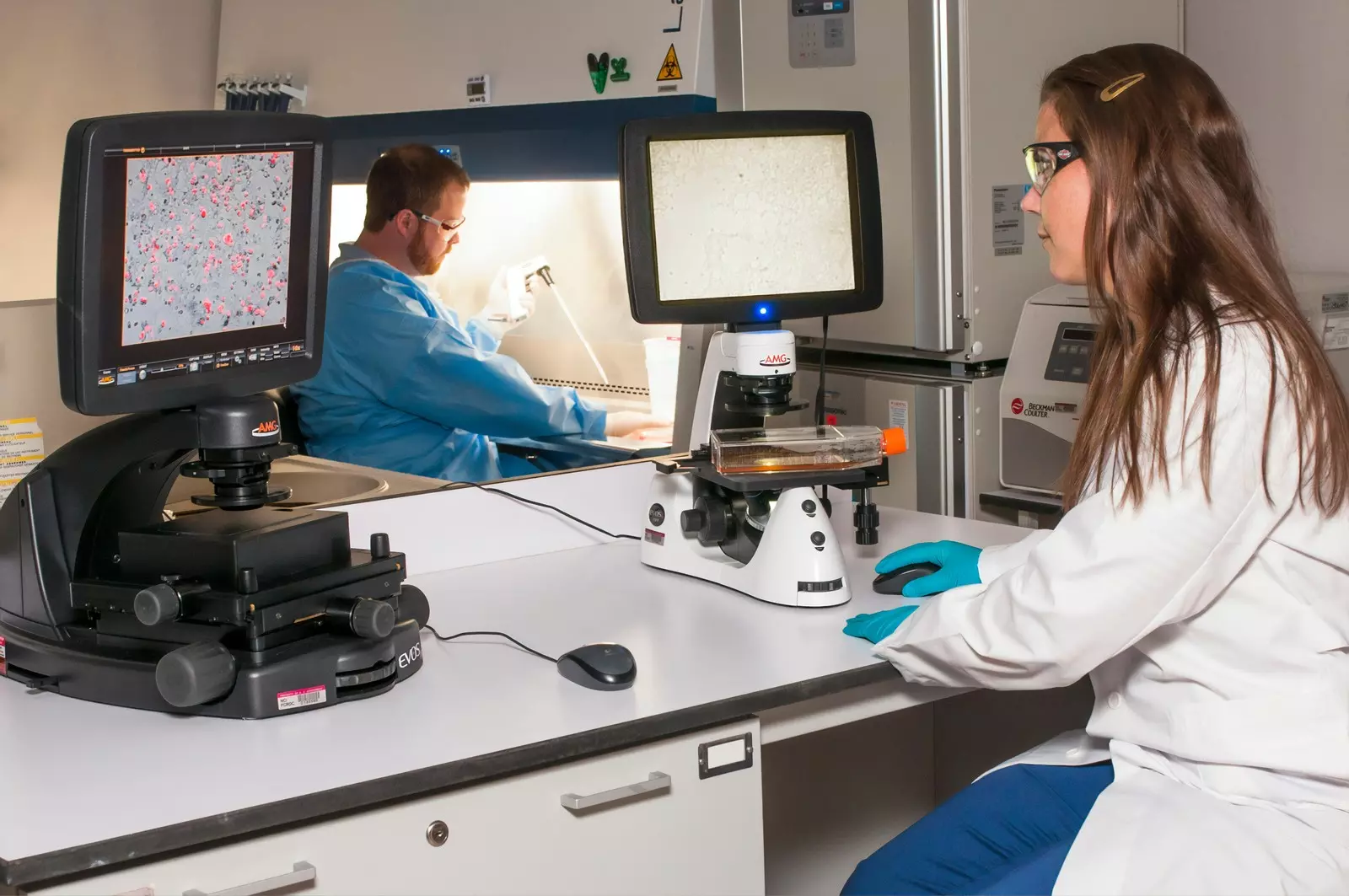
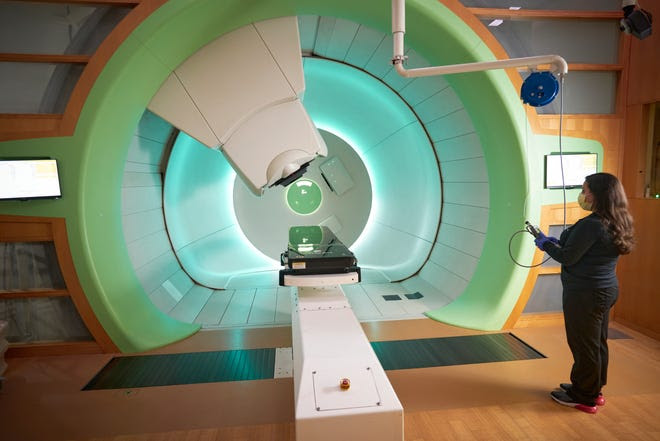
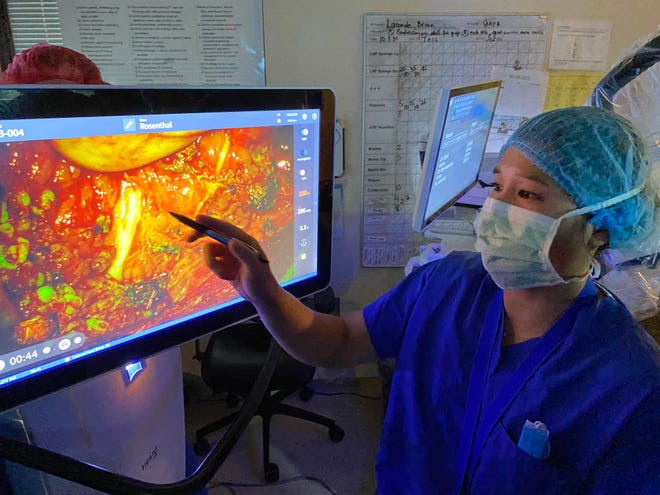





 vaccines.

 should be investigated for Corruption &


 REPUBLIC