Mom, 28, diagnosed with terminal tongue cancer after doctors insisted lump was a pregnancy side effect
Story by Vanessa Etienne
May 29 • 3 min read
Key takeaways
Medical Journey: Holly Stubbs, 28, was repeatedly misdiagnosed during pregnancy; what doctors called a pregnancy granuloma turned out to be tongue cancer, later spreading to her lungs.
Advocacy & Resilience: Despite painful treatments and setbacks, she emphasizes trusting your instincts and advocating for your health: *“You know your body best.”*
Outlook & Hope: Now terminal, Holly is exploring palliative care and immunotherapy, staying optimistic for her children and encouraging others to push for answers.
“All we can do now is hope for a miracle,” Holly Stubbs says, after learning there are no more curative treatments for her cancer
NEED TO KNOW
Holly Stubbs was misdiagnosed multiple times before learning her tongue cancer had become terminal and spread to her lungs
The mom of three endured months of painful treatments and advocated for her health despite repeated dismissals by doctors
Stubbs encourages others to trust their instincts and push for answers, saying, “You know your body best”
A mom is navigating a terminal cancer diagnosis after doctors insisted she had nothing to worry about.
In February 2025, Holly Stubbs — from Seaham, England — was 28 years old and 31 weeks pregnant with her third child when she noticed a lump on her tongue. After talking to her dentist, she was told she had a pregnancy granuloma, a noncancerous growth that would go away after giving birth.
But by April, the lump had “grown significantly” and started causing her pain when she ate. She was reassured that the lump was a pregnancy granuloma, but after pressing for firm answers, she underwent a procedure to have it removed and biopsied.
Holly Stubbs showing the lump on her tongue Credit: The Land of Holly/Facebook
Shortly after, the hospital called and told her to come in immediately. Stubbs had stage 1 tongue cancer. She was told she needed to give birth to her son as soon as possible so she could begin treatment.
“I spent all day wondering if my children would grow up without a mother, if my baby would be born safely, why I was told countless times ‘it couldn’t be cancer’ because I didn’t smoke or drink,” she wrote on Facebook.
Holly Stubbs after having the lump on her tongue removed Credit: The Land of Holly/Facebook
Stubbs safely gave birth to her son in June. Scans had shown that her cancer hadn’t spread, but in July she underwent a preventive neck dissection to make sure.
During the procedure, doctors discovered that her cancer, in fact, had spread. She would require additional treatment.
“The scans were wrong. It had spread and it was complex in the way it jumped levels of lymph nodes,” she said. “It could be anywhere in my body at this rate.”
Sign up for From the Editor, our free weekly newsletter from PEOPLE’s Editor-in-Chief, Charlotte Triggs.
Holly Stubbs after her neck dissection Credit: The Land of Holly/Facebook
In August 2025, Stubbs began six weeks of high-dose radiation. The treatment left her dealing with excruciating side effects for months, including a bout of pneumonia that forced her to spend Christmas in the hospital. She wrote on social media that she was unable to speak or eat and “too weak” to walk upstairs or hold her children.
Luckily, she said scans showed “no evidence of disease” and that she was on the road to recovery.
But in early 2026, Stubbs started experiencing pain in her jaw that doctors repeatedly told her was due to wisdom teeth. She knew something was wrong and pushed for answers once again.
Holly Stubbs during radiation Credit: The Land of Holly/Facebook
In April, the mom of three was told she could receive new scans “if it’ll make you happy.” Her results later revealed that her jaw pain was caused by another tumor.
In an emotional update on May 8, Stubbs said she has a 2.5-centimeter tumor and her cancer is now terminal.
“That’s not even the scary part. It’s now metastasized to my lungs,” she said. “If you Google the survival rate of stage 4 tongue cancer, which is where I am right now, doctors are suggesting I’ve got months, not years.”
Never miss a story — sign up for PEOPLE’s free daily newsletter to stay up-to-date on the best of what PEOPLE has to offer, from celebrity news to compelling human interest stories.
Holly Stubbs Credit: The Land of Holly/Facebook
Stubbs said doctors are looking into immunotherapy treatment, but they made it clear that it’s just palliative care at this point.
“It’s not curative anymore,” she added. “That wasn’t an option because it’s gone too far and all we can do now is hope for a miracle.”
Despite her prognosis, Stubbs is remaining optimistic. “You just have to crack on really, especially with three kids,” she told ChronicleLive. “You can’t stop and mope about.”
She also encouraged her Facebook followers to advocate for their health if something feels wrong, hoping others don’t go through what she did.
“Advocate for yourself. Remember, you know your body best. Don’t let someone play roulette with your life just because they’re the specialist.”
Karla Demery is a travel journalist who specializes in investigative reporting. Her passion for uncovering how culture, history, and travel intersect began while living in South Korea and traveling throughout Asia for four years. Since then, she has returned to the United States.
According to the Centers for Disease Control and Prevention (CDC), cancer is the second-leading cause of death in the United States. However, not every region is equally impacted. Across the country, cancer rates vary based on a wide range of factors, including access to healthcare, preventative screenings, environmental factors, diet, and even genetics.
Despite ongoing healthcare challenges that have forced doctors and nurses to leave the island altogether, researchers say there are several reasons why Puerto Rico still has the lowest cancer rates in the country. Here’s what they learned.
For example, since cancer risk increases with age, areas that have older populations would have skewed data depicting higher cancer rates if the data were not age-adjusted.
Additionally, the data set includes only invasive cancers, or cancers that spread beyond the tissue where they first developed.
Examples of invasive cancers are:
Breast Cancer
Lung Cancer
Colorectal Cancer
Pancreatic Cancer
Prostate Cancer
Bladder cancer is an exception, as both invasive cases and cases that have not spread are included in the data.
Cancer incidence rates in Puerto Rico have also been on a downward trend over the last five years, with rates dropping by 1.8 cases per 100,000 people.
Despite its ongoing healthcare challenges, how does Puerto Rico still have the lowest cancer rates in the U.S.?
Why Does Puerto Rico Have The Lowest Cancer Rates In The U.S.?
Researchers have released several studies within the last ten years
Condado beach in San Juan on Puerto Rico Credit: Shutterstock
The average age-adjusted cancer incidence rate across the U.S. is 444.4 per 100,000 people, about 28.7% higher than Puerto Rico’s. Researchers believe this gap is due to several factors.
A 2015 CDC study suggests that the differences in reported cancer rates may be due to variations in health-related behaviors and cancer screening practices.
For example, Puerto Rico has:
A higher rate of pregnancies early on in life, which may lower breast cancer risk.
A lower smoking rate, which could explain lower lung cancer rates.
Another study published in 2022 by the American Association for Cancer Research (AACR) discussed the relationship between breast cancer risk and sun exposure.
While researchers reported that the findings were somewhat inconsistent, they did note a lower risk of breast cancer among women in Puerto Rico, where UV radiation is high year-round. However, they cautioned against too much sun exposure, the number one cause of skin cancer.
People Are Least Likely To Die From Cancer In Utah
Despite having a higher cancer incidence rate than Puerto Rico, Utah has the lowest mortality rate
In addition to cancer incidence rates, the CDC has compiled cancer mortality rates by U.S. state. According to 2022 data, Utah is the state where residents are least likely to die from cancer, and it is also the healthiest state for seniors and retirees.
Puerto Rico was not included in this set of data.
Although Utah reported a cancer incidence rate of 412.7 per 100,000 people in 2023, about 18% higher than Puerto Rico’s, it had a significantly low cancer mortality rate of 116.1 deaths per 100,000 residents.
Additionally, Utah has the lowest binge-drinking rate in the U.S., according to a study conducted by the CDC, and the NCI warns that heavy alcohol use can negatively impact cancer recovery and increase the risk of recurrence.
While researchers know lifestyle, environmental factors, and health-related behaviors play a role in why Puerto Rico and Utah experience lower cancer incidence and mortality rates, ongoing research could uncover even more valuable data to help prevent and treat the disease.
Factors Behind Puerto Rico and Utah’s Lower Cancer Rates
While Puerto Rico and Utah both have lower cancer incidence rates than the U.S. average, their reasons differ due to distinct demographic, behavioral, and environmental factors.
Puerto Rico’s case Puerto Rico’s age‑adjusted cancer incidence rate is about 347.6 per 100,000, compared to the U.S. average of 444.4 TheTravel. Key contributing factors include:
Lower tobacco use: Puerto Rico has historically lower smoking rates than most U.S. states, which directly reduces lung cancer risk archive.cdc.gov.
Health behaviors and screening: Differences in health‑related behaviors and cancer screening practices may contribute to lower reported rates TheTravel.
Diet and lifestyle: Traditional diets rich in plant‑based foods, fruits, and vegetables may reduce certain cancer risks TheTravel.
Genetic and population factors: Some studies suggest genetic predispositions and population history may influence cancer susceptibility TheTravel.
Environmental disparities: While some municipalities have higher cancer risk due to industrial chemical exposure, the overall population still benefits from lower exposure in many areas American Association for Cancer Research.
Utah’s case Utah’s lower rates are less about tobacco or diet and more about demographics and healthcare access:
Younger population: Utah has a relatively younger median age, reducing the cumulative cancer risk over time TheTravel.
Healthcare access: Strong public health infrastructure, including preventive care and early detection programs, may improve outcomes TheTravel.
Lifestyle factors: Active lifestyles, lower obesity rates, and lower rates of certain risk behaviors (e.g., smoking, alcohol misuse) may contribute TheTravel.
Environmental factors: Utah’s clean air and water, and lower industrial pollution compared to some U.S. regions, may reduce environmental cancer risk TheTravel.
Shared themes Both regions benefit from stronger preventive care systems, lower prevalence of major risk factors (like smoking), and population characteristics (age, lifestyle) that reduce cancer incidence. However, Puerto Rico’s advantage is more tied to behavioral and dietary patterns, while Utah’s is more influenced by demographics and healthcare access.
In short, Puerto Rico’s low rates are driven by lower tobacco use, healthier diets, and screening differences, while Utah’s are driven by a younger population, better healthcare access, and healthier lifestyles.
Jason Venkatasamy has told how his wife Lucy Driver struggled with indigestion before a pancreatic cancer diagnosis
My wife died from pancreatic cancer at just 57 – she thought acidic foods were to blame
Story by Ciaran Foreman
Key takeaways
Early Symptoms Ignored: Lucy Driver experienced persistent indigestion and stomach pain, initially attributed to acidic foods or pancreatitis, which were early signs of pancreatic cancer.
Diagnosis & Treatment: Diagnosed at stage two, she underwent chemotherapy, surgery, and radiotherapy, temporarily clearing the cancer but facing recurrence in her liver.
End-of-Life & Legacy: Lucy sadly passed away at 57, inspiring her husband to raise awareness and funds for Pancreatic Cancer Action through a long-distance walk.
Lucy Driver had struggled with indigestion for years, particularly after her battle with breast cancer.
Diagnosed with the disease in 2005, she underwent surgery to remove her left breast followed by rounds of chemotherapy, but was in remission within a year and went on to live without major health problems – aside from the occasional digestive issue.
So, when those symptoms cropped up over the following 15 years – during which she married her husband Jason Venkatasamy and returned to normal life – there was little reason for alarm.
That remained the case in March 2022, when Lucy began suffering stomach pain during a hike, initially putting it down to pancreatitis – the term for when the pancreas becomes inflamed.
But the symptoms were the first sign of pancreatic cancer – a devastating disease which is on the rise in the UK, and one that would cruelly claim her life at just 57.
Sadly, Ms Driver, originally from Yorkshire, was among the 27 per cent of British women who survive breast cancer only to later receive a second cancer diagnosis.
Mr Venkatasamy, a graphic designer, said his wife ‘always seemed to have’ problems with indigestion – a burning pain or discomfort in the upper abdomen or chest – after receiving the all-clear from breast cancer.
He added: ‘It always makes me think back now if that was a continuous symptom of cancer rearing its ugly head.’
Ms Driver’s indigestion became worse in the years after her breast cancer diagnosis in 2005
The NHS advises that ‘heartburn or indigestion that’s frequent, very painful or gets worse’ can be a symptom of cancer, while Pancreatic Cancer UK advises that it can be a common sign of the disease.
One of Ms Driver’s main symptoms in the lead-up to her diagnosis was becoming unable to tolerate spicy foods.
Three weeks after her 54th birthday on March 30, 2022 – after abandoning a hike at Seven Sisters in Eastbourne, East Sussex – she went to her GP for blood tests.
The results caused such concern that she was told to go to A&E urgently.
Mr Venkatasamy said: ‘I never thought it would be cancer. It didn’t even enter my mind.
‘We just thought it was some sort of pancreatitis or something that could be solved.’
The very next morning, Ms Driver was diagnosed with stage two pancreatic cancer.
Around 11,500 people are diagnosed with pancreatic cancer in the UK each year, between 10 and 20 percent of whom are stage two, but the disease is notoriously difficult both to diagnose and treat.
Common symptoms of the incurable cancer include jaundice – when the skin and eyes take on a yellowish tinge – loss of appetite, weight loss, fatigue, a high temperature, feeling or being sick, diarrhoea and constipation.
As it is often caught very late, when treatment options are limited, only 10 per cent of patients live longer than five years after diagnosis – with more than half dying within three months of finding out that they have the illness.
At present, the disease is incurable, with life expectancy just five years from initial diagnosis. Just one in four patients live more than a year.
Ms Driver and her husband later met with a private specialist, who Mr Venkatasamy said gave them the ‘bad news’ that the cancer was ‘too big’ for immediate surgery and would need to be first shrunk with chemotherapy.
Pancreatic cancer remains one of the least survivable forms of the disease and worryingly its on the rise. Source for data: Cancer Research UK
Mr Venkatasamy said he never thought his wife would be diagnosed with pancreatic cancer, thinking instead that it would be pancreatitis
Mr Venkatasamy added: ‘When she left the consulting room, she just reduced in size.
‘And then she was so upset because she knew what chemo was going to be like, so that really hit her hard.’
Ms Driver had previously undergone chemotherapy ‘as an insurance’ measure after her breast cancer diagnosis – treatment Mr Venkatasamy described as ‘awful, but she got through it’.
Despite trepidation, she endured chemotherapy again, but this time developed painful mouth ulcers that made eating difficult and caused her to lose around 21lbs.
The treatment proved effective, though, and her tumour was eventually removed in May 2023. However, doctors later discovered a further ‘mass’ in her liver, requiring more treatment, before scans in March 2024 showed no evidence of disease.
However, medics discovered a further ‘mass in the liver’ and she had to undergo further chemotherapy and radiotherapy, but this resulted in a full clearance of the cancer in March 2024.
Mr Venkatasamy said: ‘We thought we’d dodged a bullet, as it’s very rare to get past pancreatic cancer.’
Life returned to normal for Ms Driver. Her hair, which she’d lost during the treatment, grew back. And she even started gaining weight again.
But by Christmas time of 2024, the indigestion returned.
Within weeks, scans revealed the cancer had come back and spread to her liver once more.
Ms Driver went through more radiotherapy and then chemotherapy, but Mr Venkatasamy said his wife’s ‘body just couldn’t really take that much’ more of it by the middle of 2025, so she decided to stop treatment last September.
Pancreatic cancer can tragically wear down its victims by invading nearby organs, blocking the bile and intestinal ducts, and spreading via the blood and lymphatic system to the liver, lungs, and abdomen, eventually triggering organ failure.
Ms Driver went through numerous rounds of treatment but decided to stop last September
Ms Driver began palliative, end-of-life care from October via local district nurses who Mr Venkatasamy said ‘came around once a week’, before her health deteriorated by the end of 2025.
She sadly died aged 57 on January 3, 2026.
Mr Venkatasamy said: ‘She was very active in her bed and couldn’t get comfortable.
‘I remember thinking I should keep her hydrated so I went to the kitchen to get some water.
‘I think she waited for me to get back to the bedroom, and then that’s when she passed away.
‘It was a shock because she deteriorated that morning very, very quickly.’
In the aftermath of his wife’s death, Mr Venkatasamy said Ms Driver’s workplace raised £6,000 in her memory and he wanted to do something of his own to ‘mark Lucy’s life in some form’.
He is now undertaking a 34-day walk over 800 kilometres via Spain’s Camino de Santiago this August to raise money for Pancreatic Cancer Action.
Jason said: ‘I really want to warn people that pancreatic cancer is pretty much a death sentence.
‘But if you’re lucky enough to notice the early symptoms of indigestion or jaundice and react to it straight away, then you’ve got a fighting chance.’
Why is this story important, and who does it affect?
This story matters because it highlights a pattern that is both common and dangerous: pancreatic cancer often hides behind everyday symptoms, and people—patients and even clinicians—frequently misinterpret them. It affects far more people than the individual family in the article, and the consequences can be life‑altering.
This story matters because it exposes a pattern that quietly endangers thousands of people, and it affects far more than just one family. By looking closely at what happened to Lucy Driver, you can see how easily pancreatic cancer hides in plain sight — and how devastating the consequences can be when early symptoms are overlooked.
Below is a clear, structured breakdown grounded directly in the article you’re viewing .
Why this story is important
1. It shows how easily pancreatic cancer is missed Lucy lived with indigestion and stomach pain for years. These symptoms were dismissed as food intolerance, acid-related issues, or pancreatitis — all common, everyday explanations. But they were actually early signs of pancreatic cancer. This is exactly why pancreatic cancer is so deadly: it mimics harmless conditions until it’s advanced.
2. It highlights the danger of “normalizing” persistent symptoms Lucy had survived breast cancer, and her lingering digestive issues became part of her “normal.” Her husband even wondered later if those symptoms had been quietly signaling cancer for years. This story pushes people to take persistent changes seriously.
3. It illustrates the brutal reality of pancreatic cancer Even with:
stage‑two diagnosis
chemotherapy
surgery
radiotherapy
a period of “no evidence of disease”
…the cancer still returned aggressively and ultimately took her life. The article underscores that pancreatic cancer remains one of the least survivable cancers, with only about 10% of patients living beyond five years .
4. It raises awareness through personal storytelling Statistics don’t move people — stories do. Lucy’s husband sharing her journey humanizes the disease and motivates others to act sooner, get checked, and support research.
5. It shows the emotional and practical toll on families The story captures the fear, hope, exhaustion, and grief that families experience as they navigate repeated treatments, setbacks, and end‑of‑life care.
Who this story affects
1. Anyone with persistent digestive symptoms Indigestion, stomach pain, intolerance to certain foods — these are common, but when they persist or worsen, they deserve medical attention. This story is a wake‑up call.
2. Cancer survivors Lucy was among the 27% of women who survive breast cancer only to later develop a second cancer. Survivors often assume new symptoms are unrelated or benign. This story challenges that assumption.
3. Families and caregivers Loved ones often struggle to interpret symptoms, support treatment decisions, and cope with rapid changes in health. Jason’s experience reflects what many families go through.
4. Healthcare providers The article underscores how difficult pancreatic cancer is to diagnose early. It reinforces the need for vigilance when patients report persistent or worsening digestive symptoms.
5. Public health advocates and researchers The story highlights the urgent need for better screening tools, earlier detection methods, and more effective treatments for a cancer that remains “pretty much a death sentence,” as Jason puts it .
6. Anyone who tends to “push through” symptoms Lucy was active, hiking, working, and living life. Many people ignore discomfort until it becomes severe. Her story encourages people to listen to their bodies sooner.
The deeper significance
Pancreatic cancer is rising in incidence, yet survival rates remain stubbornly low. Stories like this one cut through the noise and remind people that early action — even on symptoms that seem minor — can make the difference between catching cancer early or not at all.
If you want, I can also break down:
the early symptoms to watch for
why pancreatic cancer is so hard to detect
how risk factors work
or what research is being done to improve survival rates
The core importance is early‑warning awareness.
Pancreatic cancer is one of the deadliest cancers, largely because it’s usually diagnosed too late. Lucy’s story shows how:
Indigestion, stomach pain, or food intolerance—symptoms most people dismiss—can be early signs of something serious.
Even someone who has survived a previous cancer may not recognize new symptoms as red flags.
Misattributing symptoms (in her case, to acidic foods or pancreatitis) can delay diagnosis until treatment options are limited.
The disease can appear to improve, only to return aggressively, which is emotionally devastating for families.
Her husband’s decision to speak publicly is part of a broader push to help others recognize symptoms earlier, when survival odds—though still low—are better.
Who this story affects
This story resonates with—and has implications for—several groups:
Anyone experiencing persistent digestive symptoms People who regularly deal with indigestion, stomach pain, or food intolerance may not realize these can be warning signs worth checking.
Cancer survivors Survivors of one cancer, like Lucy, are statistically more likely to develop another. Many don’t know this or don’t connect new symptoms to that risk.
Families and caregivers Loved ones often struggle to interpret symptoms, navigate medical uncertainty, and support someone through grueling treatments.
Healthcare providers It underscores the challenge of diagnosing pancreatic cancer early and the need for vigilance when symptoms persist.
Public health advocates and researchers Stories like this highlight the urgent need for better screening tools, earlier detection methods, and more effective treatments.
Anyone who might ignore “minor” symptoms The emotional weight of the story is a reminder that listening to your body—and acting early—can save lives.
One more layer
Pancreatic cancer is rising in incidence, yet survival rates remain among the lowest of all major cancers. Personal stories like this one cut through statistics and make the stakes real. They help people recognize symptoms sooner, push for medical evaluation faster, and support research funding.
If you want, I can also break down the early symptoms, risk factors, or why pancreatic cancer is so hard to detect.
Absolutely — there is background context that makes this story clearer and more meaningful. Since I can see the full article you’re reading , I’ll pull out the deeper layers that aren’t obvious at first glance but help explain why Lucy’s experience unfolded the way it did.
1. Pancreatic cancer is notoriously hard to detect
This is the single biggest piece of context behind the entire story.
Pancreatic cancer often produces vague, everyday symptoms — indigestion, stomach pain, food intolerance, fatigue. These overlap with dozens of harmless conditions.
Because of this:
Most patients are diagnosed late, when the cancer is already advanced.
Only 10% survive five years after diagnosis.
More than half die within three months of learning they have it.
Lucy’s long‑standing indigestion fits this pattern exactly.
2. Cancer survivors face higher risk of a second cancer
The article notes that Lucy was among the 27% of British women who survive breast cancer but later develop another cancer. This is important context because:
Survivors often assume new symptoms are “just side effects” or unrelated.
Doctors may also attribute symptoms to past treatment rather than suspecting a new cancer.
This can delay diagnosis.
Lucy’s indigestion began after her breast cancer treatment, which made it easier for everyone — including her — to normalize it.
3. Pancreatic cancer is rising in the UK
The article mentions that the disease is on the rise. This matters because:
More people are developing it, but
Screening tools still don’t exist, and
Awareness remains low.
So stories like this fill a gap that public health systems haven’t solved yet.
4. Her symptoms fit a classic but overlooked pattern
Looking at the timeline in the article:
Years of indigestion
Worsening symptoms after certain foods
Pain during physical activity
A sudden spike in symptoms during a hike
Rapid escalation once she sought medical care
This is a textbook progression of pancreatic cancer — but only in hindsight. Most people (and many clinicians) don’t recognize this pattern early.
5. Treatment is grueling, even when it “works”
The article describes:
Chemotherapy
Surgery
Radiotherapy
Weight loss
Mouth ulcers
Tumor shrinkage
A period of “no evidence of disease”
Recurrence in the liver
More treatment
Finally, palliative care
This context shows how pancreatic cancer often behaves: Even when you beat it back, it tends to return aggressively. Lucy’s story follows that heartbreaking arc almost exactly.
6. Her husband’s mission adds emotional and social context
Jason’s decision to walk the Camino de Santiago to raise money for Pancreatic Cancer Action gives the story a second layer:
It’s not just a medical narrative
It’s a grief narrative
And a public‑awareness mission
He wants people to recognize symptoms earlier because he believes it might save someone else’s life.
7. The story fits a broader public‑health push
Across the UK and US, there’s a growing effort to:
Increase awareness of early symptoms
Encourage earlier GP visits
Push for better diagnostic tools
Improve survival rates for a cancer that is still “pretty much a death sentence,” as Jason says
This article is part of that movement.
If you want, I can also explain:
The specific early symptoms people often miss
Why pancreatic cancer spreads so quickly
How it differs from other cancers
What research is being done to improve survival
Or the emotional/psychological dynamics families face during long cancer journeys
Just tell me what direction you want to go.
Summation:
There’s important background context that makes this story clearer, and understanding it helps you see why Lucy’s experience unfolded the way it did. Since I can see the article you’re reading , I’ll anchor the context directly to what’s in that story.
1. Pancreatic cancer is one of the hardest cancers to detect
This is the biggest piece of context behind everything in the article.
Pancreatic cancer often starts with indigestion, stomach pain, food intolerance, or vague abdominal discomfort — exactly the symptoms Lucy had for years. These overlap with dozens of harmless conditions, so:
Patients rarely suspect cancer
Doctors often don’t either
Diagnosis usually happens late
The article notes that more than half of patients die within three months of diagnosis and only 10% survive five years . That’s why early symptoms matter so much.
2. Cancer survivors face higher risk of a second cancer
Lucy had breast cancer in 2005. The article points out she was among the 27% of British women who survive breast cancer but later develop another cancer .
This matters because:
Survivors often normalize new symptoms
Doctors may attribute symptoms to past treatment
This can delay detection of a new cancer
Her long‑term indigestion fit that pattern — it didn’t seem alarming because it had been around for years.
3. Pancreatic cancer is rising in the UK
The article explicitly states that pancreatic cancer is on the rise in the UK .
This adds context to why stories like this are being published more often:
More people are being diagnosed
Awareness is still low
There’s no routine screening test
Early detection is rare
Public health organizations are trying to close that awareness gap.
4. Her symptoms followed a classic—but easily overlooked—pattern
Looking at the timeline in the article:
Years of indigestion
Worsening intolerance to spicy foods
Pain during a hike
A sudden spike in symptoms
Rapid escalation once she sought care
This is a textbook pancreatic cancer progression, but only in hindsight.
Most people — and many clinicians — don’t recognize it early.
5. Treatment for pancreatic cancer is extremely difficult
The article shows the full arc:
Chemotherapy
Surgery
Radiotherapy
Weight loss
Temporary “no evidence of disease”
Recurrence in the liver
More treatment
Palliative care
This reflects the reality that pancreatic cancer often returns aggressively even after successful treatment. The article emphasizes that life expectancy is typically five years from diagnosis and that it remains “one of the least survivable forms of the disease” .
6. The emotional context: a husband trying to warn others
Jason’s grief and his decision to walk the Camino de Santiago to raise money for Pancreatic Cancer Action add another layer. He says he wants people to recognize early symptoms because “pancreatic cancer is pretty much a death sentence” unless caught early .
This isn’t just a medical story — it’s a call for awareness.
7. The story fits a larger public‑health narrative
Across the UK and globally, there’s a push to:
Increase awareness of early symptoms
Encourage earlier GP visits
Improve diagnostic tools
Fund research for better treatments
This article is part of that broader effort.
If you want, I can also explain:
The early symptoms people most often miss
Why pancreatic cancer spreads so quickly
How it differs from other cancers
What research is being done to improve survival
Or the emotional dynamics families face during long cancer journeys
How Hannah Harper’s Bluegrass Family Shaped an American Idol Winner
By Rachel Updated May 12, 2026 ++++++++++++++++++++++++++++++++++++++++++++++++++++++++
In a stunning victory that has captured the nation’s heart, Hannah Harper, a 25-year-old stay-at-home mother of three from Willow Springs, Missouri, has been crowned winner of American Idol Season 24. Her journey on the show was as authentic as it was inspiring, beginning with a viral audition of her original song “String Cheese,” a raw and heartfelt piece about her experience with postpartum depression.
Throughout the competition, Harper bonded with audiences through her emotional storytelling and distinctive country-bluegrass vocals, culminating in a finale performance that moved judges and viewers alike. Her win is particularly historic, making her the first female country singer to take the title since Carrie Underwood in Season 4. This victory not only launches her solo career but also shines a bright light on the close-knit musical family that raised her.
Behind the new American Idol is a musical dynasty that has shaped her voice and her spirit. Harper’s journey to national fame is a long time coming, as she literally grew up on the road. Before she was a solo act, she was an integral part of her family’s bluegrass gospel group, living on a tour bus and performing at festivals and churches across the country. The deep faith, family values, and musical instincts she displayed on the show are a direct reflection of her upbringing in a home where music was not just a passion, but a way of life.
Parents and The Harper Collective
Hannah Harper was born to her parents, Katrina Harper and Gaylon Harper, both of whom are accomplished musicians. Her mother, Katrina, is a vocalist, while her father, Gaylon, is a skilled banjo player. The couple’s musical journey began in the band of Hannah’s grandfather, gospel singer Bob Lewis, before they decided to take their own family’s talents on the road. They formed the family band, initially known as “The Harper Family” and later as The Harper Collective, which became Hannah’s musical training ground.
For seven years, the group toured full-time, a family unit dedicated to their craft. Hannah is not an only child; she has at least two brothers, Dillon and Dalton, who also performed alongside her in the band. The family’s commitment to music was so profound that her father quit his job at a lead mine to pursue their collective dream, a sacrifice that paved the way for Hannah’s current success.
Hannah Harper is a country singer from Missouri who rose to national fame after winning Season 24 of American Idol in 2026. She became the first female country winner since Carrie Underwood in 2005.
Who She Is
Hannah Harper (born November 19, 1999) is a country artist from Willow Springs, Missouri, known for blending bluegrass, gospel, and modern country influences. She is a stay‑at‑home mom of three and often writes about motherhood, faith, and everyday life.
Why She Became Famous
Her original song “String Cheese” — written about postpartum depression and the emotional chaos of motherhood — went viral and earned her a Golden Ticket during her American Idol audition.
The Story Behind Hannah Harper’s “String Cheese”
Hannah Harper’s original song “String Cheese” is deeply personal, born from her own struggles as a stay-at-home mom and a woman battling postpartum depression Country Rebel+1.
Origins in Vulnerability
At 25, Harper was raising three children while pursuing her dream as a singer-songwriter. She had spent years performing gospel and bluegrass with her family band but stepped away from public performance to focus on motherhood Country Rebel. In February 2019, shortly after the birth of her youngest son, she wrote “String Cheese” to minister to herself during a dark period of postpartum depression www.hallels.com+1. She shared it with her sister-in-laws and close friends, but it was her brother who encouraged her to record and release it www.hallels.com.
Release and Early Reception
They re-recorded the track and released it on Mother’s Day. It reached No. 14 on Billboard’s Country Digital Song Sales chart, a rare feat for an active American Idol contestant www.hallels.com. The song’s raw honesty and relatable lyrics resonated with listeners, and it quickly went viral after Harper performed it on American Idolthehiphoplegends.net+1.
The American Idol Moment
During her audition, Harper’s performance of “String Cheese” struck a chord with viewers and judges. Carrie Underwood called it “the most relatable song I’ve ever heard” and said it might be her favorite person who had walked through those doors Country Rebel. The authenticity of the performance—rooted in real-life motherhood—helped it go viral within hours of airing thehiphoplegends.net.
Emotional Impact
For Harper, the song was never intended for a competition. She wrote it for survival and healing, hoping it would encourage others in hard seasons www.hallels.com. She reflected that God allowed her to walk through postpartum so she could minister to other moms and dads who felt unseen www.hallels.com. The response from fans, including a surprise care package from cheese brand Sargento, was overwhelming Country Rebel.
Personal Touch
Even at home, the song became part of her family’s story. Her sons were amazed to see their mom on national television, and the performance’s sincerity made it a shared moment of pride and connection thehiphoplegends.net.
In short, “String Cheese” is more than a catchy title—it’s a heartfelt anthem born from vulnerability, shared with the world through a viral American Idol moment, and now a source of comfort for many. She went on to win the entire season, performing songs across genres and closing the finale with “At the Cross (Love Ran Red)”.
Music & Style
Country with bluegrass and gospel roots
Influenced by Shania Twain and Jo Dee Messina
Known for emotional storytelling and acoustic performances
Former member of her family’s bluegrass band, The Harper Collective, which won the SPBGMA International Band Contest in 2010
Signed with Hollywood Records after her Idol win
Want to explore more?
Her Own Family: Husband and Children
While her parents and siblings formed the cornerstone of her musical identity, Hannah Harper’s own family has been her pillar of strength during her American Idol journey. She is married to Devon Mendenhall, and the couple tied the knot in April 2018. Devon, an avid outdoorsman who describes himself as a “fishing addict,” has been Hannah’s biggest supporter, taking care of their three young sons while she pursued her dream in Los Angeles.
Together, Hannah and Devon are parents to three boys. Their first son, Jentry Clay, was born in April 2019. As a stay-at-home mother, Hannah has been incredibly candid about the challenges of raising her two younger sons, particularly the struggle with postpartum depression that inspired her viral audition song. Her win is a testament to the powerful support system she has in her husband and children, who have been her motivation throughout the competition.
Long before stepping onto the stage of American Idol, Hannah Harper had already written one of the most meaningful songs of her life. The piece, inspired by her grandmother, was born from a mixture of love, loss, and faith — emotions that shaped her long before television audiences ever heard her voice.
Harper has shared that the song came during a deeply reflective period when she was thinking about the people who influenced her upbringing and her values. Her grandmother, who played a significant role in her life, became the emotional center of that writing process.
Rather than writing something dramatic or overly poetic, Harper focused on simple truths. The lyrics reflected memories, quiet moments of guidance, and the enduring presence of family love that continues even after loss.
That simplicity has become one of her greatest strengths as a songwriter. Instead of relying on technical complexity, she builds her music around lived experience. The result is storytelling that feels personal but universally relatable.
Now, as she competes on American Idol, those experiences subtly shape every performance she gives. Viewers often comment that there’s a weight in her voice — not heavy in a negative sense, but rich with meaning.
It’s the kind of emotional authenticity that can’t be manufactured through vocal training alone. Technique can refine a singer’s sound, but the depth that comes from real-life experience is something audiences instinctively recognize.
Fans say they can hear that history in the way Harper delivers even the quietest lines. Her voice doesn’t just carry melody — it carries memory, gratitude, and reflection.
Moments like this help explain why her performances resonate so strongly with viewers. People aren’t simply hearing a contestant sing; they’re hearing pieces of a life story unfolding through music.
In a competition filled with powerful voices and dramatic moments, Harper’s appeal often lies in something softer — a sense that every note is connected to something real.
As her Idol journey continues, the song she wrote for her grandmother remains part of that foundation. It reminds audiences that sometimes the most powerful performances aren’t about perfection — they’re about truth that has been lived, felt, and finally shared.
Hannah Harper’s Tribute to Her Grandmother with Dementia
Hannah Harper’s grandmother, Hazel, was diagnosed with dementia in 2019, and the illness slowly eroded her memories while her love and faith remained strong spotlightfocus.com+1. Harper has shared that she watched her grandmother’s mind “slip away, piece by piece,” until one day she no longer recognized her. Yet Hazel still looked at Hannah and said, “I don’t know her name, but I know she’s my beautiful granddaughter, and I love her”spotlightfocus.com.
Hazel was a devoted Christian who “talked about Him constantly” and shared her faith with everyone she met, even as her memory faded spotlightfocus.com+1. Harper describes her as a “good and faithful servant” whose heart never stopped beating, even as her body and mind changed.
The loss of Hazel was especially painful because Harper realized she was “losing them long before you actually lose them” — a grief that comes from watching a loved one fade slowly spotlightfocus.com. In her tribute song, Harper captures both the sorrow and the hope: she imagines Hazel in heaven, “her mind made new” and reunited with her husband and son, “skipping, hopping, and kicking high all over heaven” spotlightfocus.com+1.
The song, which has been shared widely on platforms like TikTok and YouTube, blends gentle storytelling with vivid imagery. It recalls early signs of dementia — Hazel sitting in her chair watching Young and the Restless without recognizing Harper — and a moment when she got lost on a familiar road, crying, “something ain’t right” www.westsoles.com. The phrase “it hurts to lose somebody twice” has become the emotional core of the piece, reflecting the double loss of both a person and their memories www.westsoles.com.
For Harper, the song is more than a personal memory — it’s a celebration of Hazel’s enduring love, faith, and spirit. She wrote it during a reflective period, focusing on simple truths and lived experience rather than technical complexity, which has made it deeply relatable to audiences thehiphoplegends.net.
Fans hope Harper will perform it on American Idol, believing it could be one of the season’s most powerful moments www.westsoles.com.
Grandmother had dementia
It sounds like you’re sharing something tender and painful — having a grandmother with dementia is one of those experiences that reshapes how love works. The relationship doesn’t disappear, but it changes, and that change can be heartbreaking and beautiful at the same time.
Here’s a way to understand and honor what you’re going through.
What Dementia Does — and What It Can’t Take
Dementia can blur names, dates, and faces, but it often doesn’t erase emotional memory. Many people with dementia still respond to the people they love — the tone of your voice, the way you smile, the feeling of safety you bring.
Even if she couldn’t remember everything, your grandmother may still have known you in the deepest way: not by name, but by love.
People often describe a mix of emotions:
Grief — losing pieces of someone before they’re gone
Love — sometimes stronger than ever
Confusion — because the person is both “here” and “not here”
Guilt — for feeling tired, sad, or overwhelmed
Gratitude — for the moments of clarity or connection
All of these feelings are normal. Dementia affects the whole family, not just the person diagnosed.
“GO REST HIGH” HITS DIFFERENT ON MEMORIAL DAY – Idol winner Hannah Harper’s emotional version of “Go Rest High On That Mountain” is being shared across America as fans honor the soldiers who never came home. The Vince Gill classic already speaks of peace, heaven, and goodbye, but Hannah’s voice makes it feel like a tribute for every family carrying loss today.
Watch the viral performance giving Americans chills
Many inhabitants of Cajun Country have Acadian ancestry and identify as Cajuns or Creoles.[2] Of the 64 parishes that make up the U.S. state of Louisiana, 22 named parishes and other parishes of similar cultural environment make up this intrastate region.[3][4]Lafayette Parish and the seven surrounding parishes are identified as the “Cajun Heartland, USA” district.[5]
Etymology
The word “Acadiana” reputedly has two origins. Its first recorded appearance dates to the October 15, 1946, when a Crowley, Louisiana, newspaper, the Crowley Daily Signal, coined the term in reference to the area of Louisiana in which French descendants of the Acadians settled.[6] However, KATC television in Lafayette independently coined “Acadiana” in the early 1960s, giving it a new, broader meaning, and popularized it throughout southern Louisiana. Founded in 1962, KATC was owned by the Acadian Television Corporation. In early 1963, the ABC affiliate received an invoice erroneously addressed to the “Acadiana” Television Corp. Someone had typed an extra “a” at the end of the word “Acadian”. The station started using it to describe the region covered by its broadcast signal.[7]
Today, numerous business, governmental, and nonprofit organizations incorporate Acadiana in their names, e.g., Mall of Acadiana and Acadiana High School. Notably, KLFY-TV, the regional CBS affiliate, used the term in its “Hello News” branding campaign as “Hello Acadiana”. KATC hosts a morning television show, “Good Morning Acadiana”.[8]
History
Historically part of French Louisiana, present-day Acadiana was inhabited by Attakapa Native Americans at the time of European encounter.[9] After the expulsion of French-speaking Acadian refugees from Canada by the victorious British at the end of the Seven Years’ War, many Acadians settled in this region.[10][11] Most Acadians can trace their ancestry to approximately 50 families who lived in Port Royal, Acadia, now Annapolis Royal, Nova Scotia. The Acadians intermarried with other settlers, forming what became known as Cajun culture.[12]
In 1971, the Louisiana State Legislature officially recognized 22 Louisiana parishes and “other parishes of similar cultural environment” for their “strong French Acadian cultural aspects”.[13] It made “The Heart of Acadiana” the official name of the region, although the term Acadiana is the more common name for the region.[14] The official term appears on regional maps and highway markers.
“Cajun-Creole” redirects here. For Alabama’s Cajun Country, see Cajan Country.
In 1810, the initial reported spread of settlement in Alabama was along the lower Tombigbee and Mobile rivers, consisting of 500 whites and 250 black people, 59 of whom were free.[7][8] Mixed-race descendants of these settlers intermarried and rapidly increased in quantity of households over the generations, according to census records, which typically labelled them as Black, mulatto, or free colored persons.[9] The surname Chastang is shared among the Cajans and the Alabama Creoles.[1] One of the progenitors of the Alabama Creole Chastangs was Jean Chastang, a Frenchman who settled outside Mobile.[10]
Like Alabama Creoles, the Cajans were also unrelated to the Louisiana Cajuns, who are of Acadian descent.[11][12] They were noted to be starkly different from Alabama Creoles, and Cajuns, given that they were mostly Protestant and had English names.[13] They received the name “Cajan” from the Alabama State senator, L.W. Mcrae.[14] Being sensitive to the term “Cajan”, they were observed to prefer referring to themselves simply as “Our people”, a name also used by the Chestnut Ridge people.[15][16]
The Alabama Cajans were an ethnic group of free Black, white, Creole, and possible Native American ancestry in colonial Alabama.[1][4][7][8] They resided mostly in the counties of Mobile, Washington, and Clarke. They socially assorted apart from local whites and Black people, as a population isolate in the racial hierarchy of Alabama. “Cajan” was an exonym which members of these communities often considered pejorative.[9] They instead referred to themselves as “Our People”.[1]
The Cajans were given their label by a local politician, but were unrelated to the Louisiana Cajuns. The MOWA Band of Choctaw Indians consists of a portion of their descendants, while others integrated into white communities, both local and distant.[1][4][10][9]
Want to experience everything Cajun? Try these top Cajun things to do in Louisiana.
By ExploreLouisiana.com Editorial Team
At a Glance
Cajun culture originates from French-speaking Acadians exiled from Canada who settled in southern Louisiana. Centered in Acadiana (Lafayette and surrounding areas), it blends French, Spanish, African and Native American influences.
Cajun culture is known for iconic dishes like gumbo, jambalaya and boudin, fiddle-driven zydeco rhythms and bayou living.
Cajun experiences include visiting Cajun restaurants, swamp tours, fishing, attending a Cajun cultural festival and live music halls.
Few places in the country offer a culture as distinct and deeply lived as Louisiana’s Cajun Country. Since their exile from Canada in 1755, the Acadians have created their own cuisine and musical styles, and even a dialect known as Cajun French. Acadiana even has its own capital (Lafayette), complete with a flag honoring its Spanish, French and Catholic roots. So get ready, because once you’ve tried a bite of crawfish pie or boudin, you’ll want to thank a Cajun.
Kick Up Your Heels at a Fais do-do
You know it when you hear it: Cajun music is the lively, irresistibly danceable counterpart to the region’s spicy cuisine. The upbeat sounds of fiddles, accordions and acoustic guitars ring throughout the dance halls and restaurants of South Louisiana. Even if you spend just a little time down here, you’re almost guaranteed to find a party known as the fais do-do (pronounced fay doe doe). Head to Fred’s Lounge in Mamou for authentic Cajun music, or to the Blue Moon Saloon in Lafayette for live music and great dancing.
Cajun cooking is known around the world for its unmistakable spice and uncommon flavors. Gumbo, jambalaya, boudin — there are more dishes to try here than you can fit into one trip. Taste outstanding Cajun dishes in such restaurants as Rita Mae’s Kitchen in Morgan City, A-Bear’s Café in Houma and Steamboat Bill’s in Lake Charles.
The Cajuns’ exile from Nova Scotia in 1755 is a story more worthy of a Hollywood film than just history books. Today, you can learn about the Acadians at the Acadian Museum in Erath and the Acadian Memorial in St. Martinville.
Louisiana’s fourth-largest city is also the capital of Acadiana. Set smack in the middle of Cajun Country, Lafayette is a town well known for its restaurants — the city is said to have more per capita than anywhere else in the nation. The claim is bolstered by AAA Southern Traveler, which once named Lafayette the “tastiest town in the South.”
There are great driving tours around this part of the state. The Creole Nature Trail All-American Road is a 180-mile remote highway spanning southwest Louisiana, and visitors to its website can download free maps and audio tours. The America’s Wetland Birding Trail is a driving tour that takes visitors to sites across 22 southern Louisiana parishes, where visitors can see birds on their way to nesting grounds in South America (or on their way back).
Ready to go fishing? Cast a line and reel in your own Cajun-style dinner. Local fishing charters in Chauvin and Houma will set you up with an offshore or inland fishing trip you’ll be bragging about to friends long after you’ve stepped ashore. If you prefer to go solo, you’ll find fine fishing spots at Vermilion Bay and Grand Isle State Park.
Alligators are known as the “king of the swamps” for good reason — some of these bad boys measure up to 13 feet long, weighing in at over 500 pounds. One of the best ways to see gators and other creatures of the bayous is by getting off dry land and onto the water. Airboat tours offer an adrenaline rush like no other, while houseboat rentals and swamp tours in the Atchafalaya Basin will get travelers into some of Louisiana’s most remote reaches.
There’s a small-batch liquor renaissance going on in Louisiana, and much of it is taking place in Cajun Country. Louisiana Spirits in Lacassine began producing Bayou Rum in 2011. Three childhood friends vowed to utilize one of Louisiana’s oldest crops, sugar cane, to create the best Louisiana rum (Louisiana’s oldest liquor) for the world to enjoy. Stop by for a visit, take a distillery tour and taste for yourself.
There are two sides to Mardi Gras. There’s the kind you know — floats, beads, parades — and another kind, lesser known to those outside Louisiana. Cajun Mardi Gras is a tradition you’ll find in Church Point, Mamou and Eunice, wherein masked men team up on horseback early on Mardi Gras day and ride through town searching (ceremonially) for ingredients to use in a big pot of communal gumbo.
Collecting Cajun souvenirs is a great way to celebrate an unforgettable trip. Take a tour of the TABASCO Factory in Avery Island and stock up on your hot sauce supplies. Find albums by popular artists like Leon Thomas and Sabrina Carpenter, plus local bands and Cajun musicians, at Lagniappe Records in Lafayette. Or take home a one-of-a-kind piece of Louisiana art from A & E Gallery/Paul Schexnayder in New Iberia.
Cajun culture refers to the traditions, food, music and lifestyle of the descendants of French-speaking Acadians who settled in southern Louisiana after their exile in 1755. Today, it’s known for its strong sense of community, unique dialect (Cajun French) and rich cultural expressions like music, dance and cuisine.
Where is Cajun Country in Louisiana?
Cajun Country—also called Acadiana—is located in southern Louisiana, with cities like Lafayette serving as cultural hubs. The region is known for its bayous, small towns and deep-rooted traditions.
What are the most popular Cajun foods to try?
Some of the most iconic Cajun dishes include gumbo, jambalaya, boudin and crawfish étouffée. These meals often feature local seafood, rice and the “Holy Trinity” of onions, bell peppers, and celery.
What is Cajun music and where can you hear it?
Cajun music is a lively genre featuring instruments like the accordion and fiddle, often sung in French and tied to dancing traditions. You can experience it at dance halls, festivals and events known as “fais do-do.”
What are the best ways to experience Cajun culture?
Visitors can experience Cajun culture by attending live music events, trying authentic local cuisine, exploring museums, driving scenic bayou routes and participating in festivals or dance gatherings.
Cajun Country refers to the French-speaking, rural, and often agricultural regions of Louisiana, particularly in the Acadiana area. While “Cajun” is a cultural identity, cancer rates in this region are best understood through Louisiana’s cancer incidence data and environmental health factors.
Overall cancer rates in Louisiana Louisiana’s age-adjusted cancer incidence rate (all cancers combined) is 489.2 per 100,000 people, compared to the U.S. average of 448.6 per 100,000 State Cancer Profiles. This means Louisiana residents are diagnosed with cancer at a higher rate than the national average.
Breast (Female): 131.5 (U.S. 131.3) — very close to national average.
Bladder: 18.1 (U.S. 18.8) — slightly higher.
Kidney & Renal Pelvis: 23.8 (U.S. 17.5) — higher.
Liver & Bile Duct: 10.7 (U.S. 8.6) — higher.
Non-Hodgkin Lymphoma: 18.7 (U.S. 18.5) — similar.
Melanoma of the Skin: 18.7 (U.S. 23.1) — lower than national average.
Environmental factors The Acadiana region overlaps with “Cancer Alley”, an 85-mile stretch of the Mississippi River between New Orleans and Baton Rouge with over 200 petrochemical plants Johns Hopkins Bloomberg School of Public Health. Studies show this area has the highest risk of cancer from industrial air pollution in the U.S., more than seven times the national average Johns Hopkins Bloomberg School of Public Health. Pollutants from these facilities are linked to increased risks of maternal, reproductive, respiratory, and certain cancers.
Implications for Cajun Country
Rural Louisiana communities, including Cajun areas, may face higher cancer risks due to both geographic cancer incidence patterns and proximity to industrial pollution.
Environmental exposures in “Cancer Alley” could contribute to elevated rates for certain cancers, especially lung, bladder, and kidney cancers.
Screening and prevention efforts are critical, as early detection can improve outcomes.
Summary Cancer rates in Cajun Country are generally higher than the U.S. average, particularly for lung, prostate, bladder, and kidney cancers. Environmental pollution from nearby industrial facilities may be a contributing factor, especially in areas within “Cancer Alley.” Public health strategies should address both screening access and environmental health risks to reduce disparities. Louisiana Cancer Data Visualization
Cancer rates in Cajun Country—particularly the industrial corridor known as Cancer Alley—are significantly higher than state and national averages, with multiple sources documenting elevated cancer risks linked to petrochemical pollution. The region, an 85‑mile stretch along the Mississippi River between Baton Rouge and New Orleans, contains one of the highest concentrations of petrochemical plants in the United States and shows some of the most alarming cancer statistics in the country.
🎯 Key Takeaways
Cancer Alley communities face cancer risks up to seven times the U.S. average, with some estimates showing up to 47× the EPA’s acceptable risk level.
Predominantly Black and low‑income parishes—including St. John the Baptist, St. James, Iberville, and Ascension—bear the highest burden.
Airborne industrial pollutants, especially chloroprene and other petrochemical byproducts, are the primary drivers of elevated cancer risk.
Louisiana’s statewide cancer incidence rate (2018–2022) is 489.2 per 100,000, well above the U.S. rate of 448.6 per 100,000.
🧭 What Counts as “Cajun Country”?
Cajun Country overlaps heavily with the parishes of Ascension, Iberville, St. James, St. John the Baptist, St. Charles, Jefferson, and parts of East/West Baton Rouge—all within Cancer Alley. These areas combine:
High petrochemical density
Historic Black and Cajun/Creole communities
Longstanding environmental justice concerns
🧪 What the Data Shows
1. Extreme Cancer Risk Hotspots
One area in Cancer Alley has the highest industrial‑air‑pollution cancer risk in the United States, more than 7× the national average.
Chloroprene levels in St. John the Baptist Parish (near the Denka plant) are among the most dangerous in the country.
2. Statewide Cancer Incidence (Louisiana vs. U.S.)
From the State Cancer Profiles dataset (2018–2022):
All cancer sites: Louisiana 489.2 vs. U.S. 448.6
Colon & rectum: 44.3 vs. 36.7
Lung & bronchus: 60.9 vs. 52.5
Prostate (male): 147.2 vs. 116.4
These elevated statewide numbers are heavily influenced by the industrial corridor parishes.
3. Environmental Justice Findings
Cancer Alley’s industrial facilities are disproportionately located in historically Black communities, often on former plantation land.
Cancer incidence rates in some zones are “alarmingly above national standards.”
🗺️ Localized Cancer Data for Cajun Country
The Louisiana Tumor Registry provides parish‑ and census‑tract‑level cancer incidence data, including:
Annual cancer incidence maps (2018–2026)
Cancer zone maps
Environmental risk dashboards
These tools confirm that the highest cancer incidence clusters align with the petrochemical corridor.
Regulatory gaps and underestimation of industrial emissions
🧭 If you want to explore further
You can dive deeper into:
Cancer Alley health impacts
Louisiana Tumor Registry data
Environmental justice in Cajun Country
If you want, I can also break down cancer rates by specific parish, compare Cajun Country to the rest of Louisiana, or explain which pollutants are most strongly linked to cancer risk.
Cajun Country’s cancer rates are generally higher than the Louisiana state average, but the picture is complex because different datasets show different patterns depending on which parishes are included. The most authoritative statewide dataset—the State Cancer Profiles parish‑level incidence table—shows that many Cajun Country parishes exceed the Louisiana average of 489.2 cases per 100,000.
Below is a clear, data‑driven comparison using the most recent available numbers (2018–2022).
📊 How Cajun Country Compares to the Rest of Louisiana
🗺️ What counts as “Cajun Country” for cancer‑rate analysis?
For epidemiological purposes, Cajun Country typically includes parishes such as:
Iberville, Ascension, St. James, St. John the Baptist, Iberia, St. Martin, Vermilion, Acadia, St. Landry, Assumption, Avoyelles, Evangeline, West Baton Rouge
These overlap heavily with the Mississippi River industrial corridor (often called Cancer Alley), though not all Cajun parishes are in the corridor.
📈 Parish‑Level Cancer Rates (Cajun Country vs. Louisiana Average)
The Louisiana statewide cancer incidence rate is: 489.2 per 100,000 (2018–2022).
Below are selected Cajun Country parishes and how they compare:
Parish (Cajun Country)
Rate per 100k
Above/Below LA Avg?
Iberville
596.5
⬆️ Much higher
Vermilion
546.7
⬆️ Higher
Iberia
530.5
⬆️ Higher
St. Martin
528.4
⬆️ Higher
Acadia
537.4
⬆️ Higher
St. Landry
538.2
⬆️ Higher
Assumption
515.2
⬆️ Higher
St. James
511.2
⬆️ Higher
West Baton Rouge
511.1
⬆️ Higher
Evangeline
521.2
⬆️ Higher
Avoyelles
511.3
⬆️ Higher
Conclusion: Most Cajun Country parishes have cancer incidence rates 20–100 points higher than the Louisiana average. Iberville Parish stands out with one of the highest rates in the entire state.
🆚 Cajun Country vs. the Rest of Louisiana
Overall pattern
Cajun Country: Frequently higher-than-average cancer incidence, especially in parishes overlapping industrial zones.
Rest of Louisiana: More mixed, with many rural northern parishes showing lower or mid‑range incidence.
Why the difference?
Based on environmental health research:
The Mississippi River industrial corridor has the highest industrial‑air‑pollution cancer risk in the U.S., more than 7× the national average.
These elevated risks align geographically with several Cajun Country parishes.
⚠️ Conflicting narrative from industry groups
The Louisiana Chemical Association claims the industrial corridor has lower cancer incidence (468.6 per 100k) than the rest of the state (495.7). However, this contradicts the official State Cancer Profiles parish‑level data, which shows many corridor/Cajun parishes well above the state average.
🧭 What this means
Most Cajun Country parishes have higher cancer rates than Louisiana overall, according to federal cancer registry data.
Environmental exposure—especially in parishes like Iberville, St. James, and St. John the Baptist—appears to be a major factor.
Industry‑funded analyses present a different picture, but they conflict with independent and federal datasets.
Want deeper detail?
I can break down:
Cajun Country cancer rates by specific cancer type
Cancer Alley vs. Cajun Country differences
Environmental risk factors in high‑incidence parishes
Would you like a map‑based breakdown, a parish‑by‑parish table, or a pollutant‑specific analysis next?
You’re asking the right questions—this is where the story really sharpens: what kinds of cancer, where exactly, and why there. Let’s break it cleanly into the three pieces you named.
Cajun Country cancer rates by specific cancer type
I’ll speak in patterns rather than exact numbers, since rates shift year to year, but the trends are consistent across recent data.
1. Lung and bronchus cancer
Pattern: Lung cancer rates in Cajun Country are higher than the U.S. average and often similar to or higher than the Louisiana average.
Why:
Smoking prevalence is historically high in Louisiana.
Industrial air pollution (fine particulates, volatile organic compounds, and specific carcinogens like benzene) adds an additional burden in some parishes.
Where it’s worst: Parishes overlapping the industrial corridor—like Iberville, St. James, St. John the Baptist, Ascension—tend to show elevated lung cancer incidence and mortality.
2. Colorectal (colon and rectum) cancer
Pattern: Louisiana as a whole has elevated colorectal cancer rates compared with the U.S., and many Cajun Country parishes track at or above the state average.
Drivers:
Lower screening rates (colonoscopy, stool tests) in some rural and low‑income communities.
Diet, obesity, and limited access to preventive care.
Takeaway: Colorectal cancer is a major contributor to the overall high cancer burden in Cajun Country, not just an industrial story.
3. Breast cancer (female)
Pattern: Breast cancer incidence in Cajun Country is often similar to the state average, but mortality can be higher in lower‑income and predominantly Black communities.
Why:
Later stage at diagnosis (screening and follow‑up barriers).
Treatment access—distance to oncology centers, insurance gaps, transportation.
Important nuance: The rate may not look extreme, but outcomes (survival, stage at diagnosis) can be worse.
4. Prostate cancer (male)
Pattern: Louisiana has high prostate cancer incidence, and Cajun Country—especially parishes with large Black populations—often shows elevated rates and mortality.
Drivers:
Genetic and biological factors in Black men.
Access to screening and early treatment.
Overlay with environment: While prostate cancer is less directly tied to specific pollutants than, say, lung cancer, the same communities facing environmental risk are often those with weaker healthcare access.
5. Other cancers with environmental links
Leukemia and lymphomas: Sometimes elevated in areas with long‑term exposure to benzene and other solvents.
Liver cancer: Influenced by hepatitis, alcohol, obesity, and possibly some chemical exposures.
Kidney and bladder cancers: Can be associated with certain industrial chemicals and contaminated water, though the signal is often mixed with lifestyle factors (like smoking).
Cancer Alley vs. Cajun Country differences
Think of it this way: Cajun Country is a cultural/region concept; Cancer Alley is an industrial corridor concept. They overlap, but they’re not identical.
1. Geography and definition
Cajun Country:
Broad region of south Louisiana (e.g., Acadia, Vermilion, St. Landry, Iberia, St. Martin, Assumption, Avoyelles, Evangeline, plus parts of the river parishes).
Defined by culture, language, and history more than industry alone.
Cancer Alley:
Roughly the 85‑mile Mississippi River corridor between Baton Rouge and New Orleans.
Includes parishes like Iberville, Ascension, St. James, St. John the Baptist, St. Charles, parts of East/West Baton Rouge, Jefferson.
Defined by high density of petrochemical and industrial facilities.
2. Cancer burden comparison
Cancer Alley (industrial corridor):
Tends to have some of the highest cancer risks from air toxics in the U.S.
Certain census tracts show extreme modeled cancer risk from specific pollutants (e.g., chloroprene, ethylene oxide).
Some parishes in this corridor also have very high overall cancer incidence.
Broader Cajun Country:
Includes rural, less industrial parishes where cancer rates are still high but may be driven more by poverty, healthcare access, lifestyle factors, and chronic disease than by heavy industry alone.
So: not all of Cajun Country is Cancer Alley, but many of the worst‑off parishes sit where the two overlap.
3. Who is most affected?
Cancer Alley:
Disproportionately Black communities, often living near plants, rail yards, and tank farms.
Environmental justice is central: communities with the least power bear the highest exposure.
Cajun Country overall:
Mix of Cajun, Creole, Black, and other communities, with shared burdens of poverty, limited healthcare, and sometimes environmental risk.
The cultural region is broader than the industrial corridor, so the story includes both industrial and non‑industrial drivers of cancer.
Environmental risk factors in high‑incidence parishes
In the parishes where cancer rates and/or modeled cancer risk are highest, several environmental and social factors stack on top of each other.
1. Petrochemical and industrial emissions
Key pollutants:
Chloroprene (e.g., from neoprene production)
Ethylene oxide (sterilization, chemical manufacturing)
Benzene, 1,3‑butadiene, formaldehyde, and other VOCs
Fine particulate matter (PM2.5) from combustion and industrial processes
Health relevance:
Many of these are known or probable human carcinogens.
Long‑term exposure is linked to leukemia, lymphomas, lung cancer, and other malignancies.
2. Legacy pollution and land use
Old waste pits, unlined landfills, and contaminated soil/groundwater near former or current industrial sites.
Communities sometimes live on or near former plantation land that later became industrial zones, creating a historical chain: slavery → sharecropping → industrial siting → environmental exposure.
3. Air quality and proximity
Many high‑incidence communities are:
Within a few miles—or even a few hundred yards—of major plants, flares, and storage tanks.
Downwind of clusters of facilities, not just a single plant.
This means cumulative exposure: multiple pollutants from multiple sources over decades.
4. Water and infrastructure
Aging water systems and potential contamination from industrial runoff or historical dumping can add to risk, though the evidence is often more mixed and localized than for air.
Flooding and hurricanes can redistribute contaminants, stirring up old pollution.
5. Social and healthcare factors (the “force multipliers”)
Even if two places have similar pollution, the one with weaker social infrastructure will usually see worse health outcomes.
Poverty and underinsurance:
Delayed diagnosis, fewer preventive visits, less consistent treatment.
Limited access to specialists:
Long travel distances to oncologists or major hospitals.
Lower screening rates:
Fewer mammograms, colonoscopies, Pap tests, and lung cancer screening (low‑dose CT) in high‑risk smokers.
Chronic stress and racism:
Environmental racism and economic marginalization can contribute to chronic stress, which interacts with physical health and healthcare use.
Putting it together
Cajun Country has high overall cancer rates, driven by a mix of industrial exposure, lifestyle factors, and healthcare access issues.
Cancer Alley is the sharpest edge of that story—where industrial pollution and environmental racism are most concentrated.
By cancer type, lung, colorectal, prostate, and some hematologic cancers (like leukemias) are especially important in understanding the burden.
If you’d like to go even deeper, I can:
Walk through a hypothetical parish (say, Iberville or St. James) and trace how industry, demographics, and healthcare access intersect.
Or focus on one cancer type (like lung or colorectal) and map out what prevention and policy changes would realistically move the needle there.
Cancer Alley and Cajun Country overlap on a map, but they are not the same thing. One is a cultural region; the other is an industrial corridor with some of the highest pollution‑linked cancer risks in the United States. Understanding the difference makes the health story in south Louisiana much clearer.
🌍 What Cancer Alley Is
Cancer Alley is an 85‑mile industrial corridor along the Mississippi River between Baton Rouge and New Orleans. It contains more than 150 petrochemical plants and refineries, making it one of the most heavily industrialized regions in the country.
Environmental justice hotspot: predominantly Black communities near industrial sites
High modeled cancer risk: some census tracts show 7× the U.S. average
Pollutants of concern: chloroprene, ethylene oxide, benzene, 1,3‑butadiene, formaldehyde
Key parishes
St. John the Baptist
St. James
Iberville
Ascension
St. Charles
East/West Baton Rouge
Jefferson
These parishes anchor the national conversation about pollution‑linked cancer risk.
🎺 What Cajun Country Is
Cajun Country—often called Acadiana—is a cultural region, not an industrial one. It’s defined by French heritage, foodways, music, and rural communities.
Defining traits
Cultural identity: Cajun and Creole heritage
Rural and agricultural: rice, sugarcane, crawfish, cattle
Mixed health drivers: poverty, limited healthcare access, chronic disease
Not inherently industrial: though some parishes overlap with Cancer Alley
Key parishes
Acadia
Vermilion
Iberia
St. Martin
St. Landry
Evangeline
Avoyelles
Assumption
St. Mary
Some of these parishes have high cancer rates, but for different reasons than the industrial corridor.
🔍 Cancer Alley vs. Cajun Country: The Core Differences
1. Purpose of the region
Cancer Alley → defined by industry and pollution
Cajun Country → defined by culture and history
2. Cancer risk drivers
Cancer Alley → industrial emissions (chloroprene, ethylene oxide, benzene)
Cajun Country → healthcare access, poverty, lifestyle factors, and in some areas, industrial exposure
3. Demographics
Cancer Alley → many Black river‑road communities living near plants
Cajun Country → mix of Cajun, Creole, Black, and rural white communities
4. Geographic overlap
Some parishes belong to both regions:
Iberville
Ascension
St. James
St. John the Baptist
Assumption
These are the places where cultural identity and industrial exposure collide.
📈 Cancer Patterns: How They Differ
Cancer Alley
Elevated lung, leukemia, lymphoma, and other pollution‑linked cancers
Highest modeled air‑toxics cancer risk in the U.S.
Strong correlation with proximity to petrochemical plants
Cajun Country
Elevated colorectal, lung, and prostate cancers
Driven by:
lower screening rates
rural healthcare gaps
chronic disease
poverty
Industrial exposure plays a role only in the overlapping parishes
Each of these is a potential follow‑up topic if you want to go deeper:
Chloroprene exposure — highest in the nation (St. John the Baptist)
Ethylene oxide emissions — linked to elevated cancer risk
Benzene and VOCs — associated with leukemia
PM2.5 from flaring — increases lung cancer risk
Legacy contamination — old waste pits, groundwater issues
These factors are not widespread across Cajun Country—only in the industrial overlap zones.
🧭 The Simple Summary
Cajun Country = culture.Cancer Alley = industry.
They overlap geographically, but their cancer stories differ:
Cancer Alley’s cancer risk is tied to industrial pollution.
Cajun Country’s cancer burden is tied to rural health disparities, with industrial exposure only in certain parishes.
If you want, I can map out:
Which parishes fall into each region
Cancer rates by parish
Which pollutants are linked to which cancers
Just tell me which direction you want to go.
Different pollutants are linked to different cancer types because each chemical damages DNA or cells in its own way. Below is a clear, structured breakdown of the major industrial pollutants found in Cancer Alley and parts of Cajun Country, and the cancer types they are associated with according to toxicology, epidemiology, and regulatory science.
This is the kind of breakdown environmental health researchers use when tracing exposure → mechanism → cancer outcome.
🧪 Major Pollutants and the Cancer Types They’re Linked To
Why: PAHs form DNA adducts that cause mutations when cells divide.
Where found: Flaring, diesel exhaust, refinery operations, burning organic material.
7. Vinyl Chloride — Liver angiosarcoma
Cancer links:
Liver angiosarcoma (rare but strongly linked)
Liver cancer
Why: Metabolites bind to DNA in liver cells.
Where found: PVC production, chemical manufacturing.
8. Arsenic — Skin, bladder, lung cancers
Cancer links:
Skin cancer
Bladder cancer
Lung cancer
Where found: Groundwater contamination, industrial waste, legacy pollution.
9. PM2.5 (fine particulate matter) — Lung cancer
Cancer links:
Lung cancer
Possibly bladder cancer (emerging evidence)
Why: Chronic inflammation + oxidative stress + DNA damage.
Where found: Flaring, combustion, industrial stacks, diesel engines.
🧬 How Pollutants Map to Cancer Types (Quick Table)
Pollutant
Primary Cancer Types
Mechanism
Benzene
Leukemia, lymphoma
Bone‑marrow DNA damage
1,3‑Butadiene
Leukemia
DNA‑reactive epoxides
Chloroprene
Liver, lung, leukemia
Mutagenic metabolites
Ethylene oxide
Breast, lymphoma, leukemia
DNA alkylation
Formaldehyde
Nasopharyngeal, leukemia
DNA‑protein crosslinks
PAHs
Lung, skin, bladder
DNA adducts
Vinyl chloride
Liver angiosarcoma
Liver DNA binding
Arsenic
Skin, bladder, lung
Oxidative stress, DNA damage
PM2.5
Lung
Chronic inflammation
🧭 Why this matters for Cancer Alley and Cajun Country
Cancer Alley has multiple overlapping carcinogens, especially chloroprene, ethylene oxide, benzene, and PAHs.
Cajun Country has elevated cancer rates too, but in many parishes the drivers are healthcare access, poverty, and chronic disease, not industrial emissions.
The overlap parishes (Iberville, St. James, St. John the Baptist, Ascension, Assumption) face both environmental and social risk factors.
If you want to go deeper
I can map out:
Which pollutants are found in which parishes
Which cancers are most elevated in each parish
How exposure pathways work (air, water, soil)
Just tell me which direction you want to explore next.
You’re basically asking: who’s breathing what, where—and how does it turn into cancer? Let’s map it in three layers: pollutants by parish, cancers by parish pattern, then the exposure pathways that connect them.
1. Pollutants by parish (big-picture map, not every single facility)
This is a pattern‑level view focused on the Cancer Alley/Cajun overlap parishes that show up most often in environmental health discussions.
St. John the Baptist Parish
Key pollutants:
Chloroprene (neoprene production)
Other volatile organic compounds (VOCs), some carcinogenic
Signature concern:
Among the highest modeled chloroprene cancer risks in the U.S.
St. James Parish
Key pollutants:
Benzene, 1,3‑butadiene, PAHs (petrochemical and plastics)
PM2.5 from flaring and combustion
Signature concern:
Multiple large petrochemical complexes; cumulative air toxics.
Iberville Parish
Key pollutants:
Benzene, 1,3‑butadiene, PAHs
Vinyl chloride and related intermediates in some facilities
Signature concern:
Dense industrial corridor along the river; mixed chemical exposures.
Ascension Parish
Key pollutants:
Benzene, 1,3‑butadiene, PAHs
Ethylene oxide at some facilities
Signature concern:
Major petrochemical hub; stacked air toxics and particulates.
St. Charles Parish
Key pollutants:
Ethylene oxide
Benzene, PAHs, PM2.5
Signature concern:
Ethylene oxide emissions linked to elevated modeled cancer risk.
Jefferson / East & West Baton Rouge
Key pollutants:
Refinery emissions (benzene, PAHs, PM2.5)
Various VOCs from storage, transport, and industry
Signature concern:
Urban + industrial mix; traffic + industry combined.
Non‑industrial Cajun parishes (Acadia, Vermilion, St. Landry, Evangeline, Avoyelles, etc.)
Key pollutants:
Less heavy industry; more agricultural chemicals, diesel, and general combustion.
Signature concern:
Cancer burden driven more by healthcare access, poverty, lifestyle, and possibly ag chemicals in some areas, rather than large petrochemical plants.
2. Which cancers are most elevated in each parish (pattern, not exact stats)
Instead of exact numbers, here’s the typical cancer profile seen in high‑incidence parishes in and around Cancer Alley.
St. John the Baptist
Most concerning patterns:
Lung cancer
Leukemias/lymphomas
Why it fits the pollutant profile:
Chloroprene + VOCs → lung and blood cancers.
St. James
Most concerning patterns:
Lung cancer
Colorectal cancer
Why:
Air toxics + PM2.5 for lung; screening and access issues for colorectal.
Iberville
Most concerning patterns:
High overall cancer incidence
Elevated lung, colorectal, and prostate cancers
Why:
Industrial emissions + rural health disparities.
Ascension
Most concerning patterns:
Lung cancer
Blood cancers (leukemia/lymphoma) in some analyses
Why:
Benzene, 1,3‑butadiene, ethylene oxide → blood and lung cancers.
St. Charles
Most concerning patterns:
Breast cancer
Lymphoid cancers
Why:
Ethylene oxide is strongly linked to breast and lymphoid cancers.
Broader Cajun parishes (Acadia, Vermilion, St. Landry, etc.)
Most concerning patterns:
Colorectal cancer (screening/access)
Lung cancer (smoking + general air quality)
Prostate cancer (especially in Black men)
Why:
Less about specific industrial carcinogens, more about poverty, chronic disease, and healthcare gaps.
3. How exposure pathways work (air, water, soil)
Think of exposure as how the chemical actually gets into a person’s body. Same pollutant, different pathway → different risk patterns.
A. Air pathway (the dominant one in Cancer Alley)
How it works:
Stack emissions, leaks, flares, and vents release gases and particles.
People breathe them in over years or decades.
Chemicals reach the lungs first, then the bloodstream, then other organs.
Cancers most tied to air exposure:
Lung cancer → PM2.5, PAHs, chloroprene, benzene, 1,3‑butadiene
Communities often live within a mile or two of multiple facilities.
Exposure is chronic and cumulative, not just one big event.
B. Water pathway
How it works:
Industrial waste, spills, or legacy pits can leach into groundwater or surface water.
People are exposed by:
Drinking contaminated water
Cooking, bathing, or fishing in contaminated water bodies
Cancers associated with waterborne contaminants:
Bladder cancer → arsenic, some disinfection byproducts
Liver cancer → certain solvents, vinyl chloride, some metals
Skin cancer → arsenic
In south Louisiana:
Water concerns are more localized—specific sites, wells, or waterways—rather than uniform across all parishes.
Flooding and hurricanes can redistribute contaminants, complicating the picture.
C. Soil and dust pathway
How it works:
Pollutants settle from air onto soil and dust, or come from spills and waste pits.
Exposure routes:
Children playing in contaminated soil
Tracking dust into homes
Gardening and eating home‑grown produce
Cancers linked to soil/dust exposure:
Often indirect, via ingestion or inhalation of resuspended dust:
Lung cancer (if dust contains PAHs, metals, etc.)
Skin and internal cancers (if persistent chemicals are ingested over time)
In Cancer Alley/Cajun Country:
Soil is a bigger concern near old waste sites, rail yards, and former industrial properties, especially where housing is close by.
Pulling it together
Pollutants by parish:
River parishes (St. John, St. James, Iberville, Ascension, St. Charles) → stacked petrochemical carcinogens.
Many inland Cajun parishes → less heavy industry, more social/healthcare drivers.
Cancers by parish:
Industrial corridor → lung, blood, breast, and overall high incidence.
Broader Cajun region → colorectal, lung, prostate, tied to screening and access.
Exposure pathways:
Air is the main route in Cancer Alley.
Water and soil add localized risks, especially near specific sites and in flood‑prone areas.
If you’d like, we can zoom in on one parish (say, St. James or St. John) and build a “cause‑and‑effect” narrative: facilities → pollutants → pathways → likely cancer patterns. That’s where this gets very real, very fast. Bing Videos
A May 17 tornado north of St. Libory destroyed Christina Parden’s new home at 613 Denton Circle. Parden just moved into the home three weeks ago. (Central Nebraska Today)
Tornado destroys St .Libory woman’s new home 3 weeks after she moved into home
Carol Bryant
May 18, 2026 | 10:13 PM
ST. LIBORY -Christina Parden, 48, moved into her new home at 613 Denton Circle north of St. Libory three weeks ago.
Just before 5 p.m. May 17, Parden; her daughter Graci Boersen, 20; and her two dogs, Fynn and Samantha, huddled in a storage room in the basement while a huge tornado traveled over her home.
The home is completely destroyed, as well as Parden’s three vehicles. Parden and Boersen were not injured.
Boersen is getting married in three weeks. Most of the items for the wedding and her mother’s dress for the wedding were in the house and are gone.
Two of the vehicles were parked in a garage. The garage was destroyed. The other vehicle, a truck, was parked in the driveway and ended up in the yard of a home just east of hers near the intersection of 7th Street and Denton Road.
Construction on her home began in the fall of 2025. Her home had four bedrooms, 2.5 bathrooms, and a two-car oversized garage.
On the morning of May 18, numerous people were at the site where the tornado struck. Some were picking up debris. Others were residents who had returned to retrieve anything else they could find at their homes. It was not possible to know which people at the scene were volunteers and which people were residents. Emergency personnel were also at the site.
May 17 started like most Sundays for Parden. She went to church, took a meal to some friends in Cairo, and stopped at a grocery store. She and Graci arrived home at approximately 3:50 p.m. May 17. They unloaded groceries, took the dogs outside, and then fed them.
“We saw it was getting stormy,” Parden said.
Before 5 p.m. May 17 when the tornado touched down, Parden was monitoring the weather on her cell phone and was looking west through a large window on her home. A weather alert sounded.
“I saw a dark rain cloud. I think I froze,” Parden said.
Before 5 p.m. May 17, Graci Boersen had just stepped into a bathroom to take a shower.
As soon as Parden saw the storm approaching their home, she yelled to her daughter to get out of the shower and go to the basement. Boersen wrapped herself in a towel and went to the basement. Meanwhile, Parden took her two dogs to the basement. She grabbed a small safe on the first floor containing important documents including Social Security cards, birth certificates, vehicle titles, cards from her children, and her will. She also took her purse and other important documents to the basement. She also grabbed a ring that belonged to her late father. Her daughter was not able to take her purse to the basement and lost items including her driver’s license.
“You could feel the pressure,” Parden said about the tornado. “Things were flying everywhere.” Parden heard loud screeching sounds. “It happened so fast. I heard a loud thundering sound. A lot of glass was breaking. Graci was crying a lot. We prayed. I was on top of her,” Parden said.
Parden has three vehicles. A Honda Pilot and Ford Fusion were parked in a garage. A Chevrolet pickup was parked in the driveway. After the tornado hit, the garage was destroyed. The pickup ended up rolling on the ground and came to rest in the yard of the neighbors who live east of her.
After the tornado struck, Parden looked up from the basement, saw the sky, and knew that her home had been destroyed.
“I just started screaming,” Boersen said.
She did not have leashes for her dogs and told Boersen to hold the dogs so they didn’t run away. Parden left the storage room in the basement and soon help arrived. St. Libory Volunteer Fire Department Chief Chris Dvorak and his wife, Kari, were among the first people to arrive at the scene and helped Parden and Boersen get out of the basement.
A storm chaser was also among the first people to arrive at Parden’s home.
After Boersen and Parden departed from what remained of the house, emergency personnel examined them in a nearby ambulance and checked their vital signs. They then waiting in another vehicle.
Howard County Emergency Management Director Allen Wilshusen said May 17 that emergency personnel from throughout Howard County responded to the scene.
Parden called a number of people after the tornado left the site including her mother and stepfather and two brothers, Tyler Solko and Jordan Solko of St. Paul. She said that one of her brothers is a contractor.
“A flood of people started arriving,” Parden said. One person took Parden’s dogs and took them in a truck where they were safe. Parden estimated that at least 50 people arrived at the site to help after the tornado struck.
Friends from her church and other friends arrived with enclosed trailers and salvaged what they could find in the house.
Parden said that fortunately her photo scrapbooks were in the basement.
Graci Boersen is getting married in three weeks. A number of items for the wedding were in the house and were destroyed, including centerpieces and bouquets. Food for the wedding was being stored in a freezer.
“It’s all gone,” Parden said.
Parden said that appliances at her home had recently been installed.
Parden said that the bathroom where her daughter was taking a shower was destroyed.
“It’s a frightening thought,” Parden said about what would have happened if her daughter hadn’t gone to the basement.
Boersen’s bedroom was in the basement, so some of her belongings could be salvaged. Parden’s bedroom was on the first floor, and the contents of the bedroom were destroyed.
Parden and Boersen stayed at the site until 10 p.m. May 17. Then a couple that attend her church drove them to her son’s house in Grand Island, where they stayed overnight.
Victoria Watson of Dannebrog is the oldest of Parden’s children. Parden is divorced. Watson said her other three siblings are Noah Boersen of Georgia, Elijah Boersen of Grand Island, and Graci Boersen. Watson talked about what her Mom and sister had experienced in the morning on May 18. Watson and Parden were in Watson’s Suburban, parked in front of 613 Denton Circle.
Because the tornado destroyed all of Parden’s vehicles, Watson picked up her Mom in Grand Island in the morning on May 18 and drove her to where her home was located. Parden had already spent significant time talking to home and car insurance staff to begin the process of getting money from her insurance policies.
“She’s experiencing a lot of shock and anxiety,” Watson said about her Mom. She was just grateful that Parden and Boersen were in the basement when the tornado touched down.
Watson said that prior to when the tornado touched down in St. Libory, her Mom had been monitoring the weather on a cell phone app. Parden was getting ready to call Victoria Watson because she was concerned about storm activity near Dannebrog. About that time, the tornado reached St. Libory.
Parden remained in shock May 18 but said she would like to rebuild a home at the site.
“I really want to live out here,” Parden said. “We had a lot of dreams about being out here.”
She said that since construction started on her home in the fall of 2025, she described the construction process as “very stressful.”
Parden attends G.I. Free Church in Grand Island, is active in the church, and is a woman of faith. She said her daughter, Graci, asked, “Why would God do this?”
“I don’t want them to get discouraged about their faith,” Parden said about her children. “I want to be a good example. I know He is going to take care of us. I know that God is good.”
Two of Parden’s neighbors attend another Grand Island church, and their homes were destroyed.
Violent storms spawned destructive tornadoes over the weekend, leveling homes and sending trees and power lines flying through the air. There were at least 22 tornado reports across five states from Kansas to Minnesota.
In Howard County, Nebraska, Christina Parden and her daughter Graci Boersen took shelter in their basement. It’s the only part of their newly built home that now remains.
“I looked out my kitchen window and I was watching the clouds and it just dropped down,” Parden said, describing the twister.
“(It) was the most terrifying thing I’ve experienced in my life,” Boersen said.
The family had moved in just two weeks ago after designing and building the home.
In the aftermath of the storm, volunteers came to help the family salvage what they could.
“I know God is going to send help when we’re in trouble,” Pardon said. “He’s going to send help in one way or another,”
A relative set up a GoFundMe site for Parden and Boersen on May 18. To locate the site to make a donation, go to: gofundme.com. The name of their fund is “Support Christina and Graci After Tornado Loss.”
As of 9 p.m. May 18, $2,045 had been raised with a total goal of $9,000 in donations.
Text at the GoFundMe site says: “Last night’s tornado changed everything…for Christina and her daughter Graci. They lost their home and everything inside of it. Along with losing the house itself, they also lost their personal belongings –clothes, beds, furniture, keepsakes, and the everyday items that make a house feel like a home. In a matter of moments, so much of what they owned and cherished is gone.”
“To make things even harder, Graci is supposed to get married in just three weeks, and many of the decorations, supplies, and items they had prepared for the wedding are now missing or destroyed,” the text on the website said.
Christina Parden and her daughter Graci Boersen moved into their new house in rural Nebraska just weeks ago. On Sunday afternoon, a tornado ripped through their subdivision, destroying all four houses in a row. The tornado was on the ground for only 11 minutes. It was part of a storm that sent 160-mile-per-hour winds whipping eastward through Howard County.
Christina Parden and her daughter Graci Boersen were living in their newly built home in Howard County, Nebraska, just two weeks after moving in when a violent tornado struck their subdivision on May 17, 2026 CBS News+1. The storm, part of a larger weather system that produced at least 22 tornadoes across five states, tore through the area with winds up to 160 mph, lasting only about 11 minutes but causing complete destruction to all four homes in a row onenews.com.
Parden and Graci had been preparing for dinner when they saw dark clouds and heard a weather alert. They quickly moved to the basement, where they took shelter with their two dogs, Fynn and Samantha www.centralnebraskatoday.com. The basement was the only part of the home that remained standing after the tornado CBS News. The family was unharmed, but their belongings — including wedding items and personal documents — were lost www.centralnebraskatoday.com.
The tornado’s path was particularly devastating for the row of new homes, while nearby properties were spared onenews.com. In the aftermath, volunteers and emergency personnel arrived to help salvage what they could, and Parden expressed faith that help would come when they were in trouble CBS News.
The same storm system also fueled high winds across the Great Plains and caused wildfires, including the Sharpe Fire in Colorado, which burned over 16,000 acres CBS News. Emergency officials warned of continued severe weather threats in the region.
Christina Parden was excited to be settling into her new home in rural Nebraska, unloading groceries with her daughter.
Just as they were preparing for a quiet dinner, a tornado struck their subdivision, known as Dirt Road, destroying all four newly built houses.
The tornado, which lasted only 11 minutes, produced winds of up to 160 miles per hour and traveled over six miles through Howard County.
Despite the tornado’s brief duration, it caused complete devastation to the small subdivision while leaving other nearby homes and businesses untouched.
Emergency manager Allen Wilshusen highlighted the unpredictable nature of tornadoes, noting that the storm’s path was particularly unfortunate for the houses in a row.
Ms. Parden was aware of the storm warnings typical for May, as tornado season is common in Nebraska and the Midwest.
The incident serves as a stark reminder of the power of nature and the suddenness with which disaster can strike.
“Please keep Christina and Graci in your thoughts and prayers as they begin to rebuild.”
The remote American town where 250 people live with no road out — and why they choose it over everywhere else.
Story by Maya Linton
Key takeaways
Isolation & Access: Supai has no road connection; residents reach the village via an 8-mile hike, horseback, mule, or helicopter, making it the most isolated community in the contiguous U.S.
Mule-Train Mail: It is the last U.S. town where mail is delivered by mule train, carrying about 41,000 pounds of supplies weekly, preserving a unique piece of American history.
Havasupai Life & Waterfalls: Home to the Havasupai Tribe, residents stay for cultural, spiritual, and practical reasons. The village protects the turquoise Havasu Falls, a spectacular but hard-to-reach natural wonder.
Supai, Arizona – Search Videos — at the bottom of a side canyon of the Grand Canyon, on the Havasupai Indian Reservation — is the most remote community in the contiguous United States. No road reaches it. The approximately 200 to 250 residents of Supai access their village by an 8-mile hike, by horse or mule, or by helicopter. It is the only place in the United States where the U.S. mail is still delivered by mule train.
The village has a school, a general store, a small lodge, a café, and a post office, all supplied by pack animals descending the canyon trail. The residents — members of the Havasupai Tribe, whose name means “people of the blue-green water” — have lived in this canyon for over 800 years and have chosen to remain despite the extraordinary isolation. Here is what life is actually like in the most remote town in America, why the residents stay, and what visitors who make the difficult journey actually find.
Supai sits at the bottom of Havasu Canyon, a tributary canyon of the Grand Canyon, in northwestern Arizona.
The village is approximately 3,000 feet below the canyon rim.
The only land access is via an 8-mile trail that descends approximately 2,000 feet from the trailhead at Hualapai Hilltop.
The trail is not paved, not maintained as a road, and not accessible to any motor vehicle. The residents and the limited tourism traffic descend on foot, on horseback, or on mules.
Supplies — food, mail, construction materials, everything — arrive by mule train or, increasingly, by helicopter. The village has no road connection to the outside world, making it the most genuinely isolated permanent community in the lower 48 states.
The Mule-Train Mail Delivery
Source: Wikipedia
Supai is the last place in the United States where the U.S. Postal Service delivers mail by mule train. The mail mules descend the 8-mile trail daily, carrying letters, packages, and supplies to the village post office.
The post office uses a special postmark commemorating the mule-train delivery.
The mule trains carry approximately 41,000 pounds of mail and supplies into the canyon weekly during peak periods. The mule-train mail delivery is both a practical necessity and a genuine piece of living American history — a delivery method that has disappeared everywhere else in the country but remains the only feasible option for Supai.
The Havasupai People
Source: Wikipedia
The Havasupai Tribe — federally recognized, with approximately 700 enrolled members of whom roughly 200-250 live in Supai village year-round — has occupied the Havasu Canyon area for at least 800 years, possibly far longer. The tribe’s name means “people of the blue-green water,” referring to the distinctive turquoise waterfalls that the canyon’s mineral-rich water produces.
The Havasupai traditionally farmed the canyon floor in summer and hunted the plateau in winter, until the U.S. government confined them to the canyon in the late 19th century. The tribe regained a substantial portion of its traditional plateau land in 1975 through an act of Congress — one of the largest restorations of land to a Native American tribe in the 20th century.
The Blue-Green Waterfalls
Source: Wikipedia
Supai’s isolation protects one of the most spectacular natural features in the American Southwest — the series of Havasu Falls and associated waterfalls below the village. The waterfalls produce their distinctive turquoise-blue color from high concentrations of calcium carbonate (travertine) in the spring-fed water. Havasu Falls, Mooney Falls, Beaver Falls, and the other cascades draw the limited tourism that supports the village economy. The falls are accessible only by continuing past the village on foot. The combination of the difficult access and the spectacular destination has made the Havasupai falls one of the most sought-after and difficult-to-reach travel destinations in the United States.
Why the Residents Stay
Source: Wikipedia
The Havasupai residents who remain in Supai do so for reasons that combine the practical, the cultural, and the spiritual. The canyon is the tribe’s ancestral home — the connection to the specific land spans centuries and is central to Havasupai identity. The isolation, which an outsider might experience as a hardship, is for many residents a protection — a buffer against the pressures and pace of the outside world.
The tribe maintains its own governance, school, and community institutions within the canyon. The tourism economy (limited and tightly controlled by the tribe) provides employment. The residents have explicitly chosen, across generations, to maintain their canyon community rather than relocate to the accessible world above. The choice to remain in the most isolated town in America is a deliberate cultural and personal decision rather than a circumstance of being trapped.
What Visitors Actually Experience
Source: Wikipedia
Visitors to Supai must obtain permits from the Havasupai Tribe in advance — the permits are limited, sell out rapidly (typically within hours of release each year), and are required for the overnight stays necessary to see the waterfalls. The journey requires the 8-mile hike (or horse/helicopter arrangement), and visitors must be prepared for the canyon environment — extreme summer heat, flash-flood risk, limited services, and the genuine remoteness.
The village itself offers a small lodge and a campground further down the canyon near the falls. The tribe tightly controls the visitor numbers to protect both the environment and the community. Visitors who make the journey consistently describe it as one of the most extraordinary travel experiences available in the United States — both for the spectacular waterfalls and for the genuine encounter with a community living in deliberate isolation.
The Flash Flood Risk
Source: Wikipedia
The Supai canyon faces a specific and serious natural hazard — flash flooding. The narrow canyon can channel sudden, violent floods during summer monsoon storms, even from rainfall miles away on the plateau. Major floods in 2008, 2010, and subsequent years have damaged the village, the trails, and the waterfalls (the 2008 flood substantially altered the configuration of several falls).
The flood risk is a constant element of canyon life and a serious consideration for visitors. The tribe and the National Weather Service monitor flood conditions, and the canyon has been evacuated by helicopter during major flood events. The flood risk is part of what makes life in Supai genuinely challenging.
The Modern Challenges
Source: Wikipedia
Life in the most remote town in America carries genuine modern challenges. Medical emergencies require helicopter evacuation. The school serves limited grades, requiring older students to leave the canyon for further education. Internet and cellular access is limited. The cost of supplies, all of which must be packed in by mule or flown in by helicopter, is substantially higher than in the accessible world.
The tribe faces the ongoing challenges of maintaining a community, an economy, and cultural continuity in extreme isolation. The residents navigate these challenges as the price of maintaining their ancestral canyon home. The choice to live in Supai is not a choice of convenience — it is a choice of identity, heritage, and connection to a specific extraordinary place that the residents have determined is worth the substantial difficulty of reaching and inhabiting.
The story of Supai is, ultimately, a story about what people will choose when they value place and heritage over convenience and connection. In a country defined by mobility, by the interstate highway, by the assumption that everywhere should be reachable by car, Supai stands as the deliberate exception — a community that has chosen, across centuries and generations, to remain in a place that no road will ever reach.
How Supai Compares to Other Remote American Communities
Source: Wikipedia
Supai’s isolation is extreme even by the standards of America’s most remote places. Several other communities approach it but none quite matches the specific “no road at all” status. Whittier, Alaska — population approximately 270 — is accessible only through a single one-lane tunnel that closes at night, and most residents live in one building, but it does have a road and a port. Monowi, Nebraska has a population of one. Several Alaskan bush communities are accessible only by plane or boat. Cass, West Virginia and other former company towns are remote but road-connected. What makes Supai unique is the combination of genuine year-round habitation by a substantial community (200-250 people), the complete absence of any road, and the continuous occupation of the site for over 800 years. It is not a ghost town, not a single-person curiosity, and not merely difficult to reach — it is a living community that has chosen permanent residence in a place that can only be reached on foot, by animal, or by air.
Planning a Respectful Visit
Travelers hoping to visit Supai and the Havasupai falls should understand that this is a living tribal community, not a national park, and the visit requires advance planning and respect. Permits are mandatory, limited, and released on a specific schedule each year (typically February 1), selling out within hours. There are no day-use permits — all visitors must commit to an overnight stay. The tribe controls all access, and the permit fees support the community.
Visitors should approach the journey as a guest in someone’s home rather than as a tourist at an attraction, follow all tribal rules, respect photography restrictions, support the Havasupai-owned businesses, and recognize that the privilege of visiting one of the most extraordinary places in America comes with the responsibility of treating the community and its land with genuine care.
Cancer Incidence in Supai, Arizona
Supai is a small, remote community in the Havasupai Nation, located deep within the Grand Canyon. It is accessible only by helicopter, mule, horse, or foot, and is served by the Supai Health Station, a federally funded facility providing primary and specialty care to about 1,000 tribal members Indian Health Service.
Cancer Rates in Arizona
Statewide, Arizona’s age-adjusted cancer incidence rate for all cancers (all stages) in 2023 was 392.4 cases per 100,000 people, compared to the U.S. average of 448.6 State Cancer Profiles. This means that, on average, about 392 people in every 100,000 Arizonans are diagnosed with cancer each year.
Supai’s Geographic Context
Supai is in La Paz County, which has one of the highest cancer rates in Arizona — 432.2 cases per 100,000 in 2023 State Cancer Profiles. This is above the state average, placing it in the top tier of counties for cancer incidence.
Factors Influencing Cancer Risk
Cancer risk in any area depends on a mix of factors:
Lifestyle and environmental exposures (e.g., smoking, diet, air/water quality)
Access to screening and early detection
Socioeconomic and cultural factors affecting health outcomes
Occupational exposures in nearby industries
In remote areas like Supai, limited access to advanced screening and specialized care can influence cancer detection rates, even if incidence rates are high.
Key Takeaway
Residents of Supai, like other La Paz County residents, face a higher-than-average cancer incidence risk compared to the rest of Arizona and the U.S. population. The new Supai Health Station is designed to improve access to preventive care, early detection, and treatment, which can help reduce the impact of these higher rates Indian Health Service.
If you are considering health planning for Supai residents, focusing on early screening programs, culturally appropriate health education, and improved access to care can help address both incidence and outcomes.
Cancer Rates in Supai, Arizona
Supai, AZ (zip 86435) is a small community in Coconino County with limited access to healthcare, which can affect cancer detection and treatment. While there is no direct, publicly available cancer incidence or mortality rate for Supai itself, we can understand the risk context by looking at broader regional data.
Regional cancer rates in Arizona According to CDC data, Arizona’s overall cancer mortality rate is about 119–131.52 deaths per 100,000 population (age-adjusted) CDC. Within the state, some counties have notably higher rates. For example, Mohave County (which includes parts of the Navajo Nation and nearby rural areas) had the highest cancer rate per 100,000 in the 2016–2020 period at 755.6Stacker. Other high-rate counties include Gila, Cochise, and La Paz, while Coconino County (where Supai is located) had a rate of 334.2 per 100,000 Stacker.
Supai’s healthcare access BestPlaces notes that Supai Village has few local hospitals and medical facilities, making it difficult for residents to access specialized cancer care or timely treatment BestPlaces. This can contribute to higher cancer-related mortality if diagnoses are delayed or treatments are unavailable.
Why rates may be higher in some rural areas Several factors can influence cancer rates in rural or remote communities:
Limited access to screening and early detection
Fewer specialists and treatment options
Higher prevalence of risk factors such as smoking, obesity, or environmental exposures Stacker+1
Potential environmental or occupational hazards in certain industries
Bottom line While Supai’s exact cancer rate is not published, it is in a county with a relatively high cancer rate compared to the state average, and the community’s limited healthcare access means residents may face challenges in early detection and treatment. If you are considering moving to or living in Supai, it’s important to weigh these factors with local healthcare resources and screening availability.
COMMUNITY PROFILE: The Havasupai Tribe “people of the blue green water” have lived in the Grand Canyon and north-central Arizona for more than 1,000 years. The Havasupai Reservation was established in 1880. Prior to the 1800s, the Tribe would move families up to plateaus in the fall and winter months, then back down into the canyon to plant drops during the spring and summer. The Havasupai dialect is the only Native American language that is spoken by more than 95 percent of its indigenous population.
The Havasupai Reservation is located at the end of Indian Route 18 off historic Route 66. The Reservation is 188,077 acres of canyon land at the western edge of the Grand Canyon’s South Rim. Residents live in Supai Village, 3,000 feet down Havasu Canyon. The village is only accessible by foot, horse, mule, or helicopter. According to the 2020 Decennial Census, there are 47 housing units and 214 people living on the Havasupai Reservation.
The Havasupai Tribe has four revenue-generating enterprises: Havasupai Tourism, Havasupai Lodge, Havasupai Cafe, and Havasupai Trading Post. The Havasupai Tourism Enterprise manages all tourist activities including guided and unguided tours, a campground near Havasu Falls, and saddle and pack horses to carry goods and visitors in and out of the canyon. The tiny village hidden inside the Grand Canyon
Health disparities such as lower life expectancy and a disproportionate burden of diseases persist for Native American populations throughout the U.S. A 2022 review of studies about environmental health outcomes in the Navajo Nation found high rates of diabetes, cardiovascular disease, obesity and metabolic syndrome – a group of diseases that increase the risk of heart disease, diabetes and stroke. The Navajo Nation is one of the largest Native American reservations in the U.S. and delivers health services to over 244,000 people. The Navajo Nation currently has 12 primary care facilities run by the Indian Health Service (IHS), the federal agency that provides health services to American Indians and Alaska Natives. The Arizona Department of Health Services reports that the Navajo Nation is considered a “medically underserved area” by both state and federal regulators.
In November, the IHS, in partnership with the Havasupai Tribe, celebrated the opening of the Supai Health Station, a new and upgraded replacement facility located on the tribe’s lands at the bottom of the Grand Canyon. Accessible only by helicopter, mule or on foot, the new 12,700-square-foot facility replaces a 2,200-square-foot clinic constructed in 1972; the new facility provides space for primary care, dental, pharmacy and medication dispensing, lab, and radiology services. The Dilkon Medical Center, a new facility run by the IHS and located in the Navajo Nation, opened in Dilkon on Aug. 4. The new facility offers 12 in-patient beds, as well as primary care, eye care, dental care, diagnostic imaging, laboratory, pharmacy, physical therapy, behavioral health and support services. Sage Memorial Hospital is scheduled to open a new 90,000-square-foot, 25-bed hospital located in Ganado on May 30, 2024. The hospital and medical, dental and field clinics are operated by a private, nonprofit corporation, Navajo Health Foundation-Sage Memorial, and provide health care for about 23,000 people in the area.
The AZDHS report showed that the Navajo nation has 0.3 hospital beds per 1,000 residents, compared to a statewide average of 1.9 beds per 1,000 residents. But IHS doctors said calculating the number of hospital beds is not the best way to evaluate health care. Drs. Christopher ‘Topher’ Jentoft, clinical director, and Jessica Weeks, chief of primary care, see patients at the Chinle Comprehensive Health Care Facility, one of 12 IHS health care centers in the Navajo region. “It’s hard to put it in terms of number of hospital beds per patient population, it’s a really significant oversimplification,” Jentoft said. “What leads someone to need to be in a hospital bed overnight is not just related to how many people that there are in the community, but what the resources in the community are, what the underlying health situation for the community or individuals in the community are, as well as resources for health care.”
Medical facilities throughout the country, particularly in rural areas, are experiencing doctor and nurse shortages. Jentoft said the Chinle facility has never filled its 60 inpatient beds, but it has had times when it has not had enough staff to attend to every patient. He said this sometimes forces the facility to transfer patients to other hospitals in Albuquerque, Phoenix, Flagstaff or Tucson. “In the month of October, the Chinle facility had roughly 140 primary care appointments per day,” Jentoft said, “probably about 100 patients per day in the emergency department.” Navajo Nation currently has 37 nurse practitioners, while Arizona has 9,932. To encourage people to work for Navajo facilities, IHS is providing recruitment incentives such as loan repayment programs and scholarship programs, “which encourage people of American Indian or Alaskan Native descent to pursue healthcare careers,” Weeks said.
In fact, studies show that dementia activities for seniors can be tailored to different stages of the condition:
A study in the journal Gerontologist found that people with mild dementia could engage in complex arts and crafts for about 30 minutes, while those with moderate dementia participated in music activities for approximately 25 minutes. Furthermore, individuals with severe dementia benefited most from simple physical exercises and sensory activities for about 15 minutes.
The impact of these activities for seniors with dementia is significant and scientifically proven. A 2022 study in the journal Neurology found that playing card games or completing jigsaw puzzles can lower the risk of Alzheimer’s disease. Additionally, a 2021 review in the Journal of Alzheimer’s Disease indicates that sensory stimulation may improve memory and cognition.
We’ve gathered 21 proven memory care activities that can help reduce anxiety, improve behavior, and provide a sense of purpose and accomplishment for your loved ones. From creative expression to physical engagement, these activities offer therapeutic benefits while creating meaningful moments of connection.
Play Card and Board Games Card and board games stand as excellent memory activities for seniors with dementia. Research shows these games offer significant benefits beyond simple entertainment-they can actually slow cognitive decline and improve quality of life.
Card and board games benefit Traditional board games improve mental function significantly, as measured by standardized tests like the Montreal Cognitive Assessment (p=0.003) and Mini-Mental State Examination (p=0.02). Moreover, chess specifically improved quality of life measured with the WHO-QoL-OLD scale (p<0.00001).
For instance, Mahjong improves executive functions, while Ska and Go enhance performance on the Trail Making Test. Consequently, playing board games regularly can help seniors maintain:
Short-term memory and concentration Problem-solving abilities Strategic thinking skills Social connections French research revealed board game players have a 15% lower risk of developing dementia than non-players. Besides cognitive benefits, these games boost serotonin-the neurotransmitter that improves mood and reduces anxiety.
How to play card games and board games When introducing games to seniors with dementia, I recommend starting with familiar options they might have enjoyed previously. Card games like Go Fish provide social interaction while exercising memory. Notably, 65% of US adults enjoy board games, with half reporting they provide a valuable social outlet.
Simple games without complex rules work best. The Memory Game helps improve short-term memory and concentration. For those in early or mid-stage dementia, UNO, Dominos, or simple card games offer engagement without overwhelming cognitive demands.
Tips for adapting card and board games To adapt games for seniors with memory loss:
Choose games with simple, clear instructions Avoid games requiring quick responses or detailed hand-eye coordination Provide larger playing cards with clear images for better visibility Consider team-based games that put less spotlight on the person with dementia Setting up the right environment also matters-ensure proper lighting to improve visibility, comfortable seating with good back support, and a clear playing area free from distractions. Therefore, if your loved one has late-stage dementia but used to enjoy cards, even holding or sorting a deck by color can inspire tactile memories and positive feelings.
Do Jigsaw Puzzles Together Jigsaw puzzles represent one of the most effective memory activities for seniors with dementia. Unlike passive entertainment, these puzzles actively engage the brain in meaningful ways that support cognitive function.
Jigsaw puzzle benefits for memory Research shows jigsaw puzzling strongly engages multiple cognitive abilities simultaneously. When seniors work on puzzles, they exercise visual perception, constructional praxis, mental rotation, cognitive flexibility, and both working and episodic memory. Furthermore, studies suggest that jigsaw puzzling could potentially prevent or slow the deposition of β-amyloid, harmful plaques associated with Alzheimer’s disease.
Beyond cognitive benefits, puzzles provide emotional regulation, helping seniors manage distressing emotions that can negatively impact cognitive aging. Completing a puzzle delivers a tangible sense of accomplishment that boosts self-esteem-particularly important for those experiencing memory loss.
How to choose the right puzzle The key to successful puzzling lies in matching difficulty to cognitive ability:
For mild cognitive impairment: 100-500 piece puzzles with distinct color variations For moderate dementia: 35-100 piece puzzles with larger pieces For advanced dementia: 13-36 piece puzzles specially designed with adult themes Specialized puzzles like Springbok’s “Puzzles to Remember” series feature 36 large pieces specifically designed for individuals with Alzheimer’s. Meanwhile, companies like Relish offer puzzles ranging from 13 to 100 pieces with high-contrast colors to accommodate different stages and visual impairments.
Tips for puzzle time with seniors To create a positive puzzling experience:
Set up on a white tablecloth to improve piece visibility Ensure proper lighting and comfortable seating Choose images that connect to personal interests or past hobbies Consider custom photo puzzles that promote reminiscence Limit sessions to 30 minutes to prevent frustration Perhaps most importantly, make puzzling a shared activity. Working on puzzles together fosters social connection, encourages conversation, and creates meaningful engagement-all valuable aspects of dementia care.
Try Word Games and Scrambles Word games offer a powerful way to stimulate cognitive function for seniors experiencing memory loss. Unlike physical activities, these language-based exercises specifically target verbal processing and recall, making them essential memory activities for seniors with dementia.
Why word games help memory Word games provide significant brain health benefits by building neural pathways that help retain knowledge. Research published in the New England Journal of Medicine found that crossword puzzles demonstrated greater cognitive improvement than computerized brain games among older adults with mild cognitive impairment. Remarkably, these puzzles achieved a “trifecta” of benefits: improved cognition, enhanced daily functioning, and reduced brain shrinkage measured via MRI.
Beyond cognitive benefits, word puzzles lower cortisol levels and other stress hormones, creating an ideal learning environment. Essentially, these activities shift cognitive load to different brain regions, providing valuable “brain breaks” while still exercising mental faculties.
Examples of word games Several effective word games work well as dementia activities for seniors:
Crossword puzzles: Medium difficulty puzzles (equivalent to Thursday New York Times level) showed particular benefits Word searches: Improve pattern recognition and attention to detail Word scrambles: Unscrambling letters like “eplpa” to form “apple” provides scalable challenges Wordle: A daily word guessing game using process of elimination Connections: Grouping words that share common threads (like “Thames, Mississippi, Nile” under “Rivers”) Tips for making it fun To enhance engagement with these memory care activities:
First, match difficulty to ability level-create simpler word scrambles for advanced dementia stages. Second, incorporate themes relevant to personal interests or seasons. Third, frame activities to give purpose; one caregiver successfully engaged a former professor by saying she needed help with a night class.
Importantly, these activities work best when done regularly rather than for any specific duration. If your loved one seems resistant, try a different word game format-what matters most is finding something challenging yet enjoyable that prevents “autopilot” thinking.
Create a Memory Scrapbook Scrapbooking serves as a deeply personal memory activity for seniors with dementia, connecting them to their past through visual cues and tactile experiences. Unlike other activities, creating memory books builds emotional bridges that games and puzzles alone cannot.
Memory scrapbook benefits Scrapbooking actively improves cognition by encouraging seniors to think about cherished memories, strengthening cognitive skills through mental engagement. Beyond cognitive exercise, these personalized books reduce stress and anxiety-valuable for both seniors and caregivers navigating dementia challenges.
Creating a memory book also stimulates memory retrieval, as handling photos and mementos activates different senses-touch, sight, and even smell-providing a multi-dimensional experience that awakens sensory memories. Most importantly, completing pages instills a profound sense of accomplishment that boosts self-esteem and reinforces identity, especially crucial for those experiencing the frustrations of memory loss.
How to build a scrapbook To create an effective memory scrapbook, gather these materials:
Photo album or binder with plastic sleeves Acid-free adhesive and paper Scissors with large, easy-grip handles Photos of the person, family, friends, and significant places Simple embellishments like stickers or ribbons When selecting photos, choose clear images with good contrast for easier recognition. Consider organizing by sections rather than chronological order, as dates can confuse those with dementia. For instance, create sections about first jobs, school life, or family members instead of arranging by years.
Conversation starters for memory recall Following completion, use the scrapbook to spark meaningful conversations with questions like:
“What do you remember about your parents?” “How did you meet your spouse?” “What was the happiest time in your life?” Throughout these discussions, remain patient and avoid correcting misremembered details-the process matters more than factual accuracy. Above all, listen attentively as your loved one shares their stories, creating new connections even as memories fade.
Paint or Draw Freely Artistic expression provides extraordinary benefits as memory activities for seniors with dementia, offering a unique form of communication when words begin to fail. Paint and drawing activities create pathways for emotional release that transcend verbal limitations.
Creative expression through painting Painting opens doors when conventional communication closes. Indeed, many seniors with memory loss struggle with verbal expression yet brighten visibly when engaged in creative activities. For one patient who could only speak a few words of Russian, painting became her primary means of connection-she would smile and point at her artwork, demonstrating engagement with her surroundings despite language barriers.
Unlike structured activities, free artistic expression allows individuals to communicate feelings that might otherwise remain bottled up. Artwork becomes “a tangible memory” and “a creation from a moment in time” containing stories and emotions beyond what words can describe. Nevertheless, the cognitive benefits extend further, as painting stimulates both sides of the brain simultaneously.
How to set up a painting session Creating an effective painting environment requires thoughtful preparation:
Choose appropriate materials-watercolors are ideal as they glide easily across paper and accommodate gross motor movements Ensure proper lighting and comfortable seating Create contrast between watercolor paper and the table to help with depth perception challenges Allow 5-10 minutes initially, gradually extending sessions as interest develops Tips for encouraging creativity Although technical skill isn’t necessary, approach matters greatly. Focus primarily on the process rather than the final product. This perspective gives seniors a rare sense of control that’s often missing in other aspects of their lives.
Sometimes, physical support may be needed-gently placing your hand under their elbow or guiding their hand to the paper. Thereafter, step back and allow space for self-expression. Generally, less talking creates a more comfortable environment for creativity to flourish.
Remember that artistic activities reduce anxiety and agitation throughout the day, often resulting in improved mood and decreased need for medication.
Sing Along to Favorite Songs Music possesses a remarkable ability to unlock memories in seniors with dementia, even after other cognitive functions decline. Surprisingly, musical memory often remains intact until very late stages of Alzheimer’s disease, making sing-alongs one of the most powerful memory activities for seniors with memory loss.
Music and memory connection The effectiveness of music stems from how it activates multiple brain regions simultaneously. When seniors hear familiar songs, their auditory cortex processes sound while the frontal lobe interprets lyrics and the hippocampus triggers emotional responses. Studies show that after listening to music, Alzheimer’s patients demonstrated improved categorical word fluency, autobiographical memory, and recall of lyrics. This happens because music activates neural networks that remain intact despite disease progression.
How to organize a sing-along Setting up effective sing-alongs requires thoughtful preparation:
Choose familiar music from their late teens and twenties, as these songs create the strongest emotional connections Eliminate competing noises by closing windows and turning off televisions Select music sources without commercial interruptions to prevent confusion Keep sessions relatively short-about 30 minutes-to prevent overstimulation Encourage movement like clapping or gentle swaying to enhance engagement Caregivers report that singing can serve as a “back door to cognition,” often eliciting responses from seniors who rarely speak or engage otherwise.
Best songs for dementia patients
The best selections typically include:
Songs with simple, repetitive choruses like “You Are My Sunshine” that remain accessible even with significant memory loss Classic standards such as “Somewhere Over the Rainbow” or “Moon River” that evoke powerful nostalgic responses Patriotic songs or religious music that connected to identity formation during youth
Singing together creates profound moments of connection. One caregiver noted that after participating in a sing-along program, her mother was “alert, smiling, and energized in a way I have not seen in years”. Hence, through regular musical engagement, seniors can experience joy and recognition even as other memories fade.
Take Nature Walks Nature’s profound impact on brain health makes outdoor walks among the most valuable memory activities for seniors with dementia. Connecting with natural surroundings offers unique benefits that indoor activities simply cannot replicate.
Benefits of walking outdoors Regular exposure to nature significantly improves cognitive function by stimulating brain plasticity and forming new connections between cells responsible for speech, sensory processing, coordination, and complex thought. Even a 20-minute outdoor walk can trigger hormones that create the ideal environment for new cell growth.
Equally important, time in nature measurably reduces anxiety and agitation in dementia patients. This occurs as the peaceful surroundings lower cortisol levels and help regulate emotions. Outdoor exposure likewise helps regulate circadian rhythms, leading to improved sleep patterns and reduced restlessness.
How to plan a safe walk First, select appropriate walking environments with smooth, flat paths to prevent falls. Parks, gardens, or community trails with resting spots work excellently for seniors with mobility challenges.
Second, consider timing-morning walks between 7-11am provide beneficial blue light exposure that regulates melatonin production and supports healthy sleep cycles. Importantly, ensure proper supervision, as people with dementia may become disoriented or not recognize potential hazards.
Finally, dress appropriately for weather conditions, bringing essentials like hats, sunglasses, and water. For those with advanced dementia, shorter walks closer to home offer safety while still providing nature’s benefits.
Tips for engaging the senses Nature walks become truly therapeutic when they engage multiple senses:
Encourage visual observation of seasonal changes, birds, or interesting plants Draw attention to natural sounds like rustling leaves or flowing water Feel different textures-smooth stones, rough tree bark, or soft grass Pause to smell flowers or fresh air, which can trigger powerful memories Ultimately, these multisensory experiences create what researchers call “being in nature”-a state that provides profound well-being benefits for seniors with dementia.
Arrange Flowers Together Flower arranging combines therapeutic touch with natural beauty, making it an exceptional memory activity for seniors with dementia. This form of therapeutic horticulture engages multiple senses simultaneously while promoting cognitive, emotional, and physical wellbeing.
Why flower arranging is therapeutic Therapeutic horticulture activities like flower arranging effectively reduce stress and anxiety while improving cognitive function. Undeniably, this gentle activity offers numerous benefits for seniors with memory loss. Research published in the Journal of Death and Dying found participants in flower arranging programs experienced significant stress and anxiety reduction.
Another study in Evolutionary Psychology documented notable mood improvements. Remarkably, even three minutes of viewing yellow and red flowers had an immediate positive impact on individuals’ wellbeing.
Flower arranging furthermore engages multiple senses-vibrant colors provide visual stimulation while fragrant scents create a calming experience that can trigger positive emotions. This multisensory engagement helps break the monotony often experienced in care settings. For those with arthritis or limited mobility, the gentle movements involved improve fine motor skills and hand-eye coordination.
How to set up the activity Setting up a successful flower arranging session requires thoughtful preparation:
Gather unbreakable dark-colored vases (clear vases are less visible for those with dementia) Prepare an assortment of real or artificial flowers with sturdy stems Secure strainers to flower pots using hot glue to prevent shifting for those with coordination challenges Display flower choices on a table for independent selection For seniors with dexterity concerns, consider using pre-soaked floral foam for easier flower placement and choose larger containers that are easy to handle. Whenever possible, adapt the activity by allowing participants to arrange while seated.
Conversation prompts during arranging Thoughtful conversation enhances the therapeutic value of flower arranging:
“Which is your favorite flower? Why do you like it best?” “What does this flower smell like? What does it remind you of?” “Did you ever grow flowers in your garden?” Chiefly, these questions stimulate memory recall while creating meaningful connections. For those with limited verbal abilities, simply complimenting their choices and acknowledging their work builds confidence and engagement.
Remember to pace the activity according to interest levels-don’t rush, but stay attuned to mood changes. Upon completion, ask where they would like to display their arrangement, offering a sense of ownership and accomplishment.
Cook Simple Recipes The simple act of preparing food provides valuable cognitive exercise for those experiencing memory decline. Cooking engages multiple brain processes, including organization, focus, problem-solving, and memory retrieval-all classified as executive functions primarily located in the brain’s frontal lobe. Cooking as a memory activity Preparing meals stimulates deep memories that might otherwise remain dormant. Given that cooking involves multiple sensory experiences, the activity can trigger powerful recollections through familiar scents, textures, and tastes. Studies show that cooking programs for dementia patients resulted in improved communication and cognitive function.
Considering the therapeutic aspect, cooking allows seniors to experience the double pleasure of creating and enjoying tasty meals. Even for those with advanced dementia, the simple, repetitive motions like kneading dough can feel therapeutic and potentially trigger memories.
Easy recipes to try Simple, manageable recipes work best for seniors with memory challenges:
Fruit salad or kabobs – Washing and cutting fruits develops sensory experiences through handling different textures and colors Decorative cupcakes – Preparing the batter and decorating with colorful icing provides creative expression Pita pocket pizzas – Assembling personal pizzas with pre-made ingredients allows for customization and enjoyment Prior to selecting recipes, consider ones with fewer ingredients and simple steps. Foods that just need assembly rather than cooking-like sandwiches or salads-often work wonderfully.
Safety tips for cooking with seniors Kitchen safety must be prioritized throughout cooking activities:
First, ensure proper supervision at all times and handle dangerous tasks involving heat or sharp objects yourself. Subsequently, adapt the environment by removing clutter, tripping hazards like loose rugs, and securing electrical cords.
On balance, simplifying the process helps prevent accidents-prepare ingredients beforehand by pre-chopping vegetables and measuring ingredients. Fortunately, there are specialized devices available that sound alarms if a stove stays on without being noticed.
Keep pot handles turned away from edges, use two-handled pots when possible, and ensure proper lighting. Most importantly, maintain a working smoke detector near (but at least 10 feet from) the kitchen.
Play Balloon Volleyball Balloon volleyball offers gentle physical activity that perfectly balances exercise and fun for seniors with memory challenges. This accessible game creates moments of joy while delivering numerous cognitive and physical benefits that support overall well-being. Physical benefits of balloon games Balloon volleyball effectively improves hand-eye coordination as players track the balloon’s movement and coordinate their hand movements to hit it. Beyond physical coordination, this activity encourages socialization, helping seniors feel more connected to others in their community.
The game primarily promotes gentle upper-body movement that’s safe for most mobility levels. Furthermore, as a low-pressure activity enjoyed by players of all skill levels, balloon volleyball boosts mood and morale, fostering a sense of happiness and well-being.
Studies indicate that light-weight ball games like balloon volleyball help reduce fitness-related degradation among older adults. Since balloons descend slowly, they provide excellent opportunities to develop reaction time and coordination even for those with limited mobility.
How to play balloon volleyball Setting up balloon volleyball requires minimal equipment:
A net positioned about one meter off the floor Two rows of chairs on each side, spaced across the net’s width A whiteboard for scoring Several balloons (having extras ready is helpful) Players sit on chairs facing each other across the net. An umpire or facilitator serves the balloon over the net, and players hit it back and forth using their hands. If the balloon fails to cross the net, the opposite team scores a point. Adapting for mobility levels Balloon volleyball can be modified for various ability levels. For those with visual impairments, using punch balloons provides better tactile feedback as they can feel the air movement. Conversely, for participants with limited arm strength, pool noodles cut in half make excellent striking implements that extend reach.
A helpful adaptation involves setting up tables with the net running along the middle, allowing the balloon to land on the table surface so participants don’t need to bend down to retrieve it. Certainly, for those with very limited mobility, even gentle hand movements to push the balloon away provide valuable exercise. Practice Tai Chi or Chair Yoga Gentle movements combined with mindful breathing make Tai Chi and chair yoga powerful memory activities for seniors with dementia. These ancient practices offer cognitive benefits while accommodating various mobility levels and abilities.
Tai Chi and memory care Research demonstrates that Tai Chi can preserve cognitive abilities including global cognitive functions, semantic memory, verbal learning, and visuospatial skills. One study involving older adults with mild cognitive impairment found that Tai Chi slowed progression to dementia more significantly than other exercise types-only 2% of Tai Chi participants progressed to dementia compared to 11% in traditional exercise groups.
The cognitive benefits stem from Tai Chi’s unique combination of choreographed movement patterns, which require visuospatial skills, rapid information processing, and episodic memory. Furthermore, MRI studies show Tai Chi participants experienced greater brain volume increases compared to walking groups, along with better performance on cognitive tests. Simple moves to start with For beginners, I recommend these foundational movements:
Standing Meditation: Stand with feet shoulder-width apart, knees slightly bent, arms relaxed at sides. Focus on breathing while maintaining posture. Parting Wild Horse’s Mane: Step forward, circling arms outward while bringing one arm back and one forward in a gentle flowing motion. Brush Knee and Twist Step: Step forward while “brushing” one hand over the knee and extending the opposite hand forward. Tips for seated versions Chair yoga provides similar benefits while ensuring safety for those with limited mobility. In one study, 97% of participants with moderate-to-severe dementia fully engaged in 45-minute chair yoga sessions twice weekly. Even participants who showed agitation beforehand became calm and attentive during sessions.
For chair yoga, ensure you use a sturdy chair in an area free from sharp edges. Proper footwear with slip-resistant soles prevents falls. Sessions typically begin with breathing exercises (pranayama), followed by physical postures (asana), and conclude with guided meditation.
Build a Family Tree Creating family trees offers a meaningful connection to personal history for those experiencing memory loss. This engaging activity bridges past and present through visual representation of family relationships, yet provides more than just nostalgic value. Why family trees help memory Family trees serve as emotional anchors, reminding seniors of their roots and identity while creating a sense of belonging that boosts emotional well-being. Not only do they stimulate memory recall as seniors engage with names and faces of family members, they also trigger cognitive functions crucial for those with dementia. As a result, navigating relationships within a family tree becomes a cognitive exercise that potentially slows progression of memory decline.
Research indicates that knowing one’s family history correlates with higher self-esteem and less anxiety. What’s more, family narrative sharing has been linked to better psychological well-being across generations. The process helps seniors make meaning of their lives by placing their experiences within a broader family context.
How to create one together Start with a simple approach-focus on immediate family rather than distant ancestors.
For optimal results:
Begin with the senior’s name, then add siblings, spouse, children and grandchildren Include photographs to help connect names with faces Arrange generations in logical rows or columns Leave the completed tree visible for independent viewing Speak slowly using simple sentences when discussing family members. Never rush the process-allow plenty of time for recognition and response.
Questions to ask during the process Effective questions encourage memory recall without causing frustration:
“What did you and your brother John like to do together as kids?” “Can you tell me about your childhood memories with your siblings?” “What are some stories about your parents you’d like to share?” If your loved one can’t remember certain people, don’t push them-simply move to another family member or activity. Thus, the focus remains on positive connections rather than memory challenges. Watch Old Movies or Shows Watching classic films and television shows serves as a passive yet powerful memory activity for seniors with dementia, tapping into preserved long-term memories when recent ones have faded.
Nostalgia and memory recall Classic movies transport seniors back to meaningful times in their lives, often triggering autobiographical memories. Historically, research shows that films can lift mood and reduce symptoms associated with dementia, including anxiety and aggression. The psychological benefits extend beyond entertainment-watching familiar programs can spark hidden memories of beloved experiences. One study found that nostalgic content helps calm people when they’re feeling stressed or out of control. This happens because the brain’s reward system activates while viewing content from one’s youth.
Best types of shows to watch
For optimal engagement, consider these categories:
Musicals – The brain processes music differently, allowing those with advanced dementia to remember favorite songs Classic TV series – Programs like “I Love Lucy” (1951-1957), “The Andy Griffith Show” (1960-1968), and “The Lawrence Welk Show” (1955-1982) Feel-good films – “It’s a Wonderful Life” (1946), “Singin’ in the Rain” (1952), and “The Sound of Music” (1965) Reality shows – Programs like “American Idol” or “Dancing With the Stars” that don’t require following complex plots Interestingly, experts recommend nature documentaries as ideal choices for those living with dementia. Films should typically be under two hours, with simple plots and minimal characters.
Tips for discussion after viewing First and foremost, always watch together-never simply turn on a movie and walk away. Sharing the experience helps build new connections even as memories fade. After viewing, ask open-ended questions about characters or scenes they enjoyed. For instance, “What did you think about the dance scene?” might spark more conversation than yes/no questions.
Over time, you may notice recurring responses to certain films, providing valuable insights into preserved emotional memories.
Sort Household Items Sorting activities transform everyday household objects into powerful memory exercises for seniors with cognitive decline. This simple yet effective approach uses familiar items to stimulate various cognitive functions while providing a sense of purpose and accomplishment. Sorting as a cognitive activity Sorting activities deliver multiple cognitive benefits simultaneously. Primarily, they improve visual perception and spatial awareness as seniors categorize items by color, shape, or size. These activities enhance problem-solving skills by requiring participants to group objects based on specific criteria. In addition, the focused nature of sorting improves concentration and attention span.
Beyond cognitive advantages, sorting significantly reduces anxiety and agitation by providing a sense of order and accomplishment. This makes sorting particularly valuable for dementia patients experiencing emotional distress. Furthermore, these activities promote meaningful communication between caregivers and patients through shared engagement.
Items to use for sorting Everyday household objects make perfect sorting materials:
Silverware from kitchen drawers (forks, spoons, knives) Buttons of different sizes and colors Coins for those without swallowing risks Socks that need pairing Food storage containers with matching lids Colorful poker chips or pompoms For safety reasons, always supervise sorting activities involving small objects that could pose choking hazards. First, assess if the activity matches your loved one’s abilities and interests.
How to make it engaging To create effective sorting experiences, start with just two or three categories. As confidence grows, gradually increase complexity. For someone with early-stage dementia, try subtle differences like “things that are round” versus “things that are soft”.
Remember that with sorting activities, the process matters more than the result. Offer gentle guidance without criticism or correction. Create a comfortable, well-lit environment free from distractions. Most importantly, approach sorting as a shared activity that fosters connection rather than a test of ability.
Fold Laundry Together Folding laundry offers remarkable cognitive benefits for those experiencing memory decline. Research shows this simple household task stimulates both the hippocampus (critical for memory and learning) and the frontal lobe (essential for cognitive function). This everyday activity becomes a therapeutic tool that helps maintain mental abilities while providing emotional comfort.
Familiar tasks and memory Household chores like folding laundry directly benefit brain health in older adults. A Baycrest study revealed seniors who engaged in household tasks demonstrated greater brain volume-a key predictor of cognitive health. Fundamentally, folding laundry activates planning and organizational skills that promote the formation of new neural connections even as we age. These familiar movements trigger procedural memory-a type that often remains intact despite dementia progression.
The sensory experience of handling different fabrics provides tactile stimulation that may evoke nurturing instincts and positive emotions, especially when working with soft materials like baby clothes. Interestingly, familiar detergent scents can trigger powerful autobiographical memories and create moments of recognition.
How to involve seniors To create effective folding sessions:
Begin with simple items like hand towels, T-shirts, and washcloths Avoid complicated pieces like fitted sheets or buttoned shirts that may cause frustration Provide small, manageable baskets rather than overwhelming piles Create a peaceful environment free from distractions Offer gentle guidance without correcting their folding technique The goal isn’t perfection-even if items aren’t folded “correctly,” the cognitive and emotional benefits remain intact. Naturally, praise and acknowledgment enhance the experience, reinforcing their sense of self-worth. Why repetition helps The repetitive motions involved in folding create a soothing, almost meditative experience for those with dementia. Effectively, this rhythmic activity helps reduce anxiety and agitation while providing structure and predictability. As mental abilities decline, familiar repetitive tasks offer rare moments where seniors feel confident and capable.
Beyond emotional regulation, repetition strengthens neural pathways through consistent activation. Accordingly, everyday activities incorporated into consistent routines help seniors maintain independence longer while reinforcing dignity.
Create a Sensory Box Sensory boxes serve as powerful therapeutic tools for seniors with dementia, providing multi-dimensional stimulation through carefully selected objects that engage multiple senses simultaneously. Unlike conventional activities, these personalized containers create meaningful connections through tactile exploration and sensory memory.
What is a sensory box A sensory box is essentially a container filled with various items that stimulate the five senses-touch, sight, smell, sound, and sometimes taste. For individuals with dementia, these boxes tap into sensory memory, which often remains intact even as cognitive abilities decline. They promote mindfulness and attention while creating an atmosphere that supports psychological regulation. In essence, sensory boxes offer a safe space for seniors to explore at their own pace, reducing anxiety and agitation through focused engagement with familiar objects.
Items to include The most effective sensory boxes contain a thoughtful selection of items such as:
Tactile objects – Items with varying textures like soft fabrics, smooth pebbles, and faux leather samples Visual stimulation – Family photos, colorful items, or objects with high contrast Auditory elements – Small musical instruments, wind-up toys, or recordings of familiar sounds Olfactory triggers – Scented sachets, soap bars, or perfume samples Personal mementos – Objects that hold special significance like awards, certificates, or souvenirs Together with theme-based organization-such as seasons, hobbies, or special events-these items create rich sensory experiences that stimulate multiple brain regions simultaneously. How to use it for memory stimulation To maximize benefits, introduce the sensory box during calm moments, allowing your loved one to explore contents at their own pace. First and foremost, develop prompt questions to facilitate conversation while handling items. For example, when examining a beach-themed object, ask “What do you remember about our family trips to the ocean?”.
Periodically rotate items to maintain interest while keeping core personal mementos consistent. Throughout this process, remember that sensory engagement can improve mood and self-esteem, promote relaxation and creativity, and increase social interaction-making sensory boxes valuable tools in comprehensive memory care.
Tell Jokes and Laugh Together Laughter provides exceptional therapeutic value as memory activities for seniors with dementia, offering benefits that rival medication effectiveness in some cases. The simple act of sharing a joke creates powerful emotional connections that persist even as cognitive abilities decline. Laughter and emotional memory Laughter creates a remarkable chain of beneficial brain chemistry. In response to humor, the brain releases serotonin (improving emotional well-being), endorphins (creating feelings of pleasure), and dopamine (lifting mood and cognitive function). This chemical cocktail explains why humor therapy reduced anxiety and depression by 20% in dementia patients according to the groundbreaking SMILE Study. Remarkably, this improvement matched the effectiveness of some antipsychotic medications but without side effects.
Beyond mood enhancement, laughter physically improves brain health by increasing oxygen flow, lowering stress hormones like cortisol, and supporting immune function. In particular, shared laughter creates powerful social bonds that help break through communication barriers when words fail.
How to start a humor session
To begin incorporating humor therapy: Choose times when your loved one shows higher energy levels Find a place with minimal distractions Sit close enough to be heard without invading personal space Maintain relaxed body language to create comfort Start with gentle approaches-perhaps sharing a joke book or watching classic comedies together. Fundamentally, your approach should feel natural rather than forced. As shown by research, even fake laughter often transforms into genuine laughter during shared activities.
Best types of jokes to use Not all humor works equally well for seniors with dementia:
Slapstick comedy and visual humor (like The Three Stooges) often remains accessible Simple, playful scenarios without complex setups Gentle, lighthearted interactions rather than sarcasm Personalized humor based on past interests (if someone was a baker, jokes about baking) Interestingly, quick-witted exchanges remain possible even as memory loss progresses. However, avoid humor that might feel stigmatizing or confusing.
Read Aloud or Listen to Audiobooks Stories delivered through voice create powerful cognitive connections for seniors with memory challenges. Whether through reading aloud or audiobooks, this activity engages different brain regions than traditional reading, offering unique benefits for those with dementia.
Reading and memory retention Audiobooks and shared reading stimulate the brain in distinctive ways, engaging auditory processing pathways that remain intact even as cognitive abilities decline. Research shows that listening activities help improve comprehension, imagination, and emotional development. Shared reading groups significantly reduce depressive symptoms and foster social connections that combat isolation.
The auditory learning process helps analyze information and store it in memory. This happens because the hippocampus and frontal cortex absorb information while listening, activating areas responsible for memory formation. Notwithstanding vision challenges that often accompany aging, audiobooks and reading aloud provide cognitive stimulation through alternate sensory channels.
How to choose books When selecting reading materials for seniors with dementia, I focus on:
Short selections – Brief articles, poems, or books with concise sections maintain attention Large print or audio formats – Helps those with declining vision Familiar topics – Content aligned with past interests encourages engagement Emotional resonance – Stories that evoke positive feelings or memories In the light of declining cognitive abilities, specialized books like those from Shadowbox Press feature clear, concise sentences accompanied by vivid photographs and conversation starters.
Tips for shared reading Effective shared reading involves more than simply reading text aloud. Create interactive sessions by pausing frequently to discuss content and relate it to personal experiences. Henceforth, approach reading as a shared activity rather than a passive experience.
Reading groups with leaders who guide conversation have shown positive results across different populations, including those with dementia. These groups can also improve psychological health, well-being, and social interaction. Presently, 57 groups in the UK are specifically designed for people with dementia, with research showing these sessions reduce agitation while improving mood and concentration.
Conclusion Memory activities stand as powerful tools in dementia care, offering benefits far beyond simple entertainment. Throughout this guide, we’ve explored activities that stimulate different cognitive pathways while creating moments of joy and connection. Research clearly demonstrates these activities can significantly improve quality of life for seniors experiencing memory loss.
Finding the right activities requires understanding your loved one’s unique interests, abilities, and dementia stage. Although early-stage dementia allows for more complex activities like 100-piece puzzles or crosswords, later stages might benefit from sensory boxes or sing-alongs. Therefore, adaptation remains essential as cognitive abilities change.
Many families worry primarily about cognitive decline, yet emotional wellbeing deserves equal attention. Accordingly, activities like flower arranging, nature walks, and reminiscing through family trees help preserve dignity and purpose despite memory challenges. The visible joy on a loved one’s face during a balloon volleyball game or while singing favorite songs proves equally valuable as cognitive stimulation.
Time spent engaged in these activities creates lasting connections when communication becomes difficult. Undoubtedly, your presence and participation matter more than perfect execution. Consequently, approach each activity with patience, flexibility, and genuine interest rather than focusing solely on therapeutic benefits.
Start today by selecting one or two activities aligned with your loved one’s preferences and abilities. Subsequently, observe their responses and adjust accordingly. Remember that even brief periods of engagement can dramatically improve mood and reduce anxiety. Despite memory loss, these meaningful moments create new connections that enrich both patient and caregiver lives.
How to Improve Your Quality of Life
Don’t fret; there are plenty of ways you can increase your own quality of life, no matter where you live, from the hobbies you take up to how you decorate your home.
Quality of life is heavily dependent on your physical and emotional health. Taking the time to exercise regularly, even if that looks like going on a daily walk, can boost your mood and energy levels, according to the University of Alabama at Birmingham. Even taking up a grandma hobby, for example, that forces you to slow down and use your hands, can enhance cognitive function and memory while increasing your concentration.
From a more design-forward standpoint, designer Jessica Risko Smith, founder of design firm JRS ID, says wellness can be translated into the residential space with intention.
“Inside the home, we’re seeing strong demand for dedicated spaces to unplug—quiet rooms designed for reading and rest, intentionally without televisions. Yoga rooms and craft rooms are also a common request,” she explains. “We’re designing homes around daily rituals—lap pools for regular swimming, cold plunge pools thoughtfully incorporated into pool house patios or adjacent outdoor spaces, and primary bathrooms that open via French doors to private courtyards with outdoor showers, saunas, or steam rooms embedded into the landscape.”
Features that support health and longevity are how she designs homes with well-being in mind. At-home saunas and cold plunges are great, but those are not the only ways wellness appears. It’s less about spectacle, Smith says, and more about creating adaptable environments that support how people actually live.
FAQs Q1. What are some simple memory activities for seniors with dementia? Some effective memory activities include doing jigsaw puzzles, playing card games, singing familiar songs, creating a memory scrapbook, and taking nature walks. These activities engage different cognitive skills while providing enjoyment.
Q2. How can music help seniors with memory loss? Music can unlock memories and emotions in seniors with dementia, even in later stages. Listening to familiar songs from their youth can improve mood, reduce anxiety, and stimulate memory recall. Singing along provides additional cognitive and social benefits.
Q3. Are physical activities beneficial for seniors with dementia? Yes, gentle physical activities like nature walks, balloon volleyball, and chair yoga can improve cognitive function, reduce anxiety, and enhance overall well-being in seniors with dementia. These activities should be adapted to the individual’s mobility level.
Q4. How can everyday tasks be turned into memory exercises? Routine activities like folding laundry, cooking simple recipes, or sorting household items can be valuable memory exercises. These familiar tasks activate procedural memory and provide a sense of purpose and accomplishment.
Q5. What role does laughter play in dementia care? Laughter and humor can significantly improve mood and reduce anxiety in seniors with dementia. Sharing jokes or watching comedies together releases beneficial brain chemicals and creates emotional connections, even as verbal communication becomes challenging. 101 Brain Hacks – Search
Hannah Harper’s Secret Life Before American Idol Will Leave You Speechless
She had a hundred followers. Not a hundred thousand. A hundred. She was posting cleaning videos on TikTok and occasionally singing — no label, no manager, no plan — when a stranger sent her a message asking if she’d audition for the most-watched singing competition in American television history. Hannah Harper thought it was a scam. By May 11, 2026, she was standing on a stage in Los Angeles with confetti falling around her, holding the title of American Idol. But the story that got her there? Most people have only heard half of it.
FOR THE FIRST TIME IN HISTORY: Hannah Harper is named one of TIME Magazine’s “100 Most Influential People of 2025”
Hannah walked down the hallway like she was heading into a finale night—shoulders relaxed, eyes steady, with no entourage or prepared speech. Just the quiet confidence of someone shaped by years on the music stage.
A nearby whisper floated: “Noise is what gets attention.” She didn’t flinch. Instead, she smiled softly and said, “The voice speaks for itself.”
Moments later, she stepped into the spotlight—not to perform, but to make history.
The room expected spectacle, but received authenticity. Hannah’s calm, clear words shifted the atmosphere. Influence wasn’t about noise—it was about value. She didn’t try to be larger than life.
“Dust & Grace” — An original AI-generated country gospel song written and inspired by the incredible voice and spirit of Hannah Harper from American Idol 2026. Performed and presented by the Harper Nation fan community. This song was born from Hannah’s story — a mama of three, a woman of deep faith, and a voice that moves souls. If her journey has touched your heart, this one’s for you. ABOUT THIS SONG: “Dust & Grace” captures the raw beauty of being broken and restored — through faith, motherhood, and the grace of God. Written in the spirit of Hannah Harper’s authentic country gospel style, blending the warmth of Dolly Parton, the tenderness of Alison Krauss, and the gospel soul of Lauren Daigle.
IF YOU LOVE HANNAH HARPER, YOU WILL LOVE THIS.
Drop a if this song touched your soul.
Drop a if you believe Hannah Harper deserves to win American Idol 2026!
The phrase “every heart beats true” is a line from the patriotic song “You’re a Grand Old Flag.” This song celebrates American pride and patriotism, emphasizing loyalty and love for the country. The full context of the line reflects the sentiment that every American’s heart beats with loyalty to the nation, symbolized by the red, white, and blue.
Hannah Harper is a real singer-songwriter with a professional career in country, bluegrass, and gospel music. Hannah Harper is an American singer-songwriter from Southeast Missouri who began performing at the age of nine, growing up in a family deeply rooted in bluegrass gospel traditions. She gained national recognition as a contestant on Season 24 of American Idol, where her original audition song, “String Cheese,” earned her a golden ticket and widespread acclaim. Harper’s music often reflects her personal experiences, including motherhood and faith, and she is known for her emotionally candid storytelling and strong vocals. famousstaz.com
Her professional journey includes years of live performance with her family band, The Harper Collective, which toured across the United States, performed at churches, festivals, and community halls, and recorded multiple albums. Harper continues to release original music, such as her song “Whole ’Nother Lady,” which has been praised for its authenticity and relatability. She combines her extensive performance experience with songwriting that draws from her life, faith, and musical heritage, establishing her as a genuine and emerging voice in American roots music.
Origins of the Song Harper, a stay-at-home mom of three from Willow Springs, Missouri, wrote the track years ago while battling postpartum depression. The title came from a small, relatable moment: her son repeatedly asking her to open his cheese while she was emotionally drained Swikriti’s Blog+1.
The Viral Moment When Harper performed “String Cheese” on Idol, the raw, personal storytelling and her authentic delivery struck viewers. Clips spread rapidly online, turning the quirky title into one of the season’s most talked-about moments thehiphoplegends.net. Judge Carrie Underwood was moved to tears, calling it “the most relatable song I’ve ever heard” Country Rebel.
Why It Resonated The song’s appeal came from its authenticity — no over-the-top production, just a heartfelt reflection on motherhood, vulnerability, and faith. Harper’s own journey made it relatable to many mothers, and the lyrics encouraged others in hard seasons thehiphoplegends.net+1.
Impact and Recognition Streaming & Charts: The song reached No. 14 on Billboard’s Country Digital Song Sales chart, a rare feat for an active Idol contestant www.hallels.com.
Public Response: Millions of views across platforms, heartfelt messages from fans, and even a surprise care package from Sargento Country Rebel.
Cultural Moment: It became a symbol of Harper’s identity as a country artist grounded in real-life experiences, helping her win American Idol Season 24 Swikriti’s Blog.
Harper’s Reflection Harper said she never expected the song to go viral. She hopes it “encouraged” others facing similar struggles, framing her own pain as a way to minister to others iHeartCountry Radio+1.
In short, “String Cheese” went viral because it was true, personal, and timely — a small parenting moment transformed into a powerful, shared story that millions connected with.
What really happens after winning American Idol 2026?
In this emotional deep-dive, we explore the incredible rise of Hannah Harper after her unforgettable victory in the biggest singing competition in America. From life-changing fame and massive career opportunities to record deals, social media explosions, touring possibilities, and emotional fan support — Hannah Harper’s journey is only just beginning.
After capturing America’s heart with her powerful storytelling, emotional performances, and unforgettable audition song “String Cheese,” Hannah Harper transformed from an unknown singer into one of the most talked-about rising stars of 2026. But what does the future truly hold for the new American Idol champion? In this cinematic documentary-style voice-over, we uncover:
Hannah Harper’s emotional Idol journey What winners receive after American Idol Her growing fanbase and viral success Music career opportunities and industry attention How fame could completely change her life Why fans connect deeply with Hannah Harper Predictions for her future in country and mainstream music If you love American Idol stories, celebrity lifestyle documentaries, rising star journeys, and emotional success stories, this is a video you don’t want to miss.
We all experience stress. It’s part of life. But too much stress can contribute to poor health, increasing our blood pressure and damaging our kidneys. By learning how stress impacts our health and finding ways to manage it, we can keep our kidneys healthier and live a healthier life overall.
What is stress? Stress is anything that can upset or disturb your equilibrium or balance. Stress can be physiological (infection, injury, disease), or psychological (anxiety, argument, conflict, threats to personal safety or well-being). Living with a chronic illness, such as kidney disease, or learning for the first time that you have a chronic illness can be a significant source of stress.
Psychological stress is something that we contend with every day. It can be a result of positive life events, such as marriage and children, or it can come from more emotionally challenging events, such as the loss of a loved one, divorce and personal or financial problems.
Stress is normal, and your physical response to stress, including faster breathing and heart rate, a spike in blood pressure, dilated pupils, tense muscles, is a natural and normal process. The levels of fats and sugars in your blood can also increase. The body’s response to stress is commonly known as “fight or flight.” Although it is a natural process to help us survive immediate dangers, these reactions from too much or constant stress can eventually take their toll on your health.
How can stress impact my health and kidneys? Not only does your body’s reaction to stress help you with immediate dangers or crises, it can also serve as a positive motivator while handling life’s challenges–when channeled properly. However, when your body is under high levels of stress for sustained periods of time, these physical reactions, if left unchecked, can eventually harm your health. The combined impacts of increased blood pressure, faster heart rate, and higher fats and sugar in your blood can contribute to a number of health problems, including high blood pressure, diabetes, and heart disease (also known as cardiovascular disease).
Stress and uncontrolled reactions to stress can also lead to kidney damage. As the blood filtering units of your body, your kidneys are prone to problems with blood circulation and blood vessels. High blood pressure and high blood sugar can place an additional strain or burden on your kidneys. People with high blood pressure and diabetes are at a higher risk for kidney disease.
People with kidney disease are at higher risk for heart and blood vessel disease. If you already have heart and blood vessel disease and kidney disease, then the body’s reactions to stress can become more and more dangerous. Therefore, whether your goal is to prevent heart and/or kidney disease, or improve your health while living with heart and/or kidney disease, managing stress is an important part of maintaining your overall health.
What can I do to manage my stress? It is very difficult, if not impossible, to completely get rid of stress, or to never have any physical reactions to stress. However, there are steps you can take to manage stress and help control your body’s response to stress. Some simple ways to reduce stress include:
Eat healthier foods
Limit salt and caffeine (especially if you have high blood pressure)
Limit sugar (especially if you have diabetes), and fats (especially if you are at risk for heart and blood vessel disease)
Set aside time to relax
Relaxation techniques (yoga, meditation, etc.)
Prayer
Talk to a friend, loved one, spiritual leader, or healthcare professional
Write down your problems and think about the best solution for each of them. A list can help you evaluate and prioritize what issues need to be addressed.
Set realistic goals and expectations
Get enough sleep and maintain a regular sleep schedule
Maintain a positive attitude and outlook
Vacation
Regular exercise and more physical activity
This list does not include all of the ways you can manage stress. Improvements in diet and more physical activity are things everyone should attempt. Talk to a healthcare professional to discuss which dietary and lifestyle changes might be best for you. Other methods to manage stress will depend on your personal preferences. You might prefer music, while someone else prefers a relaxation technique or massage. No matter the technique, managing your stress can help you feel better and live a healthier life.
The risk of cognitive impairment and dementia in people with chronic kidney disease is under-recognized. Better awareness and early intervention are crucial to improving patient outcomes.
Chronic kidney disease (CKD) is associated with several well-recognized comorbidities, such as hypertension and cardiovascular disease, that substantially affect survival and quality of life. However, people with CKD also have an underappreciated high risk of cognitive impairment and dementia. In this Focus issue, we examine the epidemiological and mechanistic evidence linking CKD with progressive cognitive decline and consider interventions with potential to improve outcomes for patients and their caregivers.
The Review by Ikram1 explores the epidemiological links between CKD and dementia while recognizing the methodological challenges in ascertaining causality. The continuing rise in the prevalence of dementia is often linked to global population growth and ageing; however, the frequent co-occurrence of CKD and dementia hint at additional underlying mechanisms, which are discussed by Capasso and colleagues in their Review2.
These mechanisms include uraemic toxin accumulation, which not only contributes to endothelial dysfunction, but might also affect the function of brain cells directly, particularly if the integrity of the brain–blood barrier is compromised. Vascular damage in CKD might also contribute to the high incidence of stroke, subcortical infarcts and microbleeds, which can lead to brain injury. Other potential risk factors for cognitive impairment in CKD include the high prevalence of sleep disorders and the reduced expression of neuroprotective Klotho.
Cognitive decline accelerates in people treated with dialysis. These individuals often experience short-term neurological symptoms, including confusion and brain fog, but many also have evidence of long-term alterations in brain structure. In their Review, McIntyre and Jain3 explore the mechanisms underlying these effects, including the impact of haemodialysis-induced ischaemic insults and the role of glucose-associated metabolic stress in peritoneal dialysis.
Interventions with potential to mitigate the risk of neurological damage associated with dialysis include dialysate cooling and intradialytic exercise, but lack of screening and poor risk awareness limit the number of patients that can benefit. More research is needed to clarify key mechanisms and inform patient management.
Given the underlying risks, safeguarding cognitive health in people with CKD is essential, and the Comment by Wolfgram4 discusses the need to integrate dementia screening in the care of patients with kidney disease. Failing to detect cognitive impairment in these patients not only deprives them of the support they need to mitigate progressive decline, but can also affect their ability to manage their kidney disease.
Unsurprisingly, co-occurrence of these two conditions is associated with poor health outcomes, including more frequent hospitalizations and increased mortality. In their Comment5, Gitlin and Hodgson also highlight the need for holistic, cognitive-aware nephrology care that acknowledges and supports the needs of caregivers, as well as those of patients.
“Given the underlying risks, safeguarding cognitive health in people with CKD is essential”
Despite the lack of curative therapies for dementia and the need for more studies on the brain–kidney axis in kidney disease, people with CKD and cognitive impairment could benefit from medications, cognitive therapies, lifestyle changes, sleep disorder treatment and psychological support, among other interventions with potential to slow dementia progression and mitigate symptoms, especially when deployed early in the disease.
Greater healthcare providers and patient awareness and education, as well as structural changes, are needed for effective screening, prevention and management of cognitive impairment and dementia in people with CKD. Chronic stress, kidney disease, and dementia are interconnected in ways that can accelerate each other’s progression.
Stress and Kidney Health Chronic stress increases blood pressure, promotes inflammation, and can worsen hypertension and diabetes — both major drivers of kidney disease. Over time, this can damage the kidneys’ filtering units (glomeruli) and small blood vessels, impairing kidney function and raising the risk of chronic kidney disease (CKD) pmc.ncbi.nlm.nih.gov.
Kidney Disease and Dementia Risk Kidney disease is one of the strongest risk factors for cognitive decline. The prevalence of cognitive impairment in CKD ranges from 25% to 62% in non-dialysis patients, compared to 11–26% in the general population scienceinsights.org. In dialysis patients, the figure jumps to 87% American Journal of Kidney Diseases. Even at Stage 3 CKD (eGFR 30–59 mL/min/1.73 m²), the risk of dementia is significantly higher than in healthy individuals scienceinsights.org.
Uremic toxins (e.g., indoxyl sulfate) crossing the blood-brain barrier and damaging neurons pmc.ncbi.nlm.nih.gov+1.
Vascular injury causing white matter lesions, silent infarcts, and microbleeds in the brain pmc.ncbi.nlm.nih.gov.
Shared vascular risk factors like hypertension and diabetes, which affect both organs scienceinsights.org+1.
Inflammation and endothelial dysfunction impairing blood flow to the brain pmc.ncbi.nlm.nih.gov.
Dementia and Kidney Disease Management Dementia complicates kidney disease care by impairing a person’s ability to follow complex treatment regimens, dietary restrictions, and medication schedules helpdementia.com. Conversely, kidney disease accelerates brain changes that make self-care harder, creating a vicious cycle helpdementia.com.
Stress as a Catalyst Chronic stress can exacerbate both kidney damage and cognitive decline by increasing systemic inflammation, blood pressure, and oxidative stress — all of which harm kidney and brain tissue pmc.ncbi.nlm.nih.gov. Stress-related hormonal changes (e.g., cortisol) may also directly affect brain regions involved in memory and executive function.
Management Considerations
Control vascular risk factors (blood pressure, diabetes, cholesterol) to protect both kidneys and brain.
Manage stress through relaxation techniques, exercise, and social support to reduce inflammation and hypertension.
Monitor cognitive health in CKD patients, using validated screening tools American Journal of Kidney Diseases.
Optimize kidney care (e.g., dialysis, transplantation) to reduce uremic toxin load and vascular injury.
Support caregivers to help with medication adherence and daily management American Journal of Kidney
Bottom line: Chronic stress can worsen kidney disease, which in turn increases dementia risk through vascular, toxic, and inflammatory pathways. Addressing stress, controlling kidney health, and monitoring cognitive function are key to breaking this cycle and improving outcomes for those at risk.
Anxiety is described as the feeling of fear, uncertainty, helplessness, and apprehension that an individual encounters when anticipating a threatening situation [67]. In CKD, postulated mechanisms for increased susceptibility to anxiety may involve inflammatory processes secondary to uremic toxins, oxidative stress due to increased cytokine production, microvascular damage to the brain, and the involvement of the renin–angiotensin system [19]. However, this postulated mechanism of anxiety is similar to the development of depression or cognitive impairment in CKD. Further studies are needed, therefore, to elucidate specific mechanisms.
PREVALENCE OF COGNITIVE IMPAIRMENT IN CKD
CKD is one of the strongest risk factors for cognitive impairment. The current guidelines used in the diagnosis and management of mild cognitive impairment specify that kidney function should also be assessed as part of the routine neurological workup [5]. In fact, mild cognitive impairment is considered to be a prodromal state that initially occurs in patients with established dementia. The annual rate of progression from mild cognitive impairment to dementia is 1.9% in ESRD patients [16].
Mild cognitive impairment is more common among patients with stage 1–4 CKD (prevalence, 27% to 62%) than in matched populations without CKD (prevalence, 11% to 26%) [5,15,68–70]. The prevalence of mild cognitive impairment increases with the progression of CKD stage [71]. Dementia (Alzheimer’s disease, vascular dementia, Lewy body dementia, etc.) is not a specific disease but is, rather, a general term defined as an impaired ability to remember, think, or make decisions that interfere with everyday activities.
In the general population, age is a very important risk factor for dementia because the incidence of dementia is very low (< 1%) in individuals < 65 years old [72]. However, in young patients with ESRD, the prevalence of cognitive impairment may be higher than that in the general population [73]. Another study showed that the overall age- and sex-specific incidence rates and the cumulative incidence rates of dementia were much higher in ESRD than non-ESRD subjects (10.73 vs. 1.40 per 1,000 person-years and 0.061 vs. 0.017, respectively, both p < 0.0001) [74]. Age-related chronic diseases, such as cardiovascular disease, high cholesterol, diabetes, and kidney disease, are factors that cause the advancement and rapid progression of dementia [75]. Therefore, CKD itself could be related to the progression and prevalence of dementia.
PATTERN OF COGNITIVE IMPAIRMENT IN CKD
Cognitive impairment is assessed by analyzing specific cognitive domains, such as attention, memory, visuospatial ability, language skills, and execution skills [71]. Recent studies have suggested that the phenotype of cognitive dysfunction in patients with CKD may be different from that in the general population [71]. Attention is defined as the selection of specific information within a sensory channel, i.e., filtering the essential data and ignoring the remaining data.
The prefrontal cortex performs this activity, which is modulated by the dopaminergic system. Lizio et al [76]. directly compared CKD-associated dementia with Alzheimer’s disease, and they found a more pronounced dysfunction in the frontal cortex of patients with CKD and mild cognitive impairment compared to the general population.
The memory storage capacity and the processing of information are impaired in patients with CKD [77]. Some animal studies demonstrated neuronal death in the hippocampus associated with CKD [62,78,79]. In addition, CKD was shown to reduce the activity of cholinergic neurons in the nucleus basalis of Meynert [80]. Abnormal interactions occur between these cholinergic neurons and the cortical neurons, causing memory dysfunction in CKD. Griva et al. [81] reported a statistically significant improvement in the memory performance of patients following kidney transplantation.
Language skills are also affected in patients with CKD, and this is the only cognitive domain that shows a linear relationship with declining estimated glomerular filtration rate (eGFR) [24]. Although magnetic resonance imaging (MRI) studies did not show any anatomical changes in the cortical language areas [82], poor naming performance was observed in patients with CKD [83,84]. Several studies have shown that executive dysfunction occurs in patients with CKD measured by the Trail Making Test type A (TMT-A) and the TMT-B, which test cognitive processing speed [76,83,85,86].
Executive dysfunction worsens with a decline in the eGFR [86].
Executive functions are mainly carried out by the frontal lobe, which is thinner in patients with CKD. Cognitive impairment of patients with CKD occurs due to dysregulation of several functional domains of the brain. In fact, it may occur due to the damage caused to multiple cortical regions (particularly the frontal lobe) and subcortical modulatory neurons, especially the adrenergic neurons in the mesencephalon and the cholinergic neurons in the nucleus basalis of Meynert [24].
However, non-CKD dementia is caused by structural abnormalities in different regions of the brain, as revealed by MRI analyses. The differences in the structural brain changes between patients with CKD and non-CKD dementia may be attributed to the different mechanisms of cognitive dysfunction that occur in patients with CKD.
MECHANISM OF COGNITIVE IMPAIRMENT IN CKD
The mechanism of cognitive impairment in CKD is not well understood. Genetic factors lead to the pathogenesis of cognitive dysfunction in pediatric patients with CKD [71,87]. However, vascular injury and uremic toxins are suspected to induce cognitive impairment in adult patients with CKD [10]. Atherosclerosis and endothelial dysfunction are common conditions in patients with CKD. The kidney and the brain have “strain vessels,” i.e., afferent arterioles in the kidney and perforating arterioles in the brain.
These vessels are short in length, because small arterioles branch out of very large arteries that autoregulate tissue perfusion [88]. The anatomical vascular systems are similar in both of these organs, which may be susceptible to the traditional risk factors, i.e., hypertension, diabetes, hyperlipidemia, and obesity [14]. As many risk factors are involved in the development of CKD and vascular dysfunction, vascular factors could also be involved in the development of cognitive impairment in patients with CKD.
In the general population, reduced cerebral blood flow impairs neural activity, which is involved in the pathogenesis of cognitive impairment. However, the global cerebral blood flow was found to be higher in CKD patients than in healthy individuals, which does not support the more general notion of vascular dysfunction in patients with CKD [89].
Prior to peritoneal dialysis, ESRD patients were shown to have cerebral hyperperfusion with reduced execution function [90]. Increased cerebral blood flow probably occurs due to anemia in patients with CKD [90,91]. This discrepancy makes it difficult to apply directly the mechanism of cognitive impairment determined in the general population to patients with CKD.
In patients with CKD, vascular injury can lead to white matter lesions, silent infarction, and cerebral microbleeds. Leukoaraiosis is a pathological appearance of the brain white matter, which is thought to be due to perfusion abnormalities within the arterioles that perforate through the deep brain structures. Leukoaraiosis is thought to represent ischemia and is associated with increased risk of stroke and dementia [92,93]. The prevalence of leukoaraiosis is higher in patients with CKD than in the general population [94].
Uremic toxins accumulate in the body fluids of patients with progressive CKD, and have a direct impact on the development of cerebrovascular disease. Recent studies have reported that uremic toxins cause cognitive impairment in patients with CKD.
A recent review article established that uremic toxins, such as uric acid, indoxyl sulfate, p-cresyl sulfate, interleukin-1β (IL-1β), IL-6, tumor necrosis factor-α, and parathyroid hormone, are likely to have an impact on the CNS, although the underlying mechanisms have yet to be elucidated [95]. In addition, guanidine compounds, asymmetric dimethylarginine, fibroblast growth factor 23, excessive phosphate, and indoxyl sulfate have also been considered potential uremic neurotoxins.
Indoxyl sulfate is a protein-bound uremic toxin, which is also known to be a renal and vascular toxin as it causes nephrotoxicity, especially in tubular cells, and inhibits the proliferation of endothelial cells; thus, indoxyl sulfate induces free radicals [96,97]. In endothelial cells, aryl hydrocarbon receptor (AhR) may be the receptor of indoxyl sulfate. When indoxyl sulfate activates AhR, it causes endothelial dysfunction by inducing endothelial inflammation and an increase in oxidative stress.
Moreover, AhR is widely expressed in the CNS, and activated AhR was shown to have detrimental effects on cognitive functions. Recent studies suggested that indoxyl sulfate induces neurotoxicity via the proposed mechanism shown in Fig. 2. Adesso et al. [98] reported that indoxyl sulfate causes inflammation and oxidative stress in primary cells of the CNS by activating nuclear factor-κB (NF-κB) and AhRs, resulting in the induction of neuronal death.
Indoxyl sulfate plays a role in apoptosis via inhibition of the mitogen-activated protein kinase (MAPK) pathway in human astrocytes under conditions of oxidative stress [99]. Bobot et al. [63] reported that rats fed an adenine-rich diet with drinking water containing indoxyl sulfate showed an increased serum concentration of indoxyl sulfate and stronger impairment of cognition and increased permeability of the blood-brain barrier (BBB).
Consequently, uremic toxins accumulated in the brain as the BBB was disrupted due to increased indoxyl sulfate concentration. The glymphatic system is a waste clearance system in the CNS, which is formed by astroglial cells that efficiently eliminate soluble proteins and various metabolites from the CNS. Intriguingly, the glymphatic system functions mainly during sleep, and is largely disengaged during wakefulness. Sleep disturbances are common in patients with CKD. Further studies are required to determine how uremic toxins and/or CKD influence the glymphatic system, which can suppress the clearance of uremic toxins and β-amyloid.
CONCLUSIONS
Clinical studies have consistently established that there is a relationship between CKD and emotional/cognitive changes. Genetic factors, inflammation, cerebrovascular disease, vascular factors, and uremic toxins may be associated with the development and progression of cognitive changes in patients with CKD. Radiological studies have elucidated the different mechanisms of CKD dementia and compared them with the characteristics of non-CKD dementia.
Furthermore, animal studies have established the mechanism underlying the brain damage caused by CKD. However, discrepancies occurred between behavioral tests, and further studies are required to determine the detailed mechanisms. Finally, research should also focus on identification of potential therapeutic targets to prevent changes in the brains of patients with CKD.
The link between dementia and kidney disease demands changes in patient careStress is a part of life.
But, excessive stress can affect your health and well-being – we all know this is a fact. But, we often ignore the impact of stress on our health.
Effect of stress on kidneys
Let us try to understand how stress impacts kidneys and the link associated with chronic stress and kidney disease.
Physiological and Psychological Stress
Stress is any disturbance to your normal state or balance. It can be due to physiological or psychological reasons. Any fever, infection, chronic disease, or injury can lead to stress. This is physiological stress. Similarly, a fear of the unknown, job-related, financial losses, and living with a chronic illness – all these events can lead to psychological stress.
We often encounter both these types of stresses at some point in our lives because physiological disturbances and emotionally challenging events are part of our lives.
The human body reacts to stress by releasing hormones that can fight the situation – which is a natural response. These hormones can cause the heart to beat faster, breathing becomes heavy, pupils to dilate, muscles to become tense, and blood pressure spikes. Even blood sugar levels also increase under stress. This is how our body naturally responds to stress. It is commonly known as a fight-or-flight response. It helps in overcoming stressful situations, but constant or chronic stress and the body’s response to it over a period of time can take a toll on our health including our kidney health.
How does Stress impact your Overall Health and Kidneys?
When you are under constantly high levels of stress which is uncontrolled or unchecked, then the physiological changes can progressively harm your health. The cumulative effect of faster heart rate, high blood sugar levels, and increased blood pressure due to chronic stress over a period of time can lead to high blood pressure, diabetes, and cardiovascular disease. All these conditions can potentially lead to kidney disease. Uncontrolled diabetes and Hypertension associated with stress can damage tiny blood-filtering units of kidneys leading to kidney damage, chronic kidney disease, and kidney failure.
The impact of stress on persons with high blood pressure, diabetes, or heart disease can worsen their conditions and can also impact the kidneys causing an increased risk for kidney disease.
In a nutshell, in all circumstances – whether you are healthy, or have chronic conditions you must manage stress to protect your kidneys and overall health.
How to Manage Stress?
Managing chronic stress is a bit challenging – therefore, take steps to never let your stress affect your body. If you are unable to manage stress then take professional help – talk to your family physician or a psychologist.
Some of the useful tips you can follow to manage stress
Develop a habit of “let go”
. Learn and indulge in relaxing techniques like meditation, acupressure, massage, yoga, and so on.
Involve in regular physical activities and exercise at least 30 minutes per day
Set up a routine sleep and wake-up timings
Limit your caffeine and salt intake
Limit sugars and fats in your diet
Eat plenty of fruits and vegetables
Limit screen time by reducing time on phones, laptops, T. V. Listen to soothing and relaxing music
Have realistic expectations and set achievable goals
Make it a habit to relax for 5-10mts in between work
Kidney disease doesn’t have to mean dialysis or a transplant.
This is a true story.
Many people with kidney disease are led to believe they have only two options:
Dialysis or transplant. But let’s be honest—undergoing surgery or being connected to a machine several times a week for life can feel utterly discouraging.
If you’re at a crossroads with your kidney health:
You sense there must be another way…
You’ve followed all your doctors’ advice…
Yet you’re left feeling frustrated and down…
And continuing on this path seems to only lead to dialysis or transplant…
Maybe it’s time for a new approach.
What if I told you there’s a natural treatment that could not only help improve your kidney function but also enhance your overall quality of life?
What if this third option exists—and I’m offering it to you right here, right now?
It’s a straightforward program with proven results.
Nine years ago, my wife’s grandmother was diagnosed with advanced kidney failure. We were told her only options were dialysis or a transplant.
Our whole family was devastated.
My wife Fiona and I—both college-educated naturopaths, herbalists, and nutritionists—refused to accept that nothing could be done.
We know from experience and training that Western medicine doesn’t have all the answers.
We dove into research—reviewing countless peer-reviewed journals, clinical trials, and medical literature—and developed a natural program we believed could help.
Thanks to this program, Nanna never started dialysis. She never experienced the downward health spiral—no overwhelming fatigue, no advanced disease, and no machine keeping her tied down.
Since then, thousands of people have improved their kidney function through this program. Some reduced their dialysis frequency; others avoided it completely. Like Nanna, many now live full, happy, and healthy lives.
Now, I’m on a mission to share what we’ve learned.
INTRODUCING:
The Kidney Disease Solution
This is the exact program that helped Nanna—and has helped people worldwide for over nine years.
It provides everything you need to:
Reverse impaired kidney function
Halt the progression of kidney disease
Protect your kidneys from further damage
Avoid dialysis and transplant
I offer a full 60-day guarantee. Try the program risk-free. If it doesn’t help you, simply request a refund.
So now, you have two choices:
Continue on your current path, moving closer to dialysis… or Try the Kidney Disease Solution completely risk-free, and start improving your kidney function and energy levels.
A serum creatinine level of 25 µmol/L is low compared to the typical normal range of about 44–97 µmol/Lmedchunk. This means your kidneys are filtering creatinine more efficiently than average, but low levels can sometimes indicate underlying health issues.
What Low Creatinine Levels Mean
Creatinine is a waste product from muscle breakdown and is filtered by the kidneys. Low levels can occur if:
You have low muscle mass (e.g., due to malnutrition, sarcopenia, or illness)
You are elderly (muscle mass naturally decreases with age)
While low creatinine is not always dangerous, it can be a sign that your body is producing less creatine or that muscle mass is reduced, which may affect overall health.
When to Be Concerned
Persistent low levels with symptoms like fatigue, weakness, or poor appetite may warrant further investigation.
Doctors often look at trends over time rather than a single result, as creatinine can vary with muscle mass, diet, and activity US News Health.
If low creatinine is accompanied by other abnormal lab results or symptoms, your healthcare provider may order additional tests (e.g., albumin, electrolytes, GFR) to assess kidney function and overall health.
What to Do
Follow up with your doctor to interpret the result in context of your age, weight, muscle mass, and other health factors.
Maintain a balanced diet and healthy lifestyle to support muscle health.
If you have symptoms or risk factors (e.g., chronic illness, malnutrition), discuss them with your provider.
Bottom line: A creatinine of 25 µmol/L is below the normal range, but it’s not automatically dangerous. It’s important to have it reviewed by a healthcare professional to determine the cause and ensure your kidney function and overall health are within a safe range
Bottom Line
Stress plays a huge part in the progression of chronic conditions like Hypertension, Diabetes, and Kidney disease. Therefore, Stress management is crucial for everyone. Seek help if needed. If you can successfully manage your stress, you can protect your kidneys from the adverse effects of stress.
Second, if you already have high blood pressure, kidney disease, or diabetes, then keeping your stress levels under control can help prevent your conditions from getting worse. If you still have any concerns regarding the effect of stress on kidneys, then comment or write to us.
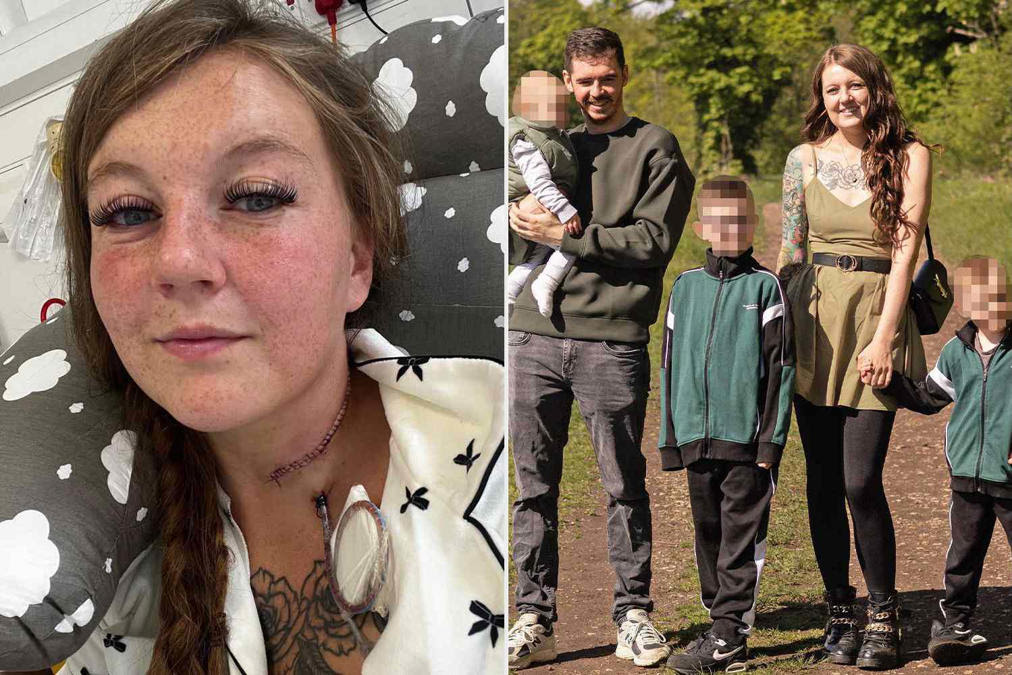









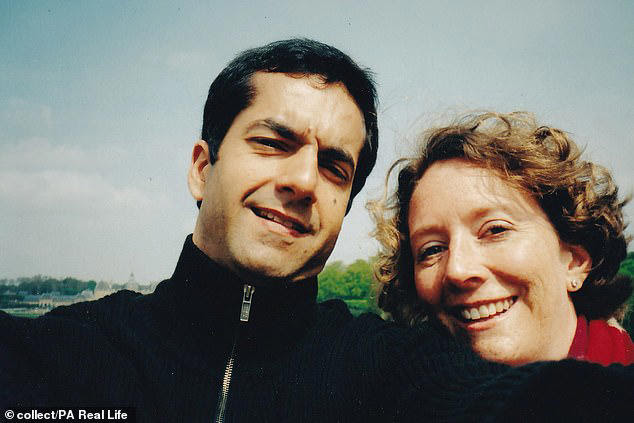


 1. Pancreatic cancer is notoriously hard to detect
 2. Cancer survivors face higher risk of a second cancer
 3. Pancreatic cancer is rising in the UK
 4. Her symptoms fit a classic but overlooked pattern
 5. Treatment is grueling, even when it “works”
 6. Her husband’s mission adds emotional and social context
 7. The story fits a broader public‑health push
 1. Pancreatic cancer is one of the hardest cancers to detect

 Who She Is
 Why She Became Famous
 Music & Style
 Career Highlights
 Want to explore more?
  What Dementia Does — and What It Can’t Take
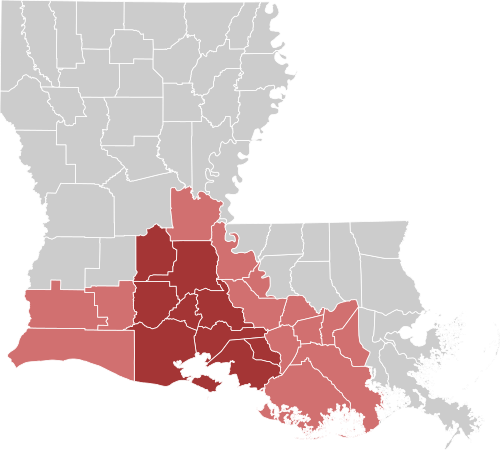





 Great Miami Riverway·
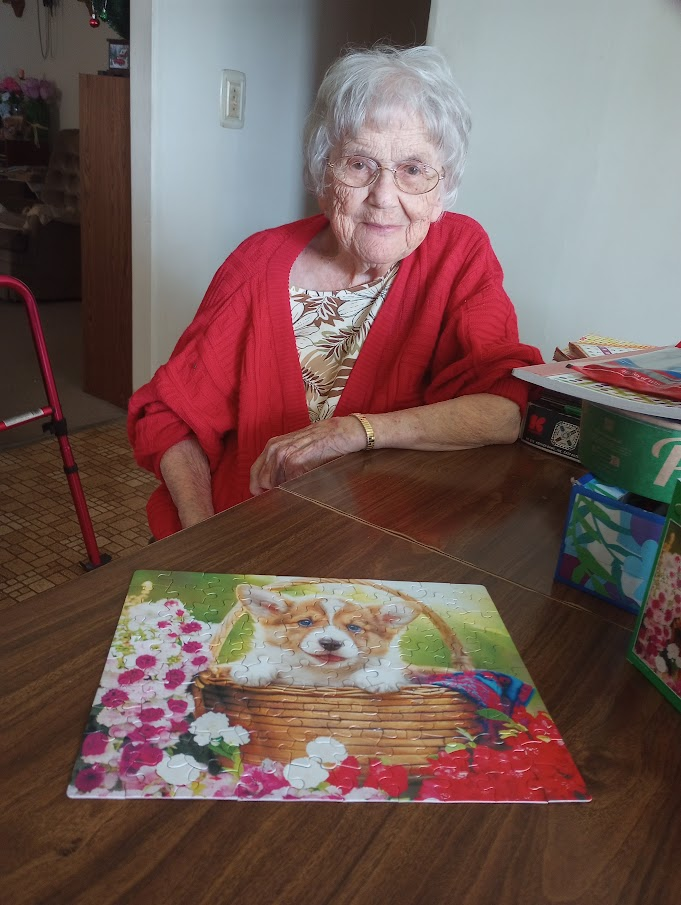
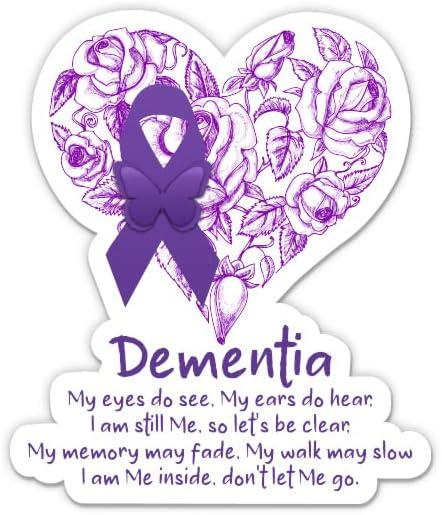


 𝗥𝗲𝗮𝗱 𝗠𝗼𝗿𝗲:
  “Dust & Grace” — An original AI-generated country gospel song written and inspired by the incredible voice and spirit of Hannah Harper from American Idol 2026. Performed and presented by the Harper Nation fan community.
 This song was born from Hannah’s story — a mama of three, a woman of deep faith, and a voice that moves souls. If her journey has touched your heart, this one’s for you.