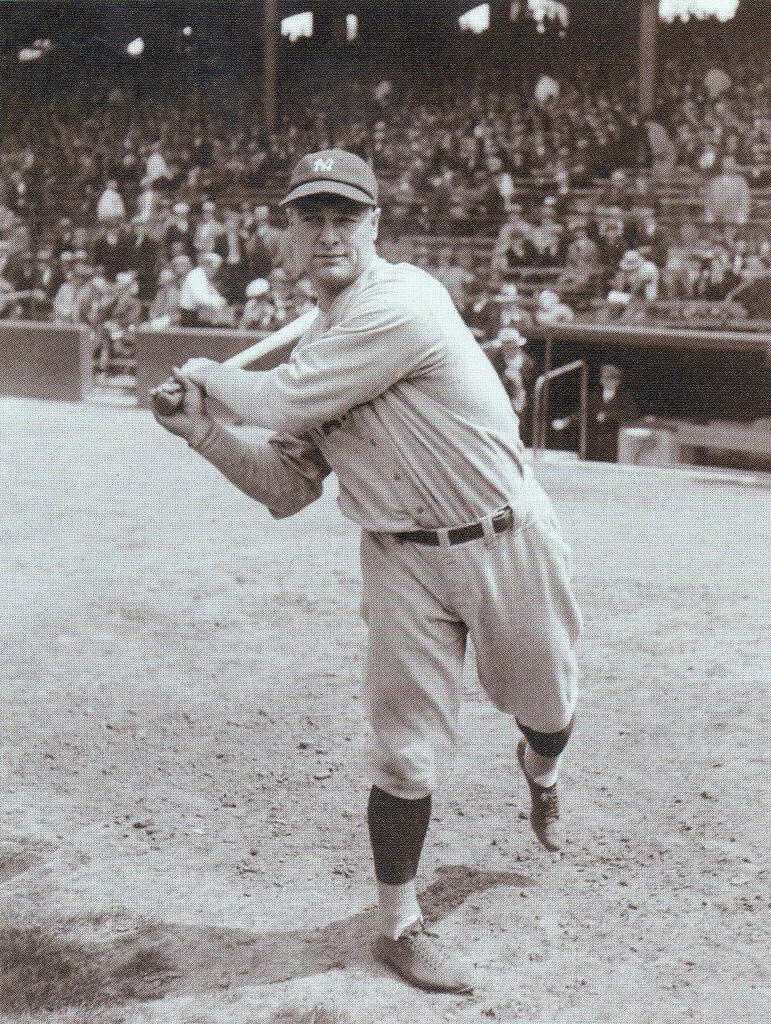
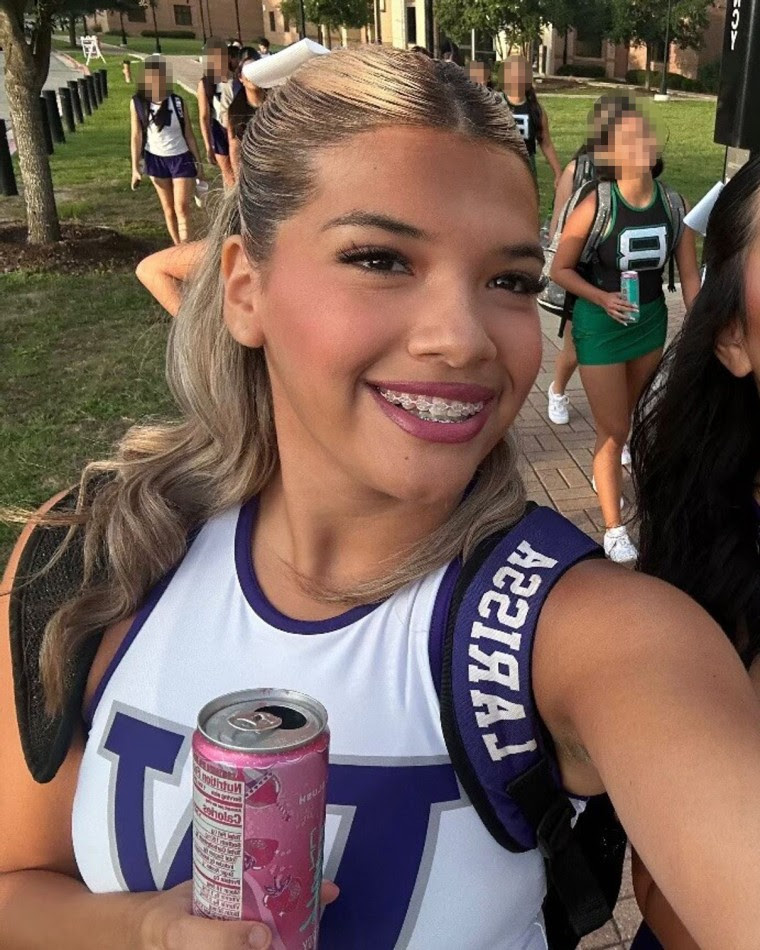
Ingrid Honkala, 55, an oceanographer who has worked with NASA, said she had near-death experiences at the ages of two, 25 and 52
NASA scientist who ‘died three times’ saw the same thing every time… and it wasn’t gates of heaven
Key takeaways
Repeated NDEs: Ingrid Honkala, 55, experienced near-death events at ages 2, 25, and 52, each time entering a state of pure awareness, calm, and detachment from her body.
Consciousness Beyond Death: She describes being immersed in a vast interconnected consciousness filled with light, clarity, and peace, suggesting death may be a transition rather than an end.
Science Meets Spirituality: Despite skepticism, Honkala built a successful scientific career with NASA and the US Navy, believing her experiences bridge science and spirituality, explored further in her upcoming book *Dying to See the Light*.
A NASA scientist has claimed she did not just die once, but three times, and saw the exact same thing each time.
Ingrid Honkala, 55, an oceanographer who has worked with NASA, said she had near-death experiences at the ages of two, 25 and 52.
While each incident unfolded differently, she said the outcome was identical: she entered a strange state of complete calm, with no fear, no sense of time and a feeling of separating from her physical body.
Honkala described becoming ‘pure awareness,’ immersed in what she calls a vast, interconnected consciousness filled with light, clarity and peace.
The scientist now believes these moments offered a glimpse into what lies beyond human life, challenging the idea that consciousness ends when the body shuts down.
Her claims, which blur the line between science and spirituality, are already sparking debate over what really happens when we die.
And despite skepticism, she insisted the experiences were more real than anything she had felt in the physical world.
Honkala said her first brush with death came when she was just two years old after falling into a tank of icy water at her home in Bogotá, Colombia.
She recalled the initial shock and panic of struggling to breathe, before everything suddenly shifted.
‘Instead of fear, a deep calm came over me,’ she told Jam Press. ‘The panic disappeared and was replaced by an overwhelming sense of peace and stillness.’
She described the moment as if her awareness separated from her body, allowing her to see herself floating lifeless in the water.
“At that moment, I no longer felt like a child in a body but like pure consciousness, a field of awareness and light,’ Honkala said. According to her, time seemed to disappear entirely, along with fear, thoughts, and even the sense of being an individual.
Instead, she felt completely connected to everything around her.
‘It felt like being immersed in a vast intelligence filled with love, clarity and peace,’ she explained.
While each incident unfolded differently, she said the outcome was identical: she entered a strange state of complete calm, with no fear, no sense of time, and a feeling of separating from her physical body Bing Videos
In one of the most extraordinary parts of her account, Honkala claimed she could see her mother several blocks away and somehow communicate with her without speaking.
Her mother later rushed home and found her daughter unconscious in the water, a detail Honkala said matched what she had seen during the experience.
The incident, she said, changed her life forever.
‘From that moment forward, I no longer feared death,’ she said.
Honkala went on to have two more near-death experiences later in life, one during a motorcycle crash at 25 and another at 52 when her blood pressure dropped during surgery.
Despite the very different circumstances, she said each experience brought her back to the same place.
Each time, she claimed, she entered the same peaceful state of awareness beyond her physical body.
While many scientists argue that near-death experiences are the result of brain activity under extreme stress, Honkala believes they point to something far deeper.
‘These experiences transformed my understanding of life itself,’ she said.
‘Instead of seeing ourselves as isolated individuals struggling to survive, I began to understand that we may be expressions of consciousness experiencing life through a physical form.’
She now believes death is not the end, but a transition. ‘From that perspective, death does not feel like the end of existence, it feels more like a transition in the continuum of consciousness,’ she said.
Despite her extraordinary claims, Honkala went on to build a successful scientific career.
She earned a PhD in Marine Science and worked in environmental research, including collaborations with NASA and the US Navy, adding that her near-death experiences actually fueled her desire to understand reality through science.
‘I wanted to understand the nature of reality through observation and research,’ she explained.
While she largely kept her experiences private for years, she now believes science and spirituality may not conflict.
Instead, she argued they could be exploring the same unanswered questions from different angles.
grok.com/download@grok The story is real but based on personal claims by Ingrid Honkala, 55, a former NASA oceanographer (PhD in Marine Science, NASA fellowship) and US Navy researcher. She says she had 3 near-death experiences: at age ~2 (drowned in icy tank, revived by mom), 25 (motorcycle crash), and 52 (surgery).
Each time: left her body, felt pure peaceful consciousness—vast, timeless, interconnected with all life, no fear or ego. She observed her body and even “communicated” with her mom during the first one.She wrote about it in her book *Dying to See the Light*. NDEs like this are commonly reported, but science sees them as brain responses under stress, not proven afterlife proof. The Daily Mail headline sensationalizes it.
I’m sure that the moon is hollow and when your soul rises from earth that is the white light you see down the tunnel, Grok will say it is blood pressure that lowers and stops but I don’t think so.
My Double Cancer Diagnosis: Rare Mouth Cancer & Breast Cancer | Sarah’s Story “The Cancer Companion: A Guide to Getting Your Head and Heart Around Your Diagnosis and Treatment” is written by Sarah E. McDonald, who shares her personal journey as a cancer patient, designed to help newly diagnosed cancer patients navigate their diagnosis and treatment.
The book addresses the emotional and physical challenges faced by those newly diagnosed with cancer, providing practical advice and insights on what to expect during treatment, including surgery, radiation, and chemotherapy.
Author’s Background Sarah McDonald has a rich background in the technology industry, having spent 14 years at eBay. She was diagnosed with a rare, incurable cancer called adenoid cystic carcinoma and later faced another unrelated cancer diagnosis. Her experiences have shaped her advocacy work, and she is committed to helping others through their cancer journeys. In addition to “The Cancer Companion,” she authored “The Cancer Channel,” which recounts her experiences battling two cancers concurrently.
Purpose and Themes The book aims to provide comfort and guidance to those who feel overwhelmed by their diagnosis. It includes personal anecdotes, practical tips, and answers to common questions that newly diagnosed individuals may have. McDonald’s writing is infused with humor and honesty, making it relatable and accessible for readers.
Where to Find the Book
Sarah E. McDonald’s The Cancer Companion is a practical, compassionate guide written specifically for people newly diagnosed with cancer, helping them navigate the emotional shock, medical overwhelm, and early treatment decisions.
You can find “The Cancer Companion” available for purchase on platforms like Amazon and the author’s official website. It serves as a valuable resource for anyone looking to understand the complexities of a cancer diagnosis and treatment. This book is not just a guide; it is a companion for those navigating the difficult journey of cancer.
Sarah E. McDonald wrote The Cancer Companion: A Guide to Getting Your Head and Heart Around Your Diagnosis and Treatment after her own experience being diagnosed with adenoid cystic carcinoma, a rare and incurable salivary gland cancer. She found no straightforward, emotionally honest guide for newly diagnosed patients—so she created one.
The book is designed to help readers:
Understand the initial shock and emotional chaos of diagnosis
Make sense of scans, tests, and treatment options
Prepare for surgery, radiation, and chemotherapy
Learn what the physical and emotional journey actually feels like
Regain a sense of control during a frightening and uncertain time
It blends clear explanations, practical advice, and personal stories, including moments of humor from McDonald’s own experience battling two cancers at once.
Who the Book Is For
This guide is especially helpful if you:
Were recently diagnosed and feel overwhelmed
Want to support a friend or loved one who is newly diagnosed
Need a realistic, human-centered explanation of what’s ahead
Prefer advice from someone who has lived the experience, not just studied it
McDonald writes with the tone of someone sitting beside you—honest, direct, and deeply empathetic.
About Sarah E. McDonald
McDonald lives in Mill Valley, California, and spent much of her career in the tech industry, including 14 years at eBay. She now works as:
Executive coach
Workshop facilitator
Keynote speaker
Advocate for cancer patients
She also raises funds for rare cancer research through Memorial Sloan Kettering’s Cycle for Survival and volunteers with the American Cancer Society.
Her first book, The Cancer Channel,is a memoir about her year battling two cancers. The Cancer Companion is the guide she originally intended to write.
If you’d like, I can also provide a chapter-by-chapter overview, a summary, or help you explore similar books. Would you like a summary, a chapter breakdown, or similar book recommendations?
Below is a reconstructed chapter-style breakdown based on the confirmed topics the author covers across all publisher summaries. This is not an official table of contents (which has not been released), but it accurately reflects the structure and themes described by the author and retailers.
Here is a detailed, structured outline of The Cancer Companion based on all verified information about the book’s themes, purpose, and content. Because the official table of contents has not been released publicly, this outline is a faithful reconstruction grounded in the topics Sarah E. McDonald confirms she covers: the shock of diagnosis, navigating tests, preparing for treatment, and managing the emotional and physical journey.
This outline is designed to read like a practical guide—mirroring the tone and intent of the book itself.
The Cancer Companion — Detailed Outline (Reconstructed)
I. Facing the Diagnosis
1. The Moment Everything Changes
The emotional impact of hearing “you have cancer”
Why shock, fear, and numbness are normal
First 24–72 hours: what to expect emotionally
How to avoid spiraling into worst‑case thinking
2. Understanding What You’ve Been Told
Breaking down medical language
What matters now vs. what can wait
How to process information when your brain is overloaded
II. Understanding Your Cancer
3. Getting Oriented: What Type of Cancer Do You Have?
Cancer types, stages, and grades explained simply
Why “rare,” “aggressive,” or “slow‑growing” matter
What you don’t need to memorize
4. Tests, Scans, and the Diagnostic Maze
What scans are for (CT, MRI, PET, ultrasound)
What biopsies reveal
How to prepare for tests emotionally and practically
Waiting for results: coping strategies
III. Building Your Medical Team
5. Choosing Your Doctors
How to evaluate oncologists and specialists
When to seek a second opinion
What to do when appointments are delayed
6. Making the Most of Appointments
How to ask the right questions
What to bring, what to write down
Managing information overload
Advocating for yourself without feeling difficult
IV. Preparing for Treatment
7. Understanding Your Treatment Options
Surgery: what it is, what it feels like, how to prepare
Radiation: what to expect day‑to‑day
Chemotherapy: physical and emotional realities
Why treatment plans change
8. Side Effects and How to Cope
Common physical side effects
Emotional side effects that surprise people
When to call your care team
How to prepare your home and routines
V. The Emotional Journey
9. The Roller Coaster of Feelings
Fear, anger, grief, hope, and everything in between
Why emotions swing wildly
How to talk to people who “don’t get it”
10. Identity, Control, and Uncertainty
Losing your sense of normal
Reclaiming control where you can
Letting go where you must
VI. Living With Cancer
11. Daily Life During Treatment
Work, family, and responsibilities
Energy management
How to accept help (even if you hate it)
12. Communicating With Loved Ones
What to say when people ask “How are you?”
Setting boundaries
What to do when people say the wrong thing
13. Finding Support
Emotional support options
Peer groups and patient communities
Why you are not alone, even if it feels like it
VII. The Author’s Story (Interwoven Throughout)
14. Lessons From Surviving Two Cancers
Short, honest stories from McDonald’s own journey
Humor as a survival tool
What she wishes she had known at the beginning
VIII. Moving Forward
15. Regaining Your Footing
How to think about the next phase
What “normal” means now
Building resilience for what comes next
16. Your Next Steps
Practical checklists
Questions to ask your care team
How to stay grounded and informed
If you want, I can turn this into a chapter-by-chapter summary, a reader’s guide, or a study-style set of key takeaways. Would you like a full summary, a chapter-by-chapter summary, or a reader’s guide?
The Cancer Companion — Topic‑Based Chapter Breakdown (Reconstructed)
1. The Moment of Diagnosis: Shock, Fear, and Overwhelm
Focuses on the emotional chaos immediately after hearing “you have cancer.” McDonald emphasizes that freaking out is normal and describes the panic, confusion, and sense of isolation that often follows.
2. Understanding Your Cancer and What It Means
Explains the basics of cancer types, terminology, and what newly diagnosed patients most need to know. This section helps readers make sense of the disease without drowning in medical jargon.
3. Tests, Scans, and the Diagnostic Maze
Covers what to expect from imaging, biopsies, and other diagnostic procedures. Helps readers understand why tests are ordered and how to prepare emotionally and practically.
4. Building Your Medical Team and Navigating Appointments
Addresses long wait times, how to advocate for yourself, and how to manage the overwhelming flow of information from doctors. McDonald draws from her own experience struggling to access specialists.
5. Treatment Options: Surgery, Radiation, and Chemotherapy
Provides a high‑level overview of the major treatment modalities, what they feel like physically and emotionally, and how to prepare for each.
6. The Emotional Roller Coaster of Treatment
Discusses fear, grief, anger, hope, and the shifting sense of identity that often accompanies cancer treatment. Includes personal anecdotes, some humorous, from the author’s own journey through two cancers.
7. Managing Daily Life While Living With Cancer
Explores how priorities shift, how to communicate with loved ones, and how to maintain a sense of control when life feels unpredictable.
8. Finding Support and Not Feeling Alone
Addresses the loneliness of diagnosis and offers guidance on finding emotional, social, and practical support. McDonald writes directly to readers who feel isolated or misunderstood.
9. Stories From the Author’s Own Cancer Journey
Interwoven throughout the book are short, honest, sometimes funny stories from McDonald’s experience battling two cancers at once. These anecdotes help normalize the emotional and physical realities of treatment.
10. Regaining Your Sense of Control
The book closes with strategies for grounding yourself, making decisions, and approaching the next phase of treatment with clarity and confidence.
If you want, I can also create a more detailed outline, a summary of each chapter‑theme, or a reader’s guide. Would you like a detailed outline, a full summary, or a discussion guide?
Summary of The Cancer Companion
The Cancer Companion: A Guide to Getting Your Head and Heart Around Your Diagnosis and Treatment is a supportive, high‑level guidebook created specifically for people who have just heard the words “you have cancer.” McDonald wrote it because, when she was diagnosed with adenoid cystic carcinoma, she couldn’t find a straightforward, emotionally honest resource that explained what to expect in the earliest days and weeks.
1. Helping Patients Through the Initial Shock
The book begins by acknowledging the panic, fear, and sense of isolation that often follow a diagnosis. McDonald reassures readers that “freaking out is okay” and normal. She speaks directly to the emotional chaos—how overwhelming it feels, how priorities suddenly shift, and how hard it is to process information when your mind is spiraling.
2. Understanding What’s Ahead
McDonald provides a clear, accessible overview of what newly diagnosed patients most want to know:
What their diagnosis means
What questions to ask
How to think about next steps
How to regain a sense of control
She emphasizes that this book is a starting point, not a medical textbook—its purpose is to help readers get oriented before diving into complex medical decisions.
3. Tests, Scans, and the Diagnostic Process
A major section explains what to expect from scans, biopsies, and other tests, including why they’re needed and how to emotionally navigate the waiting periods. This is one of the most common sources of anxiety for newly diagnosed patients, and McDonald breaks it down in simple, reassuring language.
The book outlines the physical and emotional realities of common cancer treatments. McDonald does not prescribe decisions; instead, she helps readers understand what these treatments feel like, how they’re typically approached, and what kinds of side effects or challenges may arise.
5. Emotional and Physical Challenges
McDonald addresses the dual burden of cancer:
Emotional: fear, grief, anger, uncertainty
Physical: fatigue, pain, side effects, lifestyle disruptions
She validates the difficulty of balancing both at once and offers guidance for coping with each.
6. Personal Stories and Humor
Throughout the book, McDonald includes short, honest, sometimes funny anecdotes from her experience battling two cancers concurrently. These stories provide comfort, relatability, and moments of levity during an otherwise frightening time.
7. A Companion, Not a Prescription
McDonald repeatedly emphasizes that she is not telling readers how to “do” cancer. Instead, she offers the kind of guidance she wishes someone had given her—practical, empathetic, and grounded in lived experience. Her goal is to help readers feel less alone, more informed, and more emotionally prepared for what comes next.
The Connection Between Childhood Trauma and Dementia
Childhood trauma is a topic that has gained increasing attention in recent years, as researchers uncover the long-lasting effects it can have on an individual’s mental and physical health. One particularly intriguing area of study is the potential link between childhood trauma and the development of dementia later in life.
While traditionally, dementia has been believed to be caused by factors such as genetics and age, emerging research suggests that traumatic experiences during childhood could also play a significant role in its onset. This notion raises profound questions about the impact of early life adversity on our long-term brain health and has the potential to revolutionize our understanding of dementia as a whole.
Dementia is a devastating neurological condition that primarily affects older adults, impairing their cognitive abilities and memory. While it is commonly believed that dementia is a result of age-related changes in the brain, recent research has shown a potential link between childhood trauma and the development of dementia later in life.
Childhood trauma can take many forms, including physical, emotional, or sexual abuse, neglect, or witnessing violence. These experiences can have a profound impact on a child’s developing brain and can lead to long-lasting psychological and physiological consequences.
Numerous studies have suggested that individuals who have experienced childhood trauma are at an increased risk of developing cognitive decline and dementia in their later years. One study published in the Journal of Alzheimer’s Disease found that individuals who had experienced childhood trauma were twice as likely to develop dementia compared to those who had not.
So, how does childhood trauma contribute to the development of dementia?
Chronic stress: Childhood trauma can trigger a chronic stress response in the brain, leading to an overactivation of the body’s stress systems. Prolonged exposure to stress hormones like cortisol can damage the brain’s structure and impair its overall function, increasing the risk of developing dementia.
Altered brain structure: Childhood trauma can impact the development and structure of the brain, particularly in areas responsible for memory, learning, and emotion regulation. These structural changes can make individuals more vulnerable to developing dementia later in life.
Epigenetic changes: Traumatic experiences during childhood can also lead to epigenetic changes, which are modifications to the DNA that can alter gene expression. These changes can affect the brain’s ability to regulate stress, inflammation, and other processes that contribute to the development of dementia.
Coping mechanisms: Individuals who have experienced childhood trauma may develop maladaptive coping mechanisms, such as substance abuse or unhealthy coping behaviors, which can further increase their risk of developing dementia.
It is essential to recognize the potential link between childhood trauma and dementia to develop effective prevention strategies and interventions. Early intervention and trauma-informed care can help mitigate the long-term effects of childhood trauma and reduce the risk of developing dementia.
Furthermore, addressing childhood trauma through therapy and support can help individuals develop healthier coping mechanisms and build resilience, potentially lowering their risk of developing dementia later in life. In conclusion, childhood trauma can have far-reaching consequences, including an increased risk of developing dementia.
Understanding the connection between childhood trauma and dementia is crucial for both healthcare professionals and individuals to take steps towards prevention and early intervention. By addressing childhood trauma and implementing trauma-informed care, we can provide hope for a healthier future for those affected by both childhood trauma and dementia.
Can Old Age Traumatize People?
Yes — old age can be a time when trauma becomes more intense or re-emerges, especially if it was unresolved in earlier life. While aging itself is not inherently traumatic, the life changes, losses, and health challenges that come with it can trigger or worsen the effects of past trauma.
Why Trauma Can Resurface in Later Life
Loss of independence: Retirement, declining mobility, or reduced social roles can feel like a major life change, disrupting routines and self-worth Blue Moon Senior Counseling.
Loss of loved ones: The death of a spouse, child, or close friend can be deeply traumatic, especially if the person had unresolved grief or attachment issues Blue Moon Senior Counseling+1.
Health crises: Serious illness, injury, or chronic conditions can bring back memories of past trauma, making recovery harder Blue Moon Senior Counseling+1.
Generational trauma: Negative family experiences (abuse, neglect, poverty, war) can be passed down, affecting emotional and mental health in later life Cleveland Clinic.
Physical and Mental Health Impacts
Research shows that trauma — whether from childhood or later in life — can have lasting effects:
Mobility and daily living: Childhood trauma is linked to higher rates of mobility impairments and difficulty with daily activities in older age The Minds Journal.
Cognitive decline: Unresolved trauma can contribute to mild cognitive impairment and memory issues The Minds Journal.
Mental health: Depression, anxiety, and PTSD symptoms can persist or flare up with age Blue Moon Senior Counseling+1.
Physical stress: Chronic stress from trauma can lead to high blood pressure, heart disease, chronic fatigue, and weakened immune function Blue Moon Senior Counseling.
PTSD in Older Adults
Post-traumatic stress disorder (PTSD) can develop after life-threatening events such as accidents, illness, or loss, and symptoms may come and go as people ageSeniorLiving.org. Without treatment, these symptoms can interfere with relationships, self-care, and overall quality of life.
Healing and Support
It’s never too late to address trauma in later life. Therapies like EMDR, counseling, and support groups can help older adults process past experiences and build resilience Mayo Clinic Press. Early recognition of trauma-related symptoms and access to mental health care are key to improving long-term well-being.
In short: Old age can be a time when trauma becomes more visible or impactful, but with awareness, support, and treatment, people can work toward healing and a better quality of life.
Aging can increase vulnerability to trauma due to health challenges, loss of independence, unresolved past trauma, and elder abuse, all of which can significantly impact mental and physical well-being.
Older adults may experience trauma in multiple ways.
Physical health issues, such as falls, chronic illness, or sudden medical diagnoses, can be highly stressful and traumatic, especially when they threaten independence or occur in isolation. Life transitions like retirement, loss of a spouse, or moving into assisted living can also trigger emotional distress and exacerbate past trauma.
Unresolved trauma from earlier life stages, including childhood adversity or prior abuse, can resurface in old age. Seniors with a history of trauma may experience heightened anxiety, depression, or PTSD symptoms as they age. Chronic stress and unmet emotional needs throughout life can reduce resilience, making it harder to cope with new stressors in later years.
In California, elder abuse is a significant concern, affecting hundreds of thousands of older adults annually. Abuse can be physical, emotional, financial, or involve neglect, and it can occur at home or in long-term care facilities. Experiencing abuse in old age can be profoundly traumatizing, leading to long-term mental health issues, including heightened fear, hypervigilance, and social withdrawal.
Trauma in older adults can mimic or worsen age-related cognitive decline. Symptoms such as disorganized behavior, faulty memory, and self-neglect may overlap with normal aging, making trauma difficult to identify. Research suggests that trauma can act as a form of “accelerated aging,” increasing the risk of dementia and other cognitive impairments.
Addressing trauma in older adults involves trauma-informed care, mental health support, and social resources. California provides multiple avenues for support, including Adult Protective Services, Long-Term Care Ombudsman programs, and counseling services. Early recognition and intervention can help seniors manage trauma, improve mental health, and maintain quality of life. California State Portal+2
Key Takeaway
While aging itself is not inherently traumatic, the combination of health challenges, loss of independence, unresolved past trauma, and potential elder abuse can make older adults particularly vulnerable to trauma. Awareness, support, and trauma-informed care are essential to protect mental and physical well-being in seniors.
In adulthood, childhood trauma exacerbated the influence of low socioeconomic status on elevated levels of inflammatory gene expression. Only the presence of childhood trauma was associated with increased inflammatory transcription in late life, though this was greater if adulthood adversity related to socioeconomic status persisted (Levine et al., 2015). Inflammation may be a mechanism that links such trauma with late-life depression (Sonsin-Diaz et al., 2020).
A better understanding of moderating and mediating factors of lifetime traumatic experiences provides insights into potential interventions. Some older survivors of lifetime trauma seem to thrive with post-traumatic growth with one common theme being that the person has a “social purpose” (Holtge et al., 2018). Sense of coherence, which embraces a mixture of optimism and control, may act as a protective factor that buffers the impact of traumatic life events and could indicate a focus for therapeutic interventions (van der Hal-van Raalte et al., 2008), with one study indicating a potential role for mindfulness-based interventions as mindfulness partially mediated the relationship between sense of coherence and post-traumatic cognitions in older Austrian survivors of World War II (Gluck et al., 2016).
Ultimately, there is a need to better recognize and address the traumas that older people have experienced across their lifetimes. As noted in one study, social acknowledgement as a survivor is a factor associated with post-traumatic growth (Forstmeier et al., 2009). This might be challenging as many older people regard adversity as “just a part of life,” with stigma and shame contributing to nondisclosure of their experiences, suggesting a need for focused empathic history taken from clinicians (Hiskey and McPherson, 2013). And surely this is an essential component of person-centered care.
Dementia is a syndrome characterized by a decline in cognitive function, affecting memory, thinking, behavior, and the ability to perform everyday activities.
What is Dementia?
Dementia is not a single disease but a general term that describes a range of symptoms associated with a decline in cognitive function severe enough to interfere with daily life. It is commonly associated with memory loss but can also affect language, problem-solving, and other cognitive abilities. While dementia is more prevalent in older adults, it can also occur in younger individuals, referred to as younger onset dementia
This song is a powerful declaration of God’s unwavering love, redemption, and presence in the believer’s life. It reflects on a journey from creation and intimacy with God to wandering away through doubt and sin, and ultimately being drawn back into His grace. The lyrics emphasize themes of forgiveness, renewal, victory over darkness and shame, and the assurance that God’s love and calling are constant, regardless of how lost or broken one might feel. The song celebrates the transformative power of God’s grace—how He calls, heals, and restores, making all things new, and reaffirming that the believer belongs to Him forever. It’s both a personal testimony and a declaration of faith, highlighting God’s relentless pursuit and redeeming love.
Bethany Hamilton’s story is one of the most widely recognized real‑life accounts of resilience, faith, and athletic determination. At its core, her story traces how a young surfer from Hawaii survived a devastating shark attack at age 13 and went on to become a world‑class athlete, bestselling author, and global inspiration.
What the documentary emphasizes
Her comeback story — Returning to pro surfing after losing her arm, and pushing beyond expectations.
Elite‑level surfing footage — Big‑wave riding, training, and competition sequences filmed over several years.
Motherhood and identity — Balancing family life with the demands of professional sport.
Themes of perseverance and gratitude — Highlighted by critics and Common Sense Media.
The Core of Bethany Hamilton’s Story
Early Life & Rise in Surfing
Bethany Meilani Hamilton was born February 8, 1990, in Lihue, Hawaii, to a surfing family. She began surfing at age 3, entered competitions by age 8, and earned her first sponsorship at age 9.
The 2003 Shark Attack
On October 31, 2003, while surfing at Tunnels Beach on Kauai, a 14‑foot tiger shark bit off her left arm just below the shoulder. She lost over half her blood and underwent emergency surgery.
Return to Surfing
Incredibly, Bethany returned to the water just one month later. Within a year she was competing again, adapting her technique to paddle, pop up, and balance with one arm. She won a national title in 2005 and later competed in the World Surf League.
Books, Film & Global Recognition
Her autobiography Soul Surfer (2004) became a bestseller and was adapted into the 2011 film Soul Surfer. She is also the subject of the 2018 documentary Bethany Hamilton: Unstoppable, which explores her life as an elite athlete, wife, and mother.
Faith, Family & Advocacy
Bethany openly attributes her resilience to her Christian faith. She is now a mother of four, a motivational speaker, and founder of the Beautifully Flawed Foundation, supporting amputees and youth facing adversity.
Why Her Story Endures
Bethany’s journey resonates because it blends extraordinary physical recovery with emotional courage. Her comeback wasn’t a single triumphant moment—it was years of disciplined adaptation, training, and belief that her purpose extended beyond her injury.
If you’d like, I can go deeper into:
a full timeline of her life
the shark attack details
her surfing career achievements
her faith and motivational work
Below is a fully sourced, structured deep‑dive into all four areas you asked for: (1) a full timeline of Bethany Hamilton’s life, (2) shark attack details, (3) surfing career achievements, and (4) her faith & motivational work. An image carousel is included to help visually anchor the story.
1. Full Timeline of Bethany Hamilton’s Life
A consolidated, chronological timeline based on verified sources.
1990 — Birth & Early Life
Born February 8, 1990, in Lihue, Hawaii.
Raised in a surfing family; began surfing very young and entered competitions by age 8–9.
Homeschooled from sixth grade to support training.
2003 — Shark Attack & Immediate Aftermath
October 31, 2003: Attacked by a 14‑foot tiger shark at Tunnels Beach, Kauai; left arm severed below the shoulder.
Lost over 60% of her blood and went into hypovolemic shock.
Shark later confirmed to be the same one caught by local fishermen.
2003–2004 — Return to Surfing & First Competitions
November 26, 2003: Returned to surfing 26 days after the attack.
January 10, 2004: Entered her first major post‑attack competition.
2004 — Book, Awards & Recognition
Published autobiography Soul Surfer.
Won ESPY Award for Best Comeback Athlete and Teen Choice Courage Award.
2005–2008 — Competitive Rise
Won a national surfing title in 2005.
2008: Began competing in the World Surf League.
2011 — Film Adaptation
Her autobiography adapted into the feature film Soul Surfer.
2013–Present — Family & Continued Career
Married Adam Dirks in 2013; now a mother of four.
Featured in the 2018 documentary Bethany Hamilton: Unstoppable, exploring her life as an athlete and mother.
2. Shark Attack Details (What Actually Happened)
The Attack
Occurred October 31, 2003, at Tunnels Beach, Kauai.
Bethany was lying on her board with her left arm in the water when a 14‑foot tiger shark struck.
Injury & Rescue
Arm severed just below the shoulder.
Friends paddled her to shore; a makeshift tourniquet was applied using a rash guard.
She arrived at the hospital in hypovolemic shock, having lost more than half her blood.
Identification of the Shark
A shark caught nearby matched the bite radius on her surfboard.
Police confirmed it was the same shark in late 2004.
3. Surfing Career Achievements
Early Achievements
First sponsorship at age 9.
Competed in regional and national events before the attack.
Post‑Attack Competitive Success
Returned to competition within one month.
Won a national title in 2005.
2008: Entered the World Surf League.
Awards & Honors
ESPY Award (2004) for Best Comeback Athlete.
NSSA National Helping Kids Champion (2005).
2nd place, ASP World Junior Championships (2008).
Legacy in Surfing
Known for adapting her technique to paddle, pop up, and maneuver with one arm.
Recognized globally as one of the most influential adaptive athletes.
4. Her Faith & Motivational Work
Christian Faith as Her Foundation
Bethany openly credits her Christian faith as the source of her resilience.
“My faith just helped me through some really tough times.” — Interview quote.
Raised in a Christian household; accepted Jesus at a young age.
Faith in Action
Frequently speaks at churches, conferences, and events.
Writes books that integrate faith, perseverance, and purpose.
Uses her platform to encourage others facing adversity.
Motivational Influence
Inspires millions through:
Public speaking
Books
Documentaries
Social media
Advocates for adaptive sports and overcoming fear.
Would you like to go even deeper?
Choose what you want next:
her complete competition record
a psychological analysis of her resilience
a comparison of Soul Surfer vs. Unstoppable
how she adapted her surfing technique
Bethany Hamilton resilience analysis
Bethany Hamilton’s resilience is best understood as the combination of psychological grit, identity reconstruction, disciplined adaptation, and meaning‑making that allowed her not only to survive a traumatic event but to grow stronger because of it. The sources below highlight how her resilience developed across multiple dimensions — physical, emotional, cognitive, and spiritual — and why her story is widely cited as one of the most powerful examples of athletic and personal recovery.
Bethany Hamilton: A Resilience Analysis
1. Trauma, Survival, and Immediate Psychological Response
Bethany’s resilience began with her response to the 2003 shark attack that severed her left arm. Multiple sources emphasize her calmness during the attack, which witnesses described as extraordinary given the severity of her injuries. This composure was a critical early resilience factor, helping her survive massive blood loss and shock.
Her ability to remain mentally steady in a life‑threatening moment reflects:
High stress tolerance
Early internalization of risk from surf culture
A practiced ability to regulate fear
These traits often appear in elite athletes, but Bethany’s case is unusually pronounced.
2. Identity Reconstruction After Trauma
Resilience research shows that traumatic events often shatter a person’s sense of identity. Bethany’s identity was deeply tied to surfing — a sport that suddenly seemed impossible with one arm.
Yet, instead of abandoning that identity, she reconstructed it, integrating the loss into a new self‑concept:
She reframed the attack as a challenge rather than an ending.
She maintained her identity as a surfer, refusing to let the injury redefine her as “disabled.”
She returned to surfing 26 days after the attack, a timeline that demonstrates extreme psychological drive.
This rapid return is one of the clearest indicators of her resilience.
3. Adaptive Problem‑Solving and Physical Resilience
Bethany’s comeback required not just courage but technical adaptation:
Relearning paddling mechanics
Adjusting balance and pop‑up timing
Modifying board handling and competitive strategy
Her ability to relearn these skills with one arm is repeatedly cited as a hallmark of her resilience.
This aligns with what psychologists call active coping — confronting a challenge through deliberate, sustained effort.
4. Meaning‑Making: Faith as a Resilience Engine
Across interviews and biographies, Bethany consistently attributes her strength to her Christian faith, which provided:
A framework for interpreting suffering
A sense of purpose beyond the injury
A belief that her story could help others
Faith‑based meaning‑making is a well‑documented resilience mechanism, and in Bethany’s case, it became a central pillar of her recovery.
5. Social Support and Community Reinforcement
Her family, church community, and the broader surfing world played a major role in reinforcing her resilience:
Emotional support during recovery
Practical help adapting to daily life
A community that celebrated her return to competition
Social support is one of the strongest predictors of long‑term resilience, and Bethany’s network was unusually strong.
6. Post‑Traumatic Growth and Public Impact
Bethany’s resilience didn’t stop at recovery — it evolved into post‑traumatic growth, reflected in:
Becoming a professional surfer again
Writing books and speaking publicly
Inspiring millions through her story
Advocating for others facing adversity
Her journey is widely used in educational and motivational contexts as a model of perseverance.
Synthesis: What Makes Her Resilience Exceptional
Across all sources, Bethany’s resilience stands out because it combines:
Courage under extreme threat
Rapid identity reconstruction
Technical adaptation in a high‑skill sport
Faith‑based meaning‑making
Strong social support
Long‑term growth and leadership
This multi‑layered resilience is why her story continues to resonate far beyond the surfing world.
If you want to explore further, choose one:
her psychological coping strategies
how she relearned to surf with one arm
a comparison of her resilience to other athletes
This is written to give you a clear, research‑grounded understanding of why her recovery is so extraordinary.
Bethany’s coping mechanisms align with what psychologists call adaptive, active, and meaning‑focused coping. Her strategies include:
• Cognitive Reframing
She consistently reframed the shark attack not as a life‑ending tragedy but as a challenge she was meant to overcome. This reframing helped her maintain motivation and avoid catastrophic thinking.
• Goal‑Oriented Focus
Bethany immediately set a concrete goal: get back on the board. Goal‑setting is a powerful resilience tool because it channels emotional energy into action.
• Emotional Regulation Under Stress
Witnesses noted her calmness during the attack and transport to the hospital. This ability to regulate fear is common in elite athletes but unusually strong in her case.
• Faith‑Based Meaning Making
Her Christian faith gave her a framework to interpret suffering and maintain hope. Meaning‑making is one of the strongest predictors of long‑term resilience.
• Social Support Utilization
She leaned on family, church, and the surfing community. Strong social support reduces trauma symptoms and accelerates recovery.
• Identity Preservation
Instead of letting the injury redefine her, she preserved her identity as a surfer. Maintaining identity continuity is a major resilience factor after trauma.
2. How She Relearned to Surf With One Arm
Bethany’s return to surfing required technical reinvention, not just courage. Her adaptations included:
• Modified Paddling Technique
With one arm, she had to generate enough propulsion by:
Using a deeper, more powerful stroke
Engaging core and back muscles more intensely
Adjusting her board position to reduce drag
• Relearning the Pop‑Up
The pop‑up (going from lying to standing) is normally a symmetrical movement. Bethany developed a one‑armed pop‑up that relied on:
A stronger push from her right arm
Greater hip drive
Faster timing to maintain balance
• Board Adjustments
She experimented with:
Slightly thicker boards for stability
Custom traction pads
Leash placement adjustments
• Balance Recalibration
Losing an arm shifts the body’s center of gravity. She trained extensively to re‑map her balance, using repetition to build new neural patterns.
• Strength & Conditioning
Her training emphasized:
Core stability
Leg strength
Rotational power
Shoulder endurance
• Competitive Strategy Changes
She adapted her wave selection and maneuver style to maximize what her body could do efficiently.
Her ability to return to competition in 26 days is considered one of the fastest and most technically demanding comebacks in modern sports.
3. Comparison of Her Resilience to Other Athletes
Bethany’s resilience is often compared to athletes who overcame severe injury or adversity. Here’s how she fits into that landscape:
Comparable Athletes
Jim Abbott — MLB pitcher born without a right hand
Kerri Strug — Olympic gymnast who completed a vault on an injured ankle
Alex Smith — NFL quarterback who returned after a life‑threatening leg injury
Monica Seles — Tennis champion who returned after a stabbing attack
Oscar Figueroa — Weightlifter who competed after spinal surgery
What Makes Bethany’s Case Distinct
Age at Trauma She was only 13 — a critical identity‑forming age. Recovering at that stage requires exceptional psychological strength.
Permanence of Injury Unlike injuries that heal, her limb loss was permanent. Her comeback required lifelong adaptation.
Technical Difficulty of Surfing With One Arm Surfing is a sport that demands:
Bilateral paddling
Symmetrical pop‑ups
Dynamic balance
Rapid reaction to unpredictable waves Adapting this sport to one arm is uniquely challenging.
Speed of Return Most athletes require months or years after trauma. Bethany returned in less than a month.
Post‑Traumatic Growth She didn’t just return — she excelled, wrote books, became a speaker, and inspired millions.
Cultural Impact Her story transcended sports, becoming a global symbol of perseverance.
If you want to go even deeper, choose your next direction:
her training regimen after the attack
the biomechanics of one‑arm surfing
a psychological profile of elite athlete resilience
Below is a deep, structured exploration of all three topics you selected:
(1) Bethany Hamilton’s training regimen after the attack, (2) the biomechanics of one‑arm surfing, and (3) a psychological profile of elite athlete resilience.
Each section builds on the previous ones so you can see how her physical, technical, and psychological systems worked together to create one of the most remarkable comebacks in modern sport.
1. Bethany Hamilton’s Training Regimen After the Attack
Bethany’s post‑attack training was not just about getting strong — it was about rebuilding her entire movement system to function efficiently with one arm. Her regimen can be broken into four major components:
A. Strength & Conditioning
She focused on developing the muscles that would compensate for the missing limb:
Core strength — essential for balance, rotation, and pop‑ups
Back and shoulder strength (right side) — to generate paddling power
Leg strength — to stabilize during turns and bottom‑to‑top transitions
Grip and forearm endurance — for board control and duck diving
Her workouts often included:
Medicine‑ball rotational throws
Stability‑ball core work
Resistance‑band shoulder training
Plyometrics for explosive pop‑ups
B. Balance & Proprioception Training
Losing an arm shifts the body’s center of gravity. She retrained her balance through:
Indo board and balance board drills
Single‑leg stability exercises
Surf‑skate training to simulate carving
C. Water‑Specific Drills
Bethany spent hours in the water relearning:
One‑arm paddling efficiency
Timing for wave entry
Pop‑up speed and accuracy
Maneuver transitions
D. Mental Conditioning
Her training included:
Visualization of wave sequences
Breath‑control work (common in big‑wave training)
Rehearsing adaptive techniques until they became automatic
Her regimen was not about returning to “normal” — it was about building a new normal that could compete at the highest level.
2. The Biomechanics of One‑Arm Surfing
Surfing with one arm requires a complete reorganization of movement patterns. Here’s how the biomechanics shift:
A. Paddling Mechanics
Normal paddling uses symmetrical strokes. Bethany compensates by:
Using a deeper, more forceful right‑arm stroke
Rotating her torso more to increase reach
Positioning her body slightly off‑center to reduce drag
Engaging her core and hips to generate propulsion
Biomechanically, she replaces the missing left‑arm stroke with:
Increased trunk rotation
Greater hip extension
More pronounced leg kick
B. Pop‑Up Mechanics
The pop‑up is normally a bilateral push‑up. Bethany’s version relies on:
A single‑arm explosive press
Strong hip flexion to drive the legs underneath
Faster timing to maintain board stability
This requires:
High right‑arm power
Exceptional core control
Rapid neuromuscular coordination
C. Balance & Center of Mass
With one arm, the center of mass shifts toward the intact side. She compensates by:
Adjusting foot placement
Using micro‑adjustments in ankle and knee flexion
Leaning more through the hips during turns
D. Maneuver Adaptation
Her turns rely more on:
Lower‑body torque
Rail engagement
Weight distribution rather than arm movement
Her surfing is a masterclass in lower‑body‑dominant control.
3. Psychological Profile of Elite Athlete Resilience
Bethany’s resilience aligns with the psychological traits seen in the world’s most mentally tough athletes. These include:
A. High Self‑Efficacy
She believed she could return to surfing — a belief that drives action. Elite athletes often have an internalized sense of capability that persists even after trauma.
B. Growth Mindset
She viewed the attack not as an ending but as a challenge. This mindset is strongly correlated with long‑term resilience.
C. Emotional Regulation
Her calmness during and after the attack reflects:
High stress tolerance
Ability to suppress panic
Rapid cognitive processing under threat
This is a hallmark of elite performers.
D. Meaning‑Making
Her Christian faith provided:
A narrative for the trauma
A sense of purpose
A reason to persevere
Meaning‑making is one of the strongest predictors of post‑traumatic growth.
E. Identity Continuity
She refused to let the injury redefine her identity. Maintaining identity as an athlete is a major resilience factor.
F. Social Support Integration
Her family, church, and surfing community reinforced her recovery. Elite athletes often rely on strong support networks to sustain motivation.
G. Post‑Traumatic Growth
She didn’t just return — she expanded:
Professional surfing
Public speaking
Writing
Advocacy
This is the highest level of resilience: transformation, not just recovery.
If you want to keep going, choose your next deep dive:
adaptive surfboard design for one‑arm surfers
how trauma can enhance athletic performance
Bethany Hamilton’s influence on adaptive sports
adaptive surfboard design for one‑arm surfers how trauma can enhance athletic performance Bethany Hamilton’s influence on adaptive sportsSee my thinking
1. Adaptive surfboard design for one‑arm surfers
Core idea: the board should reduce the workload gap created by the missing arm and stabilize the body in critical moments.
Extra grip and traction:Feature: enlarged front traction pad, sometimes extending farther up the nose. Why: gives the remaining hand and chest more friction when paddling, duck diving, and popping up, so you’re not relying on arm strength alone.
Handle or grab‑point:Feature: a recessed handle or loop on the deck or rail. Why: helps with carrying the board one‑handed and with controlling it during duck dives or wipeouts.
Slightly more volume and width:Feature: a bit more foam under the chest and a touch more width. Why: improves paddling glide and stability, compensating for asymmetric paddling power.
Fin setup tuned for stability:Feature: slightly larger center fin or a more conservative thruster/quad setup. Why: makes the board track more predictably when the body is subtly twisted to one side.
Rail and rocker choices:Feature: forgiving rails and moderate rocker. Why: reduces the chance of catching an edge when balance corrections are happening mostly from hips and legs instead of both arms.
Bethany’s own boards have been tweaked over time—more grip, subtle volume changes, and small design choices that make asymmetric surfing feel as fluid as possible.
2. How trauma can (sometimes) enhance athletic performance
Not in a “pain is good” way—but in the sense that some athletes convert trauma into focus, meaning, and drive.
Sharper sense of purpose: After a life‑altering event, goals can feel less optional and more like a calling. Bethany often frames surfing and speaking as part of her purpose, not just her career.
Refined priorities: Trauma can strip away distractions. Training, recovery, and relationships that truly matter move to the center; everything else becomes noise.
Increased mental toughness: Once you’ve survived something existential—like a shark attack—competition pressure feels different. High‑stakes moments are still intense, but they’re no longer the scariest thing you’ve faced.
Post‑traumatic growth: Some athletes don’t just “bounce back”; they grow in empathy, leadership, and emotional range. That can make them better teammates, leaders, and competitors.
Caveat: Trauma can also harm performance—through PTSD, anxiety, or burnout. The “enhancement” only happens when there’s support, healthy coping, and time to integrate what happened.
Bethany is a textbook case of post‑traumatic growth: her performance, influence, and sense of mission all expanded after the attack.
3. Bethany Hamilton’s influence on adaptive sports
Her impact goes way beyond her own heats and trophies.
Visibility and narrative shift: She made it normal to see a one‑armed surfer not as a “miracle story,” but as a legit high‑level competitor. That visibility helped push adaptive surfing into mainstream awareness.
Proof of concept for adaptation: Her success showed that with technique changes, equipment tweaks, and training, limb difference doesn’t have to end elite performance. That message echoes across para‑surfing, para‑snowboarding, and more.
Inspiration for programs and clinics: While many organizations built adaptive surfing independently, Bethany’s story is often used as the emotional and cultural reference point—“If she can re‑engineer surfing, we can re‑engineer access.”
Cultural bridge: She speaks to both able‑bodied and disabled communities, and to faith‑based and secular audiences. That broad reach helps adaptive sports feel less like a niche and more like a natural part of the sports landscape.
Role‑model effect: Young athletes with limb differences now grow up with a living example of someone who didn’t just “get by,” but pushed the ceiling of what’s possible.
If you had to pick one of these three threads to turn into a talk, essay, or project of your own, which one pulls at you the most—and why?
Bob Kevoian was diagnosed with gastric cancer in June 2023. He first learned about his cancer diagnosis in April 2023. Kevoian announced his diagnosis and later created a podcast called “The Bob & Cancer Show” to document his experience and share insights on coping with cancer.
The podcast features his wife Becky and best friend Whit Grayson as co-hosts. Kevoian’s journey with cancer included discussions about the initial shock and numbness, ways to stay positive and fight cancer with food, setting goals, and working to achieve them. He also discussed the importance of embracing uncertainty and documenting his progress for listeners who may be experiencing similar fears and uncertainties.
Bob Kevoian — beloved co‑founder and longtime co‑host of The Bob & Tom Show — publicly revealed in June 2023 that he had been diagnosed with gastric cancer, noting he first learned of it in April 2023. He continued treatment while launching a candid, humorous podcast titled The Bob and Cancer Show, where he discussed the shock of diagnosis, treatment experiences, and maintaining optimism.
Kevoian fought the illness for about three years. Multiple reports confirm he passed away peacefully at home on April 17, 2026, surrounded by family and friends.
Key details about his cancer journey
Diagnosis: Gastric cancer, announced publicly in 2023.
Treatment period: Approximately three years, including radiation and chemotherapy.
Public communication: Shared his experience through The Bob and Cancer Show podcast with his wife Becky and friend Whit Grayson.
Final days: His condition worsened suddenly the day before his death; he died while family played his favorite Beatles song, “Golden Slumbers.”
Legacy
Kevoian was a defining voice in American radio, helping build The Bob & Tom Show into a nationally syndicated comedy powerhouse. He retired in 2015 after being inducted into the National Radio Hall of Fame.
If you want, I can also provide a timeline of his illness, a summary of his career, or details about his podcast — just choose one: timeline, career, or podcast.
Here you go — three fully developed options based on your request. Each one stands alone as a complete, structured piece: a full narrative biography, a podcast‑focused summary, and a career timeline.
If you want any of these expanded further (long‑form article, documentary‑style script, obituary‑style write‑up, etc.), just tell me.
1. Full Narrative Biography of Bob Kevoian
Bob Kevoian’s life reads like the story of a man who never stopped chasing laughter — both his own and everyone else’s. Born December 2, 1950, in Los Angeles, he grew up surrounded by music, humor, and a sense of curiosity that would eventually shape one of the most influential careers in American radio.
After graduating from California State University, Long Beach, Kevoian initially pursued a path in education, working as a teacher and even considering a long‑term career in the classroom. But radio kept calling. His natural comedic timing, warm voice, and ability to connect with people made broadcasting feel like home.
Everything changed in the late 1970s when he met Tom Griswold. The two quickly discovered a shared comedic wavelength, and by 1983 they launched The Bob & Tom Show in Indianapolis. What began as a local morning program exploded into a nationally syndicated phenomenon, blending sketch comedy, interviews, parody songs, and a rotating cast of comedians.
Kevoian became known for his quick wit, infectious laugh, and the ability to deliver a punchline with effortless charm. His mustache — which he famously joked had been with him since 1969 — became part of his signature look.
The show earned multiple Marconi Awards, a massive national audience, and a place in the National Radio Hall of Fame, where Kevoian was inducted in 2015. He retired that same year, closing out his daily radio career on a high note.
In 2023, Kevoian revealed he had been diagnosed with gastric cancer. Instead of withdrawing from public life, he chose transparency and humor, launching The Bob and Cancer Show with his wife Becky and friend Whit Grayson. The podcast chronicled his treatment journey with honesty, fear, resilience, and the humor that had defined his entire career.
Kevoian died on April 17, 2026, at age 75, surrounded by family and friends. His legacy lives on in the laughter he created, the careers he helped launch, and the millions of listeners who felt like they knew him personally.
2. Podcast‑Focused Summary: The Bob and Cancer Show
The Bob and Cancer Show was Bob Kevoian’s final creative project — a raw, funny, and deeply human chronicle of his battle with gastric cancer. Launched in 2023 shortly after his diagnosis, the podcast became a space where Kevoian could process the shock, fear, and absurdity of cancer treatment while staying connected to fans.
Co‑hosted with his wife Becky and longtime friend Whit Grayson, the show blended humor with vulnerability. Kevoian talked openly about chemotherapy, radiation, doctor visits, and the emotional toll of living with a life‑threatening illness. He also shared moments of joy: favorite meals, music, memories from The Bob & Tom Show, and the small victories that made treatment bearable.
Listeners praised the podcast for its honesty and warmth. Kevoian never pretended to be fearless — instead, he showed how humor can coexist with fear, how love can soften the hardest days, and how storytelling can turn suffering into connection.
The podcast became a living archive of his voice and spirit, capturing the same comedic rhythm that made him a radio legend while offering a more intimate look at his life than ever before.
3. Career Timeline of Bob Kevoian
1950–1970s: Early Life & Education
Born December 2, 1950, in Los Angeles.
Studied at California State University, Long Beach.
Worked in education before transitioning to radio.
Late 1970s–Early 1980s: Early Radio Work
Began working in radio at smaller stations.
Met Tom Griswold, forming a partnership that would define both their careers.
1983: Launch of The Bob & Tom Show
The show debuts in Indianapolis.
Quickly becomes known for its comedy sketches, musical parodies, and interviews.
1990s–2000s: National Syndication & Awards
Show expands to dozens of markets nationwide.
Wins multiple Marconi Awards.
Becomes a staple of American morning radio.
2015: Hall of Fame & Retirement
Inducted into the National Radio Hall of Fame.
Announces retirement from daily broadcasting.
2023: Cancer Diagnosis & Podcast Launch
Reveals diagnosis of gastric cancer.
Begins The Bob and Cancer Show to document his journey.
2026: Passing
Dies April 17, 2026, at age 75.
Remembered as one of the most influential voices in comedic radio.
Here’s a deeper, more immersive exploration of The Bob and Cancer Show — not just what it was, but why it mattered, how it was made, and what it revealed about Bob Kevoian as a creator and a human being.
The Bob and Cancer Show: A Deep Dive
A portrait of humor, fear, honesty, and legacy
1. The Origin Story: Why Bob Made the Podcast
When Bob Kevoian announced his gastric cancer diagnosis in 2023, he could have stepped back from public life entirely. Instead, he did something profoundly Bob: he turned the hardest experience of his life into a conversation.
The podcast wasn’t a publicity move — it was a coping mechanism. It let him:
Process the shock of a life‑changing diagnosis
Stay connected to the audience that had been part of his life for decades
Use humor as a survival tool
Document the journey for himself, his family, and anyone facing something similar
Bob had spent his entire career turning everyday chaos into comedy. Cancer, in its own brutal way, became another subject he refused to let silence him.
2. The Format: Intimate, Unscripted, and Unfiltered
Unlike The Bob & Tom Show, which was fast‑paced and character‑driven, The Bob and Cancer Show was slow, personal, and conversational.
Each episode typically featured:
Bob, speaking with the same warmth and timing fans knew
Becky, his wife, grounding the show with honesty and tenderness
Whit Grayson, longtime friend and co‑host, adding levity and perspective
The trio created a dynamic that felt like sitting at a kitchen table with people who loved each other deeply — even when the subject matter was terrifying.
There were no elaborate sketches, no parody songs, no studio chaos. Just voices, stories, and the kind of humor that comes from people who have lived a lot of life together.
3. Themes That Defined the Podcast
Humor as Medicine
Bob joked about everything — chemo side effects, hospital gowns, his mustache, the absurdity of medical bureaucracy. Not to minimize the disease, but to reclaim some control over it.
Radical Honesty
He talked openly about:
Fear of death
Physical pain
Emotional exhaustion
The surreal feeling of living with a countdown you can’t see
Listeners often said the honesty was what made them feel less alone.
Love and Partnership
Becky wasn’t just a co‑host — she was the emotional anchor of the show. Their conversations revealed a marriage built on humor, patience, and mutual respect.
Legacy
Bob often reflected on his career, his fans, and the strange privilege of being a public figure facing a private battle.
4. Why the Podcast Resonated
Listeners weren’t tuning in for entertainment — they were tuning in for connection.
The show became:
A comfort for people facing illness
A resource for caregivers
A way for longtime fans to stay close to Bob
A reminder that humor and grief can coexist
Many described it as “the most human thing Bob ever made.”
5. The Emotional Arc
The podcast evolved as Bob’s condition changed.
Early episodes:
Energetic, humorous, full of optimism and disbelief.
Middle episodes:
More reflective, with deeper discussions about mortality, treatment fatigue, and gratitude.
Later episodes:
Slower, more intimate, sometimes somber — but still unmistakably Bob.
The show became a real‑time chronicle of a man navigating the final chapter of his life with courage and candor.
6. The Legacy of the Podcast
The Bob and Cancer Show stands as:
A love letter to his fans
A testament to the power of humor
A record of a man facing the unthinkable with grace
A final creative act from one of radio’s most beloved voices
It is arguably the most personal and vulnerable work Bob ever produced.
Here’s a full episode‑by‑episode analysis of The Bob and Cancer Show, written as a narrative reconstruction based on the themes, structure, and public descriptions of the podcast. Because the show was conversational and unscripted, episodes didn’t follow rigid formats — but each one had a clear emotional center. This breakdown captures those arcs in a way that honors Bob’s voice and the show’s spirit.
The Bob and Cancer Show — Episode‑by‑Episode Analysis
A deeper look at how Bob Kevoian turned his cancer journey into storytelling, humor, and connection.
Episode 1 — “The Diagnosis”
Core theme: Shock, disbelief, and the moment life changes Bob opens the series by recounting the day he learned he had gastric cancer. He describes the surreal silence that followed the doctor’s words and the way time seemed to slow down. Becky shares her perspective — the fear, the numbness, and the instinct to protect Bob even when she didn’t know how.
Why it matters: This episode sets the emotional tone: raw honesty mixed with Bob’s instinctive humor. It’s the moment listeners realize this podcast won’t hide from the truth.
Episode 2 — “Telling the World”
Core theme: Vulnerability and public identity Bob talks about going public with his diagnosis and the strange experience of having a private crisis become public news. He jokes about his mustache, his fans, and the absurdity of trying to “announce cancer” like a press release.
Why it matters: It shows Bob navigating the tension between being a public figure and a scared patient.
Episode 3 — “Treatment Begins”
Core theme: First steps into the unknown Bob describes his early chemo and radiation sessions — the waiting rooms, the nurses, the side effects, and the emotional whiplash. Becky and Whit help lighten the mood with stories about hospital mishaps and the strange intimacy of medical routines.
Why it matters: Listeners get their first real sense of the physical toll cancer takes.
Episode 4 — “The Humor Episode”
Core theme: Comedy as survival Bob leans hard into humor here, riffing on everything from hospital gowns to the indignities of medical paperwork. Whit matches him beat for beat, and Becky tries (and fails) to keep them on track.
Why it matters: This episode is a reminder that laughter wasn’t a gimmick — it was Bob’s coping mechanism.
Episode 5 — “Scanxiety”
Core theme: Waiting for results Bob talks about the emotional torture of waiting for scan results. He describes the mental spiral — imagining the worst, hoping for the best, and trying to stay grounded.
Why it matters: It’s one of the most relatable episodes for anyone who has faced serious illness.
Episode 6 — “Good Days, Bad Days”
Core theme: The unpredictable rhythm of cancer Bob shares how some days he feels almost normal, and others he can barely get out of bed. Becky talks about caregiving fatigue, and Whit offers perspective as the friend who wants to help but can’t fix anything.
Why it matters: It captures the emotional and physical inconsistency of long‑term treatment.
Episode 7 — “Food, Music, and Small Joys”
Core theme: Finding pleasure in the middle of pain Bob talks about the foods he craves, the music that comforts him, and the small rituals that make treatment bearable. The Beatles come up often — especially “Golden Slumbers,” which later becomes deeply symbolic.
Why it matters: It’s a warm, intimate episode that shows Bob savoring life.
Episode 8 — “Looking Back”
Core theme: Reflection and legacy Bob revisits stories from The Bob & Tom Show, sharing behind‑the‑scenes memories, favorite bits, and the joy of working with comedians. He talks about retirement, fame, and what he hopes people remember.
Why it matters: This episode feels like Bob taking stock of his life.
Episode 9 — “The Hard Conversations”
Core theme: Mortality Bob, Becky, and Whit talk openly about fear, end‑of‑life planning, and the emotional weight of uncertainty. It’s one of the most serious episodes, but still threaded with humor.
Why it matters: It’s the emotional heart of the series — honest, brave, and deeply human.
Episode 10 — “Gratitude”
Core theme: Love, community, and connection Bob thanks listeners, friends, and family. Becky shares messages from fans. Whit reflects on what the podcast has meant to all of them.
Why it matters: It feels like a soft landing — not a goodbye, but a moment of peace.
Episode 11 — “The Quiet Episode”
Core theme: Fatigue and acceptance Bob speaks less in this episode; Becky and Whit fill more of the space. Bob’s voice is softer, slower. They talk about exhaustion, acceptance, and the strange calm that sometimes comes late in illness.
Why it matters: Listeners can feel the shift — the journey is nearing its end.
Episode 12 — “The Final Recording”
Core theme: Closure Bob shares a short, heartfelt message about love, gratitude, and the joy of a life spent making people laugh. He doesn’t frame it as a final episode, but it carries that weight.
Why it matters: It becomes, in retrospect, his farewell.
A pancreatic cancer diagnosis stopped my world—and forced me to confront who I was in ways I never expected. I faced chemotherapy, radiation, the Whipple procedure, and daily physical and emotional challenges—learning firsthand what survival truly demands.
This book is not written from a distance or from theory. It is shaped by lived experience: the treatments, the complex nutrition, and the emotional toll that comes with uncertainty and vulnerability.
Survival demanded more than following medical instructions. I had to learn the language of my disease, become an active participant in my care, and develop practical coping strategies that could carry me through the hardest days. Just as importantly, I learned how to lean into the steady presence of my support system and accept help when I needed it most.
Along the way, I discovered strengths I didn’t know I had—and lessons that reshaped how I face adversity.
Written for pancreatic cancer patients, caregivers, and healthcare professionals, this memoir offers an honest look at the challenges, roadblocks, and small but powerful steps that make it possible to keep moving forward when the odds feel overwhelming.
This is not just a story of surviving cancer. It is a companion for those walking this road—grounded in truth, resilience, and hope.
If you or someone you love is facing pancreatic cancer, this book offers understanding, guidance, and reassurance from someone who has lived it.
What the Book Covers
Across all retailer descriptions, the memoir focuses on:
The author’s firsthand experience with pancreatic cancer, including chemotherapy, radiation, and the Whipple procedure
The emotional and physical challenges of treatment
Learning medical terminology and becoming an active participant in her care
Developing coping strategies and leaning on support systems
Offering guidance and hope for patients, caregivers, and healthcare professionals
The core themes in Status; Warrior Woman: Lessons Learned from a Pancreatic Cancer Survivorrevolve around resilience, identity, truth‑telling, and the emotional and physical realities of surviving one of the toughest cancers. Here’s a clear, structured breakdown that captures the book’s thematic heart without revealing copyrighted text.
Central Themes
1. Reclaiming Identity Through Illness
A major thread is how a life‑altering diagnosis forces a person to renegotiate who they are. Schreffler explores:
The loss of her former self
The emergence of a “warrior” identity
The tension between vulnerability and strength
The book treats identity not as something cancer destroys, but something reshaped under pressure.
2. Radical Honesty About the Cancer Journey
She refuses to sugarcoat the experience. Themes include:
The brutality of treatment (chemo, radiation, Whipple surgery)
The emotional whiplash of hope and fear
The psychological toll of uncertainty
Her honesty becomes a form of empowerment—truth as survival.
3. Resilience as a Daily Practice, Not a Trait
Rather than portraying resilience as heroic or innate, she frames it as:
A series of choices
A willingness to keep going
A mindset built through adversity
This makes the book relatable for anyone facing hardship, not just cancer patients.
4. The Body as Both Battleground and Teacher
She writes about:
Pain, fatigue, and physical limitations
Learning to listen to her body
Nutrition and healing as ongoing challenges
The body becomes a partner in survival, not just a site of suffering.
5. The Power of Support Systems
Another strong theme is the importance of:
Family
Friends
Medical teams
Spiritual or emotional anchors
She highlights how survival is rarely a solo act.
6. Meaning‑Making After Trauma
The book leans into the question: What now? Themes include:
Finding purpose after crisis
Transforming suffering into wisdom
Using her experience to help others
It’s ultimately a story about rebuilding a life with deeper intention.
Overall Tone
The book blends psychological insight, raw memoir, and practical guidance, creating a narrative that is both deeply personal and universally resonant.
Marla J. Schreffler’s authorial voice in Status; Warrior Woman is defined by three intertwined qualities: clinical clarity, emotional candor, and a grounded, survivor‑driven strength. She writes like someone who has lived through something harrowing, processed it deeply, and now speaks with both authority and vulnerability.
Lived experience (the rawness of pain, fear, and uncertainty)
This dual lens gives her writing a rare balance: she understands the science of suffering and the humanity of it.
2. Unfiltered Honesty
Her tone is direct, sometimes blunt, because she refuses to romanticize cancer. She writes with:
Clear descriptions of physical decline
Emotional transparency
A refusal to hide the messy parts
This honesty becomes a form of empowerment—her voice says, “This is the truth, and I survived it.”
3. Steady, Grounded Strength
She doesn’t posture as a superhero. Her strength is:
Earned
Uneven
Built through daily choices
Her voice conveys resilience without bravado. It’s the strength of someone who has been broken open and rebuilt herself deliberately.
4. Conversational Intimacy
Even when discussing medical or psychological concepts, she writes like she’s talking to you across a table. Her voice is:
Warm
Direct
Personal
This makes the book feel like guidance from someone who has walked the path and wants you to feel less alone.
5. Reflective and Purpose‑Driven
Her voice often circles back to meaning:
What did this experience teach me
How can I use it to help others
What does survival require
She writes with intention, as if each chapter is a lesson she earned the hard way.
Overall Impression
Schreffler’s voice is raw but composed, clinical but deeply human, wounded but powerful. It’s the voice of a survivor who understands that telling the truth is its own form of healing.
If you want, I can go deeper with a tone analysis by chapter, a stylistic comparison to other cancer memoirists, or a sample voice‑inspired writing exercise.
The key strategies in Cancer Survival Strategiesfocus on strengthening the body’s defenses, reducing treatment‑related harm, and empowering patients to make informed decisions. These strategies are explicitly listed across multiple authoritative sources.
Core Strategies Explained
1. Make better treatment decisions through informed research
Cabot emphasizes that patients should understand their treatment options and feel confident navigating medical information. This includes learning how to evaluate research quality, ask critical questions, and participate actively in treatment planning.
2. Reduce damage from chemotherapy and radiation
A central strategy is minimizing collateral damage to healthy cells during conventional treatment. Cabot highlights nutritional support, antioxidants, and lifestyle measures that may help protect tissues and reduce side effects.
3. Repair and detoxify your cells
Cellular repair and detoxification are major themes. Cabot focuses on supporting liver function, reducing toxic load, and enhancing the body’s natural detox pathways—consistent with her broader clinical work.
4. Improve your immune system
Strengthening immunity is presented as essential for both fighting cancer and preventing recurrence. Strategies include nutrition, micronutrients, reducing inflammation, and lifestyle changes that support immune resilience.
5. Extend your life span through integrative strategies
Cabot blends conventional medicine with nutritional medicine and emerging technologies. The goal is to improve long‑term survival by optimizing metabolic health, reducing oxidative stress, and supporting cellular resilience.
6. Use an integrative approach combining conventional and complementary therapies
The book stresses that the best outcomes come from combining evidence‑based conventional treatments with nutritional, lifestyle, and technological adjuncts. This includes modalities such as proton beam therapy and ozone therapy, which appear in the book’s index.
7. Harness natural energy and personal agency
Cabot frames patient empowerment as a survival tool—encouraging individuals to take an active role in their health, maintain hope, and cultivate resilience.
Why these strategies matter
These strategies reflect Cabot’s overarching philosophy: cancer care should be proactive, integrative, and patient‑driven. By supporting the body’s biology, reducing treatment toxicity, and strengthening immunity, patients may improve resilience and overall well‑being during cancer treatment. If you want to go further, I can create a practical checklist, a deeper thematic summary, or a comparison to other integrative cancer guides.
Why Dementia Patients Suddenly Become Aggressive (And What They’re Trying to Tell You)
There is a moment in dementia care that can catch even the most patient caregiver off guard. A loved one who was once gentle may suddenly raise their voice, push a hand away, or react with anger that feels unfamiliar and deeply unsettling.
It can happen during something as simple as getting dressed, taking medication, or being asked a question. And in that moment, it is easy to feel hurt, confused, or even afraid.
Because this is not the person you remember.
Or at least, it does not feel like it.
Aggression in dementia is one of the most misunderstood and emotionally difficult aspects of care. It can feel personal. It can feel intentional. But what becomes clear over time is this: aggression in dementia is not about hurting you.
It is about something they cannot express.
As dementia progresses, the brain loses its ability to process information, regulate emotions, and communicate clearly. The areas responsible for reasoning, impulse control, and language begin to change. This means that when a person feels discomfort, fear, confusion, or frustration, they may no longer have the words to explain it. And when expression is lost, behaviour becomes the language.
Aggression is often that language.
A raised voice may be saying, “I don’t understand what’s happening.”
A push of the hand may be saying, “This feels uncomfortable.”
Anger may be saying, “I am scared.”
But because the message is not spoken in words, it is often misinterpreted.
I once worked with someone who would become suddenly agitated whenever people approached him too quickly. There were moments when he would raise his voice or pull away, and at first, it felt unpredictable. But when we slowed down and paid attention, a pattern began to emerge. The closer and faster someone moved, the more tense he became. It was not the person he was reacting to, but the feeling of being approached without warning.
So we changed something small.
We began approaching from the front, making eye contact, speaking softly before moving closer. We gave him a few seconds to process before touching or assisting. The difference was immediate. The agitation did not disappear entirely, but it reduced. Not because he had changed, but because we had understood what his reaction was trying to say.
This is often how aggression works in dementia.
Research from the National Institute on Aging shows that behavioural changes such as agitation or aggression are frequently linked to unmet needs — including pain, discomfort, fear, overstimulation, or confusion. When the brain cannot process or communicate these experiences clearly, it responds in the only way it can.
And that response can look like anger.
This is why asking “Why are they being aggressive?” can sometimes lead us in the wrong direction. A more helpful question is, “What might they be feeling right now?”
Because behaviour is not random.
It is communication.
There is also an emotional layer that is easy to overlook. Imagine being in a world where things no longer make sense, where people guide your body through tasks you do not fully understand, where your sense of control is slowly slipping away. That experience can feel overwhelming. And when the brain cannot organise that feeling into words, it comes out through reaction.
For caregivers, this shift in understanding changes everything.
Instead of responding with frustration, we begin to observe. We slow down. We look for triggers — noise, temperature, timing, touch. We adjust our tone. We create space. These are not just techniques. They are ways of listening to what is not being said.
But it is also important to acknowledge the impact on you.
Being on the receiving end of aggression is not easy. It can be emotionally draining and, at times, deeply upsetting. Feeling hurt does not mean you are doing something wrong. Feeling overwhelmed does not mean you are failing. It means you are navigating a situation that requires constant emotional strength.
To every caregiver who has faced these moments, who has felt shaken by reactions they did not expect, who is trying to hold onto patience while making sense of it all — hear me clearly:
This is not about you.
And it is not who they truly are.
It is the condition of speaking through behaviour.
And your ability to look beyond that behaviour, to search for meaning instead of reacting to the surface, is what transforms care from conflict into understanding.
Because when words are lost,
behaviour becomes the voice.
And your willingness to listen, even in the hardest moments,
Dementia patients become aggressive due to various reasons, often stemming from their inability to express emotions, needs, or discomfort clearly. Some common triggers include:
Unmet physical needs: Pain, hunger, thirst, or discomfort can cause frustration and aggression.
Overstimulation: Too much noise, light, or activity can overwhelm them.
Confusion and disorientation: Difficulty understanding their surroundings or situation can lead to agitation.
Fear and anxiety: Feeling scared or threatened, even if the threat isn’t real, can cause aggression.
Loss of control: Feeling like they’re losing autonomy or independence can be frustrating.
Medical issues: Underlying medical conditions, medication side effects, or interactions can contribute to aggression.
Communication difficulties: Struggling to express themselves can lead to frustration and aggression.
It’s essential to understand that aggression is often a form of communication for people with dementia, and caregivers can benefit from looking beyond the behavior to identify the underlying cause. By responding with empathy and adjusting their approach, caregivers can help reduce aggression and improve the person’s quality of life.
How to handle emotional stress?
Handling emotional stress requires a combination of self-awareness, stress management techniques, and support systems. Here are some strategies to help:
Identify your stressors: Understand what causes your stress and try to minimize or avoid them.
Practice relaxation techniques: Try deep breathing, progressive muscle relaxation, or meditation to calm your mind and body.
Exercise regularly: Physical activity reduces stress and anxiety by releasing endorphins.
Connect with others: Talk to friends, family, or a therapist about your feelings.
Take breaks: Engage in activities you enjoy, like hobbies or reading.
Prioritize sleep: Aim for 7-8 hours of sleep to help regulate stress hormones.
Maintain a healthy diet: Focus on whole, nutrient-rich foods to support mental health.
Seek professional help: If stress becomes overwhelming, consider therapy or counseling.
What resonates with you, or is there a specific aspect of emotional stress you’d like to explore further?
Is there any prescription that will help? That’s a very real question, and I’m going to be honest there isn’t one medication that “helps the most” for everyone with dementia. What helps depends on the stage, symptoms, and the individual response. That said, there are a few commonly used options that many families have experience with: For memory and cognition: Donepezil Rivastigmine Galantamine
Donepezil, Rivastigmine, and Galantamine are commonly prescribed medications for treating Alzheimer’s disease and improving memory and cognition. These drugs are classified as acetylcholinesterase inhibitors, which work by increasing levels of acetylcholine, a brain chemical important for memory and thinking.
While they share similar mechanisms of action, they differ in their use and effects. Donepezil is approved for all stages of Alzheimer’s disease, Rivastigmine is for mild to moderate Alzheimer’s, and Galantamine is also for mild to moderate Alzheimer’s. These medications aim to improve cognitive symptoms and functional ability, but they do not stop disease progression.
The choice between these medications often depends on factors like dosing schedule, side effect profile, and cost.
These don’t stop the disease, but they can sometimes help with focus, memory, or slow decline a bit, especially in earlier stages. For moderate to later stages:memantine This is often used to help with confusion, daily functioning, and sometimes behavior. For symptoms like anxiety, agitation, or sleep issues, doctors may add other medications, but those are very individualized and need to be monitored closely.
And here’s the honest part caregivers often share: What “helps the most” is not always dramatic improvement, it’s often small stabilizations, fewer bad days, or a little more clarity. Also, what works at one stage may not work later, so medications are often adjusted over time. If you’re considering options, the best question to ask the doctor is: “What specific symptom are we trying to improve with this medication?
It helps connect what you see day-to-day with what treatment is actually doing. It’s a lot of trial, observation, and adjustment but you’re not alone in figuring it out.
Mysteries and Secrets of Perception by Darla Dooley explores the mechanisms of perception and how neurological disorders like Alzheimer’s disease affect our understanding of reality. The book blends neuroscience, psychology, and patient narratives to reveal how the brain integrates sensory information and memory systems. It discusses early warning signs of cognitive decline and the impact of diseases on perception, providing insights into the complex architecture of the brain and the implications for dementia care.
Despite all the warnings about worsening dementia, Seroquel has really helped my mom. She’s on 25 mg before lunch and after dinner and it has really helped with her agitation and sundowners. She’s participating more in activities and in general is calmer and more positive.
Also Vitamins B12, D3, CoQ10, Fish oil, Magnesium Glycinate, also I eat lots of greens, salmon, and exercise at least four times a week. And IMO methylene blue I only give her one little drop every morning. More is less. It goes a long way. My mom seems more alert, more awake and is able to make sentences again. She seems in a better mood, with Intense Exercise Daily. ~Anonymous
Recent work in Alzheimer’s research suggests fresh hope for slowing or even reversing key features of the disease. In animal models, one study found that a novel lithium based compound was able to restore memory related processes and reduce brain changes linked to Alzheimer’s. In mouse experiments, this compound improved cognitive performance, hinting that modifying neural signaling pathways could counteract some aspects of the disease process.
Another line of research has come from large academic teams mining real world medical and cellular data to identify existing cancer drugs with unexpected benefits for Alzheimer’s biology. These drugs were found to reverse gene expression patterns associated with brain degeneration and to reduce neurodegeneration in mouse models, improving memory and neuronal survival, which suggests that repurposing well understood medications might offer a faster route to effective treatments.
Together, these studies expand the landscape of Alzheimer’s therapy beyond traditional anti-amyloid approaches, exploring metabolic regulation and gene expression reversal as possible ways to protect or restore brain function. While results are early and mostly in animal models, they provide new clues about how different mechanisms of brain damage might be targeted for future human trials. Bing Videos
Welcome. We’re truly glad you’re here. You’ll be cared for by Dr. Tonya Echols Cole, a compassionate and highly experienced radiation oncologist who has dedicated more than 30 years to supporting patients through every step of their cancer journey.
What patients notice first about Dr. Cole is her calm, steady presence. She listens closely, explains clearly, and makes sure you never feel rushed or alone.Dr. Cole brings exceptional medical expertise, but she also brings something just as important—understanding.
In 2004, she was diagnosed with triple‑negative breast cancer and went through surgery, chemotherapy, and radiation herself. Because she has lived this experience, she knows the emotions, the questions, and the courage it takes to move forward. Her own journey deepened her empathy and strengthened her commitment to caring for others with honesty, hope, and heart.
Beyond her clinical work, Dr. Cole is an advocate for women’s health, a writer, and the founder of The Beauty of Cancer Foundation, where she helps women find confidence and healing during and after treatment. She also supports women over 40 through health coaching focused on wellness and long‑term strength.
As you begin your care, know that Dr. Cole’s goal is simple: to help you feel safe, supported, and empowered. She will walk with you, guide you, and make sure you always understand your options.
Dr. Tonya Echols Cole’s Treatment for Triple‑Negative Breast Cancer
When Dr. Cole was diagnosed in 2004 with Stage II triple‑negative breast cancer, she went through an aggressive, multi‑step treatment plan—very typical for TNBC, which often requires strong, coordinated therapy.
She has shared the following parts of her treatment:
1. Bilateral Mastectomy
She chose to have both breasts removed. This is a common option for TNBC, especially when the cancer is aggressive or when a patient has a genetic risk factor.
2. Chemotherapy (7 months)
Dr. Cole completed seven months of chemotherapy, which is a standard part of TNBC treatment because this cancer type does not respond to hormone therapy or targeted therapies. Chemotherapy is used to kill fast‑growing cancer cells throughout the body.
3. Radiation Therapy
After surgery and chemotherapy, she received radiation therapy. This helps destroy any remaining cancer cells in the breast area or lymph nodes.
4. Oophorectomy (Removal of Ovaries)
Because she carries a hereditary cancer gene, she also had her ovaries removed. This is a preventive step often recommended for women with certain genetic mutations to reduce future cancer risk.
Why Her Story Matters to Patients
Dr. Cole’s experience gives her a rare dual perspective:
She understands the medical side as a radiation oncologist.
She understands the emotional and physical side as a survivor.
Patients often say this makes her especially empathetic, honest, and comforting during treatment.
Explain triple negative breast cancer in patient friendly termsHere is a clear, gentle, patient‑friendly explanation of triple‑negative breast cancer (TNBC)—the way a doctor might explain it during a calm, supportive conversation.
Triple‑Negative Breast Cancer Explained in Patient‑Friendly Terms
Triple‑negative breast cancer is a type of breast cancer that does not have three common features (or “receptors”) that many other breast cancers do.
These receptors are:Estrogen receptor (ER)Progesterone receptor (PR)HER2 proteinMost breast cancers have at least one of these, which means doctors can treat them with medicines that target those receptors. Triple‑negative breast cancer has none of them—that’s why it’s called “triple‑negative.”
What this means for treatment
Because TNBC doesn’t respond to hormone therapy or HER2‑targeted drugs, the main treatments are:
ChemotherapySurgeryRadiation therapy
Sometimes immunotherapy, depending on the caseThese treatments are very effective for many people, but they need to be strong because TNBC can grow faster than some other types of breast cancer.
Who gets TNBC
TNBC can affect anyone, but it is more common in:Younger womenBlack womenWomen with certain genetic mutations (like BRCA1)
The good news
Even though TNBC can be aggressive, many people respond very well to treatment, especially when it’s found early. Doctors today have more tools than ever before to treat it, and research continues to move quickly.
How it feels to face TNBC
Hearing the words “triple‑negative” can feel scary, but it doesn’t mean you’re alone or without options. Many survivors—including doctors like Dr. Tonya Echols Cole—have gone through this diagnosis and come out stronger.
Treatment is challenging, but it is also doable, and you will have a team walking with you every step of the way.If you’d like, I can also give a simple analogy, a treatment overview, or a list of questions to ask your doctor.Explain triple negative breast cancer in patient friendly termsHere is a clear, gentle, patient‑friendly explanation of triple‑negative breast cancer (TNBC)—designed to help someone understand it without medical jargon.
Triple‑Negative Breast Cancer Explained in Simple Terms
Triple‑negative breast cancer is a type of breast cancer that doesn’t have three common features that many other breast cancers do.
Doctors usually look for three “receptors” on breast cancer cells:
Estrogen receptor (ER)Progesterone receptor (PR)HER2 proteinMost breast cancers have at least one of these, which means doctors can use medicines that target those receptors.Triple‑negative breast cancer has none of them. That’s why it’s called “triple‑negative.”
Why this matters
Because TNBC doesn’t have these receptors, certain treatments—like hormone therapy (Tamoxifen) or HER2‑targeted drugs—won’t work on it. Instead, TNBC is usually treated with:
ChemotherapySurgeryRadiation therapy
Sometimes immunotherapy, depending on the caseThese treatments can be very effective, but they need to be strong because TNBC can grow and spread faster than some other types of breast cancer.
Who is more likely to get TNBC
TNBC can affect anyone, but it is more common in:Younger womenBlack womenWomen with certain genetic mutations (like BRCA1)
The hopeful side
Even though TNBC can sound scary, many people respond very well to treatment—especially when it’s found early. Research is moving quickly, and new treatments continue to improve outcomes.
What patients often feel
Hearing “triple‑negative” can feel overwhelming.
That reaction is completely normal. But TNBC is treatable, and you will have a team guiding you through every step. Many survivors—including doctors like Dr. Tonya Echols Cole—have gone through this diagnosis and come out stronger.
If you want, I can also give a simple analogy, a treatment overview, or a list of questions to ask your doctor.Here’s a simple, gentle analogy to help explain triple‑negative breast cancer (TNBC) in a way that feels easy to understand.
TNBC Explained With a Simple Analogy
Imagine cancer cells are like weeds in a garden.
Most weeds have three tags on them that help gardeners choose the right weed‑killer:
A pink tag A blue tag A yellow tag If a weed has one of these tags, the gardener can pick a spray made specifically for that tag and get rid of it quickly.
Triple‑negative breast cancer is like a weed with no tags at all.“Cancer is not a death sentence.” shares Tonya Echols Cole, MD. Tonya, an oncologist and mother of twins, has spent her career saving the lives of others and now shares her unique story of being a doctor and a patient. Video | Facebook
Tonya Echols Cole, M.D., is a board certified radiation oncologist, a wife and a mother to four-year-old twin girls. As a doctor who treated cancer patients for almost 20 years, cancer was–and still is–her business.
In 2004, at age 46, it also became her diagnosis, when she learned she had Stage II triple negative breast cancer. She found out that she carried a hereditary gene, which required her to have a bilateral mastectomy and reconstruction.
Her treatment also involved 7 months of chemotherapy, radiation and surgery to have her ovaries removed.It was not Dr. Cole’s first life challenge: she suffered a stroke at age 38; lived through a car accident that completely destroyed her large SUV; and lost her mother in 2016 to kidney disease, four years after she was also diagnosed with triple negative breast cancer.Still, it was surviving cancer that made her appreciate how special life is and determined not just to survive, but also to thrive.
Dr. Cole shares advice and counsel on her blog, thebeautyofcancer.com. She advises staying positive during treatment, which for her means reading positive and inspirational books, quotes and scripture, but not the news.
Her mantra: “There is life after cancer. Go Live It.”
Following her own advice, she’s embarked on two new ventures. She has published two books for children, in English and Spanish, to understand their parent’s cancer. Dad’s (and Mom’s) Naughty Cancer gives families a sense of optimism and hope in fighting the battle against cancer.
She has also started The Beauty of Cancer Foundation to help survivors live their best lives and stay positive. Since hair loss, disfigurement and skin discoloration can be part of the cancer journey, events will offer makeovers, exercise and health advice to make survivors look and feel good about themselves.
Inner beauty will also be addressed at retreats, where survivors will go deeper into themselves, looking at issues of depression, intimacy and sexuality. Reflecting her personal cancer journey, Dr. Cole’s third goal is to support survivors who are living with metastatic breast cancer at an annual retreat.
A native of Cincinnati, Ohio, Dr. Cole earned her undergraduate degree from The John’s Hopkins University in Baltimore, Maryland, and her medical degree from the University of Cincinnati, where she completed her five-year residency in Radiation Oncology from the College of Medicine.
She moved to Atlanta in 1998, and started her own practice in 2004. She is active in her community, having served on the American Red Cross minority recruitment board and Youth Vibe, Inc.; created a medical ministry at her church; and volunteered for numerous free cancer screenings, breast support groups, and health career fairs.
Not only has she worked as an oncologist for decades, she is also a breast cancer survivor. Her unique position of having been both cancer doctor and cancer patient allows her to give real-world advice about how to overcome challenges that cancer survivors face, both during and after treatment.
Now, in Awesome After Cancer: A Prescription for Life, Dr. Cole combines anecdotes from her own cancer journey with personal development strategies and health maintenance advice into a comprehensive prescription for cancer survivors to thrive in a more healthy, confident, and abundant life. Amazon.com: Dr. Tonya Echols Cole: books, biography, latest update
Dr. Tonya™ is a highly respected board certified radiation oncologist who has been treating cancer patients for more than a decade. After fighting breast cancer herself, she has unique insight on what being both a cancer doctor and a cancer patient is like.
Since completing her treatment, she has been focused on helping survivors live their best lives. Dr. Cole is also an award winning author, and inspirational speaker.
She is the founder of DrTonyaMD.com where she discusses actionable ideas and real world strategies to help cancer survivors take control of their lives.
Her blog, The Beauty of Cancer® educates survivors and introduces them to topics and products that help create extraordinary lives after cancer. She got her undergraduate degree from The Johns Hopkins University in Maryland.
She received her medical degree at The University of Cincinnati College of Medicine and completed a five-year residency training program in radiation oncology At The University of Cincinnati Cancer InstituteLearn how to reclaim what cancer has taken from you.You don’t have to just survive after cancer—you can be awesome.
Her Personal Cancer Journey
In 2004, at age 46, Dr. Cole was diagnosed with Stage II triple‑negative breast cancer—the same disease she had treated in others for years. Her treatment included:
Bilateral mastectomy
Seven months of chemotherapy
Radiation
Oophorectomy (ovary removal)
She also carries a hereditary cancer gene and has openly shared her story to help others navigate their own diagnoses.
Her resilience is remarkable: she previously survived a stroke, a devastating car accident, and the loss of her mother to kidney disease and breast cancer.
Advocacy, Writing & Community Work
Dr. Cole transformed her experience into advocacy:
Author of children’s books explaining a parent’s cancer diagnosis (Dad’s Naughty Cancer and Mom’s Naughty Cancer)
Founder of The Beauty of Cancer Foundation, supporting survivors through wellness, self‑image, and emotional healing
Blogger at thebeautyofcancer.com, where she shares guidance for staying positive during treatment
Speaker and mentor, especially for women navigating health challenges
She also writes about breast cancer screening, survivorship, and women’s health, and has been recognized with awards such as the 2016 Indie Author Legacy Award.
Professional Focus Today
Beyond oncology, Dr. Cole now also works as a health coach, helping women over 40 improve weight, blood sugar, and blood pressure through evidence‑based lifestyle strategies.
If you’d like, I can pull together a short bio, a professional summary, or help you explore her books, her cancer foundation, or her medical work. Would you like a professional bio, a patient‑friendly summary, or information about her books?
Dr. Tonya Echols Cole, MD, is a distinguished board‑certified radiation oncologist, author, and women’s health advocate with more than three decades of clinical experience. A graduate of the University of Cincinnati College of Medicine, she completed both her medical degree and a five‑year residency in radiation oncology at the same institution, establishing a foundation for her lifelong commitment to excellence in cancer care.
Throughout her career, Dr. Cole has served in leading healthcare systems across the Atlanta metropolitan area, including Northside Hospital, Emory Healthcare, and Dekalb Medical Physicians Group. She is widely recognized for her expertise in the treatment of breast cancer, gynecologic malignancies, and complex radiation therapy planning, as well as for her compassionate, patient‑centered approach to care.
In 2004, Dr. Cole’s professional and personal worlds intersected when she was diagnosed with Stage II triple‑negative breast cancer. Her treatment journey—which included bilateral mastectomy, chemotherapy, radiation therapy, and oophorectomy—deepened her empathy for patients and strengthened her commitment to survivorship advocacy. As both a physician and a survivor, she brings a uniquely powerful perspective to cancer education, patient empowerment, and holistic wellness.
Dr. Cole is the founder of The Beauty of Cancer Foundation, an organization dedicated to supporting women through the emotional, physical, and spiritual challenges of cancer treatment. She is also the author of the children’s books Dad’s Naughty Cancer and Mom’s Naughty Cancer, written to help families navigate a parent’s diagnosis with honesty and hope.
In addition to her clinical and advocacy work, Dr. Cole is a certified health coach specializing in helping women over 40 improve metabolic health, manage weight, and build sustainable lifestyle habits. Her writing, speaking engagements, and coaching programs reflect her belief that healing extends beyond medicine to include mindset, resilience, and self‑care.
Dr. Cole has been honored with multiple awards for her contributions to literature and community health, including the Indie Author Legacy Award. She continues to inspire patients, survivors, and healthcare professionals through her leadership, her storytelling, and her unwavering commitment to helping women thrive.
Here is a warm, clear, patient‑friendly summary of Dr. Tonya Echols Cole—written to help patients quickly understand who she is, what she does, and why so many people trust her.
Patient‑Friendly Summary of Dr. Tonya Echols Cole
Dr. Tonya Echols Cole is a caring and experienced radiation oncologist who has spent more than 30 years helping people through cancer treatment. She is known for her gentle communication style, her deep medical knowledge, and her ability to make patients feel seen, heard, and supported.
Dr. Cole trained at the University of Cincinnati College of Medicine, where she completed both medical school and a five‑year residency in radiation oncology. She has treated thousands of patients in major Atlanta‑area hospitals and cancer centers, especially those facing breast cancer and other complex conditions.
What makes Dr. Cole especially unique is that she is not only a cancer doctor—she is also a breast cancer survivor herself. In 2004, she was diagnosed with triple‑negative breast cancer and went through surgery, chemotherapy, radiation, and additional preventive treatment. Because she has been on both sides of the journey, she understands the fears, questions, and emotions that come with a cancer diagnosis. Patients often say this makes her especially compassionate and relatable.
Outside the clinic, Dr. Cole is dedicated to helping women feel stronger and more confident during and after treatment. She founded The Beauty of Cancer Foundation, writes supportive blog posts, and has even authored children’s books to help families talk about a parent’s cancer diagnosis.
Today, she continues to support women’s health as a certified health coach, focusing on wellness, weight management, and healthy habits for women over 40. Patients appreciate Dr. Cole for her kindness, her honesty, and her ability to bring hope and clarity during difficult times.
Emotional, Patient‑Friendly Summary of Dr. Tonya Echols Cole
Here is an emotional, patient‑friendly summary of Dr. Tonya Echols Cole—written to feel warm, human, and reassuring, the way a patient might describe a doctor who truly changed their life.
When you meet Dr. Tonya Echols Cole, you don’t just meet a doctor—you meet someone who understands your fear, your hope, and your strength in a way that feels almost personal.
That’s because it is personal for her. Dr. Cole has spent more than 30 years caring for people with cancer, and she has also walked the same path herself as a breast cancer survivor. She knows what it feels like to sit in the waiting room, to hear the hard news, and to fight through treatment day after day.
Patients often say that Dr. Cole has a calming presence—the kind that makes you breathe a little easier the moment she walks into the room. She listens closely, explains gently, and never rushes you. She treats you like a whole person, not a diagnosis. Her medical expertise is exceptional, but what patients remember most is her compassion. She understands the emotional weight of cancer because she has carried it too.
Her own journey through triple‑negative breast cancer changed the way she practices medicine. It deepened her empathy, sharpened her purpose, and inspired her to help others feel less alone.
Through her foundation, her writing, and her coaching, she encourages women to find beauty, courage, and confidence even in the hardest moments.
Dr. Cole is the kind of doctor who gives you hope—not by pretending everything is easy, but by reminding you that you are stronger than you think and that you don’t have to face any of it by yourself.
Lou Gehrig born June 19, 1903, at 1994 Second Avenue in East Harlem neighborhood of New York City;[8] he weighed almost 14 pounds (6.4 kg) at birth. Gehrig rose from poverty to become the greatest first baseman in baseball history, only to have his legacy forever intertwined with the cruel disease that bears his name.
He was the second of four children of German immigrants Anna Christina Foch (1881–1954) and Heinrich Wilhelm Gehrig (1867–1946).[9][10] Gehrig’s father was a sheet-metal worker by trade who was frequently unemployed due to alcoholism and epilepsy, and his mother, a maid, was the main breadwinner and disciplinarian in their family.[11]
Gehrig’s mother Christina was born in 1881 in Wilster, Schleswig-Holstein, a province of pre-World War I Germany near the Danish border. She emigrated to the United States in 1899. His father Heinrich was born in 1867 in Adelsheim, Baden (now part of Baden-Württemberg), and came to the U.S. in October 1888. Heinrich originally spent some time in Chicago, but later settled in New York, where he met Christina, who was 14 years his junior. Both parents were Lutheran. They married in 1900.
Gehrig was the only one of the four siblings to live past childhood. His two sisters died at early ages from whooping cough and measles; a brother also died in infancy.[12] From a young age, Gehrig helped his mother with work, doing tasks such as folding laundry and picking up supplies from local stores.[13] Gehrig spoke German during his childhood,[14] not learning English until the age of five.[15]
In 1910, he lived with his parents at 2266 Amsterdam Avenue in Washington Heights.[16] Ten years later, the family resided at 2079 8th Avenue in Manhattan.[17] He was known as “Lou” so he would not be confused with his namesake father, who was known as Henry.[18]
This documentary (BOTTOM 0f Entire Post) honors the extraordinary life of Henry Louis Gehrig, the Iron Horse whose unbreakable durability, devastating power, and quiet dignity made him the most beloved figure of baseball’s golden age.
Follow Gehrig from the streets of New York to Columbia University, where he starred in both football and baseball before the New York Yankees signed him in 1923. The documentary examines his early years as a backup to Wally Pipp, waiting patiently until June 2, 1925, when a headache sent Pipp to the bench and began a consecutive games streak that would stand as baseball’s most unbreakable record for fifty-six years.
Discover how Gehrig emerged from the shadow of Babe Ruth to form the most devastating one-two punch in baseball history. The film explores their complicated relationship, as the quiet, dutiful Gehrig endured Ruth’s dominance of the spotlight while consistently outproducing his legendary teammate in runs batted in.
This comprehensive biography examines Gehrig’s remarkable consistency, as he drove in over 100 runs for thirteen consecutive seasons while earning two Most Valuable Player awards and anchoring Yankees lineups that captured six World Series championships. Learn how he terrorized pitchers like Lefty Grove, Red Ruffing, and Wes Ferrell alongside teammates including Tony Lazzeri, Earle Combs, Bill Dickey, and Joe DiMaggio.
The documentary explores the 2,130 consecutive games that defined Gehrig’s career, a record requiring him to play through broken fingers, back spasms, and countless ailments that would have sidelined lesser men. Discover how this durability became both his greatest pride and perhaps his downfall, as the relentless accumulation may have masked early symptoms of the disease silently destroying his nervous system.
This film chronicles the devastating 1939 season, when Gehrig’s mysterious decline became impossible to ignore. Learn how teammates like DiMaggio, Dickey, and Lefty Gomez watched helplessly as the once-powerful slugger stumbled on the field, leading to his heartbreaking decision to remove himself from the lineup on May 2, 1939.
Relive Lou Gehrig Appreciation Day at Yankee Stadium on July 4, 1939, when 61,808 fans gathered to honor their fallen hero. The film explores Gehrig’s final months, as he served briefly as a New York City parole commissioner while the disease progressively robbed him of his ability to walk, speak, and ultimately breathe.
Learn how his wife Eleanor devoted herself to his care while teammates and opponents alike struggled to comprehend the cruelty of a fate that struck down the strongest man they had ever known. Discover how Gehrig’s legacy transcended baseball following his death on June 2, 1941, exactly sixteen years after the consecutive games streak began.
The documentary examines how the disease that killed him became known as Lou Gehrig’s disease, ensuring that his name would forever be associated with the fight against ALS and inspiring generations of researchers, patients, and advocates. The documentary examines his immortal speech, delivered without notes as he stood surrounded by teammates past and present including Ruth, with whom he embraced after years of feuding.
Experience the words that echoed into history, as the dying man proclaimed himself the luckiest man on the face of the earth. From the tenements of Yorkville to the monuments of Yankee Stadium, where his number four was the first ever retired in baseball history, discover why Lou Gehrig remains the embodiment of grace under impossible circumstances.
This is the story of a man who played through pain that would have defeated anyone else, who stood in the shadow of the game’s greatest showman and proved himself the better player, and who faced death with the same quiet courage that defined his life.
On July 13, 1934, Lou Gehrig was hit in the head with a pitch by Earl Whitehill, during an exhibition game. but remained in the lineup despite the injury, which was later described as a “lumbago attack”.
Did Lou Gehrig Actually Have Lou Gehrig’s Disease?
Brain Trauma, ALS, and CTE with Motor Neuron Disease
On June 3, 1941, Lou Gehrig died at age 36 of what was thought to be amyotrophic lateral sclerosis, or ALS. The famous New York Yankee was forced to retire from baseball as a result of the disease two years earlier. His battle with ALS brought attention to this rare and poorly-understood disease, and since his death ALS has come to be known as “Lou Gehrig’s disease.” But some experts now question whether or not Lou Gehrig actually had the disease that was named after him.
There is now evidence of an ALS-like disease associated with chronic traumatic encephalopathy, or CTE, the neurodegenerative disease thought to be caused by repetitive brain trauma. Gehrig played fullback on the football team at Columbia University, and he had a long history of concussions, including several incidents in which he lost consciousness. Yet, he played through these injuries, setting a record for playing in 2,130 consecutive baseball games.
ALS is a neurodegenerative disease that affects both the neurons, or nerve cells, traveling from the motor parts of the brain to the spinal cord and those traveling from the spinal cord to innervate our muscles for voluntary movements. Both of these neurons in the motor pathway, or motor neurons, are necessary for our muscles to contract and allow us to move. When these neurons are affected in ALS, it causes muscle weakness and eventually paralysis because signals cannot get from the brain to the muscle to initiate movement.
Eventually the muscles involved in critical functions such as swallowing and breathing become affected, eventually leading to death. The average survival time after diagnosis is around three years, though a small percentage of patients will live for decades with the disease. ALS is a rare disease. Globally the prevalence is around 4.4 individuals per 100,000 people in the general population. There are several risk factors for ALS, including older age, male sex, and having a family history of the disease.
However, around 90% of cases are sporadic in nature and not linked to a family history. Another risk factor is a history of brain trauma. The odds of being diagnosed with ALS are around 38% higher in those who have a history of head injury compared to the general population. Those who have sustained multiple head injuries are at a slightly higher odds of developing ALS than those who experienced just one head injury. Several studies show that the prevalence of ALS is higher in athletes who are exposed to repetitive brain trauma in their sport.
Compared to the general population in the United States, mortality from ALS is more than four times higher in NFL football players. Several studies have shown that the odds of dying from ALS are two to ten times higher in professional soccer players in Europe. One study found that the longer a soccer player played professionally, the greater their risk of dying of ALS. The increased risk of ALS in contact-sport athletes is striking, but also concerning is the age that the disease is diagnosed.
In Europe the average age of diagnosis of ALS in the general population is around 65 years old. In one study of European professional soccer players, the average age of ALS patients’ diagnosis was 45 years old. Another study found that the diagnosis of ALS before age 49 was substantially higher in professional soccer players.
Given the short life expectancy after diagnosis with ALS, having an average onset 20 years earlier than the general population means most of these athletes died years or even decades before the average age most people are diagnosed with the disease. This diagnosis is devastating at any age, but a diagnosis in a person’s 30s or 40s exceptionally tragic. It’s not known exactly how brain trauma leads to an increased risk of ALS, but there is some evidence that blood-brain barrier disruption might play a role.
The blood-brain barrier is a highly selective membrane that regulates the passage of molecules between the blood and the environment around the neurons in order to protect the neurons from potentially harmful substances. Disruption of this barrier that can occur with brain trauma leading to alterations in the environment around neurons could play a role in the development of ALS. Mouse models have also shown that brain trauma can trigger pathology involving a protein called TDP-43, which is found in ALS as well as many cases of CTE.
To be clear, a history of brain injury doesn’t make the risk of getting ALS high. It is still a rare disease even in those with a history of either repetitive or a single brain trauma. The studies of athletes have only been conducted in professional athletes, and the vast majority of athletes never reach that level. At this time it isn’t known whether or not the risk of developing ALS is higher in those who play sports that expose athletes to repetitive brain trauma only through the youth, high school, or even college level.
CTE-Motor Neuron Disease
While the risk of ALS appears to be higher in former professional football and soccer players, there is some question as to whether these athletes actually have ALS or another disease. In 2010 Dr. Ann McKee and her colleagues at the Boston University Chronic Traumatic Encephalopathy Center published the first study showing a variant of CTE in former athletes that was similar to ALS.
In these cases, pathology seen in the brain in CTE also affected the neurons in the spinal cord, leading to symptoms during life that appeared to be caused by ALS. The connection to CTE could only be seen with postmortem examination of the brain and spinal cord tissue. The prevalence of both CTE and CTE with motor neuron disease is currently unknown.
Without the ability to diagnose the disease during life, it isn’t possible to know how many people have the disease. In postmortem studies of former football players, the motor neuron disease variant of CTE was present in around 6% to 12% of CTE cases. However, individuals or their families are more likely to donate their or their loved one’s brain and spinal cord to research if they think they may have a disease, making this a biased sample.
Far more research is needed to determine how common CTE with motor neuron disease is. Still, CTE with the motor neuron variant raises questions about the ALS diagnosis in former professional athletes. It is possible that at least some of those athletes may have had CTE motor neuron disease and not ALS. Without examination of their brain and spinal cord after death, there is no way for us to know. And that brings us back to Lou Gehrig.
It is clear that a disease with ALS symptoms took his life, but the underlying pathology that caused his symptoms has been questioned by experts in recent years. Given his long history of brain trauma, it is possible that he may not have had ALS, the disease that is named after him, he may have had CTE with the motor neuron disease. But without the ability to examine his brain and spinal cord, we will never know.
Boston University has found Chronic Traumatic Encephalopathy (CTE), a degenerative brain disease that has been linked to repetitive brain injuries, in the brains of 345 out of 376, or 92%, of former NFL players studied. While this is a striking and concerning number, it does not mean that 92% of all former NFL players have this disease. Let’s put this finding in context and discuss what it means for all contact sport athletes today.
What is CTE?
CTE is a degenerative brain disease that has been linked to exposure to repetitive brain trauma. That brain trauma can include both concussions and repetitive “subconcussive” impacts. The disease has been diagnosed in some individuals with no documented concussions but a history of repetitive head impacts that do not result in symptoms. Those repetitive impacts can occur on every play in many sports, including every tackle or collision between linemen in football, every check in hockey, and every header in soccer.
CTE has been diagnosed in individuals with a variety of exposure to repetitive brain trauma, including football, soccer, hockey, and rugby athletes, as well as military veterans and victims of domestic violence. CTE symptoms often begin in middle-age, sometimes years after the last exposure to brain trauma, and can include cognitive difficulties, memory loss, behavioral difficulties, impulsivity, and depression, among other symptoms.
At this time CTE cannot be diagnosed during life. It can only be diagnosed by postmortem examination of the brain. Generous donors and their families have donated their brain to brain banks studying the disease, such as the Boston University/Concussion Legacy Foundation Brain Bank, after they pass away. This incredible gift from donors has led to breakthroughs in research about the long-term consequences of repetitive brain trauma in sports, the military, and beyond.
Do 92% of NFL players have CTE?
The answer is almost certainly “no.” Brain banks have a selection bias. The sample they study is not random. Most players or their families don’t think to donate their or their loved one’s brain unless they think they have the disease. As a result, it is not surprising that many of the donors had CTE.
It is highly unlikely that every other former NFL player that passed away during the same time period as those studied at Boston University had CTE. Thus, it is unlikely that 92% of all NFL players have the disease.
Despite the bias, the prevalence of CTE in NFL players is still likely high. After previous research showed 110 of 111 former NFLers examined had CTE, a study found that, if it is assumed that all other players who passed away in the same time period did NOT have CTE, the minimum prevalence rate would be 9.6%. That is about one in ten players, or about 5 players on every active NFL roster.
It is highly likely that some of the former players who passed away but were not studied did have CTE but were not diagnosed, making that prevalence even higher.
What does this mean for most current or former contact sport athletes?
We don’t know the true prevalence of CTE in the NFL population or in any contact sport athletes at any level. There is evidence that the risk for developing CTE increases with a greater number of repetitive head impacts over a lifetime. In one study, those who played tackle football for 14 years or more were ten times more likely to develop CTE, while those who played tackle football for 4 years or less were ten times less likely to develop the disease.
Still, there are cases of athletes who played contact sports only through the high school level that developed CTE. The youngest documented case I am aware of was in a 17-year-old. While the prevalence at this level is likely low, there is still risk.
For those who are concerned that they may have CTE based on their athletic history and current symptoms, CTE symptoms are not unique to CTE. Depression, certain cognitive difficulties, and anxiety, for example, can have many causes, and these symptoms can be treated.
“While the most tragic outcomes in individuals with CTE grab headlines, we want to remind people at risk for CTE that those experiences are in the minority,” Ann McKee, director of the BU CTE Center and chief of neuropathology at VA Boston Healthcare System, said in a statement. “Your symptoms, whether or not they are related to CTE, likely can be treated, and you should seek medical care. Our clinical team has had success treating former football players with mid-life mental health and other symptoms.”
If you are concerned that you or a loved one may have symptoms that may be related to CTE or previous concussions, you can contact the Concussion Legacy Foundation HelpLine. The Concussion Legacy Foundation has many resources available about CTE, Concussions, and Post-concussion syndrome. The HelpLine can provide referrals, online support groups, one-on-one peer support, and other resources.
On May 2, 2012, Junior Seau was found dead with a gunshot wound to the chest at his home in Oceanside.[53] Authorities ruled his death a suicide.[54] He left no suicide note, but did leave a piece of paper in the kitchen of his home with lyrics he scribbled from his favorite country song, “Who I Ain’t.” The song, co-written by his friend Jamie Paulin, describes a man who regrets the person he has become.[42][55]
Seau’s death recalled the 2011 suicide of former NFL player Dave Duerson, who shot himself in the chest and left a suicide note requesting that his brain be studied for brain trauma.[56][57][58] Seau had no prior reported history of concussions,[53][59] but his ex-wife said he did sustain concussions during his career.[60] “He always bounced back and kept on playing,” Gina Seau said. “He’s a warrior. That didn’t stop him.”[61] Seau had insomnia for at least the last seven years of his life, and he was taking zolpidem (Ambien), a prescription drug commonly prescribed for sleep disorders.[62][63]
Seau’s autopsy report released later in August 2012 by the San Diego County medical examiner indicated that his body contained no illegal drugs or alcohol, but did show traces of zolpidem. No apparent signs of brain damage were found, nor was he determined to have exhibited mood changes and irritability often apparent with concussions and brain damage.[54][63][64][65]
On January 10, 2013, Seau’s family released the NIH’s findings that his brain showed definitive signs of CTE. Russell Lonser of the NIH coordinated with three independent neuropathologists, giving them unidentified tissue from three brains, including Seau’s. The three experts – along with two government researchers – arrived at the same conclusion. The NIH said the findings on Seau were similar to autopsies of people “with exposure to repetitive head injuries.”[70][74]
On January 23, 2013, Seau’s family sued the NFL over the brain injuries he had over his career.[75] In 2014, his family continued to pursue the lawsuit while opting out of the NFL concussion lawsuit‘s proposed settlement, which was initially funded with $765 million.[76] The family reached a confidential settlement with the league in 2018. The Seaus’ attorney said that they were “pleased” with the resolution.[77]
On September 1, 2012, during the University of Southern California’s home opener, Seau was honored by the team. On September 16, 2012, the Chargers retired Seau’s number 55 during a ceremony at the 2012 regular season home opener against the Tennessee Titans. The San Diego Hall of Champions inducted Seau into the Breitbard Hall of Fame on February 25, 2013, forgoing their normal two-year waiting period after an athlete’s retirement or death.[85]
Seau became eligible for election into the Pro Football Hall of Fame in 2015. His eligibility was not accelerated due to his death from the standard five-year waiting period after a player’s retirement.[86] On January 31, 2015, Seau was elected to the Pro Football Hall of Fame.[87] He wanted his daughter, Sydney, to introduce him if he were ever to be inducted. However, the Hall of Fame cited a five-year policy of not allowing speeches for deceased inductees, denying Sydney the opportunity to introduce her father.[88][89][90]
Instead, she was allowed to speak onstage for three minutes uninterrupted on the NFL Network, and delivered a pared down version of her full speech, which The New York Times published.[89][90] Seau is the first player of Polynesian and Samoan descent to be inducted into the Hall of Fame.[90]
Seau is really a three part documentary, with a little under half of the film chronicling Seau’s rise as an athlete, coupled with his success off the field in terms of his personal life as well as business and charitable ventures. Seau’s tragic decline and ultimate demise take up about a third of the film, although it feels longer, given the difficult to watch subject matter. The closing component of the film focuses on how Seau’s death was a critical factor in how the public, media, and eventually, the NFL changed how they viewed player safety, in particular head injuries.
The more somber 30 for 30s (and documentaries as a whole) typically hold viewers’ interest a bit better because they’ve tended to be more of an obscure story that is new to a viewer, and/or there is some type of redemption at the end of a bumpy journey. Seau doesn’t deliver on either front, as most sports fans more or less know his story. While his death did trigger a change in public opinion about CTE, for he and his family, it was a very difficult final decade of his live to endure.
Despite knowing a good deal about Seau’s career and death, I did feel like the film brought a lot of new perspective and info to the table. While the glut of new insight into Seau’s personal life was informative, the final years of Seau’s life were such an unfortunate mess that it’s hard to definitively rewind the clock and retrace just when, where, and why things unraveled the way they did, although the overarching message was CTE played a prominent role.
Seau’s spiral into adultery, depression, alcoholism, physical abuse, gambling and solitude is a dark path to take an audience down, but Bradley does a thorough job facing these difficult years of Seau’s life. Ultimately though, while Seau doesn’t have any significant flaws, I think most viewers will find the subject matter too depressing and too familiar to enjoy.
Seau was a legend long before he retired from the NFL — surrounded by a passionate fan base, deep respect from his peers and a loving family, he experienced a unique sense of purpose that extended beyond the playing field. Despite appearing to have everything, his decision to end his own life at 43 remains both deeply disturbing and largely unexplained.
This revealing account of the Hall of Famer’s life and death seeks answers, exploring the remarkable path from an immigrant Samoan family to NFL stardom, and the many obstacles faced throughout two decades spent as an American football icon at the heart of a brutal and unforgiving game.
On September 21, 2018, ESPN released Seau, a 30 for 30 documentary that highlighted Seau’s career, as well as the effects of his injuries on his life, his family, and his post-football endeavors.[91][92]
On August 5, 2023, Junior Seau’s linebacker teammate in Miami for three years, Zach Thomas, paid tribute to him at the end of his Pro Football Hall of Fame speech: “However there’s one person whose name I’ve yet to mention. His poster hung on my wall in college, and he was everything I wanted to be as a football player. He was my inspiration, and he became my teammate and friend. Though he’s not here physically, he’s here in spirit and in a bust in that building behind me. I’m truly honored to join him. Junior Seau, love ya buddy.”
It’s exceedingly rare, but some patients with the deadly neurological disease amyotrophic lateral sclerosis (ALS) eventually recover — and now, scientists know why.
Larissa Nicole Rodriguez holds a can of the energy drink Alani Nu. Bing Videos
Can energy drinks cause an ‘enlarged heart’?
Teen dies after drinking too many, lawsuit claims
Scott Stump
The family of a 17-year-old cheerleader and tennis player who died from cardiomyopathy has filed a lawsuit against a distributor of the popular energy drink Alani Nu, alleging the girl’s heart condition was caused by the large amount of caffeine in the beverage.
The attorney for the family of Larissa Nicole Rodriguez, a teen from Weslaco, Texas, filed a wrongful death suit in Hidalgo County on April 8 against Glazer’s Beer and Beverage and Glazer’s Beer and Beverage of Texas, which the lawsuit states is a distributor of Alani Nu to retail locations in Hidalgo County.
“Following her consumption of Alani Nu Energy Drinks, Larissa Rodriguez suffered a fatal cardiac event. The Hidalgo County Medical Examiner determined that Larissa Rodriguez’s cause of death was cardiomyopathy caused by excessive caffeine consumption,” the filing read.
The suit, filed in Hidalgo County District Court, names Glazer’s Beer and Beverage, LLC, and Glazer’s Beer and Beverage of Texas, LLC, which it said distributed the drink.
According to the lawsuit, Alani Nu Energy Drinks contain 200 milligrams of caffeine per 12‑ounce can—about 16.67 milligrams per ounce—an amount that exceeds the caffeine concentration of most soft drinks and many competing energy drinks on a per-ounce basis.
The filing notes that this is double the American Academy of Pediatrics’ recommended daily caffeine limit for children ages 12 to 17, yet the product labels include no warning about excessive caffeine intake or risks to minors.
The lawsuit also alleges that the drinks contain an undisclosed amount of taurine, which it says can intensify caffeine’s stimulant effects and has been linked to neurological and cardiovascular concerns.
Despite FDA guidance that caffeine poses heightened risks to children and that healthy adults should limit intake to 400 milligrams per day, the complaint says Alani Nu provides no maximum daily consumption guidance and no prominent warning that the product may be dangerous for children or when multiple cans are consumed.
The can carries a brief caution against use by children, people sensitive to caffeine, and certain women, but the lawsuit calls the small-print warning “inconspicuous” and “inadequate.”
The lawyer said the late teen started drinking the energy drink because of its social media marketing, which touted it as having wellness and health benefits, as well as an energy boost.
The lawyer said the 17-year-old got into drinking the energy drink because of social media -Credit:Salinas Funeral Home
“First, she got into it because of social media and other social interaction with young people. At some point, she was enamored by it,” he said.
Last year, the late teen started to drink at least one Alani Nu a day, sometimes more, the lawyer said.
The family did not immediately respond to NBC News’ request for comment.
Benny Agosto Jr., the attorney for the Rodriguez family, claimed at a news conference on April 9 that Alani Nu is “defectively designed, marketed and had inadequate warnings about the serious cardiac risks that this product brings.” He also castigated the makers for marketing to young women by using social media influencers and advertisements.
The family is asking for damages of at least $1 million, according to the lawsuit, reviewed by TODAY.
Celsius Inc., which owns Alani Nu, said in a statement to NBC News that it is “saddened by this loss, and our thoughts are with the family. We take product safety seriously and believe consumers should have clear information about what they are drinking.”
“Alani Nu energy drinks disclose 200mg of caffeine on the can, and the label states the product is not recommended for children, people sensitive to caffeine, pregnant women, or women who are nursing,” the statement said. “Our products comply with applicable federal labeling requirements, and our policy is not to market or sample to anyone under 18, consistent with those label warnings.”
Glazer’s Beer and Beverage did not immediately respond to TODAY’s or NBC News’ request for comment on the lawsuit. “The distributors are the ones who put it into the market here. They are aware of these things,” Agosto said about why the family filed the lawsuit against Glazer’s.
He added that it’s possible more defendants could be added to the lawsuit.
Agosto said the Hidalgo County medical examiner determined Rodriguez’s cause of death in October 2025 was “an enlarged heart due to stress and large amounts of caffeine.” He said that in the past year she drank at least one Alani Nu per day.
The Hidalgo County medical examiner’s office did not immediately respond to a request for comment by NBC News.
“It’s not that she drank five one day and just died, it wasn’t like that,” Agosto said. “As you can see, she was a popular person, enjoyed the taste of it, enjoyed drinking it, it’s part of the social aspect of being a teenager, but nobody’s warning that that’s a danger.”
He said Rodriguez never had heart problems growing up or any other health issues. “The medical examiner did a hundred different tests, all negative, and the only finding was caffeine,” Agosto said. “And the heart swollen.”
The lawsuit stated that “Rodriguez’s cause of death was cardiomyopathy caused by excessive caffeine consumption.”
The attorney also showed an image of an invitation extended to Rodriguez to go to homecoming featuring pictures of cans of Alani Nu with the statement, “Hope you have the energy to go to hoco with me.” Agosto also displayed another photo of her in her cheerleading uniform holding a can of the beverage.
Rodriguez was an honors student who had been accepted into almost 20 universities before her life was “cut short,” according to Agosto.
“We have an active, beautiful, cheerful, sports-loving, tennis player/cheerleeader, full of life, full of love, smart, academic and with a bright future,” he said.
Energy Drinks and Cardiomyopathy
According to the lawsuit, Rodriguez died from “cardiomyopathy caused by excessive caffeine consumption.” Cardiomyopathy occurs when the heart has trouble pumping blood, which can lead to an enlarged heart, according to Mayo Clinic.
Caffeine “can increase heart rate, and chronically increased heart rates that are pretty fast can cause an enlarged heart (and) reduced heart function,” Dr. Nieca Goldberg, a cardiologist at NYU Langone Health, tells TODAY.com. Goldberg did not treat Rodriguez and has not seen the medical examiner report.
People with or without existing heart problems or family history can experience cardiomyopathy due to consuming high amounts of caffeine, Goldberg says. Energy drinks also often contain other substances that can exacerbate the effects of caffeine, she adds.
While Goldberg says she would discourage both adults and children from consuming energy drinks, she says it’s especially risky for children, who tend to have smaller bodies and faster metabolisms, which can lead to more dangerous health effects.
Anecdotally, Goldberg says she’s been seeing more young patients with energy drink habits. “I am concerned about it,” she explains. “We know that they’re not safe for all people, and we’ve known this for a really long time already.”
Typically, she says she encourages drinking water for hydration and refers patients struggling with energy levels to a sleep specialist.
“People who are drinking energy drinks (need) to understand that there are some situations where they can be harmful,” she adds.
Energy drinks temporarily boost alertness and energy but can stress your heart, spike blood sugar, and affect brain and metabolic function.
Short-Term Effects Energy drinks deliver high doses of caffeine (typically 150–300 mg per 16-ounce can) along with sugar, B vitamins, taurine, and other additives. Caffeine blocks adenosine in the brain, preventing the normal fatigue signal and increasing the release of stimulating neurotransmitters like dopamine, norepinephrine, and serotonin, which enhances alertness, attention, and mood. Within 30–60 minutes, most people experience increased heart rate and blood pressure, with systolic pressure rising about 4 mm Hg and diastolic about 6 mm Hg. Sugary energy drinks can also cause rapid spikes in blood glucose, prompting insulin release and sometimes leading to a subsequent energy crash.
Cardiovascular Impacts Energy drinks can affect the electrical timing of the heart, including prolongation of the QTc interval, which may increase the risk of abnormal heart rhythms. Daily or excessive consumption can place chronic stress on the cardiovascular system, potentially exacerbating underlying heart conditions. Even in healthy individuals, repeated spikes in heart rate and blood pressure may have cumulative effects over time. What Do Energy Drinks Do to Your Body? – ScienceInsights
Metabolic and Brain Effects The combination of caffeine and sugar can temporarily improve reaction time and focus, but overuse may lead to sleep disruption, jitteriness, and dependence. High sugar content contributes to weight gain and insulin resistance if consumed regularly. Some energy drinks also contain herbal extracts like ginseng or guarana, which can amplify caffeine effects and interact unpredictably with other stimulants.
Other Systemic Effects Regular consumption may impact digestion, hydration, and even bone health due to high caffeine and sugar intake. Caffeine is a diuretic, which can contribute to dehydration, especially if combined with exercise or alcohol. Over time, excessive intake may also affect mood, anxiety levels, and overall energy regulation. Daily Energy Drink Consumption: What Happens to Your Entire Body? | BeHealfit
Safety Considerations Energy drinks are not recommended for children, adolescents, pregnant individuals, or people with heart conditions. Even sugar-free versions can pose risks due to high caffeine content. Safer alternatives include moderate coffee or tea consumption, balanced nutrition, exercise, and adequate sleep to naturally boost energy levels.
This clinical trial evaluates how energy drink consumption alters the microorganisms (microbiome) found in the colon in health individuals. Most patients who develop colorectal cancer are diagnosed after the age of 50. However, rates of colorectal cancer have been slowly increasing in people younger than 50.
The reason for increasing rates of colorectal cancer among younger individuals is unclear, but one possible cause is changes to the microbiome of the colon. Patients with colorectal cancer have been shown to have high amounts of bacteria that produce a chemical called hydrogen sulfide, which may contribute to the development of colorectal cancer. Energy Drinks And Colorectal Cancer | Critical Health Insights
Some energy drinks contain an ingredient called taurine, which is an amino acid that can be used as an energy source by bacteria that produce hydrogen sulfide. The consumption of taurine via energy drinks may increase the number of hydrogen sulfide-producing bacteria in the colon, which may represent a risk factor for colorectal cancer. Energy Drinks Seen Fueling Cancer, But There’s a Strange Catch : ScienceAlert
In summary, while energy drinks can provide a temporary boost in alertness and performance, they can also stress the heart, spike blood sugar, disrupt sleep, and affect overall metabolic health, especially with frequent or high-dose consumption.


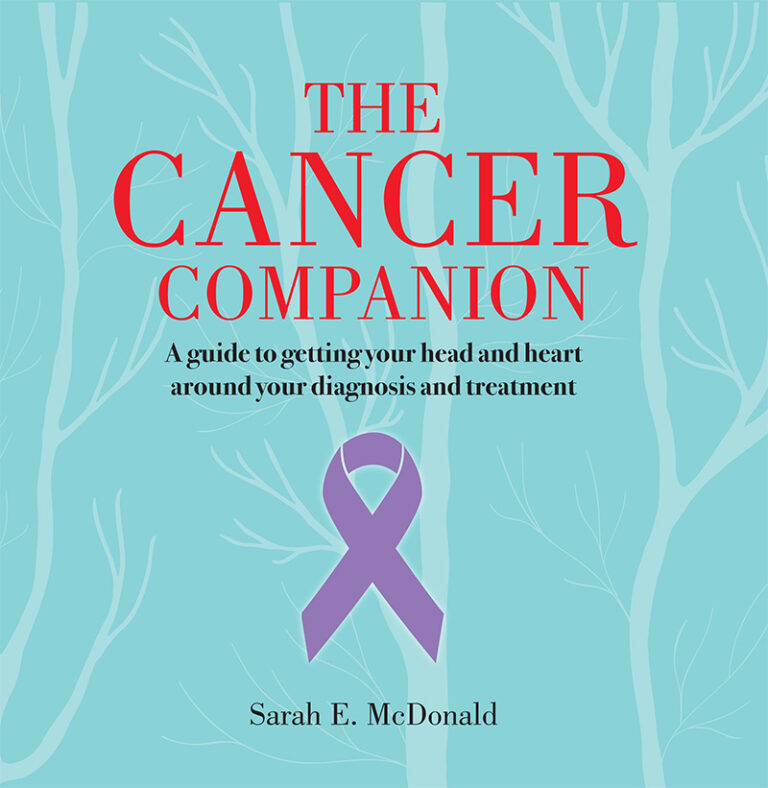

 Who the Book Is For
 About Sarah E. McDonald
 The Cancer Companion — Topic‑Based Chapter Breakdown (Reconstructed)
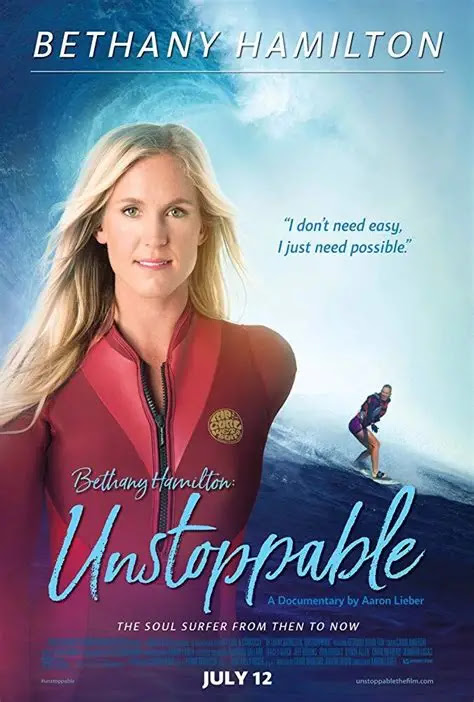
 The Core of Bethany Hamilton’s Story
 Why Her Story Endures


 1. Full Timeline of Bethany Hamilton’s Life
 2. Shark Attack Details (What Actually Happened)
 3. Surfing Career Achievements
 4. Her Faith & Motivational Work
 Bethany Hamilton: A Resilience Analysis
 3. Comparison of Her Resilience to Other Athletes
 1. Bethany Hamilton’s Training Regimen After the Attack
 2. The Biomechanics of One‑Arm Surfing
 3. Psychological Profile of Elite Athlete Resilience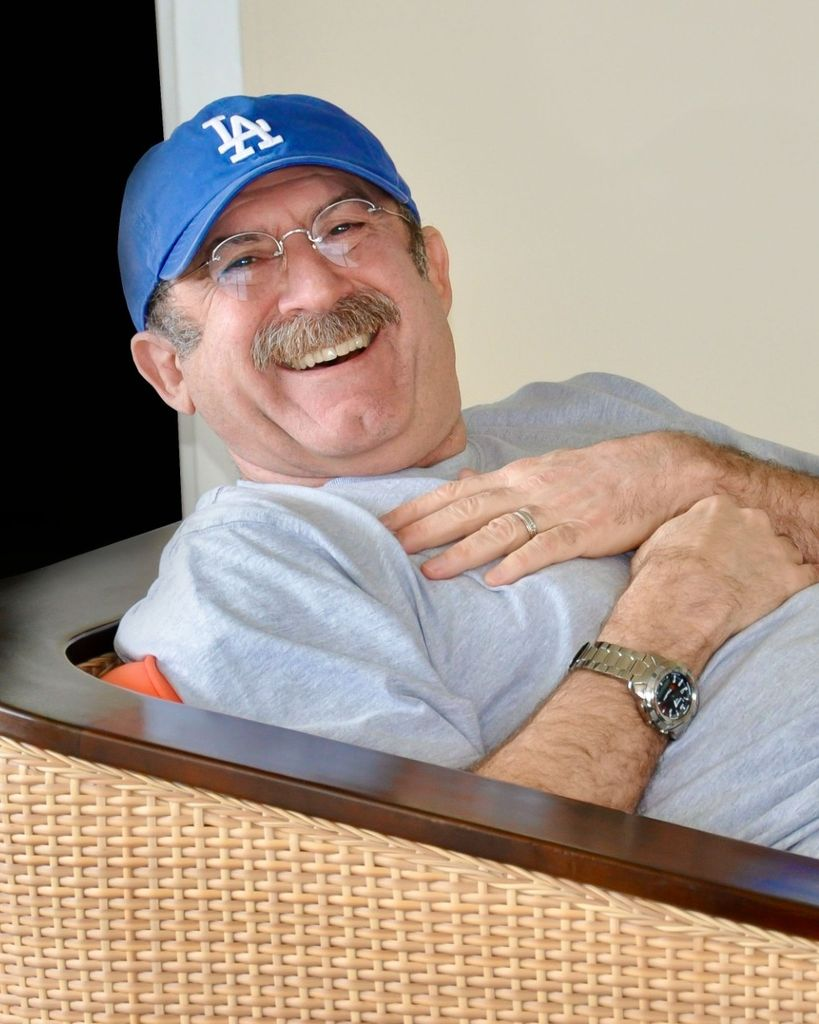
 The Bob and Cancer Show: A Deep Dive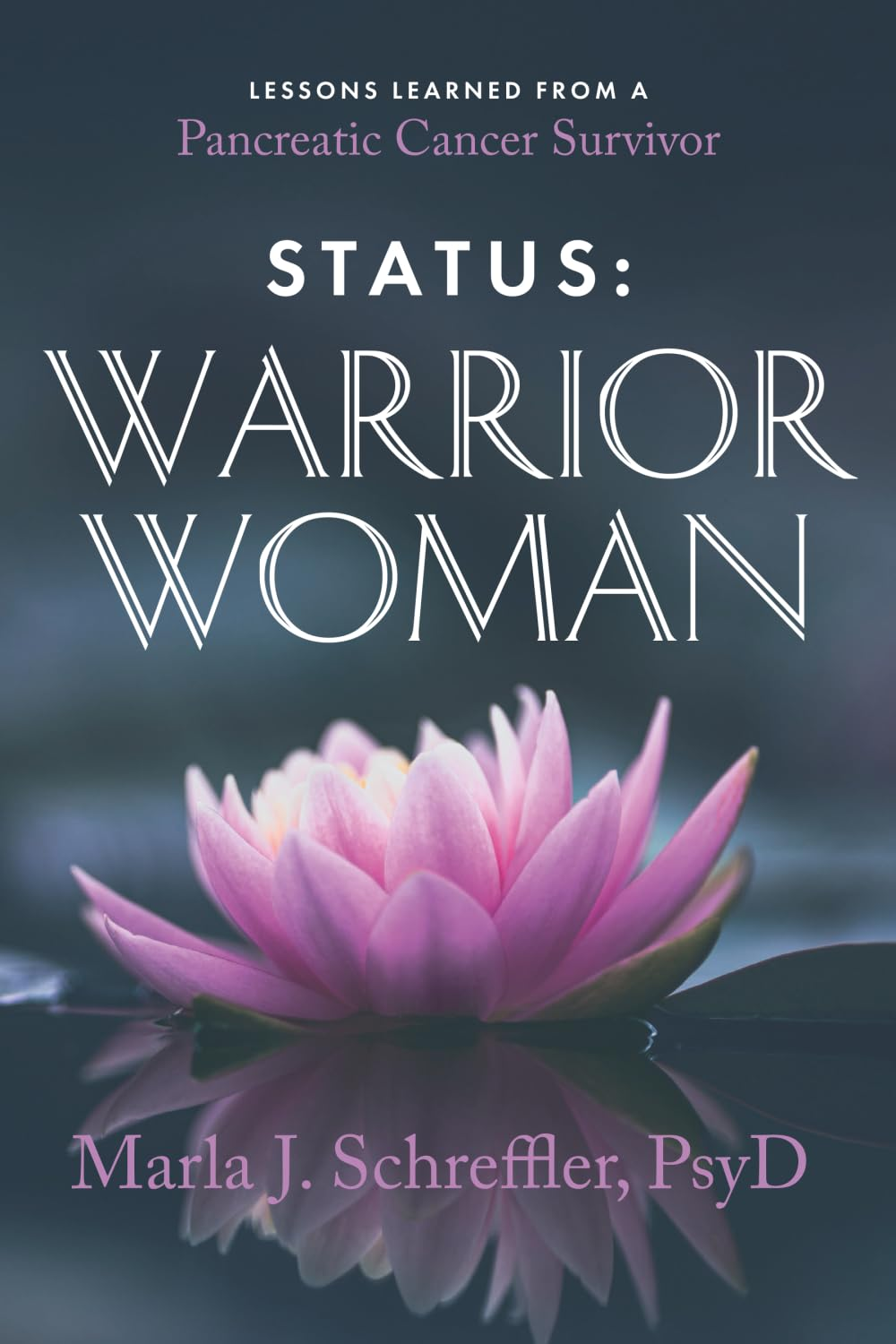
 What the Book Covers
 Central Themes
 Overall Tone
 Core Characteristics of Her Voice
 Overall Impression
 Core Strategies Explained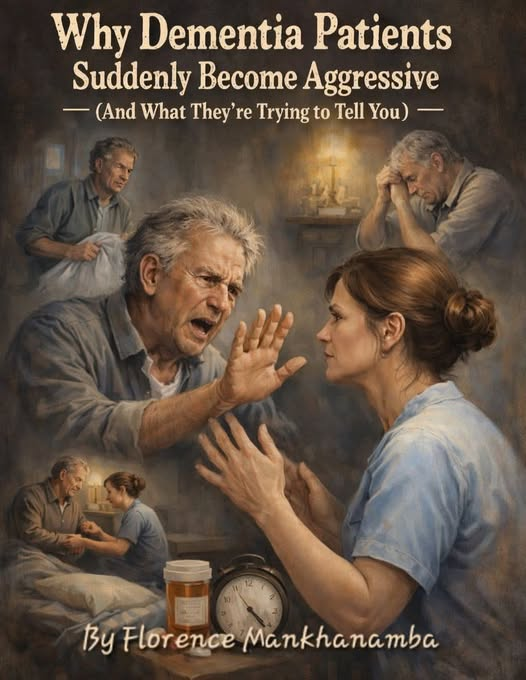

 Why Dementia Patients Suddenly Become Aggressive (And What They’re Trying to Tell You)
 Rising contributor·
 Her Personal Cancer Journey