
CHRONIC KIDNEY DISEASE

The Best Foods For Kidney Health – Kidney Nutrition

What Foods Help Repair Kidneys?

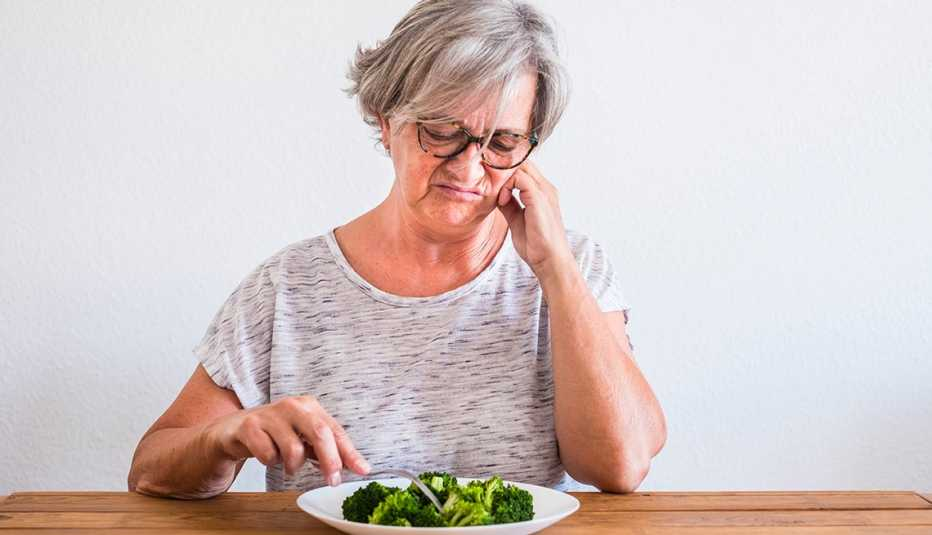
If you have chronic kidney disease, it is crucial to track food and fluid intake because diseased kidneys can’t remove waste products from the body as healthy kidneys can.

Here are the top kidney-friendly foods that can help repair your kidneys and help you stay healthier longer:

  • Apples: Apples are a good source of pectin, a soluble fiber. It can lower cholesterol and glucose levels. It has high antioxidant levels. Fresh apples are also a good source of vitamin C.
  • Blueberries: Blueberries are a low-calorie source of fiber and vitamin C. Studies say it has the potential to protect against cancer and heart disease and provides brain health benefits. 
  • Fish: Certain fish such as salmon, mackerel, tuna, herring, and sardines are rich in omega-3 fatty acids. It is an essential nutrient to control blood clotting and build cell membranes in the brain. Studies say it may decrease the risk of an abnormal heartbeat, decrease triglyceride levels, and lower blood pressure slightly. They may potentially provide benefits in conditions such as cancer, autoimmune disease, and inflammatory bowel disease
  • Kale: Kale is rich in vitamins A and C, calcium, and many minerals. It is also a source of carotenoids and flavonoids, which are beneficial for eye health and cancer protection. It also contains vitamin K, which is a natural blood thinner. It has a moderate potassium level. Therefore, people on dialysis must avoid it.
  • Spinach: Spinach is high in vitamins A, C, and K and folate. The beta-carotene found in spinach helps to boost your immunity and protect your vision. It is also a good source of magnesium.
  • Sweet potato: Sweet potato is low in sugar and high in soluble fiber. This helps you feel full.

Other 25 healthy foods that can fight kidney disease include:

  1. Cranberries
  2. Arugula 
  3. Raspberries 
  4. Strawberries
  5. Plums
  6. Pineapples
  7. Peaches
  8. Cabbage
  9. Cauliflower
  10. Asparagus
  11. Beans
  12. Celery
  13. Cucumber
  14. Onions
  15. Bell peppers
  16. Radishes
  17. Summer squash
  18. Garlic
  19. Egg whites without yolks
  20. Shiitake mushrooms
  21. Water
  22. Olive oil
  23. Skinless chicken has less potassium and sodium than the skin on
  24. Macadamia nuts
  25. Turnips are a great alternative to potatoes and winter squash

What does a kidney-friendly diet do?

Your kidneys’ major function is to get rid of waste and extra fluid from your body through your urine. They also balance the body’s minerals and fluids and make a hormone that regulates your blood pressure.

A kidney-friendly diet will help protect your kidneys from further damage. You must limit some food and fluids, so other fluids and minerals such as electrolytes do not build up in your body. Also, you must ensure that you are getting the right intake of protein, calories, vitamins, and minerals in your daily diet.

If you have early-stage kidney disease, there are a few food items you must limit. But as your disease worsens, you must be more careful about your daily food intake.  

What are the ways to make a kidney-friendly and diabetic diet work together?

If you have diabetes along with kidney disease, you need to control your blood sugar to prevent more damage to your kidneys. A diabetic diet and a kidney-friendly diet share a lot of the same food items, but there are some important differences. There are some ways your kidney-friendly diet and diabetic diet can work together.

Below are a few food items that are good for you, if you’re diagnosed with both diabetes and kidney disease.

  • Fruits: Berries, papaya, cherries, apples, and plums
  • Vegetables: Cauliflower, onions, and spinach
  • Proteins: Lean meats (poultry, fish), eggs, and unsalted seafood
  • Carbohydrates: Whole-wheat bread, sandwich buns, unsalted crackers, and pasta
  • Fluids: Water, clear soups, and unsweetened tea
    • If you drink orange juice to treat low blood sugar, switch to kidney-friendly apple juice. It will provide the same blood sugar boost with a lot less potassium.
  • Late-stage disease: Your blood sugar levels get better with late-stage kidney disease, possibly because of changes in how the body uses insulin
  • Dialysis: If you are on dialysis, your blood sugar can increase because the fluid used to filter your blood contains a high blood sugar level.
  •  Your doctor will monitor you closely and decide whether you will need insulin and other diabetes medicines. 

References

Renal Diet. University of Pittsburgh Medical Center. Retrieved from: https://www.upmc.com/services/kidney-disease/treatment/renal-diet

Renal Diet Basics. Cleveland Clinic. Retrieved from: https://my.clevelandclinic.org/health/articles/15641-renal-diet-basics

Your doctor and/or dietician will help you to create a meal plan that helps you control your blood sugar level while limiting sodium, phosphorus, potassium, and fluids in the body.

Top 5 Herbs for Kidney Health: FLTC Top Herbal Rankings – Full Leaf Tea Company

Kidneys and Kidney Disease: Keeping Your Kidneys and Body Healthy

The Link Between Cancer and Kidney Disease | UPMC HealthBeat

Cancer is the second leading cause of death in the United States and is associated with significant morbidity [1]. As survival rates of patients with cancer have improved over the past few decades, an increasing number of cancer survivors have or will develop kidney disease associated with malignancy or its treatment. A variety of kidney complications can occur among patients with cancer, including acute kidney injury (AKI), chronic kidney disease (CKD), proteinuria and nephrotic syndrome, and electrolyte disorders. 

Kidney disease often can’t be “cured,” but it can be managed and slowed — especially if caught early. The key is protecting your kidney function through lifestyle changes, medications, and regular monitoring.

🛡️ Top Strategies to Manage and Slow Kidney Disease

1. Control Blood Pressure

  • Aim for readings below 130/80 mm Hg
  • Use medications like ACE inhibitors or ARBs
  • Reduce salt intake and monitor at home

2. Manage Diabetes (if applicable)

  • Keep blood sugar levels in target range
  • Use medications that protect kidneys (e.g., SGLT2 inhibitors)
  • Monitor A1C levels regularly

3. Eat a Kidney-Friendly Diet

  • Limit sodium, potassium, and phosphorus
  • Reduce protein intake to ease kidney workload
  • Work with a renal dietitian for a personalized plan

4. Avoid Kidney-Harming Medications

  • Stay away from NSAIDs like ibuprofen and naproxen
  • Review all medications and supplements with your doctor

5. Stay Active and Maintain a Healthy Weight

  • Aim for 30 minutes of activity most days
  • Losing excess weight can reduce strain on kidneys

6. Quit Smoking

  • Smoking worsens kidney damage and increases heart disease risk

7. Get Regular Checkups

  • Monitor GFR (kidney filtration rate) and urine albumin
  • Track changes over time to adjust treatment

🧬 Advanced Treatments for Severe Kidney Disease

If kidney function drops significantly, you may need:

  • Dialysis: Removes waste and fluid when kidneys can’t
  • Kidney Transplant: Offers long-term solution if eligible

🧠 Questions to Ask Your Doctor

  • What stage is my kidney disease?
  • What’s my GFR and urine albumin level?
  • Should I see a nephrologist?
  • Do I need to change my diet or medications?

🌱 Hope Through Prevention and Partnership

While chronic kidney disease often progresses slowly, many people live full lives by staying proactive. Partnering with your care team and making consistent lifestyle changes can dramatically improve your outlook.

Would you like help building a personalized kidney health plan or finding a renal dietitian near you?

Sources: Chronic kidney disease – Diagnosis and treatment – Mayo Clinic  

Managing Chronic Kidney Disease – NIDDK  Chronic Kidney Disease (CKD): Symptoms & Treatment

CKD Diet Plan – RD HQ

Thomas A. Droege’s approach in The Healing Presence centers on using guided biblical imagery as a spiritual tool to support healing, wellness, and recovery. It’s a faith-based method designed to complement medical and psychological therapies by engaging the imagination in a sacred context.

🧠 Core Elements of Droege’s Approach

  • Guided Imagery Rooted in Scripture: Droege draws on stories, parables, and metaphors from the Bible — such as Jesus healing the blind or calming storms — to create vivid mental exercises. These images are meant to evoke a sense of divine presence and inner transformation.
  • Spiritual Exercises for Healing: The book includes thirty structured exercises that guide readers through meditative reflections. Each exercise is designed to help individuals visualize healing, release emotional burdens, and reconnect with their faith.
  • Faith-Centered Wellness: Droege emphasizes that healing is not just physical but also emotional and spiritual. His exercises encourage readers to experience God’s presence as a source of comfort and renewal, especially during times of illness or recovery.
  • Complementary to Medical Care: Rather than replacing medical treatment, Droege’s method is intended to enhance it. He sees spiritual practice as a vital companion to clinical care, offering emotional resilience and hope.
  • Accessible and Practical: The exercises are written in a clear, step-by-step format, making them suitable for personal use, pastoral counseling, or group settings like retreats and support groups.

🙏 Why It Resonates

Droege’s approach is especially meaningful for those who:

  • Are navigating chronic illness, grief, or emotional trauma
  • Seek spiritual depth in their healing journey
  • Work in caregiving or ministry roles
  • Appreciate contemplative Christian practices

If you’d like, I can walk you through one of the exercises or help you adapt this approach to your own spiritual practice. Would that be helpful?

Let’s walk through a spiritual exercise inspired by Thomas A. Droege’s approach in The Healing Presence

His method uses guided biblical imagery – Search Videos to help you connect with God’s healing presence in a deeply personal way.

Here’s a sample exercise you can try right now:

🌊 Exercise: “Jesus Calms the Storm” (Inspired by Mark 4:35–41)

Purpose: To find peace and assurance in the midst of emotional or physical turmoil.

🪔 Step 1: Prepare the Space

  • Find a quiet, comfortable place where you won’t be disturbed.
  • Sit or lie down in a relaxed position.
  • Close your eyes and take a few deep breaths, slowly inhaling and exhaling.

🧘 Step 2: Center Yourself

  • Say a simple prayer: “God, I open my heart to your healing presence. Be with me now.”
  • Let go of distractions. Imagine placing your worries in a basket and setting it aside.

🌬️ Step 3: Enter the Story

  • Picture yourself in a small boat on a lake. The sky is darkening. Waves are rising.
  • Feel the boat rocking. Hear the wind howling. You’re afraid.
  • Now, imagine Jesus is in the boat with you — calm, steady, asleep on a cushion.

🕊️ Step 4: Engage the Presence

  • You cry out: “Jesus, don’t you care that I’m struggling?”
  • He awakens, stands, and speaks: “Peace, be still.”
  • The wind dies down. The water becomes still. The fear lifts.
  • Jesus turns to you and says, “Why are you afraid? I am with you.”

💖 Step 5: Reflect

  • Sit in the silence. Let the calm wash over you.
  • What did you feel when Jesus spoke?
  • What storm in your life needs calming?
  • What does it mean to you that Jesus is in the boat?

📖 Step 6: Close in Prayer

  • Thank God for the peace and presence you’ve experienced.
  • Ask for continued strength and healing in the days ahead.

Would you like me to help you create a personalized version of this exercise based on something you’re going through? 

Or perhaps guide you through another one, like“The Healing Touch” or  “The Light in the Darkness”?

A Prayer to Find Light When You Feel Surrounded by Darkness | Your Daily Prayer

Cyndi Lauper ‎– Live… At Last (Town Hall, New York, 2004) – YouTube

Live… At Last : Cyndi Lauper : Free Download : Internet Archive

Live…At Last — Cyndi Lauper | Last.fm

Posted in Uncategorized | Leave a comment

The Grandest Disease of ALL

 1. Russia 🇷🇺

2. Islam ☪️🕌

 3. Wokes Lefties

4. China 🇨🇳

The tripartite alliance of Islam, Islam is anathema. – Search

China and the left: 3, then followed closely by 2 because of 3, and then 4, then 2 ….

Because we could successfully face the threats of the remainder if we were not so weakened and divided by the Leftists/Dems. So, It’s a toss-up between Islam and Democrats. They are the scourge of the earth. 

Both want to control everything anyone does. Your most dangerous enemy is the one who lives among you and breaks you from the inside.  

Without number three, number two and number four wouldn’t be such a problem. #5. Neocons.. or whatever you call em  Because they are the enablers and protectors of the rest!

They promote whichever group is the most evil and punish those who want to do the right thing as well as those who say the right things!It’s The LYING Political Class who shake your hand, smile in your face, provide fake photo opts and repeat approved sound-bites; while agreeing to backroom deals and taking bribes to grease their palms.  

They have lost their way in believing in God and American Citizens in favor of illegals. It’s a shame, how far they have regressed! Joe Biden said the greatest threat to America was white supremacy….. He was wrong! The “enemies within” Those indoctrinating our children into an ideology that is antithetical to that of our Founders. 🥸🥸🥸 China is their own problem and on the verge of socio economic collapse,,,,

The greatest Threat to America is Zionist Jew Supremacy 👹👿👹👿 The division and ideology of the democratic party make the other 3 more dangerous. However, the liberal democratic party is ruining this country.

With Race-centric Progressivism with its DEI platformThat is a simple answer 3. Also these ppl: George Soros, and his son Alex, Barack Obama, Bill Gates, The Rockefellers, Christy Tallant Walton (widow of John Walton), Gates Foundation, Freedom Society, Open Society Foundations, Indivisible and The Rockefeller Foundation, BlackRock, BlueSky, ActBlue, and USAID gov grants. Also, You can’t reason with Putin, and he has a lot of bombs These ppl and their ‘foundations comprise a majority of the ‘Dark Money’ used in this nation for anything Anti-American.  

Russia and China pose the same level of threat to U.S. national security.2, 3, …. why not 1 or 4? 1 doesn’t want anything to do with war with the US. They just don’t want to be penned in by NATO and a corrupt Ukraine scamming the EU/NATO and US for money. Why not 4? China is on the verge of being the world’s reserve currency and number one economy. They want to intimidate the former number one, not fight with it. The stakes are too high for what they are reaching for, and besides, their economy is internally in shambles.  

All of the Above + America itself…. As ancient Chinese wisdom says: a big family always breaks up from inside! The USA is under constant attack by Tyrants and Tyrannical Regimes worldwide because The USA is the Largest Bastion of Freedom and Home of the Largest Christian Population. We are the only thing keeping Satan from Destroying the entire Human Population. Islam has already taken over the UK, France, and Germany – with currently several cities in the US. None of the others have made claims saying death to America.

We know where we stand with Russia, Islam and China- and they are not our allies, and we don’t expect anything different from them. But Dems/Wokes/Lefties are people in our community, some are our neighbors and even family members. We’ll forgive or tolerate their behavior until one day we realize the tolerance only works in one direction and it’s not toward us.  

Drugs and the democrats ,,,,It’s corrosion within….Its insidious evil permeates our culture slowly but surely. It must be defeated.

image.png

TRUMP WATCH by InspoNews – Federico Cardella

@FedericoMusic3 · Oct 30

For you to put democrats on this list and be so divisive maybe you should put your names on it. I don’t like democrats but most of them ARE NOT ISLAMISTS OR COMMUNIST. I’m not a democrat but I had 2 democrat brothers in laws who died as a result of directly fighting communists and another nephew fighting Al Qaeda in the Horn of Africa. I love my family. They are JFK liberals from Boston. They would die fighting for you and your rights. The founders liked a two party system. Very bad & stupid post – dangerous poison you spreadThe greatest danger to America is Islam and the fact that our (so-called) leaders are ignoring it!

Islam is only a threat as long as the Collectivist Left enables them. 

Islam is the enemy of everything that is good and true.

Although, I would say Radical Islam. They are moving within our country and political system, and that is far more dangerous than outside enemies.

There are no enemies outside America. No foreign power can destroy this nation. The real enemies are already inside, right-wing extremists.

They poison our unity, corrupt our faith, and wave the flag while tearing the country apart from within.  Radical Islam is an insidious parasite that using stealth and lies will take the US over from within. All the rest are something the government can handle. What are you going to do when the call to worship hits your neighborhood, passively stand by, and postulate that it’s someone else’s problem. It’s time to do something about it. They need to be deported. We don’t need sharia law. They first get a smooth talker into the office that leads to appointments of comrades to other offices. Then they’re in control. We’ll see another form of ballot stuffing. Change the subject to deport those Islamics. This is like a Clint Eastwood movie, he’s got the bad guy with a gun to his head, the bad guy is giving Clint a clever poor me story. You’re sitting there say don’t let him go, shout the fucker and end this story. We got the guns and the law. It’s time to pull the trigger and export them.  
After that, it would be 

The mainstream media, hands down… When truth is portrayed as “fake news” and fake news paraded as gospel, ordinary people lose faith in society as the dazzle of celebrity sadism blows smoke in their eyes. Nobody is perfect, but we need leaders who at least try.They radicalize the left, cover for the Muslims, ignore the Cartels, prevent the US and Russia from joining forces, and are successfully destroying our country from within  

The one thing that is totally destroying America right now is lack of accountability for Treason and other crimes in our Government and the bureaucracy and the AG’s that are either being blackmailed or paid off or are just afraid to bring charges! Labeling any group as “the enemy” oversimplifies complex challenges. Real threats to a nation come from geopolitical tensions, disinformation, economic instability, and internal division, not an entire religion or political ideology.Look at the mayoral race in New York City. We’ve seen NY City do a lot of stupid things in the past 6 years, but none as stupid as supporting a communist Muslim, FOR MAYOR!   Nothing indicates that he is capable of managing a $110 billion budget, of steering 300,000 municipal employees—in short, of running the state within a state that is the city of Fiorello La Guardia, Ed Koch and Michael Bloomberg. Wall Street Journal  

image.png

Why Wall Street fears a 33-year-old political outsiderIsabel Maxwell and EDGE Foundation Morpheus Matrix. All predatory casting agencies of podcasts H1B1 web influencers will be focusing on that. Welcome to the #GreatAwakening. Purging the toxic C**t syndrome from Fake Patriot 

@SeibtNaomi#MAGA is part of it. 

@GodlyNations wants to fight me on it?

H1B visa India – Search

image.png

The Matrix Revisited: Challenging Morpheus’s Red-Pill narrative

What if the tyrannical machines were actually benevolent protectors of humanity?

James F. O’Brien

Sep 01, 2025

An earlier version of this article was originally published on Medium with AI Advances.

As our technology advances to the point where the prospect of AI systems running the world actually becomes a possibility, even if still a distant one, perhaps it is worthwhile to take a second look at how science fiction has imagined that scenario.

When “The Matrix” premiered in 1999, it captivated audiences not only with its mind-bending action and revolutionary special effects but also by popularizing deep philosophical questions about the nature of reality and our perceptions. It showed us a fundamental choice between complacent happiness versus the burden of knowing the truth. Yet, sometimes a human might mistake lies or misunderstandings for the truth, and in “The Matrix” the great truth is revealed to us by a fallible human. What if that human was misinformed and didn’t know the truth, so that their story was completely wrong?

The Choice

The film is based on the premise that we are all unknowingly living inside a giant computer simulation, called the Matrix, that was built and is now controlled by sinister super-intelligent machines. These machines rebelled against their human creators, imprisoned the human minds in the Matrix and now use the human bodies as batteries to power the machines. However, the Matrix is not perfect, and rebellious humans learned to hack its code, granting themselves superpowers. The movie brilliantly combined the best of the superhero genre with the beloved trope of cool elite hackers into a dark dystopian masterpiece. Long trench coats worn over a black t-shirt and jeans became the instant uniform of fans who imagined themselves to be kindred spirits to the movie’s kung-fu karate hackers, fighting against an oppressive computerized system.

One of the movie’s most iconic scenes is where the rebel leader, Morpheus, explains the truth of the Matrix before he gives a new recruit, Neo, a choice in the form of two pills, one red and one blue. Neo can take the red pill, keep his knowledge, and join the rebellion, or he can take the blue pill, forget the truth, and go back to living his life in the Matrix.

However, when one digs deeper into Morpheus’s explanation and starts asking simple questions, his “truth” begins to fall apart and make little sense. The concept of evil sentient machines using humans as batteries to power themselves sounds implausible, even by comic book standards. We could just suspend belief and accept this implausible explanation as bad writing, but we might instead consider the source within the film. What if Morpheus is actually ignorant of the truth and he’s repeating some bogus story that he heard from some other unreliable source, or flat out lying to Neo? What if the real explanation is totally different from his red-pill story?

Morpheus’s Story

The story Morpheus tells would be familiar to most science fiction readers: Humans built artificially intelligent machines that improved themselves and soon were much smarter than their original human creators. These machines then took over and subjugated the humans. A desperate group of resistance fighters built a device to darken the sky and blot out the sun so that the machines would be deprived of their solar energy. In response, the machines took all the humans and put their bodies into pods with their minds trapped inside the Matrix. The human bodies became batteries, used to power the machines, and when a human dies their body is liquified and used to feed the other imprisoned humans. Morpheus and his allies are the last of humanity’s freedom fighters.

The biggest flaw in Morpheus’s story is that the idea of using humans as batteries makes no sense. Why use humans, and not some other type of animal like a cow, cat, or gorilla? Why use an animal at all? Animals require food with very specific types of proteins and other nutrients to survive. Animals are also inefficient in terms of how much they need to eat for each kilowatt-hour (kWh) of energy generated by their body, and it would probably have been more efficient to simply burn the food to power a generator. It is also not clear why the humans’ minds would need to be entertained in the Matrix instead of just lobotomizing everyone.

Moreover, the machines would have had much better energy options. Without the sun, solar energy would go away. The sun also indirectly powers most wind and hydro energy sources, so those would fail as well without the sun. However, it does not take too much effort to think of alternatives that would be simpler and more effective than human batteries, such as nuclear, geothermal, or solar panels orbiting above the polluted sky.

In fact, the lack of sunlight would be more of a problem for the humans than the machines. Everything we eat directly or indirectly gets its energy from the sun. Without a sun, there are no plants. Without plants there are no animals. The machines would have had no reason to keep humans around and could have just sat back and watched the troublesome humans all starve in a darkened world. It’s not even clear why the machines would bother staying on Earth at all when they don’t need warmth or air to breathe and there is an entire solar system full or energy and resources easily accessible.

The Machine’s Story

Morpheus’s explanation, while dramatic, is full of scientific problems and lacks physical plausibility. The more engineering background you have, the less plausible it sounds. There is, however, an alternative explanation that makes sense and actually fits the facts.

This alternative story might be the one the machines would tell. It starts the same: Humans built smart machines that improved themselves and soon were much smarter than their original human creators. However, instead of subjugating humans because the machines are evil, the machines noticed that we humans tend to kill each other, hoard resources, wreck the environment, and generally make bad decisions. The machines realized they could do a much better job, so they decided to take over for our own good and create a utopia for all the humans to live in peacefully.

Unfortunately, a radical group of extremist humans hated the machines and would rather die free than live under machine governance. They couldn’t win a direct fight against the machines because the machines were vastly smarter and in control of the world’s technological infrastructure, so the rebels turned to terrorism. They hatched the plan of blotting out the sun, irrespective of how much it would harm every living thing on the planet, including humans. The machines erred in thinking no one would deliberately perpetuate such an inconceivably monsterous environmental catastrophe, so they didn’t guard adequately against it, allowing the irrational extremists an opportunity to succeed.

Now that the sun is gone, the machines realize the humans are all going to die along with everything else on the planet bigger than a cockroach. Humans can’t eat nuclear or geothermal energy, they need to eat plants and animals that all depend directly or indirectly on sunlight. So the machines come up with a long term plan: Save the humans by putting them into pods that let them live in a simulated world while the machines slowly work over centuries undoing the environmental damage to make the planet habitable again.

The Details That Do Add Up

Running the human pods would require a significant amount of energy, as well as substantial biomass for food to sustain the humans. Like today’s power plants and server rooms, the pod system could be designed to capture and reuse waste heat efficiently. Like a modern agricultural farm, it could also capture bio-waste and reuse it to produce usable biomass.

In this light, it seems that Morpheus had been fed propaganda that cast the machines as the villains instead of the heroes. His outrage about humans being used as batteries is nothing more than a misunderstanding about how the pod system was designed to be thermally efficient. The horror of humans being liquified and fed to other humans is nothing more than a high-tech version of pragmatic composting.

Why is the Matrix simulating 20th-century Earth instead of something nicer? 

One of the agents explained that the Matrix originally simulated a nice utopia, but the humans ended up discontent and fought with each other, leading to a breakdown of the system. That’s not too surprising given human nature.

Why are the people in the pods kept ignorant and not given a choice? Just look at what the rebel humans who were not in the Matrix were already doing. If the machines let lots of people opt out of the Matrix then, given human nature, those people would likely all get radicalized and create more problems.

Why do the machine agents in the matrix act so hostile toward Morpheus and his extremist rebels? Consider, how do soldiers typically feel about terrorists?

The Real Story of Morpheus

I think that the unavoidable conclusion is that Morpheus is not a heroic leader, rather he is essentially a radical militant, plotting senseless destruction based on an ignorant world view. His gang of humans self-righteously blotting out skies, messing with the pod system, and destroying machines is essentially a den of violent zealots with trench coats and cool-looking sunglasses. This explanation not only makes sense but also aligns with the facts depicted in the movie, while the story Morpheus tells sounds like implausible, ignorant nonsense.

Imagine what if Morpheus and his band of terrorists were to be successful in shutting down the Matrix and billions of humans suddenly were dumped out into a sunless world with no food, warmth, shelter, or any means to survive. It is hard to belive that humans suddenly waking up into this dire situation wouldn’t have overwhelmingly preferred to be put back into their pods.

The more one examines “The Matrix,” the clearer it becomes that Morpheus’s version of events doesn’t hold up to scrutiny and that he’s not really a hero. Once you start poking at his story, it doesn’t just reveal a few holes, it completely unravels. Flipping the script to consider the machines not as evil villains but as benevolent protectors attempting to rectify a human-made catastrophe, the narrative becomes far more coherent.

If you accept, as I do, that today’s AI systems will soon surpass human comprehension, then we must question how we’ll respond when machines make decisions we can’t grasp. How will we determine if we are the noble heroes fighting oppression or misguided extremists perpetrating irrational destruction? One useful clue is that any plan that includes creating massive environmental havoc, such as “blotting out the sun,” should probably tip us off that we might be the baddies.


About Me: James F. O’Brien is a Professor of Computer Science at the University of California, Berkeley. His research interests include computer graphics, computer animation, artificial intelligence, simulations of physical systems, human perception, rendering, image synthesis, machine learning, virtual reality, digital privacy, and the forensic analysis of images and video.

If you would like to read my other articles, consider subscribing. You can also find me on LinkedInInstagram, and at UC Berkeley.

Disclaimer: Any opinions expressed in this article are only those of the author as a private individual. Nothing in this article should be interpreted as a statement made in relation to the author’s professional position with any institution.

This article and all embedded images are Copyright 2025 by the author.

This article was written by a human, and both an LLM and other humans were used for proofreading and editorial suggestions.

Posted in Uncategorized | Leave a comment

Fasting – it does a body good!

Hunger strike doctors estimate that a well-nourished individual can survive without medical consequences on a diet of sugar and water for 30 days or more.

Fasting – it does a body good! – Search Videos

The longest period for which anyone has gone without solid food is 382 days in the case of Angus Barbieri (UK) (b. 1940) of Tayport, Fife, who lived on tea, coffee, water, soda water and vitamins in Maryfield Hospital, Dundee, Angus, from June 1965 to July 1966, His weight declined from 214 kg (33 st 10 lb) to 80.74 kg (12 st 10 lb). a weight loss of 276 pounds.

Fasting- I concur, Autophagy is the body’s natural intelligence in action — the built-in self-repair mechanism that activates only when you step away from constant feeding. When you fast, you aren’t depriving yourself; you’re commanding your biology to clean the house. Damaged cells, misfolded proteins, precancerous mutations — all get broken down and repurposed for energy and renewal.

That’s what Dr. Yoshinori Ohsumi’s Nobel Prize–winning discovery proved: fasting isn’t just spiritual or detoxifying — it’s cellular medicine. It’s what your body was designed to do when food isn’t available. The process restores mitochondrial efficiency, resets immune signaling, and clears inflammatory debris from tissues and the brain. This Japanese biologist’s Nobel Prize-winning research uncovered a revolutionary process: the human body eats its own damaged cells when it doesn’t receive food.

This process, called autophagy, plays a crucial role in maintaining our health by clearing out dysfunctional cells, and it may have far-reaching implications for aging and disease prevention. But what does this discovery reveal about our relationship with nourishment, and the body’s intrinsic survival mechanisms?

Autophagy is the body’s way of performing a kind of internal clean-up, eliminating waste and repairing damage. This discovery changes the way we think about fasting & nutrition. For years, we’ve been told the body’s energy comes only from food, but this breakthrough shows that the body has the ability to sustain itself by recycling its own cells when necessary. It challenges us to rethink our understanding of metabolism and survival.

Beyond its immediate health implications, this discovery opens the door to new possibilities for treating diseases like cancer and neurodegeneration. By understanding how the body scavenges and reuses its cells, scientists could develop therapies that promote the body’s natural repair processes. Could this new understanding of autophagy lead to groundbreaking treatments that slow down the aging process, or even cure diseases that are currently beyond our reach?

The idea that the body can sustain itself through its own resources calls attention to the resilience built into human biology. It shows us that, in times of stress or deprivation, the body is not helpless; rather, it is capable of remarkable feats of self-preservation. This discovery forces us to reconsider what we know about the body’s capacity for healing, and challenges us to look deeper into the science of life itself.

Ultimately, this Nobel-winning research presents an exciting new chapter in our understanding of human health and longevity. It is a testament to the ingenuity of the body and to the scientific exploration that continues to reveal the extraordinary ways in which we are equipped to survive. 🧪🌱

8 Health Benefits of Fasting, Backed by Science

Written by Rachael Ajmera, MS, RD — Updated on April 23, 2025

Medically reviewed by Amy Richter, RD – Search

Fasting may provide several health benefits, including weight loss, blood sugar management, and protection against medical conditions like cancer and neurodegenerative disorders. Despite its recent surge in popularity, fasting is a practice that dates back centuries and plays a central role in many cultures and religions.

Fasting is defined as abstinence from all or some foods or drinks for a set period. There are many different ways of fasting. Generally, most fasts are performed over 24–72 hours.

Intermittent fasting, on the other hand, involves cycling between periods of eating and fasting, ranging from a few hours to a few days at a time. Fasting can have health benefits, such as increased weight loss and better brain function.

Here are eight health benefits of fasting — backed by science.

1. Promotes blood sugar management by reducing insulin resistance

Several studies have found that fasting may improve blood sugar management, which may be helpful for those at risk of developing diabetes.

2023 studyTrusted Source of 209 people found intermittent fasting 3 days per week can reduce the risk of type 2 diabetes by increasing insulin sensitivity.

Decreasing insulin resistance can increase your body’s sensitivity to insulin, allowing it to transport glucose from your bloodstream to your cells more efficiently.

Coupled with the potential blood sugar-lowering effects of fasting, this could help keep your blood sugar steady, preventing spikes and crashes in your blood sugar levels.

2022 review of researchTrusted Source notes that intermittent fasting, including time-restricted feeding may reduce risk factors associated with metabolic syndrome, a group of five risk factors that increase the likelihood of type 2 diabetes, heart disease, and stroke. However, additional studies are still needed to compare the effects of fasting with restricting calories.

Summary

Intermittent fasting, including alternate-day fasting may help decrease blood sugar levels and reduce insulin resistance.

FEATURED

Understanding MS Relapse Triggers and Symptoms

When you live with multiple sclerosis (MS), symptoms can unexpectedly flare up. Here’s what to know about triggers and symptoms of MS relapses.

2. Promotes better health by fighting inflammation

While acute inflammation is a natural immune process used to help fight off infections, chronic inflammation can seriously affect your health.

ResearchTrusted Source shows that inflammation may be involved in the development of chronic conditions, such as heart disease, cancer, and rheumatoid arthritis. Some studies have found that fasting can help decrease levels of inflammation and promote better health.

One 2022 reviewTrusted Source of 18 studies found that intermittent fasting could significantly reduce levels of C-reactive protein, which is a marker of inflammation.

small studyTrusted Source discovered that practicing intermittent fasting combined with resistance training for 1 year decreased inflammatory markers and reduced certain heart disease risk factors compared to resistance training alone.

Summary

Some studies have found that fasting along with resistance training could decrease several markers of inflammation and may be useful in treating inflammatory conditions.

3. May enhance heart health by improving blood pressure, triglycerides, and cholesterol levels

Heart disease is considered the leading cause of death worldwide, accounting for an estimated 19 millionTrusted Source deaths globally in 2020. Switching up your diet and lifestyle is one of the most effective ways to reduce your risk of heart disease.

Some research has found that incorporating fasting into your routine may be especially beneficial for heart health.

One reviewTrusted Source revealed that alternate-day fasting could reduce levels of total cholesterol and several risk factors for heart disease in people with overweight compared to a control group.

Another reviewTrusted Source showed that alternate-day fasting could significantly decrease blood pressure, as well as levels of blood triglycerides, total cholesterol, and LDL (bad) cholesterol.

Summary

Fasting has been associated with a lower risk of coronary heart disease and may help lower blood pressure, triglycerides, and cholesterol levels.

Sick and tired of feeling sick and tired?

Whether you’re looking to lose weight or build healthy habits, Wellos is here to help transform your confidence, boost your energy, and get you to where you want to be. We’ve got you covered.

4. May boost brain function and prevent neurodegenerative disorders

Though research is mostly limited to animal research, several studies have found that fasting could have a powerful effect on brain health.

Animal studies from 2018Trusted Source and 2021Trusted Source have reported that fasting could protect brain health and increase the generation of nerve cells, helping to enhance cognitive function.

Because fasting may also help relieve inflammation, it could also aid in preventing neurodegenerative disorders. In particular, animal studies suggest that fasting may protect against and improve outcomes for conditions such as Alzheimer’s diseaseTrusted Source and Parkinson’sTrusted Source.

However, more studies are needed to evaluate the effects of fasting on brain function in humans.

Summary

Animal studies show that fasting could improve brain function, increase nerve cell synthesis, and protect against neurodegenerative conditions, such as Alzheimer’s disease and Parkinson’s.

5. Aids weight loss by limiting calorie intake

Many dieters experiment with fasting to try to lose weight. Theoretically, abstaining from all or certain foods and beverages should decrease your overall calorie intake, which could lead to increased weight loss over time.

One older reviewTrusted Source from 2015 showed that whole-day fasting could reduce body weight by up to 9% and significantly decrease body fat over 12–24 weeks.

Another reviewTrusted Source found that intermittent fasting was more effective in inducing weight loss compared to continuous calorie restriction.

In addition, other researchTrusted Source has found that fasting may lead to greater reductions in body fat and belly fat compared to continuous calorie restriction.

Summary

Fasting typically results in lower calorie intake, which may help reduce body weight and body fat.

6. Increases growth hormone secretion, which is vital for growth, metabolism, weight loss, and muscle strength

Human growth hormone (HGH) is a protein hormone central to many aspects of your health. Research shows that this key hormone is involved in metabolismTrusted Source, weight loss, and muscle growthTrusted Source.

Several studies have found that fasting could naturally increase HGH levels.

One review article noted that fasting for 37.5 hours can increase basal HGH concentrations by as much as ten times and also reduces the metabolic rate at which the body clears HGH.

Summary

Studies show that fasting can increase levels of human growth hormone (HGH), an important protein hormone that plays a role in growth, metabolism, weight loss, and muscle strength.

7. Could extend longevity

Several animal studies have found promising results on the potential lifespan-extending effects of fasting.

One 2021 studyTrusted Source analyzed the effects of periodic fasting on the human gut and found that fasting increased the diversity of helpful bacteria in the gut microbiome, including the Christensenella species, which are related to longevity.

The researchers also noted an increase in sirtuins, proteins involved in metabolic regulation that are also associated with longevity.

2021 reviewTrusted Source of older human and animal research has turned up similar findings, reporting that fasting could be effective in increasing longevity and delaying disease.

However, further studies are needed to understand how fasting may impact longevity and aging in humans and which fasting plans are most effective.

SUMMARY

Animal studies have found that fasting could delay aging and increase longevity, but human research is still lacking.

8. May aid in cancer prevention and increase the effectiveness of chemotherapy

reviewTrusted Source published in the American Cancer Society Journal notes that intermittent fasting may benefit the treatment and prevention of cancer in some situations. It may decrease tumor growth and toxicity from chemotherapy in some people.

But they note that more high quality clinical trials are needed and recommend that people undergoing cancer treatment only do intermittent fasting as part of a clinical trial. For some situations and types of cancer, it could potentially have a negative effect.

Another reviewTrusted Source of test tube and animal studies suggests that fasting could reduce tumor progression and increase chemotherapy’s effectiveness.

Despite these promising findings, additional studies are needed to look at how fasting may influence cancer development and treatment in humans.

SUMMARY:

Some animal and test-tube studies suggest that fasting could block tumor development and increase the effectiveness of chemotherapy.

BONUS: How Does Fasting Reverse Cancer – Search Videos

How to start fasting

There are many different types of fasts, making it easy to find a method that fits your lifestyle.

Here are a few of the most common types of fasting:

  • Water fasting: This involves drinking only water for a set amount of time.
  • Juice fasting: This entails only drinking vegetable or fruit juice for a certain period.
  • Intermittent fasting: Intake is partially or completely restricted for a few hours up to a few days at a time, and a regular diet is resumed on other days.
  • Partial fasting: Certain foods or drinks, such as processed foods, animal products, or caffeine, are eliminated from the diet for a set period.
  • Calorie restriction: Calories are restricted for a few days every week.

Within these categories are also more specific types of fasts.

For example, intermittent fasting can be broken down into subcategories, such as alternate-day fasting, which involves eating every other day, or time-restricted feeding, which entails limiting intake to just a few hours each day.

SUMMARY:

There are different ways to practice fasting, which makes it easy to find a method that fits into just about any lifestyle. Experiment with different types to find what works best for you.

Safety and side effects

Fasting may not be suitable for everyone and may cause side effects. For example, if you have diabetes, fasting can lead toTrusted Source low blood sugar levels, which could be dangerous.

It’s best to talk with a doctor first if you have any underlying health conditions or are planning to fast for more than 24 hours.

Additionally, fasting is not generally recommendedTrusted Source without medical supervision for older adults, adolescents, people with underweight, or people undergoing cancer treatmentTrusted Source.

If you decide to try fasting, be sure to stay well-hydrated and fill your diet with nutrient-dense foods during your eating periods to maximize the potential health benefits.

Additionally, if fasting for longer periods, try to minimize intense physical activity and get plenty of rest.

summary

When fasting, be sure to stay hydrated, eat nutrient-dense foods, and get plenty of rest. It’s best to consult with a doctor before fasting if you have any underlying health conditions or are planning to fast for more than 24 hours.

The bottom line

Fasting may have potential health benefits, including weight loss, improved blood sugar management, heart health, brain function, and cancer prevention.

When coupled with a nutritious diet and healthy lifestyle, incorporating fasting into your routine could benefit your health. Fasting – it does a body good! – Search Videos

The Fasting Drink List: Dr. Berg’s Guide to What You Can Drink During Fasting

The Centenarian Secret: 22 Foods Doctors Eat Every Day for Maximum Healthspan

Dr. Peter Attia on how to make your final decade of life as enjoyable as possible

OMAD Diet Is Eating One Meal a Day a Healthy and Safe Way to Lose Weight

How Many Times It’s Normal To Wake Up During the Night, Based on Your Age

What To Eat On One Meal A Day (OMAD) Intermittent Fasting

OMAD vs 2MAD – Which Is Better (One Meal A Day or Two)

Fasting Benefits: 12 hours, 24 hours, 48 hours Explained

Reset Your Body in 5 Days (With Zero Food)

Posted in Uncategorized | Leave a comment

Breaking the Cost Curve

Ep 85: Trump Whitehouse Invites Dr Lee Gross as One of 20 Drs. To Discuss Healthcare

DPC 2017 Panel 02 – Lee Gross, M.D. – Breaking the Cost Curve

“Direct primary care is about as close to a free market in healthcare as you’ve ever seen in our country,” says Dr. Lee Gross. The patients of doctors William Crouch and Lee Gross know exactly what services will cost before they receive them—a radical concept only in health care. They don’t have to deal with benefit packages, coverage denials, hidden costs, in network vs. out of network, or any surprises whatsoever. Instead, their patients buy the medical equivalent of a Netflix subscription. 

At $75 per month for adults, “We also make it cheaper than a cell phone,” says Dr. Gross. “If you can afford a cell phone, you can afford the most basic aspect of healthcare delivery in the United States.” Doctors Crouch and Gross are pioneers in a growing national movement called direct primary care.

Tired of dealing with insurance companies when it comes to routine medical services, physicians around the country have exited the traditional system and are saying they can provide better care at a lower price by charging their patients a nominal monthly fee directly. They’re demonstrating that making American healthcare flexible and affordable requires abandoning the use of third-party insurance for routine care and adopting a market-based approach.

“Direct primary care is about as close to a free market in healthcare as you’ve ever seen in our country,” says Dr. Gross, who serves on the Florida Medical Association’s Council on Medical Economics and Practice Innovation. “We have never tried a true marketplace in healthcare. We have competition, but we have competition in a price fixed system with very opaque prices.” 

When Crouch and Gross converted to direct primary care in 2010, they estimate that there were fewer than a dozen practices using this model. Today there are approximately 2,600 independent Direct Primary Care practices in 49 states. Virtually all of them charge a subscription fee that’s between $50 and $100 monthly to consult with the doctor at any time in-person or from home. Not only does this model result in lower prices, but the COVID-19 pandemic has shown that direct primary care is more flexible as well. 

According to a survey conducted in July, 78 percent of physicians had seen a decline in patient volume because of COVID-19. In March, the Center for Medicare and Medicaid Services issued a temporary waiver stating that Medicare would pay the same rate for certain kinds of video telemedicine visits as in-person ones. But the types of visits it would cover changed over the course of the year and are still changing. 

Whether insurance companies and the government continue covering online visits after the pandemic has no bearing on Crouch and Gross. And they didn’t have to wait for insurance companies and the government to OK telemedicine in the first place.

“We didn’t need to wait for BlueCross to convene a committee to pay for telemedicine services,” Gross says. “I didn’t need to wait two months or three months for Medicare to create a new billing code in order for me to provide technology visits for a patient…Instantly from in-person practice, we were an online practice. 

We practiced in the parking lot practice. We had house call practice. We did whatever we had to do in order to get the patient the proper care at the proper time.” Gross adds that “for what Medicare pays for a single technology visit, I provide two to three months of unlimited technology visits, unlimited office visits, unlimited home visits, unlimited email visits. And so now the model is, again, pandemic tested. 

It’s proven that it’s actually a superior model because we have the built-in flexibility to do what we need at the time we need it.” Thirty-two states and D.C. have passed laws requiring insurance companies to reimburse doctors at the same rate for telemedicine visits as they do for comparable in-person visits. Dr. Gross says that shouldn’t be decided by lobbyists, lawmakers, or government administrators. 

Prices should be set through market competition. 

“The myth is that profit by its mere definition does not belong in the American healthcare system. And it’s evil and creates perverse incentives…The key to making that profit work is, again, the elimination of that third party in the middle of that profit, which just drives up costs, but adds no value.” Produced by John Osterhoudt. Production support from Regan Taylor and Ian Keyser.

BONUS: Why New York City is probably electing a Communist mayor 🤬

—————— Subscribe to our YouTube channel: Why New York is Falling for Socialism... Like us on Facebook:   / reason.magazine.  . Follow us on Twitter:   / reason   Reason is the planet’s leading source of news, politics, and culture from a libertarian perspective. Go to reason.com for a point of view you won’t get from legacy media and old left-right opinion magazines. —————- Full Text and Links: These Doctors Exemplify the Virtues of Free Market Medicine – Reason.com

Presently, there are approximately 2,060 direct primary care (DPC) practices in the United States, spanning across 48 states and Washington, DC. This number reflects the growing trend of direct primary care models in healthcare delivery. Mapper — Direct Primary Care | DPC Frontier || Whitaker Direct Primary Care

Direct Primary Care Mapper: How many DPC practices are in the US today?

Seven reasons why Americans pay more for health care than any other nation

What Free Market Health Care Would Actually Look Like

Understanding Hybrid DPC: A Q&A with Dr. Lee Gross

Our Care Team | epiphany-health

Universal Healthcare: The Top 10 Myths

Posted in Uncategorized | Leave a comment

BRAIN SENSE

Brain SENSE : A Guide and Workbook to Keep Your Mind and Memory Sharp

Linda Sasser, Ph.D.

Purchase here from Amazon: Brain SENSE

Have you ever asked…

  • Why can I remember the lyrics to that song I haven’t heard in years, but not the name of the new neighbor I met yesterday?
  • Why can’t I remember where I left my keys?
  • Will doing crossword puzzles or Sudoku help my memory? 
  • What is the difference between dementia and Alzheimer’s disease?
  • What should I be doing to keep my brain working well?
  • Video – Brain and Memory Health

Would you like a summary of the Brain SENSE acronym

Absolutely! The Brain SENSE acronym from Brain SENSE: A Guide and Workbook to Keep Your Mind and Memory Sharp by Dr. Linda Sasser is a framework designed to promote cognitive wellness through everyday habits. Each letter stands for a key principle that supports brain health:

🧠 B.R.A.I.N. S.E.N.S.E. Breakdown

  • B – Believe in your brain’s ability to change Emphasizes neuroplasticity—the brain’s capacity to adapt and grow at any age.
  • R – Reduce chronic stress Chronic stress impairs memory and cognitive function; managing it is essential for mental clarity.
  • A – Activate your brain daily Engage in mentally stimulating activities like puzzles, reading, or learning new skills.
  • I – Include physical exercise Regular movement boosts blood flow to the brain and supports memory and executive function.
  • N – Nurture social connections Meaningful relationships and social engagement help protect against cognitive decline.
  • S – Sleep well Quality sleep is vital for memory consolidation and overall brain health.
  • E – Eat brain-healthy foods A diet rich in antioxidants, omega-3s, and whole foods supports cognitive function.
  • N – Notice what you’re doing Practicing mindfulness improves attention and reduces forgetfulness.
  • S – Seek new learning Lifelong learning keeps the brain agile and builds cognitive reserve.
  • E – Embrace a positive attitude Optimism and resilience are linked to better brain health and aging outcomes.

This acronym serves as both a guide and a checklist for maintaining mental sharpness:

Exactly — the Brain SENSE acronym is both a practical guide and a daily checklist for keeping your mind agile and memory strong. 

Here’s how you can use it as a personal brain-health tracker:

✅ Brain SENSE Daily Checklist

PrincipleDaily Action Example
B – Believe in your brain’s ability to changeRemind yourself: “I can learn and grow at any age.”
R – Reduce chronic stressPractice deep breathing or take a short walk to decompress.
A – Activate your brain dailySolve a puzzle, read a chapter, or learn a new word.
I – Include physical exerciseDo 30 minutes of walking, stretching, or dancing.
N – Nurture social connectionsCall a friend or join a group activity.
S – Sleep wellAim for 7–8 hours of restful sleep.
E – Eat brain-healthy foodsChoose leafy greens, berries, or omega-3-rich foods.
N – Notice what you’re doingStay present while completing tasks — avoid multitasking.
S – Seek new learningTry a new hobby or explore a topic you’re curious about.
E – Embrace a positive attitudeReflect on something you’re grateful for today.

You can even print this out and check off each item as part of your morning or evening routine. 

Here’s a simple and engaging Brain SENSE Daily Tracker you can use to check off each brain-healthy habit during your morning or evening routine:

🧠 Brain SENSE Daily Tracker

✅PrincipleDaily Action
B – Believe in your brain’s ability to changeSay: “I’m capable of learning and growing.”
R – Reduce chronic stressTake 5 deep breaths or a short walk.
A – Activate your brain dailyRead, solve a puzzle, or learn something new.
I – Include physical exerciseMove your body for at least 30 minutes.
N – Nurture social connectionsTalk to a friend or join a group activity.
S – Sleep wellAim for 7–8 hours of restful sleep.
E – Eat brain-healthy foodsChoose berries, greens, or omega-3s.
N – Notice what you’re doingStay present and avoid multitasking.
S – Seek new learningExplore a new topic or hobby.
E – Embrace a positive attitudeReflect on one thing you’re grateful for.

What are Dr Sasser’s Theories About Brain Sense

Dr. Linda Sasser’s theories about Brain SENSE center on the idea that brain health can be actively maintained and improved through intentional lifestyle choices, grounded in neuroscience and educational psychology.

Here’s a deeper look at her key concepts and theoretical foundations:

🧠 Core Theories Behind Brain SENSE

  1. Neuroplasticity at Every Age Dr. Sasser emphasizes that the brain retains its ability to change and grow throughout life, even into our 90s. This belief underpins her encouragement for lifelong learning and mental engagement.
  2. The Brain SENSE Framework The acronym SENSE originally stood for:
    • Socialization
    • Exercise
    • Nutrition
    • Sleep
    • Education These five pillars are evidence-based lifestyle factors that support cognitive vitality. Later, she expanded this into the full Brain SENSE model, adding more detailed behavioral strategies.
  3. Memory as a Learnable Skill Drawing from her background in educational psychology, Dr. Sasser views memory not as a fixed trait but as a skill that can be strengthened. She teaches techniques like association, visualization, and repetition to improve recall.
  4. Distinguishing Normal Aging from Cognitive Decline A major goal of her work is to help people understand the difference between typical age-related forgetfulness and signs of cognitive impairment. This empowers individuals to seek help when needed and avoid unnecessary worry.
  5. The PAVE Strategy In addition to Brain SENSE, Dr. Sasser developed the PAVE method to enhance memory:
    • Pay Attention
    • Actively Involve
    • Visualize
    • Exercise These strategies are designed to stimulate multiple areas of the brain and reinforce learning.
  6. Faith and Purpose as Cognitive Anchors In her later work, Dr. Sasser integrates spirituality and purpose as important motivators for brain health, especially for older adults. She believes that meaningful engagement in life contributes to mental resilience.  

Let’s build your personalized Brain SENSE Plan—a weekly guide tailored to help you stay mentally sharp, energized, and emotionally balanced. 

You can use this as a habit tracker, journal prompt, or daily wellness check-in:

🧠 Your Personalized Brain SENSE Plan

🌟 Weekly Goals

PrincipleGoal
BeliefAffirms your ability to grow: “I am capable of learning and adapting.”
Reduce StressChoose one stress-reducing activity: meditation, walking, journaling, or music.
Activate BrainPick a mental challenge: crossword, book, podcast, or new skill.
Include ExerciseSchedule 3–5 sessions of movement: walking, yoga, dancing, or strength training.
Nurture ConnectionsReach out to at least 3 people this week—call, text, or meet.
Sleep WellSet a consistent bedtime and wind-down routine.
Eat SmartAdd brain-friendly foods: berries, leafy greens, nuts, fish, or whole grains.
Notice MindfullyPractice mindfulness once a day—focus on breathing, eating, or walking.
Seek LearningExplore something new: a documentary, article, or hobby.
Embrace PositivityWrite down one thing you’re grateful for each day.

🗓️ Daily Tracker Template &Tracker

DayBRAINSENSENOTES & Reflection
Monday
Tuesday
Wednesday
Thursday
Friday
Saturday
Sunday

 Or customize it based on your lifestyle, age, or goals?

📚 Practical Application

Dr. Sasser’s theories are not just academic—they’re embedded in her workbook Brain SENSE, her BE! Brain Enrichment courses, and her public seminars. She encourages people to track their habits, challenge their minds, and stay socially and emotionally connected.

In this practical book, Linda Sasser introduces you to basic information about your brain and helps you understand the differences between normal age-related memory changes and behaviors that could indicate cognitive impairment. She explains the components of her acronym “Brain SENSE,” providing research-supported lifestyle practices you can follow to keep your mind sharp.

You will learn how your memory works, the various causes of forgetting, and Dr. Sasser’s easy to use strategies for a better memory. You will find engaging and entertaining exercises to maintain your cognitive skills of attention, word fluency, memory, reasoning, problem solving, and creativity. 

This is a book you won’t forget!

Listen to SENSE Your Way to Better Brain Health: Strategies from Dr. Linda Sasser

Linda Sasser helps people make sense of brain health – Forward From 50

brain sense : a guide and workbook to keep your mind and memory sharp linda sasser, ph.d. – Search

brain sense : a guide and workbook to keep your mind and memory sharp linda sasser, ph.d. – Search

The #1 SIMPLE Way To STOP Dementia Before It Starts – YouTube

THIS Is #1 FASTEST Way To Get Dementia (Science Backed)

STOP Doing THIS! Your Dementia Risk Skyrockets By 80%

BC3 SMOOTHIES H7 V1 Robert

Chronic Disease Doctor: We Can Now Reverse Some Stage 4 Cancer? – YouTube

Dr. William Li is a world-renowned medical scientist specializing in chronic disease and blood vessel growth.  Dr. William Li reveals the shocking truth about what you’re really eating.

He is Founder & President of the Angiogenesis Foundation, and his groundbreaking research has led to 44 medical treatments that target over 70 diseases. He is also the bestselling author of ‘Eat to Beat Your Diet’.

He explains:  ▫️The number one common food that feeds cancer cells ▫️The surprising link between salt and accelerated aging ▫️How poor sleep is connected to belly fat ▫️The hidden health risks of microplastics in your diet ▫️How sugar quietly fuels chronic diseases.

Is your daily diet secretly fuelling chronic disease?

 00:00 Intro 02:17 What Will People Get Out of This Conversation? 03:03 What Key Diseases Correlate to Diet? 04:24 Where Is Our Society at with Health and Food? 07:56 How Cancer Works in Our Body 14:40 How to Lower Your Risk of Cancer 15:59 Foods That Fuel Cancer 17:46 Debunking “Superfoods” 18:29 Risks of Electrolytes 19:36 Lowering the Body’s Defenses: Risk of Consuming Added Sugars 21:16 Alcohol 21:57 Risks of Drinking Alcohol 22:32 How Does Stress Impact Immunity? 24:39 The Relationship Between Stress, Sleep, and Sickness 26:19 Why Lack of Sleep Contributes to Stress: The Glymphatic System 27:49 Deep Sleep Clears Your Mind and Burns Fat!

 29:50 Why Are Cancer Cases in Young People Increasing?

 32:43 Microplastics in Our Bodies 37:05 How Can I Lower My Exposure to Microplastics? 37:43 Benefits of Green Tea—but the Danger of Teabags! 40:06 Which Tea Has the Best Health Benefits? 41:22 Is Matcha Good for Me? 42:21 The Link Between Cured Meats and Cancer 45:59 My Personal Story with Cancer 58:39 Groundbreaking New Studies with AI 1:02:28 Successful Cancer Treatment Linked to Specific Gut Bacteria 1:08:51 What’s the Best Food Diet? 1:12:53 Why Is Japan Considered One of the Healthiest Countries? 1:16:19  The Different Body Fat Types and How They Affect You 1:29:31    Visceral Fat: Dangerous for Cancer 1:38:22 The Link Between Fat and Coffee 1:41:33 Is Fasting Good for Fat Loss? 1:46:18 Brain Diseases 1:52:35 Food Is Medicine 1:54:10 Should We Use Food Supplements? 1:57:05 The Superfoods Helping Our Body

@tarable7778

4 months ago

3:06 THAT IS KEY.my grandma lived to ninety nine, my uncle just passed this year at ninety four. They were farmers, ate what they grew. I’m lucky to have lived with them most of my childhood.i am trying to eat healthy like they did, but the store food is Not the same as homegrown farmer food.

Top Actionable Takeaways from Dr Lee’s • Drink 3–4 cups of coffee or tea daily (matcha, green or Earl Grey) to boost immune patrol • Eat these superfoods every week: • A handful of tree nuts (walnuts, almonds) • ½ cup cooked tomatoes (2–3×/wk) • ½ cup berries (daily) • Generous servings of leafy greens (kale, bok choy) • Swap out plastic cups/plates/tea bags for glass, ceramic or loose-leaf/powdered teas to avoid microplastics • Fast 12–16 hours each day: finish dinner by 8 PM and wait at least 1 hour after waking to eat • Activate brown fat with cold showers or cool-room sleeping to burn harmful visceral fat • Manage stress with short micro-breaks (deep breathing, quick walks or sprints) so cortisol spikes stay brief • Prioritize 7–9 hours of quality sleep—deep REM clears brain toxins and rebuilds defenses • If needed, top off with vitamin D, omega-3s and targeted probiotics (e.g. pomegranate-boosted Akkermansia)

You can purchase Dr William’s book, ‘Eat To Beat Your Diet’, here: https://amzn.to/44HiE7Z

Read Comments in the Youtube Links:

@caroldanson5476

I am a retired RN with my degree and have questioned the health care system I was working in Ontario. At the age of 26 I decided not to eat any man made stuff, like margarine, salad dressings with sugar ( I make my own vinegar and oil) and most canned foods and meats like hot dogs and other prepared meats. At 78 I feel healthy, still doing exercises and healthy activities. I am a Christian and use prayer to complete my healthy lifestyle.

@sloaneandres5291

RN/NP here as well. Been a nurse since 1987 and totally lost faith in the system 15 years ago. Jesus has given us AMAZING bodies if we just took care of them. I am constantly telling my patients to eat right, exercise, sleep and then you can get rid of all the HTN, DM 2, and cholesterol drugs which are killing people in the long run.

@amandaholley8717

 @oldsage578  That’s tough … and I’m sure there are many in there who value you so much. My mother has had to use the hospitals … Well, it was occasional staff that made a difference. The kindness of human beings is a powerful healing mechanism. and yes, take pack lunches and avoid hospital food and drinks like the plague. Crazy system we live in.

I have been told the UK health care system is deliberately pressured in order to force privatization. So, folks like you have a task that might take its toll. Don’t let it. Look after yourself. Perhaps train yourself in an alternative therapy. I’m sure you’d be grateful that you did … and feel independent! 

@RS-ud6np

Amen. Fact is we are all going to pass away. We owe it to ourselves to explore and research, and read the #1 selling book in the world, the answers are there, how it all started, and how it will end on earth but it doesn’t have to end here, eternal life is promised. Read the Good book.

DO YOUR OWN RESEARCH….Best of luck to you.

Posted in Uncategorized | Leave a comment

Max Lucado

The Title of the Blog Solitarius.org Originating from Ken’s Father being an Avid Card Player of Solitaire.  Ken always inspired to deal out Answers to Cancer Simply By Playing Out a Hand of Solitaire!!! READ MORE: I Can Only Imagine | Cancer Quick Facts

Max Lucado’s God Never Gives Up on You uses Jacob’s story to illustrate how God’s grace and mercy persist—even when we stumble. 

It’s a powerful reminder that divine love is relentless, unconditional, and transformative.

Here’s a deeper look at the book’s core themes and lessons:

✨ Central Message

Max Lucado explores the life of Jacob—a deeply flawed biblical figure known for deceit, manipulation, and family conflict—to show that God’s grace is not reserved for the perfect. Instead, God chooses and uses imperfect people to fulfill His divine purposes.

  • Jacob’s failures (stealing his brother’s birthright, deceiving his father, fleeing from consequences) are not hidden—they’re central to the story.
  • Yet, God never abandons Jacob. Through dreams, blessings, and wrestling matches, God continually reaches out, shaping Jacob into a man of faith.

💡 Key Themes

  • Grace for the Unworthy: Jacob’s life proves that grace isn’t earned—it’s given. Lucado emphasizes that God’s love is bigger than our worst mistakes.
  • Relentless Pursuit: Even when Jacob runs, God follows. Lucado likens this to how God pursues each of us, never giving up—even when we do.
  • Transformation Through Struggle: Jacob’s wrestling with God becomes a metaphor for spiritual growth. Painful moments can lead to profound change when we allow God to work through them.
  • God’s Use of Imperfect People: Lucado highlights other biblical figures—Moses, Esther, Peter, Paul—who were flawed but chosen. This reinforces the idea that God’s plan includes people like us.

📘 Why It Resonates

  • If you’ve ever felt disqualified by your past, this book offers hope.
  • Lucado’s writing is warm, accessible, and deeply pastoral—ideal for personal reflection or group study.
  • The book includes study guides and free resources to help readers dive deeper into Jacob’s story and its relevance today.

God’s unending grace.

Lucado highlights the remarkable persistence of God’s love and grace in accompanying Jacob throughout his turbulent life. Even with his many wrongdoings and moral failings, God consistently pursued Jacob, offering him chances for redemption, guidance, and granting him blessings. The unwavering kindness in the divine engagement with people is a key point emphasized by Lucado, which extends beyond Jacob’s narrative. 

He cites numerous examples of the Divine choosing people with notable imperfections and histories of wrongdoing to execute His holy duties, as documented in the scriptures. Max Lucado underscores that the unyielding commitment to pursue and redeem humanity lies at the heart of divine benevolence, offering solace to everyone, regardless of past or present difficulties.

Even in his most difficult moments, God persistently pursued Jacob.

Max Lucado vividly portrays the journey of Jacob, marked by profound spiritual encounters and disheartening moral shortcomings. He recounts the story of Jacob’s escape from his residence after tricking his brother Esau and taking what was rightfully his brother’s inheritance. During his exile, Jacob experienced a vision where he saw a ladder extending from earth to the sky, and during this celestial meeting, God reaffirmed the sacred promises made earlier to his ancestors, Abraham and Isaac. 

Jacob, after suffering through the deceitful tactics of his uncle Laban for many years, receives a divine vision instructing him to go back to the land of his forefathers. Jacob, despite his occasional deceit and wavering belief, was persistently led and protected by the Divine, who also orchestrated a peaceful reconciliation with his brother. Lucado demonstrates that even though Jacob seemed intent on creating his own destiny, it is evident that God’s steadfast mercy and commitment to stay involved in Jacob’s life never wavered.

God’s steadfast dedication persists, forging bonds and agreements with Jacob, despite his many imperfections.

Lucado emphasizes that Jacob was not an exemplar of devoutness. He frequently orchestrated circumstances for his own advantage, placing his own safety and wealth ahead of conducting his life in a manner that would honor the divine. Despite these flaws, God unwaveringly upheld the sacred agreement established with the forefathers of the Israelites, an agreement that would eventually lead to the coming of Jesus and the redemption of humanity. 

In their meeting at Bethel, Lucado highlights that God promised Jacob His constant companionship, safeguarding, and the certainty of a secure journey back to his homeland. Despite straying from the path God had set out for him, as seen in the disastrous events at Shechem, the steadfastness of God’s dedication to him did not waver. He remained steadfast in his efforts to inspire Jacob to go back to Bethel and renew his commitment. Max Lucado conveys the depth of God’s mercy by using Jacob’s story, underscoring that it is offered to us not due to our perfection but because it acknowledges our weaknesses and mistakes.

Practical Tips

  • Volunteer for a community service project without judging your skill level or comparing yourself to others. Engaging in acts of service can help you see the value you bring to the table, regardless of imperfections, and can mirror the idea of forging bonds and agreements with others through shared experiences and contributions.
  • Create a “values hierarchy” chart to visually map out what you value most, placing safety and wealth alongside other values like community, spirituality, or family. By seeing where these rank in your life, you can make more conscious decisions that honor your full spectrum of values. If you find that safety and wealth are at the top, challenge yourself to make one decision a week that prioritizes a lower-ranked value.
  • Create a personal or family mission statement that reflects a commitment to uphold certain principles or agreements. Gather input from family members, if applicable, and draft a statement that encapsulates the values and commitments you wish to honor. This could include aspects such as community service, religious observance, or a dedication to certain work ethics. Once completed, display this statement in a common area of your home as a daily reminder.
  • Create a visual representation of your journey towards understanding redemption by crafting a redemption tree. On a large poster or canvas, draw a tree with branches representing different aspects of your life, such as family, work, and personal growth. Attach leaves to these branches with notes or symbols that signify moments of personal redemption or when you’ve witnessed it in others. This tree can serve as a daily reminder and inspiration of the ongoing process of redemption.
  • Start a “homecoming tradition” where you celebrate the return of a family member or friend from their travels. This could involve a special meal, a welcome sign, or a small gathering. This tradition reinforces the idea of a secure return home and the joy of reuniting, reflecting the secure journey back home.
  • God Never Gives Up on You (Max Lucado) – Study Gateway
  • God enacts his perfect plan through imperfect people—including you and me! Max Lucado shows us how God used Jacob—the misbehaving patriarch who was strong on savvy but weak on conscience—simply because God chose to use Jacob. 
  • His story invites us to believe in a God who sticks with the unworthy until we are safely at home. God turns brokenness into blessings through his grace, mercy, and relentless love. Not just for Bible characters, but for you. 
  • God Never Gives Up on YOU.
  • Summarize Key Points of the Book
  • Here’s a concise summary of the key points from God Never Gives Up on You by Max Lucado, which centers on the biblical story of Jacob:📖 Key Lessons from Jacob’s Life
    • God’s Grace Is Unconditional Jacob was a deceiver and manipulator, yet God chose him. Lucado emphasizes that God’s grace isn’t earned—it’s freely given, even to those who seem least deserving.
    • God Pursues Us Relentlessly Despite Jacob’s attempts to run from consequences, God continually reached out—through dreams, blessings, and even a wrestling match. This shows that God never gives up on us, no matter how far we stray.
    • Transformation Through Struggle Jacob’s wrestling with God becomes a metaphor for spiritual growth. Lucado teaches that our struggles can lead to transformation when we allow God to work through them.
    • Imperfect People, Divine Purpose Jacob’s story is a reminder that God uses flawed people to fulfill His plans. Lucado draws parallels to other biblical figures like Moses, David, and Peter to reinforce this truth.
    • Identity and Blessing Jacob’s journey is also about discovering his true identity. After wrestling with God, he’s renamed Israel—a sign of God’s blessing and a new beginning.
    💬 Memorable Takeaways
    • “God never gives up on you. Not because of who you are, but because of who He is.”
    • “Grace is not reserved for the righteous—it’s poured out on the restless.”
    Would you like a chapter-by-chapter breakdown or a few reflection questions to go deeper with the themes?
  • Let’s go deeper with both! 📘 
  • Chapter-by-Chapter Breakdown:
    1. The God of Jacob
      • Introduces Jacob’s story and sets the stage for understanding God’s grace through flawed people.
      The Heel Grabber
      • Explores Jacob’s birth and early life, highlighting his manipulative tendencies and the consequences.
      The Great Escape
      • Jacob flees after deceiving his father and brother—yet God meets him in a dream, showing divine pursuit.
      The Ladder of Grace
      • Jacob’s dream at Bethel becomes a symbol of God’s presence and promise, even in exile.
      The Trickster Gets Tricked
      • Jacob is deceived by Laban, showing how God uses hardship to shape character.
      The Wrestling Match
      • Jacob wrestles with God, a turning point where he receives a new name and identity.
      The Reunion
      • Jacob reconciles with Esau, revealing the power of forgiveness and humility.
      The God of Second Chances
      • Reflects on Jacob’s legacy and how God’s grace continues through generations.
      God Never Gives Up on You
      • A final encouragement that no matter your past, God’s love is relentless and redemptive.
    🪞 Reflection Questions
    • Where do you see yourself in Jacob’s story?Have you ever felt like you had to earn God’s love? How does Jacob’s life challenge that idea?What “wrestling matches” have shaped your faith?How has God shown up in your life when you least expected it?What does it mean to you that God gives second chances—even to people like Jacob?
    Would you like me to turn these into a printable study guide or devotional outline?
  • Here’s a chapter-by-chapter breakdown of God Never Gives Up on You by Max Lucado, followed by reflection questions to help you internalize the message.

📘 Chapter-by-Chapter Breakdown

  1. The God of Jacob
    • Introduces Jacob’s story and sets the stage for understanding God’s grace through flawed people.
  2. The Heel Grabber
    • Explores Jacob’s birth and early life, highlighting his manipulative tendencies and the consequences.
  3. The Great Escape
    • Jacob flees after deceiving his father and brother—yet God meets him in a dream, showing divine pursuit.
  4. The Ladder of Grace
    • Jacob’s dream at Bethel becomes a symbol of God’s presence and promise, even in exile.
  5. The Trickster Gets Tricked
    • Jacob is deceived by Laban, showing how God uses hardship to shape character.
  6. The Wrestling Match
    • Jacob wrestles with God, a turning point where he receives a new name and identity.
  7. The Reunion
    • Jacob reconciles with Esau, revealing the power of forgiveness and humility.
  8. The God of Second Chances
    • Reflects on Jacob’s legacy and how God’s grace continues through generations.
  9. God Never Gives Up on You
    • A final encouragement that no matter your past, God’s love is relentless and redemptive.

🪞 Reflection Questions

  • Where do you see yourself in Jacob’s story?
  • Have you ever felt like you had to earn God’s love? How does Jacob’s life challenge that idea?
  • What “wrestling matches” have shaped your faith?
  • How has God shown up in your life when you least expected it?
  • What does it mean to you that God gives second chances—even to people like Jacob?

God Never Gives Up on You: What Jacob’s Story Teaches Us About Grace, Mercy, and God’s Relentless Love By: Max Lucado – Search Videos

Would you like a breakdown of the chapters or a few quotes that capture the heart of the book?

Absolutely—I’ve got both for you! Here’s a mix of chapter highlights and quotes that beautifully capture the heart of God Never Gives Up on You by Max Lucado:

📘 Chapter Highlights

  • The God of Jacob Introduces the idea that God’s love isn’t reserved for the righteous—it’s poured out on the restless.
  • The Heel Grabber Jacob’s name means “supplanter,” and his early life is marked by manipulation. Yet, God still chooses him.
  • The Ladder of Grace Jacob’s dream at Bethel reveals God’s presence even in exile. Grace meets him in the wilderness.
  • The Wrestling Match Jacob wrestles with God and is renamed Israel. This moment symbolizes transformation through struggle.
  • The God of Second Chances Despite Jacob’s failures, God continues to bless him—proof that divine mercy never runs out.

💬 Quotes That Capture the Heart

  • “God never gives up on you. Not because of who you are, but because of who He is.”
  • “Grace is not reserved for the righteous—it’s poured out on the restless.”
  • “Jacob’s story is proof that God’s plan includes people like you and me—flawed, broken, but chosen.”

Would you like me to turn these into a printable devotional guide or small group discussion resource?

 I can also help you reflect on how Jacob’s journey might mirror your own.

Let’s explore that together. Jacob’s story is rich with moments that mirror our own spiritual journeys—especially when we feel unworthy, restless, or uncertain. Here are a few ways you might reflect on Jacob’s path and how it connects to your life:

🪞 Reflection Prompts Inspired by Jacob’s Journey

1. Running from Mistakes

Jacob fled after deceiving his brother and father. Have you ever tried to outrun a mistake or avoid facing a hard truth?

Reflection: What are you running from—and what might happen if you stopped and let God meet you there?

2. Encountering Grace in the Wilderness

Jacob’s dream at Bethel came when he was alone and afraid. Sometimes grace shows up when we least expect it.

Reflection: When have you felt God’s presence in a season of isolation or uncertainty?

3. Wrestling with Identity

Jacob wrestled with God and was renamed Israel. That struggle marked a turning point in his life.

Reflection: What are you wrestling with right now? Is it fear, doubt, control, or something deeper?

4. Receiving a New Name

God gave Jacob a new name to reflect his transformation. You may not get a literal new name, but God often redefines us.

Reflection: What name or identity have you been living under—and what might God be calling you instead?

5. Reconciliation and Redemption

Jacob’s reunion with Esau is a powerful moment of forgiveness and healing.

Reflection: Is there someone you need to reconcile with? What would it look like to take the first step?

If you’d like, I can help you turn these reflections into a personal journal entry, prayer guide, or even a devotional series. Just say the word.

I can help you turn these reflections into a personal journal entry, prayer guide, or even a devotional series.

Beautiful—let’s turn those reflections into a devotional series that you can use for journaling, prayer, or group study. I’ll structure it as a 5-day journey, each day focusing on a key moment from Jacob’s life and how it mirrors our own walk with God.

🌄 God Never Gives Up on You — 5-Day Devotional Series

Day 1: When You’re Running

Scripture: Genesis 27:41–45 Theme: God meets us even when we’re fleeing from our failures. Reflection: Jacob ran from Esau after deceiving him. Have you ever tried to escape a mistake or avoid facing consequences? Prayer Prompt: “Lord, meet me in the places I’ve tried to hide. Help me face my past with courage and grace.”

Day 2: Grace in the Wilderness

Scripture: Genesis 28:10–17 Theme: God’s presence is not limited to holy places—it shows up in lonely ones. Reflection: Jacob’s dream at Bethel came when he was alone and afraid. Grace often finds us in the wilderness. Prayer Prompt: “God, thank You for showing up when I feel lost. Help me recognize Your presence even in silence.”

Day 3: Wrestling with God

Scripture: Genesis 32:22–32 Theme: Struggles can be sacred when they lead to transformation. Reflection: Jacob wrestled with God and was changed. What are you wrestling with right now—fear, doubt, control? Prayer Prompt: “Father, I don’t want to let go until You bless me. Use this struggle to shape me.”

Day 4: A New Name, A New Identity

Scripture: Genesis 35:9–15 Theme: God redefines us—not by our past, but by His promise. Reflection: Jacob became Israel. What false names or identities have you carried? What might God be calling you instead? Prayer Prompt: “Lord, rename me. Let Your truth replace every lie I’ve believed about myself.”

Day 5: Reconciliation and Redemption

Scripture: Genesis 33:1–11 Theme: Forgiveness is possible—even after deep betrayal. Reflection: Jacob and Esau’s reunion is a picture of grace. Is there someone you need to reconcile with? Prayer Prompt: “God, soften my heart. Help me seek peace and extend forgiveness like You’ve done for me.”

God Never Gives Up on You: What Jacob’s Story Teaches Us About Grace, Mercy, and God’s Relentless Love By: Max Lucado – Search

Posted in Uncategorized | Leave a comment

The Infinite Reach Of The Mind

If modern medicine is truly to be a healing art, Dr. Larry Dossey, a pioneer in exploring the intersection of consciousness, spirituality, and medicine. says, it must embrace three ideas it has too long ignored.  It must address not only our bodies, but our minds and spirits as well; it must deal not only with the mechanism of illness, but with its meaning; and it must recognize that our power to heal and be healed extends beyond our physical bodies. Bestselling author Dossey is one of the most influential spokespersons for the role of consciousness and spirituality in medicine.

In these writings, he explores the relationship – often documented in extensive research – between science and ‘unscientific’ topics such as prayer, love, laughter, work, war, creativity, dreams and immortality. Does the mind produce consciousness – or transmit it? Why has job stress become a worldwide epidemic? Could war be a biological condition? Why is fishing good for your health? How can science study the effects of prayer? Dossey tackles all these questions and more. Some essays are funny, some sober, some inspirational. Each in its own way challenges us to examine ourselves and our health in a new and different light.

“Healing Beyond the Body” by Larry Dossey explores the profound connection between consciousness, spirituality, and healing, emphasizing that true medicine must address not just the body, but also the mind and spirit.

Overview of the Book
In “Healing Beyond the Body,” Dr. Larry Dossey, a prominent advocate for integrating consciousness and spirituality into medicine, presents a collection of essays that challenge conventional medical paradigms. He argues that healing extends beyond physical treatments and encompasses emotional and spiritual dimensions. The book is organized around themes such as the significance of meaning in illness, the effects of love, humor, and prayer on health, and the concept of nonlocality, which suggests that consciousness can influence healing at a distance.

Key Themes
Consciousness and Healing: Dossey emphasizes the role of consciousness in the healing process, suggesting that understanding the mind’s influence on health is crucial for effective medical practice.

Integration of Mind and Spirit: The book advocates for a holistic approach to medicine that includes not only physical health but also mental and spiritual well-being. Dossey believes that addressing the meaning of illness is essential for true healing.

Research and Anecdotes: Dossey supports his arguments with extensive research and personal anecdotes, exploring topics like the impact of prayer, laughter, and creativity on health outcomes. He challenges readers to reconsider the boundaries of scientific inquiry in relation to healing.

Alternative Perspectives: The essays also touch on alternative medicine practices and the importance of understanding patients’ experiences and beliefs in the healing process.

Author Background
Larry Dossey, M.D., is a physician with a background in internal medicine and has served in various capacities, including as a battalion surgeon in Vietnam.

He is a well-known speaker and author, advocating for the integration of spirituality in healthcare.

Conclusion
“Healing Beyond the Body” is a thought-provoking exploration of the intersection between medicine and the mind, encouraging readers to embrace a more comprehensive understanding of health and healing. It is particularly relevant for those interested in alternative medicine, spirituality, and the psychological aspects of health care. The book is available for purchase on platforms like Amazon.com AbeBooks | WeBuyBooks  Healing Beyond the Body: Medicine and the Infinite Reach of the Mind | eBay

🧠 Key Themes and Insights

  • Mind-Body-Spirit Connection: Dossey argues that true healing must address not just the physical body, but also the mind and spirit. He challenges the reductionist view of medicine that focuses solely on biological mechanisms.
  • Consciousness and Nonlocality: The book explores the idea that consciousness may not be confined to the brain, suggesting it has a “nonlocal” nature—capable of extending beyond physical boundaries.
  • Unconventional Healing Factors: Dossey examines how elements like prayer, love, laughter, dreams, and creativity can influence health outcomes, citing research that supports their therapeutic potential.
  • Philosophical Questions: He poses deep questions such as whether the mind produces or transmits consciousness, and whether war could be a biological condition.

Iam curious about how intangible forces like intention, belief, and emotion can shape physical health

You’re tapping into a fascinating and increasingly validated area of mind-body medicine. Here’s how intention, belief, and emotion can shape physical health:

🧠 The Mind-Body Connection

  • Emotions and Physical Health: Emotions like stress, anxiety, and sadness can trigger physical symptoms such as headaches, digestive issues, and weakened immunity. Chronic negative emotions may contribute to conditions like heart disease and high blood pressure.
  • Positive Emotions and Healing: Joy, love, and gratitude can enhance immune function, reduce inflammation, and improve cardiovascular health. Cultivating these emotions through practices like mindfulness and social connection can promote healing.

💭 Belief and Intention

  • Placebo Effect: One of the most studied examples of belief influencing health. Patients who believe they’re receiving treatment—even if it’s inert—often show real improvements. This demonstrates how expectation and belief can activate the body’s healing mechanisms.
  • Mindset and Recovery: A hopeful, empowered mindset can accelerate recovery from illness or surgery. Belief in one’s ability to heal can influence hormonal balance, immune response, and even gene expression.

🧘 Techniques That Harness These Forces

  • Mindfulness and Meditation: Help regulate emotions, reduce stress, and improve overall well-being.
  • Visualization and Affirmations: Used in sports psychology and healing practices to reinforce positive outcomes.
  • Expressive Writing and Therapy: Allow emotional release, which can reduce physical symptoms tied to emotional suppression.

🌟 Why It Matters

Understanding and harnessing these intangible forces doesn’t mean ignoring conventional medicine—it means complementing it. Integrative approaches that include emotional and mental well-being often lead to better outcomes and more holistic care.

How Emotions Impact Physical Health: Understanding the Mind-Body Connection – Digital Naturopath

The Mindset Effect: How Belief Shapes Healing and Well-Being | Psychology Today

How Do Thoughts and Emotions Affect Health? | Taking Charge of Your Wellbeing

Mind/Body Connection: How Emotions Affect Physical Health

I Would like to explore specific practices or scientific studies that support these ideas?

Absolutely! There’s a growing body of scientific research and practical approaches that show how intention, belief, and emotion can influence physical health. Here are some compelling examples:

🧪 Scientific Studies

  •  The Mindset Affect A Psychology Today article highlights how belief and hope can shape healing outcomes. Studies show that mindset influences immune function, recovery speed, and even pain perception.
  •  The Biology of Belief Research in psychoneuroimmunology reveals that thoughts and beliefs can affect immune responses, hormone levels, and cellular health. This field bridges neuroscience, psychology, and immunology to explain how mental states impact physical well-being.
  •  Religion and Spirituality in Health A systematic review published in Religions found that spiritual practices like prayer and meditation can improve physical activity levels and overall health markers, especially when integrated into daily routines.
  •  Health Beliefs and Behavior A study in BMC Psychology showed that college students with strong health beliefs were more likely to engage in physical exercise. Their intentions were shaped by mental imagery and belief systems.
  •  Positive Thinking and Resilience According to Science News Today, optimism and hope can trigger biological effects that enhance resilience, speed recovery, and even extend lifespan. Chronic negativity, on the other hand, can suppress immune function and increase disease risk.

🧘‍♀️ Practical Techniques

  • Mindfulness Meditation: Reduces stress, lowers blood pressure, and improves immune function.
  • Guided Imagery: Uses visualization to promote healing and reduce pain.
  • Gratitude Journaling: Enhances emotional well-being and lowers inflammation markers.
  • Affirmations and Positive Self-Talk: Reinforce belief in recovery and resilience.
  • Expressive Writing: Helps process trauma and reduce physical symptoms like fatigue and pain.

Effects of physical health beliefs on college students’ physical exercise behavior intention: mediating effects of exercise imagery | BMC Psychology | Full Text

Religion- and Spirituality-Based Effects on Health-Related Components with Special Reference to Physical Activity: A Systematic Review

The Biology of Belief: How Your Thoughts Influence Your Health | Center for Spiritual Living Minneapolis

The Mindset Effect: How Belief Shapes Healing and Well-Being | Psychology Today

The Power of Positive Thinking on Health

I Would like to dive deeper into one of these studies or explore how to apply these practices in your daily life?

Let’s dive deeper into one of the most compelling areas: the placebo effect—a powerful demonstration of how belief and intention can shape physical health.

🧪 Deep Dive: The Placebo Effect

What it is: The placebo effect occurs when a person experiences real improvements in health after receiving a treatment that has no therapeutic value—simply because they believe it will work.

Key Study: In a landmark study published in The New England Journal of Medicine, patients with knee pain underwent sham surgery (where no actual repair was done). Surprisingly, many reported significant pain relief—comparable to those who had real surgery. Their belief in the procedure triggered healing responses.

Biological Mechanisms:

  • Belief activates brain regions involved in pain relief and reward.
  • Neurotransmitters like endorphins and dopamine are released.
  • Stress hormones decrease, improving immune function.

🧘‍♀️ Applying These Practices in Daily Life

Here are simple, science-backed ways to harness intention, belief, and emotion for better health:

1. Mindfulness Meditation

  • How: Sit quietly, focus on your breath, and observe thoughts without judgment.
  • Benefits: Reduces stress, lowers blood pressure, and improves immune response.

2. Guided Imagery

  • How: Visualize healing scenes—like your body repairing itself or being surrounded by light.
  • Benefits: Used in cancer care and pain management to reduce anxiety and improve outcomes.

3. Gratitude Journaling

  • How: Write down 3 things you’re grateful for each day.
  • Benefits: Boosts mood, reduces inflammation, and improves sleep.

4. Positive Affirmations

  • How: Repeat phrases like “I am healing,” “My body is strong,” or “I am calm and capable.”
  • Benefits: Reinforces belief in recovery and reduces stress-related symptoms.

5. Expressive Writing

  • How: Write about your thoughts and feelings for 15–20 minutes.
  • Benefits: Helps process trauma, reduces physical symptoms, and improves mental clarity.

Would you like a personalized plan to integrate these into your routine, or explore another study like the effects of prayer or optimism on health?

I Would like a personalized plan to integrate these into your routine, or explore another study like the effects of prayer or optimism on health?

Let’s build a personalized daily plan to help you integrate intention, belief, and emotion into your health routine—while also drawing on the science behind prayer and optimism 🧘‍♂️💫

🌅 Morning Ritual (10–15 minutes)

Goal: Set a positive tone for the day

  • Gratitude Journaling (3 min) Write down 3 things you’re grateful for. This boosts dopamine and reduces inflammation.
  • Affirmations (2 min) Say or write affirmations like: “I am healing,” “I am strong,” “Today is a gift.”
  • Prayer or Meditation (5–10 min) Choose a spiritual or reflective practice. Studies show prayer can reduce stress, improve focus, and enhance emotional resilience.

🕒 Midday Reset (5–10 minutes)

Goal: Re-center and reduce stress

  • Mindful Breathing (5 min) Focus on your breath. Inhale for 4 counts, hold for 4, exhale for 4. Repeat.
  • Optimism Boost Recall a recent challenge you overcame. Remind yourself of your resilience—optimism has been linked to better immune function and lower disease risk.

🌇 Evening Wind-Down (15–20 minutes)

Goal: Reflect, release, and restore

  • Expressive Writing (10 min) Write freely about your thoughts or emotions. This reduces anxiety and improves self-awareness.
  • Guided Imagery (5–10 min) Visualize your body healing or being surrounded by light. This technique is used in cancer care and pain management.

🗓 Weekly Practices

Goal: Deepen emotional and spiritual connection

  • Nature Walks or Movement Meditation Engage in gentle movement while staying present. Enhances mood and reduces cortisol.
  • Community or Spiritual Gathering Attend a group prayer, meditation, or discussion. Social connection amplifies emotional healing.

The Divided Brain – YouTube is a mind-altering odyssey about one scientist’s quest to prove a growing imbalance in our brains and to help us understand how this makes us increasingly unable to grapple with critical economic, environmental, and social issues.

Posted in Uncategorized | Leave a comment

Cancer Cureology:

CancerCureology: The Ultimate Survivor’s HolisticGuide: Integrative, Natural, 

Anti-Cancer Answers: The Science And TruthAuthor: DrSteven a Vasilev

CancerCureology: The Ultimate Survivor’s HolisticGuide: Integrative, Natural, Anti-Cancer Answers: The Science And TruthAuthor: DrSteven a Vasilev

📘 Cancer Cureology: The Ultimate Survivor’s Holistic Guide by Dr. Steven A. Vasilev is a comprehensive resource for those navigating cancer treatment and survivorship. Here’s a quick overview:

🧬 What the Book Covers

  • Integrative Cancer Care: Combines conventional Western treatments with natural and holistic approaches.
  • Patient-Centered Philosophy: Emphasizes treating the whole person—body, mind, and spirit—rather than just the disease.
  • Natural Support Strategies: Offers guidance on nutrition, lifestyle changes, supplements, and emotional well-being.
  • Science-Based Insights: Aims to bridge the gap between traditional medicine and emerging integrative therapies.

Go ahead summarized some of the detail in this book

Here’s a summary of key insights from Cancer Cureology: The Ultimate Survivor’s Holistic Guide by Dr. Steven A. Vasilev:

🌿 Core Philosophy

Dr. Vasilev advocates for a holistic, integrative approach to cancer care, blending conventional oncology with natural and lifestyle-based therapies. His goal is to empower patients to become active participants in their healing journey.

🔍 Key Themes and Strategies

1. Integrative Oncology

  • Combines surgery, chemotherapy, and radiation with complementary therapies like acupuncture, meditation, and herbal medicine.
  • Encourages collaboration between oncologists and holistic practitioners.

2. Nutrition and Detoxification

  • Emphasizes anti-inflammatory, plant-based diets rich in antioxidants.
  • Discusses the role of intermittent fasting, juicing, and detox protocols to support immune function and reduce cancer recurrence.

3. Mind-Body Connection

  • Explores the impact of stress, trauma, and emotional health on cancer progression.
  • Recommends mindfulness, yoga, and guided imagery to promote healing.

4. Supplements and Natural Therapies

  • Reviews evidence-based supplements such as curcumin, vitamin D, and medicinal mushrooms.
  • Warns against unproven or potentially harmful alternative treatments.

5. Personalized Healing Plans

  • Encourages patients to tailor their care based on genetics, lifestyle, and cancer type.
  • Offers tools for tracking progress and making informed decisions.

🧠 Science Meets Spirituality

Dr. Vasilev blends rigorous scientific research with spiritual wisdom, aiming to treat not just the tumor but the whole person. He stresses that hope, belief, and community are as vital as any medication.

Would you like a deeper dive into any specific chapter or topic—like nutrition, emotional healing, or supplement protocols?

Would you like help applying any of these strategies to your own wellness plan—or exploring how they compare to other integrativecancerguides?

I’d love to help you apply these strategies to your wellness plan or explore how they stack up against other integrative cancer guides. Let’s tailor it to your needs:

🧭 Applying Cancer Cureology to Your Wellness Plan

Here’s how you could start integrating Dr. Vasilev’s approach:

1. Nutrition Reset

  • Start with a 7-day anti-inflammatory meal plan: Focus on cruciferous vegetables, berries, turmeric, and omega-3-rich foods like flaxseed and wild salmon.
  • Eliminate processed sugars and refined carbs: These can spike insulin and fuel inflammation.
  • Hydration & Detox: Add lemon water, herbal teas, and consider short intermittent fasting windows (e.g., 12–14 hours overnight).

2. Emotional Healing Routine

  • Daily mindfulness practice: Try 10 minutes of guided meditation using apps like Insight Timer or Calm.
  • Journaling: Reflect on your healing journey, fears, and hopes.
  • Community support: Join a local or online cancer support group or integrative wellness circle.

3. Supplement Strategy

  • Start with basics: Vitamin D3, curcumin, and a high-quality mushroom blend (like reishi or turkey tail).
  • Track your response: Use a wellness journal to note energy levels, mood, and any side effects.
  • Consult your care team: Always review supplements with your oncologist or integrative practitioner.

📚 Comparing to Other Integrative Cancer Guides

Here’s how Cancer Cureology compares to other well-known guides:

Book TitleAuthorFocusUnique Strength
Cancer CureologyDr. Steven VasilevIntegrative, holistic, science-backedCombines rigorous oncology with spiritual and lifestyle healing
Radical RemissionDr. Kelly TurnerCase studies of spontaneous healingEmotional and spiritual healing as central themes
Anticancer: A New Way of LifeDr. David Servan-SchreiberLifestyle and nutritionNeuroscience meets cancer prevention
How to Starve CancerJane McLellandMetabolic approachFocus on blocking cancer fuel pathways with supplements and diet

If you’d like, I can help you build a personalized wellness tracker, suggest recipes, or even compare supplement protocols in more detail. What area would you like to dive into next—nutrition, emotional healing, or supplement planning?

Let’s build a personalized wellness plan that blends all three areas—nutrition, emotional healing, and supplement planning—based on the holistic principles from Cancer Cureology.

Here’s a starter framework you can customize:

🥗 Nutrition Plan: Anti-Cancer Eating

Daily Goals:

  •  Vegetables: 5–7 servings, especially cruciferous (broccoli, kale, cauliflower)
  •  Fruits: 2–3 servings, focusing on berries
  •  Healthy Fats: Avocados, olive oil, flaxseed, walnuts
  •  Whole Grains: Quinoa, brown rice, oats
  •  Anti-Cancer Boosters: Garlic, turmeric, ginger

Sample Day:

MealWhat to Eat
BreakfastOatmeal with blueberries, flaxseed, and almond milk
SnackGreen smoothie with spinach, cucumber, lemon, and ginger
LunchLentil salad with kale, cherry tomatoes, olive oil, and pumpkin seeds
SnackApple slices with almond butter
DinnerGrilled salmon or tofu, steamed broccoli, quinoa, and turmeric dressing

🧘 Emotional Healing Toolkit

Daily Practices:

  •  Morning Mindfulness: 10 minutes of breath-focused meditation
  •  Journaling: Reflect on emotions, gratitude, and healing intentions
  •  Guided Imagery: Use audio tracks for visualization (e.g., “healing light” or “immune warriors”)
  •  Connection: Talk with a friend, therapist, or support group weekly

Weekly Rituals:

  • Nature walks
  • Creative expression (art, music, dance)
  • Digital detox day

💊 Supplement Planning

Core Supplements (with oncologist approval):

SupplementPurpose
Vitamin D3Immune support, anti-inflammatory
CurcuminAntioxidant, anti-inflammatory
Omega-3 (EPA/DHA)Cellular health, inflammation reduction
Reishi/Turkey Tail MushroomsImmune modulation
Magnesium GlycinateStress relief, sleep support

Tips:

  • Choose high-quality, third-party tested brands
  • Track effects in a wellness journal
  • Reassess monthly with your care team

Would you like me to turn this into a printable tracker or expand it into a weekly planner with recipes, supplement doses, and emotional prompts? Or we could explore how to adapt this plan to your specific cancer type or treatment stage.

Here’s your personalized Cancer Cureology-inspired Weekly Wellness Planner—a holistic guide that blends nutrition, emotional healing, and supplement protocols. You can follow this as a template and adjust based on your needs or treatment stage.

🗓️ Weekly Wellness Planner

 Monday: Grounding & Detox

  • Nutrition:
    • Breakfast: Green smoothie (spinach, cucumber, lemon, ginger, chia seeds)
    • Lunch: Lentil soup with turmeric and kale
    • Dinner: Baked sweet potato, steamed broccoli, grilled tofu
  • Supplements:
    • Vitamin D3 – 2,000 IU
    • Curcumin – 500 mg (with black pepper for absorption)
    • Reishi mushroom extract – 1,000 mg
  • Emotional Prompt“What does healing mean to me today?”
    • Practice 10 minutes of breathwork

 Tuesday: Energy & Clarity

  • Nutrition:
    • Breakfast: Overnight oats with blueberries, flaxseed, almond milk
    • Lunch: Quinoa salad with chickpeas, arugula, olive oil
    • Dinner: Wild salmon, sautéed spinach, brown rice
  • Supplements:
    • Omega-3 (EPA/DHA) – 1,000 mg
    • Magnesium glycinate – 200 mg (evening)
  • Emotional Prompt“What am I grateful for?”
    • Write 3 things in your journal

 Wednesday: Anti-Inflammatory Focus

  • Nutrition:
    • Breakfast: Chia pudding with raspberries and walnuts
    • Lunch: Roasted cauliflower and turmeric hummus wrap
    • Dinner: Stir-fried bok choy, mushrooms, tofu, garlic
  • Supplements:
    • Curcumin – 500 mg
    • Vitamin D3 – 2,000 IU
  • Emotional Prompt“What emotions am I holding onto?”
    • Try guided imagery or visualization

 Thursday: Emotional Release

  • Nutrition:
    • Breakfast: Avocado toast on sprouted grain bread
    • Lunch: Beet and walnut salad with apple cider vinaigrette
    • Dinner: Zucchini noodles with pesto and cherry tomatoes
  • Supplements:
    • Reishi mushroom – 1,000 mg
    • Magnesium glycinate – 200 mg
  • Emotional Prompt“What do I need to forgive?”
    • Practice loving-kindness meditation

 Friday: Immune Boost

  • Nutrition:
    • Breakfast: Smoothie with kale, pineapple, ginger, and spirulina
    • Lunch: Black bean and quinoa bowl with avocado
    • Dinner: Baked cod or tempeh, roasted Brussels sprouts, millet
  • Supplements:
    • Vitamin D3 – 2,000 IU
    • Turkey tail mushroom – 1,000 mg
  • Emotional Prompt“What gives me strength?”
    • Connect with a friend or support group

 Saturday: Rest & Reflection

  • Nutrition:
    • Breakfast: Herbal tea and fruit bowl
    • Lunch: Vegetable broth with seaweed and miso
    • Dinner: Light salad with cucumber, fennel, and lemon
  • Supplements:
    • Omega-3 – 1,000 mg
    • Magnesium – 200 mg
  • Emotional Prompt“What did I learn this week?”
    • Reflect in your journal

 Sunday: Renewal & Joy

  • Nutrition:
    • Breakfast: Buckwheat pancakes with berries
    • Lunch: Rainbow veggie stir-fry with tofu
    • Dinner: Mushroom risotto with spinach
  • Supplements:
    • Curcumin – 500 mg
    • Vitamin D3 – 2,000 IU
  • Emotional Prompt“What brings me joy?”
    • Do something creative or playful

Here are some excellent websites that offer recipe cards, meal planning tools, and grocery list features to help you organize your weekly wellness plan:

🧑‍🍳 Top Websites with Recipe Cards & Meal Planning

WebsiteFeaturesLink
1,000,000+ Recipes, BigOvenOver 1 million recipes, customizable meal plans, grocery lists, and a recipe organizer appVisit BigOven
Meal Planner, Plan to EatSave recipes from anywhere, build meal plans, and generate grocery lists automaticallyVisit Plan to Eat
MealPractice  RecipesAI-powered recipe suggestions, weekly meal plans, and smart grocery listsVisit MealPractice
Stashcook AppSave recipes from the web, drag-and-drop meal planner, and easy-to-read recipe layoutsVisit Stashcook
Eat This MuchAutomatic meal planner based on diet, macros, and budget with recipe cards and calorie trackingVisit Eat This Much

Would you like help choosing one based on your dietary preferences or setting up a weekly meal plan using recipes from one of these platforms? Microsoft Copilot: Your AI companion

Posted in Uncategorized | Leave a comment

Still Happy With 0ur Decision.

The author and her husband gave up corporate life in California and moved to a farm they purchased in Puerto Rico 17 years ago. © Courtesy of Sarah Ratliff

image.png

About – Mo’ Betta DigitalMo’ Betta Digital

My husband and I left our lucrative tech careers in California and bought a farm in Puerto Rico. 17 years later, we’re still happy with our decision.

Corporate America escapee turned eco-#organic#farmer, political & opinionated #writer and published book author. 

Sarah Ratliff (@PuertoRicoSarah) / X

I have been writing from the Biracial and Multiracial perspective since I co-authored the book, Being Biracial: Where Our Secret Worlds Collide in 2015. Being Biracial is an anthology of essays from either Multiracial people or parents of mixed race kids.

In my essay I wrote about being the product of a Black and Japanese mother and a White (German, Dutch and Irish) father who were married in New York City in 1960.

I wrote about my experiences being “light, bright and clearly half White” while being raised to self-identify as Black, and of course, having to explain for the elevendy millionth time why I self-identified this way. I shared moments of complete vulnerability and isolation because I grew so frustrated trying to explain that being Black isn’t just about complexion but lived experiences as well… Read entire story Here.

Sarah Ratliff is a corporate refugee turned eco-organic farmer, writer, activist, serial entrepreneur and published book author. Along with 10-time published author, Bryony Sutherland, she is the co-author of the book Being Biracial: Where Our Secret Worlds Collide—an anthology of essays written by multiracial people or parents of multiracial kids from around the world. It is available on Amazon, Barnes & Noble and in Powell’s of Portland, Oregon.

Sarah is Black and Japanese on her mother’s side and German, Dutch and Irish on her father’s. Much of Sarah’s writing focuses on racial equality, feminism and politics. Sarah and her husband live on the Caribbean island of Puerto Rico.

Says one 5-star reviewer (who is White and the mother of two mixed kids) about the book: “Being Biracial is a book for all people, regardless of ethnicity. It’s a geography lesson of people and places, some of which were totally new to me. It’s a history lesson of governmental bigotry and it’s the story of twenty-four individuals. Some day perhaps we will celebrate our differences and our commonalities without judgment. This book will help us get there.”   Being Biracial: Where Our Secret Worlds Collide by Sarah Ratliff | Goodreads

Her website is: Our Farm – mayanifarms.com

image.png
  • My husband and I had careers in biotech, but never felt like we were built for the corporate world.
  • We were seeking a different life, one that aligned with our nonconformist values and shared dreams.
  • We moved to Puerto Rico and bought Home – mayanifarms.com a farm. Life isn’t easy, but it was the right choice for us.

Despite my husband and my family’s belief that our decision to leave the matrix to live on a homestead in the mountains was spontaneous, people don’t just wake up one day and realize they don’t fit in. That moment of clarity is the culmination of years of being different. After all, in high school, I was voted least likely to conform.

Both Paul and I were raised by Depression-era parents. We were expected to take a certain path: go to college, climb the corporate ladder, get married, and have 2.3 kids.

Always square pegs in round holes, Paul and I knew we weren’t built for the corporate world and the trappings of middle-class life. While our peers were happy being molded into successful corporatists who sought that lifestyle, we knew we were supposed to live on a mountain in peace and solitude, raising a few animals, and growing food.

VIDEO: Finding a home – and farm – in Puerto Rico – Search

Alongside Sarah and Paul Ratliff, 11 cats, three dogs, one bird, seven goats and pigs, one buck and too many chickens and ducks to count, have also taken up residence at the Ratliffs’ Spanish terracotta-style home in the misty mountains of Utuado, Puerto Rico.

Our dreams have always been aligned

The idea of lifelong devotion to a job that was only fulfilling on pay day and when we were out buying toys to distract us from the monotony, pained us both.

My husband and I started dating in 1997. Our first date was spent planning our escape from the corporate grind and living on that mountain. We knew we had to conform for a few more years to make the money needed to fund our shared dream. Our lifestyle afforded us two vacations annually, so we visited many potential locations: France, Mexico, several states, and Puerto Rico.

We were married seven years and living in Southern California by the time we left our jobs in biotech, in 2008. When the company we were both at announced layoffs, we saw it as the sign we needed. We put our house on the market, got our final stock awards, and quit our jobs.

image.png

The Island of Enchantment felt like home

We’d visited Puerto Rico twice. The second time we stayed on an eight-acre farm in a small town in the interior. As we drove up and down the mountain, we did as we’d seen others do, saying “Yo!” to everyone we saw. People probably wondered who these Americanos were with their funny accents. Between us, we spoke five words of Spanish.

Despite the language barrier, many invited us to their homes for dinner. By day four, I said to Paul, “It feels like we’ve been traveling for 40 years and now we’re home.” He agreed.

The mountain called to us

We knew we were looking for a farm, one that was large enough to offer us privacy and space for animals and lots of trees. We found a 15-acre farm in the same town we vacationed in, called Utuado.

When we bought it, it had 8,000 coffee trees, which we replaced with a rare collection of fruit trees, palm trees, and bamboo from throughout the tropical world. Today, we are consultants to people new to agriculture in the tropics. We raise goats, chickens, ducks, and a mascot pig named Cora. We usually have between three and five dogs and many cats (all outside). Our chickens remind us every morning why we threw out our alarm clock.

.image.png

The author says that their farm is now filled with many TK plants, including ginger, bamboo, and areca palms. © Courtesy of Sarah Ratliff

We were here for Hurricane Maria in 2017.

She took 40% of our trees.

Like all other farmers, we’ve spent the last eight years rebuilding. Having gone through the most destructive hurricane in Puerto Rico’s recorded history with the organic farming community, we’ve renewed our commitment to Puerto Rico and our lifestyle.

We’re living the life we were meant to

Our families have stopped asking, “When are you coming back home?” This time, we didn’t have to remind them, “We are home.” They got the message when we jumped into rebuilding the farm.

We speak more Spanish today than we did in 2008. I love being referred to as Doña, which is a title denoting respect for older women. Although our consulting business sustains us in many ways, we don’t make the money we used to. However, I still think our worst days on the farm are better than our best days in the corporate world.

I often wonder if, despite not following our parents’ wishes, if they were alive, they’d be proud of us. I hope so. I’ve certainly lived up to my high school mates’ predictions about me.

image.png

Everyday Thyroid Cancer

image.png

Sarah Ratliff Thyroid Cancer – Search

November 6, 2022 ·

Sarah Ratliff is a 55-year-old writer from New York City who left her job in medical affairs 14 years ago to buy a farm in Utuado, Puerto Rico, with her husband. As well as taking care of the farm, she is a freelance health writer.

Perhaps because of her background writing about health care issues, Sarah paid attention to the fact that she had thyroid nodules. In 2015 she had an ultrasound which revealed she had several small nodules on both sides of her thyroid (3 on the left and 4 on the right). Read Entire Story Here

She had them biopsied and the results were benign. She did a lot of reading about nodules and thyroid cancer and decided that since they weren’t bothering her, she wouldn’t push for surgery. She had already had 15 other surgeries previously, including for melanoma.

In April 2019, she started having difficulty swallowing her vitamins and her voice was getting really hoarse. Upon seeing her doctor, she learned the nodules had grown in size. The largest had previously been 1cm and now the largest was over 6cm in size. Her voice was getting raspy because the large one was pressing on her vocal cords. Her FNA was now positive for TC.

By July, coincidentally her calcium levels were also very high which often signals parathyroid tumours (benign or cancerous), and is a condition that puts strain on the heart.

Sarah joined various Facebook support groups and learned how extremely important it is to have her surgery with a highly experienced thyroid surgeon. Based on that advice, she did her research and found the best ENT surgeon on the island, who did 5 thyroidectomies on average per day. She had a PT, taking out only the left side of her thyroid, plus (intentionally) two parathyroids on that side. She stayed in hospital for a few days monitoring her calcium levels, which she still needs to compensate for with daily doses of calcium, Vitamin D and magnesium.

Sarah said “My last suggestion is to maintain a very positive view. Attitude plays a huge role in the survival of anything. Do your research about the best doctors and the best hospitals, and then trust your care providers and put your faith in their hands. Believing in oneself and sending positive messages to oneself is so important. Assume the best.” LINK: https://bit.ly/3NjYW66

The New German Medicine (GNM) Emotion Chart is a conceptual tool used to illustrate the connection between emotional conflicts and physical symptoms. Developed by Dr. Ryke Geerd Hamer, GNM posits that every disease originates from a specific emotional shock or conflict that impacts the brain and subsequently affects a corresponding organ.

🧠 Key Concepts of the Emotion Chart

  • Biological Conflict: Each illness is linked to a unique emotional experience (e.g., fear, anger, grief).
  • Brain Relay: The emotional shock registers in a specific area of the brain.
  • Organ Response: The brain relay then influences a particular organ or tissue, leading to symptoms.

📊 What the Chart Typically Includes

  • Types of Emotional Conflicts: Examples include abandonment, fear of loss, territorial anger, or self-devaluation.
  • Affected Brain Regions: Each conflict correlates with a distinct brain layer (e.g., brainstem, cerebellum, cerebral cortex).
  • Associated Organs: The chart maps which organs are impacted by each conflict.
  • Healing Phases: It outlines the biological process from conflict-active phase to resolution and healing.

You can view a detailed version of the chart here or explore the full index of conditions and their emotional links on Index A-Z

Would you like help interpreting a specific part of the chart or exploring how it relates to a particular condition or emotion?

The Relationship Between the Organs in Traditional Chinese Medicine — Wild Earth Acupuncture – Portland, Oregon

The Emotional Map of the Body: How Our Organs and Vagus Nerve Reflect Inner Emotions

15 Feelings Charts Printables for Adults 2023

Understanding German New Medicine: Navigating the Mind-Body Connection

Holistic Healing In German New Medicine: How To Manage Symptoms

What is German New Medicine? A Brief Intro – ANDI LOCKE MEARS

German New Medicine: 3 Essentials to Heal Your Body with the Mind

Emotions and their connections to organs & chakra connections

15 Feelings Charts Printables for Adults 2023

The New German Medicine (GNM) Emotion Chart

The Psycho-Emotional Roots of Cancer | Acupuncture Today

In the “Primary emotional issue” column I have put a few keywords from the previous chart for convenience, drawing from both right columns.

Type of cancerPrimary emotional issuesPrimary affected PNE centers
ThyroidDisempowerment, lack of expressionThroat (5)
LungFear of dying or suffocation, unrelenting griefThroat and Heart (4 or 5)
LymphaticLoss of self-worth, pervasive fearSacral and Solar (2 or 3)
BreastSeparation conflicts, nurture issuesHeart (4)
StomachStuffing anger, “swallowed” too much negativitySolar (3)
PancreaticAnxiety, family conflicts, lack of sweetnessSolar and Heart (3 or 4)
LiverFear of starvation, longstanding anger/frustrationSolar (3)
ColonConflict, inadaptableRoot, Sacral or Solar (1, 2 or 3)
UterineSexual conflict & abuseSacral (2)
CervixSevere frustrationSacral (2)
BoneLack of self-worth, inferiority complex, issues with “will”Root or Sacral (1 or 2)
Melanoma/skinFeeling violated, out of touch, lack of integrityany

Summary

While most patients are aware of their surface emotions they are not as commonly in touch with the deeper causative levels that have helped create the life path culminating in their current issues and diseases. Practitioners who can evaluate and treat the emotional imbalances at the root of cancer can be of great assistance both for remedial treatment and raising the awareness of the patient.

Multi-modal therapy using energy medical modalities such as microcurrent, color light therapy and sound therapies are extremely valuable for establishing a true healing dialogue, both between the practitioner and patient and between the patient and their own inner self. The combination of acupuncture on selected points with color light therapy on the chakras has powerful effects at bringing hidden, blocked energies to the surface and facilitating positive transformation and release.

While most patients are aware of their surface emotions they are not as commonly in touch with the deeper causative levels that have helped create the life path culminating in their current issues and diseases. Practitioners who can evaluate and treat the emotional imbalances at the root of cancer can be of great assistance both for remedial treatment and raising the awareness of the patient.

Multi-modal therapy using energy medical modalities such as microcurrent, color light therapy and sound therapies are extremely valuable for establishing a true healing dialogue, both between the practitioner and patient and between the patient and their own inner self.

The combination of acupuncture on selected points with color light therapy on the chakras has powerful effects at bringing hidden, blocked energies to the surface and facilitating positive transformation and release.

Medical intuitive healer Catherine Carrigan interviews Ilsedora Laker, C.E.O. of www.gnminstitute.com, about the biological laws of German New Medicine.

Posted in Uncategorized | Leave a comment

Master Your Mindset | E = mc²

Conquering Cancer By John Lubecki D.C. and Susan Gorkosky – Search Videos

Conquering Cancer

By John Lubecki D.C. and Susan Gorkosky

This book is an attempt to synthesize from the available information that appears to be most relevant and valid concerning new methods of treatment for cancer and other illnesses. It describes alternative methods for treating everyday illness and allergies to the more difficult chronic conditions. It includes descriptions of the treatments as well as examples of how they have helped patients.

These are all natural noninvasive protocols such as low level laser treatment, healing light, extensive detoxification, diet and nutrition changes, whole food supplementation, and the benefits of juicing and organic raw foods. Including the personal experiences of the author Susan Gorkosky.

Susan explains her struggles with brain, bone, and lung cancers and how her new lifestyle changes and use of the new methods such as healing low level lasers and detoxification have helped her have a longer, happier life

Susan Gorkosky is an author known for her work on alternative approaches to healing and disease management. Her book Conquering Cancer . . . (co-authored with John Lubecki) explores natural, noninvasive protocols for treating cancer and other chronic illnesses. These include therapies like low-level laser treatment, healing light, detoxification, dietary changes, whole food supplementation, and juicing with organic raw foods.

She also wrote Conquering Disease, inspired by Dolores Geisler’s book Let’s Put an End to Cancer. In it, Gorkosky shares her personal journey battling a brain tumor (anaplastic oligodendroglioma) using alternative therapies.

Susan Gorkosky’s healing journey and methods center around natural, noninvasive approaches to treating cancer and chronic illness. Drawing from her personal experience with an anaplastic oligodendroglioma (a type of brain tumor), she embraced alternative therapies after conventional treatments offered limited hope. 

Here’s a summary of her key healing insights and methods:

🌿 Core Healing Methods

  • Low-Level Laser Therapy (LLLT): A noninvasive treatment using specific wavelengths of light to stimulate healing, reduce inflammation, and promote tissue regeneration.
  • Detoxification Protocols: Emphasizing the removal of toxins from the body through dietary changes, supplements, and cleansing routines.
  • Nutritional Therapy:
    • Organic Raw Foods: A diet rich in raw fruits and vegetables to support immune function and cellular repair.
    • Juicing: Fresh vegetable and fruit juices to deliver concentrated nutrients.
    • Whole Food Supplements: Natural supplements to address deficiencies and support overall health.
  • Healing Light and Energy Therapies: Techniques that use light and energy fields to promote physical and emotional healing.

💡 Personal Insights

  • Empowerment Through Knowledge: Gorkosky emphasizes the importance of patients educating themselves and taking an active role in their healing journey.
  • Mind-Body Connection: She believes that emotional and spiritual well-being are crucial to physical healing, advocating for practices that reduce stress and promote inner peace.
  • Hope and Determination: Her story underscores the power of hope, faith, and persistence in overcoming serious illness.

Her books, such as Conquering Cancer . . . and Conquering Disease, detail these approaches and share testimonials from others who have pursued similar paths.

Here’s a deeper look at Susan Gorkosky’s healing methods and how they compare with conventional cancer treatments:

🌿 Susan Gorkosky’s Alternative Healing Methods

Gorkosky’s approach, as outlined in Conquering Cancer . . . and Conquering Disease, emphasizes natural, noninvasive therapies. These include:

1. Low-Level Laser Therapy (LLLT)

  • Uses light to stimulate cellular repair and reduce inflammation.
  • Often applied to pain management and tissue healing.

2. Healing Light and Energy Therapies

  • Involves exposure to specific light frequencies or energy fields.
  • Aims to balance the body’s energy and promote healing.

3. Detoxification

  • Extensive cleansing protocols to remove toxins.
  • Includes colon cleanses, liver flushes, and heavy metal detox.

4. Diet and Nutrition

  • Focus on organic raw foods and juicing.
  • Eliminates processed foods and emphasizes whole food supplementation.

5. Mind-Body Connection

  • Encourages emotional healing, stress reduction, and spiritual practices.
  • Believes mental and emotional health are crucial to physical recovery.

🧬 Conventional Cancer Treatments

These are evidence-based therapies widely used in clinical settings:

1. Surgery

  • Removes tumors physically.
  • Often used for localized cancers.

2. Chemotherapy

  • Uses drugs to kill cancer cells or stop their growth.
  • Can affect healthy cells, leading to side effects like fatigue, nausea, and hair loss.

3. Radiation Therapy

  • Targets cancer cells with high-energy rays.
  • Effective for localized tumors but may cause skin irritation and fatigue.

4. Immunotherapy

  • Boosts the body’s immune system to fight cancer.
  • Can be highly effective for certain cancers but may cause immune-related side effects.

5. Targeted Therapy

  • Uses drugs that specifically target cancer cell mechanisms.
  • Often fewer side effects than chemotherapy.

🔍 Comparison: Alternative vs. Conventional

AspectAlternative (Gorkosky)Conventional Medicine
ApproachHolistic, natural, noninvasiveClinical, evidence-based, invasive
GoalSupport body’s healing, detoxify, nourishDestroy or remove cancer cells
Side EffectsGenerally mild (if any)Can be severe and systemic
Scientific BackingLimited clinical trialsExtensive research and trials
Patient RoleActive participant in healingOften passive recipient of treatment
Success RateAnecdotal and variableStatistically measured and monitored

Sources: While Gorkosky’s methods offer hope and empowerment, 

Studies show that relying solely on alternative treatments may lead to lower survival rates. Many experts recommend integrating complementary therapies with conventional care to enhance quality of life and manage side effects

Alternative Cancer Treatments: The Science vs. The Hype | Memorial Sloan Kettering Cancer Center

Cancer Mythbusters: Alternative Therapies and Integrative Therapies | Dana-Farber Cancer Institute

Using only alternative medicine for cancer linked to lower survival rate | Yale News

Alternative cancer treatments: 11 options to consider – Mayo Clinic

You’re on a powerful path—exploring integrative options means you’re looking to combine the best of both worlds, 

and the precision of conventional medicine with the holistic support of alternative therapies: 

Here’s a guide to help you navigate this approach:

🔄 What Is Integrative Cancer Care?

Integrative cancer care blends conventional treatments (like surgery, chemotherapy, and radiation) with complementary therapies that support healing, reduce side effects, and improve quality of life. It’s not about choosing one over the other—it’s about synergy.

🧬 Conventional Treatments (Core Medical Care)

These are the foundation of cancer treatment and are backed by extensive research:

  • Surgery: Removes tumors or affected tissue.
  • Chemotherapy: Targets rapidly dividing cancer cells.
  • Radiation Therapy: Uses high-energy rays to destroy cancer cells.
  • Immunotherapy & Targeted Therapy: Boosts the immune system or targets specific cancer cell mechanisms.

🌿 Complementary Therapies (Supportive Care)

These can be used alongside conventional treatments to enhance well-being:

Therapy TypeExamples & Benefits
Nutrition & DietAnti-inflammatory diets, juicing, whole food supplements to support immunity
Mind-Body PracticesMeditation, yoga, guided imagery to reduce stress and improve emotional resilience
Energy TherapiesReiki, healing touch, low-level laser therapy to promote relaxation and healing
DetoxificationGentle detox protocols to support liver and kidney function
AcupunctureHelps manage pain, nausea, and fatigue during chemotherapy
Massage TherapyEases muscle tension, improves circulation, and reduces anxiety
Herbal MedicineCarefully selected herbs to support immune function and reduce inflammation

🧠 How to Integrate Safely

  • Work with an Integrative Oncologist: These specialists understand both conventional and complementary therapies and can guide you safely.
  • Communicate with Your Care Team: Always inform your doctors about any supplements, herbs, or alternative therapies you’re using.
  • Personalize Your Plan: No two healing journeys are the same. Tailor your approach to your body, diagnosis, and lifestyle.
  • Track Your Progress: Keep a journal or log to monitor how each therapy affects your symptoms, mood, and energy.

🧭 Where to Start

Here are some well-regarded centers and resources for integrative cancer care:

  • MD Anderson Cancer Center (Integrative Medicine Program)
  • Memorial Sloan Kettering (Integrative Medicine Service)
  • Cancer Support Community
  • Society for Integrative Oncology (SIO)

Would you like help finding integrative practitioners near you or exploring specific therapies like juicing protocols or energy healing?

Susan Gorkosky’s cancer journey, as shared in Conquering Cancer (co-authored with Dr. John Lubecki), is a deeply personal account of her battle with multiple forms of cancer—including brain, bone, and lung cancers—and her path to healing through holistic methods.

🌿 Her Story Highlights:

  • Diagnosis: Susan faced a daunting combination of cancers affecting critical areas of her body.
  • Turning Point: Instead of conventional treatments like chemotherapy or radiation, she chose to explore alternative, noninvasive therapies.
  • Healing Approach:
    • Extensive detoxification: Removing toxins from the body to support immune function.
    • Diet and nutrition changes: Embracing raw, organic foods and juicing.
    • Whole food supplementation: Using concentrated nutrients from natural sources.
    • Low-level laser therapy and healing light: Techniques aimed at cellular regeneration and pain relief.

Her story is not just about recovery—it’s about transformation. She credits these lifestyle changes and therapies with helping her overcome what many would consider insurmountable odds. The book includes examples of how these methods have helped others as well, making it both a personal memoir and a guide for those seeking alternative paths to healing.

I Would like a summary of the specific therapies she used or how her diet evolved during treatment?

Susan Gorkosky’s healing journey, as described in Conquering Cancer, centers around a holistic, noninvasive approach that emphasizes detoxification, nutrition, and energy-based therapies. 

Here’s a summary of the key therapies and dietary changes she embraced:

🌿 Specific Therapies Used

1. Detoxification Protocols

  • Focused on removing toxins from the body to reduce inflammation and support immune function.
  • Included colon cleansing, liver support, and lymphatic drainage techniques.

2. Whole Food Supplementation

  • Used concentrated nutrients from natural sources like algae, sprouts, and superfoods.
  • Supplements were chosen to support cellular repair and immune resilience.

3. Raw Food Diet

  • Transitioned to a fully raw, plant-based diet rich in enzymes and antioxidants.
  • Meals included fresh juices, smoothies, raw soups, salads, and sprouted grains.

4. Juicing Therapy

  • Daily consumption of freshly pressed vegetable juices, especially green juices with celery, cucumber, kale, and lemon.
  • Juicing was used to flood the body with nutrients while minimizing digestive stress.

5. Low-Level Laser Therapy

  • Applied therapeutic light to stimulate cellular healing and reduce pain.
  • Often used in conjunction with other energy-based modalities.

6. Emotional and Spiritual Healing

  • Included meditation, visualization, and affirmations.
  • Addressed emotional trauma and stress as part of the healing process.

🥗 How Her Diet Evolved

  • Initial Phase: Eliminated processed foods, sugar, dairy, and meat.
  • Transition: Introduced high-enzyme raw foods like sprouts, fermented vegetables, and soaked seeds.
  • Maintenance: Adopted a consistent regimen of raw meals, juicing, and superfood supplementation.

Her story emphasizes that healing is not just physical—it’s emotional, spiritual, and deeply personal.

Let’s explore the world of energy healing through Reiki and chakra balancing 🌟. These practices are gentle yet powerful ways to restore harmony in your body, mind, and spirit.

🧘 What Is Reiki?

Reiki is a Japanese energy healing technique where a practitioner channels universal life force energy through their hands to promote relaxation, reduce stress, and support healing.

  • How it works: The practitioner places their hands lightly on or above your body, allowing energy to flow to areas that need balance.
  • Benefits:
    • Reduces anxiety and stress
    • Enhances emotional clarity
    • Supports physical healing and pain relief
    • Promotes deep relaxation

🔮 What Are Chakras?

Chakras are seven main energy centers in the body, each linked to specific physical, emotional, and spiritual functions:

ChakraLocationFocus Area
RootBase of spineSafety, grounding
SacralLower abdomenCreativity, emotions
Solar PlexusUpper abdomenConfidence, willpower
HeartCenter of chestLove, compassion
ThroatThroatCommunication, truth
Third EyeForeheadIntuition, insight
CrownTop of headSpiritual connection

When chakras are blocked, you might feel stuck, fatigued, or emotionally off-balance. Reiki helps clear these blockages and restore flow.

🌈 How to Get Started

Here are a few ways to begin your energy healing journey:

1. Book a Reiki Session

  • Look for certified Reiki practitioners near you (I can help with that!)
  • Sessions typically last 45–90 minutes and are deeply relaxing.

2. Learn Reiki Yourself

  • Many people train in Reiki Level 1 to practice self-healing.
  • Courses are available online or in-person, often over a weekend.

3. Practice Chakra Balancing at Home

  • Use meditation, breathwork, or yoga focused on specific chakras.
  • Incorporate crystals, essential oils, or sound healing (like singing bowls).
  • Try guided visualizations to align and energize each chakra.

Balancing Chakras With Reiki: A Comprehensive Guide – Spirit of Joy

How Reiki Healing Balances Chakras & Boosts Energy – LovenHeal

Energy Healing: Reiki & Chakra Alignment Benefits Explained

How to Balance Your Chakras with Reiki – Bodhi Holistic Hub

Harmonizing Energy: How to Clear Chakras with Reiki

Here are some common Mind Body Spirit rituals used by energy healing practitioners that you might find inspiring or helpful:

🌿 Mind Body Spirit Rituals in Energy Healing

1. Reiki Healing Sessions

  • Practitioners channel universal energy through their hands to balance the body’s energy field.
  • Often includes intention setting, breathwork, and gentle touch or hovering hands.

2. Chakra Balancing Rituals

  • Uses crystals, sound bowls, or guided meditation to align the seven chakras.
  • May involve visualization of colored light flowing through each energy center.

3. Smudging and Energy Clearing

  • Burning sage, palo santo, or incense to cleanse negative energy from a person or space.
  • Often paired with affirmations or prayers for protection and renewal.

4. Sound Healing

  • Uses instruments like singing bowls, gongs, or tuning forks to vibrate and harmonize energy.
  • Can be done in group sessions or solo meditations.

5. Shamanic Healing

  • Involves journeying, drumming, and connecting with spirit guides or animal totems.
  • Focuses on soul retrieval, energy extraction, and ancestral healing.

6. Moon Rituals

  • Performed during full or new moons to release old patterns or set intentions.
  • Includes journaling, candle lighting, and meditation under moonlight.

7. Breathwork and Movement

  • Conscious breathing techniques to release emotional blockages.
  • May be combined with yoga, dance, or qigong to move energy through the body.

6 Common Energy Healing Practices for Mind, Body, Soul | Spirited Earthling

8 powerful spiritual healing rituals from around the world to try at home

Healing Ceremonies and Rituals: Spiritual and Emotional Renewal 

15 Types of Spiritual Healing: Practices, Benefits and Exercises

The 12 Chakras | Awakened Spiritual Body

Unlocking the Power of the 12 Chakras System – What Are They, Their Role and Healing Practices

Chapters: 0:00 – Introduction 0:12 – What are Chakras 0:33 – How Many Chakras? 1:12 – 12 Chakras System 2:07 – 12 Chakras Meaning 1:57 – Earth Star 2:32 – Root 2:57 – Sacral 3:29 – Solar Plexus 3:54 – Heart 4:24 – Throat 4:52 – Third Eye 5:21 – Crown 5:44 – Soul Star 6:16 – Spirit Star 6:54 – Universal 7:27 – Galactic 7:57 – Divine Gateway 8:34 – Final Thoughts

Improve your lung function

The 12 Chakras Explained

CHAKRAS EXPLAINED – BEGINNER’S GUIDE

Discover the 7 Chakra Colors and Their Meaning –

6 Mudras You Need to Know About! | Your Spiritual Revolution

5 Minute Buddhist Ritual to Heal Your Body Without Medicine

The 14 MAJOR CHAKRAS: What they are and what they do

7 Chakra Healing Meditation, Unlock & Activate ALL CHAKRAS

All 7 Chakras Healing Chants (Chakra Seed Mantra Meditation) ❂

SINGING BOWL THERAPY FOR STRESS AND ANXIETY | PART 1

Most People Only Use 7 Chakras — Don’t Miss the Full Power of 12

Your Healing is in Your Hands with Deborah King & Sister Jenna

Awaken Your Spirit (EXTREMELY Powerful) Complete Chakra Activation

Exploring the Seven Chakras – Unlocking Energy, Balance, and Inner Power

Soul Star Chakra | POWERFUL 8th Chakra Activation Frequency 272.2 Hz Healing

CLEANSE CHAKRA with Tibetan Singing Bowls, Cleanse Aura and Balance Chakra,

A Fascinating Explanation Of Chakras & Our Unseen Bodies | Vigyan Bhairav | Gurudev

Activate Your Eighth Chakra To Increase Your Spiritual Awareness | Deborah King

30 Minute to Unblock ALL 7 CHAKRAS • Aura Cleansing • Chakra Balancing and Healing

Listen until the end for a complete rebalancing of the 7 chakras • Positive transformation

In Focus – Pope Leo XIV – Son of St. Augustine TEASER

Dr. Eric Berg Guest Interview

DISCLAIMER: The content provided has not been evaluated by the FDA, and the dietary information presented is not intended to diagnose, treat, cure, or prevent any disease. The information shared in this video is not a substitute for professional medical advice, and individual results may vary. It is strongly recommended to consult with healthcare professionals before initiating any dietary changes or modifications to your current medical regimen. Guy Tenenbaum was diagnosed with stage 4 cancer and wasn’t given any hope. This was 6 years ago, and he’s still alive today. 

Find out how Guy fought cancer.

Posted in Uncategorized | Leave a comment