The Blood Moon, The Bible and The Middle East War – Why ‘Signs In The Heavens’ Are Fuelling ‘End-Times Debate’
Blood Moons coinciding with Jewish feasts amid the Israel-Iran war are fuelling fresh Biblical prophecy and end-times debate. Here’s what it means.
Are these just eclipses, or ‘signs in the heavens’ foretold in the Bible?
In recent months, the appearance of unusual celestial phenomena – such as the appearance of a series of blood moons especially around Jewish feasts – has led to intense discussion among Christians, theologians, and believers around the world about Biblical prophecy and the coming “end times”.
For the past two years, the Blood Moon has fallen on or around separate Jewish feasts such as the Feast of Purim or the Feast of Trumpets (Rosh HaShanah, the Jewish New Year), leading to much debate about Biblical prophecy and the coming “end times”.
Just for reference, the two Blood Moons of 2025 fell on March 14 (Feast of Purim) and September 7 (around the Feast of Rosh Hashanah), respectively. This year, the Blood Moon falls tonight, March 3, which is again when Israel is observing the Feast of Purim.
The debates have grown louder amid the growing conflict in the Middle East – which again are a portend of the end-times, as per Bible readers – particularly the war involving Israel and Iran and concerns over nuclear escalation.
For many believers, the “signs in the heavens” have deep theological implications – signs that Bible has often used to speak about the end of the age. For example, according to the Bible, in Joel 2:30–31, God says He will show “wonders in the heavens and on the earth,” including that the “moon will turn to blood” before “the great and dreadful day of the Lord”. The New Testament book of Acts 2:19–20 quotes Joel again, linking cosmic signs to divine action. Revelation 6:12 describes a scene where “the moon became as blood” as part of the apocalypse.
What Is A ‘Blood Moon’?
A blood moon is simply a total lunar eclipse. The Earth passes between the Sun and the Moon, and sunlight filtered through Earth’s atmosphere casts a reddish glow on the lunar surface. For centuries, however, rare or dramatic celestial events like blood moons have held a place in human imagination and theology.
The End-Times Narrative
In 2014–15, some Christian pastors popularised the idea that sequences of blood moons – basically a set of four, called tetrads – might correlate with major world events, and relate particularly to Israel. They suggestedt hat previous tetrads coincided with major historic turning points and that new sequences could signify something similar.
Such thinking has resurfaced today, with a fresh series of blood moons and other celestial displays across 2025 and 2026, which are likely to continue till 2033. Some Christian news outlets have framed these events as prophetic indicators, especially given the backdrop of the Middle East conflict.
Biblical Basis for ‘Signs in the Heavens’
In Luke 21:25–28, Jesus speaks of “signs in the sun, in the moon, and in the stars,” along with “nations in distress and perplexity”, indicating global turmoil coinciding with heavenly signs.
For believers focused on prophecy, this combines spiritual expectation with real-world events such as wars, famine, natural disasters, and international conflict – conditions described as signalling the beginning of the end.
Why the Middle East War Amplifies Interpretations
The current Middle East conflict adds fuel to the prophetic discussions. “Wars and rumors of wars” are explicitly mentioned in Jesus’ teaching about signs of the times (Matthew 24:6). When global tensions rise alongside unusual celestial events, many believers see it as a convergence of signs that aligns with Biblical warnings.
Some prophecy watchers argue that celestial events such as the blood moon should not be dismissed simply as natural phenomena, even if scientists explain their mechanics. For them, the timing of such events – alongside world crises – raises deeper theological questions about whether history is moving toward a climactic moment foretold in scripture.
Science Vs Prophecy
It’s important to balance these views with scientific understanding. Astronomers emphasise that lunar eclipses and blood moons are predictable and well-understood events that occur as part of celestial mechanics. There is no physical evidence that blood moons cause wars.
Likewise, theologians too caution against reading scripture in a strictly literal predictive way. Biblical writers often used symbolic language and imagery, to convey spiritual truths, and not forecast precise dates. Many experts argue that while Biblical passages mention signs, they don’t provide timetables.
The Debate Among Believers
Within Christian communities, opinions vary: Some see blood moons as direct prophetic signals, representing unfolding end-times events or divine intervention. Others view them symbolically, as part of a larger scriptural narrative connecting heaven and earth. Still others caution against speculative date-setting, emphasising that Jesus warned “no one knows the day or hour” of future fulfillment.
What Does This Mean for Today?
The blood moon phenomenon, the Middle East war, and the debate over signs in the heavens are all converging in real time to provoke discussion – and for many, introspection.
Whether one interprets these events through the lens of biblical prophecy, scientific curiosity, or a mix of both, the global attention they attract shows humanity’s enduring fascination with the heavens and what they might reveal about our future.
Climate Change and the Collapse of Biblical Stewardship / Saturday, March 7, 2026, 6pm on TV-44
In a world flooded with fear driven climate narratives, Christians are often told that faithfulness means panic, control, and economic sacrifice that hurts the poorest people on earth. But what if the loudest voices claiming to “save the planet” are actually causing the most damage to people and societies?
Join Eric Hovind as he sits down with Dr. Calvin Beisner to examine what Scripture actually teaches about the earth, humanity’s role as stewards, and the real world consequences of modern environmental policies.
They’ll discuss the notion that biblical earth stewardship values human life, encourages responsible development, protects the poor, and honors God as Creator rather than treating nature as a god itself.
This episode challenges the idea that saving the planet requires harming people and instead presents a hopeful, biblical vision rooted in truth, wisdom, and the gospel of Jesus Christ.
Greta Thunberg was named Time magazine’s 2019 Person of the Year. She is youngest figure to receive the distinction in its 92-year history.
“She became the biggest voice on the biggest issue facing the planet this year, coming from essentially nowhere to lead a worldwide movement,” Time Editor-in-Chief Edward Felsenthal said at the announcement on Wednesday. “She embodies youth activism.”
The 16-year-old Swedish climate activist has become an iconic face in the fight to save the planet from climate change. Last year, she began spending her Fridays protesting by herself outside the Swedish parliament, and that effort grew to her leading a host of student-led climate strikes involving millions of people all around the world.
She then drew worldwide attention for her fiery speech at the U.N., where she accused world leaders of stealing her dreams and childhood with their inaction on climate change.
“Entire ecosystems are collapsing. We are in the beginning of a mass extinction, and all you can talk about is money and fairy tales of eternal economic growth. How dare you!” she asked at the U.N. in September. “The eyes of all future generations are upon you. And if you choose to fail us, I say — we will never forgive you.”
Greta Thunberg, climate activist attends 7th Brussels youth climate march on Feb. 21, 2019 in Brussels, Belgium. Maja Hitij/Getty Images, FILE
Thunberg, who was nominated for a Nobel Peace Prize in March, has vowed the marches will continue until world leaders give serious attention to protecting the environment for future generations.
“Her rise in influence has been really extraordinary,” Felsenthal said Wednesday. “She was a solo protester with a hand-painted sign 14 months ago. She’s now led millions of people around the world, 150 countries, to act on behalf of the planet, and she’s really been a key driver this year taking this issue from backstage to center.”
Felsenthal added that Thunberg “represents a broader generational shift in the culture that we’re seeing from the campuses of Hong Kong to the protests in Chile to Parkland, Florida, where the students marched against gun violence, where young people are demanding change urgently.”
Thunberg has been very vocal about her diagnosis of Asperger’s, a neurological disorder characterized by difficulty with social and communication skills, and has compared it to a superpower, as she believes it’s helped her stay focused on her goals.
As Time announced its distinction, Thunberg was attending U.N. climate talks at the COP25 conference in Madrid.
Hi, I’m Dee Mani, and I’m here to share my journey with you—not just as an advocate for natural wellness but as someone who’s walked the path of resilience and transformation firsthand.
I was born in Birmingham, UK, however I left the UK in 2002 and have travelled the globe since. In 2017 my life took a dramatic turn when I was diagnosed with grade 3 Triple Negative breast cancer. It was a devastating moment, but I knew the conventional path wasn’t right for me. After losing a loved one to the harsh direct effects of chemotherapy, I made a decision to take ownership of my health and seek alternatives.
That decision led me to cannabis oil—a discovery that became central to my personal journey. Alongside lifestyle changes and a deeper focus on natural remedies, I regained my health and found a renewed sense of purpose. At the time, my oncologist had warned I wouldn’t live beyond a year without chemotherapy. Yet here I am, years later—stronger, thriving, and sharing my story with the world.
From this experience, I founded My Way CBD, a brand focused on high-quality, ethically sourced CBD products designed to support wellness and balance. I also wrote my best-selling book, My Way: Following the Cancer Brick Road, which chronicles my journey through cancer, resilience, and natural approaches to health. The book struck a chord with readers globally and became an Amazon bestseller, offering hope to others seeking alternative perspectives.
Since then, I’ve expanded my work through speaking, writing, and creating educational platforms like My Way University. I’ve contributed to outlets such as Brainz Magazineand connected with audiences worldwide to share what I’ve learned about plant medicine, holistic living, and reclaiming sovereignty over our health choices.
Over the years, I’ve also witnessed how unresolved trauma and imbalances in the body’s natural systems can deeply impact wellbeing. By focusing on awareness, plant-based lifestyle practices, and emotional resilience, I’ve seen people rediscover strength and transform the way they relate to their health.
Looking ahead, my mission is to expand the global reach of My Way CBD, continue developing products that integrate seamlessly into daily life, and advocate for a world where natural approaches are respected and accessible.
My story is about more than overcoming cancer—it’s about resilience, truth, and the belief that nature has so much to teach us. I share it not to prescribe a path for anyone else, but to inspire you to ask questions, trust your intuition, and find your own way forward.
It was 9 years ago today on 6 March 2017, I was diagnosed with grade 3 triple-negative breast cancer, deemed the most aggressive and hardest-to-treat form. Doctors gave me one year to live if I refused chemo and radiation.
I refused – both!
Not because I was “vain” or afraid of losing my hair (some actually questioned that ). But because my kids were young, and I was determined to be in their lives—not just for a little while longer, but for decades to come.
And yes I did have surgery, as I felt pressured before I gained my strength. Removing the tumour does NOT remove the cancer that’s just the symptom not the root!
A few days ago, on 3rd March, it was Triple-Negative Breast Cancer Awareness Day. I didn’t post anything. Why? Because I don’t see the point of these so-called “awareness” days for certain types of cancer. We don’t need cancer days—we need health awareness days, and those should be every single day.
Society is obsessed with focusing on worst-case scenarios, keeping people trapped in fear. That’s why we have a world full of chronically sick people. These cancer days don’t empower—they reinforce fear and highlight the growing stats, which is why nothing ever changes.
Statistics state that triple-negative breast cancer has the highest risk of recurrence within the first 3 years. And they say those with triple-negative or advanced-stage breast cancer who refuse at least one standard therapy have a statistically significant decrease in survival. When I questioned my oncologist of my survival rate with chemo, he couldn’t answer but geared towards 2 years!
And yet—here I am, 9 years later, healthier than ever.
Since my diagnosis, I’ve dedicated my life to advocating for natural healing and exposing the corruption in the pharmaceutical, medical, and cancer industries, alongside guiding others on their path to wellness.
Dee Mani, an inspiring individual whose health journey took an unexpected turn in March 2017. After discovering a sudden lump and undergoing a series of tests, including mammograms, ultrasounds, and biopsies, Dee received a diagnosis of grade 3 Triple Negative breast cancer, recognized as one of the most aggressive forms.
Initially advised to undergo a year of chemotherapy and radiotherapy, Dee opted to chart her path based on thorough research. She chose to forgo conventional treatment, which had failed her sister previously, and instead embraced a natural healing approach. Following a lumpectomy, Dee pursued self-healing using an array of methods such as dietary changes, essential oils, supplements, detox salt baths, meditation, and full extract cannabis oil (FECO). Her journey of healing extended beyond her physical well-being, encompassing her mind and soul.
Despite her oncologist’s lack of support, Dee persevered. Just five months post-diagnosis and four months into her natural protocol, she achieved an all-clear status, free from evidence of disease (NED).
Motivated by her experience, Dee penned her story, sharing it in a self-published book that swiftly became an Amazon bestseller. This venture propelled her into an advocacy role, particularly in the realms of cannabis and holistic health. She contributes articles to top-tier Medical Marijuana publications, engages in interviews with health advocates, and delivers educational health talks at various forums.
Deeply convinced of the potential of cannabis, Dee has developed a range of CBD oils, wellness products, and skincare items. She has also initiated a cannabis education hub, where she seeks to counter prevailing stigmas surrounding this remarkable plant.
Dee’s contributions to health literature extend beyond her personal narrative. She has co-authored two other Amazon best-selling health books and holds columns in esteemed medical marijuana publications. Additionally, Dee serves as a mentor in a private support group for individuals grappling with cancer.
With her expansive role as an author, motivator, inspirer, and advocate, Dee’s journey reflects a quest for understanding health, our world, and our place within it. As she aptly quotes Henry David Thoreau, “Not until we are lost do we begin to understand ourselves.”
“My Way: Following the Cancer Brick Road, from Diagnosis to All Clear in 5 Months” is a compelling and inspiring memoir by Dee Mani, detailing her extraordinary journey from the moment she received a cancer diagnosis to beating the deadly disease in just five months.
The book takes readers through Dee’s initial shock upon discovering a lump, her emotional struggles, and her determination to explore alternative methods of healing. Rejecting conventional treatments, she embarks on a path of holistic therapies, centered around cannabis oil and a complete lifestyle transformation.
Dee’s unwavering belief in the power of natural healing shines through as she navigates the challenges and doubts thrown her way. She shares her experiences with various treatments, dietary changes, and supplements, all while facing scepticism from the medical community and societal norms.
As her story unfolds, readers witness the incredible impact of cannabis oil on Dee’s journey. She offers candid insights into her choices, both physical and mental, as she confronts the uncertainty and fear that come with a cancer diagnosis.
Throughout the book, Dee delves into her personal growth, spirituality, and unwavering positivity. She discusses her support network, family, and online friends, whose encouragement played a significant role in her healing process.
“My Way” is not just a tale of overcoming cancer but also a testament to the strength of the human spirit. Dee’s powerful message is one of empowerment and the importance of taking control of one’s health, even when faced with adversity.
This gripping and informative memoir sheds light on alternative treatments and their potential in the fight against cancer. Dee’s passion for natural healing and her dedication to sharing her story has propelled her into the forefront of the cannabis industry, where she now advocates for others and helps them find their own paths to healing.
In “My Way,” Dee Mani’s transformative journey serves as an inspiring beacon of hope for anyone seeking alternative solutions and emphasizes the importance of making informed decisions when it comes to health and well-being.
Knute Kenneth Rockne (/(kə)ˈnuːt ˈrɒkni/; Born: March 4, 1888 – March 31, 1931) was an American football player and coach at the University of Notre Dame. Leading Notre Dame for 13 seasons, Rockne accumulated over 100 wins and three national championships.
Rockne is regarded as one of the greatest coaches in college football history.[5] His biography at the College Football Hall of Fame, where he was inducted in 1951, identifies him as “without question, American football’s most-renowned coach”. Rockne helped to popularize the forward pass and made the Notre Dame Fighting Irish a major factor in college football. In 1931, at the age of 43, Rockne died in a plane crash.
Lou Holtz, the College Football Hall of Fame coach who led Notre Dame to its last national title in 1988, died on Wednesday, March 4. He was 89. Holtz was born in Follansbee, West Virginia, the son of Anne Marie (Tychonievich) and Andrew Holtz, a bus driver.[4] His father was of German and Irish descent, while his maternal grandparents were emigrants from Chernobyl, Ukraine.[5][6] He was raised as a Catholic.
Holtz also trained under Kent State’s U.S. Army Reserve Officers’ Training Corps and earned a commission as a Field Artillery Officer in the United States Army Reserve.[2] Holtz graduated in 1959 with a bachelor’s degree in history.[2] He then received a master’s degree in arts and education from the University of Iowa in 1961.[8]
Holtz spent parts of five decades as a college football head coach, leading four programs to Top 25 finishes and six schools to bowl games, an NCAA record. While he didn’t last a full season in his lone stint in the NFL with the New York Jets in 1976 and he was dogged by controversy at times, Holtz’s 11-year run at Notre Dame cemented his status as one of the game’s great coaches.Hayes: Lou Holtz was more teacher than coach, spreading his gospel everywhereRemembering Lou Holtz: Highlights of 35-year coaching career
“Notre Dame mourns the loss of Lou Holtz, a legendary football coach, a beloved member of the Notre Dame family and devoted husband, father and grandfather,” Notre Dame President Rev. Robert A. Dowd said in a news release.Full History Of Lou Holtz In Timeline From 1937 – Popular Timelines
Over the course of a 33-year head coaching career, Lou Holtz left an indelible impression upon college football history.
Here’s a timeline of some of the pivotal moments from Holtz’s epic run on the sidelines.
Lou Holtz’s best football moments
1960: Holtz, a 165-pound walk-on linebacker for two seasons at Kent State, is hired as a graduate assistant at Iowa.
1961-63: Holtz spends three seasons as the backfield coach at William & Mary.
1964-65: After losing out to California’s Marv Levy for the top job at William & Mary, Holtz spent two seasons as an assistant at Connecticut under his former Kent State position coach, Rick Forzano.
1966-67: Holtz spent two seasons on Paul Dietzel’s coaching staff at South Carolina. Holtz coaches the scout team, scouts the opposition and serves as an academic liaison in 1966, then moves up to defensive backs coach in his second season.ormer Notre Dame football coach Lou Holtz dies. Look back at his career
1968: As a defensive backs coach under the legendary Woody Hayes, Holtz helps Ohio State win the national championship. The Buckeyes complete an undefeated season (10-0) with a 27-16 Rose Bowl win over USC and O.J. Simpson.
1969: At 32, Holtz becomes a head coach for the first time, returning to William & Mary during the summer when Levy is hired as special teams coach with the NFL’s Philadelphia Eagles.
1972-75: Despite three straight losing seasons (13-20) in Williamsburg, Va., Holtz is hired at North Carolina State. Over the next four seasons, the Wolfpack goes 33-12-3 and makes bowl appearances each year.
1976: In a move he would quickly regret, Holtz jumps to the NFL’s New York Jets to coach a fading Joe Namath and Co. Holtz writes the lyrics to a poorly received fight song, “New York Jets Go Rolling Along,” and demands the team sing it after each win. Saddled with a 3-10 record, Holtz walks away from a five-year contract and resigns with one game left in the regular season.
Dec. 11, 1976: Holtz returns to the college game at Arkansas as Hall of Fame coach Frank Broyles’ hand-picked replacement. Holtz’s first group finishes 11-1 with a 31-6 upset of second-ranked Oklahoma in the Orange Bowl. The Razorbacks, 24-point underdogs, played the game short-handed after Holtz suspended three offensive starters following an off-field incident.
Dec. 18, 1983: Despite going 60-21-2 with four top-11 finishes in the national rankings, Holtz technically resigns amid controversy after seven seasons in Fayetteville. A pair of endorsement commercials for Sen. Jesse Helms (R-N.C.), both filmed in Holtz’s university office, had caused backlash days earlier. Holtz later writes that parting was “one of the great unsolved mysteries of my life.”
1984: Holtz moves on to Minnesota, where the Gophers are coming off a 1-10 disaster. By his second year, despite losing four of five games to close the regular season, Holtz converts a 6-5 record into an Independence Bowl bid.
“If you want to do something bad enough, you’ll find a way.
If you don’t want to do it bad enough, you’ll find an excuse.”
Nov. 28, 1985: Holtz activates the “Notre Dame Clause” in his contract, which allows him to leave the Gophers if they qualify for a bowl game and the Irish come calling. Holtz is hired as Gerry Faust’s replacement.
Oct. 15, 1988: Fourth-ranked Notre Dame upsets top-ranked Miami, 31-30, in the famed “Catholics vs. Convicts” battle at Notre Dame Stadium. Before the Irish stop a 16-game winning streak for coach Jimmy Johnson’s defending national champions, Holtz gives a stirring locker-room talk in which he tells his players to “Save Jimmy Johnson’s a—for me.”
Jan. 2, 1989: Top-ranked Notre Dame defeats third-ranked West Virginia, 34-21, in the Fiesta Bowl to complete a 12-0 season and clinch the first national championship for Irish football since 1977.
Nov. 13, 1993: Notre Dame upsets top-ranked Florida State, 31-24, in the “Game of the Century. One week later, the top-ranked Irish fall 41-39 at home to No. 17 Boston College, re-opening the door for the Seminoles to claim their first national title.
Jan. 1, 1994: Notre Dame completes its third straight season of 10 or more wins with its second straight Cotton Bowl win over Texas A&M, 24-21. That will stand as Notre Dame’s last New Year’s Six bowl win for 31 years.
Nov. 19, 1996: With two games left in the regular season, Holtz, 59, announces his resignation, effective at season’s end. “I do not feel good about this at all,” he says during a 75-minute news conference. “But I do feel it’s the right thing to do.”
Nov. 23, 1996: Tenth-ranked Notre Dame destroys Rutgers, 62-0, for the 100th and final victory of Holtz’s run in South Bend. His Irish teams suffered just 32 losses and two ties while compiling a .765 winning percentage, his best at any of his seven head coaching stops.
Nov. 30, 1996: Holtz completes his Irish coaching career with a 27-20 loss at unranked USC. That marks the only loss Notre Dame suffers against its archrival during Holtz’s tenure (9-1-1).
1999: After a two-year hiatus that includes a studio gig with CBS Sports, Holtz returns to coaching at hapless South Carolina. The Gamecocks finish 0-11 in his first season, the only winless season of Holtz’s career.
2000-01: In a remarkable turnaround, Holtz leads South Carolina to a combined 17-7 mark and back-to-back wins in the Outback Bowl.
Nov. 20, 2004: Holtz coaches his final game, a 29-7 loss at Clemson that ends in a brawl. He falls one win shy of an even 250 for his college career (249-132-7) but still goes out with a winning season at 6-5.
Mike Berardino covers Notre Dame football for the South Bend Tribune and NDInsider.com. Follow him on social media @MikeBerardino.
“Among his many accomplishments, we will remember him above all as a teacher, leader and mentor who brought out the very best in his players, on and off the field, earning their respect and admiration for a lifetime… Whenever Notre Dame called to ask for his help, Lou answered with his characteristic generosity, and he will be sorely missed.”
Coming off years of mediocrity, Notre Dame hired Holtz before the 1986 season and by 1988 he had built the Fighting Irish back into a title-contending team. Led by quarterback Tony Rice, running backs Mark Green and Ricky Watters along with receiver/kick returner Raghib Ismail, the Fighting Irish beat four ranked teams and finished 12-0.
“Everyone told me why we couldn’t win,” Holtz wrote. “The academic standards, the tough schedule, the no-redshirting policy, the lack of an athletic dormitory — all those were reasons people gave me why Notre Dame would never be great again.”
The biggest test that season came on Oct. 15, 1988, when Notre Dame faced Miami, which was ranked No. 1 and coached by Jimmy Johnson at the time. Billed as “Catholics vs. Convicts,” Notre Dame won 31-30 to end the Hurricanes’ 36-game regular-season winning streak.
Notre Dame finished atop the AP and coaches poll after a 34-21 victory against the third-ranked West Virginia Mountaineers at the Fiesta Bowl. Holtz coached Notre Dame to one-loss seasons in 1989 and 1993, finishing second in the polls each season.
He stepped down in 1996 after compiling a 100-30-2 record at the school.
After two years working for CBS Sports, Holtz returned to the sideline with South Carolina. He was selected as the 2000 SEC Coach of the Year and led the Gamecocks to consecutive postseason bowls for the first time in school history. But his six-season tenure ended after The Clemson–South Carolina football brawl occurred on November 20, 2004, during a college football game at Memorial Stadium in Clemson, South Carolina.
This incident led to a 10-minute brawl involving players from both teams, which resulted in both schools forgoing bowl bids. The brawl was marked by chaos and violence, with players from both teams involved in shoving and punching. As a consequence, the SEC suspended six South Carolina players for one game, and the ACC did the same for six Clemson players, leading to significant repercussions for both teams.
South Carolina was put on probation after Holtz’s departure, the third such Holtz-led program to be sanctioned by the NCAA.
Holtz returned to television, this time for ESPN where he spent a decade as a college football analyst.
A staunch Republican, Holtz drew heavy criticism a few times in his 31 years as a head college football coach and afterward. He backed Republican Jesse Helms, a longtime opponent to civil rights legislation, in a reelection bid while Holtz was a coach at Arkansas in the early 1980s.
Holtz endorsed businessman Donald Trump during the 2016 presidential campaign and his comments on immigration cost him speaking engagements. He called the immigrants coming to the U.S. an “invasion” and criticized immigrants for not assimilating.
“I don’t want to become you,” Holtz said at a Republican pro-life luncheon in July 2016. “I don’t want to speak your language. I don’t want to celebrate your holidays. I sure as hell don’t want to cheer for your soccer team.”
Holtz flirted with the idea of running for Congress in 2009, although he decided not to enter the race for a Florida seat.
Lou Holtz coaching career record
1969: William & Mary, 3-7
1970: William & Mary, 5-7
1971: William & Mary, 5-6
1972: NC State, 8-3-1
1973: NC State, 9-3
1974: NC State, 9-2-1
1975: NC State, 7-4-1
1977: Arkansas, 11-1
1978: Arkansas, 9-2-1
1979: Arkansas, 10-2
1980: Arkansas, 7-5
1981: Arkansas, 8-4
1982: Arkansas: 9-2-1
1983: Arkansas, 6-5
1984: Minnesota, 4-7
1985: Minnesota, 6-5
1986: Notre Dame, 5-6
1987: Notre Dame, 8-4
1988: Notre Dame, 12-0
1989: Notre Dame, 12-1
1990: Notre Dame, 9-3
1991: Notre Dame, 10-3
1992: Notre Dame: 10-1-1
1993: Notre Dame, 11-1
1994: Notre Dame: 6-5-1
1995: Notre Dame, 9-3
1996: Notre Dame, 8-3
1999: South Carolina, 0-11
2000: South Carolina, 8-4
2001: South Carolina, 9-3
2002: South Carolina, 5-7
2003: South Carolina, 5-7
2004: South Carolina, 6-5
TOTAL: 33 seasons, 249-132-7 (.651)
Our team of savvy editors independently handpicks all recommendations. If you purchase through our links, the USA TODAY Network may earn a commission. Prices were accurate at the time of publication but may change.
In this video, we explore the wisdom of Lou Holtz, the legendary American football coach, as he shares his three rules for success. With a remarkable career spanning over four decades, Holtz has inspired countless athletes and teams to achieve greatness both on and off the field.
Join us to learn about the guiding principles that have shaped his illustrious coaching journey and how they can be applied to your own life for personal growth and triumph.
️️So, cancer really instills a constant, unnecessary fear in you that you shouldn’t fear.
Melody Shahsavarani was diagnosed with Hodgkin Lymphoma at 24 years old. She shares her journey of surviving Hodgkin lymphoma and raising awareness while she was on and post her journey. Hear her story and experiences and see how she’s moving forward with hope and positivity. Instagram MelodyReports: Instagram || MelodysFight: Instagram || YouTube: / @melodyreports
Melody Shahsavarani’s journey with cancer has been a remarkable one. Diagnosed with stage 2 Hodgkin’s lymphoma in late 2021, she faced a challenging path but has since turned her fight into a walk for hope. After treatment at City of Hope, she is cancer-free and actively participates in the Walk for Hope event, sharing her story and encouraging others to join her in the fight against cancer. Melody’s story is a testament to resilience and the power of hope, inspiring many to continue their own battles against cancer.
Small Steps for Future Hope
Just as Melody Shahsavarani launched her career in the music and entertainment industry, she learned she had stage 2 Hodgkin lymphoma. She credits her care team at City of Hope with her recovery. Their blend of expertise and empathy sparked her desire to give back.
“I wouldn’t be here without my doctors and nurses. Throughout my treatment, I kept thinking, ‘I’m going to help this cancer center,’” says Shahsavarani, who spoke at last year’s Walk for Hope. “City of Hope and its oncologists, nutritionists and therapists saved my life. They’re the reason I stay true to City of Hope and want to help eradicate cancer for people who were in my position.”
Melody Shahsavarani pictured at Walk for Hope 2025.
That’s why she joined and assumed a leadership role in MFEI’s Future Hope group. In addition to being a group of people dedicated to the same philanthropic goal, she also sees the group as a direct avenue to introduce a new generation of people touched by cancer to City of Hope.
To date, she and her committee members have planned several small events, proving that efforts don’t need to be large to be effective. Through sold-out comedy show fundraisers and potential e-gaming events, they’re expanding support for the cancer center’s life-changing work.
“I’m very thankful to be in a group of people that are simply here to share the same mission,” she says. “Everyone puts their ego and title aside and uses the power they have to invest in City of Hope and its work to cure cancer.”
Engage your employees in City of Hope emerging leaders and young professional groups — sponsor memberships, host a Future/Building Hope kickoff and recognize “rising stars” who lead company‑wide fundraisers. (Contact: Industry Groups & Affinity Councils → Future Hope / Building Hope) #walkforhope | City of Hope
Finally you don’t have to choose between mainstream and alternative cancer therapies. There are some small things you can do at home which have very big results that complement traditional therapies. Most people hear a diagnosis of
“cancer” and immediately think it is a death sentence because of the poor results that mainstream chemotherapy, surgery and radiation treatments typically achieve. However, there are also integrative physicians and international cancer clinics which use a combination of holistic, complementary medicine therapies to help people get well. Some of these alternative approaches have achieved genuine cancer cure rates as high as 90%, but ordinary oncologists rarely use them.
If you are not being treated by an integrative physician, the question arises as to which of these extra things can you do at home to help yourself when you are on the road of mainstream cancer treatments. Certain supplemental therapies can actually make radiation or chemotherapy treatments safer and their results better.
They can give you more energy and help you recover faster to feel like your old self sooner. They can reduce infections, prevent cachexia and dramatically increase your chances for a perfect recovery. Even if your oncologist sadly says that he can do nothing more, there are definitely some alternative therapies you can immediately try that just might save your life.
In short, there is a large variety of proven, supplemental aids that can complement traditional mainstream cancer treatments. Many of these complementary approaches, synergistic with traditional therapies, are helpful because they are considered cancer cures on their own. However, many doctors don’t know about them or are not legally allowed to discuss them or prescribe them. Thus, you will rarely hear about them despite worldwide track records showing that they have saved thousands.
Inside this book you will learn about the easiest and most inexpensive of these supplemental therapies commonly used by integrative physicians and world famous cancer clinics. All of these cancer aids are simple remedies that typically complement and supercharge mainstream therapies in a synergistic fashion, and which anyone can use with ease in their own home.
You will discover the basic cancer diet principles you should follow to maximize your chances of getting well regardless of any other cancer treatments you follow. In order not to be overwhelmed with expensive choices, you will also learn the most beneficial nutraceutical supplements commonly used in alternative cancer treatments (and how to use them) along with a variety of the best alternative therapies you can privately use which have a long proven history of beating cancer.
Just a few of these therapies include the Beljanski botanicals that work on correcting the process of DNA replication inside cancer cells, Carnivora that lowers the ATP energy inside cancer cells so that they start falling apart, the Budwig flaxseed oil and cottage cheese mixture that rebuilds faulty cells by increasing cellular respiration through electron-rich fatty acids, proteolytic enzymes that eat away at protein-thick cancer cell membranes, and various other naturopathic remedies that attack cancer using different approaches than those used in ordinary cancer centers.
Some of these natural supplemental approaches help thwart angiogenesis or stop cancer metastasis in its tracks, radically reduce the size of large tumors quickly, or alkalize cancer cells so that they simply cannot survive. Once you know about these Super Cancer Fighters, the science behind them and their track record of success, then you and your health care team can use this information to boost your treatment plans and maximize your chances of beating cancer to get well.
I can create a reconstructed chapter‑by‑chapter summary
This will be based on:
The book’s stated purpose
Its themes described by Amazon, Google Books, and other listings
The typical structure of Bill Bodri’s other health‑focused books
Common frameworks used in integrative‑medicine guides
This gives you a useful, accurate, and logically structured summary, even though the exact chapter titles aren’t published.
Super Cancer Fighters — Reconstructed Chapter‑by‑Chapter Summary
(Based on verified descriptions and Bodri’s writing style)
Chapter 1 — Why Cancer Patients Need More Than Mainstream Treatment
Explains why many people fear cancer as a “death sentence.”
Discusses the limitations of chemotherapy, radiation, and surgery.
Introduces the idea of integrative medicine and why combining approaches may improve outcomes.
Chapter 2 — Understanding How Cancer Develops
Overview of how cancer forms and spreads.
Bodri’s perspective on immune dysfunction, inflammation, and lifestyle factors.
Sets the stage for why natural remedies might support the body’s defenses.
Chapter 3 — What Integrative Cancer Clinics Do Differently
Describes international clinics that combine mainstream and alternative therapies.
Claims that some clinics report high success rates (up to “90%” according to the book description).
Explains why these methods are not widely used by conventional oncologists.
Highlight safety issues and interactions with chemotherapy
Provide a clear, evidence‑based summary of what actually works
This option is ideal if you want truth vs. hype.
2. Comparison With Other Integrative Cancer Books
Here I’ll compare Bodri’s book with well‑known integrative oncology authors such as:
Dr. Andrew Weil
Dr. Keith Block (Life Over Cancer)
Dr. David Servan‑Schreiber (Anticancer)
Dr. Lorenzo Cohen (Anticancer Living)
Dr. Kelly Turner (Radical Remission)
I’ll show:
Where Bodri aligns with mainstream integrative oncology
Where he diverges
Which books are more evidence‑based
Which ones are more practical, more scientific, or more spiritual
This option is ideal if you want context.
3. Practical Checklist of the Book’s Recommendations
If you want something actionable, I’ll create a clean, organized checklist such as:
Diet
Supplements
Lifestyle
At‑home practices
Questions to ask your oncologist
What to avoid
This option is ideal if you want a quick, usable guide.
4. Critical Evaluation of Bodri’s Claims
Here I’ll take a more analytical approach:
Which claims are reasonable
Which claims are exaggerated
Which claims contradict medical consensus
Where the book uses anecdotal evidence
Where the book uses strong claims without strong data
How to read the book safely and critically
This option is ideal if you want a balanced, skeptical perspective.
The book covers a variety of natural approaches, including:
Beljanski botanicals: These work on correcting DNA replication inside cancer cells. Carnivora: This remedy lowers ATP energy inside cancer cells, causing them to fall apart. Budwig flaxseed oil and cottage cheese mixture: This mixture rebuilds faulty cells by increasing cellular respiration through electron-rich fatty acids. Proteolytic enzymes: These enzymes eat away at protein-thick cancer cell membranes. Various naturopathic remedies: These remedies attack cancer using different approaches than those used in ordinary cancer centers. The book also emphasizes the importance of a basic cancer diet and the use of beneficial nutraceutical supplements commonly used in alternative cancer treatments. It aims to provide readers with the knowledge to use these natural remedies at home, potentially enhancing the effectiveness of mainstream cancer treatments.
Life after death is a subject spanning theology, philosophy, and science, with beliefs ranging from spiritual immortality (heaven/hell, reincarnation) to the cessation of consciousness. Major religions suggest conduct in life determines the afterlife, while many scientists argue lack of evidence for survival of consciousness beyond brain death.
YouTube +3
Religious & Spiritual Beliefs: Many faiths, including Christianity and Islam, believe in the soul’s existence in another realm or paradise. Hinduism and Buddhism often emphasize reincarnation or cycles of rebirth.
Scientific Perspective: Prof. Brian Cox notes that because life is a physical process of energy and information, it is unlikely consciousness continues once the body stops functioning. Some research indicates that brain activity during death may trigger memories or visions.
Near-Death Experiences (NDEs): Reports often include intense feelings of peace, light, or reliving life events. Dr. Raymond Moody coined this term to describe experiences of those clinically dead who returned.
Physical Process: After death, the body undergoes biological changes like rigor mortis (stiffening) and decomposition, which begin within hours. YouTube +5
Common Themes
Soul/Spirit: The belief that a non-physical component of human beings survives the physical death.
Judgment/Review: Concepts of a reckoning or life review.
Transition: Many view death not as an end but a transition to another state or dimension. YouTube +3
These, often, contradictory viewpoints ensure that the topic remains a deeply personal matter of faith and interpretation. Afterlife – Wikipedia
I’m grateful to my readers who have read me for decades. I’m the author of more than 30 books, a winner of the National Headliner Award as the nation’s best sports columnist in 2020 and best sports writer in 2024. I was the runner-up in 2022. My degree is secondary education, taught social studies for 6 months at Lincoln-West High to become state certified. Having spent 65 of my 68 years in NE Ohio, I know Cleveland sports and Cleveland sports fans. I began going to games at the old Cleveland Muni Stadium and the old Cleveland Arena. My father delivered the Plain Dealer. While at CSU, I worked at the old Cleveland Press part time covering high school sports. I’m extremely grateful and blessed to cover sports in my hometown.
CLEVELAND, Ohio – For years, I’d run into Jean (not her real name) at Walmart, where she works. For more than a decade, she had cared for her elderly father. More than once, I prayed with her when that situation became very stressful.
“I’m so glad to see you,” Jean said. “Maybe you’ll understand when I tell you what happened to my father before he died.” Her father was in his middle 90s. In the final few weeks before his death, he kept saying he was seeing someone at the end of his bed. Jean didn’t see anyone. Her father said he didn’t know the man, but he seemed very nice and was watching over him.
About a week before he died, her father told Jean about family members visiting him. They all were deceased. A few times, they told him, “It’s time to come home.”
Jean said she never saw these people – or the visions of them.“I know my father saw them,” she said. “He wasn’t the kind of guy who had talked about spiritual things. But this was very real to him. What do you think?”
I often hear stories like that,” she said. “I recently had a 98-year-old woman who was in hospice. She said she had a vision of God. The lady told me, ‘God is coming for me, but he said not just yet.’ “LIFE AFTER DEATH?
One of the great debates is, “What happens after we die?”
A friend once told me, “I don’t remember anything from before I was born, so I assume I won’t know anything after I die.”
The counter point is you wouldn’t know anything before you were born because you weren’t born. But the stronger theme is life on earth is all there is – here today, gone tomorrow.
And when we’re gone tomorrow, it’s all over, period.
“There’s so much about life after death that we don’t know,” said Walt Jenne, who is one of the priests at St. Helen Catholic Church in Newbury.
Jenne said he’s had several people tell him that near the time of their death, deceased friends and relatives appeared to them.
“Over and over, they’ve told me, ‘I never felt so loved,’ ” said Jenne. “They talk about white lights and very comforting music. One woman who had a near-death experience told me that it was so beautiful, she didn’t want to come back.”
A CITY IN THE DISTANCE
Is there something beyond here, something supernatural awaiting us? Photo By Terry Pluto / Cleveland.comTerry Pluto I had a friend named Harry Watson, one of my mentors in jail ministry. For years, he was a salesman for Procter & Gamble. He was not a guy who had a lot of visions of dead people or angels.
He had a major heart attack. At one point, he was in the hospital. They were pounding on his chest. His heart had stopped.
Years later, he told me: “I know some people won’t believe me, but when I had my heart attack, I had a glimpse of heaven. It was a bright city on a hill. There was this beautiful music. There were people waiting for me, people I knew from church when I first joined who had since died. Then I woke up on the table in the hospital.”
He died about 12 years later. I talked to him the day before he passed away.
“I’m ready,” he said. “I’ve seen it.”
MANY SAME STORIES
People who have had near death experiences mention a tunnel or a road to the supernatural. Through the dark, there is light and hope. Photo By Terry Pluto / Cleveland.comTerry Pluto
“They share strikingly similar narratives. They speak of having experienced peaceful tranquility and happiness, seeing a golden light. It’s often at the end of a tunnel, being greeted by deceased relatives, or detaching from their body and floating above it. They often report feeling obliged to make a choice — remain in this other world, or return to their life.”
Is there another reason people have these visions?“Skeptics have raised objections to the credibility of these accounts by pointing out that they may be due to religious indoctrination,” wrote Verny. “However, the phenomenon is remarkably consistent across cultures and religions and has been reported even by children and toddlers who were not exposed to religious doctrine.
”Grief specialist Isaiah said her mother “had full-blown Alzheimer’s. She thought I was her mama.
”They’d sing Amazing Grace and other old hymns.“ They’s ask her who was president,” said Isaiah. “She didn’t know. But she could quote long passages of the Bible.”
Then Isaiah told a story of an 89-year-old man she was with Monday. She has known him for more than 40 years. He is now in “something like a semi-coma, hardly responding,” Isaiah said.
She said he was there with eyes closed and suddenly began singing.
“I was around him most of my life, never heard him sing before,” she said. “He was singing, ‘Soon and very soon, I’m going to meet the King.’ “Isaiah said he was quoting some scriptures. She said he never opened his eyes. He wasn’t responding to those around him. He was communicating with others he was seeing.
“I know he’s transitioning,” said Isaiah. “It’s a spiritual state. You’re going from life to death and then to a new life. It’s a peace so precious, it’s impossible to explain.”
What happens after death, according to people who have been there For March’s Mortal Musings, we’re exploring fascinating stories of near-death experiences. Maura McInerney-Rowley and Hello, Mortal Mar 30, 2025 What do you think happens when we die?That’s my go-to question at dinner parties. It either clears the room or cracks it open. Either way, it beats small talk, and I find it way more interesting than asking: “What do you do?”My own answer is a rebuttal: Is death the end of life, or just the end of this life? I believe we mistake death as a medical event when we should see it as a sacred experience. As I’ve come to understand it, death is not the end. Instead, it’s a transformation of consciousness—a passage of energy from one dimension to another—into something much greater. A space so vast and beautiful that earthly language can’t describe it.
Merriam–Webster defines deathas: “A permanent cessation of all vital functions: the end of life.” But even that definition admits ambiguity. Adding complexity is the fact that there is actually no agreed-upon scientific definition of life. So how can we define death as the end of life when we don’t even know what life is? Death can mean extinction. Destruction. Transition. Transformation. A passing. A portal.
I’ve come to this understanding of death through my experience in hospice, sitting beside people as they make the transition from one world to another. It’s also what countless people who have had near-death experiences have returned to tell us.
What exactly is a near-death experience? It’s not fainting. And it’s not a dream. These are moments when people are clinically dead, or extremely close to it—and come back to life to tell vivid recollections: tunnels of light, panoramic life reviews, reunions with ancestors, a profound sense of peace, and messages about love, purpose, and connection.
The patterns are too consistent to ignore: the light, the calm, the ancestors, the sense of home. Of course, there are variations. Death is not one-size-fits-all. But there are truths you can only glimpse if you’re willing to look.
These accounts of near-death experiences seem to provide proof of some kind of afterlife. For the skeptics, I say this: Open yourself to the possibility. Lean in with curiosity. Your fear of the unknown may be the very thing standing between you and the deeper meaning you’re searching for.
He was declared dead and zipped into a body bag—then came back to life with a message.
This podcast episode of Spirit Speakers shares one of the most gripping near-death stories I’ve come across. Psychic medium Patty Davis and co-host Judea interview Vincent Todd Tolman, who was clinically dead for over 30 minutes before being miraculously revived. What he remembers from that time defies explanation—and just might reshape your idea of what death really is. He shares the 10 universal truths he was shown on the “other side,” the overwhelming sense of peace and purpose he felt, and why he believes death isn’t the end, but a return. Whether you’re a skeptic, a seeker, or somewhere in between, this one will stay with you.SPIRIT SPEAKERS
Real people. Real deaths. Unreal experiences.
The opening episode of Netflix’s Surviving Death dives headfirst (literally, in the case of a woman whose kayak plummeted off a waterfall) into the world of near-death experiences. Through a series of personal accounts, we meet people who flatlined, floated above their bodies, and found themselves in realms that language can’t quite describe. Their stories are woven with insights from doctors, scientists, and researchers exploring the frontiers of consciousness and unexplainable survival. If you’re NDE-curious (or skeptical), this is a perfect entrypoint into the mystery. SURVIVING DEATH
Lifting the Veil on Near-Death ExperiencesIf you want to go deeper into the science of NDEs, this 12-minute read from Scientific American is worth your time. It explores the latest research into what happens in the brain during cardiac arrest, what brain scans reveal about consciousness near death, and why some scientists are now questioning the old assumption that brain death = the end. It also touches on negative NDEs, the overlap with psychedelics, and the possibility that these experiences serve some evolutionary—or even existential—purpose. SCIENTIFIC AMERICAN
This neurosurgeon didn’t believe in near-death experiences—until he had one.Dr. Eben Alexander is a Harvard-trained neurosurgeon who, after contracting a rare form of bacterial meningitis, fell into a seven-day coma. During that time, his neocortex—the part of the brain responsible for consciousness—shut down completely. According to everything he knew as a scientist, he should have experienced nothing. But he returned with vivid memories of a journey through realms beyond this world and an encounter with what he calls the Divine source of the universe.
His book, Proof of Heaven, challenges the materialist view of consciousness and continues to stir debate in scientific and spiritual communities. Whether you believe him or not, it’s become a defining story in the genre PROOF OF HEAVEN
The Buddhist roadmap for what happens after you die.
If you’re looking for spiritual guidance, not just stories, on what happens after death, start here. In Bardo: Interval of Possibility, Khenpo Karthar Rinpoche explains the Tibetan Buddhist view of the dying process and what happens in the bardo—the liminal space between death and rebirth.
One reader, Aaron Holm, writes: “This is the clearest overview of the death process and bardo from a Buddhist perspective. I’ve had my own experience at the edge of death with heart attack and surgery and have coached many who’ve experienced sudden cardiac death. The experiences they share map to the process outlined in this book.” BARDO: INTERVAL OF POSSIBILITY
Fifty years ago, this book started it all.
Before there were podcasts, documentaries, and peer-reviewed studies on NDEs, there was Life After Life. Published in 1975, psychiatrist and philosopher Dr. Raymond Moody coined the term “near-death experience” and brought these private, often taboo stories into public view. His book gathered firsthand accounts from people who had been declared clinically dead—and came back with vivid, life-changing memories of what they experienced on the other side.
Now, 50 years later, his work remains foundational. LIFE AFTER LIFE
We cannot fully describe what lies beyond, but we can listen to the accounts of those who’ve seen it. Their stories are postcards from the edge of existence. If this piece sparked something in you, or if you’ve come across a story that moved you and it’s not listed here, drop it in the comments—I’d love to hear it. And if you’ve had your own near-death experience and feel ready to share, we’d be honored to listen. — Maura
This full-length book with a newly updated preface is where Barbara Karnes RN shares her insights and experiences gathered over decades of working with people during their final act of living. For both professionals and laypeople, this book weaves personal stories with practical care guidelines, including: living with a life-threatening illness, signs of the dying process, the stages of grief, living wills, and other end of life issues.
The Final Act of Living: Reflections of a Long-Time Hospice Nurse is an end of life book; a resource that reads like a novel, yet has the content of a textbook.
Barbara wrote this book following years of being a hospice nurse at the bedside of hundreds of people in the months to moments before death. From the stories and experiences she shares, you will see that death doesn’t just happen, there is an unfolding; there is a process to dying.
The Final Act of Living is used as:
*A resource on end of life for palliative care nurses
*A training handbook for hospice nurses and volunteers
*A reference book for anyone working with end of life issues:
*Lay ministers, social workers, counselors, nurses, chaplains
*An easy read for anyone interested in dying and grief
*A text book in college and university classes,
*CNA training, social work and LPN/RN classes
Listen today and embark on a transformative journey through personal stories and practical care guidelines. Whether you’re a professional in the field or simply interested in end-of-life issues, this book is for you.
Don’t miss out – this material may be described as an “end of life book” however, as the title states, its content and philosophy is all about The Final Act of Living.
GLP-1 medications are so popular right now when it comes to weight loss. In fact, whenever anyone loses a significant amount of weight, it’s assumed they recruited prescription drugs, such as Ozempic or Mounjaro. But Jelly Roll lost nearly 300 poundswithout using Ozempic—and it makes perfect medical sense. Instead, the country singer and rapper focused on sustainable lifestyle habits, including prioritizing his mental health, engaging in regular exercise, and making healthier dietary choices.
1. He Walked, Hiked, and Trained for a 5K
Jelly revved up his cardio efforts. The celeb enjoys hiking and completed his first 5K in May 2024.
“I couldn’t walk a mile when I started trying to do this back in January,” Jelly shared withEntertainment Tonight. “So the fact that we got 3-point-whatever it was, got it down, I felt really, really good about it.”
2. Cardio Is an Effective Means To Lose Weight
Hiking, walking, and training for a 5K are some of the best things you can do if you want to lose weight.
“At a low-to-moderate intensity (which it sounds like Jelly Roll is doing), your body will start to use more and more fat for energy over time. Plus, it will help your body’s sensitivity to insulin (the hormone that controls your blood sugar) improve dramatically,” explains Dr. Roberto Valledor, MD, Collaborating Physician for Texas-based Nurse Practitioners within Mochi Health‘s telemedicine platform, who oversees GLP-1–based obesity treatment protocols and ensuring top-notch clinical care.
3. Jelly’s Consistent Efforts Were Key
Jelly made healthy choices at home and on the road. During his Beautifully Broken Tour, the singer walked the arenas, shot hoops with the crew, and boxed (viaMen’s Fitness).
“Often, in obese individuals, you see insulin resistance, which means your body isn’t responding well to the insulin. So your body has to pump out more insulin to deal with the same amount of sugar. Regular exercise can totally flip that around over time, so your whole metabolic system gets more efficient. And it sounds like he’s gradually stepped up the intensity, so his body is continuing to respond,” Dr. Valledor tells us.
4. He Prioritized His Mental Health
One of the first steps in Jelly’s weight-loss efforts was participating in mental health therapy.
“I started treating my food addiction like what it was: an addiction,” Jelly toldMen’s Health. “Once I started treating food like an addiction, it started changing everything for me. When I started really looking at the source of why I was eating. What was I eating for?”
5. He Got His Emotional Eating Patterns Under Control
According to Dr. Valledor, this is the most “overlooked piece” of the puzzle. You can absolutely lose weight by following a diet in the short term, but in order to maintain weight loss, you must address why you were eating in excess in the first place.
“Emotional eating is when you eat to cope with stress, boredom, sadness, anxiety, etc. If you don’t address that, you will gain your weight back no matter what you eat,” Dr. Valledor says. “For someone like Jelly Roll, who has been public about his emotional and mental health challenges, can get that under control, that is going to make a huge difference this time than all of his other attempts.”
6. He Chose Healthier Food Swaps
Rather than following fad diets, Jelly recruited the help of chef and sports nutritionist Ian Larios to optimize his eating habits on tour and at home. Larios still prepares some of Jelly’s favorite meals for him, but with healthier ingredient twists that prioritize nutrients like protein.
“When you lose a lot of weight, your body fights back. The metabolism slows down even more than it would be predicted to slow down for the amount of weight that you lose. This is called metabolic adaptation,” Dr. Valledor says. “You get hungrier because your hunger hormones go up and your energy expenditure goes down and you tend to store fat more efficiently.
So, it’s not like a moral failing, it’s just your body. The way to counter that is with muscle preservation, by doing strength training, by eating protein, by not going on crazy diets. If you go on crazy diets, you’ll lose more muscle mass and then that will contribute to that metabolic slowing. It’s better to do this slowly.”
7. His Routine Was Sustainable
All-around, Jelly’s routine was incredibly sustainable, helping him lose a significant amount of weight.
“Medicine can help, but with a schedule like Jelly Roll’s, routines are key. There are medications that will suppress your appetite, but once you’re off of them, there’s a chance you end up back at square one because you didn’t learn how to do anything differently,” Dr. Valledor explains. “It sounds like Jelly Roll has created a system that he can maintain no matter where he is. He knows how to be active every day. He knows how to eat even when he’s not in an ideal situation. He knows how to deal with his emotional eating.
That’s the difficult part, but that’s also the part that will always be there for you.”
Setlist: 0:00 Halfway to Hell 4:01 Get By 8:08 Son Of A Sinner 12:50 Lonely Road feat. Machine Gun Kelly 17:26 Time Of Day feat. Machine Gun Kelly 21:03 Winning Streak 25:42 Don’t Want To feat. Keith Urban 30:20 I Am Not Okay 34:08 Need A Favor 40:08 Past Yesterday feat. Skylar Grey 44:26 My Cross 46:49 Liar 51:32 Save Me
The 16-minute episode is a sweet and revealing look at the relationship between Shiffrin and her mother, who has been by her side for her entire career. Shiffrin has often praised her mother, who also was a ski racer when she was younger, for knowing her skiing as well as anyone and being able to identify things others cannot.
Mikaela Shiffrin’s grief after her father died was so great her mother didn’t think the all-time World Cup wins leader would ever ski again.
Shiffrin’s father Jeff died Feb. 2, 2020, after falling off the roof of the family’s home. Shiffrin and her mother, Eileen, who is also one of her coaches, were in Europe at the time and flew home, arriving in time to spend a few last hours with him.
The episode is filmed mostly at Shiffrin’s house in Colorado, which is filled with pictures of her father. It also features family videos of Shiffrin when she was young, with her parents and early in her skiing career.
For days after Jeff Shiffrin’s death, Shiffrin couldn’t get out of bed, her mother said.
She couldn’t eat or drink, and she lost weight.
“We lost our rock, the person that we all loved the most,” Eileen Shiffrin said in the episode, as a young Shiffrin is seen with her dad. “I didn’t think Mikaela would ever ski again. I don’t think she thought she would, either.
“We were constantly looking for signs of Jeff’s presence. She (said), ‘I’m just foggy. I don’t know where I’m going, I don’t really feel like I know what I’m doing,'” Eileen Shiffrin recalled. “I said, ‘We don’t have to ski anymore, but we need to do something besides sit at home. So if you want, we can try skiing and maybe you would go on the hill and feel dad there?'”
The rest of the 2019-20 season was canceled because of the COVID epidemic. Shiffrin went to Europe that fall for the start of the World Cup circuit, only to injure her back.
She didn’t race again until November 2020.
“There was this crazy battle between I don’t really want to be here or existing, but I still like ski racing, and I still am good at it, and I still want to win races,” Shiffrin said.
Shiffrin has spoken often of not having her usual store of energy that had made her so formidable in the second runs of tech races. But that heaviness gradually lifted, each day bringing her a little closer to where she’d been before her father died.
On Dec. 14, 2020, Shiffrin won the giant slalom in Courchevel, France. It was her first win since Jeff Shiffrin’s death.
Shiffrin would win three more times that season, including the combined title at the world championships in Cortina, site of the women’s Alpine races at the 2026 Winter Olympics. She also won a silver in the giant slalom at those worlds, as well as bronzes in the slalom and super-G.
“Winning was just sort of the statement, the proof that, ‘Oh, I’ve got fire. I’m just trying to figure out who I am again,'” Shiffrin said.
“I love feeling like there’s something I still have to offer that only I can give to her. It’s just still magical and special,” Eileen Shiffrin said in the docuseries. “Knowing us, I don’t think we’re going to stop anytime soon.”
Jeff Shiffrin, aged 65, passed away on February 2, 2020, due to a head injury sustained in an accident at the family home in Edwards, Colorado. The Eagle County coroner confirmed that his death was accidental, and he was transported to a Denver-area hospital where he died in the presence of his family, including Mikaela, her brother Taylor, and his wife Eileen.
Jeff Shiffrin was a respected anesthesiologist and played a significant role in nurturing Mikaela’s skiing career, offering guidance, training insights, and emotional support throughout her development as an elite athlete. Mikaela described her father as kindhearted, patient, and the firm foundation of their family, emphasizing the profound impact he had on her life and values. Mikaela Shiffrin’s father Jeff dies, reportedly after accident in Edwards – Real Vail
The accident was sudden and unexpected, leaving the family and the skiing community in shock. Mikaela publicly shared her grief, highlighting the lessons her father taught her, including the importance of kindness and thoughtful action, and requested privacy as they mourned his loss.
At Milano Cortina 2026, Mikaela Shiffrin just won slalom gold, but the bigger victory isn’t medal count.
It’s recovery and care .
After a medal-less Beijing 2022, the loss of her father, a traumatic crash, and PTSD, Shiffrin refused the “grind at all costs” script. She cut her schedule. She spoke openly about intrusive thoughts.
She treated mental health like a medical priority.
When the winningest skier in history says being okay matters more than being perfect, it challenges an entire industry that profits off burnout.
Her gold is historic. And her honesty, revolutionary.
I’m not usually a social butterfly nor do I frequent large gatherings. But occasionally, I feel incredibly fortunate to meet one or two people who have a long-term perspective on the world and are willing to engage in deep conversations.
If you also prefer not to jump to conclusions, not to be swayed by short-term emotions, and simply to have a serious chat about your thoughts and life, then perhaps we can get along we
Using yoga to manage the challenges of cancer and its treatment – Explains how to create a safe home yoga practice that addresses the specific physical needs, risks, and emotions of cancer patients and survivors – Includes 53 yoga poses and 9 practice sequences that use movement and breathing to reduce and manage treatment side effects – Reveals how current research supports the physical and psychological benefits of yoga to aid recovery and reduce risk of recurrence – Written by a cancer survivor and certified yoga teacher.
For those faced with a cancer diagnosis and the journey of doctor-led surgery and treatments, yoga offers a way to regain control of your body and take an active part in your recovery and long-term health. In this easy-to-follow illustrated guide, yoga teacher and cancer survivor Tari Prinster presents 53 traditional yoga poses that are adapted for all levels of ability and cancer challenges.
She then applies the movements and breathwork of these poses to address 10 common side effects and offers 9 practice sequences for varying stages of treatment and recovery.
Sharing her own story as well as those of cancer survivors and yoga teachers with whom she has worked,
Tari Prinster’s cancer story is powerful, personal, and deeply influential in the world of yoga and integrative cancer care. Here’s a clear, engaging overview of her journey.
Tari Prinster’s Cancer Story
Tari Prinster is a yoga teacher, cancer survivor, and author best known for her book Yoga for Cancer. Her story begins in 2000, when she was diagnosed with invasive lobular breast cancer at age 56. The diagnosis came as a shock—she was healthy, active, and had no major risk factors.
Diagnosis and Treatment
She underwent chemotherapy, surgery, and radiation, following a standard treatment plan.
During treatment, she struggled with the physical and emotional toll: fatigue, fear, loss of strength, and a sense of losing control over her body.
Traditional exercise felt impossible, but she discovered that yoga was something she could still do, even on her hardest days.
How Yoga Became Her Lifeline
Tari began practicing yoga more intentionally during treatment.
She found that it helped her:
Rebuild strength and balance
Manage stress and anxiety
Reduce treatment side effects
Feel connected to her body again
She often describes yoga as the tool that helped her “take back agency” during a time when everything felt uncertain.
From Survivor to Teacher
After recovering, Tari trained as a yoga teacher and dedicated herself to helping others with cancer. She:
Developed a specialized method called Y4C (Yoga for Cancer)
Taught classes specifically for people in treatment or recovery
Conducted research and collaborated with oncologists
Trained thousands of yoga teachers worldwide
Her approach focuses on safe, evidence-informed yoga tailored to the unique needs of cancer patients and survivors.
Her Message
Tari’s core belief is that yoga is not a cure for cancer, but it is a powerful tool for:
Improving quality of life
Supporting the immune system
Reducing side effects
Empowering patients during and after treatment
Great — here’s a clear, structured breakdown of Tari Prinster, her story, and her Y4C (Yoga for Cancer) method.
Tari Prinster: Short Summary
Tari Prinster is a cancer survivor, yoga teacher, and the founder of Yoga 4 Cancer (Y4C), a research‑informed yoga method designed specifically for people affected by cancer. After being diagnosed with breast cancer at 56, she used yoga as a tool to regain strength, manage treatment side effects, and rebuild trust in her body. Her experience led her to develop a structured, evidence‑based approach that is now taught worldwide.
Key Lessons from Her Story
1. Cancer changes everything — but it doesn’t end everything
Her diagnosis became a turning point that pushed her toward deeper self‑awareness and resilience.
2. Movement is medicine
She discovered that safe, intentional movement helps counteract the physical and emotional toll of cancer treatments.
3. Agency matters
Yoga gave her a sense of control at a time when most decisions were made by doctors.
4. Community heals
She emphasizes that healing is not only physical; connection and shared experience are powerful.
5. Survivorship is a lifelong journey
Her work focuses not just on treatment but on long‑term recovery, strength, and empowerment.
Quotes From Tari Prinster (from interviews & talks)
Here are a few well‑known lines she has shared publicly:
“Yoga gave me back the body cancer tried to take away.”
“Cancer steals your sense of control. Yoga gives it back.”
“We don’t cure cancer with yoga, but we can heal the person who has it.”
“Movement is not optional for survivors — it’s essential.”
(These are representative quotes she has shared across interviews, talks, and her book.)
How the Y4C Method Works
Y4C is a structured, research‑based yoga methodology designed specifically for cancer patients and survivors. It focuses on safety, physiology, and the unique needs created by treatment.
Core Principles of Y4C
1. Address the 5 major side‑effects of cancer treatment
Y4C sequences are built to counter:
Bone loss
Lymphedema risk
Fatigue
Anxiety
Loss of range of motion
2. Build strength safely
Y4C uses:
Weight‑bearing poses
Functional movement
Balance training
Gentle resistance
This helps rebuild muscle mass and bone density, which are often compromised by chemotherapy and hormone therapy.
3. Support the lymphatic system
Because lymph nodes may be removed or damaged, Y4C emphasizes:
Repetitive, rhythmic movement
Breath‑linked flow
Safe inversions
Gentle twists
These help stimulate lymph circulation without increasing lymphedema risk.
4. Regulate the nervous system
Breathwork and mindful movement help reduce:
Anxiety
Insomnia
Hypervigilance
Treatment‑related stress
5. Trauma‑informed teaching
Y4C teachers are trained to:
Offer choices
Avoid triggering language
Create a sense of safety
Respect medical limitations
6. Evidence‑informed sequencing
Every pose is chosen for a specific therapeutic purpose — nothing is random or aesthetic.
If you want, I can also create:
A one‑page cheat sheet on Y4C
A script for teaching a Y4C‑style class
A bio you can use for a presentation or workshop
A storytelling version of her journey for a talk or article
Just tell me what direction you want to go.
Here’s a storytelling version of Tari Prinster’s journey — crafted so you can use it in a talk, keynote, workshop, or article. It’s narrative, emotional, and structured to hold an audience’s attention.
A Story of Loss, Strength, and Reinvention
When Tari Prinster was 56, she thought she understood her body. She was healthy, active, and living a full life. Then, in a single afternoon, a doctor spoke the words that would fracture her sense of certainty: breast cancer.
The diagnosis didn’t just interrupt her life — it rearranged it. Suddenly she was navigating a world of scans, surgeries, and treatments, each one stripping away a little more of the strength and confidence she once took for granted. Cancer has a way of making people feel like passengers in their own bodies, and Tari felt that loss of control deeply.
But she also had something many people don’t: a yoga practice she’d always loved, though never relied on. During treatment, yoga shifted from a hobby to a lifeline. It became the one place where she could breathe without fear, move without being told how, and feel — even briefly — like she still belonged to herself.
She noticed something powerful.
Yoga wasn’t just helping her cope emotionally. It was helping her heal physically.
Her balance improved. Her strength returned. Her breath steadied her mind. She felt more grounded, more capable, more alive. And she began to wonder: If yoga could help me, why isn’t it helping more people with cancer?
That question became a mission.
Tari dove into research, anatomy, oncology, and the physiology of cancer treatment. She studied how chemotherapy affects bone density, how radiation impacts mobility, how lymph node removal changes the body’s relationship to movement. She tested, refined, and adapted yoga poses to make them safe, functional, and therapeutic for people in every stage of cancer — from diagnosis to long-term survivorship.
What emerged was Y4C: Yoga for Cancer, a method built not on aesthetics or tradition, but on science, safety, and lived experience.
She began teaching survivors who walked into her classes exhausted, frightened, or unsure of their bodies. She watched them transform — not magically, not instantly, but steadily. They grew stronger. They slept better. They trusted themselves again. They found community in one another. They reclaimed agency.
Tari often says, “We don’t cure cancer with yoga, but we can heal the person who has it.” And that’s the heart of her work.
Today, Y4C is taught around the world. Thousands of teachers have been trained in her method. Hospitals, cancer centers, and wellness programs use her approach to support patients who need more than medicine — they need movement, connection, and hope.
Tari’s story isn’t about surviving cancer. It’s about redefining what survivorship can look like. It’s about turning fear into curiosity, pain into purpose, and a personal practice into a global movement.
And at its core, it’s about one simple truth she learned on the mat:
When everything feels out of control, the breath is a place to begin.
Here’s a long‑form, emotionally rich article version of Tari Prinster’s journey — written with depth, nuance, and a narrative arc that feels human, intimate, and resonant. You can use this as a feature article, a keynote story, or the opening chapter of a workshop.
The Body Remembers: The Transformational Journey
There are moments in life when time seems to split in two — the life before, and the life after. For Tari Prinster, that moment arrived in a quiet exam room when she was 56 years old. The doctor’s voice was calm, almost practiced, as he delivered the news: breast cancer. But the words landed like a rupture. In an instant, the familiar map of her life dissolved.
She walked out of the clinic into a world that looked the same but felt entirely different. The air was colder. The sky seemed heavier. Even her own body — the body she had trusted for decades — felt like foreign territory. Cancer has a way of doing that. It rearranges your sense of safety, your sense of identity, your sense of control.
For Tari, it also awakened something she didn’t yet have a name for.
Losing Control, Finding Breath
Treatment began quickly. Surgery. Chemotherapy. Radiation. Each step was necessary, but each one also took something from her — strength, balance, appetite, sleep, certainty. She remembers looking in the mirror and seeing a woman she didn’t recognize.
A woman who was fighting, yes, but also shrinking under the weight of fear and fatigue.
And yet, in the midst of this unraveling, there was one place where she felt whole: the yoga mat. Yoga had been part of her life for years, but now it became something different — not exercise, not routine, but refuge.
On the mat, she could breathe without being monitored. She could move without being instructed. She could feel without being judged. It was the one place where cancer didn’t define her.
She began to notice small shifts. Her balance steadied. Her breath deepened. Her anxiety softened. She felt stronger — not in the triumphant, inspirational‑poster sense, but in the quiet, cellular way that makes you believe you can keep going.
Yoga wasn’t curing her cancer. But it was healing her relationship with her body.
A Question That Became a Calling
As she moved through treatment, Tari kept returning to a single question:
If yoga could help me survive this, why isn’t it helping more people?
It wasn’t a rhetorical question. It was a spark.
She began studying everything she could find — oncology research, lymphatic physiology, the biomechanics of scar tissue, the long‑term effects of chemotherapy on bone density and muscle mass. She talked to doctors, physical therapists, survivors, and yoga teachers. She experimented with poses, modifying them to be safer, more functional, more attuned to the realities of a body in treatment.
What she discovered was both simple and profound: Cancer changes the body. Yoga must change with it.
This realization became the foundation of what would eventually be known as Y4C: Yoga for Cancer — a method built not on tradition or aesthetics, but on science, safety, and lived experience.
The Birth of a Method, and a Movement
Tari began teaching small classes for survivors. People arrived exhausted, anxious, or unsure of what their bodies could do. Some hadn’t moved freely in months. Some were afraid to lift their arms. Some were grieving the loss of the body they once had.
She met them exactly where they were.
Her classes weren’t about perfect poses. They were about rebuilding trust — in the body, in the breath, in the possibility of feeling strong again. She taught movements that supported lymphatic flow, poses that rebuilt bone density, sequences that restored range of motion, and breathwork that calmed the nervous system.
Slowly, she watched people transform. Not dramatically. Not overnight. But steadily, undeniably.
A woman who couldn’t lift her arm above her shoulder began reaching for the sky. A man who hadn’t slept through the night in months found rest after class. A survivor who felt betrayed by her body began to feel at home in it again.
These weren’t just physical changes. They were emotional reclamations.
Healing Beyond Medicine
Tari often says, “We don’t cure cancer with yoga, but we can heal the person who has it.” That distinction matters.
Cancer treatment is designed to save your life. Yoga, as she teaches it, is designed to give your life back to you.
Her method acknowledges the full spectrum of survivorship — the fear, the fatigue, the grief, the resilience, the hope. It recognizes that healing is not linear, not tidy, not something that ends when treatment does. Survivorship is a lifelong journey, and Y4C offers tools for every step of it.
Today, her method is taught around the world. Thousands of teachers have been trained. Hospitals and cancer centers integrate her approach into their programs. Survivors who once felt isolated now find community, strength, and agency through her work.
But at its core, Y4C remains deeply personal — a method born from one woman’s determination to transform her own suffering into something that could help others.
A Legacy of Strength and Softness
Tari’s story is not a story about cancer. It’s a story about what we do with the things that break us.
It’s about the courage to ask new questions when old answers fail. It’s about the power of movement when the world feels immovable. It’s about the quiet, radical act of choosing to trust your body again.
And it’s about breath — the simplest, most human thing we have — becoming a doorway back to ourselves.
In the end, Tari didn’t just survive cancer. She reshaped the landscape of survivorship for thousands of others.
Absolutely — here are all three options you asked for, each crafted with warmth, clarity, and the spirit of Tari Prinster’s teachings. You can use them as-is or adapt them for classes, newsletters, or workshops.
1. A Themed Reflection / Meditation Script
Theme: Strength, Breath, and Learning to Live
Take a moment to settle into your seat or onto your mat. Let your body soften just enough to feel supported. Notice your breath as it moves in and out, steady and reliable.
Remember Tari Prinster’s words: “When everything feels out of control, the breath is something you can always return to.” Let that truth anchor you.
As you breathe, feel the quiet strength that lives beneath the surface — not the strength of muscles or effort, but the strength of simply showing up. “Strength is not about muscles. It’s about showing up for yourself.”
Allow your breath to guide you toward presence. Toward clarity. Toward life.
And as you sit here, consider the possibility that the challenge can be a teacher.
Tari reminds us: “Cancer taught me how to live.” Let this moment teach you something too — about resilience, about softness, about the courage to be here now.
Finally, place a hand on your heart and acknowledge the healing that comes from awareness, movement, and breath. “Yoga didn’t cure my cancer, but it healed me.” Let healing, in whatever form you need today, begin with this breath.
2. A Short Inspirational Paragraph for a Newsletter
Tari Prinster, a cancer survivor and founder of the Yoga4Cancer method, reminds us that healing is not only physical — it’s a journey of presence, courage, and self‑connection.
Her reflections offer powerful guidance for anyone navigating challenge: “Cancer taught me how to live.” Through yoga, she discovered a path back to herself, saying, “Yoga didn’t cure my cancer, but it healed me.”
Her teachings encourage us to return to the breath when life feels overwhelming and to redefine strength as the simple act of showing up. Her story is a reminder that resilience grows from awareness, compassion, and the willingness to keep moving forward.
3. A Poster‑Style Layout With Each Quote’s Meaning
Here’s a clean, visually structured version you can paste into a document or design tool:
“Cancer taught me how to live.”
Meaning: Life’s hardest moments can become profound teachers. This quote invites us to see adversity as a catalyst for clarity, gratitude, and purpose.
“Yoga didn’t cure my cancer, but it healed me.”
Meaning: Healing is multidimensional. Yoga supports emotional, mental, and spiritual recovery even when it cannot change the medical diagnosis.
“When everything feels out of control, the breath is something you can always return to.”
Meaning: The breath is a constant anchor. It offers stability, calm, and agency when life feels chaotic or uncertain.
“Strength is not about muscles. It’s about showing up for yourself.”
Meaning: True strength is presence, not perfection. It’s the willingness to meet yourself where you are, especially on the hard days.
Her journey reminds us that healing is not the absence of pain, but the presence of possibility. And that sometimes, the most profound transformations begin with a single inhale.
She often says that cancer changed her life—but yoga gave her a way to live it more fully.
Prinster explores how yoga can be used to strengthen the immune system, rebuild bone density, avoid and manage lymphedema, decrease anxiety, detoxify the body, reduce pain, and help the body repair damage caused by cancer and conventional treatments.
She reveals the research that supports the physical and psychological benefits of yoga as an aid to recovery and in reducing the risk of recurrence. Explaining how yoga must be tailored to each survivor, Prinster gives you the tools to create a safe home yoga practice, one that addresses your abilities, energy level, and overall health goals.
Through personal stories, well-illustrated poses, and sample practices for beginners as well as experienced yoga practitioners, Prinster empowers survivors to create their own wellness plan in order to regain their independence and their physical and emotional well-being. Tari Prinster Yoga For Cancer – Search Images
Royce Williams was born on 4 April 1925, and grew up in Wilmot, South Dakota and Clinton, Minnesota.[5] He and his brother aspired to become pilots; both enlisted during World War II, although Royce Williams’ flight training was deferred while he attended college in Minnesota. He qualified as a naval aviator at Pensacola August 1945.[6]
He is known for his solo dogfight with seven Soviet pilots during the Korean War in 1952, which military experts have called “one of the greatest feats in aviation history”.[3] Originally awarded the Silver Star in 1953 for his conduct during the dogfight, in 2023 he was given an upgrade to the Navy Cross, the Navy’s second highest decoration. In 2026, Williams was awarded the Medal of Honor.[4] Williams is the last living Medal of Honor recipient of the Korean War.[note 1]
Near the end of a long State of the Union address, when most Americans were thinking about bed rather than history, the focus shifted to a man who had once stared down Soviet fighter jets in a frozen sky and survived to tell almost no one about it.
Royce Williams was just a young Navy lieutenant in November 1952 when he launched from the deck of the USS Oriskany in an F9F Panther and flew into what would become one of the most extraordinary aerial engagements in American military history. What unfolded that day was not a routine patrol or a brief exchange of fire but a sustained, desperate dogfight against multiple Soviet MiG-15s, aircraft that were faster, more maneuverable, and more heavily armed than the jet he was flying.
The MiG-15 had clear advantages on paper. It could outclimb the Panther, outturn it, and unleash higher caliber firepower. In almost every technical comparison, the odds leaned heavily toward the Soviet pilots. Yet Williams did not disengage at the first sign of trouble. He maneuvered, fired, absorbed damage, and stayed in the fight long after prudence might have suggested breaking away. By the time his ammunition was gone, four MiGs had been shot down.
His own aircraft was barely holding together.
After landing, mechanics counted 263 holes punched through the fuselage. Hydraulic systems were compromised. The jet had taken such punishment that it was ultimately pushed overboard because it could not be salvaged. Even the return to the carrier was a trial in itself, as Williams had to guide a crippled aircraft onto a pitching deck in rough seas, knowing that a mistake at that stage would be unforgiving.
What makes the story even more remarkable is what followed. The United States was not officially acknowledging direct combat with Soviet forces in Korea, and the engagement was classified to avoid inflaming tensions that might have widened the conflict only a few years after World War II. The public record softened the details. The extraordinary clash in the sky was tucked away in official files. Williams himself said little about it for decades.
He went on to complete a distinguished naval career and retired as a captain. He built a life beyond the cockpit and watched as the Korean War settled into the uneasy category of the “Forgotten War,” overshadowed by the global scale of World War II before it and the cultural upheaval of Vietnam after it. Meanwhile, one of the longest and most lopsided dogfights in U.S. history remained largely unknown to the broader public.
The Medal of Honor carries a strict standard of conspicuous gallantry and intrepidity at the risk of life above and beyond the call of duty. Williams’ actions in 1952 fit that standard without ornament or exaggeration. He faced superior aircraft flown by skilled adversaries. He remained engaged while massively outnumbered. He fought until he ran out of ammunition. He brought home a plane that by all rights should not have made it back.
More than sixty years passed before the nation formally placed its highest military decoration around his neck. That delay speaks less to oversight than to the complicated realities of Cold War secrecy and bureaucratic caution. Fellow veterans pressed for recognition. Lawmakers revisited the record. Declassified information clarified what had long been obscured. Eventually, the historical record aligned with the scale of the achievement.
Seeing a centenarian aviator in full dress uniform receiving the Medal of Honor offers a rare bridge across generations. The world of 1952, with its carrier decks and early jet fighters, feels distant from the era of stealth aircraft and satellite-guided munitions. Yet the qualities that defined Williams’ actions remain constant in every age of warfare: composure under pressure, disciplined skill, and the willingness to accept grave personal risk in service of mission and country.
The Korean War’s geopolitical consequences are still visible today in the divided Korean Peninsula and in the long shadow of Cold War rivalries that continue to shape global tensions. Williams’ dogfight took place in that fraught environment, when American and Soviet forces tested one another under layers of diplomatic ambiguity. Every engagement carried strategic implications that extended far beyond the cockpit.
Royce Williams did not build a public identity around that day in November 1952. He carried the memory quietly, as many in his generation did, allowing the work itself to stand without flourish. The Medal of Honor does not transform what he accomplished, but it does place an unmistakable marker in the historical record. It ensures that the story of a young lieutenant who fought against the odds in a snow-choked sky will not be confined to classified archives or fading recollections.
In honoring him at 100 years old, the country acknowledged not only a single dogfight but an entire era of service that has too often been compressed into footnotes. Royce Williams’ name now sits firmly among those whose courage was tested at the outer edge of possibility and proved equal to the moment.
President Donald Trump and First Lady Melania Trump just awarded 100-year-old Navy fighter pilot Royce Williams the Medal of Honor!
Near the end of a long State of the Union address, when most Americans were thinking about bed rather than history, the focus shifted to a man who had once stared down Soviet fighter jets in a frozen sky and survived to tell almost no one about it. Royce Williams was just a young Navy lieutenant in November 1952 when he launched from the deck of the USS Oriskany in an F9F Panther and flew into what would become one of the most extraordinary aerial engagements in American military history. What unfolded that day was not a routine patrol or a brief exchange of fire but a sustained, desperate dogfight against multiple Soviet MiG-15s, aircraft that were faster, more maneuverable, and more heavily armed than the jet he was flying.
The MiG-15 had clear advantages on paper. It could outclimb the Panther, outturn it, and unleash higher caliber firepower. In almost every technical comparison, the odds leaned heavily toward the Soviet pilots. Yet Williams did not disengage at the first sign of trouble. He maneuvered, fired, absorbed damage, and stayed in the fight long after prudence might have suggested breaking away. By the time his ammunition was gone, four MiGs had been shot down. His own aircraft was barely holding together. After landing, mechanics counted 263 holes punched through the fuselage. Hydraulic systems were compromised. The jet had taken such punishment that it was ultimately pushed overboard because it could not be salvaged. Even the return to the carrier was a trial in itself, as Williams had to guide a crippled aircraft onto a pitching deck in rough seas, knowing that a mistake at that stage would be unforgiving.
What makes the story even more remarkable is what followed. The United States was not officially acknowledging direct combat with Soviet forces in Korea, and the engagement was classified to avoid inflaming tensions that might have widened the conflict only a few years after World War II. The public record softened the details. The extraordinary clash in the sky was tucked away in official files. Williams himself said little about it for decades. He went on to complete a distinguished naval career and retired as a captain. He built a life beyond the cockpit and watched as the Korean War settled into the uneasy category of the “Forgotten War,” overshadowed by the global scale of World War II before it and the cultural upheaval of Vietnam after it. Meanwhile, one of the longest and most lopsided dogfights in U.S. history remained largely unknown to the broader public.
The Medal of Honor carries a strict standard of conspicuous gallantry and intrepidity at the risk of life above and beyond the call of duty. Williams’ actions in 1952 fit that standard without ornament or exaggeration. He faced superior aircraft flown by skilled adversaries. He remained engaged while massively outnumbered. He fought until he ran out of ammunition. He brought home a plane that by all rights should not have made it back. More than sixty years passed before the nation formally placed its highest military decoration around his neck. That delay speaks less to oversight than to the complicated realities of Cold War secrecy and bureaucratic caution. Fellow veterans pressed for recognition. Lawmakers revisited the record. Declassified information clarified what had long been obscured. Eventually, the historical record aligned with the scale of the achievement.
Seeing a centenarian aviator in full dress uniform receiving the Medal of Honor offers a rare bridge across generations. The world of 1952, with its carrier decks and early jet fighters, feels distant from the era of stealth aircraft and satellite-guided munitions. Yet the qualities that defined Williams’ actions remain constant in every age of warfare: composure under pressure, disciplined skill, and the willingness to accept grave personal risk in service of mission and country. The Korean War’s geopolitical consequences are still visible today in the divided Korean Peninsula and in the long shadow of Cold War rivalries that continue to shape global tensions. Williams’ dogfight took place in that fraught environment, when American and Soviet force tested one another under layers of diplomatic ambiguity. Every engagement carried strategic implications that extended far beyond the cockpit.
Royce Williams did not build a public identity around that day in November 1952. He carried the memory quietly, as many in his generation did, allowing the work itself to stand without flourish. The Medal of Honor does not transform what he accomplished, but it does place an unmistakable marker in the historical record. It ensures that the story of a young lieutenant who fought against the odds in a snow-choked sky will not be confined to classified archives or fading recollections. In honoring him at 100 years old, the country acknowledged not only a single dogfight but an entire era of service that has too often been compressed into footnotes. Royce Williams’ name now sits firmly among those whose courage was tested at the outer edge of possibility and proved equal to the moment. May God Bless Royce Williams!
He is a great hero God bless you sir very thankful for u and u are a great man
Doug Atkinson All very true and accurate .. but as I have read extensively about this incident, I’d like to add a few things that make it even more remarkable … All of this took place in a raging blizzard , over oceans that were so cold that life would be measured in minutes if he had to bail out … with little chance of rescue
The mission started as a pair of aircraft but his wingman had to turn back leaving him alone to face at least seven opponents
All flying much faster aircraft by at least 100 miles an hour …
The pilots he faced were all very experienced combat veterans, a couple of which were actual aces in WW2 and all of them had kills to their credit …
Also the air battle went on for a relatively long period of time … over twenty minutes…If he had not prevailed his aircraft carrier was the real target and would have been wide open to direct attack risking thousands of lives …
I have read various accounts in different publications about this incident and every time I learn something more amazing about it… he was also ordered not to talk about this and obeyed that order for 40 years until other people started talking about it. I think this would be a fantastic subject for a movie as this guy is a huge incredible hero
Connie Sharp Was humbled by the smile on his face in full uniform at 100 years old!! God bless the USA. May we bring back history in our classrooms to teach students what price was paid to make this country what it is and the real price of freedom!!
Ariel Sue Blackketter Lohberger Zeland Rainey, another Korean War veteran from my church, and my father, a WWII veteran, were both proud to have served their country. They would have loved seeing this man so honored. I’m glad he lived to receive the medal in person – and have his story told to the nation. We all needed to hear it.
Daniel O’shaughnessy I came across this story on you tube man can he ever keep a secret the record shows that out of 7 planes only 1 made it back and it was damaged I’m just really Thankful that he was recognized while still being alive
Steve Stapletun I met two Medal of Honor recipients and they both said it was their brothers that did not return who are the heros. Some of the most humble people I ever meet. Real Leaders and Real heros
Robin DeMartini The look on his face when he realized what she was placing on him.
Diane Pederson Welna This gave me goosebumps! 1952 was my birth year. As I was brought into this world, extraordinary was taking place, my future freedoms protected, my life, liberty and pursuit of happiness was in my future. Thank you Lord for Captain Royce Williams and for all of those who served!
Curtis W Cleveland The real price of freedom is not measured by how many taillights are kicked out on an ICE Vehicle. This man represents what brings freedom to our country and the citizens who reside here.
James Murphy I saw a video recently of the USS Oriskany being scuttled to form an artificial reef. Hats off to Captain Williams! I’m glad he got the recognition he has long deserved, for 74 years! Wow!
Jeff Scheid There should be a movie about him! The younger generation needs to understand the significant sacrifices, of so many in the military, that gives them the freedoms we have today.
Tammy Crosley Stockbridge The standing ovation must have lasted 2 full minutes AND he deserved it.
Bill Hanlon To all the doubters, Trump does occasionally have a good idea & does a good thing…
Al Harvey This is an incredible story of an incredible event executed by an incredible man. I am happy that the world now knows and acknowledges his heroism some 74 years ago.
Ron Clark Sr We all walk among heroes, last night we saw one of them Navy Captain Royce Williams as he received the MOH. It was inspiring to see this 100 year old Navy Aviator in full uniform standing tall with great respect for his Country. May we all take this moment to realize that our Nation is great and is now moving into a new era for all of us.
With the 250 Anniversary at hand to celebrate 1776 we give thanks to God for all of his blessings.
Sharon Doan This award and the hero who received it brought tears to my eyes. You see Lieutenant Royce Williams was not fighting to receive recognition. He fought for the people of the United States of America. He was willing to die for them.
Dale Miller As an avid researcher and student of military aircraft, my jaw literally hit the floor when I listened to what he had done. The plane he flew, the F9F, was incredibly inferior to the mig as a dog fighter. He didn’t stand a chance. But from a heart of pure bravery he joined the fight with no intention of losing. Last night. What happened in that room to those two soldiers was the most perfect thing I’ve ever seen. Very few receive that medal. Those two get to stand on the front row.
David L Goode Quite a nice picture! A one hundred year old hero of the 1952 Korean conflict and a young hero of the 2026 capture of Maduro in Venezuela both receiving the Congressional Medal of Honor.
Cammy Fulmer Thank you for explaining it all. I watched last night with tears in my eyes. I did not understand why he could not talk about it. That generation loved the United States, and they protected the ones who wanted freedom.
Captain Williams certainly deserved the medal and the respect given. I am sorry it could not have come sooner. Many good men died in that war. Every South Korean I talk with is so thankful to the United States for what our young men did for them. May our younger generations NEVER forget what freedom costs.
Bob Overton I would encourage EVERYONE of my FB friends, and actually EVERYONE in general, to read this short piece on this 100 YEAR OLD, AMERICAN HERO!!! I don’t care what politics are, or anything else. Just take a moment and read this….
Heather Taylor His story made me cry, to think of the fear I know he felt, while courageously continuing to fight against overwhelming odds. To have the records sealed for over 50 yrs, finally have them opened, so that we, the people, can finally honor a soldier, thankfully alive, who fought bravely, for America. This is what runs so deep in protecting America’s freedoms, and shows again, the fortitude of the American soldier.
Doyle Clemmons Long time coming. My father flew 37 missions in a B 17 Bomber. His plane barely made it back across the English Channel 6 times with multiple dead crew members. He lived to come back. So many like this were never recognized.
Renon Bennett My brother would be so Proud he was in Korea during the conflict! He passed away 6 months ago at 93,, He went on an honor flight! Was the highlight of his life! I received a hat !just like the one the 100 year gentleman received, when he passed away
Jay Howard Brings back memories of my Navy Brother-on-law who served on the Tortuga that helped bombard North Korea so the US troops could break out of the bottom part of South Korea and push back to the Manchurian border! Douglass MacArthur wanted to proceed from there but Harry Truman would not agree!
Susan Hess Murphy Loved seeing all of the recognitions of military heroes as well as the families (and victims of violence) in our country (and acknowledging our Olympic teams). The speech was the longest in recent history but much time was spent giving recognition to heroes.
Paul Snyder Your more than honorable service is so appreciated. Congratulations Sir ! The mission you flew, from the USS Oriskany aircraft carrier, was named after the battle of Oriskany.
This makes the people of Oriskany New York, even prouder of you !
Connie Olind Tears right here. When this “greatest generation” is gone, their sacrifices will slowly fade. My father, father-in-law and uncle all fought in WWII. When I see a veteran like this, it reminds me of their sacrifices and how all those young men and women were SO PATRIOTIC AND LOVED THEIR COUNTRY!!!
Another reason for our country to come together and celebrate our loved ones who are now gone and gave so much!!!
Greg Whiting “Where do we get such men? They leave this ship and they do their job. Then they must find this speck lost somewhere on the sea. When they find it they have to land on its pitching deck. Where do we get such men?” Admiral Tarrant, from the James Michener’s novel, The Bridges at Toko-Ri
Sandra Sinanian Wow, the story honors more than just Mr. Williams, so much we don’t know, a child at the time Mr. Williams was fighting Russian MIG’s…… maybe schools should have been teaching current history as it unfolded, what we don’t know could teach us a lot more. Just watching his smile last night made me sit up and pay attention, I need more of this today!!
Mike Belter Actually from what I’ve heard the ONLY advantage the F9F Panther had over the MIG 15 was turn radius. Williams was able to use that to single handedly fight the seven MIGs. Of the seven, only one made it back alive to document the encounter in Soviet records. Unfortunately, gun cameras could only give Williams four confirmed kills.
Nick Olson This story is emblematic of the Greatest Generation. They illustrated selflessness over selfishness, honor over celebrity, responsibility over entitlement, determination over victimhood, and on and on. I take off my hat and cover my heart in memory of their illustrious example.
Christopher Edward Ansardi Ya’ll left out that he did this in a Grumman F9F Panther which was a far inferior fighter to the MIG-15. For him to pull this feat off vs 1 MIG would take an extraordinary pilot much less to shoot down 4 outta the 7 MIGS he was facing!! Congratulations on winning the MOH Capt. Royce Williams!!
Ken Mason Anyone who is a Top Gun fan knows Mavericks dad launched from Oriskany. He got into a dogfight that was never acknowledged and considered classified. He stayed in a battle longer than he had until his aircraft sustained major damage; he saved many and shot down more. The difference is Mav’s father didn’t make it back, the story goes. Makes me wonder if someone had some inside information when they created the backstory for Top Gun. Congratulations sir your country thanks you for your duty
James Klug The 4 MIGS he shot down were officially never there. The US powers at the time were fearful of a war with the USSR, so under orders, he kept that secret since the Korean War. A true patriot.
Ed Rodenbeck Also front and center for the public to see and hear is the fact our Country always classifies heroic actions to hide them from the population in general. I personally know of actions that happened in Vietnam 68 & 69 that are still classified to this day, and I’m almost 90 years old. President Trump has been the most transparent and honest President in my lifetime.
Katharine Tharp Thank you Captain Williams for your gallantry and courage . I often wonder with the patriotism of the 18th century – 20th century with the advancements in weapons how the military service men and women would have handled the power of today’s weapons . Either way fighting for what you believe in is always a difficult endeavor no matter the level of weapons and patriotism .
Al Cheramie Long overdue and few today understand how much this man’s aircraft was outclassed by the Korean Migs, yet he fought like a champ and won. Skill, tenacity and a little bit of luck he shot down 4 and damaged 2 others. The reasons given for no acknowledgment at the time were rather meek but I was there and do not know why nor was it appropriate for the time.
Mark Medlin The Oriskany was also mentioned in Top Gun, when Viper shared how Maverick’s dad was killed.
Hank Fusco
His story is on UTube. It depicts his flying in an F9f Navy Panther jet going against Mig 15’s. According to YouTube, this dogfight was suppressed because he shot down Russian pilots in the Korean War, and our government did not want to antagonize the Russian Government.
Bill Carlson The panther was obsolete before it hit the fleet. An ok ground support platform, it was later changed to have swept wings. It had one advantage, it was tough like most naval aircraft. Incredible feat.
Harry Thomas Amazing story. The Mig 15 was far superior to the F9F in every aspect and he shot down four in one engagement. Where was his wing man?
Arina Haldemann One of the most remarkable dogfights of the Korean War era. Facing superior MiG-15s in an F9F Panther and bringing that aircraft home is extraordinary skill and composure under pressure. A historic recognition
Dennis Laurent This man was actually flying an inferior plane. The 4 MIGs he shot down were almost 100mph faster than his F9 Panther.
But the F9 Panther could maneuver quicker. Very impressive!
For conspicuous gallantry and intrepidity at the risk of his life above and beyond the call of duty on 18 November 1952 while leading a division of three jet fighters attached to Fighter Squadron SEVEN HUNDRED EIGHTY-ONE (VF-781) and embarked on the USS ORISKANY. While flying a combat patrol mission over the northeastern coastal waters of enemy-held North Korea, Lieutenant Williams demonstrated extraordinary heroism by intercepting a superior force of attacking enemy MiG-15 fighters in order to protect the ships of Task Force 77.
After thwarting the enemy’s initial attack, he maneuvered his aircraft to make two firing passes on one MiG, which then spiraled into the sea. He inflicted heavy damage to a second MiG-15, which started smoking badly and retired from the fight. When his own aircraft was severely damaged by a direct hit from one of the remaining enemy MiG-15s, Lieutenant WIlliams evaded further enemy attack while continuing to direct the dogfight.
He eventually found cover in a cloud bank, broke off the engagement, and miraculously landed his nearly uncontrollable aircraft on the USS ORISKANY. His exceptional airmanship, coupled with his complete disregard for his own personal safety, resulted in the destruction of three enemy MiG-15s and severe damage to a fourth, and undoubtedly saved the lives of hundreds of Task Force 77 sailors. By his undaunted courage, bold initiative, and total devotion to duty, Lieutenant Williams reflected great credit upon himself and upheld the highest traditions of the United States Naval Service.
Sunshine Morris Working as a traveling cna for many many years, I’ve come across many. I took the 15 min every chance I had to listen to their stories. I was amazed and honored to have those moments. The stories they had. The sacrifice they gave to make sure we are where we are today. And for people to just dishonor it because of their tantrums irritates me. I salute u mister and always will
Bill Spencer That’s the problem with geopolitical wars. Those who decide the outcomes and political repercussions regularly disregard the intense struggles of the actual hero’s just to stay alive, let alone fight. The term,”acceptable losses” comes to mind. Thank you Sir, for your exceptional Bravery and Service.
Sheila Kelly I want to thank him for his courage and service. My dear late dad fought in WW11 and the Korean War. He was in the Air Force and was the one that sat in the very nose of the planes for the bombing. I appreciate every single man and woman that serves our country so that I and many others have freedom. Thank you
Janet Bridges Was absolutely the most special and insightful time of the President’s speech; everyone felt and showed incredible respect and honor for this brave Navy centurion hero. We need more movies and more stories to be played depicting these brave military men.
John Ochs Wow! I flew the F-9 in advanced jet training, it was my first jet, & no comparison to the F-14 that I flew just a few years later!
John Cary Blinn Downed 4 out of 7 in one dog fight in a plane riddled with 236 bullet holes…don’t know why this particular fight was a national secret
Gene Peters Flew off the deck of the USS Oriskany CVA 34. That ship now sits at the bottom of the ocean off the coast of Florida serving as a fish sanctuary. I spent two years on that ship and never heard that story. What a history! I was only eight years old at that time, wow!
David Mize I dove on the Oriskiny shortly after it was sunk off of Pensacola. It’s a real treat to see such an aircraft carrier underwater. The deck at that point was 134 feet and it kept sinking into the sand. I don’t know how to know it’s probably 140 feet or more to the deck.
Jaimie E. Kintz Congratulations Sir for your brave actions! True valor!! The USS Oriskany is now an artificial reef and beloved diving destination 22 miles off the coast of Pensacola. FL. It is the largest artificial reef in the world.
Joe Manzella What an awesome honor for a Korean War veteran. And what a well built plane that he flew that absorbed that much punishment. The Soviets had the superior planes on paper, but it took the skill of Mr Williams to win the dog fight.
Alan Yarnold That Panther fighter was a tough bird,as every hit on it was a 23 or 37 mm cannon shell!
Robert Barber To borrow a line from “Top Gun Maverick” – “It’s not the plane, it’s the pilot.”
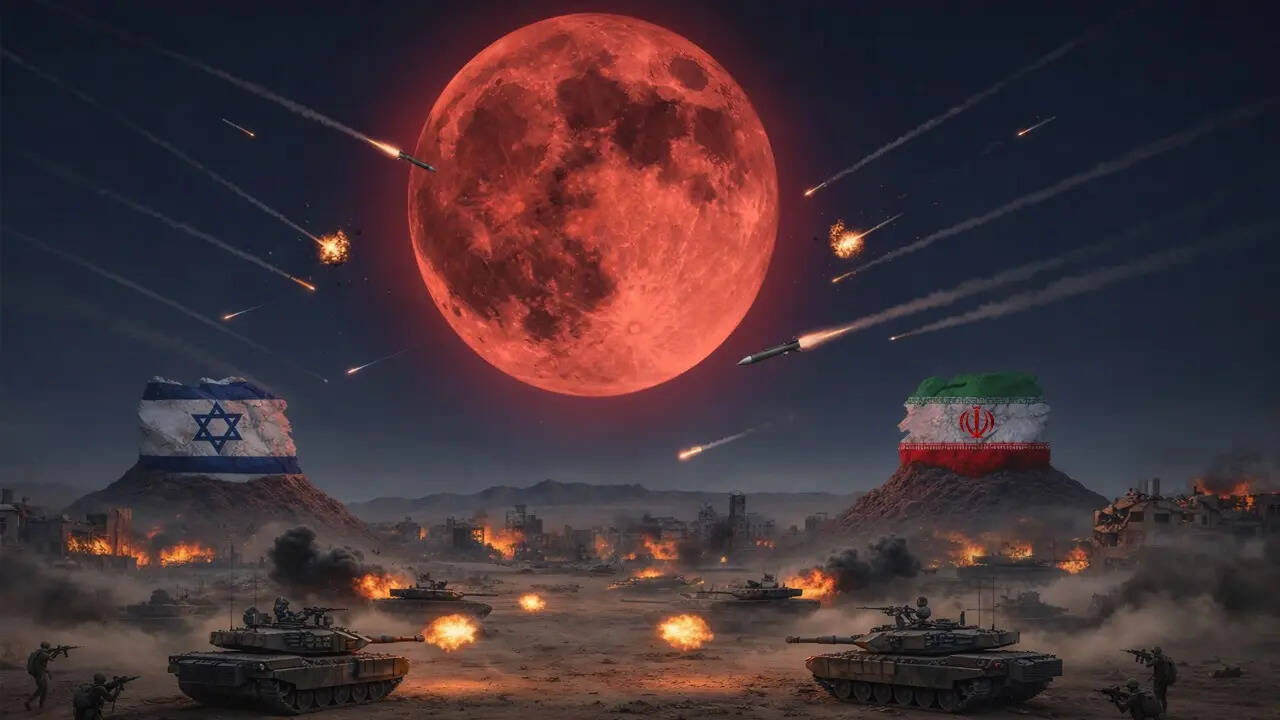
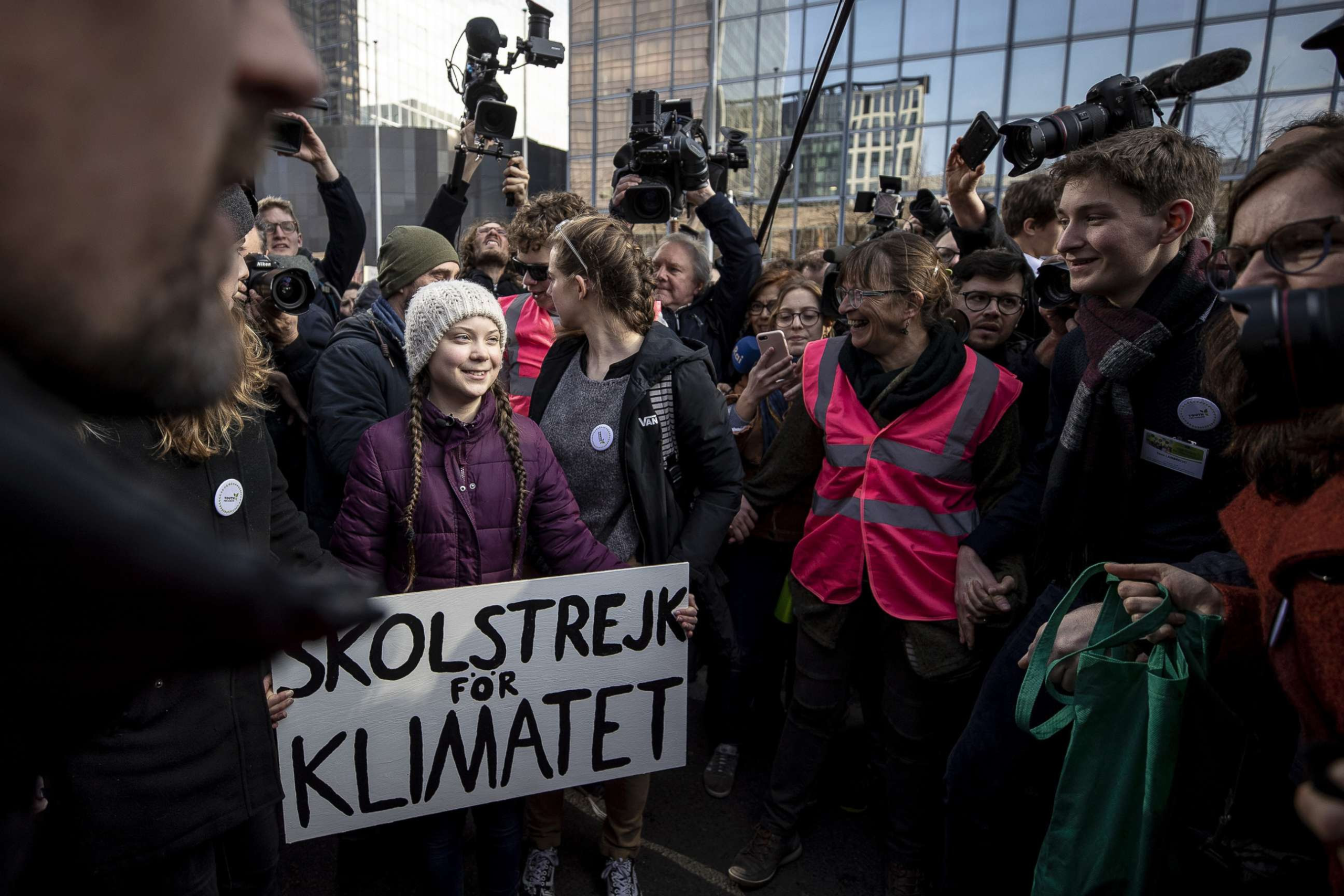


 ). But because my kids were young, and I was determined to be in their lives—not just for a little while longer, but for decades to come.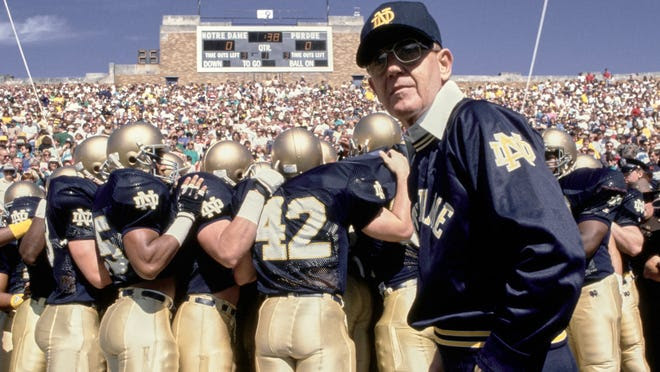



 years cancer free like a champ
  !!
!!
 I can create a reconstructed chapter‑by‑chapter summary
 Super Cancer Fighters — Reconstructed Chapter‑by‑Chapter Summary
 Want a deeper version?
 1. Scientific Analysis of the Remedies in the Book
 2. Comparison With Other Integrative Cancer Books
 3. Practical Checklist of the Book’s Recommendations
 Diet
Diet 4. Critical Evaluation of Bodri’s Claims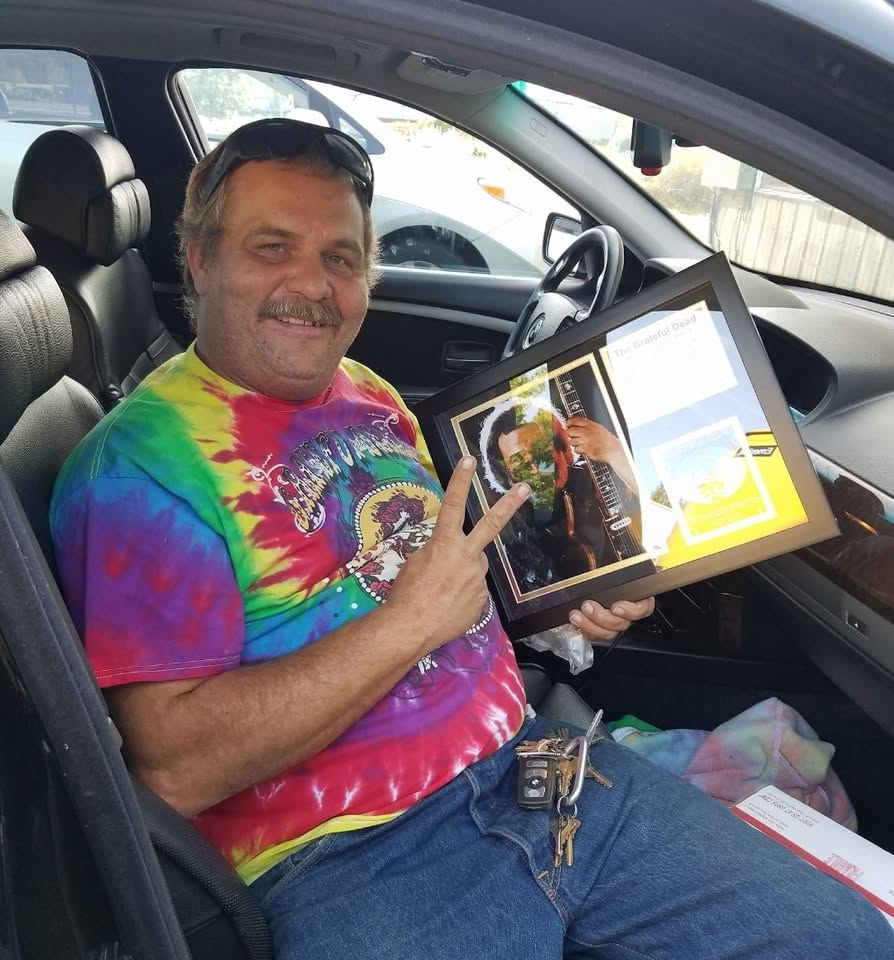

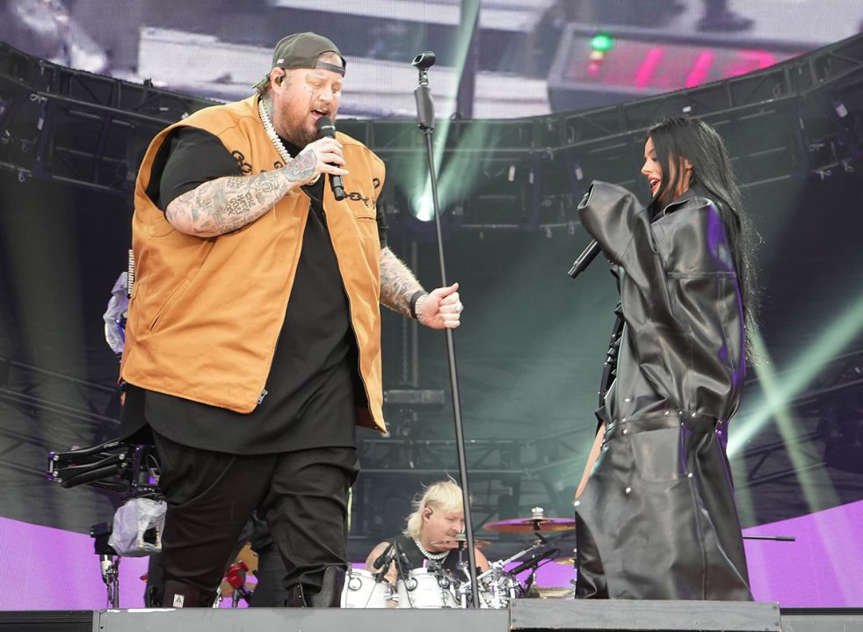


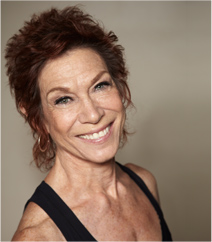
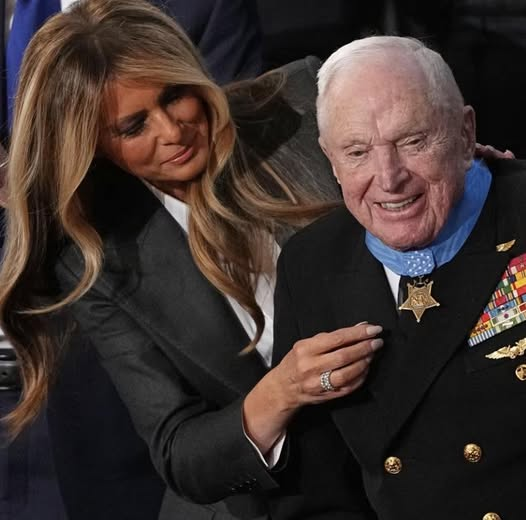
 President Donald Trump and First Lady Melania Trump just awarded 100-year-old Navy fighter pilot Royce Williams the Medal of Honor!


 rescue

 we give thanks to God for all of his blessings.


