
Life Transformation

Watch all of Lady Gaga’s SNL performances over the years

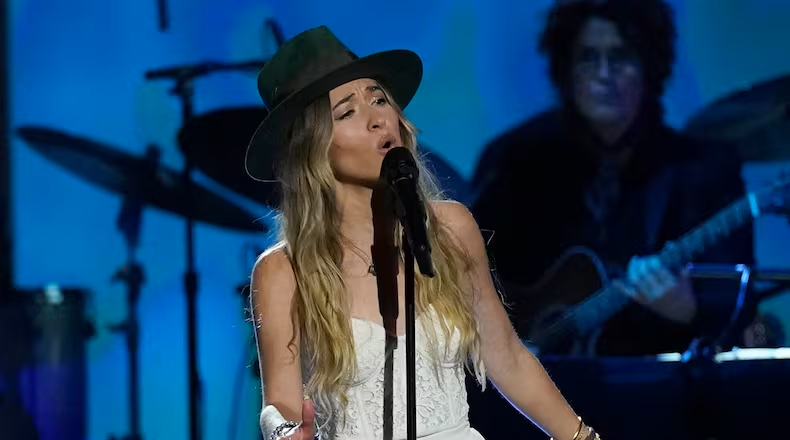
Lady Gaga’s transformation is a remarkable journey of artistic reinvention, bold fashion choices, and personal evolution, showcasing her growth from a pop star to an Oscar-winning actress.

Early Career and Iconic Looks
Lady Gaga burst onto the music scene in the late 2000s with her debut album, The Fame, which introduced her unique style and sound. Her early looks were characterized by avant-garde fashion, including the infamous meat dress she wore at the 2010 MTV VMAs, which made a statement about LGBTQ+ rights and the “Don’t Ask, Don’t Tell” policy.

Evolution Through Music Eras
As her career progressed, Gaga continued to evolve her image with each album. The Artpop era saw her embracing a more artistic and experimental aesthetic, often incorporating elements of Club Kid culture into her performances and outfits. Her music videos during this time featured fantastical visuals and bold artistic references, further solidifying her status as a fashion icon.

Recent Transformations
In recent years, Lady Gaga has toned down her fashion choices slightly, opting for more elegant and timeless looks while still taking risks. Her transformation reflects her growth as an artist and individual, showcasing a balance between her bold, creative roots and a more sophisticated style. This evolution is evident in her appearances at major events, where she often blends high fashion with classic glamour.

Impact on Culture and Art
Gaga’s transformations have not only influenced her music and fashion but have also made significant cultural impacts. She has used her platform to advocate for various social issues, including mental health awareness and LGBTQ+ rights, making her a role model for many. Her ability to reinvent herself while staying true to her artistic vision has made her one of the most iconic figures in contemporary pop culture.

Lady Gaga’s journey is a testament to her creativity, resilience, and ability to connect with her audience through her ever-evolving persona.

 Her transformation continues to inspire fans and fellow artists alike.

Lady Gaga’s Fibromyalgia Documentary – Search

image.png

WATCH  Gaga. Five. Foot. Two.  : Internet Archive

  1. Gaga: Five Foot Two 2017 · 1hr 40min · Documentary film about American singer-songwriter Lady Gaga. It documents the events around the production and release of Gaga’s fifth studio album, Joanne, and her halftime performance at Super Bowl LI.
  2. The film, directed by visual artist and documentarian Chris Moukarbel, made its debut at the 2017 Toronto International Film Festival before having a worldwide streaming release on Netflix on September 22, 2017. It was also shown during the European leg of Gaga’s Joanne World Tour, before each of her shows.

Women With Fibromyalgia+1 chronicillness.co+1 Well+Good+1

  Lady Gaga’s SECRET to Living Well with Fibromyalgia

Recent Developments

Lady Gaga Says She’s Finally ‘Pain-Free’ From Fibromyalgia—Here’s What to Know About the Condition

Dear Lady Gaga: When You Speak About Fibromyalgia, Your Words Matter

Lady Gaga reveals she’s pain-free after struggling with fibromyalgia

From Healing Herbs to Global Ministry | The Story of the American Herb Shoppe

Jelly Roll ft. Lady Gaga – God If You’ve Got A Second (A Song Of Encouragement) Music Video https://www.youtube.com/watch?v=g0jwtrs7ZQY&t=118s

Lady Gaga’s SECRET to Living Well with Fibromyalgia

Lady Gaga – Judas (Official Music Videos)

image.png

Contributing Entertainment WriterLady Gaga attended the 64th Annual GRAMMY Awards at MGM Grand Garden Arena on April 03, 2022 in Las Vegas, Nevada. The singer-songwriter has experimented with her look many times over the years. Read Less | Axelle/Bauer-Griffin/Getty Images/Getty Images

Lady Gaga’s Most Shocking Transformations Throughout the Years
By Olivia Bellusci

Watch all of Lady Gaga’s SNL performances over the years

Lady Gaga may be most well-known for being a pop star, but her appearance has also made a splash in the world of fashion throughout the years.

From a dress entirely made of meat to a sleek outfit showcasing her bleach-blonde hair and eyebrows, the “Poker Face” singer has experimented with her look many times.

Read below for a round-up of Gaga’s most notable looks.

Meat Dress
Starting off the list is Gaga’s look from the 2010 MTV VMAs, where she wore a dress made of raw beef as she accepted the Video of the Year award for “Bad Romance.”

image.png

Lady Gaga accepts award from Cher on stage at the 2010 MTV Video Music Awards held at Nokia Theatre L.A. Live on September 12, 2010 in Los Angeles, California.Read Less | Kevin Mazur/Getty Images

“I was there with four soldiers that had been discharged under the pretense of ‘Don’t Ask, Don’t Tell,’ Gaga stated. “What I was really trying to say was dead meat is dead meat, and anyone that’s willing to take their life and die for their country is the same.”

In a 2011 Lady Gaga 60 minutes interview HD with Anderson Cooper on 60 Minutesthe “Applause” singer explained she wore the carnivorous dress to make a statement about the “Don’t Ask, Don’t Tell” policy, which prohibited members of the LGBTQ+ community from disclosing their sexuality.

image.png

Lady Gaga performs during her “artRave: The Artpop Ball” tour at Madison Square Garden on May 13, 2014, in New York City. | Kevin Mazur/Getty Images

In 2014, Gaga embarked on her ArtRave: The Artpop Ball tour and donned some epic looks, including an inflatable dress resembling tentacles.

The New York native spoke about the look in a 2021 interview with British Vogue. “I was able to just run about the stage in this,” she told the outlet. “And this is absolute Club Kid culture clothing, which was something that we really wanted to celebrate at the ARTPOP ball because it was all about celebrating art, celebrating music but also celebrating the way that those things come together underground.”

Feb 11, 2016

Lady Gaga opens Super Bowl 50 with her stunning performance of the National Anthem. https://www.youtube.com/watch?v=oU_UEVp2ynU&list=RDoU_UEVp2ynU&start_radio=1

David Bowie TributeOne month after legendary singer David Bowie passed away, the “Just Dance” hitmaker decided to honor him at the 2016 Grammy Awards. Inspired by Bowie’s Ziggy Stardust album, Gaga donned an epic blue coat dress with embellishments, blue eyeshadow, and electric red hair.

image.png
Singer Lady Gaga arrives at The 58th GRAMMY Awards at Staples Center on February 15, 2016 in Los Angeles, California. | Axelle/Bauer-Griffin/Getty Images

Met Gala Moment

In 2019, Gaga served as one of the co-chairs for the annual Met Gala and wowed the fashion world with her array of looks.

image.png
Lady Gaga attends The 2019 Met Gala Celebrating Camp: Notes on Fashion at Metropolitan Museum of Art on May 06, 2019 in New York City. | Neilson Barnard/Getty Images

Sticking to the “Camp” theme, Gaga made a performance out of her outfit as she entered wearing a larger-than-life hot pink dress with a giant bow on her head and stripped down to three other looks, including a black dress and a hot pink dress. She finished with a sequined black bra and panties combo.

Lady Gaga’s last song with Tony Bennett was part of their performance in the special “One Last Time: An Evening with Tony Bennett and Lady Gaga,” which took place on August 3 and 5, 2021, at Radio City Music Hall in New York City. This concert was Bennett’s final public performances, and they performed a duet of “Anything Goes” during the show. The event celebrated Bennett’s 95th birthday and was a significant moment in their collaborative career.

Lady Gaga and Tony Bennett on Alzheimer’s and “Very Special” Final Performance

The Final Act: Lady Gaga & Tony Bennett’s 60 Minutes Special – Little Monsters Official

Olympics Opening
The Academy Award winner appeared as a performer in the opening ceremony of the 2024 Summer Olympic Games in Paris and stunned audiences worldwide.

image.png
American Singer-Songwriter Lady Gaga performs at the Sully bridge area before the opening ceremony of the Olympic Games Paris 2024 on July 26, 2024 Lars Baron/Getty Images

While her outfit consisted of a simple black corset, opera gloves, and tights, her hair was the showstopper, as she had three long black feathers sticking out of her slicked-back bleach-blonde hair.

https://www.youtube.com/watch?v=a240KhNIL4Q

Lady Gaga’s performance at the opening ceremony of the 2024 Summer Olympic Games was a highlight of the event. She delivered a stunning rendition of “Mon Truc en Plume,” a French classic, on a golden staircase surrounded by dancers wearing feathered fans. Gaga’s performance was a tribute to the late French ballet dancer, actress, and singer Zizi Jeanmaire, and it showcased her talent and connection to French culture. The ceremony, which took place along the Seine River, was a grand celebration of the Olympic Games, with Gaga’s performance serving as a captivating backdrop for the athletes’ parade. 

List of Lady Gaga live performances – Wikipedia

Feb 9, 2025 #LadyGaga #NFLonFox #superbowllix

Lady Gaga performs ‘Hold My Hand’ ahead of Super Bowl LIX | NFL on FOX

Can Stephen Colbert Pull Off Lady Gaga’s Most Iconic Looks?

“I Found My People” – Lady Gaga On Her Earliest Shows In NYC And Her Perfect Bagel Order

Lady Gaga Uses Magic To Connect With Her Audience, Whether It’s 20 People Or 2.5 Million

“That’s My Next Starring Role, I Hope” – Lady Gaga Says She’s Ready To Start A Family

https://www.youtube.com/watch?v=7f2sKZsCv9M&list=RD7f2sKZsCv9M&start_radio=1

ABRACADABRA OF THE OPERA | Lady Gaga, Andrew Lloyd Webber (Adamusic Mashup)

Lady Gaga – Speechless (Live in London, Mayhem Ball N3 02.10.2025)

Lady Gaga Celebrates Love For Sale (Presented by Westfield)

Lady Gaga – New York, New York (Live From Sinatra 100)

Posted in Uncategorized | Leave a comment

DO COMEDIANS DIE YOUNG

Not only, comedians but also wrestlers …, seem to have an early short expiration date…,

If You Feel Like You Don’t Belong, Science Has Some Surprising Advice

When I first learned of the circumstances around Robin Williams’ death at 63, I was astounded that someone who made so many people laugh – and even cry with laughter – would feel so alone and take his own life.

But on deeper reflection, it didn’t seem so absurd that behind the manic bravado and mayhem there was a sensitive soul who was, perhaps, forever seeking attention and applause. When times became relatively tough, the silence was probably deafening and unbearable. A quote attributed to Williams says it all:

All it takes is a beautiful fake smile to hide an injured soul and they will never notice how broken 💔 you really are.

You guys never visited my grave or watched my show -Roberto Gomez Bolanos 85 years old

Hebrews 9 .27 read in the B I B L E – Search

Death is only “tragic” to those who do not believe in our Heavenly Creator. Celebrities appear to be more lineage hollow, lost souls who enterTrain the herd. Humble opinion, folks. Everybody has one, but are Taught to be offended by ANYone who disagrees.

Gene Keys | 60s | 1920×1080 | CS15712

It is a well-known fact that ALL comedians are angry miserable ppl ironically…UP NEXT: Tragedians Who Died Comically!!! = )3 – REST WITH THE HIGHEST TO ALL THOSE THAT HAVE PASSED ON THE UNIVERSE MISSES YOU❤💯%

Jay Thomas was a DJ in New York City when he was on Mork and Mindy. Frequently he would call the station from the set to tell the audience how things were going. He said that Robin Williams frequently never spoke to anyone when they weren’t rolling and he stayed off by himself most of the time.

Having a strong interest in public health and epidemiology:

I began to think of all comedians I had grown up with. And I quickly formed the (untested) hypothesis that perhaps the funnier a comedian was, the more likely they would die prematurely.

It seems to me from an outsider that there is a LOT of depression/self loathing in the community. Sometimes the best way to combat that is to laugh or make stupid jokes, so some of the best people at making those jokes are the ones who have to fight the hardest from those intrusive thoughts. So many comedians claim to be introverts it’s crazy. As someone who deals with depression at times, I always want to be the “funny” guy in the room. Not because I want the attention, but I want to be far away from giving off “Debbie downer” vibes.

After working my way through the “usual suspects”, from the Goons to Monty Python and the Carry On teams, to the famous comedy duos of Morecambe and Wise, The Two Ronnies and even Bud Abbott and Lou Costello, I saw nothing to challenge my working hypothesis.

I was even more surprised to find that no one appeared to have commented on – or investigated – this intriguing phenomenon. Out of curiosity, therefore, I decided to undertake my own investigations; knowing full well they may prove to be controversial given the subject matter.

Why Do Funnier Comedians Die Sooner? | Psychology Today

The phenomenon of comedians dying young has been a topic of interest and speculation. Research suggests that the funnier a comedian is, the higher their mortality rate. A study published in the International Journal of Cardiology found that among 53 male British comedians, those rated as ‘very funny’ had a 78% mortality rate compared to 40% of the less funny comedians. The average age at death for the ‘very funny’ comedians was 63.3 years, while the less funny comedians died at an average age of 72.3 years. This suggests a significant correlation between comedic ability and reduced longevity.

The study also found that within comedy teams, the funnier member was more than three times more likely to die prematurely compared to their more serious comedy partner. This finding adds to the evidence that the entertainment industry may attract individuals with certain personality traits or health issues, which could contribute to their early demise.

While the reasons behind this correlation are not fully understood, they highlight the potential risks associated with the demands of a career in comedy. The pressures of performing, the need for quick wit, and the potential for mental health issues related to the job may all play a role in the premature deaths of comedians.

Two subsequent analyses (both necessarily retrospective) examining the potential negative correlation between comedic ability and longevity add weight to the theory that comedians die young.

An initial analysis was of 53 British and Irish (male) comedians identified from a popular voting website. (On the website, thousands of people vote on their favourite comedians – and other entertainers – ranking their popularity.)

In this instance, myself and my colleague, Professor David Thompson, decided to rank these comedians independently according to how funny we thought they were. We found those who were the funniest were more likely to have already died (78% versus 40% of those deemed less funny). They also had died at almost a decade younger (average age of death 63). As reported in the International Journal of Cardiology, therefore, we had found a significant and independent correlation between “funniness” and reduced longevity.

Most strikingly, within comedy teams, the funniest partner was three times more likely to die prematurely than the “straight man”.

In our more recent analysis, also published in the same journal, we particularly focussed on the “pure” form of comedy – stand-up – as opposed to the scripted comedy largely seen in television sit-coms and films.

Using the same public “ranking” website, we identified 200 stand-up comedians (13% women), 113 comedy actors (18% women), and 184 dramatic actors (29% women). We then retrospectively studied their longevity according to their funniness (as ranked by the website) and life-expectancy.

As hypothesised, if a stand-up comedian died, they did so two to three years younger than comedic and dramatic actors.

Moreover, in stand-up comedians only (and independent of year of birth), the funnier a comedian was judged to be, the greater their risk of dying. The comedians had been ranked on the website from 1-200. Each ten-point difference in ranking gave a 6% higher risk of death.

The reverse appeared to be true for dramatic actors: those ranked as the very best thespians live the longest. No real trends were seen in comedic actors.

So what does “science” tell us? There are a (limited) number of reports in the psychology literature examining the potentially unique characteristics of comedians.

Not surprisingly, these reports suggest that many comedians live on the edge of mental wellness with strong traits indicative of bipolar disorders; with accompanying high levels of mania and depression as well as impulsive behaviours.

Such reports have to be balanced by the large volume of anecdotal evidence (the recently departed Victoria Wood comes to mind) suggesting that many high profile comedians have successfully developed a comedic persona to overcome inherent shyness and/or childhood trauma and turned that into a career.

Rather than being mentally ill, they may well be introverted individuals who have developed a highly successful coping mechanism for dealing with other people. Intriguingly, there is some evidence to suggest that the longevity of children deemed to be funny is significantly reduced compared to their more serious counterparts.

Beyond the world of comedians and the need to investigate this phenomenon further with more rigorous studies, what relevance does this have to do real life? I can only reflect on the case of my father, who died prematurely at the age of 48 after suffering from cancer for a number of years.

I knew him as a quiet, loving and introspective man who spent much of his leisure time reading. To his friends though, Tom Stewart was a “natural born entertainer”, the “life of the party” (he didn’t drink) and the “funniest man alive”.

Was my father one of those “comedians” who walk among us and make us laugh, but through their introspection (and perhaps inner turmoil) leave themselves exposed to physical and mental ill health and reduced longevity?

Humor may not be so good for your health after all

There is a widely held belief that humour is good for your health. The benefits of humour and laughter are linked to every imaginable health outcome. It is claimed that a good old giggle can help reduce pain, boost the immune system, is good for the heart and lowers blood pressure.

The research on the health benefits of humour and laughter to health has found mixed results, however, with most claims unsubstantiated or at least exaggerated. The most robust studies on humour and health usually show just a short relief from pain due to exposure to humour – by watching a comedy film, for example – or that humour merely helps mitigate symptoms of a disease. To date, no study has shown convincingly that humour can help a person recover from a serious illness.

One way to investigate the relationship between humour and health is to look at the health of people who use humour as part of their job: stand-up comedians and improv artists, for example. Incidentally, not only do they use humour as part of their profession, they also display the highest levels of humour ability. So if humour is good for our health, we should expect comedians to benefit the most from it.

Dead parrot

While it is often claimed that humor can prolong life, research has actually found the opposite to be true. One study found that comedians and humour writers, as well as serious entertainers, actually die younger compared to other famous people who are not entertainers.

Likewise, researchers have found that the mortality rate of the most successful British comedians of all time was higher compared to the less successful ones. Another study found that stand-up comedians die at a younger age than both comedy and dramatic actors.

These studies were somewhat limited, however, because they included only male comedians, and most of them were already dead. In addition, focusing on the most famous comedians can cause a bias. Famous people often live very unhealthy lives, and the comedians might have died from reasons unrelated to comedy or humour, such as heavy drinking, smoking or drug use.

My colleagues and I decided to take a different approach. We collected data from 511 improv artist students – 224 women and 267 men – all alive, from the Upright Citizen’s Brigade Training Centers in New York and Los Angeles. We compared this improv group to 795 non-comedians, that were matched in age, sex and education.

25 Dead Comedians Who Died Too Soon

9 SNL Stars Who Died Too Young

image.png

On stage. Fer Gregory/Shutterstock

Seems like a really funny person tends to be very sad on the inside.

We asked participants from both groups to tell us how many infectious diseases they had had in the past three years – for example, respiratory and skin infections – and how long they had lasted. Susceptibility to infectious diseases is a good indicator of the strength of one’s immune system.

The improv artists reported that they had had significantly more infections, which had lasted longer, in six of the seven infection categories we used, compared to the control group. The total days of infections for the improv artists were more than twice as long as the control: 40 compared to 19.

The downside of being funny

Our study adds further evidence to the fact that comedy performers suffer more health problems than non-comedy performers, at least based on their own reports. These results held true even after controlling for age, sex, education, neuroticism and BMI. So, performing comedy not only doesn’t help your immune system, it may actually be detrimental to your health.

It is possible that the lives of improv artists are more stressful than those of the average person. Becoming a comedian is difficult, with high levels of competition and low job security. Very few aspiring comics are able to have a successful career, and most will eventually have to work in something else. Working in front of large crowds may also expose the improv artists to infectious illnesses. These factors are not directly related to humour, but rather to the lifestyle of any comedian performing in front of a crowd.

There is also another possibility. Evidence suggests that people with a great sense of humour are overly optimistic about their own health, and take potential health risks less seriously, even engaging in riskier behaviors. Comedians and improv artists may ignore warning signs or symptoms of various diseases, and may not go to the doctor to get checked as often as they should. Ultimately, this would make them more sick compared to people who take their health problems seriously.

The bottom line is that our research offers little support to the common notion that humour is good for your health, and actually finds that a career in a humour-related profession is associated with higher reported health problems. We need to be cautious, though, in our conclusions, as this is a correlational study and does not imply a cause and effect. It will be interesting to compare people in humour professions to other entertainers or different vocational groups, such as actors, dancers and writers, to see if they all share the same health problems.

Loretta Mary Aiken (March 19, 1897[1] – May 23, 1975), at 78 years old in White Plains, New York.known by her stage name Jackie “Moms” Mabley, was an American stand-up comedian and actress. Mabley began her career on the theater stage in the 1920s and became a veteran entertainer of the Chitlin’ Circuit of black vaudeville. Mabley later recorded comedy albums and appeared in films and on television programs including The Ed Sullivan Show and The Smothers Brothers Comedy Hour.[3]    The cause of her death was a myocardial infarction, commonly known as a heart attack

John Witherspoon, the beloved actor and comedian known for roles in FridayThe Wayans Bros., and The Boondocks, passed away on October 29, 2019, at the age of 77. His official cause of death was myocardial infarction, which is the medical term for a heart attack. Underlying conditions listed on his death certificate included coronary artery disease and obesity, with hypertension noted as a significant contributing factor

George Carlin, whose comedy was ahead of its time, died of heart failure on June 22, 2008, at the age of 71 in Santa Monica, California. The specific medical cause was a myocardial infarctionHeart Failure: What Killed George Carlin? on MedicineNet.com commonly known as a heart attack. He had a long history of cardiovascular issues, including three previous heart attacks and other heart-related procedures over the span of three decades. 

32 Stand-Up Comedians Who Passed Way Too Soon | Cinema Blend

Benny Hill died of coronary thrombosis on April 18, 1992, at the age of 68. Coronary thrombosis is a condition where a blood clot forms in the coronary arteries, which can block blood flow to the heart and lead to a heart attack. IInside Benny Hill’s final months – ‘lonely, depressed’; body not being found for days n the months leading up to his death, Hill reportedly experienced declining health and had refused bypass surgery despite medical advice. His body was discovered in his flat several days after he had passed away, highlighting the solitude he lived in during his final years

Redd Foxx, the legendary comedian and actor best known for his role as Fred Sanford on Sanford and Son, died of a myocardial infarction, commonly known as a heart attack. He collapsed on October 11, 1991, at the age of 68 years old. While rehearsing for his new television show The Royal Family on the Paramount Studios lot in Hollywood. Despite being rushed to Queen of Angels-Hollywood Presbyterian Medical Center, he was pronounced dead later that evening

Clerow Flip Wilson was 64 years old when he died of liver cancer on November 25, 1998, at his home in Malibu, California. and passed away peacefully in his sleep, with his daughter Michelle by his side.  The comedian was cremated at Westwood Village Memorial Park, and his ashes were scattered at sea off the beach at Malibu in the Pacific Ocean.   

Wilson was born into poverty on Dec. 8, 1933, in Jersey City, N.J., and raised in foster homes, quitting school at 16. He served four years in the Air Force and earned the nickname “Flip” for his irreverent humor when he began entertaining the troops. Discharged in 1954, Wilson spent more than a decade working at odd jobs and developing a comedy act in small clubs. When Hollywood began to seek out black entertainers in the ’60s, his career took up an upward turn.

Wilson made his TV debut on “The Tonight Show Starring Johnny Carson” in 1965, and that led to frequent appearances on “The Ed Sullivan Show” and “Laugh-In” and on comedy series including “Love, American Style.” A variety special in which he starred in September 1968 led to his own series, which earned him an Emmy for performing and one for writing in 1971. It took competition from a new drama, “The Waltons,” to knock Wilson’s show down in the ratings and off the air. The comedian was divorced about the time his show ended and he won custody of his four children. 

Robin Williams died by suicide on August 11, 2014, at the age of 63. (maybe not “young” but well before the average US male) While the immediate cause was hanging, the underlying factors were far more complex. His autopsy revealed that he had been suffering from Lewy body dementia, a progressive neurological disorder that severely affects thinking, memory, and movement Robin Williams Autopsy & Cause of Death: Read Full Report  Initially misdiagnosed with Parkinson’s disease, Williams experienced intense anxiety, paranoia, and cognitive decline in his final months. These symptoms were later understood to be manifestations of Lewy body dementia, which is often difficult to diagnose until after death.

TOMMY COOPER: Stage Performance That Ended in DEATH #10 the beloved Welsh comedian and magician, died of a myocardial infarction at 63 years old—commonly known as a heart attack—on April 15, 1984. Tragically, this occurred live on stage during a televised performance of Live From Her Majesty’s at Her Majesty’s Theatre in London. Many in the audience initially believed his collapse was part of the act, given his comedic style that often involved deliberate mishaps. Tommy Cooper – Classic Bottle Glass, Glass Bottle!

Norm Macdonald passed away on September 14, 2021, at the age of 61 after a private nine-year battle with acute leukemia, a form of blood cancer. He chose to keep his diagnosis out of the public eye, continuing to perform and write without letting his illness define his legacy. His longtime producing partner, Lori Jo Hoekstra, shared that Norm never wanted his health to affect how audiences or loved ones perceived him

Robert George Schimmel, the American stand-up comedian known for his raw and irreverent humor, died from injuries sustained in a car accident on September 3, 2010, at the age of 60. The crash occurred on August 26, 2010, in Arizona, while he was a passenger in a car driven by his 19-year-old daughter. She swerved to avoid another vehicle, causing their car to roll off the freeway. 

Schimmel was an American stand-up comedian who was known for his blue comedy. While the extremely profane nature of his act limited his commercial appeal, he had a reputation as a “comic’s comic” due to his relentless touring, comedy albums and frequent appearances on HBO and The Howard Stern Show. Schimmel is number 76 on the 2004 program Comedy Central Presents: 100 Greatest Stand-Ups of AllTime   Comedian Robert Schimmel’s Crash May Devastate Teen Daughter – ABC News

Charlie Murphy, the comedian and actor best known for his work on Chappelle’s Show, passed away on April 12, 2017, at the age of 57 due to leukemia. He had been receiving treatment at a hospital in New York City, and his death came as a shock to many, as his condition was reportedly improving at the time. Charlie Murphy, comedian and brother of Eddie Murphy, dead at 57 – CBS News

SNL star Jan Hooks was battling cancer before her death on October 9, 2014, at the age of 57  Her remains were interred in Northview Cemetery in Cedartown, Georgia.[1] Hooks’s doctor had advised her to stop drinking due to liver damage, but according to friend Bill Tush, “she paid him no heed” and did not quit. She was diagnosed with leukemia in February 2009, which was treated over several months and went into remission that May. In April 2014, Hooks discovered a bump on her throat. A biopsy confirmed she had throat cancer, and Hooks was treated at Memorial Sloan Kettering Cancer Center

The tumor was deemed unresponsive to chemotherapy and continued to grow. Doctors said the only remaining option was a total laryngectomy, which Hooks declined. She arranged for hospice care and used prescription drugs, wine, and cigarettes to manage the pain. Her ability to speak, eat, and breathe declined.[3] The Simpsons episode “Super Franchise Me” memorialized her on October 12, 2014, with her longtime character Manjula Nahasapeemapetilon honored in the credits.[24]

Vic Henley, the beloved comedian known for his appearances on the Opie & Anthony radio show and various television networks, passed away on April 6, 2020, at the age of 57. The cause of death was a pulmonary embolism, which is a blood clot in the lung. Henley was co-author of the national best-selling book Games Rednecks Play with fellow comedian Jeff Foxworthy.[1] Henley was a close friend of Kathleen Madigan and Ron White.

Rik Mayall’s cause of death revealed | HELLO!, the beloved British comedian and actor, died on June 9, 2014, at the age of 56 due to a myocardial infarction, commonly known as a heart attack. His wife, Barbara Robbin, revealed that he had just returned from his regular jog when he suffered the fatal cardiac event at their home in Barnes, London  Although a post-mortem examination was initially inconclusive, it was later confirmed that his death was not related to his previous quad bike accident in 1998, which had left him in a coma for several days

John Ritter died from an aortic dissection, just six days before his 55th birthday. A serious and often fatal condition where the inner layer of the aorta tears, allowing blood to flow between the layers of the wall of the aorta and forcing them apart. He collapsed while rehearsing for his sitcom 8 Simple Rules for Dating My Teenage Daughter and was initially misdiagnosed with a heart attack. The misdiagnosis delayed proper treatment, and he passed away on September 11, 2003, 

Paul Lynde died of a myocardial infarction, commonly known as a heart attack, on January 10, 1982, at the age of 55. An autopsy revealed traces of butyl nitrate, a heart stimulant sometimes used recreationally, in his system. However, the pathologist stated that the amount found was too small to have caused or contributed to the heart attack. Lynde also had an acute heart condition and emphysema.

His wife, Amy Yasbeck, later founded John Ritter | The John Ritter Foundation For Aortic Health to raise awareness and fund research on this condition.

Bernie Mac died on August 9, 2008, at the age of 50 due to complications from pneumonia. He had long battled sarcoidosis, a chronic inflammatory disease that often affects the lungs, which may have contributed to his vulnerability

The Amazing Life and Shocking Death of Beloved Comedian Bernie Mac, Who Would Have Turned 68

. His passing was sudden and deeply mourned by fans and loved ones, especially as he had recently completed filming his final movie, Soul Men.

What about John “show me the buffet” Pinette?

John Pinette, the beloved American stand-up comedian and actor, passed away on April 5, 2014, at the age of 50. The official cause of death was a pulmonary embolism, which is a blockage in one of the pulmonary arteries in the lungs. He had also been dealing with liver and heart disease, and had previously checked into rehab for a prescription pill addiction. Despite these health challenges, he had reportedly lost 200 pounds and gotten sober in the year leading up to his death. https://uproxx.com/viral/rip-comedian-john-pinette/

Jim Varney, best known for his role as Ernest P. Worrell, died of lung cancer on February 10, 2000, at the age of 50. His portrayal of Ernest in commercials and films made him a beloved comedic figure, and he also voiced Slinky Dog in the first two Toy Story movies. Varney was born in Lexington, Kentucky,[5] the son of Nancy Louise (née Howard; 1913–1994), and James Albert Varney Sr. (1910–1985). As a child, he displayed the ability to memorize long poems and significant portions of the material from books, which he used to entertain family and friends. When Varney was a boy, his mother would turn on cartoons for him to watch. His mother discovered that Varney quickly began to imitate the cartoon characters, so she started him in children’s theater when he was eight years old. Varney began his interest in theater as a teenager, winning state titles in drama competitions while a student at Lafayette High School[6] (class of 1968) in Lexington.

Phil Hartman died on May 28, 1998, at the age of 49 from a gunshot wound. He was tragically killed by his wife, Brynn Omdahl Hartman, in a murder-suicide at their home in Los Angeles. After shooting Hartman while he slept, Brynn later took her own life.

Richard “Platypus Man” Jeni, the American stand-up comedian and actor, died by suicide from a gunshot wound on March 10, 2007, at the age of 49. According to the coroner’s report, Jeni had a history of mental illness, including depression and psychotic paranoia. He had been involuntarily hospitalized a few months prior due to suicidal thoughts and was diagnosed with “suicidality, homicidality, and depression” Full tragedy of Jeni’s suicide revealed : News 2007 : Chortle : The UK Comedy GuideHis girlfriend reported that he had been exhibiting troubling behavior in the days leading up to his death, including talking to himself and expressing suicidal ideation. Jeni shot himself in the mouth with a .38-caliber handgun at his West Hollywood home Coroner’s Report: Jeni Was Mentally Ill – CBS News

Jerome “Curly” Howard, a member of the Three Stooges, died of a massive cerebral hemorrhage on January 18, 1952, at the age of 48. His health had been declining due to a series of strokes and severe health issues. He had suffered multiple strokes in the years leading up to his death, with the first major one occurring in 1946, which significantly impacted his health and career. His lifestyle of overeating and heavy drinking played a large role in his strokes and his untimely death.

Marty Feldman died of a heart attack (myocardial infarction) on December 2, 1982, at the age of 48. He was in Mexico City filming the movie Yellowbeard at the time. Contributing factors mentioned by those close to him include heavy smoking, excessive coffee consumption, and a rich diet.

Dennis Wolfberg died of melanoma on October 3, 1994, aged 48. He had been diagnosed with cancer at least two years before his death, and he continued to work through the end of August 1994. At the time of his death, he was negotiating a deal for his own TV show. Wolfberg began his comedy career in New York City at the Comic Strip. Although he always wanted to be a comedian, he auditioned as a singer, playing his Martin guitar. Fortuitously, his audition piece was the Comic Strip’s owner’s favorite song: “American Pie.” Wolfberg appeared twice on The Tonight Show

In addition, he was a frequent guest on The Merv Griffin ShowThe Pat Sajak Show, and The Arsenio Hall Show. He starred in his own half-hour comedy special on HBO in 1990.[1] He also had a recurring role as Gooshie on NBC’s Quantum Leap, and in April 1993, Entertainment Tonight aired “A Day in the Life of Dennis Wolfberg,” focusing on his relentless touring schedule. He headlined at comedy clubs across the country as well as working in Las Vegas and Atlantic City on a regular basis. He was twice named America’s top male comic in votes by clubgoers and owners nationwide. In 1991, he won an American Comedy Award as best male stand-up.

Warren Thomas, the American comedian known for his sharp wit and jazz-like comedic style, died on September 2, 2005, at 47 years old in Manhattan, New York. His cause of death was complications from a leg infection. Thomas was cited as the funniest comedian alive by Greg Proops. Because of its speed, rhythm and flow, his comedy was often compared to jazz music. Warren mentored Jamie Foxx and worked with Dave Chappelle.  On the April 9, 2010, episode of HBO‘s Real Time with Bill Maher, comedian   Chris Rock paid tribute to Thomas in the form of a rhetorical question, “Who was funnier than Warren Thomas?”

Ralphie May, the beloved stand-up comedian, died on October 6, 2017, at the age of 45. The official cause of death was hypertensive cardiovascular disease, which is a condition related to high blood pressure and heart complications. Ralphie May’s cause of death revealed – CBS News His death was ruled as natural by the Clark County Coroner’s office. In the weeks leading up to his passing, May had been battling pneumonia, which led him to cancel several shows. He was found at a private residence in Las Vegas, where he had been performing as part of a residency.

Drake Sather, the Emmy-nominated writer and comedian best known for co-creating the character Derek Zoolander, died from a gunshot wound in what was reported as suicide. He passed away on March 3, 2004, in Los Angeles at the age of 44. At the time of his death, Sather and his wife were going through couples therapy; he had expressed frustration at his home life along with his current work (the aforementioned Mr. Ed). On March 3, 2004, after a heated therapy session saw him leave early, Sather called his wife and then shot himself.

 Greg Giraldo, The Roast Comedian died on September 29, 2010, at the age of 44 due to an accidental drug overdose involving prescription medication. Gregory Carlos Giraldo was an American stand-up comedian, television personality, and lawyer. He is remembered for his appearances on Comedy Central’s televised roast specials, and for his work on that network’s television shows Tough Crowd with Colin Quinn, Lewis Black’s Root of All Evil, and the programming block Stand-Up Nation, the last of which he hosted.

John Candy died of a heart attack  He was in Durango, Mexico, filming the western comedy Wagons East! at the time. Candy had long struggled with health issues, including obesity and stress, and reportedly felt he was living “on borrowed time”. His passing shocked fans and the entertainment industry, and his legacy continues to be celebrated, most recently in the documentary John Candy: I Like Me  The cause of death of John Candy, the actor known for his role in “Uncle Buck,” was a heart attack (medically known as a myocardial infarction)  on March 4, 1994, at the age of 43. Candy struggled with obesity and had a history of heart disease, which contributed to his health issues.   

Gilda Radner died of ovarian cancer on May 20, 1989, at the age of 42. After nearly a year of misdiagnoses, Radner was diagnosed with ovarian cancer in 1986 and died from the disease in 1989. Her battle with the disease lasted nearly three years, and her husband, actor Gene Wilder, was by her side during her final days. Shortly before her death, she published her autobiography, It’s Always Something, which dealt frankly with her life, work, and personal struggles, including her struggles with the illness

Gene Wilder’s Tearful Goodbye to Wife Gilda Radner

Dorothy Dandridge died on September 8, 1965, at the age of 42. Dorothy Dandridge’s Death – Cause and Date – The Celebrity DeathsThe cause of her death was an accidental overdose of antidepressants. Initially, some reports suggested an embolism, but further findings pointed to the overdose as the definitive cause Dorothy Dandridge dies at 42 | 1965 | This Day in Women’s History | HerWiki

Comedian Trevor Moore’s Cause of Death Revealed the comedian and co-founder of the sketch comedy group The Whitest Kids U’ Know, tragically died on August 7, 2021, at the age of 41. His cause of death was blunt force trauma to the head, which was ruled an accident by the Los Angeles County Medical Examiner-Coroner. Reports indicate that Moore fell from a second-story balcony at his home, and alcohol may have been a contributing factor due to a high blood alcohol content at the time. 

Patrice O’Neal died on November 29, 2011, at the age of 41 due to complications from a stroke he suffered in October of that year. The stroke was caused by type 2 diabetes, a condition he had been battling for some time. Patrice Lumumba Malcolm O’Neal was an American comedian and actor. He was known for his stand-up comedy career and his regular guest appearances on the talk show Tough Crowd with Colin Quinn and the radio show Opie and Anthony.

Lenny Bruce, Uninhibited Comic, Found Dead in Hollywood Home Lenny Bruce died of a drug overdose on August 3, 1966, at the age of 40. He was found in the bathroom of his Los Angeles home, and narcotics paraphernalia were discovered nearby Nico ‘s 1967 album Chelsea Girl includes a track entitle“Eulogy to Lenny Bruce”, a version of Hardin’s “Lenny’s Tune” with the lyrics slightly altered. In it, she describes her sorrow and anger at Bruce’s death.

Sam Kinison died in a tragic car accident on April 10, 1992, at the age of 38. He was driving his Pontiac Trans Am on U.S. Route 95 near Needles, California, en route to a performance in Laughlin, Nevada, when a pickup truck driven by a 17-year-old, who had been drinking, crossed into his lane and collided with his vehicle head-on. Kinison suffered fatal injuries in the crash, while his wife, Malika Souiri, whom he had married just five days earlier, was seriously injured but survived. 

The Death Of Sam Kinison | Horrific Car Crash Location in the Desert

 When Did Sam Kinison Die? His Cause of Death and Last Words Killed on 95 by a driver trying to pass a 50 mile stall…………….The errant driver, Troy Pierson pled guilty to one count of vehicular manslaughter with gross negligence. He was sentenced to one year of probation and 300 hours of community service, and his driver’s license was suspended for two years. What happened to the drunk teenager that killed comedian Sam Kinison in a car crash?

Troy Pierson, the 17-year-old driver involved in the fatal accident, was sentenced to one year of probation, his driver’s license was suspended for two years, and he was ordered to serve 300 hours of community service. The incident occurred on April 10, 1992, when Pierson’s truck collided head-on with comedian Sam Kinison’s car, resulting in Kinison’s death and his wife’s injuries. Despite the tragic outcome, Pierson was not charged with murder, as he was a minor at the time of the accident. The case has been a subject of public interest and discussion, highlighting the consequences of drunk driving and the legal implications for young drivers

Mitch Hedberg died on March 30, 2005, at the age of 37. The official cause of death was multiple drug toxicity, with traces of cocaine and heroin found in his system. Initially, it was believed he had died from heart failure, as he had a congenital heart defect and experienced chronic heart palpitations Mitch Hedberg Death: 10 Startling Facts. However, the medical examiner’s report later clarified the cause as a drug overdose

Robin Harris, the beloved comedian and actor known for his role in House Party and his iconic “Bébé’s Kids” routine, ‘We Don’t Die, We Multiply’: The Oral History of Bébé’s Kids | News | BET died of a myocardial infarction, commonly known as a heart attack. He passed away in his sleep on March 18, 1990, at the age of 36

 Death of Marilyn Monroe – Wikipedia died on the evening of August 4, 1962, at the age of 36. The official cause of death was a barbiturate overdose, and the Los Angeles County coroner ruled it a probable suicideHow Did Marilyn Monroe Die? Inside The Icon’s Mysterious Death She was found in her Brentwood, Los Angeles home with empty pill bottles nearby, and her death has since been surrounded by speculation and conspiracy theories, including possible foul play or accidental overdose. Despite the mystery, the medical examiner’s report concluded that the overdose was self-administered  Death of Marilyn Monroe – World History Edu

Andy Kaufman died of lung cancer on May 16, 1984, at the age of 35. Although he had been diagnosed with large-cell carcinoma of the lung, which is typically associated with smoking, Kaufman was a non-smoker and was known for his health-food lifestyle. His death was met with skepticism, as many believed it was a hoax, given his history of elaborate pranks and performances.

John Belushi died on March 5, 1982, at the age of 33. His cause of death was attributed to a lethal combination of cocaine and heroin, commonly known as a speedball, which he injected himself. The incident occurred at the Chateau Marmont hotel in Los Angeles, where he was found unconscious after a night of partying and drug use. His death highlighted the serious issue of substance abuse in the entertainment industry and underscored the tragic consequences of addiction. 

Chris Farley died on December 18, 1997, at the age of 33 from an accidental drug overdose. The autopsy revealed that he had consumed a “speedball” — a lethal combination of cocaine and morphine. Additionally, he suffered from coronary atherosclerosis, a heart condition that contributed to his death CNN – Farley died from overdose of cocaine, morphine – Jan. 2, 1998 Farley’s passing mirrored that of his idol, John Belushi, who also died at 33 from a similar overdose. Farley did my favorite sketch of all time. The decaf coffee psycho. Interesting that Farley was the “Spiritual Successor” to Belushi, who also died young. Which “spirit” were they following?

Bill Hicks died of pancreatic cancer on February 26, 1994, at the age of 32 in Little Rock, Arkansas

Christina Grimmie tragically died from gunshot wounds on June 10, 2016, in Orlando, Florida. She was shot by a 27-year-old man while signing autographs after a concert at The Plaza Live. Her brother bravely tackled the shooter, who then fatally shot himself. Grimmie was just 22 years old at the time of her death.

The Suicide Death of Freddie Prinze the American comedian who I never thought was funny and actor best known for his role in Chico and the Man, died by suicide on January 29, 1977, at the age of 22. Despite his rapid rise to fame, Prinze struggled with personal issues, including drug use and emotional distress Interestingly, in 1983, a jury ruled that Prince’s death was accidental for insurance purposes, allowing his mother to collect on certain life insurance policies. However, the prevailing public and historical accounts continue to cite suicide as the cause of death.

Although many sources state that Freddie Prinze committed suicide, his family brought suit and had the cause of death changed to “Accidental” because of his quirk of playing around with pistols and “Russian Roulette.” I’m fussy on the details, and Wikipedia is its usual unhelpful self, so I ask, “Does anyone know exactly how Freddie was killed while playing with a handgun which, I assume, was not supposed to be loaded?” I vaguely recall there was talk of this at the time of the lawsuit, likening it to Brandon Lee’s death.

Jaleel White is alive and well. Despite recurring internet rumors and hoaxes claiming otherwise, there is no truth to reports of his death. He’s best known for playing Steve Urkel on Family Matters and continues to be active in the entertainment industry. News of actor Jaleel White’s death spread quickly earlier this week causing concern among fans across the world. However the October 2025 report has now been confirmed as a complete hoax and just the latest in a string of fake celebrity death reports. Thankfully, the actor best known for his role on the television series Family Matters is alive and well.

You guys never visited my grave or watched my show -Roberto Gomez Bolanos 85 years old

Hebrews 9 .27 read in the B I B L E – Search

Death is only “tragic” to those who do not believe in our Heavenly Creator. Celebrities appear to be more lineage hollow, lost souls who enterTrain the herd. Humble opinion, folks. Everybody has one, but are Taught to be offended by ANYone who disagrees.

Gene Keys | 60s | 1920×1080 | CS15712

It is a well known fact that ALL comedians are angry miserable ppl ironically…UP NEXT: Tragedians Who Died Comically!!! = )3 –  REST WITH THE HIGHEST TO ALL THOSE THAT HAVE PASSED ON THE UNIVERSE MISSES YOU❤💯%

@chevyman1722

5 years ago (edited)  

Suicide isn’t something people like to talk about…I myself attempted suicide twice… I’m 56 now but in the early 90’s I started getting distant and extremely withdrawn from my family and my manager’s position at an auto parts store..I sat on my bed while my wife was at her mom’s and I took a whole bottle of antidepressants and 2 shots of heroin… the next thing I remember was waking up in the hospital..

I was there against my will for 3 days because of that act and my wife actually held me there… people that hasn’t been thru or around people with that disease can’t understand how the mind works…I started seeing a therapist about my problems and seen her for about a year… needless to say the mind is so complex and 5 years after seeing her I stuck a .38 snub nose to my left temple and pulled the trigger….

I immediately blacked out and hit the ground… my sister heard the gunshot from her house and as it’s told she found me in my garage laying slumped over a tire well she called a ambulance and I was in a coma for 30 days and out of all the doctors and specialist they were amazed that I survived the bullet shot..I was held again against my will and was forced to see a couple different mental doctors… after adjusting meds for me after I healed to 70% the meds seemed to help so much..

Since then I haven’t had that impulse to do it again…I also thank God for his in1tervention because truth be told HE’S the one who has saved me both times…I have the bullet in my right shoulder as a reminder… in my opinion people with suicide overwhelmingly dismiss making a phone call and most won’t confide in family….I do pray for those that are in hiding and refuse to seek help…I know it’s a cliche saying God is there for you and all you have to do is ask but it’s the truth…

People freak out when I tell my story and all I went through and when I talk in front of people I hope what I say can help people in that frame of mind… Good intervened in my life and showed me that people do care as he does but we have to be willing to open our hearts out to him.. after that last attempt back then I’ve never had a notion whatsoever to harm myself and I never will be…I may be by myself today but I’m never alone because God is always with me….

Thank you so much for adding the Suicide Prevention Line’s # – Search at the end.

It could save a life and every life is precious and worthy!!!

National Hotline for Mental Health Crises and Suicide …

Since 2004, the National Suicide Prevention Lifeline (Lifeline) has been accessible nationwide by dialing 800-273-TALK (8255).

You’re not alone

Help is available

Emergency Number 911

If you are experiencing difficult thoughts call

Suicide and Crisis Lifeline 988

Thanks—and stay safe, everyone.

Comedians suffer poor health and often die early thanks to unhealthy lifestyles | Daily Mail Online

The funniest comedians die young, study finds New research prompted by the deaths of Rik Mayall and Robin Williams suggests that the best comedians often lead shorter lives – Search

Inside Benny Hill’s final months – ‘lonely, depressed’; body not being found for days

I watch a channel on YouTube called Hollywood Grave Yards – Search

Why Do Funnier Comedians Die Sooner? | Psychology Today

Funny how? Where women and stand-up meet for laughs

Robin Williams gave us a lifelong masterclass in comedy

100 Greatest Comedians of All Time

Comedians Who Died Tragically | Watch

Comedians Who Died Tragically

Posted in Uncategorized | Leave a comment

Let Food Be Thy Medicine

The Healing Power Of Foods Interview With Dr. Michael Murray

Cancer is a dreaded disease for good reason. The biggest, perhaps, is that most of us have watched helplessly as this disease has robbed the body, mind, and spirit of someone close to us. Despite dedicating significant resources in the battle against cancer, conventional medicine alone has failed. Granted, there have been some tremendous advances, but for the most part we are losing the war on cancer. One of the key reasons is that conventional medicine has long ignored the greatest healer of all – nature.

How to Prevent and Treat Cancer with Natural Medicine is a valuable resource that provides not only the latest information on dietary and supplementation strategies to prevent cancer, but also the critical guidance that the cancer patient desperately needs in winning their battle. Whether you want to prevent, treat, or deal with the side effects of conventional cancer care, Dr. Murray and his coauthors offer a comprehensive program of dietary measures and the proper use of vitamins, minerals, herbs, and other natural measures.

You need this book because if you don’t follow the guidelines we present your cancer risk will be at least three times greater than if you do follow our recommendations. And if you have a family history of cancer it is even that much more important to follow the guidance we present because your cancer risk is higher.

Simply stated, we provide a clear path to changing the environment within your body so that it will not support the growth of cancer. We provide a simple test to find out your relative risk for cancer and if you have cancer we can help you provide the support you need to help you fight the disease or deal with the side effects as well as enhance the effectiveness of conventional cancer treatments like surgery, chemotherapy, and radiation.

How to Prevent and Treat Cancer with Natural Medicine provides a practical, focused program will carefully detail how natural medicines can:

  • Significantly reduce your risk for cancer.
  • Effectively change the internal environment to prevent cancer formation.
  • Improve the detoxification of harmful cancer causing chemicals before they have the chance to do their damage.
  • Protect against chemotherapy or radiation therapy causing cancer in the future.
  • Bolster the cancer patient’s immune system.
  • Eliminate or dramatically reduce the common side effects of chemotherapy.
  • Slow down cancer growth with natural compounds that are selectively toxic to tumor cells.
  • Lower the risk for recurrent tumors.
  • Significantly increase the chances for partial or complete remission–a cure.

Dr. Michael Murray introduces a new approach to cancer – Search

The program given is not based upon theory. It is based upon our real-life experience working with cancer patients. The authors have treated thousands of cancer patients successfully with the program detailed in How to Prevent and Treat Cancer with Natural Medicine. This experience has helped us learn firsthand what works and what does not. The book contains a massive amount of useful, practical information organized in an extremely “reader friendly” format. If you want to prevent cancer or if you have cancer, then you have got to get this book!

How to treat and Prevent cancer with natural medicine Dr Michael Murray

Dr. Michael Murray, a leading authority on natural medicine, outlines a comprehensive approach to cancer prevention and treatment in his book How to Prevent and Treat Cancer with Natural Medicine. His philosophy integrates lifestyle, diet, emotional well-being, and natural therapies alongside conventional treatments. Here’s a summary of his key strategies:

🌿 Prevention Strategies

  • Plant-Rich Diet: Emphasizes consuming 10+ servings of colorful fruits and vegetables daily for their antioxidant and anti-inflammatory properties.
  • Reduce Risk Factors:
    • Limit processed foods, refined sugars, and red meat.
    • Avoid exposure to environmental toxins and carcinogens.
  • Lifestyle Changes:
    • Regular exercise to boost immune function and reduce inflammation.
    • Stress management through techniques like meditation, yoga, and guided imagery.
  • Emotional Health: Cultivating a positive mindset and emotional resilience is considered vital for prevention.

🌱 Natural Treatment Support

  • Nutritional Support:
    • High-protein smoothies and immune-boosting supplements (e.g., medicinal mushrooms, vitamin D, curcumin).
  • Complementary Therapies:
    • Herbal remedies and antioxidants to support the body during chemotherapy or radiation.
    • Detoxification protocols to aid recovery and reduce side effects.
  • Mind-Body Techniques:
    • Visualization, affirmations, and relaxation exercises to enhance healing and emotional strength.

📘 Resources

Dr. Murray’s book is divided into three sections:

  1. Prevention – Risk assessment and lifestyle changes.
  2. Treatment – Natural therapies that complement conventional care.
  3. Coping with Side Effects – Strategies to manage fatigue, nausea, and emotional stress.

You can explore more about his work and philosophy on Dr. Michael Murray |  Resource

Dr. Michael Murray’s approach to cancer prevention and support includes a variety of natural supplements and nutrient-rich recipes. Here’s a breakdown based on his recommendations from How to Prevent and Treat Cancer with Natural Medicine and his personal supplementation plan:

🌿 Recommended Supplements

These are commonly emphasized for their immune-boosting, anti-inflammatory, and antioxidant properties:

SupplementPurpose
Curcumin (from turmeric)Anti-inflammatory and antioxidant; may inhibit cancer cell growth
Vitamin D3Supports immune function and may reduce cancer risk
Medicinal Mushrooms (e.g., Reishi, Maitake, Shiitake)Enhance immune response and support overall vitality
Green Tea Extract (EGCG)Contains polyphenols that may help prevent cancer cell proliferation
Omega-3 Fatty Acids (Fish Oil)Anti-inflammatory and supports cellular health
ProbioticsPromote gut health and immune regulation
SeleniumAntioxidant that may help protect cells from damage
QuercetinFlavonoid with anti-inflammatory and anticancer potential
Milk ThistleLiver support and detoxification aid

Dr. Murray also uses a personalized supplement packet system to streamline his daily intake.

🥗 Nutrient-Rich Recipes

Dr. Murray advocates for high-protein, plant-rich meals that support detoxification and immune health. Here are a few examples:

🥤 Cancer-Fighting Smoothie

  • Ingredients:
    • 1 cup unsweetened almond milk
    • 1 scoop plant-based protein powder
    • ½ cup frozen berries (blueberries, raspberries)
    • 1 tbsp ground flaxseed
    • 1 tsp turmeric powder
    • ½ banana
    • Handful of spinach
  • Benefits: Rich in antioxidants, fiber, and anti-inflammatory compounds.

🥗 Cruciferous Veggie Salad

  • Ingredients:
    • Chopped kale, broccoli, cauliflower, and Brussels sprouts
    • Lemon juice and olive oil dressing
    • Sprinkle of pumpkin seeds and garlic
  • Benefits: Cruciferous vegetables contain sulforaphane, known for its cancer-fighting properties.

🍲 Immune-Boosting Soup

  • Ingredients:
    • Vegetable broth
    • Garlic, ginger, onions
    • Mushrooms (shiitake, maitake)
    • Carrots, celery, spinach
  • Benefits: Supports detoxification and immune resilience.

If you’d like, I can help you build a weekly meal plan or supplement tracker based on his principles. 

How to treat and Prevent cancer with natural medicine Dr Michael Murray – Search

Dr. Michael Murray introduces a new approach to cancer prevention and treatment

Social connections may help you live longer, new Cornell research finds | Fox News

I can help you build a weekly meal plan or supplement tracker based on his principles.

Perfect! Let’s build a weekly meal plan and supplement tracker inspired by Dr. Michael Murray’s natural medicine principles for cancer prevention and support. This plan emphasizes anti-inflammatory foods, immune-boosting nutrients, and detox-friendly meals.

🗓️ Weekly Meal Plan (Plant-Rich, Anti-Cancer Focus)

DayBreakfastLunchDinnerSnack
MonBerry turmeric smoothieQuinoa salad with kale & chickpeasGrilled salmon with steamed broccoliGreen tea + almonds
TueOvernight oats with flax & blueberriesLentil soup + mixed greensStir-fried tofu with bok choy & garlicCarrot sticks + hummus
WedChia pudding with cinnamon & bananaSweet potato + black bean bowlBaked cod + Brussels sproutsPumpkin seeds + herbal tea
ThuGreen smoothie (spinach, avocado, berries)Veggie wrap with hummusMushroom miso soup + brown riceApple slices + almond butter
FriScrambled tofu + sautéed spinachZucchini noodles + pesto + cherry tomatoesGrilled chicken + cauliflower mashDark chocolate (70%+)
SatBuckwheat pancakes + berry compoteChickpea curry + basmati riceRoasted veggie tray + lentilsWalnuts + turmeric latte
SunSmoothie bowl with hemp seedsTomato basil soup + avocado toastStuffed bell peppers (quinoa + veggies)Cucumber slices + tahini

💊 Daily Supplement Tracker

SupplementDoseTimePurpose
Vitamin D32000 IUMorningImmune support, anti-cancer
Curcumin500–1000 mgWith mealsAnti-inflammatory, antioxidant
Omega-3 (Fish Oil)1000 mgMorningAnti-inflammatory, cellular health
Probiotics1 capsuleMorningGut health, immune regulation
Green Tea Extract (EGCG)250–500 mgAfternoonAntioxidant, cancer prevention
Selenium200 mcgMorningCellular protection
Medicinal Mushrooms1–2 capsulesMorningImmune modulation
Milk Thistle150–300 mgEveningLiver detox support

Would you like me to tailor this plan to specific dietary preferences (e.g., vegan, gluten-free) or health goals?

I can also help you turn this into a printable checklist or digital tracker.   

Dr. Murray’s Personalized Supplementation Plan | Dr. Michael Murray

Buy at Amazon: How to Prevent and Treat Cancer with Natural Medicine

Microsoft Copilot: Your AI companion

How to Prevent and Treat Cancer with Natural Medicine Dr Michael Murray – Search

🎵 Funny Country Song About Aging and Reminiscing About The Good Old Days

This Is What The Bible Says Angels Really Looked Like | Watch

In this episode of the CNM Specialist Podcast we welcome Dr. Michael T. Murray, one of the world’s leading authorities on natural medicine. He’s written over 30 books with cumulative sales of over 6 million copies, he’s authored literally thousands of articles, and lectured to hundreds of thousands of people worldwide.

He’s a Patron of the College of Naturopathic Medicine in London and he’s dedicated his life to educating physicians, his patients, and the general public on the tremendous healing power of nature. In this podcast, we talk about some of Dr Murray’s earliest inspirations and the people who got him interested in pursuing a career in natural medicine. We get into some of the fundamental differences between naturopathic medicine and allopathic (or conventional) medicine.

Dr Murray shares all kinds of clinical pearls and tips for health from his experience as a Naturopathic Doctor and he gets into some of his most popular books, including his latest book, the Longevity Matrix, and the one before that, The Magic of Food as well as one of his classics… “What the Drug companies don’t tell you and your doctor doesn’t know”.

Posted in Uncategorized | Leave a comment

Sunshine & Tyler Hook

Chris Beat Cancer · March 24, 2017 

Tyler Hook was diagnosed with Stage 4 Medulloblastoma (brain cancer) at 3 years old. After six weeks of radiation and five months of chemo at St. Jude failed to cure him, he was given 3 weeks to live and sent home on hospice to die. But his mom wasn’t ready to give up on him…

He is now 6 years old and cancer free with no further conventional treatment!

Mom helps 3 year old son heal brain cancer after he is sent home to die

I know you are going to love this touching interview with Tyler’s courageous mom Sunshine, who saw hospice as an “open door” to use nutrition and natural therapies to help her son heal.

Here’s the link to Read. Enjoy!

Meet Tyler – Brain Cancer – The Gold Hope Project

Sunshine Hook is the mother of Tyler Hook, a young boy who was diagnosed with Stage 4 Medulloblastoma, a severe form of brain cancer, at just 3 years old. After conventional treatments—including six weeks of radiation and five months of chemotherapy at St. Jude—failed to cure him, Tyler was given only three weeks to live and sent home on hospice care.

Refusing to give up, Sunshine saw hospice not as the end, but as an opportunity to explore alternative healing methods. She turned to nutrition and natural therapies, and remarkably, Tyler recovered without further conventional treatment. He is now cancer-free and thriving.

Sunshine’s story has inspired many, and her interview on Chris Beat Cancer highlights her unwavering hope and the holistic approaches she used to help her son heal. It’s a powerful testament to resilience, love, and the courage to seek unconventional paths when faced with dire circumstances.

Would you like a summary of the therapies she used or a link to the full interview?

Sunshine Hook, Tyler’s mom, shared her journey and the therapies she used to help her son heal from Stage 4 Medulloblastoma in an interview with Chris Wark on the “Chris Beat Cancer” platform. Here’s a summary of the key therapies and approaches she embraced:

🌿 Natural and Nutritional Therapies

  • Whole food plant-based diet: Sunshine focused on feeding Tyler nutrient-dense, organic foods to support his immune system.
  • Juicing: Fresh vegetable juices were a staple, especially those rich in antioxidants and anti-inflammatory compounds.
  • Supplements: She incorporated targeted supplements like turmeric, vitamin D, and probiotics to aid healing.
  • Detox protocols: These included Epsom salt baths and other gentle detox methods to help Tyler’s body eliminate toxins.

🧘‍♀️ Holistic Healing Practices

  • Emotional support and mindset: Sunshine emphasized positivity, prayer, and visualization techniques to foster hope and healing.
  • Alternative therapies: She explored modalities like essential oils, energy healing, and chiropractic care.

🎥 Full Interview

You can watch the full interview on the Mom helping her 3 year old son heal brain cancer after he is sent home to die or search “Sunshine Hook Chris Beat Cancer” on YouTube for video versions.

Her story is a powerful reminder of the importance of hope, advocacy, and exploring every possible avenue when conventional medicine reaches its limits. Would you like help finding similar stories or resources on holistic cancer support?

Dive Deeper into the therapies that Sunshine used on Tyler

Sunshine Hook’s approach to healing her son Tyler from Stage 4 Medulloblastoma after he was sent home on hospice was a comprehensive and holistic one. Drawing from her interview on Chris Beat Cancer, here’s a deeper dive into the therapies and strategies she used:

🌱 1. Nutritional Therapy

Sunshine believed that food could be medicine. She overhauled Tyler’s diet to support his immune system and reduce inflammation:

  • Plant-Based Diet: She eliminated processed foods, sugar, dairy, and meat, focusing on whole, organic fruits and vegetables.
  • Juicing: Tyler consumed fresh vegetable juices daily, especially green juices rich in chlorophyll, which is believed to support detoxification and cellular repair.
  • Smoothies: Nutrient-dense smoothies with ingredients like berries, leafy greens, and superfoods were a staple.
  • Bone Broth: Used for gut healing and immune support.
  • Fermented Foods: Such as sauerkraut and kimchi, to support gut health and immunity.

💊 2. Targeted Supplements

Sunshine incorporated a range of supplements to support Tyler’s recovery:

  • High-dose Vitamin C: Known for its antioxidant properties and potential anti-cancer effects.
  • Turmeric/Curcumin: A powerful anti-inflammatory and antioxidant compound.
  • Probiotics: To restore gut flora, especially after antibiotics and chemotherapy.
  • Medicinal Mushrooms: Such as reishi and turkey tail, which are believed to support immune function.
  • CBD Oil: Used for its anti-inflammatory and anti-tumor properties, as well as to help with sleep and pain.

🧘‍♂️ 3. Detoxification Protocols

To help Tyler’s body eliminate toxins accumulated from chemotherapy and radiation:

  • Epsom Salt Baths: To draw out toxins and provide magnesium for relaxation.
  • Castor Oil Packs: Applied to the liver area to support detoxification.
  • Activated Charcoal: Occasionally used to bind toxins in the gut.

🌞 4. Lifestyle and Environmental Changes

Sunshine made changes to reduce toxic exposure and promote healing:

  • Filtered Water: Ensured Tyler drank only purified water.
  • Non-toxic Household Products: Switched to natural cleaning and personal care products.
  • Sunlight and Fresh Air: Daily outdoor time for vitamin D and emotional well-being.

🙏 5. Spiritual and Emotional Healing

Sunshine emphasized the importance of mindset and faith:

  • Prayer and Meditation: She maintained a strong spiritual practice and encouraged Tyler to visualize healing.
  • Positive Environment: She created a joyful, peaceful home atmosphere, avoiding fear-based conversations.
  • Gratitude Practice: Focusing on gratitude and hope helped sustain emotional resilience.

🎥 Full Interview

You can watch the full interview and read more details on the Interviews Archives – Chris Beat Cancer

Sunshine’s story is a powerful example of how a parent’s intuition, determination, and holistic care can make a profound difference. Would you like help exploring any of these therapies in more detail or finding similar healing journeys?

I Would like help exploring any of these therapies in more detail or finding similar healing journeys?

Absolutely! Let’s explore Sunshine Hook’s healing approach in more detail and connect you with similar stories of holistic cancer recovery.

🌿 Deep Dive into Sunshine Hook’s Therapies

Sunshine’s strategy was rooted in natural, integrative healing. Here’s a closer look at the key components:

1. Nutrition as Medicine

  • Anti-inflammatory foods: She prioritized organic vegetables, fruits, and whole grains to reduce systemic inflammation.
  • Juicing: Daily green juices with ingredients like kale, cucumber, celery, and lemon helped detoxify and alkalize the body.
  • Sugar elimination: Since cancer cells thrive on sugar, she removed refined sugars and processed foods entirely.
  • Gut healing: Bone broth, fermented foods, and probiotics supported Tyler’s digestive health and immunity.

2. Supplementation

  • High-dose Vitamin C: Used for its antioxidant and potential anti-cancer properties.
  • Curcumin (from turmeric): A potent anti-inflammatory compound.
  • Medicinal mushrooms: Reishi and turkey tail mushrooms are known for immune modulation.
  • CBD oil: Provided pain relief, reduced inflammation, and supported neurological health.

3. Detoxification

  • Epsom salt baths: Helped draw out toxins and provided magnesium for relaxation.
  • Castor oil packs: Applied to the liver area to stimulate detox pathways.
  • Activated charcoal: Occasionally used to bind and eliminate toxins from the gut.

4. Mind-Body-Spirit Connection

  • Prayer and visualization: Sunshine maintained a strong spiritual practice, encouraging Tyler to visualize healing.
  • Positive environment: She created a joyful, peaceful home atmosphere to reduce stress and promote healing.
  • Gratitude and hope: These emotional tools were central to their journey.

You can read the full story and interview Mom helps 3 year old son heal brain cancer after he is sent home to die

✨ Similar Healing Journeys

Here are a few powerful stories of others who embraced holistic healing:

🔹 Natural Cancer Recovery Stories: Inspiring Journeys Of Hope

Features survivors who combine conventional and natural therapies, including detox, nutrition, and emotional healing.

🔹10 Inspirational Stories of Cancer Survivors – Together4Cancer

Includes stories of Stage 4 survivors who leaned on faith, community, and alternative therapies.

🔹Inspiring Cancer Survivor Stories | Burzynski Clinic

Highlights patients who recovered using innovative and integrative treatments.

🔹 Survivor Stories | Holistic Cancer Care

Shares how therapies like acupuncture, yoga, and meditation helped patients reclaim their health.

Would you like help building a personalized healing plan inspired by these stories, or exploring specific therapies like juicing, medicinal mushrooms, or detox protocols?

Absolutely! Let’s explore each of these therapies in depth—juicing, medicinal mushrooms, and detox protocols—as they relate to cancer recovery and holistic healing.

🥤 Juicing for Cancer Recovery

Juicing offers a concentrated dose of nutrients that can support the immune system, reduce inflammation, and aid detoxification. Here are key insights:

✅ Benefits

  • Delivers vitamins, minerals, and antioxidants in an easily digestible form.
  • Helps combat treatment side effects like fatigue, nausea, and poor appetite.
  • Supports liver function and cellular repair.

🍏 Recommended Juice Recipes

  • Green Immunity Juice: Kale, cucumber, celery, lemon, and ginger.
  • Anti-inflammatory Juice: Carrot, turmeric, apple, and lemon.
  • Detox Juice: Beet, apple, parsley, and lemon.

Cold-pressed or homemade juices are best to preserve nutrients. Avoid pasteurized or sugar-laden options.

🔗 3 Best Juice Recipes for Cancer Patients

 🔗 5 Cancer Fighting Juice Recipes + My Favorite Easy Cleaning Juicer! – Anti-Cancer Mom

Dr. Amy – Cancer Researcher & Cancer Survivor

Description You can completely recover from cancer. I’m living proof! Helping thousands of women diagnosed with cancer, I’ve discovered exactly what you need for recovery, remission and radical weight loss. Life has offered me a unique view into cancer care.

With over 15 years of clinical experience, a Doctorate Degree Focusing in Cancer Care (University of Toronto, College of Pharmacy), and as a STAGE 3 Cancer Survivor, I truly understand what it’s like to go through cancer. But now – there are many days when I find it hard to believe that I ever had cancer at all.

🍄 Medicinal Mushrooms

Medicinal mushrooms have been used for centuries in traditional medicine and are now gaining traction in integrative oncology.

🌟 Key Types

  • Reishi (Ganoderma lucidum): Known as the “mushroom of immortality,” supports immune modulation and may inhibit tumor growth.
  • Turkey Tail (Trametes versicolor): Contains polysaccharide-K (PSK), used in Japan as an approved cancer therapy adjunct.
  • Cordyceps: Enhances energy and oxygen utilization.
  • Maitake: May stimulate immune cells and enhance chemotherapy efficacy.

🧪 Scientific Support

  • Used in Japan and China alongside conventional treatments for over 30 years.
  • Shown to improve immune response and reduce treatment side effects.

🔗  Mushrooms – NCI 

 🔗 Can mushrooms help during cancer treatment? | MD Anderson Cancer Center 

 🔗 Medicinal Mushrooms in the High Himalayas – Search

These mushrooms are part of a larger study that explores the health-promoting wild edible and medicinal mushrooms specific to the Himalayas region. The study draws on the rich culture, folklore, and environment of the Upper Himalayas, representing a scientifically significant region. The Himalayas have a rich plant resource base, and these mushrooms are valuable resources not only to local populations but also to those living outside the region.

Scientists are monitoring the rich Himalayan plant resources and the consequences of climate change on this precarious ecosystem.  V15n5_Himalayas.pdf

 Edible and Medicinal Mushrooms of the Himalayas | Climate Change, Crit  

Edible and Medicinal Mushrooms of the Himalayas; Climate Change, Critically Endangered Species and the Call for Sustainable Development; 1

Diversity and ethnomycological importance of mushrooms from Western Himalayas, Kashmir | Journal of Ethnobiology and Ethnomedicine | Full Text

Medicinal Mushrooms: A Practical Guide to Healing Mushrooms by Richard Bray | Goodreads

Edible and Medicinal Mushrooms of the HimalayasClimate Change, Critically Endangered Species, and the Call for Sustainable Development

Edited By Ajay SharmaGarima BhardwajGulzar Ahmad Nayik

This book, as part of the “Natural Products Chemistry of Global Plants” series, describes in detail the health-promoting wild edible and medicinal mushrooms specific to the Himalayas region. The focus of the book is to draw on the rich culture, folklore, and environment of the Upper Himalayas, which represents a scientifically significant region. The Himalayas have rich plant resources and a large diversity of plants and mushrooms, which can provide important health benefits as detailed throughout the text. Drawing attention to these mushrooms with detailed scientific descriptions may help in the awareness and in developing sustainable growth of these important resources.

Features:

  • Provides an opportunity to describe the wild edible and medicinal mushrooms from this scientifically significant region.
  • Represents a wider variety of mushrooms than previously published in other books.
  • Presents more content related to traditional uses, phytochemistry, pharmacology, distribution, processing, toxicology, conservation, and future prospective of individual mushrooms.
  • The plants and mushrooms of the region are valuable resources not only to local populations but to those living outside the region.
  • Scientists are monitoring the rich Himalayan plant resources and the consequences of climate change on this precarious ecosystem.

Richard L. Becker, D.O. is a physician in north Texas, where he and his wife, Cindy, host the daily television talk show, Your Health with Dr. Richard and Cindy Becker. The Beckers bring a practical approach to health education through timely topics, interesting and renowned guests, and live viewer calls. Cindy demonstrates healthy cooking with easy to make economical dishes for a healthy lifestyle.

In 1997 Dr. Becker was diagnosed with Hodgkin’s Lymphoma. During this time of crisis, he and Cindy immersed themselves in the world of natural healing. Their extensive research led to the formation of BIO INNOVATIONS and creating the synergistic combinations found in the https://www.bioinnovations.net brand of dietary supplements. Dr. Becker is currently in remission and in good health.

🥬 Your Health with Dr Richard Becker – YouTube

🧼 Detox Protocols for Healing

Detoxification helps the body eliminate toxins from chemotherapy, radiation, and environmental exposures.

🛁 Common Detox Strategies

  • Epsom Salt Baths: Relax muscles and draw out toxins.
  • Castor Oil Packs: Stimulate liver detox pathways.
  • Infrared Sauna Therapy: Promotes sweating and toxin release.
  • Lymphatic Drainage Massage: Supports immune and detox systems.
  • Dietary Detox: Includes cruciferous vegetables, garlic, and fiber-rich foods.

⚠️ Caution

Not all detox methods are safe during active treatment. Always consult with an integrative oncologist.

🔗 Understanding Detoxification for Cancer Patients: A Comprehensive Guide

 🔗 The Ultimate Cancer Detox | CANCERactive

Would you like help building a sample daily routine using these therapies, or exploring how to safely combine them with conventional treatments?

Would you like help building a sample daily routine using these therapies, or exploring how to safely combine them with conventional treatments?

Let’s build a sample daily healing routine that integrates juicingmedicinal mushrooms, and detox protocols, while also considering how these can complement conventional treatments like chemotherapy or radiation. This routine is designed to support immune function, reduce inflammation, and promote detoxification—while being gentle and adaptable.

image.png

The Secret Symphony of your Lymphatic System, Emotions and

Lymphatica – Lymphatic Therapy and Body Detox Facility

🌌 The Secret Symphony Between Your Fascia, Emotions, and Lymphatic Flow 🎻

What if your body’s emotional memory wasn’t just stored in your brain — but in your fascia?

Welcome to a revolutionary understanding of how your connective tissue, your feelings, and your fluid flow are in a constant, beautiful dance — and how healing your lymphatic system might just help you heal your heart.

💡 Fascia: The Body’s Hidden Conductor

Fascia is a web-like connective tissue that wraps around every muscle, bone, nerve, and organ. It holds the structure of your body — but it does much more than that.

According to research from Harvard Medical School and the Journal of Bodywork and Movement Therapies, fascia has mechanosensory and emotional memory capabilities. Yes — your fascia feels.

When trauma, stress, or suppressed emotion occur, fascia can tighten, harden, and hold. This causes stagnation not only in muscles or joints — but in your lymphatic flow.

💧 Stagnant Emotions = Stagnant Lymph

The lymphatic system relies on the mobility of fascia and muscle contraction to move lymph. If your fascia is restricted from old trauma, surgery, or chronic emotional stress, your lymph slows down, detox backs up, and inflammation can quietly rise.

Imagine unresolved grief from years ago living not just in your heart — but in your hips, chest, and even your gut fascia, causing chronic puffiness, digestive issues, and fatigue.

🧠 The Vagus Nerve Connection

Your vagus nerve, the major highway between brain and body, winds through fascia-rich territories. Emotional restriction in fascial areas — particularly the neck, chest, and diaphragm — can impair vagus function, leading to:

• Anxiety

• Gut imbalances

• Poor sleep

• Lymphatic congestion in the head and neck

When you release fascial tension through manual lymphatic drainage (MLD), myofascial release, breathwork, and somatic therapy, you stimulate both lymphatic movement and emotional processing. This is where true detoxification happens — physically and emotionally.

🌿 The Body Remembers — But It Can Also Release

Fascial and lymphatic therapies are now being recognized not just as physical tools, but as emotional release mechanisms.

One 2022 study in Frontiers in Psychology noted that manual body therapies, particularly fascial and lymphatic work, can unlock “stored emotional pain” and “activate parasympathetic (healing) response.”

🌀 So what does this mean for healing?

If you’re feeling stuck emotionally, tired physically, or puffy and inflamed — the issue might not be just in your gut or your hormones.

It may be in the fascia that hasn’t felt safe enough to let go.

💎 Practical Tips to Support the Fascia-Emotion-Lymph Axis:

1. Dry Brushing – stimulates fascia and superficial lymph capillaries.

2. Manual Lymphatic Drainage (MLD) – softens tight fascia, moves trapped toxins and emotions.

3. Diaphragmatic Breathing – releases the solar plexus and vagus nerve.

4. Myofascial Self-Release – foam rolling with mindfulness.

5. Castor Oil Packs – soften adhesions and release stored trauma.

6. Movement with Emotion – dance, stretch, or cry as you move lymphatically.

7. Somatic Therapy – consider working with trauma-informed practitioners who understand the body-emotion connection.

✨ Final Thought:

You are not “too sensitive.”

Your body just speaks the language of truth — and it speaks it through your fascia and lymph.

Listen, release, and watch the healing ripple through your whole being.

📚 References:

• Schleip, R. (2022). Fascial plasticity – A new neurobiological explanation. Journal of Bodywork and Movement Therapies.

• Porges, S. W. (2021). Polyvagal theory: The transformative power of feeling safe. Norton & Company.

• Harvard Health Publishing. Fascia: The connective tissue that supports our body.

• Frontiers in Psychology (2022). Manual therapies and emotional processing: A somatic-emotional feedback loop.

🌞 Sample Daily Routine for Holistic Cancer Support

🕖 Morning

  • Wake & Hydrate: Start with warm lemon water to stimulate digestion and liver detox.
  • Gentle Movement: Light stretching, yoga, or a short walk to activate lymphatic flow.
  • Juicing:
    • Green Detox Juice: Kale, cucumber, celery, parsley, lemon, ginger.
    • Optional: Add turmeric root for anti-inflammatory benefits.
  • Supplements:
    • Vitamin C (liposomal or buffered)
    • Medicinal mushrooms (Reishi or Turkey Tail extract)
    • Probiotics (on an empty stomach)

🕘 Mid-Morning

  • Snack: Fresh fruit or a smoothie with berries, flaxseed, and almond milk.
  • Castor Oil Pack (optional): Apply to liver area for 30–45 minutes while resting or meditating.

🕛 Lunch

  • Meal: Large salad with leafy greens, cruciferous vegetables (broccoli, cauliflower), avocado, and olive oil.
  • Mushroom Boost: Add sautéed Maitake or Shiitake mushrooms to meals.
  • Herbal Tea: Dandelion root or milk thistle for liver support.

🕒 Afternoon

  • Epsom Salt Bath: 20–30 minutes to relax and support detox.
  • Mindfulness Practice: Guided meditation, prayer, or visualization of healing.
  • Snack: Carrot sticks, hummus, or a small bowl of bone broth (if tolerated).

🕕 Dinner

  • Meal: Steamed vegetables, quinoa or sweet potato, and a protein source (lentils, beans, or clean fish if allowed).
  • Supplement: Evening dose of medicinal mushrooms or CBD oil (if using).

🕘 Evening

  • Wind Down: Journaling, gratitude practice, or light reading.
  • Sleep Hygiene: No screens 1 hour before bed, calming herbal tea (chamomile or lemon balm).

🛡️ Combining with Conventional Treatments

These therapies are generally safe to use alongside conventional treatments, but here are key considerations:

  • Timing: Avoid high-dose antioxidants (like vitamin C) on the same day as chemotherapy unless approved by your oncologist.
  • Hydration: Juicing and detox baths help flush chemo metabolites, but hydration must be closely monitored.
  • Mushrooms: Turkey Tail and Reishi are often used as adjuncts in Japan and may enhance immune recovery post-treatment.
  • Communication: Always inform your medical team about supplements and natural therapies to avoid interactions.

Sunshine Hook from Florida tells the story of her son Tyler who was diagnosed with stage 4 brain cancer. He had 16 tumors in his brain and spine. When radiation and chemo failed he was sent home to die. Doctors gave him 3 weeks to live. But his family didn’t give up hope and started him on cannabis oil.

Cannabis Health Radio Podcast, episodes 1 to 223

Cannabis Health Radio is a podcast with a purpose: to inform listeners of the many health benefits of medical cannabis. YouTubehttps://www.youtube.com › playlist

Episode 163: Doctors Sent Her 3 Year Old Son Home To Die. Cannabis Oil Saved Him. | Cannabis Health Radio

 We do this through interviews with experts on medical cannabis, …

Episode 163: Doctors Sent Her 3 Year Old Son Home To Die, Cannabis Oil Saved Him

Cannabis Oil Saved THEM. | Cannabis Health Radio

As of 2025, there are no publicly available updates confirming whether Sunny Hook’s son Tyler is still cancer free. The most recent verified information comes from Sunny’s interview on Chris Beat Cancer, where she shared that Tyler had recovered from Stage 4 Medulloblastoma and was cancer free at age 7.

However on this Facebook

https://www.facebook.com/TeamTybo/# page.

Recent post states that he does have seizures.

Fundraiser for James Hook by Sunshine Hook : Tybo’s Medical Fund

Since then, no new reports have surfaced to confirm his current health status. If you’re looking for the latest on Tyler’s journey, you might consider checking Sunny Hook’s social media or the Chris Beat Cancer platform for any updates she may have shared directly.

Medulloblastoma in Children and Teens – Together by St. Jude™

Medulloblastoma Treatment | St. Jude Care & Treatment

Posted in Uncategorized | Leave a comment

The Beginning of Renewal

The beginnings of renewal: Four years of Restoring America at the Washington Examiner

The themes of rebirth, renewal, and restoration are intimately familiar and indeed deeply tied to the human experience. Ancient mythologies spoke of the phoenix, a bird that died in a flash of fire but was reborn from its ashes. The theme of rebirth is repeatedly present in the Bible. In the Old Testament, renewal is integral to the story of Noah and the flood, the deliverance of the Israelites from slavery in Egypt, and the promise of the Messiah to Abraham and his descendants. In the New Testament, Jesus repeatedly returns to the theme of rebirth and renewal, including with his own crucifixion and resurrection.

But there are also stories of national and cultural renewal. The fall of the Roman Empire in the fifth century presaged the period we call the “Dark Ages,” which eventually led to the rise of Christian Europe in the Middle Ages and to the Renaissance, a period that once again drew upon themes of rebirth and when great scientific, artistic, and cultural achievements were made and old ones revived.

In the United States, the theme of rebirth is hardly a foreign one. The nation was founded with a revolution that brought a new people and way of life, radically different from any that existed at that time. Less than a century later, President Abraham Lincoln spoke of a “new birth of freedom” as the nation was plagued by the bloody and divisive Civil War.

In his reelection campaign in 1984, President Ronald Reagan declared that “it’s morning again in America,” with a clear message that the economic and cultural revival the nation was experiencing was due to his policies. There’s a reason that these themes of revival, renewal, or restoration resonate. People generally seek reasons to be optimistic because it makes them happy. In times of difficulty or hardship, a promise of change, one that brings with it a revival of happier times since gone, is a powerful and uplifting message.

In October 2021, the Washington Examiner began Restoring America, a campaign  founded on a “stark” diagnosis of the state of the nation. “America is going wrong,” we wrote. “Many people know it to be true; they can feel our politics and culture turning ever more sour, taste the bitter reality of national decline.” The nation was barely a year into the shameful disaster of the Biden administration.

The COVID-19 pandemic was well into its second year, along with the draconian policies curtailing individual freedoms that accompanied it. The nation was still dealing with the aftermath of the summer 2020 Black Lives Matter riots and an especially fraught presidential election.

State-sponsored censorship was eroding the fundamental right to freedom of speech. The nation’s standing in the world was quickly diminishing, culminating in the disastrous and tragic withdrawal from Afghanistan and the Russian invasion of Ukraine. Skyrocketing inflation forced many people to make difficult sacrifices just to get by.

For many people, it felt as though America’s best days were behind it and the nation had entered an era of irreversible decline. Six months later, in July 2022, according to the RealClearPolitics average, the belief that the nation was on the wrong track reached 74% of people, while those who believed the nation was on the right track bottomed out at 18%.

This was the backdrop against which the Washington Examiner launched the Restoring America campaign. At a time when decline felt inevitable and a depressed malaise was setting in, our project was explicitly aimed at building toward a national renewal, or rather, a restoration, that would reverse this feeling of decline and give people reason to hope and feel optimistic about their nation once more.

To accomplish this goal, Restoring America was grounded in the belief that the seeds for national revival were planted within the nation’s founding documents and philosophy. As editor-in-chief Hugo Gurdon wrote, a “campaign that respects what our founders bequeathed us seeks what is necessary for America to thrive for generations to come. The fact that our founding values enabled America to achieve stunning success for more than two centuries is a testament to their efficacy and universality. They worked. That is perhaps the strongest argument for defending them and handing them unharmed to our children and to American children yet unborn.”

The idea of a national renewal proliferated far beyond the Restoring America project. The powerful promise of renewal or restoration became the rallying cry of those who opposed the Left’s assault on the nation’s principles. Russell Vought, now the director of the Office of Management and Budget, spent his time out of government leading a think tank, the Center for Renewing America. As President Donald Trump promised to “Make America Great Again” on the campaign trail, he proclaimed the start of a new American “golden age” in his second inaugural address.

The 19th-century German statesman Otto von Bismarck is credited with coining the phrase “politics is the art of the possible, the attainable — the art of the next best.”  America’s founders also understood that consensus and coalitions are necessary to accomplish anything in a republican system and maintain its legitimacy.

Much has changed in the four years since the launch of Restoring America. Joe Biden is no longer president, replaced by the man who preceded him. The cultural forces of the Left are in retreat, falling victim to their own overconfidence and excess. In the meantime, feelings of a possible cultural and societal renewal have crept into the national consciousness as the Left embraces a more desperate and, at times, violent posture. The Overton Window on cultural and political issues, once seemingly in a permanent shift to the Left, has suddenly swung abruptly and significantly to the Right. To put it another way, “the art of the possible” has significantly changed.

What has that looked like? Open displays of patriotism and national identity are encouraged and embraced to a degree hardly seen four years ago. Interest in religion and faith has begun to increase after decades of decline. Poisonous ideas that reject that historic American virtue of equality have lost traction. A renewed sense of subsidiarity, in which decisions are best made at the most local level, has emerged in the political conscience.

Opinion: ‘Great again?’ American decline today seems as irreversible as it ever was. However, despite the shift, there is a long way to go, and the goal of restoring America to a place that is loved by its people, admired and respected by those abroad, and feared by its enemies remains a goal that must be attained. At the same time, new challenges have emerged that threaten to curtail or even reverse the progress that has been made if it is not vigilantly defended.

The shocking and horrific assassination of conservative activist Charlie Kirk, who himself preached American revival through his organization Turning Point USA, was a reminder of the fragility of the cultural moment. As the Left has been forced into retreat, its fringes have become more volatile and dangerous, driven to a sense of desperation amid the nation’s emphatic rejection of its cultural and political project.

But that fragility is also at play, in a far less extreme way, in the general trends that the nation is experiencing. The cyclical nature of elections and the constant changes in our own lives remind us that what is true today may not be true tomorrow, and what may be culturally and politically ascendant today may be a cultural and political pariah tomorrow.

When the Washington Examiner launched Restoring America, we said this project would be sustained. We have spent the last four years publishing a wide range of commentary, news reporting, and video content that has sought to apply, in policy and culture, the six principles we believe form the foundation of what made America great in the first place and which form the necessary roots of its revival.

But four years into this project, it is time for an update. We are not rewriting the principles — rather, in the midst of these feelings of national revival, we are examining what has happened in the intervening years since the project was launched. First, we are identifying where progress has been made to recapture the spirit of those values in culture and policy, but also where progress has proved elusive. Second, we are identifying new challenges that have arisen over the past four years.

Patriotism and Unity

Four years ago, we declared that we would “campaign for children to be taught to love and respect America.” At the time, the Left’s radical cultural revolution was in full swing. Schools had become battlegrounds in the culture war as children in the youngest of grades were sorted into “affinity groups” based on their skin color and fed a narrative of oppression and victimization designed to divide them. Critical race theory, with its narrative that America is a fundamentally racist nation, had infiltrated school districts in the reddest counties in the reddest states and blue cities in blue states alike.

Today, critical race theory is in retreat. Political leaders in more than a dozen states mustered the courage to enact legislation definitively declaring that public education, funded by taxpayers, would not teach children to hate their nation or resent their neighbor. They did this without whitewashing or ignoring the reality of slavery and racism. Meanwhile, calls for slavery reparations, once gaining steam and advancing in states run by Democrats, have receded before a wave of public opposition. The calumnious charge of “racism,” although still hurled at political rivals without scruple, has lost its defamatory bite.

Perhaps no issue has seen such an enormous change as border security and immigration. In 2021, we said “patriotism and unity require that we actually have a country,” which meant having a recognizable and enforced border and a coherent and democratically responsive immigration system. Because of the Biden administration’s reckless open border policies, America took in more legal and illegal immigrants than it could manage. The border turned into the site of a humanitarian crisis, and cities and towns were stretched beyond their limits as they were inundated with foreigners who filled hotel rooms, closed schools, and overwhelmed public services.

With the return of Trump, that has changed. The once-chaotic border is now quiet, with no trace of the hordes that once overwhelmed it. Deportations have ramped up, and for the first time in decades, the foreign-born population as a percentage of the national population is poised to decline.

But some goals have proven elusive. We noted in 2021 that a Gallup poll found U.S. national pride to be at an all-time low. This trend has proved stubbornly resistant, even in the face of the sentiments of renewal. This year, Gallup found that national pride has fallen even lower than previous records. National unity has never felt further away, as polarization and political divisions have persisted. Students today are doing no better in school than they were before, as reading, writing, and math scores have all seen steep and persistent declines, raising troubling questions about the capabilities of America’s future leaders, even as divisive topics such as critical race theory have been pushed out of the classroom.

Faith, Freedom, and Self-Reliance

While attacks on the mainline Christian faith have not ceased from those who seek to upend and repudiate the nation’s cultural heritage, faith has begun to return. According to a recent Pew Research study, the share of the population that identifies as Christian has halted a decades long decline. In 2025, 63% of the population identified as Christian, the same as in 2019, and higher than the 60% of 2022.

This is welcome. The restoration of America cannot take place without a religious revival. Study after study has shown that religious practice is associated with higher degrees of personal responsibility, social and familial stability, and general happiness. A revival of faith brings a revival of family, community, and individual success.

But there cannot be individual success without individual responsibility. While the One Big Beautiful Bill Act took meaningful steps toward encouraging individual responsibility, a culture of victimhood and slothful and solitary nihilism has spread among young people. Addictions to pornography and gambling are widespread, enslaving users who, in turn, seek to blame anyone other than themselves for their predicaments, even as these vices inflict lasting societal harms.

But the winds of freedom have strengthened. Tech companies that used their monopolistic power to suppress and censor dissenting viewpoints have retreated and found reason instead to champion freedom of expression, even if their motives are likely commercial rather than principled. Elon Musk’s purchase of Twitter, now X, was a landmark moment for freedom of speech and proved to be the first act of a new cultural commitment to free speech that eventually brought most of Silicon Valley with it.

But challenges remain. Red tape stifles economic growth, which, in turn, discourages new business owners and leads to higher costs. Shortages in the housing supply have increasingly made property ownership a luxury only those in the upper classes can afford. A sense of economic desperation among those whose economic outlook a generation ago would have easily been considered middle class has doubtless contributed to the growing and insidious appeal of socialism, which promises to make right what, in many cases, the government itself made wrong.

Courage, Strength, and Optimism

In many ways, the world is more fraught and dangerous than it was four years ago and in need of American leadership more than ever. After four years of Biden, Russia and China have been emboldened, and Iran has only recently been checked by the U.S. and Israel after being allowed to believe it could defy America with impunity and unleashing its proxies in barbaric attacks on civilization. Multilateral organizations have proven to be feckless, confident in condemning those who oppose bad actors.

But some things have improved. Trump’s return to the White House has heralded a new era of forceful American diplomacy that is seeing strong actions, at least in some areas, rewarded. Policy toward Russia is still appeasing, but countries that make up the North Atlantic Treaty Organization are taking seriously their commitments to spend at least 3% of GDP on defense.

In 2024, the United States spent approximately $997 billion on military expenditures, 

which accounted for nearly 40% of all military spending globally. 

For fiscal year 2025, the military budget is projected to be around $850 billion, 

which is about 3.7% of the total GDP. 

This spending includes various components such as personnel costs, modernization, 

and global commitments.  Peter G. Peterson Foundation+1

At home, this has led to the first trillion-dollar Pentagon budget, a welcome step toward restoring U.S. defense spending at a time when China is building its military might and preparing to invade Taiwan. The U.S. military is stronger today than it was even a year ago because of the resurgence of morale that has turned a woeful recruiting crisis into a recruiting surplus. There is a concerted effort to rid the military of social experimentation and focus on winning or deterring wars.

In 2025, the Army surpassed its recruiting goal by 10%, one year after barely meeting it and after several years of missed goals. The Navy missed its recruitment goal in 2023 but exceeded it by 4,000 two years later, and the Air Force exceeded its 2024 goal, a year after missing it.

This renaissance of American military might is the direct result of policy decisions that restored the image of the military as a fighting force for good that wins wars and deters bad actors, not a laboratory for social and cultural experimentation that enforces a divisive worldview among its members. This is hard-fought and fragile progress that can be lost by the whims of policymakers. Those who would lead our soldiers would do well to remember that a weak fighting force makes for a weak nation.

Much work remains. China is still in a prime position to fill any leadership vacuum that the U.S. leaves, and Russia remains undeterred in its war against Ukraine. The U.S. is grappling with soaring debt that threatens our financial stability and thus our ability to project strength to the rest of the world. A return to fiscal sanity is still needed to make America’s economic influence abroad stronger.

Equality, Not Elitism

Among the most welcome developments of the past four years has been the utter discrediting of many elite institutions and their gatekeepers. Lest we forget, 2021 was a time of school closures and imposed medical mandates. Those who dissented were punished.

It was a time when the words of George Orwell resonated strongly: “One has to belong to the intelligentsia to believe things like that: no ordinary man could be such a fool.” There has been a genuine awakening to the fact that having a credential or occupying a place of authority does not alone make one an expert, and to be a true expert requires the humility to admit when one is wrong. One of the hallmarks of America has been the trust that we put in our citizenry to make choices about their own lives and recognize that those decisions vary from person to person.

Is 2025 the new ‘1984’? Some authors think censorship ‘can get much worse’

The 2024 election was a rejection of the elite snobbery directed toward those outside the upper political caste. This has had enormous ramifications. Hollywood, the playground of the Left, where creativity had reached an agenda-driven dead end, has suddenly begun to wonder if ignoring the interests and values of half or more of the nation was good for business, and if the social engineering it championed was worth the lost audience and lost business.

This rejection of elitism is a revival of equality. The federal government has stopped ceding control of policymaking to unelected bureaucrats and “experts” and is seeking to restore democratic accountability to institutions.

But respect for human life is still lacking. More Americans than ever support abortion without restrictions, even as the Supreme Court ended the legal catastrophe of Roe v. Wade three years ago and returned the question of abortion policy making to the people. But even here, this mishmash of laws has restored the fundamental premise that the people do not need judges to decide policy — many states declared protection for the unborn an essential aspect of an equal society.

Community and Family

If there is one place that the American revival has yet to bring significant change, it is in the strengthening of families. Four years ago, we said, “The American family has never been weaker.” It is arguably even weaker today. The Centers for Disease Control and Prevention recently revealed that the fertility rate reached an all-time low. Americans are now less likely to be married than at any other time in history. We are a nation that currently refuses to replace itself. Until we restore the family as the foundational building block of our society, any immediate-term sense of revival will be short-lived and misplaced.

New threats to family and community are emerging. While the advent of artificial intelligence brings promise of new technological advancement, we cannot be indifferent to its dangers. Companionship and friendship cannot be found with a computer program, only with members of our community.

The architects of technological advancement, especially in Silicon Valley, seem to espouse an ideology that human perfection and success can be found in technology. A virtual utopia that promises pleasure is one that strips humanity of its purpose and will lead to more isolation and misery. This transhumanist cancer must be rejected in favor of a perspective that sees technological advancement as the servant of humanity, and not the other way around.

Our homes and our towns are where the revival of America must occur because they are the only places where we can find comfort and meaning. Our governments must work to revive the community. That means removing regulatory barriers that have created cultural, social, and economic factors that discourage family formation. It also means that the federal government must do much more to allow states to govern themselves.

Fairness and Justice

Among the most welcome developments over the past several years has been the emergence of a national consensus that law enforcement needs the support and space to uphold and enforce the law. Four years ago, the Left was pushing to defund the police and refusing to prosecute serious crimes. While America is still suffering from the effects of this, the revolutionaries who sought to empower criminals and cripple police have retreated.

Cuts have been reversed to police budgets, which, in many cases, have increased, and radical district attorneys who refused to prosecute crimes have been ousted by voters in several instances. But violence and danger persist. The assassination of Kirk is a reminder that there are still those who use violence as a tool of influence and fear.

The Charlie Kirk Crisis – Search

Elsewhere, the Left’s hold on the dishonest and biased coverage of legacy media institutions has begun to soften somewhat, even though examples of the “dishonest and hypocritical news coverage” we pledged to call out four years ago still abound. Election security and fairness are still a struggle, as many states refuse to count votes in a timely fashion and continue to reject voter identification.

Conclusion

The project to restore America is ongoing, but we are pleased to say that it has taken its first steps. When we launched this project, we said the nation “has become almost unrecognizable to many of its own citizens.” Today, the tide has turned. Cultural and political revival means more people feel the country is on the right track than did so four years ago. That is worth celebrating. But to ensure that the American renaissance lasts will require continued fortitude, courage, and resolution from a nation that has already shown itself to be among the most resilient in human history.

The new president of The Church of Jesus Christ of Latter-day Saints will inherit a global faith far more diverse than many realize   

According to Science, These Are 11 Possibilities of How the Human Race Will End

Jeremiah Poff is the Restoring America editor for the Washington Examiner.

Posted in Uncategorized | Leave a comment

I’ve Never Felt Better!

I Have Cancer. And I’ve Never Felt Better!: How I Took The Power Back From Cancer: 

Krulik, Tracy: Amazon.com: Books

Told with both frankness and humor, I Have Cancer. 

And I’ve Never Felt Better! is the everyman’s (or woman’s) Lance Armstrong story. It’s one woman’s wild journey from unraveling a medical mystery that took nine years to solve, to navigating the science and art of medicine in search of the right treatments, to finally awakening to a healthier, more balanced life — with cancer.

Just as millions of people live healthy lives with chronic diseases like diabetes and even HIV, Tracy Krulik shares how she learned to do the same in her fight against cancer — using her bike and a plant-based diet as weapons.

Tracy Krulik’s cancer story is a powerful journey of perseverance, misdiagnosis, and ultimately, empowerment. Here’s a deeper look into her experience:

🧬 The Long Road to Diagnosis

  • In 1998, Tracy was rushed to a South Florida emergency room after a week of nausea, vomiting, and extreme weakness.
  • Doctors initially diagnosed her with gastroparesis, a condition that affects stomach motility, and prescribed medication. But this was just the beginning of a nine-year medical odyssey.
  • Over the years, she endured a wide range of symptoms: gallstones, hypoglycemia, hives, multiple trigger fingers, and intense abdominal pain.

🩺 The Real Diagnosis

  • After years of misdiagnoses and frustration, Tracy was finally diagnosed with a pancreatic neuroendocrine tumor, a rare form of cancer that had metastasized to her liver and chest.
  • Instead of succumbing to fear, she chose to take control of her health and her life.

🚴‍♀️ Reclaiming Her Power

  • Tracy adopted a plant-based diet and embraced cycling as a way to rebuild her strength and spirit.
  • She became a vocal advocate for patient empowerment, encouraging others to ask questions, seek second opinions, and not settle for vague medical answers.
  • Her memoir, I Have Cancer. And I’ve Never Felt Better!, chronicles this transformation with humor, honesty, and hope.
  • READ MORE  I Have Cancer. And I’ve Never Felt Better! – Physicians News

💬 Her Message

Tracy’s story is not just about surviving cancer—it’s about thriving in spite of it. She shows that with knowledge, self-advocacy, and lifestyle changes, it’s possible to live a vibrant life even with a chronic illness.

If you’d like, I can share more about pancreatic neuroendocrine tumors or how lifestyle changes can support cancer recovery.

I would like to read more about pancreatic neuroendocrine tumors or how lifestyle changes can support cancer recovery.

Here’s a comprehensive overview of pancreatic neuroendocrine tumors (pNETs) and how lifestyle changes can support cancer recovery:

🧬 Pancreatic Neuroendocrine Tumors (pNETs)

Pancreatic neuroendocrine tumors are a rare type of cancer that begins in the hormone-producing cells of the pancreas, known as islet cells.

🔍 Key Facts

  • Prevalence: pNETs make up less than 2% of all pancreatic cancers.
  • Types:
    • Functioning pNETs: Produce hormones like insulin, glucagon, or gastrin, causing noticeable symptoms.
    • Non-functioning pNETs: Do not produce excess hormones and often grow silently until they’re large.
  • Grades:
    • Grade 1 & 2: Slow-growing, better prognosis.
    • Grade 3 (pNECs): Fast-growing, more aggressive.

⚠️ Symptoms

  • Abdominal pain
  • Weight loss
  • Diarrhea
  • Skin rash
  • Fatigue
  • Hormone-related effects (e.g., low blood sugar from insulinomas)

🧪 Diagnosis & Treatment

  • Blood tests, imaging, and biopsies help identify the tumor type.
  • Treatments include surgery, hormone therapy, targeted therapy, and sometimes chemotherapy.

You can explore more on American Cancer Society’s page or Mayo Clinic’s overview.

🌱 Lifestyle Changes That Support Cancer Recovery

Making healthy lifestyle choices can significantly improve your quality of life and may reduce the risk of recurrence.

🥗 Nutrition

  • Eat a balanced diet rich in fruits, vegetables, whole grains, and lean proteins.
  • Limit processed foods, added sugars, and saturated fats.
  • Avoid excessive vitamin supplements unless advised by a doctor.

🏃 Physical Activity

  • Aim for 150–300 minutes of moderate exercise per week.
  • Benefits include reduced fatigue, improved mood, better sleep, and lower recurrence risk.

😴 Sleep & Stress

  • Get at least 7 hours of sleep nightly.
  • Practice stress-reduction techniques like meditation, yoga, or counseling.

🚭 Avoid Tobacco & Limit Alcohol

  • Quitting smoking reduces the risk of recurrence and secondary cancers.
  • Alcohol should be consumed in moderation, if at all.

⚖️ Maintain a Healthy Weight

  • Work with a dietitian or doctor to reach and maintain a healthy weight.
  • Weight management supports immune function and overall recovery.

For more guidance: What Is a Pancreatic Neuroendocrine Tumor? | American Cancer Society or Pancreatic neuroendocrine tumors – Symptoms and causes – Mayo Clinic

Would you like help creating a personalized wellness plan or exploring specific lifestyle strategies for your recovery journey?

Tracy Krulik’s cancer journey is a remarkable story of resilience, self-advocacy, and transformation. Here’s how she overcame her diagnosis and reclaimed her life:

🩺 A Long Road to Diagnosis

Tracy spent nine years searching for answers to mysterious health issues—nausea, vomiting, gallstones, hypoglycemia, and more. Despite numerous tests and consultations, doctors couldn’t pinpoint the cause. Eventually, she was diagnosed with a pancreatic neuroendocrine tumor, a rare form of cancer that had metastasized to her liver and chest.

💪 Taking the Power Back

Instead of succumbing to fear, Tracy chose to take control of her health and life:

  • Lifestyle Overhaul: She adopted a plant-based diet, which helped her feel stronger and more energized.
  • Exercise and Movement: Tracy embraced cycling and Pilates, transforming her body and mindset.
  • Patient Advocacy: She became a fierce advocate for asking questions, seeking second opinions, and not settling for vague medical answers.
  • Writing and Speaking: Her memoir, I Have Cancer. And I’ve Never Felt Better!, shares her journey with humor and honesty, inspiring others to take charge of their health.

🌟 Life After Diagnosis

Tracy didn’t just survive—she thrived. She became a Pilates instructor, a speaker, and a writer for outlets like The Washington Post Express and Whole Living. Her story encourages others to see cancer not as the end, but as a turning point.

Help explore her wellness strategies or guide you through creating a personalized recovery plan inspired by her journey.

Absolutely — let’s explore Tracy Krulik’s wellness strategies and build a personalized recovery plan inspired by her empowering journey through cancer.

🌿 Tracy Krulik’s Wellness Strategies

Tracy’s approach to healing was holistic, proactive, and deeply personal. Here are the key pillars she embraced:

🥗 1. Plant-Based Nutrition

  • Tracy adopted a whole-food, plant-based diet to reduce inflammation and support her immune system.
  • She focused on nutrient-dense foods like leafy greens, legumes, whole grains, and healthy fats (e.g., avocado, nuts).

🚴‍♀️ 2. Movement & Exercise

  • She became an avid cyclist and later a Pilates instructor, using movement to rebuild strength and confidence.
  • Regular exercise helped her manage stress, improve circulation, and boost energy.

🧠 3. Mindset & Advocacy

  • Tracy took control of her medical journey by asking questions, researching her condition, and refusing to settle for vague answers.
  • She used humor and storytelling to process her experience and inspire others.

🧘‍♀️ 4. Emotional Wellness

  • She emphasized the importance of mental health, finding joy in small moments and staying connected to supportive communities.

🛠️ Personalized Recovery Plan Inspired by Tracy

Here’s a customizable framework you can adapt to your own journey:

🥦 Nutrition

  • Goal: Support healing and reduce inflammation.
  • Actions:
    • Transition to a plant-forward diet with whole foods.
    • Eat smaller, frequent meals to ease digestion.
    • Work with a dietitian to manage weight and nutrient needs.

🏃 Movement

  • Goal: Rebuild strength and stamina.
  • Actions:
    • Start with gentle activities like walking or stretching.
    • Progress to cycling, yoga, or Pilates as tolerated.
    • Track progress and celebrate small wins.

🧘 Emotional Support

  • Goal: Cultivate resilience and peace.
  • Actions:
    • Join a survivorship or support group.
    • Practice mindfulness, journaling, or guided meditation.
    • Seek counseling if anxiety or fear of recurrence arises.

🩺 Medical Follow-Up

  • Goal: Monitor health and prevent recurrence.
  • Actions:
    • Create a survivorship care plan with your doctor.
    • Schedule regular imaging and lab tests.
    • Keep copies of medical records and maintain insurance.

🚭 Lifestyle Habits

  • Goal: Reduce risk and improve overall well-being.
  • Actions:
    • Quit smoking and limit alcohol.
    • Stay hydrated, especially if dealing with digestive issues.
    • Maintain a healthy weight through balanced eating and movement.

Sources:   8 Things to Know About Your Diet After a Pancreatic Neuroendocrine Tumor 

Living as a Pancreatic Neuroendocrine Tumor Survivor | American Cancer Society

Post-Recovery Care & Recurrence Prevention in Pancreatic Cancer

Tracy Krulik’s memoir I Have Cancer. And I’ve Never Felt Better!: How I Took The Power Back From Cancer is a candid, uplifting, and often humorous account of her journey through a life-altering diagnosis of a pancreatic neuroendocrine tumor.

📘 What the Book Is About

  • Medical Mystery Unraveled: Krulik spent nine years seeking answers to unexplained symptoms before finally receiving her cancer diagnosis.
  • Empowerment Through Knowledge: She dives into the science and art of medicine, advocating for patients to take an active role in their care.
  • Transformation: Rather than succumbing to fear, Krulik uses her diagnosis as a catalyst to live a healthier, more balanced life.
  • Tone and Style: The book is told with frankness and humor, making it relatable and inspiring for anyone facing a health crisis or seeking to reclaim control over their life.

💡 Key Themes

  • Patient advocacy and self-empowerment
  • The emotional and psychological journey of living with cancer
  • The importance of lifestyle changes and holistic wellness
  • Finding joy and purpose in the face of adversity

You can find the book on Amazon or read more about it through the Carcinoid Cancer Foundation.

I Have Cancer. And I’ve Never Felt Better!: How I Took The Power Back From Cancer By Tracy Krulik

Would you like a few inspirational quotes or takeaways from the book?

Tracy Krulik’s I Have Cancer. And I’ve Never Felt Better! is filled with empowering insights and reflections. While the book itself doesn’t have a widely published list of quotes, here are a few inspirational takeaways and sentiments that reflect its spirit:

🌟 Inspirational Takeaways

  • Reclaiming Control: Krulik emphasizes that a diagnosis doesn’t mean surrender. She took charge of her health, researched her condition, and made lifestyle changes that helped her feel better than ever.
  • Humor as Healing: Her witty and candid storytelling shows that laughter can be a powerful medicine—even in the face of cancer.
  • Patient Advocacy: She encourages readers to be their own advocates, ask questions, and not settle for vague answers from medical professionals.
  • Living Fully: The book celebrates the idea that life doesn’t pause for illness—it can be richer, more intentional, and more joyful.

💬 Quotes Inspired by the Book’s Message

While direct quotes from the book are limited online, here are a few that echo its themes:

  • “Cancer may be a part of my journey, but it does not define my destination.”
  • “I won’t let cancer define me, but I’ll use my journey to help others.”
  • “You gain strength, courage, and confidence by every experience in which you really stop to look fear in the face.” – Eleanor Roosevelt

If you’d like, I can help you find more quotes from cancer survivors or even craft a few original ones inspired by Krulik’s story. Would you like that?

How dietary choices may help during multiple myeloma treatment | This Is Living With Cancer | Official Site

151 Best Cancer Uplifting Inspirational Quotes (with Commentary) – Burning For Success

30 Inspiring Quotes From Cancer Survivors | Reader’s Digest Canada

50 Inspiring Cancer Survivor Quotes for Strength

Tracy Krulik – Carcinoid Cancer Foundation

Paul Perry ponders the question ‘what happens when we die” The Afterlife through a series of interviews with subjects who have had near-death experiences, as well as renowned experts in the field of NDE research.

Posted in Uncategorized | Leave a comment

Dr Gareth Nye, Biomedical Expert 

Dr Nye said those who consistently lead an active lifestyle are more likely to live longer

Longevity expert flags how to exercise to help you live to 100 – and it doesn’t involve the gym

Story by Zoe Hardy

Getting up from your desk and walking about the office, rather than intense stints at the gym, could be the key to living longer, a top longevity expert says.

Dr Gareth Nye, a biomedical expert at the University of Salford, said that living to 100 isn’t all down to luck and genetics.

‘People who live longer tend to have a higher activity level in their day-to-day lives rather than focus on structured exercise programmes,’ he told The Mirror.

‘The message here is that trying to incorporate more activity throughout the day is key and avoiding prolonged periods of sitting down.

‘Those in offices could switch to standing desks, for example, or look at their commute to make changes,’ he suggested.

The longevity expert shared this as one of four key tips to help increase your chances of living for a century. 

According to Dr Nye, boosting longevity is less about strenuous workouts, and more about consistently being active throughout the day, which he called ‘whole activity levels’.

He said those who get up and move more tend to live longer than those who lead a more sedentary lifestyle.

Several studies support avoiding sedentary time to protect your health.

One recent piece of research suggests that sitting or lying down for long periods of time could increase your risk of Alzheimer’s, regardless of how much exercise you do.

Dr Nye added: ‘The issue with exercising at a high level is that consistency is often a problem…it is much better overall to work on whole activity levels’.

Another one of his tips was to watch what you’re putting in your body, including cutting back on alcohol, quitting smoking and avoiding foods that are high in saturated fats. 

Prevent Excessive Sweating

BONUS TIP: Prevent Excessive Sweating

‘The less processing, the better,’ the longevity expert explained.

‘Meat and vegetables, as free range or organic as possible, will have the least chance of impacting the body negatively. The more processing involved, the more detrimental it is to the body.’

Dr Nye highlighted processed meats—such as ham and bacon that have been altered to enhance flavour or extend shelf life—as one food that could limit life spans due to an increased risk of bowel cancer. 

He also advised reducing the levels of sugar and salt from your diet, due to links to cardiovascular diseases.

For those struggling to get more healthy foods into their diet Dr Nye recommended opting for frozen options that can be easily added to a variety of meals. 

‘Frozen fruit and vegetables can be just as beneficial and often easier to add to meals to get that content in’, he added.

Another tip for a longer life offered by Dr Nye was to ensure you get the recommended seven to eight hours of sleep per night.

‘Shorter than seven hours of sleep daily is linked to a 12 percent increased risk of death, with those who sleep over eight hours being linked to a 30 per cent increased chance,’ he said.

‘It seems that having regular sleep patterns may be the key to getting the most benefit and potentially living longer’, the expert added.

Studies show that prolonged sleep deficiency can put people at a higher risk for conditions like obesity, heart disease and Type 2 diabetes. 

Dr Nye’s final tip, knowing your family history for any conditions you should keep track of as well as attending routine health checks.

According to the doctor, genetic factors, including disease risk, hormone balance and cell replacement rates, are believed to influence between 20 and 30 percent of your lifespan.

‘About 40 percent of life expectancy is inherited among generations, meaning you are more likely to live longer if your parents and grandparents did,’ he added.

Genetic testing, sometimes called genomic testing—which highlights changes in genes that can cause health problems—is mainly used to diagnose rare and inherited health conditions and some cancers. It can also help couples understand the risk of passing on a health condition to their children.

However, the NHS advice considering how the results could affect you and others in your family, as there is a chance that the test will provide information about your relatives that was not previously known.

Dr Nye’s advice comes as data suggests England’ bulging waistlines have caused a significant drop in average life expectancy

After decades of progress, attempts to keep people living longer are beginning to fail, with people in England now living roughly nine months less than they did in 2011. 

Separate data released by the Office for National Statistics (ONS) earlier this year suggested that a baby boy born in the UK in 2023 could expect to live on average to 86.7 years.

Girls still have a longer anticipated lifespan of 90 years, although the gap has been narrowing.

As of the latest ONS data, for 2023, there are just over 16,000 centenarians—people who have lived over 100 years—living in the UK  

image.png
If you’re keen to live to 100, you may need to rethink your lifestyle(Image: undefined via Getty Images)

Biomedical scientist’s four essential tips if you’re ‘keen to live longer’
Dr Gareth Nye, lecturer in Biomedical Science at the University of Salford, has delved into some crucial longevity tips. Celebrating your 100th birthday might sound like a far-off dream. Yet, one medical expert claims it isn’t exactly impossible if you are prepared to adhere to four fundamental life principles.

Dr Gareth Nye, a lecturer in Biomedical Science at the University of Salford, emphasised that while there are no guarantees or foolproof methods, following this advice could steer you towards a longer life. “In essence, a long life is down to luck, but you can improve your luck,” he told the Mirror in an exclusive interview.

image.png
Neuropathy is not from Low Vitamin B. Meet the Real Enemy of Neuropathy

“Genetics seems to play a role and influences between 20-30% of your total lifespan through a range of factors, like disease risk, hormone balance and cell replacement rates. But, it’s thought that about 40% of life expectancy is inherited among generations, meaning you are more likely to live longer if your parents and grandparents did.”

image.png

Here, we delve into Dr Nye’s four crucial rules that could potentially prolong your lifespan.

1. Be more active

Before you start envisioning punishing gym sessions and intense circuit training, don’t fret. Instead, Dr. Nye emphasised that we should shift our focus from ‘exercise’ to ‘activity’ when considering longevity.

We use your sign-up to provide content in ways you’ve consented to and improve our understanding of you. This may include adverts from us and third parties based on our knowledge of you. More info

“People who live longer tend to have a higher activity level in their day-to-day lives rather than focus on structured exercise programmes,” Dr Nye claimed. “The message here is that trying to incorporate more activity throughout the day is key and avoiding prolonged periods of sitting down. Those in offices could switch to standing desks, for example, or look at their commute to make changes.”

Dr Nye’s perspective is echoed by research findings. In 2024, one study indicated that aiming for up to 10,500 steps daily could cut the risk of early death by 39% and the risk of heart attack or stroke by 21%.

Earlier this month, further research also determined that even short bursts of high-intensity activity or brisk walking may slash the threat of dementia by as much as 40%. Dr Nye continued: “The issue with exercising at a high level is that consistency is often a problem… it is much better overall to work on whole activity levels.”

2. Get some more sleep

The benefits of a good night’s sleep extend beyond simply feeling refreshed for the day ahead. Prior research has shown that seven to eight hours of sleep is associated with the lowest risk of premature death.

2021 study even found that individuals in their 50s and 60s who slept six hours or less each night were at a higher risk of developing dementia. These findings are particularly relevant given that over 944,000 people in the UK are currently living with dementia.

Dr Nye continued: “The recommendation is that seven to eight hours of interrupted sleep has the lowest risk of premature death. Shorter than seven hours of sleep daily is linked to a 12% increased [risk of] death, with those who sleep over eight hours being linked to a 30% increased chance of premature death.

“It seems that having regular sleep patterns may be the key to getting the most benefit and potentially living longer.”

Meet the 72-year-old who travels the world alone in a wheelchair

image.png

Seven to eight hours sleep is recommended for adults(Image: Getty Images)

3. Reassessing what you’re ingesting

Reflecting on our diet and everyday lifestyle choices is critical for long-term health. According to Dr Nye, consciously avoiding alcohol, tobacco, and foods laden with saturated fats is crucial, as these elements are linked to various health hazards.

“The less processing, the better,” Dr Nye said. “Meat and vegetables, as free range or organic as possible, will have the least chance of impacting the body negatively. The more processing involved, the more detrimental it is to the body, mainly due to preservative agents. [For instance], ham and bacon increase your risk of bowel cancer.

“Avoid added sugar or sugar that isn’t part of the required diet. Those from areas that live longer will consume similar amounts of sugar from their diet, but have drastically lower added sugar in foods and lower levels of sweet treats.

“Avoid the salt – the body needs 0.5g of sodium per day to function. Most people are consuming 8.5g of salt/sodium per day. Clearly, this excess salt is not good for the body and is linked to cardiovascular disease.”

These insights from Dr Nye come amid statistics revealing heart and circulatory diseases account for over a quarter of UK deaths, around more than 170,000 each year, which is one fatality every three minutes by figures from the British Heart Foundation.

Dr Nye further advised:

Up your daily fruit intake – a variety is preferable

Water from Fruit is Nutritious – Search
Eat more olive oil
Eat less animal-based protein

He added: “The idea is to try a variety of fruit and vegetables until you find ones that suit you and your preferences. It doesn’t always have to be fresh, either. Frozen fruit and vegetables can be just as beneficial and often easier to add to meals to get that content in.”

4. Get checked out and know your family’s history

Finally, Dr Nye emphasised the importance of being aware of your health risks and scheduling regular GP appointments. Genetic factors, including disease risk, account for about 20 to 30% of your total lifespan.

Current NHS advice regarding genetic testing states: “If the genetic test shows there are changes to your genes that cause a health condition, this may mean that other members of your family also have it. In this situation, your doctor may recommend that other members of your family also have a genetic test.

“There’s also a chance that the test gives you information about your relatives that you or they may not have known before. For example, it may show that you were adopted or that your biological father is not who you thought they were.” The truth about alcohol and your brain: Scientists put a number on the years heavy drinking takes off your life

How Smoking Kills

Smoking significantly reduces life expectancy on average, smokers live about 10 years less than non-smokers due to increased risks of developing serious health conditions such as cancer, cardiovascular disease, heart attack, stroke, diabetes, and chronic obstructive pulmonary disease (COPD). The major causes of excess mortality among smokers are diseases directly related to smoking.

Don’t Smoke Any Brand: The 50+ Best Cigarette Brands, Ranked By Smokers

Health Effects of Smoking on Your Body

Posted in Uncategorized | Leave a comment

Longevity Tips

© Kelsey Niziolek; Getty Images

4 Longevity Tips, According to a Scientist Who Studied the World’s Oldest Person

Story by Dean Stattmann

Nowadays, it seems like everyone is selling longevity, from supplements touting life-extending benefits to blood test subscription services that promise to lower your biological age.

On paper, this all sounds great and, unsurprisingly, the global longevity market—valued at $21.3 billion in 2024—is projected to almost triple over the next 10 years, according to data from Market Research Future. However, until we’re able to start doing in-depth scientific analysis on people who have actually achieved meaningfully longer-than-average lifespans, much of the hype around longevity remains theoretical.

Cue a breakthrough new study, published in the journal Cell Reports Medicine, which reveals the findings of a group of researchers who studied the world’s oldest living person. Before passing away last year at the age of 117, Maria Branyas Morera topped the list of known supercentenarians (people over the age of 110), and in 2023 she invited scientists to study her biology—and her lifestyle—to help determine what factors might have contributed to not only her impressive longevity, but also a surprising absence of age-related diseases.

“Maria was extremely old, but at the same time very healthy, and this is very unusual,” says Manel Esteller, MD, PhD, chairman of genetics at the University of Barcelona and researcher at The Josep Carreras Institute, who led the study. “We wanted to uncover clues about her healthy and extended lifespan.”

Interestingly, the research paints a picture that is as much about good genetics as it is about maintaining a healthy lifestyle. “It’s half and half,” Dr. Esteller says. “Half is genetics, and the other half is what we do with our lives—our behavior, what we eat, and whether we exercise or not.”

From diet and exercise to social activity, here’s everything Dr. Esteller told us about the lifestyle choices that might have enabled Branyas to live such a long and healthy life.

Watch Now: GQ Video.

1. Follow the Mediterranean diet

Branyas followed a mostly Mediterranean diet, which several studies have found to reduce the risk of cardiovascular disease and type-2 diabetes, while also supporting longevity. One research review published in the journal Current Opinion in Clinical Nutrition & Metabolic Care called the diet “the gold standard in preventive medicine,” due to the anti-inflammatory and antioxidant-rich nature of the healthy fats, oils, and plant-based foods we associate with it.

In keeping with the Mediterranean diet, Branyas’s animal-based protein intake came primarily from chicken and fish. She favored bluefish in particular, a species notably popular in Japan, which is home to a disproportionately large percentage of supercentenarians (although it can also be found in Africa, the Mediterranean, and off the eastern coast of the United States).

The study also points out that Branyas ate a lot of yogurt. As in, three times a day, which Dr. Esteller points out, “maybe was too many.” But who are we to say? Either way, the researcher’s credit Branyas’s yogurt habit with cultivating a top-tier gut microbiome.

“This is very relevant, because yogurt contains bacteria that create a defense against inflammation,” Dr. Esteller says. “People that have chronic inflammation, they look older, and they age very fast.”

2. Exercise daily—and don’t skimp on strength training

When it comes to longevity, “it is generally thought that daily exercise is better than exercising just one or two days a week—and this is something [Branyas] did for years,” Dr. Esteller says. Thankfully, this doesn’t mean you have to do seven HIIT workouts a week. Rather, Branyas’s daily exercise consisted simply of a brisk walk done at a pace just shy of a jog.

In addition to her daily walks, Branyas also did strength training two to three times a week. “This increased the strength of her bones and muscles—something that we typically lose as we age,” Dr. Esteller says, noting that consistency was an important factor as well. “She was very active in her life, right until the end.”

Dr. Esteller considers this consistent fitness regimen to be a major factor in Branyas’s impressive longevity, pointing out that a sedentary lifestyle can accelerate aging. “Maybe you’re 40, but your cells look like they’re 55 or 60,” he says. “In Maria’s case, her cells were 23 years younger. And [her active lifestyle] is probably part of the reason she was alive. Because, despite being 117, her cells looked like they were 94 or 95 years old.”

3. Build community

Researchers agree that community plays an important role in overall longevity and, according to Dr. Esteller, there is a biological basis for this theory. “When you interact with your family and your friends, and you have a good relationship with all these people, what is created in you is like an extra shot of hormones and neurotransmission,” he says. “It’s similar to how, when we are satisfied, our brain releases dopamine; and when we’re happy, we release endorphins. There are a lot of hormones and molecules that work in our brain and release upon social interaction.”

Branyas was known to surround herself with family and friends. “She still had a beautiful mind,” Dr. Esteller says. “Very clear, and able to think logically until the end. And this was in part associated with strong ties with family and friends.”

4. Avoid smoking and drinking

While Branyas maintained a healthy social life, it’s worth noting that she prioritized sleep—getting around eight hours a night—and avoided drinking alcohol and smoking tobacco. “Alcohol changes our gut microbiome and is associated with poor health and accelerated aging,” Esteller says. “And we know that smokers have accelerated aging for sure.”

5. Genetics go only so far

After analyzing Branyas’s DNA, it was clear to the researchers that she had some top-shelf genes, particularly of the sort known to help fend off heart disease, cognitive decline, and diabetes. However, according to Dr. Esteller, good genes alone likely wouldn’t have been enough to carry Branyas all the way to her advanced age.

“The genes we inherit from our parents are like the cards we are dealt at the beginning of a poker game,” he says. “But somebody that is not very good at poker can still lose, even with good cards.”

Dr. Esteller insists that, despite the genetic hand that Branyas was dealt, the way she ate, exercised, and generally lived her life were of equal value. “There are things that we do in our lives that leave a chemical fingerprint on our DNA,” he says. “What she did in her life was very important in keeping her cells younger for longer.”

image.png

 Maria Branyas Morera on her 117th birthday Arxiu de la família Branyas Morera via Wikimedia Commons

Maria Branyas Morera (Catalan: [məˈɾiə ˈβɾaɲəs]; 4 March 1907 – 19 August 2024) was an American-Catalan supercentenarian who, until her death at the age of 117 years, 168 days, was the world’s oldest verified living person, following the death of Lucile Randon on 17 January 2023.

 Before passing away last year at the age of 117, Maria Branyas Morera topped the list of known supercentenarians. In this Catalan name, the first or paternal surname  is Branyas  and the second or maternal family name is Morera; both are generally joined by the conjunction “i”.

Maria Branyas Morera (Catalan: [məˈɾiə ˈβɾaɲəs]; 4 March 1907 – 19 August 2024) was an American-Catalan supercentenarian who, until her death at the age of 117 years, 168 days, was the world’s oldest verified living person, following the death of Lucile Randon on 17 January 2023.[2]

Personal life

Branyas, then age four, sitting on a wooden fence with her family in 1911 in New Orleans

Branyas was born on 4 March 1907 in San Francisco, California. She was the first child and eldest daughter to Joseph Branyas Julià (1877–1915) and Teresa Morera Laque (1880–1968). Maria was part of an expatriate family (of Catalan origin) who had moved there in 1906, the year prior to her birth.[3][4] She and her family later moved to Texas, then subsequently to New Orleans.[4][5] While in New Orleans, her father Joseph worked as a journalist and founded the Spanish-language magazine Mercurio.[5]

The family decided to return to Catalonia in 1915 due to major events that impacted Branyas’s father.[4][5] He was both struggling financially, declared bankruptcy, and his doctor recommended a move amid his declining health.[4][5] Due to the German naval presence in the Atlantic Ocean during World War I, their boat had to travel via Cuba and the Azores to ensure a safe passage.[3] During the voyage, Branyas became deaf in one ear[6] after falling from the upper deck to the lower deck while playing with her brothers.[7] Branyas’s father also died of tuberculosis on the voyage, and her mother later remarried.[4][8] The family settled first in Barcelona and subsequently moved northeast to the city of Banyoles.[8]

image.png

Branyas, 1925

On 16 July 1931, Branyas married Joan Moret, a traumatologist, with whom she had three children.[9][10][11][12] During the Spanish Civil War, Branyas was employed as a nurse working by her husband’s side at a Nationalist field hospital in TrujilloExtremadura.[4][8] While later living in Girona, Moret became the regional leader of the healthcare organisation Obra Sindical 18 de Julio [es].[4] He was also the director of the Josep Trueta Hospital, then called Residencia Sanitaria Álvarez de Castro, in Girona from 1972 to 1974.[4][13] Branyas worked as a nurse and as her husband’s assistant until his death in 1976.[5][14]

In the 1990s, Branyas travelled to Egypt, Italy, the Netherlands, and England and took up sewing, music and reading.[4] In 2000, she moved to a nursing home in Olot, Catalonia at the age of 93.[4][15] Branyas was described as an active resident there, continuing to perform exercises until her mobility deteriorated.[8] Branyas played the piano until she was 108, and used a voice-to-text platform to communicate due to hearing loss.[16][17][18] She had 11 grandchildren.[4]

Health and longevity

Branyas became a supercentenarian in 2017, which is achieved by about one in a thousand centenarians.[19] In March 2020, Branyas became the then-oldest[a] person to recover from COVID-19.[20] In an interview with The Observer, she called for better treatment of the elderly: “This pandemic has revealed that older people are the forgotten ones of our society. They fought their whole lives, sacrificed time and their dreams for today’s quality of life. They didn’t deserve to leave the world in this way”.[21] In July 2020, a research study into the impact of the coronavirus pandemic on elderly care home residents was conducted by the Spanish National Research Council and Dalt Pharmacy. The study was called Proyecto Branyas (‘Project Branyas’) in her honour.[4][22]

Branyas officially became the oldest living person in the world on 17 January 2023, after the death of Lucile Randon of France.[23] In 2023, she became the subject of scientific research as a result of maintaining good health and memory at an advanced age.[24] Branyas died of natural causes in her sleep on 19 August 2024 at the age of 117 years and 168 days.[25][26][27] After her death, Tomiko Itooka became the world’s oldest living person.[28]

On 25 February 2025, Santos-Pujol, Esteller and colleagues unveiled a comprehensive  multiomics analysis of her genomic, transcriptomic,  metabolomic,  proteomic, also  microbiomic  and epigenomic landscapes in different tissues, and compared the results with those observed in non-supercentenarian populations. Their study also suggests “extremely advanced age and poor health are not intrinsically linked.”[29]

| Read More

Sara Hashemi

Sara Hashemi 

Sara Hashemi is a science writer and fact-checker currently based in New York City. Her work has appeared in SierraThe BodyMaisonneuve magazine and more. Maria Branyas Morera was the world’s oldest person when she died at 117 last year. Now, scientists have searched within her genes for the answers to her long life.

Before she died, Branyas allowed doctors to collect samples of her blood, saliva, urine and stool to shed light on her biology and what had allowed her to live for so long. “We wanted to learn from her particular case to benefit other people,” says Manel Esteller, a physician at the University of Barcelona who led the work, to Mariana Lenharo at Nature.

Esteller and his colleagues compared Branyas’ profile with that of other Iberian women. (The supercentenarian was born to a Spanish family in the United States and spent most of her life in Spain.) The findings, which were published in the journal Cell Reports Medicine on September 24, point to a combination of genetic luck and lifestyle choices. Branyas did not smoke or drink, she exercised regularly, and she had an active social life. This all certainly helped, Esteller tells Ian Sample at the Guardian.

At the same time, she had variants in her genes that are associated with longevity and that protect against dementia, heart disease, diabetes and other illnesses. “She had cells that seemed younger than her age,” adds Esteller to Gina Kolata at the New York Times.

Her gut microbiome was also like that of a younger person, the study found. She had lots of Bifidobacterium, beneficial bacteria that probably got a boost from the three servings of yogurt she reportedly ate every day. Those microbes likely also protected her against inflammation.

“It shows that maybe a dietary intervention can be associated not only with avoiding obesity and other pathologies, but also with prolonged life, acting through the microbiome gut landscape,” Esteller explains to James Woodford at New Scientist.

Still, eating three yogurts a day will not necessarily make for a long life. Other researchers caution that the results of a study of one person can’t be extrapolated to entire populations. Richard Faragher, a biogerontologist at the University of Brighton in England, tells New Scientist that to prove Branyas’ long life wasn’t just the result of luck, the researchers would have had to show that other members of her family also had long lives.

Dr. Mary Armanios, MD. an oncologist and geneticist at Johns Hopkins School of Medicine, is also skeptical, reports the New York Times. “The genetics of longevity are notoriously confusing,” she says to the outlet. It’s hard to predict how long someone will live—when researchers looked for variants linked to a long life, they compared the genes of centenarians with those of younger people. But there’s no way to know how long those younger people will live.

She also points out that other factors, like socioeconomics, can affect how long someone lives, even if they have a good genetic profile. “I do think there are obviously bad genetics that limit life span,” she adds. “But I am not sure good genetics are sufficient to overcome socio economic limitations.”

Esteller, for his part, hopes to use the information gleaned from the study to develop medications that can help older people stay healthy. “We can develop drugs to reproduce the effects of good genes,” he explains to the Guardian. “Maria’s parents gave her very good genes, but we cannot choose our parents.”

********

Discover how María Branyas Morera’s gut microbiome—packed with youthful Bifidobacterium—may have helped her live to 117. In this Mind & Marvel deep dive, we unpack the Cell Reports Medicine findings, explain how fermented foods (three yogurts a day), the Mediterranean diet, probiotics vs prebiotics, and lifestyle choices shape longevity.

Learn practical, science-backed steps to support your microbiome: fermented foods, diverse plant fibers, exercise, sleep, and stress management. Perfect for health and longevity seekers curious about gut health, biological age, and practical diet tips. If you found this insightful, please like and share the video to help others learn about gut-driven aging. #Microbiome #Longevity #GutHealth #MediterraneanDiet

Posted in Uncategorized | Leave a comment

Cancer Ribbon Color Chart

What Standing Up to Colon Cancer Means to Me | CURE

Type of CancerRibbon ColorAwareness Month
National Cancer Prevention MonthFebruary
National Minority Cancer Awareness MonthApril
National Young Adult Cancer Awareness WeekApril 1-7
National Cancer Research MonthMay
Oncology Nursing MonthMay
Cancer Immunotherapy Awareness MonthJune
Cancer Survivors MonthJune
National Black Family Cancer Awareness WeekJune 17-23
All cancersLavender – Search Images
Appendix cancer Natural Survivors StoryAmber – Search ImagesNone
Bladder cancer Natural Survivors Story Marigold/blue/purple – Search ImagesMay
Brain cancer Natural Survivors Story Gray – Search ImagesMay
Breast cancer Natural Survivors StoryPink – Search ImagesOctober
Cervical cancer Natural Survivors StoryTeal/white – Search ImagesJanuary
Childhood cancer Natural Survivors StoryGold – Search ImagesSeptember
Colon cancer Natural Survivor StoryDark blue – Search ImagesMarch
Esophageal cancer Natural Survivor StoryPeriwinkle – Search ImagesApril
Gallbladder/bile duct cancer Natural Survivor StoryKelly green – Search ImagesFebruary
Head and neck cancer Natural Survivor StoryBurgundy/ivory – Search ImagesApril
Hodgkin’s lymphoma Natural Survivor StoryViolet – Search ImagesSeptember
Kidney cancer Natural Survivor Story – SearchOrange – Search ImagesMarch
Leiomyosarcoma Natural Survivor Story – SearchPurple – Search ImagesJuly
Leukemia Natural Survivor Story – SearchOrange – Search ImagesSeptember
Liver cancer Natural Survivor Story – SearchEmerald – Search ImagesOctober
Lung cancer Natural Survivor Story – SearchWhite – Search ImagesNovember
Lymphoma Natural Survivor Story – SearchLime green – Search ImagesSeptember
Melanoma and skin cancers Natural Survivor StoryBlack – Search ImagesMay
Multiple myeloma Natural Survivor StoryBurgundy – Search ImagesMarch
Ovarian cancer Natural Survivor Story – SearchTeal – Search ImagesSeptember
Pancreatic cancer Natural Survivor StoryPurple – Search ImagesNovember
Prostate cancer Natural Survivor StoryLight blue – Search ImagesSeptember
Sarcoma/bone cancer Natural Survivor StoryYellow – Search ImagesJuly
Stomach/gastric cancer Natural Survivor StoryPeriwinkle – Search ImagesNovember
Testicular cancer Natural Survivor StoryOrchid – Search ImagesApril
Thyroid cancer Natural Survivor StoryTeal/pink/blue – Search ImagesSeptember
Uterine cancer Natural Survivor StoryPeach – Search ImagesSeptember
Neuroendocrine/carcinoid Natural Survivor StoryZebra stripe – Search ImagesNovember
Honors caregiversPlum – Search ImagesNovember
Posted in Uncategorized | Leave a comment

Power of the Eagle

The Power Of Eagle Mindset – Best Motivational Video | Titan Man

The eagle eye is among the sharpest and most amazing in the animal kingdom, with an eyesight estimated at 4 to 8 times stronger than that of the average human’s eye.

How a bald eagle transforms as it ages 🔥🦅

If you ever want to be something then be an eagle but never be a parrot in life.
Because the parrot speaks a lot but cannot fly very high but an eagle speaks very little but flies very high an eagle has the willpower to touch the sky.

A parrot’s gift is to talk and an eagle’s flight is to fly and I would rather be an eagle because The eagle is the king of the other birds. So today i will tell you seven mentalities and habits that every person should learn from an eagle these are the most powerful mindset in the world and there is a great life learning in these seven mentalities and attitudes of an eagle.

First Lesson

so lesson number one eagle fly alone eagle fly alone and higher than all other birds eagle will fly alone but will never fly with a pigeon in a sparrow or with any small bird
eagle either fly with eagle or fly alone and this takes us a lesson that stay away from narrow-minded people small-minded people and stay alone because this is the time when you get the real chance to know yourself

Second Lesson

lesson number two eagle’s vision is very clear and very strong eagle can see its prey from five kilometers away and once it sees his target and goal clearly then no matter how difficult it is no matter how hard it is he hunts his target and achieve his goal here is the great lesson to learn from this too that keep your vision clear and achieve it no matter how hard it is do not hold back like that eagle.

Third Lesson

lesson number three eagle never ate dead things eagle never eat dead animals he always hunts alive animals and this mindset of eagle teaches us that our past is dead it’s already gone so don’t pay attention to those dates. Don’t waste your energy with Rotten thoughts: the past that is gone. Rather than focus on your upcoming first life and focus on today, keep things current. the old memories of your past are hard to you let go.

So tell them goodbye and let them be there where they belong and your past has a place of itself don’t give it a place in your present don’t bring it back in your present. Because once your past takes place in your present your past will never let you stay in the present so no matter how bad has happened to you in your past all those thoughts and memories are already dead and gone and become like that will never eat dead things.

Forth Lesson

lesson number four eagles love the storm eagles get excited when storm clouds gather when the storm comes all the birds hides and scared but the eagle enjoys it a lot and they welcome the challenge it brings when the strong wind blows the eagles fly even more high with the help of those wines and when it flies very high it reaches even above the clouds,  the life lesson to be learned from this mindset is to find the possibilities in the problems. Also find the opportunities in the challenge and once the napoleon hill said that every great challenge brings a great opportunity with it so like that eagle embrace the challenge and learn from them and recognize your opportunity and start embracing the challenge and start seeing the opportunities all the difficulties will be under control of you and you will be over those difficulties.

Fifth Lesson

lesson number five eagle always removed soft grass from its nest so that the eagle’s baby cannot be comfortable in it because if he becomes comfortable in the past he will stay there and would not be able to leave the comfort zone but a mother eagle never let this happen to her baby eagle is also a bard but imagine he knows that there is no growth in the comfort zone but we are human beings and despite being humans many people do not understand this the more you stay in the comfort zone the more you become lazy and the more uncomfortable your life will become in the future.

Sixth Lesson

lesson number six eagle test the power of commitment before a trust, when a female eagle meet a male one that they want to mate she tests the male eagle’s power of commitment so she picks it twice and fly very high once he has reached a height high enough for her she lets the twig fall to the ground and tells the male one to catch it The male chases up to the toy the faster it falls the faster he chases it he has to catch it before it falls to the ground because if he fails to catch it he will lose our trust.
The lesson we can learn from this mindset is we must have to test the commitment of people we intend to partner with the people we hire establishing trust is important in
relationship.

Lesson Seven

lesson number seven eagles love the painful process at the age 40 the eagles become old the eagle has to make a painful decision at that moment die or go through a painful process of reebok which will extend its life for 30 more years this process involves the painful task of knocking out its own beak and plucking out its talons so that new ones can grow this entire process takes about five months to complete, The lesson we can learn here if there is no pain there is no gain

Many of us want success or change but without the sacrifice hard work disappointment and heartbreak it is impossible to survive and grow we must be willing to change and sometimes we may even need to go a step further a death of the world self and a total rebirth ending toxic relationships leaving toxic jobs getting rid of destructive habits thoughts and traditions and mindsets that no longer serve us and remember at the end we are all just stories just make it a good one. [Music]

The Power of ATTITUDE – A powerful motivational speech by Dr. Myles. – YouTube

There are only two animals on the planet that the creator identified himself with the first one is the eagle and the second animal is the lion.

When I identified those two animals as his favorite to identify himself with I recognized I better study these two animals because if he is the leader of the universe and I want to be a leader on earth I better find out the nature of these animals and also the up attitude of these animals.

I discovered that both of them are the kings of their domain, the Eagle is the king of the bird Kingdom, and the lion is the king of the animal kingdom but let’s talk a little bit about the lion. The lion has what I call the spirit of leadership and this word spirit here is referring to attitude. Everybody’s attitude towards a leader has an attitude that makes him or her different from followers.

Now the lion is the king of the jungle but the lion to me is a great source of encouragement to all of us. I want you to write this down remember this as long as you live.

Number one the lion is not the tallest animal in the jungle.

Number two the lion is not the largest animal in the jungle.

Number three the lion is not the heaviest animal in the jungle.

Number four the lion is not the smartest animal or the most intelligent animal in the jungle and yet when he shows up, they all run away well here’s one of my favorite quotes that I put in my books, and I believe it really brings home the point.

An army of sheep led by a lion will always defeat an army of lions led by a sheep and the answer to that dilemma is this because leadership can transform cowards into violent warriors the right kind of leadership can transform a timid into bold people who are fellows leadership.

This powerful leadership can walk into a camp of depressed people and in 20 minutes they are turned into an unbelievably powerful army because leadership determines everything. The lion is the king of the jungle because of one word attitude hey boys a attitude write it down. The lion has a different attitude that makes every animal afraid of him. Now we don’t want to lead by fear but it does take respect for you to become a leader.

When I use the word fear in the jungle we’re talking about respect. The elephant respects the lion, the hyenas respect the lion, they the giraffes and they respect the life. What makes these massive animals respect such a small cap the attitude is the difference. For example a lion will see an elephant and the thing that counts with mine is one word lunch. 

I could eat this thing, and he acts the way he thinks now. Here’s another amazing mystery: the elephant is larger, bigger, stronger and more powerful, heavier and more intelligent. But yet when the elephant sees the lion. One word comes to mind: attitude is a product of belief you cannot have an attitude beyond your belief, So your attitude comes from your belief system the lion is the king because of what he believes about himself to be true.

Jane Goodall: “Fight to the Very End”

Valerie Jane Morris Goodall (née Morris-Goodall; 3 April 1934 – 1 October 2025)

Jane Goodall was an English primatologist and anthropologist. Regarded as a pioneer in primate  ethology, and described by many publications as “the world’s preeminent  chimpanzee expert”, she was best known for more than six decades of field research on the social and family life of wild chimpanzees in the Kas akela chimpanzee community at Gombe Stream National Park in Tanzania.

 Beginning in 1960, under the mentorship of the paleontologist Louis Leakey, Goodall’s research demonstrated that chimpanzees share many key traits with humans, such as using tools, having complex emotions, forming lasting social bonds, engaging in organized warfare, and passing on knowledge across generations, which redefined the traditional view that humans are uniquely different from other animals.

From Titan Man,

Thoughts!!!

I’ve been to all 50 states. I recommend these 7 walkable US cities for anyone traveling without a car.

How a bald eagle transforms as it ages   How a bald eagle transforms as it ages

The Wings That Forgot to Fly | Comfort Zone Story | Motivational & Inspirational Story

The Eagle Mentality – 7 Life Changing Lessons And Powerful Motivational Video

The Eagles Who Forgot the Sky | Comfort Zone Destroys Growth | Motivational Story

7 Success MINDSETS – How to SUCCEED in Life, The Eagle Way

The Rebirth of an Eagle: A Simple Tale of Transformation #motivation

Strong comeback ever | Motivational story of a broken eagle | Life lesson

WIN Like An EAGLE – Best Motivational Video

Posted in Uncategorized | Leave a comment