Christen Peterson, the mother of Cole, a patient at St. Jude. with his dog, Stannis.
Walking in Memphis Marc Cohn Put on my blue suede shoes And I boarded the plane Touched down in the land of the Delta Blues In the middle of the pouring rain W. C. Handy Won’t you look down over me Yeah I got a first class ticket But I’m as blue as a girl can be [Chorus] Then I’m walking in Memphis I was Walking with my feet ten feet off of Beale Walking in Memphis But do I really feel the way I feel
Cole Peterson’s St. Jude Story Deep in the heart of Memphis, Tennessee sits St. Jude Children’s Research Hospital, a place where hope resides if your not denied admission. Its founder, Danny Thomas, built the hospital as promise to St. Jude Thaddeus, the patron saint of hopeless causes. Thomas, an American of Lebanese descent, was struggling to take his career to the next level and asked the saint to help him find his way in life. In return, he promised to build him a shrine. In the years that followed, Thomas’ career flourished.
He fulfilled his promise to the saint. Today that shrine is known as St. Jude Children’s Hospital – a beacon of hope to thousands of families whose children who are battling cancer. “My favorite part of it was that a man, basically the one and only Danny Thomas made St. Jude without knowing of (what) good things it would do to this world,” said Jesse, a patient at St. Jude with medulloblastoma, a type of brain cancer. The research hospital was created more than 50 years ago and since then has been leading the way the world understands, treats, and defeats childhood cancer. “We chose (St. Jude Children’s Research Hospital) because of the treatment plan, so (St. Jude) focuses on research. That’s huge when only four percent of government funding goes to childhood cancer research, ” said Christen Peterson, the mother of Cole, a patient at St. Jude. “(It) is five years advanced, five years ahead of typical hospitals throughout the country, in terms of treating kids with cancer, and especially my son with medulloblastoma.” The cost of the treatment for just one child is around $425,000 Cole is an active kid who enjoys hiking with his dog, Stannis. Even a brain tumor can’t diminish his love of life and its adventures. Dogs are Cole’s main love. He’s happiest when his dog, Stannis, is running alongside him. “But he also loves nature,” said his mom, Christen. “He’s very eco-friendly. He’s a tree-hugger.” “Cole loves being outdoors,” agreed Eric, his dad. “He loves to camp and hike our local hills and trails.” A year ago, Cole’s family was set off track when they learned he suffered from a rare, cancerous brain tumor called a medulloblastoma. He underwent surgery at a local hospital to remove the tumor. After Cole recovered, his parents turned to St. Jude Children’s Research Hospital for his continuing care. St. Jude freely shares the discoveries it makes, and every child saved at St. Jude means doctors and scientists worldwide can use that knowledge to save thousands more children. Cole’s treatment at St. Jude included 30 rounds of proton therapy and four rounds of chemotherapy. “Because Cole’s type of medulloblastoma was low risk, he was able to receive reduced chemotherapy and proton therapy, which means reduced side effects,” Christen explained. Cole’s protocol also included regular occupational and physical therapies, which helped him begin to regain the strength he lost. These sessions also helped him focus on returning to all the activities he enjoyed before his diagnosis. Cole finished treatment in late 2018 and visits St. Jude for regular scans. Since returning home to California, Cole has worked hard to get back on track. Within the first few weeks of returning home, Cole did a ropes course and zip line. “He was a little shaky, but he got it done and had a great time,” Eric said.
Recently, Cole went snowboarding for the first time. With his helmet securely on his head and goggles over his eyes, Cole took a deep breath and went down his first hill. “It was a great day,” Eric said. “Cole was on his snowboard the whole time.” Cole isn’t planning on slowing down anytime soon. He has an overnight backpacking trip coming up has been training with his dad and Stannis, back on the local hills and trails he loves so much. “Stannis is always with us,” Eric said. “Thick as thieves, those two are.”
Presently, as we think about the dilemma we find ourselves in – in this Super Mess Up World!!! While remembering the fallen and those that serve us this weekend and (for me) my own father ( WWII Veteran) who would have been 99 years old on May 28th if would not be Leiomyosarcoma. I also think about the 56 former Facebook friends that passed away of cancer and the 1000’s that I knew while I was on facebook for over 6 years. Especially two mutual facebook friends Rosa Parkin (who passed of LMS and Dr. Carl O’ HelvieIncredible Healing Journal who were there daily until there death.) We were Always swapping information and research back and forth with me. We had differing opinions at time especially his belief The Ketogenic Diet having detrimental effect long term – much like the Atkins Diet, however, we respected each others opinions and insight? https://www.healthline.com/ nutrition/ketogenic-diet-to-fight-cancer
https://www.healthline.com/ nutrition/ketogenic-diet-to-fight-cancer MY journey started with Rosa Parkin – mid day on October 4, 2014 -when she introduced herself to me inbox with a question about my favorite herb Aloe Vera. At the time she was bedridden with a 8 cm tumor in her uterus and through new HOPE and Excited that positive energy shrank that tumor to nothingness within days. Finally meeting Memorial Day 2015 in Portland, Oregon to Research Cannabis Science it was the best of times, but with her return trip to Brighton in the United Kingdom her health deteriorated as she fail gravely ill and passed on December 4th 2015. (In those 14 months Rosa taught me a lot about the human spirit — About The Hope ~ The Excitement to the stress, the strain and hardship of her cancer!!!) Dr. Carl O Helvie was Born August 13, 1932 in Gouverneur, New York, and departed his life on December 3, 2019. along the Chesapeake Bay in Hampton Va. His career span more than 60 years as a nurse practitioner, educator, author, and researcher. Carl was a registered nurse and Professor Emeritus of Nursing at Old Dominion University where he taught nursing for nearly 30 years.
Did you know that the current risk of cancer is 1 of every 2 people in the United States? And did you know 40% of these are preventable according to research. Thus, it is important to learn how to reduce your cancer risk to avoid being in a cancer ward or cancer survivor group. What areas of life offer an opportunity to reduce your cancer risk. The author uses a public health framework to answer this question. Assuming health and illnesses (cancer) are processes that result from the interaction of the human host, a disease or disabling agent, and the environment, disease can occur when the host is weak, the agent is strong, and the environment that brings them together is favorable. Thus, it is important to avoid or reduce environmental carcinogens, to strengthen the host, and to make the environment less favorable for an interaction. Intervening before the host interacts with an agent in a favorable environment is known as prevention and is most cost effective and less traumatic for individuals. There are four major areas of environmental carcinogens that can be avoided or reduced in intensity. These include electromagnetic frequencies (EMF), ultraviolet rays, carcinogenic chemicals, and carcinogenic metals. The author discusses research related to each area as it relates to cancer and ways to avoid them. There are also over 45 national expert interviews linked to appropriate topics throughout the book. For example, Bisphenol A (BPA) a carcinogenic chemical, is an endocrine disrupter responsible for cancers of the prostate and breast. It is found in plastic and you can avoid it by replacing plastic water bottle in which the plastic leaches into the water during hot weather or transporting with glass containers, replace plastic utensils, and not eating canned foods that have BPA linings in the can.
There are many things you can do to build your bodies immunity against carcinogens. Some physical interventions include working with nutrition, fluids, exercise, adding supplements and herbs, using immune builders, getting adequate rest and sleep, and avoiding or stopping smoking. For example, research shows that daily exercise reduces your risk of cancer by 50% and proper nutrition reduces it by 35%. Looking at nutrition, the Standard American Diet (SAD) of high animal protein and fat, saturated fats and cholesterol, high sugar and processed foods, and low complex carbohydrates and vegetables with GMO, pesticides, and other pollutants is considered a potential causal factor for cancer and should be replaced with a diet with more fruit and vegetables especially raw ones and lesser amounts of nuts and proteins.
Blood tests for vegan nutrient deficiency? Researchers are finding that the vegan diet lends itself to reducing several diseases including cancer. A proper diet should also include organic, non-GMO food without growth hormones, pesticides and other pollutants. Good sources of oil should be used such as cold pressed organic olive oil for low or no temp cooking, and coconut oil for high temp cooking. Anti- inflammatory foods and anti oxidants should also be included. Also avoid farm grown fish & seafood, large fish that eat smaller ones and have higher mercury levels and avoid foods that raise the glycemic level in the body. Some physicians also believe eliminating inflammation will reduce most diseases. While consuming an anti-inflammatory diet can help you overcome them. Antioxidants are important because the cells give off waste including free radicals that lead to inflammation and are precursors to disease. The body produces some antioxidants to balance the free radicals but with radiation, processed foods and other contaminants this process cannot keep up so additional ones in food are necessary!!! A last area of interventions to reduce cancer risk are mental/spiritual ones such as prayer, meditation, affirmations, visualization, faith, helping others, compassion, gratitude and others. These were important in my cancer journey with lung cancer 46 years ago when I was given six months to live and was offered chemotherapy and surgery which I refused.
Instead I used a holistic natural approach. Although there is no research to support mental/spiritual interventions killing cancer cells there is currently adequate research to show the supplemental role they play. Overall these include reduce blood pressure, heart and breathing rates, improve memory. Increase DHEA, a hormone that reduces aging and decreases cortisol, the stress hormone, by 23%, increase happiness and self esteem, improve immune functioning. Improve tolerance to aches and pains, reduces stress, improves quality of life and others. Specifically. Cancer patients with a sense of purpose have an increased life span, and those who are spiritual have less pain and a higher quality of life,. Patients who meditate have 31% lower stress symptoms, and 67% less mood disturbances, and music can lower patient’s anxiety, pain, heart rate, breathing rate and blood pressure. Visualization can improve immune functioning in cancer patients. Regarding the prognosis of “6 months to live”, I have learned over the years that this is not a medical diagnosis. Instead, it is a God diagnosis because only God knows when we will die. And from interacting with many cancer patients over the past 40 years I have learned this is a relatively common practice of oncologists to proclaim “3 months to live” or “6 months to live” or “1 year to live” or some other amount of time or expiration date. Also for patients facing cancer, this may be a disservice because it can create additional stress and become a self-fulfilling prophecy because of the influence of the mind on the body. I personally would prefer the doctor tell the patient that they have 50 or 100 years to live. I have learned that cancer does not have to be a death sentence; there are less harsh, non-invasive interventions that are very effective and may offer a greater probability of long-term survival without recurrence than chemotherapy and surgery. I have also read the research that chemotherapy and radiation may actually spread cancer or leave behind the most resistant cancer cells that often cause recurrence that are more difficult to treat. However, I believe that it is important to support the cancer patient in his/her treatment choice even when they differ from mine because they need to be in control and be optimistic about their choices. If patients make the decisions they are more likely to follow the prescribed interventions and recover from the disease. In order to make the best decisions they should learn as much as possible about available cancer treatments before being faced with a diagnosis. They can then discuss their decision about care with their doctor and follow the appropriate interventions. Without information it is likely their oncologists and primary doctor will discuss surgery, chemotherapy and radiation and avoid discussing other effective alternative treatments.
I believe that a holistic approach to cancer treatment is important. In public health I learned there are multiple factors leading to a disease or wellness process, not a single cause-effect relationship. Thereby, it seems that if this is true, then there must be multiple interventions to reverse the cancer process and return to health. Although all are interrelated, Therefore, I conceptualize the holistic treatment process as including physical, mental, spiritual, relationships, environment, and political aspects because all influence cancer at the individual and/or group level. My cancer journey discussed inYou Can Beat Lung Cancer: Using Alternative / Integrative Interventions began 40 years ago when I had a dream telling me to go for a chest x-ray. I pay attention to dreams because I believe this is one way that God speaks with us, if we listen. Following the dream, I went to my primary physician and asked for a referral for an x-ray that was required by my insurance at that time. The x-ray showed a spot on my lungs that had not been there previously and a follow up biopsy confirmed that it was lung cancer. Following their report of the diagnosis my primary doctor and surgeon told me they were planning chemotherapy and surgery. I told them their responsibility was to tell me the pros and cons of surgery and chemotherapy and mine was to make the decision about the type of care I would use. I told them that I would go home, pray about it and make a rational decision. They re-emphasized several times that I would be dead in 6 months. Talk about an inspiring guy!Dr. Carl O’ Helvie got diagnosed with lung cancer back in 1974. He was told by his doctors right away that they needed to operate on his lung with an extensive and invasive surgery.
They told him they needed to do chemotherapy and radiation or else. He didn’t accept what they had to say especially after looking into the low survival rates along with the nasty side affects of the chemotherapy. Against his doctors wishes along with his family and friends, Dr. Helvie decided to pursue natural and alternative lung cancer treatments 46 years ago in 1974. Back then that was a radical thing to do for treatment of such a disease. Today I feel like alternative and holistic cancer treatments are starting to become much more mainstream, thanks to the internet. I talked with a friend, Ursula, who offered to pray for guidance with me and watch her dreams for answers. Ursula also suggested a psychic reading and since I had nothing to lose I agreed. Our dreams and the reading all encouraged a natural approach to treatment of the lung cancer. Ursula referred me to a physician in our state who had continued treating patients in his office after being closed for providing successful natural treatments at the National Cancer Institute. I made an appointment with Dr. Tom who confirmed the diagnosis and prescribed a regime of physical interventions. Prescribed care included laetrile(vitamin B17, amygdaline) 2,000 mg and 25 or 30 apricot kernels (one of the greatest sources of laetrile) daily. The theory for its use is that cancer may be a result of a deficiency of laetrile in the body. Some may be afraid to use laetrile because contemporary medical literature says it contains cyanide and can kill you or cause you to seek emergency medical care. However, literature fails to state that enzymes are needed to activate the cyanide in laetrile, and cancer cells have those enzyme but normal cells do not, so it is specific for destruction of cancer cells and normal cells are unaffected. Over the two years — I took laetrile and apricot kernels I had no side effects. Laetrile is not a stand-alone treatment for cancer.
Here is an interesting link explaining the therapies and some features stories. I once remember Carl telling me: that often many ask him if he could take just one of the supplements would it work to kill there cancer. And he would often tell them “no its a protocol and in any protocol one item is used to enhance another item.” The Other supplements prescribed that are very important to be used with laetrile. Pancreatic enzymes assist in killing the cancer cells by softening the shell. In addition, vitamins were prescribed such as therapeutic doses of vitamin A (between 300,000 i.u. and 50,000 i.u daily) to help prevent precancerous cells from converting to cancer cells, vitamin E 800 i.u. to help prevent toxicity from the vitamin A, vitamin B15, B5, and Vitamin C. Minerals and herbs included calcium, magnesium, zinc (acts as a carrier for the laetrile), comfrey pepsin (a digestive aid), yeast tablets, bromelain, and lecithin were also part of treatment. In addition, A/G Pro, a protein supplement, was used daily. Most of these supplements have been proven effective for cancer prevention and treatment through research over the past 40 years. For example, in the April 2014 issue of the International Journal of Oncology researchers concluded that a derivative of vitamin A known as retinoic acid found in carrots and sweet potatoes helps pre-cancer cells revert back to normal cells. Also the prescribed diet was similar to a current vegan diet and consisted of 75% raw fruit and vegetables (to increase enzymes in the body and to support the pancreas), with additional cooked fruit and vegetables. In addition, grains and nuts, except peanuts (a high source of protein) were allowed. No protein such as meat, chicken or dairy was allowed for the first few months and no simple carbohydrates such as cakes, pies, candy, or ice cream. It should be noted that 40 years ago our food supply was less polluted than today and anyone who wants to prevent or treat cancer today should eat organic or locally grown foods when the farming practices are known. This helps one avoid genetically modified organisms, growth hormones and other food pollutants that causes inflammation.
The prescribed diet remains the basic diet of choice for many alternative cancer protocols today and includes organic as much as possible. Exercise and smoking cessation were also part of the care plan. As a public health nurse, I believed there is more to cancer care than physical interventions. Consequently, I developed a holistic approach specific to my lung cancer by adding mental, spiritual, relationship, environmental, and political interventions. Mental & spiritual activities included daily prayer, meditation, visualization, affirmations, relaxation exercises, serving others, strengthening the spiritual attributes of patience, faith, and forgiveness, and remaining positive and optimistic. As we know all disease really is caused by unresolved emotional trauma, conflict or stress. By living in communion with God, meditating and living stress/drama free we can begin to heal the root cause of all disease. Make sure to listen to this interview/podcast with Dr. Carl O’ Helvie and pass it on to your loved ones if you think they’ll benefit. We talk to many wonderful naturopathic doctors who have tremendous success with turning cancer around using natural methods. But it’s quite another thing to talk with someone who has actually reversed such a nasty disease himself. That’s why we put an entire section on the site called Natural Cancer Survivors so you can get some hope and positive energy from listening to these success stories! What is discuss: – How faith, positivity and energy played a role in his healing – Which foods cause cancer to grow – The popularity of the ketogenic diet for cancer treatment – How sugar feeds cancer – The effectiveness of IPT (insulin potentiation therapy) – Why he takes the mineral selenium every day – The magical qualities of bilberry and Aloe Vera juice – Why he likes Protocel and I mentioned the benefits of Essiac tea. And so much more! Enjoy!
Environmental activities included maintaining a smoke free environment, evaluating the house for radon and asbestos, airing the house daily, if possible, and removing all pesticides, mold and other chemical contaminants that could further compromise my lungs. Relationship aspects included maintaining friendships with students, colleagues, and friends, and giving and receiving emotional support. Political aspects included being active in lecturing and publishing about complementary, holistic treatment for cancer, participating in the political process and professional organizations to bring about change in cancer care, financing, and access to care. Research has also supported many holistic interventions. For example, radon exposure results in about 3 percent of the lung cancer incidence, social support has been shown to help resolve stress and crises situations, spiritual or religious people have been shown to overcome illnesses more quickly and live longer than those who are not, optimism and faith are related to shorter illnesses and living longer, and meditation has been shown to have many health benefits. During my treatment I saw my primary physician periodically for x-rays to measure progress that was the only method available then. He thought we were in a wait and see mode because I had not shared with him that I was using holistic natural interventions. After two years the spot was gone, I was cancer free, and my doctor said he guessed he had made the wrong diagnosis. However, a national leader physician friend asked to see all of the materials – lab, biopsy, x-rays and reports – and after reviewing them he was the third physician to conclude that it definitely was lung cancer. For the next 38 years I followed a slightly modified version of my cancer care plan and remained cancer free and healthy. At age 82, I was also free of other known chronic diseases until I was diagnosed with Atrial fibulation that has since been mainly overcome using natural interventions. Although I take supplements, I take no prescribed medications. I walk on the beach for an hour each morning and live in a 3-story house so I am up and down stairs often. I keep mentally active writing books, hosting a radio show, marketing my resources to many patients monthly. To my cancer diet I added some chicken, fish and dairy and ate primarily organic or locally grown produce for many years. Since being diagnosed with A-fib I am again on a vegan diet with the exception of fish or seafood two nights a week. I have also found natural solutions for occasional health concern that arise over time such as an enlarged prostate, diverticulitis, seasonal allergies, and cataracts. I rarely take drugs for any reason. Other holistic aspects of the care plan were continued. The book includes chapters by Dr. Bernie Siegel, Dr. Francisco Contreras, Dr. James Forsythe, Dr. Kim Dalzell; and Tanya Harter Pierce on additional alternative medical, and nutritional interventions for lung cancer used in clinics and at home. July, 2019 marked 45-years since my diagnosis making me the longest living lung cancer survivor known to man. Carl O. Helvie: in his days on earth was dedicated into educating himself and others about the benefits of Holistic Health and his published works of 10 books and chapters in 4 additional ones and over 100 international research papers and articles. He was also listed in national references and Wikipedia. Until a few months before his death. Carl stayed active hosting the Holistic Health Radio Show, serving the www.HolisticCancerFoundation.com which I found shameful that it was taken off the internet because it was an Archives of brilliant resource for anybody battling cancer. Special Note: for some reason his website was deleted from the internet and all the valuable information and interviews he had in it. Fortunately you can still listen to the interviews on the digital podcast and BBS Radio Link!!! https://bbsradio.com/users/dr-carl-o-helvie Dr. Carl O. Helvie was a registered nurse with a masters in public health nursing focusing on wellness (U of California), a second masters degree in public health and wellness (Johns Hopkins U) a doctorate in public health and wellness. With those credentials you would think like so man others he wouldn’t give so much of himself for free of charge and much like we always told each other if people only knew of the rewards for their good deed they would think otherwise.
What Having Lung Cancer Can Teach You… His Books are a Treasure Trove:Healthy Holistic Aging; A Blueprint for Successtells you how to remain healthy and achieve results similar to his. You Can Beat Lung Cancer: Using Alternative/Integrative Interventionsdiscusses his many experiences with cancer and his efforts to remain free of cancer, the demographics, politics, and other background information. Plus chapters from M.D.’s and PhD’s who are successfully treating lung cancer with alternative medical, and nutritional interventions. And Reducing Your Cancer Risk helps you do just that. As a nurse with a public health background I have always enjoyed helping others and teaching them how to stay well and avoid illnesses. My writing has been one way to reach larger numbers of people than when I worked in a hospital, public health setting or with students. I have been host of the Holistic Health Show on BBS Radio for over 7 years. I Have reached large numbers of people all over the world with important holistic health information by interviews with leaders in the health field. My show has the potential to reach 250,000 subscribers to the show and an average of 10 million hits a month on BBS Radio. The show is placed on my website, itunes, podcast alley and other sites after the broadcast and I have had almost 6 million hits on my website and average around 100,000 people each month. So I do reach a large group of people.
https://secure.endfatigue.com/ media/press-coverage/podcasts-and-radio In the years I knew Carl he always statedto this very end that his protocol was the most affordable and effective out there and he researched everyone. As friends we always respected each others work (opinions) and that we delivered each others research free of charge with the rewards from feedback through others we gained further knowledge. Carl always thought the information that I displayed through my blog was light years ahead of others. As mutual friends: I will always know I couldn’t have done what I do with out the friendship and appreciation of Dr. O Helvie for being a mentor 🙂 RiP Carl & Rosa And God Bless You Both 🙂
Lisa Bryan founded Downshiftology, in 2014, after she left a corporate career in a blaze of burnout!!
Previously, Lisa stated I was an executive for healthcare companies (cancer research, diagnostic imaging and molecular diagnostics) and my days consisted of long hours, high stress and poor eating, usually while running between meetings. Wellness was not a priority and I sure didn’t understand balance. I was your quintessential, “type A” corporate workaholic. Downshiftology is a healthy food, travel and lifestyle website. All recipes are gluten-free and prioritize fresh, seasonal ingredients. https://downshiftology.com/ A few years before she was diagnosed with several autoimmune diseases – celiac, hashimoto’s, psoriasis and endometriosis – one diagnosis virtually after the next. Eventually, realizing her work and lifestyle was affecting her health, she opted for a “life do-over” and quit her job. After several months off, the dots finally connected and Lisa learned how to really nourish my body – through food and lifestyle.
Lisa then became well versed in wholesome, anti-inflammatory foods when she embraced a whole foods diet. After being diagnosed with four autoimmune diseases in two years. Lisa realized her body was fighting massive immune system inflammation and that she needed to provide reinforcements. Those reinforcements came in the form of groceries. As an avid traveler who has visited all 7 continents, Lisa hopes to inspire her readers to explore the world, eat wholesome food and take life “down a notch.” Watch this video for the list of anti-inflammatory foods – and the other video’s she produce and enjoy the full blog post on the 8 Anti-Inflammatory Foods she Eats Every Week: https://bit.ly/2Utpni0 These are the anti-inflammatory foods that if eaten every week can reduce inflammation in your body. An anti-inflammatory diet can help with reducing joint pain and arthritis, heals the gut (key if you have celiac, ulcerative colitis, Crohn’s or IBS), getting rid of eczema and psoriasis, and keeping other autoimmune conditions such as diabetes, rheumatoid arthritis and multiple sclerosis in check. It’s also beneficial if you suffer from anxiety or depression. Downshiftology YouTube Channel https://www.youtube.com/ channel/UCYidQwKhM3WTDKpT8pwfJzw
This Is Your Body And Brain On Coronavirus Quarantine!!! By Krissy Brady Now that it’s day who-even-knows-anymore in the coronaviruspandemic, and the initial shock of it all is starting to wear off, you might find yourself distracted by a barrage of mental and physical symptoms that weren’t as prominent back when panic-induced toilet-paper hoarding was hogging your attention.
This is because the prolonged levels of anxiety we’ve been enduring the last few months are straight-up wearing us down. “The early optimism and community support begins to erode as the mind and body struggle to manage the persistent stress and sense of being out of control,” said Kimberly Johnson, an assistant professor of clinical mental health counseling at Touro College in Bay Shore, New York. “Couple this with feelings of grief, both tangible – intangible, and people having less resources with which to deal with life.” Much of what we’re feeling, both emotionally and physically, are normal responses to an abnormal event, Johnson added. But the prolonged effects can be damaging if we’re not aware of them and make an effort to mitigate them (translation: self-care). To make changes, it can be helpful to understand how the body — particularly the brain — responds to stress and change. Here’s what you should know.
Uncertainty Activates The Fight-Or-Flight Response. The pandemic and subsequent stay-at-home orders are things none of us have experienced before, so the brain doesn’t have data from past experiences that it can draw from to make informed decisions. “Uncertainty is a major trigger of stress that can boil over into clinically significant levels of anxiety,” said David A. Merrill, a psychiatrist and director of the Pacific Brain Health Center at the Pacific Neuroscience Institute. Uncertainty activates the autonomic nervous system’s fight-or-flight response, which prepares the body to fight a threat or flee from one. Once that threat is dealt with, the mind and body go back to their regularly scheduled programming. But COVID-19 isn’t a temporary threat ― at least not right now. So the ongoing stress, anxiety and worry (“Am I washing my hands enough?” “Cleaning surfaces enough?” “Going out too much?”) have sent the fight-or-flight response into overdrive.
Stress Can Make It Hard To Concentrate. Chronic stress leaves the brain swimming in the hormone cortisol, which research suggests can disrupt the functions of the prefrontal cortex ― the area of the brain responsible for attention span, decision-making, problem-solving and emotion regulation. Cue brain fog, apathy, indecisiveness and mood swings. Isolation Triggers Restlessness, Loneliness And Depression. As a result of being quarantined, not only are we disconnected from the people we care about, many of us have also lost our jobs and are unable to do the things we’d normally do to blow off steam ― either because we can’t afford to or because our go-to stress-busters are no longer an option (eating out at restaurants, going to the movies, hitting up a workout class). “The problem here is that our cortisol levels are too high, while our dopamine (reward) and oxytocin (bonding) levels are low,” said Patricia Celan, a psychiatry resident at Dalhousie University in Halifax, Nova Scotia. This leaves us more at risk of developing feelings of restlessness, loneliness and depression during quarantine, especially if we place a high value on social interactions, Celan said.
Chronic Stress Leads To Tingling, Digestive Problems And More.
When the fight-or-flight response kicks in, it triggers physical reactions. “Symptom clusters for this include racing or pounding heart, shortness of breath and sense of numbness or tingling, among others,” Merrill said. Over a prolonged period of time, these reactions can cause significant physical wear and tear on the body. “With the long haul of the quarantine, we’re seeing more lethargy, disrupted sleep and depression,” Merrill added. “These symptoms tend to negatively amplify each other.” This is likely because there’s little separation between work (or the hunt for work) and home. “Anecdotally, people are saying they’re working more and putting in longer hours,” Johnson said. “This is also true with essential workers ― their home is often not the sanctuary it once was.” Now that our routines are upended, and there are no longer cues from our environment that it’s time to decompress, our body has no idea when to take a breather. It’s as if our central nervous system has a foot on both the gas and brake pedals simultaneously. To top it off, chronic stress has a tendency to physically manifest in the form of digestive issues (think bloating, gas, cramps, nausea). “The onset of irritable bowel syndrome during something as life-altering as a pandemic or having to go into quarantine is purely from the mind-gut axis and the effect of stress on the gut,” said Niket Sonpal, a gastroenterologist and professor at Touro College of Osteopathic Medicine. “This change in cortisol and other neurotransmitters can lead to constipation, diarrhea or both.”
Personality Type May Affect How You Handle Quarantine. For people who consider themselves extroverts, the quarantine is causing anxiety and restlessness at the loss of broader social interactions and being out in the world. But that doesn’t necessarily mean introverts — who typically isolate themselves whether there’s a pandemic or not — aren’t experiencing their own spirals of angst. “Although we might think of these personalities as different, their key objective is exactly the same, which is to maintain some sense of control and mastery in their world,” said organizational and consulting psychologist Richard Citrin, co-author of ”The Resilience Advantage.” Introverts do this by being more inwardly focused and isolating from people, “but that doesn’t mean they don’t need to be around people, just that their level of interaction can be less,” Citrin said. They might be missing the freedom to be alone in the crowded streets of the city they live in or meeting a friend for coffee. You don’t need to be a social butterfly to miss being out in the world. From a work perspective, introverts might find themselves invigorated by working independently rather than in a busy, social office building. But Zoom meetings might cause them a significant amount of distress, and they might get lost in the shuffle. Plus, being quarantined at home doesn’t mean being alone. “For some introverts, their homes are always full, with no time or space to themselves,” Johnson said. “The constant stimuli might be overwhelming and increase their sense of anxiety and stress, with little opportunity to be inwardly contemplative or quiet.” How To Nurture Your Body And Mind During Quarantine. There are ways to mitigate these issues. Try these suggestions from the experts. Acknowledge The Uncertainty. Research suggests that confronting uncomfortable feelings and reassuring yourself can help you feel more in control of your life. “Realizing you’ve made it this far through the crisis and you’re still ‘pushing back’ against the uncertainty can build up your tolerance for handling this situation,” Merrill said. Get Into A Rhythm. “Following a schedule can help normalize your sleep and eating habits, which will lower your anxiety over time,” Merrill said. The hints of predictability can act as emotional pillars to lean on and help you find a sense of stability during the daily grind. Carve Out Time For Solitude. If you’re feeling overwhelmed by the 24/7 social demands of your household, set aside consistent pockets of “me time,” with boundaries around being approached during this time, Celan said. (For introverts or highly sensitive people who need to recharge more often, consider setting up a permanent “cave” you can retreat to at a moment’s notice.) This can act as a signal to your body that it’s time to transition from fight-or-flight to rest-and-digest. Natural ways to boost your mood during coronavirus quarantine! Find A Balance That Works For You. The most important thing is to listen to your body and honor how you feel. If you’ve reached your isolation quota, but nobody’s available to chat, you can seek out connection through, say, group workouts on YouTube, Facebook or Instagram Live or other similar sources of community. On the flip side, if you’re running into social or Zoom fatigue, you might want to take a “quality over quantity” approach instead, Celan said. Keep only your most important connections on the books in order to keep relationships strong yet steer clear of burnout. Stay fueled by what’s always moved you most ― whether that’s reading, writing, painting or other similar solo activities. It’s much easier for people to “get their mind off the stress of the pandemic, given they’re already used to enjoying the many at-home activities that are available to them,” Celan said. Common ingredient in cough medicine may help coronavirus grow, study finds!!!
A HuffPost Guide To Coronavirus.. Stay up to date with this live blog as they cover the COVID-19 pandemic 7 essential pieces of relationship advice for couples in quarantine What you need to know about face masks right now How to tell if you need to start doing online therapy Lost your job due to coronavirus? Here’s what you need to know. Parenting during the coronavirus crisis? The HuffPost guide to working from home What coronavirus questions are on your mind right now? We want to help you find answers. Everyone deserves accurate information about COVID-19. Support journalism without a paywall — and keep it free for everyone — by becoming a HuffPost member today. This article originally appeared on HuffPost. Is it safe to go to the beach right now? Doctors offer tips to avoid coronavirus. By Agnes Pawlowski Memorial Day weekend marks the unofficial start of summer as usual, but it won’t be the usual trip to the beach in the age of the coronavirus. Some shores are still closed. At those that have reopened, beach goers may face a wide variety of new rules. Being outside and enjoying nature is good for physical and mental health, so opening up is important — as long as people remember how the virus is transmitted and continue to take precautions, said Dr. Marissa Levine, director of the Center for Leadership in Public Health Practice at the University of South Florida in Tampa.
“Going to a beach unfortunately lulls us into this sense of normality, particularly if around you, people are just acting like nothing is going on,” Levine told TODAY. “We can’t assume that we’re back to normal, because we’re not… we still have no treatment and no vaccine and therefore, this virus can still cause disease and death.” Even though there’s much more space to be 6 feet apart, the concern is people spend much more time at the beach and socialize more, said NBC News medical correspondent Dr. John Torres.
“With some people, alcohol is involved and once you start drinking, it is easy to say, ‘Hey, I’m just going to go say hi to my friend real quick, I don’t need this mask, I can hug my buddy, it’s going to be OK,’” Torres noted. “That is the concern with a lot of experts.” Here’s what you need to know to protect yourself: Is it safe to go to the beach right now? Yes, as long as people stay away from each other, said Dr. Joseph Vinetz, an infectious disease doctor at Yale Medicine in New Haven, Connecticut. “No mosh pits at the beach,” he advised. “The beach is fine, outside exercise is fine — you just have to stay away from closely packed people.” Both Vinetz and Levine noted that the virus is diluted outdoors where there’s a lot of air circulation. Plus, ultraviolet light from the sun inactivates the virus quickly. But people at risk for the severe form of COVID-19 — those over 65 or with underlying health conditions — should think twice about going to a beach where it may be hard to control physical distancing, Levine said. Anyone with symptoms should also stay home. Follow the guidelines at your local beach.
Restrictions may differ widely. New York City beaches are closed, for example, but those run by the state will begin to open Friday — at 50% capacity, with added precautions and mandated social distancing. Organized games and contact sports will be prohibited. Beaches in New Jersey and Connecticut will have similar restrictions. In California, Los Angeles County beaches reopened May 13 for activities like swimming, surfing, jogging and walking — but not sunbathing, picnicking or volleyball.
Related: Florida and South Carolina reopened parts of the coast in April, but some communities have strict rules. Naples, Florida, for example, allows walking, running, swimming, fishing and paddle boarding, but prohibits chairs, tents, umbrellas or coolers on the beach on weekend mornings.
Beware of choke points. The shore itself offers a lot of open space. Getting there is another story. The parking lot and entry ramps to beaches where people have to funnel in and out could be very crowded. “If you’re going to go to a beach and you see that the parking lot is full and the beach is jammed, I would say turn around and go home or find another beach,” Levine said. “Because if you cannot maintain your physical distancing, then you’re putting yourself at risk or you might be a carrier and potentially putting other people at risk.”
Social distancing is still key. Keep at least 6 feet away from people who are not part of your household. The drill should be familiar by now: The virus is spread primarily through close contact with people who are infected. They may not show any symptoms. “If people don’t stay away from each other, then all bets are off,” Vinetz warned. “If people are close together, talking together, shouting together or singing together in close proximity, that’s clearly a risk for getting an infection.” Assume everybody is infected, even though few people actually are.
Have a face covering available. It’s usually not necessary to have a face covering on when there’s nobody very nearby (unless local rules require it all the time), but have a mask handy to put on at any moment — in those crowded choke points or when others get too close for comfort, Levine advised. “If you see groups of people coming at you, it might be good to mask up at that point,” she said.
Keep social distancing in the water. The general thinking right now is that it’s safe to swim in open water, which will dilute the virus, Levine noted.But infected people may release the virus into the water if they submerge their face so it’s best not to swim very near someone, said Charles Gerba, a professor of microbiology and immunology at The University of Arizona in Tucson. As a general rule, don’t swallow the water — not just to potentially avoid COVID-19, but also, because of pollution and water-borne diseases.
Bring wipes and hand sanitizer with you. Have the option to clean your hands after touching a surface that others have frequently touched, like the lock of a stall in a public bathroom. Wipe down any rental beach equipment — like shared lounge chairs or umbrellas — though it’s best to avoid using such communal items in the first place.
Remember: We’re all in this together. “It’s not just about doing it for yourself, it’s about us being part of a cohesive community that dealing collaboratively against a really difficult issue — something that we don’t know how long we’ll have to live with,” Levine said.
According to the Bing COVID-19 Tracker – Report 5/17/2020 (8:00 PM): E.S.T. the number of global cases has reached 4,708,415 Active cases hit 2,666,694 which is +48,740 higher than yesterday. Recovered cases rose by +59,937 to 1,726,771 while deaths hit 314,950 a gain of 4940 of the world’s confirmed case total.
Total COVID-19 confirmed cases in the United States have hit 1,515,744 which is 33% of the world’s total. The number of active cases increased by 3,662 to 1,144,645 & recovered cases totaled 281,191 higher by +18,121. Fatal cases in America numbered 89,908 a gain of 773 in a day. They are 28% of the world’s total and 5.9% of confirmed U.S. cases. California has not posted large numbers of confirmed cases and deaths compared to its size, which is 39,512,223 residents, or 12% of the national population total. That has started to change recently. The state’s confirmed cases sit at 76,793 and active cases jumped to 73,589 an increase of 1,857. By contrast, New York, the hardest hit state by far, had an increase of 4,308 which indicates how rapidly infection levels in New York are growing. Deaths in California stand at 3204 a rise of 96 in the past day. The hardest hit county in California by far is Los Angeles County, which includes the City of Los Angeles and several smaller cities. Its number of confirmed cases is 37,303 which is 48% of the state’s total. Active cases in the county stand at 35,510 up 1,857. The number of fatal cases grew by 95 to 3,204.
New Jersey Continues to Surge New Jersey, some of which is across the Hudson River from New York City, has an infection and death rate that continues to rise rapidly. The state has the highest number of confirmed cases after only New York. Confirmed cases currently sit at 144,334. The active case count has reached 135,978 a jump of 1,245 and fatal cases are at 10,356 higher by 107. The New Jersey counties next to New York City have the lion’s share of confirmed cases. While Hudson County has 17,447. Bergen County has 17,361, while Essex County has 16,140 and Passaic County has 15,205. The count in the four counties together is 46% of New Jersey’s total. Bing COVID-19 Report: Detroit continues to suffer increases
Where as, Wayne County (Detroit) 19,016 – 2212 and Cook County (Chicago) 36,621 – 1636 cases.
In just four months, The deadly COVID-19 virus has infiltrated the globe, every state and major U.S. city. But a scattering of remote counties continue without a single reported case, according to a USA TODAY analysis. As of May 15, a total of 231 of 3,143 counties had no reported cases. The list is getting shorter by the day, though. In the first half of May alone, 40 counties went from zero recorded cases of the virus to at least one. Georgia started the month with two zero-case counties. Now there are none. Tennessee also had two counties with no reported cases on May 1; two weeks later, only one remained. Hancock County is the remaining county in Tennessee that has no reported cases of COVID-19. Iowa went from eight counties with no cases to only four by mid-May. Why is This?
Counties where there are no reported cases of COVID-19* The long stretch without coronavirus cases in some counties likely reflects an undercount from limited testing. But in others it may also reflect the benefits of being relatively cut off. USA TODAY found a strong link between population density and official infection rates across the country. People in case-free counties said they don’t consider their communities immune, just less exposed. “To get to Hancock County, you either have to go over a ridge or a mountain,” said Tom Harrison, the mayor of Tennessee’s last county with no recorded cases. “You don’t just drive by and see us. You have to have us on your mind to get here. And hopefully that had a little something to do with the COVID. It’s had trouble finding us.”
Counties without COVID-19 Studies have shown that the more COVID-19 tests, the more positive cases reported. USA TODAY’s analysis found states that still have counties reporting zero cases tested less of their population than others — about 30.2 tests per 1,000 residents, compared to 37.7 tests per 1,000 in states with cases in every county. Local officials in counties without reported infections also point to another factor: The counties they live in are overwhelmingly rural, with isolated, sparse populations. USA TODAY’s analysis included data from its own county-by-county tracking report and demographic characteristics of each county drawn from the U.S. Census and American Community Survey. The demographic data show counties with no reported cases are mostly isolated areas, drizzled across the nation’s midsection, in the northern plains and in the Southwest. Texas had 34 of its 254 counties reporting no positive cases – the most of any state. At least 1 in 4 counties in North Dakota, Montana and Alaska were listed as case-free through May 15. More than 90% of such counties are rural, with a majority of residents living outside a city or large town. Most had five or fewer homes per square mile, and their populations averaged about 5,000. Amongst counties with at least one case, the rate gets higher with more residents per square mile, the Data show. Source: Is the Coronavirus in Bible Prophecy?: Facing Uncertain Times with David Jeremiah!!!
The World has been Ending ever since it Began. If you are a frequent watcher of television movies, you may have often noticed how doomsday movies appear on your screen. Modern filmmaking produces dramatic, realistic disaster movies. The 2018 Jurassic Park sequel, Fallen Kingdom, featured a dangerous volcano. The 2017 movie Geostorm saw its heroes fighting worldwide climate disruption. Such movies warn us of cosmocide and the end of the world: Perhaps you’ve seen those or others, such as: Pandemic,The Day After Tomorrow,Deep Impact,Asteroid,San Andreas,Armageddon Are any of these disaster films portraying a real future? We don’t need to look too far into the past to see the reality of devastating disasters. In the summer of 2018, record fires ravaged thousands of square miles in California, destroying the city of Paradise with a population of 27,000. Fires spread at the speed of 50 miles per hour, killing scores who had no chance of escape. And who can forget the record-destroying “Boxing Day tsunami” in South Asia that killed more than 225,000 in December 2004? The 9-11 terrorist attacks on the Pentagon in Washington, DC and the World Trade Center in New York City still, to this day, symbolize global terrorism. Will the earth survive at all? Your Bible reveals specific events leading to the end of this age. We are living in the end of the age of man’s grand experiment of governing himself. Can the 193 member states of the United Nations ever find the way to world peace? My friends, world history should give you the answer! World War II, less than 80 years ago, first introduced us to the danger of nuclear cosmocide. Nuclear, biological, as chemical threats continue!
Have you considered the prospect of ultimate doomsday for planet Earth? What does your Bible predict? Matthew 24:21–22, “For then there will be great tribulation, such as has not been since the beginning of the world until this time, no, nor ever shall be. And unless those days were shortened, no flesh would be saved; but for the [a]elect’s sake those days will be shortened.” WHO will shorten those days to save us? Your Bible reveals that the Messiah, the Savior of the World, will return to this earth to prevent total cosmocide. Your Bible also predicts the awesome good news of a new world government under the King of kings, Jesus Christ. Yes, the greatest event in modern history may happen in YOUR LIFETIME, the Second Coming of Jesus Christ, to establish real world peace among all nations and to bring about prosperity for all peoples. There ARE prophetic signs helping us prepare for that great event. On today’s program, we’ll be offering you a VITAL, inspiring and revealing study guide, 14 SIGNS ANNOUNCING CHRIST’S RETURN. Be sure to order your free copy. What signs should you be watching for? My friends, these signs are now rapidly coming to pass.
You need to know the signs of the Second Coming! Nuclear Warfare and Natural Catastrophes are Only the Beginning My friends, I’m sure you’ve heard of Jesus Christ as King of kings and Lord of lords, but He is also called the “Prince of peace.” That’s in Isaiah 9:6. Our world desperately needs the peace only Christ can bring.
Will you be ready to meet Him when He comes? And how will you know WHEN He is coming? What are the prophetic signs you need to know? We’ll be answering those questions on today’s program, and we’ll be offering you an inspiring free study guide, FOURTEEN SIGNS ANNOUNCING CHRIST’S RETURN. Be sure to write down the contact information to request your free copy. How will you know WHEN Christ will return? Let’s consider seven signs of the Second Coming. #tomorrowsworld#TWtelecast#Jesussecondcoming
A Unique Perspective: The climate apocalypse is coming. To prepare for it, we need to admit that we can’t prevent it. ‘It is important to fight smaller battles’ By Jonathan Franzen In an interview with Extinction Rebellion, the novelist said he found the negative response to his writing about the climate crisis ‘surprising, if not disheartening’ Fresh from another internet pile-on over his views on the climate emergency, Jonathan Franzen has warned that hate speech on social media is dividing humanity and preventing the cooperation needed to tackle the environmental crisis. The American novelist was speaking to the Extinction Rebellion podcast, to be released on Wednesday, about aggressive online response to his recent New Yorker article about the climate catastrophe. He is not on social media, he said, “so I don’t experience the rage except through the accounts of a couple of friends who have not learned that they shouldn’t tell me about these things”.
Franzen said that he found it “surprising, if not disheartening, to learn that the messenger was being attacked even if the facts of the message were not being challenged … In the context of a threatened social order, the kind of polarization and hysteria and real hate speech that is occurring primarily on the internet, much less often face to face, is part of the problem. ”In his September New Yorker article, Franzen shared his belief that a climate apocalypse is unavoidable and so it is “important to fight smaller, more local battles that you have some realistic hope of winning”. Among his critics were scientists, who particularly objected to his statement that “consensus among scientists and policymakers is that we’ll pass this point of no return if the global mean temperature rises by more than two degrees Celsius”. Franzen admitted that his claim about global warming could have been expressed more clearly.“ That remark about things spiraling out of control past the two degree point was in the context of saying we should have as substantial and immediate reductions in carbon emissions as we possibly can – not only because it’s the right thing to do, but because it will at least, if nothing else, somewhat slow the pace of change and give us time to prepare and adapt and become more resilient. Obviously, a world of two degrees is better than a world of seven degrees,” he said. In the New Yorker, he urged readers to “save what you love specifically – a community, an institution, a wild place, a species that’s in trouble – and take heart in your small successes”.
Franzen is on the board of American Bird Conservancy, and has written extensively about the need to protect birds. “I feel like all I do is fail, but every once in a while we have some little success and that was really the ultimate message of my New Yorker piece,” he said. “You’re not going to probably save anything permanently but, to save something for a while, to watch a formerly wrecked place recover ecologically, to see a species that you care about whose population was declining rebounding – I have hope for those places, as I have hope for those species.
In the context of the larger failure, that is not nothing.” Franzen supports Extinction Rebellion, which is in the middle of two weeks of protests in London. “It’s different from some of the earlier climate activist organizations over here. I appreciate that and I’m all for it,” he told the activists’ podcast. We’ve never had a better chance to make a greener world. Covid-19 has delivered unusual environmental benefits: cleaner air, lower carbon emissions, a respite for wildlife. Now the big question is whether we can capitalize on this moment? https://www.sierraclub.org/ sierra/jonathan-franzens- controversial-stance-climate-action
This nutrient is especially important for immune system health, leaving many people to wonder whether supplementing with vitamin D may help reduce the risk of contracting the new coronavirus that causes COVID-19. It’s important to note that there’s currently no cure for COVID-19 and no preventive measures other than physical distancing, also known as social distancing, and proper hygiene practices can protect you from developing this disease. That said, some research shows that having healthy levels of vitamin D, as well as taking a vitamin D supplement, can help keep your immune system healthy and may protect against respiratory illnesses in general. This article explains how vitamin D affects immune health and how supplementing with this nutrient may help protect against respiratory conditions.
This vitamin plays a critical role in promoting immune response. It has both anti-inflammatory and immunoregulatory properties and is crucial for the activation of immune system defenses (1Trusted Source). Vitamin D is known to enhance the function of immune cells, including T-cells and macrophages, that protect your body against pathogens (2Trusted Source). In fact, the vitamin is so important for immune function that low levels of vitamin D have been associated with an increased susceptibility to infection, disease, and immune-related disorders (3Trusted Source). For example, low vitamin D levels are associated with an increased risk of respiratory diseases, including tuberculosis, asthma, and chronic obstructive pulmonary disease (COPD), as well as viral and bacterial respiratory infections (4Trusted Source, 5Trusted Source, 6Trusted Source, 7Trusted Source). What’s more, vitamin D deficiency has been linked to decreased lung function, which may affect your body’s ability to fight respiratory infections (8Trusted Source, 9Trusted Source).
SUMMARY: Vitamin D is critical for immune function. A deficiency in this nutrient may compromise immune response and increase your risk of infection and disease.
Can taking vitamin D protect against COVID-19? Currently, there’s no cure or treatment for COVID-19. No studies have investigated the effect of vitamin D supplements or vitamin D deficiency on the risk of contracting the new coronavirus that causes COVID-19. Still, multiple studies have shown that vitamin D deficiency can harm immune function and increase your risk of developing respiratory illnesses (10Trusted Source). Additionally, some studies have indicated that vitamin D supplements can enhance immune response and protect against respiratory infections overall. A recent review that included 11,321 people from 14 countries demonstrated that supplementing with vitamin D decreased the risk of acute respiratory infections (ARI) in both those who were deficient in vitamin D and those with adequate levels. Overall, the study showed that vitamin D supplements reduced the risk of developing at least one ARI by 12%. The protective effect was strongest in those with low vitamin D levels (11Trusted Source). Moreover, the review found that vitamin D supplements were most effective at protecting against ARI when taken daily or weekly in small doses and less effective when taken in larger, widely spaced doses (12Trusted Source). Vitamin D supplements have also been shown to reduce mortality in older adults, who are most at risk for developing respiratory illnesses like COVID-19 (13Trusted Source). Keep in mind that there’s no scientific evidence that taking supplemental vitamin D can protect you from developing COVID-19. However, being deficient in vitamin D may increase your susceptibility to overall infection and disease by harming immune function. This is especially worrisome given that many people are deficient in vitamin D, especially older individuals who are most at risk of developing more serious COVID-19-related complications (14Trusted Source). For these reasons, it’s a good idea to have your healthcare provider test your vitamin D levels to determine whether you have a deficiency in this important nutrient. Depending on your blood levels, supplementing with 1,000–4,000 IU of vitamin D per day is typically sufficient for most people. However, those with low blood levels will often require much higher doses to increase their levels to an optimal range (15Trusted Source). Though recommendations on what constitutes an optimal vitamin D level vary, most experts agree that optimal vitamin D levels lie between 30–60 ng/mL (75–150 nmol/L) (16Trusted Source, 17Trusted Source).
SUMMARY: Evidence that vitamin D supplements reduce the risk of developing COVID-19 is lacking, but having healthy vitamin D levels can enhance immune health. Plus, vitamin D supplements may protect against respiratory infections in general.
Most people can make enough vitamin D from being out in the sun daily for short periods with their forearms, hands or lower legs uncovered and without sunscreen from late March or early April to the end of September, especially from 11am to 3pm. It’s not known exactly how much time is needed in the sun to make enough vitamin D to meet the body’s requirements. This is because there are a number of factors that can affect how vitamin D is made, such as your skin color or how much skin you have exposed. But you should be careful not to burn in the sun, so take care to cover up or protect your skin with sunscreen before your skin starts to turn red or burn. People with dark skin, such as those of African, African-Caribbean or south Asian origin, will need to spend longer in the sun to produce the same amount of vitamin D as someone with lighter skin. How long it takes for your skin to go red or burn varies from person to person. Cancer Research UK has tips to help you protect your skin in the sun.
Vitamin D From Sun Exposure!!!! Your body can’t make vitamin D if you’re sitting indoors by a sunny window because ultraviolet B (UVB) rays (the ones your body needs to make vitamin D) can’t get through the glass. The longer you stay in the sun, especially for prolonged periods without sun protection, the greater your risk of skin cancer. If you plan to be out in the sun for long, cover up with suitable clothing, wrap-around sunglasses, seeking shade and applying at least SPF15 sunscreen.
Winter sunlight In the UK, sunlight doesn’t contain enough UVB radiation in winter (October to early March) for our skin to be able to make vitamin D. During these months, we rely on getting our vitamin D from food sources (including fortified foods) and supplements. Rule 0f Thumb: Depending on the variables stated above, generally being exposed to UVB Rays for 1/2 hour will provide you with 10,000 IU of Vitamin D. Using sunbeds isn’t a recommended way of making vitamin D.
The Bottom line Vitamin D plays many important roles in your body, including promoting the health of your immune system. Scientific research suggests that supplementing with vitamin D may protect against respiratory infections, especially among those who are deficient in the vitamin. Still, keep in mind that there’s currently no evidence that taking any supplement, including vitamin D, reduces your risk of developing COVID-19 as a result of contracting the SARS-CoV-2 coronavirus. If you’re interested in supplementing with vitamin D to enhance your overall immune response, consult your healthcare provider for information on proper dosing.
Coronavirus: One Vitamin May Be the Key to Stopping It by Garry Messick Here’s the scariest thing about the coronavirus epidemic… Doctors have no way to prevent it. And they have nothing that treats it. Researchers are working furiously to come up with a vaccine. But it looks like they are at least a year away from developing one. They are also trying to come up with antiviral drugs that can treat it. That will also take months, if not years. But there may be an effective, natural way to prevent coronavirus that is hiding in plain sight. In study after study, one vitamin has shown that it can stop upper respiratory viruses like coronavirus.
And unlike vaccines and drugs, it has virtually no side effects.
Vitamin D: Powerful Protection From Viruses A major 2017 study published in the British Medical Journal looked at vitamin D’s effectiveness against viral infections. Researchers analyzed 25 clinical trials that included 11,321 people. The data came from 14 countries, including U.S., England, Japan, Australia, Canada, and Italy. The study found that taking vitamin D supplements cuts in half the risk of respiratory infections caused by viruses.[1] The researchers concluded: “Vitamin D supplementation was safe and it protected against acute respiratory tract infection.” A 2012 Spanish study uncovered the mechanism by which vitamin D strengthens immunity.[2] The researchers looked at blood levels of vitamin D in three age groups: young (20–30), middle (31–59), and seniors (60–86). They found that seniors had lower vitamin D levels than other age groups. And their levels dropped more in the winter. When seniors’ vitamin D levels fell, the scientists observed that their immunity against viruses was weaker. Without sufficient vitamin D, proteins called toll-like receptors that start the immune response did not react as strongly. Dr. Victor Manuel Martinez-Taboada led the study. He is a researcher at University Hospital in Santander, Spain. He said that vitamin D is a potent weapon against viruses. “Vitamin D supplements should be considered one of the many tools that might help when conventional therapies are not enough,” he said. Other research has found that vitamin D improves viral immunity by strengthening your mucus membranes.[3] The coronavirus and other germs get into your body through entry points that are covered with mucus membranes. They include your nose, mouth, eyelids, lungs, trachea (windpipe), stomach, and urinary tract.[4] A lab study at the University of Illinois found that vitamin D helps mucus membranes provide a stronger barrier to viruses by increasing the antimicrobial compounds in them.[5] With coronavirus becoming a threat only in recent months, researchers have not yet had time to test vitamin D directly against it. But they say there’s no reason to think that it would not work just as well against coronavirus as it does against the flu, colds, and other upper respiratory viruses. Dr. Daniel Amen runs a chain of U.S. health clinics. To protect themselves from coronavirus, he is advising all his patients to get their vitamin D levels checked.[6] If you are over 65, there’s a good chance you are deficient in vitamin D. A study published in the journal Nutrients found that half of seniors have levels that are too low.[7] Try to get 15 minutes of direct sunlight a day with your arms and legs exposed. And have your doctor check your vitamin D level. It’s a simple blood draw. Normal levels in a reading are 40-60 ng/mL. It may not be possible for you to increase your sun exposure during the cold winter months. If that’s the case, take a quality vitamin D3supplement. We recommend 5,000 IUs a day. Editor’s Note: If you’re worried about the coronavirus outbreak, you need to know about “infinite immunity.” It’s a recent Nobel Prize-winning discovery that gives your body the power to fight off most infections. You can find out more by reading their monthly journal, Mexican “Insula Peptide” treatment 10,000X stronger than American Chemo? Go HERE. Independent Healing. https://www.bing.com/search?q= Mexican+%E2%80%9CInsula+ Peptide%E2%80%9D+treatment+10% 2C000X+stronger+than+American+ Chemo%3F&form=ANNTH1&refig= 588d35758378405f9ae1bb83b450005d
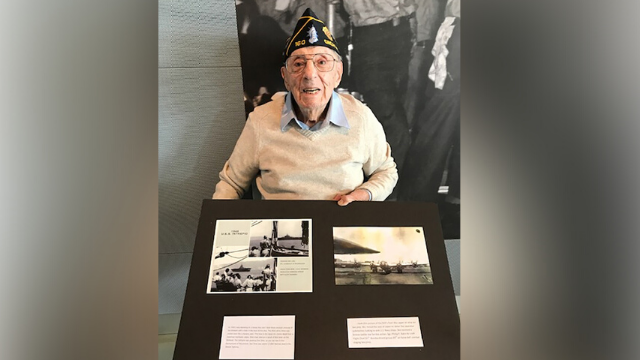
(CNN) A 100-year-old World War II veteran who died from Covid-19 lost a twin brother to the 1918 Spanish Flu pandemic a century earlier, his grandson said.
Philip Kahn is the oldest veteran in Nassau County, New York, according to his family, and had been fearful of another pandemic happening in his lifetime, his grandson, Warren Zysman, told CNN. “It was something he brought up quite frequently,” Zysman said. “I would have conversations with him, he would say to me, ‘I told you history repeats itself, 100 years is not that long of a period of time.'” Kahn and his twin brother, Samuel, were born on December 5, 1919. His brother died weeks later, his grandson said. The 1918 influenza pandemic, caused by a virus previously known as the “Spanish flu,” killed and estimate of more than 50 million people globally and about 675,000 in the United States, according to the Centers for Disease Control and Prevention. As of April 22, there are more than 46,000 Covid-19 deaths in the United States and about 19,000 deaths in New York State, according to Johns Hopkins University’s tally.
Kahn was a sergeant in the US Army Air Force during WWII, Zysman said, and acted as an engineer and co-pilot, keeping war planes fueled. He received two Bronze Battle Stars for his service in WWII, his grandson said. After the war, he worked as an electrical foreman to help build the World Trade Center, Zysman said. In Long Island, Kahn lived on his own and walked one to two miles a day, Zysman said. He was very aware of what was happening with coronavirus since he watched the news all the time, and in the last days before his death on April 17, Kahn experienced coughing and respiratory symptoms of the virus, his grandson said.
Kahn knew that there was a possibility that he could have contracted the coronavirus. The Spanish flu killed more than 50 million people. These lessons could help avoid a repeat with coronavirus. “He talked about his brother a lot in the last few days,” Zysman said. The 100-year-old veteran received a coronavirus test, but his family did not get the results until after Kahn passed away. “He had always wanted a large military funeral, however, we weren’t able to provide that to him,” Zysman said. The cemetery arranged for two people in the armed forces to perform a military ceremony, and a man whose father was a Marine during WWII played the bugle at Kahn’s funeral from a distance, Kahn’s grandson said. “He volunteered because the Air Force protected the Marines by providing cover for them and he felt it was a honor to do this for my grandpa,” Zysman said. Sampson Lester Friedman, Khan’s friend who served with him during WWII in the Army Air Force, attended the funeral and gave a tribute to Kahn, which Zysman recorded on video and provided to CNN. “[There was] something about him that was very very special,” Friedman said at the funeral. “On our airplane, he was an engineer, and he was the hardest working guy aboard that airplane.” Over the century that followed his brother’s death, Kahn kept the memory of his brother alive. “Pretty much every holiday, every event, he would bring up his brother Samuel,” Zysman said. “It clearly made a hole in his heart that he never got to meet his twin, and that his twin died a few weeks after birth.”
Although for Philip Kahn story had an unhappy ending!!! ALLENDALE, N.J. (TEGNA) — Sylvia Goldsholl very well may be the oldest coronavirus survivor in America. Goldsholl was born on Dec. 29, 1911. At 108 years old, Sylvia Goldsholl may be the oldest resident living in New Jersey. Goldsholl tested positive for the virus in March and was moved to the COVID-19 isolation wing at Allendale Community for Senior Living where she has lived since 2007. Within two weeks she was considered healthy and cleared. “The oldest of four children and she always states she was the smartest one from the bunch,” No one older than Goldsholl seems to have gotten COVID-19 and survived. A web search turned up some news reports of 107-year-olds in Turkey and the Netherlands who recovered from the virus. But that was about it. “It’s very dangerous. I survived everything because I was determined to survive” Goldsholl says. Goldsholl has lived through her fair share of world crises. The 1918 pandemic, both World Wars and the Great Depression. “I’m a very friendly person. If you’re friendly to me, I return the friendliness,” she says. A longtime Bronx resident, Goldsholl moved to New Jersey 20 years ago. She was more interested in speaking about her family than the current pandemic. “A lot of stubbornness in them, which they get from their pop. Their pop had a lot of brains… I am a survivor. I’ve got to come out on the top of every list,” she says. The virus has taken a disproportionate toll on the elderly in New Jersey.
A 108-year-old woman from New Jersey, Sylvia was born on December 29, 1911 has recovered from coronavirus, and could be the country’s oldest Covid-19 survivor. During her 108-years, Goldsholl has lived through both the 1918 Spanish Flu pandemic, and now the Covid-19 pandemic, over 100 years apart. Goldsholl is not quite the oldest reported person to have recovered from the coronavirus – when New Jersey’s governor Phil Murphy announced the news at a briefing. “A tremendous life, a tremendous spirit, and a tremendous show of strength,” the governor wrote in a tweet celebrating Goldsholl. ‘I survived everything because I was determined to survive,’ she said – A 113-year-old woman in Spain,, also originally from the U.S., was reported to have recovered on Tuesday. ‘I survived everything because I was determined to survive,’ Goldsholl said in an interview conducted over video chat with News 12 New Jersey last week. Goldsholl, who has recovered fully from Covid-19 having battled with it for a couple of weeks, has lived in a nursing home in Allendale, New Jersey since 2010.
She was moved to an isolation wing at the care home when she was diagnosed. Sylvia Goldsholl celebrates her 108th birthday shortly before she was diagnosed with the coronavirus. When she was just seven years old, the Spanish Flu took hold of the globe and saw an estimated 50 million people succumb to the virus. Today, over 303,000 people have now died of Covid-19, and which is particularly harmful to anyone over the age of 70 making her recovery even more remarkable. Goldscholl originally lived in the Bronx in New York, living in the apartment in which she grew up for most of her life, before she moved to New Jersey 20 years ago. News 12 reported that she didn’t particularly want to talk about the coronavirus when she was interviewed, but was willing to reminisce about her family. ‘The oldest of four children and I was the smartest one from the bunch,’ she said. ‘I am a survivor. I’ve got to come out on the top of every list.’ ‘They knew that I was a wonder,’ she said of her family to NorthJersey.com. ‘I met their expectations. I represented them in a very well way.’ When interviewed by News 12 New Jersey, she said that she was a ‘survivor’, which is particularly true considering she has now survived through both the Covid-19 and Spanish flu pandemics Goldsholl never married or had kids of her own, but her niece, Nancy Chazen, told the news website that Goldsholl loves her family, and said that she planned to visit her aunt once the pandemic is over. ‘She always wanted to have family parties,’ Chazen said.
‘She thought it was important to stay in touch with the family.’ Chazen said Goldsholl had a ‘reputation for being an advocate’ saying that she used to write letters to government officials about issues she cared about. One issue in particular Goldholl emphasized was the importance of education, saying: ‘My mom was educated in Russia. She wanted very much to be knowledgeable. ‘My father came from a very high-class background. I made the best of both. I’m glad I’m where I am,’ the 108-year-old added. Goldsholl is clearly very loved at the care home. When she celebrated her 108th birthday in December, the care home leaders released a statement saying she had become an older sister to many of her neighbors since she had arrived, and enjoyed spending time with the other residents. In a post on its Facebook page, staff at the care home wrote: ‘Our own, Sylvia Goldsholl has become a media darling, grabbing headlines on local TV and print. ‘Her story of survival at 108 years of age made the front page of today’s Record. Not a shy one, Sylvia is a delight for interviewers. During such tough times Sylvia, is a model of positive perseverance. Congratulations Sylvia!’
A 113-year-old woman – Spain’s oldest person – becomes the oldest Corvid -19 Survivor… Turkish woman becomes the second 107-year-old to beat…
At the time, News 12 reported that Goldsholl could be the oldest person anywhere to have survived the coronavirus, however, a 113-year-old woman in Spain, originally from the U.S., has since been reported to have recovered. Maria Branyas, 113, is likely to be the world’s oldest person to have survived the coronavirus after catching it in April and later testing negative Maria Branyas, a mother-of-three, survived COVID-19 whilst in the Santa Maria del Tura care home where she lives in the city of Olot, eastern Spain. Branyas was originally born in San Francisco in the United States on March 4, 1907, before she moved with her family to Spain in 1915. She then lived in the Spanish cities of Barcelona, Banyoles, Girona, Calonge i Sant Antoni and Palol de Revardit (all of them in the Catalonia region), and has been a resident in the care home for two decades. Like Goldsholl, Branyas lived through the Spanish flu pandemic that swept the world in 1918, but also was in Europe during World War I (1914 – 1918) and World War II (1939 – 1945), as well as the Spanish civil war between 1936 and 1939.
Also Havahan Karadeniz was admitted to a hospital in Istanbul, Turkey experiencing symptoms of the virus. She recovered from the illness and was discharged on April 13. Havahan was suffering from a cough and a high fever when she was tested for coronavirus and admitted to the Istanbul Education Research Hospital. A week later she had overcome the virus and was applauded by medical workers as she was wheeled out of the hospital by her grandson. Havahan is thought to be one of the oldest patients in the world to beat the virus, after 107-year-old Dutch woman Cornelia Ras made a recovery last week. Cornelia fell ill on March 17, the day after her 107th birthday, Dutch newspaper AD reported, after attending a church service with other residents of her nursing home on Goeree-Overflakkee, an island in the southwest of the country. She was told by her doctors that despite the odds she had beaten the infection.
The novel coronavirus continues to batter cities and overload hospitals across the US, causing residents to experience anxiety over the unknown, the health of their loved ones, the economy, and more. Psychologists say feeling worried and anxious is normal in a crisis like this, but it can be managed. To cope, limit your media exposure to the issue, do your part in helping control the virus’s spread, reach out to others, and follow these other expert tips.
1. Know that feeling anxious about coronavirus is OK and normal. With rising death tolls, epic unemployment rates, physical isolation from loved ones, and, for many, a loss of routine and purpose, Americans are enduring a mental-health crisis alongside the medical one. According to an Axios/Ipsos Poll of 1,092 adults in the US conducted between March 13 and March 16, 78% of men and 82% of women are either somewhat or extremely concerned about the outbreak. A more recent Gallup poll found that daily stress and worry plague 60 percent of American adults. That’s understandable, Julie Pike, a clinical psychologist in Chapel Hill, North Carolina, who specializes in anxiety disorders, told Business Insider. “Anxiety is mother nature’s way of trying to protect us by pushing us to resolve uncertainty and figure out a solution,” she said. But while eliminating coronavirus-related stress is a tall order, it can, and should, be managed so you can maintain your mental health — and your immunity. Business Insider talked to mental-health professionals and survivors of COVID-19 about how to cope.
2. Tell yourself something that is certain. The unknown of the pandemic — how long it will last, who it will affect, and how it could change our lives forever — is a large part of why it’s so anxiety-provoking. “Uncertainty fuels anxiety,” Natalie Dattilo, director of psychology in Brigham & Women’s Hospital’s department of psychiatry, told Business Insider. To counter that, remind yourself of what is certain, no matter how minuscule. Say something like, “I am certain that no matter what happens, we will find a way to deal with it. Or, “I am certain that I love my family and will do everything in my power to protect them.” Or even, “I am certain that I am standing here today, still breathing, and the sun is shining,” Dattilo recommended. “By adding even a small element of certainty in the face of overwhelming uncertainty,” she said, “you can re-establish a connection with the present moment, ground yourself, and maintain a good sense of self-control and confidence.”
3. Limit your media exposure, especially if you struggled with anxiety before the pandemic. Because panic arises when people overestimate a threat and underestimate their coping abilities, “watching coverage that repeatedly emphasizes both the rapid spread of coronavirus and lack of effective treatment” is a fuel for the anxiety fire, Pike said. “While it is fine to have a general idea of what is happening, especially if you live near an area with high concentration of cases, it’s important to limit media exposure, particularly from undocumented or potentially unreliable sources,” she said. The World Health Organization’s director-general Tedros Adhanom Ghebreyesus has also encouraged people to check the news from reliable sources only once or twice a day.
4. Do what you can to protect yourself and your family, including excellent hygiene and social distancing practices. Action is the antidote to anxiety, and there’s actually a lot individuals can do to protect themselves and their families. Wash your hands frequently and thoroughly, sanitize high-touch surfaces often, and stay home as much as possible.
5. Do your part in protecting your community, whether by helping more vulnerable neighbors with groceries or simply staying home. You can also take action to help your community, whether that means helping an elderly neighbor get groceries, donating blood, or staying in even when you feel healthy and are able to go out. Because asymptomatic people can carry and spread COVID-19, “the choices you make about where you go can be the difference between life and death for someone else,” the WHO director general said. Todd Herman, an entrepreneur and business coach in New York City who’s quarantined with coronavirus, also encourages people to think outside of themselves. “If we all just sort of chew on what’s uncomfortable for a couple of weeks, how it mitigates and prevents this being a prolonged and terrible event can’t be underscored,” he previously told Business Insider. Doing so can ultimately save lives, he said, by buying the healthcare system time to care for all the patients flooding it.
6. Try to focus on what you are grateful for, not wish you would change or go away. Rather than marinating in worries that you’ll get the coronavirus, your wedding will be cancelled, or your kids will be out of school until fall, “focus on what you value and what you are grateful for.” For her, that means being able to spend more time with her children and that spring, and its accompanying warmer and longer days, is around the corner. She recommends people make a daily “gratitude list” in order to build psychological resiliency. Doing so “also helps us to stop narrowly focusing on potential threats or negative elements in our environment, which our limbic brain … is wired to do,” she said. “Widening our perspective and recognizing that while things are challenging and uncertain, there are also good things in our daily lives” can make a big difference.
7. Seek virtual help from mental-health professionals, or download a de-stressing app. Therapists around the country are shifting their practices online, and many established virtual therapy services like Brightside and TalkSpace are experiencingbooms in business. Some services are changing their offerings in light of coronavirus; TalkSpace, for one, is offering free therapy for healthcare workers on the front lines of fighting the pandemic. And some therapists are holding free online group therapy sessions, Business Insider previously reported. Some de-stressing apps can help more immediately and cheaply, too, Melissa Robinson-Brown, a therapist based in New York City, said. She recommended the guided meditation apps Calm and Headspace, the latter of which is currently offering free subscriptions, and Daylio, which helps you track your mood and daily activity so you can keep a mental-health promoting schedule.
8. Just breathe. You don’t even need to download an app to experience the anxiety-reducing magic of simply breathing. Psychiatrist Dr. Mimi Winsberg, the co-founder and chief medical officer of Brightside, recommends the 4-7-8 method, which can re-instill a sense of calm when you feel out of control. The method involves breathing in for four seconds, holding for seven, and exhaling for eight, Briana Borten, clinical ayurvedic specialist and founder of The Dragontree wellness company, previously told Insider. But more than the particular count, what matters is that the exhale is longer than the inhale. “Lengthening the exhale emphasizes the release. You’re releasing whatever is going on and relieving stress,” Borten said.
9. Attempt to maintain a routine. Herman and his wife, who were quarantined in a New York City apartment with their three kids, tried to maintain a routine for the kids, with scheduled reading times and other activities. That strategy is important for adults as well, as daily routines like commutes and dinner dates come to a halt. “Within our homes, maintaining structure and routine is critical because it reinforces order and predictability,” Dattilo said. “It’s also something over which we have control. We know that structure binds anxiety, so to the extent that we can maintain our routines, that helps.”
10. Eat healthy, don’t smoke, and exercise when possible. Good nutrition and sufficient movement are good for both body and mind. WHO’s Tedros recommended eating “a healthy and nutritious diet, which helps your immune system to function properly,” limiting alcohol and sugary drink consumption, and not smoking. “Smoking can increase your risk of developing serious disease if you become infected with COVID-19,” he said. He also encouraged people, in compliance with local and national guidelines, to go out for a walk, run, or bike ride while keeping a distance from others, or otherwise getting at least 30 minutes of physical activity a day for adults and an hour for children. “If you can’t leave the house, find an exercise video online. Dance to music. Do some yoga, or walk up and down the stairs.” For people working at home, he added, get up for a short break every 30 minutes.
11. Use the time to reach out to loved ones and reconnect with old friends. Social isolation can fuel depression and, over the long term, is even linked to a shorter life span. So just because you may be physically distant from other people, you can, and should, stay socially connected to them. “If you check in with people once a month, check in four times a month,” Herman said. And fortunately, doing so is easier today than ever. Tools like FaceTime and Skype “may help us still feel and maintain those connections without potentially putting ourselves at risk of being exposed to the virus.” Loneliness researcher Julianne Holt-Lunstad, a professor of psychology and neuroscience at Brigham Young University, previously told Business Insider. She recommended being proactive about reaching out to others and asking how they’re doing — you’ll boost your mental health as well as theirs, since they’ll at least experience the perception of support, which research shows can reduce stress. Holt-Lunstad added that the silver lining to something like a directive to reduce contact with the outside world is the ability to slow down and connect with the people closest to us. “When you’re having people still express love and support in a variety of ways, it can make those periods of relative confinement more bearable.”
12. Use the experience to reevaluate areas of your life. Alex, a 29-year-old in the UK, has needed to isolate himself for periods in the past in order to prevent common viruses from exacerbating his cystic fibrosis. He recommends people new to isolation use the time to reconsider how they want their lives to look after coronavirus. He, for example, has come out of past periods of isolation with a dedication to make the most of his college experience, the desire to travel more even though it means hauling around suitcases of medicine, or with the gumption to quit his job and launch his own business. “This isn’t a punishment, this is actually a real opportunity for people to be able to reflect on themselves and their lives up to this point.”
Gregg Garfield spent 64 days in hospital, 31 on a ventilator left the hospital supported by his girlfriend (left) and his sister.
California man given standing ovation following coronavirus. A video of a coronavirus patient leaving hospital supported by his girlfriend and sister has gone viral, after the California man made a miracle recovery from the disease.
“The disease kicked off, and my immune system just ate me alive,”
Garfield told KCAL-TV in Los Angeles. Per a report on the “Today Show,” Garfield suffered pneumonia and kidney failure. His sister Stephanie Garfield Bruno told KABC-TV that four different parts of his lungs collapsed. He was unable to walk. But with the help of physicians and physical therapists, he was slowly able to regain his mobility and returned home with a walker. On the day of his release, the entire staff at Providence St. Joseph gathered for a round of applause to cheer on the man who survived coronavirus, after two months of hospitalization. He still has a long road to full recovery, but Garfield hopes that people take the coronavirus pandemic seriously. “The only thing I really am focused on right now is telling the story about how real this is,” he told KCAL-TV. In the clip, Garfield is seen holding onto the arms of his girlfriend AJ and his sister Stephanie as he stands up out of his wheelchair and makes his way out of the hospital doors. He is surrounded by dozens of people with signs of encouragement and clapping. A California “miracle patient” was given an emotional sendoff from the hospital after he spent 64 days battling coronavirus, video shows.
Gregg Garfield was the first coronavirus patient to be admitted to St. Joseph’s Providence Medical Center in Burbank, Calif., after he caught the virus on a ski trip in northern Italy. In February, CBS Los Angeles reported. The virus attacked nearly every vital organ in his body, leaving him on a ventilator for 31 days of his two-month stint, the outlet reported. “I believe there is a 70 percent or above mortality rate for COVID patients that go on a ventilator,” Dr. Daniel Dea told the outlet. “So for him to survive with a near full recovery is amazing. He’s our miracle patient.” Garfield walked out of the hospital Friday with help from his girlfriend and sister to raucous applause from hospital staffers.
“These guys in the hospital are unbelievable. This walkthrough of love, it’s just amazing,” he said. “These doctors are the best of the best. I could not have survived anywhere else.” What made the video even more special was that it was filmed and posted by Amanda Kloots whose husband’s Nick Cordero remains in hospital fighting the disease. Kloots became friends with Garfield, his girlfriend AJ and his sister Stephanie during their time in hospital and she is thrilled at his recovery. Along with the video of his discharge – during which he was given a standing ovation – she posted the comment: “I’ve watched this video maybe 100 times and each time I get chills and teary eyed! This is my new friend, Gregg Garfield, walking out of St. Joseph’s hospital in LA after 64 days – COVID SURVIVOR!
“Gregg’s story is very similar to Nicks so to have these three as new friends to talk to has been amazing. What a send off this was! That’s an amazing Code Rocky! “Congratulations to the hospital, doctors and nurses and most importantly Gregg!!” Garfield’s struggle first came to light when his sister Stephanie Garfield Bruno started a crowdfunding page for him, saying her brother had one percent chance of surviving coronavirus when he was admitted. She said her brother checked himself into hospital on March 5 with serious COVID-19 symptoms. “Two days later, under heavy sedation and paralytic drugs, the doctors intubated him – around day 10 doing a tracheostomy- and he continued to be on a ventilator for 31 days,” she said. “During that time his body became septic; his kidneys failed and he was put on CRRT dialysis; his blood pressure plummeted and he needed medications to divert his blood-flow to his major organs for survival, leaving his hands and feet starving for circulation; he spiked fevers and was covered in ice; his lungs collapsed four times and chest tubes were inserted; and he developed secondary infections that are common in hospital environments. “He had a one per cent chance of surviving,” she continued. “The doctors and nursing staff had to always remain three steps ahead of any potential disasters because to enter his room took about 15 minutes for them to gear up in their hazmat attire. “Gregg knocked on death’s door, but said “F#$% NO! I’m not coming in!!!” She joined her brother in thanking hospital staff for his miracle recovery.
“His care team at the hospital- an incredible group of smart, talented, caring individuals – did everything in their power to bring him through. THANK YOU seems inadequate a word to express the gratitude that Gregg and his family feel for all of you.” Before he was able to be discharged, Garfield had to undergo rehabilitation to learn to walk and perform basic daily activities. He has suffered permanent damage to his fingers and toes and will return to hospital for amputations and the fitting of prostheses. Funds that have been raised for Garfield will now be used to modify his home to “accommodate his new hands and help facilitate movement”. As he was leaving, Garfield thanked hospital staff for aiding his recovery, telling CBS: “These guys in the hospital are unbelievable. This walkthrough of love, it’s just amazing. “These doctors are the best of the best. I could not have survived anywhere else.” Stephanie also expressed her utmost appreciation for the hospital for saving her brother’s life. “I’m so thankful for this hospital,” she told CBS. “They saved his life. Every person who has been in here to take care of him and who has talked to him and hold his hand because we couldn’t.” Dr. Daniel Dea, who works at the hospital, said they refer to Garfield as their “miracle patient.” “I believe there is a 70 percent or above mortality rate for COVID patients that go on a ventilator,” he told CBS. “So for him to survive with a near full recovery is amazing.”
Facts you should know about COVID-19 (2019 novel coronavirus) prevention tips!!! COVID-19 is a new disease that can cause immune problems usually in individuals with medical problems. In the elderly, COVID-19 can cause a potentially fatal viral pneumonia that requires hospitalization. COVID-19 is the cause of the current pandemic. COVID-19 mainly spreads from person to person by respiratory droplets infected with SARS-CoV-2. COVID-19 can also spread by infected droplets that land on surfaces. Prevention and decreasing the risk of COVID-19 infection can occur when people follow the CDC recommendations, especially handwashing, social distancing, and decontamination. If you are COVID-19 positive, you can use face masks, isolation, quarantine, gloves for caregivers, and disinfection of surfaces to reduce the risk of infecting other people.
What is COVID-19 (2019 novel coronavirus)?
COVID-19 is a new disease first discovered in Wuhan, China, in late December 2019, that likely came from infected animals and spread to humans. SARS-CoV-2 is the name of the novel coronavirus that causes COVID-19. The virus can cause severe respiratory problems mainly in people with medical problems, weakened immunity, and the elderly (age 60 and older). As of Mar. 11, 2020, the World Health Organization (WHO) declared COVID-9 the cause of a worldwide pandemic. Some infections result in fatal viral pneumonia. The current mortality rate (death rate) is about 4.76%, depending on the data available.
How does COVID-19 (2019 novel coronavirus) spread?
COVID-19 spreads by an infected person coughing and/or sneezing, thus producing infected respiratory droplets. This is person-to-person spread, most often by inhalation. It also spreads by touching surfaces where infected droplets land followed by touching your eyes, nose, and/or face and mouth. There is no airborne spread like the measles virus. Unfortunately, some people can be infected and have little or no symptoms yet still be able to spread COVID-19 to others.
COVID-19 Infection Symptoms & Signs Medical researchers estimate that the incubation period varies from 2 days to about 14 days. Symptoms may begin like the flu but go on to develop fever, cough, and shortness of breath that is severe enough to warrant hospitalization in many patients. Although early in this outbreak, Chinese researchers suggest that people who are infected but don’t show symptoms (incubation period) may be contagious. This allows the virus to spread more freely from person-to-person and makes it more difficult to isolate infected patients. Read more about COVID-19 (Wuhan coronavirus) »
What can people do to prevent a COVID-19 (2019 novel coronavirus) infection? The best way to prevent or decrease your risk of COVID-19 infection is to avoid contacting infected people and the places they have visited. Infected people can help minimize the chance of infecting other people by strict quarantine procedures that keep the infection isolated from others. Currently, there is no vaccine available to prevent infection. Also, there is no antiviral drug available to prevent or treat infection. Some individuals suggest that taking zinc and/or vitamin C tablets help, however, such data for preventing COVID-19 is lacking. The CDC has specific recommendations for COVID-19 prevention that it constantly updates. The following is modified from the CDC (as of March 11, 2020). Remind everyone in your household of the importance of practicing everyday preventive actions that can help prevent the spread of respiratory illnesses: Avoid close contact with sick people; distance yourself eight feet or more from other people (termed social distancing). Stay home when sick, except to get medical care. Cover your coughs and sneezes with a tissue. Cough and sneeze into your elbow – if you can’t cover with a tissue. Clean frequently touched surfaces and objects daily (for example, tables, countertops, light switches, doorknobs, and cabinet handles) using a regular household detergent and water. If surfaces are dirty, clean them first by using a detergent and water prior to disinfection. Depending on the surface type and environmental conditions, COVID-19 virus survives on surfaces for many hours. For disinfection, a list of products with Environmental Protection Agency (EPA)-approved (EPA-registered household disinfectants) emerging viral pathogens claims is available at Novel Coronavirus (COVID-19) Fighting Products. Frequently wash your hands with soap and water for a minimum of 20 seconds, especially after using the restroom, prior to eating, and after coughing, sneezing, or blowing your nose. Immediately throw away used tissues. If soap and water are unavailable, use a hand sanitizer that has approximately 60% alcohol.
New York’s ‘patient zero’ back home and feeling much better!!!! The man identified as New York’s coronavirus “patient zero” remembers going to the emergency room in February. The next thing he remembers is waking up from a coma. Lawrence Garbuz told NBC’s Today show he thought he just had a cough. At that point, the disease was not on his radar and New York had not yet taken strict measures to prevent the spread of the disease. “I’m a lawyer. I sit at a desk all day,” he said. “I think at the time we were sort of focusing on individuals who had maybe traveled internationally, something that I had not done.” But the outbreak in his town of New Rochelle prompted the governor to create a “containment zone,” which shut down schools and places of worship before the rest of the state was under stay-at-home orders. Garbuz, 50, said he didn’t have any pre-existing conditions. He is home now and said he feels much better.
The One Symptom That Predicts How Bad Your Coronavirus Case Will Be!!! And Eight signs that the body has fought the coronavirus on its own, without you being aware of it!!! Coronavirus is possible, at least as experts say, in recent days. Experts say there is a possibility that some people may have contracted the virus before the epidemic officially began. If you have had mild forms of these symptoms, you have probably successfully contracted the virus yourself. 1. Eye infection New research has shown that eye infections, such as conjunctivitis, can be a symptom of covid-19. 2. Dry cough One of the most common and recognizable symptoms of coronavirus is a dry cough. 3. Mental fatigue Although not officially recognized as a symptom of coronavirus, some infected patients have reported it as a symptom. 4. Temperature In addition to a dry cough, this is the biggest indicator of coronavirus. 5. Difficulty breathing The feeling of pressure in the chest and the inability to breathe deeply also appear as symptoms of covid-19 6. Loss of sense of smell and taste The British Association of otorhinolaryngologists recently warned that the loss of sense of smell and taste could be a symptom of the virus. 7. Stomach problems Of the 204 infected people who took part in the study, 48.5 percent reported diarrhea as a symptom. 8. Physical fatigue Another symptom of Covid-19, which occurs with colds, influenza virus, and a number of other viruses, is fatigue and exhaustion. Get ready for a second wave of economic pain!!!
Bringing America Back is an ABC News feature that highlights the day’s top stories in economic recovery and medical preparedness amid the coronavirus pandemic. These stories delve into the key steps America is taking — or needs to take. Stay on top of the latest developments regarding states’ social distancing measures, advancements in the treatment of COVID-19 and more. Does warmer weather slow coronavirus? New York and Texas reported their first COVID-19 cases within days of each other back in March, but as of Monday, New York had nearly 300,000 more cases than Texas. Other warm-weather states, like California and Florida, similarly do not have as widespread a coronavirus problem. Researchers believe the outside temperature may play a role in how aggressively the virus spreads. As States Rush to Reopen, Scientists Fear a Coronavirus Comeback
Millions of working people and small-business owners who cannot earn money while sheltering at home are facing economic ruin. So dozens of states, seeking to ease the pain, are coming out of lockdown. Most have not met even minimal criteria for doing so safely, and some are reopening even as coronavirus cases rise, inviting disaster. The much-feared “second wave” of infection may not wait until fall, many scientists say, and instead may become a storm of wavelets breaking unpredictably across the country.
The re-openings will proceed nonetheless. The question now, scientists say, is whether the nation can minimize the damage by intelligently adopting new tactics. Evidence is mounting that masks — if worn in public places, by everyone — are far more effective at stopping transmission than was previously realized. Across the nation, testing remains wholly inadequate, but home-use nasal swabs and saliva tests are on the way that may provide a clearer picture of where the virus is.
Americans are lining up for antibody tests that may reveal who has some immunity, perhaps opening paths back to normal life for them. Early (but still controversial) surveys suggest that more Americans may carry antibodies than initially thought. Employers are moving to design safer workplaces. A modestly effective antiviral treatment has been found. And laboratories around the world are racing toward the grail — a vaccine — at an unprecedented pace. But while it may still be possible to blunt the impact of the re-openings, the nation is finding even this goal difficult. As the weather warms, Americans are already struggling to stay at home or remain six feet apart on crowded beaches, hiking trails and park playgrounds. Every crowd may have some silent carriers of the virus. Outside New York, California and a few other states, many Americans refuse to wear masks, and governors and mayors have waffled over whether to order them to. The dispute has even led to threats and a killing. Fifty brands of antibody tests are available, but many are inaccurate. Many states are moving too quickly for employers and retailers to make environments safe. And the lockdowns have become entwined in partisan politics, with some libertarian extremists, gun-rights advocates and anti-vaccine activists painting them as an infringement of personal freedoms.
Deaths are already far higher than the 60,000 once predicted by August. Even President Trump has begun to talk of a toll that may reach 100,000, perhaps more. Some epidemiological models predict three times that many within months — closer to the 240,000 that the White House’s coronavirus task force predicted in March before switching to a new, more optimistic model. Dr. Anthony S. Fauci, the task force’s chief medical adviser, has said he expects cases to spike in closed environments like nursing homes, prisons and factories. “We’re not reopening based on science,” said Dr. Thomas R. Frieden, a former director of the C.D.C. in the Obama administration. “We’re reopening based on politics, ideology and public pressure. And I think it’s going to end badly.”
All Quiet, at First The effects of the re-openings will not be immediately apparent, and in the absence of widespread testing, it will be hard to know where the country stands in the fight against the virus. It takes two or three weeks for the newly infected who become severely ill to need hospitalization. An initial calm may encourage more Americans to drop their guard or more governors to ease restrictions. “I do worry that people will stay home enough in the states that open earliest so that we don’t immediately see the second wave, and then other states will draw the wrong lessons,” said Dr. Leana Wen, a former health commissioner of Baltimore. Social distancing has proved effective at interrupting viral transmission in places where it was embraced. But now even formerly terrified New Yorkers, living at the center of the nation’s outbreak, are clearly wearying of it. Central Park, which was so quiet in late March that the birdsong was startlingly loud, is often crowded with joggers, strollers and cyclists. Avenues that were ghostly canyons now have far more cars, Mayor Bill de Blasio has complained, and steady traffic has returned to some local highways. Viruses persist only because they can exploit human interactions: a stray cough, a plume of virions behind a jogger, a bicycle handle no one has disinfected.
Nationwide, there are still about 25,000 new confirmed cases a day of Covid-19, the disease caused by the coronavirus. Most are probably within families, experts said, or among health workers and emergency personnel exposed on the job. But there have also been hot spots of hundreds of cases in meat and poultry plants, veterans’ hospitals and nursing homes in rural states. To keep the toll from rising, some factories making essential goods, like ventilators, have placed workstations six feet apart and made temperature checks and masks mandatory. Food plants are installing plastic barriers between workers and on cafeteria tables, requiring masks, checking symptoms at entrances and doing more cleaning. Most nursing homes no longer accept visitors. As well intentioned as these stopgap measures may be, they are part of a headlong rush back to “normal life” that few experts condone. Many models for safely reopening the economy have been issued, including one from the National Center for Disaster Preparedness at Columbia, and others from Harvard, CovidActNow and Resolve to Save Lives. Most reopening criteria, including the White House’s relatively vague guidelines, say that at a minimum a state should have 14 days of declining cases before it even considers reopening. Almost no state reopening now has met that low standard. Virtually all guidelines emphasize comprehensive testing and systematic contact tracing. Testing is a sore point. Virtually everyone but Mr. Trump says there are too few tests, but everyone disagrees about how many are needed. At a minimum, a state must do enough random testing — including among people with no symptoms — to detect a surge of cases anywhere within its borders. Otherwise, the first unmistakable sign that something is wrong will be the wail of sirens as oxygen-starved patients are taken to a local emergency room. By then, it may be too late to stop a flood of patients over the next week that will overwhelm that hospital.
In Rural America — even in relatively wealthy states like Texas — financially struggling hospitals often have few ventilators, and ambulances must drive long distances. When hospitals run short on supplies or ambulances fail to promptly reach victims of pneumonia, heart attacks, strokes or car accidents, many lives may be lost, as happened in New York. New York now tests far more citizens than any other state does — twice as many per capita as California, and five times as many as Texas. To spot outbreaks early, the Harvard model advocates scaling up, to 20 million tests a day nationwide.Adm. Brett P. Giroir, the coronavirus task force’s chief of testing strategy, recently said there was “absolutely no way on earth” that goal could be reached, and that eight million tests a month, or about 270,000 a day, might be possible by June.
Paul M. Romer, a Nobel Prize-winning economist at New York University, has called for daily rapid tests for every worker in contact with others — meaning 20 to 30 million tests a day. At $10 a test, he has conceded, such an undertaking would cost at least $ 1.5 billion a week, but even that is far cheaper, he argued, than the damage now being done by keeping the country locked down. For now, the lofty goal of tracing and testing the contacts of every infected person remains unthinkable. Epidemiological models in the United States and data from China suggest that each case generates about 50 contacts, so the 25,000 new daily cases in the United States generate another 1.3 million contacts to find each day. Even under ideal circumstances, a team of five tracers takes about three days to find 50 contacts. So, if the number of trained contact tracers were increased to 100,000 — from 3,000, the most recent tally — the daily case count would still have to drop below 5,000 just to stay even, assuming the tracers worked five-day weeks.
But the daily load is barely dropping below 25,000. Digitally automating the job has been proposed. But for Bluetooth and GPS apps like those used in South Korea to work in the United States and find a useful percentage of a victim’s contacts — about 80 percent, calculated Tomas Pueyo, author of an article titled “Coronavirus: How to Do Testing and Contact Tracing” — Apple and Google would have to update their smartphone operating systems with built-in tracking apps that all cellphone owners would by law have to use. Also, neither location data nor Bluetooth could be turned off. Americans are unlikely to accept that, Mr. Pueyo conceded. “We fear ‘1984,’” he wrote. “We want to avoid an A.I.-driven world where the government knows our every movement, rates us according to our behavior, and soon tells us what to think.” Making masks obligatory has strong potential to cut down transmission, according to new evidence not just from Asia, where masks have long been common, but also from the Czech Republic, Germany, Israel and other countries, according to Masks4All, an advocacy group. The single biggest mistake made in the United States and some European countries that have failed to control their epidemics “is that people aren’t wearing masks,” argued Dr. George F. Gao, the Harvard- and Oxford-trained director of China’s Center for Disease Control. Outside New York, California and a few other states, many Americans resist wearing them. Gov. Mike DeWine of Ohio rescinded an order to wear masks after state residents “felt affronted,” he said. Officials in Stillwater, Okla., dropped a municipal order after store clerks who asked barefaced customers to stay outside were threatened. The issue has become mired in politics: the president won’t wear one, some protesters have compared them to Muslim face veils, and a shopper at a supermarket requiring masks wore a Ku Klux Klan hood.
Neglected Criteria In the absence of detailed national reopening standards, governors are setting their own, and some allow far closer human contact than others do. It is or will soon be possible in 19 states to get your hair cut or roots dyed, for example. Many states are letting restaurants reopen with restrictions that require six feet between diners, outdoor seating only or disposable menus. By contrast, Gov. Andrew M. Cuomo of New York has refused to even set a date for easing restrictions everywhere in the state, although three regions will be allowed to partially reopen on May 15. Although hospitalizations and deaths are steadily declining, he said, they are still dropping too slowly. “All of this inconvenience, all of this turmoil, for what?” he asked this month. “To keep 100,000 people out of our hospitals, that’s for what.” When restrictions are lifted, he said, the state’s least-affected central counties will go first and each economic sector will be phased in slowly: construction and factory jobs first, and retail establishments that can deliver goods curbside. Next: banks, insurance, law firms and other professions. Then restaurants and hotels, and finally entertainment, sports and schools. One of the most difficult decisions is when to open primary schools. Doing so is crucial to getting young parents back to work, but scientists are still unsure about how much children spread the disease to their families. France is reopening its schools this week, as are some regions of Australia and much of Europe, so there may be some data soon on the question. Unlike New York State, Florida, Tennessee and Texas are reopening as their cases and deaths are spiking to new highs, which means, experts said, that it is impossible to know when or how high they will peak. If that happened, a wave of unexpected deaths could deliver some sharp political shocks, researchers predicted. “Excess fatalities may mean some serious consequences for the governors,” said Dr. Irwin Redlener, director of the disaster preparedness center at Columbia.
Frustrated Americans, eager to break out of lockdowns, often do not realize how lax this country’s strictures are compared with those imposed elsewhere. In Chinese cities, only a tiny corps of essential workers was allowed to leave home for months. There was virtually no travel between cities. People lucky enough to live in apartment complexes with internal gardens could walk there; others had to stay indoors, unable to shop even for food or medicine. Building committees pooled grocery orders and distributed them internally. No city in China was allowed to reopen until it had reached 14 days of zero new cases — a standard that no American city is expected to meet. In Italy, many residents were not allowed to go more than 200 yards from their homes without written government authorization. Police roadblocks enforcing that rule were everywhere. If deaths in the United States surged, harsh measures like those could, in theory, be imposed. The 1918 Spanish flu provides some lessons. A new analysis of that epidemic from the National Bureau of Economic Research in Cambridge, Mass., concluded that various lockdown measures had “clear success” in lowering death rates. But they ultimately failed to curb overall mortality in most cities because they were lifted prematurely. School closings and bans on public gatherings typically lasted only 36 days, the report said, and Americans usually tolerated quarantine for only 18 days. Denver, for example, closed its schools and banned public gatherings for only one month after deaths peaked. Then reopening caused a second, much higher peak of deaths. “The lesson for the ongoing coronavirus pandemic in 2020 is that, to curtail overall deaths,” wrote the chief author, Robert J. Barro, such interventions “have to be maintained for substantially longer than a few weeks.” “Most likely,” he added, “12 weeks work much better than four to six weeks.”
Uncontrolled Experiments Dr. Frieden, the former C.D.C. director, now runs Resolve to Save Lives, the public health advocacy group that has issued detailed reopening guidelines. “Every day, I look at the two models for approaching this,” he said. “The China model, which is to use the world’s most authoritarian regime and best digital tracking system to hunt down and stop every case and then wait for a vaccine. So far, it’s working.” By contrast, he said, Sweden is trying to achieve “herd immunity” by letting young, healthy people become infected at what they hope will be slow, steady rates. Primary schools are open, higher ones are closed, everyone is asked to be careful in public and older adults are asked to stay home. Israel is roughly following Sweden’s model, Dr. Frieden said, just as Asian countries are roughly following China’s. “And then,” he added, “there’s the American approach, which is: ‘What the hell — I heard something on Fox News. Let’s try it!’” Sweden’s model does look appealing. Television news programs have shown smiling Swedes drinking in outdoor cafes, shopping for clothes, getting their hair restyled and enjoying other little pleasures that Americans have been denied for many weeks now. But Sweden is paying a high price, and Dr. Frieden rated its success as “still to be determined.” As of Sunday, its per capita death rate is 319 per million Swedes, which is higher than the figure in the United States, which is 242 deaths per million.
Other Scandinavian countries, with varying degrees of lockdown, have far lower death figures: 91 per million in Denmark, 40 in Norway, 48 in Finland and 29 in Iceland. Having 50 states and more territories do competing and uncoordinated experiments in reopening is “daring Mother Nature to kill you or someone you love,” Dr. Frieden said.
“Mother Nature bats last, and she bats a thousand.” Dr. Michael Osterholm, director of the Center for Infectious Disease Research and Policy at the University of Minnesota, said the initial wave of outbreaks in cities such as New York City, where one in five people have been infected, represent a fraction of the illness and death yet to come. “This damn virus is going to keep going until it infects everybody it possibly can,” Osterholm said Monday during a meeting with the USA TODAY Editorial Board. “It surely won’t slow down until it hits 60 to 70%” of the population, the number that would create herd immunity and halt the spread of the virus. https://www.bing.com/videos/ search?q=Dr.+Michael+Osterholm%2c&FORM=HDRSC3 Even if new cases begin to fade this summer, it might be an indicator that the new coronavirus is following a seasonal pattern similar to the flu. During the 1918 flu pandemic that sickened one-third of the world’s population, New York City and Chicago were hit hard in the first wave of illness that largely bypassed other cities such as Boston, Detroit, Minneapolis and Philadelphia. The second wave of illness was much more severe nationwide. If COVID-19 retreats only to return in the fall, the number of cases could peak and overwhelm hospitals that must deal with cases of flu and respiratory viruses. Furthermore, Asian nations such as South Korea and Singapore, lauded for strict controls and rapid testing to avoid damage during the first wave, might be vulnerable to a second wave of infections, he said. “It’s the big peak that’s really going to do us in,” he said. “As much pain, suffering, death and economic disruption we’ve had, there’s been 5 to 20% of the people infected, … That’s a long ways to get to 60 to 70%.”
Still, there are key differences between COVID-19 and the flu. The average incubation period for the new virus is five days, compared with just two days for the flu, according to a Center for Infectious Disease Research and Policy report comparing the pandemics. The longer incubation period and a higher transmission rate suggest the COVID-19 virus spreads more easily than the flu. There were nearly 80,000 deaths and more than 1.3 million confirmed novel coronavirus cases in the U.S. at noon Monday, according to the John Hopkins University data tracker. New York state has been hit the hardest with more than 26,000 deaths, and preliminary antibody testing suggests about 20% of New York City-area residents have been infected. Worldwide, more than 283,000 people have died and 4.1 million have been infected. Osterholm said only an effective vaccine can slow the virus before a large enough segment of the population becomes infected and develops some level of immunity. Even if a vaccine works, Osterholm said, it’s unknown whether it would be durable enough to confer long-lasting protection from SARS CoV-2, the virus that causes COVID-19. Most states are easing stay-at-home orders though patchwork measures that vary from one to the next. Georgia began opening in late April amid national criticism, allowing tattoo parlors, bowling alleys and hair and nail salons to reopen with restrictions. California has taken a slower, phased approach, allowing some retailers and manufacturers considered low-risk to resume operations. Governors worry about the economic harm social distancing measures have caused with shuttered businesses and the growing ranks of jobless Americans. Unemployment has reaching 15% nationwide, and a Trump administration economic adviser warned unemployment could soon reach 20%. Osterholm acknowledges that the nation “can’t lock down for 18 months” and said political and business leaders need to find a way to resume activities while adapting to a virus that won’t soon disappear. He doesn’t believe there has been enough of a frank assessment on the economic harm the virus will cause over coming months and its disruption to international supply chains. “We all have to confront the fact there’s not a magic bullet, short of a vaccine, that’s going to make this go away,” he said. “We’re going to be living with it. And we’re not having that discussion at all.” Source
Special Note: Initially, the 72-year-old Leimert Park resident felt hope. She wondered whether the study and accompanying blood test could answer why she had been experiencing months of respiratory problems, even through her coronavirus test had come back negative. Maybe, she thought, the test would reveal that she had been exposed and recovered. Then she was hit with what she calls “a Tuskegee moment.” “Every time I think about ‘experimental’ or ‘we want to study you’ or ‘there’s no cure, but we can treat you’ … Tuskegee is in the back of my mind,” Temple said after deciding to go forward with the antibody study anyway.
“Nothing makes us prouder as a farmer than producing high quality milk,” said Rexing, who owns New Generation Dairy in Owensville. “And when you can’t finish it and see it in consumers’ hands …” In the COVID-19 era, there was nowhere for else for that 30,000 gallons of milk to go but worked into his land. https://news.yahoo.com/cows-don-t-shut-off-001110539.html
Dr. Jay Bhattacharya is a professor of medicine at Stanford University. He is a research associate at the National Bureau of Economic Research and a senior fellow at both the Stanford Institute for Economic Policy Research and the Stanford Freeman Spogli Institute. His March 24, 2020, article in the Wall Street Journal questions the premise that “coronavirus would kill millions without shelter-in-place orders and quarantines.” In the article he suggests that “there’s little evidence to confirm that premise—and projections of the death toll could plausibly be orders of magnitude too high.” In this edition of Uncommon Knowledge with Peter Robinson we asked Dr. Bhattacharya to defend that statement and describe to us how he arrived at this conclusion. We get into the details of his research, which used data collected from hotspots around the world and his background as a doctor, a medical researcher, and an economist. It’s not popular right now to question conventional wisdom on sheltering in place, but Dr. Bhattacharya makes a strong case for challenging it, based in economics and science. https://www.youtube.com/watch?v=-UO3Wd5urg0
Estimating actual COVID 19 cases (novel corona virus infections) in an area based on deaths.
It is more prevalent in Japan where it was discovered with 5,000 to 6,000 cases each year. — Source: CDC
In the United States, Kawasaki disease affects 4,000 children each year. The cause of Kawasaki disease is unknown. It doesn’t appear to be hereditary or contagious. Because the illness frequently occurs in outbreaks within a population, an infectious agent (such as a virus) is the likely cause. KD occurs worldwide, with the highest incidence in Japan, and it most often affects boys and younger children. KD may have a winter-spring seasonality, and community-wide outbreaks have been reported occasionally. In the continental United States, population-based and hospitalization studies estimate an incidence of KD ranging from 9 to 19 per 100,000 children under 5 years of age. As far back as In the year 2000, approximately 4248 hospitalizations with KD were reported among children under 18 in the US, of which 3277 (77%) were for children under 5 years of age. In 2009, the estimated number of hospitalizations with KD was 5447 (standard error [SE]=297), 4040 (SE=227) for children under 5 years of age.
More kids hospitalized with possible COVID-19 complication Officials said Last Wednesday that the number of children who have been hospitalized in New York City with symptoms consistent with a rare disease possibly linked to the coronavirus has nearly quadrupled to 64. Health officials said the illness has features of Kawasaki disease, a serious illness previously noted in children with COVID-19 in the United Kingdom. “A pediatric multi-system inflammatory syndrome, recently reported by authorities in the United Kingdom, is also being observed among children and young adults in New York City and elsewhere in the United States,” said Dr. Demetre Daskalakis, deputy commissioner of the New York City Health Department’s Division of Disease Control, in a public letter to colleagues this week.
According to Daskalakis, symptoms vary among the children depending on which organ system is affected, but “include features of Kawasaki disease or features of shock.” All of the children experienced a persistent fever, more than half reported rash, abdominal pain, vomiting or diarrhea, and less than half experienced respiratory symptoms. He added, however, that “the full spectrum of disease is not yet known.” Kawasaki disease is associated with fever, skin rashes, and swelling of glands, and in severe cases, it can inflame blood vessels within the heart. Dr. Dyan Hes, a pediatrician in New York City, told CBS News last week that she was “not surprised” by the U.K. report showing a possible link between COVID-19 and Kawasaki. According to Hes, children can sometimes develop the disease after a bout with the common cold, which is caused by a different variety of bug in the coronavirus family.
Coronavirus “can become very severe” in kids, despite most showing milder symptoms. She added that Kawasaki could pop up “weeks to months later” after experiencing some kind of viral infection or “multiple viral infections.” The cases reported in New York involved children who were hospitalized between April 17 and May 1 with “illnesses compatible with” a form of Kawasaki or shock, according to the New York City Health Department. More than half of the children required blood pressure support, and five required mechanical ventilation. Those who were admitted to pediatric intensive care units required cardiac and/or respiratory support, according to the health department. On Tuesday, it was reported that four of the 15 children tested positive for the coronavirus. Ten tested negative, and one was initially indeterminate and then negative. Serology testing showed that six patients with negative results had coronavirus antibodies in their blood, suggesting they had been previously infected. Regardless of a coronavirus test result, the health department has urged doctors with patients under 21 years old who have symptoms consistent with Kawasaki to immediately report those suspected cases to the health department. Doctors are also instructed to immediately refer such patients to a “specialist in pediatric infectious disease, rheumatology, and/or critical care.” Only severe cases may have been recognized so far, according to the health department. Daskalakis wrote that “early diagnosis and treatment of patients meeting full or partial criteria for Kawasaki disease is critical to preventing end-organ damage and other long-term complications.” “We are learning that even though children are by and large mildly affected when it comes to COVID-19 that there can be situations that they are more severely affected,” New York City Health Commissioner Dr. Oxiris Barbot said Tuesday. “And thank God in this situation we haven’t had any children who have died with this Kawasaki or kawasaki-like illness.”
Its true the Great Depression began around 1929 and lasted almost a decade, was a massive economic downturn, worldwide. The implications of the largest economic depression in the 20th century, included unemployment on an unprecedented scale. Similar to the 30 million we have unemployed at the present time and the present unemployment having running parallels of 15%. Which was caused by the New York City’s coronavirus outbreak grew so large by early March that the city became the primary source of new infections in the United States, new research reveals, as thousands of infected people traveled from the city and seeded outbreaks around the country. Research showed that by March 1, when the first coronavirus case was confirmed in New York, the city probably had over 10,000 undetected infections. The research indicates that a wave of infections swept from New York City through much of the country before the city began setting social distancing limits to stop the growth. That helped to fuel outbreaks in Louisiana, Texas, Arizona and as far away as the West Coast. The findings are drawn from geneticists’ tracking signature mutations of the virus, travel histories of infected people and models of the outbreak by infectious disease experts. “We now have enough data to feel pretty confident that New York was the primary gateway for the rest of the country,” said Nathan Grubaugh, an epidemiologist at the Yale School of Public Health. The central role of New York’s outbreak shows that decisions made by state and federal officials — including waiting to impose distancing measures and to limit international flights — helped shape the trajectory of the outbreak and allowed it to grow in the rest of the country.
The city joins other densely populated urban hot spots around the world that rely on public transportation to get around. Starting with Wuhan, China, and then Milan, that have become vectors for the virus’s spread. Travel from other American cities also sparked infections across the country, including from an early outbreak centered in the Seattle area that seeded infections in more than a dozen states, researchers say. Even if New York had managed to slow the virus, it probably would have continued to spread from elsewhere, they say. But the Seattle outbreak proved to be a squall before the larger storm gathering in New York, where, at the end of February, thousands of infected people packed trains and restaurants, thronged tourist attractions and passed through its three major airports. During crucial weeks in March, New York’s political leaders waited to take aggressive action, even after identifying hundreds of cases, giving the virus a head start. And by mid-March, when President Trump restricted travel from Europe, the restrictions were essentially pointless, the data suggest, as the disease was already spreading widely within the country. Acting earlier would most likely have blunted the virus’s march across the country, researchers say. “It means that we missed the boat early on, and the vast majority in this country is coming from domestic spread,” said Kristian Andersen, a professor in the department of immunology and microbiology at Scripps Research. “I keep hearing that it’s somebody else’s fault. That’s not true. It’s not somebody else’s fault, it’s our own fault.”
A lack of testing obscured the true extent of the outbreak for months, and officials acted on incomplete and sometimes conflicting information. The enormous growth of New York’s outbreak partly reflects its volume of international visitors, especially from Europe, where most of its infections came from. Dani Lever, communications director for Gov. Andrew M. Cuomo, criticized federal authorities, describing an “enormous failure by the federal government to leave New York and the East Coast exposed to flights from Europe, while at the same time instilling a false sense of security by telling the State of New York that we had no Covid-19 cases throughout the entire month of February.” A White House spokesman, Judd Deere, said that Mr. Trump had acted quickly. The president blocked most visitors from Europe starting on March 13, more than a month after he restricted travel from China. “Just as he acted early on to cut off travel from the source of the virus, President Trump was advised by his health and infectious disease experts that he should cut off travel from Europe — an action he took decisively without delay to save lives while Democrats and the media criticized him and the global health community still did not fully comprehend the level of transmission or spread,” Mr. Deere said. Now that infections are dispersed around the country, travel from New York is no longer a main factor shaping the progression of the epidemic, researchers said. As states around the nation begin to relax their restrictions, the findings demonstrate that it is difficult, if not impossible, to prevent those actions from affecting the rest of the nation.
Geneticists have analyzed and shared more than 2,000 samples of the virus from infected people. As the virus infects new people and replicates, it picks up mutations along the way. These mutations typically do not change the behavior of the virus, but they can provide a signature of a virus’s origin. Most samples taken in Texas, Ohio, Louisiana, Idaho, Wisconsin and many other states carry distinct mutations that can be traced back to viruses introduced into New York. Over all, Dr. Grubaugh estimated, viruses spreading from New York account for 60 to 65 percent of the infections identified across the country. Other scientists said that they would like to see more samples before calculating precise figures. But they agreed that New York’s prominence in seeding the national spread appears to have begun in early March, two weeks before stay-at-home orders were put in place. “New York acted as the Grand Central Station for this virus, with the opportunity to move from there in so many directions, to so many places,” saidDavid Engelthaler, head of the infectious disease branch of the Translational Genomics Research Institute in Arizona.
The most commonly detected viruses tied to New York have a distinct genetic signature linking them to outbreaks in Europe. Those spreading from Washington State have a signature linking them directly to China. At this stage, scientists say, genetic fingerprints alone are not sufficient for pinpointing the source of the viruses. But travel patterns and case histories of early known cases support the idea, they said. “It is a combination, still, of what genomic epidemiology and shoe-leather epidemiology is going to tell us,” Dr. Engelthaler said. Scientists modeling the progression of the disease nationally said the prominence of New York as a national hub was broadly consistent with their findings, although the picture was still emerging. “I would say this is not surprising in a sense,” said Dr.Alessandro Vespignani, director of the Network Science Institute at Northeastern University in Boston.
“The picture emerging is consistent with numerical models.”
Doctors keep discovering new ways the coronavirus attacks the body, Earlier research by Dr. Vespignani showed just how rapidly, and invisibly, the outbreak exploded in New York. By March 1, when the first coronavirus case was confirmed in New York, the city probably had over 10,000 undetected infections, his research group showed. New York and Washington State are not the only sources of the outbreak. Other large domestic hubs contributed to the spread, scientists believe, and a more diverse genetic mix is still seen in some places around the country, particularly in the Midwest and parts of the South. Even as domestic travel began to drive the outbreak, some infections were still seeded around the country by international travelers, geneticists said. It is possible, experts said, that some of the virus samples attributed to New York may have instead been seeded in other cities by direct flights from Europe, or from travelers laying over in New York before traveling elsewhere. For that reason, some scientists said they would like to see more samples before linking the majority of infections in the United States to New York. “I think that’s probably the story line that’s going to emerge, but I’d like to see more data,” said Harm van Bakel, a geneticist at Mount Sinai in New York.
A New York Times analysis of travel data supports the idea that the chains of infection originated in New York, experts said. The number of cases across the country was closely related to how many travelers each place received from New York in early March, based on anonymized cellphone tracking data from Cuebiq, a data intelligence company. “It looks like most of the domestic spread is basically people traveling out from New York,” said Dr. Kari Stefansson, founder and chief executive of deCODE Genetics, a leading genome analysis firm based in Reykjavik, Iceland. Last week, Dr. Andersen of Scripps Research and other scientists analyzing the outbreak in New Orleans reported that all of the samples taken from New Orleans were from the line linked back to New York. The virus swept through the area in March and has killed more than 1,000 people.
“You can figure out, with travel patterns, that the most likely thing to have happened is those came into New Orleans directly from New York,” Dr. Grubaugh said. Josh Holder, Michael Crowley and Derek Watkins contributed reporting.
Special Note: Medic Lauren Leander stood in front of protesters in a face mask and scrubs, with her arms crossed as a man waved a flag in front of her face. Leander is an ICU nurse at Banner-University Medical Center-Phoenix, where she — volunteered to work in the hospital’s coronavirus overflow unit. Leander and a few other nurses attended the rally and soon were targeted by protesters despite their silence. On her day off from caring for patients in the Banner Health COVID-19 unit, intensive care unit nurse Lauren Leander went to the Arizona State Capitol to meet those protesting the state’s stay-at-home order.
Does colder temperature make you more prone to getting a cold Or COVID-19? Most health experts agree that when it’s cold, people spend more time indoors and in close contact with other people, and this likely increases the spread of germs. Also, experts believe that our immune system may be more active when our body is warmer, as in during the summer months. Back in 2007, there was this study… In this one particular study looking at the spread of the influenza virus, they put guinea pigs together in a chamber and carried out different environmental experiments on them. They found that low relative humidities of 20%–35% were most favorable for infection, while the transmission was completely blocked at high humidity of 80%. They also found that when guinea pigs were kept at 5 °C, transmission occurred with greater frequency than at 20 °C, while at 30 °C, no transmission was detected. The authors concluded that low relative humidities produced by indoor heating and cold temperatures favored the spread of the influenza virus. I also want to add, that cold weather, by itself, can cause a runny nose without necessarily having a cold, and this allows for the virus so be carried in those secretions, which probably facilitates transmission. 40% of common colds are caused by rhinoviruses. The second most common cause of cold is the coronavirus, the normal one, not this novel coronavirus, aka SARS-CoV-2. Its been shown that the rhinovirus reproduces more quickly at cooler temperatures means you might catch a cold more quickly if you’re chilly.
And this probably applies to the coronavirus as well. It’s likely that with the combination of all of these 5 factors, meaning, cooler temp, lower humidity, people staying indoors more often in winter months, cold weather causing runny noses and our immune system is more active when it’s warmer, these combinations of factors likely explain why colds, flu,, and COVID-19 are more likely to cause infections in the winter months. But there is likely a 6th factor as well. And that is vitamin D. Our bodies don’t normally make vitamin D unless we get sunlight. In the winter months, for most of us in this world, we don’t get enough sunlight to make enough vitamin D. Unless you live in a warm climate, then maybe you are the exception. So if you aren’t getting enough sunlight in the winter months, that means you have to get enough vitamin D in your diet. And if you don’t do that, you will have low vitamin D levels. Vitamin D helps regulate or Calcium levels and is important for bone and muscle health. It also plays a role in regulating our immune system, but its exact role is not known. Why is this important when it comes to the common cold, flu, and perhaps with this novel the coronavirus that’s causing COVID-19? Well, vitamin D doesn’t affect these viruses themselves. Instead, it affects our immune systems. So what is my recommendation for taking Vitamin D? The best thing to do is check with your doctor to see if you might have low vitamin D, and if it is low, you’ll def need to get more vitamin D, especially during the winter months. Vitamin C is a water-soluble vitamin that is vital to the function of white blood cells that help to fight infections, and overall immune system health. Vitamin C is also important for iron absorption, and being deficient in iron can make you more vulnerable to infections in general. The normal, recommended daily intake of vitamin C for adults from the diet and/or supplements is 75 to 120 mg. You can get about 80 to 90 mg from a cup of orange juice or sliced orange, or even more from kiwi fruit, or a cup of sweet peppers. Zinc has become one of the most popular suggestions for reducing symptoms of coronavirus. Some studies showed that zinc reduces the duration of a cold by half, while others showed no effect. Another study found that the type of zinc taken determined the result—zinc gluconate lozenges that provided 13.3 milligrams (mg) of zinc lessened the duration of colds, but zinc acetate lozenges that provided 5 mg or 11.5 mg of zinc did not. Note: Please watch the whole video to get the proper details, for the character limitation of the youtube description, I couldn’t provide the whole details, so I suggest you watch the whole video. Dr. Mike Hansen, M.D. Internal Medicine | Pulmonary Disease | Critical Care Medicine Website: https://doctormikehansen.com/ Please subscribe to my channel and press the bell icon: https://www.youtube.com/c/DoctorMikeHansen?sub_confirmation=1 https://muscledefense.com/200406A.php?n=ob
If You Want To Win. Change Starts With You. SO Be The Change You Want To See In The World !!!!
Vitamin C may have benefits in cancer treatment – 19th July 2010 – (Includes an interview with Graham Gaiger and Dr. Sue Levin from Helios Integrative Medical Centre) A new study by the University of Otago has found vitamin C can help curb the growth of cancer cells. The six year research, published in the in the latest edition of the Cancer Research journal, is the first real evidence of a connection between vitamin C and tumor growth. “The results offer a promising and simple intervention to help in the fight against cancer, at the level of both prevention and cure” says Associate Professor Margreet Vissers, of the University of Otago in New Zealand.
The role of vitamin C in cancer treatment has been the subject of debate for years, with many anecdotal accounts of the beneficial role of vitamin C in both the prevention and treatment of cancer, she says. Previous research by Vissers has demonstrated the vitamin’s importance in maintaining cell health and hinted at its potential for limiting diseases such as cancer. This latest study looked at whether vitamin C levels were lowered in patients with endometrial tumours and investigated whether the cancer cells had low vitamin C levels and whether this correlated with tumour aggressiveness and resistance to chemotherapy. Prof. Vissers and her colleagues found tumours were less able to accumulate vitamin C compared with normal healthy tissue, and that this related to the ability of the tumour to survive and grow. Tumours with low vitamin C levels had more of a protein called HIF-1 which allows them to thrive in conditions of stress, she says. Professor Vissers said the findings are significant as they suggest it would be beneficial for people with cancer cells to take more vitamin C to limit tumour growth. https://www.otago.ac.nz/news/news/otago009857.html
The news is no surprise to some, the Helios Integrative Medical Centre alone offers high dose intravenous vitamin C to up to 30 patients a week. Researchers say how cancer sufferers get their vitamin C should be up to their doctors, but their findings also prove a vitamin C rich diet is an anti-cancer tool. However, both researchers and clinicians now want to see trials on patients and because vitamin C is not a drug, that could be fast tracked. The study was funded by the University of Otago and the Tertiary Education Commission. I read recently that no matter how much vitamin C you have, without the presence of adequate vitamin D levels, Vitamin C can’t do its work without adequate levels of vitamin D. Therefore, for cancer the first thing that should be done after the dx is vitamin D levels should be checked. I noticed too. In my humble opine… While some oncologist do and some don’t. I know people that have had different care applications on vitamin d and it makes me livid. When a cancer patient doesn’t know what there vitamin D level is. As there is GcMAF in our bodies that in the presence of adequate vitamin d, these two items working together will help fight to kill the cancer..
For further information refer to www.immunocentre.eu, www.gcmaf.eu and www.immunobiotech.eu as well as to the source article, below. The GcMAF website provides links to scientific research papers. Saisei Mirai Clinics in Japan offer’s GcMAF treatments – www.saisei-mirai.or.jp – and possibly other collaborating clinics do as well elsewhere in the world. There is also a “GcMAF” Facebook group.
Sources: (1) What Doctor’s Don’t Tell You(WDDTY): November 2014: “GcMAF, Superhero?” (2) Medlab Magazine: “The Blood Protein with Multiple Benefits.” (3) The GcMAF Book by Dr. Timothy J. Smith Read also:“The Cancer Revolution: A Groundbreaking Program to Reverse and Prevent Cancer” by Dr. Leigh Erin Connealy: Dr. Connealy is the Founder and Medical Director of the Center for New Medicine and Cancer Center for Healing in Irvine, California. She is a walking encyclopedia in conventional and alternative medicine and has vast expertise in GcMAF, IPT/LD (low-dose chemo), genetic testing, detoxification, IV vitamin C, ozone, hyperbaric oxygen, hyperthermia, UV blood irradiation and so much more. Most that get cancer get it from eating the wrong things and too little of the right things. Most people that recover do so because they change the way they eat, (went healthy with little to no processed food and clean water without fluoride.) Although a lot of people swear by it, I do not think we were created to take such HUGE amounts (up to 100 Grams of Ascorbic acid, or Sodium Ascorbate, or in another form all in a couple hours, no less via the venous system}. – Just because a LITTLE works well, does not mean that a MOUNTAIN of the same will work even better.I did once remember a person from Beverly Hills California state to me, “So long as I was on the vitamin C (drip), my PSA-levels stayed down. BUT when I went OFF the C, it went back up” <– That symptom-regression…, is Not the same as healing.
Vitamin C for cancer? ‘Miracle man’ Anton Kuraia’s highly controversial!!! I.e. I’ve been diagnose with colon cancer in October 2019. I’m waiting on a second opinion, therefore, I am on the intravenous Vitamin C treatment in Christ-church for the last three weeks. I refuse to have any conventional treatment at this time. I started Vitamin C at 25mls twice a week. Now 50mls twice a week. I’m also taking Rongoa Maori, Cannabinoid and have changed my diet. Have listened to your story gives me some inspiration. ~ Nga mihi Nehupo Warbrick Note: This was a statement that I gain from reading the research of Professor Margreet Vissers.
Leading an international study of the vitamin’s cancer-fighting potential is University of Otago, Christchurch researcher Professor Margreet Vissers. She has worked for more than 15 years to understand the relationship between vitamin C and cancer, and is supported in her latest study by private donors wanting evidence that has long been lacking. Vissers has an established reputation in free radical research and her investigations into the antioxidant effects of vitamin C in 2000 instead led to a “serendipitous” discovery that linked vitamin C to cancer cell growth. “For many years people around the world have used vitamin C as a therapy in a number of diseases and there have been many reports of quite extraordinary effects. But it is mostly anecdotal information. “What we observed in 2000 was so unexpected that it sparked our interest, and we Vissers and her free radical research team] have become very focused on explaining it and addressing all the unanswered questions our results raised.” Vissers worked with the Christchurch Cancer Society Tissue Bank to undertake the first-ever analysis of tumour ascorbate (vitamin C) levels and to relate these to tumour growth promoters.
Her results were published in the Cancer Research journal. After studying the vitamin C content of bowel cancer samples, she observed that patients whose tumours had higher levels of vitamin C had longer disease-free survival than those with low levels of vitamin C. While there is a desire in the community for cancer treatments that are more than just a toxic drug, Vissers says evidence of the efficacy of natural compounds is sorely needed. “One day vitamin C could be used by oncologists alongside established treatments such as surgery, chemotherapy and radiotherapy. But before it could be used in the clinic, evidence for a mechanism of action is needed, as this will help determine which patients it will benefit and what doses are appropriate. “We have identified a mechanism that looks very plausible from the point of view of potentially slowing the cancer growth, but this information has been gathered without intervention, in vitro, or in animals, and no one – including us – has looked in patients yet,’’ she says.
Vissers began the first study in people that investigates the effect of intravenous vitamin C treatment on tumour biology. This study will help determine a mechanism of action and has been made possible by the generous donations of many private donors. “Many of those who have donated are affected by cancer, either themselves or someone close to them. They want information. They may have asked ‘would taking vitamin C be good for me or my loved one?’ and found there are no good answers to that question.’’ Vissers and her team will study 12 patients with colorectal cancer who will either get four daily injections of vitamin C or a placebo. Intravenous injection is the most commonly used method in “alternative” medicine and may result in better access for ascorbate into the difficult-to-access tumour environment. “The patient will receive the vitamin C treatment prior to surgery. We will analyse tissue taken before and after vitamin C treatment to determine what the intervention has done – if anything – and if it affects any of the biological processes we know encourage tumour growth,’’ she says.
The trial will test both the activation of HIF-1 and other leading theories. The aim was to gather information that will indicate whether this treatment could be of benefit and, if so, what level of dosing would be appropriate and which patients could it be targeted at.” “If we don’t understand the mechanism, we have no idea how to use this treatment option and that’s the situation at the moment. People are being treated in a variety of ways – once a week, every day, once every fortnight – there is no recommended protocol. Then when patients reportedly do better (or not), the data is rather meaningless. No one knows how to harness the power of this vitamin.” The final step before vitamin C could be used in hospitals is a randomised controlled clinical trial, however this is still several steps away. Prof. Vissers is grateful for all her private donors and funders such as the Health Research Council, New Zealand Breast Cancer Research Foundation and the Canterbury Medical Research Foundation, who enable her to continue this work. In the current cash-strapped research environment
That was a powerful motivation for me to carry on my work.” Prof. Vissers is driven to answer the many pressing questions about vitamin C and cancer for the benefit of patients and their families. She recounts the story of a woman with breast cancer who shared her experience of intravenous vitamin C treatment. “She was a long way down the road with her chemotherapy and the side effects had been debilitating. She told me ‘of all the treatments I have undergone this is the one that asked nothing of me and the one that gave me the most obvious benefit’. Her story made me think ‘we need to know more about this and how to use it to patients’ best advantage’.
Seeing the difference that intravenous vitamin C therapy makes to cancer patients’ quality of life has motivated the Centre for Advanced Medicine to fund groundbreaking research into the treatment. The centre has made a significant donation to the Vitamin C for Cancer Trust, which was set up to support the research of Professor Margreet Vissers and her team into the effect of vitamin C on cancer. As a result of generous private donations such as this, Vissers is about to begin the first human trial that investigates the effect of intravenous vitamin C treatment on tumour biology. Centre for Advanced Medicine CEO Jackson Perry says that over the past 15 years his company, along with associated clinic Integrated Health Options, has provided care for thousands of patients seeking intravenous vitamin C treatment for a variety of conditions, including cancer, viral/bacterial infections, and for immune support. Many cancer patients approach the clinic at a time when their quality of life has been significantly reduced through progression of disease and there appear to be few options available to help them, Perry says. “Our experience has shown that intravenous vitamin C therapy improves outcomes for cancer patients in a number of ways, including quality of life benefits, such as improved appetite, reduced pain, and overall well-being. We have also seen, on a case-by-case basis, increased longevity and improved prognosis,’’ he says. “As a result of these observations, we are very motivated to understand better how vitamin C works in the treatment of cancer. The earlier work conducted by Professor Vissers and her team gives us great confidence that this study will significantly advance the understanding of the use of vitamin C in cancer and enable patients to make better informed choices.” The research team at the University of Otago, Christchurch, has identified new functions of the vitamin that could explain how it works in cancer cells. The challenge is to show that these mechanisms work in patients with cancer. The team includes scientists and clinicians, and therefore has both opportunity and expertise to design and implement appropriate clinical studies to address these important clinical questions.
With my time in New Zealand through the usage of the WWW. Besides already knowing about Manuka Honeywhich I seen a YouTube video how to make it. I found the Hyacinth Bean which reminds me a bit like the apricot seed. You can harvest the immature green pods to cook as you would green beans or you can wait until the pods turn the characteristic purple color and have filled out to harvest them. The seeds are usually dried and then stored in a well-sealed glass jar. When you are ready to cook the dried beans, remember to boil them and change the water 2 to 3 times to ensure that all of thecyanogenic glycosides have leached out so that they can be safely eaten.