“There is no doubt in my mind that Rachel Arthur is one of the most outstanding clinicians of our time. Her knowledge of nutritional biochemistry and its clinical application is exceptional, and her authentically inquisitive teaching style is second to none. She’s always just a little ahead of the curve with trends and education concepts: her knowledge is extensive and her recommendations practical and firmly grounded in experience.
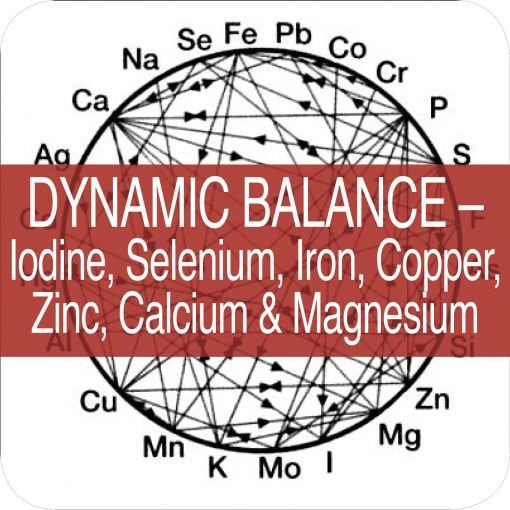
Risk Factors of Having High or Low Estrogen Levels in Males. The Triage Factor — Copper, Selenium, Zinc and Cancer!!! Always important to remember that all vitamins work in teams of threes. Any woman wanting to avoid breast cancer or its recurrence needs to be aware of the real risk factors. These are not the factors you hear about from the typical oncologist who is interested in pushing drugs. Imbalances in the body are the real risk factors that explain why women get breast cancer, not lack of drugs. The only way to avoid cancer or its recurrence is to address these imbalances. Two minerals, zinc and selenium, are key in maintaining balance in the body and keeping cancer away. Recent research has added to the pile of data underscoring the importance of these minerals in keeping women cancer-free. Researchers at Pennsylvania State University have reported that glands in the breast have unique zinc requirements resulting from their need to transfer extraordinary amounts of zinc into milk during lactation. When nursing women’s breasts are deficient in zinc, the result can be severe zinc deficiency in the infant, resulting in impaired growth and development. When zinc is deficient or not properly metabolized, breast cancer is often an additional outcome. Lack of zinc has been implicated not only in the initiation of breast cancer, but also in the transition, progression, and metastasis of the disease. When zinc is deficient, cellular functioning in the breast is compromised. In France, scientists report that estrogen receptor expression in breast cancers is associated with differentiated tumors and a more favorable prognosis. The greater the resemblance of cancerous breast cells to non-cancerous breast cells, the less threatening is the disease. Although the exact mechanism underlying the protection ERs play against cancer progression remains to be researched, these scientists studied the actions of ER alpha, and documented that one of the ways this ER inhibits invasion is though its first zinc finger. A zinc finger is a group of proteins organized around a zinc ion that can bind to DNA and influence gene regulation.
In other research, Dr. David Watts reviewed the hair trace mineral reports of thousands of women and found that a pattern of elevated boron, copper and calcium levels with lower levels of zinc occurred in women with breast cancer. According to Dr. Watts, boron and copper appear to make the body more sensitive to the stimulatory effects of estrogen, and less responsive to the quieting effects of progesterone. Zinc is the mineral that aids in the production and utilization of progesterone, so this pattern of mineralization makes women less progesterone responsive and more estrogen sensitive. Raising zinc levels and lowering boron, copper and calcium levels can bring these women into mineral balance and help in the creation of hormonal balance. The primary gene protecting women from breast cancer, p53, is thought to be the most frequently mutated or altered gene in the development of cancer. This gene requires zinc, and if it is missing, the gene becomes mutated, resulting in it becoming inactivated or suppressed. Dysfunction of p53 is well documented in the development of breast cancer, indicating that a zinc deficiency is a risk factor for breast cancer independent of the levels of boron, copper and calcium. Zinc is important in prostate gland function and may help prevent and treat prostate cancer. It has another important role in the lives of women too. Zinc is required for protein synthesis and collagen formation. Without adequate levels of zinc, skin begins to sag and lose its elasticity. The optimal balance ratio for copper and zinc is 1 to 10 according to nutrition experts Phyllis Balch CNC and James Balch M.D. In addition to sagging skin, deficiency of zinc may result in the loss of the senses of taste and smell. It can cause fingernails to become thin, peel and develop white spots. Other possible signs of zinc deficiency for women include hair loss, high cholesterol levels, impaired night vision, increased susceptibility to infection, memory impairment, diabetes, skin lesions, and slow wound healing.
Food sources for zinc are brewer’s yeast, egg yolks, kelp, lamb, legumes, lima beans, liver, meats, mushrooms, pecans, poultry, pumpkin seeds, sardines, seafood, soy lecithin, sunflower seeds, and wheat germ. Zinc is found in alfalfa, burdock, cayenne, chamomile, dandelion, eyebright, fennel seeds, milk thistle, nettle, parsley, rose hips, sage, skullcap, and wild yam. Zinc picolinate, zinc citrate, and zinc as methionine are good choices for supplemental zinc. These are available from many supplement companies. The relationship between selenium status and intake among breast cancer patients was studied by scientists in Kuala Lumpur. 64 women with breast cancer and 127 matched controls were interviewed to obtain information on their habitual dietary intakes, demographic data, and medical history. Selenium status was determined from toenail and hair analysis. The researchers found that total energy and protein intake was significantly higher among controls than among the breast cancer cases. The selenium intake among the women with breast cancer was significantly lower than the controls. Breast cancer risk decreased with the increasing quartiles of selenium intake. Selenium in hair did not differ among breast cancer cases and controls, but selenium status in the nails of controls was significantly higher compared to the breast cancer cases. In a recent study done at the University of Washington, scientists investigated the signaling pathways modulated by selenium. They compared global gene expression profiles in mammary tissues from pubescent female rats maintained on a selenium (3ppm) diet with those on a standardized diet. The selenium-enriched diet altered the steady-state levels of genes involved in various cellular functioning, the most dramatic of which was the changes in the expression of multiple genes that regulate circadian rhythm.
The normal mammary tissue of rats fed the standardized diet showed little circadian oscillation relative to liver tissue. However, the mammary tissue of the selenium fed rats showed a progressive, time-dependent increase in the expression of circadian gene Per2, and a circadian regulated transcription factor. Further, the results showed that the expression of Per2 and transcription mitigated RNA was significantly decreased in mammary tumors arising in selenium fed rate, but not in tumors of rats on the control diet. This suggests that selenium-induced elevation in the expression of circadian genes was incompatible with mammary cancer. The researchers concluded that the Per 2 gene is an important target of selenium for cancer prevention. Selenium’s main role is inhibiting the oxidation of fats as a component of the enzyme glutathione peroxidase, one of the most powerful of the body’s own antioxidants. When combined with vitamin E, selenium protects the immune system. It plays a vital role in regulating the effects of thyroid hormone on fat metabolism. In a study, men who consumed 200 mcg of selenium daily over a ten-year period had roughly half the risk of developing lung, prostate, and colorectal cancer compared with men who did not. Symptoms of selenium deficiency are exhaustion, high cholesterol, infections, liver impairment, and pancreatic insufficiency. Westerners often do not have enough selenium, because it is processed out of the foods typically eaten. This is one of the reasons that American men are five times more likely than Japanese men to die from prostate cancer. The typical Asian diet contains four times the amount of selenium as the typical American diet. Selenium is found in meat and grains, but the level depends on the soil content where the food was grown. It can be found in brewer’s yeast, broccoli, brown rice, chicken, dairy products, garlic, kelp, liver, molasses, onions, salmon, seafood, vegetables, wheat germ, and whole grains. Perhaps the best source of selenium is Brazil nuts. Eating two of the nuts a day provides 240 mcg of selenium. Earl Mindell, in his Vitamin Bible, recommends 200 mcg of selenium intake daily.
Immune Health Zinc is well known for its immune-modulating effects, but copper plays a role, too, especially the copper to zinc ratio. A balanced copper to zinc ratio, which is between 0.7 to 1.0, based on the studies discussed here, plays a role in maintaining the immune system, helping resist infectious diseases, and it has the potential to be used as an indicator of oxidative stress. Studies have found that during stages of chronic inflammation and poor health, there is a lower level of zinc and a higher level of copper, leading to an imbalance in the ratio. Both copper and zinc create the superoxide dismutase (SOD) enzyme that counteracts oxidative stress. In a study reviewing serum levels of copper, zinc, SOD, and other markers in 15 IBD patients and 30 controls, zinc levels were significantly lower (23 percent lower), as was SOD activity (7.3 percent), in IBD patients. The reduction in SOD activity relates to a lower ability to scavenge free radicals, which can lead to excessive oxidative stress. The copper levels were significantly elevated in women (17.6 percent) but not all patients (5.9 percent higher but not significant). In the IBD patients, the copper to zinc ratio was 0.73 in men and 0.87 in women, compared to 0.64 and 0.51 in the respective controls. Why you should know your Copper to Zinc Ratio In a prospective and experimental study, researchers took samples of serum copper and zinc levels in 100 patients with multidrug resistant pulmonary tuberculosis (TB) and determined their copper to zinc ratio. At the onset of treatment, the participants had a very high copper to zinc ratio, which experienced a significant drop when treated at the three and six-month marker after being treated with second-line TB drugs. Copper levels remained normal, while the zinc levels continued to be lower than that of the controls. The lower levels of zinc due to the disease led to a higher copper to zinc ratio, which in turn contributed to the immune system dysfunction and an increase of oxidative stress in patients. The researchers postulate that zinc supplementation might increase the efficacy of TB treatment through restoring the copper to zinc ratio and improving the body’s antioxidant capacity.
Other Health Effects There are many other ways in which this ratio affects health. Your copper to zinc ratio might also affect your sleep patterns. Higher levels of copper than between 1.10 mg/l and 1.12 mg/l correlate with a reduction in sleep duration, which in turn contributes to oxidative stress and inflammation. In one study, researchers looked at the link between inflammation (hs-CRP), serum zinc levels, and serum copper levels with sleep duration in older men. Those who slept 6 hours or less a night had the lowest levels of zinc at 0.91 mg/l, while the participants with the highest levels of zinc slept 9.5 hours a night with a serum zinc level of 0.96 mg/l. The group that slept under six hours at night had an elevated hs-CRP at 3.23 mg/l, compared to 1.92 – 2.85 mg/l for those sleeping between 6.5 and 9.5 hours at night. Sleeping over 10 hours at night raised the hs-CRP to 3.77 mg/l. The serum copper levels were highest in those sleeping less than six hours at 1.13 mg/l, those sleeping 9 hours at 1.14 mg/l, and those sleeping more than 10 hours at 1.17 mg/l, compared to between 1.10 and 1.12 mg/l for the other sleep duration groups. After accounting for certain confounders, only the copper and hs-CRP levels remained significant. In another study on elderly patients, a higher copper to zinc ratio, and a lower zinc level and antioxidant capacity, correlated with a higher risk of physical disability. The patient group had a 47.5 percent lower level of serum zinc compared to the control, and they had a 10.8 percent higher copper level and a 112.5 percent higher copper to zinc ratio compared to the control. The researchers concluded that the copper to zinc ratio is a reliable parameter for determining the physically disabled patients compared to the controls. One study found that in patients with heart failure, copper levels were higher. Both acute heart failure patients and chronic heart failure patients had significantly higher blood copper levels than controls, although the levels did not differ significantly between the two. Conversely, the serum zinc levels were significantly lower in both sets of heart failure patients compared to the control. This was independent of other risks for heart disease. The ratio also plays a role in metabolic health. In patients with type-1 diabetes, which is known to contribute to oxidative stress, the level of serum zinc was significantly lower and the level of serum copper was significantly higher in patients with diabetes, especially those with poor glycemic control. This led to a higher copper to zinc ratio, as well as higher levels of SOD. The researchers in this study also found a correlation between the HbA1C levels and the copper to zinc ratio, with a higher ratio correlating with a higher HbA1C. The Pathology Around Magnesium, Copper, Selenium, Zinc and Micronutrients Zinc and copper work hand in hand in many of their beneficial tasks, which is why it is important to not only concern yourself with just the amount of zinc or copper you consume. You also want to ensure you retain a good copper to zinc ratio to avoid the potential health risks discussed. If you are concerned, you can ask your doctor to perform a blood test to assess your serum copper and serum zinc levels. One way to do this is to ensure you consume adequate amounts of both minerals, primarily through diet. If you supplement with one, then you want to ensure you supplement with the other, unless you already have an imbalanced ratio.
Getting Your Recommended Zinc and Copper Foods Sources As with most nutrients, the best place to start to get your zinc and copper is through food sources. The best food sources of zinc, from highest to lowest, include: – Oysters – Organic, grass-fed beef – Sesame seeds – Pumpkin seeds – Adzuki beans – Wild rice – Peanuts – Pine nuts – Cashew nuts – Navy beans – White beans – Sunflower seeds – Black beans – Teff – Split peas – Lentils The best food sources of copper, also from highest to lowest, include: – Liver – Sesame seeds – Oysters – Cocoa powder – Soybeans – Cashew nuts – Lentils – Sunflower seeds – Brazil nuts – Adzuki beans – Kidney beans – White beans – Hazelnuts – Mung beans – Buckwheat – Pine nuts
As you can see from the list, many foods have both zinc and copper, making it easy to maintain your ratio. Some of the foods with the best copper to zinc ratio include oysters, sesame seeds, cashew nuts, and sunflower seeds. Foods in the nuts, seeds, and legume families often are rich sources of both zinc and copper, and they also have many other benefits. For example, Brazil nuts, known for their high selenium content, also are rich in other minerals, including zinc and copper. The average concentration of zinc in 100 grams of Brazil nuts is 4.7 mg, and the same serving has an average 2.0 mg of copper. Granted, an average serving is more often closer to one ounce or 6 nuts, which has 1.15 mg of zinc and 0.494 mg of copper. In addition to these nutrients, you also get healthy fat, protein, fiber, phytonutrients, selenium, magnesium, calcium, and phosphorus.
These work synergistically to further promote optimal health. Although several common foods contain copper, those following the typical “SAD” diet might still risk deficiency. The number of people presenting with copper deficiency is increasing, which might be due to a reduction in copper intake. It might also be from an increase in zinc consumption, which causes an imbalance in the ratio that might present as copper deficiency. What You Need to Know About Supplementing Zinc has a reputation for being healthy, including supporting the immune system and acting as an antioxidant. This has led to many people supplementing with high doses of zinc. Zinc is also found in many cough drops and other cold remedies. Because of the potential toxicity of copper, many people stay away from supplemental doses of it. Where does this leave you? With a risk of an out of balance zinc to copper ratio, which as discussed above can cause problems. So, what do you do? For one, do not supplement with high levels of just one of these minerals, such as zinc, without knowing your serum levels and/or ratio, which can be done with various lab tests. The most common is a blood draw for serum zinc and copper levels, which most doctors can perform. You might have to calculate your own copper to zinc ratio using the results for your serum zinc and copper levels. You need to make sure that both are in the same units, which is generally ug/dL. You might receive results with the units as umol/L, which requires you to divide the zinc by 0.153 and the copper levels by 0.157. If you have units such as L or mg, then you will have to perform metric conversions, which is usually multiply or dividing by a factor of 10. For example, to get from g/L to ug/dL, you would multiply by 100,000. You can also use an online conversion tool. Once they are in the same units, you simply divide the copper level by the zinc level. Some specialty labs will perform this for you. In those with high copper levels, supplementing with just zinc might be fine. In one study, supplementing with 10 mg of zinc gluconate helped to improve the copper to zinc ratio, which in turn helped to normalize oxidative stress and inflammation biomarkers in hemodialysis patients. It seems self-evident that if your zinc/copper ratio is off balance, supplementing with one will help. However, work with a healthcare practitioner so you will not end up altering the balance the other way. Often, using a supplement with both zinc and copper ensures you retain a good ratio. High levels of either mineral also come with other risks. Taking excessive amounts of zinc in supplemental form can lead to side effects, including vomiting, diarrhea, and abdominal cramps. Using nasal sprays might also disrupt your sense of smell. The tolerable upper intake level (TUL) for zinc is 40 mg for adult women and men. Excessive copper intake through supplementation also comes with its risks, including altering the copper to zinc ratio and toxicity. The TUL for copper is 10,000 ug/day for adults. You will want to check for the TUL for other age groups, as well as pregnant and lactating women. In some cases, you might need high doses, such as in cases of malabsorption. However, you do not want to undertake this alone. As always, discuss supplementing with your doctor or other healthcare professional. They will work with you to determine a level of zinc and/or copper supplementation that ensures you have adequate amounts of both to retain the right ratio based on your situation and health concerns. It is important you consider all of your sources of both zinc and copper beyond food and supplements when determining if you are at risk of an imbalance. For example, a patient using excessive amounts of denture adhesive that contained zinc presented with severe copper deficiency symptoms. Additionally, copper might leech from any pots and pans, and you might also find it in your drinking water. If you have well water and are concerned about your drinking water, you can contact your state certification officer to perform a test for free. Those not on a well, you can purchase testing kits from a variety of places that are simple to use and do not cost a lot of money. The copper and zinc relationship is just another example of the delicate balance that the essential minerals—and micronutrients in general—play with one another for our maximal health. Recognizing the ways in which nutrients interact with others will help you formulate a better plan to maintain your optimal health through your diet and supplements.
Seattle may be through the initial stage of coronavirus, but the city is not relaxing.
As critically ill, elderly patients streamed into his emergency room outside Seattle, Dr. Ryan Padgett quickly came to understand how deadly COVID-19 could be. Of the first two dozen or so he saw, not a single one survived. It took longer for Padgett and his colleagues at EvergreenHealth Medical Center — the first hospital in the country to treat multiple coronavirus patients — to learn how easily the disease could spreadthrough the Skagit Valley Chorale members. At first, the medical workers wore only surgical masks and gloves. Later, they were told to wear respirators and other gear, but the equipment was unfamiliar and Padgett couldn’t be certain he put it on and took it off correctly each time. “This is a movie-like save, it doesn’t happen in the real world often,” Padgett said. “I was just a fortunate recipient of people who said, ‘We are not done. We are going to go into an experimental realm to try and save your life.’” Once his colleagues at EvergreenHealth realized they had run out of options, they called Swedish Medical Center, one of two Seattle hospitals that has a machine known as an ECMO, which replaces the functions of the heart and lungs. But even after the hospital admitted him, doctors there had to figure out why he was so profoundly sick.
Based on the astronomical level of inflammation in his body and reports written by Chinese and Italian physicians who had treated the sickest COVID-19 patients, the doctors came to believe that it was not the disease itself killing him but his own immune system. It had gone haywire and began to attack itself — a syndrome known as a “cytokine storm.” The immune system normally uses proteins called cytokines as weapons in fighting a disease. For unknown reasons in some COVID-19 patients, the immune system first fails to respond quickly enough and then floods the body with cytokines, destroying blood vessels and filling the lungs with fluid. The doctors tried a drug called Actemra, which was designed to treat rheumatoid arthritis, but also, approved in 2017 to treat cytokine storms in cancer patients.
April 3, 2020 “Our role was to quiet the storm,” said Dr. Samuel Youssef, a cardiac surgeon. “Dr. Padgett was able to clear the virus” once his immune system was back in balance. Dr. Matt Hartman, a cardiologist, said that after four days on the immunosuppressive drug, supplemented by high-dose vitamin C and other therapies, the level of oxygen in Padgett’s blood improved dramatically. On March 23, doctors were able to take him off life support. Four days later, they removed his breathing tube. He slowly came out of his sedated coma, at first imagining that he was in the top floor of the Space Needle converted to a COVID ward. He soon became more conscious of his surroundings and had a FaceTime conversation with family members, who hadn’t been able to visit because of the hospital’s coronavirus lockdown. “It’s an incredible thing to survive a brush with death and not be able to see and be with your most loved people,” Padgett said. “And when everyone on staff who comes to see you has to be in a spacesuit, you just feel like this pariah. The isolation was pretty devastating at times.” On March 31, balloons, gifts and letters came in the door. It was his 45th birthday. “My birthday cake was an ice chip,” he said, recalling how grateful he was for his first sustenance by mouth. As Padgett got to know Youssef, Hartman and other team members, they told him about a 33-year-old woman — a mother of three — who was in the hospital as well, also having experienced a cytokine storm. He saw the team’s excitement when they tried the approach on her, and she too recovered. Padgett went home on April 5. He said Monday that he faced a long, slow recovery, physically and cognitively. He expects to be a better doctor, reminded how devastating an illness can be to a patient and a family. Returning to the ER won’t be easy, he said. “But that’s my home, that’s what I do,” he said. “I enjoy that everyone-in-the-foxhole mentality. And one day before then, Padgett and his fiancee, Connie Kinsley, plan to have Had a small wedding ceremony with a few friends on their boat moored on a Seattle lake.
According to the Bing Covid-19 Tracker, global COVID-19 cases have reached 3,428,422. Active cases hit 2,091,402, a surge of 45,262. Recovered cases moved to 1,093,189, up 36,863. Deaths reached 243,831 Total confirmed cases in the U.S. hit 1,158,536, 34% of the world’s total. Active COVID-19 cases reached 939,967, an increase of 18,246. Recovered cases were 151,502, higher by 9,796. Fatal cases in American hit 67,067, 28% of the world’s total, a jump of 1,462. In a sign that the disease is still spreading, active cases are still ahead of recovered cases both globally and in the U.S.
Los Angeles Continues To Avoid The Worst Of It The spread of cases and deaths from COVID-19 are unlike one another in America’s two largest cities. New York has a population of 8,398,748 residents. The comparable number for Los Angeles is 3,990,456. Confirmed cases in the Los Angeles area are 52,237. Deaths number 2,172, up 99. However, these numbers are for Los Angeles County which contains The City of Los Angeles and about another six million people. The country includes 13 other cities with populations over 100,000. The figures for cases and death count for LA alone clearly must be much lower than the county’s. The comparable figures for New York are 172,354. Deaths of 13,365, which rose 197. The New York figures are only for the city, and not surrounding areas. In another contrast, the death toll in Los Angeles County is not much higher than in another of America’s cities which is much smaller. Detroit has a population of 672,662. Wayne Country, Mich., is made up almost entirely of The City of Detroit. Wayne County’s confirmed cases total 17,106. Deaths are 1,884, up 82. Despite its much smaller population, deaths in Los Angeles County are only 15% higher than those in Wayne County, What accounts for the difference between New York and Los Angeles? Social distancing rules do not appear to be much different between the two cities. But, the population density of New York is about three times greater than LA. Also I would venture to guess though Vitamin D levels play a major factor as well. However, until there is widespread testing, the reasons for the contrast will remain only a guess.
As states ease restrictions, expert forecasts ‘new waves’ of coronavirus through summer. Coronavirus in the U.S.: Relaxed Rules and Warm Weather Will Test States?
New York Times: Coronavirus Live Updates: Trump Administration Models Predict Near Doubling of Daily Death Toll by June!!
Experts will tell you though, there are so many ways to boost immunity affordably and outsmart a virus?
The best ways of outsmarting a virus and bacterial infections can be easier than you ever thought possible. Stanford University Researchers say. that as little as five minutes of small, gentle rocking back and forth repetitive motions will tamp down your body’s release of immunity-hampering stress hormones, Chinese researchers say, “when you curb inflammation, it frees up your body’s natural resources When a hectic day leaves you feeling tensed and you don’t think you have time for 30 minutes of meditation. Simply take 10 deep belly breaths, feeling your abdomen expand with each inhale and contract with every exhale. Harvard scientist state, “this reduce anxiety by 67%, lowers your blood pressure 10 points and helps you feel calmer within 60 seconds.” Those are the same results you get if you meditate for 30 minutes. Also no need to walk 10,000 steps each day, Harvard also state, women who walk 4400 steps daily (about 2 miles or 30 minutes of moderate walking) reduce their mortality rate by 41%.
Another way to help curb an illness is live by the 3 to 1 rule. For every negative thought – think of 3 things that you’re grateful about in your life. Scientist state this lowers your blood pressure, raises your immune response to invaders and defense to cancer. It also slows the aging process of your blood vessels and organs. In fact, scientist state doing this daily can add 12 healthy years to your life. Health experts suggest drinking 16 ounces of water every three walking hours each day which thins your blood, warding off harmful clots.
Its also important to eat green and clean: The Lancet found munching on just 3 servings of vegetables and fruit provide the same protective benefits as if you eat the recommended five to nine servings. So if you struggle to eat the recommended amount, don’t worry? One big green salad a day provides a healthy punch of fiber, vitamins, minerals and antioxidants that works in synergy to balance blood pressure, lower cholesterol and repairs cellular damage, which eases strain on your heart. Also socializing (talking on the phone helps if you can’t get out) is proven to sharpen thinking as you age.
University scientist say, that the elderly with a strong network of friends have the sharpest memories. Chatting with friends provides mental exercise to keep your brain cells biologically younger than your actual age. Numerous studies proves those that laugh and smile, compared to those who tend to be more sober-faced have lower levels of the stress hormone cortisol — which has been linked to diabetes, heart disease, stroke and suppressed immunity. Get enough sunshine to boost your Vitamin D levels each day is vital as well.
Also enhance your smile while making sure you floss daily. It helps relieve the odor between your teeth that causes bad breath, keeps gums healthy, it reduces dementia risk by 65%. Remember too: oral bacteria can travel to the brain where it can cause inflammation that leads to Alzheimer!!!
London (CNN) When Suryakant “Suri” Nathwani returned from the hospital, the reserved 81-year-old grabbed his son’s hand and pleaded to be allowed to die at home. “He said, ‘Please promise me one thing: If I’m going to go, I’m going to go here. Do not take me back there,'” his son Raj Nathwani said. Read More:
O God, support us all the day long, Until the shadows lengthen and the evening comes, and the busy world is hushed, and the fever of life is over, and our work is done.
Then in your mercy grant us a safe lodging, and a holy rest, and peace at the last, through Jesus Christ our Savior. Amen.
James O’Keefe, 58, is a cardiologist at Saint Luke’s Mid America Heart Institute in Kansas City, MO. A self-proclaimed “exercise enthusiast,” O’Keefe says there was a time—decades, in fact—when he would routinely spend 2 to 3 hours a day running and working out vigorously. “I rarely took a day off,” he recalls. But if you see O’Keefe exercising today, you’ll likely spot the MD on a post dinner stroll with his family. He also enjoys practicing yoga or doing some gentle backstrokes in the swimming pool.
What changed? O’Keefe investigated the effects of intense physical activity on the human heart and body. The fruits of his and others’ research inspired him to dial down his own routine. “If your goal is exercising for overall health and to improve your longevity, then walking is ideal,” he says.
Running Is Hard On Your Heart!!! In one of his studies, published in the Journal of the American College of Cardiology, O’Keefe and his colleagues found that people who run most days of the week at a pace faster than 7 miles per hour have the same risk of death as sedentary individuals. Another study, presented at the EuroPRevent2012 meeting in Dublin, Ireland, found that those who run more than 25 miles per week have no mortality benefit, compared with nonrunners. Both studies suggest that moving at a gentler pace—such as a brisk walk or a slow jog—for 1 to 2.5 hours every week lowers your risk of death by 25%. “We’re not meant for sustained levels of exercise for long periods of time,” O’Keefe explains. “After 60 minutes of intense physical activity, like running, the chambers of your heart begin to stretch and overwhelm the muscle’s ability to adapt.” He also says levels of harmful free radicals rise, adrenaline increases, and inflammation occurs inside your coronary arteries. Intense training over the course of many years can also lead to permanent changes in your heart—changes that can set the stage for serious cardiovascular problems, he says. “The increase in blood flow to your heart leads to microtears,” he explains. “It’s not a big deal if you do it once or twice. They’ll heal in a few days. But when you do this over and over again for many years, it causes stiffness and scarring in the heart that can accelerate aging and contribute to congestive heart failure and atrial fibrillation.”
Run Harder, Get Sicker? Your heart isn’t the only part of you that might suffer from vigorous exercise. Excessive endurance training may also dampen your immune system and increase your risk for illness. Researchers at the University of Illinois, Urbana-Champaign found that prolonged intense activity increases levels of certain inflammatory proteins that can allow viruses—such as the common cold—to thrive. That means you might get sick more frequently, and feel worse during bouts of illness, if you’re taxing your body with vigorous exercise on a regular basis.
What About Weight Loss? Despite common assumptions that exercise “torches” body fat, vigorous workouts aren’t often linked with dramatic weight loss. A close look at the medical literature reveals that diet changes, not exercise, are the big drivers of dropped pounds. One example: A recent study in the journal Obesity found that after a full year of aerobic exercise— 5 days a week for 45 minutes—overweight or obese women lost just over 2% of their body weight. That leaped to 11% among women who combined exercise with diet changes. Another study, this one in the American Journal of Clinical Nutrition, found that an intense workout boosts women’s appetites so much that they tend to eat enough calories to entirely replace the ones they burned. Exercise is undeniably healthy for you—and in countless ways. But if you think you need to run hard in order to lose weight, there’s not much data to back that up…
Walking For Wellness So should you scrap your plans for your upcoming event or marathon? Not necessarily. “I don’t think that short-term training for marathons or another singular event is deleterious to our health,” says Todd Astorino, PhD, professor of kinesiology at California State University, San Marcos. “What becomes problematic is chronic training over a long period of time with inadequate recovery.” This, he says, makes you more susceptible to overtraining, injury, and illness. (Try one of these new walking workouts that blast fat.) But if you struggle to find motivation to run, and you’ve always assumed walking isn’t hard-core enough to improve your health, set those fears aside; walking appears to bestow all the same health benefits as running—without the risks. MORE:The 8 Most Effective Exercises For Weight Loss In a new study published in Arteriosclerosis, Thrombosis, and Vascular Biology, regular walkers turned out to be healthier than their running counterparts. Risk for hypertension, high cholesterol, diabetes, and heart disease all dropped more significantly among walkers, compared with runners. Both O’Keefe and Astorino advise embracing the CDC’s physical activity guidelines, which recommend 30 minutes of moderate-intensity exercise—such as brisk walking—most days of the week, combined with a couple of days of strength training. O’Keefe adds: “As important as exercise is, it’s important to get the right dose.
You Can’t Control Who Enters Your Life, But You Can Control Who Stays? The insula is a region of the brain as mysterious as it is crucial to understanding human behavior. Some say it’s where our “conscience” is located. Currently, neurologists can only say that this structure functions more like the source of our emotions. It’s where our empathy and intuition live.
Neuroscience is a fascinating discipline that never ceases to amaze. A few years ago, it was discovered that some people are able to quit smoking overnight with no withdrawal problems. Why? When they had an MRI, researchers found a small lesion in the insula. They also found that alexithymia is related to a problem in this very same region. Alexithymia is when a person has significant difficulty empathizing with the emotions of others. In essence, they have trouble recognizing their emotions and expressing a feeling verbally. And it turns out it’s intimately linked to this particular little spot. Indeed, the insula is like a magical fountain infusing every structure of the brain with sensations and emotions. These, in turn, allow us to react, whether positively or negatively. Because the insula is what gives us feelings like disgust, pride, and lust. It’s also the structure that helps us understand people and even respond emotionally to music…
The insula, a multifunctional structure | the Source of Our Emotions and Empathy! To reach it, you’d have to dive into the deep fissure separating the frontal and parietal lobes from the temporal lobe. The insula is a small region of the cerebral cortex located inside the lateral groove. Interestingly, if this were the 80’s, the only thing we could say is that it’s a dark area of the brain. A structure with unknown functions, the subject of hundreds of hypotheses over the years. However, the 90’s shed some light on it. Thanks to advances in analytical and diagnostic techniques, this theoretical spot is dark no more. Amazing discoveries were made. Multiple studies were done on patients with brain damage in the insula. They showed that the insula actually plays a very large role in many of our daily activities. Thus, if we were to ask scientists now what processes this area carries out, they could give a full, interesting response. It’s involved in so much: pain, love, emotions, cravings, addictions, musical enjoyment, decision-making, wine tasting, and the conscience. Incredible, isn’t it?
The insula, is the Cornerstone of our consciousness!!! Neuropsychologists tell us that we must be very careful when attributing a function as huge and important as consciousness to any region of the brain. However, given the involvement of the insula in a large part of our social and emotional behavior, it’s not hard to come to this hypothesis. First, because it’s an attractive term. Second, because of how complicated defining with total accuracy which tasks, functions, and processes this area carries out. As a side note, something else that’s been proven is that people who suffer severe damage to the insula are completely disconnected from their environment and even themselves. They’re characterized by deep apathy and a lack of empathy. They’re unable to enjoy any aspect of life, even unable to experience disgust. That is, they couldn’t differentiate fresh food from rotten.
The insula just well may be our soul and plays into our self-image!!! Scientists tell us that the insula is where our being comes together. In other words, where you become aware of your body and mind. However, to understand it better, let’s clear one thing up. No brain structure works independently. When we make the mistake — common as it may be — of saying that a certain person uses the right hemisphere because they’re very creative, we’re forgetting that the brain is “a whole.” Every part of the brain is connected to all the others. The organ works in perfect harmony. The same thing happens with the insula. It’s physiologically connected to the body, plays a role in your sense of smell, and generates subjective feelings. The insula is involved in the feeling of hunger and even receives information from skin receptors and other organs. This structure helps us react when we’re cold or hot, or when something stings or itches. It’s the instinct that tells us things like “get out of here. You need air to clear your mind…” That said, animals also have this amazing structure in their brains. Therefore, they also have that sense of physical and emotional awareness. So when a cat, a dog, a Tasmanian devil, or a lemur is hot, it will look for shade. When it finds food, it’ll choose the fresh over the rotten.When an animal comes across another animal, its intuition will tell it whether the other animal has good or bad intentions. It’ll know instinctively whether it’s going to become prey. Or if, on the contrary, it is someone they can socially relate to. Also, neurobiologists say that human beings, large primates, whales, and elephants have much more complex and sophisticated insulae.
The insula, in turn, can be broken down into different areas. For example, the frontal insula is related to our emotions. Love and hate, gratitude and resentment, shame and distrust, empathy and contempt. There’s a certain point between the frontal area and the anterior cingulate cortex.
This is where processes associated with addictions are located. When a person tries to quit smoking, certain stimuli increase the desire and withdrawal symptoms. Certain scents, social situations, and scenarios intensify the anxiety that secretly governs the insula. All of this because the insula is intimately connected to the limbic system. There are many studies that show how this small structure plays into addictive behavior. It has to do with what is known as the “craving“ phenomenon, or an intense desire to consume. In conclusion, the insula can help us humans be the best we can be; it gives us empathy and positive feelings. But it can also bring out our negative, addictive side. Perhaps soon new discoveries will be made about this complex little area of the brain that makes us human. Here’s a final thought. Whenever you enjoy music or a glass of wine, remember what allows you to enjoy such pleasures. Thank your insula 🙂 Leslie Krusinski Thanks
Medical Daily Why Walking Is The Best Exercise During Coronavirus Lockdown By Charmaine Lastimosa
Everyone in the world is currently dealing with the threats posed by the coronavirus pandemic and struggling with the drawbacks of not being able to freely go outside. And for most people, there is a struggle to remain healthy since gyms and other establishments are closed. For people who have fitness and exercise equipment at home. Staying healthy may not be a problem as long as they are motivated to work out. But for many people who do not have the privilege of owning any exercise tool, losing weight or staying fit is an uphill battle. However, experts say there is one exercise that everyone can do to remain healthy amid the coronavirus lockdowns, and it is walking. Below are the reasons why walking is the best exercise to do during the COVID-19 pandemic, as first shared by USA Today. Improves muscle strength Walking has been proven to counter the effects of aging on muscle strength. As humans age, their muscle strength is greatly reduced. Walking addresses this problem by building muscle mass and toning muscles in certain areas of the body, especially in the back and legs. Promotes stronger bones Bones tend to become weaker as people age. According to MedlinePlus, this explains why posture and gait drastically change when humans get older. Walking has been found to strengthen bones. This form of exercise gives a certain amount of stress to the bones and bone cells called osteoblasts respond well to this type of stress, preventing bone density loss. Burns body fat Walking is one good exercise that can make one lose weight without having to rely on gym equipment. Studies found that walking regularly does help in losing weight by burning fat. Obese people who frequently walk were even found to benefit from the fat-burning effect of walking. Stimulates good mood Many people are suffering from anxiety and mood swings amid the coronavirus pandemic. Walking is a good way to counter these issues because this physical activity has already been proven to have a palliative effect on a person’s mood. Boosts heart health Another good reason why walking is the best exercise to do while in quarantine has to do with its effects on heart health. Apparently, walking makes the heart stronger. Since it is an aerobic activity, walking promotes greater efficiency of the heart by increasing heart rate and blood pressure. As such, walking reduces the risk of developing heart disease. Dr. Ron Weiss, 58, is a primary care & urgent care physician who helped treat the first COVID-19 patient in New Jersey in March. Since then, he’s seen hundreds of patients with the disease.
Experts explain why some myths about the coronavirus can be dangerous!!! By Audrey Cher
Our common enemy is #COVID19, but our enemy is also an “infodemic” of misinformation. To overcome the #coronavirus, we need to urgently promote facts & science, hope & solidarity over despair & division. https://www.un.org/en/coronavirus
“There seems to be barely an area left untouched by disinformation in relation to the Covid-19 crisis,” said Guy Berger, director for policies and strategies in communication and information at UNESCO, according to an article on the U.N. website earlier this month.
Believing and acting on false information can be gravely dangerous. After U.S. President Donald Trump suggested that consuming or injecting disinfectants could help fight Covid-19, health experts swiftly fired back and warned that such unsound medical advice “could seriously harm people.” Trump later tried to walk back on those comments. Experts who spoke to CNBC debunked the following myths about the coronavirus that are also spreading.
Will strong sunlight protect me from Covid-19? No, exposing yourself to the sun — or to temperatures above 25 degrees Celsius (77 degrees Fahrenheit) will not stop you from contracting the disease, according to the World Health Organization. The virus can be transmitted anywhere, even countries with hot and humid weather, WHO said. Much of Southeast Asia has a tropical climate. But the region has not been spared from a surge in coronavirus cases — Singapore has more than 16,000 cases while Indonesia has nearly 10,000 reported infections, according to Johns Hopkins University data. In the Saudi Arabia, where the desert sun can get hotter than 50°C (122°F) at the peak of summer, more than 21,000 cases have been reported, according to Hopkins. Extreme heat can kill the virus, but that degree of heat will also kill the person, said Dr. Leong Hoe Nam, infectious disease specialist from Mount Elizabeth Novena Hospital, in an email to CNBC. He said 90°C of heat for 15 minutes will effectively destroy the virus, but no human can survive the intensity of that level of heat either. Conversely, “there is no reason to believe that cold weather can kill the new coronavirus or other diseases. The normal human body temperature remains around 36.5°C to 37°C, regardless of the external temperature or weather,” said the WHO. Trump had also speculated that exposing people to “ultraviolet or just very powerful light” could help kill the coronavirus, but experts warned about its dangers. While the virus is susceptible to ultraviolet (UV) light which can make it harder for the virus to reproduce, you can’t possibly get UV light inside your body, as it will be blocked by your skin, explained Paul Offit, director of the Vaccine Education Center, during a video interview with CNBC. All that UV light will do is to increase the risk of skin cancer, Offit said.
Can I drink vodka or whiskey to wash out the coronavirus? Just last month, hundreds of people in Iran reportedly died after ingesting methanol — a false remedy for Covid-19 that was spreading through social media. The number of deaths as a result of ingesting methanol has since risen to 700, according to a recent report by the Associated Press. While alcoholic beverages, including vodka, could make you “a little drunk,” they are not useful for treating the virus or for preventing the virus infection, William Schaffner, Vanderbilt University professor of medicine in the division of infectious diseases, told CNBC. He added that alcoholic beverages would be of no effect on the coronavirus, or any other virus. “It doesn’t make any sense to try to wash out the virus at all, or even to rinse out the mouth with … an alcoholic beverage.” Other experts warned that trying to kill the coronavirus with alcohol could come at the expense of one’s own life. “Alcohol kills the virus. But at very high concentrations that will scald … the lining in your mouth, your nose and your throat. You certainly kill the virus but you kill yourself too,” Leong said. Offit concurred, adding that “you can never consume enough alcohol to kill all the virus in your body without first killing yourself.” Apart from consuming alcohol, spraying alcohol or disinfectants all over the body would not help kill the coronavirus either, according to experts. “Alcohol is useful as a hand disinfectant, a hand sanitizer — but taking it either internally or over the body is not useful at all,” Schaffner said. Instead, experts recommend good hand hygiene, including washing hands with soap and water several times a day, as well as the use of hand sanitizers. Does it mean I don’t have the virus if I can hold my breath for 10 seconds without discomfort or coughing? Another dangerous claim that’s spreading on social media is a so-called self-check breathing test which falsely claims that people who are able to hold their breaths for 10 seconds, without coughing or discomfort, do not have the virus infection. The false claims have been spreading on Facebook and Twitter. Dr. Faheem Younus, chief of infectious diseases at the University of Maryland Upper Chesapeake Health, debunked that myth. “Most young patients with Coronavirus will be able to hold their breaths for much longer than 10 seconds. And many elderly without the virus won’t be able to do it,” he tweeted.
But getting enough vitamin D is a good idea. There is an exception to the general rule that supplements won’t really help prevent illness, and that’s vitamin D (in moderate doses). Research has shown that the immune system needs vitamin D like wise selenium and zinc to fight off viruses – while it won’t protect your from getting the virus if you’re exposed,it could reduce the severity of the illness and help make recovery easier. It’s also a common cause of nutrient deficiency. You can get vitamin D naturally through sunlight, which many people have less access to during darker, colder months of flu season. It’s also found in some foods, including fatty fish like salmon, tuna and mackerel, and in small amounts in beef liver, eggs, cheese, and mushrooms. Sleeping is crucial for your body’s ability to recover and defend itself. One of the most evidence-supported ways to stay healthy, though, also happens to be free – getting enough sleep. That means 7-9 hours each night for most people, according to Harvard Health. While you’re asleep, your body uses that time to do critical recovery and repair of essential functions, including your immune system. Just one night of poor sleep can reduce your immune cells by as much as 70%, research shows. . Exercise can boost your mood as well as keep you healthy. Exercise can also keep your body functioning well, since research shows that it reduces inflammation and supports infection-fighting cells. If you’re working from home or staying out of the gym, there are plenty of ways to still get your sweat on – body weight movements like burpees, lunges, push-ups and more give you a quick full-body workout with no equipment. As an added bonus, endorphins from exercise also reduce stress.
If you drink alcohol, do so in moderation. During the stress of a viral outbreak, and the pressure of being stuck at home for long periods of time, it might seem natural to turn to some liquid courage and stress relief. The occasional glass of wine in moderation is unlikely to be a threat, particularly if it has the benefits of helping you relax. But avoid overdoing it – not only will you feel worse and need to rehydrate and rest even more, excessive alcohol use can also impair the immune system and the body’s ability to heal itself, according to research.
Please wash your hands. Experts consistently agree that the best way to prevent the spread of the coronavirus is to wash your hands, with soap and warm water, consistently and thoroughly. Best practices include washing your hands for at least 20 seconds, and drying them thoroughly. No form of supplement or habit can replace good hand-washing, and includes heaps of hand sanitizer, which can be a good substitute if you’re in a pinch, but doesn’t work as well as good old fashioned soap scrubbing. Trying to manage stress — even during anxious and uncertain circumstances. Is one of the most important ways to stay healthy. Stress can also make a big difference for your immune system, particularly when there are alarming or uncertain events happening in the world around you. Yes, this means managing fears about the coronavirus itself – good strategies include taking breaks from social media and relying on trust media sources for information, both of which can help you avoid panic and misinformation. How you choose to relax will vary from person to person, whether that’s taking a walk outside, curling up with a favorite book, or taking time to meditate or practice yoga or another soothing habit each day. Companion animals can be one great source of stress relief and fortunately, current evidence suggests we don’t have to worry about them getting or spread the coronavirus.
The World Health Organization pointed out, “The best way to confirm if you have the virus producing COVID-19 disease is with a laboratory test. You cannot confirm it with this breathing exercise, which can even be dangerous.” According to the U.S. Centers for Disease Control and Prevention, there are two kinds of tests available: viral tests and antibody tests. A viral test allows you to determine if you presently have the infection, while an antibody test shows if you have been previously infected before.
Was the virus caused by 5G networks? I am not to sure about that!! Cell towers in the U.K. were torched earlier this month, after conspiracy theories flooded Facebook claiming the coronavirus outbreak was caused by 5G, the next generation of mobile internet. Viruses cannot travel via radio waves or mobile networks, the WHO said. “The virus is extremely sneaky and has exceeded all expectations of other viral infections, but they have not learned the skill of teleportation via the electric cables — and certainly not true electromagnetic waves via 5G,” said Leong from Mount Elizabeth Novena Hospital. “There’s nothing electronically that transmits the virus, it’s very simple — (it’s caused by) person-to-person transmission and … (through) inanimate environment like tables, doorknobs and things like that, that’s why we like to disinfect the inanimate environment around us,” Schaffner said. An infected person — who may or may not show any symptoms of flu — breathes out the virus through droplets, typically in a cough or a sneeze. The virus can settle on an inanimate surface somewhere and other people could pick it up on their fingertips or hands, infecting them after they touch their noses or mouths, William Schaffner explained.
Faheem Younus, MD
✔ So I’m hearing many myths about #COVID-19 and would like to quickly clear the record.
Coronavirus will go away in Sumer months.
Wrong. Previous pandemics didn’t follow weather patterns plus as we enter summer, there will be winter in the Southern Hemisphere. Virus is global.
LEARN WHY the Chinese Communist Party (CCP) has lied, is lying, and will continue to lie to protect its regime, and how it has been attempting to deceive, infiltrate, and dominate the world and to steal land space and Natural Resources from the United States? https://www.youtube.com/watch?v=coO7uPBX3IU
What is the true reason behind why China wants to expand at all cost? In today’s educational and informative video, we’re taking a look at everything we know about China, it’s politics and where it is heading before their country has a social economic collapse? https://www.youtube.com/watch?v=YGFtFFrsQ7c I did not think I would like this, but here I am liking it.
My age is 26 and I just recovered from the novel Coronavirus or Covid-19. And I have a message for all the young people out there, ‘You are not invincible’. I am here today to share my story after a long battle with the deadly virus which lasted for more than two weeks and ‘I’ am still in the process to cope up with normal life. My normal life had a great share of exercises in the morning, a lot of jogging on the treadmill and then some work-outs. I am not able to get back to that, not only because I am feeling weak, but I still have that shortness of breath lingering as my lungs are severely damaged! I was healthy even a month ago – now I am undergoing physical therapy to regain my strength. I know a lot of people are still under the belief that ‘I am young and healthy, therefore it would not have any serious effect on me’ or ‘it only affects the elderly’, but let me tell you a truth: obviously from my case and several others I have heard of, that mentality is not always true. I spent two weeks at the hastily set-up military hospital in Daegu, after what started like a cold soared into severe chest pain and trouble breathing. The pain was unbearable, similar to hundreds of needles piercing the lungs! I still remember the night when I could not sleep even for a minute, as I was not able to breathe and sessions of cough were ravaging my night. The temperature of my body was above 103 degree Celsius and severe body ache. Before that night I was at home-isolation since I was checked positive 2 days ago and my fever was not that severe, but that night changed everything. The next morning I was admitted to the hospital and the war began. At the peak of my war against the virus for survival, I was unconscious and was on a ventilator. Whenever I was conscious, the pain used to kill me and I would call the nurse for giving me some relief. At first the doctors were trying to reduce my fever with doses of paracetamol and I was told by them that I would have to fight on my own as there is no medicine for the disease. Then the situations worsened and I was taken to the ICU. I was frightened, as I could remember my father dying in one such ICU some 4 years ago. But I was fighting, and my determination was unbreakable that I will see to the end of this.
I just wanted to return to my home, to see my mom again and to pet my little dog. But the end was probably not far, as my condition worsened even more and the doctors told me that my lungs were not working properly and I was to be given ventilation. This might sound very scary now, but at that moment I felt relieved as I was almost unable to breathe and the chest pain was not subsiding even with stronger medications. After that day I was mostly unconscious. I want to mention here one specific night which changed the game completely. That night suddenly I was awake and it was pitch dark. There was no sound except for the mechanical ups and downs of the ventilator. There was a glass window beside my bed, and it was pitch dark outside too. Suddenly a flash of light came and slowly the room was filled with light. It was dawn and the sun had risen from the east. I went to sleep again, but this time with the ray of hope, ray of light. I started to recover from the afternoon. The supportive care started to work. The intruders in my body were retreating and I started to win. In the next three to four days the fever receded. The chest pain was almost gone, but the shortness of breath prevailed. The ventilators were removed and I was transferred to a general bed but in isolation. I wanted to see my mother and I expressed my wish to the doctor who used to visit me twice every day. He was visibly exhausted and so were the nurses. The doctor smiled at my request and told me that I would be free to go back to home by the end of the week and I could see my mother; but not before that. Although I was disappointed, I realized that it would be best to her interest that she should stay at home.
The end of the week was near, the doctors handed me over a set of reports. And then the bad news came along. Some parts of my left lung are severely damaged at the moment and might turn out to be a backlash against my normal daily routine. I was suggested physical therapies and medications and was released the next morning. When I returned home, I saw my mother after 14 days and finally hugged her. Both of us were still wearing masks because I was afraid from the initial stages for her, as she is above 60. Fortunately the prompt test and isolation were very effective to contain the spread in my house. Now that I am out of the hospital and taking rest in my home in isolation, I tell myself that my case could have been more tragic and there was a significant amount of chance that I could have not made it through this. In December 2019 the Chinese authorities notified the world that a virus was spreading through their communities. In the following months it spread to other countries, with cases doubling within days. This virus is the “Severe acute respiratory syndrome-related coronavirus 2”, that causes the disease called COVID19, and that everyone calls Coronavirus. What actually happens when it infects a human and what should we all do? ▼▼ More infos is just a click away ▼▼ https://www.youtube.com/watch?v=BtN-goy9VOY
Loved this interview and typed up some notes for those interested: Who is most at risk? On March 24th in Korea 8,961 confirmed cases – 3,166 recovered with111 deaths – they found 20 % showed no symptoms – for those over 80 years old 11.6% death rate – those in there 70’s the death rate was 6.3% – and 1.5% in there 60’s | 0.4% in there 50’s – Korea has one patient die in there 40s & 30s – so the death rate in there 40s and 30s is 0.1% and they seen no deaths of people in there teens or twenties. Can you get the flu again? – Usually people who get the flu, the bodies develop antibodies and they recover in 2 weeks and don’t get sick again. – For Covid, people who have been discharged are getting the virus again . How do you get infected? – 3 ways to get infected: 1. Droplet Transfer: Directly being coughed or sneezed on by someone and being with their droplets. 2. Indirect Transfer: When patient coughs or sneezes and the droplets land on keyboards/tables/doorknobs. Virus can survive up to 3-4 days on surfaces like tables/door knobs, and 1 day for fabric/clothes. 3. Direct Transfer: When someone coughs/sneezes on hands and you shake their hands and subsequently touch your face/mouth/eyes etc… Can you get it just by breathing? – Yes, Aerosol Transmission possible in certain cases (i.e. Airborne transmissions) – Airborne transmission likely in densely packed areas. But, in outdoor environments and not in closed spaces, not as likely through airborne transmission. What are the symptoms of the virus? – Loss in appetite, mild aches, fevers, sore throat, difficulty breathing. – 30% of those who get the virus can’t smell or taste anything – Lose your sense of smell or taste Can you get infected if it’s on skin? – You get infected by it going through eyes/mouth/nose because there are mucous membranes in those areas. – However, you can’t get the virus from it just being on your skin. That’s why it’s important to wash your hands. How effective is wearing mask? – Very effective. – In the west, not many people wear masks which is odd. The US Surgeon General and WHO recommend people not to wear masks, but he disagrees. Wearing mask is extremely effective. – They probably said that so medical ppl. can have more masks and normal people stop hoarding. – If everyone wears masks, there will be less infections in general. WHO encourages normal people not to wear masks. But in Asia, because of cultural differences, they encourage ppl to wear masks. – As a result, US/Europe spreading much faster than Asia did. If it gets warmer, will the virus go away? Hard to predict, but won’t go away quickly. – Several scenarios: – 1st Scenario: Covid ends like SARS did when it got warmer. SARS started in Nov 2002 and ended July 2003. But, back then people travelled less and infection was much smaller (mostly Asia + Canada only). For Covid-19, IF the whole world cooperates, it can end by July/August 2020 and it won’t infect people again. – However, only 10% probability this may come true. – 2nd scenario: Covid=19 stays in the summer and it’ll spread to southern hemisphere when it’s their winter and it’ll come back again in our winter. – Just like regular flu cycle. – 3rd scenario: we develop a vaccine and put a end to it once and for all. But this scenario is difficult to achieve. – Inventing a new vaccine usually takes 10-15 years and costs US$800M. Covid-19 is only 121 days old. Doctors have only had 2 months to understand their DNA structure so far. – At fastest, IF everything goes smoothly (big if), and it’ll take 18 months if all goes well to develop vaccine. – However, even if US / China develops a vaccine, would they share the vaccine? Also, it’ll be impossible for U.S. with 329 million population to vaccinate everyone. It becomes a choice of priority. Who gets the cure first? What cures are being used now? Best thing we can do is “drug repurposing”: Try to find a drug that’s being used to treat another disease that can also be effective for Covid-19. – Ex. A drug that is used for Malaria was found to be somewhat effective in treating Covid-19 and used for critical patients right now. – Another way: – Take the blood of patients who recovered and use the antibodies in the blood to give to critical patients. So recovered people should donate their bloods if they can. Any last comments? – Currently, doctors working 2 months nonstop and very worn out. Their bodies are tired as a result so they can catch the virus from patients more easily. They are more vulnerable than normal people. Last advice to people in teens, 20s, 30s? – You may be fine, but if you spread to an elderly family member, it could be fatal. – Wear mask. Socially distance. You need to protect yourself so you can protect your family. Watch the Second Interview with Prof. Woo Joo – Kim Here!!
Dr. Jerome Kim is a gifted communicator and the perfect person to interview, honestly, Stephen’s questions make what he says way better though. It is so refreshing to get trustworthy, non-politicized information. Dr. Kim is the Director General of the International Vaccine Institute (IVI), for sharing his expert insight on the development of a vaccine for COVID-19. Visit IVI’s website for more information: https://www.ivi.int0:47 Dr Jerome Kim 2:51 SARS-1 vs COVID-19 4:23 What is a Vaccine? 9:15 Time to Develop a Vaccine 9:39 HIV vs COVID-19 14:47 Vaccine Cost/Timeline 27:02 Which CV Vaccine? 28:38 CV Vaccine Distribution 31:28 Flu vs COVID-19 35:08 Herd Immunity 38:44 Scientist & Doctor Misinformation 41:34 Watch The New Normal!!!
As much of the globe continues to stay home to practice social distancing, vibrant cities have gone quiet, and animals are freer to roam. The rare absence of human activity grants us a special glimpse of what the world might be like without us in it. Jeffrey Brown has the story for ongoing coverage of arts and culture, Canvas. https://www.youtube.com/watch?v=5awa3cW6RmM
Poor air quality increases death from the COVID-19 virus – but because we are all staying home – the air is cleaning up! Amy Freeze explains. https://www.youtube.com/watch?v=o7nB1yuspxA
A quick look at some of the positive changes that have occurred in the environment since the coronavirus outbreak of 2020 to cold. Is COVID-19 healing our planet, allowing animals to roam free and pollution to drop to the lowest levels in years? https://www.youtube.com/watch?v=i426fmdOEC8
The lockdown: One month in Wuhan The predictions about the coronavirus catastrophe grow more ominous by the day, and despite the best efforts of countries like Australia in enacting emergency action plans to contain the disease, its spread continues at a worrying rate. Even the World Health Organisation forecasts a world of pain. It says the virus poses a greater global threat than terrorism. That’s bad enough, but medical experts tell 60 MINUTES it’s actually even more terrifying. Professor Gabriel Leung, who led the fight against the SARS virus, believes 60 per cent of the world’s population could become infected with COVID-19 and that up to 45 million people might die from it. For this story, Liam Bartlett has travelled to Hong Kong and Thailand to find out the likely cause of the disease, as well as the latest ongoing efforts to combat it. At all times he and his crew have followed medical advice and undertaken strict protocols to limit their exposure to potential danger. https://www.youtube.com/watch?v=Y7nZ4mw4mXw
Dr. Bruce Hollis, has been studying vitamin D for more than 35 years at the Medical U of South Carolina.
Knowledge of vitamin D in the health of children has grown greatly over the years, extending past the importance for calcium homeostasis and bone growth. There is growing recognition of the role vitamin D plays in health impacting the innate immune system to prevent infections and the adaptive immune system to modulate autoimmunity. Other studies are starting to reveal the neurohormonal effects of vitamin D on brain development and behavior, with a link to mental health disorders.
Many of these effects start well before the birth of the child, so it is important that each pregnant woman be assessed for vitamin D deficiency and supplemented for the best possible health outcome of the child. It is recommended that targeting a 25(OH)D level of 40–70 ng/mL for each individual would provide optimal health benefits and reduce health care costs. Current recommended doses of vitamin D supplementation fall short of what is needed to obtain ideal serum levels. A vitamin D supplementation program to prevent disease, much like the current vaccination program, could potentially have a dramatic impact on overall health worldwide. https://www.ncbi.nlm.nih.gov/pmc/articles/PMC4928729/
Why governments are $elling Vitamin D $hort Vitamin D deficiencies can lead patients to be prone to respiratory infections. In the past decade, researchers have uncovered intriguing links between low levels of vitamin D and a host of immune system problems, including respiratory infections and “cytokine storms,” the runaway inflammation that also kills many COVID- patients. Dr. Reinhold Vieth is frustrated. A thin, bald professor at the University of Toronto’s Department of Laboratory Medicine and Patho-biology, Dr. Vieth is also among the most knowledgeable people in the world on the subject of vitamin D. He began studying it as a graduate student in 1974 and hasn’t changed his focus since. “I stick with vitamin D and follow it where it goes,” he says. In recent years, vitamin D has been going to some exciting places. Reports of new and promising studies seem to emerge almost weekly. A 2007 analysis of vitamin D studies also found that individuals with higher vitamin D levels are significantly – as much as 50 per cent – less likely to develop colorectal and prostate cancer. Another 2007 study found that women who took 1,100 International Units (IU) of vitamin D per day together with a calcium supplement reduced their overall cancer risk by 60 per cent.
And the excitement is not only about cancer prevention. Low vitamin D levels have been linked to an increased risk of osteoporosis, heart disease, multiple sclerosis, type 1 diabetes, depression and rheumatoid arthritis, among other diseases. Perhaps not surprisingly, in light of the other studies, one recent review of the health records of more than 13,000 Americans found that individuals with the lowest vitamin D levels were 26 per cent more likely, in an eight-year period, to die than those with the highest levels.
So why is Dr Vieth so frustrated?
You might think he’d have cause for celebration. But for him and other vitamin D researchers around the world, the good news comes with a bitter aftertaste. They believe they can prove vitamin D could help millions live longer and be healthier and yet they have not been able to convince their own governments. In the United States and in Canada, official vitamin D policy is set by the Institute of Medicine. And in the opinion of Dr. Vieth, the current recommendations – 200 International Units per day for people under 50, 400 IU. for people aged 51-70, and 600 IU. for those 71 and older – are outrageously low.
Bruce Hollis, professor of paediatrics at the Medical University of South Carolina, calls 400 IU a day “a joke”. That’s because the best research suggests that to achieve the higher vitamin D blood levels associated with disease prevention, most adults in the US would need to take 1,000-2,000 IU a day: five to 10 times more than the current official recommendation for adults. In the UK, the government’s Committee on Medical Aspects of Food and Nutrition Policy has declined to set a “Reference Nutrient Intake” value for people “leading a normal lifestyle”, arguing that you can get the vitamin D you need from food and sunlight. But they fall in line with the Americans where they do make recommendations: for people confined indoors, the elderly and pregnant women, they suggest a daily intake of 10 micrograms a day.
That’s equal to 400 IU. … Vitamin D was discovered in the early 20th century as scientists searched for a cure for rickets, a disease that softens the bones of children, leaving them bowlegged and deformed. It had been known for some time that children in cities were more likely to suffer from rickets than those in the countryside. But it wasn’t until the 1920s that scientists in the US and UK realised rickets was caused by a vitamin D deficiency, caused in city kids by lack of sunlight. We obtain our other vitamins from our food; but while it’s possible to get vitamin D from oily fish and some other foods, most of the vitamin D in our bodies doesn’t come from diet at all but from a chemical process that takes place when the sun’s ultraviolet light strikes our skin. In the 1950s and 1960s, when American and other dietary guidelines first specified vitamin D intakes of up to 400 IU for adults, nobody understood that vitamin D could do anything other than regulate calcium. And since 200 IU is enough to prevent rickets in children – assuming they have at least a moderate amount of calcium in their diet – it was assumed that 200 IU was sufficient. It was only in the following decades, as scientists came to understand how vitamin D works in our bodies, that the picture changed. After it forms in our skin, vitamin D undergoes two critical transformations.
First our liver metabolises it, turning it into calcidiol. If you have your vitamin D blood levels checked, it’s the amount of calcidiol in your blood that will be tested. From the liver, calcidiol makes its way to the kidneys, where it is turned into calcitriol, arguably the most potent steroid hormone in the body. In other words, while vitamin D is lumped together with other vitamins, by the time our bodies are done with it, it has more in common with testosterone or oestrogen than with vitamins A or C. If you have only a small amount of D in your body, it will all be used by the kidneys to produce calcitriol and maintain blood calcium levels.
But when there is more vitamin D available, something very different happens. As scientists have discovered in recent decades, it’s not only the kidneys that can make calcitriol from the calcidiol produced in the liver. Many tissues throughout the body can as well. These tissues use the hormone locally, within the cells, to regulate their behaviour. “Calcidiol is like a blank piece of paper,” Vieth explains. “And calcitriol is like the message written on to it. Calcitriol is needed by our bodies to convey many kinds of messages, and virtually every cell in our body has a receptor that can read and respond to it.” The first real evidence for the cancer-fighting properties of vitamin D emerged in the early 1980s, when researchers found that if they added calcitriol to immature malignant leukaemia cells, the cells would stop growing. They could only guess why this was, but scientists have since shown that vitamin D interacts with an unusually large number of genes and has the apparent ability to turn them on and off. … This new understanding of how vitamin D works in our bodies, together with a large quantity of evidence of the benefits of higher vitamin D levels, might make it seem like an obvious move for the world’s governments to adjust their recommendations for daily intake.
However, Dr. Vieth and other vitamin D advocates have good reason to think there will be minimal changes made to dietary guidelines. Last December, the World Health Organisation’s International Agency for Research on Cancer issued a 465-page report that concluded there was no need to raise vitamin D recommendations. The reason is not a lack of research but a lack of the right kind of research, say vitamin D sceptics. Most evidence for vitamin D and health is based on epidemiological surveys. Many of these studies, particularly early ones, were based on geography. Epidemiologists have found, for example, that multiple sclerosis – a disease of the central nervous system – and a number of cancers become more common the farther you move away from the equator. In the US, you are four times more likely to develop MS if you live in a state that borders Canada than if you live in the south. The theory is that as you move away from the equator, you receive less “UVB” ultraviolet sunlight (UVB is a subtype of UV light and the most important for vitamin D production), and thus fewer opportunities to make vitamin D in your skin. This may sound like persuasive research to lay readers, but for scientists, such correlations aren’t generally convincing, as there could be plenty of other possible reasons why people living at higher latitudes are more likely to suffer from MS.
Every person is different. But for the average person of median skin complexion, 30 minutes to an hour in the sun without sunscreen will create adequate amounts of vitamin D. Morning exposure might have to be a little longer than this due to less sunlight intensity than midday sun (10 AM to 3 PM, as recommended by the National Institutes of Health.
The more compelling evidence for the connection between vitamin D and disease onset comes from the wide range of studies in recent years that have actually measured vitamin D levels in blood. But even these studies only show correlations. They can demonstrate, as one Harvard School of Public Health study did in 2006, that the vitamin D status of healthy young adults can predict their future risk of developing MS, but they can’t definitively demonstrate that higher vitamin D levels prevent MS. It’s possible, for example, that there is another mechanism at work in the early stage of MS that causes vitamin D levels to drop during the first stage of a progressive disease. Few mainstream researchers would disagree that a single correlation study should not be given much weight in determining public policy. It’s only when looked at in aggregate that these survey studies – together with the many small clinical trials and our new knowledge of how vitamin D works at the cellular level – begin to make a powerful case for increasing the current vitamin D recommendations. And yet, if the WHO report of 2008 is any indicator, such a case isn’t always strong enough to sway a sceptical committee. All the recent research notwithstanding, vitamin D is still missing the gold standard of evidence-based medicine: large, randomised controlled trials which can demonstrate its ability to prevent major diseases.
The WHO report concludes that “we should wait for the results of new randomised trials” before changing vitamin D recommendations. It’s a position echoed in the UK by the National Institute of Clinical Excellence (Nice), which advises the government on whether drugs should be paid for by the state. After reviewing the vitamin D literature, in 2003 Nice pointed to the absence of randomised clinical trials and suggested that there was no need even to recommend vitamin D to pregnant women – a conclusion that was overruled by the government’s chief medical officer after paediatricians objected. … For Britons, the most alarming aspect of these government responses is that people living in the UK have so much to lose. For much of the year, it is impossible in this country to obtain vitamin D from the sun – for the same reason it is impossible to suffer sunburn. There is simply not enough UVB ultraviolet radiation in our winter and autumn sunlight. And unless you happen to consume a lot of oily fish, it’s very hard to get much vitamin D from your diet. (In addition to oily fish, eggs and fortified foods have small amounts of vitamin D.) It’s no surprise, then, that a 2007 study of middle-aged British adults found that 90 per cent had less-than-optimal levels of vitamin D during winter and spring. In the US, by comparison, three-quarters of teenagers and adults are estimated to be deficient in vitamin D.
Advocates of changes to the vitamin D recommendations in the UK and elsewhere don’t disagree that large, randomised control trials are important. The trouble is, trials that could convince policymakers to advise an across-the-board increase to vitamin D recommendations for all children and adults might never take place. There are a number of obstacles to the research, but the simplest, and biggest, is money. Vitamin D is not a proprietary compound. It’s cheap and easy to produce. A bottle of 180 1,000-IU capsules can be purchased online for about £9. No pharmaceutical company is going to put up the many millions of dollars necessary to conduct the trials. Michael Gleimer, a research fellow at Harvard Medical School who has no connection to the vitamin D controversy, notes that it is easy for a medical research fellow to do a small-scale study on something like vitamin D. “It is non-controversial, easy to get approval for, and popular-sciency enough that it may land you in the science section of BBC news,” Gleimer says. “But to do a large, definitive, long-term study, one needs cash. This is something a pharmaceutical company could do. But why would they want to push vitamin D? It’s cheap and there is no patent for it.” Vitamin D also has to overcome the baggage of other vitamins.
Asked for his thoughts on the US and Canada’s current daily vitamin D recommendations, Len Lichtenfeld, deputy chief medical officer of the American Cancer Society, said that “similar ‘signals’ regarding other vitamins and nutritional supplements – suggesting that they decreased the incidence of certain cancers – have not been borne out in subsequent randomised clinical trials.” The main culprit here is vitamin E, which caused a great deal of excitement in the early 1990s. The enthusiasm for vitamin E at the time was great enough to convince the US government to invest millions in just the sort of large clinical trials that have yet to be conducted for vitamin D. But E turned out to be a disappointment, showing no benefits whatsoever in preventing cancer. There’s a third obstacle in the way of large clinical trials with vitamin D. Like other nutrients, it faces a systemic problem. A typical clinical trial follows what Vieth calls a “pharmaceutical drug company model”, where a group of sick people are given a carefully selected dose of a drug to see if it makes a difference to their condition, compared with a second group of sick people who receive a placebo. The drawback of this model is that it doesn’t work nearly as well if the goal of the study is not to determine if a person gets better but to determine if the substance can prevent you from becoming ill at all.
“It takes a great deal of time and huge population to look at healthy people and see what develops,” says Mariela Glandt, an endocrinologist and the former director of the Diabetes Clinical Trials Center at Hadassah Hospital in Jerusalem. “It’s just much more expensive and time-consuming.” Not even the recent announcement of a $20m study by Harvard Medical School and the Brigham and Women’s Hospital in Boston is enough to make Vieth optimistic. Funded by National Institutes of Health and other institutions, the research will look at vitamin D and omega-3 fatty acids (which have also shown disease-fighting promise) in the primary prevention of chronic disease in adults ages 60 and over. If the results are good, they could help make the case for raising vitamin D recommendations for older adults. But Vieth believes it would still be difficult to persuade policy-makers of the need to raise vitamin D levels for everyone. “‘If you start with people older than age 65 and do clinical trials with them’, policy-makers say, ‘Why should we impose this drug on everyone in society?’” And if it remains challenging to raise enough money to study prevention in older adults, it’s nearly impossible to find the money to study younger people; a younger population is less susceptible to disease, so any convincing study would require an enormous number of participants. … Then there is a problem that is more specific to vitamin D.
The latest research suggests that it takes 1,000 IU a day or more to achieve vitamin D’s anti-cancer benefits. But often when a smaller vitamin D trial does receive funding, it is conducted with the current lower vitamin D recommendation – and then fails to prove effective. These failures, such as a highly publicised Lancet study in 2005 that found 800 IU of vitamin D and calcium given in prevention trials (trials in which many participants did not take the supplements regularly) did not prevent bone fractures, are then used by review committees as grounds for leaving the current vitamin D recommendations in place. It was precisely such studies that convinced the authors of the WHO report that there was no need for action on vitamin D.
The report concluded that vitamin D recommendations did not need to be raised because there was not yet evidence that supplementing with 400-840 IU of vitamin D could prevent cancer. What the conclusion left out, as though the authors couldn’t imagine anyone taking more than 840 IU, was a randomised clinical trial which found that 1,110 IU taken daily is effective in preventing cancer in women. With so many factors weighing against a large vitamin D trial for anyone who is not old or sick with cancer or another serious disease, the best hope for advocates of higher vitamin D recommendations may be convincing the medical authorities and the public to take the epidemiology survey studies more seriously. (Even if a large trial did get off the ground, it would probably be at least a decade before there were results.)
It’s not an impossible task. In other instances, the medical community has been ready to recognise survey evidence: “The evidence favouring vitamin D is probably as good as the evidence that shows smoking is bad for you,” Vieth says, explaining that just as smoking is correlated with certain cancers, so are low vitamin D levels. “But when these government officials see the same kind of evidence that deals with vitamin D as they see with smoking they go, ‘Oh wait a minute. We can’t really trust this.’” Vieth pauses, as though he can barely stand to talk about such a miserable state of affairs. “It’s easy to say ‘don’t do something – don’t smoke’. It’s very hard to say ‘take this. Take vitamin D.’”
Vitamin D reduces respiratory infections Date: November 16, 2016 Source: University of Colorado Anschutz Medical Campus Summary: Vitamin D, scientists have discovered, reduces respiratory infections, a potentially life-saving discovery in older patients at high risk for these illnesses.
Can we overdose? One of the debates surrounding vitamin D is whether too much can be toxic. The US’s Institute of Medicine’s recommendations – unchanged since 1997 – were influenced in part by a 1984 study concluding that 3,800 IU of vitamin D per day could cause hypercalcemia, or too much calcium in the blood. Symptoms include kidney stones, vomiting and muscle atrophy. But the 1984 study was flawed: it failed to measure the amount of vitamin D administered; based on the findings of other studies, it now looks as though subjects were given 100 times more vitamin D than intended.
Moreover, how could it be that 3,800 IU was toxic, when 20 minutes of midday sunbathing in the summer makes at least 10,000 IU of vitamin D in our bodies? In 1999, Reinhold Vieth published a review of vitamin D research in response to the IOM conclusions. In it, he argued that there was no evidence that amounts lower than 20,000 IU a day could be toxic. “Throughout my preparation of this review, I was amazed at the lack of evidence supporting statements about the toxicity of moderate doses of vitamin D,” Vieth wrote. Studies have since shown 10,000 IU a day of vitamin D to be safe. While any substance will become toxic in excess, vitamin D researchers today accept that the current vitamin D recommendations could be more than quadrupled with no fear of toxicity.
Thorne Vitamin D Liquid provides easy supplementation of Vitamin D, which plays an important role throughout life. Vitamin D Liquid is soy free and mixed tocopherols are used to preserve freshness. Take 2 drops one to three times daily or as recommended by your health professional. Invert bottle to dispense individual drops. May be added to food or mixed in beverages. Do not refrigerate I am currently taking 4000 IU of Vitamin D daily to prevent the virus!!! Seek Your Doctors Approval!!!
China was better prepared to deal with the virus because it came out of their lab?
China is an East Asian state and also the most populous country on earth with 1,439,323,776 people. China has jurisdiction over four direct-controlled municipalities (Chongqing, Shanghai, Tianjin, and Beijing), 4 autonomous regions, and 22 provinces. It is one of the earliest civilizations on earth which emerged fertile basin of Huang He (the sixth longest river on earth) in the North plain of China. The regions political structure was based on dynasties or monarchies for centuries.
Is China Bigger than the United States? No, the United States has a bigger total area than China due it’s the coastal waters off the American island territories and states. The United States occupies a total area of about 3.8 million square miles while China has an area of approximately 3.7 million square miles. However, China has a bigger land area than the United States. The Chinese land area is about 2.2% bigger than the United States (3.5 million square miles). China has a land area of approximately 3.6 million square miles, and this land area doesn’t include numerous undisputed territories. Taiwan became a Chinese territory after ROC (Republic of China) was defeated in the 1950 Chinese Civil War. The government of the ROC escaped leaving the people’s republic of China controlling Taiwan and numerous islands. China has two disputed territories which India including Arunachal Pradesh (34,749 sq. miles) in South Tibet and Aksai Chin (14,380 sq. miles) near Kashmir. If these territories were to be reunited with China, the Chinese land area would be 4% bigger than the U.S. The Chinese have undertaken numerous contentious projects of building in uninhabited islands which they claim in the South China Sea. Claiming the uninhabited islands can help China increase the size of their maritime area, but at the risk of political and ecological destabilization.
Geography The Chinese territory is quite diverse and vast ranging from the subtropical forests to the Taklamakan desert and Gobi desert in the northern parts of the country. China is separated from Central and Southern China by the Tian Shan, Pamir, Himalaya, and Karakoram mountain ranges. China has a 9,000miles long coastline along the Pacific Ocean, and it’s bounded by South China, East China, Bohai, and Yellow Seas. China is home to two of the longest rivers in the world; the Yellow and Yangtze Rivers. The country is connected to the Eurasian Steppe via the Kazakh border. Mount Everest, the world’s highest point, is on the Nepalese-Sino border. The lowest point in China and the third lowest on earth is the dried bed of Lake Ayding in the Turfan Depression.
Climate The Chinese climate is dominated by the wet monsoons and dry seasons that cause the pronounced temperature difference between summer and winter. The southern winds blowing from the coastal regions are moist and warm during summer. The northern winds from the high-altitude regions are dry and cold in winter. One of the main environmental issues affecting China is the expansion of its deserts like the Gobi Desert. The Chinese climate differs for place to place due to the state’s complex topography. The climate ranges from the subarctic in the alpine and far north to the tropical in the south. Precipitation in the region is concentrated in warm months.
Countries like Australia, New Zealand and South Korea are among the few which managed to buck the trend and put a lid on the coronavirus outbreak, at least for now. Their success has boosted investor confidence and it’s showing in the strength of their currencies. With their economies re-opening again, their currencies have significantly jumped from earlier this year when the outbreak ravaged the Asia Pacific region. In contrast, many of their neighbors in the region are still struggling to control the pandemic.
“New Zealand and Australia have been very effective in controlling COVID-19 and are ready to restart their economies,” Kathy Lien, managing director of foreign exchange strategy at BK Asset Management, wrote in a note last Friday. “In Australia, AUD (the Australian dollar) soared despite weaker PMIs after Prime Minister Morrison said they are headed for a COVID safe economy,” she said. Purchasing Managers’ Index (PMI) is an economic indicator of how well the manufacturing sector is performing. “The fact that these countries are ready to restart activity after effectively controlling COVID-19 (and not before) means that they are leaps and bounds ahead of the US in terms of economic recovery, which should be wildly positive for their currencies,” Lien said. “There is also a notion that Asia has controlled the virus more effectively than the US and Europe,” said Tapas Strickland, director of economics and markets at the National Australia Bank, in a Tuesday note on the recent strengthening of the Australian dollar. The U.S. has the most number of reported cases worldwide with at least 1,030,315 infections and 58,670 deaths, according to Johns Hopkins University data as of Tuesday morning. Spain, Italy, France and Germany are the other countries most badly-hit by the pandemic. Worldwide, there are more than three million confirmed cases, and at least 217,082 deaths, according to the data. HERE!
In addition, Australia and New Zealand have many of their major export destinations emerging from lockdown sooner than the U.S. and much of Europe, ANZ Research’s Foreign Exchange Strategist, John Bromhead, wrote in a Friday note. China, the largest trading partner of both countries, has restarted production as reported cases slow to single-digit levels, with no new deaths for more than a week. The first coronavirus cases were reported in the country in December. Australia and New Zealand are in a relatively solid position. Both have strong virus containment, relatively high shares of primary industries sheltered from the consumer-centric slowdowns, and strong fiscal responses,” Bromhead wrote.
Australian Dollar The population of Australia is estimated to be 25,500,700 as of 14 September 2019. Australia is the 52nd most populous country in the world and the most populous Oceanian country. The Australian dollar was one of the region’s worst-performing currencies last year, on the back of concerns over its slowing economy and that of China’s – its largest trading partner. At the start of 2020, it was as high as $0.70 against the U.S. dollar — but plunged to a low of $0.5798 in mid-March as virus concerns took hold. Since then, it has surged 11.4% and last changed hands at $0.6460. Australia acted swiftly when the outbreak surfaced in the country, closing off its borders and imposing movement restrictions. This week, its daily new cases came down to single digits, and Australia said it will start easing some restrictions. The country has a total of 6,721 cases and 83 deaths as of April 27, according to Hopkins’s data.
New Zealand Dollar Whereas the Population in New Zealand is 4.48 million At around mid-March, New Zealand’s currency was at a low of $0.5666. It has since gained about 6.4% to above the $0.60 level. The country lowered its alert level on Monday, allowing gatherings of up to 10 people and permitting businesses to reopen, though they cannot physically interact with customers. The country had previously raised its alert level to the highest alert level, which meant no gatherings were allowed and all non-essential businesses to close. New Zealand has managed to keep numbers low compared to the rest of the region, after decisively locking down the country soon after the first cases surfaced. It recorded 1,472 confirmed cases, and 19 deaths as of April 27, according to Johns Hopkins.
South Korean won And in 2019 the population of South Korea is 53 732 586 people. From initially being Asia’s worst-hit country outside China, South Korea is now hailed as a role model for successfully containing the outbreak, after it instituted widespread testing and intensive contact tracing. It has since eased restrictions, with the situation in the country a stark contrast to the rest of the world: People have started going out to malls and restaurants again, and are returning to work. South Korea’s Kospi index has bounced back — and so has its currency. The Korean won weakened to levels above 1,270 in early March, but strengthened almost 5% by around mid-April as cases lessened. U.S. consumer confidence plunged in April as millions lost their jobs, with an index that monitors attitudes about current business and work conditions dropping by the largest amount on record. The Conference Board said Tuesday that its confidence index tumbled to a reading of 86.9, down from 118.8 in March. The index is composed of consumers’ assessment of present conditions and expectations about the future. The present conditions index slumped from 166.7, to 76.4, a 90-point drop that was the largest on record. The expectations index, based on the future outlook, improved slightly from 86.8 in March to 93.8 in April. The numbers in the present conditions index “reflects the sharp contraction in economic activity and surge in unemployment claims,” said Lynn Franco, senior director of economic indicators at the Conference Board.
In the global race to find a vaccine, Oxford University just jumped way ahead of the pack. Human testing is underway, and scientists say they’re hopeful a coronavirus vaccine will be widely available by September. Technology the lab had already developed in previous work on inoculations for other viruses, including a close relative of COVID-19, gave it a head start. “Well personally, I have a high degree of confidence about this vaccine, because it’ s technology that I’ve used before,” said Sarah Gilbert, a professor of vaccinology at the university. The vaccine takes the coronavirus’ genetic material and injects it into a common cold virus that has been neutralized so it cannot spread in people. The modified virus will mimic COVID-19, triggering the immune system to fight off the imposter and providing protection against the real thing. The experimental vaccine has reportedly worked in protecting rhesus macaque monkeys that were exposed to heavy quantities of COVID-19. In the human trials, 550 participants are given the vaccine, and another 550 receive a placebo. “It feels like finally, I am able to do something…” said Oxford scientist and trial volunteer Elisa Granato. “This was a way for me to contribute to the cause.” Wasting no time, the largest drug maker in the world, based in India, will start producing millions of the Oxford vaccines by next month, even before they’ve been proven to work. Oxford scientists say a vaccine may be widely available by September.
The The Spanish Flu pandemic started in a bang…and ended in a whimper. There are several theories on what caused it to come to an end, but the truth is, they don’t really know. It just did. Basically, like a flu bug today, after a few months it ran it’s course. There were precautions being made, but the pandemic was so bad it was very hard to quarantine people who had it. There was no medicine, my Grandma had it and said they were given aspirin, a new drug for pain and whiskey for the cough (the forerunner of Nyquil). It was not eradicated with drugs or medicine, it just came to a natural end, as the virus began to run out of new hosts. The fact is, if a virus kills too many people or what ever host it is in, it will die off because it has nowhere to go. The Spanish flu, also known as the 1918 flu pandemic, was an unusually deadly influenza pandemic. Lasting almost 36 months from January 1918 to December 1920, it infected 500 million people – about a third of the world’s population at the time. The death toll was estimated to have been anywhere from 17 million to 50 million, and possibly as high as 100 million, making it one of the deadliest pandemics in history. The Influenza Pandemic of 1918. It infected 28% of all Americans, with an estimated 675,000 Americans dying of influenza during the pandemic, ten times as many as in the world war. Of the U.S. soldiers who died in Europe, half of them fell to the influenza virus and not to the enemy To maintain morale, World War I censors minimized early reports of illness and mortality in Germany, the United Kingdom, France, and the United States. Newspapers were free to report the epidemic’s effects in neutral Spain, such as the grave illness of King Alfonso XIII, and these stories created a false impression of Spain as especially hard hit. This gave rise to the name Spanish flu. Historical and epidemiological data are inadequate to identify with certainty the pandemic’s geographic origin, with varying views as to its location. https://www.historyhit.com/ facts-about-the-deadly-1918-flu-epidemic/ Most influenza outbreaks disproportionately kill the very young and the very old, with a higher survival rate for those in between, but the Spanish flu pandemic resulted in a higher than expected mortality rate for young adults. Scientists offer several possible explanations for the high mortality rate of the 1918 influenza pandemic. Some analyses have shown the virus to be particularly deadly because it triggers a cytokine storm, which ravages the stronger immune system of young adults. In contrast, a 2007 analysis of medical journals from the period of the pandemic found that the viral infection was no more aggressive than previous influenza strains. Instead, malnourishment, overcrowded medical camps and hospitals, and poor hygiene promoted bacterial superinfection. This superinfection killed most of the victims, typically after a somewhat prolonged death bed. Despite its name, historical and epidemiological data cannot identify the geographic origin of the Spanish flu. The origin of the “Spanish flu” name stems from the pandemic’s spread to Spain from France in November 1918. Spain was not involved in the war, having remained neutral, and had not imposed wartime censorship. Newspapers were therefore free to report the epidemic’s effects, such as the grave illness of King Alfonso XIII, and these widely-spread stories created a false impression of Spain as especially hard hit.
READ MORE: See all pandemic coverage here. What Is the Flu? Influenza, or flu, is a virus that attacks the respiratory system. The flu virus is highly contagious: When an infected person coughs, sneezes or talks, respiratory droplets are generated and transmitted into the air, and can then can be inhaled by anyone nearby. Additionally, a person who touches something with the virus on it and then touches his or her mouth, eyes or nose can become infected. Did you know? During the flu pandemic of 1918, the New York City health commissioner tried to slow the transmission of the flu by ordering businesses to open and close on staggered shifts to avoid overcrowding on the subways. Flu outbreaks happen every year and vary in severity, depending in part on what type of virus is spreading. (Flu viruses can rapidly mutate.)
In the United States, “flu season” generally runs from late fall into spring. In a typical year, more than 200,000 Americans are hospitalized for flu-related complications, and over the past three decades, there have been some 3,000 to 49,000 flu-related U.S. deaths annually, according to the Centers for Disease Control and Prevention. Young children, people over age 65, pregnant women and people with certain medical conditions, such as asthma, diabetes or heart disease, face a higher risk of flu-related complications, including pneumonia, ear and sinus infections and bronchitis. A flu pandemic, such as the one in 1918, occurs when an especially virulent new influenza strain for which there’s little or no immunity appears and spreads quickly from person to person around the globe. Spanish Flu Symptoms The first wave of the 1918 pandemic occurred in the spring and was generally mild. The sick, who experienced such typical flu symptoms as chills, fever and fatigue, usually recovered after several days, and the number of reported deaths was low. However, a second, highly contagious wave of influenza appeared with a vengeance in the fall of that same year. Victims died within hours or days of developing symptoms, their skin turning blue and their lungs filling with fluid that caused them to suffocate. In just one year, 1918, the average life expectancy in America plummeted by a dozen years. > What Caused the Spanish Flu? It’s unknown exactly where the particular strain of influenza that caused the pandemic came from; however, the 1918 flu was first observed in Europe, America and areas of Asia before spreading to almost every other part of the planet within a matter of months. Despite the fact that the 1918 flu wasn’t isolated to one place, it became known around the world as the Spanish flu, as Spain was hit hard by the disease and was not subject to the wartime news blackouts that affected other European countries. (Even Spain’s king, Alfonso XIII, reportedly contracted the flu.) The Spanish Flu Was Deadlier Than WWI | History
One unusual aspect of the 1918 flu was that it struck down many previously healthy, young people—a group normally resistant to this type of infectious illness—including a number of World War I servicemen. In fact, more U.S. soldiers died from the 1918 flu than were killed in battle during the war. Forty percent of the U.S. Navy was hit with the flu, while 36 percent of the Army became ill, and troops moving around the world in crowded ships and trains helped to spread the killer virus. Although the death toll attributed to the Spanish flu is often estimated at 20 million to 50 million victims worldwide, other estimates run as high as 100 million victims—around 3 percent of the world’s population. The exact numbers are impossible to know due to a lack of medical record-keeping in many places. What is known, however, is that few locations were immune to the 1918 flu—in America, victims ranged from residents of major cities to those of remote Alaskan communities. Even President Woodrow Wilson reportedly contracted the flu in early 1919 while negotiating the Treaty of Versailles, which ended World War I.
Why Was The Spanish Flu Called The Spanish Flu? The Spanish Flu did not originate in Spain, though news coverage of it did. During World War I, Spain was a neutral country with a free media that covered the outbreak from the start, first reporting on it in Madrid in late May of 1918. Meanwhile, Allied countries and the Central Powers had wartime censors who covered up news of the flu to keep morale high. Because Spanish news sources were the only ones reporting on the flu, many believed it originated there (the Spanish, meanwhile, believed the virus came from France and called it the “French Flu.”)
Where Did The Spanish Flu Come From? Scientists still do not know for sure where the Spanish Flu originated, though theories point to France, China, Britain, or the United States, where the first known case was reported at Camp Funston in Fort Riley, Kansas, on March 11, 1918. Some believe infected soldiers spread the disease to other military camps across the country, then brought it overseas. In March 1918, 84,000 American soldiers headed across the Atlantic and were followed by 118,000 more the following month.
Photos: Innovative Ways People Tried to Protect Themselves From the Flu Fighting the Spanish Flu When the 1918 flu hit, doctors and scientists were unsure what caused it or how to treat it. Unlike today, there were no effective vaccines or antivirals, drugs that treat the flu. (The first licensed flu vaccine appeared in America in the 1940s.) By the following decade, vaccine manufacturers could routinely produce vaccines that would help control and prevent future pandemics. Complicating matters was the fact that World War I had left parts of America with a shortage of physicians and other health workers. And of the available medical personnel in the U.S., many came down with the flu. Additionally, hospitals in some areas were so overloaded with flu patients that schools, private homes and other buildings had to be converted into makeshift hospitals, some of which were staffed by medical students. Officials in some communities imposed quarantines, ordered citizens to wear masks and shut down public places, including schools, churches and theaters. People were advised to avoid shaking hands and to stay indoors, libraries put a halt on lending books and regulations were passed banning spitting. According to The New York Times, during the pandemic, Boy Scouts in New York City approached people they’d seen spitting on the street and gave them cards that read: “You are in violation of the Sanitary Code.”
Aspirin Poisoning and the Flu With no cure for the flu, many doctors prescribed medication that they felt would alleviate symptoms…including aspirin, which had been trademarked by Bayer in 1899—a patent that expired in 1917, meaning new companies were able to produce the drug during the Spanish Flu epidemic. Before the spike in deaths attributed to the Spanish Flu in 1918, the U.S. Surgeon General, Navy and the Journal of the American Medical Association had all recommended the use of aspirin. Medical professionals advised patients to take up to 30 grams per day, a dose now known to be toxic. (For comparison’s sake, the medical consensus today is that doses above four grams are unsafe.) Symptoms of aspirin poisoning include hyperventilation and pulmonary edema, or the buildup of fluid in the lungs, and it’s now believed that many of the October deaths were actually caused or hastened by aspirin poisoning. The Flu Takes Heavy Toll on Society The flu took a heavy human toll, wiping out entire families and leaving countless widows and orphans in its wake. Funeral parlors were overwhelmed and bodies piled up. Many people had to dig graves for their own family members. The flu was also detrimental to the economy. In the United States, businesses were forced to shut down because so many employees were sick. Basic services such as mail delivery and garbage collection were hindered due to flu-stricken workers. In some places there weren’t enough farm workers to harvest crops. Even state and local health departments closed for business, hampering efforts to chronicle the spread of the 1918 flu and provide the public with answers about it. READ MORE: Pandemics that Changed History
How U.S. Cities Tried to Stop The 1918 Flu Pandemic A devastating second wave of the Spanish Flu hit American shores in the summer of 1918, as returning soldiers infected with the disease spread it to the general population—especially in densely-crowded cities. Without a vaccine or approved treatment plan, it fell to local mayors and healthy officials to improvise plans to safeguard the safety of their citizens. With pressure to appear patriotic at wartime and with a censored media downplaying the disease’s spread, many made tragic decisions. Philadelphia’s response was too little, too late. Dr. Wilmer Krusen, director of Public Health and Charities for the city, insisted mounting fatalities were not the “Spanish flu,” but rather just the normal flu. So on September 28, the city went forward with a Liberty Loan parade attended by tens of thousands of Philadelphians, spreading the disease like wildfire. In just 10 days, over 1,000 Philadelphians were dead, with another 200,000 sick. Only then did the city close saloons and theaters. By March 1919, over 15,000 citizens of Philadelphia had lost their lives. St. Louis, Missouri, was different: Schools and movie theaters closed and public gatherings were banned. Consequently, the peak mortality rate in St. Louis was just one-eighth of Philadelphia’s death rate during the peak of the pandemic. While Citizens in San Francisco were fined $5—a significant sum at the time—if they were caught in public without masks and charged with disturbing the peace. https://www.bing.com/search?q= Nurse+dies+from+COVID-19+days+before+retirement&FORM=HDRSC1 Spanish Flu Pandemic Ends By the summer of 1919, the flu pandemic came to an end, as those that were infected either died or developed immunity. Almost 90 years later, in 2008, researchers announced they’d discovered what made the 1918 flu so deadly: A group of three genes enabled the virus to weaken a victim’s bronchial tubes and lungs and clear the way for bacterial pneumonia. Since 1918, there have been several other influenza pandemics, although none as deadly. A flu pandemic from 1957 to 1958 killed around 2 million people worldwide, including some 70,000 people in the United States, and a pandemic from 1968 to 1969 killed approximately 1 million people, including some 34,000 Americans. More than 12,000 Americans perished during the H1N1 (or “swine flu”) pandemic that occurred from 2009 to 2010. The novel coronavirus pandemic of 2020 is spreading around the world as countries race to find a cure for COVID 19 and citizens shelter in place in an attempt to avoid spreading the disease, which is particularly deadly because many carriers are asymptomatic for days before realizing they are infected. Each of these modern day pandemics brings renewed interest in and attention to the Spanish Flu, or “forgotten pandemic,” so-named because its spread was overshadowed by the deadliness of WWI and covered up by news blackouts and poor record-keeping. Read More: Pandemics That Changed History
A big contraction was followed by a bustling aftermath—but with notable negative long-term effects as well. Total global confirmed cases have reached 2,954,106 At the current daily rate of growth, the number will pass 3 million early next week. Active cases reached 1,887,833 and Recovered cases reached 860,875. Global deaths reached 205.398. With Total cases in the United States have hit 983,229. Active cases were 819,023. Recovered cases hit 108.875, While Deaths also increased to 55,335 which is 2,000 + more than the previous day.
The widely followed University of Washington’s Institute for Health Metrics and Evaluation forecast is that COVID-19 deaths in the United States will reach 67,641 on August 4. That is an increase from a forecast by the same organization of 60,308 just two weeks ago. However, with 52,400 Americans dead already, over the course of the next 13 weeks, total deaths would need to be only 15,241 for the institute’s figure to be correct. That means deaths per week would need to plummet by 1,722. It raises the issue of whether this model can possibly be accurate. Other models appear more likely to have plausible forecasts. The Columbia University’s Mailman School of Public Health model currently indicates that, without appropriate social distancing, by mid-May new cases per day could rise to 30,000. The current daily figure is about 18,000. Additionally, MIT’s model forecasts a rise in cases per day, based on social distancing, that would trigger another rapid rise in deaths as well. Taking into account the current death rate and ongoing increase in infections, the chance that only 15,000 people will die in the next 13 weeks is entirely implausible.
New York City Continues to Worsen: Why Some Die Others Don’t? Cases in New York City numbered 150,473, which is 16% of all cases in the United States. Deaths stand at 11,544, or 22% of the nationwide figure. The number of deaths is growing so rapidly that the figure will reach 12,000 in two or three days. New York City is the 11th largest city in the world, with a metropolitan area population of 18,819,000, based on United Nations estimates. However, none of the larger cities in the world has case or death levels close to New York’s. Tokyo has the largest population of any city in the world at 37,400,068. It currently has 3,586 cases and only 19 reported deaths. Delhi has a population of 28,514,000, which makes it the second largest in the world. The Indian city has 2,514 cases and 53 deaths. Shanghai is the world’s third-largest city, with a population of 25,582,000. Cases counted in China’s largest city number 641, with a total of seven deaths. There is no single way to account for why New York’s case and death levels are tremendously higher than in the world’s other largest cities. Among the explanations is that some of these cities were “locked down” very early in the spread of COVID-19. The state of emergency put in place by Japan’s government may have slowed the spread of the disease in its large cities. Another cause of the tremendous difference in case count between New York and cities in developing nations, particularly India, is that governments outside the developed world do not have sophisticated methods to track and count cases. Some States Still Have Extremely Few Cases ?
Seven states have total case counts below 1,000. Each is among the smallest states by population. In most cases, they are among the largest states based on square miles. Alaska has only 339 reported cases and nine deaths. Wyoming has only 473 cases and seven deaths. In Montana, there are 444 cases and 14 deaths. Hawaii has 601 cases and 13 deaths, while North Dakota has 748 cases and 15 deaths. In Vermont, 827 cases and 44 deaths were reported. And Maine has 965 cases and 47 deaths. None of these states has what has been termed “hot spots,” where there is a local explosion in the rate of cases reported by day. Based on that, their figures are unlikely to spike soon. Among these states are several counties that have no reported cases at all. They are geographically at the complete opposite end of the spectrum from a huge, densely populated city like New York. America Is Not Too Far From 1 Million Cases: But When Will It End.
The United States has 927,150 COVID-19 cases, and that figure is rising by about 18,000 a day. Some experts believe case growth in America has peaked. However, at least one widely regarded model shows that new cases could increase to 30,000 a day. At either end of those forecasts, the date when America has a million cases is only a few days away.
New York’s Death Tally Up Slightly Even as Pandemic Subsides!!! (Bloomberg) — Daily coronavirus fatalities in New York rose slightly to 437, but Saturday marked the sixth straight day of deaths under 500 and hospitalizations dropped to the lowest point since the beginning of April, Governor Andrew Cuomo said. “Twenty-one days of hell but we are back to where we were,” Cuomo said of overall hospitalizations. Almost all indicators showed that the Covid-19 outbreak in New York, still the worst the U.S., was on the “decline,” the governor said. Deaths compared to the peak of fatalities of 799 on April 9. New cases rose on Saturday by 10,553 compared to 8,130 on Friday, for a statewide total of 282,143, about 10% of all reported coronavirus cases worldwide. The governor had been concerned about a relatively flat but still high number of new hospitalizations, but that figure dropped Saturday to 1,184 from 1,962 a week ago. “Only in this crazy reality would 1,100 new cases be relatively good news,” he told reporters in Albany.
From the start of the virus outbreak in China, the Chinese Communist Party (CCP) has not been forthcoming with information about the virus. In the early days of the outbreak, medical professionals who sounded the alarm were reprimanded by police for spreading “rumors.” Initially, the CCP said the virus originated at the Huanan Seafood Market, even though it knew patient zero had no connection with the market. Fearing that it might be held accountable for the worldwide pandemic, the CCP shifted its narrative to suggest that the virus originated in the United States and was brought to China by the U.S. military. As a leading voice in covering China for the past 20 years, we understand very well the CCP’s deceptive nature and its history of cover-ups. With this outbreak, we saw a case of history repeating itself—in 2003, we exposed the CCP’s cover-up of the SARS epidemic in China, far ahead of other media. In this documentary, we present viewers with the known scientific data and facts surrounding the origin of the virus along with experts’ opinions. We don’t draw conclusions, but we point out that serious questions remain about the origins of the virus as well as the CCP’s handling of the outbreak. Some of our viewers felt the documentary was taking a position on the origin of the virus, which was not our intent. The documentary [above]has been slightly updated as of April 14 to better reflect our position, which is not to provide a definitive answer, but rather to present the known facts.
From the 1918 Spanish Flu pandemic to the 2014 Ebola outbreak in West Africa, humankind has lived in fear of a potent infectious disease that would mark its demise. Dr. Rosalind Eggo is a mathematical modeler who tracks the spread of deadly viruses, in an attempt to stop them. In this talk, she combines science with humor and answers the question we all want to ask: “Will a pandemic mark the end of humankind?” Rosalind Eggo is an Assistant Professor at the London School of Hygiene & Tropical Medicine, in the UK. She received her PhD in the dynamics of the 1918 influenza pandemic from Imperial College London, and then worked at The University of Texas at Austin, USA. Rosalind works in mathematical modelling of infectious diseases. This means she uses computational and mathematical methods to understand the transmission of pathogens through populations. The aim of infectious disease modelling is to understand the routes and mechanisms that drive the spread of infections, so that we can ultimately design interventions to prevent them. Rosalind has worked on analysis of pandemic influenza, Ebola, Zika, cholera, and other pathogens. This talk was given at a TEDx event using the TED conference format but independently organized by a local community.
Watch more: Exclusive: Wuhan funeral home staffer reveals real death toll of coronavirus: https://bit.ly/3bpMTBs CCP virus follows communist China ties: https://bit.ly/2UsNVWc Giving the right name to the virus causing a global pandemic: https://bit.ly/2wzV3IB Undercover video reveals new evidence on forced organ harvesting in China: https://bit.ly/2wBE7RR Full movie: ‘Claws of the Red Dragon’ exposes connection between Huawei and CCP: https://bit.ly/2wW1R3C —————— Get the latest updates as well as exclusive reporting and first-hand videos about the CCP virus from The Epoch Times website. ▶️ https://www.theepochtimes.com/ccp-virus
He was raised by his mother and stepfather alongside four brothers and four sisters, six of whom are adopted. Leming first learned the pianohttps://www.youtube.com/watch?v=np8wgdATqkkwhen he was eight years old after his mother purchased a Casio keyboard. He also played his grandmother’s piano during visits to her house, and participated in school musicals and choirs. Described as being “self-taught”, he also credits an “elderly piano instructor” for his early musical education and at 13 years old, Leming was writing his own music.
A friend introduced him to musicians DC Talk, Coldplay and Travis, Neil Young, Bob Dylan, Ryan Adams, and The Smiths at 15 yrs. old. They had some influence on Leming’s musical style. When he was 16, Leming began to perform locally. He dropped out of high school and left Morristown at 17, and began traveling across the United States to play shows while living out of his car. Which was an attempt to both make it as a musician and find a way to support his large and struggling family. Leming played in clubs and coffee houses through out the Southeast while working at restaurants and temp agencies to pay for food and gas. American Idol; Josiah auditioned in Atlanta and the producers were interested in his life as a traveling musician living out of his car. In an interview later with MTV News, Leming said he was disappointed with how they portrayed his life as a “sob story”. “I wanted to stand on my voice, and my own two feet,” he explained, “but they wanted to know about the story and they wanted to use it. I definitely wasn’t going for the sympathy vote.” At the Audition: Josiah sang an original song called “To Run” and “Chasing Cars” by Snow Patrol. All three judges voted “yes”, sending him to the next round. Josiah was shown during the second day of Hollywood Week. He sang “Grace Kelly” by Mika while playing the keyboard. All 3 judges voted “yes”, giving him a free pass to the final day of Hollywood Week. On the fourth day, he sang “Stand By Me” by Ben E. King without musical accompaniment. The judges panned his performance. In spite of this, Randy voted “yes” based on all his other performances, Paula also voted “yes” and Simon also voted “yes”, sending him to the final fifty. During the final deliberation, it was revealed that he did not make the Top 24. During his short time on American Idol, Josiah Leming always seemed to walk the line between unchecked confidence and outright depression, either beaming at the judges’ approval or lapsing into tears whenever they criticized his performance. His elimination during the semi-finals might’ve ruffled some feathers amongst the show’s die-hard fans, but it was still a smart decision, since someone as noticeably fragile as Josiah (who was the glorified equivalent of a teenaged runaway, having left home to travel the country in his car) might’ve completely come apart under the pressure of prime-time TV.
He became a popular contestant after singing his rendition of “Grace Kelly” by EnglishsingerMika. However, Leming did not make it to the top 24 for his performance of “Stand by Me” by Ben E. King; Randy Jackson and Paula Abdul refused to side with Simon Cowell to see Leming advance to the semifinals. With Leming later admitted the performance was poor. “I didn’t know that song, so I was trying to make it my own, and I focused more on the words than the melody. And that’s why it was kind of all messed up.” He wanted to sing “Take Me Out” by Franz Ferdinand, but was not allowed to do so—Leming did not know why. Cowell is on record saying that he feels it was a mistake not to put Leming through to the next round, having stated: “We should have put him through. I was all for it. I wanted him in the competition.” Leming’s controversial ouster is widely believed to be one factor behind the return of wild cards to the selection process in Season 8. Leming’s popularity grew after returning to Tennessee. He gained more followers on MySpace. In addition, many label representatives called him, and producers of The Ellen DeGeneres Show invited Leming to make a guest appearance, which he accepted. This eventually caught the eye of executives at Warner Brothers Records who signed him to his first major label record deal in 2008. https://www.youtube.com/watch?v=7dehNxAOixs Even so, Josiah surprised everyone by pulling himself together and securing a contract with Warner Bros, the only contestant in the history of American Idol to not make the ‘Top 24’ and sign a record deal with Warner Bros. A label with considerably more credibility and experience than Idol’s own record company. Which was a deal that ruffled a few feather with A. I. In 2008 and began work on his debut album Come on Kid. To promote the album, Warner Bros. released Angels Undercover EP in 2008 and Punk Ass Rain EP in 2009. Meanwhile, Leming recorded Come on Kid in London and Los Angeles, with the help of producers Jesse Owen Astin, Martin Terefe, Warren Huart and David Kosten. 2 songs from Angels Undercover EP are featured on the album–“To Run” and “Arctic Outcry Wind”.
American Idol Sues Josiah Over His New Album !!! Then the unexpected happen it seems that we won’t hear new songs from former American Idol contestant, as he learned his contract with Warner Bros was in danger and they may never release his EP. Why is this happening? Why can’t his new album be released, with new music on a fine label like Warner Bros? It’s because of American Idol Show. They claim that Josiah signed a contract that forbids him to sign a deal with any other company and get a record deal with Sony only. What now happened was A.I. took legal action and this will probably drag for a long time. We must say this is not what we expected. It is strange that American Idol didn’t mentioned anything about this earlier. More surprises are dished out on this five-song EP, which serves as an appetizer to the singer’s full-length debut. AngelsUndercover presents Josiah as an artist — not an adolescent boy with a flair for double-fisted piano chords, but a genuine songwriter, with melodic twists and articulate turns-of-phrase to boot. He flips into his falsetto on “Arctic Outcry Wind,” perhaps his brightest pop song, Before crooning his way through the subsequent ballads, which run the gamut from angsty anthems “Theysay” to quiet tearjerkers (the titular “Angels Undercover”). “To Run” is the only track to betray Josiah‘s age, however, those three minutes of teenage melodrama do little to erase the 15 minutes of promising songcraft that precede. Josiah Leming is known for his strength and determination, two things that he got from his mother, Sharon Leming who fought leiomyosarcoma for 10 long years, but on June 16, 2009 the cancer overtook her. Josiah released a statement to MTV.com shortly after: “To all my friends: I just wanted to thank everyone for their outpouring of love and kindness. Mom fought this for a long time, [and] passed away on Tuesday, June 16th surrounded by her family and loved ones,” Josiah’s statement read.
Sharon was diagnosed with ovarian leiomyosarcoma in October 2000 before succumbing to the disease at 41 years of age — while at U.T. Medical Center in Knoxville, TN, it stated in The Citizen Tribune — the newspaper in the Lemings’ hometown of Morristown, TN. Also In her blog titled “My Life with Cancer” — Sharon estimated she underwent “17 surgeries, 55 radiation treatments, 6 cycles of Gemzar/Taxotere, 0ne cycle of AIM, 3 cycles of Adriamycin and 6 cycles of Yondelis” to cure the cancer. “She had an extremely aggressive type: I know many of you got to know my mom through her postings, and we all thank you for sharing in her life and story. Now my family needs time to be together, and mourn in private.” A funeral will be held in Morristown on June 19. Please leave kind messages for Josiah and his family as they go through the mourning process. Sharon Leming, who had ovarian leiomyosarcoma wrote with such eloquence in My Life With Cancer.
Here’s an excerpt: Once in a while, I indulge in the fantasy of what my life would be like if one day, one glorious day, the cancer was gone and I could lay claim to my life again. I dream of the things I could do, of the the good I would do for the world, of the things I have lost that might be regained. I picture myself working, volunteering, driving, swimming, walking. It’s a lovely, happy journey — not a self-pitying one as it might seem, but one that is full of the unfettered hope of a child, the innocent belief that anything is possible. But then of course I am not a child, and I cannot waste a lot of precious time on pie-in-the-sky thinking. It’s time to gird myself up for battle again, and to concentrate on finding peace WITHIN the battle rather than dreaming of life beyond it. Women with ovarian cancers, both carcinomas and sarcomas, have been on my mind this week. Sharon also sited Yvonne Cooper had cancer in an ovary, but she doesn’t call it ovarian cancer. “I consider my cancer to be leiomyosarcoma of ovarian origin,” she said, referring to a rare cancer that resembles smooth-muscle cells. Leiomyosarcoma (LMS) can arise almost anywhere in the body.
In the reproductive tract, LMS is much more likely to occur in the uterus. “There are some women with ovarian sarcomas who feel like they get left out,” said Dr. Kian Behbakht, gynecologic oncologist and associate professor at the University of Colorado at Denver. They may have friends with ovarian carcinoma, or they may know women with uterine LMS. He said the Internet can connect women with rare cancers. Cooper, who lives in Cincinnati, belongs to an online support list for LMS at www.acor.org. She was diagnosed in 2003 and has had three recurrences. She has had surgeries and chemotherapy and taken anti-angiogenic drugs.
Sarcoma’s are probably one of the worse cancers a patient can garner and when that’s combine with the fact these types are usually amongst the rarest of cancer types — with little known about them. . . . it can become emotionally taxing.
Leiomyosarcoma and with treatments being given it can be gut wretching difficult and unresponsive with the roller coaster ride taken from the time, hope and disappointment. Although when you consider the story From Incurable To Incredible and this great read from Tami Boehmer mention Yvonne Cooper of Cincinnati overcoming this very incurable through the Bill Peeples Protocol and Dr. Elyse Lower at UC Barrett Cancer Center or the right doctor elsewhere that can be found in forums. Utilizing The Bill Peeples Protocol as Adjuvant therapy, also known as adjunct therapy, add-on therapy, and adjuvant care, is therapy that is given in addition to the primary or initial therapy to maximize its effectiveness. The surgeries and complex treatment regimens used in cancer therapy have led the term to be used mainly to describe adjuvant cancer treatments. An example of such adjuvant therapy is the additional treatment usually given after surgery where all detectable disease has been removed. This type treatment is something you may want your doctor to check out if the therapy maybe right for you? When treating someone with ovarian LMS, a doctor may look at the literature on uterine LMS or sarcoma in general, said Dr. Matthew Anderson, director of gynecologic oncology at Baylor College of Medicine in Houston. “It’s so rare that you have to generalize.” He’s confident that Gynecologic oncologists would know that LMS might need to be treated differently from an epithelial ovarian cancer. For example, some types of chemo are commonly used with LMS, he said, but not with epithelial ovarian cancer. “Because LMS is so rare,” Cooper said, “it is important to do some research and/or go to a sarcoma specialist to know what one’s options are when trying to access appropriate treatment.”
Specialist vary in degree of experience and knowledge — Dr. Breelyn A. Wilky, M.D. is a sarcoma medical oncologist and clinical trialist at the University of Colorado Anschutz Medical Campus in Aurora, Colorado. is part of a large multidisciplinary sarcoma team including medical oncologists, surgeons, radiation oncologists, pediatric oncologists, pathologists, radiologists, and interventional radiologists who work together to provide comprehensive care for sarcoma patients. She spends her time taking care of patients over the age of 18 with all kinds of sarcomas, other bone and soft tissue tumors including desmoid fibromatosis, pigmented villonodular synovitis, gastrointestinal stromal tumors, and giant cell tumor of bone. She is also a translational researcher who conducts and designs clinical trials for sarcoma patients. She also works with laboratory researchers to translate the latest findings from bench research into early phase clinical trials. She is an expert not only in traditional chemotherapy treatments for sarcomas, but also at using modern technology such as gene sequencing and molecular profiling to identify out-of-the-box treatments particularly in targeted therapy. She is particularly interested in novel immunotherapy approaches for sarcomas.
Suzanne George, MD, director of Clinical Research, Center for Sarcoma and Bone Oncology, Dana-Farber Cancer Institute, and an associate professor of Medicine, Harvard Medical School, discusses ongoing trials in soft tissue sarcoma (STS). There are several ongoing trials in STS, including in leiomyosarcoma. Although the phase III ANNOUNCE trial with Olaratumab (Lartruvo) and doxorubicin failed to confirm a clinical benefit in patients with advanced or metastatic STS compared with the use of doxorubicin alone, ongoing trials with olaratumab in combination with other chemotherapies are also being explored, says George. https://www.bing.com/videos/ search?q=Leiomyosarcoma+ treatments+specialist&FORM=HDRSC With leiomyosarcoma, several trials with targeted therapies are underway; however, the challenge with this approach is that physicians do not yet have a singular molecular driver for which to target, says George. Nonetheless, there are some biologic pathways that are thought to be potential vulnerabilities, including the PI3K pathway, and potentially, the mTOR pathway. Immunotherapy is another area of interest. Contact a sarcoma specialist for updated info. In my own right I have blogged several post about LMS because it this type took my own father 4/03/2006 https://www.solitarius.org/?s=Leiomyosarcoma
Therefore, It’s back to my Come On Kid Front line Story!!! Leming’s debut album, Come On Kid, from Warner Bros. came out September 13, 2010. “It was emotional, and it took a long time,” Leming tells Billboard.com. “In order to make an album that everybody was happy with, and also that I felt good about, it took the good part of two years to kind of wrangle that in. While these delays were rumored to have been caused by contract disputes with 19 Entertainment, both Leming and 19 now say that the “disputes” was a misunderstanding. Come on Kid failed commercially, which prompted Warner Bros., to drop Leming from the label in late 2010.
‘AMERICAN IDOL’ CASTOFF JOSIAH LEMING SPEAKS: ‘I DON’T HAVE ANY REGRETS’ Leming recorded his music independently in Burbank, California for three years before returning to Tennessee in early Fall 2011. He then released a new single “What You’ve Taken” on February 6, 2011 in conjunction with the launch of his official website. The single was available on his website for free download until March 6, 2011. Leming plays in different venues across the country to promote his music. He also regularly updates his Facebook and Twitter page. During a live Stickam broadcast on July 24, 2011, Leming announced he will self-release his second album September 2011; however, he later pushed the release date to October or November 2011. Leming released three singles from his second album in anticipation of its release. On September 24, 2011, he released a studio recorded version of his well-known song, “One Last Song” & “Too Young” was released on October 24, 2011, followed by “Another Life” on November 29, 2011. Arin Segal states: One of my favorite concerts of 2012 was definitely Josiah Leming, Buskin Cuffs and Courtney Cotter. At the show, I sat down with Josiah to talk about his music and the new album. He has a unique voice and although he sounds like he has an accent, he was born and raised in Tennessee! At a young 22 years-old, Josiah has a long career ahead. On September 16, 2014 he released his new single and video “Long Gone”exclusively through Yahoo! Music.[15] This is the first single of his new upcoming record. The second single ‘Can You Hear It’ was released Jan 6th, 2015. Life Evolves and Time Changes Things. Today Josiah can be found producing new songs: Emily, Lie With Me,Appalachia,Back to Tennessee and touring with Josiah and the Bonnevilles!!!!! https://www.bing.com/videos/ search?q=Josiah+Lemming+songs&FORM=HDRSC3