LORI HOPE

📘 Help Me Live, Revised: 20 Things People with Cancer Want You to Know by Lori Hope is a compassionate and insightful guide designed to bridge the emotional and communication gap between cancer patients and their loved ones.

🌟 Overview

  • Author: Lori Hope, a cancer survivor herself
  • Published: September 13, 2011
  • Format: Available in paperback and Kindle editions
  • Length: 288 pages

💬 What It’s About

After undergoing cancer treatment, Lori Hope surveyed fellow survivors to uncover what they wished others understood about their experience. The book distills these insights into 20 heartfelt lessons, each supported by personal stories and practical advice. It’s written with honesty, warmth, and a touch of humor.

🧡 Who It’s For

  • Caregivers and loved ones: Learn how to offer meaningful support
  • Cancer survivors: Feel seen, heard, and validated
  • Healthcare professionals: Gain deeper empathy and communication tools

📚 Praise

  • Called “a gift to anyone who has been touched by cancer” by NBC’s Dr. Nancy Snyderman
  • Recommended by Barbara Ehrenreich and Susan Love, MD
  • Described as “required reading” for anyone navigating the cancer journey

You can find it on 1www.amazon.com 2www.penguinrandomhouse.com

Can you summarize each of the 20 lessons?

Absolutely! Lori Hope’s Help Me Live, Revised: 20 Things People with Cancer Want You to Know is built around 20 heartfelt lessons that reflect the voices of cancer survivors. Here’s a summarized list of each lesson based on the book’s structure and themes:

📘 Summary of the 20 Lessons

  1. I need to know you care. Simple gestures of love and presence matter more than perfect words.
  2. I want you to treat me like a normal person. Don’t let cancer define every interaction—balance empathy with normalcy.
  3. I like to hear success stories. Stories of survival and hope can be uplifting and motivating.
  4. I need to make my own treatment decisions. Respect autonomy, even if choices differ from what others might expect.
  5. I want compassion, not pity. Empathy builds connection; pity can feel isolating or condescending.
  6. I want to laugh. Humor is healing and helps lighten the emotional load.
  7. I need honest communication. Avoid sugarcoating or vague reassurances—truth builds trust.
  8. I want you to listen, not lecture. Being heard is more powerful than unsolicited advice.
  9. I may not always want to talk about cancer. Sometimes distraction or normal conversation is a welcome relief.
  10. I want to be included in everyday life. Invitations and involvement help maintain a sense of belonging.
  11. I need to feel hopeful. Hope can be a powerful emotional anchor, even in uncertainty.
  12. I want to be touched. Physical affection—when appropriate—can be deeply comforting.
  13. I want to feel useful. Contributing to others or tasks helps preserve dignity and purpose.
  14. I want to be understood, not judged. Avoid assumptions about how someone “should” feel or act.
  15. I need to grieve my losses. Acknowledge the emotional toll and allow space for sadness.
  16. I want to be seen as more than my cancer. Identity goes beyond diagnosis—celebrate the whole person.
  17. I want spiritual support (if I ask for it). Respect individual beliefs and offer spiritual comfort only when welcomed.
  18. I want you to help me find meaning. Conversations about purpose and legacy can be deeply enriching.
  19. I want you to remember I’m still me. Illness doesn’t erase personality, passions, or quirks.
  20. I want you to be there—even when it’s hard. Consistent presence, even in silence, is one of the greatest gifts.

These lessons are illustrated with real stories and practical advice throughout the book. 

How can I apply these lessons in my life?

That’s a beautiful and compassionate question. Applying the lessons from Help Me Live isn’t just about supporting someone with cancer—it’s about deepening empathy, presence, and connection in all relationships. Here’s how you can bring these lessons into your life in meaningful ways:

💞 1. Show You Care—Consistently

  • Send a thoughtful message, card, or small gift.
  • Be present without needing a reason—just show up.

🧍‍♂️ 2. Treat Them Like a Whole Person

  • Talk about shared interests, not just their illness.
  • Avoid making cancer the center of every conversation.

🌟 3. Share Hopeful Stories

  • Offer uplifting examples of resilience and recovery.
  • Be mindful not to compare or minimize their experience.

🧠 4. Respect Their Decisions

  • Support their choices, even if you disagree.
  • Ask how you can help rather than offering unsolicited advice.

❤️ 5. Offer Compassion, Not Pity

  • Use language that uplifts, not diminishes.
  • Avoid saying “I feel so sorry for you”—try “I’m here for you.”

😂 6. Bring Humor and Lightness

  • Share funny memories or jokes (if they’re open to it).
  • Laughter can be a powerful emotional release.

🗣️ 7. Communicate Honestly

  • Be truthful, even when it’s hard.
  • Avoid clichés like “everything happens for a reason” unless you know it resonates.

👂 8. Listen More Than You Speak

  • Ask open-ended questions like “How are you really feeling today?”
  • Let silence be okay—sometimes presence speaks louder than words.

🧩 9. Respect Their Need for Normalcy

  • Talk about movies, books, or weekend plans.
  • Don’t assume they always want to discuss cancer.

🫂 10. Include Them in Life

  • Invite them to events, even if they might decline.
  • Let them decide what they’re up for.

🌱 11. Nurture Hope

  • Help them find things to look forward to.
  • Celebrate small victories and good days.

🤲 12. Offer Gentle Touch

  • A hug, hand-hold, or shoulder pat can be deeply comforting.
  • Always ask if physical contact is welcome.

🧰 13. Help Them Feel Useful

  • Ask for their advice or help with something they enjoy.
  • Let them contribute in ways that feel meaningful.

🧠 14. Avoid Judgment

  • Don’t say “You should be more positive” or “At least it’s not worse.”
  • Validate their emotions, even the tough ones.

😢 15. Allow Space for Grief

  • Let them cry, vent, or mourn without rushing to fix it.
  • Say “I’m here with you” instead of “Don’t be sad.”

🧑‍🎨 16. Celebrate Their Identity

  • Talk about their passions, talents, and quirks.
  • Remind them they’re still the person you love.

🙏 17. Offer Spiritual Support (If Asked)

  • Ask if they want prayer, meditation, or spiritual conversation.
  • Respect their beliefs, even if they differ from yours.

🔍 18. Explore Meaning Together

  • Ask about their dreams, legacy, or what matters most.
  • Share your own reflections to deepen the bond.

🧍‍♀️ 19. See Them as “Still Me”

  • Don’t treat them like fragile glass.
  • Laugh, tease, and interact as you always have—when appropriate.

🧘 20. Stay Present—Even When It’s Hard

  • Don’t disappear when things get uncomfortable.
  • Your steady presence is more powerful than perfect words.

What are some resources to learn more about compassion?

Here are some excellent resources to help you deepen your understanding and practice of compassion:

1www.thecompassionmuseum.org 2positivepsychology.com 3www.mindful.org

Compassion has a profound and scientifically supported impact on mental health—both when directed toward others and toward ourselves. Here’s how it helps:

🧠 How Compassion Supports Mental Health

1. Reduces Stress and Anxiety

  • Acts of compassion trigger the release of oxytocin (the “love hormone”), which lowers blood pressure and calms the nervous system.
  • Compassionate thoughts and behaviors help regulate the amygdala, the brain’s fear center, reducing overactivity linked to anxiety and depression.

2. Boosts Emotional Resilience

  • Self-compassion helps people bounce back from adversity by replacing harsh self-criticism with kindness and understanding.
  • It builds a psychological safety net that fosters perseverance and emotional strength.

3. Improves Relationships

  • Compassionate individuals tend to form deeper, more supportive relationships, which are protective against loneliness and emotional distress.
  • In mental health care, compassionate interactions improve treatment adherence and outcomes.

4. Increases Happiness and Well-being

  • Engaging in compassionate acts—whether helping others or practicing self-kindness—has been shown to increase happiness and life satisfaction.
  • It creates a sense of purpose and connection, which are key components of mental wellness.

5. Prevents Burnout

  • For caregivers and mental health professionals, practicing self-compassion is essential to avoid emotional exhaustion and maintain empathy.

🧘‍♀️ Want to Cultivate More Compassion?

You can explore The Relationship Between Compassion and Mental Health – With Therapy or dive into Loving Yourself and Others The Impact of Compassion on Mental Health and Wellness | VCU Health

1realitypathing.com2neurolaunch.com

What are some research studies on compassion and mental health?

Here are several compelling research studies that explore the relationship between compassion and mental health:

🧪 Key Research Studies on Compassion & Mental Health

1. Compassion Training Reduces Stress and Mental Ill-Health

2. Compassion Fatigue in Mental Health Professionals

3. Emotion Regulation and Compassion Fatigue

  • StudyEmotion Regulation and Compassion Fatigue in Mental Health Professionals
  • Findings: Poor emotion regulation increases susceptibility to compassion fatigue over time. Effective regulation can protect mental health in high-stress environments.

4. Self-Compassion and Mental Ill-Health

These studies show that compassion—whether directed toward others or oneself—can be a powerful tool for improving emotional resilience, reducing stress, and enhancing overall mental health.
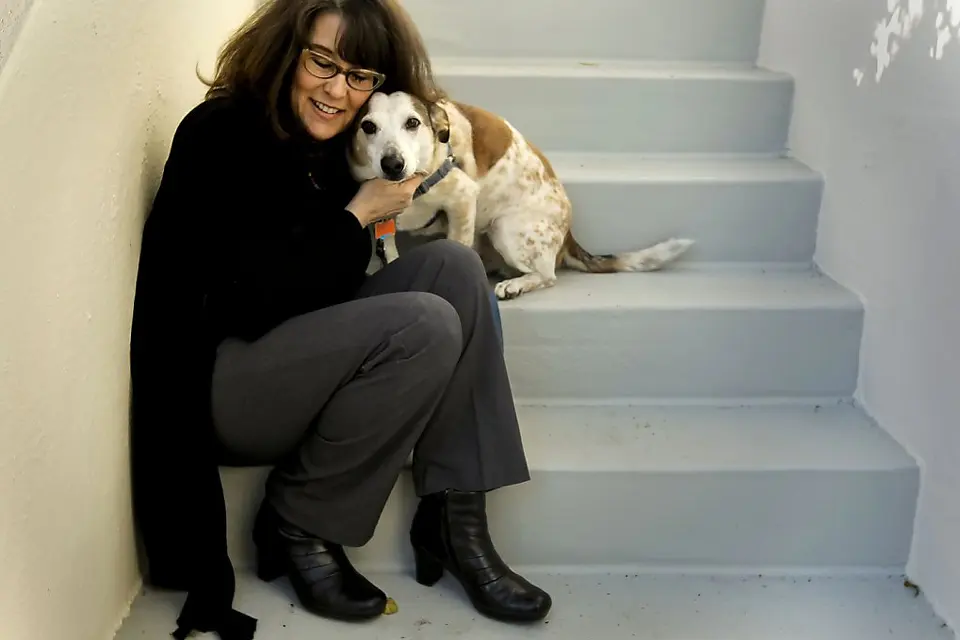
Lori Hope Obituary (1953 – 2012) – Oakland, CA – East Bay Times
Lori Hope, was lucky enough eight years ago to catch her lung cancer early when she got a CT scan for another reason and they accidentally spotted a spot on her lung.

With the early diagnosis doctors had time to cure her cancer.

Lori Hope, a documentary film producer and author who wrote and spoke about how to communicate sensitively with people with cancer or other traumatic illnesses, died Sept. 27 at her home in Oakland. She was 58. Ms. Hope was diagnosed with lung cancer in 2002 and, by focusing on patient advocacy, quickly became the public face for the disease that ultimately killed her.

Her book, “Help Me Live: 20 Things People With Cancer Want You to Know,” was published in 2005, and a revised edition came out last year. Among her goals was to reduce the stigma of lung cancer and to increase awareness of the need for more funding for research.

When she was diagnosed, the cancer was in its early stages and she underwent surgery, but in the summer of 2011, she suffered a recurrence. In April, she learned it was in the most advanced stage.  “When I was growing up, our school grades went from one to four, four being the best, like an A,” Ms. Hope wrote in her blog, What Helps. What Hurts. What Heals. “Can I pretend that’s what Stage 4 cancer means?”

Ms. Hope used humor and compassion, and one of her essential messages to friends, family and strangers was that it’s OK to say or do the wrong thing: “Everyone does, at one time or another. Just, please, be there for us. We will be more grateful than we can say.”

When speaking about her work,

Lori liked to quote Edith Wharton: There are two ways of spreading light: to be the candle or the mirror that reflects it,’ ” said her son, Brett Hardy Blake of Chicago. “By sharing the experiences of others and bringing her own incredible warmth to everything she did, Lori was one of the very few who are able to be both.”

Her husband, David Blake, said Ms. Hope had a way of taking both people and animals under her wing. Her dogs were a tremendous source of comfort, he said. “Throughout her life, she liked to rescue strays,” Blake said. “Sometimes I like to think about how we’re all strays,” he said. “She swooped in … and rescued all of us.”

Ms. Hope was born Lori Hope Crasilneck but took her middle name as her last.

She was raised in St. Louis and graduated from Washington University with a philosophy degree. After working as a staff producer for the NBC affiliate in Portland, Ore., she moved in 1993 to the Bay Area, where she worked as a freelance writer, public affairs consultant and editor.

She was a managing editor of Bay Area Business Woman magazine and served for 15 years as a media consultant for Give Something Back, an Oakland office supply company that donates its profits to local nonprofits.

“She was a highly talented and accomplished writer and publicist. We could not afford somebody like her, but she was willing to work for us out of her commitment for the cause we shared,” said Mike Hannigan, Give Something Back’s president, referring to her passion for helping others. “We got an unbelievable deal with Lori. … She will be missed.”

Lori Hope is an award-winning journalist whose life changed forever when she learned that she had cancer.  She says she saw the world from a completely different perspective.

Lori Hope’s Website

She saw how uncomfortable friends and family were around her. They were not sure what to say or what to do to help. She learned what it feels like to be in that situation, what someone’s needs really are and are not. So after her recovery, she set out to write a book entitled, Help Me Live: 20 Things People with Cancer Want You to Know.

It’s a thoroughly researched work that explains what helps, what hurts and what heals and Hope writes a professional blog of that name for CarePages.com. Her writings and findings help take the intimidation out of staying in contact with loved ones going through such a trying time. She’ll teach you how to give them what they need the most — support and companionship.

“Help Me Live” has been featured widely in the media including The Today Show, Time,  Redbook, and The Wall Street Journal, and with so much of the country touched by the disease in one way or another, the book can help you, too. Ms. Hope earned dozens of awards throughout her journalism career, including two regional Emmys, a Robert F. Kennedy Journalism Award and a National Associated Press Broadcasting Award.

Lori Hope, 58; author of cancer support book – St. Louis Jewish Light

Panaceum | Microbiome support

The Best Websites for Watching Free Documentaries

The Best Websites for Watching Free Documentaries

Health documentaries | WatchDocumentaries.com

300 Best Documentaries on YouTube – YouTube

Lori Hope Documentaries – YouTube

Quick Links

Posted in Uncategorized | Leave a comment

Diane Sawyers: A Hidden America

Why is Native Americans Life Expectancy So Low – Search

Manifest Destiny – Search Some places in America cancer is least of their problems and widespread attack on indigenous lands and peoples are common occurrence. The U.S. military forced relocations of Native peoples disrupting native foodways of hunting, fishing, gathering, and farming. 

The military intentionally targeted indigenous food sources, destroying crops and livestock. “We were seen as the enemy. And so we were fed like prisoners of war,” said Martin Reinhardt, a professor at Northern Michigan University.

The people were given measly rations of flour, sugar, salt, and lard—the ingredients to make fry bread, what many think is a traditional indigenous food, but is in fact a food of oppression, cooked up out of necessity.

Later, the U.S. government would provide “commodity foods”— mystery meat, canned vegetables, and yellow cheese—to fulfill their treaty obligations. These commodity foods would become staples of Native kitchens and lead to sky-high rates of obesity, high blood pressure, diabetes, and cardiovascular disease among indigenous peoples.

In the 1800s and early 1900s, as settlers moved west, the federal government dammed rivers and built reservoirs, siphoning water away from the tribes. “The Hoover Dam provides electricity, damming up the Colorado River.

So you have access to power, access to water. And this is how the West was created,” said Amber Crotty, a Navajo Nation Council delegate.Water is a precious commodity, especially out west.

Without access to safe water, indigenous people haul water by truck over long distances or turn to unsafe sources tainted by contaminants ranging from bacteria to uranium. They might not wash their hands or bathe as frequently, increasing their risk for various infections. It’s hard to prepare food safely. They might drink diabetes-promoting sugar-sweetened beverages because they’re cheaper than bottled water.

Indigenous lands have also been under the assault of extractive industries in search of natural resources like uranium and oil. Abandoned uranium mines now dot the southwest. The radioactive waste still hasn’t been cleaned up.

Native people exposed to the toxins suffer from higher rates of lung cancer and other cancers, scarring of the lungs, asthma and emphysema, blood disorders, birth defects, and more. In other parts of the country, the oil and gas industry has driven up  cancer rates while also destroying the shoreline,  displacing indigenous peoples yet again.

Missing in the media coverage of dropping American life expectancy was that among indigenous people, deaths from unintentional injuries, mostly drug overdose deaths, were almost tied with deaths from COVID-19, followed closely by chronic liver disease and cirrhosis, largely related to alcohol use.

image.png

Over the past 2 decades, drug-related deaths have grown to be a major U.S. public health problem. County-level differences in drug-related mortality rates are large. The relative contributions of social determinants of health to this variation, including the economic, social, and healthcare environments, are unknown.

Mapping the rising tide of suicide deaths across the United States

Long before the so-called “diseases of despair” —alcohol-related liver disease, drug overdoses, and suicide—drove down life expectancy among low-income, less-educated white non-Hispanic Americans at the beginning of the 21st century, these same afflictions were killing indigenous peoples. The causes are similar: the destruction of a way of life and the decline of family and community.

Despair comes from “the loss of meaning, of dignity, of pride, and of self-respect,” write Anne Case and Angus Deaton in Deaths of Despair and the Future of Capitalism. Family separations and the loss of cultural knowledge and identity caused an epidemic of despair among indigenous peoples that’s been passed down over generations.

Suicide Mortality Rates by County 2020-2024 – Search Images

The attack on indigenous peoples evolved over time.

It began with overt genocide— “the only good Indian is a dead one” said General Philip Sheridan in the 1860s. Then came the era of assimilation. “Kill the Indian in him, and save the man,” said Captain R. H. Pratt, the founder of the Carlisle Indian Industrial School, which like so many other Indian boarding schools, sought to “civilize” Native children.

Indigenous children were separated from their families and sent to boarding schools or fostered or adopted out to non-Native families. Later in the 20th century, more sophisticated tools were used to control the population, like contraception and even forced sterilization. Indigenous peoples have “…a fear that white doctors don’t have your best interests at heart. And those are not fears that came from nowhere.

Those are fears that were passed down from generation to generation,” said Sarah Deer, a Muskogee Creek citizen and a professor at the University of Kansas. Just as mistrust has been a barrier to engagement with the health care system among other communities of color, so, too, is it among indigenous communities.The violence against Native peoples continues.

They are twice as likely to be victims of homicide as other racial and ethnic groups in the U.S., and more than 40% of those murder victims are killed by someone of another race, in sharp contrast to homicide victims of other races who are largely killed by persons of their same race. About half of indigenous women experience intimate partner violence and sexual violence, with over 95%  non-Native perpetrators.

“Non-natives, in particular white men, know they can come into tribal communities and they can hunt us as Native women with impunity, because they know that we can’t touch them,” said Lisa Brunner, an enrolled member of the White Earth Ojibwe Nation in Minnesota.Tribal reservations are often in remote places.

The FBI doesn’t go out to investigate unless a major crime has been committed, and even then, U.S. Attorneys Offices are far less likely to prosecute crimes perpetrated in Indian Country, including violent crime, than elsewhere. “…[I]magine your own community where certain people didn’t have to abide by the law.

And what does that do to a community, when that happens?” said Alfred Urbina, attorney general for the Pascua Yaqui tribe. Victims of violent crime are more likely to adopt high-risk coping behaviors like alcohol and drug use. They’re also more likely to experience poor mental health, chronic pain, diabetes, high blood pressure, and other chronic conditions.

Much of this history has been brushed aside and forgotten. What we’re left with are public health statistics taken out of context and medical diagnoses whose socio-pathophysiology we don’t fully understand. Victor Lopez-Carmen, a Hunkpati Dakota-Yaqui student at Harvard Medical School, says, “what I believe is hurtful is that the context is often left out, the context of why.”

And so, our prescriptions and treatment plans fail. Mary Owen, president of the Association of American Indian Physicians, says she’s often been told, “[I]f we only will stop eating the bad foods, if we’ll only stop smoking, if only stop drinking, if we’ll only behave ourselves, then we’ll have better health outcomes.” But that’s not why Native people are sick and dying.  Search Videos

For over a year, Sawyer has done special reporting about the poverty-stricken children from parts of Appalachia and Camden, New Jersey, Sawyer and her team followed young fighters and dreamers, this time from the Lakota Indian Tribe in Pine Ridge, South Dakota, living in the shadows of Mount Rushmore. A once-mighty people desperately trying to hold on, Sawyer finds that even with all of its grinding poverty and alcoholism, it’s a place from which warriors can still rise. 

📺 Diane Sawyer’s “A Hidden America: Children of the Plains” Takes an In-Depth look at the Young Dreamers and Survivors of the  Pine Ridge Indian Reservation, Fighting Against Decades of Neglect aired on 20/20 on Friday, October 14, 2011, at 10:00–11:00 p.m. ET on ABC.

Diane Sawyer travels to Pine Ridge Indian Reservation where some of the proudest Americans, living in unthinkable conditions, refuse to be defeated: a young girl filled with “American Idol” dreams, yet facing a life-changing reality; a high school quarterback whose strength and spirit knows no bounds; a magical little girl filled with hope.

This powerful special report takes viewers deep into the Pine Ridge Indian Reservation in South Dakota, home to the Oglala Lakota Sioux, where children face staggering poverty, unemployment, and social challenges—but also show remarkable resilience and hope.

WATCH Girl Teaches Diane Sawyer to Dance

The Pine Ridge Indian Reservation, located in the southwest corner of South Dakota, is one of the 565 federally recognized Indian Nations in the United States. It is home to an estimated 30,000 to 40,000 people, most of whom identify as Oglala Lakota Sioux. The reservation is 2.2 million acres, roughly the size of Connecticut, and the residents boast a rich cultural history and deep-seeded spirituality.

Unfortunately, the Oglala Lakota on Pine Ridge now live amidst levels of poverty that rival that of the third world. 47% of individuals on Pine Ridge are living below the federal poverty level, 65%-80% of the adults are unemployed, and rampant alcoholism and an obesity epidemic combine with underfunded schools to help make it a rough place to grow up.

But in the midst of such economic despair, there are youth across the reservation who are breaking through the hopelessness with huge dreams and powerful stories. Twelve-year-old Robert Looks Twice is captain of his middle school football team, a prize-winning traditional dancer at pow-wows, president of the student council, with the biggest dream of all: to be the first Native American president. He lives with his grandmother, uncle and eight cousins, helps feed his family with his pow-wow prize money.

Alaina Clifford is a bright, well-spoken 18-year-old cheerleader, singer, and actress, known for having the best singing voice at Little Wound High School. Alaina is dating athlete and star student Montana Sierra, who graduated from the only private school on the reservation, Red Cloud Indian School, with a free ride to college from the prestigious Millennium Gates Scholarship and a dream to be an architect. But the two face a harsh reality when Alaina unexpectedly becomes pregnant only four months after they begin dating. Now Alaina has to face tough choices about her next steps, unsure of whether or not she can follow her dreams.

Twelve-year-old Louise Clifford loves reading and math, and is learning how to speak Lakota. Her spirituality is very important to her, as is her horse, Glory Bee. But Louise struggles with an extremely unstable home life – her alcoholic mother Sissy struggles to hold down a job and keep the power and heat on throughout a harsh winter. Louise tried to commit suicide when she was just 11 years old and now her teachers and counselors are rallying around her.

Little Tashina Iron Horse is only five years old but has a huge personality – chatty and vivacious, a bubbly student in her kindergarten class, and a tiny but talented pow-wow dancer. Tashina lives in government housing with her grandmother, parents, siblings and uncles – sometimes 19 people live in the three bedroom house together. Tashina wants to grow up to be a cop, a career choice inspired by her mother, who works long hours as a security guard at the reservation’s casino 45 minutes away. Her father DJ is getting his GED and applying for a position in the tribe’s fire department when tragedy strikes the family.

READ Reservation Child’s Wish: Fresh Water, Bubble Gum and a Backpack

“A Hidden America: Children of the Plains” also profiles law enforcement officials, schools, individuals and businesses that are helping to change Pine Ridge for the better.

Inside life on the Lakota Sioux reservation l Hidden America: Children of the Plains PART 1/5

Suicide rates, alcoholism among Lakota tribe | Hidden America: Children of the Plains PART 2/5

Lakota girl dreams of being next ‘American Idol’ | Hidden America: Children of the Plains PART 3/5

Lakota girl dances through family tragedy | Hidden America: Children of the Plains PART 4/5

Low life expectancy on Pine Ridge Reservation | Hidden America: Children of the Plains PART 5/5

image.png

Diane Sawyer reports on children living in poverty in Appalachia.

A Hidden America: Children of the Mountains’

 Feb. 10, 2009 — ABC News: In the hills of Central Appalachia, up winding, mountain roads, is a place where children and families face unthinkable conditions, living without what most Americans take for granted

Central Appalachia is the most scenic ghetto in America, a region of stunning natural vistas and crushing, intractable poverty. ABC News producers spent two years in its hollows and ragged homes documenting the lives of several families. The producers and anchor/interviewer Diane Sawyer focused on four Appalachian youths trying to escape the undertow of joblessness, nutritional ignorance and inadequate health care. The candor of these young people is as memorable as their determination.

Contextual reporting reminds viewers of Appalachia’s patriotic tradition and of the fatalistic courage of its coal miners. It also spotlights addictions that plague the region, notably the abuse of prescription drugs and an unfortunate fondness for the soft drink Mountain Dew.

The manufacturer, PepsiCo, initially denounced ABC News’ revelations about epidemic tooth decay in Appalachia, then donated $100,000 to help a volunteer dentist who repairs devastated mouths buy a second mobile unit. For powerful, empathetic reporting about an oft-forgotten, ongoing national tragedy, a Peabody Award goes to A Hidden America: Children of the Mountains.

Isolated pockets in Central Appalachia have three times the national poverty rate, an epidemic of prescription drug abuse, the shortest life span in the nation, toothlessness, cancer and chronic depression.

It’s been 41 years since Robert Kennedy called on the rest of America to reach out and help the people of Appalachia. These are the descendents of Davy Crockett, Daniel Boone, Loretta Lynn and Patsy Cline and the families of legendary soldiers and pioneers who helped open up the treacherous mountain passes and create an American continent. They are fighters steeped in family, ferocity and faith.

For nearly two years, ABC News cameras followed four Appalachian children, each one facing unimaginable obstacles. 

Shawn Grim, 18, an Appalachian high school football superstar, sleeps in his truck to avoid the thievery, alcoholism and despair of his family’s life in the hollow in Flat Gap, Ky. During the course of Sawyer’s report, Grim moves eight times. He is determined to be the first one in his family to graduate from high school and go to college. Will he be able to achieve his dream of a different life?

Courtney, 12, is one of those children whose face reminds us of the famous portraits of the Appalachian past. Her clothes are stuffed in a suitcase under her bed in the small home she shares with 11 relatives in Inez, Ky. Her mother, Angel, struggles to stay off drugs and hopes to give her four daughters a better life by getting her GED and becoming a teacher. With no car and no public transportation, Angel walks 16 miles roundtrip, four hours total, to her GED class.

Erica, 11, hopes to save her mother’s life: “She’s almost 50 and… if I don’t get her out of this town soon, then she’ll probably die any day.” Erica and her mother, Mona, live in Cumberland, Ky., a once booming coal town. Mona battles addiction to prescription drugs and alcohol, her life ravaged by her struggles and despair. The region has a prescription drug abuse rate twice that of major cities like New York or Miami.   

Jeremy’s story is one of the four deeply moving narratives featured in Diane Sawyer’s special report A Hidden America: Children of the Mountains, which aired on ABC News. While the full details of Jeremy’s journey are less widely documented than those of Shawn Grim, Courtney, and Erica, the series as a whole paints a vivid picture of the challenges faced by Appalachian youth.

🏞️ Context of the Series

  • The documentary explores life in Central Appalachia, a region marked by extreme poverty, prescription drug abuse, and limited access to healthcare and education.
  • Diane Sawyer and her team spent two years following four children, including Jeremy, who were striving to overcome these obstacles and build a better futures

📚 Jeremy’s Story (as part of the broader narrative)

  • Jeremy is portrayed as one of the youths trying to escape the cycle of poverty and addiction that grips many families in the region.
  • The series emphasizes the resilience and candor of these children, including Jeremy, as they confront systemic challenges like joblessness, poor nutrition, and inadequate healthcare.

  PLAYLIST Hidden America: Children of the Mountains – Full Special 

The Cursed Appalachian Mining Town

Children of Camden, 10 years of hope, dreams and setbacks l Hidden America (Nightline)

“A Hidden America: Children of the Plains” continues Diane Sawyer’s commitment to award-winning reporting on places on the margins. However, In January 2007, Ms. Sawyer delivered an eye-opening report on poverty in America, “Waiting on the World to Change,” Official Video for “Waiting On the World to Change” #JohnMayer #WaitingOntheWorldtoChange #Continuum

Children of Camden, 10 years of hope, dreams and setbacks l Hidden America (Nightline) which gave viewers insight into the lives of families in Camden, New Jersey – the poorest city in America  to see how local children growing up in poverty have fared since our original 2007 Diane Sawyer special report. TheRealStreetz of Camden, NJ

WATCH THE ORIGINAL ‘HIDDEN AMERICA’ REPORT FROM 2007: 

4-year-old boy wishes he was ‘Superman’ to escape poverty l Hidden America: Camden Kids PART 1/5

17-year-old struggles to earn diploma amid violence, drugs l Hidden America: Camden Kids PART 2/5

6-year-old girl hopes to one day become a judge l Hidden America: Camden Kids PART 3/5

Meet 3 children living in America’s most dangerous city l Hidden America: Camden Kids PART 4/5

Kids from New Jersey’s richest and poorest neighborhoods meet | Hidden America: Camden Kids PART 5/5

Camden boy who dreamed of learning to read wins school reading award (2007) l Hidden America UPDATE 

America’s Hidden Foster Care System

Diane Sawyer meets hopeful young children being placed in forever homes, and older teens still in the system facing a more uncertain future. [Original Air Date 6/1/2006]

Young girl struggles with trauma from abuse l Hidden America: Foster Care in America (2006) PART 1/4

Teen visits mom in jail after 8 months l Hidden America: Foster Care in America (2006) PART 2/4

Lower chance of adoption for teens in foster care l Hidden America: Foster Care in America PART 3/4

Young girl struggles with trauma from abuse l Hidden America: Foster Care in America (2006) PART 4/4

  No Place for a Child: The Hidden Truth of Foster Care in America – Factual Docs

No Place for a Child: The Hidden Truth of Foster Care in America

America’s child welfare system is a complex web of city, county and state agencies tasked with investigating abuse and neglect, and, if children are deemed unsafe, placing them outside of their homes temporarily or permanently. Sometimes children will reunite with their parents; other times, they’ll go on to be adopted by family members or non-relatives. In many other cases, they’ll be placed long-term in foster homes, group homes or, for kids with behavioral or other issues, in residential treatment centers.

I’ve been reporting on child welfare for four years, and I’ve focused on what happens to children once they enter the system. But only recently I came to see that the child welfare system as we know it — which, on Sept. 30 2018, involved 437,283 children — is just the visible side of the iceberg. Down below the water, in a scope that’s still murky, lies the “shadow” side, which some experts guess involves potentially just as many children.

Around the country, child welfare systems employ “voluntary safety plans,” in which they ask parents to send their kids to a relative before they initiate a case. That means the custody of these children changes, but no court case is filed, no judge weighs in, and no lawyers are assigned to the parents.

Some jurisdictions, including Texas, have said they use these plans only during the investigatory phase, when they are unsure if the children are safe. But since no case is filed, it’s tough to know for sure how long kids stay in these arrangements.

Because no case is on file, these types of removals aren’t counted as removals in the data collected by states and counties. This means no one knows how many children’s placements have been changed this way — or, in many cases, what happens to the children in their new homes.

Some parental lawyers argue that if Child Protective Services (CPS) agencies investigate families and find conditions they deem unsafe but that may not rise to the level of actionable in court, they employ this tactic. One Texas lawyer told me he had a client who came to him after her kids were living for two and a half years with a family member, and she wanted them back. 

Because these voluntary safety plans are made outside a courtroom, they don’t trigger the federal timelines for resolution of a case. They also don’t provide kinship payments to the families for taking care of kids, which are a substantial source of support. Many places don’t require services for parents (or pay for them) in order to get their kids back. This might be one of the reasons the practice is so widespread — it costs CPS a lot less than taking a kid into care.

It’s a legal limbo for the families, though. Many parental lawyers say it robs parents of their due process, and instead of being voluntary, the practice is coercive. Crucially, advocates worry that the specific language of the Family First Prevention Services Act, the recent federal legislation that has opened avenues for funding more prevention services, might be used to codify and expand the use of “hidden” foster care without putting any regulations around its use or even requiring states to disclose data on how widely they use these plans.

“We cannot quantify with precision the total number of children in hidden foster care or what happens to them,” wrote a working group in a letter requesting the federal Children’s Bureau require data on the practice. “Studies suggest that the total number of children brought into hidden foster care each year is roughly on par with the total number of children removed and placed into the formal foster care system — in other words, hundreds of thousands of children each year.”

My project aims to explore exactly how widespread this practice is, and, using narrative examples, what issues can arise from its use. I hope that by outlining the issue and telling stories of the families living under these circumstances, we can get a far more accurate picture of the reach the child welfare system has on American families.

Fear and Hope at Strawberry Mansion | A Hidden America with Diane Sawyer [FULL REPORT 2013]

Diane Sawyer Revisits at Risk School Strawberry Mansion High | A Hidden America (World News)

At Strawberry Mansion High, There’s Fear, Hope | A Hidden America with Diane Sawyer (Nightline)

Lainey Wilson “Heart Like A Truck”, “Things A Man Oughta Know” | Campfire Sessions

Summer Playlist ft. Lainey Wilson, Elle King & More! | CMT Campfire Sessions

Patty Loveless “You’ll Never Leave Harlan Alive”

In the deep dark hills of eastern Kentucky
That’s the place where I traced my bloodline
And it’s there I read on a hillside gravestone
“You’ll never leave Harlan alive”

Oh my grandfather’s dad crossed the Cumberland Mountains
Where he took a pretty girl to be his bride
Said “Won’t you walk with me out the mouth of this holler
Or we’ll never leave Harlan alive”

Where the sun comes up about ten in the mornin’
And the sun goes down about three in the day
And you’ll fill your cup with whatever bitter brew you’re drinkin’
And you spend your life just thinkin’ of how to get away

No one ever knew there was coal in them mountains
Till a man from the northeast arrived
Waving hundred dollar bills
Said “I’ll pay you for your minerals”
But he never left Harlan alive

Grandma sold out cheap and they moved out west of Pikeville
To a farm where Big Richaldn River winds
And I bet they danced them a jig
And they laughted and sang a new song
“Who said we’d never leave Harlan alive”

But the times got hard and tobacco wasn’t selling
And old grandad knew what he’d do to survive
He went and dug for Harlan coal
And sent the money back to grandma
But he never left Harlan alive

Where the sun comes up about ten in the mornin’
And the sun goes down about three in the day
And you’ll fill your cup with whatever bitter brew you’re drinkin’
And you spend your life just thinkin’ of how to get away

You’ll never leave Harlan alive

Songwriters: Darrell Scott

For non-commercial use only.

Data from: Musixmatch

Posted in Uncategorized | Leave a comment

The Blue Zones + One

We’ve outlined some of the key dietary and lifestyle characteristics specific to the Blue Zones that make each of them part of this exclusive club below.  

How to Live to 100: Everything to Know About Blue Zones

What is a blue zone?

“Blue zone” is the term given by Dan Buettner to geographic regions home to unusually large numbers of older people. Buettner named five such zones in a book he wrote on the subject.

The never-ending pursuit of biological longevity has seen people jump some ridiculous hoops to maintain – or at the very least, maintain the appearance of – a healthy mind and body. While cosmetic treatments and fad diets may offer temporary solutions to the anti-aging battle, five parts of the world known as Blue Zones have ostensibly unlocked the secrets to a long and healthy life.

For context, Blue Zones are the unique geographic regions where you’ll find the oldest life expectancies, the highest concentrations of centenarians (people over 100 years of age), as well as the lowest rates of chronic diseases. The term was originally coined by American author Dan Buettner, who studied these areas with his team at National Geographic. During their research, Buettner placed a blue circle around each locale on a map – hence ‘Blue Zones.’

They are:

The Ikaria Greece Secrets to Longevity, Health, and Happiness

In Search Of The Secret Of Long Life In Ogliastra. Sardinia Approach to Life

Cultures Explained: Okinawa — Why is it so Different from the Rest of Japan

What Lifestyle Nicoya People Live – A Longer Healthy Life

How Costa Rica’s Nicoya Became a ‘Blue Zone’

Why Loma Linda residents live longer than the rest of us: They treat the body like a temple – Los Angeles Times

RELATED: Good Sleep Is More Important Than You Think… Here’s How Anyone Can Master It

Blue Zones: 5 Locations With The Secrets To “Immortality”

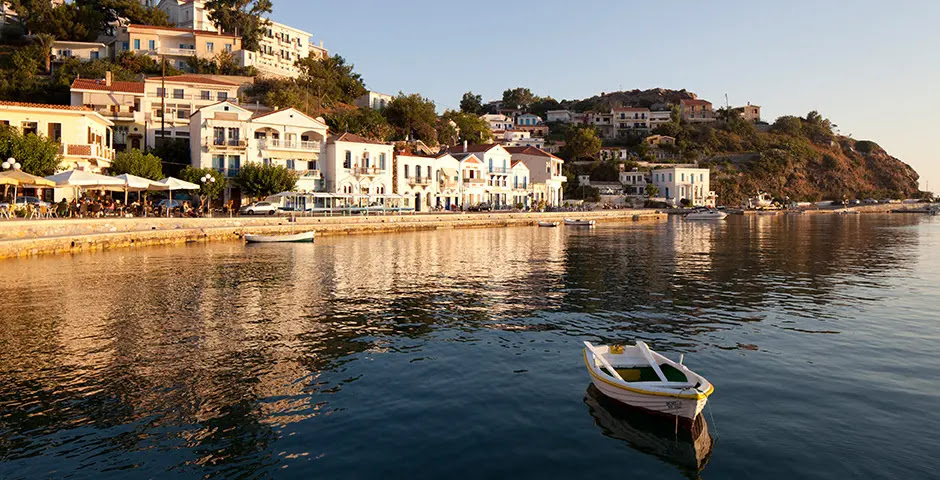
1. Ikaria (Greece)

Lifestyle

This small Greek island typifies the traditional Mediterranean lifestyle. For many generations, Ikaria’s mountainous landscape has forced locals to be in prime physical condition simply by moving around the island. Exercise is seamlessly integrated into their daily lives, from tending to livestock, gardening, walking along the glorious paths, to doing their own backyard work and renovations. No Airtasker here, that’s for sure.

Ikarians live humble and modest lives prioritising strong relationships between family and friends. The locals are also proud Greek Orthodox Christians with a total of 58 parishes spread across the tiny island. Their strong social and religious ties have created a sense of meaning and purpose that is conditioned into both the current and future generations. A siesta is also on the daily to-do list, having proven to reduce the risk of heart disease by up to 35%. 

Diet

The Ikarian diet is a variation of the Mediterranean diet involving the consumption of potatoes, full-fat dairy products, and coffee (Greek-style, of course). The strictly whole food diet is rich in olive oil which provides a source of healthy fats. Fruits, vegetables, beans, legumes, and whole grains are all essential for fibre. Ikarains maintain a low consumption of meat, coupled with moderate red wine consumption.

Dairy products derived from goats are favoured to those from cows and since it’s a lactose-free way to get some potassium, in addition to containing tryptophan (a stress-relieving hormone). As an island, Ikaria loves its seafood with sardines, salmon, herring, and trout being amongst those most frequently consumed. Herbal teas ranging from wild rosemary to sage are commonly enjoyed by Ikarians as they’re high in antioxidants which maintain low blood pressure.

In Ikaria, one in three people make it to 90 and the island is almost completely free from dementia. Their clean Aegean air, lush mountains, whole food diet, and balanced lifestyle have essentially culminated into a Mediterranean utopia.   

Ikaria (Greece) Drone view – Search


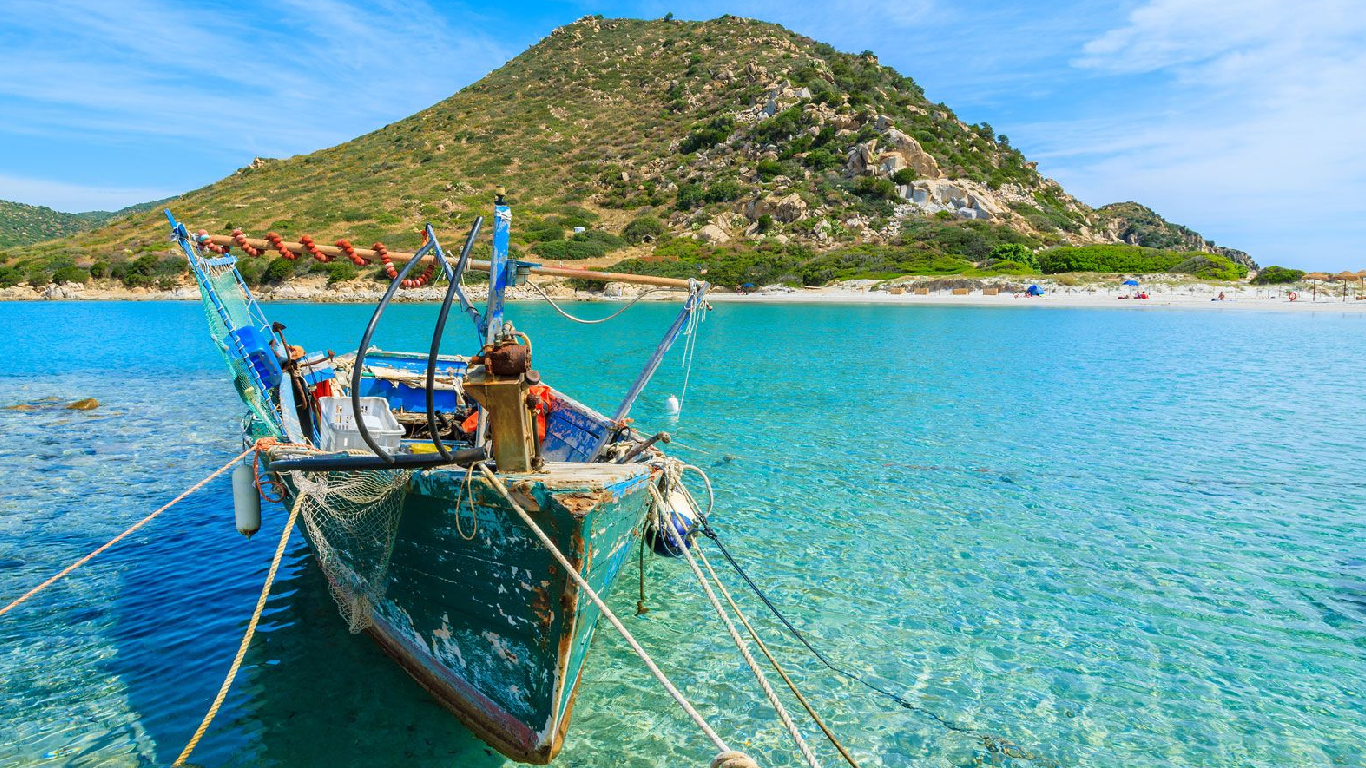
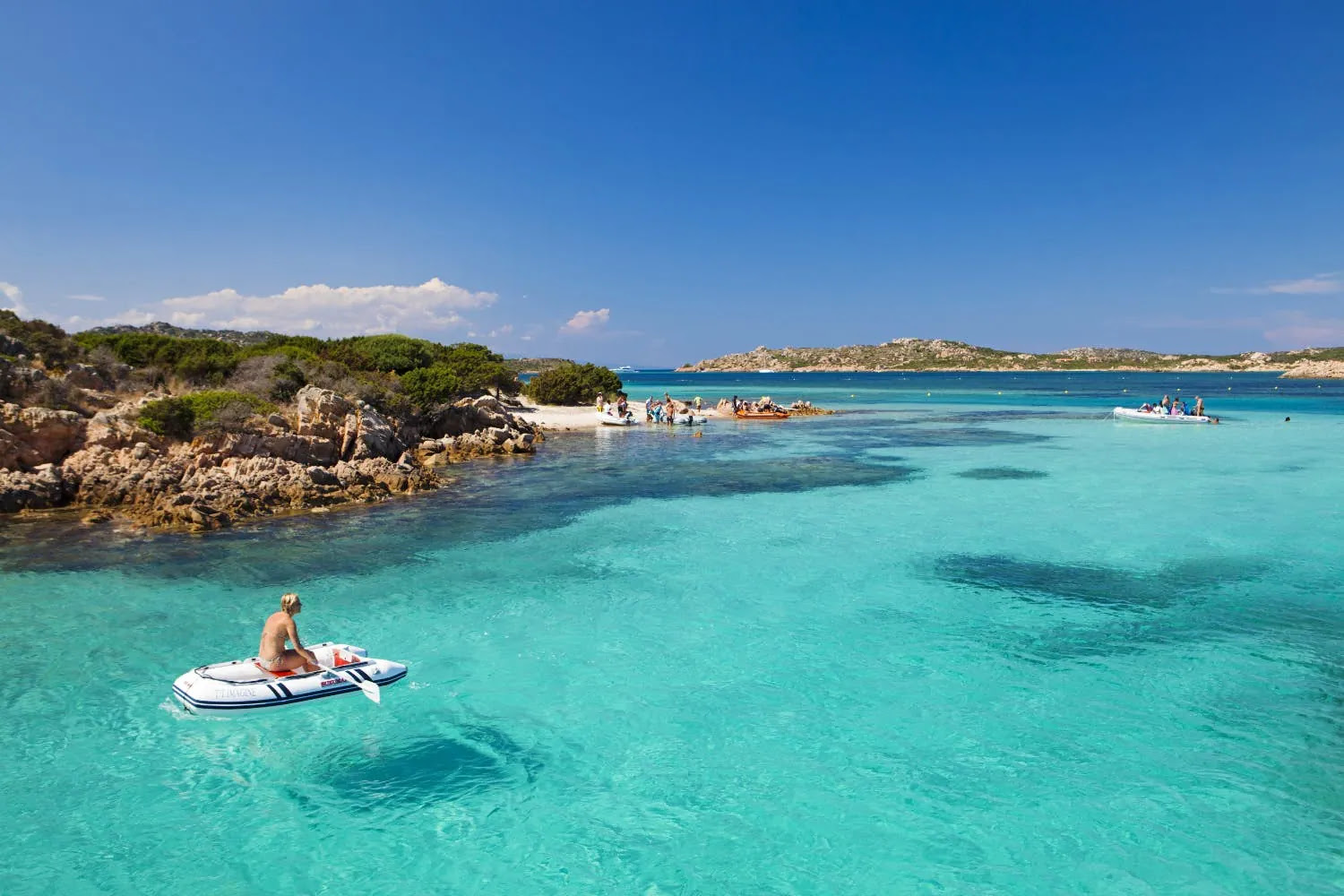
2. Sardinia (Italy)

Discover Bosa: Soaring Over Sardinia’s Medieval Marvel

Soar over the charm of Bosa, one of Sardinia’s most picturesque towns, through this stunning drone footage. Fly over the pastel-colored houses lining the Temo River—the island’s only navigable river—and ascend to the medieval Castle of Serravalle perched atop the hill.    Moment of Zen Videos | Watch

Lifestyle

Officially home to the world’s oldest men, Sardinia is a small Italian island situated south of Corse and north of Tunisia. The Ogliastra region within the island is a cluster of villages that has almost ten times more centenarians per capita than the US.

The Sardinian locals have strong family values which (apparently) contributes to lower rates of stress, depression, and suicide. Grandparents are not just part of the family but are active members of the communities with solid relational ties between the youth and the elderly.

It’s also common to frequently socialise with friends, the region known for its sardonic humour. Laughter reduces stress and, over time, lowers the risk of cardiovascular disease. Many locals are shepherds or farmers who engage in physical labour, consistently walking in excess of eight kilometres a day, proving all the exercise required to live past a century.

Diet

Another variation of the Mediterranean diet, the Sardo-Mediterranean diet is heavily associated with the prevention of chronic diseases. Under this regime, Sardinian locals eat high amounts of olive oil, fish, and dairy products. Processed foods are not consumed and nutrients are instead obtained from various fruits, vegetables, legumes, grains, nuts, and herbs alike.

With low meat consumption, a low-protein diet is commonly consumed amongst the Sardinian population who have extremely minimal rates of diabetes and cancer. One or two glasses a day (and almost always more) of red wine is also welcomed with open arms.  

Why Are North & South Italy So Different From Each Other?

Sardinia (Italy) Drone view – Search


3. Okinawa (Japan)

Lifestyle

The largest island in Japan’s subtropical archipelago, Okinawa is officially home to the world’s oldest women. Once known as the land of immortals, this Japanese prefecture boasts incredibly low rates of cancer, dementia, and heart disease per capita. Potentially the most compelling factor behind the majority of citizens living to 100 and beyond is the Okinawans’ focus on ‘ikigai.’

Ikigai is a Japanese word that encapsulates a deep sense of meaning and life purpose. There is not a single uniform purpose that everyone follows, but rather it is unique to each individual. A clear sense of roles and responsibilities that lead to enhanced psychological well-being means that Okinawans have an extremely low rate of depression.

This is furthered by their emphasis on ‘moai’ or ‘social networks,’ which provide emotional and financial support in times of need. In some villages, there are buckets where members of the local community can donate. The funds are then graciously given to families or individuals who are struggling in desperate times of need.

The Okinawan lifestyle is also upheld by a passion for gardening and walking, serving as a source of low-intensity exercise. Tai chi, a meditative martial art form, also increases blood flow and enhanced joint stability. Spending frequent time outside also allows for Okinawans to consistently soak up vitamin D leading to positive impacts on immune function, bone, muscle, and heart health.

Diet

The Okinawan diet comprises mostly foods rich in soy, such as miso soup and tofu. It is almost exclusively a plant-based diet that focuses on staples like leafy greens, sweet potato, and low GI grains – in other words, the ones that won’t spike your blood sugar levels. Animal-based products such as meat and dairy are only consumed occasionally.

Okinawans have also been known to follow a rule they call the ‘hara hachi bu.’ In Western culture, this is known as the ‘80% rule,’ which essentially dictates you eat only until you’re 80% full and nothing more. This avoids a caloric surplus and subsequently reduces the risk of weight gain and chronic diseases.

Okinawa (Japan) Drone view


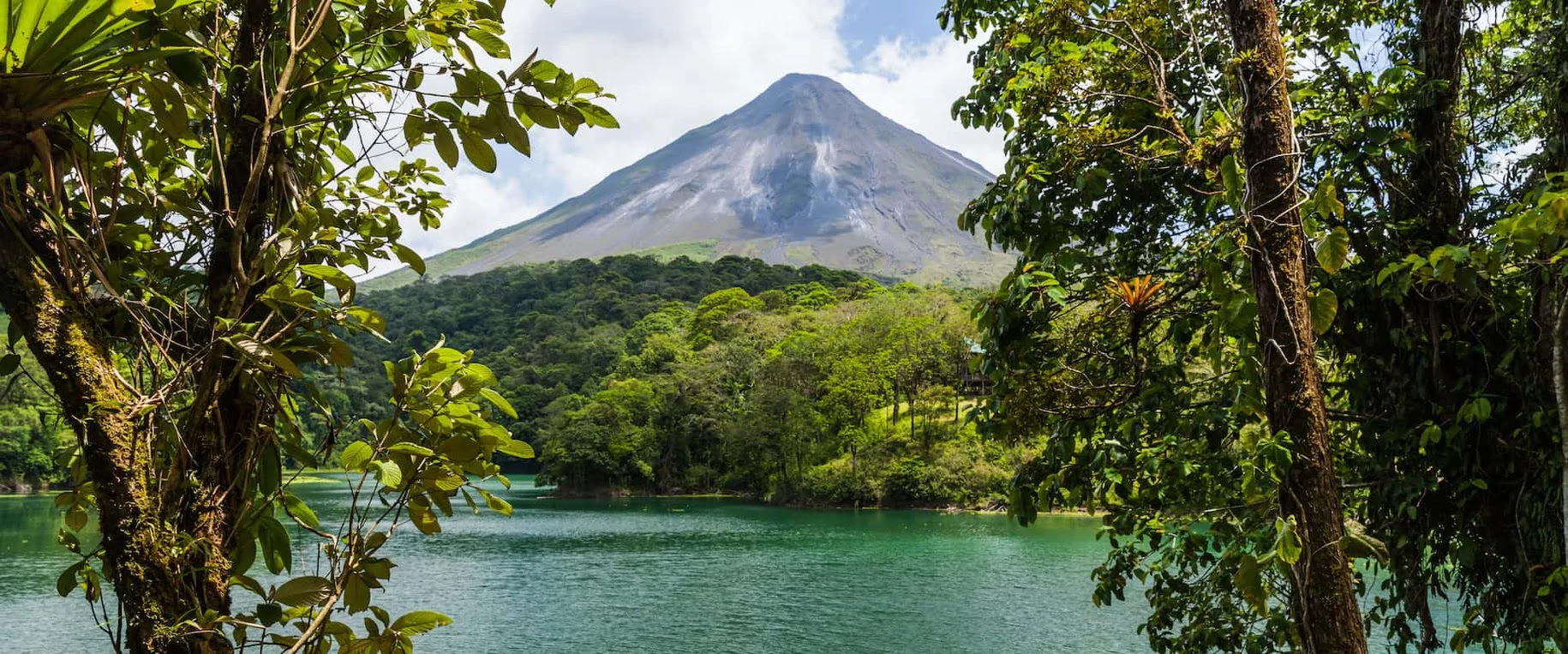
4. Nicoya (Costa Rica)

Lifestyle

Situated in the Guanacaste province of Costa Rica, this 130-kilometre peninsula has a mortality rate 20% lower than the rest of the country. Successful centenarians from Nicoya live in close association with their ‘plan de vida’ or ‘reason to live.’ It provides elders with a strong sense of purpose within their communities who also feel an innate need to contribute to something bigger than themselves.

Nicoyans are extremely social people with frequent visits from neighbours matched by a great appreciation for life and laughter. Elder members of the community often live with their families, emphasising the importance of the family unit and values. Locals also engage in regular exercise, often achieved through physical labour, closely related to consistent sun exposure and vitamin D.

Diet

When compared to the diets of the other Blue Zones, the Nicoyan diet has a higher animal-based food consumption, including chicken, eggs, and cheeses. They have a low intake of healthy fats and high intakes of foods rich in fibre, such as fruits, vegetables and legumes, grains, as well as low GI foods.

Nicoyans drink a lot of coffee, juice, and guaro (a Costa Rican alcoholic beverage). The diet avoids milk as well as both processed and frozen foods.

Nicoya (Costa Rica) Drone view


5. Loma Linda, California (US)

Lifestyle

Undoubtedly the biggest outlier out of all the Blue Zones, Loma Linda is a small city just south of San Bernadino in California that has the highest concentration of Seventh-day Adventists in the United States. The Seventh-day Adventist church is an Adventist Protestant Christian denomination.

Possibly the most unique element of this way of life is the 24-hour sabbath taking place every Saturday. During this day, the focus of Adventists is exclusively on family and God, serving to provide perspective, clarity, and stress relief. Daily walks are a popular form of regular exercise and Adventists commonly spend the majority of their time with other Adventists. They find spending time with like-minded individuals in tight-knit communities to be extremely beneficial to their mental well-being.

Volunteering through the church is also very common, creating a strong sense of togetherness and inclusivity. Adventists don’t drink alcohol or smoke.

Diet

People in the Seventh-day Adventist community typically follow a vegan diet. This consists of fruits, vegetables, legumes, and grains. Olive oil and nuts are also good sources of fat. It’s also customary for Adventists to eat early, light dinners. This is believed to avoid large caloric consumption during inactive stages of the day. This may be linked to lower BMI and better sleep.

Loma Linda, California (US) Drone view


Although each of the five Blue Zones have very little in common geographically, their populations share several common characteristics highly pivotal to their collective longevity. While some of these factors are more prevalent in certain Blue Zones than others, they provide a balanced framework that can help you achieve an overall healthier mind and body.

Tips to live like you’re in the Blue Zones

  • Consume a diet rich with whole foods (especially plant-based foods)
  • Consume alcohol only in moderation (make red wine your first choice if you can)
  • Integrate exercise into daily life, this can be as simple as walking or household chores
  • Prioritise a good night’s sleep and try to sneak in a nap when you can
  • Have a clear life purpose and search for deeper meaning
  • Get involved in your community, maintaining a healthy social network with friends and family

It’s important to remember that there’s no single food or lifestyle trait which will automatically gift you “immortality.” The key is to ensure you maintain a healthy balance of social engagement with diet and exercise. Consistent stimulation of mind and body coupled with a strong sense of self and spiritual purpose is where the magic happens.

If you’d like to learn more about Blue Zones, check out The Blue Zones by Dan Buettner here.

The Singaporean Way of Life: Harmony in Diversity

Source: nextcity.org

6th Blue Zone Singapore – Search

Singapore has been hailed as the world’s sixth ‘Blue Zone’. Blue zones are regions where people live longer than average, and Singapore is an “engineered blue zone” representing healthy longevity. The longevity secrets in Singapore are attributed to its health-conscious policies, culture of activity, and strong community bonds.

Lifestyle in Singapore | Expat Arrivals

In Singapore, harmony in diversity is not just a slogan; it’s a way of life that pulsates through the city-state’s vibrant streets. Here, cultures intertwine seamlessly, creating a mosaic where Chinese, Malay, Indian, and various expatriate communities coexist and thrive.

Picture bustling hawker centers, alive with the aromas of char kway teow and nasi lemak, where individuals from all walks of life congregate, sharing laughter and stories over food. This intricate tapestry of traditions comes alive during festivals, where the streets are adorned with colorful decorations, and celebrations blend into a kaleidoscope of sounds and sights, captivating everyone in their midst. In Singapore, respect for differences is cultivated from a young age, encouraged in schools and communities alike, transforming the city into a model of inclusion and unity that resonates with its inhabitants.

The essence of the Singaporean way of life lies not just in tolerance, but in the genuine celebration of its rich diversity, fostering a sense of belonging that envelops all who call this unique city home.

Navigating the Urban Jungle: Public Transport in Singapore

Source: simify.com

Singapore Lifestyle – Search Navigating Singapore’s urban jungle can be an exhilarating experience, thanks to its highly efficient public transport system that seamlessly connects every corner of the island. The Mass Rapid Transit (MRT) system, with its sleek trains gliding through underground tunnels and sprawling above-ground tracks, is the backbone of daily commutes. Each station buzzes with a blend of hurried professionals and leisurely tourists, all moving in a symphony of purpose.

Buses, too, play a vital role, their routes crisscrossing the city like veins in a living organism, making even the most remote neighborhoods accessible. Combined with a host of apps that offer real-time updates and directions, getting around is not just easy; it’s a journey filled with opportunities for micro-adventures.

There’s something uniquely invigorating about sharing a crowded train at peak hour, surrounded by the rich tapestry of Singaporean society, where every journey tells a story waiting to unfold.

Culinary Delights: A Food Lover’s Paradise

Source: www.agoda.com

Culinary Delights: A Food Lover’s Paradise Stepping into Singapore is like wandering into a gourmet wonderland where the diverse tapestry of cultures is vividly reflected on every plate. Imagine the sizzling sounds of satay skewers over charcoal flames wafting through the air, mingling with the tantalizing aroma of fragrant laksa that beckons from vibrant street hawker stalls.

From Michelin-starred restaurants nestled in sleek skyscrapers to humble eateries serving soul-satisfying dishes, the city is a culinary treasure trove. Every meal is an adventure waiting to unfold—whether its indulging in the rich flavors of Indian biryani, savoring the light, delicate notes of Cantonese dim sum, or delighting in the fiery zest of Malay rendang.

Each bite tells a story, with influences from Chinese, Indian, and Malay cuisines creating a unique palate that keeps food enthusiasts coming back for more. In Singapore, dining is not just about the food; it’s a vibrant cultural experience that invites both locals and visitors to gather, share, and revel in the joy of eating together.

Conclusion

In conclusion, living in Singapore is an experience like no other, blending modernity with rich cultural heritage and natural beauty. The city’s unique lifestyle is characterized by its vibrant public spaces, efficient public transport, and a tapestry of diverse cuisines that reflect its multicultural population.

From the bustling streets of Little India to the tranquil paths along the Singapore River, residents find a balance between urban excitement and serene escapes. Areas like River Green serve as perfect reminders of the city’s commitment to integrating nature within its urban landscape.

Whether you are a local or an expatriate, the dynamic essence of Singapore fosters a sense of community and belonging, making it an exceptional place to call home.

Singapore Drone view – Search

Singapore named 6th “Blue Zone” region known for exceptional longevity

Netflix’s Live to 100 Names Singapore the World’s Sixth Blue Zone

Blue Zone’ Status: Discover the Longevity Secrets in Singapore

Journey on the longest roads across the globe

*** How To Live To Be 100. Full Series ***

Netflix’s Live to 100 – Search Videos

Posted in Uncategorized | Leave a comment

OHIO Amish Don’t Eat Cancer

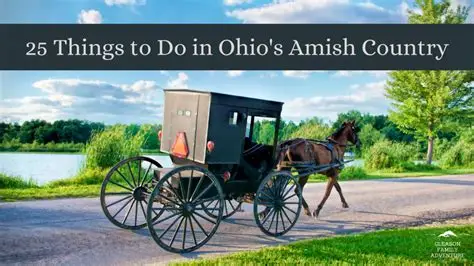
25 Things to Do in Ohio’s Amish Country – Gleason Family Adventure

Holmes County Houses the World’s Largest Amish Settlements

Lessons Learned in Amish Country | Cancer Quick Facts

Over 36,000 Amish people maintain their traditional way of life here (food, culture, and craftsmanship). Located 77 miles southwest of Cleveland and also 83 miles northeast of Columbus, this peaceful region offers a chance to experience authentic Amish traditions.

The rolling hills and 2,200 working farms create a serene backdrop.

Explore the simple yet fascinating Amish lifestyle that has remained largely unchanged since their settlement in the area in the 1800s.

Ever wondered what it feels like to step into a slower, simpler summer?

One where life moves with the sound of horseshoes, pies cool on windowsills, and sunsets stretch long over quilted fields?

Ohio’s Amish Country during peak summer isn’t loud or flashy; it’s honest, rich, and deeply rooted. From roadside markets to scenic drives, this is where summer slows down and traditions bloom in full.

Horse-drawn buggies pass by red barns and wide porches, while handmade goods fill local shops with warmth. Every stop feels personal, like a return to something you didn’t know you missed.

Keep reading to experience how summer transforms every corner of Amish Country.

Berlin: Cultural Heart of Amish Country

Berlin in Holmes County welcomes many tourists with its shops, museums, and restaurants. The Amish and Mennonite Heritage Center offers the Behalt cyclorama. In summer, Berlin hosts Music on the Square concerts under the stars.

The Heritage Center opened in 1981 and now includes the restored schoolhouse and barn exhibit. The Behalt display took fourteen years to complete by one artist. It is called the only single‑artist cyclorama in the world.

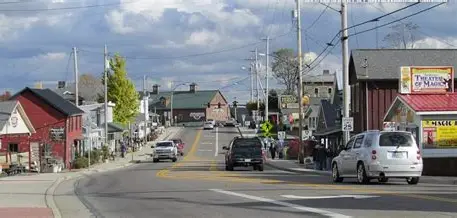
Berlin’s Main Street holds over 50 restaurants, inns, hotels, and shops. You will find Amish baked goods, local cheeses, quilts, furniture, and home decor. Summer shopping includes sidewalk sales and artisan crafts that reflect tradition and quality.

Sugarcreek: Little Switzerland Charm

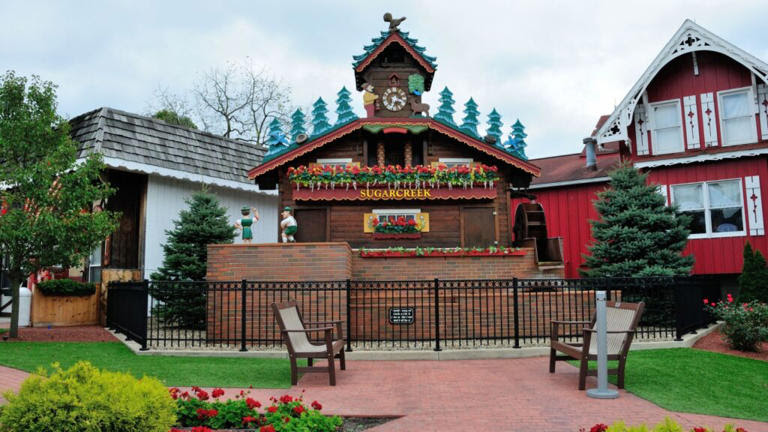
Sugarcreek is nicknamed “Little Switzerland of Ohio” and is known for its giant cuckoo clock downtown. Locals and visitors take photos by the iconic clock standing in the center of town. It reflects Swiss roots and adds charm to the village.

The Farm at Walnut Creek lies nearby in Sugarcreek, offering pick‑your‑own berries, petting zoo wagon rides, and exotic animal encounters. It is a working farm that lets visitors interact with animals and nature in a fun setting.

The village feels peaceful yet alive in summer. Rolling hills, farmland, horse buggies, slow traffic, and fields of sunflowers and corn create serene rural landscapes. It is a restful place to unwind in nature.

 ▶️ Related video: Experience the Hidden Gems of America’s Small Towns (Traveling World ) – Search

Ohio’s Amish Country – Search   Source: Shutterstock

Millersburg: County Seat and Relaxation Retreat

Millersburg is the county seat of Holmes County, with a population of around 3,000. It offers quieter small-town charm and access to Main Street shops, theaters, festivals, and local eateries in summer.

Nearby, The Inn at Honey Run is a boutique adult‑only retreat built on 56 acres. The hotel offers walking trails, art installations, haiku paths, and fine dining. Honeycomb rooms carved into hillsides create a magical woodland stay.

Millersburg hosts community events, and summer weekends include markets, music, comedy shows, and food gatherings. Amish Country Theater in Berlin also screens comedy variety shows nearby. Guests can enjoy Haystack Hilarity or All‑Quacked Up performances.

Local shops and restaurants serve homemade ice cream pies, cheese, and family-style meals. Schloneger’s ice cream is a popular local favorite for dessert after exploring downtown and countryside stops in the warm season.

Walnut Creek: Marketplace and Culture Stop

Walnut Creek and nearby Berlin host the flea market featuring handmade jellies cheeses, quilts, crafts, and farm goods. Visitors can enjoy free samples and artisan baked goods amid vendor stalls and live music.

Local Amish Home and Farm tours operate from the Walnut Creek area. Guests tour actual Amish homes and farms, ride horse-drawn buggies, and learn about traditional life.

The Amish Country Theater presents shows featuring magic, comedy, and musicals. Productions like Haystack Hilarity All‑Quacked Up and family favorites run through summer weekends.

Walnut Creek also features scenic walking trails, galleries, and outdoor art displays. You might join a culture tour exploring woodland sculptures, murals, or heritage exhibits immersed in storytelling and creativity.

Scenic Drive: Amish Country Byway Loop

The Amish Country Scenic Byway spans roughly 76 miles through Holmes County. Route 39 and Route 62 link Berlin, Sugarcreek, Millersburg, and Walnut Creek. The loop offers peaceful backroad views of rolling farmland, horse buggies, and roadside stands.

Driving in summer gives sunny, warm days and lush green fields. You pass farms selling produce, flowers, and crafts. It is ideal for casual stops at farm stands or spontaneous photo breaks amid rural beauty.

Along the way you may spot Amish families working in fields, harvesting sweet corn berries, or tending livestock. Respectful observation and casual greetings let visitors experience daily life without disrupting traditions.

The loop includes access to Mohican State Park for hiking, kayaking, or trout fishing. Wooded trails, wetlands, and shaded picnic spots provide natural escapes beyond the towns and add variety to summer journeys.

Food & Markets: Tastes of Amish Country

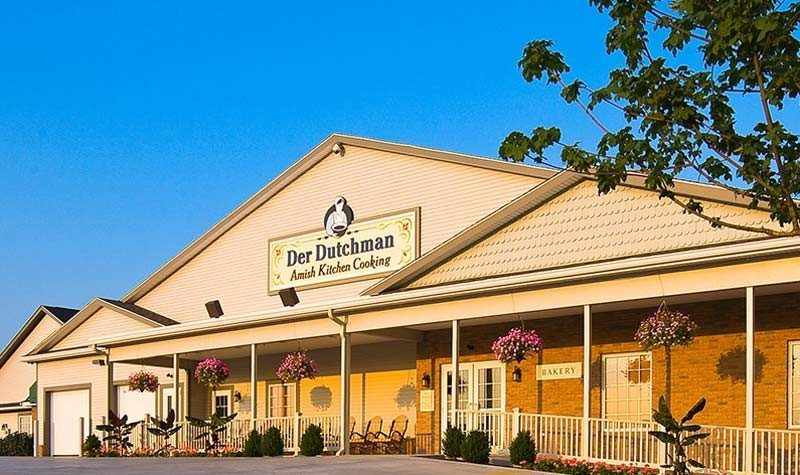
Sample local Amish home-cooked meals at Der Dutchman in Berlin, East Main Cafe in Baltic, or Mrs. Yoder’s Kitchen in Mt. Hope. These family-style restaurants serve hearty dishes, breads, pies, and local favorites.

Don’t skip the Walnut Creek flea market for handmade jams, syrups, pies, and cheeses. Friendly vendors often offer free samples. You can take home quilts, soap crafts, or novelty foods that reflect local craftsmanship and flavors.

Stop at Schloneger’s ice cream in Berlin or Millersburg for homemade cones and sundaes. Their old-fashioned recipes are a summertime highlight. Families and couples both rave about the fresh local ice cream options.

Also shop for Amish furniture, quilts, baskets, and décor. Lehman’s Hardware in Kidron offers non-electric tools, antiques, and crafts. Charm Mt Hope and Berlin shops show traditional woodworking and heirloom decor in scenic settings.

The Summer You Don’t Need to Escape From

You don’t leave Amish Country the same way you arrived. Something softer takes root, not just in memory, but in how you start to notice the quiet in your own life again.

Long after the roads flatten behind you, it’s the details that echo, the creak of a buggy wheel, the scent of fresh bread, the hush between breezes. These aren’t just moments; they’re reminders of what simplicity can give back.

Maybe the real takeaway isn’t just a place, but a pace, one that doesn’t demand, but invites. And if you’re lucky, a part of that rhythm follows you home, asking you to slow down just enough to hear yourself think.

TL;DR

  • Amish Country offers a peaceful summer with buggies, fields, and handmade goods.
  • Berlin features local shops, heritage exhibits, and free summer concerts.
  • Sugarcreek charms with its giant clock, farms, and animal encounters.
  • Millersburg mixes small‑town life with markets and cozy retreats.
  • Walnut Creek offers flea markets, Amish tours, and summer shows.
  • The scenic byway passes fields, farm stands, and Mohican State Park.
  • Visitors enjoy family‑style meals, pies, ice cream, and artisan crafts.

Amish Cancer rates in Ohio increasing

📉 Amish Cancer Rates in Ohio: Lower Than Average

Contrary to what one might expect, cancer rates among the Amish population in Ohio are significantly lower than both state and national averages. Here’s what research has found:

🧬 Key Findings from Ohio State University Study

  • Overall cancer rates in Amish adults were:
    • 60% of the age-adjusted rate for Ohio
    • 56% of the national rate
  • Tobacco-related cancers were especially low:
    • Only 37% of the Ohio average
  • Non-tobacco-related cancers were also reduced:
    • About 72% of the Ohio average

🛤️ Possible Reasons for Lower Rates

  • Lifestyle factors:
    • Minimal tobacco and alcohol use
    • Limited number of sexual partners
    • Diets rich in homegrown, unprocessed foods
    • High levels of physical activity
  • Genetic factors:
    • Despite a higher risk for some genetic disorders due to intermarriage, researchers suspect the Amish may carry protective genetic traits against cancer3
  • Environmental exposure:
    • Living in rural areas may reduce exposure to pollutants compared to urban populations

🧩 Still a Mystery

Researchers are intrigued but cautious. While the data is compelling, the exact mechanisms—especially genetic ones—remain elusive. As one researcher put it, studying protective genetic traits is “like trying to find a black hole”.

Would you like to explore how these findings compare to other rural or religious communities? Or dive into how lifestyle changes might influence cancer risk more broadly?

1cancer.osu.edu 2en.wikipedia.org 3www.dispatch.com

How do these rates compare to other communities?

📊 Cancer Rates: Amish vs. Other Communities

The Amish community in Ohio stands out for its remarkably low cancer rates, especially when compared to other rural and religious populations. Here’s how they stack up:

🏡 Rural Communities (General U.S. Population)

  • Higher cancer death rates than urban areas, despite fewer new cases
  • Common cancers with elevated rural mortality:
    • Lung
    • Colorectal
    • Cervical
  • Key contributing factors:
    • Limited access to screening and treatment
    • Fewer oncologists (only 5.6% practice in rural areas)
    • Higher smoking and obesity rates
    • Cultural stoicism may discourage seeking care
  • Financial barriers:
    • High out-of-pocket costs
    • Lower insurance coverage
    • Transportation challenges for treatment

🛐 Religious Communities

🕌 Urban Muslim Populations

  • Screening rates vary:
    • 56% of women had mammograms
    • 83% had cervical cancer screenings
    • 45% of men had prostate screenings
    • 35% had colorectal screenings
  • Faith influences behavior:
    • Some rely on prayer over medical intervention
    • Modesty and gender-concordant care preferences may limit screening uptake

⛪ Christian Faith Communities

  • Churches often provide emotional and spiritual support, but:
    • Spiritual care is underutilized in cancer treatment plans
    • Many pastors want training to better support cancer patients
    • Faith-based settings can be powerful venues for health education and outreach

📖 Broader Religious Trends

  • Religious attendance is generally associated with higher cancer screening rates, especially in the U.S.
  • However, denomination and personal religiosity show mixed effects on screening behavior

⚖️ Comparison Summary

Community TypeCancer IncidenceScreening AccessMortality RiskKey Barriers
Amish (Ohio)Very LowModerateLowGenetic traits, lifestyle
Rural (General)ModerateLowHighAccess, cost, cultural factors
Urban MuslimModerateMixedUnknownModesty, faith-based decisions
Christian ChurchesVariesIncreasingVariesLack of spiritual care integration

Would you like to explore how faith-based health initiatives could help reduce cancer disparities in rural areas? Or dive deeper into how lifestyle and genetics might protect the Amish?

1www.cdc.gov 2link.springer.com 3www.oatext.com 

What specific factors contribute to the Amish’s low cancer rates?

🧬 Why Do the Amish Have Lower Cancer Rates?

Research into Amish communities—especially in Holmes County, Ohio—has revealed a fascinating combination of lifestyle, environmental, and genetic factors that contribute to their significantly lower cancer rates. Here’s a breakdown of the most compelling contributors:

🥕 1. Lifestyle Choices

  • Minimal tobacco and alcohol use: Tobacco-related cancers are dramatically lower among the Amish—only 37% of the Ohio average.
  • Low sexual promiscuity: Reduces risk for cancers linked to HPV and other infections.
  • Physically active lives: Farming, construction, and manual labor keep obesity rates low and physical fitness high.
  • Homegrown diets: Amish families eat mostly unprocessed, home-raised foods, which may reduce exposure to carcinogens found in processed items.

🌳 2. Environmental Factors

  • Rural living: Less exposure to urban pollutants and industrial toxins.
  • Sun protection habits: Despite working outdoors, Amish wear wide-brimmed hats and long sleeves, which helps prevent skin cancer.
  • Lower stress levels: Strong community ties and family support may contribute to better overall health and resilience.

🧬 3. Genetic and Population Structure

  • Closed gene pool: Descended from about 100 original settlers, the Amish have a unique genetic makeup that may include protective traits against cancer.
  • Excellent genealogical records: Their well-documented family trees make them ideal for genetic studies.
  • Mystery of protective genes: Researchers found no known cancer-causing mutations, suggesting the possibility of unknown protective genetic factors.

🧠 4. Cultural and Behavioral Norms

  • Avoidance of modern conveniences: Less exposure to radiation from electronics and chemicals in household products.
  • Community-based health decisions: While they may delay seeking care, their communal lifestyle fosters early informal support and observation.

Would you like to explore how these protective factors could be adapted or studied for broader public health benefits? Or dive into the genetic research being done on Amish populations?

1cancer.osu.edu 2www.dispatch.com 3amishamerica.com

Can you elaborate on their diet and nutrition?

🥕 Amish Diet & Nutrition: A Key to Cancer Prevention

The Amish community’s dietary habits are deeply rooted in tradition, simplicity, and self-sufficiency—and they may play a major role in their lower cancer rates. Here’s a closer look at what sets their nutrition apart:

🌾 1. Homegrown, Organic Produce

  • No GMOs: Amish farms avoid genetically modified organisms, which may reduce inflammation and long-term health risks.
  • Seasonal eating: Their meals are based on what’s grown locally and seasonally, which supports nutrient diversity and freshness.
  • Preservation methods: Canning, fermenting, and drying are common, avoiding chemical preservatives.

🧈 2. Healthy Fats

  • Grass-fed dairy: Rich in vitamins A, E, and K2, which support immune function and cellular health.
  • Natural animal fats: Used in cooking, but from animals raised without hormones or antibiotics.
  • Minimal processed oils: They rarely use industrial seed oils linked to inflammation.

🍞 3. Whole Grains & Homemade Breads

  • Stone-ground flours: Often milled locally, preserving fiber and nutrients.
  • Fermented doughs: Sourdough and other traditional methods improve digestibility and gut health.

🍎 4. Low Sugar & Processed Foods

  • Limited refined sugar: Sweets are homemade and consumed in moderation.
  • No packaged snacks: Their diet avoids artificial additives, dyes, and preservatives common in processed foods.

🌿 5. Herbal Remedies & Natural Supplements

  • Many Amish families use herbs, teas, and vitamins as part of their health routines, often passed down through generations.

🧠 Nutritional Philosophy

  • Food is seen as nourishment, not convenience.
  • Meals are communal and home-cooked, reinforcing emotional well-being and mindful eating.

Would you like a sample Amish-style weekly meal plan or a breakdown of how their food choices compare to modern dietary guidelines?

1www.lifeadvancer.com 2www.cancertodaymag.org

How does their diet compare to modern diets?

🥗 Amish Diet vs. Modern Diet: A Nutritional Showdown

The Amish diet is a fascinating blend of tradition, simplicity, and self-sufficiency—and it contrasts sharply with the typical modern American diet. Here’s how they differ across key nutritional dimensions:

🌾 1. Food Sourcing & Processing

FeatureAmish DietModern Diet
Food originHomegrown, locally sourcedMass-produced, globally sourced
Processing levelMinimal to noneHighly processed, packaged
PreservativesRarely usedCommon in snacks, frozen meals
AdditivesAvoidedArtificial flavors, colors, sweeteners

Amish families grow their own vegetables, raise livestock, and preserve food through canning and fermenting. In contrast, modern diets rely heavily on convenience foods with long shelf lives2.

🍞 2. Grains & Carbohydrates

  • Amish: Whole grains, homemade breads, scratch-made noodles
  • Modern: Refined flours, instant cereals, processed pasta

Amish bread is often made from stone-ground wheat or rye, free from preservatives. Modern bread tends to be enriched, bleached, and loaded with additives.

🥩 3. Meat & Dairy

  • Amish: Farm-raised, hormone-free meats and raw dairy
  • Modern: Feedlot-raised meats, pasteurized dairy, processed cheeses

Amish meals feature traditional dishes like scrapple and roasted meats, often prepared from animals they raise themselves.

🍬 4. Sugar & Sweets

  • Amish: Homemade desserts, limited sugar intake
  • Modern: High sugar consumption from sodas, snacks, cereals

While Amish enjoy pies and custards, they avoid sugary breakfast cereals and soft drinks. Candy is reserved for special occasions.

🥤 5. Beverages

  • Amish: Water, herbal teas, homemade juices
  • Modern: Soda, energy drinks, flavored coffees

Water is the preferred drink in Amish homes, while sugary beverages dominate modern diets.

🧠 Health Impact

  • Amish obesity rate: ~4%
  • U.S. obesity rate: ~36.5%
  • Amish children: One-third as likely to be obese as non-Amish kids
  • Cancer, diabetes, cardiovascular disease: All significantly lower among Amish

Would you like a sample Amish-style meal plan or tips on how to incorporate some of their dietary habits into a modern lifestyle?

1www.restonyc.com 2homefavorites.net 3time.com

What are the health benefits of an Amish diet?

🥕 Health Benefits of the Amish Diet

The Amish diet, rooted in agrarian tradition and simplicity, offers a range of health benefits that contribute to their notably low rates of cancer, obesity, and chronic disease. Here’s a detailed look at how their eating habits support long-term wellness:

🌿 1. Whole, Unprocessed Foods

  • Fresh produce from home gardens: Rich in vitamins, minerals, and antioxidants
  • Minimal preservatives and additives: Reduces exposure to chemicals linked to inflammation and disease
  • Traditional cooking methods like canning and fermenting help retain nutrients

✅ Benefit: Supports immune health, reduces oxidative stress, and lowers cancer risk2

🥩 2. Clean Meat & Dairy

  • Grass-fed livestock: Provides lean protein and healthy fats
  • Raw or minimally processed dairy: High in vitamins A, E, and K2
  • No hormones or antibiotics: Avoids endocrine disruptors common in commercial products

✅ Benefit: Promotes heart health, hormone balance, and strong bones

🍞 3. Whole Grains & Fiber

  • Stone-ground flours and homemade breads
  • High-fiber meals: Aid digestion and regulate blood sugar

✅ Benefit: Reduces risk of Type 2 diabetes and supports gut health

🍬 4. Low Sugar Intake

  • Desserts are homemade and occasional
  • No sugary drinks or processed snacks

✅ Benefit: Helps maintain healthy weight and reduces risk of metabolic syndrome

🧠 5. Physical Activity Synergy

  • Their diet complements a lifestyle of intense physical labor, with Amish men averaging over 18,000 steps per day

✅ Benefit: Combats obesity—only 4% of Amish are obese vs. 36.5% of the general U.S. population

🧬 6. Disease Prevention

  • Cancer rates: 40% lower than Ohio average
  • Diabetes: Rare among Amish adults
  • Cardiovascular disease: Slightly elevated due to high-fat meals, but offset by physical activity

✅ Benefit: Lower incidence of chronic diseases and better late-life health outcomes3

Would you like tips on how to adopt some Amish-style eating habits into a modern lifestyle—or maybe a sample weekly meal plan inspired by their traditions?

1time.com 2tastesfood.com 3caloriehealthy.com

The Ohio Amish Don’t Eat Cancer – Search

Ingredients in Amish Food – Search

How can I find Amish ingredients near me?

You’re in luck—there are several great places near you and throughout Ohio Amish Country where you can find authentic Amish ingredients, from bulk foods to fresh produce and homemade specialties. Here are some top spots to check out:

🛒 Amish Markets & Stores Nearby

  1. Germantown Amish Market, Fresh Baked Goods, Meats, Fried Chicken Poultry & More | Home – Germantown, MD Offers a wide range of Amish goods including baked items, meats, cheeses, and produce.
  2. Fountain Acres Foods – Just Plain Business – Fountain City, IN A beloved grocery store with bulk foods, fresh produce, and Amish-made specialties.
  3. Amish Country Popcorn | Non-GMO Popcorn Kernels, Spices, Glazes, Oils – Berne, IN Specializes in non-GMO popcorn varieties grown and packaged by Amish families.
  4. Amish Heritage Country Market | Marysville Ohio | Amish Store – Marysville, OH Offers groceries, baked goods, and deli items with a strong Amish influence.
  5. Amish Market :: Shop Meats, Furniture, Food – PA Dutch Farmers Market – Annapolis Harbour Center, MD – Annapolis, MD A vibrant market with Amish vendors selling meats, cheeses, baked goods, and more.
  6. Amish Store 31 –  Amish Store Locator – Ronks, PA Known for its selection of Amish groceries and bulk food items.
  7. Amish Ridge Bulk Foods & Variety Store – Just Plain Business – Somerset, OH A hidden gem for bulk ingredients, spices, and pantry staples.
  8. Amish Family Recipes Online Store – Lancaster, PA Offers traditional Amish recipe kits and ingredients for home cooking.

🥕 Local Options in Ohio Amish Country

If you’re already in the heart of Amish Country. Keep an eye out for roadside produce stands, local farmers markets, and small-town grocery stores that carry Amish-made goods. Would you like help planning a food tour or finding a specific ingredient like roll butter or shoofly pie filling?

Are there specific Amish ingredients I should look for?

Absolutely! If you’re aiming to cook or stock your pantry like the Amish do, there are certain ingredients that stand out for their authenticity, versatility, and traditional use. Here’s a curated list of specific Amish ingredients to look for when shopping:

🧈 Pantry Staples

  • Roll Butter
    • Made from fresh cream, often churned by hand. Richer and creamier than store-bought butter.
  • Lard or Schmaltz
    • Used for frying, baking, and flavoring—especially in pie crusts and traditional dishes.
  • Molasses
    • A key ingredient in shoofly pie, baked beans, and spice cakes.
  • Brown Sugar & Sorghum Syrup
    • Adds depth to baked goods and sauces.
  • Unbleached Flour (often in bulk)
    • Used for breads, noodles, and pastries.
  • Cornmeal
    • Essential for mush, cornbread, and coating meats.

🥚 Dairy & Protein

  • Farm-Fresh Eggs
    • Often brown, with rich yolks—used in everything from noodles to custards.
  • Raw Milk or Whole Milk
    • Used in baking, cheese-making, and creamy dishes.
  • Cottage Cheese (dry curd style)
    • Common in casseroles and salads.
  • Ring Bologna or Summer Sausage
    • Popular in Amish lunches and charcuterie.
  • Smoked Meats (ham, bacon, chicken)
    • Often cured or smoked using traditional methods.

🥕 Produce & Preserved Goods

  • Home-Canned Vegetables & Fruits
    • Look for jars of green beans, peaches, applesauce, and pickled beets.
  • Apple Butter & Pumpkin Butter
    • Spreadable fruit preserves with warm spices.
  • Pickled Eggs & Chow-Chow
    • Tangy, crunchy sides often served with meals.
  • Dried Beans & Split Peas
    • Used in soups and stews.

🍞 Baking Essentials

  • Yeast (often sold in bulk)
    • For breads, rolls, and sweet doughs.
  • Cinnamon, Nutmeg, Cloves
    • Heavily used in pies, cakes, and fruit preserves.
  • Vanilla Extract (homemade or strong)
    • Adds flavor to baked goods and puddings.

🧺 Where to Find Them

  • Bulk food stores – These often carry Amish-style ingredients in large quantities.
  • Farmers markets – Look for homemade jams, pickles, and baked goods.
  • Amish-run stores – They’ll have the most authentic selection, including items not found in mainstream groceries.

Would you like a printable checklist for shopping, or maybe a starter recipe using these ingredients—like Amish chicken pot pie or molasses cookies?

1www.amish365.com 2insanelygoodrecipes.com 3mastersofkitchen.com 

1strengthandsunshine.com 2monkeyandmekitchenadventures.com

3pipingpotcurry.com 4munchyesta.com

Would you like me to calculate nutrition for other vegan Amish recipes like apple fritter bread or molasses cornmeal mush? I can also help you build a weekly vegan meal plan using these ingredients.

1ketosisguide.us 2monkeyandmekitchenadventures.com 3www.myfrugalfitness.comwww.myfrugalfitness.com

Vegan Amish Onion Fritters Vegan Amish Creamy Cucumber Salad Amish White Bread Vegan Recipe

Pennsylvania’s Quaint Escape In Amish Country Is Home To One Of The Largest Farmers Markets In America

12 Amish Country Destinations That Still Feel Genuinely Traditional

Exploring Ohio’s Amish Country during peak summer season

Growing Up Amish: The Life Most People Don’t See

Amish Restaurants You Should Visit In The US

Amazon.com : best selling Amish books

20 Best Stops in Amish Country

Posted in Uncategorized | Leave a comment

Breast Cancer and Iodine:

Learn from the Top Doctors That Write Books and Not those That Haven’t!!!

Stay True to You and What You Feel Will Heal You!!!

📘 “Breast Cancer and Iodine: How to Prevent and How to Survive Breast Cancer” by Dr. David Derry

This 116-page book, published in 2001 by Trafford Publishing, presents Dr. Derry’s theory on the role of iodine and thyroid hormones in both the prevention and treatment of breast cancer. 

👨‍⚕️ About the Author

Dr. David Derry holds both an MD and a PhD in biochemistry and neurochemistry. He has a background in pharmacology and general practice, with a long-standing interest in thyroid function and breast cancer.

Here’s a quick overview:

🧠 Key Concepts

  • Two Phases of Breast Cancer:
    • Phase 1: From abnormal cells to carcinoma in situ — Dr. Derry suggests this phase can be reversed with iodine.
    • Phase 2: Invasion — believed to be controlled by connective tissue thyroid hormone.
  • Iodine’s Role:
    • Proposed as a preventive and therapeutic agent.
    • Based on clinical experience and literature, Derry argues iodine deficiency may contribute to breast cancer development.
  • Thyroid Connection:
    • Emphasizes the importance of thyroid hormone in managing cancer progression.

How is iodine related to breast cancer prevention?

🧪 Iodine and Breast Cancer Prevention: What the Research Suggests

Emerging studies and clinical observations suggest that iodine may play a significant role in breast cancer prevention.

Here’s a breakdown of the key findings:

🌿 How Iodine May Help Prevent Breast Cancer

  • Anticancer Properties: Molecular iodine has been shown to:
    • Reduce proliferation and invasiveness of breast cancer cells
    • Activate immune responses in mammary cancer models
    • Induce apoptosis (programmed cell death) and inhibit angiogenesis (tumor blood vessel growth)
  • Hormonal Regulation:
    • Iodine helps desensitize estrogen receptors in breast tissue and reduce estrogen production from overactive ovaries
    • This may be crucial since estrogen dominance is linked to breast cancer risk
  • Fibrocystic Breast Disease:
    • Iodine deficiency is associated with fibrocystic breast disease, a known risk factor for breast cancer
    • Supplementation has been shown to reduce symptoms and reverse tissue abnormalities
  • Geographic and Dietary Correlations:
    • Japanese women, who consume significantly more iodine (mostly from seaweed), have lower breast cancer rates compared to Western populations
    • In contrast, iodine consumption in the U.S. has dropped 50% since the 1970s, while breast cancer rates have risen

⚠️ Iodine Deficiency and Risk Factors

  • Deficiency Link: Dr. B.A. Eskin’s research over 30 years concluded that iodine deficiency can lead to both breast and thyroid cancers
  • Environmental Factors: Bromides in flour, fluoridated water, and certain medications can block iodine absorption, worsening deficiency

💊 Supplementation Considerations

  • Dosage: Some experts recommend higher iodine intake (e.g., 12.5 mg/day) based on Japanese dietary patterns, though this exceeds the standard RDA of 150 mcg/day
  • Safety: Iodine is generally safe in moderate doses, but excessive intake can affect thyroid function. Always consult a healthcare provider before supplementing

1www.prevailovercancer.com 2www.breastcancerchoices.org 3bing.com

Can you explain the recommended iodine intake for adults?

📏 Recommended Iodine Intake for Adults

The amount of iodine you need depends on your age, sex, and life stage.

Source: Iodine – Health Professional Fact Sheet

Here’s a breakdown based on current guidelines:

🧂 Daily Recommended Intake (RDI)

GroupRecommended Daily Intake
Adults (men & women)150 mcg
Pregnant women220–250 mcg
Breastfeeding women250–290 mcg

🍽️ Common Dietary Sources of Iodine

  • Iodized salt (most reliable source)
  • Seafood: cod, tuna, shrimp, seaweed (kelp, nori, wakame)
  • Dairy products: milk, yogurt, cheese
  • Eggs
  • Fortified foods: some breads and cereals

⚠️ Upper Limit

  • The Tolerable Upper Intake Level (UL) for adults is 1,100 mcg/day
  • Exceeding this regularly may lead to thyroid dysfunction

Would you like help identifying iodine-rich foods or exploring whether supplementation might be right for you?

What are the effects of iodine deficiency?

🧠 Effects of Iodine Deficiency

Iodine is essential for producing thyroid hormones, which regulate metabolism, growth, and development. When your body lacks iodine, it can’t make enough of these hormones, leading to a range of symptoms and complications.

⚠️ Common Symptoms

  • Goiter: Swelling in the neck due to an enlarged thyroid gland trying to compensate for low iodine levels
  • Hypothyroidism: Fatigue, cold intolerance, dry skin, constipation, and depression caused by low thyroid hormone production
  • Weight Gain: Slower metabolism leads to increased fat storage
  • Cognitive Issues: Difficulty concentrating, memory problems, and slowed mental function
  • Hair Thinning: Reduced thyroid activity can affect hair growth
  • Fatigue and Weakness: Due to impaired energy metabolism
  • Irregular Menstrual Cycles: Hormonal imbalance may affect reproductive health

👶 Effects During Pregnancy

  • Developmental Delays: Iodine deficiency in pregnant women can lead to intellectual disabilities and stunted growth in the fetus
  • Increased Risk of Miscarriage and Stillbirth

🌍 Who’s at Risk?

  • People who don’t use iodized salt
  • Vegans and vegetarians (limited access to iodine-rich foods)
  • Those living in regions with iodine-poor soil
  • Pregnant and breastfeeding women (higher iodine needs)

🛡️ Prevention & Treatment

  • Dietary Sources: Seaweed, seafood, dairy, eggs, iodized salt
  • Supplements: Available as potassium iodide or in multivitamins
  • Medical Supervision: Treatment may include iodine and thyroid hormone supplements

Would you like help assessing your iodine intake or exploring foods that can boost your levels naturally?

1www.healthline.com 2my.clevelandclinic.org

What are the long-term effects of iodine deficiency?

🧠 Long-Term Effects of Iodine Deficiency

Iodine deficiency, especially when prolonged, can lead to serious and sometimes irreversible health consequences. Here’s a breakdown of the most significant long-term effects:

🦋 Thyroid-Related Disorders

  • Goiter: Chronic deficiency causes the thyroid gland to enlarge in an attempt to capture more iodine, leading to visible neck swelling.
  • Hypothyroidism: Persistently low iodine levels impair thyroid hormone production, resulting in fatigue, weight gain, cold intolerance, and slowed metabolism.
  • Thyroid Nodules and Cancer: Long-term deficiency may increase the risk of developing nodules and, in some cases, thyroid cancer.

🧠 Cognitive and Developmental Impairments

  • Intellectual Disabilities: Iodine deficiency during pregnancy and early childhood is a leading cause of preventable intellectual disability worldwide.
  • Cretinism: A severe form of developmental delay and physical deformity caused by extreme iodine deficiency in utero.
  • Learning Difficulties: Even mild deficiency in children can impair cognitive function and academic performance.

👶 Pregnancy Complications

  • Miscarriage and Stillbirth: Inadequate iodine during pregnancy increases the risk of fetal loss.
  • Impaired Fetal Brain Development: Leads to lower IQ and delayed motor skills in children.

🧬 Metabolic and Hormonal Disruption

  • Menstrual Irregularities: Hormonal imbalances from thyroid dysfunction can affect reproductive health.
  • Infertility: Long-term deficiency may impair ovulation and fertility.

🌍 Public Health Impact

  • Widespread Deficiency: In regions with iodine-poor soil or limited access to iodized salt, entire populations may suffer from these long-term effects.

Would you like help identifying whether you’re at risk or exploring ways to safely boost your iodine intake?

1my.clevelandclinic.org 2www.apollohospitals.com

What are the guidelines for iodine supplementation?

🧂 Guidelines for Iodine Supplementation

Iodine supplementation is generally safe and beneficial when used appropriately, especially for individuals at risk of deficiency.

Here’s a summary of current recommendations:

✅ General Adult Guidelines

  • Recommended Daily Intake:
    • Adults: 150 mcg/day
    • Pregnant women: 220–250 mcg/day
    • Breastfeeding women: 250–290 mcg/day
  • Upper Limit:
    • Adults: 1,100 mcg/day — exceeding this regularly may lead to thyroid dysfunction

👶 Pregnancy and Lactation

  • The American Thyroid Association and American Academy of Pediatrics recommend:
    • daily multivitamin or prenatal supplement containing 150 mcg of iodine for pregnant and breastfeeding women
    • This supports fetal brain development and prevents cognitive delays

🧪 Forms of Iodine in Supplements

  • Potassium iodide and sodium iodide are common forms
  • Kelp-based supplements are also available but vary in iodine content
  • Some products (like Lugol’s solution or Iodoral) offer milligram-level doses, which are much higher than standard RDI and should only be used under medical supervision

⚠️ When Supplementation Is Needed

  • People who:
    • Don’t use iodized salt
    • Follow vegan or dairy-free diets
    • Live in areas with iodine-deficient soil
    • Are pregnant or breastfeeding

🧠 Important Notes

  • Microgram vs. Milligram: Most people only need microgram-level doses. Milligram doses (e.g., 12.5 mg/day) are sometimes used therapeutically but require monitoring.
  • Supporting Nutrients: Selenium, magnesium, and vitamin C may help optimize iodine metabolism and reduce side effects during supplementation

Would you like help choosing a safe iodine supplement or exploring natural food sources to meet your needs?

1bing.com 2jeffreydachmd.com

Can you summarize the iodine protocol discussed?

Certainly! Here’s a summary of the iodine protocol as discussed in Dr. David Derry’s book and supported by related research:

🧪 Iodine Protocol for Breast Cancer Prevention and Support

🌿 Core Principles

  • Iodine deficiency is believed to contribute to the development of breast cancer.
  • Supplementing with iodine may help:
    • Reverse early-stage breast abnormalities (e.g., fibrocystic breast disease)
    • Support healthy breast tissue
    • Potentially slow or prevent cancer progression

💊 Suggested Supplementation

While Dr. Derry does not provide a rigid dosage chart, related research and clinical observations suggest:

Form of IodineTypical Dose RangePurpose
Lugol’s Iodine Solution6–50 mg/dayUsed in studies to reduce fibrocystic symptoms
Iodoral (tablet form)12.5–50 mg/dayEasier to dose and monitor
Seaweed (e.g., kelp)Variable, lower potencyNatural dietary source

⚠️ Note: These doses are significantly higher than the RDA (150 mcg/day). Always consult a healthcare provider before starting high-dose iodine therapy.

🧬 Mechanisms of Action

  • Normalizes estrogen receptors in breast tissue
  • Reduces estrogen production in overactive ovaries
  • Promotes apoptosis (cell death) in abnormal cells
  • Inhibits angiogenesis (blood vessel growth to tumors)
  • Improves fibrocystic breast disease symptoms

🌍 Global Comparisons

  • Japanese women consume ~25x more iodine than North American women and have significantly lower breast cancer rates.
  • Regions with low soil iodine (e.g., U.S. “Goiter Belt”) show higher breast cancer incidence.

Would you like help finding a practitioner familiar with iodine protocols or a deeper dive into how thyroid hormones factor into Dr. Derry’s theory?

1www.breastcancerchoices.orgwww.breastcancerchoices.org

What are potential side effects of iodine supplementation?

Absolutely — iodine supplementation can be beneficial, but it’s important to be aware of potential side effects, especially at higher doses. Here’s a breakdown:

⚠️ Potential Side Effects of Iodine Supplementation

🧠 Thyroid-Related Issues

  • Hyperthyroidism: Excess iodine can overstimulate the thyroid, leading to anxiety, weight loss, and heart palpitations.
  • Hypothyroidism: Paradoxically, too much iodine can also suppress thyroid function, especially in those with autoimmune thyroid disease.
  • Thyroid Nodules or Goiter: Overuse may trigger abnormal growths or enlargement of the thyroid gland.

😖 Physical Symptoms

  • Metallic taste
  • Burning sensation in mouth or throat
  • Soreness of teeth and gums
  • Stomach upset or nausea
  • Headaches or fatigue

🧬 Autoimmune Reactions

  • In people with Hashimoto’s or Graves’ disease, iodine can exacerbate symptoms by triggering immune responses.

🚨 Rare but Serious Effects

  • Iodine-induced acneiform eruptions
  • Iodine toxicity: Can occur with extremely high doses, leading to systemic symptoms like fever, joint pain, and swelling.

✅ How to Minimize Risk

  • Start low and go slow: Begin with small doses and monitor your response.
  • Test thyroid function: Regular blood tests (TSH, Free T3, Free T4) can help track changes.
  • Work with a knowledgeable practitioner: Especially if you have a thyroid condition or are pregnant.

You can find more details in IODINE: Overview, Uses, Side Effects, Precautions, Interactions, Dosing and Reviews

Would you like help identifying iodine-rich foods that are safer than supplements, or guidance on how to talk to your doctor about this?

1www.restartmed.com 2healthhearty.com

How does iodine affect thyroid function?

Iodine plays a critical role in thyroid function, but both deficiency and excess can disrupt the delicate hormonal balance.

Here’s a clear breakdown:

🧬 How Iodine Affects the Thyroid

✅ Essential for Hormone Production

  • The thyroid gland uses iodine to produce thyroxine (T4) and triiodothyronine (T3)—hormones that regulate metabolism, energy, and organ function.
  • Each T4 molecule contains 4 iodine atoms, and each T3 contains 3 iodine atoms, making iodine indispensable.

⚠️ Effects of Iodine Deficiency

  • Hypothyroidism: Low iodine intake can lead to underproduction of thyroid hormones, causing fatigue, weight gain, and cold intolerance.
  • Goiter: The thyroid may enlarge in an attempt to trap more iodine from the bloodstream.
  • Developmental issues: In pregnant women, deficiency can impair fetal brain development.

⚠️ Effects of Excess Iodine

  • Hyperthyroidism: Too much iodine can overstimulate the thyroid, especially in people with nodules or latent Graves’ disease.
  • Hypothyroidism: Ironically, excess iodine can also suppress thyroid function, particularly in autoimmune conditions like Hashimoto’s.
  • Thyroiditis: Inflammation of the thyroid may occur due to iodine overload.

🧂 Sources of Iodine

  • Iodized salt (about 76 mcg per gram)
  • Seafood (e.g., cod, shrimp, seaweed)
  • Dairy products
  • Supplements (e.g., kelp tablets, Lugol’s solution)

Most people in developed countries get enough iodine through diet, but supplementation should be approached cautiously and under medical supervision.

Would you like help interpreting thyroid lab results or exploring iodine-rich foods that support thyroid health naturally?

1www.verywellhealth.com 2bing.com 3www.mayoclinic.org

What are the symptoms of thyroid issues related to iodine?

Certainly! Iodine plays a vital role in thyroid health, and imbalances—either too little or too much—can lead to noticeable symptoms. Here’s a breakdown of what to watch for:

⚠️ Symptoms of Thyroid Issues Related to Iodine

🧂 Iodine Deficiency

When your body lacks iodine, it can’t produce enough thyroid hormones, leading to hypothyroidism. Common symptoms include:

  • Swelling in the neck (goiter): The thyroid enlarges to compensate for low hormone production
  • Fatigue and weakness: Slowed metabolism causes low energy
  • Unexpected weight gain: Fewer calories burned at rest
  • Cold intolerance: Body struggles to regulate temperature
  • Dry skin and hair thinning
  • Depression or mood changes
  • Slow heart rate
  • Memory problems or difficulty concentrating (“brain fog”)
  • Menstrual irregularities

💊 Iodine Excess

Too much iodine can also disrupt thyroid function, potentially causing:

  • Hyperthyroidism: Overproduction of thyroid hormones
    • Symptoms: Anxiety, rapid heartbeat, weight loss, sweating, insomnia
  • Hypothyroidism (in some cases): Especially in autoimmune thyroid conditions
    • Symptoms mirror those of iodine deficiency
  • Thyroiditis: Inflammation of the thyroid gland
  • Acne-like skin eruptions or metallic taste

🧪 What to Do

  • Get tested: A thyroid panel (TSH, Free T3, Free T4) and urinary iodine test can help pinpoint the issue.
  • Consult a healthcare provider: Especially before starting or adjusting iodine supplements.

Function Health | Track Your Health

It’s Time You Own Your Health—Starting With 160+ Lab Tests & Insights with Function. One Membership, 160+ Lab Tests, Actionable Health Insights. Just $499 Per Year

160+ Lab Tests · 100 Healthy Years · FSA & HSA Eligible

You can read more in 10 Signs and Symptoms of Iodine Deficiency or Iodine Deficiency: Symptoms, Causes, Treatment & Prevention

Would you like help interpreting thyroid test results or exploring natural ways to balance iodine intake?

Swelling in the neck-7 early signs of iodine deficiency you shouldn’t ignore

10 Calming Phrases to Say to Someone Who Just Had a Panic Attack

Iodine Thyroid and breast cancer Dr Brownstein – Search

The Lawrence Welk Show – Play List Full Episodes

Posted in Uncategorized | Leave a comment

The July 4th Texas Flooding

“The light shines in the darkness and the darkness has not overcome it.” – John 1:5

AP investigation shows chaos of deadly Texas floods through emergency recordings and videos

AP Aug 9, 2025 1 day ago |

A downpour in the scenic Texas Hill Country quickly turned catastrophic in the early morning hours of the July Fourth holiday. Many summer campers, tourists and residents staying along the Guadalupe River were caught off guard and still asleep as a powerful wall of water began to quickly rise.

 136 people were killed in the flooding across central Texas, most of them in Kerr County. Cries for help came from the pitch-black woods, from rooftops and from attics that shifted unsteadily as the water rose. Firefighters and police raced to help, having little guidance on where or how.

Top emergency leaders were asleep or out of town.

Using recordings of first responder communications, weather service warnings, survivor videos and official testimony, The Associated Press has assembled a chronology of the chaotic rescue effort as a flash flood barreled east through the Hill Country of Central Texas before dawn on July 4.

The flooding killed at least 136 people — including more than two dozen children and counselors at Camp Mystic, a century-old summer camp for girls that was among the first areas inundated. The victims ranged in age from 1 to 91 and although most were from Texas, some who died were from Alabama, California and Florida, according to a list released by Kerr County officials.

Two victims were still listed as missing on Friday.

Here are some of the harrowing moments:

In a Slack chat, a National Weather Service forecaster tells emergency managers, meteorologists and news media that the agency is monitoring Kerr County, but so far there has been little rain. Within 40 minutes, two weather cells combine, creating a dramatically more dangerous situation. A flash flood warning goes out at 1:14 a.m.

With the storm making already spotty cell phone service worse, some people report receiving the first National Weather Service notification on their phones, while others say they never received it.

The water rises quickly at Camp Mystic. A spokesperson for the camp would later say staff began evacuating campers and counselors between 2 and 2:30 a.m. The girls leave their cabins and try to wade to safety. None of the emergency communications between midnight and 6 a.m. reviewed by the AP were about responses to the camp.

Kerr County emergency dispatchers request the first water rescue at 3:35 a.m. Emergency calls come in for homes flooding along Highway 39. “Caller’s house flooded,” dispatcher radios. “All the residents are in their house.” A later call from Camp La Junta staff reports dozens of boys are in the water after a cabin flooded.

Several volunteer fire departments and other law enforcement officers respond to areas around the Guadalupe River after realizing the severity of the situation. Frantic calls would come from people on rooftops and in attic rafters who say they felt the cabins moving under them. Calls would also come from people who scrambled up trees after it was too late to leave by car.

A U.S. Geological Survey river gauge about a half mile (0.8 km) east of Hunt is already recording almost 24 feet (7.3 meters) of water – considered major flood stage for the Guadalupe River. As the water rises in a home near the river, Jane Towler captured video on her phone of the muddy water in the kitchen.

“Everything in our yard has floated away,” she told her son and a family friend. “I want us to be prepared to go up in the attic.” They wound up surviving the night on the roof.

Kerr County’s “CodeRed” alert system, which allows the county to send cellphone alerts, would become a point of contention after the flood. Residents and others ask why county officials didn’t use the alerts at the height of the emergency. Fire rescuers had asked for a “CodeRed” alert as early as 4:22 a.m.

East of Hunt, the swell of water overtakes an area full of out-of-town campers.

A fire rescuer calls out that there are children trapped in the water at the RV parks behind Howdy’s restaurant on the western edge of Kerrville. “We’re trying to keep people out of the water but they’re trying to go in on their own to get those children,” she reports. “We need some law enforcement down here, now!”

Rescuers work to evacuate the RV parks as several of the vehicles are swept away, some with families still inside. Interviews with family members and others would later reveal that more than 40 people staying in the area died.

A crew of rescuers from San Antonio arrive to help, but with no command center established, they wait for instructions in a fast food parking lot — less than 2 river miles (3.2 km) from the RV park. The rising water overtakes their trucks and strands their boats for hours.

Radio traffic shows that an official command center wouldn’t be set up until after 6 a.m. Other out-of-town crews rely on word of mouth to determine where and how to help. Many rescuers on the banks can’t reach people in the swollen river. A firefighter runs along the river trying to find people he can hear in the water but cannot see.

Volunteer firefighters are forced to think on their feet in a scenario many have never experienced before. They move teams to bridges and river crossings, trying to find places they can pull people from the water without boats. “If you could, see if Kerrville’s got a crew that they could set up at Bear Creek off Arcadia and see if they could pick up any of the people that are washing by us,” one asks a dispatcher.

Screams sound in the distance as waters rise at an RV park along the Guadalupe River in Kerrville. Testimony from Kerr County leaders at a legislative hearing at the end of July would confirm that the county’s top official was out of town, the sheriff was asleep and the emergency management coordinator was sick in bed when the floods and the emergency response began.

Additional rescuers from state task forces and neighboring counties continue to rely on others in the field for direction. “Sir, we don’t have an incident command right now,” a dispatcher tells one crew member. “Received,” the responder says. “Please advise when you have an assignment for us.”

As daylight breaks, emergency personnel are able to see the catastrophic scope of the flooding from the air, but rescuers keep struggling to find and reach survivors. They scan the water from bridges and crossings. “I have multiple people in backyards hanging onto trees yelling at us, but we can’t see them,” a rescuer tells dispatch.

As the morning stretches on, dispatchers start getting calls from people spotting possible survivors. “We’ve been contacted by a passerby,” a Kerr County dispatcher tells rescuers. “There’s a person flashing a signal light in the trees in the vicinity of Tranquility Island.

I believe they’re summoning rescue.”

Rescues, including by helicopter, continue into the afternoon. Crews also begin recovering bodies. For many families holding out hope of having their loved ones returned, it would take days or weeks due to the massive amount of debris and the widespread search area along the Guadalupe River.

image.png

The death toll would grow to at least 119; two people remain missing.

Officials release names of July 4 flood victims in Kerr County, including 15 from Dallas-Fort Worth area

Authorities have released the names of 117 people who died and two who remain missing in Kerr County following the devastating Central Texas flooding on July 4. 

According to the list, 15 of the deceased and one of the missing are from the Dallas-Fort Worth metropolitan area. Most of the flood-related deaths occurred along the Guadalupe River in Kerr County, including more than two dozen campers and staff from Camp Mystic.

Many of the victims were among the camp’s youngest attendees.

“These names are not new to our community; they are our family, friends and neighbors, and they are forever engraved in our hearts,” Herring and Kelly said in a joint statement. “Our search is not over. Two families are still waiting to bring their loved ones home. We ask for your continued prayers for the affected families, our community, all the dedicated first responders who have not given up, and for all those supporting recovery efforts.

“The City of Kerrville and Kerr County are strong and resilient. In unity, we find strength; in compassion, we find healing; and in resolve, we find the will to carry on.”

Residents along the Guadalupe River and the families of victims have questioned why they had no notice of the impending flood. The waters rose quickly in the middle of the night, and hard-hit Kerr County lacked an updated flood warning system; state and local agencies had missed opportunities to finance one.

Local officials told Texas lawmakers who visited the area weeks later that they also need better communications systems and broadband. Questions have also been raised about why top emergency officials weren’t involved sooner. Lawmakers say they are intent on learning lessons from the catastrophe.

Video Shows Camp Mystic Survivors Singing Together as They’re Driven to Safety from Texas FloodsAnne Wilson – Living Water (Official Music Video)

——-

Associated Press reporters Sean Murphy, Seth Borenstein, Nadia Lathan, Christopher L. Keller and Stephen Smith contributed to this report.

Camp Mystic Survivor Performs Song Honoring Texas Flood Victims on TV — and Meets Lauren Daigle

Camp Mystic Survivor Performs on TV, Meets Lauren Daigle

Josh Sosin July 30, 2025
  Christian News Commentary

12-year-old Skyler Derrington survived the devastating flooding at Camp Mystic in Texas, a tragedy that took the lives of over 130 people. After her harrowing experience, Skyler appeared on “Fox & Friends” and performed an inspiring version of Leonard Cohen’s “Hallelujah” that honored all of those who perished in the floods.

For background, on July 4, 2025, torrential downpours led the Guadalupe River in Central Texas to break its banks, leading to extreme flash flooding that struck Camp Mystic, a private Christian summer camp for girls, leading to the untimely deaths of at least 27 campers and counselors. Skyler Derrington, who was evacuated alongside other campers, rewrote the lyrics to “Hallelujah” to focus on the tragedy and performed it beautifully on live TV.

Explaining her song to the “Fox & Friends” hosts, Skyler said that she wrote it “in honor of all of the girls at our camp, for those that we just lost, to honor them and to remember that God has a plan for all of us.” She added, “Even though rough stuff can happen sometimes, that doesn’t normally happen. There was no blame or fault. Its purpose was to tell and to honor them, and to sing and remind people what happened.”

In addition, Skyler’s mom, Lacey, who helped with the writing of the lyrics, said that creating the song was “very emotional and healing, like song therapy.” She continued, “It was getting it all out. We just had a sad day that day, and it just felt like this beautiful release.

It was just a beautiful tribute, I thought.”

When Skyler sang her rendition of “Hallelujah,” she made the brave decision to go without any musical accompaniment, adding to the impact of her original words. She sang: “I heard there was a giant flood / But we were washed in Jesus’ blood,” later adding, “They say the water overcame / But I will never forget their names / No blame, no fault, so really what’s it to ya? / We are a part of Mystic’s heart / We spread His light, His love, His word / The holy and the broken, hallelujah.”Best headphones deals

After Skyler’s performance, Skyler shared with the “Fox & Friends” hosts that she wanted to be like Christian vocalist Lauren Daigle, saying, “I just like how her songs are really unique and how she spreads the word of God.” She added, “It’s really beautiful and I love all her songs.”

Skyler’s words brought host Ainsley Earhardt to tears.

Lauren Daigle surprises Camp Mystic survivor who rewrote ‘Hallelujah’.
Skyler was caught by surprise when Daigle herself appeared onstage. Daigle explained that she had instantly become a fan of Skyler when a video of her “Hallelujah” cover was posted online. She told Skyler, “You have such a beautiful voice. You did awesome.”

Daigle went on to encourage Skyler in the wake of the tragic flood, saying, “Here’s the beautiful thing: tragedy happens in so many people’s lives—and what you experienced was unbelievable, but you took a tragedy and you turned it into something incredible.

You turned it into something beautiful.”

Camp Mystic survivor Skyler Derrington joins ‘Fox & Friends’ to perform her rendition of ‘Hallelujah’ to reflect her experience being rescued from devastating Texas floods. #texas  #floods #campmystic #us #usnews

Posted in Uncategorized | Leave a comment

Dee Mani Cancer Experience

8 years #cancer free today when told I’d be dead within a year!

I’m living proof. 💚

Connect with Dee Mani 0n Facebook

Diagnosed with Grade 3 triple-negative breast cancer, aggressive, fast-growing, and presented with the bleakest of survival odds without their full year of toxic chemo and radiation. I refused both. That’s when they told me my survival chances were “practically zero.”

The truth about those statistics – they only count people who go through their system. If you take another route, you possibly vanish from their data. Which means their survival rates are incomplete and inaccurate, and their death rates are inflated for anyone who steps outside the conventional path.

Yes, I had surgery to remove the tumour (which left me infected) but if I knew then what I know now, I wouldn’t have. People believe removing the tumour removes the cancer, but if that were true, there’d be no need for chemo and radiation afterwards. The tumour is a symptom. The real problem is the internal environment that allowed it to grow.

And the irony – because I had surgery, they could technically claim me as a “success story” in their data, despite the fact I refused their treatment and healed entirely through my own decisions.

For some, leaving the tumour while working on the root cause can feel like the right choice, but if that internal clean-up doesn’t happen fast enough, the tumour can keep growing. Every body, every cancer, every timeline is different. There’s no one-size-fits-all, but the root cause must be addressed no matter which path you choose, and it should be addressed as early on as possible.

To be clear, the root cause is always deep-rooted trauma and an overload of toxicity. Nothing to do with “bad genes.” That’s just another fear tactic to keep people believing they’re powerless.

I healed by changing my diet, rewiring my mind, and using plant medicines. No chemo. No radiation. No compromise!

Eight years later, I’m still here. Still healthy. Still proving that their “impossible” is very possible.

If you’ve been given a death sentence wrapped in their unchallengeable statistics, remember – you are not a number, you are not your diagnosis, and your body is not a lost cause.

Dee Mani’s cancer story is a powerful testament to resilience, alternative healing, and personal empowerment.

Here’s a detailed look at her journey:

🌿 Dee Mani’s Healing Journey

  • Diagnosis: In 2017, Dee Mani was diagnosed with Triple Negative Grade 3 breast cancer—a particularly aggressive form of the disease.
  • Personal Tragedy: Her decision to reject conventional treatment was influenced by the loss of her sister, who passed away due to chemotherapy side effects.
  • Alternative Path: Dee chose to pursue natural healing methods, most notably using full-extract cannabis oil. She also made significant lifestyle changes, including diet and supplements.
  • Recovery: Despite skepticism from the medical community, Dee claims she was completely healed within five months of her diagnosis.

🌱 Embracing Natural Healing

  • Dee turned to holistic therapies, with a central focus on full-extract cannabis oil.
  • She also adopted a complete lifestyle transformation, including dietary changes, supplements, and spiritual practices.

What specific natural methods did Dee use?

Dee Mani used a combination of natural methods to heal from aggressive breast cancer, focusing on holistic wellness and plant-based therapies. Here’s a breakdown of the specific approaches she embraced:

🌿 Key Natural Methods Dee Mani Used

1. Full-Extract Cannabis Oil

  • This was the cornerstone of her healing protocol.
  • Dee used high-potency cannabis oil (often referred to as Rick Simpson Oil or RSO) for its reported anti-cancer properties.
  • She combined it with a plant-based dietsupplements, and emotional healing practices.
  • She credits this oil with helping her body fight the cancer naturally.

2. Dietary Changes

  • She adopted a clean, plant-based diet, eliminating processed foods, sugars, and inflammatory ingredients.
  • Her meals focused on alkaline-rich foods, believed to support immune function and reduce cancer-friendly environments.

3. Supplements and Herbal Remedies

  • Dee incorporated natural supplements to boost immunity and detoxify the body.
  • These likely included vitamins, minerals, and antioxidants, although exact formulations weren’t publicly detailed.

4. Mind-Body Practices

  • She emphasized spiritual healing, including meditation and positive affirmations.
  • Dee believed that mental and emotional wellness played a crucial role in physical recovery.

5. Lifestyle Detox

  • She removed toxins from her environment—switching to natural skincare, cleaning products, and avoiding chemical exposure.
  • This holistic detox extended to emotional and psychological stressors as well.

6. Education and Empowerment

  • Dee immersed herself in natural health education, learning about alternative therapies and the body’s innate healing capacity.
  • She later founded My Way CBD, a company offering premium CBD products and wellness resources.

Her approach was deeply personal and rooted in a belief that the body can heal itself when supported naturally.

Can you provide more details on the cannabis oil?

Dee Mani used full-extract cannabis oil—not CBD—as the central component of her natural cancer treatment. Here’s a deeper look at what that means and how she used it:

🌿 What Is Full-Extract Cannabis Oil?

  • Also known as Rick Simpson Oil (RSO), full-extract cannabis oil is a high-potency concentrate made from the entire cannabis plant.
  • It contains a full spectrum of cannabinoids, including THC, which is believed to have anti-cancer properties.
  • Unlike CBD oil, which is non-psychoactive and often used for general wellness, full-extract cannabis oil includes high levels of THC, making it much more potent.

💊 How Dee Used It

  • Dee consumed the oil orally, in small, measured doses, gradually increasing her intake as her body adapted.
  • She followed a strict dosing protocol, often referred to in cannabis healing circles as the “RSO protocol,” which involves building up to about 1 gram per day over several weeks.
  • The oil was part of a comprehensive healing plan, alongside diet, supplements, and emotional wellness.

⚠️ Important Distinction from CBD

  • Dee has been vocal about the misinformation surrounding her story. Many media outlets mistakenly claimed she used CBD oil, which led to confusion and false hope for some readers.
  • She clarified that CBD alone does not have the same cancer-fighting potency as full-extract cannabis oil containing THC.

🧪 Quality and Source

  • Dee emphasized the importance of using pure, lab-tested oil, free from contaminants like pesticides, solvents, and additives.
  • She did not purchase her oil from commercial CBD shops but sourced it through trusted holistic channels.

🧘 Advocacy and Education

  • Dee now educates others about the endocannabinoid system and the therapeutic potential of cannabis.
  • She founded My Way CBD, but is careful to distinguish between her healing oil and the CBD products she now offers for general wellness cbdhealthandwellness.netcbdhealthandwellness.net

If you’re curious, I can walk you through how full-extract cannabis oil is typically made or how people approach dosing protocols.

📘 Her Memoir: My Way

📘 Book Summary: My Way by Dee Mani

Dee Mani’s memoir is a deeply personal and empowering account of her decision to heal from breast cancer using natural methods, defying conventional medical advice.

🌟 Key Themes

  • Diagnosis and Defiance: After being diagnosed with Triple Negative breast cancer, Dee chose to reject chemotherapy and radiotherapy, influenced by her sister’s death from treatment side effects.
  • Natural Healing Journey: She embraced a holistic approach that included:
    • Full-extract cannabis oil
    • plant-based diet
    • Supplements and detox routines
    • A strong focus on mental positivity and spiritual growth
  • Critique of Conventional Medicine: Dee shares her disillusionment with the pharmaceutical industry and questions why cannabis remains illegal despite its healing potential.
  • Empowerment and Advocacy: The book is a call to take control of one’s health and trust the body’s ability to heal naturally.

💬 Tone and Style

  • Honest, raw, and uplifting
  • Filled with personal anecdotes, emotional reflections, and practical insights
  • Encourages readers to explore alternative therapies and challenge mainstream narratives

What are some key lessons from the book?

Here are some of the key lessons from Dee Mani’s book My Way: Following the Cancer Brick Road, from Diagnosis to All Clear in 5 Months:

🌱 1. Trust Your Body’s Ability to Heal

  • Dee emphasizes that the human body is a powerful self-healing mechanism.
  • She believes that with the right support—nutrition, mindset, and natural remedies—healing is possible without toxic interventions like chemotherapy.

🌿 2. Question Conventional Medicine

  • A major theme is her loss of faith in the medical profession, especially after witnessing her sister’s death from chemotherapy.
  • She challenges the pharmaceutical industry and raises questions about why cannabis remains illegal despite its therapeutic potential.

💪 3. Empowerment Through Choice

  • Dee’s story is about taking control of her health and making informed decisions, even when they go against medical advice.
  • She encourages readers to explore alternative therapies and not feel pressured into conventional treatments.

🧘 4. The Power of Positivity and Mental Strength

  • Maintaining a positive mental attitude was central to her healing.
  • She discusses how spiritual growth, visualization, and emotional resilience helped her stay focused and hopeful.

🫶 5. Support Systems Matter

  • Dee credits her family, online friends, and support network for helping her stay strong.
  • Emotional support played a vital role in her journey, reinforcing the importance of community during illness.

🌟 6. Lifestyle Transformation Is Key

  • Her healing involved a complete lifestyle overhaul, including:
    • plant-based diet
    • Cannabis oil
    • Supplements and detox routines
    • Eliminating stress and embracing mindfulness

🚫 6. Avoidance of Toxins

  • She removed chemical-laden products from her home, including cleaning agents and cosmetics.
  • Dee also avoided pharmaceutical drugs and embraced natural alternatives wherever possible.

🫶 7. Community and Support

  • She leaned on online communities and holistic health advocates for emotional support and guidance.
  • Her journey was also shaped by her desire to help others, which led to her becoming a natural health consultant and speaker.

These lifestyle changes weren’t just about treating cancer—they became the foundation of her long-term wellness philosophy. Would you like a sample daily routine based on her approach?

These lessons reflect Dee’s belief that healing is holistic—physical, emotional, and spiritual. Her story is a bold invitation to rethink how we approach illness and wellness.

🏆 Recognition and Impact

  • Her book became a best-seller, and she was nominated as Best Health Influencer by the Cannavist Awards in 2022.
  • Dee continues to inspire others through interviews, podcasts, and public speaking, advocating for informed choices and holistic healing.

Her story is not just about surviving cancer—it’s about thriving through self-empowerment and challenging conventional norms. Would you like a summary of her book or a breakdown of the natural methods she used?

🧬 Career and Advocacy

Her story is not just about surviving cancer—it’s about redefining health, challenging norms, and inspiring others to explore their own paths to wellness. Would you like a summary of her book or a breakdown of the natural methods she used?

Dee Mani embraced a holistic and natural approach to healing her aggressive breast cancer. Here are the key methods she used:

🌿 Natural Healing Methods Dee Mani Employed

  • Full-Extract Cannabis Oil This was the cornerstone of her healing protocol. Dee used high-potency cannabis oil, which she credits with helping her body fight cancer. She later founded My Way CBD to provide similar products to others seeking natural wellness solutions.
  • Dietary Changes While details are limited, Dee adopted a clean, plant-based diet to support her immune system and reduce inflammation. This often includes eliminating processed foods, sugars, and dairy.
  • Supplements and Herbal Remedies She incorporated natural supplements to boost immunity and detoxify the body. These may have included turmeric, vitamin D, and other antioxidants, though exact formulations weren’t publicly detailed.
  • Mindset and Emotional Healing Dee emphasized the importance of belief, positivity, and emotional resilience. She practiced mindfulness and surrounded herself with supportive communities.
  • Lifestyle Overhaul Her healing journey involved stepping away from pharmaceutical influences and embracing a lifestyle rooted in nature, self-education, and empowerment.

🔥 Key Message

Dee’s story is not just about surviving cancer—it’s about thriving through self-belief, natural medicine, and taking control of one’s health. Her journey continues to inspire many seeking alternatives to conventional treatment.

Posted in Uncategorized | Leave a comment

Finding Strength in Your Weakest Moment²

St. Louis woman’s cancer cure could be miracle for Blessed Chaminade – Catholic Herald

Rachel and Gabe Lozano pose with an icon of Blessed William Joseph Chaminade after a prayer service marking the closing of the investigation into Rachel’s cure from cancer July 16 at Our Lady of the Pillar Church in Creve Coeur, Mo. If her case is declared an authentic miracle by the Vatican, it would be the final step needed for Blessed Chaminade’s canonization. The French priest founded the Society of Mary, also known as the Marianists, in 1817. (CNS photo/Rebecca Venegoni Tower, St. Louis Review)

Author: St Louis KSDK Staff
Published: 3:26 PM CST February 19, 2013
Updated: 3:26 PM CST February 19, 2013
By Art Holliday

“Whether the church says it or was or not, I believe it was that “M” word: miracle who since her sophomore year of high school has been diagnosed with cancer three times. As treatment, she underwent three different therapies including chemotherapy, radiation, a stem cell transplant and surgery. Doctors told her that no one ever survived her type of cancer after a stem cell transplant.

After joining a group of St. Louisans who attended the year 2000 beatification for the Society of Mary founder Fr. William Joseph Chaminade Lozano began to pray for his intercession. The first miracle needed for the Marianist founder’s beatification was an Argentinean woman’s healing from lung cancer, according to the Archdiocese of St. Louis.

But in the months after Lozano returned from her pilgrimage, her cancer aggressively came back. After doctors told her that her situation was terminal, she had surgery to remove the third tumor but doctors found it was dead. They told Lozano there was no medical explanation for the reversal. 

If the Vatican’s Congregation for the Causes of Saints declares the cure to be a miracle, Blessed William Chaminade can be recognized as a canonized saint, pending Pope Benedict XVI’s approval. St. Louis’ only miraculous cure to be declared authentic by the Vatican took place in the nineteenth century. It was one of the two miracles required for the canonization of St. Peter Claver.

During all the years she’s been cancer free, Rachel Lozano has used that word a lot, explaining over and over again why she’s still among the living. “Sometimes it’s a little overwhelming at times,” said Lozano. “I think of this time as my extra years on earth.”

Most of Rachel’s high school years at St. Joseph’s Academy were spent fighting a rare and sometimes fatal form of cancer, Askin’s tumor. She had multiple surgeries and underwent a bone marrow transplant. Chemotherapy claimed her hair, but she whimsically turned her bald head into a canvas for colorful artwork. In her high school graduation photo, she was smiling brightly, even though she was fighting for her life.

“It was strange. I actually had a peacefulness when I would think and pray about it,” said Lozano. “I didn’t know what that peacefulness meant. I didn’t know if that meant dying or that meant living.” When the cancer appeared for the third time, the doctors delivered the worst news possible.

“That I pretty much had a few weeks to live at the most, depending on which organ was hit first, because the tumor recurred between my heart, lung, and spine.” During one last surgery to remove cancer, Rachel Lozano’s doctors were shocked to find no cancerous tissue. The cancer was gone.

In May 2004, at the age of 24, Rachel Baumgartner was cured of Askin Sarcoma. Rachel was born in St. Louis (USA) in 1983; She is a parishioner of the Marianist parish of Our Lady of the Pillar. At the age of 15 she began to feel the first pains in her shoulder. Since it was a tumor, she received all the medical treatments available.

In the year 2000 she made the pilgrimage to Rome with her parish to assist at the beatification of Father Chaminade and to ask his help. But the illness continued to advance. When Rachel was declared incurable by her doctors, in May 2004 she had her last surgery, just to relieve the pain.

Her parents, her pastor Father Tobin, and the Marianist community and the parish prayed to Father Chaminade for Rachel’s health. When the doctors examined the extracted tissues, they realized that the cancerous mass was dead.

Since that time, Rachel’s health has continued to improve. Her pediatrician, Dr. Bergamini and Rachel herself are convinced that medical science cannot explain this cure. Rachel believes she received a favor from Father Chaminade. She is a happy young person who radiates peace and who helps other persons to live with hope through their infirmities and problems. Rachel was married in July 2008 to Gabe Lozano, son of a Catholic family very involved with the Cathedral Parish of St. Louis.

“They (doctors) actually had to formally testify that they could not explain why I’m alive,” said Lozano. A 2000 photograph shows Lozano at the gravesite of Father William Chaminade, founder of the Marianists in 1817. She had flown to Rome to attend a ceremony honoring Father Chaminade.

Feeling a strong connection to the priest, Lozano prayed to Chaminade to cure her cancer. “He also overcame a lot of obstacles in his life and never gave up hope,” said Lozano. “I see the parallels in our lives that way.”

Eventually Rachel Lozano’s recovery was declared to be a miracle by the St. Louis Archdiocese and the investigation was passed along to the Vatican. If the Vatican certifies that Lozano’s case is a miracle, it would be the second miracle attributed to Father Chaminade, and the Pope could declare Chaminade a saint. She doesn’t know if or when that will happen.

Miracles: Rome to rule whether St. Louis woman’s cure was a miracle
“Knowing that my name can be in the permanent history of the church, that I helped someone become a saint, it’s kind of crazy.”

 She’s about to complete her graduate studies in art therapy and she’s happily married to Gabe Lozano, founder of the successful internet company Lockerdome. They met at a Cardinals game. When he met Rachel, Gabe thought he’d struck out.

“She asked me about what I do?” said Gabe Lozano. “I said I don’t have a job. I don’t have a car. I still live with my parents. I don’t have any money. If I’m lucky I get to drive my mother’s minivan. At the end of the night, for some unknown reason, Rachel hands me her business card.”

More proof that some things that happen can’t be explained. “I definitely feel blessed and feel like there is some sort of purpose to it,” said Rachel Lozano, “and I try to be open to the opportunities that come up.”

Gabe Lozano – Medium

Rachel Lozano was obsessed with life. This is her story. Since I’ve picked up the pace of my writing, I decided to jot down a sampling of the random thoughts rolling through my head.

Kindness forged by suffering. February 27, 2023 marked the third-year since Rachel’s death… | by Gabe Lozano | Medium

On the Morning of My Wife’s Death, I Read Her This Tribute | by Gabe Lozano

In the Wake of His Wife’s Death, Adtech Founder Finds New Energy in Austin

Miracles: Rome to rule whether St. Louis woman’s cure was a miracle

Into The Deep: Rachel Baumgartner Lozano

Beating Cancer Through Faith and Inspiration – Search

Beating Cancer Through Faith and Inspiration: Amazon.com: 

Is a book that offers a daily narrative of hope and encouragement for cancer patients. It includes a daily devotional from the Bible, a prompt journal for thoughts and impacts, and support for managing medical and therapeutic needs. The book is authored by David A. Schwarz III, a cancer survivor who has faced his own battles with cancer. The narrative is designed to help patients navigate the daily challenges of cancer, providing spiritual and emotional support. The book is available in both print and eBook formats, and it has been well-received for its inspirational content and practical guidance for those dealing with cancer.

📘 Beating Cancer Through Faith and Inspiration is a powerful and heartfelt book by David A. Schwarz III, a cancer survivor who turned his personal battle with Stage 4 Squamous Cell Carcinoma into a source of hope and healing for others.

🌟 What the Book Offers

  • Daily Inspirational Narratives: Each day begins with a story meant to uplift and encourage those facing the emotional and physical toll of cancer.
  • Biblical Devotionals: Faith-based reflections accompany the narratives, offering spiritual strength and comfort.
  • Interactive Journal Prompts: Readers are invited to write down their thoughts, track treatments, and reflect on their journey.
  • Holistic Support: Combines emotional, spiritual, and practical guidance to help patients and survivors cope one day at a time.

🙌 About the Author

David A. Schwarz III is not only a survivor of a grueling cancer journey involving 9 surgeries and 35 rounds of radiation—he’s also a former college football player, artist, and psychology graduate. His resilience and faith shine through every page, and his devotion to helping others is evident in his contributions to over fifteen cancer support websites2.

If you’re looking for a book that blends faith, inspiration, and practical support, this one might be a meaningful companion. You can find it on  1www.amazon.com 2www.ebay.com

What are some key lessons from the book?

Absolutely—Beating Cancer Through Faith and Inspiration offers a rich tapestry of lessons drawn from David A. Schwarz III’s personal journey and spiritual reflections. Here are some of the most impactful takeaways:

💡 Key Lessons from the Book

1. Faith Evolves Through Adversity

  • Faith isn’t static—it deepens, shifts, and grows when tested by life-threatening illness.
  • The book encourages readers to embrace a dynamic relationship with their spirituality, especially when old beliefs no longer feel sufficient.

2. Hope Is a Lifeline

  • Hope isn’t just wishful thinking—it’s a powerful force that sustains patients through grueling treatments and emotional lows.
  • Schwarz’s story shows that even in Stage 4 cancer, hope can be a daily practice that fuels resilience.

3. Community and Support Matter

  • Emotional and practical support from family, friends, and faith communities plays a vital role in healing.
  • The book emphasizes journaling and sharing stories as ways to build connection and reduce isolation.

4. Turning Pain Into Purpose

  • Survivors often transform their suffering into advocacy, creativity, and service to others.
  • Schwarz’s outreach to cancer support websites and his writing are examples of using personal trials to uplift others.

5. Celebrate Small Victories

  • Recovery isn’t linear, and every step forward—no matter how small—is worth celebrating.
  • The devotional format of the book helps readers recognize and honor daily progress.

6. Faith Is Not the Same as Optimism

  • Faith allows room for grief, doubt, and struggle—it’s not about pretending everything is okay.
  • The book teaches that faith can coexist with pain and still be a source of strength.

📌 Summary of Key Lessons

  • Faith deepens through adversity: Challenges refine and reshape spiritual beliefs.
  • Hope is essential: It fuels resilience and helps navigate the emotional toll of illness.
  • Support systems matter: Connection with others—family, friends, faith communities—is vital.
  • Pain can be transformed into purpose: Personal suffering can lead to advocacy and inspiration.
  • Celebrate small victories: Progress, even in tiny steps, deserves recognition.
  • Faith allows for struggle: True faith embraces doubt, grief, and vulnerability.

1www.bswhealth.com 2beat cancer.eu

Can you provide more detailed explanations for each lesson?

Certainly! Here’s a deeper look at each of the key lessons from Beating Cancer Through Faith and Inspiration, enriched by insights from survivors and spiritual care experts

🔍 Detailed Explanations of Key Lessons

1. Faith Deepens Through Adversity

  • Cancer often forces people to reevaluate their beliefs. What once felt spiritually sufficient may no longer resonate.
  • This shift isn’t a failure—it’s growth. Faith becomes more personal, more raw, and often more profound.
  • As one survivor put it, “What was good before my diagnosis doesn’t seem to work now.” That’s not a loss—it’s transformation.

2. Hope Is Essential

  • Hope isn’t blind optimism. It’s the quiet strength that allows you to face each day, even when the prognosis is grim.
  • It gives permission to cry, to laugh, and to believe in the possibility of healing.
  • Hope is what makes life bearable, even amid tragedy and ambiguity.

3. Support Systems Matter

  • Emotional and spiritual support from others—whether through prayer, presence, or practical help—can be life-saving.
  • Survivors often recall acts of kindness as pivotal moments in their healing journey.
  • Even small gestures, like a bouquet or a heartfelt text, can remind someone they’re not alone.

4. Pain Can Be Transformed Into Purpose

  • Many survivors find meaning in their suffering by helping others—through writing, advocacy, or simply sharing their story.
  • Cancer becomes not just a personal battle, but a platform for compassion and connection.
  • This transformation often reflects a deeper spiritual calling or life mission.

5. Celebrate Small Victories

  • Healing is rarely linear. Every step forward—whether finishing a treatment or simply getting out of bed—is worth honoring.
  • The book’s devotional format helps readers recognize these moments and find gratitude in them.
  • These small wins build momentum and restore a sense of agency.

6. Faith Allows for Struggle

  • Faith doesn’t mean having all the answers. It means holding on even when everything feels uncertain.
  • Many survivors wrestle with doubt, anger, and grief—and that’s okay.
  • True faith embraces complexity. It’s strongest when we feel weakest.

1www.premierchristianity.com 2www.bswhealth.com 3med.stanford.edu

What are some examples of personal stories related to these lessons?

Absolutely—here are some powerful personal stories that reflect the key lessons from Beating Cancer Through Faith and Inspiration and similar survivor narratives:

🧠 Lesson-Based Personal Stories

1. Faith Deepens Through Adversity

  • Kim White, diagnosed with a rare and aggressive cancer (adrenocortical carcinoma), leaned heavily on her faith throughout her six-year battle. Despite undergoing risky surgeries and clinical trials, she never lost her spiritual grounding. Her story, documented through heartfelt videos and posts, shows how faith can evolve and sustain someone through unimaginable hardship.

2. Hope Is Essential

  • Mark, a Stage 4 cancer survivor, held onto hope even when the odds were stacked against him. His story emphasizes how hope, combined with community support and access to advanced care, can lead to unexpected recovery. He credits early detection and personalized treatment plans for his survival.

3. Support Systems Matter

  • Xenia, a child cancer survivor, benefited immensely from her family’s involvement and participation in clinical trials. Her story highlights how emotional and logistical support from loved ones can shape outcomes and provide strength during treatment.

4. Pain Can Be Transformed Into Purpose

  • Rachel Baumgartner Lozano survived multiple life-threatening cancer diagnoses starting at age 15. Despite being given a 0% chance of survival, she went on to earn multiple degrees, become an international speaker, and was named Glamour magazine’s Woman of the Year. Her journey exemplifies how suffering can be transformed into advocacy, creativity, and inspiration.

5. Celebrate Small Victories

  • Emily, a breast cancer survivor, found healing through meditation, journaling, and support groups. Her story shows how small emotional breakthroughs—like overcoming fear—can be just as important as physical recovery.

6. Faith Allows for Struggle

  • Bonnie Annis, diagnosed with Stage 2b breast cancer, chose to share her raw and honest journey publicly, even when others criticized her openness. Her story reflects the complexity of faith—how it can coexist with vulnerability, doubt, and emotional pain.

1www.curetoday.com 2www.together 3sarcoma oncology.com 4cancer.com

What lessons did each person learn from their experience?

Here’s a breakdown of the lessons each person learned from their cancer journey, aligned with the themes from Beating Cancer Through Faith and Inspiration:

🌟 Personal Lessons from Survivors

PersonKey Lessons LearnedRelated Themes
Kim White – Vulnerability builds community and strength. Faith can illuminate even the darkest moments 1   3Faith through adversity, support systems, pain into purpose
Mark (Stage 3B Colon Cancer)– Trust your intuition and advocate for yourself. Positivity and mindfulness are powerful tools, Cherish every moment and reduce stress 4Hope, self-advocacy, celebrating small victories
Xenia (Childhood Cancer Survivor)– Life after treatment can be more isolating than treatment itself, Support systems are crucial beyond the hospital, Emotional recovery is ongoing  5Support systems, faith allows struggle
Rachel Baumgartner Lozano– Miracles can happen, even when medicine runs out of options. Art and creativity can transform suffering. Cancer gave her purpose as an advocate and therapist 6Pain into purpose, faith through adversity
Emily Venanzi (Metastatic Lung Cancer)– Scientific research saves lives—advocacy matters. Living with uncertainty requires courage and gratitude. Every day is a gift worth fighting for 7  8Hope, celebrating small victories
Bonnie Annis (Breast Cancer Survivor)– Self-pity is natural but must be managed. Gratitude and resilience are antidotes to despair. Cancer doesn’t define you—it refines you 9 10Faith allows struggle, emotional growth, celebrating small victories

Cancer can lead to significant changes beforehand, during, and aftermath.

Each of these individuals turned their suffering into strength, and their stories echo the core message of Schwarz’s book: faith and inspiration are not just comforts—they’re catalysts for healing. Jesus says there are certain things that overcome only through prayer and fasting (Mark 9:2)

Life Was A Blur With My Cancer DX | Cancer Quick Facts

At age 69, Pam Sander had lived a wonderful life. A former teacher and lifelong St. Louis resident, Pam had been married to her soulmate, Roy, for almost 50 years. “We finish each other’s sentences,” Pam laughs. “We’ve gotten to be the typical old married couple.” After going to the doctor with stomach pain, Pam learned she had pancreatic cancer. “I asked the doctor how long somebody usually lives with this,” Pam recalls. “She said about four months.”

After realizing she wouldn’t make it to 70, Roy was overcome with sadness. But Pam took the opportunity to reflect on how wonderful her life had been: “How lucky I had been to live my whole life with someone I loved. With children that I loved. With friends that I love…so we didn’t cry anymore. We just got on with gettin’ on.”

As Pam tried to come to terms with her diagnosis, her doctor presented her with some potentially exciting news: she was eligible for a clinical trial of a new form of targeted radiation therapy, known as MRIdian, developed by ViewRay. – Search Videos Shortly after treatment, Pam learned that her tumor had not grown.

“I felt like I could exhale,” she says. “Like we could live our lives again.” Now six years after treatment, Pam is one of an incredibly small number of pancreatic cancer survivors who has lived more than five years. She attributes the clinical trial using MRIdian, to save her life: “I [feel] proud to be part of history,” says Pam. “If this can help other people, wouldn’t that be wonderful?

It also just made [me] feel like [I was] doing something worthwhile…

“I thank the doctors and that machine for being my saviors.”

WATCH: Pancreatic cancer survivor was given four months to live; six years later she shares her story 92,280 views Nov 29, 2022

Carried Through Cancer: 70 Days of Spiritual Strength from Cancer Fighters, Survivors, and Caregivers: Kim Harms: 9798384513308 – Christianbook.com

Home | This Is Living With Cancer | Official Site

Posted in Uncategorized | Leave a comment

Sound Healing Frequencies

Healing Frequencies of the Human Body: Full List and Benefits

📘 “The Healing of Cancer: The Cures, the Cover-Ups and the Solution Now!” by Barry Lynes is a provocative book that explores alternative cancer treatments and the historical suppression of these therapies.

🧬 Overview

  • Author: Barry Lynes, known for his work on Dr. Royal R. Rife
  • Published: 1990 by Marcus Books
  • Length: 211 pages
  • ISBN: 9780919951440

🔍 Key Themes

  • Dr. Royal R. Rife’s discoveries: Lynes recounts how Rife allegedly cured cancer in the 1930s using frequency-based energy medicine.
  • Medical suppression: The book claims that powerful institutions, including the AMA, actively suppressed Rife’s work.
  • Energy medicine: Lynes advocates for frequency therapy as a legitimate and effective cancer treatment.
  • Call to action: The book urges citizens and medical professionals to challenge the status quo and demand access to alternative therapies.

🛒 Where to Find It

Would you like a summary of Rife’s theories or a comparison with mainstream cancer treatments?

Can you summarize Dr. Rife’s theories?

Absolutely! Dr. Royal Raymond Rife was a fascinating and controversial figure whose theories challenged conventional medicine in the early 20th century.

Here’s a summary of his core ideas:

🔬 Rife’s Theories at a Glance

1. Universal Microscope

  • Rife invented a microscope with unprecedented magnification (up to 30,000×), allowing him to observe live viruses and bacteria in real time.
  • He claimed to identify a virus at the core of every cancer cell, which he called the “BX virus”.

2. Resonant Frequency Therapy

  • Rife believed every microorganism had a unique electromagnetic frequency.
  • By exposing pathogens to their “Mortal Oscillatory Rate” (MOR), he claimed he could destroy them without harming surrounding healthy tissue.
  • This concept is similar to how a wine glass shatters when exposed to a specific sound frequency.

3. The Rife Machine

  • He developed a device that emitted targeted radio frequencies to “devitalize” disease-causing organisms.
  • Early clinical trials reportedly showed success in treating cancer and other diseases, though these were never formally recognized by mainstream medicine.

4. Suppression and Controversy

  • Despite initial support from some physicians and researchers, Rife’s work was later dismissed by the American Medical Association and other institutions.
  • His equipment was destroyed, and he died in obscurity in 1971.

⚠️ Scientific Standing Today

  • Rife’s theories are not supported by modern scientific consensus.
  • Rife machines are not approved by the FDA or other health regulators.
  • However, interest in frequency-based healing persists in some alternative medicine circles.

Would you like to explore how Rife’s ideas compare to modern cancer treatments or how frequency therapy is used today?

1beyondsciencelabs.com  2www.canceractive.com  3en.wikipedia.org 4Carl O Helvie 

(Carl O Helvie Owned A PEMF MAT and Tens Unit).

What is the current use of frequency therapy in medicine?

Frequency therapy is increasingly being explored in both alternative and conventional medicine, with applications that span pain management, mental health, and cellular healing. Here’s a breakdown of how it’s currently used:

⚡ Modern Applications of Frequency Therapy

1. Pain Management & Rehabilitation

  • PEMF (Pulsed Electromagnetic Field Therapy) and TENS (Transcutaneous Electrical Nerve Stimulation) are widely used to:
    • Reduce chronic pain
    • Accelerate tissue healing
    • Improve circulation and cellular repair
  • These devices are FDA-approved for specific conditions and used in clinical and home settings.

2. Mental Health & Brainwave Entrainment

  • Frequency therapy is used to influence brainwave patterns through sound or electromagnetic stimulation.
  • Techniques like binaural beats and neurofeedback aim to:
    • Reduce anxiety and depression
    • Improve sleep and focus
    • Support PTSD recovery
  • Certain frequencies can stimulate neurotransmitters like serotonin and dopamine.

3. Energy Balancing & Holistic Healing

  • In alternative medicine, frequency therapy is used to align the body’s electromagnetic field.
  • Practitioners believe that imbalances in cellular frequencies can lead to disease.
  • Modalities include:
    • Sound healing (e.g., tuning forks, singing bowls)
    • Light therapy
    • Vibrational water formulas and flower essences2.

4. Diagnostic Potential

  • Some approaches aim to detect illness by measuring disruptions in the body’s electromagnetic field—similar to how EKGs measure heart activity.
  • This is still largely experimental and not widely accepted in mainstream diagnostics.

🧠 Scientific and Regulatory Status

  • While frequency therapy has promising applications, especially in pain and stress relief, many forms remain under scientific scrutiny.
  • Some methods are FDA-cleared (like TENS), while others are considered complementary or experimental.
  • Research is ongoing to validate broader therapeutic claims.

Would you like to dive deeper into one of these areas—like PEMF therapy or brainwave entrainment?

1bing.com   2vitalfield.com   3blog.quantumclinic.com  4www.pemfmagazine.comwww.pemfmagazine.com

PEMF (Pulsed Electromagnetic Field) therapy and TENS (Transcutaneous Electrical Nerve Stimulation) units are both PEMF and Tens Units are used for pain management, but they operate on different principles:

In summary, PEMF therapy is more focused on healing and tissue repair, while TENS units are primarily used for pain management.

What research exists on the effectiveness of frequency therapy?

There’s a growing body of research exploring the effectiveness of frequency therapy, especially in areas like stress reduction, pain management, and emotional well-being.

Here’s a summary of what current studies reveal:

📊 Key Research Findings on Frequency Therapy

1. Frequency-Specific Microcurrent (FSM) Therapy

  • A 2025 pilot randomized controlled trial found that FSM therapy significantly reduced somatic symptoms and negative emotions compared to relaxation alone.
  • Participants reported improved satisfaction with life, reduced perceived stress, and better emotional regulation after 6–12 sessions.

2. Sound Healing and Stress Reduction

  • Studies show that sound baths using instruments like Tibetan singing bowls, gongs, and crystal bowls lead to deep relaxation and reduced anxiety.
  • One study highlighted significant reductions in tension and negative moods after sound healing sessions.

3. Brainwave Entrainment and Sleep

  • Research supports the use of binaural beats and vibroacoustic therapy to guide brainwave activity into states associated with relaxation and sleep.
  • Frequencies like 10 Hz (alpha waves) promote mental clarity, while 528 Hz is linked to cellular regeneration and reduced oxidative stress.

4. Session Frequency and Outcomes

  • A study in outpatient mental health care found that increasing therapy session frequency (e.g., from once to twice weekly) improved treatment outcomes, suggesting that frequency—not just duration—can impact effectiveness.

🧪 Scientific Standing

  • While some methods like FSM and TENS have clinical support, others (like sound healing) are considered complementary or experimental.
  • More large-scale, peer-reviewed studies are needed to validate broader claims, especially in chronic disease treatment.

Would you like to explore how specific frequencies (like 528 Hz or delta waves) are used in healing, or dive into the neuroscience behind brainwave entrainment?

1www.mdpi.com  2www.psychologytoday.com   3www.ijraset.com  4bing.combing.com

Can you explain the significance of 528 Hz?

The 528 Hz frequency—often called the “love frequency” or “miracle tone”—is one of the most intriguing and spiritually celebrated sound vibrations in the world of healing and wellness. Here’s what makes it so special:

🎶 What Is 528 Hz?

  • Part of the Solfeggio Scale: 528 Hz is one of the ancient Solfeggio frequencies, historically used in sacred music and chants.
  • Known as “MI”: In Latin, “MI-ra gestorum” translates to “miracle,” which aligns with its reputation for transformation and healing.

🌿 Natural and Biological Significance

  • Found in Nature: Chlorophyll (the green pigment in plants), bees’ buzzing, and even solar vibrations have been linked to 528 Hz.
  • DNA Repair: Some genetic biochemists suggest that 528 Hz may support DNA repair, making it a cornerstone of cellular healing.
  • Spiritual Resonance: It’s said to vibrate with the energy of love and divine creation, influencing both physical and emotional well-being.

💡 Reported Benefits

According to holistic practitioners and emerging research:

  • Reduces stress and anxiety
  • Enhances emotional balance and positivity
  • Promotes restful sleep
  • Supports heart health and immune function
  • Accelerates meditation and mindfulness
  • Strengthens spiritual connection

🧪 Scientific Perspective

  • While anecdotal and preliminary studies suggest calming and restorative effects, mainstream science is still exploring its mechanisms.
  • Some studies show reduced cortisol levels and improved autonomic nervous system balance after listening to 528 Hz music.

Would you like a playlist of 528 Hz music for meditation or explore how it compares to other healing tones like 432 Hz?

1www.mindvibrations.com   2naturesoundretreat.com    3astralhq.com

What scientific studies support the benefits of 528 Hz?

There are several scientific studies that explore the potential benefits of the 528 Hz frequency, particularly in relation to stress reduction, cellular health, and emotional well-being.

Here’s a summary of the most notable findings:

🧪 Key Scientific Studies on 528 Hz

1. Stress Reduction and Hormonal Balance

  • A 2018 study by Akimoto et al. investigated the effects of 528 Hz music on the endocrine and autonomic nervous systems.
  • Findings:
    • Significant reduction in cortisol (stress hormone)
    • Increase in oxytocin (associated with bonding and relaxation)
    • Improved mood and reduced anxiety after just five minutes of exposure
  • Compared to standard 440 Hz music, 528 Hz showed stronger physiological and emotional benefits.

2. Cellular Health and Neuroprotection

  • Research on human astrocyte cell cultures treated with ethanol found that 528 Hz sound waves reduced cell death.
  • This suggests a potential protective effect on brain cells under toxic stress.

3. General Healing and Emotional Effects

  • Studies have linked 528 Hz to:
    • Enhanced emotional regulation
    • Improved autonomic nervous system balance
    • Potential support for DNA repair and trauma healing (though this remains speculative and needs further validation).

🧠 Scientific Perspective

While these studies are promising, it’s important to note:

  • Most research is preliminary or conducted on small sample sizes.
  • Larger, peer-reviewed clinical trials are needed to confirm long-term effects.
  • The mechanisms behind frequency-specific healing are still being explored.

If you’re curious, I can guide you through how to use 528 Hz in meditation or explore how it compares to other healing tones like 432 Hz or 639 Hz.

1www.scirp.org  2solfeggio frequencies.org

How does 528 Hz compare to 432 Hz or 639 Hz?

Great question! Each of these frequencies—432 Hz, 528 Hz, and 639 Hz—is part of the Solfeggio scale and is believed to have unique healing properties.

Here’s how they compare:

🎼 Comparison of Healing Frequencies

FrequencyNicknameReported BenefitsConnection to Nature & Spirit
432 Hz“Natural Tuning”Deep relaxation, reduced anxiety, enhanced creativity, emotional balanceResonates with Earth’s Schumann Resonance; used by ancient Greeks and Tibetan monks
528 Hz“Love Frequency”DNA repair, emotional healing, stress reduction, increased oxytocinFound in chlorophyll, bees’ buzz, and sunlight; linked to sacred geometry
639 Hz“Heart Chakra Tone”Improved relationships, emotional connection, compassion, forgivenessAssociated with heart chakra and interpersonal harmony

🔍 Scientific Insights

  • 432 Hz: Studies show it lowers blood pressure and heart rate, promotes hemispheric brain synchronization, and induces calm3.
  • 528 Hz: Research suggests it reduces cortisol, increases oxytocin, and may protect cells under stress. It’s also linked to increased UV light absorption in DNA3.
  • 639 Hz: Less studied scientifically, but widely used in sound healing for emotional and relational balance.

🎧 How to Use Them

  • Meditation & Sleep: All three are popular in guided meditations and sleep music.
  • Emotional Healing: 528 Hz and 639 Hz are often used for heart-centered practices.
  • Creative Flow: 432 Hz is favored by musicians and artists for its soothing and inspiring qualities.

You can explore a combined experience of these tones in this 432Hz + 528hz + 639Hz | Powerful Miracle Tones Music | Enhance Positive Energy or dive deeper into their differences in this 432 Hz and 528 Hz EXPLAINED: The Most Powerful Frequencies in The Universe

Would you like a custom meditation routine using these frequencies or a playlist tailored to your mood? The Healing of Cancer: The Cures the… book by Barry Lynes – Search Videos

1www.mindvibrations.com  2naturesoundretreat.com  

3www.miraclefrequencies.org 4YouTube 5YouTube

Dr Anthony Holland Ted Talk – Search

image.png

Dr. Anthony Holland’s research focuses on the use of the 11th harmonic frequency to destroy cancer cells. This frequency combination, consisting of a high frequency and a low frequency, is known to shatter microorganisms, similar to how crystal glass shatters when exposed to a high-pitched sound.

Dr. Holland’s experiments have shown that this method can effectively target and destroy cancer cells while leaving healthy cells unharmed. The 11th harmonic resonance frequency is a powerful tool in his quest to find a non-invasive and natural alternative to conventional cancer treatments.

Social media claims that research by American inventor Royal Raymond Rife in the 1920s and 1930s — as well as modern techniques that use targeted low-frequency energy — represent a workable cancer “cure” are missing the context that none of these approaches has ever been demonstrated to cure a person or animal of cancer.

A TikTok video widely shared on Facebook asks, “Did you know that the cure for cancer has already been found?” and then goes on to describe some aspects of the work of Royal Raymond Rife, an American engineer and microscope inventor. Rife developed a theory that targeting bacterial cells with electromagnetic energy at a frequency determined by the organism’s own unique energy frequency would create a cell-shattering resonance. The video also cites two modern researchers by name as examples of contemporary cancer-therapy approaches based on this idea of cellular resonant-energy frequencies.

The video can be seen posted on Facebook (here) and gets some details wrong as it focuses on Rife’s use of targeted energy to destroy cancer cells. Not noted in the video, for example, is that Rife believed cancer-causing viruses and bacteria had specific frequencies, not the cancer cells themselves, and that killing these pathogens would destroy the cancer cell along with microbes (here).

The video claims, “Resonance can basically amplify the frequency of anything and destroy it” and that “Rife created a device that could shatter cells by matching the resonant frequency… His Rife machine destroyed 60% of the cancer cells in his patients. Now, sadly, some greedy people at the time thought that this was bad for the medical business… so they found ways to destroy Rife’s career and his new invention….”

The speaker in the video then cautions that “medical news” calls Rife’s findings a hoax, adding, “This would be believable if other people hadn’t reproduced the same results also using frequencies and resonance.”

The speaker in the video cites the example of researcher Anthony Holland, who is said to have “destroyed leukemia cells and also pancreatic cancer cells using resonance, also destroying 60% of cells like Rife did and slowing the growth of cancer by 65%….” Next, the video shows Christine Gibbons, currently CEO of the company Histosonics, while the narration mischaracterizes Gibbons’ company’s technology as using “soundwaves to destroy cancer tissue also by matching the cancer’s resonant frequency.”

Reuters has previously fact checked claims that modern-day “Rife machines,” which are marketed as being based on Rife’s original device and theory, can cure cancer (here). Other outlets have also addressed the fact that modern Rife machines and other low-energy technologies that might sound similar have never been scientifically tested and shown to “cure” cancers in people (here), (here), (here) and (here). 

While Rife’s experiments breaking up cells in the lab are well documented, no clinical trials or scientific studies of the effects of Rife’s original devices on cancers or other diseases in patients have been published, according to reviewers that looked for them (here), and to a vendor selling Rife Machine accessories and historical compilations of Rife-related documents and interviews (rifevideos.com/library.html).

Music professor and composer Anthony Holland, cited in the video posted to Facebook, conducted experiments with bacterial and cancer cells in the laboratory, which Holland described in a 2013 TEDx talk (here). TED has since flagged the video, with a note stating that “it appears to fall outside TEDx’s content guidelines. Resonant Frequency Therapy has not been proven effective by scientific research.”

Holland, who did not respond to a Reuters request for comment, explained his approach in the TEDx talk as targeting the cells with energy at two different frequencies to achieve an “11th harmonic” that produced a change in the cells’ shape and behavior visible under a microscope.

Holland’s theory as he described it differed from Rife’s in that the cancer cell types he tested were said to be “vulnerable” to this energy delivered “between the frequencies of 100,000 and 300,000 hertz,” but Holland did not claim that the tumor cells had unique frequencies of their own. The company Holland created to pursue the work (here) never reported further tests to explain the significance of the cell-shape changes observed, or any animal or human test results.

Histosonics CEO Dr. Christine Gibbons, who in 2017 also delivered a TEDx talk about the technology she was co-developing at the time (here), does not make any claims related to Rife, frequency resonance, or the electromagnetic frequencies of cells in her TEDx talk or elsewhere. The company’s technique for destroying tumors, known as histotripsy, is not related to electromagnetic frequencies or resonance. It uses ultrasound to break up cancer cells from within by targeting them with sound waves at frequencies that cause a kind of turbulence inside the cell known as cavitation. The device has been tested as a non-invasive alternative to surgery or heat-generating procedures, and is undergoing clinical trials in the U.S. and Europe, according to the company.

“Rife enthusiasts frequently reference technology that has little or nothing to do with what Rife actually claimed or what his devices actually did, like histotripsy,” Gorski, noted.

“The idea of ‘vibration’ and ‘frequency’ in disease and health is a very common theme in alternative medicine, as is the concept of energy fields…,” Gorski said. “Basically, the concept of manipulating ‘energy fields’ or doing so based on ‘frequency’ of ‘vibrations’ tends to be a vitalistic concept.”

The body does have “lots of electrochemical activities,” he added, “If it didn’t EKGs, EEGs, and EMGs wouldn’t work.” However, Gorski said, devices like Rife machines “are not measuring mundane electrical activities associated with nerve transmission and the activity of muscles like cardiac muscle.”

VERDICT

Misleading. Royal Raymond Rife showed he could destroy cells in a laboratory and claimed to have identified a potential cure for cancer and infectious diseases, but his theory and method have never been scientifically tested and proven effective in people. One modern technique cited in the video that relies on resonant frequencies differs from Rife’s and has also never been proven, while another cited technique, histotripsy, has nothing to do with Rife’s theory or with frequency resonance.

This article was produced by the Reuters Fact Check team. Read more about our work to fact-check social media posts  here . 

Our Standards: The Thomson Reuters Trust Principles.

Abstract: Pulsed electric fields of specific frequencies emitted by a glass plasma antenna tube have been shown to slow the growth of Acute Lymphoblastic Leukemia cells by as much as 43% when exposed to a series of frequencies between 156kHz and 162kHz. This narrow band of frequencies is termed a “Destructive Cancer Resonant Frequency Formant” (DCRFF). 

Scientist / musician discovers resonant frequencies can be tuned to kill cancer – Anthony Holland / TED – soundQuality org

The Future of Cancer Treatment: How Dr. Anthony Holland is Killing Cancer Cells with Frequencies – PEMF Magazine

Shattering cancer with resonant frequencies: Anthony Holland at TEDxSkidmoreCollege

11th Harmonic Resonance Frequency – zapper-pro || Dr.Holland_DCRFF-Paper.pdf

The Healing of Cancer: The Cures the… book by Barry Lynes – Search

Anne Wilson – Sunday Sermons (Official Music Video)

Anne Wilson – Sunday Sermons (Official Music Video)
Anne Wilson – Strong (Official Performance Lyric Video)

Florida Georgia Line – Music Is Healing (Static Version)

Let’s Meditate (334) – Adopting to the Various Needs of Life

Kiyoshi Suzaki

528 Hz Singing bowl sound meditation with an antique Himalayan Mani bowl 33 minutes

Sound-and-Silence Resonant Healing

The Ultimate 432Hz VS 440Hz | CONSPIRACY + Comparison

3:39 How To Use 128 Hz Tuning Fork – Sound Healing Lab

The Medicine of Frequencies. What did Einstein mean? | Dr. Mitchell Abrams | TEDxTrinityBellwoods
Anne Wilson ft. Lainey Wilson – “Praying Woman”
The 528 Hz Frequency

432 Hz Temple Bell Meditation – 30 minutes no talking

Nikola Tesla: “432 Hz is SACRED”
Gaining Weight To STAGE 4 CANCER! – Mary Jane | Stage 4 Stomach Cancer | The Patient Story
“The MAGIC of raising your vibration” (MUST TRY)
4 Shocking Prophetic Signs of the End Times Visible Worldwide | Perry Stone
“They Knew What You Can Do With THE RIGHT Frequencies” (hidden knowledge of sound and frequency)

432 Hz and 528 Hz EXPLAINED: The Most Powerful Frequencies in The Universe

Posted in Uncategorized | Leave a comment

Healing from Inside Out

📘 “Healing Cancer From Inside Out” by Mike Anderson is a provocative and alternative take on cancer treatment that challenges conventional medical approaches. 

Here’s a breakdown of what the book and documentary offer:

🧠 Core Themes

  • Critique of Conventional Treatments: Anderson argues that mainstream cancer therapies—like chemotherapy, radiation, and surgery—often fail to address the root causes of cancer and can be ineffective or harmful.
  • Nutritional Healing: He presents evidence supporting the idea that cancer can be reversed through diet and lifestyle changes, particularly by eliminating processed foods and embracing whole, plant-based nutrition.
  • The RAVE Diet: A central feature of the book, this diet emphasizes:
    • Raw foods
    • Vegan choices
    • No animal products
    • No processed foods
    • No oils or refined sugars

🍽️ Practical Guidance

  • Over 200 recipes tailored for cancer patients
  • Tips for quick meal prep without needing recipes
  • Advice on supplements—what to take, what to avoid
  • Debunking myths around soy, supplements, and treatment interference

What are the main criticisms of Anderson’s approach?

Great question—Mike Anderson’s approach in Healing Cancer from Inside Out has sparked both interest and skepticism. Here are the main criticisms leveled against his ideas:

⚠️ 1. Lack of Scientific Rigor

  • Critics argue that Anderson’s claims are not backed by peer-reviewed clinical studies.
  • His comparisons between conventional and nutritional treatments often rely on anecdotal evidence rather than controlled trials.

🧪 2. Oversimplification of Cancer

  • Cancer is a complex and multifaceted disease, with different types requiring different treatments.
  • Anderson’s suggestion that diet alone can reverse cancer is seen by many experts as overly simplistic and potentially misleading.

💊 3. Dismissal of Conventional Medicine

  • He strongly criticizes chemotherapy, radiation, and surgery, calling them largely ineffective.
  • This stance can be dangerous if it leads patients to reject proven treatments in favor of unverified alternatives.

🥦 4. Promotion of a Rigid Diet

  • The RAVE Diet excludes all animal products, oils, and processed foods.
  • While plant-based diets are generally healthy, critics say the “no exceptions” rule may be too extreme and not suitable for all patients, especially those with specific nutritional needs during cancer treatment.

🧠 5. Emotional Appeal Over Evidence

  • The book and documentary use emotional storytelling to persuade rather than relying on balanced scientific discourse.
  • This can make it compelling but also biased, especially for vulnerable patients seeking hope.

🧭 Bottom Line

While Anderson’s emphasis on nutrition and lifestyle is valuable, most medical professionals recommend integrative approaches—combining healthy living with evidence-based treatments. His work is best viewed as complementary, not a substitute for medical care.

🌿 Core Concepts

  • Critique of Conventional Treatments: Anderson argues that mainstream cancer therapies—like chemotherapy, radiation, and surgery—often fail to address the root causes of cancer and can be ineffective or even harmful.
  • Nutritional Healing: He promotes the idea that cancer can be reversed naturally through dietary changes, particularly by adopting the RAVE Diet—a plant-based, whole-food regimen designed to detoxify the body and rebuild the immune system.
  • Toxic Diets: The book claims that the typical Western diet creates a cellular environment conducive to cancer growth, and that changing this environment is key to healing.
  • Supplementation Insights: It explores which supplements may help or hinder recovery, debunking myths around popular choices and highlighting lesser-known options.

🍽️ The RAVE Diet

  • R: No refined foods
  • A: No animal products
  • V: No vegetable oils
  • E: No exceptions
  • Includes over 200 recipes and practical tips for meal prep without needing to follow complex instructions.

Would you like a summary of the RAVE Diet’s nutritional principles or a look at the scientific critiques of Anderson’s claims?

 🌱 The RAVE Diet, created by Mike Anderson, is a plant-based nutritional plan designed to promote health and potentially reverse chronic diseases—including cancer—by eliminating harmful foods and emphasizing whole, nutrient-dense options.

🥗 RAVE Diet Summary

The acronym RAVE stands for:

LetterMeaningDescription
RNo Refined FoodsAvoid white flour, sugar, oils, and processed snacks. Focus on whole grains and natural sweeteners like fruit.
ANo Animal ProductsEliminate meat, dairy, eggs, and fish. These are linked to inflammation and disease in Anderson’s view.
VVeganReinforces the exclusion of all animal-derived ingredients. Emphasizes ethical and health reasons.
EExerciseEncourages regular physical activity to support overall wellness and immune function.

✅ What You Can Eat

  • Fruits and vegetables (especially raw)
  • Whole grains (brown rice, oats, quinoa)
  • Legumes (beans, lentils, peas)
  • Nuts and seeds (in moderation)
  • Herbs and spices for flavor

❌ What You Should Avoid

  • Meat, poultry, fish, dairy, eggs
  • Refined sugar and flour
  • Processed and packaged foods
  • Oils (even olive or coconut oil)
  • Artificial additives and preservatives

🔍 Philosophy Behind It

Mike Anderson argues that many chronic diseases—including cancer—are largely preventable and reversible through diet. He believes the Western diet is the root cause of many health issues and that returning to a whole-food, plant-based lifestyle can restore balance and healing.

Would you like a sample meal plan or recipe ideas based on the RAVE Diet?

What are some easy RAVE Diet recipes I can try?

Microsoft Copilot: Your AI companion

Would you like to explore what integrative oncology looks like or how diet can support conventional cancer treatments

What are some tips for meal prepping RAVE Diet meals?

Absolutely! Meal prepping for the RAVE Diet can be simple and efficient if you follow a few smart strategies. Here are some practical tips to help you stay consistent and save time while sticking to the diet’s plant-based, whole-food principles 🌿

🧑‍🍳 Top RAVE Diet Meal Prep Tips

🥕 1. Prep Raw Ingredients First

  • Wash and chop veggies like carrots, cucumbers, bell peppers, and leafy greens in advance.
  • Store them in airtight containers for easy access throughout the week.
  • Aim for at least 50% raw food intake, as recommended by the RAVE Diet guidelines.

🍚 2. Batch Cook Whole Grains

  • Cook large portions of brown rice, quinoa, millet, or buckwheat.
  • Store in the fridge or freezer in portioned containers.
  • These grains are nutrient-dense and form the base of many RAVE meals.

🫘 3. Prepare Legumes Ahead

  • Cook beans and lentils in bulk or use no-salt canned versions.
  • Freeze in meal-sized portions for quick use in salads, stews, and wraps.
  • Chickpeas, black beans, and lentils are great protein sources.

🥗 4. Assemble Grab-and-Go Meals

  • Make mason jar salads with layers of veggies, grains, and legumes.
  • Keep dressings oil-free—use lemon juice, tahini, or blended avocado.

🧊 5. Freeze RAVE-Friendly Soups & Stews

  • Sweet potato and black bean stew or lentil vegetable soup freeze well.
  • Reheat for quick dinners without compromising nutrition.

🛒 6. Create a Weekly Grocery List

  • Stick to whole, unprocessed items: fruits, vegetables, legumes, whole grains, seeds.
  • Avoid refined foods, oils, and animal products.

🧃 7. Make Smoothie Packs

  • Pre-portion fruits, greens, and seeds into freezer bags.
  • Blend with water or plant-based milk for a quick breakfast.

Would you like a printable grocery list or a sample weekly meal plan based on these tips?

1healthfully.comhealthfully.com

Can you provide a sample weekly meal plan?

Absolutely! Here’s a sample 7-day RAVE Diet meal plan that’s simple, nutrient-packed, and aligned with Mike Anderson’s principles: no animal products, no refined foods, and lots of raw or minimally cooked whole foods 🌿

🗓️ RAVE Diet Weekly Meal Plan

Day 1

  • Breakfast: Chia pudding with almond milk, topped with berries and flaxseeds
  • Lunch: Kale and quinoa salad with chickpeas, cucumber, and lemon-tahini dressing
  • Snack: Apple slices with raw almond butter
  • Dinner: Sweet potato and black bean stew with steamed broccoli

Day 2

  • Breakfast: Green smoothie (spinach, banana, chia seeds, water)
  • Lunch: Raw veggie wrap with hummus in collard greens
  • Snack: Raw trail mix (walnuts, raisins, pumpkin seeds)
  • Dinner: Zucchini noodles with raw marinara sauce and avocado

Day 3

  • Breakfast: Overnight oats with dates, cinnamon, and fresh fruit
  • Lunch: Lentil salad with bell peppers, tomatoes, and parsley
  • Snack: Carrot sticks and tahini dip
  • Dinner: Stuffed bell peppers with quinoa, black beans, and salsa

Day 4

  • Breakfast: Fruit salad with watermelon, kiwi, and mango
  • Lunch: Raw sushi rolls with avocado, cucumber, and sprouts
  • Snack: Celery sticks with cashew cheese
  • Dinner: Butternut squash soup and mixed greens salad

Day 5

  • Breakfast: Banana oat cookies and herbal tea
  • Lunch: Spinach salad with walnuts, strawberries, and balsamic vinegar
  • Snack: Dried figs and sunflower seeds
  • Dinner: Falafel (baked, oil-free) with tahini sauce and tabbouleh

Day 6

  • Breakfast: Smoothie bowl with berries, granola, and chia seeds
  • Lunch: Raw taco salad with walnut meat and guacamole
  • Snack: Pomegranate seeds and cucumber slices
  • Dinner: Lentil and vegetable stir-fry (no oil) over brown rice

Day 7

  • Breakfast: Sprouted grain toast with avocado and tomato
  • Lunch: Raw gazpacho soup and seaweed salad
  • Snack: Mixed berries and raw coconut flakes
  • Dinner: Veggie-stuffed portobello mushrooms with quinoa

If you’d like, I can also create a matching grocery list or offer tips for adjusting this plan to your taste or schedule. Want to go that route?

Can you provide a grocery list for this meal plan?

Absolutely! Here’s a comprehensive 🛒 grocery list tailored to the RAVE Diet weekly meal plan I shared earlier. It includes only whole, plant-based, unprocessed ingredients—no animal products, no refined foods, and lots of raw options.

🥦 Produce

  • Kale
  • Spinach
  • Romaine or butter lettuce
  • Collard greens
  • Broccoli
  • Zucchini
  • Bell peppers (red, yellow, green)
  • Carrots
  • Celery
  • Cucumber
  • Tomatoes (cherry and regular)
  • Avocados
  • Sweet potatoes
  • Red onion
  • Garlic
  • Sprouts (alfalfa, mung bean)
  • Fresh herbs (cilantro, parsley, basil)
  • Lemons and limes
  • Apples
  • Bananas
  • Berries (blueberries, strawberries, raspberries)
  • Mango
  • Kiwi
  • Watermelon
  • Oranges
  • Pomegranate

🌾 Grains & Legumes

  • Quinoa
  • Brown rice
  • Rolled oats
  • Lentils (green or brown)
  • Black beans
  • Chickpeas (canned or dried)
  • Millet (optional)

🥜 Nuts & Seeds

  • Chia seeds
  • Flaxseeds
  • Walnuts
  • Almonds
  • Pumpkin seeds
  • Sunflower seeds
  • Raw almond butter or cashew butter

🧂 Pantry Staples & Condiments

  • Tahini
  • Nutritional yeast
  • Apple cider vinegar
  • Mustard (no added sugar)
  • Salsa (no added sugar or oil)
  • Low-sodium vegetable broth
  • Spices: cumin, chili powder, cinnamon, turmeric, cayenne, black pepper

🥛 Plant-Based Milks

  • Unsweetened almond milk or oat milk (check for no added oils or sugars)

🍪 Optional Extras

  • Dates or dried figs (unsweetened)
  • Raw coconut flakes
  • Sprouted grain bread (oil-free, sugar-free)

Would you like this organized into a printable format or broken down by store section (produce, bulk, refrigerated)? Do Your Own Research

📚 Where to Find It

🎥 Documentary Version

There’s also a Healing Cancer From Inside Out By Mike Anderson (2008) : Free Download, Internet Archive, which expands on the book’s themes with interviews and case studies.

Home | This Is Living With Cancer | Official Site

Posted in Uncategorized | Leave a comment