Thank God and Thank Gerson

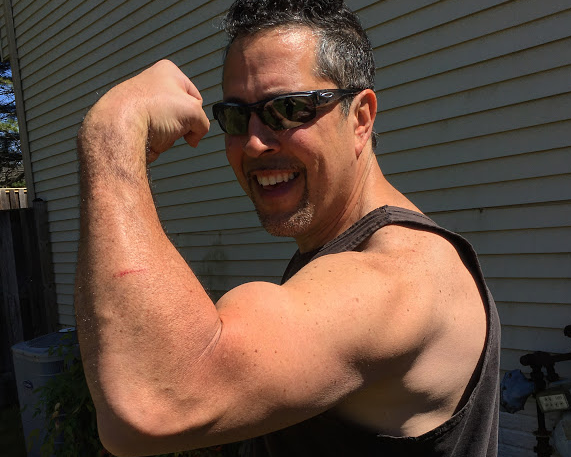
John was diagnosed 4 years ago (October 2014) with Stage 4 prostate cancer with lymph node involvement and extensive bone metastasis. We analyzed the medical treatments recommended by the oncologist,  and John rejected all of them. We studied the alternative treatments available . . . . although in the USA, any viable natural treatment is met with massive opposition and, unfortunately, that means going out of country to obtain the alternative treatment that John decided was the right path for his treatment and anticipated cure.

John’s treatment of choice was the Gerson Therapy, a natural treatment developed by  Max Gerson in the 1920’s. GT activates the body’s ability to heal itself through an organic plant-based diet, raw juices, coffee enemas, and natural supplements. It demands an every day single-focused commitment to building the body’s immune system and detoxing the liver … every single day for a minimum of 2 years.

The first week post-diagnosis, John made application to the Gerson Therapy cancer treatment clinic – initially, they told us that no rooms would be available (they only treat 10 patients at a time) until after the first of the year. Because that was a LONG time to wait with John’s Stage 4 diagnosis and the bone mets, we then applied for Gerson’s in-home training program – they came back and told us he did not qualify because he had had a medullary brain stem stroke earlier that same year.

Then, in early November, the Institute called and said that a room had opened up and did we want it. We traveled to San Diego on 10 November and the next morning reported to the licensed Gerson clinic in Tijuana, Mexico for a full evaluation of his condition and to learn how to do the Gerson Therapy at home.

Our first morning at the clinic involved an intensive interview with the leading physician, Dr. Pedro Cervantes (to be affectionately known thereafter as Dr. C) and a full lab protocol for John. The results of those labs would be the cornerstone for the initial GT protocol developed uniquely for John and his condition.
Our first meal at the clinic was lunch … and while it was beautifully arranged and the tables set for guests, we found the food to be so very bland (after all, we had been eating the standard American diet) that we quietly questioned whether we would be strong enough to stay the course. We had no way of knowing that day how quickly our tastebuds would acquire the sensitivity to actually taste the flavors in the organic produce – what an awakening that was!
Our room was on the ground floor and right next to the 24/7 attending physician’s     office. If you were up in the middle of the night and just wanted to talk, there were always medical personnel on staff to work with you. That was also so comforting and we took full advantage of their knowledge and kindness, working with several secondary physicians and RN’s as well as directly with Dr. C during our stay.
Each day was filled with learning experiences and with a long discussion with Dr C as to how to establish and maintain the protocols necessary to give GT the best chance of working for John. The bone mets were the real issue .. it is so much harder to heal cancer once it is in the bone than when it’s confined to soft tissue.
Dr. C told us that John would have a “healing reaction” at least once during our stay; and  it happened several days into the therapy. One morning, John literally could not move;     he could not get out of bed; he had a lot of back pain; he could not even move his legs.   The clinic staff immediately went into action; closely monitoring what was happening and helping me administer the clay packs and castor oil packs on an ongoing revolving basis. For two days, John was absolutely helpless, as the toxins that were being stirred up by     the therapy poured out of his body. The third morning, he woke up; hopped out of bed; and we walked down to the beach. The “healing reaction” was gone as quickly as it had come.
Sergio (one of the nurses) taught me how to give the liver/B12 injections. We worked    with oranges until I could meet his exacting standards (there sure were a LOT of hole-punctured oranges lying around); then, under supervision, I took over the job of giving John his daily injections.
Dr. C wanted John to start a regimen of Lupron and zometa while we were at the clinic; John refused – he still did not want to do anything allopathic. This proved to be a bad decision.
Dr. C also wanted John to see a natural dentist and start Vitamin C infusion therapy    while we were there; but our timeframe would have required an extra 1-to-2 week stay; and that was not possible financially.
Dr. C prescribed daily foot soaks in a Pau d’Arco tea solution, to pull out any fungus in   the toenails.
During the course of the two weeks, Dr. C continued to customize John’s protocol, adding several “non-Gerson” adjuncts to his daily routine (including B-17, Stamets, a probiotic, Indole 3 Carbinol, and Boswellia).

December 2014. The chemotherapy oncologist told us that he expected John’s prognosis  to be less than one year if we do nothing (he included our GT as part of that “nothing”)  and at a maximum 2.5  to  4 years  if John were to immediately begin go on hormone therapy and intensive chemotherapy.  He was willing to allow us to stay on GT until      John became worse but warned us not to wait too long, because he said there is a threshold between when he could help us and when it would be too late.

This was very difficult for us; it was scary to hear the oncologist pronounce a death sentence with no equivocation. Since we had gone straight to Gerson on first diagnosis, and John had never had any traditional treatment, he still had a “clean” (no allopathic treatments) system. John was unwavering in his intention to stay on GT; he had been 100% adherent to the GT protocol at that point – we had just finished week 6 (2 weeks      at the clinic and 4 weeks at home).

January 2015 – Dr. C revised the rigid protocol that governed John’s diet, juicing, CE’s, and supplements. This now included 10 juices per day, at specific times between 8am    and 7pm – including grapefruit, green juices (a special GT mixture of greens), carrot and carrot/apple – as well as organic green and white teas, peppermint tea, kambucha and pau d’arco tea. Organic cold-pressed flax oil was the only oil allowed; only at lunch and supper; and not on hot foods. There was a daily allotment of supplements in tablet form – more than 50 a day total (including acidol, pancreatin, liver capsules, CoQ10, inflazyme, milk thistle, vitamin D3, curcumin, selenium, indole 3-carbinol, colostrum, probiotics – as well as potassium compound solution and Lugol’s solution). In addition, daily liver extract injections and weekly B12 injections were still required.

The number of CE’s was reduced to 3 per day, with castor oil treatments twice a week.    Dr. C also continued to recommend zometa and lupron for the bone mets; which John   still refused to even consider. We added quark to the protocol at this point, learning to make the version from the Budwig protocol, with Dr. C’s approval.
From the beginning of the therapy (November 2014), John tracked his monthly labs via  an excel spreadsheet initially developed for him by one of the GT physicians. Today, we now have 48 months of labs in a liner fashion that can be compared and analyzed. It is easy to see the progression of both the disease and the healing process.
Early March 2015 – We had been struggling lately … John’s February labs came in with two of the cancer markers up– not good. Both of our Gerson practitioners urged him to begin hormone therapy immediately based on the labs, so we met with the oncologist    and started John on Casodex orally for one week, followed by the insertion of a Vantas implant. This was a very difficult decision to make; however, as both Dr. Cervantes and   Dr. Donato kept telling us, we had to halt the cancer growth long enough for GT to build the immune system to the point that it could address the cancer on its own. Because that takes 9-to-12 months at a minimum, and because John’s cancer was already metastasized when diagnosed, the cancer had a huge head start on the GT, and we just flat ran out of time. The goal now was to keep the cancer in that “box” so to speak while we strengthened the immune system; then at the end of the 12-month cycle on Vantas (which does not kill the cancer, it only holds it at bay), the immune system would hopefully be ready to kick in on its own to actually kill the cancer cells. In the meantime, we stayed the course with GT, supplementing with B17 to work at killing any cancer cells we could on our own.
The struggle was multi-fold. John was so fatigued that he was unable to do any mental     or physical work – his attention span and physical capability just were not there.

Even with the CNA who came in every morning to help relieve the GT prep load, my   stress levels were through the roof … we didn’t have a good support system network  locally (I came to depend on the GT FB support group for much of our inspiration and positive encouragement).

I was concerned about making sure we had all the food that John required for the protocol, and the supplements … and with keeping a roof over our heads! I was able          to work only part-time and that had a significant impact on our finances.

In late March 2015, John suffered a major setback – his T1 vertebrae collapsed when the cancer ate through it. He was hospitalized for two weeks; semi-comatose; and I was told to prepare to put him in a care situation; that he would not come home again. We persevered with GT, even giving him also the CE’s while he was hospitalized (thanks to the admitting physician who wrote in the chart that I could continue to administer them [much to the chagrin of the staffers]).
While hospitalized and when coherent again, John demanded that the Vantas implant     be removed. The oncologist acquiesced only after we told him that if he didn’t remove it for us, we would remove it on our own.
Following this setback, and in conjunction with continuing 100% on GT, we administered a high dose of CBD for 90 days. We chose a medical dosage without the side effects of delta-9-THC. While this process was not specifically approved by the GT physicians,      they were aware of what we were doing.

December 2015 – the next set of scans showed conditions slightly worse than those of     the diagnostic year – while disappointed, we recognized that this finding was definitely aggravated by the T1 vertebrae collapse.
John refused to have scans in 2016 and 2017 … so we have no knowledge of when the actual turnaround came about. We believe it to have been at approximately 18 months; although the monthly labs had stabilized slightly prior to that. His strength and desire      to be active again started to return. Proof enough for us that the Gerson Therapy was      the right choice for John.
The April 2018 scans show no lymph node involvement; no active cancer; no signs of any new cancer in John’s system. All of his labs, which are checked monthly, stay well within range, with the one exception of that pesky PSA, which continues to bounce up/down.
John has added homemade kefir water, colloidal and iconic silver, and ozone therapy (steam saunas and insufflations, ozone oil for the skin, and ozone drinking water) to his routines.
We’ve had many others diagnosed with various cancers come to us for information …      few are willing to commit to the rigorous schedule demanded by GT. Many have moved directly to chemo; and we’ve watched far too many die. John has been unswerving in his desire to stay as non-allopathic as possible. As a result, today the oncologist is willing to say that he is in “partial remission.” We’ll take that in a heartbeat … and move forward with our lives; staying 80% GT in the process; staying pretty much plant-based organic     in the process.

We’ve started traveling again  and  delight in finding vegan/vegetarian restaurants wherever we go … we have a new-found appreciation of the everyday delights of just being alive and together to enjoy our small organic backyard garden or a weekend trip to walk   on the beach and do a bit of metal detecting. Every day is a gift, and we do not look on that gift lightly. “Thank God and thank Gerson” is truly a mantra around our house!                  All the best … Jean Griswold-Lynn!!! 🙂

The best video to get started: https://www.youtube.com/watch?v=quuvi6Gvvmc

A fabulous lecture Charlotte Gerson gave in 1989 in Sedona:
Part 1:  https://youtu.be/haqSGbS5Jws
Part 2: https://www.youtube.com/watch?v=xoau2A8hzp4
Part 3: https://www.youtube.com/watch?v=P4G3AqbDOzU
Part 4: https://www.youtube.com/watch?v=st7YwEH9QHQ
Part 5: https://www.youtube.com/watch?v=28nD73b4mqE
Part 6: https://www.youtube.com/watch?v=1R3HE4k0rSg
Part 7: https://www.youtube.com/watch?v=ReAdr7LRd7E

Other Gerson Documentaries:

Dying to Have Known 

The Beautiful Truth

The Gerson Miracle 

Posted in Information & Research | Leave a comment

Why Do I Get Stressed Out at Night?

Katie Heaney is the published author of Never Have I Ever and the upcoming novel       Dear Emma. She is an editor at Buzzfeed and has written for New York Magazine and Pacific Standard, among other places. She is a graduate of Illinois Wesleyan University and the University of Minnesota.  Dr. Patrick Borgen M.D.

I tend to experience the most stress between 6–8 p.m., which is weird, because that’s      the one time of day I’m not working or sleeping, and am therefore, at least in theory, “relaxing.”  I always assumed  this had something  to  do  with the lack of sunlight — resolution and change and growth still seem possible during the day, especially if it’s sunny, but at night? Everything seems closed off and pre-determined,  and I always        end up thinking about death. Ha.

Anyway, the sunlight thing may or may not be part of it, but apparently evening stress       is actually worse than daytime stress, according to a new study published in the journal Neuropsychopharmacology Reports.

The authors, who conducted their research at Hokkaido University in Japan, tested how their 27 subjects’ hypothalamic-pituitary-adrenal (or HPA) axes responded to stress incurred at different times of day. The HPA axis connects the central nervous and endocrine systems, and its activation leads to the body’s release of cortisol, the primary human stress hormone. By measuring cortisol levels after a stressful event, the researchers could therefore determine how capably the human body responds to stress in the morning compared to the evening.

After establishing subjects’ baseline cortisol levels, they were asked to prepare and give a presentation to three trained interviewers and a camera, which I am stressed just thinking about. Saliva samples were taken before and immediately after each presentation, and at ten-minute intervals for half an hour afterward.

The authors also found that students who were given the stress test in the morning had significantly higher cortisol levels in their saliva, while those who were given the evening test experienced no such change. Conversely, there was no significant difference between the post-test heart rates measured in both groups, suggesting that the sympathetic nervous system may be less influenced by time.

I would have thought that a higher stress hormone count meant more stress, but it’s           a   little counterintuitive, kind of in the same way having a high white blood cell count       is actually bad, even though white blood cells are good, because it means something is wrong.

If we think of cortisol level as one of the body’s strongest tools in addressing stress,           its heightened presence is actually (usually) a good thing. Lead author Yujiro Yamanaka explains his study’s findings as follows: in the morning, our bodies have both the HPA  axis and our sympathetic nervous system at their disposal, while in the evenings, they   have only the latter (in the form of elevated heart rate, for instance).

While Yamanaka concedes there is some room for variation due to individuals’ biological clocks (cortisol production also being reliant, in part, on circadian rhythms), generally speaking, he says, his findings suggest “a possible vulnerability to stress in the evening.” To which I say, no kidding!

Stressful events in the evening release less of the body’s stress hormones than those        that happen in the morning, suggesting possible vulnerability to stress in the evening.

The body’s central system also reacts less strongly to acute psychological stress in                  the evening than it does in the morning, according to research conducted at Japan’s Hokkaido University.In the study published in the journal Neuropsychopharmacology Reports, medical physiologist Yujiro Yamanaka and his colleagues recruited twenty-  seven  young, healthy volunteers with normal work hours and sleep habits to find out          if the “hypothalamic -pituitary-adrenal” (HPA) axis responds differently to acute psychological stress according to the time of day.

The HPA axis connects the central nervous and endocrine systems of the body. Cortisol, the primary stress hormone in humans, is released for several hours when the HPA axis    is activated by a stressful event. This helps provide the body with energy in the face of a perceived need for fight or flight. Cortisol levels are also regulated by a master circadian clock in the brain, and are normally high in the morning and low in the evening.

The team first measured the diurnal rhythm of salivary cortisol levels from volunteers      to establish a baseline. The volunteers were then divided into two groups: one that was exposed to a stress test in the morning, two hours after their normal waking time, and another that was exposed to a stress test in the evening, ten hours after their normal waking time.

The test lasted for a period of 15 minutes and involved preparing and giving a presentation in front of three trained interviewers and a camera, and conducting a mental arithmetic. Saliva samples were taken half an hour before starting the test, immediately after, and at ten-minute intervals for another half hour.

The researchers found that salivary cortisol levels increased significantly in the volunteers that took the stress test in the morning while no such response was observed in those that took the test in the evening. The volunteers’ heart rates on the other hand, an indicator of the sympathetic nervous system which immediately responds to stress, and did not differ according to when the test was taken.

Yujiro Yamanaka commented “The body can respond to the morning stress event              by activating the HPA axis and sympathetic nervous system, but it needs to respond           to evening stress event by activating the sympathetic nervous system only. Our study suggests a possible vulnerability to stress in the evening. However, it is important to     take into account each individual’s unique biological clock and the time of day when assessing the response to stressors and preventing them.”

Journal Reference:
Yujiro Yamanaka, Hidemasa Motoshima, Kenji Uchida. Hypothalamic-pituitary-     adrenal axis differentially responses to morning and evening psychological stress               in healthy subjects. Source: https://onlinelibrary.wiley.com/

Posted in General News | Leave a comment

Hope Through Cancer

 Since Hope Aguilar was a child she knew that whatever she did in life it would be in trying to make a difference. The native Texan is a veteran of the U.S. Navy,  Texas Army National Guard,  and U.S. Army.  She completed  her BA in Psychology at UT Dallas, and currently teaches English as a Second Language   in the Kingdom of Saudi Arabia.

She became a lover of writing while she was in college.

Although she never imagined her first book would be one about her journey through cancer, she hopes her story will inspire others and promote ovarian cancer awareness. Hope Aguilar’s heart’s desire is to travel and write of her adventures.  Hope is a proud parent of two adorable cats,  she loves her family and friends,  and also carries God in      her  heart at all times. Her future plans  include  returning  to Texas  to further pursue    her passion for writing and to continue advocating for ovarian cancer.

Hope Aguilar knows what it means to hope against the odds. Her fight with cancer taught her that her Christian faith was sometimes the only thing keeping her hope alive. The book that documents her journey in dealing with ovarian cancer,  ‘HOPE through cancer’, is not only meant to bring awareness to this disease but also to help others who are struggling with their own cancer situation.

The book recounts Hope Aguilar’s battle with ovarian cancer and her realizations as she struggled with this disease. The book points out that it is very important for people not to be so afraid of cancer  and  that  they should listen to their own bodies.  She also recounts how her family and friends were there for her during her illness and how important it is for cancer patients to have a strong support system.

Most importantly, however, Aguilar wants people to understand the role that faith      plays  in fighting serious illnesses like cancer. “I called the book ‘HOPE through cancer’ with ‘hope’ in all capital letters for a reason,” says Aguilar. “It was because I want people  to understand that this book is not about me, Hope.

But about having HOPE for the future through faith, even when the future seems dark.     It was my faith as a Christian in the cross of Jesus that kept me strong.” Hope points out that “the Big C” has been made too important in our world. “When I was ill, my mom told me that it was not the ‘Big C’ but the ‘little c.’ That we should not allow it to scare us or give it too much power.”

Instead of investing power into the cancer,  Hope Aguilar credits her faith in Jesus as           the power that pulled her through her illness.  ‘HOPE through cancer’  is her testimony   that faith, along with the love and support of family and friends can help cancer victims recover and even triumph over their illnesses.  https://authorhopeaguilar.com/

 Did you know that Saudi Arabia was the only country in the world that didn’t allow women to drive? Did you see how I wrote “was”?
Yup that is a thing of the past now. As in 13 days ago past.

How awesome is that…is this!
Women are now officially and legally allowed to drive cars. Or motorbikes. Or vans.         Or even big trucks. All vehicles. As long as they have the proper licenses for one or all     the types of vehicles I listed.

But HOLY COW is this amazing!
Maybe for all those that don’t live in the country. Maybe not even for all those that  actually live in the country. There are people who don’t approve. Also more so from         the male gender side, but I think there are some women too. It’s a HUGE change.           And with all change there is skepticism. And even fear.
Fear of what you may ask. Fear of the unknown. Fear of women being in accidents.       Fear of women causing accidents. Fear of men not being nice to women who start driving. And, in my opinion,  fear that with more freedom,  more rights women  will start being a part of more things altogether. And that can scare men. That can scare people, in general.

I won’t go into too much more detail about this, but if you look back at history this is nothing new. Women throughout time have had to deal with adversity. The right to vote. The right to be in armed forces,  outside of clerical duties.  The right to make choices on her body. The right to divorce. The right to an education. The right to have any job that she’s qualified to do.

And then we have the rights of those who may be black, like in America with the civil rights movements in the ’60’s.

History has shown that we can fear what we don’t understand, what is different than us, what may affect our life somehow.
It’s all quite silly to me. But hey what do I know I’m just a brown woman.
People can be scare or fear what they don’t like, they don’t know or they don’t understand. That’s all fine and dandy. As long as it doesn’t interfere with progress.

Which is what is happening in Saudi Arabia. Times are a changing! And for the better!
There might be men who don’t care to see this progress. For whatever reasons; whether    it be religious or cultural.  But regardless of what they don’t approve of this change has taken place and more (positive) changes will only continue. And I for me things that’s pretty awesome!

All of that said, for me and the many women in this country we welcome this change     with courage, tears of joy, and gratitude for those that made it happen. The Saudi family and those courageous women that fought for this day. Some even at cost.

So, what did I do to celebrate? Was I brave enough to take to the streets and drive in a country that is known for having not so safe drivers?
You bet I did!

I celebrated this positive change by getting behind the wheel. It may have only been for    15 minutes. It may not have been on the freeway even. But it was me, a woman, driving in Saudi Arabia. That’s a memory I’ll forever cherish. Though I hope to do some more driving before I leave. Knowing me…I’m sure I will!

Cheers to (positive) change! Cheers to progress! Cheers to girl power! #fistbump!!!

P.S. If you wonder what the women here tell me about this new change. It’s almost ALL positive. They want to drive. Admittedly, some do not care to drive.  But now  it’s  truly a choice. If they wake up tomorrow and decide (once they take the course and get a license that is) “hey I’d like to drive myself to work or college or to the mall or anywhere” they get to! They now have a choice! And that has them excited.

As for those that don’t care to drive. For some it’s because they enjoy being driven around. Even non-Saudi women tell me they like that. Though it’s not for me. If I can drive I’d also prefer to drive. And then others are more like watching how it goes. They want to see how other women, maybe Saudi women in particular, do with this change.

And, lastly, there are some that can’t or won’t drive cause of their father or male guardian not giving them permission. But I’ll save that for another blog.

Posted in Thought Provoking | Leave a comment

‘How I beat breast cancer’

Kay Allison Shemirani suspected something might be wrong with her when her cat    started repeatedly pawing at her right breast, which was something she’d never done before.  But even though she had a sore right nipple and “grainy area of lumpiness”  around it, Kay dismissed her concerns.

“I’d had breast augmentations, so assumed the symptoms were something to do with that,” said Kay, 52, an aesthetic nurse practitioner and mother of four from East Sussex, UK.

A few months later, though, Kay couldn’t ignore the changes in her breast any longer,       so she went to her doctor to get it checked out.  The mammogram and ultrasound he arranged for her found nothing suspicious, but a subsequent needle biopsy confirmed Kay’s worst fears: she had breast cancer.

“I was diagnosed with lobular invasive breast cancer,” said Kay. It was ‘grade three,’            a faster-growing form of breast cancer more likely to come back after treatment, and ‘pleomorphic,’ a rare and aggressive subtype of lobular invasive breast cancer with a poorer prognosis and worse survival rates.1

Kay had private health insurance, so she was able to book a consultation with “the           top oncologist in the country” within a matter of days to discuss her options. He told        her she had the “worst type” of breast cancer, and with her best course of action was          to have a mastectomy—an operation to remove her right breast—also followed by chemotherapy, radiotherapy and hormone therapy.

Although an MRI scan showed the cancer was confined to her right breast, Kay opted       to have both breasts removed (a double mastectomy) for aesthetic reasons, followed by immediate reconstructive surgery.  A date for the operation was scheduled very quickly.

In the meantime, Kay found herself asking: “Why have I got this disease?” Kay’s consultant said it was “an unlucky roll of the dice,” but Kay’s then-husband, a scientist, disagreed.

“He told me that everything has a cause and effect,” said Kay. “He began tirelessly researching breast cancer and ordered a huge number of books on the subject. I took      two of them with me when I went for my surgery in London.”

Read it and weep…

The two books were The China Study by American biochemist T. Colin Campbell              and his physician son Thomas M. Campbell II (BenBella Books, 2006)—which advocates   a whole-foods, plant-based diet based on evidence from the China-Cornell-Oxford Project, one of the largest comprehensive studies  of  human nutrition ever conducted—and also Max Gerson’s A Cancer Therapy: Results of 50 Cases (Gerson Institute, first published in 1958), which outlines the American physician’s nutritional, holistic approach to treating cancer.

As soon as Kay woke up from her operation—later than planned as she suffered a hemorrhage during the procedure and had to have additional surgery—she started devouring all the information in the books.

She was particularly intrigued by Max Gerson’s alternative cancer therapy, known              as ‘Gerson therapy.’ This approach involves eating a low-fat, salt-free, meat-free diet including organically grown fresh fruits, vegetables and drinking 13 freshly squeezed  juices at hourly intervals throughout the day. With Nutritional supplements & coffee enemas are also important features of the program.

The theory behind the therapy is that cancer is a disease of the whole organism—the   result of several damaging factors that combine to cause a deterioration of the entire metabolic system—and a tumor is just a symptom of this. The goal is to bring the body back to its normal metabolic state via detoxification methods and also building up the immune system.

“After I read the book, I was very upset that I had made a mistake,” said Kay.                        “I realized the surgery wasn’t going to help anything.”

Kay then became very aware of her environment—the poor quality of the hospital          food    she was eating, the strong smell of the chemical cleaning products being used around her—and decided she would be better off at home.

“I told my surgeon I wanted to leave early, and I went home on day two after my operation—even though I still had five drains in place [to collect fluids from the        surgical wounds]!”

An alternative approach…

Once home, Kay decided that instead of going down the conventional route                          of chemotherapy, radiotherapy and hormone therapy—as recommended by                         her consultant—she would try the Gerson method to prevent the cancer from              coming back.

“I was actively advised against this by my oncologist,” said Kay. “my brother-in-law,            a top surgeon, told me I would die quickly.”

Kay was informed that her estrogen levels were incredibly high, and if she was going          to decline hormone therapy in the form of tamoxifen and goserelin (Zoladex) to reduce  the risk of her breast cancer coming back, she should get her ovaries
removed instead.

But Kay refused the surgery, sticking to her decision to try Gerson’s holistic approach.

“My family, close friends and colleagues were in shock at my decision,” said Kay.                “I was a registered nurse for 32 years. To be a nurse yet turn my back on modern   medicine made no sense to them.”

Kay had already spoken to Dr Patrick Vickers, the director and founder of the Northern Baja Gerson Clinic in Mexico, and she felt confident in her choice to turn down all conventional treatments and fully commit to Gerson’s alternative therapy.

One week after her operation, Kay started the intensive juicing protocol—which includes    a carrot and apple juice as well as a green juice featuring specific vegetables such as chard, romaine lettuce and green pepper—combined with a simple, organic diet of oatmeal in the morning and vegetables and a baked potato for lunch and dinner. She drank ‘Hippocrates Soup’  designed to heal and strengthen the immune system and kidneys.

Although it was a drastic change of diet for Kay—before, she lived on Diet Coke, meat, fish, chocolate and her children’s leftovers—the regimented Gerson plan suited her personality.

Kay also started giving herself coffee enemas, which are used to increase the liver’s detoxification capacity.

According to the Gerson Institute, a nonprofit organization based in San Diego, California, dedicated to providing education and training in Gerson therapy, “Certain substances in the coffee stimulate an important detoxification enzyme in the liver as well as dilate the bile ducts and increase the flow of bile.”

On top of the 13 juices a day and five coffee enemas, Kay also started taking a number       of nutritional supplements, including potassium, vitamin C, niacin, pancreatic enzymes and Lugol’s iodine. In addition, although not part of the Gerson therapy, she decided to  try two other alternative cancer therapies she’d read about: mistletoe injections and very high doses of vitamin B17 (also known as ‘laetrile’ or ‘amygdalin’), which she took under the supervision of an experienced practitioner.

Noticing effects…

Soon after starting the Gerson therapy, Kay noticed a number of improvements in her health. Within days her surgical wounds had healed, within weeks she no longer had to read with the help of glasses, and within months she had lost 36 pounds (around 16 kg) and was down to a healthy weight.

Further down the line, she experienced the complete resolution of several long-term symptoms:  frequent migraines,  keloid scarring  (an overgrowth of scar tissue)  from          her breast augmentations, irregular heartbeat and heavy periods. She also underwent menopause naturally two years after starting Gerson therapy, “without a single side-effect,” although she says that Chinese herbs helped as well.

Kay did get a number of unpleasant symptoms initially,  such as bloating,  joint pain        and “smelling like a nail salon,” but they were all signs the body was detoxing, Kay said, and once they resolved, she felt great.

During this time, Kay made sure she had blood tests every six weeks to keep an eye on    any markers of disease, and she was monitored remotely by an experienced naturopath and Gerson therapist, Kathryn Alexander.   Read A new way of life!!

Also Kate Shemirani is interviewed by Carl O. Helvie on his Holistic Health Show 🙂

Posted in General News | Leave a comment

Joan Lunden on her cancer battle:

When it comes to certain types of cancers and some types grading higher than others.  Such types being Sarcoma’s, Brain Tumors and Triple Negative Breast Cancer. Knowing the test results are critical and could mean the difference between life or death!!!

Be at PEACE Lisa Engelke, Last year I met this beautiful, soulful, passionate young woman, and got to know her and her story. I know you are flying free and whole again, no pain…and that is such a gift to know. 🦋

My life was forever changed when I met you. The impact you had on the lives of those        who knew you is truly incredible. Your passion for life and drive for helping and inspiring others was like nothing I had ever witnessed before.  You were taken too soon,  however,  your spirit will carry on in all of us that you touched. Fly high my friend 🌻 ❤️🙏

When the sunniest woman in the history of morning news got hit with triple-negative breast cancer at age 63, Joan Lunden’s life changed, irreversibly. A year after finishing treatment, Joan told Prevention Magazine in 2016, that she’ll never be her old self, but that her new normal is filled with revelations, joy, and yet another amazing reinvention.

Joan Lunden  told them, “Maybe by telling my story, I make women more vigilant.

I know that I was a person who paid lip service to self-exams – but come on, let’s be honest, I didn’t do them. And I didn’t think I needed to because I didn’t have a family history. So breast cancer was someone else’s worry.”

She also added, “Now that it’s happened to me, I guess I feel compelled to go out there           and warn other women and make them more aware and make them more vigilant. And understand it’s not just about family history. It’s about the lifestyle choices that we make: whether or not we exercise, what we’re consuming,  our stress levels,  or the lack of sleep.   And all of the other risk factors that can make us susceptible not only to breast cancer,    but all the other cancers.”

On Tuesday, June 24, 2014, Lunden revealed on Good Morning America she had been diagnosed with breast cancer.

When Joan was first diagnosed with Triple Negative Breast Cancer (TNBC), that term was totally foreign to her. And once she embarked on her cancer journey it soon became clear that no two breast cancers are the same. It’s not just a single disease but rather one with many different forms and the type of breast cancer one has, greatly affects their prognosis and treatment options.

To really understand TNBC, we must first understand receptors, which are proteins found inside and on the surface of cells. When testing a tumor in triple negative breast cancer, its’ cells are tested for hormone receptors – estrogen, progesterone and HER2. If all three of these tests are “negative,” then the cancer is triple negative (ER-, PR-, HER2-). In short, the growth of cancer in TNBC patients is not supported by those hormones.

Since this type of cancer is not fueled by hormones, TNBC does not respond to hormonal therapy such as tamoxifen or aromatase inhibitors, nor does it respond to therapies that target HER2 receptors, such as Herceptin. So the treatment options are quite limited.

For Joan, she was able to receive a combination of chemotherapy, surgery and radiation, which her doctors feel was very successful. Luckily, for those who are not chemo sensitive, researchers work every day to continue searching for additional treatments for TNBC.

The facts:
10% – 20% of all breast cancers are triple negative
TNBC can be aggressive and difficult to treat
There is no targeted therapy for TNBC, which is why chemotherapy is most often used
Typically it disproportionately strikes younger women, women of African, Latina or Caribbean decent and those with BRCA1 mutations

Sources:
www.BreastCancer.org
www.tnbcfoundation.org
www.nationalbreastcancer.org

Joan Lunden: 10 things I wish I knew before I was diagnosed with breast cancer.

TRYING SOMETHING NEW

Lunden has also been open about her selection of a newer medical regimen to treat her cancer. She hopes the information will encourage others to look beyond the status quo before settling on a treatment plan— and that includes both patients and the oncologists she’ll speak to in Miami.

Because Lunden had triple-negative breast cancer— meaning her disease wasn’t fueled by hormones or an overabundance of the HER2 gene—it was expected that chemotherapy, rather than a targeted treatment, would be most effective. Her treatment would also need to include surgery and radiation, she was told, but there were different ways the regimen could be approached.

The first oncologist Lunden saw encouraged her to have chemotherapy as an initial step in order to shrink her tumors and make her surgery less invasive, then follow the lumpectomy with radiation. And the doctor recommended adding carboplatin to the chemotherapy regimen, also a newer idea.

Chemotherapy for triple-negative breast cancer typically includes 12 weeks of Taxol (paclitaxel) followed by four cycles of doxorubicin plus cyclophosphamide. But Lunden’s oncologist cited a study presented at the San Antonio Breast Cancer Symposium in 2013, which had demonstrated that adding either carboplatin or Avastin (bevacizumab) to some of those cycles improved the pathologic complete response rate in patients by about 60 percent.

That sounded promising to Lunden, however, when she sought a second opinion from a physician at a different renowned institution, she was advised to have her surgery before she received chemotherapy. The divergent opinions left Lunden and her husband baffled.
“It was very confusing, and ultimately I had to go with my gut. It was really scary and part of the frustration and angst that cancer patients experience,” Lunden says. Ultimately, she chose the newer regimen as “the one that would give me my best chances for success and my best chances to not have a reoccurrence of the disease.”


According to Borgen, “A number of trials have demonstrated the advantages of pre-surgical chemotherapy across a wide panorama of breast cancer, including triple- negative, and carboplatin is an accepted cytotoxic chemotherapy choice for triple-negative breast cancer. However, having chemotherapy first is a less common approach. Nationally, there is still resistance to deviating from the longstanding dogma of surgery, then chemo, then radiation. The benefits of pre-surgical chemotherapy, particularly in the type of breast cancer Joan Lunden had, are abundantly clear.”

In Lunden’s case, the chemotherapy eradicated her smaller tumor and shrank the bigger one by about 70 percent, resulting in a surgery she describes as minimal. Then, she received radiation five days a week for six weeks.

Although Lunden recognizes that patients’ treatment needs are quite individual, she’s sharing her own choice because she wants women to know that they have options. Her worry is that others in her shoes will be automatically steered toward the more typical therapeutic regimen without discussion.

Borgen anticipates that the 1,000 oncologists who hear her story in Miami will be receptive to Lunden’s point of view, especially because the purpose of the gathering is to foster awareness of state-of-the art treatments, as well as to promote a multidisciplinary approach that improves the care of patients with breast cancer. “It is so hard to stay current in breast cancer,” he says.

“It’s a field that changes week to week, month to month. The studies are very clear that giving chemo first is a path that should be strongly considered in this type of breast cancer. Switching the order, doing chemo before surgery, made (Lunden’s) surgery smaller, which proves that the sequence of treatments, the chemo combination, were the right choices for her. But if this regimen doesn’t work in another patient, an option is to simply change the drugs in the chemo combination. There is still resistance from some oncologists and surgeons to this approach.”

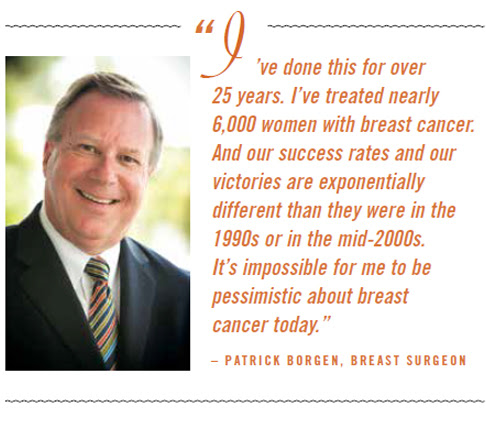
Still, Borgen says, things are moving in the right direction when it comes to treating women with breast cancer. “I’ve done this for over 25 years. I’ve treated nearly 6,000 women with breast cancer. And our success rates and our victories are exponentially different than they were in the 1990s or in the mid-2000s,” he says.

“There are 200-plus drugs in the breast cancer pipeline going through FDA testing. Genomic profiling, opening up the hood on these cancers and looking at the genes that    are driving them, looking at the signaling pathways that are involved, that allows us to precisely personalize our treatment approaches to this large, complex family of diseases. It’s impossible for me to be pessimistic about breast cancer today.”

MOVING IN THE RIGHT DIRECTION

Things seem to be moving in the right direction for Lunden, as well.

While she remained tired in mid-January from chemotherapy and radiation, she saw      her blood counts slowly improving; she expects to find out in June whether there’s any evidence of cancer left in her body. “You start to feel a little bit better every day, and some of the side effects start to wane,” she says. “I can see the finish line, and that’s important.”


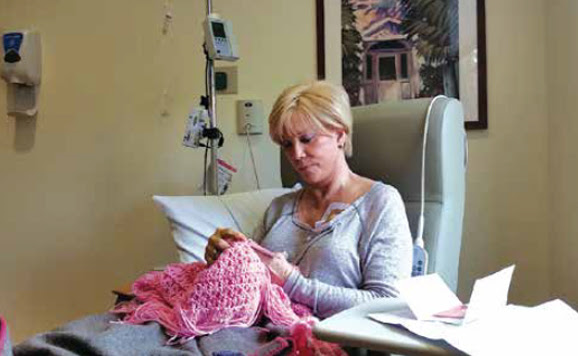
Joan Lunden reading letters while receiving treatment.

Photo courtesy of JoanLunden.com.

Cancer has changed Lunden in a variety of ways. Down to some of the smallest details,    her work reflects the disease’s presence in her life. She has a section about breast cancer on her website, in which she shares a video blog of herself undergoing treatment, but  related issues have made their way into the other sections, too—including a video of Lunden explaining how to style a wig. Lunden’s three adult daughters also share advice based on their experience with their mother’s cancer journey.

Not surprisingly, cancer has changed Lunden personally, too.

“You can’t dance with death and look at it in the mirror and not change,” says the mother of seven, including two sets of twins. “You become more appreciative of life, of your friends, of your family, of your home, of your ability to do things.”

Cancer also teaches you to pace yourself. Lunden did that, but only at her doctor’s insistence. It happened after Lunden, whose white and red blood-cell counts were very low, claimed to be feeling great.

“I’m not sure that you actually have the ability to recognize when you’re tired, because you’re so used to pushing through it,” the doctor told her.

She asked Lunden not to exercise for a week so she could learn to listen to her body’s signals. More frustrating, though, was that the warning didn’t just apply to working out— it applied to working. Lunden was not to fly anywhere until her compromised immune system bounced back.

Cancer also teaches you to pace yourself. Lunden did that, but only at her doctor’s insistence. It happened after Lunden, whose white and red blood-cell counts were very low, claimed to be feeling great.

“Keep up that positive outlook,” one woman wrote.  “Your life’s resumé now includes cancer survivor, and by continuing to share your story, you will be more prepared for those crazy mind games cancer continues to play on you.   Congratulations on a job well done. You are getting the message out about cancer coming in all forms and each journey being different. Carry on!”

Such messages have helped Lunden cope at difficult moments.

“The fact that these people take the time every day to just write a little message back or pray for me, tell me to stay strong, or share their tips or advice has been a very big part of my healing,” she says, “and is just keeping me strong.”

Source: https://www.curetoday.com/publications/cure/2015/winter2015/a-two-way-street-joan-lunden-shares-her-cancer-experience?fbclid=IwAR2YjgmTMY6Wxo9gmhnpqkA-9VXpuBMbY7MAvPvIHOsgaOc-YeQX_vzLSrw

Further NOTES: 

One should also consider chemo-sensitivity assay which is a laboratory test that measures the number of tumor cells that are killed by chemotherapy.

The test is done after the tumor cells are removed from the body. A chemo-sensitivity assay may help in choosing the best drug or drugs for the cancer being treated.

I heard about Dr. Forsythe’s Clinic, in Reno being exceptional in this approach also. 

Naturopathic Doctors (NDs) trained in integrative cancer care play an important role in the support of people diagnosed with cancer through survivorship. They provide evidence-informed guidance on safe and effective use of natural and supportive therapies, when combined with conventional treatment.

For an example:  http://integrativetherapeutics.com/contact/

During and after chemotherapy it’s always important to consider supplementation for the side effects for protecting healthy cells. Vast ways have been found to do so. Intravenous Vitamin C, Alpha Lipoic Acid, Glutathione, Sodium Bicarbonate should be considered as adjuvant care (of therapy) applied after initial treatment for cancer, especially to suppress secondary tumor formation. Items like Ginger Root Tea, Lemon Drops etc. to help deal with the nausea that comes with chemotherapy. http://chemocare.com/

‘Your Health’ with Dr. Richard and Cindy Becker Show. Dr. Russell Blaylock discusses his book ‘Natural Strategies For Cancer Patients’ and offers crucial advice for those suffering from cancer and or going through chemotherapy.

Richard L. Becker, D.O. is a physician in north Texas, where he and his wife, Cindy,       host the daily television talk show, Your Health with Dr. Richard and Cindy Becker. The Beckers bring a practical approach to health education through timely topics, interesting and renowned guests, and live viewer calls. Cindy demonstrates healthy cooking with easy to make economical dishes for a healthy lifestyle.

In 1997 Dr. Becker was diagnosed with Hodgkin’s Lymphoma. During this time of crisis, he and Cindy immersed themselves in the world of natural healing. Dr. Becker is currently in remission and in good health. Their extensive research also led to the formation of BIO INNOVATIONS.

Another Worthy Option: Immunotherapy Success is being Touted. 

Founded in May 2015, ImMAGE Biotherapeutics Corp. is a seed-funded biotechnology company developing the first universal Immunotherapy to treat patients with aggressive forms of breast cancer like Triple-Negative breast cancer (TNBC).

Our approach has been to target specific proteins called MAGE A on cancer cells using our SMART Plasmid DNA™ Technology. Our immunotherapy has passed the proof of concept phase and is currently in early stage animal trials. https://www.youtube.com/watch?v=-FSf2UBX-ic

BETHESDA, Md., May 4, 2017 /PRNewswire/ — ImMAGE Biotherapeutics (OTCMKTS: IMMG), an early-stage biotechnology company, announced today that it has initiated a repeat toxicology study for lead candidate, IMT-001. The company is harnessing the power of the immune system to target a specific protein, MAGE A, in an effort to find a treatment for triple negative breast cancer (TNBC).

A novel immunotherapy approach, developed by ImMAGE Biotherapeutics to treat triple negative breast cancer (TNBC), shows promising results in laboratory culture studies and is now being tested in animal models. The company hopes to take the potential treatment onto a Phase 1 clinical trial by the end of 2017, and into the market within the next seven to ten years.

Dr. Forsythe has a clinical trial that only accepts stage 4 cancer patients. Traditional chemotherapy has a 5-year success rate of only 2.1%… The success rate of Dr. Forsythe’s trial exceeds 70%! Yes… you read that correctly. He will share how he helps his patients heal their body with very little, if any, toxicity.

Posted in General News | Leave a comment

A Shining Image

Perception is what it is and not everyone’s pain or outlook is the same. We’re all different but one feature is the same.  All cancer patients have cancer ~ unfortunately not all cancer patients are enlighten angels. Some are also still fallible individuals wearing a chip on their shoulder or a pizza stain on their satin cape or so I have heard. Most cancer survivors don’t say “why me,”  but in return find a positive solution to the dis-ease.  They find peace within their own situation that overcomes their fear and may be the built in survival mechanism.

GOD grant me the serenity to accept the things I can not change, the courage to change the things I can and the wisdom to know the difference. Understanding this phrase; God gives me the serenity to accept what can not be changed. Will help you to see things more clearly and to consider them from a different point of view. The word serenity alone has a calming effect: The insight bestowed is easily possible to react with the things you can not change. Will give you inner peace which today may seem impossible to imagine.

It is likely that you have gotten upset about things that were 100% unchangeable or        that you have been heavily criticized  for trying to change them.  We certainly realize self criticism also comes to late, thus this is where serenity can help you. If you get upset then take a good look at the situation and consider whether or not it can be changed.  If NOT:  is there a really a good reason to actually get upset about it. The answer is clearly NO!!!

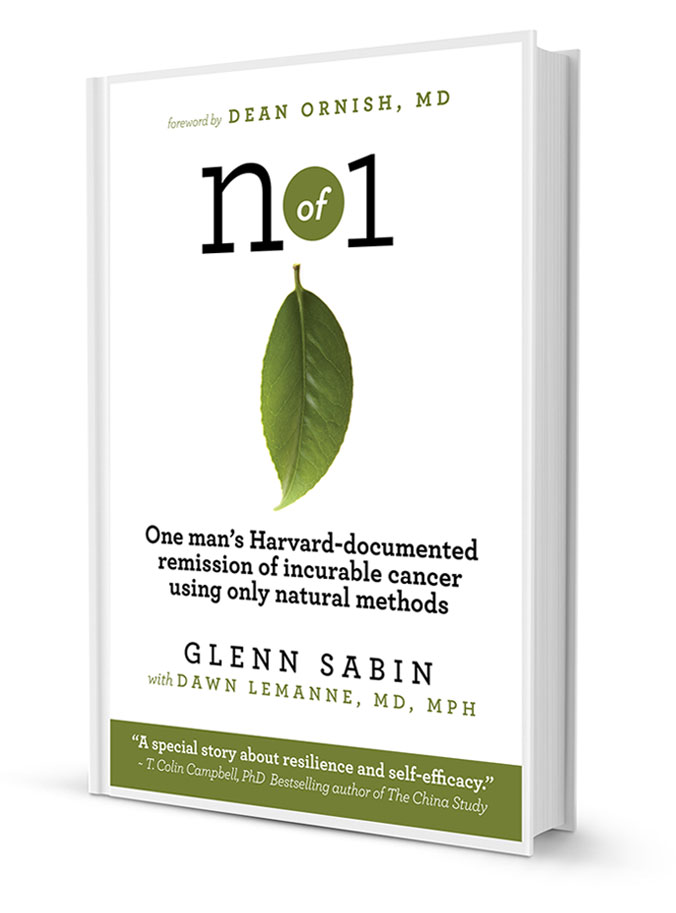
In the future there will be two groups of cancer patients. Those who have read this    book — and those who are uninformed.  For many years Lothar Hirneise has also been traveling throughout the world looking for the most successful cancer therapies, and he has been explaining to people that there is much more available than just chemotherapy and irradiation.  Recognized internationally  as Europe’s leading specialist  in  this  area,      he describes the results of his years of research in this encyclopedia of non-conventional therapies. The reader will also learn in detail why so-called experts in reality know little about cancer.

In addition to descriptions of more than 100 cancer therapies and substances used in treating cancer,  the author also explains which cancer therapies are used allopathically,  for which types of cancer, and what is imperative for a patient to know before he subjects himself to such therapies. The 3E program, which is based on the analysis of case histories of thousands of people who have survived late stage cancer, is described for the first time.

Learn why so many people die of cancer, and why so many others do not. This book        not only supplies an incredible amount of information, it also helps the cancer patient       to find his own way to cure cancer through the active exercises of the 3E program.

Who is Lothar Hirneise? According to one source, possibly 1 of the most knowledgeable persons in the world on the subject of cancer.  Lothar Hirneise                      is  “President  and Founder of People against Cancer [Menschen gegen Krebs]      Germany, a non-profit organization also established to promote international         research, education and consulting regarding alternative and conventional                  cancer therapies.

His book, Chemotherapy Heals Cancer and The World is Flat, became a bestseller       within a few months in Germany. It includes Hirneise’s research results for over 100 alternative cancer therapies as well as his personal experiences, conclusions and also wisdom distilled from meeting & learning from numerous cancer survivors.

If you read the articles featured on this site directly written or inspired by Lothar Hirneise’s research  into  cancer,  cancer remission and recovery,  you may be struck by      the many similarities you will find between his thinking and that of Dr. Johanna BudwigDr. Ryke Geerd Hamer, father of German New Medicine®, and many other holistic physicians.

As does particularly Dr. Hamer, Lothar Hirneise knows about the emotional factors impacting the physical in the onset  and  healing of disease (see Emotions) and also the inherent self-healing nature of the human body. In unison with Dr. Budwig, he confirms the vital role of dietlightenergy & lifestyle  and  among  all  the  holistic & nutritional theories of cancer healing he investigated, assigns pride of place to the Budwig Diet she developed.

Dr. Gaston Naessens, who is French, developed a practical microscope which is called a somatoscope. Thus Naessen could reveal small particles in the blood that nobody had ever seen before. He called these particles somatids “little bodies.” These small units of life are precursors of DNA and according to Naessens they are capable of transforming matter into energy.

He discovered that somatids go through a 3 – phase micro cycle, normally somatids are harmless, but when the immune system is under stress. damaged by toxins, or impacted by illness “bacteria or parasites.” The somatids develop malignantly as part of the micro cycle is damaged. The results are cancer and other illnesses.

Dr. Naessen discovered that tumor cells produce a substance (co cancerogenic factor K,) CFK that handicaps the immune system. According to Naessen, 714X can reduce tumors, help with gaining weight, losing weight or contribute to reductions or the elimination of toxins and pain and extend life. 714X neutralizes CFK and thus makes it possible for the immune system to better identify and destroy cancer cells.

Usually the treatment consist of 3 consecutive treatments with 714X injections that          are injected directly into the lymph nodes in the abdominal area once a day for a least       21 consecutive days. Then there is a pause. For advanced cancer the treatment can be   more intensed.

Dr Naessen collected hundreds of case studies, in which 714X was used successfully against melanoma’s,  carcinoma’s,  malignant lymphoma’s,  osteosarcoma’s and other    types of cancer. Many cases are published in Christopher Bird’s book: The Persecution  and Trials of Gaston Naessen.

Dr. Naessen by the way wasn’t not the first to discover these little blue particles. Many years before him Dr. William Reich, who called these micro particles bions found them. Personal Opinon of Lothar Hirneise: I have found many cancer patients who were treated by Dr. Naessen, who swore that they would not be alive without 714X.

A Summary of Billy Best:  Billy Chose Gaston Naessens’ 714-X and Essiac Tea:.

https://www.youtube.com/watch?time_continue=15&v=2CiQBWvVHsg

Posted in Thought Provoking | Leave a comment

Nanomedicines — The way of the future? |

.

Delivers medicine to cancer cells while protecting healthy cells !!!

Preview Nanomedicines — The way of the future? |

Emmanuel Ho | TEDxUManitoba

Cancer of one form or another will affect roughly one-third of all Norwegians.                    Yet cancer treatments, including chemotherapy, have helped many of those with              the disease to go on to live healthy lives.

Nevertheless, chemotherapy does take a toll on the body. During treatment, chemo  attacks all of the body’s cells, not just cancer cells. The result destroys healthy cells, causing many patients to suffer major side effects during and after treatment.

And because current treatments aren’t specifically targeted to cancer cells, only              0.01 percent of chemotherapy drugs actually reach the tumour and its diseased cells. https://phys.org/news/2017-05-nanomedicine-childhood-cancer-treatment.html

Here’s how the treatment works

Instead of being injected straight into the bloodstream and transported randomly to      both sick and healthy cells, the chemotherapy medicine is encapsulated in nanoparticles. When nanoparticles containing the cancer drugs are injected into the bloodstream, the nanoparticles are so large that they remain in the blood vessels in most types of healthy tissues. This prevents the chemotherapy from harming healthy cells.

Blood vessels supplying the cancer cells (kreftceller in the illustration) have porous walls, while the sections of blood vessels passing through healthy cells are not porous. This protects healthy cells from the chemotherapy.

Blood vessels in the tumour, however, have porous walls, so that the nanoparticles containing the chemotherapy can work their way into the cancerous cells.

“My research shows that this method allows us to supply 100 times more chemotherapy    to the tumour compared to chemotherapy alone. That’s good,” Snipstad says.

However, the nanoparticles can only reach cells that are closest to the blood vessels that carry the drug-laden particles, she said. That means that cancer cells that are far from the blood vessels that supply the tumour do not get the chemotherapy drugs.

“For the treatment to be effective, it has to reach all parts of the tumour. So our nanoparticles need help to deliver the medicine,” she said.

Ultrasound is the key

The nanoparticles used by Snipstad and her research team were developed at SINTEF       in Trondheim. The particles are unusual because they can form small bubbles. The nanoparticles are in the surface of the bubbles.

These bubbles are an important part of the cancer treatment. Another essential part is    the use of ultrasound, which is Snipstad’s area of research.

To make the bubbles behave the way they wanted, the researchers tested many different ultrasound treatments, and measured how many of the nanoparticles were delivered to cancerous tissues in mice. Many of the ultrasound treatments had little effect, but Sofie Snipstad found one that worked quite well.

The bubbles that contain the chemotherapy-laden nanoparticles are injected into the bloodstream. Ultrasound is then applied to the tumour. The ultrasound causes the bubbles to vibrate and eventually burst, so that the nanoparticles are released. The vibrations also massage the blood vessels and tissues to make them more porous. This helps push the nanoparticles further into the cancerous tumour, instead of only reaching the cancer cells closest to the blood vessels.

“By using ultrasound to transport the chemotherapy-laden nanoparticles into the tumours, our research on mice has shown that we can deliver about 250 times more of the drug to the tumour compared to just injecting chemotherapy into the bloodstream alone,” she says.

Three groups, three clear results

The mice were divided into three groups:

The results, with the horizontal axis showing time, and the vertical axis showing the size of the tumour.

  • Group 1 (blue line) received no treatment, and the tumour continued to grow.
  • Group 2 (red line) received the treatment using drug-laden nanoparticles. The growth of the tumour stagnated after time, but the tumour did not disappear.
  • Group 3 (green line) received the treatment using drug-laden nanoparticles, bubbles and ultrasound. In this group, the tumour shrank until it disappeared. One hundred days after the treatment was discontinued, the mice were still cancer-free.
  • Preview  Nanotechnology for Targeted Cancer Therapy

Fooling cancer cells

“For the treatment to be effective, we have to trick the cancer cells to take up the nanoparticles so that the chemotherapy reaches its target,” Snipstad says.

To study this process, she has grown cancer cells and examined them under a microscope. Here, she has seen that the nanoparticles camouflage the chemotherapy drug, allowing the cancer cells to take them up. But for the treatment to work, the nanoparticles have to release the cancer drug exactly when and where it is needed.

“We can do that by changing the chemical composition of the nanoparticles so that we can tailor properties, including determining how quickly the nanoparticles break down. After the cell takes up the nanoparticle, the nanoparticle dissolves and releases the cancer drug inside the cell. That causes the cancer cell to stop dividing, and it will eventually shrink and die.

Close interdisciplinary cooperation

Catharina Davies heads the research group of which Snipstad is part. The group works largely with nanoparticles. Snipstad was interested in nanotechnology, which is what brought her to NTNU and then to the Davies research group.

The NTNU group works closely with SINTEF and St. Olavs Hospital. NTNU conducts the animal tests and studies the cancer cells. SINTEF has developed the bubbles containing nanoparticles, which provides the research platform. The cancer clinic and ultrasound group at St. Olavs contribute with their clinical skills.

“One of the things that I like about this project is that so many good people with different backgrounds are involved. Trondheim has a very good interdisciplinary environment, and this project needs all of the different disciplines for us to make progress,” Snipstad said.

No human trials anytime soon

While research results are very promising, it will still be some time before the method can be used in humans.

“It can take from 10-20 years from the time a discovery is made in the lab until it can be used as a treatment,” Snipstad said. “We’ve been working on this about six years, so we still have a lot to learn. We need to understand more about the mechanisms behind the success and we have to do much more work using microscopes to understand what is happening inside the tissues.”

Snipstad said that the find also has researchers excited to test the method on other types of cancers, because each type of cancer is different.

Possible treatment for brain cancer

This combination of bubbles, nanoparticles and ultrasound also opens the door on the possibility of treating brain diseases. The brain is protected by a special blood-brain barrier, which makes it difficult to deliver drugs to the brain for treatment. This barrier allows only substances that the brain needs to pass through the barrier, which means that for many brain diseases, there is no treatment whatsoever.

“But there is hope. By using ultrasound and our bubbles we have managed to deliver nanoparticles and drugs to the brain. This may be promising for the treatment of cancer and other diseases in the brain,” Snipstad said.

A new approach to cancer treatment combines ultrasound, bubbles and nanoparticles with chemotherapy. In an experiment, the treatment has cured cancer in mice.

Cancer of one form or another will affect roughly one-third of all Norwegians. Yet cancer treatments, including chemotherapy, have helped many of those with the disease to go on to live healthy lives.

Nevertheless, chemotherapy does take a toll on the body. During treatment, chemotherapy attacks all of the body’s cells, not just cancer cells. The result destroys healthy cells, causing many patients to suffer major side effects during and after treatment.

And because current treatments aren’t specifically targeted to cancer cells, only 0.01 per cent of chemotherapy drugs actually reach the tumour and its diseased cells.

“I’m working on figuring out how we can deliver more of the chemotherapy drugs to the tumour and less to healthy cells,” says Sofie Snipstad, who recently graduated from the Department of Physics at the Norwegian University of Science and Technology (NTNU). Last year, she won a Norwegian science communication competition for PhD candidates called Researcher Grand Prix.   When Sophia made her winning presentation about her research during the competition finals, she was in the middle of testing a new method of cancer treatment on mice.

Now her research has shown that the method can cure cancer in mice.

Her study, Ultrasound Improves the Delivery and Therapeutic Effect of Nanoparticle-Stabilized Microbubbles in Breast Cancer Xenografts has just been published in the academic journal Ultrasound in Medicine and Biology.

Promising results

Snipstad’s method targets cancerous tumours with chemotherapy so that more of the drug reaches cancer cells while protecting healthy cells. The experiments were conducted in mice with an aggressive breast cancer type (triple negative).

Researchers undertook many laboratory experiments before conducting their tests with mice — which were the first actual tests using this delivery method for chemotherapy. In addition to causing the tumours to disappear during treatment, the cancer has not returned in the trial animals.

“This is an exciting technology that has shown very promising results. That the first results from our tests in mice are so good, and that the medicine does such a good job right from the start is very promising,” Snipstad says.

Teresa Fontanilla, MD, PhD, speaks about her experience with the C9-2 transducer on    the Philips Affiniti ultrasound system for contrast-enhanced ultrasound. Five minute presentation, narrated by Dr. Fontanilla, includes clinical cases.

Preview  Optimizing Contrast How to Give the Contrast Agent

the Philips Affiniti ultrasound system

Posted in General News | Leave a comment

Curing the “Uncurable”

Terry-Wahls
How Terry Wahls, MD, and her mitochondria beat multiple sclerosis.

When Terry Wahls was in college, she loved tae – kwon – do so much that she focused on it until she became a national champion. She later went to med school and pursued     an academic career at the University of Iowa and the Iowa City VA Medical Center.

Her life took a sharp detour in 2000,  when she developed multiple sclerosis (MS), a chronic autoimmune disease with no known cure. Wahls went to the Cleveland Clinic    and had access to the latest drugs.  Yet by November 2007,  she was so impaired she   could walk only short distances with two canes.

With little hope that standard medicine could halt her decline, Wahls began             studying diseases in which brains shrink — MS, as well as Alzheimer’s, Parkinson’s,       and Huntington’s. In all of these, she learned, the mitochondria are impaired.

Wahls found studies showing that a few micronutrients had a powerful impact on mitochondrial health: Coenzyme Q10 increased the rate of electron transport, boosting energy production and protecting the mitochondria from decline. Acetyl-L-carnitine fed energy-releasing molecules, improving their efficiency and preventing damage.   Also R-alpha-lipoic acid helped mitochondria reduce production of toxins and cellular waste.

The studies Wahls found were done on mice, so she decided to translate the doses fed       to mice into larger doses for herself. For the first time, her decline slowed.

If these few nutrients could do what the best drugs couldn’t, Wahls thought, maybe          she could harness the power of nutrition to not only sustain her status quo, but to      reverse her decline.

Digging deeper into studies, Wahls discovered other nutrients tagged as important for    the brain: sulfur-containing amino acids, kelp for iodine, resveratrol (to mop up toxins), and vitamin D. She took them all and, again, things improved.

Then Wahls decided that perhaps she was missing some essential micronutrients critical for brain health. “If I ate more foods that contained the vitamins, minerals, and essential fatty acids that I was taking in pill form, I figured I might get other important building blocks not yet identified,” she explains.

Determined to optimize her healing, Wahls looked at other factors, too. She started        with food allergies, which had long been associated with a host of psychological and neurological symptoms. She eliminated the most common offenders: gluten, dairy,        and eggs.

She then studied toxins, which build up in the body when mitochondria are impaired. There are thousands of chemicals registered with the Environmental Protection Agency, but Wahls knew “there was not one single test to determine which, if any, toxins were being stored in my fat and in my brain.”   So, to improve her ability to excrete toxins,      she added micronutrients known to bind them and flush them out: methylated folate, vitamin B12, sulfur, amino acids, and more fiber.

“Then,” says Wahls, “the unthinkable — the unimaginable — happened, stunning me,      my family, and my physicians.”

Three months after starting her intensive nutrition plan, plus a program of physical therapy that included electrical muscle stimulation, Wahls could walk short distances without her canes. “At five months, I could walk easily, and at seven months, I could bicycle around the block.”

At 12 months, she was able to take an 18-mile cycling tour with her family, and a year   after that, she rode a horse in the Canadian Rockies.

Inspired to share her experience and teach the public, Wahls wrote The Wahls Protocol.

“I believe the public will soon be far ahead of the medical community when it comes to understanding the power of food to reclaim and maintain health,” she notes.

7 Ways to Bolster Your Mitochondria

Caring for your mitochondria is one of the best ways to take care of your health —       and enjoy better energy, metabolism, and mental focus in the process. 

Download the PDF.

Feeding Your Mitochondria

Mitochondria (singular mitochondrion) may be a long word you tried to forget in secondary school. But they are just so very important to your health and longevity.

So we’ll let you in on a little secret, we’ll tell you more about mitochondria and why    they’re important to your health.   http://eatdrinkpaleo.com.au/the-best-foods-for-mitochondrial-health/

Mitochondria are small spherical and sometimes sausage-shaped organs found inside our cells. Biochemists call them the powerhouses of the cells. They produce chemical energy in the form of ATP (adenosine triphosphate), much like a power station supplying electrical energy to a city. In addition, mitochondria play a role in the control of the cell cycle (the stages of life each cell in your body undergoes) including cell growth, differentiation and death.

Mitochondrian

If your mitochondria don’t perform these functions properly, certain symptoms               and diseases settle in and disturb your health. These diseases include heart failure, mitochondrial disorders, cardiac dysfunction and autism. You read that right, autism.

A recent study found that autistic children have poorly functioning mitochondria. The study discovered that the mitochondria of these children produced a lot more oxygen free radicals which damage DNA (your genetic material) and other components within the cell. Moreover, the cells of these children had a hard time removing these free radicals and produced less oxygen.

There’s no debate here. You must take good care of your mitochondria. How?              Follow our guidelines below:

Do’s

  • 1. Increase your intake of the following nutrients (either in the form of supplements     or through the consumption of foods high in them): alpha lipoic acid, coenzyme Q10, acetyl-L carnitine and vitamin D.
    • Alpha lipoic acid preserves mitochondrial function. It reduces cellular stress and keeps your mitochondria young and healthy. Consume more organic meats and vegetables like spinach and broccoli which are naturally high in alpha lipoic acid.
    • Coenzyme Q10 is integral to the optimal functioning of your mitochondria. Coenzyme Q10 reduces the level of lactic acid in your system, keeping you in balance. Get your supply from organic meats.
      kidney

    • Acetyl-L-carnitine keeps the motors of your mitochondria running smoothly. It allows your mitochondria to use energy efficiently. In addition, it increases the fat burning capacity of your mitochondria by shuttling more fat into this hardworking organ for oxidation. Organic meats and poultry are high in acetyl-L-carnitine. The general rule is that the redder the meat, the more carnitine is contains.
    • Vitamin D is one of the fat soluble vitamins. Supplementing with vitamin D may help to enhance energy production in the mitochondria of your muscles after exercise, particularly in those who are vitamin D deficient. sunGetting your vitamin D from diet alone is very difficult. Luckily, vitamin D is formed through a series of biochemical processes on your skin when you’re exposed to sunlight. When it’s summer in New Zealand and Australia, you only need a few minutes of sun exposure of your face, arms and legs to generate your daily requirement of vitamin D. But during winter, you need 2 to   3 hours daily to generate the same amount  and if you have dark skin,  you’ll need even more sun exposure. Luckily we get some vitamin D from our food and many like to supplement with extra vitamin D during the winter months to support optimal mitochrondrial function and overall health.
  • 2. Add seaweeds to your diet. New Zealand and Australia are blessed with our own edible varieties of seaweed. Of course make sure you buy them from reliable sources. To read more about edible seaweed click here.
  • 3. Increase your protein consumption with intake of organ meats (e.g. liver) at least once a week. But make sure they’re organic as the liver and kidneys filter toxins from the body.

Don’ts

  • 1. Stay away from processed meats. They contain nitrites and nitrates which can           be converted to carcinogenic compounds during cooking that can mess with your mitochondria. Nitrates are linked to a variety of diseases like cancer.
  • 2. Avoid refined carbohydrates and sugars. Lowering your carbohydrate intake           will not damage your mitochondria, lowering your protein intake will.suger-carb-food

    In fact your mitochondria function better on a low carbohydrate diet as they are able to increase energy levels in a stable, efficient, long-lasting way. Don’t force your precious mitochondria to burn junk!

  • 3. Remove gluten and soy (unless fermented) from your diet.

Try to feed your mitochondria properly. They’re particularly concentrated in important organs and tissues like your heart, brain and muscles. For example, in a heart muscle cell, 40 percent of the intracellular space is occupied by your mitochondria. The healthier your mitochondria are,  the more efficient your cells are in processing fat,  carbohydrates  and  protein. Serve them healthy, nutritious food and they will serve you well.

The Care and Feeding of Your Mitochondria

Pamela Weintraub is the psychology and medical editor of Aeon. She is also the author of the book Cure Unknown: Inside the Lyme Epidemic.

LymeLight is a Lyme Disease awareness film that serves as an inspirational story for those who have fought to overcome chronic illness and physical setbacks. It delivers a powerful message of the importance of living a healthy, active lifestyle on a daily basis.

Angeli VanLaanen is one of the top female freeskiers in the world and a well rounded athlete with expertise in all areas of her sport. She has been featured on the cover of Skiing Magazine and in renowned skiing publications such as Powder Magazine and Freeskier Magazine. Angeli has also competed in high level halfpipe events such as the X-Games and Dew Tour.

LymeLight is a 30 minute documentary film based on Angeli VanLaanen’s battle with Lyme Disease. Angeli, now 27 years old, started showing Lyme symptoms at the tender age of 10. After developing a chronic sinus infection, fainting spells, dyslexia and fatigue, Angeli faced over a decade of misdiagnoses. Through the years, her symptoms fluctuated and progressed into a debilitating chronic illness. In the summer of 2009 VanLaanen was sleeping for multiple days at a time and experiencing crippling body pain.

Lyme Disease is a bacterial infection spread by the bite of an infected Black Legged Tick (commonly known as a Deer Tick). Many children and adults cannot recall a bite because young Deer Ticks can be as small as a poppyseed. If caught promptly, Lyme Disease can be treated in a matter of weeks. Angeli’s story of misdiagnosis is all too common due to the lack of knowledge in our society and in the medical community. After her diagnosis in November 2009, VanLaanen was forced to put her competitive halfpipe career on hold at the peak of her career.

“It’s the lowest I’ve ever felt,” Angeli says. “With no guarantee that treatment would relieve my symptoms, I had very little to hold on to.” Motivated by her struggle, Angeli linked up with Director John Roderick of Neu Productions in November of 2011 to make an awareness piece sharing a raw account of her experience. “Our goal with LymeLight is to educate people about Lyme Disease, where it comes from, what the symptoms are and the challenges people face reclaiming their health,” says Roderick. Neu Productions is a diverse action sports and adventure production company based in Breckenridge, Colorado, producing powerful digital content.

After taking 3 years off from halfpipe for Lyme treatment, Angeli returned to competition and placed 6th at the FIS World Championships and is ranked 9th in the world on the AFP points list for the 2012-2013 season.  Halfpipe skiing was also recently added to the list of events to premier at the Winter Olympic Games in Sochi, Russia 2014. VanLaanen’s dream of becoming an Olympian is possible now that she is symptom free and in remission. https://vimeo.com/65479794

Angeli VanLaanen: angelivanlaanen.com

Cass Ingram Lyme Baseline Protocol Cass Ingram!!

This will take a little research on your part to fully understand it !!! 🙂

“Oreganol, juice of wild oregano P73” OIL, superstrength: 100 drops four times at least    for one week, better for two, OregaRESP, 45 per day, Oreganol gelcaps, 60 or more per day, juice, killed a bottle or so per day. https://www.amazon.com/Lyme-Disease-Cure-Cass-…/…/1931078386

Steve Earley Sage and rosemary

Oil of Oregano 🌿 edible one

Oregaress

Cumin cinnamon turmeric

Chaga

Raw fish 🐡

Hemp extract

Bone active Capsules

Also Liza Field states 10 months ago

It’s almost certainly some kind of parasite or biofilm full of living crud messing w/ the heart vessels. Do a major major parasite cleanse; they work for viruses also. (Mine did–shingles & lyme.) Stuff that worked for me was MSM, barberry, raw garlic, neem with black pepper, thyme, rosemary, sage & diatomaceous earth–lotsa cayenne also, and no refined carbs.  Try to get hot/sweaty periodically — really helps — and way more sleep.       Tub baths w/ borax & eucalyptus & epsom salts. Inhale eucalyptus on a pillow at night. Also chew cloves, inhale air thru mouth and exhale the fumes thru nose. This will get critters out of lungs also, where they probably are busily involved in your pulmonary problems. (Mine were.) You can do it!

Preview Dr. Terry Wahls on “How to Use the Wahls Protocol Diet”

Posted in Thought Provoking | Leave a comment

Life Trials & Tribulations!!!

 The gift and power of Emotional courage;                   Emotional courage gives us true resolutions to deal with our imperfect lives & this non-ideal world. Emotional courage points to the true meanings of our lives!!!

Andrew Goliszek, PhD, is an associate professor of anatomy and physiology at        North Carolina A&T State University. During the past twenty-five years, he has been    both principal investigator and co-investigator on several National Institutes of Health biomedical grants. Dr. Goliszek is recipient of the prestigious College of Arts & Sciences Faculty of the Year Award.  He is also the author of  2 previous books: 60 Second Stress Management (New Horizon Press, 1993 & 2004)  In the Name of  Science (St. Martin’s Press, 2003).\\

Today, more than ever, people are taking charge of their health, and want to know       about effective alternative treatments in order to heal themselves and avoid costly   medical procedures. Dr. Goliszek provides easy-to-follow directions you need to       harness the healing power that exists within your own brain.

Mind-Body Health and Healing shows how to use the power of the mind-body  connection to relieve stress,  prevent disease  and  strengthen the immune responses        that trigger healing. Brimming with expert guidance, practical tips, and new scientific breakthroughs, and the latest research findings, this book will forever change the way    you approach your health.

“Mind over matter” is not simply a catchphrase. It is a truth based on what we know       to be fact: that the brain, given the right set of directions, the right environment, and      the proper stimuli, will always choose healing over disease.

The ability to fend off illness and disease depends on several factors, some of which are beyond our control, but the way we react to stress and the general health of our immune system are things we can influence. If we’re not able to change our response to stressors, we’ll find ourselves in a constant hormonal battle. That will lead to serious health issues  like hypertension, diabetes, and heart disease.  The brain and the immune system are in constant communication in this delicate balance that can be disrupted by any kind of physical or emotional stress.

https://adrenalfatiguesolution.com/stress-immune-system/

Stacey Kramer offers a moving, personal, 3-minute parable that shows how                         an unwanted experience —  can turn out to be a priceless gift.

Ongoing stress makes us susceptible to illness and disease because the brain sends  defense signals to the endocrine system, which then releases an array of hormones that  not only gets us ready for emergency situations but severely depresses our immunity at  the same time.  Some experts claim that stress is responsible for as much as 90% of all illnesses and diseases, including cancer and heart disease.

The way it does this is by triggering chemical reactions and flooding the body with    cortisol that, among other things, decreases inflammation, decreases white blood cells  and NK cells (special cells that kill cancer),  increases tumor development and growth,   and increases the rate of infection and tissue damage.

Because the effects of stress are cumulative, even ordinary, day-to-day activities can eventually lead to more serious health issues. So it’s important to be aware of the simple daily stress in our lives. Some of the mind-body therapies that help reverse that are:

• Relaxation exercises. The link between the mind and body can be strengthened by specific relaxation exercises such as meditation and guided imagery. By making them         a normal part of our lives, they become a buffer that guards against the breakdown of organ systems.

Positive thinking. Evidence shows that people who believe they are doing better actually do better than those who have the same physical condition but aren’t as positive. Research also suggests that anxiety, hostility, and other negative states affect the immune system.

Behavior modification techniques. Changing how we act can often break habits            that trigger stress reactions.

• Social support. According to researchers, people with strong social support have        better overall health and are more resistant to infection and disease.

The relationship between stress and illness is not a simple one, but there is a connection. Because the endocrine and immune systems are so interrelated, disruption to one due to physical or emotional stress typically causes damage to the other. In my book Mind-Body Health & Healing, I explain how stress management techniques are an effective way to keep the immune system healthy and functioning the way it’s meant to.

Bridging Eastern and Western Medicine Approaches for Treating …

Emotional distress can contribute to the development of diseases; this has been known since ancient times in China. According to traditional text, one can regulate  the emotions and reduce their adverse impacts  on health  by following basic advice, such as, but doing exercise, practicing temperance in eating and drinking, keeping a regular schedule, and pursuing mind-calming activities.

Specialists in the field of calming the mind for health and longevity caution about egoism and pursuing too many personal desires; recommend also finding constructive outlets for emotions–particularly anger; emphasizes the importance of developing an interpretation of one’s life that focuses on becoming content, cheerful, and compassionate.

One of the diseases for which there is a great concern about the adverse influence of emotions is cancer. Mechanisms by which emotions can encourage the disease process include raising stress hormones that lower immune functions and altering the metabolism of hormones and other biochemicals into carcinogenic compounds. Learning to control emotional distress is seen as a means of preventing cancer and other life threatening diseases and as a means of dealing with the diseases once they have been diagnosed.

A POSSIBLE MECHANISM INVOLVING SHORT-TERM EMOTIONAL STRESS

The Chinese physicians who comment about the role of emotions in cancer formation point to the fact that the internal viscera become weakened, increasing the opportunity   for pathologies of all types,  including cancer.  Western research has already supported      the idea that depression can impair immune system functions (perhaps indirectly, such   as by repeatedly impairing a good night of sleep, with sleep contributing to maintenance  of the immune system).

It has been shown that tumor-relevant lymphocyte subpopulations, such as natural     killer cells (NK cells; these can directly attack cancer cells), have receptors for various neuropeptides, including those released during stress. This finding indicates how NK     cell activity could be modulated by a person’s emotional responses.

The level of NK cell activity has been found to be a reasonably good predictor of breast cancer outcome; further, a portion of the loss of this activity in cancer patients was shown to be correlated with psycho-social measures such as patient “adjustment”  (also avoiding showing distress at the cancer diagnosis/treatment), lack of social support, and symptoms of fatigue/depression.

Along these lines, the immune system may regulate the activities of enzymes, such              as aromatase, that converts estrogens to estradiol in breast tissue. Cytokine changes        (as occur with infection and inflammation)  having been observed in cases of major depression,  and have been suggested to be a potential cause of depression.  In fact,      some antidepressant drugs are tumor necrosis factor (TNF) inhibitors;  this being           one of the cytokines that causes considerable adverse effects in cancer patients and      those with life-threatening infections, such as HIV.  It is possible that depression,            and other emotional disorders, will affect the cytokines.

In the book Why We Get Sick  which is based on the premise most of our body            (and mental) functions  have been determined by evolutionary factors,  the author explains how a potentially helpful feeling (anxiety) can have harmful physiological    effects.

Pan Mingji, in his book Cancer Treatment with Fu Zheng Pei Ben Principle, presents a section on etiology of cancer, listing 5 contributing factors. The first item mentioned is emotional disturbance:

TCM embodies changes of spirit and sentiment as the seven emotions: pleasure, anger, grief, fear, yearning, sorrow, surprise, all of which are emotional, physiological reactions  of an organism towards external changes in its environment. Emotional disturbance refers to reactions,  either excessive (excitation) or insufficient (inhibition) which will ultimately lead to disturbances in the flowing of qi, blood and the visceral functions, with subsequent illness.

TCM claims rage harms the liver, excessive stimulation harms the heart, grief harms the spleen, great sorrow harms the lungs, and fear harms the kidneys. Though not necessarily precise, this belief definitely points out that emotional injury will effect the physiological functions of the qi, blood, viscera, and channels, and lower the body resistance, resulting in disease. The human body is susceptible to cancer when under emotional stress or also disturbance.

This is mentioned early in Chinese medical classics, such as Yellow Emperor’s      Canon of Internal Medicine and Golden Mirror of Original Medicine.

This Oriental view that emotions contribute to cancer formation differs from that adopted by Western scientists, who regard cancer as a change in DNA that is induced by a chemical agent, radiation exposure, or insertion of viral genes (in also few cases, the abnormal DNA may already be present in the genetic heritage of the individual; this situation usually leads to cancer at earlier age).

In order for the induced DNA change to lead to cancer, it is first not properly repaired      by certain DNA repair proteins and then the abnormal cell is not destroyed by a natural cell death process (apoptosis).  Cancer initiating factors act within the environment of    the individual-which includes the person’s genetic background and nutritional status-to trigger the development of cancer.

Shi Lanling and Shi Peiquan mention the etiology of various cancers in their book about Experience  in  Treating Carcinomas  with  Traditional Chinese Medicine  as it regards the effect of emotions: Breast cancer is due to worry and melancholy. Lots of ideas hanging around make one feel dissatisfied. Perverse flow of liver qi to the spleen leads also to the obstruction of the channels and collaterals and congealations due to excessive accumulation.

In the book Prevention and Treatment of Carcinoma in Traditional Chinese Medicine (2) Jia Kun gives 10 recommendations for prevention. In addition to good environment and personal hygiene, proper levels of work (exercise) and rest, good eating habits and proper food, avoiding smoking, and timely treatment of all ailments, he states that: Emotional changes, such as worry, fear, hesitation, anger, irritation, and nervousness should be prevented. Mental exhaustion is harmful and life should be enriched with entertainment.

The authors go on to mention other contributors, such as consumption of food that is “rough, hot, or hard,” indulgence in smoking, alcoholism, traumatic injuries, and chronic ulceration. In their section on treatment of breast cancer, the authors refer to a discussion in a Ming Dynasty text by the surgeon Chen Shigong (1555-1636 A.D.) Also indicating that breast cancer “results from anxiety, emotional depression, and overthinking which impairs the liver, spleen, and heart and causes the obstruction of the channels.”

Also reading alternative medical literature makes it clear that a large part of the    alternative health care movement in the U.S. has focused on the concept that many ills, including cancer, are mainly caused by persons other than the one who suffers from the disease.  Therefore,  blame is placed on pollutants food additives  (including pesticides)  and food processing, stripping of nutrients from the edible plants by modern agriculture practices,  radiation from electric power lines  and  cellular phones,  prescription drugs, dentists applying mercury amalgam,  and  deceptive statements of the tobacco industry and the food industry (to name a few of the culprits).

The etiologic factors of the disease involve chiefly the disturbance of the seven emotions, especially melancholy,  anxiety,  and anger,  which are liable  to impair the spleen and the liver. Impaired by melancholy and anxiety, qi will be stagnated and the spleen will lose the function of transformation and transportation, leading to disturbance of water metabolism and the subsequent accumulation of phlegm-dampness, while, impaired by anger, the liver qi will be stagnated.  The stagnated liver qi, as qi is the commander of blood,  may give rise to blood stasis  if not relieved in time.  Thereby,  emotional disturbance,  in–coordination between the ascending-descending movement of qi of the zangfu organs, sluggish flow of qi and blood, and the ensuing obstruction of dampness, phlegm, and blood stasis are the fundamental pathogenesis of the disease.

Preview Long Term Effects of Stress on Your Body

Posted in General News | Leave a comment

An Uplifting Spirit

In 1991, Glenn Sabin was a 28-year-old newlywed diagnosed with               chronic lymphocytic leukemia (CLL), an incurable cancer.

Glenn began his own, medically monitored and carefully researched lifestyle changes. He would conduct his own, informal, single patient clinical trial, through which he chronicled remarkable success.

A biopsy in 2012 confirmed that Glenn’s bone marrow contains no CLL cells. This Radical Remission was achieved without any conventional cancer treatment. His Harvard-documented case is part of the medical literature.

Today, Glenn is alive and thriving. He is a nationally recognized expert in integrative oncology, and an in-demand cancer coach, specializing in lifestyle changes to best prevent cancer, manage active disease, and to help ensure long-term survival.

Presently recognized as an expert in integrative oncology, Glenn employed dietary  changes, also supplements, yoga, acupuncture, stress reduction and other integrative cancer therapies to heal himself. 21 years after his initial diagnosis, the Harvard team studying him took a bone marrow sample that showed no signs of the cancer cells that were supposed to kill him.  Glenn’s astonishing recovery is an incredible example of how persistence, tenacity and optimism can open doors to healing where there were only walls. https://radicalremission.com/impact-of-exercise-on-cancer/

Those familiar with my healing story know that I cleared my bone marrow of an incurable leukemia—chronic lymphocytic leukemia (CLL) in 2012, after 21 years         of persistent disease. This was achieved without conventional therapy of any kind, now documented in the medical literture.

During those decades I overcame several challenges, and managed to maintain a           good quality of life, learning lifelong coping skills along the journey. Today, a Harvard pathologist examining my marrow under a microscope. . . .cannot see active disease or evidence that I ever had an ‘incurable’ blood cancer.  In medical-speak, this is called        ‘no evidence of disease’ (NED) by phenotype or morphology.

So am I cured?

The oncology community considers a patient cured after no sign of disease for five years after achieving a complete remission. It’s an arbitrary number since several types of cancers can return after 5, 10 or even 20 years.

In my book n of 1, I refer to myself as ‘cured’ exactly zero times.

Healing Versus Curing

I don’t have much use for the term ‘cure’. To me it’s a meaningless descriptor,                   full of caveats.

Healing, however, is a responsible term with a progressive definition.

I believe that some level of healing is possible for every cancer patient.

Currently there are over 14 million cancer survivors in the U.S. alone. Some are also in remission and many live full lives with cancer as a treatable, manageable chronic disease.  While active cancer treatment can be debilitating, with numerous harmful side effects, many patients at different stages of care and recovery can create an environment conducive to healing.

Healing Takes Many Forms

Many think of cancer healing. . .  as the recovery process  from invasive interventions           such as surgery, radiation or chemotherapy.  It’s a common mindset of ‘I’ll endure the conventional treatment then heal from it’. While that’s certainly a true form of physical healing, there are numerous ways in which healing takes place.

The emotional, psychological and psychosocial features of healing                         should not be separated from the physical aspects.

A 360 degree approach to cancer healing—one that comprehensively provides an environment in which true healing can occur—ought to be the overarching goal for       those that provide and receive cancer care.

Of the many paths to healing, quality of life with emphasis on positive relationships is crucial.  Regular physical activity,  tailored to a patient’s condition,  ability and interest      can greatly affect one’s ability to heal at all levels. Nutritious meals, sufficient hydration, stress-reducing exercise and activities, and restorative sleep, are essential combinations for healing mind, body and spirit.

With the help of their friends, families, and caregivers, patients can participate in      healing activities that may include journaling, listening to music, nature walks, and regularly spending time with family and friends.  Even interaction with pets can be powerfully therapeutic for those who are animal lovers.

Psycho-oncology, Stress Reduction and Living in the Present

Many cancer survivors will find solace working with psychotherapists and psychologists trained in oncology patient care. This can help patients gain and develop specific tools with which to deal with the uncertainty of a cancer diagnosis and the continuum of care along the journey into survivorship.

Notably, mind-body stress reduction therapies, under the guidance of a qualified practitioner, promote ‘living fully in the present’, where deep healing can occur.

Equally important is resolution within relationships. Addressing longstanding interpersonal issues can result in a healthier and more ‘settled’ mind; a tremendous healing benefit.

In summary, most qualitative lifestyle enhancing therapies, applied synergistically,          can create a less toxic physical and emotional environment.  Less toxicity equals a  stronger base from which to deal with the challenge of underlying disease.

While not everyone can be cured, we can all, at some level, be healed.

Back to my story … so am I cured?

Modern science only identifies active disease once there are enough cancer cells to             be picked up in a CT or PET scan, a blood test or, in my case, a bone marrow biopsy.  However, cancer stem cells are immortal; they can divide forever.

I go about my life as if micro-metastatic disease still exists. But of emphasis: this is not       a fatalistic approach. We all have cancer cells in our bodies—it’s the job of our immune system to kill cancer cells around the clock.  I endeavor to keep my system perpetually supercharged by closely adhering to my integrative health regimen.

I do not live as if I’m cured.  I behave as if I am healed.

Cure is an outmoded, useless word to describe disease-free survivors.  This is why I do not use the ‘cure’ word when describing my personal course with an ‘incurable’ cancer and the remarkable outcomes I have achieved with only natural approaches. It is not because I am afraid to tempt fate; it is based upon my intimate experiences with and understanding of healing.

If I am deemed disease-free via advanced medical technology and the trained eyes of           a Harvard pathologist a decade or two from now, I will still not use the word ‘cured’ to describe my outcome.

I experience healing every day. Restorative therapies are available to us all.

It’s time to reframe our thoughts and focus our actions.

http://jeanninewalston.com/blog/vital-decision-making-strategies-for-cancer-patients/

27 Ways to Help Balance and Settle the Mind

  1. Mindfulness-Based Stress Reduction (MBSR)
  2. Gentle Stretching
  3. Deep Breathing
  4. Guide Imagery
  5. Yoga
  6. Tai Chi
  7. Qigong
  8. Healing Touch
  9. Prayer
  10. Social Connections (spending time with family, friends)
  11. Aerobic Exercise (walking, biking, running, swimming)
  12. Sports (participating, not spectating)
  13. Spending Time Outdoors
  14. Gardening
  15. Massage (professional therapeutic massage, and/or by spouse/partner/friend)
  16. Reiki
  17. Acupuncture
  18. Reading
  19. Cooking (including group cooking; anticancer recipes, of course)
  20. Art
  21. Music
  22. Laughter
  23. Writing (general reading, therapeutic writing – journaling)
  24. Drinking Tea
  25. Pets
  26. Long Baths
  27. Support or Social Groups (in support of your diagnosis or your hobbies and interests)

There is no one-size-fits-all to creating ‘calm’.

Never underestimate the power of a well-nourished, well-rested, well-exercised,               and intellectually stimulated brain to help increase contentment, relaxation, and              the opportunity to increase your innate capacity to heal.

This one thing can radically change your health and your Life if you will open your        heart and mind to It’s healing potential.

https://winningthewaroncancer.com/resources/

You are not Sick because you have Cancer,

you have Cancer because you are Sick.

Mary Rust!!!

Preview The ONE thing I did to heal from Breast Cancer.

Posted in Information & Research | Leave a comment