
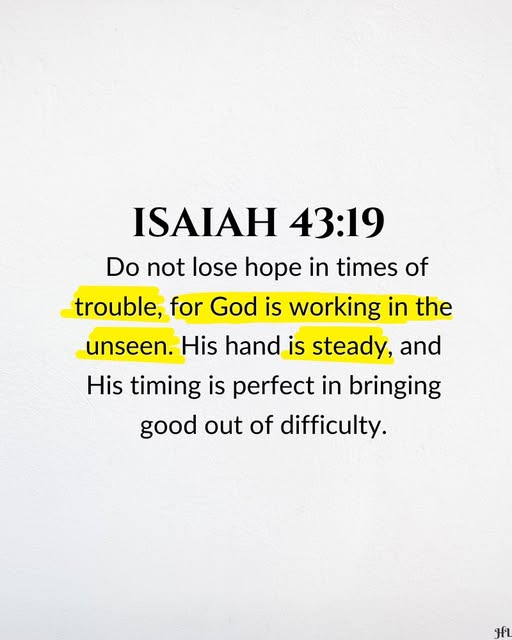
Faith Will Carry You Through It

Most Travelers Skip These 12 Reusable Essentials—and Regret It Later

What would happen if all the bees disappeared – Search

What Happens When the EcoSystem Crashes – Search

What Happens When the Economy Crashes – Search

What’s Killing the Butterfly Population – Search

What’s Killing the Bird Population – Search

If all bees disappeared, the consequences would be severe:

What would happen if all the bees disappeared

In summary, the disappearance of bees would lead to a collapse of food systems and ecosystems, affecting both human and animal life. – Search

If all the bees disappeared, the consequences would be profound and far-reaching—not just for nature, but for humanity too. 🐝 

Let’s break it down:

🌸 Ecological Impact

Bees are key pollinators for many plants. Without them:

  • Wild plants that rely on bee pollination would decline or vanish.
  • Biodiversity would suffer, as many animals depend on those plants for food and habitat.
  • Ecosystems would destabilize, affecting everything from birds to mammals to soil microbes.

🥦 Agricultural Consequences

Bees pollinate about 75% of the crops we eat. Their disappearance would mean:

  • Reduced yields of fruits, vegetables, nuts, and seeds (e.g., apples, almonds, blueberries, cucumbers).
  • Increased reliance on manual pollination, which is expensive and inefficient.
  • Higher food prices and less variety in our diets.

🍯 Economic Fallout

The global economic value of pollination by bees is estimated in the hundreds of billions of dollars annually.

  • Farmers and food industries would face massive losses.
  • Jobs tied to agriculture and food production would be at risk.
  • Developing countries that rely on pollinator-dependent crops would be hit hardest.

🧬 Scientific & Medical Ramifications

Some plants pollinated by bees are used in medicine and research.

  • Loss of these plants could hinder drug development and scientific studies.
  • Genetic diversity in crops would shrink, making them more vulnerable to disease and climate change.

🌍 Long-Term Global Effects

  • Food insecurity would rise, especially in vulnerable regions.
  • Climate change could worsen, as plant life plays a role in carbon sequestration.
  • Cultural traditions tied to beekeeping and pollinator-friendly farming would fade.

Want to dive deeper into how we could prevent this scenario—or explore what other pollinators might step in to help? 🦋

How would ecosystems change without any pollinators?

If all pollinators disappeared—not just bees, but butterflies, moths, bats, birds, and beetles—the entire ecosystem would undergo dramatic and destabilizing changes.

Here’s how:

🌿 Collapse of Plant Reproduction

  • 85% of wild plant species rely on pollinators for reproduction.
  • Without pollinators, many plants would fail to produce fruits or seeds, leading to a decline in plant diversity.
  • Plants that depend on animal pollination would be outcompeted by wind-pollinated or self-pollinating species.

🐛 Ripple Effects on Wildlife

  • Herbivores would suffer from reduced food availability as flowering plants decline.
  • Insect-eating animals like birds, bats, and fish would face food shortages due to declining insect populations.
  • Predators higher up the food chain would also be affected, creating a cascading effect throughout ecosystems.

🌎 Ecosystem Instability

  • Pollinators help maintain biodiversity, which stabilizes ecosystems.
  • Their loss would unravel the “fabric” that keeps ecosystems resilient to change.
  • Soil health, water cycles, and carbon storage could all be disrupted due to changes in plant communities.

🧬 Genetic Bottlenecks

  • Fewer pollinators mean less cross-pollination, reducing genetic diversity in plants.
  • This makes plants more vulnerable to disease, pests, and climate change.

🚨 Real-World Example: Colony Collapse Disorder

  • A phenomenon where bees abandon their hives en masse, often linked to pesticide use and climate change.
  • It’s a warning sign of what could happen on a larger scale if pollinator populations continue to decline.

Pollinators are the unsung heroes of ecological balance.

Their disappearance wouldn’t just be a loss—it would be a slow unraveling of life as we know it. Want to explore how we can protect pollinators or what alternatives (like robotic pollinators) scientists are exploring?

1bing.com 2climateconnection.org.in

How would different ecosystems uniquely respond to the loss of pollinators?

Great question! Different ecosystems would respond to the loss of pollinators in unique complex ways, depending on their reliance on pollinator-driven plant reproduction.

Here’s a breakdown of how various ecosystems might be affected:

🌳 Forest Ecosystems

  • High biodiversity means many plants rely on pollinators like bees, butterflies, and bats.
  • Loss of pollinators would reduce fruit and seed production, affecting animals that depend on them for food.
  • Tree species that rely on pollinators could decline, altering forest structure and canopy dynamics.

🌾 Grasslands & Prairies

  • These ecosystems are dominated by flowering plants that depend heavily on insect pollinators.
  • Without pollinators, plant diversity would plummet, leading to dominance by wind-pollinated grasses.
  • This shift would reduce habitat quality for birds, small mammals, and insects.

🏜️ Desert Ecosystems

  • Many desert plants have specialized pollination relationships with native bees and moths.
  • Loss of these pollinators would threaten rare and endemic species, potentially leading to local extinctions.
  • Desert ecosystems are already fragile, so pollinator loss could tip them into collapse.

🏞️ Mountain Ecosystems

  • Alpine plants often rely on short-season pollinators like bumblebees.
  • Pollinator loss would disrupt seasonal flowering cycles, affecting herbivores and migratory species.
  • Reduced plant diversity could lead to soil erosion and loss of water retention.

🌆 Urban Ecosystems

  • City parks and gardens depend on pollinators to maintain green spaces and biodiversity.
  • Pollinator loss would reduce flowering plants, impacting urban wildlife and human well-being.
  • Cities might see more invasive species that don’t rely on pollinators, further degrading native ecosystems.

🌊 Coastal & Wetland Ecosystems

  • Many wetland plants rely on flies, beetles, and bees for pollination.
  • Loss of pollinators would reduce seed dispersal and plant regeneration, affecting water filtration and flood control.
  • Wetlands could become dominated by non-flowering or invasive species.

🧠 A Hidden Effect: Competitive Shifts

Research shows that when pollinators decline, plants compete more aggressively for the few remaining pollinators. This favors common, showy species and disadvantages rare ones, leading to a loss of biodiversity and ecosystem resilience.

Would you like to explore how climate change or human activity accelerates these effects—or how we might restore pollinator populations in specific ecosystems?

1www.earth.com 2www.princeton.edu

How does climate change affect pollinator populations?

Climate change is having a major and multifaceted impact on pollinator populations, affecting their survival, behavior, and the ecosystems they support.

Here’s how:

🌡️ Rising Temperatures

  • Heat stress reduces bees’ productivity and weakens their immune systems.
  • Warmer climates can disrupt life cycles, causing mismatches between pollinators and flowering plants.
  • Some species, like butterflies, rely on temperature cues for migration—climate shifts can lead to early or mistimed migrations, leaving them without food or breeding grounds.

🌧️ Altered Weather Patterns

  • Increased droughts and extreme weather events reduce nectar availability and plant diversity.
  • Pollinators like caterpillars and bees struggle to survive in prolonged dry conditions, which also make them more vulnerable to disease.
  • This link is a list of the average statewide temperature in the month of January in Ohio for each year from 1895–2025. It is a statewide average over the entire territory of the state, based on data from the NOAA.

🌸 Phenological Mismatches

  • Flowers are blooming earlier each year, sometimes by a full month compared to 45 years ago.
  • This means pollinators may arrive too late to feed or pollinate, disrupting reproduction for both plants and insects.

🏞️ Habitat Loss & Fragmentation

  • Climate change exacerbates habitat degradation, pushing pollinators out of their native ranges.
  • Fragmented habitats make it harder for pollinators to find food, shelter, and mates.

🧬 Nutritional Decline

  • Climate change can reduce the protein content of pollen, which is vital for bee health and development.
  • Poor nutrition weakens pollinators, making them more susceptible to pathogens and pesticides.

🌍 Regional Differences

  • Effects vary by location: droughts in the Southwest U.S. are already driving pollinator declines.
  • Some pollinators may adapt or shift ranges, but many specialized species face extinction risks.

🚨 Compounding Threats

  • Climate change doesn’t act alone—it amplifies other threats like pesticide exposure, invasive species, and disease.
  • For example, Monarch butterflies are declining due to climate-driven loss of milkweed and confusion caused by invasive lookalikes.

Would you like to explore how specific pollinator species are adapting—or what conservation strategies are working best in different regions?

1Devdiscourse 2www.nps.gov 3extension.illinois.edu  4www.endangered.org Endangered Species Coalition

How does climate change impact other wildlife species?

Climate change is reshaping the lives of wildlife across the globe, often in devastating ways. Here’s a comprehensive look at how different species are being affected:

🌍 Broad Impacts Across Species

According to a recent study, at least 3,500 animal species are directly threatened by climate-related stresses like rising temperatures, extreme storms, and drought. These threats are now considered as serious as habitat destruction and overexploitation.

🐠 Marine Life

  • Oceans absorb most of the planet’s heat, making marine invertebrates especially vulnerable.
  • Events like the 2016 coral bleaching in Australia’s Great Barrier Reef affected nearly 30% of the reef.
  • In the North Pacific, extreme warm spells disrupted food chains, causing mass die-offs of fish and seabirds.

🐦 Birds & Migratory Species

  • Climate change confuses seasonal cues for migration, nesting, and mating.
  • Birds may arrive at breeding grounds too early or too late, missing critical food sources like insects or seeds.
  • Species like the Western snowy plover and Northern spotted owl are at risk due to habitat shifts.

🦭 Mammals & Amphibians

  • Polar bears lose hunting grounds as Arctic ice melts.
  • Amphibians like the California red-legged frog are threatened by changing water availability and temperature.
  • Extreme heatwaves have killed billions of clams and snails in North America.

🌳 Ecosystem-Level Effects

  • Tropical forests lose carbon storage capacity when seed-dispersing animals decline, reducing their ability to fight climate change.
  • Forests with fewer animals absorb up to 57% less carbon, weakening their climate resilience.

🧬 Adaptation Challenges

  • Many species must migrate over 1,000 meters per year to stay within suitable climate zones—but most can’t move that fast.
  • Less mobile species face extinction, while ecosystems may become dominated by invasive or “weedy” species.

🚨 The Urgency

  • Some biologists estimate that up to 35% of animals and plants could go extinct in the wild by 2050 due to climate change.
  • Rapid climate shifts outpace many species’ ability to adapt or relocate, making mass mortality events more common.

Would you like to explore how conservation efforts are helping specific species—or how climate change is affecting ecosystems like rainforests, tundras, or coral reefs?

What is the ecosystem-level effects of climate change?

Climate change is reshaping ecosystems in complex and cascading ways, affecting everything from species survival to the services ecosystems provide to humans.

Here’s a breakdown of the ecosystem-level effects:

🌡️ Rising Temperatures

  • Species migration: Animals and plants shift their ranges toward cooler areas (poleward or higher altitudes), disrupting predator-prey relationships and causing competition with native species.
  • Phenological mismatches: Timing of biological events like flowering, breeding, and migration is thrown off. For example, insects may emerge before plants bloom, leading to starvation and reproductive failure2.
  • Coral bleaching: Warmer oceans cause corals to expel symbiotic algae, leading to mass coral death and loss of biodiversity hotspots.

🌧️ Altered Precipitation & Extreme Weather

  • Droughts: Kill plants, reduce water availability, and increase wildfire risk2.
  • Flooding: Damages habitats, causes soil erosion, and disrupts aquatic ecosystems.
  • Storm intensity: More frequent and severe storms can devastate fragile ecosystems and alter landscape structure.

🌊 Oceanic Changes

  • Ocean acidification: Increased CO₂ lowers pH levels, harming shell-forming organisms and disrupting marine food webs.
  • Warmer waters: Affect fish populations, reduce oxygen levels, and shift marine species distributions.

🐾 Biodiversity Loss

  • Local extinctions: Species unable to adapt or migrate fast enough face extinction.
  • Invasive species: Climate change favors hardy, fast-growing species that outcompete natives, reducing biodiversity.
  • Disrupted food webs: Changes in species abundance and behavior ripple through ecosystems, affecting everything from microbes to apex predators.

🌱 Ecosystem Services Decline

  • Reduced carbon storage: Forests and wetlands lose capacity to absorb CO₂ when species decline or die off.
  • Erosion control: Loss of vegetation weakens soil stability, increasing erosion and sedimentation.
  • Pollination & seed dispersal: Declines in pollinators and seed-dispersing animals reduce plant reproduction and regeneration.

🧬 Real-World Examples

  • Snowshoe hares: Their white winter coats now stand out against earlier snowmelts, making them easy prey.
  • Brown bears in Alaska: Switching from salmon to elderberries due to earlier berry ripening, which affects other species that rely on salmon carcasses.

Climate change doesn’t just affect individual species—it reshapes entire ecosystems, often in unpredictable ways. Would you like to explore how specific ecosystems (like rainforests, tundras, or coral reefs) are responding—or how restoration efforts are helping?

Floods in the United States before 1900 – Wikipedia

Floods in the United States (1900–1999) – Wikipedia

Floods in the United States (2000–present) – Wikipedia

1iere.org 2sigmaearth.com 3Milwaukee Journal Sentinel | MSN

4www.epa.govClimate Change Impacts on Ecosystems | US EPA5 101

American Bucket-List Sights To See Before You Die

There is great interest in the topic of how long humanity will be able to exist on the Earth. For many years people have contemplated the apocalyptic visions of the world, with ancient civilizations such as the Mayans attempting to estimate when it would be. Nowadays however, science provides a more reasonable approach. 

The Documentary Below is a Must Watch!!!

Nature | The Serengeti Rules | Season 38 | Episode 2 | PBS  Station Logo

Description: Explore some of the most remote and spectacular places on Earth with a pioneering group of scientists who make surprising discoveries that transform human understanding of nature and ecology. Broadcast In: English

Based on a book The Serengeti Rules – Search (bing.com) of the same name. 

Ecosystem Collapse PBS SPECIAL – Search Videos

*******

Unseen Dangers: Climate Change’s Daily Toll on Human Health | Watch

Best Places to Survive Climate Change—Where You’ll Be Safe in 2050

Meteorologist issues post-storm warning amid worsening crisis — what you need to know

10 Times Scientists Warned the US About Climate Change – and Were Ignored | Watch

Renowned astrophysicist Stephen Hawking and other Nasa affiliated scientists have studied such chances and risks, mentioning climate change and resource scarcity as two important ones.

Stephen Hawking sounds the alarm:

Humans may not be able to replicate naturally existing Earth environments until 2600. Among the many elites exceptionally skilled in modeling the future of the Earth, Stephen Hawking stood out as a singular authority. The Search for a New Earth Dawkins documentary scandalously stated that things might take another hundred years or so before life on earth could be sustained.

He even imagined a future where looking at the planet he would just see a big ball of fire. This fear was rooted in problems such as global warming, and the perils of climate change in general, a strong greenhouse effect. He warned that there were these environmental problems that could turn the Earth into a desert in the future if not tackled. Back to the recalibration of water. His warning sounds emphatic of what got the African period the said urban level to extreme management of humans’ footprint on the Earth’s efficient level.

Is climate change something to be afraid of?

Stephen Hawking’s perspective on the changes in the world.

While NASA upholds some facets of Hawking’s concept, it refrains from narrowing down on any time figure. The space organization rather stresses the need for caution against the full exploitation of the resources of the earth’s crust instead, saying that the world at the present pace is likely to tear the planet apart within a very short time.

Exhausting sources such as crude oil and natural vegetation territories increases the pressure on an already vulnerable environment, causing more risk to the continuation of life on mother nature. Regarding this, flare programs have been set up by NASA aimed at reducing the threats to the environment that include observation of climate change as well as encouraging initiatives to minimize the effects of human activities. To save Earth, as understood by NASA, one must first study the Earth in depth and trying to do that involves a lot of science.

NASA’s emphasis on planetary defense:

Shielding the Earth from celestial threats

Besides exploring how uniform climate is waning, NASA also investigates threats coming from space. Planetary Defense Coordination office of NASA, in this case works to save the Earth from, say asteroid hits, which are hazards among others that may cause destruction on earth.

Keeping the worrisome through supervision of these objects is what NASA intends. Alongside, NASA also spends a lot of its finances in Earth observation including changes in atmospheric factors, oceans and polar regions that contribute to global warming trends among others. These activities show how active this strategy is, as it incorporates both approaches in its efforts towards protection of the planet.

From the warnings issued by Stephen Hawking and the research carried out by NASA, there is no time to waste and hence solutions must be pursued with urgency. For instance, Hawking’s forecast tells of what may happen if nothing is done, averaging in the fact that NASA proposes what can be done to avert the calamity.

Solutions for which environmental sustainability is called for, climate change crisis mitigated, and biodiversity preserved are all critical in ensuring that there is life maintained on the surface of the planet. The future of the Earth therefore lies on the ability of the people to compromise and do the restoration of the harm that has been inflicted on the planet. There are straightforward warnings from science and so it is either humanity will act, or the world will be no more like it is today.


image.png

9 Presidents Who Screwed Up America: And Four Who Tried to Save Her

By Brion T. McClanahan

The Beliefs of the United States Founding Fathers Has Been Broken!!!

Jul 4, 2025 · When the Founding Fathers replaced their king with a new system of government, they were keen on preventing the fledgling nation from reverting back to monarchy.

 It Didn’t Start with Barack Obama and His Muslim Brotherhood – Search

America is well on her way to becoming a banana republic.

With presidents signing patently unconstitutional legislation, refusing to enforce laws they don’t like, and even making appointments without the advice and consent of the Senate, it’s clear that the federal Republic our Constitution established is hanging by a thread. And yet the chances that a president who has flouted our founding document and the very rule of law will be impeached are slim to none.

What is a Banana Republic – Search Videosis a term used to describe a politically and economically unstable country that relies heavily on the export of a single product, often agricultural, such as bananas. The term was coined by American writer O. Henry in the early 20th century. These countries typically have economies controlled by foreign-owned companies and are characterized by socioeconomic stratification and political corruption.

Americans seem to have resigned themselves to the exact form of government that the framers and ratifiers of our Constitution feared most: the tyranny of an elected monarch. The executive branch of the U.S. federal government has grown so far beyond the bounds set for it in our Constitution that Americans can no longer claim to govern ourselves. 

We only get the chance to pick the man who will spend four years legislating unilaterally with his pen, waging undeclared wars, and usurping still more powers that the people and the states never delegated to the federal government in the first place.

But how did we get here?

9_Pres_IntroChapter.pdf  

Step by unconstitutional step, as historian Brion McClanahan reveals in Nine Presidents Who Screwed Up America—And Four Who Tried to Save Her. McClanahan’s ranking of the presidents is surprising—because he judges them on the only true standard: whether or not they kept their oath of office to “preserve, protect and defend the Constitution of the United States.”

PART I: THE NINE WHO SCREWED UP AMERICA 1 Andrew Jackson and the Antecedents of the Imperial Presidency 3 2 Abraham Lincoln 25 3 Theodore Roosevelt 35 4 Woodrow Wilson 55 5 Franklin D. Roosevelt 75 6 Harry S. Truman 99 7 Lyndon B. Johnson 119 8 Richard M. Nixon 141 9 Barack Obama 161 

 PART II: THE FOUR WHO TRIED TO SAVE HER 10 Thomas Jefferson 189 11 John Tyler 209 12 Grover Cleveland 231 

Side Note; Bill and Hillary Clinton and Daddy and Wubba Bush 🤣

United States of Secrets, Part One (full documentary) | FRONTLINE  

United States of Secrets, Part Two (full documentary) | FRONTLINE – Search

4 Shocking Prophetic Signs of the End Times Visible Worldwide | Perry Stone

What if we’re already living in the final chapter of Bible prophecy? 

In this compelling message, Perry Stone reveals four shocking prophetic signs that confirm we are nearing the end of the age. These signs aren’t hidden—they’re visible right now across the globe, pointing clearly to the fulfillment of end-time prophecy. Drawing from Luke 21 and Revelation, Perry Stone explains how the rejection of repentance, the fullness of iniquity, violent covenant breaking, and a global outpouring of the Holy Spirit are all signals that the return of Christ is drawing near. 

This message is both a wake-up call and a source of hope for believers who long to understand where we are on God’s timeline. Don’t miss this urgent prophecy update.

If you’re watching this and your heart feels stirred, it’s not too late to return to God. Subscribe for more end-time prophecy insights, comment your thoughts, and share this message with someone who needs to hear the truth.

 0:00 Intro – A Special Prophetic Update 1:10 Luke 21: The Trigger Verse for This Message 2:30 Sign #1 – The Global Rejection of Repentance 7:00 Sign #2 – The Cup of Iniquity Is Now Full 12:30 Sign #3 – When Covenant Breakers Turn Violent 15:55 Sign #4 – A Worldwide Youth-Led Outpouring Begins
Romans 8:28 – Search

BONUS: Endtime Climate Catastrophes – Search

Anne Wilson Testimony: My Brother’s Passing Led to God’s Calling| Praise on TBN

How God Helped Anne Wilson Heal After Losing Her Brother | This Is My Story

Anne Wilson – God Story (Official Performance Lyric Video)

Anne Wilson – Strong (Official Performance Lyric Video)

Anne Wilson ft. Lainey Wilson – “Praying Woman”

Anne Wilson – My Jesus (Live In Nashville)

Anne Wilson My Jesus Playlist – YouTube

Anne Wilson – My Story (Official Video)

Anne Wilson My Jesus Playlist – YouTube
Posted in Uncategorized | Leave a comment

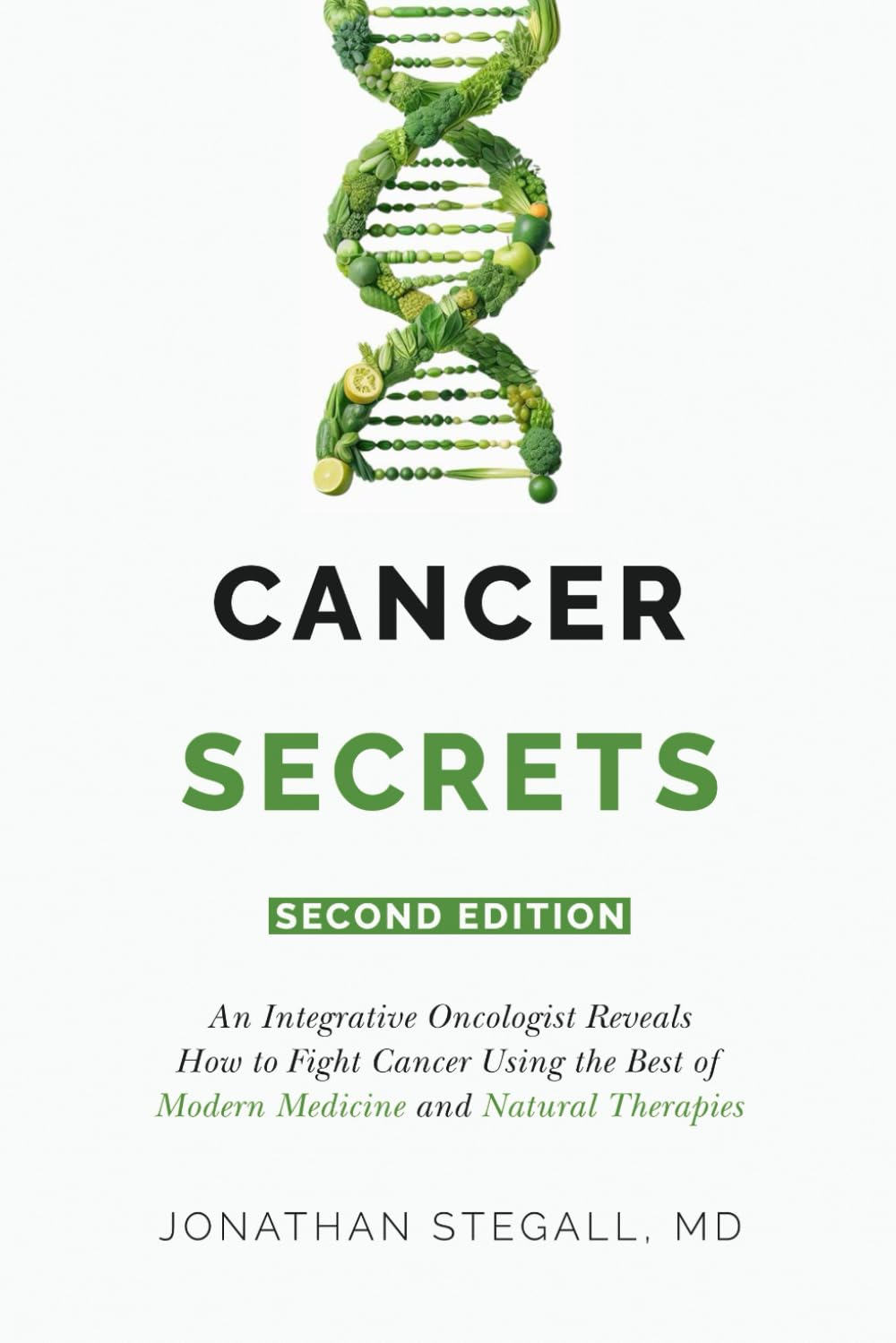
Cancer Secrets

Cancer Secrets: An Integrative Oncologist Reveals How to Fight Cancer Using the Best of Modern Medicine and Natural Therapies: Stegall, Jonathan: Amazon.com: Books

by Jonathan Stegall (Author)

4.5 4.5 out of 5 stars   556 ratings


Cancer stands as the second-leading cause of death in the United States, on the precipice of overtaking heart disease as the foremost killer. This year, within the United States alone, a staggering 1.9 million new cancer cases are projected, accompanied by an unfortunate toll of over 600,000 cancer-related fatalities.

It’s a somber truth that the battle against cancer appears to be slipping from our grasp. In the midst of this challenging landscape, cancer patients and their families find themselves navigating a labyrinth of emotions and uncertainties.

As they seek understanding, they turn to oncology books and online resources, yearning for insights and answers while grappling with the question of who to trust. The debut release of the forward-thinking book on cancer, Cancer Secrets, made waves in 2018, emerging as a bestseller that ushered in valuable enlightenment for countless cancer patients and their families.

Now, the highly anticipated second edition of Cancer Secrets – Search carries forth integrative oncologist Jonathan Stegall, MD’s commitment to disseminate the latest, most forward-thinking and practical information about cancer in an easy-to-read cancer book. Dr. Stegall’s insights are rooted in his thriving integrative oncology practice located in Atlanta, GA.

Through hands-on involvement with his patients, Dr. Stegall’s open-minded approach has garnered a comprehensive understanding of which approaches have proven effective and which ones fall short in the realm of cancer treatment.

Within the pages of this indispensable anti-cancer book, readers can expect a treasure trove of insights they aren’t likely to find elsewhere. A “must-have” resource for those engaged in fighting cancer, this comprehensive book on cancer is an invaluable companion for individuals who are seeking expert guidance on integrative cancer modalities to help them on their cancer journey.

The 5 Stupidest Things Americans Overspend On (Hint: Coffee Isn’t One of Them). – Betterbuck™

The Cancer Resolution?: Cancer reinterpreted through another lens: Lintern, Mark: 9798394715839: Amazon.com: Books

How I Live with Stage 4 Metastatic Prostate Cancer | Mark’s Success Story.

While undergoing cancer treatment at Cleveland Clinic, Scott Hamilton, an Olympic gold medalist in figure skating, discovered that it was difficult to find a reliable online resource where information about chemotherapy was presented in a clear, easy to understand and easy to locate format.

As a result, his idea to create a patient friendly website was born.

Home Page – Chemocare went online in December 2002 to provide cancer patients and their caregivers with clear and accurate information about chemotherapy, and to empower them to become active participants in their treatment.

Several updates to the site since 2002 include translating the website into Spanish, becoming mobile friendly, educational videos, as well as continuing to add and update all FDA approved drugs for the treatment of cancer.

Chemocare.com is a comprehensive resource for cancer patients and their caregivers that provides chemotherapy drug and side effect information, cancer wellness information, and links to additional reliable resources and organizations

All information provided on this website is created and reviewed by a multidisciplinary team at Cleveland Clinic or is referenced from reliable community resources.

Mission:

To provide education and resources for those undergoing cancer treatment and their caregivers.

📘 “Cancer Secrets” by Dr. Jonathan Stegall is a comprehensive guide that blends modern medical treatments with natural therapies to help patients fight cancer more effectively. Here’s a closer look at what the book offers:

🧠 What It’s About

  • Written by Dr. Jonathan Stegall, a leading integrative oncologist based in Atlanta, Georgia.
  • Combines conventional oncology with alternative and natural therapies.
  • Offers practical, science-based strategies for patients, caregivers, and survivors.

📚 Key Features

  • Covers topics like:
    • Medical therapies (e.g., chemotherapy, immunotherapy)
    • Natural therapies (e.g., supplements, lifestyle changes)
    • Nutrition and intermittent fasting
    • Environmental factors and detox strategies
  • Includes bonus content like:
    • Smoothie recipes
    • Supplement guides
    • Lab interpretation tips
    • Daily affirmations and myth-busting insights

🔗 Where to Find It

You can www.amazon.com or explore more about Dr. Stegall’s work and educational resources at Cancer Secrets University. – Search

Would you like a summary of the book’s main strategies or a breakdown of the integrative therapies it recommends?  

1www.amazon.com 2drstegall.com   3.  image.png Amazon.com : the healing of cancer

Can you summarize the main strategies for fighting cancer?

Absolutely! Dr. Jonathan Stegall’s main strategies for fighting cancer in Cancer Secrets revolve around a personalized, integrative approach that combines the best of conventional medicine with evidence-based natural therapies.

Here’s a breakdown of the core principles:

🧬 1. Personalized Treatment Plans

  • Every patient is unique—cancer treatment should be tailored to the individual’s biology, cancer type, and lifestyle.
  • Uses advanced testing to guide therapy choices, including genetic markers and tumor profiling.

💉 2. Targeted Conventional Therapies

  • Advocates for low-dose chemotherapy (also known as insulin potentiation therapy) to minimize side effects while maintaining effectiveness.
  • Supports immunotherapyradiation, and surgery when appropriate, but always in a way that complements the body’s healing capacity.

🌿 3. Evidence-Based Natural Therapies

  • Incorporates supplements like curcumin, resveratrol, and medicinal mushrooms to support immune function and reduce inflammation.
  • Recommends detoxification protocols to reduce toxic burden from environment and treatment.
  • Encourages mind-body practices like meditation, prayer, and affirmations to reduce stress and improve outcomes.

🥗 4. Nutrition and Fasting

  • Promotes an anti-cancer diet: low sugar, high in vegetables, healthy fats, and clean protein.
  • Supports intermittent fasting and ketogenic strategies to starve cancer cells of glucose.
  • Advises avoiding processed foods, alcohol, and inflammatory ingredients.

🧪 5. Monitoring and Lab Testing

  • Regular blood work and imaging to track progress and adjust treatment.
  • Uses functional lab tests to assess nutrient levels, inflammation, and immune markers.

🧘 6. Emotional and Spiritual Support

  • Recognizes the importance of mental and emotional resilience in healing.
  • Encourages patients to build a strong support system and engage in spiritual practices that bring peace and purpose.

🧠 7. Education and Empowerment

  • Empowers patients to be active participants in their care.
  • Debunks common myths about cancer and treatment.
  • Provides tools for informed decision-making.

Supplementation and Nutrition Builds a Strong Immune System.
Nutrition plays a significant role in maintaining a strong immune system. While no single food or nutrient can completely prevent illness, a balanced diet rich in vitamins and minerals, along with healthy lifestyle factors like adequate sleep and exercise, can effectively prime the body to fight infection and disease. Vitamins such as Vitamin C, Vitamin D, and Vitamin E are particularly important for immune function. It is recommended to obtain these nutrients from food rather than supplements to maximize health benefits.

Loving Life Beats Fearing Cancer for a Strong Recovery – Search

What specific supplements are recommended for cancer support?

Certainly! Dr. Jonathan Stegall and other integrative oncology experts often recommend specific supplements that support the body during cancer treatment and recovery. These supplements are chosen for their anti-inflammatory, immune-boosting, and cancer-fighting properties.

Here’s a summary of some of the most commonly recommended ones:

🌿 Top Supplements for Cancer Support

SupplementBenefits
CurcuminAnti-inflammatory; may inhibit cancer cell growth and metastasis
ResveratrolAntioxidant found in grapes; supports cellular repair and immune health
Medicinal Mushrooms (e.g. Reishi, Turkey Tail)Boost immunity and may enhance chemotherapy effects
Vitamin DSupports immune function; low levels linked to higher cancer risk
Omega-3 (Fish Oil)Reduces inflammation; may help prevent cachexia and tumor growth
Coenzyme Q10Antioxidant; supports heart health and energy production
SeleniumDetoxifies heavy metals; may reduce prostate and other cancer risks
ChlorellaSuperfood rich in beta-carotene and B12; supports detox and nutrition
EGCG (Green Tea Extract)May inhibit cancer cell proliferation and angiogenesis
Vitamin EImmune booster; choose natural forms with mixed tocopherols
TheanineFound in green tea; promotes relaxation and may support immune balance
GenisteinSoy-derived compound; may block cancer-promoting hormones

These supplements are highlighted in research from sources like CANCERactive

 and WebMD’s comprehensive database for vitamins and supplements information from A to Z

⚠️ Important Notes

  • Quality matters: Choose high-quality, third-party tested supplements.
  • Avoid synthetic multivitamins: Some may contain iron or synthetic forms that can be harmful during cancer.
  • Consult your oncologist: Always discuss supplements with your care team to avoid interactions with treatments.

Would you like help creating a supplement schedule or learning which ones are best for a specific type of cancer?

What side effects should I be aware of with these supplements?

Great question—and a very important one. While many supplements can support cancer treatment, some carry risks or side effects, especially when used improperly or without medical guidance. 

Here’s a breakdown of what to watch out for:

⚠️ Potential Side Effects and Risks of Common Cancer Support Supplements

SupplementPossible Side Effects / Risks
CurcuminMay cause stomach upset or interfere with blood thinners; high doses can affect iron levels.
ResveratrolCan interact with blood pressure meds and anticoagulants; may cause headaches or GI upset.
Medicinal MushroomsGenerally safe, but may cause allergic reactions or interact with immunotherapy.
Vitamin DExcessive doses can lead to calcium buildup, kidney stones, or nausea.
Omega-3 (Fish Oil)May increase bleeding risk, especially with blood thinners or surgery.
Coenzyme Q10Can lower blood pressure; may interact with chemotherapy drugs.
SeleniumHigh doses can be toxic—causing hair loss, fatigue, and nerve damage.
ChlorellaMay cause digestive upset or allergic reactions; avoid in autoimmune conditions.
EGCG (Green Tea Extract)Can cause liver toxicity in high doses; may interfere with some cancer drugs.
Vitamin EHigh doses may reduce effectiveness of radiation or chemotherapy
TheanineGenerally safe, but may cause dizziness or lower blood pressure.
GenisteinHormone-sensitive cancers (e.g., breast) may be affected; consult an oncologist.

🚫 Supplements to Avoid or Use with Caution

According to experts:

  • High-dose antioxidants (like Vitamin C or E) may reduce the effectiveness of treatments that rely on oxidative stress to kill cancer cells3.
  • Glutamine may help with chemo side effects short-term, but long-term use could fuel tumor growth.
  • Glutathione/NAC might protect cancer cells during active treatment—best used after treatment ends.
  • Apricot seeds contain amygdalin, which converts to cyanide—research it for its for their benefits,
  • Iron should only be taken if you’re deficient; excess iron can promote cancer cell growth.

✅ Best Practices

  • Always consult your oncologist or integrative provider before starting any supplement.
  • Use lab testing to guide supplementation—don’t guess.
  • Choose high-quality brands with third-party testing.
  • Avoid megadose unless medically supervised.
  • Dr Van Merkle blood analysis – Search

Would you like help creating a safe supplement plan based on your treatment stage or type of cancer?

1bing.com  2www.cancercenter.com  3www.cancer.org   4flourishaftercancer.comflourishaftercancer.com

Can you explain how certain supplements interact with chemotherapy?

Absolutely—understanding how supplements interact with chemotherapy is crucial for safety and effectiveness. Here’s a summary based on current research and expert guidance:

⚠️ How Supplements Can Interact with Chemotherapy

Chemotherapy drugs are metabolized by the body through complex pathways, especially involving liver enzymes like cytochrome P450. Certain supplements can alter these pathways, leading to:

  • Reduced effectiveness of chemotherapy
  • Increased toxicity or side effects
  • Unpredictable drug levels in the bloodstream

🚫 Supplements Known to Interact Negatively

Supplement / FoodInteraction Risk
St. John’s WortIncreases liver enzyme activity; can reduce drug levels, making chemo less effective
Grapefruit JuiceInhibits liver enzymes; can increase drug levels, leading to toxicity
Green Tea (EGCG)May alter drug metabolism; high doses linked to liver toxicity
High-dose Antioxidants (Vitamin C, E)May protect cancer cells from oxidative damage caused by chemo
IronCan promote tumor growth if not deficient; may interfere with some chemo drugs
GinsengMay affect blood sugar and interact with hormone-sensitive cancers

✅ Safer Supplement Practices During Chemotherapy

  • Avoid megadoses of any supplement unless prescribed.
  • Time supplements carefully—some may be safer between chemo cycles.
  • Use lab testing to guide nutrient needs (e.g., Vitamin D, magnesium).
  • Consult your oncologist or pharmacist before starting any new supplement.

🧠 Why This Matters

According to the www.cancer.gov up to 36% of cancer patients use complementary therapies, but many don’t realize the risks. Supplements can change how drugs are absorbed, metabolized, or eliminated, which can dramatically affect outcomes.

Would you like help identifying which supplements are safest during your specific chemo regimen or treatment stage?

1gatewaycr.org   2www.cancer.gov  3beatcancer.eu

What are the most common supplements used with chemotherapy?

Certainly! When used carefully and under medical supervision, some supplements can help support the body during chemotherapy by reducing side effects, improving nutrient status, and enhancing overall well-being. Here’s a summary of the most commonly recommended supplements during chemotherapy:

🌿 Common Supplements Used During Chemotherapy

SupplementPurpose / Benefit
Vitamin DSupports immune function and bone health; linked to better survival outcomes
Fish Oil (Omega-3)Reduces inflammation and may help with cancer-related cachexia
Folic Acid / Folinic AcidUsed to reduce toxicity of certain chemo drugs like methotrexate
Magnesium & PotassiumOften depleted during chemo; helps with muscle function and heart rhythm
GingerEases nausea and vomiting; common chemo side effects
Milk ThistleMay support liver detoxification, though evidence is mixed
Fermented Wheat Germ ExtractClaimed to support immune function and reduce tumor growth
MultivitaminsCan help fill nutritional gaps, but should be low-dose and free of iron

⚠️ Important Considerations

🧠 Expert Insight

According to www.mdanderson.org

“Supplements may be needed if cancer treatment makes it difficult to get nutrients from food. But herbal supplements can interact negatively with prescription medicines.”

Would you like help building a supplement plan tailored to a specific chemo regimen or cancer type?

1bing.com  2www.mdanderson.org  3www.cancercenter.com

4www.webmd.comwww.webmd.com     image.png  5. Herbs, Vitamins & Supplements   

New Johns Hopkins Study: 7 Herbs Can Kill Lyme Bacteria | RawlsMD

john hopkins herbs – Search

🌿 What Makes It Unique

  • Combines conventional oncology with alternative therapies like nutrition, supplements, and lifestyle changes.
  • Written by a practicing integrative oncologist based in Atlanta, Georgia.
  • Offers practical, science-based insights from Dr. Stegall’s experience treating over 2,500 patients.
  • Includes guidance on:
    • Medical treatments
    • Natural therapies
    • Environmental factors
    • Nutrition and intermittent fasting
    • Supplement recommendations
    • Emotional and psychological support

🎓 Cancer Secrets University

Dr. Stegall also offers an online course through Cancer Secrets University, which expands on the book’s teachings with modules, recipes, and personalized planning tools.

Would you like a summary of key takeaways from the book or a breakdown of the integrative therapies it recommends?

1www.amazon.com  2drstegall.com  3cancersecrets.com

How can I apply the book’s recommendations in my life?

That’s a powerful question—and a great step toward taking control of your health. 💪 Dr. Stegall’s Cancer Secrets is designed to be actionable, not just informative. Here’s how you can apply its recommendations in your life, whether you’re a patient, survivor, caregiver, or simply focused on prevention:

🧭 Step-by-Step Guide to Applying Cancer Secrets

1. 🧑‍⚕️ Build an Integrative Care Team

  • Find an integrative oncologist or a conventional doctor open to complementary therapies.
  • Include professionals like:
    • Nutritionists
    • Naturopaths
    • Mental health counselors
    • Physical therapists

Tip: If you can’t find an integrative oncologist nearby, consider virtual consultations or use the book as a guide to discuss options with your current doctor.

2. 🥗 Revamp Your Nutrition

  • Follow an anti-inflammatory, low-sugar diet rich in:
    • Cruciferous vegetables (broccoli, kale)
    • Healthy fats (olive oil, avocado)
    • Clean proteins (wild-caught fish, organic poultry)
  • Avoid:
    • Processed foods
    • Refined sugars
    • Artificial additives

Dr. Stegall emphasizes intermittent fasting and metabolic therapies to starve cancer cells of glucose.

3. 💊 Use Targeted Supplements

  • Common recommendations include:
    • Vitamin D
    • Curcumin
    • Omega-3 fatty acids
    • Medicinal mushrooms (e.g., reishi, turkey tail)
  • Always consult your doctor before starting supplements, especially during treatment.

4. 🧘‍♀️ Support Your Mind and Emotions

  • Practice stress-reduction techniques:
    • Meditation
    • Prayer
    • Journaling
    • Gratitude exercises
  • Seek emotional support through therapy or support groups.

Mental health is a key pillar in Dr. Stegall’s approach—he sees emotional resilience as essential to healing.

5. 🧪 Understand and Monitor Your Biomarkers

  • Track markers like:
    • Inflammation (CRP)
    • Blood sugar (HbA1c)
    • Vitamin D levels
    • Tumor markers (if applicable)
  • Use these to personalize your treatment and lifestyle changes.

6. 🏃‍♂️ Stay Physically Active

  • Engage in gentle, consistent movement:
    • Walking
    • Yoga
    • Resistance training
  • Exercise boosts immunity, reduces inflammation, and improves mood.

7. 🧼 Reduce Environmental Toxins

  • Filter your water and air
  • Use non-toxic cleaning and personal care products
  • Avoid plastics and endocrine disruptors

8. 📚 Educate Yourself Continuously

  • Read Cancer Secrets alongside other trusted resources
  • Consider enrolling in Cancer Secrets University for structured learning

🔄 How to Start Today

ActionTimeframeImpact
Clean up your dietThis weekHigh
Begin meditationTodayModerate
Schedule labsThis monthHigh
Research local integrative providersThis weekHigh
Start walking dailyTodayModerate

Would you like help creating a personalized plan based on these principles? I can help you build a weekly routine or even a checklist to get started.What are effective stress-reduction techniques?

Absolutely—reducing stress is one of the most impactful things you can do for your overall health, especially when dealing with cancer or chronic illness.

Stress Does Not Cause but Can Cause it to Spread – Search

Here are some evidence-based stress-reduction techniques you can start using today:

🧘‍♀️ Top Stress-Reduction Techniques

1. 🌬️ Deep Breathing

  • How it works: Activates the parasympathetic nervous system to calm your body.
  • Try this: Inhale for 4 counts, hold for 4, exhale for 6. Repeat for 5–10 minutes.
  • Why it helps: Lowers cortisol and improves oxygen flow to the brain.

2. 🧠 Mindfulness & Meditation

  • Types: Guided meditation, body scan, loving-kindness meditation.
  • Benefits: Reduces anxiety, improves emotional regulation, and enhances focus.
  • Apps to try: Headspace, Insight Timer, Calm.

3. 🧍‍♂️ Progressive Muscle Relaxation

  • How it works: Tense and release muscle groups one at a time.
  • Why it helps: Releases physical tension and promotes body awareness.

4. 🧘 Yoga & Gentle Movement

  • Styles: Hatha, restorative, or yin yoga.
  • Benefits: Combines breath, movement, and mindfulness to reduce stress hormones.

5. 🚶‍♀️ Exercise

  • Best choices: Walking, swimming, dancing, tai chi.
  • Why it helps: Releases endorphins and improves sleep quality.

6. 🧴 Aromatherapy

  • Scents to try: Lavender, bergamot, frankincense.
  • How to use: Diffusers, essential oils on pulse points, or in a bath.

7. 📓 Journaling

  • Focus areas: Gratitude, emotional release, goal setting.
  • Why it helps: Clarifies thoughts and reduces mental clutter.

8. 🤗 Social Connection

  • What to do: Call a friend, join a support group, spend time with loved ones.
  • Why it helps: Emotional support buffers against stress and improves resilience.

9. 🎨 Creative Expression

  • Activities: Painting, music, writing, crafting.
  • Why it helps: Engages the brain in flow states and provides emotional release.

10. 🛌 Sleep Hygiene

  • Tips: Stick to a schedule, avoid screens before bed, create a calming routine.
  • Why it helps: Poor sleep increases stress sensitivity and impairs recovery.

🧭 How to Start

TechniqueTime NeededBest For
Deep breathing5–10 minImmediate relief
Meditation10–20 minDaily stress
Journaling10 minEmotional clarity
Walking20–30 minPhysical & mental boost
Yoga30–60 minMind-body balance

If you’d like, I can help you build a personalized daily stress-reduction routine or recommend specific meditations or breathing exercises to try. Want to go that route?

1scientificorigin.com  2positivepsychology.com  3www.verywellmind.com

What is the science behind these stress-reduction techniques?

Great question! The science behind stress-reduction techniques is both fascinating and well-supported by research. These methods work by modulating your nervous systembalancing hormones, and enhancing brain function. Here’s a breakdown of how and why they work:

🧠 The Science Behind Stress-Reduction Techniques

1. 🌬️ Breathwork

  • Mechanism: Activates the parasympathetic nervous system (rest-and-digest mode), reducing the fight-or-flight response.
  • Benefits:
    • Lowers cortisol (stress hormone)
    • Increases heart rate variability (HRV), a marker of emotional resilience
    • Enhances oxygenation and cognitive performance
  • Evidence: Meta-analyses show breathwork significantly reduces stress, anxiety, and depression.

2. 🧘‍♂️ Mindfulness & Meditation

  • Mechanism: Trains the brain to stay present, reducing rumination and emotional reactivity.
  • Benefits:
    • Shrinks the amygdala (fear center)
    • Strengthens the prefrontal cortex (decision-making and emotional regulation)
    • Increases gray matter density in areas linked to memory and empathy
  • Evidence: Proven to reduce symptoms of anxiety, PTSD, and occupational stress.

3. 🧍‍♀️ Progressive Muscle Relaxation

  • Mechanism: Releases physical tension and sends calming signals to the brain.
  • Benefits:
    • Reduces sympathetic nervous system activity
    • Improves sleep and lowers blood pressure
  • Evidence: Shown to reduce anxiety and depression, with effects lasting up to 14 weeks post-treatment.

4. 🚶‍♂️ Exercise

  • Mechanism: Boosts endorphins and brain-derived neurotrophic factor (BDNF), which supports brain health.
  • Benefits:
    • Improves mood and sleep
    • Reduces inflammation and stress hormone levels
  • Evidence: Regular moderate exercise is one of the most effective ways to combat stress.

5. 🧴 Aromatherapy

  • Mechanism: Essential oils stimulate the limbic system, which governs emotions and memory.
  • Benefits:
    • Promotes relaxation and emotional balance
    • May reduce anxiety and improve sleep
  • Evidence: Lavender and bergamot oils have shown measurable calming effects in clinical settings.

6. 📓 Journaling & Visualization

  • Mechanism: Helps process emotions and reframe negative thoughts.
  • Benefits:
    • Reduces mental clutter
    • Enhances self-awareness and emotional regulation
  • Evidence: Visualization techniques can trigger the relaxation response and lower stress hormones.

🔬 Summary Table

TechniqueKey MechanismScientific Benefit
BreathworkActivates parasympathetic systemLowers cortisol, improves HRV
MeditationRewires brain structureReduces anxiety, enhances focus
Muscle RelaxationReleases tensionImproves mood, sleep
ExerciseBoosts endorphins & BDNFEnhances resilience
AromatherapyStimulates limbic systemPromotes calm
VisualizationTriggers relaxation responseLowers stress hormones

Would you like help choosing the best technique for your lifestyle or building a science-backed daily routine?

1www.news-medical.net  2www.nccih.nih.gov  3bing.com

The science behind stress-reduction techniques is both fascinating and well-supported by research. These methods work by modulating your nervous systembalancing hormones, and enhancing brain function. Here’s a breakdown of how and why they work:


🧠 The Science Behind Stress-Reduction Techniques

1. 🌬️ Breathwork

  • Mechanism: Activates the parasympathetic nervous system (rest-and-digest mode), reducing the fight-or-flight response.
  • Benefits:
    • Lowers cortisol (stress hormone)
    • Increases heart rate variability (HRV), a marker of emotional resilience
    • Enhances oxygenation and cognitive performance
  • Evidence: Meta-analyses show breathwork significantly reduces stress, anxiety, and depression.

2. 🧘‍♂️ Mindfulness & Meditation

  • Mechanism: Trains the brain to stay present, reducing rumination and emotional reactivity.
  • Benefits:
    • Shrinks the amygdala (fear center)
    • Strengthens the prefrontal cortex (decision-making and emotional regulation)
    • Increases gray matter density in areas linked to memory and empathy
  • Evidence: Proven to reduce symptoms of anxiety, PTSD, and occupational stress.

3. 🧍‍♀️ Progressive Muscle Relaxation

  • Mechanism: Releases physical tension and sends calming signals to the brain.
  • Benefits:
    • Reduces sympathetic nervous system activity
    • Improves sleep and lowers blood pressure
  • Evidence: Shown to reduce anxiety and depression, with effects lasting up to 14 weeks post-treatment.

4. 🚶‍♂️ Exercise

  • Mechanism: Boosts endorphins and brain-derived neurotrophic factor (BDNF), which supports brain health.
  • Benefits:
    • Improves mood and sleep
    • Reduces inflammation and stress hormone levels
  • Evidence: Regular moderate exercise is one of the most effective ways to combat stress.

5. 🧴 Aromatherapy

  • Mechanism: Essential oils stimulate the limbic system, which governs emotions and memory.
  • Benefits:
    • Promotes relaxation and emotional balance
    • May reduce anxiety and improve sleep
  • Evidence: Lavender and bergamot oils have shown measurable calming effects in clinical settings.

6. 📓 Journaling & Visualization

  • Mechanism: Helps process emotions and reframe negative thoughts.
  • Benefits:
    • Reduces mental clutter
    • Enhances self-awareness and emotional regulation
  • Evidence: Visualization techniques can trigger the relaxation response and lower stress hormones.

🔬 Summary Table

TechniqueKey MechanismScientific Benefit
BreathworkActivates parasympathetic systemLowers cortisol, improves HRV
MeditationRewires brain structureReduces anxiety, enhances focus
Muscle RelaxationReleases tensionImproves mood, sleep
ExerciseBoosts endorphins & BDNFEnhances resilience
AromatherapyStimulates limbic systemPromotes calm
VisualizationTriggers relaxation responseLowers stress hormones

Would you like help choosing the best technique for your lifestyle or building a science-backed daily routine?

1neuro.wharton.upenn.edu  2link.springer.com   3neuroscience news.com

4Amazon.com: natural healing book for cancer 5Cancer Secrets – Search

After David Nethero’s diagnosis with cancer, he decided to focus on living well, even during chemotherapy. Using meditation and positive mental imagery, he feels he not only coped with the chemo, but grew during the experience as well. The Mental Mastery of Chemo

Posted in Uncategorized | Leave a comment

・Declare Your Reality ・

How the human mind shapes reality | Stanford Report

Positive Manifestation

Dr. Alia Crum’s work at Stanford’s Mind & Body Lab explores how beliefs (e.g., about stress or exercise) shape physiological responses. NOT that belief alone rewires the entire body instantly. – Search

In life you can’t control your circumstances only how you react to them!!!

When you look at STRESS from a different perspective something good comes from it. This idea is also supported by various quotes and insights that emphasize the power of perspective in shaping our responses to challenges.

Here are some key points to consider: Don’t Fight Reality.

Embrace Change: A shift in viewpoint can open up new possibilities and invite solutions that weren’t visible before.

Positive Mindset: By focusing on the positive aspects of any situation, you can break free from negativity and find opportunities for growth.

Self-Reflection: Understanding yourself and the world around you can lead to a more profound appreciation for the pressure you face.

Creative Expression: Encouraging others to reveal their perceptions and emotions can foster a more open and creative spirit.

By adopting a different perspective, you can transform the pressure you feel into an opportunity for growth and personal development. Remember, every challenge is an opportunity to learn and grow, not just to endure.

Insane but true. The brain doesn’t just react — it constructs your reality.

Stanford found that belief alone can shift how your body functions in real time.

Your thoughts aren’t background noise… they’re instructions.

I’m truly a believer that life is mind over matter.

You have people smoking cigarettes every day their entire lives and drinking coke and they live until 100 because they think it’s “good for them”. The brain is amazing.

The Sansa Mia Institute has verified this,,,Confirming what the Bible says. – Search

This is true and the foundation of many religions. Belief in a deity creates it to be true in the mind. The human mind is overflowing with creativity and imagination.

That’s why mantras of gratefulness are so important. I know how my brain works now after reading so much (Dr Bruce Lipton, Dr Joe Dispenza, Louise Hay etc.) I wish kids in high school could learn more about this so they can handle and have the tools for anxiety, depression, and self-image.

I’m 75 but I feel I’m still young so I mostly feel young in my body, with acknowledgement of some fading strength and stamina, and in my mind because I retain my curiosity and keep learning.

This is true! I rewired my brain using DNRS healed from chronic Me/CFS and MCAS!!!  The brain informs the body!!! I built new pathways, practiced gratitude and changed my life!!! Dick Gregory is on record saying that he beat cancer by thinking about it.

Follow (@manifestingtribes) to Manifest Your Dream Life! ✨

Your thoughts aren’t just noise.
They’re instructions, and your body is always listening.

Stanford researchers found that belief alone can shift biology: It can lower pain, reduce stress, and even change hormone levels, just through mindset.

Your brain isn’t just observing life.
It’s building it one thought at a time.

Ready to rewire yours?

RESET for the guided hypnosis by Karen Tulloch (@karentullochwellbeingyourbest) which helps retrain your nervous system to feel safe and supported.

Based on this Stanford research: How the human mind shapes reality | Stanford Report

And what you believe becomes true for you!

Proving that as Ernest Holmes taught, we can create our own reality! ❤️

The Power of Life and Death is in the tongue – Proverbs 18!!!! God knows!!!! 🙌

When do they tell western medicine? Is there a conference meeting scheduled? 📅

My nervous system would feel much better reading this without that annoying background music!

Now they know!! Synergy With Iram (@synergy_with_iram) – Instagram

Yup! When I was super depressed when I was younger, my doctor prescribed me anti depressants. I went on them, and shortly after I began to feel a lot better. When I went back to the doctor to follow up to see how I was doing on the medication. That’s when he told me the pill was a placebo, and I healed myself with my mind simply based on the fact that I believed I was taking something to heal my mind. 🙌

As Shakespeare said: “….there is nothing either good or bad, but thinking makes it so”. Your suffering comes not from fate, but from your own mind’s judgment of events.

These studies all involved deception so yes, thoughts can rewire your brain if you believe what you’re telling it.

It is however a little hard to deceive yourself😃

@riseabovewithheb If I tell myself I’m a millionaire but I know I’m not, how would I convince myself to believe otherwise?

@christineserves That’s a really valid question, and it shows awareness of the inner conflict most people experience when trying to shift their beliefs. Here’s how I see it,

From a manifestation point of view:
You’re not trying to lie to yourself. You’re planting a new identity, an internal truth, before it becomes external reality. When you affirm “I’m a millionaire,” you’re speaking from the version of you who already is. It’s not about forcing yourself to believe something fake, it’s about aligning with the version of you that already exists in potential, and gradually shifting your thoughts, feelings, and behaviors to match that frequency.

Remember: manifestation responds to identity.

If you keep identifying as someone who isn’t a millionaire, the external world reflects that. So instead of focusing on “I’m not there yet,” you tap into how that version of you feels, acts, and thinks, and embody that now. That’s how you collapse time.

From a neuroscience point of view:
Your brain doesn’t know the difference between imagination and reality. When you repeatedly tell yourself “I’m a millionaire,” especially with emotion and visualization, your brain begins to build new neural pathways around that identity. This is called neuroplasticity, your brain is literally rewiring to support the belief you’re reinforcing.

At first, there’s resistance, because your old beliefs are deeply ingrained. But through repetition, emotional reinforcement, and aligned action, your subconscious starts accepting this new belief as safe and possible. Over time, your brain stops filtering out opportunities, behaviors, and ideas that support the millionaire version of you, and starts seeking evidence that confirms it.

So the key isn’t to “convince” yourself through force, it’s to train your mind and body to recognize the new identity as true.

First in belief, then in action, then in results.

Whoever is reading this ❤️ 

I pray for you a heart free of sadness, a mind free of worries, a life full of gladness,

a body free of illness & day full of God’s blessings‼️‼️

image.png

valeriegoldstein

Dr Joe Dispenza has been teaching this for years and years.

He also teams with scientists to study the effects.

Read Becoming Supernatural – Search

kajret

Kaj Retnas

This refers only to mind and body relationship and is not to be confused with the law of attraction (i.e., our minds and beliefs supposedly affecting what happens to us in real life) which remains a myth.

danielchristiancharles

: Daniel-Christian: Charles.

This is why Conscious Bio Existence is such a powerful modality, it literally works at the roots puf our beliefs and stories, but also our grandparents and great grandparents stories that still live in and affect us and our experience.

Generational, Ancestral…deep inner shifts, major outer changes as well🙌

j_dadfullblast

Jeremy Frias

If you were raised to believe the Bible this is such old news.

So much of scripture describes this exact thing. But this was never widely accepted, and it still isn’t. It’s just that now science is finally catching up to what we were raised to believe our whole lives.

meghan sickner

Meghan Sickner

This is not new info. #brainplasticity and more for decades 😍

#epigenetics 👏👏👏 our environment and emotions control the brain And our genes 🧬

caroljs93

Carol Scarborough

Diagnosed with AML (Leukemia) and given a 5% survival.. I never believed I would die. After aggressive chemotherapy and several months in the hospital- IAt remission, I went home with an improved survival rate of 25%. Went back to work and I knew I’d survive.. I definitely had challenges and dark days but this was over 20 years ago. I absolutely believe what we tell ourselves matters! Fuc& Cancer.

jays_doodleverse

I was diagnosed with Myasthenia Gravis when I was 13, and was told, there’s no cure for it. Surgery helps alleviate symptoms, but even that I was told would take years and I would need to be on medication my whole life. Before they started the anesthesia, I told myself “you’ll be fine!” And when I opened my eyes, I knew I was. I managed to wean off of meds and have led a full life, giving birth to two healthy kids! So yes, our brains are powerful!

kt_lifecoach_

KT LIFE COACH

It’s consistent daily habits! You have to be your own cheerleader, speak kindly to yourself words are powerful 💚⚡

sessionswithsandra

Sandra – CHt – Brain Retraining – Energy

Yup! When I was super depressed when I was younger, my doctor prescribed me anti depressants. I went on them, and shortly after I began to feel a lot better. When I went back to the doctor to follow up to see how I was doing on the medication. That’s when he told me the pill was a placebo, and I healed myself with my mind simply based on the fact that I believed I was taking something to heal my mind. 🙌

thealchemyofbeing.me

The Alchemy of Being | Holistic Healing | 

The power of the illness mindset! It’s what holds so many people to disease and there are so many ways we can help ourselves! Thanks for explaining it this way – so clear, simple and doable!!

julieannedgar

Jewely Ann

I learned to embody this diagnosis in 2017 and began doing what I call #GeneWhispering and muscle testing says I’ve de-aged considerably since then.

Live in your truth and in reality it will become

Sending you so much love 💕 BELIEVE!

Reset🙌🏻🤍🤍🤍

Alana Nichols thought her athletic career was over. Then she changed her mind.

US overcomes outbreak of ‘acute gastroenteritis’ to top swimming medal table at World Aquatics Championships

Posted in Uncategorized | Leave a comment

My Mom the Miracle

Is Kathi Hahn, wife of W.V.U. assistant basketball coach Billy Hahn still alive?

Morgantown woman tells cancer survivor story on Today

By Chris Lawrence

December 5, 2013 – 3:42 pm

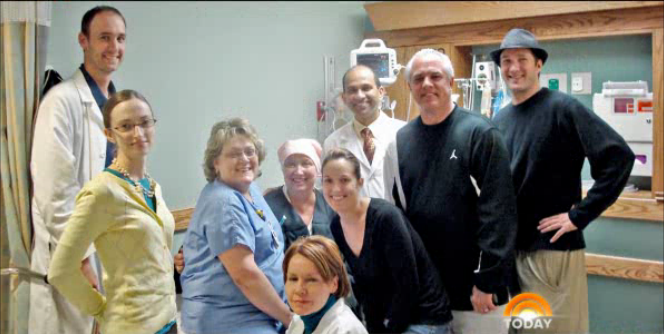
Kathi Hahn, wife of West Virginia University assistant basketball coach Billy Hahn, is a fighter. Twice she was diagnosed with cancer and twice she beat it. Her daughter, Ashley Calvary, eloquently detailed her mother’s story to producers of the Today Show who invited them to New York City to share the remarkable and inspirational story with the world.

“I feel terrific. Everything is wonderful and so many people helped,” said Kathi in a conversation on Thursday’s Today Show on NBC with Kathie Lee Gifford and Hoda Kotb.

Kathi was diagnosed with ovarian cancer in fall 2007. She endured two surgeries and chemotherapy, but by spring was in remission. To celebrate, the family went to South Carolina on vacation.

“Our vacation came to an abrupt halt one day when my mom called to me from across the beach house in a concerned voice,” Ashley wrote in her letter to Today. “When I walked into the bathroom I found my mom standing in a mirror examining a lump on her neck.” 

Three visits to three different doctors resulted in a diagnosis of leukemia.

“She told everybody she was an overachiever,” Ashley wrote. “She told everybody she got leukemia so soon after the ovarian cancer so that she could get it over with and be done with it all.”

Survival depended on a bone marrow transplant, but none of her family was a match.  Doctors at Ruby Memorial Hospital put Kathi on the International Bone Marrow Registry and eventually found what they were looking for.

“Nobody matched me so they put me on the international list,” Kathi said. “A woman in Germany was a 10 out of 10, a perfect match.”

“The lady (donor) said that her daughter told her, ‘Mom I’m so scared,’” Ashley explained. “She said, ‘You know what, I’m going to save someone else’s mom.’ And that’s exactly what she did.” 

After a successful transplant Kathi fulfilled her dream to dance at her daughter’s wedding. “I think every single person there was in tears,” she said. “We had several people join us; it was like a group hug dance. It was wonderful.”

Kathi said her life is owed to a lot of people who did amazing work.

“Thank God for Nine-West at Ruby Memorial Hospital and Dr. Michael Craig,” Kathi said.

In honor of Kathi’s story, Gifford collaborated with another songwriter and wrote a song entitled “You Need a Miracle.” Broadway performer Danielle Williamson sang the song live on Today.  

The Today Show has given the Hahn’s plane tickets so they can go to Dusseldorf, Germany to meet the donor.

My Mom the Miracle: 1 Woman, 2 Cancers, 3 Years, 4-Ever Grateful

Ashley Hahn Calvery wrote a heartfelt memoir titled My Mom the Miracle: 1 Woman, 2 Cancers, 3 Years, 4-Ever Grateful, chronicling her mother Kathi Hahn’s courageous battle with ovarian cancer and leukemia

Ashley shares how she put her life on hold—including postponing her wedding and taking a leave from teaching—to become her mother’s full-time advocate during treatment at WVU’s Mary Babb Randolph Cancer Center.  She kept friends and family updated through emails and rallied support throughout the journey.

👩‍👧 The Story Behind the Memoir

🖊️ Author Background

  • Ashley was born in Athens, Ohio, and raised in Columbia, Maryland.
  • She holds degrees in Early Childhood Education and Reading.
  • She’s been a kindergarten teacher since 2005 and currently lives in Florida with her husband.

1www.amazon.com2hsc.wvu.edu3www.youtube.com
Can you suggest memoirs focusing on resilience in health?

Absolutely—there are some deeply moving memoirs that focus specifically on resilience in the face of health challenges. Here are several standout titles that offer powerful perspectives on illness, healing, and the human spirit:

🩺 Memoirs Centered on Health & Resilience

TitleAuthorFocus
When Breath Becomes AirPaul KalanithiA neurosurgeon’s poignant reflection on life and mortality after a terminal cancer diagnosis
Being MortalAtul GawandeA surgeon explores aging, end-of-life care, and how medicine can better serve human dignity
The First CellAzra RazaAn oncologist’s personal and professional critique of cancer treatment, blending science and grief
Option BSheryl Sandberg & Adam GrantCoping with sudden loss and building resilience after tragedy
The Diving Bell and the ButterflyJean-Dominique BaubyWritten by a man with locked-in syndrome, this memoir is a testament to the power of the mind and imagination
My Stroke of InsightJill Bolte TaylorA brain scientist’s recovery from a stroke and her insights into brain function and healing
In ShockRana AwdishA physician’s near-death experience and how it transformed her view of patient care

These books offer not just stories of survival, but deep reflections on what it means to live meaningfully in the face of adversity.

Would you like recommendations that focus more on caregiving, like Ashley Hahn Calvery’s perspective?

1therookiejurist.com  2www.everydayhealth.com
How can I apply lessons from these memoirs to my life?

That’s a beautiful and thoughtful question. Memoirs about resilience in health aren’t just stories—they’re mirrors and maps. They reflect our own struggles and offer guidance for navigating life’s toughest terrain. Here’s how you can apply their lessons to your own life:

🌱 1. Embrace Vulnerability as Strength

  • Memoirs like When Breath Becomes Air and The Diving Bell and the Butterfly show that acknowledging fear, pain, and uncertainty isn’t weakness—it’s courage.
  • Try this: Journal about a time you felt vulnerable and what it taught you. Use it to build emotional awareness.

🧭 2. Redefine Control and Acceptance

  • Health challenges often force us to relinquish control. Books like Being Mortal and My Stroke of Insight teach us to accept what we cannot change and focus on what we can.
  • Try this: Practice mindfulness or meditation to strengthen your ability to stay present and accept discomfort without judgment.

💬 3. Tell Your Story

  • Sharing your experience, even privately, can be healing. Ashley Hahn Calvery didn’t plan to write a book—but her story became a source of hope.
  • Try this: Write a letter to your future self or someone you love, reflecting on a challenge you’ve overcome.

🤝 4. Cultivate Empathy and Connection

  • Memoirs like In Shock and Option B highlight how empathy—whether from caregivers, friends, or strangers—can be life-saving.
  • Try this: Reach out to someone going through a tough time. A simple message of support can mean more than you know.

🔥 5. Find Purpose in Pain

  • Many authors found deeper meaning through their suffering. Whether it’s advocacy, creativity, or simply living more intentionally, pain can be a catalyst.
  • Try this: Ask yourself, “What can I do with what I’ve learned?” It could be volunteering, mentoring, or creating something that helps others.

Would you like help crafting your own personal reflection or story based on these themes? I’d love to help you shape it.

What are some other powerful memoirs on resilience?

Here are some powerful memoirs on resilience that have recently captured readers’ hearts and minds. These stories span personal health battles, emotional survival, and transformative life journeys:

📘 New & Noteworthy Memoirs of Resilience

TitleAuthorTheme
We Take Great PhotosClaudia VanzantBehind a glamorous life lies a chilling reality of emotional survival
The Magic of NormalMaky ZanganehFinding strength and hope through medical adversity and personal transformation
The Harder I Fight the More I Love YouNeko CaseA Grammy-nominated artist’s journey through poverty, obsession, and healing through art
Rooted To Rise – YouTubeRachelle BryantSeven women share stories of healing and empowerment through cannabis

These memoirs offer not just inspiration, but tools for reflection, healing, and growth. Would you like a curated list based on a specific theme—like overcoming illness, trauma, or identity struggles?

1www.newinbooks.com2sobrief.comWhat are the main themes explored in the book?

💖 Main Themes in “My Mom the Miracle” by Ashley Hahn Calvery:

Ashley’s memoir is rich with emotional depth and explores several powerful themes:

🌈 1. Resilience in the Face of Illness

  • The book centers on her mother’s battle with two different cancers within a single year, highlighting the strength it takes to endure such a journey
  • It portrays the ups and downs of treatment, the physical and emotional toll, and the determination to survive.

👩‍👧 2. Family and Caregiving

  • Told from the perspective of a daughter and caregiver, the story emphasizes the bond between mother and child, and how love fuels perseverance.
  • It also shows how illness affects not just the patient, but their entire support system.

🌟 3. Hope and Positivity

  • Despite the grim circumstances, the memoir is infused with hope, gratitude, and optimism, encouraging readers to find light even in the darkest times.
  • Ashley shares how her mother remained positive and fought for her family.

🧠 4. Mental and Emotional Strength

  • The narrative explores the psychological challenges of facing life-threatening illness and the emotional rollercoaster that comes with it.
  • It’s a candid look at fear, courage, and the human spirit.

🙏 5. Gratitude and Faith

  • The subtitle “4-Ever Grateful” reflects a deep sense of thankfulness—for survival, for family, and for the lessons learned through adversity.
  • Faith and spiritual strength are subtly woven into the story.

Would you like a quote that captures one of these themes, or a reflection on how this book might resonate with someone going through a similar experience?

What life lessons can be learned from these themes?

🌟 Life Lessons from “My Mom the Miracle” by Ashley Hahn Calvery:

Drawing from the book’s themes and emotional journey, here are some powerful life lessons that emerge:

💪 1. Strength Is Found in the Struggle

  • Facing two cancers in one year is unimaginable, yet Ashley’s mother shows that inner strength often reveals itself in crisis.
  • We learn that resilience isn’t about never falling—it’s about rising every time we do.

👨‍👩‍👧 2. Family Is a Lifeline

  • The memoir emphasizes how family support can be a healing force, emotionally and spiritually.
  • It reminds us to cherish our loved ones and be present for them, especially in times of need.

🌞 3. Positivity Is a Choice

  • Even amid pain and uncertainty, Ashley’s mother chooses hope and gratitude.
  • This teaches us that attitude can shape experience, and positivity can be a powerful tool for survival.

🧠 4. Mental Health Matters

  • The emotional toll of illness affects both the patient and caregivers.
  • The book encourages us to acknowledge emotional struggles and seek support, rather than suppressing them.

🙏 5. Gratitude Transforms Perspective

  • The subtitle “4-Ever Grateful” isn’t just a clever phrase—it’s a philosophy.
  • We learn that gratitude can coexist with grief, and that appreciating life’s small blessings can bring peace.

🕊️ 6. Faith and Hope Are Anchors

  • While not overtly religious, the story reflects a deep sense of faith in healing, in love, and in purpose.
  • It teaches us that hope isn’t naive—it’s necessary.

Would you like a short reflection or journal prompt inspired by these lessons? Or maybe a quote from the book that captures one of them?What are some emotional challenges related to these themes?

💔 Emotional Challenges Explored in “My Mom the Miracle” by Ashley Hahn Calvery:

Ashley’s memoir doesn’t shy away from the raw emotional toll of battling cancer—twice. Here are some of the key emotional challenges tied to the book’s themes:

😢 1. Shock and Fear of Diagnosis

  • Being told you have cancer is devastating. Being told twice, with two different types, is emotionally overwhelming.
  • The initial shock, fear of mortality, and uncertainty about the future are central emotional hurdles.

🌀 2. Emotional Whiplash

  • The journey is described as a roller coaster—moments of hope followed by setbacks.
  • This constant emotional fluctuation can lead to exhaustion, anxiety, and even despair.

👩‍👧 3. Caregiver’s Burden

  • Ashley writes from the perspective of a daughter and caregiver, revealing the emotional strain of watching a loved one suffer.
  • Feelings of helplessness, guilt, and emotional burnout are common in caregiving roles.

💬 4. Isolation and Misunderstanding

  • Cancer can create a sense of isolation—not everyone understands the depth of the emotional experience.
  • Patients and caregivers may feel alone in their pain, even when surrounded by others.

🧠 5. Mental Health Struggles

  • The memoir offers a candid look at how cancer affects not just the body, but the mind and spirit.
  • Depression, anxiety, and emotional numbness are part of the journey, though often hidden behind brave faces.

🌈 6. Balancing Hope with Reality

  • Staying positive is a theme, but it’s not easy. The emotional challenge lies in holding onto hope while facing harsh realities.
  • This tension can be mentally and emotionally draining.

Would you like a reflection on how to cope with these emotional challenges, or perhaps a quote from the book that speaks to one of them?How do mental health struggles manifest in cancer patients?

🧠 Mental Health Struggles in Cancer Patients: How They Manifest

Cancer doesn’t just affect the body—it deeply impacts the mind and emotions. Here are some of the most common ways mental health challenges show up in cancer patients:

😟 1. Anxiety and Fear

  • Fear of death, recurrence, or treatment side effects is common.
  • Patients may experience panic attacks, constant worry, or difficulty sleeping due to racing thoughts.

😞 2. Depression

  • Cancer patients are five times more likely to experience depression than the general population.
  • Symptoms include persistent sadness, loss of interest in activities, fatigue, and feelings of hopelessness.

🧠 3. Cognitive Changes (“Chemo Brain”)

  • Many patients report memory issues, trouble concentrating, and mental fog during or after treatment.
  • These changes can be frustrating and affect self-esteem and independence.

🧍 4. Social Isolation and Loneliness

  • Physical limitations, stigma, or emotional withdrawal can lead to feeling disconnected from others.
  • Older adults especially face increased loneliness due to grief and loss of autonomy.

😔 5. Grief and Identity Loss

  • Patients may grieve the loss of their former health, appearance, or lifestyle.
  • This can lead to existential distress and a crisis of identity, especially in older adults.

🚩 6. Suicidal Thoughts and Emotional Numbness

  • Some patients may engage in excessive planning for others after their death, or express a lack of joy in life.
  • These can be warning signs of deeper emotional pain and should be addressed immediately.

🧑‍⚕️ 7. Barriers to Mental Health Care

  • Many patients wait months to see a psychiatrist, despite acute need.
  • Cultural, racial, and systemic barriers also prevent equitable access to supportive care.

🛠️ Coping Strategies

  • Distress screening is now recommended in all clinical settings.
  • Support groups, counseling, and integrated care teams can help patients navigate these challenges.

Would you like to explore how caregivers can support someone facing these struggles, or how mental health care can be better integrated into cancer treatment?

1www.cancer.org  2Medindia  3www.cdc.gov  4Oncology Nursing News  5www.mdanderson.orgWhat coping strategies are most effective for cancer patients?

🛠️ Effective Coping Strategies for Cancer Patients

Coping with cancer involves managing not just the physical symptoms, but also the emotional, psychological, and social challenges that come with the diagnosis and treatment. Here are some of the most effective strategies, based on expert guidance and patient experiences

💬 1. Build a Strong Support Network

  • Stay connected with family, friends, and support groups.
  • Talking openly about fears and feelings can reduce isolation and boost resilience.

🧘 2. Practice Stress Management Techniques

  • Techniques like deep breathing, meditation, yoga, and guided imagery help reduce anxiety and improve emotional well-being.
  • Regular relaxation can also help with sleep and pain management.

📚 3. Educate Yourself

  • Understanding your diagnosis, treatment options, and side effects empowers you to make informed decisions.
  • Knowledge reduces fear and helps you feel more in control.

📝 4. Use Healthy Distraction

  • Engage in hobbies, creative activities, or light exercise to shift focus away from illness.
  • Keeping busy can help prevent rumination and emotional fatigue.

😄 5. Find Humor and Joy

  • Laughing—even in tough times—can be therapeutic.
  • Watching comedies, spending time with children, or sharing funny stories can lighten emotional load.

🧠 6. Seek Professional Mental Health Support

  • Therapists, counselors, and oncology social workers can help with depression, anxiety, and trauma.
  • Cognitive-behavioral therapy (CBT) and mindfulness-based stress reduction (MBSR) are especially effective.

🙏 7. Explore Spiritual or Existential Support

  • For some, faith or spiritual practices offer comfort and meaning.
  • Others may benefit from existential counseling to explore purpose and identity.

🧑‍⚕️ 8. Stay Involved in Your Care

  • Actively participating in treatment decisions fosters a sense of agency.
  • Ask questions, track symptoms, and advocate for your needs.

🧭 9. Accept and Adapt

  • Accepting the reality of illness doesn’t mean giving up—it means adapting with grace.
  • Flexibility in expectations and routines can ease emotional strain.

Would you like a printable checklist of these strategies or suggestions tailored to caregivers supporting someone with cancer?

1med.stanford.edu  2www.cancer.gov   3www.cancer.org

💬 Summary

Ashley shares the emotional and inspiring journey of her mother, who was diagnosed with two different types of cancer within a single year. The book chronicles:

  • The rollercoaster of medical treatments and emotional struggles
  • The strength and resilience of her mother
  • The impact on family and friends
  • A message of hope, gratitude, and perseverance

👩‍🏫 About the Author

Ashley Hahn Calvery is a kindergarten teacher with degrees in Early Childhood Education and Reading. She lives in Florida and wrote this book from the perspective of a caregiver, aiming to uplift others facing similar battles.

📚 Where to Find It

Would you like a quote from the book or a summary in a more emotional tone?

💬 Possible Key Quotes & Themes

🌟 On Resilience and Strength

  • “She fought for her family and came out on top.” —
  • A testament to her mother’s unwavering determination.
  • “Could you imagine being told you have cancer, not only once, but twice?” —
  • Sets the emotional tone and gravity of the journey.

💖 On Love and Family

  • “This story provides insight on how to stay positive while fighting the deadly disease of cancer.” — Reflects the emotional support and love that carried them through.
  • “The ups and downs of the two battles were like a roller coaster.” — Captures the unpredictable nature of illness and healing.

🙏 On Gratitude and Hope

  • “4-Ever Grateful” — A recurring phrase that encapsulates the author’s appreciation for her mother’s survival and spirit.

If you’re looking for direct quotes from the book, the best way would be to check out  Amazon.com: Books, where readers sometimes share favorite excerpts. Analogy Being a Breast Cancer Survivor Much like Being An Olympic Gymnast Have to Work Hard to Overcome It!!!

She Was Called ‘Dramatic’ for Skipping Gym, Avoiding Stairs. But at 16, She Learned She Was in Heart Failure (Exclusive) | Watch

Trying Impossible Gymnastics Skills | Watch

The 5 Most Difficult Turns on Floor | Watch

The tough journey to Olympic greatness | Watch

How Fast Can I Run 1 Mile in a Backbend? | Watch

Will Simone Biles ever perform these skills? | Watch

The Tragedy Of McKayla Maroney Explained | Watch

Defying Gravity: The Most Challenging Skills | Watch

The Most Difficult Balance Beam Dismounts | Watch

Comaneci vs Biles: Two Eras of Gymnastics | Watch

Nadia Comaneci’s Most Difficult Skills 🇷🇴🥇 | Watch

The Most Difficult Balance Beam Dismounts | Watch

Gymnast Tries 100 Years of Cheerleading History | Watch

Gymnastics Skills: How To Do Flips Into Splits | Watch

Trying Impossible Gymnastics Skills | Watch

Gymnasts Injured Mid-Competition/Mid-Routine | Part 6 | Watch

The 5 Most Difficult Uneven Bars Skills in Women’s Gymnastics | Watch

In Training #10 ✨ New skills & original combos! – Search

The Hardest Skills Performed by Nadia Comaneci | Watch

Transforming into an Olympic Gymnast: My Journey | Watch

Remembering the Most Tragic Moments in Olympic History | Watch

I went on a solo trip to Paris after a breakup. It helped me start healing.

How Long Term Travel Forced Me To Let Go and Practice Detachment

I moved to Italy once at 20 and again at 30 ~

 The second time, I entered with a new approach that made all the difference.

Avoidable Mistakes Everyone Makes When Growing Sunflowers

Golden Sea of Sunflowers Captured by Soaring Drone | Watch

Why Does Sunflowers Follow the Sun – Search

Sunflower species – Search

Posted in Uncategorized | Leave a comment

What is Lyme Disease

sarika jassal Reviewed By:  Dr. Surangama Lehri

Table of Contents

Author Sarika Jassal 

Ticks, mosquitoes and fleas, oh my!

Cases of Lyme disease are on the rise, and it’s been reported that blacklegged ticks are carrying some other nasty vector-borne diseases that they can transmit to humans via their bloodsucking bites. According to the World Health Organization, vectors such as ticks, mosquitoes and fleas, account for more than 17% of all infectious diseases, causing more than 700,000 deaths annually.

Mosquitoes, the number one culprit worldwide, are known to spread such classic hits as malaria, dengue fever, West Nile virus disease The Vitals team is here with the answers about how vector-borne diseases spread, and what some researchers are doing to better understand why cases are on the rise.

Lyme Disease Cases Are Surging. Who Is Most At Risk? | Cascade PBS

Dr. Alok Patel chats with Dr. Christina Nelson, Medical Officer at the CDC’s Division of Vector-Borne Diseases (DVBD) to get the current “big picture” on Lyme disease, how it is transmitted and what you can do to stay safe while enjoying nature.

Also, Eloise Skinner, a researcher in the Mordecai Lab at Stanford University explains how her team is using machine learning to better understand how our human footprint can be a predictor for the transmission and prevention of VBDs. Don’t worry, we will also have a little health lesson on what to do if you get bit by a tick and where to turn if you get infected.

Lyme disease is on the rise again, and this time with more urgency than ever.  According to CDC (Centre for Disease Control and Prevention), emergency room visits for tick bites have reached their highest level in five years, with hundreds of Emergency Rooms visits reported weekly in peak regions. 

But it’s not just the numbers that are changing; the disease is also evolving, showing up in new places, with unfamiliar symptoms, and requiring faster, smarter treatments. 

If you think Lyme is only a concern in wooded areas of the Northeast United States, it’s time that you rethink. Cases are now being reported in the Midwest, the Pacific Northwest, and even parts of Canada that were previously unaffected. It’s affecting more areas than ever, including urban parks and states previously considered low-risk areas than ever, including urban parks, and states that were previously considered low-risk.  

So, what’s behind this alarming rise, and what can you do to protect yourself and your family? Let’s find out! Search Results for Lyme Disease | Cancer Quick Facts

  image.png

What is Lyme Disease and What’s Causing the Rise? 

Lyme disease is a bacterial infection caused by Borrelia burgdorferi.  

It is transmitted to humans through an infected tick (primarily deer tick or black-legged tick) bite. However, the common ticks (wood tick or dog tick) do not carry the infection.  

The ticks carrying bacterial infection are mostly found in grassy, bushy, or wooded areas of the United States. But Lyme disease is most prevalent in the upper Midwest, northeastern and mid-Atlantic states. It’s also common in Europe, South Central and Southeastern Canada, and some parts of Asia. 

Characterized by early symptoms like bull’s eye rash, fatigue and fever, it progresses to affect joints, heart, brain and nervous system. 

Some most common causes for rise in the disease include: 

  1. Longer Tick Seasons 

As our climate continues to warm, ticks stay active for up to 10 months of the year in many regions. Climate change has reduced the duration and intensity of cold seasons, resulting in higher tick survival rates. Mild winters and wet springs give them a perfect environment to breed and thrive.  

  1. Urban Expansion 

Ticks are increasingly found in suburban backyards, city parks, dog trails, and even greenbelts in the city neighborhoods, not just deep forests.  

As cities expand into natural tick habitats, and as deer and small mammals (tick hosts) adapt to urban environments, ticks proliferate in areas where people live and recreate.   

  1. More Outdoor Time 

People love spending more time outdoors, hiking, gardening, camping, especially post pandemic. While this return to nature is refreshing, it also increases the chances of tick bites; especially if people are unaware and inconsistent with tick prevention (proper clothing, tick checks, repellents).   

2025’s New & Surprising Lyme Symptoms to Watch

The most common early symptom of Lyme disease is “bull’s eye rash (erythema migrans).” But it’s no longer the reliable sign it used to be. 

As per CDC, only about 70-80% of people infected ever see this rash.  

This means a significant proportion of infected have never seen the hallmark rash, making early detection even more difficult.  

Here’s a list of some new or commonly missed symptoms of Lyme disease to watch for in 2025: 

  1. Extreme Fatigue: The kind that doesn’t go away with rest 
  1. Recurring Migraines: Persistent and painful headaches 
  1. Brain Fog: Trouble focusing, forgetfulness or feeling off 
  1. Memory Lapses: Forgetting names, appointments, or conversations 
  1. Heart Symptoms: Irregular heartbeat, chest discomfort or dizziness 

These symptoms often mimic other conditions, which is why early diagnosis becomes tricky. Many people go weeks or even months before realizing they’re infected.  

Also Read: Flu Symptoms 2025  

Lyme’s New Hotspots: Where Are You Most at Risk Now? 

Lyme disease is on the move, spreading beyond its usual areas. It’s no longer limited to a few high-risk areas in the US Northeast and Upper Midwest, though these places are also seeing large numbers. 2025 has seen a noticeable shift in the Lyme map.  

New or Underrecognized Hotspots and Rising Risk Areas for Lyme Disease Include: 

  • Northern California 
  • British Columbia, Canada 
  • The Great Lakes region (Michigan, Wisconsin, Minnesota) 

And ticks are no longer just in forests and trails.

They are adapting and more bites are now reported from: 

  • Urban parks 
  • Dog parks 
  • School playgrounds 
  • Community gardens 

Researchers believe changes in vegetation, local animal populations (like deer and mice), and urban landscaping have made these areas prime tick habitats. So, if you live or spend time in these areas, stay alert, ticks may be closer than you think. 

Next-Gen Diagnostics: Smarter Testing Is Here 

For years, Lyme disease testing has been unreliable. The traditional 2-step test (ELISA followed by Western blot) often misses early infections or gives false negatives.  

But 2025 is changing that. Cutting-edge innovations powered by AI are bringing in hope for faster, more accurate diagnosis, especially in the critical early stages.  

Let’s see what’s new in Lyme testing: 

  • AI Powered Blood Tests 

New blood tests are developed by researchers that use AI to analyze unique immune responses to Lyme bacteria. These tests look for multiple protein markers simultaneously and boost accuracy to over 90%. It works even in early infection.  

  • Faster Results:  

Next-gen tests can deliver results in under 30 minutes. This enables quicker diagnosis and timely treatment to prevent long-term complications. 

  • Smarter Differentiation: 

AI enhanced tests detect immune patterns unique to each patient, thereby reducing false negatives and helping tailor more effective treatments.  

  • On the Horizon: 

Several of these innovative diagnostics have already received FDA approval, and early studies are showing promising results. Commercial availability is expected soon, marking a new era in Lyme disease care.  

Emerging Lyme Disease Treatments You Should Know 

For years, Lyme treatment meant long courses of antibiotics. While they are helpful for many, these treatments often fall short, particularly for those with late-stage or chronic symptoms.  

Thankfully, things are changing fast, bringing in innovative therapies and a shift toward personalized care. What’s new? Check below: 

  1. Targeted Drug Therapies: 

Scientists are developing new medications that specifically target the Lyme bacteria. An exciting approach is to block a key enzyme (called BbLDH), which is required by Lyme Bacteria to survive. 

These next-gen drugs attack the infection more precisely without harming your body’s healthy cells and microbiome.  

  1. Herbal & Integrative Options: 

Natural remedies like Japanese knotweed and cryptolepis are showing real promise in lab studies for their strong antibacterial activity against Lyme. These are now being explored in both clinical research and as complementary options alongside standard care.  

  1. Personalized Medicine: 

Doctors are beginning to map each patient’s microbiome to understand how their gut and immune system react to infection. This helps customize treatment, especially for people dealing with chronic or persistent Lyme symptoms. 

Prevention 2.0: How to Stay Safe in a Lyme-Heavy World 

With Lyme disease cases surging, prevention is more crucial than ever. And today’s strategies go far beyond just bug sprays. Here’s how you can protect yourself and your loved ones effectively: 

1. Smart Clothing: 

  • Wear light-colored clothes to spot ticks easily. 
  • Tuck your pants into your socks when hiking or gardening. 
  • Consider permethrin-treated clothing as it repels and even kills ticks on contact. 

2. Repellents That Work: 

  • Look for repellents that contain 20-30% DEET, picaridin, or oil of lemon eucalyptus. 
  • Apply to exposed skin and reapply as required, especially after sweating or swimming. 

3. Vaccines on the Way: 

Valneva and Pfizer are testing a new Lyme disease vaccine called VLA15. It’s in the final stage of trials with 6,000 people in North America and Europe. The main three shots are done, and results are expected by the end of 2025.  

If it works well, the vaccine could be approved in 2026. VLA15 targets six types of Lyme bacteria and may help protect millions from getting sick. 

4. Community Level Prevention 

Neighborhoods are adopting smart strategies like: 

  • Planting tick-repelling plants 
  • Using tick tubes in yards targeting rodent hosts 
  • Keeping pet tick control up to date 
  • Public spaces like schools and parks are starting to add tick awareness signs and prevention zones. 

What to Do If You Think You’ve Been Exposed 

Tick bites are tiny and can be easily missed. Even if you never saw a tick, you could still be at risk.  

Watch for these symptoms: 

  • Fever or chills 
  • Body aches 
  • Fatigue 
  • Stiff neck 
  • Unexplained rash (even if not a bull’s-eye) 

What to ask your doctor? 

  • Request a modern Lyme test (not just ELISA/Western blot). Newer diagnostics are more accurate than traditional tests. 
  • Consider a Lyme-literate or integrative practitioner if symptoms persist. 
  • Keep a symptom diary; it helps your provider see patterns and track progress. 

Act Early: DO NOT wait for a rash to appear. If you feel off after spending time outdoors, reach out to your doctor promptly. Early treatment is the best way to prevent lasting complications. 

 What to do if you find an attached tick? 
Remove it as soon as possible with fine-tipped tweezers, pulling straight out without twisting. Clean the bite area and your hands with soap and water or alcohol. 

Save the tick in a sealed bag (for possible identification) and note the date/location of the bite. Ask your provider if sending the tick for testing is recommended in your area. 

Can We Finally Get Ahead of Lyme Disease? 

Yes, we have reasons to hope. With better testing, more personalized treatments, and rising public awareness, we’re finally starting to get ahead of Lyme disease.  

Schools, hospitals, and community centers across the country are launching tick safety campaigns, helping people stay informed and protected. Meanwhile, biotech companies are investing in research like never before to find better cures. 

We suggest people listen to their bodies and speak up when something feels wrong, thereby leading to earlier diagnosis and better outcomes. 2025 may mark a record-breaking year for Lyme disease cases, but it might also be the turning point toward clearer, faster, and more personalized Lyme care. 

DisclaimerThis article is for informational purposes only and is not intended to diagnose, treat, cure, or prevent any disease. Statements about emerging treatments, vaccines, or herbal remedies are based on current research and are subject to change as new evidence becomes available.

References: 

  1. U.S. Environmental Protection Agency. Climate Change Indicators: Lyme Disease. EPA, 1 July 2016 (last updated Dec. 2024), www.epa.gov/climate-indicators/climate-change-indicators-lyme-disease
  1. Association of Health Care Journalists. “Lyme Disease Is Changing in a Warming World and So Should the News.” Association of Health Care Journalists, 16 July 2025, https://healthjournalism.org/blog/2025/07/lyme-disease-is-changing-in-a-warming-world-and-so-should-the-news/.  
  1. Centers for Disease Control and Prevention. “Signs and Symptoms of Untreated Lyme Disease.” Centers for Disease Control and Prevention, 15 May 2024, www.cdc.gov/lyme/signs‑symptoms/index.html.  
  1. American Society for Microbiology. “Scientists Uncover Lyme Disease’s Hidden Achilles’ Heel – And How to Exploit It.” SciTechDaily, 20 Mar. 2025, scitechdaily.com/scientists-uncover-lyme-diseases-hidden-achilles-heel-and-how-to-exploit-it/
  1. Dykstra, Mischa. “Ethnobotanical Medicine Is Effective Against the Bacterium Causing Lyme Disease.” Frontiers, 21 Feb. 2020, frontiersin.org/news/2020/02/21/ethnobotanical-medicine-is-effective-against-the-bacterium-causing-lyme-disease
  1. Pfizer Inc. and Valneva SE. “Pfizer and Valneva Complete Recruitment for Phase 3 VALOR Trial for Lyme Disease Vaccine Candidate, VLA15.” Pfizer News Release, 4 Dec. 2023, www.pfizer.com/news/press-release/press-release-detail/phase-3-valor-lyme-disease-trial-valneva-and-pfizer

Thank you for this. Do you have a source for this one and seven people?

I want to share it, but I have people who always ask for sources.

Robin V Schwoyer

Roxanne Berardi Perkins what are your thoughts on this paragraph. What test do you think they used? I mean, I know it says that they went through 89 studies so I guess they’re just working on whatever analytic was used, but they’re saying if it was Western blot it’d be better. 

Can you imagine if the new iGenex was approved and used freely what the numbers might be?—-

“The study also said that research using an analytic technique called western blotting was more reliable and that its use “could significantly improve the accuracy” of future studies.”


Roxanne Berardi Perkins

Robin V Schwoyer

https://www.nbcnews.com/…/14-percent-world-population…

14 percent of the world population may have had Lyme disease, research finds

Giant Study Reveals Over 14% of The World Has Probably Had Lyme Disease : ScienceAlert
These statements always need to be backed up with facts! 💚

Roxanne Berardi Perkins

Joyce Youngman 95% of the population has EBV antibodies.

This study, which showed that looked for antibodies against Borrelia, not EBV. 

💚

Roxanne Berardi Perkins

I have antibodies to both plus low CD57 + NK cells(complete) raised Hematocrit & DNA SNP for CVID, JAK2 V617F, & several oncogenes including diagnosis of conditions like FH deficient Leiomyoma, SDHC, calcified Adrenal glands RET related Hypercalcemia Primary-Hyperparathyroidism(MEN2a) Hirschsprung variant, liver cyst but Drs don’t want to know & tell me my blood tests are fine.


Roxanne Berardi Perkins

Joyce Youngman 95% of the population has EBV antibodies.

This study, which showed that 14% of the world population has Lyme, looked for antibodies against Borrelia, not EBV. 💚


Jason Valentine  If testing is inaccurate what test is used to determine that testing is inaccurate ??? If testing is inaccurate how is it determined then how many people have it ???? Lyme in itself doesn’t cause symptoms . The immune response to it is what causes symptoms . Lyme can go dormant for a short period not years but continues replicating in the body and can be asymptomatic then become symptomatic with an immune response that causes symptoms .

Dawn Keller

Jason Valentine Testing is generally inaccurate. I was tested several times and it either came out negative or inconclusive. It was when I had the Igenex test and found a Lyme Disease specialist with many misdiagnoses that I was finally found to be positive for it.

Jason Valentine

Dawn Keller oh I know it’s inaccurate . Just can’t quantify it with a number if we don’t have a means to weigh it against . So I don’t like data like that in posts or that people just believe what they read because they read it . Sorry I’m an engineer and I advocate that we give accurate info for our cause so people can’t dismiss us as a group that believes anything or doesn’t know what we are talking about etc . But I’m well versed sadly as to testing being inaccurate . Unless it’s a recent infection and positive IGM test . Not to be confused with a false negative . A positive IGM is all we got that’s accurate .


Dawn Keller Jason Valentine Yes I definitely understand this. I kinda take statistics with a grain of salt. When I was diagnosed and halfway through treatment, I knew of around 70 people or so in my area who had been diagnosed with Late stage/Chronic Lyme. Yet the CDC there was NO LYME in that area.

Jason Valentine

Dawn Keller this medical injustice needs to stop . If there are birds for example especially ones that migrate then how can’t they say oh no lyme in that area . Plus it has slowly spread from lyme ct all over the world .there’s data and maps and graphs all over . Like what small animals can’t slowly spread it ? Nonsense .

Dawn Keller Even MORE ridiculous is it was in Chattanooga, Tennessee where I lived and at the time (20+ years ago), Georgia was one of the leading states for Lyme Disease. Yet WE had none?! Plus Chattanooga is pretty much right on the border anyway. I guess THOSE ticks knew not to cross the state line, right?!,🙄🙄

Patty Frymire  I’ve had chronic Lyme for 30+ years,now I have Alpha Gal for last few years. I HATE TICKS!!!

Mindy Waddell RitchLab borne disease 🦠 bagan in bio lab in Lyme Connecticut

April Reddington Mindy Waddell Ritch Ritch actually, Plum Island. The first cases were found in children in Lyme, CT

Roxanne Berardi Perkins April Reddington

actually, the first known case was found in Otzi
5300-year-old “Iceman” is first recorded case of Lyme disease

Maureen Wilder  What do you expect from engineered viruses? Looking at you, covid, too.

Marcy ShulmanI tested negative after a bite over 20 years ago. 1.5 years ago my herbalist suggested that I be tested though I had no bite. I had unusual back pain and exhaustion. The test was positive. An herbal specialist suggested that it had been dormant but was reactivated by spike proteins from others who had the v-c was well as the chemtrails.

Samantha Jenner

I actually think Lyme tests are less accurate than that. I was tested last year 2x and nothing came up. I’m now working with a groups of functional physicians and have learned that there are 18 different strains of Lyme diseases. So in order to properly diagnose your lines and if you have multiple kinds, which I have four different strains of limes, disease, and my doctors and I know for sure that I have had at least two of those for about 20 years and I have never been diagnosed properly with any of my medical issues. Not only my four types of lymes disease, but also Hashimoto’s since I was in middle school and just diagnosed a year and a half ago at the age of 41, Epstein-Barr virus, which comes from mono, which I never had mono, but my brother did 25 years ago so I’ve had that sitting in my body this whole time too.

The saddest part about what’s going on in this country and the world for women’s health is that we have never been studied ever. That’s why a man can go in and get tested and get a result and get treated when women with the same things get ignored. Because 99.9% of all medical professionals out there never learned how to treat and take care of women because researchers and scientists never studied us.

Sara Sanchez CollinsI’ve suffered most of my life, I’m 58 have been dealing with health issues since being bit the 1st time at 4. Doctors have missed & misdiagnosed me my whole damn life. I’m beyond fed up about this. 😭🤬😤

Flora Christian

Jason ValentineWhat’s the story with a weak positive IgG for Lyme low CD57+NK cells(complete) EBV IgG 3046 raised Hematocrit & DNA snp’s for several oncogenes including JAK2 V617F, MEN2a, HLRCC, SDHC & diagnosis for both Leiomyoma, & Hypercalcemia Primary-Hyperparathyroidism calcified adrenal gland & a liver cyst.


Flora Christian

Jason Valentine The Lyme & EBV & Hematocrit are mainstream testing the others are WGS DNA results I would recommend this type of test to anyone struggling with long term chronic conditions.


Hana Lynn  EVERYONE GET YOUR TEST PRINTED. DEMAND IT.

MORE THAN LIKELY YOU HAVE PRESENT BANDS!!!!!!

JUST NOT “enough” to qualify as valid for treatment in this HELL of a country!!!!!
I was told I am negative. I have 4 bands. That is not negative. once you learn what bands you have, you can specifically treat them and always dm me for help if needed

Robin V Schwoyer  
Because of working with the center for Lima action, I become fascinated by the statistics that everyone chooses to do. It also has to do with my training over 30 years ago at Drexel University where have degrees in finance and marketing. Basically what we were taught is numbers never lie but we can make them say anything that you want especially if you pay us enough lol
With that said, I was trying to figure out numbers that I saw back in March that changed the 476,000 persons a year to 620,000 and that was based on a change from those 30,000 to 60,000 people reported from Health departments. But I found this and trying to find the numbers—–


Lyme Disease Surveillance and Data | Lyme Disease | CDC
So this states that the most recent information shows that we have 89,000 cases being reported to through surveillance of Health departments. However, they’re still maintaining the 476,000 people from the compilation of insurance claims.

But there’s no way numbers actually lineup because if we have more people being reported than we probably have more claims for insurance. But again the 476,000 persons a year is an estimate that the CDC admits is underestimating. Now I’m saying all this because I’m fascinated with persister cells.

In other words, even if you’re treating cases of Lyme disease, there are the bacteria that know to change form. And I’ve been looking for statistics to show any research on how many cells we think get away. Especially when they know they are under pressure from doxycycline. Antibiotic pressure will definitely cause transformation of these cells.

Now when the sales transfer into her sister sis or biofilms that is not considered a replicating cell. However, it is capable of holding a pathogen. And when pressure is relieved it is capable of going back to its active form. This can explain why some people have dormant Lyme disease.

Or can explain why we think we treated something actively and because our testing is pathetic and ineffective you can show no act of Lyme and yet it is in the system. So what doing research for that and playing with the post that you just did if we have $89,000 people a year officially reported and the CDC says that there might be 14% of people who wind up with persistent lyme then that would mean that almost 13,000 people a year would wind up with something that is potentially a chronic lyme.

If we use the 476,000 number then that figure would be approximately 67000 people a year continuing with lyme related diseases. And of course this does not take into account any of the other tick-borne illnesses, which I think everybody should be standardly tested for given the endemic across the country.

Long story short, I think we do need to be definitely talking about the 89,000 people Up to over 600,000 people a year because this is information that needs to be in front of the doctors when they’re questioning why we want treatments or we want better testing. Lyme Disease Surveillance and Data | Lyme Disease | CDC


Linda Crowley 
+Long before Lyme became widely heard of, I remember pointing out the tick bite on my leg and commenting to my husband, “It looks like a bull’s eye!” We were overseas at the time. For years afterwards, I had health issues. “It sounds like Lyme”, more than one doctor said in later years, but all tests came back negative. I finally was in the hospital with a horrible reaction to another tick bite, and the specialist said, “Of course it never showed up. Our Lyme tests only catch the American variety, not the European variety.” The long dose of antibiotics helped, but I know the damage had already been done. I’m just not sure what issues are related, and what else needs to be watched for.

9 Ancient Civilizations That Collapsed After Climate Shifts—Could Ours Be Next?

What Happened to Rome After the Empire Fell? | Watch

What Caused the Fall of the Roman Empire | Watch

Lyme Disease Cases Are Surging. Who Is Most At Risk?

The 7 Reasons This Pillow Tackles Sleep Apnea_5_3

Posted in Uncategorized | Leave a comment

Mid-Night Trade Deadline

Reds rallying around Fraley amid ‘most challenging season of my life’

‘It’s changed me for the better’: Cincinnati Reds’ Jake Fraley on daughter’s road to healing

Gordon Wittenmyer

Cincinnati Enquirer

But the Cincinnati Reds outfielder already is having his best season in two years, “When you go through something like that, it really puts into much more perspective just how little this job and all the (worldly) things that encompass life, and how minuscule they all are,” Fraley said. 

Jake Fraley has baseball in perspective after his 6-year-old daughter Avery's year-plus-long battle with leukemia.

CINCINNATI (WXIX/Gray News) – A professional baseball player and his wife are sharing their young daughter’s story as she battles cancer.

In the middle of the 2023 MLB playoff race, Cincinnati Reds outfielder Jake Fraley and his wife Angelica could tell something was wrong with their 5-year-old daughter Avery.

“It all started with a limp and back pain,” Angelica Fraley said. “She stopped walking.”

After numerous visits to the doctor and the emergency room, doctors diagnosed Avery with acute lymphoblastic leukemia, a type of cancer of the blood and bone marrow.

“It was very difficult,” Jake Fraley said. “It’s something you can’t imagine.”

The Fraleys faced Avery’s cancer fight with one driving message and one word: purpose.

They shared that message on social media when they announced her diagnosis, one that put her battle and their faith in perspective.

The couple says they know their purpose as they help Avery fight for her young life.

Cincinnati Reds Player Trusts God Amid Daughter’s Cancer Battle

A glance at Fraley during spring training showed what he meant, with his wife and small kids enjoying the Arizona sunshine while he worked – 6-year-old daughter Avery, in particular, bouncing around camp near the ballfields.

“She’s got all her hair back, all her energy back; she’s back to our normal baby girl,” Fraley said. It’s been a long road for the family, but after more than a year of treatments for acute lymphocytic leukemia, Avery remains in remission.  

And if the Reds’ baseball plans this season play out into a postseason run, she might be finishing scheduled treatments right about the time her dad’s done playing this year.

“It’s tremendous. It’s a blessing,” Fraley said.

In one big way, he said, the recent offseason was no different than the one before, the one the family began the road from terrifying diagnosis to faith and focus on healing.

“I’m still resting in the Lord. I’m surrendering to Him,” Fraley said.

But Avery’s restored health over the past several months has admittedly breathed new life into Fraley, renewed peace and perspective. And he’s felt the difference professionally, too, this year.

Coping With a Child’s Cancer Diagnosis: MLB Player’s Wife, Angelica Fraley, Celebrates Daughter Being In Remission After Acute Lymphoblastic Leukemia Diagnosis: ‘The Best Birthday Present I Could Have Ever Asked For’ – NewsBreak

Jake Fraley is congratulated by Jeimer Candelario after hitting a go-ahead grand slam in the eighth inning of Thursday's extra-inning loss to the Seattle Mariners. Fraley had three hits, including a double.

Jake Fraley Stats, Height, Weight, Position, Rookie Status & More | Baseball-Reference.com 

“Last year I was one foot in, and one foot out. It was just the nature of what we were going through,” said Fraley, who at one point last year took a six-day personal leave for Avery’s care. “When you go through something like that it definitely changes something inside you. 

“But going into this season,” he said, “obviously it’s different in the aspect of I’m not having to wake up at 6 o’clock in the morning and then going to watch my daughter get chemo and then shooting over to the field for a 6 o’clock game. That obviously has changed. So you feel like you have a little bit more energy.”

Not that anyone from the outside would have suspected that something so profound was going on in his personal life off the field.

“Incredible,” said Collin Cowgill, the Reds first base and outfield coach. “I mean, the toughness that the guy shows day in and day out in general is exemplary. With all the stuff with Avery last year, if you didn’t know him, you wouldn’t know what was going on.”

Through it all, he still managed to hit a career-high .277 in 116 games with 20 stolen bases last year. “He’s as tough of a human being as I’ve ever met,” Cowgill said. “This year, it’s not a noticeable difference, but I can tell the way he’s talking about his family life and in general just how much at peace he is there. And just a little bit more able to focus on baseball.”  

Said Fraley: “It’s just changed me. It’s changed me for the better.”

Fraley and his family leaned hard into their faith during the year that turned their lives upside down, and Fraley calls that the key, for getting through it and for that change, even when it comes to baseball.

“As a man and a disciple of Christ, that’s everything, because we get so sucked up into this game, because it’s so difficult, and it’s so hard to be the best player in the world and to stay atop of those for as long as you can,” he said, “that (it’s) getting to that place of understanding that we’re going to spend more of our life not playing this game than playing, right?

“The betterment of the change for me going through all of that was really just understanding how grateful I am for all the little things. And it’s really kind of taken me to a new place that I’ve never been to before.” 

Better at that even? On the field?

“I don’t want to lean on the side of a better player because there’s so much of this game that’s out of our control,” Fraley said. “I think it has made me a better husband. it has made me a better father. It has made me a better teammate. And I’m not 22, 23 years old anymore; I’m getting ready to turn 30 years old, and after this year I’m going to have just short of six years of service time. People look at me as a veteran, which is weird to say.

“It’s changed me in the aspect of just being able to recognize things for what they truly are.” Whether the transformed outlook and peace of mind helps take Fraley to an All-Star selection, it’s the better place he’s discovered over the past year and a half that he says is what matters. 

“When you live a life that’s not centered around Christ it’s a difficult way to live,” he said, “and especially when you’re playing a game that’s so difficult to play, and it’s dictated on the pressure, and everybody’s watching you, and you’ve got to do well, and you’ve got to do this, and you’ve got to do that.

“I think that it just takes you to a space where, like King Solomon wrote in Ecclesiastes, where he says that everything is meaningless,” Fraley said. “Everything has meaning, but it’s where our focus is. And it’s brought me to a deeper focus that Christ is everything, and everything else is like a passing in the wind.”

Jake Fraley, outfielder for the Cincinnati Reds, found peace and strength during one of the most challenging seasons of his life — his young daughter Avery’s battle with leukemia.

🧒 Avery’s Diagnosis and Journey

  • Avery, Fraley’s daughter, was diagnosed with acute lymphocytic leukemia after weeks of debilitating back pain that was initially misdiagnosed.
  • The diagnosis came swiftly after a blood test, turning the family’s world upside down in just 15 minutes.
  • After more than a year of treatments, Avery is now in remission, with her energy and hair restored — “back to our normal baby girl,” Fraley said.

🙏 Faith and Perspective

  • Fraley leaned heavily on his Christian faith, saying that “walking with Jesus” gave him peace, joy, and happiness even in the darkest moments.
  • He described the experience as transformative: “It’s changed me for the better,” he said, noting how it shifted his perspective on life and baseball.
  • The family shared on social media: “Our purpose as a family is to glorify God in every season… We see the hand of God at work every single day”.

🤝 Support from the Reds

  • The Reds organization played a crucial role in supporting Fraley, constantly checking in and offering comfort throughout the ordeal.
  • Fraley took a six-day personal leave last season to care for Avery, and he admitted that he was “one foot in, one foot out” professionally during that time.

⚾ A New Season, A Renewed Spirit

  • With Avery’s health improving, Fraley entered the new season with renewed energy and focus.
  • He reflected on the contrast: “I’m not having to wake up at 6 a.m. to watch my daughter get chemo and then shoot over to the field for a 6 p.m. game”.

Jake Fraley’s story is one of resilience, faith, and the power of community — both on and off the field. Avery has recently gone into remission from acute lymphoblastic leukemia, a rare blood cancer, and is no longer showing signs of cancer in her bone marrow.

However, she will continue to undergo frontline chemotherapy as part of her treatment plan. Avery Fraley is not cancer-free. 

Recent tests have detected no more cancer in her bone marrow, but she is still undergoing treatment, including chemotherapy, and has not yet reached the two-year mark for remission.

“It’s hard – things you can’t imagine” – Jake Fraley faces his greatest pain: his 5-year-old daughter has cancer 1sports.yahoo.com 2www.cincinnati.com 3thechristiantribune.com

Reds rallying around Fraley amid ‘most challenging season of my life’

13 Healthy Summer Habits to Strengthen Your Body and Mind

Posted in Uncategorized | Leave a comment

Marisa Harris

This spring—2025—is 26 years since I was diagnosed with pancreatic cancer.

Marisa Harris Pancreatic Cancer Survivor – Search

Given a poor prognosis after being diagnosed with stage IV pancreatic cancer

Found a doctor who combined chemotherapy and complementary treatments

Focused on positivity, and people who defied the odds

YOU HAVE CANCER …

These three words are probably the most frightening statement you or someone you love may ever hear. In 1998, I was diagnosed with Stage Four pancreatic cancer. Doctors at America’s leading hospitals told me that my disease was incurable.

They had no treatment to offer me, not even chemotherapy.

I had at most nine months to live.

However, I refused to accept their death sentence, and I embarked on a search for help. I was ultimately blessed to find a brilliant and imaginative oncologist who said, “There is so much you can do. Miracles happen every day. They are your birthright.”

Inspired by his encouragement, I undertook a scientifically based, nonmedical course of treatment that included supplements, healthful nutrition, exercise, singing bowls, but also, acupuncture, prayer, and meditation. I began attending a support group of cancer patients and survivors conducted by my new doctor. After nine months, he invited me to create and lead a support group for his patients.

I left my position as a corporate executive and dedicated myself to staying alive and helping other cancer patients to not only stay alive, but to live a life that was happier than ever before. ​After five months, I received objective, medical proof that my condition had dramatically improved. My tumor markers were significantly lower.

I began chemotherapy and also continued following my complementary practices. The combination proved to be a powerful integrated treatment. ​More than 25 years have passed since I was told, “Nothing can be done.” As I continue to be cancer-free and healthy, my life’s purpose is to eradicate that message for cancer patient. 

Now a long-term survivor helping others

I am celebrating twenty-six years of being alive after a stage four pancreatic cancer diagnosis. I have made it my life’s work to stay on the cutting edge of research and practice on what contributes to the health and well-being of people diagnosed with cancer. As a certified cancer coach practicing for over twenty years, I support cancer patients, their caregivers, and their supporters. My intention is to help my clients hone in on exactly what they need to heal and to thrive at every stage of the journey. Home | marisaharris

I had a long history of gastrointestinal problems, so any time I had stomach aches and back aches, I figured it was just my sensitive GI tract. Also I felt that my priorities were work, family, and training for a marathon. Because of my history, I didn’t pay attention to the symptoms.

But after a horseback riding accident I noticed a hard swelling in my groin. I went to my internist, who said it was an enlarged lymph node caused by my accident. However, when my gynecologist saw the swelling during a routine examination, she thought this needed immediate attention, and sent me to a surgeon. He suspected it was cancer, and immediately scheduled me for surgery.

After some tests, the oncologist sat down with my husband and me and said I had stage IV pancreatic cancer. I didn’t know where my pancreas was but I soon found out what stage IV meant. My husband asked what this meant in terms of my life span and the oncologist said I had six months, maybe nine if I was lucky.

I said “There must be something that can be done—chemotherapy, surgery.” But the doctor said I was medically incurable and medically untreatable. I was shocked. I felt like an outcast in my own world, like a sheet of glass came down in front of me, and I was exiled from everything I knew.

Changing How I Thought

Had that doctor said “Let’s try chemotherapy” I would have done it and looked no further. But I was told nothing could be done. Being told nothing can be done was life-changing for me.

I took a leave from my job and started researching. But the negativity increased when I went to a bookstore and looked up pancreatic cancer. Remember, the statistics were worse 20 years ago than they are today. I slammed the book shut and decided I was never going to read anything negative about pancreatic cancer or stage IV cancers of any type.

I had spent most of my lifetime asking the question “Why do some people manage or navigate more successfully through the worst circumstances—what do they bring to those situations?” I decided to put into practice those characteristics, to do what I could to live happier and if possible longer. In the first shock of the prognosis, I asked “How can I have the best death?” Soon after, I turned my attention to those people who live longer than the odds or even survive. The hundreds of articles and research studies became the basis of my healing program.

With years of experience of hiring at all levels in a corporation, I never would have hired someone who believed that we would fail. So the first step for me was to find a brilliant, impeccably trained oncologist who believed in the possibility that I could get well again. Also, I realized that positivity was key for both the quality and quantity of my life, so I decided to be the CEO of my own healing program.

I needed a team of experts, headed up by that oncologist, but one who understood that many factors contribute to getting well and staying well. I went from doctor to doctor asking the question, “Who do you know that would work with me to get better?” I asked and asked, until I got an answer.

Finding the Right Oncologist

Finally, I was referred to Dr. Mitchell Gaynor*, who practiced integrative oncology. He also believed that medicine alone was not sufficient, and that patients needed to include changes on the physical, mental, emotional, and spiritual realms. When I met with him, Dr. Gaynor said there was so much I could do. He also said whether or not I chose him for my treatment I should come to his support group.

I was astounded that he ran his own support group, which included chanting and Tibetan bowls. I was reluctant to go to the first meeting because I was scared to be around people who would be talking about pain and dying. At his group I met people who were exercising, even running, while in stage IV.

Meeting Dr. Gaynor’s patients, who were so filled with life, led me to choose him as my oncologist. The quality of their experience was a very important factor in my decision. Because of an extensive family history of cancer—my mother, father, sisters, uncles, and both grandmothers had died of cancer—Dr. Gaynor suggested genetic testing.

In fact, he was the first doctor to suggest this to me. He sent me for a biopsy, and I found out that I carried the BRCA2 gene. I didn’t start chemotherapy right away—the other oncologists I had seen were adamant that chemotherapy would at most give me a couple of extra months, and leave me sick as a dog! I told him that I wanted to try his non-medical interventions first. He agreed, realizing that I was not going to be persuaded at this time.

Dr. Gaynor changed my diet, put me on supplements and some prescription medications, recommended a trainer to teach me exercises to complement my running, recommended a cancer therapist to deal with fears around my diagnosis and unresolved trauma from the past. My tumor markers dropped, and I was physically, mentally, and emotionally feeling better, but the CT scans showed no improvement.

He persuaded me to do chemotherapy, saying that he felt that without it the cancer would spread to my brain. In truth, he scared me into doing it. He put me on a regimen of carboplatin, Taxol, and Taxotere. I had chemotherapy for seven months. He prescribed supplements and drugs to bolster my immune system, to alleviate some of the side effects and to destroy cancer cells.

Once I made the decision to undergo chemo, I decided I was going to have fun in the chemo room and was going to celebrate being there. Instead of seeing the chemo as toxic – I saw it as a gift from dedicated scientists. I made wonderful friends among patients and nurses. I lost my hair, which was tough, because I believed it was my best physical feature.

This unusual oncologist shared with me that sometimes we have to lose what we think is most important to us to realize who we truly are. Wigs made me itch, so I wore the cutest hats that hid nothing, realized I wouldn’t have another bad hair day, and, in some odd way felt more beautiful than I ever had before.

I continued eating foods that are good for the body, and taking supplements that strengthened my immune system. I underwent acupuncture to minimize or eradicate the side effects such as nausea and neuropathy. It took a while for the treatments to show results but I was feeling positive. I was also loving my life—going to the rehearsals of the Philharmonic—up-leveling my relationships with my family, colleagues, and even strangers!

After treatment ended I had regular follow-ups.

I had CT scans every eight weeks for 10 years, Dr. Gaynor realized I was getting a lot of radiation, so we switched to MRIs. I also had blood work every three months for tumor markers. Years later, because of continuing concerns about other cancers, I had genetic testing for a second time.

This time the test was done at a bigger lab, and I found out that I carried the BRCA1 mutation. Now I see my oncologist every six months for various scans and I have blood work every four months. I have a team of doctors at NYU Langone Health that works together proactively.

The Power Within

Once I started changing my diet and doing the other things Dr. Gaynor recommended, I felt empowered and confident. I was focusing on my quality of life, not just the quantity of life. I was not willing to hear negativity from anyone. I took charge of my life.

I immersed myself in getting well. I focused on making up a great life by the years, the months, the weeks, the days. I decided that if I recovered I would never have another unhappy day. Later I realized that in some ways the hardest work in the world is to think and act in a way that is congruent with what we would really love to think, feel and do.

It is so normal to react negatively to challenges. But I got better and better at deciding I could create a great life. I deepened my spiritual connections with my husband and my religion. And I continued to focus on positivity. This process of thinking, feeling, and acting in a way that supports what we most want is a lifelong commitment.

.image.png

A Positive Life

The minute I started feeling more hopeful I started sharing my experience with anyone facing a life-ending diagnosis. I have become a certified master integrative coach, a cancer coach, and certified in mind-body medicine, and a resilience practitioner. These steps and more were to help guide and serve people going through what may seem like hopeless odds. I have found that serving others is one of the most uplifting things we can do.

It is important to educate the medical community to use everyday terms so we can understand. And we must ask questions when we don’t understand. Even more important, we can remind the medical community of the essential power of our minds to impact the qualitative experience and the quantitative experience.

I advise patients to choose doctors and healing professionals that have a positive attitude, that see patients as partners in the process of healing, and that share information with each other so that they can best serve the whole person.

The most important advice is don’t try to do this alone. Know that healing from cancer requires you to really heal every part of your life. Be part of a support group—real or online—get a coach, and ask for help and give help while navigating through treatment and after.

*Dr. Gaynor passed away in 2015.

Marisa tells her story in “Reimagining the Possible: A 20-year Survivor of Pancreatic Cancer,” part of the Survivor Video series.

Marisa Harris is a Coach and 20+ Year Survivor of Stage 4 Pancreatic Cancer Who Helps People with Cancer Reimagine the Possible—A Complete Recovery | LinkedIn

Marisa Harris – Have You or Someone You Know Received a Life-Threatening Diagnosis?

Pancreatic Cancer Survivors Marisa Harris & Wendy Hammers – Hirshberg Foundation for Pancreatic Cancer Research

Breaking Up With Cancer – Hirshberg Foundation for Pancreatic Cancer Research

Focus on Joy Long-Term Survivor – Let’s Win Pancreatic Cancer

Marisa Harris: 27 Year Pancreatic Cancer Survivor!!

Marisa Harris Pancreatic Cancer Survivor – Search

My Cancer Journey | Marisa Harris

Posted in Uncategorized | Leave a comment

Together we are Stronger

Our time together began two decades ago when our biggest challenges were small.

Meet sister Aidan Morris, Shenell Malloy with Brenna Johnson

But, in 2019, we experienced something new together: CANCER.

Shenell, Aidan & Brenna Cancer Story – Search Videos

This is the story of three friends and sisters.

Shenell and Aidan, friends and mothers in their thirties, were diagnosed weeks apart with aggressive cancers. First Shenell with stage 4 glioblastoma brain cancer, and then Aidan with stage 3 triple negative breast cancer and melanoma. Both were considered the picture of health: young, active, and focused on diet and exercise. They were thrust into dealing with devastating diagnosis, but they had each other and they had hope.


When Shenell started her cancer journey, she made the choice to turn her death sentence into a life sentence. She looked for guidance and answers, but for her diagnosis, there were few. Piecing together what she could find on her own, she realized that long-term survivors defying the odds took a whole-person approach to their cancer treatment and healing.

So alongside grueling brain surgery, chemo, and radiation treatments for an incurable disease, Shenell embraced this new beginning with a full body, mind, and spirit approach to give herself the best chance of surviving longer with terminal cancer.

It was the beginning of her passion to align the latest medical advances and cancer-specific centers of excellence with whole-person healing. ‍As Shenell was in treatment, Aidan received a shocking diagnosis of triple negative breast cancer that had already spread quickly, between elective mammograms.

She was facing one of the harshest regimens available: years of chemotherapy, radiation and surgeries. Only weeks ahead of Aidan, Shenell had already experienced a lifetime of perspective.

She knew the necessary pain of treatment and the unfair emotional strain on all aspects of life. Shenell knew exactly what would support Aidan in the days to come, so she put together a guide of how to “do cancer” and made a care package with items she wished she had during the beginning of her treatment. She could walk with Aidan in a way no one else could.

After eventually reaching stability, we knew we could turn what we had learned into a resource for those impacted by cancer. We knew exactly how it felt to be lost and intimidated when a cancer diagnosis hits. All we wanted in that moment was to find a person like us, who had our cancers.

We wanted to know everything that person was doing—from medicines they took and the hospitals they were treated at, to the products they loved and the alternative therapies they tried. We wanted to know if they experienced the same thoughts and emotions. Together as patients, caregivers, and sisters, we created a positive, empowering place where anyone impacted by cancer can get actionable information and guidance from survivors.

Aidan Morris 6 Year Survivor | Cancer Quick Facts Recognizing the need for guidance during such challenging times, they decided to share their knowledge, experiences, and resources with others facing similar struggles.

👉 Their shared mission: to provide guidance, comfort, and hope to the 1 in 3 individuals impacted by cancer, offering insights inspired by their own challenging yet enlightening journeys. Their mission is to provide a beacon of hope and guidance for

those lost and overwhelmed by the challenges of cancer. 👏

image.png Together we are Stronger and Together we can Do Cancer! 🫶 

✨To learn more about our story and Do Cancer,

click on this link. Do Cancer – Resources, Inspiration & Hope ✨ #cancercommunity #docancer #lifeaftercancer

Do Cancer does three things:

Makes proven treatments & survivor tips accessible to anyone
Provides free concierge care to those in and out of treatment
Sends clean, survivor-curated Healing Kits

Stunned to her core when she was diagnosed with the aggressive form of brain cancer, Shenell committed herself to doing whatever it took to defeat her cancer.

Meet Shenell Malloy | Co-Founder, Do Cancer – SHOUTOUT SOCAL

In early 2019, my world flipped upside down and my life changed forever.

One moment I am a healthy, active, 36-year-old mom of two beautiful children living a normal life. Next, I’m staring at an image of a mass in my brain, being told I needed brain surgery because I may have the deadliest form of all cancers, glioblastoma.

At that moment, time stopped and my breath was ripped away from me. I was in absolute shock, so many questions racing through my mind. While I was still recovering from brain surgery, my oncologist recommended I immediately begin 42 days of combined radiation and chemotherapy.

Those 42 days were the hardest and darkest days of my life, and I am so thankful for the love and support I received from my family, friends, integrative healers, and doctors. I was determined to fight and do whatever it took to heal. Not only was this a physical fight, but I knew I had to begin a mental, emotional, and spiritual healing journey.

I began listening to my body, using food as medicine by eating organic foods and eliminating refined sugar and grains. I did weekly hypnotherapy, acupuncture, reiki, cranial sacral massages, daily meditation, walks on the beach, and Epsom salt baths. Basically, anything and everything I could do to help my mind, body, and spirit heal.

I could not have made it through conventional cancer treatment without doing every one of these practices. I made the choice to fight, the choice to live, to be positive, and trust that my body has the power to heal.

I worked through stored trauma and negative emotions and let go of anything that felt heavy or stressful. Feeding my cells with positive, loving thoughts and visualizing a time when I would grow old and one day hold my grandchild.

A moment that I would fight to live for.

Every day I told myself these healing affirmations: I am healthy, I am strong, I am HEALED, because that was the truth I wanted my mind, body, and soul to hear so that it could one day become my reality. I believe everything happens for a reason and there are valuable lessons and growth when we are faced with hardship and pain. I know I am alive today to help others going through this horrible health crisis and to help give others the hope that better days are ahead.

I hope to share my journey and lessons learned through Do Cancer, a nonprofit I helped create to provide a place of hope, support, and positivity for those who hear the dreadful words, “you have cancer.” A resource to help those in need of finding hope, inspiration, and the strength to never stop believing in miracles, because I am one. I know together we can do this, we can do anything, we can Do Cancer!

A 4-Year Glioblastoma Survivor: Hope Is a Great Medicine – Conquer: the journey!!!

Until there is a cure for cancer, long-term survivors are the key to finding answers.

In Remembrance of our Founder, Shenell Malloy 🫶 

Hope is the greatest medicine of all.

 There are few people who are brave enough to make change happen.

They refuse to accept what is.

They volunteer to get involved in difficult situations. They serve others in ways that grow to impact many more. When you’re in the presence of one of these special people, you simply know. Our Founder Shenell Malloy was an inspiration in action. Shenell passed away from Glioblastoma in May 2024. She lived five years longer than expected, and she described those five years as deeper and more meaningful than the 36 years before. 

 She spent her final time living fully and vibrantly, doing what she loved most: being with her family and helping others battling cancer. She considered herself lucky. She never wanted to be seen as a victim because she truly understood what it meant to be alive—to get to live. During the early days of her cancer journey she was fixated on the gaps and injustices in cancer care. 

She vowed to push change for others if she survived against the odds, and she spent her last years on earth doing just that. 

She channeled her own pain into action, and what she learned into a new standard of cancer care to share with others.

She simply wanted to help others live longer and have better outcomes. 

She woke up every day with great purpose and clarity. 

Today, we have grown the organization to impact thousands of lives by offering free premium cancer care, survivor guidance, and transparent medical information to anyone who wants it, Shenell was a special change-maker. She saw a need, together we created and built a solution, and watched it fly. While Shenell’s loss leaves an incredible void in our lives, we live out her determination and compassion every day with Do Cancer patients. We will continue her legacy and spirit of service to others. 

Whether you are a patient, survivor, caregiver, or loved one touched by cancer, your story can have an enormous impact. You can provide hope and inspiration to someone recently diagnosed with cancer or a patient undergoing therapy.

This is the story of three friends and sisters.

About – Our Story – Do Cancer

Our time together began two decades ago when our biggest challenges were small. But, in 2019, we experienced something new together: CANCER.

SUMMARY

 🫶  Aidan with stage 3 triple negative breast cancer and melanoma.

🫶 Despite being healthy, active, and devoted to health routines, they found themselves grappling with aggressive cancers. United in their fight, they embarked on their cancer journeys together determined to HEAL.

 🫶 Shenell chose to turn her terminal prognosis into a lifelong commitment to living.

 🫶 Alongside conventional treatments, she pursued a complementary holistic approach to healing, integrating mind, body, and spirit.

 🫶 Meanwhile, Aidan, thrust into an intense treatment regimen, leaned on Shenell’s invaluable insights gained from her own experience.

🫶Recognizing the need for guidance during such challenging times, they decided to share their knowledge, experiences, and resources with others facing similar struggles.

 🫶Brenna, a caregiver to loved ones battling cancer, also joined their mission, offering support and wisdom to fellow caregivers. Their collective experiences led them to create a resource hub for those navigating cancer’s complexities. 💕

4 years of life after a terminal diagnosis. | Brenna Johnson on LinkedIn: #cancer

Brenna Johnson على LinkedIn: I Got a Prenuvo Full Body Scan – here’s my experience

👉 Their shared mission: to provide guidance, comfort, and hope to the 1 in 3 individuals impacted by cancer, offering insights inspired by their own challenging yet enlightening journeys. Brenna Johnson on LinkedIn: #cancer #prevention

Aidan, now stable after years of treatment, aims to be the support she wished she’d found when first confronted with their diagnoses. The mission is to provide a beacon of hope and guidance for those lost and overwhelmed by the challenges of cancer. 👏

Meeting people where they are, is a powerful rule to live by. | Do Cancer

 #breastcancercare #cancerrecovery #cancersupport

image.png

Together we are Stronger and Together we can Do Cancer!

Surviving Cancer: Inspiring Stories of Hope and Recovery 2025

Shenell, Aidan & Brenna Cancer Story – Search Videos

 With love, commitment, and gratitude,

Do Cancer – Gratitude Report 2024

All Our Love,

Aidan & Brenna

Posted in Uncategorized | Leave a comment

Charlotte Holmes

Woman died for 11 minutes claims to have seen both heaven and hell – Search Videos

Story by Hiyah Zaidi – Search

The idea of heaven and hell has been around for thousands of years. However, since there is a requirement to be dead to get into these places, it’s been hard to document. But in 2019, one woman claims that she undertook an extraordinary journey to both heaven and hell after she was pronounced clinically dead for 11 minutes. So, what did she see? (Picture: The 700 Club/Youtube)

What happened?

Charlotte Holmes was 68 years old – Search when she was medically dead for 11 minutes after she took ill during a routine heart check. When she was visiting her cardiologist, her blood pressure suddenly began to spike to 234 over 134 so she was told to stay in hospital, as it needed to come down or she would have stroke or heart attack .

She was put on an IV drip to help bring her blood pressure down. But, suddenly, she coded, and required emergency intervention. During this time, Charlotte said she was above her body, in a sort of out of body experience, and the doctors were doing chest compressions. But then something happened – and she says she knew she was in heaven 

Speaking to The 700 Club, Charlotte, from Kansas, US, said: ‘I could see them, all the nurses around, I could smell the most beautiful flowers I’ve ever smelled and then I heard music. When I opened my eyes I knew where I was. I knew I was in heaven.’ She added: ‘I was above my body. I could see Danny standing in the corner. 

He had backed up. I could see them, all the nurses around then I opened my eyes. I looked around at the beauty. I could see the trees, I could see the grass and everything was swaying with the music because everything in heaven worships God. I can’t convey to you what heaven looked like because it’s so above what we can even imagine, a million times’.

She said that she was led into heaven by angels, adding there was no fear, and recognised family members who had died including her parents and sister, as well as ‘saints of old’. She said: ‘There’s no fear. It’s like pure joy when the angels take over there’s no fear when you’re going home. It’s pure joy. They didn’t look old, they didn’t look sick. None of them wore glasses, they looked like they were in their 30s but yet it says in the scriptures we will be known as we were known. I knew them, there in their new bodies. They looked wonderful’.

Charlotte added: ‘Standing behind mom and dad was a light so bright I couldn’t look upon it. It was so bright but I knew it was my heavenly father.’ And then she saw a toddler. She said: ‘I couldn’t understand and I can remember thinking “who is this?” and I heard my heavenly father say to me, it’s your child. I lost that child. I was five and a half months pregnant. I can remember them holding the baby up and saying Charlotte, it’s a boy, then he was gone.’ She says she asked God how this was possible. She said: ‘He says they continue to grow in heaven but there’s no time, it’s eternity. So 48 years and here my child, our child, is a toddler’.

Charlotte Experiences the Glory of Heaven – with Charlotte Holmes (Ep 41 Everyday Miracles Podcast)

I believe when you die you live within your conscious – Search Videos

11 Minutes in Heaven: Woman Dies and Comes Back to Tell Her Story

What Heaven Is Really Like According To Witnesses – Search Videos

“I’m a hospice nurse – here’s why you shouldn’t fear death”

I Was Homeless And Hated God, Until This Happened…

image.png

But it wasn’t only heaven she saw. Charlotte said she also saw something that she will never forget. ‘God took me to hell,’ she added. ‘I looked down and the smell and then rotten flesh, that’s what it smelled like and screams. After seeing the beauty of heaven the contrast to seeing hell is almost unbearable.’

Charlotte explained that she was shown this to warn people what could happen if they don’t change their ways. Then, she felt herself being drawn into her own body. And after remaining in hospital for two weeks following the incident, she made a full recovery and has been sharing her story ever since.

XXXX

First of all, anything reported on the 700 Club is simply not credible, right out of the starting gate. Secondly, it’s a well-known fact that as the brain loses oxygen, it has these sensory episodes she’s describing here. And thirdly, a lot of these images are ordinary, and they date back to mythologies from thousands of years ago, which in geological time was about 30 minutes ago.

Far more credible than CNN and MSNBC.

While everything reported on BSNBC and the Communist News Network is credible. We know how it works.

I didn’t believe this story for one second. I have died 2 times on the operating table, and I didn’t see anything. I vaguely remember waking up in ICU and the ICU nursing staff being happy that I was able to be resuscitated after dying. According to the doctor, after the second operation, I almost didn’t make it, the doctor calls me his miracle patient.

So, just because you didn’t doesn’t mean it’s not possible for someone else.

I’m happy that you survived. I believe the experience is different for different people.

I don’t believe it either but the problem is not us. The millions of people in this country that believe it, are the problem. If they are that stupid what else do they believe?

Why are those people who believe a problem? It has absolutely no impact on you or your life so… ?

“‘Standing behind mom and dad was a light so bright I couldn’t look upon it. It was so bright but I knew it was my heavenly father.” Thank you for explaining that light. I know what you’re talking about.

My dad said one day he saw mom in the corner and my sister ask and what did she say. he said nothing she just stood there, a few weeks later the same, and my sister again what did she say he said nothing she waved her hands to come to her , a few days later my dad passed,

The images that this woman saw is what is in her mind. Just like everyone when it’s your time, you will see your version of make believe that is shoved down your throat from the day you are born. There is no heaven or hell, just an ending of what you once were.

Maybe it depends on your relationship with Jesus Christ. I’d rather die believing and be proven wrong than die denying the truth and face the consequences.

Why are there only two options? Why must you face consequences because you did not know what lies after this life and questioned what people told you?

Maybe. But why would your brain focus on a fairy tale? And why would so many people report the same vision? Wouldn’t most dying people think about their families, the lives the leave behind?

what if you dont believe and was a good person, I never stole in my life and never hurt anybody on purpose? I know people that are believers and stole from their co workers or from their parents.

Because believing in Jesus Christ is what will save you. If you don’t believe, there is consequence to that. It is ok to question, but you must question with honesty, put your pride aside, ask Him to reveal Himself to you and He will. Most unbelievers do not question with honesty, they hold onto their unbelief because it suits their lifestyle and do not really explore what the Church proposes for eternal life.

I say this all the time! I’d rather be proven wrong. I died and went up to heaven and saw the same bright light and my father met me (he passed away in 84 and he was a fine Christian man) telling me I had to come back because it wasn’t my time. If having faith in Jesus Christ allows me to die with such a peace like I had at that moment, then it is well worth it.

I believe in Christ and the Ten Commandments! Thank you for your story. I believe that this vision came to you in your dark time. Prophets like Isaiah had visions brought to him most likely in a sleep-like state and he spoke of some scary things in the Book of Isaiah about the end times. Take heed to his words.

  I’ ll believe our late Pope came out and said Hell was fake.  all made up.  Pope Francis said the souls of sinners simply vanished after death and were not subject to an eternity of punishment.  Before the King James Version.  It was the valley of Hinnom / Gehenna.   The valley’s name has been corrupted over time, leading to the modern term “Gehenna” used in Christian theology to denote the place of eternal punishment. – Source Bible Gateway

None of the descriptions are scripture, so I’m going to say it may not be a lie, lack of oxygen to the brain can do some crazy things, but it wasn’t actually hell or heaven. Fact is scripture tells us no one goes to heaven, heaven comes to us and we all sleep in the heart of the earth until then, so no she didn’t see heaven or hell.  Sheol(paradise and torment) are on earth right now. not up and down but across a great chasm.    If she’s going to push Christianity (which i think everyone should)    Actually read the bible first. don’t promote lies like 99% of churches do

If one goes to Heaven or Hell after death, then what is the purpose of resurrection and judgement which is assigned to every human being after death. Moreover, the Bible states that one “sleeps” in the earth until the resurrection and that the “Dead know not anything” after death. I seriously doubt these incidents as being what they claim.

No fear, no shame, no guilt, throw out those 10 commandments because YHWH has never forgiven anyone EVER, he’s the accuser. He’ll keep you reincarnating in this trap and you don’t want to do that again. Take up JCs cross and figure out EVERYTHING in this universe is actually about JC, EVERYTHING. Take up his great commandment (love him and yourself and your neighbor) and throw out the guilt and resolve not to sin.

What Heaven Is Really Like According To Witnesses | Watch

Is Heaven real? Those who are convinced it is often point to accounts of people who say they’ve actually been there. For many, these stories are comforting, but they’ve also generated their fair share of skepticism. This is what Heaven is really like, according to people who’ve been there. 

Neal Walker

I worked with a former fireman who went out on calls involving death etc….. He said one woman passed out, no heartbeat. paramedics shocked her and she sat straight up and talked to the firemen as if nothing happened. She passed out again and they shocked her once more. Said she sat up and said, “I did it again, didn’t I?” She fell back and they couldn’t get her to come back again. It was her time.

G. M. K

I didn’t know about dying but getting knocked out for heart surgery was like losing time. When the anesthesia kicked in, I was out for hours. When I woke up, it was like I never fell asleep. No memories, no dreams, nothing but waking up and not even realizing I fell asleep.

user-8im2ir3587

Oxygen-starved brains hallucinate. It’s a simple fact. People see the gods they were brainwashed from infancy to believe in. There are ancient records of Greeks having NDEs (near death experiences). Guess who they reported seeing? 

Zeus and Apollo. It’s why Hindus see Vishnu during NDEs. It’s why Christians see Jesus. It’s why Muslims see Mohammad. If our civilization is going to survive, people are going to have to eventually grow up from this childish religious nonsense.

Kathy 16

I would think if one ever got what they believed to be a glimpse of Hell, they would be doing everything they could to not return. That’s why I did not believe Meagan Fox when she claimed to have seen Hell. I want to see Heaven only, God and Jesus. Father Thank you , thank you thank you for your son

Stgeorgeman

She better change her ways since “they” couldn’t decide which place wanted her.  Sounds like they gave her a 2nd chance to decide for herself where she will end up.

Debating Cancer: The Paradox in Cancer Research (Hardcover).

Faust Fearless

Heaven and hell? Just happens the pictures are from the 700 club? Why not Vishnu? Thor? Zeus? Funny how what she saw is exactly aligned with her religious view.

odr-an-eol

The Holy Spirit will give you everything you need as you rise up you’ll get more and more information. I’ve been given visions of things like the creep who tried running over me with his truck and the boss who humiliated me wrongly in front of 20 others, I was shown a VISION of the truck 40 years after the fact, and the bad boss and that was 2 dreams and I was able to TAKE BACK my power from him. Plus much much more.

Truth NJustice

What a game…. she played seven minutes in Heaven and four minutes in Hell….  I’ve only played the former….but who knows the latter could be fun…. Billy Joel – Only The Good Die Young (from Old Grey Whistle Test) Bing Videos.  Billy Joel said I’d rather laugh with the sinners than cry with the saints…..  not me though…. I laugh and cry with both.

  • Come out, Virginia, don’t let me wait
    You Catholic girls start much too late
    Aw, but sooner or later it comes down to fate
    I might as well will be the oneWell, they showed you a statue, told you to pray
    They built you a temple and locked you away
    Aw, but they never told you the price that you pay
    For things that you might have doneWell, only the good die young
    That’s what I said
    Only the good die young
    Only the good die youngYou mighta heard I run with a dangerous crowd
    We ain’t too pretty, we ain’t too proud
    We might be laughing a bit too loud
    Aw, but that never hurt no oneSo come on, Virginia, show me a sign
    Send up a signal, I’ll throw you the line
    The stained-glass curtain you’re hiding behind
    Never let’s in the sunDarlin’, only the good die young
    Whoa-whoa-whoa-whoa
    I tell ya only the good die young
    Only the good die youngYou got a nice white dress and a party on your confirmation
    You got a brand new soul
    Mmm, and a cross of gold
    But, Virginia, they didn’t give you quite enough information
    You didn’t count on me
    When you were counting on your rosary
    Oh-whoa-whoaAnd they say there’s a heaven for those who will wait
    Some say it’s better, but I say it ain’t
    I’d rather laugh with the sinners than cry with the saints
    The sinners are much more funYou know that only the good die young, oh, baby
    I tell ya only the good die young
    Only the good die youngSaid your mother told you all that I could give you was a reputation
    Aw, she never cared for me
    But did she ever say a prayer for me?
    Oh-whoa-whoaCome out, come out, come out, Virginia, don’t let me wait
    You Catholic girls start much too late
    Sooner or later it comes down to fate
    I might as well will be the oneYou know that only the good die young
    Tell you, baby
    You know that only the good die young
    Only the good die young
    Only the good
    Only the good die youngOoh-ooh, ooh-hoo
    Ooh-ooh-hoo-hoo
    Ooh-ooh, ooh-hoo
    Ooh-ooh-hoo-hoo
    Ooh-ooh, ooh-hoo
    Ooh-ooh-hoo-hoo
    Only the good die young
    Only the good die youngWriter/s: Billy Joel
    Publisher: Capitol CMG Publishing, Universal Music Publishing Group
    Lyrics licensed and provided by LyricFind

odr-an-eol

Jack Spallino

 But satan will only go after the righteous, not the demonic like most of these ghouls sitting around earth now.

user-8im2ir3587

She didn’t “die” for 11 minutes. She was near death. Dead people come back to life only in fairy tales.

They brought her back before she could tour purgatory.

odr-an-eol

Here’s what JC sees about our fake law; the guy on the top of the mountain has to hunt for game to survive because nothing grows up there except pine trees, while the guy on the bottom can just pick food off trees so of course he calls the guy on the top of the hill a murderer. That’s our SICK law.

Leroy Kelly

Blessed is those who hunger and thirst for righteousness for they will be filled.

Profile Picture

Kristin Guardado

 “It is appointed to men to die “once”, after this the judgement”. If you actually died you would be seeing nothing but the Great White Throne and would be standing there awaiting your fate.

lindahl1890

Then she doesn’t believe in the Bible, but it is crystal clear that NO ONE will see Heaven or Hell until it is the end of their life. Not dead for 11 minutes.  She was hallucinating. As the body releases chemicals at death.

Posted in Uncategorized | Leave a comment

Against the Brick Wall

How Dr Pete Sulack overcome cancer – Search

DIET: Let Food Become Thy Medicine.
Dr. Pete Sulack

The phrase “Let food become thy medicine” is attributed to Hippocrates, the ancient Greek physician, and emphasizes the importance of nutrition in maintaining health. 1. It suggests the food we consume can either heal us or contribute to illness, highlighting the connection between diet and overall well-being. 2.

I moved to a therapeutic ketogenic diet to cut off the glucose that cancer cells feed on and focused on consuming anti-inflammatory foods, angiogenesis inhibiting foods that starve cancer of its fuel sources, and eliminated sugar, seed oils, and processed grains. I leaned into the Budwig protocol — flaxseed oil and cottage cheese for its metabolic benefits.

What did I learn?

Healing isn’t just about what you add in. It’s about what you remove, sugar, yes, but also stress, guilt, and noise. I learned to eat with intention, not fear. Cancer is a horrible and terrifying disease. Authority Magazine started a new series called “I Survived Cancer and Here Is How I Did It”. – Search

In this interview series, we are talking to cancer survivors to share their stories, in order to offer hope and provide strength to people who are being impacted by cancer today. As a part of this interview series, I had the pleasure of interviewing Dr. Pete Sulack who is a survivor, health practitioner, and the Founder of Redeem Health and Redeem Essentials. He began his career as a trusted healthcare provider, leading one of the largest chiropractic wellness clinics in the nation: Redeem Health.

But everything changed when he was diagnosed with Grade 4 Diffuse Astrocytoma, a terminal brain cancer with no cure. Instead of giving up, Dr. Sulack turned to the very functional, metabolic, and holistic protocols he had spent years developing for others.He became his own patient in November 2024. And just a few months later in March 2025, he was declared in full remission.

Dr. Sulack has become a leading voice in functional medicine, using his personal story and clinical expertise to reach others through Be Resilient Program and Redeem Essentials. The Be Resilient Program is an 8-month personalized health transformation program designed for those facing cancer and chronic illness. Redeem Essentials is a premium supplement line built to support metabolic health, mitochondrial function, detox pathways, and inflammation reduction.

Dr. Sulack is a devoted husband, father, and evangelist whose faith has been a cornerstone throughout his life, especially during his journey overcoming terminal brain cancer. He has a passion for helping others build resilience on their journey to healing and well-being.

Thank you so much for joining us in this interview series!
We really appreciate the courage it takes to publicly share your story. Before we start, our readers would love to “get to know you” a bit better. Can you tell us a bit about your background and your childhood backstory?

Absolutely. I’m honored to share my story. I’ve had an incredibly blessed life!
For over 20+ years I have been a chiropractor. For years, I poured my heart into serving patients and teaching them how to live happier and healthier lives. My focus has been on preventative, holistic approaches, however, I never imagined that one day I’d be the patient fighting for my life. Looking back, life has a way of giving you the exact tools that I would eventually need to overcome one of my life’s greatest battles!

Can you please give us your favorite “Life Lesson Quote”?
Can you share how that was relevant to you in your life?

One of my favorite “quotes” is actually just two words: “But God.” In other words, no matter how dire or impossible a situation looks, I remind myself: but God can turn it around. This became incredibly personal to me during my cancer battle. I was literally told I had a 1% chance to be alive in eight months, essentially a death sentence, but God had another plan.

Refusing to Die: A True Story of Miraculous Healing: Dr. Sulack With Jerry Hammond
Four months after my diagnosis, the oncologist and neurosurgeon were both stunned to tell me I was in full remission. To me, “But God” means that hope always exists beyond the odds. Let’s now shift to the main part of our discussion about surviving cancer. Do you feel comfortable sharing with us the story surrounding how you found out that you had cancer?Of course. My diagnosis story still feels surreal.

It was late November 25, 2024.
I had been feeling “off” for quite some time. Looking back, I realize I’d experienced symptoms for about 18 months before we knew what it was. I remember in the week leading up to Thanksgiving, my symptoms suddenly started getting worse. I started having trouble speaking and articulating my words. I’d be in the middle of a conversation and the right words just wouldn’t come out. My wife, Stephanie, became really good (even better than she already was) at finishing my sentences. As an evangelist and doctor, that really began to alarm me.

At first, I brushed it off to stress or being overtired, but the issue persisted and was getting progressively worse. On Monday, November 25th, I was on the phone with my brother, and he noticed I was struggling to articulate my thoughts. He said, “Pete, something isn’t right. You need to get this checked out.”I drove to one of the local hospitals, thinking they might find maybe a minor stroke or some neurological hiccup.

I honestly never imagined the real cause would be a massive, tennis ball size, tumor in my brain. But after a CT scan and an MRI, a doctor came into the room with that look on his face that no one ever wants to see. He said they found a 6 cm mass in my brain, located near the area that controls speech and motor control. At that moment, time seemed to slow down. I recall him using the word “glioblastoma” a word I had obviously heard before, but in regard to others, not myself, and one you never want to hear.

My heart just sank.
It’s hard to describe that feeling — it was like the air got sucked out of the room.I was admitted for further tests, and within a short time the diagnosis was confirmed to be: Grade 4 diffuse astrocytoma, an aggressive form of brain cancer. Essentially, it was a terminal diagnosis. The doctors were very honest and told me the prognosis was not good. I was 48 years old and suddenly I’m being told I might have less than a year to live. It was the shock of a lifetime.

That night, lying in bed, I felt a mix of emotions: disbelief, fear, and oddly, a sense of okay…what now? Because I realized I had a choice: either succumb to despair or fight with everything I had. In that initial storm of uncertainty, one thing became clear — I was going to fight. I didn’t know how exactly yet, but I knew I wasn’t going to just accept a death sentence. Little did I know how life-changing the next steps would be. But that moment, hearing “you have terminal brain cancer,” is etched in my memory forever.

What was the scariest part of that event?

What did you think was the worst thing that could happen to you?

When you’re hit with news like that, an avalanche of fears comes crashing in.

The scariest part for me was the unknown.
In those first moments, my mind immediately went to my wife and children. The absolute worst thing I imagined was not being there for my family — the thought that I might have to say goodbye to my wife, that I might not see my kids grow up. Cancer wasn’t just threatening me; it was threatening to steal the life we had planned as a family. That was terrifying.

Even as a person of deep faith, I’m human.
Lying in bed that first night, I had a very real confrontation with my mortality. I asked myself, “Am I ready to die? Is this how my story ends?” The worst outcome in my mind was leaving my loved ones in grief and having unfinished work here on earth. I was afraid of the heartbreak it would cause my family, and I was afraid of missing out on what God still had in store for my life.

However, I will say that even in those scary moments,
I had a supernatural peace, and my faith began to kick in and counter some of those fears. I remember my wife, kids, and I praying together through tears that first night. In that prayer, a sense of peace started to glimmer. It wasn’t that I wasn’t afraid — I was — but I had this assurance that I wasn’t facing this alone, that God was with us. It’s strange to say, but amidst the terror, I felt a reassurance in my spirit that this was not the end of my story.

That little spark of hope helped push back the darkest fears.
Still, the initial terror of “what if I only have months to live?” was the scariest feeling I’ve ever had to grapple with.How did you react in the short term?In the very short term — those first days and weeks, I went through a whirlwind of reactions. Initially, there was shock and a lot of tears. My wife and I cried together, and the brevity of life became very real. I remember being so appreciative of the simple things of life.

Family became very dear to me, more than ever before!
We informed our close family and friends, and there were many emotional phone calls. Surprisingly, after the first wave of shock, I felt this resolve settle in. It’s like something in me switched gears into fight mode. I remember literally saying out loud, “Okay, this is the reality. Now what are we going to do about it?

”Being a doctor, my instinct was to gather information and formulate a plan.
I started talking with my close friends and community about immediate next steps. They recommended surgery to remove as much of the tumor as possible, which we agreed to do almost right away. I underwent brain surgery not long after the diagnosis (on December 11th), and by God’s grace it was successful. Coming out of surgery, I knew that was just the beginning. So in those early days, my reaction was twofold: lean on faith and mobilize every resource.

Spiritually, I pressed hard into prayer.
My family and I prayed constantly; we rallied our church and community to pray. There was this incredible supernatural peace that enveloped us, which I truly credit to the power of prayer and God’s presence. My wife Stephanie has said it best: “the enemy doesn’t realize what he’s done — an army of prayer warriors have been awakened and my God is bigger than this.” We really felt that support.

On the practical side, I “became my own patient,” so to speak.
I immediately started applying all the functional and holistic protocols I had researched over the years. We ran extensive tests on my body to identify any vulnerabilities.
I changed my diet drastically (cutting out sugar and inflammatory foods overnight).
I began a regimen of targeted supplements and therapies — everything from high-dose vitamin C IVs to hyperbaric oxygen sessions, to cold plunges and coffee enemas.

If it supported metabolic health or immunity, I was doing it!
Each morning I’d take a few moments to center myself, take deep breaths, pray, and visualize a good outcome. I adopted the mantra “healing is possible; resilience is real” to counter the doubt. In fact, instead of surrendering to despair, I doubled down on the very framework I believed in. We tested everything, optimized my mitochondria, retrained my lifestyle, and trusted that God still heals.

Four months later, that approach was vindicated when my scans came back completely clear.After the dust settled, what coping mechanisms did you use? What did you do to cope physically, mentally, emotionally, and spiritually?Once the initial crisis and treatment phase passed, coping became a day-by-day journey. “After the dust settled” for me meant after I got through surgery and received a treatment roadmap.

Physically, I focused heavily on restoring balance and strength.
I practiced gentle exercise and functional movement daily. I paid close attention to sleep, aiming for a solid 8–9 hours because I knew my brain needed quality rest to heal. One coping mechanism was activating my vagus nerve (the body’s calming pathway) through chiropractic adjustments, deep breathing exercises and prayer each day. Calming my nervous system was key to physical healing; as I often say, we have to restore homeostasis. “A body at rest wins!”Nutrition was another huge physical coping strategy. I went on an intensive anti-cancer nutrition protocol: mostly plant-based, organic, with a lot of healthy fats and quality protein.

I replenish my body with the nutrients it had been missing.
We did lab tests to see what vitamins or minerals I was deficient in, and I took personalized supplements to address those. I avoided all processed foods and sugar because cancer feeds on sugar.Mentally, I had to retrain my mind to not dwell on worst-case scenarios. I’d listen to uplifting podcasts, read Scripture or devotionals every morning. Filling my mind with hope was an active coping strategy. I also limited my exposure to anything that spiked anxiety.

Emotionally, I kept a journal throughout my treatment where I’d pour out my feelings — the fear, the gratitude, the questions. Writing was therapeutic for me and helped me process the rollercoaster of emotions. Perhaps the biggest emotional lifeline was the support of my community.

My family, friends, and even patients rallied around me.
We had people bringing meals, sending encouraging messages daily, and literally an army of folks praying for us around the clock. Knowing I was loved this much kept my spirits up.

Spiritually, my faith in God became my anchor like never before.
I coped through constant prayer and meditation on Scripture. Every morning, before I even got out of bed, I would thank God for another day and ask for strength for whatever that day held. I spent a lot of time quietly sitting with God, sometimes not even speaking but just being aware of His presence. It gave me a deep sense of peace. I spoke declarations of faith over myself daily. I’d look in the mirror and say, “My body was created to heal.”

I am not a victim; I am resilient, whole, and restored.” I’d declare, “I will not fear. God is with me in every step of this journey.” I even spoke to my tumor in prayer, telling it that it had no authority in my body and commanding it to leave in Jesus’ name. That might not resonate with everyone, but for me it was a powerful spiritual coping tactic — essentially combining prayer with a mindset of victory.

Many nights, my family would gather around me and just worship and pray. Those were some of the most profound moments.Is there a particular person you are grateful towards who helped you learn to cope and heal? Can you share a story about that?There are so many people I’m grateful for, but if I have to choose one, it would be my wife, Stephanie. She was my rock throughout this entire journey.Early on she said something I’ll carry with me forever.

Through her tears, with a fierce conviction in her voice, she declared, “The enemy doesn’t realize what he’s done, he’s awakened an army of prayer warriors, and our God is bigger than this.” Hearing my wife say that gave me chills.Stephanie also took on so many practical burdens so I could focus on healing. She managed communications with all the Doctors and specialists, with our extended family and friends to keep everyone updated, organized meal trains and help for our household, and tirelessly researched additional therapies we might try. She’d share what others had to say, “Listen to what this person wrote to encourage you today,” and she’d read me messages of hope from others. She was and still is amazing!

Also, being a mother (we have four boys and two beautiful daughter-in-laws), she had to keep life as normal as possible for our kids during this ordeal. I’m in awe of how she managed it all — caregiver, mom, and my fiercest advocate, without falling apart.If I learned to cope, it’s largely because she led by example. She reminded me to lean on God when things felt unbearable.I’m grateful for many people, my kids, my brother who pushed me to get the scan, my inner circle, church family, friends, but Stephanie’s role was singular.

I truly don’t think I’d be here, or at least be whole, without her. She’s my hero in this story.In my own cancer struggle, I sometimes used the idea of embodiment to help me cope. Let’s take a minute to look at cancer from an embodiment perspective. If your cancer had a message for you, what do you think it would want or say?

This is a fascinating question. It really makes you step back and consider the “message” behind the hardship. If my cancer could speak to me, I think it would say something like: “Slow down and truly live your life. Appreciate the gift you’ve been given.” In hindsight, I realize that before my diagnosis, I was running at 100 miles per hour. I was treating thousands of patients, starting businesses, traveling for speaking engagements, often burning the candle at both ends.

I was so busy taking care of others that I neglected myself in some ways.
So I believe my cancer, as cruel a teacher as it was, forced me to pause and re-evaluate my priorities. It’s as if it was saying, “Hey Pete, you can’t pour from an empty cup. Take care of your own health and soul, too.”I sense the cancer’s message was also, “This is not the end; it’s a new beginning.”

At first, I saw cancer as a death sentence.
But as I went through the journey, I began to feel it was transforming me for a new purpose. It’s like cancer was forcing a hard reset on my life. And indeed, it did lead to a new chapter, one where I’m more present, more purposeful, and helping others in a more profound way.What did you learn about yourself from this very difficult experience? How has cancer shaped your worldview? What has it taught you that you might never have considered before?

Can you please explain with a story or example?
Cancer turned out to be one of my life’s greatest teachers. I learned so much about myself through this journey. One of the biggest things I learned is that I’m more vulnerable — and more courageous — than I ever knew. Before cancer, I was the expert, the doctor who had a lot of answers. I was used to being in control. Cancer flipped the script; suddenly, I was the patient, vulnerable and unsure.

I had to confront my own frailty and mortality head-on. That was humbling.
I learned that it’s okay to not have it all together, to be scared, and to ask for help. I never truly understood what my patients went through emotionally until I went through it myself. It has made me a far more empathetic and gentle doctor and human being. I don’t think I fully grasped that before. The experience taught me the importance of true empathy and meeting people where they are. I can honestly say that outside my own salvation and my family, this diagnosis was the greatest gift in my life — it established a conviction of what’s truly important and that our bodies are truly remarkable and can 100% heal!

Another thing I learned is the importance of resilience and hope.
I had talked about resilience for years, but now I embodied it. I’ve seen firsthand that the human spirit, with God’s help, can endure and overcome more than we think. This has made me incredibly optimistic about what’s possible, not just for me but for others. My worldview now is that even when odds are 1% or doctors say “no way,” there can be a way. I genuinely see miracles as possible because I’ve lived through one. For example, one of my oncologists frankly admitted, “We didn’t expect you to walk back in here with no evidence of disease.”

They were happy but baffled.
And I realized part of my calling is to show that hope is never irrational — sometimes hope is the very thing that carries you to a better outcome than anyone thought.How have you used your experience to bring goodness to the world?

Coming out the other side of this journey,
I felt a profound responsibility to share what I’ve learned and to help others walking a similar path. I often say that I believe I survived for a purpose greater than just my own life, and that is to bring hope and healing to as many people as I can.Early on, I invited people to join me on my journey through social media simply to inspire people and give people hope that all things are possible! I founded the Be Resilient Program, which is an 8-month personalized health transformation program. This came directly out of what I did for myself.

The Resilience Protocol is FINALLY LIVE! The exact strategies I’ve used to fight Grade 4 Diffuse Astrocytoma (brain cancer)—FREE for you to download.

Inside, you’ll get:
→ The top research-backed healing strategies that support brain function & immune resilience.
→ The metabolic therapies that help starve disease while fueling healthy cells.
→ Powerful detox methods to reduce inflammation and clear out toxins.
→ Biblical promises of healing—because FAITH is part of the fight.

I believe this protocol will change lives—and that’s why I’m giving it away.
Pete Sulack Cancer Protocol | PDF System – Search

📖 Fasting & the ketogenic diet slow brain cancer growth. (Seyfried et al., Cancer Metabolism, 2014)
→ Cancer cells rely on glucose—fasting & a ketogenic state can deprive them of their fuel while strengthening healthy cells.

📖 Hyperbaric oxygen therapy (HBOT) enhances oxygenation & weakens cancer cells. (Riedl et al., Redox Biology, 2021)
→ Cancer cells struggle to survive in oxygen-rich environments, making them more vulnerable.

📖 Red light therapy & mitochondrial support improve brain function & recovery. (Hamblin, BBA Clinical, 2016)
→ Light therapy stimulates ATP production, giving cells more energy for repair and regeneration.

📖 Detox strategies (coffee enemas, glutathione support) clear metabolic waste & boost immune function. (Díaz et al., Oxidative Medicine and Cellular Longevity, 2018)
→ Detoxification is key to reducing oxidative stress and supporting the immune system.

I’ve seen these strategies make a difference in my healing journey—and now I want YOU to have them too.

DISCLAIMER: This information is for educational purposes only and is not a substitute for professional medical advice. Consult your doctor before making any health decisions.

I basically took this blueprint that saved my life, a combination of precision medicine, nutrition, detox, stress management, and spiritual support, and turned it into a program that others can follow. We now have participants (especially those with cancer or chronic illnesses) who go through Be Resilient and are seeing amazing improvements. It’s so rewarding to take what was a very personal protocol and use it to potentially save or better someone else’s life. It feels like I’m paying forward the grace I was given.I’ve tried to use every platform I have to spread hope and educate.

What are a few of the biggest misconceptions and myths out there about fighting cancer that you would like to dispel? There are quite a few myths about fighting cancer that I encountered, and I’d love to help dispel them:

“Cancer is always a death sentence.” 
This is perhaps the biggest myth.

Yes, cancer is serious and can be deadly, but a diagnosis is not an automatic death sentence. I’m living proof that even a “terminal” diagnosis can sometimes be overcome. I was given 8 months to live and I’m here, cancer-free. I’ve met many survivors of stage 4 cancers who are thriving years later. So I want people to know that statistics are just numbers — they don’t account for individual determination, faith, and new breakthroughs.

Never let the prognosis steal your hope.
As I often say, no doctor can tell you exactly how your story will go. There’s always room for hope and possibility beyond what the textbooks say.“You have no control over your health during cancer — you just have to do what the doctors say.” I find this to be a harmful misconception. While of course following medical advice is crucial, patients often feel powerless, like they’re just along for the ride. The truth is, there are many things you can do to support your own healing in tandem with medical treatment.

Your daily choices — nutrition, hydration, stress management, sleep, supplements, gentle exercise — these can significantly improve your quality of life and even outcomes. For instance, I integrated a functional medicine approach with my conventional treatment. I truly believe that optimizing my nutrition, taking care of my gut, and managing stress helped my recovery. Cancer treatment isn’t just passive; you can be an active participant.

I want patients to feel empowered to ask questions, seek second opinions, and incorporate safe complementary therapies. You are the ultimate expert on you, and when you work with your healthcare team as an informed partner, it can lead to better care. Don’t fall for the myth that you’re helpless. Your mindset and actions matter a great deal.“Faith and science don’t mix in a cancer battle.” This is a myth I’m particularly passionate about dispelling. Some people assume you have to choose either a purely medical route or rely on faith alone. Why not both?

In my journey, I combined faith with cutting-edge medicine, and it was incredibly effective. I believed in divine healing and got surgery. There’s no rule that says you can’t do everything in your power medically while also trusting God for a miracle. In fact, I think the two can complement each other beautifully. My doctors often remarked on my calm and optimistic demeanor — I credit that to faith, and that mental/spiritual peace likely helped my body respond better to treatment.

So I want people to know that embracing spirituality or faith is not anti-science; it can be a source of strength that works hand-in-hand with medical care. Likewise, people of faith should know it’s not a lack of trust in God to pursue aggressive treatment — God can work through treatments, too.

Faith and science are both gifts, and using them together is wise.I could probably list more, but those are a few big ones. Dispelling these myths is important because having the right mindset and information can truly make a difference in how someone navigates their cancer journey. Zoom image will be displayed Based on your experiences and knowledge, what advice would you give to others who have recently been diagnosed with cancer?

I love this question, because I’m passionate about equipping others with the things that helped me beat cancer.

Drawing from my personal journey, I believe there are five crucial pillars:

What are your “5 Things You Need To Beat Cancer?

1. DIET
Food became my first medicine. I moved to a therapeutic ketogenic diet to cut off the glucose that cancer cells feed on. I focused on consuming anti-inflammatory foods, angiogenesis inhibiting foods that starve cancer of its fuel sources, and eliminated sugar, seed oils, and processed grains. I leaned into the Budwig protocol — flaxseed oil and cottage cheese for its metabolic benefits. What did I learned? Healing isn’t just about what you add in. It’s about what you remove, sugar, yes, but also stress, guilt, and noise. I learned to eat with intention, not fear.

2. SUPPLEMENTATION
I used targeted supplements based on lab testing, not guesswork. We tested over 200 biomarkers, revealing deficiencies I didn’t even know I had. I compounded personalized formulas, incorporated high-dose vitamin C, medicinal mushrooms, methylated B vitamins, CoQ10, and adaptogens. Supplements weren’t magic pills, they were targeted tools to fill what cancer had depleted. The lesson? Quality matters more than quantity. One-size-fits-all approaches leave too many gaps.

3. DETOXIFICATION
Every day, I focused on unburdening my body from years of toxic build-up. I did coffee enemas, infrared sauna, rebounder therapy, and liver support using milk thistle, binders, and minerals. Detoxing wasn’t glamorous. It was messy, humbling, and necessary. My experience taught me that detox isn’t just physical. I had to detox emotionally from unforgiveness, perfectionism, and the need to be the “strong one.” That’s where true healing started.

4. OXYGENATION
I used Hyperbaric Oxygen Therapy (HBOT) three times a week. Cancer hates oxygen. So, I flooded my cells with it. I also used red light therapy, ozone therapy, PEMF, breath work, and vagus nerve stimulation. I walked barefoot on the earth, let sunlight hit my skin, and added intentional daily movements to activate lymphatic flow. These were simple, but extremely potent. Health isn’t always high-tech, sometimes it’s about returning to what our ancestors used.

5. FAITH
This one isn’t negotiable for me. My faith anchored me during the storm. I prayed through fear, recited scripture during IV drips, and believed in healing even when I didn’t feel it. I had to trust that there was more going on than my eyes could see. Faith doesn’t make healing easy, but it does make it possible. Faith gave me the courage to hope when scans were unclear, and peace when I couldn’t sleep at night. My body healed, yes, but so did my soul.You are a person of great influence. If you could inspire a movement that would bring the most amount of good to the greatest amount of people, what would that be?

If I could inspire a movement, I would spark a “HEALTH = RESILIENCE” in healthcare and communities. By that, I mean a movement that empowers people everywhere to take charge of their health and cultivate resilience in every aspect of life. I envision a world where the default approach to any health challenge — whether it’s cancer, chronic illness, or even mental health struggles — is holistic, proactive, and hope-filled.

Is there a person in the world, or in the US with whom you would love to have a private breakfast or lunch, and why? He or she might just see this if we tag them. :-)There are so many amazing individuals out there, but one person who comes to mind is Tim Tebow. I’d be absolutely thrilled to have a private lunch with him. Tim Tebow is someone who has excelled in sports and media, but what really inspires me is his character and faith. He’s known for his unwavering commitment to his beliefs and for using his platform to spread positivity and help others (through the Tim Tebow Foundation, for example).How can our readers further follow your work online?I’d be delighted for readers to follow along and stay in touch. Here are the best ways to find me and my work online:• Social Media: I’m fairly active on social media.

You can follow me on https://www.instagram.com/drpetesulack/ Instagram (@drpetesulack), where I share regular encouragement, health tips, and behind-the-scenes glimpses of my life and work.• Be Resilient Program: If anyone is interested specifically in the health transformation program I mentioned, you can check out BeResilient.me.

There you’ll find details about the 8-month program, how to apply, and testimonials from participants.• Redeem Essentials: For those curious about our supplement line or looking for quality supplements to support their health, you can find information at RedeemEssentials.com. We have an online store and also blog posts that explain the science behind different nutrients and how they help in healing.

Thank you so much for sharing these important insights.
We wish you continued success and good health!About The Interviewer: Savio P. Clemente, TEDx speaker and Stage 3 cancer survivor, infuses transformative insights into every article. His journey battling cancer fuels a mission to empower survivors and industry leaders towards living a truly healthy, wealthy, and wise lifestyle. As a Board-Certified Wellness Coach (NBC-HWC, ACC), 

Savio guides readers to embrace self-discovery and rewrite narratives by loving their inner stranger, as outlined in his acclaimed 7 Minutes to Wellness: How to Love Your Inner Stranger | TEDxRaleigh from his best-selling book to his impactful work as a media journalist covering resilience and wellness trends with notable celebrities and TV personalities, Savio’s words touch countless lives. His philosophy, “to know thyself is to heal thyself,” resonates in every piece. Source Dr Pete Sulack: I Survived Cancer and Here Is How I Did It | by Savio P. Clemente | Authority Magazine | Jul, 2025 | Medium

https://www.progressivemedicalcenter.com/provider/pete-sulack/

~Pete Sulack
Posted in Uncategorized | Leave a comment