‘Tomorrow’s are Yesterdays Today’

Dann P. Siems, 52, of Bemidji died Friday, Feb. 4, 2011 after an 18 month progression of brain cancer. He died peacefully at home surrounded by his family.

Dann was born June 7, 1958 in Fergus Falls. He attended K-12 in Battle Lake and         spent the first 18 years of his life at his parents’ home on Otter Tail Lake.

He earned his undergraduate degree in Aquatic Biology at Bemidji State University in 1980 and was Program Director for Camp Fish in Walker for four years.  He received his Masters Degree in Biology at BSU in 1986. From 1986-1988, he worked for the US Forest service; from 1988-89 he was Administrative Assistant at Walden University; from 1989-1995, he served as an Adjunct Professor at BSU. He completed two PhD dissertations and had completed research on a third one when he left academia in 2009.   In 2010, he was employed with the Beltrami Soil and Water Conservation District.

Dann Siems, Bemidji State University biologist, wants people to understand two things about cancer:

For one thing, it’s not a single disease, but many. And, if they feel out of sorts or experience some change from their normal outlook,

pay attention because it might be a warning.  https://www.curetoday.com/publications/cure/2013/spring2013/When-Cancer-is-Incurable

For Dann Siems, the headaches began in early summer 2009, They would bother him in the morning, but abate if he didn’t go back to bed. He also felt a sort of mental lethargy or lack of interest in things he usually enjoyed, such as gardening. That pattern went on for about six weeks,  he said,  until a weekend  in August when he and his wife,  Lenore, spent touring  in  a boat around Lake of the Woods. When he came home, the headache told him he had better have the problem checked out.  As it happened,  he had spent a couple of days going “25 miles in a boat with a tumor bouncing around in my head.”

He said as soon as he mentioned the headaches and the fact that they intensified if he lay down,  the  doctors immediately suspected a brain tumor. “That’s apparently a hallmark     of brain tumors,” he said.  He had a CT scan on a Monday,  an MRI on Tuesday  and was diagnosed with glioblastoma multiforma, which is almost always lethal.  He had surgery   to remove the tumor three days later.  Siems was treated successfully with radiation and general chemotherapy in 2003 for lymphoma of the right tonsil area.   The theory is the lymphoma treatment is related to the brain tumor, which is in his right frontal brain area.

He is now among 3,000 patients enrolled in two clinical trials with the National Cancer Institute and National Institutes of Health to try and understand the natural history of glioblastoma. Unlike lung cancer or breast cancer, glioblastoma seems to be completely random as far as ethnicity, heredity, gender or any other causal pattern. It is also tagged multiforma because it follows a range of symptoms from person to person.

He also is undergoing molecularly targeted chemotherapy with an experimental drug designed to block the tumor’s blood supply. And he will undergo a second surgery next week. “It’s an odd situation to be the recipient of a benefit,” Siems said of the gala and concert planned for Saturday,  June 5,  at Jammers.  He said he hopes to be recovered enough from the surgery to attend the party.  When Siems was undergoing treatment       for lymphoma, Red Wing Shoes had a sale, and  also  bought a pair of marked-down,           top-of-the-line boots.

“I thought, ‘This is stupid. Why am I buying lifetime boots?'” he said. But he has enjoyed them and used them in turning his woods on Lake Marquette into a park. “It really does shorten your time horizon,” he said of cancer.In 2003, their son, James, was just a toddler, and Siems wondered if he would see his child grow up.”Now, he’s in third grade and I think, ‘Will I see him graduate from Schoolcraft,'” he said .

Last week, he and James and four older male friends, a sort of “council of grandfathers,” took a canoe and camping trip to the Boundary Waters Canoe Area. He also planted about 50 baby pines and cedars Thursday.As a biologist, Siems said he finds his treatments and the studies he is involved with NCI in Bethesda, Md., are fascinating. They would be even more interesting, he said, if he weren’t so close to the subject – himself.

“That’s been the fun thing – I’m going out there as a participant,” he said. But he said, “he also feels the emotions of sadness, fear and anger a cancer diagnosis naturally engenders.” “The sadness part was immediate,” he said. “That’s an easier kind of catharsis because you feel that you can do something about it, even if it’s only sit there and cry.”

The fear, he said, isn’t fear of death because he also believes death is only the absence of experience. He said he also doesn’t fear pain because of the good quality of palliative care. But losing control or becoming comatose is a fear, he said.

Anger, he said, is more complicated. Siems professes to be an agnostic merging on atheism.  “(The anger) almost makes me want to be a theist again so I could have a scape-God,” he said. Although a cure for cancer has been a scienfici goal for generations, he said that while some cancers can be cured, an overall cure will never happen because cancer is many diseases. Siems said anything scientists can do to get people past thinking that cancer is a single disease is worthwhile.

He was bom June 7, 1958, in Fergus Falls, and attended school K-12 in Battle Lake         and spent the first 18 years of his life at his parents’ home on Otter Tail Lake.

He earned his undergraduate degree in aquatic biology at Bemidji State University in 1980, and was program director of Camp Fish on Walker for four years. Next he ALSO worked for the Minnesota DNR.

He received his masters degree in biology at BSU in 1986. From 1986 to 1988, he     worked for the U.S. Forest Service, from 1988-1989, an administrative Assistant at  Walden University, from 1989 to 1995, was a graduate assistant at the University of Minnesota.

In 1995, he also returned to BSU as an adjunct professor. He had completed two PhD dissertations and had completed research on a third one when he left academia in 2009.

In 2010 he was employed with Beltrami SWCD. He was also instrumental in the conception and organization of the Schoolcraft Learning Center charter school and        was a leader in Headwaters Unitarian Universalist Fellowship.

He was committed to causes that had a common denominator: a tendency toward fairness. This rare talent made him highly regarded during his lifetime.

In 2009, Dann co-authored the book, “Charles Darwin, the Copley Medal and the Rise of Naturalism.”

On July 26, 1997, he married Lenore Preece in Bemidji. They have one son, James, age 9.

Among his passions were fishing and canoeing, especially in the Boundary Waters, KAXE Public Radio, theology, and evolution.

His dedication to environmental issues — from the perspective of an aquatic biologist, resulted in his receiving regional and state awards for his leadership, also including the prestigious 2010 Conservation Minnesota Leadership Award,  and 2010 Keith Mooney Award for Exceptional Contributions to the Grace Lake Watershed Owners’ Association.

Dann is survived by his wife, Lenore; a son, James; his parents, Donn and Marlys Siems      of Battle Lake; and a brother, Dirk of Battle Lake, and his friend, Karin Trosvik; a niece, Keshia (Trevor) Solem; nephews, Brendon and Brody Siems, Uncle Dave (Nadine) Siems of Fergus Falls, and their children; his mother-in-law, Norma Preece of Bemidji; a sister-in-law,  Kathleen Preece,  of Bemidji; a brother-in-law,  Bruce Preece and also his family  of Florida; and a sister-in-law, Cindi Robinson and family of Redwood Falls.

Preceding him in death were father-in-law, Judge James E. Preece; and grandparents,  Ove and Ruth Anderson and Willliam and Frances Siems, all of Fergus Falls.

For an inspirational take away from this blog post. Google Cheryl Broyles!!!

Cheryl Broyles was diagnosed with the Glioblastoma Multiforme brain tumor in 2000. She has survived the GBM 13 years.

As of today, Cheryl is still alive and can be found on Facebook!

ALSO BE MADE AWARE OF:

Rachel and Sarah Smartt, mother and daughter, who have co-authored a Christian autobiography about their family’s triumph over trials and tragedies. Their deepest    desire is to share with the world how God served them through their most difficult     hours, transformed their lives, and filled their hearts with gratitude for the Savior’s   tender mercies and miracles.

Kathrine Lee, founder and director of the Pure Hope Foundation, states,

“When I finished the book, I was left speechless. The Smartt women allow us to         witness the active and personal God of miracles. Everyone needs to read this book.”

With your support Modern Day Miracles can become an Amazon Bestseller. PLEASE   help us achieve the mission of impacting lives around the globe with this message of   hope. Touch the hearts of your family and friends this holiday season. http://smarttmoderndaymiracles.com/

Preview  Brain tumor survivor- miracle story!

 Learn more about  Dr. Randall Porter of Barrow Neurological Institute in Arizona discusses his clinical experiences with ASPEN device and what patients he believes are appropriate for spine fusion with the system and how to .. Acoustic Neuroma, Artificial Disc Surgery, Brain Tumors, Gamma Knife, Minimally Invasive Spine Surgery (MISS), Neurosurgery, Skull Base Surgery, and Trigeminal Neuralgia.
.
Posted in Thought Provoking | Leave a comment

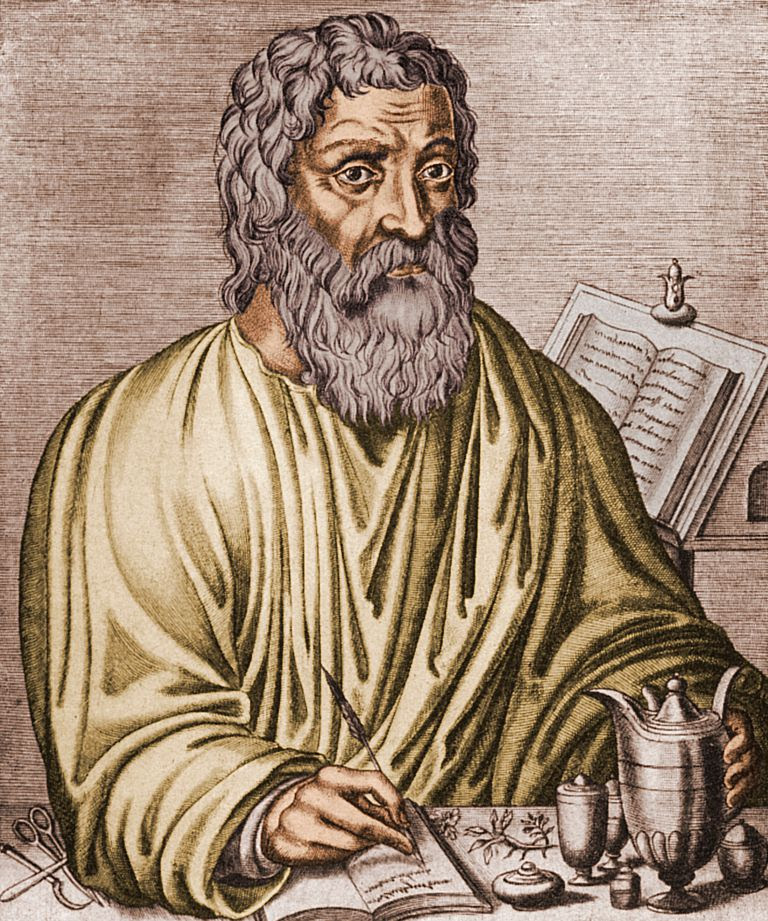
The Father 0f Medicine

Related image 
Ever wonder: When was cancer discovered?  How long has cancer been around?
.
Believe it or not, cancer has afflicted   people for several centuries. It is not a new disease. Find out more about the history of cancer. From www.rare-cancer.org:
.
Hippocrates is credited with being the first to recognize the difference between benign and malignant tumors.  His writings describe cancers of many body sites. The swollen blood vessels around the malignant tumors so reminded him of crab claws, he called the disease karkinos (the Greek name for crab). In English this term translates to carcinos or carcinoma. https://www.ncbi.nlm.nih.gov/pmc/articles/PMC3941741/
 `
Hippocrates was referring to the appearance of tumors. The main portion of the tumor being the crabs body and the various extensions of the tumor appear as the legs and claws of the crab. Hippocrates was the first to use the word cancer to describe tumors Cancer is derived from the Greek word karkinos which means crab It is thought Hippocrates was referring to the appearance of tumors.
.
The main portion of the tumor being the crabs body and the various extensions of the tumor appear as the legs and claws of the crab..”
An outstanding doctor of ancient Greece answering to the name Hippocrates not only changed the majority of the medicine and its perception as it was known back then, but he also influences the ethics and morals of people until today.  https://www.youtube.com/watch?v=AreFKsYw96Y

Origin of the Word “Cancer”

The word “cancer” came from the father of medicine: Hippocrates, a Greek physician. Hippocrates used the Greek words carcinos and carcinoma to describe tumors, thus calling cancer “​karkinos.” The Greek terms actually were words that were used to describe a crab, which Hippocrates thought a tumor resembled.

Although Hippocrates may have named the disease “cancer,” he was certainly not the first to discover the disease. The history of cancer actually begins much earlier.

The First Documented Case of Cancer

The world’s oldest documented case of cancer hails from ancient Egypt in 1500 BC. The details were recorded on papyrus, documenting eight cases of tumors occurring on the breast. It was treated by cauterization, which destroyed tissue with a hot instrument called “the fire drill.” It was also recorded that there was no treatment for the disease, only palliative treatment.

There is evidence that the ancient Egyptians were able to tell the difference between malignant and benign tumors. According to inscriptions, surface tumors were surgically removed in a similar manner as they are removed today.

What Early Physicians Thought Caused Cancer

In Ancient Greece, much less was known about the human body than is known today, of course.

For example, Hippocrates believed that the body was composed of four fluids: blood, phlegm, yellow bile, and black bile. He believed that an excess of black bile in any given site in the body caused cancer. This was the general thought of the cause of cancer for the next 1,400 years. In ancient Egypt, it was believed that cancer was caused by the Gods.

The Birth of the Pathological Autopsy

Autopsies done by William Harvey in 1628 paved the way to learning more about human anatomy and physiology. Blood circulation was discovered, opening the doors for more research on diseases. It wasn’t until 1761 that autopsies were performed to research the cause of death in ill patients. Giovanni Morgagni of Padua was the first to do such autopsies.

 More Theories on the Causes of Cancer

The lymph theory developed in the 17th century, replacing Hippocrates’ black bile theory on the cause of cancer. The discovery of the lymphatic system gave new insight to what may cause cancer. It was believed that abnormalities in the lymphatic system was the cause.

It wasn’t until the late 19th century that Rudolph Virchow recognized that cells, even cancerous cells, derived from other cells. Other theories surfaced , such as cancer being cause by trauma, parasites, and it was thought that cancer may spread “like a liquid.” It was later concluded that cancer spread through malignant cells by German surgeon, Karl Thiersch.In 1926 a Nobel Prize was wrongfully awarded for the discovery of the cause of stomach cancer a worm.The 20th century saw the greatest progression in cancer research. Research identifying carcinogens, chemotherapy, radiation therapy and better means of diagnosis were discovered. https://www.cbsnews.com/news/the-history-of-cancer-siddhartha-mukherjee/

1 Cervical Cancer ” http://images.slideplayer.com/42/11199685/slides/slide_1.jpg

2 What is Cancer? Hippocrates was the first to use the word “cancer” to describe tumors Cancer is derived from the Greek word “karkinos” which means crab It is thought Hippocrates was referring to the appearance of tumors. The main portion of the tumor being the crabs body and the various extensions of the tumor appear as the legs and claws of the crab.

 “http://images.slideplayer.com/42/11199685/slides/slide_2.jpg” 


 3 What is Cancer? Changes to the DNA of a cell (mutations) lead to cellular damage Mutations enable cancer cells to divide continuously, without the need for normal signals In some cancers the unchecked growth results in a mass, called a tumor Cancerous cells may invade other parts of the body interfering with normal body functions.” http://images.slideplayer.com/42/11199685/slides/slide_3.jpg

4 What is Cancer? Although cancer is often referred to as if it were a single disease, it         is really a diverse group of diseases that affects many different organs and cell types        The likelihood of developing any particular cancer depends on an individual’s genetics, environment, and lifestyle. The occurrence of some cancers may be prevented/reduced by wise lifestyle choices.” http://images.slideplayer.com/42/11199685/slides/slide_4.jpg

5 What Causes Cancer? Some known cancer causing agents (carcinogens) with which you might interact: How to reduce your cancer risk: Tobacco (cigarettes and smokeless) Viruses (HPV, EBV) UV Radiation (sun, tanning bed) DON’T: Smoke DO: make healthy lifestyle choices DO: get available vaccines DO: use sunscreen DON’T: excessively exposure yourself to UV radiation (tanning beds, sun).” http://images.slideplayer.com/42/11199685/slides/slide_5.jpg

6 What is Cervical Cancer? Cervical cancer is a slow developing cancer that starts in the interior lining of the cervix. Almost all cases begin with changes caused by the human papillomavirus (HPV), a sexually transmitted infection. Over time the changes caused by HPV build up and a pre-cancerous condition called cervical intraepithelial neoplasia (CIN) develops. CIN can progress to cervical cancer, but this is not always the case. Image Courtesy of QIAGEN www.qiagen.com ” http://images.slideplayer.com/42/11199685/slides/slide_6.jpg

7 What is a Cervix? 1.Fallopian (uterine) Tubes – location of fertilization of an egg by a sperm cell 2.Ovaries – produce and store gametes (eggs) and produce the female sex hormones, estrogen and progesterone 3.Uterus (womb) – location where fertilized egg develops into a fetus and is nourished until birth. Note that the walls of the uterus are thick and lined with muscles 4.Cervix – region connecting the uterus to the vagina 5.Vagina – passageway for menstrual blood and babies during childbirth.” http://images.slideplayer.com/42/11199685/slides/slide_7.jpg

8 More About the Cervix The cervix is the lower portion of the uterus and it plays an important role in reproduction The narrow cervical canal connects the uterus to the vagina and allows passage of menstrual fluid During pregnancy the muscles of the cervix support the weight of the fetus During childbirth the muscles relax and the opening widens (dilates) allowing the fetus to pass through the cervical canal and out of the vagina.

Note: Cervical abnormalities can result in miscarriage Endocervix Ectocervix Endocervix Ectocervix cervix uterus vagina http://images.slideplayer.com/42/11199685/slides/slide_8.jpg

9 More About Cervical Cancer Cervical cancer is most often diagnosed in middle-aged women, with half of those diagnosed between the ages of 35 and 55. It is rarely seen in women younger than 20 and approximately 20% of cases are in women over age of 65. Cervical cancer is not often diagnosed in young women, but this does not mean young women are not at risk. Cervical cancers that develop in older women frequently result from HPV infections that occurred many years earlier. HPV infection, which can occur     at any age, greatly increases the risk for cervical cancer. http://images.slideplayer.com/42/11199685/slides/slide_9.jpg

10 How Common is Cervical Cancer? Cervical Cancer Statistics 2007 (estimated) Worldwide cases: 555, 094 Worldwide deaths: 309,808 US cases: 11,150 US deaths: 3,670 In 2007 cervical cancer was second only to breast cancer as the most commonly diagnosed cancer in women worldwide In the United States the estimated yearly costs of cervical Human Papillomavirus (HPV) related disease is at least $2.25 billion and may be as high as $4.6 billion. cervical cancer is a global issue and does not discriminate.” http://images.slideplayer.com/42/11199685/slides/slide_10.jpg

11 What Kinds of Cervical Cancer Are There? There are two main types of cervical cancer: Squamous cell carcinoma The majority of cervical cancer cases (80- 90%) are of this type. This cancer type often originates where the ectocervix joins the endocervix  Adenocarcinoma This type constitutes the other 10-20% of cervical cancer and develops in the mucous producing glands of the endocervix. In rare cases, cervical cancer can be a mix of both adenocarcinoma and squamous cell carcinoma cervical squamous cell carcinoma.” http://images.slideplayer.com/42/11199685/slides/slide_11.jpg

12 Does Cervical Cancer Have Any Symptoms? Precancerous changes and early stage cancer usually have no symptoms (are asymptomatic) Symptoms of later stage disease may include: – pain, if lymph nodes are involved – bleeding, caused by the tumor – vaginal discharge – pelvic or back pain cervical cancer viewed with colposcope.” http://images.slideplayer.com/42/11199685/slides/slide_12.jpg

13 How Does Cervical Cancer Develop? There are 3 steps necessary for cervical cancer development 1. HPV infection 2. Progression to cervical intraepithelial neoplasia (CIN) 3. Invasion CIN Infected Cervix HPV Infection HPV Clearance Normal Cervix Normal Cervix Cancer Progression Regression HPV infection must persist for more than one year Invasion.” http://images.slideplayer.com/42/11199685/slides/slide_13.jpg

14 Tell Me More About CIN Cervical Intraepithelial Neoplasia (CIN) Long term HPV infection can lead to abnormal cellular changes. If these changes accumulate a condition called Cervical Intraepithelial Neoplasia (CIN) develops. There are 3 stages (grades) of CIN: CIN 1, CIN 2, CIN 3. Some, but NOT ALL, cases of CIN can progress to cervical cancer. CIN can also regress, returning the cervix to normal high grade CIN 3.” http://images.slideplayer.com/42/11199685/slides/slide_14.jpg

15 What are the Stages of CIN? CIN1  Rarely (~1%) develops into invasive cervical cancer, about 20% will progress to CIN2 CIN 2. About 30% of CIN2 will progress to CIN 3 CIN3  About 40% will progress to cancer; usually develops after long term HPV 16 or 18 infection.” http://images.slideplayer.com/42/11199685/slides/slide_

16 Can Cervical Cancer be Detected? Detection Types Because early cervical cancer is generally asymptomatic, regular screening is the best way to detect precancerous lesions.  Pap Test Recommended yearly for women over 21 or within 3 years of becoming sexually active. HPV tests are not normally recommended for women under 30.

After age 30, HPV tests are recommended with a Pap test Colposcopy. Used when abnormal findings are present on Pap test and a positive HPV test. ” http://images.slideplayer.com/42/11199685/slides/slide_16.jpg

17 Tell Me More About the Pap Test Pap Test A doctor or a specially trained healthcare professional inserts a cervical brush or spatula though the vagina and cells are wiped from the surface of the cervix and placed on a slide or in a vial. The cells are then examined under a microscope for abnormalities that could indicate pre-cancerous or cancerous conditions.”  http://images.slideplayer.com/42/11199685/slides/slide_17.jpg

18 Tell Me More About the HPV Test HPV Test A sample of cells is taken from the cervix during a pelvic examination, using a brush or spatula. The sample is placed into a preservative and sent to a lab for testing. The lab tests the sample for the presence of HPV DNA. A positive test indicates HPV infection, but a positive result does not indicate CIN or cervical cancer. Follow up procedures (pap test and colposcopy) are recommended. If an HPV infection is present in the cervix, HPV DNA will be detectable The test detects HPV DNA.”  http://images.slideplayer.com/42/11199685/slides/slide_18.jpg

19 Tell Me More About Colposcopy Colposcopy A colposcopy is done using an instrument called a colposcope. A colposcope is a special microscope that can magnify the cervix up to 16 times its actual size. It allows the physician to examine the linings and other structures of the cervix. Colposcope View of Cervix with Colposcope.” http://images.slideplayer.com/42/11199685/slides/slide_19.jpg

20 Are There Cervical Cancer Risk Factors? The Main Risk Factor Human papillomavirus (HPV) HPV has been found in over 95% of cervical cancer cases. But, most cases of HPV infection will clear within 1 to 2 years and will NOT cause cervical cancer.

Co-Factors  increase the ability of HPV to cause cervical cancer.  These include: Smoking! Other sexually transmitted infections (STI), including the human immunodeficiency virus (HIV), chlamydia, and the herpes virus Additional risk factors, including genetics and diet, are being actively researched.” http://images.slideplayer.com/42/11199685/slides/slide_20.jpg

21 The Main Risk Factor Human papillomavirus (HPV) HPV has been found in over      95% of cervical cancer cases. But, most cases of HPV infection will clear within 1 to 2 years and will NOT cause cervical cancer. Human papillomavirus is one of the most common sexually transmitted infections (STI) in the United States.

Recent studies have shown that over 25% of all women are infected. Infection rates among women aged 20-24 may be as high as 44%. Men can also be infected by HPV and transmit it to women. In fact prevalence may be higher in men than women. More on HPV later So HPV is the Main Cause? ” http://images.slideplayer.com/42/11199685/slides/slide_21.jpg

22 Cervical Cancer, HPV, and Smoking Nicotine (the addictive compound found in cigarettes) has been found in the cervical secretions of women that smoke. This indicates other cancer causing compounds found in cigarettes also may collect in the cervix.

A recent study of 346 US women aged 18-35 found a correlation between cigarette smoking and cervical cancer. Women who are current or previous smokers had significantly longer HPV infections than women who never smoked.” http://images.slideplayer.com/42/11199685/slides/slide_22.jpg

23 The Human Papillo…What? The Human Papillomavirus The human papillomavirus is a group of over 200 genetically different viruses. It is a sexually transmitted infection (STI) and is the main cause of cervical cancer worldwide. What’s a Virus? Viruses are very small infectious particles, responsible for diseases that include the common cold, the flu, AIDS, and chicken pox. The smallest known virus is 20 nanometers across (a nanometer is about 35-millionths of an inch). For comparison, a human hair is about 65,000 nanometers in diameter or about 4,000 times larger. What’s a papillomavirus Papillomaviruses were first discovered in the early 20 th century and named for their ability to cause papillomas (warts).” http://images.slideplayer.com/42/11199685/slides/slide_23.jpg

24 What Exactly is a Virus? “a kind of borrowed life” Viruses don’t fit neatly into a category of living or non-living. They have some characteristics of living things, but they are not made of cells and lack equipment for self reproduction. Because of this, they can only reproduce within a host cell. Tell Me More About Viruses Human Immunodeficiency Virus (HIV) Human Papillomavirus (HPV).” http://images.slideplayer.com/42/11199685/slides/slide_24.jpg

25 Virus Structure Viruses come in all shapes and sizes, but they are usually composed of a genome and a surrounding shell (capsid) Viral Capsid  protein shell that surrounds and protects the viral genome made up of various protein subunits called capsomeres Viral Genome Contains genetic information; DNA or RNA that may be either double or single stranded Organized as either linear or circular molecules Circular Genome Tell Me More About Viruses.”  http://images.slideplayer.com/42/11199685/slides/slide_25.jpg

26 How do Viruses Reproduce? 1.Virus binds host cell and inserts genome 2.Host    cellular machinery begins to replicate the viral genome and produce viral proteins.            3. Viral molecules self-assemble into new viruses (virions) and exit the cell A single infecting virus can produce many copies of itself, often hundreds or thousands at a      time. When the viruses exit the host cell they are capable of infecting other cells,  spreading the infection.     http://images.slideplayer.com/42/11199685/slides/slide_26.jpg

27 Are There Different Types of HPV? There are over 200 described genetically      different types of HPV Some HPV types are responsible for common warts plantar      warts Other types infect the genital tract; these are divided into high risk and low risk  High risk – responsible for the majority of cervical cancer Types 16 and 18 cause ~70%     of cervical cancer cases. Low risk – not thought to cause cancer Types 6 and 11 cause a large percentage of genital warts Add images of plantar and genital warts ” http://images.slideplayer.com/42/11199685/slides/slide_27.jpg

28 How Can I Reduce My Risk? Prevention of HPV  Abstinence (not having sex), is the only completely effective method of HPV prevention HPV can be transmitted by oral and anal sex as well as vaginal intercourse  Ways for sexually active individulals to reduce risk Use a condom! Condoms will not provide complete protection against HPV, but they will reduce the chance of getting it.

Remember: condoms also help reduce the risk of unwanted pregnancy and other STI’s, including: HIV, gonorrhea, Chlamydia, herpes, hepatitis, syphilis, among others. Reduce number of sexual partners! The chances of getting HPV increase with number of sexual partners. Studies have shown that women with multiple (>1) sexual partners have an increased risk for HPV and for CIN. ” http://images.slideplayer.com/42/11199685/slides/slide_28.jpg

29 How is HPV Transmitted Ways HPV is Passed From Person to Person: Skin to skin sexual contact with a partner who is infected with HPV is the most common way HPV is passed. Sexual contact includes: intercourse oral sex genital to genital contact Not passed through: toilet seats doorknobs water fountains.” http://images.slideplayer.com/42/11199685/slides/slide_29.jpg

30 How Does HPV Cause Cervical Cancer? p53 E6 E7 Rb HPV E6 inhibits the function of p53 E7 inhibits the function of Rb p53 is a protein that controls response to cellular stress including DNA damage and viral infection. Rb is a protein that can prevent cell division  by blocking the activity of transcription factors Two of the proteins made by the human papillomavirus are strongly associated with the development of cervical cancer.” http://images.slideplayer.com/42/11199685/slides/slide_30.jpg

31 Of Great Importance… HPV Vaccines Gardasil ® What is it? Gardasil ® is a vaccine approved by the Food and Drug Administration (FDA)  to  protect  against  four types of HPV: 6, 11, 16, and 18  Who can get it?  The CDC and FDA recommends girls and women aged 9-26 should get the vaccine.  Why 6, 11, 16, and 18? Types 6 and 11 cause most cases of genital warts Types 16 and 18 are high-risk types that can cause cervical cancer (~70%)  How effective is it?  Studies have shown the vaccine to be almost 100% effective  in preventing diseases caused by the 4 types of HPV it covers.” http://images.slideplayer.com/42/11199685/slides/slide_31.jpg

32 Of Great Importance… HPV Vaccines Cervarix™  What is it? Cervarix ™ is an HPV vaccine produced by GlaxoSmithKline that has not yet been approved by the Food and Drug Administration (FDA). It has been approved in Australia and Europe.  What does     it protect against? Cervarix  protects against types 16 and 18. These are high-risk types  that cause cervical cancer over 70% of all cervical cancer cases.” http://images.slideplayer.com/42/11199685/slides/slide_32.jpg

33 The human immune system is a complex collection of cells and proteins that function to protect the body from foreign matter,  both living and nonliving.  A Closer Look: Vaccines Two types of immune cells involved in protection against viruses are T cells and B cells. Both cell types are activated when they encounter viral proteins (antigens).” http://images.slideplayer.com/42/11199685/slides/slide_33.jpg

34 Upon Activation: B cells – produce large amounts of proteins called antibodies which move throughout the circulatory system binding the specific antigen for which they were created. T cells – reproduce thousands of times and enter the bloodstream searching for their corresponding antigen. When antibodies and T cells encounter the antigen, they begin a process that leads to the destruction and removal of the antigen. The presence of antibodies against HPV in a vaccinated person prevents infection by the virus. A Closer Look: Vaccines!!!

 More in Cancer

Published on Jan 14, 2016

Located on a lush 50 acre campus in West Palm Beach, Florida, Hippocrates Health Institute is the leader in the field of natural and alternative health care. For over 60 years, we have dedicated our complementary health care and educational programs to “helping people help themselves.”

Preview  20 Year Stage 4 Cancer Survivor

using The Hippocrates Lifestyle
 

Posted in Information & Research | Leave a comment

WELCOME TO THE HUMAN RACE

Image may contain: mountain, sky, outdoor, water and nature

When I started blogging back on December 21, 2011. I remember talking on the phone with someone that worked at my website security company. Which keeps this website free of Hot Links and viruses.  When he ask me  what my intended target  was for this website. And when I told him  to provide cancer awareness  through the research that I know is on the internet that nobody reads. He then proceeded to tell me that’s an interesting concept and that I might gain traffic into it.
.
However, only 10% of the human race is on the internet to learn.

The other 90% are on the internet to find a good laugh from the evils of our world today. What I have learned through this time. I think we humans are animals that deeply believe they aren’t animals.

As a result, they aren’t raised, educated, and trained correctly to prevent nasty behavior. What’s worse, they are expected not to act on their instincts, however, never taught how, because humans are apparently supposed to (through some miracle) be able to control their instincts. (Of course, they can’t).

Evil? Why bother with a word like that? We don’t call other animals evil,        even when they do the same nasty things less well-adjusted humans do. Humans deserve a bit of understanding.

If they would give up the hubris and learn how to cope with their own instincts instead of pretending they aren’t there, perhaps things wouldn’t be so bad. However, that’s a cultural thing, and cultures can be difficult to shift — in any species.

I believe that our lives are meant for struggle against the life itself but I don’t get the    point of a country or a group of people calling themselves great when the entire life,  people linger around ignoring issues and opression faced by the others of their own      race.

Our greatness lies in reflecting the best of human interests

is in our significant actions toward each other !!!

Whatever might be the achievement, whatever might be the level of their authority,          if   they do not prioritize ending the human suffering then nothing they offer is worth value.

Humanity in character has to be absolute

It is not situational nor a matter of choice

The point is:

Our sense of kindness and need for collective progress for all is what makes us Human. We have lost it.  We have lost the core value on which current systems are based on. We live in an era of cowards. They fear losing kinship to people or losing a false public image matters more rather than combating some actual suffering. Our goals and our ideals are corrupted by the desires and the need to fuel one’s self-esteem.

People are insecured and aimless about their lives more than ever. Emotional crimes are ignored  in  the name of privacy.  People’s sympathies towards  just causes have vanished because  they want to avoid involvement;  hear nothing and see nothing. There’s so much wrong with this race that no extra-terrestrial species would contact us because that would lead to wars and destruction rather than productive exchanges. They would see it ! Yet we cannot.

                            “What is wrong with the human race?”

Life is violent. Everywhere you look in nature you are going to find violence. We are not any different,  some of us apex predators.  We would not be where we were without our capacity for violence.

In history we just finished this whole nurture v. Nature argument

The nature v. nurture argument is bullshit. For most things, it’s actually nature + nurture.

and where human evil comes from,

Evil is an element of human storytelling.

It is a word we use when telling stories that let the listener know whether to root for          or against specific characters without having to understand their motivations.

It is a simplification, one that we should be very careful with. When you decide                    to label someone as evil, it becomes very easy to dehumanize them.

and we learned of all these atrocities which humans have commited,

History is full of them because humans are violent animals.

and Las Vegas  just had that big shooting, and it just makes me wonder, why do you guys thing humans do evil things?

When you decide that something is an “evil thing” you’ve pretty much given                        up on a real understanding of their motivation.

That gets to the another point I’m trying to make.

Very few people think of themselves as evil. People who commit acts that you might    think of as evil (like not standing for the national anthem) probably think their actions        are justified.
.

Human Knowledge, Human Endeavors, Human Evolution and Human Society           have hardly achieved anything on the cosmic scale.

We are a pop-listening, suit-wearing and speech-giving group of monkeys on a planet that we don’t completely understand.

  • We have 10000+ diseases and disorders that cause millions of deaths,
  • Colonization on moon has not been possible as of now. Mars is still far
  • Law and order is still a joke around in various countries. Religious fanaticism                 is a cherry on that cake
  • Vices like Corruption, Violence Discrimination, cheating and Human rights       violation occur frequently and are well-established as a reality
  • Our energy requirements are increasing day by day meanwhile depleting the         million year old oil reserves. Best thing is, we have no other effective alternative       that can really make a difference.
  • Government propelled agendas towards specific goals only highlight their own territorial situation. The entire world is not their business
  • We are confused about the creation of human beings. Science has no proof                     of god’s inexistence and religion has no proof of god’s existence.                                 Either way one doesn’t agree with the other.
  • Grave Poverty & frequent Unemployment has broken our total capacity                         for development
  • Religious conflicts have instilled the intolerance and inter-community hatred
  • Living spaces like cities and water bodies are getting polluted without any        measures for its reversal
  • Our children are taught wrong principles and their free growth is curbed
  • Inability of the world leaders to unite and drive the fate of mankind            as a whole. Because for politicians only their tenure matters.
  • We have achieved nothing more than the ability to communicate effectively                and control several aspects of the civilization.

Preview  There Shall Be Showers Of Blessings


We are the blessing we need !

Because the general public is so absorbed tending to their own needs that they             ignore the bigger picture and therefore allow evil to go on in the world.

If you haven’t noticed, zombies have grown in popularity in the last decade.                       The enigma and horror behind the walking dead seems to entrance many,                       proof being the wide range of video games and movies that center around                 zombies, or more specifically, a zombie apocalypse.

I am by no means a fan of zombies or anything in that genre, but nonetheless,                  here I am with a seemingly irrelevant post concerning zombies.

Having a Facebook group, I see and hear things that have to do with zombies almost    every day, like offhand jokes about preparing for the apocalypse or advertisements for        a new zombie series. After some time of getting acquainted with one of society’s many foolish obsessions,  I began seeing uncanny similarities between this made up species     and our own.

Zombies are seen as emotionless, brainless, and violent, characteristics today’s society tries to abhor.  Unknowingly,  humans possess much of the same characteristics. With       all of our advanced technology, our senses have dulled, our eyes have dimmed, and our ignorance has grown.

Now at this point, I can just see many of you rolling your eyes, but believe me                 when I say this; humanity is dying.

I know what I’m talking about, I really do.

I’ve seen people announce their suicides on social media only for people to reply in          the comments section with some pathetic emoticon, which is the basic equivalent of saying,   ‘I really don’t give a sh*t that you are about to kill yourself.’
 .

And, as we all know, that’s just the tip of the iceberg. Don’t expect that just                because  Google doesn’t scream ‘ZOMBIE!’ at you doesn’t make it not true.

I’ve lost relation with hundreds of people just due to the fact that I don’t own the          latest game system or  own the newest phone. Because I don’t want to be a zombie.      What have they lost? Life. What have they won as we lose the human race?

A high score on a video game?

Today, all around the world, you are likely to see people glued to their smartphones walking mindlessly, similar to a zombie. Just as zombies crave flesh, we crave to be content. We want just the right body, just the right friends, just the right house, we        want everything to be ‘just right’.

But, thinking a little bigger, no one seems to want the world to be ‘just right’.

As the media shoves social norms and expectations down our throat just as fast as      society drapes us in a blanket of ignorance, we all think it’s quite fine to be a zombie.

There’s nothing wrong with us, we’ve always been like this and we aren’t getting (substantially) better. Our human nature is what it is.

Most people are social, kind, loving and lovable, but there will always be people who       are not (luckily a very small minority).

You might have the impression we are ‘derailing’  as a species,  but in fact,  societies          and people are becoming less violent over the years. Steven Pinker wrote and extremely interesting (though long and rather boring) book about this phenomenon:  The Better Angels of our Nature.

That said, there will always be ‘freeriders’ i.e. psychopaths or sociopaths, taking advantage of other people and/or societies without contributing. But they will always be a minority, since populations existing of a majority of ‘freeriders’ won’t last. They will collapse.

So my point is that there’s nothing wrong and that our societies are even evolving to become less violent.

From a deistic worldview, in the Christian faith, it all began near the beginning of time. God put his first man Adam and his first woman Eve on Earth.   They were tempted by     the devil who told them to eat forbidden fruit (which was forbidden by God) from a tree. They gave in and thus, sin was brought to Earth. Sin is the equilavent of death, pain and destruction, so because they brought sin onto the earth, the rest came in.

From an atheistic worldview, it does not have much to do with evolution. In a lot of situations, the people are psychopathic or have some other mental disorder which could remove empathy or bring the urge to kill (which is why I think background checks for owning guns should be much, much stricter).

In other situations, people are born and raised thinking that, for example, in Islamic extremism, that “all infidels must die.” (For the record, Islam is a very peaceful religion, only a tiny percentage of believers possess those beliefs.)  So,  it is embedded into their mind from a very young age that killing people who don’t share their beliefs is right –      and that’s exactly what they do.

Aside from killing, we are absolutely shitting all over our planet. From emitting colossal amounts of greenhouse gasses to collapsing ecosystems all over the world, we are on a path that is going to need a global revolution to reverse. At the current rate we are going, conditions on Earth may be so unstable that, within the next two centuries, another mass extinction will almost definitely occur, and it would be completely anthropogenic. There will not be one way to fix this, let me tell you. We are going to need multiple very well-planned and well-executed solutions to reverse even half of the damage we’ve caused.

. Some of these can potentially be:

  1. Relying on the sun for energy. The sun alone provides as much energy in 14 1/2 seconds as the entirety of humanity uses in a day. Harnessing more solar power can help reduce greenhouse gas emissions.
  2. Educating the world on what we are doing to it. Many poor countries are driving climate change through things such as slash-and-burn agriculture and deforestation, yet they’ve never received proper education on how detrimental those effects can be    on our planet. Also, overconsumption of animals and natural resources from nature collapses ecosystems, but how many people in fisheries, for example, from poor/ generally uneducated countries do you think know that they are destroying our oceans?
  3. Obviously, reserving large sanctuaries for wildlife across the world.  Though this is clear,  one thing that we can do which may not be as obvious  is creating large sanctuaries that cross multiple countries. Connecting sanctuaries throughout our land will allow animals to migrate as the seasons change without having to go through human civilization, risking death and capture.

All in all, we just need to wake up and save our planet on all levels before it’s too late. If we don’t kill our planet, we’ll probably kill ourselves.

Preview YouTube video MAN

Posted in Thought Provoking | Leave a comment

Truly a Blessing in Disguise

 Related image

It may have been when I as 42 years old. . . . did I begin to feel life change!!!

But was not until December 21st 2005, when my father first started to feel the effects of his terminal illness diagnosis when active life started to slow on him. As I started to sink more and more into severe depression. My doctor told me that is normally the case. When you always viewed someone as active (early, during and aftermath) and cancer takes hold against them.  That is when it effects you.  At that point…. Then and only then, did I realize the helpless feeling when someone that is closest to you…. starts to die.
 .
In the proceeding months until he passed on April 3rd, 2006 ~ as life really and truly sucked being depressed. My best description for what I was experiencing was living in         a rabbit hole. Every time that I thought I started to see day light. I just fell deeper into darkness.
.
Depression I wouldn’t wish the curse on anyone. But as you climb out of this despair.         You soon realize it becomes a blessing in the aftermath. When I did finally pulled out        of depression was the day I realized the root cause that was holding me back.
 .

: Up to this point in my life: Everything had went my way and thought nothing should go against me.  I had a lazy outlook on life and was the happy go lucky type.

With nothing ever phrasing me I could not understand the helpless feeling  or why anybody had to perish with cancer.   The why me … why anybody syndrome had hit me square between the eyes.

I had to redefine  My Meaning of Life  for it to become meaning ful again!!!

We are eternal beings who seek to know ourselves through our life experience. This leaves plenty of room for individual differences, but tries to capture the common thread. It’s not enough  for us to only have  the mental concept  of what we wish to be.  We have to live it every day of our lives,  feel all the feelings that go along with it,  experience all the various aspects of the person that we are and are becoming. The person we reflect is our eternal being, with each day a challenges of physical existence. We add to the richness of our souls, and to the cosmic consciousness, with every living moment.

To know our true selves through our living experiences is also to find the transcendent values within the moments of life – the love, the beauty, the truth, the glimpses of the divinity in the world. This is when we feel the most satisfying sense of meaning. However, even ordinary everyday experiences are still inherently meaningful as contributions to the ever-expanding multiverse.

Another aspect of meaning in life is learning, not just intellectual development, but all kinds of learning, especially wisdom, learning that represents our souls growth through the purpose of our life. Some of the most difficult experiences lead to the most significant advances in wisdom. Wisdom certainly includes moral and ethical development, learning to use free will appropriately.

However, it also includes developing compassion and emotional intelligence,  the ability   to form close relationships,  demonstrate leadership,  also have appropriate interpersonal boundaries and self-care, and generally to express more of the true divine self while we are still in the physical world. It seems that the physical world reflects back to us what we have put into it. Who we become is a result of how we have lived.  Thereby over time, we may be reshaping our lives and collectively, our societies and our planetary environment, in ways that show us what we are becoming.

Many a genius has tried to unravel

The answer does actually have a deep meaning.

Let’s see.

The atomic number of Molybdenum is 42, as mentioned by Elliot Cooper.

A Spoonful of Molybdenum, some Ulysses and the Origin of Life

Coincidence? I think not, because molybdenum is a very important element for humans and plants in minute quantities for proper growth.

The answer to life is: The best age to be is 42  just might be the bench mark in time when you start to realize; how wonderful it is being a walking talking free human on a beautiful planet. We begin not only to seeing the scenery but to feel our surroundings. The universe is condensed into a form that can appreciate and we start to understand why we are here.

42 unknown maybe a genius has tried to understand this theory. But through the power   of the internet. Maybe truly “we” can begin to understand these changing of life events?

The answer to life, the universe and everything is 42, but the question is unknown.

Why in Japanese does 42= death

in Japanese 42 pronounced separately — “shi ni” (four two) shini means “to die”                (42 and the # 4 r both unlucky #s)

Shinigami phone # from Soul Eater
42-42-564 (shini-shini-koroshi), which literally means die-die-kill in Japanese.

42 is the number with which God creates the Universe in Kabbalistic tradition.

There are 42 principles of Ma’at, the Ancient Egyptian personification of physical            and moral law, order, and truth.

Where there are 42 gods and goddesses of Egypt, personifying the principles of Ma’at,  who ask questions of the departed, the deceased’s heart is weighed against the feather of the Truth.
.
“But What, why?”
.
at “42” does the beginning 0f life end?
.
 When I read this next article is when I began to realize deeper,
“why” our being has been put into the universe!!!
 

 True Meaning of Life: In One Word “Onward.”

Posted in Thought Provoking | Leave a comment

WE Are an Ocean Drop

Image may contain: ocean

 Life is short when compared to the universe, thus!!!

“You are not a drop in the ocean. You are the entire ocean in a drop.”

– Rumi

This is one of those quotes  I saw on Pinterest link and it made me stop      and think.  I never really thought about it this way, but it’s such a lovely perspective.  We always think of ourselves as being so small in the grand scheme of things…just one tiny drop in the vast expanse of the ocean.

It’s nice to think  it this way…all of our experiences, travels, people we meet, are in our hearts and souls. We carry our world inside of us, each and every one of us does, making us all like the entire ocean in a drop.

Author Anthony Robbins says: “Every setback is a set-up for a comeback.” When we realize  life is a brief opportunity to grow as the spiritual champions we are meant to become, it changes everything. So, let’s keep our eyes on the prize, and day by day, little by little, grow those spiritual muscles – the virtues that are the very essence of our life’s purpose.

There will be pain at losing what is familiar and probably tears along the way.

As Psalm 30:5 says: “Weeping may endure for a night, but joy cometh in the morning.”

How does a spiritual champion live life?

Monday November 21, 2016 Written by and Published in Opinion

WHAT IF you had a dream of being a great athlete – the strongest, fastest rugby or soccer player – a true champion of the game?

 Imagine that you suddenly realise you’ve forgotten the rules of the game and are heading the wrong way    on the court or the field?If life were a game, how many of us would truly understand the rules of success?     If we are self-serving when we are meant to love and serve others, or aim for money, looks, or the pursuit     of pleasure, we have lost the plot, ignoring the goal of our soul to make the greatest contribution with the gifts the Creator has given us. 

How would our lives change if we understood that we are spiritual champions meant to develop as much love, integrity, loyalty, creativity and trustworthiness as possible in our lifetime? 

What if we woke up one day and realised: “I’m playing the wrong game!”

An athlete who had reached the pinnacle of his sport was asked what he wished someone had told him   when he first started out.

He replied: “I wish that someone had told me that when you reach the top, there’s nothing there.”

Many goals reveal their emptiness only after years wasted in their pursuit.

Second Corinthians 4:18 says: “So we fix our eyes not on what is seen, but on what is unseen,                      since what is seen is temporary, but what is unseen is eternal.”

Jesuit priest, Teillhard de Chardin said: “We’re not human beings having a spiritual experience.                    We are spiritual beings having a human experience.”

In this brief life span, we are given free will to make our choices.

God is our steadfast coach, guiding our lives as if we are star athletes.

When we fall, we aren’t meant to give up, but rather to get up, striving to the very limits of our strength.     We are given tests and trials, not as a deprivation but as an education – a love offering.

If we truly understood that life brings us the perfect teachable moments for our own good,                               we would welcome every one of them.

We would celebrate each new lesson, each step of personal growth.

Sufi mystic Rumi says: “The wound is the place where the light enters you.”

This is echoed by Leonard Cohen’s song Anthem:  “There’s a crack in everything.                                          That’s how the light gets in.”

My brother John was a strong, healthy man all his life, a design director with Walt Disney Imagineering, overseeing multiple projects and walking miles each day inspecting them.

When he was dying of brain cancer, unable to walk unassisted or even turn on the coffee pot, he said:       “You know, Sis, this isn’t an emergency. It’s an emergence.”

He treasured the experience of giving up doing for being, and dived deep into new spiritual awareness.

When I asked him how he could meet death with such fearless serenity, he said:                                             “Well, for me it isn’t about fear or about hope. It’s about trust.”

He went to a whole new level of trust and faith, and when death came for him,                                                     he welcomed it with open arms.

The Baha’i Writings say: “But for the tribulations sustained in thy path,                                                               how could thy true lovers be recognized?”

Here is a copy of John’s obituary.

John Howard Kavelin  January 7, 1944 – July 18, 2009

John died as he lived — with joy, gratitude, wonder, and amazing spiritual clarity and wisdom, defying        the effects of brain cancer diagnosed 15 months ago. John was a devoted member of the Baha’i Faith and embodies its teaching to “let your vision be world embracing rather than confined to your own selves.”         He gave joy to so many as an art director and imagineer for Walt Disney Imagineering.

When he was little, he was called “Mr. Toad” because he moved so fast. He later designed “Mr. Toad’s wild ride” at Disneyland. John received his Bachelor’s and Master’s of Fine Arts degrees from Carnegie Mellon University and Brandeis University. His 40-year career as a designer spans the worlds of opera, theatre, exhibit design, television and film. John is a 17-year veteran of Walt Disney

Imagineering as an art director and show producer, He was the lead designer for “Asia” at Animal Kingdom in Orlando, Florida and spent 6 years in Japan as Director of Design and Production for Tokyo Disneyland. In 1990,  John,  his sister Linda Kavelin Popov and brother in law Dr. Dan Popov also founded The Virtues Project, a global initiative inspiring people of all cultures and beliefs to live by their highest values. It began on Salt Spring Island in 1988 and spread to more than 96 countries and has been endorsed by the United Nations and the Dalai Lama.

Of all John’s creative projects, the two most meaningful to him were The Virtues Project and the design for the Baha’i World Congress in New York in 1992. John’s sweet nature, loving friendship and wise mentoring will be deeply missed by his family and countless friends. A celebration of his life will be held Friday, July 24th at 11 AM at Harbour House and all are welcome.

Preview RUMI – “You are not a drop in the ocean.

You are the entire ocean in a drop.”

 .
 
Posted in Thought Provoking | Leave a comment

Elyn’s Story

Image may contain: 1 person, smiling, text

 In 2007 Elyn Jacobs was 45, with two children under five, and working full time as a Wall Street bond trader and  with her mother was losing her own 13-year battle with breast cancer. Later that year, Jacobs’ sister also being diagnosed with breast cancer. Elyn she decided to hit the pause button on her busy life. “I had also been trading for 23 years and it was time,” she said.
.
No sooner did she make that decision than a routine mammogram showed she had Stage 1 breast cancer. “I had no idea that anything was wrong. I didn’t feel a lump,” she said.
.
Having seen her mother pass away using conventional methods, chemotherapy and radiation, she decided that that would not be her fate. Afterall, she had 2 young boys to raise and wanted to see them grow into men.
.
 
After living through all that. . . .Round two begins, September, 2014.

While working at my desk, I suddenly get the urge to feel under my arm—                  Distinct and concerning I find the lump, I have my husband feel it too.

Working at my desk, I suddenly get the urge to feel under my arm—the lump. Distinct   and concerning, I have my husband feel it too. Round two begins, September, 2014.

While my first instinct was to decline the biopsy, I decided that maybe I did need to   know, that maybe it would help me to know how aggressive I needed to be in resolving the ‘situation’.  Plus, without the biopsy, I am told, there was no way to know if this was a new cancer or recurrence  (new cancer at stage one vs recurrence at stage three–but as it turns out, the biopsy was inconclusive).  I was also inclined to decline the surgery, knowing this was not a good option (note to self—go with your gut in the future, it is smarter than the brain).

My surgeon agreed that opting out was a very good option. While it does seem like common sense that the removal of cancerous lymph nodes would improve survival rates, the evidence shows this is not the case and it causes far too much harm, further damaging an already sluggish lymphatic system—which can lead to lymphedema and more cancer. But then in further discussions, he said he could just remove that tiny spot, no need to put me to sleep, and that perhaps removal would help me sleep as I am the type of person who will remain awake, thinking, and thinking.

As a family, we had much on our plate, so heading off to Germany or Mexico right then didn’t seem to be the best option (albeit a good one); we considered holding off until February when the timing was better. Then for some bizarre reason (okay, I started to doubt my healing plan). I decided I would have the surgery (big mistake).

To make a long story short, in November my surgeon removed ten nodes (note to all,  never trust a surgeon, even a really good one!); five had cancer. Plus, I didn’t get much useful information from the pathology report, only that I was now stage three.

My well-meaning oncologist recommended chemo; my well-intentioned radiologist recommended radiation. I declined both.

Come January, I went for a follow-up sonogram, expecting to get the all-clear.  Unfortunately, the radiologist found two more suspicious nodes nearby the excision.           I declined the biopsy. I continued with my protocol and retested in April. The two nodes remained suspicious, but had not grown; an additional one was found. I declined the biopsy.

October 2015

Woo hoo! Sonogram shows that all nodes in the armpit are now clear! It seems my protocol is working.

I am incredibly grateful to all of my doctors and healers who while might not always agree with my choices, understand and support them. I will cherish the look on my radiologist’s face when she said, “Elyn,  I was worried as you declined all recommendations, however, whatever you are doing, keep doing it, it’s amazing!”

Elyn’s Motions and Potions

The Motions

For the 7 years since my original diagnosis I researched everything about cancer—why it develops and how to reduce risk. I juiced and ate to beat cancer. Under the guidance of my oncologist, I took copious amounts of targeted supplements.

My oncologist also said I needed to reduce my stress—he said my life would depend on it. He said likely something happened to me when I was five years old that was driving my cancer. When I went for some coaching training, I learned even more about how powerful the mind is, including the damage past emotional traumas can inflict on the body. At the time I couldn’t get myself to meditate or do yoga (which for the most part does not agree with my body), but I forgave all that have caused me stress and trauma. Little did I know that my subconscious was not onboard, that forgiveness only goes so far.

Needless to say, in September 2014, it all changed. I now fully realized that the root cause of my cancer was indeed emotional and I needed help.

Dr Ryke Geerd Hamer, a German physician and scientist, has studied and written much  on how unresolved psycho-emotional trauma causes cancer. He also believes that cancer occurs when the individual suppresses for long periods toxic negative emotions (primarily anger, hate, resentment and grief).

This creates cell changes within the body leading to cancer. Other researchers have      come up with similar theories supporting the idea that past traumas, including those        of our ancestors, affect gene expression just like environmental factors, and also leaves molecular scars leading to cancer.

I wish I had known that beyond the field of white coats, is a world of healers, who for centuries before modern medicine, the true healers—people who can heal these scars.

The Power of Healers

That September, I met a Ki-Energy Healer at a conference. He told me I was absorbing too much negative energy from others and that he could heal me of the cancer. I liked him, but he was only available locally one day a week; healing required three.  I met another healer, he said the same thing. I had so much confidence in Ki healing, and after each session, the lump would shrink; but then the darn thing kept growing back. I lost confidence, however, perhaps I should have stuck with it.  Thinking back,  I knew I could not manage the travel, so perhaps that was not meant to be my plan.

I also tried BioEnergetic Healing with Zev Koleman.  I found this fascinating, but I did not notice a change. I did some EFT tapping (Emotional Freedom Technique) with Dr Thelma Jones, and found that very helpful in removing cancer-causing emotions.  I worked with a psychotherapist, Dr Peter Resnik, for many months as we chopped through toxic emotions and through visualization and dream-analysis, worked on healing.

I practiced yoga with my friend and yoga instructor Yuliana Kim Grant,who also turned me on to Yoga Nidra (a form of meditation and guided relaxation).

Sometimes we have to try many healing modalities before we find the right one for us.         I credit all of these amazing people for contributions made to my wellness and will keep  up with the techniques I learned.

When I tried Reiki, it was love at first touch.  My Reiki Master, Brian Brunius, is nothing short of amazing.  My stress melted away as I melted into the table. I also stumbled across Holly Hallowell, another great healer who with her Emotion Code and Anahata expertise, helped me to remove ties to emotional traumas that were contributing to pain, and likely my cancer as well. (Anahata Codes are assisting frequencies which add the perfect blend  of vibrations needed to unblock, release and elevate energy to a place of perfection.)

I also came across April Fontana (note to all, nothing happens by chance—always for a reason). April is an amazing clairvoyant psychic healer (The Oracle Method), and she has fixed my mind, body and soul.  She has cleared my mind so I can think, opened my crown so I can sleep, and fixed so many physical issues I can’t count them all—but for example, this summer when I struggled with bouts of intense stomach pain and could not eat for weeks at a time, and my doctors could not find reason nor remedy, April repaired my raw stomach; problem solved.

April also recommended I wear crystal bracelets to protect myself from negative energy, radiation from technical devices and more.  While all of my  ‘motions’  were very helpful   and clearly played a role in my healing, I knew I had to narrow down my team of healers. Brian, Holly and April are clearly my ‘A’ team–I don’t know what I would do without them.

Here’s the recap of the Motions that helped me heal: (Stay tuned for Part II, Potions)

  • Energy Healing (The Oracle Method, Emotion Code,Ki, and BioEnergetic)
  • Reiki
  • Psychotherapy, visualization
  • Rebounding
  • EFT tapping
  • Crystal healing bracelets bracelets
  • Oil pulling to remove oral toxins and bacteria
  • Yoga, meditation
  • Frankincense oil, applied to my armpit and on the souls of my feet (more about          this in Potions as I firmly believe this made a huge difference in my healing)
  • Making Elyn a priority, spending more time with friends, and having more fun!

Remember, something works for everyone, but everything does not work for everyone….    I share with you my story to give you confidence that there are many ways to heal from cancer–and to heal the reasons for that cancer.

I am incredibly grateful to all of my doctors and healers who while might not always     agree with my choices, understand and support them. I will forever cherish the look          on my radiologist’s face when she said, “Elyn, I was worried as you declined all recommendations, but whatever you are doing, keep doing it, it’s amazing!”

ej pink What do I do now?  I will never let my guard down; I will continue with my protocol for the rest of life, likely with a few tweaks along the way. I know I still have much to do, but I will have more fun; I will also laugh more and wear bright clothing (as suggested by team member Dr Resnik). I have forgiven myself (and my surgeon) for the choices made. I will continue to nourish my soul and not allow others to interfere with    my happiness. I will never forget the importance of having a “Plan B”.

While I hope I never need it,

I know that it is important to have that in my pocket.

Life is good. 🙂

For more information about healers, including links to mine, please visit Alternative and Complementary Therapies

For Part II, read The Potions Behind the Motions: Healing Elyn

Elyn  🙂

Preview  Thanksgiving Song – Mary Chapin Carpenter

Posted in Thought Provoking | Leave a comment

Brain `Gut ~ Liver’ Connection

Image result for brain-gut axis in health and disease

The interaction between the brain and the gut has been recognized for many centuries. This bidirectional interaction, occurs via neural, immunological and hormonal routes,   and is important, not only,  in normal gastrointestinal function, but also, plays a very significant role in shaping higher cognitive function,  such as, our feelings and our subconscious decision-making.

Therefore, it remains unsurprising that perturbations in normal signalling have been associated with a multitude of disorders, including inflammatory and functional gastrointestinal disorders, and eating disorders.

The Brain-Gut Axis in Health and Disease.  Available from:  Generally speaking,  gut microbiota exerts effects on the brain not only through the nervous system (gut‑brain’s neuroanatomical pathway) but also through the endocrine system, immune system, and metabolic system.

A bidirectional communication between the gut and the brain is referred to as the gut‑brain axis. Interaction of gut microbiota and gut‑brain axis is referred to as the gut microbiota‑gut‑brain axis (hereinafter referred to as the gut microbiota‑brain axis).

In the gut microbiota‑brain axis, because gut microbiota can be used as an independent variable and changed intentionally, more emphases are placed on the role of microbes in gut microbiota‑brain axis. 

Given the Chinese belief that if you keep the liver healthy though all disease. You won’t   die of that disease and in modern medicine being if you poison the host you will kill the disease. It becomes even more compelling that chemotherapy may not be the answer?

What Causes a Congested Liver?

Liver is one of the most vital organ of our body and also the most hard working body organ. The main feature related to any liver disease is tiredness. The main function of     the liver is to remove toxins from the body, which can include varied chemical as well       as physiological substances. When the liver is overloaded with work then it can face problems in clearing toxins from your body, which results in congested liver or liver congestion. There are basically two main causes of liver congestion.

Let us see these in detail: https://familylifegoals.com/body-liver-damage-signs/

The first is when the liver is unable to detoxify the waste in a proper manner.

When there is an excess intake or presence of toxins in the blood, the liver might not be able to function properly. Also, if the bile flow is reduced or is stopped, it might result in congestion of the liver. The reduced supply of bile can be a result of a possible stone or any severe medical condition. Such a situation can leave you feel tired because of the fact that there is an increase of toxins and waste in the blood, which will result in contaminating the body environment. This can also give way to a number of problems like those related to the skin and respiratory problems and you can also gain weight. For getting rid of this it is advised that you follow a detoxification program.

Another problem that can lead to liver congestion is the presence of excess carbohydrates in your diet.  The liver is responsible for carbohydrate metabolism  and  maintenance of a normal blood glucose level.  If the blood glucose level is low,  then the liver can break the glycogen to release energy for the body. But, if the blood glucose level increases then this might hinder in the proper functioning of the liver and cause liver congestion.

Such a condition can result in irregular blood glucose levels and can leave you tired and also result in a number of medical problems.

Another problem that can occur because of congested liver is jaundice. If you suspect     that you are suffering from liver congestion, then before the situation becomes worse,        it is important that you get yourself tested for the same. There are a series of standard  tests that can help you determine whether you are suffering from liver congestion.

The best way to get rid of congested liver is to follow a liver cleanse program or a detoxification process. There are a number of natural therapies available for cleansing      of the liver; one of these is having stewed tomatoes and tomato juice for a period of two days. You can also replace tomatoes with apple and apple juice. Massaging castor oil on your abdomen can also help you in getting your liver back to function normally.

There are a number of supplements available in the market that can help you to revive   the normal functioning of your liver.

Liver is one organ in our body that has the capacity to rejuvenate itself if given in proper time. However, if your problem persists then, it is better that you see your physician as soon as possible to have yourself tested for complications.

The amount of people who are struggling with decreased liver function growing, it is important to address the issue of having a congested liver.

These days, it is hard to avoid toxins. They are in your food, the clothes you wear, your personal care products, the products you use to clean our home, throughout your home and even in the air you breathe. After being exposed regularly to so many toxins, it is no surprise that many people are dealing with higher levels of toxins in their bodies.

The more toxins your body is exposed to, the harder your liver has to work to remove them. If the liver struggles to keep up with the demand for detoxification, it may become sluggish and congested, as its ability to filter toxins diminishes.

If this happens to you, you may begin to see signs that your liver is not functioning optimally. These signs come as reoccurring health issues. They may begin as minor issues, but as the toxic load increases, the health issues can become nagging, chronic complaints.

What are the signs your liver may be congested or sluggish?

  1. Poor digestion- one of the functions of the liver is to produce the bile and bile salts necessary for digestion. Bile assists in helping the body to breakdown fats, as well as to absorb fat soluble vitamins such as vitamin A, D, E and K. When the body isn’t producing enough bile and bile salts, digesting fats will become difficult. Acid production will increase in the stomach in order to assist in breaking down fats, and indigestion may occur.
  2. Hormone imbalances- The liver is vital for the breakdown and removal of hormones in the body once they have served their purpose in the body. Without being able to fully remove excess hormones, they can build up in the body. This can lead to symptoms such as high blood pressure, bloating, weight gain, fatigue, sleep problems, low libido, low immune system function, cravings for junk food and mood issues.
  3. Weight gain- when toxins build up in the body they can cause an imbalance in blood sugar and hormones which can ultimately cause the pounds to add up…even if you are eating well and exercising regularly!
  4. Skin problems- If toxins are building up in your body because they are not being filtered out properly by the liver and other detoxification pathways in the body, then you may start to see skin problems such as acne, rosacea, rashes, psoriasis, dermatitis and eczema.
  5. Fatigue- if you are feeling drained and fatigued, even if you are getting plenty of sleep, it may be your body telling you that your liver is not functioning properly.
  6. Bad breath or a white coating on your tongue- The tongue is a great indicator of the state of your health and if you have a white coating, it could suggest that your liver is sluggish. The white coating and bad breath are a sign that you are not digesting food well, and as a result, bad gut bacteria such as Candida can spread and an overgrowth can occur. Since the liver is connected to good digestion, when it is sluggish, it can contribute to these symptoms.
  7. Chemical sensitivities- Do the smell of certain perfumes or cleaning products give you a headache or make you anxious or irritable? Are you a lightweight when it comes to drinking alcohol? These are chemical sensitivities and they are often found along with having too many toxins in your liver.
  8. Cravings- When you begin to crave sweets and highly processed carbohydrates, this may be caused by hormone and blood sugar imbalances that are common when the liver is not working effectively.
  9. Gallbladder problems- The gallbladder and liver are connected. The liver produces bile and bile salts that are necessary to break down dietary fats. That bile is then stored in the gallbladder, where it stays until the next meal when it is needed. But if there is not enough bile being produced, then it will be much more difficult for your body to break down fats. When the gallbladder isn’t functioning properly, you can experience health issues such as nausea, indigestion, abdominal bloating and an intolerance to fatty foods as well as an increase in abdominal pain.
  10. Pain in the right upper portion of the abdomen- As the liver becomes more congested, inflammation occurs and with inflammation comes pain. The pain caused by an enlarged liver usually can be felt in the area where the ribs end on the right side of your abdomen.

Many of these symptoms can be disruptive to everyday life, and some can ultimately become life threatening if not dealt with in a timely manner. If any of your symptoms     are severe, please seek medical attention to rule out any life threatening health issues.

If left unresolved, a congested liver can become non-alcoholic fatty liver disease, which  can  further compromise liver function.  Fatty liver disease was typically a disease found    in alcoholics, but in recent years, more people are being diagnosed with it, without being alcoholics. 3 million people in the US are currently living with this disease.

A congested liver can be reversed by natural methods and function restored, with proper detoxification, and nutrient support.  Since each person is an individual, there is no “one size fits all” protocol to re-balance the liver and rest of the body. Working with an FDN practitioner is a great option. These functional health coaches can help you to find the right protocol to support your body and help you on the road to feeling better again.

Preview 6 Signs That Your Liver Is Full Of Toxins And Making You Fat

(And How To Stop It)

Posted in Uncategorized | Leave a comment

ABSOLUTE MUST

Image may contain: one or more people and text

With that in mind let’s see how to identify your negativity levels:

Cash do not flow easily, unpaid bills start to pile and you do not know where your money  is going. Getting a stagnation in our prosperity is a sign that the path to growth is blocked even when we are earning enough money.
You feel tired, exhausted and you get frustrated easily. You experience up and downs like a rollercoaster and you feel bad about yourself. Usually, we still feel exhausted after a good’s night rest and with a balanced diet.
You feel stressed and unable to cope with every day activities, while before everything     was fine.
You are more prone to infections than normal and you start getting sick more often.    Signs of a low immune system topped up with stress.
Communication is affected, people seem to not being able to understand you and you      feel that you don’t understand others.
You find difficult to care for yourself and you cannot find any time for yourself.
Your sleep pattern is affected with strange dreams and nightmares. Your subconscious mind tries to alert you that something is not right.
Negative thoughts and emotions seem to surface every time you are trying to relax.     What is worse is that the more you try to stop them the more resistant they become.
Losing keys, money, wallets, clothes etc and having a difficult time to find them, even though most of the time they are around you and quite visible.
Feel unable to concentrate as your mind tends to focus on random things while you experience a feeling of emptiness.
Ok if you experience more than 5 of these together then it is time to make a change –

TAKE YOUR POWER BACK AND BE IN CONTROL OF AND CREATE YOUR LIFE!
BECOME THE BEST VERSION OF YOURSELF! (^_^)/
YOU HAVE TO CHOOSE WHICH TYPE OF REALITY YOU WANNA LIVE!
If you are in that conspiracy theory frequency, you NEED to get out of that vibration, which is a fear based vibration. “Energy flows where your attention goes.” and what you put your attention on is just going to increase and accelerate as time goes on. Get as far away from that shit as you can LOL!!!!! Stop giving ur power away.
Create the reality YOU WANT! WHAT DO YOU!!!! REALLY WANT?, make the transformation internally and shift into it because that reality/your dream already exists!!!!! shift into it! You can do it! 🙂
ALL THE INFO BELOW IS ALL CONNECTED TO “THE LAW OF VIBRATION/ATTR – ACTION” ACTION!!! Gotta Move ur ass lol.
MOST IMPORTANTLY YOU MUST!!!! REPROGRAM YOUR SUBCONSCIOUS MIND!
ALSO CONNEC TO THE REALITY/VERSION OF UR SELF YOU WANT TO LIVE AS!
ALL THE INFO BELOW IS  CONNECTED TO “THE LAW OF VIBRATION/ATTR – ACTION” ACTION!!!
.
Gotta Move ur ass …GET IT IN ACTION JACKSON lol
MOST IMPORTANTLY YOU MUST!!!! REPROGRAM YOUR SUBCONSCIOUS MIND!
SO CONNECt TO THE REALITY/VERSION OF UR SELF That YOU WANT TO LIVE AS!
Negativity can cause a B12 deficiency which can cause depression.
A classic B12 deficiency symptom is depression. Other important B vitamins for mental health include B1, B6, B3, and folate. Folate, along with B12 and B6 help to lower levels    of homocysteine, a by-product of protein metabolism. Elevated levels of homocysteine increase the risk for depression.
.
Stress. It makes your heart pound, your breathing quicken and your forehead sweat. But while stress has been made into a public health enemy, new research suggests that stress may only be bad for you if you believe that to be the case. Psychologist Kelly McGonigal urges us to see stress as a positive, and introduces us to an unsung mechanism for stress reduction: reaching out to others.
.
 
One of the first hypothesis suggested that hydrogen peroxide (H2O2) formed in    redox reactions involving the thiol group of Hcy was responsible for the toxicity of this compound. The major drawback of this hypothesis was that Cys (acts as a regular amino acid) is not a risk factor for vascular diseases, despite its up to 30-fold higher concentration than Hcy.
.
 Oxidative stress is defined as an imbalance between the production of reactive species      and antioxidant defenses. It can result from increased production of reactive species and reduced levels of antioxidants. Different studies showed that redox reactions may be a key factors in the development of atherosclerosis, vascular hypertrophy and thrombosis in the animals with hHcy.
 .
 Oxidative stress is generated during oxidation of the free thiol group of Hcy which binds via a disulfide bound to plasma proteins, mostly albumin, to other low molecular plasma thiols or to a second Hcy molecule. Hcy increased production of reactive oxygen species. They may form hydroxyl radicals which can remove electrons from other molecules and could induce the subsequent oxidation of lipids, proteins, carbohydrates and nucleic acids which can lead to the endothelial dysfunction, or to the vessel wall damages, followed by platelet activation and thrombus formation.
.
 Autooxidation of Hcy metabolites leads to the accumulation of strong oxidizing agent, H2O2. The necrotic death of neurons was induced after long term incubation of cells with Hcy metabolites. Accumulation of the oxidized biomolecules modifies the biological functions of many cellular pathways.
.
Several mechanisms have been proposed for Hcy induced oxidative stress:
.
(i) Hcy autoxidation; (ii) inhibition of the enzymatic activity of antioxidants in cells; (iii) disruption of extracellular superoxide dismutase from endothelial surfaces; (iv) activation of NADPH oxidases; and also (v) nitric oxide synthase (NOS)-dependent generation of superoxide anion.
.
Moreover, reactive oxygen species and oxidative stress lead to the formation of nitrotyrosine, an indicator of nitric oxide and superoxide radical reaction, resulting in the formation of strong oxidant peroxynitrite. Peroxynitrite leads to tyrosine nitration, which causes the alteration in protein function and induces cellular dysfunction.
.
For malignant cells, high growth rate is typical and thus higher Met requirement because of increased processes of proteosynthesis and transmethylation. Normal cells can cover their Met consumption from Hcy remethylation. Malignant cells in organs as lung, kidney, breast, colon and bladder are methionine-dependent, because they cannot convert Hcy to Met resulting to Hcy accumulation. An increased level of Hcy is also related to folate concentration. Folate cofactors act as essential intermediates in Hcy remethylation to Met, in SAM synthesis and in the production of nitrogenous bases for DNA/RNA synthesis.
 .
 In several studies, it was shown that patients with acute lymphoblastic leukemia, colorectal, ovarian, pancreatic, and head and neck squamous cell carcinomas had elevated plasma tHcy level simultaneously. Methionine-dependent cells have lower SAM/SAH ratio comparing with methionine independent cells.
.
Reduction of intracellular SAM levels can alter cytosine methylation in CpG islands of DNA resulting in the repression of tumor suppressor genes, activation of protooncogenes and also with induction of malignant transformation [1]. Higher level of SAH increased Hcy level as long as Hcy is not converted to Cys by transsulfuration pathways.
.
 Several studies observed higher Hcy level and unchanged plasma level of Cys in patients with cancer. Naushad et al.  [103] analyzed the epigenetic changes that influence cancer progression. They found that hHcy and genetic variants in “one-carbon” pathway have strong influence on the epigenetic profile of two crucial genes, i.e., RASSF1 and BRCA1, thus directly affected breast cancer progression and explaining one of possibilities of the “methionine-dependent phenotype” phenomenon of breast cancer.
.
Inverse association between methylation of RASSF1 and BRCA1 loci and lower level of vitamin B12 is translated to clinical setting and it could be a useful public health strategy to decrease the risk of breast cancer.   https://www.ncbi.nlm.nih.gov/pmc/articles/PMC5085763/
.

Conclusions and Perspectives

The imbalance in Hcy metabolism is linked with a number of human pathologies.

 It remains unclear whether excessive Hcy concentration directly contributes to the pathogenesis of diseases or it represents a biomarker of metabolic aberrations, such as aberrant methyl group metabolism.  Different strategies to reduce plasma Hcy concentrations have reached inconsistent results, not just in the case of vascular disorders, but also with respect to neurodegenerative disorders, bone tissue health or cancer. hHcy leads to increased thiolation and homocysteinylation of proteins, both in plasma and in tissues.

As a consequence, these post-translational modifications affect the function and activity  of different enzymes, like superoxide dismutase, catalase or glutathione peroxidase [34]. Aberrant Hcy metabolism leads to redox imbalance and to increased oxidative stress and formation of reactive oxygen and nitrogen species, followed by the protein, nucleic acid and carbohydrate oxidation, and lipoperoxidation.

Moreover, Hcy treatment of cell cultures doubles the rate of telomere shortening.

Elevated levels of Hcy can result from the deficiency of one or more enzyme’s vitamin cofactor involved in its metabolism. Therefore, it would be very important to find the strategies to decrease Hcy levels. It was proven that vegan or vegetarian individuals have deficiency in some vitamins, especially B6 and B12 that are involved in remethylation pathway of Hcy. These persons are more sensitive to develop hHcy [105].

Genetic abnormalities and nutritional deficiencies explain only a part of hHcy pathologies. Hormonal and metabolic factors such as diabetes, thyroid diseases and estrogen deficiency interact with Hcy metabolism [106]. In addition, therapy with multiple vitamins and folate might be as a one clue to correct Hcy level in patients. Clinical trials are needed to determine the optimal doses of vitamins.

Neural cells are sensitive to prolonged hHcy treatment, because Hcy cannot be metabolized by transsulfuration pathway or by folate/vitamin B12 independent remethylation pathway. Therefore, Hcy might be used as an additional valuable  prognostic and predictive biomarker in neurodegenerative diseases.

Elevated level of Hcy detected in cancer patient is one of the major consequences of the rapid tumor cell proliferation. Potentially, circulating Hcy could be used as one of markers to monitor cancer patients during drug therapy, complementing the currently used tumor markers. More studies including larger populations are needed to verify these points and also to find an appropriate cut-off value of Hcy for patients with cancer.

Rapid proliferated tumor cells would deplete folate followed by inactivation of “one-carbon” metabolism.  Their disability to convert Hcy to Met leads to increased levels of Hcy.  This could be one of explanation of  “methionine-dependency”of malignant cells. Refsum et al. [107] found elevated Hcy levels in children with acute lymphoblastic leukemia before beginning of drug treatment. It fell dramatically down after few days       of cytotoxic drug administration.

Potentially, elevated Hcy could be a marker for carcinogenesis and also for detecting recurrence. Sun et al. [102] monitored the Hcy concentrations within the concentrations of the dominant tumor markers in a group of patients with carcinomas, who were not taking drugs. The changes of serum Hcy concentrations parallel the rise and fall with serum tumor markers.

These results suggest that serum Hcy, like tumor markers, reflected the tumor cell activity. However, Ozkan et al. [108] observed  higher prevalence of hHcy in lung cancer patients is not sufficient to accept Hcy as a cancer marker.  Also  the  Determination of Hcy  in  larger cancer  population. . . . could be important to clarify the usefulness of Hcy as a marker for cancer and its drug therapy.

The epigenetic mechanisms play an important role in elevated Hcy production.

Since SAM is a universal donor of methyl group, SAH followed by Hcy are produced during these processes.  It becomes more and more evident,  that DNA methylation impairment might be suggested as consequence of hHcy caused by endogenous (polymorphisms of genes which code enzymes involved in Hcy and folate pathways) and/or exogenous factors (dietary deficiency of folate and vitamins, protein intake rich     in Met and Cys) and may be involved in etiopathogenesis of Hcy toxicity.

It is important to find factors that can affect the methyl balance to help us to understand the pathophysiology of diseases from “methylation point of view”. Epigenetic alternations in mitochondrial DNA need to be evaluated in terms of prediction of therapeutic efficacy similar to nuclear DNA [109]. Advanced studies are needed to understand whether and how changes in mitochondrial DNA methylation patterns, global and gene specific are associated to elevated levels of Hcy in context to diseases and risk factors, such oxidative stress, aging and exposure to drugs.

As shown by recent studies,  some natural compounds which are able to decrease the plasma level of the Hcy. Resveratrol is a polyphenol compound found in the skin of          red grapes, in peanuts and berries. This plant antioxidant can protect the body against damages linked to the increased risk for cardiovascular and neurological diseases or cancer. Resveratrol strongly, but not completely, reduced platelet apoptosis induced by Hcy or Hcy-TL [110].

Another compound, paraoxonase 1 (PON1, EC 3.1.8.1) is a calcium-dependent enzyme synthesized in liver. It is a major component of plasma HDL particles, responsible for      the antioxidant protection of HDL or LDL particles. PON1 hydrolyzes Hcy-TL, which is determinant of plasma N-homocysteinylated protein concentration [111]. The lactonase (Hcy-thiolactonase) activity of PON1 can help to avoid the post-translational modification of LDL apoproteins through N-homocysteinylation in HDL particles. It was confirmed, that another compound, tetrahydrocurcumin which is a herbal antioxidant, improves homocysteinylated cytochrome c mediated autophagy in hHcy mice after cerebral ischemia [112]. Tetrahydrocurcumin may be an effective protective agent in the prevention of oxidative stress induced by hHcy.

In conclusion, the increased prevalence of hHcy in the population and crucial role of elevated Hcy levels in pathogenesis of different diseases make this amino acid an interesting target for future investigations. Advanced studies are needed to understand:  (i) the role of new preventative dietary supplements or medicaments, which will decrease plasma Hcy level; (ii) the molecular basis to find the mechanism of Hcy interaction with its target molecules inside the cell also in extracellular space; (iii) the epigenetic alteration of DNA (nuclear and mitochondrial) methylation profiles in correlation with pathogenesis of diseases; and (iv) usefulness and validity of Hcy as a biomarker of multimarker panel to predict (along with other factors such as age, gender, smoking, and some other genetic variants) the risk of developing and/or progression of some diseases.

First, using the methylation and detox profile features on this site require a 23andMe test. 23andMe saves close hundreds of thousands of pieces (called SNPs) of genetic data from your DNA. The test is easy, and there is no doctor needed. Just go to 23andMe.com,  order a kit, spit in a tube, and they run your DNA through their lab. 23andMe has sequenced close to a million people and provides comprehensives ancestry reports and genetic health information.

23andMe provides you full access to your data. This means that when you order your kit, you will be able to use Genetic Genie for methylation and detox profiles. http://geneticgenie.org/

Beyond methylation support, what can we do to mitigate the effects of too much homocysteine? While you’re working on bringing an elevated homocysteine down to optimal levels, there are other interim interventions that can reduce its negative effects. Read on for more info.

Homocysteine in clinical practice

Homocysteine  is one of the most prominent laboratory biomarkers used to assess methylation status. Although we never rely on just one indicator alone, this is one that     we routinely assess in our patients presenting with a myriad of different symptoms and conditions.

We like to see homocysteine within a range of 4-7 nmol/mL. Both too little and too much can be problematic. In this article, we’re looking at one of the ways we address too much homocysteine, but you can read Dr. Fitzgerald’s thoughts on too little homocysteine here  if you are interested.

Damage inflicted by too much homocysteine

Homocysteine is associated with cellular injury, specifically to the endothelial cells that line our blood vessels. For those familiar with the biology, homocysteine appears to exert stress on a cellular component called the endoplasmic reticulum, which creates reactive oxygen species and INFLAMMATION. We know that chronic inflammation can act both locally and on other parts of the body to damage tissue and cause problems.

Homocysteine may also negatively affect another cellular component, the mitochondria. These are crucial energy-producing organelles, producing the ubiquitously-used energy ‘currency’ called ATP (adenosine tri-phosphate). Reduced energy output, as you can imagine, has huge knock-on effects on nearly every other cellular function.

Disruptions in the methylation cycle can also influence levels of homocysteine’s precursor, s-adenosyl homocysteine, which may have even more potent effects than homocysteine and is known to block appropriate DNA methylation, which is crucial for proper gene regulation.

Methylation support reduces homocysteine

A good strategy for methylation support is appropriate for reducing an elevated homocysteine.

This is where we like to take a comprehensive diet and lifestyle approach as outlined

in our eBook, rather just singular B vitamin supplementation.

But what to do while you’re waiting for homocysteine to come down?

In the interim, research shows that there are several natural compounds, familiar               to all Functional Medicine practitioners, which can attenuate the damaging effects              of homocysteine on cellular function and our patient’s symptoms.  These include:

Most of these compounds are found in foods, but all are also found in supplement form.

MTHFR

Methylenetetrahydrofolate reductase (MTHFR) is an enzyme that converts 5,10-methylenetetrahydrofolate to 5,methyltetrahydrofolate, which is the active form of folate.  Mutations in this gene cause the accumulation of homocysteine and a lack of available folate for cellular functions. Both of these factors have been linked to oxidative stress, vascular disease (including cardiovascular), neural tube defects, neurological disorders (including schizophrenia and bipolar disorder), cancer, preeclampsia, hypotonia, and seizures.  Common mutations are rs1801133 (C677T), rs1801131 (A1298C), and rs2274976 (G1793A).

The C677T polymorphism is present in about 39% of caucasians as heterozygotes and 17% as homozygotes.  Table 1 provides data on how much activity your MTHFR enzyme would possess with different combinations of the C677T and the A1298C. https://www.greatplainslaboratory.com/gpl-blog-source/2016/4/14/dna-methylation-pathway

The present review focuses on the B-vitamins, i.e. folate, vitamin B12, vitamin B6 and riboflavin,   are involved in homocysteine metabolism. Homocysteine is a S-containing amino acid and its plasma concentrations can be raised by various constitutive, genetic and lifestyle factors,  by inadequate nutrient status  and  as a result of systemic disease      and various drugs. Hyperhomocysteinaemia is a modest independent predictor of CVD and stroke,  however,  causality  and the precise pathophysiological mechanism(s) of homocysteine action remain unproven.

The predominant nutritional cause of raised plasma homocysteine in most healthy populations is folate insufficiency.  Vitamin B12 and,  to a lesser extent, vitamin B6          are also effective at lowering plasma homocysteine,  especially after homocysteine  lowering by folic acid in those individuals presenting  raised plasma homocysteine.

However, riboflavin supplementation appears to be effective at lowering plasma homocysteine only in those individuals homozygous for the T allele of the C677T polymorphism of the methylenetetrahydrofolate reductase (MTHFR) gene. This gene codes for the MTHFR enzyme that produces methyltetrahydrofolate, which, in turn, is a substrate for the remethylation of homocysteine by the vitamin B12-dependent enzyme methionine synthase. Individuals with the MTHFR 677TT genotype are genetically predisposed to elevated plasma homocysteine, and in most populations have a markedly higher risk of CVD.  https://www.ncbi.nlm.nih.gov/pubmed/15831132

But there is another dimension to the issue of depression. In the July, 2011 issue of Prevention Magazine (link is external), author Ginny Graves says that depression serves     a purpose in our lives. Graves writes, ” ‘Depression may be nature‘s way of telling you to stop and focus on what’s troubling you, so you can move past it and get on with your life,’ says Paul Andrews, PhD, an evolutionary biologist at Virginia Commonwealth University.

He, along with colleague J. Anderson Thomson, MD, a staff psychiatrist at the Student Health Services and Institute of Law and Psychiatry at the University of Virginia, have become controversial proponents of an idea that actually dates back to Aristotle, that depression may lead to better mental health.”

These authors suggest that depression forces us to go inwards and ruminate on    something that is problematic or troubling. In some cases, internally mulling over a painful experience can gradually lead to healing – what psychoanalysts often classify as “healthy mourning.” In some cases, however, just what we are mourning is not so clear, and we someone else to help us sort it out. Sometimes we also need the presence of another person to make it safe enough to mourn.

Key Topics covered during this presentation:

• Learn about methylation and methylation potential
• Discover how methylation potential is correlated with neurotransmitter balance
• Learn the significance of the methionine and homocysteine ratio
• See how the MTHFR gene affects homocysteine balance
• Understand patient methylation with the MethylDetox Profile  https://cellsciencesystems.com/education/webinars/understanding-methylation-gene-regulation-and-the-methyldetox-profile/

Understanding Methylation, Gene Regulation and the MethylDetox …

Posted in Thought Provoking | Leave a comment

The Absence of Thanks ~ A Day to be Thankful

Image result for thanksgiving 2017 gif

The event that Americans commonly call the “First Thanksgiving” was celebrated by the Pilgrims after  their  first harvest  in the New World in October 1621. This feast lasted three days, and—as accounted by attendee Edward Winslow, was attended by 90 Native Americans and 53 Pilgrims.

The New England colonists were accustomed to regularly celebrating “thanksgivings” — days of prayer thanking God for blessings such as        military victory or the end of a drought.

Americans trace the Thanksgiving holiday to a 1621 celebration at the Plymouth Plantation, where the settlers held a harvest feast after a successful growing season. Autumn or early winter feasts continued sporadically in later years, with first as an impromptu religious observance and later as a civil tradition.

Squanto, a Patuxet Native American who resided with the Wampanoag tribe, taught the Pilgrims how to catch eel and grow corn and served as an interpreter for them. Squanto had learned the English language during his enslavement in England. The Wampanoag leader Massasoit  had given food to the colonists  during the first winter when supplies brought from England were insufficient.

The Pilgrims celebrated at Plymouth for three days after their first harvest in 1621.

The exact time is unknown,  however,   James Baker,  the Plimoth Plantation vice president of research, stated in 1996, “The event occurred between Sept. 21 and Nov. 11, 1621, with the most likely time being around Michaelmas (Sept. 29), the traditional time.” Seventeenth-century accounts do not identify this as a Thanksgiving observance, rather it followed the harvest. It included 50 persons who were on the Mayflower (all who remained of the 100 who had landed) and 90 Native Americans. The feast was cooked by the four adult Pilgrim women who survived their first winter in the New World (Eleanor Billington, Elizabeth Hopkins, Mary Brewster, and Susanna White), along with young daughters and male and female servants.

“Pilgrims” are often confused with “Puritans“. This sculpture The Pilgrim by Augustus St. Gaudens is based on his earlier work The Puritan

Two colonists gave personal accounts of the 1621 feast in Plymouth. The Pilgrims, most    of whom were Separatists (English Dissenters), are not to be confused with Puritans, who established their own Massachusetts Bay Colony on the Shawmut Peninsula (current day Boston) in 1630.  Both groups were strict Calvinists, but differed in their views regarding the Church of England. Puritans wished to remain in the Anglican Church and reform it, while the Pilgrims wanted complete separation from the church.

Wampanoag2.jpg
The True Story of the First Thanksgiving, American Experience, PBS, November 24, 2015

Harvest festival observed by the Pilgrims at Plymouth.

Americans also trace the Thanksgiving holiday to a 1621 celebration at the Plymouth Plantation,  where the settlers held a harvest feast after a successful growing season. Autumn or early winter feasts  continued sporadically in later years,  with first as an impromptu religious observance and later as a civil tradition.

Squanto, a Patuxet Native American who resided with the Wampanoag tribe, taught the Pilgrims how to catch eel and grow corn and served as an interpreter for them. Squanto had learned the English language during his enslavement in England. The Wampanoag leader Massasoit had given food to the colonists during the first winter when supplies brought from England were insufficient.

The Pilgrims celebrated at Plymouth for three days after their first harvest in 1621. The exact time is unknown, but James Baker, the Plimoth Plantation vice president of research, stated in 1996, “The event occurred between Sept. 21 and Nov. 11, 1621, with the most likely time being around Michaelmas (Sept. 29), the traditional time.” Seventeenth-century accounts do not identify this as a Thanksgiving observance, rather it followed the harvest.
.
It included 50 persons who were on the Mayflower (all who remained of the 100 who had landed) and 90 Native Americans.  The feast was cooked by the four adult Pilgrim women who survived their first winter in the New World (Eleanor Billington, Mary Brewster, and Susanna White), along with young daughters and male and female servants.
.

The Founding Fathers of the United States were those individuals of the Thirteen Colonies in North America who led the American Revolution against the authority of the British Crown in word and deed and contributed to the establishment of the United States of America. The phrase “Founding Fathers” is a twentieth-century appellation, coined by Warren G. Harding in 1916.  In the 19th century, they were referred to as simply, the “Fathers”.

Historian Richard B. Morris in 1973 identified the following seven figures as the key Founding Fathers: John Adams, Benjamin Franklin, Alexander Hamilton, John Jay, Thomas Jefferson, James Madison, and George Washington. Adams, Jefferson, and Franklin were members of the Committee of Five that drafted the Declaration of Independence. Hamilton, Madison, and Jay were authors of The Federalist Papers, advocating ratification of the Constitution.

The constitutions drafted by Jay and Adams for their respective states of New York (1777) and  Massachusetts (1780)  were  heavily  relied  upon  when creating language  for the US Constitution  Jay,  Adams  and  Franklin  negotiated the Treaty of Paris (1783)  that would end the American Revolutionary War.  Washington  was  also  Commander-in-Chief of the Continental Army and  was  President of the Constitutional Convention. Washington,  Jay and Franklin are considered the Founding Fathers of U.S. Intelligence by the CIA.

All held additional important roles in the early government of the United States, with Washington, Adams, Jefferson, and Madison serving as President. Jay was the nation’s first Chief Justice.  Four  of  these  seven – Washington,  Jay,  Hamilton  and  Madison – were not signers of the Declaration of Independence.

The term Founding Fathers is sometimes used to refer to the Signers of the embossed version of the Declaration of Independence in 1776. It is not to be confused with the term Framers;  the Framers  are defined  by the National Archives as those 55 individuals who were appointed  to  be  delegates to  the  1787 Constitutional Convention and took part in drafting the proposed Constitution of the United States. Of the 55 Framers, only 39 were signers of the Constitution.

Two further groupings of Founding Fathers include:

1) those who signed the Continental Association, a trade ban and one of the colonists’    first collective volleys protesting British control and the Intolerable Acts in 1774

2) those who signed the Articles of Confederation, the first U.S. constitutional document.

Benjamin Franklin, also called Ben Franklin, pseudonym Richard Saunders (born January 17 [January 6, Old Style], 1706, Boston, Massachusetts [U.S.]—died April 17, 1790,

Benjamin Franklin’s Foresight

Not only was Benjamin Franklin a scientist, a printer, a businessman, a diplomat, a musician, a writer, and a Founding Father, he also had an uncanny ability to see results in advance. What do I mean? Read these words of his which were sent to George Washington to lift his spirits in the brutal winter of 1780. Ben was 74:

Ben Franklin “I must soon quit this scene. But you may live to se our country flourish, as it will amazingly and rapidly after the war is over; like a field of young Indian corn, which long fair weather had enfeebled and discolored, and which in that weak state, by a thunder gust of violent wind,  hail  and of rain, seemed to be threatened with absolute destruction;  yet the storm being past,  it recovers fresh verdure,  shoots up with double vigor, and delights the eye, not of its owner only, but of every observing traveler.”

Then the next year the British surrendered at Yorktown. The war was over. The troops  that had been beaten down like the corn Franklin described shot up with double vigor    and flourished into history. Clear to “every observing traveler!”

Ben, of course, lived to be a part of the Constitutional Convention. Not only a part of it,  but an influential voice.

What have we got? “A republic . . .if you can keep it!”

Did Benjamin Franklin write that he preferred the turkey over the bald eagle as the national symbol? Yes.
Franklin’s lament of the choice of bald eagle comes from a letter he wrote in 1784. He was remarking upon the medal of the Society of the Cincinnati, which representatives of the new nation were taking to France to bestow upon those who had helped in the American Revolution. The medals depicted a bald eagle that some people thought looked more like    a turkey. The suggestion sent Franklin into a thorough drubbing of the eagle’s merits as a symbol.
The bald eagle’s role as a national symbol is linked to its 1782 landing on the Great Seal      of the United States. Shortly after the Declaration of Independence was signed on July 4, 1776, the Continental Congress also gave Benjamin Franklin, Thomas Jefferson and John Adams the job of designing an official seal for the new nation. However, the 3 Founding Fathers failed to come up with a design that won Congress’ approval, as did two later committees that were given the task.
 In mid-June 1782, the work of all three committees was handed over to Charles Thomson, the secretary of Congress. Thomson chose what he thought were the best elements of the various designs and made the eagle—which had been introduced by artistically inclined Pennsylvania lawyer William Barton in a design submitted by the third committee—more prominent. (Since ancient times, the eagle has been considered a sign of strength; Roman legions used the animal as their standard, or symbol.)
Thomson  recommended that the small, white eagle used in Barton’s design be replaced with an American bald eagle, and Congress adopted this design on June 20, 1782. (Contrary to legend, there’s no evidence Ben Franklin protested to Congress about the choice of the bald eagle and lobbied for the turkey, although in a 1784 letter to his daughter he did label the bald eagle “a bird of bad moral character”  that “does not get his Living honestly.”)
 .

You may have seen him perch’d on some dead Tree near the River, where, too lazy to fish for himself, he watches the Labour of the Fishing Hawk [Osprey]; and when that diligent Bird has at length taken a Fish, and is bearing it to his Nest for the Support of his Mate and young Ones, the Bald Eagle pursues him and takes it from him.

Bam! Franklin is being pretty selective with his facts, though. While, yes, bald eagles will steal food from ospreys and eat carrion, they’re excellent fishermen. Additionally, birds of prey—including hawks and owls—are constantly being harassed by smaller birds. In fact, birders know to follow the sound of scolding birds in order to find these larger birds.

What about turkeys, Ben?

For in Truth the Turkey is in Comparison a much more respectable Bird, and withal a true original Native of America. He is besides, tho’ a little vain and silly, a Bird of Courage, and would not hesitate to attack a Grenadier of the British Guards who should presume to invade his Farm Yard with a red Coat on.

I am in agreement on all points. Turkeys are indeed native to the United States, are a little vain and silly, and are not to be messed with. But do we really want our national symbol to be something we cook and eat every Thanksgiving? Even in Franklin’s time, it would have been wrong to cover our flag with gross-looking neck wattles.

In todays world, I would like to be thankful for politicians in Washington that aren’t a bunch of wild turkeys instead have the foresight of our Founding Fathers. I laughed as Michelle Obama tried to convince American Citizens. . .that our Founding Father where foreigners not born in the United States (now that’s a true Princeton Graduate.) I didn’t laugh when Obamacare screwed over 71 million baby boomers with his health care plan that was so full of himself.
In todays world, we should have true universal health care not a plan that covers all the illegals he left into this country. A planned that is paid by all those people that live here in the United States. Not a plan where a friend sees his premiums go from $5400 in 2016 to $8300 in 2017 and that caused him so much stress he passes away on December 7 2016. That Barrack has blood on his hands. . . . from his sorry ass decisions.
In todays world, our health care should cover the expense of doctors, not only, see first year doctors pay ungodly amounts for college education  +/- $350,000,  but also, malpractice insurance $70,000 with office and staffing cost that put them into a position they have to rip off insurance companies to make a living for themselves. What our health care should do is tackle the root cause of this country demise …that being the health care crisis that hits everybody in their wallet.
In todays world, we need health care when the root cause is tackled and that alone would allow insurance companies to lower premiums. But we also need a system where insurance companies once again.  Becoming non profit institutions where CEO’s of those companies don’t get rich quick at the expense of our country’s future. We need a system that will drive down cost of doing business and that alone. . .will put smiles back on the face of Americans and give us all something to be Thankful for this coming Thanksgiving weekend 🙂

A Prayer for Thanksgiving Day
By Debbie McDaniel

And usually what goes along with it, is lots of food, family and friends, laughter and fun, times of giving to others in need, maybe some football,       or traditions that you’ve recognized through long years.

And sometimes too, there is also loneliness. And struggle. Or deep loss. Feelings of hurt and painful circumstances that you’re still trying to hurdle over.

Whatever you’re facing this Thanksgiving Day, in the midst of all of it, may we remember again  that God gives us the opportunity each and every day,  to give worship and thanks    to Him.  Every morning He gives us breath,  is His invitation  to come joyfully into His Presence.  He reminds us that  He alone is God and we belong to Him.  He assures us that His plans in our lives are for good,   his love covers us securely,  and His faithfulness extends from generation to generation.

No matter what, He’s given us so many reasons to choose thankfulness and joy this day. Let’s do what the Psalmist of this great chapter says:

So Shout for joy.  🙂

“Shout for joy to the Lord, all the earth. Worship the Lord with gladness, come before  him with joyful songs. Know that the Lord is God, it is he who made us, and we are his, we are his people, the sheep of his pasture.  Enter his gates with thanksgiving,  and his courts with praise,  give thanks to him  and praise his name.  For the Lord is good; his  love endures forever, his faithfulness continues through generations.” Psalm 100:1-5

All across our nation, Thanksgiving is a day that we set aside in order to do one thing.

Be thankful. 🙂

Preview The Real Story of Thanksgiving

(Full Documentary)

Posted in Thought Provoking | Leave a comment

Our Environment is Making us Sick

Image may contain: one or more people

Cancer is the second leading cause of death in the US, accounting for one in four deaths   in Americans, according to the Centers for Disease Control and Prevention.

Over the last few decades, cancer death rates have been falling, with the exception              of a few key types of cancer: liver, pancreatic, and endometrial cancer.

To get a better look at the incidence of cancer and cancer death rates across the US,         the CDC mapped out the data on a state-by-state level. Here’s what they found.

Erin Brockovich is a 2000 American biographical film directed by Steven Soderbergh and written by Susannah Grant. The film is a true story of Erin Brockovich, portrayed by Julia Roberts, who fought against . . . . .  the energy corporation Pacific Gas and Electric Company (PG&E). The film was a box office success, and critical reaction was positive.

Erin Brockovich-Ellis is an unemployed single mother, desperate to find a job, but is having no luck. This losing streak even extends to a failed lawsuit against a doctor in a    car accident she was in.  With no alternative,  she successfully browbeats her lawyer to  give her a job in compensation for the loss.  While no one takes her seriously, with her trashy clothes and earthy manners, that soon changes when she begins to investigate a suspicious real estate case involving the Pacific Gas & Electric Company.

What she discovers is that the company is trying quietly to buy land that was contaminated by hexavalent chromium, a deadly toxic waste that the company is improperly and illegally dumping and,  in turn,  poisoning the residents in the area.  As she digs deeper,  Erin also finds herself leading point in a series of events that would involve her law firm in one of the biggest class action lawsuits in American history.  http://putlockersfree.org/watch-erin-brockovich-2000-putlockers-free.html

Understanding epidemics through maps

by Tom Koch

This article as a PDF.

Maps are the workbench on which ideas are fashioned in a manner that permits them       to be argued and, often, tested. The workbench may be tidy or messy, depending on the workman. The real focus is the work itself.

And so it is with maps. A map is not a representation of work that has been completed   but the presentation of arguments about the relationships between things.

Most maps are not beautiful, and that’s okay. A map that is dull or plain may do the job just as well as one that is beautiful. Sometimes, it does the job better. At least, that’s the way it is with the maps I care about and make—maps of disease and its causes.

In 2003, Esri Press supported my desire to write a book about the history of disease mapping, an area of study that had been overlooked. The result was Cartographies of Disease (Esri Press, 2005). This book tells a story of maps, beginning in the seventeenth century, that argue the presence of specific diseases in an environment.
.
Dr. Huber has over 50 years of research in this area so he understands what is really taking place with our foods.   Science is not needed for food production as nature has provided what is needed for us to survive. It’s time we return to turn away from GMO to natures seeds and simply begin to educate the people to get away from corporate control where their concern is control.  It’s not profit as many have been mislead to believe, but that’s another matter I hope those who care will do their own research.
.
Thank you Dr. Huber for informing the public as to where we are being taken with our very fragile environment.  Lets hope we the people can create the change needed for our health and happiness. https://www.youtube.com/watch?v=xKcjT5QK3Lg 
 
Disease  is lowest where education is highest and poverty is lowest !!!
Related image
College-educated people in this country used to be more equally distributed in this country, reports the Daily Yonder.
Related image
.
It what was a landmark triumph of science over warfare, Dr. Louise Reiss single-handedly put an end to nuclear testing in the United States in 1959. Collecting more than 300,000 baby teeth from the St. Louis, Reiss was able to demonstrate that the levels of radioactive agents in teeth post nuclear testing were significantly higher than before. The implication was that fallout from nuclear testing was entering the food supply and placing the American population at elevated risk for a host of negative health outcomes.
.
President Kennedy, recognized the results of the study and successfully worked in a worldwide ban on atmospheric nuclear testing with the cooperation of the Soviet Union. One can only assume that Reiss’ study, had it been performed in 2011, would have been widely discredited and decried as fabricated science and a threat to national security. Thankfully, the powers on both sides of the Cold War saw fit to put human health above the ability to wipe out all life on earth. The data and samples collected from her study, continue to this day.

 The data shows Kentucky has the overall highest rate of cancer deaths (199.3     deaths per 100,000 people), while Utah has the lowest rate (127.9 deaths per   100,000 people).

Image result for cancer rates by stateHealth officials in Kentucky—especially in Eastern Kentucky—hope to increase lung cancer screenings by patterning the effort after a successful colon cancer screening initiative, Jackie Judd reports for PBS NewsHour.

In rural Eastern Kentucky, smoking and lung cancer rates are double the national average, while the state is second in adult smoking rates and leads the nation in lung cancer and rates of death from it. The epidemic in Eastern Kentucky is “fueled by a toxic combination of poverty, medical illiteracy, limited access to care, lifestyle choices like smoking and a fatalism that says knowing you have cancer won’t save you.”

Another problem is that statewide bans of smoking in public places have been largely unsuccessful, with two-thirds of residents living in areas with no such bans. While the state expanded Medicaid under its former Democratic governor, newly-elected Republican Gov. Matt Bevin has sought to change the state’s program.

Fifteen years ago, Kentucky led the nation in “both the highest incidence and mortality rates for colorectal cancer,” Allison Perry reports for University of Kentucky News. Rural residents didn’t seek care, partly because of a lack of facilities and partly because of a refusal to schedule an appointment. If local residents wouldn’t seek care, health officials decided to bring care to local residents.

“In the seven years following this new focus on colorectal cancer, the screenings rates nearly doubled, from 34.7 percent of the age-eligible population receiving screenings to 63.7 percent,” Perry writes. “This raised Kentucky’s rank from 49th in the country to 23rd compared to other states. No other state has had such a dramatic increase in colorectal screenings in such a short period of time.

As a result, the lives of many Kentuckians have been saved: the incidence rate for colorectal cancer is down nearly 25 percent,  and the mortality rate has dropped 30 percent.  Through colorectal screenings,  doctors can find precancerous lesions and   remove them before  they become cancer.  Screenings  also  allow physicians to find          these cancers at an earlier stages, when they are more likely to respond to treatment.”

In Kentucky “the challenge is to not only encourage certain lifelong smokers to get screened, but to get them to quit, and for others to never start,” especially because of the addictive nature of smoking, Judd reports. “It will be even more difficult than changing the profile of colon cancer because smoking involves addiction. The hope of public health officials is that the model used to bring down colon cancer deaths can be used to the same effect, not only for lung cancer but for other diseases plaguing this depressed swathe of America.”

* * * * * * * * * * * *

The Rural Blog is a digest of events, trends, issues, ideas and journalism from and    about rural America, from the IRJCI, based at the University of Kentucky.

   The Institute for Rural Journalism  and  Community Issues is an extension program       for rural journalists and news outlets. It takes no positions on issues and advocates only for strong news coverage, responsible commentary and things that make them possible, such as open-government laws. For more information see www.RuralJournalism.org.

Posted in Information & Research | Leave a comment