Earth: A giant greenhouse!!!

Image may contain: outdoor

Methane, CFCs (chlorofluorocarbons), and nitrous oxide form a belt of gases around Earth. This mixture of gases is responsible for a phenomenon called the greenhouse effect. Without this natural greenhouse effect, weather on our planet would be much cooler than it is now.

Greenhouse Effect

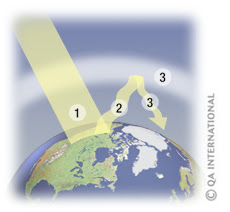
1- The Sun’s rays hit Earth, causing it to heat up.

2- Earth releases some of its heat into the atmosphere.

3- Greenhouse gases trap the heat and keep it close to Earth’s surface. This is known as the greenhouse effect.

Human activities like farming and the cutting of trees, along with pollution, produce a large amount of greenhouse gases. Meteorologists fear that these gases dramatically add  to Earth’s natural greenhouse effect and increase global warming. This imbalance in the world’s climate can cause flooding,  hurricanes,  and shortages of rain  in  some  areas.

Here are 5 major factors that currently pose a threat to the Earth’s ability to sustain life.
Mother Earth is like a giant living organism made of many closely interrelated components.  These components are constantly interacting to provide and maintain the circumstances necessary for survival. The microcosm and macrocosm have to work in unison to support life. From the tiny bacteria to forests and ecosystems which act as carbon sinks in maintaining the complex interaction of gases in the atmosphere, every component plays a crucial role.

If you were a doctor looking at Earth as a living organism, you would see that her survival is threatened. Human activity is breaking the balance of life. Unless we mend our actions, the system’s ability to support life is being lost.

Loss of Biodiversity

Ecosystems with higher levels of biodiversity are more stable and resilient. Each species is an important part of the ecosystem, specializing in their own functions and contributing to the whole. But planet Earth is currently going through a drastic change! It is estimated by experts that the current species extinction rate is between 1000 and 10,000 times higher than the natural extinction rate.

Unsustainable Agriculture

Most of our agriculture is out of balance, putting a lot of stress on Earth’s life support systems. Modern-day agriculture usually consists of a monoculture, which leads to unstable ecosystems. If a farmer grows only corn, there will be no habitat for predators which consume pests, leading to a need for synthetic pesticides. In a monoculture, there are no species with large root systems to hold the soil together, causing soil erosion. Also, there are no species to cycle nutrients and fix soil nitrogen, leading to usage of chemical fertilizers. All over the world, farm land is turning to dust leaving a large and unpleasant question as to how our future generations will provide for themselves.

Population Growth

Over the last 100 years, the population has gone from less than 2 billion to over 7 billion. Alongside the population rise,  the industrial revolution has made us more capable at consuming the Earth’s resources.  As population size in developing countries continues to grow by the millions, there is a rise in the already high demand on resources.  This growth is damaging Mother Earth’s organs. Her liver is now unable to filter out all our toxic waste which is polluting the water we drink; and also her lungs can no longer handle all the toxic smog coming from our cities,  changing the balance of gases in the atmosphere.   It is our responsibility to make sure she doesn’t collapse.

Deforestation

During the last century, most the world’s forest cover has been lost. Trees have been providing oxygen,  filtering  and  cleaning the water,  purifying the air,  preventing soil erosion in farm lands and also providing us with food. All this, for FREE! Deforestation    is seriously diminishing Earth’s capacity to provide for us today and for the generations    to come.

Overuse of Non-renewable Energy

Since the beginning of the industrial revolution, consumption of fossil fuels has been rising drastically. Sadly, it does not look like this will reduce in the near future. Economic growth has lead to an increase in the demand for fossil fuel based energy. So what’s wrong with all this? Not only does the burning of fossil fuel pollute the air, it also releases carbon dioxide which is a greenhouse gas and has the effect of trapping energy from the sun in the Earth’s atmosphere. This affects global weather patterns causing drastic changes and endangering ours and our planet’s survival.

Chlorofluorocarbons, commonly known as CFCs, are a group of man-made compounds containing chlorine, fluorine and carbon. They are not found anywhere in nature.  Does Methane,  CFCs (chlorofluorocarbons),  and nitrous oxide form a belt of gases around Earth cause cancer?
 .
 The production of CFCs began in the 1930s for the purpose of refrigeration. Since then they have been extensively utilised as propellants in aerosols, as blowing agents in foam manufacture and in air conditioning. There are no removal processes or sinks for CFCs in the lowest part of the atmosphere called the troposphere. As a result they are transported  up into the stratosphere, between 10 to 50 km above the Earth’s surface, where they are broken down by ultraviolet (UV) radiation from the Sun, releasing free chlorine atoms which cause significant ozone depletion.
.

Although the amounts of CFCs in the atmosphere are very small, measured in parts per trillion (million million), they do contribute significantly to the enhancement of the natural greenhouse effect, because they are very good at trapping heat. Molecule for molecule some CFCs are thousands of times stronger than carbon dioxide as greenhouse gases.

Since the dangers caused by CFCs to the ozone layer were first identified, their use has gradually  been phased out,  according to international agreements  made  in  Montreal, Canada, in 1987.  However,  CFCs have long lifetimes  in the atmosphere before they are broken down by sunlight, and they will consequently enhance the greenhouse effect well into the 21st century.

Diseases Caused By Acid Rain

“Acid Rain” is a broad term referring to a mixture of wet and dry deposited material from the atmosphere containing higher than normal amounts of nitric and sulphuric acids.

The acidic deposition can be caused by natural phenomena like volcanoes and decaying vegetation or man-made sources like fossil fuel combustion. Gases like suphur, nitrogen and carbon emitted during these processes react with water molecules in the atmosphere to produce the acids.

Acid Rain causes acidification of water sources. . . . like lakes and streams. This has an immediate and adverse impact on aquatic life.  Many modern companies  now  use  very    tall smoke funnels to avoid impacting the local area. But due to this pollutants are carried much further and have been shown to cause widespread ecological damage. High altitude forests are also especially vulnerable as they are often surrounded by acidic cloud and fog. Buildings and monuments are also being impacted by acid rain, with the inscriptions on many monuments becoming completely illegible.

The most worrying impact is on human health. The pollution that causes acid rain can also create tiny particles. When these particles get into people’s lungs, they can cause health problems, or can make existing health problems worse. Also, nitrogen oxides cause ground-level ozone. This ground-level ozone causes respiratory problems, like pneumonia and bronchitis, and can even cause permanent lung damage. Illnesses such as lung cancer, asthma, cardiovascular issues and premature death have all been attributed to the inhalation of pollutants present in the atmosphere. Researchers suggest that even short-term exposure at elevated concentrations could significantly contribute to heart disease.
.

Acid Rain – Its Causes And Effects:

 .

As we all know, acid rain have harmful effects on vegetation, animals and humans. Acid rain is caused by too much pollution that contaminates the rain water. Before, rain is believed to be pure and said to contain minerals that are good for the hair and skin, but now, rain water can already cause diseases. This article will give you information on what is acid rain and what are its effects in the environment.

Too much nitrogen oxide, carbon, and ammonium can mix with water droplets in the atmosphere causing the water’s pH level to go below 7 making it acidic. This is the cause of acid rain. Acidic water can be harmful to all living things on the ground.

One of the things that can suffer the harsh effect of acid rain is the vegetation. Microscopic organisms that are important for biochemical processes that aids in the food production of the plants can die due to acid rain, thus, affecting the food making process of the plants and can cause them to die. Acid rain can also affect the reproduction and growth of plants. It can also take off the waxy covering of plants causing them to be more vulnerable to diseases.

Animals can also fall victims of acid rain. It can make harmful elements like mercury to leak to the ground and be washed down the rivers, lakes and seas. This can affect the marine life. Not only that fishes and other aquatic animals will die but humans can also get affected by eating fish with high harmful element deposits in its stomach.

Human beings can also be affected with acid rain. Contact with the acidic water of the rain can cause skin irritation, blisters and can even burn the skin if there is so much acid in the water. Acid rain can even cause skin cancer according to some doctors. Humans are also affected by acid rain when they were able to consume plants and animals containing harmful chemicals.

Now that you are already aware of thee already aware of the causes of acid rain and the harmful effects it can bring, it is best to help prevent acid rain from happening by doing our role in protecting our mother nature.

More Articles :

Posted in General News | Leave a comment

“Earth’s infection.”

  Image may contain: mountain, sky, outdoor, nature and text
WE always hear so much about the depletion of the ozone layer. The Ozone is mainly found in two regions of the Earth’s atmosphere. Most ozone (about 90%) resides in a layer that begins between 6 and 10 miles (10 and 17 kilometers) above the Earth’s surface and extends up to about 30 miles (50 kilometers). This region of the atmosphere…. is called the stratosphere. So when we think Earth’s atmosphere.
.
We should envision a 80 inch ball ( the earth is 8,000 mile in diameter) with a 1/8 inch halo around it (representing the ozone level at 8 miles up.) In demographics, the world population is the total number of humans currently living.
.
The world population was estimated to have reached 7.6 billion as of October 2017.          The United Nations estimates it will further increase to 11.2 billion by the year 2100.           The World was in harmony in mid 1992 with 5.480 billion individuals …
 

In his  book “The Vanishing Face of Gaia: A Final Warning,” (Basic Books, April 2009) James Lovelock says humanity is “Earth’s infection.”

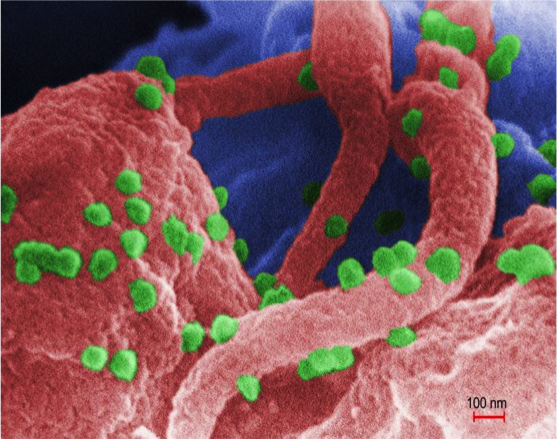
  We are the viruses. While in theory it would be extremely difficult to truly destroy this planet, it’s not such a stretch for some scientists to also imagine us making it a place that doesn’t support humans.  The planet would go on, the thinking goes, but it’d get rid of us much like we shake the flu. Lovelock’s thinking is that our increasing presence is getting things so out of whack that, in the manner of a human immune system, the planet has no choice but to respond.

“Individuals occasionally suffer a disease called polycythaemia, an overpopulation of       red blood cells,” writes Lovelock, environmentalist, futurologist and creator of the Gaia hypothesis. “By analogy, Gaia’s illness could be called polyanthroponemia, where humans overpopulate until they do more harm than good.”
.

In his blog, MSNBC’s Alan Boyle writes that University of Washington paleontologist  Peter Ward has an alternate new theory: Earth is set up to kill off life, including us, when   it spreads too widely.  https://en.wikipedia.org/wiki/World_population So, let’s just fix things, yes?  Lovelock would reply: “So is There is nothing humans can do to reverse the process; the planet is simply too overpopulated to halt its own destruction by greenhouse gases. In order to survive, mankind must start preparing now for life on a radically changed planet.” Good luck!!!

Ward is more optimistic, Boyle reports. If we change habits, we can engineer our continued existence.

The Matrix and humans as viruses
In the massively popular American movie The Matrix, the writer-director team of Andy and Larry Wachowski presented a dazzling vision of a dystopian future in which intelligent machines have enslaved the human race to use them as an energy source. One of the machine race, a sentient computer program known as Agent Smith, tells one of the human heroes at a key point in the movie that the human race is functionally equivalent in ecological terms to a virus: https://flenix.net/movies/1634-the-matrix.html

For those who can’t watch YouTube videos, here’s a transcript of Agent Smith’s monologue:

I’d like to share a revelation that I’ve had during my time here. It came to me when I tried to classify your species and I realized that you aren’t actually mammals.  Every mammal on this planet instinctively develops a natural equilibrium. . . . with its surrounding environment, but you humans do not. You move   to an area and you multiply  and  multiply until every natural resource is consumed, and the only way you can survive is to spread to another area. There is another organism on this planet that follows the same pattern. Do you know what it is?     A virus. Human beings are a disease, a cancer of this planet. You are a plague. And we are the cure.

(Fans of Thomas Ligotti, who claims Burroughs as a major influence, might be interested to hear that he once told me about the time he was watching The Matrix in a theater when the movie was in its original release, and he shouted at the top of his lungs, in disgust, “A virus!” in tandem with Smith on the screen, thus discomfiting his fellow moviegoers. As a longtime student of Burroughs, he had intuited the virus idea coming from a mile away, and was annoyed at the way the moviemakers presented it with a “Hey, this is a new and ingenious idea!” tone.)

James Lovelock, the groundbreaking originator of Gaia theory, in conversation with science editor Tim Radford warns that we are about to reach a tipping point, beyond  which our planet will not recover sufficiently to sustain human life comfortably.

Preview  James Lovelock – The Vanishing Face of Gaia

James Lovelock, the renowned scientist, environmentalist, and futurist who famously spearheaded the scientific study of global warming and formulated the now-standard Gaia model that views the earth as a living organism — and who will turn 90 years old this July — had a new book (his tenth) published last month titled The Vanishing Face of Gaia: A Final Warning.
.
His basic message is that radical climate change with globally catastrophic results for the human race is now locked in as an inevitability.

LiveScience published an article about Lovelock and his new book a few days ago that imparts the flavor: “Die, Humans! Is Mother Nature Sick of Us?” (May 7).

The article’s opening paragraphs link up Lovelock’s thesis with Burroughs’ and Agent Smith’s famous pronouncements:

In his new book “The Vanishing Face of Gaia: A Final Warning,” (Basic Books, April 2009) James Lovelock says humanity is “Earth’s infection.”

Nice. We are the viruses.

While in theory it would be extremely difficult to truly destroy this planet, it’s not such a stretch for some scientists to imagine us making it a place that doesn’t support humans. The planet would go on, the thinking goes, but it’d get rid of us much like we shake the flu.

Lovelock’s thinking is that our increasing presence is getting things so out of whack that, in the manner of a human immune system, the planet has no choice but to respond.

Or consider these choice paragraphs from a March 1 review of Lovelock’s book in The Guardian titled “Now we know why we’re all doomed“:

Unfortunately, Gaia is in trouble today, says Lovelock. It is infected by a virus called Homo sapiens. Humans are destroying ecosystems, killing off species in their thousands and destabilising climates. “We became the Earth’s infection a long and uncertain time ago, but it was not until about 200 years ago that the Industrial Revolution began: then the infection of the Earth became irreversible,” he says.

Not incidentally, this is followed by oh-so-choice intimations of doom:

Lovelock names this illness polyanthroponomia, a condition in which humans are so plentiful they do more harm than good. More to the point, the condition is untreatable. Renewable energy projects, cutting carbon footprints and promoting sustainable development and other green ideas are no more than the posturing of “tribal animals bravely wielding symbols against the menace of an ineluctable force”. In short, we are heading towards a climate catastrophe that will leave only pockets of humanity left alive, says Lovelock.

The reviewer describes this as “impressive, frightening stuff and all the more chilling coming from a man of such a mild disposition and of such varied credentials.”

Back to the topic at hand, tracing the “humans are a virus” meme from Burroughs through The Matrix to Lovelock is of course not the only way to do it. Variations on the idea of humans as a disease on the planet and/or of human consciousness as an alien and destructive development have appeared in science fiction and horror fiction for decades. And the idea that the human race may be a destructive species without whom planet earth would be better off, and regarding whom planet earth may be prepared to take decisive cleansing action, has wound its way through the radical environmentalism movement since its birth in the 1970s.

.

For a recent example of the latter, see the widely quoted assertion by Paul Watson — militant whale protector, founder of the Sea Shepherd Conservation Society, and an early member of Greenpeace — that “Humans are presently acting upon [the earth’s ecosystem] in the same manner as an invasive virus with the result that we are eroding the ecological immune system.

A virus kills its host and that is exactly what we are doing with our planet’s life support system. We are killing our host the planet Earth” (“The Beginning of the End for Life as We Know It on Planet Earth?” Sea Shepherd Conservation Society, May 4, 2007.)

But all of that said, it’s still fun to see. The progressive adoption and deployment and evolution of the virus idea in Burroughs and The Matrix and Lovelock, that is.

As for the possibility that Lovelock is right about the inevitability of catastrophic climate change and Gaia’s likely destructive actions to protect herself against the human infection — well, that’s not nearly as much fun, is it?

Peter D. Ward studies life on Earth — where it came from, how it might end, and how utterly rare it might be.

Why you should listen

Paleontologist and astrobiologist Peter D. Ward studies the Cretaceous-Tertiary extinction event (the one that killed the dinosaurs) and other mass extinctions. He is a leader in the intriguing new field of astrobiology, the study of the origin, distribution and evolution of life in the universe.

In his book Rare Earth he theorizes that complex life itself is so rare, it’s quite possible that Earth is the only planet that has any. But, he theorizes, simple life may exist elsewhere — and possibly be more common than we think.

His upcoming book, The Medea Hypothesis, makes a bold argument that even here on Earth, life has come close to being wiped out several times. Contrary to the “Gaia hypothesis” of a self-balancing, self-perpetuating circle of life, Ward’s Medea hypothesis details the scary number of times that life has come close to flatlining, whether due to comet strikes or an overabundance of bacteria.

In March 2009, Ward’s 8-hour television series, Animal Armageddon, premieres on Animal Planet Network.

In April 2013, Ward published a surprisingly moving essay about his life’s obsession: the chambered nautilus >>

What others say

“What are the chances of all the necessary factors coming together to allow the emergence of complex organisms? Not good, unfortunately. As far as we know, it’s only happened once.” — review of Rare Earth in the Skeptical Inquirer.   https://www.ted.com/talks/peter_ward_on_mass_extinctions

Some environmentalists say toxins that work like estrogens are already having an effect: Such agents, found in pesticides and industrial PCBs, have been linked to earlier puberty for women, increased incidence of breast cancer and lower sperm counts for men.

“One of the great frontiers is going to be trying to keep humans alive in a much more toxic world,” he observed from his Seattle office. “The whales of Puget Sound are the most toxic whales on Earth. Puget Sound is just a huge cesspool. Well, imagine if that goes global.”

Global epidemics or dramatic environmental changes represent just two of the scenarios that could cause a Uni-human society to crack, putting natural selection — or perhaps not-so-natural selection — back into the evolutionary game.  Then what?

“We Are Damned Whatever We Do”: James Lovelock’s “Final Warning …

Inline image 2
May 11, 2014 – Uploaded by Humptydumptytribe

In (part one) of today’s Doomsday sermon from , : James Lovelock’sFinal … rocky pulpit

James Lovelock’s “Final Warning” To Humanity (Part Two of Two …

Inline image 1
May 11, 2014 – Uploaded by Humptydumptytribe

In (part two) of today’s Doomsday sermon, I dig deeper into my latest favorite Bible of the Apocalypse,

Posted in Thought Provoking | Leave a comment

Exercise Makes It Good Again

Image may contain: plant, tree, text and outdoor

Hi, my name is. . . . Kevin Richardson

And in my work as an Natural Health Researcher I’ve helped over
thousands people from all over the world eliminate their chronic, persistent,
and recurring pain regardless of where it is in the body…

…and gain the ability to move and feel like a limber 20-year old
again, simply by making a few easy and enjoyable lifestyle changes.
.
Ever since two-time Nobel Laureate recipient, Otto Von Warburg discovered that tumors and cancer can only grow in a low-oxygen environment.

More research has been done on oxygen and it’s role in all illness and disease.

Oxygen is absolutely essential for healthy cells, as it acts against foreign toxins in the body.

Many such toxins, like viruses and bacteria, are mostly anaerobic, (meaning that they thrive in a low-oxygen environment).

When levels of oxygen increase, the potential for disease decreases. Germs, parasites, fungi, bacteria, and viruses are killed along with diseased and deficient tissue cells.

At the same time, healthy cells not only survive but are better able to multiply.

The result is a stronger immune system and improved overall immune response.

After helping thousands of people with their health problems, using the latest natural methods and discoveries, I have discovered that decreased oxygen levels in one or more areas in your body is at the root of all illness.

When you find where you are oxygen deficient, and you use the correct approach to restore it…

…amazing things can happen.

You will learn how this works, including what we call the “Pain-Brain Cycle”, after you take this short quiz.

As a dedicated natural health researcher, I have become passionate about bringing chronic pain relief to every man, woman, and child.

This issue of helping people permanently and naturally eliminate oxygen-deficiency is core to this mission because more people are chronically ill and more medicated today than ever before.

My promise to you is that if you take this short quiz and follow our advice, living your life without the threat and fear of pain and illness will become significantly easier. http://oxygenstarved.com/analysis/tf/?trans=102a42b41530653763ec9250819729&aff_sub1=Internal

Sincerely,

This Is What Happens To Your Body When You Exercise

By Sarah Klein

Whether you do it to lose weight, to reach a fitness goal or — dare we say it? — just for fun, exercise changes you.

There’s the red face and the sweating, the pounding heart and pumping lungs, the boost to your alertness and mood, the previously nonexistent urges to talk about nothing but splits and laps and PBs.

But while we all know that staying physically active is essential to a long, healthy, productive life, we don’t often understand exactly what’s happening behind the scenes.

We asked the experts to take us through — from head to toe — what happens in the body when we exercise. Neuroscientist Judy Cameron, Ph.D., professor of psychiatry at the University of Pittsburgh School of Medicine, Tommy Boone, Ph.D., a board certified exercise physiologist, and Edward Laskowski, M.D., co-director of the Mayo Clinic Sports Medicine Center spill the beans on what gets and keeps you moving.

Muscles The body calls on glucose, sugar the body has stored away from the foods we eat in the form of glycogen, for the energy required to contract muscles and spur movement.

It also uses adenosine triphosphate, or ATP, but the body only has small stores of both glucose and ATP. After quickly using up these supplies, the body requires extra oxygen to create more ATP. More blood is pumped to the exercising muscles to deliver additional O2. Without enough oxygen, lactic acid will form instead. Lactic acid is typically flushed from the body within 30 to 60 minutes after finishing up a workout.

Tiny tears form in the muscles that help them grow bigger and stronger as they heal. Soreness only means there are changes occurring in those muscles, says Boone, and typically lasts a couple of days.

Lungs Your body may need up to 15 times more oxygen when you exercise, so you start to breathe faster and heavier. Your breathing rate will increase until the muscles surrounding the lungs just can’t move any faster. This maximum capacity of oxygen use is called VO2 max. The higher the VO2 max, the more fit a person is.

Diaphragm Like any muscle, the diaphragm can grow tired with all that heavy breathing. Some argue that as the diaphragm fatigues,  it can spasm,  causing a dreaded side stitch. (Others argue that a side stitch is due to spasms  of  the ligaments around the diaphragm instead, while others believe the spasms to originate in the nerves that run from the upper back to the abdomen and are caused by poor posture!) Deep breathing and stretching can alleviate the discomfort in the middle of a workout, and preemptive strengthening in the gym can ward off future issues.

Heart When you exercise, heart rate increases to circulate more oxygen (via the blood)    at a quicker pace.  The more you exercise,  the more efficient the heart becomes at this process, so you can work out harder and longer. Eventually, this lowers resting heart rate in fit people.

Exercise also stimulates the growth of new blood vessels, causing blood pressure to decrease in fit people.

Stomach & Intestines Because the body is pumping more blood to the muscles, it takes some away from the systems and functions that aren’t top priority at the moment, like digestion. That can result in tummy troubles. Movement, absorption and secretion in the stomach and intestines can all be affected.

Brain Increased blood flow also benefits the brain. Immediately, the brain cells will start functioning at a higher level, says Cameron, making you feel more alert and awake during exercise and more focused afterward.

When you work out regularly, the brain gets used to this frequent surge of blood and adapts by turning certain genes on or off. Many of these changes boost brain cell function and protect from diseases such as Alzheimer’s, Parkinson’s or even stroke, and ward off age-related decline, she says.

Exercise triggers a surge of chemical messengers in the brain called neurotransmitters, which include endorphins, often cited as the cause of the mythical “runner’s high.”

The brain releases dopamine and glutamate, too, to get those arms and legs moving, as well as gamma-amino butyric acid, or GABA, a prohibitive neurotransmitter that actually slows things down, to keep you moving in a smooth and controlled manner.

You’ll also likely feel better thanks to a bump in serotonin, a neurotransmitter well known for its role in mood and depression.

Hippocampus:  This part of the brain is highly involved in learning and memory, and it’s one of the only sections of the brain that can make new brain cells. Exercise facilitates this, thanks to the extra oxygen in the brain.

Even when you stop exercising, those new brain cells survive, whereas many other changes in the brain during exercise eventually return to their normal state should you become less active.

Hypothalamus:  The hypothalamus is responsible for body temperature,  as well as salt     and water balance, among other duties. As your body heats up, it tells the skin to produce sweat to keep you cool.

Pituitary Gland This control center in the brain alerts the adrenal glands to pump out    the hormones necessary for movement.  It also releases growth hormones.  As the body searches for more fuel to burn after using up your glycogen stores,  it will turn to either muscle or fat, says Cameron. Human growth hormone acts as a security guard for muscle, she says, telling the body to burn fat for energy instead.

Kidneys The rate at which the kidneys filter blood can change depending on your level   of exertion. After intense exercise, the kidneys allow greater levels of protein to be filtered into the urine. They also trigger better water reabsorption, resulting in less urine, in what is likely an attempt to help keep you as hydrated as possible.

Adrenal Glands A number of the so-called “stress” hormones released here are actually crucial to exercise. Cortisol, for example, helps the body mobilize its energy stores into fuel. Adrenaline helps the heart beat faster so it can more quickly deliver blood around   the body.

Skin As you pick up the pace, the body, like any engine, produces heat — and needs to cool off. The blood vessels in the skin dilate, increasing blood flow to the skin. The heat then dissipates through the skin into the air.

Eccrine Glands At the hypothalamus’s signal, one of two types of sweat glands,            the eccrine glands, get to work. These sweat glands produce odorless perspiration, a mixture of water, salt and small amounts of other electrolytes, directly onto the skin’s surface. When this sweat evaporates into the air, your body temp drops.

Apocrine Glands This second type of sweat gland is found predominantly in hair-    covered areas, like the scalp, armpits and groin. These sweat glands produce a fattier sweat, typically in response to emotional stress, that can result in odor when bacteria       on the skin begin to break it down, according to the Mayo Clinic.

Face The capillaries close to the skin’s surface in the face dilate as well, as they strain to release heat. For some exercisers, this may result in a particularly red face after a workout.

Joints Exercising puts extra weight on the joints, sometimes up to five or six times more than your bodyweight, says Laskowski. Ankles, knees, hips, elbows and shoulders all have very different functions, but operate in similar ways. Each joint is lined with cushioning tissue at the ends of the bones called cartilage, as well as soft tissue and lubricating fluid, to help promote smooth and easy motion. Ligaments and tendons provide stability.

Over time, the cushioning around the joints can begin to wear away or degenerate,             as happens in people with osteoarthritis, the most common type of arthritis.

Exercise: 7 benefits of regular physical activity

You know exercise is good for you, but do you know how good? From boosting your mood to improving your sex life, find out how exercise can improve your life.

By Mayo Clinic Staff

Want to feel better, have more energy and even add years to your life? Just exercise.

The health benefits of regular exercise and physical activity are hard to ignore. Everyone benefits from exercise, regardless of age, sex or physical ability.

Need more convincing to get moving? Check out these seven ways exercise can lead to a happier, healthier you.

1. Exercise controls weight

Exercise can help prevent excess weight gain or help maintain weight loss. When you engage in physical activity, you burn calories. The more intense the activity, the more calories you burn.

Regular trips to the gym are great, but don’t worry if you can’t find a large chunk of time to exercise every day. To reap the benefits of exercise, just get more active throughout your day — take the stairs instead of the elevator or rev up your household chores. Consistency is key.

2. Exercise combats health conditions and diseases

Worried about heart disease? Hoping to prevent high blood pressure? No matter what your current weight, being active also boosts high-density lipoprotein (HDL), or “good,” cholesterol and decreases unhealthy triglycerides. This one-two punch keeps your blood flowing smoothly, which decreases your risk of cardiovascular diseases.

Regular exercise helps prevent or manage a wide range of health problems and concerns, including stroke, metabolic syndrome, type 2 diabetes, depression, a number of types of cancer, arthritis and falls.

3. Exercise improves mood

Need an emotional lift? Or need to blow off some steam after a stressful day? A gym session or brisk 30-minute walk can help. Physical activity stimulates various brain chemicals that may leave you feeling happier and more relaxed.

You may also feel better about your appearance and yourself when you exercise regularly, which can boost your confidence and improve your self-esteem.

4. Exercise boosts energy

Winded by grocery shopping or household chores? Regular physical activity can improve your muscle strength and boost your endurance.

Exercise delivers oxygen and nutrients to your tissues and helps your cardiovascular system work more efficiently. And when your heart and lung health improve, you have more energy to tackle daily chores.

5. Exercise promotes better sleep

Struggling to snooze? Regular physical activity can help you fall asleep faster and deepen your sleep. Just don’t exercise too close to bedtime, or you may be too energized to hit the hay.

6. Exercise puts the spark back into your sex life

Do you feel too tired or too out of shape to enjoy physical intimacy? Regular physical activity can improve energy levels and physical appearance, which may boost your sex life.

But there’s even more to it than that. Regular physical activity may enhance arousal for women. And men who exercise regularly are less likely to have problems with erectile dysfunction than are men who don’t exercise.

7. Exercise can be fun … and social!

Exercise and physical activity can be enjoyable. It gives you a chance to unwind, enjoy     the outdoors or simply engage in activities that make you happy. Physical activity can    also help you connect with family or friends in a fun social setting.

So, take a dance class, hit the hiking trails or join a soccer team. Find a physical activity you enjoy, and just do it. Bored? Try something new, or do something with friends.

The bottom line on exercise

Exercise and physical activity are a great way to feel better, boost your health and have fun. Aim for at least 150 minutes per week of moderate-intensity exercise, or 75 minutes per week of vigorous exercise.

Try to engage in a combination of vigorous and moderate aerobic exercises, such as running, walking or swimming. Squeeze in strength training at least twice per week by lifting free weights, using weight machines or doing body weight exercises.

Space out your activities throughout the week. If you want to lose weight or meet specific fitness goals, you may need to ramp up your exercise efforts.

Remember to check with your doctor before starting a new exercise program, especially if you haven’t exercised for a long time, have chronic health problems, such as heart disease, diabetes  or arthritis, or you have any concerns

Preview  What Happens To Your Body When You Exercise?

Posted in Information & Research | Leave a comment

Going Wireless Around Children

9 Facts About Wireless & Your Child’s Brain

About Jacqueline Full Portrait

By Jacqueline

FACT #1  Children absorb more of this (wireless) radiation than adults. 

“The average exposure from use of the same mobile phone is higher by a factor                   of 2 in a child’s brain and higher by a factor of 10 in the bone marrow of the skull.”

Children using mobile phones absorb as much as double the amount of radiation through their heads as adults. Dr. Om Ghandi, a leading scientist and professor of electrical engineering at the University of Utah found that young children under 10 years of age could absorb radiation across their entire brain. He found that more radiation is able to go past the ear and into the head since a child’s ear is thinner and the telephone is closer to the head. All it takes is two millimeters difference,” Dr Ghandi said. (source)

The picture below shows how wireless radiation penetrates the brain of a five-year-old deeper than an adult.

9 Facts About Wireless & Your Child's Brain, Electromagnetic Hypersensititvity, ADHD, Autism, Pong case, smart phone, low-level radiation, France, banning Wi-Fi from nursery schools, TV, radio, internet, Belgium, Israel, Finland, Russia, India, banning marketing of cell phones, restricting wireless routers at schools, imaging studies, wireless radiation during pregnancy, behavioral problems, impaired memory, increased hyperactivity, Class 2 B carcinogen, cellphones, new wireless technology, early senility, hand-held devices, vulnerability in utero, brain development, immune system, DNA changes and damage, sleep damage, altered brain activity, increased cancer, cellular changes, skin tissue changes, damaged sperm motility, memory impairment, damage blood brain barrier, US exposure standards, absorb radiation into brain, Dr. Om Ghandi, mobile phone, exposure, radiation levels, microwave oven, computer labs, radio frequency, electromagnetic field, EMF, cancer, leukemia, dumbing down, Wi-Fi, microwave radiation

FACT #2  US exposure standards do not protect children. 

The radiation absorption model is of a 200-pound, 6-foot tall male brain (called SAM). This standard was set up almost 20 years ago.  Wireless radiation standards do not protect the 97% of the population with heads smaller than this adult male SAM model.  Read more about children’s absorption compared to adults and all about the research that informed the  picture above here.

FACT #3  Current exposure limits are based solely on the heating of tissue. 

They do not take into account accumulating research showing serious biological effects    at low level  “nonthermal”  radiation levels.  These effects  include  DNA impacts,  sleep damage, altered brain activity, and increased cancer.  Also cellular changes,  skin tissue changes, damaged sperm motility and viability, decreased cognitive functioning, memory impairment, and disruption of the blood brain barrier.

FACT #4  The  biggest window of vulnerability occurs in utero and             during childhood when the immune system and brain are developing. 

9 Facts About Wireless & Your Child's Brain, Electromagnetic Hypersensititvity, ADHD, Autism, Pong case, smart phone, low-level radiation, France, banning Wi-Fi from nursery schools, TV, radio, internet, Belgium, Israel, Finland, Russia, India, banning marketing of cell phones, restricting wireless routers at schools, imaging studies, wireless radiation during pregnancy, behavioral problems, impaired memory, increased hyperactivity, Class 2 B carcinogen, cellphones, new wireless technology, early senility, hand-held devices, vulnerability in utero, brain development, immune system, DNA changes and damage, sleep damage, altered brain activity, increased cancer, cellular changes, skin tissue changes, damaged sperm motility, memory impairment, damage blood brain barrier, US exposure standards, absorb radiation into brain, Dr. Om Ghandi, mobile phone, exposure, radiation levels, microwave oven, computer labs, radio frequency, electromagnetic field, EMF, cancer, leukemia, dumbing down, Wi-Fi, microwave radiation

Small insults can have large effects while cells are rapidly dividing. Microwave radiation has been shown to more strongly impact stem cells and children have more active stem cells.

Proffessor Leif Salford, who headed the research at Sweden’s prestigious Lund University, says “the voluntary exposure of the brain to microwaves from hand-held mobile phones” is “the largest human biological experiment ever”. Research suggests that mobile phones and the new wireless technology could cause a “whole generation” of today’s teenagers to GO SENILE in the prime of their lives.

Professor Salford and his team have spent 15 years investigating microwave radiation. Their studies proved radiation could open the blood-brain barrier, allowing a protein called albumin to pass into the brain. Their latest work shows the process is linked to serious brain damage. Professor Salford said neurons that would normally not become “senile” until people reached their 60s may now do so when they were in their 30s. (source)

International Parenting Association/BrainDevelopment/Cellphones

FACT #5  Wireless radiation is classified by the World Health Organization’s International Agency for Research on Cancer (IARC) as a Class 2 B carcinogen.

This classification is based on evidence of increased numbers of brain tumors in heavy users of cell phones observed over ten years. Heavy use was defined as 30 minutes   a day. Adults who started using wireless devices as teens had a 4 times greater risk of brain tumors. Other Class 2 B Carcinogens include:  lead, dioxin, DDT, chloroform,      and ethylbenzene.

FACT #6  Wireless radiation impacts brain maturation. 

Accumulating research shows significant impacts on the neuron development of young brains.

Dr. Hugh Taylor, Chief of Obstetrics at Yale, lead in utero research showing wireless radiation during pregnancy resulted in developmental and behavioral problems in offspring.  The baby mice had impaired memory and increased hyperactivity.

Dr. Suleyman Kaplan did several research studies showing decreased neurons in the hippocampus and cerebellum after exposures to wireless radiation.  He summarized        his state of the art research in his FCC submission. 

Furthermore, brain imaging studies show changed electrical activity during wireless exposures.  See below the picture of a brain  from the National Institute of Health study showing increased glucose metabolism in the brain areas exposed to wireless radiation.

                                        Cell Phone On                                Cell Phone Off

9 Facts About Wireless & Your Child's Brain, Electromagnetic Hypersensititvity, ADHD, Autism, Pong case, smart phone, low-level radiation, France, banning Wi-Fi from nursery schools, TV, radio, internet, Belgium, Israel, Finland, Russia, India, banning marketing of cell phones, restricting wireless routers at schools, imaging studies, wireless radiation during pregnancy, behavioral problems, impaired memory, increased hyperactivity, Class 2 B carcinogen, cellphones, new wireless technology, early senility, hand-held devices, vulnerability in utero, brain development, immune system, DNA changes and damage, sleep damage, altered brain activity, increased cancer, cellular changes, skin tissue changes, damaged sperm motility, memory impairment, damage blood brain barrier, US exposure standards, absorb radiation into brain, Dr. Om Ghandi, mobile phone, exposure, radiation levels, microwave oven, computer labs, radio frequency, electromagnetic field, EMF, cancer, leukemia, dumbing down, Wi-Fi, microwave radiation

FACT #7  The United States is lagging behind on protections for Children. 

The governments of France, tramadol buy online overnight Belgium, Israel, Finland, Russia, India and the European Union have all taken steps toward reducing children’s exposure to radiation from wireless devices. This ranges from banning the marketing         of cell phones to children under 14 to restricting wireless routers at schools.

9 Facts About Wireless & Your Child's Brain, Electromagnetic Hypersensititvity, ADHD, Autism, Pong case, smart phone, low-level radiation, France, banning Wi-Fi from nursery schools, TV, radio, internet, Belgium, Israel, Finland, Russia, India, banning marketing of cell phones, restricting wireless routers at schools, imaging studies, wireless radiation during pregnancy, behavioral problems, impaired memory, increased hyperactivity, Class 2 B carcinogen, cellphones, new wireless technology, early senility, hand-held devices, vulnerability in utero, brain development, immune system, DNA changes and damage, sleep damage, altered brain activity, increased cancer, cellular changes, skin tissue changes, damaged sperm motility, memory impairment, damage blood brain barrier, US exposure standards, absorb radiation into brain, Dr. Om Ghandi, mobile phone, exposure, radiation levels, microwave oven, computer labs, radio frequency, electromagnetic field, EMF, cancer, leukemia, dumbing down, Wi-Fi, microwave radiation, small child holding cell phone to ear

The latest nation to join in this precautionary principle is Belgium.  As of March 1, 2014, sale and advertising of cell phones especially designed for children under the age of seven years old is banned.   So is advertising for cell phones during children’s programs on TV, radio, and the internet.  Recently, France’s National Assembly passed legislation banning Wi-Fi from nursery schools. They strongly recommended wired connections rather than Wi-Fi until safety is proven.

FACT #8  NO ONE is offering safety assurances. 

The EPA states “More research is needed to clarify the question of safety.”

We know of no medical organization stating that this radiation is safe.  Instead, they all state more research is needed.

 Dr Samet of the World Health Organization states that the IARC clasification means     that safety cannot be assured. It is a particular concern, given the prospect that most of the world’s population will have lifelong exposure to radio frequency electromagnetic fields.”

Several World Health Organization scientists have now stated that the evidence has increased and that the proper classification for this radiation is in a higher risk catagory.   Please see Dr. Anthony Miller testifying to the City of Toronto that wireless exposure should be a 2A (probable) carcinogen.

FACT #9  Low power does not mean LOW effects. 

When it comes to Wi-Fi radiation many will say that Wi-Fi is “lower” power so we should not worry.  We wish that were true.

  1. Our children are now exposed to chronic low-level radiation for hours a day and no research has been done to quantify this risk.  Scientists are specifically concerned with the erratic nature of the pulsed digital signal rather than the power.

  2.  In addition to the radiation from routers, the wireless devices in a classroom emit radiation. Unlike cell phone radiation, this results in full body exposures on our children.  When children rest their laptops on their laps,  their reproductive organs   are absorbing most of this radiation.  Since experimental research is showing damage to sperm and ovaries from this radiation, we can assume that there is a serious risk to our children’s reproductive health as well as their brains.

No comprehensive research has been done to evaluate the levels of radiation exposure       in classrooms where 30 or more devices are in use in a single room.

9 Facts About Wireless & Your Child's Brain, Electromagnetic Hypersensititvity, ADHD, Autism, Pong case, smart phone, low-level radiation, France, banning Wi-Fi from nursery schools, TV, radio, internet, Belgium, Israel, Finland, Russia, India, banning marketing of cell phones, restricting wireless routers at schools, imaging studies, wireless radiation during pregnancy, behavioral problems, impaired memory, increased hyperactivity, Class 2 B carcinogen, cellphones, new wireless technology, early senility, hand-held devices, vulnerability in utero, brain development, immune system, DNA changes and damage, sleep damage, altered brain activity, increased cancer, cellular changes, skin tissue changes, damaged sperm motility, memory impairment, damage blood brain barrier, US exposure standards, absorb radiation into brain, Dr. Om Ghandi, mobile phone, exposure, radiation levels, microwave oven, computer labs, radio frequency, electromagnetic field, EMF, cancer, leukemia, dumbing down, Wi-Fi, microwave radiation

(Ban computers from schools until children reach age 9, says expert, The Telegraph, UK)

Our Children Are At Risk

Wi-Fi is microwave radiation, a possible human carcinogen.

What if this radiation is proven to conclusively cause cancer a decade from now?

If so, our children will have had a massive exposure since birth. We can act now to reduce the risk. As thoughtful parents, we are not comfortable playing Russian Roulette with our children’s health. Why risk our children’s future?

Proven, safe technologies exist. National Association for Children and Safe Technology has a page that shows us how. Create a Safe Home. Let’s use them!

Excerpts and data reproduced from National Association for Children and Safe Technology.

9 Facts About Wireless & Your Child's Brain, Electromagnetic Hypersensititvity, ADHD, Autism, Pong case, smart phone, low-level radiation, France, banning Wi-Fi from nursery schools, TV, radio, internet, Belgium, Israel, Finland, Russia, India, banning marketing of cell phones, restricting wireless routers at schools, imaging studies, wireless radiation during pregnancy, behavioral problems, impaired memory, increased hyperactivity, Class 2 B carcinogen, cellphones, new wireless technology, early senility, hand-held devices, vulnerability in utero, brain development, immune system, DNA changes and damage, sleep damage, altered brain activity, increased cancer, cellular changes, skin tissue changes, damaged sperm motility, memory impairment, damage blood brain barrier, US exposure standards, absorb radiation into brain, Dr. Om Ghandi, mobile phone, exposure, radiation levels, microwave oven, computer labs, radio frequency, electromagnetic field, EMF, cancer, leukemia, dumbing down, Wi-Fi, microwave radiation, children with smart phones

8 Ways to Reduce Potential Health Risks of Cell Phones:

  1. Don’t allow children to use a cell phone for calling.
  2. Limit calls to those that are absolutely necessary.
  3. Carry and store cell phones away from the body.
  4. Don’t use your telephone when in a moving vehicle or a parked one.
  5. We are using a Pong case for our smart phones. The Environmental Health Trust      has tested this product and found it to be reliable.
  6. Use an air-filled, wire-less tube headset, or use a speaker instead of holding phones close to the head.
  7. Make longer calls from a land line when possible.
  8. Only use your cell phone in conditions of optimum reception.

If it turns out that cell phones are as safe as sunbonnets, great. In the meantime, take         a better-safe-than-sorry approach to this wonderful and potentially dangerous modern convenience.

“Mobile phones are arguably the most radiative appliance we have ever invented apart from the microwave oven, People are putting them up to     their head – arguably the most sensitive part of the body. Human brains     may absorb up to 40% of a cell phones radio frequency energy and much        as 60% of microwave energy.” ~Dr. Roger Coghill, Coghill Research Laboratory

 “Look the world straight in the eye.”
~Helen Keller

****************************************************

EMF Radiation Permeates the Air

Electropollution is a collective term for the unseen, unfelt and unnatural electromagnetic fields (EMFs) that we are increasingly exposed to. EMFs are generated by everything from high-tension electrical wires, wiring in the walls of homes and offices, cell phones, wireless networks and even such accepted home appliances as radios, televisions and microwave ovens.

The truth is, there’s much that is still unknown about the effects of EMF radiation on the human body. What I think is clear, though, is that chaotic EMFs crisscrossing your community, flooding your household and bathing your body cannot be good for you. After all, we are highly tuned and highly sensitive bioelectrical creatures. Every process in the body is regulated by dynamic electrical currents.

The three most obvious, of course, are the pumping action of the heart, the neurotransmissions taking place within the nervous system and the electrochemical activity of the 500 trillion synapses contained in the organic computer that runs it all—the brain.

EMF Radiation, Behavioral Problems and Brain Tumors

A team of researchers at UCLA studied the possible association between behavioral problems in young children and prenatal and postnatal exposure to cell phones. They reviewed questionnaires answered by the mothers of 13,159 Dutch children once their children reached seven years of age.

The researchers concluded that exposure to cell phones before birth—and, to a lesser degree, after birth—was associated with “emotional and hyperactivity problems around the age of school entry.”

I also read the results of two long-term Swedish studies that concluded the use of cell phones could substantially increase the risk of developing either a malignant brain tumor or a nonmalignant auditory tumor that could lead to ringing in the ears, loss of hearing and problems with dizziness and loss of balance.

The researchers found that long-term, heavy use indicates a 20 percent increased risk of developing one of the two types of tumors—particularly on the same side of your head that you usually use to talk on your cell phone.

How To Reduce Your EMF Exposure

I want to make it clear that I’m not a Luddite who shuns all technology. I love how much easier it is to keep in touch and stay informed with devices like cell phones and laptop computers with Wi-Fi connections. However, when it comes to health, I’ve decided to err on the side of caution by monitoring my exposure to electropollution and trying to reduce it when possible.

  • Use a landline. For most phone calls I make or receive, I’m content to wait for a landline. However, not all landlines are safe either. Cordless phones, which have become the norm in most households, generate alarmingly large amounts of EMF radiation compared to phones with cords.
  • Put it on speaker. When you do use a cell phone, use the speakerphone feature         to better protect your ears and brain.
  • Make it brief. If you must place the cell phone next to your ear, make the conversation as brief as possible and don’t always hold it on the same side of your head.
  • Know the SAR. When purchasing a cell phone, find out its specific absorption       rate (SAR). SAR is a way of measuring the quantity of radio frequency energy that        is absorbed by the body. The lower the SAR of a cell phone, the better it is. I wouldn’t consider any cell phone model with a SAR level of more than 0.5.
  • Become an EMF radiation detective. Consider buying an electro-pollution detector. Electro-pollution detectors can tell you how strong EMF radiation waves are—and how far they extend beyond their source.
  • Try Earthing. Research shows that Earthing (also known as grounding), which is the practice of physically reconnecting with the Earth by either going barefoot outside or sitting or lying on special conductive devices (such as pads for the floor or bed) that are plugged into a grounded electrical outlet, powerfully protects you from EMF radiation.

Preview  The Proof You’ve Been Looking For – Cell,

Wi-Fi, Radiation, Health (Dr.Sinatra, Dr.Davis, Dr.Havas)

The Science 0f Mindfulness

If you came to this my personal blog for Cancer Survivor Stories, “yes” I have blogged many of those. However, recently I have been blogging about “The Cause and Effect.”

Preview YouTube video Is Breast Cancer Linked to Stress?

 
Psychological Stress and Breast Cancer:  here is a Link?

https://www.youtube.com/watch?v=9UVXt_3nfdA    

https://www.youtube.com/watch?v=CWg90-oOZ3I&t=83s

The Theory of Stress http://colinchamp.com/stress-and-cancer/

The first thing I think of when I think about and consider stress is that it produces   shallow breathing and lower oxygen content into the body!!!

Generally, stress is either beneficial or harmful to the body.

During inflamm-aging, the body is constantly in the stress environment, which is caused by different kinds of stressors that induce and maintain the chronic pro-inflammatory status in the body. Stress, as one of regulated factors of immunity, provokes the greatest immune response in the bodies of young persons, whereas it provokes that weakest response  in elderly persons with signs of immuno-senescence and inflamm-aging. https://www.intechopen.com/books/oxidative-stress-and-chronic-degenerative-diseases-a-role-for-antioxidants/inflammatory-environmental-oxidative-stress-in-tumoral-progression

According to a series of studies involving different species from invertebrates to humans, from an evolutionary perspective, inflammation is closely related to innate immunity and stress.  Based on evolutionary studies,  also immune response,  stress response, and inflammation form a defensive network in the body. However, the compatibility between inflammatory status and longevity and the paradoxical pro-inflammatory character in healthy centenarians strongly suggest the existence of physiological inflammation.

Therefore, inflammation and the pro-inflammatory status in healthy persons and centenarians show a beneficial response that helps the elderly deal with the stimuli generated by chronic antigen stressors. However, excessive stress response, as well   as an accompanying increasingly high pro-inflammatory response, leads to human inflamm-aging.  https://www.hindawi.com/journals/jir/2016/8426874/

Stress is implicated in increased tumor progression risk and poor survival in cancer patients. A number of recent studies have linked these effects to the promotion of tumor cell dissemination through the bloodstream via stress-induced pathways.

Now, a mouse study led by researchers in Australia has revealed the mechanisms by  which stress modulates cancer’s spread through another transport network open to   tumor cells—the lymphatic system. The findings were published today (March 1) in  Nature Communications.

“Stress not only affects your well-being, but it also affects your biology,” said study coauthor Erica Sloan, a cancer researcher at Monash University in Melbourne. “Our   study particularly highlights the early steps of tumor cell dissemination into the    lymphatic system.” http://www.abc.net.au/news/2016-06-28/stress-can-speed-up-spread-of-cancer-in-body-scientists-say/7548024

“This is an excellent contribution,” said Kari Alitalo, a professor of translational cancer biology at the University of Helsinki, Finland, who was not involved in the study. “It’s certainly a very refreshing, novel aspect of biology that they explore in this paper.”

Chronic stress, mediated partly through the sympathetic nervous system, has been associated in cancer patients with a number of physiological changes that promote metastasis (the spread of cancer), including the promotion of blood vessel formation and the recruitment of inflammatory cells like macrophages.

To investigate whether stress could also induce changes in lymph vasculature, the researchers subjected various types of mammary tumor–bearing mice—including strains genetically engineered to develop tumors spontaneously, as well as animals given tumor transplants—to a paradigm designed to induce chronic stress: confinement in a tight space.

Comparing stressed mice to controls that bore the same cancerous tumors but had been kept in normal cage conditions, the researchers found no difference in primary tumor growth, but significant differences in lymph vasculature architecture and the frequency    of metastases.“We found that stress helps to build new lymphatic freeways out of the tumor [and] modulates how quickly lymph flows through lymph vessels,” said Sloan, adding that “stress increases the speed limit on these little lymphatic highways and     helps cells     transit more quickly out of the tumor.”

Since tumor cell dissemination is a key step in cancer metastasis, the team wanted to     test whether dissemination through the lymphatic system could be reduced by blocking stress signaling pathways.

The researchers turned to beta-blockers—cheap, widely available drugs commonly used    to treat hypertension—which inhibit signaling of norepinephrine  (or no-adrenaline), a stress hormone already implicated in cancer progression risk.

Administering beta-blockers to tumor-bearing mice,  the researchers were also able to  minimize changes in the density of lymph vessels at the primary tumor site, and subsequently reduce metastasis to the lymph nodes.  By contrast, artificially stimulating norepinephrine receptors increased both lymph vessel density and metastasis.  Through     a series of further experiments, the team demonstrated important roles for macrophages involved in inflammatory signaling and also a set of tumor-secreted vascular endothelial growth factors (VEGFs) in the regulation of lymph vasculature remodeling and tumor cell dissemination.

“It’s an important step in understanding how stress pathways can influence metastasis,” said Anil Sood,  a professor of translational research  at  MD Anderson Cancer Center in Houston,  Texas,  who was not involved in the research. “It really helps us to understand  the possible mechanisms by which sympathetic nervous system pathways can affect how lymphatics may be remodeled.”

The study also included an analysis of observational data from a cohort of nearly 1,000 breast cancer patients in Milan, which corroborate the team’s findings in mice: patients taking beta-blockers showed a significantly lower incidence of lymph node and distant metastases, even once potentially confounding factors such as age and treatment type   had been taken into account.

But Alitalo cautioned against drawing strong conclusions from these data. “Stress biology is complex,” he said. “In laboratory conditions with mice, it’s easier to define and measure stress. In real life, these things fluctuate a lot, especially in cancer patients.” He added that beta-blockers show “no specificity to the lymphatic system, so [their] effects as such could be transduced via a variety of pathways.”

Sloan and colleagues are now working to further resolve the molecular mechanisms involved in stress-induced remodeling of the tumor microenvironment in mice, and        are investigating potential interactions between beta-blockers and standard cancer treatments, with a view to using the drugs to tackle stress-related metastasis risk in         the clinic.  http://journals.plos.org/plosone/article?id=10.1371/journal.pone.0108157

“This is something that, when we treat cancer, we should be considering,” Sloan said.     “By actually addressing stress in the patient, we’re giving our cancer therapies a better chance to work.”   Yoga and stress  🙂

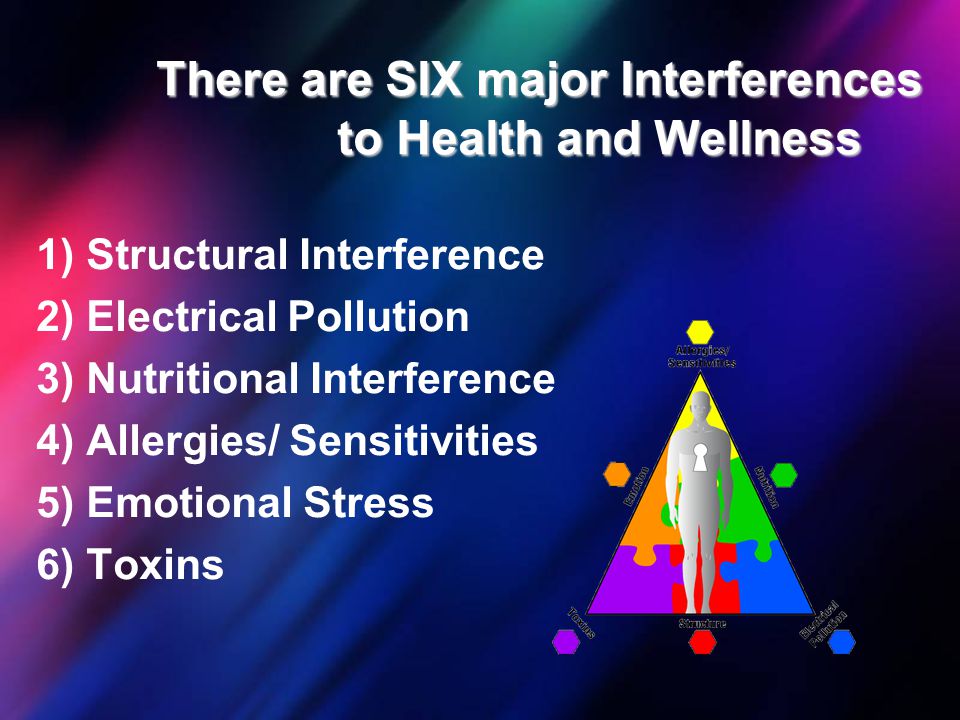
Dr. Christine Teaño Lipat’s whole health chiropractic approach explores 6 interferences   to wellness (as outlined in the Brimhall Wellness Seminars) that may hinder your health and your state of balance.

Image result for These 6 interferences: 1. structural interference 2. electrical pollution

These 6 interferences:  1. structural interference 2. electrical pollution 3. nutritional deficiency  4.  allergies/sensitivities  5.  emotional stress  and   6.  toxicity levels

When you feel healthy – how do you feel?

The Total Stress Load Concept – Why Your Body May Not Be Healing Itself

Total Stress Load Concept - Why Your Body May Not Be Healing Itself by Dr. Christine T. Lipat, DC

 We talk a lot about root causes in the alternative health community, as though by locating and pointing “it” out to the patient, we can help them eliminate their symptoms. Indeed, when chiropractic was founded in 1895, spinal misalignments were theorized to be a primary cause of disease, and a spinal correction could perform miracles for a patient’s nervous system.Adjustments continue to play an important role in ensuring the flow of our amazing life force energy, but in this toxic millenium, it is important to take into account our total stress/toxin load when considering root causes of chronic health issues and our body’s inability to fully and properly heal.2

Any stress or toxin exposure sets off the same sympathetic fight/flight response of the autonomic nervous system. In addition, toxins require anti-oxidants to neutralize the    free radicals produced. We were born with different detoxification capacities, which is  why some people notice the effects of toxicity much earlier in life than others.

Simultaneous stress/toxin exposures lower this threshold for triggering the fight/flight response, and the accumulated free radical damage triggers inflammation and accelerated aging.

What stressors contribute to the total stress/toxin load?:

  • structural/fascial – ie. atlas misalignment, scar tissue, adhesions
  • emotional – current and past experiences, toxic relationships
  • digestive dysfunction – mineral/vitamin absorption deficiencies, endotoxins              from leaky gut
  • immune – auto-immune reactions, inflammation, food sensitivities
  • environmental – pesticides, fragrances, heavy metals, molds, food preservatives,     BPA, flame retardants, etc.3
  • infections – dysbiosis (viruses, fungi, parasites and bacterial imbalance)
  • endocrine – cortisol/thyroid hormone imbalances, high insulin levels, estrogen/progesterone or testosterone imbalance
  • neurotransmitter imbalance
  • oxidative/mitochondrial – poor circulation, poor detoxification
  • spiritual – lack of purpose/connection/trust in life
  • or electromagnetic – interference from wifi, cellphones, computers, etc.4

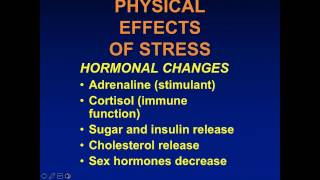
The sympathetic fight/flight response causes the body to increase its heart rate, blood pressure and breathing rate. Muscle tension also increases, blood vessels constrict and prioritize blood away from the skin and digestive system to the muscles and brain. Digestion slows, the immune system is on high alert and blood platelets become “sticky”   to help blood coagulation. The liver releases sugar in to the blood for energy. “The mind scans for danger, even magnifying threats that may not be serious. . . . Emotions become magnified – irritability turns to anger, concern turns to anxiety, fatigue turns to depressed mood.”5

On a short term basis, the body uses up its limited resources to prioritize its own survival. On a long term basis, these functions are destructive, decrease our ever dwindling reserves, and can result in subclinical conditions that eventually manifest into named diseases. Doctors who use the Functional Medicine Matrix of which total stress/toxin load is an underlying concept, recognize the complex interplay between all these factors in supporting and/or blocking the healing process.

Today, when a patient comes into the office with chronic health issues, we ask: If the body is so intelligent, why is it not healing itself? What are the factors that are blocking healing from occurring?

To find out, we conduct a thorough history, chiropractic exam, nutrition response      testing and applied kinesiology to identify possible stressors specific to your situation. Using a myriad of techniques, including low force chiropractic approaches, myofascial deep tissue percussion, neuroemotional technique, nutritional/detox/lifestyle counseling, reiki/energy work, herbs and nutrient supplementation, we partner with you to help you decrease your total stress/toxin load so that you can rebuild your resilience and reclaim your vibrant health.

Here are some suggestions on how you can increase your total health load:

  • minimize your toxic stressors (see above)
  • eat organic/local nutrient-dense foods and drink clean water
  • avoid food irritants/sensitivities/intolerances, processed food chemicals and sugar
  • listen to your body and respect its limitations
  • soak in a sensible amount of sunshine regularly
  • prioritize a good night’s sleep (by 10pm is ideal)
  • engage in regular movement/exercise and sweat often
  • touch the ground with your bare feet
  • nourish yourself with regular laughter, hugs, reading, singing, dancing, planting, creating…
  • lead a purposeful, loving, gratitude-filled life
  • and find spiritual sustenance.

Those who work to increase their total health load, decrease their nervous system stress, and better maintain their structural alignment. They are able to activate and spend more time in parasympathetic rest/digest mode – this is when repair and rejuvenation occurs. They maximize their own body’s healing abilities and save on future healthcare dollars.

Throughout my own journey, I have benefited from the monthly sessions with my          own chiropractor which helps me to better understand my body.  My healing process is dynamic, and my nutritional needs are evaluated regularly. I benefit from learning about and resetting any accumulated stress built up since the last visit. I walk my talk, and I look forward to serving you!

Click here for a sample of the free Niu Patient Workbook which discusses the role of chiropractic in promoting health and outlines more specific suggestions for lifestyle changes that can improve the body’s ability to heal itself.

  1. Vertebral Subluxation on wikipedia.
  2. Dr. Charles Gant (Total Stress Load) and Dr. Sherry Rogers (Total Toxic Load)
  3. “Scientists estimate that everyone alive today carries within her or his body at least  700 contaminants, most of which have not been well studied.” Chemical Body Burden website. “A study also conducted on newborns by the Environmental Working Group (EWG) found an average of 200 industrial chemicals and pollutants in umbilical cord blood from 10 babies born in August and September of 2004 in U.S. hospitals. Tests revealed a total of 287 chemicals in the group. The umbilical cord blood of these 10 children, collected by Red Cross after the cord was cut, contained pesticides, consumer product ingredients, and wastes from burning coal, gasoline, and garbage.” Green Mental Health Care: How to Get Off and Stay Off Psychiatric Drugs.
  4. Cynthia Perkins, How Toxins Make you Sick
  5. Stress Directions Inc.

Educated patients get the best results and save on future healthcare dollars! Below are valuable health articles posted on Niu Health Chiropractic’s Facebook page. 

Like us and select “Get Notifications” and “Show in Newsfeed” for the latest posts:

  • Yet more compelling reasons to avoid sugar!: White Sugar’s Burden
  • How chronic stress/chronic toxins and their total load impacts the nervous system and wreaks havoc on the body’s healing and repair systems: How Toxins Make You Sick
  • …when chiropractors clear your nerve system with an adjustment, not only does your physical body improve, but so does your mental focus and ability to express your true self 🙂 The Part We Love the Most
  • “These studies show links between fluoride exposure and kidney disease;  pineal, thyroid, and reproductive gland problems;  arthritis;  and bone,  tooth,  and nervous system disorders. Reviews of the science  show that water fluoridation may not even prevent tooth decay …. drinking fluoride in water is as dumb as eating sunscreen   to prevent sunburn or swallowing condoms for safe sex!”: Water Fluoridation: Folly or Fraud
  • “Asthma, food allergies, chronic sinusitis, eczema, urticaria, migraine, irritable bowel, fungal disorders, fibromyalgia, and inflammatory joint disorders including rheumatoid arthritis are just a few of the diseases that can originate with leaky gut. It contributes to PMS, uterine fibroids, and breast fibroids.  Leaky Gut Syndrome is often the real basis for chronic fatigue syndrome and pediatric immune deficiencies.” Leaky Gut: Can This Be Destroying Your Health?
  • Avoiding grains and flours for optimal health reasons? Whoa. Then what’s left to eat? Lots! Here’s a shopping list from Practical Paleo: Guide to Paleo Foods
  • “Emerging evidence shows that contact with the Earth—whether being outside   barefoot or indoors connected to grounded conductive systems—may be a simple, natural, and yet profoundly effective environmental strategy against chronic stress, ANS dysfunction, inflammation, pain, poor sleep, disturbed HRV, hypercoagulable blood, and many common health disorders, including cardiovascular disease. The research done to date supports the concept that grounding or earthing the human  body may be an essential element in the health equation along with sunshine, clean   air and water, nutritious food, and physical activity.” Earthing: Health Implications of Reconnecting the Human Body to the Earth’s Surface Electrons
  • “The health of the upper cervical spine is thus critically important to both blood and CSF flow and that makes it important to overall health.  It is especially important to   the health of the brain and cord. In addition to Alzheimer’s, Parkinson’s and multiple sclerosis this site discusses many common and important health conditions related to upright posture.”Brain Cooling and the Cranial Veins
  • Food for thought! Why Are Americans Less Healthy?
  • “What if your purpose is to take impeccable care of yourself so that you have the energy and joy to serve others?” The Myth of Finding Your Purpose
  • “We are not slaves to our DNA. Our environment controls the activity of our genes. Our interpretation of the environment determines how our genes express themselves, and we can direct our interpretation of life’s events. In short, we are not slaves to biochemical caprice. As sentient beings, we sculpt our biology…” Legacy and Lifestyle: Epigenetics and the Potential for Chiropractic

One of the core dietary recommendations we make, aside from avoiding your food sensitivities, is to avoid sugar, grains, dairy, and nightshades. See our Pinterest page         for recipe ideas in line with our healing foods philosophy.

Spread the health – share this newsletter with your friends and family.                   Your referral could dramatically improve a loved one’s quality of life!

Yours in health,

Dr. Christine T. Lipat, DC, CFMP, White Light and Karuna Reiki Master

Niu Health Chiropractic, Your Honolulu Chiropractor
.

Preview YouTube video Managing Stress and Anxiety During Cancer Treatment

Neuroscientists Richard Davidson and Amishi Jha join clinical mindfulness expert   Jon Kabat-Zinn  to explore the role  of consciousness  in mental and physical health,   how we can train the mind to become more flexible and adaptable, and what cutting-    edge neuroscience is also revealing about the transformation of consciousness through mindfulness and contemplative practice. Often, these difficulties stem from the human brain’s hardwired tendency to seek pleasure and avoid pain.…Numerous studies show which parts of the brain are affected by mindfulness practice, and  how these neurobiological changes benefit our minds and bodies.

NBC Nightly News with Brian Williams ran a two-part report titled “Power of Prayer” — an overview of medical evidence revealing the positive, even miraculous, outcomes  from believers praying. HEALING THROUGH PRAYER – HOW PRAYER PRODUCES SEROTONIN for HEALING & LONGEVITY.

It begins from the Brain and is transmitted throughout the Human body: It heals tissue    as well as damaged livers. It promotes the feeling of well-being and disperses depression. Examples of how prayer affects the Human Brain (Brain scan images) as well as the improved mental and physical Health of the person and the Community.

Preview  PRAYER increases ‘SEROTONIN’

resulting in HEALING, LONGEVITY & HEALTH.

.
How does the brain function during prayer, meditation, and trance states? Andrew Newberg has conducted hundreds of brain scans of people during these “enlightened” states and found unique patterns of brain activity. He has surveyed 2,000 people to find the essential elements of the enlightenment experience. With these findings, Andrew aims to help people find their own enlightenment, an experience that can radically change and improve your life.
A doctor at a Philadelphia hospital says prayer is not a cure for cancer — but can sometimes be as important as science in helping patients heal. Dr. Andrew Newberg of Thomas Jefferson Hospital has been studying the effect of prayer on the human brain for more than 20 years, injecting radioactive dye into subjects and watching what changes inside their heads when they pray. You can see it’s all red here when the person is just at rest, said Newberg. https://www.youtube.com/watch?v=pv5v1lBcbZs
.

Preview What Happens To Your Brain When You Pray

 The Grande Finale to this blog: Join Dr. Timothy Water as he presents this Expert Angle webinar:                              “Living with Prostate Cancer, Stress, Mindfulness and Optimal Wellbeing.”

Preview  Expert Angle: Living with Prostate Cancer, Stress, Mindfulness and Optimal Wellbeing

Expert Angle: Living with Prostate Cancer, Stress, Mindfulness and Optimal Wellbeing
Posted in General News | Leave a comment

The Infinite Unknown

Related image

IN TODAYS WORLD WE LIVE IN A TOXIC WORLD!!!

THESE TIMES ARE Crazy, Insane and Weird ALSO 😉😗😂

“Discoveries and inventions are not terminals; they are fresh starting points from which we can climb to new knowledge.” – Dr. Willis R. Whitney, founder of General Electric Laboratories  https://www.activistpost.com/2015/02/chemtrails-exposed-history-of-new.html

After so many years of watching airplanes produce the lines in the sky, largely without knowing of what this Project consists or why, we have recently gained an understanding. Evidence suggests today’s chemtrail spraying operations consist of airplanes saturating our atmosphere with nano-sized particles influenced by electromagnetic energy for the purpose of weather modification.

.

U.S. patent #4,686,605 “Method and Apparatus for Altering a Region in      the Earth’s Atmosphere, Ionosphere and/or Magnetosphere” ALSO shows  THAT stratospheric and tropospheric aerosols can be manipulated using electromagnetic energy in order to modify the weather.

The ground-based antennas (known as ionospheric heaters) needed               to produce the appropriate electromagnetic energy exist. For a detailed discussion, please see the author’s previous article “Smoking Gun: The HAARP and Chemtrails Connection.”

Cancer Connection

Some forms of cancer can also be attributed to inflammation gone awry. Recent research indicates that inflammation plays either a leading or supporting role in many of the most common types of cancer – colon, stomach, lung and breast. Chronic inflammation wreaks havoc in the body by creating an ideal environment for free radicals, rogue molecules that travel through the body leaving a path of destruction in their wake. If a healthy cell’s DNA is damaged by free radicals, it may mutate. As it continues to grow and divide, it may set the stage for a cancerous tumor. Free radicals stimulate inflammation and thereby perpetuate the inflammatory cycle.

Chronic inflammation alone won’t always spark cancer, but left untreated it may create      a more hospitable place for cancer cells to thrive, according to Dave Grotto, director of nutrition education at the Block Center for Integrative Cancer Care in Chicago.

Chronic inflammation alone won’t always spark cancer, but left untreated it may create a more hospitable place for cancer cells to thrive.
.

Colon cancer is one of the most common examples of a cancer that feeds on inflammation. Chronic inflammation  is thought to heighten the risk of colon cancer by allowing free radicals to flourish in the intestines. Although scientists have long known that people with long-term inflammatory bowel disorders,  such as ulcerative colitis  and  Crohn’s  disease, have an increased risk of colon cancer, they are only now beginning to point the finger at inflammation.

In a study published last February in the Journal of the American Medical Association, researchers followed 22,887 adults for more than 10 years to determine if a link existed between colon cancer and inflammation.

They found those participants who developed colon cancer had significantly higher plasma levels of C-reactive protein (CRP), an inflammatory marker used to measure one’s level of inflammation, than their disease-free counterparts.  (See BELOW  “Take the CRP Test,”  on measuring CRP levels.)

The good news: Unlike many uncontrollable risk factors for serious illness, such as family history of heart disease or living in a polluted city, chronic inflammation is something you can control and even prevent through diet and exercise. Here’s a closer look at how both can influence inflammation.

Anti-Inflammatory Eating

Most foods either rev up inflammation or tamp it down. A diet high in trans-fatty acids, carbohydrates and sugar drives the body to create inflammatory chemicals. On the flip side, a diet heavy on vegetables, lean meats, whole grains and omega-3 fatty acids puts   the brakes on the inflammatory process.   http://www.gapsdiet.com/

Early humans consumed an excellent balance of pro-inflammatory fats (mainly omega-6s) and anti-inflammatory fats (such as omega-3s and -9s). People today, however, often chow down on 30 times more bad fats than good. “The typical American diet is priming people for inflammation,” says Jack Challem, author of The Inflammation Syndrome (John Wiley & Sons, 2003). “It’s like sitting in a parked car with your foot on the gas. Eventually you’ll overheat.”

But your diet doesn’t have to be a recipe for disaster. In fact, dozens of foods, herbs and spices can help the body douse inflammatory hot spots.

For evidence, witness recent studies of rheumatoid arthritis. In one, published in the journal Rheumatology International (Jan., 2003), German scientists studied 68 patients with the crippling disease. Some were asked to eat a typical Western diet for the duration of the eight-month trial, while the rest followed an anti-inflammatory diet, which included cutting back on meat and high-fat dairy foods. A subset of each group also took fish-oil supplements. By the study’s end, those in the anti-inflammatory-diet-only group reported a 14 percent decrease in joint tenderness and swelling compared to those in the Western diet group. Fish-oil supplements boosted the results even further, bringing the final tally of those feeling a marked improvement up to 31 percent in the anti-inflammatory-diet group.

The bottom line? If you have an inflammation-related illness, such as atherosclerosis or arthritis, altering your eating habits may help you tame your symptoms, or even change the course of the disease. And if your genes or a sedentary lifestyle put you at risk for chronic inflammation, eating right may make the difference between staying healthy or drifting downhill.

Here is a simple five-step diet plan to help you fight inflammation.

1. GET FRIENDLY WITH FISH: Fish overflows with two key omega-3 fatty acids: eicosapentaenoic acid and docosahexaenoic acid (EPA and DHA for short). Both are potent anti-inflammatories. Studies show that people who eat fish regularly are less likely to die from a heart attack or stroke, or develop Alzheimer’s disease. In fact, studies have shown that eating omega-3-rich fish just once a week may lower a person’s risk of developing Alzheimer’s by up to 60 percent.

To reap fish’s health perks, nutritional experts recommend indulging in a fish dish at   least twice a week (baked or broiled, not fried). To get the most omega-3 fatty acids, stick to either fresh or frozen coldwater fish, including mackerel, salmon and tuna.  Avoid oil-packed tuna, since the omega-3s tend to leach into surrounding oil.

You also need to watch out for fish that may contain toxins, especially if you’re in a      high-risk category. Women who are either pregnant or hoping to be should avoid shark, swordfish, king mackerel and tilefish, all of which may hold potentially dangerous levels  of mercury, which can damage a developing fetus. (Nursing mothers and young children also should avoid these fish.) Studies have shown some albacore tuna (often packaged as canned white tuna) has unsafe mercury levels.

This past March, the FDA and Environmental Protection Agency published a joint statement recommending that pregnant women, nursing mothers and children eat no more than 6 ounces of albacore tuna each week, or approximately one serving.

There are options for vegetarians, too, though they’re not ideal. The body can make its own EPA and DHA from omega-3 fats (called alpha-linolenic acid, or ALA), which are found in flaxseed, wheat germ and walnuts (as well as some oils).  But you’d better be hungry.  The body’s mechanism for converting plant-based omega-3s isn’t particularly effective.  You’ll need to eat four times as much ALA to equal the amount of bioavailable omega-3s found  in a 3-ounce serving of fish.

Although flaxseed is often touted as an equal substitute to fish oil, it just can’t compete, says Jim LaValle, a naturopathic physician at the Longer Living Institute in Cincinnati, Ohio, and author of The Cox-2 Connection (Healing Arts Press, 2001).

Vegetarians concerned about inflammation should consider fish-oil supplements. If fish oil is out of the question, focus instead on lowering intake of bad fats and ingesting more good fats, including extra virgin olive oil, wheat germ oil, hemp oil and flaxseed oil.

2. CHOOSE FATS WISELY: The body uses fatty acids to make prostaglandins, the main hormones that control inflammation. Because the body must make do with what’s   at hand, a diet heavy in pro-inflammatory fats will fan inflammation.

Conversely, meals that balance pro- and anti-inflammatory fats cool things off. Fats to avoid include safflower oil, sunflower oil, corn oil and all partially hydrogenated oil. Fats that get a green light are fatty coldwater fish, extra virgin olive oil, canola oil, walnuts and flax (plus those listed above).

Begin tackling fat by cutting out the worst offender: trans-fatty acids.

“If your diet is rich in trans-fatty acids, you’re going to drive your body to make more inflammatory chemicals,” says LaValle. The top sources for trans-fatty acids are vegetable shortenings and hard margarines, but most processed foods also contain them in various levels. Soon, trans-fatty acids will be easier to spot, thanks to new legislation requiring food makers to add trans-fatty acids to ingredient labels by 2006.

3. EMBRACE YOUR INNER HERBIVORE: Fruits and vegetables are storehouses of antioxidants and other anti-inflammatory compounds. The best sources are brightly colored fruit and vegetables, such as blueberries, strawberries, bell peppers and spinach. “Anytime you go with a large variety of colors, you get a powerhouse of phytochemicals, some of which have anti-inflammatory effects,” says Melanie Polk, director of nutrition education at the American Institute for Cancer Research in Washington, D.C.

An easy way to up your phytochemicals is to select foods that are deeper shades of colors than you already eat, Polk says. For salad greens, choose the darker spinach over iceberg; grab a ruby strawberry instead of a banana.

An easy way to up your phytochemicals is to select foods that are deeper shades of colors than you already eat, Polk says. For salad greens, choose the darker spinach over iceberg; grab a ruby strawberry instead of a banana.

For a simple way to eat more plant-based foods, Polk suggests using your dinner plate as a measuring tool. Ideally, two-thirds of the plate should be covered with plant-based foods, including fruit, vegetables, whole grains and beans, she explains. The remaining one-third can be filled with lean animal protein, like a chicken breast or fish fillet. Consider eating more anti-inflammatory herbs, like ginger and turmeric, and augmenting your diet with antioxidant supplements.

4. CUT BACK ON WHEAT AND DAIRY:  Not heeding food intolerances and sensitivities is a one-way ticket to chronic inflammation, and no two foods are bigger triggers than dairy and wheat. For people who suffer from lactose intolerance or celiac disease (gluten sensitivity),  as the stomach treats dairy and wheat products as hostile invaders. It Often it only takes one bite of bread or a spoonful of ice cream to kick the immune system into high gear.

5. SAY NO TO SUGAR: Sugary foods can also be a problem, especially when eaten between meals, since they cause a surge in blood-sugar levels. To regain balance, the pancreas releases a rush of insulin, which in turn activates the genes involved in inflammation. This biochemical roller coaster is thought to contribute to the onset of type 2 diabetes. “When I’m trying to quell people’s inflammation, I make sure they knock out refined grains and refined sugars,” says LaValle. “You’ve got to get rid of the inflammatory chemistry.”
                              *************************************************************

Does Sugar Cause Cancer?

I had a member of our Facebook group doing really well on a vegan diet for over a year after receiving immunotherapy in Guangdong Sheng, China,  for Leiomyosarcoma. As cancer caused her body to crave sugar she caved to the cravings and was back at Fuda 3 months later. http://www.fudahospital.com/en_asp_new/  I say,  yes sugar causes cancer!!!

The idea that cancer cells thrive on sugar has been around at least since the 1924 publication of Dr. Otto Warburg’s paper, On Metabolism of Tumors. Warburg was a  Nobel Prize-winning cell biologist who hypothesized that cancer growth was caused when cancer cells converted glucose into energy without using oxygen.  This was an interesting assertion, in part because we know that healthy cells make energy by converting pyruvate and oxygen.  The pyruvate is oxidized within a healthy cell’s mitochondria.  Since cancer cells don’t oxidize pyruvate, Warburg thought cancer must be considered a mitochondrial dysfunction.

But that’s not how cancer works. Cancer is caused by genetic mutations, either inherited mutations, or those that are acquired over time through exposure to carcinogens or as a consequence of the normal metabolism of cells.

Learn more

Although healthy cells and cancer cells do convert their food to energy in different ways, that difference is an effect, not a cause, of cancer. (Learn about the   differences between cancer cells and normal cells.)

 
Relationship between sugar and cancer is now clearer, scientists say

Belgian scientists say they’ve made a research breakthrough in the relationship between sugar and cancer.

Researchers found yeast with high levels of the sugar known as glucose overstimulated   the same proteins often found mutated inside human tumors, making cells grow faster. The finding, published in Nature Communications on Friday, aims to shed light on how cancer develops.

Johan Thevelein, Wim Versées and Veerle Janssens started researching sugar’s link to cancer in 2008 to try and better understand what’s called the Warburg effect, when tumor cells make energy through a rapid breakdown of glucose not seen in normal cells. That energy fuels tumor growth.

The research “is able to explain the correlation between the strength of the Warburg    effect and tumor aggressiveness,” Thevelein, from KU Leuven in Belgium, said in a release. “This link between sugar and cancer has sweeping consequences.  Our results provide a foundation for future research in this domain, which can now be performed with a much more precise and relevant focus.”

While it’s a monumental finding for the research team, it’s not a medical breakthrough.    It also doesn’t prove that eating a low-sugar diet could change a cancer diagnosis.

More: Myths about breast cancer debunked: Family history often has nothing to do with diagnosis

More: Obesity rates skyrocketing, and health experts say it’s time to change how we’re dealing with the problem

“The findings are not sufficient to identify the primary cause of the Warburg effect,” Thevelein said in a release. “Further research is needed to find out whether this primary cause is also conserved in yeast cells.”

Victoria Stevens, a cancer researcher with the American Cancer Society who was not involved in the study, said this research is great, but it comments only on “about one product made during the breakdown of glucose to produce energy.”  In other words,         it’s a small step in a long process.

“They are providing a potential way (the Warburg effect) could be a cause of cancer,         but they are a long way away from saying this could actually happen,” Stevens said.

VIB, KU Leuven and Vrije Universiteit Brussel researchers conducted the study. VIB is a life sciences research institute that works with five universities, including KU Leuven, and is funded by the Flemish government.    https://globalnews.ca/news/3814185/sugar-and-cancer/ 

How does sugar play a factor in mental health? High sugar intake exerts a toxic effect on mental health by causing leptin and insulin resistance in the body which has been known to suppress the activity of a key hormone called BDNF, which is critically low in depressed patients. Sugar consumption triggers a cascade of chemical reactions in your body that promote chronic inflammation. In the long term, inflammation disrupts the normal functioning of your immune system, and wreaks havoc on your brain.
Toxic Chemicals In Our Food and Environment

Similarly, toxic chemicals in our food and environment contribute to the loss of healthy gut bacteria, which leads to Candida Albicans overgrowth (commonly called “yeast”). When someone has a yeast overgrowth, they crave carbohydrates and sweets, which destroy the gut lining even more. When left untreated, Candida grows into a plant-like structure complete with roots. As these roots gain strength, they break through the intestinal walls and allow the yeast to travel to the sinuses, throat, reproductive organs, lungs, and skin; often resulting in what is thought of as a chronic sinus infection, chronic urinary tract infection, inflammatory bowel syndrome, and thrush or sores in the mouth.

Once established in the sinuses, it feeds on the glucose, which is abundant in the fluid around the brain causing a depletion of food for the brain and resulting in brain fog, muscle and pain syndromes, or cognitive dysfunction.

Candida is a living thing; it eats and has waste products. The waste products are a perfect “fertilizer” for harmful bacterial infections. Bacteria are also living things that eat food and have waste products. Years of recurrent bacterial infections leaves a perfect “fertilizer” in the body for parasites.

Yeast Overgrowth

Microscopic parasites that exist in our water, food supply, and in the earth around us    pass through our bodies constantly. If someone has a yeast overgrowth, those parasites will feed on the waste products and grow and stay around. They get stronger, lay eggs,   and can eventually make toxic the entire body and brain.

In order to get rid of the parasites, you must get rid of the yeast; and in order to get rid      of the yeast, you must get rid of sugars in the diet. That includes table sugar, fruit juices, pastas, breads, and all simple carbohydrates for long enough to cleanse the gut from the yeast overgrowth.

Once the gut is compromised, there must also be some detoxification of the body and brain, and there must be a conscious, consistent plan to repair and rebuild good flora in the gut. First detoxifying the brain then repairing and reseeding the gut have been shown to have tremendous beneficial effects on autism,  ADD/ADHD,  mood swings of bipolar, dyslexia, dyspraxia, obsessive-compulsive disorder, schizophrenia & learning disabilities. It is when we identify the true culprit of disease and address it at its core we all progress on the journey to a happy and healthy life.

HOW MUCH SUGAR SHOULD YOU EAT?

No one should eat more than 50 grams of sugar in a day, but most Americans consume far more than this amount. A recent study published by the Journal of the American Medical Association showed a significant correlation  between consuming too much sugar and an increased risk  of dying from cardiovascular disease.  This study was carried on for fifteen years, and included more than 30,000 Americans. It studied the difference between those whose calorie consumption contained less than 10% sugar vs. those whose diets contained 25% or more sugar. As you have probably guessed, those with the high sugar consumption were twice more likely to die from heart disease than those who limited sugar.

So how much sugar should you be eating? Women should not consume more than 25 grams of sugar a day, and men should not consume more than 37 grams of sugar a day. When you stop to think that a snickers bar contains 27 grams of sugar, you realize that your snacking habits have to change. If you want to avoid metabolic syndrome, obesity, and heart disease, one of the best things you can do is to cut the sugar out of your life,        or at least monitor it very closely.

Start reading labels! Read the sugar grams and realize that your “bank account”       absolute limit is 50 grams. If you exceed that, you are risking heart disease and obesity.

If you are already struggling with health issues, your bank account sits at 25 and 37 grams (women/men).  Don’t exceed your “bank account” limits!  Also,  avoid any “food” product that contains high fructose corn syrup as it will derail your best attempts at good health.

How does the sugar in fruit compare to the sugar in processed foods like soda or cookies?

Everyone loves a sweet treat, but on average, Americans eat nearly 66 pounds of added sugar per person per year. It’s easy to exceed the daily recommended sugar intake when     a 12 oz soda has about 11 teaspoons of added sugar.   But what about the sugar in fruit? Should people be worried about how much fruit they’re eating?  Dr. Kimber Stanhope,         a Nutritional biologist at UC Davis, walks us through the science.

Preview  Is Sugar in Fruit Different Than Sugar in Soda?

Get a Move On

Although the role of exercise in staving off chronic inflammation is less well documented than dietary changes, experts still tout physical activity as one of the best ways to keep inflammation at bay. The best part? It doesn’t matter how you move – just get out and go. The indirect results of exercise on inflammatory diseases are bountiful.

Running for an hour or more per week lowers a man’s risk of developing heart disease by 42 percent, according to the Journal of the American Medical Association (Oct. 23, 2002). People who exercise regularly are also less likely to be overweight, which lowers the odds of suffering from an inflammation-related illness.

Exercise also may directly muffle inflammation. In studies, both aerobic and nonaerobic exercise have been shown to lower levels of C-reactive protein, or CRP (the body’s marker for inflammation). The lower the body’s CRP, the less inflammation is present.

In a recent study published by the American Heart Association, researchers at the Cooper Institute in Dallas recruited 722 men to observe how fitness affects inflammation. The men’s fitness levels were measured by how long they could walk on a treadmill at gradually rising inclines. Inflammation levels were calculated by performing blood tests for CRP.

Take the CRP Test

Do you have inflammation, or will you in the near future?  There’s a simple way to find    out – with a CRP blood test. Here’s how it works: A marker called C-reactive protein (CRP) measures inflammation in the blood.  As inflammation creeps up,  so do CRP levels.  Test results can range from 1.0 to 4.0 mg/L (milligrams to liters) and up. A CRP level below 1.0 mg/L is best, 1.0  to  3.0 mg/L is moderate and above 3.0 mg/L means there is a high risk for inflammation. (High CRP levels are often found in patients who already have autoimmune disease and cancer.)

Another advantage of a CRP test is that it can signal a warning for possible heart disease even if you don’t possess any telltale physical symptoms.    The CRP test is not definitive, although studies have shown it to be valuable in predicting heart disease in both men and women. The test costs between $25 and $35 and can be performed in a doctor’s office. Ask your physician for more information.

In the end, researchers saw a clear trend toward lower CRP levels among those men who aced the treadmill test and higher CRP levels among those who struggled. Among the men in the lowest fitness group, 49 percent had dangerously high CRP scores. Conversely, only 16 percent of those in the highest fitness group had elevated CRP levels.

The rub is that scientists aren’t sure exactly how exercise diffuses inflammation. One theory is that exercise goads the body into making more antioxidants, which then seek  and destroy free radicals associated with prolonged inflammation. William Joel Meggs, MD, PhD, author of The Inflammation Cure (McGraw-Hill, 2004), believes exercise may fool the body into thinking it’s younger than it is.  “If the body senses it has a biological need to stay healthy, it will produce more antioxidants to control inflammation and slow the aging process,” he says.

For more on how and why to exercise as you age, see “Power Aging.”

To maximize the anti-inflammatory properties of exercise:

MAKE IT A HABIT: Aim for 30 minutes daily of moderate physical activity, such as walking, running, swimming or even yard work. Remember, a little each day is more beneficial than squeezing in a week’s worth of exercise on the weekend.

MIX AND MATCH: For your best shot at lowering CRP levels, get a mixture of both aerobic exercise, such as walking, running or riding a bike, and moderate weightlifting, either at a gym or with small hand weights at home.

DON’T OVERDO IT: If you find yourself hobbled for days after each trip to the gym,   dial down your workout. An overzealous workout can leave muscles and joints sore,  which may ultimately fuel the inflammatory fire instead of quell it.

RECRUIT YOUR MIND: “Mental states are important,” says Meggs. “We know           that angry, hostile people have higher CRP levels than people who keep their cool.”        The thinking goes that cortisol, a stress hormone, triggers the body to release a host          of chemicals that contribute to the inflammatory cascade.

Activities that calm the mind, such as meditation and guided imagery, lower CRP levels,   he says. Better yet, try combining a meditative focus with physical movement in practices like yoga, tai chi or qigong. (For more on this topic, see “Emotional Biochemistry” in the Nov./Dec. 2003 Experience Life.)

Squelching chronic inflammation with diet and exercise is in many ways a no-brainer. Certainly health experts have touted much of this same advice (less junk food, more vegetables and regular exercise) for years.

But who knows, maybe understanding the inflammation connection will be enough            to convince more folks to straighten up and fly right – particularly if keeping a lid on inflammation turns out  to  be  the secret of healthy aging, or wellness in general,  as Meggs suggests. “Inflammation may also well turn out to be the elusive Holy Grail of medicine,”  he notes, “the single phenomenon that holds the key to sickness and health.”
Posted in Thought Provoking | Leave a comment

The Middle Place

Excerpt from The Middle Place by Kelly Corrigan

I recently came across this video by Kelly Corrigan, who was diagnosed with Stage III breast cancer in August 2004, just days before her oldest daughter turned three.

Her family was surrounded with support and kindness for months, carrying her through eight cycles of chemotherapy, a lumpectomy and two months of radiation. The meaningful and creative ways her friends found to support her was the inspiration for this site.

In this video Kelly reads a wonderful piece about friendship, and how we women can        all support each other through thick and thin. You don’t have to have had experience of cancer to appreciate this video. I  pass it on in celebration of all women and friendship.  http://www.caringcommunity.org/helpful-resources/models-research/kelly-corrigan-author-breast-cancer-survivor/  
 
It was a total shock to the system when: At thirty-six, Kelly Corrigan had a marriage        that worked, two kids and a weekly newspaper column.  Yet Kelly still saw herself as the daughter of garrulous charmer George Corrigan.   She was living in the Middle Place – comfortably wedged between her adult duties and her parents’ care. But Kelly is shoved into coming-of-age when she finds a lump in her breast – and gets the diagnosis no one wants to hear.  When George, too, learns he has late-stage cancer,  it was Kelly’s turn to look after the man who’d always taken care of her – and to take the leap and grow up.    Image result for the middle place kelly corrigan
  In her bestselling memoir, The Middle Place, Ms. Corrigan alternates chapters between that difficult year and flashbacks to her childhood, partially for much-needed comic relief and partially to make the point that “you don’t really grow up until you learn to live in the world without the people who made it a safe place for you.”
.
Her second memoir, LIFT,  tells three stories of risk and parenthood, including her daughter’s bout of meningitis.  Kelly has become an expert in crisis and caretaking.           Ms. Corrigan’s writing is lauded by the Today Show, Good Housekeeping magazine         and millions of readers. https://www.youtube.com/watch?v=3BUCCxDk4zQ
.
Kelly Corrigan’s first book, “The Middle Place,” is a memoir about her Irish-American father’s battle with cancer and her own triumph over the disease. It was published on January 8, 2008 (hardcover) and December 23, 2008 (paperback).
.
At its peak, the hardcover reached #2 on the Non-fiction New York Times bestseller list. The paperback has reached #2  on  the  Trade Paperback Non-fiction New York Times bestseller list to date. “The Middle Place” was also recognized by Barnes and Noble as          part of the “Discover Great New Writers” campaign.
.

Shortly after her own battle with breast cancer, Corrigan launched Circus of Cancer, a how-to web site for friends and family of women with the disease. The website includes      a photo album of her own struggle against breast cancer and writings in such categories    as  “Finding a Lump”  and  “Losing My Hair.”   Below is an excerpt from  “Getting the Diagnosis”:

At 1pm, Emily Birenbaum called and said these exact words: “Kelly,  I understand that you called in this morning.  I have the biopsy report and Kelly, it’s cancer.” I called out, “Edward!” and he  came  to  me  and  we  crowded  around  the  phone,  politely asking the simplest of  questions.

“Is  the  test  always  correct?” “Does  it  say  how  much  cancer  there  is?”  “Could it be a false positive?”     After a very short conversation where we learned the phrase ‘invasive ductal carcinoma’, we hung up. The girls were at our knees, needing to be  fed and put down  for a nap. There was so much to do, on so many fronts, that the only thing to do was to start doing.

Corrigan created the annual benefit concert Notes and Words in 2010, and has since raised over $5 million for Children’s Hospital Oakland Research Institute in Oakland, California. An annual event, Notes & Words features bestselling authors and recording artists onstage together at the Fox Theatre in Oakland. The event in 2014 raised over $728,000 and had an attendance of 1900 people. The co-chairs of the philanthropy – Corrigan, Melissa Williams and Kristina Smith – are all grateful parents whose children have received services and care from Children’s Hospital & Research Center Oakland.
 .
The Huffington Post calls Corrigan the “Poet Laureate of the Ordinary” while O Magazine says Corrigan is “the voice of a generation.” Her books The Middle Place and LIFT, reached #2 on the New York Times bestseller list and Corrigan’s reading of her essay on the value of friendship was viewed over 5 million times on YouTube.
.
Ms. Corrigan co-founded the Notes and Words benefit for Childrens’ Hospital and Research Center Oakland. Her new book, a memoir about her mother called Glitter            and Glue, will be published in February, 2014.
 .

  Bestselling author of The Middle Place and Glitter and Glue, Kelly Corrigan shares  her thoughts on motherhoood and the great adventure.  Glitter and Glue is a new memoir that examines the bond — sometimes nourishing,  sometimes exasperating,  occasionally divine—between mothers and daughters.

When Kelly Corrigan was in high school, her mother neatly summarized the family dynamic as “Your father’s the glitter but I’m the glue.” This meant nothing to Kelly,       who left childhood sure that her mom — with her inviolable commandments and proud stoicism — would  be  nothing more than background chatter  for  the rest of Kelly’s life,  which she was carefully orienting toward adventure.

After college, armed with a backpack, her personal mission statement, and a wad of traveler’s checks,  she took off for Australia to see things and do things and Become Interesting. But it didn’t turn out the way she pictured it. In a matter of months, her savings shot, she had a choice: get a job or go home.

That’s how Kelly met John Tanner, a newly widowed father of two looking for a live-in nanny. They chatted for an hour, discussed timing and pay, and a week later, Kelly moved in. And there, in that house in a suburb north of Sydney, 10,000 miles from the house where she was raised, her mother’s voice was suddenly everywhere, nudging and advising, cautioning and directing,   while escorting her through a terrain as foreign as any she had ever trekked. Every day she spent with the Tanner kids was a day spent reconsidering her relationship with her mother,  turning it over in her hands like a shell,  straining to hear whatever messages might be trapped in its spiral.

This is a book about the difference between travel and life experience, stepping out and stepping up, fathers and mothers. However, mostly it’s about who you admire and why, and how that changes over time.  https://www.youtube.com/watch?v=vYmQs8bs1cY

In her TEDxTalk, Kelly explores the value of reading, and why we should do more of it.    In her down-to-earth, humorous style, she shows us how reading is the foundation upon which we build our vocabulary,  which is surprisingly core to who we are,  both professionally and personally. 

Kelly argues that expanding our working vocabulary through reading leads to occupational success, intellectual development and personal connection.   Her hope is that individuals, couples, families, workforces, electorates and communities will read at least 30 minutes a day, exposing us to two million words used in context per year, words that will exponentially impact how we think and connect. https://www.youtube.com/watch?v=_I_M0k-jubQ

 Everyone loves a good story, and that is why we are often tempted to project simplified narratives onto our own complex lives. In this talk, Kelly Corrigan, author of Glitter and Glue, explores the liberating power of acceptance – the act of embracing life in its full complexity.
Posted in Uncategorized | Leave a comment

Spontaneous Regression

.

Whoa, hold the lines, stop the presses!

Every once and awhile (not often) I stumble on a simple, clean, and deep scientific question, such as this one. Let me say, my mouth is watering the same way the mouth waters before a meal.

The question is good, because it is slightly ‘loaded’, but at the same time not so much         so that anyone can address it with whatever topic they like.


For me, Cancer is an interesting topic. Your body is made up of cells, so that you are a multicellular Metazoan. When cells didn’t aggregate to form a multicellular organism,  they tended to behave individually and follow ‘selfish’ rules. Me, me, me.

What can I do to survive? Eat more than you? Yes! Give me.

So that is what happens when cells don’t communicate to others. They don’t play fair, they’re not—as psychologists and evolutionary biologists say—altruistic.

So, because you are a multicellular Metazoan, you are made up of complex arrays (tissues) of cells that each have a particular function. Each of the 10 trillion cells you own knows its job, and understands it needs to communicate with its neighbors, both near and far, to carry out its job best.

By best, I mean for You, the organism. Because, when all your cells (inside their families, i.e. tissues) do what they’re supposed to, when they’re supposed to do it, and under the proper conditions, you do good. When you do good, you can reproduce. So, when your cells communicate properly, they are all behaving selfishly on your behalf, at the expense of other organisms. If you perform better (your choice of definition), then you survive. That’s natural selection in a nut-shell.

Now, in certain circumstances, cells lose this ability to communicate. They “revert”        back to “old” programming, and can start to act selfish again. Boooo! Me. Me. Me.

Then, Cancer.

.
Amazing Human Body – Communication Between Cells.
.
Our body is constituted by millions of cells, which are being renewed, everyday by reproducing themselves and replaced by the new cells till it stops gradually leading us to old age and finally a natural death. If everything goes smooth without any hindrance, we could live a life everlasting. But after some years in a human life, something prevents this re-generation; the reason science is not able to explain.
.
Cells are constantly engaged in a complex communication process and communicate each other every now and then. They work in a very synchronized manner resulting in a healthy body.
.
All these millions of cells are a part of a de-centralized system and this communication between the cells goes on till a person cease to exist. The interesting fact is that we are aware about the activities these complex and hard working cells are engaged for keeping us live. Also we don’t have control over this process.

.

What happens when our cells fail to communicate or ignore the communication they receive from other cells? When cell fails to communicate properly, many of the functions of our body get disrupts and eventually leads to various health issues. For a cancerous cell, they just don’t care about these messages and reproduce themselves without any control making tumor and other type of cancers in our body. Polluted environment, exposure to radiation, life style etc. can damage our cells and adversely affects the proper functioning of cells.

Preview  Inside the living body

 
Our body is constructed amazingly by the creator. The design of human body is impeccable and nothing can be compared to the perfection and complexity of functions a human body handles. The way cells are functioning is a great proof about the wisdom of our creator.
.

Cancer does not kill, as all cancer really is your very own cells that have somehow started to mutate. What kills the body is the restriction of vital nutrients to other “healthy cells”  and the body slowly starves to death from lack of vital nutrients.

This protocol is designed to increase inter-cellular “communication” cycles, and help repair and regenerate “damaged” DNA. Once this happens, cancer cells often return to their “normal” state of existence. This “miracle” is known as “spontaneous regression” – and happens quite often. how do cells communicate with the environment 

how do cells communicate with the environment. 

Cells gather info about their environment BY communicating with one another. They communicate via the genetic code contained in the DNA and with signaling molecules. Signaling molecules include neurotransmitters. Basically, a cell will send out a signal that travels in a vesicle and fuses with another cell. The message then binds to a receptor on the plasma membrane of the target cell, which causes a signaling cascade. After binding, the signaling molecule triggers the cascade by changing the target cell’s shape which leads to a phosphorylation cascade. Eventually a change in gene expression ensues, stimulating the cell to produce many proteins as a response.
 
 
Specific proteins embedded in the cell membrane can act as molecular signals that allow cells to communicate with each other. Protein receptors are found ubiquitously and function to receive signals from both the environment and other cells. These signals are transduced and passed in a different form into the cell. For example, a hormone binding to a receptor could open an ion channel in the receptor and allow calcium ions to flow into the cell. Other proteins on the surface of the cell membrane serve as “markers” that identify a cell to other cells. The interaction of these markers with their respective receptors forms the basis of cell-cell interaction in the immune system.
 
Cells communicate through receptors on their surface; however, when these finely tuned systems don’t work correctly, diseases can be triggered. Professor Yvonne Jones has been working to identify the structural biology of cell surface recognition and signaling complexes. Receptors embedded in the surface are potential targets for therapeutic intervention in many diseases including cancer. Professor Jones is director of the Cancer Research UK Receptor Structure Research Group.  https://vimeo.com/131556557
.

Cells communicate through their own language of chemical signals. Different compounds, such as hormones and neuro- transmitters, act like words and phrases, telling a cell about    the environment around it or communicating messages.

When the pancreas detects a person has just eaten,  example,     it releases the hormone insulin  to tell other cells in the body      to remove glucose from the blood. Just as a person needs ears  as much as a mouth to have a conversation, cells use receptor proteins either on the outer cell wall or inside the cell itself to “hear” different signals.

Once the signal chemical binds to a receptor, that protein     turns on a signaling cascade in the cell that ultimately leads      to the cell’s response. Every cell has receptors that can detect      a lot of  different signals,  so they are constantly bombarded   with biological conversation.  Imagine being in a room and having everyone talking at you at once!

So how does a plant use cellular communication to grow  toward sunlight?

The growing tips of plants produce auxin — a hormone that tells cells to grow and divide — which  is  then  sent  to  the rest of  the plant.  The shady parts  of  a  plant  receive  more  auxin,  which causes  those  cells  to elongate  while  the sunny-side cells don’t. When one side lengthens while the other side stays the same, the plant will bend.

I wanted to note, though, that this is the super-short, incredibly oversimplified response. Cellular communication is inexplicably complicated. For example, these are the pathways associated with a single receptor, the B cell antigen receptor:

The tangled web of B cell interactions, from Cell Signaling Technology

Not only do individual receptors do many things, different responses are linked to          a      wide diversity of receptors and messages. Take the protein Akt, a serine/threonine    kinase  (which means it adds phosphate groups to serine  or  threonine amino acids on   other proteins). Akt is implicated in signaling cascades throughout the body, and is one    of the most important players in cancer signaling:

Entire careers are dedicated to discovering how different signals or intercellular pathways work. By studying cellular communication, scientists hope to uncover key messages or receivers that can be used to alter how cells act. For example, a breakdown in communication is part of what allows cancer cells to grow unchecked. The belief is that if we can untangle the twisted web of chemical interactions within and between cells, we can find ways to steer living tissues to do what we want, whether it be growing organs in culture dishes, giving plants and animals resistance to pests, or fighting off incurable diseases.

When you think about it, basically all of our pharmaceuticals are chemical messages or designed to stop them. Some drugs either mimic or are identical to natural chemical messengers, so when we pop a pill, we’re influencing the conversation going on in our body. Others look enough like them to get stuck where the real ones would bind, blocking messages from being received.

Sometimes, we send signals to our cells when we don’t intend to. There are a number of chemicals we use industrially, for example, the mimic the hormone estrogen, and thus when they enter our bodies, they start telling cells to do things we don’t want them to do. These xenoestrogens have become a huge regulatory problem, and not only because of us, but also because of the effects they have on plants and animals that they come in contact with.

Whether we ever have a controlled conversation with our bodies or not, the more we understand the ways that cells communicate, the more we appreciate just how complex and intricate the mini-machines are. These tiny computers process millions of signals every day. They communicate across unfathomable distances to coordinate disparate    body parts. And though we know a lot about how they work, the microscopic world is      still a very foreign place to us metazoans, and we’re only just beginning to understand what goes on at a cellular level.

Here is a pretty fancy video looking at cell communcation from a big-picture perspective:  https://www.ted.com/talks/bonnie_bassler_on_how_bacteria_communicate

Fruit flies are one of the most well studied organisms and they have provided many clues to how genes interact. This dramatic poem is based on the work of Dr. Ross Cagan of the Mount Sinai School of Medicine who used a clever genetic technique to create flies that carry a mutation that causes a certain cancer in human beings. The flies can live but their eyes are horribly disfigured.
If the flies food are spiked with drugs, however, some of their eyes are partially restored. In one case, one of the drugs was able to almost entirely restore the fly eyes. And then, amazingly!, this drug was shown to be effective as a cancer treatment for those people who have the same hereditary mutations! In this way the flies have provided not only valuable clues into the relationship of genes, but have also directly contributed to the discovery of cancer therapies.

Fruit flies are one of the most well studied organisms and they have provided many clues to how genes interact. This…

How does mindfulness and meditation improve health? Helen Weng, UCSF Osher Center for Integrative Medicine, explains that training our internal mental lives can have positive effects on our minds, health, and relationships.  https://www.youtube.com/watch?v=PCymeuQECOs&t=144s   https://www.youtube.com/watch?v=XlAEjKMXp9k 

This video is Wayne Dyer on the energy inside you.

Wayne Dyer was an American self-help author and motivational speaker.
His first book, Your Erroneous Zones (1976), is one of the best-selling books of all time, with an estimated 35 million copies sold to date.

Wayne Dyer Quotes – “If you change the way you look at things, the things you look at change.”

“How people treat you is their karma; how you react is yours.”

“Be miserable. Or motivate yourself. Whatever has to be done, it’s always your choice.”

“When you judge another, you do not define them, you define yourself.”

“You cannot always control what goes on outside. But you can always control what goes on inside.”

“Conflict cannot survive without your participation.”

“When you dance, your purpose is not to get to a certain place on the floor. It’s to enjoy each step along the way.”

“You cannot be lonely if you like the person you’re alone with.”

“The highest form of ignorance is when you reject something you don’t know anything about.”

“Doing what you love is the cornerstone of having abundance in your life.”

This video is Wayne Dyer on the energy inside you. Wayne Dyer was an American self-help author and motivational speaker. His…

Joanna will speak about the sound therapy and its importance in our lives

Joanna is a qualified and experienced sound therapist and holds an MA in Applied Anthropology, Youth and Community. She has supported children, young people and families for over 15 years within mainstream, special needs schools, youth and community groups. She creates and delivers wellbeing workshops through the use of sound healing, music, drama, mindfulness and breath and body awareness.

Joanna will speak about the sound therapy and its importance in our lives Joanna is a qualified and experienced sound therapist and holds an MA in Applied An…

Burberry CEO Angela Ahrendts talks about the positive and transformative power of human energy.

Burberry CEO Angela Ahrendts talks about the positive and…
Over the past century we have developed technologies, such as mobile phones, that pose a direct threat to our future health, but there is an equally harmful radiation that comes from the earth and could be responsible for many of the health problems facing the modern world. It is called ‘Geopathic Stress’. This documentary looks at the effect of geopathic stress and electromagnetic radiation on our health. For the first time ever, a link is established between them. This ground-breaking documentary is a wake-up call for the modern medical and scientific establishments and also for anyone who has an interest in their own health.
Posted in General News | Leave a comment

How Microorganisms Cause Disease

 The physiology of abnormal states:

Many infections and diseases are caused by microorganisms—organisms that cannot         be seen without the aid of a microscope. But, not all microorganisms cause disease.     There are many bacteria in the environment that don’t make you sick.

How do the pathogens—disease-causing agents—produce infection and disease                    inside the body?

http://www.pandemsim.com/CauseDisease.html 


Pathophysiology: specifically the functional changes that accompany a particular syndrome or disease,
 
Don’t tell me the sky’s the limit when there are footprints on the moon.
 

Pathophysiology or physiopathology is a convergence of pathology with physiology. Pathology is the medical discipline that describes conditions typically observed during a disease state, whereas physiology is the biological discipline that describes processes or mechanisms operating within an organism. Pathology describes the abnormal or undesired condition, whereas pathophysiology seeks to explain the physiological processes or mechanisms whereby such condition develops and progresses. Pathophysiology can also mean the functional changes associated with or resulting from disease or injury. Another definition is the functional changes that accompany a particular disease.

How Pathogens Make Us Sick

Infection with a pathogen does not necessarily lead to disease. Infection occurs when virusesbacteria, or other microbes enter your body and begin to multiply. Disease occurs when the cells in your body are damaged as a result of infection and signs and symptoms of an illness appear. The incidence of disease among those infected varies greatly depending on the particular pathogen and individual susceptibility.
Many of the symptoms that make a person suffer during an infection—fever, malaise, headache, rash—result from the activities of the immune system trying to eliminate the infection from the body.
In response to infection, your immune system springs into action. White blood cellsantibodies, and other mechanisms go to work to rid your body of the foreign invader. Indeed, many of the symptoms that make a person suffer during an infection—fever, malaise, headache, rash—result from the activities of the immune system trying to eliminate the infection from the body.
 .
Pathogenic microbes challenge the immune system in many ways. Viruses make us sick by killing cells or disrupting cell function. Our bodies often respond with fever (heat inactivates many viruses), with the secretion of a chemical called interferon (which blocks viruses from reproducing), or by marshaling the immune system’s antibodies and other cells to target the invader. Many bacteria make us sick in the same way that viruses do, but they also have other strategies at their disposal. Sometimes bacteria multiply so rapidly they crowd out host tissues and disrupt normal function. Sometimes they kill cells and tissues outright. Sometimes they make toxins that can paralyze, destroy cells’ metabolic machinery, or precipitate a massive immune reaction that is itself toxic.
 .
Other classes of microbes attack the body in different ways:
  • Trichinella spiralis, the parasitic worm (helminth) that causes trichinosis, enters the body encased in cysts residing in undercooked meat. Pepsin and hydrochloric acid in our bodies help free the larvae in the cysts to enter the small intestine, where they molt, mature, and ultimately produce more larvae that pass through the intestinal wall and into the bloodstream. At that point they are free to reach various organs. Those that reach skeletal muscle cells can survive and form new cysts, thus completing their life cycle.
  • Histoplasma capsulatum, a fungus that causes histoplasmosis, grows in soil contaminated with bird or bat droppings. Spores of the fungus emerge from disturbed soil and once inhaled into the lungs germinate and transform into budding yeast cells. In its acute phase, the disease causes coughing and flu-like symptoms. Sometimes histoplasmosis affects multiple organ systems and can be fatal unless treated.
The protozoa that cause malaria, which are members of the genus Plasmodium, have complex life cycles. Sporozoites, the stage of the parasite that infects new hosts, develop in the salivary glands of Anopheles mosquitos. They leave the mosquito during a blood meal from a human, enter the host’s liver, and multiply. Cells infected with sporozoites eventually burst, releasing another cell form, merozoites, into the bloodstream. These cells infect red blood cells and then rapidly reproduce, destroying the red blood cell hosts and releasing many new merozoites to do further damage. Most merozoites continue to reproduce in this way, but some differentiate into sexual forms (gametocytes) that are taken up by the female mosquito, thus completing the protozoan life cycle.

Pathogens are microorganisms – such as bacteria and viruses – that cause disease.

Bacteria release toxins, and viruses damage our cells. White blood cells can ingest and destroy pathogens. They can produce antibodies to destroy pathogens, and antitoxins to neutralise toxins.

In vaccination pathogens are introduced into the body in a weakened form.

The process causes the body to produce enough white blood cells to protect itself against the pathogens, while not getting diseased. Antibiotics are effective against bacteria, but not against viruses. Some strains of bacteria are resistant to antibiotics.

Pathogens – bacteria

Pathogens are microorganisms that cause infectious disease. Bacteria and viruses are the main pathogens.

a salmonella bacterium cell

Structure of a salmonella bacterium cell

Bacteria are microscopic organisms. They come in many shapes and sizes, but even the largest are only 10 micrometres long – 10 millionths of a metre.

Bacteria are living cells and, in favourable conditions, can multiply rapidly. Once inside the body, they release poisons or toxins that make us feel ill. Diseases caused by bacteria include:

  • food poisoning
  • cholera
  • typhoid
  • whooping cough
  • gonorrhoea – a sexually transmitted disease
  • allergens

Pathogens – viruses

spherical shaped virus showing a cross-section through the core

A hepatitis C virus showing DNA enclosed in a protein coat.

Viruses are many times smaller than bacteria. They are among the smallest organisms known and consist of a fragment of genetic material inside a protective protein coat.

Viruses can only reproduce inside host cells,  they damage the cell when they do this.    A virus can get inside a cell and, once there, take over and make hundreds of thousands    of copies of itself. Eventually the virus copies fill the whole host cell and burst it open.   The viruses are then passed out in the bloodstream, the airways, or by other routes.

Diseases caused by viruses include:

  • influenza – flu
  • colds
  • measles
  • mumps
  • rubella
  • chicken pox
  • AIDS

Functions of the white blood cells

A white blood cell ingesting disease-causing bacteria

A white blood cell ingesting disease-causing bacteria.

White blood cells can:

  • ingest pathogens and destroy them
  • produce antibodies to destroy pathogens
  • produce antitoxins that neutralise the toxins released by pathogens

In a written examination, it is easy to get carried away and waffle on about things           such as invaders and battles, but stick to the point. Note that:

  • the pathogens are not the disease – they cause the disease
  • white blood cells do not eat the pathogens – they ingest them
  • antibodies and antitoxins are not living things – they are specialised proteins

More about white blood cells

There are several different types of white blood cells, each with different functions,          but they can be put into two main groups:

  • phagocytes or macrophages
  • lymphocytes

Phagocytes

Phagocytes can easily pass through blood vessel walls into the surrounding tissue and move towards pathogens or toxins. They then either:

  • ingest and absorb the pathogens or toxins
  • release an enzyme to destroy them

Having absorbed a pathogen, the phagocytes may also send out chemical messages that help nearby lymphocytes to identify the type of antibody needed to neutralise them.

Lymphocytes

Pathogens contain certain chemicals that are foreign to the body and are called antigens. Each lymphocyte carries a specific type of antibody – a protein that has a chemical ‘fit’ to a certain antigen. When a lymphocyte with the appropriate antibody meets the antigen, the lymphocyte reproduces quickly, and makes many copies of the antibody that neutralises the pathogen.

Antibodies neutralise pathogens in a number of ways:

  • they bind to pathogens and damage or destroy them
  • they coat pathogens, clumping them together so that they are easily ingested by phagocytes
  • they bind to the pathogens and release chemical signals to attract more phagocytes

Lymphocytes may also release antitoxins that stick to the appropriate toxin and stop it damaging the body.

https://courses.lumenlearning.com/microbiology/chapter/how-pathogens-cause-disease/

Inline image 1

Six Guiding Principles to Being Food Smart

As The Stupid Diet suggests, there are six guiding principles for identifying high-quality foods. The first is Organic and Grass-Fed Foods, which means any food free of synthetic pesticides, fertilizers, herbicides or fungicides; genetically modified organisms (GMOs) such as seeds or ingredients; sewage; antibiotics or added growth hormones; animal byproducts and other undesirable substances in animal feed.

Organic fruits and vegetable juices will help combat the side effects of chemotherapy. There are over 2,000 papers cited worldwide on the benefits of antioxidants to patients during and after treatment (regardless of what conventional oncology states). Learn about the power of live (i.e. not concentrated or synthetic) foods and juices.

Furthermore, organic standards require that the animals are treated humanely, in pastures instead of warehouses, so that their living standards accentuate their health and natural behavior.

The second principle is food that is hypoallergenic, meaning it is unlikely to cause an allergic reaction. Most people are aware of what happens when folks with food allergies eat their version of Kryptonite, such as peanut butter – the throat swells up or they get hives.

However, it is estimated that 75% of Americans actually have food sensitivities to various degrees. These types of food reactions are harder to detect, because of their subtlety, delays and they produce symptoms that appear unconnected to a food reaction, such as headaches, acne, fatigue, digestive pain, chronic infections, depression, mood swings, joint pain and much more.

These sensitivities are generally caused by allergens and are further complicated by chemical toxins, additives, genetically modified organisms and whatever other junk is put into our food.

As you may know, your body has a certain pH level that it needs to maintain to remain functional. A more alkaline environment (meaning the opposite of acidic) is ideal, as this is better for cellular communication and function, the transport of oxygen and nutrients. In contrast, an acidic environment is the exact opposite, making it very hard for cells to do their job. If you want to prevent disease, you want to keep your physical constitution as alkaline as possible. Increasing intake of organic vegetables, fruits loaded with live enzymes and high-quality water can help.

You also need to balance your glycemic index, or the rate at which your blood sugar levels rise after eating certain foods. After eating, glucose, the sugar from the food, is released in the bloodstream. Then, insulin, a hormone produced by the pancreas, transports the glucose through the bloodstream and to cells, thus regulating blood sugar levels. Our cells use the glucose as fuel, for growth and recovery.

Cancer cell grow faster in sugar and high fructose corn syrup. Cancer cells are anaerobic, using glucose and fermentation as an energy source. Candida and fungal infections also feed on sugars. (Most cancer patients also have fungal infections as the disease progresses for some of the same metabolic reasons.)

So the glycemic index evaluates the rate food releases glucose into the bloodstream. A faster release is given a higher value and a food that has a slower release has a lower value. Now, foods with a high GI cause rapid fluctuations in blood sugar levels, which, over time, screw up the insulin receptors on the cell membranes, making them less responsive or even resistant to insulin. When this occurs, it’s known as Type 2 Diabetes. Over 80% of people of people with this condition are obese or overweight and excessive fat cells exacerbate the problem, increasing insulin-resistance.

On the other hand, low GI foods can actually reduce insulin levels and insulin resistance, helping to control appetite and delay hunger. Disruption in insulin levels has been shown to affect everything from cardiovascular disease to immunity problems and research shows that risk from heart disease or Type 2 Diabetes is strongly related to the GI of your overall diet.

If you follow The Stupid Diet, you will eat combinations of foods that help slow the absorption of glucose and sustain those levels over a longer period, preventing extreme hunger or lack of energy (like many side-effects from fad diets). Balancing your GI is essential to long-term health and prevention of disease.

It is also very important to support your immune system with immune-supportive foods. After all, your immune system is your first and last defense against destructive elements in the body. This type of intake falls back on earlier points, such as avoiding allergenic foods, balancing alkalinity, etc. As you can see, it’s all interconnected.

A clean, efficient and strengthened immune system that isn’t weighed down with attacking allergens, toxins or inflammation is free to wage war on things like infection and cell mutations. As you may know, even the smallest of infections can lead to worse conditions, such as cancer. For example, human papillomavirus can lead to cervical cancer and hepatitis C can lead to liver cancer. Not to mention, it’s estimated the average immune system terminates cell mutations and their development into cancer cells over 10,000 times per day.

It goes without saying your immune system requires everything it needs to function at its best. Eating high-quality, nutrient-rich foods is the primary way to give your body a chance of overcoming and preventing disease.

Last but not least, there’s detoxification. Avoiding exposure to toxins in our industrial world is nearly impossible, unless you lived in a magic bubble. Therefore, it’s important to eat foods that flush toxins from the body, so toxins don’t build up. Yes, the body detoxifies itself naturally, but given the ever-increasing amount of toxins in our everyday environments, it’s important to really make sure this function runs at full capacity. Some antioxidants like glutathione help clean the liver and neutralize the effects of harmful medications for patients dealing with chronic disease and cancer, making it an important part of cancer nutrition.

Detoxification is key when fighting infections, because dead bacteria (such as Lyme disease) can release harmful neurotoxins. If you’re trying to recover, it makes no sense to get further sick by the byproducts of the war waging inside you. Detox is also key when losing weight because toxins can remain stored in fat tissue. As that weight is shed, years of accumulated toxins are released into the bloodstream.

Certain foods that promote healthy urination, bowel movements and support live function are the best detoxifiers, as these are the primary elimination points within the body.

Hopefully, explaining these dietary habits will help you understand how dieting really works and that it’s important to aim for more than shedding pounds, but an overall healthy body, like a well-oiled machine.

Learning these habits may be difficult at first, but over time, as you develop healthy   dietary routines, you will begin to reap the benefits of your hard work and begin to live a new life that is healthy, energized and strong. Whether used as prevention or as an adjunct to treatment, getting the food right will help you. Keep it simple and once you learn these principals, you can create many wonderful recipes for yourself and your family.

The best part about these treatments is they are helpful for most, if not all cancers.

If you have questions about your specific cancer or if you have any questions about chronic disease treatment, chronic Lyme disease complex treatment, integrative cancer treatment, recovering the strength of your immune system or other questions, feel free to contact us today at:     https://www.envita.com/cancer/smart-foods-that-impact-your-fight-with-chronic-disease-and-cancer 

Related image Caroline Porter Thomas is the founder                       of EmpoweRN inc. and the author of “How to Succeed in Nursing School: Before,           During and After” and “New Nurse?  How to Get, Keep and LOVE Your First Job!”  https://www.youtube.com/channel/UCmhPgswuoCd–XV4Lu34Kkw

Both of which offer a revolutionary approach to achieving success in nursing school and on the nursing job.  Caroline graduated from Fayetteville State University, in May 2008, with a bachelor’s degree in nursing.  Currently, she works as a Registered Nurse in Miami FL, with Parallon Workforce Management Solutions.  Which offers Per Diem supplemental staffing to Local Hospitals.    Welcome & thank you for visiting EmpoweRN.com:   http://empowern.com/


Day of the Dead 2017
 

Posted in General News | Leave a comment

Autumn Magic

Image result for Autumn magic

The landscape shows many clear features of glaciation which is the forming, existence      or movement of glaciers over the surface of the earth.  https://www.youtube.com/watch?v=kuHkt31zg9U

I found this article about the goiter belt to be quite interesting—what it is and what causes it.

The medical world has known about this belt for over 50 years,  and they have attributed it to low  iodine content in the soil. A lack of iodine in the diet causes low thyroid and goiter, which is simply swelling the thyroid gland.

The problem with this old hypothesis about the connection between iodine and goiter        is that the United States has required for years … that all salt in the Great Lakes Region contain supplemental iodine, yet the incidences of low thyroid across the US … have not dropped as significantly as expected. Hypothyroidism is still a prevalent problem across the entire US and not only in the goiter belt. There must be some or many other factors contributing to this problem.


.
Researchers most recently blame two things for the hypothyroidism epidemic: chemicals/toxins in the water and soil and low content of other essential minerals like selenium in our soil.Over the years, we’ve either released (through mining and other practices harmful to the earth) or disposed of harmful chemicals into our soil and water. Coal-mining produces dihydroxybenoic acids that lower thyroid function. Any water and soil in areas of the US near coal mines probably contains these toxins (Stephen E. Langer, Solved the Riddle of Illness).
.
The CDC has done studies showing that perchlorate, a toxin from (of all things) rocket fuel is showing up in the soil of California primarily in higher than safe concentrations. This toxin actually damages the thyroid. Fire-repellant/retardant causes thyroid problems in cats, and probably in humans as well although I haven’t found a study to support it. In the end, it’s really hard to diagnose what is causing the thyroid problems because it could be any number of chemicals from any number of sources. Sometimes, it’s simply necessary to take medication to counteract the effects of these and other unknown toxins.
.
The second blaming factor for hypothyroidism in the US is the lack of other essential minerals and vitamins in our soil and our diets that make it impossible for our bodies to convert T4 into T3 and other usable forms of thyroid hormone. Dr. David Brownstein     gives a short list of these in his book Overcoming Thyroid Disorders: some of the lacking minerals and vitamins are iodine, iron, selenium, zinc, vitamin A, vitamin B2, vitamin B6, vitamin B12.
.
As much as the FDA doesn’t like the idea of people using vitamin supplements, in some regions of the country, it may be necessary to make up for soil depletion.
.
If you’d read Dr. Brownstein’s book on iodine you will find information on how many of the thyroid damaging chemicals we have surrounded ourselves with are ones that contain bromides (flame retardants for instance), fluorides and chlorides which compete for iodine receptors. In other words, they make us more iodine deficient.
.
I wish there was an easy way to find out which vitamins and minerals your soil is lacking, but I don’t think there is. It might be best just to supplement, but look up the problems associated with taking too much of any one of these vitamins/minerals and notice if you start having any of those symptoms.
.
Remember, taking too much of any vitamin or mineral is as bad as not having enough. Too much iodine can actually cause thyroiditis. How close a correlation is there between the identified area know as the goiter belt and the limit of the last era of glaciation? Could it be that the glaciers had some thing to do with the level of minerals in the soil?
.

Also, why does the map shown not include the areas of Canada that also lie within the affected zone? I was always told that the lack of iodine in the diet was highest around the Great Lakes and that the cause was due to a dependence on fresh water fish in the diet which have little or no iodine as opposed to sea water fish that contain iodine.

 “Why do we need iodine in our food intake” you ask? Iodine is the ingredient that activates the thyroid and makes it work. Your thyroid can malfunction by being hyper active or hypoactive. Under, or over active. Either of these is bad. There are many visible cues that tell us that a thyroid is malfunctioning. Doctors tend to notice it more in men than in women, in part because when they see the symptoms and then take blood tests to measure, the blood tests are normed entirely for men and not for women.
.

So a woman’s score will be the same as if she is a man. This leads to many problems because women tend to store iodine in their breast tissue. The breast are intense receptor sites for iodine and it tends to go to them and not to the rest of the body. Therefore the thyroid does not get enough, for many women, even if they are taking supplements or eating iodine enriched foods.

There are also issues with the “chemistry set” manipulations of whole health thinking.

We add fluoride and chlorine to our water for health reasons.   These are important considerations,  but these ingredients will counteract the iodine supplements that people obtain to make their thyroids work properly. It is complex and needs to be discussed with your physician. Listen to our podcast to get some information you may need and then see if you need to talk to your own doctor about your thyroid.

At what age do women usually start developing breast cancer….?

I went to the American cancer societies web page Cancer Facts & Figures 2017 and you can see cancer rates by state  and site of cancer.

Breast cancer in Ohio
incident – 129.9 per 100,000 women
Mortality – 27.8 per 100,000 women

National
Incident – 111.9
Mortality – 24.8

Most alarming, the state of Ohio ranks 4th in the nation in breast cancer mortality, with a rate of 24.8 per 100,000 individuals, but both the state and local rates are higher than the national average of 22.6.
..

Cancer comes in many different forms – with different problems accompanying each!

We have spent over 30 years searching for natural answers that can help cancer, or a particular types of cancer.  Medical has also looked for a magic bullet that will help all cancers.  Alas, so far that hasn’t happened.

That is, of course, until we found Dr. Li’s research that inspired our blend of extracts, enzymes and nutrients in our AngioGenesis Factor supplement.  It has been designed to fight ALL types of tumors by helping the body dissolve the blood vessels that feeds the cancer tumors.  We have been extremely happy with it and you can also read about it in   Cancer Protocol.

However, the topic of this article is the role of Iodine in the fight against some specific cancers.

Take Iodine for Breast, Prostate or Thyroid Cancer!

(If not, you may be missing a very helpful and very inexpensive aid.)

We like to base recommendations on clinical studies.  In this case, the evidence is not direct proof – but there is a substantial amount of indirect evidence for taking iodine to fight these cancers.

It does makes sense.  Iodine is an essential trace element. Since the body cannot make elements, we must get iodine from food and drinking water.  The ocean, of course, is the largest source because a lot of iodine has been leached out of the land into the ocean.  In fact, even land far removed from the oceans can have low iodine levels (such as the “goiter belt” in the U.S. Midwest).

This geographical association of the prevalence of goiters and reproductive cancer problems was addressed a long time ago by adding iodine to table salt.  This is especially true regarding one of the most serious forms of cancer there is – thyroid cancer!

If you’re over 60 years old, you might be interested to know that autopsy studies have shown that up to 100% of men and women over 60 have thyroid cancer!  Fortunately,   the overwhelming majority of these cancers are benign.  They rarely cause a problem     and are often only accidentally discovered.

One reason is that thyroid cancer comes in several different forms. The most common    and least dangerous form is papillary carcinoma.  The potentially dangerous forms are the follicular and the anaplastic carcinomas.

Image result for Autumn magic

What We Know About Iodine and Thyroid Cancer

One review article says this about the most dangerous forms of thyroid cancer (follicular and the anaplastic carcinomas):

“Circumstances and conditions which cause iodine deficiency, through suboptimal  intake in water and food… have been associated to increased risk of thyroid cancer, most notably follicular and anaplastic carcinomas…. At least in some countries (Switzerland), a favorable impact of the introduction of iodized salt on mortality from thyroid cancer has been reported.”

In another paper, the author states,

“Animal experiments have demonstrated a clear increase in incidence of thyroid epithelial cell carcinomas after prolonged iodine deficiency …. However,  the overall incidence of differentiated thyroid carcinoma is generally not considered to be influenced by the iodine intake of a population, whereas the distribution of the types of thyroid carcinoma seems to be related to the intake of iodine, with fewer of the more aggressive follicular and anaplastic carcinomas and more papillary carcinomas in iodine rich areas.”

Studies show iodine does what lutein, zeaxanthin and beta carotene cannot do. This is implying that taking more iodine,  not so much in prevent the benign forms of thyroid cancer, but in possibly helping prevent the aggressive, dangerous forms!

Since all of us over 60 already have thyroid cancer, all we need to really be concerned about is whether or not the cancer we have is the aggressive kind or not.

Here is How it Works

   Iodine is necessary for the production of thyroid hormones, enzymes and is involved in numerous biochemical pathways. Insufficient iodine intake can cause abnormal neuronal development, mental retardation, congenital abnormalities, spontaneous abortion, miscarriage, congenital hypothyroidism, infertility, goiter, and as well appears to increase the risk of thyroid, breast, prostate, and gastric cancer.  

   For example, after the Chernobyl disaster, thyroid uptake of radioactive iodine was enhanced by an iodine deficiency.  Now, large doses of potassium iodide are considered the best protection for the thyroid in the event of exposure to radioactive iodine. Some individuals living downwind from nuclear power stations actually keep a bottle of high-dose potassium iodide on hand in case there is an accident.
  • Iodine is critical for the formation of thyroid hormones.
  • And thyroid hormones are essential for life.

They are the hormones that specifically tell the cells to do what they are supposed to do.  So when you’re iodine deficient, your cells stop working and things start falling apart.

The brain then registers this and sends stimulating signals to the thyroid to produce the hormones the body needs so badly. This causes the thyroid to overwork, and eventually the over stimulation of the thyroid gland can result in the formation of an aggressive thyroid cancer.

The best form of iodine is called Lugol’s Solution.  It was developed way back in 1829 by, of course, Dr. Lugol.  It is a mixture of potassium iodide and elemental iodine. You can buy it at Amazon in either a liquid or a tablet but the tablet form is the best way to take it.

Dosage

Most adults take one 12.5 mg tablet per day (which is considerably more than most multivitamins include).  This 12.5 mg is the average amount of iodine that Japanese  men and women get in their diets. (And the Japanese have much lower risks for both prostate and breast cancer.)

And here’s an interesting statistic. When Japanese men and women move to the U.S.     and adopt a Standard  American Diet S.A.D. (containing only a fraction of the iodine        in the traditional Japanese diet) they have the same cancer risks as Americans!

As early as 1976 it was postulated that iodine deficiency was associated with the risk          of prostate, endometrial, ovarian and breast cancer. This was based on geographical associations of the prevalence of goiter and the incidence of reproductive cancers.

All this suggests that a larger dosage of iodine than the “minimum” is worth considering

http://www.tpauk.com/main/article/iodine-breast-cancer-choices/

Preview  Iodine and Cancer…What they are not telling you!!!!

Posted in General News | Leave a comment