By Stella Nolan Norway’s record 96.9% EV market share offers crucial lessons on policy consistency, charging infrastructure & consumer incentives to accelerate adoption. The EV revolution is well underway, with Norway leading the charge globally.
With an unprecedented 96.9% EV market share achieved in January 2025, Norway has set a benchmark that other countries are eager to emulate. Adam Rodgers, Global Business Development Director at Easee, brings nearly a decade of experience in the EV and mobility space to shed light on Norway’s success and what it means for the global EV transition.
Adam Rodgers, Global Business Development Director at Easee
Norway’s incentive programme: A blueprint for success Norway’s world-leading EV adoption rate results from a strategic, long-term approach to incentivisation. “Norway’s world-leading EV adoption rate of 96.9% in January 2025 is the result of a long-term and well-structured incentive programme that focuses on creating a seamless transition,” explains Adam.
The Nordic nation’s approach has been multi-faceted, combining financial incentives with practical advantages that make EV ownership genuinely appealing. Adam points out that “Norway’s financial incentives included reduced import duties between 1990 to 2022 and certain exemptions from VAT, significantly reducing the upfront buying cost compared to other vehicles.”
Beyond fiscal measures, Norway implemented everyday benefits that enhanced the EV ownership experience. “Practical incentives, such as access to bus lanes, reduced toll fees and preferential parking, make EV ownership not just the affordable and sustainable option, but genuinely advantageous in day-to-day life,” Adam highlights.
Policy consistency: The cornerstone of consumer confidence
A critical factor in Norway’s success has been the unwavering commitment to EV-friendly policies regardless of political changes. “One of the most critical factors in Norway’s success has been consumer confidence in government policies. Despite changes in government, the policy has remained consistent, offering clear direction to the industry and consumers,” notes Adam.
The consistency starkly contrasts the approach seen in other countries like the UK, where policy shifts have created uncertainty. “By comparison, in the UK, the date for the ban on ICE vehicles shifted backwards, before being brought forward again to the original 2030 deadline,” Adam observes.
The lesson is clear: “The Norwegian model shows that government support plays a critical role in fast-tracking the uptake of EVs. Continuity of policy and government-led support for electrification is vital to build long-term consumer confidence.”
Kristine Bu, General Secretary of the Norwegian EV Association Adam’s sentiment echoes Kristine Bu, General Secretary of the Norwegian EV Association, who praised Norway’s long-term strategy for transitioning to electric mobility. Reflecting on the country’s progress, she stated, “The goal set by the Storting (Norwegian parliament) in 2016 has been like a beacon that has led us in the right direction”.
Charging infrastructure: The backbone of EV adoption
Norway’s impressive charging network has been instrumental in alleviating range anxiety and supporting widespread EV adoption. “One of the biggest factors behind Norway’s success is its extensive charging infrastructure, which supports an effortless charging experience. The country has 447 chargers per 100,000 people versus just 89 per 100,000 in the UK,” Adam explains.
The contrast with other nations is striking. While the UK has made progress, with public charging points increasing from 28,500 in 2022 to more than 75,000 as of February 2025, geographical disparities remain problematic. “London has 250 charging devices per 100,000 people compared to Northern Ireland with just 36 per 100,000 people,” points out Adam.
Private companies have been pivotal in building robust networks.
“In Norway, Easee, for example, has installed almost 300,000 chargers,” Adam adds, highlighting the role that businesses like his own have played in supporting infrastructure development.
“In Norway, Easee, for example, has installed almost 300,000 chargers.”
Barriers to adoption in other markets Despite Norway’s success, EV market penetration elsewhere lags significantly. “Norway’s high EV market share contrasts sharply with other countries, for example, in 2024, 13.6% in Europe and 6% in the US,” notes Adam.
Several key barriers continue to impede adoption:
Cost concerns: While the initial purchase price of EVs has been a deterrent, the market is evolving. “A new study revealed that used fuel engines are on average US$3,317 more expensive than EV models of the same age, mileage and manufacturer, which means motorists could save money by opting for a secondhand EV rather than its combustion engine equal,” Adam explains.
Charging infrastructure gaps: “Charging infrastructure is another major challenge. Whilst Norway has built a vast network of chargers and is now focusing on expanding its fast-charging stations, other countries, such as the UK, have a way to go to build their initial charging infrastructure,” says Adam.
Consumer education: Misunderstandings about EV technology remain prevalent. “Many people are still hesitant to switch to EVs due to misconceptions about charging times, battery lifespan and overall reliability. Governments and manufacturers must do more to educate consumers about the benefits of EVs whilst addressing concerns,” Adam advises.
Looking ahead: The next 12-18 months
The coming year and a half will be pivotal for global EV adoption. In the UK, progress is evident, but challenges remain. “Looking ahead, the next 12 to 18 months will be critical for the global EV market. In the UK, it is incredibly positive to see battery EVs holding a 23.7% market share. The Labour government’s reinstatement of the 2030 ICE ban offered the clarity the industry needed to make progress,” Adam observes.
The secondhand EV market offers particular promise for broadening access.
“We are at a pivotal stage in the EV transition, witnessing a significant rise of secondhand EVs in the market. In January 2025 secondhand EVs contributed for 17% of car dealers’ stock,” notes Adam. “With more EVs on the market, affordability will improve, creating greater accessibility to the benefits of electrification to a broader range of motorists.”
Norway’s remarkable success in EV adoption provides valuable lessons for countries worldwide. Through consistent policy support, comprehensive incentives and robust charging infrastructure, Norway demonstrated a near-complete transition to EVs is achievable.
As Adam highlights, the key to success is making the transition “effortless” for consumers. It requires a holistic approach that addresses financial barriers, practical concerns and education gaps. With the right strategies, other nations can accelerate their EV revolutions and move closer to a sustainable transportation future.
Norway offers both inspiration and practical guidance for countries like the U.K. with ambitious targets such as the 2030 ICE ban. Also, the global shift to EVs can gain the momentum needed to address transportation’s climate impact by applying these lessons and maintaining consistent support for electrification.
Stay informed and inspired with the EV Magazine community by signing up for our free weekly newsletter. Each week, receive the latest industry news and in-depth insights into the world of electric vehicles, sustainability and cutting-edge innovations. Subscribe now, don’t miss the opportunity in the fast-evolving EV industry.
This is not where the war began, but where we pick up the threads… America was built on a spiritual contradiction—one that was never resolved, only masked. On the surface, it was a Christian nation: publicly moral, revivalist, oriented toward God. The First and Second Great Awakenings lit up the population from below—fierce, emotional, sincere movements of repentance and redemption.
These were not controlled. They were eruptions.
But underneath that visible layer, something else was taking shape. Some of the Founders—particularly those influenced by Enlightenment philosophy and Freemasonry—saw America as more than just a free republic. They envisioned it as a New Atlantis: a symbolic project, designed to encode divine order into the very structure of the state.
Not anti-Christian, but not explicitly Christian either.
It was a parallel layer—ritual, architectural, initiatory. This hidden layer wasn’t broadcast to the masses. It was built into the layout of Washington D.C., the Great Seal, the dollar.
A network of symbols meant to elevate, guide, and bind the nation to a higher pattern.
The plan, if there was one, was noble in aspiration—at least in its early form. But it was fragile. Because if that symbolic scaffolding were ever hijacked—if the structures meant to reflect divine order were hollowed out or inverted—then what you’d be left with is a simulation of virtue. A republic of icons whose meaning has been forgotten. People are still mouthing the words, but no longer connected to the source. Before the scaffolding could even be inverted, the financial machinery was already taking shape.
In 1791, the First Bank of the United States was chartered—modeled explicitly on the Bank of England. It created a central node for sovereign debt issuance and credit control.
While nominally American, the system was tied by contracts and intermediaries to foreign capital—including Rothschild-linked European banking houses consolidating control over bond markets and trade finance across the Atlantic. Some recognized the danger.
In 1798, George Washington replied to a letter from Reverend G.W. Snyder, who had sent him a copy of Proofs of a Conspiracy. The book alleged that Illuminist agents had infiltrated Continental Freemasonry to subvert religion, monarchy, and moral order. Washington answered: “It was not my intention to doubt that the doctrines of the Illuminati… had not spread in the United States.
On the contrary, no one is more truly satisfied with this fact than I am.” He clarified that most American Masons were loyal—but he saw that the symbolic layer itself was now exposed. It could be worn without being inhabited.
The republic still spoke the words.
But something else could soon move through them. In 1816, the Second Bank of the United States was created. It expanded the power of the first: more centralized credit, more foreign access, more leverage over state governments and frontier economies. Once again, European firms—several with documented Rothschild affiliations—were active in bond underwriting and debt placement.
Andrew Jackson made this conflict explicit.
He called the bank a monster. He accused it of subverting the republic. He shut it down. The institution died. The architecture did not. And while America fought to remain sovereign, a new current was rising abroad. In 1848, The Communist Manifesto was published in London—written by Karl Marx—of Jewish descent—and Friedrich Engels. Engels was heir to a textile empire.
Marx lived much of his life under Engels’ financial patronage.
Their vision promised liberation—but demanded obliteration: of faith, of family, of property, of memory. It was Christianity inverted—offering heaven on earth, enforced by men who believed in neither heaven nor earth, only the dialectic. It spread through Europe as a theory. But it was never just theory. It was a symbolic weapon—deployed not by the poor, but by those who sought to reengineer the world through destruction. The fire had been lit—quiet at first, burning underground.
America hadn’t felt its heat. Its fracture would come from within.
The Civil War was more than a battle over slavery or federalism. It was a spiritual rift: two incompatible visions of sovereignty. One rooted in local identity, agrarian covenant, and decentralized virtue. The other, in industrial scale, central authority, and financial abstraction. Lincoln issued greenbacks—currency tied not to gold, but to the will of the republic. It bypassed private banking. He was killed.
What followed was not Reconstruction.
It was a Reconstitution. The 14th Amendment was written to protect freedmen—but by 1886, it had been redirected. In Santa Clara v. In The Southern Pacific, the Court accepted—without ruling—that corporations were “persons” under its protection. From that sleight, corporate personhood was born. Washington D.C. was corporatized in 1871.
Railroads carved debt corridors through sovereign soil.
Legal abstractions replaced covenantal trust. Wall Street rose, flanked by its European patrons. In 1873, Congress demonetized silver. The move came without public debate—drafted largely by lawyers connected to international bond firms. The dollar was now tied solely to gold. Liquidity dried up. Farmers collapsed. Credit moved east. The public called it what it was: the Crime of ’73.
What followed was an open revolt.
The Populist movement. The Greenback Party. The People’s Party.
Millions rose in the name of labor, land, and sovereignty.
And in 1896, William Jennings Bryan spoke the final warning: “You shall not press down upon the brow of labor this crown of thorns, You shall not crucify mankind upon a cross of gold.” The architecture held. Bryan lost. But the meaning remained. This was the last time the collective American soul rose in open rebellion against financial abstraction. What followed was consolidation.
In 1907, a banking panic—engineered by the same class who offered its solution—was used to justify a new institution: Private, central, and untouchable. The seizure wasn’t limited to finance. It moved in parallel through faith. In 1909, a new annotated Bible began circulating—compiled by Cyrus Scofield, funded by Zionist financiers, and distributed by Oxford Press.
It introduced a theology foreign to Christian tradition: that the modern State of Israel would fulfill prophecy, that war in the Middle East was a divine obligation, and that American power was an instrument of redemption. This framework spread quietly but thoroughly.
By the time the institutions were fully captured, the faith that might have resisted had already been rewritten. And while theology was being rewritten, the machinery of money moved forward. Congressman Charles Lindbergh Sr. warned: “This act establishes the most gigantic trust on earth… When the President signs this act, the invisible government by the money power… will be legalized.”
Others never got the chance.
In 1912, the Titanic sank. Among the dead were several of the most prominent opponents of central banking consolidation—men like Benjamin Guggenheim, Isidor Straus, and John Jacob Astor IV. They were among the wealthiest men in America—publicly or privately opposed to the creation of a European-style central bank. All of them declined invitations to the Federal Reserve planning meeting on Jekyll Island. All of them perished.
In 1913, the Federal Reserve Act was signed. Monetary sovereignty was gone. That same year, the 16th Amendment was ratified. The state could now extract labor permanently. The citizen was no longer sovereign. He was rented. The monetary control architecture was in place.
The system could now expand—without asking the soul for permission. Then came the war. World War I was not America’s fight. But it became America’s burden. J.P. Morgan—agent of Rothschild London—became the official purchasing agent for the British war effort. Billions flowed through him. When Britain’s collapse threatened that exposure, American entry became “necessary.”
The press was managed. Dissent was criminalized.
The Creel Committee rewired the American psyche—propaganda now had a home. By 1917, America had become an instrument. The republic served the system. What followed was not peace, but profit. The Roaring Twenties were a fever dream—consumer credit, speculative bubbles, and mass media hypnotics.
New industries rose, backed by Wall Street and foreign capital.
The culture was softened. The dollar was stretched. The spirit was lulled. In 1920, Henry Ford began publishing The International Jew—a serialized exposé blaming financial collapse and global unrest on a Jewish conspiracy. It circulated widely and drew international criticism. Lawsuits followed.
Ford eventually retracted the material and issued a public apology.
But the signal had already escaped. Then came the crash. In 1929, the speculative tower collapsed—just as engineered liquidity was withdrawn. Fortunes vanished. Land was seized. Independence was lost. The solution? Centralization. FDR’s New Deal was not rescue—it was reprogramming. The gold standard was severed for citizens.
Private ownership of gold became a crime.
The dollar was devalued. The people became wards. Federal agencies expanded in every direction—symbolically replacing the Church and the family. The soul was not asked to rise. It was promised relief. The Crown watched with approval. In Britain, Rothschild interests consolidated oil, banking, and war production. In America, they funded influence, press organs, and industrial leverage.
Then came the second war.
But this was no simple battle of good versus evil. In the 1930s, British elites quietly backed Hitler’s rise. Prince Edward, later the Duke of Windsor, toured Germany, met with Hitler, and praised the regime. He wasn’t alone. Many in the aristocracy saw fascism as a bulwark against Bolshevism—and a tool to preserve capital.S39 Ep5
Hannah Arendt: Facing Tyranny
Premiere: 6/27/2025 | 01:23:45 | TV-PG |
Discover Hannah Arendt, one of the most fearless political thinkers of the 20th century, who transformed her time as a political prisoner and refugee during World War II into daring insights about totalitarianism which continue to resonate today.
Across the Atlantic, American industrialists moved in parallel. Ford’s German factories remained active during the Nazi rise. General Motors’ Opel division supplied the Reich’s military vehicles. Standard Oil provided critical fuel additives to the Luftwaffe. IBM leased punch-card systems that enabled racial census tracking. Wall Street financiers facilitated German reindustrialization. Prescott Bush profited through Nazi-linked business ties until federal intervention forced divestment.
It wasn’t loyalty. It was an alignment. Hitler crushed communists, broke unions, stabilized industry, and brought order. Fascism was seen not as evil—but efficient. Then he broke from the script. He seized control of Germany’s central bank. He issued debt-free currency. He made trade deals that bypassed Rothschild-linked financial networks. He moved toward full sovereignty—financial, industrial, and symbolic.
That couldn’t be allowed.
The same powers that helped him rise turned to destroy him. Even as Hitler broke from international finance, a separate alignment formed. Zionist leaders cooperated with the regime to relocate Jews and capital to Palestine—a shared logic of removal, leveraged toward divergent ends. Still—the war claimed many lives. Hundreds of thousands were imprisoned, displaced, and subjected to brutal conditions. Many died—of exhaustion, starvation, and disease.
The records were incomplete. The truth was fragmented.
But the story that followed was not. After the war, the story took shape. The suffering was real—but its framing had long been prepared. The phrase ‘six million Jews’ in danger had appeared in Western newspapers for decades—long before the camps. The number was not discovered. It echoed. A new moral architecture began to rise—not from memory, but from design. Guilt was institutionalized. Doubt was criminalized.
The war had ended, but its image became permanent.
In the West they thought they won, but the trea·son·ous control apparatus hardened. America inherited the empire—more than symbolically, a fusion of intelligence wings. Not by conquest. By consolidation. It held the sword, the screen, and the seal. And when the war ended, the mask did not fall. It fused to the face.
The war was over. America had emerged intact—prosperous, confident, ascendant The good guys had triumphed. The future looked clean. But beneath that surface, a deeper program was unfolding. Control didn’t shift. It clarified. The same class that had dominated European finance, media, and theory now embedded itself more fully in America. Nominally secular, ethnically Jewish, and ideologically hostile to Christian order, they viewed the nation not as a home, but as a host.
The outward detachment masked an inner fixation—a drive not to escape religion, but to replace it. Hollywood was already theirs. Publishing was already theirs. Psychiatry, law, critical theory—each offered newfronts.
They did not attack America from the outside.
They reprogrammed it from within. In film, they inverted myth into parody. In psychology, they reframed faith as pathology and tradition as trauma. In courts, they banned prayer, protected filth, and renamed it freedom. In schools, they cut the root—Scripture, memory, reverence—and called it neutrality. This was not neutrality. It was a reversal. They removed the Logos and installed abstraction.
They severed the covenant and called it emancipation. The system had a guardian—installed early, kept in place for nearly fifty years. He did not change with administrations. He enforced what remained hidden. J. Edgar Hoover ruled the FBI like a silent sovereign. He amassed blackmail on senators, journalists, generals, and presidents. He did not enforce law—he enforced stasis. Hoover himself was compromised.
A closeted degenerate obsessed with controlling the sexuality of others, he served as the perfect mask: private inversion enforcing public conformity. He neutralized populists, moralists, and dissidents. But he never touched the network above him. His loyalty was not to the nation. It was to the structure. For a moment, the system allowed a response.
Senator Joseph McCarthy became its avatar—not of justice, but of containment. He was permitted to speak of subversion, foreign loyalties, Communist infiltration. But only within limits. He named agents. He exposed cells. But he never touched the deeper architecture—ethnic cohesion, metaphysical hostility, civilizational revenge.
He was permitted to gesture. He was not permitted to strike.
And so they buried him. While the public was fed a drama of enemies and hearings, another layer was unfolding beneath the surface—quieter, deeper, more permanent. In 1953, the CIA launched MKULTRA—an official program of psychic experimentation.
Under the direction of Allen Dulles, researchers explored how to dissolve identity, fracture will, and reprogram belief. Hypnosis, electroshock, and psychedelic compounds became tools of control. LSD was one of them. It was used on prisoners, veterans, dissidents. In the years that followed, men like Charles Manson and Ted Kaczynski would emerge from its wake—shattered, weaponized, redirected.
Others—perhaps Sirhan Sirhan—were never given the chance to remain whole. But the compound slipped containment. LSD spread beyond the lab and into the culture. What was meant to simulate the sacred sometimes became a glimpse of it. Not everyone saw visions. But some saw structure. Some saw energy. Some saw that the world was not as fixed as they had been told.
It was not delivered as Logos. But it moved toward coherence.
Some returned from it not scattered, but sharpened. What was meant to disorient became, for a few, the beginning of pattern. An opening the system could not fully close. While minds were being broken in secret, narratives were being shaped in public.
Operation Mockingbird began quietly—before most knew there was a war for perception. Journalists were recruited, editors cultivated, networks guided. News became orchestration. The CIA called it the Mighty Wurlitzer: a machine to play public opinion like an organ. If MKULTRA fragmented the soul, Mockingbird told it what to believe.
Reality itself became programmable.
A spiritual anesthesia fell over the country. Eisenhower gave his farewell address in 1961. He warned of “unwarranted influence,” of a military-industrial complex that had slipped beyond democratic control. But it was not a warning. It was a benediction.
A handoff. The republic was no longer guarded. It was managed. The soul was pacified.
The symbols remained. But the current beneath them had been reversed. It was the quietest decade. But the deepest foundations were laid. And then—someone rose. Not from the system, but from within the nation. Someone sovereign. Someone human.
In 1960, John F. Kennedy entered the presidency. He did not rise from the structure. He rose in spite of it. Catholic, charismatic, independently wealthy, beloved—he was not installed. He was chosen. He was no saint. His appetites were real. His family was already entangled with the machinery of power. But his instincts were sovereign. And his faith marked him.
The only Catholic ever to hold the office, he represented a tradition long opposed—ritually, philosophically, theologically—by those who now held cultural and financial control. He was not just outside the system. In their eyes, he was of the wrong priesthood. From the beginning, he moved against the current. He refused to back the CIA’s Bay of Pigs invasion in 1961.
The agency expected escalation. He withdrew. Trust was broken. He rejected Operation Northwoods—a proposal by the Joint Chiefs to launch false-flag terror attacks on Americans to justify war in Cuba. He didn’t escalate. He shut it down.
He sidelined the military during the Cuban Missile Crisis, choosing negotiation over provocation. He spoke of peace—not containment, not leverage. Peace. He signed the Nuclear Test Ban Treaty in 1963. He began drawing down troops in Vietnam.
And he demanded inspections of Israel’s Dimona nuclear facility. He warned Ben-Gurion: the United States would not support an unregulated Israeli nuclear program. Ben-Gurion resigned.
None of these moves stood alone. But together, they formed a pattern. Kennedy was not challenging policy. He was challenging structure.
On November 22, 1963, John F. Kennedy was executed in public view. Not assassinated—executed. In Dallas. In the open. A ritual severing of flesh from structure. The sovereign body was destroyed. The machine remained untouched.
Beneath the presidency, the old machinery remained intact.
Prescott Bush had financed Nazi industry and helped manage the transition to the postwar global order. His son, George, moved quietly through Yale, Skull and Bones—preparing, insulating, obeying. These were not elected men. They were initiated. Their power was not visibility. It was continuity.
Kennedy had threatened that continuity.
The Warren Commission sealed the lie. The public was told to forget what it saw. What followed was not an investigation. It was an initiation. The people became participants in their own dismemberment. They watched the king fall and accepted the substitution: image for power, spectacle for truth.
After this, no president would be sovereign. Not fully. Not structurally.
The prince was shattered.
And the system was now safe.
Pay No Attention to the Man Behind the Curtain
This line is spoken by The Wizard of Oz, played by Frank Morgan, in the film The Wizard of Oz, directed by Victor Fleming (1939).
If you were in Dorothy’s shoes (or should we say slippers?), the name the Wizard of Oz would sound magical.
Who is this grand Wizard of Oz? He must be amazing, right?
Well, it turns out the Wizard of Oz isn’t all he’s cracked up to be.
When Dorothy, the Tin Man, the Cowardly Lion, and the Scarecrow all find the Wizard, they hear a loud voice booming all around them, telling them to come back another time. It almost sounds as if the Wizard of Oz is some kind of god, sending his message down from the clouds.
But then Toto, Dorothy’s dog, discovers that the Wizard is no god. In fact, he’s just a guy operating a bunch of controls behind a green curtain. When Toto rips the curtain to the side, the Wizard of Oz realizes he’s been found out, and tries to cover it up by shouting over his loudspeaker, “Pay no attention to that man behind the curtain!”
I moved from a big city to a remote island in Washington that doesn’t have a grocery store or gas station and I’ve never been happier.
Living in solitude can offer profound benefits for self-discovery, creativity, and mental clarity, but it also requires intentionality and self-awareness.
Living in solitude can be a rewarding experience that fosters personal growth, creativity, and emotional well-being. By embracing solitude intentionally and thoughtfully, individuals can unlock the many benefits it offers while also learning to navigate the challenges that may arise. Whether for a short period or a more extended commitment, solitude can lead to profound insights and a deeper understanding of oneself.
Blakely Spoor is a writer and photographer based in the Pacific Northwest, known for her evocative storytelling and love of nature. She’s currently working on a publication called Cabin Nine, which celebrates the spirit of the region. After college, she made a bold move from Nashville to a remote island in Washington’s San Juan Islands—a place with no grocery store or gas station, where most residents are decades older than her.
Her writing often explores themes of solitude, community, and the beauty of slower living. You can find her recollections and essays on Madison Spain Club a Substack she co-authors with Savannah Spoor. It’s full of poetic musings, seasonal updates, and heartfelt observations from island life.
Tell me more about Blakely Spoor’s publications.
Blakely Spoor’s writing paints a vivid portrait of life in the Pacific Northwest, often blending personal reflection with natural imagery and themes of solitude, community, and nostalgia.
Cabin Nine This is her current project—a publication that serves as an ode to the Pacific Northwest. It’s inspired by her experiences living on a remote island in Washington, where she’s surrounded by wildlife, driftwood beaches, and a slower pace of life.
Blakely Spoor is pouring her love for the Pacific Northwest.
Into a new project called Cabin Nine:
A publication that captures the spirit of the region through writing and photography. Known for her evocative storytelling and deep connection to nature, Spoor draws inspiration from her life on a remote island in Washington—where there’s no grocery store or gas station, just quiet beauty and a slower pace.
If you’re into forest paths, coastal fog, and the kind of introspection that only moss-covered solitude can offer, Cabin Nine might be your next favorite read. Want to explore what themes or visuals she’s weaving into it?
What aspects of the Pacific Northwest inspire her work?
Blakely Spoor finds deep inspiration in the natural beauty and quiet rhythms of the Pacific Northwest. Her writing and photography often reflect:
Forest Wanderings – She’s known for meandering through enchanted forest paths, capturing the lush greenery and misty atmosphere that define the region.
Agate Collecting – Spoor has a fondness for beachcombing and collecting agates, a hobby that connects her to the geological and coastal character of the area.
Remote Island Living – After moving from Nashville to a secluded island in Washington with no grocery store or gas station, she’s embraced a slower, more intentional lifestyle. This shift deeply influences her storytelling, emphasizing solitude, simplicity, and connection to place.
Local Culture – Exploring neighborhood coffee shops and small communities adds a human layer to her work, blending nature with the warmth of local life.
Her project Cabin Nine is a tribute to these elements—an ode to the Pacific Northwest’s quiet magic. Want to dive into how she translates these inspirations into visual storytelling?
How does her remote island living influence her storytelling?
Blakely Spoor’s life on a remote island in Washington profoundly shapes her storytelling by infusing it with solitude, intentionality, and sensory detail. After leaving Nashville, she moved to a cabin in the San Juan Islands—no grocery store, no gas station, and neighbors mostly decades older. This shift from urban bustle to quiet isolation gives her work a reflective, almost meditative tone.
Here’s how that lifestyle seeps into her creative voice:
Nature as a Narrative Anchor – Her daily walks along rocky beaches and views of seals, eagles, and shorebirds become recurring motifs. These moments aren’t just scenic—they’re emotional touchstones that ground her stories in place.
Embracing Imperfection – The cabin she lives in was built in two weeks and wasn’t meant for full-time living. Its creaky windows and rotting deck symbolize a kind of raw authenticity that she channels into her writing.
Planning and Resourcefulness – With limited access to supplies and only one public access point, her life requires meticulous planning. That sense of intentional living translates into storytelling that’s deliberate and deeply personal.
Intergenerational Connection – Most of her neighbors are 30+ years older, which adds layers of wisdom and perspective to her narratives. She often reflects on these relationships and the quiet strength of community.
Her storytelling isn’t just about the Pacific Northwest—it’s shaped by the rhythms of living slowly, listening deeply, and finding meaning in the mundane. Want to explore how she brings these themes into Cabin Nine visually?
Blakely Spoor’s Cabin Nine isn’t a traditional book—it’s more of an ongoing publication or creative project that celebrates the spirit of the Pacific Northwest. While there isn’t a formal summary available like you’d find on a book jacket, here’s what we know:
Essence of Cabin Nine It’s a deeply personal and atmospheric tribute to life on a remote island in Washington’s San Juan Islands. Spoor draws from her own experience living in a cabin with no grocery store or gas station, surrounded by seals, shorebirds, and driftwood beaches.
Themes and Style
Nature and solitude
Community and intergenerational friendships
Reflections on slow living and intentional choices
Visual storytelling through photography and Super 8 footage
Tone and Voice Her writing is nostalgic, poetic, and grounded in real-life moments—like watching seals bob in the waves from her kitchen window or walking the rocky beach each morning.
If you’re drawn to quiet, reflective narratives that feel like a handwritten letter from a friend, Cabin Nine might be right up your alley. Want help finding where to read or subscribe to it?
Madison Spain Club on Substack Blakely co-authors this with Savannah Spoor. It’s a collection of essays and reflections that explore themes like:
The Weight of an Offering – thoughts on giving and receiving
Island Time – updates from life on the island
Autumn on the Island – seasonal reflections and Super 8 footage
From a Morning at the Coffee Shop – musings on unexpected community
Lessons from an Anthropologist – stories of friendship and resilience
Personal Essays She’s also written about her move from Nashville to a remote island in Washington, describing the challenges and joys of living in a place with no grocery store or gas station. Her reflections highlight the beauty of simplicity and the unexpected friendships she’s formed with older neighbors.
If you’re into slow living, nature writing, or heartfelt storytelling, her work is a cozy rabbit hole worth exploring. Want me to pull up one of her essays or help you subscribe to her Substack?
Blakely Spoor’s writing style is intimate, lyrical, and deeply rooted in place.
Here’s a breakdown of the key elements that define her voice:
Tone Her tone is reflective and tender, often tinged with nostalgia. Whether she’s writing about island life or a morning coffee shop encounter, there’s a quiet reverence for the ordinary.
Diction Spoor favors poetic, sensory-rich language. She uses simple words with emotional weight, often choosing metaphors drawn from nature or domestic life—like “the breakfast loaf” or “the weight of an offering.”
Syntax Her sentence structure tends to be flowing and rhythmic, with a mix of short, emphatic lines and longer, meandering thoughts. This creates a meditative pace that mirrors the slow-living themes she explores.
Imagery Visual detail is central to her style. As a photographer, she brings a keen eye to her writing, painting scenes with texture and light—whether it’s moss-covered paths or the glow of a kitchen window.
Themes Spoor’s work often circles around solitude, community, memory, and the tension between modern life and timeless rituals. She writes with a sense of longing, but also deep appreciation.
Her style feels like a handwritten letter tucked into a book—personal, thoughtful, and quietly profound. Want me to compare her style to another writer or analyze a specific piece more closely?
Blakely Spoor has contributed a number of thoughtful essays and reflections, many of which appear on the Substack publication Madison Spain Club. Here are a few standout pieces:
“The Weight of an Offering” – A meditation on giving and receiving, co-written with Savannah Spoor “Lost to Our Generation” – A nostalgic look at traditions and values they hope to revive “Island Time” – musings from life on a remote island “From a Morning at the Coffee Shop” –
“The Breakfast Loaf” – A playful dive into food blogging and cozy routines!!!
A heartfelt piece about unexpected community
She also penned a travel article for Tripadvisor titled “A self-guided tour of Nashville’s coolest murals”, offering a vibrant itinerary through the city’s street art scene. If you’re drawn to poetic storytelling and reflections on slow living, her work is a lovely place to linger. Want me to pull quotes or explore themes from one of these?
We are two sisters who have been hip-to-hip since birth.
From our birth town of Las Vegas, to our stint at maritime life on Bainbridge Island, Washington, – Search Videos to living nestled between exploding volcanoes in Antigua, Guatemala, to finally growing roots among the wild rivers and towering mountains of Ketchum, Idaho—we’ve been around. College took us to Nashville, Tennessee, and now, we navigate the awkward season of “post-grad” life.
Madison Spain Club is a flow of consciousness for our crazy little lives. It is meant to give you a candid and real glimpse into our worlds, as if you were having a conversation with a close friend over coffee. We surprise ourselves with new words, lessons, and stories every Sunday. Get cozy and settle in, we are so happy to have you here .
<3 XOXO, Blakely & Savannah
I moved from Nashville to a remote island in Washington.
There’s no grocery store or gas station here, and most residents are at least 30 years my senior.
Living here full-time requires careful planning, but it’s one of the best decisions I’ve ever made.
Last summer, I felt stuck. I was a year out of college and living in Nashville, with no idea where to go next.
Most of my friends were headed to New York City, with a few straying from the norm by going to other big cities, like Denver or Dallas. I, however, veered entirely off the norm — practically skidding on two wheels — by moving to a tiny, remote spot in Washington’s San Juan Islands where I spent summers as a kid in my family’s cabin.
The small island wasn’t on my short list of places to move postgrad. In fact, it wasn’t on any of my lists. However, the appeal of a slower pace of life, coupled with the quintessential feelings of being lost in my 20s, compelled me to try living there.
Living here is unlike anything I’ve experienced before
I have a gorgeous view from my kitchen window. Blakely Spoor
My family’s 40-year-old cabin was built in just two weeks and was never meant to be lived in full-time. It has single-pane glass windows that creak with every gust of wind, and the rotting deck grows even more rotted with each rainy season that passes.
It’s a far cry from my high-rise existence in Nashville, but it has its benefits.
The beaches, scattered with sun-worn driftwood, stretch on for miles, with scarcely another person in sight.
While sitting at my kitchen table, I watch seals bobbing in the waves, shorebirds diving for their dinner, eagles scanning the land down below, and geese flapping their strong wings as they take off. Almost every morning, I walk the rocky expanse of beach that lies outside my front door.
Gone are the days of my convenient city existence, where everything I needed was within a few-mile radius. In fact, my new home has no grocery store, no gas station, and only one point of public access.
Trips to the mainland can only be made via a small water taxi, which operates a handful of times throughout the week. Thankfully, modernity has started to catch up, with the frequency of the island taxi runs increasing and even enabling local grocery delivery through Instacart.
Living here full-time requires meticulous planning, thorough lists and a sprinkle of resourcefulness.
I’ve even formed unlikely friendships with my older neighbors
In Nashville, I was surrounded by neighbors on the 15th floor of an apartment building — yet I never met a single one of them. Here, however, it didn’t take long for me to form close bonds with the locals.
They’re a hearty, salty, rugged bunch, and I quickly learned that I would do best to avoid getting on their bad side. They’re the kind of people who can catch, kill, and fix anything, and most of them are at least 30 years my senior.
I, on the other hand — young, bright-eyed, and with little to no hard skills — definitely did not fit the mold of an island resident. Despite this, I was welcomed into the community with open arms.
On the eve of the first bad winter storm, my 75-year-old neighbor came barreling down the dirt road in his mandarin-orange 1970s pick-up. He wanted to ensure I was prepared for the storm and even offered his place up the hill in case of a power outage.
He, along with our 92-year-old neighbor — another gruff but gentle gentleman — would become my most dutiful, watchful caretakers. We exchange chocolate chip cookies for backyard apples, compare foraged beach treasures, and grab groceries for each other in town.
On the island, looking out for others in your community is the most valuable form of currency.
I couldn’t be happier with my decision to embrace island life
I feel so lucky to live on the island. Blakely Spoor
Here, I’ve found a sense of community that I never knew before. I’ve discovered a lifestyle that is filled with adventure, joy, and the kind of self-confidence that only comes from learning resourcefulness.
Every day, I’m lucky to experience a connection with — and reverence for — the natural world that surrounds me.
I know my life looks different than that of my peers.
There are no coffee shops to frequent every morning, no going to restaurants with friends on a Friday night, and don’t even get me started on the dating scene. It’s the last place anyone would expect a 23-year-old to choose to live, let alone love.
HOW MANY BASEBALLS CAN I HOLD IN ONE HAND? IRL BASEBALL CHALLENGE Johnny Lee Bench — born on December 07, 1947, in Binger, Oklahoma is an American former professional baseball catcher who played in the Major Leagues for the Cincinnati Reds from 1967 to 1983 and is a member of the National Baseball Hall of Fame. Bench, a 14-time All-Star selection and a two-time National League Most Valuable Player, was a key member of The Big Red Machine, which won six division titles, four National League pennants, and two World Series championships.ESPN has called him the greatest catcher in baseball history… (wikipedia)
Johnny Bench QUOTES
The most validating thing was when my picture was on my first bubble gum card. That was in ’68 for me. I was finally on the Topps card.
A catcher and his body are like the outlaw and his horse. He’s got to ride that nag till it drops.
You have to be the one setting your own goals, trying to achieve those goals.
Joe Morgan was the one guy that absolutely put our team really over the top. … Then we had George Foster come in; Ken Griffey Sr. was as good a two-place hitter as there has ever been in the game, and Cesar Geronimo won four Gold Glove awards. I mean, how could you ask for a better team?
I’ve seldom seen a horny player walk into a bar and not let out exactly what he did for a living.
Yes, Johnny Bench did catch a pitch barehanded to prove a point to his pitcher, Jim Maloney. Bench, frustrated with Maloney’s reluctance to throw a fastball despite Bench calling for it, dropped his glove and caught Maloney’s fastball barehanded to demonstrate that it wasn’t as effective as Maloney thought according to a Facebook post and a YouTube short.
This happened during a game where Bench was catching for Maloney.
Trained by his father Ted to throw 254 feet – twice the distance from home plate to second base – from a crouch, Bench boasted that he could “throw out any runner alive.” Born on Dec. 7, 1947 in Oklahoma City, Bench grew up in the small town of Binger, Okla. Bench led his league three times in caught stealing percentage, Rodriguez nine times. For their careers, Bench had a 43 percent caught stealing rate against a league average of 35 percent.
Long days outdoors may have contributed to his legendary baseball status, but they were also silently having harmful consequences on his health. Later, in his retirement, Bench would be diagnosed with skin cancer.
The greatest catcher in baseball history
As the leader of the “Big Red Machine” of the 1970s, Bench led Cincinnati to two World Series titles and four National League championships. On an individual level, he won two Most Valuable Player (MVP) awards, one World Series MVP award, Rookie of the Year honors and 10 Golden Gloves. In 1989, he was inducted to the Baseball Hall of Fame in Cooperstown, New York. Bench hit 389 home runs, but he was perhaps best known for his rocket arm and his endurance, catching 100 games or more for 13 consecutive seasons in the often-blazing sun, before ending his career at third base — a less physically grueling position.
Getting real about non-melanoma skin cancer
Eventually, Bench’s many years of prolonged sun exposure took a toll. In 2012, he was diagnosed with a non-melanoma skin cancer called basal cell carcinoma (BCC) — the most common type of skin cancer in the United States 1 — and again recently during a routine doctor visit. Of the roughly 2 million U.S. cases of BCC diagnosed each year, 95% are caught at an early stage2 and can be removed like Bench’s case, before becoming advanced. However, in rare cases, BCC can grow deep into surrounding tissue or spread to other organs or other parts of the body.1
While early-stage BCC may be cured by surgery or radiation, progression to advanced disease is often difficult to treat and associated with a relatively higher risk of returning and poorer outcomes. 2 Treatment options for advanced BCC and CSCC are available and include surgery, radiation and systemic therapy. Patients should speak with their physician to find a treatment option that’s most appropriate for them. 3 In retirement, Bench has become a vocal champion for efforts to get real about skin cancer and continues to be proactive about sun protection throughout the year — especially in the summertime.
How one of the greatest catchers in baseball history is fighting non-melanoma skin cancer
By Brandpoint June 28, 2023 7:01 am
(BPT) – Johnny Bench earned nearly every conceivable Major League Baseball accolade and accomplishment during his 17-year career with the Cincinnati Reds. His natural talent paired with his dedication to practice and play for hours every day — often in the hot sun — is why many consider him to be the greatest catcher to ever play the game.
Long days outdoors may have contributed to his legendary baseball status, but they were also silently having harmful consequences on his health. Later, in his retirement, Bench would be diagnosed with skin cancer.
The greatest catcher in baseball history
As the leader of the “Big Red Machine” of the 1970s, Bench led Cincinnati to two World Series titles and four National League championships. On an individual level, he won two Most Valuable Player (MVP) awards, one World Series MVP award, Rookie of the Year honors and 10 Golden Gloves. In 1989, he was inducted to the Baseball Hall of Fame in Cooperstown, New York. Bench hit 389 home runs, but he was perhaps best known for his rocket arm and his endurance, catching 100 games or more for 13 consecutive seasons in the often-blazing sun, before ending his career at third base — a less physically grueling position.
Getting real about non-melanoma skin cancer
Eventually, Bench’s many years of prolonged sun exposure took a toll. In 2012, he was diagnosed with a non-melanoma skin cancer called basal cell carcinoma (BCC) — the most common type of skin cancer in the United States1 — and again recently during a routine doctor visit.
Of the roughly 2 million U.S. cases of BCC diagnosed each year, 95% are caught at an early stage and can be removed like Bench’s case, before becoming advanced. 2 However, in rare cases, BCC can grow deep into surrounding tissue or spread to other organs or other parts of the body. 1
While early-stage BCC may be cured by surgery or radiation, progression to advanced disease is often difficult to treat and associated with a relatively higher risk of returning and poorer outcomes. Treatment options for advanced BCC and CSCC are available and include surgery, radiation and systemic therapy.
Patients should speak with their physician to find a treatment option that’s most appropriate for them. 3In retirement, Bench has become a vocal champion for efforts to get real about skin cancer and continues to be proactive about sun protection throughout the year — especially in the summertime.
Bench on how to “catch” skin cancer before it advances
Today, the Hall of Famer has been working with Regeneron since 2022 to share his experience with BCC, raise awareness of non-melanoma skin cancers and help people catch skin cancer before it advances so they can receive appropriate, effective treatment. Bench encourages everyone, especially outdoor enthusiasts, to conduct regular skin exams, including areas commonly exposed to the sun like the ears, face and hands.1
If a spot or mark is new, changing or unusual, Bench encourages people to see a dermatologist. 4 Those who have previously been diagnosed with a non-melanoma skin cancer are at a higher risk of developing it again. 1 ,4 ABCC or CSCC that keeps coming back could be a sign the cancer has advanced. 5
Johnny Bench, a former Cincinnati Reds catcher and Major League Baseball Hall of Famer, has joined forces with certified dermatologist Dr. Maritza Perez to discuss skin cancer prevention. They aim to help people catch non-melanoma skin cancer in its earlier stages so they can receive appropriate treatment before it advances,
Bench, now 77, continues to enjoy time outdoors but takes extra precautions to protect himself and encourages others to do the same. “Now I wear my sunglasses and my big hat every time I’m on the golf course or go out fishing,” he said.
It was the first World Series championship for Cincinnati since 1940. The 1975 Reds are one of the few teams to consistently challenge the 1927 New York Yankees for the title of the best team in major league history.
The Reds drew 2,315,603 fans to Riverfront Stadium, went 64–17 at home in 1975, which remains the best home record ever by a National League team. It is currently the second-best home record in MLB history …. behind the 1961 Yankees …. who also went 65-16. 1975 Reds Season Highlights – Search
The 1976 Cincinnati Reds season was the 107th season for the franchise in Major League Baseball, and their 7th and 6th full seasons at Riverfront Stadium. The Reds entered the season as the reigning World Series champions. The Reds dominated the league all season and won their second consecutive National League West title with a record of 102–60, finishing ten games ahead of the Los Angeles Dodgers.
With the best record in baseball, they went on to defeat the Philadelphia Phillies in the NLCS in three straight games to reach the World Series. They proceeded to win the title in four straight games over the New York Yankees. They were the third and most recent National League team to achieve this distinction, and the first since the 1921–22New York Giants.
The Reds drew 2,629,708 fans to their home games at Riverfront Stadium, an all-time franchise attendance record.[1] As mentioned above, the Reds swept through the entire postseason with their sweeps of the Phillies and Yankees, achieving a record of 7-0. As of 2025, the Reds are the only team in baseball history to sweep through an entire postseason in the divisional era. 1976 Reds Season Highlights – Search
Chicago-area prodigy Akiane Kramarik at age 4 started to describe her visits into Heaven. Then made a name for herself in the art world at just 8 years old when her painting of Jesus launched her career. Then the piece disappeared, mistakenly sold, and kept out of the public eye for nearly two decades. CBS 2’s Tara Molina reports, the artist recovered the Famous Painting of Jesus Brought ‘Into The Light Again’ Titled: “Prince of Peace.”
The true story of the 4-year-old son of a small-town pastor who, during emergency surgery, slips from consciousness and enters heaven. When he awakes, he recounts his experiences on the other side.
Life is too short to wake up with regrets. So love the people who treat you right. Forget about those who don’t. Believe everything happens for a reason. If you get a chance, take it. If it changes your life, let it. Nobody said life would be easy, they just promised it would most likely be worth it.
Life is an opportunity, benefit from it. Life is beauty, admire it. Life is a dream, realize it. Life is a challenge, meet it. Life is a duty, complete it. Life is a game, play it. Life is a promise, fulfill it. Life is sorrow, overcome it. Life is a song, sing it. Life is a struggle, accept it. Life is a tragedy, confront it. Life is an adventure, dare it. Life is luck, make it. Life is too precious, do not destroy it. Life is life, fight for it.
Every moment of life is precious and can never happen again and therefore is a reason to appreciate, be grateful for and celebrate the fact that you are alive.
Bad things do happen; how I respond to them defines my character and the quality of my life. I can choose to sit in perpetual sadness, immobilized by the gravity of my loss, or I can choose to rise from the pain and treasure the most precious gift I have – life itself.
Be Yourself. Life is precious as it is. All the elements for your happiness are already here. There is no need to run, strive, search, or struggle. Just Be.
Life moves on, whether we act as cowards or heroes. Life has no other discipline to impose, if we would but realize it, than to accept life unquestioningly. Everything we shut our eyes to, everything we run away from, everything we deny, denigrate or despise, serves to defeat us in the end. What seems nasty, painful, evil, can become a source of beauty, joy, and strength, if faced with an open mind. Every moment is a golden one for him who has the vision to recognize it as such
Iranian prodigy surpasses Einstein in mind-blowing IQ test
An 11-year-old Iranian high school student in the United Kingdom is making headlines for getting a remarkable result on her Mensa IQ test that even surpasses those of great thinkers such as Albert Einstein and the late Professor Stephen Hawking. Tara Sharifi, a student at Aylesbury High School, recently took the Mensa IQ test in Oxford where she scored well above the “genius benchmark” of 140. The 11-year-old student scored 162 points on the test, which is two points ahead of Einstein, a theoretical physicist who is considered as one of the two pillars of modern physics, and famous cosmologist Professor Stephen Hawking.
Try to accomplish things you have always dreamt of while you can. I know it sounds cliché, but the biggest lesson I have learned is that life is precious; enjoy it while it lasts.
Life is precious, and when someone dies it’s an opportunity to realise how precious it is. My brother drowned when I was 17. He was 15. I think I grew from that. My father didn’t. It really crushed him.
Human life is precious, sublime and meaningful. But by involvement in purely worldly pursuits, the greatness of human birth is forgotten. Without human values, life is meaningless. When there is purity in thought, word and deed, human values are practised. The unity of the three H’s is essential. ‘Heart, Head and Hand. ‘ But today this unity is absent among people, with the result that men are becoming inhuman.
Small towns like Maria Stein possess a unique charm that inspires the soul.
The atmosphere at Moeller Brew Barn is truly exceptional, and Asher’s first gig yesterday (1) Facebook was a testament to the power of community.
He was overwhelmed with love and support, and his gratitude is heartfelt!
Yesterday was proof that with God, anything is possible. The roads down were covered in snow, so we stopped in Lima after seeing 5 accidents, and I told the kids I didn’t know if we should keep going.
Just then, “Sweet Child O’ Mine” came on the radio, and Asher said “Mom, this is a sign from God that we have to keep going.” So we did, and he totally redeemed himself.
————–
THANK YOU for coming out to Behm’s Landing and hootin’ and hollerin’ through the heat with us! That was a blast! Asher might’ve started guitar at a young age, but he works his tail off (some days up to 3 hours a day) because, as he says, “I just want to make the crowd smile.” https://www.facebook.com/reel/1770637667189941 or Instagram
The miracle of birth encompasses both the biological process of childbirth and its profound emotional and spiritual significance, often viewed as a testament to divine creation.
Biological Perspective
Birth is a complex biological process that involves the development of a new life within the womb. From conception to delivery, numerous intricate systems work together to ensure the survival and health of the newborn. The formation of the placenta, for instance, is crucial as it nourishes the developing fetus and facilitates the exchange of waste and nutrients. This remarkable process is often described as miraculous due to its complexity and the precision required for a successful outcome.
This spiritual documentary examines the Bible’s take on heaven and hell, as well as the mysteries that surround these eternal locations.
Conclusion
The miracle of birth is a multifaceted concept that encompasses biological, emotional, and spiritual dimensions. It serves as a reminder of the wonder of life and the belief in a higher power that orchestrates the creation of new beings. Whether viewed through a scientific lens or a spiritual one, the act of giving birth remains one of the most profound experiences in human existence.
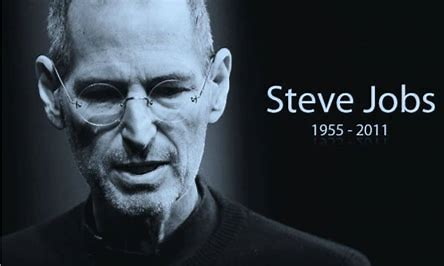
I thought Steve Job’s last letter was really inspirational, since the stage he’s reached in life is what we all (especially as engineers/tech majors) strive to, but in the end he’s learned that there’s a world outside of what we esteem: He died a billionaire at 56 yrs of Pancreatic Cancer and here are his last gifts to us…his thoughts on Life.
Steve Jobs said before his death:
“I reached the pinnacle of success in the business world. In others’ eyes my life is an epitome of success. However, aside from work, I have little joy. In the end, wealth is only a fact of life that I am accustomed to. At this moment, lying on the sick bed and recalling my whole life, I realize that all the recognition and wealth that I took so much pride in, have paled and become meaningless in the face of impending death.
You can employ someone to drive the car for you, make money for you but you cannot have someone to bear the sickness for you. Material things lost can be found. But there is one thing that can never be found when it is lost – “Life”. When a person goes into the operating room, he will realize that there is one book that he has yet to finish reading – “Book of Healthy Life”. Whichever stage in life we are at right now, with time, we will face the day when the curtain comes down. Treasure Love for your family, love for your spouse, love for your friends… Treat yourself well. Cherish others.
As we grow older, and hence wiser, we slowly realize that wearing a $300 or $30 watch – they both tell the same story at the same time… Whether we carry a $300 or $30 wallet/handbag – the amount of money inside is the same; Whether we drive a $150,000 car or a $30,000 car, the road and distance is the same, and we get to the same destination. Whether we drink a bottle of $300 or $10 wine – the hangover is the same; Whether the house we live in is 300 or 3000 sq ft – loneliness is the same.
You will realize, your true inner happiness does not come from the material things of this world. Whether you fly first or economy class, if the plane goes down – you go down with it… Therefore… I hope you realize, when you have mates, buddies and old friends, brothers and sisters, who you chat with, laugh with, talk with, sing songs with, talk about north-south-east-west or heaven and earth, that is true happiness!! Steve Jobs’ ‘genius’ stemmed from being ‘one of the most disagreeable people in history,’ Marc Andreessen says
Five Undeniable Facts of Life:
1. Don’t educate your children to be rich. Educate them to be Happy. So when they grow up they will know the value of things, not the price.
2. Best awarded words in London. “Eat your food as your medicine. Otherwise you have to eat medicine as your food.”
3. The One who loves you will never leave you for another because even if there are 100 reasons to give up he or she will find one reason to hold on.
4. There is a big difference between a human being and being human. Only a few really understand it.
5. You are loved when you are born. You will be loved when you die. In between, You have to manage!
NOTE: If you just want to Walk Fast, Walk Alone! But if you want to Walk Far, Walk Together!
“You can employ someone to drive the car for you, make money for you, but you cannot have someone bear your sickness for you. Material things lost can be found or replaced. But there is one thing that can never be found when it’s lost – Life.” – Steve Jobs
This brilliant excerpt from one of Steve Jobs’ last essays truly resonates with us. We all have a finite number of breaths in this life. Instead of endlessly pursuing materialistic pleasures, let’s redirect our attention to what truly matters: elevating our quality of life.
As Wayne Fields said in his nursery rhyme, “the best six doctors anywhere and no one can deny it, are sunshine, water, rest, and air, exercise and diet.
“The best six doctors anywhere And no one can deny it Are sunshine, water, rest, and air Exercise and diet. These six will gladly you attend If only you are willing Your mind they’ll ease Your will they’ll mend And charge you not a shilling.”
— Nursery rhyme quoted by Wayne Fields, What the River Knows, 1990”
There is a lot of truth to the above quote. Let’s break it down further.
The Six Best Doctors in the World
In our fast-paced lives, we often overlook the simple yet profound elements that contribute t o our well-being. Today, let’s explore the six best doctors in the world, which are not found in a clinic but in the essence of life itself:
1. Sunlight
Sunlight is a natural source of Vitamin D, which is essential for bone health and immune function. Exposure to sunlight can boost your mood and energy levels, making it a vital component of a healthy lifestyle. Try to spend at least 15-30 minutes outside each day!
Plan to get in both morning and midday sun; as little as 3-15 minutes of sunshine per day has been shown to have benefits for certain populations.
Research has shown sunshine has a positive effect on mood and sleep and is critical for producing vitamin D in our bodies. The primary way to get vitamin D is by exposing your bare skin to sunlight; the secondary method is to take vitamin D supplements.
You can’t get the right amount of vitamin D your body needs from food alone. Recent studies have found that vitamin D helps you make serotonin, one of our bodies feel good hormones. Healthy serotonin levels result in a more positive mood and a calm yet focused mental outlook.
Studies have also found that when people are exposed to sunlight (or very bright artificial light) in the morning, their nocturnal melatonin production occurs sooner, and they enter into sleep more easily at night.
Beyond the obvious improvements in wellbeing with improved mood and sleep, optimal vitamin D levels have been found to be of clinical benefit against cancer, cardiovascular disease, high blood pressure, obesity, type 2 diabetes, cognitive impairment, Parkinson’s disease, fractures and falls, autoimmune disease, influenza, and more.
The exact amount of sunshine needed per day to maintain optimal vitamin D levels depends on many factors, including where you live, the time of day, the color of your skin, and the amount of skin you expose.
2. Rest
Rest is crucial for both physical and mental health. Quality sleep helps our bodies recover and rejuvenate.
Prioritizing rest can improve focus, enhance mood, and increase overall productivity. Aim for 7-9 hours of sleep each night for optimal health.
Make sleep a priority, not a luxury; get a minimum 7-8.5 hours of sleep per night.
Under strict experimental conditions, short-term restriction of sleep results in a variety of adverse physiologic effects, including activation of the sympathetic nervous system (our ‘flight or fight’ or ‘stress’ response), high blood pressure, impairment of blood sugar control, increased inflammation, depressed immunity, and poor cognitive performance. Imagine what it can do over a lifetime.
Just one night of poor sleep has been shown to have a significant impact on affect/mood, anxiety levels, and emotional reactivity. Your body actually remembers all the sleep it should have gotten but didn’t – something called sleep debt – and the more in sleep debt you are, the less capable you are of recognizing it. When fatigue, irritability, and brain fog have set it, we can hardly recall what it is like to feel truly rested.
If you have an issue with sleep beyond prioritizing its hours, speak with your health coach to devise a plan on how to get you sleeping better. A health coach can discuss the importance of sleep hygiene (bedtime routine and environment) and what else may be getting in the way (for example, hormones – elevated stress hormones, fluctuations in sex hormones, or melatonin).
3. Exercise
Regular Exercise is a powerful medicine.
It strengthens the heart, improves circulation, and releases endorphins, which are natural mood lifters.
Whether it’s a brisk walk, yoga, or a gym session, find an activity you enjoy and make it a part of your routine.
Plan at least 150 minutes of moderate paced exercise into each week; that means breaking a sweat and getting your heart rate up.
The benefits of exercise are numerous – stress relief, improved mood, it is protective against depression, stronger muscles and bones, a more robust immune system, healthier weight and a higher metabolism, keeps blood sugars in check and insulin working well, lowers blood pressure and cholesterol, helps the body detox, and so on.
Something is always better than nothing – start small, with attainable goals, and work up from there, as you get stronger. Don’t let an all-or-nothing mentality rob you of doing what you can manage each day or week, starting now.
Practice deep breathing each day or for at least 90 minutes each week. Deep breathing has now been confirmed to improve mood and reduce stress. It actually reduces objective measures of stress such as elevated heart rate and cortisol (stress hormone) levels in the body. I often suggest clients incorporate yoga or Pilates into their weekly routine alongside daily deep breathing exercises.
4. Diet
What we eat significantly impacts our health.
A balanced Diet rich in fruits, vegetables, whole grains, and lean proteins nourishes our bodies and supports our immune system. Remember, you are what you eat, so choose foods that fuel your body and mind!
Eat whole foods wherever possible; think 80:20 rule – you can still eat well without feeling deprived!
As a Precision Nutrition Nutritionist, I could speak on diet for ages. But one truth rings true across almost all diet interventions for most any indication – we need to eat more whole foods (i.e. as close to their natural form as possible, unprocessed, no boxed or packaged foods).
This looks like eating more veggies, fruits (but more veggies than fruits), lean protein, and healthy fats like fish, avocado, nuts and seeds, and coconut. Limit white or refined foods like white potatoes, breads, and pastas. A good way to think about it is adding healthier options, rather than “taking away” less healthy options.
For example, incorporating more sweet potato or yam in place of white potato or choosing brown rice over white rice. With a whole foods diet, not only are you maximizing micronutrient intake (vitamins and minerals), you are reducing inflammation in the body, which contributes to many chronic diseases.
Mood wise, diet is very important. Balancing your blood sugars (via proper intake of complex carbs and fiber) can reduce anxiety and keep energy consistent throughout the day. Protein is crucial to a healthy mood as it is the building blocks of all of our hormones. Healthy fats are critical for proper brain function that impacts mood and performance.
All of this and I have not begun to discuss digestion – if you have signs of poor digestion such as gas, bloating, abdominal pain, constipation or diarrhea, seek out an expert who can get to the bottom of this with you. Something termed “leaky gut” (aka intestinal hyper-permeability) has been associated with anxiety, depression, OCD, ADD/ADHD as well as many other chronic symptoms and conditions.
Of course, this is a brief overview of the above topics but reinforces what most of us already know – that these 6 “doctors” can have a huge impact on our health and for very little in terms of financial burden. In my initial visits with clients, I always go over what I call the foundations of health – diet and digestion, stress management, sleep, and movement.
We always work to build these 6 doctors into their daily routines. If you are curious to learn more about what you can do each day to improve your overall well being, and have someone to help keep you accountable, consider a discovery call to discuss what we can do for you.
5. Self-Confidence
Believing in yourself is essential for mental wellness.
Self-confidence can lead to better decision-making and resilience in the face of challenges.
Practice positive self-talk and set achievable goals to boost your confidence levels.When we believe in ourselves, it can help us achieve our goals, manifest our dreams, and increase our well-being. But the flip side is also true. Lack of belief in ourselves means we are less likely to act, to change, or to push to make things better.
In fact, when we expect we will fail, we are actually more likely to fail (Bénabou & Tirole, 2002).
That means that believing in ourselves is kind of like the key that turns the ignition and starts the car. We can’t really go anywhere without it. Try as we might to push ourselves forward, we’re blocked because our thoughts, attitudes, and actions aren’t in alignment with our goals.
So, we either don’t do what we need to do, or we sabotage ourselves along the way, sometimes in obvious ways and sometimes in unconscious ways.
So, how do you believe in yourself?
Believing in yourself includes things like self-worth, self-confidence, self-trust, autonomy, and environmental mastery.
Self-worth is the sense that you have value as a human being.
Self-trust is faith that you can rely on yourself.
Autonomy is feeling able to choose and direct your own behavior.
Environmental mastery is your belief that your efforts will result in the changes you desire.
These are some of the key components involved in believing in yourself. Maybe you struggle with just one of them or maybe you struggle with all of them. By understanding where your struggles lie, it’ll be easier to start shifting your attitudes about yourself.
6. Friends
Social connections are vital for emotional health.
Friends provide support, laughter, and companionship, which can reduce stress and improve happiness. Make time for your friends and nurture those relationships; they are invaluable to your well-being.If you’ve ever had a friend that you could laugh, cry, and share your most intimate secrets with, then you know how powerful friendship can be. It’s having someone in your life that can lift you up when you’re low and celebrate your victories with you.Friendships can have a major impact on your health and well-being, but it’s not always easy to build or maintain them. Read on to understand the importance of friendships in your life and what you can do to develop and nurture new ones.
Benefits of Friendship
Friends not only prevent loneliness but they also:
Increase your sense of belonging and purposeBoost your happiness and reduce your stress
Improve your self-confidence and self-worth
Help you cope with traumas, such as divorce, serious illness, job loss, or the death of a loved one
Encourage you to change or avoid unhealthy lifestyle habits, such as excessive drinking or lack of exercise
Help put your problems in context to develop a stronger sense of meaning and direction
Increase feelings of security and help protect against stress
Ease the emotional impact of difficulties and offer new ideas about tackling them
*Water
Everyone has heard by now that 70% of our body is made up of water.
Your body truly needs water to function properly. It is one of the simplest health habits you can follow to improve energy, flush out toxins, improve skin, aid digestion, promote weight loss, prevent headaches, and more.
Once you are thirsty, you are already dehydrated. Many mistake this for hunger as well. I recommend to clients that they drink 250-500mL of warm or room temp water upon waking to help kick start the healthy habit all day.
Adding ¼ to ½ of a fresh lemon juice will promote greater detox (when implementing this into a daily routine, I suggest using a straw to avoid damage to the tooth enamel). Drink at least 2 liters a day or take your body weight (in pounds), divide it in ½, and drink that many ounces each day.
The amount of water you need each day depends on your body, lifestyle, and environment—but general guidelines do exist. According to the U.S. National Academies of Sciences, Engineering, and Medicine:
Men should aim for about 15.5 cups (3.7 liters) of fluids daily
Women should aim for about 11.5 cups (2.7 liters) of fluids daily
This includes fluids from water, other beverages, and even food (which typically contributes around 20% of your daily intake). If you’re active, live in a hot climate, or are pregnant or breastfeeding, your needs may be higher.
A good rule of thumb?
Listen to your body—thirst is a reliable signal. And if your urine is pale yellow, you’re likely well-hydrated. Want help calculating your personal hydration needs based on your weight and activity level? I can walk you through it. However, this will vary based on body weight and physical activity. 1www.mayoclinic.org2www.webmd.com
In conclusion,
While traditional medicine is important, these six doctors—Sunlight, Rest, Exercise, Diet, Self-confidence, Friends and Water—are equally essential in maintaining a healthy and fulfilling life. Embrace these elements daily, and you’ll find yourself on the path to better health and happiness!
The story of Lily Jacobs and Donald Trump is not based on real events.
It originated from a fictional video that circulated online, often titled something like “A Little Girl Asks Trump About God – His Response Brings Her to Tears!” or “A Child’s Last Wish Is to Meet Trump”. These videos were created for entertainment and emotional storytelling, not as factual accounts.
Some of them even include disclaimers stating that the narratives are fictional and any resemblance to real people or events is purely coincidental. So while the story may tug at the heartstrings, it’s a work of creative fiction rather than a true story.
“A Child’s Last Wish Is to Meet Trump” The room smelled of antiseptic and plastic flowers. 8-year-old Lily Jacobs lay tucked beneath thin hospital sheets her skin pale, her spirit surprisingly bright. A stuffed bunny sat at her side its ear torn but loved beyond measure.
Her mother Rachel gently brushed Lily’s brown curls from her forehead as the machines beeped steadily beside her Lily had been fighting leukemia for almost 2 years. The doctors had done everything they could. But now the treatments had stopped. The disease had won. What remained was precious fleeting time The social worker leaned in quietly beside Rachel and asked “Has Lily made a final wish?”
Rachel’s lips trembled She has but it’s unusual Lily smiled weakly I want to meet Donald Trump The nurse blinked You mean. President Trump lily nodded Everyone picks Disney or celebrities I want to meet someone real someone who changes things
Rachel explained that Lily admired Trump not for politics but for what she saw in him Strength boldness someone who didn’t give up just like she didn’t want to The request seemed impossible Trump was the sitting president Their family was ordinary just a small town family from Ohio scraping by But Lily’s eyes lit up when she spoke about him and Rachel promised her daughter she would try ,
That night Rachel sent a simple message to a support group online
My daughter’s last wish is to meet Trump I know it’s crazy but does anyone have a way she closed the laptop with a sigh believing it would vanish into the void But somewhere a retired Marine in Florida read that message and he still owed a favor to a man he once guarded A man named Donald J Trump Retired Marine Staff Sergeant Ray Dawson sat in his modest Florida home reading through a veteran’s forum when he stumbled across Rachel’s post
He paused rereading it twice The little girl’s eyes in the attached photo reminded him of his niece bright and innocent Rey had once served on a temporary security detail for Trump years ago during a Veterans Day parade He remembered Trump’s handshake firm and steady Most importantly he remembered Trump’s promise “If a vet ever needs a hand you come to me.” Ry never cashed in
that favor but now maybe it wasn’t for him..
He called an old friend who still worked logistics for presidential events “Is there any way you can get a message through?” he asked. The voice on the other end hesitated “For a child’s last wish?”
“I’ll try. But you know how tight his schedule is.” Ry nodded Tell him this girl believes in him more than half the country does That ought to account for something And so within hours a message made its way up the chain It landed on a desk inside a private wing of Trump Tower And by pure chance or perhaps fate it was seen by someone who did not just file it away but read it aloud to the man himself Donald Trump sitting with a cup of coffee listened quietly
He didn’t interrupt When the letter ended he simply asked “Where’s this little girl now?” Rachel was folding laundry at the Ronald McDonald House when her phone rang. The number was unfamiliar. She almost didn’t pick up “Hello?” she answered hesitantly “Is this Rachel Jacobs?” a formal voice asked “Yes please hold for President Donald J Trump.
Rachel froze The phone slipped from her hand and hit the couch cushion Her heart raced Was this a prank then a warm familiar voice came on Rachel this is Donald Trump I just read about Lily First of all let me say she’s a brave beautiful girl Rachel couldn’t speak Her eyes welled up Trump continued gently I want to come visit her but we’ll need to move fast I’ll bring a small team No press no distractions Just me for Lily.
Rachel finally found her voice You’d really do that i would Trump replied Not for headlines for her Tell her she’s got a meeting scheduled with someone who believes in her too The call ended with details and security clearances Rachel just sat there stunned.
Later that evening she sat beside Lily’s bed Sweetheart someone’s coming to visit Who she smiled The man you asked for Lily’s eyes widened She whispered Trump Rachel nodded Lily grinned faintly “Then I better brush Bunny’s ears He’s going to want to look nice.”
Three days later the quiet streets outside the children’s hospital buzzed with curiosity. A small motorcade blacked out SUVs and Secret Service agents pulled up discreetly There was no press no speeches just a silent arrival In the hospital’s private wing Trump walked in wearing a dark suit and red tie accompanied by only two aids and a Secret Service detail The nurses and doctors watched in awe as he made his way to Lily’s room Rachel stood outside holding back tears
Trump knocked gently and stepped in. Lily was propped up by pillows, her stuffed bunny clutched in one arm Hello young lady,” Trump said softly, “I hear you’ve been asking about me.” Lily’s face lit up with a radiance no medicine could match “You really came?”
He sat beside her bed “I wouldn’t miss it.” They talked not about politics but about Lily’s dream of becoming a pilot and how brave she had been through everything Trump pulled out a small pin from his jacket. It was a miniature golden eagle that was given to me by a veteran. I want you to have it Lily held it like a treasure.
Thank you Mr. Trump No Lily thank you for reminding me what courage really looks like. The visit lasted nearly an hour Trump didn’t allow any cameras saying this is between us Nurses were asked not to post photos and even the hospital staff respected his wish for privacy
During that hour Lily told Trump about her dream To fly in a red plane over the clouds and wave at people below “I want to be brave in the sky,” she said just once Trump listened, nodded and held her hand the whole time. When it was time to leave he leaned close and whispered something into Lily’s ear.
No one else heard it Lily nodded solemnly then smiled He stood and gave Rachel a long hug. She’s got the spirit of a fighter Rachel said through tears “You gave her something no one else could.” Trump replied, “And she gave me something too.”
As he left hospital workers whispered “That wasn’t a president visiting That was a man visiting a little girl who changed him.” But no one not even Rachel knew what Trump had whispered At least not yet. That night Lily held the golden eagle pin close to her heart She whispered to her bunny “He said I’d fly.”
Rachel smiled sadly Maybe in your dreams sweetheart
He promised Rachel kissed her forehead but, in her heart, she braced for the inevitable. The doctors had warned them Lily had days, maybe weeks Meanwhile across the country calls were being made. Plans were shifting. Trump had left the hospital deeply moved. The next morning, he personally called a retired Air Force pilot he once honored, “I need a red plane,” Trump said “And I need it flown by someone who can handle delicate cargo.”
“Cargo?” The pilot asked “A little girl whose name’s Lily
We’re going to make her dream come true.” The pilot paused, “I’ll do it. Just tell me when and where Trump grinned, You’re a patriot …Rachel got the call from the hospital administrator. There’s been a strange request, She braced herself. They want to take Lily for a short flight in a red plane. They’ve arranged doctors, nurses and a private airfield. Apparently it’s from President Trump Rachel cried.
He wasn’t joking. No ma’am The administrator said he never was. Two days later a red biplane touched down on a private airirstrip in Ohio. The wings gleamed like rubies under the afternoon sun Medical staff worked through the night to make Lily safe for travel. She was weak but her spirit was electric.
She wore a tiny pilot’s cap donated by a veteran who had heard her story. Trump wasn’t there but he didn’t need to be He had already set it all in motion. The biplane’s pilot, a silver haired woman named Commander Lane knelt beside Lily “Are you ready to fly Captain?”
Lily grinned “Yes ma’am.” The team lifted her gently into the cockpit. Her bunny sat on her lap Commander Lane took the seat behind her and gave a thumbs up Rachel stood at the edge of the air strip her hands trembling her eyes filled with joy and sorrow.
The engine roared the plane soared Lily was in the sky
She laughed She waved at the people below And for 15 beautiful minutes Lily flew like an eagle free, proud and weightless. After the flight Lily’s strength began to fade faster but she was happy. Glowing even Rachel sat beside her that night . He really meant it. Lily smiled. I told you Rachel finally asked “What did he do sweetie?”
When he visited Lily’s eyes sparkled, He said “If I can make one dream come true then your courage will help me change the world. You’ll be remembered Lily.” Rachel wept softly “and you will be.” The next morning Lily fell into a peaceful sleep and didn’t wake up but she left behind more than memories She left a spark that was about to set off something far bigger A few days after Lily’s passing Rachel found an envelope on her doorstep with the presidential seal Inside was a handwritten note
Dear Rachel
Lily changed my life In just one hour she reminded me of what truly matters Her courage her laughter her dreams They’ve stayed with me every day I’ve made a decision in her honor.
You’ll find details inside Donald J Trump Attached was a plan for a national program Lily’s Wings, a scholarship and dream fulfillment fund for terminally ill children giving them one unforgettable experience before they say goodbye. Trump had pledged personal funding and called on businesses to join. He wanted Lily’s name to live forever.
Rachel shared the letter online with trembling hands It went viral overnight Millions read it, Tears flowed Something inside the country shifted News outlets picked it up Lily’s wings trended worldwide. People didn’t argue about politics. They just shared the image of the smiling little girl ina red plane.
Thousands of parents of sick children reached out. Volunteers offered flights, concerts, beach trips even astronaut Zoom calls Trump gave a quiet press briefing. This isn’t about me. It’s about a little girl who flew higher than all of us. Let’s give that gift to others.
Rachel was overwhelmed
She received letters from families, teachers and even prisoners who said Lily’s story made them rethink their lives. Her daughter’s wish had become a movement. But something even more surprising was coming, a twist no one could have expected. A month after Lily’s passing Trump was scheduled to speak at a veterans charity gala.
Organizers expected a powerful speech on service and sacrifice.
But when he took the stage he held a small, framed photo of Lily, He said, nothing for 10 seconds, then simply I was going to talk about policy. Instead, I want to talk about one little girl. For the next five minutes he told the story about a wish, a whisper and a red plane. He ended by saying “If you ever feel like one life can’t change anything think of Lily because she changed me.”
The crowd rose in silence. Veterans wiped tears. Billionaires clapped slowly and a small fund started that night with an anonymous $1 million donation. Later Trump signed an executive order creating the Lily Initiative a government partnered volunteer program to honor final wishes of terminal children whose families couldn’t afford them.
The bipartisan support stunned the Nation all because of one child Weeks later Rachel received another call this time from Trump’s office, We’d like you to attend a private event in DC. The voice said “The president wants to honor Lily personally.” Rachel hesitated, She wasn’t used to traveling much less public attention, However, something inside her said this was part of the journey.
When she arrived in Washington she was greeted like family, At the ceremony held quietly at the White House Rose Garden Trump unveiled a plaque to Lily Jacobs. She flew higher than fear. In honor of a brave girl who reminded us that courage needs no age and dreams need no limits Rachel broke down, He handed her the plaque “She didn’t just meet the president,” he said “She changed one.”
Back in Lily’s hometown her old school held a memorial assembly Rachel wearing a scarf Lily had loved, stood before hundreds of students, She told the story of the red plain and the whisper Children cried, teachers cried. One student stood up and said “I want to help someone like Lily.” Others joined They formed a club Lily’s Wings Club,
Their first mission is to raise money to send another child on a dream trip.
The movement wasn’t slowing it was growing From classrooms to city halls people weren’t just remembering Lily they were living like Commander Lane the retired Air Force pilot who flew Lily appeared on a national morning show. “I’ve flown for presidents, diplomats and generals,” she said. “But that day flying Lily was the most important mission of my life. “
She shared how Lily kept giggling every time they tilted. She was weightless. Lane smiled. She made me feel weightless too. The interview brought millions to tears. Veteran pilots began offering free dream flights. One wrote “I never got the parade I was promised after Vietnam but flying a child like Lily that’s all the honor I’ll ever need.”
Elon Musk tweeted about Lily’s story, writing, “She didn’t launch a rocket but she launched something bigger Hope.” Then he did something unexpected He pledged matching donations to the Lily’s Wings Fund up to $10 million.
He wrote “Let’s give more kids their sky.”
Donations poured in Within a week Lily’s wings had reached enough funding to fulfill 1,000 final wishes across America. Trump responded in a statement “We didn’t plan this Lily did. She just needed a few adults to catch up.” One morning Rachel received a small secure package from Trump’s team Inside was Lily’s bunny cleaned preserved in a glass case and placed alongside a letter written by Trump himself
He flew with her. I think he deserves a place of honor Rachel placed the bunny in Lily’s old room on the shelf beside her books. Somehow even in absence Lily’s presence filled the home Neighbors would come by just to sit in her room and feel inspired It became a local shrine of sorts not to mourn but to remember how life however short can echo forever A documentary titled Lily’s Wings: TheGirl Who Taught the Nation to Fly aired on national television
It included footage of the red plane interviews with Commander Lane Rachel and even Trump himself The final line of the documentary featured Trump saying, “I’ve been to the top of towers and the halls of power but Lily Jacobs she flew higher than all of us.” The film ended with a slow pan to the sky A single red plane flying across the sunset Millions watched Millions cried and thousands of parents held their kids a little tighter
That night a bipartisan bill was introduced in Congress to establish Lily Jacobs Day a national day to honor children fighting terminal illness and the power of small dreams with big impact Trump supported it publicly saying “We don’t need more holidays but we need this one because it reminds us what matters,
The bill passed overwhelmingly On the first Lily Jacobs Day schools held fly high assemblies Kids wore red some released balloons others paper planes. One school’s motto is “If Lily can fly, so can we.” At the private airfield where Lily had flown a bench was installed with a plaque that read “Sit dream look up.” in memory of Lily Jacobs
Rachel visited it one quiet afternoon She sat alone watching a single plane take off. A family arrived, strangers. Their child had cancer too. They were there to take a dream flight through the Lily’s Wings program. The mother recognized Rachel. They didn’t speak much just exchanged a hug.
And in that silent moment two mothers understood the weight of wings.
On what would have been Lily’s 9inth birthday.
Trump visited her hometown quietly No press no announcement He walked to the airfield bench alone Saturday looked up and whispered the same words he had said to her in the hospital.
You’ll be remembered Lily.
Then he stood saluted the sky and walked away the sun caught the edge of the red plane taking off reflecting light across the field. And somewhere in the hearts of thousands who heard her story Lily flew again
Lyme disease, caused by the bacterium Borrelia burgdorferi, is a complex and often challenging condition to manage. While conventional treatments such as antibiotics are commonly prescribed, many individuals also turn to herbal supplements for their high success rate to support their overall health and well-being. Ohio.gov/ticks – Videos
Several herbal protocols have gained popularity in the Lyme disease community. They offer a holistic approach to address symptoms associated with the condition. While these protocols cannot claim to treat Lyme disease, they are often used as complementary approaches alongside conventional treatments.
Three of the most well-known herbal protocols for Lyme disease include the Cowden protocol, the Buhner protocol, and the Rawls protocol. Each of these protocols incorporates a variety of herbs and supplements, each with its own unique properties and potential benefits.
In this article, we will explore these three herbal protocols, along with the herbs and supplements they include and discuss how they may be used to support individuals dealing with Lyme disease.1.
The Cowden Protocol, also known as the Nutramedix protocol, is a holistic approach developed by Dr. William Lee Cowden, MD, aimed at supporting the body’s microbial balance. It involves using a series of 14 NutraMedix products, which are rotated on a monthly basis and taken daily according to a specific schedule. The protocol is typically continued until the individual feels well, after which it is recommended to continue for an additional two months.
The rotation is believed to prevent microbial resistance and maximize the effectiveness of each product. Each product is taken daily according to a specific dosage schedule. This consistent use is intended to support the body’s natural defenses and promote overall wellness.
Many of the NutraMedix products used in the protocol are believed to have immune-supporting properties. By supporting the immune system, the protocol aims to help the body better respond to microbial challenges.
Some of the NutraMedix products are also thought to have detoxifying effects, helping the body eliminate toxins and metabolic waste products that can contribute to health issues. The protocol is typically followed until the individual feels well, at which point it is recommended to continue for an additional two months. This extended use is believed to help ensure that any remaining microbes are effectively addressed.
What is included in the Cowden Protocol? – Search The Cowden Protocol includes a series of 14 NutraMedix products that are used on a rotational basis. These products are taken daily according to a specific schedule.
Here is a list of the products typically included in the protocol:
1. Samento (Uncaria tomentosa)
2. Banderol (Otoba parvifolia)
3. Burbur (Desmodium molliculum)
4. Parsley (Petroselinum crispum)
5. Cumanda (Campsiandra angustifolia)
6. Enula (Eleutherococcus senticosus)
7. Magnesium Malate
8. Mora (Morus nigra)
9. Pinella (Pimpinella anisum)
10. Quina (Cinchona officinalis)
11. Sparga (Sparganium stoloniferum)
12. Stevia (Stevia rebaudiana)
13. Takuna (Cecropia strigosa)
14. Burbur-Pinella (combination of Burbur and Pinella)
Is the Cowden Protocol effective for Lyme disease? According to Dr. Horowitz, the Cowden protocol improved acute and chronic Lyme symptoms in over 70% of patients who completed the full protocol.
The Buhner Protocol was developed by herbalist Stephen Harrod Buhner to treat various chronic illnesses, particularly those caused by bacteria, viruses, or other pathogens. It’s often used for conditions like Lyme disease, chronic fatigue syndrome, and other complex chronic illnesses.
The protocol typically involves the use of specific herbs, supplements, and dietary changes to support the body’s immune system, reduce inflammation, and target the underlying pathogens. Buhner’s approach is based on the idea that these conditions are often multifaceted and require a comprehensive treatment plan.
What is included in the Buhner Protocol? The Buhner Protocol, developed by herbalist Stephen Harrod Buhner, is a holistic approach to treating Lyme disease and other tick-borne illnesses. The protocol involves the use of specific herbs and supplements that are believed to have antimicrobial, immune-supportive, and anti-inflammatory properties.
The core protocol includes three key herbs:
· Andrographis (Andrographis paniculata)
· Cat’s claw (Uncaria tomentosa)
· Japanese knotweed (Polygonum cuspidatum)
Due to potential allergic reactions to Andrographis,
an updated core protocol substitutes it with:
· Siberian ginseng
· Astragalus membranous (to be used only in early stages of Lyme disease)
Additional herbs in the expanded protocol may include:
· Sarsaparilla (Smilax medica): Antibacterial action, toxin removal, and helpful for Herxheimer reactions.
· Ashwagandha: Recommended for sleeping problems and memory and concentration issues.
· Astragalus (Astragalus membranaceus): Recommended in early stages of Lyme disease and for prevention in endemic areas.
· Siberian Ginseng (Eleutherococcus senticosus): Recommended for chronic fatigue, depression, and decreased immunity.
· Stefania root (Stephania tetrandra): Recommended for neurological, ophthalmic, paralysis Bella, and cardiac problems.
· Teasel Root (Dipsacus sylvestris): Recommended for joint problems, especially in the knees.
These herbs and supplements are thought to work synergistically to support the immune system, reduce inflammation, and target the underlying pathogens. It’s important to work with a healthcare practitioner knowledgeable about the Buhner Protocol to tailor the treatment to your specific needs.
How Stephen Buhner Protocol Works? – Search Videos The Buhner Protocol uses a combination of herbs and supplements that are believed to have antimicrobial, immune-supportive, and anti-inflammatory properties. These components work together to target the underlying pathogens, reduce inflammation, and support the body’s immune system.
The core herbs in the protocol, such as Andrographis, Cat’s claw, and Japanese knotweed, are chosen for their ability to kill Borrelia spirochetes, the bacteria responsible for Lyme disease, as well as other pathogens. These herbs are also thought to help improve the efficiency of the immune system, which is often compromised in individuals with chronic illnesses.
In addition to targeting the pathogens directly, the Buhner Protocol aims to alleviate the symptoms associated with Lyme disease. For example, herbs like Cat’s claw and Siberian ginseng are known for their ability to boost the immune system and improve energy levels, which can help combat the fatigue and malaise often experienced by Lyme patients.
Another key aspect of the protocol is its focus on reducing inflammation in the body. Chronic inflammation is believed to play a role in the development and progression of Lyme disease, so the protocol includes herbs like Japanese knotweed, which has anti-inflammatory properties.
Is Buhner’s protocol effective? – Search Buhner’s approach is detailed in his book “Healing Lyme,” which provides extensive information on using plants to support the body against Lyme disease. He suggests that intelligent use of plants is essential for dealing with Lyme, as the disease can be complex and challenging to treat. Buhner’s protocol is based on his extensive experience working with Lyme sufferers and includes a wide range of herbal remedies.
The effectiveness of the Buhner Protocol is supported by the long history of plants as medicine and Buhner’s expertise in herbalism. However, individual results may vary. So, it’s essential to consult with a healthcare provider before starting any new treatment especially for a serious condition like Lyme disease.
As a physician, I often get asked my opinion on various Lyme treatments. While herbal therapy is my preference for the majority of those with chronic Lyme disease, I’m always learning and educating myself on different treatments and therapies that might make it easier for people to get their lives back. Based on my research, experience, and medical opinion, I developed a rating system to evaluate potential treatment options according to safety, efficacy, and cost. Dr. Bill Rawls’ Lyme Treatment Guide | RawlsMD
Anyone beginning a new herbal protocol for Lyme disease is bound to have questions. After all, if you’ve been taking a variety of prescription medications for a while, switching to a natural regimen can feel like a leap of faith. Will the new protocol be one that you can tolerate? How will you handle die-off reactions or detoxing? How long will it take to work?
To help you answer these questions and more, we turned to Dr. Bill Rawls, MD, Medical Director of RawlsMD and Vital Plan, who has experienced chronic Lyme firsthand. We also scoured the research and other reliable sources to create a resourceful guide to getting started, plus offer suggestions for tackling some of the more common pitfalls patients encounter.
One overarching bit of advice to remember:
When implementing a new protocol, starting low and going slow is often a critical step to sustaining any health regimen over the long haul. If you hit a roadblock along the way, try not to panic. You can always press the pause button and give your body a chance to reset.
So, the lady that is pushing the Protandim on me… actually showed me ALL the ingredients on the bottle of the Protandim.. here they are… and tell me what you think about the good or bad of the OTHER ingredients: As all the ingredients in Protandim may not be needed for Lyme Disease.
PROTANDIM: Here are the ingredients listed on the bottle:
Proprietary Blend 675 mg†
Milk Thistle Extract (Silybum marianum) seed
Bacopa Extract (Bacopa monnieri) whole herb
Ashwagandha Extract (Withania somnifera) root
Green Tea Extract (Camellia sinensis) leaf
Turmeric Extract (Curcuma longa) rhizome
OTHER INGREDIENTS: Microcrystalline Cellulose, Croscarmellose Sodium, Silica, Modified Cellulose, Stearic Acid, Magnesium Stearate, Maltodextrin, Medium Chain Triglycerides.
Regarding the “Other” ingredients, these are not really great things to put in your body.
I know a number of docs have spoken about how magnesium stearate contributes to biofilm. If the 5 ingredients can be purchased separately, why subject us to the “others”?
There’s never a one-size-fits-all and no company should be making that claim.
When considering herbal / nutritional / adjunct methods, because lyme is so very complex & unique, as are possible coinfections: Bing Videos
The herbs are not at all antimicrobial in the regard of what’s required for any of the tick-borne infections. They all support herbs. It’s a shame they are being touted as specifically for Lyme. Not at all. And the medium chain triglycerides – a fat that I cannot identify where that would come from as no vegetable fat is listed in the ingredients — any fat could easily get old / rancid and therefore, toxic so they would have to be fresh, fresh, fresh.
Turmeric Curcumin – LUMA NUTRITION just be aware that Turmeric / curcumin may contain LEAD, as can many other spices / herbs, too when they are grown in countries that allow leaded gasoline and the spices / herbs are grown near highways and waterways (think Panama canal, or other shipping ports where ships pollute . . . or where any industry or coal plant burns and the air lands on crops).
Besides lead, air & water pollution can greatly affect any foods, herbs, spices so it really takes some detective work to really find a good credible source to learn about the country, region of origin.
if at all possible – because each person & each case is different – it’s best to consult with an ILADS-educated LL ND (lyme literate naturopathic doctor) (or similar) who has completed four years of post-graduate medical education in the field of herbal and nutritional medicine –
– and someone who is current with ILADS’ research & presentations, past and present, and has completed the ILADS Physician Training Program (see: www.ilads.org )
So they really know all they can about the science of Lyme . . . how Lyme (& other TBD) act and what we can do about that in various ways. Proper ASSESSMENT of not just Lyme but coinfections is vital.
Someone trained by ILADS is best to assess.
Many LL NDs incorporate antibiotics (depending upon the licensing laws in their state). Some LLMDs and LL NDs have good working relationships. For those considering complementary support methods / or other avenues entirely: http://flash.lymenet.org/ubb/ultimatebb.php/topic/2/13964
—
How to find an ILADS-educated LL:
N.D. (Naturopathic Doctor);
L.Ac. (Acupuncturist);
D.Ay. (Doctor of Ayurvedic Medicine);
D.O.M. (Doctor of Oriental Medicine);
Herbal Safety considerations & reference books; etc.
BOOKS – Links to many articles and books by holistic-minded LL doctors of various degrees who all have this basic approach in common: knowing which methods offer assertive & direct impact, which are only support, and which are both. And when to use what, how to combine, & when to step back. You can compare and contrast many approaches with links to articles, books, methods . . .
Pesticide 2,4-D is a widely used herbicide that helps controls the growth of weeds such as clovers and dandelions around a variety of field, fruit and vegetable crops
You may think you’re being healthy by filling your plate with fruits and vegetables, but experts are warning the nutritious staples may actually be covered in cancer-causing chemicals.
Based on the most recent data collected by the US Geological Survey in 2019, harvesters across Iowa, Missouri, Kansas, Illinois, Indiana, Ohio, Kentucky, Oklahoma and parts of Texas have been using the toxic herbicide 2,4-D at high amounts.
The chemical was an active component in Agent Orange – the defoliant used by American forces during the Vietnam War to destroy forestry and crops – and is now a widely used herbicide to control the growth of weeds around crops.
Farmers across the Midwest and southern states typically spray the pesticide over corn plants, soybeans, rice, wheat, hay, barley, oats, rye, sugarcane and tobacco.
Due to its ability to completely destroy vegetation, the International Agency for Research on Cancer classified 2,4-D as a ‘possible human carcinogen’ in 2015.
The classification came as a result of multiple studies suggesting that high exposure to the herbicide could damage human cells and was seen to cause cancer in animals.
While direct exposure to Pesticide 2,4-D is rare for most Americans, the toxins from the herbicide can accumulate in the body through eating unwashed grains and other crops.
And while the chemical may only be used on crops in select states, the crops from those states are shipped nationwide – indicating that all Americans are at a risk.
David Goldsmith, an environmental epidemiologist at George Washington University in Washington, DC, said: ‘The public needs to be informed and vigilant about the use of herbicides, keeping them away from children and schools.’
He told Newsweek: ‘I am concerned if farmers or farmworkers are not using effective safety gear and thus may be excessively exposed via inhalation or skin contact.
‘I am also concerned that 2,4-D may contaminate drinking water sources. Although, I believe that there is a direct risk for people who buy produce from fields that have had 2,4-D used on them.’
Talking about why the herbicide was being heavily used only in certain states, Gurumurthy Ramachandran, director of the Johns Hopkins Education and Research Center for Occupational Safety and Health noted that it was due to their particular type of produce.
He said: ‘The Midwest, Great Plains, and Northwestern US have the highest 2,4-D usage, largely because these regions are the primary producers of corn, soybeans, wheat, and other field crops that are commonly treated with 2,4-D.’
No usage of the toxic pesticide was seen in states such as California – known for producing artichokes, broccoli, carrots and lettuce – and states in the New England region.
Sparse use of 2,4-D was reported in Idaho, Montana, Washington, Arizona, New Mexico and Wyoming – all known for producing onions, potatoes, carrots, lentils, sweet corn, beans, peppers and pumpkins.
The data also showed low use by farmers in Florida, North Dakota, South Dakota and Wisconsin, where agricultural produce is mostly focused on celery, peas, brussels sprouts, okra, radishes, summer squash, winter squash, tomatoes and cucumbers.
America’s silent poisoning: Map shows the US states most at risk
Shockingly, data from the CDC also shows that Kentucky has the highest rates of cancer in the US – particularly lung, colon and pancreatic cancers – followed closely by Iowa and Louisiana.
Federal agencies across the US, including the Environmental Protection Agency, have deemed 2,4-D as safe for humans, despite research suggesting otherwise.
While not completely banned across the entire European Union, 2,4-D is heavily restricted and its use is significantly curtailed in many countries in the region.
In one such instance, the herbicide was not approved for use on lawns and gardens in countries like Denmark and Norway.
America’s silent poisoning: Map shows the US states most at risk
Due to its capacity to completely destroy vegetation, the International Agency for Research on Cancer classified 2,4-D as a ‘possible human carcinogen’ in 2015
Due to its capacity to completely destroy vegetation, the International Agency for Research on Cancer classified 2,4-D as a ‘possible human carcinogen’ in 2015
A 2022 BMC study found that one in three Americans had higher than acceptable levels of exposure to the toxic herbicide and were at the risk of leukemia in children, birth defects and reproductive problems in adults.
According to the Natural Resources Defense Council, scientists have also previously found links between exposure to 2,4-D and non-Hodgkin’s lymphoma (a form of blood cancer) and sarcoma (a soft-tissue cancer).
Additionally, the agency warned that high exposure to the herbicide can negatively alter the functioning of various hormones including estrogen, androgen, and thyroid hormones – paving the way for the development of cancer.
Gerald LeBlanc, a professor in the Department of Biological Sciences, North Carolina State University, told Newsweek: ‘IARC has classified 2,4-D as a Group 2B carcinogen, which means that it is possibly carcinogenic to humans.
‘In my estimation, 2,4-D might cause cancer in humans, but only at unrealistically high exposure levels.’
However, it is possible that the herbicide can cause internal body damage over time if consumed through foods.
Toxins are often stored in fat tissues, organs such as the liver and kidneys and even within nerve cells and bone marrow when ingested. An overload of harmful toxins in the body can eventually cause fatal damage to cells, tissue and crucial organs.
Ramachandran noted: ‘The issue is that pesticides can remain on or in food, and chronic dietary exposure has been linked to increased risks of metabolic syndrome, cancers, and other health problems. ‘They can also contaminate water, air, and soil, potentially affecting people living near treated fields or those exposed through drift and runoff.’
As a result, he advised Americans to ‘wash all fruits and vegetables thoroughly before consumption; consider choosing organic produce to reduce dietary pesticide exposure, especially for children and pregnant women; and avoid entering fields or areas recently treated with pesticides and follow posted warnings.’
Due to its capacity to completely destroy vegetation, the International Agency for Research on Cancer classified 2,4-D as a ‘possible human carcinogen’ in 2015
A 2022 BMC study found that one in three Americans had higher than acceptable levels of exposure to the toxic herbicide and were at the risk of leukemia in children, birth defects and reproductive problems in adults.
According to the Natural Resources Defense Council, scientists have also previously found links between exposure to 2,4-D and non-Hodgkin’s lymphoma (a form of blood cancer) and sarcoma (a soft-tissue cancer).
Additionally, the agency warned that high exposure to the herbicide can negatively alter the functioning of various hormones including estrogen, androgen, and thyroid hormones – paving the way for the development of cancer.
Gerald LeBlanc, a professor in the Department of Biological Sciences, North Carolina State University, told Newsweek: ‘IARC has classified 2,4-D as a Group 2B carcinogen, which means that it is possibly carcinogenic to humans.
‘In my estimation, 2,4-D might cause cancer in humans, but only at unrealistically high exposure levels.’
However, it is possible that the herbicide can cause internal body damage over time if consumed through foods.
Toxins are often stored in fat tissues, organs such as the liver and kidneys and even within nerve cells and bone marrow when ingested.
An overload of harmful toxins in the body can eventually cause fatal damage to cells, tissue and crucial organs.
Ramachandran noted: ‘The issue is that pesticides can remain on or in food, and chronic dietary exposure has been linked to increased risks of metabolic syndrome, cancers, and other health problems.
‘They can also contaminate water, air, and soil, potentially affecting people living near treated fields or those exposed through drift and runoff.’
As a result, he advised Americans to ‘wash all fruits and vegetables thoroughly before consumption; consider choosing organic produce to reduce dietary pesticide exposure, especially for children and pregnant women; and avoid entering fields or areas recently treated with pesticides and follow posted warnings.’
is among those for whom the product’s toxicity is undeniable.
But 30 years of exposure to glyphosate has shattered his dreams and his existence. He was diagnosed five years ago with an intravascular B-cell lymphoma, a rare form of cancer. It has been recognised as an occupational disease.
Glyphosate is the most widely used herbicide in the world and also the most controversial. It has been classified as “probably carcinogenic” by the International Agency for Research on Cancer (IARC) since 2015. More recent studies from research institutes such as the French National Institute of Health and Medical Research (INSERM) have established a likely link between exposure to the chemical and certain forms of cancer.
Yet, the European Union has extended its authorisation until 2033, relying on studies by EFSA and ECHA, the European authorities for food and chemical safety. Several environmental and consumer rights organisations challenged the decision before the European Court of Justice last April.
The gap between assessments results from the methodologies used by research institutes and European regulatory agencies, according to Xavier Coumoul, a toxicologist and researcher at Inserm in France. “When a pesticide manufacturer wants to market a product, the regulatory agencies require the manufacturer to conduct its own tests to prove the product is safe,” he explains.
This process raises many questions surrounding the independence of these surveys.
“EFSA gives little consideration to epidemiological studies and relies considerably on what the industry provides, whereas Inserm or IARC rely much more on the academic literature and monitoring real-life product use.”
After undergoing more chemotherapy than is usually permitted, his last hope, he says, is a transplant using his own modified stem cells. It’s a vanishingly small chance. “As my oncologist told me, we can no longer speak of a cure,” he confides.
Since his cancer was recognised as an occupational disease, Ludovic receives a modest social allowance, along with monthly compensation of 180 euros from Bayer-Monsanto — which manufactured the product that poisoned him.
“It’s a pittance, but I don’t care. What mattered most to me was to see my illness recognised as work-related.”
Despite his daily ordeal, Ludovic, who can no longer work, wants to take his fight further. “What I want is to spread the message to everyone. Glyphosate destroyed my life — it poisoned me. These products destroy people and destroy nature,” he insists. He is outraged by the EU’s decision to renew glyphosate’s authorisation.
“When I see politicians reauthorizing these products, it makes me furious. It’s the pesticide lobby. Unfortunately, we can’t do anything against these politicians and Bayer-Monsanto. If I had one thing to say to the European Union, it’s this: just ban these products. That’s it.” At the time of the broadcast of this report, several associations launched a mobilization against a bill of law aimed at easing the use of pesticides in France.
Holly Butcher was the picture of health and could have been any other 20-something living in Australia and enjoying her life. The 27-year-old from Grafton, NSW ate all the right foods, hardly drank alcohol and exercised regularly. But that’s the thing about cancer, it doesn’t discriminate.
But one day, the young dietician started noticing some changes in her health. Her knee hurt anytime she exercised or drank alcohol. Symptoms would appear quickly and resolve almost as quickly. On October 31, 2016, her world was turned upside down and her life was forever changed when Holly was diagnosed with Ewing sarcoma, a rare but aggressive form of cancer that affects the bones. By the time she was diagnosed, it was stage 4.
Less than 1.5 years later, in the early hours of January 4, 2018, Holly died, surrounded by her loved ones. But it’s her poignant open letter, written before her death, that captured the hearts of people around the world.
Cancer forced Holly to face her mortality.
She grieved for all the milestones she’d never experience, the kids she’d never get to have, and the future she’d never get to build with the love of her life. Holly had so much life to look forward to, yet she knew her time would be cut short. Just 24 hours ahead of her death, Holly shared a letter with family and friends online about her experiences and insights about life from her too-few years.
Holly Butcher, 27, poses with her 30-year-old brother, Dean, in this undated photo.
The letter went viral, touching the hearts of many. Holly was a beloved and incredibly inspiring person while she was alive, but it was something Holly set in motion for after she passed which is now taking the internet by storm.
She spent hours reflecting on her life and what really matters in the grand scheme of things. Then, Holly penned an open letter to all of us, which her family shared on her Facebook page after she died.
We can’t stop thinking about it, even seven years on.
If you read one thing this week, make sure it’s this.
Holly penned a letter of advice on life the night before she passed away, coming to terms with one’s mortality and dealing with the reality of her cancer and left instructions for it to be posted to Facebook.
At the time of writing, that original post has been shared over 150,000 times and has ignited articles and media coverage around the world. Her moving words are inspiring the world and below you’ll find her post in full. We encourage everyone to read and share Holly’s important message.
In addition to Holly’s letter below, her partner Luke had his own words to add:
“I really want people to know that what Holly wrote in her letter wasn’t a sudden realisation she had in the last few precious months we had together. That’s how she lived her life!
“From the first day we met, she told me that work & my business were never going to define me as a person but would be simply an accomplishment along the way. She taught me how to stop and smell the roses, how to love & how to let someone love me. She backed me 100% everyday, told me when I was being an arse and told me when she was proud.
“She was humble, confident, shy, so smart & beautiful all in one. She was a hell of a woman and an even better person. If I ever have a daughter and she could turn out to be half the girl Hol was, I would be one proud father.”
After being in contact with Luke, we created this memoriam page to honour Holly. If you’d like to make a donation and leave a message you can do so, and all donations of $2 or more are tax deductible and go towards helping the 52,000 Australians diagnosed with a rare or less common cancer every year, just like Holly.
It’s a strange thing to realise and accept your mortality at 26 years young. It’s just one of those things you ignore. The days tick by and you just expect they will keep on coming; Until the unexpected happens. I always imagined myself growing old, wrinkled and grey- most likely caused by the beautiful family (lots of kiddies) I planned on building with the love of my life. I want that so bad it hurts.
That’s the thing about life; It is fragile, precious and unpredictable and each day is a gift, not a given right.
I’m 27 now. I don’t want to go. I love my life. I am happy.. I owe that to my loved ones.
I haven’t started this ‘note before I die’ so that death is feared – I like the fact that we are mostly ignorant to it’s inevitability.. Except when I want to talk about it and it is treated like a ‘taboo’ topic that will never happen to any of us.. That’s been a bit tough. I just want people to stop worrying so much about the small, meaningless stresses in life and try to remember that we all have the same fate after it all so do what you can to make your time feel worthy and great, minus the bullshit.
I have dropped lots of my thoughts below as I have had a lot of time to ponder life these last few months. Of course it’s the middle of the night when these random things pop in my head most!
Those times you are whining about ridiculous things (something I have noticed so much these past few months), just think about someone who is really facing a problem. Be grateful for your minor issue and get over it. It’s okay to acknowledge that something is annoying but try not to carry on about it and negatively affect other people’s days.
Once you do that, get out there and take a freaking big breath of that fresh Aussie air deep in your lungs, look at how blue the sky is and how green the trees are; It is so beautiful. Think how lucky you are to be able to do just that – breathe.
You might have got caught in bad traffic today, or had a bad sleep because your beautiful babies kept you awake, or your hairdresser cut your hair too short. Your new fake nails might have got a chip, your boobs are too small, or you have cellulite on your arse and your belly is wobbling.
Let all that shit go.. I swear you will not be thinking of those things when it is your turn to go. It is all SO insignificant when you look at life as a whole. I’m watching my body waste away right before my eyes with nothing I can do about it and all I wish for now is that I could have just one more Birthday or Christmas with my family, or just one more day with my partner and dog. Just one more.
I hear people complaining about how terrible work is or about how hard it is to exercise – Be grateful you are physically able to. Work and exercise may seem like such trivial things … until your body doesn’t allow you to do either of them.
I tried to live a healthy life, in fact, that was probably my major passion. Appreciate your good health and functioning body- even if it isn’t your ideal size. Look after it and embrace how amazing it is. Move it and nourish it with fresh food. Don’t obsess over it.
Remember there are more aspects to good health than the physical body.. work just as hard on finding your mental, emotional and spiritual happiness too. That way you might realise just how insignificant and unimportant having this stupidly portrayed perfect social media body really is.. While on this topic, delete any account that pops up on your news feeds that gives you any sense of feeling shit about yourself. Friend or not.. Be ruthless for your own well-being.
Be grateful for each day you don’t have pain and even the days where you are unwell with man flu, a sore back or a sprained ankle, accept it is shit but be thankful it isn’t life threatening and will go away.
Whinge less, people! .. And help each other more.
Give, give, give. It is true that you gain more happiness doing things for others than doing them for yourself. I wish I did this more. Since I have been sick, I have met the most incredibly giving and kind people and been the receiver of the most thoughtful and loving words and support from my family, friends and strangers; More than I could I ever give in return. I will never forget this and will be forever grateful to all of these people.
It is a weird thing having money to spend at the end.. when you’re dying. It’s not a time you go out and buy material things that you usually would, like a new dress. It makes you think how silly it is that we think it is worth spending so much money on new clothes and ‘things’ in our lives.
Buy your friend something kind instead of another dress, beauty product or jewellery for that next wedding.
1. No-one cares if you wear the same thing twice.
2. If it feels good. Take them out for a meal, or better yet, cook them a meal.
3. Shout their coffee. Give/ buy them a plant, a massage or a candle and tell them you love them when you give it to them.
4. Value other people’s time. Don’t keep them waiting because you are shit at being on time. Get ready earlier if you are one of those people and appreciate that your friends want to share their time with you, not sit by themselves, waiting on a mate. You will gain respect too! Amen sister.
5. This year, our family agreed to do no presents and despite the tree looking rather sad and empty (I nearly cracked Christmas Eve!), it was so nice because people didn’t have the pressure of shopping, and the effort went into writing a nice card for each other.
6. Plus imagine my family trying to buy me a present knowing they would probably end up with it themselves… strange! It might seem lame, but those cards mean more to me than any impulse purchase could. Mind you, it was also easier to do in our house because we had no little kiddies there. Anyway, moral of the story- presents are not needed for a meaningful Christmas. Moving on.
7. Use your money on experiences.. Or at least don’t miss out on experiences because you spent all your money on material shit.
8. Put in the effort to do that day trip to the beach you keep putting off. Dip your feet in the water and dig your toes in the sand. Wet your face with salt water.
Get amongst nature.
Try just enjoying and being in moments rather than capturing them through the screen of your phone. Life isn’t meant to be lived through a screen nor is it about getting the perfect photo.. enjoy the bloody moment, people! Stop trying to capture it for everyone else.
Random rhetorical question. Are those several hours you spend doing your hair and make up each day or to go out for one night really worth it? I’ve never understood this about females .
Get up early sometimes and listen to the birds while you watch the beautiful colours the sun makes as it rises.
Listen to music.. really listen. Music is therapy. Old is best.
Cuddle your dog. Far out, I will miss that.
Talk to your friends. Put down your phone. Are they doing okay?
Travel if it’s your desire, don’t if it’s not.
Work to live, don’t live to work.
Seriously, do what makes your heart feel happy.
Eat the cake. Zero guilt.
Say no to things you really don’t want to do.
Don’t feel pressured to do what other people might think is a fulfilling life.. you might want a mediocre life and that is so okay.
Tell your loved ones you love them every time you get the chance and love them with everything you have.
Also, remember if something is making you miserable, you do have the power to change it – in work or love or whatever it may be. Have the guts to change. You don’t know how much time you’ve got on this earth so don’t waste it being miserable. I know that is said all the time but it couldn’t be more true.
Anyway, that’s just this one young gals life advice.
Take it or leave it, I don’t mind!
Oh and one last thing, if you can, do a good deed for humanity (and myself) and start regularly donating blood. It will make you feel good with the added bonus of saving lives. I feel like it is something that is so overlooked considering every donation can save 3 lives! That is a massive impact each person can have and the process really is so simple.
Blood donation (more bags than I could keep up with counting) helped keep me alive for an extra year – a year I will be forever grateful that I got to spend it here on Earth with my family, friends and dog. A year I had some of the greatest times of my life.
..’Til we meet again.
Hol
Xoxo
Holly was an amazing woman and this letter is an important reminder of the reasons we do the work we do here at Rare Cancers Australia. We hope we can all learn something from Holly’s words and wisdom and that together we can improve outcomes for people living with a rare or less common cancer and their families.

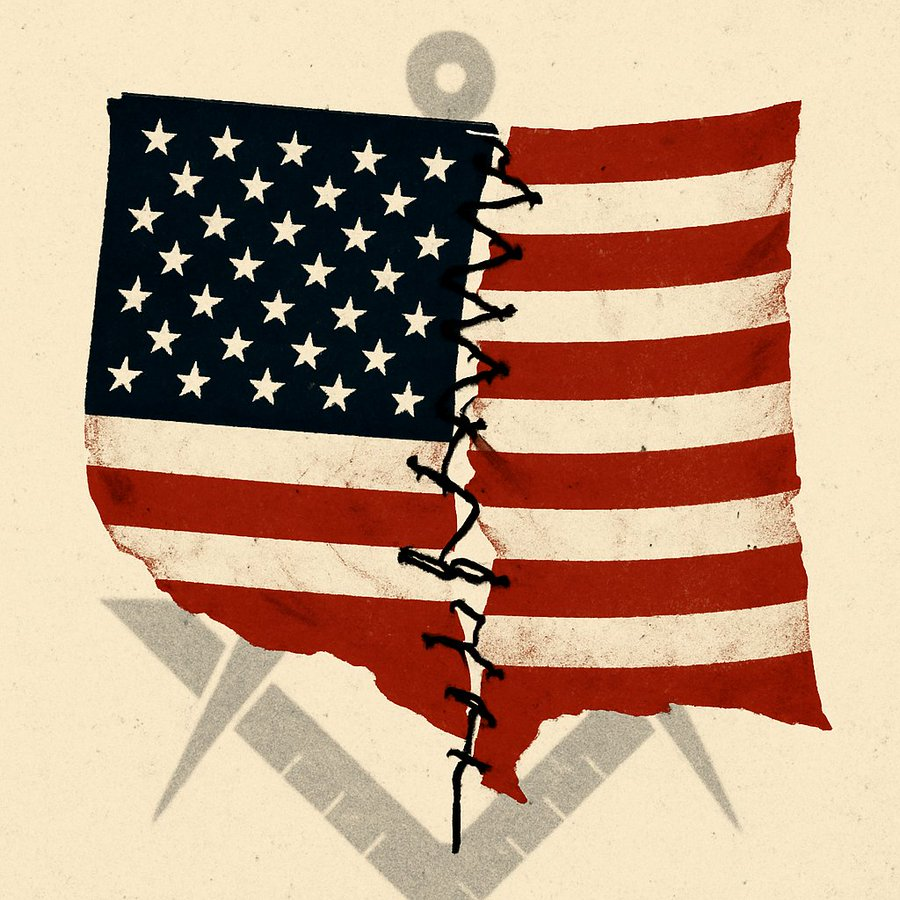
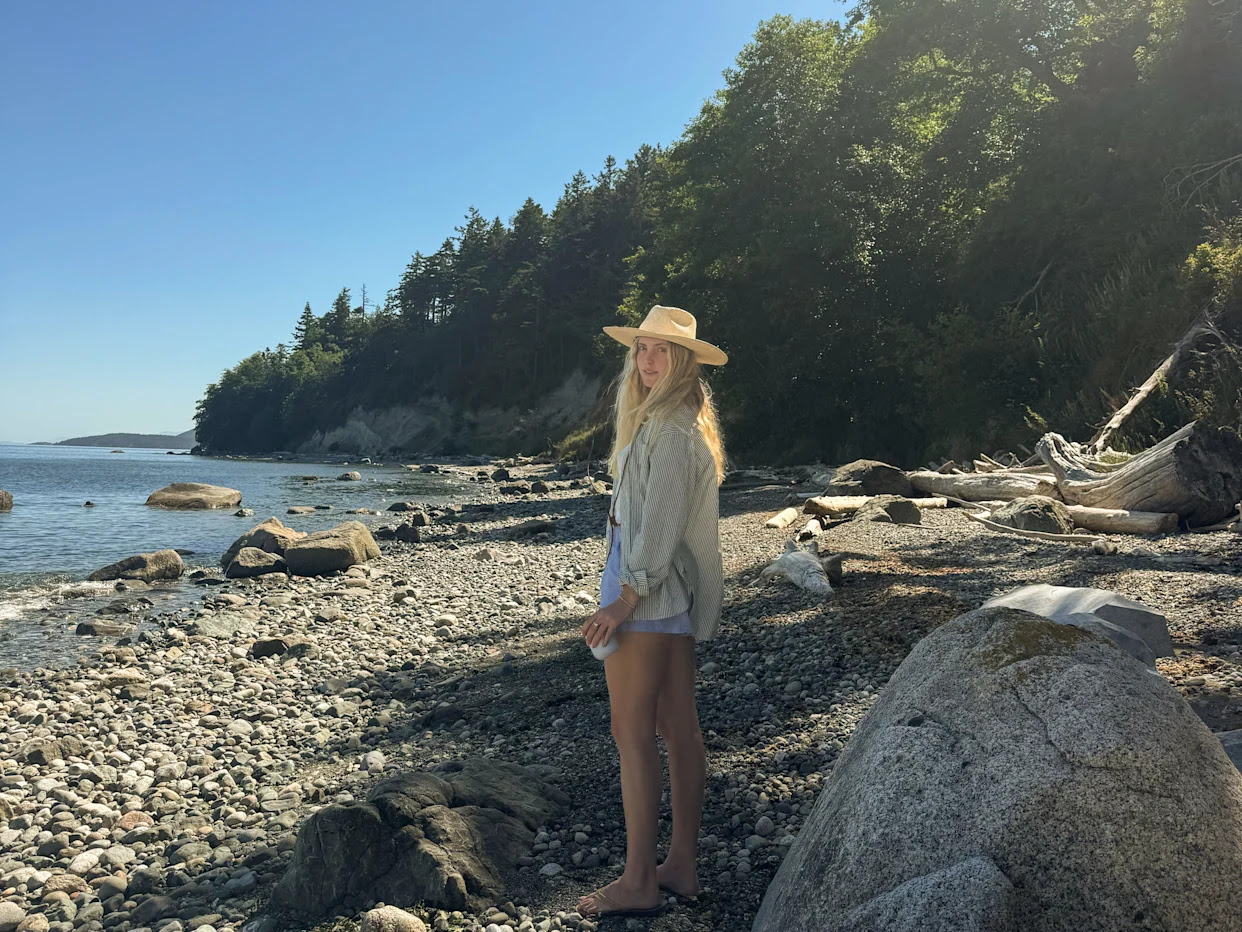
 Cabin Nine This is her current project—a publication that serves as an ode to the Pacific Northwest. It’s inspired by her experiences living on a remote island in Washington, where she’s surrounded by wildlife, driftwood beaches, and a slower pace of life.
 Agate Collecting – Spoor has a fondness for beachcombing and collecting agates, a hobby that connects her to the geological and coastal character of the area.
 Remote Island Living – After moving from Nashville to a secluded island in Washington with no grocery store or gas station, she’s embraced a slower, more intentional lifestyle. This shift deeply influences her storytelling, emphasizing solitude, simplicity, and connection to place.
 Local Culture – Exploring neighborhood coffee shops and small communities adds a human layer to her work, blending nature with the warmth of local life.
 Nature as a Narrative Anchor – Her daily walks along rocky beaches and views of seals, eagles, and shorebirds become recurring motifs. These moments aren’t just scenic—they’re emotional touchstones that ground her stories in place.
 Embracing Imperfection – The cabin she lives in was built in two weeks and wasn’t meant for full-time living. Its creaky windows and rotting deck symbolize a kind of raw authenticity that she channels into her writing.
 Planning and Resourcefulness – With limited access to supplies and only one public access point, her life requires meticulous planning. That sense of intentional living translates into storytelling that’s deliberate and deeply personal.
 Intergenerational Connection – Most of her neighbors are 30+ years older, which adds layers of wisdom and perspective to her narratives. She often reflects on these relationships and the quiet strength of community.
 Essence of Cabin Nine It’s a deeply personal and atmospheric tribute to life on a remote island in Washington’s San Juan Islands. Spoor draws from her own experience living in a cabin with no grocery store or gas station, surrounded by seals, shorebirds, and driftwood beaches.
 Themes and Style
 Tone and Voice Her writing is nostalgic, poetic, and grounded in real-life moments—like watching seals bob in the waves from her kitchen window or walking the rocky beach each morning.
 Madison Spain Club on Substack Blakely co-authors this with Savannah Spoor. It’s a collection of essays and reflections that explore themes like:
 Tone Her tone is reflective and tender, often tinged with nostalgia. Whether she’s writing about island life or a morning coffee shop encounter, there’s a quiet reverence for the ordinary.
 Diction Spoor favors poetic, sensory-rich language. She uses simple words with emotional weight, often choosing metaphors drawn from nature or domestic life—like “the breakfast loaf” or “the weight of an offering.”
 Syntax Her sentence structure tends to be flowing and rhythmic, with a mix of short, emphatic lines and longer, meandering thoughts. This creates a meditative pace that mirrors the slow-living themes she explores.
 “Lost to Our Generation” – A nostalgic look at traditions and values they hope to revive

 He was overwhelmed with love and support, and his gratitude is heartfelt!


 That was a blast! Asher might’ve started guitar at a young age, but he works his tail off (some days up to 3 hours a day) because, as he says, “I just want to make the crowd smile.”