At fifty, Alicia Baca Rush thought she was preparing for a new chapter of life —
About Alicia : Alicia Baca Rush is a thyroid cancer survivor, entrepreneur and advocate for resilience. Living in Lake Arrowhead, California she now dedicates her life to inspiring others facing life-altering challenges to rediscover hope, healing and purpose!
But nothing could prepare her for what came next. Her powerful story is captured in her memoir The Good Kind of Cancer, where she recounts her battle with Stage 2 thyroid cancer, including undergoing two tracheostomies and facing life-threatening complications. Despite nearly losing her voice and independence, she emerged with a renewed sense of purpose and a mission to inspire others through their darkest moments.
She also shares her journey on podcasts and public platforms, emphasizing themes of healing, personal reinvention, and the emotional toll of illness. Living in Lake Arrowhead, California, Alicia now dedicates her life to helping others rediscover hope and strength.
Alicia Baca Rush’s journey as a thyroid cancer survivor is a powerful testament to resilience, transformation, and purpose. Diagnosed with Stage 2 thyroid cancer, she endured two tracheostomies and faced the terrifying possibility of losing her voice permanently. Her battle wasn’t just physical—it was deeply emotional and spiritual, challenging her identity and strength.
Alicia Baca Rush’s cancer story is one of extraordinary resilience and transformation.
Her diagnosis with Stage 2 thyroid cancer came as a shock, but what followed was even more harrowing: she underwent two tracheostomies, lost her ability to speak, and faced the terrifying possibility of permanent vocal damage. For someone who had built her life around communication and connection, this was devastating.
Alicia Baca Rush underwent several intense treatments during her battle with Stage 2 thyroid cancer, as detailed in her memoir The Good Kind of Cancer. While the book doesn’t list every medical procedure in clinical terms, here’s what we know about her treatment journey:
Surgeries and Tracheostomies
Alicia had two tracheostomies, which are surgical procedures that create an opening in the neck to place a tube into the windpipe. These were necessary due to complications from her cancer and treatment, and they temporarily took away her ability to speak.
She also underwent thyroid surgery, likely a thyroidectomy (removal of the thyroid gland), which is common in treating thyroid cancer.
Post-Surgical Recovery and Monitoring
Her recovery involved intensive monitoring, especially of her vocal cords and breathing, given the risk of permanent voice loss.
While not explicitly stated, thyroid cancer treatment often includes radioactive iodine therapy and hormone replacement, which may have been part of her regimen.
Emotional and Psychological Healing
Alicia emphasizes the emotional toll of treatment—feeling isolated, silenced, and nearly losing her life twice. Her healing journey included therapy, journaling, and eventually writing her memoir to reclaim her voice.
Her story is less about the technical details and more about the emotional and spiritual transformation that came through surviving cancer. If you’re curious about the medical side of thyroid cancer treatments in general, I can break those down too.
.
The Turning Point After her second tracheotomy, Alicia found herself isolated, unable to speak, and struggling with the emotional toll of her illness. She described feeling like she had lost her identity. But in that silence, she began to listen—to herself, to her pain, and to a deeper calling.
Reclaiming Her Voice Through months of recovery, therapy, and inner work, Alicia slowly regained her voice—both physically and metaphorically. She began journaling, reflecting, and eventually writing her memoir The Good Kind of Cancer, which explores how trauma can be a gateway to purpose.
Themes in Her Memoir: The Good Kind of Cancer: Turning Pain Into Purpose chronicles her experience with raw honesty and hope. It’s not just a cancer story—it’s a guide for anyone facing adversity.
Vulnerability as strength: Alicia shares raw moments of fear and despair, showing how embracing vulnerability helped her heal.
Purpose through pain: She reframes cancer not as a curse, but as a catalyst for transformation.
Empowerment: Her story encourages others to find meaning in adversity and to speak their truth—even when it’s hard.
Her Story Highlights:
Diagnosis & Treatment: Alicia underwent aggressive treatment for thyroid cancer, including surgeries that left her temporarily unable to speak.
Emotional Toll: She grappled with fear, isolation, and the loss of independence, but found strength in vulnerability.
Rebirth & Advocacy: Alicia emerged with a renewed mission—to help others find light in their darkest moments.
“Cancer took my voice not once, but twice – I’ve had two trachs. But, it also gave me my life. It taught me that even when everything feels broken, there’s still a way forward. You just have to keep going – one day at a time!”
Tune into this week’s episode of “Living an Intentional Life Podcast” as I had the insane honor of sitting in conversation with Alicia Rush, a 3x cancer survivor with paralyzed vocal cords for this empowering episode, “From out of the ashes to a woman full of fire!”
Throughout this episode, Alicia shares her journey:
Being a 3x cancer survivor
Her vocal cords being paralyzed and living with a “trachs”
Empowering herself with moving through these life changing truths
The power behind her morning routine + daily gratitude
How she holds space for her trauma
Moving forward after a near death experience
Her story is a reminder that even when life silences us, we can still find ways to speak volumes. If you’re interested in her story, you can check out her book on Amazon.com or listen to her podcast episode. Here’s a glimpse into Alicia Baca Rush’s powerful story through both her podcast and book:
Quote from The Good Kind of Cancer
“Cancer didn’t just take my voice—it gave me a new one. One that speaks with purpose, not just sound.”
This quote captures the essence of Alicia’s transformation. Her memoir is filled with reflections on how illness stripped away her old identity and forced her to rebuild from the inside out.
Podcast Summary: From Out of the Ashes to a Woman Full of Fire In this episode, Alicia shares her journey from diagnosis to recovery, emphasizing the emotional and spiritual toll of losing her voice after two tracheostomies. She discusses:
The fear of being silenced forever
The isolation and identity crisis that followed
How she found healing through writing and reflection
Her mission to help others turn pain into purpose
She speaks candidly about the moment she realized her suffering could be a gift—not just for herself, but for others who feel lost in their own battles.
Here’s a deeper look into Alicia Baca Rush’s advocacy work, along with a powerful quote from her memoir:
Another Quote from The Good Kind of Cancer
“I had to lose my voice to find it. What I speak now comes from a place deeper than sound—it comes from survival.”
This line encapsulates Alicia’s transformation. Her voice, once physically silenced by cancer and tracheotomies, became a symbol of her emotional and spiritual rebirth.
Her Advocacy Work Alicia’s mission is to help others turn pain into purpose. She advocates for:
Thyroid cancer awareness: Sharing her story to educate others about symptoms, treatment, and emotional impact.
Mental health during illness: She speaks openly about the psychological toll of cancer and the importance of emotional healing.
Empowerment through storytelling: Alicia encourages survivors to reclaim their narratives, using writing and speaking as tools for healing.
Support for women facing identity loss: Her work especially resonates with women who feel disconnected from themselves due to illness, trauma, or life transitions.
Public Speaking & Podcasts She’s appeared on podcasts like From Out of the Ashes to a Woman Full of Fire, where she discusses how surviving cancer reshaped her purpose. Her talks often center on resilience, reinvention, and the power of vulnerability.
If you’re interested, I can help you draft a message to her or explore similar survivor stories that align with her advocacy.
Here are some powerful cancer survivor stories that echo Alicia Baca Rush’s themes of resilience, emotional healing, and turning pain into purpose:
Fight Like a Girl Club – Survivor Stories
This platform features dozens of deeply personal stories from women who’ve battled various cancers, including thyroid, breast, ovarian, and more. Many of these survivors share:
The emotional toll of diagnosis and treatment
How they reclaimed their identity post-cancer
Their advocacy efforts to support others through awareness and empowerment
These platforms align beautifully with Alicia’s advocacy—especially her focus on emotional healing, storytelling, and helping others find light in dark times.
Houston, Texas, has the highest poverty rate among all cities, according to data from the US Census Bureau
Inside red state city where one in five residents live in poverty Story by Jack Toledo
SORRY JACK TOLEDO MOST BIG CITY MAYORS ARE DEMOCRAT!!!
John Harris Whitmire (born August 13, 1949)[2] is an American attorney and also politician who has served as the 63rd mayor of Houston, Texas, since 2024. Whitmire was previously a Democratic member of the Texas House of Representatives from 1973 until 1983, and the Texas State Senate from 1983 to 2023. In the state senate, he represented District 15, which included much of northern Houston.
In November 2021, Whitmire announced his candidacy for mayor of Houston in the 2023 election. In November 2023, he advanced to a runoff with Representative Sheila Jackson Lee. He won the runoff by a wide margin on December 9, 2023.[3]
A Texas metropolis has the highest poverty rate among all cities in America, according to data from the US Census Bureau.
New data shows that in 2024, 21.1 per cent of residents in Houston lived at or below the federal poverty line.
The national poverty rate of the US is 10.6 percent, which is nearly half of the rate of Houston, according to census data.
Daniel Potter, the Director of the Houston Population Research Center at the Kinder Institute, told ABC 13 that the issue is not due to a low number of jobs.
He believes that Houston’s poverty issue is due to a lack of higher-paying opportunities.
Director Potter told the outlet: ‘We’re missing jobs that are paying between about $100,000 and $150,000. These are not entry-level positions we’re talking about.
‘These are your mid-career. These are positions that oftentimes people are working towards.’
A study this year by the Kinder Institute for Urban Research found that the gap for homeownership in Houston and Harris County has increased as land prices outpaced wage gains.
A homeless man panhandles at I-69 and Weslayan Street in Houston in January this year
In 2024, 21.1 per cent of residents in Houston lived at or below the federal poverty line. Pictured: Homeless outreach teams are seen above in Houston in December 2024
The study also found that significant rent increases have added roughly 15,000 new cost-burdened renters in the year.
More than half of Houstonians are spending more than 30 percent of their income on rent, according to ABC.
‘When I’m taking half of my income and I’m putting it into just my lodging, it is leaving very little behind for me to have money for my food, my utilities, my insurances,’ said Potter.
He added: ‘It’s just recognizing we’ve got to make sure we’re prioritizing those living wage positions because we’ve got folks that are working here. It’s just making sure they’ve got those opportunities.’
The director also highlighted that Houston’s poverty rate has decreased from 15 years ago, when he stated that it was about one in four people in the city who were living in poverty.
On July 9, Houston Mayor John Whitmire discussed his plan for addressing homelessness in the city.
‘There’s no doubt about it, a solution to the homeless conditions is a top priority, it’s one of the reasons I listed for running office, certainly for the mayor’s office, and I know all of us share that.
‘We’ve made progress, this is just going to be another tool in the kit if the council approves it to where we can encourage individuals to get out of the elements to get healthcare, food and a bed that are not receiving it.
.
There are a total of 3,325 people experiencing homelessness in Houston.
Of those people, 1,282 live unsheltered a 15.8 percent increase from 2024 and 2,043 are staying in shelters a 6 percent decrease from the year before
‘It’s just wrong for people to live in those conditions, and it’s wrong for the public to have to engage this population in public spaces.’
Of those people, 1,282 live unsheltered, a 15.8 percent increase from 2024 and 2,043 are staying in shelters, a 6 percent decrease from the year before.
While Houston suffers from poverty, a suburb on the outskirts was recently rated the hottest zip code in the US.
Why Do America’s Cities Have Such Terrible Mayors?
Could Changing the Incentives Change the Quality of the Candidates?
By Matthew Gasda
Matthew Gasda is a critic, writer, and director. He is the founder of the Brooklyn Center for Theater Research. His novel The Sleepers has just appeared with Skyhorse Publishing.
New York City’s imminent Democratic primary on June 24th, which is most likely to select the next mayor of the city, and features a cast of borderline criminals, progressive grandstanders, and city government careerists and apparatchiks, has got me thinking. Why do America’s biggest cities have terrible mayors? The ultra-partisan answer is that America’s big cities are Democrat-run, and the Democratic Party is traditionally more focused on big national legislation than on governance, administration, or executive leadership. But that answer doesn’t strike me as fully explanatory: there are structural reasons why urban voters in the United States must choose between transparently terrible candidates.
Urban dysfunction is a failure of professional class incentives and party machinery that mistake symbolic performance for potential competence. NYC’s entrenched machine politics, for instance, prioritizes loyalty and connections over competence, while campaign finance systems that appear to be democratizing still put candidates’ name recognition before fresh talent and perspective (Andrew Cuomo is the most painfully obvious example). Meanwhile, the Democratic Party, across the country, has become shrill and performative, rewarding candidates who can deliver the most dramatic progressive rhetoric rather than those who can manage budgets, coordinate services, and solve practical problems, or even develop a consistent, unifying message.
The Democratic Party has become shrill and performative, rewarding candidates who can deliver the most dramatic progressive rhetoric rather than those who can solve practical problems.
In Chicago, Brandon Johnson’s approval rating has been below 15% (14% as of January 2025). Los Angeles’s Karen Bass has watched her city burn (twice now). Michelle Wu’s progressive policies in Boston—particularly her sanctuary city stance—have put her at odds with the city’s business leaders, and her reelection campaign against Josh Kraft has grown contentious as a result, even though she is likely to win re-election. Portland is experiencing civilian flight and depopulation (though recent efforts to increase police staffing and implement data-driven crime reduction strategies have shown some positive effects). Seattle is grappling with budget reallocations (cuts to police and human services), ongoing housing policy battles over zoning and rent control, and increasing tension between a ideological progressive city council and the more pragmatic Mayor Bruce Harrell, who has pushed for a public safety agenda and a rollback of some earlier left-wing initiatives.
At this point in the 2020s, Democrat mayors seem corrupt and incompetent (as the response to the LA and Chicago riots is making clear). But the issue isn’t that we’re getting Democrats per se, it’s that the party itself has been selecting for most partisan, most bought, most insider Democrats, while talent moulders (Zohran Mamdani’s relative success in his candidacy for NYC mayor is proof that there is an immense hunger for earnestness, youth, and authenticity); and equally, that most big cities do not have meaningful opposition parties: so the Democrats face little pressure to promote candidates who can pass the test of a competitive election. Cities like New York, Chicago, San Francisco, and LA have ultra-high concentrations of talented and able Americans, but politics doesn’t attract that talent; local public service seems to attract sociopaths who seek a path for self-advancement.
Why? I would suggest that the concentration of professional political operatives—people working in and for politics, messaging, consulting, and the broader professional-managerial class—in cities like L.A., Chicago, San Francisco, New York, or Boston (or indeed Philadelphia, D.C., and Atlanta) creates a filter through which it’s very hard for non-neurotic, non-careerist potential politicians to pass; too many professional political operatives control practical access to city politics. You have to run their playbook to run for office and have to be willing to play dirty. City politics is arcane, complex, and in many ways captured by an insider class. Because there are so many better, higher-paying jobs available, we end up with a mixture of career insiders like Lander, Cuomo, or Stringer, or Democratic Socialists like Mamdani, who run on slogans and “visions”.
City politics is arcane, complex, and in many ways captured by an insider class.
Some of Mamdani’s major talking points and policy proposals are vague and poorly thought through. Free citywide buses seem like a fair reward for hard working citizens, but bus fares are a basic check against vagrancy on buses. I’m not sure bus drivers want to lose a legal control point for who gets on. Again, low-cost grocery stores run by the city are possible—but it’s unclear how these stores would be implemented: whether they’d be built on existing city-owned property, or if the city would need to acquire property or leases; whether they’d be unionized; whether they’d be competitive with existing social welfare options; and whether cheaper, healthier groceries would go to the people who need them most.
Mamdani also talks about the price of housing and food scarcity in New York’s school-age population, but rent-control laws like the 2019 Housing Stability and Tenant Protection Act (HSTPA)—though they undeniably strengthen tenant security—tend to reduce the supply of available housing, creating perverse incentives for landlords to keep units off-market. And while New York City’s schoolchildren deserve much healthier and more nutritious meals, it’s hard to imagine city-run initiatives fully mastering the supply chains—procurement, storage, preparation, equitable distribution of fresh food—when the DOE already moves about 230 million meals a year and only ~60 percent of school kitchens can cook from scratch; a school-meals fix therefore need not entail a Soviet-sized food bureaucracy but rather focused kitchen upgrades and the use of Albany’s “30 % NY-grown” reimbursement bonus.
Progressive campaigns just haven’t resulted in good governance. I’d like to believe that Mamdani is the exception, but I’m skeptical. Career hack Andrew Cuomo doesn’t deserve his pole position, which is based on name recognition and the deep roots of the Cuomo machine that is nested inside the larger Democratic machine. Cuomo’s campaign handlers don’t want to let him speak publicly—and for good reason. Cuomo is just a free floating signifier whose brand pays the salaries of PMC operatives. They want him to run so they can get paid. And yet, Cuomo’s track record on COVID politics, when he mashed emergency laws like video game buttons, should disqualify him from citywide office.
America’s cities deserve better. Bad urban governance is one of the major reasons Americans are feeling pessimistic right now (many New Yorkers are just happy that Eric Adams has managed to increase the number of not-overflowing trash cans on city streets–having learned to expect that nothing will get better, only worse). Granular increases and declines in quality of life have massive second order, holistic effects.
So I think cities would do well to adopt two basic filters, or radical changes, to the process of electing mayors.
Cities would do well to adopt two basic filters, or radical changes, to the process of electing mayors.
One, raise executive salaries to competitive levels—levels competitive with corporate executives or near enough to draw talent and competence—but let voters, not bureaucrats, select thresholds for the mayor’s paycheck on the same ballot that chooses the candidate. If pay now flows from a collective verdict, candidates must persuade the electorate that their track record and plan justify the figure; compensation becomes a referendum on trust and results. When an incumbent runs again, voters revisit the same mayor’s pay, and, if the mayor has actually delivered, the public can reward that record by raising the candidate’s pay, or signal disappointment by sliding the pay back down. This provides a mechanism, I think, for voters to say: “you’re the best choice we have right now, but you’re not doing a good enough job”. This system also creates a stronger accountability loop: the paycheck is re-negotiated in public, the campaign narrative shifts from party politics to concrete deliverables (“Did the streets get cleaner, did crime fall, did housing approvals speed up?”).
Second: cities should employ a system whereby two mayoral spots on the ballot are reserved for ordinary residents who volunteer, clear a simple eligibility screen, and are then chosen by public lottery. Each citizen-slot entrant receives the same public campaign grant which the top-funded insider would get, and a place in any debates, guaranteeing real exposure and a fair fight. These candidates would be a public option hedge against insiders.
Finally, urban civic pragmatism does not have to be expressed in technocratic terms. There’s a rich tradition from Lewis Mumford to Jane Jacobs to Christopher Alexander that champions human-scale governance: cities designed around what works for residents rather than theories of political economy or bureaucratic efficiency. Good city policy should feel intuitive and responsive to human needs, not require specialized knowledge to navigate or understand; city bureaucracies must serve and not be served. If incentives were structured along the lines I’ve suggested above, then it’s possible that mayors themselves would finally start to govern in the human-scaled ways that voters reward, and that pull creative, original political souls into the political arena and off the sidelines.
This video explores also the unique social, cultural, and economic factors that shape homelessness in Japan, contrasting it with the situation in North America. We examine why Japan’s homeless population is less visible, how societal norms influence their living conditions, and the key differences in public perception and support systems.
Blue Zones (BZs) are regions across the world associated with exceptional human longevity, where individuals routinely live into their 90s and beyond. These areas share distinct lifestyle and environmental factors that promote healthy aging. The established BZs include Sardinia, Okinawa, Ikaria, and Nicoya, while several “emerging” BZs have been reported in various parts of the globe.
This study investigates an area in Sicily for similar longevity patterns. Demographic data from the Italy National Institute of Statistics and local civil registries identify the municipality of Caltabellotta, home to approximately 3000 residents, and the nearby Sicani Mountains as a potential emerging BZ.
The area exhibits a significantly higher prevalence of nonagenarians and centenarians compared to national and regional averages. Between 1900 and 1924, the proportion of newborns in Caltabellotta who reached age 90 and above rose from 3.6% to 14%, with 1 out of 166 individuals during this period reaching the age of 100.
Historical, dietary, environmental, and sociocultural characteristics align with known BZ traits, including adherence to the Mediterranean diet, physical activity through agrarian routines, strong social cohesion, and minimal environmental pollution. A comparative analysis with the validated Sardinia BZ supports the hypothesis that this Sicilian area may represent an emerging longevity hotspot. Further multidisciplinary investigation is warranted to substantiate these findings.
Human longevity has long fascinated scholars across multiple disciplines, including gerontology, public health, and anthropology.
Although global life expectancy has risen consistently over the last century [1], certain geographical pockets, known as “Blue Zones” (BZs), stand out for their remarkably high concentration of individuals living well into their 90s and beyond [2]. The concept of BZs was introduced more than two decades ago, following the rigorous identification of a long-lived population in inland areas of Sardinia, Italy [3]. Since then, BZs have become focal points for studying the interplay of genetics, lifestyle, and environmental factors contributing to human longevity [4].
Following the formal recognition of the Sardinian BZ [3], other communities with similar demographic patterns have been discovered, including populations on the islands of Okinawa, Japan [5], and Ikaria, Greece [6], and the Nicoya Peninsula, Costa Rica [7]. These regions consistently show demographic indicators of longevity that significantly exceed national averages, thus supporting their classification as established BZs. For example, Okinawa’s 1975 census recorded 37 centenarians in a population of 1.04 million (35.5 per million), roughly seven times the Japanese average of 5.1 per million [8].
The number of newborns reaching age 90 per 100,000 in the Sardinia BZ is 12,575 and 12,729 for men and women, respectively, versus 3506 and 8745 in mainland Italy [9]. Other BZs, including Nicoya (Costa Rica) and Ikaria (Greece), are similarly noted for longevity. Nicoya men, in particular, live far longer than average, and Ikaria has one of the world’s lowest rates of middle-age mortality [7]. Across Europe, high longevity is concentrated in Mediterranean countries. France, Italy, and Greece each had over 20 centenarians per 100,000 inhabitants in 2011.
These statistics underscore that Mediterranean communities support much higher proportions of very old individuals than national averages. Collectively, the data illustrate that BZ areas in Europe and around the world host an unusually large share of the oldest-old, highlighting the role of environmental and lifestyle factors in healthy aging. Other locations, such as the Cilento region in Southern Italy [10,11,12], a municipality in the Netherlands [13], and the island of Martinique in French Antilles, one of the overseas departments [14], have been identified as potential or emerging BZs, but conclusive evidence remains pending.
A few years ago, a Chinese region was also proposed as a possible BZ based on the proportion of 90-year-olds [15]. By contrast, some regions considered potential candidates, including Menorca in the Balearics [16] and Southern California [17], have failed to meet the criteria for exceptional longevity. Notably, Loma Linda in California is often included among BZs despite a lack of comprehensive demographic validation [18].
Sicily, the largest Mediterranean island, is renowned for its complex demographic and cultural history shaped by millennia of migration and trade [19]. The island has been influenced by the Phoenicians, Greeks, Romans, Byzantines, Arabs, Normans, and other populations, each leaving an indelible mark on its cultural landscape [20]. The island population is also known for its adherence to a traditional Mediterranean diet, characterized by a high consumption of fruits, vegetables, legumes, and olive oil [21]. Despite its similarities to Sardinia in terms of diet and geography, Sicily has been less extensively studied for the presence of longevity clusters [22], although evidence of individuals who have reached extreme age and recent local surveys [23,24] suggest that inland Sicilian villages may share features with known BZs.
In recent years, specific areas of inland Sicily have attracted attention for demographic patterns that seem to mirror those of established BZs: small, rural towns exhibiting a disproportionately high number of nonagenarians and centenarians [22,23]. Many of these individuals not only reach advanced ages but also maintain good cognitive and physical function, continue to follow traditional dietary and lifestyle practices, and adhere strongly to the Mediterranean diet [21,23,24,25]. Despite these promising indicators, systematic research into the potential existence of longevity hotspots in Sicily remains limited. Much of the available data is anecdotal or derived from municipal civil registries, lacking the epidemiological consistency required to confirm such claims.
Furthermore, much of the existing literature on longevity primarily focuses on genetic or clinical determinants, while the synergistic role of environmental and sociocultural factors remains less explored. An interdisciplinary approach integrating community-based demography, environmental science, and nutritional epidemiology is therefore needed to uncover the drivers of healthy aging in this region.
The present study investigates whether specific areas in Sicily, particularly the Sicani Mountains, exhibit the characteristics of an emerging BZ. We compared the longevity metrics of this region with those of the validated BZ from Sardinia, since Sardinia represents a valid point of comparison for investigating the environmental, dietary, and sociocultural factors that may promote healthy aging. The findings also offer a basis for reflecting on broader conceptual and methodological challenges involved in defining a region of exceptional longevity when observed in an early stage of development.
We can expect to live more than twice as long as our ancestors in 1900.
As the chart shows, global average life expectancy was just 32 years at the beginning of the 20th century. This was a short life by today’s standards: in 2023, average life expectancy had increased to 73 years.
I’ll tell you it’s Powerfully antifungal. And of course, it does a hundred and one other beneficial things for overall health. Vitamin D3, also known as cholecalciferol, is a vital nutrient with a wide range of health benefits.
Here’s a quick breakdown to help you understand its importance:
🌞 What Is Vitamin D3?
It’s the form of vitamin D your body naturally produces when exposed to sunlight.
It’s more potent and longer-lasting in the body than vitamin D2 (ergocalciferol).
💪 Key Benefits
Bone Health: Enhances calcium absorption, crucial for strong bones and teeth.
Immune Support: Helps regulate immune responses and may reduce the risk of infections.
Mood & Brain Function: Linked to improved mood and cognitive clarity; deficiency may contribute to depression.
Heart Health: Supports cardiovascular function and may help regulate blood pressure.
Skin Health: Promotes healthy skin and may reduce inflammation.
🍳 Natural Sources
Vitamin D3 is found in limited foods, mostly from animal sources:
Yes, there is a rationale behind ensuring adequate vitamin D3 levels before or during treatment for infections, including COVID-19. Here’s why vitamin D3 is important:
1. Immune Support
– Vitamin D3 plays a crucial role in modulating the immune system. It enhances the body’s ability to fight infections by promoting the production of antimicrobial peptides and regulating inflammatory responses.
2. Antifungal Properties
– Vitamin D3 has been shown to have antifungal effects, helping the body combat fungal infections, which can sometimes complicate viral illnesses or occur as secondary infections.
3. Overall Health Benefits
– Beyond immune function, vitamin D3 supports bone health, cardiovascular function, and neurological health, which are important for recovery and resilience during illness.
4. Clinical Observations
– Some clinicians and researchers, including Prof. Dalgleish, emphasize optimizing vitamin D3 levels because deficient patients may have poorer outcomes and slower recovery.
While vitamin D3 is not a standalone treatment, maintaining adequate levels is considered a supportive measure that can enhance the effectiveness of other treatments and improve overall health outcomes.
Ohio River Tributaries and Cancer Risk due to the presence of toxic chemicals and pollutants. The river basin also received the largest volume of toxic discharges by weight nationwide in 2020, with industrial facilities responsible for a substantial portion of these discharges. These toxic substances are linked to severe health problems, including cancer, and are particularly concerning for drinking water sources. The Ohio River Foundation and other organizations emphasize the need for tighter control of persistent chemicals and the importance of monitoring and reducing pollution to protect public health and the environment.
(If the images do not come through on the newsletter, please go to my website www.amygivler.com to view them.
Stigma, anyone? I remember when I was diagnosed with cancer (Hodgkin’s lymphoma) in 1993 that I felt a tad of reluctance to tell people about it. It’s not that I could have kept it a complete secret, by any means, because I was diagnosed at the hospital where both my husband and I worked – and news travels fast there. Besides, I was eager to tell friends so they could support me and, ideally, pray for healing. But sharing it with acquaintances, that is, people with whom I was not deeply invested, was a bit of a quandary.
Why, you ask?
Back in 1993 there was much less openness about a cancer diagnosis than there is now. As a family physician I had cared for many patients with cancer, and had taken an oncology elective during residency, and knew that many people wanted to keep their diagnosis and treatment as private as possible. This saddened me, for they were not availing themselves of the love and care that their friends could give. If the cancer progressed, and the person was clearly sick or dying, then the secret would leak out.
This scenario led to the general public, who were only hearing about a cancer diagnosis late in the game, thinking that cancer meant being very ill. Yet the world of cancer diagnosis and treatment had been transforming the world of cancer by the time I was diagnosed. More people were living – and thriving – with cancer in their past than ever before. One marker for this is the five-year survival rate, which for all cancers has risen from 60% at the turn of the millennium to 71% as of 2017.
Seldom does an oncologist use the word “cure” (they don’t seem to have the word in their vocabulary) but even in 1993 many, many people were living long and healthy lives in “long-term remission.” Knowing all this, I wanted to title my 2003 book, Cancer is Not a Death Sentence, but my publisher prevailed with a more positive title:
Amy Givler, M.D. a cancer survivor, shares her experience and the stories of others with the voice of encouragement, faith, and strength she so desperately needed at the point of her diagnosis. With medical knowledge and insight into the path to come, Dr. Givler is able to offer answers and hope as she discusses:
looking at cancer through the lens of hope
seeking, evaluating, and making decisions for treatment
drawing closer to God along the journey
facing family and friends
Dr. Givler shares more than professional wisdom; she extends her friendship. And as a fellow survivor she provides a comforting presence during an experience that too often is mired in uncertainty, fear, and loneliness.
Of course, different cancers have different response rates to treatment, with different long-term survival rates, and most of us want to live far longer than five years after diagnosis. But five years is a good start.
So early on in my diagnosis I decided I was going to be very open about my cancer, especially since the chance I’d have a long-term remission was very high. And I was right – 31 years and counting.
More Negativity
But what I encountered was something unpleasant. A widespread belief held at that time was that stress was the cause of cancer. After sharing I had cancer, many people asked me if I was anxious, or depressed, or feeling overworked. The line of questioning seemed intrusive. And far too often, it came with a suggestion that I needed to be whole-heartedly happy from that moment forward. If I was feeling sad (and yes, I was a bit sad having my life upended by cancer) I needed to wipe that frown off my face and think only positive thoughts. Since the cancer had only attacked me because of my mental state, the reasoning went, then the only path to removing it was staying cheerful at all times.
This was a heavy burden to dump on people newly diagnosed with a life-threatening disease. I wasn’t buying it – I knew enough about cancer to know that emotions were not its driving force. But I kept thinking about the vulnerable people who were not as well-versed medically. I was angry thinking of them having to deal with this verbal onslaught. Maybe I could do my part to lessen the stigma with my openness and thus help them a little bit. And ever since I have spoken and also written openly about my cancer history. Chemo FAQ | Cancer Quick Facts
Fast Forward to 2024
Now I face a new diagnosis, one that has its own stigma attached to it.
I dislike having this new diagnosis, but it’s not as strong a dislike as I felt toward cancer. For one thing, it’s not interfering with my life nearly as much. Cancer meant basically a year of chemotherapy with a slew of side effects, and two more years of slowly recovering energy. There were follow-up scans and decision points along with way, with uncertainty throughout.
My journey with heart disease, in contrast, has been fairly rapid and straightforward. It started with a radiologist spotting calcium in my coronary arteries back in March. (I had a chest CT for something unrelated.) I put that little nugget of information into the back of my brain, where I deposit all information I want to ignore. But when I saw my family doctor for my yearly visit in September, I mentioned the radiologist’s comment, and she ordered a coronary calcium score, which is a screen for atherosclerosis.
A good score is basically zero. Certainly you want a score below 10. Mine was 1033.
Bummer.
This led to my seeing a cardiologist. I have never had chest pain, so I was glad but not surprised that I had no evidence of a previous myocardial infarction (heart attack). But my nuclear stress test showed that – happily only with exertion – a big chunk of my heart wasn’t getting enough blood flow. That is, I was at risk of cutting off the blood supply to a substantial part of my heart muscle. A heart attack was likely in my future.
And so I needed a cardiac catheterization, commonly called a “heart cath”.
Next Step: A Heart Cath
A heart catheterization procedure typically takes about 30 minutes, but the total time spent at the hospital can range from 5 to 9 hours or longer due to preparation and recovery.
A heart cath looks at the blood vessels that supply the heart with blood. All but one of my heart vessels were wide open, but that one, the left anterior descending artery, was 85% blocked. My cardiologist eased a balloon in the artery’s narrow passageway, then gently filled the balloon enough to open the artery so he could insert a mesh stent. That stent will – the Lord willing – keep that vessel open and functional for the rest of my life.
So in the course of one hour in the “cath lab” I became a person with a diagnosis of heart disease. I also became the owner of a shiny new stent, which hopefully will keep that heart disease from snuffing out my life. That timeline contrasts sharply with my 1993 diagnosis of cancer, which took a murky month to fully delineate, and then a year to fully treat and monitor, with all sorts of fits and starts along the way.
Why Did This Happen?
Having heart disease is a bit embarrassing. It’s like admitting that I am old. But then I remember I am 66 years old. But I don’t feel old, and my father is still alive at 100. And plenty of younger people have cardiovascular disease. But still, I am “over 65” – the group of people who are most likely to have heart disease.
So is it my diet? Seven years ago I completely changed the way I ate from the “Standard American Diet” (with its apt acronym “SAD”), to a focus on minimizing carbohydrates and eating whole foods (that is, avoiding processed foods or ingredients). This meant I was eating more fat, but it has been, as I like to describe it, “fat that God made.” That is, not eating seed oils which require massive processing.
This led to a 70-pound weight loss, a resolution of many aches and pains, and a big boost in energy and mental clarity. My cholesterol level, including the LDL “bad cholesterol,” dropped.
Going back to SAD would make me, well, sad. I’m quite certain it would lead to weight gain, and I don’t want to be obese again. When I was eating sugar, I craved sugar. It was an obsession, and I don’t want to go back to that, either.
So how shall I eat moving forward? I’m sticking with whole foods and will be focusing on making sure I eat enough protein and fiber, and substituting more olive and avocado oils (mono-unsaturated fats) instead of eating animal fats, which are saturated.
Room for Improvement
What are my other risk factors? I have never smoked, my blood pressure is low without medication, and my blood sugar is normal – lower than it was when I was eating lots of sugar and other carbs – although I do have a tendency to insulin resistance and there is diabetes in my family. I make sure I have quality sleep and I minimize stress as much as possible.
But, exercise, you ask. What about exercise?
Oh yeah, there’s that.
Okay, I could definitely improve in that department. I never feel good during exercise, and have no glow afterwards. Exercise for me is just a grind. I do enjoy walking, though, because I like to be in nature and breathe fresh air, but I don’t push myself very hard. Starting now, I’m committing myself to be more active.
Heart disease is a very common diagnosis. And,(the bad news – which I know is no surprise to you)it can be fatal.
For many years, heart disease has been the leading cause of death in the United States, accounting for around one in five deaths. The following illustration by the CDC shows causes of death from 2017 in a nice (though sobering) graphic. [Note: CLRD stands for “chronic lower respiratory diseases”]Now the good news: Heart disease is trending downwards. That is, it is becoming slightly less likelyfor people to develop heart disease.
As people get older they’re more likely to be diagnosed with heart disease. But, as this graph from the CDC shows (looking at the years between 2009 and 2019), those between 55 and 74 years old have a decreasing likelihood of carrying this diagnosis.
As common as heart disease is, you would think it would be a common topic of conversation. But it is not. Seldom have I heard a friend tell me about their heart issues, though I have often heard about their rashes, infections, arthritis, and headaches, to name a few. Seldom, that is, until I was diagnosed myself.
In the last month multiple friends have shared about their heart catheterizations, needed because of chest pain or a heart attack. Many have received stents or had bypass surgery. Before this, I had no idea. Of course I knew about my own patients’ heart disease because I monitor it, but cardiovascular issues do not seem to be topics of casual conversation.
I think it should be. We could be spurring each other on in our heart-healthy lifestyles. We can all be more aware of suspicious symptoms – in ourselves or in others – that might mean heart muscle is at risk. We could be encouraging friends with heart disease to stay vigilant.
Proverbs 4:23 speaks about the heart: “Keep your heart with all vigilance, for from it flow the springs of life.” Of course, the writer is being metaphorical – describing the emotional and spiritual “heart”.
But it is certainly true for the physical heart also. We all need healthy hearts. Just as cancer emerged from the shadowy gloom of shame decades ago, we can also bring heart disease into the light. Together, let us jettison the stigma.
Locals in this region outlive everyone on Earth, and it’s down to a couple of clever life hacks. The principality of Monaco boasts an impressively high average lifespan of 87.01 years as of 2023.
Marking a 2.38 percent uptick since 2022, the citizens’ longevity is tied to superb living conditions and top-notch healthcare available there. But it’s two particular habits that stand out for praise, reports Surrey Live.
These secrets to a long life?
It’s the Med-inspired grub and ample alfresco time enjoyed by most, according to Insider Monkey.
The common meaning of “alfresco” is “outdoors,” particularly when referring to dining or other activities enjoyed in the open air. It comes from the Italian phrase “all’aperto,” meaning “in the open air.” The association of “alfresco” with prisons arose due to the historical conditions of these institutions. Italian prisons were often cold, dark, and damp, mirroring the harsh outdoors, particularly in winter. This negative connection to the outdoors led to the slang usage of “alfresco” to describe the unpleasant reality of prison life.
Beyond the common understanding of “alfresco” as meaning “outdoors,” its slang usage in contemporary Italian paints a starkly different picture. This unexpected twist in meaning reveals a fascinating interplay between language, culture, and historical context. The word “alfresco,” originally stemming from the Italian phrase “all’aperto” (meaning “in the open air”), has been hijacked by slang to refer to a far less pleasant place: prison.
This unexpected twist in meaning isn’t arbitrary. It reflects a historical reality where Italian prisons were often cold, dark, and damp, offering little respite from the harsh outdoor elements. This contrast between the original meaning of “all’aperto” and the slang usage of “alfresco” illustrates the dynamic nature of language and how words can adapt to reflect evolving cultural perceptions and experiences.
Mediterranean munching
Clinching the title of “world’s healthiest diet” for a seventh consecutive year, the Mediterranean menu is lauded not just for its comprehensive wellbeing payoffs but also for its specific perks for heart health, blood sugar levels, bone and joint wellness. Plus, it scores points for being a doddle to follow and fab for family dinners.
The Mediterranean way of eating revolves around heaps of veggies, fruit, beans, lentils, and nuts, alongside a solid serving of wholesome grains like whole wheat bread and brown rice. Seafood gets the thumbs up in this diet, as does a moderate nip of natural cheese and yogurt, coupled with a generous drizzle of extra virgin olive oil for those all-important good fats.
Dodging red meats and sugary snacks is part of the deal, but a glass of vino during meals is totally acceptable. A large panel of medical and nutrition experts, who evaluated numerous popular diets and eating habits in categories such as nutritional completeness, health risks and benefits, long-term sustainability, and evidence-based effectiveness, selected the diet. It received a score of 85.1 percent, comfortably surpassing the second-ranked diet on their list.
Dan Buettner, an expert in longevity, has identified one activity he believes is ‘better than the gym’. Considering this is part of their lifestyle, the people of Monaco are likely onto something.
In a conversation with Dr Tim Spector on the ZOE Health podcast, Dan, the founder of Blue Zones, explained how an outdoor activity like gardening could extend your lifespan. Blue Zones refers to unique longevity hotspots around the globe where people regularly live to be over 100 years old.
These areas have low rates of chronic diseases and are marked by specific lifestyle factors that contribute to longevity, such as a plant-based diet, regular physical activity, and strong social connections. If you’re seeking a low-impact outdoor activity to incorporate into your routine, Dan suggests gardening as it allows for varied body movement.
Gardening is not only a serene activity but it’s also excellent for lowering cortisol levels, the body’s main stress hormone, while keeping your joints limber. Dan stated: “I’ve seen the studies that show that when you’re gardening, your cortisol levels or your stress hormones drop.
“And it could very well be you get your hands dirty and you wipe your mouth and you’re getting the microbiome. There’s a little bit of dirt. But I argue that gardening is probably much better than joining a gym, the best longevity exercise you could do.”
I’ve visited 170 countries – these are five of the worst places I’ve been to… and why Canada and France make the list
Story by Esther Marshall
Lauren Heavner, from Arkansas, offers ruthless verdicts of places she’s been to
Find out which country she thinks has ‘hostility just beneath the surface’
The American globetrotter put a few popular destinations on the hall of shame list.
There’s the glitzy Mediterranean spot with ‘no culture’, the African nation where men will ‘just pee anywhere’ and the Asian nation with ‘a hostility that seems to linger just beneath the surface’.
Allow us to introduce globetrotter Lauren Heavner’s – Search hall of shame – a list of the ‘least favourite’ places she’s been too that’s noteworthy because she has been to an astonishing 170 countries in total.
So, she’s certainly not lacking in perspective.
Lauren, a professional vocalist from Arkansas, talks through the list on a TikTok (@laurenheav) video with over 3,000 likes and reveals further details here about experiences she had in the countries she’s named.
Scroll down for more, including her explanations for the controversial decision to include France and Canada on the list.
Monaco
Lauren explains that city-state Monaco is ‘unapologetically built for the ultra-rich’
In her TikTok video, Lauren explains that she’s been to city-state Monaco ‘at least 20 times’, but says ‘it’s not for her’.
She says: ‘It just doesn’t have much of a culture. It’s impossible to walk around the streets and see anything.’
Speaking separately to MailOnline, Lauren reveals: ‘The thing about Monaco, the bitter pill you can’t quite swallow, is that it’s unapologetically built for the ultra-rich. Every time I’m there, I’m confronted by my place in the food chain. Just someone passing through, acutely aware of what I don’t have.
‘It’s not even subtle, either. Monaco whispers it to you through every overpriced glass of wine, every gleaming yacht, every diamond-studded wrist watch you pass on the street.’
In the video, Lauren recounts her experience of entering a shop to look at a ‘pair of shoes’ that she thought she could afford and being told by the shop assistant that they were $500 (£394) and feeling like a ‘peasant’.
Despite its flaws, Lauren admits that Monaco is ‘beautiful at night’ in the video and tells MailOnline the ‘view alone’ could get her back there.
The traveller says: ‘To be fair, Monaco is something else entirely.
‘It’s a playground of indulgence and spectacle, where the city lights at night from the harbour hit you like a scene out of a dream or movie you’re not rich enough to star in. That view alone could bring me back. But if there’s one thing that might really pull me in again, it’s the Grand Prix.’
She also explains that Monaco isn’t a dangerous destination, saying: ‘Monaco isn’t the kind of place where you feel unsafe. It’s too polished, too tightly controlled. When there’s this much money floating around – billions tied up in yachts, diamonds, and offshore accounts – petty crime doesn’t stand a chance.’
But perhaps the best part of Monaco is the ease with which you can leave it.
Lauren tells MailOnline Travel: ‘Monaco, for all its gilded edges, has its charms. One of them is the train station. In 15 minutes flat, you’re in France. Head the other way, and you’re in Italy. It’s like a portal, a quick escape from all the polished perfection.
‘On the train, suddenly the French Riviera unfolds before you from your window. Towns like Villefranche-sur-Mer, Antibes, Cannes, and Nice – places that feel less like an exclusive club and more like somewhere you actually belong.’
Some would say Influencers are like locusts; they make a lot of noise!
As Canada is becoming more socialized and Toronto a sad city to live in, Canada is a fantastic country. Something like 90% of the Canadian population are within 100 miles of the United States border. That’s not even hyperbole, that’s the actual statistic. And those People are polite, everything is clean, great food and beautiful scenery. Likewise sounds like most of her complaints about France were really about Paris.
Some Canadiens would say she does not need to go back and I am sure Canadians won’t mind it. That’s usually the consensus I see: People who complain about French people being rude, for instance, often don’t come across as very courteous themselves. Perhaps she is treated as she behaves….especially with not greeting people properly. Life is a chance to have one bad experience that will create an impression and many times you talk with 10 different people you gain 10 different impressions about a region or country.
The makeup of the gut microbiome has shifted dramatically in recent times due to factors like antibiotic overuse, processed foods, and environmental pollutants. “In Super Gut”, William Davis argues that this “Frankenbelly” negatively impacts everything from mental health to heart disease through disrupted microbial diversity.
Davis explores conditions like SIBO and SIFO, characterized by overgrowth of bacteria and fungi in the small intestine. He also shares strategies to restore balance, such as probiotics, dietary changes, and natural antimicrobials like curcumin. With practical advice for rebuilding a healthy gut microbiome, this guide aims to help reclaim gastrointestinal—and overall—wellbeing.
The balance of microbes in the contemporary digestive system has become disrupted, with various factors playing a role in this imbalance.
Contemporary people have experienced a substantial disruption in their gut microbiome. In contemporary times, the balance between individuals and their intestinal flora has altered, resulting in the loss and replacement of numerous species, and in certain instances, their complete eradication from the digestive tracts of modern humans. The result has caused a reduction in both the variety and population of bacterial communities. The reduction in beneficial microbial diversity and the resulting imbalance are key factors in the widespread occurrence of chronic diseases in today’s society.
The author calls this altered microbial landscape a “Frankenbelly”, and they compare it to the destructive consequences of the changes inflicted on modern wheat, what they call “Frankengrain”. Our contemporary lifestyle has disturbed the equilibrium of helpful microorganisms in our bodies, resulting in various negative effects on our health.
Modern human lifestyles have led to a significant reduction in the variety of our intestinal microbiota.
Davis emphasizes several factors that have dramatically altered the composition of bacteria in our digestive systems, resulting in what he terms a “Frankenbelly.” Many aspects of modern life are likely familiar to most individuals.
Antibiotics are frequently employed in medical practice.
Antibiotics significantly contribute to the demise of advantageous bacterial colonies. Although antibiotics are essential for treating serious infections such as pneumonia and meningitis, the author argues that doctors often overprescribe these drugs, even for viral conditions like the common cold and flu, where they are ineffective. At times, they are given in advance as a protective measure against the potential emergence of bacterial infections. The author believes that employing antibiotics in this manner is unnecessary and simply disrupts the balance within the communities of microbes.
Antibiotics, even when used correctly, can also harm our health by eradicating not only the harmful pathogens but also the beneficial microbes that reside within us. A disruption in the equilibrium of the gut’s microbial community may result in an excessive proliferation of detrimental bacteria and fungi, often referred to as dysbiosis, SIBO, and SIFO. The use of antibiotics can lead to lasting effects, potentially rendering the human microbiome into a condition where full restoration is impossible, culminating in the irreversible disappearance of specific species. The overuse of antibiotics in farm animals worsens the problem, as traces of these medications found in beef, poultry, and fish could potentially disturb the equilibrium of microbial populations.
The rise in the intake of processed foods has been observed.
Modern eating habits, characterized by an excessive intake of sugar, have a profound impact on the equilibrium of intestinal microbiota. This includes not only sucrose but also various types of sweetening agents such as high-fructose corn syrup. Indulging in a sugary delight might be alluring, yet the author cautions that it essentially serves as a lavish summons to the microbes and yeasts inhabiting your digestive system, encouraging them to engage in an uncontrolled banquet. The abundant sugars not only provide a consistent supply of preferred food but also shift the balance of microbes, leading to an increase in populations of species such as Candida that thrive on high sugar levels. Davis recommends avoiding sugar, including the types present in natural sweeteners such as honey and maple syrup, as well as those in processed foods.
Artificial sweeteners such as aspartame, sucralose, and saccharine carry comparable risks to human health as sugar does. The balance of gut microbiota can be negatively impacted by the use of artificial sweeteners. While people reach for these sugar-free alternatives in the hope of reducing their sugar intake and thereby losing weight, in the author’s view, these artificial sweeteners can actually contribute to weight gain and obesity through altering gut microbes that worsen [restricted term] resistance.Our bodies are exposed to numerous contaminants from industrial byproducts and substances through various routes of exposure. These include inhalation, ingestion, and skin contact with harmful chemicals. The U.S. EPA evaluates human exposure to environmental contaminants and their health effects, using this information to develop guidelines for safe handling and management of hazardous substances. The Agency tracks exposures and health conditions across different segments of the population to guide public health decisions and strategies.
Toxic chemicals are part of many industrial and commercial processes, but their presence can pose significant health risks if not handled properly. Exposure to these substances—whether through inhalation, ingestion, or skin contact—can cause short—and long-term harm to human health. Understanding the potential effects of toxic chemicals is key to protecting workers, communities, and the environment.
How Toxic Chemicals Enter the Body
Toxic chemicals can affect human health through three main routes of exposure:
Inhalation: Breathing in fumes, vapours, dust, or gases.
Ingestion: Accidental swallowing of chemicals, often through contaminated food or water.
Skin Contact: Absorption through the skin when handling chemicals without proper protective equipment.
Even at low levels, repeated or prolonged exposure can increase health risks over time.
Immediate Effects of Toxic Chemical Exposure
Short-term or acute exposure to toxic chemicals can cause immediate symptoms, including:
Respiratory Issues: Coughing, shortness of breath, and throat irritation caused by inhaling chemical fumes.
Skin and Eye Irritation: Chemicals like acids, solvents, or corrosives can cause burns, rashes, or redness.
Nausea and Vomiting: Ingestion or inhalation of toxic substances often leads to gastrointestinal distress.
Headaches and Dizziness: Common effects of exposure to volatile organic compounds (VOCs) like paint fumes or industrial solvents.
Severe acute exposure may result in life-threatening conditions such as chemical burns, organ failure, or respiratory collapse.
Long-Term Health Effects of Toxic Chemicals
Chronic exposure, where individuals are repeatedly exposed over time, can lead to serious long-term health conditions, including:
Respiratory Diseases: Prolonged exposure to chemicals like asbestos or silica dust can lead to lung damage, asthma, or chronic bronchitis.
Neurological Disorders: Chemicals like lead, mercury, and certain pesticides can impair brain function, causing memory loss, tremors, and cognitive decline.
Cancer: Exposure to carcinogenic chemicals (e.g., benzene, formaldehyde, asbestos) increases the risk of various cancers, including lung, liver, and bladder cancer.
Reproductive Issues: Some chemicals can cause congenital disabilities, infertility, or developmental problems in unborn children. Examples include exposure to phthalates and pesticides.
Organ Damage: Toxic chemicals, such as heavy metals, solvents, and certain industrial chemicals, can cause liver, kidney, and heart damage over time.
Vulnerable Groups at Higher Risk
Certain individuals face greater risks when exposed to toxic chemicals:
Workers in High-Risk Industries: People in manufacturing, agriculture, and construction are frequently exposed to hazardous materials.
Children and Pregnant Women: Developing bodies are more sensitive to chemical exposure, which can cause lifelong health effects.
Immunocompromised Individuals: Those with weakened immune systems may experience more severe health effects.
Proper safety measures are critical to reducing the risks faced by these groups.
Preventing the Harmful Effects of Toxic Chemicals
Protecting human health from toxic chemicals requires awareness, planning, and safety measures:
Use Proper Personal Protective Equipment (PPE): Ensure workers use gloves, masks, goggles, and respirators when handling hazardous chemicals.
Ventilate Work Areas: Proper ventilation reduces the buildup of toxic fumes and vapours.
Provide Training: Educate employees on safe chemical handling, storage, and emergency response.
Follow Storage Guidelines: Store chemicals in sealed, labelled containers with appropriate hazard symbols.
Monitor Exposure Levels: Conduct regular air quality testing and exposure assessments.
Have Emergency Plans in Place: Equip workplaces with first aid kits, spill response tools, and clear protocols for exposure incidents.
Why Awareness Matters
Toxic chemicals are unavoidable in many processes, but their effects on human health can be devastating if ignored. By recognizing the risks and implementing effective safety measures, businesses can safeguard their employees and prevent long-term harm.
How Global Hazmat Can Help
At Global Hazmat, we specialize in providing comprehensive hazardous material safety solutions. From employee training and workplace assessments to chemical handling and spill response planning, we help businesses mitigate risks and ensure compliance.
Protect your people, your business, and the environment. Contact Global Hazmat today to learn how we can support your safety initiatives.
You can access a PDF version of Super Gut by William Davis through the following sources:
Many local libraries offer digital lending through apps like Libby. If you have a library card, you might be able to borrow the ebook version for free.
Let me know if you’d like a summary or key takeaways from the book!
The United States spans nearly 2,800 miles from the East Coast to the West, leaving space for many different areas and regions throughout the country. Within those regions lie cities with varied life expectancy rates.
According to the Centers for Disease Control and Prevention , the average life expectancy in the U.S. as a whole was 76.4 in 2021. This was a drop for both males and females for the second year in a row, leading people to wonder which cities have the highest and lowest life expectancy rates.
Our list begins with Enid, Oklahoma, where the average life expectancy is 74.99. The city with the lowest life expectancy is Beckley, West Virginia where the average life expectancy is only 71.93. Many factors were taken into consideration when determining life expectancy including county health rankings for smoking, physical activity and average sleep.
While many of the cities on this list are located in metropolitan areas, that doesn’t necessarily mean that all metropolitan cities have low life expectancy rates. MoneyGeek reports that some of the healthiest cities with the longest life expectancy rates include the Bridgeport/Stamford/Norwalk area of Connecticut. This is closely followed by the Bay Area in California.
Regardless of where you live, there are many things you can do to maintain a healthy lifestyle. NIH News in Health suggests daily movement, a healthy diet and refraining from smoking to extend one’s life expectancy.
To determine the cities where people have the shortest life expectancy, 24/7 Tempo reviewed 2023 county-level life expectancy at birth figures from the County Health Rankings & Roadmaps, a collaboration between the Robert Wood Johnson Foundation and the University of Wisconsin Population Health Institute. To obtain metro area life expectancy estimates, we mapped each metro area to its corresponding county. We included US cities where the life expectancy was lower than 75 years. (For more health-related reading, check out a few warning signs that your health is bad .)
Here is the list of the US cities with the shortest life expectancy.
Based on our criteria mentioned above and methodology outlined below, these are the worst cities for healthy living in the U.S.
Las Vegas, Nevada 76.6
Birmingham, Alabama 74.6
Memphis, Tennessee 75.5
Columbus, Ohio 75.2
Phoenix, Arizona 71.0
Kansas City, Missouri 77.0
Oklahoma City, Oklahoma 72.7
Orlando, Florida 77.5
Detroit, Michigan 77.5
Charlotte, North Carolina 76.6
Cincinnati, Ohio 75.3
Cleveland, Ohio 75.3
Nashville, Tennessee 77.0
Atlanta, Georgia 78.6
New Orleans, Louisiana 76.6
Houston, Texas 78.9
St. Louis, Missouri 76.3
Virginia Beach, Virginia 81.0
Louisville, Kentucky 74.8
Jacksonville, Florida 76.0
Richmond, Virginia 78.3
Riverside, California 77.3
Dallas, Texas 78.3
San Antonio, Texas 78.6
Austin, Texas 81.9
Note: Based on data collected in May 2024.
Note: Life expectancy in Phoenix, Arizona varies significantly depending on the neighborhood, reflecting broader social and economic disparities:
South Phoenix (ZIP code 85004): Average life expectancy is around 71 years.
Scottsdale (ZIP code 85258): Just 12 miles away, the average life expectancy jumps to 85 years.
These differences are shaped by access to healthcare, nutritious food, safe housing, and clean environments. For example, neighborhoods with limited access to grocery stores and safe outdoor spaces tend to have lower life expectancy due to poor nutrition and reduced physical activity.
The life expectancy in Oklahoma City varies significantly across different neighborhoods. According to the Oklahoma City-county Health Department, residents in the 73131 ZIP code have a life expectancy of 82 years,
While those in the 73141 ZIP code live for an average of less than 68 years.
This stark difference highlights the impact of various social, economic,
and environmental factors on health outcomes within the city.
Oklahoma City’s life expectancy reflects broader trends across the state of Oklahoma, which ranks among the lowest in the U.S. According to recent CDC data, the average life expectancy in Oklahoma is approximately 72.7 years, placing it eighth from the bottom nationally.
Several factors contribute to this lower life expectancy:
Heart disease is the leading cause of death in Oklahoma.
Rising use of synthetic opioids like fentanyl has also impacted longevity.
Socioeconomic challenges—such as high poverty rates, limited access to healthcare, and low education rankings—play a significant role.
Oklahoma ranks 50th in education and 46th in child well-being, which are key indicators tied to long-term health outcomes.
If you’re curious about how Oklahoma City compares to other cities or want to explore health initiatives aimed at improving these numbers, I’d be happy to dive deeper.The life expectancy in Detroit, MI varies significantly by neighborhood. In some inner-city areas, the average life expectancy is as low as 62 years, while in suburban areas, it can reach up to 90 years. Overall, this disparity highlights the differences in health outcomes across different regions within the city. Detroit Data Center | Life Expectancy by RaceUnderstanding social determinants of health in Detroit – Planet Detroit
Life Expectancy in Cleveland, Ohio
Life expectancy in Cleveland varies significantly by neighborhood, reflecting deep-rooted disparities in income, education, housing, and access to healthcare:
In zip code 44103 (St. Clair-Superior area), the average life expectancy is around 70 years.
Just a short drive away in zip code 44124 (Lyndhurst), it rises to about 82 years—a 12-year difference.
These gaps are shaped by factors like:
Access to healthy food and safe housing
Opportunities for physical activity
Exposure to pollution and environmental hazards
Quality of schools and job availability
Access to healthcare and public transportation
In general, Cuyahoga County, which includes Cleveland, has a lower life expectancy than the national average. The disparities are especially pronounced in neighborhoods with higher poverty rates and larger Black populations.
In Nashville, Tennessee—specifically Davidson County—the average life expectancy is approximately 77 years, which is slightly above the state average of 75 years.
Here’s a quick breakdown:
Men in Tennessee: Average life expectancy is about 71 years
Women in Tennessee: Average life expectancy is around 77 years
Davidson County (Nashville): Ranked #13 among Tennessee counties for longest life expectancy
Life expectancy in Tennessee is influenced by factors like income, education, smoking rates, opioid addiction, obesity, and access to healthcare. Nashville benefits from better healthcare infrastructure compared to more rural counties, which helps boost its numbers. If you’re curious about how Nashville compares to other cities or want tips on improving longevity, I’d be happy to dive deeper
socioeconomic status, and environmental conditions.
Life expectancy in Atlanta, Georgia varies by county and demographic factors, but here’s a general overview:
Metro Atlanta Counties: Residents in county’s like Gwinnett, Cobb, and DeKalb tend to live 2–3 years longer than the national average, which was around 78.6 years as of the most recent CDC data.
Fulton County (includes much of Atlanta): Life expectancy here is slightly below the state average, influenced by factors such as access to healthcare, socioeconomic disparities, and chronic disease prevalence.
Statewide Average: Georgia’s overall life expectancy is approximately 77.4 years, which is below the national average.
If you’re curious about specific neighborhoods or want to explore factors that influence life expectancy in Atlanta—like healthcare access, income, or education—I’d be happy to dive deeper.
The average life expectancy in New Orleans is 76.6 years, which is slightly higher than the national average of 78.7 years. This figure reflects significant disparities across neighborhoods, with some areas having life expectancies as low as 62 years and others as high as 88 years. Factors such as socioeconomic status and health disparities contribute to these variations, highlighting the need for targeted health interventions to improve life expectancy in the region.
Across Houston Texas, the average life expectancy is 78.9 years. But the researchers found it ranges from 69.8 years in the 77026 ZIP code, which encompasses Kashmere Gardens, to 89.7 years in the 77073 ZIP code, which includes an area along the Interstate 45 corridor, north of Greenspoint Mall.
In St. Louis, Missouri, life expectancy varies significantly depending on the specific area:
City of St. Louis: The average life expectancy is 71.5 years, which is notably below the national average of 77.5 years.
St. Louis County (which surrounds the city): Life expectancy is higher at 76.3 years.
St. Charles County, part of the greater metro area, leads with 79.1 years, reflecting better health outcomes in suburban areas.
These differences highlight disparities in access to healthcare, socioeconomic conditions, and environmental factors. Neighborhood-level data within the city also reveals deep inequities tied to poverty and systemic barriers.
If you’re curious about how specific neighborhoods compare or want to explore what’s being done to improve public health in St. Louis, I can dig deeper.
In Virginia Beach, Virginia, the average life expectancy is approximately 81 years, which is notably higher than the national average of around 77 years. This figure reflects relatively strong public health outcomes for the city, influenced by factors such as access to healthcare, safe housing, nutritious food, and clean environments
However, it’s important to note that life expectancy can vary significantly between neighborhoods due to disparities in income, education, and environmental conditions. For example, nearby cities in the Hampton Roads region show a wide range—from 88 years in Williamsburg to 74 years in Portsmouth, highlighting how much “place matters” when it comes to health outcomes. Virginia Beach, Virginia, USA – Life Expectancy at Birth
Louisville’s Life Expectancy Overview
As of the most recent analysis covering 2017–2021, the average life expectancy in Louisville, Kentucky is 74.8 years, down from 76.8 years in the previous 2011–2015 report.
Key Findings:
West End communities show the lowest life expectancy, dipping as low as 65.4 years.
East Louisville fares much better, with life expectancy reaching up to 80.8 years.
Black men in Louisville have the lowest life expectancy among all demographic groups.
Hispanic residents average the highest life expectancy at 86.5 years, followed by females at 78 years and males at 71.7 years.
Leading Causes of Death:
Heart disease and cancer are the top contributors across Jefferson County.
The decline is also linked to the COVID-19 pandemic, opioid overdoses, and systemic inequities in healthcare access.
If you’re curious about how your neighborhood compares or want to explore the city’s health equity dashboard, I can help you dive deeper into that data.
In Jacksonville, Florida (Duval County), the estimated average life expectancy is approximately 76 years. This figure aligns closely with the national average, which was 76.4 years in 2021. However, life expectancy can vary significantly across neighborhoods due to factors like income, access to healthcare, education, and environmental conditions.
If you’re curious about how specific areas within Jacksonville compare or want to explore what contributes to these differences, I can dig deeper.
In Richmond, Virginia, life expectancy varies significantly by location. According to a VCU study, residents in different neighborhoods can experience a 20-year difference in life expectancy. For instance, Westover Hills recorded the highest average life expectancy at 83 years, while areas like Gilpin Court had a life expectancy of just 63 years. This disparity is attributed to various factors, including access to healthcare, pollution, and socioeconomic conditions.
Access to healthcare: Neighborhoods with better access to clinics, screenings, and pharmacies tend to have longer life expectancies.
Environmental factors: Exposure to pollution, violence, and lack of green space can negatively impact health.
Socioeconomic conditions: Income, education, and job opportunities play a major role in shaping health outcomes.
Food and exercise: Availability of healthy food and safe places to exercise also contributes to the disparity.
These differences are driven by factors like access to healthcare, exposure to violence or pollution, availability of healthy food, and socioeconomic conditions.
Statewide, the 2025 Health Metrics Annual Report revealed a 25-year gap in life expectancy across Virginia, with Manassas Park at the high end and Petersburg at the low end (64.3 years). The report also noted that regions with already low life expectancy saw sharper declines in recent years, influenced by COVID-19 deaths, drug overdoses, and chronic conditions like hypertension and diabetes Center on Society and Health
In Riverside County, California, the average life expectancy is approximately 80 years, which aligns closely with the statewide average for California. Life expectancy can vary within the county depending on socioeconomic factors, access to healthcare, and environmental conditions. Health Concerns in Riverside, California – GeoStat.org
If you’re curious about how Riverside compares to other counties or want insights into specific neighborhoods or demographics, I can dig deeper. Just let me know!
Life expectancy in Dallas, Texas varies significantly depending on ZIP code, race, gender, and socioeconomic factors. Here’s a breakdown:
Overall Life Expectancy
Dallas County average: 78.3 years
Texas state average: 78.5 years
ZIP Code Variation in Dallas
Lowest life expectancy: 67.6 years in ZIP code 75215 (South Dallas)
Highest life expectancy: 90.3 years in ZIP code 75204 (Uptown Dallas)
Demographic Differences
Women live on average 5.2 years longer than men.
Hispanic residents have the highest life expectancy (81.2 years), followed by white residents (78.1 years), and Black residents (75.3 years).
Poverty Impact
Residents in areas with <5% poverty live an average of 82.4 years.
Those in areas with >20% poverty live an average of 76.4 years.
Life expectancy in San Antonio varies significantly depending on the ZIP code, with disparities of up to 18 years between neighborhoods. Here’s a snapshot:
Life Expectancy by ZIP Code in San Antonio
78254 (Northwest San Antonio):
Overall: 89.2 years
Women: ~93 years
Men: ~84 years
78202 (East San Antonio):
Overall: Just over 71 years
Women: ~75.6 years
Men: ~67 years
Key Factors Influencing Longevity
Access to healthcare: Limited in disadvantaged areas.
Neighborhood safety: Affects ability to exercise and maintain health.
Stress levels: Chronic stress contributes to poorer health outcomes.
Nutrition and lifestyle: Clean eating and regular activity are more common in higher-income areas.
Lowest nearby: ZIP code 76104 (Fort Worth) — 66.7 years
Demographic Insights
Women live longer: On average, 5.2 years more than men
Hispanic residents: Life expectancy is 3 years longer than white residents and nearly 6 years longer than Black residents
Poverty impact: ZIP codes with <5% poverty average 82.4 years; those with >20% poverty average 76.4 years
If you’re curious about your specific ZIP code or want to explore the interactive life expectancy map for Texas, you can check it out on UT Southwestern’s mapping tool. Let me know if you’d like help interpreting it or comparing Austin to other cities!
Life expectancy in Austin, Texas varies significantly by ZIP code, race, gender, and socioeconomic status. Here’s a snapshot based on recent data:
Overall Life Expectancy in Texas
Statewide average: 78.5 years
Women: 81.1 years
Men: 75.9 years
Hispanics: 81.2 years
Whites: 78.1 years
Blacks: 75.3 years
Austin Area Highlights
In ZIP codes near Austin, life expectancy can be as high as 97.0 years (e.g., 78634 in Hutto)
ZIP codes with higher poverty levels tend to have lower life expectancy. For example:
ZIPs with <5% poverty: 82.4 years
ZIPs with >20% poverty: 76.4 years
This dramatic variation shows how deeply health outcomes are tied to geography, income, and demographics—even within the same city.
If you’re curious about your specific ZIP code or want to explore the interactive map, I can guide you to it. Want to dive deeper?
Autism is a condition found all over the world, but reported rates can look very different depending on where you live. Families often ask me: “What countries have the most autism?”
The answer isn’t simple. Some countries report higher numbers because they have better diagnostic tools and awareness, while others may have lower numbers simply because autism isn’t being identified as often.
In this blog, I’ll break down the countries with the highest reported autism rates and explain why these numbers vary so much.
Why Autism Rates Differ Around the World Before diving into the list, it’s important to understand that autism doesn’t necessarily occur more often in one country than another—it’s often about awareness, diagnosis, and access to healthcare.
High-income countries tend to report higher autism rates because screening and early diagnosis are more widely available. Low- and middle-income countries may underreport autism due to limited services or cultural stigma.
Widespread screening programs, strong advocacy, and better awareness contribute to these numbers. As awareness grows, reported rates usually increase—not because autism is “spreading,” but because more children are being identified.
7 Countries with the Highest Autism Rates: Global Insights
1. United States The U.S. has one of the highest autism rates in the world. According to the CDC, about 1 in 31 children is diagnosed with autism.
2. South Korea A large study in South Korea found autism rates as high as 1 in 38 children, which is among the highest ever reported.
Researchers believe the thorough screening process—including children not previously diagnosed—played a big role.
3. Canada Canada reports rates close to 1 in 50 children. Increased awareness and strong healthcare systems have made it easier for families to access diagnostic services.
4. United Kingdom In the UK, estimates suggest about 1 in 57 children has autism. The National Health Service (NHS) has made screening and awareness campaigns more accessible in recent years.
5. Sweden Sweden has one of the most detailed health registries in the world, and studies there estimate autism rates around 1 in 63 children. Early identification and strong support services play a role.
6. Japan Japan reports rising autism diagnoses, currently estimated at about 1 in 55 children. Improvements in awareness and education have increased identification.
7. Australia Australia estimates that 1 in 150 people are on the spectrum, though advocacy groups believe the real number may be higher as awareness continues to grow.
Fukushima nuclear accident – Lessons Learned — Wikipedia The Fukushima Daiichi nuclear accident, which began on March 11, 2011, was a significant event that highlighted the vulnerabilities of nuclear power plants to natural disasters. The disaster was caused by a severe earthquake and tsunami that disabled the power supply and cooling systems of three reactors, leading to a partial meltdown and the release of radioactive materials into the environment. The accident was rated level 7 on the International Nuclear and Radiological Event Scale, indicating high radioactive releases over several days.
Despite the high levels of radiation, no one died from radiation exposure directly related to the Fukushima Daiichi nuclear accident. However, the disaster had a tragic secondary impact on the residents, leading to significant mental and physical harm, including increased risk of chronic diseases and deaths among elderly people in temporary housing.
The lessons learned from the Fukushima radiation emergency include the importance of natural disaster preparedness, the need for robust safety measures, and the need to address the mental health and well-being of affected populations. The incident also underscored the need for transparent communication and support for those displaced by the disaster.
This study examined changes in the mental health of mothers and children living in low-dose radiation areas over 5 years following the Fukushima Daiichi Nuclear Power Plant accident and 11 years after the accident. The mothers’ and children’s psychological symptoms, such as stress, depression, and anxiety about radiation, were particularly strong immediately after the accident and diminished with time. However, the survey conducted 11 years after the accident showed that those symptoms remained higher among mothers and children in Fukushima than in unaffected prefectures, indicating the impact persisted for at least 11 years.
An age-period-cohort analysis of children’s psychological symptoms showed a weak cohort effect, indicating that preschool children were greatly affected at the time of the accident. The results suggest that it is necessary to provide support aimed at improving the mental health not only of residents who evacuated from highly contaminated areas following the nuclear accident but also of residents in low-dose radiation-contaminated areas where evacuation orders were not issued. Moreover, the findings underscore the importance of monitoring the psychological development of children who grew up in these areas.
To compile the findings of studies assessing emotional and behavioral changes in the survivors of the 2011 Fukushima nuclear disaster, we performed a systematic review in August 2019 using four literature databases (PubMed, PsycINFO, Psychology and Behavioral Sciences Collection, and ICHUSHI). Peer-reviewed manuscripts, either in English or Japanese, were included in the searches. Sixty-one studies were retrieved for the review. Of these, 41 studies (67.2%) assessed emotional consequences, 28 studies (45.9%) evaluated behavioral consequences, and 8 studies (13.1%) evaluated both emotional and behavioral outcomes.
The main research topic in emotional change was radiation exposure-associated risk perception, as reported in 15 studies. This risk perception included immediate health effects (eg, acute radiation syndrome) as well as future health effects (eg, future cancer and genetic effects). Lowered subjective well-being was reported in eight studies. Six studies reported perceived discrimination/stigmatization in the disaster survivors.
The most critical behavioral change was an increase in suicides compared with residents in the whole of Japan or affected by the earthquake and tsunami, but not by the nuclear disaster. Increased rate of alcohol and tobacco use was reported, although the effect on one’s health was inconsistent.
As a conclusion, the Fukushima nuclear disaster survivors suffered issues in risk perception, well-being, stigmatization, and alcohol/tobacco use in the first 8 years after the disaster. The present study is important in order to better understand the emotional and behavioral responses to future nuclear/radiological disasters as well as other “invisible” disasters, such as chemical and biological public health crises.
Why Some Countries Report Lower Rates In many countries across Africa, Asia, and Latin America, reported autism rates are much lower. This doesn’t mean autism is less common—it often means:
Fewer professionals trained in diagnosis
Limited healthcare resources
Cultural stigma surrounding developmental differences
Families not seeking or receiving evaluations
Numbers can feel overwhelming, but what matters most is access to early diagnosis and support. Regardless of where you live, early intervention helps children with autism build essential skills and independence.
At Blossom ABA Therapy, we focus on helping children thrive—no matter the statistics. Our ABA services are personalized to meet each child’s needs through home-based ABA, center-based ABA, and school-based ABA.
We proudly serve families in Georgia, Tennessee, Virginia, and North Carolina.
If you’re seeking support for your child, we’d love to help you take the next step.
FAQs Does autism really occur more in certain countries?
Not necessarily. Reported rates vary because of differences in diagnosis, awareness, and healthcare access.
Why is the U.S. autism rate so high?
Because screening is common, awareness is widespread, and more children are being diagnosed earlier.
Are autism rates rising worldwide?
Yes, reported rates are increasing globally, but this is largely due to improved awareness and better diagnostic practices—not because autism itself is becoming more common.
Autism, or autism spectrum disorder (ASD), is a developmental disability characterized by challenges with social skills, speech, non-verbal communication, and repetitive behaviors. Typically, there is nothing visually that sets people with ASD apart from anyone else; however, people with ASD may learn, interact, behave, and communicate in ways that are different from most people.
The reason that autism is also called autism spectrum disorder is that the disability occurs on a spectrum, with the range and severity of symptoms varying widely.
Children or adults with autism might:
Avoid contact and want to be alone
Have trouble understanding other people’s emotions or talking about their own feelings
Be unaware when people talk to them
Have trouble expressing their needs using typical words
Have trouble adapting when a routine changes
Not look at objects when another person points to them
Have unusual reactions to the way things smell, taste, feel, look, or sound
Diagnosing autism can be difficult since there is no medical test that can determine the disorder. Autism, however, can sometimes be detected at 18 months or younger and by age two, an experienced professional can usually provide a reliable diagnosis. Early recognition, as well as behavioral, educational, and family therapies, may reduce symptoms and support development and learning.
ASD occurs in all racial, ethnic, and socioeconomic groups. ASD is four times more common among boys than among girls. There are several environmental, biological, and genetic factors that make a child more likely to have an ASD, including:
Children born to older parents
Children with a sibling who has ASD
The prescription drugs valproic acid and thalidomide have been linked with a higher risk of ASD if taken during pregnancy
ASD tends to occur more often in people who have certain genetic or chromosomal conditions.
The estimated state-level prevalence of autistic adults varies from Maryland 861 @ 100k New Jersey 843 @ 100K, to Pennsylvania 1538 @ 100K, Utah 1079 @ 100K. One early study in Pennsylvania by a research group from Johns Hopkins University found only 3 cases of autism out of almost 10,000 Amish children surveyed. This suggested an autism rate of only around 1 in 3,000, compared to around 1 in 150 for the general US population at the time.
Claim: The Amish don’t get autism because they do not vaccinate their children.
Anti-vaccine advocates have, at least since the early 2000s, used the Amish — a group of insular individuals descended from Swiss Anabaptist immigrants who shun modern technology — as a piece of evidence that links autism to vaccines.
This concept gained traction in 2005, when reporter Dan Olmstead conducted a a non-scientific survey in Lancaster County, Pennsylvania (which boasts one of the largest populations of Amish people) to find cases of autism.
Controversially, he claimed he could find only three, and that two of the three children had received vaccines:
So far, from sources inside and outside the Amish community, I have identified three Amish residents of Lancaster County who apparently have full-syndrome autism, all of them children. A local woman told me there is one classroom with about 30 “special-needs” Amish children. In that classroom, there is one autistic Amish child. Another autistic Amish child does not go to school. The third is that woman’s pre-school-age daughter. If there were more, she said, she would know it.
This series of stories, published and distributed by the newswire UPI, has been cited in some research papers as if it were an actual scientific study, and is often used as an argument that there is link between autism and vaccines.
The argument that near non-existent rates of autism amongst the Amish are related to a failure to vaccinate rests on two assumptions: 1) that the Amish do not vaccinate their children, and 2) that the Amish do not get autism. Both assumptions are false.
A 2011 study published in the journal Pediatrics surveyed 1,000 Amish parents about their vaccination habits. Of the 359 people who responded:
68% stated that all of their children had received at least 1 immunization, and 17% reported that some of their children had received at least 1 immunization.
These rates are lower than the national average, but to claim that the Amish do not vaccinate their children is false, as a majority of them do vaccinate to some degree.
Furthermore, researchers have documented many cases of autism amongst the Amish populations. Researchers from the University of Miami and Vanderbilt University interviewed 1,899 Amish children from two prominent Amish communities in Holmes County, Ohio and Elkhart-Lagrange County, Indiana.
In a 2010 presentation to the International Society of Autism Research, they stated:
Preliminary data have identified the presence of ASD in the Amish community at a rate of approximately 1 in 271 children using standard ASD screening and diagnostic tools although some modifications may be in order. Further studies are underway to address the cultural norms and customs that may be playing a role in the reporting style of caregivers, as observed by the ADI. Accurate determination of the ASD phenotype in the Amish is a first step in the design of genetic studies of ASD in this population.
Additionally, there is an actual clinic (The Clinic for Special Children) devoted to researching developmental diseases in Amish children and this clinic (among many other things) actively researches the occurrence of autism in Amish (and Mennonite) communities. This center is located in Lancaster, PA—the same place that Dan Olmstead searched for cases of Autism in 2005.
Counter to the claims that the Amish do not vaccinate and do not get autism are the facts that a majority of Amish people vaccinate their children and that Amish people are, in fact, diagnosed with autism. Though it is true that their vaccination rates are lower, and that — at least according to preliminary studies — their rates of autism occurrence are also lower, this observation in no way validates the idea — popularized by a fraudulent, retracted study by a doctor with a financial interest in promoting a different vaccine — that vaccines cause autism.
There are many factors that could explain apparent differences between the Amish population and the United States as a whole. These include a potential bias toward increased diagnosis in non-Amish communities, or the fact that the uniquely reduced genetic diversity of the Amish population plays a role. Sources:
SOLOMON J. WICKEY, 75, of Auburn, died on Monday, Aug. 5, 2013, 1:30 p.m., at his home.
He was the son of Jacob D. and Elizabeth Wickey, and is survived by his wife Anna Mae Graber whom he married 0n January. 29, 1959. Additional survivors include sons, Dave (Sylvia) Wickey of Cisne, Ill., Jerry (Christine) Wickey of Geneva, Ind., Solomon (Mary) Wickey of Auburn, Marvin (Mary Ann) Wickey and Alvin (Melinda) Wickey, both of Milroy, Ind., Jake (Amy) Wickey of Vevay, Ind., Levi (Mary) Wickey and Joe (Edith) Wickey, both of Cisne, Ill., and Ervin Wickey of Auburn; daughters, Anna Mae (Sam) Schwartz of Flemingsburg, Ky., Esther (Dan) Schwartz of Spencerville and Edith (Amos) Schwartz of Decatur; sister, Emma (Alvin) Lambright of Berne; brother, Jerry (Anna) Wickey of Vevay, Ind.; 113 grandchildren; and 44 great-grandchildren He was preceded in death by his parents, Jacob D. and Elizabeth Wickey; a son, Marvin Wickey; seven grandchildren; three brothers; three sisters; and three half sisters. Service is 9 a.m. Friday, Aug. 9, 2013, at the Wickey residence, 6308 CR 43, Auburn, with Bishop Victor Graber officiating. Calling is from Tuesday , Aug. 6, 2013 thru Friday, Aug. 9, 2013, at the residence. Burial in Spencerville Amish Cemetery, Spencerville, Ind. Arrangements by Pinnington – McComb Funeral & Cremation Services, Auburn.
Solomon Wickey: His Advice and Secrets For Natural Healing
There are few things I love reading about more than Solomon Wickey and his Advice and Secrets For Natural Healing.
Amish healer Solomon Wickey was so full of advice and secrets for a natural healing in almost all areas – he could have been considered a walking encyclopedia for natural healing secrets. For years and years, it was my dream to go to Auburn, Indiana and meet Amish healer Solomon Wickey in person. Solomon felt he was given a gift from God at a very early age, to understand the body and be able to look into the eyes of people and know what each person needed to heal themselves naturally.
I remember taking my mother through the graveled back roads of Indiana to visit with Solomon the year before he passed. Arriving unnoticed not for sure how to contact him his office was closed and Solomon was out in the back of the farm. However, when his wife answered the door she was gracious enough to welcome us. And quickly went out back to tell him he had visitors from Ohio, After he was done checking my fathers eyes he told her your stress and depression would soon pass,
He never had any formal training and he felt everything he knew and had, came from God.
I also drove to Millersburg Ohio to see the now deceased Jake Miller: The main Lesson I learned from Jake Miller forget Herbs when treating cancer (Investigate the Nicholas Gonzalez Protocol.)
A Friend’s Miraculous Healing by Solomon One friend, whose grandmother was literally on her deathbed and only given 2 weeks to live, just literally put her grandmother in her car in the back seat and drove her from Florida to Northern Indiana for her miraculous healing from Solomon.
She felt she received that healing! Her grandmother had ridden up to Indiana just as sick as could be and my friend had to keep pulling over to see her on the way up there but she said it was a very pleasant and uneventful ride coming home and her grandmother seemed to recover very quickly.
She even said that healing started during her visit with Solomon. She said when Solomon learned of her severe nausea he put a few drops of herb on her tongue and the nausea was gone within minutes. Wish I knew what that herb was, but the ladies didn’t ask and Solomon evidently didn’t say.
She said they even did a little shopping on the way home. Her grandmother stayed on the diet Sol put her on and took the herbs she got from him and was out doing her own thing, shopping and acting just like everyone else. But after 6 months, she felt she was healed and went back to her old ways. Within 2 weeks of stopping the diet and herbs, she was gone! IF ONLY she had continued with what Sol had told her to do.
God Gave Us All We Need I believe we were all given bodies by God that will heal themselves.
I believe that He gave us what we need for our food and our medicine in all the plants and herbs and this and that – that He put on this earth.
I believe that with all my heart!
I believe it was when we started doing all the processing that was supposed to make things so much better – that our health started going in the gutter.
I believe growing our own foods and eating as close to natural as possible will make us enormously healthier than we are now … all of us. Processed foods are loaded with poisons. The closer we eat to CaveMan Style – the healthier we’ll be. I truly believe that. I believe the more processed foods we eat and the more prescription medicines we take … the sicker we’re going to be.
A Misdiagnosis by a Conventional Doctor A close friend just told me this week of a mutual friend we have. He’s in his 70’s and had never taken any prescription medicine in his life and only an aspirin on occasion. He bought himself a pair of new shoes a few months ago and they didn’t fit just as good as he first thought and he started having problems with his feet. He developed a ‘place’ on his foot and it wouldn’t heal.
He went to the doctor and the doctor couldn’t make it heal either. So he ran some little test and determined that he may have this horrific and rare disease that was going to require the removal of at least 2 toes.
So the old smart doctor took off 2 of his toes and ran tests to find why the disease hadn’t responded to the treatment and found to his dismay that there was no ‘disease’ AT ALL but apparently our friend just had an irritation from the rubbing of the new shoes that didn’t fit just quite right. SO to make the man heal faster … where the toes had been removed – the smart doctor put him on this strong drug.
THAT DRUG destroyed his kidneys and now he is on dialysis 4 hours a day – 3 days a week .
JUST BECAUSE his doctor misdiagnosed him. Now I don’t know if every detail in this story is totally correct. But this is what my friend told me and I DO KNOW this man had been in the hospital several times lately and has had 2 toes removed and I do know for a fact that he is now on dialysis 4 hours a day … 3 days a week.
AND I DO KNOW for a fact that he had been a very healthy man for at least 71 of his years before this happened and had not taken any prescription drugs… What a shame he didn’t come to me first and say “Say – I’ve got a problem with my foot and it’s all red and seems like it started right after I bought this new pair of shoes.”
“I” wouldn’t have had a horse in the money race – and I believe in trying the simple/natural first, so the first thing I would have said was – “Why don’t you go without those new shoes for a week or so and see what happens” But no a doctors first thought is ‘take drastic action first and rack up those dollars.
Send people for those MRI’s that they get $400 a pop for sending you for and get a cat scan and half a dozen x rays and take 14 drugs.
Each one to counteract the other’s side effects it gave you and come back in 4 weeks if you’re still alive and we’ll go from there.
Unfortunately Solomon lost his own life in August of 2012.
He had been burning brush on their farm and there was some poison ivy and sumac in the brush and he breathed that poisonous smoke into his lungs and was never able to recover. He worked on and off for months and months after the fire – but his lungs were just damaged to the point of no return.
I LOVE studying stories and testimonials of Solomon Wickey. He has his own healing plan and we have that in our stories below. He could look you right in the eyes (iridology) and tell you exactly what your problem was and how to fix it.
Let’s get to know our own bodies and what foods will and won’t do. Let’s learn what tears our bodies down and what will build them up. Let’s live a life of health and wellness and add life to our years.
Get Solomon’s Touch: The life and work of Solomon J. Wickey Here on Amazon.com: Books
Katherine Lehman sought out well-known experts in the field of alternative therapies. She has been blessed to study under well-known, Amish Herbologist, Solomon Wickey and the late Dr Jim Shoemaker, D.O. Katherine spent three years under the tutelage of Solomon’s, nearly four decades of pioneering practice of Iridology, Herbology, Releasing, Kinesiology and Nutrition. At that same time, participating in a mentoring practice with Dr. Jim, who enhanced her study of Homeopathics, Trigger-point Release, and the spiritual root of illness. , https://www.riversedgenaturalhealth.net/about-our-practitioners.html
This is the life story and work of a man who has come to be known as an Amish Healer, Solomon (Indiana).
Most of you have likely not heard of Mr. Solomon Wickey. But some will have heard of Nature Sunshine Herbs and Pure Herbs. Also, Bernard Jensen (famous iridologist), Dr. Frank Miesse, Dr. Wendell Whitman, and Dr. Eugene Watkins. All BIG names in natural alternative healing and naturopath training institutes such as Trinity College in Indiana.
According to the book, all have worked with Mr. Wickey.
Trinity School of Natural Health is the leader in online holistic health education, with 30,000 graduates in all 50 states and over 40 countries. Founded by Dr. Wendell Whitman in 1991, Trinity now offers 19 programs in an interactive online classroom. Our core programs, Certified Health Coach, Certified Natural Health Professional, Certified Holistic Health Practitioner, and Certified Traditional Naturopath, teach a wide range of natural health topics to fully equip you to help others on their journey to optimal wellness.
Our specialized programs include aromatherapy, herbology, nutrition, and many others, so you can follow your interests and gain the skills to become a highly effective practitioner. To learn more about our exceptional curriculum, optional live events, and annual Health Freedom Expo, please visit TrinitySchool.org or call 800-428-0408.
Solomon Wickey started out not as a healer, but as a very well respected and much sought out horse breeder of one of the finest breeds in America. His dear love of horses led him to study iridology in hopes of helping his beloved horses to heal when sick. According to the book, he learned through the insights of iridology (study of the eyes) that he could determine points of inflammation and deregulation and apply herbal remedies to resolve them.
In time people from all over Indiana (Amish and non-Amish) were not only bringing their horses, but their family members for help. If I am understanding the book correctly, through the years he learned the source of illness was negative energy blocks that prevent the body from healing itself. Sound familiar??
Through an epiphany of sorts he apparently discovered that he could remove illness blocks. This sounds so familiar to what many of us are discussing on this board regarding Allergie Immun drops, Bach Flowers, etc. as their work is to remove negative energy blocks/experiences that are keeping the body from healing itself.
Mr. Wickey’s life story seems fascinating and worth the read.
People from all over the world travel to see him and used to wait in lines for many hours to be seen. Google his name and read the healing stories by others who claim to have recovered from all kinds of illnesses. Apparently, in addition to herbs, he offers illness “release codes”. Also special healing diets to remove food allergies (dairy and animal products. Sounds familiar again.’)
All seems very consistent with “heal the gut and heal the body” that we have discussed much on this board about. Please note that Mr. Wickey does not state he heals any disease. The book says what he does is a spiritual, not medical, service. He does not sell medical treatment. He is licensed to sell herbs through a legal distributorship with Nature Sunshine and Pure Herbs.
At the request of the patient he will muscle test and administer illness release codes to help spiritually realign the body with the software codes as intended by the Creator. Basically restoring back to your primary default codes!! That results in the body recovering the ability to heal itself. Sound familiar?
Isn’t this exactly what we are talking about with AI drops?? AI testing and drops are over $500. Solomon’s release codes are FREE.
There is no set costs, but he does accept donations and sell herbs. Mr. Wickey says his talent is a gift from God and he shouldn’t sell that. To be clear, I have never known anyone treated by him, but there are many online success stories. Just google Solomon J. Wickey.
If true, this could be very important for us all to know.
For those who are not religious, please know that one patient reportedly said to Solomon I am here, but I am an atheist and don’t believe. Can you still help me? Solomon reportedly replied yes, that he had enough faith for them both. So, he is not judgmental or trying to convert nonbelievers. That is NOT what his service is about.
He seems to just want to help the sick to find their ability to heal themselves. It sounds quite nobel indeed. If the foregoing is not inspirational enough for you, here is further more specific inspiration and perhaps the most fascinating of all for us lymies. Please understand that when I re-read the passages relevant to lyme disease today I had to share this with others. I remember reading this book more than a year ago, prior to knowing I had lyme disease. At that time I had no idea my symptoms were lyme disease so those pages didn’t resonate with me.
This past week something compelled me to drag myself out of bed and dig this book out again. Pages 179 and 180 of the above referenced book talks specifically about lyme disease. Again, I don’t know if the book is true or not, but it reports that Mr. Wickey reportedly has developed a “release code” that allows the body to heal itself from the ravages of lyme disease.
Too good to be true? maybe….maybe not.
At the time of the writing of the book (2005), it talks about the lyme disease release code that was used to help two patients who later recovered from lyme disease. According to the book, Mr. Wickey first learned about release codes somewhere in the Old Testament. From there he was guided in discovering codes to release illness blocks.
Please note that the book says there are hundreds of release codes used for different situations for different people.
He instinctively knows which ones to use based on the situation and the person.
One student who worked with him for many years in further developing “release codes” was a doctor of osteopathy, referred in the book only as Dr Jim. Not sure why, but most of the students who studied under Solomon are referred to only by first name. Perhaps to avoid persecution from the pharmaceutical world who relentlessly pursued and attacked Solomon saying he was practicing medicine without a license.
The courts ultimately ruled in his favor saying he was not administering medical advice, but rather selling herbs through a properly licensed distributorship, which requires that he consults with and makes recommendations regarding the products he sells. A very fine line, but one that his skilled attorney prevailed on primarily because hundreds if not thousands of those helped became activists to save him from the jaws of pharmaceutical persecution.
Through the many years, several medical professionals have gone to study with Solomon and learn from him. Many of his former students are naturalists who are now practicing around the country, many in Indiana, Ohio, PA, KY, Alabama. Unfortunately there seems to not be anyone on the west coast that I can find anyway.
However, one of Solomon’s helpers periodically flies to Oakland to help others. According to a website source, he hasn’t been out here though in over a year or more. If this is all true (and I have no idea if it is) then this could be the answer for some. All I know is what is written in the book and on various websites.
The book never says what the author, June Naugle’s relationship to all this is. She is obviously a “ghost writer” of sorts since her own background and association is never presented for the reader to evaluate. June Naugle’s book Solomon’s Touch focuses heavily on the life and healing work of Solomon J. Wickey, but it doesn’t clearly outline her personal connection to him or her motivation for writing the book.
From available sources, Naugle appears to be the author who documented Wickey’s practices and philosophies, but there’s no public indication that she was a patient, relative, or close associate. Her author profiles on sites like Amazon and Goodreads offer minimal biographical detail, and the book itself centers on Wickey’s story rather than Naugle’s perspective. This lack of context can leave readers wondering about her stake in the narrative—whether she was simply a fascinated observer or had a deeper involvement.
Would you like a summary of his healing methods or a deeper look into the Amish context he came from?
Let’s dive into both—Solomon Wickey’s healing methods and the Amish context that shaped his worldview. They’re deeply intertwined, and understanding one enriches the other.
Solomon Wickey’s Healing Methods
Solomon Wickey practiced a unique blend of alternative healing rooted in:
Iridology: He examined the iris to diagnose health issues. Wickey believed the eyes revealed the body’s internal state, and he used this method to guide his treatments.
Herbal Remedies: He prescribed natural herbs tailored to each person’s condition. His remedies were often simple but grounded in decades of experience and intuition.
Silent Thought Healing: Wickey claimed to send healing energy through silent thought, a kind of spiritual signal that activated the body’s own healing mechanisms.
Faith-Based Healing: He emphasized prayer, divine guidance, and the belief that healing ultimately came from God. His approach was deeply spiritual, not just physical.
He never charged for his services, believing healing should be freely given. Despite legal scrutiny, he maintained that he wasn’t practicing medicine—just offering advice and spiritual support.
The Amish Context
Wickey was part of the Old Order Amish, a community known for:
Simplicity and Separation: The Amish live apart from mainstream society, avoiding modern technology and emphasizing humility, community, and tradition.
Religious Devotion: Their lives are centered around faith, with a strong belief in God’s will and divine providence.
Skepticism of Modern Medicine: Many Amish prefer natural remedies and home-based care over hospitals and pharmaceuticals. Wickey’s methods resonated with this ethos.
Community Trust: His reputation spread by word of mouth, especially among Amish and Mennonite families who valued his spiritual insight and practical wisdom.
Wickey’s healing work was not just tolerated—it was embraced within his community, even as it drew attention from outsiders.
Stories from People He Helped
One powerful example comes from Kayla Dowling, who suffered from chronic fatigue, heart issues, and light-headedness. After visiting over 20 doctors with no answers, she turned to Wickey:
She waited hours to see him.
He diagnosed her quickly using iridology and muscle testing.
After his treatment, her symptoms began to improve—without prescriptions or invasive procedures.
Many others reported similar experiences: long-standing conditions resolved, hope restored, and healing that felt both physical and spiritual.
Compared to Other Alternative Healers
Solomon Wickey’s approach shares traits with other natural healers, but with key differences:
Healer Type
Methodology
Wickey’s Unique Twist
Herbalists
Use plant-based remedies
Wickey combined herbs with iridology and faith
Iridologists
Diagnose via eye patterns
Wickey used it as a spiritual diagnostic tool
Energy Healers
Channel healing energy
Wickey used silent thought and divine signals
Faith Healers
Rely on prayer and belief
Wickey blended faith with hands-on diagnosis
Unlike many, Wickey never charged for his services. He saw healing as a divine calling, not a business.
Would you like a deeper dive into iridology or how his silent thought healing worked? Or maybe a comparison with modern holistic practices?
Let’s take that deeper dive into both—because Solomon Wickey’s healing methods were as much spiritual as they were physical, and understanding them together paints a fuller picture of his unique approach.
Iridology: Reading the Eyes
Iridology is the practice of examining the iris—the colored part of the eye—to assess a person’s health. Wickey believed the iris acted like a map of the body, revealing:
Organ health: Different zones of the iris correspond to organs and systems.
Toxic buildup: Discoloration or irregularities could signal inflammation or congestion.
Genetic tendencies: He claimed to see inherited weaknesses or strengths.
Unlike conventional iridologists who might use magnifying lenses or charts, Wickey often relied on intuition. He’d look into someone’s eyes and quickly identify what was wrong—sometimes before they even spoke. His accuracy stunned many, especially those who had exhausted medical options.
Silent Thought Healing: Energy Without Words
This is where Wickey’s methods veered into the mystical. He believed:
Healing energy could be transmitted silently: By focusing his thoughts, he could send “coded signals” to the body to trigger healing.
The body responds to intention: He didn’t need to touch or speak—just to think with purpose.
God was the true healer: Wickey saw himself as a conduit, not the source. His silent thought was a prayerful act, aligning with divine will.
People reported feeling warmth, calm, or even physical shifts during these silent moments. He never claimed to “fix” anyone—he simply helped the body remember how to heal itself.
How It All Came Together
Wickey’s process often looked like this:
Observation: He’d study your eyes and posture.
Muscle Testing: A quick touch to gauge strength and energy flow.
Herbal Prescription: Based on what he saw and felt.
Silent Thought: A moment of focused intention, often while the patient sat quietly.
It was fast, intuitive, and deeply personal. No charts, no machines—just a man, his faith, and a belief in the body’s wisdom.
Would you like to explore how his methods compare to modern energy healing like Reiki or quantum touch?
Absolutely—Solomon Wickey’s healing methods share intriguing parallels with modern energy healing practices like Reiki and Quantum Touch, yet they’re rooted in a distinct spiritual and cultural framework. Let’s break it down:
Core Comparison: Wickey vs. Reiki vs. Quantum Touch
Feature
Solomon Wickey
Reiki
Quantum Touch
Energy Source
Divine energy via silent thought
Universal life force (Rei-ki)
Life-force energy amplified by breath
Technique
Silent intention, iridology, herbs
Hands-on or hands-off energy channeling
Breathing and body awareness techniques
Spiritual Foundation
Deep Christian faith (Amish)
Japanese spiritual tradition
Secular or spiritual, user-defined
Training/Lineage
Self-taught, intuitive
Formal attunement from Reiki master
Learnable technique, no attunement
Touch Involvement
Minimal or none
Often involves light touch
Often involves light touch
Diagnosis Method
Iridology and muscle testing
No diagnosis—just energy balancing
No diagnosis—focus on energy flow
Client Experience
Herbal remedies + spiritual healing
Relaxation, warmth, emotional release
Physical shifts, pain relief, clarity
What Makes Wickey Unique
Silent Thought Healing: Unlike Reiki or Quantum Touch, Wickey didn’t use hand positions or breathwork. He believed healing could be transmitted through focused thought alone—like a spiritual signal sent directly to the body.
Faith-Driven Practice: His work was deeply tied to his Christian beliefs. He saw himself as a vessel for God’s healing power, not an energy manipulator.
No Formal Training: Wickey didn’t follow a lineage or certification path. His methods were intuitive, developed through experience and spiritual insight.
Shared Themes
Despite their differences, all three approaches emphasize:
The body’s innate ability to heal
The power of intention and presence
Non-invasive, holistic care
A deep respect for the unseen forces that shape health
If you’re curious, I can guide you through a simple energy healing exercise inspired by these traditions—or explore how mainstream medicine is beginning to integrate energy-based therapies. Just say the word.
I can guide you through a simple energy healing exercise inspired by these traditions—or explore how mainstream medicine is beginning to integrate energy-based therapies. Just say the word.
Let’s begin with a simple energy healing exercise inspired by Solomon Wickey’s silent thought method, Reiki’s universal energy flow, and Quantum Touch’s breath awareness. This practice is gentle, non-invasive, and can be done anywhere.
Simple Energy Healing Exercise: “Center and Send”
Step 1: Ground Yourself
Sit comfortably with your feet flat on the floor.
Close your eyes and take three deep breaths—in through the nose, out through the mouth.
Imagine roots growing from your feet into the earth, anchoring you.
Step 2: Tune In
Place one hand over your heart and the other over your belly.
Ask silently: What does my body need right now?
Don’t force an answer—just notice any sensations, emotions, or thoughts.
Step 3: Activate Healing Intention
Visualize a soft light (white, gold, or green—whatever feels right) forming in your chest.
With each breath, imagine this light growing warmer and brighter.
Say silently: I send healing to every part of me that needs it.
Step 4: Silent Thought Transmission
Focus your mind on a specific area—maybe a sore joint, a heavy emotion, or a place of tension.
Without speaking, imagine sending that healing light directly to that spot.
Hold the intention for 30 seconds to 2 minutes.
Step 5: Close with Gratitude
Thank your body, your breath, and the energy around you.
Wiggle your fingers and toes, then open your eyes slowly.
This practice blends Wickey’s silent thought healing with the energetic awareness of Reiki and Quantum Touch. It’s not about “fixing” anything—it’s about reconnecting with your body’s natural intelligence.
If you’d like, I can also show how hospitals and clinics are beginning to integrate energy therapies like Healing Touch, Reiki, and biofield science into patient care. Want to explore that next?
I can also show how hospitals and clinics are beginning to integrate energy therapies like Healing Touch, Reiki, and biofield science into patient care. Want to explore that next?
Yes—this is a fascinating and rapidly evolving area of integrative medicine. Hospitals and clinics across the U.S. are increasingly incorporating energy therapies like Reiki, Healing Touch, and biofield science into patient care, often as part of holistic or complementary treatment programs.
How Energy Therapies Are Being Integrated
Here’s what’s happening in clinical settings:
Veterans Affairs (VA) Hospitals: As of 2015, about 30% of VA systems offered some form of energy medicine—up from just 7% in 2011. These include Reiki, Therapeutic Touch (TT), and Healing Touch (HT), often administered by trained nursing staff.
Oregon Health & Science University (OHSU): Their review found that biofield therapies are used to reduce pain, anxiety, and depression, and may even shorten hospital stays or reduce opioid use.
Clinical Outcomes: Studies show benefits such as:
Lower blood pressure and respiration rates
Reduced pain and anxiety
Faster wound healing and improved immune markers
Training and Certification:
Healing Touch practitioners often undergo 4+ years of training and must document hundreds of hours of patient care.
Reiki training varies—from weekend workshops to years-long paths to “master” level.
What Is Biofield Science?
Biofield therapies are based on the idea that the human body is surrounded and permeated by a subtle energy field. This concept aligns with:
Qi in Traditional Chinese Medicine
Prana in Ayurveda
Electromagnetic and biophoton fields in modern biophysics
Practitioners aim to balance this energy field using light touch or hands hovering near the body. Though once considered fringe, standardized clinical trial protocols are now helping validate these therapies scientifically.
Would you like to see how these therapies are used in cancer care, or how patients describe their experiences with them? I can also guide you through a sample Healing Touch session.
Let’s explore both—how energy therapies are used in cancer care and what patients say about their experiences. Then I’ll guide you through a gentle Healing Touch-inspired session you can try yourself.
Energy Therapies in Cancer Care
Hospitals and cancer centers are increasingly integrating therapies like Healing Touch, Reiki, and Therapeutic Touch to support patients through treatment. These therapies are not meant to replace conventional medicine but to complement it.
Common uses include:
Reducing pain and nausea: Especially during chemotherapy or radiation
Easing anxiety and depression: Helping patients feel more grounded and emotionally supported
Improving sleep and relaxation: Vital for recovery and resilience
Enhancing immune function: Some studies suggest improved white blood cell counts post-treatment
Institutions offering these therapies:
Memorial Sloan Kettering Cancer Center (NYC): Offers Reiki and Healing Touch as part of integrative oncology
MD Anderson Cancer Center (Houston): Includes energy therapies in its supportive care programs
Cleveland Clinic: Uses Healing Touch for both inpatient and outpatient cancer patients
What Patients Say
Patients often describe their experiences in deeply personal terms:
“I felt a warmth and peace I hadn’t felt in months.”
“It was like someone turned off the pain switch.”
“I didn’t expect much, but I walked out feeling lighter—physically and emotionally.”
Some report subtle shifts, others profound relief. Even skeptics have found comfort in the gentle presence and intention behind these sessions.
He can be found west of Canaan, Indiana (near the Switzerland County line). If you travel along Hwy 250, you will look for N Scotts Ridge Road. There is a sign about 3/4 mile down the road to mark Jake’s place. Canaan is East on 250 from 65. 7958 N. Scotts Ridge Rd. Canaan, IN 47224
Anger and aggression in people with dementia can be due to many things, from environmental factors like noise and clutter to pain (such as from constipation), hunger (or poor nutrition), and fatigue. Outbursts can be upsetting to both caregivers and their loved ones.1
It’s vital that you stay calm and identify a possible cause you can fix, like keeping a meal schedule or listening more closely to their feelings. Some people may require drug therapies or professional care to manage symptoms.
There are simple ways to respond to anger and aggression in dementia that can limit episodes caused by frustration, physical discomfort, or medication side effects.2 Sleep disruptions and psychosis are common, and medications like Rixulti (brexpiprazole) may be needed to treat emotional outbursts, physical aggression, and other concerning behaviors.
Have you ever woken up from a frightening or stressful dream, only for lucidity to linger just out of reach for a few minutes? That sense of disorientation, of confusion, of alarm, feeling like things are amiss but not fully understanding why? Experiences like those may be the closest analogs we have to what individuals suffering from dementia go through on a regular basis.
As the memory loss progresses, and the symptoms escalate, the primary objective of memory care becomes soothing discomfort and distress—and by extension, easing the burden of care for the family caregivers. Perhaps the most daunting challenge at this stage is managing and minimizing the triggers for dementia. While it’s not really possible to avoid triggering the patient altogether, there are steps you can take to limit the frequency and severity of these episodes.
Dementia, Behavioral Changes, and the Impact of Triggers
Discover the Benefits of Senior Centers: Ser… | Open Video To understand triggers and how they might cause emotional distress for a dementia patient, it’s necessary to understand how dementia and its symptoms can impact the patient’s behavior. Initially, the signs may consist primarily of odd bouts of forgetfulness and inattentiveness. As their condition progresses, though, those initial symptoms will escalate, and each dementia symptom will develop into a new challenge.
Confusion, dissociation, and difficulties with spatial awareness may follow. You might also see periodic episodes where the patient struggles to express themselves clearly with language. There may be changes leading to poor judgement and lack of restraint, and eventually they will reach a point in cognitive decline where they need supervision or help with tasks critical to their independence.
This dementia behavior is due to how their particular diagnosis is progressively wearing down the “hardware” that makes up the nervous system. Throughout all of this, the “software”—their mind, their cognition, and to some extent their body itself—is making earnest attempts to adjust and accommodate in order to cope with the damaged brain cells.
The end result that’s visible on the outside is a patient that is doing their very best to carry on as normal, all while they are steadily losing access to the tools that they previously used to do that.
How this affects behavior will vary, both by patient, and from moment-to-moment. But you might see the patient become more irritable and easily frustrated. You may see a decrease in energy and motivation similar to a depression diagnosis. There may be times when the individual makes choices that are confusing or alarming, like going for a job wearing a dress and slippers.
Triggers for dementia outbursts can include:
Physical Discomfort: Pain, hunger, thirst, or discomfort due to environmental factors like temperature or noise can lead to frustration and aggression. Emotional Triggers: Fear, anxiety, and stress can arise from confusion, unfamiliar surroundings, or past traumatic experiences. Environmental Factors: Overstimulation from noise or light, or under stimulation leading to boredom, can cause distress. Communication Issues: Difficulty in expressing needs or feelings can lead to frustration and aggression. Medication Side Effects: Some medications can cause restlessness or agitation as side effects. Understanding these triggers can help caregivers manage and respond effectively to outburst in individuals with dementia.
These shifts and episodes will be cause for concern, and many will be the source of significant stress for a family caregiver. But anyone who has had to care for a dementia patient will likely tell you the most worrisome and difficult are the times when the patient becomes frightened, combative, or even outright violent (often for reasons that are unclear or not immediately apparent).
Such outbursts are frequently due to “triggers,” and learning to navigate and manage these triggers for dementia is a critical part of providing memory care for patients with these conditions.
Understanding Dementia Triggers: What They Are, and Why They Happen
You might be surprised to learn that angry outbursts aren’t necessarily a dementia symptom, strictly speaking. For the most part, it’s a response to symptoms (and frankly, a natural and understandable one).
Those dealing with dementia are facing cognitive impairment problems like frequent confusion and disorientation. Delusions and hallucinations are common. Memory loss has a tendency to turn familiar people, spaces, and events into frighteningly unfamiliar experiences. And many of the ways the mind seeks to protect itself through this process only complicate matters and add to the stress.
So it should come as no surprise that dementia patients often respond like they’re terrified. Even close family or long-term caregivers may at some point look like a stranger to them. But what exactly is provoking these reactions at the moment? Why do they go from a relative level of calm to a fight-or-flight response seemingly at the flip of a switch?
That’s where triggers come in. Most often, patients are provoked by a specific stimuli or change in their environment that they are unprepared for or unable to adjust to as they normally would.
How Anger Is Expressed in People With Dementia
When someone with dementia gets angry, they may:3
Raise their voice (yelling and screaming)
Use foul language
Burst into tears and throw things
Become violent, and bite, pinch, or kick people
Anger and aggression may develop in the middle stages of dementia.4 At the same time, there may be other challenging behaviors like sleep disturbances, wandering, and delusions.5
Sometimes, there are warning signs and you can take steps to limit effects, but anger without warning can be hard to cope with because it is unpredictable.
When to Call 911
Call 911 if you feel that you or someone else is in danger. If the person is threatening you or physically lashing out, stay out of reach and close to an exit, if possible. Try to stay calm and give them space to calm down as well. You can also get help by calling the Alzheimer’s Association Helpline at 800-272-3900.6
Tips for Coping With Dementia Outbursts
Here are some strategies you can take to cope with an emotional or physical outburst that’s dementia-related:7
Stay calm and don’t argue. Give the person a little space. Their response may be because they feel their personal space has been invaded, and they don’t know why.
Allow for time. If you’re helping with a task and they become angry, you may find that trying the same task 20 minutes later will produce a completely different result.
Look for a cause. Environment and physical factors can affect behavior. Pain, fatigue, or hunger can trigger anger and aggression. Limit noise, clutter, and other stressors. Play music, and keep the room well-lit.
Look for patterns in behavior. For example, the person may tend to get angry in the evening as part of a sundowning pattern. It may help to avoid naps during the day, or limit caffeine.
Give them a security object, whether a photo, pet, or pillow, that helps to calm them.8
Use a distraction, like music. Try playing some of your loved one’s favorite songs. It may help lighten the mood, as can sports or favorite television programs.
Think about what happened before the outburst. Was there noise? A lot of visitors? Certain events or activities that triggered the reaction? The more triggers you can identify, the easier it will be to avoid them.
Consider an underlying health reason for anger and aggression. A person may be constipated or have an infection. They may need hearing aid adjustments or cleaner eyeglass lenses. You can also try to make sure they know when it’s day or night by keeping windows open or seating them near one.3
Talk With Your Healthcare Provider
Sometimes, dementia can provoke so much aggression and anger that the person and those around them are no longer safe. Let your healthcare provider know if that’s the case. There are times when medications or treatment plans need to be changed.
Common Causes of Aggression With Dementia
Causes of aggression can be related to the disease itself or other factors, like depression because of the disease or not enough exercise.7 These causes can occur due to circumstances, too, including some of the following.
Loss of Recognition
People with dementia may not recognize their loved ones. For example, a wife with dementia may try to attack her husband. She may not do this out of anger but because she is afraid of the “strange man” in the house.
The fear, anxiety, and aggression sometimes follow changes in predictable life patterns, including:8
Moving to a new home or facility
Changes in who the caregiver is
Resistance to a task of daily living, like taking a bath or changing clothes
Paranoia, Delusion, and Hallucinations
People with dementia may also experience distortions of reality. For example, a person may have:
Paranoia
Delusions
Hallucinations
People with Lewy body dementia are more prone to having these symptoms. They can occur in all types of dementia, though not everyone will experience them.9
People with frontotemporal dementia may become physically aggressive much sooner than people with Alzheimer’s. This is because people with Alzheimer’s have damage to key brain regions that help them to manage thoughts and emotions.10
The frontal parts of the brain are responsible for:11
Empathy
Impulse control
Personality
Judgment
The loss of these functions can lead to impulsive behaviors.
Poor Food Intake
Studies suggest poor eating habits and weight loss may be related to behavior problems in people with dementia.12
In people without dementia, poor nutrition can affect mood, energy, and cognitive function. In people with dementia, it can fuel sudden outbursts and aggressive impulses.
You can help reduce angry outbursts by making sure the person you’re caring for is eating the right foods. It will also help to keep the dining space calm.
Misunderstandings
Dementia affects communication. Someone with dementia may have trouble understanding what their caregiver is saying or doing.
The person you are caring for may not understand why you’re trying to help. They may feel like you’re just bossing them around. This can lead to conflict.
Caregiver Overload
As a caregiver, it’s natural to have strong feelings from time to time. You may feel frustrated, angry, or impatient. Even if you aren’t verbalizing those feelings, the person you are caring for may pick up on them. Sometimes they may reflect those feelings back to you.
A person with dementia may have catastrophic reactions. This is a sudden and disproportionate reaction to a seemingly normal situation. These reactions are often triggered by care. They can lead to anger and aggression.
Monitoring yourself for caregiver burnout and overload is important. This will help improve your own quality of life and also your loved one’s.
What About Rexulti and Other Drugs?
The Food and Drug Administration has approved Rexulti for the treatment of agitation in people diagnosed with dementia disorders.13 The drug changes the way that dopamine and serotonin, chemical messengers called neurotransmitters, act on the brain and nervous system.14
Research studies have shown brexpiprazole to be effective in treating agitation, improving quality of life for caregivers as well as those receiving treatment.15
Experts suggest that it’s safer than other medications used off-label, meaning they’re available but not approved specifically for dementia. These off-label medications include:8
Antidepressants
Anxiety medications
Antipsychotic drugs
Tegretol (carbamazepine), a seizure medication, can also sometimes be used. Belsomra (suvorexant) is FDA-approved for treating insomnia in people with Alzheimer’s disease.
While these drugs can make it easier to respond to agitation, they also carry some risks and side effects. Talk with your healthcare provider about the options available to help manage a loved one’s anger and aggression when dementia is the cause.You can think of triggers as falling into roughly three categories: internal, external, and physical. We’ll discuss triggers along these dividing lines for the sake of clarity, but be aware that they tend to blend together, and outbursts are often the result of multiple triggers occurring simultaneously.
Types of Dementia Triggers
Internal triggers are those that are caused by or related to the patient’s own emotional and mental state. Of the three types, this is the hardest to anticipate, influence, or manage, as human emotions are unpredictable things under even the best of circumstances. With dementia patients, you have the added factors of memory issues, communication struggles, and altered brain function.
Dementia often leads to psychological states and behavioral symptoms that mirror those of mental health conditions. They may experience feelings of sadness and despondency like a depression patient. Their fears and stress responses may be magnified similar to an anxiety condition. And they may engage in repetitive or ritualistic behavior like hoarding, fidgeting, wandering, etc.
Again, there may not be much you can do for them in this regard, and there may not be much in the way of advanced warning when they’re experiencing something that day that’s different than their baseline.
External triggers are the most common, and they’re the ones we have the most control over. That might include everything from environmental factors to sensory stimuli, to the patient’s routine, and beyond.
Dementia patients are already facing a great deal of unfamiliarity, even when in places or with people that otherwise wouldn’t be new to them. Because of this, they depend heavily on things that feel predictable, and they struggle with things that feel like a surprise. Changes, even small ones, can be traumatic, so where they are and what they’re doing are critical factors.
And even unexpected sensory input can be startling. The sudden start of a vacuum, or a dish that’s dropped and shatters. Bright flashing lights or being bombarded by questions from someone they’re speaking with. Any of these might be cause for alarm for them and can lead to an angry outburst.
Finally, we have physical triggers, which primarily refers to pain, discomfort, and other unpleasant sensations. These triggers are sometimes why patients will be reluctant to take medication or bathe, or why outbursts might follow a period of forgetting to eat or drink.
Examples of Potential Triggers That Might Upset Seniors with Dementia
Again, you can’t fully anticipate or prevent triggers and outbursts. What will cause agitation will vary by person, and may not be problematic every time. And a measure of alarm on their part is to be expected (and unavoidable). The goal is not to eliminate them, but to limit them wherever possible.
Below is a list of some common factors and triggers that might result in someone suffering from dementia becoming upset:
Unmet physical needs, like sleep disturbance, hunger, thirst, etc.
Overstimulation—such as loud or overwhelming conversation, excessively bright lighting, potent smells, uncomfortable clothing, physical pain, etc.
Understimulation—boredom, loneliness, restlessness, etc.
Unexpected changes to routine
Seeing new visitors, or when regular visitors don’t show
Changes in the decor or layout of their environment
The removal of objects they regard as important
Shifts in their independence and self-sufficiency
Changes in treatment or medication
Arguments, discussions of contentious subjects, or reminders of their memory issues
Strategies for Managing Dementia Triggers First and foremost, it’s critical to remember that dementia is not easy for the patient either, even if they don’t remember their experiences as a whole. They have plenty of reasons to be afraid, upset, sad, or confused, and none of that is necessarily anyone’s fault. Beyond that, due to how biochemistry works, it’s possible for feelings to linger even when memory does not.
In other words, managing triggers is as much about helping them be as comfortable as possible as it is about minimizing the stress and difficulty faced by the caregivers.
Prioritize predictability and familiarity. Stick to regular routines and schedules. Surround them with items and environments they’re well acquainted with.
Try to prepare them for any changes or surprises in advance. Tell them beforehand if they’re going somewhere, switching rooms, seeing someone new, or even just to remind them of their regular schedule.
Keep their environment calm. Limit volume, avoid bright lights, and reduce distractions.
Be gentle and calm when speaking and interacting with them. How you treat them, and how well they can anticipate what to expect from you, will have a big impact on their emotional state.
Help them to get comfortable and stay comfortable. Sleeping, eating, hygiene activities, managing pain—all are areas where they might need assistance. They may not always be able to fix it on their own, or even communicate what they need, so be proactive if necessary.
Offer reassurance and support. They may need gentle reminders or help remaining calm, but nobody likes to be told “calm down,” or “you already asked me that.”
Understand that it’s hard to adjust to life without independence and minimal control. While necessary for their health and safety, it will at times feel to them like they’re being “parented,” and it’s not a fun experience.
Be ready for them to feel distressed whenever an aspect of their care changes. As they decline in self-sufficiency, are restricted from certain activities, or have to endure new treatments.
Monitor closely for side effects with any medication they take, and especially when there are any changes to those prescriptions. Discuss any physical or behavioral changes with their doctor.
Help them fill their time with activities and entertainment that aren’t too taxi
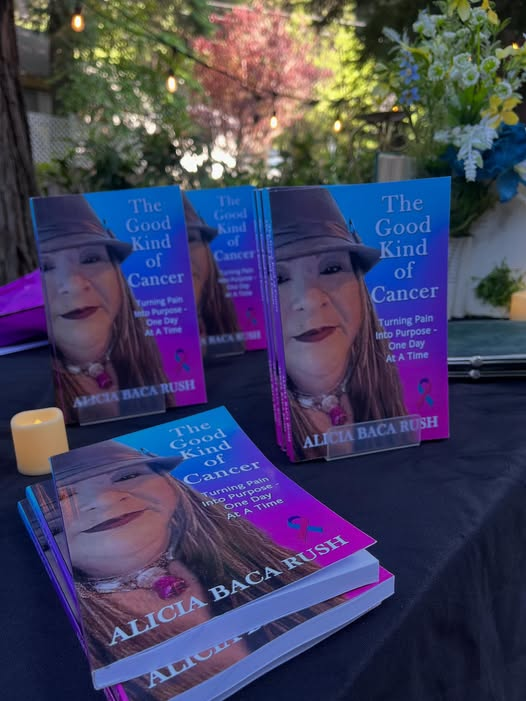
 About Alicia :
  Surgeries and Tracheostomies
 Post-Surgical Recovery and Monitoring
 Emotional and Psychological Healing
 The Turning Point After her second tracheotomy, Alicia found herself isolated, unable to speak, and struggling with the emotional toll of her illness. She described feeling like she had lost her identity. But in that silence, she began to listen—to herself, to her pain, and to a deeper calling.
 Reclaiming Her Voice Through months of recovery, therapy, and inner work, Alicia slowly regained her voice—both physically and metaphorically. She began journaling, reflecting, and eventually writing her memoir The Good Kind of Cancer, which explores how trauma can be a gateway to purpose.
 Themes in Her Memoir: The Good Kind of Cancer: Turning Pain Into Purpose chronicles her experience with raw honesty and hope. It’s not just a cancer story—it’s a guide for anyone facing adversity.
 Her Story Highlights: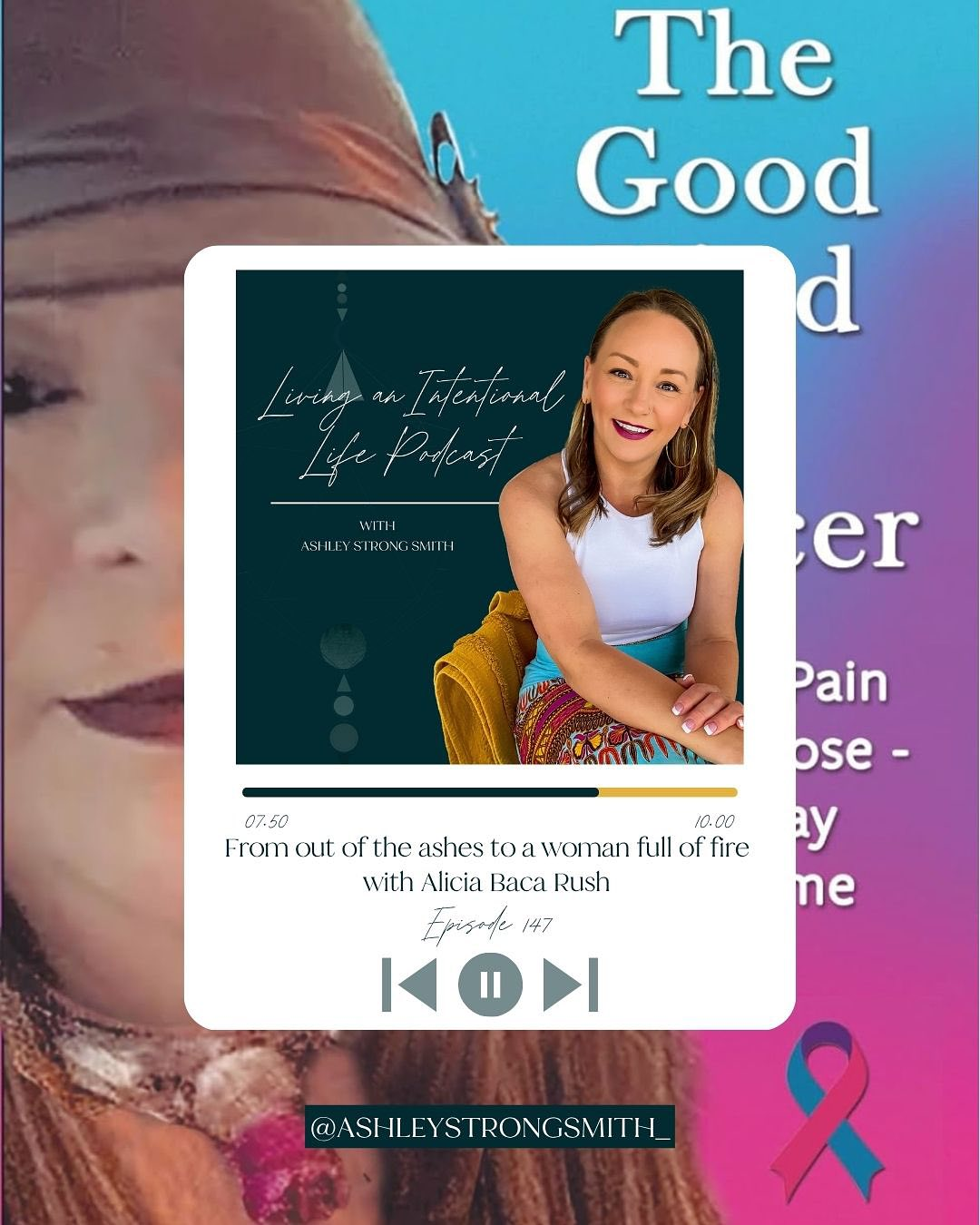
 Podcast Appearance: In the episode titled From out of the ashes to a woman Full of Fire… – Living an Intentional Life – Apple Podcasts shares how she transformed trauma into empowerment, inspiring listeners to embrace their own healing journeys.
 Being a 3x cancer survivor
  Public Speaking & Podcasts She’s appeared on podcasts like From Out of the Ashes to a Woman Full of Fire, where she discusses how surviving cancer reshaped her purpose. Her talks often center on resilience, reinvention, and the power of vulnerability.
 Fight Like a Girl Club – Survivor Stories
 Rush to Crush Cancer – Community Voices


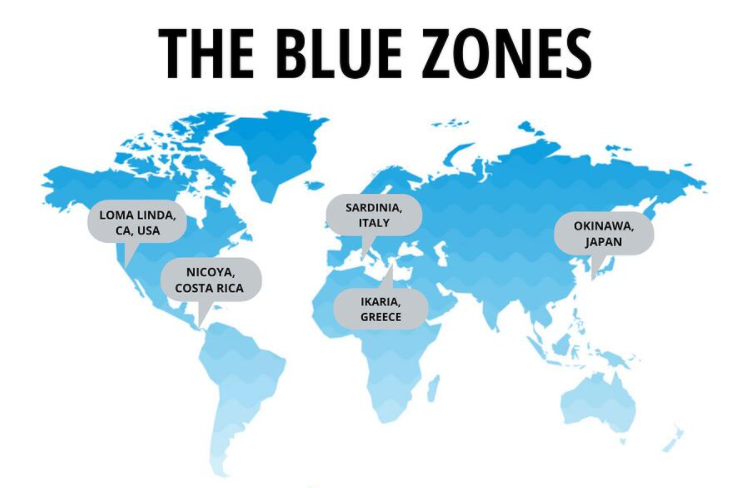
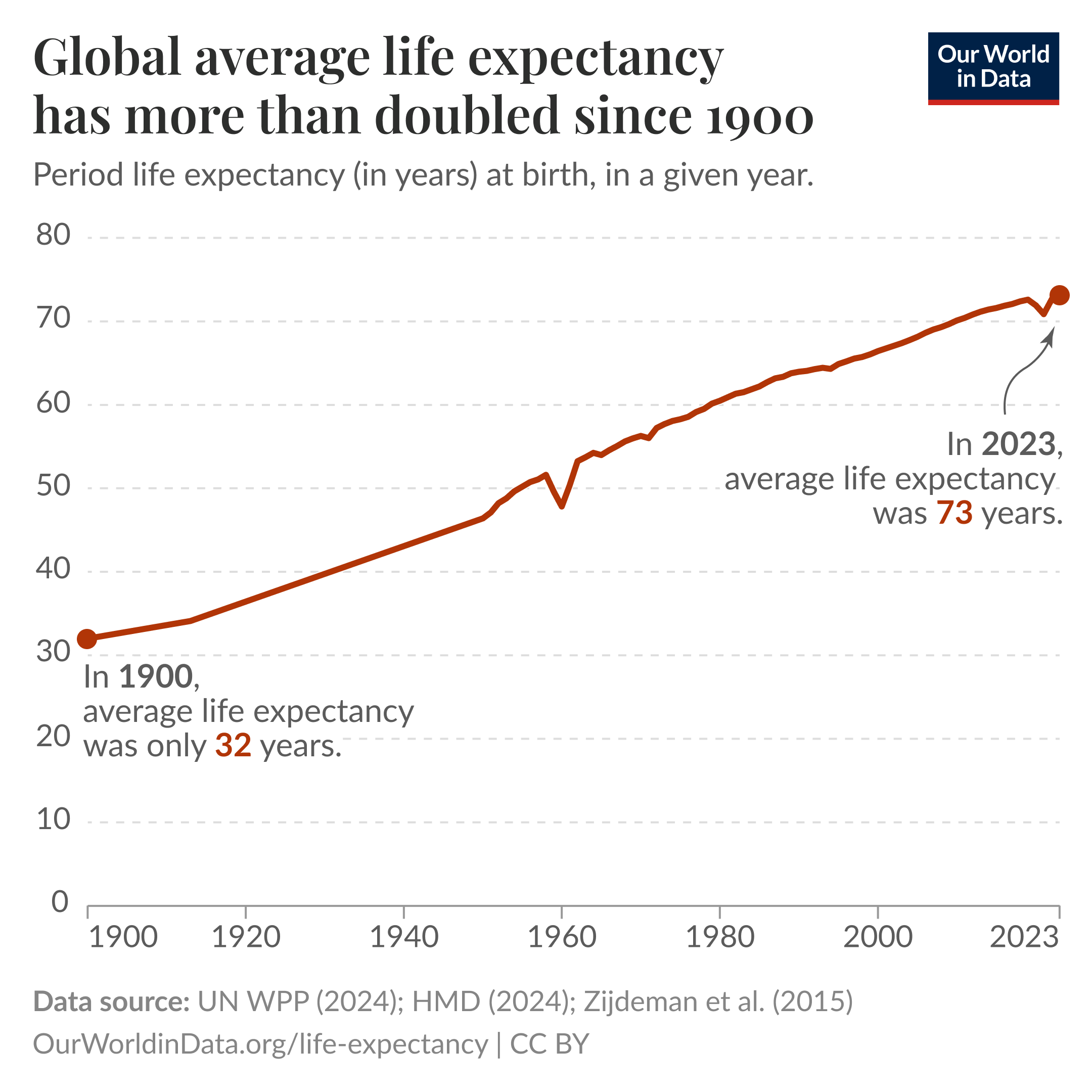
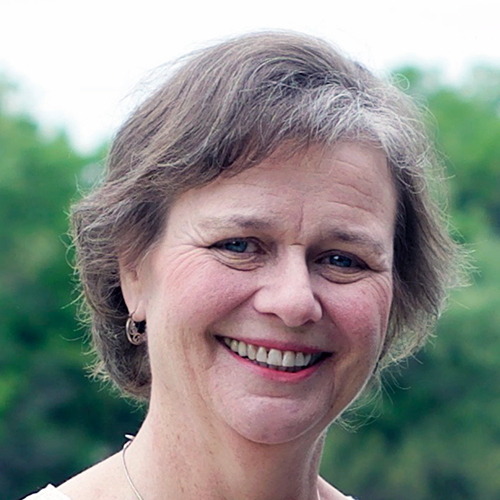
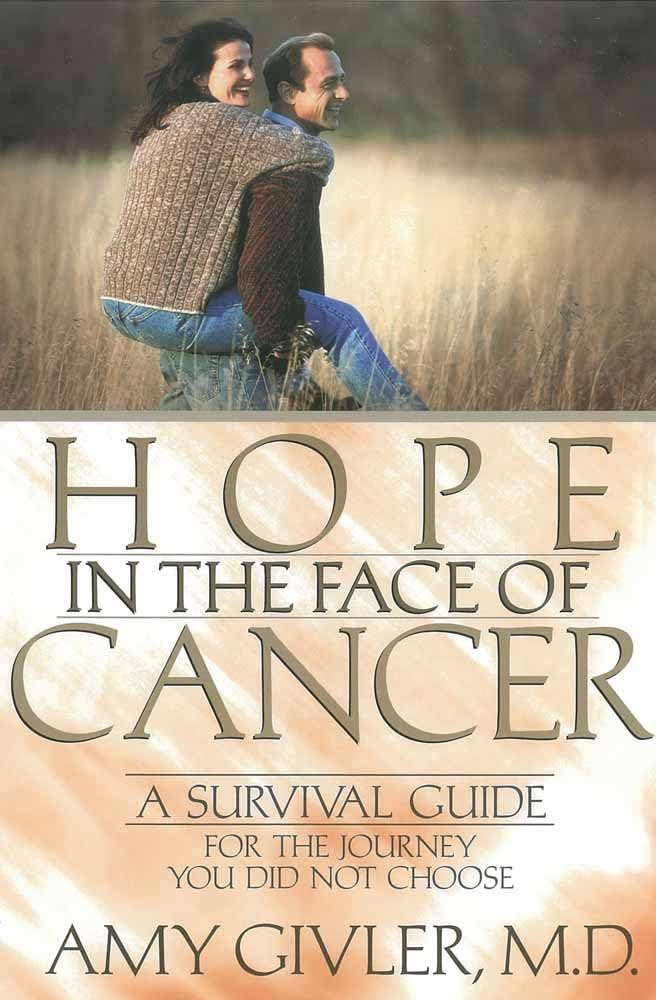
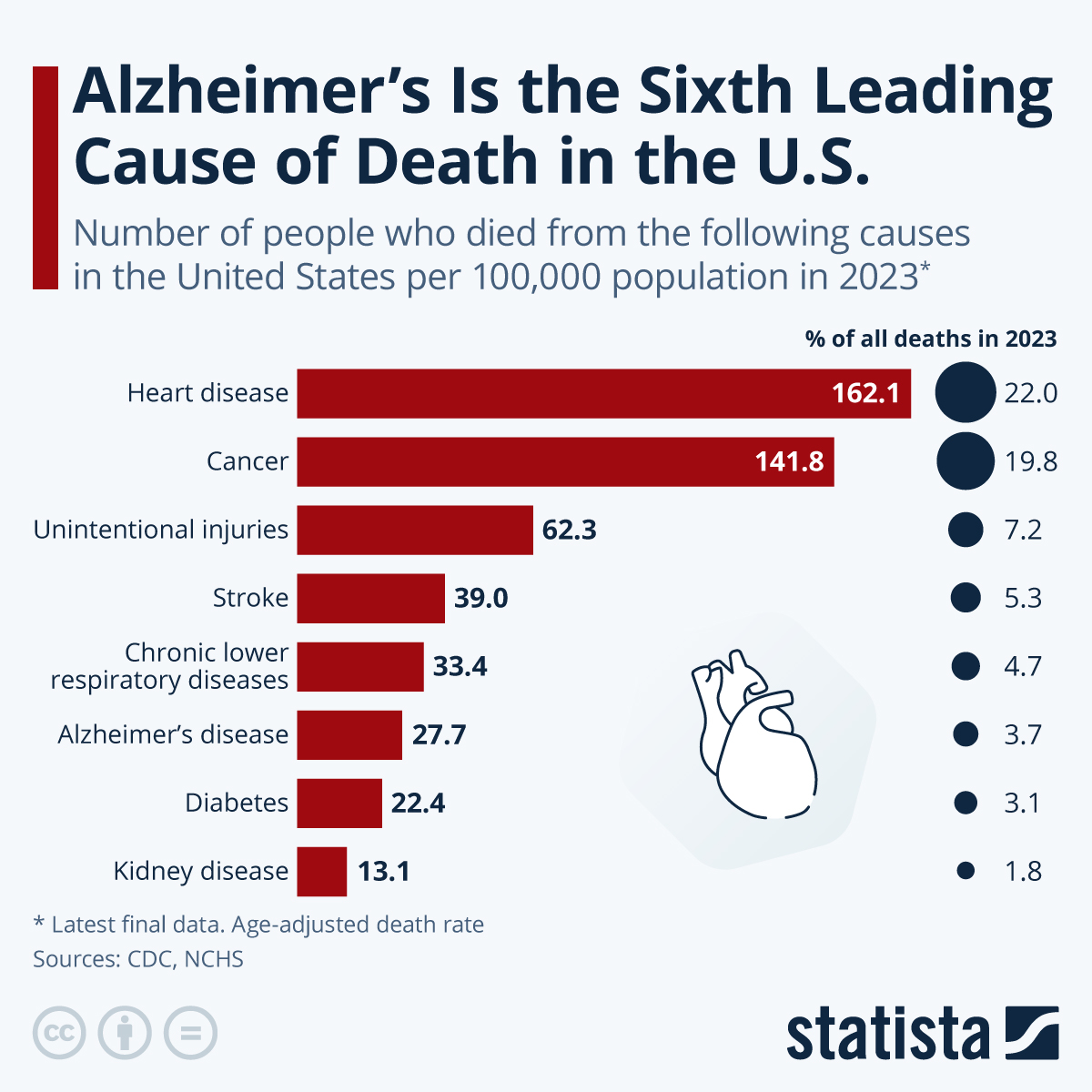





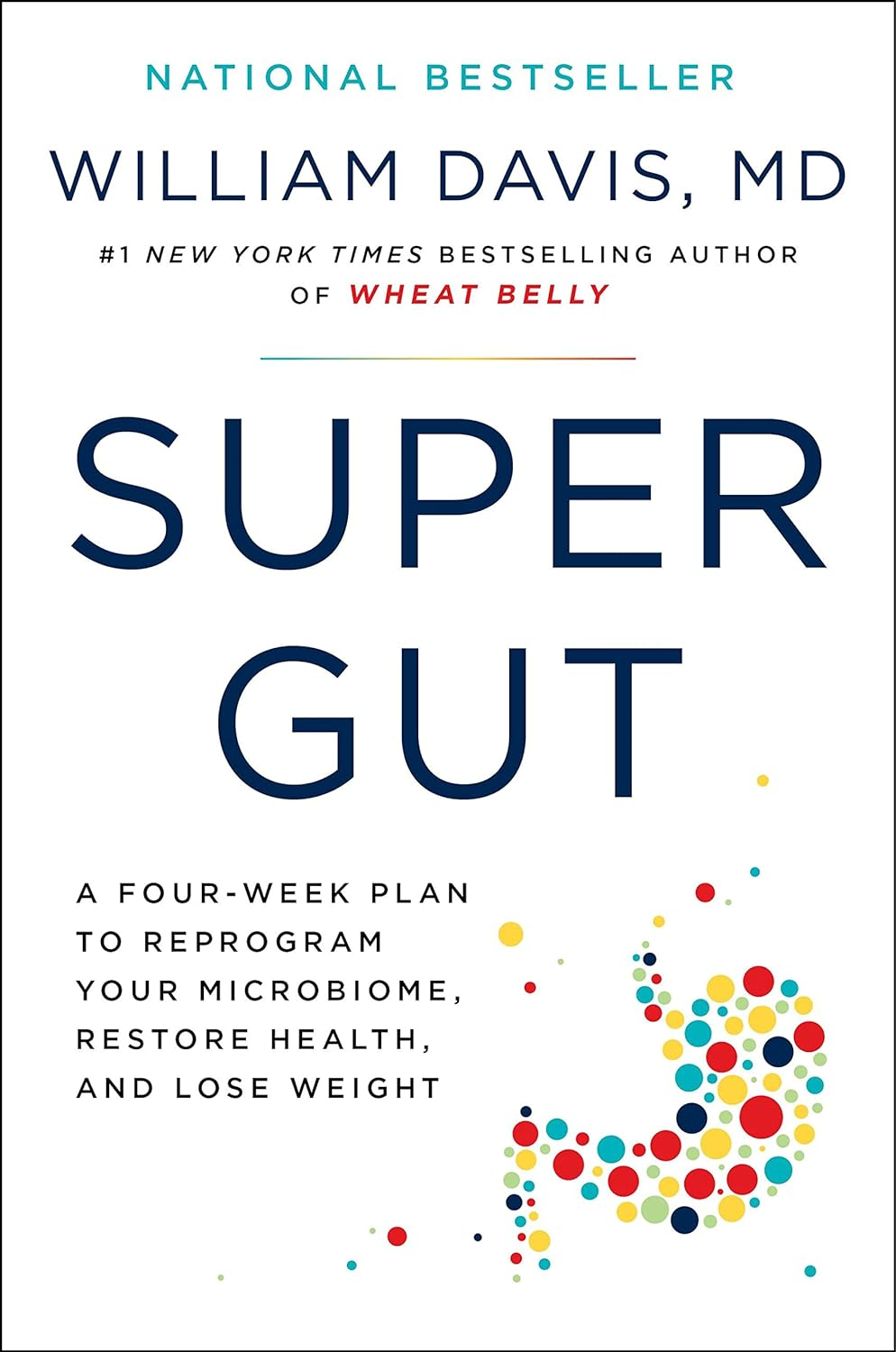
 Official Preview:
 Library Access: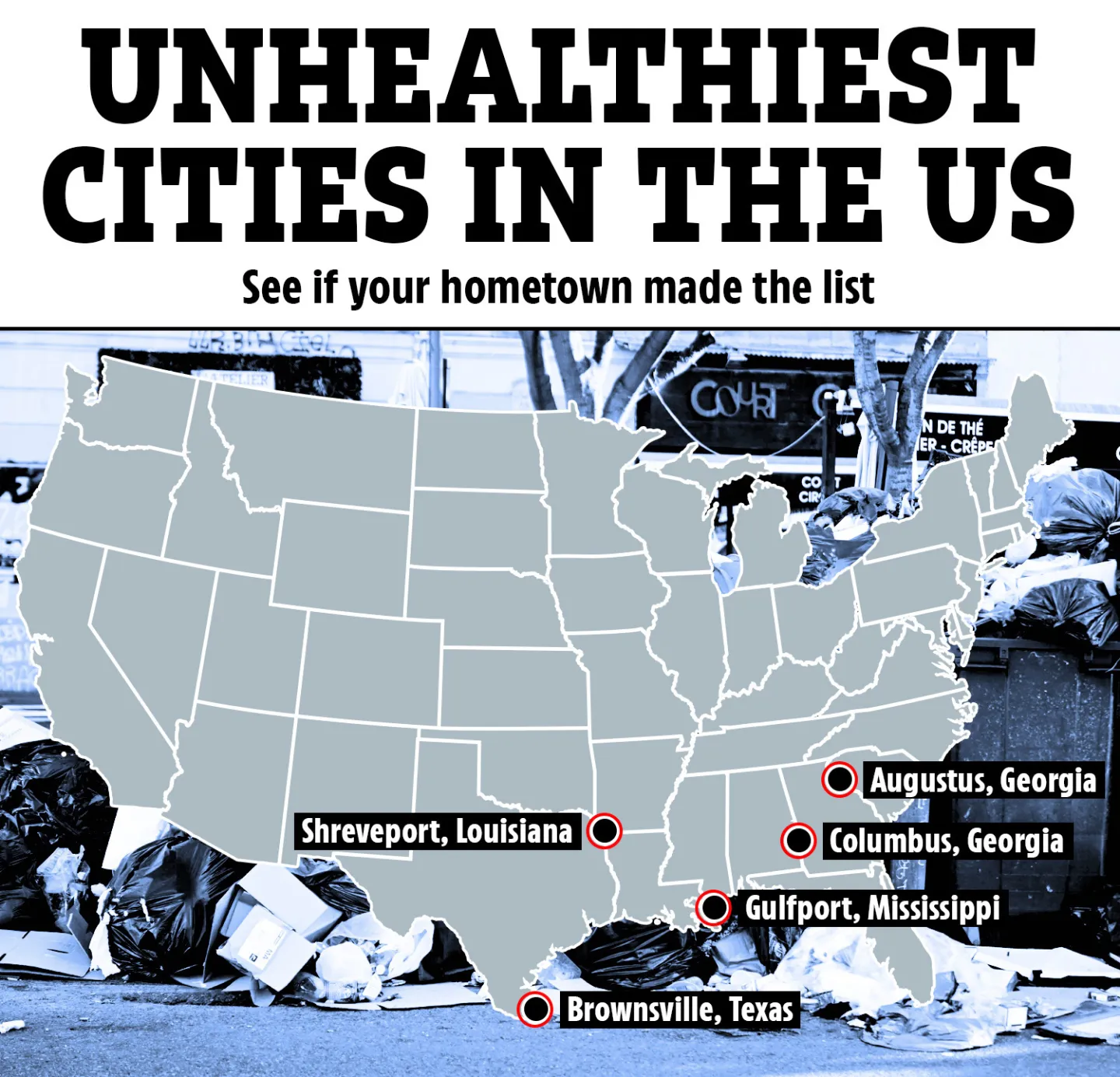
 South Phoenix (ZIP code 85004): Average life expectancy is around 71 years.
 Scottsdale (ZIP code 85258): Just 12 miles away, the average life expectancy jumps to 85 years.
 Socioeconomic challenges—such as high poverty rates, limited access to healthcare, and low education rankings—play a significant role.
 Oklahoma ranks 50th in education and 46th in child well-being, which are key indicators tied to long-term health outcomes.
 Life Expectancy in Cleveland, Ohio
 In general, Cuyahoga County, which includes Cleveland, has a lower life expectancy than the national average. The disparities are especially pronounced in neighborhoods with higher poverty rates and larger Black populations.
 Men in Tennessee: Average life expectancy is about 71 years
 Women in Tennessee: Average life expectancy is around 77 years
 St. Louis County (which surrounds the city): Life expectancy is higher at 76.3 years.
 Key Findings:
 Westover Hills: Residents here enjoy the highest life expectancy in Richmond, averaging 83 years.
 Gilpin Court: Just 4.5 miles away, life expectancy drops to 63 years.
 Overall Life Expectancy
 Demographic Differences
 Poverty Impact

 Solomon Wickey’s Healing Methods
 The Amish Context
 Stories from People He Helped
 Compared to Other Alternative Healers
 Iridology: Reading the Eyes
 How It All Came Together
 Core Comparison: Wickey vs. Reiki vs. Quantum Touch
 Shared Themes
 Simple Energy Healing Exercise: “Center and Send”
 How Energy Therapies Are Being Integrated
 What Is Biofield Science?
 Energy Therapies in Cancer Care
 What Patients Say
 1 SOURCE: