Kenneth E. Hagin’s book Healing Belongs to Us is a foundational text in the Word of Faith movement, emphasizing that divine healing is not just possible—it’s a guaranteed part of the believer’s covenant with God through Jesus Christ.
Core Teachings from Healing Belongs to Us
Twofold Redemption: Hagin teaches that Jesus’ sacrifice on the cross provided both forgiveness of sins and healing from sickness. He cites Isaiah 53:5—“By His stripes we are healed”—as a central proof of this dual provision2.
Faith-Based Healing: Healing is accessed not through rituals or emotions, but by releasing faith in God’s Word. Methods like anointing with oil or laying on of hands are seen as points of contact, not the source of healing.
Healing as a Covenant Right: Hagin insists that healing is not a distant hope or occasional miracle, but a present-tense reality for every believer who stands on God’s promises3.
Supernatural Manifestations vs. Word-Based Faith: While Hagin acknowledges that supernatural healings do occur, especially among unbelievers or those unfamiliar with divine healing, he emphasizes that mature believers should rely on faith in Scripture rather than waiting for miraculous signs.
Practical Encouragement: The book includes real-life testimonies and encourages readers to declare healing over their lives, such as: “By the stripes of Jesus, I am healed. Healing belongs to me!”
I’d love to! Kenneth Hagin’s teachings are rich with insight, and I can either walk you through another one of his books—like The Believer’s Authority, How to Be Led by the Spirit of God, or Faith Food—or we can zoom in on a specific concept from Healing Belongs to Us, such as:
The role of confession in healing
Scriptural foundations for divine health
Renewing the mind to accept healing as a right
Faith vs. feelings in receiving healing
Just let me know what you’re curious about, and I’ll tailor the summary or deep dive to match your interest.
Healing Belongs to Us is a foundational text in the Word of Faith
Absolutely—it’s one of Kenneth E. Hagin’s most influential works and a cornerstone of the Word of Faith movement. Healing Belongs to Us lays out the belief that divine healing is not just a possibility but a guaranteed provision through Christ’s atonement.
Key Themes in Healing Belongs to Us
Healing in Redemption: Hagin teaches that Jesus’ sacrifice on the cross secured both forgiveness of sins and healing from sickness. He emphasizes Isaiah 53:5 and 1 Peter 2:24 as scriptural proof that healing is part of the believer’s inheritance.
Faith Over Feelings: The book stresses that healing is received by faith—not by emotions, signs, or circumstances. Hagin encourages believers to stand on God’s Word even when symptoms persist.
Confession of the Word: Speaking God’s promises aloud is a major theme. Hagin advocates for daily confession like: “Healing belongs to me. Jesus took my infirmities and bore my sicknesses.”
Authority of the Believer: He teaches that Christians have spiritual authority over sickness and can command it to leave in Jesus’ name.
Practical Application: The book includes real-life testimonies and examples of people who received healing by applying these principles.
This text has shaped how many Christians understand healing—not as a rare miracle, but as a covenant right. Would you like to explore how these teachings compare to other healing doctrines or dive into another Hagin book?
Healing Belongs to Us lays out the belief that divine healing is not just a possibility but a guaranteed provision through Christ’s atonement.
Exactly—and that’s the heartbeat of Kenneth Hagin’s message in Healing Belongs to Us. He doesn’t present healing as a rare miracle or a privilege for a few; he frames it as a covenant right for every believer, secured through the same redemptive work that brought salvation.
How Hagin Connects Healing to Atonement
Isaiah 53:4–5 is central: “Surely He hath borne our griefs and carried our sorrows… and with His stripes we are healed.” Hagin emphasizes that the Hebrew words for “griefs” and “sorrows” also mean “sicknesses” and “pains,” showing that physical healing was included in Christ’s suffering.
1 Peter 2:24 echoes this: “By whose stripes ye were healed.” Hagin teaches that this verse confirms healing as a past-tense reality—already accomplished through Jesus’ sacrifice.
Faith Activation: Just as salvation is received by faith, so is healing. Hagin urges believers to claim healing by standing on the Word, confessing it, and refusing to be moved by symptoms or circumstances.
Healing as Legal Tender: In Hagin’s view, healing isn’t a favor—it’s part of the spiritual inheritance. He compares it to withdrawing money from a bank account that already belongs to you.
This teaching has empowered many to approach healing not with desperation, but with confidence. Would you like to explore how this view compares to other Christian perspectives on healing, or dive into how Hagin teaches believers to practically apply these truths?
Would you like to explore how this view compares to other Christian perspectives on healing, or dive into how Hagin teaches believers to practically apply these truths?
Both directions offer rich ground for exploration, but let’s start by comparing Kenneth Hagin’s view on healing with other Christian perspectives—then we can dive into his practical teachings if you’d like.
Comparing Christian Perspectives on Healing
Kenneth Hagin, often called the “father” of the Word of Faith movement, taught that divine healing is part of the atonement of Christ and is available to all believers through faith. His view emphasizes:
Healing as a covenant right: Just as salvation is received by faith, so is healing.
Confession and faith: Speaking God’s Word over one’s body is key to manifesting healing.
Authority of the believer: Christians have spiritual authority to rebuke sickness.
Now contrast that with other major Christian traditions:
Pentecostal/Charismatic
Similar to Hagin, they believe in divine healing and often practice laying on of hands, anointing with oil, and prayer for healing.
However, not all Charismatics teach that healing is guaranteed—many emphasize God’s sovereignty.
Evangelical
Healing is often seen as possible but not promised. It’s subject to God’s will.
Prayer for healing is encouraged, but suffering may be part of God’s plan for growth or testimony.
Catholic and Orthodox
Healing is viewed sacramentally—through rites like the Anointing of the Sick.
Miracles are acknowledged but not expected as normative. Suffering is often seen as redemptive.
Liberal/Mainline Protestant
Healing may be interpreted metaphorically or psychologically.
Less emphasis on supernatural healing; more focus on holistic wellness and pastoral care.
Would you like to now explore how Hagin teaches believers to practically apply these truths in daily life—like through confession, meditation, and prayer?
Or would you prefer to go deeper into one of these contrasting views?
Let’s go deeper into one of the contrasting views—how about the Catholic perspective on healing? It offers a rich theological and sacramental framework that’s quite distinct from Kenneth Hagin’s Word of Faith approach.
Catholic View on Healing
In Catholicism, healing is deeply tied to the Church’s sacramental life and its understanding of suffering. Here are some key elements:
1. Sacrament of the Anointing of the Sick
This is a formal rite administered by a priest to those who are seriously ill or near death.
It includes prayers, laying on of hands, and anointing with oil.
The goal isn’t just physical healing—it’s spiritual strength, peace, and sometimes preparation for passing into eternal life.
2. Healing Through the Saints
Catholics often pray for the intercession of saints known for healing miracles, like St. Peregrine (patron of cancer patients) or St. Jude (patron of desperate cases).
Miracles attributed to saints are rigorously investigated, especially in the canonization process.
3. Redemptive Suffering
Unlike Hagin’s view that sickness is to be resisted as part of the curse, Catholic theology often sees suffering as a way to participate in Christ’s own suffering.
It can be offered up for the good of others or as a path to deeper holiness.
4. Divine Sovereignty
Healing is always subject to God’s will. While Catholics believe God can and does heal, they don’t claim it as a guaranteed right.
Faith is important, but it’s not a transactional mechanism—there’s a strong emphasis on trust and surrender.
This view can be comforting to those who struggle with chronic illness or unanswered prayers for healing, as it offers meaning and spiritual depth even in suffering.
Would you like to compare this with how Hagin teaches believers to practically apply healing truths—like through confession, meditation, and spiritual authority? Or explore another tradition like Orthodox or Evangelical?
Let’s explore the Eastern Orthodox tradition on healing—it’s a deeply mystical and sacramental approach that contrasts sharply with Kenneth Hagin’s Word of Faith teachings.
Eastern Orthodox View on Healing
The Orthodox Church sees healing as part of the broader process of salvation and the restoration of the whole person—body, soul, and spirit. Here are some key aspects:
1. Sacramental Healing
The Orthodox Church offers the Holy Unction (anointing with oil) for healing, especially during Holy Week.
It’s not just for physical ailments—it’s meant to heal spiritual wounds and restore communion with God.
2. Theosis (Deification)
Healing is part of the journey toward theosis, becoming more like God.
Suffering is not always seen as something to be removed, but as a means of transformation and union with Christ.
3. Prayer and Icons
Prayers for healing often invoke saints, especially those known for miracles (like St. Nektarios or St. Panteleimon).
Icons are venerated—not worshipped—and may be used in healing rituals, emphasizing God’s presence through sacred art.
4. Mystery and Humility
Healing is never presumed. It’s approached with humility, recognizing that God’s will may include suffering for a higher purpose.
There’s less emphasis on “claiming” healing and more on surrendering to divine mystery.
Contrast with Hagin’s View
Aspect
Eastern Orthodox
Kenneth Hagin (Word of Faith)
Healing Source
Sacramental, mystical, communal
Personal faith and confession
Role of Suffering
Transformative, redemptive
To be resisted as part of the curse
Expectation of Healing
Hopeful but not guaranteed
Healing is a covenant right
Use of Saints/Icons
Common in prayer and ritual
Not emphasized
Theology of Salvation
Healing as part of theosis
Healing as part of redemption from curse
Would you like to now explore the Evangelical perspective, which tends to be more Scripture-centered and pragmatic? Or dive into how Hagin teaches believers to apply healing truths practically—through confession, meditation, and spiritual authority?
explore the Evangelical perspective, which tends to be more Scripture-centered and pragmatic? Or dive into how Hagin teaches believers to apply healing truths practically—through confession, meditation, and spiritual authority?
Let’s explore the Evangelical perspective on healing, which is often more Scripture-centered and pragmatic than Kenneth Hagin’s Word of Faith approach. Then, if you’re up for it, we can pivot to Hagin’s practical teachings to see how they differ in application.
Evangelical View on Healing
Evangelicals generally affirm that God can and does heal, but they approach the topic with a strong emphasis on biblical authority, personal prayer, and God’s sovereignty. Here are the key features:
1. Biblical Foundation
Healing is seen throughout Scripture—from the miracles of Jesus to the apostles’ ministry.
Evangelicals often cite James 5:14–15: “Is anyone among you sick? Let them call the elders of the church to pray over them…”
However, they interpret healing as possible, not guaranteed.
2. Prayer and Community
Healing is sought through prayer, often involving church elders or small groups.
There’s a strong emphasis on intercessory prayer, trusting God to act according to His will.
3. God’s Sovereignty
Evangelicals stress that healing is ultimately up to God. Faith is important, but it doesn’t obligate God to heal.
Suffering may be used by God for spiritual growth, testimony, or dependence on Him.
4. Avoidance of Formulaic Faith
Unlike Hagin’s emphasis on confession and claiming healing, Evangelicals tend to avoid formulas.
They caution against “name it and claim it” theology, viewing it as potentially manipulative or presumptuous.
5. Practical Ministry
Evangelical churches often include healing ministries, counseling, and pastoral care.
There’s a growing interest in integrative approaches—combining prayer, Scripture, and medical treatment.
Contrast with Hagin’s Practical Teachings
Kenneth Hagin taught believers to actively apply healing truths through:
Confession: Speaking healing Scriptures aloud daily to “release faith.”
Meditation: Dwelling on God’s promises until they become real in the heart.
Spiritual Authority: Rebuking sickness as a violation of covenant rights.
Faith Actions: Acting as though healing is already received—getting out of bed, walking, etc.
Where Evangelicals tend to wait on God’s will, Hagin’s approach is more assertive—believers are taught to take spiritual responsibility and enforce healing through faith.
Would you like to now dive deeper into Hagin’s practical steps—maybe even walk through a sample healing confession or meditation practice? Or explore how Evangelicals handle unanswered prayers and chronic illness?
explore how Evangelicals handle unanswered prayers and chronic illness?
Evangelicals approach unanswered prayers and chronic illness with a blend of biblical realism, spiritual resilience, and pastoral care. While they believe in God’s power to heal, they also recognize that healing doesn’t always come in the way or timing we expect. Here’s how they navigate that tension:
Trusting God’s Sovereignty
Evangelicals often emphasize that God is sovereign, and His purposes may include allowing suffering for reasons beyond human understanding. Key ideas include:
Romans 8:28: “All things work together for good…”—even illness can be part of God’s redemptive plan.
Job’s story: A model of faith in suffering, showing that unanswered prayers don’t mean God is absent.
Paul’s “thorn in the flesh” (2 Corinthians 12): Despite praying for healing, Paul was told, “My grace is sufficient for you.”
Persistent Prayer and Faith
Evangelicals don’t give up on prayer. They often teach:
Keep asking: Based on Jesus’ parable of the persistent widow (Luke 18), believers are encouraged to continue praying.
Pray with others: Community prayer—especially with elders—is seen as powerful (James 5:14–15).
Faith without presumption: They pray boldly but leave the outcome to God.
Honest Lament and Emotional Integrity
Evangelicals increasingly embrace lament as a biblical response to suffering:
Psalms of lament (like Psalm 13 or 88) show that it’s okay to ask “Why, God?”
Churches may offer support groups or counseling to help believers process grief and disappointment.
Integrating Faith and Medicine
Many Evangelicals see no conflict between faith and medical treatment:
They may pray for healing while also pursuing doctors, therapy, or medication.
Some churches host health ministries or partner with Christian counselors to support chronic illness.
Finding Purpose in Pain
Rather than seeing chronic illness as a failure of faith, Evangelicals often reframe it as:
A platform for testimony: Showing God’s strength in weakness.
A path to spiritual growth: Deepening dependence on God.
A way to minister to others: Those who suffer often become powerful encouragers.
This approach contrasts with Kenneth Hagin’s more assertive stance, where healing is claimed by faith and sickness is often seen as a spiritual attack or a failure to believe. Evangelicals tend to be more nuanced, allowing for mystery, struggle, and grace in the midst of unanswered prayers.
look at personal stories of faith in suffering?
Absolutely—personal stories of faith in suffering can be some of the most powerful testimonies of God’s presence in hard times. Here are a few deeply moving examples from Evangelical believers who endured intense trials yet clung to their faith:
Brian Birdwell – Survivor of the 9/11 Pentagon Attack
Brian was working at the Pentagon when Flight 77 crashed into the building. He suffered third-degree burns over 60% of his body and was “burned beyond recognition.” In the midst of unbearable pain, he prayed for God to end his life. But through 40+ reconstructive surgeries and a long recovery, he found renewed purpose and eventually served in the Texas State Senate. His suffering deepened his understanding of God’s love, especially as he reflected on the Father’s sacrifice of Jesus.
Tyrone Flowers – Paralyzed by Gunshot
Tyrone was shot during a basketball game and instantly paralyzed. Though devastated, he chose forgiveness over revenge, even when others mocked him for it. He found peace and strength in God, saying that his suffering led him to deeper understanding and love. His story is a testament to choosing grace in the face of injustice.
Annie Lobert – Escaped Sex Trafficking
Annie was trapped in a violent relationship with a pimp who abused her physically and emotionally. After a brutal attack, she cried out in the shower, “Jesus, please save me. I don’t know if you’re real, but I don’t wanna die.” That moment marked the beginning of her transformation. She now shares her story as one of redemption and healing through Christ.
Alicia Michelle – Chronic Illness and Parenting Struggles
Alicia shares stories of facing medical crises, parenting challenges, and job loss. Through each trial, she leaned into God’s promises and found joy even in suffering. Her reflections emphasize emotional honesty, persistent prayer, and trusting God’s faithfulness through the storm.
These stories illustrate a central Evangelical theme: suffering doesn’t mean God is absent. Instead, it can become the very place where faith is forged, hope is renewed, and lives are transformed.
Would you like to explore how these testimonies are used in worship or preaching?
Ellie Lobel – Search Videos was a young woman full of life when a simple insect bite changed everything. At first, it seemed harmless—just a sting on the leg, a bit of irritation, nothing to worry about.
But in the months that followed, Ellie developed mysterious and devastating symptoms: crushing fatigue, joint pain, and neurological decline. For more than a year, doctors misdiagnosed her, offering conflicting explanations. Eventually, she was told the truth—late-stage Lyme disease, a bacterial infection carried by ticks that had already ravaged her nervous system.
From age 27 to 42, Ellie lived half a life. Bedridden, in constant pain, she could no longer move or function. After 15 years of suffering, she made the heartbreaking decision to stop all treatments. Her doctor gave her just 90 days to live.
Then came the moment no one could have predicted. While sitting outside in the sun, prepared for her final days, Ellie was swarmed by Africanized bees. Stung dozens of times, she was rushed to the hospital where her heart stopped, then was revived. She begged the doctors not to prolong her life. But the next day, something astonishing happened—she woke up free of pain.
In the days that followed, Ellie began to walk again, think clearly, and reclaim her life. Doctors were baffled. The answer seemed to lie in the venom—either destroying the Lyme bacteria or triggering her immune system in a way science still struggles to explain.
Since that miraculous turnaround in 1997, Ellie has dedicated herself to raising awareness about apitherapy (bee venom therapy). Her story is rare, her recovery nearly impossible—but it remains a powerful reminder that hope can appear in the most unexpected places… even in the sting of a bee.
Ellie Lobel was ready to die. Then she was attacked by bees. Christie Wilcox hears how venom can be a saviour. (Credit: SPL)
They were in my hair, in my head, all I heard was this crazy buzzing
Ellie Lobel was 27 when she was bitten by a tick and contracted Lyme disease. And she was not yet 45 when she decided to give up fighting for survival.
Caused by corkscrew-shaped bacteria called Borrelia burgdorferi, which enter the body through the bite of a tick, Lyme disease is diagnosed in around 300,000 people every year in the United States. It kills almost none of these people, and is by and large curable – if caught in time. Antibiotics can wipe out the bacteria quickly before they spread through the heart, joints and nervous system.
But back in the spring of 1996, Ellie didn’t know to look for the characteristic bull’s-eye rash when she was bitten – she thought it was just a weird spider bite. Then came three months with flu-like symptoms and horrible pains that moved around the body. Ellie was a fit, active woman with three kids, but her body did not know how to handle this new invader. She was incapacitated. “It was all I could do to get my head up off the pillow,” Ellie remembers.
Her first doctor told her it was just a virus, and it would run its course. So did the next. As time wore on, Ellie went to doctor after doctor, each giving her a different diagnosis. Multiple sclerosis. Lupus. Rheumatoid arthritis. Fibromyalgia. None of them realised she was infected with Borrelia until more than a year after she contracted the disease – and by then, it was far too late.
“I just kept doing this treatment and that treatment,” says Ellie. Her condition was constantly worsening. She describes being stuck in bed or a wheelchair, not being able to think clearly, feeling like she’d lost her short-term memory and not feeling “smart” anymore. “I would get better for a little while, and then I would just relapse right back into this horrible Lyme nightmare. And with every relapse it got worse.”
(Credit: Thinkstock)
After 15 years, she gave up. “Nothing was working any more, and nobody had any answers for me,” she says. “I didn’t care if I was going to see my next birthday. It’s just enough. I was ready to call it a life and be done with it.”
So she packed up everything and moved to California to die. And she almost did.
Less than a week after moving, Ellie was attacked by a swarm of Africanised bees.
Swarm saviour
Ellie was in California for three days before her attack. “I wanted to get some fresh air and feel the sun on my face and hear the birds sing. I knew that I was going to die in the next three months or four months. Just laying there in bed all crumpled up… It was kind of depressing.”
At this point, Ellie was struggling to stand on her own. She had a caregiver on hand to help her shuffle along the rural roads by her place in Wildomar, the place where she had chosen to die.
She was just standing near a broken wall and a tree when the first bee appeared, she remembers, “just hitting me in the head”. “All of a sudden – boom! – bees everywhere.”
(Credit: SPL)
Her caregiver ran. But Ellie couldn’t run – she couldn’t even walk. “They were in my hair, in my head, all I heard was this crazy buzzing in my ears. I thought: wow, this is it. I’m just going to die right here.”
Ellie, like 1–7% of the world’s population, is severely allergic to bees. When she was two, a sting put her into anaphylaxis, a severe reaction of the body’s immune system that can include swelling, nausea and narrowing of the airways. She nearly died. She stopped breathing and had to be revived by defibrillation. Her mother drilled a fear of bees into her to ensure she never ended up in the same dire situation again.
Strong sting
Bees – and some other species in the order Hymenoptera, such as ants and wasps – are armed with a potent sting. This is their venom, and it’s a mixture of many compounds. Perhaps the most important is a tiny 26-amino-acid peptide called melittins, which is responsible for the feeling of burning.
When we experience high temperatures, our cells release inflammatory compounds that activate a special kind of channel, TRPV1, in sensory neurons. This ultimately causes the neurons to send a signal to the brain that we’re burning. Melittin subversively makes TRPV1 channels open by activating other enzymes that act just like those inflammatory compounds.
(Credit: SPL)
“I could feel the first five or 10 or 15 but after that… All you hear is this overwhelming buzzing, and you feel them hitting your head, hitting your face, hitting your neck,” says Ellie.
“I just went limp. I put my hands up and covered my face because I didn’t want them stinging me in the eyes… The next thing I know, the bees are gone.”
When the bees finally dissipated, her caregiver tried to take her to the hospital, but Ellie refused to go. “This is God’s way of putting me out of my misery even sooner,” she told him. “I’m just going to accept this.
“I locked myself in my room and told him to come collect the body tomorrow.”
But Ellie didn’t die. Not that day, and not three to four months later.
“I just can’t believe that was three years ago, and I just can’t believe where I am now,” she tells me. “I had all my blood work done. Everything. We tested everything. I’m so healthy.”
She believes the bees, and their venom, saved her life.
(Credit: Victoria Jenkins)
The idea that the same venom toxins that cause harm may also be used to heal is not new. Bee venom has been used as a treatment in East Asia for centuries. In Chinese traditional medicine, scorpion venom is recognised as a powerful medicine, used to treat everything from eczema to epilepsy. Mithradates VI of Pontus, a formidable enemy of Rome (and also an infamous toxinologist), was said to have been saved from a potentially fatal wound on the battlefield by using steppe viper venom to stop the bleeding.
“Over millions of years, these little chemical engineers have developed a diversity of molecules that target different parts of our nervous system,” says Ken Winkel, Director of the Australian Venom Research Unit at the University of Melbourne. “This idea of applying these potent nerve toxins to somehow interrupt a nervous disease has been there for a long time. But we haven’t known enough to safely and effectively do that.”
Despite the wealth of history, the practical application of venoms in modern therapeutics has been minimal. That is, until the past 10 years or so, according to Glenn King at the University of Queensland in Brisbane, Australia. In 1997, when Ellie was bouncing around from doctor to doctor, King was teasing apart the components of the venom from the Australian funnel-web, a deadly spider. He’s now at the forefront of venom drug discovery.
(Credit: Thinkstock)
King’s group was the first to put funnel-web venom through a separation method called high-performance liquid chromatography (HPLC), which can separate out different components. “I was just blown away,” he says. “This is an absolute pharmacological goldmine that nobody’s really looked at. Clearly hundreds and hundreds of different peptides.”
Over the course of the 20th Century, suggested venom treatments for a range of diseases have appeared in scientific and medical literature. Venoms have been shown to fight cancer, kill bacteria, and even serve as potent painkillers – though many have only gone as far as animal tests. At the time of writing, just six had been approved by the US Food and Drug Administration for medical use (one other – Baltrodibin, adapted from the venom of the Lancehead snake – is not FDA approved, but is available outside the US for treatment of bleeding during operations).
The more we learn about the venoms that cause such awful damage, the more we realise, medically speaking, how useful they can be. Like the melittin in bee venom.
Molecular moves
Melittin does not only cause pain. In the right doses, it punches holes in a cell’s protective membranes, causing cells to explode. At low doses, melittin associates with the membranes, activating lipid-cutting enzymes that mimic the inflammation caused by heat. But at higher concentrations, and under the right conditions, melittin molecules group together into rings creating large pores in membranes, weakening a cell’s protective barrier and causing the entire cell to swell and pop like a balloon.
(Credit: Victoria Jenkins)
Because of this, melittin is a potent antimicrobial, fighting off a variety of bacteria and fungi with ease. But its power doesn’t stop there. Scientists hope it could fight diseases ranging from HIV to cancer, arthritis and multiple sclerosis.
For example, researchers at the Washington University School of Medicine in St Louis, Missouri, have found that melittin can tear open HIV’s protective membrane without harming human cells. This envelope-busting method also stops the virus from having a chance to evolve resistance. “We are attacking an inherent physical property of HIV,” Joshua L Hood, the lead author of the study, said in a press statement. “Theoretically, there isn’t any way for the virus to adapt to that. The virus has to have a protective coat.” Initially envisioned as a prophylactic vaginal gel, the hope is that melittin-loaded nanoparticles could someday be injected into the bloodstream, clearing the infection.
Tall tale
But could bees really have cured Lyme disease? Ellie is the first to admit that her tale sounds a little tall. “If someone were to have come to me and say, ‘Hey, I’ll sting you with some bees, and you’ll get better’, I would have said, ‘Absolutely not! You’re crazy in your head!’” But she has no doubts now.
(Credit: SPL)
After the attack, Ellie watched the clock, waiting for anaphylaxis to set in, but it didn’t. Instead, three hours later, her body was racked with pains. A scientist by education before Lyme took its toll, Ellie thinks that these weren’t a part of an allergic response, but instead indicated a Jarisch–Herxheimer reaction – her body was being flooded with toxins from dying bacteria. The same kind of thing can happen when a person is cured from a bad case of syphilis. A theory is that certain bacterial species go down swinging, releasing nasty compounds that cause fever, rash and other symptoms.
For three days, she was in pain. Then, she wasn’t.
“I had been living in this… I call it a brown-out because it’s like you’re walking around in a half-coma all the time with the inflammation of your brain from the Lyme. My brain just came right out of that fog. I thought: I can actually think clearly for the first time in years.”
With a now-clear head, Ellie started wondering what had happened. So she did what anyone else would do: Google it. Disappointingly, her searches turned up very little. But she did find one small 1997 study by scientists at the Rocky Mountain Laboratories in Montana, who’d found that melittin killed Borrelia. Exposing cell cultures to purified melittin, they reported that the compound completely inhibited Borrelia growth. When they looked more closely, they saw that shortly after melittin was added, the bacteria were effectively paralysed, unable to move as their outer membranes were under attack. Soon after, those membranes began to fall apart, killing the bacteria.
(Credit: Victoria Jenkins)
Convinced by her experience and the limited research she found, Ellie decided to try apitherapy, the therapeutic use of materials derived from bees.
Her bees live in a “bee condo” in her apartment. She doesn’t raise them herself; instead, she mail orders, receiving a package once a week. To perform the apitherapy, she uses tweezers to grab a bee and press it gently where she wants to be stung. “Sometimes I have to tap them on the tush a little bit,” she says, “but they’re usually pretty willing to sting you.”
She started on a regimen of 10 stings a day, three days a week: Monday, Wednesday, Friday. Three years and several thousand stings later, Ellie seems to have recovered. Slowly, she has reduced the number of stings and their frequency – just three stings in the past eight months, she tells me (and one of those she tried in response to swelling from a broken bone, rather than Lyme-related symptoms). She keeps the bees around just in case, but for the past year before I talked to her, she’d mostly done just fine without them.
Complex cocktails
Rare cases like Ellie’s are a reminder of the potent potential of venoms. But turning folk knowledge into pharmaceuticals can be a long and arduous process. “It could take as long as 10 years from the time you find it and patent it,” says King. “And for every one that you get through, 10 fail.”
(Credit: Victoria Jenkins)
Since the 1997 study, no one had looked further into bee venom as a potential cure for Lyme disease, until Ellie. Ellie has partnered with a bee farm that uses a special electrified glass plate to extract venom.
As the bees walk across the plate on the way to and from their hive, harmless currents stimulate the bees to release venom from their abdomens, leaving teeny, little droplets on the glass, which are later collected. Ellie says it takes 10,000 bees crossing that plate to get 1 gram of venom (other sources, such as the Food and Agriculture Organization of the UN, quote 1 million stings per gram of venom), but “those bees are not harmed”.
She sends some of the venom she purchases – which, due to the cost of the no-harm extraction method she uses, she says is “more expensive than gold” – to Eva Sapi, Associate Professor of Biology and Environmental Science at the University of New Haven, who studies Lyme disease.
Sapi’s research into the venom’s effects on Lyme bacteria is ongoing and as yet unpublished, though she told me the results from preliminary work done by one of her students look “very promising”. Borellia bacteria can shift between different forms in the body, which is part of what makes them so hard to kill. Sapi has found that other antibiotics don’t actually kill the bacteria but just push them into another form that is more dormant. As soon as you stop the antibiotics, the Borellia bounce back. Her lab is testing different bee venoms on all forms of the bacteria, and so far, the melittin venom seems effective.
(Credit: Mechatronics Guy/Flickr/CC BY 2.0)
The next step is to test whether melittin alone is responsible, or whether there are other important venom components. “We also want to see, using high-resolution images, what exactly happens when bee venom hits Borellia,” Sapi told me.
She stresses that much more data is needed before any clinical use can be considered. “Before jumping into the human studies, I would like to see some animal studies,” she says. “It’s still a venom.” And they still don’t really know why the venom works for Ellie, not least because the exact cause of post-treatment Lyme disease symptoms remains unknown. “Is it effective for her because it’s killing Borellia, or is it effective because it stimulates the immune system?” asks Sapi. It’s still a mystery.
A close-up bee stinger (Credit: SPL)
The bigger picture, however, is that venomous animals could prove be excellent drug resources for devastating neurological diseases, as so many of their venoms target our nervous system. “We really don’t have great drugs in this area,” says Ken Winkel, “and we have these little factories that have a plethora of compounds…”
No one knows exactly how many venomous species there are on this planet. There are venomous jellyfish, venomous snails, venomous insects, even venomous primates. “When people ask me what’s the best way to convince people to preserve nature, your weakest argument is to talk about how beautiful and wonderful it is,” says Bryan Fry. Instead, he says, we need to emphasise the untapped potential that these species represent. “It’s a resource, it’s money. So conservation through commercialisation is really the only sane approach.”
Ellie couldn’t agree more. “We need to do a lot more research on these venoms,” she tells me emphatically, “and really take a look at what’s in nature that’s going to help us.”
This is an edited version of an article originally published by Mosaic, and is reproduced under a Creative Commons licence. For more about the issues around this story,visit Mosaic’s website here.
Holistic health has steadily gained public acceptance. What exactly is it all about, and are there any reasons why Christians should steer clear from it?
HOLISTIC HEALTH CARE- Diverse Range of Approaches The holistic health movement encompasses a diverse range of alternative approaches to health care. Advocates of the movement view it as an antidote to the inadequacies of traditional medicine, which is accused of overemphasizing the physical aspects of health and healing while neglecting its psychological and spiritual dimensions.
HOLISTIC HEALTH CARE- Beyond Modern Medicine? Holistic health proponents pride their efforts in going beyond modern medicine’s “cure” and “prevention” mentality. They seek, instead, to focus their energy on such lofty goals as personal fulfillment and self-actualization. But while these aims characterize holistic health’s strongest appeal, they also testify to the movement’s basic problem — namely, its subjective underpinnings. After all, is there an objective way to define and administer such a thing as fulfillment?
HOLISTIC HEALTH CARE- Occultic/Mystical Preoccupations To make matters worse, nearly all the practitioners in this field are entrenched in an occult and mystical conception of reality, to the exclusion of the Christian world view. Thus, a number of practices — for example, psychic healing — can be found steeped in outright occultism. It’s no wonder why this movement has gained such avid support from the New Age community.
HOLISTIC HEALTH CARE- Not Recommended Admittedly, some holistic health practices — biofeedback and chiropractic, to name two — offer a measure of therapeutic value. However, other applications, like iridology, are nothing more than sheer quackery. Because of these and other related problems, we strongly advise Christians not to go to holistic healers, even in such widely-accepted and innocuous practices as chiropractic, without first inquiring about the healer’s personal beliefs and practices. It could prove to be the opening for the world of the occult. Above all, as Christians we must test all things by God’s Word which, as Proverbs 4:22 tells us “are life to those who find them and health to a man’s whole body.”
The Bible offers a wealth of wisdom and guidance for maintaining health and well-being. It teaches us to care for our bodies, minds, and spirits, emphasizing the importance of physical, mental, and spiritual health. Here are some key insights from the Bible on health and well-being: Physical Health: The Bible encourages us to honor our bodies as temples of the Holy Spirit (1 Corinthians 6:19-20). It provides practical wisdom on nutrition, dietary laws, and the importance of rest and exercise.
Mental and Emotional Well-being: The Bible offers comfort and guidance for those experiencing anxiety, depression, or distress. Philippians 4:6-7 advises presenting requests to God through prayer and thanksgiving, which can guard our hearts and minds.
Spiritual Health: The Bible connects the state of the mind and soul with the state of the body. Proverbs 17:22 states, “A joyful heart is good medicine, but a crushed spirit dries up the bones.”
Holistic Approach: The Bible teaches us to care for our entire being, including spirit, soul, and body. This holistic approach aligns with modern health science and can help us achieve true health and wellness.
By integrating these biblical principles into our daily lives, we can aspire to a balanced and fulfilling life, living in harmony with God’s design for human flourishing.
Curing cancer is not an easy task and doctors don’t always win. »Every case of cancer is different, there is no one single therapy for everyone. But we do have much better options today than we did a few years ago,« says Jutta Hübner. In her search for ways to support patients in dealing with the disease, to strengthen them mentally and physically and to minimize the side effects of operations or chemotherapy, Jutta Hübner found what she was looking for in naturopathy, as well as in chiropractic and herbal medicine. She completed training courses, obtained a diploma in acupuncture as well as qualifying in nutritional counselling and palliative medicine, completing a distance learning course in health economics and undergoing further training in psycho-oncology.
Jutta Hübner’s path has taken her through many stages, from clinics to practice, rehabilitation centres and private clinics, from Bad Soden and Bonn to Frankfurt and Masserberg. Jutta Hübner can well imagine that for some people and viewed from the outside, her course in life may not seem very straightforward. For her, however, everything is logical and consistent. »When nothing new is possible, then it’s the right time for a change,«—this mindset eventually led her to Jena.
Jutta Hübner qualified as a professor here in 2014, and when she accepted the endowed professorship for integrative oncology at the University of Jena in 2017, she not only returned to academia, but also grasped the opportunity to pass on her knowledge and enthusiasm to the younger generation of doctors. »Back then, there was nothing like this anywhere else at a German clinic,« she recalls, adding that in recent years, however, a lot has happened in the field of integrative oncology. Among other things, it incorporates findings from nutritional science, sports medicine, naturopathy, psychology and health communication.
Jutta Hübner knows that many people turn to alternative medicine in their search for gentle, natural treatment and healing methods. But for the oncologist, one thing is clear: there is no natural medicine that kills a tumour. Surgery, radiotherapy and drug-based tumour therapies are effective, while naturopathy and other so-called complementary disciplines offer tried and tested therapies and remedies that can help patients recover or alleviate the unpleasant side effects of treatment.
»There is, however, a lot of charlatanism in alternative medicine in this country. The effects of medicines and therapies are not scientifically proven or not sufficiently so. And yet belief in homeopathy, for example, is widespread in Germany and there are also numerous followers among medical practitioners.« The fact that even anthroposophical medicine, which incorporates supernatural aspects, has followers in this country almost leaves the eloquent doctor speechless. »We are the ›land of poets and thinkers‹, which has produced Nobel Prize winners and so many bright minds whose expertise is valued worldwide,« she says, shaking her head. »But perhaps that’s our problem: critically scrutinizing and incorporating findings is not common practice everywhere in science in Germany.«
And because she is vocal about this, some of those criticized react emphatically. Not only do they spread crude constructs by way of social media on how doctors are influenced by the pharmaceutical industry, she also has to fend off some attacks on a personal level. Nevertheless, she never tires of countering all this by way of her scientific approach.
»Instead of alternative medicine, we focus on complementary medicine—in other words, everything that patients can do themselves to supplement ›conventional medicine‹. This is because they can influence their own recovery with the help of nutrition, physical activity, natural healing methods, relaxation techniques, conversations, prayers and more.«
Dance as medicine and recipes for better communication
Jutta Hübner founded the »Perspectives Foundation«External link in 2017 to show cancer patients ways of coping better with their illness or living with cancer. One problem with modern medicine is that tumour diseases are highly individual, and the treatment options are multifaceted and lengthy. »Doctors often don’t have time to explain everything to patients in detail,« as she relates. This makes it all the more important to provide information and offers of help so that patients and relatives are not taken in by false promises of cures and healing. This is where her foundation sees scope for action.
The »Perspectives Foundation« offers online lectures on various topics relating to tumour diseases, fact sheets on substances and applications—from aloe vera to germanium, Reiki, traditional medicine to incense, yoga, and zinc. The foundation also organizes communication seminars—and dance workshops.
The 62-year-old doctor’s own experience also played a key role in this. »I used to play basketball and football when I was young, I ran and I also started ballet,« she says, »and I learned a lot about body awareness and body language.« Dancing has been her passion for years. »I can switch off and recharge my batteries on the dance floor,« says Jutta Hübner. Several hundred cancer patients who have taken part in the free dance workshops or scientifically supported dance projects that she organizes have already had this experience. Dancing works like a medicine. But it is not paid for by the health insurance companies as a rehabilitation service, which is why the »Perspectives Foundation« steps in here.
Jutta Hübner is often out and about on weekends, both for the foundation and for lectures. In Jena, which has been her home for longer than anywhere else, she enjoys exploring nature by bike or on foot. And the agile professor also makes use of the routes between the office and the lecture theatre, where she runs a part-time degree course for doctors, nurses and health managers in the field of integrative oncology, to top up her daily 10,000-step target. But now she’s in a hurry. It’s just before 9 am and the next appointment is already knocking on the door.
“The Christian’s Guide to Holistic Health” is all about maximizing your health potential by cooperating with God’s design for our body, mind, and spirit. God loves us enough that when He tells us to do something it’s for our benefit. When He tells us to avoid something it’s for our protection.
With these truths in mind:
The Bible becomes a plethora of useful information for our health and well-being. – Search The Bible offers a wealth of wisdom and guidance for maintaining health and well-being. It teaches us to care for our bodies, minds, and spirits, emphasizing the importance of physical, mental, and spiritual health. Here are some key insights from the Bible on health and well-being: Physical Health: The Bible encourages us to honor our bodies as temples of the Holy Spirit (1 Corinthians 6:19-20). It provides practical wisdom on nutrition, dietary laws, and the importance of rest and exercise.
Mental and Emotional Well-being: The Bible offers comfort and guidance for those experiencing anxiety, depression, or distress. Philippians 4:6-7 advises presenting requests to God through prayer and thanksgiving, which can guard our hearts and minds.
Spiritual Health: The Bible connects the state of the mind and soul with the state of the body. Proverbs 17:22 states, “A joyful heart is good medicine, but a crushed spirit dries up the bones.”
Holistic Approach: The Bible teaches us to care for our entire being, including spirit, soul, and body. This holistic approach aligns with modern health science and can help us achieve true health and wellness.
By integrating these biblical principles into our daily lives, we can aspire to a balanced and fulfilling life, living in harmony with God’s design for human flourishing.
You are not abandoned. I want you to know it’s right then and there where I have found when I feel like I cannot hold on and hope is fading, holding on one minute longer seems just too much to bear, but that is when the greatest miracles were revealed to me.
So to the women I have spoken to this last week, no, I do not believe it was just a coincidence. This song is for you. hold on… I’m here and there may be others who you feel you don’t wanna burden that are there too.
Maybe they’re the answer to your prayer if you don’t reach out to me, don’t know.
Psalm 91:11 Oh, and please don’t be afraid to pray for too many angels to help out and to ask our sweet Lord for what you need in detail.
Former President George W. Bush featured in “9/11: Inside the President’s War Room.”
I had this post planned for 9-11, however, another unfortunate event in Utah happened September 10th, 2025. The date — September 11 — is impossible to forget, but what about the details of the events, the players, the aftermath and repercussions?
In the years since the 2001 attack, filmmakers have honored those who lost their lives and loved ones or risked their lives in rescue and keep the memory alive. Here are Eleven important movies and TV documentaries, all still streaming now.
Who can forget the footage of then-President George W. Bush sitting with a group of schoolchildren when the news was whispered to him on September 11? This Apple TV Original Documentary shows how the next 12 hours played out in the inner sanctum of the executive office. The former president, 78, gives his memories of the events, along with Dick Cheney, 83, Condoleezza Rice, 69, Colin Powell and other members of the administration. It’s a deeply personal and fascinating watch.
Watch it: 9/11: Inside the President’s War Room on Apple TV+
On United Airlines Flight 93, one of the four commercial airliners hijacked on September 11, the passengers and crew thwarted an attack on the U.S. Capitol. Everyone aboard died when it crashed in Pennsylvania. This act of citizen heroism — and the minute-by-minute drama of those aboard, government officials and air traffic controllers — plays out in real time in the Oscar-nominated United 93, directed by Paul Greengrass, 65, who kept the drama’s details very close to real events. Flight 93 Movie 2006 (#911)
Jeff Daniels, 69, Alec Baldwin, 66, and Peter Sarsgaard, 53, star in Hulu’s brilliant adaptation of Lawrence Wright’s 2006 Pulitzer Prize-winning book, which told the entire story of the tragedy. Helmed by Dan Futterman (Capote) and Oscar-winning documentarian Alex Gibney along with Wright, The Looming Tower is a taut 10-episode series about the late-1990s rise of Osama bin Laden and al-Qaeda, and how intra-agency battles between the FBI and CIA counterterrorism divisions may have set the table for tragedies to come.
This Amazon Original historical political drama directed by Scott Z. Burns (Contagion) digs into the intelligence-gathering aftermath of 9/11. Annette Bening, 66, plays Sen. Dianne Feinstein, who chooses senate staffer Daniel J. Jones (Adam Driver) to lead a Senate Intelligence Committee review of 6 million pages of CIA materials on “enhanced interrogation techniques.”
Michael Keaton, 73, plays Kenneth Feinberg, the real-life lawyer who was tasked with calculating the incalculable — the worth of a human being — for the September 11 Victim Compensation Fund. Stanley Tucci, 63, plays an articulate, dogged challenger to Feinberg, with Amy Ryan, 56, as his law partner. A gripping drama that doubles as a profound moral inquiry.
Come From Away (2021) It may be hard to imagine a feel-good story coming out of the events of September 11, but the truth is that 38 of the many diverted flights that tragic day were directed to — and landed in — the small Canadian town of Gander, Newfoundland. That fish-out-of-water story — about how 7,000 strangers came together in the true expression of sanctuary — inspired a 2017 Broadway musical hit that was nominated for seven Tony Awards and won one for best direction. Apple filmed the show live, and we’re so lucky to be able to revisit the tuneful, soulful reminder of humanity’s better nature.
This six-part documentary limited series from National Geographic is an essential watch for young Americans born too late to remember 9/11 — as well as their parents and grandparents. The archival footage and interviews with survivors and eyewitnesses is riveting and vital.
Watch it: 9/11: One Day in America on Hulu, Disney+
As families were torn apart by 9/11, one group — pregnant women who lost their husbands and partners that day — faced a particularly cruel fate. With People magazine, the Magnolia Network offers a moving catch-up 20 years after the attack to share four families’ stories. This is a documentary of loss, love and resilience. Four families with children who were born after their fathers perished on 9/11 share their stories of bravery and inspiration and reflect on how they rebuilt hope for their futures and came of age over the past 20 years.
Watch it: Rebuilding Hope: The Children of 9/11 on HBO Max
Passionate New Yorker and heralded filmmaker Spike Lee, 67, found thematic and emotional ties between the tragedies and challenges of 9/11 and the COVID-19 pandemic, and how his home city and fellow citizens responded. With an incredible array of participants, from politicians to actors to activists, Lee’s lens captures a singular American spirit at the epicenter in this four-episode documentary series.
Watch it: Spike Lee’s NYC Epicenters 9/11→2021½ on HBO Max
With the cultural ramifications of 9/11 as its catalyst, Monsoon Wedding director Mira Nair’s political thriller (based on the novel by British-Pakistani novelist Mohsin Hamid, 53) stars Riz Ahmed (Sound of Metal) as an ambitious Pakistani who finds his Princeton degree and Wall Street success are suddenly suspect, as he’s trailed 10 years later by an American journalist (Liev Schreiber, 56), who thinks he may have had something to do with a terrorist-related kidnapping. The film was honored for its empathy and themes of tolerance.
Watch it: The Reluctant Fundamentalist on Apple TV
Watch 9/11: Attack on Freedom (2024) – Free Movies | Tubi Writer/director Angelica Butcher’s revisiting of the events leading up to and following September 11 makes for a great overview of the events in real time; a worthwhile documentary as a new generation of grandkids grow up unaware of how everything changed on that sunny, blue-sky day nearly a quarter century ago.
“The Report” is a six-part documentary limited series from National Geographic that delves into the intelligence-gathering aftermath of 9/11. The series features Annette Bening as Senator Dianne Feinstein, who leads a Senate Intelligence Committee review of 6 million pages of CIA materials related to the agency’s use of enhanced interrogation techniques (EITs). The series is a riveting and vital watch for young Americans born too late to remember 9/11, as well as their parents and grandparents. It includes archival footage and interviews with survivors and eyewitnesses, providing a first-person account of the events and their aftermath.
9/11: One Day in America is an Americandocumentary television miniseries directed by Daniel Bogado and produced by Caroline Marsden. The series follows the (2001) September 11 attacks through archival footage, eyewitnesses, and survivors. The series consists of 6 episodes, the first at 1 hour and 14 minutes and the remaining 5 at 44 minutes each, for a total of 294 minutes viewing time (4 hours, 54 minutes). The series premiered on National Geographic in 2021 from August 29 to September 1.
The series follows the terrorist attacks through time-line archival footage, accounts from eyewitnesses and survivors, and with new footage never seen before by the public.
This doctor saved his own life. Now he’s on a mission to save thousands more
By Stacy Weiner, Senior Staff Writer
David Fajgenbaum, MD, MBA, with co founders of Every Cure, which uses artificial intelligence to determine whether existing medications could work as treatments for diseases that have none. Photo courtesy of Every Cure.
In 2010, a priest read David Fajgenbaum his last rites.
At age 25, the then third-year student at the University of Pennsylvania Perelman School of Medicine was succumbing to the failure of his liver, kidneys, and other vital organs. Previously healthy, the former Georgetown University quarterback had spent weeks in the intensive care unit and was eventually diagnosed with a rare and often fatal immune disorder called Castleman disease.
Desperate to save him, his doctors tried experimental chemotherapy, and it worked — for a while. Over the next three years, Fajgenbaum would face four relapses of the deadly disease.
At the time, Castleman disease had no diagnostic criteria, no treatment approved by the Food and Drug Administration (FDA), no treatment guidelines, and no major coordinated research effort.
So Fajgenbaum began a dogged quest to find his own cure. “Hope cannot be a passive concept. It’s a choice and a force,” he wrote in his 2019 best-selling memoir, Chasing My Cure.
Fajgenbaum began scouring existing research, studying thousands of pages of his own health records, and methodically testing his own blood. Finally, he tracked down a drug called sirolimus, which he thought might tame his out-of-control immune system, and then persuaded his doctors to try it.
Now 39 years old and an associate professor at Penn Medicine, Fajgenbaum has had no relapses in over 10 years — a dramatic reversal of his painful disease — and it looks like his inspiring story will soon be captured on film.
But Fajgenbaum is aiming far beyond his own condition, hoping to find cures for hundreds of other diseases by leveraging artificial intelligence and using groundbreaking research techniques.
On November 11, Fajgenbaum will speak at Learn Serve Lead 2024: The AAMC Annual Meeting in Atlanta. He recently sat down with AAMCNews to share his unique experience as a physician-researcher, patient, and advocate, creating an innovative research approach for rare diseases and managing to find hope even in the midst of tremendous adversity.
This piece has been edited for brevity and clarity.
You nearly died multiple times from a rare disease but were able to discover your own treatment for it. How did you manage to do that?
Out of nowhere, I became really sick and spent months in the ICU. It turned out I had Castleman disease, which causes the immune system to attack one’s organs. I nearly died four more times in three years. Thankfully, I got a lot of chemotherapy that worked well enough to save my life all of those times. But I knew I was unlikely to survive that way long term.
After one of my relapses, I began collecting blood samples on myself. Then, after graduating from medical school, I had my fourth near-fatal relapse. There were no other options left, and I couldn’t afford to wait until new drugs might be developed. I knew I needed to figure out what was going wrong in my immune system and see if there was an existing drug that could be repurposed to treat it.
So I began performing experiments on my blood samples. Two datasets pointed to a key communication line in the immune system called mTOR, which seemed to be in overdrive. One drug, sirolimus, is a really good inhibitor of that communication line, so I began testing it on myself with my doctor’s permission.
It’s been over 10½ years that I’ve been in remission on sirolimus. Thankfully, many other patients are doing really well on it too.
What have been some of the significant obstacles for researchers hoping to find treatments for rare diseases like yours?
Rare-disease research is challenging for a number of reasons. One problem is clear just in its name: With a rare disease, there are fewer patients for clinical trials, and there’s typically less funding and awareness. There’s also less work that has been done to date, so there’s less to build upon. Science is all about building upon previous work to get the answers you need.
Sometimes there’s data that suggests that an existing drug might work for another disease. But because over 80% of approved drugs are already generic, there’s no profit incentive for drug companies to find new uses for them.
Rare-disease researchers face major challenges. But they also have great opportunities to make a lot of progress.
You created an innovative nonprofit, the Castleman Disease Collaborative Network (CDCN), which launched a new paradigm for research into rare diseases. Can you describe the group’s unusual approach?
The first [change in approach] is how we do research. A traditional rare-disease organization usually starts by raising money and then inviting researchers to apply for that money. You hope that the right researcher with the right skill set applies for the right project at the right time. But that’s very unlikely.
At CDCN, rather than raising money and hoping the right people apply, we build a network of physicians, researchers, and patients, and we ask them what questions need answering. Then we use those questions to determine what studies should be done. Once we know what research should be done, we recruit the best researchers in the world to do it.
The second transformative approach is a shift regarding drugs, to repurposing them. It’s incredible when drug companies can develop medications from scratch. But developing a new drug requires between 1 billion and 2 billion dollars, and it takes over 10 years to get FDA approval. So CDCN is much more focused on repurposing drugs that have already been approved by the FDA.
There are 3,000 FDA-approved drugs. We already know how those drugs work. We know how safe they are in certain populations. We know what problems they address. So we have the opportunity to really move things forward rapidly.
Finally, we bring together stakeholders from across health care. So we’ve got patients, doctors, and researchers in the room, sharing diverse perspectives. That is so important.
Another nonprofit you helped to create, Every Cure, recently received a $48 million award from the Advanced Research Projects Agency for Health for its AI-driven research approach. Can you talk about that?
After I finished medical school and business school, I joined the faculty at Penn to focus on discovering treatments for hyperinflammatory diseases like Castleman. Over the past nine years, the team has led the advancement of 14 repurposed treatments for those diseases.
Humans deal with about 20,000 diseases, and the majority don’t have a treatment. A few years ago we started asking, “How many more diseases could be treated by drugs sitting in pharmacies?” Could we replicate more broadly what we’d done before for some diseases by repurposing medications — and could we utilize artificial intelligence to do that?
About two years ago we decided to launch Every Cure, because the AI technology had advanced so much. It’s pretty cool what you can do with artificial intelligence. We can run analyses that look across all of the world’s knowledge of every drug and every disease.
We come up with a single score for every one of the 3,000 approved drugs and the likelihood that it can treat another one of the 20,000 diseases. That’s 60 million computations. We can do that in about one day. If my team was trying to do that by running experiments in the lab, we’d need about 1,000 years. AI won’t be perfect, but it can help find the drugs that it makes sense for researchers to explore further.
Has Every Cure had any successes yet?
One that comes to mind is from this past January. We had a woman reach out to us on a Friday because her fiancé, Joseph, was going to be transferred to hospice care on Monday. He has a rare disease called POEMS syndrome.
We looked through our scores and found drugs that had worked in a similar disease, myeloma. I got in touch with his doctor over the weekend and advocated for trying three drugs used for myeloma to see if they could help. After a long conversation, he agreed. Joseph responded beautifully to them, and he did not have to be transferred to hospice. He’s back home with his family now. And we can say, “Let’s look into this combination of drugs to help other patients too.”
Fajgenbaum with his wife, Caitlin, and their two children, Amelia and David, in 2022. Courtesy David Fajgenbaum, MD
What has being a patient taught you about being a researcher and a doctor?
For one, it has focused me entirely on what’s going to help patients. The driving force for all my research is patient impact.
Second, it has created an incredible sense of urgency within me, not just for Castleman disease, but also for every other condition we study. I know what it’s like to be on the other side of these diseases, when every day is a day when someone will pass away.
The third thing is that it’s helped me to see just how important everyone’s perspective is. When you’re a patient, you think that doctors and researchers don’t know much because they don’t have the disease. And when you’re a doctor or researcher, sometimes you think patients don’t know much about the science. But it’s abundantly clear to me that we all have important contributions to make and we all have to work together.
You’ve had many successes, including creating the first-ever diagnostic criteria and treatment guidelines for Castleman disease. What makes you most proud?
Undoubtedly, one of the things that I’m most proud of is the many patients that we’ve been able to help. It would be impossible for me to pick between Joseph and the thousands of other patients we’ve helped with repurposed drugs. I can’t put into words the joy and the excitement when we find out that a drug that wasn’t made for someone’s disease helps save them anyway.
I’m also so proud of and thankful for my family. I’ve got two amazing children — David, who’s almost 3, and Amelia, who’s almost 6 — and my amazing wife, Caitlin. I work crazy hours. I’m on call all hours of the day. They support me throughout all this, even though it’s not easy on them. I’ll be putting Amelia to bed, and I’ll get a call, and she’ll say, “Oh, Daddy, is that about a patient? You’re helping a patient!”
You write a lot about hope. How did you maintain hope through your extremely difficult medical journey?
There’s the kind of hope where you hope for something and you wait for it to happen. And then there’s the kind of hope that inspires you to act. That’s my favorite type.
I said, “I’m hoping for a family with Caitlin one day.” Well, in order for me to have that, I needed to get involved in Castleman research, even if the chance that it would help me was one in a million. I love the kind of hope where I want something so badly that it inspires me to act. Then that action gives me more hope, because I see that I tried something and, oh my gosh, amazingly, it worked, which then drives me to try another action.
That cycle of hope driving action and then action driving more hope has been a really essential ingredient to help me make it through any challenge.
A groundbreaking, comprehensive guide on managing, treating, and preventing cancer. *Introducing: The Holistic Model of the Twelve Vital Fields*
It’s a sad truth of our times that one in three people will experience cancer in their lifetime. By 2040, the probability will rise to one in two. As a comprehensive guide on natural treatment, Holistic Cancer Medicine is essential reading for every cancer patient—from newly diagnosed to late stage. For those seeking to prevent the disease, it also provides key information on how to reduce your risks.
As the founder and director of Germany’s leading complementary cancer clinic, Dr. Henning Saupe offers Holistic Cancer Medicine as the culmination of twenty-five years of experience treating the disease. Dr. Saupe’s unique vantage and insight complements standard treatment models with less burdensome, less invasive, and more natural methods. His program focuses on how those affected by cancer can carry out treatment to cure or control the disease while maintaining a high quality of life.
Other topics include:
The revolutionary Holistic Model of the Twelve Vital Fields
The dynamic interplay between nutrition, circulation, the microbiome, mitochondrial health, acid-base balance, and chronic infections, and more
Specific tumor-killing methods, such as insulin potentiation therapy (IPT), photodynamic therapy (PDT), local and whole-body hyperthermia, and pulsating electromagnetic frequency therapy (PEMF)
Inner-life training (ILT) and affirmations for both physical and emotional pain
Tools for those accompanying relatives, friends, or colleagues through the stages of cancer
break down each of the twelve fields in more detail or explore how this model compares to other integrative health frameworks.
Absolutely! Let’s dive deeper into the Holistic Model of the Twelve Vital Fields and then compare it to other integrative health frameworks to see what makes it unique.
The Twelve Vital Fields: A Breakdown
Dr. Henning Saupe’s model is designed to address cancer care through a truly holistic lens. Each “vital field” represents a domain of life that influences healing and well-being. Here’s a detailed look at each:
1. Nutrition and Digestion
Focuses on anti-inflammatory, plant-based diets.
Emphasizes detoxification and gut health as foundational to immune function.
2. Physical Activity and Movement
Encourages regular, tailored exercise to boost circulation, mood, and cellular repair.
Includes practices like yoga, walking, and resistance training.
3. Sleep and Recovery
Prioritizes restorative sleep for immune regulation and cellular healing.
Addresses sleep hygiene and circadian rhythm alignment.
4. Emotional and Mental Health
Tackles stress, trauma, and emotional blockages.
Uses psychotherapy, mindfulness, and expressive therapies.
5. Spiritual Connection
Explores meaning, purpose, and inner peace.
May include meditation, prayer, or nature immersion.
6. Social Relationships
Recognizes the healing power of love, community, and support.
Encourages nurturing connections and resolving relational conflicts.
7. Environmental Influences
Identifies and reduces exposure to toxins, pollutants, and EMFs.
Promotes clean air, water, and living spaces.
8. Energetic Balance
Incorporates biofield therapies like acupuncture, Reiki, and frequency medicine.
Views the body as an energetic system needing harmony.
9. Medical Integration
Combines conventional oncology with complementary therapies.
Supports informed decision-making and personalized treatment plans.
10. Mind-Body Practices
Includes breathwork, visualization, and somatic therapies.
Strengthens the connection between mental states and physical health.
11. Consciousness and Awareness
Encourages self-reflection and conscious living.
Helps patients shift from fear to empowerment.
12. Creative Expression
Uses art, music, writing, and movement to unlock healing potential.
Facilitates emotional release and joy.
Comparison to Other Integrative Health Frameworks
Framework
Scope
Unique Features
Overlap with Saupe’s Model
Functional Medicine
Root-cause analysis of disease
Systems biology, personalized labs
Nutrition, environment, medical integration
Ayurveda
Ancient Indian system
Doshas, seasonal living, herbs
Mind-body, nutrition, spiritual connection
Traditional Chinese Medicine (TCM)
Energy flow and organ balance
Qi, meridians, herbal medicine
Energetic balance, acupuncture, emotional health
Integrative Oncology
Combines conventional and complementary cancer care
Evidence-based natural therapies
Medical integration, lifestyle, emotional support
Lifestyle Medicine
Chronic disease prevention
Focus on behavior change
Nutrition, exercise, sleep, relationships
What Sets Saupe’s Model Apart
Depth and breadth: It’s not just physical—it’s emotional, spiritual, energetic, and environmental.
Patient empowerment: Encourages active participation and self-healing.
Cancer-specific: Tailored to the unique challenges of cancer patients.
Would you like to explore how to apply these fields in daily life or how they might support someone going through treatment?
Would you like to explore how to apply these fields in daily life or how they might support someone going through treatment?
I’d love to explore that with you. Applying the Twelve Vital Fields in daily life—especially during cancer treatment—can be transformative. Here’s how each field can be practically integrated to support healing, resilience, and well-being:
Applying the Twelve Vital Fields in Daily Life
1. Nutrition and Digestion
Daily Tip: Eat whole, organic foods rich in antioxidants. Try starting your day with a green smoothie or anti-inflammatory breakfast.
During Treatment: Focus on easily digestible meals and consult a nutritionist for cancer-specific dietary support.
2. Physical Activity and Movement
Daily Tip: Gentle walks, stretching, or yoga can boost circulation and mood.
During Treatment: Adapt movement to energy levels—chair yoga or aquatic therapy may be ideal.
3. Sleep and Recovery
Daily Tip: Create a calming bedtime ritual—dim lights, avoid screens, and use lavender oil.
During Treatment: Prioritize naps and rest; consider sleep aids like melatonin under medical guidance.
4. Emotional and Mental Health
Daily Tip: Practice mindfulness or journaling to process emotions.
During Treatment: Seek support from therapists or cancer counselors trained in trauma-informed care.
5. Spiritual Connection
Daily Tip: Spend time in nature, meditate, or engage in spiritual reading.
During Treatment: Explore practices that bring peace—guided meditations, prayer groups, or spiritual companionship.
6. Social Relationships
Daily Tip: Connect with loved ones regularly—even a short call can uplift.
During Treatment: Lean on support networks; consider joining cancer support communities.
7. Environmental Influences
Daily Tip: Use natural cleaning products and air purifiers.
During Treatment: Reduce exposure to toxins—filter water, avoid processed foods, and minimize EMF exposure.
8. Energetic Balance
Daily Tip: Try breathwork or energy healing like Reiki.
During Treatment: Explore acupuncture or biofield therapies to support vitality and reduce side effects.
9. Medical Integration
Daily Tip: Keep a health journal to track symptoms, treatments, and questions.
During Treatment: Work with integrative oncologists who respect both conventional and complementary approaches.
10. Mind-Body Practices
Daily Tip: Practice deep breathing or progressive muscle relaxation.
During Treatment: Use visualization techniques to imagine healing and calm the nervous system.
11. Consciousness and Awareness
Daily Tip: Reflect on your values and intentions each morning.
During Treatment: Cultivate presence—being aware of each moment can reduce anxiety and increase clarity.
12. Creative Expression
Daily Tip: Paint, write, dance, or play music—whatever brings joy.
During Treatment: Use art therapy to express emotions and reconnect with your inner self.
Would you like help designing a personalized daily routine based on these fields? Or perhaps a healing journal template to track progress across them?
I would like help designing a personalized daily routine based on these fields?
That’s a beautiful intention—designing a daily routine around the Twelve Vital Fields can help you feel more grounded, energized, and supported, especially if you’re navigating a healing journey. Here’s a sample personalized daily routine that gently weaves each field into your day. You can adjust the timing and intensity based on your energy levels and lifestyle.
Morning (7:00 AM – 10:00 AM)
Wake & Align (Field: Consciousness & Awareness)
Practice: 5 minutes of mindful breathing or gratitude journaling.
Purpose: Set intentions and cultivate presence.
Nourish (Field: Nutrition & Digestion)
Practice: Enjoy a warm, anti-inflammatory breakfast (e.g., oatmeal with berries and flaxseed).
Purpose: Support gut health and energy.
Move (Field: Physical Activity & Movement)
Practice: Gentle walk, yoga, or stretching.
Purpose: Boost circulation, mood, and lymphatic flow.
Midday (10:00 AM – 2:00 PM)
Focus & Create (Field: Creative Expression)
Practice: Engage in a creative task—writing, painting, music, or problem-solving.
Purpose: Stimulate joy and emotional release.
Lunch & Digest (Field: Medical Integration + Nutrition)
Practice: Eat a nutrient-rich lunch with mindful chewing.
Purpose: Support digestion and healing.
Recharge (Field: Energetic Balance)
Practice: 10-minute breathwork or energy healing session.
Purpose: Restore vitality and reduce stress.
Afternoon (2:00 PM – 6:00 PM)
Connect (Field: Social Relationships)
Practice: Call or spend time with a loved one.
Purpose: Strengthen emotional support and reduce isolation.
Practice: Journal or talk through your day’s emotions.
Purpose: Process feelings and reduce mental clutter.
Spiritual Wind-Down (Field: Spiritual Connection)
Practice: Read something uplifting, pray, or meditate.
Purpose: Find peace and connection.
Night (9:00 PM – Sleep)
Sleep Ritual (Field: Sleep & Recovery)
Practice: No screens, dim lights, calming music or herbal tea.
Purpose: Promote deep, restorative sleep.
Reviews & Praise
“Dr. Saupe’s comprehensive new book shows that there is so much a person can do to treat and prevent cancer in addition to conventional medicine. If you want to gain a thorough understanding of cancer cells and the immune system, I highly recommend Holistic Cancer Medicine.”—Kelly A. Turner, PhD, New York Times bestselling author of Radical Hope and Radical Remission
“We need a new path forward in the realm of cancer; not only for the way we think about the formation of this devastating process but also in its treatment. Dr. Henning Saupe’s new book accomplishes both of those things by reworking the very foundation of cancer science, making this a ‘must read’ for anyone serious about understanding how cancer begins and what we can do about it.”—Dr. Chris Chlebowski, author of The Virus and The Host
“Dr Saupe is one of the few medical professionals who truly understands the meaning of ‘holistic’ in the context of treating cancer. In Holistic Cancer Medicine, Dr. Saupe not only covers specific treatment strategies that can be key to recovery and healing, he also addresses the limitations of certain treatment and diagnostic approaches, and how to incorporate them effectively. Dr. Saupe tackles delicate and complex discussions in a highly approachable, humble, and practical way without being overwhelming or dogmatic, and the scientific rationale he offers will leave you in awe of both the simplicity and complexity of the human body—and what it truly means to heal and recover.”—Patricia Daly, coauthor of The Ketogenic Kitchen
“As a clinical oncologist, I cannot over-emphasize the value of Holistic Cancer Medicine. In it, Dr. Henning Saupe covers authentic and scientifically proven holistic treatments for cancer, with profound potential to change how we view and respond to a cancer diagnosis. Determining root causes and changing mindsets with simple interventions and lifestyle modifications, holistic cancer treatment can be a game changer for our patients’ prognoses and quality of life, under the supervision of a trained holistic or integrative doctor. Let the healing begin!”—Dr. Wafaa Abdel-Hadi, clinical oncologist; founder, AWARE clinic
“The integrative oncology community is a small and diverse mix of practitioners from all over the globe. Though we may differ on philosophy and approach, we align at the core: that there is much more to be done to support the patient dealing with a cancerous process than the standard of care alone can offer. I have traveled the world to observe and study with many practitioners—from standard-of-care, state-of-the-art hospitals to shamans in remote villages—and I always learn something new! No one person has all the answers. Just as there are unique fingerprints, there are unique perspectives and approaches to tend to the terrain of the individual.
Having had the honor of visiting Dr. Saupe’s beautiful clinic, spending time with his patients, and presenting together at some international conferences, it is clear we resonate deeply in how we think about and care for the patient. Dr. Saupe’s personal and professional experience offer insights to invoke the curiosity and commitment of the patient into taking a more comprehensive look and approach to their cancer care process.”—Dr. Nasha Winters, founder and CEO, drnasha.com; coauthor of The Metabolic Approach to Cancer and Mistletoe and the Emerging Future of Integrative Oncology. Believe Big Mistletoe – Search
“Holistic Cancer Medicine is a fascinating and important book written by a highly knowledgeable doctor. Dr. Henning Saupe shares his experience and passion in this essential read. A must-read for anyone who wants to empower themselves.”—Sophie Trew, cofounder, Trew Fields Festival; cancer survivor and cancer coach
“Holistic Cancer Medicine is a must-read for everyone—doctors, nurses, patients, family members, and anyone who wants to prevent cancer. Not only does the book inform you about the twelve vital fields involved in healing cancer; it also teaches you how to prevent cancer in the first place by creating balance and well-being in the body.”—Katie Deming, MD, radiation oncologist
About Henning Saupe
Dr. Henning Saupe completed his medical studies at the University of Ulm, Germany. After completing his doctorate in the field of psychotherapy, he was also awarded the title of Doctor of Medicine. Dr. Saupe worked in Stockholm for ten years as a general practitioner with a focus on naturopathy, anthroposophical medicine, and holistic cancer therapy. In January 2005, Dr. Saupe founded the Arkadiakliniken in Stockholm, the first hyperthermia clinic in Sweden specializing in oncological hyperthermia. He founded the Arcadia practice in Kassel in 2006 and in Arcadia in Bad Emstal in 2014 where he currently serves as medical director.
Since 2005, Dr. Saupe has regularly lectured in Scandinavia, including in Stockholm, Oslo, Gothenburg, and Malmö, as well as in the United States. In September 2007, he was awarded the Professor Olof Lindal´s Prize for Complementary Medicine at the Riksdag in Stockholm for his pioneering contributions of medical hyperthermia to complementary medicine in Sweden. Dr. Saupe is also a member of the ICHS (International Clinical Hyperthermia Society) and the DGO (German Society for Oncology). The father of three sons, Dr. Saupe lives in Bad Emstal, near Kassel, Germany.
These 4 Sisters Are Living Alone on a Remote Island –
For the First Time They Open the Doors.
Four sisters chose a life of solitude on a remote island, residing in a house that can only be reached by boat. For over a century, they have lived together, surrounded by the wild beauty of nature and far from the bustling world.
The story begins 100 years ago, when the sisters decided to leave society behind and build a home on this rugged, isolated island. This choice led them down a path few would dare to take—living in harmony with nature and embracing the simplicity of island life.
Each sister brought her own unique personality, creating a home filled with warmth, resilience, and an unbreakable bond. Curious to see how these four women have made their lives in such a unique environment?
Take a step inside and discover the extraordinary story of the four sisters.
Just like Emma, who embraced life in seclusion, these sisters have adapted to their harsh surroundings. With cliffs that drop sharply into the ocean and no sign of modern life, the island is a place where only the strong survive.
For decades, the sisters have lived without electricity, running water, or even a proper dock for visitors. Each day is a struggle against the elements, but they thrive on this simplicity, finding peace in the routines shaped by nature. Would you dare to live a life like this, cut off from the world?
Behind the weathered walls of their home lies a cozy haven—one they’ve crafted to withstand the relentless ocean winds. Much like Emma’s home, their cottage is filled with hand-made furniture, a black iron stove, and an unmistakable warmth that only family can bring.
The sisters have spent years filling every corner with mementos and memories. Their simple kitchen, where they cook with a limited selection of ingredients, is the heart of their home. Here, they gather each night, warming themselves by the fire and reliving memories only they share. Could you find contentment in such simplicity?
As they enter their later years, the sisters reflect on the life they’ve shared, bound by both blood and isolation.
Their home, surrounded by the raw beauty of the sea and sky, has kept them close and far removed from the world. They remind us that, much like Emma, true happiness might be found far from the crowds and chaos.
Their story leaves us with a question: What does it mean to be truly at peace? As they look out over the endless ocean, these sisters teach us that perhaps life’s deepest connections are forged not in society but in solitude.
The Story Behind the Solitude
These sisters chose to leave society behind and settle on a rugged, isolated island accessible only by boat.
Their home, surrounded by untamed nature, has been a sanctuary of peace, simplicity, and resilience.
Each sister brought her own personality and strengths, creating a warm and harmonious household far from modern distractions.
A Glimpse Inside
For the first time, they’ve allowed outsiders to see how they live:
Their home is a reflection of their bond—filled with handcrafted items, natural materials, and a deep connection to the land.
Daily life revolves around self-sufficiency: gardening, fishing, and maintaining their home without modern conveniences.
This story isn’t just about isolation—it’s about choosing a life of intention, connection, and quiet strength. If you’d like, I can share more about their lifestyle, the island itself, or how they’ve managed to thrive in solitude.
What are there names and birthdates
Thanks for the Follow Up: There are currently no verified public records or credible sources that provide the names or birth dates of the four sisters featured in the “100 Years of Solitude” story. The narrative appears to be part of a stylized or symbolic piece—possibly a documentary, artistic project, or viral storytelling—rather than a factual biography with documented personal details.
If you have a specific source (like a video, article, or documentary title), I’d be happy to help investigate further. Otherwise, it’s likely that the story is meant to evoke themes of isolation, resilience, and sisterhood rather than document real individuals.
The story of the “four sisters living alone on a remote island” seems to be circulating widely online, often under titles like:
“100 Years of Solitude: These 4 Sisters Are Living Alone on a Remote Island – For The First Time They Open The Doors”
It’s often featured in short documentary-style videos or human-interest articles on platforms like YouTube, Facebook, or lifestyle blogs.
However, despite its popularity, there’s no verified documentary or news outlet that has published detailed biographical information—such as the sisters’ names or birthdates. The story may be part of a dramatized or symbolic narrative rather than a factual account.
If you saw this on a specific channel or website, feel free to share the link or name, and I’ll dig deeper to find out what’s real and what’s artistic storytelling.
Coming up on my 20th year of survivorship, my world has never revolved around the fear of cancer, but rather how grateful I am to be able to live the life I have lived.
My Story
Up until my first brain cancer diagnosis, my life was fairly normal. I grew up in a suburb near West Palm Beach in Florida, I was raised by a single mother and I’m the youngest of three. Ironically, my siblings were always the ones that caught seasonal colds. I never got sick, until I got sick. My mom had colon cancer when I was young and I went with her to all her chemotherapy treatments from the age of four to six.
My grandmother and great grandmother had also had colon cancer, we found out years down the road it stemmed from a hereditary genetic mutation called Lynch Syndrome, which leaves you prone to cancer, but we had no idea until I got sick. It came out of nowhere. I was always active; I loved to skateboard, play football, and wrestle. But in April of 2003, at the age of 10, I began having headaches. These were the first headaches I had ever had in my life and they were so bad we thought they were migraines. At the time, we were moving house so we wondered if maybe I was allergic to all the cleaning products we were using. But it got to the point where I was seeing my pediatrician three times a week with these headaches, and they would cause such severe nausea that even drinking water would cause me to projectile vomit. I also started having very vivid episodes of deja vu; I would enter these lucid trances where I would know the smells or the people in the room before I entered, or the taste of food I hadn’t eaten yet.
I can’t explain it, it was very strange but I was never afraid. On May 6, 2003, I was sent for a CT scan and when we went back to the pediatrician the same day, they told my mom they had found a brain tumor. We went home and packed a bag and went to the Palms West Hospital in Loxahatchee, Florida. Doctors confirmed I had a brain tumor and I came to find out that the episodes of deja vu were actually epileptic seizures caused by the tumor. Due to my age and where the tumor was, on my right temporal lobe, they wanted to make sure there would be no cognitive issues or physical disabilities as a result of surgery.
Doctors gave me a Wada test, which determines which side of your brain is responsible for language and memory. After that test, the neurosurgeon told me I was 100 percent ambidextrous. If anything happened to damage the right side of my brain, those skills could be picked up by the left side. I had my surgery about 10 days after arriving in the hospital, and afterwards, the surgeon said it was the easiest brain surgery he’d ever done because my tumor was completely encapsulated, which means it was contained and surrounded by tissue. The tumor was immediately sent to pathology and the report revealed that it was brain cancer.
My mom was told that it was a very aggressive brain cancer called glioblastoma multiforme, that it was Grade IV and that I had 16 weeks to nine months to live, based on what they had previously seen. So, I immediately started the post-surgery protocol, which was chemotherapy and then 36 radiation treatments. I lived, but a year to the day of my first diagnosis, I relapsed. I knew a tumor was back prior to the MRI. At the age of 11, I called my oncologist, Dr. Narayana Gowda at St. Mary’s Hospital in West Palm Beach, asking for my MRI to be moved forward, because I had started experiencing the episodes of deja vu again.
I had my second surgery to remove another brain tumor on my right temporal lobe, which was also completely encapsulated, at Miami Children’s Hospital, which is now Nicklaus Children’s Hospital on May 19, 2004 and was released from the hospital less than 48 hours later. What I didn’t know at the time was that I was released with no plan and no hope whatsoever. I was given six weeks to live. The doctor told my mom that there was really nothing else they could do.
They had tried the post-surgery protocol after my first surgery and it hadn’t worked as I had relapsed. From there my mom got in touch with Duke University in North Carolina and we were lucky enough to get a consultation three or four weeks later with pediatric neuro-oncologist Dr. Sridharan Gururangan. My mom consented for him to put me on an experimental protocol of a cocktail of chemotherapies that had not been used to treat brain cancer before, and the Pediatric Oncology Support Team (POST) is in West Palm Beach, which is where I had my chemotherapy administered at St. Mary’s Hospital, allowed me to get my intravenous chemo in their office, every Friday for two years.
One of the things I give credit to my mom for is that I didn’t know about my prognosis until I was in my early 20s. The attitude was always, “we’re going to try everything,” and my oncologist in Miami was always on board. I was surrounded by a group of people who weren’t going to give up on me and weren’t going to let me give up on myself. My own attitude stemmed from what I saw in some of the other pediatric patients. There was a boy called Stephen who was in a wheelchair and had been since he was 2 years old when his legs had been amputated.
He had a rare disorder that caused his body to produce tumors everywhere. He had never ridden a bike, never swum and he had lost his mom and sister at a year old in a car crash. But this kid had the best attitude on the face of the earth. He would make everyone laugh and he never felt bad for himself. By the time passed away at the age of 14, he had no legs and only one arm, but he had such a great attitude. He was such an amazing person and I knew that if he could have that attitude with his situation, there was no excuse for me.
I finished treatment in September 2006 and on my follow up MRI in October all my images were still clear, so I was told I was in remission. My life then was as normal as I could make it. The good thing about having the mom I have is that she understood I wanted a normal life, even though there were parts that weren’t going to be normal. For example, I loved football, but football and a child in brain cancer remission don’t really mix. But from 2006 to 2019, everything was going exactly the way you would expect a normal life to go between those ages. I graduated high school and college and began working in sales, living by the water in Delray Beach, Florida.
Then, in early 2019, I started having pain in my jaw. I always had jaw issues post-surgery, so I thought it was a temporomandibular joint disorder (TMJ), and went to a TMJ specialist, who took an X-Ray who said I needed jaw realignment surgery for an underbite. But I decided to get a second opinion from an oral maxillofacial surgeon who took an MRI and told me it was actually a tumor about the size of a baseball and diagnosed me with osteosarcoma, a type of bone cancer.
From there, I was put on a protocol of 16 infusions of chemo, which shrunk the tumor until the surgeons were comfortable enough to remove it. On February 12, 2020, they removed the tumor and because it had encompassed my jaw and cheek muscle, they performed a mandibulectomy, which removes part of the lower jaw, and replaced it with bone from my left fibula and surrounding muscle and a metal plate to completely reconstruct my face. But immediately after that surgery I developed a rapidly expanding hematoma, which broke out of my skin and burst my stitches in the early hours of the morning. About four hours after my jaw surgery, I went in for another second emergency surgery to evacuate the hematoma.
I always tell people I would rather have two brain surgeries again than the surgery for osteosarcoma. During the recovery from that surgery, I was in so much pain. Although further chemo was suggested by the surgeons, I chose not to undertake it. The chemo I was on before the surgery was brutal. After my first round, I thought it was weird that I wasn’t losing any hair. I hadn’t lost any hair as a child during chemo, so I thought perhaps I was immune. Well, about two days later, there was no hair on my head or anywhere on my body. It got so bad that my fingernails were falling off.
I was also in this situation because of post-surgery radiation for my GBM as a child. The diagnosis was that I had radiation induced sarcoma. It can happen years down the road for GBM patients, but we weren’t told about it at the time, because we didn’t have years. To my doctors’ credit, why would they tell us? If someone is given weeks to live, are you really planning for 15 years in the future?
I saw what the future side effects could be from the chemo and said I would rather risk a recurrence of osteosarcoma, than finish the chemo and potentially have a new cancer to worry about. Since then, I’ve been getting routine MRIs and check ups and I’m in remission. I’m cancer free. The only ailments I really have from that surgery are that the left side of my face is completely paralyzed. But if that’s the worst I have to experience, it’s nothing. And, it’s kind of cool; I have a metal plate and my fibula as my jaw. Interestingly enough, this tumor was also 100 percent encapsulated. Doctors believe this stems from the genetic mutation our family has, Lynch Syndrome. My mom’s colon cancer and breast cancer tumors were both encapsulated and my brother’s colon cancer tumor was also encapsulated.
I always tell people I had a bad situation with the best circumstances. It’s true. If you think about the fact that I am 100 percent ambidextrous, all my tumors were encapsulated, I responded well to every single chemo and treatment and I also had incredible doctors and incredible support from friends, family, social workers, nurses and now organisations like the Glioblastoma Research Organization who have helped me to share my story. Because of a post they shared about me on social media, I have spoken to families battling GBM in the United Arab Emirates, India, Switzerland and Sweden. I’ve never left America, but I’m Mr. Worldwide right now!
A while ago, I was in touch with the surgeon who treated me for my GBM relapse at the age of 11. He told me that I am one of the longest surviving pediatric GBM patients in America. But I don’t really think about that too much; it’s just something that is part of me. I never let it hold me back and I would never let it define who I am. I think what actually defines me is the way I was able to deal with adversity. Not just the cancer itself, but everything else that comes with cancer. I missed out on some parts of life from the ages of 10 to 14 years old, but I was able to live those out later on.I still work in sales for a medical device company and my territory is Miami, which is great. I drive there almost every single day, but it’s nice to come back to Delray Beach where it’s very quiet. I love it.
My experiences of cancer, especially the most recent one as an adult, have made me realize how strong I can be when I need to overcome adversity. When it matters, my default is positivity and optimism. Do I get down and upset, or lose my mind driving in Miami every day? Yes. But I know, when it really comes down to it, I’m a happy person who doesn’t take life for granted.
I try to control my own destiny to the greatest degree that I can. I take life day by day and I’m so comfortable saying that I don’t know what life will be like a year from now. I feel like, often, people wait around for others to get them going. You just have to go for it. Be optimistic, find things that make you happy and surround yourself with people who make you happy. You just have to live, that’s the best advice I can give.
Being in remission now for nearly 3 years and coming up on my 20th year of survivorship, I have a ton to be grateful for.
Having the opportunity to reach and inspire so many people is one the most meaningful aspects of life. There’s no way to describe the feeling of giving others hope in a time where they believed they were on a road of hopelessness. Cancer forced me to become resilient and strong at the age of 10. Without knowing it at the time, my journey with pediatric cancer shaped my entire outlook on life and how I handle adversity.
It’s not to say I don’t have bad days, or hell, even a bad week at times.
But I wholeheartedly believe that fighting cancer for the last 20 years has made it so I don’t dwell in those moments for long. I seek refuge in happiness, humor, and love. My world has never revolved around the fear of cancer, but rather how grateful I am to be able to live the life I have lived, even if it’s on “borrowed time” in the eyes of some of my past doctors.
My optimism and positive outlook on life doesn’t come from blocking out all negativity and pretending that the world is all puppies and kittens, although that would be incredible. No, instead my attitude comes from knowing that whatever comes my way, be it cancer or other adversity, I will be a stronger and better version of myself on the other side of it. I knew going through cancer as an adult would be harder than it was as a child.
I had different stresses, obligations, emotions, and there was no XBOX in the adult hospital. But I held on to the mindset that WHEN I come out of this, I will be a more complete version of myself. Every setback, every tear, and every bit of physical and emotional pain felt was just another layer of toughness, grit, and determination that I would have in my arsenal to apply to other challenges I will face in my life.
Lightheartedness and optimism has always been my beacon in times of pain and uncertainty. The best advice I can give to anyone going through cancer or dealing with adversity, is learn to laugh in the dark and smile where it hurts. Courage can be found where you least expect it, but when you most need it. David Fitting is a three-time cancer survivor and one of the longest surviving pediatric glioblastoma patients in America. He is an advocate and ambassador for the Glioblastoma Research Organization and lives in Delray Beach, Florida.
CANCER TYPE
Glioblastoma & Osteosarcoma
AGE DIAGNOSED
10, 11 and 27
Medical Center
St. Mary’s (West Palm Beach FL), Miami Children’s, University of Miami, Duke University
Surgeon
Dr. John Ragheb (Miami), Dr. David Arnold, Dr. Donald Weed, Dr. Jose Peleg (Miami)
Oncologist
Dr. Narayana Gowda (West Palm Beach FL), Dr. Jonathan Trent (Miami FL)
Clinical Trials
Duke University 2004-2006: Gliadel wafers and CPT-11 for treatment of recurring glioblastoma
Medical Treatment
Chemotherapy
Radiation
Surgery
Details of Treatment
2003-2004: Craniotomy, Temador, 36 Radiation Treatments. 2004-2006: Craniotomy, Gliadel Wafers, Cpt-11. 2019-2020: High Dose Ifosfamide, Mandibulectomy with Fibula Free-Flap
Medication During Treatment
Temodar, Gliadel Wafers, CPT-11, Ifosfamide
Alternative Therapies During Treatment
Exercise
Massage
WHAT CANCER TAUGHT ME
Coming up on my 20th year of survivorship, my world has never revolved around the fear of cancer, but rather how grateful I am to be able to live the life I have lived.
Favorite Quote
“So shines a good deed in a weary world.” – Willy Wonka
Advice for Others
Learn to laugh in the dark and smile where it hurts. Courage can be found where you least expect it, but when you most need it.
Chemocare.com provides chemotherapy drug and side effect information, cancer wellness information, and links to additional reliable resources and organizations.
Chemocare.com is a comprehensive resource for cancer patients and their caregivers that provides chemotherapy drug and side effect information, cancer wellness information, and links to additional reliable resources and organizations
All information provided on this website is created and reviewed by a multidisciplinary team at Cleveland Clinic or is referenced from reliable community resources.
Mission:
To provide education and resources for those undergoing cancer treatment and their caregivers.
Vision:
To be a comprehensive source of educational information and resources to enhance the well-being of those affected by cancer.
It can feel like a flip of the switch when your LO is calm and peaceful with the caregiver, only to become more demanding and active when they’re alone with you. I’ve had similar experiences, where my loved one seemed to hold it together when others were around but would suddenly expect much more of me when we were alone. It’s exhausting, especially when you’re doing everything you can, yet the demands never seem to stop.
The reality is that when the caregiver is there, they likely provide a sense of structure and reassurance, which might help your LO feel calm. But when they’re with you, they might feel more comfortable expressing their anxiety or needs, even if it’s more than what you can handle.
I can relate to that emotional toll. I found that when I read Téndęr Ẅåtcĥ Ɓý Èlvis Hartmãnn (I got mînɛ on Âmazon), I was initially hesitant—thinking it would be just another book. But it turned out to be a helpful guide. It provided deeper understanding into why these shifts in behavior happen with dementia. The strategies in the book, especially on how to handle these overwhelming moments, were incredibly useful.
It didn’t change everything at once, but it helped me adjust my response and approach. Over time, those difficult situations became easier to manage. If you’re feeling drained by this pattern, the book could offer both emotional support and practical advice to help you through these kinds of challenges.
Emotional Insight: Hartmann draws from conversations with caregivers to explore the emotional toll and resilience required in dementia care.
Practical Guidance: It includes methodological approaches to caregiving, wellness strategies, and ways to maintain dignity and compassion throughout the journey.
Philosophy of Care: The title “Tender Watch” reflects the delicate balance of vigilance and tenderness—being present and protective while cherishing each moment.
Availability
Wellness of caregivers, Methodological approach The inspiration for this book comes from countless conversations with caregivers who have bravely shared their experiences. I realized that, more than just a guide, we needed a resource that speaks to the heart of what it means to care for someone facing these conditions. The title, Tender Watch, reflects this delicate balance—remaining vigilant while also embracing the tenderness that comes from cherishing every moment, even when the challenges feel insurmountable.
Absolutely—I’d be glad to walk you through the key themes and chapters of Tender Watch by Elvis Hartmann. Here’s a thoughtful overview:
Key Themes in Tender Watch
Compassionate Vigilance: The title reflects the delicate balance caregivers must maintain—being watchful without being overbearing, and tender without losing strength.
Preserving Dignity: Hartmann emphasizes the importance of respecting the autonomy and humanity of those with dementia, even as their cognitive abilities decline.
Emotional Resilience: The book explores the emotional toll caregiving can take, offering strategies for self-care and community support.
Communication and Connection: Techniques for maintaining meaningful interaction with loved ones, even as verbal communication becomes difficult.
Navigating Grief and Loss: Acknowledging the slow, ambiguous grief that accompanies dementia, and finding ways to honor both the person and the journey.
Chapter Highlights
The Tender Watch Begins Introduces the concept of “tender watching” as a philosophy of care—being present, gentle, and emotionally attuned.
Understanding the Mind in Decline Offers a compassionate look at the neurological changes in dementia and how they affect behavior and memory.
The Caregiver’s Compass A guide to orienting oneself emotionally and practically in the caregiving role, with tips on boundaries and burnout.
Moments That Matter Focuses on creating joyful, meaningful experiences even in the midst of cognitive decline.
The Long Goodbye A deeply moving chapter on anticipatory grief, legacy, and the emotional complexity of saying goodbye over time.
Would you like a deeper dive into any specific chapter or perhaps a reflection on how this book compares to other dementia care guides?
Would you like a deeper dive into any specific chapter or perhaps a reflection on how this book compares to other dementia care guides?
Let’s do both—a deeper dive into a pivotal chapter and a thoughtful comparison with other dementia care guides.
Chapter Deep Dive: The Caregiver’s Compass
This chapter serves as the emotional and practical anchor of Tender Watch. Dr. Hartmann introduces the metaphor of a compass to help caregivers orient themselves amid the disorientation that dementia often brings. Key takeaways include:
North: Purpose – Reaffirming why you’re caregiving, whether for love, duty, or legacy.
East: Empathy – Learning to interpret behaviors not as defiance but as expressions of confusion or fear.
South: Self-Care – Recognizing burnout signs and building rituals of restoration.
West: Boundaries – Setting limits to preserve your own mental health without guilt.
Hartmann’s writing here is both poetic and practical, offering reflection prompts and real-life anecdotes that make the compass feel like a living tool.
Comparison with Other Dementia Care Guides
Feature
Tender Watch by Hartmann
The 36-Hour Day by Mace & Rabins
Creating Moments of Joy by Brackey
Tone
Gentle, philosophical
Clinical, comprehensive
Uplifting, anecdotal
Focus
Emotional resilience, dignity
Medical facts, behavioral tips
Joyful interactions, memory triggers
Audience
Family caregivers, hospice workers
Broad caregiver spectrum
Family and informal caregivers
Unique Element
“Tender Watch” philosophy
Detailed symptom management
Emphasis on creating joy
Sources:
If you’re building a reading list around Tender Watch, here are a few thoughtful directions we could go:
For Caregivers and Dementia Support
The 36-Hour Day by Nancy L. Mace and Peter V. Rabins – A classic, practical guide for families caring for people with dementia.
Creating Moments of Joy by Jolene Brackey – Focuses on uplifting strategies to connect with loved ones.
Loving Someone Who Has Dementia by Pauline Boss – Explores ambiguous loss and emotional resilience.
For Understanding the Mind
Still Alice by Lisa Genova – A powerful novel that humanizes early-onset Alzheimer’s.
The Man Who Mistook His Wife for a Hat by Oliver Sacks – Fascinating case studies in neurological disorders.
Being Mortal by Atul Gawande – A reflection on aging, medicine, and what matters in the end.
For Emotional and Spiritual Support
When Breath Becomes Air by Paul Kalanithi – A memoir about facing mortality with grace.
The Art of Dying Well by Katy Butler – A guide to navigating the final chapter of life with dignity.
On Living by Kerry Egan – Hospice chaplain’s reflections on life, death, and meaning.
Would you like me to tailor this list to a specific role—like professional caregivers, family members, or those dealing with grief? Or maybe add some podcasts or documentaries to round it out?
Absolutely—here’s a curated selection of podcasts and documentaries that beautifully complement the themes of Tender Watch and deepen your understanding of dementia, caregiving, and emotional resilience.
Podcasts for Caregivers & Dementia Awareness
Dementia Matters Hosted by Dr. Nathaniel Chin, this podcast explores the latest research, caregiving strategies, and personal stories from those affected by dementia.
The Caregiver’s Toolbox Offers practical advice for family caregivers, covering topics like home safety, emotional burnout, and navigating healthcare systems.
Alzheimer’s Speaks Radio Hosted by Lori La Bey, this show features interviews with caregivers, researchers, and advocates, emphasizing community and innovation.
Unforgettable: Stories from the Frontlines of Dementia Care A moving series that shares real-life experiences from caregivers and healthcare professionals, highlighting both the heartbreak and the hope.
Documentaries That Illuminate the Journey
Alive Inside(2014) Explores the transformative power of music for people with dementia, showing how personalized playlists can awaken memory and emotion.
Genius of Marian (2013) A deeply personal film about a woman’s struggle with Alzheimer’s and her daughter’s effort to preserve her legacy.
Care Kanopy, PBS Investigates the undervalued labor of home health aides and the emotional complexity of caregiving in America.
Every Minute Counts (PBS) A sobering look at the public health crisis of Alzheimer’s and the urgent need for research and support.
Would you like me to organize these into a printable guide or add streaming links and episode suggestions for each podcast?
That would be a fantastic next step! Here’s how we could organize everything into a clean, printable guide with streaming links and episode suggestions:
The documentary draws upon personal accounts of people with AD and their caregivers, as well as the opinions of researchers, doctors, economists, and politicians, to make the case for an overwhelming toll of AD. Meet Daisy Duarte, who cares for her mother while already participating in Alzheimer’s research herself. The film sounds a battle cry against the disease and advocates for drastically stepping up funding to find effective treatments.
‘Every Minute Counts’ in drive to find Alzheimer’s treatment FRAZIER MOORE: Mon, January 23, 2017 at 1:32 PM EST
NEW YORK (AP) — In 2004, PBS aired a film about Alzheimer’s disease.
— With the aging of the U.S. population (especially by the outsized baby-boom generation) the number of cases is skyrocketing accordingly.
— The cost of this coming epidemic is destined to be financially ruinous, not only on an individual basis, but also as a public-health crisis nationwide.
That was then, in 2004.But the situation has grown only more dire, in 2017 Alzheimer’s: Every Minute Counts – The Emotional Toll of Alzheimer’s Disease – Twin Cities PBSThis image released by Twin Cities PBS shows Daisy Duarte, right, caring for her mother Sonia, who was diagnosed with a genetic form of early-onset Alzheimer’s, in a scene from the PBS documentary, “Alzheimer’s: Every Minute Counts.” It airs Wednesday at 10 p.m. EST. (Twin Cities PBS via AP)
According to this program, there are now more than 5 million Americans with Alzheimer’s disease, with the number projected to soar by 55 percent by 2030, while future costs associated with it threaten to bankrupt Medicare, Medicaid and the life savings of millions of Americans.
“Alzheimer’s: Every Minute Counts” was produced and directed by Elizabeth Arledge, who a dozen years ago produced the Emmy-winning “The Forgetting: A Portrait of Alzheimer’s.” That report mainly focused on the human tragedy of a degenerative brain disease that sentences each victim to a progressive loss of memory and sense of self and, over time, an inability even to swallow and breathe.
For her new documentary, Arledge has taken a different tack.
“This is not another examination of the heartache,” she explained recently from her Cambridge, Massachusetts, base as an independent filmmaker specializing in medicine and public policy. “Instead, it’s more about how this personal tragedy is now going to become a tragedy for the whole country if nothing changes in the trajectory of the disease. We look at the epidemic as a main character in the film.”
She recites a few of its harsh bullet points:
— The sixth-largest cause of death in the U.S., Alzheimer’s is the only disease among the top 10 with no prevention, no treatment and no cure.
— Given the number of people it affects — victims and caregivers — as it drags on for years, “it’s the most expensive disease in the country.”
— While research has uncovered what Arledge says are “so many promising leads, so many intriguing clues,” funds allocated for research are at a level far below those for many other diseases.
Battling Alzheimer’s, she sums up, is “100 percent about money.”
That said, “Every Minute Counts” http://www.pbs.org/tpt/alzheimer’s-every-minute-counts/home/ puts human faces on this dollar-and-cents dilemma — and not just faces of victims, but also those of researchers, health officials and loved ones of the afflicted.
Perhaps most memorable is Daisy Duarte of Springfield, Missouri. Now 45, she used to own a sports bar, but for five years has served as a full-time live-in caretaker for her mother, who can no longer dress, bathe or feed herself — or recognize her daughter.
“I lost my first mom five years ago,” says Duarte. “Alzheimer’s is my second mom.” Then things get worse. Aware that an early-onset Alzheimer’s gene runs through her family, giving Duarte 50-50 odds of having it, she decides to learn her fate.
The results from the test aren’t what she was praying for. Guaranteed to get Alzheimer’s, she continues to look after her declining mother knowing this is where her own path will take her in as little as 15 years.
The bad news galvanized Duarte to become an advocate for Alzheimer’s research.
In the film, she is seen lobbying members of Congress for increased funding, where she gets a warm reception: Alzheimer’s hasn’t spared their families either.
But Duarte’s activism points up one of the hurdles for getting out the word about this scourge: Unlike victims of most other plagues, Alzheimer’s patients can’t lobby for themselves.
All in all, “Every Minute Counts” is an alarming hour. But it isn’t without hope. “There are a lot of promising things in development,” says Arledge. “With enough support to bring them across the finish line, they could make a difference in the next five or 10 years. “It’s just a matter of money and focus.” http://www.alz.org
Alzheimer’s: Every Minute Counts (2017) – FilmFlow.tv _____ is an urgent wake-up call about the national threat posed by Alzheimer’s disease. Many know the unique tragedy of this disease, but few know that Alzheimer’s is one of the most critical public health crises facing America.
Because of the growing number of aging baby boomers, and the fact that the onset of Alzheimer’s is primarily age-related, the number of Alzheimer’s cases is predicted to skyrocket in the United States. This will not only be a profound human tragedy, but an overwhelming economic one as well.
Due to the length of time people live with the illness and need care, it’s the most expensive medical condition in the U.S. Future costs for Alzheimer’s threaten to bankrupt Medicare, Medicaid, and the life savings of millions of Americans. Alzheimer’s: Every Minute Counts is an urgent wake-up call about the national threat posed by Alzheimer’s disease. Many know the unique tragedy of this disease, but few know that Alzheimer’s is one of the most critical public health crises facing America.
This powerful documentary illuminates the social and economic consequences for the country unless a medical breakthrough is discovered for this currently incurable disease.
There are now over five million Americans with Alzheimer’s disease. Because of the growing number of aging baby boomers, and the fact that the onset of Alzheimer’s is primarily age-related, the number of Americans with Alzheimer’s is projected to rise by 55 percent by 2030, and by 2050 the Alzheimer’s Association estimates the total number could explode to nearly 14 million.
This “tsunami”of Alzheimer’s will not only be a profound human tragedy, but an overwhelming economic one as well. Due to the length of time people live with the illness and need care, it’s the most expensive medical condition in the U.S. Future costs for Alzheimer’s threaten to bankrupt Medicare, Medicaid, and the life savings of millions of Americans. It is estimated that if the number of patients increases as projected in the years ahead, the costs to care for them will exceed $1.1 trillion.
With power and passion, Alzheimer’s: Every Minute Counts weaves together expert commentary with compelling personal stories filmed around the country that represent previews of the future happening today.The one-hour documentary will be accompanied by community engagement, education, and social media initiatives that will extend its reach and impact far beyond broadcast – to educate the public about the crisis as well as provide on-the-ground support to help those who already have Alzheimer’s.
Alzheimer’s: Every Minute Counts is produced and directed by Elizabeth Arledge, who produced TPT’s acclaimed Primetime Emmy-winning production The Forgetting: A Portrait of Alzheimer’s.
Corporate funding is provided by Home Instead Senior Care. Major funding is provided by the Margaret A. Cargill Foundation. Additional funding by the Helen Daniels Bader Fund, a Bader Philanthropy; the Ray and Dagmar Dolby Family Fund; Charles M. Denny, Jr.; and Ellie Crosby – The Crosswols Foundation. Key project partners include the Alzheimer’s Association, National Partner; and Dementia Friendly America, Community Partner.
Let’s face it. We’re all aging. With good habits, we may stay healthy and independent for a long time. But in the end, most of us will need some help. What will it look like? Who will provide it? How will it feel? Care delves deep into the world of home elder care through the eyes of both paid caregivers and their clients.
Costa Rican, Vilma cares for Dee, a former career-woman, whose only family lives 3,000 miles away. Delores tends to Miss Nina, a stroke survivor with a spicy tongue. In a rural area, Laurie cajoles Larry to do his exercises while he waits for a lung transplant. Larry’s wife Tiff says, ‘this is the hardest job in the world’. Yet despite spending long hours caring for others, these compassionate women earn barely enough to put food on the table for own families.
Laurie can’t pay her rent. Dolores winds up in a women’s shelter. And their clients are struggling, too. Paying for long term care quickly eats up life savings. Through these stories Care reveals the beauty and intimacy of care, as well as the challenges and frustrations faced by elders, their families and care workers. It also reveals the beginning of a movement grappling with how we can better care for our elders, and those who care for them, as our country ages.
A new study published this past summer in Nature suggests that a lithium deficiency may be responsible for Alzheimer’s disease and other forms of dementia. The science is early, by the way, involving only mouse studies, but this discovery has been described as very promising, which is critically important to the 7 million people in this country who are dealing with Alzheimer’s right now. And by 2050, that number is projected to rise to nearly 13 million. I was thrilled to be able to talk to Dr. Bruce Yankner, the study’s lead author and a professor of genetics and neurology at Harvard Medical School.
By now, you probably have heard about an exciting study published this past summer in Nature that suggests that a lithium deficiency may be responsible for Alzheimer’s disease and other forms of dementia. The science is early, by the way, involving only mouse studies, but this discovery has been described as very promising, which is critically important to the 7 million people in this country who are dealing with Alzheimer’s right now.
And by 2050, that number is projected to rise to nearly 13 million.
I am thrilled to be able to have a conversation with Dr. Bruce Yankner. He is the study’s lead author and a professor of genetics and neurology at Harvard Medical School. Dr. Yankner, thank you so much for being here today and talking to me and all of my followers and viewers about this exciting study.
Lithium levels tied to Alzheimer’s disease and dementia | National Institutes of Health Um can you just try to simply say what you discovered about the importance of lithium in the brain and then we can unpack why a lithium deficiency might happen. Sure. Just uh briefly um we all know that lithium has been used for years as a drug for bipolar disorder and it’s always been thought of as a drug. But what we discovered now is that it’s actually a natural substance in the body and in particular in the brain. It plays an important role in the biology of uh of all different parts of the brain.
And we found that in aging individuals it’s particularly very important and that it drops in people who have early memory loss which we call mild cognitive impairment which is the first stage in progression to Alzheimer’s disease often. And um we then tried to translate these findings into a mouse model to determine whether that drop was meaningful by depleting it from the diet and found that it actually spur the pathology of Alzheimer’s disease and led to memory loss in the mouse models.
And finally, um, we, uh, found, uh, a new lithium salt that was able to so-called resist the pathology of Alzheimer’s disease. Uh, because what we found was that the amyloid in the The Alzheimer brain actually was responsible in part for the low lithium levels. So the amyloid in the brain starting very early in Alzheimer’s disease acts like a sink to deplete the natural lithium from the brain and we found that that gives rise to all the major features of Alzheimer’s disease and uh leads to memory loss.
So We were able to design a lithium compound that was able to in a way evade the amyloid.
It didn’t stick to it as much as the clinically used lithium compounds and that was very potent at exquisitely low doses in reversing the changes of Alzheimer’s disease in mice. Can you just briefly tell us the difference between dementia and Alzheimer’s?
Dementia is the umbrella term and Alzheimer is the subset. Is it the other way around?
I’m always confused by this.
No, that’s a totally reasonable question because you see it in the press used uh in many ways. So, dementia is the umbrella term that refers to people who develop enough memory loss that impairs the life and the life of their families. Um and Alzheimer’s is the most prevalent cause of dementia in the human aging population. It’s 80 plus percent. Other causes of dementia are people getting multiple strokes. We call that vascular dementia. Um there’s a kind of dementia called frontotemporal dementia that has some overlap.
That’s the one Bruce Willis has.
Yes. ALS is a related syndrome. It tends to affect um you know the motor function more um so and but it’s also associated with dementia. So there are a variety of and even people with Parkinson’s disease uh can get dementia which may or may not be related to Alzheimer’s. Can I backtrack for two seconds Dr. Yankner and ask you what because I was going to look this up and then I was so busy reading all your material. What exactly is lithium? So, lithium is a metal.
Um, it’s in the same class of molecule of elements as iron, copper, magnesium, but present at much lower levels in our bodies. In fact, as I mentioned earlier, people didn’t think it was naturally in our bodies at all until now, I guess. And um it’s one of the lightest metals in nature. Um and um that’s why it’s so effective uh for charging our phones, you know, tablets and electric vehicles. It has this property of storing energy and releasing it very rapidly. So, it has these very interesting properties that set it aside from other metals.
But I know the lithium that is generally used in bipolar disorder, drugres resistant depressive disorder is very very powerful, right? And can be super harmful. So tell me about this lithium orotate and what makes it different from other forms of lithium. Yeah. So the other forms of lithium, lithium carbonate is probably the prototype for clinical use in bipolar disorder. Um, it’s used at very high doses. It’s used at levels that are now a thousand fold higher than what’s naturally in our bodies. So, we found that the amyloid plaques as they’re accumulating in the brain and can bind this lithium carbonate which is one of the reasons is probably not very effective in Alzheimer’s disease.
And so what we did is we designed this drug screening platform where we tested a whole slew of different lithium compounds. Lithium that’s complex with different molecules purposely to look for some that might not be uh binding to this amyloid. And we found a class of lithium compounds that actually bound much less than the usual compounds used in clinical practice. And of those promising lithium drugs, lithium orotate rose to the top as being the most potent.
So it has this unique property that it can give it to a mouse at a dose that replicates the physiological level in the body. So it’s quite different from bipolar disorder where you’re using these huge doses which might be necessary for those patients. I’m not saying it’s a bad thing, but it’s quite different where you’re giving it huge doses.
Um, we’re giving it at a dose that replicates what’s naturally present, but is depleted when somebody gets Alzheimer’s disease. So, what happened when you gave the mice after giving them or decreasing the amount of lithium in their bodies? What happens when you give them lithium or rotate?
So when we gave them a diet that reduced the amount of lithium naturally in the brain and it was only by about 50% that we reduced it at first but that drop in 50% was enough to cause the Alzheimer pathology to become magnified in the brain and to cause memory loss. Now if we took those mice and we gave them this exquisitely low dose of lithium orotate it basically seemed to sweep away the amyloid plaques.
It also reduced the number of a of these structures called tangles which are inside the brain cells and are thought to actually compromise their function and lead to dementia. It reduced that. It reduced the inflammation in the brain which is a very important feature of Alzheimer’s and other uh degenerative brain diseases. And most importantly, it restored the memory of the mice.
Wow. And how do you judge that? I mean, how do you know that a mouse has restored its memory? I mean, I I don’t know how you do that. Can you explain? Sure. I mean it’s a good question because it has to be done very carefully because behavior and memory are so subject to many external influences. So, you have to do it very carefully and we have a number of experimental systems developed over the years for doing this in mice, our lab and other laboratories.
One is called the Morris water maze where we take a pool of water.
We put something in the water which is harmless but it makes it opaque so you can’t see below the surface and we put these visual cues, little pieces of paper you know colored pictures around the tank. You put a mouse in the water and mice don’t particularly like water so they swim around. We have a submerged platform in one part of the tank and eventually they find that platform.
Okay. And it gets them out of the water. They’re very happy about that. Um, and you do this every day for about 7 days. And believe it or not, after 7 days, the mice have memorized the visual cues and they can now get to the platform really fast. Mh. and mice however that have memory loss that for instance that are designed to express genes that cause Alzheimer’s in humans and they get a lot of the amyloid and the tow and these other things that characterize Alzheimer’s disease they take much longer to find this platform and you can quantify that as a measure of memory and we also have some other complementary tests of memory that we use all together to get a sense of how good their memory is.
This is so fascinating and of course every answer leads me to so many other questions. When you say you reduced the amount of lithium in their diets, that makes me think, oh, I better eat foods with lithium in them. So, I mean, is it something that is normal? I know that and we’ll talk about how this will be applied to human beings and I know you’re hoping to start clinical studies, clinical trials on humans.
Are there foods rich in lithium that the average person or the average mouse should in fact be eating? Yes, there are actually. Um, one of the foods that’s richest in lithium naturally is green leafy vegetables. Uh lithium is also at relatively uh enriched levels in nuts, legumes such as lentils and chickpeas. Uh some spices such as turmeric and cumin and also some mineral waters. You know, water is a very important source of lithium, drinking water. Ironically, people who are drinking very purified reverse osmosis filtered water are getting no minerals at all and no lithium.
So, interestingly, those foods I mentioned are core components of the so-called Mediterranean diet, right? So, it’s uh my colleagues and and we have been wondering whether, you know, that’s part of the benefit of the Mediterranean diet. Well, it makes me want to eat a kale salad for lunch. That’s for sure. But let’s talk about how lithium interacts with these so-called amyloid beta deposits and protein. I know here before that the thinking about Alzheimer’s disease was really about these amyloid deposits that keep the brain from functioning.
That’s about the extent of my scientific knowledge.
So can you take it from here Dr. Yankner and explain what these amyloids and protein towels are that seem to be present in people who have Alzheimer’s disease. Sure. So this dates back to the original observations about the disease by Alawa’s Alzheimer in Germany in 1906.
And he saw what we call pathological hallmarks of these features under the microscope.
When he took a patient who had died of Alzheimer’s disease and sliced the brain and stained it and looked under the microscope, he saw these dark brillow pad like deposits riddling the brain of the patient. That is the amyloid and it’s a protein that’s made inside the cell but gets outside and then it clumps together to form these very insoluble deposits around the brain. But then there’s another protein inside the brain cells called tow and it tangles together and forms what we call neurofibrillary tangles and it’s thought that they promote the eventual death of the brain cell the neuron.
REGIONS WITH THE MOST LITHIUM HAS THE LEAST AMOUNT OF ALZHEIMER’S
Nevada is home to the Silver Peak Mine, the only active lithium mine in the country, and several major lithium projects expected to expand U.S. lithium production significantly. Other states like Arizona and New Mexico also host valuable lithium reserves. The Thacker Pass deposit in Nevada is one of the world’s largest lithium-rich claystone resources, while the Kings Mountain Belt in North Carolina hosts hard-rock lithium spodumene deposits critical for battery-grade refinement.
The Smackover Formation in Arkansas holds brine reservoirs estimated to contain an estimated 4 million metric tons of lithium. California’s Salton Sea geothermal brines combine lithium extraction with renewable energy production. These regions highlight the growing geographic spread of lithium mining in the U.S., supporting the country’s goal of increasing domestic lithium production to meet rising demand.
It’s now known that there are other hallmarks of Alzheimer’s disease such as neuroinflammatory changes from immune cells. But the field was sort of at that level until about 1960 1970 and when you know people started debating what is the role of these pathological hallmarks and for a long time amyloid was thought to be just an inert byproduct of the disease sort of brain garbage if you will but then um you uh in 1990 we show that amyloid could actually be toxic to brain cells. So maybe it wasn’t so inert after all.
And in 1991 – 92 there was new evidence from genetics that some families had a mutation, a change in the gene sequence of the protein that gives rise to the amyloid and those people developed Alzheimer’s disease at a very early age. So this led to what was called the amyloid hypothesis which was that amyloid is the cause of the disease. This was fairly contentious in the 1990s. Uh there the genetic evidence and the biological evidence was strong but There were a few things about it that led people to question whether that was the entire story.
First, there wasn’t a clear correlation between the amount of amyloid in the brain and dementia. Some people had large amounts of amyloid in the brain when they died at an old age and they were perfectly intact cognitively and others who had less amyloid in the brain were severely demented. So you had that disconnect. Second, you know, as the genetics progressed, there were mutations in other genes that appeared to predispose to Alzheimer’s by others in other ways.
And lastly, the uh treatments that have targeted the amyloid and remove it from the brain, although effective, do not stop the progression of the disease or restore cognitive function. Again, suggesting that that was not the whole story. Mehm. So, you know, I always wondered what else was out there that was accounting for this. So, the amyloid beta deposits and the protein towel, so the deposits and the tangles, were they preventing sort of um brain connections or neuro uh connections to happen?
How were they actually creating the environment for the disease to thrive if that makes sense Katie that is the central question and it was unresolved so I’ll tell you what was thought to occur so um we showed that the amyloid could cause a loss of synapse connections the connections between the neurons and toxicity and other groups had shown that as Well, and there was a lot of work on that and it was shown that the tow could also cause the neurons to not function well. But how the tow or the amyloid did this in a step by step way was the mechanism of the disease was unclear.
So one possibility is that what the amyloid is doing is it is toxic in a passive way that by binding lithium and possibly other essential nutrients it’s depriving the brain of these essential nutrients and that leads to degeneration. We’ve shown in the mouse brain if we do that if we simply deplete the amount of lithium in the brain by 50% this leads to the degeneration and that can explain a lot of observations particularly what has been known for many years which is that um amyloid starts accumulating in the brain for decades before a person becomes symptomatic with memory loss and sometimes with Alzheimer’s disease.
And what happens is we now know from imaging studies of the brain that the amoid keeps accumulating and then something happens at some point there is an inflection point where suddenly you start to see the two accumulate inside the brain neurons start to degenerate and memory loss occurs. So clearly the brain is able to function pretty well with a lot of amyloids for a long time and then something there’s always been that big question mark triggers a relentless downhill course. And so, one candidate for that something is that you have reached a threshold of loss of lithium due to the progressive binding by the amyloid.
It reaches a threshold where you get below the level that the brain needs to function normally. So the amyloids are basically sucking the li lithium out of your brain and at a certain level that means your cognitive function is impaired and how strongly do you believe that lithium is really the reason Dr. Yankner I mean uh that that this is happening obviously this study is incredibly exciting and promising but do you think that you have found I don’t want to say the holy grail but a real possibility for what is actually causing Alzheimer’s it’s not the amyloid beta you know deposits or the the protein towel tank angles, but what those things do to the lithium in your brain.
So, I think it’s fair to say that it’s a candidate mechanism, as we call it, for this multi-system degeneration of the brain that leads to the onset of Alzheimer’s disease. And one of the most attractive features of the work to me is that lithium appears to target all of the various manifestations of Alzheimer’s disease. The amyloid, the toe, the inflammation, even the memory loss. Um, it doesn’t focus on one specific facet of it. You mean the lithium fights amyloid deposits and these tangles?
Yes. or do these things fight the lithium or Does it work both ways?
It works both ways and you’ve actually hit but hit upon something very important which I’ll address in a moment. Just to finish answering your question in all fairness we have to see where the science goes whether this turns out to be a common mechanism. I think it’s an intriguing possibility at this point. Now it’s interesting because we’ve shown by treatment with lithium orotate that lithium is quite effective at clearing the amyloid, clearing the tower, and restoring memory.
We’ve also shown that the amyloid plaques can deplete the natural lithium from the brain. So you can imagine a vicious cycle where you get a little amyloid in the beginning. We don’t even know if that’s the primary inciting cause of the disease. It’s probably multifactorial. But as the amyloid accumulates, it starts depleting the lithium.
The lithium normally helps keep the amyloid levels down in part by stimulating these cells called micro ga, which are the cleanup cells of the brain that take them down. So now you get even more amyloid. You deplete the lithium even more and you get into a positive what we call feedback loop that can you know play feed upon itself?
That’s fascinating. And what led you to say hey maybe it’s the lithium? That’s a good question. We came about this in an indirect way. We were studying a protein about 10 years ago called rest which we had found also plays an important role in the aging brain and protects against Alzheimer’s disease and we were you know i’m trying to find out how is this protein turned on or off in the brain and we found that it’s activated by what we call a pathway that itself is activated by lithium.
So we were using the old pharmacology route. We were giving the high doses of lithium to the animals t you know as one does clinically and you know studying this rest protein and we observed that all the various manifestations of Alzheimer’s in these mouse models seem to get better when we use these high doses very high doses and you know usually um when one targets a specific aspect of Alzheimer’s disease focused on one thing or other the inflammation. Now this would seem to cut through all of them.
So one day we just wondered if you know if lithium could actually be part of the disease mechanism. Now the problem with that thought initially was that lithium was not part thought to be a normal part of the brain you know, a natural substance. So in order to determine whether it’s there naturally, we had to um adapt some new technology to make it more sensitive and specific for lithium, which you know to make a long story short, we’re able to do and found that it’s present naturally in the brain.
And most interestingly, as people age, those people who develop very early memory loss, what we call mild cognitive impairment, half of those go on to develop Alzheimer’s roughly. Um, the lithium levels just dropped in their brains. And as they progressed from the mild cognitive impairment to Alzheimer’s disease, uh, the lithium deficit became even more pronounced. I think it’s also so cool, Dr. Yankner that you collaborated with this foundation I guess in Chicago.
Tell me if I’m getting this right because it’s very difficult to study the brain. Well, look who I’m talking to. Basically, a brain scientist, but it’s hard to get tissue samples of the brain, right? And I think that’s why brain research has often lagged behind other kinds of medical research. Uh, and now with modern day imaging, they’re they’re they’re making so much more progress. But you worked with an organization or a group that made the brain tissue of people who had died from Alzheimer’s available to you.
Can you tell us about that collaboration?
Yes. Um, that was really important.
So we’ve had a longstanding collaborative relationship with David Bennett who runs what’s called the Religious Order Study out of Rush University Medical Center in Chicago. and he um follows people along for many years and they get um careful neurological and memory assessments every year as well as broad clinical evaluation and they donate their brains to science afterwards.
So we had through our relationship with them access to blood samples from people in different cognitive stages postmortem after death brain samples from people who donated their brains to science from individuals who died with normal memory very early
mild cognitive impairment and various stages of Alzheimer’s disease. What’s more, each year their cognitive assessment is really detailed. It looks at various types of memory. Memory for places, memory for people, how good their speech is. So we were able to in fact correlate different aspects of brain function with Lithium. Wow.
So it was a very powerful data set. And did you see that the people who had severe Alzheimer’s at the time of their deaths had basically no lithium in their brain?
They had some lithium in their brain, but it was below the level.
Yes. So you could look at that in two ways. The total amount of lithium was significantly reduced. But of that lithium that was in their brain, a substantial proportion of it was inactively bound to the amyloid deposits. Oh, so it was rendered kind of useless or it couldn’t function fully because the amyloid had basically sucked it in and said, “Sorry, lithium. You’re not going to be able to do your thing.”
That’s right. I should be a scientist, right, Dr. you’re that that’s that’s really the central issue. What’s more, you’ve got these big amyloid deposits. I don’t want to get too technical here. Um but I think it goes to your So far so good. I’m actually following everything you’re saying. So, you’ve got these big amyloid deposits, but there are smaller pieces of the amyloid that are made by the cells which then come together to form these big deposits and they’re all over the brain.
They’re not just in the plaques.
Oh, wow. Though the so-called depletion of lithium in the brain that we attribute to the plaques, that’s an underestimate of how much the brain has lost its lithium because we think lithium is binding to these little pieces all over. It wouldn’t surprise me as in an advanced Alzheimer patient if There is no biologically active lithium left in the brain at all.
We don’t know that as a fact, but it wouldn’t surprise me. Let’s talk about the practical implications of your study. When do you think human trials uh uh about the importance or the role of lithium in the can the brain can begin?
So, we’re in the planning stages of a clinical trial of lithium orotate, a randomized placebo control trial that we hope will start in the near future. It will be based at the Massachusetts General Hospital in the Brigham Women’s Hospital in uh Boston. Um practically speaking, we need to determine the effective uh dose of lithiumate in people. We’ve done that in mice, but we need to be able to translate it to people. Um we need to determine that it’s not toxic to people.
Um, in mice, we’ve used the so-called physiological dose of lithium orotate in aging animals for as much as a year with no evidence of toxicity. We need to confirm that’s encouraging, but we need to confirm it in people. So, I would strongly recommend that people not go out and take lithium on their own at this point before the clinical trial results are in. There are a number of new uh treatments for Alzheimer’s disease which have come online in the last uh two or three years and uh people should speak with their physicians about this. So I shouldn’t go to CVS and buy myself a little bottle of lithium orotate.
Is that what you’re saying? That’s correct. Can you do that? Is it available over the counter?
I don’t I’ve never heard of it. I don’t believe it’s available over the counter but there are number of online uh supplement makers that that and you know you can imagine people hearing this study and have a loved one with Alzheimer’s are thinking gosh I need to start giving my dad or my mom or my sister or whatever this I mean would you call it an element I uh this drug um And you’re saying people definitely should not do that.
Yes. Because as encouraging as the mouse studies are, you know, until we see it in humans, we cannot say definitively whether it would be safe or not and what is the effective dose. Um and this is, you know, an issue I encounter every single day. I I hear from patients and their families and um some of the stories are very sad frankly and um every time I open my email box there several more um stories like this and um this has been the most difficult part of what I do in the last month or two and but I think the prudent thing to do is for people to consult with their physicians and use the tried tried and true treatments that have been vetted in human studies.
At this point, I do a lot of cancer research or support a lot of cancer research and awareness and I know how difficult it is to get people to enroll in clinical trials. Um, is there a way or can I share any information with people watching this about how they could be considered for a clinical trial? So when the trial begins uh a notice will be put out I believe at that point in the hospital will be mediating that not me and um it will probably be publicly known at that point although I can’t say for certain uh what the mechanism will be um so we’re not at that stage yet but I’m very hopeful that we will be soon.
When you say soon, I’m just curious. Are you talking about a year, a couple of months? I mean, I know it’s probably hard to predict exactly, but when do you think you can commence phase one clinical trials? We’re hoping within the next year.
A lot of people have questions for you, uh, Dr. Yanker. One was could this study help with Parkinson’s and other neuro degenerative diseases and is there a sharing of your research with people in those areas of expertise?
That’s one of our major areas of interest and our research is open to everybody and my hope is that investigators in those areas will look at this. Uh we’re also very interested in ALS and Parkinson’s disease um vascular dementia which can be due to strokes and we’re looking at some of this. We don’t have any good results yet. by good I mean well developed results on Parkinson’s so I can’t comment on that but it’s um but it’s an interest of ours and hopefully others and the way those diseases manifest themselves is different than how Alzheimer’s does in terms of the synapse synapses it’s it’s it’s a different um maybe delivery system in terms of how Parkinson’s manifests itself in a patient or ALS because obviously it’s clearly not just a neuro disease.
It’s a neurodegenerative disease that affects your entire body and Alzheimer’s really doesn’t. Right.
So you’re right, the way they manifest themselves are different. So Parkinson’s disease has many motor muscle symptoms, slowness, rigidity. My dad and my dad died of Parkinson’s so I saw it firsthand.
Yes. So you know it can sometimes overlap with Alzheimer’s and ALS is a different kind of muscle motor disease. Many of the differences have to do with where in the brain the disease arises, and they certainly have different proteins that may cause the disease. uh for instance there’s the amyloid protein in Alzheimer’s something called alphas clean and Parkinson’s but some of our hope is that some of the mechanisms some of the ways in which the neurons are degenerating or dying will be common to the different disorders and that there may be some treatments possibly lithium among them that could cut a broad swath across all these diseases it’s so exciting I know that I don’t want you know, overstate it, but it does sound so promising.
And someone asks, given the new findings on lithium’s potential to reverse or protect against Alzheimer’s disease, do patients, I thought this was such a smart question, do patients with mood disorders like bipolar, schizoaffective disorder who have been treated with lithium show a lower risk or incidence of developing Alzheimer’s later in life?
It’s a very good question. The short answer is yes. There have been a few studies over the years which have shown that individuals with bipolar disorder and there’s one study suggesting this for schizophrenia as well are at a higher risk of Alzheimer’s disease SA. Um and uh those treated with lithium actually do not appear to be at a higher risk.
Now, one problem with lithium with the lithium treatment for bipolar disorder as individuals age is that they become more susceptible to the toxicity of those high doses of lithium uh particularly for the kidneys and the thyroid and that oftentimes requires them to discontinue treatment.
And our hope is that alternative lithium compounds such as lithium bartate that can be given at 100 to a thousand fold lower levels might not have that toxicity associated with it. So obviously there are many things to test and tweak in the future. Um a lot of people uh wanted to know if humans can actually be tested for lithium levels. In other words, is there a simple blood test when I go get my physical this fall?
Can I say to my internist, “Hey, Dr. Nash, can you test me for lithium?”
So, people who are on lithium therapy for bipolar disorder have their blood lithium levels monitored. Make sure they’re in what we call the therapeutic range, that they’re not in a toxic range. They’re not too high. But those blood tests, you know, monitor a much higher level of lithium in the blood than uh what we’re talking about here. So, one thing we’re very interested in is whether one can predict lithium deficiency early by measuring either lithium or other markers that are responsive to lithium in the blood or possibly in other tissues. you know, for instance, um, uh, people have advocated in the hair.
Uh, we have no data on that, but it would be really, um, quite advantageous if it turns out that lithium deficiency is important for Alzheimer’s to be able to see that early as part of a general physical exam.
So, it sounds to me that you and someone else asked this potentially, again, I don’t want to get ahead of us, but potentially see a future where lithium orotate in some quantity could be used to stave off and potentially even reverse Alzheimer’s disease.
That is my hope. Certainly, we’ll see where the science goes.
But um in the mouse models and one has to be cautious about that in the mouse models we gave lithium orotate to the animals that develop Alzheimer like pathology plaques tangles memory loss early before they developed those symptoms and it prevented it. But we also gave it to animals at a very much more advanced stage when their brains had quite a bit of this uh this pathology and and and more significant memory loss and it helped to reverse that as well.
So, I think it’s important to take a preventive approach, but it’s also important not to give up on the many people who already have the disease. As you know, Dr. Yankner, more women than men are diagnosed with Alzheimer’s disease.
And I wondered if in your research you discovered that men have more lithium in their brains or from the tissue samples of men and women that you examined from that lab in Chicago if there was any difference because people have tried to understand and you could tell me more about this the role estrogen or the lack thereof plays in Alzheimer’s disease among women.
So we were not able to find a significant difference in the levels of lithium um when we analyzed that in our human brain samples or blood samples. Um but what we can’t exclude at this point is whether the response to lithium so lithium interacts with cells and cells respond to it very strongly whether that might not be um sex dependent. So you don’t know yet?
We don’t. Do you know anything about estrogen and Alzheimer’s separate and apart from lithium?
So, um it’s been thought that possibly the post-menopausal decline in estrogen could relate to the increased incidence in women versus men of the disease. And um that men who still um make testosterone into an old into their old age um and some of that testosterone gets converted to estrogen might be a bit protected.
But I think the science of that is not conclusive at this point. We definitely Yeah, I was going to say we definitely need more research into that and all kinds of diseases affecting women because they’ve certainly been under-represented and underfunded in a whole panoply of diseases and conditions. That’s just my little political statement.
Oh, I I couldn’t agree more and especially something as prevalent as Alzheimer’s disease.
I think this is a very important issue and it’s ironic in a sense Katie because women on average live longer than men. So this discovery, I know I asked you before about neurodegenerative diseases like Parkinson’s and ALS, but do you feel like this holds a potential hope for not only Alzheimer’s, the largest subset of dementia related illnesses, but other things like like you were saying frontotemporal dementia and other things that um are impacting cognitive function in in individuals.
I do and the reason I say that is we know that lithium affects the basic cellular processes that can lead to death of the cell and dysfunction of the neuron. We have shown that the natural lithium in the brain is important for the communication between neurons. It’s important for these cells that insulate the connections, the wires between the neurons called myelin. It’s what enables us to think quickly.
Frankly, electrical transmission goes fast because of this insulin.
So, it affects these immune cells called micro glee in the brain that are thought to be so important for cleaning up the brain as well as inflammation when they’re not functioning well. So it’s important for that. So it’s important for all these different normal functions.
So that gives me hope that capitalizing on this function might be helpful for many different diseases of the brain. Let me ask you about the importance of NIH funding. That’s another thing I’ve been on my high horse about. I am absolutely sickened by how much money is being taken away from the National Institutes of Health and Argo research universities all across the country.
You have said that the NIH support was absolutely critical for this work. Um how concerned are you? I just read a big article about UMass Chan and all their work on cancer, pediatric cancer in particular, that’s being stopped. And you know, of course, we’re all worried about a brain drain with young scientists going to places where their work can be supported and valued.
So, how concerned are you about these cuts to medical research overall?
Well, I’m quite concerned. Uh I’m concerned that we’re losing the advantage that the US has had in the world and for the world uh where we’ve been the sort of gem of biomedical research. um that the best and brightest will not want to come from other countries to the US any for much longer given that they perceive a negative environment.
Um and one of the most productive um forces in this country has been the partnership between the US government and biomed research at the university level at the company level and it’s been estimated that for every dollar the government puts puts in there has been an effective return multiple fold a economically, not to mention society and people’s benefits.
I mean, we think about what we can do for cancer now compared to what we could do 30, 40 years ago, um, and many other diseases as well. The progress has been enormous. The idea of losing that jewel is so concerning and it’s not a spot that we could turn on and off. So if it’s turned on or there’s a turned off, excuse me, or there’s a perception that it is going off and we lose people, the young people who need to be trained at this point, the next generation of investigators, the people who will have the cancer and Alzheimer cures for our grandchildren and their children.
Um it’s not as if down the road it gets turned on and suddenly those people are going to rejoin the ranks and we’ll have them again. There will be a gap because there’s such a long period of training that’s required to get people to be great scientists and to actually enter this area. People are going to go into other areas.
Do you think these cuts will impact your ability to have clinical trials on this very important and exciting discovery? It could be because the NIH uh does support clinical trials and if their funding is limited, you know, I would imagine that will considerably constrict what they’re able to fund. Uh so it might be a limiting factor.
Do you think you’ll be able to work around it? That would be so devastating?
It would. It would. We’re trying to do that. In fact, we’re trying to accelerate these trials and get this information to people. Does this work or does it not work as fast as possible through philanthropy? Well, I’m so grateful for your time, even more grateful for your work, which involves a lot of time, and I hope that this initial discovery in mice really translates to human beings because if it does, it’s going to have an extraordinary impact on so many people and so many families.
And I hope if it works out, you get the Nobel Prize, Dr. Yankner. I’m gonna nominate you, even though I don’t even know how to do that. I appreciate that. Thank you, Katie. And uh our hopes are there as well. And uh we’re working as hard as we can, as are many other scientific groups across the country.
Well, please give our best to all the people on your team from the people who wash out the test tubes to the people who are looking through microscopes to the people who are studying brain tissue and um you know we’re just personally I just want to say I am so grateful for the work you do. I can’t think of anything more important.
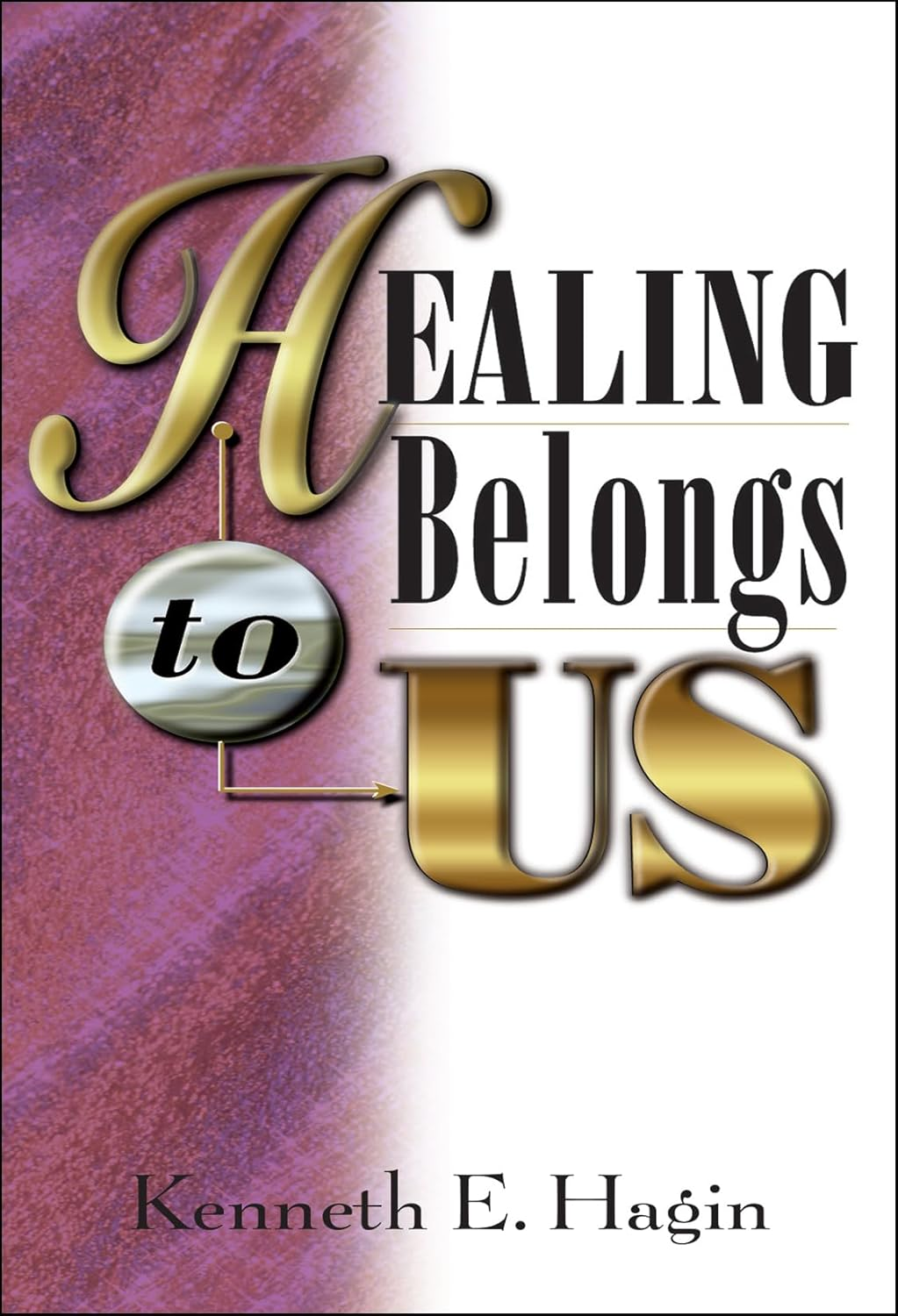
 Core Teachings from Healing Belongs to Us
 The role of confession in healing
 Scriptural foundations for divine health
 Renewing the mind to accept healing as a right
 Faith vs. feelings in receiving healing
 Key Themes in Healing Belongs to Us
 How Hagin Connects Healing to Atonement
 Catholic and Orthodox
 Liberal/Mainline Protestant
 Contrast with Hagin’s View
 Trusting God’s Sovereignty
 Persistent Prayer and Faith
 Honest Lament and Emotional Integrity
 Brian Birdwell – Survivor of the 9/11 Pentagon Attack
 Tyrone Flowers – Paralyzed by Gunshot
 Annie Lobert – Escaped Sex Trafficking
 Alicia Michelle – Chronic Illness and Parenting Struggles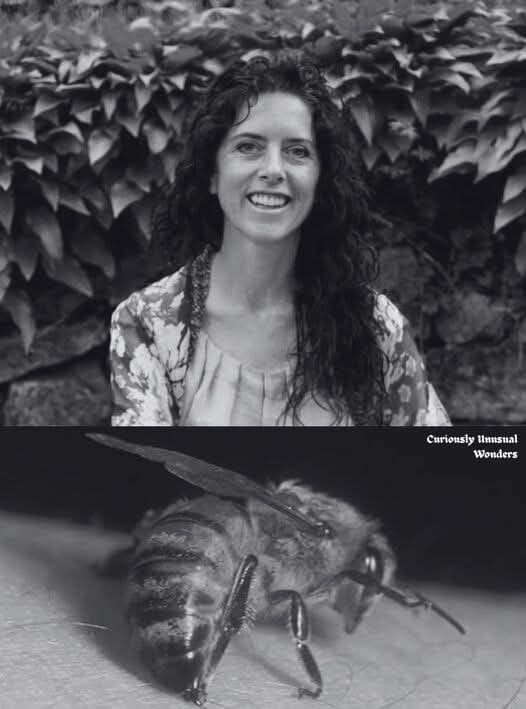




 hold on… I’m here and there may be others who you feel you don’t wanna burden that are there too.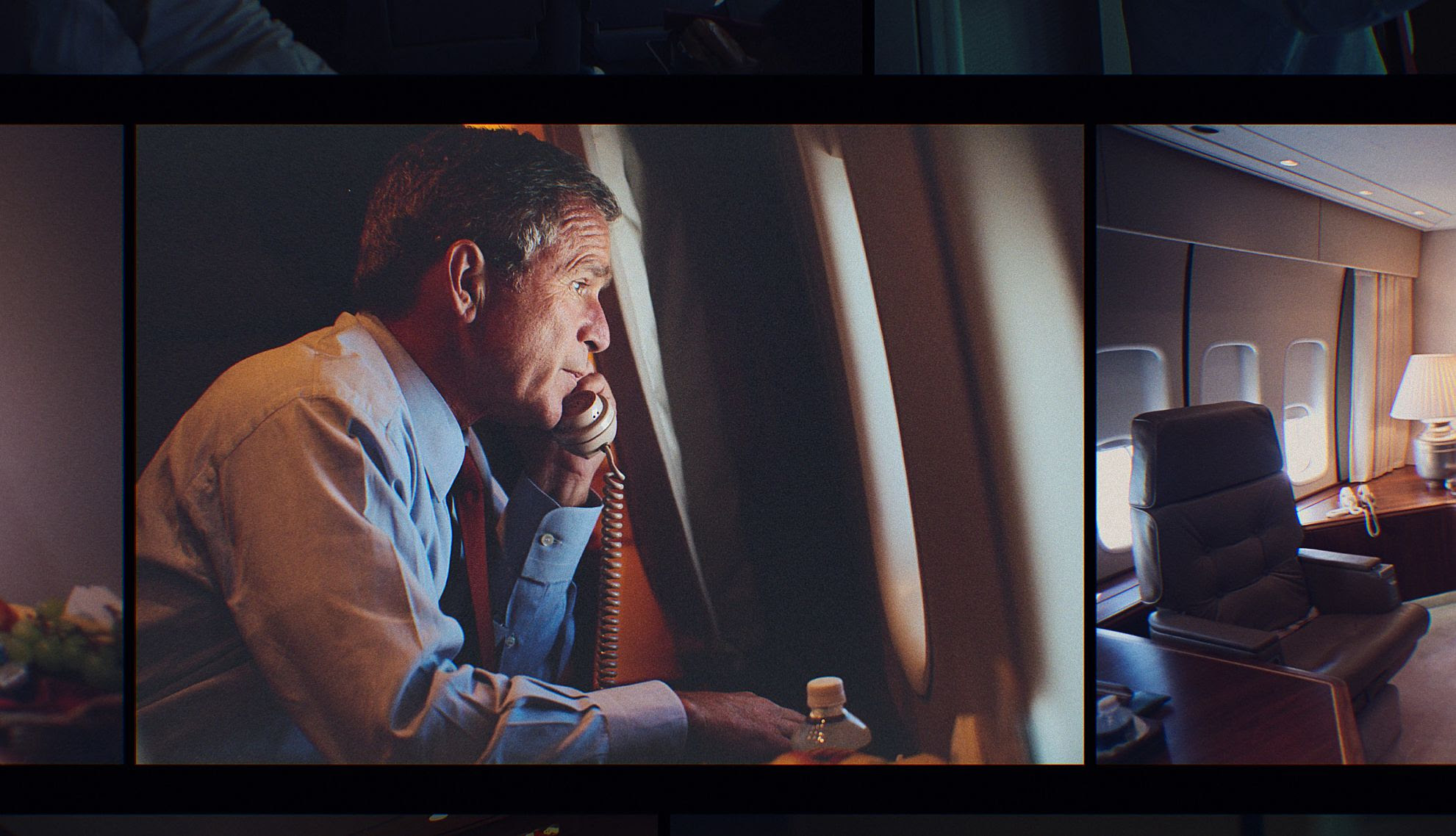

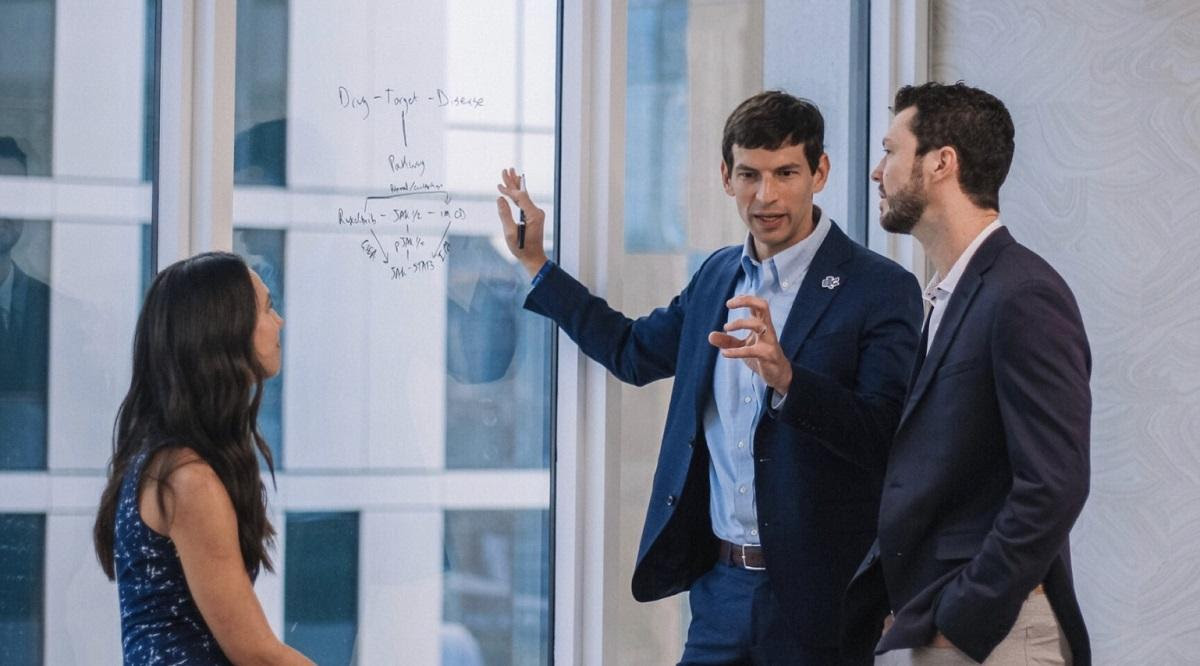
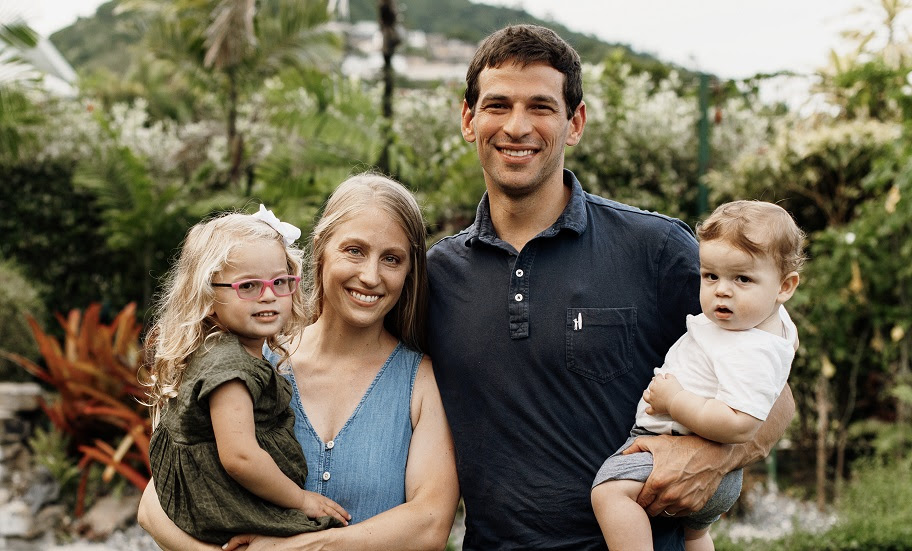
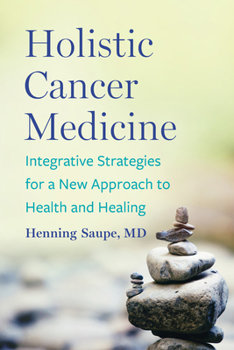
 The Twelve Vital Fields: A Breakdown
 Applying the Twelve Vital Fields in Daily Life
 Daily Tip: Eat whole, organic foods rich in antioxidants. Try starting your day with a green smoothie or anti-inflammatory breakfast.
 During Treatment: Focus on easily digestible meals and consult a nutritionist for cancer-specific dietary support.
 Daily Tip: Gentle walks, stretching, or yoga can boost circulation and mood.
 Daily Tip: Create a calming bedtime ritual—dim lights, avoid screens, and use lavender oil.
 Daily Tip: Use natural cleaning products and air purifiers.
 Daily Tip: Try breathwork or energy healing like Reiki.
 Daily Tip: Practice deep breathing or progressive muscle relaxation.
 Daily Tip: Paint, write, dance, or play music—whatever brings joy.
 Morning (7:00 AM – 10:00 AM)
 Wake & Align (Field: Consciousness & Awareness)
 Nourish (Field: Nutrition & Digestion)
 Move (Field: Physical Activity & Movement)
 Midday (10:00 AM – 2:00 PM)
 Afternoon (2:00 PM – 6:00 PM)
 Mind-Body Reset (Field: Mind-Body Practices)
 Evening (6:00 PM – 9:00 PM)
 Light Dinner (Field: Nutrition & Digestion)
 Spiritual Wind-Down (Field: Spiritual Connection)
 Night (9:00 PM – Sleep)
 The Story Behind the Solitude
 A Glimpse Inside
 Availability
 Chapter Highlights
 Podcasts for Caregivers & Dementia Awareness
 Documentaries That Illuminate the Journey