Abigail Joselyn, a self-described “extrovert,” says she used to rarely do anything, including buying groceries, solo. That is until the (now) 26-year-old decided to throw caution to the wind, quit her promising accounting job, buy a van, and live in it while traveling around the country. Joselyn says the journey has been pretty lonely during the last two years, but she never regrets her decision: The solitude has made her a stronger, more resilient person. Here’s her story, as told to associate health conditions director, Julia Sullivan.
After earning my master’s degree in 2021, I immediately got my CPA and started working at a major accounting firm in Lakeland, Florida—one of “The Big Four.” Though I took pride in my performance and was good at what I did, I was miserable, logging super long hours. I remember my mom saying to me at one point, “When you’re not working, you’re a completely different person.” My career was sucking all of the joy from my life.
During this time, I started going on excursions anytime I had a long holiday weekend—I was desperate for a break. On one trip in particular with a friend, we started talking about “van life”—nomadic solo travelers who live, and explore the country, in their vehicles. We followed some people on social media who posted about it, but it never clicked in my brain that it was something I could do until that conversation. (I had never even been camping in general, let alone traveled anywhere by myself!)
When I got back home, “van life” was just something I just couldn’t get out of my mind. I’m a pretty impulsive person—I thought, ‘Why not me? Why couldn’t I do something like this?’ So, I told my parents I wanted to a) buy and build out an empty van, and b) see if my job would let me work remotely on the road. Of course, they (especially my dad) figured it was a “whim” kind of thing. I had what everyone wanted, right? Why would I try to blow up my life like that? I just knew I couldn’t stay on my current path for much longer. Something needed to change.
About two months after returning from that trip, I began test-driving vehicles and got really excited. This felt like something I could actually do. I think my parents were still a little skeptical, but after I made a down payment on one, things suddenly became real. In the next few months, they helped me put in 20 or more hours per week to build out my new four-wheeled home. My job was surprisingly onboard—(they agreed to let me work fully remote). However, I knew I wouldn’t have the experience I wanted—or the energy to do this—if I was still working a ton of hours each week. So, with some money saved up (and the hope that I could make a little more by boosting my social media presence), I quit my job and prepared to set out on the road for at least a year, I told myself, to see if this was something I could achieve.
My mom joined me for the first 16 days, traveling from Asheville, North Carolina (where my parents were located) to the California coast. It was a really special, beautiful trip. I think because she was with me, it didn’t feel real at first. When my mom finally left, I remember crying the entire day. I was so afraid. I recall finding a little spot on the California beach to park the first night by myself, unsure where I’d go next. I realized I wasn’t going home anytime soon. This tiny van was my home now.
The next morning, I decided to pack up and head to Joshua Tree National Park in California. Again, I wasn’t *really* sure what I was doing (and everything still felt so overwhelming), but one evening in that area, when I was making dinner, a girl and her dog walked past me. She mentioned that she and her friends—other people living in vans—were having a bonfire later that evening, and invited me. We all clicked straight away, and those people are some of my closest friends today. Sure, I did this as a self-discovery journey, hoping to find out who I truly was. But I had no idea the kind of community around it.
Of course, that hasn’t always been the case. In those early days, before I built up a friend group of other Van-Lifers, I was lonely a lot—particularly during holidays. We’re not big on them in my family, but I recall my mom calling me on Christmas Day when I was alone in White Sands National Park in New Mexico. After we hung up, I watched a bunch of families sliding down the sand dunes, laughing and having fun. I started sobbing.
While moments like that have been (and still sometimes are) hard for me, I have to remind myself that this was my choice. I don’t have to be alone—I can drive anywhere, and see anyone, I want, at any time. That’s a big deal, because a lot of people might think living solo in a van would be scary. I actually felt more afraid of being by myself in an apartment, or even walking home from the bars! Sure, I’ve had a couple of unnerving experiences on the road—particularly in cities. But I could simply…drive away. If someone knocks on my door when my window covers are up, I just jump into the driver’s seat and leave. I’m always moving, so it feels less scary.
In that sense, I’ve discovered one beautiful part of this solitary lifestyle:
When I go somewhere, it’s because I *actually* want to do it. I don’t drop in on friends or catch scenery across the country because it’s convenient—I carve time out and make an effort. Still, that freedom can come with major decision fatigue. I always tell people: You can have a lazy night in a van, but you can never have a lazy day. There are so many things you have to plan, from figuring out where I can park at night to mapping out my route each day.
Speaking of: Being sick is really brutal because you still have so many chores and so much to do. Even when I feel awful, I still have to go to the grocery store, fill my water tank, and dump my portable compost toilet. Those are days where I’m like, ‘Wow, life would be so easy to just live in a house, to get something delivered, and to relax.’ It can be a lot.
Then there’s dating, which has been…challenging. You have to make compromises to make relationships work, and to live this kind of lifestyle you have to be a little selfish. I’ve dated a few people who also live in vans, but it’s such a small community. I recently got out of a relationship with a stationary girl, who I’d drive or fly to see. But schedule-wise, it doesn’t add up: I have so much freedom, and she didn’t. It’s just hard.
I’ve been on the road for two years and I plan to do it for another two. Beyond that point, I’d love to own a small piece of land and build a tiny little home on it—I don’t think I could go back to the way things were. But I don’t think I could ever sell my van. I have such special memories of building it with my parents.
For someone who might want to try something like this: You don’t have to go from nothing to living in a van. You can plan solo hikes, or even just go to a restaurant to eat by yourself. Every little thing you do alone, no matter how big or small, will build your confidence. Before this journey, I was afraid to be by myself. Now, when I see a hike I really want to do, I go out and actually do it—no companion necessary. That was never me before. Our society makes us feel stuck, but that’s never the case.
This interview has been condensed and edited for clarity.
Amelise, known as a van girl, traveled full-time around Europe in jungles, parks, tourist attractions, shopping areas, and mountains. She enjoys her life but it did not start as easy. She did a lot of research before executing her mission, as it started when she lost a loved one and felt emptiness and boredom by which she got the idea to make her own van and start a journey. She has the company of her dog Gigi, records videos and shares them with her fans on YouTube Solo Van Life: Italy Trip for Pistachio and Tiramisu! 😉 to be a part of her solo journey.
These days, she is traveling across Italy and sharing her journey on her YouTube channel. Ame has shared a vlog about her 1000th day in a van life as a solo female as well as repairing her fan and showering.
“I lived a fairly normal existence up until 2019, However this all changed when someone very close to me died. When this happened everything else in my life came crashing down and made me question if life was really worth the pain of living and loss. I asked myself ‘what makes life worth living?’, and I simply couldn’t find an answer. At this point, I hit rock bottom. I couldn’t see the purpose of living a normal existence anymore, it just was not worth the pain of existing to me. Then, I realised the problem, I had never been living, I had been surviving, merely existing, just ‘getting through’ each day… Something I think a lot of people can relate to.”
Have you ever wondered what it’s like to live life on the open road, with nothing but the vast horizon ahead? Adventures, new people, freedom, all of this become a casual occurrence with a lifestyle like that. One person that gets to experience this daily is Amelise Burr, also known as Ame in a Van. She’s a true adventurer who’s embraced the unique lifestyle of portable living and is here to share all the incredible experiences and insights she’s gathered.
Imagine waking up to the gentle rustle of leaves, surrounded by nature’s symphony. That’s just a taste of life in a van for Amelise Burr. Through her inspiring tales, you’ll get a glimpse into the ups, the downs, and the unforgettable moments that come with this unconventional way of life. From awe-inspiring sunsets to the thrill of discovering hidden gems off the beaten path, Ame’s van life is a rollercoaster of unforgettable adventures waiting for you to hop on board!
Buckle up because we’re about to embark on a journey filled with stories of freedom, self-discovery, and the true essence of wanderlust. Get inspired to step out of your comfort zone and embrace the beauty of life on the road. Share with your friends and family and give them this excitement, too!
At 19, I left behind the chaos of instability and tragedy, building my van—Gloria—with my own two hands. What started as survival quickly turned into adventure, and what began as a van became my freedom and path to self-discovery.
My life on the road has taken me to incredible places, but more importantly, it’s helped me discover the truest version of myself. Today, my van life and nomadic existence are still my roots, but creativity is where I find my greatest freedom.
Whether it’s designing my own life, creating films, or curating stories with humor and inspiration, I’m dedicated to using my art to help others escape, dream, and find their own fearless selves. Life isn’t just about survival—it’s about creating something extraordinary.
Through my films, my videos, and my journey, I hope to entertain, inspire, and remind you to live boldly and unapologetically. So, here’s to the dreamers, the creators, and the ones brave enough to be ridiculous—this is just the beginning
I spent over 3 years in total researching van life and designing hundreds of vans before I reached the point where I had enough money and knowledge to take on the build. Once I felt ready, I bought a van and put all my knowledge, research (and passion) to test. I started the build in May 2020 and I eventually finished it in the south of France and I have been travelling since September 2021!
I’d love to take you with me on my travels or at least help to inspire you with your own version of van life. So here on my site I have shared everything I wanted to know about van life and wished I had available to me before I started my van build & living in a van (especially as a DIY newbie)!
What motivated her to start this conversion project?
Amélise Burr was motivated to start her van conversion project by a combination of personal loss, a desire for freedom, and a fascination with tiny living. After the passing of her grandmother in 2019, she found herself questioning the meaning of life and realized she had been merely existing rather than truly living.
She became inspired by the concept of van life after discovering it on YouTube, feeling an instant connection to the idea of a simple, nomadic lifestyle. Over the next three years, she meticulously planned, saved money, and built her van, Gloria, from scratch. The COVID-19 lockdown also provided her with the opportunity to focus on the conversion, turning her dream into reality2.
Her journey is a testament to resilience and the pursuit of a life filled with adventure and purpose.
Amélise Burr is a social media personality known for her van life adventures.
She converted a Ford Transit van into a camper and has been traveling full-time, sharing her experiences online. She grew up in the UK but is originally from France2. Her journey into van life was inspired by personal experiences, including the loss of her grandmother. She documents her travels and lifestyle through various platforms, gaining a significant following3. You can check out more about her on her official website.
Amélise Burr is a van life enthusiast and content creator who shares her experiences traveling full-time in her van, Gloria, with her dog, Gigi. She documents her journey through social media and YouTube, where she talks about van conversions, solo female travel, and the ups and downs of life on the road2. Her story is one of adventure and self-discovery, having built her van at 19 and embraced a nomadic lifestyle. You can check out more about her on
Amélise Burr’s van life journey is a story of resilience, adventure, and self-discovery. She spent over two years researching van life, designing various van layouts, and saving money before finally purchasing her Ford Transit van, Gloria, in May 2020. She poured her heart into converting it herself, learning everything from wiring to plumbing through online research1.
Her decision to embrace van life was deeply personal—after experiencing a significant loss, she questioned the meaning of life and found inspiration in the simplicity of tiny living. She officially hit the road in September 2021 and has been traveling full-time across Europe with her dog, Gigi1.
Amélise funds her travels through multiple income streams, including YouTube ads, Patreon, brand sponsorships, and PayPal donations. She has explored various European countries and much of the UK, with plans to continue her journey for the next decade2. Her story is a testament to the freedom and fulfillment that van life can offer, especially for solo female travelers.
What challenges did Amélise face during her van life journey?
Amélise Burr has faced several challenges during her van life journey, but she has tackled them with resilience and adaptability. Some of the key difficulties she encountered include:
Van Conversion Struggles: Building her van, Gloria, from scratch was a steep learning curve. She had to teach herself everything from wiring to plumbing, often working in difficult conditions like rain and cold weather.
Financial Constraints: She saved diligently to afford her van and conversion, ensuring she could live debt-free on the road.
Solo Travel Concerns: As a solo female traveler, safety was a priority. While she hasn’t faced major incidents, she remains cautious and prepared for unexpected situations.
Emotional Challenges: The loss of her grandmother was a driving force behind her decision to embrace van life. While the journey has been fulfilling, it has also been an emotional rollercoaster.
Adapting to Van Life: Living in a small space requires constant problem-solving, from managing water supply to dealing with breakdowns and maintenance.
Despite these challenges, Amélise has embraced the freedom and adventure of van life, inspiring many with her journey.
What motivated her to start this conversion project?
Amélise Burr was motivated to start her van conversion project by a combination of personal loss, a desire for freedom, and a fascination with tiny living. After the passing of her grandmother in 2019, she found herself questioning the meaning of life and realized she had been merely existing rather than truly living.
She became inspired by the concept of van life after discovering it on YouTube, feeling an instant connection to the idea of a simple, nomadic lifestyle. Over the next three years, she meticulously planned, saved money, and built her van, Gloria, from scratch.
The COVID-19 lockdown also provided her with the opportunity to focus on the conversion, turning her dream into reality. Her journey is a testament to resilience and the pursuit of a life filled with adventure and purpose2.
How has Amélise Burr influenced the van life community?
Amélise Burr has made a significant impact on the van life community by inspiring others to embrace a nomadic lifestyle. Through her social media presence, she shares the realities of van life, including the challenges and rewards of living on the road. Her journey, which began after converting a Ford Transit van into a camper, has resonated with many aspiring van lifers2.
She has demonstrated that van life is accessible to those willing to plan and adapt, showing how she financed her travels through savings and online content creation. Her transparency about the ups and downs of solo travel, particularly as a female traveler, has encouraged others to pursue their own adventures with confidence2. Additionally, her content provides practical insights into van conversions, budgeting, and remote work, making her a valuable resource for the community.
Would you like to explore more about her van conversion process or her travel experiences?
Amélise Burr, also known as “Ame in a Van,” is a solo female van lifer who has been traveling full-time across Europe with her dog, Gigi, in her self-converted van, Gloria2. She grew up in the UK but has French roots. Her journey into van life began after a personal loss, which led her to reevaluate her life and seek adventure and freedom on the road2.
She meticulously researched van life for over two years before purchasing and converting her Ford Transit van. Since then, she has documented her experiences through social media, sharing insights into van conversion, solo travel, and the challenges and joys of living on the road2. Her content has resonated with many, inspiring others to pursue a nomadic lifestyle.
Amélise funds her travels through various income streams, including YouTube ads, Patreon, brand sponsorships, and donations from her followers. She has traveled extensively across the UK and several European countries and plans to continue exploring Europe for the next decade1.
Would you like to know more about her van conversion process or her favorite travel destinations?
What are some of her favorite travel destinations?
Amélise Burr has explored various destinations across Europe in her van, Gloria. While she hasn’t publicly listed a definitive set of favorites, her content suggests she enjoys places with stunning natural landscapes and peaceful surroundings. Some locations she has traveled to include:
Scenic coastal areas: She has spent time in Portugal, particularly in the Algarve region, known for its breathtaking beaches and sunny weather.
Remote countryside spots: She enjoys finding hidden gems off the beaten path, where she can park her van in nature and wake up to serene views.
European cities: While she prefers nature, she has also visited cities for cultural experiences and necessities.
Her travels are constantly evolving, and she continues to explore new places. If you’re interested in following her journey, you can check out her social media for updates on her latest destinations.
Would you like to know more about how she plans her travels or her van setup?
Amélise Burr plans her travels with a mix of spontaneity and careful research. She often chooses destinations based on scenic beauty, accessibility for her van, and safety considerations. She relies on apps and online resources to find suitable parking spots, campsites, and hidden gems off the beaten path.
She also factors in seasonal weather conditions, ensuring she avoids extreme temperatures that could make van life uncomfortable. Additionally, she stays flexible, adjusting her plans based on recommendations from fellow travelers and her own experiences on the road.
Amélise Burr’s van, Gloria, is a self-converted Ford Transit that she transformed into a cozy home on wheels. She purchased the van for £5,000 and spent around £2,000 on the conversion. Some key features of her setup include:
Insulation & Flooring: She installed insulation to keep the van comfortable in different climates and added flooring for a homey feel.
Kitchen Area: Her van includes a compact kitchen with a stove, sink, and storage for cooking essentials.
Sleeping Space: She designed a bed setup that maximizes space while providing comfort.
Shower & Utilities: Despite the limited space, she managed to include a shower for convenience.
Roof Rack & Ladder: Her van features a large roof rack and ladder, adding extra storage and accessibility.
She documented the entire conversion process online, sharing insights into the challenges and triumphs of building her mobile home. If you’re curious about her van life experiences, you can check out her website.
Would you like to know more about her daily routine or how she manages van life expenses?
Amélise Burr has had a range of incredible travel experiences while living on the road in her van, Gloria. She often shares breathtaking moments, from waking up to the sounds of nature to discovering hidden gems off the beaten path. Her journey is filled with awe-inspiring sunsets, encounters with new people, and the thrill of exploring diverse landscapes.
One of her most notable experiences was her decision to embrace van life after a personal tragedy—the loss of her grandmother. This moment of reflection led her to pursue a life of adventure and self-sufficiency. She has traveled across various countries, documenting her experiences and showing how van life can be both freeing and challenging.
You can explore more about her adventures on her official website. Would you like to know more about her van conversion process or how she manages life on the road?
Amélise Burr has had several unforgettable adventures during her van life journey.
Some of her most memorable trips include:
Exploring the UK and Europe: She has traveled extensively across the UK and various European countries, embracing the freedom of van life.
Sunset views and hidden gems: She often shares breathtaking moments, from awe-inspiring sunsets to discovering off-the-beaten-path locations.
Personal transformation through travel: Her journey into van life was deeply personal, inspired by the loss of her grandmother. This experience shaped her perspective on adventure and self-sufficiency.
What were the biggest obstacles in her van conversion?
Amélise Burr faced several obstacles during her van conversion, but she tackled them with determination and creativity. Some of the biggest challenges included:
Learning DIY Skills: She had to teach herself everything from wiring to plumbing, often relying on online tutorials and trial-and-error.
Budget Constraints: She spent around £7,000 ($10,000) on the entire conversion, using reclaimed materials to keep costs down.
Weather Conditions: Working on the van in unpredictable weather, including rain and cold, made the process more difficult.
Space Optimization: Designing a functional and comfortable living space within a small van required careful planning and problem-solving.
Building a Shower: She managed to install a shower herself, even adding pink tiles to personalize it.
Despite these challenges, Amélise successfully transformed her Ford Transit into a cozy mobile home, inspiring others with her journey.
Amélise Burr shares a wealth of advice for those looking to embrace van life. She emphasizes the importance of thorough research before diving in—she spent over two years studying van life and designing vans before committing to her own build. She encourages aspiring van lifers to believe in themselves, highlighting that she was able to build, wire, and plumb her own van just through online research.
She also stresses the significance of financial planning, as she saved wisely to afford her van without debt. Additionally, she advises people to embrace the adventure and live in the moment, rather than getting caught up in societal expectations.
How does van life change one’s perspective on travel?
Van life transforms travel from a temporary escape into a way of life. Instead of planning trips around vacation days, van lifers embrace spontaneity, waking up to new landscapes whenever they choose. It fosters a deeper connection to nature, as people trade hotels for campsites and city streets for mountain views.
It also shifts priorities—travel becomes less about luxury and more about simplicity and self-sufficiency. Many van lifers find joy in minimalism, realizing they need far fewer possessions to be happy. The experience encourages resourcefulness, as living in a small space requires creative problem-solving.
Most importantly, van life redefines freedom. Without the constraints of a fixed home, travelers can follow their curiosity, explore hidden gems, and immerse themselves in diverse cultures at their own pace.
What are common experiences that change perspectives in van life?
Van life offers a unique lens through which people often redefine their values and priorities. Some of the most common experiences that shift perspectives include:
Embracing Minimalism – Living in a van forces people to downsize, teaching them that happiness isn’t tied to material possessions but rather to experiences and connections.
Adapting to Uncertainty – Van lifers quickly learn to embrace unpredictability, whether it’s dealing with mechanical issues, finding a safe place to park, or adjusting to changing weather.
Deepening Connection to Nature – Waking up in breathtaking landscapes fosters a greater appreciation for the environment, encouraging sustainable living and mindfulness.
Challenging Social Norms – Many van lifers step away from traditional career paths and societal expectations, realizing that fulfillment doesn’t always come from a 9-to-5 job.
Strengthening Problem-Solving Skills – With limited resources, van dwellers become more resourceful, learning to fix things on the go and navigate unexpected challenges.
How has van life changed her perspective on living?
Van life has profoundly changed Amélise Burr’s perspective on living. She has embraced a minimalist lifestyle, realizing that happiness doesn’t come from material possessions but from experiences and connections. Living on the road has taught her to appreciate the simple things—like a beautiful sunrise, a quiet forest, or the freedom to wake up in a new place every day.
She has also learned to be more adaptable and resilient. Challenges like van breakdowns, unpredictable weather, and navigating unfamiliar places have strengthened her problem-solving skills and independence. Additionally, van life has deepened her appreciation for nature and sustainability, as she has become more conscious of her resource consumption.
Overall, her journey has reinforced the idea that life is meant to be lived fully, without waiting for the “perfect” moment. She has found joy in the unexpected and has inspired others to pursue their own unconventional paths.
Would you ever consider trying van life, even for a short adventure?
They were revolutionaries who risked everything for freedom.
The Founding Fathers didn’t want career politicians
Our Founding Fathers recognized the importance of having citizen politicians.
And The Founding Fathers were not career politicians.
Citizen politicians defined more than 248 years ago as people who participate in the political process, and these people come from all walks of life, such as farmers, businesses, law practices, inn keepers, chimney sweepers and schoolteachers.
These citizen politicians’ participation in the people’s government resulted in fresh new realistic practical ideas from the communities they live in. These ideas come from the community bringing reality and cultural inspiration based on real-world experiences. These citizen politicians represent the people’s government and after their politicking is done, they simply travel home to their private citizen lives once again.
What is deeply saddening is the evolutionary process of the professional politician, who’s only goal in life is to stay in that elected seat full-time and forever. Resulting in stagnant ideas, with no possible sense of connection to the real people that elected them. In addition, a lack of connection to any sense of reality at all, these professional politicians are more closely aligned to an elitist mindset nowhere grounded to the community they are supposed to represent.
Our Founding Fathers never intended to make citizens full-time politicians, or they would have written term limits into the Constitution for all elected officials from dogcatcher to the president, do you agree?
I was watching a clip of Sen. Ben Sasse on Colbert, and he repeated an idea that I’ve heard countless times since forever: that Congress isn’t functioning the way the founders imagined, and that the body is at its second weakest in U.S. history.
“The Founders didn’t have a vision of the world where people wanted to be in politics, move to DC, and stay there forever. You’re supposed to think the place you’re from is the most interesting place in the world. We use the term historically “public service,” because you go to Washington to serve for a time then go back home. Right now most people in Washington, their biggest long-term thought is about their own incumbency.”
As the audience did the obligatory applause for this feel-good truism, I realized that every Founder I could name off the top of my head was a lifelong politician with about 30 years working in federal politics and government.
However, it would be more accurate to say that this vision of a political leader was more of an aspiration or a theoretical influence on the Founders than to say that it was what they’d experienced for themselves, or what they actually expected of the nation they were founding.
Certainly career politicians existed both in England and to a lesser degree in the colonies, and every one of the Founders would have had a good idea of what they were like. But Enlightenment ideas about early Greek and Roman democracies/republics were a strong influence on the political philosophy of the day, and the idea of the citizen-politician who preferred a quiet life at home to the accumulation of permanent power was an ideal that many of them appreciated.
The Society of the Cincinnati, a post-Revolutionary association of veterans of that war, was named for Lucius Quinctius Cincinnatus, a Roman who was supposedly granted supreme dictatorial powers to deal with an emergency, refrained from using it to enrich himself or build a political power base, and retired peacefully to his farm to live out the rest of his days. Parallels were drawn between his example and that of George Washington when he refrained from using his postwar prominence and Presidency to enrich his family or entrench his power base.
There is a long standing debate about the nature of elected office.
On the one hand is the delegate model of representation. Our elected legislators are there to express the interests of the people who elect them. They should not express their own conscience nor invoke their own expertise where it conflicts with the interests or opinions of the constituency. In this model, the representative should be of short-duration for fear that their will be captured by the interests and fashions of the capital. Sasse is arguing this view.
This model was contested most famously by Edmund Burke in his formulation of the trustee model of representation in 1774. The people select a trustee who is somewhat autonomous and may act in the common good or the national interest, as opposed to the parochial interests of the constituency. Burke encapsulated this as:
“Your representative owes you, not his industry only, but his judgment; and he betrays, instead of serving you, if he sacrifices it to your opinion.”
Burke is considered the father of modern British conservatism. He was a leading MP during the Revolution, lending his support to the grievances of the American colonies and promoting a peaceful reconciliation between Britain and America in advance of Lexington and Concord. The founding fathers were not only aware of Burke, but intimately and actively involved in that exact debate.
Sources: Burke’s Speech to the Electors at Bristol at the Conclusion of the Poll (1774) from The Works of the Right Honourable Edmund Burke. Volume I (London: Henry G. Bohn, 1854)
Is there any truth to this notion at all?
Certainly, it’s wrong to say that Jefferson or Madison couldn’t imagine it.
Was that ever the “norm” for national politics?
If it was merely an aspirational desire, was it ever achieved to any degree?
And why did so many of them discard that ideal to further their own careers?
President Trump’s America-first agenda and Elon Musk (through DOGE) has made it really easy to find the corrupt thieves in Washington D.C, in the Republican and Democrat parties, and in the judicial system – including SCOTUS.
Corruption in D.C. isn’t partisan—it’s systemic. The DOGE investigation into lawmakers’ wealth exposed how career politicians magically turn $174K salaries into $20M fortunes. Pelosi’s venture capitalist ties, Schumer’s portfolio spikes before key votes, and the STOCK Act’s laughable enforcement prove both parties game the system. SCOTUS? Let’s just say lifetime appointments with zero accountability aren’t helping. The real issue? A swamp so deep it takes an outsider like Musk to drain it. But don’t hold your breath—career bureaucrats and their legal shields make accountability a pipe dream. As an American citizen, it’s infuriating to know about all the corruption – now with data to back it up—and
just sit around waiting for the FBI or The DOJ to act! I get that investigations
take time, but people don’t want to wait years for justice.
Something’s got to give—we need results now!
Yes and if you aren’t yet following her @DataRepublican has taken the DOGE findings to the next level and truly connected the dots with AI tools. She’s named the names and uncovered all the NGO connections. Between DOGE and Data they have nowhere left to hide. DEFRAUDING THE AMERICAN PEOPLE, Racketeering Enterprise by the Washington establishment. So true! President Trump and Elon Musk’s DOGE are shining a light on the corruption in D.C. and SCOTUS.
It took a total team effort from Democratic politicians to the White House staff to the media to hide the fact that the President of the United States was mentally diminished.
If there were a RICO crime, half of Washington would be frog-marched to the nearest federal courthouse. They’re squirming bro, exposed as the thieves they are, hoarding power while the hardworking American gets crushed.
If you’re not with MAGA, you’re with the swamp, 100%. So, pick a side, stand with Trump and Musk to drain this cesspool, or slink back to the shadows with the RINOs and leftists. There’s no middle ground anymore.
Knowing who they are, Pres Trump has still been running into roadblocks, either the AG, DOJ along with the FBI becomes as aggressive as the Dems are in stopping the Pres policies the next four years will be just or nearly as frustrating as the Biden years concerning America.
True. President Trump’s America-First agenda and Musk’s push for transparency have exposed the corruption on both sides of the aisle.
It’s time to hold Washington accountable – no matter who’s involved.
In that Administration Joe Biden was never in control. A cabal of insiders orchestrated a scheme to deceive the nation for their own gain. Greed and unstoppable power. A free-for-all went on under an enfeebled President and insiders covered it up. America paid the price. Questions about Joe Biden’s fragility were swatted away like flies and a hawkish Jill Ed.D controlled the swatter. It took an army to pull it off.
An army of Washington fat cats, invisible shadow actors, staffers, Obama, Pelosi, Schumer, the media.
Biden was plopped in the Oval. A fake “Mattel dream White House” set was established to accommodate the senior needs of the mentally declining Biden. The big lie. Because Democrats refused to let Trump win. Denials and sharp as tack campaigns ebbed and flowed. A disastrous four years of obscene spending policies and topless trans on the lawn at the White House.
The list of disgraces goes on and on. And just like that, it all ended. Trump won!!!
But something new in the House of Secrets has shifted.
A parade of insider confessions about the autopen era are suddenly gushing forth.
What’s changed? Jake Tapper’s bombshell book ‘Original Sin’—it indicates a coverup of a steeply declining Joe Biden. A curious endeavor, considering Tapper was Biden’s go-to guy, he HAD to have known Joe was failing.
In fact, he DID know. Quite a lot. Tapper just didn’t report on it to save America from the biggest political heist in the history of this great country. Instead, he decided to monetize his findings in a bestseller, which presumably, had Biden won, be released in Joe 2.0.
After the public outrage, Kamala Harris — who can’t win without a coronation, would be installed. They almost pulled it off. But they didn’t count on America rejecting Democrat policies and electing Donald Trump. Tapper’s soon to be released tell-all has DC insiders in a coverup panic.
So one by one, we get true confessions from Jenny Psaki on air, denying she knew and Karine Jean-Pierre—in a “who’s Joe?” moment claimed she “rarely saw Biden.
These Cartoon Characters Created with Grok. Click here to edit.
The first black lesbian press secretary was Biden’s trophy on the Mattel White House wall. Jake Sullivan, Biden’s National Security advisor denies the deep state ran the country in the fake Biden presidency. But wait. In a plot twist, comes an unexpected bombshell release —AHEAD of Tapper’s book.
It was heart wrenching watching Biden and should be a history lesson.
While the real president, Barack Obama basked in the glow of 12 years of Obamacare. The Afghanistan withdrawal, Deception, lies, pardons, rogue judge appointments, to the federal agency thievery, while laundering taxpayer money t0 the war in Ukraine.
It was a bogus stolen election of a 4-year farce to behold.
When was Michelle Obama was Vice President?
Joe was never Vice President either.
Americans watched a carefully orchestrated plan unfold. It was the best kept secret. Dare to question the mental faculties of the 46th commander-in-chief, and the shame army came out. Upsets on the domestic and global stage—blunders, the hand shakes with thin air happened with frequency.
A loyal press scrubbed each embarrassing incident away. Joe Biden was trotted out like a circus pony to follow the tape arrows on the floor, to read scripts crafted by others, and to smile and nod. It was the dirtiest bait and switch pulled on Americans in the modern era. When Biden decided to run for a second term (God help us) aggressive efforts to hide his cognitive diminishment.
Barack Obama’s Hope and change of a transformational America came to pass in 1.0.
The greatest nation on earth was to become barely recognizable…that was the plan. And here we are. Biden’s coverup crew needs to be held accountable. The department of justice must act so this level of abuse, overreach, and deception never happens again.
Horses have a unique ability to facilitate profound healing in humans, extending far beyond mere companionship. Their therapeutic power stems from their exceptional sensitivity, non-judgmental nature, and capacity to mirror human emotions 1 3. Two powerful lessons learned from horses are that they are healers and can provide companionship and emotional support 245.
There are moments in life when healing does not come from words, medicines, or carefully orchestrated interventions. Sometimes, it comes quietly — through the deep, honest gaze of another living being. And sometimes, that being stands on four legs.
I’ve always believed that healing requires not only knowledge but a profound shift in awareness — a movement away from the mind’s noise into something simpler, more primal. It was only when I encountered equine therapy that this idea moved from theory to experience.
A Different Kind of Therapy
Traditional therapy, for all its profound tools and breakthroughs, often remains a highly cognitive exercise. You talk. You analyze. You rationalize. You try to “figure things out.” But for some — including myself — there are times when words fail, when explanations feel hollow, when the mind’s intricate webs only deepen the confusion instead of resolving it.
This is where horses come in. Standing next to a horse, you quickly realize there is no room for pretense. You can’t outsmart or outtalk a horse. They are not impressed by résumés, wealth, charm, or excuses. They don’t understand your language — they understand your presence.
Horses mirror your inner state without judgment. Tense, they tense. Relaxed, they relax. Fearful, they respond with distance. Present, they meet you halfway.
It is the most honest therapy I have ever encountered — and it demands that you, too, become honest.
The Science Behind the Mystery
Skeptics often ask, “Isn’t this just another wellness trend?” But the emerging body of research suggests otherwise.
Studies show that horse-assisted therapy improves emotional regulation, reduces symptoms of PTSD and anxiety, lowers cortisol levels, and boosts self-confidence and social engagement. Children on the autism spectrum often experience breakthroughs with horses when other therapies fall short.
In fact, a 2021 study in Frontiers in Psychology revealed that equine-assisted interventions significantly reduced stress and increased emotional resilience among participants with anxiety disorders.
But while science is catching up, the deeper truth is something that cannot be fully captured in graphs or studies. It must be felt.
Energy Doesn’t Lie
One of the most profound lessons I learned from horses is that energy precedes behavior.
We are so conditioned in human society to judge people by what they say or do. Yet in the animal world, particularly with horses, energy is the first and primary communication tool.
A horse doesn’t wait for you to articulate your intentions. It feels them.
If you show up scattered, tense, or distracted, a horse will immediately pick it up. If you pretend to be calm while harboring fear, they know. They demand your authentic presence — and nothing less.
In a way, horses force you into a kind of meditative awareness. You must be here now, not thinking about yesterday’s mistakes or tomorrow’s fears. You must breathe. You must feel.
And when you do — something miraculous happens. The horse responds in kind.
No Agenda, No Judgment
Unlike human therapists, horses have no hidden agendas. They are not trying to fix you, diagnose you, or reshape you. They simply reflect who you are in the moment — with an honesty that is both brutal and beautiful.
The more time you spend with them, the more you begin to peel away the layers of performance you didn’t even know you were wearing. Layers like:
The need to impress.
The fear of vulnerability.
The compulsion to control outcomes.
With horses, none of it matters. Only your true energy matters. Only your presence.
Healing begins when masks fall away.
A Return to the Body
In today’s world, many of us are disembodied — living almost entirely in our heads. We overthink. We overanalyze. We spin stories and scenarios until we are tangled in anxiety and paralysis.
Equine therapy demands that you come back to your body.
You begin to notice your breathing. Your heartbeat. Your posture. You feel the way your muscles tighten when you are afraid and loosen when you trust. You experience, viscerally, what it means to inhabit yourself again.
It is a return not just to the body, but to life.
The Heart’s Synchronization
There’s a fascinating phenomenon that researchers have observed: when humans spend time with horses, their heart rates synchronize.
It’s as if, on a primal level, two nervous systems — human and horse — find a common rhythm, a shared language without words.
This deep resonance goes beyond therapy techniques. It taps into something ancient: the bond between humans and animals, a bond built not on dominance, but on mutual respect and energetic alignment.
In a world obsessed with technology and virtual connections, rediscovering this primal connection feels nothing short of revolutionary.
Not Just for Trauma Survivors
While equine therapy has shown remarkable results with individuals suffering from PTSD, autism, anxiety, and trauma, its potential reaches far wider.
It’s for anyone who feels disconnected — from themselves, from others, from life.
It’s for professionals burnt out by endless deadlines. It’s for parents overwhelmed by the ceaseless demands of caregiving. It’s for seekers who have lost their inner compass and crave a reconnection with something real.
In the presence of a horse, you don’t have to perform, achieve, or explain. You simply have to be.
And sometimes, that’s all it takes to remember who you are.
Barriers and Hopes
Of course, equine therapy is not universally accessible. It requires trained facilitators, resources, safe environments, and — most importantly — horses themselves, which are not always available to underserved communities.
Organizations like the Professional Association of Therapeutic Horsemanship International (PATH Intl.) and the Human-Animal Bond Research Institute (HABRI) are working to expand access.
I dream of a future where healing spaces — not just clinics or hospitals — include sanctuaries where humans can reconnect with animals, the earth, and themselves.
Because sometimes the deepest healing does not come from understanding or intervention. It comes from being seen — truly seen — by another living being.
A Personal Reflection
The first time I stood in the field with a horse during a therapy session, I remember feeling exposed. All the strategies I had used to navigate the world — charm, intellect, humor — fell away. They simply didn’t matter.
All that mattered was whether I could show up fully, honestly, vulnerably. And when I finally did — when I dropped the defenses — the horse approached me. Quietly. Calmly. As if to say: I see you.
That moment was more healing than a hundred therapy sessions.
It was a reminder that I am enough, without adornment, without achievements. It was a reminder that life itself — raw, unfiltered, present — is enough.
Final Thoughts: Lessons from the Silent Healers
If there is one thing horses have taught me, it is this:
Healing is less about fixing and more about feeling.
Growth is less about striving and more about surrendering.
Connection is less about words and more about presence.
The most honest therapist you will ever meet may very well have four legs and no agenda.
Sometimes, to heal, we don’t need to talk more or think harder. We need to feel more deeply, breathe more fully, and show up more truthfully — just as the horses teach us.
And when we do, we may find that what we have been searching for was never really lost. It was simply waiting — quietly, patiently — for us to remember the way home.
The farmer buys an old horse out of pity, never imagining the incredible secret it was hiding in a shadowy auction, an abandoned horse, and a farmer with an unexplainable instinct. When Ambrose Calloway bought a forgotten animal for just fifty dollars, he had no idea he was rescuing a former champion—and uncovering a dangerous secret. What happened to Waymaker? Why did someone try to erase his past? And more importantly, how far will they go to make sure he’s never found? A gripping mystery where every clue reveals an even greater danger. Watch until the end and uncover the truth!
Grace, Grit & Gratitude: A Cancer Thriver’s Journey from Hospice to Full Recovery
with the Healing Power of Horses Paperback – July 30, 2021
To the outside eye, it looked like Tara Coyote was living the perfect life in the suburbs with her musician husband, successful Pilates studio and Brady Bunch type family. What the outside world didn’t see was the pivotal event that turned her life upside down.
Grace, Grit & Gratitude is one woman’s story of a profound bond with horses that carried her through nine years of pain, trauma, cancer and the challenges of loss. It is about finding the courage to face one’s shadow in the darkest hour. Learn how the ancient principles of death and rebirth from the Mesopotamian Goddess, Inanna, has saved more than just one life.
Follow one woman’s spiritual journey of pain, perseverance and discovery with the unexpected power of her horses and ancient teachings as her guide.
A portion of the sale of each book will be donated to The Wild Beauty Foundation, an organization that works to raise awareness for the wild horses of North America. As Tara’s mustang, Comanche has had a profound impact upon her life, she is passionate about supporting this important cause!
Tara Coyote is the founder of Wind Horse Sanctuary, a certified Eponaquest ‘Equine Facilitated Learning’ instructor, life coach, workshop leader, writer and dancer.
You will find her happily scooping horse manure on Kauai, Hawaii!
Cena’s first skin spot was discovered on his chest – in the area of his left pectoral muscle – during a routine visit to the dermatologist. It was promptly removed and sent for testing. His second spot was noticed a year later on his back, in the area of his left upper trapezius muscle.
“I received the phone call twice, ‘Hey, you’ve got to come back, because the biopsy came back cancerous,’” Cena recalls. “That information is sobering, and it right there prompted me to change my life.”
The 17-time WWE world champion, who is now the face of the new Neutrogena campaign for Ultra Sheer Mineral Face Liquid Sunscreen SPF 70, says he had always “neglected” sunscreen. But he quickly integrated applying sunscreen into his daily routine, calling it his way of showing “gratitude” after his cancer scare.
“Skin care is a more palatable and accepted term and subject matter amongst women,” he says. Discussions between men can be more difficult to initiate. But it doesn’t have to be that way, he argues. “Men especially are becoming more conscious of self-care. … I just think we need to make it more commonplace.”This scan detected Dwyane Wade’s cancer. Should you get one?
Only 12.3% of men – compared with 29.0% of women – age 18 years or older always used sunscreen when outside on a sunny day for more than 1 hour in 2020, according to the Centers for Disease Control and Prevention. The lowest percentage of men who always used sunscreen was among those age 18-29 years (8.2%); that rate rose to 13.7% among men age 30-44.
Data from a 2025 survey conducted by Talker Research on behalf of Neutrogena, with a sample of 500 Hispanic Americans and 500 general population Americans split evenly by generation, found that nearly a third of respondents never visit a dermatologist or health professional for skin-related checkups, and women were more likely to be advised to wear sunscreen every day as opposed to men (27% vs. 18%).
“SPF is more common in the vernacular of women, and that’s because it is directly correlated with beauty,” Cena says.
There’s no exact cause known for the rise in cancers among young people, according to experts, but researchers are trying to figure it out. But as a silver lining, people have been less likely to die from cancer over the past few decades despite the increasing incidence rate.
For those worried about their own risk – wearing sunscreen is a good place to start. Regular use of SPF 15 sunscreen can reduce your risk of developing squamous cell carcinoma (SCC) by about 40%, and lower your melanoma risk by 50%, according to the Skin Cancer Foundation.
John Cena’s final advice for men
He doesn’t care why someone is prompted to use sunscreen – whether it be for beauty or health – just so long as they use it.
“If someone uses SPF, because they don’t want to get wrinkles, it’s like someone going to the gym saying, ‘I want to be ripped.’ But being ‘ripped’ is essentially making healthier choices,” he explains. “So you can go to the gym for aesthetic purposes, but the reward of training goes far more than just aesthetic beauty. I think SPF is in the same lane.”
Cena knows that people need to be “proactive enough” to make substantial changes to their routine, but says it’s “super easy” to be more conscious of your skin.
“I’ve done some pretty aspirational things in the strength and health department, as far as nutritional choices and training regimens, and that’s really complicated, difficult stuff,” he says. But wearing sunscreen is just like “brushing your teeth.”
His vision for the future is for men to start keeping a tube of sunscreen right next to their toothpaste – and remember to use it daily.
“My perspective on life has changed, but it took some real sobering news,” he says. “I don’t want anybody to get there, so I’m just trying to use my platform to get ahead of that one.”
After his skin cancer scare, the 17-time WWE Champion said he immediately made applying sunscreen part of his daily routine.
“Skincare is a more palatable and accepted term and subject matter amongst women,” he told USA Today.
“Discussions between men can be more difficult to initiate. But it doesn’t have to be that way,” he stressed.
“Men especially, are becoming more conscious of self-care… I just think we need to make it more commonplace.”
Women are twice as likely than men to wear sunscreen and by age 50 men have a greater risk for developing melanoma than women.
However, at any age, men are more likely to d!e from melanoma than women, according to the American Academy of Dermotology.
“SPF is more common in the vernacular of women, and that’s because it is directly correlated with beauty,” Cena said.
Women’s morning skincare routine provides an ideal time for sunscreen application, something Cena said men must pay more attention to.
“If someone uses SPF, because they don’t want to get wrinkles, it’s like someone going to the gym saying, ‘I want to be ripped.’ But being ‘ripped’ is essentially making healthier choices,” he explained.
“So you can go to the gym for aesthetic purposes, but the reward of training goes far more than just aesthetic beauty. I think SPF is in the same lane.”
Cena noted that it’s “super easy” to be more conscious of your skin.
“I’ve done some pretty aspirational things in the strength and health department, as far as nutritional choices and training regimens, and that’s really complicated, difficult stuff,” he said.
But wearing SPF is just like “brushing your teeth,” he added.
Cena said he would love to see a tube of sunscreen right next to men’s toothpaste and see them remember to use it daily.
“My perspective on life has changed, but it took some real sobering news,” he said.
In a two-week experiment, BBC Future tracked emissions from a vegan, vegetarian and omnivorous diet – and found some thought-provoking ways to lower emissions from our food.
But the information on which foods are really “sustainable”, “green” or “eco-friendly” is often confusing – and sometimes such terms are outright misleading. With products from beef to beer now being sold bearing a “carbon neutral” label, how can you make sure what you’re eating is genuinely sustainable?
To find out the answers, BBC Future worked with Sarah Bridle, professor of food, climate and society at the University of York in the UK, and freelance sustainability researcher Rebecca Lait to analyse our food emissions in a two-week experiment. We tracked the diets of a vegan, Zaria Gorvett, and a vegetarian, Martha Henriques – counting everything from lovingly home-made meals to furtive cupboard snacks. We also tracked dietary data from a volunteer omnivore, who provided us with a baseline to compare our vegan and vegetarian data.
Read our quick summary of five handy tips to lower your diet’s carbon footprint at the end of this article
Such an experiment might seem like a done deal – but our investigation yielded a few surprises. The role of air miles, cooking methods, food waste, and even the impact of eating out versus eating in all played a part. Some of our most revealing findings came from how these factors measured up against one another. In the end, the experiment also underscored some of the best-evidenced ways to reduce the climate impact from food.
I’m in my kitchen, basking in the glow of complacent superiority. I’ve been asked to take part in a sustainability experiment – and I have a sneaking suspicion that the results are going to make me look really good.
All I have to do is keep track of my normal meals for a week and see how my carbon emissions compare to those of a colleague. Though it’s technically not a competition, my opponent – whoops, I mean co-worker – is a vegetarian, while I am a vegan. And though it’s strictly just for educational purposes, it seems like the pole position is probably already mine.
Today – the day it begins – I have already clawed out a head start by skipping breakfast, though of course this is essentially cheating. Now it’s lunchtime. Swiftly side-stepping the carbon peril of avocado toast, I opt for another toast-based delicacy – pan con tomate. This version is just rye bread slathered with a mixture of chopped tomatoes, fresh garlic, olive oil and salt. Since this is a public-facing meal, I add a handful of parsley for added panache. Not a bad start, at 196g (6.9oz) CO2e (or “CO2 equivalent” – meaning CO2 emissions as well as other greenhouse gases such as methane have been factored into the figure).
Roasting vegetables in the oven can cause up to 80% of their climate impact.
(Credit: Alamy)
Skipping ahead a few days – and a few meals – things are looking promising. So far I’ve had herby pasta (356g/12.6oz CO2e per serving), mashed potato (589g/20.8oz CO2e), vegan yoghurt (69g/2.4oz CO2e), and several salads. Like I said, this is theoretically not a carbon contest, but if it was, I think I’m probably doing quite well already.
Now I’m having another meal that’s so worthy, it seems almost contrived: quinoa and kale burgers (394g/13.9oz CO2e), which turn out to be delicious. But too late, I stumble across a surprising fact: in some cases, the majority of a food’s carbon footprint comes from the way it’s cooked – rather than what’s in it.
Usually, emissions are calculated by looking at the way something is made, stored and transported before it reaches the consumer. However, this doesn’t factor in what happens when people get around to eating it.
One 2020 study, led by food sustainability researcher Angelina Frankowska of the University of Manchester, found up to 61% of the total emissions linked to some foods are generated as they’re prepared in the home, particularly with vegetables. Even toasted bread is significantly more carbon-intensive than the regular kind – this final act adds 13% to its footprint. For foods that have already been partially pre-cooked in the factory, such as tofu, certain meat substitutes – and presumably, quinoa burgers – finishing the job contributes around 42% of their total emissions.
And this is not all. Certain kinds of cooking are significantly more energy-intensive than others. Turning on an entire oven is an almost-ludicrously inefficient way to heat anything up, since you’re not just warming your dinner, but the surrounding air.
One step down is cooking on a hob – frying, for example – which involves a more efficient heat transfer. However, first place goes to microwaving, which specifically targets the water molecules inside the food, so you’re not wasting it making the microwave itself hot. The latter also has the advantage that it only uses electricity, and if this is from a renewable source that’s even better.
Note to self: Make your famous microwave-only paella more often. Just hope the Spanish don’t ever find out.
WHAT IS CO2 EQUIVALENT?
CO2 equivalent is the metric measure used to compare the emissions from various greenhouse gases on the basis of their capacity to warm the atmosphere – their global warming potential.
However, it looks like I’m in luck. As sustainability researcher Rebecca Lait adds, the proportion of emissions down to cooking vary wildly depending what you’re making – naturally, for lower-carbon ingredients, the same footprint from cooking is going to make up a larger fraction of the total. In other words, what you’re eating is still the most important factor, Somehow, I’m still on the right track.
“If you’re cooking spaghetti bolognese, we could compare the use of lentils or beef,” says Lait. “Looking at the emissions from using 100g (3.5oz) of lentils and cooking them on the hob for 10 minutes, that would cause around 80g (2.8oz) CO2e from the food, and 60g (2.1oz) CO2e from the hob. It might look like the cooking emissions are very significant there. But if you used 100g (3.5oz) beef instead, that would cause around 4,500g (159oz) CO2e, and the hob just 60g (2.1oz) CO2e again,” she says.
As a vegan, everything I’m cooking is already so sustainable, I decide to view low-carbon heating methods as something of an added bonus.
Anyway, back to my experiment. By Saturday, my resolution had cracked. For lunch I turn on the oven and have a vegan quiche with some chips (845g/29.8oz CO2e) – but here there’s another snag. It turns out the emissions generated once food arrives in your house aren’t just down to cooking, but storage: frozen chips have higher emissions than any other processed potato products, and this stage contributes significantly to their total.
The total climate impact (in kg CO2e per kg of food cooked) ranges widely between foods (Source: Angelina Frankowska et al., Nature Food, 2020)
From there, it seems like it’s all downhill. That evening, I compound my previous transgression with a salad that turns out to have origins so decadent, it could have been ordered by a medieval lord. In addition to some locally grown tomatoes, I realise I have inadvertently used my consumer power to summon half an avocado from Peru, 9,777km (6,075 miles) away, a handful of olives from Greece, 2,969km (1,844 miles) away, and some diced smoked tofu made in an assortment of European countries including Germany, 857km (533 miles) away, Austria, 1,388km (863 miles) and France 840km (522 miles).
However, a quick internet search reassures me that this international concoction might not actually have been as carbon-intensive to transport as you would think.
In fact, the vast majority of foods are actually transported via land and sea, with just 0.16% of food miles coming from air travel on average. It’s so expensive, it’s usually reserved for ultra-perishable products like blueberries, raspberries and strawberries, and delicate vegetables such as green beans, asparagus and sugar-snap peas.
“Most foods are transported by boat, but sending that same food by air would cause 100 times as much climate change,” says Bridle. “It’s hard for us to know which foods came by boat and which by air – but a rough rule of thumb is that if it would last a week in the fridge, then it could also last a few weeks in carefully controlled conditions on a boat.”
Sustainability on a Shoestring
We currently live in an unsustainable world. While the biggest gains in the fight to curb climate change will come from the decisions made by governments and industries, we can all play our part. In Sustainability on a Shoestring, BBC Future explores how each of us can contribute as individuals to reducing carbon emissions by living more sustainably, without breaking the bank.
For everything else, a more leisurely journey is more cost-effective – some 60% of foods arrive via sea freight. “Dried pulses, apples, oranges and bananas will have come by boat, if they are from the other side of the world,” says Bridle. “In that case, the climate impact of transporting them is likely less than the climate impact of growing the food in the first place.”
Even luxury fruits such as avocados rarely arrive by jet. According to the Danish investigative media and research centre Danwatch, most of those that end up in the country will have arrived from Chile via a three-week voyage across the Atlantic in cooling containers, followed by a seven-to-14-day layover in a ripening chamber in the Netherlands, before they’re transported to where they’ll be sold.
The biggest surprise – and in a way, the most satisfying discovery so far – is that the trendy practice of “eating local” has very little impact. One study found that, in the US, the proportion of a food’s emissions linked to transport works out at just 11%. In comparison to the carbon required to make it, even travelling long distances – the average product has covered 6,760km (4200 miles) by the end of its life – makes a relatively small contribution.
Note to self: Cut back on fantasising about the expensive locally grown food in the village grocers.
Emissions (in kg CO2e) from the food supply chain – the climate impact of food miles is often a small proportion (Source: Our World in Data/Poore and Nemecek, Science, 2018)
As soon as you make animal products a part of your diet, there’s no escaping the fact that your carbon emissions are going to rise. As the experiment’s resident vegetarian, I assumed I would be somewhere in the middle of the dietary emissions spectrum. But what I really wanted to know was, just how much higher would my emissions be than our vegan baseline? By eating dairy but avoiding meat, was I making a small dent in my dietary emissions or slashing them to near-vegan levels?
With some trepidation, I began taking notes of my daily meals.
The first meal I recorded was one I would struggle to live without: a staple breakfast of toasted pitta bread with a scrape of butter and marmite with boiled eggs. More than 500g (17.6oz) CO2e came from the two eggs. The pitta, butter and marmite combined, however, made up just 30g (1oz) CO2e. Although butter is an animal product too – and has 3.5 times more emissions than plant-based spreads – I was intrigued to see that using just a little meant it contributed fewer emissions than the eggs.
Note to self: Quantity matters.
If you’re going to use butter, just have a scrape.
But even the softest of cheeses have relatively high emissions. A light lunch of rice cakes with cottage cheese and sauerkraut came in at 766g (27oz) CO2e – one of my most carbon-intensive meals of the week.
Hard cheeses like parmesan have higher emissions than soft cheeses as they require greater quantities of milk to make (Credit: Alamy)
Soon came a bigger surprise. It happened one afternoon when the fridge had started to take on a certain odour, and I couldn’t put off a clear-out any longer. Rootling around in the vegetable drawer, I found three ancient parsnips and two broccoli that were going brown and giving off a pungent cruciferous vegetable smell. Despite my best efforts not to over-buy fresh produce, there was also an incriminating mouldy orange in the fruit bowl. Regretfully, they all went in the bin.
Clearing out my fridge of waste, it turned out, led to more emissions than any single meal I ate that week (bar one – only a large and delicious meal out at a Greek restaurant had greater emissions, at 2,001g/70.6oz CO2e). I was very aware that waste is a major contributor to emissions from food, but it hadn’t occurred to me that that afternoon’s food waste would amount to double the emissions of the bean and vegetable stir-fry I had that evening (713g/25.2oz CO2e).
The waste from throwing away a few pieces of fruit and veg greatly outweighs the emissions from a hearty cooked vegetarian meal (Source: BBC/Sarah Bridle/Rebecca Lait)
Ordinarily, vegetables like broccoli and parsnips aren’t high-carbon foods – they take a lot less energy to produce than an animal-based product. Gram-for-gram when eaten, a broccoli releases 3.7g (0.13oz) of CO2e less than an egg.
The problem was, I didn’t eat those vegetables. It wasn’t so much the carbon expense of growing or transporting the fruit and veg that was the main problem, but the fate it met in my dustbin.
One way to think about it, is that if you eat food rather than throwing it away, its emissions essentially stop there, says Lait. “But if it’s chucked away, the total for emissions released doesn’t stop until that food has decomposed,” she says.
Animal products typically have higher greenhouse gas emissions (in kg CO2e of food product) than plant-based foods (Source: Our World in Data/Poore and Nemecek, Science, 2018)
Where I live there is no municipal food waste collection service, so household food waste goes in the ordinary bin destined for landfill. As my discarded parsnips, broccoli and orange were buried beneath other household waste, they entered an environment starved of oxygen and produced large quantities of methane.
Bridle and Lait did the maths to calculate the magnitude of my food waste mistake: one head of broccoli releases approximately 153g (5.4oz) CO2e if it’s eaten, versus the equivalent of 2.7 times that much if it goes to landfill (423g/14.9oz of CO2e). If I had acted a few days earlier I could have turned that waste into a meal (roast parsnip and broccoli with an orange dressing, perhaps?).
“There are great alternatives to throwing away food,” says Lait.
“Being able to compost food is one. I would encourage that.”
As luck would have it, soon after my food waste incident an opportunity came up to become a compost volunteer at a local community scheme, giving me access to shared food waste bins at the end of my road. Food waste which is composted releases just 14% the greenhouse gases of food that goes to landfill. For people living in other areas where there is no food waste collection service, it is possible to make your own compost if you have space, or join one of many community schemes, such as MakeSoil, ShareWaste or CompostNow.
As I fork compost to aerate it on a warm spring day, I think of all the greenhouse gases saved, and try not to breathe in any flies.
Food waste is responsible for 6% of global greenhouse gas emissions
(Credit: Getty Images)
Another unexpected insight came from a satay paneer dish (1,049g/37oz CO2e). It was going to be a dinner for my partner and I. As I don’t particularly enjoy cooking and do it as infrequently as possible, I made double portions that we could eat over the next few days.
Energy from cooking on the stove made up more carbon emissions (45g/1.6oz CO2e) than any of the vegetables in the dish. By making enough for around four people, the emissions from cooking per portion were one-quarter what they would have been if I was making a meal for one. However, the biggest change I could have made to this particular meal would have been to cut out the paneer (795g/28oz CO2e) and replace it with a plant-based alternative.
Note to self: Make sure to eat food before it goes off – get inventive to make sure as little as possible goes to waste.
Taking batch cooking one step further, I was interested to see that a meal out in a Greek restaurant was particularly efficient in terms of the energy used in cooking (an estimated 18g/0.6oz CO2e for the whole meal).
It might seem surprising, given the image of a hot, steaming professional kitchen, that this can be quite an efficient way to cook. But, as Bridle points out, if 20 people eat out at a restaurant, that’s dozens of ovens, hobs and microwaves that aren’t being fired up at the diners’ homes instead.
Note to self: Plan ahead and batch cook.
A lot will depend, though, on the restaurant kitchen’s sustainability practices, where they source their energy, and the types of food they’re cooking. Certain types of restaurant are more likely to engage in sustainable practices than others – one study of 93 US restaurant chains found that sit-down eateries were more likely than fast-food operators to have sustainability initiatives in place (including how they source, produce, market and serve food).
Glancing down my traffic-light colour-coded spreadsheet of emissions meticulously prepared by Bridle and Lait, I puzzled over an entry in prominent red from my last Friday evening of the experiment. It was my highest-emission meal that week and, to my great surprise, it was vegan mushroom pizza.
As our resident vegan found, the method of cooking can greatly affect the emissions of a given meal. As my pizza was baked in an oven, the emissions from cooking skewed this vegan pizza to be one of my most carbon-intensive meals of the week.
Food waste which is composted releases just 14% the greenhouse gases
of food that goes to landfill (Credit: Alamy)
The results
So, how did we do?
A few weeks after our experiment, BBC Future attends a grand unveiling over Zoom, during which our total emissions during the experiment are revealed.
Vegan CO2e emissions per week: 9.9kg Vegetarian CO2e emissions per week: 16.9kg Omnivore CO2e emissions per week: 48.9kg
What do these figures translate to in everyday terms?
US Environmental Protection Agency’s equivalencies calculator, provides some useful comparisons:
Vegan, 9.9kg (21.8lbs): 24.6 miles (39.6km) driven in a petrol-powered car, or 1,204 smartphones charged Vegetarian, 16.9kg (37.3lbs): 41.9 miles (67.4km) driven in a petrol-powered car, or 2,056 smartphones charged. Omnivore, 48.9kg (107.8lbs): 121 miles (194.7km) driven in a petrol-powered car, or 5,948 smartphones charged.
As expected, our vegan scored the lowest emissions, coming in at less than two-thirds the emissions of our vegetarian and just one-fifth that of the omnivore’s emissions.
If it were a competition, our vegan would certainly be the winner.
But the result is not quite as clear cut as we had imagined. It turns out that on some days, vegetarianism came out as the diet with fewer emissions:
Vegan day: Toasted crumpets with beans, followed with a lunch of mashed potato and salad, rounded off with yoghurt and most of a bag of fennel taralli snacks: 1.9kg (4.2lbs) CO2e – or 231 smartphones charged
Vegetarian day: A bowl of porridge with a splash of milk, an apple, a banana, a bowl of carrot and coriander soup with bread and butter, a bar of milk chocolate and a dinner of spinach and ricotta tortellini: 1.7kg (3.7lbs) CO2e – or 207 smartphones charged
A beef meal has very large emissions (in kg CO2e) compared with a vegan or vegetarian meal (Source: BBC/Sarah Bridle/Rebecca Lait)
It seems that having the lowest carbon footprint as a vegan isn’t guaranteed – it depends on what you eat. What is clear from our experiment (and more importantly, from rigorous scientific research) is that on average a plant-based diet has significantly fewer emissions. Eating large amounts of meat, especially beef, is a sure way to increase your emissions many times over.
The tweaks to our diets that would result in the greatest fall in emissions were:
It seems that having the lowest carbon footprint as a vegan isn’t guaranteed – it depends on what you eat. What is clear from our experiment (and more importantly, from rigorous scientific research) is that on average a plant-based diet has significantly fewer emissions. Eating large amounts of meat, especially beef, is a sure way to increase your emissions many times over.
The tweaks to our diets that would result in the greatest fall in emissions were:
These are the five handy tips to lower your diet’s carbon footprint:
1 Reducing animal products – eating fewer of them, or replacing with a plant-based alternative 2 Focusing on what you eat rather than food miles 3 Cooking efficiently, and saving ovens for special occasions rather than everyday use 4 Batch cooking to prepare food using a fraction of the energy 5 Avoiding food waste, through careful planning and creative cooking
And what did our researchers think of our experiment? “The biggest surprise for me is how many different foods we all eat in a day,” says Bridle. “It’s complicated for anyone to figure out for themselves what their food climate impact is. But despite this, the usual trends emerged – that the most important factors are usually the quantities of each animal product, and any long cooking times. I was impressed with your honesty about the food waste, and surprised how much the waste added to the total climate impact.”
For Lait, it was how quickly decisions about food start to add up. “I’ve done lots of calculations on individual meals or school menus,” says Lait. “But seeing over a couple of weeks what a difference your diet makes – it really reminded me how powerful our food choices can be in affecting climate change. We have the opportunity to make these powerful decisions several times a day.”
The world’s food system is immensely complex, and emissions come from many different sources. Many of these happen before we even pick food off a shelf: land use, farming, packaging and transport, and pre-retail waste among them. But a few simple rules of thumb can be helpful for finding our way through this maze, to make sure our food choices really do help curb emissions.
And, while our experiment has been illuminating, the scale of the challenge of food emissions is deeply sobering. One 2020 review found that even if we had stopped burning fossil fuels immediately, humanity still wouldn’t be able to meet the 1.5C limit for global warming set out by the Paris Agreement.
Our emissions from food are so high, they alone could tip us over this threshold. At 2C warming, coral reefs are almost extinct – more than 99% are expected to vanish – small islands and coastal communities will disappear, and the Arctic will have an ice-free summer once every 10 years.
So, for now, our vegan will continue avoiding animal products, feeling rather pleased with herself, and our vegetarian will fork her compost with renewed determination.
This article was produced with additional research by Zubaidah Abdul Jalil, Content Producer at BBC News
Yes, the climate is changing, and the evidence is overwhelming. Scientists have been tracking global temperatures for decades, and data from organizations like NASA and NOAA show that Earth’s average surface temperature has risen by about 1.8°F (1.0°C) since 1880.
Beyond temperature records, we see other clear signs: glaciers are melting, sea levels are rising, and weather patterns are becoming more extreme. Human activities—especially the burning of fossil fuels—have significantly increased greenhouse gases like carbon dioxide, which trap heat in the atmosphere and accelerate warming 1.
While Earth’s climate has naturally fluctuated over millennia, the current rate of change is unprecedented and largely driven by human actions. If you’re curious about specific impacts or solutions, I can dive deeper!
Climate change data varies significantly by region due to differences in geography, climate systems, and human activities. Here are some key regional trends:
Polar Regions: The Arctic is warming four times faster than the global average, leading to rapid ice melt and rising sea levels.
Coastal Areas: Rising sea levels and stronger storms threaten cities near oceans, increasing flooding risks.
Midwestern U.S.: More frequent heavy rainfall events and flooding, impacting agriculture and infrastructure.
Western U.S.: Increased droughts and wildfires due to rising temperatures and changing precipitation patterns.
Tropical Regions: More intense hurricanes and typhoons, driven by warmer ocean temperatures.
Europe: Heatwaves are becoming more frequent, with record-breaking temperatures in recent years.
If you’re interested in specific data for your area, organizations like NOAA’s Regional Climate Centers and NASA’s Regional Climate Model Evaluation System provide detailed insights!
What are the projected future impacts of climate change by region?
Climate change will impact different regions in distinct ways, with varying degrees of severity. Here are some projected future effects:
Polar Regions: The Arctic is expected to continue warming four times faster than the global average, leading to further ice melt and rising sea levels.
Coastal Areas: Rising sea levels will increase flooding risks, threatening cities and infrastructure.
Midwestern U.S.: More frequent heavy rainfall events and flooding, impacting agriculture and infrastructure.
Western U.S.: Increased droughts and wildfires due to rising temperatures and changing precipitation patterns.
Tropical Regions: More intense hurricanes and typhoons, driven by warmer ocean temperatures.
Europe: Heatwaves are becoming more frequent, with record-breaking temperatures in recent years.
If you’re interested in exploring specific projections for your area, tools like NOAA’s Climate Explorer and Grist’s Regional Climate Guide provide detailed insights!
What are the long-term effects of these regional changes?
The long-term effects of climate change vary by region, but they all point to significant environmental, economic, and societal shifts. Here are some key impacts:
Polar Regions: Continued ice melt will contribute to rising sea levels, threatening coastal communities worldwide.
Coastal Areas: More frequent and severe flooding will lead to displacement, infrastructure damage, and economic losses.
Midwestern U.S.: Increased rainfall and flooding could disrupt agriculture, affecting food production and supply chains.
Western U.S.: Persistent droughts and wildfires will strain water resources and increase the risk of property loss.
Tropical Regions: Stronger hurricanes and typhoons will cause widespread destruction, leading to higher recovery costs and loss of life.
Europe: Rising temperatures will intensify heat waves, impacting public health and agriculture.
Africa: Water scarcity could affect millions, leading to food shortages and economic instability.
Asia: Freshwater availability is expected to decline, increasing health risks and economic challenges.
These changes will have cascading effects on ecosystems, economies, and human populations.
A month into his rookie year with the 1963 Reds, Pete Rose was struggling to hold on to his job. Then he played the Cardinals for the first time and got his career back on track.
Making a leap from the Class A level of the minors to the big leagues, Rose won the starting second base spot with the Reds at 1963 spring training. Once the season began, the player who would become baseball’s all-time hits king looked feeble at the plate.
Rose was batting .158 for the season when the Reds opened a four-game series against the Cardinals on May 3, 1963, at Cincinnati. Cardinals pitching turned out to be the remedy for Rose’s slump. He produced seven hits in 14 at-bats and drew five walks in the four games. He also totaled four RBI and scored three times, helping the Reds win three of the four.
After that, Rose thrived and went on to win the 1963 National League Rookie of the Year Award. The switch-hitter eventually totaled 4,256 career hits.
The Cincinnati Kid
A Cincinnati native, Rose was 19 when scout Buzz Boyle signed him for the Reds.
Boyle said most clubs overlooked Rose because he only weighed 150 pounds in high school. “Knowing his family and seeing the kid and knowing his ambition, I felt he was well worth the chance,” Boyle told the Cincinnati Enquirer. “I don’t think he can be a mediocre player.”
Though he wasn’t on the Reds’ 40-man roster, Rose was invited to their Tampa spring training camp for a look in 1963 after hitting .330 for manager Dave Bristol’s Class A Macon (Ga.) Peaches the year before.
Don Blasingame, a former Cardinal who hit .281 for Cincinnati in 1962, was the Reds’ incumbent second baseman. Blasingame had a strong connection with Reds manager Fred Hutchinson. He was the second baseman when Hutchinson managed the Cardinals (1956-58) and again when Hutchinson led the Reds to a National League pennant in 1961.
Conventional wisdom had Rose ticketed to start the 1963 season at Class AAA San Diego but he took advantage of the spring training invitation with the Reds.
“The most exciting young ballplayer in the Cincinnati camp this spring is Pete Rose,” Si Burick of the Dayton Daily News proclaimed. “He gives the club added speed, enthusiasm, drive. He wants to play. Hutchinson has become so fond of the youngster, he doesn’t want to let him out of his sight.”
Hutchinson said to the Cincinnati Enquirer, “You’ve got to like a kid like Rose. He’s the winning type of player that a manager looks for.”
Reds third baseman Gene Freese told the newspaper, “Pete is another Nellie Fox, with power.” (Fox, a future Hall of Famer, was the all-star second baseman for the White Sox.) Before a spring training game, Hutchinson and Phillies manager Gene Mauch watched Rose take his cuts in the batting cage.
According to Si Burick, Hutchinson said to Mauch, “This boy came to play. He runs to first when he draws a walk and we’ve timed him going down to first on a pass in 4.2 seconds.” The newspaper noted Rose was “nicknamed Charlie Hustle by his teammates.”
Asked by Si Burick why he ran hard to first base when issued a walk, Rose replied, “When I was a little kid, my dad took me to (Cincinnati’s) Crosley Field to see the Reds play the Cardinals. I saw (Enos) Country Slaughter run to first on a walk and I figured if it was good enough for him it was good enough for me.”
Bumpy beginning
As spring training neared an end, Hutchinson sought the advice of his coaches on whether Rose should be the Reds’ second baseman. According to Ritter Collett of the Dayton Journal Herald, Hutchinson asked them, “Do any of you think we’d hurt our chances by giving him a trial? Is there any of you who feels he hasn’t earned it?”
The answers to both were no.
Si Burick reported that on the day before the Reds’ season opener, Blasingame shook hands with Rose and said, “Kid, good luck. You’ve got a chance to make a lot of money in this game. Don’t do anything foolish to waste your chance.”
Rose told Burick, “You have to respect him for that.”
In the Reds’ season opener at home against the Pirates, Rose, batting second, was the first Cincinnati player to reach base (on a four-pitch walk from Earl Francis) and the first to score (on Frank Robinson’s home run). He helped turn three double plays. Rose also struck out looking and booted a routine grounder. In explaining the error, Rose told the Dayton Daily News, “I was still cursing myself for looking at that (third) strike. I wasn’t thinking about my job in the field.”
Hutchinson said to the newspaper, “He’ll learn that all this is part of the game … If you brood about a mistake and it leads to another mistake, you can’t make it in this game.” Asked whether he was nervous in his debut, Rose replied to the Dayton Journal Herald, “Sure, I was nervous, but not scared. There’s a difference.” Boxscore
Hutchinson started Rose in the first six games (he batted .130), then benched him for Blasingame. As the Reds headed on a trip to Los Angeles and San Francisco, there was speculation Rose “probably will be dropped off at San Diego” to join the farm club there, the Journal Herald reported.
Instead, after Blasingame made eight consecutive starts at second and batted .160, Hutchinson restored Rose to the starting lineup on April 27.
Power hitter
When the first-place Cardinals (15-7) arrived in Cincinnati on May 3 for a weekend series with the ninth-place Reds (7-11), Rose was in a funk. He had one hit in 15 at-bats since regaining his starting status and was “perilously close to a return to the minors,” according to the Dayton Daily News.
The task didn’t figure to get any easier against the Cardinals’ Game 1 pitcher, Ernie Broglio. He was 3-0, and two of the wins were shutouts.
In his first at-bat against Broglio, Rose grounded out, but the next two turns at the plate were spectacular. Rose drove a Broglio pitch over the head of George Altman in right for a triple. Then he slammed a Broglio fastball for a two-run home run, “a prodigious blast that soared high over the center field wall,” the Daily News reported.
The homer, RBI and multi-hit game all were firsts for Rose as a big leaguer.
(According to the Daily News, after the home run, Rose crowed, “Sixty more and I tie [Roger] Maris.”
Overhearing the remark, Hutchinson barked, “Don’t let that homer give you the idea you’re a slugger.”)
Facing Diomedes Olivo, 44, in the ninth, Rose, 22, grounded to short and nearly beat the throw to first. According to the Daily News, the brash rookie turned to umpire Jocko Conlan, 63, and said, “I need those close ones, Jocko. I’m only hitting .170.” Conlan replied, “I don’t care if you’re hitting .470. You’re still out.” Boxscore
Going against Gibson
In Game 2 of the series, Rose was perfect, with two singles and three walks in five plate appearances. He had a single and two walks against starter Bob Gibson, and a single and a walk versus Ed Bauta. Rose’s one-out walk against Gibson in the third ignited a four-run outburst from the Reds, who won, 6-0, for the second day in a row. Boxscore
In his 1994 book “Stranger to the Game,” Gibson said, “For a singles and doubles hitter, Pete Rose carried himself with a big man’s swagger and could give a pitcher a hard time just through his sheer will to make something happen.” (Gibson versus Rose was the ultimate in competitiveness and intensity. For his career against Gibson, Rose had a .307 batting average and .385 on-base percentage, with 35 hits, 12 walks and three hit by pitches.
In 1967, Gibson and Rose were involved in a brawl. Another time, Gibson said in his autobiography, “I thought for sure I was getting to Pete Rose when I knocked him down and he got up and spit at me. When he got back to the dugout, though, I saw [manager] Sparky Anderson say something to him. I heard later Sparky advised Rose never to show me up.”)
On the way
The series ended with a Sunday doubleheader. Rose had two walks (one each against Ray Sadecki and Ron Taylor) in the opener, a 5-4 Reds triumph, and three hits (two versus Curt Simmons and one against Bobby Shantz) with two RBI in the finale, a 7-4 victory for the Cardinals. Boxscore and Boxscore
Steadied by his performances against the Cardinals, Rose produced consistently the remainder of his rookie season. On May 24, Hutchinson moved him into the leadoff spot and kept him there. In July, Blasingame was dealt to the Senators.
Rose played in 157 games for the 1963 Reds, batted . 273 and led the team in runs scored (101). He also ranked second on the club in hits (170), doubles (25), triples (nine) and walks (55). Rose remained a thorn against Cardinals pitching. In 18 games against St. Louis in 1963, Rose had a .373 batting mark and a .435 on-base percentage.
He had more hits (28) and more RBI (eight) versus the Cardinals than he did against any other club that year. In nine games at St. Louis in 1963, Rose hit .419. Before the last of those games, the season finale, Rose shook hands with Stan Musial near the batting cage. Playing the final game of his career, Musial smacked two singles, both past Rose at second and into right field.
Musial’s 3,630 hits were the National League record until Rose broke the mark 18 years later in 1981. Boxscore
Pete Rose is the boy with humble upbringing from Braddock Street
Paul Daugherty, Cincinnati Enquirer Sun, Jun 26, 2022 · Editor’s note: With columnist Paul Daugherty retiring this month, we are revisiting some of his classic columns from his time at The Enquirer.
This interview with Pete Rose at his boyhood home in Riverside appeared in print on June 14, 2015.
Pete Rose walks up a familiar hill in Riverside and back 60 years. The walk into his past isn’t easy. Pete Rose hobbles back in time to his boyhood home, because his knees ache and he’s put on a few pounds and because he is 74 years old. Baseball is youth and Pete Rose was baseball, but all that’s in the past now.
“This was all clear, through here,” he is saying. Pete points to a wall of green, a mess of weeds and overgrowth that now defines the view from the front of the house on Braddock Street in Riverside, where he grew up. Pete’s not a man seeking his past – I asked him to bring me here – but he’s still a bit beholden to it. And in peculiar awe.
“It doesn’t look the same,” he says.
I ask him to knock on the door. He demurs. “Don’t want to inconvenience ’em,” Pete says, so we walk around to the backyard instead, where a basketball hoop once loomed not five feet from the kitchen window. Just up the hill, Pete and his friends had carved out a makeshift ball field. The hoop is gone. Nature has done its work on the ball field. “When I lived here, it was kept up,” he says.
Major League Baseball’s all-time hits leader, Pete Rose, reminisces with Enquirer columnist Paul Daugherty as he walks
around the front of his childhood home in the Riverside neighborhood of Cincinnati, on Tuesday, June 2, 2015. Weeds own the view. Trees have grown tall, overgrowth covers the path where 8-year-old Pete would sled ride, all the way down to Schulte’s Fish House.
From the front porch, you could see the Ohio River nearly half a mile away. Now?
“I don’t remember everything being so cluttered,” Pete says.
The All-Star Game is coming in a few weeks and with it, memories of a less fettered Pete Rose. His life was a whole lot simpler with a bat in his hand. He won three world championships, he passed the great Cobb, he managed the young Reds to the brink before Lou Piniella took them over the top. We all know what happened next.
With age come complications.
Things get cluttered, for better or worse. Pete Rose, once as simple a personality as existed, kept the extraneous noise at bay for a very long time, until it gathered in one mighty wave and swept him away. What’s left is a lingering, low-grade tragedy, in the person of a man whose view was perfectly clear for such a long, glorious time.
“You gotta remember,” Pete says, “all we did was play ball. That was all we had.”
A lot to live up to Harry Rose wouldn’t let Pete go to the movies. There was a theatre across River Road from BoldFace Park, as Pete recalls. This was the late 1940s, when attending Saturday matinees was a rite of school-age passage. Harry worried about his first-born son’s eyesight. “He wanted me to be a hitter,” Pete says.
Pete Rose photographed with his parents, Harry “Big Pete” and LaVerne Rose,
before his Major League debut with the Cincinnati Reds on April 8, 1963.
Harry worked at a bank downtown, crunching numbers. It was just a job. His passion was sports, specifically semi-pro football. At home and work, Harry was polite and unassuming. On the gridiron, he was an abject load.
His Riverside Athletic Club team might draw a weekend afternoon crowd of 5,000. Harry’s grit was legendary. He was a smallish man (about 5-foot-8, maybe 175 pounds) playing a large man’s game, and owned a competitiveness not often seen.
Harry once appeared on a TV show where he was asked to demonstrate proper tackling technique. He launched himself at a director’s chair, sending splinters all over the set. “I saw him break his hip, then crawl trying to make the tackle,” Pete recalls. Little Pete was a ball boy and waterboy at his dad’s games. He’d pass around the hat at halftime, for money to pay the referees. “I saw him get a (knot) on his elbow as big as a softball. He put a bandage on it with some ice, then intercepted a pass and ran 70 yards for a touchdown the next play.
“Every once in a while, someone in (Las) Vegas will come up to me and say, ‘My dad played against your dad, and he was a son of a b—-. Which he was.”
Harry Rose was not the prototype helicopter dad, but he wanted things done a certain way. He had Pete switch-hitting at age 9, a skill Pete perfected over the years, using the wall of Schulte’s as a backstop. Pete had a broom handle, his younger brother Dave a rubber ball.
“I’d let him get as close as he wanted,” Pete says. “The closer he got, the harder it was to hit. Hour after hour, he’d try to strike me out. I wore that wall out.”
The family never went on summer vacations, because summer was when Pete played ball, and Harry made deals with all of Pete’s coaches:
If they agreed to allow Pete to bat left-handed versus right-handed pitchers, and vice versa, Harry would guarantee his son’s attendance at every game and practice. “He didn’t think it was fair to the team, for one of the star players to go on vacation,” Pete says.
Harry Rose tested himself. Maybe it offered a break from the sedentary monotony of the bank. Or maybe it was Harry being Harry. Every day at close to 5 p.m., he’d get off the public bus at River Road and Cathcart Street. Cathcart slopes steeply uphill, not 45 degrees, but close.
Harry would sprint up Cathcart in his patent-leather work shoes, make the right onto Braddock and sprint to his house at the end of the lane. Every day. “Who does that sound like?” Pete asks.
Pete recalls that on Sundays, Harry would visit his mother, who lived up River Road maybe a mile and a half. Harry would leave his house, take the Anderson Ferry across to Kentucky, walk several miles upriver, cross a bridge back to the Ohio side, then visit his mother. “Just for the exercise,” Pete says.
When Pete was in the minor leagues, all of Harry’s letters ended, “Love, Dad. Keep hustling.”
In 1953, a reporter for one of the local papers wrote of Harry, “He is 41 years old, father of four, still can run 100 yards in 10.5 seconds.” When Harry was 58, he challenged 29-year-old Pete to a 40-yard dash, while both were at Colerain High School for an offseason Reds charity basketball game. Harry won. Two weeks later, Harry died of a heart attack. Pete got the news from his sister while he was across the river getting a haircut.
“If he wasn’t like he was, he might have lived longer. My dad was never sick. He never missed a day of work,” Pete says. Harry felt sick that day, though. Pain in his chest. He didn’t ask for help. He caught the bus home, made it to the top of the steps, saw his wife and died.
Boldface Park in Sedamsville.
A lot lived on Lots of Pete lived on through Harry. We are at BoldFace Park on a recent afternoon, sitting atop a massive stone structure that once contained changing rooms for the park’s two swimming pools, long since filled in. We climb a flight of steps to the top. Pete looks across the park, its two softball fields neat and recently groomed.
“I lived over there in the summer,” he says, pointing to a three-story, red-brick row house on the opposite edge of the park. That would be his grandmother’s place. Eva Sams lived on the third floor, alone but for a pet monkey named, yes, Pete. “The meanest SOB,” Pete Rose says. “It would bite everybody, then hide in the rafters.”
Pete lived with Eva, because the baseball wasn’t very good four miles down the river, where Braddock Street was. Pete (and Harry) wanted Pete to play against the best. So his Knothole summers were spent with grandma.
“I was pretty lucky we had all this,” he says. “I developed right here, just by playing. If that field was open, we were on it. I just walked across the street. I had my bat, my glove and my ball.”
Life didn’t move a lot in those summers. It lolled, like the river. It might have been boring for anyone not named Pete Rose. His singleness of purpose afforded no time for boredom. Even when he left for Geneva, N.Y., and his first minor-league season, Rose returned to Braddock Street at season’s end, swinging a lead bat 150 times every night, each side, left and right, before he went to bed.
The whir of the bat would wake up Harry.
“My uncle (his mother’s brother and part-time Reds scout Buddy Bloebaum) told me it would make my arms bigger.”
After a while, Rose surveys BoldFace Park and declares, “I don’t miss this place. I can’t play any more. The pools are gone. At 3:30 this afternoon, there won’t be any kids playing” on the tidy fields below. When we walk down from atop the stone building at the edge of BoldFace Park, Pete takes each step sideways. He limps some.
Back up on Braddock, Pete kicks at the gravel-and-grass front yard, and wonders where the big tree went. “I used to climb that tree,” he says. He’s not nostalgic, he’s not romantic, so there is no point in asking Peter Edward Rose if he ever wishes he could go back and do it all over again, armed with what he knows now.
I want to ask him this, though, because the answer would be essential to who he was and who he has become: “Pete, with everything good you took from this place, and from the father that raised you – your jaunty attitude, your endless passion and striving, your regular-guy appeal – how could you possibly have ended up in the place you’re in now?”
Major League Baseball’s all-time hits leader, Pete Rose, reminisces with Enquirer columnist Paul Daugherty
at BoldFace Park in the Sedamsville neighborhood of Cincinnati on Tuesday, June 2.
An uncluttered man, whose virtue was his focus, is now burdened by regret, and by a frayed legacy that will never be what it should have been, what he intended so long ago, while slamming switch-hits past his brother in the parking lot at Schulte’s.
But I don’t. I don’t ask Pete this, because he will never give me the answer I’m looking for. Rose is candid. He isn’t introspective. There’s a life’s worth of difference.
Instead, I ask: “What would your dad say to you right now, if he were standing with us in front of this house where he raised you?”
“He’d say, ‘How come you’re not up there working with your grandson, teaching him how to hit’?”
Pete looks down, kicks some gravel, changes the subject.
“I can’t believe all these trees grew in 40 years,” he says.
Armed with an air fryer and a mission, Caldesi’s latest book turns low-carb eating into a no-fuss daily habit (Jeff Moore)
She reversed her husband’s diabetes – now Katie Caldesi wants you to swap biscuits for sardines
Story by Ella Walker
Bump into food writer and restaurateur Katie Caldesi – Search Videos while hungry and she’ll have something for you, just maybe not the kinds of snacks you’re used to.
“I carry sardines in my handbag,” she explains, in all seriousness. “A teaspoon and a can of sardines. I know, it’s so weird, isn’t it? But it shouldn’t be weird, because actually it’s a really good idea. They’re 40p, easy to eat straight from the can, fill you up, high protein, healthy fats, so good for you.
“To eat a biscuit that’s ultra-processed and contains emulsifiers, additives, sugar and refined wheat, that’s not going to do you any good, that’s totally un-nourishing, I think that’s weird,” she continues. “Eating a can of sardines should be the norm.”
It makes sense when snacking on cakes, crisps and biscuits contributes to weight gain and obesity, increasing your risk of some cancers, heart disease, stroke and type 2 diabetes. According to Diabetes UK, one in five Brits has pre-diabetes or diabetes, 90 per cent of those have type 2 diabetes, which can be managed and even brought into remission with diet changes that lower blood glucose levels.
Caldesi’s husband, Italian chef Giancarlo Caldesi, has been in remission with type 2 diabetes for 12 years, since he adopted a low-carb diet. A change that Caldesi, 61, has written about in multiple cookbooks, including her latest, The Diabetes Air Fryer Cookbook, with Dr David Unwin, Dr Jon Unwin and nutritionist Jenny Phillips.
From veg-packed dishes to chicken wings you can make affordably at home, and celeriac and swede “fries” that won’t make your sugar levels spike, she’s got diabetics and the low-carb curious covered. “I’ve proved it’s damn easy to cook food that’s going to nourish you and do you good in an air fryer,” she says.
Around 68 per cent of us have an air fryer, and Caldesi was originally sceptical of the kitchen gizmo, but now she’s fully converted. Her two sons have left home, and Giancarlo works long hours at their restaurant, so she’s often cooking for one, making an air fryer ideal. “They’re fantastic things,” she says. “When the kids come home at weekends and everyone’s there, I still use it. I do things like padron peppers, that’s just so easy. I roast a pepper in 20 minutes, rather than having one pepper in an oven for 45 minutes.”
In 2011 Giancarlo was told he had Type 2 diabetes which explained various health issues he was suffering from. However instead of taking medication he was determined to lose weight and fight the disease. He was also told he was gluten-intolerant by nutritionist Jenny Phillips which was a huge blow for the pasta-loving Italian chef.
At this time Katie was commissioned to write a book about salads which meant they were constantly testing recipes made primarily from plant sources such as salad leaves, herbs and vegetables.
Inadvertently they were following a low-carb diet. Katie was constantly online looking for information and recipes and came across a world of low-carb eaters and most importantly low-carb eaters who were diabetic and who had turned their condition around.
They met Dr David Unwin who runs a GP practice in Southport and with his wife Dr Jen Unwin, holds a clinic to support diabetics and people with other conditions who can be helped by a low-carb diet. The Unwins, Jenny Phillips and the Caldesis decided to write a book to help others entitled ‘The Diabetes Weight-loss Cookbook’ which was featured by the Daily Mail and became a bestseller across Amazon. This led to a further 4 books about low-carb eating to promote weight-loss and conquer Type 2 diabetes.
Now 7 years on from Giancarlo’s first diagnosis of diabetes, his HbA1c levels have dropped to just 38, he is back in the normal range and the diabetes is in remission. It’s been a difficult journey but Giancarlo feels if he can do it then anyone can, and it’s never too late to make a start.
For low-carb cookery classes and further information about a low-carb lifestyle see www.thegoodkitchentable.com.
Before Giancarlo’s diagnosis, the Caldesis ate “an awful lot of pasta”. Giancarlo and one of their sons was also found to be gluten intolerant but slashing staples like bread, pasta, potatoes and rice from their diets has been thoroughly worth it. “My husband’s arthritis went, his gout went when he gave up the gluten. With him feeling so much better, it wasn’t that difficult to give up,” says Caldesi. “I lost a stone and a half. I’ve kept that off, and I’m so happy about that. I always struggled with my weight.”
While it was a challenge at first, “I would find it worse if someone said, ‘You can’t have any butter, cream or cheese’. I’d hate to give up fat, or meat. But giving up the white refined carbs was, ‘Well, I’ll have something else’. I didn’t really miss it,” she says.
Caldesi began baking gluten-free and low-carb bread (“My first attempts probably weren’t very nice, but at least I could have a sandwich,”) and recommends eating out of a bowl. “A lot of starches we’re used to putting on our plates are there to absorb a sauce – mashed potato, rice – but actually, if you eat out of a bowl and put vegetables there instead, and things are chopped up, you can eat with a spoon and you don’t miss the starches.”
Her other key piece of advice is: “If you take something away, you must put something in its place, because otherwise people just get stroppy, particularly a diabetic, because they have mood swings when they’re really hungry,” says Caldesi. “If you take crisps away, put a bowl of nuts out. If you take chocolate away, put a bowl of raspberries or carrot and red pepper sticks out and a nice dip.”
And “substitute carbs with lovely green vegetables”. Caldesi will make traditional Tuscan Ragu and serve it on a very small portion of pasta with green beans or cabbage ribbons. “It looks like pasta, it acts like pasta, but doesn’t give you a glucose spike. I serve a ragu with that, with cheese on top, and it’s lovely.”
To be clear, she’s not anti-carbs, “It’s not about eliminating carbs, it’s about reducing them,” she adds. After all, vegetables contain carbohydrates.
In the food world there’s much haranguing over the demonisation of food, but Caldesi saw how certain foods devastated her husband’s health. “He was in pain. His energy levels were awful. He fell asleep in the room where we were having a scan to find out the sex of our second child,” she says. “Diabetes is so unfunny and so awful and he probably would have had a limb amputated by now. It’s so bad in lots of ways that people don’t talk enough about it. And so, do I want to demonise the food that got him there? In a way.”
People can get funny about other people’s diet choices and take it personally, which Caldesi is conscious of. “But at the end of the day, I still had a very sick husband, and I don’t anymore,” she says firmly. “I’ve had arguments in my family, with friends. People brought a box of Magnums to my house, and I was like, ‘No, I’m sorry. I don’t want them in the house. I’ll put them in the freezer, but you can take them home later,’ and I have to say, ‘I really don’t mean to offend you, but actually, that’s like giving poison to my husband. So no, don’t tempt him into it, because he’ll want one.”
“I don’t think I’m a killjoy,” she continues. “I just like to eat in an alternative way.”
The Independent is the world’s most free-thinking news brand, providing global news, commentary and analysis for the independently-minded. We have grown a huge, global readership of independently minded individuals, who value our trusted voice and commitment to positive change. Our mission, making change happen, has never been as important as it is today.
I am a passionate holistic health educator, an energy balancer and businesswoman. My calling is to help spiritually mature, strong women become Earth Angels to heal families.
We become Earth Angels by connecting our heart to God and ACTING in faith. With this divine light of faith, we are able to heal physically, emotionally, spiritually, and financially. We have more clarity of purpose when we achieve more love, light, and healing.
The physical, emotional, spiritual, and financial healing comes from the application of Energy Balancing with Faith techniques.
This technique helps us realign ourselves to God through being aware and honoring our divine power and potential. We erase outdated unsupportive limiting beliefs and thoughts and then strengthen new enlightened beliefs with the help of essential oils, practical skills and principle-based actions.
I also coach capable women to establish financially viable residual-income sources so they can eventually be FREE to SERVE. We work together to create enduring legacies for our families and others that come after us.
Over 10 years ago, my health was in terrible shape: constant sore back, itchy and dry skin, sensitivity to plants and pollen, frequent headaches, breathing problems, gut problems, a lack of energy, depression and so much more. Life was uncomfortable, and I was fed up.
I needed real powerful solutions!
My husband and I sought out a healthier and natural lifestyle. I began to research natural solutions. We started using essential oils and other natural health remedies. We also began to eat more wholesome foods and get regular exercise. What began as a physical healing journey turned into an emotional and spiritual healing journey too. I came to realize that my childhood traumas and inherited emotions affected my health.
Once I understood how to heal on that level too, life improved greatly and permanently. I naturally began to share these wonderful things with others to help empower them too. Soon I was telling everyone I met about essential oils and energy healing.
I LOVE sharing the holistic health philosophy with families!
After working for 11 years as a school teacher, I decided to retire and to share my passion about essential oils and natural solutions full time. It has been an amazing journey, and now my gorgeous husband (who is a Lawyer) has joined me in this dream to help families of the world find hope, healing, and happiness.
Nowadays, I am working to make the world a better place by creating communities around the world of people who understand true healing. We all heal on many levels.
We heal the mind, body, and spirit. When that happens, we will all have more peace, light and love in our lives.
I am especially passionate about helping people physically heal their body by emotionally resolving their childhood and generational traumas. If this is you, let’s chat!!
I am only one person, but together we can help heal the world one family at a time.
I am dedicating the rest of my life to serving the way God wants me to serve.
Cervical Vertigo
People with cervical vertigo have both neck pain and dizziness.
Other symptoms include vision issues, nausea and lack of coordination. Several different things can cause the condition, such as inflammation, joint issues and trauma. Cervical vertigo is a treatable condition that usually goes away with physical therapy and inner ear exercises.
Overview
What is cervical vertigo?
Cervical vertigo — also called cervicogenic dizziness — is a condition that causes both neck pain and dizziness. It’s related to certain neck conditions. Cervical vertigo can also occur following a cervical spine injury. Though, in most cases, symptoms don’t appear until months or years after the initial trauma.
Your cervical spine — or, your neck — plays a key role in balance and coordination. So, when this area of your spine is inflamed, arthritic or injured, it can make you feel dizzy, lightheaded and unsteady.
What is the difference between vertigo and cervical vertigo?
Vertigo refers to the sensation of spinning, even when you’re not moving. Cervical vertigo is a specific type of vertigo in which dizzy sensations are related to neck injury or inflammation.
Who does cervical vertigo affect?
Anyone can develop cervical vertigo. But the condition is much more common in people with:
Unlike other types of vertigo, cervical vertigo rarely makes you feel like you’re spinning. Instead, most people describe a lightheaded or “floating” sensation.
Furthermore, cervical vertigo symptoms overlap with symptoms of many vestibular (inner ear) disorders, including:
For this reason, your healthcare provider will need to rule out other conditions before making a diagnosis.
What causes cervical vertigo?
Anytime your cervical spine develops an issue or sustains an injury, dizziness and other symptoms can occur. Experts are still researching cervical vertigo, but possible causes include:
Regardless of what causes cervical vertigo, stress and anxiety can trigger your symptoms.
How is cervical vertigo diagnosed?
Because cervical vertigo can mimic symptoms of other conditions — such as BPPV, central vertigo and vestibular neuritis — your healthcare provider will need to rule out other issues.
To do this, they’ll need to run tests, which may include:
Cervical vertigo treatment involves addressing the underlying condition. Be sure to follow your healthcare provider’s specific guidelines. In addition, they may recommend physical therapy, vestibular rehabilitation, medication or a combination of treatments.
Physical therapy
Physical therapy exercises can help improve your balance and coordination, as well as your neck’s range of motion. A physical therapist can train you in proper posture and teach you stretching exercises to reduce your symptoms. In some cases, your healthcare provider might refer you to a specialist for a chiropractic adjustment of your neck and spine.
It’s important to note that physical therapy can improve many cervical vertigo symptoms, but it can’t eliminate dizziness. For this reason, your healthcare provider may recommend vestibular rehabilitation as well.
Vestibular rehabilitation
Vestibular rehabilitation encompasses a number of exercises designed to improve your balance and reduce dizziness. These cervical vertigo exercises are tailored to your needs and may include training in:
Eye movements.
Neck movements.
Balance.
Walking.
Your healthcare provider can teach you how to do these cervical vertigo treatments at home. Medications may also be a part of your cervical vertigo treatment plan.
Cervical vertigo is typically treated by a neurologist — a doctor who specializes in diseases of the brain, spinal cord and nerves.
Can I prevent cervical vertigo?
You can’t always prevent cervical vertigo, especially if it’s the result of a car accident, sports injury or other traumatic event. However, physical therapy exercises can help keep your neck muscles strong. In turn, this can decrease pressure on your cervical discs and reduce your risk of developing cervical vertigo later on.
What can I expect if I have cervical vertigo?
Most of the time, cervical vertigo is quite manageable. But proper diagnosis and treatment are essential. You’ll probably need testing to rule out other, more serious conditions.
Once a diagnosis is established, your healthcare provider will recommend personalized treatment to ease your symptoms. Depending on the cause and extent of your condition, you may need physical therapy, vestibular (inner ear) therapy or medication.
How long does cervical vertigo last?
Episodes of cervicogenic dizziness can last between several minutes to several hours. The condition itself can last several years, and people may experience periodic flare-ups.
Keep in mind, cervical vertigo symptoms can appear months — or even years — after a traumatic incident.
When should I see my healthcare provider?
If you have neck pain, dizziness or other cervical vertigo symptoms, schedule a visit with your healthcare provider immediately. Because cervicogenic dizziness can mimic other, more serious health conditions, prompt diagnosis and treatment are key.
Are you aware that to get the most out of living healthy there are basics you need to know?
In addition to knowing the basics, it allows you to maximize the self-healing capabilities of your body. What if I told you there is a proven 24-hour body clock that can enable you to pay more attention to the details of each organ- the emotional needs, as well as strengthening and giving you a clue as to what might be wrong daily, for you to attain well-being.
The Chinese medicine Organ body clock is a detailed and proven body-energy clock divided into 12, that is, two-hour intervals for Qi (vital energy) to move through the organ system.
Read along as I further explain. It is essential to know asides eating right and the likes. When certain activities are performed at certain times it propels you to follow the natural rhythm, and this in turn balances your body.
Also, take note, some specific symptoms experienced at a particular hour when a meridian is active could be your body’s way of signifying there might be an imbalance within the specific organ.
Body- Organ Time Explained
As seen above in the diagram, I would briefly explain each time frame and its functionalities.
5 am- 7 am Large Intestine: it is said to be at its peak, hence it’s a perfect time for a bowel movement. Drink lots of water to expel the toxins from the previous day. Now would be a good time to let go of emotions-feeling stuck, guilt, or defensiveness.
Please note, you really shouldn’t be taking any caffeinated drink as it would be unhealthy for the colon cleanse.
7 am- 9 am Stomach: it is advised to eat breakfast, as that is the largest meal of the day to get the most of digestion. Opt for highly nutritious meals, low GI- carbs. Emotions of disgust or despair, problems with unhealthy eating habits often occur.
9 am- 11 am Spleen: is linked to the stomach, and within this period food absorbed are converted into energy, benefit from activated metabolism, and clear thinking. Enjoy work and be active, however, emotions likely to be felt would be worry, low self-esteem.
11 am- 1 pm Heart: this is also a great time to eat a balanced lunch as the heart, as nutrients would be circulated the body. Also note, it’s nice for you to connect with people, be of service as extreme feelings of inspiration/ joy or sadness and restlessness can be felt.
1 pm- 3 pm Small Intestine: The small intestine absorbs food eaten earlier to complete its digestion process. Low energy could be a result of skipping meals or unhealthy eating habits. Insecurity, vulnerability, might creep in emotionally.
3 pm- 5 pm Bladder: Energy is restored. Hence, would be a great time to complete tasking work, taking a cup of tea or water to aid the body’s detoxification process as the toxins are expelled through urine. Feelings of being irritated or timid might occur.
5 pm- 7 pm Kidney: Expulsion of waste material in the body has been completed, and proper chemical balance is maintained. Have a light dinner, reserve your energy stores. Put yourself first, go for a walk, stretch, etc. Emotionally, stress, insomnia, or anxiety might be felt.
7 pm- 9 pm Pericardium: Pericardium aids proper circulation, as well as protects the heart. If you’re looking to conceive now would be a good time to copulate. Feelings of extreme joy or an inability to express emotions can play out.
9 pm-11 pm triple warmer: Now would be great to relax, as the triple warmer is responsible for energy transfer as well bringing the body to a state of balance, by controlling the temperature and metabolism. Do avoid eating after 9 pm. Confusion, hopelessness, or paranoia might be felt.
11 pm-1 am Gallbladder: Sleep and regenerate as cellular repair and blood cells take place. Mental illness, indecisiveness are some emotionally felt.
1 am- 3 am Liver: you should be in deep sleep and rest at this time as toxins are cleared out from the body. If you find yourself waking up constantly within these hours, it could be due to stagnation in the detoxification process- poor diet, bad lifestyle. Emotionally rage, irritability, frustration, depression plays out.
3 am- 5 am Lungs: Here the lung commences its detoxification process in a deep sleep state, however, if you find yourself awake within this period deep breathing exercises should be practiced. Feelings of grief or sadness occur.
It is essential to look at the organ and the emotions to help identify what needs attention. Also, making the most of your body when it’s at its peak enables you to maximize your energy levels.
Researchers now say such behavior could increase the risk of the disease that contributes to the deaths of more than 120,000 Americans every year and nearly 7 million people are affected by it.
“Our study showed that reducing sitting time could be a promising strategy for preventing neurodegeneration and subsequent cognitive decline,” Dr. Angela Jefferson, a professor of neurology at the Vanderbilt University Medical Center, said in a statement.
Jefferson was one of the co-authors of the findings, alongside, the University of Pittsburgh’s Dr. Marissa Gogniat.
The research, funded by the Alzheimer’s Association and the National Institute on Aging, was published Tuesday in the journal Alzheimer’s & Dementia: The Journal of the Alzheimer’s Association.
To reach these conclusions, the authors analyzed the relationship between sedentary behavior and progressive nerve damage around the brain among more than 400 adults who were at least 50 years old.
The participants wore a watch that measured their activity each week and researchers then took scans of their brains and assessed their cognitive performance. The study was conducted over the course of seven years.
Participants who spent more time sedentary were more likely to experience cognitive decline and neurodegenerative changes — no matter how much they exercised.
“Reducing your risk for Alzheimer’s disease is not just about working out once a day,” said Gogniat. “Minimizing the time spent sitting, even if you do exercise daily, reduces the likelihood of developing Alzheimer’s disease.”
Furthermore, those who carried the APOE-e4 allele, a genetic risk factor for Alzheimer’s disease, were even more likely to face those outcomes.
The APOE gene is involved in making a protein that helps carry cholesterol and other types of fat in the bloodstream. Issues that occur in this process are thought to contribute to the development of Alzheimer’s.
The study’s findings add to previous research tying sedentary behavior to dementia. IN 2023, the Fisher Center for Alzheimer’s Research Foundation said that older men and women who sat for more than 10 hours a day had a higher risk of developing Alzheimer’s and other forms of dementia. Experts advised people to get up every 30 minutes to stand and walk around.
Sedentary behavior has long been linked to an increased risk of heart disease and other health problems. Sitting for too long can disrupt blood flow to the brain, according to Texas Health.
“It is critical to our brain health to take breaks from sitting throughout the day and move around to increase our active time,” said Jefferson.
From news to politics, travel to sport, culture to climate – The Independent has a host of free newsletters to suit your interests. To find the stories you want to read, and more, in your inbox, click here.
Some healthy habits to incorporate to help reduce your risks of Alzheimer’s and dementia include:
Stephanie Bryan is an accomplished researcher, professor and author with a PhD in Health Science, master’s degree in Exercise Science and an undergraduate degree in Physical Education and Health. Her life and career reflect an enduring commitment to the improvement of health and well-being from a mind, body, spirit perspective, with a deep interest in enhancing the lives of the underserved.
As a certified yoga teacher, health and fitness leader, researcher and professor, Dr. Bryan is dedicated to providing accessible, actionable research-based information to her students and the community at large. Earlier in her career, Stephanie worked in corporate and commercial fitness, owned, and operated a yoga and fitness studio and began teaching in higher education.
Informed by her formal education, work experiences and research inquiry, Dr. Bryan continues to develop and teach graduate and undergraduate courses in exercise science, health, and complementary therapies while pursuing health management solutions from a biopsychosocial-spiritual perspective.
The development of a children’s picture book series is Dr. Bryan’s latest endeavor, with the overarching goal of introducing the science and practice of accessible health behavior habits to children and their caregivers to enhance resilience and well-being.
Researchers found that increased sedentary behavior in aging adults was associated with worse cognition and brain shrinkage in areas related to risk for developing Alzheimer’s disease.
According to a new research study published in Alzheimer’s & Dementia: The Journal of the Alzheimer’s Association, researchers found that increased sedentary behavior, time spent sitting or lying down, in aging adults was associated with worse cognition and brain shrinkage in areas related to risk for developing Alzheimer’s disease.
The research study was led by Marissa Gogniat, PhD, assistant professor of Neurology at Pitt and former postdoctoral fellow at the Vanderbilt Memory and Alzheimer’s Center, and co-authored by Angela Jefferson, PhD, professor of Neurology and founding director of the Vanderbilt Memory and Alzheimer’s Center at VUMC.
The team of researchers examined the relationship between sedentary behavior and neurodegeneration among 404 adults age 50 and older. Study participants wore a watch that measured their activity continuously over the span of a week. Their sedentary time was then related to their cognitive performance and brain scans captured over a seven-year follow-up period.
Participants who spent more time sedentary were more likely to experience cognitive decline and neurodegenerative changes regardless of how much they exercised. These conclusions were stronger in participants who carried theAPOE-e4allele, a genetic risk factor for Alzheimer’s disease, suggesting that reducing sedentary time may be especially important for older adults who are at increased genetic risk for Alzheimer’s disease.
“Reducing your risk for Alzheimer’s disease is not just about working out once a day,” said Gogniat. “Minimizing the time spent sitting, even if you do exercise daily, reduces the likelihood of developing Alzheimer’s disease.”
“It is critical to study lifestyle choices and the impact they have on brain health as we age,” said Jefferson, who holds the Herbert O. and Vineta Christopher Directorship. “Our study showed that reducing sitting time could be a promising strategy for preventing neurodegeneration and subsequent cognitive decline. This research highlights the importance of reducing sitting time, particularly among aging adults at increased genetic risk for Alzheimer’s disease. It is critical to our brain health to take breaks from sitting throughout the day and move around to increase our active time.” The study was funded by the Alzheimer’s Association and the National Institute on Aging.
We don’t know exactly. What actually causes dementia is a difficult question. There is an infinite number of factors that singly or in combination may increase the risk for, or are associated with having dementia. To add to the mind-boggling complexity, each of us is the outcome of a unique collection of genes, lifestyle behaviors, and environmental exposures.
Similar to the word “cancer” the word “dementia” is an umbrella term that includes many kinds of dementia.And again, similar to cancer, the dementias share certain characteristics such as memory loss, but also have one’s specific to a particular type of dementia. For example, Alzheimer’s disease tends to have a slow progression and vascular dementia tends to progress with bursts of increased disability.
In the case of early-onset Alzheimer’s disease, the answer might be less complicated than it is for other kinds of dementia. Scientists have identified genes that appear to cause the kind of dementia that strikes people younger than 65-years of age. People who have early-onset dementia genes can pass the trait on to their children. However, even these findings open the door to more questions. Do the early-onset genes actually cause the disease or do they increase the risk to the extent that makes having early-onset dementia a given? Perhaps the relationship between genetics and this form of dementia involves other genes and factors that, in combination, cause early-onset dementia.
Genetics may or may not play a role in the onset of other kinds of dementia. For example, approximately 15 to 40 percent of people who have frontotemporal lobe degeneration have a family history that includes at least one other relative who also has or had this kind of dementia. However, only 10 percent of these individuals have a form of disease attributable to specific genes. This means that for 90 percent of cases, scientists have yet to discover genes that increase the risk of having Frontotemporal lobe dementia.
Although one cannot change their genetics, it is possible to reduce the risk for dementia by modifying certain lifestyle behaviors.
There are many lifestyle behaviors that appear to increase risk for dementia. Some of these include obesity, high blood pressure, smoking, diabetes, and lack of regular exercise. Social isolation, not having meaningful friendships, also appears to increase the risk for dementia. Another risk factor is not having the mental stimulation that comes with acquiring new skills and knowledge.
The good news is one can choose to reduce the likelihood of dementia by losing weight, eating a healthy diet, refrain from or stop smoking, exercising, as well as by attending community center activities, or taking classes at a local college or university.
Unlike behavioral changes, it’s difficult to impossible to avoid environmental risk factors. While one can make efforts to avoid environmental toxins such as second-hand smoke, it’s not possible to avoid the fumes that come from car exhaust or from certain kinds of building materials.
Over the past 50 years, there has been a dramatic change in the 10 leading causes of death. Deaths caused by acute infectious diseases and accidents have given way to lingering diseases such as cancer and dementia – both of which tend to occur later in life. Therefore, for many people, advanced age is their biggest risk factor for having dementia.
Content Contributor: Janet Yagoda Shagam, Ph.D., is a freelance medical and science writer and the author of “An Unintended Journey: A Caregiver’s Guide to Dementia.”, available through Amazon. Please visit our Author’s page to learn more and find this title.
Alzheimer’s Disease-Type DementiaThe opinions expressed by contributing authors are not necessarily the opinions of the Dementia Society, Inc. We do not endorse nor guarantee products, comments, suggestions, links, or other forms of the content contained within blog posts- that have been provided to us with permission, or otherwise.
The Dementia Society does not provide medical advice, please consult your doctor. www.DementiaSociety.org


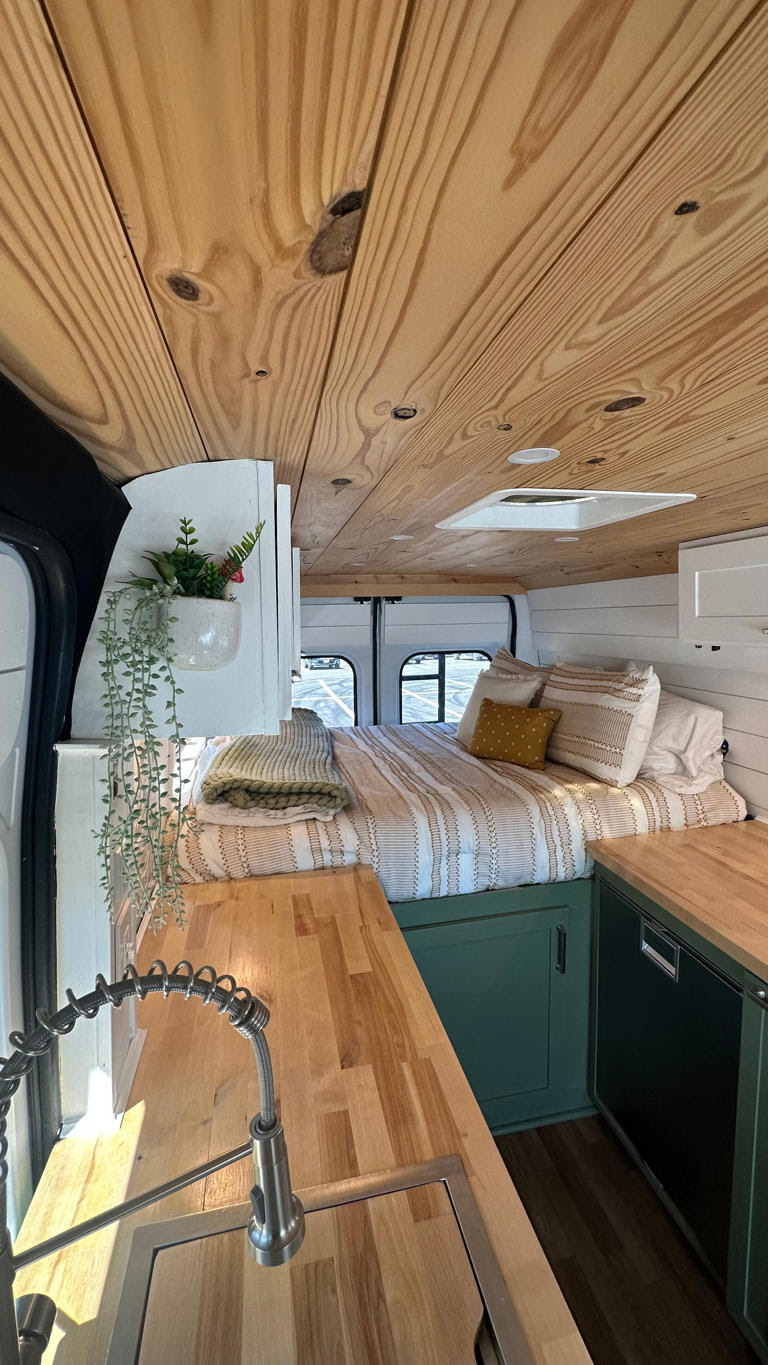
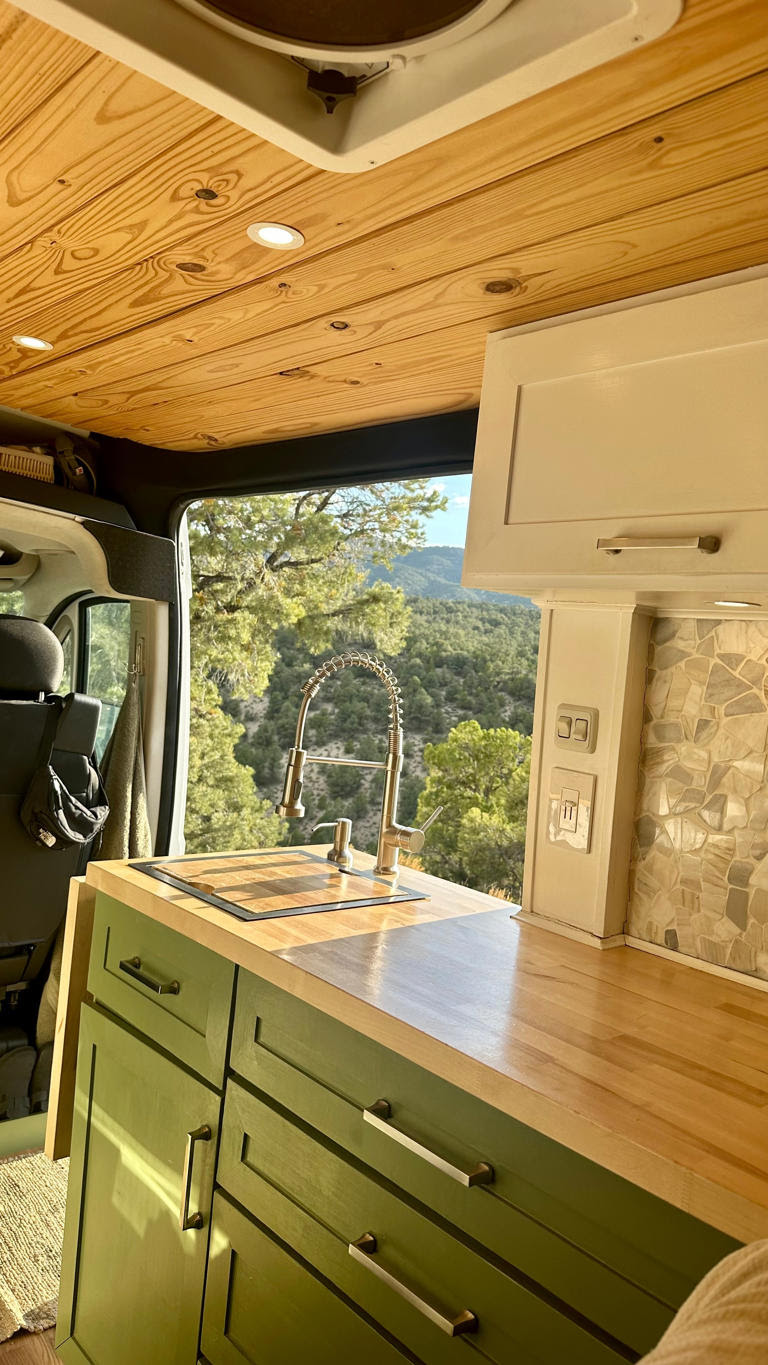



 in Van Life!!! 🙂

 I get that investigations



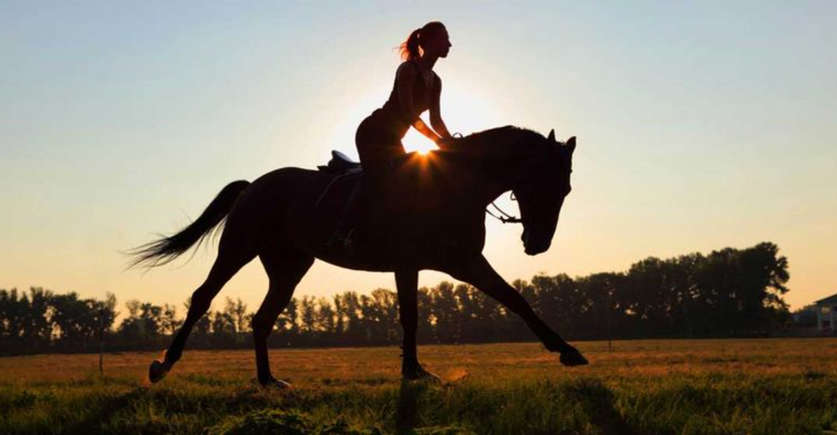





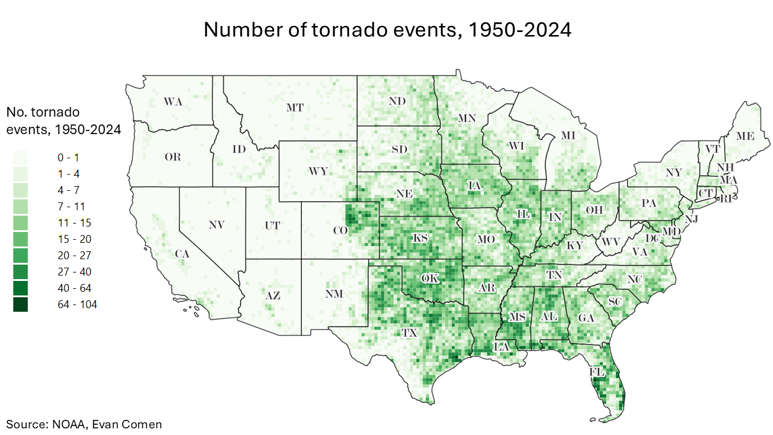

 Making a leap from the Class A level of the minors to the big leagues, Rose won the starting second base spot with the Reds at 1963 spring training. Once the season began, the player who would become baseball’s all-time hits king looked feeble at the plate.