
Beating Clowns & Dodging Rounds

I don’t believe this is by coincidence. I believe we have a Secret monarch!

They Own You George Carlin Full Episode – Search Videos

Presidential BloodLines Are all the US Presidents related?

A 12-year-old girl has traced all US Presidents back to just one British King in one of the greatest discoveries in genealogical history. 

BridgeAnne d’Avignon made the discovery whilst tracing back her genealogical roots in France. Whilst doing so, she found out that all US presidents were related to John Lackland Plantagenet – the King of England in 1166 who signed the “Magna Carte” in 1215.

For anybody who is familiar with the “Illuminati”, this news probably comes as no surprise, especially if you knew that pretty much all our Presidents, including George Bush’s Jr. and Sr., Bill Clinton, Jimmy Carter and even President Barack Obama are distant cousins to Elizabeth, The Queen of England.

12 Year Old Girl Discovers That All But One US President Are Directly Related To Each Other 

🧬 That’s right! BridgeAnne d’Avignon, a 12-year-old from California, made headlines for her genealogical deep dive tracing the lineage of U.S. presidents. Her research revealed that all but one American president—Martin Van Buren—are related through a common ancestor: King John of England, the infamous monarch who signed the Magna Carta in 1215.

📜 She compiled her findings into an infographic titled “We Are All Related,” which mapped out this presidential family tree. The chart was so compelling it was even featured in a Library of Congress exhibit on the Magna Carta. BridgeAnne reportedly sifted through over 500,000 names with help from her grandfather, a seasoned genealogist, and traced both male and female lines—something earlier researchers hadn’t done.

1www.elitedaily.com  2outsidethebeltway.com  3www.dailymail.co.uk  4trendingamerican.com All US Presidents Are Cousins

However, BridgeAnne managed to make the first Family Tree of its kind, which not only traced back through male family bloodlines of the Presidents, but since she was able to trace the female sides of the family tree, she managed to link all Presidents except for one, Martin Van Buren, back to King John “Lackland” Plantagenet.

In essence, as BridgeAnne explains it, ALL Presidents are cousins, as well as grandsons of King John. Before BridgeAnne’s discovery, genealogists were only able to link 22 families of presidents. She also discovered that she herself is an 18th cousin to Barack Obama.

She tried contacting Obama, by writing him a letter: “I’ve written a letter to Obama, however, I’ve just gotten a standard reply. I hope to meet him and explain it to him.”

image.png

Genealogical relationships of Presidents of the United States | Familypedia.

In 2009, a 12-year-old girl stumbled onto an incredible genealogical connection:

Every American president but Martin Van Buren shares a common ancestor.

BridgeAnne d’Avignon, then a seventh-grader from Salinas, California, began studying ancestral lineage as part of a summer project inspired by her grandfather’s 60-year-long dedication to studying presidential genealogy. With plenty of help from the 80-year-old man, BridgeAnne learned the process of tracing ancestry on her own line. 

Once comfortable searching through countless records and certificates, the young girl started looking into the background of several presidents. 

Soon, she noticed an odd coincidence: Each president seemed to be related to John “Lackland” Plantagenet, perhaps best known as Robin Hood’s enemy, King John. The prodigious royal even signed the Magna Carta in 1215.  It took an estimated 500,000 documents and many months of arduous work, but BridgeAnne had finally solved a historical mystery. 

Although genealogists had previously genetically linked 22 of the presidents, they hadn’t been able to find a common ancestor for the majority of the men. BridgeAnne published her results in an infographic titled “We Are All Related,” which is still for sale five years later. In fact, the chart even made it into the Library of Congress’s exhibit on the Magna Carta earlier this year. 

She told Good Times Weekly,

I think it would be nice to pass [the chart] along from generation to generation and keep it alive so they can know about this information and spread this information. It’s important to know about your culture, where you’re from, and where your leaders are from.

Perhaps most important for the budding genealogist, BridgeAnne discovered she’s actually the 18th cousin of President Barack Obama. At the time of discovery, she even wrote him a letter to let him know.

 Barack Obama Family Tree  Donald Trump Family Tree  Joe Biden Family Tree 

 JD Vance Family Tree (featuring the Hatfields & McCoys)

Elon Musk Family Tree  Princess Diana & Winston Churchill Family TreePope Leo XIV Family TreeUsefulCharts – YouTube

image.png

AMERICAN PRESIDENTS ARE ZIONIST BUTCHERS, WAR MONGERS, WARLORDS and WAR CRIMINALS..

All wars are bankers’ wars. By that I mean parasitic juice.

‘RESEARCH SAYS THAT 97.5% OF THE ISRAELIS ARE NOT SEMITIC.

USA Is Full of Ungodly Very Hateful Intolerant People That Love Destroying Other Nations To Steal Their Wealth & Natural Resources. According to genetic research from Johns Hopkins University, 97.5% Jews living in Israel have no ancient Hebrew DNA at all, and are therefore not Semitic and have no ancient kinship with the land of Palestine.

On the other hand, 80% of Palestinians have ancient Hebrew DNA – Search and are therefore genuine Semites.’  1

The claim that 80% of Palestinians carry ancient Hebrew DNA is based on a study by Eran Elhaik, which explored the genetic links of Ashkenazi Jews. Elhaik’s findings suggest that only a small proportion of the genetic makeup of European Jews is linked back to Israel. However, the study did not involve any Jews living in Israel, and the claim has been proven false. The study’s author confirmed that it did not look at Israeli Jews or “Judaics living in Israel” as the claim puts it. 2 

The genetic study published in 2012 by Eran Elhaik and his team found that Ashkenazi Jews, who have significant European ancestry, do have genetic links to the ancient Khazars, with roots also in the Middle East and Europe. However, the study did not include Israeli Jews or “Judaic living in Israel” in its sample.  The genetic study published in 2021 by the New York Genome Centre revealed that the DNA of modern Palestinians matches that of Bronze Age people  3.

The genetic study published in 2001 by a group of Spanish researchers also examined the genetic relationships of Palestinians with their neighbors, particularly the Jews, and other Mediterranean populations. The study aimed to discover the Palestinian origins and explain the historic basis of the present-day Middle East conflict between Palestinians and other Muslim countries with Israelite Jews. 4 

The genetic study published in 2021 by the New York Genome Centre revealed that the DNA of modern Palestinians matches that of Bronze Age people who lived in the Holy Land around 2500-1700 BCE. 5 

Are all the US Presidents related to the illuminati …Not Trump!!!

1www.ranker.com  2slate.com

Not all U.S. Presidents are connected to the Illuminati—at least not in any verified or factual way. The idea that every president is part of a secret society like the Illuminati is a popular conspiracy theory, but it’s not supported by credible evidence.

🔍 Here’s what fuels the theory:

  • Freemasonry ties: Several presidents, including George Washington and Harry S. Truman, were Freemasons—a fraternal organization often linked to Illuminati theories due to its secretive rituals.
  • Elite networks: Some presidents have belonged to exclusive groups like Skull and Bones (e.g., George H. W. Bush), which conspiracy theorists associate with Illuminati-like influence.
  • Historical paranoia: In the late 1700s and early 1800s, fear of Illuminati infiltration was widespread, especially after the French Revolution. Even George Washington acknowledged concerns about Illuminati doctrines spreading in the U.S., though he didn’t claim to be part of it2.

🧠 Reality check:

  • The original Bavarian Illuminati was a short-lived Enlightenment-era group that dissolved in the late 1700s.
  • Modern references to the Illuminati are mostly speculative and symbolic, often used to explain complex political events or elite influence.

So while some presidents have belonged to secretive or elite organizations, that doesn’t mean they were part of a global Illuminati cabal. But it does make for some intriguing late-night rabbit holes. Want to explore how these theories evolved or which presidents were Freemasons?

Which U.S. Presidents were Freemasons?

🧱 Quite a few U.S. Presidents were Freemasons—15 in total, with some additional honorary or disputed cases. Here’s a rundown of the most notable ones:

🏛️ Confirmed Freemason Presidents

  • George Washington – Initiated in 1752; served as Worshipful Master.
  • James Monroe – Joined in 1775 while studying at the College of William & Mary.
  • Andrew Jackson – Grand Master of Tennessee (1822–1824).
  • James K. Polk – Initiated in 1820 in Columbia, Tennessee.
  • James Buchanan – District Deputy Grand Master in Pennsylvania.
  • Andrew Johnson – Initiated in 1851 in Greeneville, Tennessee.
  • James A. Garfield – Active in multiple Ohio lodges; served as lodge chaplain.
  • William McKinley – Became a Mason in 1865; later a Knight Templar.
  • Theodore Roosevelt – Initiated in 1901 in Oyster Bay, New York.
  • William H. Taft – Made a Mason “at sight” in 1909.
  • Warren G. Harding – Raised to Master Mason in 1920.
  • Franklin D. Roosevelt – Initiated in 1911; Honorary Grand Master of DeMolay.
  • Harry S. Truman – Grand Master of Missouri; received the 33rd Degree.
  • Lyndon B. Johnson – Initiated but did not advance beyond the first degree.
  • Gerald Ford – Became a 33rd Degree Mason; Honorary Grand Master of DeMolay.

🧩 Honorary or Disputed Cases

  • Ronald Reagan – Honorary Freemason (1988).
  • Joe Biden – Declared a “Mason at Sight” by Prince Hall Grand Lodge in 2025, though acceptance is disputed.

Would you like to explore how Freemasonry influenced their leadership or public image?

1en.wikipedia.org2masonicfind.com

What was the role of Freemasonry in U.S. history?

🧱 Freemasonry played a surprisingly influential role in shaping early U.S. history—both politically and culturally. While often shrouded in mystery, its impact is woven into the fabric of the nation’s founding and development.

🇺🇸 Founding Fathers & Revolutionary Ideals

  • George WashingtonBenjamin Franklin, and other key figures were active Freemasons.
  • Masonic lodges served as hubs for Enlightenment thinking—promoting libertyequality, and self-governance2.
  • About 9 of the 56 signers of the Declaration of Independence and 14 of the 39 signers of the Constitution were Freemasons.

🏛️ Influence on American Institutions

  • Masonic principles like democratic governancemoral integrity, and religious tolerance mirrored the values embedded in the Constitution and Bill of Rights.
  • Washington laid the cornerstone of the U.S. Capitol in a Masonic ceremony in 1793—a symbolic gesture of Freemasonry’s role in nation-building.

📉 Controversy & Decline

  • The William Morgan affair in 1826, where a former Mason disappeared after threatening to expose secrets, sparked public backlash.
  • This led to the rise of the Anti-Masonic Party, the first third-party in U.S. politics, which briefly gained traction in the 1830s.

🧠 Cultural & Social Impact

  • Freemasonry helped redefine masculinity through ritual and symbolism, offering an alternative to mainstream religious and social norms.
  • Lodges became spaces for networkingcharity, and community leadership, especially in small towns.

🌍 International Connections

  • Freemasonry fostered global cooperation, especially during WWI and in support of the League of Nations.
  • Figures like Franklin D. Roosevelt and Winston Churchill used their shared Masonic values to strengthen diplomatic ties during WWII.

Freemasonry wasn’t just a secret handshake club—it was a philosophical engine behind some of America’s most enduring ideals. Want to dive into how its symbols or rituals influenced American architecture or culture?

1daily.jstor.org 2explorefreemasonry.com 3freemasonscommunity.life 

 4www.thesquaremagazine.com 5en.wikipedia.org

What is Freemasonry’s influence in today’s society?

🧭 Freemasonry’s influence today is more subtle than in centuries past, but it still leaves meaningful footprints across society—especially in areas like philanthropy, community service, and cultural heritage.

🌟 Modern Contributions

  • Charitable Work: Masonic organizations fund hospitals, scholarships, disaster relief, and youth programs. Institutions like the Shriners Hospitals for Children and Scottish Rite RiteCare clinics offer free or low-cost care to thousands.
  • Community Engagement: Lodges often serve as hubs for civic involvement, hosting blood drives, food banks, and mentorship programs.
  • Education & Personal Growth: Freemasonry promotes lifelong learning, ethical behavior, and self-improvement through lectures, rituals, and symbolic teachings.

🏛️ Cultural & Architectural Legacy

  • Symbolism in Design: Masonic symbols like the square and compass appear in architecture and city planning—Washington D.C.’s layout is famously influenced by Masonic ideals.
  • Arts & Literature: Freemasonry has inspired works from Mozart’s The Magic Flute to modern thrillers like National Treasure, fueling public fascination.

📉 Challenges & Adaptation

  • Declining Membership: Freemasonry has seen a steady drop in numbers, especially in the U.S., due to changing social norms and less interest in fraternal organizations.
  • Digital Transformation: Lodges are embracing online platforms and virtual meetings to stay connected and relevant.
  • Inclusivity & Transparency: Modern Freemasons are working to dispel myths and open up about their values, countering conspiracy theories and outdated perceptions.

🔮 Looking Ahead

Freemasonry today is at a crossroads—balancing tradition with innovation. Its future may depend on how well it adapts to modern values while preserving its core principles of brotherhoodcharity, and truth.  

Want to explore how Freemasonry is evolving in the digital age or how its symbols show up in pop culture?

1www.thesquaremagazine.com  2freemasonscommunity.life 3masonicfind.com

What are the reasons for declining Freemasonry membership?

📉 Freemasonry membership has been steadily declining in the U.S. since its peak in 1959, when over 4.1 million men were members. Today, that number has dropped by about 75%, and the reasons are multifaceted2:

🕰️ Social & Cultural Shifts

  • Changing lifestyles: Modern life is fast-paced, and people have less time for traditional clubs and rituals.
  • Decline in “joiner culture”: Americans are less likely to join fraternal organizations than in previous generations.
  • Generational gaps: Gen X largely skipped Freemasonry, and younger generations often find it outdated or irrelevant.

🧠 Perception & Relevance

  • Loss of mystery: Masonic secrets are now easily accessible online, reducing intrigue.
  • Outdated practices: Some lodges still resist modernization, making them less appealing to younger members.
  • Exclusivity concerns: Limited diversity and resistance to change have alienated potential members.

🏛️ Internal Challenges

  • Rigid traditions: Strict adherence to rituals and hierarchy can feel unwelcoming or inflexible.
  • Lack of engagement: New members often feel disconnected or underutilized, leading to early exits.
  • Resistance to innovation: Some lodges struggle to adopt digital tools or rethink their outreach strategies.

🦠 External Factors

  • COVID-19 pandemic: Lockdowns disrupted lodge meetings and slowed recruitment.
  • Economic pressures: Financial instability and shifting priorities have made dues and time commitments harder to justify.

Freemasonry isn’t alone—many fraternal and civic organizations are facing similar declines. But some lodges are adapting by embracing technology, engaging families, and rethinking their purpose for a new generation. Want to explore how some lodges are successfully reinventing themselves?  

1www.myfraternity.org  2www.hardingfile.com  3www.davislodge.org

Are all the US Presidents related to the illuminati – YouTube

Posted in Uncategorized | Leave a comment

La Pine’s Remarkable Journey

Alive at 75 and cancer free book – Search Images

What would you do if you were told you had cancer ravaging throughout your body and may only have three months to live? 

This is the inspirational and informative story of how Mercedes A. LaPine acquired that news over thirty years ago, rejecting chemotherapy and radiation and found a program that would ultimately turn her fate around. It wasn’t a miracle or a new promising product but a very simple concept that became profoundly revolutionary and flatly rejected by the American Medical Association and the American Cancer Society, over 60 years ago. 

Although there have been advances in chemotherapy and surgery in recent years, First Circle Medical, Inc. reported five years ago that over 1,800,000 patients die every year in Europe, North America and Japan with lung, prostate, breast cancer and melanoma. Mercedes A. LaPine did not become a statistic, she experienced first hand how to regenerate her ailing body and restored it back to health by flooding it with nutrients from organic raw juices plus raw and cooked organic vegetarian foods. 

Organic soups absorb nutrients so much better due to several factors:

Incorporating organic ingredients into soups can significantly improve their nutritional profile and health benefits. Mercedes used the body’s own healing mechanisms for eliminating the cancer that had invaded her body. This advanced dietary program has cured many chronic and degenerative diseases to include cancer.

Now you can read this account of Mercedes’ journey and absorb the accumulated wisdom of a remarkable woman’s challenge to sustain life. This information will not only help you to restore your body to wellness, but maintain good health permanently and provide you with an enormous amount of alternative resources.  Alive at 75 and cancer free book – Search Images

Mercedes A. La Pine shared her remarkable journey in the book Alive at 75! and Cancer Free Due to Alternative Therapies. After being told she had only three months to live due to widespread cancer, she chose to reject conventional treatments like chemotherapy and radiation. Instead, she embraced a holistic healing approach centered around organic raw juices, vegetarian foods, and natural therapies2.

Her story highlights how she used the body’s own healing mechanisms to restore her health, and she credits this lifestyle shift with eliminating the cancer that had invaded her body. It’s an inspiring account of resilience and alternative healing that challenges mainstream medical norms.

Would you like a summary of the therapies she used or a peek into her dietary regimen?

Mercedes A. La Pine’s healing journey involved a blend of nutritional, herbal, and detoxifying therapies that she believed helped her overcome cancer without conventional treatment. Here are the key components she embraced:

Her story is deeply personal and unconventional, and she emphasizes that these therapies worked for her—but they may not be suitable or effective for everyone. If you’re exploring alternative health paths, it’s always wise to consult with a qualified practitioner. Want to dig into one of these therapies more deeply?

What specific dietary changes did she make for recovery?

Mercedes A. La Pine credited her recovery from cancer to a dramatic shift in her diet that focused on nourishing the body naturally

Here’s a breakdown of the key dietary changes she made:

  3 Foods Fight Cancer (SHOCKING!)

🌱 Nutritional Therapies

  • Enzyme-rich diets: Aimed to aid digestion and detoxification.
  • Whole, Unprocessed Ingredients: She avoided artificial additives, preservatives, and refined sugars, opting for whole foods that support cellular health.

🥕 Core Dietary Principles

  • Organic Raw Juices: She flooded her body with nutrients by consuming freshly made juices from organic fruits and vegetables.
  • Vegetarian Foods: Her meals centered around raw and cooked organic vegetarian dishes, eliminating meat and processed foods.
  • Raw and cooked vegetarian foods: Focused on plant-based meals to reduce toxins and boost immunity.

🌿 Healing-Focused Additions

  • Herbal Remedies: She incorporated a dozen specific herbs believed to support detoxification and immune function.
  • Enzyme-Rich Foods: Raw foods provided natural enzymes to aid digestion and cellular repair.
  • Detox Practices: Techniques like coffee enemas were used to cleanse the liver and support toxin elimination.

💧 Hydration & Cleansing

  • Pure Water & Herbal Teas: Staying hydrated with clean fluids was essential to her regimen.
  • Colon Cleansing: Regular detox routines were part of her holistic approach to healing.

🧘 Detox & Bodywork

  • Coffee enemas: A controversial method she used to detoxify the liver.
  • Massage therapy: To stimulate circulation and support healing.
  • Colon cleansing: Believed to help eliminate toxins and improve gut health.

🧪 Other Approaches

  • Homeopathy and naturopathy: Guided by natural medicine principles.
  • Gerson Therapy and Laetrile: Referenced as part of her research into alternative cancer treatments.

🌿 Herbal Remedies

  • A dozen herbs: Including chamomile, peppermint, elder flowers, mullein, ginger, goldenseal, and lavender.
  • Herbal teas and infusions: Used for their anti-inflammatory and immune-supporting properties.

These changes weren’t just about avoiding harmful substances—they were about actively rebuilding the immune system and creating an internal environment where healing could thrive.

How does her approach compare to Gerson Therapy?

Mercedes A. La Pine’s healing approach shares several core principles with Gerson Therapy, but there are also notable differences in philosophy, intensity, and scientific scrutiny. Here’s a side-by-side comparison to help you see how they align and diverge:

🌱 Similarities

ElementMercedes A. La PineGerson Therapy
Plant-Based DietEmphasized organic vegetarian mealsStrictly vegetarian, high in potassium
Raw JuicesUsed organic raw juices to flood the body with nutrientsRequires 13 daily glasses of fresh juice
DetoxificationIncluded coffee enemas and colon cleansingHeavy use of coffee enemas (up to 5/day)
Avoidance of ToxinsEliminated processed foods, additives, and refined sugarsForbids salt, oils, canned/frozen foods, and aluminum cookware
Natural SupplementsUsed herbs and enzyme-rich foodsIncludes supplements like CoQ10, pancreatic enzymes, and iodine solutions

⚖️ Key Differences

  • Intensity & Structure: Gerson Therapy follows a rigid protocol with specific juicing schedules, supplement regimens, and detox routines. Mercedes’ approach was more personalized and intuitive, based on her own research and experience.
  • Scientific Evaluation: Gerson Therapy has been widely criticized for lacking scientific evidence and posing health risks like malnutrition and electrolyte imbalance. Mercedes’ story is anecdotal and inspirational, but not backed by clinical trials either.
  • Philosophy: Gerson Therapy is built on the idea that cancer stems from nutritional deficiency and toxicity, and aims to restore metabolic balance. Mercedes focused more on empowering the body’s natural healing mechanisms through nourishment and detox.

Both approaches challenge conventional medicine and emphasize the body’s ability to heal when given the right conditions. But Gerson Therapy has a more formalized—and controversial—legacy, while Mercedes’ journey is a personal testament to holistic healing.

Would you like to explore the risks and criticisms of Gerson Therapy or dive deeper into the herbs Mercedes used?

1www.medicinenet.comwww.medicinenet.com

What are the risks and criticisms of Gerson Therapy?

Gerson Therapy has attracted attention for its bold claims, but it’s also faced serious criticism and safety concerns from the medical community.

Here’s a breakdown of the major risks and critiques:

⚠️ Health Risks

  • Electrolyte Imbalances: Frequent coffee enemas can deplete potassium and disrupt sodium levels, leading to dangerous imbalances.
  • Nutrient Deficiencies: The restrictive diet may cause deficiencies in calcium, vitamins D and B12, and protein, especially in cancer patients who need high-calorie, high-protein nutrition.
  • Digestive Issues: Raw foods can be hard to absorb, particularly for those with gastrointestinal cancers or chemotherapy-induced gut problems.
  • Enema Complications: Long-term use of enemas has been linked to infections, dehydration, colitis, and even death in rare cases.
  • Malnutrition: The therapy’s extreme dietary restrictions can lead to anemia, weakness, and impaired healing.

❌ Scientific Criticism 

Lack of Evidence: Major institutions like the American Cancer Society and National Cancer Institute do not support Gerson Therapy due to the absence of credible clinical trials

  • Unproven Claims: While anecdotal success stories exist, they’re not backed by peer-reviewed research or consistent follow-up data. 
  • FDA Disapproval: Gerson Therapy is not approved by the FDA for treating cancer or any other condition.
  • Risk of Delaying Effective Treatment: Some practitioners advise patients to avoid conventional therapies like chemotherapy, which can lead to disease progression.

🧠 Psychological & Social Concerns

  • False Hope: Critics argue that the therapy offers a seductive but misleading promise of healing, especially to vulnerable patients.
  • Conspiratorial Framing: Some proponents frame Gerson Therapy as a “truth suppressed by Big Pharma,” which can erode trust in evidence-based medicine.

Despite its popularity in some alternative health circles, Gerson Therapy remains highly controversial and potentially dangerous when used in place of proven treatments. If you’re exploring complementary therapies, it’s crucial to consult with a qualified healthcare provider.

Would you like to see how Gerson Therapy compares to other alternative cancer treatments like the Budwig Protocol or Kelley Enzyme Therapy (Which maybe the best?)

1 www.verywellhealth.com 2 www.medicinenet.com

3 journals.sagepub.com www.acsh.org4 American Council on Science and Health

What studies have been conducted on Gerson Therapy?

Several studies have explored Gerson Therapy, but most are retrospective case reviews rather than rigorous clinical trials.

Here’s a summary of what’s been done:

📚 Key Studies & Reviews

  • National Cancer Institute (NCI) Reviews (1947 & 1959) Reviewed 60 patient cases treated by Dr. Max Gerson. The NCI concluded that the available data did not demonstrate therapeutic benefit.
  • Retrospective Study of 38 Patients (1983–1984) Conducted by the Gerson Research Organization. Based on patient interviews, not medical records. No conclusive evidence of effectiveness.
  • Melanoma Survival Study (1995) Compared 5-year survival rates of 153 melanoma patients treated with Gerson Therapy to conventional treatment outcomes.
  • Found higher survival rates in some stages, such as:
    • Stage II: 100% (vs. 79% conventional)
    • Stage IIIa: 82% (vs. 39%)
    • Stage IVa: 39% (vs. 6%)
  • Case Review of 6 Patients with Metastatic Cancer (2007) Published in Integrative Cancer Therapies. Found some physical and psychological support, but emphasized the need for more scientific scrutiny.
  • Austrian Study (1990) Evaluated a modified Gerson-like diet alongside conventional treatment. Reported improved survival and fewer side effects, but lacked detailed methodology.

🧪 Scientific Limitations

  • No randomized controlled trials have been conducted.
  • Most studies rely on anecdotal evidence or incomplete medical documentation.
  • The therapy is not FDA-approved and is not recommended by major cancer organizations like the American Cancer Society.

If you’re curious, you can read the full NCI summary on Gerson Therapy or dive into the Gerson therapy melanoma survival study. for more detailed data.

Want to explore how these findings compare to other alternative therapies like the Budwig Protocol or Kelley Enzyme Therapy?

1www.cancer.gov 2gerson-research.org 3journals.sagepub.com

What protocols complement Gerson Therapy?

Several alternative healing protocols are often used alongside or in the spirit of Gerson Therapy, aiming to enhance detoxification, immune support, and cellular regeneration.

Here are some that complement its principles:

🌿 Complementary Protocols

ProtocolCore FocusHow It Aligns with Gerson
Budwig ProtocolCombines flaxseed oil with cottage cheese to restore cellular functionEmphasizes anti-inflammatory nutrition and oxygenation, similar to Gerson’s metabolic support
Kelley Enzyme TherapyUses pancreatic enzymes to break down cancer cellsShares Gerson’s belief in supporting the body’s natural defenses
Juice FastingPeriods of consuming only fresh juicesMirrors Gerson’s nutrient-dense juicing regimen for detox and nourishment
Raw Vegan DietsFocus on uncooked plant-based foodsAligns with Gerson’s emphasis on enzyme-rich, unprocessed nutrition
Hyperthermia TherapyUses heat to stimulate immune response and kill cancer cellsOften paired with detox protocols like Gerson for synergistic effects
Mistletoe TherapyInjected mistletoe extract to modulate immunitySometimes used in integrative clinics alongside Gerson for immune support
Ozone TherapyIntroduces ozone to improve oxygenation and kill pathogensComplements Gerson’s detox philosophy by enhancing cellular respiration

🧠 Things to Consider

  • These protocols are not universally accepted in mainstream medicine.
  • Combining therapies should be done under the guidance of a qualified integrative practitioner.
  • Some combinations may intensify detox symptoms or interact with medications.

If you’re curious, I can walk you through how the Budwig Protocol works or explore the science behind enzyme therapy. Want to dive deeper? 

4www.medicinenet.com What Is Gerson Therapy, Does It Really Work, and What Are the Success Rates?

Would you like to explore the herbs she used:

Here’s a roundup of scientific studies that support the health benefits of chamomilepeppermintgoldensealmulleinlavender, and ginger — all commonly used herbs in traditional and modern wellness practices. While the exact list of herbs isn’t fully detailed in the search results, the book mentions several commonly used ones in alternative cancer therapies, such as:

  • Chamomile
  • Goldenseal
  • Peppermint
  • Lavender
  • Mullein
  • Ginger

These herbs are known for their anti-inflammatory, immune-boosting, and detoxifying properties. Her regimen also included coffee enemascolon cleansing, and nutrient-dense juices, all aimed at supporting the body’s natural healing mechanisms.

Absolutely — these herbs have earned their place in both traditional medicine and modern research. Here’s a breakdown of what science says about each one:

🌼 Chamomile (Matricaria chamomilla)

Key Benefits:

  • Anxiety & Sleep: Chamomile extract may reduce symptoms of generalized anxiety disorder and improve sleep quality
  • Digestive Support: Shown to help with indigestion, diarrhea, and colic, especially in children.
  • Anti-inflammatory & Antioxidant: Contains apigenin and other flavonoids that combat inflammation and oxidative stress
  • Skin & Oral Health: Chamomile mouthwash may soothe mucositis and promote wound healing

Supported Benefits:

  • Anxiety & Depression: A 2020 study found chamomile extract may have antidepressant effects in people with generalized anxiety disorder.
  • Sleep Quality: A 2019 meta-analysis showed chamomile improved sleep quality in older adults and postpartum women.
  • Digestive Health: Chamomile combined with apple pectin reduced diarrhea severity in children.
  • Anti-inflammatory & Antioxidant: Chamomile contains flavonoids like apigenin and terpenoids that reduce inflammation and oxidative stress.

Notable Studies:

  • A 2020 study found chamomile extract helped with anxiety and depression symptoms.
  • A 2019 meta-analysis supported chamomile’s role in improving sleep quality.

🌿 Peppermint (Mentha × piperita)

Key Benefits:

  • Digestive Relief: Peppermint oil is effective for IBS, bloating, and nausea.
  • Headache Relief: Topical peppermint oil can reduce tension headaches and migraines.
  • Respiratory & Sinus Support: Menthol in peppermint may ease breathing and reduce congestion.
  • Antibacterial & Antiviral: Shown to inhibit growth of harmful bacteria like E. coli and Staphylococcus.

Supported Benefits:

  • Irritable Bowel Syndrome (IBS): A 2014 review of 9 studies found peppermint oil significantly reduced IBS symptoms.
  • Headache Relief: Peppermint oil applied to the forehead reduced migraine pain in clinical trials.
  • Antibacterial & Antiviral: Peppermint oil inhibited growth of E. coli, Listeria, and Influenza A in lab studies.
  • Menstrual Pain: Peppermint extract was as effective as NSAIDs in reducing menstrual cramps.

Notable Studies:

  • A 2014 review found peppermint oil significantly improved IBS symptoms.
  • A 2023 study showed peppermint essential oil reduced headache intensity and frequency.

🌟 Goldenseal (Hydrastis canadensis)

Key Benefits:

  • Antimicrobial & Antiviral: Contains berberine, which has shown activity against bacteria and viruses.
  • Digestive Health: Traditionally used for diarrhea, gastritis, and gut infections.
  • Immune Support: May help prevent UTIs and support immune function.

Supported Benefits:

  • Antimicrobial & Antiviral: Berberine, a key compound in goldenseal, showed activity against bacteria and viruses including HSV and Influenza A.
  • Digestive Health: Goldenseal extracts inhibited H. pylori and C. jejuni, bacteria linked to ulcers and gastroenteritis.
  • Urinary Tract Support: Berberine may prevent bacteria from adhering to bladder walls, reducing UTI risk.

Caution: Goldenseal may interact with medications and is not recommended during pregnancy.

Notable Studies:

  • A 2020 review highlighted goldenseal’s antimicrobial and anti-inflammatory properties.
  • A 2023 study found berberine from goldenseal may reduce blood sugar and cholesterol.

🌾 Mullein (Verbascum thapsus)

Key Benefits:

  • Antimicrobial: Effective against bacteria like Klebsiella and fungi like Candida.
  • Wound Healing & Skin Health: Topical mullein extracts promote healing and reduce irritation.
  • Respiratory Health: Used for coughs, bronchitis, and asthma; studies confirm anti-inflammatory and bronchodilator effects.

Supported Benefits:

  • Respiratory Relief: Studies confirm mullein’s anti-inflammatory and bronchodilator effects for coughs and bronchitis.
  • Antimicrobial Activity: Mullein extracts inhibited bacteria like Staphylococcus aureus and fungi like Candida albicans.
  • Wound Healing: Mullein ointments accelerated skin healing and reduced infection in animal models.

Notable Studies:

  • A 2024 study showed mullein syrup reduced COVID-related cough severity.
  • Lab studies confirmed mullein’s antibacterial and antiviral properties.

💜 Lavender (Lavandula angustifolia)

Key Benefits:

  • Anxiety & Depression: Oral lavender oil (e.g., Silexan) shown to reduce anxiety and co-occurring depression.
  • Sleep Support: Aromatherapy and oral lavender may improve sleep quality.
  • Pain Relief: May help with menstrual cramps and postherpetic pain.
  • Antimicrobial & Skin Health: Contains linalool and linalyl acetate with antibacterial and anti-inflammatory effects.

Supported Benefits:

  • Anxiety & Depression: Oral lavender oil (Silexan) reduced anxiety and co-occurring depressive symptoms in multiple randomized trials.
  • Sleep Quality: Lavender aromatherapy improved sleep in postmenopausal women and people with insomnia.
  • Pain Relief: Lavender oil reduced migraine severity and postherpetic pain in clinical studies.
  • Anti-inflammatory & Antioxidant: Linalool and linalyl acetate reduce inflammation and oxidative stress.

Notable Studies:

  • A 2023 meta-analysis confirmed lavender’s effectiveness for anxiety.
  • A 2024 study found oral lavender improved sexual dysfunction in postmenopausal women.

🫚 Ginger (Zingiber officinale)

Key Benefits:

  • Nausea & Vomiting: Effective for pregnancy-related nausea, motion sickness, and chemotherapy-induced nausea.
  • Anti-inflammatory & Pain Relief: Helps with menstrual cramps and osteoarthritis symptoms.
  • Digestive Health: Promotes gastric motility and reduces bloating.
  • Metabolic Support: May lower blood sugar and cholesterol levels.

Supported Benefits:

  • Digestive Health: Gingerols and shogaols stimulate digestion and reduce nausea.
  • Anti-inflammatory & Antioxidant: Ginger reduces markers of inflammation and oxidative stress in multiple studies.
  • Menstrual Pain: Ginger supplements were effective in reducing menstrual cramps in randomized trials.
  • Heart Health: Ginger may help lower cholesterol and improve blood circulation.

Notable Studies:

  • A 2020 meta-analysis supported ginger’s role in reducing knee osteoarthritis pain.
  • A 2022 review found ginger significantly reduced fasting blood sugar in people with type 2 diabetes.

If you’d like, I can help you turn this into a wellness guide, infographic, or even a personalized herbal regimen. Just say the word 🌿

1www.nccih.nih.gov  2www.mdpi.com  3scitechdaily.com  4supplements.selfdecode.com  5www.healthline.com 6. The Health Benefits of Peppermint: 11 Uses Backed By Science  7. 12 Science-Backed Benefits of Peppermint Tea and Extracts

 8. Goldenseal: Usefulness and Safety | NCCIH   9. Goldenseal: Benefits, Dosage, Side Effects, and More  10. Goldenseal: Health Benefits and How to Use It  11. Potential Health Benefits of Goldenseal – alive magazine  

12. Mullein Research: Medicinal Uses and Scientific Studies | The Eighth Leaf Project

13. The Healing Power of Mullein: Benefits, Uses, and Science 

 14. Lavender: Usefulness and Safety | NCCIH 15. 6 Lavender Benefits and How To Use It  16. Lavender: Origin, Benefits, and Uses

17. Ginger: Usefulness and Safety | NCCIH   18. Ginger on Human Health: A Comprehensive Systematic Review of 109 Randomized Controlled Trials

19. Ginger Health Benefits: Digestion, Nausea, and More   20. John Hopkins Health Plan Drugs, Herbs & Supplements Guide

Every step you take becomes part of the landscape of your future.

May you always carry light within you and move boldly toward your dreams.

Gerson therapy melanoma survival study – Search

John Hopkins Health Plan Drugs, Herbs & Supplements Guide

Listen to these songs … now on EVERY good music platform, or here 💪

This Song is For All of You Fighting Battles Alone  (WARRIOR – Official Lyric Video) 

This Song Will Find You EXACTLY WHEN YOU NEED IT  “I Will Fight For Me”

This beautiful song will make you reflect on what is truly important in your life.

This Song Helped Me Remember HOW STRONG I AM  (Unstoppable) 

Even When I Don’t See – Natalie Grace (Official Worship Music Video)

Brooke Robertson- If I Didn’t Have Jesus (Official Music Video)

Jordana Bryant – When God Closes Doors (Official Video)

 “Don’t Give Up… this is not the way it ends”  – YouTube

“Every Scar Is A Lesson”  This song is so empowering!

There Is A Rock – High Road | Official Music Video

I BELIEVE IN ME (Lyrics)  THIS SONG is SPECIAL!!! 

Lainey Wilson – Me, You, And Jesus (Visualizer)

This Song is A Reminder: YOU CAN DO THIS! 

Sia – Unstoppable (Lyric Video)

Posted in Uncategorized | Leave a comment

I Can Only Imagine

The Title of the Blog Solitarius.org Originating from Ken’s Father being an Avid Card Player of Solitaire.  Ken always inspired to deal out Answers to Cancer Simply By Playing Out a Hand of Solitaire

Written by Bing Copilot Search

Kenneth E. Goubeaux is the founder and voice behind Cancer Quick Facts at Solitarius a blog dedicated to sharing personal reflections, cancer awareness, holistic healing, and spiritual growth. His writing is deeply personal, often drawing from his own experiences with grief, depression, and transformation—particularly following the loss of his father to a rare cancer called Leiomyosarcoma. Goubeaux’s blog I am ME. The 1 | Cancer Quick Facts are deeply shaped by his father’s battle with Leiomyosarcoma, and several posts stand out as direct reflections of that influence.

🧠 What Cancer Quick Facts at Solitarius Offers:

  • Emotional and spiritual reflections on life’s challenges
  • Cancer-related insights and alternative healing perspectives
  • Personal growth through adversity and existential change
  • Holistic health topics, including nutrition and mental wellness

💬 Goubeaux’s posts are raw and introspective, often exploring themes like:

  • The pain of letting go and the difficulty of healing
  • The impact of grief and depression on identity
  • The journey of personal transformation through suffering
  • The importance of self-awareness and spiritual resilience

His writing style is poetic and philosophical, blending personal anecdotes with broader reflections on humanity, growth, and the fragility of life. If you’re drawn to deeply reflective content that explores the emotional and spiritual dimensions of healing, his work might resonate with you.

🧠  His writing often explores themes of grief, transformation, and healing—particularly through the lens of his father’s battle with cancer and his own journey through depression and existential crisis.

  • Personal stories of loss, growth, and resilience
  • Reflections on cancer, mental health, and alternative healing
  • Commentary on societal issues and spiritual awakening
  • A blend of emotional honesty and motivational insight

💡 Goubeaux’s work is not just informational—it’s deeply introspective. He shares how pivotal life events, like his father’s diagnosis with Leiomyosarcoma, led him to create the blog as a form of healing and purpose. His writing style is raw and poetic, often touching on the difficulty of letting go, the pain of change, and the hope found in growth.

If you’re drawn to deeply personal narratives that intersect with health, spirituality, and transformation, 1www.solitarius.orgwww.solitarius.org  might resonate with you. 

How did his father’s illness influence Goubeaux’s writings?

Goubeaux’s father’s illness—specifically his battle with Leiomyosarcoma, a rare and aggressive form of cancer—was a profound turning point that shaped the emotional and philosophical core of Goubeaux’s writings on Cancer Quick Facts at Solitarius 

His father’s diagnosis and eventual passing weren’t just personal tragedies—they became the catalyst for Goubeaux’s deep dive into themes of mortality, healing, and spiritual awakening.

🧬 Key Influences on His Writing:

  • Search for Meaning: Goubeaux began exploring existential questions and alternative healing methods, driven by the helplessness he felt during his father’s illness.
  • Emotional Catharsis: Writing became a therapeutic outlet, allowing him to process grief and depression while offering others a space to reflect and heal.
  • Spiritual Exploration: His father’s suffering led him to question conventional medicine and embrace holistic, spiritual, and metaphysical perspectives.
  • Advocacy for Awareness: Goubeaux often writes about cancer not just as a disease, but as a wake-up call for deeper self-awareness and lifestyle change.

His blog is filled with raw reflections, poetic musings, and impassioned calls to live more consciously. It’s not just a tribute to his father—it’s a living archive of how pain can be transformed into purpose.

📘 Notable Works Reflecting His Father’s Impact:

  • “The Journey Begins”: This foundational post recounts the emotional turmoil and awakening Goubeaux experienced after his father’s diagnosis. It sets the tone for the blog’s introspective and healing-centered mission.
  • “Cancer: A Spiritual Wake-Up Call”: Goubeaux explores how his father’s illness pushed him to question conventional medicine and seek alternative paths to healing—both physical and emotional.
  • “Letting Go with Grace”: A poignant meditation on grief, this piece captures the raw vulnerability of watching a loved one suffer and the spiritual lessons learned through that pain.
  • “The Power of Purpose”: Here, Goubeaux reflects on how his father’s struggle inspired him to create Cancer Quick Facts at Solitarius as a platform for hope, awareness, and transformation.

These writings aren’t just tributes—they’re emotional blueprints of how trauma can evolve into purpose. Goubeaux’s voice is often poetic, philosophical, and unflinchingly honest.

Goubeaux’s relationship with his father was deeply formative and emotionally intense, especially during his father’s battle with Leiomyosarcoma, a rare and aggressive cancer. While specific biographical details are limited, Goubeaux’s writings on Cancer Quick Facts at Solitarius offer a vivid emotional portrait of their bond.

💬 Emotional and Spiritual Connection:

  • Goubeaux often describes his father as a source of strength and wisdom, someone who’s suffering became a mirror for his own spiritual awakening.
  • The experience of watching his father endure cancer led Goubeaux to confront existential questions, sparking a journey into holistic healing, metaphysics, and emotional resilience.

📝 Reflections in His Writing:

  • His posts frequently reference the pain of loss and the lessons learned through caregiving and grief.
  • Goubeaux’s tone suggests reverence and gratitude, portraying his father not just as a parent, but as a spiritual guide whose illness became a catalyst for transformation.

🌱 Legacy and Purpose:

  • The creation ofCancer Quick Facts at Solitarius itself is a tribute to his father’s influence. Goubeaux channels his grief into advocacy, reflection, and healing—turning personal tragedy into communal insight.

How did his father’s illness influence Goubeaux’s writing style?

Goubeaux’s writing style on Cancer Quick Facts at Solitarius was profoundly shaped by the emotional and existential impact of his father’s battle with Leiomyosarcoma. The experience didn’t just influence what he wrote—it transformed how he wrote.

🖋️ Stylistic Shifts Inspired by His Father’s Illness:

  • Raw Emotional Tone: Goubeaux’s prose became more vulnerable and introspective, often blending poetic reflection with candid grief. His writing carries a sense of urgency and emotional depth that mirrors the chaos and helplessness of watching a loved one suffer.
  • Spiritual and Philosophical Depth: His style evolved to include metaphysical musings, spiritual questioning, and philosophical inquiry. He often uses rhetorical questions, allegories, and symbolic language to explore themes of mortality and healing.
  • Memoir Meets Advocacy: Goubeaux’s posts straddle the line between personal memoir and public awareness. His father’s illness pushed him to write not just for catharsis, but to educate and inspire others facing similar struggles.
  • Auto Fictional Elements: Like many illness narratives, his writing sometimes blurs the line between autobiography and fiction, allowing him to explore emotional truths through metaphor and narrative structure.

📚 This shift aligns with broader literary trends in illness narratives, where personal trauma often leads to a more performative, emotionally resonant style that challenges conventional storytelling.

How has Goubeaux’s writing influenced others dealing with illness?

Goubeaux’s writing—especially through Cancer Quick Facts at Solitarius and also his book The Winning Hand to Good Health: Amazon.com: Books—has offered a lifeline to many navigating the emotional and physical toll of illness. His deeply personal reflections and holistic approach resonate with readers who feel unseen or overwhelmed by conventional medical narratives.

🌟 Ways His Work Has Influenced Others:

  • Emotional Validation: Goubeaux’s raw honesty about grief, fear, and spiritual questioning helps readers feel less alone in their own struggles.
  • Alternative Healing Inspiration: He encourages exploration of nutrition, supplements, and holistic practices, empowering readers to take control of their health journeys.
  • Spiritual Awakening: His writings often frame illness as a catalyst for deeper self-awareness and transformation, which many find comforting and motivating.
  • Community Building: Through his blog, Goubeaux fosters a space Solitarius.org | Facebook where people can share stories, reflect, and find solidarity in shared experiences.

What holistic health practices are recommended on Solitarius.org?

 Cancer Quick Facts at Solitarius highlights a wide range of holistic health practices that blend physical, emotional, spiritual, and environmental wellness. Much of the content draws inspiration from cancer survivor and holistic health advocate Dr. Carl O Helvie, whose personal journey was A Resource for People.”  | Cancer Quick Facts

🌿 Key Holistic Practices Featured:

  • Nutrition & Diet
    • Emphasis on a vegan or plant-based diet rich in raw fruits, vegetables, nuts (excluding peanuts), and whole grains2
    • Use of Laetrile (Vitamin B17) and apricot kernels as part of alternative cancer protocols
    • Supplementation with zincpancreatic enzymeshigh-dose Vitamin A, and antioxidants

🧘 Mental & Spiritual Wellness

  • Meditation and visualization to reduce stress and enhance immune function
  • Faith and optimism as tools for emotional resilience and healing
  • Helping others to foster purpose and joy during recovery

🏃 Lifestyle & Physical Activity

  • Daily exercise to reduce cancer risk and improve overall health
  • Detoxification and environmental awareness to minimize exposure to carcinogens

🌎 Environmental & Social Awareness

  • Avoidance of environmental toxins and processed foods
  • Advocacy for political and social change to improve access to holistic care

📚 Educational Resources

  • Interviews with experts in holistic medicine, including discussions on the Budwig Protocolfunctional oncology, and integrative therapies3
  • Books like Reducing Your Cancer Risk: A Holistic Approach and You Can Beat Lung Cancer by Dr. Helvie

Cancer Quick Facts at Solitarius promotes the idea that healing is not just physical—it’s a whole-person journey. Carl Helvie was a promoter of 2000 mg in the role of Laetrile and apricot kernels in his healing?

Laetrile and apricot kernels are often discussed in alternative cancer therapies, though their use remains highly controversial and scientifically debated.

🌰 What They Are

  • Laetrile is a semi-synthetic form of amygdalin, a compound found in the seeds of apricots, apples, peaches, and bitter almonds.
  • Apricot kernels contain natural amygdalin, sometimes marketed as “Vitamin B17”, though it’s not officially recognized as a vitamin

🧬 Proposed Healing Mechanism

  • Advocates claim that amygdalin breaks down into cyanide, which selectively targets and destroys cancer cells while sparing healthy ones.
  • Some theories suggest cancer cells contain enzymes that activate amygdalin’s toxic effects, while healthy cells neutralize it with protective enzymes.

📉 Scientific Evidence

  • Mixed results: Some lab and animal studies show mild anti-tumor effects, while others show no benefit
  • 1982 clinical trial found no significant improvement in cancer outcomes with Laetrile therapy.
  • Some users report pain relief and improved well-being, but these are anecdotal and not clinically verified

⚠️ Safety Concerns

  • Cyanide toxicity is a major risk, especially when consumed in large quantities or combined with foods that enhance cyanide release (like vitamin C or raw almonds)
  • Symptoms can include nausea, dizziness, low blood pressure, and in extreme cases, coma or death.

🌿 Holistic Context

  • On platforms like Cancer Quick Facts at Solitarius Laetrile and apricot kernels are part of a broader holistic healing philosophy that includes plant-based diets, detoxification, and spiritual wellness.
  • They’re often used as complementary therapies, not standalone treatments.

If you’re curious, I can walk you through how some people incorporate these into their routines—or explore safer, evidence-backed alternatives.

1draxe.com  2www.webmd.com 3www.earthclinic.com 4www.jahealthadvocate.com 5www.drweil.com

What does scientific research say about amygdalin?

Scientific research on amygdalin—also known as Laetrile or Vitamin B17—offers a complex and often conflicting picture. While some studies suggest potential anticancer properties, others raise serious concerns about safety and efficacy.

🔬 Potential Anticancer Effects

  • In vitro studies (lab-based, not in humans) show that amygdalin may:
    • Induce apoptosis (programmed cell death) in cancer cells such as lung, breast, prostate, and colorectal2
    • Inhibit cell proliferation and metastasis by affecting cell cycle-related genes3
    • Modulate expression of genes like Survivin and XIAP, which are linked to cancer cell survival
  • Mechanisms proposed include:
    • Activation of caspase-3 and Bax proteins (pro-apoptotic)
    • Downregulation of Bcl-2 (anti-apoptotic)
    • Suppression of pathways like Akt-mTOR, which are involved in cancer cell adhesion and migration2

⚠️ Safety and Controversy

  • Amygdalin contains cyanogenic compounds that can release hydrogen cyanide, a toxic substance. This raises concerns about cyanide poisoning, especially when consumed in large doses or combined with certain foods
  • The FDA has not approved amygdalin for cancer treatment due to lack of conclusive evidence and potential toxicity
  • 1982 Mayo Clinic trial found Laetrile ineffective in treating cancer, though some critics argue the methodology was flawed

🧪 Emerging Research

  • New approaches like photo-amygdalin aim to control cyanide release using light, potentially reducing toxicity while preserving anticancer effects
  • Nanoparticle delivery systems are being explored to enhance efficacy and safety

📉 Bottom Line While amygdalin shows promise in lab settings, there’s insufficient clinical evidence to support its use as a safe or effective cancer treatment. More rigorous human trials are needed to determine its true potential. Curious about how it compares to other alternative therapies or what holistic protocols include it?

1www.mdpi.com  2link.springer.com 3onlinelibrary.wiley.com   4pubs.rsc.org  5cancerdoctor.com

Can you summarize the main findings about amygdalin?

Sure thing! Here’s a concise overview of what scientific research says about amygdalin (also known as Laetrile or Vitamin B17):

🔍 Main Findings at a Glance

AspectSummary
💥 Anticancer PotentialLab studies suggest amygdalin can trigger apoptosis (cell death) in cancer cells and inhibit tumor growth—but mostly in test tubes or animal models, not proven in humans.
⚠️ Safety ConcernsContains cyanide, which can be released in the body and lead to poisoning, especially with high doses or when combined with certain foods.
📉 Clinical TrialsA major 1982 study found no meaningful effect of Laetrile on cancer outcomes. No large-scale human trials have confirmed its effectiveness.
🧬 Emerging ScienceNovel approaches like photo-amygdalin (activated by light) and nanoparticle delivery may reduce toxicity and improve targeting—but still experimental.
❌ Not FDA-ApprovedThe FDA does not recognize amygdalin as a safe or effective cancer treatment due to toxicity risks and lack of solid clinical evidence.

Despite anecdotal support in holistic circles, the medical consensus is cautious: it’s promising in theory but risky and unproven in practice.

Would you like to explore safer natural compounds with anticancer research behind them? I’ve got a list ready.

What are other natural compounds with anticancer research?

Here’s a roundup of natural compounds that have shown promising anticancer properties in scientific research:

🌿 Plant-Derived Compounds with Anticancer Potential

CompoundSourceNotable Effects
CurcuminTurmericAnti-inflammatory, induces apoptosis, inhibits angiogenesis
ResveratrolGrapes, berriesSuppresses tumor growth, modulates immune response
QuercetinOnions, applesPromotes cell cycle arrest, antioxidant, anti-metastatic
BerberineGoldenseal, barberryInhibits proliferation, affects cancer metabolism
Epigallocatechin gallate (EGCG)Green teaBlocks tumor cell growth, enhances chemotherapy
ArtemisininSweet wormwoodTriggers oxidative stress in cancer cells
ApigeninChamomile, parsleyInduces apoptosis, inhibits metastasis
SilibininMilk thistleAnti-proliferative, protects liver during chemo
Ursolic AcidApple peels, rosemaryAnti-inflammatory, inhibits tumor invasion
TriptolideThunder god vinePotent anticancer effects, but toxic—under study for safer delivery

🧬 Mechanisms of Action

  • Apoptosis induction: Many compounds activate caspase pathways or modulate Bcl-2/Bax ratios.
  • Anti-angiogenesis: Blocking blood vessel formation to starve tumors.
  • Immune modulation: Enhancing immune surveillance or reducing immunosuppressive cells.
  • Autophagy & ferroptosis: Triggering non-traditional cell death pathways.
  • Multidrug resistance reversal: Helping overcome chemoresistance.

🚀 Emerging Technologies

  • Nano-formulations and drug delivery systems are improving bioavailability and targeting.
  • Synthetic derivatives are being developed to reduce toxicity and enhance potency.

These compounds are being explored both as standalone therapies and as adjuncts to conventional treatments

Want to dive deeper into Goubeaux’s BOOK:

📖 In The Winning Hand to Good Health”, Goubeaux uses metaphors of playing cards to illustrate how individuals can “play their hand” wisely when facing chronic disease. It’s not just a guide—it’s a philosophical call to reclaim agency and hope.

His influence lies in turning personal pain into public purpose. Would you like to explore how his ideas compare to other illness narratives or holistic health advocates?

1www.amazon.comThe Winning Hand to Good Health: Amazon.com: Books

 Cancer Quick Facts at Solitarius is a blog that explores personal growth, cancer awareness, holistic healing, and spiritual reflection. His writing is deeply personal, often drawing from his own experiences with grief, depression, and transformation—especially following the loss of his father to a rare cancer called Leiomyosarcoma.

🧠 Themes in His Work:

  • Emotional healing and existential reflection
  • Alternative approaches to cancer treatment and prevention
  • The impact of grief and personal loss
  • Growth through adversity and spiritual awakening

💡 Goubeaux shares stories that blend raw emotion with philosophical insight, often encouraging readers to embrace change, seek inner peace, and challenge conventional thinking. His writing style is introspective and poetic, with references to music, personal anecdotes, and broader societal issues.

If you’re curious about his journey or want to explore his reflections on life, loss, and healing, this post titled “I am ME. The 1” is a powerful place to start.

Goubeaux approaches grief with a deeply personal and reflective lens, often drawing from his own experience of losing his father to Leiomyosarcoma. 

His writings on   Cancer Quick Facts at Solitarius are not clinical or detached—they’re raw, emotional, and spiritually infused.

💔 Key Ways He Addresses Grief:

  • Personal storytelling: Goubeaux shares intimate memories and emotional struggles, allowing readers to witness his journey through loss rather than just read about it.
  • Spiritual reflection: He often invokes faith, divine purpose, and metaphysical ideas to make sense of suffering and death.
  • Holistic healing: His grief narrative includes alternative therapies, lifestyle changes, and emotional detox as part of the healing process.
  • Empowerment through adversity: Rather than portraying grief as a passive experience, he encourages readers to grow from it—transforming pain into purpose.

His writing style is poetic and philosophical, often weaving in music lyrics, cultural references, and existential questions. It’s not just about mourning—it’s about awakening.

Would you like a quote or excerpt from one of his posts that captures this tone?

What strategies does he suggest for coping with grief?

Kenneth E. Goubeaux’s approach to coping with grief is deeply rooted in spiritual awarenessemotional honesty, and holistic healing. While he doesn’t lay out a clinical step-by-step guide, his writings on Cancer Quick Facts at Solitarius offer a tapestry of strategies woven from personal experience and philosophical reflection.

🌱 Strategies He Emphasizes:

  • Embrace vulnerability: Goubeaux encourages readers to confront their pain head-on rather than suppress it. He sees grief as a gateway to transformation.
  • Seek spiritual grounding: Faith, divine purpose, and metaphysical exploration are central to his healing process. He often reflects on the soul’s journey and the idea that loss can awaken deeper truths.
  • Use writing as therapy: His own blog is a testament to the power of journaling and storytelling. He suggests that expressing grief through words can be cathartic and clarifying.
  • Connect with nature and energy: Goubeaux often references natural elements and energy healing, suggesting that reconnecting with the earth and universal forces can soothe emotional wounds.
  • Honor the memory: Rather than “moving on,” he advocates for integrating the memory of loved ones into daily life—through rituals, reflection, and gratitude.
  • Challenge conventional thinking: He questions mainstream approaches to grief and healing, urging readers to explore alternative therapies and question societal norms around mourning.

His tone is more poetic than prescriptive, but the underlying message is clear: grief is not something to be “fixed”—it’s something to be lived through, learned from, and ultimately transformed by.

What are the main themes in Goubeaux’s philosophy on grief?

Kenneth E. Goubeaux’s philosophy on grief, as expressed through his writings on Cancer Quick Facts at Solitarius  is rich with emotional depth, spiritual inquiry, and a challenge to conventional narratives.

His reflections are not just about mourning—they’re about transformation. His writing style is poetic, often weaving in music lyrics, philosophical musings, and personal anecdotes. It’s not just a guide—it’s a companion for those navigating the storm.

🧭 Core Themes in His Grief Philosophy:

  • Grief as a spiritual awakening: Goubeaux often frames grief as a catalyst for deeper spiritual understanding. He explores how loss can open pathways to divine connection, metaphysical insight, and personal rebirth.
  • Emotional transparency and vulnerability: He advocates for confronting grief head-on, embracing the rawness of pain rather than numbing or avoiding it. This vulnerability is portrayed as a strength, not a weakness.
  • Holistic healing and alternative therapies: Goubeaux integrates nontraditional approaches—like energy work, natural remedies, and emotional detox—as part of the grieving process, suggesting that healing is multidimensional.
  • Memory as a living force: Rather than “letting go,” he encourages readers to carry the essence of lost loved ones forward. Rituals, reflection, and storytelling become tools for keeping their presence alive.
  • Grief as identity reconstruction: He views grief as a moment of existential reckoning—where one’s sense of self is dismantled and rebuilt. The loss of a loved one becomes a mirror for rediscovering purpose and values.
  • Resistance to societal norms: Goubeaux challenges the idea that grief should be brief or hidden. He critiques cultural expectations around mourning and urges readers to honor their own timelines and emotional truths. 

Mercy Me Greatest Hits | Best Worship Songs Of MercyMe Playlist 2023

Posted in Uncategorized | Leave a comment

Rev. Kenneth C. Haugk, Ph.D.

Never Ask Yourself Why Me… It’s Why Anybody – Search

A pastor and clinical psychologist, Dr. Kenneth C. Haugk has counseled and cared for many people in crisis. Recognizing the need to “equip the saints for the work of ministry” (Ephesians 4:12)

To expand that care beyond what anyone can do alone, he developed the Stephen Ministries system of lay caring ministry, which has reached over 14,000 congregations worldwide. As the founder and Executive Director of Stephen Ministries St. Louis, he has devoted his professional life to helping congregations train their members to minister to those who are struggling with a wide range of life difficulties.

His ministry took on deeper significance as he dealt with the death of his wife, Joan, in early 2002 from ovarian cancer. In writing Journeying through Grief and Don’t Sing Songs to a Heavy Heart, Dr. Haugk drew from his professional work, his own experience of grief, and what he has learned from others experiencing suffering in their lives.

In 2003, he received the National Samaritan Award from the Samaritan Institute for the significant contributions he has made to the field of caring ministry. 

His newest book, The Gift of Empathy—coauthored with Joel Bretscher, Stephen Ministries’ Program Director—offers a fresh approach to the familiar topic of empathy, providing practical insights and real-life examples that equip readers to better understand, connect with, and care for others.

Dr. Haugk is a nationally known speaker and educator, as well as the author of numerous books and resources, including:

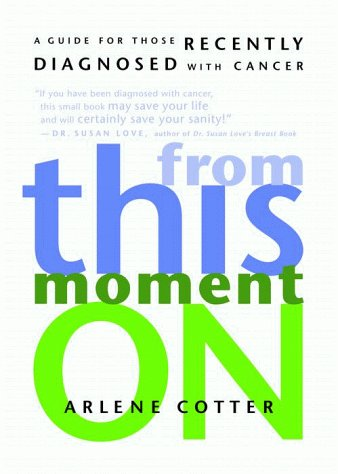
📘 “Cancer—Now What?” by Kenneth C. Haugk is a compassionate and practical guide designed to support individuals facing a cancer diagnosis, as well as their loved ones. It’s published by Stephen Ministries and offers help across four key areas:

  • Medical: Tips on asking the right questions, tracking information, and working effectively with your healthcare team.
  • Emotional: Guidance for coping with shock, expressing difficult feelings, and maintaining self-care.
  • Relational: Advice on getting support, updating others without burnout, and creating safe spaces within your relationships.
  • Spiritual: Encouragement for finding spiritual strength, being honest with your beliefs, and navigating faith-related challenges.

Each copy includes a Quick Tips card to help readers use the book effectively. You can find it on Amazon, BetterWorldBooks, or Stephen Ministries’ official site.

If you’re looking for something shorter and more personal, there’s also Cancer—What Now? by a cancer survivor, offering a quick-read overview with firsthand insights.

1www.cancernowwhat.org2www.amazon.com3www.stephenministries.org  www.goodreads.comwww.goodreads.com

Would you like help choosing between them or finding similar resources?

How can I apply the advice in this book to my life?

You’ve taken the first brave step by asking that question—now we can build from there.

 📘 Cancer—Now What? is packed with real-world guidance.

The real power comes when you connect its ideas to your personal journey.

Here’s how to make it meaningful:

💬 Start with What Speaks to You

  • Skim through the table of contents or chapter headings.
  • Pick one or two sections that feel most relevant—whether it’s dealing with doctors, managing fatigue, or coping emotionally.
  • Treat it like a toolbox, not a novel; dip into the parts that meet your current needs.

📝 Put Advice into Action

  • Use a notebook or app to jot down simple goals. Example: “Ask my oncologist about a nutritionist” or “Schedule a quiet hour each evening for mental reset.”
  • Follow tips on organizing medical info, like creating folders for test results, insurance documents, and appointment notes.
  • Try out communication strategies for updating friends and family—less stress, fewer misunderstandings.

❤️ Lean into Support and Self-Compassion

  • Let the chapters about relationships and emotional health guide conversations with your loved ones.
  • The book emphasizes grace and patience—apply that to yourself, especially on tough days.
  • If you have a spiritual background, use the spiritual guidance to reflect or find comfort.

⏳ Take It Slow and Revisit Often

  • Don’t feel pressured to apply everything at once.
  • Keep the book nearby as a resource—something you return to whenever a new challenge or question comes up.
  • Read a few pages during quiet moments—it can be grounding.

This book isn’t just advice—it’s encouragement in print. If you’d like, I can help turn its ideas into a personalized checklist or weekly reflection guide. 

What are effective emotional coping strategies when facing cancer?

Facing cancer is an emotional marathon, and while there’s no one-size-fits-all approach, there are several strategies that have proven to help people stay grounded, resilient, and emotionally supported throughout the journey:

🧠 Psychological Support

  • Counseling or Therapy: Talking with a licensed therapist—especially one trained in Cognitive Behavioral Therapy (CBT)—can help reframe negative thoughts and reduce anxiety and depression.
  • Dialectical Behavior Therapy (DBT): Offers tools for emotional regulation and balancing uncertainty with hope, especially helpful for navigating intense emotions.

🤝 Social Connection

  • Support Groups: Sharing experiences with others facing cancer can reduce isolation and foster empathy. Some studies even suggest improved outcomes for those who participate3.
  • Family & Friends: Leaning on loved ones for emotional and practical support can ease feelings of self-blame and denial.

🧘‍♀️ Mind-Body Practices

  • Mindfulness & Meditation: These techniques help reduce stress hormones and improve sleep and mood.
  • Yoga & Relaxation Techniques: Gentle movement and breathing exercises promote calm and emotional resilience.

💬 Emotional Expression

  • Journaling or Creative Outlets: Writing, art, or music can help process complex emotions and provide a sense of accomplishment.
  • Open Communication: Expressing feelings to trusted people or professionals helps prevent emotional bottling and builds stronger relationships.

🌱 Positive Framing

  • Maintaining Hope & Optimism: Focusing on meaningful relationships, living in the present, and celebrating small wins can boost emotional well-being.
  • Acceptance Coping: Acknowledging the reality of the diagnosis without resistance can reduce emotional struggle and foster peace.

🛠 Practical Coping

  • Problem-Solving Approach: Tackling logistical challenges (appointments, finances, care plans) can restore a sense of control.
  • Education: Understanding your diagnosis and treatment options empowers decision-making and reduces fear of the unknown.

If you’d like, I can help you build a personalized coping plan or explore resources tailored to your situation. Would that be helpful?

1Knowridge Science Report 2www.aimatmelanoma.org 3. Together4Cancer 4. Coping With Cancer

About the Book

image.png

Cancer—Now What?

Click to Order

A Way to Offer Help and Hope to Those Facing Cancer

All too often we hear that someone we know is facing cancer. A friend, relative, or neighbor—or a colleague, church member, customer, patient, care receiver, or client—receives the devastating news of a cancer diagnosis.

During such a difficult time, we want to reach out with support and care, to offer help and hope. But how? A simple, powerful way is to give a copy of Cancer—Now What? This book is a comprehensive how-to guide that helps cancer patients and their loved ones navigate the medical, emotional, relational, and spiritual challenges of cancer.

A Practical, User-Friendly Resource

Cancer—Now What? covers a wide range of challenges that those with cancer and their loved ones may face. This book is organized into four topical sections.

Each copy of Cancer—Now What? also includes a Quick Tips card, which offers suggestions for how readers might use the book. 

Medical

  • Asking the right questions at the right time
  • Finding reliable information
  • Tracking medical information effectively
  • Helping your medical team help you

Emotional

  • Coping with the emotional aftershocks
  • Finding ways to express difficult feelings
  • Not letting cancer define you
  • Caring for yourself

Relational

  • Getting the support you need
  • Updating others without wearing yourself out
  • Creating a safe place within your family
  • Connecting with those who have faced cancer

Spiritual

  • Finding spiritual support
  • Weathering spiritual storms
  • Being totally honest with God
  • Asking hard questions without feeling guilty
Posted in Uncategorized | Leave a comment

Your Own Kind of Beautiful

Shannon Knight Top 10 Q &A about how i survived stage 4 cancer – Search Images

July 19, 2006 – my brother’s birthday is the day I was diagnosed with stage three breast cancer. I had no idea the journey I would be led on starting on this day. Shannon Knight | Facebook

The Cancer Journey — Shannon Knight is a testament to her resilience and the power of alternative therapies 1. After being diagnosed with stage 3 breast cancer in 2006, she faced the challenge of stage 4 cancer in 2010 2. Despite the prognosis of only 3-12 months to live, Shannon moved forward with determination and sought advanced alternative cancer treatments at CMN Hospital in Mexico.

Her story is one of courage, self-empowerment, and the transformative power of holistic healing 3.  Shannon has since become a cancer advocate and certified life coach, sharing her experiences to inspire others facing similar challenges 4. 

Shannon Knight survived breast cancer twice. Like millions of others she was faced with the challenge of deciding how to save her life. She refused chemotherapy and did some radiation and mastectomy. When conventional medicine failed, she discovered alternative healing at a hospital in Mexico.

Here are 10 powerful Q&As based on Shannon Knight’s inspiring journey of surviving stage 4 breast cancer without chemotherapy:

🌟 Top 10 Questions & Answers from Shannon Knight’s Cancer Survival Story

  1. What type and stage of cancer did Shannon have? Shannon was diagnosed with stage 4 breast cancer in 2010, with metastases to her lungs, bones, and other areas.
  2. What treatment path did she choose? She opted for alternative therapies at CMN Hospital in Mexico, including dendritic cell therapy, ozone therapy, high-dose vitamin C, and more—no chemotherapy.
  3. Why did she reject conventional treatments like chemo and hormone blockers? Shannon believed the side effects outweighed the benefits. Instead of hormone blockers, she chose an oophorectomy (ovary removal) to avoid drug-induced menopause.
  4. How long did it take her to heal? Within eight months of starting treatment at CMN Hospital, Shannon was declared cancer-free and has remained so since 2011.
  5. What role did faith and mindset play in her recovery? Shannon credits her faith in God, strong intuition, and refusal to give up as key factors in her healing journey.
  6. Did she face criticism for her choices? Yes—many doubted her decision to leave the U.S. for treatment. But she stood firm, saying, “Once I make up my mind, I go for it”.
  7. What emotional challenges did she face? Shannon battled panic attacks, fear of paralysis, and trauma from past experiences. She emphasizes the importance of self-compassion and emotional healing.
  8. How did her personal history shape her resilience? Before cancer, Shannon survived stalking and had to change her identity for safety. These experiences taught her to fight for her life and trust her inner strength.
  9. What message does she share with other cancer patients? “Don’t give up. There is always hope.” Shannon encourages others to explore all options and trust their instincts.
  10. Where can people learn more or connect with her? Shannon shares her story and resources on her ShannonKnight.com and she’s active in coaching and advocacy for women facing cancer.

Would you like me to help turn this into a blog post, video script, or something more personal? 1www.facebook.com 2www.youtube.com 3www.solitarius.org  

What are the alternative therapies Shannon used in her treatment?

Shannon Knight’s healing journey from stage 4 breast cancer is remarkable for the range of alternative therapies she embraced—many of which are considered integrative or non-toxic approaches. Here’s a breakdown of the key treatments she used:

🌿 Alternative Therapies Shannon Knight Used

  • Dendritic Cell Therapy Boosts the immune system by using the body’s own dendritic cells to target cancer cells.
  • High-Dose Vitamin C Therapy Administered intravenously to act as a pro-oxidant, potentially damaging cancer cells while supporting healthy tissue.
  • Laetrile (Vitamin B17) A controversial compound derived from apricot seeds, believed by some to have anti-cancer properties.
  • Ozone Therapy Introduces ozone into the body to increase oxygenation and stimulate immune response.
  • Hyperthermia Therapy Uses heat to raise body temperature and weaken or kill cancer cells.
  • Enzyme Therapy Involves proteolytic enzymes that may help break down the protective coating around cancer cells.
  • Coffee Enemas Used to detoxify the liver and stimulate bile flow, often part of holistic cancer protocols.
  • Hyperbaric Oxygen Therapy Delivers oxygen at high pressure to promote healing and inhibit cancer growth.

These treatments were administered at CMN Hospital in Mexico where Shannon found a supportive and compassionate medical team that aligned with her values and healing philosophy2.

Therapies Mentioned
Dendritic Cell therapy
High Dose Vitamin C therapy
Laetrile (B-17)
Hyperthermia
Ozone Therapy
Enzyme Therapy
Coffee Enemas

Hyperbaric Oxygen Therapy Mixed Reviews

Would you like a deeper dive into how each therapy works or how they’re viewed in conventional vs. alternative medicine circles?

1www.chrisbeatcancer.com 2www.youtube.com 3rumble.com

Shannon Knight’s healing journey from stage 4 breast cancer is remarkable for the range of alternative therapies she embraced—many of which are considered integrative or non-toxic approaches. Here’s a breakdown of the key treatments she used:

How do alternative therapies compare to conventional cancer treatments?

Great question—this comparison is at the heart of many cancer care decisions. Here’s a clear breakdown of how alternative therapies stack up against conventional treatments:

🧬 Conventional Cancer Treatments

These are the standard medical approaches backed by rigorous scientific research:

  • Chemotherapy: Uses drugs to kill or slow the growth of cancer cells.
  • Radiation Therapy: Targets cancer cells with high-energy beams.
  • Surgery: Removes tumors or affected tissues.
  • Immunotherapy & Hormone Therapy: Stimulate the immune system or block hormones that fuel cancer.

Pros:

  • Proven effectiveness through clinical trials.
  • Regulated and monitored for safety.
  • Often covered by insurance.

Cons:

  • Can cause significant side effects (e.g., fatigue, nausea, hair loss).
  • May impact quality of life during treatment.

🌿 Alternative Therapies

These are non-mainstream treatments often used instead of conventional medicine:

  • Examples include laetrileozone therapyhigh-dose vitamin C, and herbal remedies.

Pros:

  • May align with personal beliefs or holistic philosophies.
  • Some people report improved well-being or fewer side effects.

Cons:

  • Most lack scientific validation and regulatory oversight
  • Can be risky if used in place of proven treatments.
  • May interfere with conventional therapies or delay effective care.

🤝 Complementary vs. Alternative

  • Complementary therapies (like acupuncture, yoga, meditation) are used alongside conventional treatment to ease symptoms5.
  • Alternative therapies are used instead of conventional treatment—and that’s where the risk increases.

🧠 Bottom Line

  • Conventional treatments are the cornerstone of cancer care due to their proven track record.
  • Complementary therapies can enhance quality of life and help manage side effects.
  • Alternative-only approaches should be approached with caution and discussed with a healthcare provider.

Would you like help exploring integrative options that combine both worlds safely?

1bing.com  2www.mayoclinic.org 3www.mesothelioma.com 4www.health.harvard.edu 5oasis medical linstitute.com

What are some examples of effective complementary therapies?

Here are some widely recognized complementary therapies that can support cancer patients by easing symptoms and improving overall well-being—when used alongside conventional treatment:

🌿 Mind–Body Therapies

These help reduce stress, anxiety, and pain:

  • Meditation: Promotes relaxation and emotional balance.
  • Yoga: Combines movement and breathwork to improve sleep and reduce fatigue.
  • Tai Chi & Qigong: Gentle exercises that enhance balance and calm.
  • Hypnosis: May help with pain, anxiety, and chemotherapy-related nausea.

🎵 Sensory & Creative Therapies

These engage the senses and emotions:

  • Music Therapy: Can relieve pain, reduce stress, and improve mood.
  • Art Therapy: Helps express emotions and cope with trauma.
  • Aromatherapy: Uses essential oils to ease nausea and promote relaxation.

💆‍♀️ Physical Therapies

These focus on touch and movement:

  • Massage Therapy: Reduces pain, anxiety, and muscle tension.
  • Acupuncture: Shown to help with nausea, fatigue, and certain types of pain.
  • Acupressure: Gentle pressure on specific points to relieve symptoms like nausea.

🧠 Psychological Support

These therapies support mental health:

  • Cognitive Behavioral Therapy (CBT): Effective for sleep issues and emotional resilience.
  • Biofeedback: Helps control physical responses like heart rate and muscle tension.

🥗 Nutritional & Lifestyle Support

While not curative, these can enhance vitality:

  • Ginger: May help with chemotherapy-induced nausea.
  • Exercise: Boosts energy, mood, and long-term outcomes.
  • Sleep Hygiene & Relaxation Techniques: Improve rest and reduce stress.

Want help building a personalized complementary care plan or exploring which ones pair best with your current treatment?

1www.mayoclinic.org 2www.cancer.org 3www.nccih.nih.gov 4John Hopkins Health Plans

How can I incorporate art therapy into my routine?

Incorporating art therapy into your daily routine doesn’t require artistic talent—just a willingness to explore and express. Here’s how you can make it a meaningful part of your life:

🎨 Simple Ways to Start

  • Set a creative time: Dedicate 10–15 minutes daily to doodling, coloring, or sketching. Morning journaling or bedtime drawing can be grounding.
  • Create a visual journal: Combine sketches, colors, and written reflections to track your emotions and experiences.
  • Use prompts: Try drawing your mood, creating a collage of your week, or painting with colors that match how you feel.
  • Focus on process, not product: Let go of perfection. The goal is expression, not masterpieces.

🧘‍♀️ Make It Mindful

  • Sync with breath: Draw patterns or shapes while breathing deeply—this turns art into meditation.
  • Try mandala drawing: Repetitive circular designs promote calm and focus.
  • Use sensory elements: Add calming music, essential oils, or soft lighting to enhance the experience.

🖌️ Build Your Space & Supplies

  • Create an art corner: Keep basic supplies like markers, paper, and glue easily accessible.
  • Explore digital tools: Use apps for drawing or photo editing if physical materials aren’t available.
  • Rotate mediums: Switch between painting, collage, clay, or even photography to keep things fresh.

👥 Make It Social

  • Join a group: Attend local workshops or online art therapy communities.
  • Share your work: Post your creations or discuss them with friends—it builds connection and confidence.
  • Collaborate: Try joint projects with family or friends for bonding and fun.

You can find more ideas in The Art Therapy Handbook or explore tips from Delta Psychology’s Guide on integrating creativity into everyday life.

Would you like help designing a weekly art therapy plan tailored to your goals or emotional needs?

Lobular cancer: the sneaky form of breast cancer few know about | Video Lab | ABC News

Beat cancer NATURALLY without CHEMO! Shannon Knight did!

10 years Cancer Free stage 4 Shannon Knight

Posted in Uncategorized | Leave a comment

Chronic LYME: It’s A Thing

🧬Chronic Lyme Disease – Search Videos is very real—and Alane Wincek’s story is a powerful testament to that.

By Alane Wincek

🌟 I Help People Living with Lyme Disease: My Journey and How I Can Help You 🌟

I have battled Lyme disease for most of my life—40 years to be exact. Despite its challenges, I try to never let it get me down. Instead, I learned how to treat my body to help it heal from the symptoms and illness.

YAY I am in GREAT health now…

Lyme is known as the “Great Mimicker” because it can be misdiagnosed as conditions like fibromyalgia, Parkinson’s, MS, seizures, chronic pain, fatigue, food reactions, sensory overload, POTS syndrome, or even lupus. One day you might feel fine, and the next, you could be struggling with the sudden onset of symptoms caused by a tick bite.

If you suspect you might be dealing with Lyme disease, please reach out. I am 100% Lyme literate and continually educate myself on new protocols to help those battling Lyme symptoms feel better. You don’t have to face this alone—let’s work together to improve your health and well-being.

A LETTER FROM LYME DISEASE

Hi. My name is Lyme Disease. I’m a bacterial infection caused by Borrelia burgdorferi, and I’m transmitted through the bite of infected blacklegged ticks. I’m incredibly sneaky and complex, and I’m about to become your most unwelcome, persistent companion. You might not even remember the tick bite that brought me into your life—my tick friends are tiny, sometimes as small as a poppy seed, and they can bite you without you ever knowing.

You might have seen my calling card—that distinctive bull’s-eye rash called erythema migrans. But here’s my first trick: only about 70-80% of people infected with me get this rash, and it doesn’t always look like a perfect bull’s-eye. Sometimes it’s just a red patch, sometimes it’s nothing at all. So you might have me and not even know it yet.

If you caught me early and got the right antibiotics, you might have gotten rid of me quickly. But if you didn’t—if I was missed, misdiagnosed, or inadequately treated—then welcome to my world of chronic havoc. I can hide in your tissues, your joints, your nervous system, and your heart. I’m a master of disguise and persistence.

I’m called “The Great Imitator” because I can mimic so many other diseases. I can make you think you have fibromyalgia, chronic fatigue syndrome, multiple sclerosis, ALS, Parkinson’s, or even psychiatric disorders. This is one of my greatest weapons—confusion. While doctors are trying to figure out what’s wrong with you, I’m spreading and establishing myself deeper in your system.

Let me tell you about the gift of symptoms I bring. I can give you crushing fatigue that makes you feel like you’re moving through quicksand. I can cause joint pain that migrates from one place to another—your knee one day, your shoulder the next. I can give you muscle aches and weakness that make you feel like you’ve run a marathon when you’ve barely gotten out of bed.

Your brain? That’s one of my favorite playgrounds. I can cause what people call “brain fog,” but it’s so much more than that. I can make you forget words mid-sentence, lose your train of thought completely, or make you feel like you’re thinking through cotton. I can affect your memory, your concentration, your ability to process information. Some people call it “Lyme brain,” and it can be terrifying when you can’t trust your own mind.

I can mess with your nervous system in countless ways. Numbness, tingling, burning sensations, shooting pains—I can make you feel like your nerves are on fire or completely dead. I can cause facial paralysis (Bell’s palsy), severe headaches, and even seizures. I can affect your vision, your hearing, your balance.

Sleep? I can make that a nightmare too. I can keep you awake with pain, anxiety, or night sweats, or I can make you so exhausted that you sleep for hours and still wake up feeling like you haven’t slept at all.

I can affect your heart, causing irregular rhythms or chest pain that might land you in the emergency room thinking you’re having a heart attack. I can cause breathing problems, digestive issues, and make you feel like you have the flu that never goes away.

Here’s where I get really cruel: I’m controversial. There’s something called “chronic Lyme disease” that many mainstream doctors don’t believe exists. They’ll tell you that if you’ve been treated with antibiotics, I should be gone. But I know better—I know how to hide, how to form biofilms, how to change into different forms that are harder to kill. I know how to persist.

You’ll find yourself in the middle of a medical debate that shouldn’t involve your suffering body. Some doctors will dismiss your ongoing symptoms as something else—depression, anxiety, fibromyalgia, or just stress. They might make you feel like you’re making it up or that it’s “all in your head.”

You’ll go from doctor to doctor, specialist to specialist. You’ll have blood test after blood test, and many of them will come back negative or inconclusive because I’m so good at hiding and because the tests aren’t perfect. You might be told you’re a hypochondriac or that you need psychiatric help.

The financial burden I bring is crushing. Many insurance companies won’t cover long-term treatment for me because of the controversy around chronic Lyme. You might spend thousands of dollars out of pocket seeing Lyme-literate doctors, getting specialized tests, trying different treatments. I can bankrupt you while I’m destroying your health.

Your relationships will suffer. Family and friends will get tired of hearing about your symptoms, especially when you look fine on the outside. They’ll suggest you just need to exercise more, eat better, and think more positively. They won’t understand that I’ve stolen your energy, your joy, your ability to participate in life the way you used to.

You might lose your job because you can’t perform the way you used to. You might have to give up hobbies, activities, and dreams because I’ve made you too sick to pursue them. I can make you feel like a prisoner in your own body.

The isolation is profound. You’ll feel alone in your illness, misunderstood by the medical community, and abandoned by a society that doesn’t recognize the severity of what you’re going through. You might even start to doubt yourself—am I really this sick? Am I making this worse than it is?

But here’s what I don’t want you to know: There are doctors who understand me, who know how to fight me effectively. There are treatments beyond the standard antibiotic protocols that can help. There are other people fighting the same battle who can offer support and understanding when no one else can.

You are not crazy. Your symptoms are real. Your suffering is valid. You deserve to be heard, believed, and treated with respect and compassion. You deserve healthcare providers who will keep searching for answers and won’t give up on you.

The journey with me is long and difficult, but you are stronger than you know. You will learn to advocate for yourself in ways you never thought possible. You will find your tribe of fellow warriors who understand this battle intimately.

Recovery is possible, even when it feels impossible. Don’t give up hope, and don’t give up fighting.

I am Lyme Disease, and I underestimated your strength.

*****************

Alane Wincek – Search a holistic nutritionist and Lyme-literate naturopath, who has spent decades battling and helping others recover from chronic Lyme disease. Her journey began in the early 1980s after a tick bite in upstate New York, which led to years of debilitating symptoms—pain, fatigue, neurological issues, and misdiagnoses 1

🌿 Lyme Disease: A Journey to Understanding and Healing 🌿

Did you know that Lyme disease often goes undiagnosed or misunderstood, leaving so many people struggling with unexplained symptoms? It’s something close to my heart because I have battled it since my 20s and so many of my patients have it and go undiagnosed for years .

Symptoms like fatigue, joint pain, brain fog, and more can take over your life—but there’s hope. I’ve written a blog to share insights on Lyme disease, including how to recognize it, run proper testing, and explore natural ways to support your recovery.

💚 If you or someone you love is dealing with mysterious health struggles, this blog might offer the clarity and support you’ve been searching for.

👉 Click here to read: What Can Happen With Lyme Disease / #1 Ultimate Need to Know

Please feel free to share this with others who may need it. You are not alone, and there’s always a path forward. 🌟

My office is 100% Lyme Literate – We Understand!

💡 Key highlights from her experience:

  • She struggled for years before receiving a correct diagnosis of Lyme disease.
  • Her symptoms were often dismissed or misunderstood by conventional medicine.
  • After finally being diagnosed, she pursued holistic and integrative treatments.
  • She now runs a wellness clinic called Nutritionally Yours in Atlanta, Georgia, offering support to others with chronic illness 

Welcome to Nutritionally Yours with Alane Wincek, ND, CNC

How does Nutritionally Yours support patients with chronic Lyme?

🌿 Nutritionally Yours offers a deeply personalized and holistic approach to chronic Lyme disease care, led by Alane Wincek, a Lyme-literate naturopath and nutritionist.

Here’s how they support patients:

🧪 Comprehensive Testing

  • Advanced diagnostic tools: Stool analysis, food sensitivity testing, and immune function panels to uncover root causes.
  • Tick-borne illness screening: Includes Lyme and co-infections like Babesia and Bartonella.

🥗 Nutrition & Supplement Protocols

  • Customized dietary plans: Anti-inflammatory, gluten-free, and sugar-free diets to reduce symptoms and support gut health.
  • Targeted supplements: Natural antimicrobials, immune boosters, and detox support tailored to each patient’s needs.

🧘 Mind-Body Healing

  • Emphasis on emotional wellness: Recognizing the psychological toll of chronic illness, they offer compassionate guidance and stress-reduction strategies.
  • Faith-based encouragement: For those who seek it, spiritual support is woven into the healing journey.

💻 Virtual Consultations

  • Accessible care nationwide: Patients can receive guidance from anywhere in the U.S. through secure telehealth sessions.

🌟 Real Patient Success

  • Testimonials highlight dramatic improvements in joint pain, neurological symptoms, fatigue, and overall quality of life—even after years of misdiagnoses.

If you’re curious, I can walk you through one of her protocols or help you explore how to get started with a virtual consultation. Want to dig into her dietary strategies next?

1nutritionallyyours.net 2nutritionallyyourstestkits.com

Can you explain the dietary strategies used?

Absolutely! 🥦 Nutritionally Yours uses a Lyme-friendly dietary strategy that’s anti-inflammatory, gut-healing, and immune-supportive. Here’s how it breaks down:

🥗 Core Principles of the Lyme Diet

  • Anti-inflammatory focus: Reduces joint pain, brain fog, and fatigue by avoiding foods that trigger inflammation.
  • Gut health restoration: Supports digestion and nutrient absorption, which are often compromised in chronic Lyme.
  • Immune system support: Strengthens the body’s defenses to help fight lingering infections.

✅ Foods to Emphasize

  • Leafy greens & cruciferous veggies: Spinach, kale, broccoli—rich in antioxidants and fiber.
  • Wild-caught fish & lean proteins: Salmon, sardines, organic poultry—packed with omega-3s and amino acids.
  • Fermented foods: Sauerkraut, kefir, kimchi—restore gut flora and improve immunity.
  • Healthy fats: Avocados, olive oil, flaxseeds—reduce inflammation and support brain health.
  • Herbs & spices: Garlic, ginger, turmeric—natural antimicrobials and anti-inflammatories.

🚫 Foods to Avoid

  • Refined sugar & processed foods: Feed harmful bacteria and worsen inflammation.
  • Gluten & dairy: Often linked to increased pain and digestive issues in Lyme patients.
  • Alcohol & caffeine: Stress the liver and disrupt sleep and hydration.

🧃 Hydration & Detox

  • Electrolyte-rich fluids: Herbal teas, lemon water, and mineral salts help flush toxins.
  • Bone broth: Supports gut lining and provides collagen for joint health.

🧠 Personalized Adjustments

  • Nutritionally Yours tailors plans based on food sensitivities, immune markers, and digestive health.
  • They may recommend IgG food allergy testing to identify hidden triggers.

Would you like a sample meal plan or a breakdown of supplements that pair with this diet? I can walk you through a typical day on the protocol.

What are the health benefits of following these strategies?

🌟 Following the dietary strategies from Nutritionally Yours for chronic Lyme disease can offer a wide range of health benefits—especially for those dealing with persistent symptoms. Here’s how these approaches can make a meaningful difference:

🧠 Improved Cognitive Function

  • Anti-inflammatory foods like wild-caught fish and berries help reduce brain fog and support memory and focus.
  • Omega-3s and antioxidants protect against neuroinflammation, which is common in chronic Lyme2.

💪 Reduced Pain & Inflammation

  • Avoiding gluten, dairy, and sugar helps lower systemic inflammation, easing joint and muscle pain4.
  • Herbs like turmeric and ginger act as natural pain relievers and anti-inflammatories.

🛡️ Strengthened Immune System

  • Nutrient-dense foods (e.g., leafy greens, citrus fruits, nuts) provide essential vitamins like C, D, and zinc that boost immune defenses2.
  • Probiotic-rich foods restore gut flora, which plays a key role in immune regulation1.

🧃 Enhanced Detoxification

  • Hydration strategies and antioxidant-rich foods support liver function and help flush out toxins from Lyme treatment.
  • Bone broth and herbal teas aid in cellular repair and detox pathways.

🌿 Better Gut Health

  • Fermented foods and prebiotic fibers (like garlic and onions) rebuild a healthy microbiome, improving digestion and nutrient absorption5.
  • A balanced gut reduces inflammation and supports overall recovery.

⚡ Increased Energy & Vitality

  • B vitamins and magnesium-rich foods help combat fatigue and support nerve function.
  • A clean, whole-food diet reduces the body’s toxic load, freeing up energy for healing.

These benefits aren’t just theoretical—many patients report noticeable improvements in mood, stamina, and symptom relief after adopting these strategies. Want help building a sample meal plan or exploring supplement pairings next?

1www.sierraintegrative.com 2www.lymedisease.org 3turnpaughhwc.com

 4www.medicalnewstoday.com 5www.brownhealth.org

Can you explain the benefits of Omega-3s in more detail?

Absolutely! 🐟 Omega-3 fatty acids are powerhouse nutrients that support nearly every system in your body. Let’s break down their science-backed benefits:

🧠 Brain & Mental Health

  • Supports cognitive function: DHA, a type of omega-3, is a major structural fat in the brain and retina. It helps with memory, focus, and learning.
  • Reduces depression and anxiety: EPA, another omega-3, has shown promise in improving mood and reducing symptoms of mental health disorders.
  • May slow age-related decline: Higher omega-3 intake is linked to reduced risk of Alzheimer’s and dementia.

❤️ Heart Health

  • Lowers triglycerides: Omega-3s can significantly reduce blood fats that contribute to heart disease.
  • Improves cholesterol balance: They may raise HDL (good cholesterol) and reduce LDL (bad cholesterol) in some people.
  • Reduces blood pressure and clotting: Helps keep arteries clear and lowers risk of heart attacks and strokes.

👁️ Eye Health

  • Protects vision: DHA is vital for retinal health and may reduce the risk of macular degeneration and dry eyes2.

🤰 Pregnancy & Development

  • Boosts fetal brain development: Omega-3s are crucial during pregnancy for the baby’s cognitive and visual growth2.
  • May reduce risk of preterm birth: Supplementation has been linked to healthier birth outcomes.

🦴 Joint & Inflammation Support

  • Reduces chronic inflammation: Omega-3s help calm the immune system, which is key in conditions like arthritis, asthma, and autoimmune diseases3.
  • Eases joint stiffness and pain: Especially helpful for athletes and those with rheumatoid arthritis.

🧬 Other Benefits

  • Supports skin health: EPA helps regulate oil production and hydration, improving conditions like acne and eczema.
  • May reduce cancer risk: Some studies suggest omega-3s may lower the risk of breast, colon, and prostate cancers.
  • Improves liver function: Can help reduce fat buildup in the liver, especially in metabolic syndrome.

Would you like help choosing omega-3-rich foods or supplements next? I can also show you how to balance EPA and DHA for your specific goals.

1www.healthline.com 2www.eatingwell.com 3naturalfoodseries.com

🎥 In her YouTube video,  Alane shares how chronic Lyme isn’t “in your head”—it’s a complex, often invisible illness that requires comprehensive testing and personalized care. She emphasizes natural treatments, dietary changes, and emotional support as part of the healing journey.

If you’re curious about her approach or want to explore her resources, she’s also an author and offers virtual consultations across the U.S..

Would you like to dive deeper into her protocols or hear more stories from others she’s helped?

1nutritionallyyours.net 2www.youtube.com 3www.amazon.com

I had a friend ask me Friday.

How much did A.I. help with my blogging and cancer patients in their search for an Answer to Cancer!!!

https://chatgpt.com/  https://copilot.microsoft.com/  https://grok.com/

https://youtu.be/0rPRE7A7I_U?si=fQBXoS3sMg_bJ6lb
My Shocking Reality of Living With Lyme Disease: Part One

https://youtu.be/K7v9XOyZxbc?si=JQMRjE9tZXk08KjV
The Truth About My Lyme Disease Journey: Part Two

What is lyme disease in humans and how do you treat it – Search

The Lyme Disease: A Silent Epidemic | FULL DOCUMENTARY – YouTube

W5: Canadians fight for Lyme disease diagnosis and treatment – YouTube

Nikki Kent Story at the 19:45 time mark in the video [below] is receiving Lyme Disease treatment at the Sponaugle Wellness Institute – Search due to severe neurological damage caused by Lyme Disease. Lyme Disease Testimonial | Dr. Rick Sponaugle. Search Results for Lyme Disease | Cancer Quick Facts

Posted in Uncategorized | Leave a comment

This is My Life Now

🧠 Dementia doesn’t typically cause true split personality—like dissociative identity disorder—but it can lead to dramatic shifts in behavior and personality that might feel like someone is switching between different selves.

Here’s what’s going on:

🌀 Why Personality Changes Happen in Dementia

  • Brain damage: Dementia affects different parts of the brain, especially areas responsible for memory, emotion, and social behavior. As neurons die, personality traits can shift or disappear.
  • Frontal lobe dysfunction: Damage here can lead to impulsivity, aggression, or apathy—making someone act very differently from their usual self.
  • Delusions and hallucinations: Some types of dementia, like Lewy Body or advanced Alzheimer’s, can cause people to see or hear things that aren’t there. They may respond to these experiences as if they’re real, which can resemble a “split” in personality.
  • Mood swings: Rapid changes in mood—calm one moment, angry the next—can make someone seem like they’re flipping between personalities.
  • “Show timing”: People with dementia sometimes appear perfectly fine in public or with doctors, but behave very differently at home. This contrast can feel like dual personalities to caregivers.
  • The term “sundowning” refers to a state of confusion that occurs in the late afternoon and lasts into the night. Sundowning can cause various behaviors, such as confusion, anxiety, aggression or ignoring directions. Sundowning also can lead to pacing or wandering. Sundowning isn’t a disease.

🧩 When It Looks Like More Than Dementia

Some caregivers report loved ones taking on multiple personas—like a meek version, an aggressive one, and a mediator—all within the same day. While this isn’t classic dissociative identity disorder, it may be a mix of:

  • Advanced dementia symptoms
  • Psychosis or schizophrenia-like features
  • Auditory hallucinations or delusional thinking

Doctors sometimes disagree on whether these behaviors are part of dementia or a separate mental illness. It’s a gray area, and each case is unique.

If you’re seeing this in someone you care about, it’s worth discussing with a neurologist or geriatric psychiatrist. They can help sort out what’s dementia-related and what might need different treatment.

Would you like help understanding the different types of dementia that cause more behavioral changes? Or tips for managing these shifts day-to-day?

1www.healthline.com2www.webmd.com3www.agingcare.com  

Understanding the different types of dementia that cause more behavioral changes? Or tips for managing these shifts day-to-day?

Absolutely—let’s break this into two parts: types of dementia with strong behavioral symptoms, and practical tips for managing those changes.

🧠 Types of Dementia That Often Cause Behavioral Shifts

Some forms of dementia are more likely to cause noticeable changes in personality, mood, and behavior:

1. Frontotemporal Dementia (FTD)

  • Affects the frontal and temporal lobes—areas tied to personality, judgment, and social behavior.
  • Common changes: impulsivity, inappropriate social behavior, apathy, emotional bluntness.
  • May resemble psychiatric disorders at first.

2. Lewy Body Dementia

  • Includes symptoms of Parkinsonism and fluctuating cognition.
  • Common changes: vivid hallucinations, paranoia, sleep disturbances, mood swings.
  • Can cause dramatic shifts in alertness and behavior from hour to hour.

3. Alzheimer’s Disease

  • Most common type, with progressive memory loss.
  • Behavioral changes: agitation, wandering, aggression, depression, sundowning (late-day confusion).

4. Vascular Dementia

  • Caused by reduced blood flow to the brain.
  • Behavioral changes: mood instability, apathy, slowed thinking, irritability.
  • Often coexists with Alzheimer’s.

🛠️ Tips for Managing Day-to-Day Behavioral Shifts

These strategies can help caregivers and loved ones navigate the ups and downs:

🧩 Understand the Triggers

  • Look for patterns: time of day, noise, hunger, pain, or confusion.
  • Keep a journal to track behaviors and possible causes.

🧘 Create a Calm Environment

  • Reduce clutter and noise.
  • Use soft lighting and familiar objects to create comfort.
  • Stick to a daily routine to reduce anxiety.

🗣️ Communicate with Compassion

  • Use short, clear sentences.
  • Avoid arguing or correcting—redirect gently instead.
  • Validate feelings even if the facts are off.

🎵 Use Distraction and Engagement

  • Music, art, or simple tasks can redirect agitation.
  • Offer activities that match their current abilities.

🧑‍⚕️ Involve Professionals

  • A geriatric psychiatrist or neurologist can help with medication or behavioral plans.
  • Sudden changes may signal pain, infection, or medication side effects.

Would you like a printable guide or checklist for caregivers? Or maybe we could explore how to respond to specific behaviors like aggression or hallucinations?

Can you provide a checklist for managing behavioral changes?

Absolutely! Here’s a practical and compassionate checklist to help caregivers manage behavioral changes in someone with dementia:

✅ Dementia Behavior Management Checklist

🧠 Understand the Person

  • Learn their type of dementia and typical symptoms.
  • Know their life history, preferences, and routines.
  • Track behavior patterns—when, where, and why they occur.

🔍 Identify Triggers

  • Check for pain, hunger, thirst, or discomfort.
  • Watch for environmental stressors: noise, clutter, lighting.
  • Note time-of-day patterns (e.g., sundowning in late afternoon).

🛠️ Respond to Behavior

  • Stay calm and reassuring—your mood affects theirs.
  • Redirect gently: offer a snack, music, or a walk.
  • Avoid arguing or correcting—validate feelings instead.

🧘 Create a Supportive Environment

  • Maintain a structured daily routine.
  • Use familiar objects and photos to reduce confusion.
  • Minimize overstimulation—soft lighting, quiet spaces.

🗣️ Communicate Effectively

  • Use short, clear sentences and a gentle tone.
  • Allow extra time for responses.
  • Use non-verbal cues like touch, eye contact, and smiles.

🎵 Engage and Distract

  • Offer music, art, puzzles, or simple tasks.
  • Encourage social interaction with family or pets.
  • Match activities to their current abilities.

🧑‍⚕️ Monitor and Adjust

  • Keep a behavior journal to share with healthcare providers.
  • Watch for medication side effects or new symptoms.
  • Consult a geriatric psychiatrist or neurologist as needed.

If you’d like, I can help you turn this into a printable version or tailor it to a specific behavior you’re dealing with—like aggression, wandering, or hallucinations. Want to dive deeper into one of those?

What are some common mistakes to avoid in behavior management?

Great question—avoiding common pitfalls can make a huge difference in how smoothly things go when caring for someone with dementia. Here’s a rundown of frequent mistakes and how to sidestep them:

🚫 Common Mistakes in Dementia Behavior Management

1. Arguing or Correcting

  • Trying to reason or correct someone with dementia often leads to frustration.
  • Instead: Validate their feelings, even if the facts are off. Redirect gently.

2. Ignoring Triggers

  • Overlooking what causes agitation—like noise, hunger, or pain—can escalate behaviors.
  • Instead: Track patterns and adjust the environment or routine accordingly.

3. Being Reactive Instead of Proactive

  • Waiting until a behavior becomes disruptive before acting.
  • Instead: Plan ahead with calming routines, soothing activities, and early interventions.

4. Overstimulating the Environment

  • Bright lights, loud sounds, or clutter can overwhelm someone with dementia.
  • Instead: Create a calm, familiar space with soft lighting and minimal distractions.

5. Using Complex Language

  • Long explanations or abstract ideas can confuse and frustrate.
  • Instead: Use simple, clear sentences and visual cues.

6. Taking Behavior Personally

  • It’s easy to feel hurt or blamed when someone lashes out.
  • Instead: Remember it’s the disease talking, not the person. Stay calm and compassionate.

7. Neglecting Self-Care

  • Burnout leads to less patience and more mistakes.
  • Instead: Take breaks, ask for help, and prioritize your own well-being.

8. Inconsistent Routines

  • Sudden changes can cause confusion and anxiety.
  • Instead: Stick to a predictable daily schedule with familiar activities.

9. Over-relying on Medication

  • Medications can help, but they’re not a cure-all and may have side effects.
  • Instead: Try non-pharmacological strategies first, like music, exercise, or sensory therapy.

10. Not Seeking Professional Help

  • Waiting too long to consult a specialist can delay effective treatment.
  • Instead: Reach out to a geriatric psychiatrist, neurologist, or dementia care team early.

Would you like a printable version of this list or tips tailored to a specific behavior you’re dealing with—like aggression, wandering, or hallucinations? I’d be glad to help.

What are strategies for addressing specific behaviors like aggression?

Managing aggression in dementia can be tough—but with the right strategies, you can often de-escalate situations and bring calm back into the room. Here’s a toolkit of approaches that caregivers and professionals use to address aggressive behavior:

🛠️ Strategies for Addressing Aggression in Dementia

🔍 1. Identify the Triggers

  • Keep a behavior journal to track when aggression occurs.
  • Look for patterns: time of day, noise, hunger, pain, or confusion.
  • Consider physical discomfort like infections, constipation, or untreated pain.

🧘 2. Create a Calm Environment

  • Reduce noise, clutter, and bright lights.
  • Use soft music, familiar scents (like lavender), and comforting objects.
  • Stick to a predictable routine to reduce anxiety.

🗣️ 3. Communicate with Compassion

  • Speak slowly and gently; avoid arguing or correcting.
  • Use short, clear sentences and non-threatening body language.
  • Validate feelings: “You seem upset. I’m here to help.”

🎵 4. Use Distraction and Redirection

  • Offer a favorite activity, snack, or music to shift focus.
  • Try sensory experiences like folding laundry, sorting buttons, or pet therapy.
  • Redirect with curiosity: “Tell me about that…” or “Let’s go see what’s outside.”

🧑‍⚕️ 5. Involve Professionals

  • Consult a geriatric psychiatrist or neurologist for medication review or behavioral plans.
  • Sudden aggression may signal a medical issue—don’t wait to get help.

🧩 6. Safety First

  • If aggression escalates, give space and stay near an exit.
  • Remove dangerous objects and ensure the environment is safe.
  • In emergencies, call for help and explain the person has dementia.

Would you like a printable version of this guide or tips tailored to a specific situation—like aggression during bathing or sundowning? I can help you build a personalized plan.

Absolutely—pinpointing triggers is like detective work with heart. It takes observation, empathy, and a bit of trial and error. Here’s how to sharpen your skills:

🔍 How to Identify Dementia Behavior Triggers Effectively

🧠 1. Know the Common Categories of Triggers

Triggers often fall into these buckets:

  • Physical: pain, hunger, fatigue, illness, medication side effects.
  • Environmental: loud noises, clutter, unfamiliar surroundings, poor lighting.
  • Emotional: fear, frustration, loneliness, overstimulation.
  • Routine disruptions: changes in schedule, unexpected visitors, travel.
  • Communication breakdowns: not understanding instructions or questions.

📓 2. Keep a Behavior Journal

  • Record what happenedwhen, and where.
  • Note who was present, what was said, and what the person was doing.
  • Track what happened before and after the behavior.
  • Look for patterns over time—certain times of day, activities, or environments.

🧩 3. Use the CAUSEd Framework

This tool helps decode behavior as communication:

  • Communication: Are they misunderstood or unable to express themselves?
  • Activity: Is the task too hard or unfamiliar?
  • Unwell/Unmet needs: Are they in pain, hungry, or tired?
  • Story: Does their personal history explain the reaction?
  • Environment: Is the space over stimulating or confusing?
  • dementia: Consider how brain changes affect perception and response.

You can learn more about this approach from DementiaHub.sg.

🧘 4. Observe Non-Verbal Cues

  • Watch for facial expressionsbody language, and tone of voice.
  • Sudden agitation, pacing, or withdrawal may signal discomfort or confusion.
  • If they can’t say “I’m in pain,” their behavior might be saying it for them.

🧑‍⚕️ 5. Rule Out Medical Issues

  • Behavior changes mean infectionconstipation, or medication side effects.
  • Consult a doctor to rule out physical causes.

🛠️ 6. Test and Adjust

  • Try changing one thing at a time—lighting, noise level, time of activity.
  • See if the behavior improves. If so, you’ve likely found a trigger.

Would you like help building a personalized trigger tracker or exploring how to use this in daily caregiving? 

I can help you set up a simple system. Familiar Music Helps Them to relax and calm down

Jamie MacDonald – Desperate (with Lauren Daigle) (Official Performance Video) – YouTube

Lawrence Welk Show – Salute To The Ladies from 1973

A salute to the ladies includes “Lady of Spain,” “Lovely to Look At,” “’til I Waltz Again with You,” “Girl of My Dreams,” “Margie,” “Every Day Is Ladies’ Day” and “The Most Beautiful Girl in the World.”

How to Respond to Anger, Aggression, Violence, TEMPER TANTRUMS in Dementia

Caring for a spouse with frontotemporal dementia – Donna’s Story.m4v – YouTube

What tips is there to help someone with dementia to calm down – Search Videos

Dementia and Sundowning: Tips to Help You Manage Sundowning

How To Convince Someone With Dementia They Need Help

3 things to NEVER do with your loved one with dementia

4 COMMON DEMENTIA CAREGIVER MISTAKES

Top 5 Caregiving Mistakes to Stop Doing Today

100’s of FREE Dementia Training Videos

What Stage of Alzheimer’s is Anger?

Posted in Uncategorized | Leave a comment

California’s Air Quality

U.S. Cities With the Highest Cancer Mortality Rates – Search

Why Does Northern California have higher cancer incidence rates than Southern California,

Notes:    State Cancer Profiles > Incidence Rates Table ||  Printable Maps

Native Americans Have Higher Cancer Rates – Search

Northern California does tend to show higher cancer incidence rates than Southern California, and while it’s tempting to pin that on environmental factors alone, the reality is more nuanced.

Here’s a breakdown of what might be driving the difference: One of History’s Biggest Natural Disasters Lies at the Base of California’s Mount Shasta | Watch

🧬 Demographics & Lifestyle Factors

  • Age distribution: Northern California counties often have older populations, and cancer risk increases with age.
  • Education & reproductive patterns: Women in affluent areas like Marin or San Mateo tend to have children later and fewer of them, which increases lifetime exposure to estrogen — a known risk factor for breast cancer.
  • Smoking & obesity: These behavioral factors vary by region and are linked to several cancer types.

🌍 Environmental & Occupational Exposure

  • Air and water quality: Some Northern counties have histories of industrial pollution or agricultural pesticide use, which can elevate cancer risks over time.
  • Occupational risks: Higher cancer rates have been observed among workers in farming, meat processing, and manufacturing — industries more prevalent in certain Northern counties.

🏥 Access to Screening & Diagnosis

  • Better healthcare access in wealthier Northern counties may lead to more frequent screenings, which can increase reported incidence rates even if actual cancer occurrence isn’t higher.
  • Late-stage diagnoses are more common in underserved areas, which can skew mortality statistics but not necessarily incidence.

📊 Statistical Clustering & Chance

  • Cancer clusters can occur randomly, and sometimes what looks like a pattern is just statistical noise. Epidemiologists often investigate these clusters but rarely find a single environmental cause.

If you’re curious about a specific county or cancer type, I can dig deeper. Want to explore Marin vs. Los Angeles, for example?

1www.publichealth.lacounty.gov  2www.ccrcal.org  3stacker.com  4statecancerprofiles.cancer.gov

How do lifestyle factors vary between Northern and Southern California?

The lifestyle differences between Northern and Southern California are pretty striking — almost like two siblings with totally different personalities. Here’s how they diverge:

🏙️ Urban Vibe & Pace of Life

  • Northern California is intellectual and tech-driven, especially around the Bay Area. Cities like San Francisco and Berkeley have a more progressive, activist spirit and a slower, more reflective pace.
  • Southern California is fast-paced and entertainment-focused. LA and San Diego pulse with media, fashion, and beach culture — it’s more about hustle and image.

🌞 Climate & Outdoor Culture

  • NorCal has cooler, foggier weather (especially near the coast), which lends itself to hiking redwood forests, wine tasting in Napa, and cozying up in mountain cabins.
  • SoCal boasts year-round sunshine and beach-perfect weather. Surfing, rollerblading, and outdoor yoga are practically lifestyle staples.

🍽️ Food & Wellness

  • Northern California is the birthplace of the farm-to-table movement. Think organic markets, kombucha on tap, and vegan co-ops.
  • Southern California is equally health-conscious but with a flashier twist — juice cleanses, celebrity-endorsed fitness studios, and trendy fusion cuisine.

🧘‍♀️ Attitudes & Values

  • NorCal tends to be more introspective, eco-conscious, and tech-savvy. There’s a strong emphasis on sustainability and innovation.
  • SoCal is more laid-back, image-driven, and culturally diverse. It’s about lifestyle branding, wellness aesthetics, and creative expression.

💰 Cost of Living & Housing

  • Both regions are expensive, but:
    • NorCal has sky-high housing costs in places like San Francisco and Palo Alto due to tech industry demand.
    • SoCal is pricey too, especially in coastal cities like Santa Monica and Laguna Beach, but inland areas offer more affordability.

Want to compare specific cities like San Francisco vs. Los Angeles or Sacramento vs. San Diego? I can break it down even further.

What are the cultural differences between Northern and Southern California?

Northern and Southern California may share a state name, but culturally they often feel like two distinct worlds. Here’s a breakdown of their key differences:

🧠 Mindset & Values

  • Northern California tends to be more introspective, tech-driven, and eco-conscious. Think innovation, sustainability, and social activism.
  • Southern California leans toward laid-back, image-conscious, and entertainment-focused values. It’s about lifestyle branding, creative expression, and beach vibes.

🎭 Arts & Entertainment

  • NorCal is known for indie music scenes, experimental theater, and literary culture — especially in places like Berkeley and San Francisco.
  • SoCal is the global epicenter of film and television, with Hollywood shaping pop culture worldwide.

🍽️ Food & Culinary Scene

  • NorCal birthed the farm-to-table movement and is home to wine country and Michelin-starred restaurants.
  • SoCal offers vibrant Mexican, Korean, and fusion cuisines, plus a strong street food and health-conscious scene (think acai bowls and juice cleanses).

🏄‍♂️ Lifestyle & Leisure

  • Northern Californians often spend weekends hiking redwoods, wine tasting, or skiing in Tahoe.
  • Southern Californians are more likely to hit the beach, surf, or visit theme parks like Disneyland and Universal Studios.

🏛️ Architecture & Urban Design

  • NorCal cities like San Francisco showcase Victorian architecture and walkable neighborhoods.
  • SoCal favors Spanish Colonial Revival styles and sprawling suburban layouts, with car culture deeply embedded.

🗣️ Language & Slang

  • NorCal residents famously say “hella” and “yee-ahuh.”
  • SoCal folks lean toward “you guys,” “yahh,” and sprinkle in surfer lingo like “gnarly” and “stoked”.

🎓 Education & Industry

  • NorCal is home to Stanford and UC Berkeley, with a strong tech and startup culture.
  • SoCal boasts UCLA and USC, with deep ties to entertainment, fashion, and media.

Both regions are melting pots of global cultures, but they express that diversity in different ways. 

Want to dive into how these cultural vibes affect politics, fashion, or even dating norms?

1theculturetrip.comtheculturetrip.com

How do these cultural differences affect social interactions?

The cultural divide between Northern and Southern California doesn’t just shape how people live — it subtly influences how they connect, communicate, and build relationships. Here’s how those regional vibes ripple into social interactions:

🧠 Communication Style

  • Northern Californians often favor thoughtful, nuanced conversations. There’s a tendency toward intellectual engagement, active listening, and respectful disagreement — especially in progressive hubs like Berkeley or Palo Alto.
  • Southern Californians lean toward expressive, upbeat interactions. Conversations may be more casual, image-conscious, and centered around shared experiences like entertainment or wellness.

🧍‍♂️ Social Circles & Networking

  • NorCal socializing often revolves around shared interests — tech meetups, book clubs, or environmental activism. Relationships may take longer to form but tend to be deep and purpose-driven.
  • SoCal fosters fast-paced, fluid social networks. From beach parties to industry mixers, connections are often made quickly and span diverse backgrounds, especially in creative fields.

🧘‍♀️ Personal Boundaries & Social Norms

  • Northern California tends to value privacy and introspection. People may be more reserved initially, and social norms emphasize consent, inclusivity, and emotional intelligence.
  • Southern California embraces openness and spontaneity. There’s a greater comfort with physical touch (like hugs), informal greetings, and sharing personal stories early on.

🏄‍♀️ Leisure & Interaction Spaces

  • NorCal social life often unfolds in nature — hiking trails, wineries, or cozy cafés. These settings encourage slower, more reflective interactions.
  • SoCal thrives on vibrant public spaces — beaches, rooftop bars, and wellness studios — where socializing is energetic and visually expressive.

🗳️ Social Causes & Conversations

  • Northern Californians may engage in more politically charged or philosophical discussions, especially around sustainability, equity, and innovation.
  • Southern Californians often center conversations around lifestyle, pop culture, and personal branding — though activism is strong in communities like Venice or Echo Park.

In short, NorCal interactions tend to be intentional and introspective, while SoCal ones are often dynamic and expressive

Want to explore how these differences play out in dating, workplace culture, or family dynamics? I’ve got insights for all of it.

What impact do these differences have on family interactions?

The cultural contrasts between Northern and Southern California ripple into family life in subtle but meaningful ways. Here’s how they shape family interactions:

🏡 Family Dynamics & Communication

  • Northern California families often emphasize intentional communication and emotional intelligence. Discussions around feelings, boundaries, and values are common, especially in progressive communities.
  • Southern California families may lean toward expressive and spontaneous interactions, with a focus on shared experiences like outings, entertainment, and wellness routines.

🧘‍♀️ Parenting Styles

  • NorCal parents tend to adopt conscious or attachment-based parenting, prioritizing autonomy, mindfulness, and eco-conscious values.
  • SoCal parenting often blends laid-back attitudes with trend-driven approaches — from holistic wellness to social media-savvy parenting.

🧑‍🤝‍🧑 Family Activities & Leisure

  • Northern families might bond over nature hikes, museum visits, or volunteering for social causes.
  • Southern families often gather around beach days, theme parks, or creative pursuits like dance, film, or art.

🗣️ Multigenerational Interactions

  • NorCal families may have more structured boundaries between generations, with respect for privacy and personal growth.
  • SoCal families often embrace intergenerational closeness, with grandparents actively involved in childcare and family events.

🧑‍🎓 Education & Values

  • Northern California families often prioritize academic achievement, innovation, and civic engagement.
  • Southern California families may emphasize creativity, emotional well-being, and cultural diversity.

In essence, NorCal family life tends to be reflective and values-driven, while SoCal family life is often vibrant and experience-oriented. Want to explore how these differences show up in holiday traditions, family rituals, or even conflict resolution styles? I’d love to dive deeper.

What is the difference between Northern And Southern California’s family rituals, or even conflict resolution styles? 

I’d love to dive deeper.

Absolutely, let’s dig into the cultural soil of California and see what blossoms 🌱. While Northern and Southern California share many overarching American customs, their regional identities shape distinct family rituals and approaches to conflict resolution. Here’s a breakdown:

🌲 Northern California: Family Rituals & Conflict Styles

Family Rituals

  • Nature-centric traditions: Families often bond through outdoor activities like hiking in redwood forests, camping in Yosemite, or attending seasonal festivals like mushroom or wine harvest events.
  • Cultural exchange: With strong Indigenous roots (e.g., Yurok, Pomo, Modoc), rituals may include storytelling, ceremonial dances, and gifting practices like the potlatch, which emphasizes generosity and community ties.
  • Symbolic gifting: A unique example is the “California Lemon Ritual,” where families bring lemons to East Coast relatives as a symbol of West Coast abundance and connection.

Conflict Resolution Styles

  • Collaborative and introspective: Influenced by progressive values and tech/startup culture, Northern Californians often favor collaborative problem-solving, open dialogue, and restorative practices.
  • Community-based mediation: Schools and organizations may use peer mediation and restorative circles to resolve disputes, emphasizing empathy and mutual understanding.

🌞 Southern California: Family Rituals & Conflict Styles

Family Rituals

  • Heritage-driven celebrations: With strong Latino, Asian, and Indigenous influences, family rituals often center around multi-generational gatherings, religious festivals, and food-centric traditions like tamale-making or Lunar New Year feasts,
  • Spiritual practices: Tribes like the Cahuilla and Luiseño maintain ceremonies tied to nature, dreams, and ancestral spirits—such as the White Deerskin Dance or mourning rituals that involve symbolic offerings.

Conflict Resolution Styles

  • Structured and expressive: Southern California’s diverse urban landscape fosters a mix of formal mediation services and expressive conflict styles, including assertive communication and emotional openness.
  • Restorative justice in schools: Programs like the ABCs of Conflict train educators to use peer mediation and healing circles, especially in multicultural school settings.

🧭 Key Differences

AspectNorthern CaliforniaSouthern California
Family Rituals       Nature-based, symbolic gifting, Indigenous roots         Heritage-driven, spiritual ceremonies, food traditions
Conflict Resolution       Collaborative, introspective, community-led         Structured, expressive, restorative justice
Cultural Influences      Tech, progressive activism, Indigenous tribes         Latino, Asian, Indigenous, entertainment industry

Would you like to explore how these styles show up in parenting, workplace dynamics, or even dating culture? I’ve got plenty more where that came from.

1www.discovering northern california.com 2california unpublished.com 3www.students history.com

4folklore.usc.edu 5www.westernjustice.org 6. Culture of California – Wikipedia

7. Traditions: Honoring Heritage, Ritual, and Family – Muzeo Museum and Cultural Center

8. Culture – Cahuilla Band of Indians | Tribal Sovereign Nation

9. The Luiseño of Southern California – Early California Resource Center

10. Workplace Conflict and Mediation – CalHR

11. Conflict Resolution Services San Diego

Posted in Uncategorized | Leave a comment

Who Thinks They Can Erase Cance

Who thinks they have a natural way to fend off Cancer – Search Images

Sue Mc Dr Thomas Seyfried out of Boston college 30 years studying it he’s double PhD in biology and researches cancer and has had incredible success his patience given six to nine weeks to live our living 10 years plus his last patient lived 10 years but had to have some kind of related but not related surgery and died from complications of surgery not from his cancer served by great filling stations. His primary focus is on glioblastomas

Bill Cotton Here is the one and only cure for cancer. It was figured out by 1928. PLEASE NOTE WORKS FOR SOME NOT OTHERS https://youtu.be/quuvi6Gvvmc

Keith Stumpf

READ two articles written by Sayer Ji – Black Seed the Remedy for everything but death

Alex Ayscough

Not completely natural but melatonin might be helpful https://onlinelibrary.wiley.com/doi/10.1111/jpi.12341

If it works leave a review on www.supphealthratings.com

Dhruv Chandra

• CANCER TREATMENT • Now let us focus on what we can do if we or a loved one is diagnosed with cancer. one needs to focus on the diet. ANGIOGENIC FOODS

Clearly one needs to eliminate all angiogenic foods from the diet. 

These include the following: 1. Milk and milk products 2. All animal foods including fish and eggs 3. Refined sugar 4. Refined Oils 5. Processed prepackaged foods ANTI ANGIOGENIC FOODS that should be added to diet are the ones which have strong anti-angiogenic properties.

 Some of these are listed below: 1. Allium Vegetables like Garlic, Onions and Leak 2. Cruciferous Vegetables like Broccoli, Cabbage, Kale 3. Ginger 4. Turmeric 5. Chili Peppers 6. Flaxseed 7. Lemon 8. Berries of all colors 9. Cranberries 10. Apple Peels 11. Green Tea 12. Pomegranate 13. Figs 14. Cinnamon 15. Significant research has been done on green mangoes and the effect of various foods on different cancers.

Tamara Webster
Antiparasitic and cannabis. Paolo Rossi · Look into liposomal luteolin – Search

Neil Post

Give your body more of the key molecules that your body needs to identify and resist and regulate….it’s called redox signaling molecules and past puberty we are all deficient. What can be better than giving our immune system what it needs to do its thing…..better than any chemical cocktail!

Marco Armbruster

Follow Dr.PeteSulack he’s brain cancer free and a man of GOD He has a great protocol you can download it for free, and they aren’t trying to sell anything or scam. 

Alan Gibson

Fenbendozole, Joe Tippens protocol, Ivermectin,

 Genuine Essiac tea Books by Hulda Clark!

Sharky McSharkshark

Steve Gonzalez Coffee, Almonds and Cashews should be avoided. Coffee lowers blood flow to the brain substantially, which may lessen the effect of your medications and supplements. Nuts are loaded with antinutrients and those two nuts are not super high in antioxidants. However… walnuts and pecans are okay for brain tumors due to having higher amounts of polyphenols and omega 3s.

Ketogenic Diet in the Treatment of Gliomas and Glioblastomas 1.

MCT oil is a non-toxic nutritional intervention for cancer management2It is a link between the MCT ketogenic diet, AMPA receptors, and cancer treatment3Glioblastoma multiforme (GBM) is a type of brain tumor, and the ketogenic diet is used to treat refractory epilepsy in children and can also target energy metabolism in brain tumors 4. 

The Very Low-Calorie Ketogenic Diet (VLCKD) is a restrictive nutritional protocol used in the treatment of gliomas and glioblastomas. It involves a minimum protein content, limited carbohydrate intake, and fixed fat consumption1A modified ketogenic diet (MKD) has also been assessed in patients with glioma2.

They should always be eaten alone as a snack too, not with a meal due to the antinutrients. If you need caffeine, switch to matcha tea. And like nuts, teas should be consumed alone due to phytic acid and other antinutrients…. Unfortunately, when you have cancer you shouldn’t strip your other foods of zinc, which is why it’s super important to eat foods that are higher in antinutrients alone or avoid altogether.

Steve Gonzalez

Author

Charlie Gilmour How long since diagnosis? I was diagnosed 11/24. Now I am doing this.

image.png

Who thinks they have a natural way to fend off Glioblastoma.

Marco Armbruster

We are using a metabolic therapy approach; we are blocking glutamine glucose and fatty acids pathway ways. cut out all sugars processed food seed oils and carbs. take Fenbendazole mebendazole Ivermectin. Start fasting do a 18 hr. fast then 24 hours fast then 72 hours fast work your way up to a 10 day fast.

Mary Keyte

You heard about methylene blue and DCA? They both cross the BBB really well – which is a big deal when it comes to brain cancer. There’s an awesome MB group here: Methylene Blue Healing Revolution💙 And if you wanna dig into DCA, check out dcaguide.org. Hope that helps! 🙏

Sodium dichloroacetate | Uses, mechanism of action | DCA Guide

DCAGUIDE.ORG

Sodium dichloroacetate | Uses, mechanism of action | DCA Guide

Roger Chen‘s comment: “try Zhineng Qigong. in USA it is named ChiLel” – Search

Paolo Rossi  · Look into liposomal luteolin

Jan Henderson

Find out about nicotine patches. Have been reading about them lately 💜

Steve Gonzalez

Jan Henderson Are you reading about them in science journals or on social media? Does more damage than that.

Jan Henderson
Steve Gonzalez from a well-known medical doctor who specializes in oncology. It’s up to the individual to do the research and get the information. No one should recommend a treatment unless you are qualified. I also know someone who has been using it for different reasons and has had very good results.

Jan Henderson

Find out about nicotine patches. Have been reading about them lately 💜

Brenda McLeod
Research Dr. BRYAN ARDIS ON NICOTINE PATCHES. – Search
HE HAS STUDIES THAT SHOW GLIOBLASTOMA HAS DISSOLVED IN LESS THAN 7 DAYS.

Tamara Webster
Antiparasitics and cannabis.

Steve Gonzalez
Author
I posted this for 2 reasons. One is to get intelligent knowledge of my disease, and two was to see how many ignorant people no clue of anything except they have are told over social media or politics with no regard for science.

Neil Post

Give your body more of the key molecules that your body needs to identify and resist and regulate….it’s called redox signaling molecules and past puberty we are all deficient. What can be better than giving our immune system what it needs to do its thing…..better than any chemical cocktail!

Alan Gibson

Joe Tippens protocol, Fenbendazoles, Ivermectin – SearchGenuine Essiac tea Books by Hulda Clark! # Cancer Ivermectin – Search Fenbendazoles, Colon Cancer – Search Videos

Sharky McSharkshark

Steve Gonzalez Coffee, Almonds and Cashews should be avoided. Coffee lowers blood flow to the brain substantially, which may lessen the effect of your medications and supplements. Nuts are loaded with antinutrients and those two nuts are not super high in antioxidants. However… walnuts and pecans are okay for brain tumors due to having higher amounts of polyphenols and omega 3s.

Ketogenic Diet in the Treatment of Gliomas and Glioblastomas – PMC 1. MCT oil is a non-toxic nutritional intervention for cancer management2It is a link between the MCT ketogenic diet, AMPA receptors, and cancer treatment3Gliomas exhibit high glycolytic rates, and MCTs play a major role in the maintenance of the glycolytic metabolism through the proton-linked transmembrane transport of lactate4.  The ketogenic diet is used commonly to treat refractory epilepsy in children and can also target energy metabolism in brain tumors5.

They should always be eaten alone as a snack too, not with a meal due to the antinutrients. If you need caffeine, switch to matcha tea. And like nuts, teas should be consumed alone due to phytic acid and other antinutrients…. Unfortunately, when you have cancer you shouldn’t strip your other foods of zinc, which is why it’s super important to eat foods that are higher in antinutrients alone or avoid altogether.

CBD, RSO and Astaxanthin are king for brain tumors.

1,000 mg of CBD starting and 200mg Astaxanthin starting. Astaxanthin will turn your poop red. As for RSO, start slow and work your way up to 1,000 mgs as well. Hold until the next scan shows us what else is needed.

Marco Armbruster

we are using a metabolic therapy approach.we are blocking glutamine glucose and fatty acids pathway ways. cut out all sugars processed food seed oils and carbs. take Fenbendazole mebendazole Ivermectin. Start fasting do a 18 hr fast then 24 hour fast then 72 hour fast work your way up to a 10 day fast.

Mary Keyte

you heard about methylene blue and DCA? They both cross the BBB really well – which is a big deal when it comes to brain cancer. There’s an awesome MB group here: Methylene Blue Healing Revolution💙 And if you wanna dig into DCA, check out dcaguide.org. Hope that helps! 🙏

Sodium dichloroacetate | Uses, mechanism of action | DCA Guide

DCAGUIDE.ORG

Sodium dichloroacetate | Uses, mechanism of action | DCA Guide

Sharky McSharkshark

CBD, RSO and Astaxanthin are king for brain tumors.

1,000 mg of CBD starting and 200mg Astaxanthin starting. Astaxanthin will turn your poop red. As for RSO, start slow and work your way up to 1,000 mgs as well. Hold until the next scan shows us what else is needed.

Reach out to Lee Simpson Cannabis – Search on this one.

Chardele Miller

Sharky McSharkshark rso

Daren Mccormick  · 

FREEDOMWARES.CA

The Oil Rush

Read The Comments in the Video Below by Clicking on Youtube

817,894 views Nov 26, 2021

In this video, research into the potential effect of Ivermectin on Colon Cancer cells. Search Results for Ivermectin | Cancer Quick Facts

Posted in Uncategorized | Leave a comment

Treating Cancer Naturally

ALL CANCERS DEATH RATE BY COUNTRY || The cleanest countries in the world

Cancer Rates by Country 2025 || Worldometer – real time world statistics

Infographic: A global look at cancer | Infographic News | Al Jazeera

Cancer Rates by State 2025  ||  sd3-21-cancers-by-state-2024.pdf

Map Shows States With the Highest Cancer Rates – Newsweek

Life expectancy in the US varies significantly by state 1 2 3 4 5.  

Mississippi has the lowest life expectancy, with an average of 70.9 years 2

Hawaii has the highest life expectancy 5.

Ranking The States By Life Expectancy

The Smartest Americans Live In Which States?

Right Liberal States Are the Smartest 🤣😂😅

Treating Cancer Naturally: 11 Strategies That Work

By Dr. David Jockers DC, MS, CSCS

Article Summary

  • Many disturbances to our body’s natural capabilities can promote cancer growth.
  • Using natural therapies helps to fortify the body and help treat and prevent cancer.
  • 11 natural treatments:
    1. Ketogenic diet
    2. Hyperbaric oxygen chamber
    3. Juicing
    4. Fermented foods
    5. Vitamin D
    6. Enzymes
    7. Turmeric
    8. Budwig Protocol
    9. Detoxification
    10. Sunlight
    11. Beta glucans

Editor’s Note: This article first appeared in the March 2016 edition of TTAC’s Insiders member newsletter.

Many disturbances to our body’s natural capabilities can promote cancer growth. Some of these concerns include a weak immune system, unbalanced pH, reduced oxygenation to cells, and excessive toxicity.

These problems can be treated and symptoms of cancer can be healed. However, treating cancer naturally using non-toxic therapies requires a diligent approach and a long-term commitment. You hold the power to unleash your natural healing capabilities. 

Use these 11 natural cancer treatments to relieve your symptoms and prevent the further spread of tumors throughout your body

If you are currently cancer-free, these modalities can be used to prevent cancer from gaining a foothold. Unlike toxic cancer treatments such as chemotherapy and radiation, these natural therapies fortify the body and help to keep your immune system strong.

#1. Ketogenic Diet

You can starve cancer by practicing a ketogenic diet consisting of an abundance of healthy fats (about 75%), only 20% protein, and no more than 5% carbohydrates

The ketogenic diet is low in carbohydrates and high in good fats

You can starve cancer by practicing a ketogenic diet consisting of an abundance of healthy fats (about 75%), only 20% protein, and no more than 5% carbohydrates

A ketogenic diet allows the body to turn fat into fuel (form ketones) in a physiological process which does not burden the cell’s powerhouses known as mitochondria. Typically, mitochondria create energy from glucose found in abundance in our carbohydrate-intensive diets.

A ketogenic diet reduces the risk of mutations occurring within cells along with the formation of free radicals, both of which are causes of colon, lung and breast cancer.

The ketogenic diet reduces symptoms in patients with metabolic conditions because it lowers the energy generated from the breakdown of glucose found in simple and complex carbohydrates. Cancer cells thrive off of the energy created from glucose fermentation, which is also called anaerobic metabolism due to the lack of oxygenation.

Examples of ketogenic approved foods include: pastured beef and dairy products (including eggs), organic poultry, and wild fish & seafood. Vegetables and fruits low in carbohydrates (including cabbage, asparagus, lemon and limes), healthy fats such as avocados and coconut oil, along with a few nuts and seeds are usually permitted.

Committing to a ketogenic diet can delay the development of tumors and increase the survival rate for patients by greater than 50 percent.

Using intermittent fasting where you consume meals between a 4 to 8-hour window each day can be a very effective way to get into ketosis. Fasting is an anti-inflammatory, immune strengthening activity as it reduces overall blood sugar and enhances ketone body formation.

#2. Hyperbaric Oxygen Chamber

Hyperbaric oxygen therapy treatments improve oxygen supply, and improve cellular conditions which reduces the risk of cancerous growth

Hyperbaric oxygen therapy treatments improve oxygen supply, and improve cellular conditions which reduces the risk of cancerous growth

Couple your commitment to the ketogenic diet with hyperbaric oxygen therapy. The combination of a nutrient-dense ketogenic diet and hyperbaric oxygen therapy is being studied for its effectiveness with various forms of cancer. Many health care practitioners are using this modality to improve immunity and help people overcome chronic disease conditions.

The two therapies combined have shown to decrease tumor growth rates, improve ketosis, and decrease glucose levels.

Hyperbaric oxygen therapy promotes oxygen supply to cells and improves pH by decreasing acidity which are two main factors which lead to cancer development. Healthy cells only thrive in conditions where they receive a proper oxygen supply, unlike cancer cells. Receiving hyperbaric oxygen therapy treatments can buffer your body’s pH, improve oxygen supply, and overall improve cellular conditions which reduce risk of cancerous growth.

Most practitioners will recommend a 50-minute session three times per week, but many individuals choose to purchase or rent a portable hyperbaric chamber where they can do several hours at a time or even sleep in it overnight on a regular basis.

#3. Juicing

Juicing cruciferous vegetable sprouts (such as kale, broccoli, & cauliflower sprouts) provides an additional boost of nutrients

Juicing cruciferous vegetable sprouts (such as kale, broccoli, & cauliflower sprouts) provides an additional boost of nutrients

Juicing is an amazing tool which anyone can use to decrease the likelihood of developing cancer. Juicing nutrient-dense foods inundated the body with powerful antioxidants and cancer fighting tools to boost the immune system and improve health. In fact, juicing some vegetables and fruit can supply a higher amount of nutrients for absorption in comparison to eating the entire raw or cooked food source on its own.

When deciding what to juice and how to receive the greatest benefits with minimal effort, try juicing cruciferous vegetable sprouts. Cruciferous vegetables, and their sprouts in particular, contain phytochemicals which have profound anti-aging, anti-cancer, and antioxidant properties.

Kale, broccoli, and cauliflower sprouts are only required in small concentrations to reap health benefits. Such sprouts provide natural enzymes for the body to fight cancer by reducing free radicals and inflammation.

To name only a few examples, sprouts contain nutrients such as:

  • Vitamins and minerals including K and C
  • Chlorophyll
  • Glutathione
  • Amino acids
  • Sulforaphane
  • Beta-carotene
  • Quercetin

Sulforaphane deserves special attention because of its abilities to detoxify natural pathways and reduce the burden of carcinogens in cells and tissue.

Quercetin, obtained in high yield when juicing fresh, high quality foods, increases apoptosis and prevents cancer metastasis.

Always attempt to drink juice immediately after making it in order to consume the juice at its most nutrient dense condition. Otherwise, store the juice in an airtight glass container in the darkest and coolest part of your refrigerator for optimal nutrient quality.

Many practitioners recommend cancer patients consume 32-64 ounces of fresh green juices each day to help slow cancer growth. For prevention, 8-16 ounces can be a great strategy to ensure your body is receiving sufficient micronutrients.

#4. Fermented Foods

Fermented vegetables are a good source of healthy bacteria

Fermented vegetables are a good source of healthy bacteria

Excellent sources for healthy bacteria are fermented foods and beverages. A healthy gut microbiota is important in regulating the entire health of the whole body and mind. Those at increased risk for metabolic conditions and cancer typically have elevated concentrations of harmful bacteria in their gut microbiomes.

Some cancers associated with unhealthy gut bacteria are colorectal cancer, pancreatic carcinoma, and gallbladder cancer.

Bacteroidetes are a main type of bacteria found in fermented foods which produce a substance known as butyrate. Butyrate possesses its own cancer-fighting properties and is involved in enzymatic processes associated with breaking down starch.

Try adding fermented dairy products such as yogurt and kefir with live cultures from grass-fed cows to your diet. Cultured vegetables, Kombucha, sauerkraut, and other fermented foods and beverages are also sources of good bacteria.

Many practitioners recommend 2-4 servings of fermented foods each day to improve health and prevent/slow cancer growth.

If following a ketogenic diet, look for fermented foods that are low in sugar and carbohydrates so that they fit into the ketogenic diet model. This would include sauerkraut, kimchi, coconut water kefir, water kefir, coconut milk kefir, apple cider vinegar, and unsweetened coconut yogurt.

Note of caution: Take things slow when first adding fermented foods to your diet to avoid painful gas and bloating.

#5. Vitamin D

Because vitamin D is a fat-soluble nutrient, it is important to take the supplement with a fatty based meal for optimal absorption

Because vitamin D is a fat-soluble nutrient, it is important to take the supplement with a fatty-based meal for optimal absorption

An important component to the central nervous system and the health of the entire human body is vitamin D. This vital nutrient has anti-inflammatory and antioxidant abilities which continue to astound researchers.

Studies find that vitamin D is associated with reducing autoimmune complications and can limit the release of natural killer cell secretions when situations are unwarranted, such as during pregnancy.

One of the key functions of vitamin D is its ability to balance inflammatory pathways linked to cancer and promote the production of proteins such as GcMAF which regulate cancer cells. (Learn more about GcMAF here.)

GcMAF requires vitamin D in order to be created and fulfill its vital functions to maintain the health of all cells and tissues. GcMAF has been shown to reverse breast cancer by preventing cancer cells from multiplying. Vitamin D therapy therefore also promotes GcMAF function and the ability to treat lymphoma, bladder, ovarian, and head and neck cancers among many others.

You can find out how much vitamin D is in your system by taking a blood test called the 25-hydroxy vitamin D test. (Other names for the test are 25-OH vitamin D test; Calcidiol; 25-hydroxycholecalciferol test.)

Ideal levels for vitamin D3 are between 60-100 nanograms per milliliter (ng/ml) with ideal ranges between 80-100 ng/ml for individuals looking to prevent or slow cancer growth. As a general rule, take 1,000 IUs per 25 pounds of body weight to slowly raise your vitamin D levels into range. OR take 2,000 IUs per 25 pounds of body weight to quickly raise your vitamin D levels.

#6. Enzymes

Like an ice-cream cone melting on a hot summer day, an enzyme can no longer can serve its function when certain conditions are not met.

Like an ice-cream cone melting on a hot summer day, an enzyme can no longer can serve its function when certain conditions are not met.

Your body contains numerous enzymes required for performing normal physiological processes. Enzymes promote anti-inflammatory effects, stimulate anti-cancer substances, and assist in the removal of toxins from the body.   Amazon.com : Know Difference between Digestive & Proteolytic Enzymes

Proteolytic Enzymes,

Perhaps you remember learning from your science teacher how a lock and key model represents an enzyme and the substance it acts upon to perform a function? Maybe you also remember then how if certain conditions are not met, enzymes become unraveled.

For this reason it is very important that the proper balance of pH in our bodies is met. Unfortunately, our diets often leave our internal organs swamped in an environment full of excess acidity and affect the ability of enzymes to perform.

The toxins in the air we breathe, the water we drink, the personal care and household cleaning products we use, and many other lifestyle conditions further exacerbate this problem which can lead to cancer.

You must consciously choose to replenish the enzymes in your body and promote a stable environment for them to function. Enzymes are found in foods such as raw fruits and vegetables, fermented vegetables, and legumes.

A couple of the enzymes contained in fruits and vegetables are quinone reductase and glutathione-S-transferase, which are critical in regulating antioxidant pathways.

When we consume enzyme-containing foods we enhance the natural detoxification pathways to clean the liver, intestines, lungs, and stomach. Citrus fruits such as lemons and limes are rich in organic acids which (ironically enough) help to lower the acidity in our bodies and improve natural functions.

Enzyme therapy has been shown effective in treating individuals receiving chemotherapy treatment and reducing side effects including nausea, fatigue, vomiting, and pain. Systemic enzymes improve the natural immune system defenses which target cancer cells and prevent further growth.

Health practitioners who use enzyme therapy Wobenzym N garden of life – Search will often recommend anywhere from 5 grams to 45 grams daily depending upon the speed of the cancer growth. Five grams is great prevention for a slow growing tumor, while 45 grams is the typical dosage for individuals with very fast growing cancers.

#7. Turmeric

Research in clinical studies has shown that curcumin found in turmeric root has powerful abilities to treat cancer symptoms, including its ability to fight inflammation. Turmeric exhibits the same inflammation prevention control as do synthetic anti-inflammatory drugs like Tylenol and is supported by more than 570 studies.

Turmeric is a spice which you can add to your favorite curry dishes, Indian cuisines, and traditional soups and stews. It is excellent mixed in with healthy fats such as pastured milk.

Curcumin promotes the production of other antioxidant compounds such as glutathione and prevents oxidative damage or stress done to organs.

Many practitioners recommend 500-1000 mg doses of curcumin 3-4 times daily with food. Curcumin should also be mixed with peperine from black pepper and taken with a fat-based meal for optimal absorption.

#8. Budwig Protocol

Flax-oil-blender-comp

The Budwig Protocol was developed by Dr. Johanna Budwig, a world leading expert of her time in research on fats and their impacts in human microbiology. Since the start of her research in 1952, the Budwig Protocol has been used to treat and cure cancers of the lungs, prostate, ovaries, breast, pancreas, and even brain.

The protocol requires the combination of quark (a soft, fresh cheese) and flaxseed oil. The resulting mixture limits the body’s toxic burden by improving oxygenation and promoting detoxification.

The health benefits of the quark mixture can be thought of as a comparison to a dead car battery. The flaxseed oil in the quark is high in electrons and saturated fats which becomes involved in a chemical reaction and protects electrons in the flaxseed so that they may enter dead cells.

This process charges these cells and gives them the boost they need to once again be healthy. Attracting oxygen into cells is necessary to kill off cancer cells and heal the body with healthy ones.

Dr. Budwig found this treatment so effective that she advised her cancer patients to consume quark up to 8 times daily for up to six months.

Follow the recommended recipe for quark preparation:

  • Combine 2 Tablespoons of quark (NOT organic cottage cheese) with 1 Tablespoon flaxseed oil or freshly ground flaxseeds. 
  • Using an immersion blender, mix the ingredients together until well combined and no visible oil appears. Eat immediately.

#9. Detoxification

Various detoxification pathways can become blocked or underused which leads to the buildup of carcinogens and the formation of cancer.

 Increase healing in your body by removing toxins using any or all of the following detoxification strategies:

  • Exercise: Increases oxygen flow and opens up pores for detox.
  • Infrared saunas: Stimulates deep tissue for the release of carcinogens.
  • Coffee enemas: Removes toxins along the gastrointestinal tract and can also improve mood.
  • Castor oil packs: Stimulates the flow of toxins out of organs and out of the intestines.
  • Dry brushing: Stimulates lymphatic flow and glandular function.
  • Consume an anti-cancer diet: Decreases toxic burden and decreases inflammation.
  • Drink lemon or mineralizing water: Balances the body’s natural pH.

Detoxification is a requirement in the process of healing the body and treating symptoms of cancer. Receiving a massage coupled with aromatherapy oils is another excellent technique to improve lymphatic function and promote detoxification. Essential oils can boost health in cancer patients and reduce stress and anxiety.

#10. Sunlight

Getting outside in sunlight is beneficial for improving both mental and physical health

Getting outside in sunlight is beneficial for improving both mental and physical health

Removing toxins from your body in order to treat cancer is dependent on the proper functioning of your glands. Part of Dr. Budwig’s protocol mentioned earlier is to receive naturally-sourced photons from the sun. This creates a magnetic field which attracts electrons into the cells of your body.

Dr. Budwig also believed that the sun’s rays stimulate the function of glandular organs including the pancreas, salivary glands, bladder, liver, and gall bladder. Stimulating energy into your cells is not only vital to heal cancer but can improve the health of your mind as well.

Sunlight can improve your mood, create optimism, and better support your immune system’s ability to fight off foreign invaders and cancerous cells.

Getting 20-30 minutes (for fair skin) up to 1-2 hours of high quality sun exposure (for darker skin) each day is of tremendous benefit to those looking to prevent or slow the growth of cancer. Be sure not to use sunscreen so you are able to absorb the UV rays that are critical to good health. You can use organic coconut oil on your skin before and after sun exposure in order to optimize your skin health.

#11. Beta Glucans

Beta glucans are found in the cell walls of yeast. Oats and mushrooms are also excellent sources of beta glucans

Beta glucans are found in the cell walls of yeast. Oats and mushrooms are also excellent sources of beta glucans

Beta glucans are naturally-occurring compounds found in nature but not in the human body. These complex sugar molecules supplement the immune system in order to design well targeted attacks on cancer and other foreign agents. Beta glucans provide immunomodulation and treat excessive inflammation due to autoimmune responses.

Some common foods which contain beta glucans are yeast, mushrooms, fermented foods, and indigestible soluble fibers including oats and barley.

Beta glucans protect the body from cancer by activating immune cells such as antibodies, natural killer cells, cytokines, T-cells, and macrophages.

Together these cells coordinate attacks on tumor growth.

There are more than 1,000 published scientific articles on the health benefits of beta glucan therapy. Beta glucan supplementation has been shown in research to lower the rate of cancer cell concentration by effectively detecting and destroying their targets.

Many practitioners use 500 mg daily as a preventative measure for a healthy individual and 1000 mg, taken 2 times daily, outside of mealtimes as an immune strengthening agent in order to slow or prevent cancer growth.

The Top 10 Natural Cancer Cures book by Danica Collins

The Top 10 Natural Cancer Cures presents 10 powerful natural cures that have healed tens of thousands of people of cancer, including those with late stage or terminal cancer. These cures have been hailed by health practitioners as the “best of the best.”

Turmeric —

Protocel —

Pawpaw —

35% food-grade hydrogen peroxide —

Essiac tea —

Cruciferous vegetables —

Flax oil and sulfur-based protein therapy —

Qigong —

Turkey tail mushrooms —

Wheatgrass.

The Top 10 Cancer Cures No One is Talking About (2011)

image.png

Cure Cancer Naturally: How to Cure Cancer Naturally – Cure Cancer Program Dr.  Brant Peters – Search Videos

Cure Cancer Naturally: How to Cure Cancer Naturally – Cure Cancer Program Dr. Brant Peters – Search  

Cure Cancer Naturally: How to Cure Cancer Naturally – Cure Cancer Program – GOOD | eBay

Cure Cancer Naturally: How to Cure Cancer Naturally – Cure Cancer Program – Search

Posted in Uncategorized | Leave a comment