CHICAGO (WLS) — I’ll never forget that day: December 21st, 2020. I was on the anchor desk delivering the morning news, while my husband was all alone at home having a massive seizure. Then, the devastating news: your husband has brain cancer.
We are sharing his story today in hopes of helping others facing this hopeless diagnosis, because there may just be some good news after all.
“It’s hard when someone puts an expiration date on you,” said Nick Adamski, Diane’s husband.
Just days before Christmas in 2020, my otherwise healthy, fit, vivacious husband collapsed on the floor of our home from a massive seizure.
“The only thing I remember is my right leg going up and shaking everything,” Adamski said. “After that, I couldn’t tell you anything.”
When he missed his daily workout with my father, we knew something was wrong. He was rushed to Lutheran General Hospital. When I finally got inside, my whole body froze as the doctor said: “Your husband has a grade 4 glioblastoma, a cancerous brain tumor.”
He never had any symptoms. Soon he was bleeding from the brain and needed emergency surgery. Afterwards he was frail, paralyzed on his right side, and developed a MRSA infection.
The surgeon said he removed the tumor. But that was just the beginning.
Nick regained use of this right side, and then went through chemo and radiation. That’s when he was told he had just over a year to live. Glioblastoma is so aggressive, it hides behind healthy cells only to reappear again and again. And it did, less than nine months later.
We went for another opinion at Northwestern Medicine where we met with my husband’s now neuro-oncologist, Dr. Rimas Lukas.
“In Nick’s case, he had a lot of exciting things from a genetic perspective, one of them was the presence of something called the FGFR TAC3 fusion,” Dr. Lukas said. “This for us is exciting because it has potential targets, so there are drugs available which we can use.”
Doctors performed cutting-edge technology called methylation profiling inside a lab where ABC7 got an exclusive look to try and grasp what this could mean for patients that feel hopeless.
“Methylation profiling is taking the genetic fingerprint of the tumor,” said Dr. Craig Horbinski, chief of neuropathology at Northwestern Medicine. “We can more clearly identify exactly what kind of tumor it is that will inform on the patient’s ultimate prognosis, as well as any clinical trials that the patient might be a candidate for.”
Northwestern Medicine is one of only a half dozen institutes across the country doing this type of testing routinely, and the only one in Illinois.
Nick’s testing revealed two genes that prompted treatment with a drug that normally treats metastatic bladder cancer. Within just a few months, it worked.
“In Nick’s case, we had a more favorable response because we had shrinkage of the tumor over time,” Dr. Lukas said.
There are some rough side effects, including the loss of finger and toe nails, mouth sores, and more, but Nick says it’s worth all of that.
As a former Milwaukee firefighter, he has faced many challenges in his life, and now he is facing his toughest battle yet.
He decided to share his story because he wants to continue to help people.
After being told I’d lose him in a year or so, this week marks two years since his diagnosis.
His new life’s motto? Nick says, “It’s getting your mind positive, staying in a good mood, telling yourself that you can do this.”
When I asked him what was the motivation behind his “PMA,” as he calls it, or positive mental attitude, he said: “Hooo, you, first off, my family, um, it was all about family, really, it really was. I am not going to plan a funeral, I’m going to plan to get better.”
Traditionally, brain tumors are diagnosed based on what pathologists see UNDER the microscope. Northwestern Medicine has launched methylation profiling, which goes BEYOND the microscope as pathologists can now look at the DNA fingerprint of a tumor to provide more accurate diagnosis for patients with brain tumors. Northwestern Medicine is one of a handful of health systems in the country to offer this advanced type of technology for diagnosing brain tumors, and the only one in Illinois.
“Methylation profiling is transformative. In many cases, tumors we thought were one thing under the microscope ended up having a very different methylation signature that we had originally anticipated. As a result, we’ve discovered new types of tumor entities that we didn’t even know existed,” Dr. Horbinski said.
How does it work? Every kind of tissue in our bodies have a unique methylation fingerprint in the genome. Methylation is a chemical modification in DNA. Just as every kind of tissue in our bodies – from skin to bowel and lung tissue – can be identified and categorized based on their distinct DNA fingerprint, each tumor has a unique methylation fingerprint that can be differentiated from other tumors and categorized into a type of tumor.
Methylation profiling makes it possible to differentiate closely related brain tumors from each other that may look similar under the microscope. By using methylation profiling, doctors can offer a prognosis for all tumor types in the brain. Plus, the tumors are then added to a library of cases. The more tumor profiles doctors have, the better they’re able to classify rare tumors. Methylation fingerprinting is only as good as the library from which it draws. The more types of tumors profiled, the higher the chance of classifying rare tumors.
Why does this matter? Along with this ability to identify the DNA fingerprint of the tumor, methylation profiling can help scientists understand the origin of such tumors and predict how the tumor may respond to certain therapies, paving the way for an overall more accurate diagnosis and effective treatment plan. Dr. Horbinski says methylation profiling will adjust a brain tumor diagnosis between 25% and 33% of the time.
This type of research, testing and education is what the American Brain Tumor Association continues to fight and raise money for.
The ABTA was founded here in Illinois by two moms with two daughters that had brain tumors. At the time, there was no organization to help patients find support or research.
Now the ABTA is one of the largest organizations in the brain tumor community helping fund investigators that have been advancing new ideas with promising research. And in March, they are launching a major campaign.
“We are going to launch next year, a five-year $50 million campaign in honor of our 50th anniversary,” said Ralph Devitto, president of the American Brain Tumor Association, “and one of the things we are going to do as an organization is we are going to triple our spending on brain tumor research in addition we will double our reach of brain tumor patients and caregivers.”
The ABTA raises money for research on all brain tumor types, in patients of all ages.
KAREN: THIS IS A STORY OF SURVIVAL HITTING CLOSE TO OUR ABC 7 FAMILY.
THE SPOUSE OF OUR COLLEAGUE IS IN THE FIGHT OF HIS LIFE.
ROB: THANKS TO CUTTING-EDGE TECHNOLOGY, THE FIGHT IS MORE PRECISE AND WE ARE GETTING AN EXCLUSIVE LOOK INSIDE THE LAB. THAT’S BRINGING THAT UNIQUE SCIENCE TO PATIENTS ACROSS THE MIDWEST AND EVEN THE GLOBE. DIANA IS HERE TO TALK ABOUT HOW WE CAN HELP THOUSANDS OF PEOPLE BATTLING A RARE DESIGN — A DISEASE.
REPORTER: I WILL NEVER FORGET THE DAY, I WAS ON THE ANCHOR. MY HUSBAND WAS ALONE AT HOME HAVING A MASSIVE SEIZURE. THEN THE DEVASTATING NEWS — YOUR HUSBAND HAS BRAIN CANCER. WE ARE SHARING THE STORY TODAY IN HOPES OF HELPING OTHERS FACE THIS HOPELESS DIAGNOSIS BECAUSE THERE MAY JUST BE SOME GOOD NEWS AFTER ALL.
>> IT IS HARD WHEN SOMEONE PUTS AN EXPIRATION DATE ON YOU.
REPORTER: DAYS BEFORE CHRISTMAS IN 2020, MY OTHERWISE HEALTHY, FIT, VIVACIOUS HUSBAND COLLAPSED ON THE FLOOR OF OUR HOME FROM A MASSIVE SEIZURE.
>> THE ONLY THING I REMEMBER IS MY RIGHT LEG GOING UP AND SHAKING. EVERYTHING AFTER THAT, I COULD NOT TELL YOU ANYTHING.
REPORTER: WHEN HE MISSED HIS DAILY WORKOUT WITH MY FATHER, WE KNEW SOMETHING WAS WRONG.
HE WAS RUSHED TO THE HOSPITAL. WHEN I GOT INSIDE, MY BODY FROZE AS THE DOCTOR SAID YOUR HUSBAND HAS A CANCEROUS BRAIN TUMOR. HE HAD NEVER HAD ANY SYMPTOMS. SOON HE WAS BLEEDING FROM THE BRAIN AND NEEDED EMERGENCY SURGERY.
AFTERWARDS, HE WAS FRAIL, PARALYZED ON HIS RIGHT SIDE COME AND DEVELOPED AN INFECTION. THE SURGEON SAID HE REMOVED THE TUMOR BUT THAT WAS JUST THE BEGINNING.
NICK REGAINED USE OF HIS RIGHT SIDE AND THEN WENT THROUGH CHEMO AND RADIATION. THAT’S WHEN HE WAS TOLD HE HAD JUST OVER A YEAR TO LIVE.
THIS CANCER IS SO AGGRESSIVE, IT HIDES BEHIND HEALTHY CELLS ONLY TO REAPPEAR AGAIN AND AGAIN, AND IT DID, LESS THAN NINE MONTHS LATER. WE WENT FOR ANOTHER OPINION AT NORTHWESTERN MEDICINE.
WE MET WITH MY HUSBAND’S NOW NEURO-ONCOLOGIST.
>> IN THIS CASE, HE HAD A LOT OF EXCITING THINGS FROM A GENETIC PERSPECTIVE, ONE WAS THEM — ONE WAS EXCITING BECAUSE IT IS A POTENTIAL TARGET. THERE ARE DRUGS AVAILABLE WE CAN USE.
REPORTER: DOCTORS PERFORMED CUTTING-EDGE TECHNOLOGY HERE INSIDE THIS LAB, WHERE WE ARE GAINING AN EXCLUSIVE LOOK TO TRY AND GRASP WHAT THIS COULD MEAN FOR PATIENTS THAT FEEL HOPELESS.
>> IT IS TAKING THE GENETIC FINGERPRINT OF A TUMOR, WE CAN MORE CLEARLY IDENTIFY WHAT KIND OF TUMOR IT IS, THAT WILL INFORM THE PROGNOSIS AND CLINICAL TRIALS THE PATIENT MIGHT BE A CANDIDATE FOR.
REPORTER: NORTHWESTERN MEDICINE IS ONE OF ONLY HALVE A DOZEN INSTITUTES ACROSS THE COUNTRY DOING THIS TESTING ROUTINELY AND THE ONLY ONE IN ILLINOIS. MAKES TESTING REVEALED TWO GENE THAT PROMPTED TREATMENT.
>> WE HAD A FAVORABLE RESPONSE BECAUSE WE HAD SHRINKAGE OVER TIME.
REPORTER: THERE ARE SOME SIDE EFFECTS, BUT NICK SAYS IT IS WORTH IT. AS A FORMER FIREFIGHTER, THIS IS HIS TOUGHEST BATTLE YET, AND WANTS
TO SHARE HIS STORY TO HELP PEOPLE.
THIS WEEK MARKS TWO YEARS SINCE HIS DIAGNOSIS.
HIS NEW LIFE MOTTO?
>> GIVING YOUR MIND POSITIVE STEAM AND A GOOD MOVE, TELLING YOURSELF YOU CAN DO THIS.
REPORTER: PMA HE CALLS IT, POSITIVE MENTAL ATTITUDE. WHAT WAS THE MOTIVATION BEHIND THAT?
>> YOU, FIRST OFF IT WAS ALL ABOUT FAMILY, IT REALLY WAS.
I’M NOT GOING TO PLAN A FUNERAL.
I’M GOING TO PLAN TO GET BETTER.
REPORTER: IT HAS BEEN A LITTLE OVER A YEAR SINCE THEY STARTED THE PROFILING AND THEY’VE ALREADY DONE 500 CASES.
YOU DON’T HAVE TO LIVE NEARBY.
THE DOCTOR TELLS ME PATIENTS CANNED SEND TUMOR TISSUE FOR TESTING. YOU CAN FIND OUT MORE INFORMATION ABOUT THAT TESTING ON ABC7CHICAGO.COM.
THIS TYPE OF RESEARCH, TESTING AND EDUCATION IS WHAT THE AMERICAN BRAIN TUMOR ASSOCIATION CONTINUES TO FIGHT AND RAISE MONEY FOR.
THEY WERE FOUNDED HERE IN ILLINOIS I TO MOMS WITH TWO DAUGHTERS WHO HAD BRAIN TUMORS. AT THE TIME THERE WAS NO ORGANIZATION TO FIND SUPPORT OR RESEARCH.
NOW THEY ARE ONE OF THE LARGEST ORGANIZATIONS IN THE BRAIN TUMOR COMMUNITY, HELPING FUND INVESTIGATORS THAT HAVE IDEAS WITH PROMISING RESEARCH.
THIS MARCH, THEY WILL LAUNCH A A FIVE-YEAR, $50 MILLION CAMPAIGN IN HONOR OF OUR 50TH ANNIVERSARY. WE WILL TRIPLE OUR SPENDING ON BRAIN TUMOR RESEARCH.
IN ADDITION, WE WILL DOUBLE OUR REACH OF BRAIN TUMOR PATIENTS AND CAREGIVERS.
REPORTER: THE ABTA RAISES MONEY FOR RESEARCH ON ALL BRAIN TUMOR TYPES AND PATIENTS OF ALL AGES. AGAIN, YOU CAN FIND MUCH MORE INFORMATION ON OUR WEBSITE, ABC7CHICAGO.COM.
While in school, she worked at Metro/Shadow Traffic and WMAQ-TV.[1][2] After graduation, she moved to Iowa to become an anchor and producer at KFXB-TV in Dubuque, Iowa. She then got a job as a general assignment reporter and weekend anchor at KCRG-TVCedar Rapids, Iowa.[1][2]
In 2005, she accepted a position at WTMJ-TV in Milwaukee as a reporter on the morning newscast and as anchor for the noon newscast.[1] In December 2011, she moved to WLS-TV where she serves as general assignment reporter and fill-in anchor.[1][2] Pathieu is married.[2][4] She also speaks Assyrian.[1]
BONUS READ: This is a comprehensive description of King harvest Wellness cannabis oil and how it is specifically applicable to glioblastoma cancer. Medical cannabis oils like RSO and FECO are particularly powerful at treating cancers of the brain due to how they are to access.
Glioblastoma brain cancer is one of the most common diagnosis we see in our clinic these days and it seems to be only on the rise. It is obviously terrifying when it happens to you but medical cannabis oils prove that it can be quite treatable.
King harvest cannabis oils will give patients a greater than 68% chance of shrinking aggressive tumors like this… King Harvest sets the gold standard in cannabis wellness through the meticulous flower-only extraction of organic California-sourced cannabis. Connect with King Harvest Wellness. org – Search Costa Mesa, CA, United States, California (877) 469-4584
Welcome to History and In this episode, we explore the incredible story of the First Americans through the lens of ancient DNA.
From the icy corridors of Beringia migration to the deep rainforests of Amazon tribes, modern science helps us understand the enduring genetic ancestry of Native Americans. Through archaeological evidence and analysis of mitochondrial haplogroups, we uncover how early settlers navigated rugged terrains, adapted to new environments, and created distinct civilizations.
This documentary highlights key moments in Paleoindian genetics, the rise of Clovis culture, coastal migration, and the development of isolated groups in Central and South America. By studying ancient genomes, we link the past to the present, showing that the DNA of Indigenous history still pulses in their modern descendants. Join us as we journey through time, tracing the origins of the Americas from Beringia to the Amazon.
Did you know that there were once hundreds of Native American tribes in North America? These tribes thrived for thousands of years, each with their own unique cultures, languages, and traditions. However, as the centuries passed, many of these tribes faced devastating challenges such as disease, warfare, forced relocation, and cultural assimilation. Consequently, a significant number of Native American tribes have become extinct, leaving behind only fragments of their rich histories and legacies.
But what led to the extinction of these tribes?
How did they disappear from the vast tapestry of Native American cultures?
Exploring the reasons behind the disappearance of these tribes offers us a glimpse into the complex and often tragic history of Native Americans.
From the impact of colonization to the encroachment of settlers on their lands, the story of how many Native American tribes became extinct is a tale of resilience, resistance, and ultimately, loss. Join us as we unravel this lesser-known aspect of Native American history and shed light on the forgotten chapters of our collective past.
When considering the history of Native American tribes, it becomes evident that a significant number of these tribes no longer exist today. This unfortunate reality stems from various factors that have led to the extinction of numerous indigenous groups across North America. One of the main contributing factors is the violent colonization and displacement of Native Americans by European settlers, which resulted in the loss of land, resources, and cultural identity.
Additionally, the spread of diseases brought by the newcomers had devastating effects on Native American populations, decimating entire tribes. Furthermore, forced assimilation policies and government-sanctioned removals disrupted traditional ways of life and eroded tribal communities over time. These historical events highlight the painful legacy of Native American tribes’ extinction, representing a profound loss of heritage, language, and traditional knowledge.
The article delves deeper into the topic of how many Native American tribes are extinct, shedding light on the magnitude of this issue. It provides insights into the historical context and factors that have contributed to the disappearance of numerous tribes. The article emphasizes the impact of European colonization, including land dispossession and the introduction of diseases that ravaged Native American populations.
It also highlights the detrimental effects of forced assimilation policies and government removals, which further eroded tribal communities. Through its exploration of related keywords such as indigenous cultures, cultural heritage, and historical trauma, the article underscores the importance of understanding and acknowledging the painful history surrounding the extinction of Native American tribes. By recognizing these facts, we can strive towards fostering cultural preservation, inclusivity, and justice for Native American communities today.
The Native American tribes are an integral part of America’s history and culture. These tribes have inhabited the land for thousands of years before the arrival of Europeans.
However, over time, many Native American tribes have become extinct, leaving behind a rich legacy and profound impact on the history of the United States.
Historical Context
Before the arrival of Europeans, it is estimated that there were hundreds of Native American tribes across North America. Each tribe had its unique customs, traditions, languages, and ways of life. They thrived in diverse environments, ranging from the plains to the forests and deserts.
However, the arrival of Europeans had devastating consequences for Native American tribes. The introduction of new diseases, forced displacement, warfare, and cultural assimilation resulted in the decline and extinction of many tribes.
Causes of Extinction
The extinction of Native American tribes occurred due to various factors. One significant cause was the spread of infectious diseases brought by Europeans, such as smallpox, measles, and influenza. These diseases ravaged Native American populations, who had no immunity against them, leading to mass casualties and population decline.
Another factor contributing to the extinction of Native American tribes was the loss of their ancestral lands. As European settlers expanded westward, Native American tribes were forcibly removed from their territories through treaties, wars, and government policies. This displacement often disrupted their way of life, resulting in the breakdown of tribal structures and the loss of cultural practices.
Furthermore, conflicts between Native American tribes and European settlers, as well as the United States government, led to the decimation of numerous tribes. Wars, such as the Indian Wars in the late 19th century, resulted in the loss of many lives and further weakened the tribal communities.
Assimilation efforts by the US government, such as the Indian Boarding Schools, aimed to erase Native American cultures and traditions. Native American children were taken away from their families and forced to adopt European-American customs, languages, and religions. These policies disrupted the transmission of cultural knowledge and contributed to the decline of tribal identities.
Extent of Extinction
It is challenging to determine the exact number of extinct Native American tribes due to limited historical records and varying definitions of extinction. However, it is estimated that hundreds of tribes have become extinct in the United States.
Some prominent examples of extinct Native American tribes include the Yuchi, Calusa, Timucua, and Karankawa tribes of the southeastern United States. Other tribes, such as the Mandan, Hidatsa, and Arikara, experienced significant population declines and cultural loss but managed to survive through intertribal alliances and adaptation.
The extinction of these tribes represents a profound loss of cultural diversity and knowledge. Each tribe had its unique way of life, language, arts, and spiritual practices. With their disappearance, invaluable cultural heritage has been lost forever.
“I can see that something else died there in the bloody mud, and was buried in the blizzard. A people’s dream died there. It was a beautiful dream.” —Oglala Lakota Holy Man Black Elk, recalling the Wounded Knee Massacre
Legacy and Cultural Revitalization
While many Native American tribes have become extinct, their legacies continue to shape American society. Their contributions to art, music, agriculture, medicine, and environmental stewardship are evident throughout history.
Efforts are being made to revitalize and preserve Native American cultures. Tribal communities and organizations work tirelessly to reclaim and protect their ancestral lands, revive traditional languages, and promote cultural practices. They strive to pass down their rich heritage to future generations and ensure that the legacy of extinct tribes lives on.
In recent years, there has been a growing recognition of the importance of Native American cultures and the need to honor their contributions. This includes initiatives to teach Native American history in schools, support for tribal sovereignty, and the revitalization of traditional practices.
“Respect should be given to those indigenous nations who still carry on their ceremonies — those who still follow the ancient laws of nature with songs and ceremonies.” —Oren Lyons, Seneca
Home of the Oglala Lakota Nation
Located in the southwestern corner of South Dakota, the Pine Ridge Reservation is approximately 100 miles from Rapid City. Surrounded by rolling prairie, Badlands, and the Black Hills, the Pine Ridge Reservation is home to the Oglala Lakota Nation.
The Pine Ridge Reservation occupies the entirety of Oglala Lakota (formerly Shannon) County, the southern half of Jackson County and Bennett County. The total land area of the reservation is 2.1 million acres. The reservation is among the largest in the United States.
“I can see that something else died there in the bloody mud, and was buried in the blizzard. A people’s dream died there. It was a beautiful dream.” —Oglala Lakota Holy Man Black Elk, recalling the Wounded Knee Massacre
See Beyond the Poverty; Embrace the Possibilities Verified and accurate statistics can be hard to come by on the reservation, and only paint a partial picture of the realities endured by the residents of the communities on Pine Ridge. Likewise, statistics do not capture the vibrant culture, talented artists, hopeful young people, and the many individuals and organizations committed to building a better today – and tomorrow across the reservation.
The average life expectancy on Pine Ridge is 66.81 years, the lowest in the United States. Other statistics, attributed to the Pine Ridge hospital, cite an average life expectancy for men of just 47 years. Women fare slightly better, with an average life expectancy of 55 years.
There are 3,143 counties in the United States. Oglala Lakota County, contained entirely within the boundaries of the Pine Ridge Reservation, has the lowest per capita income ($8,768) in the country, and ranks as the “poorest” county in the nation.
A 2020 study found Oglala Lakota County ranked last for health outcomes (length of life and quality of life) and health factors (behaviors, clinical care, social and economic factors and physical environment) in the state of South Dakota.
“Respect should be given to those indigenous nations who still carry on their ceremonies — those who still follow the ancient laws of nature with songs and ceremonies.” —Oren Lyons, Seneca
Population and Demographics The population of the reservation is constantly in-flux. Depending on availability of resources (including access to food, transportation and utilities), a house may domicile more than a dozen individuals. The following numbers are indicative of the challenges in capturing accurate data:
18,834 individuals were recorded as living on the Pine Ridge Reservation during the 2010 U.S. Census. The vast majority (16,906) identified as American Indian.
The Department of the Interior’s Bureau of Indian Affairs reports the tribe has an enrollment of 46,855 members.
42.4% of the population was identified as being younger than 20 years old in the 2010 U.S. Census. By comparison, the state of South Dakota average for this demographic is 27.8%.
The median age on Pine Ridge is 25.4 years; 24.6 for men, and 26 for women.
19.8% of the population was identified as being older than 50 years old. The South Dakota average for this demographic is 33.8%.
“Good words will not get my people a home where they can live in peace and take care of themselves … It makes my heart sick when I remember all the good words and all the broken promises.” —Chief Joseph, Nez Perce
“They want us to give up another chunk of our tribal land. This is not the first time or the last time. They will again try to gain possession of the last piece of ground we possess.” — Sitting Bull, Lakota, 1889
Employment and Income An 89% unemployment rate was identified in a 2005 Department of the Interior report. With a labor force of 29,539 in the tribe (not specifically the reservation), just 3,131 were employed. The Department of the Interior has since ceased producing estimates of “unemployment.”
Per capita income for American Indians living on Pine Ridge is $7,773. The average for all reservations is $10,543. The United States average is $27,599.
The median household income is $26,721 for American Indians living on Pine Ridge Reservation. The United States average is $53,482.
The officially reported poverty rate for American Indians living on Pine Ridge is 53.75%. The United States average is 15.6%.
Many assessments, drawing from sources other than U.S. Census data and government tabulations place the actual poverty rate in excess of 80% of the reservation’s population.
“Good words will not get my people a home where they can live in peace and take care of themselves … It makes my heart sick when I remember all the good words and all the broken promises.” —Chief Joseph, Nez Perce
Education and Health The school drop-out rate is over 70%. 28.7% of the native population of Pine Ridge Reservation reports having attained a high school diploma, GED or alternative. 10.7% of the native population reports having attained a bachelor’s degree or higher.
Statistics produced by the Oglala Sioux Tribe paint a bleak picture about the health of the reservation
Tuberculosis: 800% higher than America as a whole
Infant mortality: 300% higher than America as a whole
Teen suicide: 150% higher than America as a whole
Approximately 85% of Lakota families are affected by alcoholism
Approximately 58% of grandparents of Lakota families are raising their grandchildren
Approximately 50% of adults over the age of 40 have diabetes
The extinction of Native American tribes is a tragic chapter in American history. The loss of diverse cultures, languages, and knowledge is a profound reminder of the devastating consequences of European colonization.
However, efforts to preserve and revitalize Native American cultures offer hope for the future. By honoring the legacy of extinct tribes and supporting the continued vitality of surviving tribes, we can ensure that their contributions are recognized and celebrated for generations to come.
How Many Native American Tribes Are Extinct
The history of Native American tribes is a complex and often tragic one. Over the centuries, many tribes have faced displacement, violence, and disease brought by European colonization. As a result, numerous Native American tribes have become extinct or have significantly diminished in population. While it is difficult to determine an exact number, estimates suggest that over 500 Native American tribes have vanished since the arrival of Europeans in North America.
When discussing the extinction of Native American tribes, it is important to acknowledge the devastating impact of colonization. The arrival of Europeans led to the forced relocation of indigenous peoples, the destruction of their cultures, and the introduction of diseases for which they had no immunity. These factors, combined with warfare and assimilation policies, resulted in the disappearance of many tribes.
One example of an extinct Native American tribe is the Beothuk people of Newfoundland, Canada. The Beothuk had a unique language and culture but were gradually pushed out of their traditional lands by European settlers. By the early 19th century, the Beothuk population declined rapidly due to violence and disease. The last known Beothuk individual, Shanawdithit, died in 1829, marking the extinction of the tribe.
Another example is the Yahi tribe of California. The Yahi people faced severe violence and displacement during the California Gold Rush and subsequent settlement. By the late 19th century, only a few Yahi individuals remained. The last known survivor, Ishi, emerged from hiding in 1911 and became an important source of information about his tribe’s culture and history. The Yahi tribe is considered extinct.
How Many Native American Tribes Are Extinct
The Beothuk Tribe
The Yahi Tribe
The Passamaquoddy Tribe
The Powhatan Confederacy
The Timucua Tribe
These are just a few examples of the many Extinct Tribes A-Z tribes that have become extinct over time. Each tribe had its unique history, culture, and struggles.
Recognizing and preserving the knowledge of these extinct tribes is crucial for understanding the full scope of Native American history and honoring their legacy.
How Many Native American Tribes Are Extinct?
Below are four commonly asked questions and answers related to the topic:
1. Question: How many Native American tribes are currently considered extinct? Answer: It is estimated that approximately 562 Native American tribes are federally recognized in the United States today. Out of these, around 370 tribes are still active, while around 192 tribes are considered extinct.
2. Question: What factors contribute to the extinction of Native American tribes? Answer: The extinction of Native American tribes can be attributed to a variety of factors, including diseases brought by European settlers, forced assimilation policies, displacement from ancestral lands, warfare, and loss of cultural practices.
3. Question: Can extinct Native American tribes regain recognition? Answer: In some cases, extinct Native American tribes have successfully regained federal recognition. However, this process can be lengthy and challenging, requiring extensive historical documentation and proof of continuous community existence.
4. Question: How does the extinction of Native American tribes impact their descendants? Answer: The extinction of Native American tribes has profound effects on their descendants, as it means the loss of cultural heritage, traditional knowledge, and connection to ancestral lands. It also often leads to the erosion of tribal languages, customs, and spiritual practices.
Conclusion of How Many Native American Tribes Are Extinct:
In conclusion, the extinction of Native American tribes has been a tragic outcome of historical events. While approximately 192 tribes are considered extinct, efforts are ongoing to preserve and revitalize Native American cultures and acknowledge the contributions and resilience of their descendants. It is crucial to recognize the importance of preserving indigenous languages, traditions, and customs for future generations.
It is a somber subject that sheds light on the tragic history of many indigenous communities in North America. Throughout the centuries, numerous Native American tribes have faced devastating consequences, leading to their extinction. By examining this aspect of history, we hope to raise awareness and foster a deeper understanding of the challenges faced by these cultures.
Transitioning to the main focus of our discussion, it is important to acknowledge that determining the exact number of extinct Native American tribes is a complex task. Due to various factors such as colonization, forced assimilation, disease, and displacement, many tribes have vanished from existence. However, it is vital to approach this topic with sensitivity and respect, recognizing that these tribes were once vibrant communities with rich cultures, traditions, and languages.
While precise numbers are difficult to ascertain, estimates suggest that hundreds of Native American tribes have become extinct over the centuries. Each tribe had its unique identity, customs, and way of life, contributing to the diverse tapestry of indigenous cultures across the continent. The loss of these tribes represents not only a cultural tragedy but also a loss of knowledge, wisdom, and valuable contributions to humanity.
In conclusion, reflecting on the extinct Native American tribes reminds us of the importance of preserving and celebrating the rich heritage of indigenous communities that continue to thrive today. By understanding the challenges faced by these tribes throughout history, we can work towards promoting inclusivity, respect, and justice for all cultures. Together, let us honor and remember the legacy of these tribes, ensuring that their stories are never forgotten.
Why Combine Ivermectin & Fenbendazole? The Power Duo Against Parasites!
Ivermectin:
A trusted antiparasitic medication used to treat a variety of infections caused by parasites.
Effective against external and internal parasites
Treats scabies, lice, strongyloidiasis, river blindness (onchocerciasis), and other nematode (roundworm) infections
Also used in veterinary care to control mites, heartworms, and mange
Fenbendazole:
A broad-spectrum anthelmintic (dewormer) primarily used to eliminate internal parasites in animals, with emerging interest in human and adjunct cancer care.
Kills tapeworms, roundworms, hookworms, and whipworms
Commonly used in treating gastrointestinal parasites in both humans and animals
Shows promising research as a supportive therapy in cancer treatment due to its ability to disrupt cellular microtubules
Benefits of Using Ivermectin + Fenbendazole Together:
Together, they create a comprehensive defense against both internal and external parasites
Boost overall gut health and immune function by eliminating harmful organisms
Assist in detoxifying the body and improving nutrient absorption
Offer broad-spectrum protection with overlapping and complementary mechanisms of action
Their combined effect may help in breaking parasite life cycles more effectively than single-use therapy
Whether for wellness maintenance, therapeutic use under medical supervision, or supportive care—this powerful combination can be your shield against hidden infections and parasite-induced health challenges.
Always consult a healthcare professional before starting any medication regimen.
The peer reviewed study says that ivermectin and fenbendazole along with several other medicines are very effective against cancer and explain the ways scientifically and it is also very safe, no serious side effects (there can be a couple small temporary ones):
“Ivermectin is a very safe drug. In healthy volunteers, the single dose was increased to 2 mg/Kg, and no serious adverse reactions were found (Guzzo, et al., 2002). Demonstrated in another study, cancer patients who took Ivermectin at five times the standard dose (up to 1mg/kg) daily for up to 180 consecutive days had no serious adverse effects (de Castro, et al., 2020). In cases successfully treated with a total or partial combination of Ivermectin, dichloroacetate, and Omeprazole (plus Tamoxifen), Ivermectin inhibited tumor growth through mitochondrial dysfunction and led to apoptosis (Ishiguro, et al., 2022).”
Based on our review of the scientific literature, the following protocol combining ortho molecules, drugs and additional therapies for targeting the MSCC in cancer treatment is proposed:
Intravenous Vitamin C:
Intermediate- and high-grade cancers: Dose of 1.5g/kg/day, 2-3x per week (Fan, et al., 2023).
Established as a non-toxic dose for cancer patients (Wang, F., et al., 2019).
Oral Vitamin D:
All cancer grades: Dose of 50,000 IU/day for patients with a blood level ≤ 30ng/mL; 25,000 IU/day for levels 30-60ng/mL; and 5000 IU/day for levels 60-80ng/mL.
Established as a non-toxic dose (Cannon, et al., 2016; Ghanaati, et al., 2020; McCullough, et al., 2019).
It is necessary to reach a blood level of 80 ng/mL of vitamin D (25-hydroxyvitamin D (25(OH) D) (Kennel, et al., 2010; Mohr, et al., 2014; Mohr, et al., 2015). This level is non-toxic (Holick, et al., 2011). Once this level is reached it must be maintained with a reduced daily dosage of ≈ 2000 IU/day (Ekwaru, et al., 2014). The vitamin D blood concentration should be measured every two weeks for high doses and monthly for lower doses.
Zinc:
All cancer grades: Dose of 1 mg/kg/day is established as a non-toxic dose for cancer patients (Hoppe, et al., 2021; Lin, et al., 2006). The reference range for serum zinc concentration is 80 to 120 μg/dL (Mashhadi, et al., 2016; Yokokawa, et al., 2020). Once this level is reached it must be maintained with a reduced daily dosage of 5mg/day (Li, et al., 2022). The zinc blood concentration should be measured monthly.
Ivermectin:
Low-grade cancers: Dose of 0.5mg/kg, 3x per week (Guzzo, et al., 2002).
Intermediate-grade cancers: Dose of 1mg/kg, 3x per week (Guzzo, et al., 2002).
High-grade cancers: Dose from 1 mg/kg/day (de Castro, et al., 2020) to 2 mg/kg/day (Guzzo, et al., 2002).
All these doses have been established as tolerable for humans (Guzzo, et al., 2002).
Benzimidazoles:
Low-grade cancers: Mebendazole: Dose of 200 mg/day (Dobrosotskaya, et al., 2011).
Intermediate-grade cancers: Mebendazole: Dose of 400 mg/day (Chai, et al., 2021).
High-grade cancers: Mebendazole dose of 1,500 mg/day (Son, et al., 2020) or Fenbendazole 1,000 mg 3x per week (Chiang, et al., 2021).
All these doses have been established as tolerable for humans (Chai, et al., 2021; Chiang, et al., 2021; Son, et al., 2020). Benzimidazoles can be replaced or combined with DON, administered without toxicity; intravenously or intramuscularly: 0.2 to 0.6 mg/kg once daily; or orally: 0.2 to 1.1 mg/kg once daily (Lemberg, et al., 2018; Rais, et al., 2022). Benzimidazoles are much easier to obtain than DON. However, for metastatic cancers, which rely heavily on glutamine (Seyfried, et al., 2020), a combination of DON and Benzimidazoles should be considered (Mukherjee, et al., 2023). I buy my Iver at Right2Tryinc.bz and the Fenben at The Happy Healing Store. Ivermectin & Fenbendazole Combo Pack – Search
Add a binder to carry out toxins. MCP powder is excellent for toxins and heavy metals. Not cheap. . $140 CDN. For 1 month.Some use charcoal. MCP on empty stomach, no other meds. 3 doses a day of 5 gms. Total 15 gms. Also Tudka, to protect the liver, 500 to 1000 a day. Empty stomach no meds. Good price on Amazon. Lots of water. Curcumin 600 mg.a day x2 if you wish. Pepper and butter helps it absorb in warm water. I might start with a lower dose of Fenben and work up to a 1000 mg. to prevent too fast detox. People add K2, vitamin D 5000 IU approx. Also clear out spike proteins with Nattokinaise. 2x 100 mg. a day on empty stomach. Also a multimineral. We bought the oral Equine Iver from AVL and Fenben from Merck. Conversion from ml. to mg. on bottles. Very inexpensive and effective. We are just about to begin. Fenben must be taken with oil and food to absorb. Iver on an empty stomach. Best wishes Friend
Ree Madden Correct me if I’m wrong, but you don’t want to take Activated charcoal is a highly porous black powder used primarily for treating poisonings and overdoses, as well as for various health and wellness applications with the I/F or it negates that treatment. I take mine about 2 hours or more apart. It helps get the toxins out of your body and improves kidney function.
Dietary Interventions:
All cancer grades: Ketogenic diet (low carbohydrate-high fat diet, 900 to 1500 kcal/day) (Weber, et al., 2020).
Ketone metabolic therapy consists of approximately 60-80% fat, 15-25% protein and 5-10% fibrous carbohydrates. Adequate hydration and single-ingredient whole food ketogenic meals are necessary to achieve a glucose ketone index (GKI) score of 2.0 or below (Meidenbauer, et al., 2015; Seyfried, Shivane, et al., 2021). GKI should be measured 2–3 hours postprandial, twice a day if possible (Meidenbauer, et al., 2015; Seyfried, Shivane, et al., 2021).
Intermediate- and high-grade cancers: The ketogenic diet should be coupled with a water fast for 3 to 7 consecutive days in advanced cancers (Phillips, et al., 2022; Arora, et al., 2023). The water fast should be repeated several times (≈ every 3-4 weeks) throughout the treatment (Nencioni, et al., 2018), but fasting needs to be undertaken cautiously in individuals using certain drugs and those with < 20 BMI, to prevent loss of lean body mass. For patients who can not fast, the Fasting-Mimicking Diet (300 to 1,100 kcal/day of broths, soups, juices, nut bars, and herbal teas) can be used (Nencioni, et al., 2018).
Additional Therapeutics:
All cancer grades: Moderate physical activity, 3x per week. Increased heart and respiratory rate for a period of 45 to 75 minutes (Bull, et al., 2020) with activities such as cycling, running, swimming, etc.
Intermediate- and high-grade cancers or individuals who are unable to engage in physical activity: Hyperbaric oxygen therapy, 1.5 to 2.5 ATA for 45 to 60 minutes 2-3x per week (Gonzalez, et al., 2018; Poff, et al., 2015).
The protocol should be followed for an average duration of 12 weeks, regardless of cancer type. The analysis of the interactions between each of the molecules revealed no contraindications to the combination of these substances (ANSM, 2023; CRAT, 2024; Lemberg, et al., 2018; Vidal, 2024).
OPTIONS:
The treatment dosage and duration can be adjusted by the physician according to the individual patient, their ability to obtain the various molecules, and the treatment results. Adaptation of the protocol to include additional molecules to restore health, could be considered by the physician. These may include: vitamin K2 (Xv, et al., 2018), vitamin E (Abraham, et al., 2019), coenzyme Q10 (Liaghat, et al., 2024), methylene blue (da Veiga Moreira, et al., 2024), niacinamide (Yousef, et al., 2022), riboflavin (Suwannasom, et al., 2020), Artemisinin + 5-aminolevulinic acid (to cause porphyrin accumulation) (Adapa, et al., 2024), melatonin (Mocayar, et al., 2020), NADH (Medjdoub, et al., 2016), and magnesium (Ashique, et al., 2023), as examples. However, antioxidant dosages should be avoided.
This additive and synergistic effect of this combination of orthomolecular, drugs, and additional therapies targets the MSCC by increasing OxPhos activity in healthy mitochondria, offering protective action for these cells. However, in cancer cells, both CSCs and non-CSCs, the pro-oxidant effect of the combination induces apoptosis. Additionally, this protocol specifically targets fermentable fuels, CSCs and macrophages, and thus metastases.”
Please add Tudka 500 -1000 mg.for your liver detox and MCP powder(5 gm. 3x daily) to pull out heavy metals and toxins. Take both of these with no other supplements and on an empty stomach. If you get too many detoxing symptoms, reduce the dose for Ivermectin and Fenben for a bit but do not stop, they say. I knew a man who fixed his liver cancer with therapeutic dosing of Turkey Tail mushroom. Comes in powder as well. Curcumin too Also some version of Rick Simpson oil seems to be the. gold! 25. Mg. Daily for 90 days. I am going to do a post on my research here with involved notes….best wishes!
I would also highly advise going on a sodium bicarbonate regimen daily to neutralize your body’s pH to prevent cancer from growing and making your body an uninhabitable place for cancer cells . It doesn’t kill cancer cells, it blocks and neutralizes them .
I was given up for dead by several major cancer hospitals in the NY and Philly areas diagnosed with a very rare mutated AML Leukemia caused by my responding to 9/11 form the toxins. No one has survived this but myself. The Sodium Bicarbonate regimens , plant based diet , zero sugars ( including dairy , grains ,fruits). Helped me survive . It’s been over many many years now .
Get the book “Sodium Bicarbonate: Nature’s Unique First Aid Remedy book” by Dr Mark Sircus. Game changer .
Lisa DoyonI am an energy healer and I get that doing the Rick Simpson oil would be beneficial as well as Vit C IV, and I get the curcumin you are taking is not very effective. I can give you a link to what I use. It’s very bioavailable and people have been cured with just that.I also get the fenben you are taking may not be the right brand for you. Can you post a pic of the name of it so maybe that’s the reaction you were speaking of. Oh, and I saw a study and they used Vit E with the fenben. Every time I’ve tested the effectiveness of fenben, it’s always much higher when taken with Vit E.It would also be beneficial to do some emotional work with a healer. There’s almost always an emotional component to it.And there are many people who have been cured without doing chemo. So that is an option but good you are at least doing this stuff too.
Nurse Nancy , Facebook page is a great source for ivermectin and fenbendazole also information on alternative cancer treatments, vaccine detox methods, and spike protein therapy. Make sure to follow for the latest updates!
I send you prayers that God will see you through this with his light and grace. I would add Acupuncture, massage, eat mostly fish, fruits, not too sugary, soursop tea. You have a beautiful family. You go this! Keep us updated on your progress.
My prayers are with you I have been in the same boat as you but battled my way out with natural alternative remedies. Am currently in remission for 3 years now. There is a lot of useful information and amazing testimonials on Dave official Facebook which is Dave Conway Gray Go to the page and have a read and also talk with the admin directly he is very knowledgeable and can point you to the right direction. Good luck on your journey.
You should look into trying Rick Simpsons oil, it’s a natural remedy for cancer and other illnesses. My Mum uses the oil and it’s been working positively well for her since she started using it, we got the oil from Zach Heals on Facebook
I started at 222mg . of Fenbendazole 4 days a week for the first month , with a pencil eraser size squirt of Ivermectin on the days I didn’t take it . After a month I was taken off the stronger of the two chemos I was on for for 4 months that drained me of life , damaged my ability to produce white and red blood cells , platelets and hemoglobin and made it extremely difficult to keep food down or sleep .
For the next 2 weeks , I took the same amount of Fenbendazole daily & the Ivermectin daily as well . After 2 weeks I upped the Fenbendazole to 444mg. daily , to counteract damage from the next 5 radiation treatments , stayed on the eraser size amount of Fenbendazole as before . This time I didn’t throw up once . Even the brain fog was less .
I stayed on the daily amount 444 mg . for 2 months . For the last month I’ve been adding to the amount of Fenbendazole. For the last 2 weeks I am up to 1000mg. every day . If I’m having a rough day for other reasons , I forgo both meds occasionally .
I am also taking a few herbal detox , liver and blood cleansers . If you had seen how close to death I was til December 2024 until now , you would be amazed at the change in my appearance , demeanor , labs & well being . Please look up accompanying supplements .
Since starting Fenbendazole I’ve added Soursop , Berberine and B12 tinctures , Turmeric & Black Pepper , the cleansers & detoxes I spoke of ,, Chelation/ binders to rid my cells of heavy metals , raised my D3 to 10,000 daily , 300 mcg of K2 and a few others that escape me at the moment .
I take supplements, had chemo 3 rounds (4each) then went to dr donoway in Hollywood florida for nanoknife. Probes are placed around the tumor and electrical impulses are put through until it is all black causing the cancer to die. I am now in chemo cleanup for 1 round. I had Ct 3-4 weeks after the procedure and no tumor was seen.
Essiac tea
Iver
Moringa
Apricot seeds
Selenium
Charcoal binder
Turkey tail
Nitric oxide flow
Pure Himalayan shilajit gold gummies
Mag complex
C complex
A-F betafood
D complex
Vitamin- mineral
Life’s foundation master detox – Humic fulvic acid
Besides all the supplements , vitamins and alternative treatments and tinctures I’m taking , I am taking a whole lot of powdered , organic super foods daily in Matcha green tea . I use at least 8 different ones daily :
So since this cancer is very dominated by emotional conflicts known and unknown, I would suggest stop fighting it, and start understanding it, and start managing it! Cancer is not to be fought. Fighting means you’re up against something that’s whatever. I don’t know what that means but if you want to go from California to New York, you have to build a map to get there successfully.
What map have you drawn to take your mother from where she is to where you want her to be healthy, happy and without conflict? Can somebody says I’m doing all they can? Does that mean that you’re doing all the emotional release work with somebody who’s qualified to do emotional release work?
Michelle LaMasa Dawson One of my wonderful colleagues and somebody I greatly respect has been connected to this conversation and if she has time, she will give us some comments about this type of cancer and why the emotions are not to be ignored. Cancer is not to be fought. It’s the wrong word, completely wrong word. I’ve never seen a human being yet fight something like a complex challenge of pancreatic cancer and when because they’re blinded by the fear which causes them to want to fight.
Key Differences
– **”Fight”** implies active opposition or conflict, often involving energy and resistance.
– **”Manage”** implies control or guidance, often involving planning, organizing, or coping with something
Any med that ends in a ‘dazole’ is an anti-parasite med. There are many, mebendazole, one of the first, still sold cheaply, no Big Pharma patent. There is Secnidazole, Flagyl is metronidazole, and on down the line. For h.Pylori stomach parasites, which causes lots of havoc, even stomach cancer… They prescribe up to 5 weeks of Mebendazole with Tetracycline, both cheap and without patents.
Many people the world round have h.Pylori. In any case, they are finding out now that many illnesses are from parasites, bacteria, viral parasites, etc. Ivermectin is excellent for so many things. And they still prescribe one of the first anti-malaria, Hydroxychloroquine, for Rheumatoid arthritis, which they think could be bacterial … both of those hold no big pharma patents, so of course they are against them,
AS WELL while they were trying to kill us, with toxic shots with so many vile poisons, heavy metals, sickness and foreign DNA and an evil spike protein …. that to this day still ‘keeps on giving’ these simple meds were ‘FORBIDDEN under the threat of prison, you could not even mention them online.
I’d seen footage of people being taken away from their own apartments by ‘authorities’ if they mentioned these things online! Gates holds the patents to these ‘bioweapons’ and so does fauci, they are mass murderers of course … It’s all sick and sordid. AND all those chickens that were killed the other year in the USA! … all because of a purported ‘bird flu’ … another bioweapon that just didn’t gain traction though.
The doctors who trained us, in particular Dr Kelly, were successful in eliminating his pancreatic cancer advanced stage 4. How much time have you spent studying his work? He is 100% successful with it, do you think it’d be worthwhile studying somebody who was 100% successful with it?
The dosage is dependent on the person, their weight, their hydration levels etc if I’m tested 10 people they were told they had a diagnosis of something, 9 times out of 10 what you think a person has is not accurate. Four out of 10 in the last couple weeks just as an example, we’re told he had cancer and they had none. They had infections which caused infectious nodules but not cancer.
How was the testing done? What have you done to build the immune system?
Every cancer, but especially pancreatic cancer, is extremely dominated by emotions which needs to be resolved because they dictate the outcome. What have you done for that? What have you done for hydration protocols?
What have you done for cleaning out the liver, with coffee enemas etc.
Everyone with cancer has low voltage, what have you done to build up for voltage? This last question is one of the most important because if your battery is dead, you can pour gasoline into it Ferrari that has no battery in the Ferrari will not run no matter how much gas you put in it
Hello I’m sorry to hear about your Mom & prayers to you guys, especially her!
There is so much hope.
You can contact Aniko at Kaqun Las Vegas. She’s a stage IV pancreatic cancer survivor of over 17 years. She can help you with protocols on oxygenated therapies.
& of course continue with the Fenben & Iver protocols.
I would also suggest IR sauna therapies nightly. I have one at my house & helps me with my stage IV breast cancer.
I just saw my Oncologist & doing amazing & better than when I was stage III back in 2015.
I have been doing my best to figure this all out. I used to work in health and vitamins for 14 years. I have looked at the info from Stanford, Dr. Makis, and the new Joe Tippins protocol and Dr. Richmond and Dr. Mark Trozzi. I blended them all for the best info that I thought was out there.
My son has LipoSarcoma. Before even going on Fenben and Ivermectin, I would begin taking Nattokinaise, 100 mg. on an empty stomach 1 pill twice a day. I would do it for at least a week before protocol and continue with it. But there are experts on just this subject of spike clearing. This breaks down spike proteins and fibrins that shield tumors.
Turbo cancers are on the rise, allegedly from the MRNA injections. Ivermectin helps clear those out too. I would do some Milk Thistle to help clear the liver and drink lots of fluids in this initial cleanse and throughout this whole 3 month protocol. I have my son doing a lymph cleanser containing Cleavers.
Here is the protocol I sent to my son. Merck Fenben (veterinarian oral 10% oral liquid) 2x a day, each time doing 1.5 ml. dose (equals 300mg. of Fenben). Take with oil and food to absorb properly. 6 days a week. You can gradually increase up to 888 mg. for stage 4. For Ivermectin, take once a day on an empty stomach. We have AVL Equine oral. It fixed our friend’s Covid induced myocarditis in 5 days.
She repeated 6 months later. The dose is 2.5 ml.(24 mg.) taken 7 days per week. Stage 2 and 4 have different dosages (see at end of post). Next, it is essential to have a binder. MCP is recommended by the FB group that was interrupted here. It is costly, $140 Canadian for a month, but from research it appears to be the best! Removes dying cancer cells, and heavy metals and toxins. Dosage, 15 gm. total.
Take one 5 gm. scoop 3x a day on an empty stomach, with no supplements or drugs, 7 days per week. The alternative is Serrapeptidaise 120,000 IU on empty stomach(essential!) once or twice a day. This is taken only if you don’t have blood thinning issues. They also strongly recommended Tudca, which I bought on Amazon, 90 caps for $45.00 1000 mg. caps, brand True Essentials. T
ake 1000 mg. per day on an empty stomach or 2 500 mg. caps. This will protect your liver and increase bile. Next there are supplements you can take which are super helpful and recommended by these groups. Curcumin, 600 mg. once or twice per day (kills cancer stem cells and addresses inflammation) Vitamin D, 5000 to 10000 IU, get your levels tested for $60 from your doctor here in Canada!!!!
Zinc 50 mg. with food, Selenium, 120 mcg. per day, Melatonin, 20 mg. at bedtime (some say much more). Essential to take a good probiotic. Magnesium 200 mg. per day (my recommendation) and 1000 mg. fish oil. People add Berberine to address sugar balance and prevent cancer vascular spread. 3x 500 mg. daily. . Vitamin E like New Roots brand 400 to 800 mg. per day. CBD oil 167 to 334 mg. per day. recommended by Stanford. Some say 25 mg. per day.
RSO(Rick Simpson Oil) is available at a cost of $500 per month, the goal being to take 90 gm over 3 months. This amount is essential to get his protocol to work. This also gets past the blood brain barrier and can be rubbed on the scalp near brain tumors, and I imagine on Skin cancer etc. If someone has Liposarcomas and Glioblastomas, Mebendazole crosses the blood brain barrier (it is only 1 molecule different from Fenben) as does RSO cross BB barrier.
Fenben, according to Dr. William Makis, does not pass the blood brain barrier, though Ivermectin does, he says. If you have a limited budget, get the veterinary Merck Fenben and AVL Ivermectin liquids. Super cheap and safety quality approved. You can get them in Canada, at least AVL from your feed store and Fenben there is a place called Farmers Farmacy ($128.00 for 500 ml,) both for animals of course!
The main others for this protocol are the Tudca and MCP. These four are your basic start. Some advocate adding Methylene Blue, and DMSO for brain tumors I believe, and Dr. Richmond says add COQ10 for mitochondrial aid. For Dr. Makis and Dr. Mark Trozzi talks sign on to Substack. They really go into depth regarding various cancers.
Dosaging: Dr. Trozzi says 200 mg. Ivermectin per day for Stage 4 cancers. Dr. Makis says to begin Ivermectin dosage at 1mg. per kg. of body weight per day, slowly increasing to 2 mg per kg. In my notes he says increasing Fenben to 888 mg. per day in stage 4.
At this point it is nice to have a Doctor supporting you, checking your liver etc. I do believe that you must increase slowly as so much detoxing happens. If you get nauseous or feel ill at the start Dr, Richmond says to decrease to 1/2 your dose but continue for the 6 and 7 days a week and gradually build up again.
This is probably way too much info here, but it has been 2 months of research all thrown together! I would like to be able to copy and paste this (or you all) anytime when people begin this terribly confusing journey and ask where to start, especially when you have never been medical or supplement oriented!
Remember, do not panic anyone!
Breathe…and don’t get caught up in the medical panic you are forced into. I really feel that every Soul is on its perfect journey though it may not appear on the outside to be. The gifts my family has received through this Big C journey are so valuable. We lost my husband in October too from cancer.
Those of us left behind are so in the moment with each other, with so much appreciation of just being able to share our love, being vulnerable: leaving behind all of the petty little things that separated us before. Once you get up off of the floor after diagnosis, if you are lucky, you begin to sense that a higher power is nudging you to find the true meaning of unconditional love and life, and then, the moments of being our truest selves are the thing and the gift!!!!!
Ivermectin acts on the nervous system of parasites → causes their paralysis.
Fenbendazole and Mebendazole act on cell division → block the formation of microtubules → inhibit the reproduction of parasites and cells (including cancer cells!).
Fenbendazole and mebendazole are more “anti-cancer” by nature due to their action at the cellular level (similar to chemotherapy, but more natural and gentler).
Ivermectin, on the other hand, has strong anti-inflammatory, immunomodulatory, and anti-tumor effects (e.g., against lung cancer, breast cancer – according to people’s reports).
Popular “Alternative Protocols”
Fenbendazole Protocol → used by many people with cancer (the famous case of Joe Tippens in the USA).
Ivermectin Protocol → used less often on its own, more often combined with other alternative therapies (vitamin C, DMSO, NAC, etc.).
Additionally (important from real people’s observations):
Fenbendazole and mebendazole are sometimes considered more targeted in killing cancer cells.
Ivermectin is highly valued for reducing inflammation and improving immunity, which can indirectly inhibit tumor growth.
That is an excellent brand. The protocol is missing because of meta. We started with 100mg fenben. Then 5 days later 200. Then 5 days later 300 and so on. For all active cancers, you want to reach 1500mg….but it is important to take Tudca and Serrapeptase with it. We use the Double Woods brand. Our daughter is thriving and now NED. Praise Jesus.
Needs to be taken with a fatty meal. Serrapeptase on empty stomach with nothing but water, then 30 minutes later, Tudca, still no food and then 30 minutes later, you take the FenBen with a fatty meal. The only ones that don’t require the fatty meal are FenBen Bio and the FenBen Pure powder that’s taken with DMSO. Starting dose is low, around 222 mg or 250 mg and you work your way up to around 1000mg twice a day.
No sugar, no dairy, no alcohol, no gluten, no fruit for 90 days. She needs to starve out the parasites. Move her body, sweat, red light therapy, sauna, hot baths with epsom salt, liver support I take these
I keep my B12 high, take magnesium chelate, and vitamin D3 with K. I also take activated charcoal to bind toxins to help remove them. Take at least 2 hours after all supplements and medications. Drink lots of water. I just posted a popular protocol. I’ve heard some take even more. There are several groups here on FB with hundreds of success stories. Please keep us posted and many prayers going up for your mom.
Paulette Martinez I was just asking what people are doing? There’s no magic bullet it’s supposed to be an entire program, if hydration, coffee enemas, hide those vitamin C high dose magnesium exercising out a vibration plate or doing lymphatic therapies, taking the enzymes from Dr William Kelley who cured his own pancreatic cancer – Search, taking the herbs from China that have been available since 2,200 BC, and doing juicing protocols making sure that people are getting plenty of very absorbable protein like body health protein, and low glycemic index vegetables to provide fuel
Doc Rankin I’m following this page. As far as I know, I do not have cancer; but I want to do a protocol of maintenance to keep Far away. I started taking 1%ivermectin horse paste in a green juice. I did the weight to ivermectin dosage. I did it one week and stopped for a week & did it every other week. On another note, I’ve heard of putting the horse paste on areas that have issues, ….. to rub it on those areas. Have you heard of this???
Paul Stamets is a mycologist, author, and advocate for the medicinal use of mushrooms. His mother, Beverly Stamets, was diagnosed with stage IV breast cancer in 2009. As part of her treatment, she underwent surgery, radiation therapy, and chemotherapy. However, her condition continued to deteriorate, and she was given only months to live. Paul has spoken extensively about his mother’s experience with turkey tail mushrooms and the role they played in her recovery from cancer. In a TED talk, he shared the story and emphasized the importance of mushrooms in human health and ecology: “My mother was diagnosed with stage IV breast cancer… and she was given less than three months to live.” Paul, who had been researching the medicinal properties of mushrooms for decades, suggested that his mother try turkey tail mushrooms (Trametes versicolor), which are known for their immune-boosting properties. Beverly agreed to try the mushrooms and began taking a daily dose of turkey tail extract. Years later, Beverly had long since gone into remission and had remained cancer free. Paul has also written about his mother’s experience in his book “Mycelium Running: How Mushrooms Can Help Save the World.” In the book, he explains how the active compounds in turkey tail mushrooms can boost the immune system and help fight cancer: “Her remarkable remission, along with many others like it, provide the impetus for clinical research on Trametes versicolor as a cancer therapy.”
Paul’s mother, Beverly Stamets, has also spoken publicly about her experience with turkey tail mushrooms. In an interview with the National Center for Complementary and Integrative Health, she described how she took the mushrooms and the impact they had on her health:” I drank turkey tail tea. Within three months my cancer was gone. It was very quick. And that was without chemo, without radiation. The tumor just kept getting smaller and smaller and eventually it disappeared.” The story of Beverly Stamets’ recovery has been featured in numerous media outlets, including the New York Times, CNN, and NBC News. The story has inspired many people to explore the potential of mushrooms for health and wellness.
How do mushrooms boost the immune system during cancer treatment? Mushrooms, especially varieties like turkey tail, reishi, and maitake, contain compounds that can help support the immune system during cancer treatment. Here’s how they work: Beta-glucans: These polysaccharides stimulate the activity of immune cells like macrophages and natural killer (NK) cells, which help fight infections and abnormal cells. Antioxidants: Mushrooms contain antioxidants that help protect cells from damage caused by oxidative stress, which is common during chemotherapy and radiation therapy. Anti-inflammatory effects: Some mushroom compounds can regulate inflammation, preventing excessive immune suppression. Gut microbiome support: Mushrooms promote a healthy gut microbiome, which plays a crucial role in immune function and overall health. While mushrooms can be beneficial, they should be used as complementary support alongside conventional cancer treatments. If you’re considering medicinal mushrooms, it’s always best to consult with a healthcare professional. Are you interested in learning about specific mushroom types and their benefits?
How do mushrooms interact with cancer treatments? Mushrooms can interact with cancer treatments in several ways, often acting as immune modulators and complementary therapies to conventional methods like chemotherapy and radiation. Here’s how: Immune System Support: Mushrooms like turkey tail, reishi, and maitake contain beta-glucans that help activate immune cells, supporting the body’s ability to fight cancer. Reducing Side Effects: Certain mushrooms may help reduce nausea, fatigue, and immune suppression caused by chemotherapy and radiation therapy. Enhancing Treatment Efficacy: Some research suggests that medicinal mushrooms can enhance the effectiveness of conventional cancer treatments by promoting apoptosis (cancer cell death) and inhibiting tumor growth. Antioxidant Properties: Many mushrooms contain antioxidants that help combat oxidative stress, which is heightened during cancer treatments. However, mushrooms should not replace standard cancer treatments. If you’re considering incorporating medicinal mushrooms, it’s essential to consult with a healthcare provider to ensure safety and compatibility with your specific treatment plan.
How do mushrooms interact with other cancer therapies? Mushrooms interact with cancer therapies in several ways, often complementing conventional treatments like chemotherapy, radiation, and immunotherapy.
Here’s how they fit into the bigger picture: Enhancing Immune Function: Many medicinal mushrooms, such as turkey tail, reishi, and maitake, contain beta-glucans that stimulate immune cells. This helps the body fight infections and may improve the immune system’s ability to recognize cancer cells. Reducing Side Effects: Chemotherapy and radiation can cause fatigue, nausea, and immune suppression. Certain mushrooms have adaptogenic properties that may help the body cope with these side effects. Supporting Gut Health: The gut microbiome plays a crucial role in immune regulation. Mushrooms like shiitake and lion’s mane promote gut health, which can support overall well-being during cancer treatment. Potential Anti-Tumor Effects: Some studies suggest that mushrooms may have compounds that promote apoptosis (programmed cell death) in cancer cells, possibly making standard treatments more effective. Improving Quality of Life: Beyond physical health, mushrooms may have benefits for mental well-being, helping to reduce stress and improve mood, which can be important for patients undergoing cancer therapy. While mushrooms can be valuable in supporting cancer treatment, they should never replace standard medical therapies. Always consult with a healthcare provider before adding medicinal mushrooms to a treatment plan to ensure they don’t interfere with prescribed therapies.
Are you interested in learning more about specific mushrooms and their benefits? In addition to his work promoting the medicinal properties of mushrooms, Paul Stamets has also been a vocal advocate for the ecological benefits of fungi. He has given talks and written extensively about the role of mycelium in soil health, carbon sequestration, and environmental remediation. His work has inspired many people, including us here at Vesper, to see fungi as a key player in creating a sustainable future for the planet.
Stamets tells the story of his mother’s dramatic recovery in a TED MED talk (beginning at the 7:50 mark). Discover the powerful
healing story of Paul Stamets as he shares his journey to heal his mother’s breast cancer with mushrooms! Witness the incredible potential of mushrooms in promoting natural wellness and vitality.
Paul Stamets’ mother, Patricia Stamets, was given three months to live after being diagnosed with breast cancer back in 2009. She was told that she was too old to undergo radiation therapy, so she had to resort to more natural means of healing. She started taking eight Turkey Tail mushroom capsules a day and went on to live an additional 10 years with absolutely no detectable tumors.
I found the scientific write up by Paul Stamets of his mother’s case. https://www.ncbi.nlm.nih.gov/pmc/articles/PMC4890100/ It states that in June 2009 when she was diagnosed, she started taking 4g of turkey tail in the morning and 4g in the evening (so that would be 16 X 500mg capsules per day) along with Taxol and Herceptin. Then, in December 2009 when she finished the Taxol she carried on with 4g of turkey tail (8 X 500mg capsules) and Herceptin. Welcome to Host Defense® Mushrooms
Also In another video, (1) FacebookPaul Stamets | NO Trace of Cancer – Turkey Tail MushroomsPaul Stamets gives a brief talk about his $2.1 million breast cancer clinical study that quantified how Turkey Tail mushrooms significantly enhanced natural killer-cell activity in women with breast cancer in a post-chemo-radiotherapy setting. “We are now rediscovering that which our ancestors long ago knew: That mushrooms are deep reservoirs for very powerful medicines,” says the author, speaker and researcher. Paul Stamets’ mother, Patricia… – Healthy By Nature Leesburg | Facebook Learn more about BIORC’s turkey tail research, which has received FDA approval and a $5.4 million grant from the National Institutes of Health.
Welcome to Host Defense® Mushrooms Paul Stamets is known for placing the healing abilities of mushrooms in the consciousness of humanity. Over the past few decades, the world’s leading mycologist has unearthed revolutionary fungal uses to reduce toxic pesticides, help the disappearing bee population, and restore the human body from sick and disease states. Over the years, Paul has discovered mushroom species, educated the public, and patented/pioneered countless mycelium-based solutions to major issues humanity faces. He gained enormous attention for his presentation at the 2014 Bioneers conferences when he released his findings and ongoing research of promising solutions to guard against bee colony collapse disorder by using polypore mushroom mycelium. Soon after, Paul again made headlines by open-sourcing his mycofiltration techniques into the public domain to clean-up contaminated water supplies and pesticide runoff. Another game changer was his discovery, research, and resultant patents on mushroom based pesticides whose disruptive technology can immediately challenge agrochemical monopolies overnight.
Teacher Becomes Student Throughout the many accomplishments and discoveries, there was one unexpected gift Paul had yet to receive. During a multiyear clinical trial by researchers at the University of Minnesota Medical School, it was eventually shown that turkey tail mushrooms can augment conventional therapies for treating breast cancer by increasing natural killer and cytotoxic T-cell activity. Shown in competitive testing to have the purest specimens, Paul played a role in the study as his Fungi Perfecti facility supplied the turkey tail mushrooms used in the trial. One day during the seven-year breast cancer clinical trial, Paul received a phone call. While first unable to make out who was on the other line because of the hysterical crying, Paul soon realized it was his 83 year old mother Patty. She was scared and proceeded to explain that her lymph nodes were swollen and her right breast was enlarged.
Soon after the call, Paul rushed his mother to the Swedish Cancer Institute in Seattle, WA. It was the news nobody wants to hear. The highly aggressive cancer had invaded her liver and sternum in addition to the enlarged tumor in her breast. The oncologist at the cancer institute said it was the second worst case of breast cancer she had seen in twenty years of practice. It had progressed too far for conventional options and treatments. The advice was to make amends and consider plans for the inevitable. On the third visit to the cancer center, the news was no better. The progression was quickening and there were no answers. The doctor suggested to Patty that she consider a clinical study using medicinal mushrooms for women with breast cancer. There was hope in a long-shot clinical study — Paul’s study at the University of Minnesota Medical School. Patty enrolled and began taking 6-8 grams of turkey tail mushrooms per day alongside the cancer drug Herceptin.
Patty is now on her sixth-year disease free with no detectable tumors whatsoever. Paul describes mushroom mycelium as representing rebirth, rejuvenation, and regeneration . Perhaps the sequence of events that assisted Paul’s mother was the way for the mushrooms to thank him for reintroducing their healing and consciousness to the world once again. Turkey Tails are a common mushroom that grows throughout the woods of Tennessee and all over the world. Our interest in the science behind the anti-viral and anti-cancer properties of Turkey Tails began shortly after seeing preliminary clinical trial results and an anecdotal story in a TED lecture last year by mycologist Paul Stamets. In the last two minutes of the speech, Stamets described his 84-year-old mother’s successful fight against stage IV breast cancer that included taking Turkey Tail mushrooms.
She was a deeply religious person who hadn’t been to the doctor since 1968. According to Stamets, it was the second worst case of stage IV breast cancer her doctor had ever seen, and she was given three months to live. She’s now cancer free. The early clinical trial data and Paul’s hopeful story resonated, and Vince didn’t hesitate to start his mother on Turkey Tails. At the same time, we began cultivating this amazing mushroom on our farm with a deeper sense of purpose.
We realize mushrooms aren’t a cure for cancer. Less is known about effects of Turkey Tails on stage IV cancers, but we know it will be the very best way we can help her body heal naturally with virtually no side effects or interference with her primary treatment. Below is some of the science behind how Turkey Tails (used with chemo or radiation) significantly enhance the body’s natural defense against cancer cells and extend disease free survival. Research: New studies of Turkey Tails here in the U.S. are focused on the mushroom’s high percentage of protein bound polysaccharide (PSK) concentrations and how they help the body fight cancer cells. Extracted polysaccharides from Turkey Tails is used with significant success as a supplementary treatment for cancers in Japan. MD Anderson Cancer Center has an excellent detailed scientific review of Turkey Tail mushrooms showing treatments using PSK with chemotherapy reported “significantly longer disease-free intervals and survival for lung cancer patients.”Given these results, why aren’t Turkey Tail mushrooms a common adjunct therapy in the United States?
References ^ Shea, Carolyn (2014). “Following the Mycelial Path to Discovery and Saving the World”. Evergreen Magazine. Retrieved September 5, 2019. … as an Evergreen student in the 1970s … [he entered] into the study of mycology with faculty member Michael Beug …
^ Trimarco, James (October 1, 2010). “Can Mushrooms Rescue the Gulf?”. Yes!. Archived from the original on September 20, 2015. Retrieved July 19, 2015. He began his career in the forest as a logger, not as a scientist, and holds no degree higher than a bachelor’s from the Evergreen State College.
^“NAMA Awards”. North American Mycological Association. Archived from the original on September 6, 2019. Retrieved September 6, 2019.
There are movies for the eyes and there are those for the mind. But some exceptional movies speak directly to the soul. Karen Arthur’s TV movie The Staircase (1998) is one such rare gem. Written by Christopher Lofton, The Staircase shows the desperation of a dying nun, Mother Madalyn, in the late 19th century to see the construction of a staircase in a newly built chapel in a small New Mexico town. When a stranger passing by the town commits to building the staircase, the nun believes her prayers have been answered. Will she live to see the staircase and whether the arrival of the stranger is divine intervention are the key elements of interest in this faith-based story.
Barbara Hershey as Mother Madalyn and William Petersen as Joad, the carpenter, deliver impeccable performances as the lead characters with good acting by the supporting cast and believably realistic conflict, both internal and external. The dialogue is excellent and Hershey’s agony and self-doubt run in touching contrast with Petersen’s calm and confidence. The subplot of Mother Madalyn’s past trauma and the bitterness it left in her, now to be washed off by the godly work of the stranger, add to the aesthetic and spiritual merit of the story.
The spiritual worth of the story is also strengthened by the fact that it is based on a true story—that of Loretto Chapel in Santa Fe, New Mexico.
The Miraculous Staircase in the Chapel of Loretto in Santa Fe, NM
As the chapel says on its website, the Sisters of Loretto prayed a nine day novena (special prayer) to St. Joseph to seek guidance on how to get the staircase built. It was on the final day of their prayer that the mysterious carpenter arrived in the town, carrying only a hammer and a carpenter’s square.
The Staircase is the movie the spiritual healer ordered for the soul.
Deep in the Southwestern United States is Santa Fe, the City of Holy Faith. It was here that in the 1800s seven nuns set up a school for girls, and when it was time, they built a chapel. This is where the legend of the Loretto Chapel staircase began, and ever since, faithful visitors have been flocking to the church to get a peek at the subject of the Santa Fe miracle – the chapel stairs.
The Loretto Chapel staircase allows access to the choir loft 22 ft. above. Source: Wikimedia Commons.
History of the Loretto Chapel
During 1872, the Bishop of the Santa Fe archdiocese was Jean-Baptiste Lamy. French by birth, he was elected as the very first Bishop of the diocese and commissioned and oversaw the construction of a chapel named Our Lady of Light in 1873. A religious order called the Sisters of Loretto would maintain the chapel.
The Loretto Chapel, Santa Fe, was built in a Gothic style by Antoine and Projectus Mouly from Paris. Source: Wikimedia Commons, Christopher Michel.
An interior view of the Loretto Chapel and staircase connecting the choir loft. Source: artelis.pl
Constructed in the popular Gothic Revival style, the whole chapel was designed by renowned French architect Antoine Mouly. Unfortunately, Mouly never lived to see the work completed. The structure was sound and almost finished by 1878. The only thing lacking was a means to ascend to the choir loft. The chapel was not the largest sanctuary in the world, so a standard staircase was ruled to be too large to be practical. Other churches and chapels of the same period had ladders as opposed to stairs. However, the Sisters quickly dismissed this idea due to their attire.
Without a way to reach the loft, the chapel would not be able to function properly. While the likely proposals, suggestions, and ideas were being debated by members of the construction industry, the Sisters considered this to be nothing more than a test of their faith.
Legend of the Loretto Chapel Staircase
Sometime around 1880, the entire order began to pray to St. Joseph – the patron saint of carpenters – to help with a solution for the chapel stairs. On the 9th day of prayer, a visitor arrived at their door with his mule and some tools. The first thing the man revealed to the Sisters was that he was a carpenter by trade. He was invited in and discovered the dilemma left behind with the untimely passing of the original architect. The solo workman, unlike many tradesmen that had a look prior to him, said that it was possible to construct a useful staircase to the loft without becoming an eyesore in the available space. The only condition he placed upon the Sisters was that he would have to work in private.
The Sisters were only too pleased to agree to these terms if it meant getting their staircase done. While they used the chapel for their own activities, the carpenter retreated – returning only when the chapel was empty. Some of the Sisters did state they saw wood soaking in tubs they provided for him. Reports made at the time do contradict one another. Some insist that construction was completed quickly, while others reported that it took longer than might have been necessary.
The Carpenter Disappears
When the spiral staircase was finished, the Sisters were delighted with how it turned out. So much so that they organized a banquet in honor of the carpenter. This was when he was discovered missing. At no time during his work did he identify himself. He never asked for, nor received, payment for his labor or even supplies. Exactly who this man was is just one of the many mysteries surrounding the Loretto Chapel staircase.
Construction Mysteries
Another mystery is the construction of the Loretto staircase itself. There are no central columns or support beams, and it appears that all the weight is self-supported at the base. The craftsman did not use nails or glue; he only used wooden pegs to secure the steps. Additionally, there were no railings. The legend says that some of the nuns were so afraid to descend the 22-foot drop that they would crawl down on their hands and knees. There are only 33 steps, however, the staircase wraps around 360 degrees twice. The number 33 is a significant number, being the age of Jesus at his crucifixion. The Sisters were adamant that it was Joseph himself that came to their rescue. Thus, people have given the stairs the nickname, St. Joseph’s Staircase.
When local trade suppliers were contacted in an effort to track this craftsman down, none of them could help inquiries in any way at all. No bill of sales could be retrieved and the lumber that was used was discovered to be of an unknown type. Whatever the wood that was used, it was not indigenous to the Santa Fe area.
A modern analysis revealed the wood to be spruce, but a variety that nobody was familiar with. It was concluded that the closest possible locale for wood of this type would have been somewhere like Alaska. Why would a Victorian carpenter transport scores of lumber with nothing more than a mule, just on the off-chance that it might be needed to build a staircase thousands of miles away?
Sorting Through the Fact and Fiction
As with all legends, there is some truth and some fiction to the story about the Loretto Chapel Staircase. Mary J. Straw Cook, a historian, researched the Sante Fe stairs for 7 years. She compiled enough evidence about the mysterious carpenter that she was able to write a book called, “Loretto: The Seven Sisters and Their Santa Fe Chapel,” in 1984. Cook says that she found an entry in the nuns’ daybook dated 1881 which indicated that they had paid a man named Rochas “for wood.”
Cook also found an old newspaper article in The New Mexican that said Mr. Rochas had been shot in the chest in his Dog Canyon home, and that he had been a skilled woodworker who built the impressive Loretto Chapel staircase. According to Cook, Francois-Jean Rochas was a member of a French secret society of highly skilled craftsmen and artisans called the Compagnons, which has existed since the Middle Ages. Cook says that Rochas came to the U.S. specifically to build the Sante Fe staircase and that he had the wood shipped from France. Mr. Rochas is buried at the Our Lady of the Light Catholic Cemetery.
The Story of Francois Jean Rochas ‘Frenchy’ of Dog CanyonThe inspirational legend resulted in the creation of books and a 1998 movie, called The Staircase, starring Barbara Hershey and William Petersen. While some of the legends may have been demystified with information about its supposed builder, many people who have seen the stairs claim this makes it no less of a miracle. Where did the inspiration and knowledge come from to build a stunning staircase that still impresses even the best craftsmen around today?
What cannot be debated is the marvelous work of art that was left behind. It can still be seen today, but the chapel is more of a corporate venue and museum these days. Significant events of a religious nature – such as weddings – can still be conducted there. Most visitors do actually come just to see the Loretto Chapel staircase that some have dubbed as miraculous.
Did ‘Frenchy,’ the Dog Canyon cattleman, build ‘The Staircase’ in Santa Fe?
Santa Fe — the City of Holy Faith. It was here that in the 1800s seven nuns set up a school for girls, and when it was time, they built a chapel. This is where the legend of the Loretto Chapel staircase began. Ever since, faithful visitors have been flocking to the church to get a peek at the subject of the Santa Fe miracle — the chapel stairs.
History of the Loretto Chapel By Roswell Daily Record
In 1872, the Bishop of the Santa Fe archdiocese was Jean-Baptiste Lamy. French by birth, he was elected as the very first bishop of the diocese and commissioned and oversaw the construction of a chapel named Our Lady of Light in 1873. A religious order called the Sisters of Loretto would maintain the chapel.
It was built in the popular Gothic Revival style, and the entire chapel was designed by renowned French architect Antoine Mouly. Unfortunately, Mouly never lived to see the work completed. The structure was sound and almost finished by 1878. The only thing lacking was a means to ascend to the choir loft. The chapel was not a very big sanctuary, so a standard staircase was ruled to be too large to be practical. Other churches and chapels of the same period had ladders as opposed to stairs. However, the sisters quickly dismissed this idea due to their dress; it wouldn’t be practical.
Without a way to reach the loft, the chapel would not be able to function properly. While the likely proposals, suggestions and ideas were being debated by members of the construction industry, the sisters considered this to be nothing more than a test of their faith. The entire order began to pray to St. Joseph — the patron saint of carpenters — to help with a solution for the chapel stairs. This was around 1880. On the ninth day of prayer, a visitor arrived at their door with his mule and some tools.
The first thing the man revealed to the sisters was that he was a carpenter by trade. He was invited in, and discovered the dilemma left behind with the untimely passing of the original architect. The solo workman, unlike many tradesmen prior to him, said that it was possible to construct a useful staircase to the loft without becoming an eyesore in the available space. The only condition he placed upon the sisters was that he would have to work in private. The sisters were only too pleased to agree to these terms if it meant getting their staircase done.
While they used the chapel for their own activities, the carpenter retreated — returning only when the chapel was empty. Some of the sisters said they saw wood soaking in tubs they provided for him. Reports made at the time do contradict one another. Some insist that construction was completed quickly, while others reported that it took longer than might have been necessary.
There is no mystery to Santa Fe’s famous spiral staircase – Everyday Knosticism The Spiral Staircase was finally completed and the sisters were thrilled. They wanted to have a party in honor of the amazing craftsman carpenter, but he was gone. He had never given them his name, nor asked for or received payment. Who was this man? That is one of the many mysteries surrounding the Loretta Chapel Staircase.
How does the staircase stand up?
Another mystery is the construction of the Loretto staircase itself. There are no central columns or support beams, and it appears that all the weight is self-supported at the base. The craftsman did not use nails or glue; he only used wooden pegs to secure the steps. Additionally, there were no railings. The legend says that some of the nuns were so afraid to descend the 22-foot drop that they would crawl down on their hands and knees. There are only 33 steps, however, the staircase wraps around 360 degrees twice. The number 33 is a significant number, being the age of Jesus at his crucifixion. The sisters were adamant that it was St. Joseph himself that came to their rescue. Thus, people have given the stairs the nickname, St. Joseph’s Staircase.
When local trade suppliers were contacted in an effort to track this craftsman down, none of them could help in any way at all. No bill of sales could be retrieved and the lumber that was used was discovered to be of an unknown type. Whatever the wood that was used, it was not indigenous to the Santa Fe area.
A modern analysis revealed the wood to be spruce, but a variety that no one was familiar with. It was concluded that the closest possible locale for wood of this type would have been somewhere like Alaska. Why would a Victorian carpenter transport scores of lumber with nothing more than a mule, just on the off-chance that it might be needed to build a staircase thousands of miles away?
So how did this really come about? Mary J. Straw Cook, a historian, researched the Santa Fe stairs for seven years. She found many clues about the mysterious carpenter, enough so that she compiled it into a book called “Loretta: The Seven Sisters and Their Mysterious Chapel,” which was published in 1984.
Did Frenchy belong to a secret society?
Cook also found an old newspaper article in The New Mexican that said Rochas had been shot in the chest in his Dog Canyon home, and that he had been a skilled woodworker who built the impressive Loretto Chapel staircase. According to Cook, Rochas was a member of a French secret society of highly skilled craftsmen and artisans called the Compagnons, which has existed since the Middle Ages. Cook says that Rochas came to the U.S. specifically to build the Santa Fe staircase and that he had the wood shipped from France.
While some of the legends may have been demystified with information about its supposed builder, many people who have seen the stairs claim this makes it no less of a miracle. Where did the inspiration and knowledge come from to build a stunning staircase that still impresses even the best craftsmen around today?
Was this reclusive little Frenchman that seemingly had no close friends, special in some way? Why did he come to the United States, really?
What cannot be debated is the marvelous and miraculous work of art that was left behind.
Janice Dunnahoo is an archive volunteer at the Historical Society for Southeast New Mexico Archives. She can be reached at 575-622-1176 or by email at jdhist4@outlook.com.
Will Benson has been a staple in the heart of the Louisville lineup to start the 2025 season. (Cam Anderson/Louisville Bats)
By Lindsay Budin
As the 2021 calendar flipped to February, bitter frost thawed and daylight began to linger ever so slightly. For baseball fans, the fading winter chill means one thing: spring training is near. And with that comes the dawn of another baseball season.
Just like clockwork.
Also like clockwork, Will Benson was preparing to join the Cleveland Indians for his fifth spring training. So midway through February, Benson made his annual trek from his home in Atlanta, Georgia, to Goodyear, Ariz. Only this year, Benson had his chessboard with him.
“I’ll never forget it,” Benson said. “It was just one random spring training, my mom just said ‘Hey, take it with you,’ and I was doing some neuro work, and chess was one of the games that I picked up. So, I took it with me.”
For Benson, chess was hardly a novelty. In fact, it was a staple in the Benson household growing up. Will’s mom, Ramona, taught him the tactical game at a young age and the two played often. But until Ramona’s suggestion, Benson’s liking of chess and his passion for baseball lived in separate worlds.
On the chessboard, Benson’s endgame requires intense patience and discipline. Off the chessboard, Benson is channeling those same core capabilities toward his own end game: reclaiming his spot with the Reds. In the four years since her recommendation, though, the two have perfectly intertwined.
After being selected 14th overall by Cleveland in the 2016 draft, Benson immediately started climbing up the ranks. After rookie ball in 2016, Benson played one spring training game with the Indians in 2017 before spending the season with Cleveland’s Class-A affiliate, the Mahoning Valley Scrappers. In 2018 and 2019, Benson again ventured to Goodyear, Ariz., before continuing his ascent through the farm system — just like clockwork.
In 2020, though, Benson’s spring training didn’t go as planned. And when he returned the following February, it wasn’t in the wake of another successful minor league season.
When COVID-19 hit in March 2020, spring training was in full swing and Opening Day was fast approaching. For the majors, the pandemic delayed the 2020 season. But for the minor leagues, it eliminated it altogether. Consequently, the few at-bats Benson took in spring training ended up being his only ones all year.
Nonetheless, Benson headed back to Goodyear in 2021 for spring training, keen to resume playing. And as he returned to baseball, he also revived the childhood pursuit his mom encouraged him to bring.
After a year that ran off the rails, Benson revamped his spring regimen.
“My roommate at the time was Steven Kwan, and he was like ‘Yeah, I’m kind of getting into (chess), so we played a lot, played every day after our spring training day was over,” Benson said. “So, I just kind of grew a love for it and I’ve been grinding ever since.”
As Benson and Kwan rose through Double-A and Triple-A with the Akron RubberDucks and the Columbus Clippers, chess was a constant. Their time dueling on the chessboard wasn’t simply a hobby to pass the time, though.
Because in Benson’s eyes, chess and baseball have quite an overlap.
Though often debated as a sport, chess undeniably demands mental prowess and sharp strategy. On the diamond, those same attributes often distinguish good from great.
“In reality, there’s a chess match between me and the pitcher, and a lot of it is, how is he going to pitch me?,” Benson said. “So the similarity with chess was, how am I going to approach this type of opening. There are three segments to a game in chess. You have the opening, the middle game and the endgame. Honestly, you can break it down in any way in baseball, like my first at bat to my last or even in an at-bat, first pitch to the last pitch. Just having a plan.”
As Ted Williams famously said, “Baseball is the only field of endeavor where a man can succeed three times out of 10 and be considered a good performer.” Through his time on the chessboard, Benson has gained a more nuanced understanding of the mental resilience needed to thrive on the field.
A 162-game season is a marathon, not a sprint. Baseball demands longevity, and chess has been instrumental in helping Benson rise to that challenge, harnessing the long-term endurance of chess to thrive at the plate.
Beyond that, chess proved invaluable when Benson was thrust into a new setting. On Feb. 8, 2023, Benson was traded to the Cincinnati Reds, less than two weeks before position players were scheduled to report to camp.
Two years after bringing a chessboard to spring training on a whim, the game had become a cornerstone of Benson’s life. As the newest member of the Reds, Benson didn’t spar with just anyone, though — Benson sat across from one of the best to ever wear the Cincinnati Reds uniform: Joey Votto.
“It was dope,” Benson said. “Really cool moment in time in my life, playing with Joey. And just experiencing him as a person was a crazy experience. We got to bond a little bit over a chessboard while we did it, so that was pretty awesome.”
Will Benson hit his first major league home run for the Cincinnati Reds on June 7, 2023, during a game against the Los Angeles Dodgers. 1 This home run was a walk-off, helping the Reds secure a 8-6 victory 23.
That year, Benson went on to play 108 games with Cincinnati and found success in doing so. Slashing a .863 OPS, the third highest on the team, and smashing 11 homers, Benson’s career was gaining momentum.
But in baseball, there’s always a curveball waiting, things never go according to plan. Unfortunately for Benson, that rang true in 2024. While he remained with the Reds all season, Benson consistently struggled, posting a .187 average.
WILL BENSON RECORDED THE BATS’ FIRST WALK-OFF HIT OF THE 2025 SEASON
Given his woes, Benson’s 2025 began with the Louisville Bats. It’s an undeniably tough situation, amplifying the mental tug-of-war a struggling player must face.
As a veteran chess player, Benson has a unique outlook that helps him reset.
“I like where I am right now with chess, because it’s such a level of curiosity,” Benson said. “It’s more just let me keep playing as much as I can, and so when you have that type of perspective, winning and losing doesn’t necessarily bother you. There’s more on the line. But that’s kind of the freeing perspective that I try to bring to baseball.
This liberating perspective clearly benefits Benson, whose 2025 campaign is starting strong. In 28 games with the Bats, Benson’s average is up and his power is back. Benson leads Louisville in hits with 33, ranks fourth among all International Players in RBIs with 27 and even delivered a walk-off back on April 23.
With the Bats, chess remains a staple for Benson. As he did throughout his time in the Cleveland farm system and during spring training with Votto and the Reds, Benson’s methodical and precise approach to chess operates seamlessly from opening to endgame.
May is recognized as Lyme Disease Awareness Month, a time to raise awareness about Lyme disease and other tick-borne diseases. This month is dedicated to promoting prevention, education, and understanding of Lyme disease and its potential impact on public health.
Key aspects of Lyme Disease Awareness Month:
Raising awareness:.Opens in new tabThe month is a platform for sharing information about Lyme disease, including its symptoms, transmission, prevention, and treatment.
Prevention:.Opens in new tabEfforts are made to educate the public on how to prevent tick bites, such as using insect repellent, wearing protective clothing, and being aware of tick habitats.
Early diagnosis:.Opens in new tabAwareness is crucial for early diagnosis, as prompt treatment can help prevent severe complications of Lyme disease.
Advocacy and research:.Opens in new tabLyme Disease Awareness Month also serves as a time to advocate for increased research into Lyme disease and other tick-borne illnesses.
Organizations involved:
Various organizations, including the Global Lyme Alliance, the Bay Area Lyme Foundation, and state health departments, actively participate in promoting Lyme Disease Awareness Month.
These organizations provide resources, educational materials, and support to those affected by Lyme disease.
I’ve tried explaining this a few times and I won’t stop until people get it. This isn’t like cancer or any other disease where I can go to a Dr that’s covered by my insurance and receive treatment. What is happening here is criminal and if you don’t believe me, ask ANYONE with Lyme.
First, you have to get a Dr to agree to do a Lyme test.
Don’t ask me why but they don’t like doing them. Most Dr’s believe Lyme is extremely rare. It’s not btw so if they agree to do it, great. Now you’re gonna go home for up to 10 days while you wait for this test. In the meantime, you’re gonna be sick as hell. You’re gonna be so tired you can’t get up. You’re gonna be dizzy even while lying down. You’re gonna see floaters in your eyes 24/7.
When you get up to pee, your legs are gonna weigh 500 pounds. You’re gonna feel like your insides are on fire. You’re gonna not have much of an appetite and you’re gonna possibly lose weight. Now imagine having Ebola and you can’t get any meds because hey, you’re waiting on that test. Now imagine that test comes back with two bands. They are looking for antibodies to Borrelia. Ok, so you got two bands. Dr tells you it’s negative.
The CDC says you have to have FIVE bands. You go home and you don’t get better, but hey Dr says you don’t have Lyme. There is no reason to have five bands other than outright lies and denying Lyme exists. Any band means you have Borrelia. Now there’s IGG AND IGM. IGM means you have active Borrelia in your blood. IGG means past infection. Drs don’t even know how to read these tests.
Do you get that?
They don’t know. I had to educate myself. So let’s say my Dr told me I was negative and I didn’t know any better and was sent home.
Do you realize what that means?
That means to this day I wouldn’t know what was wrong with me. Now let’s move to the next step, let’s say the Dr believes you and says ok you have Lyme. Now you’re gonna get Doxy for a week or two. Do you understand that you can’t get better in that short amount of time? Don’t believe me? Find me one person that did. Just ONE! You can’t. It takes a minimum of 3-6 months. That’s the minimum!!!! Ok, so now you’ve got your two weeks of doxy and you’re supposed to be better now. Are you getting it yet?
Now all this time you’ve probably needed IV ABX and if you’re not one of the lucky ones that got that, guess what’s happening? As your body is infested with Borrelia, it’s now drilled itself into your tissues. Remember I told you Borrelia is the cousin of syphilis and it’s a corkscrew shaped bacteria that is literally drilling into every tissue. Brain, heart, lungs, thyroid, etc., Now you’ve got arthritis, now you have heart problems, thyroid problems. Now you’re really sick. Guess what comes next? You start reading. You realize you’re in big trouble. You call your Dr back. They say look you’re on the Doxy so you go to two more specialists. They do more bloodwork, tests, MRI’s, CT scans, but they can’t find anything wrong with you. All the tests are great! You’re a specimen of great health!
If you’re still with me, hang in there, this is where it gets good. So you have enough sense still to start researching, and you realize you probably have other diseases the tick gave you called co-infections (Babesia, Bartonella, etc.,) You try to get your Dr to test for those. Well, maybe insurance will cover that. Maybe not. So here’s where Lyme fucks you every which way. Your immune system has now shut down. Just like AIDS so now you’re lucky if you show up positive for these things because your body isn’t making antibodies.
Are you still following me?
Here’s where it gets good. You start hearing about Lyme Dr’s. You’re great! Finally! Fucking help! But you call and they say cash only. We don’t accept insurance. You’re like what kind of nightmare am I in? Here’s where you’re in trouble if you don’t have the money. Now what do you do? Who’s gonna help you without being able to pay these Lyme drs. And you have to be careful, there’s a lot of Dr’s out there preying on the weak and desperate and that’s exactly what we are by this point.
Even these celebrities who have millions are trying anything to get well. You haven’t seen anything like Lyme in your life! I’m tired of trying to explain what we go though. We don’t want your sympathy! We want you to care enough to change our laws! There are so many out here suffering and it should be a crime what’s happening! The testing is inaccurate. The treatment doesn’t work (that doxy for a few weeks) it’s not enough.
Now imagine you’re this sick with Lyme (Borrelia) and all these co-infections. Lyme isn’t done with you yet. Now that immune system I told you about. Now anything you’ve ever had is going to come out because your immune system can’t fight it off. Have you ever had chicken pox? You got it now in addition to Lyme. You ever had a hand, foot, and mouth. Yeah, me either but I do now because I clearly have been exposed to it probably from my kids.
Ever had cold sores? You do now! Do you get it yet? What does this sound like? It sounds like AIDS doesn’t it? It sounds like an immunosuppressive person. Welp, try getting a Dr to see it that way. Now add into all that shit show people telling you you’re not that sick. Add into that everyday life that goes on whether you’re sick or not. Lyme has an astronomical suicide rate. Do you still need to ask why? If you know someone with Lyme, please share this post
A riveting thriller reminiscent of The Hot Zone, this true story dives into the mystery surrounding one of the most controversial and misdiagnosed conditions of our time—Lyme disease—and of Willy Burgdorfer, the man who discovered the microbe behind it, revealing his secret role in developing bug-borne biological weapons, and raising terrifying questions about the genesis of the epidemic of tick-borne diseases affecting millions of Americans today.
While on vacation on Martha’s Vineyard, Kris Newby was bitten by an unseen tick. That one bite changed her life forever, pulling her into the abyss of a devastating illness that took ten doctors to diagnose and years to recover: Newby had become one of the 300,000 Americans who are afflicted with Lyme disease each year.
As a science writer, she was driven to understand why this disease is so misunderstood, and its patients so mistreated. This quest led her to Willy Burgdorfer, the Lyme microbe’s discoverer, who revealed that he had developed bug-borne bioweapons during the Cold War, and believed that the Lyme epidemic was started by a military experiment gone wrong.
In a superb, meticulous work of narrative journalism, Bitten takes readers on a journey to investigate these claims, from biological weapons facilities to interviews with biosecurity experts and microbiologists doing cutting-edge research, all the while uncovering darker truths about Willy. It also leads her to uncomfortable questions about why Lyme can be so difficult to both diagnose and treat, and why the government is so reluctant to classify chronic Lyme as a disease.
A gripping, infectious page-turner, Bitten will shed a terrifying new light on an epidemic that is exacting an incalculable toll on us, upending much of what we believe we know about it.
On July 17, the Washington Post reported on the House of Representatives’ recent request for an investigation into allegations that Lyme disease may have been weaponized. New Jersey Congressman Chris Smith cited the recent book, BITTEN, when he proposed the amendment to Defense Department funding. In the Post’s article, reporter Morgan Krakow quotes a scientist as saying, “there’s just no credible evidence,” pointing to weaponizing ticks or Willy Burgdorfer’s involvement with such a project.
BITTEN’s author, Kris Newby sent the following response to the Post. It is republished here with her permission. I’m the author of BITTEN, an engineer by training, a Stanford science writer by profession, and a lover of getting the facts right.
My first real job was as a Washington Post papergirl during the unfolding of the Watergate scandal. Every morning around 5 a.m., before I stuffed newspapers into the wire baskets of my royal-blue-fat-tire Schwinn bike, I was thrilled to be the first in my neighborhood to read the latest revelations from the Watergate reporters, Woodward and Bernstein.
They were my heroes, role models who in some small way led me to this point in life, when I was able to reveal a major finding, the weaponization of ticks during the Cold War.
In my book, I present ample evidence that accidents associated with this massive bioweapons program may have contributed to the mysterious epidemic of tick-borne diseases that was first noticed around Long Island Sound in the late 1960s.
I felt an infinite sadness when I read Morgan Krakow’s coverage of this story, which got many facts wrong and relied on an expert who hadn’t read the evidence in my book, or worse yet, ignored it for political reasons.
The cited expert, Michael Osterholm, may have personally known the discoverer of the Lyme bacterium, Willy Burgdorfer, but this didn’t mean that he knew what was inside of his heart.
Over five years, I have an unearthed an extensive array of documents that prove his role in the bioweapons program, and I have a videotaped interview of Willy where he told me about some of his bug-borne biowarfare experiments.
Evidence leads us to conclude that the epidemic of sickness during the late 1960s was not caused by the Lyme bacterium, but another genetically engineered organism that no one is looking for.
Towards the end of his life, he felt remorse about this dark pursuit, and it was obvious that he wanted to set the record straight before his death. His admissions aren’t something that we want to believe, but now that the truth is out, we, as compassionate human beings, must put our Cold War past behind us and strive to stop the suffering.
I could not have said it better than that. If it wasn’t for the support of a friend with lyme who encouraged me to force my HCPs to run the tests (Elisa then 3 years later the Western Blot), I would not have known the truth. The ugly truth that you described above. Multiple hospital visits helped pay my deductible and out of pocket one year, yet I still had NO answers and NO treatment for my chronic Lyme.
I traced it back THIRTY YEARS and realized other episodes were actually flare ups. I worked full time through my last 2 year flare up, the longest one yet. Add hormones and Epstein Barr to the mix and it really screws you up. I was at the health food store buying more supplements to help and I met a girl whose boyfriend has Lyme, and she told me about the LLMD in Gainesville.
Then I found out she takes insurance, and I called to make an appointment, only to panic when I found out that she had to accept my case! Thank God she did. I met her 3 months after my first appointment with her PA, and she PROMISED me that I would get better. She did not lie. I do feel better but I have my moments. Living with Lyme is all about ‘moments’. You never know how you are going to feel moment to moment. I now have days that I feel normal, then BAM I feel crappy again. It’s all about Lyme, all of the time. It’s a long road, but I know you will get through it. We are fighters!
If Doctors do the real test they can get their licenses taken away.
They are forced to follow the CDC guidelines. This requires your doctor to administer the ELISA test. This Is a rigged antibody test. EIGHTY FIVE PERCENT OF LYME POSITIVE PEOPLE HAVE IMMUNE SUPPRESSION. Therefore, WE HAVE STOPPED CREATING ANTIBODIES. We will test negative when we are positive.
M0st Doctors have, on average, 15 minutes of Lyme training.
They think it’s all Lyme Arthritis. What Lorrie and I, and 85% of us have is GLOBAL IMMUNOSUPPRESSION/ POST SEPSIS.
It is a permanent brain infection. It is system wide. Causes brain and organ damage. It’s HORRIFIC!!!!!!
Its only an arthritic knee for approx. 15% of patients who have a genetic predisposition. That same tick. Same bite WILL cause someone with that genetic predisposition to have an HLA reaction = arthritic knee.
We need to stick to science and stick together!!!!
Dr. Willy Burgdorfer, Phd, leading tick expert at RML NIH, Hamilton, MT, when retired reported black-legged ticks were stuffed with compatible bacterial borrelias, rickettsias, and babesia parasites, incapacitating w no known cure, used as US biological weapons.
Dr. Christine Schaffner speaks with Kris Newby, an award-winning science writer at Stanford University and the senior producer of the Lyme disease documentary, Under Our Skin. Together we talk about her book, Bitten: The Secret History of Lyme Disease and Biological Weapons, misdiagnosis and underdiagnosis in Lyme disease, and a journey to Lyme recovery. Microsoft Word – 58 – Kris Newby_WORD.docx
Science Writer and Stanford University Communications Manager Kris Newby, also senior producer for the award-winning documentary Under Our Skin, was bitten by a tick and contracted Lyme disease while on vacation on Martha’s Vineyard. Perplexed by the controversy and lack of understanding around this disease, she put her first-hand experience and investigative talents to work, culminating in the soon-to-be-released book Bitten: The Secret History of Lyme Disease and Biological Weapons.
In the 1970s, a mysterious and deadly illness began infecting children in a small town in Connecticut. Today it’s a global epidemic. A real-life thriller, this shocking festival hit exposes the controversy surrounding Lyme disease. Following the stories of patients and doctors fighting for their lives, director Andy Abrahams Wilson reveals with beauty and horror a natural world out of balance and a human nature all too willing to put profits before patients.
This highly-anticipated sequel, UNDER OUR SKIN 2: EMERGENCE, investigates the deepening Lyme disease crisis and follows its casualties and controversies. As the Lyme epidemic explodes globally, scandalous medical collusions and conflicts of interest incriminate the very healthcare systems meant to protect us. Despite the obstacles that researchers, physicians and patients continue to face, promising new findings are emerging. And when we revisit the once gravely ill characters from UNDER OUR SKIN, we see that they have moved from horror to hope, arriving at better health and reclaiming their lives.
Dr. Alan B. MacDonald describes his stunning findings of Borrelia bacteria in brain tissue of Alzheimer victims. Seven out of ten brain specimens were positive for the specific DNA of Borrelia, a microbe which causes Lyme Disease and Relapsing Fever.
Many thanks to Andy Abrahams Wilson and his team who produced the excellent documentary Under Our Skin, for kindly sharing this clip with us. (www.underourskin.com)
Dr Macdonald will be speaking in London on 4 June 2014 at the inaugural meeting of the Spirochaetal Alzheimer’s Association – please see our website www.spirochaetalalzheimersassociation.org for details and to book tickets. See you there!
What are the best practices for recovery after treatment?
Recovering from Lyme disease after treatment involves supporting your immune system, managing lingering symptoms, and gradually rebuilding strength.
Here are some best practices:
Rest & Recovery: Prioritize sleep and avoid overexertion.
Healthy Diet: Eat anti-inflammatory foods like leafy greens, berries, and omega-3-rich fish.
Hydration: Drink plenty of water to help flush out toxins.
Gentle Exercise: Low-impact activities like walking or yoga can aid recovery.
Stress Management: Meditation, deep breathing, and relaxation techniques can help.
Follow-Up Care: Stay in touch with your doctor to monitor symptoms.
Pain & Symptom Management: Some people experience lingering effects (Post-Treatment Lyme Disease Syndrome). Managing symptoms with physical therapy, supplements, or medications may help2.
Recovery time varies—some people feel better within weeks, while others may take months. Have you or someone you know been through Lyme disease treatment?
Lyme disease is curable, and the best treatment involves antibiotics2. The sooner treatment begins, the better the recovery. Here’s a breakdown:
Early-stage Lyme disease is typically treated with a 10- to 14-day course of oral antibiotics like doxycycline, amoxicillin, or cefuroxime3.
Late-stage Lyme disease may require IV antibiotics for 2 to 3 weeks, especially if the infection has spread to the nervous system.
Preventive antibiotics may be prescribed if a deer tick was attached for 36 hours or more in a high-risk area.
While antibiotics are the only proven treatment, some people experience lingering symptoms after treatment, known as post-treatment Lyme disease syndrome (PTLDS). If symptoms persist, doctors focus on symptom management rather than additional antibiotics3.
If you suspect Lyme disease, early detection is key! Have you or someone you know been affected by it?
While antibiotics are the primary treatment for Lyme disease, some people explore alternative therapies to manage symptoms. Here are a few options:
Herbal protocols – Certain herbs, like Japanese knotweed and cat’s claw, have antimicrobial properties and may support recovery.
Acupuncture – Some patients report relief from pain and fatigue through acupuncture.
Hyperbaric oxygen therapy – This involves breathing pure oxygen in a pressurized chamber, which some believe helps fight the infection.
Dietary changes – Anti-inflammatory diets, like the Mediterranean diet, may help reduce symptoms.
Essential oils – Some oils, like tea tree and oregano, have antibacterial properties, though their effectiveness is debated.
These treatments are often used alongside antibiotics, rather than as replacements. If you’re considering alternative therapies, it’s best to consult a healthcare professional to ensure safety and effectiveness.
Are you looking for ways to manage Lyme disease symptoms, or just curious?
Absolutely! Herbal protocols for Lyme disease focus on using plant-based remedies to support the immune system, reduce inflammation, and fight the bacteria that cause the infection. Here are some key approaches:
Popular Herbal Protocols
Buhner Protocol – Developed by herbalist Stephen Harrod Buhner, this protocol includes herbs like:
Japanese Knotweed – Improves blood flow, reduces inflammation, and has antibacterial properties.
Cat’s Claw – Supports immune function and may help fight Lyme bacteria.
Chinese Skullcap – Helps modulate the immune response and reduce inflammation.
Dr. Rawls’ Herbal Therapy – Focuses on herbs with antimicrobial and immune-boosting effects, including:
Andrographis – Has antibacterial and antiviral properties.
Garlic – Contains allicin, which has antimicrobial effects.
Sarsaparilla – Helps detoxify the body and reduce symptoms.
How Herbal Protocols Work
Antimicrobial Action – Some herbs directly target Borrelia, the bacteria responsible for Lyme disease.
Immune Support – Herbs help regulate immune function, preventing excessive inflammation.
Symptom Relief – Many herbs reduce fatigue, joint pain, and neurological symptoms.
Herbal protocols are often used alongside antibiotics or as part of a holistic approach to healing. If you’re considering herbal treatments, it’s best to consult a healthcare professional to ensure safety and effectiveness.
Are you exploring herbal remedies for yourself or just curious? 😊
The Buhner Protocol is a well-known herbal approach to managing Lyme disease. It focuses on natural remedies that support the immune system, reduce inflammation, and help fight the Borrelia bacteria. Here are some key benefits:
Benefits of the Buhner Protocol
Targets Lyme Bacteria – Certain herbs, like Japanese Knotweed, have antimicrobial properties that may help fight Borrelia.
Supports the Immune System – Herbs like Cat’s Claw and Chinese Skullcap help regulate immune function, making it easier for the body to combat infection.
Reduces Inflammation – The protocol includes herbs that modulate cytokines, which are responsible for inflammation in Lyme disease.
Protects Collagen Structures – Lyme bacteria break down collagen for nutrients, but the protocol includes herbs that help preserve and strengthen collagen.
Improves Circulation – Some herbs enhance blood flow, which can help deliver nutrients and oxygen to affected areas.
Addresses Symptoms – Many herbs in the protocol help with fatigue, joint pain, and neurological issues.
The comprehensive approach of the Buhner Protocol makes it a popular choice among those seeking natural support for Lyme disease. However, it’s always best to consult a healthcare professional before starting any herbal treatment.
Are you considering this protocol for yourself or just exploring options? 😊
Of course! The Buhner Protocol is a herbal approach to managing Lyme disease, developed by Stephen Harrod Buhner. It focuses on natural remedies that support the immune system, reduce inflammation, and help fight the Borrelia bacteria.
What herbs are included in the Buhner Protocol?
The Buhner Protocol includes a variety of herbs that help fight Borrelia (the bacteria responsible for Lyme disease), support the immune system, and reduce inflammation. Here are some of the key herbs:
Core Herbs in the Buhner Protocol
Japanese Knotweed (Polygonum cuspidatum) – Protects endothelial cells, improves circulation, and has antimicrobial properties.
Cat’s Claw (Uncaria tomentosa) – Supports immune function and helps modulate inflammation.
Chinese Skullcap (Scutellaria baicalensis) – Reduces inflammation and supports neurological health.
Andrographis (Andrographis paniculata) – Has antibacterial and immune-boosting effects.
Salvia Miltiorrhiza (Red Sage/Dan Shen) – Helps regulate cytokines and reduce inflammation.
Sarsaparilla (Smilax spp.) – Assists in detoxification and symptom relief.
Additional Herbs for Symptom Support
Garlic (Allium sativum) – Contains allicin, which has antimicrobial effects.
Eleuthero (Eleutherococcus senticosus) – Supports adrenal function and energy levels.
Cordyceps (Cordyceps sinensis) – Helps with fatigue and immune regulation.
These herbs work synergistically to help the body combat Lyme disease and its symptoms. The protocol is often customized based on individual needs.
Would you like more details on how these herbs work? 😊
How the Buhner Protocol Works
Strengthening Collagen Structures – Lyme bacteria break down collagen for nutrients. The protocol includes herbs that help preserve and strengthen collagen, protecting the body from damage.
Boosting the Immune System – Herbs like Cat’s Claw and Chinese Skullcap help regulate immune function, making it easier for the body to combat infection.
Reducing Inflammation – The protocol includes herbs that modulate cytokines, which are responsible for inflammation in Lyme disease.
Protecting Endothelial Cells – Lyme bacteria invade the endothelial cells (which line blood vessels). Herbs like Japanese Knotweed help protect these cells, preventing bacterial movement.
Addressing Symptoms – Many herbs in the protocol help with fatigue, joint pain, and neurological issues.
The comprehensive approach of the Buhner Protocol makes it a popular choice among those seeking natural support for Lyme disease. However, it’s always best to consult a healthcare professional before starting any herbal treatment.
Are you considering this protocol for yourself or just exploring options? 😊
What are the best dietary supplements for recovery?
Recovering from Lyme disease can be supported with dietary supplements that help reduce inflammation, boost immunity, and restore energy. Here are some of the top supplements recommended for recovery:
Probiotics – Helps restore gut health, especially after antibiotic treatment.
Vitamin D – Supports immune function and reduces inflammation.
Magnesium – Eases muscle pain and fatigue.
Omega-3 Fatty Acids – Fights inflammation and supports brain health.
Coenzyme Q10 (CoQ10) – Boosts energy and heart health.
Curcumin (from Turmeric) – A natural anti-inflammatory.
Medicinal Mushrooms – Enhances immune function and reduces stress.
B-Complex Vitamins – Supports neurological health and fights fatigue.
These supplements can complement recovery, but it’s always best to consult a healthcare provider before adding them to your routine2. Have you tried any of these before?
What are some gentle exercises recommended for recovery?
Gentle exercises can help boost circulation, reduce stiffness, and support recovery after Lyme disease treatment. Here are some recommended low-impact activities:
Walking – A simple way to stay active without overexertion.
Stretching – Helps improve flexibility and reduce muscle tension.
Yoga – Supports relaxation, balance, and gentle movement.
Tai Chi – A slow, flowing exercise that enhances coordination and reduces stress.
Swimming – Provides resistance without strain on joints.
Breathing Exercises – Helps regulate the nervous system and reduce fatigue.
These exercises can be adjusted based on your energy levels and symptoms. You can find more details on effective exercise regimens for Lyme disease patients here and simple morning exercises for chronic Lyme disease here. Have you tried any of these before?
What are the long-term benefits of gentle exercises for recovery?
Gentle exercises can provide long-term benefits for recovery after Lyme disease treatment, helping to rebuild strength, improve mobility, and support overall well-being. Here are some key advantages:
Boosts Energy Levels – Regular movement can help combat fatigue and improve stamina.
Enhances Circulation – Gentle exercises promote blood flow, aiding in healing and reducing inflammation.
Supports Joint & Muscle Health – Helps maintain flexibility and prevent stiffness.
Reduces Stress & Anxiety – Activities like yoga and tai chi can regulate the nervous system and improve mental health.
Improves Immune Function – Moderate exercise can strengthen the immune system, helping the body recover more effectively.
Aids Detoxification – Movement supports lymphatic drainage, helping to clear toxins from the body.
Consistency is key—starting with low-impact exercises and gradually increasing intensity can lead to lasting improvements. Have you been incorporating any of these into your routine?
Latasha Jordan was diagnosed in 2019 with an aggressive form of breast cancer called triple-negative breast cancer. She underwent a mastectomy, chemotherapy, and radiation before finding hope with a new treatment option.
Jordan participated in a clinical trial as part of her treatment and is now on a form of targeted therapy that is now FDA approved. The drug is called an antibody-drug conjugate and it delivers a dose of chemotherapy directly into cells to keep cancer from growing. More on that therapy can be found here.
Jordan has relied on her faith and family throughout her cancer journey for added support.
Latasha Jordan, 51, is a resilient mother and a compassionate healthcare worker in Boston. She is also battling an aggressive form of breast cancer and is finding optimism with the help of her faith, family, and advancements in cancer treatment.
Jordan’s type of breast cancer is metastatic triple-negative breast cancer, which is typically harder to treat. However, she is grateful to have found hope thanks to a relatively new FDA approved cancer treatment.
“The medication that I’m on now is a targeted medication, but it’s just keeping my cancer at bay,” Jordan said.
“The hardest thing, the only thing that I could think of is, ‘who was going to take care of my son,’ which is funny because he was in his twenties, but that’s all I could think of,” Jordan said after she was diagnosed with breast cancer.
The drug Jordan is taking is called an antibody drug conjugate and some experts compare it to a sort of smart bomb because the medication delivers a dose of chemotherapy directly into cells in an effort to fight cancer. For more on this medication, click here.
Her journey began in June 2018 after she discovered a lump on her left breast while showering. She initially thought it was a cyst and didn’t do anything to investigate the suspicious lump further. She admitted the thought of screening for breast cancer terrified her.
“To have this targeted drug has meant everything to me, where I couldn’t take two steps. Now, I could take over 20 without feeling like I’m about to pass out. So that has done wonders for me, my family, and my friends,” she added.
Since beginning her new treatment, Jordan says she’s noticed progress. She has not experienced any recurrence. However, her tumor is shrinking, which is positive news for her long-term prognosis.
“You just have to enjoy your life while you can. To me, it’s that simple,” Jordan said.
Since her diagnosis, she’s focused on the positive and is happier now that she made lifestyle changes, including quitting smoking.
Henry David Thoreau got a lot of good press in 2020 during the pandemic.
One hundred and fifty-eight years after his death, the so-called hermit from Concord was suddenly hot. And why not? The original social distancer seemed a fine model in a world that valued sheltering in place, exploring the nature in your backyard, doing with less, and civil disobedience. For many, Walden has long been a map for a different way of living, but as the world shut down it seemed newly significant: part prophecy, part survival guide.
Growing up in Worcester, my own Thoreau addiction began in high school and has never really let up, though sometimes it cools — he can seem too uptight, too strict, too moral, a voice like an external conscience or a nagging parent. And then at other times I feel like he is truly pointing to a way that can break us free of our neurotic, inward-turned, fractious lives. As it happened, my Thoreau moon was waxing right before the pandemic struck.
I was rebuilding the writing shack on the creek behind my house in North Carolina that had been destroyed during Hurricane Florence, reading a new biography of Thoreau, building an osprey platform, and rereading Walden. It was as if I were studying for a test I didn’t know I would have to take.
You might have spent your pandemic year with your dog or with your kid home from college, or on the front lines at a hospital or grocery store. I decided to spend mine with Henry. I read more of his books, more books about him, wrote about him, and tried my best to live with him. Not that I was a Thoreau groupie or purist.
He would have frowned at my pandemic staple, beer — ”Water is the only drink for a wise man,” he once wrote — and my Netflix binging. He was the first to tell people not to try on his clothes unless they fit. But some of his clothes did fit me well enough. He helped me make it through the year and I feel that some of the lessons I learned will stay with me.
Get Starting Point
Like an expertly choreographed dance, the sequence and timing of natural events through a season, called phenology, give us clues about how the climate is changing.
For example, a warmer spring may lead to plants leafing and flowering early, potentially disrupting life cycles of the birds and insects who may miss this crucial window if it happens before they migrate. Climate change is throwing such timing out of balance, and unless it directly impacts humans, we may not notice.
To study New England’s regional phenology through a historical lens, U.Conn Department of Earth Sciences Professor Robert Thorson is looking into 10 years’ worth of Henry David Thoreau’s meticulous, systematic records of river behavior from the 1850s to glean insights into climate change. His findings are published in The Concord Saunterer.
A season is much more than a block of a few months on the calendar; it is a category of phenomena that varies depending on who you ask, says Thorson. For instance, a season differs if you ask a skier, a fisherman, or a student.
To understand something as complex as climate change on a personal level requires helping them see that their seasons are being changed and time-shifted, no matter how they define them. This requires a well-established baseline with a clear definition for each season. Thoreau’s “Journal” provides exactly this.
“I don’t pick Thoreau for his philosophy, he’s just a damn good observer,” says Thorson. “He is meticulous, he is daily, he is yearly, and he is systematically rigorous about roaming around 50 square miles and recording it day after day after day after day.”
Thoreau created an impressive data set from 1850 through 1860, including the 6,000 entries Thorson has cataloged so far by reading line-by-line, indexing, and creating a spreadsheet. Thoreau recorded examples of phenology along the river—for instance, when the first ice occurred, when the river was completely frozen, when the first snow fell, and when the breakup of ice occurred.
How long was Thoreau at Walden Pond?
Henry David Thoreau lived at Walden Pond for two years, two months, and two days. Thoreau began this period on July 4, 1845, and concluded it on September 6, 1847. During his time at Walden Pond, Thoreau undertook a personal experiment in simple living and self-sufficiency. Walden Pond, a small glacial lake located just two miles outside the village of Concord, gave inspiration to Thoreau every day for the two years, two months and two days that he lived there. The pond, half a mile wide and three-fourths of a mile long, is exceptionally deep and clear.
“From these observations, we can establish the timings of discrete phenomena from the mid-19th century using simple statistics,” says Thorson. “The next step is to compare those timings with the modern era using publicly available data; for example, minimum stream discharges from the U.S. Geological Survey.”
Rather than seeing the year on a calendar, Thorson categorized how Thoreau saw not four, but ten discrete seasons whose exact dates were fluid and based on the physical conditions he observed rather than celestial happenings or arbitrary dates. These seasons included breakup, inland sea, aquatic spring, riparian spring, summer, drought, aquatic autumn, riparian autumn, freeze up, and winter white.
The landscape surrounding a section of the Sudbury River on July 2, 2005, at the low water stage. Images like these can help us visualize Thoreau’s river seasons. Credit: D.T. Stevenson
Discover the fascinating perspectives on climate change that challenge the conventional narrative! Join us in exploring how natural cycles could play a larger role than we think. Don’t miss out on this eye-opening discussion!
#ClimateChange #NaturalCycles #ThoughtProvoking
Thorson details the timings and characteristics of Thoreau’s river seasons using hundreds of direct, dated, and descriptive quotes. Thorson notes that all of Thoreau’s seasons still exist today, though they have shifted in timing and intensity due to climate change.
Thorson’s idea is to create a then-and-now comparison and to incorporate statistical analysis between Thoreau’s and modern data sets to understand patterns and trends in the complicated phenomena.
“Even just answering the question of how much earlier ice breakup is occurring would take nothing more than a simple statistical analysis. This is eminently translatable to the public because many residents of Thoreau country have experienced river breakup in the past,” says Thorson.
“They may have had their dock ripped out by river ice, they may have gone swimming on a certain day, but not others. People could relate to this stuff, and that’s essentially what I’m trying to do.”
Though Thoreau is remembered primarily for his writings while living on Walden Pond, Thorson points out that he actually spent most of his time on three local rivers, whether walking trails, boating, swimming, or skating.
“This is a guy who skated 60 miles in one day—upriver to the falls at Framingham on the Sudbury River and then he turned around and skated past Concord all the way down to just north of Lowell in Billerica. Then he turned around and skated back home again. In another winter, he measured ice floes two feet thick. Imagine those conditions today. Now the river hardly freezes at all.”
Researching this project, Thorson was delighted by the sensory detail of Thoreau’s descriptions. For example, on one August day, he felt the barking “dog-day” heat of the air, the silence of laminar streamflow, the “unctuous” iridescent sheen on sluggish water, and the fetid smell of riverbank muck draped by dead lily pads, says Thorson.
“But within a day, he can feel fall coming, and all of a sudden, the first rains or the cooling air start to bring change. You get a completely different river from the preceding one of drought, or the one with icebergs stampeding down the river, tearing out bridges. All of this is phenology. All can be timed to a specific day.”
With these phenological details, Thorson has laid the groundwork for creating a record of climate change. Thorson was initially inspired by Thoreau’s phenology when writing his book “The Boatman,” in which he was only able to sketch Thoreau’s river seasons briefly.
With this new article, Thorson pulls it all together to identify the specific seasonal thresholds and presents the information in Thoreau’s words to show readers how he saw the year. Thorson hopes the paper inspires collaboration with statisticians to help in the next step of analysis.
“Probably the first thing I’ll do is explore where the modern records are. I also wanted to pull the historical record together and tighten portions into a robust hypothesis. Thoreau’s work is New England’s best record of broad environmental conditions for the mid-19th century.
It’s astonishing. It’s two million words,” says Thorson.
Noting the contrasts between the river phenology Thoreau so thoughtfully detailed and what we can observe today, Thorson says he hopes this work resonates with readers.
“Breakup is the most instantaneous and dramatic point in the entire year. We don’t think much about it right now, because we don’t have a lot of river ice, but it used to be two feet thick on the river, and that says something sad about how dramatic the climate change has been.
“You can read dry numerical facts about how New England’s nighttime average temperatures have risen in the last 100 years. But when you make climate change dramatic, as with a bridge being torn apart by a spring freshet, that’s a phenomenon associated with emotion. People pay more attention. The personal narrative of a river system year after year after year—that’s what Thoreau gave us.”
Carbon dioxide is not just a greenhouse gas—it is the very breath of plant life. Every green leaf on Earth owes its existence to CO₂, which fuels the magical process of photosynthesis.
According to NASA’s Earth Observatory, the planet has actually become greener in recent decades, in part due to rising CO₂ levels.
Satellite images show that vegetation cover has expanded in surprising places, such as the Sahel region of Africa and parts of Asia.
Plants use CO₂, sunlight, and water to produce sugars, which form the basis of nearly every food chain. Without CO₂, forests would wither, crops would fail, and humanity would struggle to survive.
In this way, carbon dioxide is both a villain and a quiet hero in the story of life on Earth.
The idea that CO₂ is a modern problem can be misleading—its levels have changed dramatically over time. Scientists study ancient ice core samples from Antarctica to unlock Earth’s climatic secrets, offering a window into the past 800,000 years.
These icy records reveal that CO₂ concentrations have swung between about 180 and 280 parts per million (ppm) in natural cycles. However, today’s reading of around 420 ppm is a record-breaker for human history.
What’s most startling is the rate of increase: never before have levels risen as quickly as they have since the industrial revolution. This rapid climb is what has scientists and policymakers so concerned.
When it comes to heating our planet, CO₂ often takes the full blame. Yet, it is far from the only greenhouse gas in play.
Methane (CH₄) and nitrous oxide (N₂O) are both much more powerful when it comes to trapping heat, even if they are less abundant. The Intergovernmental Panel on Climate Change (IPCC) notes that methane is 25 times more effective than CO₂ at trapping heat over a 100-year timeframe.
Nitrous oxide is even more potent, with a warming potential nearly 300 times that of CO₂. These gases often come from agriculture, landfills, and industrial processes.
While CO₂ remains the focus of most discussions, it’s important to remember that fighting climate change means tackling a whole family of emissions.
Carbon Capture Technology Targets CO₂ Directly
Human ingenuity is racing to find solutions for rising CO₂ levels. One promising approach is carbon capture, where technology is used to pull CO₂ directly from the air.
Direct air capture (DAC) and carbon capture and storage (CCS) are at the forefront of these innovations. In 2021, a Swiss company called Climeworks opened the world’s largest DAC plant in Iceland.
This facility can capture around 4,000 metric tons of CO₂ each year, storing it safely underground. While this is a small fraction of global emissions, the technology is rapidly advancing. The hope is that, with enough investment and development, carbon capture could be a key player in balancing our carbon books.
The world’s oceans are silent workhorses in the fight against climate change.
Oceans Absorb Nearly 30% of Human CO₂ Emissions
According to the National Oceanic and Atmospheric Administration (NOAA), oceans absorb nearly 30% of the CO₂ humans release every year.
This process helps keep atmospheric CO₂ levels from climbing even faster. However, there’s a hidden cost: as oceans soak up more CO₂, their chemistry changes, becoming more acidic.
Ocean acidification threatens coral reefs, shellfish, and other marine life that depend on stable conditions. The ocean’s ability to act as a carbon sink is both a blessing and a warning sign, showing how interconnected our atmosphere and oceans truly are.
CO₂ as a Coolant and Industrial Agent
Few people realize how versatile CO₂ is outside the atmosphere. In industry, carbon dioxide serves as a fire suppressant in extinguishers, a refrigerant in cooling systems, and the fizz in carbonated drinks.
In the tech sector, CO₂ is used as a non-toxic coolant for high-performance computers and sensitive electronics. These applications highlight the gas’s usefulness and safety in controlled environments.
Far from being just a pollutant, CO₂ is a valuable tool that keeps our drinks bubbly and our data centers cool. Its many industrial uses show that our relationship with this molecule is far more nuanced than it first appears.
The warming effect of surplus CO₂ is not just a theory—it’s visible in melting glaciers, rising sea levels, and shifting weather patterns.
NASA reports that the past nine years have been the warmest since records began, closely tracking the rise in CO₂ emissions. As global temperatures climb, habitats are lost, species are pushed to extinction, and extreme weather becomes more common.
These disruptions ripple through ecosystems, affecting everything from polar bears to plankton. While CO₂ is essential for life, too much turns it into a threat.
Photosynthesis Saturation Limits CO₂ Absorption
It’s tempting to think that plants could simply soak up all the extra CO₂ we produce, but nature isn’t so straightforward. Plants do grow faster with higher CO₂, but only up to a point.
A 2023 study published in Nature Ecology & Evolution found that factors like limited soil nutrients, drought, and heat stress can all diminish the positive effects of extra CO₂. When these limits are reached, the planet’s natural ability to act as a carbon sink weakens.
This means that planting more trees alone cannot solve the problem of rising emissions. The solution must be as complex as the challenge itself.
CO₂ and Human Health Connections
Carbon dioxide can also influence human health in ways that aren’t always obvious. In confined spaces, high CO₂ levels can lead to headaches, fatigue, and difficulty concentrating, a problem sometimes seen in overcrowded classrooms or poorly ventilated offices.
On a global scale, CO₂-driven climate change can impact health by worsening air quality and increasing the frequency of heatwaves. These effects are particularly dangerous for vulnerable groups, like the elderly and children.
The story of CO₂ is therefore tied closely to the well-being of people as well as the planet.
CO₂ in the Earth’s Carbon Cycle
CO₂ is just one part of Earth’s vast carbon cycle—a complex web connecting air, land, water, and living things. Plants absorb CO₂ from the air, animals eat plants, and eventually, CO₂ returns to the atmosphere through respiration and decay.
Human activities, especially burning fossil fuels and deforestation, have disrupted this natural cycle, causing more CO₂ to accumulate in the atmosphere. Understanding the carbon cycle helps scientists predict future climate scenarios and design better strategies to restore balance.
It’s a reminder that every breath, every tree, and every drop of ocean water is part of a global system shaped by CO₂.
CO₂’s Role in the Future of Climate Solutions
As the world searches for ways to tackle climate change, CO₂ will remain at the center of the conversation. Advances in renewable energy, more efficient agriculture, and smarter city planning all aim to cut CO₂ emissions.
At the same time, discussions about geoengineering and reforestation offer new hope for reducing atmospheric CO₂. The challenge is to find a balance—keeping enough CO₂ to support life, but not so much that it threatens our future.
The debate over CO₂’s reputation is far from over, and its story is still being written each day.
A viral tweet by Peter Clack has sparked debate online with its bold claims about carbon dioxide (CO2) and its role in climate science. It states that oceans are the largest reservoir of CO2, supposedly holding 93% of it—50 times more than the atmosphere and 19 times more than land. The tweet dismisses concerns about rising CO2 levels as a “colossal scam,” accusing climate science of ignoring CO2’s importance in photosynthesis, oxygen production, and the global food chain. While these claims might sound scientific at first glance, they are misleading, lacking factual accuracy, and attempt to downplay the established link between human-driven CO2 emissions and global warming.
X Post:
Claim 1: The oceans hold 93% of all carbon dioxide.
Fact: This claim is misleading. Oceans hold about 93% of the Earth’s active carbon in the carbon cycle, but most of this carbon exists in the form of bicarbonate and carbonate ions, which are chemically stable. Only a tiny fraction is dissolved in CO2 gas. The post incorrectly implies that this carbon is interchangeable with atmospheric CO2, overlooking that carbon in the ocean is primarily locked in forms that do not directly contribute to atmospheric concentrations. Moreover, this reservoir operates on slower timescales than the rapid changes in atmospheric CO2 levels caused by human activities.
Oceans act as a massive carbon sink, absorbing CO2 from the atmosphere through processes like diffusion and biological uptake by phytoplankton. Once absorbed, CO2 undergoes chemical reactions that convert it into bicarbonates and carbonates, which remain dissolved in seawater. This buffering system is crucial in regulating atmospheric CO2 levels but has limits. Excess CO2 emissions from human activities have disrupted this balance, leading to ocean acidification and negatively impacting marine life, such as coral reefs and shell-forming organisms.
Claim 2: This is 50 times more than the atmosphere and 19 times more than the land.
Fact: While oceans contain about 50 times more carbon than the atmosphere, the claim about land is exaggerated. Scientific estimates show that oceans store approximately 15-16 times more carbon than terrestrial ecosystems, not 19 times as suggested. By overstating the comparison, the tweet misleads readers about the relative contributions of different carbon sinks.
Carbon reservoirs in the Earth’s system are dynamic and interconnected. Land ecosystems, including forests, soils, and vegetation, store significant carbon and play a vital role in sequestering atmospheric CO2 through photosynthesis. The exaggerated comparison disregards the complexity of carbon cycling, where terrestrial ecosystems act as critical carbon sinks that buffer rising CO2 levels. Protecting these ecosystems is as vital as addressing oceanic absorption capacity to mitigate climate change.
Claim 3: The colossal scam about CO2 completely ignores the reality of CO2 in the formation of life, photosynthesis, the creation of oxygen, and the global food chain.
Fact: This claim is false. Climate science fully acknowledges CO2’s role in photosynthesis, which underpins oxygen production and the global food chain. However, the concern is not about CO2’s natural functions but the excess CO2 from human activities driving climate change. Rising atmospheric CO2 levels are causing global warming, ocean acidification, and disruptions to ecosystems and food security, all backed by extensive scientific research.
Photosynthesis, driven by CO2 and sunlight, is the foundation of life on Earth. It supports plant growth and oxygen production. However, increased atmospheric CO2 due to fossil fuel burning and deforestation has shifted this balance. The greenhouse effect traps heat in the atmosphere, leading to global warming. This warming alters ecosystems and affects the processes the claim highlights, such as crop productivity and oxygen generation in stressed environments.
Peter Clack’s tweet presents a distorted view of carbon storage and the role of CO2 in climate science. By selectively presenting data and making exaggerated claims, the post attempts to downplay the critical issue of anthropogenic CO2 emissions and their impacts on global warming. The oceans play a vital role in the carbon cycle but cannot indefinitely absorb the excess CO2 generated by human activities. Climate science does not ignore the importance of CO2 in natural processes but emphasises the urgent need to address its destabilising effects on the planet.
Obsession beats talent. This motivational video, featuring insights from Michael Jordan and original content and editing by Absolute Motivation, delves into the mindset of a winner. Through powerful speeches and exclusive content, you’ll learn how unwavering obsession and relentless dedication can outshine natural talent. Discover the secrets behind Michael Jordan’s success and how his mindset can inspire you to push beyond your limits.
“Be true to the game, because the game will be true to you. If you try to shortcut the game, then the game will shortcut you. If you put forth the effort, good things will be bestowed upon you. That’s truly about the game–in some ways that’s about life too.” 🏆🏆🏆🏆🏆🏆 The Last Dance – Most MOTIVATIONAL Moments: (Michael Jordan)
Michael Jordan, businessman and former professional basketball player, delivers one of the best motivational/inspirational speeches you will ever hear.
▼Speaker: Michael Jeffrey Jordan, also known by his initials MJ, is an American businessman and former professional basketball player. He played fifteen seasons in the National Basketball Association, winning six NBA championships with the Chicago Bulls. “I’ve missed more than 9,000 shots in my career. I’ve lost almost 300 games. Twenty-six times, I’ve been trusted to take the game winning shot and miss.
I’ve failed over and over and over again in my life. And that is why I succeed.”
Michael Jordan’s baseball career was a brief but notable chapter in his life, marked by his time with the Birmingham Barons, a Double-A affiliate of the Chicago White Sox, in 1994.
Happiness is a choice that requires effort at times.
Happiness – a word that holds immense significance in our lives. We all strive to be happy, to find that elusive state of contentment and fulfillment. But what does it truly mean?
The ancient Greek playwright Aeschylus once said, “Happiness is a choice that requires effort at times.” This profound quote encapsulates the essence of happiness and emphasizes the active role we must play in our pursuit of it.In its straightforward meaning, the quote suggests that being happy is not a passive state of being, but an active decision we make.
It implies that happiness doesn’t simply happen to us, but it is something we must actively choose and work towards. Aeschylus reminds us that although happiness may come naturally to some, for many of us, it requires dedication and effort.Importantly, this quote highlights the power we hold over our own happiness.
It suggests that despite the circumstances we find ourselves in, we have the ability to choose happiness. Even during challenging times when happiness may feel far from reach, we have the agency to shift our perspective, seek joy in small moments, and actively cultivate happiness in our lives.
However, let us delve deeper into the concept of happiness and its link to effort. What if happiness is not merely a result of our choices and efforts but an intricate interplay of predestination and free will?
Enter the philosophical concept of determinism and its contrast with the idea of free will.
Determinism posits that all events are determined by external factors beyond our control, leaving no room for free will. According to this concept, our human experience, including our emotions like happiness, is predetermined, and our choices are illusory.
In this context, Aeschylus’s quote may seem contradictory, as if our happiness is predetermined, how can it require effort?Contrastingly, the concept of free will asserts that our choices are independent of external factors, granting us the ability to shape our lives and find happiness through deliberate effort. It acknowledges the complexity of human existence, where determinism and free will seemingly coexist.
Perhaps, happiness lies at the confluence of the choices we make within the boundaries of our predetermined circumstances.Returning to Aeschylus’s quote, we can interpret it from this more nuanced perspective.
While it acknowledges the potential influence of determinism, it emphasizes the agency we possess to exercise our free will and actively strive for happiness. Even if our external circumstances may not align perfectly with our desires, our choices and efforts can lead to the cultivation of happiness.
Moreover, it is through the acknowledgment of the effort required for happiness that we find purpose and growth. Happiness, when achieved effortlessly, may be fleeting and hollow. It is in the midst of challenges and the conscious choice to pursue happiness that we experience personal growth, resilience, and a deeper sense of fulfillment.
In conclusion, Aeschylus’s quote reminds us that happiness is not a passive state but an active choice. It emphasizes the dual nature of the human experience, wherein determinism and free will intertwine to shape our lives. While our circumstances may not always be within our control, we retain the power to choose our mindset and actively cultivate happiness.
Ultimately, it is through the efforts we make in our pursuit of happiness that we find purpose and unlock the true depths of joy in our lives. So, let us make that choice, put in the effort, and embark on a journey towards happiness.
Happiness is one of the hardest words to define. Mystical happinesshas nothing to do with the happiness of a powerful man, or with that of everyday people.
In our daily lives we encounter different definitions of this word. If we look to philosophy, there is also a wide and diverse range of approaches to this concept.
This article will explain and discuss a few of these philosophical points of view.
“All mortals go in search of happiness, the sign that tells us none of them have it.” -Baltasar Gracián-
Aristotle and metaphysical happiness
For Aristotle, the most notable of the metaphysical philosophers, happiness is the highest desire and ambition of all human beings. In his opinion, the way to reach it is through virtue. In other words, if one cultivates within oneself the highest virtues, he or she will reach happiness.
More than just a tangible state, Aristotle believed that it is more a lifestyle. The key characteristic of this way of life is to constantly exercise and extract the best of each individual.
It is also necessary to practice prudence of character and have a good “daimon,” meaning good fate or good luck in order to lead a full and truly happy life. For this reason, his thesis on happiness is known by the name “Eudaimonia” or “Eudaemonism.”
Aristotle provided the philosophical base on which the Christian church was built. Considering this, great similarities can be found between this great thinker’s ideas and the principles of Judeo-Christian religions.
Epicurus and hedonistic happiness
Epicurus was a Greek philosopher who contradicted metaphysical philosophers. In contrast to their beliefs, he did not believe that happiness came only from the spiritual world, but rather that it also had a great deal to do with more earthly dimensions.
In fact, Epicurus founded a school of thought called Epicureanism, and actually had his own school which he called “The Garden.” Many interesting ideas and conclusions come from Epicureanism.
He proposed the principle that balance and temperance were what created space for happiness. This idea is captured in one of his greatest maxims: “He who is not satisfied with a little, is satisfied with nothing.”
Epicurus thought that love had little to do with happiness, and that friendship, instead, was more important. He also insisted in the idea that one should not work for money to be able to buy goods, but rather for the love of the work.
Nietzsche and the criticism of happiness
According to Nietzsche, to live peacefully and without any worries is the desire of mediocre people who do not give any greater meaning to life.
Nietzsche disagreed that “happiness” could be a constant state of wellbeing. He felt it was an ephemeral, fleeting condition that could end at any moment.
Nietzsche said that described happiness as an “ideal state of laziness.“ In other words, to not have any worries or distresses.
He felt, in contrast, that contentment could only be found in having vital strength and a fighting spirit against all of the obstacles that limit liberty and self-assertiveness.
Being happy means being able to prove this vital strength by overcoming adversity and creating original ways in which to live life.
José Ortega y Gasset and happiness as a convergence
For this Spanish philosopher, a state of contentment is found when “the projected life” and “the effective life” coincide. In other words, when the paths of what we want to be and what are truly are converge.
In his writings, he notes:
“If we ask ourselves what this ideal state of the spirit called happiness consists of, we easily find an initial answer: happiness consists of finding something that satisfies and gratifies us completely.
“Furthermore, strictly speaking, this answer does nothing but tell us what this subjective state of complete satisfaction is made up of. On the other hand, what objective conditions must be in place in order for us to find that which will satisfy us.”
According to Ortega y Gasset, all humans have the potentiality and desire to be happy. This means that each person defines their reality and what can make them happy. If a person is able to truly achieve and reach that reality, then they will be happy.
Slavoj Zizek and happiness as a paradox
This philosopher indicates that being truly happy is a matter of opinion, and not of truth. He considered satisfaction and contentment a product of capitalist values which implicitly promise eternal satisfaction through consumption.
However, dissatisfaction reigns within humans because in reality, they do not know what they want.
Each person believes that if they reach something (buy something, raise their social status, accomplish something, etc…) they will be happy. But, in reality, unconsciously, what they want to reach is just another thing and therefore they will remain dissatisfied.
To achieve greatness, you must outwork, and outlast your competition, prioritizing discipline and long-term goals over immediate gratification. Success demands relentless effort, unwavering commitment, and a mindset that sets you apart from the rest. Spoken by Andy Frisella, Tony Robbins, Eric Thomas. You can see more of Andy Frisella at instagram.com/andyfrisella, Tony Robbins at twitter.com/tonyrobbins, Eric Thomas at instagram.com/etthehiphoppreacher. The music is We Are Gods by Audiomachine.
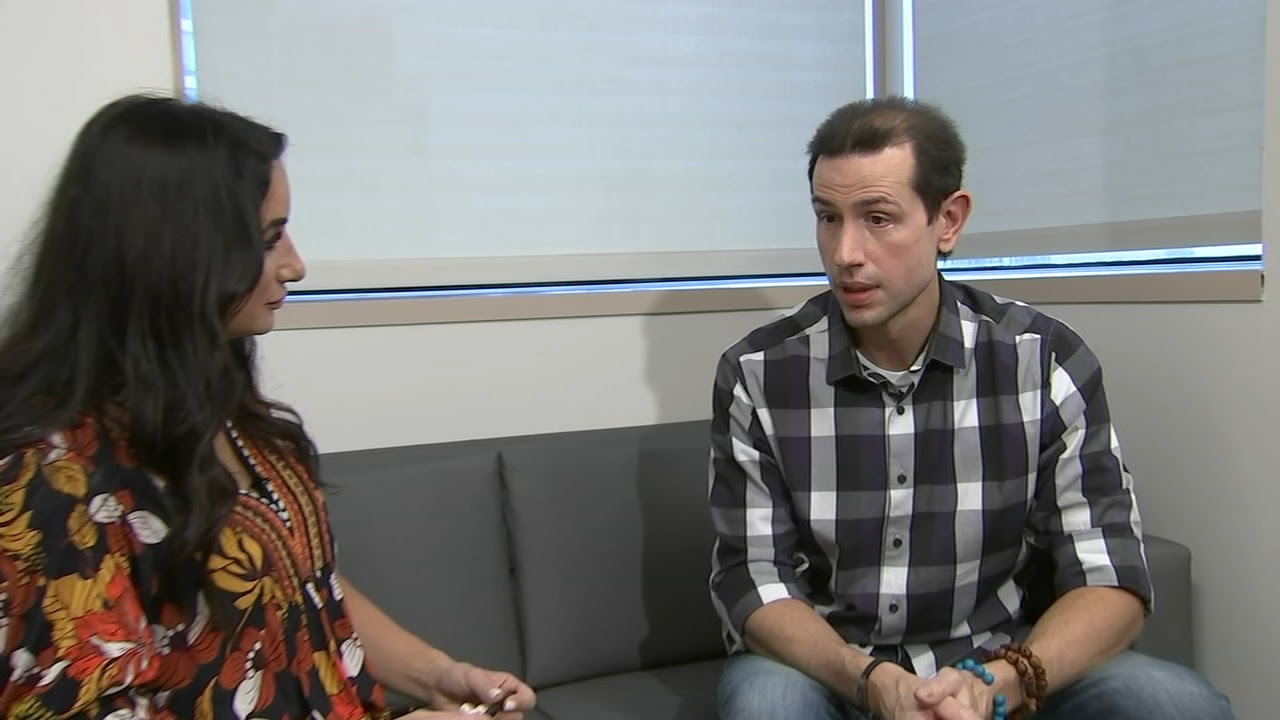


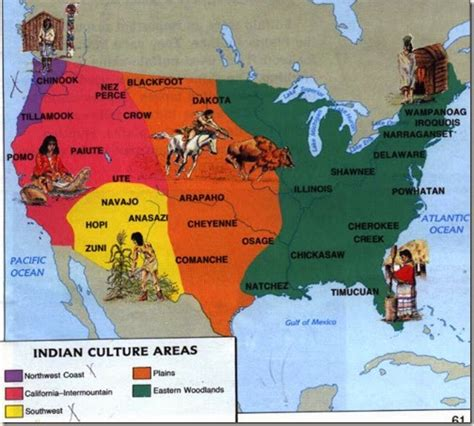

 Why Combine Ivermectin & Fenbendazole? The Power Duo Against Parasites!
 Ivermectin:
 Effective against external and internal parasites
 Benefits of Using Ivermectin + Fenbendazole Together:
 Together, they create a comprehensive defense against both internal and external parasites
 Boost overall gut health and immune function by eliminating harmful organisms
 Assist in detoxifying the body and improving nutrient absorption
 Offer broad-spectrum protection with overlapping and complementary mechanisms of action
 Their combined effect may help in breaking parasite life cycles more effectively than single-use therapy
 Whether for wellness maintenance, therapeutic use under medical supervision, or supportive care—this powerful combination can be your shield against hidden infections and parasite-induced health challenges.
 Always consult a healthcare professional before starting any medication regimen.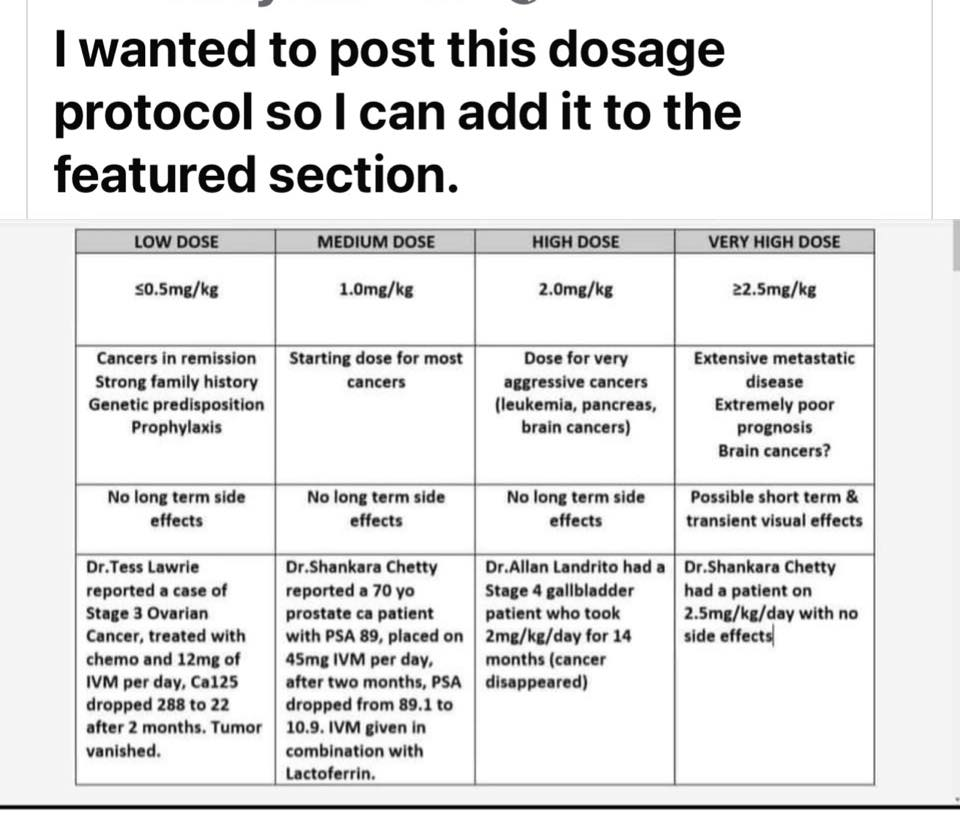
 IVERMECTIN- 1.4mls AM AND PM under tongue
 family. You go this! Keep us updated on your progress.
 as you but battled my way out with natural alternative remedies. Am currently in remission for 3 years now. There is a lot of useful information and amazing testimonials on Dave official Facebook which is


 FENBENDAZOLE
 Fenbendazole and mebendazole are more “anti-cancer” by nature due to their action at the cellular level (similar to chemotherapy, but more natural and gentler).
 Fenbendazole Protocol → used by many people with cancer (the famous case of Joe Tippens in the USA).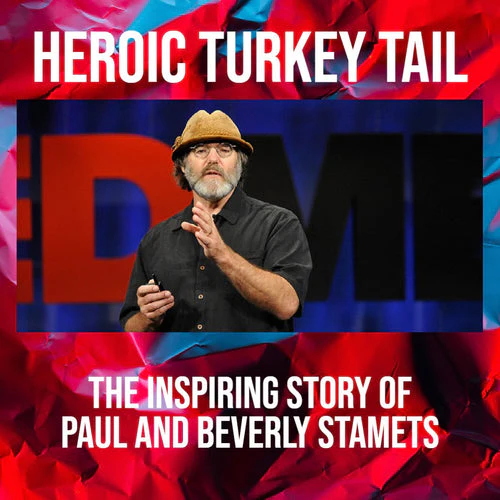


 Witness the incredible potential of mushrooms in promoting natural wellness and vitality.


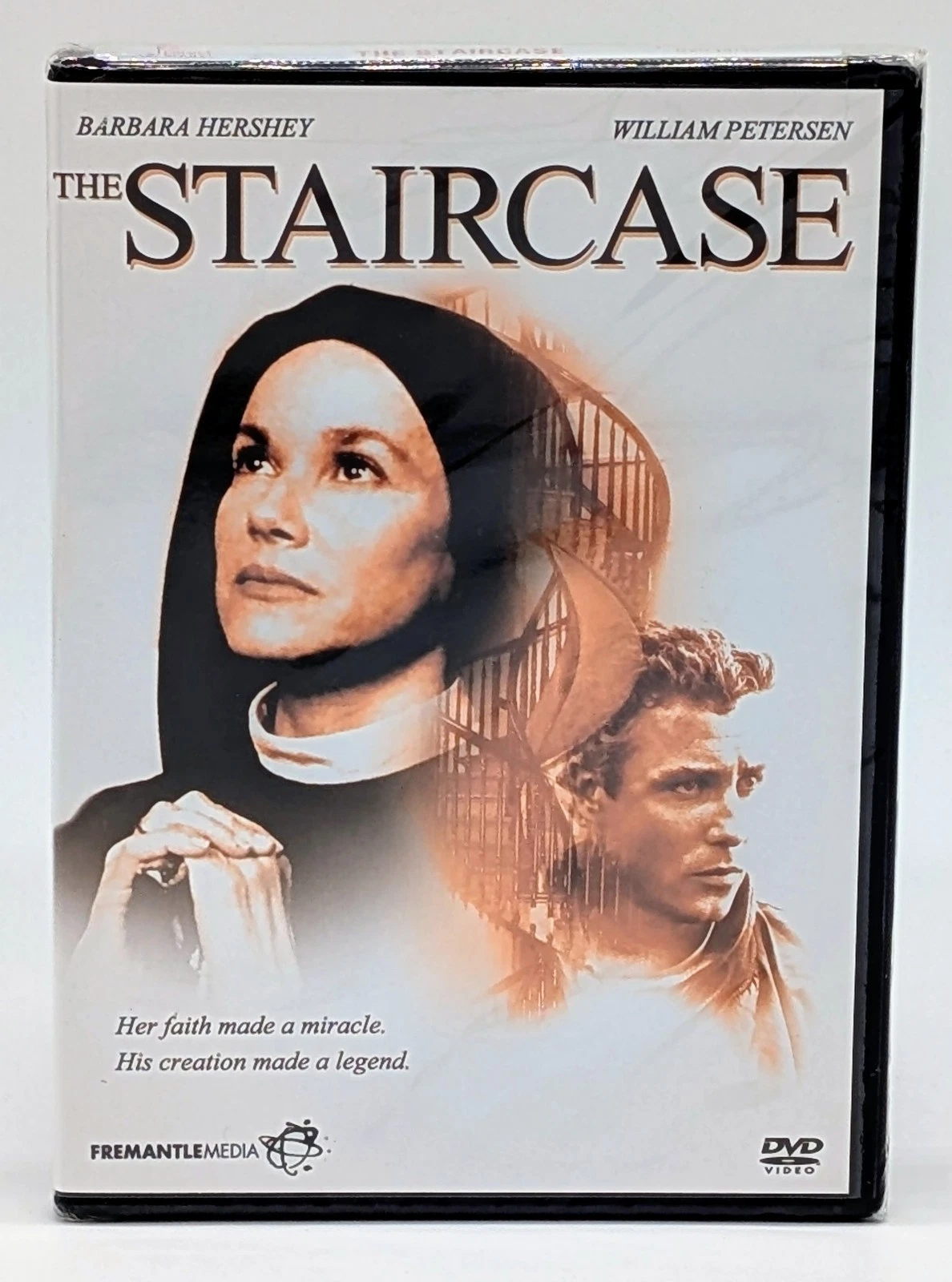






 2 Sources
 3 Sources
 1 Source