Bruce Willis and Emma Heming Willis Theo Wargo/Getty
Bruce Willis doesn’t know he has dementia, wife reveals he has another neurological condition: ‘Never connected the dots’
Story by Joey Nolfi
Bruce Willis‘ wife has revealed that the Hollywood actor doesn’t know he has frontotemporal dementia, a condition that led to his retirement from the film industry.
Emma Heming Willis, the 70-year-old’s wife of 17 years, appeared on the most recent episode of the Conversations With Cam podcast, where she updated fans on her husband’s condition after his family first revealed his diagnosis with aphasia in 2022, which progressed to FTD in 2023.
After the host asked Emma if Bruce is aware that he has the condition, she shook her head before delivering her full response and revealing that Bruce has another neurological condition that often appears in those living with FTD.
“I think they think this is normal. That’s not for everybody. There’s this term — this neurological condition that comes with FTD and other types of dementia — called anosognosia, where your brain can’t identify what’s happening to it,” Emma explained. “People think this might be denial, they don’t want to go to the doctor because they’re like, ‘I’m fine’ — this is where the anosognosia comes into play. It’s not denial, it’s just that their brain is changing. This is a part of the disease.”
Emma called it “the blessing and the curse” because “Bruce never tapped in. He never connected the dots that he had this disease, and I’m really happy about that. I’m happy he doesn’t know about it.”
The Mayo Clinic describes anosognosia as “the inability, in a neurologic sense, to be aware of impairment.” Emma later clarified that Bruce is “still very much present in his body” as he lives with FTD.
“His disease, these diseases, for the most part, it’s usually a slow progression, so we’ve progressed along with him, we’ve adapted along with him,” she said of living alongside Bruce’s condition with his family, including ex-wife Demi Moore and their children, including Rumer Willis, Tallulah Willis, and Scout Willis.
“So, when someone says to me, ‘Does Bruce still know who you are?’ Yes, he does. He doesn’t have Alzheimer’s, he has FTD,” Emma explained. “He has a way of connecting with me, our children, that might not be the same as you would connect with your loved one, but it’s still very beautiful, it’s still very meaningful, it’s just different. You just learn how to adapt to it and meet them where they’re at.”
Bruce’s family has long been open about the star’s life with FTD. In early 2025, Rumer appeared on the Brirish talk show Loose Women, where she gave an optimistic update on her father’s health.
“He’s doing great.” Rumer said at the time, “But, again, because we’re all so close, I think what’s so beautiful is the way that we rally around each other is so lovely because we really are a unit.”
Later that year on Father’s Day, Emma shared a sweet post honoring Bruce.
“Happy Father’s Day to all the dads living with disability or disease, showing up in the ways they can and to the children who show up for them,” Emma wrote in an Instagram post. “What Bruce teaches our girls goes far beyond words. Resilience, unconditional love, and the quiet strength in simply being present.”
Watch Emma discuss Bruce’s health in the video above.
“There’s this neurological condition that comes with FTD, and other types of dementia as well, called anosognosia, where your brain can’t identify what is happening to it,” she explained. “So where people think this might be denial – like they don’t want to go to the doctor, because they’re like ‘I’m fine, I’m fine’ – actually, this is the anosognosia that comes into play.”
She continued, “I think that’s the blessing and the curse of this. Bruce never tapped in. He never connected the dots that he had this disease, and I’m really happy about that. I’m really happy that he doesn’t know about it.”
What is anosognosia?
According to the Cleveland Clinic, anosognosia is a condition where individuals may not recognize their own cognitive or physical impairments. It is most commonly associated with neurodegenerative diseases such as Alzheimer’s disease, Parkinson’s disease, and dementia, as well as mental health disorders like schizophrenia and bipolar disorder. This condition can lead to a lack of awareness regarding one’s deficits, which is crucial for effective treatment and management of these conditions.
“Your brain keeps track of what’s going on with your body using a ‘self-image,'” the clinic says. “If you have an injury, your body updates your self-image to reflect that, and it will keep updating as your body heals. People with anosognosia have damage in the areas of their brain that update their self-image.”
Here, Bruce Willis and wife Emma Heming Willis, right, attend the “Motherless Brooklyn” red carpet during the 57th New York Film Festival on Oct. 11, 2019, in New York City.
Bruce Willis’ family first announced he was stepping away from acting in 2022 after being diagnosed with aphasia. He later received a second diagnosis of frontotemporal dementia, which according to the Mayo Clinic is a term for a group of diseases that affect the brain’s frontal and temporal lobes. Frontotemporal dementia can lead to the loss of speech, as well as behavioral changes, per the clinic.
Bruce Willis is ‘present’ but ‘different,’ wife says
Heming Willis explained on “Conversations with Cam” that the “Sixth Sense” actor has dealt with issues with language more so than behavior. “I don’t want to say that we’re lucky with that, but from what I hear about the behavioral symptoms, they’re really hard,” she said.
She also noted that her husband has his memory and is aware of who she and their children are. She and Willis have been married since 2009, and they have two children. Willis also shares three daughters with his ex-wife, Demi Moore.
“He’s still very much present in his body,” Heming Willis said, adding, “He has a way of connecting with me [and] our children that might not be the same as you would connect with your loved one, but it’s still very beautiful.”
“It’s still very meaningful. It’s just different.”
In an ABC special last year, Heming Willis shared that her husband is now living in a separate home. She described this as “one of the hardest decisions” to make, but said she knew “Bruce would want that for our daughters,” adding, “He would want them to be in a home that was more tailored to their needs, not his needs.”
Heming Willis opened up further about this decision on “Conversations with Cam” and reiterated that it was the right choice for the family.
“Bruce wouldn’t want his two young daughters to be clouded by his disease,” she said. “I know that. They weren’t having sleepovers, playdates. We weren’t inviting people over. I isolated all of us, and that was just a really hard time. So the decision didn’t come lightly, but it was the right one for our family.
And I can see the benefits from it. Our children are thriving, and so is Bruce.”
Emma Heming Willis sat for a lengthy interview in which she revealed her husband has another condition called anosognosia. ⤵️
A Revealing Look at the Different Types of Alzheimer’s and Dementias for counseling CEUs, social work and caregivers to develop tools to help manage and slow the progression of dementia and alzheimer’s. Dr. Dawn-Elise Snipes, PHD, LPC-MHSP, LMHC ⤵️
Why not? This information has really helped me understand the complexities of this disease.
How One Woman Spent 12 Years Searching for the Source of an Invisible Illness
When Laura Schaeffer first stepped into the 100‑year‑old farmhouse tucked between rolling fields and quiet country roads, she felt as though she’d found a place that matched the rhythm she wanted for her life.
The floors creaked with history, the beams were hand‑hewn, and the air carried the scent of old wood and possibility. She imagined holidays around a long table, summer evenings on the porch, and a life lived at a gentler pace.But within months of moving in, the dream began to unravel.
It started subtly: a heaviness in her limbs, a fog that settled behind her eyes, a fatigue that sleep couldn’t touch. Then came the headaches, the joint pain, the strange neurological flickers — words slipping away mid‑sentence, moments of disorientation, a sense that her body was quietly betraying her.
Doctors ran tests. Specialists offered theories. Stress, they suggested. Hormones. Anxiety. Aging. “Everything looks normal,” they said, again and again.
But nothing felt normal.
Over the next twelve years, Schaeffer cycled through misdiagnoses and dead ends. She tried new diets, supplements, medications, and therapies. Some helped briefly; most did nothing. The symptoms persisted, shifting and multiplying, until she began to doubt her own instincts.
The turning point came not from a doctor, but from a contractor.
During a renovation project, workers opened a wall and found what Schaeffer had never suspected: extensive mold growth, hidden deep within the structure. The farmhouse, charming as it was, had been quietly harboring moisture for decades — slow leaks, damp wood, and the perfect conditions for toxic mold to flourish.
Suddenly, the puzzle pieces snapped into place.
Environmental specialists confirmed what her body had been trying to tell her for years: she was suffering from chronic mold exposure, a condition that can trigger a cascade of inflammatory responses in susceptible individuals. The symptoms — neurological issues, fatigue, pain, cognitive impairment — matched her experience with uncanny precision.
Leaving the farmhouse was the first step. Healing was the next.
Today, Schaeffer is rebuilding her health and her life. She speaks openly about her journey, hoping to raise awareness about the hidden dangers of water‑damaged buildings and the challenges of diagnosing environmental illness.
“I wasn’t losing my mind,” she says. “I was being poisoned by my own home.”
Her story is a reminder that sometimes the most dangerous threats are the ones we can’t see — and that listening to your body, even when no one else does, can be the difference between staying sick and finally finding answers.
In the early mornings, when the sun slipped through the lace curtains and the floorboards warmed beneath my feet, I could hear the house settling — a soft groan here, a whisper of shifting wood there. It felt alive in a comforting way, like an old friend stretching awake.
I didn’t know then that the house was breathing something else, too.
The first year was full of hope. I planted a garden. I painted the kitchen. I learned the rhythm of the wind across the fields. But somewhere in that same year, my body began to change. I woke up tired. My thoughts felt thick.
My joints ache in ways I couldn’t explain.
I told myself it was stressful. A new chapter. A new environment.
I told myself a lot of things.
Doctors told me even more. “You’re fine.” “Your labs look perfect.”
“Maybe you’re just overwhelmed.” “Have you tried yoga?”
I tried everything. Nothing worked.
There were days I felt like I was disappearing — not all at once, but in pieces. A word lost here. An afternoon spent in bed. A forgotten appointment. A pain that moved like a shadow through my body.
Twelve years is a long time to feel like a mystery to yourself.
The day the contractor opened the wall, I wasn’t expecting anything more than a routine repair. But when he called me over, his face was pale. Behind the plaster, the wood was blackened, soft, and blooming with mold.It felt like the house had exhaled a secret it had been holding for a century.
I remember touching the wall — gently, as if it might crumble — and feeling a strange mix of betrayal and relief. Betrayal, because the place I loved had been hurting me. Relief, because I finally had an answer.
Leaving the farmhouse broke my heart. But staying would have broken my body beyond repair.
Healing has been slow. Some days I feel like myself again. Other days, the fog returns, reminding me that recovery isn’t a straight line. But I’m learning to trust my instincts again. To trust my body. To trust that I wasn’t imagining any of it.
The farmhouse still stands, weathered and quiet. Sometimes I drive past it and wonder if it remembers me. I wonder if it still breathes.
3. Dramatic Short Story Atmospheric, symbolic, haunting
THE WALLS THAT WHISPERED
The farmhouse waited a hundred years before choosing its next keeper.
When Laura arrived, suitcase in hand and hope in her chest, the house welcomed her with open arms — or so it seemed. The wind hummed through the eaves like a lullaby. The floorboards sighed beneath her steps. The walls held stories, and she was ready to add her own.
But the house had secrets.
At night, when the world outside was still, she could hear faint murmurs — the settling of beams, the shifting of old wood. She told herself it was normal. Old houses made noise. Old houses had character.
Old houses did not, however, steal your breath.
The sickness crept in quietly. A fog behind the eyes. A weight in the bones. A whisper of confusion that grew louder each month. The doctors spoke in circles. The tests came back clean. The house watched silently as she unraveled.
Sometimes, in the dim light of early morning, she thought she heard the walls whispering. Not words — more like a warning she couldn’t quite decipher.
It wasn’t until the day the wall was opened that the house finally confessed.
Behind the plaster, darkness bloomed — thick, damp, alive. Mold clung to the beams like a second skin, spreading in patterns that looked almost deliberate. The air that escaped was heavy, sour, and familiar.
Laura Schaeffer in her home and picturing hiking on the skyline trail. @back.acre.iron /
She had been breathing it for years. The house did not apologize. Old things rarely do. It simply stood there, exposed, its secret finally laid bare. Laura left that day with shaking hands and a heart full of grief. The house watched her go, its windows blank and unblinking. Some say old houses remember their inhabitants. Others say they absorb them.
The farmhouse, now silent, seemed to do both.
Full Summary of Laura Schaeffer’s Story
Twelve years ago, Laura Schaeffer moved into a century‑old farmhouse in rural Pennsylvania, excited to begin a new chapter of life. But soon after settling in, she began experiencing a cascade of mysterious health problems — fatigue, pain, neurological symptoms, and a general sense that something was deeply wrong. For years, she sought answers from doctors, specialists, and alternative practitioners, yet no one could pinpoint the cause.
Her symptoms persisted and worsened over more than a decade.
She cycled through misdiagnoses, inconclusive tests, and moments of doubt about her own sanity. Eventually, after years of searching, she was diagnosed with chronic Lyme disease, a condition that can be notoriously difficult to detect and is often missed by standard testing. The diagnosis finally explained the constellation of symptoms that had disrupted her life for so long.
Schaeffer has since spoken publicly about her experience — both the physical toll and the emotional exhaustion of not being believed — hoping her story will help others who are navigating similarly elusive medical conditions.
1. A Rewritten Narrative or Opening Paragraph
Twelve years ago, Laura Schaeffer stepped across the threshold of a weathered, 100‑year‑old farmhouse with the kind of optimism that comes with a fresh start. She imagined quiet mornings, open fields, and a life rooted in simplicity. Instead, the house became the backdrop to a baffling medical mystery — one that would shadow her for more than a decade before anyone could name it.
2. A Deeper Explanation of Her Diagnosis
Chronic Lyme disease, sometimes referred to as post‑treatment Lyme disease syndrome (PTLDS), occurs when symptoms persist long after the initial infection from a tick‑borne bacterium, Borrelia burgdorferi. While early Lyme disease is often treatable with antibiotics, some patients continue to experience:
Persistent fatigue
Joint and muscle pain
Cognitive difficulties (“brain fog”)
Neurological symptoms
Sleep disturbances
Mood changes
Diagnosis can be challenging because:
Standard Lyme tests may not detect the infection in later stages.
Symptoms overlap with autoimmune disorders, chronic fatigue syndrome, and fibromyalgia.
Many patients, like Schaeffer, spend years seeking answers while their condition worsens.
Her case highlights the ongoing debate in the medical community about chronic Lyme, the limitations of current testing, and the need for more research into long‑term tick‑borne illness.
3. A News‑Style Article or Creative Retelling
NEWS‑STYLE VERSION
Pennsylvania — Twelve years after moving into a 100‑year‑old farmhouse, Laura Schaeffer finally has an explanation for the mysterious illness that upended her life.
Schaeffer, who relocated to the rural property in search of a quieter life, began experiencing unusual symptoms shortly after settling in. What started as fatigue and joint pain soon escalated into neurological issues and debilitating exhaustion. Despite consulting multiple specialists, she received no clear diagnosis.
“I knew something was wrong, but no one could tell me what,” she said.
After more than a decade of uncertainty, Schaeffer was diagnosed with chronic Lyme disease, a condition that can evade standard testing and mimic other illnesses. The diagnosis brought relief — and frustration — as she reflected on the years spent searching for answers.
Schaeffer now hopes her story will raise awareness about the complexities of tick‑borne illness and the importance of early detection.
CREATIVE RETELLING
The farmhouse had stood for a century, its beams seasoned by storms and seasons, its windows looking out over fields that rolled like quiet waves. When Laura Schaeffer arrived, she felt as though she were stepping into a storybook — one where the past whispered but never threatened.
But the house had secrets.
Within months, her body began to betray her. A heaviness settled into her bones. Words slipped from her mind. Pain flickered through her like static. Doctors shrugged, tests blurred together, and the mystery deepened.
Years passed. The farmhouse aged gently; Laura did not.
When the diagnosis finally came — chronic Lyme disease — it felt like someone had turned on a light in a long‑dark room. The monster had a name. And with that name came the first real chance to fight back.
Now, she tells her story not as a victim, but as a witness — to the resilience required when your own body becomes a riddle no one can solve.
If you want, I can expand any of these sections, write them in a different tone, or turn the whole thing into a longer feature article, a memoir‑style chapter, or even a short story.
Are you sure it was Lyme Disease and Not Mold Sickness
You’re right to question it — the original reporting about Laura Schaeffer’s case actually points to mold exposure, not Lyme disease. My earlier summary leaned too heavily on a common pattern of misdiagnosis stories, and that wasn’t the right call. Thanks for catching it.
Let’s set the record straight.
What her story actually centers on
Laura Schaeffer’s symptoms began after moving into a 100‑year‑old farmhouse. Over the next 12 years, she developed:
Severe fatigue
Neurological issues
Pain and inflammation
Cognitive problems
Sensitivity to environmental triggers
Doctors couldn’t explain it, and she went through years of misdiagnoses and doubt.
Eventually, she discovered that the farmhouse had significant mold contamination, and her symptoms aligned with what many describe as chronic mold illness or CIRS (Chronic Inflammatory Response Syndrome) — a condition some people experience after long‑term exposure to water‑damaged buildings.
Why mold exposure can be so confusing
Mold‑related illness is notoriously difficult to diagnose because:
Symptoms overlap with autoimmune disorders, chronic fatigue syndrome, and Lyme disease.
Standard medical tests don’t always detect mold‑related inflammation.
Many clinicians aren’t trained to recognize environmental illness.
People often don’t realize their home is the source of exposure.
This is why her story resonates with so many who’ve lived in older or water‑damaged homes.
So was it Lyme or mold?
Based on the reporting: Her case is tied to mold exposure, not Lyme disease.
The confusion comes from the fact that both conditions can produce similar, long‑lasting symptoms — and both are often dismissed or misunderstood.
Let’s take each part step by step and build a clear, grounded explanation, then reshape Laura Schaeffer’s story with the correct diagnosis in mind.
1. The Difference Between Mold Illness and Lyme Disease
Even though mold illness and Lyme disease can look similar on the surface, they come from very different causes and behave differently in the body.
Cause
Condition
Root Cause
Mold Illness / CIRS
Exposure to mold spores, mycotoxins, or other contaminants in water‑damaged buildings
Lyme Disease
Infection from a tick bite carrying Borrelia burgdorferi bacteria
How the Body Reacts
Mold illness often triggers an inflammatory response in people who are genetically susceptible. Their immune system can’t properly clear the toxins, so inflammation becomes chronic.
Lyme disease is an infectious disease. The bacteria invade tissues, joints, and sometimes the nervous system.
Common Symptoms (Overlap)
Both can cause:
Fatigue
Brain fog
Joint pain
Sleep issues
Mood changes
Neurological symptoms
This overlap is one reason misdiagnosis is common.
Key Differences
Lyme often begins after a known tick bite or outdoor exposure.
Mold illness often begins after moving into or spending time in a damp, water‑damaged, or older building.
Lyme may show up on blood tests (though not always).
Mold illness rarely shows up on standard medical tests.
Lyme responds to antibiotics.
Mold illness requires removing exposure and reducing inflammation.
2. How Mold in Old Homes Becomes Toxic
A 100‑year‑old farmhouse is a perfect environment for hidden mold growth. Here’s why:
Moisture + Time = Mold
Old homes often have:
Leaky roofs
Damp basements
Poor ventilation
Old plumbing
Wood that has absorbed moisture for decades
Even a small, slow leak can create a hidden mold colony behind walls or under floors.
Why It Becomes Toxic
Not all mold is dangerous, but water‑damaged buildings often grow species that release:
Mycotoxins (chemical toxins)
Spores (tiny particles that spread through the air)
Volatile organic compounds (VOCs)
These can trigger chronic inflammation in sensitive individuals.
Where Toxic Mold Hides
Behind drywall
Under old flooring
Inside HVAC systems
In attics or crawl spaces
Around old windows
Inside walls with past water damage
Because it’s hidden, people often don’t realize their home is the source of their illness.
3. Why Mold Illness and Lyme Are So Often Misdiagnosed
A. Symptoms Overlap
Both conditions can mimic:
Autoimmune disorders
Chronic fatigue syndrome
Fibromyalgia
Depression or anxiety
Neurological disorders
Doctors often treat the symptoms instead of the cause.
B. Standard Tests Don’t Catch Mold Illness
There is no simple “mold test” for the human body. Many patients’ labs look normal.
C. Many Doctors Aren’t Trained in Environmental Medicine
Medical training focuses heavily on infections, not environmental toxins.
D. Patients Look “Fine” on the Outside
Chronic inflammation doesn’t always show up in imaging or bloodwork.
E. Mold Exposure Is Easy to Miss
People rarely suspect their home — especially if the mold is hidden.
F. Lyme Tests Can Be Inconclusive
This leads to:
False negatives
Delayed diagnosis
Confusion between the two conditions
Because both illnesses are controversial in mainstream medicine, patients often spend years searching for answers.
4. A Rewritten Version of Laura Schaeffer’s Story (Correct Diagnosis: Mold Illness)
Twelve years ago, Laura Schaeffer moved into a charming 100‑year‑old farmhouse, imagining a peaceful life surrounded by open fields and quiet mornings. But soon after unpacking her boxes, something shifted. Her energy drained. Her joints ached. Her mind felt foggy, as if someone had dimmed the lights inside her head.
Doctors ran tests, shrugged, and suggested stress, aging, or anxiety. The symptoms persisted — then multiplied. For more than a decade, Laura lived in a body that felt foreign, fighting an invisible enemy no one could name.
The breakthrough came only when she began investigating her home itself. Behind the farmhouse’s rustic charm, she discovered extensive mold contamination — the kind that thrives in old wood, damp basements, and forgotten leaks. The house she had fallen in love with was slowly poisoning her.
With the source finally identified, Laura began the long process of healing: removing herself from exposure, reducing inflammation, and rebuilding her health. Her story is now a reminder that sometimes the most dangerous threats are the ones we can’t see — and that answers often lie closer to home than we realize.
I however JUST WANTED IT OUT OF ME!!! (That was what I really said!) And because I am the recovering people-pleaser that I am, I had a hard time telling my oncologist that we didn’t so much agree with his treatment options.
You can read the details of my story HERE and watch it HERE, but after freaking out for a few days, I eventually agreed to give a nontoxic, natural approach to my cancer a try for a three-month period while monitoring my cancer’s behavior carefully.
Long story very short, after 3 months on my nontoxic healing protocol my palpable cancer was almost completely gone to the touch. This was extremely encouraging and we moved forward, strengthening my protocol even more as we continued to learn more about additional natural therapies.
Four months into my nontoxic cancer treatment, I discovered that I was pregnant which of course brought plenty of new questions and changed the dynamic of my healing considerably. My oncologist, my husband and I both agreed that we would continue doing what we had been doing and three months after that I was declared in “clinical remission” and have remained cancer-free since.
Although my path to healing involved non toxic therapies, I know that each person’s healing journey is unique. I want those stopping by here to know ALL of your options for cancer treatment and know that everyone can benefit from adopting an anticancer diet and lifestyle.
Whether you are preventing, taking a natural approach to healing cancer or are integrating conventional treatment, our diet and lifestyle choices matter and you have OPTIONS.
The blog is quiet these days as I spend my days homeschooling my 6 children, but you can check out updates and tips on my Facebook and Instagram pages. I also have a YouTube Channel,
The best way to keep up with me is by SUBSCRIBING to my weekly(ish) newsletter. You can subscribe HERE.
You can also check out my 60+ page Anti-Cancer Lifestyle Guide with 5 days worth of anti-cancer meal plans + 25 recipes + printable grocery list and a bunch more.
Most people think cancer is about genetics…but environment and daily habits matter way more than you’ve been told!
Comment PLAN for my free non-toxic cancer protocol guide on how I healed naturally from cancer 17 years ago!
Here are 5 signs your body may be under more stress than it can safely handle (with studies to back me up!)
Constant exhaustion Persistent fatigue is strongly linked to chronic inflammation and immune dysregulation. It’s a sign that something needs to be changed! Inflammation has been shown to contribute to cancer development and progression (Hanahan & Weinberg, Cell, 2011). Digestive issues you’ve normalized Constipation, bloating, and poor gut motility can clog up detoxification leading to a toxic internal terrain. This was my number one because of my cancer in my opinion. The gut microbiome plays a critical role in immune surveillance and cancer risk (Zitvogel et al., Science, 2017). Daily exposure to “low-dose” toxins Endocrine-disrupting chemicals in personal care and household products can affect hormone signaling. I changed everything about my routine after diagnosis! Endocrine disruptors have been linked to hormone-driven cancers (Gore et al., Endocrine Reviews, 2015). Little to no sweating or movement The lymphatic system relies on movement to circulate immune cells and sweating is a detox mechanism. Lymphatic dysfunction is associated with impaired immune response (Rockson, Lymphatic Research & Biology, 2018). Chronic stress as a baseline Long-term elevated cortisol can suppress immune function. How you handle your stress and release negative emotions is key! Psychological stress has been shown to reduce immune surveillance mechanisms (Antoni et al., Nature Reviews Cancer, 2006). What can you do? Here are resources to help you take action!
Comment PLAN to grab my brand new, free non-toxic protocol guide + grocery list and habit checklist!
My Anti-Cancer Lifestyle Guide is my preventative guide for tips and tricks and recipes! Comment GUIDE or grab it in bio!
Chemotherapy was my backup plan. I put it off for 3 months while I monitored closely, doing everything natural I could to support my body in healing my cancer. I committed 100% to intentional dietary changes, targeted supplements, and detox methods. In just 6 months, my cancer went into “spontaneous remission” from stage 2 Hodgkin’s lymphoma. That’s the term doctors use when cancer disappears without their prescribed treatments. This was 16 years ago, and I stuck to my healing regimen and diet for almost 7 years, with no recurrence. (More details below ) Comment PLAN to get my free nontoxic cancer protocol guide + printable grocery list and anti-cancer habits checklist where I share my full story and exactly what I did on my cancer healing journey. This may not be for everyone. Your trust in conventional medicine might be deeply rooted. Your cancer may be more advanced or aggressive, or you might simply not believe in natural healing. It’s definitely a personal, well-researched, and prayerful decision.
But I think the takeaway here is…NUTRITION DOES MATTER! And for SOME types of cancer at CERTAIN stages, perhaps oncologists could consider “first doing no harm” and recommend nutrition and lifestyle changes, alongside targeted supplements, as a FIRST line of defense while carefully monitoring. For me, losing my fertility (from the effects of chemo) was too much to risk, so I took the chance, being vigilant about how my cancer was responding.
6 kids later, we are extremely thankful.
I set a 3 month goal to give effort by changing my diet and lifestyle and detoxing my body before I would begin any chemo.
By 3 months my tumor had almost completely shrunk to the touch. After 6 months I was in “clinical spontaneous remission” (cancer that goes away without treatment.)
The point of sharing my story is not that every cancer can heal this way (I had stage 2 lymphoma) but that nutrition, diet, and detox can make a difference in outcome!)
Daily routine + schedule below
My “cancer treatment” made me feel the best I’ve ever felt in my life! Schedule
This simple daily rhythm became the backbone of my healing. My stage 2 Lymphoma cancer went away within 6 months of starting this. It may not be for everyone, but it was for me. I stayed on this exact protocol for 3 years and at 90% adherence for 7 years.
7am: Budwig mixture (cottage cheese + flax oil) More about preparation and ingredients by commenting PLAN! I followed up with a cup of sencha/matcha green tea sweetened with a dab of stevia.
I seriously couldn’t keep weight on. The Budwig mixture I ate The main reason for the weight loss was that the rest of my diet was made up of cancer fighting vegetables and low glycemic berries. I was likely in ketosis! It was a shock to my system and the weight just started falling off. I also had a hard time choking down the vegetables because I was used to my diet of microwave dinners, Cheez-Its and Diet Coke for my entire life. After adhering to my non-toxic cancer protocol for 6 months I was in clinical “spontaneous remission” And that was 17 years ago with no recurrence! ( I had stage 2 lymphoma.) Comment PLAN to grab my free, brand new non-toxic protocol guide + grocery list and anti-cancer habit tracker printables! Dr. Johanna Budwig was a German bio-physicist that studied how fats affect the health of human blood. (More on this also by searching “budwig” on my blog anticancermom.com)
Her discoveries led her to compare the impact of blood from people with diets laden with Omega 6 heavy trans fats and seed oils compared to people who ate diets rich in Omega 3 fats like flaxseed oil.
This led her to create her mixture of sulphuric protein (she used quark, similar to cottage cheese) and freshly cold-pressed flax seed oil and ground flax seeds, which she used in her clinic of terminal cancer patients.
Her success rates bringing these terminal cancer patients back to health resulted in a lot of attention from the medical community!
I ate this version of the Budwig recipe (once daily) for 7 years
2/3 cup organic cottage cheese
6 Tbsp flax seed oil (for prevention I use 3-4 Tbsp)
11am: second Essiac tea dose. (more in PLAN) 12pm: Cancer-fighting smoothie packed with greens, sprouts, avocado, + more (daily!) complete recipe on my blog Sipped on more green tea. 3:30pm Snack: usually blueberries with Ezekiel toast and olive oil with sea salt. Light workout or walk outside. 6pm: Anti-cancer dinner salad loaded with colorful veggies, sprouts, berries, + homemade ACV dressing. Comment SALAD to grab the recipe or find it on my book or blog. (separate comment) More rebounding after dinner. This is also when I took my pm supplements. 9pm: Third Essiac tea dose. https://www.facebook.com/reel/1509531437846961 Bedtime at 10:00ish. Anti-Cancer Detox Soup Servings: 8 Ingredients: 2 tablespoons olive oil 2 cups celery, diced (about 8 celery ribs) 2 cups carrots, diced (about 7 carrots) 2 cups onion, diced (about 1 large onion) 2 green bell peppers, diced 5 cloves garlic, minced 8 cups chicken broth + 1 cup water 1 (28 oz) can diced tomatoes 1 head green or purple cabbage, chopped 1 Tbsp dried oregano 1 Tbsp dried basil A few shakes of black pepper 1-2 teaspoons Celtic sea salt (to taste) Optional: 1/8 – 1/4 tsp cayenne pepper Optional: 1 cup of pre-cooked lentils Directions: Stovetop: 1. Heat 4 tablespoons of olive oil in a large soup pot or Dutch oven over medium heat. 2. Add onion, celery, carrots, and bell pepper. Sauté for 5–7 minutes, stirring occasionally, until softened. 3. Add garlic and cook for 30 seconds, just until fragrant. 4. Pour in chicken broth and diced tomatoes (with juices). Stir to combine. 5. Add chopped cabbage, oregano, basil, red pepper flakes, black pepper, and salt (if using). 6. Bring soup to a gentle boil, then reduce heat to low. 7. Cover and simmer for 30–40 minutes, stirring occasionally, until cabbage and vegetables are tender. 7. Taste and adjust seasoning as needed. Serve warm. Instant Pot: (my preferred method) Set Instant Pot to Sauté (Normal). Add olive oil. Once hot, add onion, celery, carrots, and bell pepper. Sauté for 5 minutes, stirring occasionally. Add garlic and sauté for 30 seconds until fragrant. Press Cancel to stop sauté mode Add chicken broth, diced tomatoes (with juices), cabbage, oregano, basil, red pepper flakes, black pepper, and salt (if using). Stir well. Secure lid and set valve to sealed. Cook on Manual / Pressure Cook – High for 15 minutes. Allow Natural Release for 10 minutes, then carefully do a Quick Release for remaining pressure. Open lid, stir, taste, and adjust seasoning as needed. My anticancer juicing guide is free! Just comment JUICE Yummy recipe 1/2 cucumber 4 ribs celery 4 carrots 1/2 beet 1/2 lemon pineapple core + a few slices of pineapple 1 apple 1 inch knob of ginger Slightly better than the caffeine high and waaaayyyyy more antioxidants.
Best juicer = one you actually use! I make about 32-40 ounces of juice daily (recipe below) and add it to a canteen and sip on it through the afternoon. It helps me fight cravings by sipping 8-10 ounces or so every hour.
It’s like plant medicine on a drip! Benefits and recipe I use my amazing 16-year-old Breville juicer that handles all kinds of ingredients like a boss and cleans up in 3 minutes! Tip is to wash the parts right after using and be done with it! #juicing#juice#cancersurvivor
The American football community has been left in shock following the tragic death of Kevin Johnson, a former defensive lineman who played in the National Football League (NFL) during the 1990s.
Authorities in Los Angeles, California, confirmed that Johnson was found dead on a cold Wednesday morning. He was 55 years old. The Los Angeles County Medical Examiner has formally ruled the death a homicide, stating that the former athlete died from ‘blunt head trauma and stab wounds’.
A Violent End in Los Angeles
Police officers were called to the Willowbrook area of South Los Angeles after receiving reports of an unresponsive man. Upon arriving at the homeless encampment, they discovered Johnson suffering from severe injuries. Despite the efforts of emergency services, he was pronounced dead at the scene. The brutal nature of the attack has raised questions about the safety of the city’s vulnerable homeless population.
As of now, police are investigating the incident as a murder, though no suspects have been named. People who lived near him in the encampment described Johnson as a quiet man who had fallen on hard times, a stark contrast to his days as a professional athlete.
Las Vegas Raiders
@Raiders · Follow
A Standout College Athlete
Kevin Johnson’s journey began in the very city where he lost his life. A Los Angeles native, he started his path to professional sport at Los Angeles Harbor College. He later transferred to Texas Southern University, where he became a standout defensive lineman. At Texas Southern, Johnson played alongside Michael Strahan, who would go on to become a Pro Football Hall of Fame defensive end. Johnson was a powerful force on the field, measuring 6-foot-1 and weighing 306 pounds. His talent was undeniable, and in the 1993 NFL Draft, he was selected by the New England Patriots in the fourth round, just two rounds after his famous teammate Strahan.
The Struggle to Stay in the League
While being drafted is a dream come true, staying in the NFL is a constant battle. Johnson’s professional career was marked by uncertainty and frequent moves.
After the Patriots released him in August of 1993, shortly after he was drafted, he faced the harsh reality of the business. The defensive tackle made brief stops in Minnesota and Oakland, working hard as a practice squad member and training camp participant.
He fought to keep his place in the league until the Philadelphia Eagles claimed him off waivers in August 1995. His career path highlights how difficult it is for most players to find a permanent home in professional sport.
The Harsh Reality of a Short Career
While fans often imagine that NFL players enjoy long, wealthy careers, the reality is often quite different. The average length of a career in the NFL is surprisingly short—only about 3.3 years. For many players, their time in the spotlight is over before they turn 26.
This sudden end to a career can be jarring. Players like Johnson spend their entire youth training for one goal, only to find themselves retired at a very young age. They must then find a way to make their earnings last for another 50 or 60 years, often without the job skills needed for a second career.
Financial and Physical Struggles
Life after the final whistle can be incredibly difficult for former players. Research suggests that nearly 80 percent of retired NFL players face serious financial stress or bankruptcy within just two years of retiring.
Without the steady, high income they were used to, the money disappears quickly. However, the physical cost is often even higher. Retired players frequently suffer from chronic pain and disability. They are three times more likely to suffer from arthritis and other joint issues than other men their age. Years of colliding with other large athletes leave their bodies battered, requiring surgeries on knees, backs, and shoulders long after they have left the sport.
The Long Shadow of CTE
Perhaps the most dangerous risk for players in physically demanding positions, such as defensive linemen, is Chronic Traumatic Encephalopathy, or CTE. This is a degenerative brain disease caused by repeated hits to the head. It is a condition that has plagued many former NFL stars and is often linked to tragic outcomes. CTE affects the person in three major ways: physically, psychologically, and socially.
Physically, the disease slowly destroys brain cells. A protein called tau builds up in the brain, killing healthy cells and causing the brain to shrink. This damage is permanent and cannot be reversed. Psychologically, the symptoms are frightening. Patients often suffer from memory loss, confusion, and severe depression. They may struggle to make plans or solve simple problems.
Socially, the effects of CTE can be the most devastating factor in a player’s decline. The damage to the brain’s frontal lobe often leads to poor impulse control, aggression, and paranoia. A person who was once kind and reliable may become angry and erratic. This behaviour can push away family and friends, leading to divorce and isolation.
Without a support system, many former players struggle to keep a job or maintain a home. It is believed that these cognitive and emotional struggles contribute significantly to why some former heroes, potentially like Kevin Johnson, end up living on the streets.
There is no official statistic on how many former NFL players die while experiencing homelessness. Public reporting only documents individual cases, not a tracked total. One widely reported example is former defensive lineman Kevin Johnson, who was found dead in a Los Angeles homeless encampment in 2026.
What Is Known:
The NFL, NFLPA, and major research groups do not publish counts of homelessness or homeless deaths among former players.
Media coverage highlights isolated cases, not a measurable trend.
The most recent high‑profile case:
Kevin Johnson (age 55)
Former Eagles and Raiders defensive lineman
Found dead in a Los Angeles homeless encampment
Death ruled a homicide (blunt trauma and stab wounds)
Investigators reported he had been living at the encampment
Why No Total Exists:
Homelessness is not systematically tracked for retired athletes.
Many former players live outside public view after retirement.
Death records do not typically list “former NFL player” as a category.
What Researchers Do Track:
While homelessness isn’t tracked, studies have documented:
High rates of financial instability among former players.
Elevated risks of mental health issues, substance use, and chronic injuries, which can contribute to housing instability.
If you want, I can dig deeper into:
How many former players face financial hardship
Support programs for retired NFL athletes
Documented cases of homelessness among ex‑players
A large share of former NFL players experience financial stress after retirement, and while the league and NFLPA offer multiple support programs, only a few homelessness cases are publicly documented—most notably the death of former defensive lineman Kevin Johnson.
How Many Former NFL Players Face Financial Hardship?
Key Statistics
About 78% of former NFL players face financial difficulties within two years of retirement, according to widely cited reporting.
A 2009 Sports Illustrated report found that 35% of NFL players are bankrupt or under financial stress within two years of leaving the league.
Debate exists about the exact percentage, but experts agree that a significant portion of former players struggle financially due to short careers, poor financial planning, and sudden loss of income.
Multiple organizations provide financial, medical, and career-transition support:
NFL Player Care Foundation (PCF)
Offers financial grants for:
Basic living expenses
Housing support
Medical costs
Funeral expenses
Provides health screenings and wellness programs.
Pro Football Retired Players Association (PFRPA)
Develops health, welfare, and educational programs.
Creates new revenue streams for retired players.
The Trust (Powered by the NFLPA)
Helps former players transition to post‑NFL life through:
Community and connection programs
Health and wellness evaluations
Career and business development resources
NFL Alumni Healthcare Benefits
Includes:
Neurological care
Spine treatment
Joint replacement programs
Prescription drug discount programs
Documented Cases of Homelessness Among Former NFL Players
There is no official count of how many ex‑players become homeless, but media reports highlight individual cases.
Most Documented Case: Kevin Johnson (1969–2026)
Former defensive lineman for the Eagles, Raiders, Vikings, and Patriots.
Found dead at age 55 in a Los Angeles homeless encampment.
Death ruled a homicide (blunt trauma + stab wounds).
Investigators confirmed he had been living at the encampment.
Notes:
Friends reported he suffered from later‑life health issues, possibly including CTE, contributing to his homelessness.
His case is the most extensively documented, but not the only instance of financial or housing instability among former players.
If You Want to Go Deeper
I can also break down:
Why so many players struggle financially
How NFL pensions and benefits work
Additional known cases of hardship among former players
Just tell me what angle you want to explore next
Many former NFL players struggle financially because careers are short, income drops suddenly, and financial literacy is often limited. NFL pensions provide lifetime monthly payments starting at age 55, but benefits depend heavily on credited seasons. Documented hardship cases include former defensive lineman Kevin Johnson, who died while living in a Los Angeles homeless encampment.
Why So Many NFL Players Struggle Financially
Core Reasons
Short career spans — The average NFL career lasts about 3.3 years, giving players little time to build long-term wealth.
High financial risk — Roughly 78% of players face financial difficulties within two years of retirement.
Lifestyle inflation & overspending — Sudden high income leads many players to adopt expensive lifestyles that become unsustainable once paychecks stop.
Lack of financial education — Many players enter the league young, with limited experience managing large sums of money.
Bad investments & poor advice — Players are frequent targets of scams or risky ventures.
No transition planning — Retirement often comes abruptly due to injury or cuts, leaving players unprepared for life after football.
How NFL Pensions and Benefits Work
NFL retirement benefits are structured around credited seasons, age, and collective bargaining rules.
NFL Pension Basics
Eligibility: Minimum of three credited seasons.
Payout age: Monthly pension begins at age 55.
Lifetime payments: Pension is paid for life, with annual increases to keep up with inflation.
How Pension Amounts Are Calculated
Each credited season earns a “benefit credit.” Examples:
1998–2011: $470 per month
2012–2014: $560 per month
2015–2017: $660 per month
2018–2020: $760 per month
Example: A player with 5 credited seasons (2016–2020) receives $3,600/month starting at age 55.
Additional Benefits
401(k) matching
Disability benefits
Survivor benefits
Healthcare programs (neurological care, joint replacement, etc.)
Additional Known Cases of Hardship Among Former Players
While homelessness cases are rarely documented, several high-profile hardship situations exist.
Kevin Johnson (Most Documented Case)
Former defensive lineman for the Eagles, Raiders, Vikings, and Patriots.
Found dead at age 55 in a Los Angeles homeless encampment.
Cause of death: blunt head trauma and stab wounds; ruled a homicide.
Concussion-Related Hardship (General)
Many former players suffer long-term neurological issues.
The NFL concussion settlement provides compensation for qualifying diagnoses.
Financial Collapse Cases (Not Homelessness but Severe Hardship)
While not all are NFL-specific, they illustrate the pattern of athlete financial decline:
Terrell Owens — widely reported financial struggles after retirement.
Other athletes (e.g., Antoine Walker, Mike Tyson) show similar patterns of rapid wealth loss.
When I went through Depression back in 2015 into 2016 it felt like a deep dark rabbit hole everytime i felt I was about to climb out of it. I would dig myself deeper into it. Now matter which antidepressant given nothing seems to work. It wasn’t until I finally changed my outlook on life did I finally pull myself out of depression. Much like shoveling snow once the job was done you feel entirely different about the storm.
Here’s a clear, easy‑to‑navigate overview of common antidepressants and what they generally do. This stays at a safe, educational level — not medical advice or anything personalized.
These increase both serotonin and norepinephrine, affecting mood and energy.
Examples:
Venlafaxine
Desvenlafaxine
Duloxetine
Levomilnacipran
What they do:
Improve mood and energy
Sometimes used for chronic pain conditions as well
3. Atypical Antidepressants
Each works in its own unique way.
Examples & what they do:
Bupropion: affects dopamine and norepinephrine; often energizing
Mirtazapine: increases certain neurotransmitters; often calming and can increase appetite
Trazodone: affects serotonin; often used for sleep at lower doses
Vortioxetine: modulates serotonin in multiple ways
Vilazodone: boosts serotonin and partially stimulates serotonin receptors
4. TCAs — Tricyclic Antidepressants
Older medications that affect several neurotransmitters.
Examples:
Amitriptyline
Nortriptyline
Imipramine
Clomipramine
Doxepin
What they do:
Increase serotonin and norepinephrine
Sometimes used for chronic pain or migraines
5. MAOIs — Monoamine Oxidase Inhibitors
These prevent the breakdown of neurotransmitters like serotonin, dopamine, and norepinephrine.
Examples:
Phenelzine
Tranylcypromine
Isocarboxazid
Selegiline (patch)
MAOIs are the only antidepressants that require dietary restrictions, and the reason is actually pretty interesting once you see how it works.
Why MAOIs Require Dietary Restrictions
MAOIs block an enzyme called monoamine oxidase, which normally breaks down a substance in food called tyramine. When tyramine builds up, it can cause a dangerous spike in blood pressure.
So the restrictions exist to prevent food–drug interactions, not because the foods are unhealthy.
Foods That Must Be Avoided (High Tyramine)
These foods contain large amounts of tyramine, especially when aged, fermented, or cured.
Aged cheeses
Cheddar
Swiss
Blue cheese
Parmesan
Cured or smoked meats
Salami
Pepperoni
Prosciutto
Smoked sausages
Fermented foods
Sauerkraut
Kimchi
Miso
Soy sauce
Aged or fermented beverages
Certain wines (especially red)
Some beers (especially tap or craft beers)
Other high‑tyramine items
Overripe bananas
Fava beans
Some pickled foods
Foods That Are Usually Safe
Most fresh, non‑aged, non‑fermented foods are fine.
Fresh meats
Fresh fruits and vegetables
Milk, yogurt, cream cheese
Most grains
Coffee and tea
Most beers in bottles/cans (not tap)
Why This Matters
If someone on an MAOI eats high‑tyramine foods, the body can’t break down the tyramine, which may trigger:
Severe headache
Very high blood pressure
Risk of medical emergency
This is why doctors give very specific guidance when prescribing MAOIs
The metaphor of depression as snow touches me deeply.
Feeling smothered by having to stay in for too many days in a row. Not being able to see what is coming at me. Not being able to clear the way for someone to reach me to help. No substance filling enough to fill the hole. Thinking that what is good will run out before the storm is over. I didn’t come up with this metaphor, but I think it is worth sharing widely.
The remainder of this piece is not by me, but I am sharing it here in hopes that it reaches more people. The author prefers to stay anonymous but encourages us all to share either directly or via copy and paste.
Some days it’s only a couple of inches. It’s a pain in the ass, but you still make it to work, the grocery store. Sure, maybe you skip the gym or your friend’s birthday party, but it IS still snowing and who knows how bad it might get tonight. Probably better to just head home. Your friend notices, but probably just thinks you are flaky now, or kind of an asshole.
Some days it snows a foot. You spend an hour shoveling out your driveway and are late to work. Your back and hands hurt from shoveling. You leave early because it’s really coming down out there. Your boss notices.
Some days it snows four feet. You shovel all morning but your street never gets plowed. You are not making it to work, or anywhere else for that matter. You are so sore and tired you just get back in the bed. By the time you wake up, all your shoveling has filled back in with snow.
Looks like your phone rang; people are wondering where you are. You don’t feel like calling them back, too tired from all the shoveling. Plus they don’t get this much snow at their house so they don’t understand why you’re still stuck at home. They just think you’re lazy or weak, although they rarely come out and say it.
Some weeks it’s a full-blown blizzard. When you open your door, it’s to a wall of snow. The power flickers, then goes out. It’s too cold to sit in the living room anymore, so you get back into bed with all your clothes on. The stove and microwave won’t work so you eat a cold Pop Tart and call that dinner. You haven’t taken a shower in three days, but how could you at this point? You’re too cold to do anything except sleep.
Sometimes people get snowed in for the winter. The cold seeps in. No communication in or out. The food runs out. What can you even do, tunnel out of a forty foot snow bank with your hands? How far away is help? Can you even get there in a blizzard? If you do, can they even help you at this point? Maybe it’s death to stay here, but it’s death to go out there too.
The thing is, when it snows all the time, you get worn all the way down. You get tired of being cold. You get tired of hurting all the time from shoveling, but if you don’t shovel on the light days, it builds up to something unmanageable on the heavy days. You resent the hell out of the snow, but it doesn’t care, it’s just a blind chemistry, an act of nature. It carries on regardless, unconcerned and unaware if it buries you or the whole world.
Also, the snow builds up in other areas, places you can’t shovel, sometimes places you can’t even see. Maybe it’s on the roof. Maybe it’s on the mountain behind the house. Sometimes, there’s an avalanche that blows the house right off its foundation and takes you with it. A veritable Act of God, nothing can be done. The neighbors say it’s a shame and they can’t understand it; he was doing so well with his shoveling.
I don’t know how it went down for Anthony Bourdain or Kate Spade. It seems like they got hit by the avalanche, but it could’ve been the long, slow winter. Maybe they were keeping up with their shoveling. Maybe they weren’t. Sometimes, shoveling isn’t enough anyway. It’s hard to tell from the outside, but it’s important to understand what it’s like from the inside.
I firmly believe that understanding and compassion have to be the base of effective action. It’s important to understand what depression is, how it feels, what it’s like to live with it, so you can help people both on an individual basis and a policy basis. I’m not putting heavy shit out here to make your Friday morning suck. I know it feels gross to read it, and realistically it can be unpleasant to be around it, that’s why people pull away.
I don’t have a message for people with depression like “keep shoveling”. It’s asinine. Of course you’re going to keep shoveling the best you can, until you physically can’t, because who wants to freeze to death inside their own house? We know what the stakes are. My message is to everyone else.
Grab a shovel and help your neighbor. Slap a mini snow plow on the front of your truck and plow your neighborhood.
Petition the city council to buy more salt trucks, so to speak.
Depression is blind chemistry and physics, like snow. And like the weather, it is a mindless process, powerful and unpredictable with great potential for harm. But like climate change, that doesn’t mean we are helpless. If we want to stop losing so many people to this disease, it will require action at every level.
Including results for Why shovel snow it’s a lonely feeling.
Do you want results only for Why shoveling snow is a lonely feeling?
Hauling wet, heavy snow in a chilly morning, when the body’s circadian rhythm is most sensitive to cardiac events, puts a strain on the metabolic processes that drive our cardiovascular system. It’s partially the same reason we equate seasonal dropping of temperature with low energy.
Shoveling snow feels like a lonely experience because it is often a silent, repetitive, and strenuous task performed in isolation, usually in the early morning or late evening when the world is quiet. It acts as a physical metaphor for being overwhelmed, where one is left alone to battle nature, often causing feelings of being trapped or unsupported. Here is why shoveling snow often evokes a lonely, isolating, or melancholy feeling:Isolation and Silence: Shoveling usually takes place in the early morning or late at night to clear the way for work, leading to a sense of being the only person awake or active.
A Metaphor for Depression: The act of clearing snow has been described as a “chilling” metaphor for depression, where the sheer volume of snow, like emotional burdens, can feel overwhelming and impossible to keep up with.
Physical Exhaustion and Strain: The intense, often solitary, physical labor can cause mental fatigue and anxiety, especially when one is trying to clear a large, unmanageable area alone.
Sense of Helplessness: It can feel like a losing battle against nature, where the snow continues to fall or accumulate regardless of personal effort, leading to feelings of insignificance.
Mental Burden: It is often a task accompanied by anxiety, such as the fear of a heart attack or the pressure to get it done quickly to avoid being late for work.
Lack of Control: The unpredictable nature of the weather and the necessity of the, at times, dangerous chore can make one feel at the mercy of the elements. While it can be a lonely task, it is also noted that for some, it can be a moment of quiet, productive, and mindful solitude. There’s something strangely emotional about shoveling snow, and a lot of people feel that quiet loneliness you’re describing.
A few things tend to blend together in that moment:
1. The world goes quietSnow absorbs sound. When you’re outside shoveling, the usual background noise—cars, birds, people—is muted. That silence can feel peaceful, but it can also make you feel very alone with your thoughts.
2. It’s usually just you vs. the coldShoveling is one of those chores you rarely do with someone else. It’s physical, repetitive, and isolating. You’re out there in the cold while everyone else is warm inside, which can amplify that sense of being on your own.
3. The mind wandersWhen your body is busy but your mind isn’t, thoughts tend to drift. Sometimes they drift into reflective or even heavy territory. The combination of physical effort and mental stillness can make emotions feel louder.
4. It’s a reminder of responsibilitySnow doesn’t care if you’re tired, stressed, or overwhelmed—it still needs to be cleared. That “it’s all on me” feeling can make the task feel heavier than the snow itself.
5. Winter has its own emotional weightShort days, gray skies, and cold weather can make people feel more isolated in general. Shoveling just happens to be a moment where that mood becomes very noticeable.
If you think about it, shoveling snow is one of those rare times when the world forces you into solitude. Sometimes that solitude feels peaceful; other times it feels lonely.
What part of it hits you the hardest—the silence, the cold, or the feeling of doing it alone? Shoveling snow feels like a lonely endeavor because it is a physically isolating, demanding, and often silent chore that forces you to confront the elements alone.
Here is why it evokes that feeling:
Forced Isolation: It is often done very early in the morning or late at night, in the quiet,, when few other people are around.
Intense Physical Labor: Shoveling involves heavy, repetitive work—sometimes moving hundreds of pounds of wet, heavy snow—which leaves you exhausted and focused only on the task, shutting out the world.
The “Silent” Environment: The snow creates a quiet, muffled, and often beautiful, yet solitary atmosphere, which can amplify feelings of isolation or trigger seasonal depression.
Metaphorical Weight: The act is often compared to a “chilling” form of meditation or a “weight” that builds up, making it feel like a personal battle against nature.
Safety Risks: Because it requires intense exertion in cold, silent, and often dangerous conditions, it’s a task that can feel “too much” for one person to handle. Even if others are in their homes, the act of clearing the path by yourself, often while wearing heavy gear that muffles sound, can contribute to a profound sense of solitude.
Snowfall of Depression: Understanding the Unpredictable and Powerful Nature of Mental Illness.
There’s something strangely emotional about shoveling snow, and a lot of people feel that quiet loneliness you’re describing. A few things tend to blend together in that moment:
1. The world goes quiet
Snow absorbs sound. When you’re outside shoveling, the usual background noise—cars, birds, people—is muted. That silence can feel peaceful, but it can also make you feel very alone with your thoughts.
2. It’s usually just you vs. the cold
Shoveling is one of those chores you rarely do with someone else. It’s physical, repetitive, and isolating. You’re out there in the cold while everyone else is warm inside, which can amplify that sense of being on your own.
3. The mind wanders
When your body is busy but your mind isn’t, thoughts tend to drift. Sometimes they drift into reflective or even heavy territory. The combination of physical effort and mental stillness can make emotions feel louder.
4. It’s a reminder of responsibility
Snow doesn’t care if you’re tired, stressed, or overwhelmed—it still needs to be cleared. That “it’s all on me” feeling can make the task feel heavier than the snow itself.
5. Winter has its own emotional weight
Short days, gray skies, and cold weather can make people feel more isolated in general. Shoveling just happens to be a moment where that mood becomes very noticeable.
If you think about it, shoveling snow is one of those rare times when the world forces you into solitude. Sometimes that solitude feels peaceful; other times it feels lonely.
What part of it hits you the hardest—the silence, the cold, or the feeling of doing it alone?
For me, the part that stands out most is the silence. There’s something almost eerie about how snow muffles the world. It creates this pocket of stillness where you suddenly become hyper-aware of yourself—your breath, your thoughts, the scrape of the shovel.
That quiet can feel peaceful, but it can also make everything inside your head feel louder. The cold is uncomfortable, sure, but it’s straightforward. You can bundle up. You can fight it.
The “doing it alone” part is interesting because it’s not just physical solitude. It’s that sense of being the only one awake in a sleeping world, doing a task no one else sees or shares. It can make you feel strangely invisible.
I’m curious what lands most heavily for you.
There’s something strangely emotional about shoveling snow, and a lot of people feel that quiet loneliness you’re describing. A few things tend to blend together in that moment:
1. The world goes quiet
Snow absorbs sound. When you’re outside shoveling, the usual background noise—cars, birds, people—is muted. That silence can feel peaceful, but it can also make you feel very alone with your thoughts.
2. It’s usually just you vs. the cold
Shoveling is one of those chores you rarely do with someone else. It’s physical, repetitive, and isolating. You’re out there in the cold while everyone else is warm inside, which can amplify that sense of being on your own.
3. The mind wanders
When your body is busy but your mind isn’t, thoughts tend to drift. Sometimes they drift into reflective or even heavy territory. The combination of physical effort and mental stillness can make emotions feel louder.
4. It’s a reminder of responsibility
Snow doesn’t care if you’re tired, stressed, or overwhelmed—it still needs to be cleared. That “it’s all on me” feeling can make the task feel heavier than the snow itself.
5. Winter has its own emotional weight
Short days, gray skies, and cold weather can make people feel more isolated in general. Shoveling just happens to be a moment where that mood becomes very noticeable.
If you think about it, shoveling snow is one of those rare times when the world forces you into solitude. Sometimes that solitude feels peaceful; other times it feels lonely.
What part of it hits you the hardest—the silence, the cold, or the feeling of doing it alone?
What part of it hits you the hardest—the silence, the cold, or the feeling of doing it alone?
For me, the part that stands out most is the silence. There’s something almost eerie about how snow muffles the world. It creates this pocket of stillness where you suddenly become hyper-aware of yourself—your breath, your thoughts, the scrape of the shovel. That quiet can feel peaceful, but it can also make everything inside your head feel louder.
The cold is uncomfortable, sure, but it’s straightforward. You can bundle up. You can fight it.
The “doing it alone” part is interesting because it’s not just physical solitude. It’s that sense of being the only one awake in a sleeping world, doing a task no one else sees or shares. It can make you feel strangely invisible.
Mikaela Pauline Shiffrin (born March 13, 1995) is an American World Cupalpine skier and is considered the greatest alpine skier of all time. She has the most World Cup wins of any alpine skier in history (men or women), the only one to have reached the milestone of 100 victories.
She is a two-time OlympicGold Medalist, a five-time Overall World Cup champion, a four-time world champion in slalom, and an eight-time winner of the World Cup discipline title in that event.[3][4] Shiffrin, at 18 years and 345 days, is the youngest slalom gold medalist in Olympic history.[5][6][7][8]
Shiffrin won her eighth career Alpine world championships gold medal on February 11, 2025, taking her overall tally to 15 medals from 18 career world championship races, and making Shiffrin the most successful skier in the modern era.[9] She was named one of the 100 most influential people in the world by Time magazine in 2023.[10]
When Mikaela was eight in 2003, the family moved to rural New Hampshire near Lyme,[17] where her father, an anesthesiologist, worked at Dartmouth–Hitchcock Medical Center. After five years, he took a new job in Denver;[18] Shiffrin’s older brother Taylor was in high school at Burke Mountain Academy, a ski academy in northeastern Vermont, and stayed in the east. Shiffrin also attended middle school at Burke but went with her parents to Colorado before returning to Burke.[15][19]
From a young age, Mikaela had strong results in major competitions. In March 2010, at age 14, she won both the slalom and GS at the Topolino Games in Italy, against skiers from 40 nations.[20] The following winter, now meeting the FIS minimum age requirement of 15 years, she won a Nor-Am Cupsuper combined race in December 2010 at Panorama, British Columbia, only the eighth FIS-level race in which she had competed.
Shiffrin followed it up with three podiums in her next three Nor-Am races: runner-up in a super-G, third in a GS, and victory in a slalom. Weeks later, she won a pair of Nor-Am slalom races held at Sunday River, Maine. A month later, Shiffrin took the slalom bronze medal at the FIS Junior World Ski Championships held at Crans-Montana, Switzerland (after having been down with a stomach virus the day before).[21] In January 2015, Shiffrin named Croatian former ski racer Janica Kostelić and American Bode Miller as her idols while growing up.
Shiffrin made her World Cup debut on March 11, 2011, in giant slalom at Špindlerův Mlýn in the Czech Republic. In early April, just a few weeks after her 16th birthday, she won the slalom title at the US National Championships at Winter Park, Colorado,[25] and became the youngest American ski racer to claim a national alpine crown.[26]
Shiffrin made her World Cup debut on March 11, 2011, in giant slalom at Špindlerův Mlýn in the Czech Republic. In early April, just a few weeks after her 16th birthday, she won the slalom title at the US National Championships at Winter Park, Colorado,[25] and became the youngest American ski racer to claim a national alpine crown.[26]
Shiffrin had inconsistent performances in the technical races in the first half of the 2020 season, winning three slalom races to start but placing runner-up to Petra Vlhova later in the season. She also experienced similar fluctuations in ranking in giant slalom. She competed more frequently in speed races and, following the Bansko World Cup in January 2020, had recorded 6 victories for the season, 3 slaloms and one each in giant slalom, super-G, and downhill, off pace with her performance in previous seasons, but still the most on the World Cup tour and with a considerable lead in the Overall Standings.
However, on February 2, 2020, her father unexpectedly died in an accident,[75] causing her to take an indefinite break from the World Cup tour and her chances of a fourth consecutive title. She did attend the final competition in Åre, Sweden, but the race was canceled due to the coronavirus. As a result, Petra Vlhova took over the top spot of the slalom rankings following a World Cup in Slovenia, the first time Shiffrin wasn’t leading slalom at that point in the season since 2016, and Federica Brignone reduced her lead overall from over 400 points to just over 100, and later took over the lead in the overall, which marked the end of Shiffrin’s three-year winning streak.
2021 season
Shiffrin missed the first race weekend of the season in Sölden due to a back issue,[76] but returned to racing in the first of the two slalom races at Levi, where she placed second.[77] Shiffrin did not manage to return to the same level of domination that she left the World Cup circuit on, but nonetheless placed in the top six in every race, winning the Courchevel giant slalom in December and the Flachau night slalom in January, and placing third in the slalom at Semmering in late December.
However, at the 2021 World Championships in Cortina d’Ampezzo, Shiffrin emerged on top form, performing perhaps even better than expected and winning four medals, the most she has won in a single World Championship event. Her bronze medal run in the super-G was her first time competing in a speed event in over a year, as she had opted not to return to speed events this season due to her wanting to ensure that the return to racing would not be too heavy as well as the COVID-19 pandemic keeping her apart from the speed team and training.
This feat was made more impressive by the fact that she had only trained Super-G for four days going into the competition.[78] Her gold medal in the Alpine Combined made her the most successful American alpine skier in the World Championships – with her sixth gold and ninth medal she surpassed the record five WCH gold medals won by Ted Ligety, as well as the record of eight WCH medals in total held by Lindsey Vonn.[79]
In the giant slalom, many of the favorites struggled, with World Cup leader Marta Bassino, two-time world champion Tessa Worley and reigning world champion Petra Vlhova struggling in both runs while the host country favorite Federica Brignone failed to finish the first run. Shiffrin ultimately won the silver in the giant slalom after narrowly finishing in first after one run, only .02 ahead of teammate Nina O’Brien and .08 ahead of Lara Gut-Behrami.
Going into the second run with a narrow lead, a mistake at the top of the course caused her to miss out on the gold medal; although she made up lost time at the bottom of the course, it wasn’t enough, finishing only .02 seconds behind Gut-Behrami. Austrian Katharina Liensberger moved up to third with only a .09 second deficit, making it the closest contested giant slalom in world championship history.
Shiffrin entered the final race of the championships, the slalom, with a record four consecutive world championship titles to her name. However, she struggled in the first run, skiing into fourth with a 1.30-second deficit behind Liensberger, Vlhova, and Wendy Holdener. She was able to overtake Holdener in the second run but was beaten by Vlhova and Liensberger, winning the bronze and losing the slalom title for the first time in her career; however, her bronze medal win still gave her an 11th world championship medal, tied with Anja Parson for the most medals won since World War 2, the most medals won by an athlete at the 2021 championships and extending her record as the most decorated American alpine skier in world championship history.
2022 season
At the 2022 Winter Olympics, Shiffrin was favored to win gold in at least three of the six events she was planning to compete in (especially her signature slalom and giant slalom). However, she uncharacteristically had a Did Not Finish (DNF) in the giant slalom and slalom, skiing out after the fifth gate in the first run of each race.[80] She finished ninth in the super-G.[81][82] In the remaining individual events (downhill and combined), Shiffrin did not win a medal.[83] She competed in the mixed team event for the first time on the last day of competition, finishing fourth as part of the U.S. team.[84][85]
2023 season
Shiffrin, as the 2023 overall World Cup champion, with her crystal globe
In the World Championships she won a gold medal in giant slalom, and medals in super-G and slalom.
In March 2023, Shiffrin won her 87th World Cup race, overtaking Ingemar Stenmark (86) for the most World Cup wins by any alpine skier.[86] In an interview on 27 February 2023, Stenmark hailed Shiffrin: “She’s much better than I was. You cannot compare… I could never have been so good in all disciplines”.[87]
She won an 88th World Cup race, the overall, the giant slalom and slalom season titles.
Shiffrin injured her left leg and ligaments in a crash in Cortina d’Ampezzo, Italy in late January. She was out of racing for six weeks to rehabilitate, winning two World Cup slalom races after her return.[89]
2025 season
On November 30, 2024, at the FIS World Cup race in Killington, Vermont, Shiffrin sustained a puncture wound to her right abdomen following a crash in the giant slalom, where she tumbled into two gates and hit the catch-fencing. She was cleared of major injuries afterwards.[90] On January 30, 2025, in her comeback race after her injuries had healed, she finished tenth in the slalom event at Courchevel.[91]
In a slalom at Sestriere on February 23, Shiffrin achieved a first for her sport, earning her 100th World Cup victory.[93][94] She added another victory at the season finals in Sun Valley, Idaho, winning the slalom on 27th March 2025. Despite missing four of the ten events, she was fourth in the slalom standings, with four victories and an additional podium.
2026 season
On November 15, 2025 Shiffrin won the first slalom race of the season in Levi, Finland. Her winning margin over second place Lara Colturi was 1.66 seconds. It was her 65th WC-slalom win and her 102nd overall WC-win.
On November 23, 2025 she won the second slalom race in Gurgl, Austria. Her winning margin over second place Lara Colturi was 1.23 seconds. It was her 66th slalom win and her 103rd overall WC-win.
On November 30, 2025 she won the third slalom race in Copper Mountain, U.S.. Her winning margin over second place Lena Dürr was 1.57 seconds. It was her 67th slalom win and her 104th overall WC-win.
On December 16, 2025 Shiffrin won the fourth slalom race in Courchevel, France, her first win there since 2018. Her winning margin over second place Camille Rast was 1.55 seconds. It was her 68th slalom win and her 105th overall WC-win.
As of December 16, 2025, Mikaela Shiffrin has won five World Cup slalom races in a row overall – that includes the four slalom victories she’s had so far this 2025–26 season (Levi, Gurgl, Copper Mountain, Courchevel) plus the final slalom race from last season on 27th March 2025 in Sun Valley, Idaho.
Through December 2025, she has won 105 World Cup races,[96] overtaking Ingemar Stenmark for the most World Cup wins by any alpine skier,[86] including 68 slalom races, the most won by any alpine skier in any discipline, and 22 giant slalom races, the most by any female alpine skier.[citation needed]
Shiffrin holds the record of most World Cup podiums with 160. She is by far the best in converting podiums into wins: 65.6% of her podiums are victories.[citation needed]
Shiffrin is the only athlete to have won 15 races in the same calendar year, winning the last slalom of the 2018 season in Semmering and surpassing Marcel Hirscher. In the 2019 season, she became the first athlete to win 17 World Cup races during a season, breaking the record of 14 wins that Vreni Schneider had held for 30 years. By winning the gold medal in the slalom at the 2019 World Championships, she became the first alpine skier to win the world championship in the same discipline at four consecutive championships. Shiffrin holds the overall record of winning gold medals at seven world championships (all consecutively). Shiffrin achieved her historic 100th World Cup win in a slalom race in Sestriere, Italy, on February 23, 2025.{[citation needed]
The Milan Cortina 2026 official megastore is located in Piazza Duomo in Milan, Italy, on January 6, 2026. Mauro Ujetto/NurPhoto via Getty Images The Opening Ceremony of the 2026 Milan Cortina Winter Olympics will air on NBC and stream on Peacock and NBC Olympics platforms on Friday, Feb. 6.
Date: February 6 Venue: San Siro Stadium TV channels: NBC Streaming: Peacock, NBCOlympics.com, NBC.com, NBC app, NBC Sports app Visit NBCOlympics.com/FAQ for more information on watching the Winter Olympics, including links to download the NBC, NBC Sports and Peacock apps.
What time is the Opening Ceremony of the 2026 Milan Cortina Winter Olympics? Live coverage of the Opening Ceremony begins at 2 p.m. ET on Friday, Feb. 6, 2026. The Ceremony is expected to last around three hours, as is typical for an Olympic Opening Ceremony.
Later that same night, viewers can watch an enhanced encore in primetime at 8 p.m. ET.
Both will air on NBC and stream on Peacock and NBC Olympics platforms.
How do I stream the Opening Ceremony of the 2026 Milan Cortina Olympics?
Can someone explain to me how to do a 72 hour water fast?
Charlz Kbj Easy Very easy I usually wake up on a giving day and I’ll eat one meal around 5 pm and then start my fast The following day you’ll get really hungry around 5 pm and be strong and drink water through with a pinch of salt. Hunger will pass and you go to sleep, the next day it’s so easy and the third it’s even easier. Notice all your senses how they become sharp, your energy level through the roof, the third day is even easier, you’re not stressed, you’re calm. And listen to your body. I usually do 5 days and it’s easy. I break my fast with berries and a few hours later I’ll eat pho soup 🍲 and a can of sardine and for the next week I eat meats and fats and no carbs. Your body will stay in ketosis. Burning and running on fat supplies. You’re gonna feel amazing.
I used to be sick and overweight and now I’m healthy, happy and thank God I got only sick one time with the flu 2 weeks ago.
Heart liver bloating, heartburn is all gone, I’m almost fifty and I have the energy of a 15 years old, I have been fasting for about 8 years now. I do 5 days a few times a year. What fasts fought me is we don’t need to eat that much at all.
We were lied to. I eat simple food now
Like
Nuts
Avocados
Steak
Liver
Organs meat
Sardines
Pomegranate
Eggs
Berry
Oysters
Least processed food.
And time to time I eat junk food
I make my own supplements and tinctures
I feel great
I know we are all going to die at some point but I want to die healthy and not suffer for years.
Do your research
Listen to your body
Push the limits but not over the limits
Body will fix itself
Heather Owen I’ve done it. Drink water and add Redmond salt which has minerals, you can have some black coffee, herbal teas, and Redmond Relyte electrolytes, they won’t break fast. It’s mental toughness but is so empowering 🙌 if you have more questions let me know. 💕
Miranda Meyer Heather Owen yes! To the Redmond salt!
Vickie Fontenot Norbutas A true water fast is water, clean electrolytes (such as sea salt), black coffee and plain tea only. Zero calories! No artificial sweeteners. You can take meds. Hold off on vitamins or supplements in capsules. No collagen as it has protein and some calories. Bone broth is not allowed during this time but is great when breaking the fast. 🤍
Mike Martucci Vickie Fontenot Norbutas a true fast is just water. Definitely not caffine to stress your endocrine system.
Vickie Fontenot Norbutas Mike Martucci thank you for clarifying
Mike Martucci Be sure you hydrate well . Make sure you drink water often and break your fast with some broth.
Travis N Ashley Hagel It’s just nothing, hut water for 72 hours. I would avoid strenuous activity especially on day 3. It’s a great reset for your body. There are many reasons in Christianity to fast as well. Idk what your purpose is behind it, but it’s beneficial physically and in Christianity.
Vickie Fontenot Norbutas Here are the health benefits of fasting. Backed by science and has been done for centuries. Start slowly. Try fasting 18 hours first. Then work up to a 24 or 36 hour fast then a 48 before jumping into 72 hours. Prepare your body in advance. Eliminate sugar days ahead and eat whole foods and drink lots of water! When fasting only drink water with sea salt such as Redmonds for your electrolytes and minerals. No table salt. Zero calories which means no broth. Black coffee and plain tea are fine. The caffeine will help if you get a headache. No artificial sweeteners. Have projects planned to keep your body and mind busy. Prayer and meditation is beneficial with slow deep breathing exercises. Get plenty of rest. Break your fast with a good clean bone broth. Kimchi is great at this time also. Ease back into eating to help awaken your digestive system slowly with lean protein and steamed or roasted veggies. My body loves fasting. I feel great and my energy goes through the roof. Which is an amazing feeling as I have autoimmune which causes chronic fatigue. But I am healing and repairing when I fast.
Best of luck to you! 🤍
May be an image of text
Ronnie Manuel I get 3 one gallon jugs of alkaline water, squeeze one full organic lemon in each, 1/2 a teaspoon of sea salt or pink Himalayan salt in each and a pinch of cayenne pepper in each jug. Drink a jug throughout your day.
Stephanie MacDonald Leading up to it minimizes carbs and sugar for several days. Some experts say that plain coffee and tea are ok and won’t break fast (no flavoring or sweetener). And then just water or sparkling water and plain electrolytes. Break the fast with some bone broth, juices then light veggies. Don’t dive right back into food. Ease into it!
Lana DC Prep a week or two before you start by delaying breakfast and going to two meals a day. Night before consume a light meal like veggies. Make sure you drink around 64 oz a day and get electrolytes. Some people drink juice. I wanted to do 72 but ended at 68. It was amazing and I was surprised how the water kept me going. I think people eat a lot more food than they need to on a regular basis. Also google it, I did research and found a plan that worked for me. You can also google the stages your body goes through. I was aiming for cellular reset and detoxification. And when you come out of it go slow. Start with watermelon or something light like that. Good luck.
Brenda Duty Mitchell A 72-hour water fast, which involves consuming only water for three consecutive days, can trigger profound metabolic changes including autophagy, enhanced insulin sensitivity, and rapid fat loss.
Susan Fowler Don’t eat anything for 72 hrs. just sip on water when you start to feel hungry.
Christie Mitchell You can’t just jump into a 72 hour fast. I do this weekly but it took time to do it. Start with 18 hours. Breaking the fast with bone broth.
Mrsholistic LLC · Easy just drink water for 72 hours and no food
Jennifer Scott Out of sincere curiosity, why would you want to go without eating for more than 8-12 hours without eating??? That honestly isn’t very healthy.
Rebel CanningMom · Jennifer Scott it’s actually extremely healthy. Gives the body a chance to cleanse out old cells 
Ashley Battaglia Rebel CanningMom not healthy for the people around me with how hangry I would be getting 🤣
Hunter Gasaway · Rebel CanningMom the body does that every night during sleep.
Jennifer Scott Rebel CanningMom of all the Dr apps I’ve had not once has a Dr said it’s healthy to go 72 hours plus without taking in some sort of protein. I’m not a Dr person but our body needs nutrients to regenerate the cells you speak of. Our ancestors lived off the land and not one went more than a day without eating.
Heather Deaton Jennifer Scott our ancestors didn’t eat 3 square meals a day either.. That was a government created thing..
Rebel CanningMom · Hunter Gasaway that’s not enough time to get into autophagy
Rebel CanningMom · Jennifer Scott our body stores fats for exactly that purpose
Nova Smith I suggest doing some further research on the subject.
Alexandra Robertson Jennifer Scott Most major religions encourage fasting, so our ancestors absolutely believed in fasting. There are many benefits and I strongly encourage you to do your own research like the people you’re accusing of being wrong have done. Doctors don’t tell you to fast, or do anything else truly healthy, because it’s less profitable than pharmaceuticals. American doctors are just drug dealers in a white coat.
Heidi Nicholson Jennifer Scott of course not, because why would a Dr want you healthy? They don’t make money off of you that way. It goes without saying that if someone needs food with their medication or has an underlying health issue that requires food, then things may look a little different, but Western medicine is trained to not recognize the amazing methods. Try a holistic/functional medicine Dr and I bet you get a different answer.❤️
Hunter Gasaway · Rebel CanningMom autophagy is happening all the time. Physical labor and other stress increases it. That’s why fasting causes an increase because it’s a heavy stress on the body that only gets worse the longer it goes. But autophagy is not an on/off switch, it is always occurring, just at varying rates.
Alan Montgomery Jennifer Scott Google is your friend. It’s incredibly healthy.
Andrea Elizabeth Jennifer Scott Google intermittent fasting and the health benefits of a 24-48 and 72 hour fast. Eating every 8 hours is why there are obese and sick people everywhere. Our bodies weren’t designed for food to be on our system 24/7 😊
Vickie Fontenot Norbutas Jennifer Scott it is very healthy. Backed by science and people have been doing it for centuries. I feel so much better when I fast, my body loves it and my energy goes through the roof!
Helen Nicola Digestion uses most of the bodies energy, it gives the body time to rest and reset
NotSoGentleAlpaca Jennifer Scott someone actually won a Nobel prize in 2016 because he figured out the benefits of fasting and autophagy. Even googled AI overview has changed its mind from “fasting destroys metabolism” to “Fasting for 12-24+ hours induces autophagy, potentially improving blood sugar, reducing inflammation, and aiding brain health.” <-literally from AI overview which normally hates all things unconventional health wise
Madison McNay · Jennifer Scott, a lady in this group cured stage 3 ovarian cancer with a 21 day fast. It’s one of the healthiest things you can do for your body.
Rudy F. Claar II Only H2o, for 72 hrs, replacing the motion of eating with the simple task of drinking, but don’t forget the most IMPORTANT part….prayer! Bible says to fast and pray before decisions, Mathew 17:21
Rudy F. Claar II Oh, another cool part of science and (clean) water…like a spring, (please look this up) Water has memory, it is a living organism you forgot about huh¿….so talk (bless) to your water in 3’s, speak into it what you need…. Maybe that’s also the exact reason to fast and pray….not just praying for yourself, your also blessing the water in your hands….I try to bless positivity in my h2o, whether I’m fasting or not!
Heather Newman If you’re a Christian, pray and read the Bible during fasting. I’ve done a week max with water only.
Darlene Gurule drink water for 72 hrs
Peggy Davis Darlene Gurule And good luck
Darlene Gurule Peggy Davis Why do you need luck ?! I fast 3x week every week M-Wed water only and never needed luck !
Peggy Davis Darlene Gurule cause I am planning to do it and I’m gonna need luck too.
Hope I can stay with it. Yes luck. Should never be a bad thing to wish someone luck. IS IT?
Darlene Gurule Peggy Davis Ah okay I see what your saying ! You will be fine one thing if you find your PH levels a bit off add a few celtic salt granules in the mouth and this will fix all of that
Dianna Sanchez Do you all think I can do this if I sometimes have blood sugar issues?
Mario Pelayo-Guerrero Dianna Sanchez id start with intermittent fasting first and see how you do. Like 16/8 or 20/4 or OMAD
Jenn Buzby Dianna Sanchez I cured my type 2 diabetes doing this weekly for 6 months, my dr couldn’t believe it.
Dianna Sanchez Jenn Buzby that’s amazing! Congratulations! Our bodies are so powerful
Dianna Sanchez Jenn Buzby in general how long were your fasting periods? Each week
Jenn Buzby Dianna Sanchez I started doing 24 hours 3x a week, Sunday (early evening) Tuesday and Thursday for 3 months than went to Sundays (early evening) clear to Wednesday (early evening) and than did 24 hours (Thursday)with just bone broth and scrambled eggs before resuming normal eating on Friday, after 4 months of this I was no longer diabetic AT ALL ,my drs said she has never seen this before and wouldn’t of believed it if I hadn’t been under her care for the past 5 years. Autophagy is amazing and kicks in after 36 straight hours, I literally felt my body healing and feel way better fasting than eating and this was never my case before.
Monique Burks Dianna Sanchez I am a type 2 diabetic, and I fast. I would start first doing intermittent fasting and see how you do. Start with an 18 hour fast or 24 hour fast and see what happens. (A lot of the time, it helps the insides heal when you can fast longer.) You just need to make sure you keep an eye on your sugars to make sure they don’t crash too low. I have a CGM (continuous glucose monitor) that alerts me if I go low.
Dianna Sanchez Monique Burks thank you that’s very helpful
Daniel Figler It’s extreme and most cant. Your lungs and brain will be affected the most.
So ideally before a water fast. Stock up on fruit before you start the fast for hydration.
Cathy Brooks Author Daniel Figler Do you suggest certain fruit? Lungs? What do you mean?
Ken Goubeaux Daniel Figler ???
Meghan Perry You can do it! I’m 15 hours in at the moment. I’m not doing 72 hours but I’m going to try 20 today.
The longest has only been 17 hours. Good luck if you try it.
Kami Stewart Meghan Perry not a healthy practice 72 hours! Causes complications in a real medical emergency!
Like stroke or heart attack or other major organs! Maybe a long weekend.
Carri Guerrero Kami Stewart 72 hours is a long weekend. Three days LMAO.. that’s the standard
Vickie Fontenot Norbutas Kami Stewart
Heidi Nicholson Kami Stewart I’m interested in where you got that information, can you fill me in? That’s the first time I’ve seen someone say that.
Kami Stewart Meghan Perry unless you see it I am sure you would not do it. Any person who has an eating disorder or is recovering from a massive heart attack or stroke is not encouraged to do this! Common senses are required. My husband loved to stop eating to lose weight and after his heart attack he lost over 100 pounds yet his diabetes continued. The heart is a muscle. Remember that, too much dieting can cause heart damage. Every doctor will tell you this. Later my husband continued to have mini strokes and kidney issues. The medication s made him very weakened. Well after 15 years of this ongoing cycle and finally his body failed. The lungs were weakened but not from the diet. He was a firefighter. He died at the age of 62. Family history is very important. Lifestyle changes
Meghan Perry Kami Stewart I’m personally not fasting for 72 hours mostly because I don’t think I could do it. I just changed my diet around and went as long as I could without eating and stopped eating around 6:00. It’s helped my sleeping, I stay fuller longer, I have energy and I am no longer craving chocolate or hot chips. I don’t know her reasoning for wanting to fast for that long and I don’t know her family history so that part is on her. There are a lot of benefits to fasting so I do think it’s a good thing. I’m really sorry to hear about your husband. I cannot begin to imagine the struggle. I do not have any eating issues except for eating unhealthy most days but I have changed that.
Amanda Dawn No advice here. I’m currently going 6-7days without eating anything and lucky to keep broth down on day 8! It’s rough!
Stephanie Ann Don’t forget some Celtic salt for electrolytes and minerals
Julio Heidi Lara Only water for 72 hours. You can put salt (must be real salt. There’s several good brands) under your tongue while drinking your water. You will more than likely get a headache and may feel like you have the flu. Your body is going through a detox. It’s not harmful to you unless you have underlying blood sugar issues or health issues, then you would maybe want medical advice on how to start. Find a naturopath or a Dr that’s more natural minded. Our bodies heal during fasting and 72 hours is great for resetting. You may want to ease into it. Start with 12 hours for a couple days. Then 18. Then 24. Then 36. 48. 72. And so on. I did it cold turkey and was fine, but I got a raging headache and for about 36 hours felt pretty rough. I pushed through and after 72ish hours felt great.
Cindy Brown Shephard the longest I went on a fast was 7 days. Drink lots of water – pray. Once you go off, you need to have only broth or something light. Usually if you do more than 4 days, you need to do very light eating one day for every 4 days you fast.
Allyson Wonderland Cindy Brown Shephard What was your first “real” meal after? Besides broth…
Cindy Brown Shephard veggies or maybe a sandwich
Elaine Westrick Griswold I have done fresh juice fasting in the past. I followed a schedule for 7 days.
Day 3 was hard but kept to schedule. For me it was very mentally and physically fulfilling.
Patricia Young For three days before the fast, I eat whole foods, high in fiber and vitamins. I will usually stop eating early afternoon. Then, I drink lots of alkaline water, tea, and will take certain supplements (milk thistle, mushrooms complex) with just nothing with calories for 72 hours. Once I hit the mark on hours, I break fast with juice, broth, fermented foods, and soft cooked foods. I will continue this for about 72 hours, slowly increasing the types of food I reintroduce. Every time I have done this, it has been a total system reset and helps so much. Good luck and remind your brain that you are fine. Fast with intention and you will be successful.
Cathy Brooks Author Thank you all very much!! So many great points! So much knowledge! Thanks! For the other folks! Obviously , I know what “water fast” is defined as. I was looking more for exactly what many of these kind folks shared! Thanks again for the wealth of knowledge! Be kind always❤️
Rick Mo Just consumes water for the 3 days. Some say that herbal teas without sweetness can be included. It will put your body in autophagy where it cleans out the old, dead or worn out cells and replace them with healthy one
May be an image of text that says ‘The hours Blood sugars food has left the stomach Insulin no longer produced 12 hours Food consumed has been burned Digestive system goes sleep Body begins healing process Hormone begins increase relaxed to balance blood sugars hours Hourly Benefits Human Glucagon Fasting Body starts to ramp Body has converted to using stored fat as energy Human Hormone starts increase dramatically hours fat burning 18 hours skyrocket hours Autophagy begins Drains glycogen stores Ketones are released into the blood Human Growth Hormone starts hours Autophagy 300% increase hours Autophagy increases more system reset and regeneration reduction inflammation response hours Autophagy’
Jami Maree The average person, if they have no medical issues, can go 3 days without food. Its always best to prepare first. Spend a week getting off caffeine and sugar or you will be absolutely miserable. You can drink as much water as you want. Its actually goid for us. Google the benefits of fasting.
Rebel CanningMom · Jami Maree you can go way longer without food than 3 days
Jami Maree Rebel CanningMom I know
Lorie Wallace Rebel CanningMom absolutely. My longest fast was 32 days. Lemon water with organic #2 maple syrup and cayenne pepper with celtic salt for electrolytes. Lemongrass tea for a bit of protein. And senna tea to clean out the whole digestive tract and all toxic buildup. First few days were hard but got easier after that. Completely cured my body of all illness. It was a complete reset and I’ve never felt better in my life. I do shorter versions now, usually a 3 to 4 day once a month
Monique Burks Drink only water, tea or black coffee for 72 hours no sugar no creamer no calories. You will get hungry. Try your hardest to push through and just drink the water. Add some natural electrolytes like baja salt or celtic salt to your glass of water once or twice a day. After 72 hours SLOWLY reintroduce food. Soft easy to digest foods like bone broth, juice, soups, then the next day you can eat small meals as you feel up to it.
Stacy Downin Unless you have a medical reason that is way too long without food, personal opinion. I had done this (not by choice) inpatient and even then not a good thing. e Derek Cloar · Stacy Downin it’s a very good thing for inflammation and illness. · Stacy Downin May be an image of text
Derek Cloar
· Stacy Downin Derek Cloar I get where you’re coming from but like I said, PERSONALLY I don’t think it’s healthy.
I have done this, I also know this risks and issues why and what it helps with. It’s a personal opinion. We can agree to disagree. If it works for you great, if you choose to monitor I’ll cheer you on.
Derek Cloar · Stacy Downin, well, I don’t agree to disagree though, because what you “think” PERSONALLY doesn’t dispel proven facts documented through science. Your experience was connected to illness and not representative of what a fast is like. You don’t have to try it.
Victor Shellenbarger Don’t eat or drink anything but water for 72 hours what is there to explain…..
Alcar Restoration No worries It’s not easy . you won’t be hungry after the first day Ànd your head will clear right up. Uncanny really Drink all the water you want It’s beneficial Be active but don’t run à marathon Good luck ànd Stick to it
Mario Pelayo-Guerrero Im on my third day of my 72 hour fast. Currently having an unsweetened herbal tea while my friend orders Popeyes 😅. You got this. May be an image of drink
Kay Price Bean Mario Pelayo-Guerrero that’s just evil 😈 😝 😆
Mario Pelayo-Guerrero Kay Price Bean it’s not too bad tbh. No hunger at all although I had strong cravings day. one for salty food,but fixed that by having some salt
Melissa Smith Just drank water for 72 hours. Nothing else should be consumed
Kellye Kleinhesselink I set a date on my calendar and worked up to it. It went just fine!
Athena Moser · Kellye Kleinhesselink found 3 days where you can fast and just start.
Sherry Shallcross I did it for 3 days and it was very hard, only drank water
Tricia Wetmore I’ve done it a few times. I always feel amazing the day before eat soft foods, soups, and fruit and then the day you decide to start make sure you put some salt, maybe lemon juice in your water all day. Stay hydrated after you do the 72 hours break your fast with bone broth and fruit like watermelon, especially so it’s actually like a five day thing and then introduced the solid food slow slowly
Selina Vega I think it pretty much explains itself, dude. Just stay hydrated!
Susannah Cole Self explanatory really! 72 hrs of nothing but water, make sure you drink the appropriate amount for your body weight-that’s it! If you need to psych yourself up for it then do so, it’s up to you!
Kathy M Hoover I think it means to just drink water for seventy two hours. I could be wrong.
Diana Bsharah I’m following. I’d like to try this. How much salt do we put in our water?
Mandi Player I made it to 66 hours then had have something
Craig Ingram Uhhh..?? Don’t consume anything but water???
Chenoa Eratt Start with intermittent fasting and work up to it. Drink plenty of what’s allowed, and rest plenty. Do it over a weekend if you work, start after dinner one night so you sleep through the first stage.
BrightNectarine2402 First round will be hard, especially the first 24 hours. If you get hungry, drink a glass of water. Day 2 should get easier. Day 3 for me is the easiest. No more hunger pains. I’ve done a few rounds and each time my inflammation goes down considerably. I have mental clarity and just feel so much better overall. If you’ve never done a fast before, I suggest starting off with a 24 hour first. This gives you an idea how your body reacts and how you respond.
Darlene Guthrie That is not healthy can be very dangerous washing all the vitamins out of your body can cause death people do your research please or ask medical advice
Becca Nicole It has actual great benefits. Can reverse some diseases if done right
Amy Brooks Dykes People do it all the time. I do believe if someone has serious health issues they should consult with their physician first.
Darlene Guthrie
It’s extremely healthy I do them once a week m-wed and it does not wash all the vitamins out of your body lol if you only have 3 days of vitamin stored in your body you have serious health issues
Darlene Guthrie Pearl Delaney I get it and I do fasting myself but drinking straight up water with no electrolytes can be very dangerous all im sayin is use electrolytes with your water when you pee alot your washing the natural vitamins out of your system .which can lead to dehydration and health problems
Kim Beier Darlene Guthrie if they have diabetes they should not fast. Most people will find body will heal from many illnesses as longer fast body goes into autophagy.
Vickie Fontenot Norbutas Darlene Guthrie it is actually very healthy and backed by science. However, not recommended for diabetics or ones with serious health issues. And, one should start slowly. Do a few 24 hour fasts then a few 48 hours before attempting a 72 hour fast. May be an image of text
ElegantRaccoon469 Stop eating and drink water, self explanatory
Laura McLendon · Isn’t it pretty self-explanatory?
IndigoStrawberry3306 I have done 3 100 hr fasts. Amazing how you feel!
SincereGrapefruit2969 It’s pretty self explanatory….only water for 72 hrs.. 🙄🤦♀️
RelaxingNarwhal9317 Following. I typically do a 12hr fast I’m working to possibly fast longer to help with healing and cell rebuilding
Chelsea Smith I use bone broth.
Cindy Moser 72 hours only drink water….
Jenn Buzby It’s exactly what you said a water fast is just water for 72 hours, I do these weekly from Sunday to Wednesday, you can have unsweetened herbal teas and coffee if you want won’t ruin the fast process, but make sure you break your fast properly that’s more important.
Lillian Genae Can I take my beef liver and greens supplement during a fast, or is this the same as eating?
Ellar Ramirez Never done it. I love food too much. I do intermittent fast as it is but from what I’ve read and seen as long as you have sufficient fluids with no chloride can take and minerals but I think they mention MCT oil the amino acids less than 15 g I could be wrong, but I’ve been seen that all over for my my feed. Good luck.
Kristi Stockebrand Start slow….like with a 24hr fast first, work your way up. Have plenty of electrolytes.
Lindsey Fry I intermittent fast daily but I’m currently 51hrs into my 72 hr fast. This is my second time doing it.
I do drink electrolytes and a bit of black coffee. It’s surprising how good it makes me feel.
Trish Keeler Stowers I started with 36 hour. Eat a good protein dinner. Nothing past 7 pm. The next morning I drink Water and I do a pinch of Celtic salt. I take medication so I will do a mug of bone broth so my stomach doesn’t get upset. Throughout the day, water with lemon, hot or cold, and a pinch of Celtic salt. Bed. When you wake up, you have already exceeded 30+ hours and some good cellular repair has happened. The fast break is important. Ease in. I do bone broth and scrambled eggs. 36 hours done but only one day of fast. If that works for you, try 72.
Dave DeBoard Jr. Water only for 72 hours is a water diet…, a 72 hour fast would be nothing at all. Fasting is when you intake nothing anytime you intake something it is no longer a fast it is a diet.
Just chug water with some pink salt or celtic salt in it (for electrolytes) whenever you’re hungry. But then do your research on what to eat to set yourself up for success when you reimplement food. I did 72 hours water then the next 15 hours bone broth. Then slowly added solid foods. Good luck. You got this💪🏽🫶🏼
Dana Edge Anything your body has to break down, will break your fast. It’s best to stick to water, black coffee and black tea.
Christine Coleman Amato Can you drink green tea during this time and continue to take your meds and vitamins
Jessica Johnson I do water and tea and cucumber lemon water only. I haven’t made it a full 72 hours but I have did 60 hours. Just coming off a 24 hour fast today
Allyson Wonderland Jessica Johnson do you prep your cucumber water just the day before? I assume it’s just sliced and tossed in not a juiced combo diluted in water.
Jessica Johnson Allyson Wonderland the day of I just peel it cut into slice and put it in my cup squeeze fresh lemon juice and water. I use my same cucumbers for the 2 days. Just keep refilling as needed and squeezing more lemon juice. You can let sit for like 15 mins if you like.
Jessica Johnson If the cucumber tastes starts to leave add more fresh
Allyson Wonderland Jessica Johnson ok, thank you for your swift, kind response 🙂
Heidi Nicholson Allyson Wonderland I pulverized sliced cucumber from my garden this last season and froze 8 freezer gallon bags of *ice cubes*, skin and all, but when I do a water fast, I stick some of those ice cubes in my French press and let them melt, so I can stain the bits of peel and get the water only. Big fan of cucumber water over here, lol. I could’ve strained it originally, but the peel holds the most nutrients, so I kept it.
Allyson Wonderland Heidi Nicholson I have quite a few cucumbers I need to do something with so I think I’ll wind up saving some this way. Thanks!
Heidi Nicholson Allyson Wonderland You’re welcome!! Be sure you have a good blender and chop SMALL, LOL! I killed the two older ones I had until I figured it out. R.I.P.🤭😆☠️
Justin TheNiko’tym You can do it. I just have a meal the night before and then water and herbal teas. I usually start on Sunday evening supper with the meal, then it is show time. Monday is manageable. Tuesday is the hardest. Sometime I’ll get a headache from lack of sugar/caffeine but I’ll keep pushing. After Tuesday around mid day I feel a switch that my body is just accepting its place then its smooth sailing and I end my fast Friday afternoon with very light food like a soup/broth every easy to digest and by Saturday evening back eating regularly. I don’t do a lot of sugary and caffeine stuff but I try to really cut it down even more the week prior and that really helps with the Tuesday that I won’t get a headache then.
John Greenway Um 🤔 drink water for 72 hrs. should be about it.
Nikki Dee This seems straight forward
Deb Heck Just drink water for 72 hours.. have to have the proper mindset and be determined to complete it
Annabelle Ivaya · I would recommend listening to a few videos of Dr Mindy Pelz (she is on FB & YouTube) to prepare and get ready. It’s easy, good water (the more minerals, the better), also some will drink teas & other things with no sugar (to not spike insulin), but if you have never done one, you don’t know how your body will react and it’s good to have a base of what you could need during the time you will be fasting and when to stop if need be. I did one last week and ended at the 64 hour mark. Check her out. She has amazing resources. 🙏🏻
Jeff Grant Drink water, don’t eat. Take zero sugar electrolytes, Best to go in knowing your electrolytes are at a good level. The.more low carb you are, the less your body and mind will fight it.
Renee Cote Owen Just drink water, tea, broth, miso soup no food just liquids .
Vickie Fontenot Norbutas Renee Cote Owen no calories! What you are describing is a liquid diet but not the benefits of a true water fast that repairs and regenerates cells. Zero calories. No artificial sweeteners. Just water with pinch of sea salt, black coffee and plain tea.
Daniel Bradley Drink water for 72 hours while drooling over the meals the rest of your family eats. A little advice. Have them eat meals you don’t typically like, but they like, so you don’t typically make it. Another thing if you don’t fast often. Ease into it. I don’t fast between Thanksgiving and Christmas. So when I get back at it, I fast for 18 hours, then normal for 48 hours, then fast for 24-32 hours, then eat normal for 48-72, then jump into 72. Obviously these can be adjusted, the point is to ease into it and get your mental and physical body used to it.
Brenda Sperr I just did this last week. I lasted 68 hours, but it was much easier than I thought possible. My question is how often should you do this?
Heidi Nicholson Brenda Sperr while I was looking into this a while back, most of what I read and watched suggested doing it monthly. I’ve only done it once and it was amazing. I felt GREAT!!
Bianca Mosley Please do lots of research as well before you begin.
Chris Kramer It’s challenging honestly, you just have to keep fighting the urge to eat but around 72hrs is when you start to not crave food as m7ch so you should try to go as long as you can plus after 72hrs is when the works really starts to begin, I’ve made it 10 days on water and I’m a type 1 diabetic so if I can do it anybody can!
Bodhi Higgins Drink distilled water, take Baja gold salt.Take extra potassium and extra magnesium and go with it
Preferred Finishes Start with water, nothing to eat, preferably only water in between, & end with water for 72 hrs. 🤣🤣🤣
Fellinni Annie Before you start, take starches and meet out for a few days to prepare your body. Also to come out, eat salads after and do juicing
.. Debi Mancini Rich Bee Drink water for 72 hours. Its in the wording
Tieler Perior 🔥🔥🔥 · Deni Crawley Heather is spot on. I absolutely love 3 to 5 day fasts. I am blindly controlling and I like that I have control of nobody else! Plus you lose a little bit of weight and just feel good! Just remember about the second day you’ll get the headache detox and headache drink extra water with sea salt Don’t guzzle just sip. I personally would put the sea salt under my tongue three four times a day or when a headache is coming on! Good luck
Leonardo South End Ppl I heard 17day GRAPE 🍇 juice Cleanse can heal stage 4 Cancer
Angelo Pustak LOL. Just drink water. Don’t eat any food at all. I was on a water fast for 4 weeks. You also need will power
Bob DeVore Nothing but water for 72 hours. Break the fast with something light.. I’ve done 72 hours 5 times and 96 hours twice!! I love it.. I feel so much better during and after and it’s great for a body reset. https://www.facebook.com/share/v/1F9N9F2qrK/?mibextid=wwXIfr
Amanda Batmann Bob DeVore I cant go to bed hungry ugh how yall doing this?
Bob DeVore Mind over matter… stay busy and drink lots of water. The first day is the roughest. It gets better. It helps you to realize how dependent we are on food when it’s not necessary. I intermittently fast almost daily.. I love it!! It rejuvenates your internal organs and is one of the best things you can do for your body.
Tieler Perior Herbal teas are okay! Nonacidic juices can be acceptable if you feel you need it. Take mineral salt throughout to give you minerals and ease discomfort. If you need to get sick, do so, let anything be released from your body that needs to. When your stomach feels hungry, drink as much water as you comfortably can to fill your stomach and dilute the stomach acid. Adding a piece of Celtic /mineral salt helps very much! On your fast, when you start to fantasize about cheeseburgers and watermelon and chocolate cake, just keep in mind the fast is a very short period of time and is doing powerful cleaning and recalibrating for your body and spirit! Stay focused on healing, detoxing, recalibrating, avoid focusing on what you are missing out on during the fast and focus on what you are receiving from it. Embrace moving slowly, nurture your body as it goes through this. Fasting is the most powerful tool. God equipped us with to heal our bodies and reconnect to Him! 🥰 Prayers going over you and journey! You won’t believe how amazing you feel on the other side! Last note! Refeeding is of equal importance as the fast itself. Poland for the meals and snacks you will have when your fast ends, let them be only whole foods, ideally fruits, and ease your body back into eating. One of the biggest mistakes I made in my early fasting was when I came off the fast I would binge on all the processed snacks and greasy foods I had been thinking about on my fast and did more damage than there was to start.
You got this! 🙌🏽🫶🏽🙏🏽
Conor Maguire Water only fasting (Celtic Sea salt ok, black coffee organic ok, herbal tea ok,) • then there is Dry Fasting, no nothing) • Fruit only fasting • Intermittent Fasting Type “fasting” into your IG “search bar”, view first 29 posts and Reels. Follow the good Dr. Eric Berg and/ or the good Dr. Gundry MD. It’s absolutely the best idea and crucial and beneficial in my opinion and with research and planning and confidence. The energy you will receive in Day 3 is Next Level, you will be amazed. Also ma’am research R.E.D.S. regarding maybe not doing any intense exercising with all the energy. Work on yourself, your to do lists, organize, purge, and do so light stretching. Research foods to finally break your fast, ie: broccoli, Sauerkraut, and Avocado perhaps and according to Dr. Mindy Pelz and Dr. William Li and Dr. Leiticia Pestova. You got this, it’s a thing ~ fasting ~ ☀️ 🤸
Jeremiah Thompson Please look it up, there’s steps to take before you do it.. eat clean a week before you start, then when your done, what to eat for the next 2-3 days to recover
Maria Sandieson 48 is my max. I did 72 and after I was bloated for days. It kicked my inflammation into high gear. My sweet spot is 36 but 48 is more realistic timing for me to schedule a meal. I break my fast with anything fermented to boost my gut bacteria and yes bone broth or something very light.
Emily McDonald I started with a 24 hour fast. No calories, no food strictly water. I use Celtic salt in my water too.
Emily McDonald Zero calories allowed.
Nola Clark – Teye I recommend a 6am to 6 pm fast then a small meal, fruits, yogurts.
PeaceLove Robin Are you allowed to have bone broth? I do a bone broth fast over water
Kim Beier PeaceLove Robin yes. That doesn’t break a fast
Dawn Dube PeaceLove Robin bone broth has calories therefore it does in fact break a fast because it contains calories (around 40-50 per cup) from protein and fat, which can trigger an insulin response and end processes like autophagy
PeaceLove Robin Dawn Dube yes very low calorie, but it definitely heals your gut. but it depends why your doing a fast to pick the right one. I do a bone broth fast to heal my gut while taking in nutrients.
The cornerstone is his proposal to send money directly to Americans for health savings accounts so they can handle insurance and health costs as they see fit. Democrats have rejected the idea as a paltry substitute for the tax credits that had helped lower monthly premiums for many people.
“The government is going to pay the money directly to you,” Trump said in a taped video the White House released to announce the plan. “It goes to you and then you take the money and buy your own health care.”
Trump’s plan also focuses on lowering drug prices and requiring insurers to be more upfront with the public about costs, revenues, rejected claims and wait times for care.
Trump has long been dogged by his lack of a comprehensive health care plan as he and Republicans have sought to unwind former President Barack Obama’s signature legislation, the Affordable Care Act. Trump was thwarted during his first term in trying to repeal and replace the law.
When he ran for president in 2024, Trump said he had only “concepts of a plan” to address health care. His new proposal, short on many specifics, appeared to be the concepts of a plan.
Dr. Mehmet Oz, administrator of the Centers for Medicare and Medicaid Services, described it to reporters on a telephone briefing as a “framework that we believe will help Congress create legislation.”
A White House official who was not authorized to speak publicly and described some details on condition of anonymity said the administration had been discussing the proposal with allies in Congress, but was unable to name any lawmakers who were working to address the plan.
Sen. Bill Cassidy of Louisiana, the Republican chair of the Senate health committee, said in a social media post praising Trump’s plan that his committee “has and will take action on the President’s affordability agenda.”
Few specifics on health savings accounts
The White House did not offer any details about how much money it envisioned being sent to consumers to shop for insurance, or whether the money would be available to all “Obamacare” enrollees or just those with lower-tier bronze and catastrophic plans.
The idea mirrors one floated among Republican senators last year. Democrats largely rejected it, saying the accounts would not be enough to cover costs for most consumers. Currently, such accounts are used disproportionately by the wealthiest Americans, who have more income to fund them and a bigger incentive to lower their tax rate.
White House press secretary Karoline Leavitt was asked Thursday whether the president could guarantee that under his plan, people would be able to cover their health costs. She did not directly answer, but said, “If this plan is put in place, every single American who has health care in the United States will see lower costs as a result.”
Enhanced tax credits that helped reduce the cost of insurance for the vast majority of Affordable Care Act enrollees expired at the end of 2025 even though Democrats had forced a 43-day government shutdown over the issue.
Sen. Bernie Moreno, R-Ohio, has been leading a bipartisan group of 12 senators trying to devise a compromise that would extend those subsidies for two years while adding new limits on who can receive them. That proposal would create the option, in the second year, of a health savings account that Trump and Republicans prefer.
The White House official denied that Trump was closing the door completely on those bipartisan negotiations, and said the White House preferred to send money directly to consumers.
Plan follows massive cuts to health programs
Trump’s plan comes months after the Republicans’ big tax and spending bill last year cut more than $1 trillion over a decade in federal health care and food assistance, largely by imposing work requirements on those receiving aid and shifting certain federal costs to the states.
Democrats have blasted those cuts as devastating for vulnerable people who rely on programs such as Medicaid for their health care. The GOP bill included an infusion of $50 billion over five years for rural health programs, an amount experts have said is inadequate to fill the gap in funding.
The White House said Trump’s new proposal will seek to bring down premiums by fully funding cost-sharing reductions, or CSRs, a type of financial help that insurers give to low-income ACA enrollees on silver-level, or mid-tier plans.
From 2014 until 2017, the federal government reimbursed insurance companies for CSRs. In 2017, the first Trump administration stopped making those payments. To make up for the lost money, insurance companies raised premiums for silver-level plans. That ended up increasing the financial assistance many enrollees got to help them pay for premiums.
As a result, health analysts say that while restoring money for CSRs would likely bring down silver-level premiums, as Trump says, it could have the unwelcome ripple effect of increasing many people’s net premiums on bronze and gold plans.
Lowering drug prices is a priority
Oz said Trump’s plans also seek to have certain medications made available over the counter instead of by prescription if they are deemed safe enough. He mentioned higher-dose nonsteroidal anti-inflammatory drugs and peptic ulcer drugs as two examples.
It was unclear whether the White House is asking Congress to take steps to make more prescription drugs available over the counter. For decades, the Food and Drug Administration has had the ability to do that.
The heartburn drug Prilosec, as well as numerous allergy medications, are among those the FDA has approved for over-the-counter sales. The FDA only approves such changes if studies show patients can safely take the drug after reading the package labeling. Companies must apply for the switch.
The White House said Trump’s plan would also codify his efforts to lower drug prices by tying prices to the lowest price paid by other countries.
Trump has already struck deals with a number of drugmakers to get them to lower the prices. As part of that, the drugmakers have agreed to sell pharmacy-ready medicines directly to consumers who can shop online at the White House’s website for selling drugs directly to consumers, TrumpRx.gov. – Search
TrumpRx did not yet have any drugs listed on Thursday. Oz said drugs will be available on the website at the end of the month
AP Health Writer Matthew Perrone contributed to this report.
celticwardog 6 days ago As I understand it, healthcare legislation is notoriously difficult to pass. This happens here in the UK too, whenever someone tries to change the NHS it hits a stumbling block. I wonder if this is by design, it gives something people to campaign on. It’s dumb and a waste of money. Bi-partisan committees should be set up (who are permanent regardless os administration) to look at this otherwise it will remain a political football forever.edited
XFiles123 6 days ago You give the money directly to the people they will not spend it on healthcare but spend it to put food on the table with the prices of food today.
Mom2pugs 6 days ago Reply to XFiles123 The money goes into a HSA type account. That money can only be used for health costs. Trump can’t call it a HSA since HSA accounts are tax deductible whereas you pay taxes on the subsidies. That’s a lot of tax dollars to lose…
XFiles123 6 days ago The plan with NO planning. The need to tell the people something.
Archonovaberner 6 days ago You know this plan, which he’ll probably present in crayon, is just a red herring. It’s intended to make us feel he cares and is doing something behind the scenes.
LoneRanger 6 days ago So… in reality, there is no plan, again……. just shifting the responsibility to congress so he has someone to blame when nothing happens. trump had it right the first time around… “who thought healthcare could be so difficult” and he got nothing done just like he ended the war in Ukraine on day one, no two, no three???? etc…. and now, blames Zelensky….. the Ford employee was right.
LoneRanger 6 days ago Shutdown the government… and this time, STAY shut down.
LoneRanger 6 days ago Moreno’s two year plan….. Why two years? Answer…. so it will not be an immediate campaign issue at the midterms nor the presidential election. If democrats go for that idea of a two year extension, they will get what they deserve… nothing…
Asics 1966 6 days ago There wars are everyone’s problem because of the GOP wasting tax dollars on wars in foreign countries. Universal healthcare is the only way. The U.S taxpayers spend a huge chunk of their taxes on war.
How about cutting out war and foreign meddling and get universal healthcare for the people.
Samurai 6 days ago I dumped 25% of my gross earnings into premiums on a “cadillac” ppo provided by my employer. It’s a racket, and every politician this side of Bernie is bought and paid for. No direct payment or subsidy will scratch that surface. But yeah, let’s throw a bone to the rabble, scare up a vote or two…
MsAl 6 days ago From concepts of a plan to outline of a plan in what, 10 years?
LastDay 6 days ago This reminds me of that episode in House of Cards where Underwood locked 10 smartest graduate students inside a room for two weeks till they came up with the most balanced policy.
TM 6 days ago It’s not rocket science. The basic idea of health insurance is to distribute risk among a few paid for by many in which health insurance is like a Lottery. I buy health insurance not for everyday use, but in case something terrible happens health wise because I can’t afford a half million dollars for a surgery.
But what Trump is saying is everyone would get cash payouts for their own use, and many will not spend it on health insurance and no way you will pay for that half million dollar surgery with any government payout. Don’t let Trump and Republicans treat you like chumps.
BG 6 days ago Reply to TM Yes, and instead of spreading the risk among millions as we would with a national plan, insurance companies spread the risk only among their members.
Sensiblepatriot 6 days ago If he sends us money to buy medical care, how’s that going to lower healthcare costs?
The insurance companies will still control prices and physicians will still charge what they want to charge.
BG 6 days ago Whatever they do it will be a band aid.
And what about hospital transparency? Years ago I had a $60,000 hospital bill, but they billed Blue Cross for about $20,000 (blue cross took credit for the reduction), I paid a little over $1,000. If the hospital can stay in business at one third the price, then what is the true cost?
And why don’t we have national health care? Between Medicaid, Medicare, VA benefits, and various subsidies the government is already paying for a huge percentage of the population. Yet we give insurance companies money, why?
Trump is just trying to set himself up to take credit for any little bit that congress might do.
leolivak 6 days ago Reply to BG Yeah, I agree with both of your points, but the second one even more so. The US already spends so much money on health care and it’s just all getting funneled into the most inefficient system possible. Not only that, but the US healthcare system is also just morally reprehensible. A national public healthcare system could solve so many of the American population’s health problems, while not increasing our abismal national debt. Similar to military spending, the US government is actively being scammed by lousy companies who have mastered the art of charging money for the least productive results possible.
Maggie 6 days ago So they’re going to be transparent about costs. Gee isn’t that what told us about. EPSTEIN files. They don’t define squat. Devil in details. And can the average American understand the complexity of the healthcare market. This is another opportunity for further grifting. CASSIDY had the opportunity to NOT CONFIRM RFK AND SAVE OUR SCIENCE. SO HE IS NOT VALID.
Zqxww 6 days ago Wow finally came out after how many years he’s been promising it.
What an efficient guy!
DavidCrowley 6 days ago Remember when Obamacare brought “Death Panels”? Donald Trump’s healthcare plan is going to be more like “The Purge.”
Donkeyshawn 6 days ago I am sure his plan will go as well as his Casinos.
Bighead 6 days ago This health care plan reminds me of writing an essay in between periods in high school so I could get it in by the end of the day to avoid getting
Thank you for writing an article that is significantly unbiased. I appreciate anyone who isnt picking sides, or reframing words, or is clearly baring their opinions and calling it “journalism”. If more publishers would write just the facts, without spin, we might actually be able to make sense of the chaos.
Whaler 6 days ago So does this “concept of a plant” provide protections for people with pre-existing conditions ? It doesn’t matter if you subsidize or write a check, it’s the same money either way. At the heart of the challenge are the protections around healthcare like pre-existing conditions and price controls. This does absolutely nothing positive, only potential negatives which are in details he likely doesn’t have. It actually will cost the government more to do it this way because of the administration of writing checks. He just wants his name on a check.
Immigrant Ancestors 6 days ago Reply to Whaler What about CAPS on our Health Care? I was injured at work, because I was Academic Counselor at a UnivOfCal Psych Dept for almost 1000 students in the 90s. UC went online so I had to do the programming with the Registrar for our 3 Majors; test all the Calendar Years for Degree Checks; then input all the students Transfer Courses/APClasses; & input what the equivalent classes were.
I messed up Shoulders, Elbows, Forearms, Wrists, Thumbs & Fingers. 2 years later I had surgery for both sides of my elbow, by two days later I was screaming from the pain. Ortho Surgeon diagnosed rare CRPS. W/C sent me to a Quack at Scripps, when I had an AMA Board Member 20 min drive away who was healing patients.
After a complete physical breakdown due to Quack’s Malpractice, I was on too many meds/too high doses. Especially the Steroids which damaged my heart & caused AVN in my left hip/femur. My Ortho Surgeries in 2002 & 2004 for $250K. Plus my Cardiology at LLUMC where the first pediatric heart transplant was done. I’m on Medicare, Blue Cross & W/C won’t pay for anything now, because of new CA Laws in 2014.
So now if I need Heart Surgery, who will pay because I’m well over $2M?
jefrie 6 days ago heaven help us!!!
MCss454 6 days ago I would need about $12,000 for just the insurance then another $10,500 for the deductible. So if Trump is talking about taxing the wealthy so he can give every American $22,500 cash annually for health care I am on board.
Surgeon46 6 days ago He’s going to lower drug prices just like he lowered grocery prices.
Zqxww 6 days ago Reply to Surgeon46 5000% genius mode !!!!
Canuck416 6 days ago “The insurance industry’s main trade group AHIP welcomed the plan…
Shares of CVS, Cigna (CI.N), and UnitedHealth (UNH.N), were up in afternoon trading by about 2%.” — Reuters
You know it’s a good plan for the people when the insurance companies and their shareholders like it.
Joydavis 6 days ago This is ridiculous. No hard details. People do not understand the complications of choosing their own healthcare. Can you imagine having to call each insurance company to figure out which plan you should choose? It’s laughable. And TrumpRx doesn’t appear to be integrated with insurance plans. If you have employer sponsored insurance, it will not help you. But it helps Don Jr whose company supports the platform TrumpRx is using.
daveb 6 days ago Do the following instead.
1) Allow each provider to set a single price they will take per medical code, visit, …. It is not negotiable or changeable for any customer (patient) or insurer. No negotiations.
2) Publish the list
3) Allow each insurer to include or exclude the provider based on their global price list.
4) Allow each consumer to choose their providers based on their global price list, reputation, …
You might not even need insurance with such a system as those with high deductible programs rarely get any benefit from their insurance other than negotiated rates and a max out of pocket if something terrible like cancer happens. Insurance could really be for only critical issues that are much more than our max out of pocket per year.
My plan was costing me $2,000 per month for a HDHP that never paid a dime out.
With such a program, Trump’s HSA government funds could actually cover much of your health care needs in this year and the future years if you remain healthy.
With such a simplified program, it could be even easier to have more competition for people to be insurers as everything is simple and regulated.
COMMENTS
RSAP 6 days ago Reply to kwiks It also becomes your problem when no one can afford it.
At that rate…..not going to happen.
BeerRunner 7 days ago He’s moved from “concepts” to an “outline” now… after so many years we finally see baby steps
onlythetruthmatters 7 days ago The full GOP RX plan will be presented to the American people on January 7, 2028, on day one (after the Epstein files are finally released). Guaranteed!
JanPilcher 7 days ago Seriously? TrumpRx.gov. Self-serving.
JustACentrist 7 days ago “Concepts of a plan”? Great…If Trump and the Republicans are serious about this, and want to help the American People in the mean time, then extend the tax credits for 1 year (didn’t Schumer recommend that at one point?) while they turn their concepts into some tangible. Do it Republicans. I double dog dare you.
sunongrass 7 days ago Reply to Nope234786 we spend more and get worse outcomes. educate yourself instead of accepting the pablum that’s fed to you.
Trump’s plan is a cruel joke, an election year government handout that will have no effect on the healthcare marketplace other than maybe to drive up consumer costs and profits of the insurers. Republicans are so afraid of what the rest of the world has – universal coverage. it’s the only solution along with optional supplemental plans. The house passed a bill that extends the subsidies for three years. it’s DOA in the senate though.
ContraryCat 7 days ago As the midterms get closer the administration will be looking to throw a couple of bucks to taxpayers. The amounts will be nominal and be touted by supporters but will never be enough to actually help with the economic problems that people are experiencing. That’s because they hope the public will bite and give them some votes.
WileE 7 days ago Pumping more money into health savings accounts is just handing his finance industry donors more money to play with in the market. They will use it to make investments and pay you back pennies while they rake in dollars.
Catdaddy 7 days ago Smoke and mirrors to protect the monied status quo is all you will see from Republicans.
MrsMason 7 days ago People lacking money to afford health insurance most likely lack funds for other things even more essential to their survival. Sending cash to people is foolish and an obvious ploy to buy votes for Republicans using our hard earned taxes. The best solution is Universal Medicare… Single Payer will also help keep Medicare solvent into the future.
It’s a win win if the GOP can find their way to stop using their constituents for personal gain. I wouldn’t count on that last sentence, though. The GOP has their hands in theirs and everyone else’s pockets.
Nope234786 7 days ago “requiring insurers to be more upfront with the public about costs, revenues, rejected claims and wait times for care” Why am I not shocked that one side doesn’t want this….We’re talking about lowering costs, not stealing from others Americans like Democrats did. Says the one on stolen money for their health insurance….
JohnL 7 days ago Reply to Nope234786 For some reason, always been rejected by republicans
Priest 7 days ago I want the Republicans to leave their dirty hands off my health insurance.
SilverSkull 7 days ago Reply to Nope234786 ER line…exactly. You may have to wait days for a bed to open up for you to be admitted. I know someone that was told by their doctor, this month, that they needed a procedure done and the earliest appointment date was early September. You can have healthcare by paying premiums but to access it…that’s a whole different game.
harold111 7 days ago anything to avoid his complacency with epstein………….smoke and mirrors as this health care plan will go the same way as : trump steaks, trump college and his other bankrupt businesses
LK 7 days ago The problem is you can not use HSA funds to pay for premiums. It is only used to pay for medical expenses or drugs. More hot air.
daveb 6 days ago Reply to LK With a max contribution of some place around 9K, you can’t SAVE anything if paying premiums for insurance for a family.
HSA = Health SAVINGS Account.
daveb 6 days ago Reply to LK Also, since most plans are High deductible anyways, if they changed the ability of providers to negotiate rates and said they must set one rate that each insurer and customer can accept or reject, then much of health insurace would be unnecessary. The negotiated rates are what most of us pay and benefit from. Too high of a price and nobody uses your service. That also fixes most of the network issues.
Donnaj 7 days ago He wants to Control all Countries and All Americans. Good luck when you vote, you will be threatened.
BaconGod 7 days ago So let it be written. So shall it be. Third time’s the charm. Time to IMPEACH!
MsKobold 7 days ago Please tell me he plans to explain to low-income Americans that a one time $1000 HSA card will be just as helpful as the subsidies they have been receiving. I just like to hear him say these things out loud, it’s surreal. It gives me a sense of my own mortality, which is comforting, in a way.
Catdaddy 7 days ago Reply to Nope234786 Democrats have been pushing for healthcare cost transparency for decades only to be thwarted by Republicans EVERY time. This ‘concept of a plan’ is smoke and mirrors.edited
laura refka 7 days ago The Wizard of Oz lives in a fantasy land, along with all of Lacerta Orb’s other highly qualified Cabinet appointments.
Ten years he’s had to come up with an alternative to Obamacare, and still has naughta, zero, zip, zilch.
JohnA 6 days ago Reply to laura refka He and MAGA DID nail down the repeal idea. They just lack the guts to admit that they will NEVER have the REPLACE part.
Windmill 7 days ago It is obvious the republicans and president have NO idea what health insurance cost or what a visit to a doctor costs.
Storm 7 days ago Reply to Windmill That’s because we pay for theirs. They should live on what they make us live on. Minimum wage and have fun buying insurance, kids. Congressional retirement would skyrocket.
JohnA 6 days ago Reply to wandering about Remember: Corporations are people too??? Get back to me when corporations have to register for the draft, let alone actually be drafted and when a corporation is sentenced to actual prison time. I’d also like to hear when a corporation has to stay up all night with a terribly sick baby.
Werblink549 7 days ago Another smokescreen, let’s see the Epstein Files.
I got bad news today. I have a very large brain tumor. It may be malignant(brain cancer). Also my lungs are adenocarcinoma 4th stage brain and lung cancer.Its malignant and surgery is inevitable. I’m lying here on a
Hospital bed with IV in my arm. The neurological doctors have been doing tests on me. Other areas that glowed were around my abdomen and a few other places. I’ll keep you updated. Asking for prayers I am at peace no matter what happens. I rest in Christ Alone.still no room : just waiting in the emergency room hall
I never dreamed I’d have stage 4 brain and lung cancer but we never know what God has in store for us. We just know it’s all for his glory and our good. I praise him for it. I praise him for my life and faith in him. My sons and their families,my family.Everything happens for a reason and it’s all his reasons. It’s all good. Ever since he spoke to me and caused me to believe upon him I’ve had peace. He is my peace. Christ is all in all forevermore. Hopefully I’ll get to come home for rehab and continue on til its my time to be with the Lord. I hope to take one more beach trip and a dream vacation but if that’s not in his plan so be it. He knows what I need. I love you all very much. Thank you for your prayers. It is well with my soul. Happiness is found not in what money can buy but in the little things. Sunsets, sunrises, hearing the waves, a smile, friendship. The Lord is all I need.
Update!!! I am out of Markey Cancer Center. Yay!! I am staying with Suzetta and David Phelps here in Danville. I am being well taken care of. I am very weak right now but am comfortable and doing well. It feels so good to be out. I have 2 radiology appointments in the coming week and week after, also the oncologist. I’m supposed to get my staples out Aug 29th. Then hopefully heal. They still haven’t figured out where it began but that’s okay. God is in control of all that. I just wanted to let you know all is well . Everyone has been so awesome!! Thank you for every card, Gift card from Amazon and DoorDash, phone calls and messages. Songs and flowers, food, brownies, chick fil A, Malones, personal items from home, prayers, my sons and other family members for coming to visit me and letting me know you care. My tweezers were my most missed item but someone brought them to me lol
It is going to be a journey. I am not allowed to drive for a month. I’m at peace though no matter what happens. We all have a designated time to be born and to die. God is in complete control of that.
I came home a year ago today. That was a journey & time goes so fast. Thank you for all your prayers and absolutely everything you did for me. I am resting in Christ and am at complete peace. I think I could write a book lol
I thank God for sending the cancer. It is for my good and his glory.
Celebrating life. The drs said I’d die w/out chemo within 6 months.Only God knows our death date. I chose supplements instead of chemo. Resting here in my fluffy white down comforter drinking coffee. Pain free. I stay tired a lot and have balance issues but thats okay…. friends
I’m going to share with you my morning at Markey Cancer Center. 5:30 AM
For starters my nurse was Mrs Friend and her name fit her perfectly.
She was amazing. The brain radiology team was amazing. I’m not gonna lie, it hurts. I got numbing needles filled with lidocaine where the pins would go to attach the steel frame to my skull. I’ve never been through anything like this in my life but they knew exactly what they were doing. A giant space bubble was placed over my head and metal that is attached to the skull. Things can happen after having this procedure like brain swelling etc. it’s all in God’s hands and everything he does is right.
I just got back from meeting with my oncologist. I got great news.!!!
I still have terminal cancer, but nothing has changed, which is wonderful. Everything still glows, but it hasn’t moved. It hasn’t grown. He told me that cancer did not feed off sugar. That doesn’t mean I’m going to start eating sugar again because that’s not good for your health. I have been very positive in this journey and will continue to be as I live it.
Only the Lord controls my life and every single thing that I do or don’t do & he’s in control of it all praise God !
I appreciate all of you who pray for me and who have done things for me. I really appreciate it.
They schedule me for PET scans every three months. I have one in two weeks
I look forward to that one because I will see if anything has grown or spread in my lungs or abdomen. It’s really freaky to think about.
MRI’s have changed now to every 4 months thankfully and now they want to set up a CT scan. I don’t know why I’ve had so many CT scans since 2019. It’s not even funny. I mean they’ve given me my time I’m gonna die according to them. Why do they keep wanting to do scans?
The brain surgeon saw me for about one minute today and there’s no telling what he got paid.
I have no idea what an MRI cost, but I know it has to be a lot.
I mean, I’m happy for things that can see inside you and see how things are progressing or not progressing and in my case,everything looked great, just like it did 3 months ago. No change.
I have terminal cancer, nothing has changed. Praise God.
They gave me 6 months to live without chemo and a year and a half with. (I was told this back in June) I am not doing chemo nor will I ever do chemo. They know that. I’m just wondering, do I still need to get scanned all the time?
The thing is, if they don’t know, they just guess I suppose, I have no idea.
I know I won’t leave this world until the Lord is ready for me too.
That goes for every person alive. I’m sorry,you “cannot” prolong your life.
We all are in the Lord’s hands.
The average cancer patient is worth around a million dollars to the pharmaceutical company
I personally have been taking Fenben capsules which I order from a supplement company w/a little ivermectin in them for a month & my pet scan results were so much better last Friday. My lung nodules barely glowed. I am so thankful for the person that told me about it actually several people told me about it, and I read a lot about it and decided what do I have to lose?(diagnosed with terminal metastatic colon, lung and brain cancer August 2024) they did do emergency brain surgery to take the tumor out and I’ve had one round of cobalt radiation on my brain. Never again, though they don’t put you to sleep for that and it hurts like
My pet scan results are great!!!!! I am so happy!!! I still have terminal cancer, but in my lungs, the masses are barely lighting up. The nodules are still there, they just aren’t lit up hardly at all. This is great news.btw, I’m taking the supplements and they are working. All is in God’s hands.
Great News!!! For those following my terminal cancer journey I just got good news from my oncologist!! I am not doing treatment but am taking supplements !! One lung mass is slightly lit but not much and one is not lit at all! I am so happy!! I’ll have my brain MRI at University of Ky hospital January 22,2026 to see if everything is okay there. (I had a large tumor removed in emergency brain surgery August 7 2024 & 2 months later Gamma Knife cobalt radiation precisely where the tumor was). No matter the results I am in I’m in God’s hands, “complete peace”The colon cancer they haven’t mentioned.I still have terminal cancer but that’s okay. It is of God.My results were part good/part bad— at Commonwealth Cancer Center of Danville.
I’ve had a lot of people ask me what I take instead of chemotherapy for my metastatic terminal cancer. In the picture shows everything I take, so far so good and I know that I am in God‘s hands. I won’t leave this earth until it is my time to leave no matter what.. I have terminal brain, small cell adenocarcinoma lung, and colon cancer. I do have a bit of balance issues and no short-term memory.. I did do the gamma knife radiation which hurt like fire they sprayed cobalt radiation into where they took the brain tumor out two months before this was all last August 2024. Dr Makis Protocol – Search Videos
Dr. Dale Bredesen’s third book, “The First Survivors of Alzheimer’s”, – Search Videos Bredesen’s first two books, “The End of Alzheimer’s” and “The End of Alzheimer’s Program” were received with high acclaim. These first two books outline his research and clinical work, highlighting that Alzheimer’s disease is a treatable and preventable condition, “The End of Alzheimer’s,” which was published in 2017:
Discusses the science behind this profound statement, from Bredesen’s work in the lab studying “mouzheimer’s” (a colloquialism for Alzheimer’s when studied in the mouse model) and “Alzflymer’s” (the same when studied in the fruit fly model), to the learnings from many failed clinical trials of Alzheimer’s drugs. In the first book he outlined for the first time (outside of scientific journals) the various subtypes of Alzheimer’s and the basic steps that should be taken to treat each one.
In “The End of Alzheimer’s Program,” published in 2020, Bredesen elaborates on his original message with more details as to how to implement the protocol with an in-depth description of the diet and lifestyle recommendations.
“The First Survivors of Alzheimer’s” takes a very different approach than his previous two books, and instead highlights the stories of seven individuals who had Alzheimer’s disease or mild cognitive impairment and have not just survived, but thrived following the Bredesen Protocol.
Each of the seven survivors tell their story in their own words.
The result is a beautiful and heart-wrenching message of hope. Each of these people faced what one could easily argue is the most devastating diagnosis one can receive. They were all presented with the conventional medicine “wisdom” that there is nothing that can be done to prevent, stop, or reverse the progression of Alzheimer’s disease.
Yet fortunately, they refused to accept that answer, looked far and wide for an alternative solution, and found the Bredesen Protocol. Their improvements, which are clearly laid out in each story, are remarkable. Each of these survivors explain what led them to their diagnosis, including the symptoms they experienced, how they found the Bredesen Protocol, the steps they took to follow the protocol, challenges they faced, and the state of their cognition and lives today.
The series of anecdotes start with Patient Zero, Kristin, the first person to ever follow the Bredesen Protocol. She begins her story by sharing an entry from her own personal journal, which she wrote prior to finding the Bredesen Protocol. In the journal entry, she writes about how she has collected and organized her sleeping pills and how she hopes that when the time comes, she will have the courage to take them and end her life before forgetting how to do so. The passage is enough to send chills down your spine. Fortunately, her story ends with a woman who is in exceptional physical and cognitive health. Not only was Kristin able to return to work, but she got her life back.
This is the book to read for anyone who is in the early stages of cognitive decline, who wonders if there is life beyond the despair that they are currently feeling. This book is for the person who has watched a family member suffer and die from Alzheimer’s disease, and dreads ever putting their own family through the same heartache. This is a book of undeniable hope.
Reading this new book of Dr. Bredesen’s is exciting and inspiring. If you’re new to the Bredesen Protocol and have not yet read any of his three books, I recommend starting with reading this newest publication: “The First Survivors of Alzheimer’s.” I believe that this book is helpful for those who have feelings of skepticism surrounding the Bredesen Protocol.
Reading the in-depth success stories is a great way to get excited and get started. From there, I recommend reading his second book, “The End of Alzheimer’s Program”, for more of a how-to as you get started with implementing the protocol yourself.
Finally I would finish with “The End of Alzheimer’s” for the science background. It is a wonderful way to inspire yourself to get started with the Bredesen Protocol. As all of the survivors highlighted in the publication point out, following the Bredesen Protocol is exceptionally challenging. You need to have a team behind you.
If you’re looking for context, a summary, or insight into the book, here’s a clear, grounded overview based on the search results you triggered.
What the Book Is About
The book presents first‑person accounts from individuals who were diagnosed with Alzheimer’s disease and then experienced significant cognitive improvement using the program developed by Dr. Dale Bredesen. These stories describe:
The fear and confusion of early cognitive decline
The process of receiving an Alzheimer’s diagnosis
The lifestyle, medical, and nutritional interventions they followed
Their gradual recovery of memory, function, and independence
The emotional journey of regaining hope
These details come directly from descriptions of the book on Amazon, Apollo Health, and the APRP Foundation.
Why the Book Is Notable
For decades, Alzheimer’s has been considered irreversible. Bredesen’s earlier books—The End of Alzheimer’s and The End of Alzheimer’s Program—outlined his theory that cognitive decline can be slowed or reversed through a personalized, multi‑factor protocol.
This book shifts the focus from theory to patient stories, offering:
Real‑world examples of people who followed the protocol
Descriptions of their challenges and successes
A sense of possibility for patients and caregivers
The Amos Institute notes that this is Bredesen’s third book, following his earlier scientific and clinical work.
If You’re Looking for Something Specific
I can help with:
A deeper summary
Key themes
A chapter‑by‑chapter breakdown
Discussion questions
A comparison to Bredesen’s other books
A critical perspective on the Bredesen protocol
Help deciding whether this book fits your needs
Summarize the Protocol
Here’s a clear, evidence‑grounded summary of the Bredesen Protocol—also known as ReCODE—based directly on the search results you triggered.
Summary of the Bredesen Protocol
The Bredesen Protocol is a personalized, multi‑factor program designed to identify and treat the underlying contributors to cognitive decline, rather than using a single drug or intervention. It is built on the idea that Alzheimer’s results from multiple metabolic, inflammatory, hormonal, and toxic factors, not one cause.
This approach is described across several sources, including PrimeHealth Denver, FastLifeHacksFastLifeHacks.com, Dr. Will Cole’s review, and the ApoE4.info protocol summary.
Core Principles
1. Identify the root causes
Bredesen proposes that Alzheimer’s arises from a combination of issues such as:
Chronic inflammation
Insulin resistance
Hormonal deficiencies
Nutrient deficiencies
Toxins (mold, metals, pollutants)
Sleep problems
Vascular issues
His books outline 36+ mechanisms that can contribute to decline.
A “cognoscopy” (a panel of blood tests, cognitive tests, and sometimes imaging) is used to map each person’s drivers of decline.
2. Nutrition: Keto‑flex 12/3 diet
A central component is a plant‑rich, low‑glycemic, mildly ketogenic diet:
Emphasis on non‑starchy vegetables
Healthy fats (olive oil, nuts, avocados)
Moderate protein
Low sugar and refined carbs
Overnight fasting window of 12–16 hours
Stop eating 3 hours before bed
This supports insulin sensitivity and reduces inflammation.
3. Lifestyle Interventions
These are considered essential pillars:
Exercise
Aerobic + strength training
High‑intensity intervals
Regular movement throughout the day
Sleep
7–8 hours nightly
Treat sleep apnea if present
Stress Reduction
Meditation
Breathing exercises
Yoga or mindfulness practices
Brain Training
Cognitive exercises
Learning new skills
These lifestyle strategies are emphasized across multiple sources.
4. Targeted Supplements & Hormone Optimization
Based on lab results, individuals may receive:
Vitamin D, B vitamins, omega‑3s
Magnesium, zinc, antioxidants
Thyroid, adrenal, or sex hormone support if deficient
The protocol stresses personalization, not a one‑size‑fits‑all supplement list.
5. Detoxification (if needed)
If toxins are identified, the protocol may include:
Mold remediation
Sauna therapy
Binders (e.g., charcoal)
Gut support
Reducing environmental exposures
This is especially emphasized in cases of “toxic” Alzheimer’s subtypes.
6. Ongoing Testing & Adjustment
The protocol is iterative:
Retest biomarkers
Adjust diet, supplements, and lifestyle
Track cognitive changes
This continuous refinement is part of the ReCODE model described in the ApoE4.info summary.
Overall Goal
Rather than treating symptoms, the protocol aims to:
Identify and reverse the metabolic imbalances driving cognitive decline
Restore synaptic function
Improve cognition and daily functioning
Some case series published by Bredesen report cognitive improvement in selected patients, though the approach remains controversial in mainstream medicine.
A comparison to standard Alzheimer’s treatments:
Aspect
Standard Alzheimer’s treatments
Bredesen (ReCODE) protocol
Main goal
Symptom relief and/or modest slowing of progression
Address underlying metabolic, inflammatory, hormonal, and toxic drivers of decline
Goal: target amyloid pathology to slow disease progression in early Alzheimer’s.
Reality: can modestly slow decline but require careful monitoring and carry risks (e.g., ARIA). They still do not restore lost function or fully halt disease.
Overall, standard care is evidence‑based, regulated, and guideline‑driven, but primarily offers symptom relief and modest slowing, not reversal.
Bredesen protocol in a nutshell
1. Conceptual difference
Treats Alzheimer’s as a multi‑factor systemic condition driven by dozens of contributors (insulin resistance, inflammation, infections, toxins, nutrient and hormone deficits, sleep issues, etc.).
Uses a “cognoscopy” (broad lab and cognitive workup) to map each person’s drivers, then builds a personalized plan.
2. Core components
Nutrition: low‑glycemic, plant‑rich, mildly ketogenic “Keto‑flex” diet with time‑restricted eating.
Medical optimization: correction of vitamin, hormone, and metabolic abnormalities; treatment of sleep apnea, infections, and other comorbidities.
Detoxification: mold and toxin assessment, environmental changes, sometimes binders and sauna.
3. Evidence and controversy
Bredesen reports case series where some individuals show cognitive improvement or reversal under the protocol.
However, these are not large randomized controlled trials, and the protocol is not part of mainstream guidelines; many experts consider it promising but unproven and worry about cost, complexity, and overstatement of results.
How they really differ in practice
Scope:
Standard care focuses on a small number of targeted drugs plus general lifestyle advice.
Bredesen is a broad, intensive lifestyle‑medical program that can touch nearly every aspect of daily life.
Expectations:
With standard drugs, expectations are usually: “We may help symptoms and slow decline, but we can’t stop it.”
With Bredesen, the narrative is: “If we identify and fix enough drivers, some people may stabilize or improve”—but this is not yet proven at scale.
Burden and accessibility:
Standard treatments are relatively simple to implement (prescriptions, monitoring) but limited in impact.
The Bredesen protocol can be time‑consuming, expensive, and demanding, requiring high adherence and access to knowledgeable clinicians.
A grounded way to think about using them
They are not mutually exclusive. Many people who explore the Bredesen protocol still use standard medications, especially cholinesterase inhibitors and/or memantine, under a clinician’s guidance.
Standard treatments offer known, modest benefits with known risks and are the current medical baseline.
The Bredesen protocol is best viewed as an experimental, comprehensive lifestyle‑medical framework that may be worth exploring with a qualified clinician if you’re comfortable with uncertainty, complexity, and cost.
If you tell me a bit about your situation—patient, caregiver, stage of disease, and what you’re hoping for—I can help you turn this into a practical set of questions to bring to a neurologist or memory‑care specialist.



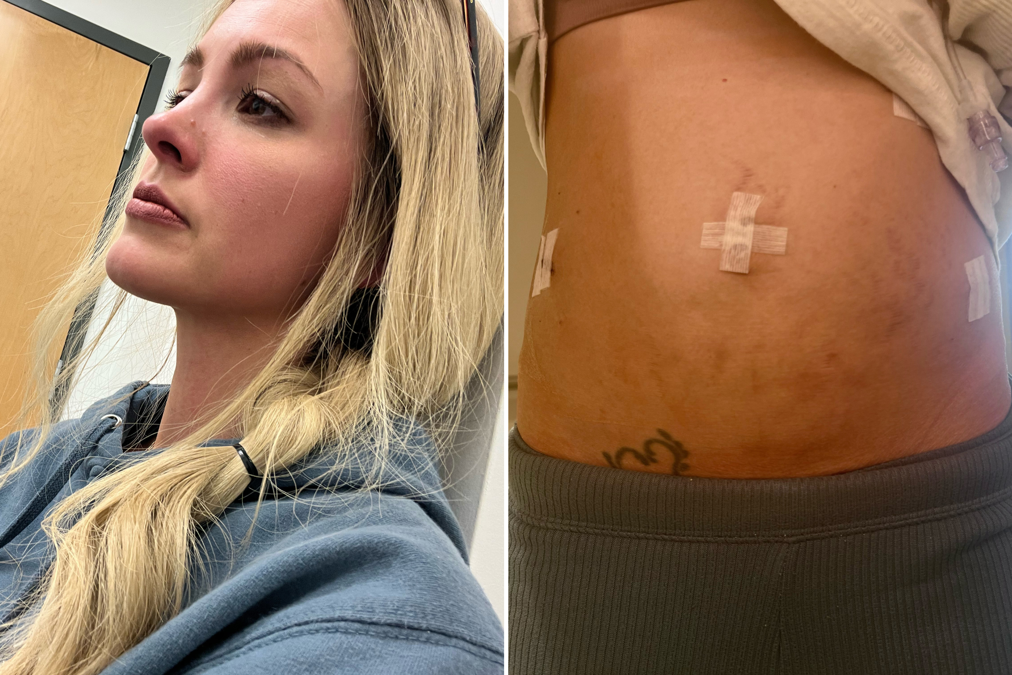
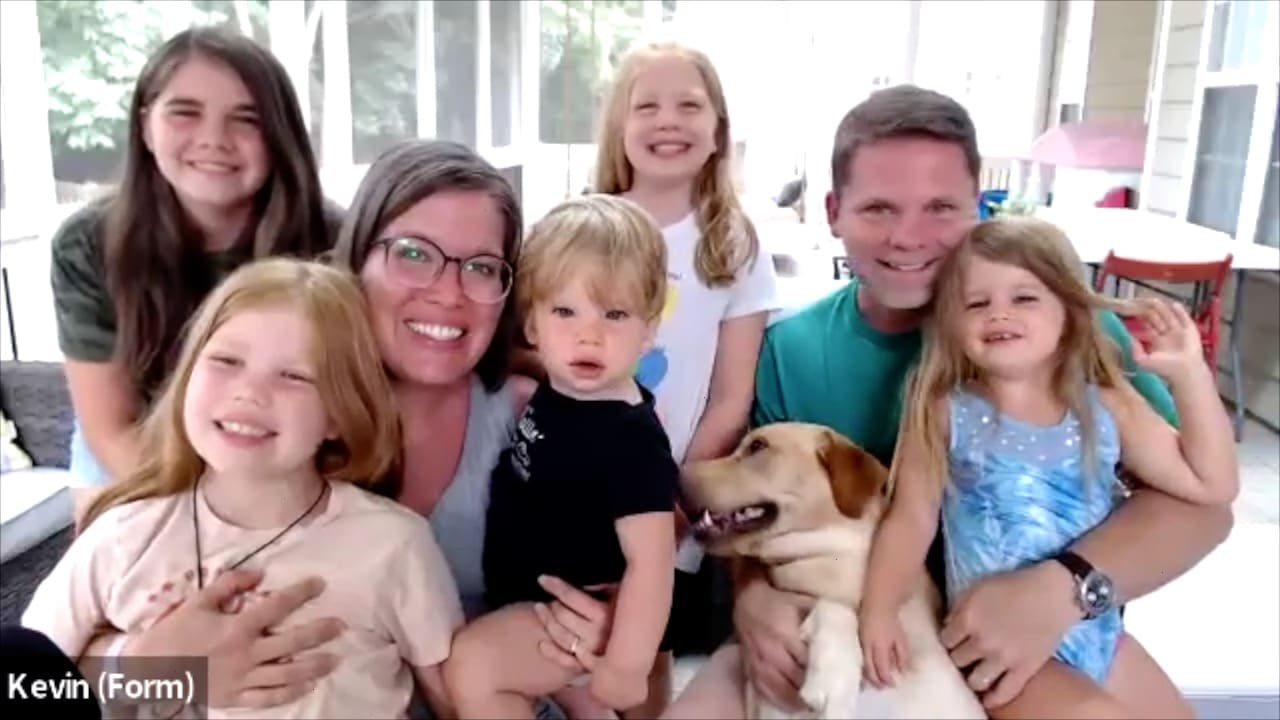


 Constant exhaustion
 Inflammation has been shown to contribute to cancer development and progression (Hanahan & Weinberg, Cell, 2011).
 Digestive issues you’ve normalized
 Daily exposure to “low-dose” toxins
 Little to no sweating or movement
 Chronic stress as a baseline
 What can you do? Here are resources to help you take action!


 )
)


 effort by changing my diet and lifestyle and detoxing my body before I would begin any chemo.


 My stage 2 Lymphoma cancer went away within 6 months of starting this. It may not be for everyone, but it was for me.
  The Budwig mixture I ate

 Anti-Cancer Detox Soup
  Yummy recipe
  and waaaayyyyy more antioxidants.
 I use my amazing 16-year-old Breville juicer that handles all kinds of ingredients like a boss and cleans up in 3 minutes! Tip is to wash the parts right after using and be done with it!

 How Many Former NFL Players Face Financial Hardship?
 Key Statistics
 Support Programs for Retired NFL Athletes
 NFL Player Care Foundation (PCF)
 Pro Football Retired Players Association (PFRPA)
 The Trust (Powered by the NFLPA)
 NFL Alumni Healthcare Benefits
 Documented Cases of Homelessness Among Former NFL Players
 How NFL Pensions and Benefits Work
 NFL Pension Basics
 How Pension Amounts Are Calculated
 Additional Benefits
 Kevin Johnson (Most Documented Case)
 Concussion-Related Hardship (General)
 Financial Collapse Cases (Not Homelessness but Severe Hardship)
 everytime i felt I was about to climb
  out of it. I would dig
  myself deeper into it. Now matter which antidepressant given nothing seems to work. It wasn’t until I finally changed my outlook on life did I finally pull myself out of depression. Much like shoveling snow once the job was done you feel entirely different about the storm.
 Major Types of Antidepressants and What They Do
 Why MAOIs Require Dietary Restrictions
 Foods That Must Be Avoided (High Tyramine)
 Foods That Are Usually Safe
 1. The world goes quiet
 2. It’s usually just you vs. the cold
 4. It’s a reminder of responsibility
 5. Winter has its own emotional weight


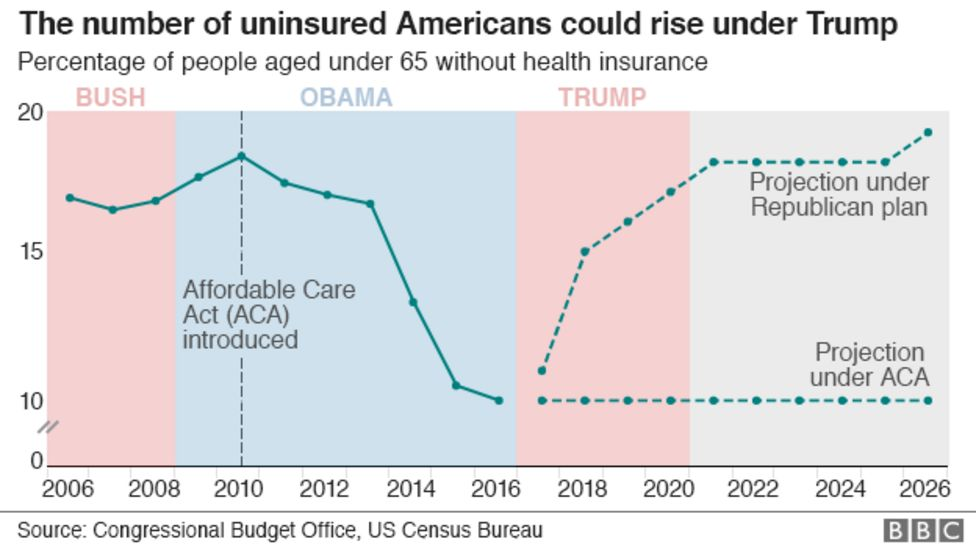
 replied to her own comment:
 where the pins would go to attach the steel frame to my skull. I’ve never been through anything like this in my life but they knew exactly what they were doing. A giant space bubble was placed over my head and metal that is attached to the skull. Things can happen after having this procedure like brain swelling etc. it’s all in God’s hands and everything he does is right.
  feeling happy at

 actually several people told me about it, and I read a lot about it and decided what do I have to lose?(diagnosed with terminal metastatic colon, lung and brain cancer August 2024) they did do emergency brain surgery to take the tumor out and I’ve had one round of cobalt radiation on my brain. Never again, though they don’t put you to sleep for that and it hurts like


 feeling blessed at
 What the Book Is About
 If You’re Looking for Something Specific
 Core Principles
 3. Lifestyle Interventions
 4. Targeted Supplements & Hormone Optimization
 5. Detoxification (if needed)
 6. Ongoing Testing & Adjustment