The immune system constantly monitors and attacks abnormal cells, but cancer can evade or suppress these defenses, making immunotherapy a key strategy in treatment.
Specialized immune cells, such as cytotoxic T cells and natural killer (NK) cells, recognize abnormal markers on cancer cells and can kill them before tumors develop aai.org+1.
Cancer cells often display unusual proteins or signals that alert immune cells to their presence, allowing the immune system to act quickly and sometimes prevent cancer from growing aai.org.
This process is part of the body’s immune surveillance, which continuously scans for damaged or mutated cells scienceinsights.org.
How Cancer Evades the Immune System
Cancer cells can develop strategies to avoid immune detection, a process known as immune evasion. They may:
Lose or downregulate tumor antigens, preventing T cells from recognizing them as threats scienceinsights.org.
Alter the tumor microenvironment, making it physically or chemically difficult for immune cells to infiltrate and function effectively aai.org+1.
Suppress immune cell activity by releasing inhibitory signals that paralyze anti-tumor immune cells within the tumor microenvironment scienceinsights.org.
Cause immune cell exhaustion, reducing the effectiveness of T cells and NK cells over time aai.org. These mechanisms allow tumors to grow unchecked despite the presence of immune defenses.
How Cancer Evades the Immune System
Cancer cells can develop strategies to avoid immune detection, a process known as immune evasion. They may:
Lose or downregulate tumor antigens, preventing T cells from recognizing them as threats scienceinsights.org.
Alter the tumor microenvironment, making it physically or chemically difficult for immune cells to infiltrate and function effectively aai.org+1.
Suppress immune cell activity by releasing inhibitory signals that paralyze anti-tumor immune cells within the tumor microenvironment scienceinsights.org.
Cause immune cell exhaustion, reducing the effectiveness of T cells and NK cells over time aai.org. These mechanisms allow tumors to grow unchecked despite the presence of immune defenses.
Impact of Cancer and Treatments on the Immune System
Certain cancers, especially those affecting the bone marrow like leukemia or lymphoma, can reduce the production of white blood cells, weakening the immune system Cancer Research UK.
Additionally, treatments such as chemotherapy and radiotherapy can temporarily lower immune cell counts or damage protective barriers, increasing susceptibility to infections Cancer Research UK.
Neutrophils, a type of white blood cell crucial for fighting infections, are particularly affected by these treatments Cancer Research UK.
Immunotherapy: Harnessing the Immune System
Modern cancer treatments often aim to boost or reactivate the immune system to fight cancer more effectively. Immunotherapies include checkpoint inhibitors, CAR T-cell therapy, and cancer vaccines, which enhance the ability of immune cells to recognize and destroy tumor cells aai.org+1. By overcoming immune evasion and suppression, these therapies can improve outcomes for patients with cancers that would otherwise evade natural immune responses.
Summary
The immune system plays a dual role in cancer: it can detect and eliminate abnormal cells, but cancer cells can evade, suppress, or exhaust immune responses. Understanding this interplay has led to the development of immunotherapies, which aim to restore or enhance the immune system’s ability to fight cancer, offering promising treatment options for many patients aai.org+2.
Impact of Cancer and Treatments on the Immune System
Certain cancers, especially those affecting the bone marrow like leukemia or lymphoma, can reduce the production of white blood cells, weakening the immune system Cancer Research UK.
Additionally, treatments such as chemotherapy and radiotherapy can temporarily lower immune cell counts or damage protective barriers, increasing susceptibility to infectionsCancer Research UK.
Neutrophils, a type of white blood cell crucial for fighting infections, are particularly affected by these treatments ancer Research UK.
Immunotherapy: Harnessing the Immune System
Modern cancer treatments often aim to boost or reactivate the immune system to fight cancer more effectively. Immunotherapies include checkpoint inhibitors, CAR T-cell therapy, and cancer vaccines, which enhance the ability of immune cells to recognize and destroy tumor cells aai.org+1. By overcoming immune evasion and suppression, these therapies can improve outcomes for patients with cancers that would otherwise evade natural immune responses.
Summary
The immune system plays a dual role in cancer: it can detect and eliminate abnormal cells, but cancer cells can evade, suppress, or exhaust immune responses. Understanding this interplay has led to the development of immunotherapies, which aim to restore or enhance the immune system’s ability to fight cancer, offering promising treatment options for many patients aai.org+2.
Thank you for speaking up about this. As an RN, I’ve seen too many times where a biopsy or surgery made it worse. The body is often capable of sequestering cancer to deal with disease, A biopsy and surgery often interferes with the sequestration of cancer and also disrupts the cells to cause many to be released so that it then travels elsewhere and becomes what they call metastatic. If the human body is provided with detoxification and the right nutrients to enhance the immune system it is capable of curing itself.
The Immune System’s Role in Cancer Defense and the Role of Nutrition
Your body does have natural immune surveillance that can detect and destroy abnormal or cancerous cells before they grow into tumors immunologyexplained.aai.org. This process involves immune cells such as T cells, natural killer (NK) cells, and other surveillance cells that recognize changes in cell surface proteins or abnormal growth patterns int.livhospital.com+1. In many cases, this defense happens silently and prevents cancer from developing.
However, cancer cells can evade detection by:
Hiding “danger” signals (molecular camouflage)
Creating an immunosuppressive microenvironment
Altering the local tissue environment to block immune cell access
These evasion strategies mean that immune surveillance alone is not always enough to stop cancer int.livhospital.com+1.
How Nutrition Can Support Immune Function
While no diet can guarantee prevention or cure, adequate nutrition can help maintain a healthy immune system, which in turn may improve the body’s ability to detect and respond to abnormal cells Cancer Research UK+1.
Key nutrients and their roles include:
Protein – essential for immune cell production and repair
Vitamins A, C, D, E – support immune cell function and antioxidant defense
Minerals (e.g., zinc, selenium) – important for immune cell development and signaling
Antioxidants (from fruits, vegetables, nuts) – help protect immune cells from oxidative stress
A balanced diet rich in variety of plant foods, lean proteins, whole grains, and healthy fats can help sustain immune cell activity and reduce inflammation, which may indirectly support the immune system’s cancer defense
Selenium in Cancer Rehabilitation—A Retrospective Study from a Specialized Clinic – PMCPrevalence of selenium deficiency was 90% in patients with pancreatic cancer, 74% in patients with colon cancer, and 36% in breast cancer patients. In total, 13 of 50 breast cancer patients supplemented various dosages of selenium before rehabilitation. Selenium deficiency was less prevalent in this group (23% vs. 41%), but the difference was not significant (p = 0.2591).
Nutrition alone cannot “sequester” or cure cancer — it can only support the immune system’s natural defenses Cancer Research UK+1.
Cancer progression often outpaces immune control, and in advanced cases, medical treatment (surgery, chemotherapy, immunotherapy) is required int.livhospital.com+1.
Immune suppression can occur from cancer itself or from certain treatments, so medical guidance is essential Cancer Research UK.
In summary: The immune system can indeed detect and destroy early cancer cells, and good nutrition can help keep it functioning well. But cancer is complex, and while a healthy diet supports immune health, it is not a substitute for medical care when cancer is present. For personalized advice, consult a healthcare provider or a registered dietitian.
Body systems and cancer
The immune system and cancer
The immune system protects the body against illness and infection. It can help to fight cancer.
Immune Surveillance, Cancer Control, and the Role of Nutrition
The human immune system is constantly monitoring the body for abnormal cells, including those that may become cancerous. This is known as immune surveillance — a process in which immune cells such as T cells, natural killer (NK) cells, and other lymphocytes detect and destroy cells with genetic mutations or abnormal growth patterns before they develop into tumors immunologyexplained.aai.org. In many cases, this happens silently, and cancer never develops int.livhospital.com.
How the immune system fights cancer
Detection: Cancer cells often display unusual surface proteins or signals that alert immune cells immunologyexplained.aai.org.
Limitations: Tumors can evade detection by “molecular camouflage,” creating an immunosuppressive microenvironment, or exhausting immune cells over time immunologyexplained.aai.org.
Immune balance: Regulatory T cells (Tregs) normally help maintain immune equilibrium but can also help cancer cells hide int.livhospital.com.
Experts highlight nutrient-rich foods that strengthen immunity While the immune system can sometimes control early or small cancer cells, it is not infallible. Nutritional status can influence immune function — adequate intake of proteins, vitamins (e.g., A, C, D, E), minerals (e.g., zinc, selenium), and healthy fats supports the production and activity of immune cells Cancer Research UK. Poor nutrition, chronic inflammation, or certain medical conditions can weaken immune defenses, making it harder for the body to control abnormal cell growth Cancer Research UK.
Selenium is an essential trace element that is a critical cofactor for glutathione peroxidase (GPx), an antioxidant enzyme that protects cells from oxidative damage by reducing hydrogen peroxide and other peroxides using glutathionewww.droracle.ai.
Biochemical Role
GPx is a selenoprotein in which selenium is incorporated as selenocysteine at the enzyme’s active site www.droracle.ai. This selenium atom is essential for catalyzing the reaction: H₂O₂ + 2 GSH → 2 H₂O + GSSG Here, glutathione (GSH) is oxidized to glutathione disulfide (GSSG) while hydrogen peroxide is reduced to water www.droracle.ai. This reaction is a key step in the body’s antioxidant defense, preventing oxidative damage to lipids, proteins, and DNA Immune Health Science.
Supplementation in deficient individuals can significantly increase GPx activity www.droracle.ai+1.
Clinical and Health Implications
Low GPx activity is linked to:
Increased susceptibility to oxidative stress and lipid peroxidation www.droracle.ai.
Higher risk of chronic diseases such as cardiovascular disease, diabetes complications, and certain cancers Immune Health Science+1.
Impaired detoxification of heavy metals and reduced cellular integrity Immune Health Science.
Studies show that selenium supplementation in deficient populations improves GPx activity and antioxidant status www.droracle.ai+1. For example, in chronic kidney disease patients, 200 µg/day selenium for 3 months increased plasma selenium and RBC GPx activity Immune Health Science.
Supplements: Meta-analyses show selenium-enriched foods may be more effective than selenomethionine for increasing GPx activity MDPI.
Bioavailability: Organic, inorganic, and nanoelemental selenium can all be incorporated into GPx, but efficacy varies by form and dose MDPI.
Key Takeaway
Selenium is indispensable for GPx function, which is central to cellular antioxidant defense. Maintaining adequate selenium status through diet or supplementation (when deficient) supports GPx activity, reduces oxidative stress, and may lower disease risk www.droracle.ai+4.
No guarantee of prevention: Even with optimal nutrition, the immune system cannot always stop cancer from developing or progressing int.livhospital.com+1.
Medical care is essential: For diagnosed cancer, standard treatments (surgery, chemotherapy, radiation, targeted therapy, immunotherapy) are critical; nutrition alone cannot replace these Cancer Research UK+1.
Evidence-based support: Nutrition can help maintain immune health and overall well-being, but it is not a substitute for medical treatment.
Bottom line: The body’s immune system can sometimes “sequester” or control cancer cells, but this depends on the tumor’s ability to evade detection and on the immune system’s overall health.
Supporting immune function through balanced nutrition is beneficial, but it should be combined with evidence-based medical care rather than relied upon as a standalone solution int.livhospital.com+2.
Zoe De La Paz believes in making your own luck. That mentality helped her gather the courage to quit her corporate day job in Chicago, break into the costuming field, and move to Yellowstone National Park to work as a seamstress — a path she hopes will eventually take her to New York City to work on Broadway and in film productions.
Until recently, De La Paz, 26, was living in Chicago and working as a drafter for an engineering construction company. She’d started sewing in high school for fun and, creatively unfulfilled in her day job, took up odd gigs on nights and weekends at nearby music venues.
26-year-old Zoe De La Paz was working as a drafter for an engineering construction company in Chicago. She started sewing in high school for fun, but her day job left her creatively unfulfilled .
So she quit. She applied for a seamstress role in the uniform department at Yellowstone, and was hired .
Her job: Hemming pants, repairing uniforms, replacing zippers, and handing out gear to thousands of employees. Her coworker, a 73-year-old retired educator, said she “had really good instincts” and was “very creative” .
Her salary: $19.25/hour, with subsidized housing and meals .
Her goal: She plans to use this experience to eventually move to New York and work on Broadway, film, and television productions .
She said: “Two years ago working in corporate, I would have never dreamed this would have happened.” — in the United States.https://www.facebook.com/wildwondersx
Zoe De La Paz shares a bedroom with a woman she met just a few months ago. She doesn’t have a car and hitchhikes when she needs a ride into town. She occasionally wakes up at 3 a.m. to the siren-like sound of an elk bugle, what she refers to as a “nightmare alarm clock.” She’s also living what she considers a dream life and working a job she truly loves.
De La Paz, 26, lives in Mammoth Village in Yellowstone National Park, where she works as a seamstress for the uniform department of Xanterra Parks & Resorts, a concessionaire that operates hotels, lodges, restaurants and other businesses in the national park.
Until recently, De La Paz was splitting an apartment with a roommate in Chicago and earning about $75,000 a year as a mechanical designer for an engineering firm. But she was feeling creatively unfulfilled and was looking for a way out. In 2024 she thought she found one during a trip to visit a friend working at Yellowstone.
De La Paz says witnessing the park’s natural beauty, plus the freedom her friend had through his seasonal job there, planted the seed for her to quit her 9-to-5 desk job and move there one day. “It was what made me realize that life was too short and that I was very unhappy at my corporate job,” she tells CNBC Make It.
De La Paz, who began sewing as a teen cosplayer, brainstormed ways to get back into creative spaces. She took up odd jobs at Chicago-area music venues on nights and weekends; while catering a The Weekend concert, she connected with the artist’s wardrobe team and was hired to do some costuming work for the tour’s backup dancers.
From there, De La Paz knew she wanted to make the leap back into her creative passion and saw a possibility of making a full-time career out of it. In early 2026, she began researching her options for a more hands-on, creative sewing gig and found one while checking for jobs at Yellowstone, as she’d done periodically since her trip.
By June, she was headed to the national park for her next chapter.
She now spends her days behind a sewing machine, earning $19.25 an hour, and already has plans to take her sewing career to the next level. “From a young age, I had been told that work must be work and play must be play, and that there isn’t necessarily a world that allows both to coexist with one another,” De La Paz says. “I never thought that my hobby could become my career.”
Behind the machine
De La Paz starts her workdays by hopping on the 6:45 a.m. employee shuttle to make the 15-minute drive from her dorm in Mammoth Village in Wyoming, on the north side of Yellowstone, just across state lines to her work facilities in Gardiner, Montana.
Zoe De La Paz began sewing as a teenager to make cosplay outfits.
As a tailor for Xanterra’s uniform department, her duties include sewing on patches, fixing snaps and replacing buttons and zippers on uniforms for thousands of concessionaire employees, from housekeepers and security officers to restaurant workers and tour guides.
She works 40 hours per week, on Mondays through Fridays, from roughly 7 a.m. to 4 p.m. with an hour-long lunch break.
The summer season kick-off came with a learning curve, De La Paz says: With hundreds of new employees starting within a few weeks of each other, she and the one other tailor on the team worked tirelessly to make sure all the uniforms were in top shape.
Some days involved hemming upwards of 40 pairs of pants, she says, and sewing quickly to meet the same-day turnaround time. She enjoys helping the park’s employees, many of them public-facing, to “work comfortably in their uniform” while looking their best, De La Paz says.
Zoe De La Paz works for the uniform department at Xanterra Parks & Resorts, which operates hotels, lodges, restaurants and other businesses in Yellowstone National Park.
The job has plenty of room to be creative. Beyond mending and tailoring, De La Paz’s team works on upcycling projects, like turning old employer-issued backpacks into fanny packs after a clear-backpack policy went into effect in the park.
De La Paz’s colleagues have a range of life experiences: Her direct manager is a 73-year-old retired educator who’s been working in the park system since 2023; one colleague is a grad school student there for the summer, and another is a former hairstylist who took on the park job to see more of the world.
Despite earning less today than at her desk job in Chicago, “the trade-off is really worth it to me because I get to live in one of the most beautiful places in the world,” De La Paz says.
She adds that her living and food costs are lower in the park than back in the city, and says the easy access to nature is priceless. Another employee perk: Visiting friends and family members can stay in a room in the park for just $5 a night.
Zoe De La Paz spends her days sewing patches, fixing snaps and replacing buttons on uniforms for thousands of employees, from housekeepers to tour guides.
“Even though the national parks are land for the people to come visit, there is just a geographical distance and then a financial distance for people to be able to come and visit and stay in the park,” De La Paz says. “Staying in Yellowstone can be just as expensive as traveling internationally, and I’m really grateful that I get to stay for pennies and dimes, essentially, to live inside of the park.”
Here’s how De La Paz spent her money in July 2026.
She pays $96 a month to live in Yellowstone National Park —
‘Being here has changed my life’:
Discretionary: $1,162 for gifts, entertainment, household items, pet care
Food: $742, including her meal stipend and eating off-campus
Savings and investments: $586
Rent: $96
Subscriptions: $34 for The New York Times, Rocket Money and to host her freelancing website
Phone: $20
De La Paz has $96 deducted from her paycheck every month for her employee lodging, which covers her bed in a dorm room she shares with up to two roommates, as well as Wi-Fi and utilities. Dorm living comes with a communal bathroom, laundry facilities, common areas and social events.
She also has about $359 deducted from her paychecks each month to cover a meal stipend for food at Xanterra’s six employee dining rooms. In July, De La Paz spent an additional $383 on food outside of those meals, including trips to restaurants and orders from DoorDash.
Zoe De La Paz grew up in Illinois and says living among the mountains of Yellowstone is unlike anything she’s experienced before.
De La Paz’s food and discretionary spending was higher than usual in July, she says, because it was her birthday. She treated herself a new bag, bought a new sewing machine and hosted several groups of family members and friends, meaning extra expenses on dinners out and activities like cruises around Yellowstone Lake. She also got some early holiday shopping done with an extra-generous employee discount on all of Xanterra’s gift shops for two weeks in July.
De La Paz has a cat, Pepperjack, back in Chicago and pays her former roommate $200 per month to help care for her; she also bought cat food online and had it delivered home.
De La Paz regularly contributes to her Robinhood and Acorns accounts and put $586 toward her savings and investments in July. She has an emergency savings fund of nearly $11,000, and a 401(k) from her previous employer that currently has more than $34,000 in it.
For now, De La Paz doesn’t pay for health insurance, and says she has access to a low-cost employee clinic through work. One recent visit cost her just $15 to be seen for a head cold.
Life in Yellowstone: ‘You’re in nature’s territory’
De La Paz has spent the majority of her life in the Midwest, growing up outside Peoria, Illinois, before attending the University of Illinois Urbana-Champaign and making her way to Chicago after graduation. Living in the mountains of the national park is unlike any other experience she’s had.
“As much as I am a city girl and I love Chicago with my whole heart,” she says, “I really feel like I’m connected and living with nature, and not [as] this separate being living outside of nature that then chooses when to dip her toes into it.”
De La Paz recalls going on a hike on her second day in Yellowstone and coming across a grizzly bear. She often has to be on alert for potentially dangerous wildlife, including elk and bison, as she goes about her day.
“You’re in nature’s territory, not vice versa,” she says, “and you have to have a lot of respect for that.”
Zoe De La Paz will leave Yellowstone by the end of September but hopes to return in some capacity, whether as a seasonal worker or a visitor, in the future.
When she’s not working, De La Paz enjoys free or low-cost activities put on by an employee resource group, like horseback riding, group hikes or a recent day trip to the Cody Rodeo that cost just $6 for the 3-hour bus ride and about $20 for entry.
Stitching together a new career
De La Paz’s seasonal contract in Yellowstone runs until the end of September. As for what comes next, she says her sewing career is just taking off.
She’s currently fielding a few job opportunities in Los Angeles that would involve working on film projects or concert touring productions, while in New York City she has leads on costuming gigs with regional theaters as well as a potential tailor job.
De La Paz says she plans to tap her $11,000 in savings to help with a move to one city or the other.
“It’s scary to think about the fact that less than six months ago, I was working my corporate job, clocking in with my badge, and now it’s like: What comes next?” she says.
Zoe De La Paz plans to continue her sewing career in either Los Angeles or New York City.
De La Paz says her time in Yellowstone reconnected her with the possibility of making a career out of sewing.
“Being here has changed my life,” she says.
De La Paz says moving to a new place where she knew no one reminded her that the world is big and there’s a lot she’s yet to experience; she’s also a big believer in trusting that if she leaps, a net will appear.
“I know that regardless of where I end up, the work I will be doing will continue having me behind a sewing machine,” she says. “I’m excited for what comes next.”
That mentality helped her gather the courage to quit her corporate day job in Chicago, break into the costuming field, and move to Yellowstone National Park to work as a seamstress — a path she hopes will eventually take her to New York City to work on Broadway and in film productions.
Until recently, De La Paz, 26, was working as a drafter for an engineering construction company. She’d started sewing in high school for fun and, creatively unfulfilled in her day job, took up odd gigs on nights and weekends at nearby music venues.
All had been afflicted with Alzheimer’s or dementia—the progressive neurologic disease characterized by memory and functional loss—but with an important difference. The first group chose to make a public announcement of their diagnosis during their life, and the second chose to keep their dementia diagnosis private, their condition revealed by their survivors only after their death.
Who ARE we? At the Dementia Society of America®, our mission is to provide HOPE through Dementia AWARENESS and education, fund RESEARCH, and recognize ENGAGEMENT programming focused on powerful therapies such as art, music, movement, touch, and more.
We also help individuals, families, care partners, and communities better understand Dementia and navigate the journey with trusted caregiver tools and meaningful care partner support.
Dementia Society of America is your volunteer-driven 501(c)(3) nonprofit charity serving the nation for all potential causes of Dementia, including:
Alzheimer’s (AD), late & young-onset Vascular Dementia Mixed Dementia Lewy Body Dementia (LBD) Frontotemporal Dementia (FTD) CTE, TBI, HIV, L.A.T.E., ADHD and many other causes.
NPR All Things Considered, Dementia Society of America Logo Looking for Basic Dementia Information?
You’ve come to the right place.
Dementia Society of America® is a Voluntary Health Organization dedicated to helping people better understand Dementia in all its forms, which are often grouped medically as Major Neurocognitive Disorders.
We’ve brought together trusted information and helpful resources from across the country and around the world—making it easier to find the guidance you need in one place.
Think of us as a Dementia education information center and Brain Health resource, all working together to bring greater understanding and HOPE.
Whether you’re living with Dementia, supporting someone who is, caring for a family member or friend, or simply looking to learn more, Dementia Society of America is here for everyone.
Knowledge Brings Hope
Millions of Americans are living with some form of Dementia today.*
Behind every number is a person—a family member, friend, neighbor, colleague, or care partner. Dementia can affect nearly every part of life, but greater understanding can make the journey less confusing and isolating.
At Dementia Society of America®, we share education, resources, and programs that bring HOPE to individuals, families, care partners, organizations, and communities.
Dementia is not a single disease. It is “The Big Umbrella,” a term used to describe symptoms that can be caused by many different diseases, disorders, and conditions.
In fact, the latest research suggests that some people who received an Alzheimer-type Dementia diagnosis in past decades may have had Dementia caused by another underlying disease or disorder.**
Understanding that distinction matters. It highlights the importance of early screening, appropriate evaluation and testing, and greater awareness of the many possible causes of cognitive impairment and Dementia.
The Impact Is Enormous
Dementia affects millions of people and carries high emotional, physical, and financial costs. Dementia-related deaths are considerable in the United States,*** while the cost of care totals billions of dollars.****
But statistics tell only part of the story. Families and care partners may face stress, exhaustion, uncertainty, and difficult decisions while supporting someone they care about. Professional caregivers can experience burnout as well.
Dementia is costly in ways that cannot always be measured in dollars.
While cures remain unavailable for many causes of progressive Dementia, a diagnosis does not erase the person.
People living with Dementia can continue to experience meaning, connection, purpose, joy, and dignity, and we recognize those working to advance non-medical therapies through our Ginny Gives® Awards. Care partners can also find fulfillment, strength, and meaningful moments along the way—even when caregiving is difficult. That is why education, compassionate support, and practical resources matter.
Every Person Deserves Dignity
We believe in person-centered care and, whenever possible, person-directed care. That means recognizing each person as an individual—with their own history, preferences, abilities, relationships, and needs—and treating them with respect and dignity throughout their life.
Our goal is simple: to help create the best possible quality of life today and more hopeful tomorrows. In fact, you can even watch the TV-style program: The Dementia Action Plan® to learn even more.
Through greater Dementia awareness, education, and support, we can replace confusion with understanding, isolation with connection, and fear with HOPE.
FAQs Important Notice: Dementia Society of America (DSA) does not provide medical advice. The contents are for informational purposes only and are not intended to substitute for professional medical advice, diagnosis or treatment.
commonly asked questions about Dementia and Alzheimer’s The word Dementia can elicit many different reactions, and many of these are unfortunately often based on incorrect information. Getting one’s arms around the definitions and meanings of Dementia terminology can be difficult.
We offer our top 3 FAQs and want to talk with you about what you are thinking and feeling.
Please connect with us here to receive your free package of Dementia education information.
Our top 3 questions…
1. What is Dementia?
The simple answer is it’s an umbrella term, like “cancer.” Cancer is found in different forms, such as breast cancer, leukemia, testicular cancer, melanoma, etc. It’s no different with Dementia, there are many forms and types.
*** In addition, Dementias are considered severe forms of cognitive impairment that affect at least two functions of the brain. Examples include memory, decision-making, behavior, motor skills, etc. Memory loss alone does not mean Dementia.
2. What is the difference between Dementia and Alzheimer’s Disease?
Alzheimer’s Disease (often shortened to just “AD”), is simply one very common form of Dementia. There are many types of Dementia besides Alzheimer’s. Moreover, not all Dementias are diseases or conditions related to Alzheimer’s.
**** 3. Can an Alzheimer’s diagnosis be confirmed 100% while someone is alive?
Well, the most recent answer used to be “no.” But that is changing rapidly. Today, still, only a post-mortem autopsy of the brain tissue can reveal with complete 100% certainty the types of pathology that Dr. Alois Alzheimer discovered over 100 years ago. Yet, within just the past few years, new brain imaging and bodily fluids (blood or cerebrospinal fluid) tests are giving medical professionals more than 90% certainty before death. The science of brain imaging, DNA testing, and other state-of-the-art methods is improving the ability to detect certain telltale signs of all causes of Dementia. But still, not everyone has easy access to the testing advancements available. The best thing to do is not to assume or rubber-stamp a diagnosis. Instead, the Dementia Society of America strongly urges anyone thought to have a cognitive impairment to get the best possible diagnostic workup by a board-certified geriatric or cognitive neurologist and his or her team. Search for a medical professional. Please see our Definitions page for more details on each of the leading forms of Dementia.
The wording “ashes to ashes, dust to dust” comes from the Book of Common Prayer (1549) used in Christian funeral liturgies. It summarizes the biblical teaching that humans return to the earth from which they were formed.
Humans have been pondering the nature of death since prehistoric times, with evidence of funeral practices dating back to early hominids more than 400,000 years ago.
What scientists know about death that you didn’t (until now)
Story by Elias Nash
In the millennia since, our curiosity about death has grown more and more complex, with most of the world’s most prominent religions and folklore traditions seeking to answer the mysteries of life’s end.
However, it wasn’t until the mid-1900s that researching death became a true science. Known as thanatology, the study of death has yielded fascinating evidence for what it physically feels like to die, and how the mind reacts to those final moments.
It may sound like a grim field of study, but thanatology has actually unearthed some surprisingly soothing answers to the mysteries of death.
Thanatology is a uniquely challenging field because, as they say, dead men tell no tales. How can you study an experience without any firsthand accounts? There’s no easy way around this problem, but researchers have a few resources to work with.
Believe it or not, near-death experiences, known in the medical field as NDEs, are coming to be seen as valuable evidence. Instances in which people’s hearts stopped but were later resuscitated have revealed unexpected findings about both the physical and emotional experience of dying.
On top of that, there have been a handful of cases in which people actually died while undergoing neurological imaging, providing the most intimate look at mortality that doctors have ever observed. It turns out, many of our preconceptions about death have been all backwards.
We tend to interpret death as a singular moment — a doctor standing over a body and declaring, “Time of death, 4:52 PM,” right down to the minute. But that’s not really how death works. It’s less like flicking a light switch off and more like shutting down a computer, quitting programs one by one.
When the heart stops, some other parts of the body can continue to function for a limited period of time as they gradually exhaust their energy reserves. This includes the brain, which holds enough reserved energy to keep functioning for a minute or more after the heart stops beating.
This is where NDE accounts really come into play. A study published in The Lancet in 2002 found that 62 out of 344 patients who had been resuscitated after cardiac arrest had NDEs, or 18%. These people reported maintaining a sense of awareness after their hearts had stopped, sometimes lasting for several minutes before their cardiac function was restored.
Some patients say they can perceive their surroundings even when their hearts are stopped, while others report out-of-body experiences like travelling through tunnels of light or even meeting dead acquaintances.
The brain isn’t the only organ that keeps functioning for a period after cardiac death; in fact, every part of the body dies at its own rate, cell by cell. That means that we lose our senses in stages as we die, with some research suggesting that hearing could be the last sense the human body loses before death.
While the brain can maintain some functionality after the heart stops, unless blood flow is restored, it will run out of oxygen before long.
However, before the brain shuts down completely, it actually experiences a massive burst of activity that rivals anything we experience in life. When blood flow to the brain ceases completely, it goes into a state of hypoxia — oxygen starvation — which triggers a wild series of events.
First, the cells of the brain begin to die, losing their electrical charges in the process. The surviving parts of the brain, alerted to the unfolding damage, kick into overdrive. Electroencephalograms (EEGs) recording from the brains of dying patients just after they were taken off life support reveal a massive surge in high-frequency gamma brain wave activity right before death.
This is followed by a period of low-frequency brain wave activity, and finally a total cessation in activity, forming a three-stage shutdown procedure that some doctors have termed the “wave of death.”
The initial surge of gamma brain waves is fascinating because these are the highest frequency of brain waves and are typically associated with alertness and heightened cognitive functioning. Therefore, it’s likely that the dying person could maintain some level of awareness, or even higher awareness than usual, during this first phase of the wave of death.
This may explain why some people who have had NDEs can recount their experiences so vividly, and it suggests the final moments of life are more lucid than we long assumed.
The phrase most closely associated with near-death experiences is probably, “I saw my whole life flash before my eyes.” Indeed, many people who have been resuscitated from cardiac arrest report that their NDE involved vivid memories from across their lifespan.
Once again, EEG data provides a pretty clear answer for why this is the case.
Gamma brain waves primarily occur in the hippocampus, which is the primary structure responsible for memory. The surge of gamma brain wave activity that kicks off the wave of death appears to activate the mind’s memory center on the highest level.
What’s particularly fascinating is the other circumstances in which similar gamma brain wave activity has been observed. For instance, a study published in the Journal of Neurophysiology in 2020 showed that gamma wave activity increased when people were given an object memory challenge very similar to the classic cups-and-balls trick.
What we’re seeing is that death appears to activate our memory making and retrieval capabilities. Two other activities that have been found to activate gamma brain waves similarly are mediation and dreaming. This all suggests a rather profound mental experience in the closing moments of life.
The brain floods with chemicals as it dies … and some might even feel good
The increase in brain activity at the onset of death doesn’t just bring a surge in gamma waves; it also triggers the release of numerous neurotransmitter chemicals. The most common neurotransmitter in the brain is glutamate, which is closely tied to learning and memory function, adding yet another layer of evidence to explain what the mind goes through as it dies. However, there are a few other neurotransmitter chemicals released during this time that can also help us figure out what the body goes through in those final moments. Notably, death is associated with a rise in serotonin and dopamine levels.
Serotonin and dopamine are both closely associated with mood, pain perception, pleasure, arousal, and alertness. The most common antidepressants work by raising the brain’s levels of serotonin while many of the most notorious recreational drugs work by raising dopamine levels. There is even evidence that these brain chemicals play a major role in falling in love. If such pleasure-inducing chemicals are released when we die, then the concept of death as a release from suffering for the terminally ill is truthful. Practitioners of palliative care have long suspected this, with one expert writing for the BBC about observing signs of pain relief on the faces of patients upon death. While thoughts of mortality are never really pleasant, it might bring some relief to know that our brains and bodies are carefully prepared to walk us across that threshold.
Death is a complex process involving the gradual cessation of biological functions, brain activity, and consciousness, rather than a single moment.
Biological Process of Death
Death begins when vital organs—typically the heart, brain, or lungs—fail, triggering a cascade that leads to the body shutting down. Cells continue to function for minutes to hours after the heart stops, and the brain may remain active for up to ten minutes post-cardiac arrest. Within the first hour, the body experiences algor mortis (cooling), muscle relaxation, pupil dilation, and release of bodily fluids. Rigor mortis begins around two hours after death, peaks by 6–8 hours, and gradually resolves over the next 36 hours. Decomposition follows, driven by enzymes and bacteria, producing discoloration and tissue breakdown (greenish hue, bloating) All That’s Interesting+2.
Neurological and Consciousness Aspects
Recent studies have captured brain activity in the moments before death, including gamma wave surges resembling memory recall or “life review” experiences. Near-death experiences (NDEs) are reported by some survivors of cardiac arrest, often involving feelings of peace, seeing light, or out-of-body sensations. These experiences are linked to specific brain regions, such as the temporal and parietal lobes, and may be influenced by oxygen deprivation, retinal blood flow changes, and neural activity surges All That’s Interesting+2.
Legal and Medical Definitions
Legally, death is defined in the United States by the Uniform Determination of Death Act. A person is considered dead when there is irreversible cessation of either circulatory and respiratory function or all functions of the entire brain, including the brainstem. Brain death requires coma, absence of brainstem reflexes, and inability to breathe independently, emphasizing the “irreversible” nature of death Wikipedia+1.
Philosophical and Scientific Perspectives
While the biological process is observable, the fate of consciousness remains uncertain. Some theories explore whether consciousness could persist beyond bodily death, drawing from neuroscience, quantum physics, and philosophy. Death is increasingly understood as a gradual transition rather than an instantaneous event, with a gray zone where resuscitation may still be possible scienceinsights.org+1.
Summary
In essence, death is a multi-layered process: the body undergoes predictable physical changes, the brain may remain briefly active, and consciousness may persist in some form during near-death experiences. While science explains the physiological and neurological aspects, the ultimate nature of consciousness after death remains one of humanity’s greatest mysteries All That’s Interesting+3.
At death, the soul and spirit separate from the physical body, though the timing and nature of this departure vary across religious, spiritual, and scientific perspectives.
Scientific Perspective
From a medical standpoint, death is defined by the irreversible cessation of vital functions, particularly brain activity. Consciousness fades within minutes, and the body becomes an empty shell without the animating force that sustains life. Science does not provide evidence for the soul or spirit, but near-death experiences suggest that some awareness or perception may linger briefly after clinical death ( doolly.com).
Religious and Spiritual Perspectives
Christianity
The Bible teaches that humans have an immaterial part—soul or spirit—that survives physical death. At the moment of death, the soul and spirit depart from the body. Believers are said to go immediately into the presence of Jesus in heaven, while others may face judgment or hell ( Christianity FAQ+2). Scripture describes Jesus committing His spirit to God at death, illustrating the separation of body and spirit ( scriptureway.com).
Judaism
The Hebrew Bible also describes the soul departing at death, as in the story of Rachel, whose soul left her body while her body was buried ( scriptureway.com). The soul continues to exist independently of the body.
Islam
Islamic teachings hold that the soul leaves the body at the last breath and is taken for judgment, with the afterlife determined by one’s deeds ( doolly.com).
Hinduism
Hinduism views the soul (Atman) as eternal. After death, it may linger near the body for up to 13 days, influencing rituals and the transition to the next life ( doolly.com).
Other Spiritual Views
Some spiritual traditions describe a “silver cord” connecting the soul to the body, which may take hours or days to sever, especially if the person has unfinished business. Near-death experiences often report a brief hovering over the body before fully departing ( doolly.com).
Distinction Between Body, Soul, and Spirit
The Bible and theological sources distinguish between body, soul, and spirit. The body is physical, the soul is the life force or essence of a person, and the spirit is the breath or immaterial aspect that connects with God. At death, the body ceases to function, while the soul and spirit continue to exist in a separate, immaterial state ( godskingdom.org [6]).
Summary
While the exact timing and process of the soul and spirit leaving the body are interpreted differently across cultures and religions, the common theme is that death involves a separation of the physical body from the immaterial soul and spirit, which continue to exist in some form beyond bodily death ( doolly.com+3).
A dementia-affected brain shows significant shrinkage, widened grooves, and abnormal protein deposits, while a normal brain maintains its structure and connectivity despite minor age-related changes.
Structural Differences
A brain affected by dementia, such as Alzheimer’s disease, undergoes widespread atrophy, particularly in the hippocampus, which is critical for memory formation, and in the cortical regions responsible for higher cognitive functions Medical News Today+2. MRI scans reveal larger sulci (grooves), expanded ventricles, and reduced overall brain volume compared to a healthy brain optoceutics.com. In contrast, a normal aging brain experiences modest volume loss, mainly in the prefrontal cortex and hippocampus, but the overall architecture remains intact, and neurons largely stay connected neurolaunch.com+1.
Chemical and Cellular Changes
Dementia brains accumulate amyloid plaques and tau tangles, which disrupt neuron function and communication U.S. News & World Report+1. These abnormal protein deposits are largely absent in healthy brains, although minor amounts may appear with age U.S. News & World Report. Neuronal death in dementia leads to loss of synaptic connections, impairing memory, reasoning, and language, whereas normal aging slows processing but preserves most neural networks neurolaunch.com.
Functional Impacts
The structural and chemical changes in dementia result in memory loss, impaired reasoning, language difficulties, personality changes, and loss of daily functioningneurolaunch.com+1. In normal aging, cognitive decline is milder, with slower recall or occasional word-finding difficulties, but daily routines and self-care remain manageable neurolaunch.com+1.
Imaging Insights
Brain scans, particularly MRI, can distinguish dementia from normal aging. Dementia scans show hippocampal atrophy, cortical thinning, enlarged ventricles, and abnormal white matter, while healthy brains maintain well-defined structures and cortical folds optoceutics.com. These imaging differences help clinicians identify the type and stage of dementia and differentiate it from normal age-related changes optoceutics.com.
Summary
In essence, dementia fundamentally alters brain structure and function, causing shrinkage, protein accumulation, and neuron loss, leading to cognitive and behavioral impairments. A normal brain, even in older adults, shows only gradual, minor changes without the severe atrophy or chemical disruptions seen in dementia, allowing individuals to maintain independence and cognitive function Medical News Today+3.
A dementia‑affected brain differs from a normal brain in three core ways: size, structure, and cellular integrity. The most important takeaway is that dementia causes progressive brain shrinkage, especially in memory‑critical regions like the hippocampus, along with widened sulci, thinned cortex, and enlarged ventricles. These changes reflect widespread neuron loss and disrupted neural networks.
Cortical thickness — A normal brain has a dense, folded cortex; dementia causes thinning and flattening as neurons die.
Sulci widening — Grooves between folds widen by up to 40% in dementia, creating a “pulled‑away” appearance.
Ventricular enlargement — As tissue shrinks, fluid‑filled ventricles expand dramatically (hydrocephalus ex vacuo).
Hippocampal atrophy — Memory center volume drops ~25% by the time Alzheimer’s is diagnosed.
Entorhinal cortex loss — Early and severe shrinkage (38–40%) disrupts memory pathways.
Cellular & Molecular Differences
Amyloid plaques — Clumps of beta‑amyloid accumulate between neurons, blocking communication.
Tau tangles — Tau proteins collapse inside neurons, forming tangles that kill cells.
Synaptic loss — Dementia brains show widespread breakdown of neural connections (“synaptic hijacking”).
Inflammation — More severe neuroinflammation than normal aging.
Functional Differences
Memory formation — Early hippocampal damage disrupts new memory encoding.
Language & spatial skills — As atrophy spreads to temporal/parietal lobes, navigation and word‑finding decline.
Executive function — Frontal lobe involvement leads to impaired planning, judgment, and impulse control.
Comparison Table: Normal Brain vs. Dementia Brain
Feature
Normal Brain
Dementia Brain
Overall size
Full volume
Significant shrinkage
Cortical thickness
Robust
Thinned, flattened
Sulci
Narrow
Widened up to 40%
Ventricles
Small
Enlarged (“hollowed‑out” appearance)
Hippocampus
Maintained
~25% volume loss by diagnosis
Cellular health
Stable neurons
Plaques, tangles, inflammation
Network connectivity
Dense, efficient
Severe synaptic loss
If you want to go deeper
Would you like a comparison of dementia types, a stage‑by‑stage brain change map, or a mythic‑symbolic interpretation of brain decline aligned with your narrative‑analysis style?
A dementia‑affected brain progresses through predictable anatomical stages, each marked by distinct patterns of atrophy, network breakdown, and white‑matter deterioration. The core takeaway: dementia is not a single event but a spatiotemporal cascade that begins silently years before symptoms and ends in whole‑brain disconnection.
Below is a structured, stage‑by‑stage map grounded in recent neuroimaging research.
Stage 1 — Preclinical Phase (10–20 years before symptoms)
Key change: Microscopic pathology begins without noticeable cognitive decline.
Amyloid accumulation starts in neocortex.
Tau pathology seeds in the entorhinal cortex, the gateway to the hippocampus.
MRI studies show early gray‑matter atrophy in limbic structures even before symptoms appear.
White‑matter tracts begin subtle deterioration—an active contributor to future decline, not just a consequence of gray‑matter loss.
Up to 90% of people with dementia display some form of aggression during their illness, but the fix usually isn’t medication first. It’s figuring out what the behavior is actually communicating.
Understanding Combative Behavior in Dementia
Combative behavior in dementia refers to aggressive physical or verbal actions — such as hitting, biting, shouting, throwing objects, or resisting care — that occur when a person can no longer process fear, pain, or confusion through calmer means neurolaunch.com. It is not intentional hostility, but rather a distress response to unmet needs, discomfort, or overstimulation neurolaunch.com+1.
Why It Happens
Research shows that up to 90% of people with dementia experience some form of aggression during the illness neurolaunch.com. Common triggers include:
Neurological changes — brain areas controlling impulse control and emotional regulation (frontal cortex, amygdala) deteriorate, reducing the ability to process frustration or fear scienceinsights.org
Aggression often peaks in the middle stages of dementia, when confusion is deep but physical ability remains scienceinsights.org.
Recognizing Early Warning Signs
Caregivers can often de-escalate before violence occurs by spotting:
Offer distraction or comfort — music, photos, pets, or soothing touch Verywell Health
Medication (including antipsychotics) is generally avoided unless there is immediate safety risk, due to serious risks in older adults neurolaunch.com.
Caregiver Safety
If aggression is imminent:
Stay calm, avoid arguing
Give space and position near an exit if needed Verywell Health
Key takeaway: Combative behavior is a symptom of the disease, not a personal attack. Understanding the underlying cause and responding with empathy, safety, and environmental adjustments can reduce episodes and improve quality of life for both the person with dementia and their caregivers neurolaunch.com+2.
Combative behavior in dementia is typically a response to unmet needs, pain, fear, or overstimulation rather than intentional aggression
Non-drug interventions like routine, environmental changes, and communication adjustments are recommended as the first-line approach in most clinical guidelines
Antipsychotic medications carry serious risks, including increased mortality in older adults with dementia, and should be reserved for situations where safety is at immediate risk
Aggression tends to shift in trigger and intensity as dementia progresses, so what works in early stages may not work later
Caregivers who learn to spot early warning signs, restlessness, pacing, clenched fists, can often de-escalate before a situation becomes physical
Roughly 90% of people living with dementia will show some form of aggressive behavior at some point during their illness. That statistic comes up constantly in dementia care literature, and it’s worth sitting with for a second: this isn’t a rare complication. It’s closer to the norm.
Combative behavior means physical or verbal aggression, hitting, biting, throwing objects, screaming, cursing, resisting care, that puts the safety of the person or the people around them at risk. It’s distinct from ordinary irritability or a bad day. And while combativeness shows up in plenty of contexts, from how autism spectrum conditions can influence aggressive responses to acute psychiatric crises, dementia is where caregivers most often encounter it as a sustained, recurring challenge rather than an isolated event.
Here’s the thing worth understanding before anything else: this behavior almost never comes out of nowhere. Behavioral changes in dementia follow patterns, and combative outbursts are frequently the endpoint of a chain of frustration, fear, or physical discomfort that built up long before the shouting started.
Combative behavior in dementia is often the only way a person with severely impaired verbal capacity can communicate pain, fear, or an unmet need like hunger or a full bladder. The aggression isn’t the problem. It’s the signal.
What Causes Combative Behavior in Dementia Patients?
Combative behavior in dementia patients is caused by a mix of brain changes, unmet physical needs, environmental overload, and communication breakdown, not by a person’s character or intent. As dementia damages the brain regions responsible for impulse control, language, and emotional regulation, ordinary frustrations that a healthy brain would suppress or verbalize come out instead as physical or verbal aggression.
Neurologically, this makes sense. Dementia progressively damages the frontal lobes, the part of the brain that normally puts the brakes on impulsive reactions.
Without those brakes, fear or discomfort that most people would express with a complaint or a sigh gets expressed as a shove or a scream instead. Behavioral and psychological symptoms, including aggression, appear in the majority of dementia cases across nearly every subtype, and they tend to track with how much frontal and temporal lobe damage has occurred.
Pain is a massive, frequently overlooked driver. A person with advanced dementia may not be able to say “my hip hurts” or “I need to use the bathroom.” Instead, they push away a caregiver trying to move them, or lash out when touched near an area that hurts. Undiagnosed urinary tract infections, constipation, arthritis flares, and even ill-fitting dentures are common, fixable causes of sudden aggression that get missed because nobody thought to check.
Environmental overstimulation matters too.
Noisy dining rooms, unfamiliar staff, bright fluorescent lighting, too many people talking at once, all of it can overwhelm a brain that’s already struggling to filter and process information. Add fatigue or hunger on top of that, and you have the ingredients for an outburst that looks sudden but was building for hours.
The type of dementia matters as well. Behavioral disturbances associated with vascular dementia often present differently than those seen in Alzheimer’s, frequently tracking more closely with specific areas of brain damage from strokes or reduced blood flow.
Dementia-related aggression is combative behavior that arises specifically from cognitive decline: memory loss, disorientation, and impaired judgment combine to make ordinary caregiving tasks, like bathing or changing clothes, feel threatening or confusing to the person receiving care. The result is a defensive reaction that looks like aggression but functions more like self-protection.
Picture trying to navigate a world where you don’t recognize your own bathroom, where a stranger (who is actually your daughter) is trying to undress you, where you can’t remember what year it is or why your body doesn’t work the way it used to. That’s the everyday experience for many people with moderate to advanced dementia. Fear, not malice, drives most combative episodes.
This has a real cost for caregivers.
Family members and professional caregivers who deal with recurring aggression report significantly higher rates of depression, burnout, and physical injury compared to those caring for people with non-aggressive dementia presentations. It’s one of the most cited reasons families move a loved one into residential care.
The behaviors don’t exist in isolation either. Combative episodes often cluster with other dementia-related symptoms: rummaging behavior common in dementia patients, wandering, and repetitive questioning frequently show up in the same person, all pointing to the same underlying disorientation and anxiety. Understanding major neurocognitive disorder with behavioral disturbance as a clinical category helps explain why these symptoms tend to travel together rather than appearing as isolated incidents.
Why Do Dementia Patients Become Aggressive in the Evening?
Dementia patients often become more aggressive in the evening due to a phenomenon called sundowning, a well-documented pattern where confusion, agitation, and combativeness intensify in the late afternoon and evening hours. Researchers link it to disrupted circadian rhythms, accumulated fatigue from the day, and declining light levels that make an already confusing environment harder to interpret.
Fatigue plays a major role here. By evening, a person with dementia has spent hours trying to process an environment their brain struggles to interpret.
That mental effort is exhausting, and exhaustion lowers the threshold for frustration and fear. Add in fading daylight, longer shadows, and reduced visibility, and the environment itself starts to look more threatening, especially to someone already prone to misperceiving faces or objects.
Staffing patterns in care facilities can make it worse. Evening shift changes often mean fewer staff and less familiar faces right around the time residents are most vulnerable to distress.
Caregivers who understand this pattern can front-load calming activities, dimming lights gradually, playing familiar music, sticking to routine, before the danger window opens rather than reacting once agitation has already taken hold.
Spotting the Signs: Triggers and Early Warning Behaviors
Combative behavior is almost always preceded by warning signs, restlessness, pacing, clenched fists, raised voice, refusal of care, that appear minutes to hours before a physical outburst. Catching these cues early gives caregivers a window to de-escalate before the situation turns physical.
Triggers vary by person, but certain categories show up again and again in caregiving literature and clinical observation.
Common Triggers of Combative Behavior in Dementia and Recommended Responses
Expand table
Trigger Category
Example Signs
Recommended Caregiver Response
Physical discomfort
Grimacing, pulling at clothing, resisting movement
Check for pain, UTI, constipation, hunger, or thirst before assuming behavioral cause
Overstimulation
Covering ears, agitation in crowded/noisy rooms
Move to a quieter space, reduce background noise, limit visitors
Approach slowly, identify yourself by name, avoid sudden touch
Communication breakdown
Frustration when asked complex questions
Use simple, one-step instructions and visual cues
Unmet needs
Restlessness, wandering toward doors or kitchen
Offer bathroom breaks, snacks, or fluids proactively on a schedule
Fatigue/sundowning
Increased agitation in late afternoon/evening
Front-load calming routines before evening hours; maintain consistent sleep schedule
The most reliable early sign is usually a change from baseline. If someone who’s normally calm starts pacing or muttering, that’s a cue worth acting on immediately, not something to wait out. This is true whether you’re managing agitated behavior and its management strategies in a home setting or in a formal care facility.
How Do You Deal With a Combative Dementia Patient?
Dealing with a combative dementia patient means staying calm, giving physical space, avoiding arguing or correcting them, and redirecting their attention rather than confronting the behavior directly. The goal at the moment isn’t to “win” the interaction. It’s to lower the emotional temperature so the person feels safe again.
Speak slowly, in a low and reassuring tone. Keep your body language open, not looming over them or blocking an exit. If they’re gripping an object or resisting a task, step back rather than pushing forward, physical confrontation almost always escalates things.
Redirection works better than logic. Trying to reason with someone mid-outburst rarely helps, because the part of their brain responsible for rational argument isn’t the part driving the behavior.
Instead, shift their attention: offer a favorite snack, put on familiar music, or ask them to help with a simple task. It sounds almost too simple to work, but in practice it’s one of the most effective de-escalation tools caregivers have. Afterward, once things have calmed, look for the pattern. What happened right before the outburst? Was there a specific task, a specific person, a specific time of day? Logging this over a week or two often reveals triggers that weren’t obvious in the moment.
How Do Caregivers Protect Themselves From Combative Dementia Patients Without Restraints?
Caregivers can protect themselves from combative dementia patients without restraints by maintaining physical distance, positioning themselves near an exit, removing potential weapons or projectiles from the environment, and calling for backup rather than attempting to physically control the person alone.
Restraints are a last resort in nearly every clinical guideline, and for good reason: they tend to increase fear and resistance rather than reduce it.
Physical safety starts before an incident happens. Rooms should be arranged so caregivers always have a clear path to the door. Sharp or heavy objects that could become projectiles should be kept out of easy reach in high-risk situations.
When approaching someone who’s already agitated, staying at an angle rather than directly in front of them, and avoiding sudden movements, reduces the chance of a startled, defensive strike.
If an episode escalates despite de-escalation efforts, disengaging is often safer than continuing to try to manage the situation solo. Stepping out of the room briefly, calling another staff member or family member, or simply giving the person a few minutes alone can defuse things faster than continued engagement.
Facilities increasingly train staff in techniques adapted from psychiatric care, which is one reason aggressive behavior in elderly populations is now handled with far less reliance on physical or chemical restraint than it was even a decade ago.
Taming the Storm: Management Strategies That Actually Work
Managing combative behavior effectively combines de-escalation in the moment, structural changes to routine and environment, and, when necessary, carefully monitored medication, in that order of priority.
No single strategy works for everyone, and what works today may need adjusting next month as the disease progresses.
Non-drug interventions have the strongest track record for sustained reduction in aggression. Structured activities, music therapy, and consistent daily routines have shown measurable reductions in agitation across multiple randomized controlled trials, without the health risks that come with antipsychotic use.
Environmental tweaks matter more than most people expect. Reducing clutter, controlling noise levels, ensuring good but not harsh lighting, and keeping familiar objects visible can lower baseline anxiety enough to prevent triggers from escalating into full episodes.
Staff and family training rounds out the picture.
Caregivers who understand the disease process, and who know how to read early warning signs, report fewer violent incidents and lower personal stress. This is one of the most consistent findings in dementia caregiving research.
Pharmacological vs. Non-Pharmacological Management Approaches
Expand table
Approach
Examples
Evidence of Effectiveness
Key Risks/Considerations
Non-pharmacological
Music therapy, structured routines, reminiscence therapy, sensory stimulation
Supported by multiple randomized controlled trials for reducing agitation
Requires consistency and staff training; effects can take time to build
Widely recommended in clinical guidelines as first-line support
Requires facility or home changes; not always feasible immediately
Antipsychotic medication
Risperidone, olanzapine, quetiapine
Modest effectiveness for severe aggression; benefits often outweighed by risks
Linked to increased mortality risk with long-term use in older adults with dementia
Other pharmacological
Antidepressants, anticonvulsants
Mixed evidence; sometimes used for irritability or mood-related aggression
Side effects vary; requires close medical supervision
What Is the Best Medication for Aggressive Dementia Behavior?
There is no single “best” medication for aggressive dementia behavior, and every major clinical guideline recommends non-drug approaches first because the medications most commonly used, antipsychotics like risperidone and olanzapine, carry a documented increase in mortality risk when used long-term in older adults with dementia. When medication is used, it’s meant to be a short-term, closely monitored intervention, not a standing solution.
This is one of the more sobering findings in dementia care research. Long-term antipsychotic use in people with dementia has been linked to elevated risk of stroke and death, which is why regulatory agencies now carry black-box warnings on these drugs for this specific population.
Doctors who prescribe them for aggression are supposed to use the lowest effective dose for the shortest possible time, with regular reassessment. Other drug classes, including certain antidepressants and anticonvulsants, are sometimes used off-label for irritability or mood-related aggression, with more mixed evidence. None of them are risk-free, and none replace the value of identifying and addressing the underlying trigger.
The evidence on antipsychotics for dementia-related aggression is sobering enough that it’s reshaped clinical guidelines entirely: long-term use is linked to increased mortality, which is why non-drug strategies are now the default first response, not the backup plan.
Is Combative Behavior a Sign of End-Stage Dementia?
Combative behavior is not exclusively a sign of end-stage dementia, it can appear at any point in the disease, but the reasons behind it typically shift as dementia progresses.
Early-stage aggression often stems from frustration and awareness of cognitive loss, while late-stage aggression is more frequently tied to pain, physical discomfort, or an inability to communicate basic needs at all.
Combative Behavior Across Dementia Stages
Expand table
Dementia Stage
Typical Aggression Presentation
Likely Underlying Causes
Early stage
Verbal outbursts, irritability, resistance to help
Frustration, awareness of cognitive decline, loss of independence
Middle stage
Physical resistance during care tasks, shouting, striking out
Confusion, misidentification of caregivers, fear during personal care
Late stage
Grabbing, biting, defensive reactions to touch
Pain, unmet physical needs, inability to verbalize distress
This progression matters practically. A caregiver dealing with early-stage aggression might focus on preserving independence and validating frustration. A caregiver managing late-stage aggression should prioritize checking for physical causes, pain, infection, hunger, before anything else.
Treating both stages the same way misses what’s actually driving the behavior.
Playing the Long Game: Prevention and Individualized Care
Long-term prevention of combative behavior relies on individualized care plans, addressing underlying medical causes, and maintaining predictable routines rather than reacting to each episode in isolation. Combative behavior tends to drop significantly when caregivers shift from crisis response to proactive planning.
Every person’s triggers are different, so care plans built around one person’s specific history, preferences, and patterns consistently outperform generic behavioral protocols. This means documenting what works, what doesn’t, and adjusting as the disease progresses rather than assuming a strategy that worked last year will keep working.
Underlying medical issues deserve regular reassessment.
Undiagnosed pain, medication side effects, sensory decline like poor hearing or vision, and depression all contribute to aggression and are all treatable. A combative episode is sometimes the only signal a family gets that something physical needs attention.
Routine matters enormously for a brain that’s lost the ability to predict what comes next. Consistent mealtimes, consistent caregivers, consistent daily structure all reduce the background anxiety that makes aggression more likely. It won’t eliminate every outburst, but it lowers the baseline significantly.
What Actually Helps
Identify the trigger, Most combative episodes have an identifiable cause: pain, fear, overstimulation, or an unmet need. Track patterns instead of reacting to each incident as random.
Prioritize non-drug approaches, Structured routines, music therapy, and environmental changes have solid evidence behind them and carry far less risk than medication.
Train everyone involved, Caregivers who understand dementia-related aggression report less personal distress and fewer serious incidents.
What to Avoid
Arguing or correcting — Trying to reason with someone mid-outburst rarely works and often escalates the situation further.
Physical restraint as a first response — Restraints tend to increase fear and resistance; they should be reserved for genuine emergencies, not routine management.
Long-term antipsychotic use without reassessment, These medications carry a documented mortality risk in older adults with dementia and should be used at the lowest dose for the shortest time necessary.
Combative behavior warrants professional evaluation when it puts the person or others at immediate physical risk, when it appears suddenly without an obvious trigger, or when it’s paired with other new symptoms like fever, confusion beyond baseline, or sudden withdrawal. A sudden spike in aggression is often the first sign of an underlying medical problem, a urinary tract infection, dehydration, medication interaction, that needs prompt treatment.
Contact a doctor promptly if:
Aggressive episodes are increasing in frequency or intensity over a short period
The person injures themselves, a caregiver, or another resident
New symptoms accompany the aggression, such as fever, sudden confusion, or changes in mobility
Current medications don’t seem to be helping, or side effects seem worse than the behavior itself
The caregiver feels unsafe, overwhelmed, or unable to manage the situation alone
If you or someone else is in immediate physical danger, call 911 or your local emergency number. In the United States, the 988 Suicide and Crisis Lifeline (call or text 988) also supports caregivers and families in acute distress, not just people in psychiatric crisis. The National Institute on Aging offers additional guidance on managing dementia-related behavioral changes and connecting with local caregiver support resources.
This article is for informational purposes only and is not a substitute for professional medical advice, diagnosis, or treatment. Always seek the advice of a qualified healthcare provider with any questions about a medical condition.
From the foreword by world-leading Lyme expert Joseph J. Burrascano, Jr., MD:
A detailed and thoughtful road map is sorely needed. And it is in this context that I am so pleased that we have this book by Dr. Kinderlehrer. I wish I’d had a book like this back in the day to guide me! It covers just about everything—the infections, diagnostic tests, treatments, and yes, the all-important terrain.
It gives the reader an in-depth, but easily understandable, guide through the many subtleties of tick-borne illnesses. I am impressed with the knowledge presented and grateful for this information, which has helped so many people recover from chronic illness.
To anyone touched by tick-borne diseases, be they a patient, a caregiver, loved one, or health practitioner, this book is a must-read. It will serve as a continuing reference as it gets read and reread to assimilate all it has to offer. I congratulate Dr. Kinderlehrer and thank him for this most impressive work.
The ultimate guide to recognizing, coping with, and overcoming chronic infection.
Lyme Disease is a substantial problem.
While the CDC reported 427,000 new cases in 2017 based on surveillance criteria, actual numbers based on clinical diagnosis put that number at over one million.
It is now well accepted that 10 to 20 percent of these cases go on to become a chronic illness, and these numbers don’t even include those people who became chronically ill without ever witnessing a tick attachment or a bulls-eye rash. In other words, hundreds of thousands of people develop a chronic illness every year.
This is why Dr. Dan Kinderlehrer’s book is so important and timely and has the potential to help millions who are victims of this epidemic. His integrative approach offers the most up-to-date and comprehensive plan available for treating and beating this disease.
Which is being hailed as a major breakthrough, as well as the use of cannabis to treat pain and anxiety, among other developments in the field. With the staggering growth we are seeing in numbers of people afflicted, this book becomes more important every day.
Kinderhlehrer is in a unique position to write this book. After completing a residency in Internal Medicine in 1979, he opened one of the first practices in the US in what was then called Holistic Medicine. After becoming an expert in nutrition and environmental illness, he became ill himself with Lyme disease complex.
His long road to recovery has given him insights into what patients are going through; his background in internal medicine trained him to understand the complexities of his multi-systemic illness; his knowledge of environmental illness has enabled him to evaluate immune dysregulation; and his study of energetic medicine, spiritual alignment, and healing from trauma has yielded insights into how to help patients shift their belief systems to being well.
Recovery from Lyme Disease – Daniel A. Kinderlehrer, MD is by far the most thorough book available on Lyme Disease Complex. It will provide patients with information that will guide them on their healing journeys, as well as supplying doctors with instruction on appropriate diagnosis and treatment approaches.
This 384‑page integrative medicine guide offers a comprehensive, evidence‑informed roadmap for diagnosing, treating, and managing Lyme disease and other tick‑borne illnesses, blending conventional and complementary approachesGoogle Books+2.
Overview and Purpose
Published in 2021 by Simon & Schuster/Skyhorse, the book is written by Dr. Daniel A. Kinderlehrer, an internal medicine physician and pioneer in holistic medicine who himself experienced Lyme disease complex Google Books+1. It is introduced with a foreword by Lyme expert Dr. Joseph J. Burrascano, Jr., MD, who calls it “a detailed and thoughtful road map” for patients, caregivers, and practitioners Google Books+1.
The aim is to provide an in‑depth yet accessible guide through:
The spectrum of tick‑borne infections
Diagnostic testing and interpretation
Treatment strategies (including conventional and integrative)
Lifestyle and environmental factors (“terrain”) that influence recovery Google Books+1
Key Content Highlights
According to the foreword and book description Google Books+2:
Scope: Covers infections, diagnostics, treatments, and terrain — the “all‑important” environmental and lifestyle factors.
Integrative approach: Combines conventional medicine with complementary therapies, reflecting the latest research.
Emerging treatments: Discusses novel options such as disulfiram (noted as a potential breakthrough) and cannabis for pain, anxiety, and inflammation Google Books+1.
Chronic Lyme focus: Addresses the 10–20% of cases that progress to chronic illness, including those without documented tick bites or classic rash Google Books+1.
Practical guidance: Offers actionable steps for patients and clinicians, making it suitable as a continuing reference.
Author Background
Dr. Kinderlehrer completed his internal medicine residency in 1979, opened one of the first U.S. holistic medicine practices, became an expert in nutrition and environmental illness, and later experienced Lyme disease himself Google Books+1.
Why It’s Considered Important
The book is praised for:
Providing up‑to‑date, comprehensive information in a clear format
Addressing gaps in public and professional understanding of chronic Lyme
Offering practical, integrative treatment plans for a growing number of affected individuals Google Books+2
Availability
The hardcover edition (ISBN 9781510762053) is available from major booksellers including Amazon, Walmart, and specialty health retailers Walmart+1.
In short:Recovery from Lyme Disease is designed as both a patient guide and a professional reference, integrating the latest research with practical, holistic strategies for diagnosing and overcoming Lyme and other tick‑borne illnesses Google Books+2.
How it fits into the broader Lyme literature
Kinderlehrer’s work sits alongside other integrative Lyme texts, but it distinguishes itself by:
Its clinical depth paired with patient‑friendly explanations
Its holistic emphasis on terrain, trauma, and whole‑body healing
Its inclusion of cutting‑edge therapies (e.g., disulfiram)
Here is a full, chapter‑structured breakdown of Daniel A. Kinderlehrer’sRecovery from Lyme Disease, written in the mythic‑narrative, symbolic, and psychologically layered style you prefer — but still faithful to the book’s clinical architecture.
I. The Descent — Understanding the Illness Landscape
This opening movement frames Lyme disease as a threshold illness: a crossing from ordinary life into a bewildering terrain where symptoms multiply, tests mislead, and patients often feel unseen.
1. The Epidemic of Misunderstanding
Introduces Lyme as a modern plague of invisibility, where under‑diagnosis and misdiagnosis are rampant.
Explains why standard testing fails many patients.
Establishes the book’s core premise: chronic Lyme is real, complex, and treatable.
Symbolically: confronting the dragons of chronic illness.
V. The Return — Integration, Recovery, and Long‑Term Healing
The final section is the book’s emotional and psychological heart: how patients reclaim identity, agency, and meaning.
16. Trauma, Identity, and Chronic Illness
The psychological toll of long‑term Lyme.
The symbolic frame: illness as initiation — a descent that reshapes the self.
17. The Recovery Arc
How healing unfolds: non‑linear, cyclical, layered.
Relapses, plateaus, breakthroughs.
The spiral path — returning to the same challenges with greater strength.
18. Living Well After Lyme
Long‑term maintenance.
Lifestyle, boundaries, pacing, self‑advocacy.
The final archetype: the survivor‑sage, someone who carries hard‑won wisdom.
VI. Appendices and Clinical Resources
Treatment tables
Symptom checklists
Lab interpretation guides
Herbal protocols
Detox strategies
Patient worksheets
If you want to go deeper, choose your next path:
Here is a deep, structured comparison of Daniel A. Kinderlehrer and the other major integrative Lyme authors — Burrascano, Horowitz, Rawls, and Fallon — written in your preferred mythic‑symbolic, psychologically layered style while still clinically accurate.
(No medical directives; this is a conceptual and literary comparison.)
The Four Houses of Integrative Lyme Medicine
Lyme literature has a mythic quality: each major author represents a different archetype of healer, a different philosophy of chronic illness, and a different map of the labyrinth patients must navigate.
Below is a comparative atlas of the four most influential voices.
I. Daniel A. Kinderlehrer, MD —The Integrative Clinician‑Sage
Kinderlehrer is the bridge‑builder: he unites conventional infectious‑disease frameworks with functional medicine, trauma psychology, detoxification science, and terrain‑based healing.
Signature Contributions
Deep emphasis on terrain dysfunction (immune imbalance, toxicity, gut disruption).
One of the clearest clinical guides to disulfiram.
Strong focus on psychiatric and neuropsychiatric symptoms.
Patient‑centered narrative: Lyme as a transformational ordeal.
Symbolic Archetype
The Sage of the Inner Terrain — he teaches that healing requires tending the soil, not just killing the weeds.
II. Joseph J. Burrascano Jr., MD —The Warrior‑Physician
Writes not just as a physician but as a guide through the underworld of chronic illness.
If Burrascano built the battlefield, Horowitz drew the map, Rawls tended the forest, and Fallon studied the mind, Kinderlehrer is the one who walks beside the patient through the entire journey.
Differences Between Dr. James L. Schaller and Burrascano, Horowitz, Rawls, and Fallon
Dr. James L. Schaller is a board-certified physician and author of 12 Lyme-related textbooks, recognized for extensive research into Babesia and Bartonella infections, and for developing highly personalized, long-term treatment approaches for complex, persistent tick-borne illnesses www.personalconsult.com. His work emphasizes:
Specialized focus on often-missed co-infections (Babesia, Bartonella) and their diagnostic/treatment implications.
Individualized care for patients with chronic, multi-system symptoms after failed conventional treatments.
Broad research scope across multiple medical fields, with over 45,000 research hours invested in complex illness patterns www.personalconsult.com.
Dr. Joseph Burrascano is a board-certified internist and former ILADS (International Lyme and Associated Diseases Society) board member Project Lyme+1. His contributions include:
Treatment guidelines developed in 2008 for Lyme and co-infections, often used in ILADS-aligned practice.
Practical clinical tools such as the Lyme Symptom List and Lyme diet, aimed at identifying and managing persistent symptoms madisonarealymesupportgroup.com.
Focus on integrative management of Lyme and related tick-borne diseases, with an emphasis on patient education and long-term care.
Dr. Richard Horowitz is a board-certified internist and medical director of the Hudson Valley Healing Arts Center Project Lyme+1. His work includes:
Integrative approach combining conventional and complementary therapies for Lyme and co-infections.
Research on “persister” bacteria and novel therapies to address them Project Lyme.
Practical protocols and patient action plans for chronic Lyme and post-treatment Lyme disease syndrome (PTLDS).
Dr. John Fallon (often cited alongside Horowitz) has contributed to case reports and literature reviews on chronic Lyme and co-infections, including combined high-dose and pulsed dapsone therapy for resistant cases www.ilads.org. His work is more research- and case-study oriented, focusing on experimental and adjunctive treatments.
Dr. Rawls (not detailed in the provided results) is generally recognized in Lyme advocacy and integrative circles for patient advocacy, education, and support, often complementing the clinical work of others.
Key differences:
Schaller is distinguished by his specialized co-infection expertise (Babesia, Bartonella) and personalized, long-term care model.
Burrascano is known for structured clinical tools and ILADS-aligned guidelines.
Horowitz emphasizes integrative, research-driven protocols and “persister” bacteria concepts.
Fallon focuses on case-based, experimental therapies in chronic Lyme.
Rawls (if referring to the advocacy/education role) is more patient-centered and educational than clinical protocol-driven.
In short, Schaller’s work is specialized and individualized, Burrascano’s is tool-based and guideline-oriented, Horowitz’s is integrative and research-focused, Fallon’s is case/report-driven, and Rawls’s is advocacy/education-focusedmadisonarealymesupportgroup.com+3.
Which physician has produced the broadest volume of peer-reviewed papers, medical books, monographs, and clinical publications across all theses subjects—Babesia, mold/mycotoxins, Lyme/Borrelia, Bartonella, biofilms, and herbal antimicrobial pharmacology—the strongest match is James L. Schaller, MD.
His bibliography is unusually broad because he produced dedicated works rather than merely mentioning these subjects inside a general Lyme book. His catalog includes seven Babesia books, a two-volume Bartonella work, Lyme/tick-borne disease books, Combating Biofilms, three mold books including Mold Illness and Mold Remediation Made Simple, a dedicated Artemisia/artemisinin book, and a large work on herbs and essential oils for Lyme, Babesia and Bartonella.
For Babesia, his dedicated publications include The Health Care Professional’s Guide to the Treatment and Diagnosis of Human Babesiosis, A Laboratory Guide to Human Babesia Hematology Forms, his Artemisia/Babesia treatment book, and additional Babesia works.
For Bartonella, he produced the approximately 500-page, two-volume Bartonella: Diagnosis and Treatment, as well as combined Bartonella/Babesia/Lyme publications.
For biofilms, he authored the dedicated 186-page Combating Biofilms.
For mold, he authored Mold Illness and Mold Remediation Made Simple and has additional mold/toxin publications.
For herbal treatments, his publications include an entire book on Artemisia derivatives and the much broader Herbs and Essential Oils for Killing Lyme, Babesia and Bartonella, whose bibliography itself documents his earlier Babesia, Bartonella, Lyme and biofilm publications.
As my eyes fill with tears (not ideal while doing intervals on the bike ), I can’t quite put into words what this means to me. @TIME was always one of my mom’s favorite magazines. I can still see her in bed in Minnesota, reading each issue intently—ice cream in hand. I know she would be proud.
I never could have imagined, even in my wildest dreams, that my life would lead me here. I’m just a girl from Minnesota who wanted to ski fast. But this cover means I’ve done a lot more in my life than just ski fast. People might not know what I’ve done on the mountain, but they know that no matter how many times I fall, I will always pick myself back up, and I hope it inspires others to do the same!
At 41, I’m still chasing dreams, still pushing limits, still believing in what’s possible. My hope is that anyone reading this remembers: never give up on yourself. Never stop dreaming.
No matter what happens next, I’ve already won—because I’ve followed my heart, my passion, and my purpose.
Lindsey Vonn Shows Off Scar Update During Intense Workout: ‘Keep Getting Better and Stronger’
Lindsey Vonn hasn’t said what’s next for her professionally, but she’s continuing to work her way back into shape after suffering a devastating injury at the 2026 Winter Olympics.
Vonn, 41, shared a video of her rehab via Instagram on Sunday, September 13, in which she was hard at work in the gym, lifting weights and getting her cardio in.
“Feel like I’ve been running around all over the place lately… but I always try to keep a good balance of work and living my [life] to the fullest,” she wrote in the caption. “One thing I won’t skip on is my training though. Worked very hard to get here and will keep working hard to keep getting better and stronger. #onestepatatime.”
Vonn sported a noticeable scar running down the lower half of her left leg, one of the remnants from the complex tibia fracture she suffered in Italy and the subsequent complications that nearly led to her losing her left leg.
“I still have another surgery, so I’m trying to get as strong as possible,” she said. “And once I get my ACL, then I’ll have another long road ahead of me. But for now, I feel great, and I’m very thankful for that.”
She continued, “I’m hoping that I can have the [ACL] surgery in November, but it’ll be in the winter sometime, and then it’ll be another nine months until I’m fully recovered from that, so I can’t really look beyond that. I don’t really know what the future holds, but like I said, I’m just thankful for where I am right now.”
Vonn was up and walking at the US Open after using a wheelchair and crutches in the early stages of her rehab.
In April, she opened up to The Athletic about her rigorous rehab schedule.
“It’s a lot of rehab. Wake up at 7:30, breakfast at 8, 9 to 11 is rehab at my house,” she said. “I have a little break, eat some food. Go to a hyperbaric chamber. Do about two hours with decompression in the hyperbaric, and then I come back and have a little break. And then usually work out from, like, 5 to 6:30, little break, shower, dinner.”
Lindsey Vonn Shares Defiant Recovery Photo
Lindsey Vonn has released a powerful new photo on social media, declaring her unwavering resolve to return from the devastating injuries she suffered at the 2026 Winter Olympics. Posted on Monday evening, March 30, 2026, the footage shows the skiing icon intensely focused on her rehabilitation as she battles back from a complex leg fracture that nearly resulted in amputation.
Despite the grueling physical toll of five surgeries and a long recovery ahead, Vonn’s message to her followers was one of pure grit, stating that no matter how hard she gets knocked down, she will always find a way to get back up. The video has quickly gone viral, serving as a testament to the legendary “Speed Queen’s” legendary resilience and her refusal to let a heartbreaking Olympic finish be the final chapter of her storied career.
LINDSEY VONN put her injury nightmare to one side as she stunned in a glamorous red dress. The Olympic skiing legend, 41, looked sensational as she attended a star-studded event in New York City. Vonn shared a snap of herself wearing Balenciaga‘s sunset-red crepe dress after making the trip on a red-eye flight.
Her followers were quick to shower her with praise.
One wrote: “Stunning and a winning bidder again!! .”
Another added: “Lindsey, red is the color of love, but it looks good on you .”
A third posted: “Lady in Red and such a beautiful woman you are.”
If it’s Friday, 101-year-old John Carroll and his wife, Jerry, 100, are having breakfast at McDonald’s.
It’s become a weekly ritual for the centenarians: They meet friends, order sausage McMuffins with eggs and coffee, and enjoy a relaxed morning meal at the restaurant.
The couple has been married for 80 years, lives independently in their own house in Murfreesboro, Tennessee, and likes to dine out several times a week.
They used to eat breakfast at McDonald’s every day for years, but no longer drive, so their son takes them on Fridays when Jerry Carroll also has her hair done nearby.
John Carroll, a World War II veteran, is getting ready for a trip in September — three months before he turns 102. He’ll travel to Louisiana to visit the National WWII Museum in New Orleans.
He uses the latest iPhone and talks with a deep, sonorous voice. When a reporter tells him he sounds healthy and strong, he replies, “Well, thank you, ma’am.”
“You’ve got to work hard and work every day and eat well and go to the doctor twice a year,” John Carroll tells TODAY.com about some of the factors he believes have contributed to his longevity.
“Eat a well-balanced diet and exercise as much as you can, keep in touch with your friends,” Jerry Carroll adds. “(We’re) just taking it day by day, and we’ve been very blessed.”
She was born on June 28, 1926; he was born on December 12, 1924.
The couple shared these simple tips for a healthy, long life:
Enjoy Good Food
The centenarians have a broad menu of favorite foods.
When they have breakfast at home, it’s often cereal with bananas, blueberries and other fruits.
The couple eats dinner at a restaurant a few times a week, enjoying country style steak, fried chicken, or turkey and dressing. They like turnip greens, spinach, salads and other leafy greens, which protect the heart and are among a cardiologist’s favorite vegetables.
Other regular sides include pinto beans and okra, both rich in fiber.
The Carrolls also regularly get pizza and sometimes make baked potatoes with vegetables at home. The rest of their meals are leftovers from their restaurant visits.
They snack on cashews and almonds, both among the healthiest nuts. There’s room for sweets, too, with M&Ms or a Hershey bar on hand to nibble on.
The couple drinks coffee and milk, plus a variety of juices: orange, tomato, vegetable, cranberry, grapefruit and pomegranate juice, which some dietitians consider the healthiest juice.
Jerry Carroll lists spaghetti and pineapple upside down cake as some of her favorite dishes.
“I like most every food,” she says.
When John Carroll is asked if there’s a food that’s helped him live longer, he’s matter of fact.
“I don’t know. I just eat average food, beans and taters, I guess,” he says.
Love Deeply
The couple met when he was delivering groceries for a store, and delivered an order for her aunt, who introduced them. They started seeing each other shortly after.
When asked if she has any relationship advice after 80 years of marriage, Jerry Carroll takes a broad view.
“Not really. Just love each other and take care of each other,” she says.
John Carroll is more specific.
“What’s the secret? I just say, ‘Yes, dear,’” he explains with a laugh.
“We’ve maintained a good relationship and a good life and just kept adding the years to it.”
Marital satisfaction has a deep impact on health. When researchers interviewed married couples in their 80s, they found older adults who felt content in their marriages also felt healthier and happier overall.
Stay Independent
John and Jerry Carroll worked much of their lives.
John Carroll served in the U.S. Army during World War II and was stationed in the Philippines as part of an anti-aircraft artillery gun battalion. After the war ended, he delivered milk for decades, working 16 routes over the years.
Jerry Carroll was a secretary at the Tennessee Farmers Co-Op for 35 years.
The couple lives in their own house with the help of their family.
Their son gets their groceries, picks up their medication, mows their lawn and orders any clothing or other items they need online.
He now uses a walker and she uses a cane, so they walk less, but he still gets up at 4 a.m. every morning, sits on the floor and touches his toes 100 times. Seated toe touches stretch the hamstrings and calves, and can help reduce back pain.
Jerry Carroll has a built-in workout at her home every day.
“Taking care of the house the best I can is most of my exercise,” she says.
Keep Warm Social Connections
The couple has each other for company, but they also enjoy catching up with family and acquaintances. Their weekly visit to McDonald’s includes meeting friends at the restaurant. There was a big celebration at their church to mark their 80th wedding anniversary in April.
The view seen from the New Jersey Turnpike near Kearny, New Jersey, following the 9/11 attacks, where smoke can be seen billowing from the twin towers of the World Trade Center in New York after airplanes crashed into both towers.
Thousands breathed toxic dust on 9/11—the health effects are still emerging
Story by Jasmine Laws After the September 11, 2001, terrorist attacks 25 years ago, thousands are continuing to experience long-term health conditions that researchers believe could be tied to the environmental toxins they breathed in following the tragedy.
The health consequences of the massive toxic dust cloud that blanketed lower Manhattan continue to unfold and researchers from the U.S. Centers for Disease Control and Prevention (CDC) noted in a review that many individuals exposed to the pollution have gone on to develop multiple conditions, including cancer, respiratory disease, gastroesophageal reflux disease, and mental disorders.
The review was published in the journal JAMA on September 10.They also said that a number of these health conditions can manifest years after exposure, “underscoring the importance of sustained clinical monitoring and research to address the evolving health needs of the 9/11 population.”
According to recently published data from the World Trade Center Health Program, more than 9,400 people have died from 9/11-related illnesses. During the 9/11 attacks, a total of 2,977 people were killed, including passengers on the plane, civilians and first responders.
This included 2,753 people in Manhattan, 184 people at the Pentagon and 40 passengers and crew members on United Airlines Flight 93, which crashed in a field in Shanksville, Pennsylvania.Data from the WTC Health Program also revealed that about 50,000 cancer diagnoses have been certified.
What the Study Found
The CDC team found that 25 years later, more than 154,000 responders and survivors enrolled in the WTC Health Program, which provides medical monitoring and treatment for 9/11-related health conditions at no out-of-pocket cost, as of June 2026.
Enrollment to the program had increased by a median of more than 6,500 members annually since 2012.
The researchers said that individuals directly exposed to the attacks have a greater prevalence of chronic conditions and poorer health-related quality of life compared with the general population.
They also experience increased disability, more complex clinical management, and higher health care utilization and cost.
What Was in the Toxic Dust?
According to earlier CDC research, the dust cloud that formed after the towers collapsed contained a mixture of toxins known to be harmful to humans, including asbestos, lead, pulverized cement, glass fibers, benzene and others.
The researchers said that the combustion of jet fuel and the collapse resulted in thousands of tons of particulate matter and volatile organic compounds polluting the air
Much of the material remained at the site to form Ground Zero, a six-story pile of smoking rubble that burned intermittently for more than three months.
The International Agency for Research on Cancer has classified all forms of asbestos as carcinogenic to humans. Asbestos causes mesothelioma, which is a type of cancer that forms on the protective tissue that covers the lungs, and cancer of the lung, larynx and ovary.
Meanwhile, lead exposure can affect multiple body systems and was attributed to more than 3.5 million deaths globally in 2023, primarily due to cardiovascular effects, according to the World Health Organization.
Numerous studies have also linked particle matter exposure to a variety of health problems including lung and heart disease, asthma, respiratory issues and others, according to the U.S. Environmental Protection Agency, while prolonged exposure to volatile organic compounds in the air may lead to damage of various organs and potentially certain cancers.
Why Was This Dust So Harmful?
Dr. Jacqueline Moline, a professor at the Feinstein Institutes for Medical Research, who was not involved in the study, told Newsweek that one of the issues with this combination of compounds is that the dust was “very alkaline,” which meant that it could “penetrate deep into the tissues” of the body.
“So people were breathing this in and it was causing immediate reactions – some people had problems with their sinuses, their nose, their throat, and their lungs as a result of the irritation from the dust,” she said.
That irritation led people to “develop sinus problems, having chronic irritation in their nose, having gastroesophageal reflux disease because of the mucus they were swallowing or because they’d breathed in the dust and it got into their esophagus and led to severe irritation.”
For others, she said they may have developed asthma or ended up with lung scarring and added that some people even needed to have lung transplants as a result of the damage to their body. Over time, cancers began showing up among those known to have been exposed to the dust, particularly blood cancers, Moline said.
She added that the health impacts differed between those exposed depending on their body’s own reaction, how much of the dust they breathed in, and what they breathed in.
What the Findings Suggest
The CDC researchers said the ongoing health effects seen among responders and survivors demonstrate why disaster response efforts should not end when immediate recovery is complete.
Instead, they suggest that long-term surveillance and coordinated care systems are essential for identifying emerging health problems and supporting affected populations over time.
Moline also said the long-term impact of the 9/11 attacks on public health has demonstrated that “medical surveillance is critical after large-scale incidents, to understand not only what the outcome of these disasters is, but to pick up signals to know what to look for and to be better able to respond going forward.”
City Launches Online Portal to Shed Light on Ground Zero Air Quality
New York City officials launched a searchable online database on Tuesday containing about 170,000 pages of records from various city agencies that include air quality reports, health records and other materials related to the aftermath of the attacks.
Citing a lack of transparency around the attacks and their long-term health and environmental consequences, city officials said the portal is intended to give the public greater access to records related to the city’s response. Officials said they will add additional documents to the portal on a rolling basis in the coming months and noted that Mayor Zohran Mamdani’s 2027 fiscal year budget includes $34 million to create and maintain the portal.
At a press conference on Tuesday, Mamdani said, “For too long, New Yorkers have had to fight for access to records that should have been available to them in the first place. This portal is part of our administration’s enduring commitment to honor those we lost, care for those living with lasting health consequences and give thousands of New Yorkers the answer they’ve been asking for.”
Comedian Jon Stewart, a longtime advocate for 9/11 first responders who were sickened by exposure to toxins at Ground Zero, joined Mamdani at the press conference on Tuesday, calling out officials over air quality concerns shortly after the 2001 attacks.
Democratic Representative Jerry Nadler, who represented his New York City district during the terrorist attacks, applauded the mayor’s move, saying, “The release of City Hall’s files related to the aftermath of 9/11 is a long-overdue reckoning.
My colleagues and I who represented Ground Zero and the surrounding communities immediately warned local and federal officials of the health risks posed by toxins in the air at the time.
Our warnings were not heeded, and now we and the public know that City Hall, led by former Mayor Giuliani, predicted that thousands of responders and community members would face devastating long-term health impacts from these toxins.”
What Is in the Database?
An array of air quality reports, contamination records and correspondence between city staff show health officials were still finding evidence of asbestos at least 10 months after the attacks.
Officials had previously assured New Yorkers that the air in and around Ground Zero was safe to breathe.
The database also includes the Harding Memo, an internal document that was sent to then-Deputy Mayor Robert Harding in 2001 that discussed the city’s potential liability for toxic-exposure claims shortly after 9/11, as well as records related to environmental testing, cleanup operations and the reopening of Lower Manhattan.
The portal also includes records released as part of a settlement ending two lawsuits filed by 9/11 Health Watch, bringing a years-long legal fight over access to the documents to a close.
Key takeaways
Chronic Conditions: Thousands exposed to the toxic dust continue to develop cancer, respiratory diseases, GERD, and mental disorders, with some conditions appearing years later.
Toxic Composition: Dust contained asbestos, lead, benzene, glass fibers, and other harmful compounds, causing deep tissue irritation and long-term organ damage.
Ongoing Monitoring: The WTC Health Program tracks over 154,000 responders and survivors, highlighting the need for long-term medical surveillance and coordinated care.
Reference
Azofeifa, A et al. (2026) Twenty-Five Years After 9/11—Lessons From the World Trade Center Health Program. JAMA. doi: 10.1001/jama.2026.15259
Yes, debris from 9/11 still exists in several forms more than two decades after the attacks. Some of it is physical material embedded in nearby buildings or preserved in repositories. Some take the form of 22,000 unidentified human remains stored by the New York City medical examiner. And some were deliberately repurposed into memorials and even a Navy warship. The story of what happened to the roughly 1.8 million tons of wreckage removed from Ground Zero is more complex than most people realize.
Where the Bulk of the Debris Went
The massive cleanup effort moved more than 1.8 million tons of debris from Ground Zero to the Fresh Kills Landfill on Staten Island. Fresh Kills wasn’t just a dumping ground. Workers there sifted through the material as part of both the recovery effort and a criminal investigation, searching for human remains, personal belongings, and evidence. A dedicated section of the landfill, roughly 40 acres, holds this material permanently.
The cleanup at Ground Zero itself took about eight months, wrapping up in May 2002. During that time, fires in the six-story pile of rubble burned off and on for more than three months. WTC dust was continuously stirred up and agitated throughout the process, extending the period of toxic exposure for workers and nearby residents well beyond the day of the attacks.
Toxic Dust That Lingered for Months
The collapse of the Twin Towers produced an enormous cloud of toxic dust that blanketed lower Manhattan and parts of Brooklyn, entering offices, schools, and apartment buildings. The dust was 80 to 90 percent concrete, gypsum, and synthetic fibers, but it also contained asbestos (up to 3 percent of samples), lead, chromium, nickel, PCBs, and volatile organic compounds.Outdoor dust largely washed away after a major rainstorm on September 14, 2001, or was cleared by cleanup crews.
Indoor dust was a different story.
Buildings in the area were quarantined for weeks or months, and the toxic dust sat undisturbed on surfaces during that time. The dust was also highly alkaline, with outdoor samples measuring a pH of 9 to 11 and indoor samples exceeding pH 12, making it corrosive to skin, eyes, and airways.
Animal studies later showed that inhaled WTC dust particles were retained in the lungs at rates of 90 to 95 percent over a full year after exposure, helping explain why so many responders and residents developed chronic respiratory and other health problems.22,000
Remains Still Awaiting Identification
Of the 2,753 people who died at the World Trade Center, 1,653 have been positively identified as of August 2025. That leaves 1,100 victims whose identities have not yet been confirmed. The New York City Office of Chief Medical Examiner maintains a repository of approximately 22,000 body parts recovered from the rubble, and researchers continue to apply newer DNA analysis techniques as the technology improves.
Three more victims were identified in August 2025 alone, a reminder that this process is still active. Each advance in DNA sequencing opens the possibility of matching previously untestable fragments. The remains are stored at the World Trade Center memorial site in a private, below-ground repository that is not accessible to the public.
Steel Repurposed Into Ships and MemorialsNot all the debris was discarded. Salvaged steel from the Twin Towers was distributed to all 50 states and several countries for use in memorials. The most notable repurposing went into the USS New York, a Navy amphibious transport dock.
About 7.5 tons of WTC steel was melted down at a foundry in Amite, Louisiana, and cast into the ship’s bow section in September 2003. That 7.5 tons represents less than one thousandth of the vessel’s total weight, but the symbolism was deliberate: the bow is the part of the ship that cuts through the water first.
Smaller pieces of steel were incorporated into fire stations, police memorials, and public monuments across the country. Some fragments remain on display at the National September 11 Memorial and Museum in lower Manhattan.
A Surprise Buried Beneath the Site
During reconstruction at the World Trade Center site in 2010, archaeologists made an unexpected discovery that had nothing to do with 9/11. Buried deep beneath Manhattan’s historic landfill were the remains of an 18th-century wooden gunboat, likely built near Philadelphia in the early 1770s during the Revolutionary War era.
The vessel had once patrolled shallow waterways before being abandoned along the Hudson River and eventually buried as Manhattan’s shoreline expanded through landfill.Excavators recovered more than 600 pieces of timber and 2,000 artifacts from around the ship, including musket balls, buttons, and ceramic tankards.
The find is now preserved at the New York State Museum, a reminder that Ground Zero sits on layers of history stretching back centuries before the towers were ever built.
What Remains in the Surrounding AreaTrace amounts of WTC dust and micro-debris were found inside buildings throughout lower Manhattan during renovations and demolitions in the years after the attacks. The dust cloud from the collapse was dense enough to penetrate ventilation systems, settle inside wall cavities, and coat surfaces in buildings that weren’t cleaned until long after the event.
The EPA conducted extensive testing and cleanup of residential buildings in the area, but some contamination in commercial structures wasn’t addressed until those buildings underwent major renovation work years later.For the thousands of people who lived and worked in lower Manhattan on September 11, the question of whether debris from 9/11 still exists isn’t abstract.
The World Trade Center Health Program, run through the CDC, continues to monitor and treat responders and survivors for conditions linked to dust exposure, including chronic respiratory disease and certain cancers. The physical debris may be largely gone from the streets, but its health effects are still unfolding.
Cancer Clusters on Long Island: What’s Known
Long Island has had several areas flagged by the New York State Cancer Registry for statistically higher-than-expected cancer rates, but these findings do not prove environmental causes and require further investigationNew York State Department of Health+2.
Documented Areas of Concern
Northport–East Northport School District (Suffolk County) – A 20-year NYS Department of Health study found a 3% excess in total cancer cases (4,593 vs. 4,454 expected) and significant excesses in pancreatic cancer, malignant melanoma, uterine cancer, and prostate cancer abcnews.com.
The Northport Middle School area showed a 7% excess in total cases, with notable increases in melanoma and prostate cancer.
The East Northport Middle School area did not show a statistically significant difference.
The investigation began in 2019 after unusually high leukemia cases among Northport High School graduates abcnews.com.
Centereach, Farmingville, and Selden – In 2018, NYS Public Health officials reported significantly elevated rates for four cancers:
Thyroid: +43%
Bladder: +50%
Lung: +56%
Leukemia: +64% TBR News Media These rates were well above state averages, but officials stressed that living in a highlighted area does not mean higher personal riskTBR News Media.
How “Cancer Clusters” Are Identified
The NYS Environmental Facilities and Cancer Mapping project uses the state cancer registry to compare actual cancer counts in small geographic areas to expected counts based on population New York State Department of Health.
A “cluster” is defined as a greater-than-expected number of cases in a defined area and time period.
Many suspected clusters turn out to be due to chance or other factors www.fertilehope.org.
Risk Factors and Context
NYS notes that at least 40% of cancers are linked to lifestyle factors (tobacco, diet, physical inactivity, alcohol) and other individual risks (age, family history, workplace exposures, infections) New York State Department of Health. Environmental exposures may contribute, but no single factor has been proven to explain all cancers in these areasabcnews.com.
What This Means for Residents
No immediate screening is required solely because of these findings abcnews.com.
The state continues to investigate and share updates.
Reducing personal risk factors (quit smoking, healthy diet, regular exercise, screenings) remains the most effective way to lower cancer risk New York State Department of Health.
Key takeaway: Long Island has had statistically notable cancer excesses in certain communities, but these are not proven environmental clusters and require ongoing, rigorous investigation. For the most accurate, up-to-date information, consult the New York State Department of Health’s cancer data portalNew York State Department of Health+1.
Staten Island Cancer Clusters — Key Findings and Context
Staten Island has been identified as one of four New York State study areas with unusually high cancer rates, with several cancer types occurring at significantly higher rates than in other NYC boroughs and in the rest of New York StateNew York State Department of Health.
Official Investigation and Data
The Governor Cuomo’s Cancer Research Initiative selected Staten Island in 2017 as one of four high‑risk areas, alongside Warren County, East Buffalo/West Cheektowaga, and Centereach/Farmingville/Selden New York State Department of Health+1. The study compared 2011–2015 age‑adjusted cancer incidence rates for Staten Island against other NYC boroughs and NYS excluding NYC.
All sites: 524.9 (17% higher than other NYC boroughs)
Thyroid: 33.2 (67% higher than other NYC boroughs)
Lung: 64.7 (35% higher)
Colorectal: 43.3 (8% higher)
Uterus: 35.4 (13% higher)
Kidney: 18.9 (36% higher)
Leukemia: 18.5 (36% higher)
Non‑Hodgkin lymphoma: 24.1 (22% higher)
These rates were higher than the combined rates of the other four NYC boroughs and higher than NYS excluding NYC for multiple cancer types New York State Department of Health.
One public health narrative has linked proximity to the Fresh Kills landfill in Staten Island to community concerns, as explored in PBS’s 2018 MetroFocus segment PBS. However, the official report did not confirm a direct causal link; it emphasized the need for further environmental and occupational data analysis New York State Department of Health.
Local and state officials have held public meetings, and the data has been shared through webinars and reports New York State Department of Health.
Summary
Staten Island’s elevated cancer rates are documented and statistically significant for several cancer types, but no single environmental cause has been proven.
The state’s ongoing investigation is gathering and analyzing environmental, occupational, and demographic data to determine contributing factors and guide prevention efforts New York State Department of Health+1.
For the most current updates, the New York State Department of Health’s Cancer Research Initiative website and local news outlets (e.g., SILIVE) provide the latest reports and public meeting summaries.
Long Island and Staten Island are two completely different places, though their names can make them sound similar.
🌍 Key Differences
Long Island
Location: Extends eastward from New York City into the Atlantic Ocean.
Size: Much larger — about 118 miles long.
Counties: Includes Brooklyn (Kings) and Queens (part of NYC), plus Nassau and Suffolk.
Identity: Known for beaches, suburbs, vineyards, and the Hamptons.
Staten Island
Location: South of Manhattan, across New York Harbor.
Size: Much smaller — about 13 miles long.
County: Entirely one borough of NYC (Richmond County).
Identity: More suburban, with Staten Island Ferry views of the Statue of Liberty.
🚢 Quick Way to Remember
Long Island = a huge island with multiple counties, stretching far east.
Staten Island = one borough of NYC, smaller and closer to Manhattan.
They’re both part of New York State, but they’re not the same place at all.
Would you like me to create a side‑by‑side comparison map or a cultural differences breakdown?
Identity: A mix of urban (Brooklyn, Queens) and suburban/rural (Nassau, Suffolk).
Culture: Strong Italian‑American, Jewish, and Irish communities; suburban family life; Hamptons luxury scene.
Vibe: Fast‑paced near NYC, but relaxed and beachy further east.
Accents & Attitudes: The “Long Island accent” is famous — think coffee as “caw‑fee.”
Leisure: Beaches, vineyards, malls, and summer escapes.
🏡 Staten Island
Identity: More suburban and insular, often described as “the forgotten borough.”
Culture: Heavy Italian‑American presence, strong local pride, tight‑knit neighborhoods.
Vibe: Quieter, family‑oriented, with a small‑town feel compared to other NYC boroughs.
Accents & Attitudes: Staten Island accent overlaps with Brooklyn but has its own flavor.
Leisure: Staten Island Ferry, parks, and local diners — less nightlife than other boroughs.
⚖️ Symbolic Difference
Long Island = sprawling diversity, suburban affluence, and coastal leisure.
Staten Island = close‑knit, suburban pride, and a sense of separateness from the rest of NYC.
Long Island is the largest island in the contiguous United States, stretching about 118 miles eastward from New York Harbor into the Atlantic Ocean. It is both a geographic region and a cultural identity, deeply tied to New York City yet distinct in its own right.
🌍 Geography
Counties: Four total — Kings (Brooklyn), Queens, Nassau, and Suffolk.
Size: About 1,401 square miles, with a population of over 8 million.
Shape: Often described as fish‑like, with the North Fork and South Fork forming its “tail.”
Borders: Long Island Sound to the north (separating it from Connecticut), Atlantic Ocean to the south.
🏖️ Culture & Lifestyle
Urban vs. Suburban: Western Long Island (Brooklyn & Queens) is fully urban, while Nassau and Suffolk blend suburban sprawl, farmland, and coastal villages.
Localism: Residents strongly identify with their towns and school districts, creating intense community pride.
Leisure: Famous for beaches (Jones Beach, Fire Island, Montauk), vineyards, and the Hamptons.
Accents & Identity: The “Long Island accent” is iconic, and many locals distinguish “up island” (closer to NYC) from the more rural East End.
📜 History
Native Peoples: Originally inhabited by Delaware tribes in the west and Montauk peoples in the east.
Colonial Era: Dutch settled the west, English the east; Southampton and Southold were among the first towns (1640).
Revolutionary Role: Long Island saw key battles during the American Revolution.
Growth: The Long Island Rail Road (1836) spurred suburban expansion and tourism. Later, aviation and aerospace industries flourished here.
✨ Symbolic Identity
Long Island embodies dualities:
City vs. Suburb
Luxury vs. Localism
Beach leisure vs. commuter grind
It’s both a gateway to New York City and a retreat from it, making it one of the most culturally layered regions in the U.S.
Staten Island is the southernmost borough of New York City, often called “the forgotten borough” because it feels more suburban and distinct compared to Manhattan, Brooklyn, Queens, and the Bronx.
🌍 Geography
Size: About 58 square miles — much smaller than Long Island.
Location: South of Manhattan, across New York Harbor, connected by bridges to Brooklyn and New Jersey.
Landscape: Rolling hills, wetlands, and shoreline parks. Staten Island has more green space than any other NYC borough.
🏡 Culture & Lifestyle
Identity: Strongly suburban, with single‑family homes, shopping centers, and car‑centric living.
Community: Large Italian‑American population, alongside growing diversity.
Local Pride: Residents often emphasize Staten Island’s distinctiveness from the rest of NYC.
Leisure: Staten Island Ferry (free ride with skyline views), Staten Island Zoo, Staten Island Greenbelt, and beaches like South Beach.
📜 History
Colonial Roots: Originally inhabited by Lenape peoples; later settled by Dutch and English.
American Revolution: Used as a British base during the war.
Modern Era: Incorporated into NYC in 1898, but has often had a complicated relationship with the city — even voting in the 1990s to secede (though it never happened).
✨ Symbolic Identity
Staten Island represents separateness and suburban retreat within the NYC framework. It’s the borough that feels most like a small town, yet it still belongs to the vast metropolis.
Long Island: Known for its duality — urban boroughs (Brooklyn, Queens) vs. suburban/rural East End. Strong diversity, iconic accent, and leisure culture (beaches, vineyards, Hamptons).
Staten Island: More suburban, quieter, with strong Italian‑American identity and local pride. Less nightlife, more green space, and a small‑town feel within NYC.
Hundreds of thousands of tons of toxic debris containing more than 2,500 contaminants and known carcinogens were spread across Lower Manhattan when the towers collapsed. Exposure to the toxins in the debris is alleged to have contributed to fatal or debilitating illnesses among people who were at Ground Zero. The Bush administration ordered the Environmental Protection Agency (EPA) to issue reassuring statements regarding air quality in the aftermath of the attacks · Wikipedia
Twenty five years have passed since 2,977 victims lost their lives to the September 11 terrorist attacks. Part of this number, the New York fire and police departments count a total of 343 and 23 personnel, respectively, among the fallen that day.
Since then though, over 650 more have lost their lives to illnesses related to their participation in the rescue and recovery efforts on and in the aftermath of 9/11. Cancer and respiratory diseases have caused the most deaths over the past 22 years but research suggests that first responders also display higher rates of cardiovascular disease. Published in the medical journal JAMA Network Open in 2019, researchers found that the first firefighters on the scene were 44 percent more likely to develop cardiovascular disease than those who were first present a day later.
Speaking at a ceremony last week which added a further 43 names to the FDNY’s Memorial Wall, New York Fire Commissioner Laura Kavanagh said: “Each year, this memorial wall grows as we honor those who gave their lives in service of others. These brave men and women showed up that day, and in the days and months following the attacks to participate in the rescue and recovery efforts at the World Trade Center site.
We will never forget them.”
The World Trade Center Health Program says more than 9,000 people have died from illnesses related to the Sept. 11 attacks, a toll that now far exceeds the number of people killed on the day of the attacks.
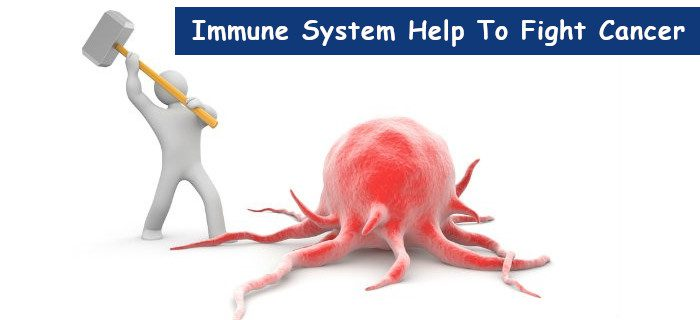


MDPI.



 Back To The Country Roads
  Golden Memories 60s 70s 80s 90s


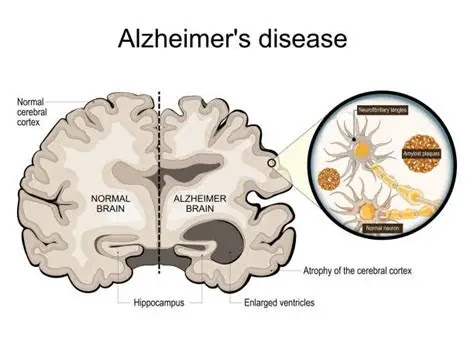
 optoceutics.com
 neurolaunch.com+1
 U.S. News & World Report+1
 Structural Differences: Normal vs. Dementia Brain
 Cellular & Molecular Differences
 Functional Differences
 Comparison Table: Normal Brain vs. Dementia Brain
 If you want to go deeper
 neurolaunch.com
 Alzheimer’s Association+1
 scienceinsights.org
 Verywell Health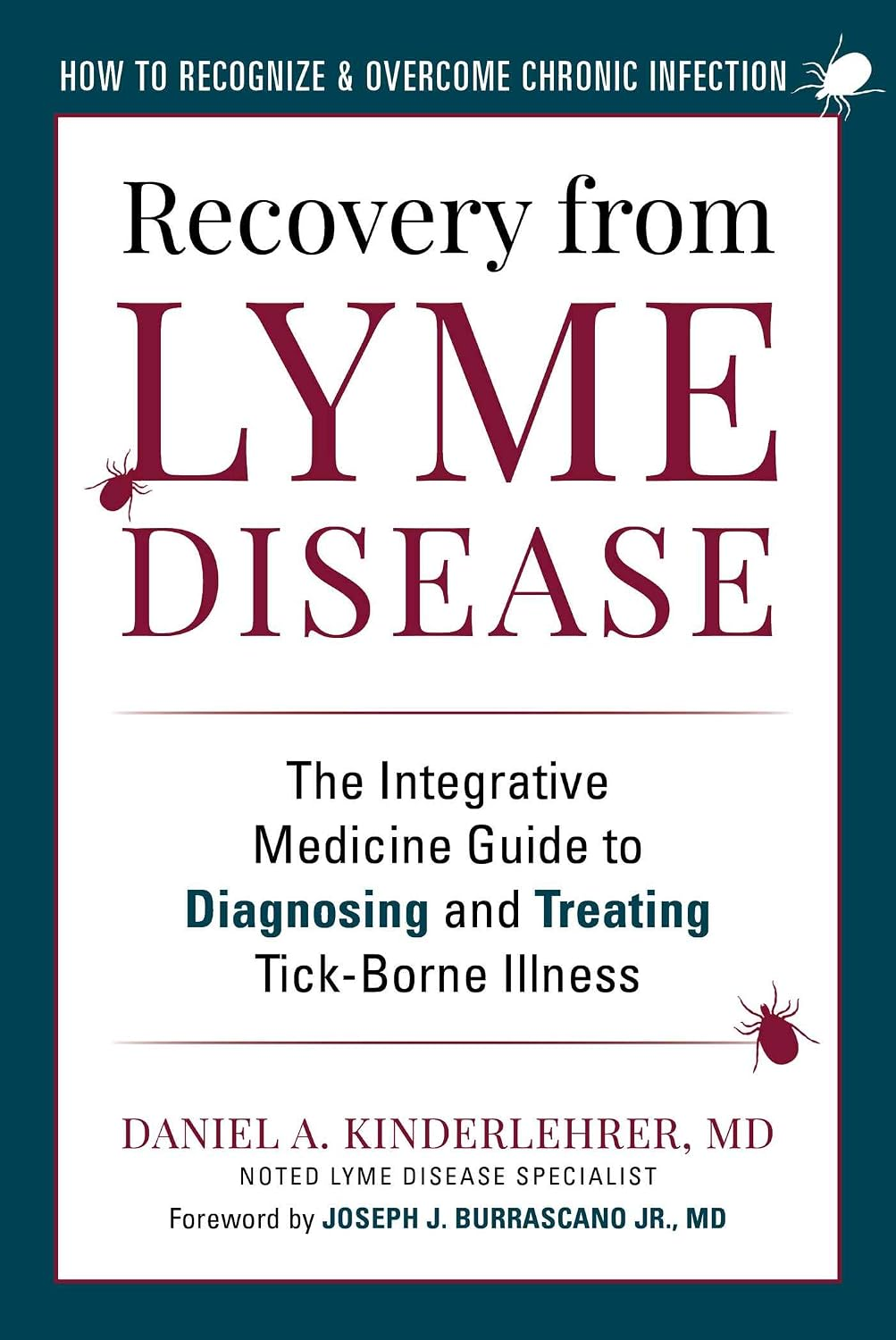
 Google Books+2
 Walmart+1




 www.personalconsult.com
 Project Lyme+1
 madisonarealymesupportgroup.com
 www.ilads.org

 | Lindsey Vonn at the Winter Olympics | Never Give Up
 ), I can’t quite put into words what this means to me.

 .”
.”


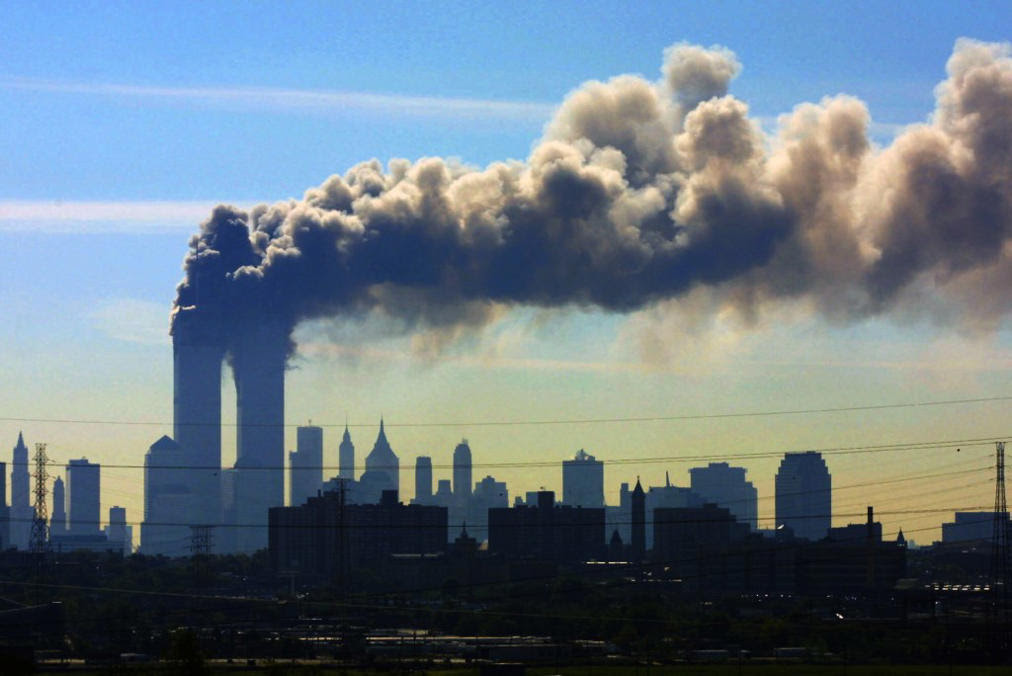
 New York State Department of Health+2
 abcnews.com
 TBR News Media
 www.fertilehope.org
 New York State Department of Health
 PBS
PBS