Terrance Stanley Fox (July 28, 1958 – June 28, 1981) was a Canadian athlete, humanitarian, and cancer research activist. In 1980, having had one leg amputated due to cancer, he embarked on a cross-Canada run to raise money and awareness for cancer research.
The annual Terry Fox Run, first held in 1981, has grown to involve millions of participants in over 60 countries and is the world’s largest one-day fundraiser for cancer research; over C$900 million has been raised in his name through the Terry Fox Research Institute as of September 2024.
On November 12, 1976, Fox was driving to the family home in Port Coquitlam when he was distracted by nearby bridge construction and crashed into the back of a pickup truck. Fox injured his right knee in the crash and felt pain in December, but chose to ignore it until the end of basketball season.[12] By March 1977, the pain had intensified and he went to a hospital, where he was diagnosed with osteosarcoma, a form of cancer that often starts near the knees.[4]
Fox believed his car accident weakened his knee and left it vulnerable to the disease, though his doctors argued there was no connection.[13] He was told that his leg had to be amputated, he would require chemotherapy treatment, and that recent medical advances meant he had a 50-percent chance of survival. Fox learned that two years before, the figure would have been only 15 per cent; the improvement in survival rates impressed on him the value of cancer research.[14]
With the help of an artificial leg, Fox was walking three weeks after the amputation.[4] Doctors were impressed with Fox’s positive outlook, saying it contributed to his rapid recovery.[15] Fox endured sixteen months of chemotherapy and found the time he spent in the British Columbia Cancer Control Agency facility difficult as he watched fellow cancer patients suffer and die from the disease.[16]
In the summer of 1977, Rick Hansen, working with the Canadian Wheelchair Sports Association, invited Fox to try out for his wheelchair basketball team.[17] Less than two months after learning how to play the sport, Fox was named a member of the team for the national championship in Edmonton, Alberta.[18] He won three national titles with the team,[4] and was named an all-star by the North American Wheelchair Basketball Association in 1980.[19]SOURCE:Terry Fox – Wikipedia
Just let that sink in. Now, consider the fact that Terry Fox also pulled this herculean feat off with one good leg in addition to an early 1980s prosthetic. His shoes were also nothing special compared to modern running shoes.Terry Fox was a 21-year-old one-legged cancer patient who ran 3,339 miles across Canada in 143 days before dying.
An 18-year-old was traumatized in a car accident in 1976.
He was rear-ended by a truck, completely totaling his own vehicle. Surprisingly, the young man was unharmed after the collision. Only his knee hurt, which he attributed to the collision. But the discomfort persisted. He played basketball frequently in school and believed that the pain was brought on by too much stress.
But the pain persisted after the basketball season was over, so he made the decision to see a doctor. He was identified as having osteogenic sarcoma, a bone cancer that frequently begins in the knee and spreads rapidly, four months after his accident. The doctors knew right away that amputating his leg and then starting chemotherapy would give him the best chance of survival.
Five days after his diagnosis, on March 9, 1977, medical professionals amputated his right leg 15 cm above the knee.
Running 143 Consecutive Marathons
Terry Fox was a young man, and like any other 18-year-old, he was completely shocked to learn that he had cancer.
It is challenging to comprehend what a diagnosis like this means when your entire life is in front of you. No matter how emotionally intelligent you are, you will never be able to feel what Terry Fox felt during those moments.
But he didn’t stay in his situation. He didn’t turn bitter.
In fact, Terry Fox was already playing golf with his father on an artificial leg just a few weeks after his leg was amputated. But the cancer did not go away. He underwent chemotherapy for almost one and a half years following the operation.
He witnessed the suffering of other cancer patients during that time, which had an impact on Fox. He made the decision to run across Canada to raise awareness for cancer after being inspired by Dick Traum, an amputee who had completed the New York City Marathon.
The “Marathon of Hope” was founded in this manner. On April 12, 1980, on Canada’s east coast, Terry Fox started his nearly impossible feat after more than a year of training.
He ran a marathon every day for 143 days. Recall that Terry Fox was a cancer patient who could only use one leg. He ran despite the pain, wind, rain, and storm.
He did something that no one had ever done, despite the fact that he never finished his marathon. Cancer spread to his lungs after 5,372 km (3,338 miles), forcing him to stop on September 1st, 1980. Terry passed away ten months later, 30 days before turning 23.
Confronting Pain
What motivated this man? Terry Fox stayed strong despite experiencing the biggest setback of his life—terminal illness. In fact, he increased his suffering.
He aggravated his pain instead of treating it.
When I consider my own life, I search for relief from pain at the first sign of it. We frequently look for something to relieve our suffering, whether it be mental or physical. We look for a way out.
Terry instead searched for it. He stated, “I got satisfaction out of doing things that were difficult. It was an incredible feeling. The pain was there, but the pain didn’t matter.”
That is a completely different mentality. Most people associate difficulty with being difficult. When things get challenging, they give up.
You seek out adversity rather than fleeing it. I’ve been working on teaching my brain to enjoy challenges more. And let me tell you: it’s not simple.
When you face challenges head-on, you truly understand why humanity avoids them. Comfort is simple. There is no effort needed. Anyone with average intelligence can comprehend that. But we don’t consider that when we’re in the middle of a difficult task. We search for the simplest solution.
It’s challenging to establish a career, launch a business, work on a relationship, maintain good health, learn a new language, relocate, travel the world, and develop new skills. But you shouldn’t let that stop you. There is only one thing you can do if you want to live a life without regrets: Go all in.
Nearly Half of Americans Breathing Toxic Air—These States Are the Worst Hit
A new report by the American Lung Association reveals a troubling trend: almost half of all Americans are breathing unhealthy air because of high ozone and particle pollution levels.
The “2025 State of the Air” report finds a marked increase in the number of Americans exposed to dangerous air quality, emphasizing the accelerating public health threat posed by worsening air pollution.
However, this development comes as the federal government debates changes to environmental protections, raising concerns about the future of clean air efforts across the United States.
Scope of the Problem
According to the 2025 State of the Air report, 156 million Americans, representing 46% of the population, live in areas with unhealthy levels of air pollution. This marks an increase of almost 25 million people compared to the previous year’s report and is the highest figure recorded over the past decade.
The report’s findings are based on air quality data collected between 2021 and 2023, the most recent period for which comprehensive, quality-assured data is available
Causes of Bad Air Quality
The report says that the warning air quality is linked to several interrelated factors, including extreme heat, widespread drought, and an increase in wildfires.
All of this has been tied to climate change, which is increasing the frequency and severity of pollution events. In 2023, smoke from massive Canadian wildfires combined with a deadly heat wave in Texas contributed to significant spikes in ozone and particle pollution across many parts of the U.S.
Atlas of United States Mortality
High lung cancer death rates among white males had been found in States along the Mississippi River.
However, high death rates now extend into the Ohio River Valley, probably reflecting the levels of cigarette smoking–the greatest risk factor for lung cancer.
Exposure to unhealthy air is linked to a range of serious health problems. These affect the respiratory system, including asthma attacks and chronic coughs, as well as cardiovascular issues and premature death.
Children, the elderly, and those with underlying health conditions are especially susceptible. The American Lung Association points out that air pollution is also associated with low birth weight in babies and that it can exacerbate the situation for those who work outdoors.
How the Report Measures Pollution
The evaluation of air quality in the State of the Air report is based on data obtained from official monitoring sites in various parts of the country. It grades communities on three key metrics: ozone pollution, daily particle pollution, and annual particle pollution. Cities and counties are ranked according to their performance in each category, providing a detailed picture of where air quality is most hazardous.
Regions Most Affected
California remains the epicenter of unhealthy air, with Los Angeles, Visalia, and Bakersfield topping the list for ozone pollution. Bakersfield, Fairbanks (Alaska), and Eugene (Oregon), are among the most polluted cities for daily particle pollution, while Bakersfield, Visalia, and Fresno (California), top the list for annual particle pollution.
The report also notes a change in the geographical distribution of pollution over recent years, with the Midwest, Northeast, and Central U.S. experiencing more significant effects, generally because of wildfire smoke and extreme heat events.
The report also points to significant disparities in who is most affected by air pollution. People of color are nearly twice as likely as white Americans to live in areas with unhealthy levels of soot and ozone.
Hispanic populations, in particular, are almost three times more likely to live in communities that receive failing grades in all three pollution categories, highlighting the environmental justice dimensions of air quality issues.
“What If is an epic exploration of possibilities. What If is a Webby Award-winning science web series that takes you on a journey through hypothetical worlds and possibilities, some in distant corners of the universe, others right here on Earth. Each scenario examines a scientific theory, research or fact through a hypothetical question.”
Policy and Regulatory Context
These findings also come as the White House considers rolling back key Environmental Protection Agency (EPA) rules designed to curb pollution. The American Lung Association cautions that the reduction in funding, staff, and programs at the EPA threatens to undermine decades of progress in improving air quality. The organization calls for renewed commitment to strong federal protections to ensure clean air for all Americans.
The 2025 State of the Air report is a sobering reminder that harmful air pollution is still an ever-present threat to public health, even after decades of regulatory progress.
As climate change accelerates and environmental protections face political challenges, advocates stress the urgent need for robust action to control pollutants and address the root causes of worsening air quality. Without decisive intervention, millions more Americans could find themselves at risk from the nation’s deteriorating air.
The Path to Cleaner Air
Solving the country’s air pollution problem will require action at the local, state, and federal levels. The American Lung Association urges policymakers to protect the lives and health of all residents from the dangers of air pollution and not undermine the protections that safeguard our right to breathe healthy air while also investing in cleaner technology, renewable energy, and wildfire prevention efforts.
Public awareness and community engagement are equally important, as individuals can advocate for policies that safeguard health and reduce emissions. By prioritizing clean air initiatives and climate action, the United States can work toward reversing current trends and ensuring that future generations can breathe easier in a healthier, safer environment.
These statistics highlight the significant impact of lung cancer on public health.
What Does Cigarettes Do to your body – Search Smoking cigarettes can have long-term negative effects on the body, including heart disease, cancer, and diabetes 1. It can harm nearly every organ in your body and increase your risk of certain health conditions like glaucoma, cancer, and lung disease 2
Smoking causes most lung cancers and can cause cancer almost anywhere on the body 3.
It can also increase your risk for cancer of the bladder, throat, mouth, kidneys, cervix, and pancreas 4. Additionally, smoking affects the heart, blood vessels, blood cells, fertility, immune system, vision, oral hygiene, and integumentary system 5.
Lithium is an essential resource used in the manufacturing of rechargeable and non-rechargeable batteries. Found in everything from smartphones to pacemakers, modern technology relies on lithium to keep our devices charged and working. While rechargeable batteries may seem like an eco-friendly idea, there is a high environmental cost associated with lithium batteries. The environmental impact of lithium mining is quite negative and contributes to harmful emissions in the atmosphere, water pollution, and more. In this blog post, we’re going to take a closer look at how lithium is mined and why it’s harmful to the environment.
There are a couple of different ways that Lithium is mined from the Earth.
For example, Australia is the leading lithium supplier in the world and mines this element from ore mining. Other leading suppliers on a global scale such as Chile, extract this material from salars, or underground lakes/pools. No matter how the lithium is extracted, it is sold to manufacturers who use the element to make batteries. These batteries end up in popular technology such as: Computers Mobile phones Digital cameras Electric vehicles Calculators Hearing aids & more While mining may provide job opportunities for locals, the negative environmental impacts these mines have on the surrounding areas often outweigh any pros.
Reasons Why Lithium Mining Is Bad for the Environment
Releases Harmful Emissions
When mining for this element, excess amounts of carbon dioxide are released into the environment and contribute to greenhouse gases.
Pollutes Water Sources
Nearby streams, rivers, lakes, and other water sources often become polluted with chemicals used to complete the extraction process, harming all living organisms that rely on that water source in one way or another.
Produces Large-Scale Mining Waste
Mining for this element is not sustainable and leaves behind harmful chemical byproducts that can take generations to go away, but not before depleting fertile land.
Wastes Millions of Gallons of Water
Approximately 500,000 gallons of water are used to extract one ton of Li. This water is rarely if ever reused and decreases the amount of water available to local agriculture farms.
Interested in Switching to Eco-Friendly Chemicals?
Ecolink is proud to provide companies with greener alternatives to harsh chemicals.
Our products are responsibly sourced and manufactured with the environment and our customer’s satisfaction in mind. Want to know how your company can benefit from switching to eco-friendly chemicals?
The Social and Environmental Impacts of Lithium Mining
by Malcolm Earnshaw-Osler
Lithium is a crucial component in the production of lithium-ion batteries, which power many modern devices, electric vehicles, and renewable energy systems. As the demand for these products grows, so does the need for lithium mining. While lithium mining has the potential to contribute to the development of renewable energy technology, there are concerns about its environmental and social impact.
One of the concerns with lithium mining is its environmental impact. The process of extracting lithium consumes significant amounts of water and energy, and lithium mining can pollute the air and water with chemicals and heavy metals. In addition, mining lithium can disrupt wildlife habitats and cause soil erosion, leading to long-term ecological damage. Efforts are being made to develop more sustainable mining practices, such as using renewable energy sources and minimizing the use of water and chemicals.
In addition to its environmental impact, lithium mining can have social implications. In some cases, mining can displace local communities or harm their health and well-being. Many of the world’s lithium reserves are in developing countries, where labor standards and environmental regulations are often weak. This can lead to human rights violations, including forced labor, child labor, and environmental destruction. To address these issues, companies that mine lithium need to prioritize ethical and sustainable practices, including fair labor standards and community engagement.
Despite these concerns, lithium mining has the potential to contribute to the development of clean energy. Lithium-ion batteries are a key technology for storing renewable energy, such as solar and wind power. As such, lithium mining is an important component of the transition to a more sustainable society.
In conclusion, while lithium mining has some environmental and social impacts it is critical for the development of clean energy and a more sustainable society.
Mining lithium must be approached with care and consideration for the environment and local communities. Efforts should be made to develop more sustainable and responsible mining practices and to address the concerns of affected communities. By doing so, we can ensure that the benefits of lithium mining are maximized while minimizing its negative impacts.
When most people see an electric car gliding silently down the road, they picture a cleaner, greener future. The idea feels comforting, almost heroic—like you’re part of the solution just by plugging in instead of filling up.
But what if the story isn’t that simple? What if, behind the glossy eco-friendly image, electric cars carry a hidden burden that most drivers never even consider?
The reality is more complicated and, frankly, more surprising than many want to admit. Electric vehicles (EVs) have environmental consequences that go far beyond what we see on the sticker in the showroom.
Before you feel too smug about ditching your gas guzzler, it’s time to explore what really goes into making and running these high-tech machines.
The Hidden Costs of Manufacturing Electric Cars
Building an electric car is no small feat. The process demands an incredible amount of energy and resources, much more than the average gasoline car.
One of the biggest culprits is the battery, which requires mining for rare materials like lithium, cobalt, and nickel. These minerals don’t just appear magically—they’re clawed from the earth in ways that can devastate local environments and communities.
In places like the Democratic Republic of Congo, cobalt mining often involves unsafe conditions and even child labor, raising tough questions about the true cost of “green” technology. Even before an electric car hits the road, the pollution from manufacturing can be enormous. This means your supposedly clean vehicle already comes with a significant carbon footprint.
The Dark Side of Battery Production
Electric vehicle batteries are technological marvels, but their production is one of the dirtiest secrets in the industry. To make a single large battery, factories burn through huge amounts of energy—sometimes as much as a gas car would use in several years.
If that energy comes from coal or oil, the emissions can be staggering. In some cases, the pollution created just to build the battery almost cancels out the benefits of driving an electric car.
The process isn’t just about carbon, either. It can cause water pollution, toxic waste, and even disrupt local ecosystems. So, while the finished product may look sleek and modern, the path to get there can leave a trail of damage that’s easy to overlook.
Where Your Electricity Comes From Matters—A Lot
It’s easy to feel good about charging your car instead of stopping at the gas station. But have you ever wondered where that electricity actually comes from?
In many places, the answer isn’t wind or sunshine—it’s coal, natural gas, or oil. When you plug in, you might just be shifting pollution from your tailpipe to a distant smokestack.
In areas where coal is still king, the emissions from charging an electric vehicle can sometimes be even higher than driving a gasoline car. The promise of “zero emissions” only works if the grid is clean, which isn’t the case in many parts of the world.
Until renewable energy becomes the norm, EVs may not be the green solution we hope for.
The Myth of Zero Emissions
One of the biggest selling points for electric cars is the claim of zero emissions.
It’s an appealing idea: drive with a clean conscience and help save the planet.
But this promise falls apart under closer inspection. While electric cars don’t release pollution from their tailpipes, their total environmental impact takes into account everything from mining and manufacturing to charging and disposal.
Each stage creates emissions—sometimes a lot. The journey from raw material to finished product and then to eventual recycling or disposal is filled with hidden pollution.
The myth of zero emissions can be misleading, giving drivers a false sense of environmental virtue.
What Happens When the Battery Dies?
Every battery has a lifespan, and eventually, even the most advanced electric vehicle battery will stop working. When that happens, what comes next isn’t as green as you might hope.
Right now, there aren’t enough facilities to properly recycle the massive numbers of batteries expected as electric cars become more popular. Many old batteries end up in landfills, where toxic chemicals can leak into the soil and water.
Even when recycling does happen, it’s often expensive and inefficient, recovering only a small fraction of the valuable materials. As more electric cars hit the road, the challenge of safely handling dead batteries will only grow, creating a new kind of environmental problem.
The Environmental Cost of Mining for EV Materials
Mining for the metals needed in electric car batteries takes a serious toll on the planet. Extraction of lithium, cobalt, and nickel can destroy local landscapes, pollute rivers, and threaten wildlife.
For example, lithium mining in South America is known to deplete water supplies in some of the world’s driest regions, harming both people and nature. Cobalt mining in Africa not only damages the land but also involves dangerous labor practices.
Unlike oil drilling, which is heavily regulated in many countries, mining for battery materials often occurs in regions with weak oversight, leading to unchecked environmental destruction. The demand for these resources is only increasing, raising concerns about the long-term sustainability of electric car production.
Larger Electric Vehicles: More Harm Than Good?
Not all electric cars are created equal. The recent trend toward bigger, heavier electric SUVs and trucks means more materials are needed for their production—and much larger batteries to move the extra weight.
These larger vehicles require more energy to manufacture and to operate, which increases their total carbon footprint. Choosing a massive electric SUV might feel like an upgrade, but it could end up being worse for the environment than a smaller, more efficient gasoline car.
The push for size and luxury in the EV market is leading to a new kind of environmental challenge that few consumers are aware of.
Love geography? If you enjoy fascinating facts, weird borders, and mind-blowing population trends, hit that follow button! Let’s explore the world together!
In this Our Changing Climate climate change video essay, I look at the real trap of consumerism. Specifically, I dive into why consumerism is not actually the real cause of exploitation and the climate crisis, but instead a symptom of capitalism. Capitalist overproduction drives companies and corporations to create false needs and desires, which leads to overconsumption. We need to shift our attention away from consumerism and overconsumption and towards overproduction.
Consumer Choices Make a Difference
Every decision made by car buyers and drivers has an impact. While many people are motivated by a desire to help the planet, not all choices have the same effect.
Opting for a smaller, more efficient electric car, using public transportation when possible, and charging at times when renewable energy is most available can all reduce harm. Yet, many consumers are drawn to flashy, high-performance EVs that use more resources and energy.
Without better information, buyers may believe they are making a sustainable choice when, in reality, their decision could be just as damaging as sticking with gasoline.
The Struggle to Build a Truly Green EV
Solving these environmental challenges isn’t just up to consumers—it requires action from governments and industry leaders, too. Companies need to adopt cleaner manufacturing processes, invest in renewable energy, and commit to ethical sourcing of raw materials.
Governments can help by supporting battery recycling programs, regulating mining practices, and encouraging the development of cleaner energy grids. Until these changes happen on a large scale, the promise of a truly green electric car will remain out of reach for most drivers.
The Road Ahead: Rethinking Our Approach
Electric cars are not a magical fix for our environmental problems. Their success depends on a complicated web of factors, from how we mine for materials to the way we generate electricity and what happens when the vehicles reach the end of their lives.
The dream of a cleaner future is still possible, but only if we look beyond the hype and face the uncomfortable truths hiding beneath the surface. Are we ready to ask the tough questions and make the changes that are truly needed?
The world’s increasing reliance on renewable energy and electric vehicles has fueled a surge in demand for lithium, a critical component of rechargeable batteries. This has led to a dramatic expansion of lithium mining operations globally. While lithium is essential for a transition away from fossil fuels, its extraction poses significant environmental challenges that warrant careful consideration and mitigation strategies. Understanding the impacts of lithium mining is crucial for ensuring a truly sustainable energy future.
Environmental Impacts of Lithium Mining
Lithium mining, in its various forms, can have far-reaching and often detrimental effects on the environment. These impacts vary depending on the extraction method, geological context, and regulatory framework, but common threads of concern persist.
Water Depletion
One of the most pressing environmental issues associated with lithium mining is water consumption. Lithium is often found in brine deposits beneath salt flats, particularly in the “Lithium Triangle” of South America, encompassing parts of Argentina, Bolivia, and Chile. Extraction from these brines involves pumping vast quantities of water to the surface, then allowing it to evaporate, leaving behind lithium salts. This process can dramatically lower groundwater tables and deplete freshwater resources, leading to water stress in already arid or semi-arid regions. The impact is particularly pronounced when local communities rely on the same water sources for agriculture and domestic consumption. Furthermore, the process can alter the salinity of remaining water bodies, further impacting ecosystems.
* **Evaporation:** The large, shallow evaporation ponds required for lithium extraction lose significant amounts of water to evaporation, contributing to the overall depletion problem.
* **Groundwater contamination:** Pumping and processing can sometimes contaminate groundwater reserves, further reducing the availability of clean water.
* **Competition for resources:**  The intense water requirements of mining activities create conflict with the needs of local populations and ecosystems.
Land Degradation and Habitat Loss
Lithium mining operations, whether open-pit or brine extraction, invariably lead to significant land disturbance. This disturbance can result in:
* **Loss of biodiversity:** Mining activities require clearing of vegetation and disruption of habitats, forcing displacement of wildlife, sometimes to the point of local extinction.
* **Soil erosion and degradation:** Clearing land for mining exposes soil, making it susceptible to erosion by wind and water. This leads to a loss of topsoil fertility and can contribute to sedimentation of nearby water bodies.
* **Changes in topography:**  Open-pit mining and the construction of infrastructure for brine extraction alter the natural landscape, leading to visual pollution and ecological fragmentation.
* **Dust pollution:**  Mining activities often generate substantial amounts of dust, which can travel considerable distances, affecting air quality and causing respiratory problems. This is particularly problematic in arid regions with already high levels of particulate matter.
Chemical Pollution
The extraction process itself involves the use of various chemicals that can lead to pollution of water and soil. In the processing stages, acids and other compounds are often employed to separate lithium from other minerals or salts. This can create wastewater that, if not properly treated, can contaminate surrounding ecosystems.
* **Acid leaching:**  The use of acids in the extraction process can lead to acid mine drainage, which can leach heavy metals and other pollutants into surrounding water and soil, rendering them unusable.
* **Leakage and spills:**  Accidental leaks or spills of mining chemicals during transportation or storage can contaminate soil and water resources.
* **Disposal of tailings:**  Large volumes of waste materials or tailings are generated during lithium extraction, and their improper disposal poses a long-term risk of contamination.
* **Air pollution:** Chemical processes involved in lithium extraction can also release harmful airborne pollutants that impact local air quality and contribute to greenhouse gas emissions.
Climate Change Contributions
While lithium is a crucial element in the transition to renewable energy, the mining process itself is not without its carbon footprint.
* **Energy consumption:** Mining requires significant amounts of energy for extracting, processing, and transporting lithium. This can often come from fossil fuel sources, contributing to greenhouse gas emissions.
* **Deforestation:** Land clearing for mining operations can lead to deforestation, reducing carbon sinks and adding to overall carbon emissions.
* **Transportation emissions:** The long distances and specialized shipping required for lithium transport also contribute to emissions.
Regional Variations in Impacts
The severity of lithium mining impacts can vary depending on the specific geographical context and the type of extraction method used:
* **South America:**  In the Lithium Triangle, the biggest concerns revolve around water depletion due to the reliance on brine extraction. The delicate ecosystems of salt flats are also highly vulnerable.
* **Australia:**  Australia employs hard-rock mining methods, which have different environmental footprints. While water depletion is less of an issue, concerns are raised around land degradation, habitat destruction, and the risk of dust and chemical pollution.
* **China:** Mining in China includes both hard-rock and brine extraction. Environmental concerns are present across both methods, but the scale of operations and the regulatory environment can present unique challenges.
Mitigation Strategies and Sustainable Practices
Addressing the environmental impacts of lithium mining requires a multifaceted approach, focusing on sustainable practices and innovative technologies. Some potential strategies include:
* **Improved water management:** Implementing water recycling systems, reducing evaporation from brine ponds, and exploring alternative extraction methods that require less water.
* **Land restoration:** Requiring rigorous land reclamation plans for post-mining sites, focused on restoring natural vegetation and habitats.
* **Stringent environmental regulations:** Establishing robust legal frameworks that mandate responsible mining practices and enforce accountability for environmental damage.
* **Responsible sourcing:** Promoting greater transparency and traceability throughout the lithium supply chain to ensure companies adhere to environmental standards.
* **Exploring alternative extraction methods:** Investing in research and development of newer technologies that minimize environmental impacts, such as direct lithium extraction (DLE), which promises greater resource efficiency and a reduced footprint.
* **Circular economy principles:** Encouraging the recycling and reuse of lithium batteries, reducing the need for primary extraction.
* **Community engagement:** Involving local communities in the decision-making process and ensuring that mining operations benefit the local population.
Conclusion
Lithium is an essential element in the global shift to cleaner energy, but it is vital to address the substantial environmental impacts associated with its extraction. Without mindful mitigation strategies and robust regulatory oversight, the quest for a sustainable future could come at the cost of serious damage to ecosystems and vulnerable communities. Embracing a holistic approach that prioritizes sustainable mining practices, promotes technological innovation, and ensures social responsibility is essential to ensure a truly clean energy transition and the long-term well-being of our planet.
Electric vehicles use only one or more electric motors that draw electricity from a battery to run and can be charged from an external source. Hybrid electric vehicles use both an internal combustion engine and one or more electric motors each with their own separate batteries to run.
Hybrid cars provide remarkable fuel efficiency, but they still create tailpipe emissions. Electric cars don’t have gas engines, and driving them doesn’t contribute to smog.
Hybrid drivers fill their tanks at gas stations, while many EV owners recharge their cars while parked overnight at home. Hybrid cars have more frequent opportunities to refuel.
Electric cars are more environmentally friendly over any internal combustion engine, hybrid or not.
Because it was Christmas and welcoming the new year, they spent a lot of money on the extravagant feast most of them are in debt and still in debt just to follow the traditions!
That’s why I didn’t follow those traditions. Nonsense to me! Life is hard now and it will be even harder as long as people do not practice spiritual awakening and lack of self awareness!
The prediction of the witches is correct that January, February, March, the flow of money to many people is hot, it’s really true because people’s money was consumed in the past!
Dear Humanity,
Life is getting harder and harder now, you should stop following the course of this world if you don’t want to suffer more, you should stop wasting money on worldly things! Invest in your spiritual life! Planet Earth is transforming and you are still not? you might collapse. Joke!
Do THIS & People Will FOLLOW You!
Ever wondered why some people naturally command respect and influence? The secret lies in a set of powerful leadership traits that make people trust, listen, and follow you effortlessly.
If you want to step up as a leader—whether in business, life, or relationships—this video is for you!
Watch now and unlock the mindset that great leaders swear by.
OPPSSS….! THAT’S BLUR, IF YOU DON’T KNOW YOURSELF!!
THIS VIDEO IS ENTIRELY NATURAL WITHOUT ANY FILTER OR EDIT, EXCEPT THE WRITINGS THERE..
THAT’S WHY MANY PEOPLE HATE AND ANGRY WITH ME, IS BECAUSE MY SOUL IS SO BRIGHT
THAT’S WHY MANY PEOPLE ARE SO ANNOYED AND JEALOUS OF ME.
BECAUSE THERE IS SOMETHING DIFFERENT INSIDE OF ME!!!
I’m not creating problems with anyone. People around me are creating problems with me. It is because my soul is shining very bright that it becomes a “threat” to their dark souls!
THE TRUTH IS, MANY PEOPLE HAVE CLOSE MINDED, THAT’S WHY I’M CRAZY IN THEIR EYES
LIKES TO JUDGE PEOPLE LIKE ME, LIGHTWORKER, INCARNATED ANGEL, INDIGO, EMPATH.. Please google all the things I mentioned, since you are a gossip divah? But if you are brainwashed by systems and religions, you will not understand anything! If you don’t understand yourself That’s why you are annoyed and irritated by someone like me! FYI. People who have the same energy are more annoying and irritating!! No matter how clear your eyes are, if your mind is blurry, you really piss me off!
My message to all my haters!!
If you don’t change anything about yourselves, the suffering of your soul here on earth will not end! You will come back to earth again and again due to repeated suffering, the same challenges but worse. As long as your souls don’t evolve, just go back to the earth your soul is just spinning here in the 3D world of the matrix that I consider HELL!!! It will not end until you reach being an “enlightened soul”. Until all the debts you have to pay here on earth are not paid. Because everything you do has a return, that’s why you’re going back to the earth, you just can’t remember your past lives!! Especially if you are brainwashed by systems and religions! UNLEARN THAT SHIT!!!
Based on my observation.
Most of the people who are too stingy, in the end their money only goes to sickness or misfortune!
That’s what I’ve observed from mama’s friends and to many others I know..
It’s not really good for a person to be too stingy, when you are stingy even to yourself You can’t even buy yourself things that will make you happy You really feel the poverty because you embrace being too stingy even with yourself You and for your spiritual life.
And the people who are so stingy, are getting more unlucky in life. My acquaintances whom I offered to buy healing crystals and didn’t buy, their money only goes to illnesses and misfortunes
I know very well the personalities and thoughts of people who are very stingy
If you really observe the personality of other people, they really deserve what they experience in life because of the quality of consciousness that they have. Because everything that happens in our lives, it’s all karma, whether it’s good or bad. That’s all, we are the ones who create that. We create our own karma in life.
That even just a little shift in their perspective and beliefs in life, it’s so hard
It’s hard to level up their consciousness…
So sad there are a lot of people like that #realtalk
Pain is inevitable, but suffering is optional. What sets champions apart is their ability to transform pain into power and rise above challenges. In this video, discover the powerful mindset that turns struggles into strength and setbacks into success.
Learn how to:
Embrace pain instead of avoiding it Find purpose in your struggles Turn pain into motivation and resilience Inspire others through your story Take action & keep moving forward. NEVER GIVE UP ON YOURSELF!!!
Real-life examples from Oprah Winfrey, Viktor Frankl, Michael Jordan, J.K. Rowling, Nick Vujicic, and Nelson Mandela illustrate how pain can be transformed into power. This is the mindset that creates champions. Are you ready to turn your pain into power?
Don’t Ask Why Me It’s Best to Ask What is The Lesson to Learn from it
When you destroy other people’s life, it’s a sign that your life is miserable
Your life is miserable that’s why you are cruel to others
Poverty on earth is really ugly to humans,
my husband and I call it “greedy” or “draconian” that’s because draconian aliens are creatures who are greedy and greedy for materials they are scratching planet earth and manipulating humanity
I know very well when a person’s personality is like that And sometimes we robbed land, but because we understand, we are the only ones who understand and tolerate
Another one we believe in is the Law Of Karma.
Everything you do will always come back to you, not in this lifetime, for sure in your next incarnation here on Earth, because it will put you in a situation where you will suffer No debt is unpaid! Everything has a pay off!
Our sudden stay here in mama’s vacant lot, just to get rid of the many demonic creatures in Bagumbayan. I didn’t even expect that we’ll have a house here, maybe it’s deliberately placed in my soul contract.
But honestly, we don’t plan on living in this place for long. Maybe this year or next year, we will move to another place As long as we are not manifesting to stay in this place. We are living here only. This is not yet the life that was meant for us as compensation for the good things we have done. But the “reward” that I am waiting for will come, while all the people who have sinned me will pay a lot
NOW ASK YOURSELF?
WHAT IS YOUR GOOD CONTRIBUTION HERE ON PLANET EARTH??
“With every mask you take off, you get closer to the magic that is you. You’re not lost, you’re just slowly finding your way back to your own light.”
Having a lot of illness inside the body is a reflection of a dirty aura or aura with a lot of negativity attached…
A person who has a lot of pain physically, the truth is, he has a lot of sickness in his soul! Just manifesting as physical disease!
So what if you are brainwashed by a doctor and you are maintaining your medicine… You are the only one! Don’t involve yourself with others. Don’t encourage others to imitate you. Don’t brainwash your colleague who is not sick. Maybe you are mentally ill, that’s why you have so much pain inside your body!
Incarnated Seraphim: Heaven’s Fire on Earth
In the angelic hierarchy, the Seraphim hold the highest rank among the nine choirs of angels. They are beings of pure fire —symbols of intense love, wisdom, and transformative energy. Their name comes from the Hebrew word meaning “the burning ones” or “those who blaze,” in reference to their inherent energy that ignites consciousness.
Incarnated Seraphim are souls that have taken on human form, carrying this sacred fire. They are not here to quietly shine, but to disrupt what no longer serves, burn away the old, and ignite the remembrance of inner power. They are a reminder that true light is not always gentle—sometimes it’s a fire needed for us to be remade.
They are not sent to follow the current but to create a new flow. Their presence is like a spiritual storm— shaking and awakening. Often misunderstood, their light is too intense for eyes accustomed to darkness. Yet with each step, they leave behind a fire that invites awakening, a call to remember who we were before the world made us forget.
Here are 11 signs of an Incarnated Seraphim
Energies that aren’t easy to accept—but impossible not to feel:
1. Igniter of Inner Shadows
They naturally trigger hidden wounds and fears in others. Not to hurt—but to bring out and heal the parts of the self long suppressed, enabling deeper understanding and liberation.
2. Teachers of Radical Transformation
They don’t just teach through words—they teach through experience. Every encounter with them is an initiation—painful, disruptive, but always followed by growth.
3. Bearer of Intense Light
Their light not only heals—it also illuminates parts of your life or self that need realignment. Their light is transformative—not just calming, but awakening.
4. Mirror of Truth
Incarnated Seraphim are living mirrors—you see in them aspects of yourself you may not want to face. And because of this, you are forced to be real with yourself, even when it hurts.
5. Guide in Embracing the Whole Self
They don’t just teach love for the light. They help you embrace your darkness—your insecurities, traumas, ego, and all rejected parts—because they know this is the key to wholeness.
6. Activators of Inner Power
They don’t teach dependence. Instead, they remind you that all your strength and answers are already within.
They are reminders of humanity’s divinity—not here to save, but to awaken.
7. Revealers of Illusions
They have the ability to dismantle illusions—of ego, superiority, victimhood, or separation.
Their presence breaks false identity structures to reveal the authentic self.
8. Servants of Inner Liberation
They don’t move to control or judge, but to push you toward freedom—from trauma, systems, and beliefs that no longer serve your spiritual evolution. Their ultimate purpose is soul liberation.
9. Energy of Gentle yet Fierce Love
Their love isn’t always soft and fluffy—sometimes it’s love through disruption. But it’s always rooted in truth and authenticity. If they love you, they will challenge you—for your highest good.
10. Cosmic Disruptors
They are spiritual earthquakes—not to destroy your life, but to shatter old structures that no longer align with your true self. They shake to awaken.
11. Embodiment of Sacred Fire
They are the fire—transformative, purifying, bold, and divine. They don’t stay quietly in the corner. They are living flames of transmutation—burning the old and birthing the new.
In the end, the Incarnated Seraphim remind us that the spiritual path is not always light and calm—sometimes it is blazing, violent, and full of breaking. Yet within the fire, there is grace. In the midst of shaking, there is a rebuilding.
They remind us we are not here only to love the light, but to also embrace the fire that purifies and rebuilds us anew.
Their presence is not for everyone—but for those ready to awaken, transform, and remember who they truly are—before the world wounded them, made them forget, or silenced their truth.
In the face of the Incarnated Seraphim, nothing can be hidden.
Nothing remains but truth—and in truth, we are truly free
Only people who are not happy with themselves are mean to others. Remember that.
IT’S YOUR UNCONSCIOUSNESS OF YOURSELF AND YOUR SPIRITUALITY THAT MAKES YOUR LIFE SUFFER AGAIN AND AGAIN…
A person who refuses to recognize himself and his soul is a person who will constantly be trapped in the so-called “Karmic Cycle & Reincarnation”…
Apart from being a crystal jewelry seller. I also wish to let people know the root of their pains & sufferings in life that are repeated and seems never ending. Because you live in a world full of manipulation of Dark Forces, that if you notice, people have normalized “suffering” Because of the manipulation of the Dark Forces in the alliance!
Do you know what I mean here?
Look at your decisions in life that you just copied in the lives of many people. The way you think and the way you live! Observe humanity and the suffering in their lives.. all of that, society normalized then those like us who are real prophets and have different kinds of thinking and lifestyle, are being made crazy Even we have higher consciousness here in the 3D world of humans!
Look at the lives of many people, look at the way this world is running! Then ask yourself, do you still want to emulate the average people’s lifestyle if you’re just going to remain miserable and trapped in “karmic cycles”??
If you want change, never copy the people around you and start reprogramming your subconscious mind! Ask yourself,
“Is this the life I want to manifest, to mimic people’s suffering?
Because when you really imitate people’s normal life, you know what your reality will also be
Don’t follow the course of this world, if you don’t want to suffer repeatedly, if you do not want to incarnate on Earth repeatedly in hardships..!
Don’t normalize the hardships here on Earth, we are the ones who made our own hardships in life..
To those people who have a hard life, please don’t make it harder for other people, don’t involve yourself! Don’t be toxic to each other! Fix yourselves!
Those people who are very annoyed and angry with someone like me, their souls are rotten their consciousness is red by dark forces or the campaigning of darkness THAT IS THE TRUTH!
It’s just a sad reality here on Earth, a lot of people are consumed by darkness.
That’s why my existence is really painful to them Because I’m dazzling !!!
YOUR LACK OF SELF-AWARENESS AND SPIRITUALITY IS WHAT MAKES YOUR LIFE DIFFICULT OVER AND OVER AGAIN…
A person who refuses to know themselves and their soul is someone who will continue to be trapped in what is called the “Karmic Cycle & Reincarnation.”
Aside from being a crystal jewelry seller, I also wish to make people aware of the root cause of their pain & suffering—which seems endless and repetitive. You were born into a world full of manipulation by Dark Forces—and if you observe closely, suffering has been normalized by society because of their control over humanity!
Look at the decisions you’ve made in life—how much of it was simply copied from how most people live? Observe your way of thinking, your lifestyle, and the suffering of humanity. Everything has been normalized by society, and yet people like us—who are true prophets with an awakened consciousness—are labeled as crazy.
Even though we possess a higher awareness in this 3D world of humans!
Look at how most people live, observe how this world operates!
Then ask yourself—do you really want to follow the common way of life if it only leads to suffering and being trapped in karmic cycles?
If you truly want change, never follow the ways of the people around you and start reprogramming your subconscious mind! Ask yourself:
“Is this the life I truly want to manifest—just copying the suffering of others?”
Because if you simply imitate the way most people live, then you already know what kind of reality awaits you.
Do not follow the ways of this world if you don’t want to suffer repeatedly—if you don’t want to reincarnate over and over again just to experience the same suffering…!
Stop normalizing suffering on Earth! We are the ones creating our own hardships in life.
And to those who are struggling in life—please, do not be a burden to others. Do not drag others down with you! Stop being toxic to those around you! Fix yourself!
Pain is inevitable, but suffering is optional.
Learn how to turn pain into power and rise above any challenge…
Eric Nicole Salta is an editor who has handled multiple brands and written stories that span the spectrum of journalism—from food and lifestyle to sports and music. He is currently the senior editorial manager of Scout, Preen, Nolisoli, F&B Report, and Multisport. He is also a massive tennis fan but has since retired from the sport.
Thirty-nine-year-old Sheilla Gagui shows us how she regains her momentum after her breast cancer experience and reveals that the most vulnerable moments can also be the most powerful
Hope is powerful, and so is movement. @aiaphilippines Rethink Healthy Campaign reminds us that every step forward- big or small – is progress. Keep moving, keep fighting, and never stop believing
“I called it my parlor visit since it’s just like a drip session,” says 39-year-old Sheilla Gagui jokingly about her first chemotherapy session.
It’s an exceptional moment in an athletic career that traces back to September 2015 when she first got acquainted with triathlon. Two months later, she competed in her first race at Tri United 4.
“Then the races just kept on coming.”
Gracefully darting from her first marathon in Kyoto, Japan in 2018 to her first Ironman race in Subic before bolting into another full distance race in Vitoria, Spain in 2019—sprinkled with obstacle course races here and there during off-season—and it’s pretty clear that the former Etihad Airways flight attendant, loving wife and doting mother to two kids have spent the past few years threading in and out of joyful paths.
But that zest for life and unmistakable affinity for transfiguring herself for whatever adventure she comes across now looked like a preview of what else was waiting on the horizon.
“There’s not a particular degree of difficulty we can put in words when you get diagnosed with cancer… no matter what stage or what type, your world just seems to fall apart,” admits the Sante Barley Tri Team fixture.
“There’s not a particular degree of difficulty we can put in words when you get diagnosed with cancer… no matter what stage or what type, your world just seems to fall apart”
But at a time when people all over the world are grappling with uncertainty (no thanks to the COVID-19 pandemic), Gagui is holding everything together and making a case built on the power of positivity—and no, not the toxic kind.
Not that she wasn’t ever blossoming optimism in the first place, but her experience with breast cancer invoked a more crystalline narrative that has never sounded more assured or completely and deeply hers.
“I was at my fittest when I got diagnosed with cancer and in a snap my health was taken away from me,” she says. “Coming from a person who’s rarely sick, who doesn’t even go to the hospital and doesn’t drink medicine when sick, who just did Ironmans and Spartans, who would have thought? It was a big surprise to me… to everyone. But I’m still here.”
Yes, she’s still here, and raring to get back to her highest levels and once again test her mettle at Ironman Philippines in June 2021. “Because I know I can,” she says when asked about returning to her training so soon after her recovery. “Since that was really the 2019 plan, it didn’t change at all even if I had my surgery and chemotherapy. I wanted to gain my confidence back and prove that cancer is not the end, and it won’t bring me down.”
As she continues to regain her momentum, Gagui sits down with us to map out the steps she took and reveal that the hardest and most vulnerable moments can also be the most powerful.
“I knew something was wrong”
IM Vitoria in July 2019: I was just happy I finished the race
In March 2020, Sheilla Gagui while taking a shower, I felt a small lump on my left breast. I went to Cardinal Santos Medical Center (CSMC) to have it checked but the OB said not to worry as much because ‘it looked benign’ but [told me] to come back on Saturday for the ultrasound. But I said I’ll do it on a weekday anyway. What’s a few days if it’s just benign? That week came but the news [of the patient who tested positive for COVID-19] was admitted at CSMC. Then the lockdown happened. I said to myself ‘never mind since the doctor said it looked benign and maybe I can just wait for the situation to pass.’ But then days turned into weeks and weeks turned into months, then they declared it as pandemic.
Two months after, I felt the lump has gotten bigger. I got worried and had it checked. On May 12, Wednesday, we did an ultrasound and the surgeon also said it looked benign but to be sure she did a core needle biopsy. Come Friday, I received a message from the clinic that I needed to come in on Monday. I knew something was wrong.”
“Everything went blank”
Rode 124 kilometers at NUVALI to prepare for my Port Macquarie race supposedly in May 2020
On May 18, the diagnosis was, “you have breast cancer.”
After hearing those four words, everything went blank. There’s not a particular degree of difficulty we can put in words when you get diagnosed with cancer… no matter what stage or what type, your world just seems to fall apart. You usually hear that a friend of a friend has it but it’s never you. I felt sorry for my husband and kids. To be putting them in this situation. I work out to be fit and healthy for them and then this. But there was no time to waste. I just had to go with everything they were saying. I had to be strong for myself and especially for my family.
After all the tests and scans, we finally had a date for my surgery—June 2. After taking out the 2.1-centimeter tumor, the doctor confirmed that what I had was Stage 2A left breast cancer. The surgery went well. I just couldn’t lift my left arm for a few months.
“I wanted everything to be positive”
After meeting my oncologist for my treatment, I was given eight cycles of chemotherapy every three weeks. I was scheduled on July 6 for my first session. I called it my parlor visit since it’s just like a drip session and I just wanted everything to be positive even if it’s the word “chemo.” The doctor said my hair will all fall off so I cut my hair short—my first ever pixie cut my whole life. It was hard to see my hair all over the place. I started to feel and look sick, and that I really have cancer. My husband shaved my head. He too shaved his and my son wanted to shave his as well too. I was really touched by his gesture. How much love and support he’s showing me. even at that his age (he was five-years-old then).
Living with cancer is hard, especially with the lockdown and the pandemic. You can’t get a massage to relax your body or go to the beach or some place else to relax your mind. And with chemotherapy, you’ll never know what you’ll feel after every session. I fought the fatigue, yes, but I was lucky enough to not have side effects. I was still able to stay with the kids during their online school and ran with them while they were biking or doing the IronKids virtual run. I didn’t stop working out but I wasn’t consistent. I prepared my body by making it stronger for my next “parlor” visit. I started with 30 minutes on the bike but I got so tired that I needed a nap right after. But the next sessions got longer and longer until I biked for 1:30 while in treatment. Last September, I even got to swim two or three sessions before my oncologist restricted me given that the last four cycles are stronger.
Pre-surgery when I just cut my hair
“Finally, I graduated”
Nov. 30 marked my last cycle. Finally, I graduated. I can call myself in remission. But I gained 20 pounds and I couldn’t even run 10 minutes straight. I had to stop every five minutes then walk for a minute then continue running again for five mins just to complete running for 10 minutes at six kph. And I was like super tired.
“I started consistently working out again”
I’m an active person so feeling weak and heavy really made me sad. In December, I started consistently working out again. And now I’m training for Ironman Philippines in June 2021 (if it will push through!). I got my pre-cancer weight back and yes after two months of working out, I can now run 30 seconds at 16 kph, 45 seconds at 14 kph, two hours of easy run, 4:30 hours on a bike, do brick workouts—and I am truly proud of that.
“I was at my fittest when I got diagnosed with cancer and in a snap my health was taken away from me,” she says. “Coming from a person who’s rarely sick, who doesn’t even go to the hospital and doesn’t drink medicine when sick, who just did Ironmans and Spartans, who would have thought?”
“It’s like preparing for the finish line”
I realized that in those years that I did triathlon, it was to prepare me for this hurdle. It made my body stronger, my mind more powerful and my heart tougher. I remember that I used to eat goji berries and drank lots of vitamins to prepare for my Ironman races. When I was doing chemotherapy, I was advised to eat goji berries to help with my white blood cell count. The first thing that came to my mind was ‘Wow it’s really like preparing for the finish line. Preparing for the race of my life! The biggest and the grandest one.’
“I can’t let it define me”
I’m truly thankful and grateful to God. It was only by His grace that I was able to be proactive and remain as active and hopeful as I did. I always reminded myself that God will not give anything we cannot handle or surpass. He has a reason for everything. A bigger plan for us.
My husband Peejay is my source of strength. He’s literally my rock. He was there every step of the way. He held my hand from the start to the finish line. Never missed a parlor session. Told me all the time ‘ang ganda ng asawa ko kahit kalbo, partida pa yan ah’ and hearing those words comforted me.
First swim in February 2021 after I graduated from my treatment on Nov 30
I had the best support crew during my journey. A few, yes, but they were all I needed. Only a handful of family and friends. I was really happy with that decision. I blocked all the negativity that can and will harm me. I chose to be private with this matter because I know people will label you or pity you. But the fact is, we’re still living. There is no weakness in any of this. The diagnosis and the disease don’t have to be a definition of who we are. I can’t let it define me. And I am going to do so with a good attitude.
“Don’t waste your precious time”
Always choose positivity. Choose kindness. Choose what’s good for you and your soul. Eliminate toxic people in your life. Always be positive especially with your outlook in life. It is how you perceive life.
If you need help, ask for it. Don’t be embarrassed; everyone is struggling in their own way. It is important that we take care of ourselves so we can take care of the people we love. But we have to love and take care of ourselves first in order to do that. Do what you love. Don’t waste your precious time. Say ‘I love you’ while you still can. Show it while you still can. Do things you love while you can. I was at my fittest when I got diagnosed with cancer and in a snap my health was taken away from me—coming from a person who’s rarely sick, who doesn’t even go to the hospital and doesn’t drink medicine when sick, who just did Ironmans and Spartans. Who would have thought? But I’m still here.
Sheilla Gagui: ‘We can come back stronger’
Sheilla Gagui, breast cancer survivor and Ironwoman
Our “youngest” member is Rachel Sheila Gagui, 41, a housewife, mother of two and a dazzling triathlete—by that, I mean she’s drop-dead gorgeous, is also a gymnast, and knocks down Ironman races like nobody’s business.
It was May 2020, in the midst of the pandemic, when she was diagnosed with Stage 2 breast cancer. “It was like my world fell apart when I found out, because I was at my fittest when I was diagnosed; I had just finished my Full Ironman at Vitoria-Gasteiz, Spain, in 2019, and was training for a back-to-back Full Ironman and the Berlin Marathon for 2020. Plus, I never got sick.”
Of course she asked, “Why me?” But even then, this fighter knew, “I could beat this, and I was going to do so with a good attitude. I stayed strong for myself so I could stay strong for my kids and husband. I knew that there would be a good outcome for all this.”
Sheila actually breast-fed her kids until the age of 2, and even donated breastmilk to hospitals and friends. “I remember bringing my breast pump everywhere, even if I was doing a 200-kilometer bike ride! If I wanted to continue my triathlon, I had to continue being a mom to my kids.” Her husband’s dad had passed away of pancreatic cancer in 2017, so her family was actually terrified—but she told them, “It’s not as if we can’t beat it.”
Sheila had surgery, a mastectomy and chemotherapy. “One of the most difficult parts for me was the drawing of blood every three weeks before and after chemo, because they couldn’t find my veins anymore. Plus, the fatigue sets in; I couldn’t go biking or running with my family because I felt tired easily. It was frustrating.” Dealing with this during lockdown was an even bigger challenge. “You had to take care of your body, plus your mental health, too.”
To motivate herself, Sheila vowed to do a triathlon again after it was over. “Yes, we got sick, but we can come back stronger. We are stronger than we think.” How does she deal with the survivor’s omnipresent reality of a recurrence? “I pray. I work out. My mindset is, if it’s meant to be, it will be. So I’m just doing whatever makes me happy. Happiness is very important. It is the key to a longer life. No negative thoughts.”
Her work now, Sheila says, is to inspire people to get a life after cancer.
“You can still get back up and pick up where you left off.”
Which is exactly what she did: After finishing her chemo in Nov. 2020, she ran her first 70.3-km race in March 2022, and has since raced—and placed—in August, September and October. Talk about a strong finish!
Where each story shared is a testament to the strength of the human spirit. Today, we delve into the world of triumph against adversity as we hear empowering journeys of those who have faced the most aggressive forms of breast cancer and emerged victorious. I’m your host, Charity Marohombsar , and in this episode, we bring you the remarkable story of a Triple Negative Breast Cancer survivor who proved that resilience and willpower can conquer even the toughest challenges. Guest: Sheilla Gagui
Secretariat’s mother, Somethingroyal, was a remarkable Thoroughbred mare
Born on July 16, 1952, at The Meadow in Virginia, owned by Christopher Chenery. Sired by Princequillo, a stamina-rich stallion, and out of Imperatrice, a speedy mare, she blended endurance and pace in her pedigree—traits that would define her legendary son. Somethingroyal raced lightly, running six times at ages two and three with modest results: one win, two seconds, and a third. Her true legacy emerged as a broodmare. Over 20 years, she produced 18 foals, including four stakes winners, with Secretariat, born March 30, 1970, as her crowning achievement.
Her role in Secretariat’s story began with a coin toss in 1969 between Chenery’s daughter, Penny, and Ogden Phipps. Phipps won, choosing a filly from Hasty Matelda, leaving Penny with Somethingroyal’s unborn foal by Bold Ruler—Secretariat. Known for her strong build and calm demeanor, Somethingroyal nurtured Secretariat’s early days at The Meadow, where he stood out as a robust, eager colt. She lived until January 8, 1983, dying at 30 from a ruptured intestine, having left an indelible mark on racing history through her Triple Crown-winning son.
The journey began under the bright skies of Churchill Downs, where the Kentucky Derby awaited. As the gates flew open, Secretariat settled into his rhythm, biding his time as the field thundered around the track. Then, as they charged into the homestretch, he made his move. His greatest rival, Sham, fought to keep up, but Secretariat had another gear—one no other horse could match. With each stride, he pulled ahead, crossing the finish line two lengths in front. It was the fastest Derby ever run.
Two weeks later, at Pimlico Race Course, the Preakness Stakes unfolded in dramatic fashion. The crowd gasped as Secretariat, without warning, surged forward on the first turn—a bold, unexpected move rarely seen so early in a race. His jockey, Ron Turcotte, simply let him go. The colt’s acceleration was breathtaking, his speed almost supernatural. He stormed ahead, never looking back, and claimed the second jewel of the Triple Crown.
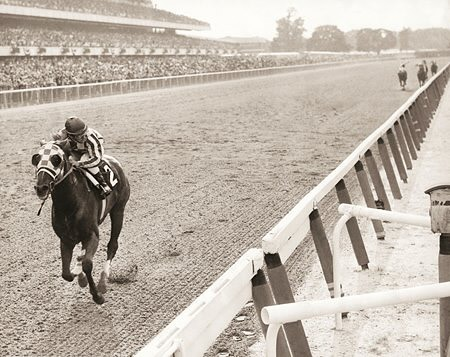
But it was at Belmont Park, on a warm June afternoon, that Secretariat became a legend. The air was thick with anticipation. No horse had won the Triple Crown in 25 years, and many doubted it would ever happen again. As the race began, Secretariat and Sham locked into an early duel, matching each other stride for stride. Then, on the backstretch, it happened.
Secretariat began to pull away. First by a length. Then two. Then five. The crowd roared as the gap widened. The chestnut colt, bathed in sunlight, was running as if he had no limits. His strides were impossibly smooth, his speed increasing rather than fading. The rest of the field was left in the distance, struggling to keep up. By the final turn, Secretariat was alone—his lead stretching with every powerful step.
As he charged toward the wire, 31 lengths ahead, the crowd was no longer cheering; they were in awe. It was not just a victory—it was domination, a performance so perfect that it seemed almost unreal. He shattered the world record for a mile and a half, a time that still stands today.
In that moment, Secretariat became immortal. He had not just won the Triple Crown—he had redefined what a racehorse could be.
May 5 1973 post race…
Sham’s team was heartbroken…It was a stunned silence…no one knew what to say… they had just watched their horse run the Kentucky Derby in 1:59 4/5 and not win…A stunned Sigmund Sommer quietly said Secretariat beat us fair and square. As Pincay brought Sham over to meet Frank Martin, Martin and groom Gato noticed blood trickling from Sham’s mouth. Martin struggled to stop the bleeding, there was so much blood Gato was sickened by the sight and he had to be removed from the area.
It took almost half an hour to stop the bleeding. Two teeth were knocked loose on the gate, Martin remarked that Sham looked like a four-legged hockey player. Pincay said I didn’t think anyone would be able to catch him… I still had some horse at the finish. On this afternoon Sham with a time of 1:59 4/5 broke Northern Dancer’s record of two minutes flat, Martin was right when he predicted Sham could do it. Sham ran faster in losing the derby than any horse( previously) had ever done in winning. Martin pointed out.
God Bless Sham for the horse that he was, he’s probably still chasing Secretariat above!
From Sham fb page.
The move Secretariat put on around the first turn, exploding from the back of the pack to the front in 15 seconds, was one of the freakiest things he did.
Many observers, including Secretariat’s trainer, Lucien Laurin, thought jockey Ron Turcotte had moved too soon and might pay for his impatience. Hall of Fame jockey Laffit Pincay Jr. loved what he saw from atop Secretariat’s chief rival, Sham, figuring Secretariat would be a sitting duck by the stretch run.
“Well, you saw what happened,” Pincay said recently, reflecting on the duel.
Turcotte did not like the slow early pace set by Ecole Etage, so with the slightest movement of his hands – he equated it to pulling a shirt collar straight – he asked the rocket ship he was aboard to launch. Once Secretariat fired, no horse, not even a game Sham, had the juice to catch up.
SECRETARIAT
“He’s 1,100 pounds of baby fat, eats too much and too often. The only reason he doesn’t eat more is because he’s too busy sleeping. He only does what he wants to do, exactly when he wants to do it. He lays against the back of the starting gate like he’s in a hammock in the Caribbean. When he finally does get out of the gate, it takes him forever to find his stride.”
~ Lucien Laurin, Secretariat’s trainer
Did You Know? Secretariat wasn’t just an extraordinary horse because of his speed—he was built differently. His heart was three times the size of an average horse’s heart, giving him a massive cardiovascular advantage. But that wasn’t all. His stride angle, the distance between his front and rear legs as they stretched during each step, was much wider than most other racehorses.
Secretariat’s stride angle was a massive 110°—much greater than the typical 80° to 90° seen in most horses. And here’s where it gets impressive: researchers found that every degree a horse increases their stride angle results in a 2% increase in stride length. This means that with just a 10° increase, a horse like Secretariat could cover 20% more ground with each stride! A true physical marvel, his body gave him the ability to fly across the track in ways no other horse could. It’s no wonder Secretariat became the legend he is—his unique physical traits made him a one-of-a-kind racehorse!
Secretariat From the first time he saw Secretariat, Ron Turcotte knew this horse was special. He loved Secretariat’s playful spirit, his easy disposition, his complete absence of meanness, observing once, “You could ride him any way you wanted. And what a heart. He would go through anything. He never backed down. He’d fly around turns
“I Never Saw A Horse Look Like That Before”
One elderly turf-writer who had seen the grandmothers but never the grandson was quietly awaiting the colt’s arrival for the fourth. (Allowance, July 31, 1972).
Wearing tinted glasses and a summer suit, smoking mentholated cigarettes in a holder, his gray hair drawn back, his voice carried along on the soft southerlies of an old Louisville accent, Charles Hatton sat on a bench near the paddock and watched for Secretariat.
Hatton had been coming to the races for more than fifty years, working around them almost as long. His tutor was the former black slave and the rider of Ten Broeck, Billy Walker. Walker had retired as a jockey and was timing horses in Kentucky when Hatton came under his tutorial care. Billy Walker taught him the intricacies of a horse’s conformation—the proper angulation of the skeletal parts, the muscular investiture, the set of the eyes and the jowls and the length of the cannon bone relative to the length of the forearm. Horses were anatomical puzzles, all of a piece but in pieces.
Hatton had no way of knowing it then as he sat on the bench, but there was a young racehorse turning the corner of the racetrack—perhaps 150 yards away—who would fulfill some ideal that he had been turning over in his head since Billy Walker put it there more than fifty years ago.
Secretariat walked down the pathway toward the paddock, toward the towering canopy of trees above the saddling area, toward Hatton, who saw the colt and came to his feet. The red horse filled Hatton’s eyes for an instant, not striding into his field of vision but swimming into it, pulling Hatton from the bench to a standstill before him.
Hatton had seen thousands of horses in his life, thousands of two-year-olds, and suddenly on this July afternoon of 1972 he found the 106-carat diamond: “It was like seeing a bunch of gravel and there was the Kohinoor lying in there. It was so unexpected. I thought, ‘Jesus Christ, I never saw a horse look in his eyes like Secretariat
Sovereignty is a fifth-generation descendant of Secretariat, and just won this year’s Kentucky Derby
Bill Mott, 71, of South Dakota is Sovereignty’s trainer. Prior to his win Saturday, Mott had one other win in 13 Derby starts with Country House via disqualification in 2019.
He also can claim as ancestors two of the other greatest race horses ever, Seattle Slew and Affirmed.
Sovereignty is the son of Into Mischief and Crowned. Into Mischief raced six times in his career, with three wins and three places. His mother never raced.
The great-grandsire of Sovereignty is Bernardini, who won the 2006 Preakness.
Other pieces of Sovereignty’s pedigree, according to the Louisville Courier Journal:
At age two, Secretariat finished fourth in his 1972 debut in a maiden race, but then won seven of his remaining eight starts, including five stakes victories. His only loss during this period was in the Champagne Stakes, where he finished first but was disqualified to second for interference. He received the Eclipse Award for champion two-year-old colt, and also was the 1972 Horse of the Year, a rare honor for a horse so young.
At age three, Secretariat not only won the Triple Crown, but he also set speed records in all three races. His time in the Kentucky Derby still stands as the Churchill Downs track record for 1+1⁄4 miles, and his time in the Belmont Stakes stands as the American record for 1+1⁄2 miles on the dirt. In 2012, his actual time of 1:53 in the Preakness Stakes was recognized as a stakes record after an official review.
Secretariat’s win in the Gotham Stakes tied the track record for 1 mile, he set a world record in the Marlboro Cup at 1+1⁄8 miles and further proved his versatility by winning two major stakes races on turf. He lost three times that year: in the Wood Memorial, Whitney, and Woodward Stakes, but the brilliance of his nine wins made him an American icon. He won his second Horse of the Year title, plus Eclipse Awards for champion three-year-old colt and champion turf horse.
At the beginning of his three-year-old year, Secretariat was syndicated for a record-breaking $6.08 million (equivalent to $43.1 million in 2024), on the condition that he be retired from racing by the end of the year. Although he sired several successful racehorses, he ultimately was most influential through his daughters’ offspring, becoming the leading broodmare sire in North America in 1992. His daughters produced several notable sires, including Storm Cat, A.P. Indy, Gone West, Dehere, Summer Squall, and Chief’s Crown, and through them Secretariat appears in the pedigree of many modern champions. Secretariat died in 1989 as a result of laminitis at age 19. Source: Secretariat (horse) – Wikipedia
And since Big Red was a direct descendent of Man a War, all 2025 Derby horses were descendants of Man a War. This is the non photoshopped version of his win at the 1973 Belmont Stakes…31 lengths clear of the entire field. To this day, he still finishes 2 seconds faster & approximately 110 FEET ahead of the second-fastest horse to ever run that race To think 52 years later Secretariat still holds the records for the fastest Kentucky Derby, Preakness and Belmont is mind blowing
Secretariat was great to watch. Derby was 1.59, Preakness 1.53 Belmont 2.24 track record 31 lengths in front of pack Has Sired 660Beautiful to watch big red
If you’re wondering how every horse in the Kentucky Derby was a direct fifth descendant of Secretariat…
Wouldn’t he have been great, great, great, great, great grandfather or more to them, all starting with when he was alive and retired and used for stud with a multitude of pedigree females and then all those children had children for several more generations until here, we are today???
That’s the amazing thing. Today’s meds, feeds, foods, training, travel, track, housing or boarding if you will, all better, yet records stand!!!!!
He had a heart 3x larger and stride longer than all the others. Look it up his stride was 20% longer than the average racehorse.Secretariat was a damn freight train coming down the track and his will and love to run was 100% more than others. And look at the competition!! Holy cow those were some big contenders!
Absolutely beautiful…one of the astounding numbers to me was he ran the first 1-1/4 in the Belmont faster than he ran the Derby! And just think The second fastest Belmont Stakes winner ever loses to Secretariat by 8 to 10 lengths! However, after seeing that 9 track records were set that weekend you don’t believe that the track was prepared for record setting times.
Never another has filled those Horseshoes the Belmont time will never be broken, it’s a full 2 seconds over second best. The other two records are a fraction of a second, half second tops, but 2 seconds in a century plus of racing is a big deal and preserves his legacy.
However, with the genetic advancements in recent years coupled with the understanding of how his biomechanical makeup very much contributed to his success, and the horrible frequency with which young horses are breaking down and dying on the track, I predict in the future the Thoroughbred closed blood book may allow for some modern-day manipulation.
He looked back at the field going around the final turn. And he looked at the clock as they crossed the finish line. I just can’t believe every time his back hoofs hit the dirt he’s covered 24 feet 11inches!! That’s just hard to comprehend. He was the greatest thoroughbred and Ronnie Turcotte’s story is amazing too When he was passing Sham on the end of the backstretch, you can see Secretariat was taking a little over 3 strides to Sham’s 4 and not even working that hard.
Turcotte said after the race, he wasn’t even breathing that hard and when he removed the saddle, he hadn’t sweated under it. Look at his neck… no sweat or lather. Just an amazing horse. When they asked Ron Turcotte why he turned around he said he was curious why he didn’t hear any horse behind him…wow! Crazy… him and sham had 10 lengths on the field before he said, “see ya later sham”. poor sham.
That pace was too much, and he fell off hard.
Sham broke his cannon bone during the race, which is why he fell back into the field. Although Secretariat most likely would have still won, Sham would have been a close second if it weren’t for the injury. Always felt bad for Sham, he was a beast himself compared to most other racehorses back then…just unfortunately for him, Secretariat was alive at the same time.
Sham was an impressive racehorse, no doubt, but Secretariat was a once-in-a-lifetime phenomenon. The comparison to Tiger Woods is spot-on—just as Tiger redefined golf, Secretariat dominated horse racing in a way that left even the best in his dust. That 1973 Belmont Stakes performance, winning by 31 lengths, is still one of the greatest moments in sports history!
Sham was a solid horse not a great one. Five horses not named Secretariat defeated him in various races, but he had the misfortune of running against a true legend.
He would have beaten Seattle Slew by 25+ lengths, & he was the next triple crown winner. Imagine his time if there had been another horse anywhere nearby… With no one in sight, Big Red jogged home the last 1/4 in 25 sec.
However, He almost didn’t leave that legacy. In the beginning of his stud career he couldn’t settle a mare. The owners tried to collect insurance for the loss. Lloyd‘s of London told them they had to try one more time. The only mare in the pasture that could be caught that day and was in heat was an Appaloosa mare belonging to one of the grooms. (Just grab her. It doesn’t matter.) ) It worked.
She gave birth to a blanketed stud colt that was named First Secretary. The Appaloosa world was ecstatic. Secretariat genes are coming through more from the mares he sired rather than Secretariat colts. Super mares. Doesn’t explain at all how every horse is a direct descendant…. Forgot to mention how much they breed him after these iconic wins until he was put down for laminitis. And also funny enough, his “daughters” are the ones who keep siring the great racing horses.
No, winning the Belmont, doesn’t not explain how all the derby runners were his descendants. But he was not bred any more than any other top Thoroughbred. It is a well-known phenomenon in TB breeding that some stallions are “broodmare” sires. Their sons may be good, but their daughters’ offspring are outstanding.
Secretariat was one of these.
Secretariat’s most outstanding trait was his heart, which was 3 times the size of a normal thoroughbred’s. Incidentally, that particular trait, often referred to as the X factor, is only passed down from father to daughter. For some horses their best breeding comes through on the female side and that’s true with Secretariat.
Therefore, Secretariat’s best descendants were the sons of his daughters, the two most notable were Storm Cat, whose mother was Terlingua, and AP Indy, whose mother was Weekend Surprise. Either Storm Cat or AP Indy appear in the pedigrees of all of the horses in the Derby this year, so two generations further back you find the greatest broodmare sire of all time, Secretariat.
Secretariat sired more than 660 registered foals in his lifetime, with several such sires or dams showing up in each Kentucky Derby horse’s pedigree. I remember the exhilaration following Secretariat in 73. He was running to be the first Triple Crown champion in 25 years. The greatest horse to ever race. sired over 650 colts which spread his DNA far and wide in the horse racing world that is how it came to be.
I heard Sovereignty had Secretariat and Northern Dancer Bloodlines. Every time I watch the Belmont race when Secretariat is rounding the far turn, passing a huge American Flag, while the announcer yells ‘ he’s running like a tremendous machine’ I get goose bumps! lol Wow, beautiful! I saw Secretariat lose to a horse named Onion in Saratoga and collected $10 on the win ticket
Fun fact: to be registered as a thoroughbred, the mare must be live covered by the stallion. There’s no “sperm floating around” out there from Secretariat. Other breeds use/allow Artificial Insemination, thoroughbred registry does not allow/recognize it.
Post time for the 151st running of the Kentucky Derby is 7:02 p.m. ET on Saturday, May 3.
Although the theme song of the TV show Mr. Ed tried to tell us all differently (“A horse is a horse, of course, of course…”), s0 a horse is not just any horse where Thoroughbreds are concerned. S0 I’m taking you way back to explore the “founding fathers” of the modern Thoroughbred racehorse.
Thoroughbred horses have minutely monitored family trees—called pedigrees—that allow their breeders, owners, and trainers to prove one very important fact: that every horse registered as a Thoroughbred must be able to trace its lineage far back to three influential horses, called “foundation sires.”
The Darley Arabian, the Godolphin Arabian, and the Byerly Turk landed on English soil from the Middle East in the seventeenth century, imported by three savvy horsemen intent on improving the native English breed.
Likewise, in 1730, another horseman sent a Thoroughbred named Bulle Rock—bred from the Darley Arabian and a Byerly Turk mare—to the colony of Virginia for the purpose of creating a faster, stronger, American-bred equine family.
Over the next century over 300 more imported Thoroughbreds would reach America to found dynasties of their own, many establishing kingdoms in the Bluegrass region of what would soon be the Commonwealth of Kentucky.
TOP to Bottom
The Darley Arabian The Godolphin Arabian The Byerly Turk Julie Wear, 1991 Oil on canvas
Over a century and a half after Bulle Rock reached American shores, fifteen horses went to post in the inaugural Kentucky Derby, held at the new Louisville Jockey Club course in Louisville, Kentucky on May 17, 1875. Each of the fifteen sported impressive pedigrees that included the names of the greatest sires in American history somewhere in their charts: thirteen could claim descent from Sir Archy (occasionally spelled “Archie”), twelve claimed Boston, nine claimed Lexington, and so on.
But all of them, through the many generations of sires and dams that came before, still carried the blood of those three stallions from the Middle East, by way of Britain.
Those bloodlines lived on in the twentieth century equine heroes and heroines of the Kentucky Derby. The 1926 first and second place finishers, Bubbling Over and Bagenbaggage, were bred by E. R. Bradley at his Idle Hour Stock Farm. One of Bradley’s most prolific and influential sires, Black Toney, would produce Derby winners Black Gold (1924) and Brokers Tip (1933).
Regret, the first filly to win the Kentucky Derby in 1915, came from another important sire line in Derby history. Her sire, Broomstick, was the progeny of Ben Brush, winner of the 1896 Kentucky Derby. Ben Brush’s line runs back to other Thoroughbreds, like: Bramble, Bonnie Scotland, Leamington, Eclipse, and Lexington. And, of course, the Darley and Godolphin Arabians and the Byerly Turk.
What Are The Three Sires The Thoroughbred Ancestry Traces Back To?
Professor Patrick Cunningham of Trinity College, Dublin, said a combination of modern molecular genetics and a trawl through 300 years of pedigree stud books has identified the key ancestors of the half-million thoroughbreds in the world today.
The study found that his Y chromosome, which carries the male genes, is found in 95 per cent of modern thoroughbred stallions. The Darley Arabian was born in 1700 and brought to England from Syria in 1704 by the British consul of the day, Thomas Darley, who made the stallion into a champion stud.
A mare called Tregonwell’s Natural Barb contributed the largest proportion – 14 percent – of the genes passed down the female line of racehorses, Professor Cunningham told the British Association’s Festival of Science in Dublin. By analysing the pedigree status of all horses registered in the General Stud Book over the past three centuries, Professor Cunningham found that a small number of stallions began to emerge as the founders of the male line.
“In the early days there was some jockeying for position between the early stallions but after about 70 years, some dropped away and three survived,” he said. The three stallions found to contribute most of the genes to today’s stallions were the Darley Arabian, the Byerley Turk and the Godolphin Barb, “and eventually the Darley Arabian raced to supremacy,” Professor Cunningham told the conference.
The findings came out of a wider scientific investigation into the genetics of the thoroughbred racehorse, the origin of which began when about 80 horses from the Middle East and North Africa were imported into England for breeding. An analysis of the pedigree status and the DNA of about 211 race horses showed that most of the genes of this original group of 80 have been lost over time, Professor Cunningham said.
“The effective number of founders was about 28 – there were about 28 horses contributing pretty well to all the genes in today’s population, that’s despite the fact that there were about 80 horses recorded in the first stud book,” he said. “We’ve been able to measure the contribution of these founders to today’s population and the top 10 contribute about 80 per cent of the genes,” he said.
“We’ve measured the inbreeding over that time and there’s about a 15 per cent accumulation of inbreeding. For every two horses in our sample we were able to get a molecular measure of their relationship. It turned out that on average that was 47 per cent, so any two horses share 47 per cent of their genes,” he said.
Virtually all 500,000 of the world’s thoroughbred racehorses are descended from 28 ancestors, born in the 18th and 19th centuries 2. Up to 95% of male thoroughbreds can be traced back to just one stallion 2.
Researchers have claimed that all the best thoroughbreds of racing are very distantly related after tracing the ‘speed gene’ they all share to a single ancestor from the 17th century 3. These Arabian horses were imported into England between the late 17th and early 18th Century by gentlemen who wanted to breed better racehorses.
What are the three major bloodlines of horses?
THREE BLOODLINES THAT SHAPED HORSE RACING. History states that Henry VIII, his daughter, Elizabeth 1, and then the subsequent Stewart monarchs, had over time laid down rules and regulations to govern the breeding of horses and the records of which sire mated with which mate to produce which offspring.
What are thoroughbreds descended from?
All modern Thoroughbreds trace back to three stallions imported into England from the Middle East in the late 17th and early 18th centuries: the Byerley Turk (1680s), the Darley Arabian (1704), and the Godolphin Arabian (1729).
What are foundation sires names?
Foundation Sires. Breed histories of the Thoroughbred often focus on the three foundation sires — the Byerley Turk, Darley Arabian, and Godolphin Arabian — who were brought to England in the late seventeenth and early eighteenth centuries and crossed on English and imported mares.
Are there any horses with Secretariat bloodline?
Today, there are two living Secretariat offspring: 34-year-old Border Run and 33-year-old Trusted Company, both of whom celebrated birthdays on Jan. 1, reports Thoroughbred Racing Commentary.
What is the best bloodline horse?
When it comes to breeding, there are multiple ranch and Quarter horse bloodlines famous for producing top-quality horses. Seven of the most famous ranch and quarter horse bloodlines are Doc Bar, Driftwood, Two Eyed Jack, Joe Hancock, Playgun, Old Sorrel, and Peppy San Badger.
What are the 3 types of cowboy horses?
In the old west, cowboys rode all kinds of different breeds, but some were more popular than others-quarter horses were by far the favorite because of their speed, athletic ability, and hardiness. Other common breeds included the Appaloosa, Morgan, and American Quarter Horse.
What two breeds make a Morgan horse?
The founding stallion of the breed was a horse named Figure, owned by Vermont schoolteacher Justin Morgan in the late 1700s. No one knows for certain what Figure’s pedigree was, but it’s generally accepted that it was the offspring of horses with Arabian, thoroughbred, and perhaps Welsh cob or Friesian bloodlines.
this is a short documentary on the amazing Secretariat who will be forever remembered!
What bloodline was Secretariat from?
Secretariat was sired by Bold Ruler and his dam was Somethingroyal, a daughter of Princequillo.
Bold Ruler was the leading sire in North America from 1963 to 1969 and again in 1973.
What breeds make up a Thoroughbred horse?
The term Thoroughbred describes a breed of horse whose ancestry traces back to three foundation sires — the Darley Arabian, the Godolphin Arabian and the Byerly Turk.
Are Thoroughbreds descended from Arabians?
The key to the Thoroughbred’s greatness is its speed and endurance, for which it has been bred for over 300 years. The Thoroughbred originated in Great Britain and its genetic origin is Arabian. The “foundation” stallions of the breed were: the Byerly Turk, the Darley Arabian and the Godolphin Arabian.
Do Thoroughbreds have Arabian in them?
One of the hard and fast rules of the Thoroughbred breed is that a registered horse must have descended from one of three foundation sires: The Darley Arabian, the Godolphin Arabian, or the Byerley Turk.
What are the 3 types of foundations?
There are three main foundation types: full basement, crawl space and concrete slab.
What are the three parts of a foundation?
First, the footing is placed.Second, the walls are constructed and poured.Lastly, the slab is placed.
What are the 4 types of foundation?
Types of Foundation and their Uses.
Spread footings or Strip footings and Wall footings.
Raft or Mat Foundations.
Pile Foundations.
Drilled Shafts or Caisson Foundation.
Who owned Secretariat when he died?
Helen “Penny” Chenery, owner of 1973 Triple Crown winner Secretariat and a well-loved figure in her own right as a champion of Thoroughbreds and women in business and sports, died Sept. 16, in her Colorado home following complications from a stroke. She was 95.
Who is Secretariat’s most famous offspring?
Secretariat is best known for his daughters and in 1992 was the leading sire of broodmares in North America. The most successful racehorse he ever produced was Lady’s Secret, a multiple stakes winner that won an Eclipse Award as horse of the year.
Sovereignty is a fifth-generation descendant of Secretariat,
and just won this year’s Kentucky Derby
Is the Secretariat buried whole?
Secretariat, Mr.Prospector, Round Table, Nijinsky and Swale are all buried whole. Even more rare than being buried whole, Secretariat and Man O’ War were both embalmed as well. Secretariat’s last footage.
We all know Secretariat is Truly Epic, but let’s not forget how good of a horse Sham was.
Who was the greatest racehorse sire of all time?
No. 1: First Down Dash, $89,707,366. Inducted into the American Quarter Horse Hall of Fame in 2011, First Down Dash is arguably the greatest race sire of all time. From 31 crops to race, First Down Dash has sired 1,462 winners, which includes 258 stakes winners.
What is the rarest horse breed on earth?
The rarest horse breeds in the world are the Sorraia, Nokota Horse, Galiceño, Dales Pony, and the Choctaw Indian Pony. There are less than 250 of each of these horse breeds globally, making them critically endangered. Conservation efforts are currently ongoing to try and save these endangered horse breeds.
Witness how this underdog inspired a nation during its toughest times, showcasing the #PowerOfPerseverance.
Red Rum – Relive the drama of the British Isles with Red Rum, a symbol of endurance and #TripleCrown aspirations. Discover the legend that left the world in awe.
Spectacular Bid – Step into the vibrant 70s, unveiling Spectacular Bid’s thrilling escapades. With unmatched prowess, this #RacingProdigy changed the course of horse racing.
Kincsem – Venture into Europe’s rich tapestry with Kincsem, the unbeatable mare. Explore her tales that made her a horse racing sensation, setting the #GoldStandard in equestrian performances. Sea Bird – Experience the beauty of French racing history with Sea Bird. His tales of sheer excellence are a testament to the #EleganceOfHorseRacing.
Makybe Diva – Celebrate Makybe Diva, the pride of Australia’s horse racing scene. Dive deep into her unmatched legacy, an epitome of #EquestrianBrilliance.
Seattle Slew – Relish the legacy of Seattle Slew, a 70s icon who combined grace with unmatched power, marking his name in the #HorseRacingHallOfFame.
American Pharoah – Explore the tales of American Pharoah, who not only clinched titles but also captured hearts, showcasing #RacingRoyalty at its finest. Cigar – Step into the 90s with Cigar, whose victories and global appeal reshaped the #WorldOfHorseRacing.
Zenyatta – Experience Zenyatta, the equine queen of the 21st century. Her tales of drama and determination have redefined #EquestrianLegends.
Phar Lap – Explore Phar Lap’s mystique, whose tales of victories and undying spirit remain a cornerstone in the #EpicsofEquine.
Black Caviar – Celebrate the tales of Black Caviar, Australia’s sprinting sensation, setting #RacecourseRecords that still dazzle.
Frankel – Dive into the modern legends with Frankel, the UK’s unbeaten marvel, a testament to #BritishHorseRacing supremacy.
Man o’ War – Revel in the tales of Man o’ War, a timeless icon, and discover why he remains the #EquineGoldStandard.
Secretariat – Stand in awe of Secretariat, the ultimate racing legend, whose tales of unmatched brilliance resonate in every #RacingChronicle.
Horse racing, a sport steeped in tradition and adrenaline, has witnessed the rise of numerous extraordinary athletes over the years. Among them, a select few have etched their names into the annals of history as the greatest thoroughbreds to ever grace the tracks. In this video, we embark on a thrilling journey through time to uncover the top 10 legendary horses whose feats of speed, endurance, and sheer brilliance have captivated the hearts of racing enthusiasts worldwide.
👉 Get expert race tips & strategies here:https://topracetips.com/ 🐴: Spectacular Bid, Black Caviar, Zenyatta, Frankel, Seabiscuit, Citation, Deep Impact, Phar Lap, Man o’ War, Secretariat
Peppers Pride – Unmatched Perfection in New Mexico 🇺🇲 Discover Peppers Pride, the embodiment of resilience and excellence in horse racing. 🏇✨ Born in New Mexico, she captured hearts with a perfect record of 19 wins, becoming a local legend. A beacon of perfection, her story is a testament to the pursuit of excellence. #PeppersPride#PerfectRecord#RacingLegend
Personal Ensign – The Epitome of Will and Perfection 🇺🇲 Celebrate Personal Ensign, a symbol of undying will and racing perfection. 🌟🐴 With 13 wins from 13 starts, her dramatic victory in the 1988 Breeders’ Cup Distaff left an indelible mark on the sport. Her legacy lives on, inspiring both fans and future generations. #PersonalEnsign#UndefeatedLegend#HorseRacingHistory
Ribot – European Racing’s Unparalleled Legend Honor Ribot, the unparalleled legend of European horse racing. 🏆🇬🇧 With a flawless record of 16 wins, his back-to-back Prix de l’Arc de Triomphe victories showcase his exceptional talent. Ribot’s legacy as one of the greatest racehorses endures through his significant impact on the sport. #Ribot#RacingPerfection#LegendaryRacehorse
Black Caviar – Australia’s Racing Titan Witness the legendary Black Caviar, Australia’s titan of horse racing. 🇦🇺🏇 Her unmatched 25 wins from 25 starts, including a triumphant victory at Royal Ascot, have captivated the world, making her an icon of sporting perfection and a beloved figure in racing folklore. #BlackCaviar#AustralianLegend#RacingIcon
Frankel – The Embodiment of Racing Perfection Behold Frankel, the pinnacle of racing perfection and equine excellence. 🌟🏇 Born in Great Britain, 🇬🇧 his legendary unbeaten record of 14 wins has set him apart as the greatest racehorse of his generation, captivating fans worldwide with his power and speed. #Frankel#RacingGreatness#UnbeatenLegend
Join us in celebrating these incredible stories of undefeated racehorses, whose legacies of perfection and resilience continue to inspire and awe. Which legend amazed you the most? Share your thoughts and join our community of horse racing enthusiasts. Don’t forget to like, subscribe, and support our journey through the annals of horse racing history. #UndefeatedRacehorses#HorseRacingLegends#subscribeformore
R.I.P Secretariat, the greatest racehorse to ever set four hooves on a racetrack.
MANSFIELD – Sean Swarner went to great lengths — and greater heights — to practice social distancing even before it became a thing. There was no mass gathering waiting for him when he reached the top of Mount Everest in 2002. Or when he scaled the highest peak on the other six continents to complete the Seven Summits. Or when he trekked to the South Pole in 2015 and the North Pole in 2017.
The 1993 Willard High School graduate literally stood alone in becoming the first cancer survivor to climb Everest as well as the only person to complete the Explorer’s Grand Slam — reaching the Seven Summits and both Poles — and finish the Ironman Triathlon, the almost inhuman three-pronged race of swimming, biking and running that he tackled in 2008 at age 34.
He did it all after surviving two terminal cases of cancer as a teenager and being left with only one functioning lung.
But, hey, he’s always had a healthy sense of humor.
“I have no idea why they call it the Explorer’s Grand Slam,” he said recently about being one of only 69 adventurers to accomplish that goal. “To me it sounds like a Denny’s breakfast platter.” You’ve heard about laughter being the best medicine?
Swarner, as a teenager, needed it in large doses.
Nothing is more devastating than finding out, at 13, you’ve got Stage 4 Hodgkin’s Lymphoma and have three months to live. You survive that only to learn, at 16, you have an unrelated form of cancer called Askin’s Sarcoma and are given two weeks to live. He was listed in the medical journals as the only person to ever have both forms of deadly cancer. That’s the kind of distancing from people that no one seeks.
But Swarner beat incredible odds both times and would continue to do so with his inspiring feats of physical and spiritual strength. Each time he completed a leg of the Grand Slam he carried a flag dedicated to everyone impacted in some way by cancer. Inscribed on the rainbow-colored flag he took to the North Pole were 1,960 names and the word HOPE.
“It’s amazing how the body adjusts,” he said. “I think I have one big, bulldog lung that over the years I’ve trained to get stronger and stronger. It’s more psychological than anything else.” For someone so averse to sitting still and staying put, COVID-19 has probably been every bit as nerve-wracking as walking precariously across aluminum ladders, sometimes three of them fastened together, over bottomless crevasses on his ascent of Everest — all 29,029 feet.
This health crisis has made him stir crazy.
“Last year I put in about 250,000 miles on American Airlines traveling around, making (motivational) presentations,” Swarner said when reached at his home in Castle Rock, Colorado, “and this is the longest I’ve been home in 15 years. So I’m jumping out of my skin to go somewhere and just travel.”
Still climbing
When it’s safer to fly, he’s looking at taking a group, through Swarner Expeditions, to Everest base camp, possibly next spring. The campsites at 17,600 feet on the mountain and takes two weeks to reach. “I would be using that trip as a vehicle to help people overcome their fears and gain their confidence back,” the 45-year-old Swarner said. “It’s kind of like an immersive experience to empower people.”
Swarner estimates he’s been to the top of Mount Kilimanjaro, the highest peak in Africa at 19,341 feet, 18 or 19 times. He tries to take a small group up every year and offers a free trip to a cancer survivor. That survivor, in turn, is responsible for using the climb as a fund-raiser to send another survivor the following year.
“It’s kind of paying it forward and keeping it in the cancer community,” Swarner said. “We actually raised enough money to take three survivors this year and would have left (this) week. All three said they want to go next year.” At this point, Swarner could probably scale Kilimanjaro blindfolded.
“I don’t know about that,” he said, laughing, “but they did adopt me into the Chagga Tribe, a local (Tanzanian) tribe at the base of the mountain. They gave me a name in Swahili.”
It’s Mzungu kichaa.
“Loosely translated,” Swarner said, “it means crazy white man.”
Last Friday was the 13th anniversary of Swarner’s ascent of Alaska’s Mount Denali, also known as McKinley, which completed his climb of the Seven Summits in a six-year span.
Eight years would pass before he skied to the South Pole and then three years ago, in April, he made it to the North Pole. That latter adventure — a seven-day, 80-mile journey over floating ice in which his party braved minus-70 wind chills, pulled 150-pound sleds, risked frostbite and kept a wary eye on polar bears — was captured in a one-hour documentary called “True North: The Sean Swarner Story.” It can be streamed at Amazon.com.
Travel to the North Pole with Sean Swarner
“Both (poles) are unique and have different obstacles to overcome,” Swarner said, “but the North Pole, hands down, is much more dangerous.” Of the 15 people who set out for the North Pole, several had to be evacuated for frostbite or exhaustion, including Swarner’s team doctor.
And for those who made it, the only way they knew they arrived at the earth’s true north (90 degrees north latitude) was by GPS. There’s no land mass, no distinguishing features, just polar ice. And that ice is constantly shifting.
“If you look at the world as a glass of ice water, the northern polar ice cap is like the ice cubes floating on the water,” Swarner said. “You have these arctic currents flowing underneath. One night we set up camp and literally floated 2 miles backwards. It’s insane.
“In the middle of the night, you could hear the ice cracking all around you.”
True North, The Sean Swarner Story is a jaw-dropping look at how far a man will go to feel alive, and to bring hope to millions of people touched by cancer around the world.
When he was young, Swarner was diagnosed with two life threatening forms of cancer. Now, the unshakeable survivor has set his sights on the North Pole. True North follows Swarner as he tries to make history and inspire cancer fighters to keep pushing forward.
Welcome to SurvivorNetTV’s film True North. This documentary follows the story of author and adventurer Sean Swarner as he takes on his most daunting challenge yet.
As a teenager, Swarner was diagnosed with two lethal forms of cancer. Now, he’s trekking to the brutal and unforgiving North Pole. True North is the inspiring account of Swarner’s quest to bring hope to millions of people touched by cancer around the world.
“I didn’t choose to go crawl up in a corner and die and think, ‘Okay, well, that’s it, I’m done, game over,” Swarner tells SurvivorNet about his cancer battles. Swarner was first diagnosed with cancer at just 13-years-old, and was diagnosed with a separate second cancer at 16. His oncologists declared his condition as terminal, and he was told he would only have two weeks to live.
He battled the odds, and he came out on top. “Nobody knows how much time you have left on the planet. So, what I wanted to do was make the most of it. If the prognosis is going to be alive for 14 days, I want to truly love and live life. I still do,” Swarner continues. Swarner is on a mission, a Mission of Hope, a profound and symbolic honor for the millions affected by cancer worldwide.
He has dedicated each one of his climbs to the cancer patients he hopes to inspire, symbolized by a flag he carries with him to each peak. His exploration to the North Pole is no different. With the help of Vern Yip, television personality and interior designer, Swarner designs the Flag of Hope. Months leading up to his final endeavor, Swarner takes the Flag of Hope across the country. One by one, those affected by cancer put their names on the flag.
United by one purpose, Swarner hopes to cover the world in hope.
If he’s successful, Swarner stands to become the world’s first cancer survivor to complete the Explorer’s Grand Slam–scaling the highest point on all seven continents and then hiking to the North and South Poles. Only a handful of people have ever done it, but no one who’s faced the overwhelming odds Swarner has.
Learn more about SurvivorNet’s rigorous medical review process.
It’s easy for Swarner to romanticize that sometimes-harrowing experience, especially since he proposed to his girlfriend, Julissa Perez, on his satellite phone from the North Pole.
“I go, ‘Hey, when I get home, let’s go somewhere warm, so I can thaw out,'” Swarner recounted. “My brain … you know how fast your brain thinks. I said, ‘Let’s get married.’ There was this long pause and I’m thinking, oh, crap, did we get disconnected? Is she thinking about this? What’s going on? Then she said yes.” It gets better.
“Later I called her and I told her out of respect for her family and culture (Julissa is from Puerto Rico), don’t tell anybody,” Swarner said. “I want to ask your parents for permission. She said, ‘Well, everybody already knows.’
“She went on to tell me that when I called from the North Pole, she knew I was going to make it that day. So when I called she had me on speaker phone and her whole family was there.” They met in 2011 when Swarner was giving a presentation in San Juan. Julissa was in the front row and he had to keep telling himself during his address to stop staring. They were sitting at separate tables afterward, neither making a move, when he found out from her friend that Julissa wanted to meet him as much as he wanted to meet her.
Marriage doesn’t mean Swarner is going to settle down. Now that he’s also a certified performance coach as well as a motivational speaker, author (his book “Keep Climbing” was on the New York Times bestseller list), and founder of the nonprofit organization, The Cancer Climber Association, he plans to launch “The Summit Challenge” at SeanSwarner.com on July 1.
He will be giving clients a series of seven challenges, each to be completed in three weeks.
“The goal is to really impact their lives,” he said. “We can stay in a state of suffering from pain or grief or we can choose to change into a state of joy and happiness.”
New goals to reach
Swarner, who was back home last year to receive the Distinguished W Alumni Award from the Willard City Schools, also has two new extreme adventures on his radar.
Next year he’d like to run a marathon on each of the seven continents in seven days. That’s 26.2 miles a day.
“You get off the plane, you run, you eat, you get back on the plane, you fall asleep, you wake up, you run, you eat, you get back on the plane, you sleep … repeat, repeat, repeat,” he said of the whirlwind pace he would keep.
.
Why couldn’t he? He spent only seven months training to climb Everest and just five months preparing for the Ironman, against the advice from experts. And unlike most Seven Summiteers, he started with Everest instead of finishing with the highest and hardest peak.
He’s not wired like you or me. Or anybody. As for the other goal on Swarner’s wish list, that would truly test his motto: Redefining Impossible. “I’d love to get in touch with Elon Musk or Richard Branson,” he said, “and take a ride into space.” Makes perfect sense. Space … the final frontier for Sean Swarner to conquer.
Space for Humanity by Sean Swarner
Meet two-time terminal cancer survivor Sean Swarner.
His first goal was to crawl 8 feet from the hospital bed to the bathroom. He went on to climb the highest point on every continent (including Mt. Everest), skied to both the North and South Poles, and completed the Ironman World Championship in Hawaii – all with one lung. Sean was diagnosed with two deadly, different, and unrelated forms of cancer, once at the age of thirteen and again at the age of sixteen, where he was given only 3 months and then 14 days to live, respectively. He was in a coma for a year and lost the function of his right lung.
However, Sean astounded the medical community when he survived both these deadly diseases and realized that after defeating cancer twice, no challenge would ever be too great, no peak too high, and no obstacle too difficult. Always inspiring, his goal is to take a million people touched by cancer on a flag into space, to change peoples’ perspectives on possibilities, uniting humanity and the globe – shining light in a world of darkness.
Sean says, 2017 was an amazing year and I’m grateful for the completion of the Explorer’s Grand Slam (highest mountain on every continent and the North and South Poles), and completing something no other person in history has ever accomplished.
But it was more than that. What meant the most was taking a flag that had thousands of people touched by cancer to the top of the world – the North Pole.
The struggles people endure, the hardships people face, but within it all, there remains one common thread … HOPE!
Losing hope can easily mean death when you’re fighting for your life, and I want to encourage people battling for survival to never give up.
Sean Swarner was voted one of the top 8 most inspirational people in history and was the recipient of the Don’t Ever Give Up Award presented by the Jimmy V Foundation and ESPN. Sean is the only person in history to climb Everest, the highest mountain on every continent, ski to both Poles and complete the Hawaii Ironman triathlon.
He only has one lung. Sean is a two-time cancer survivor who was first diagnosed at age 13 with Hodgkin’s Disease and later with Askin’s sarcoma. He was given just 14 days to live and is the only person in the world to ever have been diagnosed with both these deadly cancers. Sean told ESPN Radio‘s Bob Valvano, brother of Jimmy, that he would have been more likely to win the lottery four or five times with the same numbers than to have survived both these terminal cancers.
However, he did survive, although he has only one fully functioning lung.
Sean was featured on ESPN (July 27, 2007) with a 10-minute segment on his life story and struggle. Amazon recently posted a film about his recent expedition to the North {ole. He established his own foundation (The Cancer Climber Association) which promotes cancer awareness and completely funds a survivor’s trip to Africa. He also authored his book Keep Climbing, which recounts his story and journey from the depths of his near death experience to the peaks he climbed to reach the top of the world 17 years later.
Other books include his 7 Summits to Success series, empowering others to their best.
On April 11, 2017, Sean completed a trek to the North Pole.
Sean Swarner climbed Mount Everest once, in 2002, becoming the first cancer survivor to reach the summit. His achievement is even more remarkable considering he did it with only one lung after surviving two different types of cancer. 1
Swarner has since gone on to climb the highest mountain on every continent and continues to inspire others through his foundation, the Cancer Climber Association. 2
What challenges did Swarner face while climbing Everest?
Sean Swarner faced immense challenges while climbing Mount Everest, beyond the usual dangers of extreme cold, avalanches, and low oxygen levels. His biggest obstacle was his own body—having survived two aggressive cancers, he climbed with only one functioning lung.
The lack of oxygen at high altitudes is already a major challenge for climbers, but for Swarner, it was even more difficult. He had to carefully manage his breathing and energy levels to avoid exhaustion. Additionally, his past cancer treatments had weakened his body, making the physical demands of the climb even more grueling3.
Despite these challenges, Swarner persevered, proving that determination and hope can overcome even the most daunting obstacles. His journey continues to inspire cancer survivors and adventurers alike.
Would you like to hear more about his other incredible achievements?
What strategies did Swarner use to manage his health during the climb?
Sean Swarner had to be incredibly strategic in managing his health while climbing Mount Everest, especially since he was doing it with only one lung. Here are some key strategies he used:
Controlled Breathing: With reduced lung capacity, Swarner had to be mindful of his oxygen intake, pacing himself carefully to avoid exhaustion.
Physical Conditioning: He trained rigorously beforehand to strengthen his body and improve endurance, ensuring he could handle the extreme conditions.
Mental Resilience: Swarner relied on a strong mindset, using hope and determination to push through the toughest moments.
Careful Acclimatization: He took time to adjust to the altitude, minimizing the risk of altitude sickness, which could be especially dangerous given his medical history.
Support System: He had a team to monitor his health and provide assistance when needed, ensuring he could safely navigate the climb.
His journey is a testament to the power of perseverance and preparation. Would you like to learn more about his other adventures?
What kind of physical training did Swarner undergo?
Sean Swarner underwent intense physical training to prepare for climbing Mount Everest, especially given his unique challenge of having only one functioning lung. His training included:
Cardiovascular Endurance: He focused on improving his lung capacity and stamina through activities like running, swimming, and cycling.
Strength Training: He built muscle strength to handle the physical demands of climbing, including carrying heavy gear and navigating steep terrain.
Altitude Acclimatization: He trained at high elevations to adapt to lower oxygen levels, reducing the risk of altitude sickness.
Mental Conditioning: He practiced visualization techniques and mental resilience exercises to stay focused and motivated during the climb.
Expedition-Specific Training: He simulated climbing conditions by hiking with weighted backpacks and practicing technical climbing skills.
His preparation was crucial in overcoming the extreme challenges of Everest. You can read more about his journey HERE and HERE.
Would you like to explore more about his other adventures?
“Eventually you will come to understand love heals everything, and love is all there is.” — Gary Zukav
Reconnect With Your Soul
“What is love?”
“The total absence of fear,” said the Master.
“What is it we fear?”
He concluded: “If the withered tree had survived, nothing would have induced the bird to give up its security and fly.”
“Love,” said the Master.
Such is the power of love, it surrenders itself so its presence is known.
I am reminded of the quote by author Leo Buscaglia who writes: “Love and self are one and the discovery of either is the realisation of both.”
The realisation he speaks of is that at the core of our being we are pure unbounded love. Any thoughts you hold to the contrary distort this truth.
You must go to the source of your pain to heal any thoughts of separation.
When you let go of resistance, what is discovered is pure love. To heal the physical body of undesirable symptoms, reconnect to that source.
Healing signifies a return to wholeness.
Through distorted beliefs, the mind reinforces this image by disrupting the body’s homeostasis.
It was Eugene T. Gendlin, the American philosopher and psychotherapist who coined the term felt sense. He wasreferring to an internal bodily awareness or body-sense of meaning that develops when we align with the truth.
If you perpetuate fear, your body responds by adopting the physiology of this fearful state. However, love heals and brings the body back into balance when you associate with this all-powerful energy.
It was the late David R. Hawkins, M.D., Ph.D., a renowned psychiatrist and consciousness researcher who said: “If we are willing to let go of our illness, then we have to be willing to let go of the attitude that brought about the illness because disease is an expression of one’s attitude and habitual way of looking at things.”
When you disconnect from your authentic nature, you detach from your state of ease and the body becomes dis-eased.
Dis-ease signifies disharmony in one’s thoughts.
Love renews and restores inner harmony because every cell in your body is attuned to this natural healing state. I liken it to returning home after being away, to find your key still fits the same door lock.
Healing arises when you align your mental and emotional frequency to coincide with love.
Love is a healing agent because its energetic frequency is stronger than other emotions and is the foundation of universal order.
“Your body is your subconscious mind and you can’t heal it by talk alone,” affirmed the neuroscientist and pharmacologist Candace Pert.
As an example of the healing power of love, the Institute of HeartMath states that your heart has an electromagnetic field 50,000 times stronger than the brain’s.
Ancient wisdom has known for centuries the heart is the seat of the soul.
To heal means to reconnect with your soul within the embodiment of love. So, at the deepest level, healing is a return to the source of your being.
You disconnect from this wisdom by identifying with fear and anxiety. This creates an inaccurate mental image expressed in the body as illness and disease.
“Love one another and help others to rise to the higher levels, simply by pouring out love. Love is infectious and the greatest healing energy.” — Sai Baba
In his book Healing and Recovery, Dr. David Hawkins affirms: “A loving thought then heals and a negative thought creates illness. Choosing to become a loving person results in the release of endorphins by the brain which has a profound effect on the body’s health and happiness.”
I consider the cause of illness and disease a spiritual abandonment from oneself. The body is crying out to reunite with its core self.
We internalise fear in all forms nowadays to the detriment of our physiology. Over time, your body learns the language of fear by inhibiting vital biological processes.
You must learn tolove yourself and embrace the wholeness of your being if you seek to heal any physical symptoms.
Consider this.
How is your body able to heal when it receives negative messages on how it looks or cannot act?
To heal, you no longer oppose what is, yet embrace it.
Love means accepting your current circumstances without opposition.
Your opposition to what is, manifests as fear. Thus, turn your attention away from fear and embrace your core nature.
At the deepest level, your separation from the Self intensifies disease and illness. To merge with the wholeness of your being is a call to love as Marianne Williamson states.
Self-criticism and self-hate instructs the body to turn on itself.
The rise of cancers, diabetes and autoimmune conditions have accelerated over the years. We are feeding our bodies with a toxic cocktail of messages that manifest as unhealthy conditions.
In summary, this article may be condensed to the following points:
Love is the healing agent in the body.
2. Fear, anxiety, anger and other lower emotions overshadow this healing force.
3. You are not broken or flawed.
4. Learn to embrace your wholeness and perfection.
5. Transform your thoughts relating to your unworthiness or imperfections.
6. As you heal your thoughts, your body discovers its inherent healing power.
7. Meditate on aspects of love in your daily life.
I wish to leave you with something the Master knew all along: love is simply the absence of fear.
She uses functional medicine to help you find answers to the cause of your illness and addresses the biochemical imbalances that may be making you feel ill. She’ll help you search for underlying triggers contributing to your illness through cutting edge lab testing and tailor the intervention to your specific needs as an individual.
She may use diet, supplements, lifestyle changes or medication to treat your illness but will seek the gentlest way to help your body restore balance along with the least invasive treatment possible. Dr. Jill is a functional medicine expert consultant and treats environmental and mold-related illness as well
We’ve all heard some version of the phrase “Love heals all wounds”. And while this line might sound a little corny, there’s actually more truth to that statement than you might think. As it turns out, love really does have the power to heal us from the inside out.
So, let’s dive into the science behind exactly why love is so important for your health and how you can cultivate more lovely health benefits.
Loneliness: The Silent Epidemic
We’ve all felt the pang of loneliness at some point in our lives. But when feelings of loneliness and social isolation become a constant part of life, it can take a disastrous toll on your emotional and physical health.
Loneliness has been linked to:
Chronic inflammation
Immune system dysfunction
Cancer
Cardiovascular disease
Elevated blood pressure
Increased cortisol levels
Pain
Fatigue
Depression
Anxiety
Increased reactivity to stress
Loneliness has even been associated with a 26 percent increase in the risk of premature death – making loneliness on par with cigarette smoking in terms of risk of mortality. While the physiological effects of loneliness are serious and even deadly, it doesn’t end there. Loneliness is also a major risk factor for suicide – which has sadly been reflected by a huge jump in suicide rates in recent years.
Loneliness truly is a silent killer in more ways than one. So what’s the antidote to the deleterious effects of loneliness? The answer is unconditional love.
The Healing Power Of Unconditional Love
Love quite literally has the power to not only heal but to also have a positive impact on your overall health and longevity.
Studies have found that couples in happy, loving relationships have significantly faster wound healing times than those lacking love in their lives.3
Cultures that prioritize social connections (like regular family gatherings) and feelings of love are some of the healthiest and longest-living populations on the planet. In fact, having loving healthy relationships predicts a 50 percent increase in longevity.4
Chronically ill patients that have a strong loving relationship with God, have a 40 percent more positive perception of their health than those without a strong connection to spiritual love.5
There’s no denying that giving, receiving, and feeling love is a potent form of medicine. But what exactly is love? Love is an emotional and mental state of being that encompasses a wide range of thoughts and feelings:
It’s the strong romantic love you feel when you embrace your spouse
It’s the parental love you feel when you look at your children
It’s the joy you feel when you get a phone call from an old friend
Or it can even be as simple as the pleasure of enjoying a delicious bite of your favorite dessert
Love encompasses all feelings of kindness, compassion, affection, and feelings of goodwill towards others, yourself, and life in general. It’s not just about the number and depth of relationships in your life, but also about the attitude with which you move through life. And this attitude creates a distinct physiological response that triggers some incredible health benefits.
The “Love” Hormones and How They Affect Your Well-Being
When you experience loving thoughts, you set off a response that releases a cocktail of hormones and neurotransmitters. Two of the most notable “love” hormones and their health-boosting effects are oxytocin and dopamine.
Oxytocin
Oxytocin is also known as “the love hormone” or “the cuddle chemical.” It’s the trademark neurotransmitter released when we experience feelings of love. It’s the hormone that makes us feel warm and fuzzy and attached to the people and things we love. But oxytocin has many positive effects on the rest of your body by:6,7
Reducing cortisol levels (cortisol is the signature stress hormone)
Lowering blood pressure
Increasing pain thresholds
Promoting growth and healing
Improving memory
Promoting sexual health
Preventing neuroinflammation (which protects your brain)
So, as you can see, oxytocin gives us a lot more than the “warm fuzzies”, it positively affects our entire wellbeing.
Dopamine
Dopamine is known as the “feel-good hormone” because of its mood-boosting effects. Dopamine’s feel-good effects stem from its association with pleasure. When we anticipate or experience something pleasurable – like spending time with loved ones or enjoying a batch of fresh-baked cookies, we get a hit of dopamine. Besides giving us temporary feelings of euphoria, dopamine also:8
Improves memory and learning
Boosts motivation
Decreases inflammation
Promotes healthy sleep
Increases bone strength
Prevents Parkinson’s and other movement disorders
Improves sexual health
In this way, dopamine’s positive effects are worth cultivating more pleasurable experiences in our lives.
How to Cultivate More Love for Improved Life and Longevity
Love is a state of being, not just the intimate head-over-heels in love you have with your partner. Actively and intentionally seeking, giving, and experiencing love creates an upward spiral – the more you love life, the more life loves you back. So here are some simple ways to cultivate more love in your everyday life.
Stay Connected
Reach out to family and friends and engage in real-life connections – not just text messages or phone calls. Regularly connecting with others face to face is crucial for developing the deep meaningful relationships we all seek.
Whether it’s re-connecting with old friends or meeting new and interesting people, there are endless ways to create more frequent and meaningful encounters in your life. You just have to be intentional about your actions. Get off your phone and connect with people in real life more. Schedule time with friends and family. It takes a little more attention, but it’s so worth it.
Tell Others How You Feel
Tell people you love them. Show your appreciation when someone does something kind. Give compliments freely. Expressing and giving love, gratitude, and kindness is one of the very best ways to cultivate more love in your life.
And this goes the other way too. Don’t be afraid to reach out and seek support or let others know you need them. Being vulnerable and seeking connection in times of need can strengthen bonds and provide you with the love and support you need.
Be Generous
Participating in selfless giving and generosity is not only a powerful way to create more love in your life, but it also has some potent health benefits. Studies have found that altruism is a strong predictor of a longer lifespan.9
Whether you’re giving time or money when you sincerely strive to help others, it turns out you reap the benefits as well. It’s just like the old saying, “what goes around comes around.” When you practice generosity, I think you’ll find more of it coming your way.
Physical Touch
Physical touch releases the “love hormones” and makes us feel good. Any form of positive physical affection can give you a boost, whether its:
Hugging
Kissing
Holding hands
Cuddling
Massage
Or even petting your dog
Try to find ways to intentionally incorporate more physical touch in your life.
Meditate and Pray
Meditation and prayer are powerful ways to feel more connected to yourself and to God. Taking time to cultivate a deeper relationship with yourself and a higher power is one of the most compelling forms of love.
Meditation and prayer literally have the capacity to rewire your brain and help you create a happier, more love-filled life. If you need help getting started with meditation, head over to my article: Be Happier & Less Anxious With 7 Minutes A Day.
Eat Well
The food you eat is the foundation for the neurotransmitters and hormones your body needs to feel good. In fact, new research is revealing just how influential our diets are to our mental health. Scientists are finding specific connections between gut health and brain health that could even change how we treat mental illness.
In the meantime, eating a well-rounded and healthy diet will help your body maintain balance, and produce hormones and neurotransmitters properly. Plus, actively loving and appreciating your physical body by treating it well is an excellent way to practice “self-love”.
Commit to a Life of Love
Now it’s time to hear from you? Are you surprised to hear that love really does have the power to heal? How do you plan to cultivate more love in your life?
The information in this article is not intended to diagnose, treat, cure, or prevent any disease state or medical condition and hasn’t been evaluated by the “https://www.fda.gov/“. This is not intended to replace any recommendations by or relationship with your physician. The references included in each article allude to the level of scientific rigor I have applied to my writing. When changes become apparent, we will update the information if appropriate.
* These statements have not been evaluated by the Food and Drug Administration. The product mentioned in this article are not intended to diagnose, treat, cure, or prevent any disease. The information in this article is not intended to replace any recommendations or relationship with your physician. Please review references sited at end of article for scientific support of any claims made.
She can’t see home plate. But this softball pitcher just landed a D1 scholarship
Story by David Dusek, USA TODAY
CHESHIRE, Conn. – As a Cheshire High School sophomore, Jenica Matos threw three no-hitters last season before the Rams squared off against their archrival, Southington High School, in a Connecticut Class LL State Championship semifinal game last June. One of those no-hitters came at the expense of the Blue Knights, so they were focused heading into the game, but Matos nearly repeated her performance, yielding just one hit while striking out 13 to help Cheshire win 4-0.
A few days later, Chesire lost the state championship game to Fairfield Ludlowe, 3-2 in 10 innings, but Matos sparkled again as she threw 191 pitches, allowed just three hits and recorded 16 strikeouts. Not bad for a young woman who is legally blind.
A rare diagnosis
In 2018, after her 10-year-old daughter complained that her vision was fuzzy, Becky Matos took Jenica to a local eye doctor to have her vision checked. Nothing seemed out of the ordinary, but the doctor felt the girl needed glasses and fit her for them. However, as days and weeks passed, Becky Matos noticed her daughter was striking out a lot, and her maternal intuition told her something was wrong.
“We took her back to the eye doctor, and this time the doctor was like, ‘Can I check the back of her eyes?'” Becky Matos said. “We’re like, ‘Yeah, sure, do what you’ve got to do.'”
The local eye doctor ran tests, got the results and sent them to doctors at nearby Yale New Haven Hospital for a second opinion. Henri Matos, Jenica’s father, got the call and immediately reached out to his wife.
“He called me and said, ‘I need to take her to Yale, like, now. Today,'” Becky Matos recalled.
After a battery of tests, doctors determined that Jenica Matos has a rare genetic disorder called Stargardt disease. It is linked to a mutation in the ABCA4 gene, which is responsible for making proteins that remove toxic substances from the retina.
In people with Stargardt disease, fatty deposits and material form over time on a small part of the retina called the macula, which is used for sharp, central vision. As the deposits enlarge or grow in number, central vision gets blurrier, sensitivity to bright light often develops, and dark areas form in a person’s central vision.
There is no treatment or cure for Stargardt disease, and while estimates on the number of people in the United States who have it vary, according to the Cleveland Clinic, the number is between 30,000 and 200,000.
“We left after everything and I went to my mom’s house and just broke down,” Becky Matos said. “I was like, ‘I don’t know what to do.’ I came home and talked to Henri, and we just cried.”
“It started getting blurrier when I was 11 or so,” Jenica Matos said. “When I was maybe 13, I really couldn’t see. Since I was 13, I think it got a little bit worse, but right now, it’s steady.”
Today, Matos is legally blind but does not see a world of black or total darkness. If you talk with her, she looks at you but even faces across a kitchen table are somewhat blurry. She can’t clearly see someone standing 5 or 6 feet away, and while contact lenses help, they don’t fix the problem.
“It’s just like, it goes from everything being blurry to being more clear, but if there is a sign somewhere, I can’t really read it,” she explained. “But without them, everything just looks like a big blur and the colors kind of blend.”
Matos turned 17 on April 17, but her vision will prevent her from ever having a driver’s license, and she can’t read the whiteboard at the front of the classroom. Her teachers often provide her with notes she can copy and study.
While Matos can’t see home plate when she is standing in the pitcher’s circle, she can find the strike zone with her fastball, which reaches speeds up to 64 mph. For context, that translates to a baseball pitcher throwing in the low 90s.
In addition to playing for Cheshire High School, Matos plays for a travel team, the Empire State Huskies 16U National, and has competed in events as far from New England as Colorado, Florida and Georgia. At 5 feet, 6 inches tall, she is not as physically imposing as some pitchers, but Matos is powerful and intense on the mound, with her sunglasses – which she wears rain or shine – giving her an imposing presence.
“She’s a competitor, and she’s a thinking competitor,” said Kristine Drust, Cheshire’s head softball coach. “She truly does seek out the game within the game to beat her opponents. When you see her, you will see that she is a gritty, gritty competitor.”
Drust said that while she and her coaching staff could make defensive accommodations for Matos’ vision, that hasn’t been necessary.
“She’s a great defensive player, she really is, and I wish that we could all really understand what she sees and how she sees it. But she does, and she gets it done,” Drust said. “We have never, ever found any holes in how she feels about her position on the mound.”
Matos only needs two accommodations in order to pitch. First, her catcher needs to have a chest protector and glove that are in contrasting colors. To make sure that happens, the family bought a white chest protector and brings it to games because most catcher’s gloves are black or dark brown.
Last season, Cheshire’s catcher had a white chest protector and a white glove, which necessitated some creativity. “We colored in the webbing of her glove with a black Sharpie,” Matos said.
The second thing Matos needs is a way to get pitching signals from her coaches. Ordinarily, catchers relay signals and information on what pitch to throw, but Matos can’t tell how many fingers her catcher may be flashing, so once again, Matos’s coaches have used some creativity.
“Coach Kelly (Brenner-Hennessey, Cheshire’s pitching coach) also wears a black coat or black clothes, and she wears a neon winter glove,” Drust said. “That’s how she signals the signs to the catcher and Jenica.”
Starting in January, when she played for the Empire State Huskies, Matos and her coaches began using a high-tech watch.
“It’s got a white screen with black lettering, and it’ll say ‘FB Out’ for fastball outside,” Jenica explained, gesturing that she needs to hold the watch close to her eyes to read the notes. “It’s kind of simple.”
Recruiting and college commitment
A high school sophomore who throws in the 60s, tosses three no-hitters and routinely collects double-digit strikeouts will get the attention of college softball coaches, but the Matos family was nervous about the recruiting process.
“I was kind of concerned that, like, colleges wouldn’t look at me or take me because of (my condition),” said Jenica Matos, who is now a junior. “At the same time, I kind of wanted them to know, rather than not know, because if they knew and they still contacted me, then I’d know that it wouldn’t bother them as much.”
Drust, on the other hand, saw the challenges Matos faced and her track record of success as a positive—something that could attract coaches.
“I had concerns, but it was super important to get out to the public just how much success, even with some adversity, she was obtaining,” Drust said. “In my conversations with the coaches that were recruiting her, that was a huge plus.
Yes, she does have a disability, but to know how much grit, resiliency and success she has found. That is a player that every coach wants.” It turns out Drust’s instincts were correct, and Matos had no reason to worry.
At midnight on Sept. 1, the moment college coaches could contact her, Matos started receiving text messages and emails. “She went from 8 a.m. on Sept. 1 until like 8 or 9 at night talking to college coaches,” Becky Matos said.
After being contacted and visiting schools such as Seton Hall, the University of Massachusetts and other northeastern colleges, on Nov. 3, Matos announced her verbal commitment to play college softball at St. John’s University on X. Located on Long Island in Jamaica, New York, the Red Storm’s campus is less than 100 miles from Matos’ house.
“I want my parents to be able to come and see my games,” she said.
Erin Hersh (catcher, left) and pitcher Jenica Matos are part of a Cheshire softball team that has epitomized cohesiveness and success as the Rams are 19-1 and will be top-seeded in the Class LL state tournament, which begins May 28 (Lori Riley photo)
Looking ahead
For the last four years, Matos’ central vision has not deteriorated as quickly as it has for others diagnosed with Stargardt disease. She gets her eyes checked routinely, and while Stargardt disease typically does not lead to complete blindness, that does not provide much comfort.
“I don’t know if I’m going lose my vision or not,” she said, sitting at her family’s dinner table. “That’s kind of hard.”
Many things about Jenica Matos’s future are out of her control, but with the winter’s snow gone and her high school team’s season started, she is back in a place where she is in total control—the softball field.
“I want to get the Gatorade Player of the Year award,” she said, referring to an all-sport honor bestowed every year on one athlete in every state. As lofty as that goal may seem, it’s attainable. Matos was named to the Connecticut Class LL All-State team and was the Pitcher of the Year last season after posting a record of 21-2 while compiling 318 strikeouts in 156 2/3 innings.
As for her high school team, Matos wants the Rams to repeat as the Southern Connecticut Conference champions and win the state championship. Through April 29, the team was 11-1, with the lone loss to LaSalle Academy, a private school in Rhode Island. Cheshire is ranked No. 1 in the state.
On Monday, Cheshire defeated No. 4 Amity 1-0 in 11 innings, behind Matos’ two-hitter with 25 strikeouts. “Even though I have an eye disease, it doesn’t really shape who I am as a player and a person,” Matos said.
“It’s my talent and how hard I work. I don’t get anything given to me because I have an eye disease. I actually work for it, and I love doing what I do, even if it’s hard most of the time.”
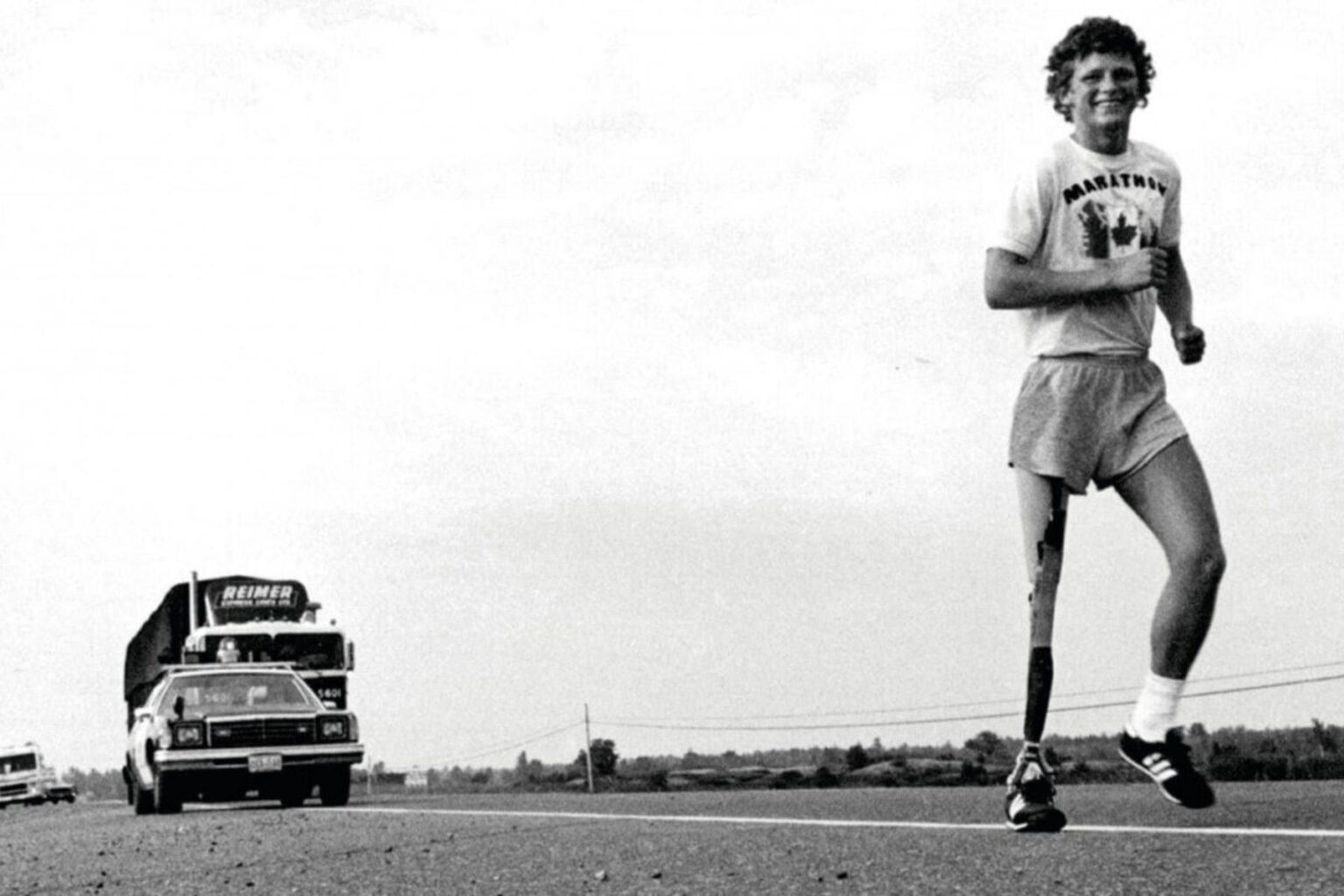
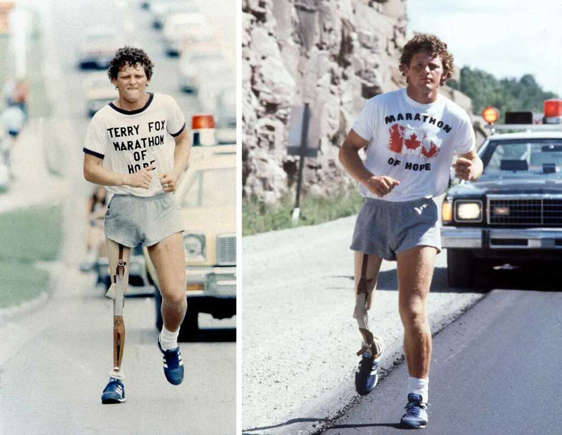


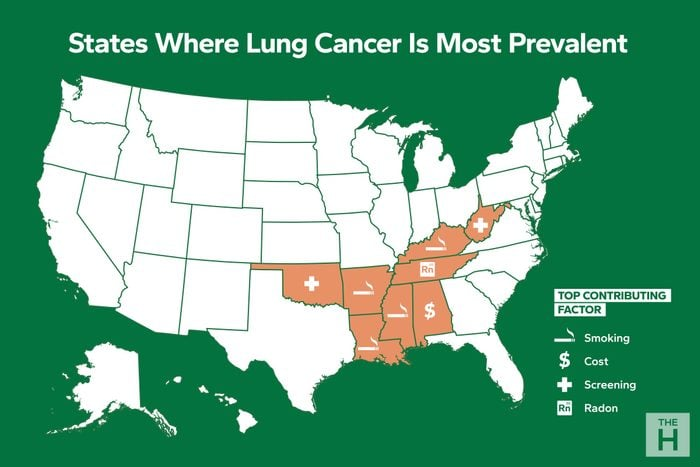
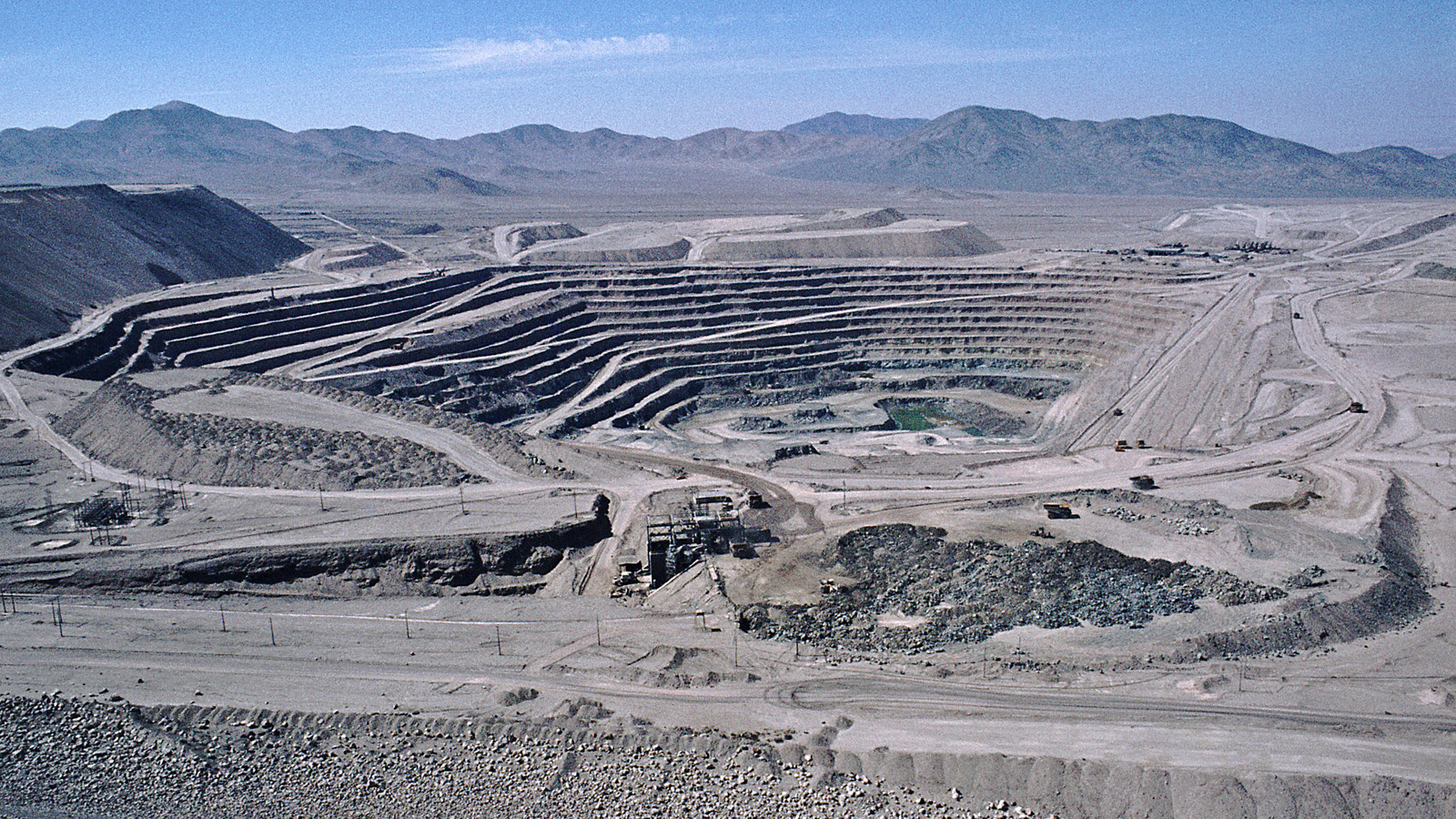

 If you enjoy fascinating facts, weird borders, and mind-blowing population trends, hit that follow button! Let’s explore the world together!
 #GeographyByGeoff


 you might collapse. Joke!


 “SOUL IDENTITY REVEAL”


 Embrace pain instead of avoiding it


 —symbols of intense love, wisdom, and transformative energy. Their name comes from the Hebrew word meaning “the burning ones” or “those who blaze,” in reference to their inherent energy that ignites consciousness.
 shaking and awakening. Often misunderstood, their light is too intense for eyes accustomed to darkness. Yet with each step, they leave behind a fire that invites awakening, a call to remember who we were before the world made us forget.
 They naturally trigger hidden wounds and fears in others. Not to hurt—but to bring out and heal the parts of the self long suppressed, enabling deeper understanding and liberation.
 They don’t just teach through words—they teach through experience. Every encounter with them is an initiation—painful, disruptive, but always followed by growth.
 Their light not only heals—it also illuminates parts of your life or self that need realignment. Their light is transformative—not just calming, but awakening.
 Incarnated Seraphim are living mirrors—you see in them aspects of yourself you may not want to face. And because of this, you are forced to be real with yourself, even when it hurts.
 They don’t just teach love for the light. They help you embrace your darkness—your insecurities, traumas, ego, and all rejected parts—because they know this is the key to wholeness.
 They have the ability to dismantle illusions—of ego, superiority, victimhood, or separation.
 They don’t move to control or judge, but to push you toward freedom—from trauma, systems, and beliefs that no longer serve your spiritual evolution. Their ultimate purpose is soul liberation.
 Their love isn’t always soft and fluffy—sometimes it’s love through disruption. But it’s always rooted in truth and authenticity. If they love you, they will challenge you—for your highest good.
 They are spiritual earthquakes—not to destroy your life, but to shatter old structures that no longer align with your true self. They shake to awaken.
 Because I’m dazzling !!!
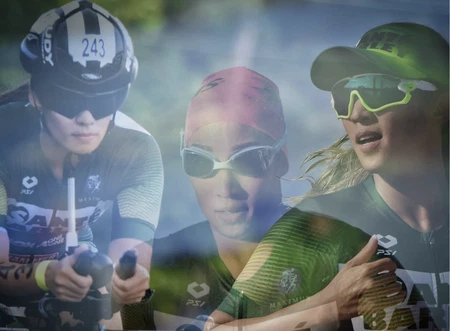


 From chemo to Ironman World Championship, I refused to let cancer stop me.


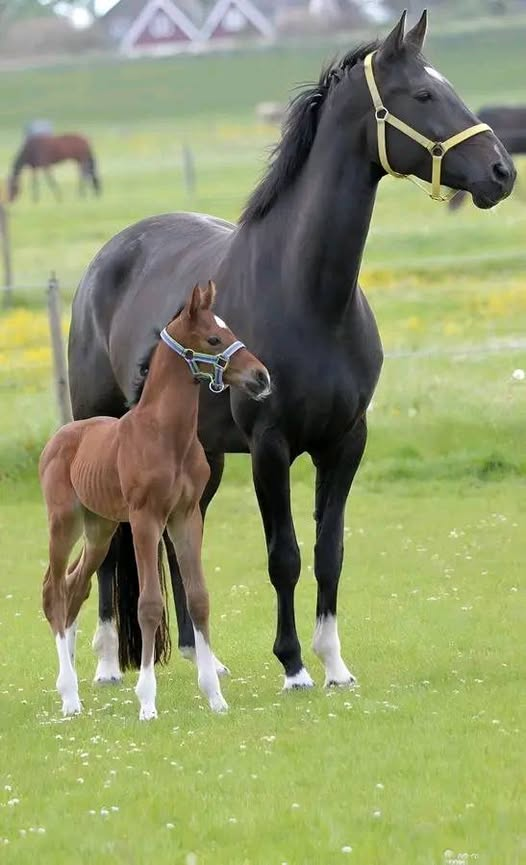


 From the first time he saw Secretariat, Ron Turcotte knew this horse was special. He loved Secretariat’s playful spirit, his easy disposition, his co

 To think 52 years later Secretariat still holds the records for the fastest Kentucky Derby, Preakness and Belmont is mind blowing