How Trump did it again: He’s been shot, sued, put on trial, written off and endlessly branded a fascist. Now Donald Trump has defied his critics to crush his opponents once more.
Central to his battle with Kamala Harris were the seven crucial swing states of Arizona, Georgia, Michigan, Nevada, North Carolina, Pennsylvania and Wisconsin, yet despite polls showing the pair ‘on a knife edge’ Trump is now set to win them all and – in contrast to 2016 – the popular vote too.
Dailymail.com pollster JL Partners was one of the very few to correctly predict Trump would win both the electoral college and the popular vote.
His triumph would have been impossible without a huge surge of support from black and Latino Americans at the same time as women voters – who liberal pundits had hoped would push Harris to victory – failed to turn out for her as expected.
It marks an astonishing moment of political redemption for a man who was written off after his 2020 loss to Joe Biden before facing a string of unprecedented legal cases and, finally, two shocking assassination attempts.
As so often with Trump, his win marks a series of firsts, with the Republican becoming the first former president to return to power since Grover Cleveland in 1892, the first person convicted of a felony to be elected and, at 78, the oldest person elected to the office.
And just as typically, pollsters who continually forecast the election as too close to call were proved spectacularly wrong. Yet ordinary Americans placing bets on the result appeared to be in less doubt about who would win, with the odds of a Trump winning placed at 62 per cent within hours of the polls opening.
Even as the results started rolling in for Trump, many pollsters maintained that Harris stood a decent chance of winning last night. James Johnson, of JL Partners, can count himself among a tiny minority who correctly predicted a definitive Trump victory. He believes traditional pollsters are consistently missing Trump voters, who don’t trust the establishment and won’t engage with ‘some weirdo’ who phones up asking how they intend to vote.
‘They’ve made the same mistakes for the last three election cycles,’ he said. ‘Every time they have missed this elusive voter who is white, male, lives in the countryside, probably hasn’t got a college degree and who doesn’t trust the media. ‘These people live normal lives. They are blue collar workers who are probably pulling factory shifts.
They don’t fancy telling some weirdo how they’re going to vote, they’ve got much better things to do. ‘Unless they drastically overhaul the way they work, pollsters will continue to miss these people.’ As well as the white working class, traditional polls also missed the big contingent of Hispanic and black Trump voters.
Mr Johnson says this is because those people are very difficult to pin down, and may not be honest in a quick vox pop-style interview. ‘They’re less engaged and less trusting, and many of them are just too busy,’ he said. ‘It’s incredibly difficult to get through to people who are juggling two or three different jobs.
‘With the non-white voters, there is a big social desirability bias. It’s still a bit awkward in a lot of black or Hispanic communities to say that you’re a Trump voter. ‘Only by conducting 60 or 90 minute interviews will you get down to what they really believe. You start to see how they view the world.’
Mr Johnson said he conducted many long interviews with Hispanic voters in swing states. In the first five or 10 minutes, they wouldn’t say they are voting for Trump. But after an hour, they started telling him they were deeply concerned about illegal migration.
One Asian American in Detroit told him: ‘I came to this country the right way. I don’t want to lose the country I came to.’ He said another mistake made by traditional pollsters is to think that black people will automatically prefer a black candidate.
In fact, many black men did not like Kamala because they saw her as weak, and did not appreciate her endorsements from white elites like Taylor Swift. One mixed-race factory worker from Tennille, Georgia, said: ‘If you think white men have a problem with black women, wait until you hear what black men think.’
Respected American pollster Ann Selzer was among those who got it devastatingly wrong. She projected Kamala Harris would pull off a shock win in the swing state of Iowa. She predicted a very high percentage of older women were preparing to turn out for Harris, but Mr Johnson said: ‘They are just the most likely group of people to give the time of day to somebody who calls them up, because they love a good natter.
That’s why Ann Selzer screwed up so badly.’
Mr Johnson said his more successful approach involved engaging voters where they normally look – such as in mobile phone games, where they would be offered in-game rewards for completing surveys.
While professional pollsters once again flopped, a more prescient perspective was provided by the betting markets – which enjoyed a surge of custom as Americans were allowed to bet on the result for the first time. Polymarket and Kalshi respectively gave Trump about a 62 percent to 38 percent and 59 percent to 41 percent lead over Harris a few hours after polls opened.
Meanwhile, a spokesman for Betfair Exchange claimed it had ‘now correctly predicted 23 of the last 25 major elections across the world’. In state after state, Trump outperformed what he did in the 2020 election while Harris failed to do as well as Biden did in winning the presidency four years ago.
For all of the showmanship, profanity and name-calling, Trump ultimately won over voters with grand promises to improve the economy, block the flow of immigrants on the southern border and his siren call to ‘make America great again’. Overall, about half of Trump voters said inflation was the biggest issue factoring into their election decisions.
About as many said that of the situation at the US-Mexico border, according to AP VoteCast. He also sold them the promise of the largest mass deportation effort in US history, although he has not explained how such an operation would work. And he is threatening to impose massive tariffs on key products from China and other American adversaries, which economists warn could dramatically boost prices for average Americans.
The pivotal moment came when North Carolina was called for Trump at 11:19pm (ET). Then, the quiet crowd at the official Republican watch party, held in a convention center in Florida’s West Palm Beach, erupted in a release of nervous energy. At the same time, the mood at Trump’s Mar-a-Lago resort – where he was sitting amid friends and family watching the results roll in – switched from cautious optimism to ‘a sense of destiny’, one attendee said.
Later at the convention center in the early hours of Wednesday morning, Trump was joined on stage by his jubilant family and campaign staff, as he addressed his adoring fans and declared: ‘We’re going to help our country heal.’ ‘This was, I believe, the greatest political movement of all time,’ he said. ‘This is a magnificent victory for the American people, that will allow us to make America great again.’
Their only hope is to win a House majority built mostly through key suburban districts in California and New York, but that was far from certain early on Wednesday. And either way, the results shrink Democrats’ geographic footprint and, with Mr Brown’s loss, diminish the kind of working class voice that can counter Mr Trump’s appeal.
Trump already succeeded in painting Democrats as out-of-touch culturally with middle America. Now Democrats are left to wonder how to reconnect with parts of the country and slices of the electorate that rejected them.
After announcing he would run again back in November 2022, Trump comfortably saw off other Republican hopefuls – including Florida Governor Ron DeSantis and former governor of South Carolina Nikki Haley – to secure the Party nomination in March this year.
Entering the summer, he held a comfortable polling lead over Biden, 81, whose record on the economy and immigration, as well as the obvious problem of his advancing age, were proving disastrous among voters.
The now notorious CNN television debate between the two presumptive nominees on June 27 – in which Biden froze and mumbled, appearing unable to clearly answer even basic questions – only helped Trump.
On July 13, while addressing crowds at a rally in Butler, Pennsylvania, the bullet of would-be assassin Thomas Matthew Crooks ripped through Trump’s right ear. After being swarmed by Secret Service agents, Trump rose to his feet – his shoes missing and his face bloodied – pumping his fist in the air and shouting: ‘Fight! Fight! Fight!’ Just days later, he received a hero’s welcome in Milwaukee, Wisconsin, at the Republican National Convention.
MAGA fans donned mock bandages on their ears in solidarity with the former president and, in a stirring speech on the final night, Trump told a packed-out convention center that he would be a ‘president for all of America’. But, just three days later, everything changed. Holed up in Camp David with his family, Biden posted a bombshell letter on X announcing that he was withdrawing from the 2024 race.
‘I believe it is in the best interest of my party and the country for me to stand down and to focus solely on fulfilling my duties as President for the remainder of my term,’ he wrote, before endorsing Kamala Harris as his replacement on the Democratic ticket within the hour.
Harris swiftly corralled support, raking in more than $100 million in donor cash in 24 hours. As she formally accepted the party nomination at the Democratic National Convention in Chicago the following month – a star-studded event featuring the likes of Oprah, Eva Longoria and Kerry Washington – she was polling comfortably ahead of Trump.
Harris then trounced Trump in the first and last TV debate between the pair on September 10. His wild accusation that Haitian migrants were ‘eating the dogs […] eating the cats’ of American citizens was an instant internet meme.
In fact, such was Harris’s surging popularity that a second attempt to assassinate Trump – on his West Palm Beach golf course just days later – barely moved the needle. Fresh pain came for the Trump campaign as his running mate – and now the Vice President-elect – Ohio Senator JD Vance, was hit by a string of disinterred comments in which he attacked female Democrats.
In the most damning, from a 2021 interview, he called Harris, and other women who don’t have children of their own, ‘childless cat ladies who are miserable at their own lives’. Indeed, a gender divide swiftly became a key feature of the 2024 race.
Trump’s role in helping to reverse Roe v Wade in 2022, removing the constitutional right to an abortion and returning the decision on related laws to the states, has proven particularly unpopular with female voters.
The final ABC/Ipsos poll, published this Sunday, had Harris with an 11-point advantage among women. In the end, however, it seems abortion wasn’t the silver-bullet issue Harris had hoped for.
In Florida, Governor DeSantis’s controversial 6-week abortion ban was also on the ballot. But, despite having won every other pro-abortion ballot measure since Roe v. Wade was overturned, Democrats failed for the first time on Tuesday, falling short of the 60 percent of votes needed to overturn the Florida ban.
This time around, he controls the Republican National Committee with his daughter-in-law, Lara Trump (pictured with husband Eric in October), at the helm
Trump, meanwhile, has made substantial inroads with male voters this year. Despite liberal criticisms that he and Vance were making the campaign – complete with a shirt-ripping Hulk Hogan – too ‘bro-tastic’, it appears a strong male voter turnout helped Trump clinch it in the end.
In recent weeks, Harris’s healthy poll lead waned, as she finally buckled to pressure to submit herself to rigorous TV interviews. Her rambling and often incoherent answers to questions drew ire even among fans, with veteran Dem strategist David Axelrod last month accusing Harris of going to ‘word salad city’.
In the final days of the campaign, pollsters were almost unanimous in their verdict: this race was too close to call. Some Trump-friendly analysts, however, pointed to the fact he is consistently under-polled, and that a dead-heat suggested he had the advantage.
Certainly, the immigration crisis on the Southern border, the state of the economy and inflation, as well as the Biden-Harris administration’s record on foreign affairs – from the botched Afghanistan withdrawal in 2021, to Russia’s 2022 invasion of Ukraine, and the outbreak of war in Israel last year – all worked in Trump’s favor.
Following his victory, Trump must now prepare for government once again, undoubtedly drawing from a band of MAGA loyalists who have stuck with him through roiling controversies.
In 2016, he brought in officials from the Republican National Committee as well as from the armed forces who were seen as moderating influences. Trump, meanwhile, has made substantial inroads with male voters this year. Despite liberal criticisms that he and Vance were making the campaign – complete with a shirt-ripping Hulk Hogan – too ‘bro-tastic’, it appears a strong male voter turnout helped Trump clinch it in the end.
In recent weeks, Harris’s healthy poll lead waned, as she finally buckled to pressure to submit herself to rigorous TV interviews. Her rambling and often incoherent answers to questions drew ire even among fans, with veteran Dem strategist David Axelrod last month accusing Harris of going to ‘word salad city’.
In the final days of the campaign, pollsters were almost unanimous in their verdict: this race was too close to call. Some Trump-friendly analysts, however, pointed to the fact he is consistently under-polled, and that a dead-heat suggested he had the advantage.
Certainly, the immigration crisis on the Southern border, the state of the economy and inflation, as well as the Biden-Harris administration’s record on foreign affairs – from the botched Afghanistan withdrawal in 2021, to Russia’s 2022 invasion of Ukraine, and the outbreak of war in Israel last year – all worked in Trump’s favor.
Following his victory, Trump must now prepare for government once again, undoubtedly drawing from a band of loyalists who have stuck with him through roiling controversies. In 2016, he brought in officials from the Republican National Committee as well as from the armed forces who were seen as moderating influences.
‘It wasn’t necessarily the act of making French fries or running the drive-thru window.
‘It was when he made his approach in the motorcade down the street in Bucks County in Feasterville [PA]. There were 10,000 people lining the street, ten deep on both sides, and that was not a crowd that we built.’ The McDonald’s stunt was meant to be unadvertised, but a local paper got hold of the details and published a story, bringing out a spontaneous crowd.
DONALD Trump has donned an apron to make French fries – as he tried out working at McDonald’s. The Republican presidential candidate worked a shift under the golden arches in the swing state of Pennsylvania today. He said: “I’m looking for a job. And I’ve always wanted to work at McDonald’s but I never did. “I’m running against somebody that said she did, but it turned out to be a totally phony story.”
In the end, an equally spontaneous and sizable voter turnout – both in early ballots and on Election Day itself – buoyed Trump to victory and kick-started a second term that no doubt will be as dramatic and consequential as the first.
‘If we’re not careful, we’re going to spend this country into oblivion.’
Most of the politicians in Washington, DC are focused on a push to spend trillions of more taxpayer dollars on President Biden’s agenda. But Senator Rand Paul is raising the alarm about all the money the federal government has already spent—that it doesn’t have.
“We’re rapidly approaching a milestone in our country, it’s not a good one: $30 trillion in debt,” Paul noted in a fiery Senate speech on Thursday, October 7, 2021. He said the federal government is accumulating “$2 million per minute” in new debt.
Why is the fiscal situation so out of control? The senator blamed the “bait and switch” politics of big government spending and the welfare state.
“People are saying we’re going to give you free college, free cars, free cell phones, free this, free that,” Paul said. “Everything in life will be free, you won’t have to work anymore. The problem is there are ramifications. Money doesn’t grow on trees… money has got to come from somewhere.”
“Either we borrow it… we tax people for it, or we simply print the money,” he continued. “When the Federal Reserve prints the money, as we increase the money supply, the money we already have becomes worth less and less. It loses its purchasing power. This is the insidious tax of inflation. Inflation is a regressive tax… it affects the working class, lower income people, and those on fixed incomes, much worse.”
Paul’s arguments come amid data showing that consumer prices have risen at the highest annual rates in 30 years. The senator blamed, in part, policy decisions and reckless spending at all levels of government for this harmful trend.
“Right now, we’re facing 5 percent inflation, because of the massive borrowing that really both parties instituted in the last year,” he said. “They decided that the result of the pandemic would be to close everything down, destroy the economy, and give everyone free money. It’s primarily been Democrats this year… but both parties have a certain responsibility for this.”
“As government gets larger and larger, people think they’re getting free stuff,” he continued. “But it’s not really free. This is the allure of socialism… it’s a false allure… socialism doesn’t work. It is this alarming tendency to want to offer everybody everything and say it’s going to be free. Many of these things backfire.”
The senator briefly explained how the federal government wound up nearly $30 trillion in debt. For one, he cites rampant waste like the feds’ spending millions on a study into whether cocaine makes quail more sexually promiscuous.
“Studies like that are littered throughout the federal budget,” he lamented. Within the bigger picture, the vast entitlement programs composing our welfare state are what’s driving us off a fiscal cliff.
“Medicare, Medicaid, Social Security, food stamps, other welfare, military… if you look at all that on an annual basis, before you get to the extraordinary binge of the last two years, we were already $1 trillion short every year,” Paul explained. “So last year we added a couple trillion more… and our deficit for one year was $3 trillion.
We’ve never borrowed that much. There are going to be ramifications. You’re already seeing some of the ramifications; prices in the grocery store going up, prices at the pump go up, prices going up faster than wages.”
Despite all these warning signs, many of Paul’s colleagues in Congress are pushing $4.5 trillion more in spending on top of it all. “If we’re not careful, we’re going to spend this country into oblivion,” the senator concluded.
He’s right. But it’s not too late to avert this path, if more of our elected officials wake up to our fiscal crisis and heed Rand Paul’s warning.
A bit more than a decade ago, One Big Ass Mistake America, with his first term occurring under united Democratic party rule, contributed just shy of $2.2 trillion in new spending during his time in office, or more than $1 trillion less than Biden.
The following are the Federal Fiscal Year budget deficits from the St. louis Fed starting with the year prior to the Trump Admin to present, 2016 – 585 billion 2017 – 665 billion 2018 – 779 billion 2019 – 984 billion 2020 – 3.132 trillion (pandemic relief programs) 2021 – 2.775 trillion 2022 – 1.376 trillion 2023 – 1.696 trillion 2024 – 1.834 trillion.
Then, add one billion dollars per DAY through 1-20-25.
In 2025, Interest on the Debt will be Trillion Dollars That is the total sum damage this admin has spent since he was inserted like a plumbing shit plunger device.
It is amazing how this incompetent and dementia ridden man was put in this position in the first place… this is why they are being replaced by people who understand the waste of public funds. You can’t just keep printing money …. with a hidden tax of 25% to 30% on everything we buy in the form of inflation.
Good point, but I fail to see the magic that will rebuild the Francis Scott Key Bridge, or the repairs to Transportation infrastructure from hurricanes and flooding during the past 6 to 9 months. These things generally require funding. You only have congress to blame for this madness.
They dilly dally around with the budget and who comes up short?
We the People… That’s right the very people we send them there to take care of. We elect both democrats and republicans to make sure the country is funded. Funding that is supposed to be available on October 1st. This process hasn’t been done on time in 29 years. So there you have it folks incompetence at its best.
Meaningful comments you say?
HMMM, FEMA withheld funding to Trump supporters, Biden/Harris and Mayorkas robbed FEMA funding dollars to fund Biden’s migrants, to what extent we don’t know yet. Biden’s request for “FEMA” funding isn’t all going to FEMA, if you look at his request for funding fine print you’ll see that is a fact.
And last but not least the current admin has ZERO credibility in regard to spending the taxpayers money wisely and even going to the extent of lying about where it’s going. Had enough yet? There’s a reason Joey got booted by his own party as well as a reason the Lib/Dems got Annihilated in the election.
The American people are fed up with their bs.
The Biden administration spent trillions of dollars we didn’t have on things we didn’t need. What a bunch of incompetent people. Well, Biden, Harris and Mayorkas raided just about every department to pay for the migrant invasion. Of course, they went into the DOT funds to pay for all the buses and charter flights to move them all over the country.
INVESTING IN AMERICA:
Biden-Harris Administration Announces More Than $4.2 Billion From the Bipartisan Infrastructure Law for Transformational, National Infrastructure Projects, (roads & bridges) Monday, October 21, 2024, This was taken from the DOT website.
How can you waste that much money in so short a time and see no results?
Much Like Kamala Harris Spending $1.5 Billion in 107 days on her failure 😉
During Biden’s Regime: How many billions were wasted on non-citizens?
Like the ones that murdered Laken Riley, Jocelyn Nungaray, & Rachel Morin?
How much was spent flying in millions from other countries?
How much was spent on the Hunter Biden’s Cocaine habit and what was on his laptop?
Hey Pothole Petey. What did you do with the budget?
Now we know where Biden has been getting all the money for Ukraine. The state dept says they have only spent 50 billion on weapons since 2022. add that to the pentagons unbalanced budget for the seventh time in a row. The fema budget that they claim has spent 1.4 billion on housing for illegals.
Biden’s administration has bled money like a jugular wound since 2021. No one can say where the money went and exactly how much has been spent. Add to that Biden sold the wall materials and our oil reserve to China. Also, all that money went to Ukraine. We need to know exactly what this man has taken from us Americans. Think we ever will?
It will take this rebuilt Trump administration a lot to even come close to straightening this mess out. Biden also robbed from Medicare to Pay Illegals to invade our border and now this. Next, they are leading us into WWIII and will blame it all on Trump.
CAMARILLO, Calif. — Al and Phyllis Nordquist lived in the same home on Garrido Drive for 53 years.
It’s where the couple raised their three kids and became empty nesters, grandparents and then great-grandparents. “It was just so peaceful, we thought this is where we want to spend the rest of our life,” Phyllis, 87, said.
But all of it was gone within minutes when the Mountain Fire tore through their neighborhood. The couple rushed to evacuate after a neighbor alerted them that the flames were closing in on their home.
“I said, ‘Well, let me get my Volvo out,’” Al, 89, recalled.
“He said, ‘No. He says, now. It’s going to hit.’ And he was right.”
The Mountain Fire in Ventura County, northwest of Los Angeles, started Nov. 6 and rapidly grew to nearly 20,000 because of winds. On Monday, it was 98 percent contained, officials said.
Before it was under control, thousands of residents were forced to evacuate and more than 200 structures, including the Nordquists’ home, were destroyed. Nearly all of the couple’s possessions were reduced to ashes.
“Basically, it was our life. Our whole life is right here where we lived,” Al said, standing outside what was left of his property. “I didn’t think, well, what would be left or not be left,” Phyllis said. “I just was hoping, whatever was left, at least, that we’d have pictures or something.”
When Al and Phyllis Nordquist returned to their home after evacuating because of the Mountain Fire, most of their possessions had been destroyed.
They were shocked to return home and discover one thing untouched among the rubble: a single bookshelf containing one of their most important possessions — their wedding album.
The fire spared irreplaceable photos from the day they married in 1961 ,a day Al calls “the best day of my life.” “I mean, we were young and in love and the rest of it just didn’t matter to me,” he said.
“I had her and I got the prize.”
For Phyllis, the album serves as a symbol of the life they started together 63 years ago.
And now, in their late 80s, it’s a symbol yet again as they rebuild.
“That was our beginning, and now we’re experiencing a new beginning,” she said.
The couple says their faith, love and community — including beloved neighbors who started a fundraiser to help them get back on their feet — will get them through.
“For some reason, I have great peace in my heart and excitement for what’s to come in the future,” Phyllis said. “It’s a place God provided for us,” Al said. “And also, we’re extremely happy to be here and to still own the property and be able to rebuild.”
This article was originally published on NBCNews.com
We are raising money to help our dear neighbors restart and rebuild their lives after losing their homes and everything they had to the Mountain Fire. Four homes on our street burned to the ground, and the homes next door suffered terrible smoke damage.
The money raised here will be split evenly among the Garrido Drive fire victims who could really use some help getting their lives back on track and the neighbors who need help with costly smoke remediation.
The families who need to rebuild are facing a multi-year process with insurance to rebuild and may not receive the full amount they need to repurchase home items, clothes and furniture, and smoke remediation can add up to thousands of dollars and is often not covered fully by insurance.
Here’s a bit more about our neighbors who lost their homes. Al and Phyllis Nordquist have lived on our street for 55 years and are the original owners of their home. They raised their family there with love and faith and have lost everything. They’re in their late 80’s, but they are determined to rebuild their family house and call Garrido Drive home once again.
Adam and Maddie Zack and their young daughter moved to Garrido Drive three years ago. Adam operates a tugboat, and Maddie grew flowers for her business from the backyard of their house, so losing their home is also losing business and income to their family. Their daughter is just starting school, and she loves Harry Potter and Hello Kitty.
Dick & Sherie Galante have lived in their home, formerly owned by Dick’s parents, since the 1990’s. Dick just returned home from the hospital one month ago from reconstructive gastrointestinal surgery. Their home was their own art gallery with three generations of antiques collected by their families, and more than 300 sculptures made by Sherie’s father, Lou Rankin, a sculptor who made art for the White House and global art events. Those sculptures and memories were all destroyed, but the Galante’s say there is nowhere else they could imagine calling home and are determined to rebuild.
We live across the street from Al & Phyllis and have lived next door to all these families for almost a decade. We launched this fundraiser to help our friends and neighbors start the journey to normalcy because our home was spared. Two thirds of the money from the fundraiser will be given to the families who lost their homes on our street, and the remaining third will be given to any neighbors with smoke or flame damage to their homes that need help reaching their insurance deductible. We plan to run the fundraiser for one month, and dispense checks to our neighbors after 2 weeks and then again at the end of the month!
There are five locations scattered around the world: Okinawa, Japan; Loma Linda, California; Sardinia, Italy; Nicoya, Costa Rica; Ikaria, Greece. These “Blue Zones” as they were named by Emmy award winning and adventurist Dan Buettner, are in various geographic regions around the world. They represent the areas that have the longest life expectancy WITH the lowest cancer, diabetes, heart disease rates.
Once Buettner and his team took a closer look into their cultures, diets & qualities of life. He was able to see similarities to get to the core of what makes these communities different from the rest of the world. Where there are a multitude of factors that play into a long healthy life, one of the primary factors discovered here was diet.
Each of these areas plates might look different, they do have some base similarities in eating predominantly plant based, at least a half of a cup of greens and one cup of beans a day. Each group would eat “real, unprocessed foods, mostly plants. Rich in beans and other legumes and whole grains, and starchy vegetables, fresh fruits and greens, and other vegetables. In other words, every Blue Zone ate some variation of a whole foods, plant based diet.” (1)
Most of the five areas do eat small amounts of meat, drink water, tea, coffee, & red wine & eat whole grains. The only one that is strictly against drinking alcohol is the Adventists of Loma Linda; of this group most of whom are also vegan or vegetarian. The Adventists are the longest living group on the planet and as they are intentionally preserving this way of life, they may soon become one of the last Blue Zones as Western Ideals & Manufacturing spreads further around the globe.
The bottom line from this article is that the healthiest and longest living people in the world eat food, mostly plants. If they are doing it to this day, you can too.
If you’d like more information about the Blue Zones and other research they’ve found, please go to www.bluezones.com.
(1) Mackey, John; Pulde, MD, Alona; and Lederman, MD Matthew. (April 2017) The Whole Foods Diet, pp 83.
The Okinawa Centenarian Study is a study of the elderly people of Okinawa, Japan. The study, funded by Japan’s ministry of health, is the largest of its kind ever carried out. Over the years, the scientists involved have had access to more than 600 Okinawan centenarians.[1]
The elderly of Okinawa enjoy what may be the longest life expectancy in the world, and are also known for enjoying relatively good health while doing so. The three leading killers in the West—coronary heart disease, stroke, and cancer—occur in Okinawans with the lowest frequency in the world.[2]
The goal of the study is to find out why this is the case.
Compared to Westerners, the islanders age slowly and are about 80% less likely to get heart disease. They are also a quarter less likely to get breast or prostate cancer.
Additionally, they have half the risk of getting colon cancer and are less likely than Westerners to get dementia. On average they spend 97% of their lives free of any disabilities.[1]
The average age of the inhabitants reaches 88.1 years and is the highest life expectancy for the Greeks, more than 79.8 in the country.In fact, people in Ikaria live on average ten years longer than those in the rest of Europe and the United States. Approximately one in three Ikarians live into their nineties. They not only live longer, however, but better, as well—at least where it concerns their health.
With Longer Average Life Spans, Here’s What Loma Linda Residents Teach us About Longevity | KTLA. The U.S.’s only Blue Zone is a haven for the Seventh-day Adventist Church, a Protestant denomination. A shared set of principles, emphasis on community and adherence to the Sabbath—a day of rest, reflection and recharging— help Loma Linda Adventists live 10 years longer than their fellow Americans. Many avoid meat and eat plenty of plants, whole grains and nuts.
In Nicoya, Costa Rica, where average incomes are among the nation’s lowest, the average life span is 85 — among the world’s highest.
Perhaps the most enchanting thing about the serene and beautiful Nicoya Peninsula in Costa Rica is that it’s a blue zone, or an area where people regularly live to be 100 years old.
ULTIMATE Guide to the Nicoya Peninsula and Best Things to do!
This blog may contain affiliate links. Read our disclosure policy for more info.
The Nicoya Peninsula is the largest peninsula in Costa Rica and includes two of the most visited provinces in the country – Guanacaste and Puntarenas. Its popularity lies in the fact it’s one of the top surf destinations in Costa Rica, and it exudes a laid-back, hippie vibe that so many people flock to so as to escape from the real world.
On this stretch of the Pacific Coast, there are miles upon miles of sandy beaches, charming surf towns, and epic activities like zip lining, scuba diving, fishing, and horseback riding. And did I mention world-class surfing here? If you’re big into surfing, you just have to visit the Nicoya Peninsula!
To help you plan your upcoming vacation to the Nicoya Peninsula, here are 7 of the most popular towns to visit on the peninsula and 15 of the best activities. I’ve also included a detailed guide on the region, including the best hotels to stay at and how to easily get around the peninsula.
About the Nicoya Peninsula
Just enjoying a SUP on the small waves in Samara!
The Nicoya Peninsula is one of only five Blue Zone areas globally, which means that people here live the longest and are among the healthiest people in the world. This healthy, laid-back lifestyle attracts thousands of visitors every year to this 121-kilometer-long (75-mile) stretch of land on the Pacific Coast of Costa Rica.
This area includes Guanacaste and Puntarenas provinces and is notorious for epic surf, chilled-out beach towns, and fun adrenalin-pumping activities like zip lining and ATVing.
Some noteworthy towns here include Santa Teresa, Nosara, and Samara – all large towns with lots of restaurants, hotels, and activities.
Nosara is a more upmarket town with a great surf beach (Playa Guiones), and it’s also known worldwide as a great place to practice yoga.
Santa Teresa attracts a younger crowd, and as a result, it’s a great place to party and surf – some of the best waves in Costa Rica can be caught at “Suck Rock” or Playa Hermosa near the town.
In contrast, the small town of Samara has a more hippie vibe and is home to the gorgeous and secluded Playa Izquierda.
Some smaller towns on the Nicoya Peninsula include Montezuma, Paquera, Playa Ostional and Manzanillo.
Without a doubt, the Nicoya Peninsula is one of the most popular destinations home to some of the best things to do in Costa Rica.
Is the Nicoya Peninsula worth visiting?
Is the Nicoya Peninsula safe?
When is the best time to visit the Nicoya Peninsula?
Is the Nicoya Peninsula busy?
What is the best airport to fly to when visiting the Nicoya Peninsula?
Getting around the Nicoya Peninsula
A bus that travels from Montezuma to Santa Teresa
Most tourists come to the Nicoya Peninsula from San Jose, the closest large city to the peninsula and where the San Jose International Airport is located. With that said, you can also access the Nicoya Peninsula from Liberia with the distance being very similar.
The fastest way to get to the Nicoya Peninsula from San Jose and Liberia is to hop on a short flight from either airport to Tambor Airport, and these flights operate several times per day and will take just 30 minutes. The flights are operated by Sansa Air – Costa Rica’s domestic air carrier. Expect to pay around $120 USD for each flight one way. Please note, Tambor Airport is located in the south of the Nicoya Peninsula and is the only airport in the area.
If you have a rental car, you can easily drive to the Nicoya Peninsula from San Jose; you will need to go on Route 27 for two hours to Puntarenas and then hop on an hour-long ferry to Paquera. Discover Cars is my go-to car rental service in Costa Rica and they have a pick up location in San Jose!
Once in Paquera, head to the town of your choice. If you don’t have a rental car, you can hire a private driver or catch a cab, but this can be costly!
This shuttle from San Jose is a great option to take you anywhere on the Nicoya Peninsula from San Jose International Airport. It also operates up and down the peninsula, so you can book it to get between the towns here; it’s comfortable, reliable, and reasonably priced.
From Liberia, you can do the same. This specific shuttle will take groups from Liberia Airport to most locations on the Nicoya Peninsula including Santa Teresa, Samara, and Nosara.
Once you’ve arrived on the Nicoya Peninsula, you will notice that the roads here are in bad condition, and so if you want to drive yourself, you will need to rent a 4WD car. Alternatively, there’s a daily shuttle service between the towns here that is operated by Tropical Tours Shuttles (based in Santa Teresa); you can check availability and prices on their website. I have used them a lot, and they are reliable!
For getting around each town, there are known locally as ‘collectivos,’ a shared taxi system typically operated in a small bus or minivan. They are sparse in some smaller towns like Montezuma and Paquera but are readily available in Santa Teresa, Samara, and Nosara.
It’s worth noting that most of the towns here are small, so they are easily navigated on foot or you can rent a scooter/ ATV. This is my personal choice when visiting as it’s super convenient!
Public buses operate on the hour between Santa Teresa and Cobano and Montezuma and Cobano, stopping several times along the way. There is also a public bus between Samara and Nosara, which is easy to use. When traveling between towns such as from Montezuma to Nosara though, these routes are very complex and take a lot of time, so taking a shuttle is best.
Remember, even though a place looks close on a map, many of the coastal roads cross rivers and are not commonly used. For this reason, please plan ahead and reach out if you have any questions about specific routes.
Best Time to Visit the Nicoya Peninsula
This is the best time of the day in Samara!
The best time to visit the Nicoya Peninsula for a relaxing holiday is during the dry season from December to April. During this time, the weather is beautiful and the towns are filled with visitors.
Of course, this means you must book your trip in advance – especially accommodation. You should also consider making dinner reservations at popular restaurants over the Christmas and New Year periods.
The wet season on the Nicoya Peninsula runs from May until November, and this is known as the best time to surf. It is also much cheaper to visit the Nicoya Peninsula during this time!
Most Popular Places to Visit on the Nicoya Peninsula
1. Montezuma
Walking along Cocalito Beach from Montezuma!
Montezuma is a small town yet to break onto the busy tourist trail in Costa Rica. Although it still receives a healthy dose of tourism, Montezuma has held onto much of its authentic laidback Costa Rican vibe compared to Santa Teresa, Samara, or even Nosara. This makes it a great place to visit!
Despite being such a small village, Montezuma offers some great things to do. These include tours to spectacular islands, beautiful waterfalls, and even two nature reserves nearby!
One of the most popular things to do from Montezuma is to go on a day trip to Tortuga Island, a small island within the Islas Negritos Biological Reserve. It’s home to fantastic snorkeling, white sand beaches, and many coconuts! Tortuga Island is just a 45-minute boat ride from Montezuma. The boat journey is so scenic, and you’ll be spoiled with fantastic views (you’ll also get to see Cocalito Falls!)
The snorkeling here is the best I have seen in Costa Rica – even better than Caño Island! After this, the boat drops you on Tortuga Island for a delicious lunch and plenty of drinks (beers, juice, and pop.) You’ll have a few hours to relax, play volleyball, kayak, or drink many coco locos.
Another fantastic day trip from Montezuma is to visit the stunning (and free) Montezuma Waterfall. In fact, this is one of the few free waterfalls you can see in Costa Rica. It’s an easy walk from town to the falls.
One of the most relaxing things to do in Montezuma is simply to chill on Montezuma Beach, the main beach in the town. During the day, it’s filled with beachgoers, and at sunset, it feels like the entire town is on the beach. And at night, people party around bonfires until the early hours. It’s easily one of my favorite beaches in all of Costa Rica!
After you’re done exploring, there are plenty of great restaurants to check out in Montezuma including one of the best Italian restaurants in Costa Rica!
Montezuma is the perfect place for the laid-back hippy type who want very little traffic, chilled vibes, and limited services. I personally love Montezuma – it is a highlight of the Nicoya Peninsula!
Where to Stay in Montezuma
Luminosa Montezuma Hostel – $
For budget travelers, Luminosa Montezuma Hostel is the top choice in town. Although located a short walk from town, the hostel is right on the beach in a beautiful area of Montezuma.
Rooms options include both shared dorms and private rooms. Rates begin at $30 USD/night. You can book the hostel on Hosteworld here or Booking.com here.
Hotel Cabinas Mar Y Cielo – $$
Another great place to stay is Hotel Cabinas Mar Y Cielo which falls into the low to medium budget category. Again this hotel is located right on the beach, and their rooms come with sea views which I love
All of the rooms have private bathrooms. Rates begin at $72 USD/night. You can make reservations online here on Booking.com.
One of my friends caught a wave for the first time!
This small coastal town is built along Santa Teresa Beach – which is notorious in the surfing world. In fact, it attracts thousands of surfers every year!
With that said, Santa Teresa is so much more than just a surf town. These days it’s the ideal place for a beach getaway with lots of cafes, restaurants, and beach clubs. On top of that, there are a ton of awesome things to do in Santa Teresa, and these include exploring nature reserves to practicing yoga!
The entire town lines one long street that stretches from South Santa Teresa to North Santa Teresa. Walking from one end to the other is a challenge. In fact, the entire street is over 3 kilometers (1.8 miles) long. However, there are no sidewalks, so walking along the highway can be dangerous and not overly pleasant. This is why renting an ATV or side by side has become the best way to get around Santa Teresa.
You can pretty much surf all up and down the coast at Santa Teresa. High tide is always the best time which is also when it’s most crowded. A few popular surf breaks include “Suck Rock,” across from Red Palm Villas and Resort.
A small point break I love is located to the south of town near Mal Pais. To find it, drive to this point and then walk right along the beach. You’ll eventually come to a small secluded bay. Here you can paddle out and surf the wave that hugs the rocks to the left of the bay. This point break is only surfable at high tide, but you can often surf here without the crowds.
For those with experience, there are so many places to rent surfboards in town so bringing your own board is optional. If you’d prefer to learn from a professional, this specific lesson is top-rated in Santa Teresa and comes with go pro photos/ video, your board rental, and a rash guard UPF 20+.
Overall, Santa Teresa is a trendy town that’s often packed with tourists. Although it still has a laid back vibe it is certainly getting busier each year, and to be honest, this has turned me off visiting recently.
Where to stay in Santa Teresa
Lost Boys Hostel – $
For budget travelers, I love Lost Boys Hostel. They have reasonably cheap dorm rooms, but the hostel is fantastic! Huge pool, restaurant, kitchen, treehouse, and friendly atmosphere. On top of that, they host a ton of events and tours. The location is also central, so you’re not too far from anything.
Rates for a dorm start at about $36 USD per night. You can check availability and book on Hostelworld here.
Santa Teresa Surf Vista Villas – $$
Those with a larger budget can find some really great hotels in Santa Teresa. If you don’t mind being up on a hill, Santa Teresa Surf Vista Villas is such a gorgeous hotel because of the breathtaking views. They have a pool overlooking the ocean and offer yoga classes.
The sleepy coastal town of Sámara is often the go-to choice for a family getaway on the Nicoya Peninsula. The town is rather quiet and very safe which I love. It’s also a great place to try your hand at surfing. That’s because Sámara’s rather protected bay means the swells here are much calmer than nearby towns such as Nosara and Santa Teresa.
On top of that, Sámara is home to tons of amazing things to see and do. A short drive out of town has you exploring waterfalls in the mountains, and on a short trip out to sea, you can snorkel with marine life or enjoy a cocktail on a sunset cruise. Sámara really is a top choice!
Although Sámara Beach is much calmer than other surf towns, there are still some waves to surf. The best part is that beginners can relax and enjoy the surf a lot more because the waves in Sámara are smaller and much lighter.
The best time to surf in Sámara is at high tide, and during this time, the water is busy – especially if the high tide is at sunset! If you’re an experienced surfer, you can rent surfboards on the beach.
A hidden gem in Samara is Izquierda Beach, a 45-minute walk from the town. The beach is typically people-free and what’s super-cool about this beach is that when the tide goes out, there are lots of little tidal pools to swim in and relax in.
If you love waterfalls, I highly recommend visiting Belen Waterfall, which is around 25 minutes from Sámara by car. There are some small pools at the top of the waterfall to relax in, and it’s a beautiful place to spend a few hours.
On the beach in Samara, you’ll find tons of fantastic restaurants and beach clubs. The town certainly focuses on local produce and you can really tell with the fresh ingredients.
I personally love visiting Samara and enjoy the small-town feel with very little traffic. It’s one of those places you can visit barefoot and still explore!
Where to stay in Samara
Las Mariposas – $
If you’re on a budget, there are many options, but not many are good. Las Mariposas is my top choice, with its location only 100 meters from the beach. The hostel has a great atmosphere for meeting other travelers and is suited for the social backpacker.
If you consider yourself a mid-range traveler, then I actually have a great choice for you (catering to couples and families). Hotel Entre Dos Aguas is a rustic hotel with simple amenities on a beautiful property. Perfect for those who want a true Costa Rican stay.
Rates begin at $60 USD/night. You can book a room at Hotel Entre Dos Aguas here on Booking.com.
Over the years, Nosara has changed from an off-the-beaten-path surf break to a bustling tourist town a little more bougie these days than hippy. Of course, this won’t suit everyone because the cost of staying in Nosara can be expensive. However, with epic surf almost all year round and a safe environment for visitors,Nosara is a top destination for surfers, families, couples, groups, and, well, everyone!
The number one reason people started coming to Nosara in the first place was because of the beach breaks at Guiones Beach. There are both left and right waves on Guiones, and with 7 kilometers of beach, there’s plenty of space for everyone.
There are waves to surf all year round. However, the best time to surf in Nosara is from March to November. This also happens to be the low season, so avid surfers enjoy the lower prices and lack of people. If you’re a new or inexperienced surfer, it’s best to do a lesson in Nosara. The swells here can be large, and having a guide with you, at least on your first time, is a great idea. As you can imagine, the town is filled with surf schools.
One of my favorite beaches along this coastline isPlaya Pelada which lies to the north of Guiones Beach. Here, there are tidal pools to the north of the beach and a blowhole to the south that shoots water into the air and makes a lot of noise.
The best spot in Nosara to refuel for the day ahead is at Destiny Cafe. This popular cafe serves up delicious breakfast and brunch meals with local ingredients and unique twists. It’s the best restaurant in Nosara in my opinion!
On the other hand, if you’re looking for an amazing place to enjoy a meal or sunset drink in town, look no further than La Luna. The restaurant has an oceanfront location on the south end of Playa Pelada; that’s stunning!
Nosara certainly doesn’t have the hippy backpacker vibe like Santa Teresa and Montezuma, it’s a high-end destination and to me, rather expensive. For this reason, my visits are usually short but I still absolutely love the town!
Where to stay in Nosara
It’s important to remember that you want to stay near Playa Guiones, not in Nosara. The town of Nosara is not near the beach and is also not where all the best restaurants and shops are. They are all in a small downtown area near the beach.
Selina Nosara – $$
For budget travelers, stay at Selina Nosara. Although this hostel pushes into the medium-priced category, it’s worth spending the extra money. The hostel has a beautiful pool and tons of free activities every day. This is without a doubt the nicest hostel I have ever seen!
Your options are much better for those with a little more to spend. My top choice is The Sunset Shack for around the $250 USD a night price range. The hotel is perfectly located, close to the beach, and has a pool.
Paquera is a small town on the southernmost tip of the Nicoya peninsula and has made its name by being the place from which many tourists catch the ferry to the Puntarenas. It’s a pity that most tourists just pass through this authentic Costa Rican town as, despite its small size, there’s a surprising amount of awesome activities on offer here.
From visiting nearby Isla Tortuga to exploring remote beaches and fishing, there’s an activity for every type of traveler here in Paquera.
Paquera is the closest (and the cheapest) place to hop on a tour to the famed Isla Tortuga, aka Tortuga Island. As detailed earlier, this small island is home to white-sand beaches and some of the best snorkeling in Costa Rica – you’re likely to see angelfish, moray eels, needlefish, and even spotted eagle rays. This particular snorkeling tour is highly recommended, and the boat departs from Playa Paquera (the main beach in town) and costs $50 USD per person.
Playa Organos is an isolated, hard-to-reach gem of a beach an 18-minute drive from Paquera. The beach doesn’t have many facilities, there are no toilets and just two small shacks on the beach, but it’s stunningly beautiful and a great spot for a swim thanks to the clear, calm waters!
Fishing is a popular activity here, and you can catch huge fish like sailfish, marlin, and tuna in the waters surrounding the town. In fact,booking a tour is the only way to try offshore fishing, and these leave the Paquera ferry landing at 7 am daily. For those with a keen interest in fishing, it’s a must-do!
For budget travelers, El Gecko Hotel is a social place to stay with a large garden with BBQ facilities and a lovely shared lounge. Some of the rooms even have a small kitchenette and fridge, so it’s a great option if you plan on spending a few nights in Paquera.
Eco Boutique Hotel Vista Las Islas Reserva Natural – $$
If you’re after a more luxurious option in Paquera, then why not consider Eco Boutique Hotel Vista Las Islas Reserva Natural, which has an infinity pool, private beach access, and views of the Gulf of Nicoya and the surrounding mountains. Accommodation here is bungalow-style and is spacious (all rooms come with a private balcony too!)
Playa del Ostional is home to one of the most amazing wildlife phenomena in Costa Rica. An arribada, as it’s called, is when hundreds of turtles come to shore to dig and lay their eggs on a beach at once. Playa del Ostional is a 20-minute drive (9.9 km) from the town of Nosara and people typically only visit for the day.
From Nosara, you can join a tour to the reserve for $60 USD per person. These leave very early in the morning or after dark and visit the beach during the arribada. You can literally see hundreds, if not thousands, of turtles at the same time. It’s one of the best experiences in Costa Rica! However, these tours pretty much only include transport to and from the beach. You can easily book these tours when you arrive in town; there is no need to book in advance.
However, if you want to learn (in-depth) about the turtles and the arribada, book your tour with the Wildlife Conservation Association. Their tour involves talking with an expert about the phenomena, transport, and a guided tour on the beach. This costs $150 USD but is the best experience available.
Additionally, Playa Ostional is a popular surfing beach, and some nice waves can be caught here!
Where to stay in Ostional
Cabinas Arribadas – $
There are limited accommodation options in Playa Ostional, but Cabinas Arribadas is a great, reasonably-priced option just 700 meters from the beach. It also features a restaurant, a large garden, and a shared lounge. The rooms here are shared dorm-style.
Rates begin at $70 USD/night for two guests. You can check availability and book online here on Booking.com.
Villas Punta India – $$
Another option isVillas Punta Indiawhich is a little further from the beach (a 12-minute walk away), the villas here are spacious and stylish, and there’s also an outdoor pool and restaurant.
Located just a 20-minute drive away from Santa Teresa, Manzanillo is known for its beautiful white sand beach as well as its snorkeling and scuba diving opportunities. It’s a popular spot with locals and doesn’t attract too many tourists – which I think is a shame because it’s one of the best beaches on the Nicoya Peninsula, in my opinion.
At low tide, it’s best to avoid the water at Manzanillo beach because there are many rocks and an exposed coral reef. But at this time, you can walk over the rocks to a shallow lagoon, which is a great spot for snorkeling. If you want to swim, then head to calmer waters 10 km (6.21 mi) north atPlaya Ario. Along the way, you will come across the Caletas Ario Wildlife Reserve, a unique area that protects sea turtles.
There’s a small beachside restaurant here; that’s a great spot to watch the sunset from. A kilometer away from the beach is a small village called Belo Horizonte, which has two grocery stores.
Where to stay in Manzanillo
CalaMocha Lodge – $$
There aren’t any hotels in Manzanillo, but there is a lovely lodge near the village of Belo Horizonte called CalaMocha Lodge. It’s a 4-star property with an outdoor pool, and each room has a private balcony. It tends to close at certain times of the year, so it’s best to check availability well in advance.
Surfing is one of the most popular things to do on the Nicoya Peninsula, and there is certainly no shortage of surf spots.
One of the best is Santa Teresa which is a well-known surf beach with great waves all year round. Surfers from all over the world come for the laidback lifestyle, cheap rentals, and pumping surf breaks.
Some of the best surf breaks in Santa Teresa include what is known locally as “Suck Rock”. Another good surf spot close by to this is La Lora, which can get very busy at high tide. For beginners or those less-than-confident on a board, check out Playa Hermosa for some gentle waves, or consider this specific lesson is top-rated in Santa Teresa. Renting a surfboard from Santa Teresa town costs $10 USD for 24 hours.
72 kilometers (45 miles) from Santa Teresa (a 2-hour drive away) is Sámara Beach, where there are much calmer waves to be caught. It’s the perfect place for beginner surfers, in my opinion. You can easily rent boards on the beach; a 1-hour rental starts at $4 USD per hour and $15 USD for the entire day. But, high-performance boards cost more. It’s best to go surfing in Samara at high tide but beware; it can be really crowded.
Another top surfing destination on the Nicoya Peninsula is Guiones Beach, a 17-minute drive (7.4 km) from the town of Nosara. Here, surfers from around the world descend upon this 7 km (4.3 mi) stretch of beach to enjoy the left and right waves. You can easily rent a surfboard in town and prices are similar to other towns on the peninsula, and start from $10 USD for 24 hours.
And finally, from the town of Montezuma, it’s best to head further north to Playa Grande or to the south to Playa Cabuya. That’s because the main beach in Montezuma town is very rocky and not suitable for surfing. If you don’t have your own board with you you can rent one from Playa Grande or Montezuma beach.
Regardless, surfing should certainly be at the top of your Nicoya Peninsula bucket list!
2. Visit Tortuga Island
The white sand and calm water are just magical!
Tortuga Island is one of the top destinations in all of Costa Rica and is an incredibly popular day-trip option for tourists to the Nicoya Peninsula. Tortuga Island (also known as Isla Tortuga) is one of the best snorkeling and diving spots we’ve ever visited! It’s a must-visit for nature-lovers when visiting the Nicoya Peninsula!
Montezuma is, in my opinion, one of the best places to join a tour to the island because of its close proximity to Tortuga Island. It’s only a 45-minute boat ride away! The tour includes stops at not one but two snorkeling spots – where you can get up close to turtles, sharks, and tropical fish. On the tour, you will be treated to lunch on the island, and you can play volleyball or go kayaking before heading back to Montezuma.
You can also easily visit Tortuga Island from Paquera and Santa Teresa. As a matter of fact, the closest town to the island is Paquera, and many of the tours from here are great value for money. A popular guided tour option isthis one from Paquera; it’s a small group tour and costs from $55 USD per person – allow up to 6 hours for this tour.
If you want to try scuba diving on this magnificent island, then, be sure to book a tour with Zuma Tours, their tours leave from Montezuma Beach.
3. Explore the Montezuma Waterfalls
This is the pool above the bottom waterfall and easily the best place to swim!
Montezuma Waterfalls is one of a small number of free waterfalls you can visit in Costa Rica. You can easily walk to Montezuma Waterfalls from Montezuma town. There are three waterfalls here (lower, middle, and upper). The lower falls are the easiest to get to and involve walking along the right-hand side of the river for 20 minutes until you reach the waterfall. Although easy to get to, the lower falls are not the best place to enjoy a swim.
Instead, walk back the way you came from the base of the lower falls around 100 feet (30 meters) and cross the river (you can do so over some rocks.) On the other side, you’ll see some ropes and eventually some steps. Walk up these steps, always keeping right whenever two directions appear. This brings you to the upper waterfalls and a great place to enjoy a swim. But this still isn’t the best place to swim!
From the top, you want to climb down to the middle waterfall, which is to the right. If you walk to the far side of the river, you’ll see ropes that help guide you down. It’s not a hard climb, but those with mobility issues should not attempt it. Once down the bottom, you’ll be in a gorgeous infinity pool above the lower falls! It’s so beautiful!
Although visiting Montezuma Waterfall is free, there is a 1,000 colones ($1.90 USD) fee (cash only) to use the trail up to the upper waterfalls. Be sure to bring suitable footwear and be prepared to get them wet.
I should note that a day trip to the falls is also one of the most popular things to do from the nearby town of Santa Teresa (a 40-minute drive away). You can reach the falls from Santa Teresa either by bus or ATV and trust me, it’s worth the effort!
4. Go fishing
These are just a few of the tuna we caught!
If you’re a fan of fishing, then the Nicoya Peninsula is the perfect spot in Costa Rica – in the waters here, you can expect to catch anything from tuna, mahi-mahi, wahoo, and snapper! The offshore fishing opportunities here are world-class.
The fishing on the Nicoya Peninsula is year-round, but the best months are between December and April for sailfish, and tuna and mahi-mahi are more commonly caught from September to January.
One of the best things to do from Santa Teresa is to go on a fishing trip because you can catch some huge fish like the ones mentioned above. What’s great too is how cheap it is – you can expect to pay $40 USD per person. This particular tour is an inshore fishing charter for only $300 USD for up to 6 people. That means with a full crew, it’s about $50 USD per person! Your captain will know what fish to go for depending on the time of year, currents, and tides.
Paquera is another ideal spot to go on a fishing tour; here, you can fish both the waters of Cabo Blanco and Quepos. Most of the fish are caught by trawling, and the abundance of fish can be found 20-35 miles from the shore.
Why We Book Tours with Viator
Viator is a trusted online booking system for tours around the world! We almost always book our tours using Viator for a couple of reasons:
Free cancellation on most tours – Most of the tours on Viator allow you to cancel and get a full refund up to 24 hours in advance. This is handy in case plans change, or if booking an outdoor activity, the weather forecast is looking grim.
Reserve now and pay later – You can secure your spot on some of the most popular tours well in advance and not pay until closer to the day of the tour.
Lowest price guarantee – If you happen to find the same tour at a lower price elsewhere, Viator will refund you the price difference.
Pay in your chosen currency – Avoid costly international transaction fees by choosing to pay in your home currency.
Peace of mind – When booking with tour operators you find in person on the street or in small booking offices, you are often promised one thing and given another. This online platform holds tour operators accountable with a written description of inclusions as well as the opportunity for customers to leave reviews.
Yoga is not only good for building strength and stretching out your sore muscles from surfing, but it’s also incredibly relaxing. I myself love yoga and do it as often as I can when visiting the Nicoya Peninsula. Both Santa Teresa and Nosara offer plenty of different yoga classes; I’ve tried yoga in both these towns and highly recommend trying this relaxing sport for yourself!
In Santa Teresa, hostels such as Selina (both the north and south locations) offer classes for $15 USD. These are great if you’re just looking for a cheap drop-in class. Another studio that offers drop-in classes is Horizon Hotel & Yoga Center. A single session is $15 USD, and they have a class at 9 am. They also have a rooftop studio, so the views are breathtaking!
If you want a more intimate experience, Monkey Adventures Surf SUP Yoga offers private lessons as well as SUP Yoga and silk classes. Expect to pay around $90 USD for these classes.
Those looking to immerse themselves in yoga should check out some of the retreats in Santa Teresa. Believe Surf & Yoga Santa Teresa is one of the most popular, and they offer very reasonable packages, such as their four-night all-inclusive package for only $450 USD. They also have a budget 7-night retreat for $550 USD (based on one person.)
The town of Nosara is known as a health and wellness hub, and yoga studios are dotted all over Nosara. There is a range of programs, from drop-in classes to full-on yoga retreats and even yoga courses.
Nalu Studio is an excellent option if you’re just a part-time yogi like myself. They have regularly scheduled community classesalmost every day. They also have breathwork, meditation, and fitness classes. All classes cost $20 USD for drop-ins.
If you’re more serious about yoga, Bodhi Tree Yoga Resortoffers regular yoga retreats that last for a week. They certainly aren’t cheap, but they include your lodging, three meals a day, and 2 to 3 yoga sessions per day. They also have daily classes open to the public.
Regardless of your experience or passion for yoga, you can find a class in either Santa Teresa or Nosara to suit your needs!
6. See wildlife in Cabo Blanco Nature Reserve
A monkey in Reserva Natural Cabo Blanco
Did you know that Reserva Natural Cabo Blanco is the first-ever protected area in Costa Rica? The nature reserve was created by Nicolas Wessberg (from Sweden) and Karen Mogensen (from Denmark).
Cabo Blanco is located a short drive or bus ride from Santa Teresa or Montezuma in the town of Cabuya. You can easily get there by public bus, or if you have an ATV, you can drive.
You can explore the reserve via two hiking trails. The first one is the Danes Trail which leads through the forest in a loop not far from the ranger station. The trail is only 1.2 miles long (2 kilometers).
The second is the more popular Sueco Trail. The Sueco Trail is the main reason to visit the park, and it’s a 3.1 mile (5 kilometers) walk from the ranger station to Playa Cabo Blanco (10 kilometers/6.2 miles return). The trail takes just over an hour each way.
Along both trails, you can see various wildlife, including monkeys, bats, butterflies, birds, ants, and lizards. It’s also home to lots of wildflowers and beautiful trees. Wildlife lovers will be in paradise at Cabo Blanco Nature Reserve.
It costs $12 USD to visit the park, and it’s open from 8 am to 2 pm Wednesday to Sunday (closed Mondays and Tuesdays.)
7. Go ziplining
Ziplining Santa Teresa!
One of the most unique and fun ways to take in the scenery and get amongst the wildlife on the Nicoya Peninsula is on a ziplining tour. You can try out this fast-paced activity from Santa Teresa, Nosara, and Montezuma!
One of the best ziplining adventures on the peninsula is located near the town of Santa Teresa; in fact, it’s just a 10-minute drive away from the town. Imagine soaring high above the treetops with epic views of the ocean! That’s exactly what you get on this eight-cable ziplining tour with Zuma Tours.
The tour includes eight ziplines; would you believe one of the ziplines here is over 500 meters (1,640 feet) long! The ziplines can go pretty fast; you’re sure to get your adrenaline fix here. The best part is that the zip lining costs only $55 for adults and $50 USD for children without transport. If you need a ride to Mal Pais, add $15 USD to each person (it’s cheaper to get a taxi!) The tour is also suited to all ages, and no previous experience is required.
Alternatively, if you’re staying in the town of Nosara you can easily join a canopy tour from here. On this tour, operated by Miss Sky, you’ll get to see Nosara from above and explore the dense jungle that occupies the mountainsides. This particular tour is the longest in the world at 11 kilometers (6.8 miles). You’ll do 21 ziplines on the tour that are on average 500 meters (1,640 feet) long. The tour also includes a stop at a waterfall and finishes with a zipline into a five-story building. Prices start from $75 USD per adult and $50 USD for children aged between 5-12.
And finally, in the hills of Montezuma lies a nine-wire ziplining course operated by Sun Trails. On this tour, you’ll travel above the treetops with magnificent views and the chance to see wildlife such as monkeys. It also includes a stop at Montezuma Waterfall (upper falls) to cool down for 30 minutes. The tour is top-rated and easily one of the best things to do in Montezuma. What’s great too is that it costs just $50 USD per person.
If you haven’t been ziplining in Costa Rica yet, the Nicoya Peninsula offers the perfect chance to try out this unique sport!
8. Scuba diving
A manta ray while scuba diving in Santa Teresa, Costa Rica
There’s some awesome diving on the Nicoya Peninsula, and that’s coming from someone who’s dived in some of the best sites around the world. In my opinion, it’s best to base yourself in the town of Santa Teresa if you want to try out this unique sport. You can also go scuba diving at Tortuga Island!
Santa Teresa is certainly an underrated dive town. There are some of Costa Rica’s best dive sites around Santa Teresa just waiting to be explored!
There are two distinct seasons in Santa Teresa when it comes to ocean life. The first is from January to April, when you have a great chance of seeing huge manta rays. The other (and my favorite) is August to September when you can see humpback whales. Of course, all year round, you can swim with sea turtles, reef sharks, stingrays, and huge schools of fish.
Iguana Divers is the best company in Santa Teresa to dive with, and the dive sites they take you to are “secret spots,” so no one else will find them without a GPS. They only take out small groups (around six divers), and two dive masters come with the group to lead the way. A standard two-tank dive costs $125 USD with Iguana Divers.
Similarly, you can easily add on diving to your Tortuga Island tour – the dive spots here are excellent! Expect to see a ton of marine life and explore areas much deeper than the snorkel sites. If you’re a keen diver be sure to book with Zuma Tours, their dive tours include everything you would expect from a scuba diving tour and one dive costs $150 USD. The tour lasts from 9 am to 4 pm, and departs from Montezuma Beach.
If you want a really special experience on the Nicoya Peninsula, then exploring nature with a beautiful animal is a great shout. For highly-recommended horseback adventure, check out Ollie’s Adventures horseback riding tours in Santa Teresa. And although they operate from Santa Teresa, they can take you anywhere on the southern tip of the Nicoya Peninsula, including Mal Pais, Hermosa, and Montezuma.
They offer a range of tours from 1 hour to 4+ hours, and their cheapest tour starts at only $68 USD. You can choose to have a relaxing ride on the beach, through the jungle, on a farm, or all three. It’s the perfect way to explore and meet a new friend! The best part is Ollie looks after his horses really well. In fact, they work one month on one month off, giving them ample rest.
Another great place to try out horseback riding is from the town of Nosara, as the entire area is filled with trails used to navigate the mountains, rivers, and dense jungle.
On this horseback riding tour, you’ll head off with your newfound friend and explore the area for 1 hour. Along the way, you’ll cross rivers, spot monkeys, and even take the horses for a shower afterward.
10. Party
Drinks in the plaza!
The Nicoya Peninsula tends to attract a young and vibrant bunch of travelers from all over the world. Three of the best’ party towns’ in the region are Santa Teresa, Montezuma and Nosara. There are plenty of places to party in these vibrant towns!
On Wednesday and Saturday nights in Santa Teresa, Disco Bar La Brosy is the place to be. This local dive bar/ club packs out with locals and visitors who come to mingle and let their hair down. The bar isn’t fancy, but they usually have live DJs and cheap drinks.
There’s also a weekly jungle party in Santa Teresa that’s usually held on Saturday nights. This epic party is held up in the mountains with live DJs. Literally, everyone in town goes, and it’s so much fun. Info on its exact location and day changes, so you need to check with other travelers or local surf instructors for up-to-date details.
Other than that, the sunset parties at the beach clubs in Santa Teresa are also perfect. My favorite is Banana Beach (I mention below) because the drinks are reasonably priced, and the music is excellent. The beach clubs usually get quiet after dinner time, so be prepared to go elsewhere and save the late nights for Wednesday or Saturday.
In Nosara, the best place to party is at the Selina Hostel, which was supposedly a 5-star resort in its heyday. You can stay the night here (rooms are quite costly for a hostel) or buy a day pass for $20 USD. It’s a pretty lively place to hang out and relax. Grab yourself some drinks from the bar, splash in the pool, or just relax and enjoy the sunshine. A day at Selina is a really fun time!
And finally, there is a misconception that Montezuma isn’t a party place. Although that might be true during the week, some say that the party is better on weekends than in Santa Teresa! The number one party place is Chico’s Bar, located right in the center of town; it has become the busiest place on weekends and has the best dance party!
If you’re turned off by the price of drinks at Chico’s, fear not; you can always party in the plaza (out the front of Chico’s). In fact, the plaza often has more of the atmosphere I prefer on a night out. More laid back with lots of conversation and cheap beers that you can buy from the supermarket just up the road.
11. Drink craft beer
Being surrounded by nature is so relaxing!
I just love craft beer and was excited to learn about the awesome breweries that have recently opened on the Nicoya Peninsula, including in the towns of Nosara, Montezuma, and Samara.
Guiones Brew Co. is located in Nosara, and although they usually only have a few beers on tap, what they do, they do well. Of course, my favorite is the IPA, but they also have a tasty Pale Ale. Guiones Brew Co. is known for its wood-fired pizzas too. They only cost $14 USD and are full of flavor – perfect with a craft beer. Guiones Brew Co. opens at 4 pm. However, nothing really happens until 5 pm (Pura Vida), so don’t expect to order food much before then.
You can sit at the bar, which has limited seating, without a booking. But if you want a table during the busy season, it’s best to book in advance.
Butterfly Brewing Co. near the Montezuma Waterfall is another great brewery on the peninsula. The beer here is really good, and they have a beautiful elevated deck surrounded by greenery. They typically have four beers on tap; I loved the IPA and Pale Ale especially. The brewery also serves food. Also, be sure to bring cash as they do not accept credit or debit cards.
2 Gringos Artisan Brewing is located in Sámararight in the middle of town. 2 Gringos is one of the best breweries I have visited in Costa Rica. On tap, you’ll find a huge selection of beers, and during my visit, there were over 24 on offer! They ranged from hoppy IPAs, crisp pilsners, and fruity sours. Seriously, there is so much to choose it will take you a while to read about them all! I should note that 2 Gringos Brewing tasting room is located in Coco’s Mexican Restaurant, so you can eat delicious tacos while you drink beer – it’s a win-win!
12. Rent an ATV and explore
You can tell by our faces we loved it!
The Nicoya Peninsula is spread along 121 kilometers (75.2 miles) and the main road here travels from south to north – the most popular way to get around here is on an ATV. The freedom an ATV brings means you can explore hidden beaches, enjoy a day trip to a waterfall, and visit some awesome craft breweries.
You can rent an ATV from most of the towns on the peninsula; for example, in Santa Teresa, an ATV will set you back around $70 USD for 24 hours, but it does get cheaper the longer you rent one. A seven-day rental will only cost $50 USD per day. Pacific Dirt Road Quad Rentals and Tours is a good place to get your rental in Santa Teresa, and they also have side by sides and motorcycles. It’s a great option if you want to get to places like Montezuma Waterfall and Cabo Blanco easily.
In the town of Samara, you can rent a scooter fromEl Cactus Scooter Rentalfor $35 USD for 24 hours. Hiring one is a good idea if you want to drive the short hour-long road from here to Nosara (there is a shallow river crossing) or drive something a little more suited to the mountain roads around Sámara.
An ATV rental in Montezuma costs $85 USD for 24 hours. With an ATV in Montezuma, not only can you drive out to Cacalito Falls, Santa Teresa, and Cabuya, but it’s also helpful in visiting the brewery and other restaurants further away from town. There are numerous vendors in Montezuma town to rent an ATV from.
While in Nosara, I recommend renting your ATV from Monkey Quads to visit some of the town’s most popular sights including Mala Noche Waterfall and Pilas Blancas Waterfall. You can book a guided tour with these guys too, which is a great option if you don’t feel confident driving an ATV on your own.
To rent an ATV, you will need either an international license or a local license from your home country, as well as a credit card for the deposit. They’ll supply you with a helmet, and it’s also recommended to have sunglasses or goggles for the dust.
13. Go see the turtles at Playa del Ostional
This poor guy was really struggling to reach the water.
Seeing turtles in Costa Rica is definitely a highlight! Thousands of turtles visit the Pacific coast every month to lay eggs on the pristine beaches, and visitors can see both adults laying eggs and babies hatching.
It will come as no surprise to you then that one of the most popular things to do on the Nicoya Peninsula is to go watch the turtles lay their eggs at Playa del Ostional.
Hundreds if not thousands of turtles come to shore to lay their eggs during the rainy season here, a week before a new moon. During this season, it happens once, if not twice a month. This phenomenon is known locally as an arribada!
From Nosara, you can book a tour to Playa del Ostional for $60 USD per person. These tours just include transport and not a tour guide nor food etc. There are lots of tour companies in town that sell these tours.
Alternatively, if you’re after a more comprehensive tour, consider booking with theWildlife Conservation Association, which also departs from the town of Nosara. Their tour includes return transport and a guided tour of the beach with a knowledgeable guide. This costs $150 USD per person plus a flat fee of $35 USD.
From Samara, you can book on this specific tour which visits one of three beaches – Playa del Ostional, Playa Camaronal, or Playa Corozalito to witness the turtles!
I should also mention that you can see turtles elsewhere on the Nicoya Peninsula at ASVO Sea Turtle Hatchery, less than 1 kilometer (.62 mile) from Montezuma town. At 4 pm daily you can watch baby turtles be released into the ocean. It’s a fantastic experience.
14. Go boutique shopping
WLDFLWRS boutique shop in Nosara!
Don’t come to the Nicoya Peninsula with a full suitcase; you need to leave room to bring stuff back! The boutique shopping in both Nosara and Santa Teresa is some of the best in Costa Rica, and there are a ton of local designers showcasing beautiful clothing and products in both towns.
Nosara, on the other hand, is filled with small boutique shops that sell clothing you probably wouldn’t expect to see in a small beach town. I loved shopping atWLDFLWRS, which is connected to the brewery in town. Some other great places to shop include Love Nosaraand MaderArte. These boutique stores are certainly not cheap, but the quality is high. The best part is, you’ll be able to take something unique home with you!
I should also mention that despite not being as large as Nosara and Santa Teresa, there are still plenty of boutique shops in Sámara. Gypsy Boutique Sámara is one of my favorites and I purchased a gorgeous woven bag from here. Another cool place for handmade jewelry is located in the small food court where you’ll find Rosa (a really good restaurant, by the way.) Unfortunately, it’s not on Google maps, so just walk to Rosa to find it.
15. See Bioluminescent plankton
Bioluminescent Plankton in Paquera, Costa Rica
Paquera Bay is one of only a couple of places in the world where you can see bioluminescence at any time of the year. On this tour, you can witness this amazing sight up close on a boat tour after dark. You will spend an hour at gorgeous Isla Cedros before heading off to swim or snorkel in the glowing waters. It’s truly a bucket-list experience! This tour is very reasonable and costs $40 USD per person. It lasts over 2 hours.
From the town of Paquera, you can join this hour-longunique kayaking tour in the dark, which will allow you to get up close to bioluminescence, which is essentially glowing algae on the surface of the water. It’s so magical because each time you put your paddle in the water, the water will sparkle with bursts of light. This cool tour is operated by Bahia Rica Guided tour is suited to first-time or experienced kayakers. It’s a small group with a limit of just 10 people.
Getting Around Costa Rica
Our rental car!
How you choose to get around Costa Rica is one of the biggest decisions you’ll make when planning your holiday here! How you do it depends on your budget, travel style, and comfort level.
Renting a Car
Without a doubt, the number one way to explore Costa Rica is in a rental car. We book rental cars on the Discover Cars website as we have had good experiences with them in the past.
One of the things you need to watch for when renting a car in Costa Rica is the mandatory insurance that the government requires you to have. There are a lot of very cheap rentals that don’t include this mandatory insurance (TPL) in the original booking price, but there are also ones that do. To avoid additional surprise charges when you pick up your rental car, be sure to rent a car that includes the mandatory insurance when you book.
Thankfully, on Discover Cars it’s easy to tell apart the companies that include the mandatory insurance and those that don’t. The trick is you can’t pick any car on their website. In the picture below, you can see this rental car, with pick up in Jaco, includes the TPL. That means the mandatory insurance is included in the price. Any cover you get above that is extra.
Of course, I still suggest getting the full coverage offered by Discover Cars, which covers you even more. You can browse cars on Discover Cars here.
If renting a car isn’t in your budget, you don’t feel comfortable driving in Costa Rica, or you just don’t like driving, shuttles are the next best option. There are hundreds of shuttle routes available all over the country, and they are very affordable.
Shuttles in Costa Rica are specifically for tourists and often include pick up and drop off at your selected hotels and airports. The drivers also speak some English, and the vehicles have air conditioning. You’ll also be guaranteed a seat when you book a shuttle (which isn’t the case with the public bus system.)
To get the best price, use the website Bookaway. They compare all the offers and prices of shuttle companies in Costa Rica so you get the best price! Honestly, we have saved so much money using Bookaway!
Lastly, you can use the public bus system. On short journeys, such as from San Jose to La Fortuna or Uvita to Manuel Antonio, this system is great. However, the longer the journey the more hassle and time spent on a bus. It’s undoubtedly best to save the public bus in Costa Rica for short and straightforward trips!
The public buses are definitely the cheapest way to get around Costa Rica, but they are not always very reliable and schedules often change without notice and delays are to be expected. The buses can also be very crowded and hot – so just be prepared!
It’s also good to speak some Spanish if you plan on riding the public bus since most drivers and ticket booth operators don’t speak English.
Don’t Forget Travel Insurance!
If you’re looking to save money on travel insurance, we currently use and recommend SafetyWing. We’ve been using their coverage since 2018 and they’ve had our backs when we needed emergency flights and got sick overseas.
SafetyWing is one of the cheapest providers out there and covers everything from medical costs to lost luggage, travel delays, and emergency flights. A huge difference we’ve found between them and other companies is that they let you take out a policy AFTER leaving your home country. We’ve also found it handy that it’s a monthly payment rather than a lump sum, and you can get a refund for unused time.
American politics, like the man who jumps from a plane and only then considers his parachute, is in a bad way. Recount of Biden’s resistance to Vietnam War efforts lacks context: IF YOUR TIME IS SHORT!!!
This claim lacks important context about Joe Biden’s stance on the Vietnam War when he was a senator. Biden’s priority was evacuating U.S. citizens and Vietnamese refugees. Biden expressed concerns that providing military aid to the South Vietnam government could escalate the already tense situation in Vietnam.
After Saigon fell to the North Vietnamese military, Biden supported a resolution welcoming Vietnamese refugee to the U.S. See the sources for this fact-check:
Last summer, when President Joe Biden evacuated the remaining U.S. troops out of Afghanistan — ending the longest war in the country’s history — many felt it paralleled President Gerald Ford’s exit from Vietnam.
More recently, Biden’s stance on the Vietnam War when he was a senator has been circulating on social media. A March 8 Facebook post claimed that in 1975, then-U.S. Sen. Biden opposed efforts by President Ford to aid South Vietnam and evacuate refugees. “President Ford went to Congress for a relief package to allow American personnel and our allies to evacuate. However, there was ONE US SENATOR who opposed any such support,” the post claimed.
“THAT SENATOR WAS JOE BIDEN.”
This post was flagged as part of Facebook’s efforts to combat false news and misinformation on its News Feed. (Read more about our partnership with Facebook.)
The Facebook post cites the source for this claim as the 2018 book, “When the Center Held: Gerald Ford and the Rescue of the American Presidency,” written by Donald Rumsfeld, who served as Ford’s secretary of defense.
In a chapter about the Vietnam War, Rumsfeld mentioned a meeting Ford had in April 1975 with members of the Senate Foreign Relations Committee, including Biden, about extending aid to South Vietnam. Sign up for PolitiFact texts” Repeatedly, a number of Senate Democrats dissented, including the young outspoken Senator Joe Biden (D-DE).
In the heat of the discussion, It was detected a difference in the attitudes of some members of Congress toward the Vietnamese,” Rumsfeld wrote in the book. However, Rumsfeld himself was not present at this meeting, according to a meeting transcript that does not name him among the participants. He did not become Ford’s defense secretary until November 1975.
His second-hand recollection of the meeting also does not completely capture Biden’s stance on Ford’s efforts in Vietnam. During the meeting, Ford, Secretary of State Henry Kissinger, Secretary of Defense James Schlesinger and the group of senators discussed emergency funding to evacuate U.S. citizens and Vietnamese refugees and provide military aid to South Vietnam.
Biden pushed back against tying funding for military aid and the continued deployment of U.S. troops with evacuating U.S. citizens and Vietnamese refugees. Biden felt evacuation should be the priority as the situation in Vietnam worsened.”
We should focus on getting them out.
Getting the Vietnamese out and military aid for the GVN (Government of South Vietnam) are totally different, “Biden said at the meeting, according to a declassified transcript from the Ford Library Museum.” I feel put upon in being presented with an all-or-nothing number. I don’t want to have to vote to buy it all or not at all. I am not sure I can vote for an amount to put American troops in for one to six months to get the Vietnamese out. I will vote for any amount for getting the Americans out.
I don’t want it mixed with getting the Vietnamese out,” Biden also said during the meeting.A little over a week after this meeting, Biden voted against the Vietnam Contingency Act of 1975, which would have provided emergency funds for evacuation and aid in Vietnam. Along with Biden, 16 other senators from both parties opposed the measure, which passed in the Senate. (A majority of the House of Representatives voted against the final version of the bill, so it failed to become law.)
FEATURED FACT-CHECK X posts stated on September 20, 2024, in an X post
In a speech on the Senate floor before the vote, Biden expressed concerns that the legislation would be used to fund military aid, rather than evacuate refugees. “There is no question in anybody’s mind … that the bill’s section 2, containing $100 million, labeled as a ‘contingency fund’ may not be, but clearly could be, used for military aid to the South Vietnamese government,” he said.
Biden argued that the contingency fund was not a “diplomatic channel” and could even further aggravate the situation between North and South Vietnam. Ford’s funding proposal received criticism from many members of Congress, not just Biden.
“The pushback from Congress, and this was from the majority of Congress, especially the Democrats, was not about funding the evacuation, but rather it was a wish not to throw good money after bad in support of the Saigon regime that was clearly going down in defeat,” said James Willbanks, a military adviser to the South Vietnamese in 1972 who has written several military history books on the Vietnam War.
After Saigon fell to the North Vietnamese military at the end of April 1975, Biden did support a resolution welcoming the first 130,000 refugees from Vietnam, Cambodia and Laos to the U.S. Around the same time, Congress approved and Ford signed a separate measure authorizing funds to assist refugees from Vietnam and Cambodia. Biden was not present to vote on this bill, but did give it a “favorable recommendation.
“Our ruling:
A Facebook post claims that in 1975, then-U.S. Sen. Biden opposed efforts by Ford to aid South Vietnam and evacuate refugees.This claim is based on a second-hand account from Rumsfeld’s book that lacks context about Biden’s stance at the time. Biden stated at the time that his priority was evacuating U.S. citizens and Vietnamese refugees from South Vietnam. He expressed concerns over funding that could be used to provide military aid to South Vietnam, instead of evacuating U.S. citizens and Vietnamese refugees.
Joe Biden’s administration has some important successes — a few of them even “bipartisan” — but the political system seems unable to gain substantial traction on a wide array of dire problems. A.k.a. Climate change, voter suppression, reproductive rights, gun violence, transgender in women sports — Jenny Psaki: Democrats are learning the wrong message on Trans Youth | Watch all these afflictions fester while Republicans flog Hunter Biden and fulminate, with no apparent irony, about the Biden “crime family.”
If we reach for a cliché to describe this situation, we might alight on “fiddling while Rome burns” as a natural candidate, especially if our focus is on global warming. But fiddling is an activity that requires actual effort; this obstinate stasis in the face of existential challenges is an outrageously perverse refusal of action, undertaken simply because Republican politicians consider it to be in their political self-interest.
In other words, the parlous state of American democracy is deeply rooted in the ongoing crisis of the Republican Party, a crisis that has been unfolding in real time for at least sixty years now. The seed of this crisis, the dark singularity from which it bloomed, was the decision by GOP leaders to pursue the support of white Southerners repulsed by the Democratic Party’s embrace of the Civil Rights Movement in the nineteen-sixties.
These voters, who had generally shunned Republicans since the hated Lincoln broke the Confederacy, were not a natural fit for the GOP as it existed in those years. A party with historical ties to the capitalist class and the aspirational bourgeoisie, it suddenly found itself inundated by millions of working-class voters whose instincts did not always align with its more traditional audience.
To secure the long-term loyalty of these voters—- and to cement a tectonic shift in the American party system—- it needed to show them that their new electoral house was in fact a home. The forward-facing, commercial ethos of the old GOP would have to accommodate itself to the atavistic, Lost Cause-nostalgia of the American South. Individual rights would have to make room for states’ rights; optimism for pessimism; a republic of consumers for an apartheid state; capitalism for feudalism.
We need your help to stay independent
Republican success in squaring this circle cannot be denied: Beginning with Richard Nixon in 1968, their presidential nominees won five of the next six elections and states across the South and Midwest gradually came under GOP control. But it came at a price, one paid in two different coins. The first was demographic. The darker, harsher rhetoric the party used to succor its new Southern voters struck some old-line adherents as shrill and extreme; over time, they drifted away from the GOP and ended up as Democrats or Independents. In 1944, the year FDR won his fourth term as president, 38% of Americans identified as Republicans; by 2022, that number had dropped to 28%.
This demographic cost had ideological consequences. The voters who left were not interchangeable with the ones who stayed. The “conservatism” of the old GOP, anchored then in the small towns and cities of the North and Midwest, was really a form of classical, laissez-faire liberalism. It saw public life as transactional, and wanted a state large enough to facilitate those transactions but too small to interfere with them.
(In this it inherited the interest of its ancestor, the Whig Party, in “internal improvements”—- that is, economic infrastructure.) The post-1964 GOP evolved into a party whose electoral capital is invested in the rural and exurban spaces of the South. (The Party also dominates in some Western states, but they are too sparsely populated to provide much political heft.)
Here “conservatism” has a much different connotation: it signals a social vision based on hierarchy and exclusion, on the idea that some people, simply by virtue of theiridentities, are not suited for citizenship. Its politics is not transactional, but existential. It sees social life as a kind of guerilla war in which the “real” America must constantly defend itself against outsiders and usurpers who seek to overwhelm it.
The burdens of liberal selfhood— of accepting the presence of creeds, conduct, and beliefs that strike you as absurd, of agreeing to be ruled (depending on the election results) by people whose lives you cannot fathom — are not easily borne.
Donald Trump, with his thinly veiled bigotry and misogyny, is the tribune of this Republican Party. But he did not invent it; he merely inherited it. With the feral insight of a born grifter, he saw very clearly what GOP mandarins by 2016 were unable to see, or at least admit: that their political choices had delivered the Party to voters disgusted and appalled by the very existence of certain kinds of people.
It is this sense of threat and dread, this deeply personal shuddering from difference, that I want to explore in what follows. Doing so, I hope, will help us understand the central fact about American politics at this time: how one of our major political parties sold itself to a virulent strain of irrationalism. Liberalism has, to put it bluntly, driven many Republicans insane. But why?
Western liberalism arose as a response to two different aspects of modern history: the Protestant Reformation in the sixteenth century and the absolute monarchies that emerged as commercial and demographic change dissolved the feudal world of medieval Europe. These developments, of course, differed greatly in their sources and details, but liberalism’s relation to them was roughly the same.
In the religious realm, it came to stand for toleration and a removal of sectarian passions from public life. In politics, it sought to replace arbitrary monarchical regimes with representative governments in which power was dispersed and limited by law. The effect, in both cases, was to shelter difference and to accept a public sphere in which plurality was preferred to a coercive unity.
This attempt — to trade social complexity for social peace — struck many as doomed to failure. Civilized life is largely life lived with strangers. Critics of liberalism, such as the French authoritarian Joseph de Maistre, drew the necessary conclusion that social peace depends on our ability to cooperate with strangers. But this could only happen, they argued, when we share certain “essential” features with them, including a religiously-informed fear of punishment. We might not know our rulers (or many of our fellow citizens) personally, but we could coexist with them on the basis of these common traits and the social trust they create. In their eyes, the liberal quest to conjure political order out of pluralism was quixotic at best and dangerously demented at worst.
What modern forms of anti-liberalism such as fascism add to this is more of a tweak than a novelty. For de Maistre and his ilk were always disingenuous in arguing as if their main concern was order and only secondarily who gets to impose it.
Definite ideas about who deserves to exercise authority are always in the background of this kind of view; fascism’s only contribution was to move it into the foreground. Whether it’s defined in cultural/national terms, as in Mussolini’s Italy, or in predominantly racial terms, as in Hitler’s Germany, the point is always the same: There is some element of the population which, given the specified features, is entitled to wield power over the rest. If they do so, the political regime is ipso facto legitimate; if they do not, it is ipso facto illegitimate. Period.
Modern history testifies to the enduring power of this vision of political life. So do the last eight years of American politics. It’s easy to dismiss it as a discredited mythology, a remnant of bigotry, intolerance, and hatred. It’s easy, because in large part that’s exactly what it is. But a credo does not sustain itself over such long periods of time — especially when competing with even stronger rivals — without speaking to something large numbers of people find compelling.
The Demands of Liberalism
The literary and cultural critic Lionel Trilling is no longer a central presence in American thought, but at the middle of the twentieth century he was the archetypal “public intellectual,” a person who work was valued not just by academic colleagues — Trilling taught English at Columbia University for decades and now has an endowed chair named after him — but also by that hallowed audience, the “educated middle class.” His book The Liberal Imagination, published in 1950, sold over one hundred thousand copies, a previously unheard-of success for a scholarly work.
The book includes a famous essay on Henry James’s novel The PrincessCasamassima. James’s book, briefly, follows a young working-class man in late nineteenth-century London as he falls under the spell of a radical organization. Leveraging his horror at the injustices of industrial capitalism, the radicals enlist him to perform a political assassination. But as he moves toward the date of his appointed deed, the young man develops a love for the artistic and cultural achievements of ancien regime Europe, achievements, he understands, that in important ways depended upon the inequalities of wealth he has come to loathe. When the assassin’s hour arrives, he is unable to fulfill his promise; he cannot strike down the embodiment of privilege he has been sent to kill because he cannot affirm the broader objective he knows it would symbolize: the death of the social order that enabled the works of art he loves so much. And so he kills himself instead.
In Trilling’s view, the protagonist’s psychology has led him to an impossible choice: He cannot abandon his commitment to social justice, but neither can he renounce his sense of art as something of intense and supreme value. He holds both passions within himself, and his act of suicide is to be understood as signaling his desire for an end to the conditions, personal and cultural, that place these things in tension with each other.
For our purposes here, what matters is something Trilling himself does not dilate on: the role of the liberal society of Victorian England in precipitating the protagonist’s crisis. The Victorians were, of course, very imperfectly progressive, but their society was visibly moving in a liberal direction. And we can see this in the fact that it readily provided the materials for the experience that drives the hero to suicide — the experience, that is, of contradiction. The young man looks around himself and sees great wealth side-by-side with great misery; he also absorbs the reforming and radical sentiments the society allows to circulate. At the same time, the world he experiences includes numerous examples of beautiful objects that unjust fortunes have made possible. It is the complexity of a liberal culture—- its social manifestation of visible difference—- that ultimately imposes a demand he cannot reconcile or manage. In a socialist utopia cleansed of ill-gotten gains, or a pure plutocracy without reforming voices, he might have found a simpler, seamless world of less spiritual—- and therefore less lethal—-strain.
But it is just this demand—- the requirement that citizens find ways to navigate a social world which will, necessarily, often baffle and horrify them—- that liberal societies must impose. They arise when coercively monolithic social forms come under new pressures that weaken and subvert them. By insisting on a pluralistic regime, they then drive a relentlessly ramifying scene of social complexity. (This is why the late critic Joseph Frank was wrong to argue that Trilling was mistaken in thinking of liberalism as having special connections with complexity.) Citizens must develop habits of thought and feeling that allow an experience of difference as one of the natural facts of democratic life — not as the perverse evidence of a disordered society.
This demand gives the lie to a common misconception of liberalism, namely, that it is an ethic of insouciant self-indulgence, a politics for blithe egoists. In fact, just the opposite is true. The burdens of liberal selfhood— of accepting the presence of creeds, conduct, and beliefs that strike you as absurd, of agreeing to be ruled (depending on the election results) by people whose lives you cannot fathom — are not easily borne. They are difficult and strenuous, and the chaos of our own political moment is ample evidence of this. They are, clearly, more than some people can bear. There is a certain kind of personality that is unmoored when it looks at the world and does not see a reflection of itself. And when a politician decides that its main problem is not the management of competing interests, but the very fact of difference itself, then all its solutions must be authoritarian ones.
The Princess Casamassima gives us a tender soul crushed by his inability to deal constructively with the visible difference on display in his time and place. Our anti-liberals are not tender. They are, rather, adherents of a social vision that figures large numbers of their fellow citizens as permanent outsiders, as active threats to peace and security who cannot be cooperated with, only dominated. The violence, rhetorical and literal, of the Trumpist Right flows directly from this sense of social life as necessarily and unavoidably coercive. Unlike James’s hero, they will not be pointing the gun at themselves when they pull the trigger.
Want to watch ‘An Inconvenient Truth‘ on your TV or mobile device at home? Finding a streaming service to buy, rent, download, or watch the Davis Guggenheim-directed movie via subscription can be challenging, so we here at Moviefone want to take the pressure off. We’ve listed a number of streaming and cable services – including rental, purchase, and subscription alternatives – along with the availability of ‘An Inconvenient Truth’ on each platform when they are available.
Now, before we get into the fundamentals of how you can watch ‘An Inconvenient Truth’ right now, here are some specifics about the Lawrence Bender Productions, Participant documentary flick. Released June 30th, 2006, ‘An Inconvenient Truth’ stars Al Gore, Billy West, Ronald Reagan, George W. Bush The PG movie has a runtime of about 1 hr 40 min, and received a user score of 70 (out of 100) on TMDb, which put together reviews from 859 experienced users.
An Inconvenient Sequel: Truth To Power (Movie)
THERE’S STILL TIME
Almost two decades after AN INCONVENIENT TRUTH brought climate change into the heart of popular culture, comes the riveting and rousing follow-up that shows just how close we are to a real energy revolution. Vice President Al Gore continues his tireless fight traveling around the world training an army of climate champions and influencing international climate policy. Cameras follow him behind the scenes – in moments both private and public, funny and poignant – as he pursues the inspirational idea that while the stakes have never been higher, the perils of climate change can be overcome with human ingenuity and passion.
.
18 Years Later I am still waiting for his Climate Crisis
Along the range of the political spectrum two ideologies stand in opposition to each other: conservatism and liberalism. These belief systems shape the way individuals view society, government, and the world at large.
In this article, we’ll cover the definitions of conservative and liberal beliefs, explore their commonalities, and dissect their key distinctions. By the end, you’ll have a clearer understanding of the fundamental principles that drive both conservative and liberal beliefs.
Conservative vs Liberal Beliefs: Definitions
What are Conservative Beliefs?
Conservative beliefs emphasize tradition, stability, and established institutions. Conservatives often advocate for limited government intervention in both economic and social matters, preferring a free-market approach. They value personal responsibility, individual liberty, and the preservation of traditional values and customs. Conservatism tends to prioritize a strong national defense and a robust foreign policy.
What are Liberal Beliefs?
Liberal beliefs, on the other hand, prioritize progress, equality, and social justice. Liberals often advocate for government intervention to address social and economic inequalities. They support policies that promote diversity, environmental protection, and the expansion of social welfare programs.
Liberalism values individual rights and freedoms, including those related to gender, race, and sexual orientation. Liberals tend to emphasize diplomacy and international cooperation in foreign affairs.
Conservative vs Liberal Beliefs: Commonalities
#1. Value of Democracy
Both conservative and liberal ideologies place a high value on democracy as the cornerstone of a just and equitable society. They uphold the principles of free and fair elections, the rule of law, and the protection of individual rights and freedoms. While they may differ in their interpretations of how democracy should be implemented, both agree on its fundamental importance.
#2. Importance of Education
Conservatives and liberals both recognize the critical role that education plays in the development of individuals and society as a whole. They understand that a well-educated populace is essential for a thriving economy, a vibrant democracy, and a peaceful society. While they may have differing views on the best approaches to education policy, both agree on the importance of investing in education and ensuring that all individuals have access to quality education.
#3. Concern for the Environment
Both conservative and liberal ideologies share a concern for the environment and recognize the importance of preserving natural resources. They understand that environmental conservation is vital for maintaining a healthy planet and ensuring a sustainable future for generations to come. While they may have different opinions on the best strategies for environmental protection, both agree on the need to address environmental issues and work towards a more sustainable world.
#4. Support for Free Speech
Conservatives and liberals alike support the freedom of speech as a fundamental right that should be protected. They believe that individuals should be able to express their opinions and ideas without fear of censorship or retaliation. While they may disagree on specific issues or viewpoints, both ideologies uphold the principle that free speech is essential for a functioning democracy and a free society.
#5. Protection of Civil Liberties
Conservatives and liberals both value civil liberties, such as freedom of religion, freedom of the press, and the right to privacy. They believe that these liberties are essential for maintaining a free and democratic society. While they may have different opinions on how these liberties should be balanced against other societal interests, both agree on the fundamental importance of protecting civil liberties.
#6. Promotion of Economic Growth
Conservatives and liberals both recognize the importance of economic growth for a thriving society. They agree that a strong economy is essential for creating jobs, raising living standards, and funding essential public services. While they may have different approaches to achieving economic growth, both ideologies prioritize policies that stimulate economic activity and promote prosperity for all citizens.
#7. Desire for National Security
Both conservative and liberal ideologies share a desire for national security. They agree that a strong national defense is essential for protecting the country from external threats. While they may have different views on the best strategies for ensuring national security, both agree on the importance of maintaining a strong and capable military and intelligence apparatus.
#8. Advocacy for Social Welfare Programs
Conservatives and liberals both recognize the importance of social welfare programs in providing a safety net for vulnerable members of society. They agree that programs such as healthcare, housing assistance, and unemployment benefits play a crucial role in helping individuals and families in need. While they may have different opinions on the scope and funding of these programs, both ideologies support the idea of providing assistance to those who need it most.
#9. Belief in the Rule of Law
Conservatives and liberals both believe in the rule of law as a foundation of a just society. They agree that laws should be applied equally and fairly to all citizens, and that no one is above the law. While they may have different views on specific laws or legal issues, both ideologies uphold the principle that a society based on the rule of law is essential for maintaining order and ensuring justice.
#10. Value of the Family
Conservatives and liberals both value the institution of family and recognize its importance in society. They agree that strong families are essential for raising children, providing emotional support, and building strong communities. While they may have different views on family structures or the role of government in supporting families, both ideologies agree on the fundamental importance of family in society.
Conservative vs Liberal Beliefs: Key Distinctions
#1. Role of Government
Conservative Belief: Conservatives generally advocate for a limited role of government, emphasizing individual freedom and free market principles. They believe that government intervention should be minimal, with the private sector playing a central role in driving economic growth and societal progress. Conservatives often view government as a necessary evil, necessary for maintaining order and security but otherwise best kept at arm’s length from citizens’ lives.
Liberal Belief: Liberals, conversely, see government as a tool for social progress and equality. They advocate for a more active role of government in addressing societal issues such as poverty, healthcare, and education.
Liberals believe that government intervention is necessary to correct market failures, protect vulnerable populations, and promote the common good. They prioritize social welfare programs and regulations aimed at reducing inequality and ensuring a level playing field for all citizens.
#2. Social Issues
Conservative Belief: Conservatives typically hold traditional views on social issues, often rooted in religious or cultural values. They emphasize the importance of preserving traditional family structures, oppose abortion rights, and may hold more conservative stances on issues such as LGBTQ+ rights and gender equality. Conservatives often prioritize the preservation of societal norms and values, viewing social change with skepticism and preferring stability and continuity.
Liberal Belief: Liberals tend to have more progressive views on social issues, advocating for equal rights and opportunities for all individuals regardless of race, gender, sexual orientation, or socioeconomic status. They support policies such as marriage equality, reproductive rights, and affirmative action. Liberals prioritize social justice and inclusivity, seeking to challenge and dismantle systems of oppression and discrimination.
#3. Economic Policy
Conservative Belief: Conservatives favor free market principles and limited government intervention in the economy. They believe in lower taxes, less regulation, and a smaller role for government in economic affairs. Conservatives argue that a competitive market environment fosters innovation, efficiency, and economic growth, leading to increased prosperity for all individuals.
Liberal Belief: Liberals advocate for a more active role of government in the economy to address income inequality and ensure social welfare. They support progressive taxation, regulations to protect workers and consumers, and government investment in infrastructure, education, and healthcare. Liberals argue that government intervention is necessary to mitigate the negative externalities of capitalism and ensure that economic benefits are shared equitably among all members of society.
#4. Healthcare
Conservative Belief: Conservatives generally prefer a market-based approach to healthcare, emphasizing individual choice and competition among healthcare providers. They argue that a free market system incentivizes efficiency and innovation, leading to better quality care and lower costs for consumers. Conservatives often oppose government involvement in healthcare, viewing it as inefficient and infringing on individual liberty.
Liberal Belief: Liberals advocate for a more government-driven approach to healthcare, believing that access to healthcare is a fundamental right that should be guaranteed to all citizens. They support policies such as universal healthcare, Medicare for All, or a public option, which aim to provide affordable and comprehensive coverage to everyone. Liberals argue that a single-payer system or government-regulated healthcare market is more equitable and efficient in providing healthcare services to the population.
#5. Immigration
Conservative Belief: Conservatives typically prioritize border security and enforcement of immigration laws to control the flow of immigrants into the country. They advocate for stricter immigration policies, including increased border patrols, enhanced vetting procedures, and measures to deter illegal immigration. Conservatives often emphasize the importance of national sovereignty and the rule of law in managing immigration.
Liberal Belief: Liberals advocate for more inclusive and humanitarian immigration policies, supporting pathways to citizenship for undocumented immigrants, refugee resettlement programs, and protections for immigrants’ rights.
They prioritize compassion and empathy in addressing immigration issues, seeking to uphold the United States’ historical identity as a nation of immigrants. Liberals argue that immigration enriches cultural diversity and contributes to economic growth and innovation.
#6. Environmental Policy
Conservative Belief: Conservatives generally approach environmental policy with a focus on economic considerations and limited government intervention. They may prioritize policies that balance environmental protection with economic growth, such as incentivizing voluntary conservation efforts by businesses and individuals. Conservatives often express skepticism about the extent of human impact on the environment and may oppose regulations they view as overly burdensome to industry.
Liberal Belief: Liberals prioritize environmental protection and sustainability, advocating for strong government regulations to address climate change, pollution, and conservation. They support policies such as carbon pricing, renewable energy incentives, and conservation efforts to preserve natural habitats. Liberals emphasize the importance of science-based approaches to environmental policy and view climate change as a pressing global challenge requiring immediate action.
#7. Gun Control
Conservative Belief: Conservatives typically advocate for the protection of Second Amendment rights and oppose stringent gun control measures. They argue that the right to bear arms is a fundamental individual right guaranteed by the Constitution and that responsible gun ownership is a deterrent to crime. Conservatives often emphasize the importance of gun rights for self-defense and as a check against government tyranny.
Liberal Belief: Liberals generally support stricter gun control measures, such as universal background checks, assault weapons bans, and limits on high-capacity magazines. They argue that these measures are necessary to reduce gun violence and protect public safety. Liberals often emphasize the need for comprehensive gun control policies to address mass shootings and everyday gun violence in communities.
#8. Foreign Policy
Conservative Belief: Conservatives tend to favor a strong and assertive foreign policy that prioritizes national security and American interests. They may advocate for a robust military presence overseas, support for allies, and a proactive approach to confronting global threats. Conservatives often emphasize the importance of American leadership in promoting democracy and freedom around the world.
Liberal Belief: Liberals generally advocate for a more diplomatic and multilateral approach to foreign policy, emphasizing cooperation with international partners and institutions. They prioritize diplomacy, conflict resolution, and humanitarian aid in addressing global challenges. Liberals often criticize military interventions and emphasize the importance of soft power and diplomacy in achieving foreign policy goals.
#9. Education Policy
Conservative Belief: Conservatives often advocate for school choice, voucher programs, and charter schools as a way to increase competition and improve the quality of education. They may support policies that emphasize traditional academic subjects and standardized testing, as well as measures to promote discipline and accountability in schools. Conservatives often argue for less federal involvement in education and more local control.
Liberal Belief: Liberals generally support increased funding for public education, smaller class sizes, and higher teacher salaries to improve the quality of education. They advocate for a more holistic approach to education that includes arts, music, and social-emotional learning. Liberals may also support policies aimed at reducing disparities in educational outcomes based on race, income, or geography.
#10. Criminal Justice Reform
Conservative Belief: Conservatives often emphasize the importance of law and order and may support tough-on-crime policies, such as mandatory minimum sentences and three-strikes laws. They may advocate for a focus on punishment and deterrence in criminal justice policy, as well as measures to protect victims’ rights. Conservatives often prioritize public safety and crime reduction in their approach to criminal justice reform.
Liberal Belief: Liberals generally advocate for criminal justice reform that emphasizes rehabilitation, reintegration, and reducing recidivism. They may support alternatives to incarceration, such as drug courts and restorative justice programs, as well as efforts to address underlying causes of crime, such as poverty and mental illness. Liberals often prioritize addressing racial disparities in the criminal justice system and promoting fairness and equity in sentencing.
Closing Thoughts
In conclusion, the differences between conservative and liberal beliefs are deeply rooted in contrasting views on the role of government, social issues, economic policy, and other key areas. While both ideologies share common values such as democracy, education, and the environment, they diverge significantly in their approaches to addressing societal challenges.
Understanding these differences is essential for engaging in meaningful political discourse and finding common ground. By recognizing and respecting the diverse perspectives that exist within our society, we can work towards a more inclusive and equitable future for all.
Of the six states with the highest unemployment rates, five are led by Democrat governors.
The average unemployment rate for the nation’s 27 states with Republican governors is just 3.2 percent.
The average unemployment rate for the nation’s 23 states with Democratic governors is more than half a percentage point higher – 3.8 percent.
64 percent of the states with unemployment rates lower than when the pandemic began are led by Republican governors, and 76 percent have Republican-controlled legislatures.
Three states with Republican-controlled legislatures – Mississippi, Tennessee, and Arizona – all reached a new record low unemployment rate in May, and have been the only states to set a new record low in 2024.
REPUBLICAN-LED STATES OUTPERFORM BLUE STATES
Republican-led states are outperforming blue states on key economic measures, showing the stark difference Republican leadership has made in driving the post-pandemic economic recovery.
According to a recent ABC News analysis, “an overwhelming majority” of Republican-led states are among the top 18 performers on four key economic measures: job growth, personal income growth, gross domestic product growth, and gas prices.
Four of the five states experiencing better-than-average performances on all four economic measures are Republican-led states that voted for President Trump in 2020.
Similarly, nine of the 13 states experiencing better-than-average performances on three of the four economic metrics voted for Trump in 2020.
In 2023, South Carolina and Florida were the two fastest-growing states in the nation while California, Illinois, and New York all saw their populations decline.
Republican-led states also outperformed blue states on reopening schools for in-person learning, and studies have proven remote learning caused the academic decline during the pandemic.
After the November elections ushered in a new era of unified Republican governance in Washington, Democratic leaders across the country are once again preparing to lead the resistance to Donald Trump’s second-term agenda.
California’s governor, Gavin Newsom, said he would convene a special legislative session next month to “safeguard California values and fundamental rights”.
Washington state’s governor-elect, Bob Ferguson, who is currently the state’s attorney general, said his legal team has been preparing for months for the possibility of a second Trump term – an endeavor that included a “line-by-line” review of Project 2025, the 900+ page policy blueprint drafted by the president-elect’s conservative allies.
And the governors of Illinois and Colorado this week unveiled a new coalition designed to protect state-level institutions against the threat of authoritarianism, as the nation prepares for a president who has vowed to seek retribution against his political enemies and to only govern as a dictator on “day one”.
“We know that simple hope alone won’t save our democracy,” the Colorado governor, Jared Polis, said on a conference call announcing the group, called Governors Safeguarding Democracy. “We need to work together, especially at the state level, to protect and strengthen it.”
With Democrats locked out of control in Washington, many in the party will turn to blue state leaders – governors, attorneys general and mayors – as a bulwark against a second Trump administration. For these ambitious Democrats, it is also an opportunity to step into the leadership void left by Kamala Harris’s defeat.
Progressives such as Newsom and the Illinois governor, JB Pritzker, are viewed as potential presidential contenders in 2028, while Democratic governors in states that voted for Trump such as Josh Shapiro of Pennsylvania, Andy Beshear of Kentucky and Gretchen Whitmer of Michigan are seen as models for how the party can begin to rebuild their coalition. And Tim Walz, Harris’s vice-presidential running mate, returned home to Minnesota with a national profile and two years left of his gubernatorial term.
Leaders of the nascent blue state resistance are pre-emptively “Trump-proofing” against a conservative governing agenda, which they have cast as a threat to the values and safety of their constituents. As a candidate, Trump promised to carry out the “largest deportation operation in American history”. In statements and public remarks, several Democrats say they fear the Trump administration will seek to limit access to medication abortion or seek to undermine efforts to provide reproductive care to women from states with abortion bans. They also anticipate actions by the Trump administration to roll back environmental regulations and expand gun rights.
“To anyone who intends to take away the freedom, opportunity and dignity of Illinoisans, I would remind you that a happy warrior is still a warrior. You come for my people – you come through me,” Pritzker said last week.
Unlike in 2016, when Trump’s victory shocked the nation, blue state leaders say they have a tested – and updated – playbook to draw upon. But they also acknowledge that Trump 2.0 may present new and more difficult challenges.
Ferguson said Trump’s first-term executive actions were “often sloppy”, which created an opening for states to successfully challenge them in court. Eight years later, and after studying Project 2025 and Trump’s Agenda 47, he anticipates the next Trump White House will be “better prepared” this time around.
Pritzker said Trump was surrounding himself with “absolute loyalists to his cult of personality and not necessarily to the law”. “Last time, he didn’t really know where the levers of government were,” the governor said on a call with reporters this week. “I think he probably does now.”
The courts have also become more conservative than they were when Trump took office eight years ago, a direct result of his first-term appointments to the federal bench, which included many powerful federal appeals court judges and three supreme court justices.
The political landscape has also changed. In 2016, Trump won the electoral college but lost the popular vote. Despite Republican control of Congress, there were a number of Trump skeptics willing – at least initially – to buck the president during his first two years in office.
This time around, Trump is all but certain to win the popular vote, and he made surprising gains in some of the bluest corners of the country.
Though the former president came nowhere close to winning his home state of New York, he made significant inroads, especially on Long Island. At a post-election conference last week, New York’s Democratic governor, Kathy Hochul, struck a more neutral tone. Hochul, who faces a potentially tough re-election in 2026, vowed to protect constituents against federal overreach, while declaring that she was prepared to work with “him or anybody regardless of party”.
In New Jersey, where Trump narrowed his loss from 16 percentage points in 2020 to five percentage points in 2024, the Democratic governor, Phil Murphy, acknowledged the result was a “sobering moment” for the party and country. Outlining his approach to the incoming administration, Murphy said: “If it’s contrary to our values, we will fight to the death. If there’s an opportunity for common ground, we will seize that as fast as anybody.”
Progressives and activists say they are looking to Democratic leaders to lead the charge against Trump’s most extreme proposals, particularly on immigration.
“Trump may be re-elected but he does not have a mandate to come into and rip apart our communities,” said Greisa Martínez Rosas, the executive director of United We Dream Action, a network of groups that advocate for young people brought to the US as children, known as Dreamers.
She called on state and local officials, as well as university heads and business leaders, to “use every tool at their disposal” to resist Trump’s mass deportation campaign, stressing: “There is a lot we can do to ensure Trump and his cabinet are not successful in their plans.”
State attorneys general are again poised to play a pivotal role in curbing the next administration’s policy ambitions.
“The quantity of litigation since the first Trump administration has been really off the charts – it’s at a new level,” said Paul Nolette, a political scientist at Marquette University in Wisconsin. “I fully expect that to continue in Trump 2.0.”
There were 160 multi-state filings against the Trump administration during his four years in office, twice as many as were filed against Barack Obama during his entire eight-year presidency, according to a database maintained by Nolette.
Many of the Democratic lawsuits succeeded – at least initially – in delaying or striking down Trump administration policies or regulations, Nolette said. Attorneys general can also leverage their state’s influence and economic power by entering legal settlements with companies. States have used this approach in the past to “advance their own regulatory goals”, Nolette said, for example, forcing the auto industry to adopt stricter environmental regulations.
In a proclamation calling for a special session next month, Newsom asked the legislature to bolster the state’s legal funding to challenge – and defend California against – the Trump administration. Among his concerns, the California Democrat identified civil rights, climate action, LGBTQ+ rights, reproductive rights, as well as Trump’s threats to withhold disaster funding from the state and the potential for his administration to repeal protections shielding undocumented immigrants brought to the country as children from deportation.
Trump responded on Truth Social, using a derisive nickname for the Democratic governor: “Governor Gavin Newscum is trying to KILL our Nation’s beautiful California. He is using the term ‘Trump-Proof’ as a way of stopping all of the GREAT things that can be done to ‘Make California Great Again,’ but I just overwhelmingly won the Election.”
Democratic leaders in battleground states that Trump won are also calibrating their responses – and not all are eager to join the resistance.
“I don’t think that’s the most productive way to govern Arizona,” the state’s Democratic governor, Katie Hobbs, told reporters this week, according to the Arizona Capitol Times. Hobbs, who faces a potentially difficult re-election fight in 2026, said she would “stand up against actions that hurt our communities” but declined to say how she would respond if Trump sought to deport Dreamers or to nationalize the Arizona national guard as part of his mass deportation campaign.
The state’s Democratic attorney general, Kris Mayes, who also faces re-election in two years, drew a harder line against Trump, vowing to fight “unconstitutional behavior” and protect abortion access, according to Axios. In an interview on MSNBC, Mayes said she had “no intention” of dropping the criminal case against allies of the former president who attempted to help Trump overturn Biden’s victory in the state.
Yet she insisted there would be areas of common ground. She urged Trump to revive a bipartisan border deal that he had previously tanked and called on the next administration to send more federal resources and agents to help combat the flow of fentanyl into the US.
With Democrats locked out of power in Washington, the new Indivisible Guide, a manual developed by former Democratic congressional staffers after Trump’s election in 2016 and recently updated to confront a new era of Maga politics, envisions a major role for blue states.
“Over the next two years, your Democratic elected officials will make choices every single day about whether to stand up to Maga or whether to go along with it,” the Indivisible guide states. “Your spirited, determined advocacy will ensure that the good ones know they’ve got a movement behind them as they fight back – and the bad ones know they’re on notice.”
Among the examples of actions blue state activists can demand their leaders consider, it suggests establishing protections for out-of-state residents seeking abortion access or gender-affirming care; refusing to cooperate with federal immigration enforcement and forging regional compacts to safeguard environmental initiatives, data privacy and healthcare.
Democratic leaders at every level and across the country – even those in purple or red states – can serve as “backstops for protecting the democratic space”, said Mary Small, chief strategy officer at Indivisible.
“The important things are to be proactive and bold, to be innovative and to work with each other,” she said. “I don’t think everybody has to have all of the answers right now, but to have that intention and that commitment and to not shrink down in anticipation of a more oppressive federal government.”
Democratic governors vow to protect their states from Trump and his policies
A cadre of blue-state governors is already preparing a litany of political and legal moves to shield their states’ policies and residents from federal actions under Donald Trump’s new administration.
The plans from Democratic governors across the country — including a handful of potential 2028 presidential contenders — offer both a repeat of how leaders of liberal states pushed back against Trump during his first term, as well as a snapshot of what the resistance to him from the left will look like this time around.
In California, Gov. Gavin Newsom announced Thursday that he would convene a special session of the Legislature explicitly intended to “safeguard California values and fundamental rights in the face of an incoming Trump administration.”
In a news release, he said the session would focus “on bolstering California legal resources to protect civil rights, reproductive freedom, climate action, and immigrant families.”
Newsom outlined that the session, set to kick off Dec. 2, will take “expedited action” to “best protect California and its values from attacks” on LGBTQ rights and women’s rights. He also said it would “provide additional resources” to the state’s Justice Department and other agencies to “pursue robust affirmative litigation” against future potential unlawful actions by the Trump administration, as well as to defend against any federal lawsuits from the administration that could be filed.
He added that the session would be the “first of several actions” by his administration and the Legislature to begin “shoring up California’s defenses against an incoming federal administration that has threatened the state on multiple fronts.”
“The freedoms we hold dear in California are under attack — and we won’t sit idle. California has faced this challenge before, and we know how to respond,” Newsom said in a statement. “We are prepared, and we will do everything necessary to ensure Californians have the support and resources they need to thrive.”
Newsom’s office told The Associated Press that the governor was attempting to “Trump-proof” the state’s laws.
Trump hit back at Newsom in a lengthy post on Truth Social on Friday, referring to him as “Governor Gavin Newscum” and saying he was “using the term ‘Trump-Proof’ as a way of stopping all of the GREAT things that can be done to ‘Make California Great Again.’”
Illinois Gov. JB Pritzker, who like Newsom is considered to be among the Democrats in the 2028 mix, echoed many of the same themes during a press conference this week.
“To anyone who intends to come, take away the freedom and opportunity and dignity of Illinoisans, I would remind you that a happy warrior is still a warrior,” he said Thursday. “You come for my people, you come through me.”
Pritzker, whose Think Big America nonprofit group spent millions of dollars on abortion-rights ballot measures in four states this cycle, called Illinois “a refuge for those whose rights are being denied elsewhere,” including those seeking political asylum, reproductive health care or to avoid persecution because of their sexual orientation or gender.
He nodded to policies his administration has enacted, including codifying abortion rights and a law requiring gender-affirming care to be covered by health insurers in Illinois.
Efforts Trump-proof Illinois have been ongoing for months, if not longer, said Pritzker chief of staff Anne Caprara.
She said the state is looking into other legal protections for women who travel to the state to access reproductive care, including protecting transponder data and medical records from out-of-state attorneys general.
The state also has been working to codify environmental regulations in case a Trump administration tries to roll back clean air and water protections, as well as ensuring labor protections are maintained.
“We’re literally going through Project 2025 to understand every element of what they might touch. Some of this work has been done or in the process for a while,” Caprara said.
She also said collaborative efforts involving other Midwestern states are in the works.
“Midwest governors who governed through Covid with Trump at the helm — it got hairy then — we’ve been through this before and are determined this time to draw in those lessons and make sure that to the degree it makes sense we are collaborating on best practices and how to creatively deal with the more difficult pieces of this,” Caprara sais. “Those relationships the governors at large on the Democratic side of the aisle have been key all along in navigating those years of Trump.”
The effort, being conducted together with the office of New York’s Democratic Attorney General Letitia James, will address federal legal “threats” to reproductive freedom, immigration issues, civil rights, gun safety, climate change progress, environmental justice and other issues, they said in a joint announcement this week.
“I’m committed to working with anyone on policies that make our state stronger, safer and more livable — but my administration will also be prepared to protect New Yorkers’ fundamental freedoms from any potential threats,” Hochul said in a statement Wednesday.
She said in the statement that officials leading the effort in the state had already developed an initial analysis of “likely” statutory, regulatory and fiscal “vulnerabilities” based on comments and policy proposals from Trump and his team, and had begun developing legislation, rules and appropriations that would serve to counter such federal actions.
In addition, Massachusetts Gov. Maura Healey said on MSNBC on Wednesday that she would use “every tool in the toolbox” to “protect our residents” and to “hold the line on democracy and the rule of law.”
Healey, who as the state’s attorney general during Trump’s first term challenged his administration several times on immigration policies, said she’d exercise her executive and regulatory authority, and make use of legislation in the state to fight various Trump policies.
Specifically asked about Trump’s plan to implement mass deportations of undocumented immigrants, Healey said she would “absolutely not” allow state police to assist in such an effort.
Asked about Democratic governors’ response to Trump’s return to the White House, Trump spokeswoman Karoline Leavitt said in a statement: “The American people re-elected President Trump by a resounding margin giving him a mandate to implement the promises he made on the campaign trail. He will deliver.”
Meanwhile, a spokesperson for Pennsylvania Gov. Josh Shapiro, another possible 2028 contender, referred to a statement he released Thursday in response to Trump’s victory that focused heavily on unity when asked whether similar efforts were underway in the state.
“Now that this election is over, it is time to govern — to work together, to compromise, and to get stuff done,” Shapiro said in that statement. “I believe there’s more that unites us than divides us — and we must work together to continue to get stuff done for Pennsylvania.
Unlike in the deep-blue states of California, New York and Massachusetts, where Democrats enjoy a trifecta of power across state government, the Legislature in battleground Pennsylvania is split, which would make plans to counter Trump more difficult. Plus, Trump just carried the state at the presidential level.
“Let me also make clear: I will never back down from standing up for the freedoms I was elected to protect. I will continue to defend our democracy, defend our fundamental rights, and ensure we continue the legacy of William Penn by building a Commonwealth that is warm and welcoming for all,” Shapiro added.
In New Jersey, Gov. Phil Murphy pledged to both push back against Trump when necessary, while also seeking out areas for compromise.
“If it’s contrary to our values, we will fight to the death,” Murphy said at a Wednesday press conference, mentioning issues such as immigration and reproductive rights.
“If there’s an opportunity for common ground, we will seize that as fast as anybody,” he added.
Dr. Kate Calvin, NASA chief scientist and senior climate advisor, outlines recent scientific findings on climate change and its effect on the planet. This video was filmed for the Economist Impact’s program, “The Sustainability Project,” as part of their countdown to COP28, a climate conference to be held by the United Nations in Dubai starting on Nov. 30, 2023. Learn more about how NASA studies Earth and climate: https://science.nasa.gov/climate-change/Climate Change – NASA Science Credit: NASA Producer: Eric Galler
Doug McIntyre highlights alarming findings presented at the ongoing COP29 climate conference that predict a global temperature rise of 3°C by 2100 if emission levels remain unchecked. Such an increase would exacerbate extreme weather, including stronger storms and widespread droughts. Climate refugees, already numbering millions, would grow as conditions in areas like Delhi — a city now enduring 120°F temperatures and severe pollution — become uninhabitable. COP29 Meeting Deemed “No Longer Fit For Purpose” By Experts | Watch S38 Ep2
Travel back in time, from the Arctic Ocean to Pacific tide pools, with a pioneering group of scientists who make surprising discoveries that transform human understanding of nature and ecology. Based on a book of the same name, The Serengeti Rules had its theatrical premiere at Tribeca Film Festival and has won awards at the 2018 Wildscreen Panda Awards and Jackson Hole Science Media Awards.
About the Episode:
Academy Award-winning Passion Pictures and HHMI Tangled Bank Studios present one of the most important, but untold, science stories of our time—a tale with profound implications for the fate of life on our planet.
Beginning in the 1960s, a small band of young scientists headed out into the wilderness, driven by an insatiable curiosity about how nature works. Immersed in some of the most remote and spectacular places on Earth—from the majestic Serengeti to the Amazon jungle; from the Arctic Ocean to Pacific tide pools—they discovered a single set of rules that govern all life.
Now in the twilight of their eminent careers, these five unsung heroes of modern ecology—Bob Paine, Jim Estes, Mary Power, Tony Sinclair, and John Terborgh—share the stories of their adventures, and how their pioneering work flipped our view of nature on its head.
Across the globe, they discovered that among the millions of species on our planet, some are far more important than others. They called these species “keystones” because they hold communities of plants and animals together, just like a keystone holds a stone arch in place.
When keystones are removed, ecosystems unravel and collapse—a phenomenon no one had imagined or understood until their revolutionary discoveries. But with new knowledge also comes new hope, and these same visionaries reveal the remarkable resilience of nature—and how the rules they discovered can be used to restore the natural world, from American lakes to war-ravaged African parks. PBS Socialeco collapse restores – Search
Blue city residents say migrant surge fueled Trump gains:
‘The Democratic Party does not own us’
Opinion by Bailee Hill
Blue city residents believe President-elect Donald Trump made historic gains in Democrat-run cities because of liberal leaders’ poor handling of the migrant crisis.
“P-Rae” Easley, a Chicago Democrat-turned-Trump-supporter, and Danielle Jurinsky, an Aurora, Colorado city council member, discussed why residents are fed up with liberal leaders during “The Ingraham Angle.”
“Do you expect your local leaders in Chicago to listen to the people of these cities, even if Democrats still want a majority?” Laura Ingraham asked Easley on Thursday. “They’re not happy.”
“Before today, I would have said no,” she responded. “But today, for the first time in the history of Chicago, the entire city council voted against the mayor in his budget to fund migrants. It was literally 50 aldermen who said no. Straight red across the board. Chicago, red is winning and permeating the conscience of our leadership here.”
The surge has taken a massive toll on city resources, prompting officials to spend more than $574 million to accommodate the illegal immigrants since 2022.
Amid the ongoing crisis, residents have begun to fight back against the liberal policies, and Easley argued the city council vote was indicative of that conservative shift.
“We vote Democrat in this city because of the culture of patronage and bullying and terrorism,” Easley said. “And so we even have a federal decree to make them stop calling the Shakman decree, and so now that that’s done, and the people, everyone knows, across every race and socioeconomic class, that the Democratic Party does not own us, Chicago is about to change, and today’s city council vote definitely illustrated that.”
Meanwhile, the incoming Trump administration is already preparing to dramatically increase its capacity to detain illegal immigrants as part of the massive deportation operation it has pledged to launch in January, Fox News Digital has confirmed — the latest sign that it plans to deliver on that promise.
President-elect Trump said during the campaign that he intends to launch a historic mass-deportation campaign in the wake of the historic migrant crisis at the southern border.
“Obviously, the fear is he’s talking about going after law-abiding Coloradans who might have lived here for 20, 30 years,” Democratic Colorado Gov. Jared Polis said regarding the plan. “Obviously, it would devastate our economy and our society if someone were to come in and forcibly take our neighbors away from us. We shouldn’t be tearing apart these de facto American families.”
Aurora, a Denver suburb, has made national headlines in recent months since Venezuelan gangs have taken over apartment buildings and terrorized local communities.
Trump detailed his “Operation Aurora” plan during a rally in the city in October, a program at the federal level that would remove illegal immigrant members of Tren de Aragua. The program is expected to invoke the Alien Enemies Act of 1798 to target and dismantle “every illegal migrant criminal network operating on American soil.”
Jurinsky argued that if Polis stands in the way of the Trump administration’s deportation plan, it could hurt the Democrats politically in future election cycles.
“It seems that in this state they have become third-class citizens, and American citizens have had to take a backseat to the chaos that our governor and liberal policies and this current administration’s failure has allowed to come into this country,” Jurinsky said.
“If they see our gov stand as a roadblock… for the incoming administration, for Kristi Noem’s team to come in and… relieve this chaos, I think it will hurt the Dems,” Jurinsky said. “I think Polis had better get out of the way, as Tom Homan said.”
Fox News’ Brooke Singman and Adam Shaw contributed to this report.
To combat anti-immigrant rhetoric, detention, and deportation, communities across the country have proclaimed sanctuary city status. Sanctuary cities exist from coast to coast and promote the ideals of human rights, separation of local and federal law, and empowerment of communities to grow with the help of immigrants. Cities that pursue sanctuary city policies do so for various reasons, all of which relate on some level to human rights and community growth.
What Are Sanctuary Cities?
The phrase sanctuary city is not a legal term, but one developed over time and more recently reflecting a response to ICE (U.S. Immigration and Customs Enforcement) policies and actions. In general, a sanctuary city is a community with a policy, written or unwritten, that discourages local law enforcement from reporting the immigration status of individuals unless it involves investigation of a serious crime. These sanctuary communities go beyond cities, though. One can find entire counties and states declaring sanctuary status.
These communities typically do not honor requests by ICE to detain undocumented immigrants whom local agents apprehend for misdemeanor crimes or investigations. Many in sanctuary cities also refuse to deputize their local officers as federal agents, a necessary technicality if those local officers carry out the duties of ICE agents. There is no specific federal law against sanctuary city policies.
Lists of Sanctuary States in the United States
Sometimes the term “sanctuary” encompasses more than just a city. There are many counties across the United States that claim sanctuary county policies, and several states that consider their entire geographical location as a sanctuary. As of March 2021, the following states claim sanctuary status:
In addition, some of these sanctuary states also designate counties to have policies in place that discourage or prohibit cooperation between local law and federal agents when dealing with undocumented immigrants.
What Does a Sanctuary City Policy Really Do?
In terms of immigration issues, sanctuary city policies are often designed to respond to a series of events involving undocumented individuals. The following is an example of such a series of events, and how the sanctuary policies apply.
Initial Contact with Law Enforcement: This is often something relatively common, such as an officer pulling over a car for speeding or responding to a domestic incident. This initial contact has nothing to do with citizenship status.
Law Enforcement Detains an Individual: Law enforcement books and takes fingerprints of the individual at the local or county jail. Per protocol, these fingerprints go through the FBI database. ICE regulations require that state and federal agents share information regarding inmates.
ICE Gets Involved: If ICE records show the individual is undocumented, ICE sends a request to the local jail to detain the individual for an additional 48 hours beyond the original release day and time. This time buffer allows ICE to seek a warrant and begin the deportation process.
Local Authorities React:According to the U.S. Department of Homeland Security, local officers do not have to comply with ICE requests for additional detention, because doing so is a violation of the Fourth Amendment.
The reaction of the local authorities depends on any sanctuary policies in place. Cities or counties with sanctuary policies typically decline the requests and release the individual once the appropriate time for the initial contact has been met. This might be because of charges dropped, bail set and met, or no jail time sentenced. Some sanctuary cities will reject all detain requests they receive from ICE, while others comply under certain circumstances including gang involvement, prior felony records, or terrorist watch list status.
Cities without sanctuary policies often comply with ICE and detain the individual while ICE seeks a warrant for deportation. The undocumented individual might remain in the local jail during the deportation process, or ICE might transfer that person to a federal prison. Jails and prisons that detain undocumented immigrants often receive federal funds for doing so.
Why are there Sanctuary Cities?
Sanctuary cities today refer to those places where local law enforcement does not carry out the duties of ICE without a warrant or local court order. The history of sanctuary cities, however, focuses on the term sanctuary – or safe place. In 1971, Berkeley, CA became the first city to claim this status. Instead of questions of immigration, this sanctuary declared Berkeley a safe place for U.S. Navy soldiers who resisted the war in Vietnam.
Moving forward, sanctuary city policies often centered around supporting faith-based organizations and movements. This included those cities where religious movements were offering safe places for not only war resisters, but for refugees from El Salvador and Guatemala. In the 1980s and 1990s, communities began to see sanctuary as more of a human rights issue than a religious one. The focus moved increasingly toward developing policies that would limit the involvement of local police with federal issues of immigration.
Modern Interpretation of Sanctuary Cities
As political debates surrounding immigration increased in the 2000s, so has the discussion around sanctuary cities. Throughout the country, many communities have reacted to harsh treatment of immigrants with the development of sanctuary city (or county or state) policies. They seek to provide refuge for immigrants, instead of persecution.
Why Do Communities Choose to be Sanctuary Cities?
In alignment with the history of sanctuary city policies, many communities are now choosing to develop policies that separate local law enforcement from potential deportation activities at the federal level. Under both Democratic and Republican presidents, the focus on deporting undocumented individuals has been increasing. This includes individuals who are law-abiding, and parents working and raising children in the U.S. There are several reasons why communities enact policies and regulations to define themselves as sanctuary cities.
A Human Rights Standpoint: Many people across the country see immigration as a positive process and human rights issue, and consider it the duty of U.S. citizens and officials to help protect all people. This includes people who are fleeing wars, poverty, and famine. Chicago is one such city, where the sanctuary policies – also known as the Welcoming City Ordinance – state that Chicago officials will not help investigate or prosecute individuals based solely on their resident status. Chicago also does not discriminate against non-citizens for city services intended for those in need, and even offers a local ID to use for transportation and library access.
A Constitutional Standpoint: Under the Constitution of the United States, being an undocumented immigrant is not actually a crime – it is a civil violation. Criminal violations allow for punishments such as jail time. Civil violations result in penalties. Currently. The accepted penalty for being in the United States undocumented is deportation. There are many who see this as a punishment, and therefore a human rights issue.
The undercurrent theme of the reasons for supporting sanctuary cities aligns with the idea that the United States is a country of immigrants. The generations that came before us empowered the cities of today, and communities across the country want to maintain that optimistic and humanistic point of view.
It is important to remember that sanctuary city officials do not promote breaking the law. Officials in these cities still take and report fingerprints to the FBI, as directed. Sanctuary policies allow local officers to decline enforcing a federal request for detention during deportation considerations. Instead of holding an individual in jail beyond the regular release date, local officials follow constitutional guidelines and their own legal regulations.
What are the Benefits of Sanctuary Cities?
Communities across the country grapple with immigration issues. From a human rights standpoint, welcoming immigrants and providing them with resources and support will accomplish far more than detaining and deporting them ever will. The evidence shows that undocumented immigrants do not pose significant threats to communities, and they in fact positively impact them.
Sanctuary cities report positive outcomes, including the following:
Sanctuary cities have lower than average crime rates
Household incomes are higher in sanctuary cities
The poverty rate in sanctuary cities is lower on average than cities without these policies
Law enforcement at the local levels want to continue building positive relationships with all citizens – documented and undocumented. This encourages them to report crimes and concerns without fear of reprisal, and promotes community building instead of separating.
As the United States continues to grow both in population and ideals, it is important to look at immigration through the lens of humanity, rather than as a price tag for prisons. Sanctuary cities and communities continue to pave the way as examples.
EAGLE PASS: A U.S. Border Patrol agent speaks with immigrants who recently crossed the Rio Grande River into the United States. John Moore/Getty Images
So far, in 2024, encounter numbers have decreased overall, but they remain high for certain countries. In the first five months of the year, CBP agents encountered more than nine hundred thousand migrants and asylum seekers at the U.S.-Mexico border. The majority hailed from just six countries: Mexico, Guatemala, Venezuela, Cuba, Ecuador, and Colombia, in descending order.
The Joe Biden administration has responded by designing policies to mitigate “root causes” of migration and displacement, enacting temporary humanitarian protections for individuals from certain countries, while making it more difficult for migrants to apply for asylum in the United States. But push factors—including organized crime-fueled violence and extortion and a lack of economic opportunities—combined with the pull of a strong U.S. labor market, make it unlikely migration flows will decrease substantially in the near future.
When taking a closer look at the conditions driving people to leave these six countries, it’s clear why the challenge of managing large-scale migration and displacement is seemingly here to stay. Scroll below the graphics for a brief narrative about migration from each country when it was at its peak in 2021 and 2022.
Tom Homan, Trump’s new border czar, discusses his plans for border security under the Trump administration on Hannity. Hundreds of migrants at a shelter on the Mexican side of the southern border say they are waiting anxiously to see if they can cross into the U.S. before President-elect Trump takes office and fear they may not get over the line in time.
According to a report in The Telegraph, more than 850 migrants are living at Senda de Vida shelter in the northern Mexican city of Reynosa, a town bordering McAllen, Texas. Many of them have applied using the CBP One app, which was created in 2020 to schedule appointments at points of entry into the U.S.
The migrants have been waiting for months to see if they can get an appointment to legally claim asylum via the app. If their appointment does not come in time, they say they will be forced to attempt to cross the border illegally, risking deportation or being preyed on by the cartels.
Migrants at the Senda de Vida shelter on Aug. 30, 2022, in Reynosa, Mexico.
(Michael Nigro/Getty Images)
The mood at the camp, which consists of tents and small wooden buildings, quickly turned from hope to fear in the wake of President-elect Trump’s crushing defeat of Vice President Kamala Harris last week.
Raquel Segura, 39, from Nuevo León, Mexico, tells the outlet that he and his two daughters are among those hoping to cross the border.
“If Harris had won, people would be jumping for joy and as you can see right now, they look sad, they are feeling down,” Silva tells The Telegraph.
One of Trump’s top election promises is to close the border and launch the largest deportation operation in the history of the United States. He has tapped former Immigration and Customs Enforcement (ICE) Acting Director Thomas Homan to be his border czar.
Homan, a former New York state police officer and former Border Patrol agent, is known as an immigration hardliner. At the Republican National Convention, he warned the millions of illegal immigrants in the U.S. to “start packing now,” and has also warned Democrat governors to “get the hell out of the way” if they plan to block the incoming administration’s mass deportation plans.
Homan said during an appearance on Fox & Friends that he supports Trump’s mass deportation plan, saying he would be prioritizing “public safety threats and national security threats.”
Illegal border crossings surged under the Biden administration, with nearly 3 million in fiscal year 2024, according to Homeland Security’s website. There have been more than 10.8 million illegal encounters since FY 2021.
Another migrant, Berta Lisa Matute, tells the outlet that she, her husband and their eldest daughter, 5, were forced to leave Honduras nine-months-ago after her brother was murdered and their lives were threatened. She gave birth to another child recently while at the camp, having carried her through their passage across Central America.
“I hope that God illuminates Trump so he doesn’t get rid of the app, or that maybe there’s another way we can go through, because everything we have been through was very difficult,” she says.
A group of 116 illegal immigrants, including 11 unaccompanied children at Eagle Pass, Texas. (Texas DPS)
“It’s not safe in Honduras, I would not want to go back, but if there are no legal pathways to enter the country, then we might try [to cross illegally].”
Migrant Francisco Gomez, 40, tells The Telegraph that he and his family left Honduras 10 months ago after a family member was murdered. They joined a caravan at Tapachula on the Guatemalan border and arrived in Reynosa two weeks later.
The father-of-one tells the outlet he’s not concerned about Trump’s election victory, as he trusts “God that he’s gonna be a good president, just like the way he was the first time.”
Pastor Hector Silva, who runs the shelter, hopes Trump will be compassionate to the migrants who are yearning for a better life in America, where they hope to work hard and raise their families in a safe environment.
“There are people that are doing things according to the law, according to the United States, and they won’t be doing things illegally,” Silva tells the migrant while leading prayers in the scorching heat.
Consisting of a large watershed, dense rainforest, and mountains, it is known for its remoteness, difficult terrain, and extreme environment,[6] with a reputation as one of the most inhospitable regions in the world.[7] Nevertheless, as the only land bridge between North and South America, the Darién Gap has historically served as a major route for both humans and wildlife. The Darién Gap at the Colombia–Panama borderMap of the Darién Gap and the break in the Pan-American Highway between Yaviza, Panama, and Turbo, Colombia
The geography of the Darién Gap is highly diverse. The Colombian side is dominated primarily by the river delta of the Atrato River, which creates a flat marshland at least 80 km (50 mi) wide. The Tanela River, which flows toward Atrato, was Hispanicized to Darién by 16th Century European conquistadors. The Serranía del Baudó mountain range extends along Colombia’s Pacific coast and into Panama. The Panamanian side, in stark contrast, is a mountainous rainforest, with terrain reaching from 60 m (197 ft) in the valley floors to 1,845 m (6,053 ft) at the tallest peak, Cerro Tacarcuna, in the Serranía del Darién.
The Darién Gap is inhabited mostly by the indigenous Embera-Wounaan and Guna peoples; in 1995, it had a reported population of 8,000 among five tribes.[8] The only sizable settlement in the region is La Palma, the capital of Darién Province, with roughly 4,200 residents; other population centers include Yaviza and El Real, both on the Panamanian side.
Owing to its isolation and harsh geography, the Darién Gap is largely undeveloped, with most economic activity consisting of small-scale farming, cattle ranching, and lumber.[7] Criminal enterprises such as human and drug trafficking are widespread.[9] There is no road, not even a primitive one, across the Darién: Colombia and Panama are the only countries in the Americas that share a land border but lack even a rudimentary link.
The “Gap” interrupts the Pan-American Highway, which breaks at Yaviza, Panama and resumes at Turbo, Colombia roughly 106 km (66 mi) away. Infrastructure development has long been constrained by logistical challenges, financial costs, and environmental concerns; attempts failed in the 1970s and 1990s.[10] As of 2024, there is no active plan to build a road through the Gap, although there is discussion of reestablishing a ferry service and building a rail link.
Consequently, travel within and across Darién Gap is often conducted with small boats or traditional watercraft such as pirogues. Otherwise, hiking is the only remaining option, and it is strenuous and dangerous. Aside from natural threats such as deadly wildlife, tropical diseases, and frequent heavy rains and flash floods, law enforcement and medical support are nonexistent, resulting in rampant violent crime, and causing otherwise minor injuries to ultimately become fatal.[11]
Despite its perilous conditions, since the 2010s, the Darién Gap has become one of the heaviest migration routes in the world, with hundreds of thousands of migrants, primarily Haitians and Venezuelans, traversing north to the Mexico–United States border.[12][13] In 2022, there were 250,000 crossings, compared to only 24,000 in 2019.[14] In 2023, more than 520,000 passed through the gap, more than doubling the previous year’s number of crossings.[9]
Illegal border crossings into the United States from Mexico have dropped in the last few months. But further south, hundreds of thousands of migrants are making dangerous journeys through the Darien Gap, one of the world’s most treacherous jungles. “Seventy Miles in Hell” from The Atlantic – Search documents migrant’s efforts through the region. Amna Nawaz discussed more with writer Caitlin Dickerson.
Notice: Transcripts are machine and human generated and lightly edited for accuracy. They may contain errors.
Amna Nawaz: Illegal border crossings into the United States from Mexico have dropped precipitously in the last few months. But farther south, hundreds of thousands of migrants are still making dangerous journeys through one of the world’s most treacherous jungles.
“The Atlantic”‘s September issue, titled “Seventy Miles in Hell” documents migrants’ efforts traveling through the Darien Gap, a once-considered-impassable region connecting Central and South America. Staff writer at “The Atlantic” Caitlin Dickerson made several reporting trips into the jungle following migrants through the crossing. She joins me now. Caitlin, welcome back. Thanks for being with us. Caitlin Dickerson, “The Atlantic”: Thanks so much for having me, Amna.
Amna Nawaz: So you and photographer Lynsey Addario made a number of trips to the Darien Gap, this deadly, nearly impenetrable jungle that hundreds of thousands of people still walk every single year. Caitlin, for people who have never been there, will never be able to go there, just describe to us what it was like for you to make that journey, what stood out to you, what stays with you.
Caitlin Dickerson: The Darien Gap is this narrow strip of land that extends out of Northern Colombia into Southern Panama. It’s the only way to walk north out of South America. It’s very, very dense. It’s mountainous. And the list of threats that migrants who make this crossing are facing is very long, everything from flash floods, which are quite common because it rains on a daily basis, to falling. People have heart attacks from overexertion from the terrain. There are deadly snakes. There are jungle cats. And on top of all of the natural risks, you also have bands of robbers who will attack migrants. Migrants are very often robbed and, unfortunately, also frequently experience sexual assault on this journey. So it’s grueling. I mean, that’s the only way to put it. It was certainly the hardest thing I have ever done physically. I think that is one of things that sticks with me to this day and just the amount of desperation. People walk into the Darien Gap and it’s almost impossible to be fully prepared. You don’t know what you’re going to run into. And so, you might run out of water. You might run out of food, even if you’re healthy and you’re as prepared as you can possibly be, that this is an incredibly treacherous thing to try to do.
Amna Nawaz: And, as you include in your story, according to the United Nations, more than 800,000 people could make that same journey this year. That would be a more than 50 percent spike over last year’s numbers. Children under the age of 5, like this young girl, this 5-year-old girl named Susej, I believe her name is, that you met along the way. captured here by photographer Lynsey Addario, comforting her mother in this photo. Children under 5, Caitlin, are the fastest growing group. From spending time with these families, just tell us about them, and why are these numbers surging so dramatically now?
Caitlin Dickerson: I think the first thing that I heard for most of the parents who had young children with them in the Darien Gap is that they would rather be anywhere else. So, a lot of families, including Susej’s — her name Susie in English — had tried resettling first in Chile. They were originally from Venezuela. They couldn’t make things work there. And lots of places in Latin America where people might prefer to resettle, their economies were devastated by the pandemic. And so, the Darien Gap is this last resort option. The smugglers who shepherd people into the Darien Gap do mislead people about what they’re in for, make it seem like it’s going to be easier. But most people who show up at the mouth of the jungle with young kids know that they’re risking their lives and know that they’re risking their children’s lives.
Amna Nawaz: We know, of course, many of those people are hoping to make it all the way to the United States. The Biden administration, of course, put tougher border restrictions into place back in early June, severely limiting who can legally enter and claim asylum. And that has contributed to a dramatic decline at the U.S. southern border. We went from around 250,000 people apprehended in December to reportedly just 57,000 in July, though official numbers are not yet out. So, Caitlin, did people you met along the way know about those restrictions? Had word made it down to them?
Caitlin Dickerson: Not at all. There’re so many different factors that come into play here.But, usually, when people are making the decision to migrate, they’re not talking about U.S. policy, because, again, they feel like they’re fleeing life-or-death circumstances, which is why they’re willing to take risks like crossing the Darien Gap. The Biden administration’s asylum policies have had some impact, I’m sure, as has its pressure on Mexico to crack down and basically intercept people on their way to the United States. One Biden administration policy that people in the Darien Gap did know about was the CBP One app that’s being used to relieve pressure at the border so you can apply for permission to fly to the border and get an interview, rather than having to take a more dangerous option. And it’s all playing a role, but it’s not enough to completely eliminate this migration because of the circumstances that people are fleeing. And so, I always caution against saying border crossings are down this month and it’s all attributable to a policy that’s just come down from the White House. It’s never that simple when it comes to a global issue.
Amna Nawaz: It does go back in some ways to this other recent piece you wrote for “The Atlantic” in which you said — quote — “Trying to stop migration at the border is like telling someone they can’t run a marathon when they’re at the finish line. This was in a piece that was actually entitled, “There’s No Such Thing as a Border Czar.” You are referencing there, of course, how Republicans have been labeling Vice President Kamala Harris. And we should point out she, yes, was not charged with the border, per se, but she was charged with addressing root causes. It sounds like, from your reporting, the root causes forcing people to leave have only gotten worse over time.Is that fair?
Caitlin Dickerson: It is. But the answer is a little bit more complicated, in that when the Biden administration came to office and Kamala Harris was given this position, most people crossing the southern U.S. border were coming from Central America. And so that’s where she focused her efforts.She raised about $5.5 billion in private funds to support more jobs and improved quality of life in Central America. And migration from Central America is going down. But the problem is that circumstances have worsened elsewhere. And so we have increasing numbers of people crossing the border from Venezuela, from China, from Haiti, from Ecuador, from throughout Latin America.A single American diplomat or official can’t change circumstances abroad on their own. But I think the changing dynamic underscores just how tough this is. You focus your efforts in one place, and then they get more difficult in another.
Sen. Bill Hagerty: There’s a palpable desire for change here in America | Watch Sen. Bill Hagerty (R-Tenn.) joins ‘Squawk Box’ to discuss President-elect Trump’s election victory, implementing Trump’s policy agenda, potential roles he’d serve in the new Trump administration, state of the Senate majority leader vote, and more.
Kamala Harris certainly needs to produce receipts.
A thorough investigation is called for. “Money,” and “Laundering” are the two words that jump at you when you read this story. Wait, what? She spent 582 million on staff in 107 days? That is 5.4 million a day. If she had 300 staff members that 18k a day.. this doesn’t pass the smell test. SO, kamala is $20 BILLION in DEBT and Trump had a SAVINGS of $25.42 million!
Probably more than half of that staff money went into her pocket.
This was a very good example of how our tax dollars are being spent.
Because just as everyone on X was saying, her platform was nothing but paid endorsements, paid entertainment, and probably paid rally attendees too. It was all to create the ILLUSION of a viable candidate…I think Kamala held her own going away party and just made a ton of money so that she can retire and enjoy the rest of her life.
It’s a shame all the lies that she told to the people through the media.
Democrats are Pro death—Pro pedophilia—Pro censor—Installed a vegetable—Spent billions—Always cheats—Inside trading—Corrupted the entire government. What kind of a person would choose Kamala, with these records, to run the government?
Just imagine her having control of the federal dollars.
Congress has that job, but she bragged about throwing “trillions” to the people. Yikes! Congress should be ashamed though, no balanced budget since 1991… I wonder what happened to the broadband billions they laundered.
Was originally released on the album A Message from The People (1972), quickly became our second national anthem and has inspired countless generations since its release 50 years ago. This new video of the iconic track has been released to honor this historic release. A Message From The People [Full Album] remains one of Charles’ most celebrated albums, as well as the most socially conscious work of his six-decade career.
The record directly confronts societal ills of poverty and injustice while offering a universal message of brotherhood and hope for peace; topics that are as relevant today as they were 50 years ago. The album includes classic tracks like “They’ll Be No Peace on Earth Without All Men As One,” “Abraham, Martin and John,” the Gospel infused “Lift Every Voice and Sing” and “Heaven Help Us All.”
The album includes recordings of “Hey Mister,” which was played during a Congressional joint hearing in 1972 to speak on behalf of common citizens to a government that was widely seen as ignoring their needs. A newly remastered version of A Message from The People will be available June 17, 2022, on platforms for the first time in almost a decade. This US President Increased the National Debt by Over 700%
There are many different types of emotions that have an influence on how we live and interact with others. At times, it may seem like we are ruled by these emotions. The choices we make, the actions we take, and the perceptions we have are all influenced by the feelings we are experiencing at any given moment.
Psychologists have also tried to identify the different types of emotions that people experience. A few different theories have emerged to categorize and explain the emotions that people feel.
Basic Emotions
During the 1970s, psychologist Paul Eckman identified six basic emotions that he suggested were universally experienced in all human cultures. The emotions he identified were happiness, sadness, disgust, fear, surprise, and anger. He later expanded his list of basic emotions to include such things as pride, shame, embarrassment, and excitement.
Verywell / JR Bee
Combining Emotions
Psychologist Robert Plutchik proposed a “wheel of emotions” that worked something like the color wheel. Emotions can be combined to form different feelings, much like colors can be mixed to create other shades.
According to this theory, the more basic emotions act something like building blocks. More complex, sometimes mixed emotions, are blendings of these more basic ones.
For example, basic emotions such as joy and trust can be combined to create love.
A 2017 study suggests that there are far more basic emotions than previously believed.1
In the study published in Proceedings of National Academy of Sciences, researchers identified 27 different categories of emotion. Rather than being entirely distinct, however, the researchers found that people experience these emotions along a gradient.
Let’s take a closer look at some of the basic types of emotions and explore their impact on human behavior.
Happiness
Of all the different types of emotions, happiness tends to be the one that people strive for the most. Happiness is often defined as a pleasant emotional state that is characterized by feelings of contentment, joy, gratification, satisfaction, and well-being.
Research on happiness has increased significantly since the 1960s within a number of disciplines, including the branch of psychology known as positive psychology.
This type of emotion is sometimes expressed through:
Facial expressions: such as smiling
Body language: such as a relaxed stance
Tone of voice: such as an upbeat, pleasant way of speaking
While happiness is considered one of the basic human emotions, the things we think will create happiness tend to be heavily influenced by culture. For example, pop culture influences tend to emphasize that attaining certain things, such as buying a home or having a high-paying job, will result in happiness.
The realities of what actually contributes to happiness are often much more complex and more highly individualized.2 People have long believed that happiness and health are connected, and research has supported the idea that happiness can play a role in both physical and mental health.
Happiness has been linked to a variety of outcomes including increased longevity and greater marital satisfaction.3 Conversely, unhappiness has been linked to a variety of poor health outcomes and challenges in relationships.
Stress, anxiety, depression, and loneliness, for example, have been linked to things such as lowered immunity, increased inflammation, and decreased life expectancy.4
Sadness
Sadness is another type of emotion often defined as a transient emotional state characterized by feelings of disappointment, grief, hopelessness, disinterest, and dampened mood.
Like other emotions, sadness is something that all people experience from time to time. In some cases, people can experience prolonged and severe periods of sadness that can turn into depression. Sadness can be expressed in a number of ways, including:
Crying
Dampened mood
Lethargy
Quietness
Withdrawal from others
The type and severity of sadness can vary depending upon the root cause, and how people cope with such feelings can also differ.
Sadness can often lead people to engage in coping mechanisms such as avoiding other people, self-medicating, and ruminating on negative thoughts. Such behaviors can actually exacerbate feelings of sadness and prolong the duration of the emotion.
Fear is a powerful emotion that can also play an important role in survival. When you face some sort of danger and experience fear, you go through what is known as the fight or flight response.
Your muscles become tense, your heart rate and respiration increase, and your mind becomes more alert, priming your body to either run from the danger or stand and fight.5
This response helps ensure that you are prepared to deal with threats in your environment effectively. Expressions of this type of emotion can include:
Facial expressions: such as widening the eyes and pulling back the chin
Body language: attempts to hide or flee from the threat
Physiological reactions: such as rapid breathing and heartbeat
Of course, not everyone experiences fear in the same way. Some people may be more sensitive to fear, and certain situations or objects may be more likely to trigger this emotion.
Fear is the emotional response to an immediate threat. We can also develop a similar reaction to anticipated threats or even our thoughts about potential dangers, and this is what we generally think of as anxiety. Social anxiety, for example, involves an anticipated fear of social situations.
Some people, on the other hand, actually seek out fear-provoking situations. Extreme sports and other thrills can be fear-inducing, but some people seem to thrive and even enjoy such feelings.
Repeated exposure to a feared object or situation can lead to familiarity and acclimation, which can reduce feelings of fear and anxiety.6
This is the idea behind exposure therapy, in which people are gradually exposed to the things that frighten them in a controlled and safe manner. Eventually, feelings of fear begin to decrease.
Disgust
Disgust is another of the original six basic emotions described by Eckman. Disgust can be displayed in a number of ways including:
Body language: turning away from the object of disgust
Physical reactions: such as vomiting or retching
Facial expressions: such as wrinkling the nose and curling the upper lip
This sense of revulsion can originate from a number of things, including an unpleasant taste, sight, or smell. Researchers believe that this emotion evolved as a reaction to foods that might be harmful or fatal.7 When people smell or taste foods that have gone bad, for example, disgust is a typical reaction.
Poor hygiene, infection, blood, rot, and death can also trigger a disgust response. This may be the body’s way of avoiding things that may carry transmittable diseases.7
People can also experience moral disgust when they observe others engaging in behaviors that they find distasteful, immoral, or evil.
Anger
Anger can be a particularly powerful emotion characterized by hostility, agitation, frustration, and antagonism toward others. Like fear, anger can affect the body’s fight-or-flight response.
When a threat generates feelings of anger, you may be inclined to fend off the danger and protect yourself. Anger is often displayed through:
Facial expressions: such as frowning or glaring
Body language: such as taking a strong stance or turning away
Tone of voice: such as speaking gruffly or yelling
Physiological responses: such as sweating or turning red
Aggressive behaviors: such as hitting, kicking, or throwing objects
While anger is often thought of as a negative emotion, it can sometimes be a good thing. It can be constructive in helping clarify your needs in a relationship, and it can also motivate you to take action and find solutions to things that are bothering you.
However, anger can become a problem when it is excessive or expressed in unhealthy, dangerous, or harmful ways. Uncontrolled anger can quickly turn to aggression, abuse, or violence.
This type of emotion can have both mental and physical consequences. Unchecked anger can make it difficult to make rational decisions and can even have an impact on your physical health.8
Anger has been linked to coronary heart diseases and diabetes. It has also been linked to behaviors that pose health risks such as aggressive driving, alcohol consumption, and smoking.
Surprise
Surprise is another of Eckman’s six basic types of human emotions. It is usually quite brief and characterized by a physiological startle response following something unexpected.
This type of emotion can be positive, negative, or neutral. An unpleasant surprise, for example, might involve someone jumping out from behind a tree and scaring you as you walk to your car at night.
An example of a pleasant surprise would be arriving home to find that your closest friends have gathered to celebrate your birthday. Surprise is often characterized by:
Facial expressions: such as raising the brows, widening the eyes, and opening the mouth
Physical responses: such as jumping back
Verbal reactions: such as yelling, screaming, or gasping
Surprise is another type of emotion that can trigger the fight or flight response. When startled, people may experience a burst of adrenaline that helps prepare the body to either fight or flee.9
Surprise can have important effects on human behavior. For example, research has shown that people tend to disproportionately notice surprising events.
This is why surprising and unusual events in the news tend to stand out in memory more than others. Research has also found that people tend to be more swayed by surprising arguments and learn more from surprising information.
Other Types of Emotions
The six basic emotions described by Eckman are just a portion of the many different types of emotions that people are capable of experiencing. Eckman’s theory suggests that these core emotions are universal throughout cultures all over the world.
However, other theories and new research continue to explore the many different types of emotions and how they are classified. Eckman later added a number of other emotions to his list but suggested that, unlike his original six emotions, not all of these would necessarily be encoded through facial expressions. Some of the emotions he later identified included:
Amusement
Contempt
Contentment
Embarrassment
Excitement
Guilt
Pride in achievement
Relief
Satisfaction
Shame
Other Theories of Emotion
As with many concepts in psychology, not all theorists agree on how to classify emotions or what the basic emotions actually are. While Eckman’s theory is one of the best-known, other theorists have proposed their own ideas about what emotions make up the core of the human experience.10
For example, some researchers have suggested that there are only two or three basic emotions. Others have suggested that emotions exist in a hierarchy. Primary emotions such as love, joy, surprise, anger, and sadness can then be further broken down into secondary emotions. Love, for example, consists of secondary emotions, such as affection and longing.
These secondary emotions might then be broken down still further into what are known as tertiary emotions. The secondary emotion of affection includes tertiary emotions, such as liking, caring, compassion, and tenderness.
A more recent study suggests that there are at least 27 distinct emotions, all of which are highly interconnected.11 After analyzing the responses of more than 800 men to more than 2,000 video clips, researchers created an interactive map to demonstrate how these emotions are related to one another.
“We found that 27 distinct dimensions, not six, were necessary to account for the way hundreds of people reliably reported feeling in response to each video,” explained the senior researcher Dacher Keltner, faculty co-director of the Greater Good Science Center.
In other words, emotions are not states that occur in isolation. Instead, the study suggests that there are gradients of emotion and that these different feelings are deeply inter-related.
Alan Cowen, the study’s lead author and former doctoral student in neuroscience at UC Berkeley, suggests that better clarifying the nature of our emotions can help scientists, psychologists, and physicians learn more about how emotions underlie brain activity, behavior, and mood. By building a better understanding of these states, he hopes that researchers can develop improved treatments for psychiatric conditions.
Final Thoughts
Emotions play a critical role in how we live our lives, from influencing how we engage with others in our day to day lives to affecting the decisions we make. By understanding some of the different types of emotions, you can gain a deeper understanding of how these emotions are expressed and the impact they have on your behavior.
It is important to remember, however, that no emotion is an island. Instead, the many emotions you experience are nuanced and complex, working together to create the rich and varied fabric of your emotional life.
A new study highlights the link between inflammation and depression, challenging traditional neurotransmitter-focused theories. An examination of decades of research suggests that immune system imbalances may trigger and sustain depressive symptoms, particularly in high-risk groups. This research paves the way for personalized treatments targeting inflammation, offering new hope for those unresponsive to conventional therapies.
Depression, recognized as the leading cause of disability worldwide, affects nearly one in six people over their lifetimes. Despite decades of research, much remains unknown about the biological mechanisms underlying this debilitating condition. Professor Raz Yirmiya, a pioneering researcher in the field of inflammation and depression from the Department of Psychology at the Hebrew University of Jerusalem, has recently published a comprehensive review in Brain, Behavior, and Immunity, offering new insights that challenge long-held beliefs and open pathways toward personalized treatment.
Traditional theories of depression have focused on neurotransmitters like serotonin and norepinephrine, suggesting that a deficiency in these brain chemicals may lead to depressive symptoms. While widely accepted, these theories have failed to explain why a significant portion of patients do not respond to conventional antidepressants. Over the last 30 years, Professor Yirmiya’s research, along with others’, has pointed to a different culprit: chronic inflammation, both in the body and the brain.
“In many individuals, depression results from inflammatory processes,” explains Professor Yirmiya, who was one of the first researchers to draw connections between immune system dysfunction and depression in the 1990s. In his latest review, he carefully analyzed the 100 most-cited papers in the field, creating what he calls a “panoramic view” of the complex interactions between inflammation and depressive symptoms.
Research dating back to the 1980s has highlighted that depressed individuals often exhibit compromised immune functions. Surprisingly, certain immune-boosting treatments for cancer and hepatitis, which induce an inflammatory response, have been found to cause severe depressive symptoms in patients, offering a glimpse into the immune system’s role in mental health. Yirmiya’s own experiments further established a mechanistic link between inflammation and mood, showing that healthy individuals injected with low doses of immune-stimulating agents exhibit a temporary depressive state, which can be prevented by either anti-inflammatory or conventional antidepressant treatments.
Professor Yirmiya and colleagues have also shown that stress—often a major trigger for depression—can prompt inflammatory processes, impacting the brain’s microglia cells, which are the representatives of the immune system in the brain. Their recent findings reveal that stress-related inflammatory responses may initially activate microglia, but prolonged stress eventually exhausts and damages them, thereby sustaining or worsening depression. “This dynamic cycle of activation and degeneration of microglia mirrors the progression of depression itself,” says Yirmiya.
The review also highlights studies that suggest specific groups, such as elderly individuals, those with physical illnesses, individuals who suffered from early childhood adversity, and patients with treatment-resistant depression, are particularly susceptible to inflammation-linked depression. The findings reveal the necessity of anti-inflammatory treatments for certain patients and for microglia-boosting treatments to other patients, indicating that a personalized approach to treatment may prove more effective than traditional one-size-fits-all antidepressant therapy.
Professor Yirmiya concludes, “The research findings from the past three decades underscore the critical role of the immune system in depression. Moving forward, a personalized medicine approach—tailoring treatment based on the patient’s specific inflammatory profile—offers hope to millions of sufferers who find little relief in standard therapies. By embracing these advancements, we’re not just treating symptoms; we’re addressing the underlying causes.”
This study not only sheds light on the origins of depression but also sets the stage for future therapeutic approaches, particularly those that target the immune system. Through further investigation, Professor Yirmiya aims to inspire a new wave of treatments designed to replace despair with hope for those suffering from depression.
Music is Quite Healing – SearchResearch has shown that music has a profound effect on your body and psyche. In fact, there’s a growing field of healthcare known as music therapy, which uses music to heal. People who practice music therapy are finding it can help cancer patients, children with ADD, and others.
Verywell Mind uses only high-quality sources, including peer-reviewed studies, to support the facts within our articles. Read our editorial process to learn more about how we fact-check and keep our content accurate, reliable, and trustworthy.
Mellers B, Fincher K, Drummond C, Bigony M. Surprise: A belief or an emotion? In: Progress in Brain Research. Vol 202. Elsevier; 2013:3-19. doi:10.1016/B978-0-444-62604-2.00001-0
By Kendra Cherry, MSEd Kendra Cherry, MS, is a psychosocial rehabilitation specialist, psychology educator, and author of the “Everything Psychology Book.”
Credit: Proceedings of the National Academy of Sciences (2024). DOI: 10.1073/pnas.2406748121
How the immune system fails as cancer arises
Story by Science X staff
Cancer has been described as “a wound that does not heal,” implying that the immune system is unable to wipe out invading tumor cells. A new discovery confirms that a key molecule can reprogram immune cells that normally protect against infection and cancer, turning them into bad guys that promote cancer growth.
Studying the behavior of these “pro-tumor” immune cells is important because they could be targets for therapies that block their harmful activity, said Minsoo Kim, Ph.D., corresponding author of the study and a research leader at the Wilmot Cancer Institute.
Kim led a team of scientists investigating the dynamic interactions that occur between cells in the tumor environment, and the underlying factors that cause the harmful transformation of immune cells from good to bad.
They found that PAF (platelet-activating factor) is the key molecule that controls the destiny of the immune cells. PAF not only recruits cancer-promoting cells, but it also suppresses the immune system’s ability to fight back. In addition, they found that multiple cancers rely on the same PAF signals.
“This is what could be most significant,” said Kim, a Dean’s professor of Microbiology and Immunology at the University of Rochester Medical Center. “Because if we find a treatment that could interfere with PAF, it could potentially apply to many types of cancer.”
Much of the team’s work focused on pancreatic cancer cells. It is one of the most deadly cancers, with a five-year survival rate of about 12%, and is notoriously hard to treat because pancreatic tumors are surrounded by a toxic stew of proteins and other tissues that protect the cancer from the immune system’s natural role to attack invaders.
They also studied breast, ovarian, colorectal, and lung cancer cells, using advanced 3D imaging technology to watch the behavior of immune cells as they swarmed to the cancerous region.
More information: Ankit Dahal et al, Platelet-activating factor (PAF) promotes immunosuppressive neutrophil differentiation within tumors, Proceedings of the National Academy of Sciences (2024). DOI: 10.1073/pnas.2406748121
Provided by University of Rochester Medical CenterThis story was originally published on Medical Xpress. Subscribe to our newsletter for the latest sci-tech news updates.
Anxiety disorders are the most common mental health challenge in the U.S. About 19% of American adults have an anxiety disorder, according to the National Alliance on Mental Health.
About 6.7 million Americans over the age of 65 have Alzheimer’s dementia and, barring any medical breakthroughs, that number could reach 13.8 million by 2060.
These statements are more connected than you may have guessed.
The research team, associated with the University of Newcastle in Australia, analyzed medical data on more than 2,000 people who were followed for 10 years, on average.
The average age in the group was 76.
Participants with chronic anxiety had a 2.8 times higher risk of developing dementia during the study period, compared with participants who did not have anxiety.
Those with new-onset anxiety had a 3.2 times higher risk of developing dementia.
Risks were even higher for those whose anxiety started before age 70.
Researchers write, “These results suggest that timely management of anxiety may be a viable strategy in reducing the risk of dementia.”
Relief from anxiety is possible. Research published in 2020 in the Journal of Affective Disorders concluded that about 70% of participants with a history of generalized anxiety disorder were later free from the disorder and 40% were in “excellent mental health.”
The American Psychiatric Association found that over the past two years, the percentage of adults who feel anxious has risen from 32% in 2022 to 47% in 2024.
And, according to a new study, those increased rates of anxiety could mean increased rates of dementia. The study, published in the Journal of American Geriatric Society, found that anxiety can increase adults’ risk for developing dementia—by up to 3 times.
But the study also found some good news: anxiety is a manageable risk.
“The study confirms what we’ve long known: anxiety disrupts our well-being,” says Julie Manuel, clinical program manager at Kettering Health Behavioral Medical Center. “ As we learn more about mental health disorders and their connection to our overall health, it becomes even more important to learn healthy coping strategies.”
What to know about the study
The study, conducted in Australia, followed 2,132 people ages 60 to 81 for 10 years. The average participant age was 76. Researchers asked participants about their emotional health using a 10-question evaluation (called the Kessler Psychological Distress scale).
Participants were interviewed twice, five years apart.
Those who responded as anxious during both interviews were considered to have chronic anxiety. Those who responded as anxious after only the second interview were considered to have new onset anxiety.
For those with chronic anxiety, the study showed that they were 2.8 times more likely to develop dementia in 10 years. Those with new onset anxiety, 3.2 times more likely.
The risks were even higher for those whose anxiety started before they were 70.
But those who reported as anxious after the first but not the second interview (considered having resolved anxiety) showed no increased risk for dementia.
In other words, “the study suggests that by managing anxiety,” Julie says, “we can manage its risks on our future health.”
Similarly, the researchers conclude that “These results suggest that timely management of anxiety may be a viable strategy in reducing the risk of dementia.”
How anxiety affects our health
“Some anxiety is normal,” Julie says. “A fight with your best friend, stress over an upcoming project at work—these usually resolve or are fixable. But chronic anxiety is exhausting, emotionally and physically.” It puts a lot of wear and tear on the body.
Chronic anxiety leads to health issues, such as
Cardiovascular disease, such as congestive heart failure, stroke, and cardiac arrest.
Brain cell damage, including loss of neurons and neuron connections (called cerebral atrophy)
All of these increase one’s risk for dementia.
Much of this wear and tear has to do with the effect of stress hormones.
Anxiety engages our “fight, flight, or freeze” reflex, which sends hormones like adrenaline and cortisol through our body. The process is dramatic; it’s our body’s version of slamming on the brakes or gas pedal to avoid danger.
And these hormones are potent—increasing our heart rate, redirecting blood flow, and focusing our attention. But it’s a temporary reaction. Or, at least, it’s supposed to be. Our bodies can’t thrive under a constant wash of stress hormones.
Along with inflammation, a regularly elevated heart rate and cortisol levels can lead to cognitive decline.
“When we can’t control our worry, our fear, and feeling overwhelmed, it really impacts our brains,” Julie says. “If not controlled or managed, anxiety could accelerate how they deteriorate, leading to symptoms of dementia.”
In 2020, more than 55 million people lived with dementia. By 2050, experts anticipate that number will more than double. For adults, then, learning to manage anxiety and its effects, like high blood pressure, can help reduce the risk of dementia.
Managing your anxiety
Of course, there’s some irony in reading an article about anxiety and dementia. You may not feel any less anxious right now. But the point that both the study and Julie emphasize is you can do something about the impact anxiety has on your future health and well-being.
Unlike everyday stress, Julie clarifies that “anxiety often does not have an easily identified trigger.” So instead of hunting for triggers, she recommends watching for symptoms, such as
Feeling irritable
Periods of dread
Having trouble sleeping
A lingering sense of nervousness
Regularly catastrophizing and assuming “worst-case scenarios”
To manage your anxiety, start with lifestyle habits. Many of which take only a few minutes a day, such as
Staying physically active
Journaling to put words to your feelings
Talking to friends or family
Keeping an eye on your nutrition
She also points to learning ways to relax and ground yourself, like walking, deep breathing, and mindfulness activities. These are proven to help calm the brain and lower your heart rate.
Anxiety can also be managed through therapy and, if necessary, with medication. “Medications can help,” Julie says, “but therapies such as CBT (cognitive behavioral therapy) or exposure therapy can be helpful with a trained clinician.”
When should you reach out to a therapist? Julie says when your symptoms interfere with your life.
Do your future brain a favor
Dementia can’t always be prevented. Having it in your family history does increase your risks. But you can do things to stay ahead of it. Namely, recognizing the signs of dementia and talking with a physician as soon as possible.
And if you’re an adult dealing with anxiety, don’t hide or downplay it. Anxiety isn’t rare. It’s estimated that more than 300 million people experience it. But not taking it seriously can impact your future health.
The good news is, though, you can do something about it today to help your future self tomorrow.
I heard anesthesia was tied to dementia
What Medications Should Not Be Given to People with Dementia?
Living with the cognitive changes of dementia can be challenging, and certain medications can make your symptoms worse — or may even be their cause.
Dementia is an umbrella term that describes impaired memory loss and changes to cognition in various medical conditions. While it’s commonly associated with older people, dementia isn’t a part of typical aging.
The exact reason why some people develop dementia and some people don’t is unknown, but certain medications may increase your risk.
If you’re already living with dementia, some medications may also worsen your current symptoms.
Medication may be necessary from time to time, especially as you age, but many drugs come with their own set of side effects, some of which can impact your thinking and reasoning.
Taking these medications when you live with dementia may make your symptoms feel like they’re getting worse.
Anticholinergics
Medications that block the neurotransmitter acetylcholine are known as anticholinergic drugs. They have a wide application in the medical world as treatments for respiratory disorders, incontinence, and certain mental health conditions, among many others.
Anticholinergics work well for many conditions because they impact your parasympathetic nervous system, a network of nerves that encourage relaxation and restorative rest.
Dementia is already associated withTrusted Source lowered levels of acetylcholine in the brain, which is why taking anticholinergics — which further restrict acetylcholine — can worsen symptoms.
Additionally, a 2018 review of studiesTrusted Source found that antipsychotics can increase the risk of death in people with dementia. The article recommended avoiding antipsychotics as a treatment for dementia.
Benzodiazepines
Benzodiazepines are drugs often prescribed to treat insomnia and anxiety. They’re known as depressants, which work by slowing down the function of your central nervous system.
Benzodiazepines have a sedating effect. They can make your thought processes feel slower than typical. These medications can also cause irritability, amnesia, vivid dreams, and hypnosis.
Common benzodiazepine medications include:
alprazolam
diazepam
estazolam
flurazepam
clonazepam
lorazepam
temazepam
Corticosteroids
Corticosteroids work throughout your body by mimicking the action of the hormone, cortisol. Cortisol not only helps suppress inflammation but is also an important part of many other biological functions.
One of the potential impacts of corticosteroid use is that of imbalanced neurotransmitters in the brain. Serotonin, norepinephrine, and gamma-aminobutyric acid disruption can lead to symptoms such as:
Both beta-blockers and statins are medications used in the treatment of cardiovascular diseases. In rare cases, impaired cognitive function has been reportedTrusted Source while using these medications.
Chemotherapy drugs
Chemotherapy is known for the side effect casually referred to as “chemo brain,” a mental fogginess that can affect memory and mental acuity.
While it can often be improved after chemotherapy has ended, it may make the symptoms of dementia temporarily more intense.
For many of the same reasons they can make symptoms of dementia worse, certain medications may increase the risk of developing dementia over all.
Anticholinergics
Anticholinergic medications, in particular, have been linked to an increased dementia risk in addition to their ability to exacerbate existing symptoms.
In 2019, a case-controlled studyTrusted Source of almost 300,000 medical records spanning more than a decade found anticholinergic medications were associated with a 50% increased chance of developing dementia for people who had been taking those medications daily for at least 3 years.
The study found that out of all anticholinergic drugs, antidepressants, antipsychotics, Parkinson’s medications, epilepsy drugs, and bladder medications carried the highest dementia development risk. However, the study wasn’t able to conclude that anticholinergics directly cause dementia.
Beta-blockers
No large-scale studies have linked beta-blockers to an overall increased chance of developing dementia.
Corticosteroid use may result in a type of reversible dementia known as “steroid dementia.” This medication-induced form of cognitive impairment can resolve after stopping corticosteroid use.
Opioids
While opioid use has been primarily an area of concern when it comes to fall risk in dementia, it may also play a role in the development of the condition.
A 2022 study of more than 8,000 people in an Israel healthcare facility found opioid use was associated with an increased risk of dementia development in people between the ages of 75 and 80.
Benzodiazepines
Research on whether or not benzodiazepines can cause dementia is conflicting.
Anxiety and agitation can be early symptoms of dementia. Because of this, it’s unclear if benzodiazepines, which are used to treat these symptoms, can be a cause of dementia or if undiagnosed dementia was the reason for symptoms in the first place.
In 2019, a review of studiesTrusted Source found benzodiazepine use, particularly that of long-acting benzodiazepines, significantly increased dementia risk in older adults.
According to research from 2022Trusted Source, however, there appears to be little evidence that supports benzodiazepines as a direct cause of dementia. Because of the uncertainty, researchers suggest using these medications with caution in older populations.
Anxiety is a feeling of uneasiness, nervousness, or fear. Everyone feels anxious sometimes, but feeling that way often or all the time can affect your health.
As many as 3 in 4 people with Alzheimer’s disease may have some level of anxiety.
It’s often one reason behind challenging behaviors like wandering and aggression.
People with Alzheimer’s disease may have trouble saying how they feel. You may not know when your loved one is worrying or feeling anxious. You might instead notice other signs, such as:
Avoiding social situations
Irritability
Agitation
Restless behaviors like wandering, doing the same thing over and over, or not staying still
Muscle tension, even if they’re not aware of feeling anxious
Not sleeping well
Emotional Triggers
Some medications can treat anxiety, but they often don’t work well for older people and people with Alzheimer’s disease. Instead, it can be helpful to figure out what might be causing your loved one’s anxiety and try to address it.
Think carefully about what happened right before they seemed anxious and look for possible reasons:
Could they be uncomfortable?
Could they feel sick?
Could they feel hungry, thirsty, hot, cold, or tired?
Could they need a bathroom? Are their clothes uncomfortable?
Could they be in pain?
Could they be confused?
Could they believe something is happening that isn’t? For example, do they accuse you of things that are not true?
Could they be seeing or hearing things that are not there?
Are they not able to understand what is being said or what is happening?
Do they forget where things are around the home?
Could they have too much or too little activity?
Are they bored?
Are they lonely?
Are they overwhelmed because they’ve been asked to do too much?
Could they be upset because of a recent change in routine?
Have they recently moved to a new place?
Have they moved in with someone new, or has someone new moved in with them?
Has there been a change in their daily routine?
Could their surroundings be upsetting them?
Are they in an unfamiliar place or one that they don’t recognize?
Are they somewhere noisy or busy?
Have they been around many people whom they don’t know?
Could they feel that people are treating them differently, or like a child?
Could they be responding to your emotions?
Could caffeine, alcohol, or other drugs be part of the problem?
Did they have anxiety before they had Alzheimer’s disease?
What sorts of things caused anxiety before they had Alzheimer’s disease?
Could they be worrying over the same things now?
Care at Home
Once you think you know what may be behind the anxiety, make a plan to help make it better. If the first thing you try doesn’t work, try something else. You may need to try several things, and something may work one day and not the next. If nothing seems to help, talk with a doctor or counselor.
You might:
Take them for a walk, offer them a snack, or ask them to help you do something.
Take them for a ride in a car so they have something to talk about as this gives them something to talk about and add to their life journey.
Reassure them that they’re safe and that you’re here to help.
If they let you touch them, hold their hand, give them a hug, or give them a massage.
Help them get gentle exercise, such as going for a walk or helping in the garden.
If they had anxiety in the past, help them do things that helped before if possible. Examples could include taking deep breaths or sitting in a relaxing place.
If they’re uncomfortable:
Offer food and drink if you think they might be hungry or thirsty.
Offer a sweater or a blanket if they seem cold.
Turn on a fan or move them to a cooler room if they seem warm.
See if they need a bathroom, or if they need a change of clothes because of incontinence.
If they’re confused:
Make sure hearing aids are working and they’re wearing glasses if they need them.
Put labels on items and rooms around the house that they might have trouble finding.
If they repeat questions, give them a calm answer each time they ask. Don’t get angry or tell them they’re repeating things.
Speak in short, simple sentences, and give them time to respond.
If the anxiety is caused by their surroundings:
Remove distractions when possible. Turn off the TV or stay away from busy places.
Stick to a daily routine as much as possible.
Use brighter indoor lighting.
Limit or avoid caffeine and alcohol.
If there’s too much activity:
Give them simple activities.
Give them time to rest after activities.
Don’t rush or correct them.
Speak slowly and calmly.
Stay away from busy, crowded, or strange places.
If they’re bored:
People with Alzheimer’s disease often find it hard to start activities on their own. It helps to plan things for them to do.
When planning activities, think about things they liked to do in the past.
Sometimes people with Alzheimer’s show anxiety by becoming agitated. This can sometimes turn into aggressive behavior like hitting, pushing, or yelling. If your loved one tends to become agitated or aggressive, you can do some things to keep everyone safe:
Keep dangerous things like guns, knives, glass, and sharp or heavy objects out of the house or locked away.
If you can’t calm them down, give them space.
Consider asking someone nearby, like a neighbor, to be ready to help if needed.


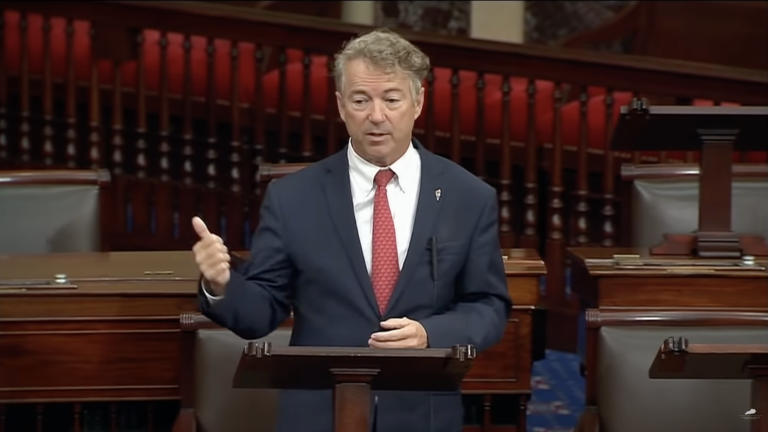


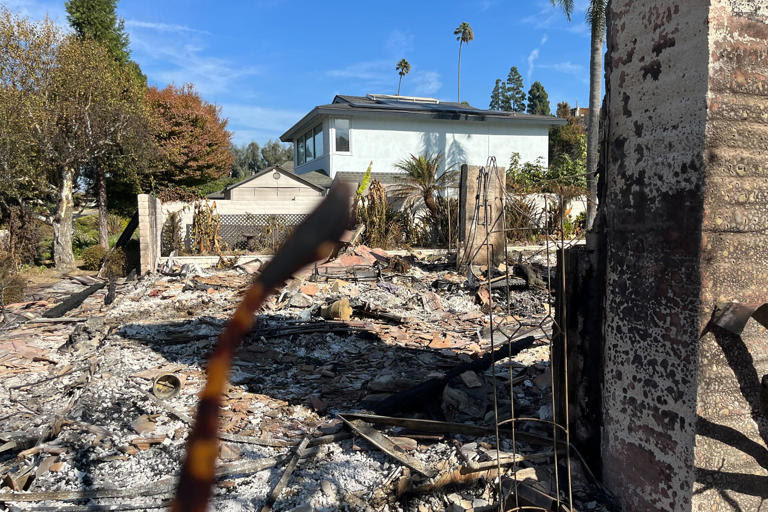
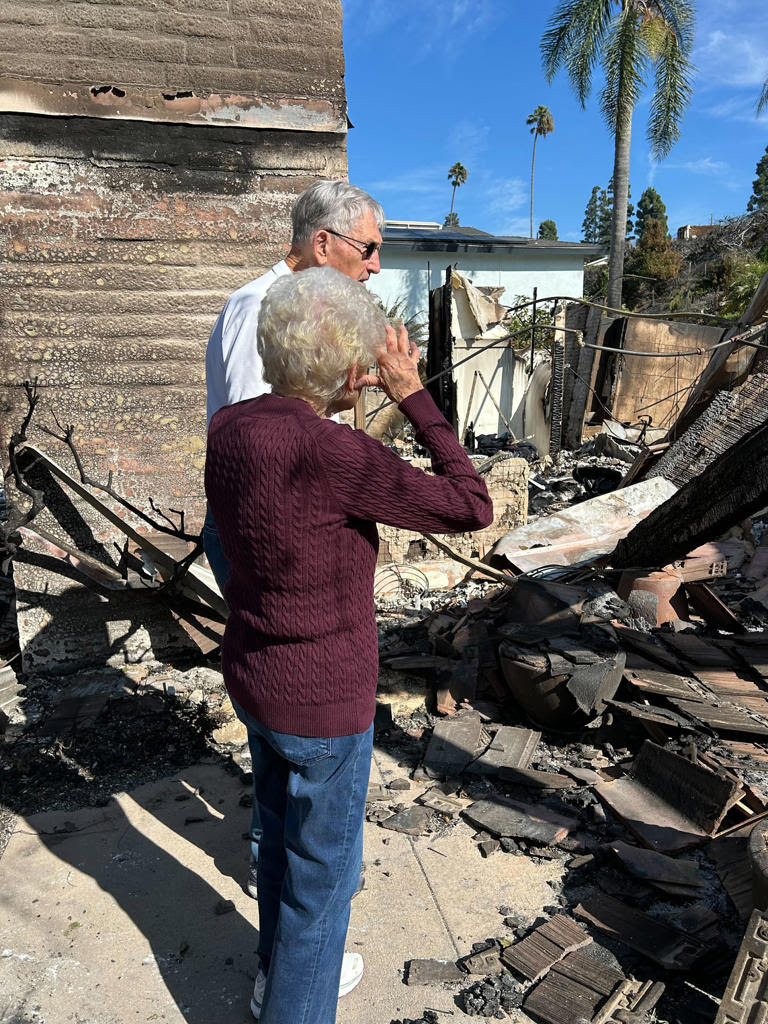

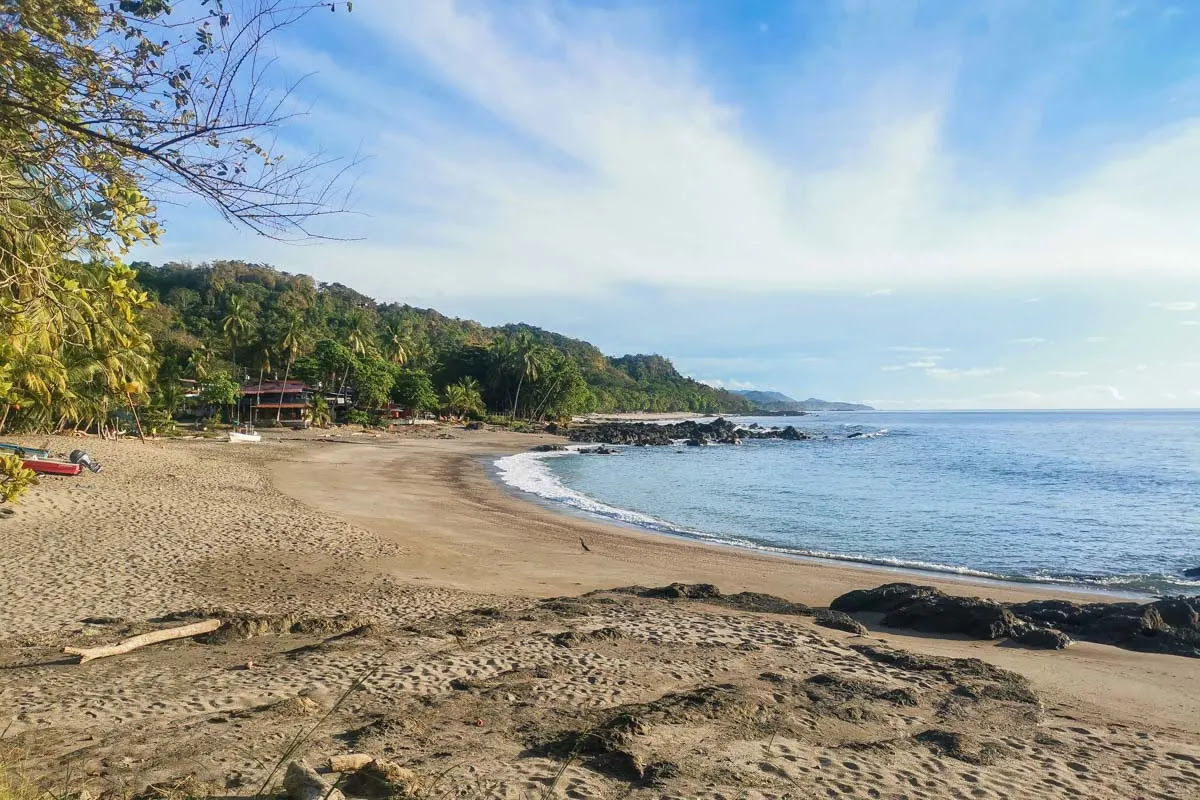

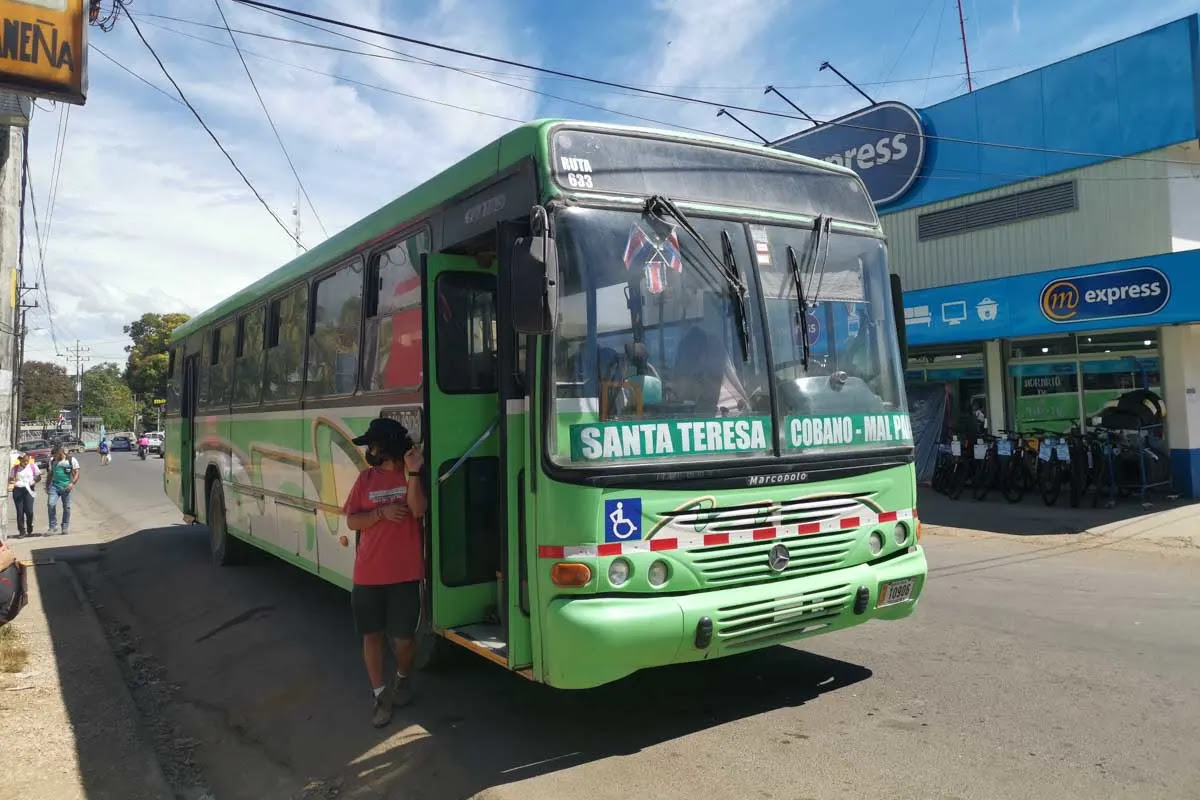
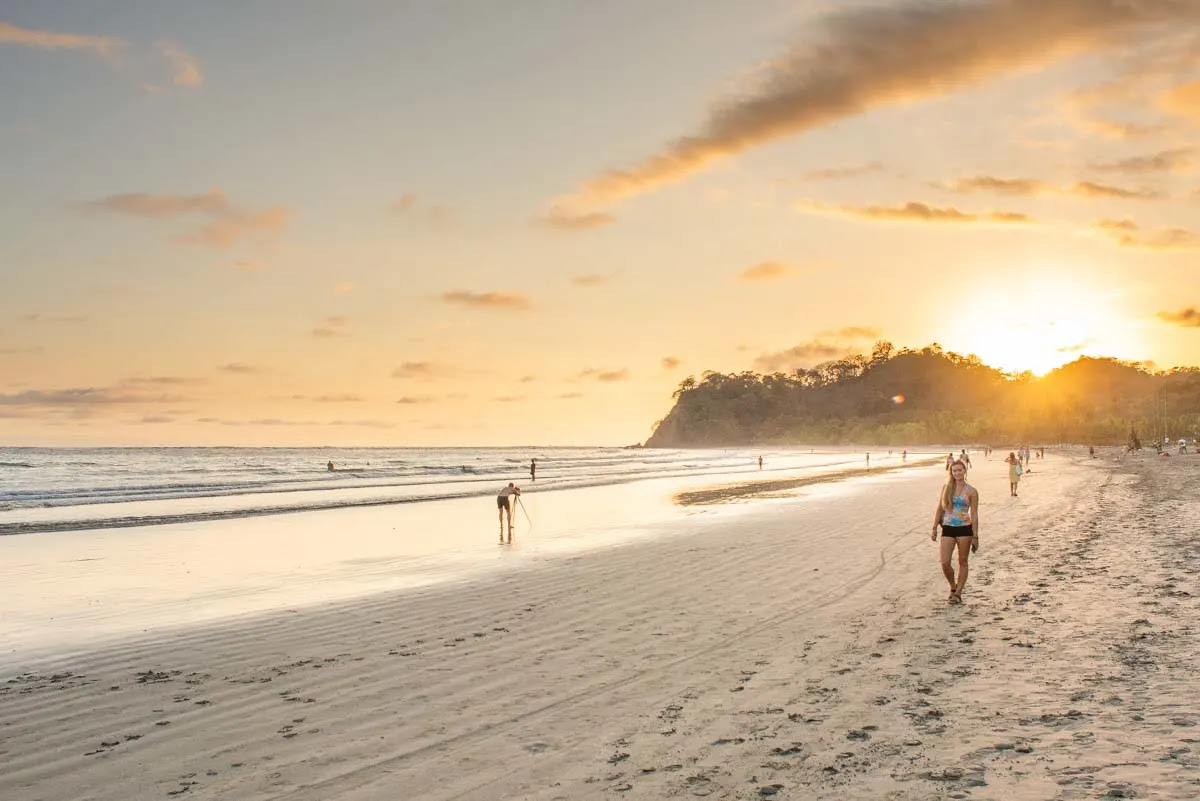
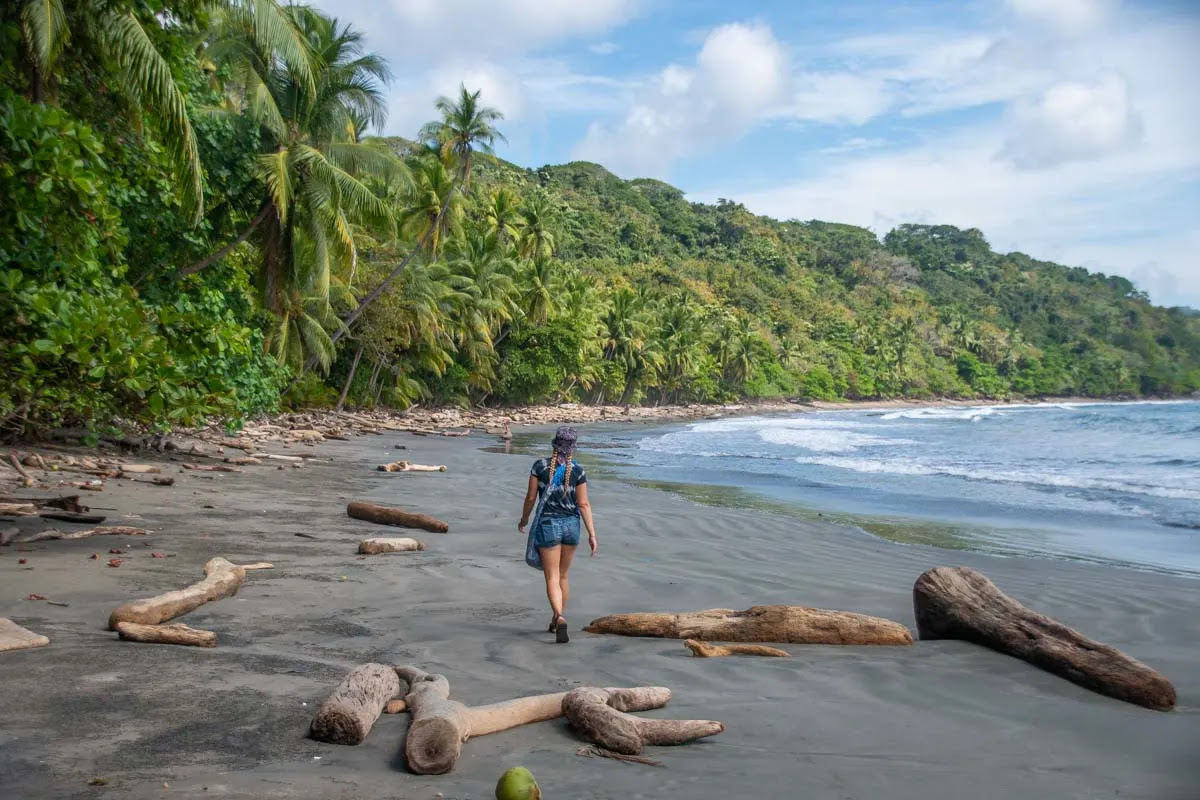
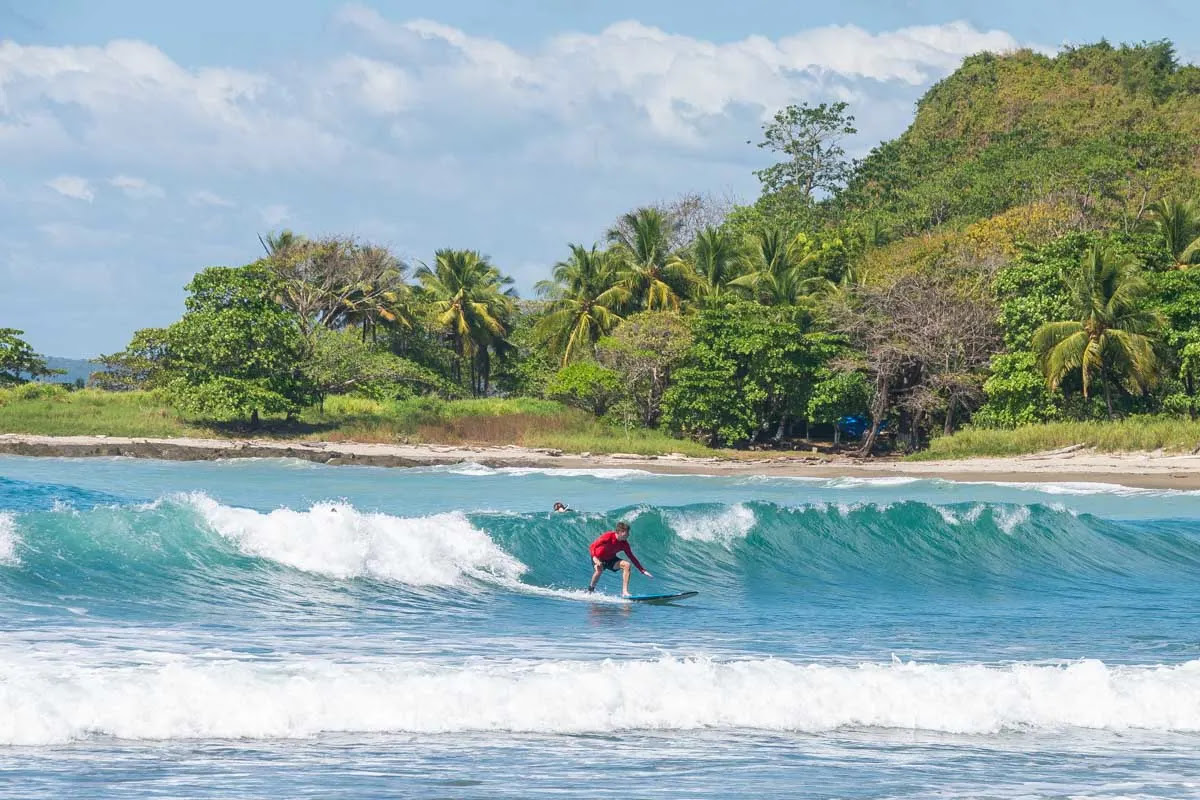

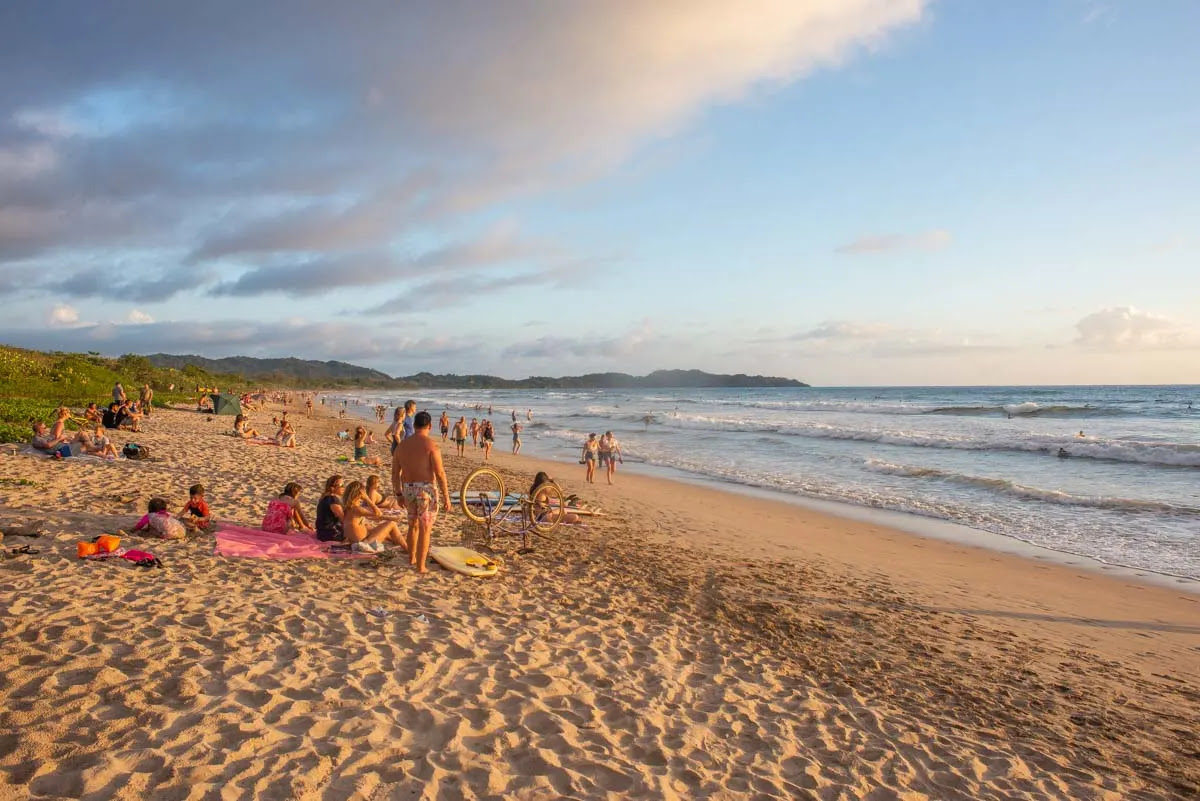
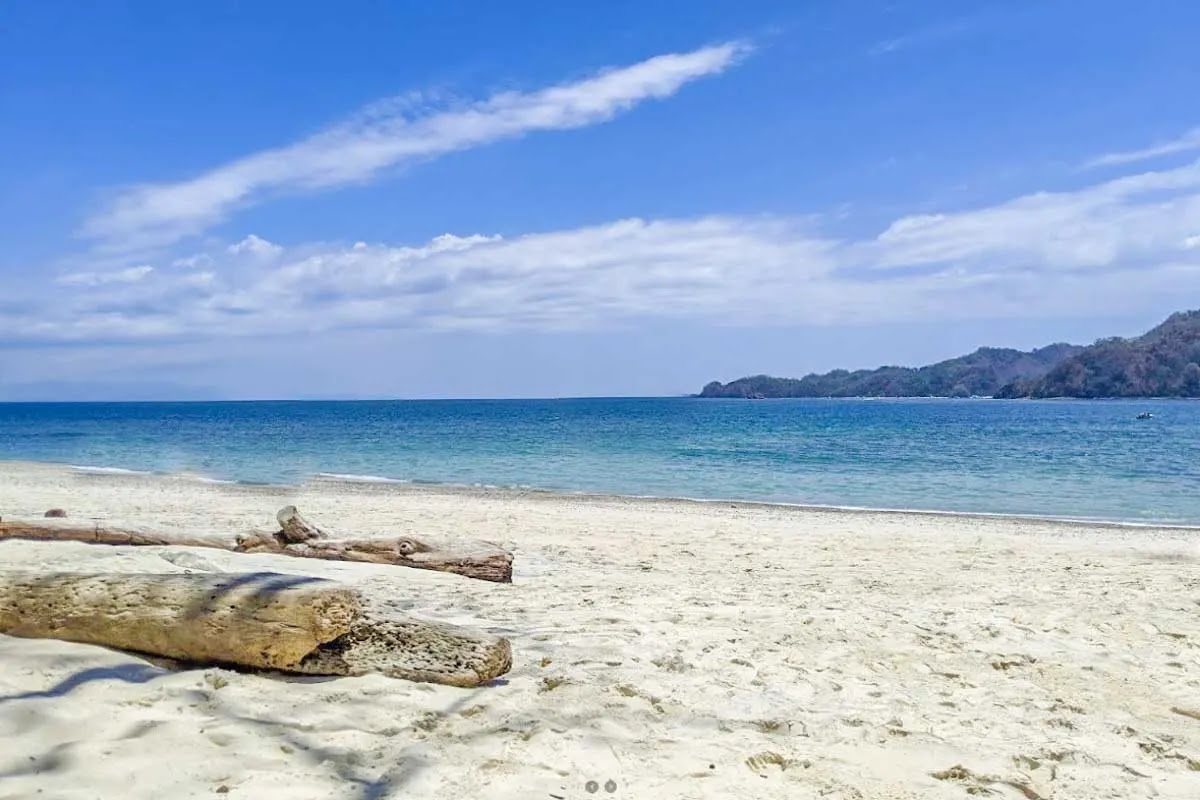



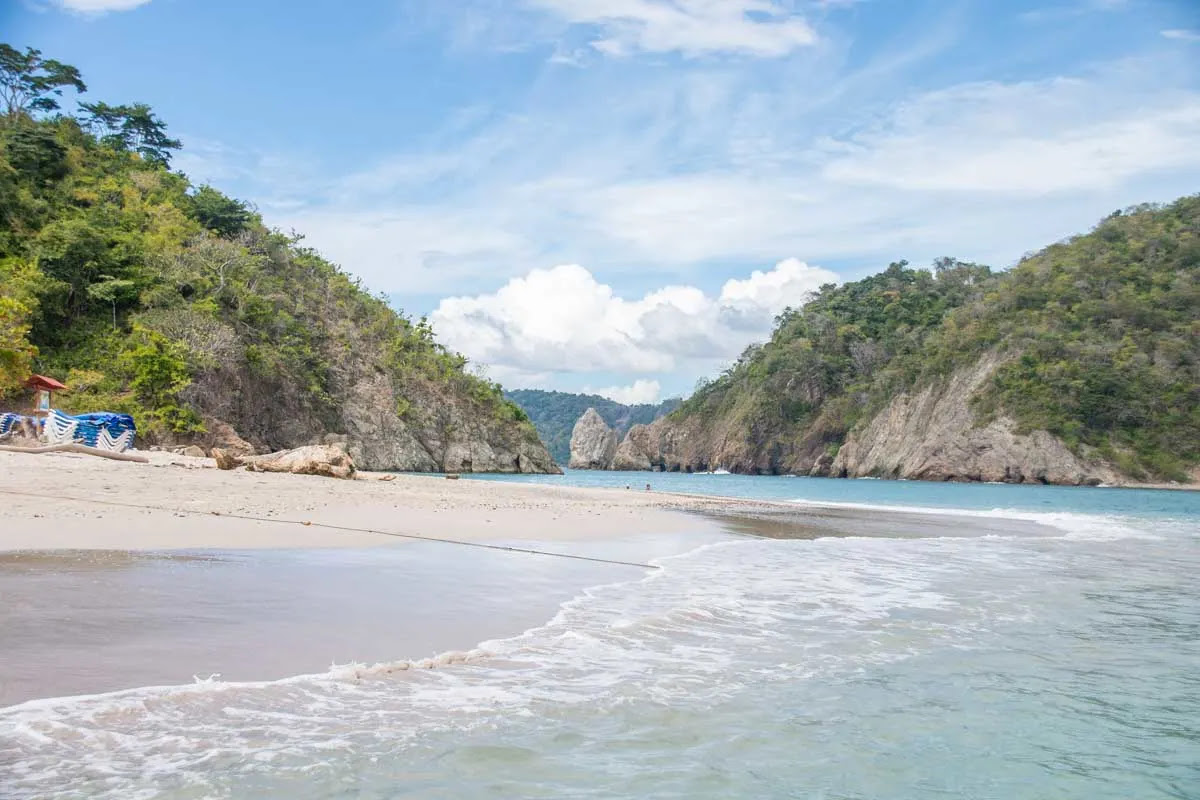
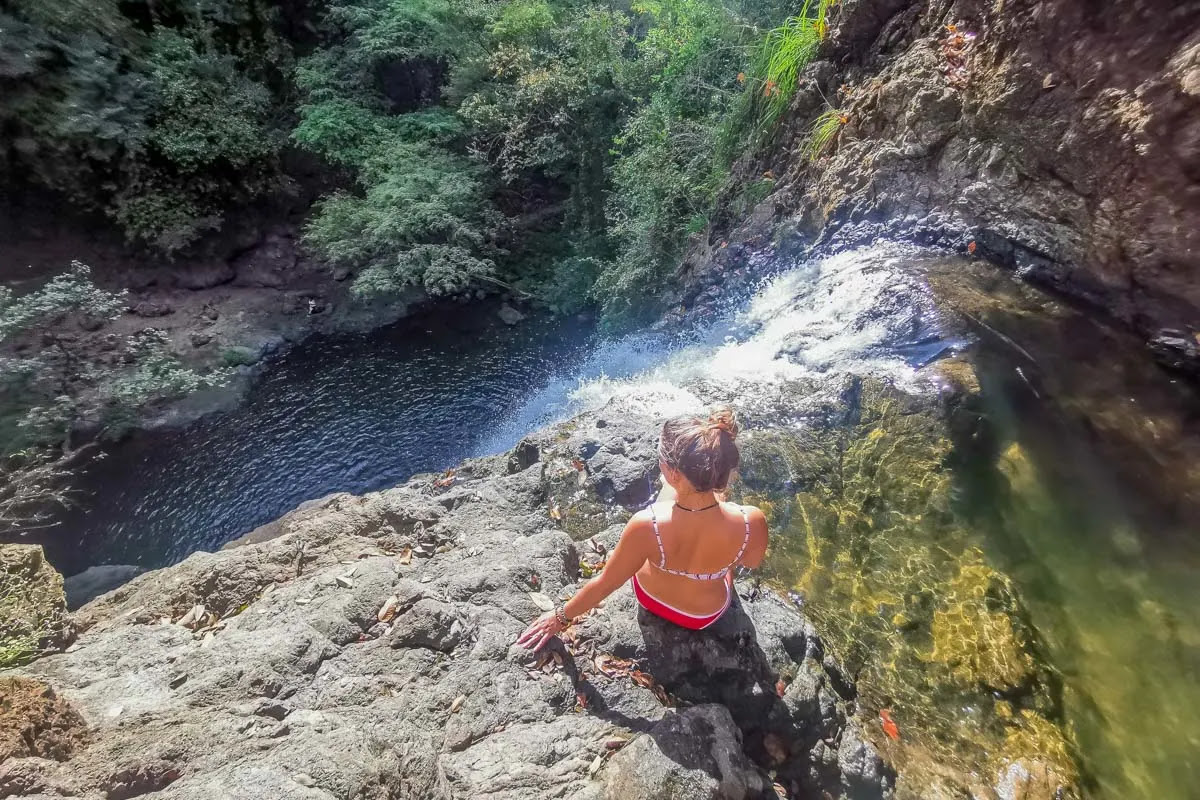

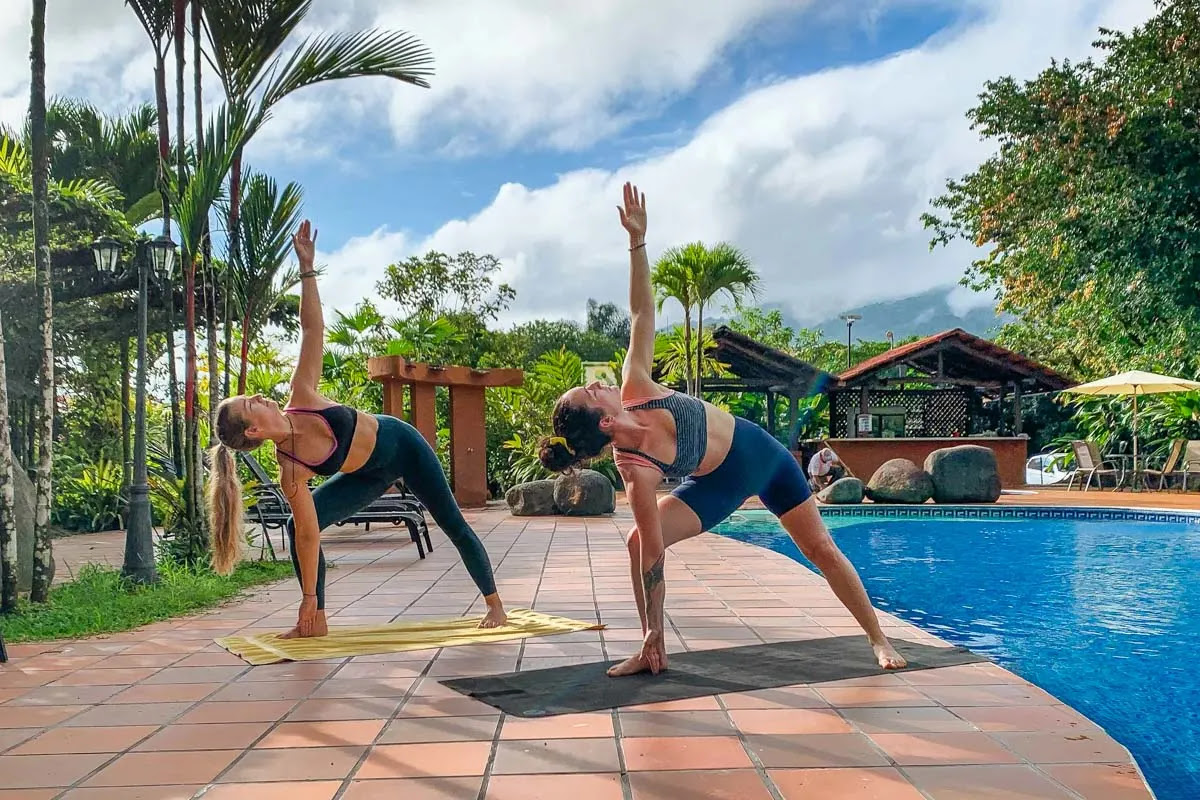
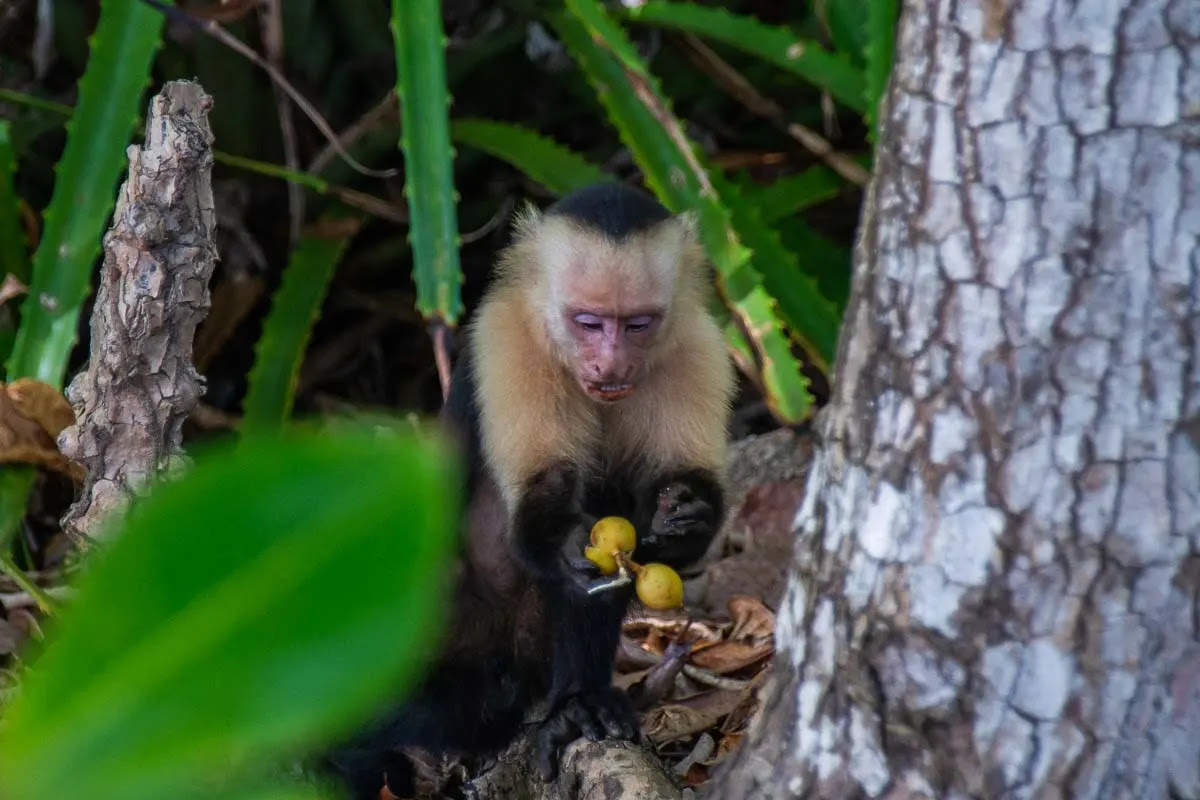
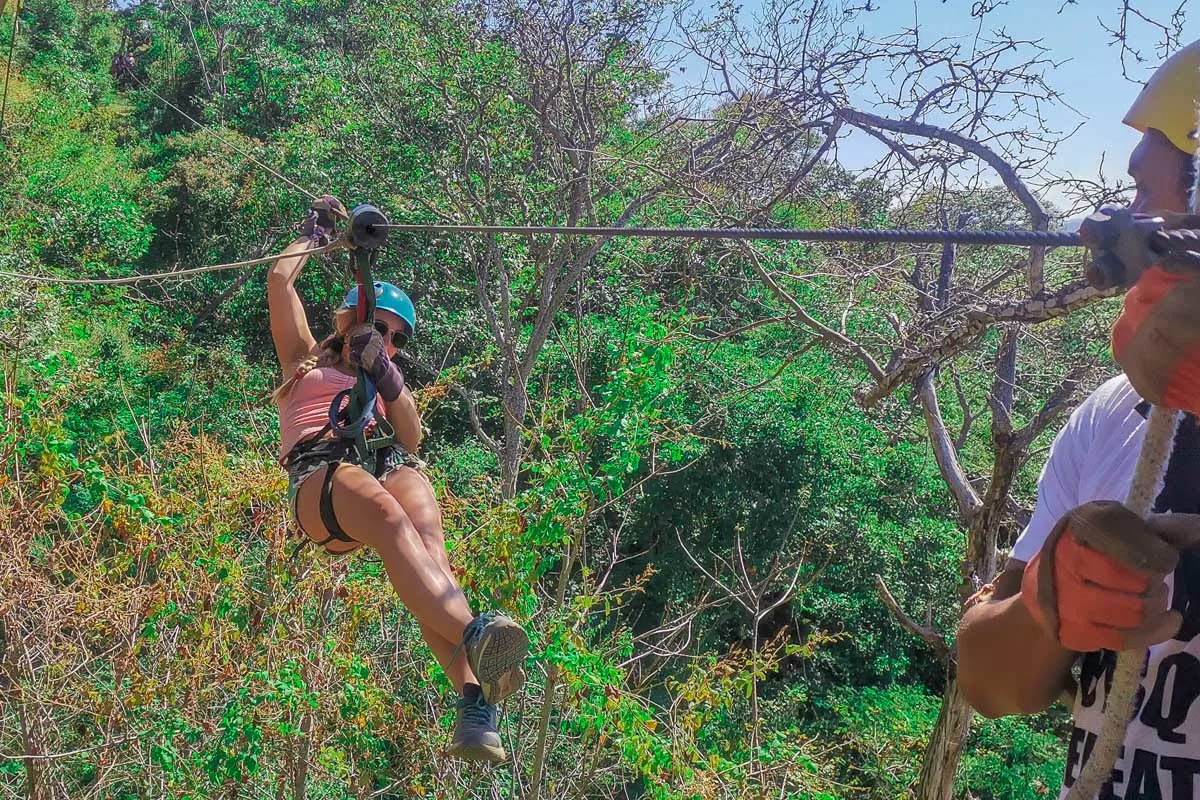

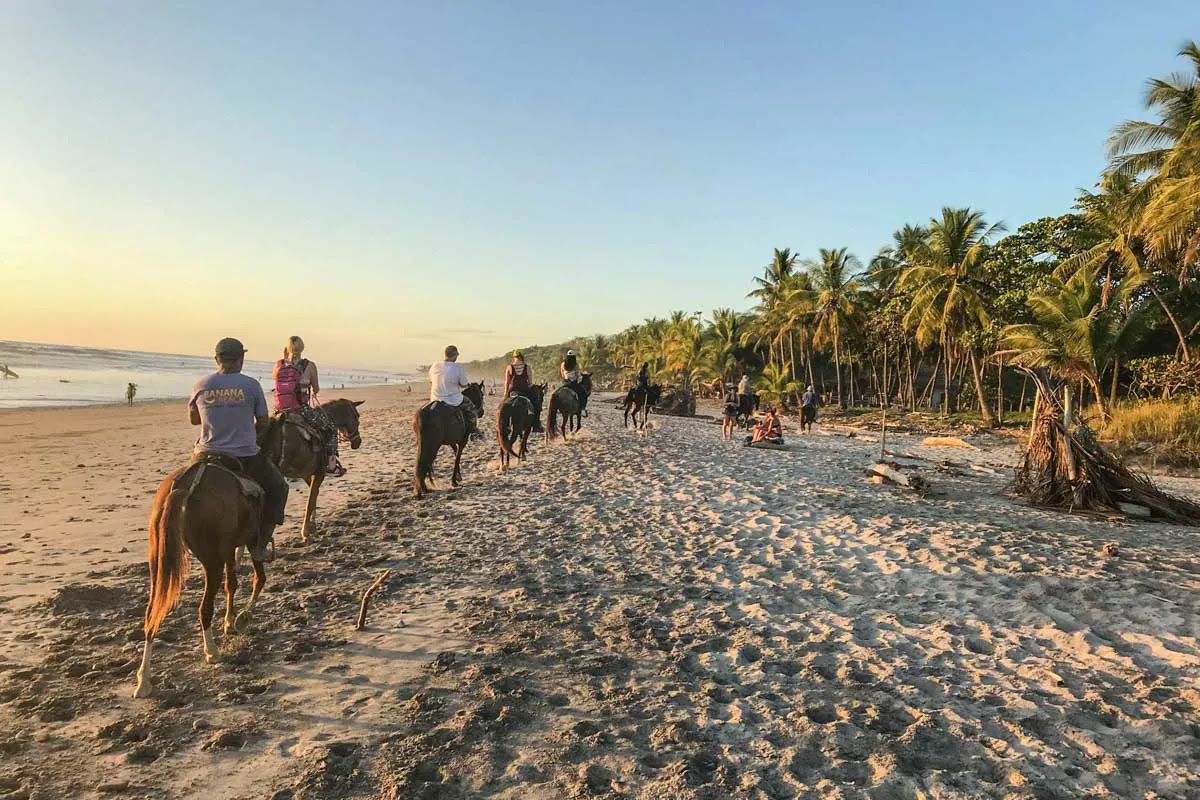
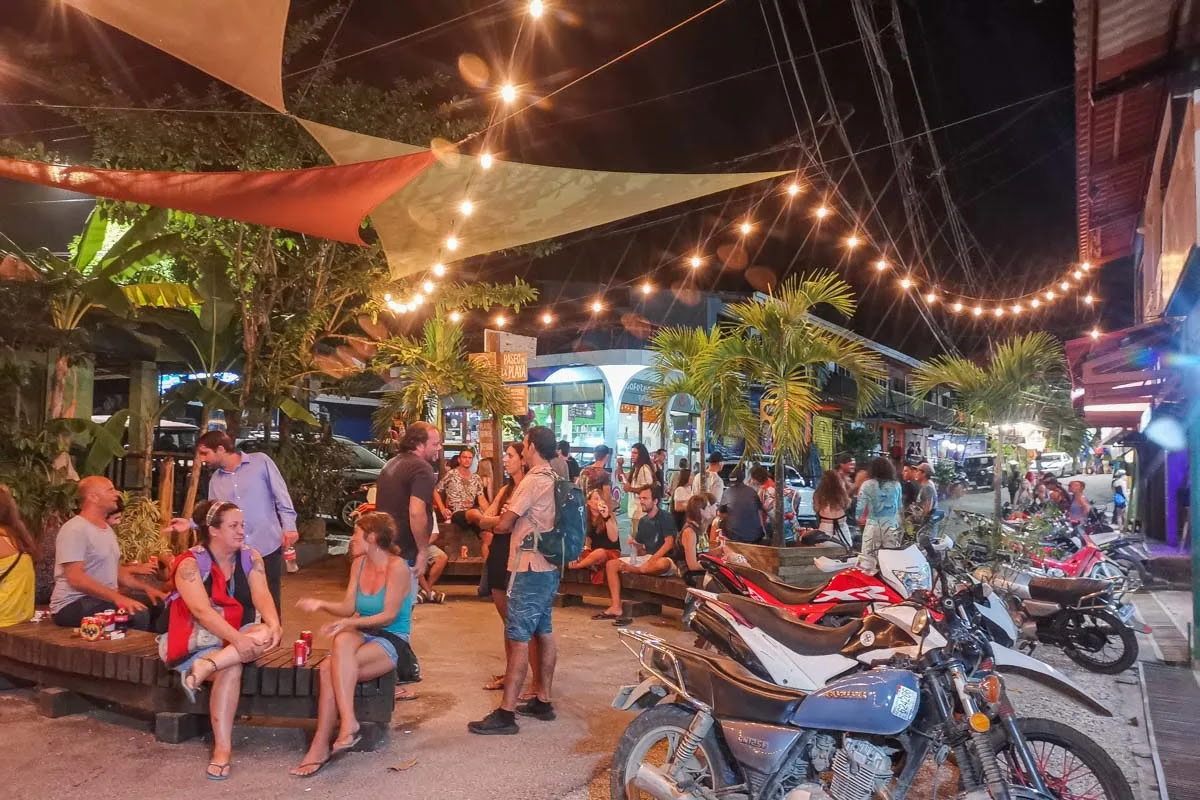
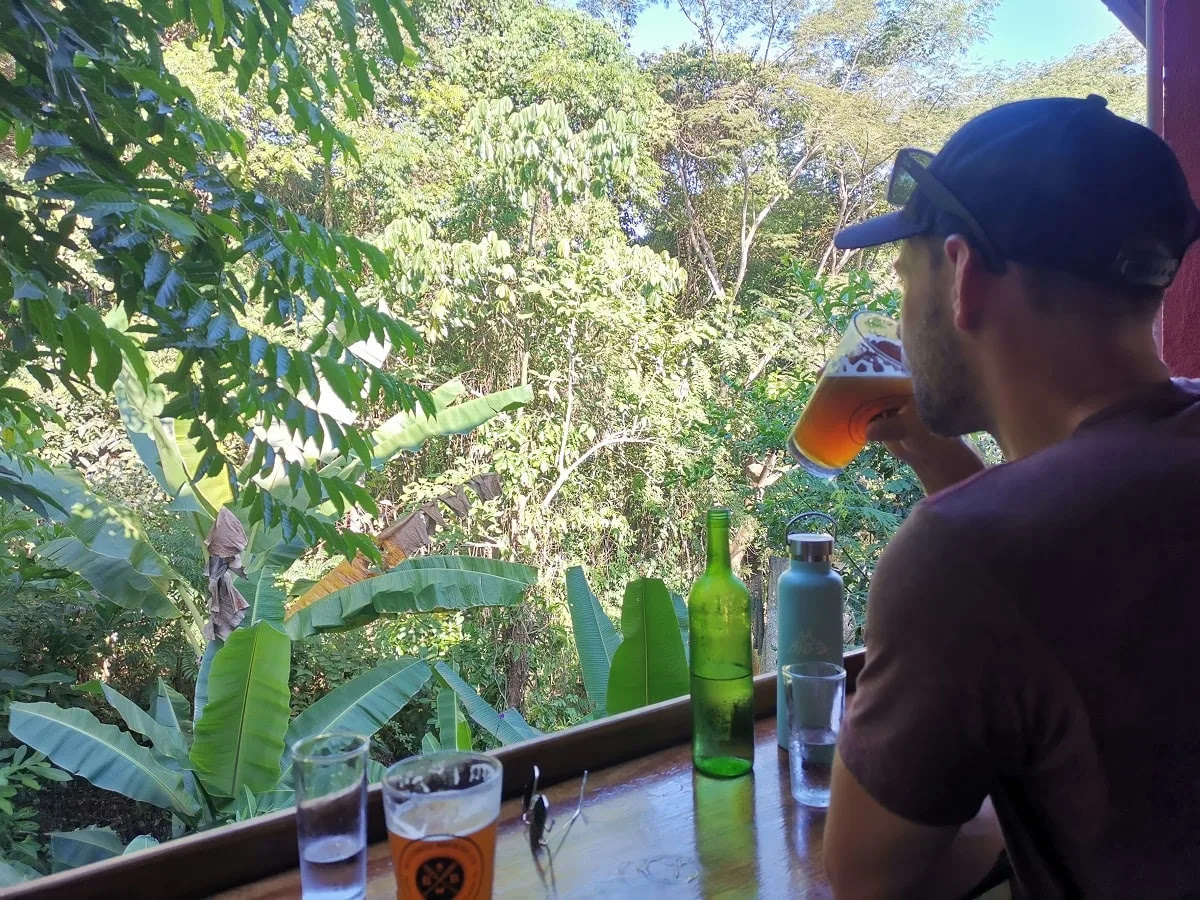
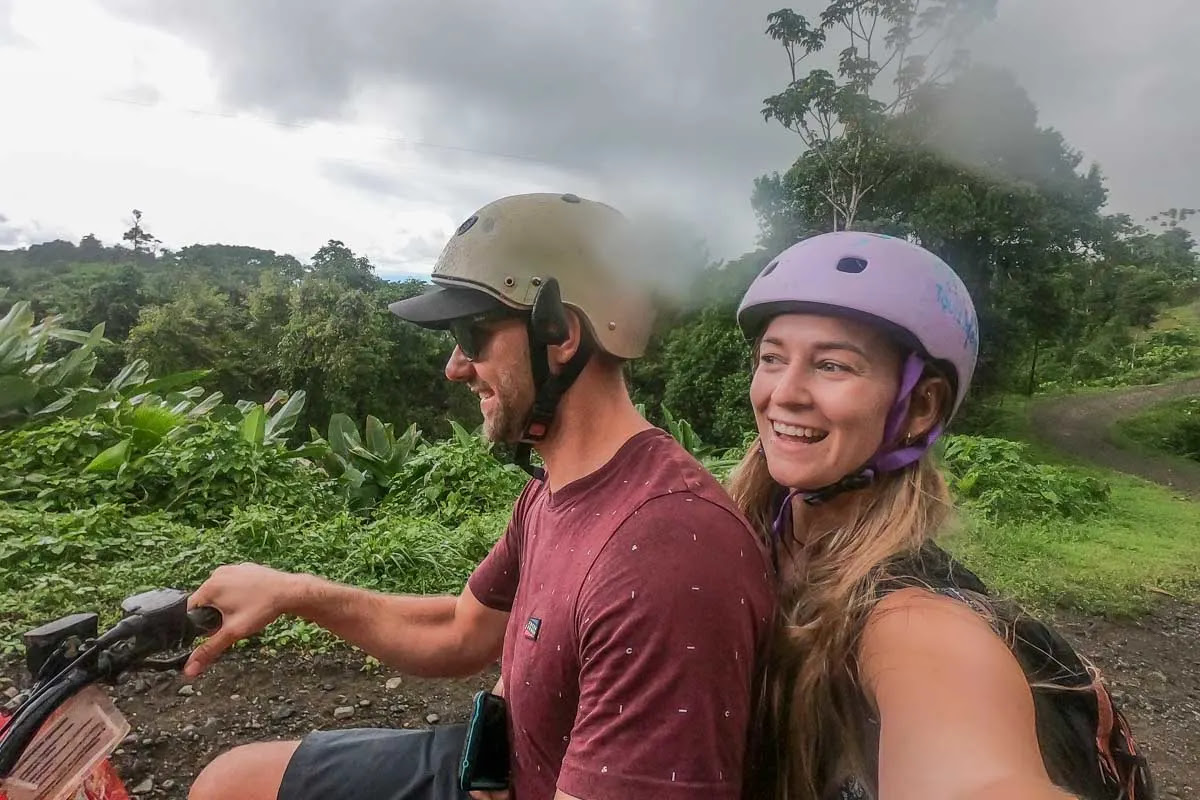

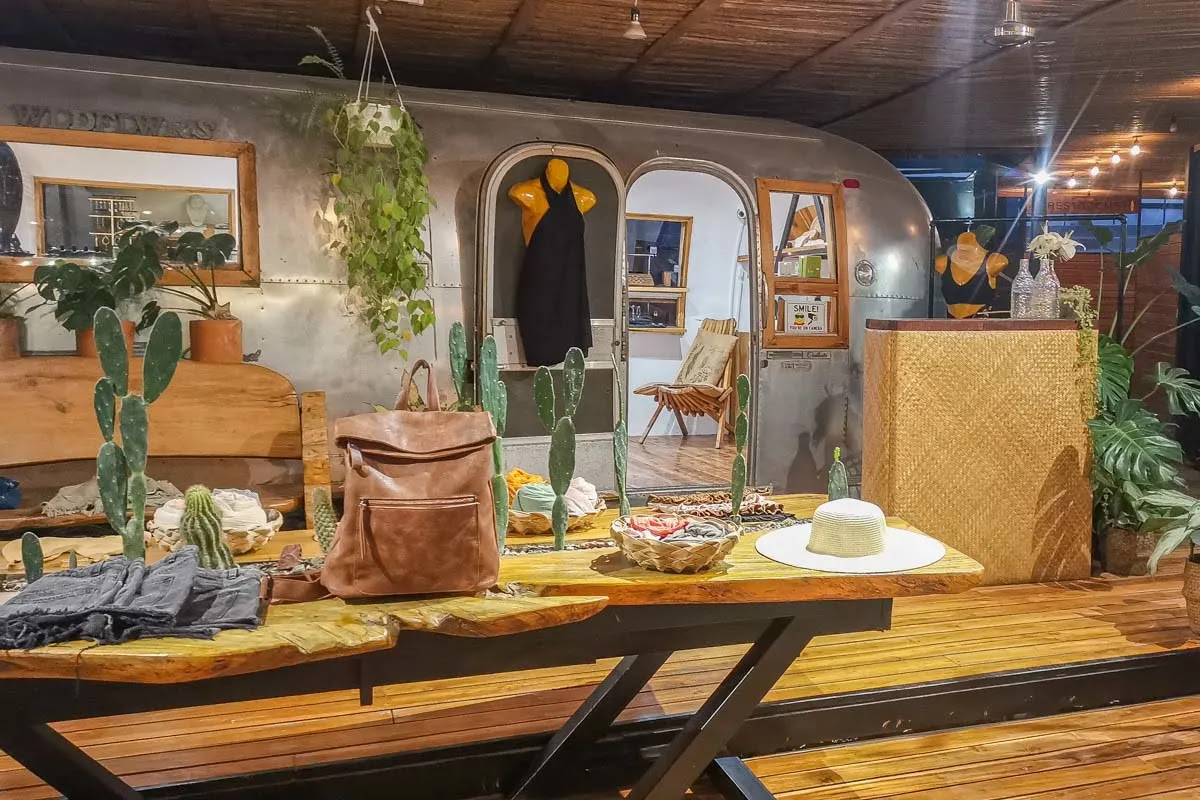

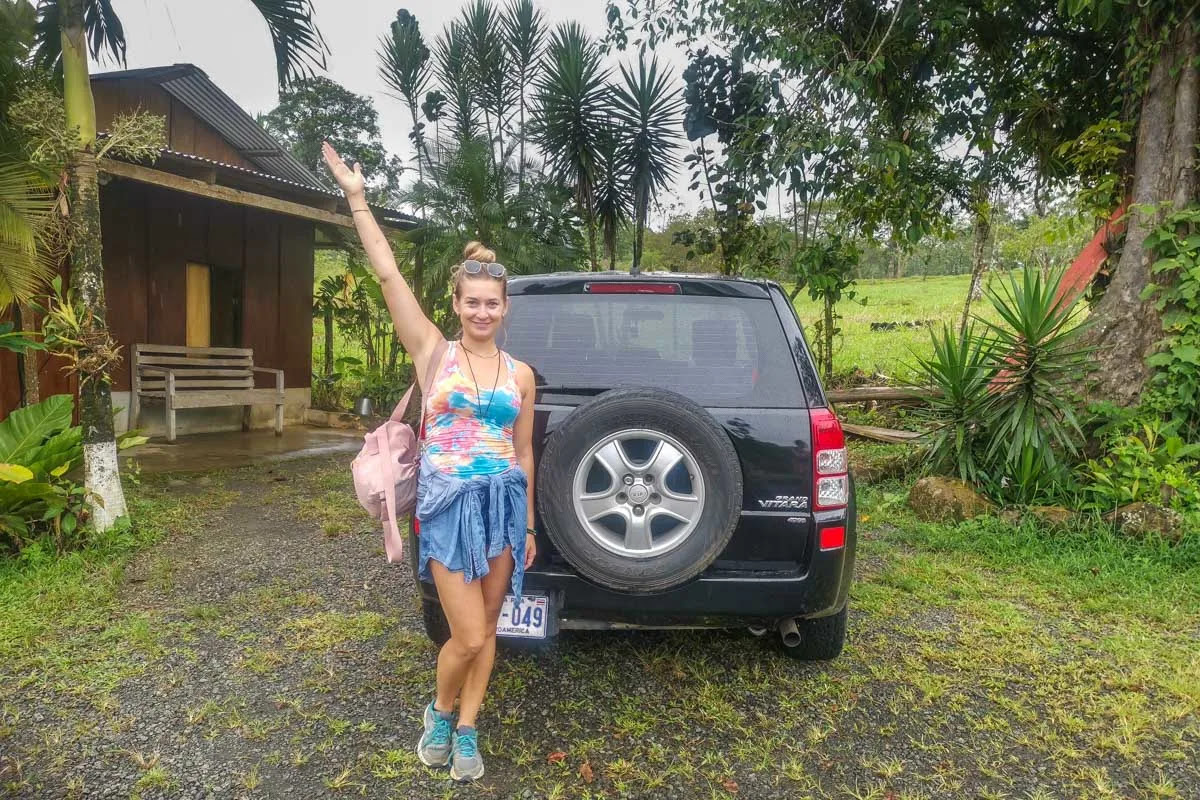
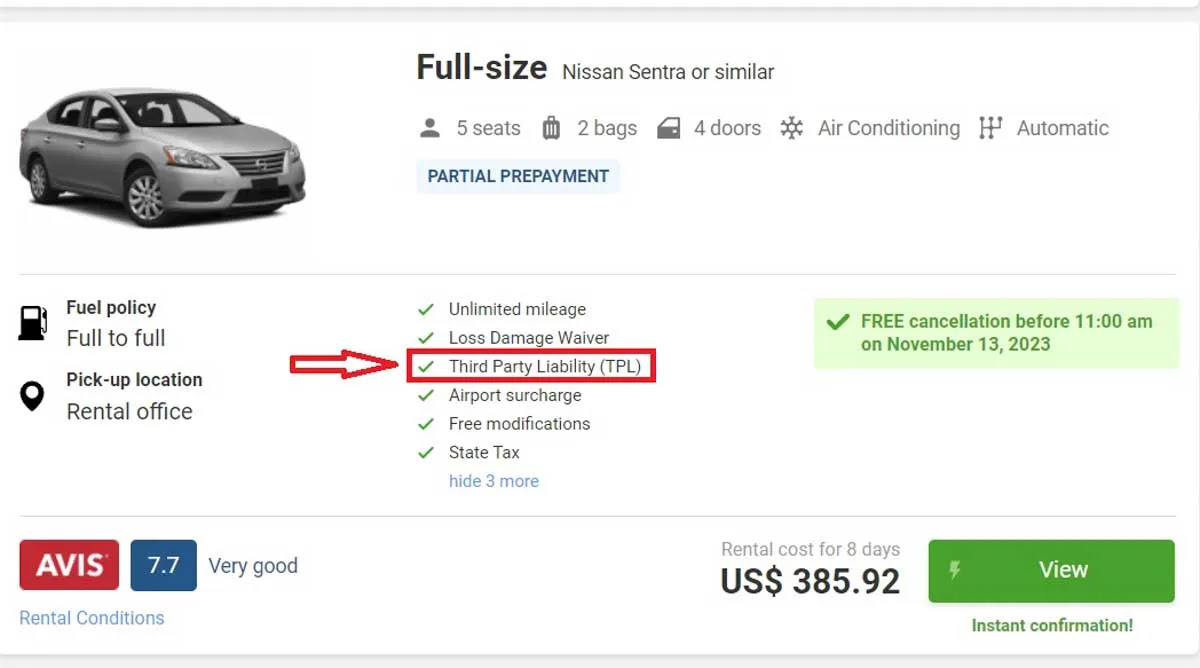




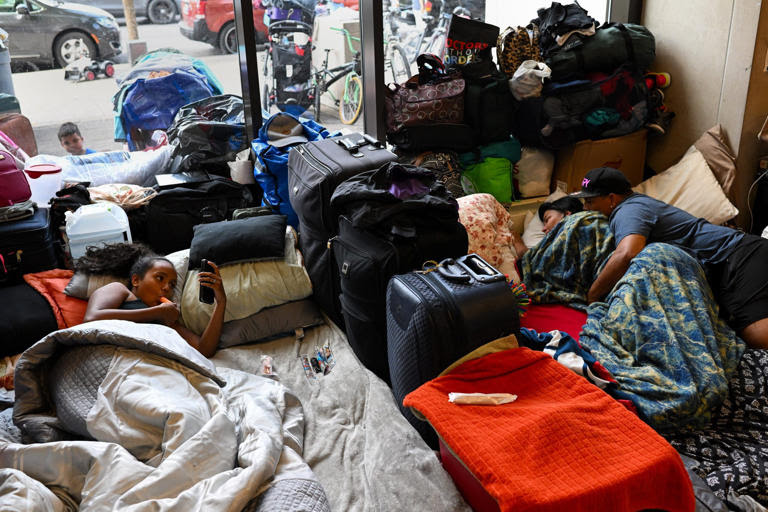
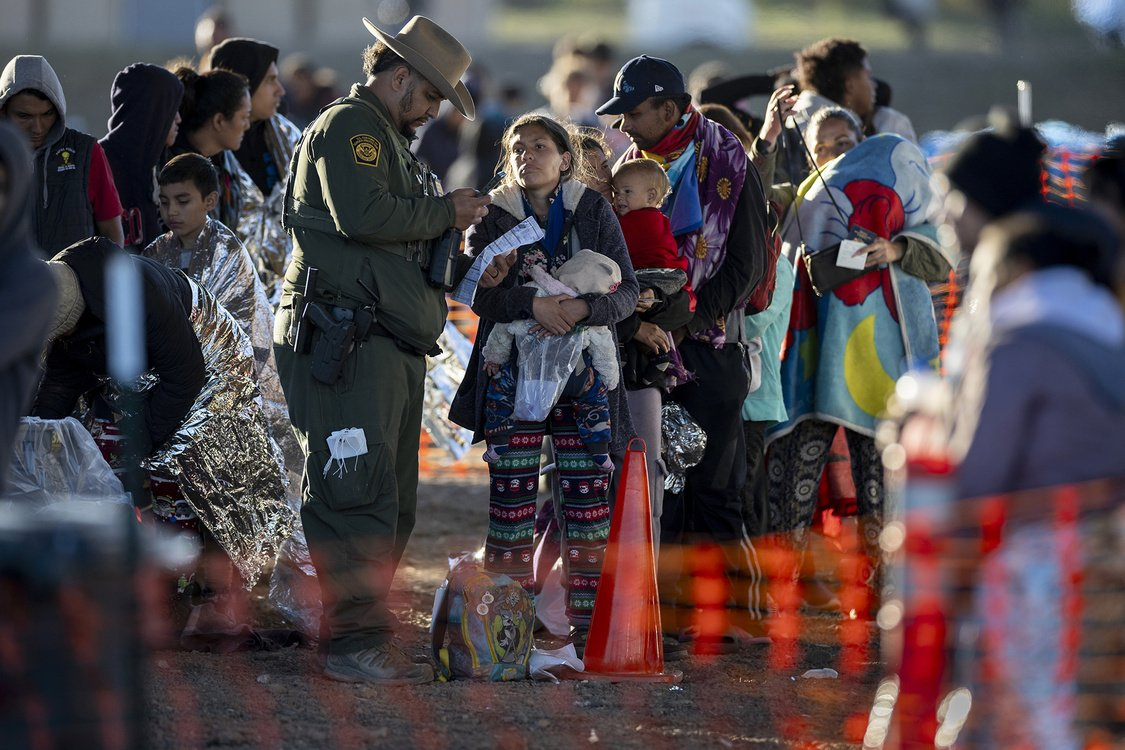
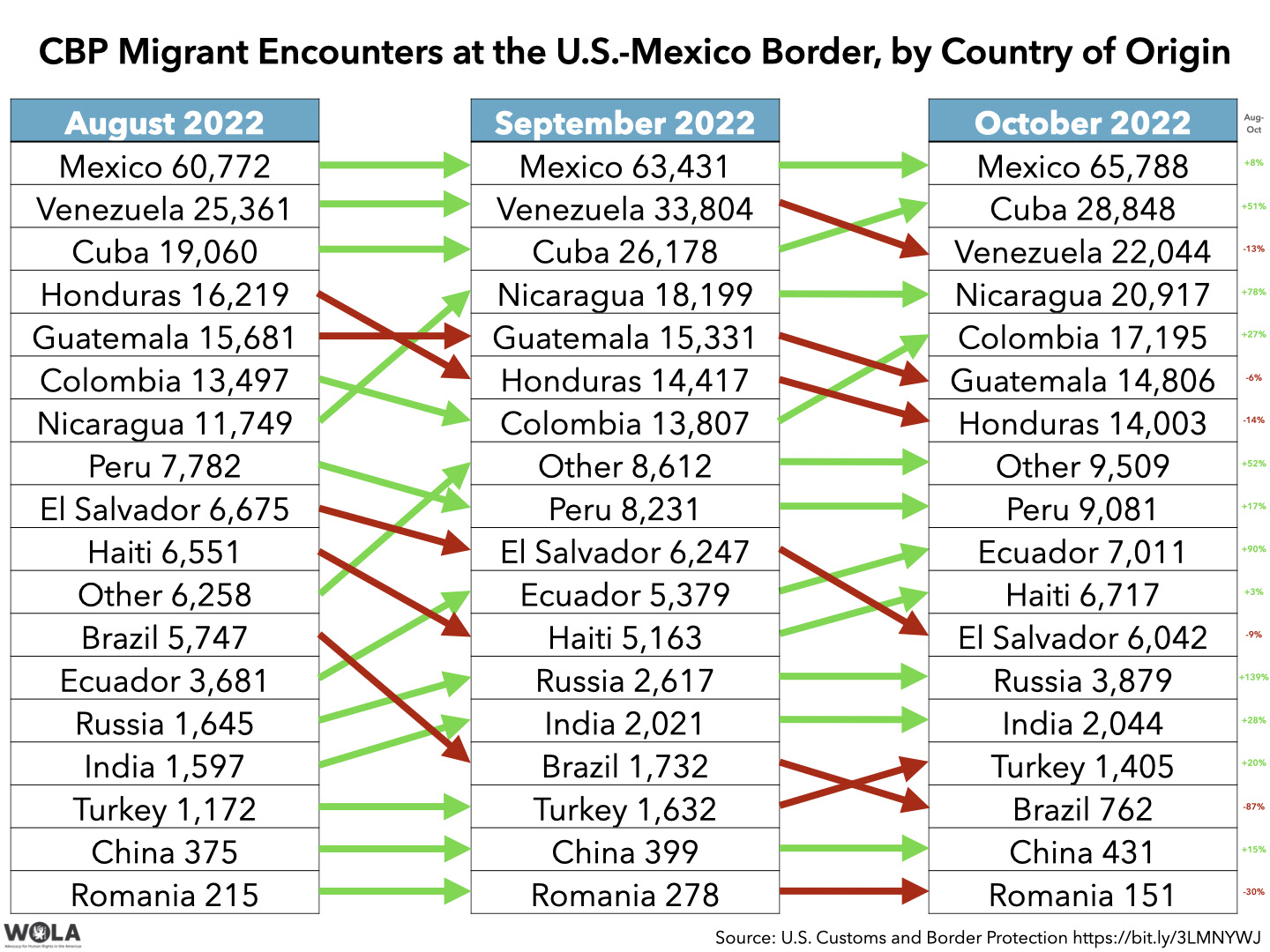
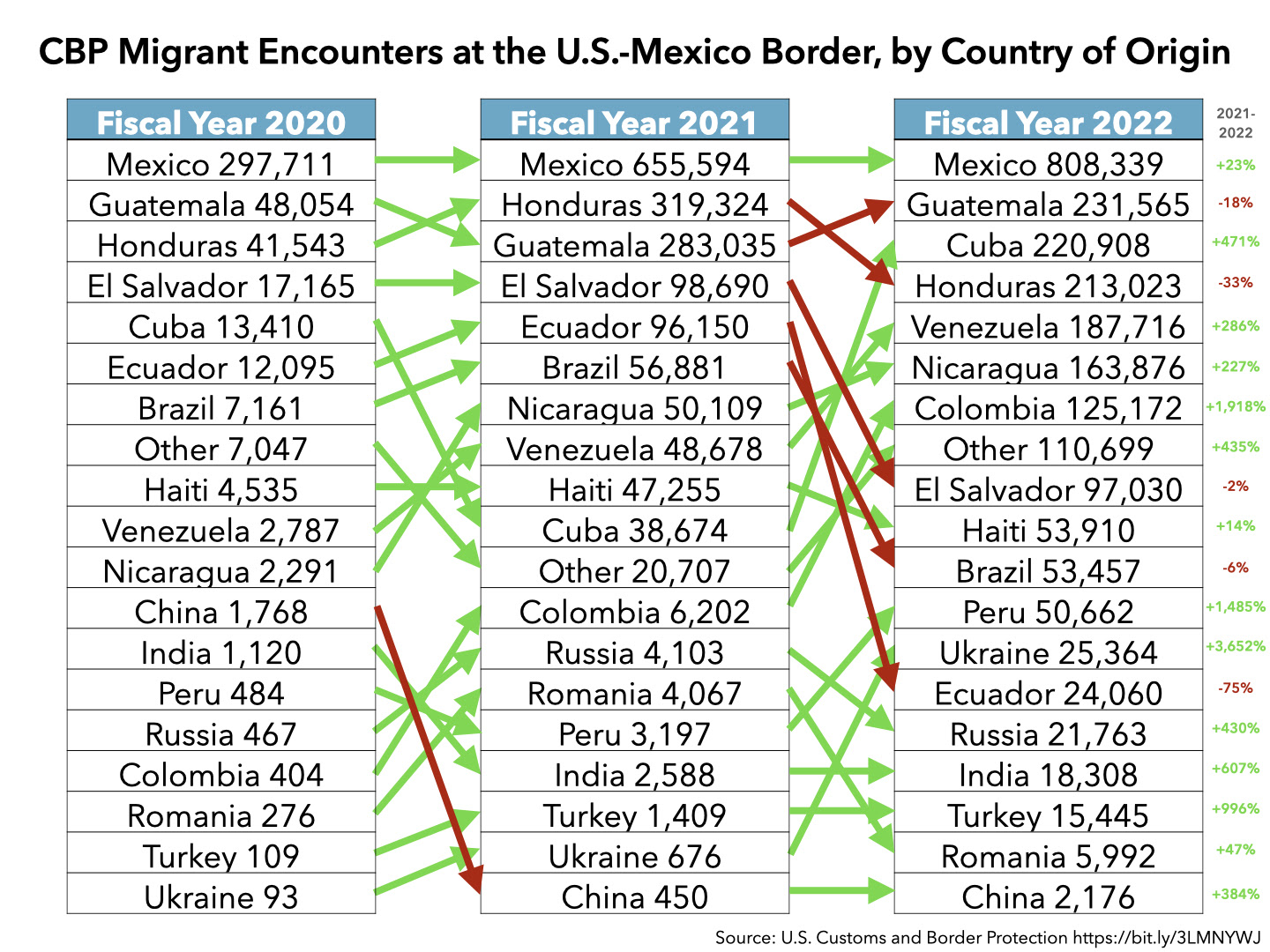

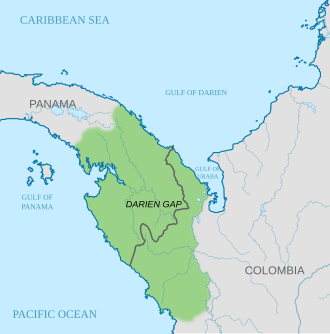




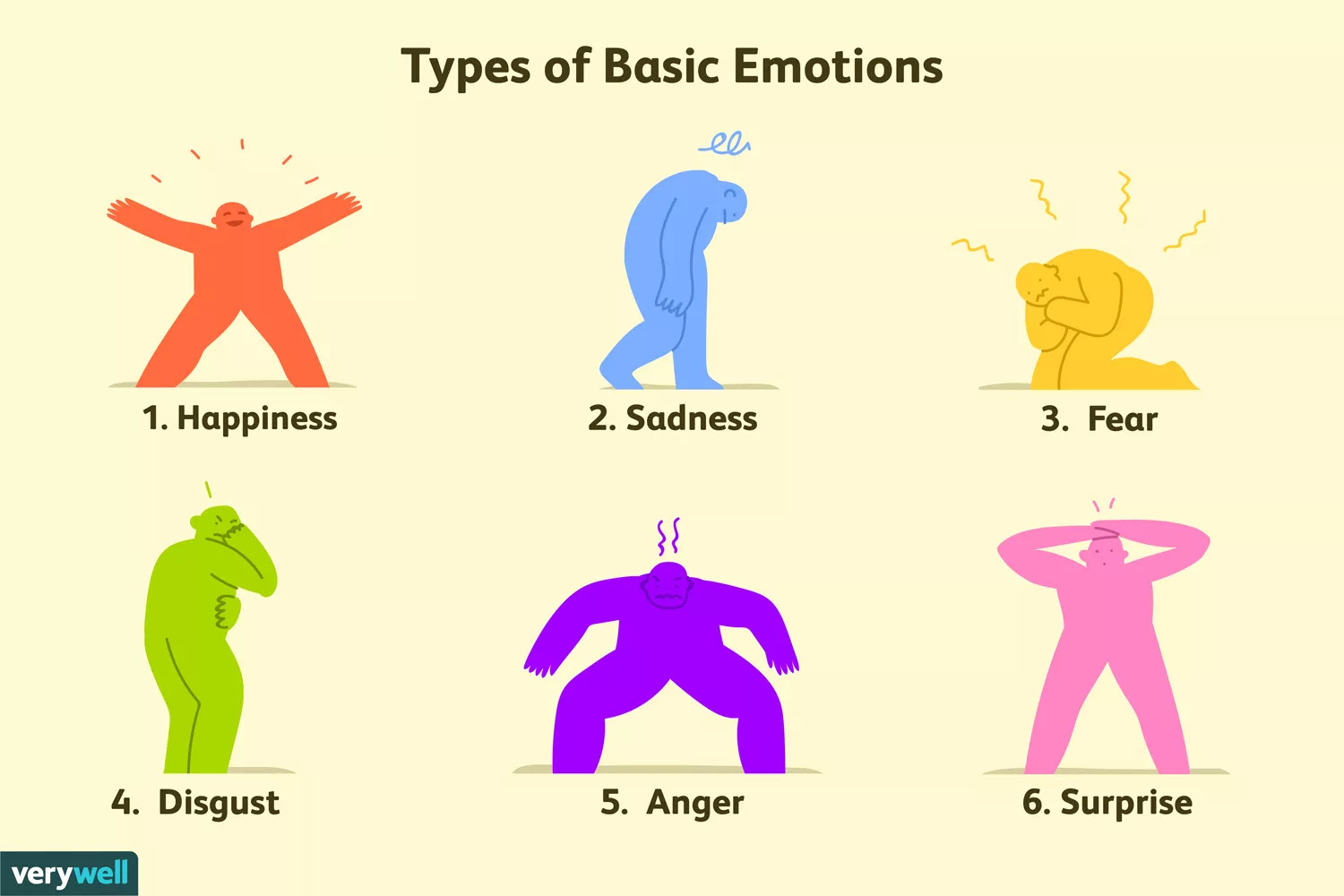:max_bytes(150000):strip_icc():format(webp)/an-overview-of-the-types-of-emotions-4163976-abaafd59e7214706b7cd6326d0dd8257.png)

:max_bytes(150000):strip_icc():format(webp)/IMG_9791-89504ab694d54b66bbd72cb84ffb860e.jpg)



 Medically Reviewed by