
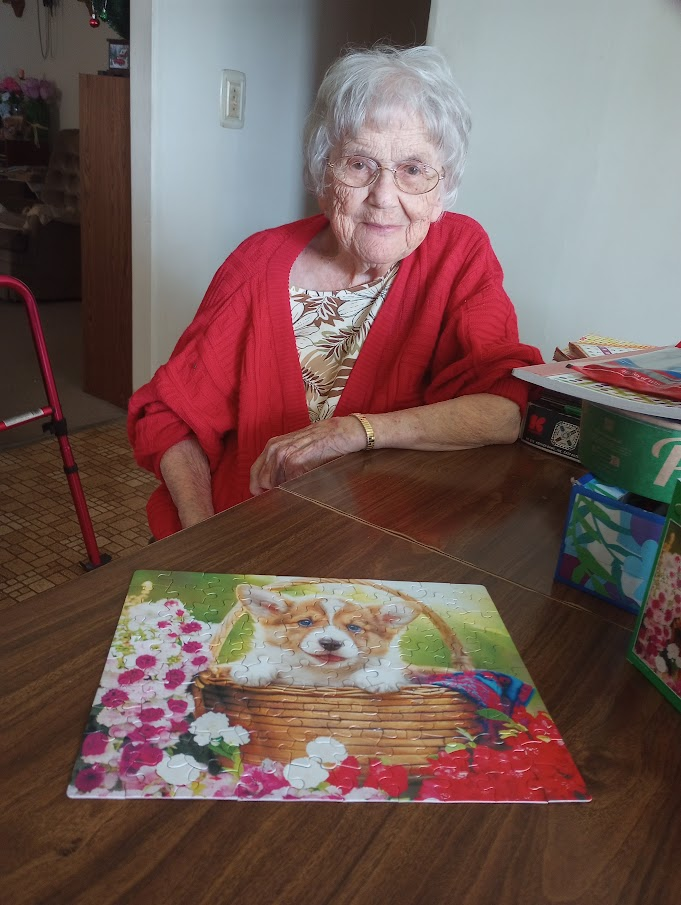
What helps my mother at 97 years old is enjoying the day with a promise for a good tomorrow of Riding in a car, JigSaw Puzzles, watching classic reruns of comic sitcoms : The Andy Griffith Show Carol Burnett Show Classic Cartoons full episodes – Search Videos and singing along to with Lawrence Welk Show full episodes – Search Videos
15 Best Brain Games for Seniors to Sharpen Memory in 2025 – Resource for Seniors and Caregivers | SeniorSite : Memory activities for seniors with dementia aren’t just ways to pass time-they’re powerful tools that can transform quality of life. According to research, engagement is a key part of dementia care, offering benefits that extend far beyond simple entertainment.
In fact, studies show that dementia activities for seniors can be tailored to different stages of the condition:
A study in the journal Gerontologist found that people with mild dementia could engage in complex arts and crafts for about 30 minutes, while those with moderate dementia participated in music activities for approximately 25 minutes. Furthermore, individuals with severe dementia benefited most from simple physical exercises and sensory activities for about 15 minutes.
The impact of these activities for seniors with dementia is significant and scientifically proven. A 2022 study in the journal Neurology found that playing card games or completing jigsaw puzzles can lower the risk of Alzheimer’s disease. Additionally, a 2021 review in the Journal of Alzheimer’s Disease indicates that sensory stimulation may improve memory and cognition.
We’ve gathered 21 proven memory care activities that can help reduce anxiety, improve behavior, and provide a sense of purpose and accomplishment for your loved ones. From creative expression to physical engagement, these activities offer therapeutic benefits while creating meaningful moments of connection.
Play Card and Board Games
Card and board games stand as excellent memory activities for seniors with dementia. Research shows these games offer significant benefits beyond simple entertainment-they can actually slow cognitive decline and improve quality of life.
Card and board games benefit
Traditional board games improve mental function significantly, as measured by standardized tests like the Montreal Cognitive Assessment (p=0.003) and Mini-Mental State Examination (p=0.02). Moreover, chess specifically improved quality of life measured with the WHO-QoL-OLD scale (p<0.00001).
Different games benefit distinct cognitive areas:
For instance, Mahjong improves executive functions, while Ska and Go enhance performance on the Trail Making Test. Consequently, playing board games regularly can help seniors maintain:
Short-term memory and concentration
Problem-solving abilities
Strategic thinking skills
Social connections
French research revealed board game players have a 15% lower risk of developing dementia than non-players. Besides cognitive benefits, these games boost serotonin-the neurotransmitter that improves mood and reduces anxiety.
How to play card games and board games
When introducing games to seniors with dementia, I recommend starting with familiar options they might have enjoyed previously. Card games like Go Fish provide social interaction while exercising memory. Notably, 65% of US adults enjoy board games, with half reporting they provide a valuable social outlet.
Simple games without complex rules work best. The Memory Game helps improve short-term memory and concentration. For those in early or mid-stage dementia, UNO, Dominos, or simple card games offer engagement without overwhelming cognitive demands.
Tips for adapting card and board games
To adapt games for seniors with memory loss:
Choose games with simple, clear instructions
Avoid games requiring quick responses or detailed hand-eye coordination
Provide larger playing cards with clear images for better visibility
Consider team-based games that put less spotlight on the person with dementia
Setting up the right environment also matters-ensure proper lighting to improve visibility, comfortable seating with good back support, and a clear playing area free from distractions. Therefore, if your loved one has late-stage dementia but used to enjoy cards, even holding or sorting a deck by color can inspire tactile memories and positive feelings.
Do Jigsaw Puzzles Together
Jigsaw puzzles represent one of the most effective memory activities for seniors with dementia. Unlike passive entertainment, these puzzles actively engage the brain in meaningful ways that support cognitive function.
Jigsaw puzzle benefits for memory
Research shows jigsaw puzzling strongly engages multiple cognitive abilities simultaneously. When seniors work on puzzles, they exercise visual perception, constructional praxis, mental rotation, cognitive flexibility, and both working and episodic memory. Furthermore, studies suggest that jigsaw puzzling could potentially prevent or slow the deposition of β-amyloid, harmful plaques associated with Alzheimer’s disease.
Beyond cognitive benefits, puzzles provide emotional regulation, helping seniors manage distressing emotions that can negatively impact cognitive aging. Completing a puzzle delivers a tangible sense of accomplishment that boosts self-esteem-particularly important for those experiencing memory loss.
How to choose the right puzzle
The key to successful puzzling lies in matching difficulty to cognitive ability:
For mild cognitive impairment: 100-500 piece puzzles with distinct color variations
For moderate dementia: 35-100 piece puzzles with larger pieces
For advanced dementia: 13-36 piece puzzles specially designed with adult themes
Specialized puzzles like Springbok’s “Puzzles to Remember” series feature 36 large pieces specifically designed for individuals with Alzheimer’s. Meanwhile, companies like Relish offer puzzles ranging from 13 to 100 pieces with high-contrast colors to accommodate different stages and visual impairments.
Tips for puzzle time with seniors
To create a positive puzzling experience:
Set up on a white tablecloth to improve piece visibility
Ensure proper lighting and comfortable seating
Choose images that connect to personal interests or past hobbies
Consider custom photo puzzles that promote reminiscence
Limit sessions to 30 minutes to prevent frustration
Perhaps most importantly, make puzzling a shared activity. Working on puzzles together fosters social connection, encourages conversation, and creates meaningful engagement-all valuable aspects of dementia care.
Try Word Games and Scrambles
Word games offer a powerful way to stimulate cognitive function for seniors experiencing memory loss. Unlike physical activities, these language-based exercises specifically target verbal processing and recall, making them essential memory activities for seniors with dementia.
Why word games help memory
Word games provide significant brain health benefits by building neural pathways that help retain knowledge. Research published in the New England Journal of Medicine found that crossword puzzles demonstrated greater cognitive improvement than computerized brain games among older adults with mild cognitive impairment. Remarkably, these puzzles achieved a “trifecta” of benefits: improved cognition, enhanced daily functioning, and reduced brain shrinkage measured via MRI.
Beyond cognitive benefits, word puzzles lower cortisol levels and other stress hormones, creating an ideal learning environment. Essentially, these activities shift cognitive load to different brain regions, providing valuable “brain breaks” while still exercising mental faculties.
Examples of word games
Several effective word games work well as dementia activities for seniors:
Crossword puzzles: Medium difficulty puzzles (equivalent to Thursday New York Times level) showed particular benefits
Word searches: Improve pattern recognition and attention to detail
Word scrambles: Unscrambling letters like “eplpa” to form “apple” provides scalable challenges
Wordle: A daily word guessing game using process of elimination
Connections: Grouping words that share common threads (like “Thames, Mississippi, Nile” under “Rivers”)
Tips for making it fun
To enhance engagement with these memory care activities:
First, match difficulty to ability level-create simpler word scrambles for advanced dementia stages. Second, incorporate themes relevant to personal interests or seasons. Third, frame activities to give purpose; one caregiver successfully engaged a former professor by saying she needed help with a night class.
Importantly, these activities work best when done regularly rather than for any specific duration. If your loved one seems resistant, try a different word game format-what matters most is finding something challenging yet enjoyable that prevents “autopilot” thinking.
Create a Memory Scrapbook
Scrapbooking serves as a deeply personal memory activity for seniors with dementia, connecting them to their past through visual cues and tactile experiences. Unlike other activities, creating memory books builds emotional bridges that games and puzzles alone cannot.
Memory scrapbook benefits
Scrapbooking actively improves cognition by encouraging seniors to think about cherished memories, strengthening cognitive skills through mental engagement. Beyond cognitive exercise, these personalized books reduce stress and anxiety-valuable for both seniors and caregivers navigating dementia challenges.
Creating a memory book also stimulates memory retrieval, as handling photos and mementos activates different senses-touch, sight, and even smell-providing a multi-dimensional experience that awakens sensory memories. Most importantly, completing pages instills a profound sense of accomplishment that boosts self-esteem and reinforces identity, especially crucial for those experiencing the frustrations of memory loss.
How to build a scrapbook
To create an effective memory scrapbook, gather these materials:
Photo album or binder with plastic sleeves
Acid-free adhesive and paper
Scissors with large, easy-grip handles
Photos of the person, family, friends, and significant places
Simple embellishments like stickers or ribbons
When selecting photos, choose clear images with good contrast for easier recognition. Consider organizing by sections rather than chronological order, as dates can confuse those with dementia. For instance, create sections about first jobs, school life, or family members instead of arranging by years.
Conversation starters for memory recall
Following completion, use the scrapbook to spark meaningful conversations with questions like:
“What do you remember about your parents?”
“How did you meet your spouse?”
“What was the happiest time in your life?”
Throughout these discussions, remain patient and avoid correcting misremembered details-the process matters more than factual accuracy. Above all, listen attentively as your loved one shares their stories, creating new connections even as memories fade.
Paint or Draw Freely
Artistic expression provides extraordinary benefits as memory activities for seniors with dementia, offering a unique form of communication when words begin to fail. Paint and drawing activities create pathways for emotional release that transcend verbal limitations.
Creative expression through painting
Painting opens doors when conventional communication closes. Indeed, many seniors with memory loss struggle with verbal expression yet brighten visibly when engaged in creative activities. For one patient who could only speak a few words of Russian, painting became her primary means of connection-she would smile and point at her artwork, demonstrating engagement with her surroundings despite language barriers.
Unlike structured activities, free artistic expression allows individuals to communicate feelings that might otherwise remain bottled up. Artwork becomes “a tangible memory” and “a creation from a moment in time” containing stories and emotions beyond what words can describe. Nevertheless, the cognitive benefits extend further, as painting stimulates both sides of the brain simultaneously.
How to set up a painting session
Creating an effective painting environment requires thoughtful preparation:
Choose appropriate materials-watercolors are ideal as they glide easily across paper and accommodate gross motor movements
Ensure proper lighting and comfortable seating
Create contrast between watercolor paper and the table to help with depth perception challenges
Allow 5-10 minutes initially, gradually extending sessions as interest develops
Tips for encouraging creativity
Although technical skill isn’t necessary, approach matters greatly. Focus primarily on the process rather than the final product. This perspective gives seniors a rare sense of control that’s often missing in other aspects of their lives.
Sometimes, physical support may be needed-gently placing your hand under their elbow or guiding their hand to the paper. Thereafter, step back and allow space for self-expression. Generally, less talking creates a more comfortable environment for creativity to flourish.
Remember that artistic activities reduce anxiety and agitation throughout the day, often resulting in improved mood and decreased need for medication.
Sing Along to Favorite Songs
Music possesses a remarkable ability to unlock memories in seniors with dementia, even after other cognitive functions decline. Surprisingly, musical memory often remains intact until very late stages of Alzheimer’s disease, making sing-alongs one of the most powerful memory activities for seniors with memory loss.
Music and memory connection
The effectiveness of music stems from how it activates multiple brain regions simultaneously. When seniors hear familiar songs, their auditory cortex processes sound while the frontal lobe interprets lyrics and the hippocampus triggers emotional responses. Studies show that after listening to music, Alzheimer’s patients demonstrated improved categorical word fluency, autobiographical memory, and recall of lyrics. This happens because music activates neural networks that remain intact despite disease progression.
How to organize a sing-along
Setting up effective sing-alongs requires thoughtful preparation:
Choose familiar music from their late teens and twenties, as these songs create the strongest emotional connections
Eliminate competing noises by closing windows and turning off televisions
Select music sources without commercial interruptions to prevent confusion
Keep sessions relatively short-about 30 minutes-to prevent overstimulation
Encourage movement like clapping or gentle swaying to enhance engagement
Caregivers report that singing can serve as a “back door to cognition,” often eliciting responses from seniors who rarely speak or engage otherwise.
Best songs for dementia patients
The best selections typically include:
Songs with simple, repetitive choruses like “You Are My Sunshine” that remain accessible even with significant memory loss Classic standards such as “Somewhere Over the Rainbow” or “Moon River” that evoke powerful nostalgic responses Patriotic songs or religious music that connected to identity formation during youth
Singing together creates profound moments of connection. One caregiver noted that after participating in a sing-along program, her mother was “alert, smiling, and energized in a way I have not seen in years”. Hence, through regular musical engagement, seniors can experience joy and recognition even as other memories fade.
Take Nature Walks
Nature’s profound impact on brain health makes outdoor walks among the most valuable memory activities for seniors with dementia. Connecting with natural surroundings offers unique benefits that indoor activities simply cannot replicate.
Benefits of walking outdoors
Regular exposure to nature significantly improves cognitive function by stimulating brain plasticity and forming new connections between cells responsible for speech, sensory processing, coordination, and complex thought. Even a 20-minute outdoor walk can trigger hormones that create the ideal environment for new cell growth.
Equally important, time in nature measurably reduces anxiety and agitation in dementia patients. This occurs as the peaceful surroundings lower cortisol levels and help regulate emotions. Outdoor exposure likewise helps regulate circadian rhythms, leading to improved sleep patterns and reduced restlessness.
How to plan a safe walk
First, select appropriate walking environments with smooth, flat paths to prevent falls. Parks, gardens, or community trails with resting spots work excellently for seniors with mobility challenges.
Second, consider timing-morning walks between 7-11am provide beneficial blue light exposure that regulates melatonin production and supports healthy sleep cycles. Importantly, ensure proper supervision, as people with dementia may become disoriented or not recognize potential hazards.
Finally, dress appropriately for weather conditions, bringing essentials like hats, sunglasses, and water. For those with advanced dementia, shorter walks closer to home offer safety while still providing nature’s benefits.
Tips for engaging the senses
Nature walks become truly therapeutic when they engage multiple senses:
Encourage visual observation of seasonal changes, birds, or interesting plants
Draw attention to natural sounds like rustling leaves or flowing water
Feel different textures-smooth stones, rough tree bark, or soft grass
Pause to smell flowers or fresh air, which can trigger powerful memories
Ultimately, these multisensory experiences create what researchers call “being in nature”-a state that provides profound well-being benefits for seniors with dementia.
Arrange Flowers Together
Flower arranging combines therapeutic touch with natural beauty, making it an exceptional memory activity for seniors with dementia. This form of therapeutic horticulture engages multiple senses simultaneously while promoting cognitive, emotional, and physical wellbeing.
Why flower arranging is therapeutic
Therapeutic horticulture activities like flower arranging effectively reduce stress and anxiety while improving cognitive function. Undeniably, this gentle activity offers numerous benefits for seniors with memory loss. Research published in the Journal of Death and Dying found participants in flower arranging programs experienced significant stress and anxiety reduction.
Another study in Evolutionary Psychology documented notable mood improvements. Remarkably, even three minutes of viewing yellow and red flowers had an immediate positive impact on individuals’ wellbeing.
Flower arranging furthermore engages multiple senses-vibrant colors provide visual stimulation while fragrant scents create a calming experience that can trigger positive emotions. This multisensory engagement helps break the monotony often experienced in care settings. For those with arthritis or limited mobility, the gentle movements involved improve fine motor skills and hand-eye coordination.
How to set up the activity
Setting up a successful flower arranging session requires thoughtful preparation:
Gather unbreakable dark-colored vases (clear vases are less visible for those with dementia)
Prepare an assortment of real or artificial flowers with sturdy stems
Secure strainers to flower pots using hot glue to prevent shifting for those with coordination challenges
Display flower choices on a table for independent selection
For seniors with dexterity concerns, consider using pre-soaked floral foam for easier flower placement and choose larger containers that are easy to handle. Whenever possible, adapt the activity by allowing participants to arrange while seated.
Conversation prompts during arranging
Thoughtful conversation enhances the therapeutic value of flower arranging:
“Which is your favorite flower? Why do you like it best?”
“What does this flower smell like? What does it remind you of?”
“Did you ever grow flowers in your garden?”
Chiefly, these questions stimulate memory recall while creating meaningful connections. For those with limited verbal abilities, simply complimenting their choices and acknowledging their work builds confidence and engagement.
Remember to pace the activity according to interest levels-don’t rush, but stay attuned to mood changes. Upon completion, ask where they would like to display their arrangement, offering a sense of ownership and accomplishment.
Cook Simple Recipes
The simple act of preparing food provides valuable cognitive exercise for those experiencing memory decline. Cooking engages multiple brain processes, including organization, focus, problem-solving, and memory retrieval-all classified as executive functions primarily located in the brain’s frontal lobe.
Cooking as a memory activity
Preparing meals stimulates deep memories that might otherwise remain dormant. Given that cooking involves multiple sensory experiences, the activity can trigger powerful recollections through familiar scents, textures, and tastes. Studies show that cooking programs for dementia patients resulted in improved communication and cognitive function.
Considering the therapeutic aspect, cooking allows seniors to experience the double pleasure of creating and enjoying tasty meals. Even for those with advanced dementia, the simple, repetitive motions like kneading dough can feel therapeutic and potentially trigger memories.
Easy recipes to try
Simple, manageable recipes work best for seniors with memory challenges:
Fruit salad or kabobs – Washing and cutting fruits develops sensory experiences through handling different textures and colors
Decorative cupcakes – Preparing the batter and decorating with colorful icing provides creative expression
Pita pocket pizzas – Assembling personal pizzas with pre-made ingredients allows for customization and enjoyment
Prior to selecting recipes, consider ones with fewer ingredients and simple steps. Foods that just need assembly rather than cooking-like sandwiches or salads-often work wonderfully.
Safety tips for cooking with seniors
Kitchen safety must be prioritized throughout cooking activities:
First, ensure proper supervision at all times and handle dangerous tasks involving heat or sharp objects yourself. Subsequently, adapt the environment by removing clutter, tripping hazards like loose rugs, and securing electrical cords.
On balance, simplifying the process helps prevent accidents-prepare ingredients beforehand by pre-chopping vegetables and measuring ingredients. Fortunately, there are specialized devices available that sound alarms if a stove stays on without being noticed.
Keep pot handles turned away from edges, use two-handled pots when possible, and ensure proper lighting. Most importantly, maintain a working smoke detector near (but at least 10 feet from) the kitchen.
Play Balloon Volleyball
Balloon volleyball offers gentle physical activity that perfectly balances exercise and fun for seniors with memory challenges. This accessible game creates moments of joy while delivering numerous cognitive and physical benefits that support overall well-being.
Physical benefits of balloon games
Balloon volleyball effectively improves hand-eye coordination as players track the balloon’s movement and coordinate their hand movements to hit it. Beyond physical coordination, this activity encourages socialization, helping seniors feel more connected to others in their community.
The game primarily promotes gentle upper-body movement that’s safe for most mobility levels. Furthermore, as a low-pressure activity enjoyed by players of all skill levels, balloon volleyball boosts mood and morale, fostering a sense of happiness and well-being.
Studies indicate that light-weight ball games like balloon volleyball help reduce fitness-related degradation among older adults. Since balloons descend slowly, they provide excellent opportunities to develop reaction time and coordination even for those with limited mobility.
How to play balloon volleyball
Setting up balloon volleyball requires minimal equipment:
A net positioned about one meter off the floor
Two rows of chairs on each side, spaced across the net’s width
A whiteboard for scoring
Several balloons (having extras ready is helpful)
Players sit on chairs facing each other across the net. An umpire or facilitator serves the balloon over the net, and players hit it back and forth using their hands. If the balloon fails to cross the net, the opposite team scores a point.
Adapting for mobility levels
Balloon volleyball can be modified for various ability levels. For those with visual impairments, using punch balloons provides better tactile feedback as they can feel the air movement. Conversely, for participants with limited arm strength, pool noodles cut in half make excellent striking implements that extend reach.
A helpful adaptation involves setting up tables with the net running along the middle, allowing the balloon to land on the table surface so participants don’t need to bend down to retrieve it. Certainly, for those with very limited mobility, even gentle hand movements to push the balloon away provide valuable exercise.
Practice Tai Chi or Chair Yoga
Gentle movements combined with mindful breathing make Tai Chi and chair yoga powerful memory activities for seniors with dementia. These ancient practices offer cognitive benefits while accommodating various mobility levels and abilities.
Tai Chi and memory care
Research demonstrates that Tai Chi can preserve cognitive abilities including global cognitive functions, semantic memory, verbal learning, and visuospatial skills. One study involving older adults with mild cognitive impairment found that Tai Chi slowed progression to dementia more significantly than other exercise types-only 2% of Tai Chi participants progressed to dementia compared to 11% in traditional exercise groups.
The cognitive benefits stem from Tai Chi’s unique combination of choreographed movement patterns, which require visuospatial skills, rapid information processing, and episodic memory. Furthermore, MRI studies show Tai Chi participants experienced greater brain volume increases compared to walking groups, along with better performance on cognitive tests.
Simple moves to start with
For beginners, I recommend these foundational movements:
Standing Meditation: Stand with feet shoulder-width apart, knees slightly bent, arms relaxed at sides. Focus on breathing while maintaining posture.
Parting Wild Horse’s Mane: Step forward, circling arms outward while bringing one arm back and one forward in a gentle flowing motion.
Brush Knee and Twist Step: Step forward while “brushing” one hand over the knee and extending the opposite hand forward.
Tips for seated versions
Chair yoga provides similar benefits while ensuring safety for those with limited mobility. In one study, 97% of participants with moderate-to-severe dementia fully engaged in 45-minute chair yoga sessions twice weekly. Even participants who showed agitation beforehand became calm and attentive during sessions.
For chair yoga, ensure you use a sturdy chair in an area free from sharp edges. Proper footwear with slip-resistant soles prevents falls. Sessions typically begin with breathing exercises (pranayama), followed by physical postures (asana), and conclude with guided meditation.
Build a Family Tree
Creating family trees offers a meaningful connection to personal history for those experiencing memory loss. This engaging activity bridges past and present through visual representation of family relationships, yet provides more than just nostalgic value.
Why family trees help memory
Family trees serve as emotional anchors, reminding seniors of their roots and identity while creating a sense of belonging that boosts emotional well-being. Not only do they stimulate memory recall as seniors engage with names and faces of family members, they also trigger cognitive functions crucial for those with dementia. As a result, navigating relationships within a family tree becomes a cognitive exercise that potentially slows progression of memory decline.
Research indicates that knowing one’s family history correlates with higher self-esteem and less anxiety. What’s more, family narrative sharing has been linked to better psychological well-being across generations. The process helps seniors make meaning of their lives by placing their experiences within a broader family context.
How to create one together
Start with a simple approach-focus on immediate family rather than distant ancestors.
For optimal results:
Begin with the senior’s name, then add siblings, spouse, children and grandchildren
Include photographs to help connect names with faces
Arrange generations in logical rows or columns
Leave the completed tree visible for independent viewing
Speak slowly using simple sentences when discussing family members. Never rush the process-allow plenty of time for recognition and response.
Questions to ask during the process
Effective questions encourage memory recall without causing frustration:
“What did you and your brother John like to do together as kids?”
“Can you tell me about your childhood memories with your siblings?”
“What are some stories about your parents you’d like to share?”
If your loved one can’t remember certain people, don’t push them-simply move to another family member or activity. Thus, the focus remains on positive connections rather than memory challenges.
Watch Old Movies or Shows
Watching classic films and television shows serves as a passive yet powerful memory activity for seniors with dementia, tapping into preserved long-term memories when recent ones have faded.
Nostalgia and memory recall
Classic movies transport seniors back to meaningful times in their lives, often triggering autobiographical memories. Historically, research shows that films can lift mood and reduce symptoms associated with dementia, including anxiety and aggression. The psychological benefits extend beyond entertainment-watching familiar programs can spark hidden memories of beloved experiences. One study found that nostalgic content helps calm people when they’re feeling stressed or out of control. This happens because the brain’s reward system activates while viewing content from one’s youth.
Best types of shows to watch
For optimal engagement, consider these categories:
Musicals – The brain processes music differently, allowing those with advanced dementia to remember favorite songs
Classic TV series – Programs like “I Love Lucy” (1951-1957), “The Andy Griffith Show” (1960-1968), and “The Lawrence Welk Show” (1955-1982)
Feel-good films – “It’s a Wonderful Life” (1946), “Singin’ in the Rain” (1952), and “The Sound of Music” (1965)
Reality shows – Programs like “American Idol” or “Dancing With the Stars” that don’t require following complex plots
Interestingly, experts recommend nature documentaries as ideal choices for those living with dementia. Films should typically be under two hours, with simple plots and minimal characters.
Tips for discussion after viewing
First and foremost, always watch together-never simply turn on a movie and walk away. Sharing the experience helps build new connections even as memories fade. After viewing, ask open-ended questions about characters or scenes they enjoyed. For instance, “What did you think about the dance scene?” might spark more conversation than yes/no questions.
Over time, you may notice recurring responses to certain films, providing valuable insights into preserved emotional memories.
Sort Household Items
Sorting activities transform everyday household objects into powerful memory exercises for seniors with cognitive decline. This simple yet effective approach uses familiar items to stimulate various cognitive functions while providing a sense of purpose and accomplishment.
Sorting as a cognitive activity
Sorting activities deliver multiple cognitive benefits simultaneously. Primarily, they improve visual perception and spatial awareness as seniors categorize items by color, shape, or size. These activities enhance problem-solving skills by requiring participants to group objects based on specific criteria. In addition, the focused nature of sorting improves concentration and attention span.
Beyond cognitive advantages, sorting significantly reduces anxiety and agitation by providing a sense of order and accomplishment. This makes sorting particularly valuable for dementia patients experiencing emotional distress. Furthermore, these activities promote meaningful communication between caregivers and patients through shared engagement.
Items to use for sorting
Everyday household objects make perfect sorting materials:
Silverware from kitchen drawers (forks, spoons, knives)
Buttons of different sizes and colors
Coins for those without swallowing risks
Socks that need pairing
Food storage containers with matching lids
Colorful poker chips or pompoms
For safety reasons, always supervise sorting activities involving small objects that could pose choking hazards. First, assess if the activity matches your loved one’s abilities and interests.
How to make it engaging
To create effective sorting experiences, start with just two or three categories. As confidence grows, gradually increase complexity. For someone with early-stage dementia, try subtle differences like “things that are round” versus “things that are soft”.
Remember that with sorting activities, the process matters more than the result. Offer gentle guidance without criticism or correction. Create a comfortable, well-lit environment free from distractions. Most importantly, approach sorting as a shared activity that fosters connection rather than a test of ability.
Fold Laundry Together
Folding laundry offers remarkable cognitive benefits for those experiencing memory decline. Research shows this simple household task stimulates both the hippocampus (critical for memory and learning) and the frontal lobe (essential for cognitive function). This everyday activity becomes a therapeutic tool that helps maintain mental abilities while providing emotional comfort.
Familiar tasks and memory
Household chores like folding laundry directly benefit brain health in older adults. A Baycrest study revealed seniors who engaged in household tasks demonstrated greater brain volume-a key predictor of cognitive health. Fundamentally, folding laundry activates planning and organizational skills that promote the formation of new neural connections even as we age. These familiar movements trigger procedural memory-a type that often remains intact despite dementia progression.
The sensory experience of handling different fabrics provides tactile stimulation that may evoke nurturing instincts and positive emotions, especially when working with soft materials like baby clothes. Interestingly, familiar detergent scents can trigger powerful autobiographical memories and create moments of recognition.
How to involve seniors
To create effective folding sessions:
Begin with simple items like hand towels, T-shirts, and washcloths
Avoid complicated pieces like fitted sheets or buttoned shirts that may cause frustration
Provide small, manageable baskets rather than overwhelming piles
Create a peaceful environment free from distractions
Offer gentle guidance without correcting their folding technique
The goal isn’t perfection-even if items aren’t folded “correctly,” the cognitive and emotional benefits remain intact. Naturally, praise and acknowledgment enhance the experience, reinforcing their sense of self-worth.
Why repetition helps
The repetitive motions involved in folding create a soothing, almost meditative experience for those with dementia. Effectively, this rhythmic activity helps reduce anxiety and agitation while providing structure and predictability. As mental abilities decline, familiar repetitive tasks offer rare moments where seniors feel confident and capable.
Beyond emotional regulation, repetition strengthens neural pathways through consistent activation. Accordingly, everyday activities incorporated into consistent routines help seniors maintain independence longer while reinforcing dignity.
Create a Sensory Box
Sensory boxes serve as powerful therapeutic tools for seniors with dementia, providing multi-dimensional stimulation through carefully selected objects that engage multiple senses simultaneously. Unlike conventional activities, these personalized containers create meaningful connections through tactile exploration and sensory memory.
What is a sensory box
A sensory box is essentially a container filled with various items that stimulate the five senses-touch, sight, smell, sound, and sometimes taste. For individuals with dementia, these boxes tap into sensory memory, which often remains intact even as cognitive abilities decline. They promote mindfulness and attention while creating an atmosphere that supports psychological regulation. In essence, sensory boxes offer a safe space for seniors to explore at their own pace, reducing anxiety and agitation through focused engagement with familiar objects.
Items to include
The most effective sensory boxes contain a thoughtful selection of items such as:
Tactile objects – Items with varying textures like soft fabrics, smooth pebbles, and faux leather samples
Visual stimulation – Family photos, colorful items, or objects with high contrast
Auditory elements – Small musical instruments, wind-up toys, or recordings of familiar sounds
Olfactory triggers – Scented sachets, soap bars, or perfume samples
Personal mementos – Objects that hold special significance like awards, certificates, or souvenirs
Together with theme-based organization-such as seasons, hobbies, or special events-these items create rich sensory experiences that stimulate multiple brain regions simultaneously.
How to use it for memory stimulation
To maximize benefits, introduce the sensory box during calm moments, allowing your loved one to explore contents at their own pace. First and foremost, develop prompt questions to facilitate conversation while handling items. For example, when examining a beach-themed object, ask “What do you remember about our family trips to the ocean?”.
Periodically rotate items to maintain interest while keeping core personal mementos consistent. Throughout this process, remember that sensory engagement can improve mood and self-esteem, promote relaxation and creativity, and increase social interaction-making sensory boxes valuable tools in comprehensive memory care.
Tell Jokes and Laugh Together
Laughter provides exceptional therapeutic value as memory activities for seniors with dementia, offering benefits that rival medication effectiveness in some cases. The simple act of sharing a joke creates powerful emotional connections that persist even as cognitive abilities decline.
Laughter and emotional memory
Laughter creates a remarkable chain of beneficial brain chemistry. In response to humor, the brain releases serotonin (improving emotional well-being), endorphins (creating feelings of pleasure), and dopamine (lifting mood and cognitive function). This chemical cocktail explains why humor therapy reduced anxiety and depression by 20% in dementia patients according to the groundbreaking SMILE Study. Remarkably, this improvement matched the effectiveness of some antipsychotic medications but without side effects.
Beyond mood enhancement, laughter physically improves brain health by increasing oxygen flow, lowering stress hormones like cortisol, and supporting immune function. In particular, shared laughter creates powerful social bonds that help break through communication barriers when words fail.
How to start a humor session
To begin incorporating humor therapy:
Choose times when your loved one shows higher energy levels
Find a place with minimal distractions
Sit close enough to be heard without invading personal space
Maintain relaxed body language to create comfort
Start with gentle approaches-perhaps sharing a joke book or watching classic comedies together. Fundamentally, your approach should feel natural rather than forced. As shown by research, even fake laughter often transforms into genuine laughter during shared activities.
Best types of jokes to use
Not all humor works equally well for seniors with dementia:
Slapstick comedy and visual humor (like The Three Stooges) often remains accessible
Simple, playful scenarios without complex setups
Gentle, lighthearted interactions rather than sarcasm
Personalized humor based on past interests (if someone was a baker, jokes about baking)
Interestingly, quick-witted exchanges remain possible even as memory loss progresses. However, avoid humor that might feel stigmatizing or confusing.
Read Aloud or Listen to Audiobooks
Stories delivered through voice create powerful cognitive connections for seniors with memory challenges. Whether through reading aloud or audiobooks, this activity engages different brain regions than traditional reading, offering unique benefits for those with dementia.
Reading and memory retention
Audiobooks and shared reading stimulate the brain in distinctive ways, engaging auditory processing pathways that remain intact even as cognitive abilities decline. Research shows that listening activities help improve comprehension, imagination, and emotional development. Shared reading groups significantly reduce depressive symptoms and foster social connections that combat isolation.
The auditory learning process helps analyze information and store it in memory. This happens because the hippocampus and frontal cortex absorb information while listening, activating areas responsible for memory formation. Notwithstanding vision challenges that often accompany aging, audiobooks and reading aloud provide cognitive stimulation through alternate sensory channels.
How to choose books
When selecting reading materials for seniors with dementia, I focus on:
Short selections – Brief articles, poems, or books with concise sections maintain attention
Large print or audio formats – Helps those with declining vision
Familiar topics – Content aligned with past interests encourages engagement
Emotional resonance – Stories that evoke positive feelings or memories
In the light of declining cognitive abilities, specialized books like those from Shadowbox Press feature clear, concise sentences accompanied by vivid photographs and conversation starters.
Tips for shared reading
Effective shared reading involves more than simply reading text aloud. Create interactive sessions by pausing frequently to discuss content and relate it to personal experiences. Henceforth, approach reading as a shared activity rather than a passive experience.
Reading groups with leaders who guide conversation have shown positive results across different populations, including those with dementia. These groups can also improve psychological health, well-being, and social interaction. Presently, 57 groups in the UK are specifically designed for people with dementia, with research showing these sessions reduce agitation while improving mood and concentration.

Comparison Table
| Activity Name | Primary Benefits | Key Materials/Requirements | Duration/Frequency | Adaptation Tips |
|---|---|---|---|---|
| Card and Board Games | Improves short-term memory, problem-solving, strategic thinking | Traditional board games, cards | Not specified | Choose games with simple instructions, use larger cards, consider team-based formats |
| Jigsaw Puzzles | Exercises visual perception, mental rotation, cognitive flexibility | Puzzles of varying piece counts, white tablecloth | 30 minutes | Mild: 100-500 pieces, Moderate: 35-100 pieces, Advanced: 13-36 pieces |
| Word Games | Improves verbal processing, reduces cortisol levels | Crosswords, word searches, scrambles | Not specified | Match difficulty to ability level, create simpler word scrambles for advanced stages |
| Memory Scrapbook | Improves cognition, reduces stress and anxiety | Photo album, adhesive, scissors, photos, embellishments | Not specified | Organize by sections rather than chronological order, use clear images with good contrast |
| Painting/Drawing | Reduces anxiety, provides emotional release | Watercolors, proper lighting, comfortable seating | 5-10 minutes initially | Provide physical support when needed, use watercolors for easy movement |
| Sing-Along | Activates multiple brain regions, improves word fluency | Music from their teens/twenties, no commercial interruptions | 30 minutes | Choose simple, repetitive choruses, encourage movement like clapping |
| Nature Walks | Improves cognitive function, reduces anxiety | Safe walking paths with resting spots | 20 minutes | Select flat paths, morning walks (7-11am), shorter walks for advanced stages |
| Flower Arranging | Reduces stress, improves fine motor skills | Unbreakable dark vases, sturdy flowers, floral foam | Not specified | Use pre-soaked foam, allow seated arranging, provide larger containers |
| Cooking | Stimulates multiple senses, triggers memories | Simple recipes, pre-prepared ingredients | Not specified | Focus on assembly rather than cooking, remove hazards, ensure supervision |
| Balloon Volleyball | Improves hand-eye coordination, promotes socialization | Balloons, net, chairs | Not specified | Use punch balloons for visual impairment, pool noodles for limited strength |
| Tai Chi/Chair Yoga | Preserves cognitive abilities, improves brain volume | Sturdy chair, slip-resistant footwear | 45 minutes (2x weekly) | Adapt moves for seated positions, start with basic movements |
| Sensory Box | Reduces anxiety, promotes mindfulness | Various textured items, photos, scented objects | Not specified | Rotate items periodically, keep core personal mementos consistent |
Alzheimer’s Long and Costly Goodbye — Heartache and Hope: America’s Alzheimer’s Epidemic (Ep. 1) – YouTube
Conclusion
Memory activities stand as powerful tools in dementia care, offering benefits far beyond simple entertainment. Throughout this guide, we’ve explored activities that stimulate different cognitive pathways while creating moments of joy and connection. Research clearly demonstrates these activities can significantly improve quality of life for seniors experiencing memory loss.
Finding the right activities requires understanding your loved one’s unique interests, abilities, and dementia stage. Although early-stage dementia allows for more complex activities like 100-piece puzzles or crosswords, later stages might benefit from sensory boxes or sing-alongs. Therefore, adaptation remains essential as cognitive abilities change.
Many families worry primarily about cognitive decline, yet emotional wellbeing deserves equal attention. Accordingly, activities like flower arranging, nature walks, and reminiscing through family trees help preserve dignity and purpose despite memory challenges. The visible joy on a loved one’s face during a balloon volleyball game or while singing favorite songs proves equally valuable as cognitive stimulation.
Time spent engaged in these activities creates lasting connections when communication becomes difficult. Undoubtedly, your presence and participation matter more than perfect execution. Consequently, approach each activity with patience, flexibility, and genuine interest rather than focusing solely on therapeutic benefits.
Start today by selecting one or two activities aligned with your loved one’s preferences and abilities. Subsequently, observe their responses and adjust accordingly. Remember that even brief periods of engagement can dramatically improve mood and reduce anxiety. Despite memory loss, these meaningful moments create new connections that enrich both patient and caregiver lives.
How to Improve Your Quality of Life
Don’t fret; there are plenty of ways you can increase your own quality of life, no matter where you live, from the hobbies you take up to how you decorate your home.
Quality of life is heavily dependent on your physical and emotional health. Taking the time to exercise regularly, even if that looks like going on a daily walk, can boost your mood and energy levels, according to the University of Alabama at Birmingham. Even taking up a grandma hobby, for example, that forces you to slow down and use your hands, can enhance cognitive function and memory while increasing your concentration.
From a more design-forward standpoint, designer Jessica Risko Smith, founder of design firm JRS ID, says wellness can be translated into the residential space with intention.
“Inside the home, we’re seeing strong demand for dedicated spaces to unplug—quiet rooms designed for reading and rest, intentionally without televisions. Yoga rooms and craft rooms are also a common request,” she explains. “We’re designing homes around daily rituals—lap pools for regular swimming, cold plunge pools thoughtfully incorporated into pool house patios or adjacent outdoor spaces, and primary bathrooms that open via French doors to private courtyards with outdoor showers, saunas, or steam rooms embedded into the landscape.”
Features that support health and longevity are how she designs homes with well-being in mind. At-home saunas and cold plunges are great, but those are not the only ways wellness appears. It’s less about spectacle, Smith says, and more about creating adaptable environments that support how people actually live.
FAQs
Q1. What are some simple memory activities for seniors with dementia? Some effective memory activities include doing jigsaw puzzles, playing card games, singing familiar songs, creating a memory scrapbook, and taking nature walks. These activities engage different cognitive skills while providing enjoyment.
Q2. How can music help seniors with memory loss? Music can unlock memories and emotions in seniors with dementia, even in later stages. Listening to familiar songs from their youth can improve mood, reduce anxiety, and stimulate memory recall. Singing along provides additional cognitive and social benefits.
Q3. Are physical activities beneficial for seniors with dementia? Yes, gentle physical activities like nature walks, balloon volleyball, and chair yoga can improve cognitive function, reduce anxiety, and enhance overall well-being in seniors with dementia. These activities should be adapted to the individual’s mobility level.
Q4. How can everyday tasks be turned into memory exercises? Routine activities like folding laundry, cooking simple recipes, or sorting household items can be valuable memory exercises. These familiar tasks activate procedural memory and provide a sense of purpose and accomplishment.
Q5. What role does laughter play in dementia care? Laughter and humor can significantly improve mood and reduce anxiety in seniors with dementia. Sharing jokes or watching comedies together releases beneficial brain chemicals and creates emotional connections, even as verbal communication becomes challenging. 101 Brain Hacks – Search
Pam Ostrowski Alzheimer’s – Search