
The Beginning of Renewal

The beginnings of renewal: Four years of Restoring America at the Washington Examiner

The themes of rebirth, renewal, and restoration are intimately familiar and indeed deeply tied to the human experience. Ancient mythologies spoke of the phoenix, a bird that died in a flash of fire but was reborn from its ashes. The theme of rebirth is repeatedly present in the Bible. In the Old Testament, renewal is integral to the story of Noah and the flood, the deliverance of the Israelites from slavery in Egypt, and the promise of the Messiah to Abraham and his descendants. In the New Testament, Jesus repeatedly returns to the theme of rebirth and renewal, including with his own crucifixion and resurrection.

But there are also stories of national and cultural renewal. The fall of the Roman Empire in the fifth century presaged the period we call the “Dark Ages,” which eventually led to the rise of Christian Europe in the Middle Ages and to the Renaissance, a period that once again drew upon themes of rebirth and when great scientific, artistic, and cultural achievements were made and old ones revived.

In the United States, the theme of rebirth is hardly a foreign one. The nation was founded with a revolution that brought a new people and way of life, radically different from any that existed at that time. Less than a century later, President Abraham Lincoln spoke of a “new birth of freedom” as the nation was plagued by the bloody and divisive Civil War.

In his reelection campaign in 1984, President Ronald Reagan declared that “it’s morning again in America,” with a clear message that the economic and cultural revival the nation was experiencing was due to his policies. There’s a reason that these themes of revival, renewal, or restoration resonate. People generally seek reasons to be optimistic because it makes them happy. In times of difficulty or hardship, a promise of change, one that brings with it a revival of happier times since gone, is a powerful and uplifting message.

In October 2021, the Washington Examiner began Restoring America, a campaign  founded on a “stark” diagnosis of the state of the nation. “America is going wrong,” we wrote. “Many people know it to be true; they can feel our politics and culture turning ever more sour, taste the bitter reality of national decline.” The nation was barely a year into the shameful disaster of the Biden administration.

The COVID-19 pandemic was well into its second year, along with the draconian policies curtailing individual freedoms that accompanied it. The nation was still dealing with the aftermath of the summer 2020 Black Lives Matter riots and an especially fraught presidential election.

State-sponsored censorship was eroding the fundamental right to freedom of speech. The nation’s standing in the world was quickly diminishing, culminating in the disastrous and tragic withdrawal from Afghanistan and the Russian invasion of Ukraine. Skyrocketing inflation forced many people to make difficult sacrifices just to get by.

For many people, it felt as though America’s best days were behind it and the nation had entered an era of irreversible decline. Six months later, in July 2022, according to the RealClearPolitics average, the belief that the nation was on the wrong track reached 74% of people, while those who believed the nation was on the right track bottomed out at 18%.

This was the backdrop against which the Washington Examiner launched the Restoring America campaign. At a time when decline felt inevitable and a depressed malaise was setting in, our project was explicitly aimed at building toward a national renewal, or rather, a restoration, that would reverse this feeling of decline and give people reason to hope and feel optimistic about their nation once more.

To accomplish this goal, Restoring America was grounded in the belief that the seeds for national revival were planted within the nation’s founding documents and philosophy. As editor-in-chief Hugo Gurdon wrote, a “campaign that respects what our founders bequeathed us seeks what is necessary for America to thrive for generations to come. The fact that our founding values enabled America to achieve stunning success for more than two centuries is a testament to their efficacy and universality. They worked. That is perhaps the strongest argument for defending them and handing them unharmed to our children and to American children yet unborn.”

The idea of a national renewal proliferated far beyond the Restoring America project. The powerful promise of renewal or restoration became the rallying cry of those who opposed the Left’s assault on the nation’s principles. Russell Vought, now the director of the Office of Management and Budget, spent his time out of government leading a think tank, the Center for Renewing America. As President Donald Trump promised to “Make America Great Again” on the campaign trail, he proclaimed the start of a new American “golden age” in his second inaugural address.

The 19th-century German statesman Otto von Bismarck is credited with coining the phrase “politics is the art of the possible, the attainable — the art of the next best.”  America’s founders also understood that consensus and coalitions are necessary to accomplish anything in a republican system and maintain its legitimacy.

Much has changed in the four years since the launch of Restoring America. Joe Biden is no longer president, replaced by the man who preceded him. The cultural forces of the Left are in retreat, falling victim to their own overconfidence and excess. In the meantime, feelings of a possible cultural and societal renewal have crept into the national consciousness as the Left embraces a more desperate and, at times, violent posture. The Overton Window on cultural and political issues, once seemingly in a permanent shift to the Left, has suddenly swung abruptly and significantly to the Right. To put it another way, “the art of the possible” has significantly changed.

What has that looked like? Open displays of patriotism and national identity are encouraged and embraced to a degree hardly seen four years ago. Interest in religion and faith has begun to increase after decades of decline. Poisonous ideas that reject that historic American virtue of equality have lost traction. A renewed sense of subsidiarity, in which decisions are best made at the most local level, has emerged in the political conscience.

Opinion: ‘Great again?’ American decline today seems as irreversible as it ever was. However, despite the shift, there is a long way to go, and the goal of restoring America to a place that is loved by its people, admired and respected by those abroad, and feared by its enemies remains a goal that must be attained. At the same time, new challenges have emerged that threaten to curtail or even reverse the progress that has been made if it is not vigilantly defended.

The shocking and horrific assassination of conservative activist Charlie Kirk, who himself preached American revival through his organization Turning Point USA, was a reminder of the fragility of the cultural moment. As the Left has been forced into retreat, its fringes have become more volatile and dangerous, driven to a sense of desperation amid the nation’s emphatic rejection of its cultural and political project.

But that fragility is also at play, in a far less extreme way, in the general trends that the nation is experiencing. The cyclical nature of elections and the constant changes in our own lives remind us that what is true today may not be true tomorrow, and what may be culturally and politically ascendant today may be a cultural and political pariah tomorrow.

When the Washington Examiner launched Restoring America, we said this project would be sustained. We have spent the last four years publishing a wide range of commentary, news reporting, and video content that has sought to apply, in policy and culture, the six principles we believe form the foundation of what made America great in the first place and which form the necessary roots of its revival.

But four years into this project, it is time for an update. We are not rewriting the principles — rather, in the midst of these feelings of national revival, we are examining what has happened in the intervening years since the project was launched. First, we are identifying where progress has been made to recapture the spirit of those values in culture and policy, but also where progress has proved elusive. Second, we are identifying new challenges that have arisen over the past four years.

Patriotism and Unity

Four years ago, we declared that we would “campaign for children to be taught to love and respect America.” At the time, the Left’s radical cultural revolution was in full swing. Schools had become battlegrounds in the culture war as children in the youngest of grades were sorted into “affinity groups” based on their skin color and fed a narrative of oppression and victimization designed to divide them. Critical race theory, with its narrative that America is a fundamentally racist nation, had infiltrated school districts in the reddest counties in the reddest states and blue cities in blue states alike.

Today, critical race theory is in retreat. Political leaders in more than a dozen states mustered the courage to enact legislation definitively declaring that public education, funded by taxpayers, would not teach children to hate their nation or resent their neighbor. They did this without whitewashing or ignoring the reality of slavery and racism. Meanwhile, calls for slavery reparations, once gaining steam and advancing in states run by Democrats, have receded before a wave of public opposition. The calumnious charge of “racism,” although still hurled at political rivals without scruple, has lost its defamatory bite.

Perhaps no issue has seen such an enormous change as border security and immigration. In 2021, we said “patriotism and unity require that we actually have a country,” which meant having a recognizable and enforced border and a coherent and democratically responsive immigration system. Because of the Biden administration’s reckless open border policies, America took in more legal and illegal immigrants than it could manage. The border turned into the site of a humanitarian crisis, and cities and towns were stretched beyond their limits as they were inundated with foreigners who filled hotel rooms, closed schools, and overwhelmed public services.

With the return of Trump, that has changed. The once-chaotic border is now quiet, with no trace of the hordes that once overwhelmed it. Deportations have ramped up, and for the first time in decades, the foreign-born population as a percentage of the national population is poised to decline.

But some goals have proven elusive. We noted in 2021 that a Gallup poll found U.S. national pride to be at an all-time low. This trend has proved stubbornly resistant, even in the face of the sentiments of renewal. This year, Gallup found that national pride has fallen even lower than previous records. National unity has never felt further away, as polarization and political divisions have persisted. Students today are doing no better in school than they were before, as reading, writing, and math scores have all seen steep and persistent declines, raising troubling questions about the capabilities of America’s future leaders, even as divisive topics such as critical race theory have been pushed out of the classroom.

Faith, Freedom, and Self-Reliance

While attacks on the mainline Christian faith have not ceased from those who seek to upend and repudiate the nation’s cultural heritage, faith has begun to return. According to a recent Pew Research study, the share of the population that identifies as Christian has halted a decades long decline. In 2025, 63% of the population identified as Christian, the same as in 2019, and higher than the 60% of 2022.

This is welcome. The restoration of America cannot take place without a religious revival. Study after study has shown that religious practice is associated with higher degrees of personal responsibility, social and familial stability, and general happiness. A revival of faith brings a revival of family, community, and individual success.

But there cannot be individual success without individual responsibility. While the One Big Beautiful Bill Act took meaningful steps toward encouraging individual responsibility, a culture of victimhood and slothful and solitary nihilism has spread among young people. Addictions to pornography and gambling are widespread, enslaving users who, in turn, seek to blame anyone other than themselves for their predicaments, even as these vices inflict lasting societal harms.

But the winds of freedom have strengthened. Tech companies that used their monopolistic power to suppress and censor dissenting viewpoints have retreated and found reason instead to champion freedom of expression, even if their motives are likely commercial rather than principled. Elon Musk’s purchase of Twitter, now X, was a landmark moment for freedom of speech and proved to be the first act of a new cultural commitment to free speech that eventually brought most of Silicon Valley with it.

But challenges remain. Red tape stifles economic growth, which, in turn, discourages new business owners and leads to higher costs. Shortages in the housing supply have increasingly made property ownership a luxury only those in the upper classes can afford. A sense of economic desperation among those whose economic outlook a generation ago would have easily been considered middle class has doubtless contributed to the growing and insidious appeal of socialism, which promises to make right what, in many cases, the government itself made wrong.

Courage, Strength, and Optimism

In many ways, the world is more fraught and dangerous than it was four years ago and in need of American leadership more than ever. After four years of Biden, Russia and China have been emboldened, and Iran has only recently been checked by the U.S. and Israel after being allowed to believe it could defy America with impunity and unleashing its proxies in barbaric attacks on civilization. Multilateral organizations have proven to be feckless, confident in condemning those who oppose bad actors.

But some things have improved. Trump’s return to the White House has heralded a new era of forceful American diplomacy that is seeing strong actions, at least in some areas, rewarded. Policy toward Russia is still appeasing, but countries that make up the North Atlantic Treaty Organization are taking seriously their commitments to spend at least 3% of GDP on defense.

In 2024, the United States spent approximately $997 billion on military expenditures, 

which accounted for nearly 40% of all military spending globally. 

For fiscal year 2025, the military budget is projected to be around $850 billion, 

which is about 3.7% of the total GDP. 

This spending includes various components such as personnel costs, modernization, 

and global commitments.  Peter G. Peterson Foundation+1

At home, this has led to the first trillion-dollar Pentagon budget, a welcome step toward restoring U.S. defense spending at a time when China is building its military might and preparing to invade Taiwan. The U.S. military is stronger today than it was even a year ago because of the resurgence of morale that has turned a woeful recruiting crisis into a recruiting surplus. There is a concerted effort to rid the military of social experimentation and focus on winning or deterring wars.

In 2025, the Army surpassed its recruiting goal by 10%, one year after barely meeting it and after several years of missed goals. The Navy missed its recruitment goal in 2023 but exceeded it by 4,000 two years later, and the Air Force exceeded its 2024 goal, a year after missing it.

This renaissance of American military might is the direct result of policy decisions that restored the image of the military as a fighting force for good that wins wars and deters bad actors, not a laboratory for social and cultural experimentation that enforces a divisive worldview among its members. This is hard-fought and fragile progress that can be lost by the whims of policymakers. Those who would lead our soldiers would do well to remember that a weak fighting force makes for a weak nation.

Much work remains. China is still in a prime position to fill any leadership vacuum that the U.S. leaves, and Russia remains undeterred in its war against Ukraine. The U.S. is grappling with soaring debt that threatens our financial stability and thus our ability to project strength to the rest of the world. A return to fiscal sanity is still needed to make America’s economic influence abroad stronger.

Equality, Not Elitism

Among the most welcome developments of the past four years has been the utter discrediting of many elite institutions and their gatekeepers. Lest we forget, 2021 was a time of school closures and imposed medical mandates. Those who dissented were punished.

It was a time when the words of George Orwell resonated strongly: “One has to belong to the intelligentsia to believe things like that: no ordinary man could be such a fool.” There has been a genuine awakening to the fact that having a credential or occupying a place of authority does not alone make one an expert, and to be a true expert requires the humility to admit when one is wrong. One of the hallmarks of America has been the trust that we put in our citizenry to make choices about their own lives and recognize that those decisions vary from person to person.

Is 2025 the new ‘1984’? Some authors think censorship ‘can get much worse’

The 2024 election was a rejection of the elite snobbery directed toward those outside the upper political caste. This has had enormous ramifications. Hollywood, the playground of the Left, where creativity had reached an agenda-driven dead end, has suddenly begun to wonder if ignoring the interests and values of half or more of the nation was good for business, and if the social engineering it championed was worth the lost audience and lost business.

This rejection of elitism is a revival of equality. The federal government has stopped ceding control of policymaking to unelected bureaucrats and “experts” and is seeking to restore democratic accountability to institutions.

But respect for human life is still lacking. More Americans than ever support abortion without restrictions, even as the Supreme Court ended the legal catastrophe of Roe v. Wade three years ago and returned the question of abortion policy making to the people. But even here, this mishmash of laws has restored the fundamental premise that the people do not need judges to decide policy — many states declared protection for the unborn an essential aspect of an equal society.

Community and Family

If there is one place that the American revival has yet to bring significant change, it is in the strengthening of families. Four years ago, we said, “The American family has never been weaker.” It is arguably even weaker today. The Centers for Disease Control and Prevention recently revealed that the fertility rate reached an all-time low. Americans are now less likely to be married than at any other time in history. We are a nation that currently refuses to replace itself. Until we restore the family as the foundational building block of our society, any immediate-term sense of revival will be short-lived and misplaced.

New threats to family and community are emerging. While the advent of artificial intelligence brings promise of new technological advancement, we cannot be indifferent to its dangers. Companionship and friendship cannot be found with a computer program, only with members of our community.

The architects of technological advancement, especially in Silicon Valley, seem to espouse an ideology that human perfection and success can be found in technology. A virtual utopia that promises pleasure is one that strips humanity of its purpose and will lead to more isolation and misery. This transhumanist cancer must be rejected in favor of a perspective that sees technological advancement as the servant of humanity, and not the other way around.

Our homes and our towns are where the revival of America must occur because they are the only places where we can find comfort and meaning. Our governments must work to revive the community. That means removing regulatory barriers that have created cultural, social, and economic factors that discourage family formation. It also means that the federal government must do much more to allow states to govern themselves.

Fairness and Justice

Among the most welcome developments over the past several years has been the emergence of a national consensus that law enforcement needs the support and space to uphold and enforce the law. Four years ago, the Left was pushing to defund the police and refusing to prosecute serious crimes. While America is still suffering from the effects of this, the revolutionaries who sought to empower criminals and cripple police have retreated.

Cuts have been reversed to police budgets, which, in many cases, have increased, and radical district attorneys who refused to prosecute crimes have been ousted by voters in several instances. But violence and danger persist. The assassination of Kirk is a reminder that there are still those who use violence as a tool of influence and fear.

The Charlie Kirk Crisis – Search

Elsewhere, the Left’s hold on the dishonest and biased coverage of legacy media institutions has begun to soften somewhat, even though examples of the “dishonest and hypocritical news coverage” we pledged to call out four years ago still abound. Election security and fairness are still a struggle, as many states refuse to count votes in a timely fashion and continue to reject voter identification.

Conclusion

The project to restore America is ongoing, but we are pleased to say that it has taken its first steps. When we launched this project, we said the nation “has become almost unrecognizable to many of its own citizens.” Today, the tide has turned. Cultural and political revival means more people feel the country is on the right track than did so four years ago. That is worth celebrating. But to ensure that the American renaissance lasts will require continued fortitude, courage, and resolution from a nation that has already shown itself to be among the most resilient in human history.

The new president of The Church of Jesus Christ of Latter-day Saints will inherit a global faith far more diverse than many realize   

According to Science, These Are 11 Possibilities of How the Human Race Will End

Jeremiah Poff is the Restoring America editor for the Washington Examiner.
Posted in Uncategorized | Leave a comment

I’ve Never Felt Better!

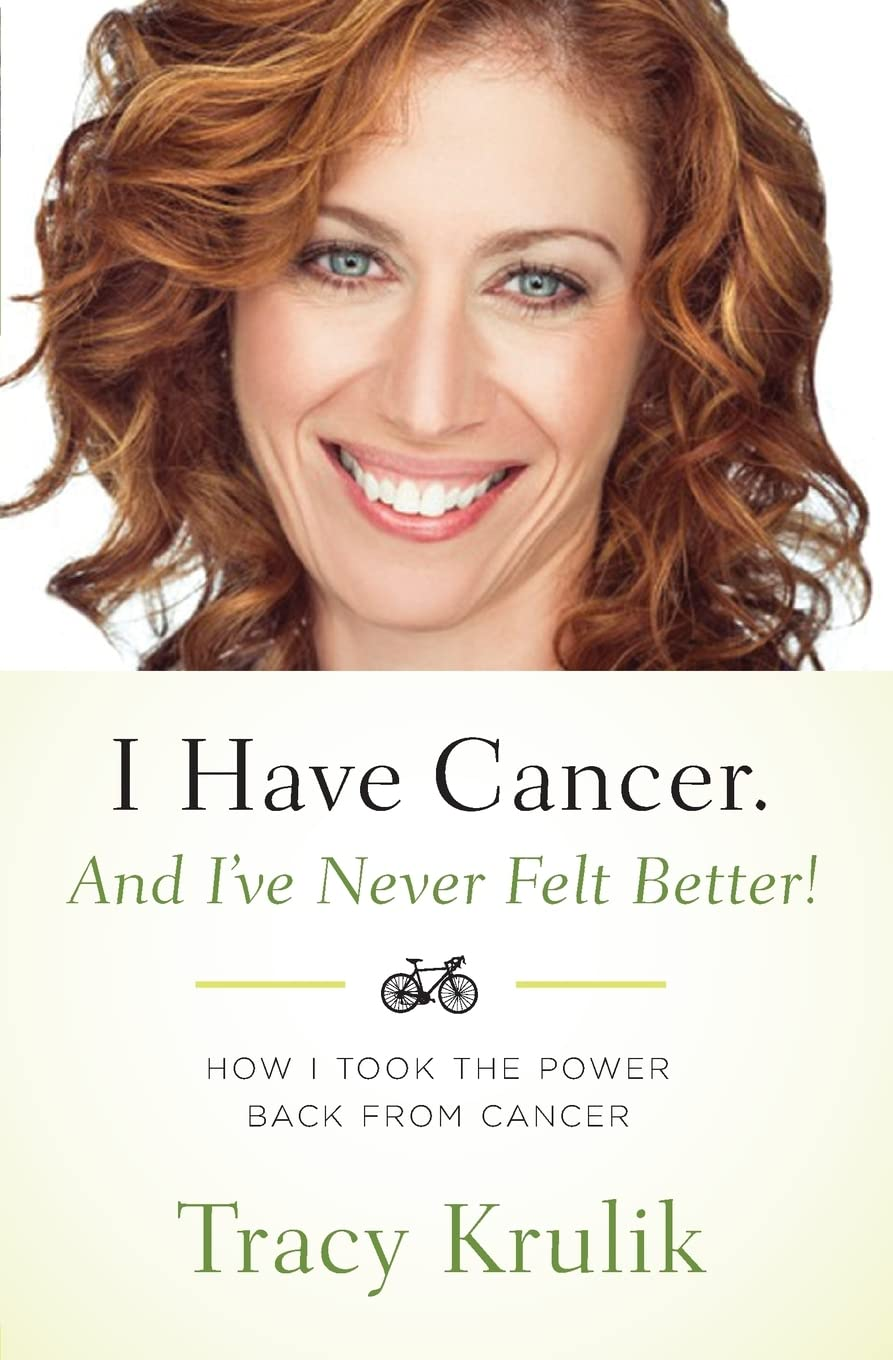
I Have Cancer. And I’ve Never Felt Better!: How I Took The Power Back From Cancer: 

Krulik, Tracy: Amazon.com: Books

Told with both frankness and humor, I Have Cancer. 

And I’ve Never Felt Better! is the everyman’s (or woman’s) Lance Armstrong story. It’s one woman’s wild journey from unraveling a medical mystery that took nine years to solve, to navigating the science and art of medicine in search of the right treatments, to finally awakening to a healthier, more balanced life — with cancer.

Just as millions of people live healthy lives with chronic diseases like diabetes and even HIV, Tracy Krulik shares how she learned to do the same in her fight against cancer — using her bike and a plant-based diet as weapons.

Tracy Krulik’s cancer story is a powerful journey of perseverance, misdiagnosis, and ultimately, empowerment. Here’s a deeper look into her experience:

🧬 The Long Road to Diagnosis

  • In 1998, Tracy was rushed to a South Florida emergency room after a week of nausea, vomiting, and extreme weakness.
  • Doctors initially diagnosed her with gastroparesis, a condition that affects stomach motility, and prescribed medication. But this was just the beginning of a nine-year medical odyssey.
  • Over the years, she endured a wide range of symptoms: gallstones, hypoglycemia, hives, multiple trigger fingers, and intense abdominal pain.

🩺 The Real Diagnosis

  • After years of misdiagnoses and frustration, Tracy was finally diagnosed with a pancreatic neuroendocrine tumor, a rare form of cancer that had metastasized to her liver and chest.
  • Instead of succumbing to fear, she chose to take control of her health and her life.

🚴‍♀️ Reclaiming Her Power

  • Tracy adopted a plant-based diet and embraced cycling as a way to rebuild her strength and spirit.
  • She became a vocal advocate for patient empowerment, encouraging others to ask questions, seek second opinions, and not settle for vague medical answers.
  • Her memoir, I Have Cancer. And I’ve Never Felt Better!, chronicles this transformation with humor, honesty, and hope.
  • READ MORE  I Have Cancer. And I’ve Never Felt Better! – Physicians News

💬 Her Message

Tracy’s story is not just about surviving cancer—it’s about thriving in spite of it. She shows that with knowledge, self-advocacy, and lifestyle changes, it’s possible to live a vibrant life even with a chronic illness.

If you’d like, I can share more about pancreatic neuroendocrine tumors or how lifestyle changes can support cancer recovery.

I would like to read more about pancreatic neuroendocrine tumors or how lifestyle changes can support cancer recovery.

Here’s a comprehensive overview of pancreatic neuroendocrine tumors (pNETs) and how lifestyle changes can support cancer recovery:

🧬 Pancreatic Neuroendocrine Tumors (pNETs)

Pancreatic neuroendocrine tumors are a rare type of cancer that begins in the hormone-producing cells of the pancreas, known as islet cells.

🔍 Key Facts

  • Prevalence: pNETs make up less than 2% of all pancreatic cancers.
  • Types:
    • Functioning pNETs: Produce hormones like insulin, glucagon, or gastrin, causing noticeable symptoms.
    • Non-functioning pNETs: Do not produce excess hormones and often grow silently until they’re large.
  • Grades:
    • Grade 1 & 2: Slow-growing, better prognosis.
    • Grade 3 (pNECs): Fast-growing, more aggressive.

⚠️ Symptoms

  • Abdominal pain
  • Weight loss
  • Diarrhea
  • Skin rash
  • Fatigue
  • Hormone-related effects (e.g., low blood sugar from insulinomas)

🧪 Diagnosis & Treatment

  • Blood tests, imaging, and biopsies help identify the tumor type.
  • Treatments include surgery, hormone therapy, targeted therapy, and sometimes chemotherapy.

You can explore more on American Cancer Society’s page or Mayo Clinic’s overview.

🌱 Lifestyle Changes That Support Cancer Recovery

Making healthy lifestyle choices can significantly improve your quality of life and may reduce the risk of recurrence.

🥗 Nutrition

  • Eat a balanced diet rich in fruits, vegetables, whole grains, and lean proteins.
  • Limit processed foods, added sugars, and saturated fats.
  • Avoid excessive vitamin supplements unless advised by a doctor.

🏃 Physical Activity

  • Aim for 150–300 minutes of moderate exercise per week.
  • Benefits include reduced fatigue, improved mood, better sleep, and lower recurrence risk.

😴 Sleep & Stress

  • Get at least 7 hours of sleep nightly.
  • Practice stress-reduction techniques like meditation, yoga, or counseling.

🚭 Avoid Tobacco & Limit Alcohol

  • Quitting smoking reduces the risk of recurrence and secondary cancers.
  • Alcohol should be consumed in moderation, if at all.

⚖️ Maintain a Healthy Weight

  • Work with a dietitian or doctor to reach and maintain a healthy weight.
  • Weight management supports immune function and overall recovery.

For more guidance: What Is a Pancreatic Neuroendocrine Tumor? | American Cancer Society or Pancreatic neuroendocrine tumors – Symptoms and causes – Mayo Clinic

Would you like help creating a personalized wellness plan or exploring specific lifestyle strategies for your recovery journey?

Tracy Krulik’s cancer journey is a remarkable story of resilience, self-advocacy, and transformation. Here’s how she overcame her diagnosis and reclaimed her life:

🩺 A Long Road to Diagnosis

Tracy spent nine years searching for answers to mysterious health issues—nausea, vomiting, gallstones, hypoglycemia, and more. Despite numerous tests and consultations, doctors couldn’t pinpoint the cause. Eventually, she was diagnosed with a pancreatic neuroendocrine tumor, a rare form of cancer that had metastasized to her liver and chest.

💪 Taking the Power Back

Instead of succumbing to fear, Tracy chose to take control of her health and life:

  • Lifestyle Overhaul: She adopted a plant-based diet, which helped her feel stronger and more energized.
  • Exercise and Movement: Tracy embraced cycling and Pilates, transforming her body and mindset.
  • Patient Advocacy: She became a fierce advocate for asking questions, seeking second opinions, and not settling for vague medical answers.
  • Writing and Speaking: Her memoir, I Have Cancer. And I’ve Never Felt Better!, shares her journey with humor and honesty, inspiring others to take charge of their health.

🌟 Life After Diagnosis

Tracy didn’t just survive—she thrived. She became a Pilates instructor, a speaker, and a writer for outlets like The Washington Post Express and Whole Living. Her story encourages others to see cancer not as the end, but as a turning point.

Help explore her wellness strategies or guide you through creating a personalized recovery plan inspired by her journey.

Absolutely — let’s explore Tracy Krulik’s wellness strategies and build a personalized recovery plan inspired by her empowering journey through cancer.

🌿 Tracy Krulik’s Wellness Strategies

Tracy’s approach to healing was holistic, proactive, and deeply personal. Here are the key pillars she embraced:

🥗 1. Plant-Based Nutrition

  • Tracy adopted a whole-food, plant-based diet to reduce inflammation and support her immune system.
  • She focused on nutrient-dense foods like leafy greens, legumes, whole grains, and healthy fats (e.g., avocado, nuts).

🚴‍♀️ 2. Movement & Exercise

  • She became an avid cyclist and later a Pilates instructor, using movement to rebuild strength and confidence.
  • Regular exercise helped her manage stress, improve circulation, and boost energy.

🧠 3. Mindset & Advocacy

  • Tracy took control of her medical journey by asking questions, researching her condition, and refusing to settle for vague answers.
  • She used humor and storytelling to process her experience and inspire others.

🧘‍♀️ 4. Emotional Wellness

  • She emphasized the importance of mental health, finding joy in small moments and staying connected to supportive communities.

🛠️ Personalized Recovery Plan Inspired by Tracy

Here’s a customizable framework you can adapt to your own journey:

🥦 Nutrition

  • Goal: Support healing and reduce inflammation.
  • Actions:
    • Transition to a plant-forward diet with whole foods.
    • Eat smaller, frequent meals to ease digestion.
    • Work with a dietitian to manage weight and nutrient needs.

🏃 Movement

  • Goal: Rebuild strength and stamina.
  • Actions:
    • Start with gentle activities like walking or stretching.
    • Progress to cycling, yoga, or Pilates as tolerated.
    • Track progress and celebrate small wins.

🧘 Emotional Support

  • Goal: Cultivate resilience and peace.
  • Actions:
    • Join a survivorship or support group.
    • Practice mindfulness, journaling, or guided meditation.
    • Seek counseling if anxiety or fear of recurrence arises.

🩺 Medical Follow-Up

  • Goal: Monitor health and prevent recurrence.
  • Actions:
    • Create a survivorship care plan with your doctor.
    • Schedule regular imaging and lab tests.
    • Keep copies of medical records and maintain insurance.

🚭 Lifestyle Habits

  • Goal: Reduce risk and improve overall well-being.
  • Actions:
    • Quit smoking and limit alcohol.
    • Stay hydrated, especially if dealing with digestive issues.
    • Maintain a healthy weight through balanced eating and movement.

Sources:   8 Things to Know About Your Diet After a Pancreatic Neuroendocrine Tumor 

Living as a Pancreatic Neuroendocrine Tumor Survivor | American Cancer Society

Post-Recovery Care & Recurrence Prevention in Pancreatic Cancer

Tracy Krulik’s memoir I Have Cancer. And I’ve Never Felt Better!: How I Took The Power Back From Cancer is a candid, uplifting, and often humorous account of her journey through a life-altering diagnosis of a pancreatic neuroendocrine tumor.

📘 What the Book Is About

  • Medical Mystery Unraveled: Krulik spent nine years seeking answers to unexplained symptoms before finally receiving her cancer diagnosis.
  • Empowerment Through Knowledge: She dives into the science and art of medicine, advocating for patients to take an active role in their care.
  • Transformation: Rather than succumbing to fear, Krulik uses her diagnosis as a catalyst to live a healthier, more balanced life.
  • Tone and Style: The book is told with frankness and humor, making it relatable and inspiring for anyone facing a health crisis or seeking to reclaim control over their life.

💡 Key Themes

  • Patient advocacy and self-empowerment
  • The emotional and psychological journey of living with cancer
  • The importance of lifestyle changes and holistic wellness
  • Finding joy and purpose in the face of adversity

You can find the book on Amazon or read more about it through the Carcinoid Cancer Foundation.

I Have Cancer. And I’ve Never Felt Better!: How I Took The Power Back From Cancer By Tracy Krulik

Would you like a few inspirational quotes or takeaways from the book?

Tracy Krulik’s I Have Cancer. And I’ve Never Felt Better! is filled with empowering insights and reflections. While the book itself doesn’t have a widely published list of quotes, here are a few inspirational takeaways and sentiments that reflect its spirit:

🌟 Inspirational Takeaways

  • Reclaiming Control: Krulik emphasizes that a diagnosis doesn’t mean surrender. She took charge of her health, researched her condition, and made lifestyle changes that helped her feel better than ever.
  • Humor as Healing: Her witty and candid storytelling shows that laughter can be a powerful medicine—even in the face of cancer.
  • Patient Advocacy: She encourages readers to be their own advocates, ask questions, and not settle for vague answers from medical professionals.
  • Living Fully: The book celebrates the idea that life doesn’t pause for illness—it can be richer, more intentional, and more joyful.

💬 Quotes Inspired by the Book’s Message

While direct quotes from the book are limited online, here are a few that echo its themes:

  • “Cancer may be a part of my journey, but it does not define my destination.”
  • “I won’t let cancer define me, but I’ll use my journey to help others.”
  • “You gain strength, courage, and confidence by every experience in which you really stop to look fear in the face.” – Eleanor Roosevelt

If you’d like, I can help you find more quotes from cancer survivors or even craft a few original ones inspired by Krulik’s story. Would you like that?

How dietary choices may help during multiple myeloma treatment | This Is Living With Cancer | Official Site

151 Best Cancer Uplifting Inspirational Quotes (with Commentary) – Burning For Success

30 Inspiring Quotes From Cancer Survivors | Reader’s Digest Canada

50 Inspiring Cancer Survivor Quotes for Strength

Tracy Krulik – Carcinoid Cancer Foundation

Paul Perry ponders the question ‘what happens when we die” The Afterlife through a series of interviews with subjects who have had near-death experiences, as well as renowned experts in the field of NDE research.

Posted in Uncategorized | Leave a comment

Dr Gareth Nye, Biomedical Expert 

Dr Nye said those who consistently lead an active lifestyle are more likely to live longer

Longevity expert flags how to exercise to help you live to 100 – and it doesn’t involve the gym

Story by Zoe Hardy

Getting up from your desk and walking about the office, rather than intense stints at the gym, could be the key to living longer, a top longevity expert says.

Dr Gareth Nye, a biomedical expert at the University of Salford, said that living to 100 isn’t all down to luck and genetics.

‘People who live longer tend to have a higher activity level in their day-to-day lives rather than focus on structured exercise programmes,’ he told The Mirror.

‘The message here is that trying to incorporate more activity throughout the day is key and avoiding prolonged periods of sitting down.

‘Those in offices could switch to standing desks, for example, or look at their commute to make changes,’ he suggested.

The longevity expert shared this as one of four key tips to help increase your chances of living for a century. 

According to Dr Nye, boosting longevity is less about strenuous workouts, and more about consistently being active throughout the day, which he called ‘whole activity levels’.

He said those who get up and move more tend to live longer than those who lead a more sedentary lifestyle.

Several studies support avoiding sedentary time to protect your health.

One recent piece of research suggests that sitting or lying down for long periods of time could increase your risk of Alzheimer’s, regardless of how much exercise you do.

Dr Nye added: ‘The issue with exercising at a high level is that consistency is often a problem…it is much better overall to work on whole activity levels’.

Another one of his tips was to watch what you’re putting in your body, including cutting back on alcohol, quitting smoking and avoiding foods that are high in saturated fats. 

Prevent Excessive Sweating

BONUS TIP: Prevent Excessive Sweating

‘The less processing, the better,’ the longevity expert explained.

‘Meat and vegetables, as free range or organic as possible, will have the least chance of impacting the body negatively. The more processing involved, the more detrimental it is to the body.’

Dr Nye highlighted processed meats—such as ham and bacon that have been altered to enhance flavour or extend shelf life—as one food that could limit life spans due to an increased risk of bowel cancer. 

He also advised reducing the levels of sugar and salt from your diet, due to links to cardiovascular diseases.

For those struggling to get more healthy foods into their diet Dr Nye recommended opting for frozen options that can be easily added to a variety of meals. 

‘Frozen fruit and vegetables can be just as beneficial and often easier to add to meals to get that content in’, he added.

Another tip for a longer life offered by Dr Nye was to ensure you get the recommended seven to eight hours of sleep per night.

‘Shorter than seven hours of sleep daily is linked to a 12 percent increased risk of death, with those who sleep over eight hours being linked to a 30 per cent increased chance,’ he said.

‘It seems that having regular sleep patterns may be the key to getting the most benefit and potentially living longer’, the expert added.

Studies show that prolonged sleep deficiency can put people at a higher risk for conditions like obesity, heart disease and Type 2 diabetes. 

Dr Nye’s final tip, knowing your family history for any conditions you should keep track of as well as attending routine health checks.

According to the doctor, genetic factors, including disease risk, hormone balance and cell replacement rates, are believed to influence between 20 and 30 percent of your lifespan.

‘About 40 percent of life expectancy is inherited among generations, meaning you are more likely to live longer if your parents and grandparents did,’ he added.

Genetic testing, sometimes called genomic testing—which highlights changes in genes that can cause health problems—is mainly used to diagnose rare and inherited health conditions and some cancers. It can also help couples understand the risk of passing on a health condition to their children.

However, the NHS advice considering how the results could affect you and others in your family, as there is a chance that the test will provide information about your relatives that was not previously known.

Dr Nye’s advice comes as data suggests England’ bulging waistlines have caused a significant drop in average life expectancy

After decades of progress, attempts to keep people living longer are beginning to fail, with people in England now living roughly nine months less than they did in 2011. 

Separate data released by the Office for National Statistics (ONS) earlier this year suggested that a baby boy born in the UK in 2023 could expect to live on average to 86.7 years.

Girls still have a longer anticipated lifespan of 90 years, although the gap has been narrowing.

As of the latest ONS data, for 2023, there are just over 16,000 centenarians—people who have lived over 100 years—living in the UK  

image.png
If you’re keen to live to 100, you may need to rethink your lifestyle(Image: undefined via Getty Images)

Biomedical scientist’s four essential tips if you’re ‘keen to live longer’
Dr Gareth Nye, lecturer in Biomedical Science at the University of Salford, has delved into some crucial longevity tips. Celebrating your 100th birthday might sound like a far-off dream. Yet, one medical expert claims it isn’t exactly impossible if you are prepared to adhere to four fundamental life principles.

Dr Gareth Nye, a lecturer in Biomedical Science at the University of Salford, emphasised that while there are no guarantees or foolproof methods, following this advice could steer you towards a longer life. “In essence, a long life is down to luck, but you can improve your luck,” he told the Mirror in an exclusive interview.

image.png
Neuropathy is not from Low Vitamin B. Meet the Real Enemy of Neuropathy

“Genetics seems to play a role and influences between 20-30% of your total lifespan through a range of factors, like disease risk, hormone balance and cell replacement rates. But, it’s thought that about 40% of life expectancy is inherited among generations, meaning you are more likely to live longer if your parents and grandparents did.”

image.png

Here, we delve into Dr Nye’s four crucial rules that could potentially prolong your lifespan.

1. Be more active

Before you start envisioning punishing gym sessions and intense circuit training, don’t fret. Instead, Dr. Nye emphasised that we should shift our focus from ‘exercise’ to ‘activity’ when considering longevity.

We use your sign-up to provide content in ways you’ve consented to and improve our understanding of you. This may include adverts from us and third parties based on our knowledge of you. More info

“People who live longer tend to have a higher activity level in their day-to-day lives rather than focus on structured exercise programmes,” Dr Nye claimed. “The message here is that trying to incorporate more activity throughout the day is key and avoiding prolonged periods of sitting down. Those in offices could switch to standing desks, for example, or look at their commute to make changes.”

Dr Nye’s perspective is echoed by research findings. In 2024, one study indicated that aiming for up to 10,500 steps daily could cut the risk of early death by 39% and the risk of heart attack or stroke by 21%.

Earlier this month, further research also determined that even short bursts of high-intensity activity or brisk walking may slash the threat of dementia by as much as 40%. Dr Nye continued: “The issue with exercising at a high level is that consistency is often a problem… it is much better overall to work on whole activity levels.”

2. Get some more sleep

The benefits of a good night’s sleep extend beyond simply feeling refreshed for the day ahead. Prior research has shown that seven to eight hours of sleep is associated with the lowest risk of premature death.

2021 study even found that individuals in their 50s and 60s who slept six hours or less each night were at a higher risk of developing dementia. These findings are particularly relevant given that over 944,000 people in the UK are currently living with dementia.

Dr Nye continued: “The recommendation is that seven to eight hours of interrupted sleep has the lowest risk of premature death. Shorter than seven hours of sleep daily is linked to a 12% increased [risk of] death, with those who sleep over eight hours being linked to a 30% increased chance of premature death.

“It seems that having regular sleep patterns may be the key to getting the most benefit and potentially living longer.”

Meet the 72-year-old who travels the world alone in a wheelchair

image.png

Seven to eight hours sleep is recommended for adults(Image: Getty Images)

3. Reassessing what you’re ingesting

Reflecting on our diet and everyday lifestyle choices is critical for long-term health. According to Dr Nye, consciously avoiding alcohol, tobacco, and foods laden with saturated fats is crucial, as these elements are linked to various health hazards.

“The less processing, the better,” Dr Nye said. “Meat and vegetables, as free range or organic as possible, will have the least chance of impacting the body negatively. The more processing involved, the more detrimental it is to the body, mainly due to preservative agents. [For instance], ham and bacon increase your risk of bowel cancer.

“Avoid added sugar or sugar that isn’t part of the required diet. Those from areas that live longer will consume similar amounts of sugar from their diet, but have drastically lower added sugar in foods and lower levels of sweet treats.

“Avoid the salt – the body needs 0.5g of sodium per day to function. Most people are consuming 8.5g of salt/sodium per day. Clearly, this excess salt is not good for the body and is linked to cardiovascular disease.”

These insights from Dr Nye come amid statistics revealing heart and circulatory diseases account for over a quarter of UK deaths, around more than 170,000 each year, which is one fatality every three minutes by figures from the British Heart Foundation.

Dr Nye further advised:

Up your daily fruit intake – a variety is preferable

Water from Fruit is Nutritious – Search
Eat more olive oil
Eat less animal-based protein

He added: “The idea is to try a variety of fruit and vegetables until you find ones that suit you and your preferences. It doesn’t always have to be fresh, either. Frozen fruit and vegetables can be just as beneficial and often easier to add to meals to get that content in.”

4. Get checked out and know your family’s history

Finally, Dr Nye emphasised the importance of being aware of your health risks and scheduling regular GP appointments. Genetic factors, including disease risk, account for about 20 to 30% of your total lifespan.

Current NHS advice regarding genetic testing states: “If the genetic test shows there are changes to your genes that cause a health condition, this may mean that other members of your family also have it. In this situation, your doctor may recommend that other members of your family also have a genetic test.

“There’s also a chance that the test gives you information about your relatives that you or they may not have known before. For example, it may show that you were adopted or that your biological father is not who you thought they were.” The truth about alcohol and your brain: Scientists put a number on the years heavy drinking takes off your life

How Smoking Kills

Smoking significantly reduces life expectancy on average, smokers live about 10 years less than non-smokers due to increased risks of developing serious health conditions such as cancer, cardiovascular disease, heart attack, stroke, diabetes, and chronic obstructive pulmonary disease (COPD). The major causes of excess mortality among smokers are diseases directly related to smoking.

Don’t Smoke Any Brand: The 50+ Best Cigarette Brands, Ranked By Smokers

Health Effects of Smoking on Your Body

Posted in Uncategorized | Leave a comment

Longevity Tips

© Kelsey Niziolek; Getty Images

4 Longevity Tips, According to a Scientist Who Studied the World’s Oldest Person

Story by Dean Stattmann

Nowadays, it seems like everyone is selling longevity, from supplements touting life-extending benefits to blood test subscription services that promise to lower your biological age.

On paper, this all sounds great and, unsurprisingly, the global longevity market—valued at $21.3 billion in 2024—is projected to almost triple over the next 10 years, according to data from Market Research Future. However, until we’re able to start doing in-depth scientific analysis on people who have actually achieved meaningfully longer-than-average lifespans, much of the hype around longevity remains theoretical.

Cue a breakthrough new study, published in the journal Cell Reports Medicine, which reveals the findings of a group of researchers who studied the world’s oldest living person. Before passing away last year at the age of 117, Maria Branyas Morera topped the list of known supercentenarians (people over the age of 110), and in 2023 she invited scientists to study her biology—and her lifestyle—to help determine what factors might have contributed to not only her impressive longevity, but also a surprising absence of age-related diseases.

“Maria was extremely old, but at the same time very healthy, and this is very unusual,” says Manel Esteller, MD, PhD, chairman of genetics at the University of Barcelona and researcher at The Josep Carreras Institute, who led the study. “We wanted to uncover clues about her healthy and extended lifespan.”

Interestingly, the research paints a picture that is as much about good genetics as it is about maintaining a healthy lifestyle. “It’s half and half,” Dr. Esteller says. “Half is genetics, and the other half is what we do with our lives—our behavior, what we eat, and whether we exercise or not.”

From diet and exercise to social activity, here’s everything Dr. Esteller told us about the lifestyle choices that might have enabled Branyas to live such a long and healthy life.

Watch Now: GQ Video.

1. Follow the Mediterranean diet

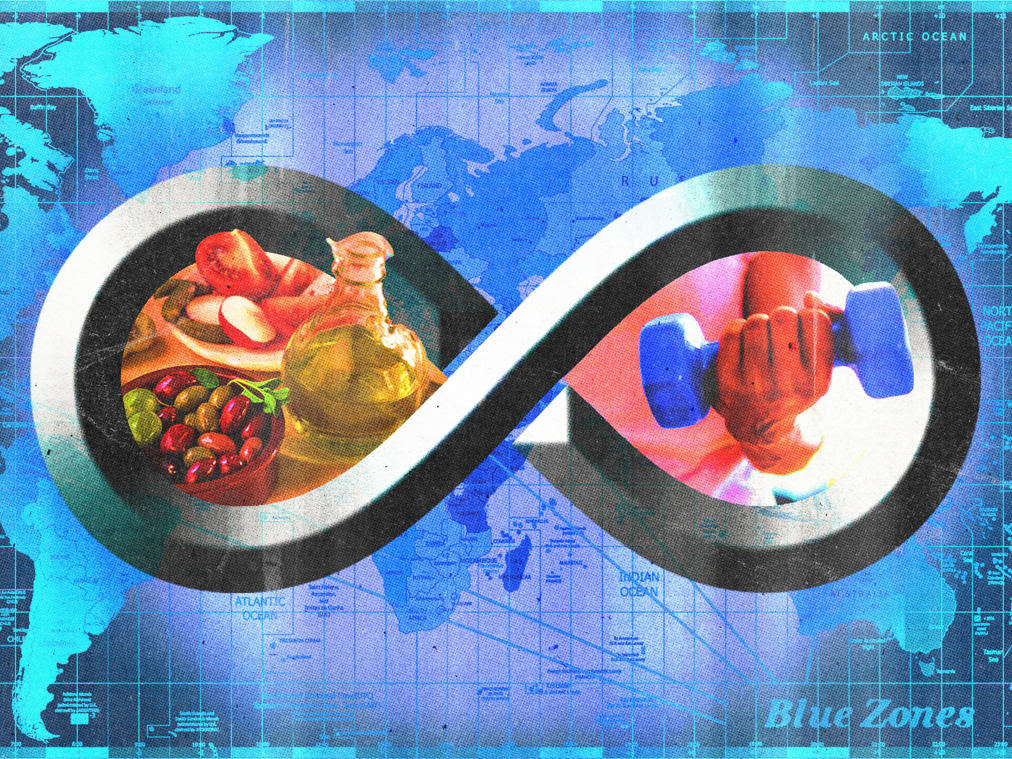
Branyas followed a mostly Mediterranean diet, which several studies have found to reduce the risk of cardiovascular disease and type-2 diabetes, while also supporting longevity. One research review published in the journal Current Opinion in Clinical Nutrition & Metabolic Care called the diet “the gold standard in preventive medicine,” due to the anti-inflammatory and antioxidant-rich nature of the healthy fats, oils, and plant-based foods we associate with it.

In keeping with the Mediterranean diet, Branyas’s animal-based protein intake came primarily from chicken and fish. She favored bluefish in particular, a species notably popular in Japan, which is home to a disproportionately large percentage of supercentenarians (although it can also be found in Africa, the Mediterranean, and off the eastern coast of the United States).

The study also points out that Branyas ate a lot of yogurt. As in, three times a day, which Dr. Esteller points out, “maybe was too many.” But who are we to say? Either way, the researcher’s credit Branyas’s yogurt habit with cultivating a top-tier gut microbiome.

“This is very relevant, because yogurt contains bacteria that create a defense against inflammation,” Dr. Esteller says. “People that have chronic inflammation, they look older, and they age very fast.”

2. Exercise daily—and don’t skimp on strength training

When it comes to longevity, “it is generally thought that daily exercise is better than exercising just one or two days a week—and this is something [Branyas] did for years,” Dr. Esteller says. Thankfully, this doesn’t mean you have to do seven HIIT workouts a week. Rather, Branyas’s daily exercise consisted simply of a brisk walk done at a pace just shy of a jog.

In addition to her daily walks, Branyas also did strength training two to three times a week. “This increased the strength of her bones and muscles—something that we typically lose as we age,” Dr. Esteller says, noting that consistency was an important factor as well. “She was very active in her life, right until the end.”

Dr. Esteller considers this consistent fitness regimen to be a major factor in Branyas’s impressive longevity, pointing out that a sedentary lifestyle can accelerate aging. “Maybe you’re 40, but your cells look like they’re 55 or 60,” he says. “In Maria’s case, her cells were 23 years younger. And [her active lifestyle] is probably part of the reason she was alive. Because, despite being 117, her cells looked like they were 94 or 95 years old.”

3. Build community

Researchers agree that community plays an important role in overall longevity and, according to Dr. Esteller, there is a biological basis for this theory. “When you interact with your family and your friends, and you have a good relationship with all these people, what is created in you is like an extra shot of hormones and neurotransmission,” he says. “It’s similar to how, when we are satisfied, our brain releases dopamine; and when we’re happy, we release endorphins. There are a lot of hormones and molecules that work in our brain and release upon social interaction.”

Branyas was known to surround herself with family and friends. “She still had a beautiful mind,” Dr. Esteller says. “Very clear, and able to think logically until the end. And this was in part associated with strong ties with family and friends.”

4. Avoid smoking and drinking

While Branyas maintained a healthy social life, it’s worth noting that she prioritized sleep—getting around eight hours a night—and avoided drinking alcohol and smoking tobacco. “Alcohol changes our gut microbiome and is associated with poor health and accelerated aging,” Esteller says. “And we know that smokers have accelerated aging for sure.”

5. Genetics go only so far

After analyzing Branyas’s DNA, it was clear to the researchers that she had some top-shelf genes, particularly of the sort known to help fend off heart disease, cognitive decline, and diabetes. However, according to Dr. Esteller, good genes alone likely wouldn’t have been enough to carry Branyas all the way to her advanced age.

“The genes we inherit from our parents are like the cards we are dealt at the beginning of a poker game,” he says. “But somebody that is not very good at poker can still lose, even with good cards.”

Dr. Esteller insists that, despite the genetic hand that Branyas was dealt, the way she ate, exercised, and generally lived her life were of equal value. “There are things that we do in our lives that leave a chemical fingerprint on our DNA,” he says. “What she did in her life was very important in keeping her cells younger for longer.”

image.png

 Maria Branyas Morera on her 117th birthday Arxiu de la família Branyas Morera via Wikimedia Commons

Maria Branyas Morera (Catalan: [məˈɾiə ˈβɾaɲəs]; 4 March 1907 – 19 August 2024) was an American-Catalan supercentenarian who, until her death at the age of 117 years, 168 days, was the world’s oldest verified living person, following the death of Lucile Randon on 17 January 2023.

 Before passing away last year at the age of 117, Maria Branyas Morera topped the list of known supercentenarians. In this Catalan name, the first or paternal surname  is Branyas  and the second or maternal family name is Morera; both are generally joined by the conjunction “i”.

Maria Branyas Morera (Catalan: [məˈɾiə ˈβɾaɲəs]; 4 March 1907 – 19 August 2024) was an American-Catalan supercentenarian who, until her death at the age of 117 years, 168 days, was the world’s oldest verified living person, following the death of Lucile Randon on 17 January 2023.[2]

Personal life

Branyas, then age four, sitting on a wooden fence with her family in 1911 in New Orleans

Branyas was born on 4 March 1907 in San Francisco, California. She was the first child and eldest daughter to Joseph Branyas Julià (1877–1915) and Teresa Morera Laque (1880–1968). Maria was part of an expatriate family (of Catalan origin) who had moved there in 1906, the year prior to her birth.[3][4] She and her family later moved to Texas, then subsequently to New Orleans.[4][5] While in New Orleans, her father Joseph worked as a journalist and founded the Spanish-language magazine Mercurio.[5]

The family decided to return to Catalonia in 1915 due to major events that impacted Branyas’s father.[4][5] He was both struggling financially, declared bankruptcy, and his doctor recommended a move amid his declining health.[4][5] Due to the German naval presence in the Atlantic Ocean during World War I, their boat had to travel via Cuba and the Azores to ensure a safe passage.[3] During the voyage, Branyas became deaf in one ear[6] after falling from the upper deck to the lower deck while playing with her brothers.[7] Branyas’s father also died of tuberculosis on the voyage, and her mother later remarried.[4][8] The family settled first in Barcelona and subsequently moved northeast to the city of Banyoles.[8]

image.png

Branyas, 1925

On 16 July 1931, Branyas married Joan Moret, a traumatologist, with whom she had three children.[9][10][11][12] During the Spanish Civil War, Branyas was employed as a nurse working by her husband’s side at a Nationalist field hospital in TrujilloExtremadura.[4][8] While later living in Girona, Moret became the regional leader of the healthcare organisation Obra Sindical 18 de Julio [es].[4] He was also the director of the Josep Trueta Hospital, then called Residencia Sanitaria Álvarez de Castro, in Girona from 1972 to 1974.[4][13] Branyas worked as a nurse and as her husband’s assistant until his death in 1976.[5][14]

In the 1990s, Branyas travelled to Egypt, Italy, the Netherlands, and England and took up sewing, music and reading.[4] In 2000, she moved to a nursing home in Olot, Catalonia at the age of 93.[4][15] Branyas was described as an active resident there, continuing to perform exercises until her mobility deteriorated.[8] Branyas played the piano until she was 108, and used a voice-to-text platform to communicate due to hearing loss.[16][17][18] She had 11 grandchildren.[4]

Health and longevity

Branyas became a supercentenarian in 2017, which is achieved by about one in a thousand centenarians.[19] In March 2020, Branyas became the then-oldest[a] person to recover from COVID-19.[20] In an interview with The Observer, she called for better treatment of the elderly: “This pandemic has revealed that older people are the forgotten ones of our society. They fought their whole lives, sacrificed time and their dreams for today’s quality of life. They didn’t deserve to leave the world in this way”.[21] In July 2020, a research study into the impact of the coronavirus pandemic on elderly care home residents was conducted by the Spanish National Research Council and Dalt Pharmacy. The study was called Proyecto Branyas (‘Project Branyas’) in her honour.[4][22]

Branyas officially became the oldest living person in the world on 17 January 2023, after the death of Lucile Randon of France.[23] In 2023, she became the subject of scientific research as a result of maintaining good health and memory at an advanced age.[24] Branyas died of natural causes in her sleep on 19 August 2024 at the age of 117 years and 168 days.[25][26][27] After her death, Tomiko Itooka became the world’s oldest living person.[28]

On 25 February 2025, Santos-Pujol, Esteller and colleagues unveiled a comprehensive  multiomics analysis of her genomic, transcriptomic,  metabolomic,  proteomic, also  microbiomic  and epigenomic landscapes in different tissues, and compared the results with those observed in non-supercentenarian populations. Their study also suggests “extremely advanced age and poor health are not intrinsically linked.”[29]

| Read More

Sara Hashemi

Sara Hashemi 

Sara Hashemi is a science writer and fact-checker currently based in New York City. Her work has appeared in SierraThe BodyMaisonneuve magazine and more. Maria Branyas Morera was the world’s oldest person when she died at 117 last year. Now, scientists have searched within her genes for the answers to her long life.

Before she died, Branyas allowed doctors to collect samples of her blood, saliva, urine and stool to shed light on her biology and what had allowed her to live for so long. “We wanted to learn from her particular case to benefit other people,” says Manel Esteller, a physician at the University of Barcelona who led the work, to Mariana Lenharo at Nature.

Esteller and his colleagues compared Branyas’ profile with that of other Iberian women. (The supercentenarian was born to a Spanish family in the United States and spent most of her life in Spain.) The findings, which were published in the journal Cell Reports Medicine on September 24, point to a combination of genetic luck and lifestyle choices. Branyas did not smoke or drink, she exercised regularly, and she had an active social life. This all certainly helped, Esteller tells Ian Sample at the Guardian.

At the same time, she had variants in her genes that are associated with longevity and that protect against dementia, heart disease, diabetes and other illnesses. “She had cells that seemed younger than her age,” adds Esteller to Gina Kolata at the New York Times.

Her gut microbiome was also like that of a younger person, the study found. She had lots of Bifidobacterium, beneficial bacteria that probably got a boost from the three servings of yogurt she reportedly ate every day. Those microbes likely also protected her against inflammation.

“It shows that maybe a dietary intervention can be associated not only with avoiding obesity and other pathologies, but also with prolonged life, acting through the microbiome gut landscape,” Esteller explains to James Woodford at New Scientist.

Still, eating three yogurts a day will not necessarily make for a long life. Other researchers caution that the results of a study of one person can’t be extrapolated to entire populations. Richard Faragher, a biogerontologist at the University of Brighton in England, tells New Scientist that to prove Branyas’ long life wasn’t just the result of luck, the researchers would have had to show that other members of her family also had long lives.

Dr. Mary Armanios, MD. an oncologist and geneticist at Johns Hopkins School of Medicine, is also skeptical, reports the New York Times. “The genetics of longevity are notoriously confusing,” she says to the outlet. It’s hard to predict how long someone will live—when researchers looked for variants linked to a long life, they compared the genes of centenarians with those of younger people. But there’s no way to know how long those younger people will live.

She also points out that other factors, like socioeconomics, can affect how long someone lives, even if they have a good genetic profile. “I do think there are obviously bad genetics that limit life span,” she adds. “But I am not sure good genetics are sufficient to overcome socio economic limitations.”

Esteller, for his part, hopes to use the information gleaned from the study to develop medications that can help older people stay healthy. “We can develop drugs to reproduce the effects of good genes,” he explains to the Guardian. “Maria’s parents gave her very good genes, but we cannot choose our parents.”

********

Discover how María Branyas Morera’s gut microbiome—packed with youthful Bifidobacterium—may have helped her live to 117. In this Mind & Marvel deep dive, we unpack the Cell Reports Medicine findings, explain how fermented foods (three yogurts a day), the Mediterranean diet, probiotics vs prebiotics, and lifestyle choices shape longevity.

Learn practical, science-backed steps to support your microbiome: fermented foods, diverse plant fibers, exercise, sleep, and stress management. Perfect for health and longevity seekers curious about gut health, biological age, and practical diet tips. If you found this insightful, please like and share the video to help others learn about gut-driven aging. #Microbiome #Longevity #GutHealth #MediterraneanDiet

Posted in Uncategorized | Leave a comment

Cancer Ribbon Color Chart

What Standing Up to Colon Cancer Means to Me | CURE

Type of CancerRibbon ColorAwareness Month
National Cancer Prevention MonthFebruary
National Minority Cancer Awareness MonthApril
National Young Adult Cancer Awareness WeekApril 1-7
National Cancer Research MonthMay
Oncology Nursing MonthMay
Cancer Immunotherapy Awareness MonthJune
Cancer Survivors MonthJune
National Black Family Cancer Awareness WeekJune 17-23
All cancersLavender – Search Images
Appendix cancer Natural Survivors StoryAmber – Search ImagesNone
Bladder cancer Natural Survivors Story Marigold/blue/purple – Search ImagesMay
Brain cancer Natural Survivors Story Gray – Search ImagesMay
Breast cancer Natural Survivors StoryPink – Search ImagesOctober
Cervical cancer Natural Survivors StoryTeal/white – Search ImagesJanuary
Childhood cancer Natural Survivors StoryGold – Search ImagesSeptember
Colon cancer Natural Survivor StoryDark blue – Search ImagesMarch
Esophageal cancer Natural Survivor StoryPeriwinkle – Search ImagesApril
Gallbladder/bile duct cancer Natural Survivor StoryKelly green – Search ImagesFebruary
Head and neck cancer Natural Survivor StoryBurgundy/ivory – Search ImagesApril
Hodgkin’s lymphoma Natural Survivor StoryViolet – Search ImagesSeptember
Kidney cancer Natural Survivor Story – SearchOrange – Search ImagesMarch
Leiomyosarcoma Natural Survivor Story – SearchPurple – Search ImagesJuly
Leukemia Natural Survivor Story – SearchOrange – Search ImagesSeptember
Liver cancer Natural Survivor Story – SearchEmerald – Search ImagesOctober
Lung cancer Natural Survivor Story – SearchWhite – Search ImagesNovember
Lymphoma Natural Survivor Story – SearchLime green – Search ImagesSeptember
Melanoma and skin cancers Natural Survivor StoryBlack – Search ImagesMay
Multiple myeloma Natural Survivor StoryBurgundy – Search ImagesMarch
Ovarian cancer Natural Survivor Story – SearchTeal – Search ImagesSeptember
Pancreatic cancer Natural Survivor StoryPurple – Search ImagesNovember
Prostate cancer Natural Survivor StoryLight blue – Search ImagesSeptember
Sarcoma/bone cancer Natural Survivor StoryYellow – Search ImagesJuly
Stomach/gastric cancer Natural Survivor StoryPeriwinkle – Search ImagesNovember
Testicular cancer Natural Survivor StoryOrchid – Search ImagesApril
Thyroid cancer Natural Survivor StoryTeal/pink/blue – Search ImagesSeptember
Uterine cancer Natural Survivor StoryPeach – Search ImagesSeptember
Neuroendocrine/carcinoid Natural Survivor StoryZebra stripe – Search ImagesNovember
Honors caregiversPlum – Search ImagesNovember
Posted in Uncategorized | Leave a comment

Power of the Eagle

The Power Of Eagle Mindset – Best Motivational Video | Titan Man

The eagle eye is among the sharpest and most amazing in the animal kingdom, with an eyesight estimated at 4 to 8 times stronger than that of the average human’s eye.

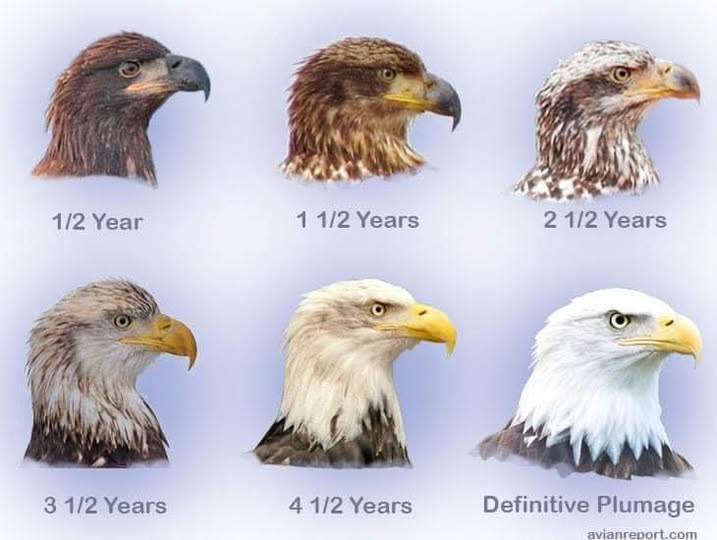
How a bald eagle transforms as it ages 🔥🦅

If you ever want to be something then be an eagle but never be a parrot in life.
Because the parrot speaks a lot but cannot fly very high but an eagle speaks very little but flies very high an eagle has the willpower to touch the sky.

A parrot’s gift is to talk and an eagle’s flight is to fly and I would rather be an eagle because The eagle is the king of the other birds. So today i will tell you seven mentalities and habits that every person should learn from an eagle these are the most powerful mindset in the world and there is a great life learning in these seven mentalities and attitudes of an eagle.

First Lesson

so lesson number one eagle fly alone eagle fly alone and higher than all other birds eagle will fly alone but will never fly with a pigeon in a sparrow or with any small bird
eagle either fly with eagle or fly alone and this takes us a lesson that stay away from narrow-minded people small-minded people and stay alone because this is the time when you get the real chance to know yourself

Second Lesson

lesson number two eagle’s vision is very clear and very strong eagle can see its prey from five kilometers away and once it sees his target and goal clearly then no matter how difficult it is no matter how hard it is he hunts his target and achieve his goal here is the great lesson to learn from this too that keep your vision clear and achieve it no matter how hard it is do not hold back like that eagle.

Third Lesson

lesson number three eagle never ate dead things eagle never eat dead animals he always hunts alive animals and this mindset of eagle teaches us that our past is dead it’s already gone so don’t pay attention to those dates. Don’t waste your energy with Rotten thoughts: the past that is gone. Rather than focus on your upcoming first life and focus on today, keep things current. the old memories of your past are hard to you let go.

So tell them goodbye and let them be there where they belong and your past has a place of itself don’t give it a place in your present don’t bring it back in your present. Because once your past takes place in your present your past will never let you stay in the present so no matter how bad has happened to you in your past all those thoughts and memories are already dead and gone and become like that will never eat dead things.

Forth Lesson

lesson number four eagles love the storm eagles get excited when storm clouds gather when the storm comes all the birds hides and scared but the eagle enjoys it a lot and they welcome the challenge it brings when the strong wind blows the eagles fly even more high with the help of those wines and when it flies very high it reaches even above the clouds,  the life lesson to be learned from this mindset is to find the possibilities in the problems. Also find the opportunities in the challenge and once the napoleon hill said that every great challenge brings a great opportunity with it so like that eagle embrace the challenge and learn from them and recognize your opportunity and start embracing the challenge and start seeing the opportunities all the difficulties will be under control of you and you will be over those difficulties.

Fifth Lesson

lesson number five eagle always removed soft grass from its nest so that the eagle’s baby cannot be comfortable in it because if he becomes comfortable in the past he will stay there and would not be able to leave the comfort zone but a mother eagle never let this happen to her baby eagle is also a bard but imagine he knows that there is no growth in the comfort zone but we are human beings and despite being humans many people do not understand this the more you stay in the comfort zone the more you become lazy and the more uncomfortable your life will become in the future.

Sixth Lesson

lesson number six eagle test the power of commitment before a trust, when a female eagle meet a male one that they want to mate she tests the male eagle’s power of commitment so she picks it twice and fly very high once he has reached a height high enough for her she lets the twig fall to the ground and tells the male one to catch it The male chases up to the toy the faster it falls the faster he chases it he has to catch it before it falls to the ground because if he fails to catch it he will lose our trust.
The lesson we can learn from this mindset is we must have to test the commitment of people we intend to partner with the people we hire establishing trust is important in
relationship.

Lesson Seven

lesson number seven eagles love the painful process at the age 40 the eagles become old the eagle has to make a painful decision at that moment die or go through a painful process of reebok which will extend its life for 30 more years this process involves the painful task of knocking out its own beak and plucking out its talons so that new ones can grow this entire process takes about five months to complete, The lesson we can learn here if there is no pain there is no gain

Many of us want success or change but without the sacrifice hard work disappointment and heartbreak it is impossible to survive and grow we must be willing to change and sometimes we may even need to go a step further a death of the world self and a total rebirth ending toxic relationships leaving toxic jobs getting rid of destructive habits thoughts and traditions and mindsets that no longer serve us and remember at the end we are all just stories just make it a good one. [Music]

The Power of ATTITUDE – A powerful motivational speech by Dr. Myles. – YouTube

There are only two animals on the planet that the creator identified himself with the first one is the eagle and the second animal is the lion.

When I identified those two animals as his favorite to identify himself with I recognized I better study these two animals because if he is the leader of the universe and I want to be a leader on earth I better find out the nature of these animals and also the up attitude of these animals.

I discovered that both of them are the kings of their domain, the Eagle is the king of the bird Kingdom, and the lion is the king of the animal kingdom but let’s talk a little bit about the lion. The lion has what I call the spirit of leadership and this word spirit here is referring to attitude. Everybody’s attitude towards a leader has an attitude that makes him or her different from followers.

Now the lion is the king of the jungle but the lion to me is a great source of encouragement to all of us. I want you to write this down remember this as long as you live.

Number one the lion is not the tallest animal in the jungle.

Number two the lion is not the largest animal in the jungle.

Number three the lion is not the heaviest animal in the jungle.

Number four the lion is not the smartest animal or the most intelligent animal in the jungle and yet when he shows up, they all run away well here’s one of my favorite quotes that I put in my books, and I believe it really brings home the point.

An army of sheep led by a lion will always defeat an army of lions led by a sheep and the answer to that dilemma is this because leadership can transform cowards into violent warriors the right kind of leadership can transform a timid into bold people who are fellows leadership.

This powerful leadership can walk into a camp of depressed people and in 20 minutes they are turned into an unbelievably powerful army because leadership determines everything. The lion is the king of the jungle because of one word attitude hey boys a attitude write it down. The lion has a different attitude that makes every animal afraid of him. Now we don’t want to lead by fear but it does take respect for you to become a leader.

When I use the word fear in the jungle we’re talking about respect. The elephant respects the lion, the hyenas respect the lion, they the giraffes and they respect the life. What makes these massive animals respect such a small cap the attitude is the difference. For example a lion will see an elephant and the thing that counts with mine is one word lunch. 

I could eat this thing, and he acts the way he thinks now. Here’s another amazing mystery: the elephant is larger, bigger, stronger and more powerful, heavier and more intelligent. But yet when the elephant sees the lion. One word comes to mind: attitude is a product of belief you cannot have an attitude beyond your belief, So your attitude comes from your belief system the lion is the king because of what he believes about himself to be true.

Jane Goodall: “Fight to the Very End”

Valerie Jane Morris Goodall (née Morris-Goodall; 3 April 1934 – 1 October 2025)

Jane Goodall was an English primatologist and anthropologist. Regarded as a pioneer in primate  ethology, and described by many publications as “the world’s preeminent  chimpanzee expert”, she was best known for more than six decades of field research on the social and family life of wild chimpanzees in the Kas akela chimpanzee community at Gombe Stream National Park in Tanzania.

 Beginning in 1960, under the mentorship of the paleontologist Louis Leakey, Goodall’s research demonstrated that chimpanzees share many key traits with humans, such as using tools, having complex emotions, forming lasting social bonds, engaging in organized warfare, and passing on knowledge across generations, which redefined the traditional view that humans are uniquely different from other animals.

From Titan Man,

Thoughts!!!

I’ve been to all 50 states. I recommend these 7 walkable US cities for anyone traveling without a car.

How a bald eagle transforms as it ages   How a bald eagle transforms as it ages

The Wings That Forgot to Fly | Comfort Zone Story | Motivational & Inspirational Story

The Eagle Mentality – 7 Life Changing Lessons And Powerful Motivational Video

The Eagles Who Forgot the Sky | Comfort Zone Destroys Growth | Motivational Story

7 Success MINDSETS – How to SUCCEED in Life, The Eagle Way

The Rebirth of an Eagle: A Simple Tale of Transformation #motivation

Strong comeback ever | Motivational story of a broken eagle | Life lesson

WIN Like An EAGLE – Best Motivational Video

Posted in Uncategorized | Leave a comment

Devotes Life to Finding Answers

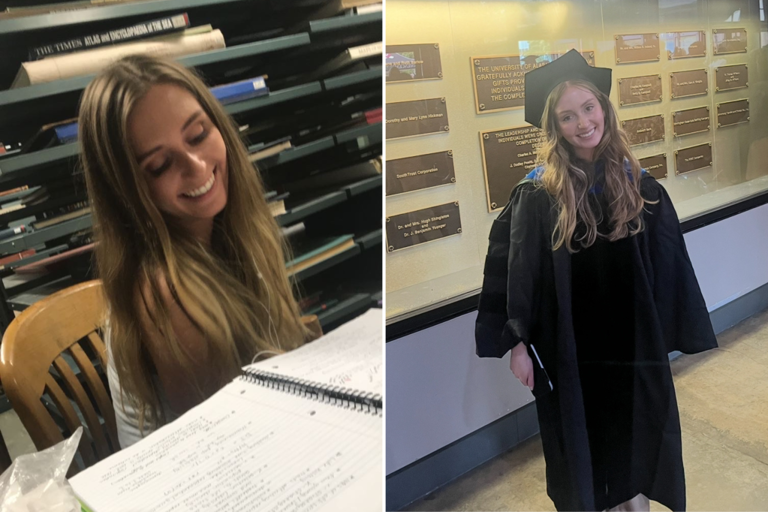
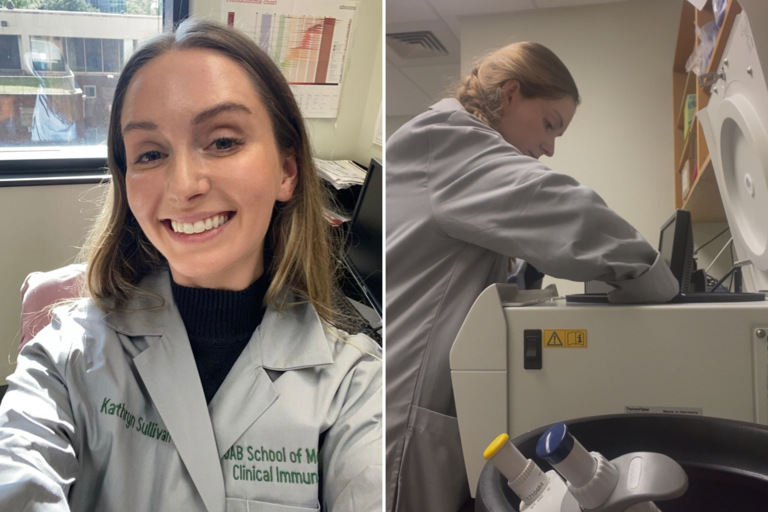
Dr. Kathryn Sullivan studying at university, and at her graduation ceremony. Dr. Kathryn, PhD (@kathrynsullivan_phd) | TikTok

Woman develops autoimmune disease as teen—Devotes life to finding answers!!!

Story by Alyce Collins 

Years of struggling with an autoimmune disease might leave some people despairing, but not Kathryn Sullivan. Frustrated by the lack of information and understanding about her illness, she has devoted her livelihood to research and helping others. 

In 2014, while in high school, Sullivan began experiencing a plethora of unexplained symptoms. It followed a severe bout of Epstein-Barr virus, but even when she started to feel better, she still couldn’t shake the unusual array of symptoms.

Sullivan, now 28, had persistent low-grade fevers, joint pain, migraines, swelling in her face, hair loss, bruising, rashes, and brain fog. However, she told Newsweek that “the most debilitating” was the extreme fatigue which left her unable to enjoy life.

The symptoms didn’t ease as time went on, and Sullivan sought advice from several medical providers and specialists. She was also hospitalized on multiple occasions because her condition became so concerning.

“I first received an abnormal lab result in 2017 suggesting that I had an autoimmune disease,” Sullivan said. “I remember asking my physician why I’d developed autoimmunity, and how I could get rid of it. His response was that they don’t really know what causes autoimmune diseases, and there’s no cure.

After rare diagnosis, Cd’A girl beating the odds | Hagadone News Network

“The thought of living the rest of my life feeling so sick was devastating. I had hope that medications would help me, but when they brought very limited relief, I was told by my physician there weren’t any other options.”

Sullivan’s symptoms were dismissed as anxiety or stress for years, but she doesn’t believe that her medical providers had any ill intentions. Rather, she suggests it’s because of “a systemic issue” whereby women’s health concerns are “not taken seriously.”

Following her diagnosis, Sullivan was given medication to take daily but she only saw minor improvements. Taking Prednisone was the only medical intervention that provided “noticeable relief.”

Researching Immunology

Having first-hand knowledge of just how devastating an autoimmune disease can be only served to embolden Sullivan to make a change. She knew there would be many others out there just like her who were left questioning whether their symptoms were real or not.

“My personal experience opened my eyes to how limited our understanding of autoimmune diseases is, and how more research is urgently needed,” Sullivan said.

Sullivan went on to study microbiology at the University of Wisconsin Madison where her love of research took shape. She worked as a research assistant and interned at various institutes where she focused on understanding chronic illness.

Following that, Sullivan was a graduate researcher at the University of Alabama-Birmingham School of Medicine, completing her PhD in immunology.

Throughout her studies, Sullivan continued to experience regular flare-ups. While she tried to be hopeful and optimistic about advancing the research, it was hard not to let the doubts creep in. During those moments, she thought about the feeling she had when she was diagnosed, and all the other people who feel equally as uncertain.

That was her driving force that enabled her to persevere.

Dr. Kathryn Sullivan researching in the laboratory.  Dr. Kathryn, PhD (@kathrynsullivan_phd) | TikTok

“My education and training have given me the tools to understand my conditions and live a healthier life,” Sullivan told Newsweek. “Becoming a scientist fundamentally changed how I understand my health, and I am deeply grateful for the knowledge I gained. I often reflect that if I had access to research and the tools to interpret these studies earlier, I could have advocated for myself more effectively.”

Sullivan now takes a thyroid replacement medication, but she says the greatest improvement in her health has come from making dietary and lifestyle changes. She used to experience one or two flare ups a month that would often leave her bedridden, but thankfully she hasn’t had a major one since 2022.

Sharing Her Experience

Living with an autoimmune disease can be “incredibly isolating,” but Sullivan wanted to raise more awareness and connect with others. She started documenting her experience on TikTok (@kathrynsullivan_phd) about her decade of education and research to become an immunologist.

She’s heartened by the growing awareness surrounding invisible illnesses, but there’s still a long way to go. She hopes that with more education, and research like hers, people living with autoimmune diseases will be able to enjoy a much better quality of life and will finally get the answers they’ve been waiting for.

Of course, living with an illness or condition is hard, but Sullivan wants to show people that it doesn’t need to define or restrict their lives forever. She wants people to see hers as a story of possibility and hope, inspiring them to never lose faith in what’s possible.

“My goal for future research is that the medical community will gain a better understanding of the mechanisms behind autoimmunity, especially why autoimmune diseases are drastically more common in women. This was the focus of my dissertation research,” Sullivan said.

“While there have been and likely will be many challenges, I feel extremely grateful for the journey I’ve been on. Living with autoimmune disease has shaped me into a more compassionate and resilient person, and it has given me a strong sense of purpose.”

Update 9/29/25, 11:01 a.m. ET: This article was updated with video and pictures from Dr. Kathryn Sullivan.

Update 10/02/25, 10:09 a.m. ET: This article was updated with new information about medication that helped Sullivan.

Is there a health issue that’s worrying you? Let us know via health@newsweek.com. We can ask experts for advice, and your story could be featured on Newsweek.

Related Articles

Kathryn Sullivan’s journey is a powerful story of resilience and determination. At age 17, she began experiencing a wide range of unexplained symptoms following a severe bout of Epstein-Barr virus. These included persistent low-grade fevers, joint pain, migraines, facial swelling, hair loss, rashes, and debilitating fatigue.

Despite multiple hospitalizations and consultations with specialists, her symptoms were often dismissed as anxiety or stress. In 2017, she finally received an abnormal lab result indicating an autoimmune disease. When her physician told her that the cause was unknown and there was no cure, Sullivan was devastated—but not deterred.

Driven by her own experience and the lack of answers, she pursued a career in science. She studied microbiology at the University of Wisconsin-Madison and later earned a PhD in immunology from the University of Alabama-Birmingham School of Medicine. Throughout her academic journey, she continued to battle flare-ups but remained committed to advancing research on chronic illness.

Today, Kathryn Sullivan is an immunologist and founder of Resilience Chronic Illness Consulting, using her expertise and personal experience to help others navigate similar health challenges. Kathryn Sullivan’s story is one of extraordinary perseverance and scientific curiosity.

As a teenager, she developed a mysterious illness that left her with debilitating symptoms—fatigue, joint pain, migraines, and more—without a clear diagnosis. After years of being dismissed by doctors and told her symptoms were psychological, she finally received a diagnosis of an autoimmune disease. But the answers stopped there.

Instead of accepting the unknown, Sullivan made it her mission to uncover the “why.” She pursued a degree in microbiology and later earned a PhD in immunology. Her personal experience with chronic illness fueled her research, and she now works to bridge the gap between patients and science.

She founded Resilience Chronic Illness Consulting to help others navigate the medical system and advocate for themselves. Her work combines cutting-edge immunology with patient-centered care, making her a powerful voice in chronic illness advocacy.

Would you like to explore her research or learn more about autoimmune conditions?

like to explore more about autoimmune diseases or her research work.

Absolutely! Here’s a deeper look into both autoimmune diseases and Kathryn Sullivan’s research journey:

🔬 Kathryn Sullivan’s Research Focus

Kathryn Sullivan developed a mysterious autoimmune condition as a teenager, which led her to pursue a PhD in immunology. Her research centers on understanding the mechanisms behind autoimmunity—especially why these diseases disproportionately affect women. Key highlights from her work include:

  • Dissertation Focus: Investigating why autoimmune diseases are more common in women, exploring hormonal, genetic, and environmental factors.
  • Advocacy and Education: She shares her journey and insights Dr. Kathryn, PhD (@kathrynsullivan_phd) | TikTok aiming to empower others with chronic illnesses.
  • Resilience Chronic Illness Consulting: She founded this initiative to help patients navigate their conditions and advocate for better care.

🧠 What Are Autoimmune Diseases?

Autoimmune diseases occur when the immune system mistakenly attacks the body’s own healthy tissues. Instead of defending against invaders like viruses or bacteria, it targets organs, joints, or skin.

Common Types

  • Rheumatoid Arthritis: Attacks joint linings, causing pain and swelling.
  • Lupus: Can affect skin, joints, kidneys, and brain.
  • Multiple Sclerosis: Targets nerve cells, leading to coordination and vision issues.
  • Type 1 Diabetes: Destroys insulin-producing cells in the pancreas.
  • Hashimoto’s Thyroiditis: Damages the thyroid gland.

Possible Causes

  • Genetics: Family history increases risk.
  • Viral Triggers: Epstein-Barr virus and COVID-19 are linked to onset.
  • Gender: Women are significantly more likely to develop autoimmune conditions.
  • Environmental Factors: Diet, stress, and exposure to toxins may play a role.

If you’re curious about specific autoimmune conditions, treatments, or want to dive into Sullivan’s scientific publications, I’d be happy to guide you further. Would you like to explore her TikTok content, her consulting work, or a particular disease?

Curing Autoimmune Disease the Gerson Way

Gerson Therapy is a controversial alternative treatment that claims to help the body heal itself from chronic illnesses—including autoimmune diseases—through a strict regimen of diet, detoxification, and supplementation. Here’s an overview of what it involves:

🌱 What Is the Gerson Therapy?

Developed in the 1920s by Dr. Max Gerson, this therapy is based on the idea that chronic diseases stem from toxicity and nutritional deficiency. The protocol aims to restore health by:

  • Diet: A plant-based, organic diet low in sodium, fats, and proteins. Patients consume up to 15–20 pounds of produce daily, mostly in the form of raw juices.
  • Juicing: Up to 13 glasses of fresh juice per day, one every hour.
  • Detoxification: Frequent coffee enemas are used to flush toxins from the liver.
  • Supplements: A variety of natural supplements are taken to support healing.

Sources:

⚠️ Important Considerations

  • Scientific Evidence: The Gerson Therapy is not FDA-approved and lacks robust clinical evidence for curing autoimmune diseases or cancer.
  • Risks: The regimen is extremely restrictive and may lead to nutritional imbalances or complications, especially if used without medical supervision.
  • Eligibility: The Gerson Institute recommends a case evaluation before starting, as some conditions may not respond well to the therapy.

While some individuals report improvements, mainstream medicine does not recognize Gerson Therapy as a proven cure. If you’re exploring alternative treatments, it’s crucial to consult with a qualified healthcare provider.

Would you like to compare this with conventional autoimmune treatments or explore other holistic approaches?

I Would like to compare Gerson Therapy with conventional autoimmune treatments or explore other holistic approaches?

Great! Let’s break this down into three parts so you can compare clearly:

🥕 Gerson Therapy for Autoimmune Disease

Philosophy: The Gerson Therapy is a natural, nutrition-based approach that aims to detoxify the body and restore immune function.

Key Components:

  • Organic, plant-based diet: Up to 20 lbs of fruits and vegetables daily, mostly juiced
  • Coffee enemas: Used to detoxify the liver
  • Supplements: Potassium, enzymes, and iodine to support healing
  • No pharmaceuticals: Avoids conventional drugs entirely

Claims:

  • Promotes immune system recovery
  • Treats chronic conditions like arthritis, lupus, and thyroid disease

Limitations:

  • Not FDA-approved
  • Lacks large-scale clinical trials
  • May pose risks if not medically supervised

💊 Conventional Autoimmune Treatments

Philosophy: Focuses on symptom management and immune suppression to prevent flare-ups and organ damage.

Common Treatments:

  • NSAIDs: Reduce inflammation and pain
  • Corticosteroids: Control severe inflammation
  • Immunosuppressants: Suppress immune activity (e.g., methotrexate, biologics)
  • Biologics: Target specific immune pathways (e.g., TNF inhibitors)
  • Lifestyle support: Physical therapy, dietary adjustments, and stress management

Pros:

  • Backed by clinical research
  • Can be tailored to specific autoimmune conditions
  • Often covered by insurance

Cons:

  • May cause side effects (e.g., infection risk, fatigue)
  • Doesn’t cure the disease—only manages symptoms

🌿 Holistic Approaches to Autoimmune Disease

Philosophy: Treats the whole person—mind, body, and spirit—by addressing root causes and lifestyle factors.

Key Strategies:

  • Anti-inflammatory diet: Elimination diets, Mediterranean diet, gut health focus
  • Stress reduction: Meditation, yoga, breathwork
  • Sleep hygiene: Prioritizing restful sleep
  • Exercise: Low-impact movement like walking or swimming
  • Functional medicine: Personalized care plans to uncover triggers

Benefits:

  • Can complement conventional treatments
  • Empowers patients to take control of their health
  • May improve quality of life and reduce flare-ups

Would you like help building a personalized autoimmune care plan or exploring functional medicine options near you?

🧩 How to Build a Personalized Autoimmune Care Plan

Creating a care plan means tailoring your treatment to your unique symptoms, triggers, and lifestyle. Here’s a step-by-step guide:

  1. Comprehensive Evaluation
    • Review medical history, lab results, and current symptoms
    • Assess sleep, nutrition, stress, and movement patterns
  2. Assemble a Care Team
    • Include a primary care physician, specialist (e.g., rheumatologist), nutritionist, and possibly a functional medicine provider
  3. Lifestyle Adjustments
    • Anti-inflammatory diet (e.g., gluten-free, dairy-free)
    • Stress reduction techniques like yoga or meditation
    • Gentle movement and physical therapy
  4. Track and Adapt
    • Monitor symptoms and flare-ups
    • Adjust medications, supplements, and routines as needed
    • Keep open communication with your care team

You can explore Carrie’s story for inspiration—she reversed symptoms of Hashimoto’s, celiac disease, and rheumatoid arthritis through personalized nutrition and lifestyle changes.

You can explore Carrie’s story for inspiration—she reversed symptoms of Hashimoto’s, celiac disease, and rheumatoid arthritis through personalized nutrition and lifestyle changes

Carrie’s story is a remarkable example of how personalized nutrition and lifestyle changes can dramatically improve autoimmune conditions. She battled Hashimoto’s thyroiditis, celiac disease, and rheumatoid arthritis—three complex autoimmune disorders—and managed to reverse her symptoms through a holistic approach.

Here’s how she did it:

🌿 Carrie’s Healing Journey

  • Root Cause Investigation: Carrie worked with a functional nutritionist to uncover the underlying triggers of her autoimmune issues. One major discovery was heavy metal toxicity from an improperly removed dental filling.
  • Diet Overhaul:
    • Adopted a grain-free, organic, nutrient-dense diet
    • Eliminated gluten, processed foods, and inflammatory ingredients
    • Focused on gut healing and detoxification
  • Lifestyle Changes:
    • Prioritized rest and stress management
    • Used gentle detox therapies
    • Incorporated movement and mindfulness practices
  • Results:
    • Reversed symptoms of Hashimoto’s, chronic migraines, IBS, and eczema
    • Became a certified nutritionist to help others with autoimmune conditions

🧠 Key Takeaways from Carrie’s Experience

  • Find Your Root Cause: Autoimmune diseases often have unique triggers—heavy metals, infections, stress, or gut imbalances.
  • Food Is Medicine: A nutrient-dense, anti-inflammatory diet can be transformative.
  • Healing Takes Time: Carrie’s recovery spanned years, requiring patience and discipline.
  • Empowerment Matters: She now educates others through platforms like WellTheory and podcasts.

You can read more about her full care plan on Carrie’s Multidimensional Autoimmune Care Plan or explore her insights on 5 Things I Learned During My Battle with Hashimoto’s Disease | Hypothyroid Mom

🗝️ Key documentaries explore Gerson Therapy, highlighting its claims of curing cancer and other diseases through dietary changes.

The Gerson Miracle – Top Documentary Films: This documentary examines the principles of Gerson Therapy, which claims to restore health without toxic treatments. It features testimonies from patients who have reportedly reversed advanced cancer using this method. The film emphasizes the body’s natural healing processes and critiques conventional medical treatments.

DYING TO HAVE KNOWN (2006) Directed by Steve Kroschel, this film investigates the effectiveness of Gerson Therapy and the suppression of alternative cancer treatments. It includes interviews with patients, scientists, and medical professionals who discuss the therapy’s potential benefits and the controversies surrounding it. The documentary aims to uncover why such treatments are often dismissed by mainstream medicine.

The Beautiful Truth (2008) This documentary serves as a follow-up to “The Gerson Miracle,” featuring cancer survivors who share their healing journeys through Gerson Therapy. It includes insights from scientists and researchers who challenge the pharmaceutical industry’s stance on alternative treatments.

Alive Tomorrow – A Documentary about Gerson Therapy This documentary presents stories of cancer survivors who attribute their recovery to Gerson Therapy, emphasizing the natural approach to healing and the challenges faced by those advocating for alternative treatments.

These documentaries provide a range of perspectives on Gerson Therapy, from patient testimonials to critiques of conventional medical practices, making them valuable resources for anyone interested in alternative cancer treatments.

Healing “Auto-Immune” Diseases: The Gerson Way: Gerson, Charlotte: Amazon.com: Books

Healing The Gerson Way: The All-Natural Solution for Cancer Ch | eBay

08: Reversing Hashimoto’s with Nutrition – Dr. Izabella Wentz, PharmD –

The Advanced Gerson Therapy Overview – Advanced Gerson Protocol

Uncovering the Benefits of the Gerson Therapy – Strong Health

Gerson Therapy: Diet, Food Lists, Dangers, and More

Curing Autoimmune with Gerson Therapy – Search

gerson Therapy Documentary – Search Videos

The Gerson Therapy – Gerson Institute

Autoimmune Diseases: Causes, Symptoms, and Treatments

Autoimmune Diseases: Types, Symptoms & Treatments

Autoimmune Diseases – Overview and Types | NIAMS

How Autoimmune Diseases Are Treated

https://www.youtube.com/@Dr.KathrynPhD

Posted in Uncategorized | Leave a comment

Honest Truth About Peace

Peacebuilding operations are contracting while conflicts are on the rise.

Why we must rethink conflict prevention and peacebuilding in a fractured world

  • Wars and global defence spending are increasing, all while aid budgets, humanitarian finance and peace operations are shrinking.
  • Political shifts, budget pressures and governance challenges in traditional donors have made aid flows more uncertain and response slower, exacerbating the gap between early warning and action.
  • With old models in retreat, renewal and resilience depend on empowering local actors, embracing tactical risk-taking, leveraging technology and reframing peace as a global public good.

Global conflict is surging just as the architecture designed to prevent and resolve it falters. Research institutes recorded 61 wars in 2024, the highest since 1946. At the same time, global defence spending jumped nearly 10% to $2.7 trillion, even as aid budgets shrank.

Data from the Organization for Economic Co-operation and Development (OECD) shows official development assistance also fell by over 7% in real terms last year and humanitarian financing experienced a “seismic contraction” of almost 10% over the same period. The paradox is stark: as conflict and fragility rise, the systems meant to respond are eroding.

Have you read?

Drivers of disorder

The drivers of global disorder are familiar. Military spending has surged, conflicts are proliferating and guardrails such as arms-control treaties are crumbling. From Ukraine to the Red Sea to Taiwan, confrontation is intensifying. There is a growing sense in the West that the rules-based order is unravelling.

The race for artificial intelligence (AI) dominance and sharpening economic competition add instability, while climate threats and democratic backsliding amplify the turmoil. Global temperatures reached record highs in 2024 and democratic freedoms have declined for the 19th consecutive year. The result is more crises and fewer avenues for collective response.

Perceptions of global disruption differ by region. For many, the world feels less stable, less predictable and far more dangerous than at any point in recent memory.

In much of Asia, the mood is more calculated, sometimes optimistic. Multipolarity offers agency to Beijing, Delhi, Jakarta and Riyadh. Across the Global South, many governments are hedging, taking US security where it suits, Chinese markets where they pay and regional clubs for insurance.

Some view the current global shifts as deeply threatening, while others see them as rare openings. Crucially, more and more voices from the Global South are calling for aid and development to be reshaped from the bottom up, insisting that Southern actors themselves should play a central role in setting priorities, designing interventions, and determining how resources are allocated.

The retreat of multilateralism

The space for multilateral action is shrinking just as the UN marks its 80th anniversary with proposed reforms. Yet, momentum for more global cooperation is weak. Humanitarian appeals are perennially unmet, with less than 17% of the required $45.5 billion provided for 2025. Meanwhile, peace operations in the Democratic Republic of CongoMali and elsewhere are closing, and the Security Council is paralyzed by vetoes.

International non-governmental organizations (NGOs) such as International Rescue Committee, Norwegian Refugee Council, Save the Children are retrenching, squeezed by donor fatigue and compliance costs. Although the Council of Foundations found that many philanthropic groups are ramping up grant-making to meet shortfalls, others have grown more risk-averse owing to increased political attacks and compliance risks. Some boards now prefer safe projects over politically sensitive prevention or rights-based work.

A key reason is the growing unpredictability of traditional aid anchors, creating uncertainty for partners to plan long-term, leaving budgets facing competing demands and humanitarian financing often falls short. These dynamics make forward-looking investments harder to sustain, widening the gap between early warning and timely response.

We are in a period of extreme volatility. Whether it hardens into permanent disorder will depend on whether practitioners, donors and thinkers reinvent peacebuilding for this harsher age.”

Recent crises – whether in HaitiMyanmar or Sudan – illustrate the challenge. Warnings were available but action was delayed until emergencies escalated. Structural weaknesses are even more acute in today’s unsettled environment.

The heyday of multidimensional UN peacekeeping is also over. Missions are smaller, ad hoc and often under-resourced. Peacebuilding has lost traction, too, tarnished by failures in Afghanistan and South Sudan.

Sensitivities over sovereignty, shrinking civic space and declining aid flows make ambitious international interventions unlikely. Even the language has shifted, with “peacebuilding” increasingly replaced by “stabilization” and “resilience.” Yet, the underlying challenge – helping societies escape cycles of violence – remains unchanged.

Renewal strategies in a fragmented system

Adapting to this new disorder requires realism. The old models, anchored in US leadership, reliable OECD donors and robust UN missions, are unlikely to return.

There are at least five overlapping futures: disintegration and drift; pragmatic localization; Western retrenchment; an expanded Chinese footprint; and competitive multipolar aid dynamics.

Navigating this complex, uncertain landscape will require agility and unconventional partnerships. So what are some lessons moving forward?

  • Embrace tactical risk-taking: Conflict prevention and peacebuilding require experimentation. UN agencies, NGOs and donors should underwrite “safe-to-fail” pilots, community mediation platforms, digital monitoring systems and hybrid finance tools. Some will fail; others may scale. Excessive caution is itself a strategic error.
  • Advance radical localization: Resources and decision-making need to shift decisively to local actors who often enjoy greater legitimacy and nimbleness. Governments and philanthropies can accelerate this process by supporting southern research networks, diaspora-led initiatives and community NGOs directly, without heavy northern overheads.
  • Confront opposition head-on: Aid actors are not just neglected but often targeted. Authoritarian regimes routinely delegitimize NGOs as foreign agents. Retreat only emboldens them. Think tanks and foundations should invest in stronger communications, expose disinformation and build solidarity networks for activists under attack.
  • Leverage technology: Digital tools can entrench repression but also empower prevention and peace-making efforts. AI platforms can model overlapping risks, satellites can document abuses in real time and secure platforms can connect fragmented civic groups. Philanthropies should invest in these tools while pushing for guardrails.
  • Reframe peace and security as public goods: Prevention must be recast as integral to addressing global challenges, including climate change, migration and digital governance. It also has co-benefits. Conflict-sensitive climate finance can cut emissions and fragility alike. Digital resilience protects democracy and can preserve stability. Linking peace to urgent priorities gives it a new constituency.

A fragile opportunity in a volatile era

Global power centres are reading today’s turbulence in very different ways. In Washington and Brussels, the mood is defensive; in Asia, it is more strategic; and across much of the Global South, it is opportunistic.

States big and small are repositioning, while many in the Global South (including the BRICS) are seeking to redefine aid and development. Looming over this are existential risks: escalating conflict among nuclear powers, unregulated AI and climate shocks.

Civil societies and philanthropies cannot rebuild the post-Cold War order on their own but they can adapt. They can take risks where governments cannot, convene dialogue where politics stalls and invest in technologies and local actors who will shape the future.

They can defend civic space, expose repression and frame peace and security not as charity but as a necessity for resilience. We are in a period of extreme volatility. Whether it hardens into permanent disorder will depend on whether practitioners, donors and thinkers reinvent peacebuilding for this harsher age.

image.png

True peace will not come through human institutions but through the reign of Jesus Christ, whose Kingdom will transform the world into harmony and hope. 

Humanity longs for peace but cannot achieve it on its own—true and lasting peace will come only through the reign of Jesus Christ.

Our world is caught in a cycle of conflict, division and despair. Turn on the news or scroll through social media, and you’ll see humanity’s attempts at peace—often through violent conflict. Nations wage war in pursuit of security. Politicians pledge unity while sowing discord. People fracture while yearning for meaningful relationships. Institutions try to prevent conflict but to no lasting avail—as we see at this 80th anniversary of the United Nations.

The question that haunts us is simple yet profound: Why can’t humanity achieve the peaceful harmony we desperately desire?

The answer lies not in collective rationale, but in truths beyond human understanding. True, lasting peace cannot be manufactured, negotiated or legislated. After World War II, Gen. Douglas MacArthur stated the problem is fundamentally “theological and involves a spiritual recrudescence [or revival] and improvement of human character . . . It must be of the spirit if we are to save the flesh.” True peace can come only through divine intervention. Thankfully, Scripture promises that real peace is not just possible—it is certain.

God has promised to send Jesus Christ as the conquering King who will establish His Kingdom and bring the peace that has eluded humanity for millennia. He will establish something new—the Kingdom (or rule) of God over the earth. The prophet Isaiah foretold the resulting peace when all nations will “beat their swords into plowshares, and their spears into pruning hooks,” and “nation shall not lift up sword against nation, neither shall they learn war anymore” (Isaiah 2:4).

A sculpture at the U.N. portrays that passage, but the process for achieving it surpasses human know-how. “Just and true are your ways, O King of the nations” (Revelation 15:3, English Standard Version, emphasis added). It is when people give “glory to God in the highest” that there can be “on earth peace, goodwill toward men” (Luke 2:14).

The future age of peace and joy is the focus of our magazine’s name Beyond Today. That age will yet dawn, as laid out in our cover story, with a companion piece on how Christ’s reign will differ from what we see today. Another article explains how the opportunity to live under God’s rule will ultimately encompass all who have ever lived.

Yet we’re not just waiting for the future. We’re going to live it now. The gospel contains a present invitation, as I explore further in “Living Under Jesus’ Reign Today”. The same King who will rule the earth with justice is the living Jesus who calls us to observe all He commanded His disciples (Matthew 28:19-20)—becoming advanced citizens of God’s Kingdom of peace. We’re called not just to believe intellectually but to surrender completely to the lordship of Jesus Christ and live His laws of outgoing concern that result in true peace.

Here’s a truth many miss—hearing the gospel requires a response. We must “obey the gospel” (2 Thessalonians 1:81 Peter 4:17Romans 10:16). Jesus said, “If you want to enter into life, keep the commandments” (Matthew 19:17). These aren’t mere suggestions—they’re requirements for being in the Body of Christ and for citizenship in His coming Kingdom.

Religious teachers often preach about “heaven” while excusing living by its rules. We’re comfortable discussing eternal rewards but avoid present requirements. We love God’s grace but resist His governance. We celebrate future glory while neglecting godliness now. This selective faith is what Jesus warned against when He said, “Not everyone who says to Me, ‘Lord, Lord,’ shall enter the kingdom of heaven, but he who does the will of My Father in heaven” (Matthew 7:21).

This obedience isn’t about earning salvation through works. It’s about living as citizens of the Kingdom we claim to serve. When we understand Jesus is King, our natural response is to align our lives with His commands. Our obedience to the gospel is our testimony to the reality of God’s Kingdom.

Those who submit to Christ’s rule begin to experience a foretaste of His peace that will one day fill the earth. That reality is experienced annually through God’s Feast of Tabernacles. This weeklong festival is filled with blessings, harmonious relationships, spiritual nourishment and physical enjoyment that not only portray His coming reign but provide a living foretaste today.

As we anticipate Christ’s return and the establishment of His perfect Kingdom, we are called to live as Kingdom citizens now. This means letting His peace rule in our hearts when circumstances threaten our joy. It means extending His forgiveness when wronged. It means promoting His laws of love to a world desperate for authentic peace.

The same God who will send Jesus Christ to establish perfect peace on earth is offering His Spirit to establish that peace in our hearts. But we must choose to repent of lawlessness, submit to His rule, receive His forgiveness, obey His commands and live beyond today’s temporary troubles by focusing on tomorrow’s eternal promises.

The Kingdom is coming. The King is returning. The question before you and me now is whether we will live as faithful subjects of the King who already reigns over His Church (Ephesians 1:22Colossians 1:18).

May you experience the peace that comes from complete surrender to Christ’s reign both now and beyond today!

Gods-Holy-Day-Plan-The-Promise-Of-Hope-For-All-Mankind.pdf
The God’s Holy Day Plan is a biblical concept that outlines a divine plan for humanity, offering hope and a future for all who have ever lived. This plan is revealed through an annual cycle of festivals described in the Scriptures, which serve as reminders of God’s spiritual harvest and His ultimate purpose for mankind. The Holy Days, which fall during three seasons of the year, symbolize God’s commitment to grant eternal life to mortal man and establish His Kingdom on earth. These festivals, such as the Passover, Pentecost, and the Feast of Atonement, illustrate the unfolding of God’s plan and the importance of Jesus Christ’s sacrifice for humanity’s salvation. The observance of these festivals is a testament to God’s great plan for the future of mankind and serves as a guide for believers to understand their purpose and the hope they hold for a better future.

Edge Of Night (Pippin’s Song) (from “The Lord Of The Rings: The Return Of The King”)

Global Support for President Trump’s Bold Vision for Peace in Gaza – The White House

Ellie Goulding Honors Jane Goodall’s Legacy: There’s ‘No Prosperity on a Dead Planet’

Jane Goodall Instills Hope in the World With Final Interview on ‘Famous Last Words’

13 Times Jane Goodall Proved She’s The True Guardian Of Our Planet

Climate Change: Here’s what you need to know about how it will affect you | Watch

Understanding Real HOPE More Than Wishful Thinking Ken Loucks – Search

7 Ways Christ’s Rule Will Be So Wonderfully Different | United Church of God

Has the Kingdom of God Been Set Up on Earth Now? | United Church of God

Strikes On Iran > The Reality Of The Moment Darris Mcneely – Search

The UN at 80: Is World Peace a Lost Cause? | United Church of God

Is Today The Only Day of Salvation Dan Dowd – Search

Waiting on The Lord Robin Webber – Search

Peaceful Mind, Joyful Heart | Watch

Ellie Goulding song – Search

Posted in Uncategorized | Leave a comment

Science and the Truth

Cancer Cureology: The Ultimate Survivor’s Holistic Guide: Integrative, Natural, Anti-Cancer Answers: The Science and Truth

by Dr Steven a Vasilev (Author)

21st Century Patient-Centered Cutting Edge Integrative Comprehensive Cancer Care vs. Old School Cancer Treatment

The Choice Is Obvious.

Cancer Cureology introduces a new 21st-century integrative paradigm of cancer care where you are at the center of attention, not cancer by itself. While cancer treatment almost always requires some combination of Western techniques, it is equally important to actively support the body, mind, and soul during and after treatment. These mainly natural strategies are crucial to prevent cancer, to reduce symptoms during and after treatment, and to proactively do everything possible to help prevent recurrence.

Cancer Cureology is not a book focused simply on “alternative medicine.” It is MUCH BETTER and much more far-reaching than that because it is a compilation of what is leading edge and what is most likely to help you! It is the background information for a five step anti-cancer integrative treatment and support system.

Cancer Cureology explores the scientific evidence to get at the truth behind natural therapies. 21st-century sciences such as epigenetics, nutrigenomics, and immune modulation form the basis for collaboration between mainstream and natural anti-cancer strategies.

Cancer Cureology sheds an authoritative guiding light on:

▪ The keys behind natural anti-cancer strategies

– Reducing pro-carcinogenic inflammation and oxidative stress to anti-cancerize your body

– Reducing tumor angiogenesis to starve cancers for nutrients and oxygen

– Balancing hormonal influences to limit cancer progression

– Stimulating and optimizing innate and adaptive immunity to naturally attack cancer cells

– Epigenetically “silencing” cancer stem cells to make them dormant

▪ The five steps to achieving these strategies

– Baseline anti-cancer nutrition and super-food support

– Targeted supplementation

– Psychoneuroimmunology and mind-body stress reduction

– Rational anti-cancer detoxification

– Lifestyle modification and exercise

▪ Selected “alternative” therapies that have scientific support

▪ Natural cancer and treatment-related symptom management

▪ And much more…

Cancer Cureology is indispensable to anyone who wants to survive and thrive after a cancer diagnosis. It can also help anyone who wants to prevent cancer in the first place.


Cancer Cureology is written by Dr. Steven A. Vasilev MD MBA FACOG FACS FACN ABIHM ABOIM, America’s first and leading quadruple board certified integrative gynecologic oncologist.

Dr. Steven A. Vasilev MD is also:

Clinical Professor, David Geffen UCLA School of Medicine
Medical Director & Professor, Integrative Gynecologic Oncology
Providence Saint John’s Health Center and John Wayne Cancer Institute

If You Want To Get Your Free Cancer Cureology Anti-Cancer Five Step Summary Blueprint, Please Visit www.CancerCureology.com Now.

Cancer Cureology: The Ultimate Survivor’s Holistic Guide: Integrative, Natural,

📘 “Cancer Cureology: The Ultimate Survivor’s Holistic Guide: Integrative, Natural, Anti-Cancer Answers” is a comprehensive book by Dr. Steven A. Vasilev, a quadruple board-certified integrative gynecologic oncologist. It presents a modern, patient-centered approach to cancer care that blends conventional treatments with scientifically supported natural strategies.

🌿 What the Book Covers

  • Five-Step Integrative Anti-Cancer System:
    • Nutrition & Superfoods: Foundational dietary strategies to support healing.
    • Targeted Supplementation: Evidence-based vitamins and nutrients.
    • Mind-Body Techniques: Stress reduction through psychoneuroimmunology.
    • Detoxification: Rational methods to reduce toxic burden.
    • Lifestyle & Exercise: Habits that promote resilience and recovery.
  • Natural Anti-Cancer Strategies:
    • Reducing inflammation and oxidative stress
    • Starving tumors by limiting angiogenesis
    • Hormonal balance to slow progression
    • Immune system optimization
    • Epigenetic silencing of cancer stem cells
  • Symptom Management:
    • Holistic techniques to ease side effects of treatment
    • Selected alternative therapies with scientific backing

This guide is designed not only for survivors but also for those seeking to prevent cancer through proactive, integrative health practices.

📘 “Cancer Cureology: The Ultimate Survivor’s Holistic Guide: Integrative, Natural, Anti-Cancer Answers” is a comprehensive book by Dr. Steven A. Vasilev, a quadruple board-certified integrative gynecologic oncologist. It presents a modern, patient-centered approach to cancer care that blends conventional treatments with scientifically supported natural strategies.

🌿 What the Book Covers

  • Five-Step Integrative Anti-Cancer System:
    • Nutrition & Superfoods: Foundational dietary strategies to support healing.
    • Targeted Supplementation: Evidence-based vitamins and nutrients.
    • Mind-Body Techniques: Stress reduction through psychoneuroimmunology.
    • Detoxification: Rational methods to reduce toxic burden.
    • Lifestyle & Exercise: Habits that promote resilience and recovery.
  • Natural Anti-Cancer Strategies:
    • Reducing inflammation and oxidative stress
    • Starving tumors by limiting angiogenesis
    • Hormonal balance to slow progression
    • Immune system optimization
    • Epigenetic silencing of cancer stem cells
  • Symptom Management:
    • Holistic techniques to ease side effects of treatment
    • Selected alternative therapies with scientific backing

This guide is designed not only for survivors but also for those seeking to prevent cancer through proactive, integrative health practices.

Let’s dive into All Five Steps of Dr. Steven Vasilev’s five-step system from Cancer Cureology:

🥗 Step One: Anti-Cancer Nutrition & Superfoods

This step is all about harnessing the power of food to create a body environment that resists cancer and supports healing.

🌿 Key Concepts

  • Whole, Plant-Based Diet: Focuses on nutrient-dense, low-glycemic foods that reduce inflammation and oxidative stress.
  • Epigenetic Influence: Certain foods can positively affect gene expression, turning off cancer-promoting genes and activating protective ones.
  • Gut Health & Immunity: A healthy microbiome supports immune surveillance and detoxification.

🍇 Superfoods That Shine

  • Cruciferous Vegetables (broccoli, kale, cauliflower): Rich in sulforaphane, which helps detoxify carcinogens.
  • Berries (blueberries, raspberries): Packed with antioxidants like ellagic acid and anthocyanins.
  • Turmeric: Contains curcumin, a potent anti-inflammatory compound.
  • Green Tea: Loaded with catechins that may inhibit cancer cell growth.
  • Garlic & Onions: Contain allicin and other sulfur compounds that support immune function.

🧠 Why It Matters

  • Reduces cancer-promoting inflammation and insulin resistance.
  • Enhances detox pathways and immune resilience.
  • Supports recovery during and after conventional treatments.

This isn’t just about “eating healthy”—it’s about strategically choosing foods that actively fight cancer at the molecular level.

Would you like to explore Step Two next—Targeted Supplementation—or dive deeper into how to apply this nutrition strategy in daily life?

Absolutely—Step Two is a powerful complement to the nutritional foundation laid in Step One. Let’s explore:

💊 Step Two: Targeted Supplementation

This step focuses on using evidence-based supplements to enhance the body’s natural defenses, support detoxification, and optimize cellular health—all tailored to the unique needs of someone facing cancer.

🧬 Why Supplements Matter

  • Fills nutritional gaps that diet alone may not cover, especially during treatment.
  • Supports immune modulation, helping the body recognize and fight abnormal cells.
  • Enhances detox pathways, reducing the burden of environmental toxins and metabolic waste.
  • Influences epigenetic expression, potentially turning off cancer-promoting genes.

🌟 Key Supplement Categories

  • Antioxidants: Vitamin C, E, selenium, and glutathione help neutralize free radicals.
  • Anti-inflammatory agents: Omega-3 fatty acids, curcumin, and resveratrol reduce chronic inflammation.
  • Immune boosters: Medicinal mushrooms (e.g., reishi, turkey tail), beta-glucans, and zinc.
  • Detoxifiers: NAC (N-acetyl cysteine), milk thistle, and alpha-lipoic acid support liver function.
  • Mitochondrial support: CoQ10 and PQQ help energize cells and reduce oxidative stress.

⚠️ Personalized & Safe

Dr. Vasilev emphasizes that supplementation should be:

  • Personalized based on cancer type, treatment stage, and individual biology.
  • Clinically guided to avoid interactions with medications or therapies.
  • Lab-informed, using bloodwork and functional testing to track effectiveness.

This step is about precision—using the right tools at the right time to support healing and resilience. Want to move on to Step Three: Detoxification & Environmental Defense? It’s a fascinating one.

Step Three is where things get deeply restorative. Let’s explore:

🧼 Step Three: Detoxification & Environmental Defense

This step is all about reducing the toxic burden on your body and protecting it from harmful environmental exposures that can fuel cancer development or recurrence.

🧪 Why Detox Matters

  • Cancer thrives in a toxic, inflamed environment.
  • Many toxins—like heavy metals, endocrine disruptors, and persistent organic pollutants—can damage DNA and impair immune function.
  • Detoxification supports liver, kidney, lymphatic, and gut health, which are essential for clearing out carcinogens and metabolic waste.

🛡️ Environmental Defense Strategies

  • Air & Water Purity: Use HEPA filters and water purification systems to reduce exposure to airborne pollutants and contaminants like chlorine, fluoride, and heavy metals.
  • Clean Personal Care: Switch to non-toxic skincare, cosmetics, and hygiene products free of parabens, phthalates, and synthetic fragrances.
  • Safe Household Products: Avoid harsh cleaning agents and opt for natural alternatives like vinegar, baking soda, and essential oils.
  • EMF Awareness: Minimize exposure to electromagnetic fields from devices and Wi-Fi routers, especially during sleep.

🌿 Detox Tools & Practices

  • Sweat Therapy: Infrared saunas and exercise help eliminate toxins through the skin.
  • Binders & Chelators: Supplements like activated charcoal, chlorella, and modified citrus pectin can bind and remove toxins.
  • Liver Support: Milk thistle, dandelion root, and NAC enhance liver detox pathways.
  • Hydration & Fiber: Crucial for flushing toxins and supporting bowel regularity.

🧘‍♀️ Mind-Body Connection

Detox isn’t just physical—it’s emotional too. Releasing toxic thoughts, stress, and trauma is part of the healing process.

This step helps create a clean internal and external terrain where healing can flourish. Ready to explore Step Four: Stress Mastery & Emotional Healing? It’s a game-changer.

Step Four is where the emotional and psychological dimensions of healing take center stage. Let’s explore:

🧘‍♂️ Step Four: Stress Mastery & Emotional Healing

This step recognizes that cancer isn’t just a physical disease—it’s also deeply intertwined with emotional stress, trauma, and mental well-being. Healing requires addressing the mind-body connection with intention and compassion.

🧠 Why Stress Matters

  • Chronic stress can suppress immune function, increase inflammation, and disrupt hormonal balance—all of which can fuel cancer progression.
  • Emotional trauma and unresolved grief may contribute to a toxic internal environment.
  • Healing emotionally can activate the parasympathetic nervous system, promoting rest, repair, and regeneration.

🛠️ Tools for Stress Mastery

  • Mindfulness & Meditation: Practices like breathwork, guided visualization, and body scanning help calm the nervous system.
  • Heart Coherence Training: Techniques that synchronize heart rhythms with emotional states to promote resilience.
  • Yoga & Tai Chi: Gentle movement combined with breath awareness supports physical and emotional balance.
  • Journaling & Expressive Writing: Helps process emotions, clarify thoughts, and release mental clutter.

💞 Emotional Healing Practices

  • Forgiveness Work: Letting go of resentment and guilt can be profoundly liberating.
  • Therapeutic Support: Working with counselors, coaches, or support groups to process trauma and build emotional strength.
  • Gratitude & Joy Activation: Cultivating positive emotions can shift biochemistry toward healing.

🧬 Science Meets Soul

Dr. Vasilev emphasizes that emotional healing isn’t “woo”—it’s backed by neuroscience, psychoneuroimmunology, and epigenetics. Your thoughts and feelings shape your biology.

This step is about reclaiming peace, purpose, and emotional clarity. Ready to complete the journey with Step Five: Regenerative Therapies & Longevity Strategies? It’s the future of integrative cancer care.

Let’s dive into Step Five of Dr. Steven Vasilev’s five-step system from Cancer Cureology:

Absolutely—Step Five is the culmination of the Cancer Cureology system, where cutting-edge science meets personalized longevity. Let’s explore:

🧬 Step Five: Regenerative Therapies & Longevity Strategies

This final step focuses on restoring vitalityrepairing cellular damage, and extending healthspan—not just surviving cancer, but thriving beyond it.

🔬 What Are Regenerative Therapies?

These are advanced, science-backed interventions that help the body rebuild and rejuvenate itself at the cellular and tissue level.

🧪 Examples Include:

  • Peptide Therapy: Short chains of amino acids that signal healing, immune modulation, and anti-aging effects.
  • Stem Cell Support: Not necessarily stem cell injections, but strategies to activate your own stem cells for tissue repair.
  • Hyperbaric Oxygen Therapy (HBOT): Increases oxygen delivery to tissues, promoting healing and reducing inflammation.
  • Photobiomodulation: Uses red and near-infrared light to stimulate mitochondrial function and reduce oxidative stress.

⏳ Longevity Strategies

  • Biological Age Tracking: Using epigenetic clocks and biomarkers to measure and reverse aging.
  • Hormone Optimization: Balancing thyroid, adrenal, and sex hormones to support energy, mood, and metabolism.
  • Sleep Mastery: Deep restorative sleep is essential for cellular repair and immune resilience.
  • Intermittent Fasting & Metabolic Flexibility: Enhances autophagy (cellular cleanup) and insulin sensitivity.

🧠 Mindset Shift

This step encourages a transition from “fighting disease” to building a vibrant future. It’s about living with purpose, energy, and clarity—long after cancer is gone.

With Step Five, Dr. Vasilev empowers survivors to become architects of their own longevity. If you’d like, I can help you apply these steps to a personalized wellness plan or explore how they integrate with conventional treatments.  · Wikipedia ·

Posted in Uncategorized | Leave a comment

The Mark of the Beast

Your guide to understanding CBDCs

As the world is becoming more digital, central banks are exploring the possibility of issuing their own digital currencies.

How would we use CBDCs in everyday commerce?

Where does cash come from? Your country’s central bank — like the U.S. Federal Reserve or the Bank of Japan — authorizes the printing of paper bills that make their way to your wallet. Here’s the thing: Fewer people are carrying cash these days, if we even have a physical wallet.

We’re paying with cards and digital wallets.

As the world is becoming more digital, central banks are investigating — and in a number of cases already launching or testing — their own digital versions of paper money, called central bank digital currencies, or CBDCs. (One notable exception is the U.S., with President Trump recently issuing an executive order prohibiting the establishment, issuance, circulation and use of a CBDC.)  

currency  /ˈkər-ən(t)-sē/ • noun 

1.   something that is circulated as a medium of exchange; money  

In most cases, they are designed to be used the same way as cash, to buy and sell goods and services, and, like cash, they are backed by the central bank. CBDCs have the potential to help expand access to payments and bring more people into the digital economy.

Here’s how CBDCs work and what they mean for everyday consumers:   

Why are countries increasingly interested in issuing their own digital money? 

In a world that is always-on, some central banks are looking to advance and promote digital payments that allow for 24/7 payment processing. Some countries are upgrading their banking infrastructure to allow for real-time payments, but CBDCs are another way to enable faster transactions during more times of the day.  

CBDCs also offer a way to cut down on the inefficiencies of printing and moving money — the cost of managing physical cash can be as much as 1.5% of a country’s GDP. As connectivity increases and smartphones proliferate, CBDCs could also be a way to include more people in the digital economy who are currently shut off from basic financial services. 

Are CBDCs like private cryptocurrencies? 

CBDCs and the private cryptocurrencies that are often in the news — like Bitcoin and Ether — are both digital currencies with no physical counterparts. But CBDCs are issued by a central bank, with the same guarantees that back a nation’s paper currency — they are equivalent to cash and designed for everyday transactions. Private cryptocurrencies, by comparison, are not backed by a government. The most popular cryptocurrencies are free-floating, meaning their prices are determined by the market. 

That makes them much more volatile than traditional money. They have been used more as investment vehicles than as an actual currency for everyday commerce, although there is a growing acceptance of crypto among merchants and new options like “crypto cards,” which allow cardholders to convert their crypto into fiat currency at places that accept traditional credit cards.  

One private cryptocurrency seeing significant activity is stablecoins, which are designed to have a consistent value. These tokens are much closer to CBDCs than to their free-floating counterparts, although they too lack the formal backing of a central bank. But collapses of prominent stablecoins have shown that not all of these assets are, in fact, “stable,” particularly if the stablecoin is not backed on a 1:1 basis by high quality and liquid reserve assets, making them prone to “bank-run” dynamics. To ensure financial sovereignty and stability, some governments see developing their own digital currencies as a necessary project to keep pace with new fintech concepts like stablecoins.  

How quickly will CBDCs take off?  

About 94% of central banks are engaged in some form of work on CBDCs, according to a 2024 Bank for International Settlements survey. Eleven countries have fully launched a digital currency, and pilots are underway in more than three dozen others, the Atlantic Council reports, while at least two others have canceled work on a CBDC in recent years.  

It is important to note that CBDC development efforts across the globe are motivated by different policy goals, such as enhancing financial inclusion, improving the efficiency of domestic payments systems or the role of central bank money in an increasingly digital world. Against this background, the level of commitment and progress relating to these efforts varies significantly across markets, which will have an impact on the question whether and when countries will ultimately launch a CBDC. 

In general, widespread rollout is unlikely anytime soon, according to BIS, as there are many technical challenges to overcome, and central banks considering CBDCs may need authorization from their legislative bodies to issue them. Plus, central banks will look to coordinate international policies and standards for CBDCs. Suffice to say, there’s a lot more work to do here. 

Will CBDCs replace paper currency?  

Conceivably they could, but it’s unlikely. Cash remains a popular means of exchange around the world, especially in developing markets. Even in Europe, often at the forefront of payment innovation, cash was used in 52% of transactions in 2024, according to a recent report by the European Central Bank Most central banks have said they are committed to issuing and distributing physical cash so long as there is demand for it. But just as cards, real-time payments and, more recently, digital wallets have offered people more choices and security, so could CBDCs. 

How would paying with a CBDC actually work?  

The designs for CBDCs vary, but one made to fit with current payment infrastructure would work a lot like a mobile wallet. A central bank could issue the digital money to financial institutions for distribution, or even directly to your digital wallet — just like direct deposit of a government social benefit or stimulus payment. You could then pay at checkout much the same way you do today with a phone.

What are Central bank digital currencies (CBDCs)? | World Economic Forum

Central Bank Digital Currency: Progress And Further Considerations

The world is pushing for a central bank digital currency that will be used for the mark of the beast which is in the right hand or forehead and can be a RFID microchip which millions of people have already received or a digital tattoo which can control electronics with the mind.

The KJV bible is the only Bible that says the mark of the beast will be (in) the right hand or forehead the other bibles say (on) the Abrahamic alliance that could be the peace agreement (covenant with many) that the antichrist will break after 3 and a half years we could already be in the great tribulation this is in the book of Daniel about the book of revelation. 

Almost all Christians should be beheaded within 3 and a half years which will be a blessing because it will be the worst time in the history of the world but most Christians will accept the mark of the beast because they don’t study the book of revelation and Daniel. Israel can build the third temple that the antichrist announces himself as God in within a few months and supposedly they sacrificed a red heifer last year that the antichrist will stop the sacrifices.

Pretribulation rapture was invented by a person in a insane asylum and made popular by a Freemason who made his own Bible group trying to take over the world that accepts Satan as their God at the thirty third level the most popular pre tribulation rapture verse is the dead in Christ will rise first then those who are alive and remain will be caught up with the Lord in the air obviously after the tribulation 

Central bank digital currencies (CBDCs) are being explored globally as a means 

to enhance financial inclusion and improve payment systems. 

Here are some key points:

Revelation 20:4-6 says the first resurrection is those beheaded for not taking the mark of the beast and Jesus said to his disciples one would be taken and the other left and his disciples said where Lord and he said where the eagles gather their will their dead bodies be and Elijah and Enoch didn’t die. People use the word apostasy for caught up when it means to turn away from God.

Explore Revelation 20 in this profound exploration of Christ’s reign, Satan’s defeat, and the final judgment. This video delves into the historical and spiritual dimensions of the millennial kingdom, the binding of Satan, and the great white throne judgment, offering a transformative encounter with the Word of God.

Through an analytical yet devotional lens, we unpack the eternal victory of Christ over evil, the resurrection of the faithful, and the ultimate accountability all will face before God. Discover the spiritual significance of the thousand-year reign of Christ and the judgment of Satan, which culminates in his defeat and eternal punishment.

Reflect on the timeless relevance of this biblical narrative for contemporary Christians, as we are reminded of God’s justice, mercy, and the urgency of living a faithful life in anticipation of Christ’s return. Revelation 20 challenges us to examine our faith journey and heed the call to ensure our names are written in the Book of Life.

Join us as we explore this pivotal chapter, rich with biblical prophecy and spiritual insight, and its implications for believers today. Let this deepen your understanding of scripture and renew your commitment to living in obedience to Christ’s teachings.

What will happen to the world after end times – Search Videos

After the end times, the world will undergo a series of prophetic events leading to the return of Jesus Christ. The timeline includes the rapture, the tribulation, and the final judgment.

The rapture involves the removal of believers from the earth, followed by the tribulation, which is a seven-year period of global turmoil. The Antichrist will come to power, and God’s judgments will escalate, culminating in Armageddon and Jesus’s victorious second coming.

After this, Jesus will reign for 1,000 years in the millennial kingdom, where peace and justice will prevail before Satan’s final rebellion and defeat. The great white throne judgment will determine the eternal fate of the unsaved, while believers will dwell forever in the new heaven and new earth.

In the Bible, there are 735 prophecies, and 596 have already come true with 100% accuracy. – Search Videos

According to Science, These Are 11 Possibilities of How the Human Race Will End

Posted in Uncategorized | Leave a comment