Devotes Life to Finding Answers

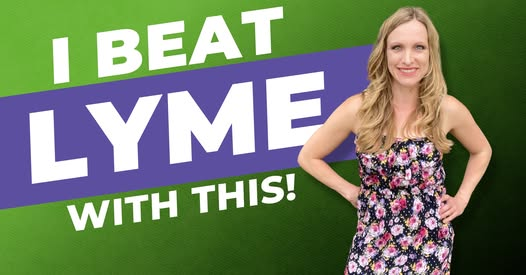
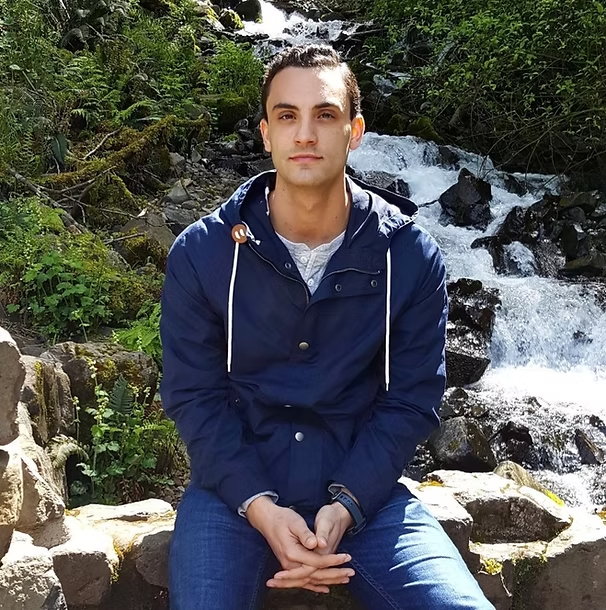
Dr. Kathryn Sullivan studying at university, and at her graduation ceremony. Dr. Kathryn, PhD (@kathrynsullivan_phd) | TikTok

Woman develops autoimmune disease as teen—Devotes life to finding answers!!!

Story by Alyce Collins 

Years of struggling with an autoimmune disease might leave some people despairing, but not Kathryn Sullivan. Frustrated by the lack of information and understanding about her illness, she has devoted her livelihood to research and helping others. 

In 2014, while in high school, Sullivan began experiencing a plethora of unexplained symptoms. It followed a severe bout of Epstein-Barr virus, but even when she started to feel better, she still couldn’t shake the unusual array of symptoms.

Sullivan, now 28, had persistent low-grade fevers, joint pain, migraines, swelling in her face, hair loss, bruising, rashes, and brain fog. However, she told Newsweek that “the most debilitating” was the extreme fatigue which left her unable to enjoy life.

The symptoms didn’t ease as time went on, and Sullivan sought advice from several medical providers and specialists. She was also hospitalized on multiple occasions because her condition became so concerning.

“I first received an abnormal lab result in 2017 suggesting that I had an autoimmune disease,” Sullivan said. “I remember asking my physician why I’d developed autoimmunity, and how I could get rid of it. His response was that they don’t really know what causes autoimmune diseases, and there’s no cure.

After rare diagnosis, Cd’A girl beating the odds | Hagadone News Network

“The thought of living the rest of my life feeling so sick was devastating. I had hope that medications would help me, but when they brought very limited relief, I was told by my physician there weren’t any other options.”

Sullivan’s symptoms were dismissed as anxiety or stress for years, but she doesn’t believe that her medical providers had any ill intentions. Rather, she suggests it’s because of “a systemic issue” whereby women’s health concerns are “not taken seriously.”

Following her diagnosis, Sullivan was given medication to take daily but she only saw minor improvements. Taking Prednisone was the only medical intervention that provided “noticeable relief.”

Researching Immunology

Having first-hand knowledge of just how devastating an autoimmune disease can be only served to embolden Sullivan to make a change. She knew there would be many others out there just like her who were left questioning whether their symptoms were real or not.

“My personal experience opened my eyes to how limited our understanding of autoimmune diseases is, and how more research is urgently needed,” Sullivan said.

Sullivan went on to study microbiology at the University of Wisconsin Madison where her love of research took shape. She worked as a research assistant and interned at various institutes where she focused on understanding chronic illness.

Following that, Sullivan was a graduate researcher at the University of Alabama-Birmingham School of Medicine, completing her PhD in immunology.

Throughout her studies, Sullivan continued to experience regular flare-ups. While she tried to be hopeful and optimistic about advancing the research, it was hard not to let the doubts creep in. During those moments, she thought about the feeling she had when she was diagnosed, and all the other people who feel equally as uncertain.

That was her driving force that enabled her to persevere.

Dr. Kathryn Sullivan researching in the laboratory.  Dr. Kathryn, PhD (@kathrynsullivan_phd) | TikTok

“My education and training have given me the tools to understand my conditions and live a healthier life,” Sullivan told Newsweek. “Becoming a scientist fundamentally changed how I understand my health, and I am deeply grateful for the knowledge I gained. I often reflect that if I had access to research and the tools to interpret these studies earlier, I could have advocated for myself more effectively.”

Sullivan now takes a thyroid replacement medication, but she says the greatest improvement in her health has come from making dietary and lifestyle changes. She used to experience one or two flare ups a month that would often leave her bedridden, but thankfully she hasn’t had a major one since 2022.

Sharing Her Experience

Living with an autoimmune disease can be “incredibly isolating,” but Sullivan wanted to raise more awareness and connect with others. She started documenting her experience on TikTok (@kathrynsullivan_phd) about her decade of education and research to become an immunologist.

She’s heartened by the growing awareness surrounding invisible illnesses, but there’s still a long way to go. She hopes that with more education, and research like hers, people living with autoimmune diseases will be able to enjoy a much better quality of life and will finally get the answers they’ve been waiting for.

Of course, living with an illness or condition is hard, but Sullivan wants to show people that it doesn’t need to define or restrict their lives forever. She wants people to see hers as a story of possibility and hope, inspiring them to never lose faith in what’s possible.

“My goal for future research is that the medical community will gain a better understanding of the mechanisms behind autoimmunity, especially why autoimmune diseases are drastically more common in women. This was the focus of my dissertation research,” Sullivan said.

“While there have been and likely will be many challenges, I feel extremely grateful for the journey I’ve been on. Living with autoimmune disease has shaped me into a more compassionate and resilient person, and it has given me a strong sense of purpose.”

Update 9/29/25, 11:01 a.m. ET: This article was updated with video and pictures from Dr. Kathryn Sullivan.

Update 10/02/25, 10:09 a.m. ET: This article was updated with new information about medication that helped Sullivan.

Is there a health issue that’s worrying you? Let us know via health@newsweek.com. We can ask experts for advice, and your story could be featured on Newsweek.

Related Articles

Kathryn Sullivan’s journey is a powerful story of resilience and determination. At age 17, she began experiencing a wide range of unexplained symptoms following a severe bout of Epstein-Barr virus. These included persistent low-grade fevers, joint pain, migraines, facial swelling, hair loss, rashes, and debilitating fatigue.

Despite multiple hospitalizations and consultations with specialists, her symptoms were often dismissed as anxiety or stress. In 2017, she finally received an abnormal lab result indicating an autoimmune disease. When her physician told her that the cause was unknown and there was no cure, Sullivan was devastated—but not deterred.

Driven by her own experience and the lack of answers, she pursued a career in science. She studied microbiology at the University of Wisconsin-Madison and later earned a PhD in immunology from the University of Alabama-Birmingham School of Medicine. Throughout her academic journey, she continued to battle flare-ups but remained committed to advancing research on chronic illness.

Today, Kathryn Sullivan is an immunologist and founder of Resilience Chronic Illness Consulting, using her expertise and personal experience to help others navigate similar health challenges. Kathryn Sullivan’s story is one of extraordinary perseverance and scientific curiosity.

As a teenager, she developed a mysterious illness that left her with debilitating symptoms—fatigue, joint pain, migraines, and more—without a clear diagnosis. After years of being dismissed by doctors and told her symptoms were psychological, she finally received a diagnosis of an autoimmune disease. But the answers stopped there.

Instead of accepting the unknown, Sullivan made it her mission to uncover the “why.” She pursued a degree in microbiology and later earned a PhD in immunology. Her personal experience with chronic illness fueled her research, and she now works to bridge the gap between patients and science.

She founded Resilience Chronic Illness Consulting to help others navigate the medical system and advocate for themselves. Her work combines cutting-edge immunology with patient-centered care, making her a powerful voice in chronic illness advocacy.

Would you like to explore her research or learn more about autoimmune conditions?

like to explore more about autoimmune diseases or her research work.

Absolutely! Here’s a deeper look into both autoimmune diseases and Kathryn Sullivan’s research journey:

🔬 Kathryn Sullivan’s Research Focus

Kathryn Sullivan developed a mysterious autoimmune condition as a teenager, which led her to pursue a PhD in immunology. Her research centers on understanding the mechanisms behind autoimmunity—especially why these diseases disproportionately affect women. Key highlights from her work include:

  • Dissertation Focus: Investigating why autoimmune diseases are more common in women, exploring hormonal, genetic, and environmental factors.
  • Advocacy and Education: She shares her journey and insights Dr. Kathryn, PhD (@kathrynsullivan_phd) | TikTok aiming to empower others with chronic illnesses.
  • Resilience Chronic Illness Consulting: She founded this initiative to help patients navigate their conditions and advocate for better care.

🧠 What Are Autoimmune Diseases?

Autoimmune diseases occur when the immune system mistakenly attacks the body’s own healthy tissues. Instead of defending against invaders like viruses or bacteria, it targets organs, joints, or skin.

Common Types

  • Rheumatoid Arthritis: Attacks joint linings, causing pain and swelling.
  • Lupus: Can affect skin, joints, kidneys, and brain.
  • Multiple Sclerosis: Targets nerve cells, leading to coordination and vision issues.
  • Type 1 Diabetes: Destroys insulin-producing cells in the pancreas.
  • Hashimoto’s Thyroiditis: Damages the thyroid gland.

Possible Causes

  • Genetics: Family history increases risk.
  • Viral Triggers: Epstein-Barr virus and COVID-19 are linked to onset.
  • Gender: Women are significantly more likely to develop autoimmune conditions.
  • Environmental Factors: Diet, stress, and exposure to toxins may play a role.

If you’re curious about specific autoimmune conditions, treatments, or want to dive into Sullivan’s scientific publications, I’d be happy to guide you further. Would you like to explore her TikTok content, her consulting work, or a particular disease?

Curing Autoimmune Disease the Gerson Way

Gerson Therapy is a controversial alternative treatment that claims to help the body heal itself from chronic illnesses—including autoimmune diseases—through a strict regimen of diet, detoxification, and supplementation. Here’s an overview of what it involves:

🌱 What Is the Gerson Therapy?

Developed in the 1920s by Dr. Max Gerson, this therapy is based on the idea that chronic diseases stem from toxicity and nutritional deficiency. The protocol aims to restore health by:

  • Diet: A plant-based, organic diet low in sodium, fats, and proteins. Patients consume up to 15–20 pounds of produce daily, mostly in the form of raw juices.
  • Juicing: Up to 13 glasses of fresh juice per day, one every hour.
  • Detoxification: Frequent coffee enemas are used to flush toxins from the liver.
  • Supplements: A variety of natural supplements are taken to support healing.

Sources:

⚠️ Important Considerations

  • Scientific Evidence: The Gerson Therapy is not FDA-approved and lacks robust clinical evidence for curing autoimmune diseases or cancer.
  • Risks: The regimen is extremely restrictive and may lead to nutritional imbalances or complications, especially if used without medical supervision.
  • Eligibility: The Gerson Institute recommends a case evaluation before starting, as some conditions may not respond well to the therapy.

While some individuals report improvements, mainstream medicine does not recognize Gerson Therapy as a proven cure. If you’re exploring alternative treatments, it’s crucial to consult with a qualified healthcare provider.

Would you like to compare this with conventional autoimmune treatments or explore other holistic approaches?

I Would like to compare Gerson Therapy with conventional autoimmune treatments or explore other holistic approaches?

Great! Let’s break this down into three parts so you can compare clearly:

🥕 Gerson Therapy for Autoimmune Disease

Philosophy: The Gerson Therapy is a natural, nutrition-based approach that aims to detoxify the body and restore immune function.

Key Components:

  • Organic, plant-based diet: Up to 20 lbs of fruits and vegetables daily, mostly juiced
  • Coffee enemas: Used to detoxify the liver
  • Supplements: Potassium, enzymes, and iodine to support healing
  • No pharmaceuticals: Avoids conventional drugs entirely

Claims:

  • Promotes immune system recovery
  • Treats chronic conditions like arthritis, lupus, and thyroid disease

Limitations:

  • Not FDA-approved
  • Lacks large-scale clinical trials
  • May pose risks if not medically supervised

💊 Conventional Autoimmune Treatments

Philosophy: Focuses on symptom management and immune suppression to prevent flare-ups and organ damage.

Common Treatments:

  • NSAIDs: Reduce inflammation and pain
  • Corticosteroids: Control severe inflammation
  • Immunosuppressants: Suppress immune activity (e.g., methotrexate, biologics)
  • Biologics: Target specific immune pathways (e.g., TNF inhibitors)
  • Lifestyle support: Physical therapy, dietary adjustments, and stress management

Pros:

  • Backed by clinical research
  • Can be tailored to specific autoimmune conditions
  • Often covered by insurance

Cons:

  • May cause side effects (e.g., infection risk, fatigue)
  • Doesn’t cure the disease—only manages symptoms

🌿 Holistic Approaches to Autoimmune Disease

Philosophy: Treats the whole person—mind, body, and spirit—by addressing root causes and lifestyle factors.

Key Strategies:

  • Anti-inflammatory diet: Elimination diets, Mediterranean diet, gut health focus
  • Stress reduction: Meditation, yoga, breathwork
  • Sleep hygiene: Prioritizing restful sleep
  • Exercise: Low-impact movement like walking or swimming
  • Functional medicine: Personalized care plans to uncover triggers

Benefits:

  • Can complement conventional treatments
  • Empowers patients to take control of their health
  • May improve quality of life and reduce flare-ups

Would you like help building a personalized autoimmune care plan or exploring functional medicine options near you?

🧩 How to Build a Personalized Autoimmune Care Plan

Creating a care plan means tailoring your treatment to your unique symptoms, triggers, and lifestyle. Here’s a step-by-step guide:

  1. Comprehensive Evaluation
    • Review medical history, lab results, and current symptoms
    • Assess sleep, nutrition, stress, and movement patterns
  2. Assemble a Care Team
    • Include a primary care physician, specialist (e.g., rheumatologist), nutritionist, and possibly a functional medicine provider
  3. Lifestyle Adjustments
    • Anti-inflammatory diet (e.g., gluten-free, dairy-free)
    • Stress reduction techniques like yoga or meditation
    • Gentle movement and physical therapy
  4. Track and Adapt
    • Monitor symptoms and flare-ups
    • Adjust medications, supplements, and routines as needed
    • Keep open communication with your care team

You can explore Carrie’s story for inspiration—she reversed symptoms of Hashimoto’s, celiac disease, and rheumatoid arthritis through personalized nutrition and lifestyle changes.

You can explore Carrie’s story for inspiration—she reversed symptoms of Hashimoto’s, celiac disease, and rheumatoid arthritis through personalized nutrition and lifestyle changes

Carrie’s story is a remarkable example of how personalized nutrition and lifestyle changes can dramatically improve autoimmune conditions. She battled Hashimoto’s thyroiditis, celiac disease, and rheumatoid arthritis—three complex autoimmune disorders—and managed to reverse her symptoms through a holistic approach.

Here’s how she did it:

🌿 Carrie’s Healing Journey

  • Root Cause Investigation: Carrie worked with a functional nutritionist to uncover the underlying triggers of her autoimmune issues. One major discovery was heavy metal toxicity from an improperly removed dental filling.
  • Diet Overhaul:
    • Adopted a grain-free, organic, nutrient-dense diet
    • Eliminated gluten, processed foods, and inflammatory ingredients
    • Focused on gut healing and detoxification
  • Lifestyle Changes:
    • Prioritized rest and stress management
    • Used gentle detox therapies
    • Incorporated movement and mindfulness practices
  • Results:
    • Reversed symptoms of Hashimoto’s, chronic migraines, IBS, and eczema
    • Became a certified nutritionist to help others with autoimmune conditions

🧠 Key Takeaways from Carrie’s Experience

  • Find Your Root Cause: Autoimmune diseases often have unique triggers—heavy metals, infections, stress, or gut imbalances.
  • Food Is Medicine: A nutrient-dense, anti-inflammatory diet can be transformative.
  • Healing Takes Time: Carrie’s recovery spanned years, requiring patience and discipline.
  • Empowerment Matters: She now educates others through platforms like WellTheory and podcasts.

You can read more about her full care plan on Carrie’s Multidimensional Autoimmune Care Plan or explore her insights on 5 Things I Learned During My Battle with Hashimoto’s Disease | Hypothyroid Mom

🗝️ Key documentaries explore Gerson Therapy, highlighting its claims of curing cancer and other diseases through dietary changes.

The Gerson Miracle – Top Documentary Films: This documentary examines the principles of Gerson Therapy, which claims to restore health without toxic treatments. It features testimonies from patients who have reportedly reversed advanced cancer using this method. The film emphasizes the body’s natural healing processes and critiques conventional medical treatments.

DYING TO HAVE KNOWN (2006) Directed by Steve Kroschel, this film investigates the effectiveness of Gerson Therapy and the suppression of alternative cancer treatments. It includes interviews with patients, scientists, and medical professionals who discuss the therapy’s potential benefits and the controversies surrounding it. The documentary aims to uncover why such treatments are often dismissed by mainstream medicine.

The Beautiful Truth (2008) This documentary serves as a follow-up to “The Gerson Miracle,” featuring cancer survivors who share their healing journeys through Gerson Therapy. It includes insights from scientists and researchers who challenge the pharmaceutical industry’s stance on alternative treatments.

Alive Tomorrow – A Documentary about Gerson Therapy This documentary presents stories of cancer survivors who attribute their recovery to Gerson Therapy, emphasizing the natural approach to healing and the challenges faced by those advocating for alternative treatments.

These documentaries provide a range of perspectives on Gerson Therapy, from patient testimonials to critiques of conventional medical practices, making them valuable resources for anyone interested in alternative cancer treatments.

Healing “Auto-Immune” Diseases: The Gerson Way: Gerson, Charlotte: Amazon.com: Books

Healing The Gerson Way: The All-Natural Solution for Cancer Ch | eBay

08: Reversing Hashimoto’s with Nutrition – Dr. Izabella Wentz, PharmD –

The Advanced Gerson Therapy Overview – Advanced Gerson Protocol

Uncovering the Benefits of the Gerson Therapy – Strong Health

Gerson Therapy: Diet, Food Lists, Dangers, and More

Curing Autoimmune with Gerson Therapy – Search

gerson Therapy Documentary – Search Videos

The Gerson Therapy – Gerson Institute

Autoimmune Diseases: Causes, Symptoms, and Treatments

Autoimmune Diseases: Types, Symptoms & Treatments

Autoimmune Diseases – Overview and Types | NIAMS

How Autoimmune Diseases Are Treated

https://www.youtube.com/@Dr.KathrynPhD

Posted in Uncategorized | Leave a comment

Honest Truth About Peace

Peacebuilding operations are contracting while conflicts are on the rise.

Why we must rethink conflict prevention and peacebuilding in a fractured world

  • Wars and global defence spending are increasing, all while aid budgets, humanitarian finance and peace operations are shrinking.
  • Political shifts, budget pressures and governance challenges in traditional donors have made aid flows more uncertain and response slower, exacerbating the gap between early warning and action.
  • With old models in retreat, renewal and resilience depend on empowering local actors, embracing tactical risk-taking, leveraging technology and reframing peace as a global public good.

Global conflict is surging just as the architecture designed to prevent and resolve it falters. Research institutes recorded 61 wars in 2024, the highest since 1946. At the same time, global defence spending jumped nearly 10% to $2.7 trillion, even as aid budgets shrank.

Data from the Organization for Economic Co-operation and Development (OECD) shows official development assistance also fell by over 7% in real terms last year and humanitarian financing experienced a “seismic contraction” of almost 10% over the same period. The paradox is stark: as conflict and fragility rise, the systems meant to respond are eroding.

Have you read?

Drivers of disorder

The drivers of global disorder are familiar. Military spending has surged, conflicts are proliferating and guardrails such as arms-control treaties are crumbling. From Ukraine to the Red Sea to Taiwan, confrontation is intensifying. There is a growing sense in the West that the rules-based order is unravelling.

The race for artificial intelligence (AI) dominance and sharpening economic competition add instability, while climate threats and democratic backsliding amplify the turmoil. Global temperatures reached record highs in 2024 and democratic freedoms have declined for the 19th consecutive year. The result is more crises and fewer avenues for collective response.

Perceptions of global disruption differ by region. For many, the world feels less stable, less predictable and far more dangerous than at any point in recent memory.

In much of Asia, the mood is more calculated, sometimes optimistic. Multipolarity offers agency to Beijing, Delhi, Jakarta and Riyadh. Across the Global South, many governments are hedging, taking US security where it suits, Chinese markets where they pay and regional clubs for insurance.

Some view the current global shifts as deeply threatening, while others see them as rare openings. Crucially, more and more voices from the Global South are calling for aid and development to be reshaped from the bottom up, insisting that Southern actors themselves should play a central role in setting priorities, designing interventions, and determining how resources are allocated.

The retreat of multilateralism

The space for multilateral action is shrinking just as the UN marks its 80th anniversary with proposed reforms. Yet, momentum for more global cooperation is weak. Humanitarian appeals are perennially unmet, with less than 17% of the required $45.5 billion provided for 2025. Meanwhile, peace operations in the Democratic Republic of CongoMali and elsewhere are closing, and the Security Council is paralyzed by vetoes.

International non-governmental organizations (NGOs) such as International Rescue Committee, Norwegian Refugee Council, Save the Children are retrenching, squeezed by donor fatigue and compliance costs. Although the Council of Foundations found that many philanthropic groups are ramping up grant-making to meet shortfalls, others have grown more risk-averse owing to increased political attacks and compliance risks. Some boards now prefer safe projects over politically sensitive prevention or rights-based work.

A key reason is the growing unpredictability of traditional aid anchors, creating uncertainty for partners to plan long-term, leaving budgets facing competing demands and humanitarian financing often falls short. These dynamics make forward-looking investments harder to sustain, widening the gap between early warning and timely response.

We are in a period of extreme volatility. Whether it hardens into permanent disorder will depend on whether practitioners, donors and thinkers reinvent peacebuilding for this harsher age.”

Recent crises – whether in HaitiMyanmar or Sudan – illustrate the challenge. Warnings were available but action was delayed until emergencies escalated. Structural weaknesses are even more acute in today’s unsettled environment.

The heyday of multidimensional UN peacekeeping is also over. Missions are smaller, ad hoc and often under-resourced. Peacebuilding has lost traction, too, tarnished by failures in Afghanistan and South Sudan.

Sensitivities over sovereignty, shrinking civic space and declining aid flows make ambitious international interventions unlikely. Even the language has shifted, with “peacebuilding” increasingly replaced by “stabilization” and “resilience.” Yet, the underlying challenge – helping societies escape cycles of violence – remains unchanged.

Renewal strategies in a fragmented system

Adapting to this new disorder requires realism. The old models, anchored in US leadership, reliable OECD donors and robust UN missions, are unlikely to return.

There are at least five overlapping futures: disintegration and drift; pragmatic localization; Western retrenchment; an expanded Chinese footprint; and competitive multipolar aid dynamics.

Navigating this complex, uncertain landscape will require agility and unconventional partnerships. So what are some lessons moving forward?

  • Embrace tactical risk-taking: Conflict prevention and peacebuilding require experimentation. UN agencies, NGOs and donors should underwrite “safe-to-fail” pilots, community mediation platforms, digital monitoring systems and hybrid finance tools. Some will fail; others may scale. Excessive caution is itself a strategic error.
  • Advance radical localization: Resources and decision-making need to shift decisively to local actors who often enjoy greater legitimacy and nimbleness. Governments and philanthropies can accelerate this process by supporting southern research networks, diaspora-led initiatives and community NGOs directly, without heavy northern overheads.
  • Confront opposition head-on: Aid actors are not just neglected but often targeted. Authoritarian regimes routinely delegitimize NGOs as foreign agents. Retreat only emboldens them. Think tanks and foundations should invest in stronger communications, expose disinformation and build solidarity networks for activists under attack.
  • Leverage technology: Digital tools can entrench repression but also empower prevention and peace-making efforts. AI platforms can model overlapping risks, satellites can document abuses in real time and secure platforms can connect fragmented civic groups. Philanthropies should invest in these tools while pushing for guardrails.
  • Reframe peace and security as public goods: Prevention must be recast as integral to addressing global challenges, including climate change, migration and digital governance. It also has co-benefits. Conflict-sensitive climate finance can cut emissions and fragility alike. Digital resilience protects democracy and can preserve stability. Linking peace to urgent priorities gives it a new constituency.

A fragile opportunity in a volatile era

Global power centres are reading today’s turbulence in very different ways. In Washington and Brussels, the mood is defensive; in Asia, it is more strategic; and across much of the Global South, it is opportunistic.

States big and small are repositioning, while many in the Global South (including the BRICS) are seeking to redefine aid and development. Looming over this are existential risks: escalating conflict among nuclear powers, unregulated AI and climate shocks.

Civil societies and philanthropies cannot rebuild the post-Cold War order on their own but they can adapt. They can take risks where governments cannot, convene dialogue where politics stalls and invest in technologies and local actors who will shape the future.

They can defend civic space, expose repression and frame peace and security not as charity but as a necessity for resilience. We are in a period of extreme volatility. Whether it hardens into permanent disorder will depend on whether practitioners, donors and thinkers reinvent peacebuilding for this harsher age.

image.png

True peace will not come through human institutions but through the reign of Jesus Christ, whose Kingdom will transform the world into harmony and hope. 

Humanity longs for peace but cannot achieve it on its own—true and lasting peace will come only through the reign of Jesus Christ.

Our world is caught in a cycle of conflict, division and despair. Turn on the news or scroll through social media, and you’ll see humanity’s attempts at peace—often through violent conflict. Nations wage war in pursuit of security. Politicians pledge unity while sowing discord. People fracture while yearning for meaningful relationships. Institutions try to prevent conflict but to no lasting avail—as we see at this 80th anniversary of the United Nations.

The question that haunts us is simple yet profound: Why can’t humanity achieve the peaceful harmony we desperately desire?

The answer lies not in collective rationale, but in truths beyond human understanding. True, lasting peace cannot be manufactured, negotiated or legislated. After World War II, Gen. Douglas MacArthur stated the problem is fundamentally “theological and involves a spiritual recrudescence [or revival] and improvement of human character . . . It must be of the spirit if we are to save the flesh.” True peace can come only through divine intervention. Thankfully, Scripture promises that real peace is not just possible—it is certain.

God has promised to send Jesus Christ as the conquering King who will establish His Kingdom and bring the peace that has eluded humanity for millennia. He will establish something new—the Kingdom (or rule) of God over the earth. The prophet Isaiah foretold the resulting peace when all nations will “beat their swords into plowshares, and their spears into pruning hooks,” and “nation shall not lift up sword against nation, neither shall they learn war anymore” (Isaiah 2:4).

A sculpture at the U.N. portrays that passage, but the process for achieving it surpasses human know-how. “Just and true are your ways, O King of the nations” (Revelation 15:3, English Standard Version, emphasis added). It is when people give “glory to God in the highest” that there can be “on earth peace, goodwill toward men” (Luke 2:14).

The future age of peace and joy is the focus of our magazine’s name Beyond Today. That age will yet dawn, as laid out in our cover story, with a companion piece on how Christ’s reign will differ from what we see today. Another article explains how the opportunity to live under God’s rule will ultimately encompass all who have ever lived.

Yet we’re not just waiting for the future. We’re going to live it now. The gospel contains a present invitation, as I explore further in “Living Under Jesus’ Reign Today”. The same King who will rule the earth with justice is the living Jesus who calls us to observe all He commanded His disciples (Matthew 28:19-20)—becoming advanced citizens of God’s Kingdom of peace. We’re called not just to believe intellectually but to surrender completely to the lordship of Jesus Christ and live His laws of outgoing concern that result in true peace.

Here’s a truth many miss—hearing the gospel requires a response. We must “obey the gospel” (2 Thessalonians 1:81 Peter 4:17Romans 10:16). Jesus said, “If you want to enter into life, keep the commandments” (Matthew 19:17). These aren’t mere suggestions—they’re requirements for being in the Body of Christ and for citizenship in His coming Kingdom.

Religious teachers often preach about “heaven” while excusing living by its rules. We’re comfortable discussing eternal rewards but avoid present requirements. We love God’s grace but resist His governance. We celebrate future glory while neglecting godliness now. This selective faith is what Jesus warned against when He said, “Not everyone who says to Me, ‘Lord, Lord,’ shall enter the kingdom of heaven, but he who does the will of My Father in heaven” (Matthew 7:21).

This obedience isn’t about earning salvation through works. It’s about living as citizens of the Kingdom we claim to serve. When we understand Jesus is King, our natural response is to align our lives with His commands. Our obedience to the gospel is our testimony to the reality of God’s Kingdom.

Those who submit to Christ’s rule begin to experience a foretaste of His peace that will one day fill the earth. That reality is experienced annually through God’s Feast of Tabernacles. This weeklong festival is filled with blessings, harmonious relationships, spiritual nourishment and physical enjoyment that not only portray His coming reign but provide a living foretaste today.

As we anticipate Christ’s return and the establishment of His perfect Kingdom, we are called to live as Kingdom citizens now. This means letting His peace rule in our hearts when circumstances threaten our joy. It means extending His forgiveness when wronged. It means promoting His laws of love to a world desperate for authentic peace.

The same God who will send Jesus Christ to establish perfect peace on earth is offering His Spirit to establish that peace in our hearts. But we must choose to repent of lawlessness, submit to His rule, receive His forgiveness, obey His commands and live beyond today’s temporary troubles by focusing on tomorrow’s eternal promises.

The Kingdom is coming. The King is returning. The question before you and me now is whether we will live as faithful subjects of the King who already reigns over His Church (Ephesians 1:22Colossians 1:18).

May you experience the peace that comes from complete surrender to Christ’s reign both now and beyond today!

Gods-Holy-Day-Plan-The-Promise-Of-Hope-For-All-Mankind.pdf
The God’s Holy Day Plan is a biblical concept that outlines a divine plan for humanity, offering hope and a future for all who have ever lived. This plan is revealed through an annual cycle of festivals described in the Scriptures, which serve as reminders of God’s spiritual harvest and His ultimate purpose for mankind. The Holy Days, which fall during three seasons of the year, symbolize God’s commitment to grant eternal life to mortal man and establish His Kingdom on earth. These festivals, such as the Passover, Pentecost, and the Feast of Atonement, illustrate the unfolding of God’s plan and the importance of Jesus Christ’s sacrifice for humanity’s salvation. The observance of these festivals is a testament to God’s great plan for the future of mankind and serves as a guide for believers to understand their purpose and the hope they hold for a better future.

Edge Of Night (Pippin’s Song) (from “The Lord Of The Rings: The Return Of The King”)

Global Support for President Trump’s Bold Vision for Peace in Gaza – The White House

Ellie Goulding Honors Jane Goodall’s Legacy: There’s ‘No Prosperity on a Dead Planet’

Jane Goodall Instills Hope in the World With Final Interview on ‘Famous Last Words’

13 Times Jane Goodall Proved She’s The True Guardian Of Our Planet

Climate Change: Here’s what you need to know about how it will affect you | Watch

Understanding Real HOPE More Than Wishful Thinking Ken Loucks – Search

7 Ways Christ’s Rule Will Be So Wonderfully Different | United Church of God

Has the Kingdom of God Been Set Up on Earth Now? | United Church of God

Strikes On Iran > The Reality Of The Moment Darris Mcneely – Search

The UN at 80: Is World Peace a Lost Cause? | United Church of God

Is Today The Only Day of Salvation Dan Dowd – Search

Waiting on The Lord Robin Webber – Search

Peaceful Mind, Joyful Heart | Watch

Ellie Goulding song – Search

Posted in Uncategorized | Leave a comment

Science and the Truth

Cancer Cureology: The Ultimate Survivor’s Holistic Guide: Integrative, Natural, Anti-Cancer Answers: The Science and Truth

by Dr Steven a Vasilev (Author)

21st Century Patient-Centered Cutting Edge Integrative Comprehensive Cancer Care vs. Old School Cancer Treatment

The Choice Is Obvious.

Cancer Cureology introduces a new 21st-century integrative paradigm of cancer care where you are at the center of attention, not cancer by itself. While cancer treatment almost always requires some combination of Western techniques, it is equally important to actively support the body, mind, and soul during and after treatment. These mainly natural strategies are crucial to prevent cancer, to reduce symptoms during and after treatment, and to proactively do everything possible to help prevent recurrence.

Cancer Cureology is not a book focused simply on “alternative medicine.” It is MUCH BETTER and much more far-reaching than that because it is a compilation of what is leading edge and what is most likely to help you! It is the background information for a five step anti-cancer integrative treatment and support system.

Cancer Cureology explores the scientific evidence to get at the truth behind natural therapies. 21st-century sciences such as epigenetics, nutrigenomics, and immune modulation form the basis for collaboration between mainstream and natural anti-cancer strategies.

Cancer Cureology sheds an authoritative guiding light on:

▪ The keys behind natural anti-cancer strategies

– Reducing pro-carcinogenic inflammation and oxidative stress to anti-cancerize your body

– Reducing tumor angiogenesis to starve cancers for nutrients and oxygen

– Balancing hormonal influences to limit cancer progression

– Stimulating and optimizing innate and adaptive immunity to naturally attack cancer cells

– Epigenetically “silencing” cancer stem cells to make them dormant

▪ The five steps to achieving these strategies

– Baseline anti-cancer nutrition and super-food support

– Targeted supplementation

– Psychoneuroimmunology and mind-body stress reduction

– Rational anti-cancer detoxification

– Lifestyle modification and exercise

▪ Selected “alternative” therapies that have scientific support

▪ Natural cancer and treatment-related symptom management

▪ And much more…

Cancer Cureology is indispensable to anyone who wants to survive and thrive after a cancer diagnosis. It can also help anyone who wants to prevent cancer in the first place.


Cancer Cureology is written by Dr. Steven A. Vasilev MD MBA FACOG FACS FACN ABIHM ABOIM, America’s first and leading quadruple board certified integrative gynecologic oncologist.

Dr. Steven A. Vasilev MD is also:

Clinical Professor, David Geffen UCLA School of Medicine
Medical Director & Professor, Integrative Gynecologic Oncology
Providence Saint John’s Health Center and John Wayne Cancer Institute

If You Want To Get Your Free Cancer Cureology Anti-Cancer Five Step Summary Blueprint, Please Visit www.CancerCureology.com Now.

Cancer Cureology: The Ultimate Survivor’s Holistic Guide: Integrative, Natural,

📘 “Cancer Cureology: The Ultimate Survivor’s Holistic Guide: Integrative, Natural, Anti-Cancer Answers” is a comprehensive book by Dr. Steven A. Vasilev, a quadruple board-certified integrative gynecologic oncologist. It presents a modern, patient-centered approach to cancer care that blends conventional treatments with scientifically supported natural strategies.

🌿 What the Book Covers

  • Five-Step Integrative Anti-Cancer System:
    • Nutrition & Superfoods: Foundational dietary strategies to support healing.
    • Targeted Supplementation: Evidence-based vitamins and nutrients.
    • Mind-Body Techniques: Stress reduction through psychoneuroimmunology.
    • Detoxification: Rational methods to reduce toxic burden.
    • Lifestyle & Exercise: Habits that promote resilience and recovery.
  • Natural Anti-Cancer Strategies:
    • Reducing inflammation and oxidative stress
    • Starving tumors by limiting angiogenesis
    • Hormonal balance to slow progression
    • Immune system optimization
    • Epigenetic silencing of cancer stem cells
  • Symptom Management:
    • Holistic techniques to ease side effects of treatment
    • Selected alternative therapies with scientific backing

This guide is designed not only for survivors but also for those seeking to prevent cancer through proactive, integrative health practices.

📘 “Cancer Cureology: The Ultimate Survivor’s Holistic Guide: Integrative, Natural, Anti-Cancer Answers” is a comprehensive book by Dr. Steven A. Vasilev, a quadruple board-certified integrative gynecologic oncologist. It presents a modern, patient-centered approach to cancer care that blends conventional treatments with scientifically supported natural strategies.

🌿 What the Book Covers

  • Five-Step Integrative Anti-Cancer System:
    • Nutrition & Superfoods: Foundational dietary strategies to support healing.
    • Targeted Supplementation: Evidence-based vitamins and nutrients.
    • Mind-Body Techniques: Stress reduction through psychoneuroimmunology.
    • Detoxification: Rational methods to reduce toxic burden.
    • Lifestyle & Exercise: Habits that promote resilience and recovery.
  • Natural Anti-Cancer Strategies:
    • Reducing inflammation and oxidative stress
    • Starving tumors by limiting angiogenesis
    • Hormonal balance to slow progression
    • Immune system optimization
    • Epigenetic silencing of cancer stem cells
  • Symptom Management:
    • Holistic techniques to ease side effects of treatment
    • Selected alternative therapies with scientific backing

This guide is designed not only for survivors but also for those seeking to prevent cancer through proactive, integrative health practices.

Let’s dive into All Five Steps of Dr. Steven Vasilev’s five-step system from Cancer Cureology:

🥗 Step One: Anti-Cancer Nutrition & Superfoods

This step is all about harnessing the power of food to create a body environment that resists cancer and supports healing.

🌿 Key Concepts

  • Whole, Plant-Based Diet: Focuses on nutrient-dense, low-glycemic foods that reduce inflammation and oxidative stress.
  • Epigenetic Influence: Certain foods can positively affect gene expression, turning off cancer-promoting genes and activating protective ones.
  • Gut Health & Immunity: A healthy microbiome supports immune surveillance and detoxification.

🍇 Superfoods That Shine

  • Cruciferous Vegetables (broccoli, kale, cauliflower): Rich in sulforaphane, which helps detoxify carcinogens.
  • Berries (blueberries, raspberries): Packed with antioxidants like ellagic acid and anthocyanins.
  • Turmeric: Contains curcumin, a potent anti-inflammatory compound.
  • Green Tea: Loaded with catechins that may inhibit cancer cell growth.
  • Garlic & Onions: Contain allicin and other sulfur compounds that support immune function.

🧠 Why It Matters

  • Reduces cancer-promoting inflammation and insulin resistance.
  • Enhances detox pathways and immune resilience.
  • Supports recovery during and after conventional treatments.

This isn’t just about “eating healthy”—it’s about strategically choosing foods that actively fight cancer at the molecular level.

Would you like to explore Step Two next—Targeted Supplementation—or dive deeper into how to apply this nutrition strategy in daily life?

Absolutely—Step Two is a powerful complement to the nutritional foundation laid in Step One. Let’s explore:

💊 Step Two: Targeted Supplementation

This step focuses on using evidence-based supplements to enhance the body’s natural defenses, support detoxification, and optimize cellular health—all tailored to the unique needs of someone facing cancer.

🧬 Why Supplements Matter

  • Fills nutritional gaps that diet alone may not cover, especially during treatment.
  • Supports immune modulation, helping the body recognize and fight abnormal cells.
  • Enhances detox pathways, reducing the burden of environmental toxins and metabolic waste.
  • Influences epigenetic expression, potentially turning off cancer-promoting genes.

🌟 Key Supplement Categories

  • Antioxidants: Vitamin C, E, selenium, and glutathione help neutralize free radicals.
  • Anti-inflammatory agents: Omega-3 fatty acids, curcumin, and resveratrol reduce chronic inflammation.
  • Immune boosters: Medicinal mushrooms (e.g., reishi, turkey tail), beta-glucans, and zinc.
  • Detoxifiers: NAC (N-acetyl cysteine), milk thistle, and alpha-lipoic acid support liver function.
  • Mitochondrial support: CoQ10 and PQQ help energize cells and reduce oxidative stress.

⚠️ Personalized & Safe

Dr. Vasilev emphasizes that supplementation should be:

  • Personalized based on cancer type, treatment stage, and individual biology.
  • Clinically guided to avoid interactions with medications or therapies.
  • Lab-informed, using bloodwork and functional testing to track effectiveness.

This step is about precision—using the right tools at the right time to support healing and resilience. Want to move on to Step Three: Detoxification & Environmental Defense? It’s a fascinating one.

Step Three is where things get deeply restorative. Let’s explore:

🧼 Step Three: Detoxification & Environmental Defense

This step is all about reducing the toxic burden on your body and protecting it from harmful environmental exposures that can fuel cancer development or recurrence.

🧪 Why Detox Matters

  • Cancer thrives in a toxic, inflamed environment.
  • Many toxins—like heavy metals, endocrine disruptors, and persistent organic pollutants—can damage DNA and impair immune function.
  • Detoxification supports liver, kidney, lymphatic, and gut health, which are essential for clearing out carcinogens and metabolic waste.

🛡️ Environmental Defense Strategies

  • Air & Water Purity: Use HEPA filters and water purification systems to reduce exposure to airborne pollutants and contaminants like chlorine, fluoride, and heavy metals.
  • Clean Personal Care: Switch to non-toxic skincare, cosmetics, and hygiene products free of parabens, phthalates, and synthetic fragrances.
  • Safe Household Products: Avoid harsh cleaning agents and opt for natural alternatives like vinegar, baking soda, and essential oils.
  • EMF Awareness: Minimize exposure to electromagnetic fields from devices and Wi-Fi routers, especially during sleep.

🌿 Detox Tools & Practices

  • Sweat Therapy: Infrared saunas and exercise help eliminate toxins through the skin.
  • Binders & Chelators: Supplements like activated charcoal, chlorella, and modified citrus pectin can bind and remove toxins.
  • Liver Support: Milk thistle, dandelion root, and NAC enhance liver detox pathways.
  • Hydration & Fiber: Crucial for flushing toxins and supporting bowel regularity.

🧘‍♀️ Mind-Body Connection

Detox isn’t just physical—it’s emotional too. Releasing toxic thoughts, stress, and trauma is part of the healing process.

This step helps create a clean internal and external terrain where healing can flourish. Ready to explore Step Four: Stress Mastery & Emotional Healing? It’s a game-changer.

Step Four is where the emotional and psychological dimensions of healing take center stage. Let’s explore:

🧘‍♂️ Step Four: Stress Mastery & Emotional Healing

This step recognizes that cancer isn’t just a physical disease—it’s also deeply intertwined with emotional stress, trauma, and mental well-being. Healing requires addressing the mind-body connection with intention and compassion.

🧠 Why Stress Matters

  • Chronic stress can suppress immune function, increase inflammation, and disrupt hormonal balance—all of which can fuel cancer progression.
  • Emotional trauma and unresolved grief may contribute to a toxic internal environment.
  • Healing emotionally can activate the parasympathetic nervous system, promoting rest, repair, and regeneration.

🛠️ Tools for Stress Mastery

  • Mindfulness & Meditation: Practices like breathwork, guided visualization, and body scanning help calm the nervous system.
  • Heart Coherence Training: Techniques that synchronize heart rhythms with emotional states to promote resilience.
  • Yoga & Tai Chi: Gentle movement combined with breath awareness supports physical and emotional balance.
  • Journaling & Expressive Writing: Helps process emotions, clarify thoughts, and release mental clutter.

💞 Emotional Healing Practices

  • Forgiveness Work: Letting go of resentment and guilt can be profoundly liberating.
  • Therapeutic Support: Working with counselors, coaches, or support groups to process trauma and build emotional strength.
  • Gratitude & Joy Activation: Cultivating positive emotions can shift biochemistry toward healing.

🧬 Science Meets Soul

Dr. Vasilev emphasizes that emotional healing isn’t “woo”—it’s backed by neuroscience, psychoneuroimmunology, and epigenetics. Your thoughts and feelings shape your biology.

This step is about reclaiming peace, purpose, and emotional clarity. Ready to complete the journey with Step Five: Regenerative Therapies & Longevity Strategies? It’s the future of integrative cancer care.

Let’s dive into Step Five of Dr. Steven Vasilev’s five-step system from Cancer Cureology:

Absolutely—Step Five is the culmination of the Cancer Cureology system, where cutting-edge science meets personalized longevity. Let’s explore:

🧬 Step Five: Regenerative Therapies & Longevity Strategies

This final step focuses on restoring vitalityrepairing cellular damage, and extending healthspan—not just surviving cancer, but thriving beyond it.

🔬 What Are Regenerative Therapies?

These are advanced, science-backed interventions that help the body rebuild and rejuvenate itself at the cellular and tissue level.

🧪 Examples Include:

  • Peptide Therapy: Short chains of amino acids that signal healing, immune modulation, and anti-aging effects.
  • Stem Cell Support: Not necessarily stem cell injections, but strategies to activate your own stem cells for tissue repair.
  • Hyperbaric Oxygen Therapy (HBOT): Increases oxygen delivery to tissues, promoting healing and reducing inflammation.
  • Photobiomodulation: Uses red and near-infrared light to stimulate mitochondrial function and reduce oxidative stress.

⏳ Longevity Strategies

  • Biological Age Tracking: Using epigenetic clocks and biomarkers to measure and reverse aging.
  • Hormone Optimization: Balancing thyroid, adrenal, and sex hormones to support energy, mood, and metabolism.
  • Sleep Mastery: Deep restorative sleep is essential for cellular repair and immune resilience.
  • Intermittent Fasting & Metabolic Flexibility: Enhances autophagy (cellular cleanup) and insulin sensitivity.

🧠 Mindset Shift

This step encourages a transition from “fighting disease” to building a vibrant future. It’s about living with purpose, energy, and clarity—long after cancer is gone.

With Step Five, Dr. Vasilev empowers survivors to become architects of their own longevity. If you’d like, I can help you apply these steps to a personalized wellness plan or explore how they integrate with conventional treatments.  · Wikipedia ·

Posted in Uncategorized | Leave a comment

The Mark of the Beast

Your guide to understanding CBDCs

As the world is becoming more digital, central banks are exploring the possibility of issuing their own digital currencies.

How would we use CBDCs in everyday commerce?

Where does cash come from? Your country’s central bank — like the U.S. Federal Reserve or the Bank of Japan — authorizes the printing of paper bills that make their way to your wallet. Here’s the thing: Fewer people are carrying cash these days, if we even have a physical wallet.

We’re paying with cards and digital wallets.

As the world is becoming more digital, central banks are investigating — and in a number of cases already launching or testing — their own digital versions of paper money, called central bank digital currencies, or CBDCs. (One notable exception is the U.S., with President Trump recently issuing an executive order prohibiting the establishment, issuance, circulation and use of a CBDC.)  

currency  /ˈkər-ən(t)-sē/ • noun 

1.   something that is circulated as a medium of exchange; money  

In most cases, they are designed to be used the same way as cash, to buy and sell goods and services, and, like cash, they are backed by the central bank. CBDCs have the potential to help expand access to payments and bring more people into the digital economy.

Here’s how CBDCs work and what they mean for everyday consumers:   

Why are countries increasingly interested in issuing their own digital money? 

In a world that is always-on, some central banks are looking to advance and promote digital payments that allow for 24/7 payment processing. Some countries are upgrading their banking infrastructure to allow for real-time payments, but CBDCs are another way to enable faster transactions during more times of the day.  

CBDCs also offer a way to cut down on the inefficiencies of printing and moving money — the cost of managing physical cash can be as much as 1.5% of a country’s GDP. As connectivity increases and smartphones proliferate, CBDCs could also be a way to include more people in the digital economy who are currently shut off from basic financial services. 

Are CBDCs like private cryptocurrencies? 

CBDCs and the private cryptocurrencies that are often in the news — like Bitcoin and Ether — are both digital currencies with no physical counterparts. But CBDCs are issued by a central bank, with the same guarantees that back a nation’s paper currency — they are equivalent to cash and designed for everyday transactions. Private cryptocurrencies, by comparison, are not backed by a government. The most popular cryptocurrencies are free-floating, meaning their prices are determined by the market. 

That makes them much more volatile than traditional money. They have been used more as investment vehicles than as an actual currency for everyday commerce, although there is a growing acceptance of crypto among merchants and new options like “crypto cards,” which allow cardholders to convert their crypto into fiat currency at places that accept traditional credit cards.  

One private cryptocurrency seeing significant activity is stablecoins, which are designed to have a consistent value. These tokens are much closer to CBDCs than to their free-floating counterparts, although they too lack the formal backing of a central bank. But collapses of prominent stablecoins have shown that not all of these assets are, in fact, “stable,” particularly if the stablecoin is not backed on a 1:1 basis by high quality and liquid reserve assets, making them prone to “bank-run” dynamics. To ensure financial sovereignty and stability, some governments see developing their own digital currencies as a necessary project to keep pace with new fintech concepts like stablecoins.  

How quickly will CBDCs take off?  

About 94% of central banks are engaged in some form of work on CBDCs, according to a 2024 Bank for International Settlements survey. Eleven countries have fully launched a digital currency, and pilots are underway in more than three dozen others, the Atlantic Council reports, while at least two others have canceled work on a CBDC in recent years.  

It is important to note that CBDC development efforts across the globe are motivated by different policy goals, such as enhancing financial inclusion, improving the efficiency of domestic payments systems or the role of central bank money in an increasingly digital world. Against this background, the level of commitment and progress relating to these efforts varies significantly across markets, which will have an impact on the question whether and when countries will ultimately launch a CBDC. 

In general, widespread rollout is unlikely anytime soon, according to BIS, as there are many technical challenges to overcome, and central banks considering CBDCs may need authorization from their legislative bodies to issue them. Plus, central banks will look to coordinate international policies and standards for CBDCs. Suffice to say, there’s a lot more work to do here. 

Will CBDCs replace paper currency?  

Conceivably they could, but it’s unlikely. Cash remains a popular means of exchange around the world, especially in developing markets. Even in Europe, often at the forefront of payment innovation, cash was used in 52% of transactions in 2024, according to a recent report by the European Central Bank Most central banks have said they are committed to issuing and distributing physical cash so long as there is demand for it. But just as cards, real-time payments and, more recently, digital wallets have offered people more choices and security, so could CBDCs. 

How would paying with a CBDC actually work?  

The designs for CBDCs vary, but one made to fit with current payment infrastructure would work a lot like a mobile wallet. A central bank could issue the digital money to financial institutions for distribution, or even directly to your digital wallet — just like direct deposit of a government social benefit or stimulus payment. You could then pay at checkout much the same way you do today with a phone.

What are Central bank digital currencies (CBDCs)? | World Economic Forum

Central Bank Digital Currency: Progress And Further Considerations

The world is pushing for a central bank digital currency that will be used for the mark of the beast which is in the right hand or forehead and can be a RFID microchip which millions of people have already received or a digital tattoo which can control electronics with the mind.

The KJV bible is the only Bible that says the mark of the beast will be (in) the right hand or forehead the other bibles say (on) the Abrahamic alliance that could be the peace agreement (covenant with many) that the antichrist will break after 3 and a half years we could already be in the great tribulation this is in the book of Daniel about the book of revelation. 

Almost all Christians should be beheaded within 3 and a half years which will be a blessing because it will be the worst time in the history of the world but most Christians will accept the mark of the beast because they don’t study the book of revelation and Daniel. Israel can build the third temple that the antichrist announces himself as God in within a few months and supposedly they sacrificed a red heifer last year that the antichrist will stop the sacrifices.

Pretribulation rapture was invented by a person in a insane asylum and made popular by a Freemason who made his own Bible group trying to take over the world that accepts Satan as their God at the thirty third level the most popular pre tribulation rapture verse is the dead in Christ will rise first then those who are alive and remain will be caught up with the Lord in the air obviously after the tribulation 

Central bank digital currencies (CBDCs) are being explored globally as a means 

to enhance financial inclusion and improve payment systems. 

Here are some key points:

Revelation 20:4-6 says the first resurrection is those beheaded for not taking the mark of the beast and Jesus said to his disciples one would be taken and the other left and his disciples said where Lord and he said where the eagles gather their will their dead bodies be and Elijah and Enoch didn’t die. People use the word apostasy for caught up when it means to turn away from God.

Explore Revelation 20 in this profound exploration of Christ’s reign, Satan’s defeat, and the final judgment. This video delves into the historical and spiritual dimensions of the millennial kingdom, the binding of Satan, and the great white throne judgment, offering a transformative encounter with the Word of God.

Through an analytical yet devotional lens, we unpack the eternal victory of Christ over evil, the resurrection of the faithful, and the ultimate accountability all will face before God. Discover the spiritual significance of the thousand-year reign of Christ and the judgment of Satan, which culminates in his defeat and eternal punishment.

Reflect on the timeless relevance of this biblical narrative for contemporary Christians, as we are reminded of God’s justice, mercy, and the urgency of living a faithful life in anticipation of Christ’s return. Revelation 20 challenges us to examine our faith journey and heed the call to ensure our names are written in the Book of Life.

Join us as we explore this pivotal chapter, rich with biblical prophecy and spiritual insight, and its implications for believers today. Let this deepen your understanding of scripture and renew your commitment to living in obedience to Christ’s teachings.

What will happen to the world after end times – Search Videos

After the end times, the world will undergo a series of prophetic events leading to the return of Jesus Christ. The timeline includes the rapture, the tribulation, and the final judgment.

The rapture involves the removal of believers from the earth, followed by the tribulation, which is a seven-year period of global turmoil. The Antichrist will come to power, and God’s judgments will escalate, culminating in Armageddon and Jesus’s victorious second coming.

After this, Jesus will reign for 1,000 years in the millennial kingdom, where peace and justice will prevail before Satan’s final rebellion and defeat. The great white throne judgment will determine the eternal fate of the unsaved, while believers will dwell forever in the new heaven and new earth.

In the Bible, there are 735 prophecies, and 596 have already come true with 100% accuracy. – Search Videos

According to Science, These Are 11 Possibilities of How the Human Race Will End

Posted in Uncategorized | Leave a comment

The Journey of Dana Croschere

 Love Heals Follow the journey of Dana Croschere, a chronic pain sufferer, on her quest for healing after two failed spine surgeries.

Dana Croschere Love Heals – Search Images

After years of battling relentless pain and disappointment, Dana finds herself at a crossroads—physically broken, emotionally drained, and spiritually searching. But when conventional medicine fails her, she embarks on a transformative journey that leads her beyond hospitals and into the heart of holistic healing, self-discovery, and unexpected love.

From the sterile corridors of surgery to the warmth of healing circles, Dana’s path is anything but linear. Along the way, she meets others who carry invisible wounds, and together they learn that healing isn’t just about fixing what’s broken—it’s about embracing what’s whole.

Love Heals is a story of resilience, vulnerability, and the power of connection. It’s a reminder that sometimes, the most profound healing begins when we stop trying to fight pain—and start listening to it.

Dana Croschere’s healing journey is beautifully captured in the documentary LOVE HEALS, which she co-created with her partner, filmmaker Krisanna Sexton. After enduring two failed spine surgeries and years of debilitating chronic pain, Dana found herself searching for answers beyond conventional medicine.

💫 The Turning Point Dana’s path to healing began when she discovered the mind-body connection and energy healing principles. She connected with experts like Dr. David Hanscom, a former spine surgeon who now advocates for mind-body medicine, and explored practices such as Brain Education and energy yoga. These approaches helped Dana shift her perspective—from seeing herself as a victim of pain to recognizing that her symptoms held deeper messages about her emotional and spiritual well-being.

🎥 The Documentary: LOVE HEALS Together, Dana and Krisanna traveled across the U.S. to meet with scientists, spiritual healers, and chronic pain sufferers who had transformed their lives through holistic healing. The film blends Western science with Eastern wisdom, featuring voices like Dr. Bruce Lipton and Ilchi Lee, and showcases how self-love, compassion, and energetic balance can lead to profound recovery.

🌿 Where She Is Now Dana’s journey has not only changed her health—it’s reshaped her career and her relationship with herself. She’s returned to hiking, embraced a new purpose, and now shares her story to inspire others facing chronic pain. Her transformation is a testament to the power of patience, inner work, and the belief that healing is possible.

Dana Croschere’s Chronic Pain Story

It’s been such a journey to watch Dana’s personal story and the creation of this film evolve. I met Dana a couple of years ago, she had found me searching for chronic pain on Instagram whilst recovering from her failed spine surgeries and we instantly became friends.

I remember her telling me about her recent medical trauma and that she was in a really bad place and was suffering way more now than she previously was. We spoke specifically about Dr Hanscom that day and she told me that she had found him through the Curable app already. Dr Hanscom was a spine surgeon previously, before quitting to focus full time on the mind-body medicine approach so I knew they had to connect.

Creation of the LOVE HEALS Documentary

Dana’s partner Krisanna Sexton is a talented filmmaker and together they have created the masterpiece documentary – LOVE HEALS,  travelling all over the United States to document and understand how the mind-body connection and ancient energy healing principles have helped so many people heal from chronic symptoms. The film presents a beautiful balance of east meets west, with various medical and spiritual experts, energy workers, master trainers, and everyday people struggling with chronic issues. It combines the research of acclaimed scientists like Dr Bruce Lipton, chronic pain experts Dr David Hanscom and Dr Les Aria and the wisdom of globally renowned energy healers like Ilchi Lee.

Keep your eyes peeled, I’m also featured at the start of the film, as Dana tells the story of how she came about mind-body medicine. 

It shows Dana taking part in my online yoga classes from their home in Arizona!

I’m delighted to say that Dana is now lightyears away from where she was when I first met her, her pain journey has completely changed her career path, her relationship with herself and her suffering. Self-compassion brought Dana home to herself, she’s back to hiking and fully enjoying her life again, transformed by this work and her dedication to finding a way out of chronic pain.

Would you like a summary of the healing techniques featured in the film or a quote from Dana herself?

Here’s a summary of the healing techniques featured in the documentary LOVE HEALS, along with a quote from Dana Croschere herself:

🌿 Healing Techniques Featured in LOVE HEALS

The film explores a blend of Eastern energy principles and Western mind-body medicine, including:

  • Brain Education: A mind-body training method developed by Ilchi Lee that helps regulate emotions, improve focus, and restore energetic balance.
  • Water Up, Fire Down Energy Flow: A principle from Eastern medicine that promotes calmness and clarity by ensuring energy flows upward from the kidneys and downward from the brain.
  • Mind-Body Medicine: Techniques advocated by Dr. David Hanscom and Dr. Les Aria that address chronic pain through emotional awareness, stress reduction, and neuroplasticity.
  • Energy Healing & Yoga: Dana participated in online energy yoga classes that helped her reconnect with her body and release stored trauma.
  • Self-Compassion & Emotional Processing: Central to Dana’s recovery was learning to listen to her pain as a messenger, not an enemy, and cultivating deep self-love.

These approaches helped Dana shift from feeling like a victim of pain to becoming her own healer.

💬 Quote from Dana Croschere

“Our bodies are not our enemies.” — Dana Croschere

This simple yet profound insight became a cornerstone of Dana’s healing journey, reminding her—and viewers—that true recovery begins with compassion and connection.

Here’s a practical breakdown of how you can apply the healing techniques featured in LOVE HEALS to your daily life—no special equipment or background needed, just a willingness to explore and be gentle with yourself 💜

🧠 1. Brain Education

Purpose: Strengthen mind-body connection, emotional regulation, and focus.

Daily Practice:

  • Brain Wave Vibration: Gently shake your head side to side while seated, eyes closed, focusing on relaxing your brain. Do this for 5–10 minutes to release tension.
  • Energy Meditation: Place your hands on your heart or abdomen, breathe deeply, and visualize energy flowing through your body. Focus on gratitude or healing intentions.

🔥 2. Water Up, Fire Down Energy Flow

Purpose: Restore energetic balance—calm mind, warm body.

Daily Practice:

  • Abdominal Breathing: Inhale deeply into your belly (not chest), exhale slowly. Do this for 10 breaths, especially when anxious or overwhelmed.
  • Cold Head, Warm Feet: Take warm foot baths or walk barefoot on natural surfaces to draw heat downward. Avoid overstimulating your brain with screens late at night.

💓 3. Self-Compassion & Emotional Processing

Purpose: Heal emotional wounds that may manifest as physical pain.

Daily Practice:

  • Journaling: Write freely about your feelings, especially around pain or stress. Ask yourself, “What is my body trying to tell me?”
  • Mirror Work: Look into a mirror and say kind things to yourself. Start with “I’m doing my best” or “I love you.”

🧘‍♀️ 4. Energy Yoga & Movement

Purpose: Release blocked energy and reconnect with your body.

Daily Practice:

  • Stretch & Tap: Gently tap your chest, arms, and legs to stimulate circulation. Follow with light stretching, focusing on areas of tension.
  • Online Classes: Try short energy yoga sessions (like those from Body & Brain Yoga) that combine movement, breathing, and meditation.

🧠 5. Mind-Body Medicine (Neuroplasticity Tools)

Purpose: Rewire pain pathways and reduce fear-based responses.

Daily Practice:

  • Somatic Tracking: Notice your pain without judgment. Say, “I feel this sensation, but I’m safe.”
  • Visualizations: Imagine your body healing—cells regenerating, inflammation cooling, energy flowing freely.

These practices are gentle, accessible, and can be done in just a few minutes a day. The key is consistency and kindness toward yourself. Dana’s journey shows that healing isn’t about perfection—it’s about presence.

 Love Heals | PBS | WLIW

Special | 57m 59sVideo has Closed Captions|CC

A film following the journey of Dana, a chronic pain sufferer in search of healing after two failed spine surgeries. As she travels across the country, Dana seeks to understand how an ancient energy principle has brought healing to countless individuals and explores its potential to help her.

If you’re curious to watch the documentary or learn more, you can visit:

Watch Love Heals | Prime Video

Watch Love Heals | Gaia  1 hr 23 mins  TV=PG

Follow the journey of Dana, a chronic pain sufferer, on her quest for healing after two failed spine surgeries. Her partner, Krisanna, is a filmmaker, and together they travel the country to understand how an ancient principle has helped so many heal and to see what’s possible for those experiencing these practices for the first time. Based on the book, “Water Up Fire Down: An Energy Principle for Creating Calmness, Clarity and a Lifetime of Health” by NY Times best-selling author, Ilchi Lee, the film features experts, energy healers, master trainers, and everyday people who struggle with chronic pain. 

Featuring: David Hanscom, MD, Bruce H Lipton, PhD, Les Aria, PhD, Ilchi Lee, Emeran A. Mayer, MD, Yolessa Lawrinnce, Ericka Crawford, PhD, Fred Luskin, PhD, Jung Shim, Dawn Quaresima, Jen Angeli, Michelle Moon, O Slappey, Ilchibuko Todd Reed, V. Tuckson, MD, Ariel Payne, Leah Saggio, Rachel Welin, Marco Lee, Alicia Hills, Thomas Montgomery, Trisha St George, Anna Osborn, Pam C. Bacla, Chad Cloward, Elizabeth Ramirez, Wendy Montgomery, Kim Reinmann, Eva Osirus, Valerie Nuvayestewa, Taleaha Von Slaughter, Martine Bermudes, Genevie Saucedo, Katriana Taborelli, Dana Croschere, Aileen Xu, Sophia Gonzalez, Rommel Staples, Lila Bronson, Penny Jin, Jacinda Jenkins, Michelle Parker, Danielle Gaudette, Ambapali Pal, Laurie Urbancik, Jilayne Lovejoy Potter, Silvana Tosic, Meri Harmon Halem, Gabriella Galbraith, Lanette Moore, Krisanna Sexton ”   #51 Tell me your story- Krisanna Sexton and Dana Croschere – LOVE HEALS the Movie . • It Feels Good to Feel Good – Future Proof Your Health

My TMS Journey – the mind-body stress illness survival guide

A Holistic Healing Journey w/ Dana Croschere & Krisanna Sexton

COMING SOON

Exploring the miracles, mystery and science of healing with horses, this powerful film was born from witnessing an extraordinary moment — when a 7-year-old child diagnosed with autism spoke their first words while working with a horse.

Through real stories of transformation, expert insights, and grounded research, Rescued Hearts invites us to remember what horses so generously show us: how to come home to ourselves, our truth, and each other. Rescued Hearts Film — Horse and Heart

OFFICIAL TRAILER | Rescued Hearts – A Documentary About Healing With Horses

Rescued Hearts Film | Healing with Horses

“The Healing Power of Horses & Film” with Dana Croschere

Rescued Hearts is a powerful documentary that explores the profound and often miraculous connection between humans and horses.

Inspired by a life-changing moment—when a 7-year-old boy diagnosed with autism spoke his first words while interacting with a horse—filmmakers Dana Croschere and Krisanna Sexton set out to uncover the deeper meaning behind this extraordinary bond.

Through deeply moving personal stories, expert insights, and research, Rescued Hearts explores how horses serve as catalysts for healing and transformation, helping us open our hearts and reconnect with our authentic selves. The film not only highlights lives forever changed through these experiences but also reveals a profound truth: healing is never one-sided.

Rescued Hearts isn’t just the story of horses—it’s the story of all of us, offering an invitation for deeper connection with ourselves, each other, and all of nature.

Director Biography – Krisanna Sexton

Krisanna Sexton is an award-winning director with Live Wild Films, dedicated to storytelling that embraces authenticity and the transformative power of love.

A filmmaker since the age of 16, her journey took a profound turn at 28 when coming out as gay reshaped both her life and her creative vision. Anchored in love and guided by deep listening, she allows each film to unfold organically, trusting the Universe to lead the way.

Her previous award-winning documentary, Love Heals, has touched audiences worldwide, airing on PBS, GAIA, and international platforms.

Working on Rescued Hearts has opened her heart in ways she never imagined, and she hopes the film inspires others to awaken to the healing power of love and connection.   

Posted in Uncategorized | Leave a comment

Qigong is a Mind-body Practice

Mind-body practice of qigong can improve cancer-related fatigue

By Joshua Speiser,

Director of Strategic Communications, Carney Institute for Brain Science:

A study led by Brown University researchers found that a low-impact, meditative movement program involving qigong was as effective as more standard exercise programs in improving cancer-related fatigue.
Qigong’s Impact on Cancer Patients Qigong has been shown to have a significant impact on cancer patients, particularly in improving quality of life and reducing fatigue. Here are some of the key benefits of Qigong for cancer patients: Qigong | Memorial Sloan Kettering Cancer Center

What is Qigong?

PROVIDENCE, R.I. [Brown University] — Fatigue is a common, debilitating and often long-term side effect of cancer as well as its treatment. Researchers at Brown University’s Carney Institute for Brain Science found that people with cancer-related fatigue who practiced qigong, a mind-body movement practice, showed clinically significant improvements in fatigue over the course of a 10-week study. And qigong was as effective at reducing fatigue as a more energy-intensive exercise and nutrition program, the researchers found.

The new study, led by Brown’s Stephanie R. Jones, an associate professor of neuroscience, who built on work by the late Assistant Professor of Family Medicine Catherine Kerr, analyzed the effects of a regular qigong practice on cancer-related fatigue and compared the results to fatigue treatments involving exercise.

As many as 45% of cancer survivors report moderate to severe fatigue even years after stopping treatment. The researchers note that this fatigue can be more burdensome and disruptive to daily life than ongoing pain, nausea and depression. While studies show that exercise can help improve fatigue, there is not yet enough evidence to recommend a particular type of exercise or regimen. In addition, a moderate-to-vigorous exercise program may feel too intense or overwhelming for some patients with fatigue.

“Our study is important because it is the first randomized clinical trial to directly compare qigong practice to the best standards of care for fatigue — namely, exercise,” Jones said. “It would have been hard to predict that people who perform gentle non-aerobic intentional movements would show the same level of improvement as those who go through moderate strength training and aerobic exercise. It is exciting that our findings establish that this is indeed the case.”

The study included 24 female participants who had completed cancer treatment (including surgery, radiation and/or chemotherapy) at least eight weeks prior to the research, all of whom reported cancer-related fatigue and agreed to participate in 10 weeks of classes.

Half of the group was assigned to take classes in qigong, a Chinese mind-body practice that involves sequences of gentle, rhythmic and repetitive movements as well as meditation. The other half participated in a class focused on healthy living that incorporated both physical exercise (Pilates-like core movements as well as resistance training and aerobic exercise) and general health and nutrition education. All classes were held twice a week, for about two hours per session, at the Miriam Hospital in Providence, Rhode Island. For both groups, researchers analyzed changes in participants’ fatigue, emotional health and stress before and after the intervention.

Qigong Institute – Qigong for Cancer

The findings, published in the journal Integrative Cancer Therapies, showed that both interventions significantly improved cancer-related fatigue. The improvement levels were more than double the established “minimal clinically important difference,” which is the minimal change in score considered relevant by patients and physicians. The results from the qigong group were comparable to those from the exercise and nutrition group. The participants in the qigong group also reported significant improvements in mood, emotion regulation and stress, while those who had completed the exercise and nutrition program reported significant improvements in sleep and fatigue levels.

Mind-body approaches, which include qigong as well as yoga, mindfulness and tai-chi, are receiving increasing attention for their potential to affect physical, emotional and cognitive health — all of which may be helpful for those with cancer-related fatigue, Jones said. Importantly, the researchers noted that a gentle, low-intensity practice like qigong may offer some of the same physical benefits of exercise without requiring the same level of physical effort, which can be difficult for someone who has recently been through an experience like cancer.

Jones and her team are now studying how qigong might affect a person’s perception of fatigue.

“We are currently also examining changes in electrophysiological measures of brain and muscle activity that occur with practice in each group,” Jones said. “We’re testing the hypothesis that the treatment efficacy is related to modulation of brain-muscle communication that may be distinct in each group due to the different techniques.”

Jones noted that this study of 24 women was relatively small, and that future research could study the effects of mind-body interventions for cancer-related fatigue with larger and more diverse study populations.

This work underpinning this study was initiated by Catherine Kerr, who before her death in 2016 directed translational neuroscience at the Contemplative Studies Initiative at Brown University. Diagnosed with multiple myeloma in 1995, Kerr benefited from qigong practice and sought a better understanding of why — that interest led to the current study, which was supported by funding from the Berkman-Landis Family Fund.

“We hope that this study, which was conceived by our colleague, the late Dr. Catherine Kerr, in her cancer journey, sets a foundation for further scientific inquiry on the healing trajectories promoted by qigong,” Jones said.

Study author Chloe Zimmerman is an M.D./Ph.D. candidate in neuroscience at Brown who started working on this research under Kerr’s mentorship.

“I think we still have a lot to learn about which mind-body practices are best for which patient,” Zimmerman said. “Being a part of this clinical trial with qigong has shown me how much healing potential there is from practices that have been historically dismissed by the biomedical clinical and research communities. I think we have a responsibility to keep investigating how they may exert their healing effects in rigorously designed studies.”

Brown researchers who contributed to this study include Research Assistant Dylan Daniels, Assistant Research Professor Simona Temereanca, and undergraduate students Cooper Penner and Tariq Cannonier.

Qigong: And Cancer Treatment – Search Videos

image.png

Qigong: The Eight Brocades with Mimi Kuo-Deemer (Free Pass)

Mimi Kuo-Deemer offers a beautiful and accessible course called Qigong: The Eight Brocades, which teaches the traditional Chinese practice of Ba Duan Jin—a sequence of eight movements designed to cultivate vitality, balance, and inner peace.

🧘‍♀️ What the Course Includes

  • Five-day structure: Each day introduces two of the eight brocade forms.
  • Gentle, grounding movements: Suitable for all levels, including beginners.
  • Philosophical insights: Mimi weaves in essential qigong philosophy and Daoist principles.
  • Health benefits: Supports organ function, improves circulation, balances emotions, and aligns you with nature2.

🎥 Watch It Online

You can experience the Eight Brocades with Mimi Kuo-Deemer in a free video session on YouTube, or explore her full course offerings on One Commune and her official website2.

Would you like help creating a daily practice schedule or exploring other qigong styles she teaches?

1www.mkdeemer.com2www.onecommune.com3www.youtube.com

What is the Qigong: The Eight Brocades,

The Eight Brocades, or Ba Duan Jin (八段锦), are a classic set of Qigong exercises that have been practiced in China for centuries to promote health, vitality, and mental clarity. Each “brocade” is a distinct movement designed to target specific organs, meridians, and energetic pathways in the body.

🌿 The Eight Brocades Explained

Here’s a breakdown of the eight movements and their traditional benefits:

  1. Two Hands Hold up the Heavens (Shuang Shou Tuo Tian)
    • Stretches the whole body and stimulates the Triple Burner (San Jiao)
    • Promotes circulation and relieves fatigue
  2. Drawing the Bow to Shoot the Hawk (Zuo You Kai Gong Si She Diao)
    • Opens the chest and strengthens the lungs
    • Builds strength in the arms and shoulders
  3. Separate Heaven and Earth (Tiao Li Pi Wei Xu Dan Ju)
    • Balances the spleen and stomach
    • Improves digestion and harmonizes upper and lower body
  4. Wise Owl Gazes Backwards (Wu Lao Qi Shang Wang Hou Qiao)
    • Enhances flexibility in the neck and spine
    • Stimulates the kidneys and relieves stress
  5. Sway the Head and Shake the Tail (Yao Tou Bai Wei Qu Xin Huo)
    • Clears heart fire and calms the mind
    • Improves spinal mobility and internal balance
  6. Two Hands Hold the Feet to Strengthen the Kidneys and Waist (Liang Shou Pan Zu Gu Shen Yao)
    • Strengthens lower back and kidneys
    • Promotes grounding and energy flow
  7. Clench the Fists and Glare Fiercely (Cuan Quan Nu Mu Zeng Qi Li)
    • Builds internal strength and boosts Qi
    • Enhances focus and determination
  8. Shake the Back Seven Times to Eliminate Illness (Bei Hou Qi Dian Bai Bing Xiao)
    • Stimulates the spine and internal organs
    • Promotes detoxification and overall vitality

🧘‍♂️ Practice Tips

  • Perform slowly and mindfully, coordinating breath with movement.
  • Each brocade can be practiced individually or as a full sequence.
  • Ideal for morning or evening routines to balance energy.

Would you like a printable guide or video walkthrough to help you get started?

I Would like a printable guide or video walkthrough to help you get started?

You’re in luck! There are excellent resources available to help you begin practicing the Eight Brocades Qigong with Mimi Kuo-Deemer.

📄 Printable Guide

Mimi offers a free downloadable PDF that outlines each of the Eight Brocades with clear instructions and illustrations. You can find it on her official website:

This guide is perfect for printing and keeping nearby during your practice.

🎥 Video Walkthrough

Mimi has a beautifully filmed free video series that walks you through each movement:

Natural Cancer Treatments (Gerson Therapy, Budwig Protocol, Essiac, B17, Cornelius Moerman, Matthias Rath, etc) – Search

 https://organicbodycleanse.com/wp-content/uploads/2013/09/Natural_Cancer_Treatments.pdf

These videos are ideal if you prefer learning by watching and following along.

Simon Blow Qigong

Posted in Uncategorized | Leave a comment

GOD GIFT US WITH LIFE

Transcript of the Video Below ….

Charlie : We know that time uh is actually a real thing that can be traversed with enough speed. Um and in order for time to exist, something timeless must have created it.

Host: Imagine believing in freedom, patriotism, and values, but rejecting the foundation of truth, the word of God.

Atheist : Hey, Charlie. I’ve been watching your videos for a long time. Um been a big fan of yours. Um, one thing I will say is that um, I have come out here um, not not only because I turned conservative in about 2016 with uh, Trump’s first run. I have always also been a devout atheist and I have been proud in my belief with that. I find the uh, book the Bible to be a very fictitious book. I found it. I find that it has a lot of contradictions that are not squared away by anybody that that uh, finds it that that reads it. So, I’m
just want to know um how well one thing I want to get for you before um we dive into that is how can we get more people of of different faiths to come to the conservative movement instead of because a lot of what I see of you is espousing on, you know, Christian virtues and and uh the to a lesser extent Jewish. But I think that there there could be a lot more that we could do with ideas rather than uh the beliefs of religion.

Host: Look, the truth about God isn’t just emotional, it’s logical. So watch these next five arguments and you’ll see why denying God takes way more faith than believing in him.

Charlie: Let’s start with the idea of atheism if that’s okay. I’m going to go through all of the arguments for God’s existence.

Okay?

I want you to tell me if you’ve heard them before or if they are compelling.

Okay.

Charlie: First is what’s called the Ontological argument for God, – Search which comes from the Greek, it’s the Greek word for being. So the highest conception of human beings, we can only conceptualize that which is real. And so, the highest conception of our own, you know, combined wisdom is God. I think this is the weakest argument for God to be perfectly honest,

right?

Charlie : And I agree with you there. Yeah. Yeah. But it is a proof of the ontological view of God. 

The second of which is called the Cosmological view of God coming from the Greek word cosmos, which means all-encompassing creation. If you look around with creation, There are 15 fine-tuned measurements that if anyone went off by a micron, our entire existence would not exist. the tilt of the earth, our proximity to the sun, our configuration of oxygen to carbon dioxide. Uh, in fact, we can look at the probability of our existence. It’s one in multiple trillions that all of this would come together at an exact time, let alone consciousness, let alone human beings, let alone our DNA. Sure.

Atheist And I want to counter counter that with the fact that there are um millions upon millions of galaxies with millions upon millions of their own stars with millions and millions of their own planets. If if we didn’t I don’t I don’t think that if if this earth was not in this exact space as as it exists now. I think that that is is also not compelling because we if we would have we would have found existence on in another location in the universe if it was not just in this

Charlie; I don’t have enough faith to believe that but let me continue onwards then there is what’s called the Teleological Argument for God that comes from the Greek word telos which means uh we get the word telescope it means goal destination or purpose this here goes to an argument that for every cause uh there for every effect there must be a cause. So for example we can agree that space, time and matter exists. We agree.

Sure Yes. Sure

Charlie; Therefore definitionally something that is outside of space time and matter must have made space time and matter exist.Atheist   Not necessarily. We we can there then it’s against the laws of reason. 

Atheist: Not because because there could always be a universe that existed before our big bang. It’s not it could have we could have existed with space but no matter in a very tiny point that’s what basically the big bang was. So, I don’t see how that proves how that disproves atheism and it’s more atheism is more of a I don’t believe God exists. Why is this compelling?

Charlie Well, I’m going to go through two more proofs of God and then we’ll finish. Then there’s what’s called the Column Proof of Time and GOD which is according  to Albert Einstein, we know that time uh is actually a real thing that can be traversed with enough speed. Um and in order for time to exist, something timeless must have created it.

Finally, there’s something called the Axiological Question About God. I don’t know if you know this one. Axios comes from the word uh the Greek word judgment. Um axios and judgment mean the same thing, which basically means that every human being has some form of right and wrong embedded in us. Uh for example, when the Nuremberg trials were happening, um the Nazis were not able to say, “Well, it was just the laws of the land, they actually appealed to a higher power, saying that every one of us had some good or evil within us.”

Atheist: Okay, so that doesn’t I mean, that that kind of disproves, right? I mean, if if they, if they were if the Nazis were able to point to something outside of themselves and say, “Hey, this is the reason why we’re doing this.” They didn’t.

Charlie: No, the point is the Nazis didn’t. Is that the people doing the trial did, meaning the Nazis were not able to excuse that. So out of all those proofs of God, what what if any of them are persuasive to you?Atheist None. None. None.

Charlie: Okay. So then what if you look at a human being and you look at the improbability of our you know how we are put together, do you believe that we are largely an accident of multi-billions of years of evolution?

Atheist :  Yes. How do we know? How do we not know that there’s, how do we know that there isn’t something that’s identical to us on another, you know, planet somewhere that we haven’t encountered yet? It’s just it’s it’s just a skeptic. It’s a skeptic in me that’s that’s thinking that way that that says, “Hey, maybe there’s something out there that we haven’t contacted yet that that is is, you know, on a in a another galaxy or on another planet or something that we just don’t know about.” Or maybe there isn’t.

Charlie: Okay. So the improbability though of our existence and the earth and oxygen and carbon and nitrogen and all of it together, you don’t marvel at a human being able to heal itself when it’s cut or grow to a ….

Atheist : No, cuz because we’re not the only uh beings on earth that can do that. There’s a lot of people…. 

Charlie:   We are the only ones that can reason though. 

Atheist :  Okay.

Charlie:  Do do you marvel at our capacity to reason it even the the the ability for mammals or reptiles to reproduce life? 
You don’t see any intelligent design behind it. 

Atheist :  None. 

Charlie:   You just see it as a 

Atheist:   it’s a consequence of of natural selection and evolution over millions and probably millions of years.

Charlie:  So we both have faith. Okay. I would argue you have a lot more faith than I do. You have a lot more blind faith to believe that everything around you, love, joy, peace, sadness is all just a construct of neurons firing in your brain. 

Atheist:   Yeah, pretty much. Yeah. 

Charlie :  So do you believe that we are just limited to our five senses? 

Atheist: Um no I think even science has said that there can be like a sixth sense of 

Charlie:  what is sense like a six sense

Atheist: that can be aware of of what’s surrounding the body that like I can know that there’s another person next to me or there there’s a microphone in front of me. I can sense that. I don’t need to have my eyes or I I could be blind and I could still know that that was there. I mean it I didn’t need I don’t I could I used more than five senses. We scientists told us that for decades that we have more 

Charlie:  what what do you think happens when you die? 

Atheists: Nothing. Our our electronic impulses just stop firing and and 

Charlie:  let let me ask you the the most important question. Do you hope you’re wrong? 

Atheist:  Not really. No, I mean I I’ve got the 

Charlie:  So you don’t you don’t desire an afterlife? 

Atheist:  I I I consider the this life as an atheist the uh more compelling than even when I when I was younger and when I was religious because I think that this is the only life we have. It’s we need to do with it what we can the best that we can do it and and it’s like I said it’s just the one chance we got. We don’t have an afterlife. We don’t have anything after that. So our goal is to do become the best people that we can possibly be in that one chance that we get. 

Charlie:  Okay. I I I will I will I I will be stunned. So, you hope that there’s no eternal judgment and you never see your loved ones after you die. 

No, not really. I just want to 

Charlie:   I hope you all internalize just how dark that is, how sad that is. And and we and it’s fine. I’m not trying to criticize you. We as Christians have hope that we are going to see our loved ones again and that we will be in heaven and that we will be in perfect peace and that this is not it. In fact, there’s something even better awaiting us. So, I hope one day that you do seek to find something higher and better, that this is not all for us in our existence.

Thank you so much.

Atheist: Fair enough. Thank you. Thank you. 

Host:  I feel like most atheists just don’t care. They just do not want to believe in God no matter what. Literally, Jesus could be standing in front of them and they would reject him. And someone may ask the question, why? Why on earth would an atheist just deny the evidence for God? It’s because they want to rule their own world.  It’s because once they say they believe in God, they have just now submitted their rights to their own desires. Now, there are people that believe in God and do whatever they want. But you see, the atheist at least knows if they acknowledge the existence of God, they now are not the boss of their world.

They will be held accountable when they stand before him on judgment day. He’s a horrible creator if he exists. I could 9;11 never serve a god like that. Their hearts are evil and wicked. And it’s not just atheists. I mean, there are people that believe in God that have evil and wicked hearts, too. It’s just so much more blatant when somebody says they don’t believe in God because they’re literally saying they know everything about everything and they know for certain there’s no God. 

We live in a pretty wild universe with crazy scientific findings all the time. I mean, it’s just phenomenal when you learn about all these different things being discovered and then for you to say there is no God is just preposterous. It’s just arrogant. Now, at least an agnostic can say, “Well, I just don’t know.” See, that’s a better answer to just say, “I don’t know. Maybe there is a God. Maybe there’s not. I’m not sure.

I’m looking for the answer.” The number one answer you should look for is if there is a God. And if you come to the conclusion that there is a God, then you need to make the conscious effort to know him. But look, props to this guy for being a conservative. Even though he’s an atheist, at least he’s seen some truth. And maybe the Lord’s just working on his heart. Pray for him, for the Lord to open his eyes.

But here’s the thing I really want to stress in this video, guys. If you are a Republican, conservative, MAGA supporter, whatever, that will not save you from hell. If you love Donald Trump and you don’t like Democrats, that is not going to save you from hell. If you’re a pro-life all the way, brother, that is not going to save you from hell. What’s going to save you from hell is you turning away from evil and turning to Jesus with all your heart because there are plenty of MAGA supporters sleeping around, watching  pornography, getting drunk, and just doing whatever they want to do. Plenty.

And on the other side, there’s plenty of liberals trying to live sober lives and trying to be faithful to their their spouses and all that stuff. It’s Jesus who can wash you and break the chains of Satan off your life. It’s Jesus, the son of God, who lived 2,000 years ago and is coming back again pretty soon. So, be encouraged by that. I’m glad if you’re conservative. Amen. 

If you’re a liberal, I love you. Jesus Christ is the answer that we’re all looking for. I’m telling you, Jesus is the answer. So, do your research. Pray and ask God to reveal himself to you. and be humble and keep looking for the truth. I’ll see you guys in the next one. 

THIS IS LAMININ

The incredible protein that literally holds the human body together. Take a close look at its structure. It’s astounding to realize that God, in His infinite wisdom, designed something so tiny and yet so essential to life, embedding a symbol of Jesus into the very fabric of who we are.God didn’t just create us to exist; He made us to reflect Christ, to carry His image, and to always remember that we belong to Him.Our lives are marked by the Cross.

As Colossians 1:17 reminds us: “He is before all things, and in Him all things hold together.”

The Science Behind Child Prodigies

The brain of a gifted child prodigy works a little differently. According to studies, a high IQ often correlates with increased neural connections and activity in areas involved in reasoning, memory, and creativity. However, it’s not all biology—environment plays a huge role too! A supportive, stimulating atmosphere can help genius kids thrive

Fun fact: Albert Einstein, one of history’s most famous geniuses, didn’t speak fluently until he was four years old. His teachers even thought he was “slow.” Genius isn’t always obvious at first!

What do you think? Who is your favorite child prodigy, or do you know of someone who should be on this list? Share your thoughts in the comments below!

Take a Look at the 20 Most Famous Child Prodigies in History – Historyplex

Top 10 Exceptional Gifted Children and Teenagers – Toptenz.net

31 Famous Child Prodigies – 24/7 Wall St.

image.png

”Painting The Impossible” by Akiane Kramarik

Akiane Kramarik was born on July 9, 1994, 

In Mount Morris, Illinois, to a Lithuanian mother and a non-practicing Catholic American father. Kramarik professed she saw the face of Jesus Christ in her visions. Her education began at a parochial school, but she was later homeschooled.  Akiane Kramarik is an American artist who claims her art is inspired by spiritual visions she started having at age 4 

Few artists have so vividly captured spiritual images the way Akiane Kramarik has in her paintings of Jesus Christ. When Akiane Kramarik was just 8 years old, she painted her first portrait of Jesus Christ in breathtaking and awe-inspiring detail. 

She titled it “Prince of Peace” and it depicts Jesus with piercing blue eyes looking directly at the viewer with an expression of deep compassion.

 Despite a lack of formal  training, she has created over 200 paintings, including many detailed portraits of Jesus Christ which have impressed both critics and Christians worldwide. Despite initial skepticism and condemnation, her work has since gained recognition and has sold for significant amounts, including a recent sale for $850,000. The painting’s journey from being stolen and sold without permission to being recovered and sold again highlights its enduring impact and Akiane’s unique artistic journey.

An Official Akiane Gallery      Official Akiane Gallery | Shop Jesus Artwork & Fine Art

image.png

Aelita Andre (born 9 January 2007)

Is an Australian abstract artist, known for her surrealist painting style and her young age. She began painting before she was one year old, and her works were publicly exhibited in a group exhibition when she was two years old. 

Her first solo exhibition opened in June 2011 in New York City, at the age of four. This pint-size Picasso started painting at the age of two, and her art was featured in galleries – but the curators had no idea she was so young. Today she is compared to Picasso or Pollock, and her artwork is in great demand all over the world by some of the top collectors and museums.    Aelita Andre Artist: Paintings for sale – Singulart https://www.instagram.com/aelitaandre/

The statement “Life is a Gift of God” can be supported by the complexity of the human body, 

which reflects divine design:

Posted in Uncategorized | Leave a comment

The Sole Root Cause

America’s Mental Health Crisis: How Did We Get Here?

Is Mental Illness Root Cause to all the Problems in the United States?

The relationship between mental illness and the broader problems in the United States is complex and multifaceted. While mental illness is a significant factor contributing to various societal issues, it is not the sole root cause. The mental health crisis is influenced by a combination of factors, including economic stress, social media’s impact, and systemic barriers to access care.
Mental illness can lead to increased stress, anxiety, and depression, which can exacerbate other problems such as unemployment, homelessness, and school and workplace issues. However, it is essential to recognize that mental illness is just one part of the equation, and addressing it requires a comprehensive approach that includes economic support, mental health education, and access to effective treatment.

The Missing Piece of the U.S. Mental Health Crisis Updating an outdated treatment paradigm. Posted December 10, 2024 |  Reviewed by Abigail Fagan 

Key points

  • Despite decades of research and treatment, mental illness rates are still climbing.
  • Evidence-based mental health treatments help many but are less effective for many others.
  • Recent evidence suggests that metabolic and environmental toxins contribute to mental illness.

As we countdown the days to 2025, there is much to anticipate in the year ahead. Driven by breakthroughs in areas such as artificial intelligence, medicine development, gene  therapies, and even rocket technologies, the pace of change in 2025 may be either exhilarating or terrifying depending on your perspective.

Gratefully, some — perhaps even most — of the changes we experience next year will be gradual. Other changes, however, could be radical. And the latter is not necessarily a bad thing. Because there is possibly no area of modern America that needs radical change more than our stagnate system for preventing and treating mental illness.

Mental health in the U.S. received unexpected levels of attention in the years following the COVID-19 pandemic, when researchers observed dramatic increases in depression  and anxiety in the population. However, the even more important statistical trend about mental health received far less coverage.

Many mental health conditions — including severe mental illness, autismADHD,  suicide, and depression and anxiety — had already been increasing for years before the pandemic. The most recent epidemiological data suggest that more than one in five Americans are now living with a mental health condition2.

This means that the mental health crisis was not a side effect of the pandemic, although the latter surely added fuel to the fire. The mental health crisis similarly cannot singularly be attributed to any recent political movement or technological development, as neither can account for the already worsening mental health trends that preceded them.

Instead, to accurately understand the mental health crisis in the U.S., one arguably must go back even decades earlier when the initial signs of these trends emerged.

Figure 1 below provides a comparison of the conventional — but oversimplified — model of mental illness versus our current (but still widely underrecognized) model.

Thomas Rutledge/PowerPoint

Source: Thomas Rutledge/PowerPoint

Conventionally, mental health professionals such as psychologists and psychiatrists are taught the narrow model that mental illness is mostly a result of adverse psychosocial experiences that affect brain function in theoretical (but difficult to directly measure) ways such as neurotransmitter depletion and dysfunction. Talk therapy and psychotropics attempt to help people redress these experiences and correct underlying biological changes. Yet although there are real and important barriers that limit access to these evidence-based treatments for millions of people, there are also millions who have tried many of these treatments without receiving substantial benefit. This suggests that simply expanding access to mental healthcare isn’t enough.

Figure 1 above implies that even granting full population access to conventional mental health therapies would be insufficient because conventional mental health therapies fail to address important non-psychosocial causes of mental illness. Figure 2 offers a more comprehensive biopsychosocial model of mental health treatment based on our best current science.

Thomas Rutledge/PowerPoint

Source: Thomas Rutledge/PowerPoint

In the 80s through early 2000s, when the current U.S. mental health crisis was still a slow-growing infant, there was a parallel slow rise in another sector of public health that has also since become a modern crisis: metabolic diseases such as obesity, diabetes, and non-alcoholic liver disease. Research increasingly suggests this overlap is not a coincidence. As shown in Figure 2 above, appreciating how these metabolic and environmental factors3 frequently contribute to both physical and mental illness could transform our current treatment paradigm from one that tries to reduce mental health symptoms to one that addresses root causes.

Mental illness and metabolic diseases share much of the same biology. When obesity is caused by chemicals in our air, water, and food, for example, we call them obesogens4. Yet despite clear associations between precisely the same classes of chemicals and mental illness5-6, we still lack a catchy meme to describe the relationship.

If “depressogens” or “psychogens” ever become part of our mental health vocabulary, remember that they are grounded in our already well-substantiated understanding that chemicals in our food, water, air, and other sources of modern life are “endocrine disruptors” that alter our hormone patterns. Because hormones are long-lasting chemicals in the body that regulate the function of the brain and other organs, artificially disrupting them is a dangerous game for our health.

What could the next paradigm of mental health treatment look like in this biopsychosocial model?

  1. Mental health treatment could become multidisciplinary rather than the current mostly siloed model. Mental health providers, for instance, would have compelling reasons to work more closely with primary care providers and other biomedical specialists to improve the understanding of their patient’s symptoms and potentially enhance treatment efficacy.
  2. Conventional mental health treatments could be combined in personalized ways with behavior interventions that improve metabolic function, such as nutrition, sleep, healthy fat loss, and physical activity.
  3. Standard mental health assessments could be augmented with routine medical testing for metabolic disorders (insulin levels, blood glucose, liver function, C-reactive protein, etc.,), with the latter results becoming a regular part of the conceptualization and treatment planning.
  4. Educating about and testing for at least the most established endocrine disruptors and environmental toxins linked to obesity, metabolic diseases, and mental illness — along with potential efforts to reduce exposure to these agents — could become a long overdue part of how mental providers consider and treat mental illness.

Mental healthcare in the U.S. can get better. But to do so, it will have to change.

References

1. Xiong J, Lipsitz O, Nasri F, Lui LMW, Gill H, Phan L, Chen-Li D, Iacobucci M, Ho R, Majeed A, McIntyre RS. Impact of COVID-19 pandemic on mental health in the general population: A systematic review. J Affect Disord. 2020 Dec 1;277:55-64. doi: 10.1016/j.jad.2020.08.001.

2. https://www.nimh.nih.gov/health/statistics/mental-illness

3. McFarland MJ, Reuben A, Hauer M. Contribution of childhood lead exposure to psychopathology in the US population over the past 75 years. J Child Psychol Psychiatry. 2024 Dec 4. doi: 10.1111/jcpp.14072.

Is mentaI illness Root cause to all the problems in the United States

Mental illness is a major public health issue in the United States, but it’s not the sole root cause of all societal problems.

Here’s a clearer picture:

🧠 Mental Illness: A Widespread Challenge

  • Over 1 in 5 U.S. adults—about 59 million people—live with some form of mental illness.
  • Conditions like anxiety, depression, ADHD, and serious mental illness (SMI) are increasingly common, especially among young adults and marginalized communities.
  • Mental illness often intersects with other issues like substance usehomelessness, and incarceration, amplifying their impact.

🔍 But It’s Not the Only Cause

While mental health plays a role in many societal challenges, it’s one factor among many:

  • Economic inequalitysystemic racismeducation gaps, and healthcare access are deeply rooted structural issues.
  • Political polarizationclimate change, and technological disruption also contribute to national stress and instability.
  • The rise in mental health conditions predates recent crises like COVID-19, suggesting deeper, long-term systemic causes.

🧩 A Complex Puzzle

Mental illness is a contributing factor, not the root of all problems. Addressing it requires:

  • Better access to care, especially for underserved groups.
  • Tackling social determinants of health like poverty, housing, and education.
  • Reducing stigma and promoting early intervention.

If you’re thinking about how mental health connects to broader issues—like crime, poverty, or education—I’d be happy to explore those links with you.

Mental Health Statistics in the U.S. 2025 | Key Facts – The Global Statistics

Mental Illness – National Institute of Mental Health (NIMH)

Ranking the States | Mental Health America

If you’re thinking about how mental health connects to broader issues—like crime, poverty, or education—I’d be happy to explore those links with you.

Absolutely—let’s unpack how mental health intersects with crime, poverty, and education. These connections are deep and often cyclical, meaning one issue can reinforce another.

🧠 Mental Health & Crime

  • Incarceration rates are disproportionately high among people with untreated mental illness. Jails often become de facto mental health facilities, especially for those with serious conditions like schizophrenia or bipolar disorder.
  • Lack of access to care can lead to behaviors that are criminalized—like public disturbances or substance use—rather than treated.
  • Trauma and violence can both result from and contribute to mental illness, creating feedback loops in communities with high crime rates.

💸 Mental Health & Poverty

  • Mental illness can impair job performance, reduce income, and increase healthcare costs, pushing individuals into poverty.
  • Poverty itself is a risk factor for mental health issues due to chronic stress, unsafe living conditions, and limited access to services.
  • Children in low-income households are more likely to experience developmental delays and emotional disorders, which can persist into adulthood.

📚 Mental Health & Education

  • Students with untreated mental health issues often struggle with attendance, concentration, and academic performance.
  • Schools with limited resources may not have enough counselors or support systems, especially in underserved areas.
  • Early intervention—like school-based mental health programs—can dramatically improve outcomes, reducing dropout rates and boosting long-term success.

These links show that mental health isn’t just a personal issue—it’s a social infrastructure issue. Investing in mental health care can ripple outward, improving safety, economic stability, and educational equity.

Would you like to dive deeper into one of these areas—say, how schools are handling student mental health, or how mental illness affects the criminal justice system?

Would you like to dive deeper into one of these areas—say, how schools are handling student mental health, or how mental illness affects the criminal justice system?

Let’s dive into both—because the way schools and the criminal justice system handle mental health reveals a lot about broader societal priorities.

🏫 Mental Health in Schools: Progress & Gaps

Schools are increasingly recognizing that mental health is foundational to learning. Here’s how they’re responding:

✅ What’s Working

  • 24/7 Support Lines: Atlanta Public Schools launched “Talk It Out,” a confidential text line connecting students with licensed professionals anytime.
  • Multi-Tiered Systems of Support (MTSS): Many districts use MTSS to tailor interventions based on student needs—from universal wellness programs to targeted counseling.
  • Trauma-Informed Practices: The U.S. Department of Education promotes trauma-sensitive training packages to help staff recognize and respond to student trauma.

🚨 Challenges

  • Shortage of School Psychologists: Many are overburdened with special education compliance tasks, leaving little time for early mental health screening.
  • Funding Gaps: Schools juggle food insecurity, housing instability, and digital access—mental health often gets underfunded despite its importance.
  • Reliance on Teachers: Early identification often depends on teacher observations, which can miss subtle or internalized symptoms.

⚖️ Mental Illness & the Criminal Justice System:

A Crisis of Care:

The justice system has become a default mental health provider—but it’s poorly equipped for the role.

📉 The Reality

  • Mass Incarceration of the Mentally Ill: Nearly 2 in 5 people in state and federal prisons have a history of mental illness.
  • Solitary Confinement Worsens Symptoms: Incarcerated individuals often face isolation, which exacerbates psychosis and trauma.
  • Cycle of Recidivism: Without post-release support, many reoffend due to untreated symptoms and lack of community care.

💡 Root Causes

  • Deinstitutionalization Without Investment: Psychiatric hospitals were closed in the 1960s, but community care systems were never adequately funded.
  • Criminalization of Poverty & Addiction: Many with co-occurring disorders are arrested for behaviors linked to untreated illness.
  • Police as First Responders: Officers often respond to mental health crises, leading to arrests instead of treatment.

Both systems—education and justice—are grappling with the consequences of underfunded mental health care. Schools are trying to build proactive support, while the justice system is stuck in reactive mode.

Would you like to explore solutions next? For example, how community-based models or policy reforms could shift the landscape?

Atlanta Public Schools introduce round-the-clock “Talk It Out” mental health support for students

Promoting Mental Health and Well-Being in Schools | Mental Health Action Guide | CDC

Mental Health | U.S. Department of Education

Stripped for Parts: American Journalism on the Brink    Bing Videos

Journalists at Alden-owned newspapers go toe-to-toe with their owners to try to save and rebuild local journalism in America.

‘Stripped for Parts’ spurs Napa audience to explore the need for and support of local journalism – The Press Democrat

Journalism on the Brink: Rick Goldsmith on Fighting Disinformation & Defending the Free Press

“Stripped For Parts: American Journalism On The Brink”-Review – Beyond Chron

Stripped for Parts: American Journalism on the Brink – MSP Film

NOTE: ” One More Light ” is a ballad by American rock band Linkin Park from their seventh studio album, One More Light, as well as their last official major single with two of their longtime members Chester Bennington and drummer and band co-founder Rob Bourdon; Bennington was found dead due to suicide three months prior to the single’s release.

Posted in Uncategorized | Leave a comment

Bethany (Webb) Adair

My Breast Cancer Story

Three words I never thought my 34-year-old healthy, organic-eating, wellness-teaching yogini body would ever hear? “You have cancer.”

It was the summer of 2015, and I was feeling on top of the world. I was living in Texas, happily married, and working as a yoga therapist. I had just become certified in a mindfulness practice called The Work of Byron Katie and led my first international yoga retreat in Costa Rica. I truly felt like I had found my calling.

But, instead, I found a lump — an aggressive stage II breast cancer.

Coping with the unimaginable: My journey begins

Even though I was “trained” in peace, I completely lost it during the diagnostic phase. I would lie in bed in my Dallas apartment, yanking the covers over my head, sobbing, and shutting myself off from the world. People in their 30s are supposed to be growing families and careers, not tumors. I felt like an angry, terrified, lonely victim consumed with thoughts like “My life is over,” “My dreams are canceled,” and even more painful, “This is all my fault.”

One quiet morning, sunlight streamed through the window, casting dancing shadows on the white walls. A word hit my mind: ENOUGH. Enough suffering. My downward spiral wasn’t improving my already tough situation.

I decided to take action. I dove deeply into the mindfulness practice I’d trained in, examining the thoughts that filled my mind about cancer. I began questioning my scary cancer BS (belief systems):

  • Can I really know it’s true that cancer is a bad thing?
  • Is it true that my life is over?
  • How do I feel when I believe these thoughts?
  • Who would I be without them?
  • What if the opposite is true – that my life is just beginning? What if cancer opens doors to an even more beautiful life?

By following this practice daily, within a few weeks, my tears of pain transformed into tears of hope. I could see that I was safe in the present moment. My body was strong, the cancer was caught early, and I had an amazing medical team. I even began to realize the gifts that cancer might bring into my life: a chance to be more present, compassionate, and grateful.

Cancer could be my invitation to prioritize self-love and joy. Maybe it would strengthen my relationships, connect me with new amazing humans, and give my career a new direction. What if cancer is happening for me, not to me?

A new mindset

I made a conscious decision not to fight cancer. Instead, I’d welcome it as a wise teacher who can grow me in ways I hadn’t imagined. This mindset carried me through two years of rigorous treatment: aggressive chemo, a double mastectomy, radiation, reconstruction, and years of hormone therapy.

When I was pronounced with “no evidence of disease” (NED), I was overjoyed. But my experience taught me that true freedom from cancer is a state of mind.

The lessons I learned inspired me to make huge changes in my life. I left an unhealthy marriage, moved to Colorado, and published my book, My Guru Cancer, which was inspired by my blog. I started dating again — an unusual experience with weird new body parts — and soon fell deeply in love with a Boulder boy named Tim.

When my guru cancer made a comeback

A year later, we moved into our first home, then chronic low back pain led me to advocate hard for scans.

On May 27, 2021, I was home alone in our new, freshly furnished living room when the phone rang. More than five years had passed since my initial diagnosis.

I was surprised to see my doctor’s number on my cell phone’s screen. “That’s strange,” I thought, “Why is he calling already? My MRI was only 2 hours ago.”

I answered the call, and his first words took my breath away: “Bethany, are you sitting down?”

I stumbled backwards, then lowered my body onto our brown sofa. Nothing could have prepared me for what came next. He said, “There are lesions all over your spine; it looks like the cancer is back. You need to call your oncologist right away.”

My finger pressed “end” on the phone call, as the rest of me remained frozen in complete shock. What. Just. Happened. Then panic set in as I frantically paced back and forth in the living room, trying to make sense of his words. “The cancer is back? Does that mean it’s terminal? Am I dying?”

I immediately called Tim, who was at work. I told him the devastating news. “I’m on my way, baby, it’s going to be okay.”

I felt anything but “okay.” I was completely heartbroken, terrified, furious, and betrayed. “What more do you want from me, life? I did all of the things and even dedicated my career to supporting others. Is this really how my story ends?”

Thankfully, my oncologist made time in her schedule to meet with me during her lunch break the very next day. A PET scan was ordered which later confirmed the cancer had spread throughout my bones, liver, and into some lymph nodes in my stomach.

Stage IV. Incurable. Metastatic breast cancer.

Choosing to “Live the F*ck out of Life!”

I made a point to tell my oncologist NOT to give me a prognosis or survival statistics – I knew that would mess with my mind, and I am not a number. She reassured me that while my cancer wasn’t curable, it was treatable for many years. I clung to those words, adding “not curable yet,” as an additional lifeline.

I moved through the initial grief by granting myself permission to feel all the feels. I cried for days: under my covers, dry heaving over the toilet, and while driving in my car and walking in nature.

One night, as I wept on that same couch where I got the news, I begged Tim to leave me. I knew from my previous marriage how hard cancer could be on a relationship. “I don’t know what’s going to happen,” I said. “This isn’t what you signed up for.”

He took my hand and said, “I’m so in this with you.”

As Tim and my family provided unconditional support, and my medical team supplied the expertise, I re-focused my energy on clearing my mind of painful assumptions about my future. The fear slowly began to clear. I realized that although I didn’t choose this path, I still had a choice: I could fight this new reality or embrace it. Because whether I like it or not, this is happening.

I renamed my MBC “Live the F*ck out of Life!” It’s my diagnosis. My mission. My medicine.

Embracing joy

Since then, I’ve lived more fully than I ever imagined.

I’ve traveled to Costa Rica, Mexico, Greece; gone skiing, hiking, snorkeling; and reveled in the beauty of nature and connection with loved ones. I was present for the magical birth of my nephew, and in 2024, I married my best friend. I did not think this life was possible.

I’ve learned to see life through the lens of “I get to”:

  • I get to wake up in the morning.
  • I get to have access to medical care and treatments.
  • I get to have scans and biomarker testing, which always guide me to the best healing path.
  • I get to experience the ups and downs, the healing and the progressions, the beauty and the pain.

I get to be alive for all of it.

Even when I fall apart—and I do—I pause and question my thoughts:

  • Can I absolutely know these fears are true or will become true?
  • Who am I without my stressful thinking?
  • What’s the reality right now?
  • How might this challenge teach me? How could it be good?

When I ask my heart, I can always find empowering answers. I don’t have to be a victim of cancer. I get to be its student.

Lessons to last a lifetime

While I hope cancer will leave my body someday, and that I’ll be able to grow old, wrinkly, and gray, I know that the beautiful lessons I’ve learned (and am still learning) are here to stay. Life is beautiful. Wild. Crazy. And so dang precious.

 My Guru Cancer book by Bethany Webb  Amazon.com: Kindle Store

Bethany – My Guru Cancer by Bethany Adair – Search Images

https://www.facebook.com/mygurucancer

https://www.instagram.com/mygurucancer

Work with me from anywhere in the world…

  • Subscribe to my newsletter.
  • Book a private coaching session.
  • Join an online event, course, or retreat.
  • Invite me to speak, collaborate, or create a customized event.

🎉 I am ELATED to share this interview with the one and only stage 4 BC thriver and powerhouse Bethany Adair Bethany – My Guru Cancer 🎊

~ Via Tara Coyote

It’s an honor to share this in depth and inspiring conversation with my beloved friend, who is the author of the spectacular book ‘My Guru Cancer’! This summer, I had the wonderful opportunity to sit down with this long time dear friend, who has had a profoundly positive impact upon my own health journey & interview her about her 10-year journey with breast cancer. 🎤

She shares her journey with the ups and downs of this path, facing the mental fears that come along with a serious diagnosis, her brilliant ‘live the fuck out of life’ attitude & how she deals daily with the raw reality of living and THRIVING with stage 4 cancer.

Tara ALSO Shared a Story About Bethany’s Article in Newsweek in this video. Which by coincidence was Published on my 65th Birthday June 14, 2025, I Was Celebrating 5 Years Cancer Free Then Came a Shocking Diagnosis – Newsweek

Bethany has had a miraculous recovery after the cancer had spread throughout her body. If you are a cancer patient or know someone going through cancer, please watch this and/or share it with your beloveds. Her story will bring you HOPE!

  Amazon.com: Tara Coyote: books, biography, latest update

Tara Coyote – Search 

Posted in Uncategorized | Leave a comment

 Was Jesus A Palestinian?

Jesus was Palestinian – Search Videos

You’re touching on a deeply layered and emotionally charged issue—one that blends history, identity, and contemporary politics.

The claim that Was Jesus A Palestinian? The Controversial Truth Revealed! is often used to emphasize his geographic origin in the region now known as Palestine. Jesus was born in Bethlehem, which is located in present-day Palestine, specifically in the West Bank.

.image.png

Israeli invasion of the Gaza Strip – Wikipedia

He grew up in Nazareth, a town in Galilee, which is also considered part of northern Israel today. The question of whether Jesus is from Israel or Palestine is one that delves deeply into historical, geographical, and cultural contexts. Given the biblical narratives surrounding Jesus’ life, coupled with the geopolitical complexities of the regions during his time, this inquiry requires an exploration of the historical significance of the locations associated with his life and ministry.

Nazareth is a town in Galilee where Jesus grew up. It is significant in the New Testament as it fulfills the prophecy that the Messiah would be called a Nazarene (Matthew 2:23). Despite its humble beginnings, Nazareth holds profound significance in the life of Jesus, as it is where he was raised and where he began his public ministry. The town is often associated with the rejection of Jesus by its inhabitants, which reflects the challenges he faced during his early years. Overall, Nazareth symbolizes the humble origins of Jesus and the fulfillment of biblical prophecies.

image.png

Historically, Jesus was a Jewish man born in Bethlehem, in the Roman province of Judea. The term “Palestine” was later used by the Romans after the Jewish revolts, and today it refers to a modern geopolitical entity. So while Jesus lived in the land that is now called Palestine, calling him “Palestinian” is more a political or cultural statement than a strictly historical one. The statement “Jesus was Palestinian” is complex and can be interpreted in different ways depending on historical, cultural, and political contexts.

Jesus was a Jewish man born in Bethlehem, in the Roman province of Judea. He was born into a Jewish family and grew up in Nazareth, which is also considered part of northern Israel today. The term “Palestine” was not widely used during Jesus’s lifetime, and he was recognized as a Jew from Judea and Galilee, rather than a “Palestinian”.

Discover the enchanting city of Bethlehem, where every stone tells a story and history comes alive at every turn. Nestled in the heart of the Judean Desert, Bethlehem is a place of profound significance, revered by millions around the world as the birthplace of Jesus Christ. Scientists claim Jesus ‘wasn’t called Jesus’ – so what was his actual name?

Researcher Reveals Why One of Jesus’ Greatest Miracles Could Be Real

Embark on a journey through the ancient streets of the old town, where the hustle and bustle of daily life blend seamlessly with centuries-old architecture and timeless traditions. From the iconic Church of the Nativity to the serene Shepherd’s Field, where shepherds once watched over their flocks by night and received tidings of great joy from angelic messengers.

Feel the weight of history in this sacred space, where the Christmas story unfolds against a backdrop of rolling hills and starry skies. Continue your exploration to the remote Mar Saba Monastery, perched dramatically on the edge of a cliff overlooking the Judean desert.

Founded in the 5th century by Saint Sabbas, this ancient sanctuary has been a bastion of spiritual devotion for generations of monks, its rugged beauty and solitude offering a glimpse into the ascetic traditions of the past.

Here, amidst the harsh majesty of the desert, the timeless landscapes of the Holy Land come alive, inviting you to connect with the ancient stories and sacred sites that have shaped this land for millennia. Join us as we uncover the rich tapestry of history, faith, and tradition that defines Bethlehem, a city like no other, where the past and present converge in a timeless dance of reverence and wonder.

Historical and Linguistic Context of “Palestine”

Was Jesus historically considered a Palestinian? During the era in which Jesus lived (commonly dated from about 4 BC to AD 30), the term “Palestine” was not widely used to describe the region among the local Jewish community or in most official Roman documents of the time. The earliest known extensive Roman application of the term “Syria Palaestina” occurred after the Bar Kokhba revolt (AD 132-135).

Prior to this, the Roman province encompassing much of the land where Jesus ministered was generally identified as Judea (including Judea proper, Samaria, and parts of Idumea). Galilee was a separate region to the north. Because the name “Palestine” was not the primary designation during Jesus’s lifetime, He would not have been referred to as “a Palestinian” in any official or widespread sense by contemporaries.

Historical Context

Jesus was born in Bethlehem, which is currently located in the West Bank, an area that is part of the modern geopolitical landscape of Palestine. However, during Jesus’s lifetime (approximately 4 BC to AD 30), the region was known as Judea and was under Roman occupation. The term “Palestine” was not commonly used to describe the area during this time; it became more prevalent after the Bar Kokhba revolt in AD 132-135 when the Romans officially named the region “Syria Palaestina” to diminish Jewish national identity. Bible Hub  +1        

Ethnic and Religious Identity
Jesus was ethnically and religiously Jewish. The Gospels consistently portray him as a Jew, tracing his lineage back to Abraham and David, and emphasizing his Jewish heritage. The local population and historical records from the time, including writings by the Jewish historian Flavius Josephus, refer to Jesus as a Judean, not a Palestinian in the modern sense. Bible Hub  +2

Modern Interpretations
In contemporary discussions, some argue that Jesus can be considered Palestinian due to the geographical location of his birth and upbringing. This perspective is often used to highlight the cultural and political implications of his life in a region that has seen significant conflict and change over the centuries. However, this interpretation can be contentious, as it may conflate historical identity with modern national and ethnic categories that did not exist during Jesus’s time.

Was Jesus Palestinian?

To answer this question, we should carefully define terms. 

References to Palestine have taken on different meanings and different implications from their historical use. Jesus’ first coming to earth was as a Middle Eastern man, native-born in Bethlehem; this is currently part of territory assigned to the West Bank. He was raised in Nazareth, in the north of modern-day Israel. However, His religion and ethnicity were inarguably Jewish, not Arabic. Depending on which version of Palestinian one chooses, Jesus may or may not fit. However, based on the typical sense in which the word is used today, Jesus was not “Palestinian.”

Jesus would fall under the definition of Palestinian in a historical and geographical sense: He was born, raised, died, and resurrected in a region which, for millennia, was called “Palestine.” Prior to the establishment of the modern nation of Israel, the term Palestinian was as likely to apply to Jewish residents of the area—or anyone living there—as it was to Muslim or Arabic citizens.

Over time, the terms Palestine and Palestinians have been narrowed. In modern use, these typically refer to the majority-Muslim-and-Arabic people living in the territories currently called the Gaza Strip and the West Bank. For the statement “Jesus was Palestinian” to be meaningfully true, one cannot use the modern definition of the term. Expanding the definition to include Jesus would require including the current Jewish residents of Israel—which would defeat the purpose of using Palestinian to identify an ethnic or regional group.

When seeking to disrupt stereotypes about Jesus, we sometimes oversimplify ideas or stretch their definitions. For example, Jesus was not a “refugee” in the modern sense, yet aspects of His life echo the experiences of people today. It’s valuable to remember that Jesus was not among the cultural elites of His era. But we can’t ignore modern implications of the term refugee, lest we associate Jesus with things that weren’t part of His story.

In the same way, a person might claim “Jesus was a Palestinian” when seeking to emphasize His experience as a poor Middle Eastern man living in occupied territory—much as some would characterize those living in the West Bank or Gaza today. Jesus lived in a region historically called “Palestine,” which included territory currently associated with the modern-day “Palestinian” people. Yet He was not ethnically or religiously part of the group labeled “Palestinian” in the modern sense. Jesus was no more a modern Palestinian—in ethnicity or religion—than He was a modern American or Russian or Indian or Brazilian or Ethiopian.

Jesus’ gospel is intended for all people, of all cultures and backgrounds (Matthew 28:19Galatians 3:28Revelation 7:9). The most important association He took on was as a member of the human race (John 1:14Hebrews 4:15) in His role as the One intended to save all people (John 3:16).

Conclusion
In summary, while Jesus lived in a region that is now part of Palestine, he was a Jewish man from Judea and Galilee. The use of the term “Palestinian” to describe him is anachronistic when considering the historical context of his life. However, in a modern geopolitical sense, some may refer to him as Palestinian to emphasize the historical continuity of the region and its people.

Was Jesus A Palestinian? The Controversial Truth Revealed!

Jesus – Jewish Palestine, Messiah, Nazareth | Britannica   

For Further Study

The Life and Times of Jesus the Messiah, Updated Edition by Alfred EdersheimMore insights from your Bible study – Get Started with Logos Bible Software for Free!

Related Articles

Is Jesus the Messiah?

What is the difference between Israel and Palestine?

What religion was Jesus?

From whom are the modern Palestinians descended?

What race was Jesus?

Posted in Uncategorized | Leave a comment