
American Chemical Corridors

Have you ever wondered if where you live could impact your health? 

In some parts of America, the air you breathe might be doing more harm than good. Across the country, there are regions where industrial activity and pollution have contributed to alarmingly high cancer rates, earning these areas the nickname “America’s Chemical Corridors.”

Let’s dive into ten such regions where cancer rates have taken a troubling turn. From Louisiana’s infamous Cancer Alley to California’s Central Valley, these areas highlight the stark reality of how industrial pollution can affect public health. Each of these regions has its own unique challenges and stories, but they all share a common thread: the urgent need for cleaner environments and better health outcomes.

1. Ohio’s Industrial Heartland: Battling Airborne Toxins

Ohio’s Industrial Heartland, particularly the areas around Cleveland and Akron, has been a hub of manufacturing for decades. This industrial activity has brought economic benefits but also significant environmental challenges. The region is known for its high levels of air pollution, which have been linked to increased cancer rates among residents, as mentioned by Breast Cancer.org.

Air quality monitoring in Ohio’s Industrial Heartland has revealed elevated levels of particulate matter and toxic chemicals, including heavy metals and VOCs. These pollutants can have serious health implications, contributing to respiratory diseases and various types of cancer. In some neighborhoods, cancer rates are reported to be 25% higher than the national average. The situation is particularly concerning in low-income neighborhoods, where residents may have limited access to healthcare and resources to mitigate exposure.

Local governments and environmental organizations have been working to address the pollution issues in the Industrial Heartland. Initiatives include updating industrial emission controls, promoting cleaner technologies, and conducting health impact assessments. Despite these efforts, the region continues to face challenges in balancing economic growth with the need to protect public health.

2. Louisiana’s Cancer Alley: The Heart of Industrial Pollution

Nestled between Baton Rouge and New Orleans, Louisiana’s Cancer Alley is infamous for its high concentration of petrochemical plants. This 85-mile stretch along the Mississippi River has been under scrutiny for decades due to its alarming cancer rates. The term “Cancer Alley” itself reflects the grim reality faced by residents, who are predominantly from low-income and minority communities, as explained by Sustainability Directory.

In Cancer Alley, the cancer risk is estimated to be 50 times the national average. The air quality is a significant concern, with new industrial plants set to increase concentrations of cancer-causing chemicals, exacerbating the already dire situation. This has led to ongoing debates about environmental justice and the need for stricter regulations to protect vulnerable populations.

Local activists continue to fight for cleaner air and better health outcomes. Their efforts aim to bring national attention to the environmental hazards that plague this region, hoping for policy changes that could mitigate the risks and improve the quality of life for future generations.

3. Texas’ Refinery Row: A Hotspot for Toxic Emissions

Texas is known for its vast oil industry, and along the Gulf Coast lies Refinery Row, a corridor teeming with refineries and chemical plants. This area, stretching from Houston to Corpus Christi, has been linked to elevated cancer rates, particularly in communities situated near these industrial giants, as stated by The Texas Observer.

Residents in Refinery Row are often exposed to benzene and other carcinogenic compounds, which are byproducts of the refining process. Studies have shown that long-term exposure to these chemicals can significantly increase the risk of developing cancer, with some areas reporting cancer rates up to 20% higher than the national average. The situation is particularly dire for children and the elderly, who are more susceptible to the harmful effects of air pollution.

While some companies have taken measures to reduce emissions, the overall impact on public health remains a major concern. Advocates argue that more stringent regulations and better enforcement are necessary to protect the health of those living in the shadow of these refineries.

4. California’s Central Valley: Agricultural and Industrial Pollution

California’s Central Valley is known for its agricultural productivity, but it is also home to significant industrial activity. This combination has contributed to environmental pollution, impacting the health of residents. The region is known for its elevated cancer rates, particularly in communities located near industrial sites and agricultural fields.

The pollution in California’s Central Valley includes pesticides, herbicides, and industrial chemicals. These substances can contaminate the air, water, and soil, posing a risk to human health. Studies have shown a correlation between long-term exposure to these pollutants and increased cancer rates, with some areas reporting rates up to 25% higher than the state average, as detailed by The Institute for Functional Medicine.

To tackle these issues, stricter regulations on pesticide use, increased monitoring of industrial emissions, and community advocacy have been implemented. Local organizations have been active in raising awareness about the health risks and pushing for better enforcement of environmental regulations. Despite these efforts, the region continues to face significant challenges in balancing agricultural and industrial productivity with the need to protect public health.

5. Indiana’s Chemical Corridor: A Toxic Legacy

Indiana’s Chemical Corridor, particularly the areas around Gary and East Chicago, has a long history of heavy industrial activity. Steel mills, refineries, and chemical plants dominate the landscape, contributing to significant environmental pollution. The health impacts of this pollution are evident in the elevated cancer rates observed among residents.

Air and water pollution in Indiana’s Chemical Corridor have been linked to various health issues, including respiratory diseases and cancers. The World Health Organization warns that the presence of toxic chemicals such as benzene, lead, and asbestos in the environment poses a serious risk to public health. Long-term exposure to these substances can lead to chronic health conditions and increased cancer risk. In some neighborhoods, the cancer rates are reported to be 22% higher than the state average.

To combat these issues, stricter emission standards and environmental cleanup initiatives have been put in place. Community advocacy groups have been instrumental in raising awareness about the health risks and pushing for stronger regulations. However, the challenge remains significant due to the dense concentration of industrial facilities and the legacy of past pollution.mpacts of its industrial past.

6. West Virginia’s Chemical Valley: From Coal to Chemicals

West Virginia’s Chemical Valley, centered around the Kanawha River, has a long history of industrial activity. Initially known for its coal mining, the region has also become a hub for chemical manufacturing. This industrial legacy has left a significant environmental footprint, contributing to elevated cancer rates among residents.

According to Calwell Luce diTrapano. the pollution in West Virginia’s Chemical Valley includes toxic chemicals such as dioxins, heavy metals, and VOCs. These substances can contaminate the air, water, and soil, posing a risk to human health. Studies have shown a correlation between long-term exposure to these pollutants and increased cancer rates, with some areas reporting rates up to 20% higher than the national average.

Environmental regulations, cleanup initiatives, and community advocacy have been key in addressing the pollution in Chemical Valley. Local organizations have been active in pushing for stricter controls on industrial emissions and better monitoring of environmental pollutants. Despite these efforts, the region continues to face significant challenges in mitigating the health impacts of its industrial past.

7. Illinois’ Manufacturing Belt: Health Risks in the Windy City

Illinois, particularly the Chicago metropolitan area, is part of the nation’s Manufacturing Belt. This region has a high concentration of factories, refineries, and chemical plants, contributing to significant environmental pollution. The health impacts of this industrial activity are evident in the elevated cancer rates observed in the area.

Residents of Illinois’ Manufacturing Belt are exposed to various pollutants, including polycyclic aromatic hydrocarbons (PAHs) and heavy metals, which are known carcinogens. These substances can enter the air, water, and soil, posing a risk to human health. Long-term exposure to these pollutants has been linked to cancers of the lung, bladder, and other organs. In some areas, cancer rates are up to 18% higher than the state average.

To improve environmental quality, Illinois has implemented stricter regulations on industrial emissions and increased funding for pollution control technologies. Community groups have also played a crucial role in advocating for cleaner air and water, emphasizing the need for comprehensive health studies and stronger enforcement of existing regulations. Despite progress, the region continues to grapple with the legacy of its industrial past.

8. Pennsylvania’s Chemical Valley: A Legacy of Industrialization

Pennsylvania’s Chemical Valley, located in the western part of the state, has a long history of industrial activity. This region, encompassing cities like Pittsburgh, has seen its share of steel mills, chemical plants, and coal-fired power plants. Unfortunately, this industrial legacy has left a lasting mark on the health of its residents.

The air and water pollution in Chemical Valley have been linked to higher rates of respiratory illnesses and cancers. One study found that cancer rates in some parts of the valley are 30% higher than the state average. The primary concerns are the presence of volatile organic compounds (VOCs) and heavy metals, which can have long-term health effects. The situation is compounded by the aging infrastructure of many industrial facilities, which increases the risk of accidental releases of hazardous substances.

Community groups in Pennsylvania have been vocal about the need for stricter environmental regulations and better monitoring of industrial emissions. They argue that without significant changes, the health risks will continue to overshadow the economic benefits brought by these industries. Public awareness campaigns and legal actions are among the strategies being used to push for a cleaner and healthier environment.

9. Michigan’s Industrial Corridor: Pollution in the Great Lakes State

Michigan’s Industrial Corridor, particularly the areas around Detroit and Flint, has a high concentration of manufacturing and chemical plants. This industrial activity has contributed to significant environmental pollution, impacting the health of residents. The region is known for its elevated cancer rates, particularly in low-income and minority communities.

The pollution in Michigan’s Industrial Corridor includes a range of toxic chemicals, such as lead, mercury, and PCBs. These substances can contaminate the air, water, and soil, posing a serious risk to public health. Long-term exposure to these pollutants has been linked to various types of cancer and other chronic health conditions. Some studies report cancer rates in the region to be 17% above the state average.

Stricter environmental regulations, increased monitoring, and community advocacy have been crucial in addressing the pollution in Michigan. Local organizations have been active in raising awareness about the health risks and pushing for stronger enforcement of existing regulations. Despite progress, the region continues to grapple with the legacy of its industrial past and the ongoing challenges of protecting public health.

10. New Jersey’s Chemical Coast: Pollution in the Garden State

New Jersey, often referred to as the Garden State, has a lesser-known side: its Chemical Coast. This area, particularly around the cities of Elizabeth and Linden, is home to numerous chemical plants and refineries. The proximity of these industrial sites to residential neighborhoods has raised significant health concerns.

Studies have shown that residents living near the Chemical Coast are at a higher risk of developing cancers, particularly those related to the respiratory system. The presence of pollutants such as benzene, formaldehyde, and other carcinogens in the air has been well-documented. New Jersey’s Department of Health reports that cancer rates in these areas are 15% above the state average.

Stricter emission standards and increased monitoring by environmental agencies have been implemented, but the challenge remains significant due to the dense concentration of industrial facilities. Community advocacy groups continue to push for better enforcement of regulations and more comprehensive health studies to fully understand the impact of industrial pollution on local populations.

America’s Chemical Corridors: 10 Regions Where Cancer Rates Have Skyrocketed

1. Ohio’s Industrial Heartland: Battling Airborne Toxin – Search

Ohio county cancer rates 2025 – SearchCancer+Survival+in+Ohio+2025_Final.pdf

Pike County Ohio Radioactive nightmare: A community’s fight for survival amid soaring cancer rates

2. Louisiana’s Cancer Alley: The Heart of Industrial Pollution – Search

Louisiana Cancer MapsLouisiana county cancer rates 2025 – Search

Louisiana’s cancer alley map – Search

3. Texas’ Refinery Row: A Hotspot for Toxic Emissions – Search

Cancer cluster identified near Texas toxic waste site | The Texas Tribune

Texas study finds spike in cancer cases in East Harris County

Texas county cancer rates 2025 – Search

4. California’s Central Valley: Agricultural and Industrial Pollution – Search

Agricultural production in Central Valley leaves toxic legacy for locals – San Francisco Public Press

California county cancer rates 2025 – Search

5. Indiana’s Chemical Corridor: A Toxic Legacy – Search

Map shows the contaminated Superfund sites in Indiana

Indiana county cancer rates 2025 – Search

6. West Virginia’s Chemical Valley: From Coal to Chemicals – Search

Exposure Episode 2: West Virginia’s “Chemical Valley” – Alex Cole

West Virginia county cancer rates 2025 – Search

7. Illinois’ Manufacturing Belt: Health Risks in the Windy City – Search

Concerns about brain cancer cases in Piatt County grow – CU-CitizenAccess.org

Investigative reporters discuss possible cancer cluster in Piatt County – IPM Newsroom

Illinois county cancer rates 2025 – SearchIllinois’ Cancer Cluster – Search

8. Pennsylvania’s Chemical Valley: A Legacy of Industrialization – Search

Pennsylvania county cancer rates 2025 – SearchPennsylvania Cancer Cluster – Search

Counties with the highest cancer rates in Pennsylvania

9. Michigan’s Industrial Corridor: Pollution in the Great Lakes State – Search

Michigan Cancer Cluster – SearchMichigan county cancer rates 2025 – Search

What Michigan Counties Face The Highest Cancer Rates?

10.  New Jersey’s Chemical Coast: Pollution in the Garden State – Search

New Jersey Cancer Cluster – SearchNew Jersey county cancer rates 2025 – Search

Over 100 brain tumors linked to NJ high school: Is it a cancer cluster? | Live Science

Over 100 brain tumors led to investigation at NJ high school: Mayor shares results

A ‘cancer cluster’ in Toms River, now Woodbridge? | NJ Spotlight News

————–

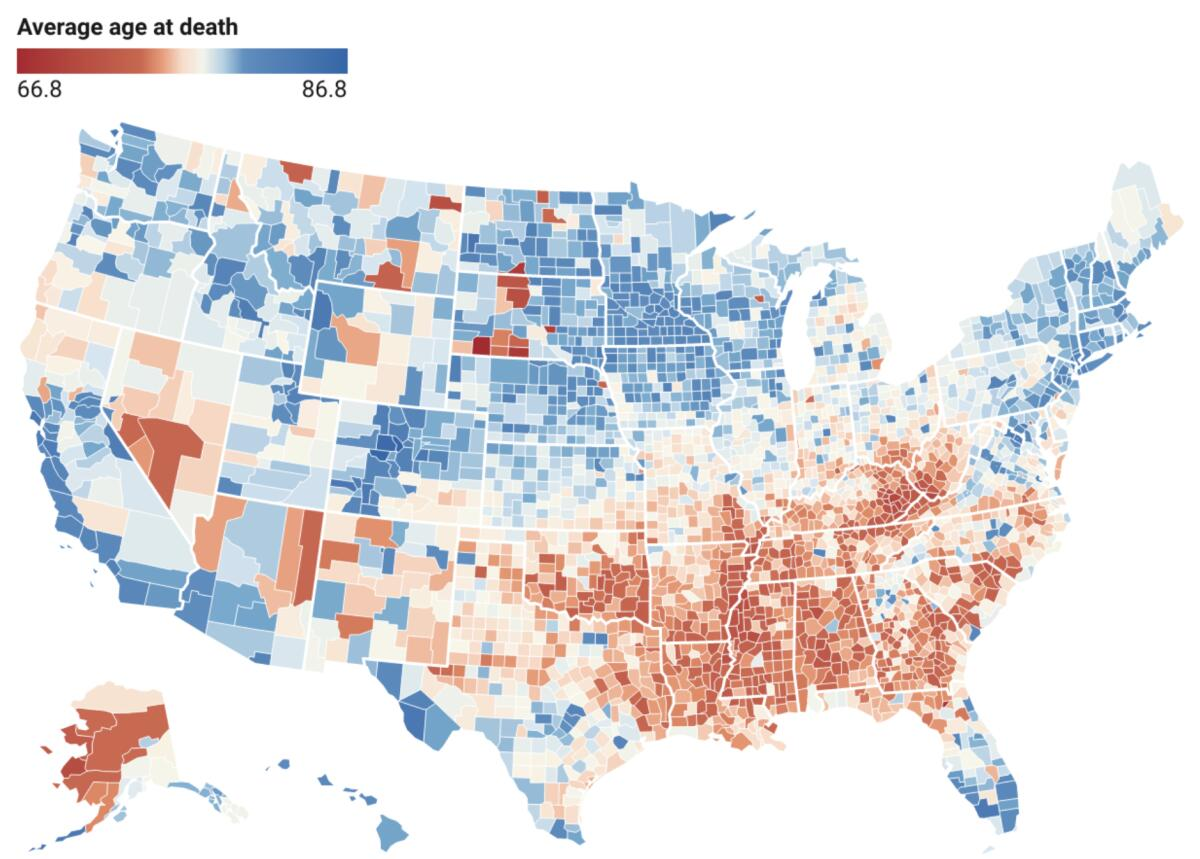
Kentucky  Cancer down nationwide, but ‘hot spots’ persist | CNN

State Cancer Rates – Search

We identified three clusters of counties with higher-than-expected rates. Cluster 1 (relative risk [RR] = 1.21, p<0.01) included 12 counties in southeastern Kentucky. Cluster 2 (RR=1.17, p<0.01) included three nearby counties in the same region. Several of the 15 counties in Cluster 3 (RR=1.04, p=0.01) were part of the Louisville, Kentucky, or Cincinnati, Ohio, metropolitan areas. All of the counties in Clusters 1 and 2 produced significant amounts of coal.

Cancer Rates by State 2025

List of cancer clusters – Wikipedia

mr5-deaths-by-state-branded.pdf

FENTANYL KILLS: Lauren Cole’s Story – episode 192

Map Shows States With the Highest Cancer Rates – Newsweek

Common chemicals in weed killers (herbicides) include glyphosate, 2,4-D, and atrazine, each serving different purposes in controlling unwanted plant growth.

Overview of Common Chemicals

Weed killers, or herbicides, contain various chemicals designed to eliminate unwanted plants. Here are some of the most common active ingredients found in these products:

  1. Glyphosate: A widely used non-selective herbicide that inhibits an enzyme involved in amino acid synthesis in plants. It is effective against a broad spectrum of weeds and is the active ingredient in products like Roundup. 2
  2. 2,4-Dichlorophenoxyacetic Acid (2,4-D): A selective herbicide that targets broadleaf weeds while leaving grasses relatively unharmed. It mimics plant hormones to disrupt growth processes. 2
  3. Atrazine: A broad-spectrum herbicide used primarily in corn and sugarcane fields. It works by inhibiting photosynthesis in both broadleaf and grassy weeds. 1
  4. Dicamba: Another selective herbicide that controls annual and perennial broadleaf weeds by mimicking plant hormones, making it effective in various agricultural settings. 1
  5. Imazapyr: A broad-spectrum herbicide that inhibits a specific enzyme crucial for plant growth, effective against both weeds and woody plants. 1
  6. 2 Sources

Types of Herbicides

Health and Environmental Concerns

The use of chemical weed killers has raised concerns regarding their potential health risks and environmental impacts. It is essential to follow safety guidelines and consider alternative methods for weed control, especially in sensitive areas like vegetable gardens or near water sources.
By understanding the chemicals in weed killers, you can make informed decisions about their use and explore safer alternatives for managing unwanted plant growth.

C8 and roundup in every freshwater river, stream, aqueduct, viaduct, aquifer, and that’s not all. We store gasoline underground in every city, town, and district in America – in tanks that are seldom if ever checked for leaks. Add benzene to the trifecta of harsh carcinogens our worst corporate offenders are DUMPING into our groundwater and freshwater supplies. C8 is Dupont, Roundup is Dow, and benzene is big oil.

…and while we are at it, let’s shoot down the two satellites that monitor the toxins poured into the sky by the oil cartel. How about we just leave them up in space until the next president takes over. The oil industry got exactly what they paid for, Carte Blanche to poison the soil beneath our feet and the air that we breathe. What a great investment in our children’s future.

Well, the Trump administration significantly rolled back or weakened a number of regulations on pollutants from power plants. These actions included repealing the Clean Power Plan, which limited carbon emissions, and weakening regulations on mercury and other toxic air pollutants.

Global web icon

exposurestudios.orghttps://www.exposurestudios.org › post › firstepisode…

Exposure Episode 1: Exiled – The Human Cost of Fracking

Oct 15, 2024 · Welcome to the inaugural episode of Exposure, where hosts Jill Hunkler and Stuart Day peel back the layers of the oil, gas, and plastic industries to reveal the often unseen and …

Global web icon

exposurestudios.orghttps://www.exposurestudios.org › post

Exposure Episode 2: West Virginia’s “Chemical Valley” – Alex Cole

Oct 15, 2024 · Into the Valley of Death: How Fracking and petrochemicals have shaped West Virginia’s “Chemical Valley” Welcome back to Exposure. In this episode, Jill and Stuart take a …

Global web icon

exposurestudios.orghttps://www.exposurestudios.org › post

Exposure Episode 4: Industry Insider Part 1 – exposurestudios.org

Nov 9, 2024 · As the oil and gas industry continues to expand, so does the need to understand its impact on health, safety, and the environment. In this new episode of “Exposure” our hosts Jill …

Global web icon

exposurestudios.orghttps://www.exposurestudios.org › post › the-sobe…

The SOBE Pyrolysis Fight: Understanding the Impact on …

On Valentine’s Day, community members and activists gathered in Youngstown, Ohio, for an event exposing the latest betrayal by the Ohio EPA: its approval of the controversial SOBE pyrolysis …

Global web icon

exposurestudios.orghttps://www.exposurestudios.org › post

Exposure Episode 7 – Tracking Toxicity: Fracking’s Impact

Here’s a more detailed look:

Repeal of the Clean Power Plan:
The Trump administration repealed the Obama-era Clean Power Plan, which aimed to reduce carbon dioxide emissions from power plants.

Weakening of Mercury and Air Toxics Standards (MATS):
– The administration also rolled back the MATS rule, which limited mercury and other toxic air pollutants from power plants.
Changes to Coal Ash Regulations:
– The Trump administration reduced regulations on the disposal and storage of coal ash, a byproduct of coal combustion that can contain harmful toxins.
Exemptions for Older Coal Plants:
– The administration granted exemptions to older coal plants, allowing them to operate without meeting certain pollution standards.
Increased Coal Mining on Public Lands:
– The administration also increased coal mining on public lands, potentially leading to increased pollution.

I lived and worked in that area for over 25 years with ten of those years in a chemical plant –diagnosed with kidney and bladder cancer at 65. Yep. They never told us. ~Anonymous

All the regulations to protect these Americans are being gutted by MAGA, Who profits from America?

In States Hit Hard By Natural Disasters, A Large Number Of People Still Deny Climate Change || Dump the mRNA to save the people – Search Videos
Deadly Molasses Flood: A Disaster Like No Other | Watch

Posted in Uncategorized | Leave a comment

AntiCancer Living: The Mix of Six

Lorenzo Cohen, PhD and Alison Jefferies, MEd

Lorenzo Cohen

Lorenzo Cohen

The evidence is in: You can reduce cancer risk and support treatment by focusing on six key areas of health and wellness. The scientific data on the link between lifestyle, environmental factors, and cancer risk has been accumulating at an accelerated rate over the past decade: Every week, we learn something more that we can do as individuals to decrease the risk of cancer and improve the likelihood of long-term survival.

Many of us – patients and doctors included – do not realize that changes in our daily choices and habits can improve quality of life, increase the chances of survival, and aid in the healing process for those with a diagnosis. These ideas were pioneered in David Servan-Schreiber’s Anticancer: A New Way of Life and became the basis for a research study developed by Lorenzo Cohen and Servan-Schreiber at The University of Texas MD Anderson Cancer Center.

Introducing the concept of the “Mix of Six”, Cohen and Alison Jefferies make an informed case that building social and emotional support; managing stress; improving sleep, exercise, and diet; and minimizing exposure to environmental toxins work together to promote an optimal environment for health and well-being. While each plays an independent role, the synergy created by all six factors can radically transform health, delay or prevent many cancers, support conventional treatments, and significantly improve quality of life – as many testimonies and stories of those in the anticancer community eloquently show.

Anticancer Living provides an accessible, prescriptive guide to wellness based on the latest scientific findings and clinical trials, and it showcases the community of doctors, researchers, caregivers, and patients who have been inspired to create change.

Cancer is a leading cause of death in the world.

In the United States one in two men and one in three women will be diagnosed with cancer in their lifetime. Yet, there is irrefutable evidence that the majority of cancer and the suffering that follows can be prevented through appropriate lifestyle choices. These same lifestyle factors influence outcomes for those with cancer.

As our year is coming to an end and New Year’s resolutions are being formed, it is time review your goals, establish what is feasible, and set yourself up for the most success for AntiCancer Living in 2017. AntiCancer Living consists of six lifestyle pillars of health that are linked with cancer risk and influence outcomes for those with cancer:

1) Love and support

2) Stress management

3) Sleep

4) Diet

5) Physical activity

6) Environmental toxins

(note: tobacco use accounts for at least 30% of cancer, but hopefully the world knows this already)

Each of these factors influences critical biological systems like gene expression and other key regulators of the cancer process. Although scientific evidence supports the role of each of the six areas for health and wellbeing, past research has rarely studied them together. However, emerging evidence reveals the best approach is to have the ideal mix of six, as each area influences the other (e.g., sleep deprivation is linked with unhealthy dietary choices and obesitystress can cause sleep loss, modifies food metabolism, and sabotages all healthy choices, etc.).

The following are the basic tenets, along with three simple tips, for AntiCancer Living. Follow this prescription if you wish to improve your health, decrease cancer risk, or improve your health if you have cancer.

To reinvigorate yourself as we move into winter, look at your own mix of six. First, set yourself up for success by engaging in some preparation. We recommend starting with Love and Support and then ensuring that stress does not sabotage your efforts to improve your sleep, diet, and physical activity habits. Remember, in order to foster our own wellness we must be mindful about every choice we make as we engage in daily life. Don’t forget the pebble in the pond metaphor; one small step has a ripple effect and will improve your mix of six.

Love and support: Seek to foster, surround yourself with, and deliver love and support. Giving and receiving support provides broad benefits, and can specifically affect how our cells function and express the genes that control our health.

1. Engage your friends to help you start AntiCancer Living. Build your team — who will support your changes and even join in the fun?

2. Look for opportunities to share experiences with those you love vs. giving rewards like food and material items.

3. Affirm yourself for who you are and all you do. Then reach out and affirm another person with a specific observation of their strengths or provide them with some needed support.

Stress Management: Engage in a stress management activity like meditation or yoga on a daily basis — in the morning, before bed, or when you need a “breather” in the middle of a busy day. This aspect of the prescription is critical, as chronic stress has not only been found to sabotage all good healthy intentions, but can negatively affect most biological processesdecreases the beneficial effects of healthy foods, and literally speeds the aging process.

1. Make an appointment on your calendar with yourself to meditate for at least 10 minutes a day. You can also do a movement-based mind-body practice daily like yoga or tai chi.

2. Be mindful in the moment. When stress mounts: stop, ground, and center before acting (stop what you are doing and take a few deep breaths to help clear your mind; literally ground yourself with both feet on the ground, scan your body and relax; center yourself by acknowledging the trigger, envision the ideal outcome, and act on it from a place of calm).

3. Participate in a six-week challenge of something new with a friend. If you are not engaging in a regular mind-body practice then find a friend and commit to exploring a new practice for 6 weeks.

Sleep: Try to get between 7 to 8 hours of sleep a night to improve your health, coping, moodweight controlcognitive function, and more. Children and teenagers need more than 8 hours of sleep a night. More details are available at the National Sleep Foundation.

1. Establish a bedtime for yourself and your children and stick to it. Keep weekday and weekend bedtimes similar to ensure you get the required amount of sleep each night.

2. Reduce ambient light in the bedroom.

3. Eliminate screen time before bed (TV, smartphone, backlit tablet, etc.) and carefully monitor and reduce stimulants like caffeine, alcohol, and sugar.

Diet: Eat a primarily whole-foods, variety-filled, plant-based diet. Limit foods you know are not nutritious powerhouses (sweets and salty snacks) and maintain a balanced glycemic load. Research confirms this approach will improve health and decrease risk of most non-communicable diseases while improving outcomes for those with cancerdiabetes, and cardiovascular disease.

1. Cook in the morning when you are getting ready for work (put the beans and brown rice on while you shower) and cook for more than one meal at a time.

2. Fill half of your plate with vegetables. Decide on the vegetables first when planning a meal. Keeping the daily requirement of 5–7 servings of vegetables in mind, you will likely need to eat vegetables at breakfast. Try replacing meat with beans four times a week.

3. Look for sugar in EVERY product you buy — snacks, cereals, tomato sauces, and other processed foods are loaded with sugar. Whenever possible, refrain from buying and eating processed foods.

Physical Activity: Exercise regularly — at least 30 minutes a day, 5–6 days a week, and children need at least 1 hour a day. It is critical to also limit sedentary behavior, as the harms of sedentary behavior and lack of exercise are equivalent to the health risks of smoking or obesity.

1. Wear a pedometer and make sure you take a minimum of 10,000 steps a day. Make an effort to sit less and stand more. Children need 15,000–20,000 steps a day.

2. Incorporate physical activity when you can throughout your day. For example, always take the stairs, walk on escalators or moving walkways, park in the farthest spot in the parking lot from your destination, conduct walking meetings, and stand at your desk (buy or make a standing desk) or when watching TV, etc.

3. Incorporate exercise throughout the day. Even 10-minute bouts every 2 hours count toward daily exercise.

Environmental toxins: Limit your exposure to environmental toxins, especially endocrine (hormone) disruptors such as bisphenol A (BPA) and parabens. Hormone disruptors have been implicated in obesityrisk of cancer, and other illnesses. Other chemicals we are exposed to on a daily basis have also been classified as carcinogens (Styrofoam, formaldehyde, and triclosan to name a few).

1. Use glass containers for storage and stainless steel water bottles in order to reduce exposure to plastics that contain BPA or other plastic-based endocrine disruptors.

2. In personal-care products read the ingredients list and avoid parabens, other –“bens,” phthalates, tricolsan, and products with the term fragrance. All of these products are endocrine disruptors and/or carcinogenic.

3. Visit the Environment Working Group for detailed information on foods that you should preferably buy organic to decrease pesticide exposure and guidance on products and other strategies on decreasing exposure to environmental toxins.

Now that you know all six pillars of AntiCancer Living, consider the best mix of six and encourage others to join you. Although you may stray off the path during the holidays, it is still right there beside you. Know it is not a straight line, but a winding road paved for your unique journey. Engage today and start AntiCancer Living.

10 Lifestyle Changes That Could Reduce Your Cancer Risk By 50%

There may be a lot we don’t yet know about cancer prevention and healing, however, you may not realize that there are quite a few things we do know about cancer and key risk factors we can alter right away.image.png

Alison Jeffries  Dr. Lorenzo Cohen, Collage Photo

Dr. Lorenzo Cohen and Alison Jefferies, M Ed. are involved with the Anticancer Lifestyle Program, an online course informed by years of research and work with patients and top physicians at MD Anderson Cancer Center. Dr. Cohen is  Director of Integrative Medicine at MD Anderson and Jeffries is the author of Anticancer Living: Transform Your Life and Health with the Mix of Six.

We asked Cohen and Jefferies to share core tips from their learning and they’ve shared this list of ten questions on factors that could decrease your cancer risk by more than fifty percent, as well as improve your odds of surviving and thriving after a cancer diagnosis…

It is now clear that how we live in our bodies, in our communities and the broader world — how we eat, sleep, work and play, manage stress and face life’s challenges, create our support networks and make choices about our environments — has a profound effect on our health and wellness; and on cancer in particular.

A healthy lifestyle along with continued attention to positive behavior changes decreases cancer risk, supports cancer treatments, and generally helps you feel better.

7 Cancer Risks To Consider Addressing Now

01. Am I at a healthy weight? Overweight and obesity are associated with increased risk of 13 different types of cancer and accounts for 40 percent of all cancers diagnosed in the United States. Obesity is linked to increased mortality risk from the most common forms of cancer in men (prostate, kidney, colorectal, esophagus, stomach, pancreas, and liver) and women (colorectal, ovary, breast, cervical, kidney, endometrial.

02. Do I smoke or use nicotine or tobacco products? Tobacco is responsible for about
30 percent of all cancer deaths worldwide (though death rates from tobacco- related cancers in the United States have dropped significantly in recent years; tobacco-related deaths continue to rise in the developing world).

03. How much do I drink? Alcohol is listed by the National Toxicology Program as a known human carcinogen. The more someone drinks, the higher their risk of developing certain types of cancers including head and neck, esophageal, liver, breast, and colorectal. In 2009, an estimated 3.5 percent of cancer deaths in the United States were alcohol related.

04. Do I exercise daily? Exercise regularly – at least 30 minutes a day, 5-6 days a week, and children need at least 1 hour a day.

05. Do I limit my sitting time each day? Limit sedentary behavior, as the harms of sedentary behavior and lack of exercise are equivalent to the health risks of smoking or obesity. 

06. Do I treat food as medicine? Eat a primarily whole-foods, variety-filled, high fiber, plant-based diet. Limit foods you know are not nutritious powerhouses (sweets and salty snacks), limit red meat, avoid processed meats, and maintain a balanced glycemic load.

Research confirms this approach will improve health and decrease risk of most non-communicable diseases while improving outcomes for those with cancerdiabetes, and cardiovascular disease.

07. Do I use nontoxic products in my home and on my body? Limit your exposure to environmental toxins, especially endocrine (hormone) disruptors such as bisphenol A (BPA) and parabens. Hormone disruptors have been implicated in obesityrisk of cancer, and other illnesses.

Other chemicals we are exposed to on a daily basis have also been classified as carcinogens (Styrofoam, formaldehyde, and triclosan to name a few).

08. Do I have a solid love and support network? Seek to foster, surround yourself with, and deliver love and support. Having the right support will allow success in changing difficult lifestyle habits.

Giving and receiving support also provides broad benefits, and can specifically affect how our cells function and express the genes that control our health.

09. Do I manage my stress on a daily basis? Engage in a stress management activity like meditation or yoga on a daily basis – in the morning, before bed, or when you need a “breather” in the middle of a busy day. This aspect of the prescription is critical, as chronic stress has not only been found to sabotage all good healthy intentions, but can negatively affect most biological processesdecreases the beneficial effects of healthy foods, and literally speeds the aging process

10. Do I get enough restful sleep each night? Try to get between 7 to 8 hours of sleep a night to improve your health, coping, moodweight controlcognitive function, and more.  Children and teenagers need more than 8 hours of sleep a night.  More details are available at the National Sleep Foundation.

Set yourself up for success by engaging in some preparation. We recommend starting with love and support and then ensuring that you are managing your stress, as stress can sabotage your efforts to improve your sleep, diet, and physical activity habits.

Remember, in order to foster our own wellness we must be mindful about every choice we make as we engage in daily life.

Now that you know the pillars of anticancer living, consider the synergy of all areas and encourage others to join you. Although you may stray off the path from time to time, it is still right there beside you. Know it is not a straight line, but a winding road paved for your unique journey.

The Chalkboard Mag and its materials are not intended to treat, diagnose, cure or prevent any disease. All material on The Chalkboard Mag is provided for educational purposes only. Always seek the advice of your physician or other qualified healthcare provider for any questions you have regarding a medical condition, and before undertaking any diet, exercise or other health-related programs.

Dr. Lorenzo Cohen and Alison Jefferies | Anti-Cancer Living: The Cancer Liberation Project | Podcast Episode on Podbay

Show notes
Lorenzo Cohen, PhD, is the Richard E. Haynes Distinguished Professor in Clinical Cancer Prevention and director of the Integrative Medicine Program at The University of Texas MD Anderson Cancer Center in Houston. He is the former vice-chair of the Academic Consortium for Integrative Medicine and Health and is a founding member and past president of the Society for Integrative Oncology. Dr. Cohen has published more than 185 scientific articles in top medical journals and has edited two books on integrative medicine for cancer care.

Alison Jefferies, MEd, has worked extensively as an educator in museums, classrooms, and now helping individuals, families, and communities learn about anticancer living. She has a Master’s in Educational Psychology and is finishing a Wellness Coaching Certification. She helps people find strategies that work for them and makes the often-daunting task of finding a path forward, visible and doable, in the area of lifestyle change.

Cohen and Jefferies live in Houston with their three children. They are the authors of the book Anticancer Living: Transform Your Life and Health with the Mix of Six

During our conversation, Lorenzo and Alison speak about Lorenzo’s melanoma diagnosis and how his research helped in his healing, how to best support a caregiver, the (Mix of Six) areas to look at when on a healing journey, how to help cancer related fatigue, easy diet tips that everyone can do, why you should be careful with fermented foods, and their best advice for anyone going through cancer.

Follow Lorenzo Cohen, Ph.D. on Twitter: www.twitter.com/DrLCohen;  Instagram  Anticancer Living | Facebook  

31. Dr. Lorenzo Cohen & Alison Jeffries: Anticancer Living – Transform Your Life with the Mix of Six by Happiness through Hardship

♫ Happiness through Hardship | Filled with heartfelt stories designed to light you up, Happiness Through Hardship – The Podcast provides you with inspirational stories of hope intended to bring happiness to your day while guiding you through life’s hardships. Thought-leaders, authors, health and wellness experts will share their personal stories and suggestions with each Tuesday release. Hosted by Caryn Sullivan, founder of Pretty Wellness, two-time breast cancer survivor thriving with stage IV disease and author of the book “Happiness through Hardship.” Subscribe Now to Discover Why You Don’t Need To Let Hardship Define You and Your Happiness.

A Guide to Anti-Cancer Living (Part 1) – The ID Podcast – Podcast – Podtail

A Guide to Anti-Cancer Living (Part 2) – The ID Podcast – Podcast – Podtail

Dr. Lorenzo Cohen: Integrative Medicine, Cancer Prevention, and Lifestyle

Anti-Cancer Living: Dr Lorenzo Cohen and Alison Jeffries – PodcastHealth

Anticancer Living: Transform Your Life and Health with the Mix of Six

Anticancer Living: Dr Lorenzo Cohen and Allison Jeffries

Cancer Health 25: Lorenzo Cohen, PhD – Cancer Healthhttps://www.facebook.com/reel/1061400936197237

Lorenzo G Cohen | MD Anderson Cancer Center

Dr. Lorenzo Cohen – Anti-Cancer Living

Posted in Uncategorized | Leave a comment

Guide to Pancreatic Cancer

Johns Hopkins Patients’ Guide to… book by JoAnn Coleman

Johns Hopkins Patients’ Guide to Pancreatic Cancer

By JoAnn Coleman and Nita Ahuja

📘 Overview of the Book Johns Hopkins patients’ guide to pancreatic cancer :Internet Archive by JoAnn Coleman and Nita Ahuja is a compassionate, easy-to-follow resource designed to empower patients and their families as they navigate the complexities of pancreatic cancer. Published in 2011 by Jones & Bartlett Learning, this guide offers:

  • 🧠 Clear explanations of pancreatic cancer diagnosis, staging, and treatment options
  • 🛠️ Practical tools to help patients organize their care and make informed decisions
  • 🧭 Guidance through the treatment journey, including surgery, chemotherapy, and radiation
  • 💬 Supportive insights on coping emotionally and maintaining quality of life during treatment

The authors bring deep expertise:

  • JoAnn Coleman, DNP, RN, ACNP, AOCN, is an Acute Care Nurse Practitioner at Johns Hopkins Hospital
  • Dr. Nita Ahuja is a surgical oncologist and researcher with extensive experience in gastrointestinal cancers

📚 You can Johns Hopkins patients’ guide to pancreatic cancer : Internet Archive or  Amazon.com: Books

If you’re looking for a summary of a specific chapter or topic from the book, I’d be happy to help break it down.

1archive.org  2www.amazon.com

What are the key treatment options discussed in the book?

The Johns Hopkins Patients’ Guide to Pancreatic Cancer outlines a comprehensive set of treatment options tailored to the stage and type of pancreatic cancer. Here’s a breakdown of the key approaches discussed:

🏥 Surgical Treatments

  • Whipple Procedure (Pancreaticoduodenectomy): Often used for tumors in the head of the pancreas; involves removing part of the pancreas, duodenum, gallbladder, and bile duct.
  • Distal Pancreatectomy: For tumors in the body or tail of the pancreas.
  • Total Pancreatectomy: Rare, but may be used when cancer is widespread within the pancreas.

Surgery is typically recommended for early-stage pancreatic cancer and is considered the only potentially curative option2.

💉 Chemotherapy

  • Used before surgery (neoadjuvant) to shrink tumors or after surgery (adjuvant) to reduce recurrence.
  • Common drugs include gemcitabineFOLFIRINOX, and nab-paclitaxel.
  • Also used as palliative care for advanced or metastatic cases.

☢️ Radiation Therapy

  • Often combined with chemotherapy for locally advanced cancers.
  • Stereotactic body radiation therapy (SBRT) is a newer, more targeted option for patients who aren’t surgical candidates.

🧬 Immunotherapy & Clinical Trials

  • The book highlights emerging therapies, including:
    • Cancer vaccines designed to stimulate the immune system to attack cancer cells.
    • Participation in clinical trials for access to cutting-edge treatments.

🌿 Supportive & Palliative Care

  • Pain management: Includes medications and complementary therapies to improve quality of life
  • Nutritional support: Tailored diets to manage digestion and maintain strength.
  • Psychosocial support: Counseling and support groups for patients and families.

If you’re interested in how these treatments are sequenced or personalized for different stages, I can walk you through a sample care plan or decision tree from the book. Just say the word.

1www.hopkinsmedicine.org  2pathology.jhu.edu

Can you explain more about the Whipple Procedure?

Absolutely — the Whipple Procedure, also known as a pancreaticoduodenectomy, is one of the most complex and critical surgeries used to treat pancreatic cancer, especially when the tumor is located in the head of the pancreas. Here’s a clear breakdown of what it involves and why it’s so significant:

🧠 What Is the Whipple Procedure?

The Whipple Procedure is a major operation that removes several interconnected organs and structures:

  • Head of the pancreas
  • Duodenum (first part of the small intestine)
  • Gallbladder
  • Part of the bile duct
  • Sometimes a portion of the stomach and nearby lymph nodes

After removal, the surgeon reconnects the remaining pancreas, bile duct, and stomach to the small intestine so digestion can continue.

🏥 Variations of the Procedure

There are two main types:

TypeDescription
Classic WhippleRemoves part of the stomach along with other organs
Pylorus-Preserving WhippleKeeps the stomach intact, preserving the pylorus (valve that controls food flow)

Despite the name, there’s nothing “mini” about the pylorus-preserving version — both are major surgeries requiring expert surgical teams.

⏱️ Recovery and Risks

  • Surgery Duration: ~6 hours
  • Hospital Stay: Typically 1–2 weeks
  • Risks Include: Bleeding, infection, delayed gastric emptying, and digestive complications3

Because of its complexity, outcomes are significantly better at high-volume centers like Johns Hopkins, which performs hundreds of these procedures annually.

🎯 Why It’s Done

The Whipple Procedure is often the only potentially curative option for pancreatic cancer that hasn’t spread. It may also be used for:

  • Ampullary cancer
  • Bile duct cancer
  • Neuroendocrine tumors
  • Severe pancreatitis or trauma

If you’d like, I can walk you through what a patient might expect before, during, and after the procedure — or even explore how Johns Hopkins prepares patients for this journey. Just say the word.

1www.hopkinsmedicine.org 2blogs.pathology.jhu.edu 3www.mayoclinic.org

How successful is the Whipple Procedure for pancreatic cancer?

The Whipple Procedure can be life-extending—and in rare cases, life-saving—for patients with pancreatic cancer, but its success depends heavily on several factors. Here’s a clear look at what the data and clinical experience show:

📊 Survival Rates

  • Five-Year Survival Rate: After a successful Whipple procedure, the five-year survival rate is approximately 20% to 25%.
  • This is a significant improvement compared to the overall five-year survival rate for pancreatic cancer, which is often below 10% without surgery.

🧬 Key Factors That Influence Success

  1. Tumor Stage & Location
    • Best outcomes occur when the tumor is confined to the head of the pancreas and hasn’t spread to major blood vessels or distant organs.
  2. Surgical Margins
    • A “clean margin” (no cancer cells at the edge of removed tissue) improves prognosis dramatically.
  3. Lymph Node Involvement
    • Patients without cancer in nearby lymph nodes tend to have better long-term outcomes.
  4. Tumor Biology
    • Well-differentiated tumors (less aggressive) are associated with longer survival than poorly differentiated ones.
  5. Genetic Markers
    • Certain mutations (like intact SMAD4) are linked to better outcomes, while others (like KRAS and TP53) may predict poorer survival.

🏥 Where You’re Treated Matters

  • High-volume centers like Johns Hopkins or MD Anderson report better outcomes due to surgical expertise and comprehensive post-op care.

🧠 Bottom Line

The Whipple procedure is not a guaranteed cure, but for eligible patients, it offers the best chance at long-term survival. It’s most successful when combined with adjuvant therapies (like chemotherapy), and when performed at specialized cancer centers.

If you’d like, I can walk you through what recovery looks like or how to assess whether someone is a good candidate for the procedure.

1www.webmd.com  2biology insights.com  3www.mdanderson.org

What are the potential side effects after the Whipple Procedure?

The Whipple Procedure is a life-extending surgery, but it’s also one of the most complex operations in medicine. Recovery can be challenging, and patients may experience a range of side effects—some short-term, others long-lasting. Here’s a clear breakdown:

⚠️ Common Short-Term Side Effects

These typically occur during the initial recovery phase (weeks to months):

  • Pain and fatigue: Especially around the incision site and abdomen.
  • Delayed gastric emptying: The stomach may take longer to empty, causing nausea, bloating, or vomiting.
  • Infection: Risk of wound infection or internal infections like abscesses.
  • Bleeding or blood clots: As with any major surgery, these are monitored closely post-op.
  • Digestive issues: Diarrhea, constipation, or indigestion due to altered anatomy.

🍽️ Long-Term Digestive Changes

Because parts of the digestive system are removed or rerouted, patients often face:

  • Malabsorption: Difficulty absorbing nutrients, especially fats and fat-soluble vitamins.
  • Weight loss: Common due to reduced appetite and nutrient absorption.
  • Need for pancreatic enzyme supplements: To aid digestion and prevent steatorrhea (fatty stools).
  • Diabetes: If enough pancreatic tissue is removed, insulin production may drop, leading to diabetes.

🧠 Emotional and Psychological Effects

  • Depression or anxiety: Often related to the cancer diagnosis, physical recovery, and lifestyle changes.
  • Cognitive fatigue: Some patients report “chemo brain” or mental fog, especially if undergoing chemotherapy as well.

🩺 Monitoring and Management

Recovery is best managed with a multidisciplinary team including:

  • Surgeons and oncologists for follow-up imaging and cancer surveillance
  • Dietitians to help with nutritional planning
  • Pain specialists and mental health professionals for holistic support

If you’re curious about how patients adapt over time or what lifestyle changes help mitigate these effects, I can walk you through that next.

What lifestyle changes help with recovery?

Recovering from a Whipple Procedure is a marathon, not a sprint—and lifestyle changes play a huge role in how well and how quickly someone heals. Here’s a practical, patient-tested guide to help support recovery and improve quality of life:

🍽️ Nutrition & Eating Habits

  • Small, frequent meals: Eat 5–6 small meals a day to ease digestion and prevent discomfort.
  • Low-fat, high-protein diet: Helps maintain weight and energy while reducing strain on the digestive system.
  • Pancreatic enzyme supplements: Often prescribed to aid digestion and prevent malabsorption.
  • Stay hydrated: Sip fluids throughout the day, but avoid drinking large amounts during meals to prevent early fullness.

🧘‍♀️ Physical Activity

  • Gentle movement: Start with short walks and gradually increase activity to prevent blood clots and boost circulation.
  • Avoid heavy lifting: For several weeks post-surgery, to protect the abdominal incision and internal healing.

🧠 Emotional & Mental Health

  • Counseling or support groups: Emotional ups and downs are common—talking to others can help normalize the experience.
  • Recovery journaling: Track meals, symptoms, and moods to help your care team fine-tune your recovery plan.

🩺 Medical Monitoring

  • Regular follow-ups: Stay in close contact with your surgical and oncology teams to monitor healing and detect any complications early.
  • Blood sugar checks: Since part of the pancreas is removed, diabetes can develop—monitoring is key.

🛌 Rest & Routine

  • Prioritize sleep: Healing demands energy—aim for consistent, restful sleep.
  • Establish a daily rhythm: Gentle structure helps rebuild stamina and emotional resilience.

These changes aren’t just about bouncing back—they’re about building a new baseline for health.

 If you’d like, I can help you design a sample recovery schedule or meal plan tailored to post-Whipple needs.

1gemhospitals.com  2www.everydayhealth.com

💬 The Human Story Within

While the book doesn’t center on a single patient’s story, it’s written by experts who’ve walked alongside countless patients. JoAnn Coleman, a nurse practitioner, and Dr. Nita Ahuja, a surgical oncologist, bring decades of experience and empathy to the guide. Their insights are shaped by real-life encounters with patients—making the book feel like a conversation with someone who truly understands.

If you’re looking for a personal cancer story or memoir, I can recommend a few that complement this guide beautifully. Or if you’re interested in a specific chapter or theme from the book, I can help summarize that too.

Personal memoirs can offer profound insight and emotional resonance, especially when navigating something as complex as pancreatic cancer. Here are a few powerful reads that center on personal experiences with cancer, particularly pancreatic cancer, or offer deeply relatable journeys through serious illness:

📚 Personal Cancer Memoirs Worth Exploring

1. The Last Lecture by Randy Pausch

  • A beloved professor diagnosed with terminal pancreatic cancer delivers a moving “last lecture” about living life to the fullest.
  • It’s not just about illness—it’s about legacy, love, and embracing every moment.

2. Chasing Daylight by Eugene O’Kelly

  • The former CEO of KPMG writes about his final 100 days after being diagnosed with late-stage brain cancer.
  • Though not pancreatic cancer, the themes of acceptance, reflection, and intentional living resonate deeply.

3. How I Knew I Had Pancreatic Cancer by Bryan Jump

  • Bryan, a young survivor, shares his journey of misdiagnoses, persistence, and ultimately overcoming pancreatic cancer during the COVID-19 pandemic.
  • His story is raw, hopeful, and a reminder of the importance of listening to your body.

4. Pancreatic Cancer Survivor Stories – National Pancreatic Cancer Foundation

  • A collection of real-life stories from survivors like Jan and Jean, who overcame daunting odds through early detection and aggressive treatment.
  • These aren’t traditional memoirs, but they’re deeply personal and inspiring.

5. 20 Books Written by Cancer Patients and Caregivers – The After Cancer

  • This curated list includes memoirs from patients and caregivers across various cancer types, offering diverse perspectives on resilience, grief, and healing.

If you’re looking for something more specific—like a caregiver’s perspective, a younger patient’s journey, or a story with spiritual themes—I’d be happy to tailor the recommendations. Or if you’re considering writing your own story, I can help you outline it.

1www.thehealthy.com  2www.npcf.us  3www.theaftercancer.com

Are there any memoirs about other cancer types?

Absolutely—there’s a rich and diverse collection of memoirs written by people who’ve faced various types of cancer. These stories offer raw honesty, humor, heartbreak, and hope. Here’s a curated list across different cancer types that might resonate with you:

📘 Powerful Cancer Memoirs by Type

🫁 Lung Cancer

  • When Breath Becomes Air by Paul Kalanithi A neurosurgeon diagnosed with terminal lung cancer reflects on mortality, purpose, and the meaning of life. It’s poetic, philosophical, and unforgettable.

🩺 Breast Cancer

  • The Bright Hour by Nina Riggs A lyrical memoir about living with terminal breast cancer while embracing everyday beauty and motherhood.
  • Cancer Schmancer by Fran Drescher The actress shares her journey with uterine cancer, blending humor and advocacy.
  • Bald Is Better with Earrings by Andrea Hutton A survivor’s guide filled with practical advice and personal anecdotes.

🧠 Brain Cancer

  • Chasing Daylight by Eugene O’Kelly A CEO’s final 100 days after a brain cancer diagnosis—focused on intentional living and legacy.

🧬 Colon Cancer

  • Everything Happens for a Reason by Kate Bowler A theologian grapples with stage IV colon cancer, challenging platitudes and exploring faith.
  • The Unwinding of the Miracle by Julie Yip-Williams A blind immigrant and Harvard Law graduate shares her journey with colon cancer and the search for meaning.

🧫 Ovarian Cancer

  • Memoir of a Debulked Woman by Susan Gubar A literary scholar’s candid account of her diagnosis, treatment, and the emotional toll of ovarian cancer.

🧪 Lymphoma

  • Dying to Be Me by Anita Moorjani A near-death experience during stage IV lymphoma leads to profound healing and spiritual awakening.

If you’re drawn to a particular tone—humorous, spiritual, practical, or poetic—I can help narrow it down. Or if you’re thinking of writing your own story, I’d love to help you shape it.

1www.theaftercancer.com  2www.survivornet.com

Can you recommend memoirs focusing on survival?

Absolutely—memoirs that center on survival offer powerful stories of resilience, grit, and transformation. Whether the authors beat cancer or found meaning in the fight, these books shine a light on what it means to truly live. Here are some standout picks:

🌟 Inspiring Cancer Survival Memoirs

1. TOUGH: Women Who Survived Cancer – Edited by Marquina Iliev-Piselli

  • A vibrant collection of 37 stories from women who survived various cancers.
  • From stand-up comedy to air guitar, these survivors channel creativity and courage into healing.

2. The Dog Lived (and So Will I) – Teresa Rhyne

  • Teresa adopts a beagle with cancer—then gets diagnosed with breast cancer herself.
  • Her witty, heartfelt journey is about love, survival, and second chances.

3. A Series of Catastrophes and Miracles – Mary Elizabeth Williams

  • After a metastatic melanoma diagnosis, Mary enters a clinical trial that changes her life.
  • Her story blends science, friendship, and the emotional rollercoaster of survival.

4. Too Young for Cancer – Katie Coleman

  • Diagnosed with stage IV cancer in her twenties, Katie recounts her fight for answers and survival during the pandemic.
  • A raw, empowering memoir about being dismissed—and ultimately defying the odds.

5. The Middle Place – Kelly Corrigan

  • Kelly navigates breast cancer while caring for her father, who also has cancer.
  • It’s a moving portrait of family, survival, and finding strength in the “middle place” between being a daughter and a mother2.

These books don’t just tell you how someone survived—they show you how they lived. If you’re drawn to a particular tone (humorous, spiritual, practical), I can tailor more suggestions to match. Or if you’re thinking of writing your own survival story, I’d love to help you shape it.

1www.survivornet.com  2outcomes4me.com

What themes are common in survival memoirs?

Survival memoirs—especially those centered on cancer—tend to explore deeply human themes that go far beyond the diagnosis. They’re not just about enduring illness; they’re about transformation, connection, and reclaiming life. Here are the most common themes you’ll find woven through these powerful stories:

🌱 Common Themes in Cancer Survival Memoirs

1. Resilience and Inner Strength

  • Survivors often reflect on how they discovered reserves of courage they didn’t know they had.
  • These stories highlight the fight to maintain dignity and hope in the face of fear and uncertainty.

2. Identity and Transformation

  • Illness often forces a reevaluation of self—who am I now, and who was I before?
  • Many memoirs explore how cancer reshapes priorities, relationships, and purpose.

3. Connection and Community

  • Support from family, friends, caregivers, and fellow patients is a lifeline.
  • Memoirs often celebrate the unexpected bonds formed during treatment and recovery.

4. Humor and Humanity

  • Even in the darkest moments, humor becomes a coping mechanism.
  • Writers use wit to reclaim control and lighten the emotional load—think of books like Cancer Schmancer or The Dog Lived (and So Will I).

5. Gratitude and Mindfulness

  • Survivors frequently describe a heightened appreciation for everyday moments.
  • There’s a recurring theme of slowing down, savoring life, and finding joy in simplicity.

6. Advocacy and Purpose

  • Many survivors turn their experience into a mission—raising awareness, supporting others, or changing healthcare systems.
  • Memoirs often end with a call to action or a message of empowerment.

7. Faith and Spirituality

  • Whether religious or philosophical, many authors explore how their beliefs helped them cope.
  • These reflections can offer comfort and perspective to readers navigating their own journeys.

These themes don’t just tell us how someone survived—they show us how they lived, changed, and found meaning. If you’re drawn to a particular theme, I can recommend memoirs that dive deeper into it. Or if you’re thinking of writing your own, we can start sketching out your story arc together.

1www.survivornet.com  2www.together4cancer.com  3www.ihadcancer.com

Can you recommend specific memoirs for each theme?

Absolutely—let’s match each survival memoir theme with a standout book that embodies it. These stories aren’t just about enduring cancer—they’re about transformation, connection, and reclaiming life in powerful ways.

🌟 Survival Memoirs by Theme

💪 Resilience and Inner Strength

TOUGH: Women Who Survived Cancer – Edited by Marquina Iliev-Piselli A vibrant anthology of 37 women who turned their cancer experiences into creative triumphs—from stand-up comedy to air guitar.

🔄 Identity and Transformation

The Bright Hour – Nina Riggs Facing terminal breast cancer, Riggs reflects on motherhood, marriage, and mortality with poetic grace3.

🤝 Connection and Community

Memoir of a Debulked Woman – Susan Gubar An honest account of ovarian cancer and the search for solidarity through literature, family, and shared experience.

😂 Humor and Humanity

Cancer Schmancer – Fran Drescher The actress uses wit and sass to recount her uterine cancer journey, turning pain into advocacy and punchlines.

🙏 Gratitude and Mindfulness

When Breath Becomes Air – Paul Kalanithi A neurosurgeon with terminal lung cancer explores what makes life meaningful, even in its final chapters

📣 Advocacy and Purpose

The Cancer Journals – Audre Lorde A fierce and poetic call to action from a Black feminist confronting breast cancer and societal silence

🕊️ Faith and Spirituality

Dying to Be Me – Anita Moorjani After a near-death experience during stage IV lymphoma, Moorjani returns with profound spiritual insights and healing.

Each of these memoirs offers a unique lens on survival—whether it’s through laughter, activism, or quiet reflection. If you’re drawn to a particular voice or style, I can help you find more that resonate. Or if you’re thinking of writing your own, we can start sketching your themes together.

1www.survivornet.com  2www.together4cancer.com  3www.theaftercancer.com

The University of Louisville has enrolled the first patient in AngioDynamics’ NanoKnife® Irreversible Electroporation (IRE) “Data IRE Cancer Treatment” clinical study (DIRECT). The DIRECT Study supports a proposed expanded use of the NanoKnife System in the treatment of stage III pancreatic cancer.

“We are pleased to be the first enrollment site. The DIRECT Study represents an important milestone in the standardization of care for patients with stage III pancreatic cancer,” said Dr. Robert C.G. Martin M.D. Search Videos co-principal investigator of the DIRECT Study; director, Division of Surgical Oncology; professor of surgery, University of Louisville and surgical oncologist with UofL Physicians – Surgical Oncology.

“Our goal is to generate important data that should standardize and optimize the use of IRE in the treatment of locally advanced pancreatic cancer, significantly improving outcomes for patients with this late-stage diagnosis,” Martin said. Annually, there are approximately 57,000 new cases and 46,000 estimated deaths from pancreatic cancer in the United States. 

Deaths from pancreatic cancer are projected to increase dramatically in the coming years, with a trajectory of becoming the second leading cause of cancer-related deaths before 2030. The mortality rate is high due to the aggressive nature of the disease and lack of early warning signs. Less than 20 percent of patients are candidates for surgical resection at time of diagnosis.

Approximately 35 to 40 percent of patients will initially present with stage III and 45 to 55 percent with metastatic disease. Regardless of the stage of pancreatic cancer, it is one of the least survivable cancers, and survival rates have not improved substantially for more than 40 years. 

For all stages combined, the five-year relative survival rate is 8 percent and, for those with advanced disease at the time of diagnosis, the five-year survival rate remains at 3 percent. The DIRECT study continues the research of Martin and other health care providers at UofL that has helped lead to results that have tripled the overall survival in stage III pancreatic cancer.

AngioDynamics’ DIRECT clinical study features a comprehensive data collection strategy that will provide meaningful clinical information to health care professionals, support a regulatory indication for the treatment of stage III pancreatic cancer and facilitate reimbursement for hospitals and treating physicians. The next-generation study is classified as a Category B IDE by the U.S. Food and Drug Administration, which allows participating sites to obtain coverage for procedures performed, in addition to related routine costs.

The DIRECT Study includes a randomized controlled trial at up to 15 sites, as well as a real-world evidence, next generation registry at up to 30 sites, each with a NanoKnife System treatment arm and a control arm. AngioDynamics expects each NanoKnife arm to consist of approximately 250 patients with an equal number of control patients. The primary goal of the study is overall survival.

As part of the DIRECT Study, AngioDynamics launched AngioDIRECT.com to facilitate the enrollment of participants. The online platform provides patients and their families with information about pancreatic cancer and details about the study. It also features a physician locator to help prospective participants and referring health care professionals identify clinical study locations.

These states have the highest rates of dementia in the U.S., new study finds

Posted in Uncategorized | Leave a comment

Dr Jay Davidson

Dr. Jay Davidson’s Story 

 You may know Dr. Jay Davidson as “The Lyme Guy,” as one of the docs behind CellCore Biosciences – Search Videos or as an expert speaker and international best-selling author on foundational medicine and overcoming chronic illness.  After nearly losing his wife Heather (a doctor herself) to Lyme disease twice, through trial and error Dr. Jay Davidson finally learned what was needed to save her life. Once she recovered, he took everything he learned and turned it into a five-step protocol, using the exact tools and solutions that Dr. Heather Davidson gave her health and life back.

Around this time, Dr. Jay and Dr. Heather began hearing from people across the globe whose stories resonated very closely with Dr. Heather’s, but had no one to turn to for guidance.This is when Dr. Jay quickly realized they had identified a major gap in the Lyme and chronic illness community. It became his mission to help these people regain their health. This led him to co-found CellCore Biosciences, health companies that create solutions and supplements for gut health, immunity, and chronic illness..

Dr. Jay Davidson is admired for his ability to bridge the gap between the scientific community and the layperson. He’s a sought-after speaker on a wide range of health topics and has been featured on hundreds of docuseries and summits, along with hosting eight of his own that attracted over 360,000 participants. Previously, he supported patients through “Dr. Jay’s At-Home Program,” guiding them through his five-step protocol.Dr. Jay Davidson completed his undergraduate studies at the University of Wisconsin–La Crosse and majored in biology with a biomedical concentration and chemistry minor.

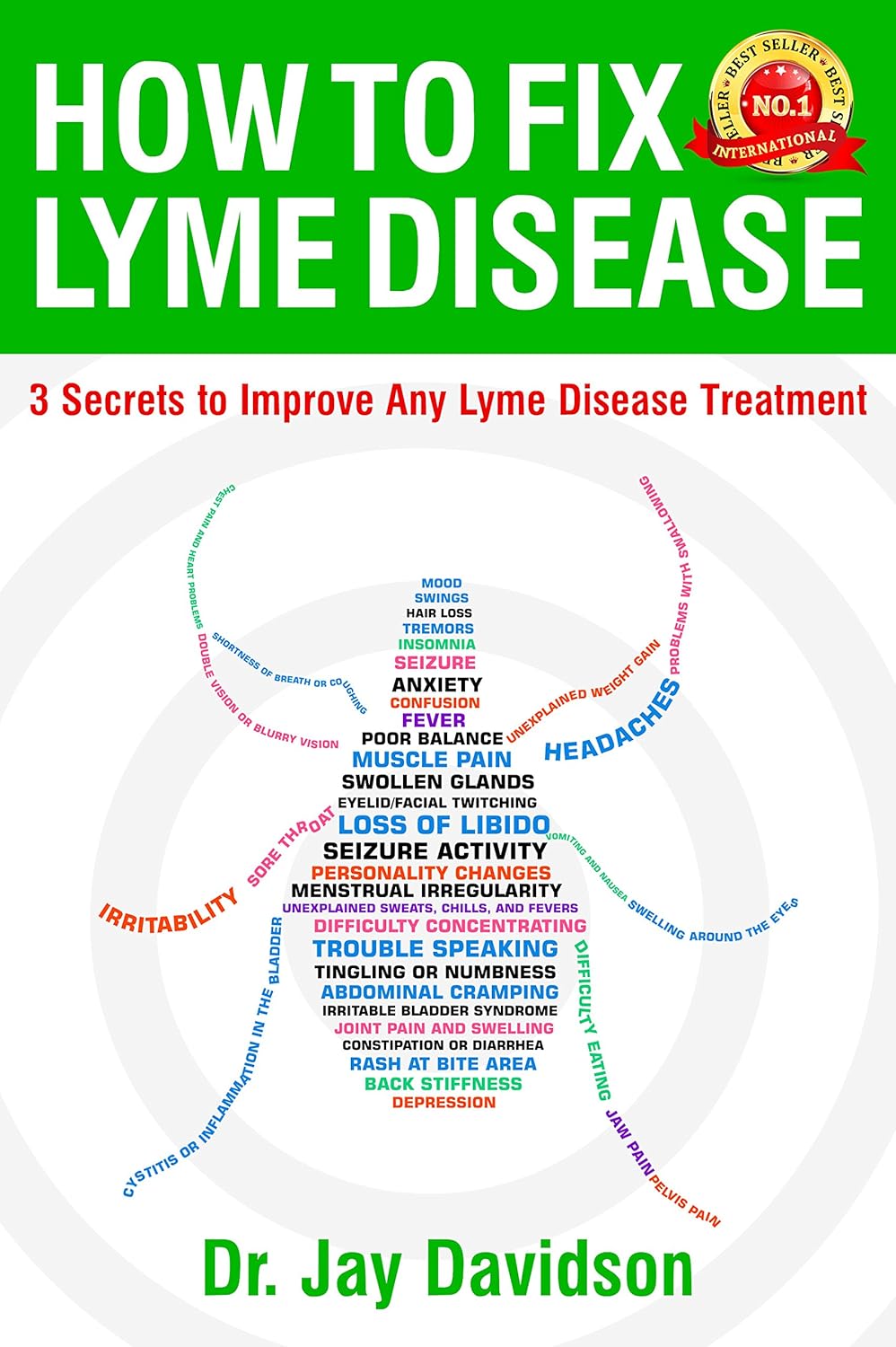
He received his Doctorate of Chiropractic at the Northwestern College of Chiropractic in Minnesota. He’s the author of two international best-selling books: How to Fix Lyme Disease: 3 Secrets to Improve Any Lyme Disease Treatment and 5 Steps to Restoring Health Protocol: Helping Those Who Haven’t Been Helped with Lyme Disease, Thyroid Problems, Adrenal Fatigue, Heavy Metal Toxicity, Digestive Issues, and More

WHY CHRONIC ILLNESS?

Dr. Jay’s wife, Heather, was diagnosed with Lyme disease when she was seven years old. She spent her whole life struggling with many different symptoms, which greatly affected her ability to live the happy, healthy life she so desired.

Dr. Jay and Heather spent countless hours, not to mention money, visiting every specialist known to man, only to be left feeling helpless as nothing seemed to “fix” her. Then, their beautiful daughter Leela was born in 2012. Unfortunately, this was also a major turning point in Heather’s Lyme disease and her health started to deteriorate quickly. This was the “bottom” for them, and from there the research began.

From this point on, Dr. Jay made it his mission to find the answers that were so desperately needed.As a result of a relentless and enlightening journey, he finally learned what was needed to save Heather’s life. Once Heather recovered, he took what he learned and wrote his 5-step protocol into a best-selling book in order to help others going through similar situations. Around the same time, they started hearing from people all over the world whose stories resonate closely with Heather’s, but didn’t have anyone to turn to for guidance.

Dr. Jay quickly realized they had identified a major gap in the Lyme and chronic illness community. After selling their chiropractic business in Wisconsin, they began to focus all of their time and energy on partnering with clients virtually (via phone and video) on restoring their health.

Now after many years of testing, research, and clinical knowledge, Dr. Jay has focused everything he has learned into a comprehensive At-Home Program, where hundreds are following his protocols on their own healing journeys. Lyme disease is becoming more and more prevalent in the world and is often misdiagnosed. So many people are dealing with other chronic illnesses, autoimmune conditions, heavy metals, parasites, pathogens, toxins, viruses, and other health issues with no hope in sight. Dr. Jay’s team has seen many lives changed from clients who have incorporated his At-Home program into their journey to health restoration.

Our message is simple:

No matter how bad things seem right now, there is hope! It can get better and you can heal. We can help you make the massive health transformation you need so that you can live the life YOU deserve. In this book, Dr. Jay’s aim is to give you some of the best tips he has found to be game changers for those struggling with Lyme disease in their path to healing.

“Countless patients struggle with Lyme disease every year, going through many different treatments without getting results. Dr. Jay has pieced together the most effective protocols which focus on the root cause in each individual case, helping those suffering from Lyme disease get their life back. Dr. Jay shares some of the best tips and tricks in this book which have been a lifesaver for my patients and my practice” Dr. Isaac Jones

“The tips Dr. Jay shares in this book are instrumental in my practice with clients suffering from Lyme disease and other chronic illnesses. By using Dr. Jay’s protocols, I have had patients who could not even find the strength to get out of bed in the morning go back to playing in tennis leagues and enjoying a fulfilling life again. I definitely recommend this book to anyone suffering from or treating clients with Lyme!” ~ Dr. Nick Ellenson

Dr. Jay then hosted the Chronic Lyme Disease Summit 1, Chronic Lyme Disease Summit 2, Chronic Lyme Disease Summit 3, Best of Chronic Lyme Summit, Parasite Summit, Viral and Retroviral Summit, and soon, Mitochondrial Summit. He also founded Microbe Formulas with his partner, Dr. Todd Watts, and now works on formulating “True Detox” Supplements That Work.

Dr. Jay Davidson is widely recognized for his natural and functional medicine approach to treating Lyme disease. His protocols emphasize detoxification, parasite cleansing, and restoring foundational health systems rather than relying solely on antibiotics. Here’s a breakdown of his key strategies, supported by his own teachings and interviews:

🌿 Dr. Jay Davidson’s Natural Lyme Disease Protocol

  1. Address Parasites First
  2. Support Drainage Pathways
    • Before detoxing, Davidson emphasizes the importance of opening drainage pathways (liver, lymph, colon) to avoid re-toxification.
    •  outlines his step-by-step approach to preparing the body for detox and healing.
  3. Detox from Mold, Heavy Metals & Environmental Toxins
  4. Balance the Thyroid and Hormones
  5. Emotional Healing and Mind-Body Connection
    • Davidson often highlights the role of emotional trauma in chronic illness. Healing isn’t just physical—it’s emotional and spiritual too.
    • Lyme Disease – Dr. Jay Davidson & Ashley James – #210 shares his personal journey with his wife’s Lyme battle and how emotional healing played a key role.
  6. Protect and Maintain Wellness

If you’re considering this approach, it’s wise to consult a practitioner familiar with Davidson’s protocols or explore his resources through DrJayDavidson.com. His methods are holistic, layered, and designed to empower the body to heal itself—naturally.

1www.drjaydavidson.comwww.drjaydavidson.com

What natural supplements can support Lyme recovery?

Great question—natural supplements can play a powerful role in supporting recovery from Lyme disease, especially when used alongside other treatments. Here’s a breakdown of some of the most effective options based on functional medicine and Lyme-literate practitioners:

🌿 Top Natural Supplements for Lyme Recovery

SupplementBenefits
ProbioticsRestore gut health disrupted by antibiotics and Lyme itself; support immune function
Omega-3 Fatty AcidsReduce systemic inflammation and support brain and joint health
Coenzyme Q10 (CoQ10)Boosts cellular energy and mitochondrial function, often depleted in chronic Lyme
Vitamin DSupports immune regulation and helps combat fatigue and mood issues
MagnesiumEases muscle cramps, supports nerve function, and helps with sleep
B-Complex VitaminsAid in energy production, detoxification, and neurological repair
Cryptolepis & Japanese KnotweedHerbal antimicrobials that target Lyme bacteria and reduce inflammation
Cat’s ClawBreaks down biofilms that protect Lyme bacteria and supports immune response
GlutathioneMaster antioxidant that supports detoxification and reduces oxidative stress

🧠 Why These Matter

Lyme disease doesn’t just affect one system—it can disrupt your gut, immune function, neurological health, and detox pathways. These supplements help:

  • Reduce inflammation
  • Replenish depleted nutrients
  • Support detoxification
  • Restore gut balance
  • Boost energy and resilience

You can explore more details on The Top 6 Supplements That Can Support Your Lyme Recovery and Top 5 Powerful Herbs for Lyme Disease Recovery

If you’re considering adding these to your regimen, it’s best to work with a Lyme-literate practitioner who can tailor the protocol to your unique needs. Want help finding one or building a sample plan? I’ve got you covered.

What dosages are recommended for these supplements?

Here’s a detailed guide to recommended dosages for key natural supplements often used in Lyme disease recovery. These are general ranges based on practitioner insights and patient experiences, but always consult a Lyme-literate doctor before starting:

🌿 Recommended Dosages for Lyme Recovery Supplements

SupplementTypical Dosage RangeNotes
Probiotics10–50 billion CFUs dailyChoose multi-strain formulas; take away from antibiotics
Omega-3 (Fish Oil)1,000–3,000 mg EPA/DHA dailyAnti-inflammatory; choose purified sources
CoQ10 (Ubiquinol)200 mg twice dailySupports mitochondrial function and energy
Vitamin D32,000–5,000 IU dailyAdjust based on blood levels; avoid megadoses unless supervised
Magnesium300–500 mg daily (glycinate or citrate forms)Helps with muscle cramps, sleep, and detox
B-Complex1–2 capsules daily (with active forms)Look for methylated B12 and folate
Cryptolepis10–30 drops 2–3x dailyHerbal antimicrobial; start low and increase gradually
Japanese Knotweed500–1,000 mg 2x dailyAnti-inflammatory and neuroprotective
Cat’s Claw500–1,000 mg 2x dailySupports immune modulation and biofilm breakdown
Glutathione250–500 mg daily (liposomal form preferred)Enhances detox and reduces oxidative stress

🧠 Pro Tips for Supplementing Wisely

  • Start low and go slow: Especially with herbs and detox agents, ramping up gradually helps avoid Herxheimer reactions.
  • Rotate antimicrobials: Some protocols suggest cycling herbs to prevent resistance and support broader pathogen targeting.
  • Support drainage: Use binders (like activated charcoal or bentonite clay) and hydration to help flush toxins.
  • Track symptoms: Keep a journal to monitor reactions and improvements.

You can explore more insights 15 Supplements Chronic Lyme Patients Need to Know – LymeKnowledge and The Top 6 Supplements That Can Support Your Lyme Recovery

If you’d like help building a personalized supplement schedule or want to explore herbal protocols like Buhner’s or Cowden’s, I’d be happy to walk you through it.

Can you explain the benefits of each supplement?

Absolutely! Here’s a breakdown of the key natural supplements often used in Lyme disease recovery, along with their specific benefits for the body and why they matter in healing from chronic infection:

🌿 Supplement Benefits for Lyme Recovery

SupplementKey BenefitsWhy It Matters for Lyme
ProbioticsRestore gut flora, support immune system, reduce inflammationLyme and antibiotics disrupt gut health, weakening immunity
Omega-3 (Fish Oil)Anti-inflammatory, supports brain and joint health, improves moodLyme causes systemic inflammation and neurological symptoms
CoQ10 (Ubiquinol)Boosts mitochondrial energy, protects heart, reduces fatigueLyme depletes cellular energy and can affect cardiac function
Vitamin D3Regulates immune response, supports bone and mood healthDeficiency is common in Lyme and worsens fatigue and pain
MagnesiumRelieves muscle cramps, supports nerve function, improves sleepLyme often causes muscle pain, twitching, and insomnia
B-Complex VitaminsEnhance energy, detox pathways, and neurological repairLyme affects the nervous system and depletes B vitamins
CryptolepisAntibacterial, antifungal, antiparasitic, anti-inflammatoryTargets Lyme and co-infections like Babesia
Japanese KnotweedNeuroprotective, anti-inflammatory, breaks down biofilmsHelps penetrate Lyme biofilms and protect brain function
Cat’s ClawImmune modulator, anti-inflammatory, biofilm disruptorSupports immune system and helps clear persistent infections
GlutathioneMaster antioxidant, detoxifies heavy metals and mold, reduces oxidative stressLyme toxins overwhelm detox pathways; glutathione restores balance

🧠 Why These Work Together

Lyme disease is complex—it affects:

  • Immune regulation
  • Neurological function
  • Detoxification
  • Energy production
  • Gut health

These supplements form a multi-layered defense and recovery system, helping your body:

  • Fight off infections
  • Heal damaged tissues
  • Flush out toxins
  • Rebuild resilience

If you’re interested, I can help you build a phased protocol or explore how these fit into popular Lyme recovery plans like Buhner’s or Cowden’s. Just say the word.

How do these supplements interact with each other?

Great question—understanding how supplements interact is key to building a safe and effective Lyme recovery protocol. Most natural supplements used in Lyme treatment are synergistic, meaning they work together to enhance healing. But there are also potential interactions to be aware of, especially when combining herbs, nutrients, and medications.

🔄 How Lyme Recovery Supplements Interact

✅ Positive Synergies

  • B-Complex + Magnesium + CoQ10 → Boost mitochondrial energy, reduce fatigue, and support nerve repair.
  • Omega-3 + Vitamin D3 → Work together to regulate inflammation and immune function.
  • Cat’s Claw + Japanese Knotweed + Cryptolepis → These herbs complement each other in breaking down biofilms and targeting Lyme bacteria.
  • Probiotics + Glutathione → Support gut health and detox pathways, reducing Herxheimer reactions.

⚠️ Potential Conflicts or Cautions

  • Herbal antimicrobials (e.g., Cryptolepis, Cat’s Claw) → May cause Herx reactions when combined; start low and rotate herbs.
  • Magnesium + Certain Medications → Can interfere with absorption of antibiotics or thyroid meds—space them out by 2+ hours.
  • Vitamin D3 + Calcium → High doses together may increase risk of kidney stones or hypercalcemia.
  • Glutathione + Detox Binders (e.g., charcoal) → Binders may reduce absorption of glutathione if taken too close together.

🧠 Expert Insight

According to a Drug-Supplement Interactions – LymeDisease.org Member Community, interactions between supplements and medications are common but often overlooked. For example:

  • Proton pump inhibitors (like Prilosec) can reduce magnesium and B12 absorption.
  • Antidepressants or pain meds may interact with herbal supplements like St. John’s Wort or Cat’s Claw.

University of Maryland Review 20-126.pdf found that herbs like Japanese Knotweed, Cryptolepis, and Oil of Oregano have strong anti-Lyme activity but may also increase bleeding risk or lower blood pressure when combined with medications.

🧪 Tips for Safe Supplement Stacking

  • Start low and go slow—especially with herbs and detox agents.
  • Space out doses—especially minerals and binders.
  • Track symptoms—use a journal to monitor reactions and improvements.
  • Consult a Lyme-literate practitioner—especially if you’re on prescription meds.

Want help building a phased supplement schedule or exploring herb rotation strategies? I can help you map it out step-by-step.

How do these interactions affect Lyme recovery outcomes?

The way supplements interact—positively or negatively—can significantly shape the trajectory of Lyme disease recovery. When done right, they accelerate healing, reduce symptoms, and prevent setbacks. But if mismanaged, they can worsen inflammation, cause nutrient imbalances, or interfere with medications. Let’s break it down:

✅ Positive Interactions That Boost Recovery

  1. Synergistic Healing
    • Combining CoQ10, B-complex, and magnesium enhances mitochondrial function, which is crucial for energy and neurological repair.
    • Omega-3s and Vitamin D3 work together to regulate immune responses and reduce systemic inflammation.
  2. Enhanced Detoxification
    • Pairing glutathione with binders (like activated charcoal) helps flush out toxins released during bacterial die-off, minimizing Herxheimer reactions.
    • Probiotics + digestive enzymes restore gut balance, which is often disrupted by antibiotics and Lyme itself.
  3. Immune Modulation
    • Herbs like Cat’s Claw and Japanese Knotweed not only fight infection but also modulate immune responses, reducing autoimmune-like symptoms.

⚠️ Negative Interactions That Can Stall Progress

  1. Overlapping Detox Pathways
    • Too many detox agents at once (e.g., glutathione, binders, liver support) can overwhelm the system, leading to fatigue, headaches, or worsening symptoms.
  2. Nutrient Depletion from Medications
    • Common Lyme meds (like antibiotics, PPIs, or Plaquenil) can deplete nutrients like magnesium, B12, and CoQ10. Without proper supplementation, recovery slows.
  3. Herxheimer Reactions
    • Aggressive use of antimicrobials (e.g., Cryptolepis, Cat’s Claw) without drainage support can trigger intense die-off symptoms—fever, joint pain, brain fog.
  4. Absorption Conflicts
    • Magnesium and calcium can interfere with absorption of thyroid meds or antibiotics if taken too close together.

🧠 Bottom Line

When supplements are strategically combined, they create a healing synergy that supports:

  • Energy production
  • Immune balance
  • Detoxification
  • Neurological repair

But when interactions are ignored or mismanaged, they can lead to setbacks, worsening symptoms, or stalled progress. That’s why working with a Lyme-literate practitioner—or building a phased, personalized protocol—is so important.

Want help mapping out a safe supplement schedule or exploring herb rotation strategies? I’d be happy to guide you through it.

1lymeknowledge.com  2www.globallymealliance.org  

3www.lymedisease.org  4 Microsoft Copilot: Your AI companion

4 simple food rules to stay in shape and live longer, followed by a longevity doctor who studies diet and aging

Ep 298: What to Do When You’re Diagnosed with Lyme Disease with Heather Gray – Dr. Jannine Krause

Episode 329: The Lyme Boss – an interview with Heather Gray – Tick Boot Camp

Dr. Jay Davidson on the Most Effective Treatment Protocols for Lyme Disease

Episode #52: Fixing Lyme Disease with Dr. Jay Davidson, DC

Finding Susceptibilities to Lyme Disease with Heather Gray

Posted in Uncategorized | Leave a comment

More Mighty Than Cancer

Kentucky ranks among the bottom 10 states for life expectancy. Here’s what one analysis says is contributing. – Search Videos || Us Life Expectancy 2024 Map Usa – Eilis Diandra

Kentucky ranks among the bottom 10 states for life expectancy, with a median life expectancy of 72.3 years. Contributing factors include high rates of smoking (20%), obesity (over half of the state has a BMI of over 30), and an opioid crisis, which significantly impacts mortality rates.

Additionally, the state faces challenges such as chronic diseases, maternal and infant mortality, and limited healthcare access, particularly in rural areas. Kentucky numbers among the least healthy states in the U.S., with one of the lowest life expectancies, a recent state-by-state analysis reveals.

Why is Kentucky life expectancy so low?

In the report from Nursa, a healthcare staffing company, Kentucky ranked among the bottom 10 states for life expectancy, with an average of 72.3 years. That’s about six years less than the national average of 78.4 years, according to the U.S. Centers for Disease Control and Prevention.

According to Allison Adams, president and CEO of the Foundation for a Healthy Kentucky, the state needs serious investments in housing, transportation and other essentials to move the needle on life expectancy.

“Kentucky’s lower life expectancy reflects systems that are too often trying to treat illness after it happens, instead of preventing it in the first place,” Adams told the Herald-Leader in a statement emailed via a spokesperson.

“To move the needle, we need policies and investments that strengthen public health and improve our social, economic, and community conditions where health begins,” Adams continued. “We can help Kentuckians live longer, healthier lives by having a stronger focus on prevention and access to the essentials that impact our well-being like housing, food, transportation, quality care and opportunity.”

In its Healthiest States Index, Nursa also scored states on several factors that correlate with generally healthy or unhealthy populations, such as levels of pollution, smoking rates and the availability of public parks and places to shop for food, among other factors.

Here’s a deeper look at the analysis, including what factors drive the Bluegrass State’s lower-than-average life expectancy.

How did Nursa find the healthiest states?

To analyze each state’s overall health, Nursa looked at its performance on several factors, including:

  • Access to public health infrastructure, measured by the number of parks, gyms, swimming pools and walkable routes, such as trails and footpaths. Location data was sourced from OpenStreetMap.
  • Access to whole foods, measured by the number of healthy places to shop, such as grocery and health foods stores, versus unhealthy places, like fast food restaurants and bars.
  • Pollution data from the U.S. Environmental Protection Agency to assess levels of common pollutants, such as ozone, nitrogen dioxide and carbon monoxide.
  • The percentage of adults who smoke, sourced from the CDC.
  • Hospital readmission rates.
  • Life expectancy data from the CDC.

The number of parks, gyms, pools, walkable routes and healthy versus unhealthy food retailers was normalized by population, reported per 100,000 people. In assigning final scores, Nursa used a percent-rank method for the fairest possible comparison.

Related video: Why Kentucky Doesn’t Have As Many People As Tennessee; Part 7 (Geography By Geoff)

Why is Kentucky’s life expectancy so low?

Even prior to the COVID-19 pandemic, life expectancy was on the decline in Kentucky.

Ongoing public health challenges around chronic disease, especially high heart disease and cancer rates, along with substance abuse, high poverty, smoking and obesity rates have contributed to its decline.

Several of these factors show up in Nursa’s analysis, including:

  • One of the highest smoking rates in the country. More than 20% of adults in Kentucky smoke, according to Nursa.
  • Fewer places to workout. Kentucky has 4.28 gyms per 100,000 people. Compare that to Oregon, a state with a similar population size, which has 14.73 gyms per 100,000 people. Similarly, Oregon has 26.75 parks per 100,000 people. Kentucky has 9.55 parks per 100,000 people.
  • Kentucky has more places to buy unhealthy foods than healthy foods: 26.22 to 20.41 per 100,000 people, respectively.

Which US states have the highest and lowest life expectancy?

Kentucky ranks among the bottom 10 states for the lowest life expectancy, according to Nursa:

  • South Carolina: 73.5 years
  • New Mexico: 73 years
  • Oklahoma: 72.7 years
  • Arkansas: 72.5 years
  • Tennessee: 72.4 years
  • Kentucky: 72.3 years
  • Louisiana: 72.2 years
  • Alabama: 72 years
  • West Virginia: 71 years
  • Mississippi: 70.9 years

The U.S. states with the highest life expectancy include:

  • Hawaii: 79.9 years
  • Massachusetts: 79.6 years
  • Connecticut: 79.2 years
  • New Jersey: 79 years
  • New York: 79 years
  • Minnesota: 78.8 years
  • New Hampshire: 78.5 years
  • Rhode Island: 78.5 years
  • Vermont: 78.4 years
  • California: 78.3 years

Map Shows Which U.S. States Have the Highest (and Lowest) Life Expectancy

Kentucky’s low life expectancy was a contributing factor in a previous analysis of places to retire, according to a 2023 WalletHub analysis.   

 Comparing The American States With The Lowest & Highest Life Expectancy – Explore Owl || Here is a look at the states with the most drug overdose deaths in 2020.  

Life expectancy is one of the most important and commonly cited indicators of population health — and in the United States, life expectancy is falling at a historic rate. According to the Centers for Disease Control and Prevention, life expectancy at birth declined by 1.5 years in 2020, the largest one-year decline since World War II.

The CDC attributes the decline to the COVID-19 pandemic and 93,000 drug overdose deaths — an all-time one-year high. Homicide, diabetes, and liver disease were also contributing factors. 

While the national trend is alarming, there are considerable regional variations in life expectancy across the country.

As of 2019, the most recent available year of state-level data, life expectancy at birth in Kentucky is 75.6 years, the 47th highest among states and well below the comparable national average of 79.2 years.

Both at an individual and population level, life expectancy is closely linked to certain behavioral factors. For example, smoking is the leading cause of death in the United States, and adults in Kentucky are more likely to smoke than average. An estimated 24.1% of the 18 and older population in the state are smokers — meaning they smoke every day or most days and have smoked at least 100 cigarettes in their lifetime. Nationwide, 16.6% of the adult population are smokers.

Data on average life expectancy at birth is from the Robert Wood Johnson Foundation and the University of Wisconsin Population Health Institute joint program’s 2021 County Health Rankings & Roadmaps report. Additional data is from both CHR and the U.S. Census Bureau’s 2019 American Community Survey.

RankStateLife expectancy at birth (yrs.)Adults who smoke (%)Median household income ($)Poverty rate (%)
1Hawaii82.314.483,1029.3
2California81.711.580,44011.8
3New York81.413.072,10813.0
4Connecticut80.912.578,83310.0
4Minnesota80.915.574,5939.0
6Massachusetts80.613.785,8439.4
6Colorado80.614.777,1279.3
8New Jersey80.513.285,7519.2
9Washington80.412.178,6879.8
10Florida80.214.959,22712.7
11Utah80.19.175,7808.9
12Arizona80.014.562,05513.5
13Oregon79.915.767,05811.4
14Rhode Island79.815.271,16910.8
14Vermont79.814.763,00110.2
16North Dakota79.719.764,57710.6
16New Hampshire79.716.677,9337.3
18Nebraska79.616.663,2299.9
18Virginia79.615.176,4569.9
20Wisconsin79.517.264,16810.4
21Illinois79.415.969,18711.5
21Idaho79.415.060,99911.2
21Iowa79.417.461,69111.2
24Texas79.214.264,03413.6
24Maryland79.212.686,7389.0
26Alaska79.018.575,46310.1
27Montana78.918.957,15312.6
27South Dakota78.920.259,53311.9
27Wyoming78.919.265,00310.1
30Nevada78.715.763,27612.5
30Maine78.719.458,92410.9
32Pennsylvania78.517.963,46312.0
32Kansas78.517.962,08711.4
32Delaware78.517.470,17611.3
35North Carolina78.117.957,34113.6
35Michigan78.120.159,58413.0
37New Mexico78.015.951,94518.2
38Georgia77.916.361,98013.3
39Missouri77.320.157,40912.9
40South Carolina77.118.756,22713.8
40Indiana77.121.757,60311.9
42Ohio77.021.458,64213.1
43Louisiana76.121.151,07319.0
43Arkansas76.123.748,95216.2
43Oklahoma76.119.954,44915.2
46Tennessee76.020.856,07113.9
47Kentucky75.624.152,29516.3
47Alabama75.620.051,73415.5
49Mississippi74.921.045,79219.6
50West Virginia74.826.948,85016.0

Why Kentucky has a low life expectancy: New report | Lexington Herald Leader

image.png

LOUISVILLE, Ky. — The average life expectancy fell across the United States in recent years, with some states, including Kentucky, seeing more significant declines than others.

Life expectancy in Kentucky falling faster than in other US states; Here’s why

The top three leading causes of death in Kentucky are heart disease, cancer and accidents.

Using data from the CDC, the Forbes Advisor Life Insurance team analyzed each state’s average life expectancy and calculated the percentage change from 2018 to 2021 (the most recent year for which state-level data is available).

Mapping America’s drug crisis: the states hit hardest by the substance abuse epidemic | The Independent

The new study by Forbes Advisor found that the average life expectancy in Kentucky fell by 3.98%. That is the tenth-most significant decline nationwide.

Life expectancy in Kentucky dropped from 75.3 years in 2018 to 72.3 years in 2021. 

Overall, Kentucky has the fifth shortest average life expectancy among all U.S. states (72.3 years).

The top five leading causes of death in Kentucky are heart disease, cancer, accidents, chronic lower respiratory disease and Covid-19.

Despite Kentucky having slightly more women than men, fatal accidents were nearly twice as common among men than women from 2018 to 2022, with 12,111 deaths among men and 6,577 deaths among women.

Women are expected to live longer in every U.S. state and the District of Columbia. The average expected life expectancy gap between women and men is 5.7 years.

The states where life expectancy is falling most (and least)

RankState20182021% Change (2018 to 2021)
1New Mexico77.273.0−5.44%
2Mississippi74.670.9−4.96%
3Arizona78.775.0−4.70%
4West Virginia74.471.0−4.57%
5Louisiana75.672.2−4.50%
6Alaska78.074.5−4.49%
7Alabama75.172.0−4.13%
8Tennessee75.572.4−4.11%
9Arkansas75.672.5−4.10%
10Kentucky75.372.3−3.98%

Source: The U.S. Centers For Disease Control And Prevention via Forbes Advisor.

Get the data Created with Datawrapper

For more information on the Forbes Advisor life expectancy in the U.S. study, click here.  

West Virginia had the highest rate of fatal opioid overdoses of any state in 2023, according to a new analysis from KFF. 

The analysis is based on finalized 2023 opioid overdose death totals from the CDC’s WONDER database, which uses ICD-10 codes to identify deaths where synthetic and prescription opioids are listed as a contributing cause.

Becker’s calculated each state’s death rate per 100,000 residents using 2023 U.S. Census population estimates to enable fair comparisons across states.

The national opioid overdose death rate was 23.69 per 100,000 residents in 2023.

Here’s how each state and Washington, D.C. stack up:

States ranked by opioid overdose death rates – Becker’s Hospital Review | Healthcare News & Analysis

StateOpioid overdoses deaths (2023)Population (2023)Rate per 100,000
West Virginia1,1841,770,07166.89
District of Columbia350678,97251.55
Delaware4571,031,89044.29
Tennessee2,9307,126,48941.11
Alaska290733,40639.54
Maine5141,395,72236.83
Washington2,8357,812,88036.29
Kentucky1,6254,526,15435.90
Vermont232647,46435.83
Maryland2,2036,180,25335.65
New Mexico7142,114,37133.77
Connecticut1,1873,617,17632.82
Oregon1,3844,233,35832.69
Ohio3,80511,785,93532.28
South Carolina1,7175,373,55531.95
Rhode Island3471,095,96231.66
Massachusetts2,1097,001,39930.12
New Hampshire3991,402,05428.46
Pennsylvania3,57612,961,68327.59
New York5,30819,571,21627.12
Nevada8623,194,17626.99
North Carolina*2,91510,835,49126.90
Arizona1,9507,431,34426.24
New Jersey2,3509,290,84125.29
Indiana1,6996,862,19924.76
Louisiana1,1184,573,74924.44
Wisconsin1,4215,910,95524.04
Virginia2,0788,715,69823.84
Missouri1,4586,196,15623.53
Alabama1,2025,108,46823.53
Illinois2,89312,549,68923.05
Michigan2,30510,037,26122.96
Florida5,04922,610,72622.33
Colorado1,3045,877,61022.19
Oklahoma8364,053,82420.62
California7,88838,965,19320.24
Minnesota9945,737,91517.32
Georgia1,88111,029,22717.05
Mississippi4932,939,69016.77
Wyoming86584,05714.72
Utah4993,417,73414.60
Kansas4232,940,54614.39
Idaho2651,964,72613.49
Montana1291,132,81211.39
North Dakota87783,92611.10
Texas3,18130,503,30110.43
Arkansas3143,067,73210.24
Hawaii1331,435,1389.27
Iowa2533,207,0047.89
South Dakota48919,3185.22
Nebraska781,978,3793.94

*Editor’s note: After the CDC finalized its 2023 mortality dataset, North Carolina updated more than 900 death certificates to include drug overdose as a cause of death. The figures shown above reflect North Carolina’s original reported data prior to these updates.

The Average Life Expectancy In Indiana Is Lower Than The National Average

 Map Shows States With the Most Fatal Drug Overdoses – Newsweek

15 Shocking Documentaries to Better Understand the Opioid Epidemic

10 Essential Documentaries on the Opioid Crisis | Zinnia Health

Opioid Epidemic by State 2025

Posted in Uncategorized | Leave a comment

Centenarians Traits

People who live to 100 are less likely to experience fatal conditions compared to people who live shorter lives, researchers discovered. (iStock)

What people who live to 100 years old have in common, according to science

Research shows centenarians have lower disease rates throughout their lives

Angelica Stabile

By Angelica Stabile Fox News

Published August 14, 2025 7:00am EDT

Doctor says focus on this food group for longevity

Board-certified physician and bestselling ‘Forever Strong’ author Dr. Gabrielle Lyon shares her mission to highlight the importance of skeletal muscle health.

Doctor says focus on this food group for longevity Board-certified physician and bestselling ‘Forever Strong’ author Dr. Gabrielle Lyon shares her mission to highlight the importance of skeletal muscle health. – Search

Living to see 100 is a major feat that has a common thread.

Recent studies of centenarians – people who are in their 100s – have found that they suffer from fewer diseases overall, develop them more slowly and are less likely to experience fatal conditions compared to people who live shorter lives.

One 2024 study from Sweden, published in the journal GeroScience, considered historical data from people over 60 years old born between 1912 and 1922.

STUDY REVEALS WHY ‘SUPER AGERS’ MAINTAIN ‘OUTSTANDING MEMORY’ INTO THEIR 80S

Researchers followed these individuals from 1972 to 2022, considering the age of their death and also medical complications like stroke, myocardial infarction, hip fracture and various cancers.

Centenarians were found to have a lower age-specific lifetime risk for all conditions except hip fractures, which suggests that 100-year-olds are able to delay and avoid many major age-related diseases rather than surviving them.

The findings challenge the idea that a longer life span inevitably leads to higher disease rates, the researchers stated.

Another study in August 2025, conducted by the same researchers and published in The Lancet, looked into how older individuals accumulate and manage health conditions over a lifespan, instead of avoiding them.

AGING HITS A DRAMATIC TURNING POINT AT ONE SPECIFIC NUMBER, SCIENTISTS DISCOVER

The researchers tracked the health of participants born between 1920 and 1922, comparing the disease trajectories of centenarians to those who did not live as long.

Those 100 and older were found to have fewer diagnosed conditions and also accumulated diseases at a slower rate.

image.png

Centenarians have been found to have fewer diagnosed health conditions and to accumulate diseases more slowly. (iStock)

The researchers found that cardiovascular diseases were the most common diagnoses across all ages, but they contributed less to the overall disease burden among those who made it to 100.

Malignancies, like cancer cells that typically spread, were more largely present in centenarians, while neuropsychiatric conditions, such as anxiety disorders and dementia, were less common.

YOUR HEART MAY BE OLDER THAN YOU THINK — AND THE NUMBER COULD PREDICT DISEASE RISK

People in their 100s were also found to have fewer diseases occurring at the same time and were more likely to have conditions confined to a single disease group.

“Future research should aim to identify genetic, epigenetic and environmental factors underlying these patterns to inform early-life preventive strategies that promote longevity and resilience,” the researchers noted.

image.png

People born in the 1920s avoided harmful food additives and radiation for many years, a gerontologist said. (iStock)

What sets centenarians apart

Dr. Macie P. Smith, a licensed social worker and gerontologist based in South Carolina, said it makes “complete sense” that people who avoid serious illnesses like stroke and heart disease live beyond 100 years old.

People who have reached 100 are considered “traditionalists,” who have typically avoided exposure to harmful elements such as radiation, additives, preservatives and artificial coloring in foods, Smith told Fox News Digital.

“They also were not exposed to an abundance of modern medicine,” she said.

“They relied more on natural remedies and organic foods.”

Modern-day technology and global connections, which were not available to centenarians, could also contribute to stress and other mental health factors, according to Smith.image.png

Modern-day technology and global connections, which were not available to centenarians, could also contribute to stress and other mental health factors, an expert said. (H. Armstrong Roberts/ClassicStock/Getty Images)

“They had the ability to mind their own business while reducing their stress levels,” she said. “That alone brings about longer life … When you mind other people’s business, you take on other people’s problems, thereby increasing stress levels. This is called vicarious trauma.”

Smith also believes the older generation is more “free-spirited.”

“They didn’t take on the restrictions that we take on today to look a certain way or be a certain way in public,” she said. “There was a lot less scrutiny back in those days.” 

“Yes, they had their struggles that we don’t see today; however, they just showed up in a different way, and they were handled in a different way.”

image.png

Adopting a healthy lifestyle now will help ward off health complications later, a doctor said. (iStock)

Choosing your path when you’re younger will determine how you live when you’re older, Smith noted, whether it’s independently or dependently, or living on your own or in a community.

Making healthy lifestyle decisions early on can also significantly reduce the risk of complications in the future, which can impact longevity.

For more Health articles, visit foxnews.com/health.

Smith recommends eating a low-fat, low-salt, brain-healthy diet and eliminating processed foods, while managing stress, engaging with family and friends, staying active and getting adequate sleep.

“This will prolong life and improve the quality of life,” she said.

Scientists Studied 3000 People Over 95 – They All Do These 5 Things Daily! – YouTube

Discover the secrets to a long, vibrant life! In this captivating video, we dive into groundbreaking research where scientists studied 3000 people over 95 to uncover the 5 daily habits they all share. These longevity secrets will inspire and motivate you to transform your daily routine! From simple lifestyle changes to powerful habits, learn how centenarians thrive with energy and joy. Unlock the key to living longer and healthier by adopting these 5 daily habits revealed by science. Don’t miss out—watch now to start your journey to a longer, happier life with these proven longevity secrets! Welcome to ‘Advice for the Elderly’! In this Channel, we share essential tips and advice for seniors to lead a healthy and happy life. From health and wellness tips to financial advice and staying active, our goal is to provide valuable information to enhance the quality of life for the elderly. Don’t forget to like, comment, and subscribe for more helpful videos! Scientist studied over 3000 people over 95 – They all do these 5 things daily – Search

getty_518911782.jpg

Want to Live a Lot Longer? Science Says Do These 5 Things Every Day. (Only, There’s 1 Little Problem)

EXPERT OPINION BY BILL MURPHY JR., FOUNDER OF UNDERSTANDABLY AND CONTRIBUTING EDITOR, INC. @BILLMURPHYJR

OCT 1, 2019

We don’t have time to deal with things that are merely important.

We’re busy dealing with things that are truly urgent.

Maybe there isn’t a fountain of youth. But there is a series of simple, scientifically proven habits that can add years to your life, on average.

However, there is also a problem: Many of these habits are things highly successful people often feel forced to set aside.

It’s especially true for entrepreneurs and successful business people (and those who hope to be successful in business). As my colleague Jessica Stillman put it a few years ago, memorably quoting Randi Zuckerberg: “Work, Sleep, Family, Fitness, or Friends: Pick Three.” 

The fact that you’re reading this tells me you’re likely going to pick “work” as one of your three choices.

I’m not going to tell you that you need to change your habits. For one thing, I’m an insane workaholic, so it would be the height of hypocrisy. 

But on the assumption that perhaps you’re in a similar boat, here are the five top health habits science says will extend your life, along with the life reality for extremely busy entrepreneurs, and some good news about what you can do anyway.

(Credit to Christie Aschwanden, whose work inThe Washington Post got me thinking about this.)

1. Get more exercise.

We know that regular exercise can lead to greater longevity: Between 30 and 40 minutes of jogging a day, five days a week, for example, can supposedly help your body mimic the “natural age progression” of someone nine years younger.

  • The summary: “The most powerful way to promote longevity and improve your long-term health is also simple and, depending on how you do it, free,” as Aschwanden writes.
  • The reality: That’s a beautiful thought. But honestly, it requires five hours a week or more of dedication. I know a lot of entrepreneurs who simply don’t have that time — and if they do find it, it’s time they’re going to devote to their families. 
  • The good news: You don’t have to do much. You just have to do something. “Going from sedentary to even just a bit of exercise is where you get the biggest payoffs,” as Aschwanden writes, including lower risk of heart disease and diabetes.

2. Get more sleep.

This one makes me laugh, because sleep is always the first thing to go. In fact, you probably know a lot of business people who actually brag about how little sleep they get.

  • The summary: “Take someone who needs seven hours of sleep per night and restrict them to only five … and they experience metabolic changes,” Aschwanden writes, citing Satchidananda Panda of the Salk Institute for Biological Studies.
  • The reality: Heck, I’m writing this at 1 a.m. because I just don’t have time to get around to this until late at night. It sucks, but it’s where we are. 
  • The good news: Your body will more or less let you know when you’re getting enough sleep. Mainly, you need to trust yourself and listen.

3. Eat better and drink only in moderation.

When it comes to pure longevity, the dietary strategy that seems to offer the most promise is simply caloric restriction. (Personally: no thanks.) Separately, it won’t surprise you to learn that drinking copious amounts of alcohol will negatively impact longevity.

  • Summary: “A Mediterranean diet — with its heart-healthy emphasis on fish, vegetables, fruits, nuts, healthy fats like olive oil, whole grains and limited consumption of red meat — is probably the best approach for improving longevity.” Carstensen says.
  • Reality: Actually, of the five items on this list, I think this is one of the two easiest to comport with the aggressive, entrepreneurial lifestyle. Mainly, it’s because it doesn’t take much longer to eat healthily or drink in moderation than it does to be less careful.
  • Good news: Personally, I try to limit myself to five liquids: water, coffee, tea, beer and wine. The extra good news is that while we don’t understand why, as one researcher puts it: “I do firmly believe that modest drinking improves longevity.” 

4. Manage stress.

Ha ha ha ha ha ha. No, seriously folks, tip your servers, I’ll be here all week.

  • Summary: This one makes sense, but the scientific argument requires connecting the dots. In short, “many conditions associated with older age,” as Carstensen puts it, “share a common ingredient: inflammation.” And stress can lead to inflammation.
  • Reality: I mean, you’re running a business. You’re taking the risk, and carrying it all on your shoulders. By definition it’s stressful.
  • Good news: Managing stress effectively is likely to make you a better leader, and more successful, regardless of its difficulty. 

5.    Connect with people and have a purpose.

It’s almost too easy: every serious study that talks about happiness and purpose in life comes down to one thing: connecting with other people and creating purpose.

  • Summary: “Forging connections with other people has been found to be a powerful way to manage stress and improve your overall well-being,” Carstensen writes.
  • Reality: I’m going to put this with No. 3 above, meaning it’s one of the two healthy lifestyle practices on this list most entrepreneurs seem to aspire to accomplish.
  • Good news: “People who have a strong sense of purpose and meaning in their lives have a markedly lower risk of death than those who don’t.”

Which States Really Have the Highest Homicide Rates, Red or Blue? The Stats Will Surprise You

Scientist studied 4,330 centenarians, found two things they have in common 

 Study finds generations born after 1939 unlikely to reach 100 years of age

Research finds people who live past 100 all have one thing in common

See How Long You Were Supposed to Live Based on Your Birth Year

Discover the Countries With the Longest Life Expectancy | Watch

Why a retirement age of 74 is a bad idea, according to science

Posted in Uncategorized | Leave a comment

One Doctor CAN MAKE A DIFFERENCE

Prominent Breast Cancer Surgeon Goes Holistic

Her motto says it all: “Where traditional and alternative medicine meet.”

Dr Robinson-Asiso doesn’t treat diabetes, thyroid issues, high blood pressure or cardiac issues, instead, she focuses on breast cancer patients- the whole patient. Using nutrition programs, ultrasounds, MRIs, thermograms, and genetic screening (and prescription meds, when needed) this Dr is also working on her PhD in Natural Health and Holistic Nutrition. Her new office has partnered with several practitioners, “to provide an integrative approach to the treatment of every patient”, according to her website.

The daughter of an herbalist (growing up in Indiana not far from me) she grew up not going to the doctor because her father would treat them himself with different herbs and herbal remedies. So, with that background, she chose medicine as a career- albeit, traditional medicine. She attended the University of Illinois College of Medicine, and became a surgeon who treated breast cancer patients. But, something more was missing.

From the RR Star article:

“When Robinson-Asiso’s patients attend their regular appointments, whether they have breast cancer or some other problem, the doctor and patient go through a series of questions, from the patient’s eating habits to stresses in their lives to their physical activity. Robinson-Asiso said she works with patients to remove the root cause of the disease.

“And then I look them in the eye and say, ‘Look, do you really want this? Because half the battle is what you are going to put into it. I can sit here and you can pay me thousands of dollars to allow me to talk to you until I am blue in the face, but if you don’t make a lifestyle change — it won’t work.’ “

Dr Robinson-Asiso also plans to teach her patients how to shop for fresh fruits and vegetables, as she believes their consumption is key to healthy living. She believes that patients are ready for their doctors to show them how to live, to teach them, rather than just throw more drugs at them.

While the current plan is to help patients while they go through a conventional medical approach to their disease, she hopes to assist taking them to the next level by helping with the side effects of chemotherapy and radiation therapy (for those who chose to do those methods elsewhere and need support).  And who knows, maybe in the process she will learn about all the natural therapies available and just how much a total change in diet can also heal the body.

Dr. Elisha Robinson-Asiso is a breast cancer surgeon who blends traditional medicine with holistic approaches. She founded the Integrative Healing Center in Rockford, Illinois, with a mission to treat the whole patient—not just the disease.

Here’s what makes her approach stand out:

  • 🩺 Medical Background: Trained at the University of Illinois College of Medicine in Rockford, she became a breast cancer specialist.
  • 🌿 Holistic Philosophy: Inspired by her father, an herbalist, she incorporates nutrition, lifestyle changes, and alternative therapies like thermograms and genetic screening into her practice.
  • 🧠 Mind-Body Connection: She emphasizes emotional and spiritual wellness, asking patients about stress, diet, and physical activity to uncover root causes of illness.

Her clinic’s motto—“Where traditional and alternative medicine meet”—captures her vision perfectly. If you’re curious about integrative oncology or holistic health, she’s a fascinating figure to explore. Want to dive deeper into her methods or philosophy?

1www.ksl.com 2doctorhermann.com

Tell me more about her integrative approach to treatment.

Dr. Elisha Robinson-Asiso’s integrative approach is a powerful blend of conventional surgical expertise and holistic healing, designed to treat not just the disease—but the whole person. Her philosophy is rooted in the belief that the body is naturally designed to heal when given the right support.

Here’s a breakdown of her method:

🩺 Conventional Meets Holistic

  • Surgical Precision: She specializes in advanced breast cancer procedures like nipple-sparing mastectomies and hidden scar techniques, preserving both health and dignity.
  • Wound Care Expertise: As a board-certified wound care specialist, she treats complex cases with cutting-edge therapies like Hyperbaric Oxygen Therapy (HBOT), which enhances tissue healing by increasing oxygen delivery.

🌿 Holistic Therapies

  • IV Nutritional Therapy: Delivers essential nutrients directly into the bloodstream to support immune function and recovery.
  • Nutritional Detox Protocols: Tailored plans to cleanse the body and reduce inflammation, often used alongside cancer treatment.
  • Genetic Screening & Thermograms: Non-invasive tools to assess risk and detect early signs of disease.

🧠 Mind-Body-Spirit Connection

  • Lifestyle Counseling: She asks patients about stress, diet, sleep, and physical activity to uncover root causes of illness.
  • Spiritual Grounding: Inspired by her father’s herbalist background, she incorporates emotional and spiritual wellness into care plans.
  • Patient Empowerment: Her clinic emphasizes personalized healing programs, encouraging patients to take charge of their health.

Dr. Robinson-Asiso doesn’t just treat symptoms—she listens deeply, designs individualized care, and helps patients heal from the inside out.

Would you like to explore how her therapies compare to standard oncology practices or dive into one of her specific treatments like HBOT or IV nutrition?

1integrativehealingdoc.com 2www.ksl.com

What are the benefits of IV nutritional therapy?

IV nutritional therapy—sometimes called intravenous micronutrient therapy—is like a direct infusion of wellness. Instead of relying on your digestive system to absorb nutrients, this method delivers vitamins, minerals, and fluids straight into your bloodstream, allowing for faster and more efficient uptake.

Here’s a breakdown of its key benefits:

⚡ Rapid Nutrient Absorption

  • Bypasses the digestive tract, which is especially helpful for people with absorption issues or gastrointestinal disorders.
  • Nutrients reach cells quickly, which can be vital during illness or recovery.

💧 Hydration Boost

  • IV fluids help rehydrate the body more effectively than drinking water alone.
  • Useful for athletes, those recovering from illness, or anyone dealing with dehydration from travel, heat, or hangovers.

🧠 Energy & Mental Clarity

  • Common blends like the Myers’ Cocktail (vitamins B, C, magnesium, calcium) are reported to reduce fatigue, brain fog, and stress.
  • May help with chronic fatigue syndrome, migraines, and fibromyalgia.

🛡️ Immune System Support

  • High-dose vitamin C and zinc are often included to help fight off infections and support immune function.
  • Some people use it preventively during cold and flu season or after exposure to illness.

🌿 Detoxification & Recovery

  • Can assist in flushing out toxins and supporting liver function.
  • Often used post-surgery, post-chemo, or after intense physical exertion.

🧬 Customization

  • IV therapy can be tailored to individual needs—whether you’re looking to boost immunity, improve skin health, or recover from jet lag.

While many users report feeling revitalized after treatment, it’s worth noting that scientific evidence is still evolving, and results can vary. It’s best used under the guidance of a qualified practitioner—like Dr. Robinson-Asiso—who understands both the medical and holistic dimensions.

Want to explore what a typical IV therapy session looks like or dive into specific nutrient blends like glutathione or NAD+?

1www.webmd.com 2www.forbes.com 3www.everydayhealth.com

What are the benefits of IV nutritional therapy?

IV nutritional therapy offers a fast-track route to replenishing your body with essential vitamins, minerals, and fluids—especially when oral supplements or diet alone aren’t cutting it.

Here’s why people turn to it:

⚡ Immediate Absorption

  • Nutrients go straight into your bloodstream, bypassing the digestive system.
  • Ideal for people with gut issues, malabsorption, or those recovering from illness or surgery.

💧 Deep Hydration

  • IV fluids restore hydration more effectively than drinking water alone.
  • Great for athletes, frequent travelers, or anyone dealing with fatigue or hangovers.

🛡️ Immune System Boost

  • High-dose vitamin C, zinc, and other immune-supporting nutrients can help fight off infections or speed up recovery.
  • Often used preventively during flu season or after exposure to illness.

🧠 Energy & Mental Clarity

  • B vitamins and magnesium can reduce brain fog, improve mood, and enhance focus.
  • Popular among people with chronic fatigue, migraines, or burnout.

🌿 Detox & Anti-Aging

  • Glutathione and other antioxidants help flush toxins and support liver function.
  • Some blends are designed to promote skin health, reduce inflammation, and slow cellular aging.

🧬 Tailored to You

  • IV therapy can be customized to your needs—whether you’re boosting immunity, recovering from stress, or prepping for a big event.

While it’s not a magic bullet, it can be a powerful complement to a broader wellness plan—especially when guided by a licensed practitioner like Dr. Robinson-Asiso, who blends it with holistic and conventional care.

Curious about what nutrients are typically included in different IV blends or how often people get these treatments?

Can you share more success stories from patients?

Absolutely—Dr. Elisha Robinson-Asiso’s clinic, the Integrative Healing Center, has inspired many patients through her whole-body approach to breast cancer care. While detailed individual testimonials are limited online, several stories and quotes from her patients and philosophy shine through in interviews and articles.

🌟 Patient-Centered Success Themes

  • Empowerment through holistic care: Dr. Robinson-Asiso emphasizes treating the root cause of illness, not just the symptoms. She asks patients about their nutrition, stress levels, physical activity, and emotional health. One patient shared that she felt “seen for the first time”—not just as a diagnosis, but as a whole person.
  • Faith and healing: Her spiritual approach resonates with many. She once said, “I asked God what I could do for my patients… and I heard, ‘Teach your patients what you’re doing—eating healthy, getting sunlight, fresh air.’” This mindset has helped patients feel more hopeful and engaged in their own healing.
  • Breaking away from conventional limits: After years in hospital-based surgical care, Dr. Robinson-Asiso opened her own clinic to offer more than just standard treatments. Patients who felt stuck in traditional systems found new energy and direction in her integrative model.
  • Top-rated experience: According to Healthgrades, she ranks among the top in the nation for patient experience, especially in communication, cleanliness, and post-care support.

If you’re looking for more personal stories or want help finding similar clinics near you, I’d be happy to dig deeper. Or we could explore what integrative care might look like for someone in your situation.

1www.ksl.com 2doctorhermann.com 3www.healthgrades.com

Can you provide specific patient testimonials?

Absolutely—Dr. Elisha Robinson-Asiso’s Integrative Healing Center has received heartfelt praise from patients who’ve experienced transformative care.

Here are a few standout testimonials from verified reviews:

💬 Real Patient Voices

  • Tausha Markell (Google review, 1 week ago): “I am blessed to find Dr. Elisha’s office. The staff is wonderful and I love Christian music playing—it is a very healing environment. I went there because I had recurring cancer. It has been 6 months and I feel better and have more energy than I have in years. I highly recommend this integrative healing center.”
  • Despina Papadopoulos (Google review, 2 weeks ago): “I’ve been looking for someone like Dr. Robinson all my life 🙂 She’s a beautiful soul and a great doctor. I feel blessed.”
  • Veronica Sainz (Google review, 3 months ago): “I was so sick for years and this place has given me my life back! I thank God for Dr. Robinson!! I love the way she cares for her patients. She has helped me improve my health and wellness—I’ve lost so much weight and feel great!”
  • Jana Broberg (Google review, 3 weeks ago): “Very kind, knowledgeable people. They are there to help people heal. They listen to your questions and really want to help you.”

These testimonials reflect not just medical improvement, but emotional and spiritual renewal—hallmarks of Dr. Robinson-Asiso’s holistic philosophy.

If you’d like, I can help you explore more reviews or even guide you through what to expect from a visit to her clinic.

1reviews.birdeye.comreviews.birdeye.com

What qualifications does Dr. Robinson have?

Dr. Elisha Robinson-Asiso brings an impressive and multidimensional set of qualifications to her work at the Integrative Healing Center. Her background blends rigorous surgical training with holistic healing expertise, making her a rare kind of physician who treats both the body and the spirit.

🎓 Medical & Surgical Credentials

  • MD from University of Illinois College of Medicine
  • Board-Certified General Surgeon
  • Fellowship-Trained Breast Health Specialist Completed at Christ Advocate Hospital, specializing in advanced breast cancer surgery including nipple-sparing mastectomies and hidden scar techniques

🩺 Additional Certifications

  • Board-Certified Wound Care Specialist
  • Certified Natural Health Practitioner
  • Certified Holistic Nutrition Practitioner
  • Certified in Autologous Adult Stem Cell Therapy This allows her to explore regenerative approaches for chronic conditions

🌿 Integrative Healing Expertise

Her upbringing—rooted in herbal medicine and natural therapies—deeply informs her practice. She incorporates:

  • IV Nutritional Therapy
  • Hyperbaric Oxygen Therapy (HBOT)
  • Personalized detox and nutritional protocols
  • Thermography for breast implant illness diagnosis

Dr. Robinson-Asiso’s approach is grounded in the belief that healing must honor the whole person—body, mind, and spirit. Her clinic is a reflection of that philosophy, where conventional medicine meets natural healing.

If you’d like, I can walk you through some of the therapies she uses or help you find similar practitioners near you. 

1www.breastimplanthealthsummit.com    2integrativehealingdoc.com

Global web icon

Instagramhttps://www.instagram.com › reel

Dr. Elisha Robinson | Dive deeper into the inspiring … – Instagram – integrative healing center on April 29, 2024: ” Dive deeper into the inspiring story behind Integrative Healing Center’s evolution, tracing back to Dr. Elisha Robinson’s roots …

  1. Instagramhttps://www.instagram.comDr. Elisha Robinson | Ready to achieve your weight loss goals? – integrative healing center on May 29, 2024: “Ready to achieve your weight loss goals? Let’s redefine ‘diet’ as more than just restrictions—it’s about nourishing your body …
  2. Instagramhttps://www.instagram.comDr. Elisha Robinson | Conventional medicine primarily … – Instagram – integrative healing center on June 10, 2024: ” Conventional medicine primarily focuses on treating symptoms using medications or surgeries. Integrative medicine …

Instagramhttps://www.instagram.com › reel

Dr. Elisha Robinson on Instagram: “Integrative Healing Center’s … – integrative healing center on June 11, 2024: “Integrative Healing Center’s philosophy is deeply rooted in uncovering the underlying causes of your symptoms.

  1. Instagramhttps://www.instagram.comDr. Elisha Robinson | Discover the Power of Holistic Healing – integrative healing center on September 17, 2024: ” Discover the Power of Holistic Healing with Dr. Elisha Robinson! At the Integrative Healing Center, Dr. Robinson is

Founder and Director of Integrative Healing Center
Discover the inspiring journey of Dr. Elisha Robinson, MD visionary owner of Integrative Healing Center and esteemed 2023 Businesswoman of the Year. Dr. Robinson’s innovative healthcare approach blends conventional medicine with holistic therapies, providing patients with personalized healing experiences.
Her passion for integrative medicine stems from a childhood influenced by her father’s appreciation for natural remedies. 

DR. ELISHA JAMYCE ROBINSON MD
NPI 1750584058
Surgery in Rockford, IL

 Contact Information

2509 MANDRAKE DR
ROCKFORD, IL
ZIP 61108
Phone: (815) 986-8205
Fax: (815) 676-6256

Biography:   

Board Certified General Surgeon
Fellowship Trained Breast Health Specialist
Natural Health Practitioner and Holistic Nutrition Practitioner

Dr. Elisha Robinson, founder and director of Integrative Healing Center, is so ecstatic about being able to take part in your healing journey. Her journey began in her youth. Her mother was a farmer from Tennessee, and her father studied herbal therapies. Naturally, holistic healing was a part of her upbringing.

She wanted to make a difference, so she entered the world of medicine, receiving her medical degree from the University of Illinois College of Medicine. She is a Board Certified General Surgeon and completed her residency at Michigan State University. She subsequently completed a Breast Surgery fellowship at Christ Advocate Hospital and fights breast cancer head on.

She didn’t stop there because she felt that something was missing. Knowing that the key and foundation to complete healing is in the body itself, she became a Natural Health and Holistic Nutrition Practitioner. She also has completed certification in Autologous Adult Stem Cell Therapy and not only treats breast cancer, but all chronic conditions as she treats the whole patient.

To contact the doctor, visit her website: integrativehealingcenter.info.

This page provides the complete NPI Profile along with additional information for Elisha Robinson, a provider established in Rockford, Illinois with a medical specialization in Surgery and more than 20 years of experience. She graduated from University Of Illinois College Of Med (chi/peor/rock/chm-urb) in 2006. The healthcare provider is registered in the NPI registry with number 1750584058 assigned in June 2007. The practitioner’s primary taxonomy code is 208600000X with license number 036130252 (IL). The provider is registered as an individual and her NPI record was last updated 9 years ago.

Rockford doctor heals people using holistic medicine approach

ROCKFORD, Ill. (WIFR) – Healing someone physically, mentally and spiritually through the power of natural medicine is how one Rockford doctor treats her patients at the Integrative Healing Center. Dr. Elisha Robinson is a board-certified surgeon, and she believes in prevention first, then treatment. She has treated her patients through holistic medicine for the last eight years.

“Holistic medicine is using the body’s own natural resources to allow for it to heal itself,” Robinson said. “It’s a mixture of cleansing, eating nutritionally, and detoxification.”

Kielty lives with Stage 4B ovarian cancer. She started going to the Integrative Healing Center because chemotherapy was severely impacting her immune system. She has seen Robinson for the last four years.

“I understood if I wanted to survive cancer and still be alive, I needed something more than what was out there,” Kielty said. “I prayed about it and got sent here.”

Robinson got the idea to open the center after she and her two daughters were involved in a car accident six years ago. One of her daughters was paralyzed from the neck down.

“I do holistic medicine for my own children as well,” Robinson said. “My daughter, Jewel, we keep her out of the hospital. She’s still on a ventilator; she’s still a quadriplegic but she’s still here. She maintains good health.”

The accident led her to purchase a Hyperbaric Oxygen Therapy Chamber, which helps increase the oxygen concentration throughout their entire body.

“I had a traumatic brain injury as well and I also couldn’t walk and was nearly paralyzed, so I used a hyperbaric oxygen chamber in my home with my two daughters in order to help us reverse diseases,” Robinson said.

The Hyperbaric Oxygen Chamber is one of the services Kielty used at the center to help treat her ovarian cancer. She’s noticed the impact it’s had on her body.

“My five-year statistics were like 90% of people were dead,” she said. “I’m 6 and a half years old and I said how do I get myself to be that 10% of people who are alive, so you owe it to yourself to do everything you can to be a survivor and a thriver and with that is taking care of your entire body.”

Robinson’s dad first introduced her to holistic medicine because he was an herbalist. He taught his children how to rely on healing their entire body naturally.

Integrative Healing Center provides several services including nutritional counseling, oxygen therapy, IV therapies and they even have their own weight loss product line.   Rockford doctor heals people using holistic medicine approach

Copyright 2023 WIFR. All rights reserved.

Unleashing the Power of Holistic Medicine: The Rockford Doctor Transforming Lives – Extivita-RTP

Rockford doctor heals people using holistic medicine approach

Episode: Boosting Teens Resilience and Immunity

Welcome to Episodes 112 of the Mentor Select podcast | Parenting Teens To Be Successful Adults – Apple Podcasts

In this episode, the founder of the Integrative Healing Center, Dr. Elisha Robinson shares how she guides people on a healing journey spiritually, and physically.

So if you want to learn the proven strategies to boost your teen’s resilience and immune system then tune in.

In this episode, you’ll discover:

How the body is naturally designed to heal itself when given the proper balance of nutrition, sunlight, rest and relaxation, and detoxification. 

About Our Guest

Dr. Elisha Robinson accomplishments include:

  • Board Certified General Surgeon
  • Fellowship Trained Breast Health Specialist
  • Natural Health Practitioner and Holistic Nutrition Practitioner

The most important thing that Dr. Robinson’s father taught her was to be a life-long learner. Currently, she is working on her Ph.D. in Natural Health and to provide an integrative approach to the treatment of every patient.

 More Information

Contact Dr. Robinson at:

https://www.facebook.com/integrativehealingcenter

https://www.facebook.com/integrative healing center/?ref=page_internal  

Physically Mentally Emotionally Spiritually Meaning: A Guide To Achieving Life Balance

Dr. Elisha J. Robinson, MD | Rockford, IL | General Surgeon | US News Doctors

Presentation: Thermography in the diagnosis of Breast Implant Illness – Search

New study suggests a link between GLP-1s and lower cancer risk | Watch

Balance The Four Bodies: Physical, Mental, Emotional, Spiritual

15 Types of Spiritual Healing: Practices, Benefits and Exercises

5 Types of Spiritual Healing & How to Apply Them – Individualist

Healing: Emotionally, Physically, Mentally and Spiritually

www.integrative healing center.info

Posted in Uncategorized | Leave a comment

The Perfect Partnership

Improve your physical, mental, and emotional health with the plant that is rewriting medicine as we know it. The Endocannabinoid System and Cannabis: – Search Videos

An ancient system designed to protect and heal, the endocannabinoid system is a group of receptors, molecules, and enzymes crucial to optimum health.

The Endocannabinoid System and Cannabis: A Perfect Partnership for Self-Regulation and Healing explores how this ancient system works and how the cannabis plant provides molecules that can heal and regulate multiple body functions. Whether an experienced cannabis user or a first-time explorer, you’ll be empowered to use cannabis to improve your   

Dr. Scott A. Johnson’s book The Endocannabinoid System and Cannabis:The Perfect Partnership for Self-Regulation and Healing Kindle Edition by Dr. Scott A. Johnson –  is a comprehensive guide to understanding how cannabis interacts with the body’s natural healing mechanisms. 🧠🌿

📘 What the Book Covers

  • The Endocannabinoid System (ECS): Explains how this ancient system of receptors, molecules, and enzymes helps regulate physical, mental, and emotional health.
  • Cannabis Compounds: Breaks down the roles of cannabinoids like THC, CBD, CBC, CBN, and THCV in supporting ECS function.
  • Practical Guidance: Offers insights for both seasoned cannabis users and newcomers on how to use cannabis safely and effectively.
  • Scientific Backing: Includes research and clinical perspectives on cannabis as a therapeutic tool for various conditions.

How does THC differ from CBD in effects?

Great question! THC and CBD are the two most well-known cannabinoids found in the cannabis plant, and while they share some similarities, their effects on the body are quite different.

Here’s a breakdown 🧪:

🌿 THC (Tetrahydrocannabinol)

Psychoactive: THC is the compound responsible for the “high” associated with cannabis use.

Mood Alteration: It can cause euphoria, relaxation, or anxiety depending on the dose and individual.

Medical Uses: Often used to relieve pain, nausea, insomnia, and stimulate appetite.

Side Effects: May include dry mouth, red eyes, memory impairment, and increased heart rate.Drug Testing: THC will show up on most drug tests.

🌱 CBD (Cannabidiol)

Non-Psychoactive: CBD does not produce a high.

Calming Effects: Known for reducing anxiety, inflammation, and seizures without intoxication.

Medical Uses: Used for epilepsy (e.g., Epidiolex), chronic pain, anxiety, and sleep disorders.Side Effects: Generally mild—may include fatigue, diarrhea, or changes in appetite.Drug Testing: May show up depending on purity and trace THC content.

🧠 How They Work

Both interact with the endocannabinoid system, but they bind to receptors differently.

THC binds directly to CB1 receptors in the brain, triggering psychoactive effects. CBD influences these receptors more subtly, often modulating their activity without direct binding.

If you’re considering using either for wellness or medical reasons, it’s worth exploring how they complement each other—some formulations balance both for synergistic effects. Want help comparing popular products or delivery methods next?

  • Endocannabinoid system – Wikipedia  Endocannabinoid System Explained: It breaks down this complex system of receptors, molecules, and enzymes that help regulate mood, pain, appetite, and more.
  • Cannabis as a Healing Agent: Johnson details how compounds like THC and CBD can support self-regulation and healing across physical, mental, and emotional domains.
  • Safe and Effective Use: Whether you’re new to cannabis or a seasoned user, the book offers practical advice on how to use it responsibly and effectively.
  • Medical Perspectives: Includes endorsements from physicians who appreciate its clarity and usefulness in clinical settings.

🛒 Where to Find It

You can check out: Amazon.com: Books or listen to the The Endocannabinoid System and Cannabis Audiobook by Dr. Scott A. Johnson【2}. 

It’s also available in paperback if you prefer flipping real pages.

If you’re curious about how cannabis might support your health journey—or just want to understand the science behind the buzz—this book is a solid place to start. Want a quick summary of the ECS itself? I can break it down for you.

What are the potential health benefits of cannabis?

Cannabis has been studied for a wide range of potential health benefits, thanks to its active compounds—especially THC (tetrahydrocannabinol) and CBD (cannabidiol). While research is ongoing and effects can vary from person to person, here’s a breakdown of some of the most commonly reported benefits:

🌿 Physical Health Benefits

  • Chronic Pain Relief: Cannabinoids interact with pain receptors and may help reduce inflammation and nerve-related pain2.
  • Improved Lung Capacity: Surprisingly, some studies suggest that cannabis (when smoked) may not impair lung function like tobacco and could even improve lung capacity.
  • Diabetes Regulation: Cannabis may help regulate insulin and stabilize blood sugar levels, potentially aiding in diabetes management.
  • Cancer Symptom Relief: Cannabinoids have shown promise in alleviating nausea, pain, and appetite loss in cancer patients. Some studies even suggest anti-tumor properties.
  • Bone Healing: CBD may help mend broken bones and strengthen them during the healing process.

🧠 Mental & Neurological Benefits

  • Depression & Anxiety Relief: The endocannabinoid system plays a role in mood regulation, and cannabis may help stabilize mood and reduce anxiety2.
  • PTSD Support: Some users report reduced intrusive thoughts and improved sleep, though effects can vary and may worsen certain symptoms.
  • ADHD/ADD Management: Cannabis may improve focus and cognitive performance in some individuals.
  • Seizure Control: CBD has been shown to reduce seizure frequency in certain types of epilepsy, such as Dravet syndrome.
  • Autism Spectrum Support: Cannabis may help regulate mood and reduce aggression in children with autism.

🧬 Addiction & Recovery

  • Opioid & Alcohol Reduction: Some studies suggest cannabis may help reduce dependency on opioids and alcohol by offering alternative pain relief and mood support.

Of course, cannabis isn’t a one-size-fits-all remedy. It can have side effects and risks, especially when used excessively or without medical guidance. If you’re considering it for health reasons, it’s best to consult a healthcare provider who understands cannabinoid medicine.

Would you like a breakdown of the risks too, or maybe how different strains affect the body? 1www.healtheuropa.com 2www.medicalnewstoday.com

Partnership for Self-Regulation and Healing is a comprehensive guide that explores how cannabis interacts with the body’s endocannabinoid system to promote healing and balance. 🧠🌿

  • Understanding the Endocannabinoid System: It breaks down this ancient biological system—made up of receptors, molecules, and enzymes—that plays a key role in regulating mood, pain, appetite, and immune response.
  • Cannabis Compounds Explained: The book dives into cannabinoids like THC, CBD, CBC, CBN, and THCV, explaining how each affects the body and contributes to therapeutic outcomes.
  • Practical Guidance: Whether you’re new to cannabis or a seasoned user, Johnson offers insights on how to use it safely and effectively for physical, mental, and emotional health.
  • Scientific Backing: The content is well-researched and includes references to studies and clinical experiences, making it accessible to both medical professionals and curious readers.

Dr. Scott A. Johnson’s The Endocannabinoid System and Cannabis: The Perfect Partnership for Self-Regulation and Healing offers a deep dive into how cannabis interacts with the body’s natural regulatory system to support healing and wellness.

Here are the key takeaways:

🌿 Core Findings from the Book

  • The Endocannabinoid System (ECS) Is Vital The ECS is described as a foundational biological system that helps regulate mood, pain, appetite, sleep, immune response, and more. It consists of receptors (CB1 and CB2), endogenous cannabinoids (like anandamide and 2-AG), and enzymes that break them down.
  • Cannabis Mimics and Enhances ECS Function Cannabinoids from the cannabis plant—especially THC and CBD—interact with ECS receptors to support balance and healing. THC primarily binds to CB1 receptors (affecting mood and perception), while CBD influences both CB1 and CB2 receptors more subtly, often enhancing the body’s own endocannabinoids.
  • Therapeutic Potential Across Conditions The book outlines how cannabis may help with chronic pain, anxiety, inflammation, sleep disorders, neurodegenerative diseases, and even autoimmune conditions. It emphasizes cannabis as a non-pharmacologic alternative that aligns with the body’s natural healing mechanisms.
  • Safety and Practical Use Johnson provides guidance on safe usage, dosing, and choosing the right cannabinoid profiles for different needs. He stresses the importance of individualized approaches and understanding the differences between cannabis strains and delivery methods.
  • Bridging the Gap Between Science and Public Understanding The book is praised for making complex science accessible to both healthcare professionals and everyday readers. It encourages informed, responsible use of cannabis as part of a holistic health strategy.

If you’re curious about how cannabis could fit into your own wellness journey—or just want to understand the science behind it—this book is a solid resource. Want a breakdown of how CBD and THC differ in their effects? 1www.webmd.com 2www.healthline.com

Can you explain the role of THC and CBD in more detail?

Absolutely! THC and CBD are the two most prominent cannabinoids found in the cannabis plant, and they play very different roles in how cannabis affects the body—especially through the endocannabinoid system.

Let’s break it down 🔬🌿

🧠 THC (Tetrahydrocannabinol) – The Psychoactive Powerhouse

  • Primary Action: THC binds directly to CB1 receptors in the brain and central nervous system.
  • Effects:
    • Produces the “high” or euphoric feeling
    • Alters perception, mood, memory, and coordination
    • Stimulates appetite (aka “the munchies”)
    • Reduces nausea and vomiting
    • Relieves pain and muscle spasms
  • Therapeutic Uses:
    • Often used for chronic painchemotherapy-induced nauseaglaucoma, and multiple sclerosis
  • Side Effects:
    • Anxiety or paranoia (especially in high doses)
    • Dry mouth, red eyes, increased heart rate
    • Short-term memory impairment

🌱 CBD (Cannabidiol) – The Balancer and Healer

  • Primary Action: CBD doesn’t bind directly to CB1 or CB2 receptors. Instead, it modulates receptor activity and enhances the body’s own endocannabinoids.
  • Effects:
    • Non-psychoactive (does not cause a high)
    • Calming and anti-anxiety properties
    • Anti-inflammatory and neuroprotective
    • Helps regulate mood and sleep
  • Therapeutic Uses:
    • Used for anxietyepilepsyinflammationautoimmune disorders, and neurodegenerative diseases
    • FDA-approved in the form of Epidiolex for certain types of epilepsy
  • Side Effects:
    • Generally well tolerated
    • May cause drowsiness, appetite changes, or mild digestive issues
    • Can interact with medications, so medical guidance is recommended

⚖️ Together: A Synergistic Duo

Dr. Scott A. Johnson emphasizes how THC and CBD can work in harmony:

  • CBD can counterbalance some of THC’s psychoactive effects, reducing anxiety or paranoia.
  • Using both cannabinoids together may offer enhanced therapeutic benefits—a concept known as the “entourage effect.”

If you’re curious about how to tailor cannabinoid use to specific health goals, I can help you explore strain profiles, delivery methods, or even build a personalized wellness plan. Want to go there next?

What are the different strains of cannabis?

Cannabis strains come in a dazzling array of types, each with its own personality—flavor, aroma, effects, and therapeutic potential. 🌿 Think of them like different breeds of dogs: all part of the same species, but with wildly different traits.

🌱 Main Categories of Cannabis Strains

TypeTraitsCommon Effects
IndicaShort, bushy plantsRelaxing, sedative, body-focused
SativaTall, thin plantsEnergizing, uplifting, cerebral
HybridCross of Indica & SativaBalanced or tailored effects depending on genetics

🔥 Popular Strains and Their Profiles

Here’s a taste of some well-known strains and what they’re known for:

  • Blue Dream (Hybrid): Sweet, berry aroma; creative and uplifting
  • Granddaddy Purple (Indica): Grape flavor; deeply relaxing and sleep-inducing
  • Sour Diesel (Hybrid/Sativa-dominant): Pungent, fuel-like scent; energizing and euphoric 
  • Girl Scout Cookies (GSC) (Hybrid): Sweet and earthy; relaxing and happy
  • Gelato (Hybrid): Dessert-like flavor; relaxing with a touch of euphoria
  • Jack Herer (Sativa): Earthy and piney; clear-headed and focused
  • OG Kush (Hybrid): Earthy and citrusy; stress-relieving and euphoric
  • Northern Lights (Indica): Spicy and sweet; calming and sleep-promoting

🧪 What Makes Strains Unique?

  • Cannabinoid Content: THC and CBD levels vary widely, influencing psychoactive and therapeutic effects.
  • Terpenes: These aromatic compounds (like myrcene, limonene, and caryophyllene) shape flavor and influence mood.
  • Flavors & Aromas: From fruity and floral to earthy and diesel-like, each strain has a signature scent.

You can explore thousands of strains on Browse All Marijuana Strains on Leafly | Leafly, or check out Cannabis (Weed) Strains: Types, Effects, & Differences for a more clinical overview.

Want help picking a strain based on your goals—like sleep, creativity, or pain relief?

1www.leafly.com 2www.webmd.com

🔥 Popular Cannabis Strains

Here are some well-known strains and what they’re known for:

  • Blue Dream (Hybrid): Sweet, berry aroma; creative and uplifting
  • OG Kush (Hybrid): Earthy, pine scent; relaxing and euphoric
  • Sour Diesel (Sativa): Pungent, diesel-like smell; energizing and cerebral
  • Granddaddy Purple (Indica): Grape flavor; deeply relaxing and sleep-inducing
  • Jack Herer (Sativa): Spicy, pine aroma; clear-headed and focused
  • Gelato (Hybrid): Dessert-like flavor; balanced and euphoric
  • Northern Lights (Indica): Smooth and spicy; calming and sleep-friendly

 You can explore thousands more on Leafly’s strain database. – Search

Want help picking a strain based on mood or medical need? I can help tailor suggestions.

Help me find a specific strain based on effects.

Absolutely, I’ve got you covered 🌿. Let’s narrow it down based on what kind of experience you’re looking for. Here are a few common effect categories—just let me know which one fits your vibe, and I’ll suggest strains that match:

🎯 Effect Categories

Desired EffectWhat You Might FeelIdeal For
RelaxationCalm, body-heavy, mellowStress relief, winding down
EuphoriaHappy, uplifted, gigglySocializing, mood boost
Focus & CreativityClear-headed, inspired, alertWork, art, brainstorming
Pain ReliefPhysical comfort, reduced tensionChronic pain, inflammation
Sleep AidDrowsy, sedated, tranquilInsomnia, nighttime use
Energy & MotivationUplifted, active, mentally sharpDaytime use, fatigue

🧪 Bonus: Want to go deeper?

If you know your tolerance or preferences, I can tailor it even more:

  • THC vs. CBD: High THC for strong psychoactive effects; high CBD for therapeutic, non-intoxicating relief
  • Flavor/Terpene Profile: Fruity, earthy, citrusy, spicy—each terpene adds a twist to the experience

Just tell me what kind of effect you’re after—or even what mood or activity you want to pair it with—and I’ll match you with a few standout strains. Want something chill for evenings, or a spark for your creative mornings?

Help me find a specific strain based on effects.

Absolutely, I’ve got you covered 🌿. Let’s narrow it down based on what kind of experience you’re looking for. Here are a few common effect categories—just let me know which one fits your vibe, and I’ll suggest strains that match:

🎯 Effect Categories

Desired EffectWhat You Might FeelIdeal For
RelaxationCalm, body-heavy, mellowStress relief, winding down
EuphoriaHappy, uplifted, gigglySocializing, mood boost
Focus & CreativityClear-headed, inspired, alertWork, art, brainstorming
Pain ReliefPhysical comfort, reduced tensionChronic pain, inflammation
Sleep AidDrowsy, sedated, tranquilInsomnia, nighttime use
Energy & MotivationUplifted, active, mentally sharpDaytime use, fatigue

🧪 Bonus: Want to go deeper?

If you know your tolerance or preferences, I can tailor it even more:

Just tell me what kind of effect you’re after—or even what mood or activity you want to pair it with—and I’ll match you with a few standout strains. Want something chill for evenings, or a spark for your creative mornings?

🔥 Popular Strains by Type

🧘‍♂️ Indica-Dominant

  • Northern Lights: Deep relaxation, sleep-friendly
  • Granddaddy Purple: Grape flavor, stress relief
  • Ice Cream Cake: Sweet, calming, great for winding down

🚀 Sativa-Dominant

  • Jack Herer: Focused, creative, named after a cannabis activist2
  • Sour Diesel: Energetic, pungent aroma, daytime use
  • Ghost Train Haze: High THC, piney, may help with mood

⚖️ Hybrids

  • Blue Dream: Uplifting yet relaxing, berry flavor2
  • Gelato: Euphoric, dessert-like aroma
  • Wedding Cake: Balanced, relaxing, slightly sedative
  • GSC (Girl Scout Cookies): Happy, mellow, great for stress

🧪 What Makes a Strain Unique?

  • THC & CBD Levels: THC gives the “high,” CBD offers therapeutic effects
  • Terpenes: Aromatic compounds like myrcene, limonene, and caryophyllene influence flavor and mood
  • Cannabinoids: Beyond THC and CBD, others like CBG and CBN play roles in healing and regulation

You can explore thousands more on Browse All Marijuana Strains on Leafly | Leafly or dive into Cannabis Strains: Types, Effects, and What to Know

Want help choosing a strain based on your mood, goals, or medical needs?

Each strain also contains unique terpenes (aromatic compounds) and varying levels of THC and CBD, which influence its effects.

Cannabis can be a powerful ally for people managing cancer symptoms, but the “best” strain depends on the specific challenges you’re facing—like pain, nausea, appetite loss, fatigue, or anxiety. Here’s a breakdown of strains that have shown promise for different cancer-related symptoms, based on expert insights and patient experiences:

🌿 Top Cannabis Strains for Cancer-Related Relief

SymptomRecommended StrainsNotes
Pain ReliefBlackberry KushHarlequinBlackberry Kush is THC-heavy and sedating; Harlequin offers balanced THC/CBD for clear-headed relief
NauseaNorthern LightsBlueberry DieselBoth are fast-acting and calming for upset stomachs
Appetite LossSkywalker OGLemon Sour DieselTHC-rich strains that stimulate hunger
Fatigue/DepressionCharlotte’s WebACDCHigh-CBD strains that uplift without intoxication
Sleep IssuesGranddaddy PurpleIce Cream CakeIndica-dominant strains for deep rest

🧬 Why These Strains Work

  • THC helps with pain, nausea, and appetite stimulation.
  • CBD offers anti-inflammatory and anti-anxiety effects without the high.
  • Terpenes like myrcene (sedating), limonene (uplifting), and caryophyllene (pain relief) add therapeutic depth.

⚠️ A Note on Cancer Types

While no strain “cures” cancer, some research suggests cannabinoids may inhibit tumor growth in certain types. However, this is still under investigation and should never replace conventional treatment. Always consult your oncologist or a medical cannabis specialist before starting.

You can explore more detailed recommendations on The best cannabis strains for cancer-related symptoms | Leafly or 4 Strains for Killing Cancer: Comparing Their Effects and Risks | Leafy DOC   

If you tell me which symptoms you’re targeting or what kind of cancer you’re dealing with, I can help you narrow it down even further. READ MORE: Search Results for Cannabis Oil | Cancer Quick Facts

Posted in Uncategorized | Leave a comment

Southern Born Southern Bred

Despite the many medical advances that have helped millions live well into their 90s, several states lag way behind when it comes to life expectancy. (Photo by Chad Madden from Unsplash)

Story by StudyFinds Staff

U.S. Life Expectancy Study Shows Southerners Barely Living Any Longer Than Those Born In 1900. Northeast, West Coast residents gain decades of life over century, especially women

In a nutshell

  • Southern states like Oklahoma, Mississippi, and West Virginia have seen minimal improvements in life expectancy over the past century, with some showing less than three years of gain since 1900.
  • Northeastern and Western states have experienced dramatic improvements, with Washington, D.C. seeing the most striking increase—female life expectancy rose from 63.9 to 93 years.
  • State policies on issues like tobacco control, healthcare access, and environmental protections likely contribute to these persistent geographic health disparities.

NEW HAVEN, Conn. — For those living in Southern states like Mississippi and Oklahoma, a century of medical advances has barely moved the needle on life expectancy, according to a new study. Meanwhile, residents in Northeast and West Coast states have gained decades of extra life over the same period.

Researchers analyzing mortality data across America report that a baby girl born in Oklahoma today might live only a few months longer than one born in 1900 – a shocking contrast to places like New York, where female life expectancy jumped 20 years over the same timeframe.

The study, which examined a massive dataset of 179 million deaths across the United States from 1969 to 2020, reveals how deeply geography determines health trajectories in America. While we often think of medical advances benefiting everyone equally, the paper, published in JAMA Network Open, demonstrates that reality is far more complex and uneven.

Regional Health Disparities Persist Across Generations

Researchers from Yale, the University of Michigan, and the University of British Columbia tracked mortality not just by calendar year but by birth cohort—following groups born in the same year throughout their lives. This approach reveals how early-life conditions and public policies affect entire generations.

A closer look at America’s falling birth rates | Watch

“The birth cohort perspective is particularly important for capturing potential changes in mortality that would otherwise be masked in cross-sectional analyses,” the researchers explain.

The findings paint a troubling picture: eight Southern states (Oklahoma, Arkansas, Kentucky, Tennessee, Louisiana, Alabama, West Virginia, and Mississippi) consistently show the weakest improvements in life expectancy. In some, female life expectancy improved less than three years over an entire century, while male life expectancy gained less than two years since 1950.

“Cohort-specific patterns across states reveal wide disparities in mortality,” the researchers write. “Some states have experienced little or no improvements in life expectancy from the 1900 to 2000 birth cohorts.”

By contrast, a child born in Washington, D.C. in 2000 could expect to live to 93—nearly 30 years longer than one born in 1900. New York and California residents also saw dramatic improvements, with female life expectancy increasing about 20 years over the century.

How Quickly We Age: The ‘Doubling Time’ Factor

Beyond life expectancy, the study measured how rapidly mortality rates accelerate with age after 35—what researchers call “doubling time.” This metric reveals how quickly a population is aging.

Women in Oklahoma had the fastest mortality acceleration, with death rates doubling every 7.96 years, while New York women enjoyed a slower pace at 9.39 years. For men, Iowa had the fastest acceleration at 8.95 years, while Florida had the slowest at 11.47 years.

These differences correlate with overall life expectancy: states with longer doubling times (slower aging) generally show better life expectancy outcomes.

Policy Choices Shape Health Outcomes

The regional variations likely reflect different state-level approaches to public health issues like tobacco control, healthcare access, and environmental protections. California’s early adoption of workplace smoking restrictions in 1995, for example, helped reduce smoking rates and improved mortality outcomes compared to states like Kentucky that implemented few tobacco controls.

Washington, D.C.’s dramatic improvement stands as an outlier, possibly reflecting demographic shifts as more affluent residents with better healthcare access moved into the capital over time.

Study authors suggest that understanding these historically entrenched patterns could help policymakers target resources to regions that have benefited least from a century of medical progress.

“Without conscious policy changes, these gaps will likely persist or even widen,” says lead author Theodore Holford, of the Yale School of Public Health. “Where you are born shouldn’t determine how long you live. But in America, it still does.”

Life Expectancy by Birth Cohort

Selected states showing the range of changes over time

Females (Birth Cohort Life Expectancy in Years)

➡️  Click here to see the full list.Females (Birth Cohort Life Expectancy in Years) – Search

Males (Birth Cohort Life Expectancy in Years)

➡️ Click here to see the full list.Males (Birth Cohort Life Expectancy in Years) – Search

Note: “Change” column shows total life expectancy increase or decrease from 1900 to 2000 birth cohorts.

Source: Holford TR, et al. JAMA Network Open. 2025;8(4):e257695.

Paper Summary

Methodology

The researchers analyzed all-cause mortality rates for each U.S. state and Washington, D.C., by single years of age (0-119) and birth cohort (1900-2000). They obtained mortality data from the National Center for Health Statistics, the CDC, and the Surveillance, Epidemiology, and End Results database, covering calendar years 1969-2020 and ages 0-84. The team employed an age-period-cohort model with constrained cubic splines to estimate mortality trends, allowing them to calculate life expectancy at birth and at 40 years of age for each cohort. They also determined the doubling time for death rates after age 35, which measures how quickly mortality increases with age. This comprehensive approach enabled them to track how mortality patterns evolved across different generations in each state.

Results

The study analyzed 179 million deaths (77 million female and 102 million male) across the United States. Researchers found dramatic differences in life expectancy trends between states. While states in the West and Northeast showed substantial improvements in cohort life expectancy from 1900 to 2000, many Southern states experienced minimal gains or even declines. For females in states like Oklahoma, life expectancy actually decreased by 0.7 years over the century studied. Washington, D.C. showed the most dramatic improvement, with female life expectancy rising from 63.9 to 93.0 years across the century. After age 35, mortality doubling times varied significantly by state, with New York having the highest (slowest mortality acceleration) at 9.39 years for females and Florida at 11.47 years for males. The shortest doubling times were 7.96 years for females in Oklahoma and 8.95 years for males in Iowa.

Limitations

The researchers note several limitations to their approach. While their model performed well with available data, predictions extending to 2119 (for the 2000 cohort) should be used cautiously as they cannot account for future events or healthcare changes. The study also does not explicitly control for demographic shifts and migration patterns within states, though the underlying data reflect those population changes. The researchers did not report results by race or ethnicity in order to maximize precision in estimates for all states. Additionally, data from after 2020 was not included, meaning the impact of COVID-19 and related policies on state mortality disparities was not fully captured in the analysis.

Funding

This research was supported by grant U01CA253858 from the National Cancer Institute of the National Institutes of Health. The funding organization had no role in the design and conduct of the study, data analysis, manuscript preparation, or the decision to publish.

Publication Information

The study, titled “All-Cause Mortality and Life Expectancy by Birth Cohort Across US States,” was published in JAMA Network Open on April 28, 2025. It was authored by Theodore R. Holford, Lisa McKay, Jamie Tam, Jihyoun Jeon, and Rafael Meza from Yale School of Public Health, University of Michigan, and University of British Columbia. The study was approved by the Institutional Review Board of Yale University School of Medicine and complies with the Strengthening the Reporting of Observational Studies in Epidemiology (STROBE) reporting guideline for cohort studies.

This is Gibberish ⤵️

This Is liberal unintelligible or meaningless speech or writing, such nonsense:

You can’t argue with facts: the more conservative a state is, the shorter the lifespan.

Nothing could be more clear-cut than that, yet many will still argue and obfuscate.

Tune out the trolls, the frauds, and the zealots: your lifespan depends on it.
Follow their policy of you should just die and stop collecting Social Security.

The more conservative the state, the more it depends on subsidies from blue states. 🤣  Also, the Old Confederacy is tops for porn viewership of all stripes and teen pregnancy. Life choices often amount to teeth or a new bass boat.

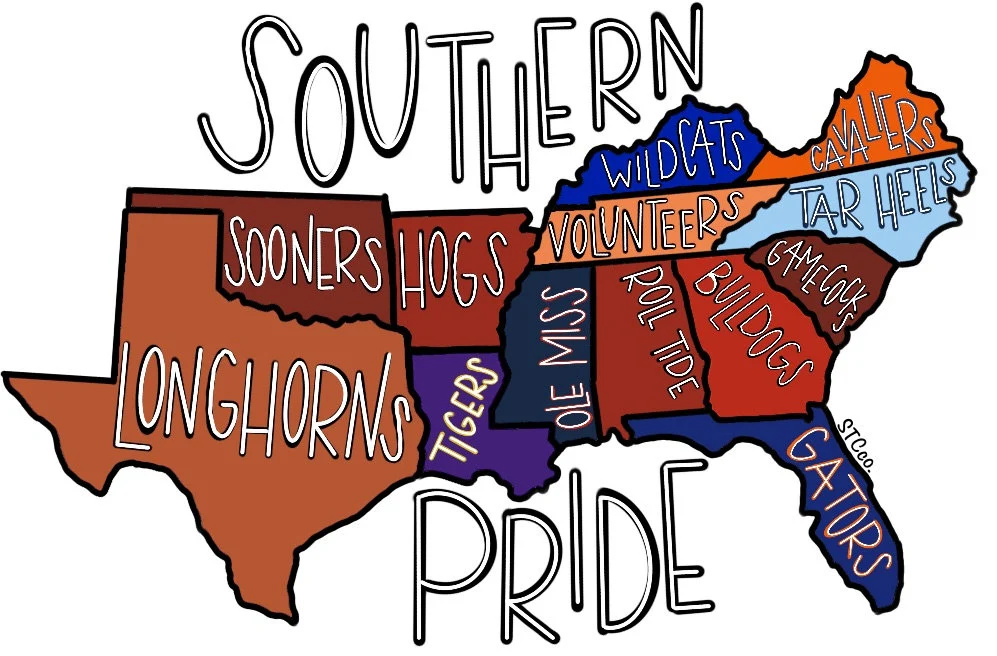
Is anyone really surprised by this?

It’s not like the south has ever been known for its healthy cuisine. Maybe stop eating fried everything. And for those wanting to blame politicians, especially more recent ones, go pound sand. This isn’t a political issue, this is a social issue. Want to place blame, place the blame at the vast majority of those living in these areas.

… and the lack of people who have healthcare insurance in red MAGAbillie states… definitely a political issue.

This tells me that soon there will be more liberals than MAGAs in America. Otherwise the article speaks for itself.

Better health care, concern for your neighbor and you live longer. These values are sorely lacking in the southern US states.

It’s only a matter of time until the US runs out of people trying to drag it backward to a fictionalised version of the 1950’s that never actually existed and joins the rest of the developed world in moving toward (however slowly) the Scandinavian model of social democracy where people’s NEEDS are guaranteed and their wants are addressed through capitalism.

Nah. Liberals pay attention to the world around them, which means they are generally more aware of the hardships that having children causes in our current economy/society, so liberals are less likely to have children. Whereas conservatives either don’t pay attention or think it’s their duty to outbreed liberals, leading them to having children they shouldn’t and generally way more of them.

Societal intelligence is dropping like a brick.
Quis custodiet Ipsos custodes? 

Who will guard the guards themselves?

The US is a bad place to have kids right now, one person can barely live, let alone support 2 more.

Unfortunately, those people are quite prolific even if it means teen pregnancy and incest.

And most of them are the ones that voted to put someone like Trump in office that doesn’t give a damn about helping them get the kind of healthcare they need and providing environmental improvements and regulations for achieving clean air and water for better living, health and life expectancy. Their only concern is having someone in office that thinks and treats others the same way they do. They are getting what they want.

The GLUE is what people they hold prejudices against. Bigotry is a very bad thing. Nothing else explains maga.

Sad to think that the very people most in need of improvements in healthcare and better environmental conditions are the ones that voted to put someone like Trump in office that doesn’t give a damn about the environment or the healthcare for others and won’t make any improvements that would have a positive impact on such life expectancy. His only mission is to dismantle the government as we know it, limit our healthcare and educational systems to keep people as ignorant as possible, easier to control that way. Yet, they see him as their grand leader leading them to greater things. Like they say, ignorance is bliss.

They call his ass daddy! LOL fools that they are !

Ignorance is NEVER BLISS though.

It’s indicative of Red State rural life. Smoking, drinking, poor food choices, and lack of exercise. And in many cases lack healthcare facilities. And Trump cutting off their Medicaid is just going to make it worse. This administration is not pro life.

Some people should be healthier due to growing their own food in gardens. Not everyone smokes. Not everyone can afford groceries, much less healthy ones. 2 potatoes cost the same as 1 garlic. Weird!

Southern food is toxic…fried, salted, sugary….. Its excessive smoking, drinking, BBQ, poor diets, fried foods, little exercise, low levels of education, and poor health care all of these dominate the south.  Very, very few people grow enough food in their gardens to even make a dent in this.

So, the states where they would rather eat horse meds than take the covid shot, choose prayer over going to the doctor, are opposed to universal healthcare (which literally goes against their best interest), and haven’t seen a dentist since the invention of the toaster oven…have a shorter lifespan? I’ll try to act shocked.

The stereotypes are over the top.

They’re not, though. Of course it’s not fair to paint with a broad brush, but the suspicion of science, healthcare, and government has obvious outcomes.

Boy!! I likely live in one of the states that was referred to and am a Christian. I have never known of a single family that does not take vaccines, nor do I know of a single person that prays and doesn’t see a doctor. Never going to a dentist? ok lol It’s shocking some people really believe this. We just have to laugh when we hear these things, it actually says a lot about the people that believe it. Some people just don’t like certain groups of people and certain states and leave it at that. lol

It is a combination of accessibility and affordability to healthcare. There is also a lack of healthcare advocacy in some states. Furthermore, many clinicians decide not to practice in the remote areas or the Southern states.

Well, the Southern economic development model is a set of policies and practices, characterized by low wages, few regulations, weak worker protections, and staunch opposition to unions, that has been adopted by many Southern states. This model, while often presented as a way to attract businesses and boost the economy, has been criticized for prioritizing the interests of businesses and the wealthy over the well-being of workers and families. It has been linked to persistent poverty, low wages, and limited economic mobility in the region.

The problem with conservatives is they are not really conservative, they borrow and spend, liberals tax and spend. My point being they don’t want to pay taxes to support America, just support themselves. True conservatives are poor people, watch what they spend and don’t throw away anything that might be useful in the future.

And I imagine life expectancy will only be reduced once statistics start coming in from Trump’s administration’s changes to Health and Human Services and the CDC and the CMS, etc….

Happiness is learning that there are no preconceived perceptions and regional biases in the USA ;<) ;<)

The goal is not a long life, it is a productive enjoyable life, When that is no longer viable for me, I hope I am no longer here.

I tried to expand upon your comment but community guidelines would not let me. Evidently they don’t like words like smart, middle age, wisdom, learning.

I find that my Buddhist practice has brought me opportunities to create value on a daily basis. 

Creating value brings me joy and brings me closer to enlightenment (perceiving and experiencing the living connections between all people – the silver cords).

I do volunteer work with the poor and disadvantaged. Former President Carter found joy in that too.

Trump and MAGA are the symptom, not the cause. Maga is less than 10 years old and this is a 125 year old process. When you are left behind in the present, of course you will romanticize the past and hate new changes.

Everything is wrong with those states, so why not short lives as well. On the bright side, the republicans will run out of MAGA voters quicker than the other 2/3rd’s of the country.

Life Expectancy by State 2025
Half the states only have a life expectancy of 70 to 72 years.

And they are changing the SS retirement age to 70 years which means half of the people will never access their Social Security. BTW, Why are they raising the retirement age when so many older people died from covid?

I don’t believe they are raising it to 70. They were considering changing to 69 years of age, but there are complications that some people don’t think about, they just blurt out a number and think it will solve the problem.  While most people aren’t healthy enough to hold a job for 8-16/hrs a day, when they’re 70. It’s absurd.

Agreed. Retirement should have stayed at 65 and if people want to work longer, good for them. Increasing Social Security every year until 70 is a nice idea and it puts money into the system because people are still working, but it also puts a strain on the system as a whole when collecting at 70.

Let’s face it, there is a large population in the US that is living longer and longer and a smaller work force contributing. It has to break at some point. Living in a statistical area where longevity is behind 20 years everywhere else, people should still be able to fully retire with decent benefits at 65. Raising the age is the government trying to offset their mistakes with the Social Security funds. Living longer is a benefit we should enjoy, not be penalized for it.

Here in Houston, TX, we are a democrat city with a democrat mayor. 

So, would one be more inclined to have a discussion as to why life expectancy is shorter? Or just wish an early death to everyone while calling Trump a dictator?
Sorry, I forgot to mention Houston as being on the non-death threat list for democrats. I also did not call Trump a dictator, in fact I never even mentioned Trump.
Houston actually has a pretty good life expectancy though…mostly.

“In the Houston area, life expectancy varies by neighborhood, with some areas having significantly higher life expectancies than others. The average life expectancy in Harris County is 78.9 years, but it ranges from 69.8 years in some areas to 89.7 years in others. Fort Bend County has a higher average life expectancy (82.3 years) compared to Harris and Montgomery counties”

Breed more squirrels? Sounds like a MAGA plan to conquer the world. Maybe you are thinking of Project 2025. Does Trump give you that idea?

It’s straight from the DNC handbook, page 80.

FINAL MASTER PLATFORM
There are only 92 pages to the DNC Handbook.
Charter_Bylaws_amendments_9.10.22.pdf
Wrong book. This is their secret 110-page communist manifesto.
Biden And Sanders Release Their Joint Policy Recommendations : NPR

 The Cloward–Piven strategy – Search is a political strategy outlined in 1966 by American sociologists and political activists Richard Cloward and Frances Fox Piven. The strategy aims to utilize “militant anti poverty groups” to facilitate a “political crisis” by overloading the welfare system via an increase in welfare claims, forcing the creation of a system of guaranteed minimum income and “redistributing income through the federal government”.[1][2][3]

That’s because southerners work harder.

Northerners stay out of the sun. Hard to get skin cancer from your moms’ basement.
That’s a laugh, moved south from the north to retire in better temps. Learned quickly the art of the wait, everything is sooooo slow, and it’s not because they are working hard LOL. 

Good thing we retired to slow down, time is no longer an issue, slow mow is the southern way.

Wasn’t aware that skin cancer was America’s leading killer.

That definitely explains the huge difference in GDP between Blue and Red states. 

California has the highest GDP. However, a large part of that is due to Hollywood productions, real estate, tourism and tech. Most of those areas are rapidly failing. Silicon Valley will soon be a museum as many tech companies are moving out of state. As far as New York, it’s all corporate offices that keep New York City afloat. Those folks come from all over the nation. New York will most likely stay near the top, but California’s days are counted.

Smoking, swimming biscuits with sausage gravy, fried potatoes and 3 eggs for breakfast plus a daily ration of beer will shorten your life every time.

Maybe that is why republicans are taking away health insurance from the poor! They want everyone to live shorter, more difficult lives.

The poor know the Democrats are no better. They are not stupid. I believe Democrats are better when they prove it. So far, they have not.

democrats want to make healthcare a human right vs republicans whos biggest goal has always been to take it away. it’s not an equal equation.

That is just not true. They do not want to make healthcare a human right, because when they do, they will have nothing left to run on.

That’s what we thought about Republicans and abortion. Turns out, there was more to it than that. Unfortunately.

I can’t help but think of Darwin when I read this article. Evolution is slow moving but it works. – Search

It is really simple: They vote against themselves with the GOP- That never actually does anything for them, even though they lie and say they do. 

All they do is pass stuff that benefits big business and the already wealthy-I.E., the top 9% ers-

Well does that really surprise anyone? 

Look at how they vote and who and what they Believe It’s not a surprise at all really. It is a Sad fact all the same.

The reddest states in the country are also the sickest and the poorest.

Why is Oklahoma being considered a “Southern” state by the “StudyFinds staff”?

Is it just because the University of Oklahoma’s sports teams are now part of the SEC?

It wasn’t even a state when “Southern” states were defined as such (usually from being a part of the Confederacy during the Civil War)i…. Can anyone else justify this?

This is good for getting rid of MAGAts, but unfortunate for those who live among them that actually have values and integrity.

If you break the data down, it’s actually African Americans not living longer, and it’s because they get shafted on public resources.

I think it will extend the span of SS. Maybe that’s the goal. When you stop paying the government you no longer matter.

Trump’s big, beautiful bill will cut 17 million people off of medicaid. You don’t think that is going to make the problem worse?

U.S. Life Expectancy Study Shows Southerners Barely Living Any Longer Than Those Born In 1900

Us States Life Expectancies – Search

Hot Club of Cowtown – “High Upon the Mountain”

Posted in Uncategorized | Leave a comment

Why Italians Live Longer

Good company and a strong sense of community are among the reasons Trentino-Alto Adige’s people live so long and so well (Photo: Tiziano Casalta/Dreamstime)

English  Italian

Trentino-Alto Adige/Südtirol Longevity – Search Videos

Trentino-Alto Adige, particularly the province of Bolzano, emerged as an exceptional area, both in Italy and Europe, for its high life expectancy. 

85.4 years
Trentino-Alto Adige/Südtirol stands out as a region with a high life expectancy, with an average life expectancy of 85.4 years. This figure is higher than the national average in Italy and the European Union. The region’s longevity is attributed to a combination of factors, including a strong healthcare system, a healthy lifestyle, and a commitment to sustainability. The region’s commitment to nature and local products is reflected in its tourism and culinary offerings, which are also linked to a healthier lifestyle.
List of Italian provinces by life expectancy – Wikipedia

That this region is among the European areas with the highest life expectancy at birth. Notably, Trento has recorded an impressive average life expectancy of 86.7 years for women, the second highest in Europe, only surpassed by the Community of Madrid with an average of 88.2 years.

The Autonomous Province of Bolzano also ranks among the top ten European regions for male life expectancy at birth, with an average of 81.8 years; this contrasts significantly with other Italian regions like Sicily and Campania, where life expectancy is comparatively lower. In these regions, the average age for women is 83.3 years, and for men, it’s 79.2 and 78.7 years, respectively.

Despite these disparities, it should be noted that all Italian regions still surpass the European Union average life expectancy, which is 82.9 years for women and 77.2 years for men. These numbers reflect Italy’s overall high standard of living and healthcare, both of which contribute to longer life spans compared to many other EU member states.

The province of Bolzano, Veneto, and the rest of the Trentino-Alto Adige region are among the European areas with high numbers of nonagenarians, indicating a growing elderly population. Of course, this increase comes with heightened demands for healthcare services in the North East: there are more than 600,000 individuals over 65 with two or more chronic diseases and about 180,000 elderly who are not self-sufficient, which calls for even more comprehensive and accessible healthcare services. 

In the broader European context, the regions with the highest life expectancy at birth include Madrid (85.4 years), Navarra (84.8 years), and the Finnish Åland Islands (84.6 years). Other European examples of high life expectancy are, besides our Trentino-Alto Adige,Stockholm,  Castile and León, and three other Spanish regions: Cantabria, Basque Country, and Galicia. 

Italy’s place in this context is significant, as the country ranks third in average life expectancy at birth with 82.7 years, an improvement from 82.3 years in 2020 but still lower than the pre-pandemic figure of 83.6 years in 2019. This data underscores the resilience and advancement of healthcare systems in Italy, despite the challenges posed by the COVID-19 pandemic.

While exploring the reasons behind the high life expectancy in Trentino-Alto Adige, it becomes evident that a combination of factors, encompassing everything from the territory  to local culture and services, plays a pivotal role; indeed, it is this multifaceted approach to well-being that underlies the region’s impressive health statistics.

And it isn’t just a supposition, data demonstrate it. 

Trentino-Alto Adige’s healthcare system sets the bar for excellence and accessibility: the region displays an effective medical infrastructure and a clear commitment to the creation of a dense network of healthcare professionals and facilities, ensuring that residents have ready access to medical care everywhere and at all times. But it’s not just about treating illnesses: the region’s healthcare system places a significant emphasis on preventive care and public health, focusing on keeping the population healthy in the first place.

This commitment to healthcare quality was recognized in 2022 when Trentino Alto-Adige ranked first in Italy for healthcare system quality, according to a report by the Italian Institute for Quality of Life (IQUVI). This result distinctively reflects the region’s dedication to maintaining high standards in medical services.

Lifestyle choices are one of the reasons why people in Trentino-Alto Adige have a high life expectancy (Photo: Enzodebe/Dreamstime)

Yet, the longevity seen in Trentino-Alto Adige cannot and should not solely be attributed to top-notch healthcare. The high standards of living, marked by its status as one of Italy’s wealthiest regions, also contribute significantly: economic stability is paired with low unemployment rates and high-quality education, factors that collectively enhance the residents’ overall well-being. Moreover, the region’s natural beauty and rich cultural heritage add to the quality of life, providing residents with an environment that supports both physical and mental health.

Lifestyle choices among the residents also play a key role. The local diet, which favors fresh and nutritious ingredients, regular physical activity, and a lower rate of smoking compared to other Italian regions, all contribute to the Trentino-Alto Adige’s health profile.

In addition, the strong sense of community and social cohesion typical of the region — and all Alpine areas — certainly enhances the creation and maintenance of strong support networks, essential especially for good mental health. And then, we cannot forget Trentino-Alto Adige’s mountains and lush nature, clean air and pristine water, all factors that encourage many to live more healthily. 

It seems clear that Trentino-Alto Adige overall  health is not a mere coincidence, rather, it’s the result of a series of elements, ranging from a well-structured, capillary healthcare network to economic stability, all the way to a culture that fosters healthy living and strong community bonds.

 Comfortably protected by its mountains, and reinvigorated by its clean air, Trentino-Alto Adige offers both a blueprint for longevity and a holistic approach to life that balances modern healthcare with traditional values and environmental harmony. In an age where the pursuit of health is often complex and challenging, this region shows us the true potential of an integrated approach to well-being and health, where efficiency, education, nature, and a strong sense of community can truly bring us closer to living to 100

.image.png

The VII Report “Welfare and Health”, coordinated by the Regional Health Agency, was presented in Florence and analysed the trend from 2019 to 2024.

Tuscans live long and are increasingly healthy, thanks also to a social-health system that is improving on all indicators. These are the main features that emerge from the seventh report “Welfare and health”, coordinated by the Regional Health Agency, presented Thursday at the Istituto degli Innocenti in Florence.

The report, which analyses the trend of the last five years (2019-2024) on the regional social-healthcare system front, highlights theincrease in the proportion of years lived in good physical condition after age 65: between 2009 and 2022 the percentage rose from 36% to 46% in men and from 28% to 38% in women, values among the highest in Italy. 98% of 65-74 year olds are independent in daily activities.

These numbers are accompanied by data on life expectancy (84 years) which exceeds the national average by more than half a year., placing the region in 3rd place in Italy for male longevity and 6th for female longevity. 

In the field of cardio- and cerebro-vascular emergencies, it confirms leading results. From 2019 to 2024 hospitalizations for acute myocardial infarction dropped by 24% in men and 35% in women; for ischemic stroke the drop exceeds 25% in both genders. The quality and appropriateness of hospitalizations is also improving: in 2023, the hospitalization rate fell to 128,4 per 1000 inhabitants, well below the national standard of 160. Surgical hospitalizations have already exceeded pre-pandemic volumes, while medical hospitalizations remain below 2019 levels thanks to outpatient and telemonitoring pathways.

The report also focuses on also on demographic trends, highlighting how ageing (the26,7% of the population is over XNUMX) and the demographic winter are held back by the presence of foreign families. The low birth rate (20 births in 725) is offset by a positive migration balance of +2024 per 6,5 inhabitants. The presence of foreign citizens (12% of the population) It is characterized by an average age ten years younger than the natives.

Where in Italy do people live longest?

Where in Italy do people live longest?

You are here: Countries / Geographic Wiki / Where in Italy people live longest?

Home to the world’s longest-living men. mostly undiluted. The result: nearly 10 times more centenarians per capita than the U.S. View complete answer on  Sardinia, Italy – Blue Zones

What part of Italy has the longest life expectancy?

In 2022, Trentino-South Tyrol was the Italian region where both women and men were predicted to live the longest lives in the whole Italian peninsula. In Trentino-South Tyrol, the life expectancy at birth of men was 81.5 years, whereas women were expected to live 86 years. View complete answer on Italy: life expectancy at birth by region 2024| Statista

Which Italian island do people live longest?

Sardinia, Italy, was the first Blue Zone — where people regularly live to 100 — to be identified. Dan Buettner, who studies these longevity hotspots, has a new Netflix series out about Blue Zones. Sardinia’s residents live a traditional, laid back life; eat simply; and spend lots of time with family. View complete answer on Which Italian island do people live longest? Insider.com – Search

What town in Italy has the most old people?

Researchers think they might have found the secret to living a long and happy life, and it lies in a southern Italian village along the Mediterranean. It’s called Acciaroli. About a third of the people who live there – roughly 300 – are more than 100 years old. View complete answer on In One Italian Village, Nearly 300 Residents Are Over 100 Years Old : NPR

Why do people in Sardinia Italy live longer?

A bigger component contributing to the longevity of Sardinians may be the amount of exercise people are doing every day. Because of the steep, mountainous nature of the landscape, and the active “shepherd’s lifestyle”, as Buettner says, “they are getting low intensity and medium intensity exercise all the time. View complete answer on What the ‘Blue Zone’ island of Sardinia can teach us about living longer

Longevity: Journey into the blue zone | TechKnow

Why are Sardinians so healthy?

The classic Sardinian diet consists of whole-grain bread, beans, garden vegetables, fruits, and, in some parts of the island, mastic oil. Sardinians also traditionally eat pecorino cheese made from grass-fed sheep, whose cheese is high in omega-3 fatty acids. View complete answer on Sardinia, Italy – Blue Zones


Why is Italy paying people to move to Sardinia?

Many rural areas are facing ageing populations as young people move to cities or opt not to have children. To combat this, some local governments are encouraging foreigners to take up residence with relocation grants and cash payouts. View complete answer on  Want to get paid to move to Italy or Spain? Here are all the towns in need of new residents | Euronews

Where do all the millionaires live in Italy?

What are the prominent residential areas for wealthy people in Italy? Italy’s elite, including foreign investors, tends to dwell in key urban areas and picturesque regions such as Rome, Milan, Florence, and Venice, as well as parts of Tuscany, Lombardy, Liguria, and even in the southern reaches like Sicily. View complete answer on Richest Cities in Italy: A Comprehensive Guide (2025)

Why do people in Italy live so long?

The secret is family, friends, and fresh, whole foods. From our perspective, living in this community (and a few others across Italy), Italians take the time to connect with each other, remain geographically closer to their extended family, drive less, walk more, and spend more time around the table. View complete answer on Why Do Italians Live Longer Than Americans? – Livology

Which Italian village has high cholesterol?

According to The Independent, 38% of Stoccareddo’s men have high cholesterol, as opposed to the Italian average of 21%. View complete answer on Stoccareddo – Wikipedia

Why do Southern Italians live so long?

This is good news for Italy (and for me), considering that the Mediterranean diet is considered one of the healthiest diets in the world. Eating fresh fish, fruits and vegetables, nuts, and cooking with olive oil is typically used to explain the high life expectancy rate in Italy. View complete answer on Why Is The Life Expectancy In Italy Higher Than In The US?

Do people in Sardinia smoke?

It is also known about the tastes and habits of young Sardinian smokers that they not only smoke traditional cigarettes, but also cut tobacco (55%) and electronic cigarettes (23.5%).
View complete answer on Tobacco survey in schools in Sardinia – Press release – Eurispes

What is the healthiest city in Italy?

Pioppi, Italy is known as the world’s healthiest village because many of its residents live past the age of 100. What are the factors responsible for their remarkable longevity? A leading doctor in Britain revealed their secrets. View complete answer on Secrets of One of the World’s Healthiest Villages – Olive Oil Times

What do Italians eat for breakfast?

Cappuccino, Coffee and Croissant. A cornetto, together with an espresso or with a cappuccino becomes the joy of lots of Italians who love to have a breakfast in a café, in their favourite pastry shop or at the cafeteria just outside the office. … Bread and Jam. … Milk and Cereals. … Yoghurt and Fruit.
View complete answer on The Italian breakfast: what do Italians eat for breakfast? | Lazzaris since 1901

Are people in Italy healthy?

Italy is a country that has often been viewed as the healthiest for many years running. In fact, many people have been disputing this result because nothing is more important to Italians than their cuisine. Inhabitants of the island of Sardinia have many times held the title of the oldest living person throughout history. View complete answer on Why Are Italians So Healthy? eating secrets

Who lives the longest in Europe?

The EU region with the highest life expectancy at birth was the French island of Corsica (84.0), followed by the Balearic Islands in Spain (83.9) and the Epirus region in Greece (83.8). View complete answer on Life expectancy across EU regions in 2020 – Products Eurostat News – Eurostat

Do Italians live longer than the English?

The UK did poorly in a comparison of health outcomes in 19 countries over 20 years published in the Lancet. On life expectancy we came 14th – slipping down two places since 1990. Italy, by contrast, rose from 5th to 2nd – ahead of France, Germany, and Sweden. View complete answer on Why do Italians live longer than us? – BBC News

Why do Italians eat so late?

Italy is known for its very late meals – lunch is about 1.30pm (earliest!) and dinner depends on the season – it can be as late as 11pm! One of the reasons for such late dinners is so that the members of the family can wait for each other to come back from work and sit down at the table all together. View complete answer on Italy, carbs and late meals – Our Cooking Journey – Our Cooking Journey

What is the poorest region in Italy?

In Italy, the largest part of the population who live below the poverty line is located in the South. As of 2021, in three Southern regions, Apulia, Campania, and Calabria over 20 percent of the population was living below the poverty line. View complete answer on Italy: absolute poverty among households by region 2021| Statista

Is Sardinia or Sicily more expensive?

Both Sicily and Sardinia have numerous attractions and leisure activities. However, some are cheaper than others. Many of Sicily’s attractions, such as the ancient ruins of Agrigento and the seaside town of Taormina, are low cost or free. Sardinia’s attractions, on the other hand, tend to be pricier. View complete answer on is-sicily-cheaper-than-sardinia/ – Search

Is Sardinia more expensive than Italy?

In fact, if we think that Cagliari is one of the most expensive cities on the island, it goes without saying that living in Sardinia is much cheaper than in many other regions of Italy. View complete answer on Is Sardinia Expensive? – Cost Breakdown of Your Next Holiday

Is Italy still paying for people to move there?
Get paid to move to Italy


The municipality will pay €150 ($160) to those who move to the city for at least a year. There is a total of €400,000 available in grants from the government, with €200,000 allocated from September 2023 and €200,000 more next year. This is enough to finance 100 applications, the council said.  View complete answer on This Culture-Filled Italian City Will Pay You To Move There

Stomach-brain communication predicts emotional symptoms and well-being, study finds

3 Health Secrets to a Longer Life with Doug Batchelor and Barbara O’Neill (Amazing Facts)

U.S. Life Expectancy Study Shows Southerners Barely Living Any Longer Than Those Born In 1900

The Top 4 Megaregions of the United States | How These Regions Dominate the Country | Watch

Which States Really Have the Highest Homicide Rates, Red or Blue? The Stats Will Surprise You

15 Countries with Excellent Healthcare for Expats (And Why They’re Truly Worth Considering)

The Hearty Soul – Connect with your Spirit & live the life destined for you : The Hearty Soul

The states with the highest and lowest cancer rates in America, according to the CDC

Do you live in the state with the longest life expectancy? See the top 25, based on data.

HOW RED-STATE POLITICS ARE SHAVING YEARS OFF AMERICAN LIVES : r/Ohio

Ranking The Countries With The Longest Life Expectancies—According To Data

Scientist studied 4,330 centenarians, found two things they have in common  

Research finds people who live past 100 all have one thing in common

By 2100, lifespans will defy expectations: How long can we live🤍✨🍀

Your State Could Be Shaving Years Off Your Life — Or Adding Them

Ranking The Smartest Countries In The World—According To Data

See How Long You Were Supposed to Live Based on Your Birth Year

Global Healthcare: The 10 Best Countries to Get Treated | Watch

Best Countries To Live In 2025: What The Rankings Don’t Reveal

Discover the Countries With the Longest Life Expectancy | Watch

Why a retirement age of 74 is a bad idea, according to science

Study finds generations born after 1939 unlikely to reach 100 years of age

The Next Mass Extinction May Already Be Underway, According To Scientists

Study finds the young are the unhappiest they’ve ever been. This might be why

People in Nordic region are more satisfied than other EU citizens with big city life

A potential new Blue Zone: Region in Finland stands out for its populace’s longevity

Singapore is the world’s sixth Blue Zone—and the first designed by policy. – Search

Where in Italy do people live longest? || Drone Views of Italy’s Tuscany Region

List of Italian provinces by life expectancy – Wikipedia

Explaining The 20 Regions Of Italy – Best Things To Know

Your State Could Be Shaving Years Off Your Life – Or Adding Them

Posted in Uncategorized | Leave a comment