Hello my name is Rachel Bykovny. First and foremost, I am a wife, pet mama, cancer wellness advocate, and a mindset coach. My sole mission in life is to help others navigate the messy waters of healing. I experience so much joy sharing the tools I utilize to maintain a Cancer Healing Mindset. Living with cancer does not have to be doom and gloom. With the right attitude and motto, you too will feel empowered to “Fear Less, Slay More” just as I do.
I have shared many times in my blogs (Countdown Mentality), (My Miracle in Progress Story), & (On a Mission to Beat the Unbeatable) how when I was diagnosed, all I wanted to do was make it until 40 which will be October 22. Now that it is here, I am taking that officially back and counting down until I reach the big 40 and beyond. Considering the roller coaster of a year I have been experiencing with my health and all of the chaos, drama and suffering around me, finding myself in this place of complete faith in my healing is a breath of fresh air.
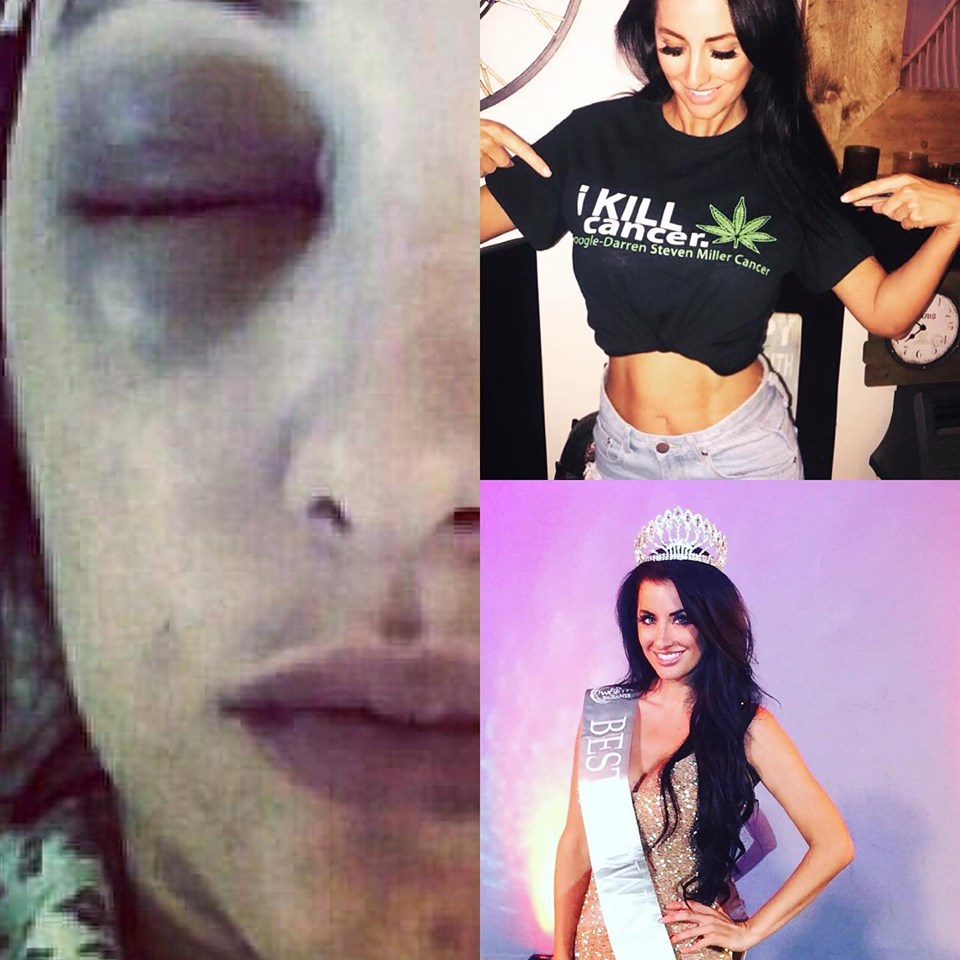
As a woman approaching 40, I am currently in my worst shape physically and mentally. I can hardly move around anymore due to the damage done to my joints from my 30 LBs of weight gain. I have what is called “Moon Face” from what I think is Cushing’s Disease caused by excess cortisol in my body which as you may know, is caused by stress. But you know what? I do mot care about any of that because I am here!! I am alive! As my dearly departed friend Judy would have said “I am doing it. Im making it”!
My intentions for going forward are to keep that in front of me. To remember how very blessed I am to have so much love and support. Without it, I would not be here. I want to take a few moments to give a special thanks to a few people who helped me through it.
Alec, my husband
To my husband, Alec. You are my rock. You have the most difficult job any human could be faced with, to watch the one you love suffer so tremendously, and yet you always find ways to make me smile. Your unconditional love, despite all the physical and mental challenges I have and the unreliability of me as a partner, has made me feel so safe and secure. Whenever I mention this, you act like I am crazy to even think that any other reality is possible. I am certain there are many partners/caregivers who would not be strong enough to endure what you have for the past 3 years and especially this last 6 months. But you are a Beast! You rise and grind everyday to make sure I never want or need anything. I look forward to starting a whole new chapter with you. With our clean slates, we have the opportunity to live how our hearts desire. To design our life in any way, shape, or form from now on! I love you with all my heart!
My Family
I want to thank my family next. I kept the gravity of my situation hidden for a long time. I would only allow myself to be seen on my good days and never allowed anyone to know I was sick. Once I opened up, the love has been flowing in. It has been so wonderful how all of banded together to help support Alec and myself. Each and everyone of you know the roles you have played. Many of you helped us financially when we needed it the most. A few of you took care of our pets while we were in Mexico. Several of you helped us around the house and with getting the house for sale, selling our stuff, raising money, staying with me when I needed extra assistance, and I am sure there are a hundred other things I cant remember now. Many of you provide moral support in the form of memes and other motivating stuff when I need it most. I am so grateful to have so many people in my immediate circle that are behind me in my corner, pushing me to keep going. We have had a very windy road these past several months and together we all made it happen so I could get back to Tijuana for needed medical care. I love you all dearly and I hope to be well enough some day to pay you back for everything.
The newest addition to Team Rachel is my Hope4Cancer family. They gave me hope when all seemed darkest. My doctor, Marcos Rodriguez, is the most caring dr I have ever been to see. Even when I was receiving all my nutrition and hydration from a feeding bag and was in so much pain I just couldn’t deal, he never let on that I should be worried. All of the nurses are angels especially my nurse Magda. Elvira was so patient in dealing with the financial/admin stuff. Dr Ramirez always took the time to explain to me exactly why I needed to do something or another. Dr Tony and his wife Marcy who have been so kind and taken me under their safety wing like a baby bird and have generously helped me with my healing journey. All of these angels were sent to earth to help people like me remember that there is always HOPE and to never give up. Some people ask me if I am getting paid to promote H4C and my answer is always the same….of course not. I am just sharing my experiences and they happen to be an integral part of my story. I only offer my truth so that others can know their options and not allow the conventional medical system to dictate their life expectancy. There is only one judge and the people in the white coats are not it. I love and thank you all for the sacrifices you make to provide a healing environment for people looking for wellness like me. I cannot wait to see everyone again on Monday when I go for my 3 month checkup.
Prayer Warriors, Moral Support, and Financial Donors To anyone who has provided prayers, moral support, or generous donations, I will never forget you. Without your help, I would not be in the situation I am in now. I have had people from all over the world reaching out to me and offering to help or sending me messages of how my journey had inspired them. I have strangers stopping me in the street and telling me God wants them to pray with me. Thank you one and all for your tremendous faith in me and my battle. Love, healing, and light to you all. I could go on all day, but for the sake of brevity I will wrap it up here. I am so happy and grateful for my upcoming birthday. Join me in counting down until its arrival! The most beautiful version of Hallelujah you ever heard ★´¨) ¸.•´¸.•*´¨) ¸.•*¨) ( ¸.•´ (´¸.•` ¸.•` Rachel ♥
That is the question. An important question I asked myself as I faced stage four cancer was what to do about it. As it raced through my body, I thought of my young children that counted on me and a friend that had just passed away of breast cancer after a long, painful battle. I thought of the reaction of my children, seeing me without hair in a sickly state and it was something I could not bear. If I knew conventional therapy was a guarantee, I would certainly do it. However, I did not and could not see upsetting them. I thought if I was going to go, it would be with a smile on my face, not like that.
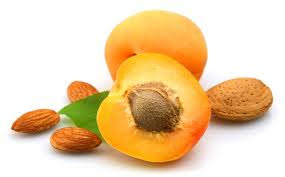
Five years earlier, I had fought back inflammatory breast cancer, but not passing the five year mark so often recommended to be in the clear. This time, it was back with a passion. I had been able to get well the first time using Gerson therapy and high heat. I knew there had to be a natural way to succeed again. This time, however, nothing I tried seemed to be helping whether it be apricot seeds, alkaline diet, Gerson or the other alternative therapy, Budwig. I knew diet was the answer, I just didn’t know which one was right for me.
One morning, as I have always tried all the new diets and rotated between one or another, I had fried eggs only for breakfast. The pain went away. So I ate another one and another and another until the pain was gone. If there was a million and one ways to eat eggs, I have most likely tried it. I knew I couldn’t live on fried eggs only for the rest of my life and looked up ketogenic diet and cancer. I found the Cantin Ketogenic Diet Against Cancer and Diabetes, based on the work of Dr. Thomas Seyfried. Dr. Seyfried had only recently published his book the year before. It was just in time to help me and save the lives of others.
Every year, I grew stronger and well on the ketogenic diet and felt fine. My children never had a clue and I was able to keep the smile on my face. Thanks to this diet, I feel my cancer has only been a blessing, one that has given my life meaning and the ability to help others.
To keto or not to keto, that is the question. The answer is yes, I say yes to keto. It works for every type of cancer and is scientifically researched. Anyone with cancer can also give it a try for the best qualify of life they might not have otherwise.
Professor Seyfried tells how he stumbled into the metabolic theory of cancer through his work as a geneticist studying cancer. At that particular time he was studying lipids (fats) associated with cancer cells in combination with a particular drug. The drug was not expected to have any effect on the tumor itself, but it did and the tumors shrunk massively. When Seyfried dug into the mechanism of how this happened, it was found that the drug was exerting a caloric restriction effect that was somehow responsible for the phenomenon.
Seyfried’s desire to explain to himself what had happened took his research down a path that lead to Otto Warburg’s work all the way back in the 1920’s, at a time when the debate over the nature of what cancer was at the most fundamental level was still up in the air. Warburg had proposed that instead of genetic mutation, a cell turned cancerous by damaged respiration – the process in which the hundreds or thousands of mitochondria in each cell burn oxygen along with glucose to make ATP, the energy that literally powers our bodies. Warburg showed that when a cell was deprived of oxygen, it would revert to an ancient pathway of energy production known as fermentation (which does not require oxygen) of glucose to stay alive, becoming cancerous in the process.
Fermentation of glucose, along with its byproduct of producing huge amounts of lactic acid, is much less efficient than oxidative phosphorylation (normal cellular respiration) and requires around 16 times the amount of glucose to produce the same amount of energy which is why cancer cells are always so hungry for it and have an increased number of receptors. Mainstream oncology acknowledges this occurrence in all cancer cells but regards it as a curious side note and not something to be studied as a key symptom of the potential root cause of damaged respiration.
In Warburg’s time the Somatic Mutation Theory (what prevails today, that cancer is at its core a genetic disease) won out for a variety of reasons, whether merited or not, and his metabolic theory died with him in 1970. Until Professor Seyfried came upon it however.
Seyfried took interest and began to look more closely at the mitochondria in cancer cells. Being a geneticist, first he looked at the mitochondrial DNA (mitochondria has its own DNA separate from cellular DNA) and could not find any mutation there. What he discovered is across every cancer cell type he looked at was a defect in cardiolipin, a lipid (fat) that makes up the membrane of the mitochondria directly responsible for controlling oxidative phosphorylation.
The Nuclear Transfer Experiments
Digging further into modern research, Professor Seyfried discovered a body of work which certainly appears to be the icing on the cake. There have been a large number of experiments over the years by well-respected researchers conducted over the years transferring the nucleus (which houses the cell’s DNA) of a cancer cell into a healthy cytoplasm (the rest of the cell which houses the mitochondria), and vice versa, taking a healthy nucleus and transferring it into a cancerous cytoplasm.
Without exception, every time a cancerous nucleus is transferred into a healthy cytoplasm, the nucleus itself turns healthy. Every oncogene that was turned on turns back off, and every tumor suppressor gene that was turned off turns back on. In turn, every time a healthy nucleus, with healthy DNA, is transferred into a cancerous cytoplasm (with damaged mitochondria), that healthy nucleus all of a sudden turns cancerous. All of the bad genes turn on, and the good genes turn off.
To the professor, this body of work proves beyond a shadow of a doubt that cancerous genetic expression is a downstream event of, or occurs because of dysfunctional cellular respiration. In other words, fermentation is not something that happens because a cell’s DNA turns cancerous. A cell’s DNA turns cancerous because the cell needs to ferment. It’s hard to argue with him.
The implications of this are profound.
We’ve Been Looking in the Wrong Place
Professor Seyfried goes on to explain that this means we’ve been looking for the primary driver of cancer in the completely wrong place for the last century. This would certainly explain how it could possibly be that with all the time, money and energy invested into cancer, overall long term survival rates haven’t really improved all that much.
All of the provocative agents, many of the same ones we think of as causing cancer anyways such as toxins, radiation, microbes, inflammation and so on, are really damaging the ability of a cell to respire, and this triggers the epigenetic phenomena of oncogenes turning on to drive the fermentation. The oncogenes are the drivers of fermentation that arise from the need to ferment. If you take away the need to ferment, the oncogenes turn off.
In addition to cancerous genetic expression, genetic mutations are also explained by damaged respiration and fermentation. A huge amount of reactive oxygen species (free radicals) in addition to lactic acid within the cell are a byproduct of the fermentation. The build-up of free radicals and lactic acid within the cell go on to damage the DNA and cause the mutations. Again, the mutations are the downstream event of the respiratory damage.
In his book, Tripping over the Truth , Travis Christofferson writes about this as the reason for the failure of the Cancer Genome Atlas Project failing to provide any sort of roadmap to a cure for cancer (watch Travis’ interview here). This also explains why despite all the hype and promise of individualized, targeted gene therapy, it has largely failed to deliver. Both are going after byproducts of the cause, not the cause itself.
Could Cancer Really Be as Simple as the Metabolic Theory Proposes?
Dr. Seyfried goes onto say that despite this seemingly incontrovertible proof that cancer is indeed a metabolic disease in origin, it has been ill-received in the conventional, genetic-driven world of oncology because, well… it’s too simple. This whole gigantic multi-billion dollar apparatus of cancer research has been built around understanding cancer as hundreds of different diseases all with their own genetic profiles that need to be understood.
Seyfried has his own simple explanation for this approach – nonsense. Of course each cancer type is going to have its own genetic profile, he explains, it’s occurring in different types of cells (brain, blood, prostate, breast, etc.). While the genetics differ solely because of original cell type, the one commonality across all types of cancer cells is fermentation and lactic acid production, making cancer ONE disease rather than hundreds.
This also explains why you don’t really see cancers arise in certain areas of the body, Thomas explains, as not all cell types are capable of fermentation. Cardiomyocytes, or cells that make up the muscle in the heart, for instance are not capable of fermentation. This is why “heart cancer” is virtually non-existent and when you do see cancer in the heart it has started as a sarcoma (cancer of soft tissue) or blood cancer somewhere else in the body and only spread to the heart afterwards.
Taking Away Cancer’s Fuel and Turning the Tables
The point Professor Seyfried really tries to drive home is that if the one commonality throughout all of cancer is the fuel source, then we need to be going after the fuel source. He turns the notion that “cancer cells are so clever” and so good at surviving on its head, stating that the reason cancer cells survive has nothing to do with their “cleverness,” it’s because they ferment.
When you take away the fuel source of glucose, many cancer cells will starve and die outright. Others will become weakened and extremely vulnerable to oxidative therapies such as chemotherapy on the conventional side or hyperbaric oxygen on the alternative side. Seyfried notes that some cancer cells will have the ability to ferment glutamine as a backup fuel source, which is why this approach still isn’t an open and shut case and where we still have a little ways to go in accomplishing, but for the time being we do have a very achievable, very high bang for the buck strategy of taking glucose away.
Lowering Blood Glucose Available to Cancer Cells through Nutritional Ketosis
The dramatic lowering of available blood sugar is achieved through what is called nutritional ketosis. Glucose, as it turns out, is not the only fuel source our bodies are designed to run on. Ketones are substances made by our bodies when they break down fat for fuel. The source of the fat can either be directly from the food we eat or from our bodies’ own fat (which is why this is also turning out to be the most effective weight loss strategy ever seen as well).
Ketosis explains why humans are capable of fasting for such long periods of time and Professor Seyfried explains that fasting is indeed a key tool in entering nutritional ketosis. After a three day fast, the body’s glycogen reserves will be depleted and it will have no choice but to run on fat. Ideally, we should be able to switch back and forth from one fuel source to the other at will, but given the abundance of non-stop carbohydrates our bodies have become accustomed to, the transition may be a bit more of a process. Ultimately, our bodies do have the innate ability to run on ketones and will adapt. Cancer cells however have lost this ability altogether and are entirely dependent on fermenting glucose and glutamine, and will not adapt.
Speaking of fasting in the context of something we “should” be able to do, Dr. Seyfried also mentioned something that I often like to point out myself.
Every major religion in the world places a huge emphasis on fasting… coincidence?
Next time you’re wondering what to give up for lent to be kind of like giving up food like Jesus did, how about you just give up food?
Nutritional ketosis allows us to drive our blood sugar way down to the point we technically could be dead if not for the ability to use ketones as a fuel source. As you begin to implement this strategy, the professor notes that it is something very measurable that you can track. Blood ketones and blood glucose can both be measured (the most popular way is through a finger prick using a device called a Precision Xtra). Ideally we are looking for a ketone to glucose ratio of 1.0 or greater, which can be easily calculated using the glucose ketone index calculator from a company called Heads Up Health, which provides a phone app as well.
The ketogenic diet, which is a low carb /equal ratio of protein to high fat diet, is the longer term strategy for maintaining nutritional ketosis.
Note that this article is not meant to be an all-inclusive guide to this approach, but rather a starting point to get you pointed in the right direction. Cancer and ketosis researcher, Dominic D’Agastino, has links to more detailed how-to resources at his website Keto Nutrition.
Professor Seyfried notes that oncologists in countries outside of the US with less restrictions around their practice such as Dr. Slocum in Turkey have been integrating his metabolic strategies into their conventional and integrative protocols and have been seeing results far beyond that which could ever be hoped for solely from conventional therapies.
How to Restore Respiration in Healthy Cells and Cancer Cells Alike
Aside from targeting cancer cells for elimination, the other key benefit Professor Seyfried discussed that is derived from fasting and the metabolic approach as a whole is healthy mitochondria. “Autophagy” refers to a cell’s “house cleaning” mechanism in which it literally breaks down and recycles defective mitochondria! Autophagy is triggered primarily by nutritional ketosis.
“Mitochondrial biogenesis” refers to the growth of new, healthy mitochondria. There are a few key strategies for mitochondrial biogenesis which we will get into another time and are easily searchable until then, but for now a primary one is… you guessed it, nutritional ketosis.
Professor Seyfried notes that through autophagy and mitochondrial biogenesis, many cancer cells will indeed revert to healthy cells, while others will be too far gone and need to be eliminated.
Cancer as a Metabolic Disease Must Be Viewed in the Big Picture
To wrap up, just as I did on the podcast, although the metabolic theory of cancer provides a very exciting lens to view cancer through, it’s also very important that we zoom back out to see the big picture and always be sure we’re covering our bases. Something did cause the damage to the respiration in the first place, be it toxins, microbial infection or inflammation (likely a little bit of all of these). There was still a failure of the immune system to allow the cancer cells to proliferate and so on. If we don’t address these issues and only go after the fuel source then we’ll never fully resolve the problem. As Dr. Paul Anderson put it in our recent interview with him, even if it is truly metabolic in nature, in reality cancer is a polyfactorial disease. Source: https://thesternmethod.com/thomas-seyfried/
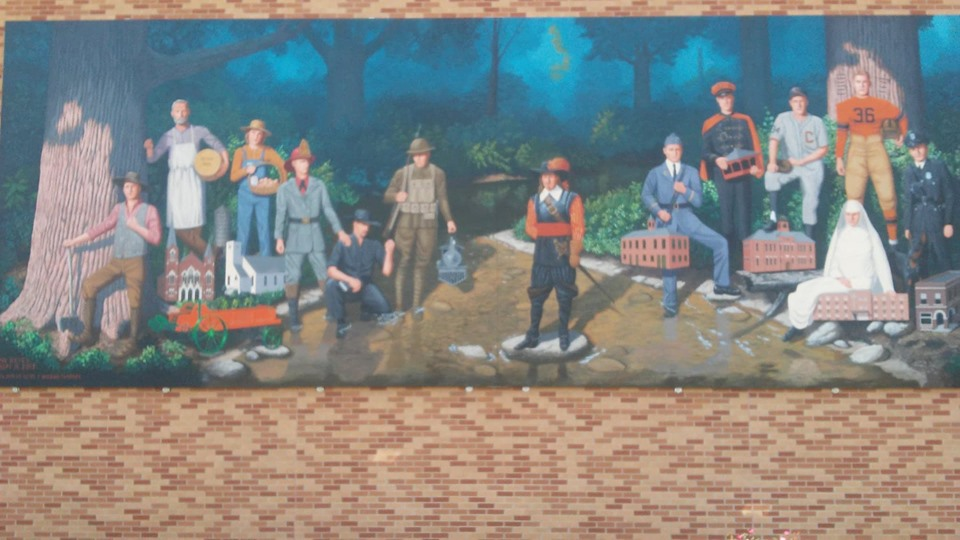
This particular mural, was commissioned by the Desch family & Don Desch passed away September 28, 2019
When One thinks Coldwater, Ohio: 0ne thinks winning tradition!!! With all the cancer in our area. The first thing one thinks of when someone gets cancer is that you should run and get surgery followed by radiation and chemotherapy. My definition of A winner is someone who gets knocked down 99 times and gets up the 100th time. A winner is someone who accepts a win or loss with the same temperament. A winner is never alone in winning a game, its rather the people who stood by him/her that makes him or her the winner. For Sue from Coldwater with this inspiring story. She thinks and feels winning is all about following God Guidance and through strong faith that cushions her life.
When Sue found out that she had breast cancer. She didn’t want to follow a path that others take, because she didn’t believe in cut, burn and poison. Sue did have surgery but though her faith in God and in his guidance. She felt in her own heart of hearts that God would allow her to survive through her own chosen path. Along that healing path in the last year she has learned so much about herself. She feels what may have gave her cancer may have been some of the regular conflicts of living life. So she went on a journey that followed her faith to believing in what God wanted to bestowed in herself.
Ken — These are the Bible passages I read when I need to feel God’s presence.
Psalm 23
Psalm 27:1, 4-11, 13-14
Psalm 28:6-8
Psalm 31:1-3, 7, 14-16, 24
Phil 4:6-7
And ironically, I did not read Psalm 30 until I was finished with my surgery –
Psalm 30:1-2 I will exalt you, LORD, for you lifted me out of the depths and did not let my enemies gloat over me. LORD my God, I called to you for help, and you healed me.
These Psalms are amazing and very encouraging. I know no matter what my future holds, I have the assurance that my Father will be walking beside me.
With a trip down to 5777 Far Hills Ave, in Dayton, Ohio, Sue found Dr. Andrew Dyer who taught her a thing or two about balancing her life support system through a blood test for deficiencies and toxins. Sue feels through her strong Faith in God that she has overcome many obstacles that she found hard to believe about life prior to her cancer diagnosis. What Dr. Dyer has done for Sue through this blood test is helped supplement to build up her immune defenses.
You may think doing Budwig Protocol, exercise, rebounding to keep my lymph fluid moving and taking Betaine Plus, Bio Dophilus, Chlorella Clean, MagMalic, Methy B12 Select, Ultra Preventive III, Niatab, Nutri E-400 Forte*R, Opti-EPA (FishOil)*R, Calcium MCHC, CCCurcumin Complex, ThyroAdvance, Ultra GLA and Vital Trace Minerals is extreme. But the benefits of having more energy than she ever had in her life out weighs the cost. Besides the Nutritional Support Dr. Dyer provides — he always makes her aware of the emotional aspects of cancer and stressors that may impact cancer.
Sue stated, “she feels the difference is in that she keeps leading the life that God intended for her to live. By staying active and busy in the community — that gives her strong purpose and laughter that keeps her living her life fully.” Sue also feels that she has 10 more years of good living within her soul and the support of her family, friends and through her faith. She will have the opportunity to watch every one of her Grand Kids grow to become the adults God intended of them.
Moving forward from this back story to get Sue to the next level:
Faith Healing – The Lesson
Our physical and emotional suffering is magnified when we fail to see any possible good resulting from our sickness. When we concentrate on what God can do through our illness, it keep us focused on God, instead of our difficult circumstances. “God never rushes anything so I’ve learned to work at His pace.” Back in February I destroyed my knee doing a repetitive job at work and it is taking time for it to heal, however, realizing time heals all and the cartilage in a knee doesn’t have blood running through it and takes the nerves time more time to healed. My boss at the time wouldn’t allow for the right amount of time for it to heal … so I had to do the wise thing and move forward with my life.
Healing is an act of unmerited mercy from a sovereign God. We do not put faith in faith itself (or men or objects), but rather in the grace and mercy of “the healer which is time.” There is no doubt that Jesus cares deeply for us — He suffered and died so we could live forever in God’s love. Faith is not something we need to “conjure up” in order to be healed. God is ultimately in control of everything. Whatever the outcome, God is always with those who suffer and understand their every pain and need. Since February God has showed me a new way taught me so much more about my self and living life.
The cross reminds us that God always cares. God is offering us a wholeness that is more perfect than physical or emotional healing. Perfect health is waiting for us in our resurrection. “Therefore, we do not lose heart. Though outwardly we are wasting away each day, yet inwardly we are being renewed day by day. For our light and momentary troubles are achieving for us an eternal glory that far outweighs them all” (2 Corinthians 4:16–17). If there is a history of successful outcomes, then you realize life will give you another positive expectation or magical thinking through the experience.
What is Healing through Faith?
From “The God of Miracles Lives Today” – 1950.
by Velmer Gardner
Regardless of your affliction, you can be healed. If doctors have given you up to die, you can be healed. When your friends say your disease is incurable, you can be healed. Even though the paralyzing hand of death is upon your body, you can be healed. You must know it is God’s will to heal YOU! — Oh, the faith paralyzing prayer, “Lord if it be Thy will, please heal me.” III John 1:2 says, “Beloved, I wish above all things that thou mayest prosper and be in health, even as thy soul prospereth.”
The leper came to Jesus and said, “Lord if thou wilt, thou canst make me clean,” Matthew 8:2. Jesus immediately put forth His hand and touched him saying, “I will; be thou clean,” Matthew 8:3. This leper was ignorant of the will of God because he had never heard the will of God. They did not know the Word of God then. But today we know His precious Word and there is no excuse for this ignorance. Many people that are sick know very little about the Scriptures, and many of them do not seem to have any desire to learn.
It is still His will to heal you. Many people today say they do not believe it is God’s will to heal them, yet they spend thousands of dollars on doctors and drugs trying to get “out of the will of God.” God will not heal, if you are irreverent toward the things of God. I Cor. 11:28-30. Likewise, God will not heal us if we continue to abuse or neglect our bodies. This is a sin. It should be confessed and forsaken; then God will have mercy. Do not try to hide anything from God. Pray until you know you are right with God, and then believe in spite of all the demons of Hell. If we are right with God, He is going to be moved with compassion and anxious to heal our bodies.
Some say if God heals me, then I’ll serve Him. This is absolutely the wrong motive. You should live for him regardless. God does not heal on your “if” basis. “Seek ye first the kingdom of God,” Matthew 6:33; live for Him, and He will supply all your needs. Notice that God commanded him to go to the house of the Lord. Many people never return after God heals them. That is why so many people lose their healing. You must continue on with God. He knows what you will do with your body—if He heals you. By all means…. I encourage you to go to a church that preaches healing. You will lose your healing if you lose your faith.
You must realize God uses different methods to bring healing. If you get your mind set on one way and attempt to hold God to your way you may rob yourself of God’s healing power. You must realize there is a difference between healing and miracles. Thousands today fail to receive healing because they are trying to hold God to a miracle. We must leave this in the hand of God. He will do what He knows is best and will bring the most glory to His Name. Time Heals All and his Healings are time based and usually gradual. Maybe no change will be noticed when you have first prayed — but know healing is possible. https://www.godisreal.today/modern-day-miracles/
There is a connection between the psyche and disease is neither a new discovery, nor is it Dr. Hamer’s discovery. To quote Dr. Hamer: 5 Biological Laws. “Through the millennia, humanity has more or less consciously known that all diseases ultimately have a psychic origin and it became a “scientific” asset firmly anchored in the inheritance of universal knowledge; it is only modern medicine that has turned our animated beings into a bag full of chemical formulas.” Welcome to Dr. Hamer’s page on The German New Medicine.
If this is your first visit, the following will serve as a short introduction:
Twenty years ago, Dr. Ryke Geerd Hamer, a German doctor with his own practice in Rome, Italy, received a call in the middle of the night. His 17-year old son had been shot while on holiday in the Mediterranean. Three months later, Dirk died and shortly after, Dr. Hamer, who had been healthy all his life, but who was utterly devastated by this catastrophe, found he had testicular cancer. Rather suspicious about this coincidence, he set about doing research on the personal histories of cancer patients to see whether they had suffered some shock, distress or trauma before their illness.
In time, after extensive research of thousands of patients, Dr. Hamer was finally able to conclude that disease is only brought about by a shock for which we are totally unprepared. This last point is very important. If we can in any way be prepared for the shocking event, we will not become ill. In fact, Dr. Hamer does not like to say ‘cancer’. Rather, it is a special biological response to an unusual situation, and when the ‘shock’ situation is resolved, the body sets about returning to normality. This is a very simplified account, of course. The books explain in detail the complete process.
Since the discovery of the German New Medicine in 1981, Dr. Hamer has written several books on his medicine and his extraordinary findings. Some of the books have already been translated into several languages, and the work continues. Many physicians in Europe covertly practice his medicine, recognizing its exceptional diagnostic capability. The lack of official recognition by “official” or “conventional” medicine is frustrating for both Dr. Hamer and for the public. We can only hope that the movement to change the status quo will come from the people who start to understand the way their bodies work and from insisting that their physicians, health care workers and institutions take notice.
The tireless work done by the ever-increasing alternative therapies and books such as written by Deepak Chopra and Dr. Andrew Weil, have contributed enormously to the shift in consciousness we see in the world, to the point where doctors and hospitals are sitting up and taking notice. But once you have heard Dr. Hamer lecture or seen him at a seminar, read his books and had access to his Disease Chart, you understand that finally someone has made all the links, found all those connections that were missing. https://www.youtube.com/watch?v=ibP_CZF8N44
BY RUTHANN RICHTER
Melatonin also slows the ovaries’ production of estrogen. For many ovarian and breast tumors, estrogen spurs the cancerous cells to continue dividing. Shift workers on duty through the night produce less melatonin and may therefore produce more cancer-activating estrogen, the researchers said. The second link lies with a hormone called cortisol, which normally reaches peak levels at dawn then declines throughout the day. Cortisol is one of many hormones that help regulate immune system activity, including the activity of a group of immune cells called natural-killer cells that help the body battle cancer.
Progesterone can be converted to cortisol if your body/brain thinks it is under stress. So, no high estrogen doesn’t cause high cortisol, but high cortisol often causes low progesterone. An offset of low progesterone will cause a natural imbalance between estrogen which can turn on the cancer switch. Stress means that you make cortisol (and possibly adrenaline) instead of sex hormones (meaning you have low DHEA and testosterone as well). With proper DHEA levels being a key cancer preventive.
Women with advanced breast cancer who have abnormal daytime levels of cortisol, a hormone released in response to stress, are significantly more likely to die sooner than patients with normal levels of the hormone, Stanford researchers report in a newly published study. Researchers found that women with these abnormal cortisol levels had fewer immune system cells known as natural killer cells, and this reduced immunity was associated with higher mortality. The study involved 104 San Francisco Bay Area women with metastatic cancer, or disease that had spread beyond the breast.
The researchers extracted cortisol from the saliva of the volunteers, which was taken at regular intervals during the course of three days. They then observed the women’s daytime rhythms as reflected in their cortisol levels, which are generally high in the morning and then gradually decrease to a low point in the evening, said David Spiegel, MD, Stanford professor of psychiatry and behavioral sciences and principal investigator of the study.
The researchers found that some of the study volunteers had abnormal patterns of cortisol secretion, with levels of the hormone that remained relatively flat or peaked at abnormal times during the day. “Found that patients who had abnormal cortisol patterns died significantly sooner,” Spiegel said. “There was no relationship in the first year. It’s only down the road that it occurs. It’s as if we’re tapping into some physiologic system that is a marker for rapid tumor growth.”
The study was published in the June 21 issue of the Journal of the National Cancer Institute. The work is a follow-up to an earlier, landmark study published by Spiegel and his colleagues in the journal Lancet in 1989. In that study, the researchers found that women with metastatic cancer who attended weekly support groups also lived about twice as long on average as those who did not have the benefit of psychosocial intervention.
“We said, ‘Look, if there is an effect of intervention, there’s got to be a mechanism that mediates it,’ ” Spiegel said.
Based on evidence from other studies, Spiegel and Sandra Sephton, PhD, a post-doctoral fellow in his laboratory, decided to look to the cortisol system for a possible physiologic explanation for the difference in mortality. The cortisol system is one of two primary systems for responding to stress. For instance, the body may release the hormone when an individual perceives a danger. Cortisol, in turn, also causes cells to release glucose so the individual has the energy to respond and fend off an attack. Cortisol also slows nonessential activities including the immune system so the individual can devote its full energy to fighting off the imminent threat, Spiegel said.
The researchers found that only 37 percent of the women had cortisol patterns that were normal, starting high in the morning and maintaining a steady decline into the evening. The other 63 percent of the volunteers had levels that had a relatively flat pattern or peaked abnormally later in the day. These hormone levels were directly related to survival time, the researchers found. Women with abnormal cortisol rhythms survived an average of 3.2 years, while those with normal rhythms survived an average of 4.5 years more than a year longer. The difference in survival times began to emerge about a year after the testing and continued for at least six more years, the researchers reported.
Patients with a flatter cortisol pattern also had fewer natural killer cells, immune system cells that spontaneously kills abnormal cells in their vicinity, including tumor cells and infected cells. The researchers found that patients were more likely to survive longer if they had higher numbers of these cells in the blood.
After controlling for natural killer cell numbers, the researchers also found that these cells were less active among patients with flatter cortisol rhythms. Previous studies have shown that the absence of natural killer cells is related to the progression of breast cancer, Spiegel said.
“I think one of the problems these cancer patients may have is that their immune system is overregulated. Cortisol suppresses immune function and may hamper the immune system’s ability to counter the spread of cancer,” Spiegel said.
He said there are other, more direct ways in which cortisol might have an impact on the progression of the disease. For instance, cortisol causes normal cells to release glucose into the blood, but tumor cells ignore this signal. Thus high cortisol levels tend to favor the nourishment of tumor cells over normal ones.
The researchers explored other factors that might influence cortisol levels and found that women who were widowed, divorced or separated were more likely to have abnormal cortisol patterns. Spiegel said the abnormal cortisol profile might reflect the stress associated with loss of marital support, which has been found in other studies to be associated with poorer outcomes.
The researchers also found that women with abnormal cortisol patterns during the day were more likely to have sleep disruptions at night. It could be that the cortisol abnormalities contributed to these disturbances, or that sleep problems were a source of daytime stress for these women, Spiegel said.
Spiegel and his colleagues are now hoping to learn whether stress and cortisol also predicts poorer disease outcomes early in the course of breast cancer. The researchers also are studying different types of group interventions offered to patients to see whether women can improve abnormal cortisol rhythms.
Father Romano Zago is a Franciscan Friar and scholar and was born in 1932 in Brazil. The book goes into detail on how he was tending to the poor in Brazil along with Father Arno Reckziegel where they witnessed how quickly the people returned back to health … Aloe arborescens is 200% higher in phytonutrient compounds than Aloe vera, and promotes great general health and well-being.
Aloe Arborescens is a Dietary Supplement for Supreme Immune Health that is made using the internationally acclaimed Brazilian recipe by Father Romano Zago. Is take 1 to 2 tablespoon – 30 minutes before meals – 3 time a per day. Aloe Vera juice | Aloe Arborescens is the actual Father Romano Zago brand of Aloe for cancer.
Dr. Wendell Winters, associate professor of microbiology at the University of Texas Health Science Center in San Antonio, has been researching aloe vera for 15 years, and authored the first major scientific paper on the plant in 1981. “We think really of aloe as a pharmacy in a plant,” said Winters, who heads the Phytobiology Research Department at UT San Antonio. “The time is now to do basic, perspective, controlled, randomized research.”
Winters said researchers have identified a substance in aloe that causes cells to divide and multiply, stimulating the growth of white blood cells and other immune-function cells. Among the 140 substances contained in aloe, Winters said, are several that reduce inflammation, along with some that promote growth and healing and some that inhibit them.
“We’ve found a bag of regulators in aloe,” he said. “There’s no question now that in vitro (in test tubes) we can regulate cell growth and promote artificial wound healing. We’re studying additional factors that stop infection and inflammation.”
Winters is looking at different species of aloe plants to determine whether those grown in other countries may be more appropriate for particular uses than those from South Texas and Mexico.
Aloe vera has strong detoxifying properties. The benefits of these properties can be experienced both when aloe vera is ingested and when it is applied topically. Scientists believe that the detoxifying nature of the aloe vera plant lies in the plants highly viscous gel. It is thought that this gel can help to expel toxins from the body, which can help to improve your overall health and well being. One study found that aloe vera supplements actually protects against oxidative stress.
Aloe vera contains enzymes that help your body break down the proteins you eat into amino acids. It then changes those enzymes into fuel that every cell in the body uses. This allows for improved function of the cells. Aloe contains brady kinase, which activates the immune system and helps it kill off infections. It also contains zinc, which play a vital part in maintaining the function of the immune system. In short, aloe vera can help to strengthen your immune system, making you less susceptible to illness and disease.
Dr. Lawrence G. Plaskett, a Fellow of the Royal Society of Chemistry among many other academic distinctions, states “The action of substances in Aloe vera does activate and intensify the immune response, and this constitutes one of the fundamental scientifically established actions of Aloe upon the body.” It is in the boosting of the immune system’s response to antigens (foreign elements in the body) that Aloe vera has shown the most promise in treating cancer.
Although no one is yet proposing that Aloe vera is a cure for cancer, it is clear from research conducted throughout the world over the past thirty years that Aloe vera and, in particular, certain specific substances in the plant – have very dramatic and impressive anti-cancer effects. Aloe vera has been demonstrated to enhance the immune system’s response to cancer, promote the growth of new and healthy cells, and reduce the overall viral load within the body thereby revitalizing the body in its fight against the cancer.
When radiation and chemotherapy are necessary, Aloe vera helps to minimize the damage done to the body by these treatments, which destroy healthy cells – particularly immune system cells – crucial to the body’s recovery. The use of Aloe vera enables the body to heal itself from cancer and the damage done to it by conventional treatment: the immune system is boosted, tumors shrink, metastases are reduced so the cancer does not spread, and new healthy cells begin to grow.
An important aspect in the theory as to the cause of cancer is that the onset of the disease is due to a failure of the immune system to respond properly to the development of cancer cells in the body. This has given rise to an area of cancer research called immunotherapy. It is generally accepted that the human body is forced to handle the incidence of cancer on a regular basis, and that the immune system responds to the growth of cancer cells routinely. Cancerous cells develop due to a variety of pathogens which the body encounters and overcomes daily.
Varying theories which attribute the onset of cancer to abnormal radiation exposure, environmental contaminants, pollution, preservatives and chemicals in the food supply, lack of proper nutrition, stress, viruses, genetics or whatever else, may very well all be correct. That is to say, there might be any number of variables that cause cancerous cells to begin to form. According to this understanding of cancer, it is when the immune system is compromised and cannot fight off the growth of abnormal cells that the cancer takes hold, and a tumor begins to form.
Further compromise of the immune system to respond to cancer cell growth determines whether the body develops cancer or successfully eliminates the abnormal cells and remains healthy. A brief explanation of the important parts of the immune system will make the amazing benefits of Aloe vera in the treatment of cancer more clear. White blood cells are the most crucial part of the body’s immune system. Certain chemical signals released by tissues in response to an antigen (foreign particles in the body) attract white blood cells, which respond by concentrating in the affected tissue. Neutrophils are the first cells to respond to an infection and they “eat” the foreign particles.
The swelling associated with infections is due in part to enzymes released by neutrophils in this process. Monocytes follow up by “eating” larger particles that could not be handled by the neutrophils as well as the neutrophils that died as a result of having eaten the foreign particles. The moncytes release a number of chemicals which play crucial roles in the fighting of infection, including interferon and interleukin. These chemicals stimulate lymphocytes to continue the response to the antigen.
The white blood cells break the antigen down into fragments, which the lymphocytes can chemically recognize and respond to. The most common lymphocytes are B-cells, which kill foreign antigens, and “helper” cells, which regulate the action of T-lymphocytes by intensifying or slowing down the “killer” cell response. Aloe vera contains a number of chemicals that enhance the activities of all of the immune system functions just described. Polypeptides serve as immune system stimulators, helping to control a broad spectrum of immune system diseases and disorders.
Polysaccharides increase the action of white blood cells thus increasing the production of “killer” T-cells and interferon. They also chemically enhance the action of the “killer” T-cells. One of these polysaccharides, acelated mannose, has been patented as acemannen and is approved in Europe to stimulate the immune systems of AIDS patients. AIDS research has shown that Aloe vera use can double the number of both “killer” and “helper” T-cells within three weeks and at the same time reduce the P-24 core antigen – the overall indicator of viral load in the body. Interferon and interleukin production is stimulated, attacking the cancer and viruses in the body.
Lectins and emodines are two anti-tumor chemicals in Aloe vera which, along with an increase in the tumor necrosis factor brought about by Aloe vera, begin to destroy malignant cancer tumors. Aloe vera has been proven to be effective in cancer in animals. In fact, the U.S. Department of Agriculture approved Aloe vera in 1992 for the treatment of soft tissue cancer in animals as well as feline leukemia.
There is clear scientific evidence that, in vitro, Aloe vera will suppress cancer tumor growth, stimulate immune system response, raise tumor necrosis levels, and promote healthy tissue growth – and countless studies have been published on this subject. For the past thirty years researchers have known that there is significant evidence that Aloe vera is highly effective in fighting cancer.
But the FDA, and the major cancer research institutions have not conducted a single test of the efficacy of Aloe vera as a cancer treatment, nor have they even considered it as a complement to conventional therapy. In his assessment of Aloe vera and the treatment of benign and malignant tumors, Dr. Plaskett sums up the frustrations that many Aloe advocates feel: “It is amazing, however, that in view of all of the positive indications which exist for the anti-cancer effects of Aloe vera that no medical studies have been initiated in human cancer.”
There is clear evidence that Aloe vera is effective in the treatment of cancer in animals – and it is approved by the USDA for such use. There is clear clinical evidence that Aloe vera is effective in boosting the immune system response in the treatment of AIDS in humans – and it is approved in Europe for such use. There is a large amount of anecdotal evidence that Aloe vera use in humans is effective in boosting the immune system response in the treatment of cancer – both in healing the cancer directly and in enabling the immune system to withstand the onslaughts of radiation and chemotherapy – but providing this information to cancer patients, or supplying them with high quality Aloe vera concentrate is NOT approved by the government. On the contrary, merely providing the information about cancer and the benefits of Aloe vera use can lead to prosecution, as in the case of T-Up, Inc.
The only explanation is that the development of Aloe vera as a treatment, or adjunct to conventional therapy, does not represent a profitable investment for the cancer industry. The pharmaceutical industry cannot patent whole leaf Aloe vera concentrate and without a patent there is no way to reap the immense profits that chemotherapy treatments bring. The National Cancer Institute and the American Cancer Society are so effectively dominated by the cancer industry business interests, that research projects that do not serve these interests never get the funding necessary for clinical trials. Additionally, the FDA has demonstrated a consistent bias against dietary supplements. And, there is not much prestige for a researcher in the discovery of a cancer treatment that has been used for four thousand years.
Perhaps it is not so amazing after all that although this is such a promising possibility in the search for a cure for cancer, no medical studies have been initiated in human cancer…
Quoting form the March 1999 Issue of “Alternative Medicine”:
“Stimulates Immune Response Against Cancer”
“Researchers writing in Cancer Immunology and Immunotherapy found that a compound (lectin) from aloe, when injected directly into tumors activated the immune system to attack the cancer. Killer T cells, white blood cells that bind to invading cells and destroy them, began to attack tumor cells injected with lectin.”
“Aloe turns on the immune system by activating macrophages (white blood cells which “swallow” antigens), causing the release of immune-activating (and anticancer) substances such as interferons, interleukines, and tumor necrosis factor. In addition, aloe promotes the growth of normal (non-cancerous) cells, researchers said.”
Beta Glucans and Cancer
The rapid growth of cancer in healthy individuals can over-activate an individual’s immune system. Beta glucans bind and activate specific innate immune cells including macrophages, antibodies, and natural killer (NK) cells so that it can trigger an immune response. The ability of beta glucans to modify the attack of immune cells on invasive agents supports an efficient and stronger immune response. Beta glucans prime immune cells to recognize complementary immune defense compounds. The antibody antigen response is coupled with beta glucan for a biologically synergistic response to kill cancer cells. The coupling of these two defense tools may even be a stronger therapy than chemotherapy or radiation.
Furthermore, the ability of beta glucans to work in cooperation with antibody complexes poses no adverse health reactions as do conventional cancer treatments. Beta glucans effectively stimulate an immune response from T-cells, NK cells, cytokines interleukin (IL) 1 and 2, as well as macrophages. Research supports the ability of beta glucans to reduce the growth rate of cancer cells all while stimulating a stronger immune response to foreign invaders. Specifically, NK cells are crucial to inhibiting cancer growth and are solely responsible for detecting and controlling tumors. NK cells seek and destroy tumor growth. Beta glucans are found in the cell walls of yeast which can naturally be extracted. Fermented foods and medicinal mushrooms are also excellent sources of beta glucans. There is over 1000 Published Scientific Studies demonstrating the functions performed by natural aloe immune modulating components and the many biological benefits of beta glucan. Compared to traditional medical therapies, beta glucans are affordable and a safe alternative for preventing and healing cancer.
Video below: John David Reed, 64, born July 17, 1945, in Bucyrus, died at 3 a.m. May 7, 2010, at his home.
It’s the little things you do that add years to your life.
Successful Aging and the Blue Zones
People often have mixed feelings about growing old. On the one hand the idea of living a long life is very appealing, yet no one wants to live out their last years suffering from illness, pain or mental degeneration. To put it simply, most of us want to live long and happy lives free from any physical or mental ailments. However, the aging process is what it is – an inevitable, irreversible and unavoidable degeneration process that we are all destined to experience.
Literature, including ancient mythology, is abound with stories of immortality and eternal youth. The fountain of youth, elixir of life, ambrosia in Greek mythology, the peaches of immortality in Chinese mythology and Iõnn’s apples in Norse mythology are just a few examples of ancient tales that describe how mortals could obtain immortality. These stories have served as inspiration for more recent fictional depictions of man’s search for eternal youth, such as The Fountain, Tuck Everlasting, and Dr. Heidegger’s Experiment. These stories all testify to man’s fascination and deep-seated desire for longevity. Of course cosmetic companies have profited greatly from this desire by making it their business to sell us products that supposedly remove the marks of aging from our bodies.
the improvement of modern health care has contributed to the prolonging of human life expectancy. Although the decrease in mortality due to old age has decreased, morbidity (the prevalence of disease and disability) has remained relatively stable. Consequently, people are growing older but not necessarily always living active and happy lives during their golden years.
There is however a certain section of the population that are said to age successfully. In fact, it is estimated that one third of the elderly population are successful agers. But what exactly is successful aging?
There is no consensual definition for the term and it has been the subject of ongoing debate in social gerontology circles. Broadly speaking successful aging includes functional, psychological, social and physical well-being. People who age successfully reach old age, yet remain largely free from disease, disability and psychological distress.
So what sets people who age successfully apart from the rest of the elderly population?
After doing extensive research on the communities from these areas Buettner and his colleagues concluded that there are five specific lifestyle behaviours that the seven Blue Zones seem to have in common. These are:
The importance of family. Communities from the Blue Zones tend to maintain close family ties and prioritising there family members above anything else. In the Blue Zones, being socially engaged and actively involved in community activities is the norm.
People from the Blue Zones generally don’t smoke.
Most Blue Zone communities follow a plant-based diet (which the often grow themselves).
Legumes form a central part of the diet of most communities in the Blue Zones.
People from the Blue Zones generally engage in constant moderate physical activity. They may not necessarily do specific physical exercises, however their lifestyles force them to be moderately active throughout the day.
Members from Blue Zone communities generally live with minimal stress.
Buettner talks about longevity and his visits to the Blue Zones in this captivating TEDtalk.
No one knows what the future will hold or how long one’s life will ultimately be. When listening to the stories of the people from the Blue Zones, it seems that in the end, one must not sweat the small stuff, but rather focus on the things that are really important: one’s family and health. If you want to age successfully, you have to live successfully.
The men and women from the Blue Zones do not just grow old, they live well. It struck me how much their lifestyles contrast with today’s socially acceptable fast-paced lifestyle which emphasises monetary success and status above everything else. We are not judged by the quality of our relationships, however, rather by our bank statements, possessions and resumes. No wonder mental illness is on the rise! We may be able to stay ahead of the rat race and climb all the way to the top of the corporate ladder, but our bodies and relationships may eventually suffer as a consequence. Is it really worth it?
Longevity HOT Spots Lunenburg and Yarmouth, Nova Scotia: One of the highest concentrations of Canadian centenarians lives along these craggy seaside coasts. Experts point to something special in the salty ocean breezes, people’s fish-rich diets and their stress-free community spirit. Okinawa, Japan: This archipelago’s residents eat three times the vegetables, twice the fruit and 30 percent fewer calories than the average North American. Hara Hachi Bu (eight parts out of 10) governs each meal, meaning they stop eating when they’re 80 % satisfied. Sardinia, Italy: Evening meals are washed down with a glass of red wine squeezed from local grapes loaded with flavonoids, which are believed to reduce heart attack risk by up to 50 percent. Nicoya Peninsula, Costa Rica: This close-knit community enjoys a high-fibre diet of beans and corn, and dinner is the smallest meal of the day. Ikaria, Greece: Locals take regular midday naps, drink herbal teas every day and love goat’s milk, which has unique fatty acids that may protect against age-related inflammation. Loma Linda, California: (specifically the Seventh-day Adventists who live there) Many residents are practicing Seventh-day Adventists, and researchers credit their health to a handful of nuts four to five days a week and being alcohol and nicotine free. Holmes County, Ohio — The Secret to longevity? The Amish rarely get cancer. In fact, a study published in the journal Cancer Causes and Control found virtually no instances of cancer among the Amish population of Holmes County, Ohio. Out of 26 000 individuals, only 191 cancer cases were identified between the years 1996 and 2003,
Can you heal your body with your mind?
While energy healing practices are often dismissed as New Age nonsense or merely as placebo, Dr. Jill Blakeway — my guest on today’s episode — makes a compelling case that energy healing can actually transform the healing process. Dr. Blakeway has a brand new book out called Energy Medicine: The Science and Mystery of Healing where she talks to practitioners, scientists, and patients about what’s REALLY going on during an energy healing session.
If you’re not already a believer in energy medicine, after hearing Dr. Blakeway address the skeptics, you may come away convinced yourself. On this episode of the show, we’ll talk about the science behind energy medicine, about Dr. Blakeway’s ample experience as a practitioner and recipient of energy healing, and about the steps YOU can take to practice energy healing yourself.
The Pine Ridge Reservation
Joseph Whiting, of Kyle, SD, stands near his home on the Pine Ridge Indian Reservation. The reservation encompasses Oglala Lakota County. Whiting strokes the coarse hairs of a gray beard and waves his hand over an imaginary map. It’s a tour of the Pine Ridge Indian Reservation: from his home in Kyle, South Dakota, to the rock outcroppings at the border of the Badlands, past sun-drenched sunflower fields and golden mullein stalks to the 1890 site of the Wounded Knee Massacre.
He’s 75, a wooden cane propped at his side — a crutch for the swollen knee that bears the scars of knee replacement surgery. For all the pride he has in his homeland, there is an equal amount of pain. Pain that people die young. Pain that he is among thousands of Lakota diagnosed with diabetes. Pain that he can tell you exactly where to get crystal meth.
“I could tell you 10 places within a mile of here,” he says.
It’s just one piece of a complex puzzle that has marked Oglala Lakota County with the lowest life expectancy rate in the country. There is a way to change that, says. Donald Warne, MD, but it will take years and a seismic shift in the social and political climate of those on and off the reservation.
“It’s heartbreaking and enraging,” says Warne, associate dean for diversity, equity, and inclusion in the School of Medicine and Health Sciences at the University of North Dakota. “It doesn’t have to be this way.”
Native American populations like those in Oglala Lakota County have the highest rates of health disparities in the nation, including higher infant mortality rates, suicide, diabetes, heart disease, and alcohol-related accidents. Oglala Lakota County also covers more than 2,000 square miles and is inside the Pine Ridge Indian Reservation, which is nearly 3,500 square miles in southwestern South Dakota — the second-largest reservation in the United States. The Oglala Lakota, or Oglala Sioux, are one of seven subtribes of the Lakota who make up the Great Sioux Nation. The land is a mix of alternating swaths of dry prairieland, rolling pine-covered ridges, hills, the Badlands, an area of rugged terrain and extreme temperatures. The county’s population is difficult to confirm. The U.S. Census Bureau reported 14,354 people in 2017, however, some estimates put it closer to 30,000.
Warne, who was born on the reservation, said the health statistics of his people are alarming but not impossible to conquer. The problems are deeply rooted in historical trauma, racism, and child maltreatment. “Then you have on top of that poverty, also limited opportunities for healthy food, marginalization, and social discrimination,” he says. It’s the perfect combination of obstacles.
“It will take more than one solution,” he says. “What we need is an investment in changing the social circumstances, and it will take an entire generation to resolve.”
Jeff Henderson, president and founder of the Black Hills Center for American Indian Health, has spent years studying the health of the reservation, working to provide useful data and research that leaders can use to improve its health.
“Tribal people once controlled 100% of the land mass in the U.S., and it was whittled down to 2.5%,” he says. “We had tremendous natural resources taken from us. There are political, economical, and social policies that limit the life potential of people. What does decade after decade of profound inter-generational poverty and joblessness do to a community? It’s heavy substance abuse, violence, and hopelessness.”
Cancer: The effects are far-reaching.
A Lakota man on the Pine Ridge Indian Reservation has a life expectancy 15 years shorter than a non-Native man living just 100 miles away in Rapid City, SD. The life expectancy on the reservation is 62 years for men and 71 for women.
Ground zero for poverty in America is right here.
Jeff Henderson, Black Hills Center for American Indian Health
According to a study by the Institute for Health Metrics and Evaluation (IHME), each year, people will die in the county at twice the rate of the rest of the country. Oglala Lakota County had a death rate of 1,618 per 100,000 people in 2014. The rate for the United States the same year was 785 per 100,000. The most serious health concerns include diabetes, cancer, heart disease, and stroke. Almost a fifth of the population has been diagnosed with diabetes, and more than 40% smoke. Obesity affects nearly half of all adults.
Experts say poverty plays a major role in the health status of Oglala Lakota County residents. The median household income was $26,330 from 2012 to 2016, with almost half of its residents below the federal poverty line.
“Ground zero for poverty in America is right here,” Henderson says. “The inter-generational poverty is profound. [This county] has never left the list of the 10 poorest counties.”
Half the people reported living in homes with at least one of four problems: overcrowding, high housing costs, or lack of kitchen or plumbing facilities.
“There is tremendous overcrowding and a lack of housing,” Henderson says. “there is absolutely a relationship between overcrowding and infectious illness, mental health, violence, substance abuse, and adverse childhood experiences.”
Alcohol
If Henderson could call out one health issue that continues to plague Oglala Lakota County, it’s alcohol abuse.
Henderson founded the Black Hills center in 1998 after working as a doctor for the Indian Health Service.
“I came to realize most of what I was seeing was preventable,” he says. “If I had to name one root cause of adverse health consequences on the reservation, it would be alcohol.”
Although the reservation is dry, for years residents crossed the border to purchase alcohol in Whiteclay, NE, where more than 4 million cans of beer were sold annually.
The town’s four beer-only liquor stores closed in 2017 after losing their licenses, but local residents say it lit a fire in the bootlegging market. It has also pushed people to harder alcohol like vodka and mixtures of gasoline and cleaning solutions, says Oglala Sioux Tribe Police Chief Robert Ecoffey.
According to the IHME, 27% of men and 9% of women were heavy drinkers in the county in 2012, and 34% of men and 12% of women were binge drinkers.
Ecoffey, who grew up on the reservation, came out of retirement in June to take the job. Combating drugs and alcohol with more manpower has been a priority, he says. He’s more than doubled the number of officers, providing police in each of the tribe’s nine districts to investigate more crimes and make more arrests.
Joseph Whiting’s daughter, Roberta Whiting, says although there is a greater police presence, she is still scared of the crime caused by illegal drugs. She worries about her father and checks on him constantly.
“I want to stay home,” she said. “It instills fear in me. Something terrible is going to happen. Young boys are dying because of crystal meth — they are hustling it and moving it. And girls, you see them drunk.”
Ecoffey also says he wants a treatment center to address the root causes of the tribe’s drinking problems.
“We can’t jail ourselves out of this. We have to break the cycle. It’s more than a law enforcement issue,” he says. “It’s a social issue for our tribe.”
Hope
June Two Bulls, 56, watches one of her grandsons play at the edge of the reservation at a popular outlook near Badlands National Park. She comes to sell hand-beaded jewelry to onlookers.
She spends time outside whenever she can, walking and hiking. She raised her grown sons to do the same. They work in construction, but cold weather has slowed the work. They do odd jobs and hunt deer, which they butcher and process by hand.
Both men are clean and steer clear of alcohol, and they’re raising their children to do the same.
“The drinking here is kind of scary,” said Eric Kills Enemy at Night, 23, one of Two Bulls’ sons. “Our people, it never was a part of who we were.”
The family grows gardens and picks berries, and Eric owns a small herd of cattle. But winter is hard with little work. There are more jobs off the reservation, but it is costly to commute. They will make it work, they say. They always do.
These are families, Ecoffey says, who will help transform the county.
“We have a lot of good, productive families on the reservation who work hard and raise families and try to make a difference,” he says.
Waiting, Hoping
June Two Bulls, 56, seen here and above, holds beaded jewelry she made.
Roberta Whiting understands the challenges of raising healthy, safe children on the reservation. She encouraged her daughter, now grown, to leave after she graduated from high school.
“Most people try to make a positive impact, but a lot of people are just stuck,” she says. “They need to get an education so they can help themselves and become productive members of society.”
Her daughter did leave, attended college, and now works as a teacher assistant in Rapid City, SD. And Roberta and Joseph, despite their concerns about safety and health, would like her to return to the reservation.
“Family is very, very important,” Roberta said. “This is what I have.”
Delores Pourier, health administrator for the Oglala Sioux Tribe, says the tribe has used grant-funded programs to address suicide, mental health, diet, and exercise. Many of them include cultural activities to draw youths back into tradition and give them a sense of identity.
“What are some things you can do when you’re depressed?” she says, and they teach them to bead, cook, and drum.
Beth Perkins, director of public health for the Indian Health Service, also believes that many of the addictions can be traced to generational trauma.
The focus now has to be prevention.
“They’re smoking, and it’s an addiction,” she says. “They’re doing it because of something in their life; what is the root cause?”
Both women see a gap in workforce development, vocational schools, and small businesses. Practicing Lakota traditions helps with identity, but it won’t solve everything, Perkins says.
“We’ll never get back to that because of technology,” she said. “Tradition can be a part of the solution. We can reintroduce sweat lodges and beading, but everything is moving, and we have to move with it.”
There is a lot to celebrate, they say, including education and economic and social efforts they hope will help transform the county. Those efforts include:
Red Cloud Indian School: The private Catholic K-12 school near Pine Ridge has invested heavily in the revitalization of the Lakota language and culture, and more than 90% of its high school graduates go on to college.
Lakota Funds: The Native Community Development Financial Institution (CDFI) has been providing loans and technical assistance to residents on Pine Ridge for 30 years. The fund also helps residents open bank accounts, start small businesses, and buy affordable homes.
Thunder Valley Development Corporation: It works to build community health through development of new social enterprises owned and run by local people.
Henderson, the Black Hills Center for American Indian Health founder, is working with tribal leaders to make Pine Ridge a smoke-free reservation. Tribal members of the nearby Cheyenne River Indian Reservation passed a clean air ordinance 3 years ago, Henderson says, the fifth tribe in the country to ban smoking in all outdoor public spaces, including powwow grounds, parks, and rodeo fairgrounds.
“The wheels are in motion on Pine Ridge,” he says.
This month, tribal law enforcement arrested two people on bootlegging charges in Kyle. The people were charged with distribution of alcohol, and officers believe the home, where three children lived, was a regular distribution center.
“I have interviewed so many people on the reservation, and they all know who the bootleggers are, but no one is ever arrested,” Henderson says. “This is the first time I can remember there being an arrest.”
Henderson says it’s a reminder that while there is much to overcome, hope is a never-ending virtue.
“My perspective of hope is that every child and every young adult has absolutely the best opportunity to become whatever he or she wishes to be,” he says. Warne agrees. “There’s a sense of hope because of the strength in our culture,” he says. “That’s the way out of our dire circumstances. We’ve been immersed in a racist society, and yet we’re still here.”
Hidden America; Children of the Mountains
Sawyer left a lot of key issues hidden in, “A Hidden America: Children of the Mountains.” Start with the theme song of her program, “You’ll Never Leave Harlan Alive,” which is a brilliant look at the unfair role of coal companies in exploiting land and mineral rights laws, dispossessing backwoods farmers from their land, and trapping them into the singular coal mining economy. The song ends: “And you spend your life digging coal from the bottom of your grave.
”Darrel Scot’s version is here: http://www.youtube.com/watch?v=Su06XlGI-w8&feature=related
Patty Loveless’ version is here: http://www.youtube.com/watch?v=e3IrnNAweM0&feature=related
As the Kentuckians for the Commonwealth have shown, mountaintop removal and strip mining, in general, have led to massive unemployment in the coal mining region, depopulated many of the rural communities, and polluted the watersheds. Here is a chart outlining the quality of life indicators vs. coal production statistics in the last 20 years in these coal counties: https://kftc.org/campaigns/mountaintop-removal-and-strip-mining
Instead of wringing their hands in sadness and powerlessness, the Kentuckians for the Commonwealth are some of the real heroes in region, working to bring economic and social justice to the coalfields. Sawyer should have taken the time to check out their work: MTR-generalinfoIn fact, eastern Kentuckians and citizens from around the region will be converging on Frankfort today, as part of “I Love Mountains Day in Kentucky,” calling for an end to mountaintop removal and a shift toward a sustainable future for Appalachia.
Perhaps Sawyer can do another program on the need for green jobs in Appalachia. While poverty certainly exists in a scandalous way in Appalachia, it’s too bad Sawyer didn’t talk to some of the writers and artists and activists who have shattered the hillbilly stereotype, fought against the injustices of the coal companies, and shaped the way the America lives today. Some of these great heroes include author Silas House, whose novels and plays are some of the most compelling and fearless literary work today. Silas House should be a household name in America.
Diane Sawyer wants to understand the children of the mountains, she needs to interview Silas House. And finally, any discussion about drug addiction in Appalachia must examine the role of the OxyContin makers and their admitted deception in marketing the highly addictive painkiller.
I’ve read a number of comments on Facebook, ABC and various message boards. I am appalled at the lack of sensitivity and humanity from some people within our own region. Some have taken personal shots at Diane Sawyer. I’ve never been a big fan of Bruce Springsteen, but one of my friends shared this quote, “Dude, stop! You’re justifying the stereotype.” This time, the Boss may be right.
Many want to blame the impoverished for their plight. The common theme is, “we all have the same opportunities”, “they choose to live like this”, “it’s their own stupidity,” “they don’t have any pride”, “they should pull themselves up by their bootstraps and make something of themselves”, and I could go on and on. Yes, in some instances, it is a choice and some people know how to milk the system. But no caring person can blame an innocent child. And for those trying to “break the cycle”, it is a battle many of us can not begin to comprehend.
Whether you agree with Diane Sawyer’s approach or not, she is making us take a long hard look in the mirror.
One of my favorite songs is Brandon Heath’s, “Give Me Your Eyes”.
All those people going somewhere,
Why have I never cared?
Give me your eyes for just one second
Give me your eyes so I can see
Everything that I keep missing
Give me your love for humanity
Give me your arms for the broken hearted
Ones that are far beyond my reach.
Give me your heart for the ones forgotten
Give me your eyes so I can see
Maybe that’s where we should start, maybe we should ask ourselves,“What have I done to help correct this problem?” “Have I volunteered at a drug rehabilitation center, homeless shelter or literacy center?” “Have I provided a child with food or clothes?” “Have I invited someone to church?” I guess I’m realizing it is easy to complain and difficult to act. But, what have I done lately? I’ll ask you the same question. What have you done lately? And why do we always get so excited about foreign missions when we can find the same needs, many times even greater needs, less than five miles from our own doorstep.
I’m reminded of the verse, Matthew 25:44-45, “then they themselves will answer, ‘Lord, when did we see You hungry, or thirsty, or a stranger, or naked, or sick, or in prison, and did not take care of You?’ “Then He will answer them, ‘Truly I say to you, to the extent that you did not do it to one of the least of these, you did not do it to Me.’
That is where the answer lies, not in more government programs and handouts, but with you and me. Diane Sawyer described the people of our region as “brave and tough, filled with courage and hope.” Those are words of truth. The question now is, “What are we going to do?” Will I be the next mentor? Will you? Together we CAN change things, one life at a time. We appreciate your trust and God Bless America!
The most terrible poverty is loneliness and the feeling of being unloved. -Mother Teresa
The Amish society was founded by Jacob Amman, a Swiss minister of the Anabaptist church. Amman taught that people should reject the modern things of the world and instead conform to the teachings of the church. 65% of the Amish in the United States live in Ohio, Pennsylvania, and Indiana. Life within an Amish community is governed by the “Ordnung”, a set of unwritten rules based in Scripture. The Ordnung is what forbids the owning of automobiles, electricity, televisions, radios, computers, education outside of the community, etc. Photographs are also banned because they may stimulate vanity. The reason for the ban on technology is to prevent assimilation of outside culture into the community. Also automobiles would, in theory, disband local ties and a centralized geographic base.
As far as clothing goes, the Amish are restricted to black, white, or muted colors. Buttons are seen as too extravagant and Velcro and zippers are banned. Woman must wear calf-length dresses with their hair (which they are never allowed to cut) covered in white prayer caps. Men wear dark shoes and pants with suspenders, a solid shirt, and a wide brimmed hat when appropriate. The Amish can be seen as retreatists because they do not accept the cultural goals of advancing in modern business and technology. They become almost like hermits and retreat from society. While they are retreatists, they can also be seen as rebels because they do not adopt the same goals as those associated with modern society. They do not covet or strive for nice home, clothes, cars, or money and rebel against these standards and adopt their own ideals of religion, family, and simplicity.
Amish Population Profile, 2019
The estimated population of the Amish of North America (adults and children) as of June 2019 is 341,900. This is an increase of approximately 12,850 since 2018, a growth rate of 3.9 percent. For a comparison of 2019 to 2010 population data, see Population Change 2010-2019 tables. For a comparison of 2019 to 1992 population data, see also Population Change 1992-2019 tables. North American Amish communities are located in 31 states and four Canadian provinces. Approximately 63% of the population lives in Ohio, Pennsylvania, and Indiana. https://www.solitarius.org/2015/11/25/changing-season/
Oxidative stress (hard manual labor) can induce. . . DNA damage and expedite telomere shortening. Telomeres in obese women have been shown to be significantly shorter than those in lean women of the same age group. The excessive loss of telomere length in obese individuals was calculated to be equivalent to 8.8 years of life, an effect which seems to be worse than smoking. Together this data than indicates obesity also has a negative impact on telomeres and may unnecessarily expedite the process of aging.
Much like what has been reported that the perception of psychological stress in female caregivers of chronically sick children was related to shorter telomeres in lymphocytes, key cells of the immune system. This offered the first evidence — telomere maintenance potentially mediates the well documented detrimental effects of stress on health. “Other studies pinpoint a relationship between childhood trauma and short telomere length, but the relationship seems to go away in people who exercise vigorously at least three times a week.”
A 2004 study led by Blackburn and UCSF colleague Elissa Epel, PhD, associate professor of psychiatry, suggested that psychological stress may impact the length of telomeres in immune system cells. They reported that the perception of psychological stress in female caregivers of chronically sick children. . .was related to shorter telomeres in lymphocytes, key cells of the immune system. This offered the first evidence that telomere maintenance potentially mediates the well documented detrimental effects of stress on health.
Proceedings of the National Academy of Science, Nov. 29, 2004). In the current research, one study, led by Epel, followed for two years suggest 63 healthy postmenopausal women who were the primary caregivers for a family member with dementia. In an earlier analysis of 36 of these women, pessimism was associated with higher levels of a pro-inflammatory protein often associated with aging and disease states, and with short telomeres.
In a recent separate analysis of the full group of women, an increase in perceived stress was related to an increase in the odds of having short telomeres only in the non-exercising women. Among those who exercised, perceived stress was unrelated to telomere length. In the current analysis of the larger group, it was revealed that an increase in perceived stress over the course of one year… was associated with a decrease in telomere length during that time. These events than can lead to genome instability that can occur in the cell cycle prior to mitosis, specifically in the S phase.
Disturbance to this phase can generate negative effects, such as inaccurate chromosomal segregation, for the upcoming mitotic phase. Where the two processes that are responsible for damage to the S phase are oncogenic activation and tumor suppressor inactivation. They have both been shown to speed up transition from the G1 phase to the S phase, which leads to inadequate amounts of DNA replicative components. These losses can contribute to the DNA damage response (DDR). Replication stress can be an indicative characteristic for carcinogenesis, which also typically lacks DNA repair systems. A physiologically short duration of the G1 phase is typical of fast replicating progenitors — during early embryonic development. Although replication stress has been linked to carcinogenesis, there is also studies that have been conducted which show that replication stress could be used as a treatment for cancer.
A recent study published in the journal Cancer Causes and Control has revealed Amish people have virtually no cancer within their population, and are considered the healthiest people in America. Researchers from Ohio State University originally launched a study on the Amish population to see whether rates of cancer – would be higher due to their lack of conventional medical care. What they found, however, shocked them. The Amish people were found to have lower rates of cancer than the rest of the United States population, so researchers decided to look more closely at their lifestyle choices and diets to find out why.
Most Amish people do not smoke or drink and are typically not sexually promiscuous, leading researchers to believe these lifestyle factors play an important role in the limited number of cancer cases. Other factors examined include the high amount of physical labor undertaken by the Amish. Most Amish people work in farming, construction, and other production jobs that require intense physical activity and keeps them in shape, however, can be the reason they live shorter lives than the general population. While the rest of America sits in fluorescent-lit cubicles all day, the Amish work hard to produce crops, build furniture, structures, and produce useful goods, which researchers recognize contributes to their excellent health. Another important factor not specifically examined in the study is the fact that the Amish grow and raise all their own food. They employ time-tested, organic methods that provide them with healthy fruits, vegetables, milk, meat, and other untainted foods that most Americans never get. Also rich in living enzymes, vitamins, and nutrients Amish food is grown and raised the way it should be, resulting in improved health.
While some may ridicule their secluded lifestyle, the Amish commitment to simple, productive lives and clean, local food is benefiting their health in ways that the rest of America can only dream about. When compared to a life of sitting in office buildings all day, eating processed and genetically-modified junk food, and popping prescription medications, it becomes clear which lifestyle is truly deserving of contempt.
In the rare event that an Amish child is autistic, it usually boils down to the child either being adopted after being vaccinated or through public pressure from federal health officials to vaccinate their children. The following article, “Why Don’t the Amish Have Autistic Children?“
Since they have been cut off for hundreds of years from American culture and scientific progress, the Amish may have had less exposure to some new factor triggering autism in the rest of population. The likely culprit: vaccines.
Traveling to the heart of Pennsylvania Dutch country in search of autistic Amish children, the reporter, based on national statistics, should have found as many as 200 children with autism in the community — instead, he found only three, the oldest age 9 or 10:
• The first autistic Amish child was a girl who had been brought over from China, adopted by one family only to be given up after becoming overwhelmed by her autism, and then re-adopted by an Amish Mennonite family. (China, India and Indonesia are among countries moving fast to mass-vaccination programs.)
• The second autistic Amish child definitely had received a vaccination and developed autism shortly thereafter.
• The reporter was unable to determine the vaccination status of the third child.
One can easily understand the pressure from federal health officials to get the Amish vaccinated because with more cases of Amish Autism, the less we can use the Amish population as a “Control Group” against the case for vaccinations.
One could surmise that a lack of vaccinations in conjuncture with eating on a healthy (non-GMO) diet would be major factors to consider as to why the Amish do not get cancer and have extremely low Autism rates.
But when it comes to health and longevity, studies are showing that the Amish may be up to something. The Amish rarely get cancer.
In fact, a study published in the journal Cancer Causes and Control found virtually no instances of cancer among the Amish population of Holmes County, Ohio. Out of 26 000 individuals, only 191 cancer cases were identified between the years 1996 and 2003.
Surprisingly, the researchers who conducted the study weren’t expecting to find such a low cancer rate. In fact, they theorized that the Amish would have higher instances of cancer because of their small gene pool, which should have increased the incidence of cancer-related gene mutations. Instead, this small gene pool, combined with a few lifestyle factors, may be responsible for their low cancer rate.
Why Don’t The Amish Get Cancer?
The secret to Amish health lies in their restrictive lifestyle. As you probably know, the Amish are a conservative Christian group that shuns conveniences of the modern world because they believe modern technology negatively impacts humility, family, community, and faith.
While most Amish communities shun modern society as a whole, others are more open minded and may embrace technology as long as it doesn’t disrupt family and community stability.
1. They Lead A Humble Life
Amish families rely on hard labor to survive. In fact, Amish children quickly learn how to build homes and furniture as well as how to tend to the land. This constant exercise maintains their cardiovascular health and keeps their organs and tissues fueled with essential nutrients and oxygen.
The Amish also don’t smoke or drink, aren’t sexually promiscuous, and keep their skin covered from the harsh sun. These habits reduce their risk of developing certain cancers.
2. They Make Everything At Home
Since Amish people shun modern conveniences, they don’t use the chemical-laden products popular in American homes, such as dishwasher soap, deodorant, fragrance plug-ins and toxic cleaning products.
Amish people also aren’t exposed to cancer-causing EMFs in their daily life because they simply don’t own any appliances or electronics.
3. They Eat Organic Food
Most Amish communities grow their own organic food and use heirloom seeds, which tend to be more biological compatible with the human body than GMO seeds.
Plus, these communities don’t rely on herbicides, pesticides or chemical fertilizer and their meat and dairy products don’t contain any hormones or antibiotics.
4. They Believe In Traditional Medicine
Amish people experience fewer medical interventions throughout their lifetime than other Americans. When they have a medical problem, most Amish families rely on traditional medicine and natural remedies to get their health back on track. Some even prefer reflexologists and chiropractors to conventional doctors (4).
This limits their exposure to liver-damaging pharmaceuticals and the potentially devastating side-effects of conventional drugs.
Although Amish people are often ridiculed for their choices, they do seem to have it right when it comes to living a carcinogen-free life. While joining them may be a bit of a stretch, it’s worth looking into following a more natural lifestyle to ensure better long-term health.
The Amish people are associated with the notions of simplicity and convention.
The community is synonymous with the unwillingness to conform to mainstream society.
You may believe their insular policy compromises their health. Get ready for a surprise because the Amish community is one of the healthiest around. A look at some facts and figures shows that illness is rare among Amish folk. Learn some of their best practices, and boost your health.
Who are the Amish People?
The Amish are a Swiss Anabaptist community with fundamental Christian beliefs. They have links with Mennonite churches but are distinct from them. They are descendants of a group of Alsatian Anabaptists led by Jakob Ammann.
The Amish speak a variety of West Central German known as “Pennsylvanian Dutch.” Groups of them flocked to Maryland, Illinois, Virginia, North Carolina, and New York from Switzerland in the 19th century.
What makes them stand out is their philosophy of simple living. You can tell an Amish person from their every day, fuss-free garb. The men wear pants with buttons. Women wear long skirts and white headdresses.
The Amish Philosophy
The Amish community bases its regulations on a set of strict rules they call the Ordnung, A literal interpretation of the Bible is a premise for their beliefs.
There community values humility, and it extols the need to be patient with others. Yielding to others is a hallmark of maturity. They place community needs above their own, and keep work and play within the Amish sphere of influence.
Individualism and pride threaten community harmony; the Amish adopt a culture of sharing and a minimalist lifestyle.
Perhaps the most important hallmark of Amish culture is its resistance to modern cultural influences. You will not find telephones or microwaves in an Amish household. The Amish people travel using physical means of transport, often going about on horses.
Notably, much older Amish folk refuse to visit doctors or hospitals, preferring to rely on traditional herbs and remedies when they fall ill.
The Top 10 Health Secrets of the Amish People
You may think that such a philosophy has adverse effects on their health. However, the Amish people seldom fall ill. Research has shown that Amish children have fewer incidences of allergies compared with the kids who grew up on European farms.
Their secrets to good health are straightforward and accessible, yet people of the secular, modern world rarely tap on them.
1. The Amish Shun Vaccines
For a start, they do not get vaccinated, despite pressure from the government. The absence of vaccines may explain why there are few people with disabilities or autism in the community.
2. The Amish Eat Organic Food
One important hallmark of Amish culture is farming. The community is self-sufficient and grows produce that is free of GMOs (Genetically Modified Organisms). The toxins in GMO products cause inflammation. The Amish people are robust, thanks to their preference for natural foods.
Amish people processed foods, which are high in fat, sugar, and artificial ingredients. Because they avoid these harmful excesses, many of them have trim and fit figures.
3. The Amish Diet Consists of Many Healthy Fats
The Amish eat high-fat diets, but the fats they consume are healthy. They take in grass- fed dairy, packed with vitamins A, E, and K2. The incidence of cancer and cardiovascular disease in this community is negligible.
4. The Amish are Physically Active People
The Amish community boasts a small, 3% obesity rate. Amish people take an average of 18000 steps a day. According to Professor David R Basset of the University of Tennessee, the Amish show people of the modern era how far they have fallen behind regarding physical activity.
5. The Amish Use Physical Forms of Transport
This community relies on physical forms of transportation. Many of them are expert horsemen and do not rely on tractors to do farm work. The exertion keeps them physically fit.
6. The Amish Live Stress-Free Lives
You will find few incidences of fatigue and heart disease within this community because it bases its existence on cooperation and harmony. Because they do not compete, their lives are relatively stress-free. Stress elevates cortisol, which triggers heart disease in the long-run.
7. Emphasis on Calmness
What also helps to lower stress levels in this community is serenity. The Amish people focus on patience, tolerance and waiting for others. This mindset encourages calmness and pressure-free life.
8. A tech-free Life Removes Health Hazards
The Amish community’s complete rejection of technology explains why many of its people are in perfect health. Radiation from television sets, computers, and mobile devices emit an odorless gas known as radon, which may trigger cancer in the long run. Their back-to-basics lifestyles prolong their lives.
9. More Exposure to Nature
As farmers, the Amish folk has constant contact with nature. They have immediate access to fields and other natural environments. Amish people have less exposure to smoke and other pollutants associated with urban living.
A study in the New England Journal of Medicine shows why a natural setting keeps the Amish healthy. Researchers compared Amish people with the Hutterites, another farming community which shares similar ancestry.
They found that Hutterites were more allergic than the Amish because they lived further away from their cowsheds and livestock.
10. Sense of Community
The Amish take care of themselves. Many of them devote themselves to caring for the elderly and other members of the community with chronic illnesses.
Though they may rely on natural remedies and avoid conventional health practices, many of them do compromise and see doctors when there is an absolute need.
Question: What is the average life expectancy of Amish men and women and what is the number one cause of death in the Amish communities?
Answer: It is the same as for all persons in the United States, no different than for other groups of people. Answer coordinated by THE BUDGET [Editor: According to United States Government Statistics, the average life expectancy for Caucasian men is 74.3 and for Caucasian women is 79.9. The leading cause of death is heart disease.] They live a very quiet secluded life so they probably have a lot less stress than we do. I’m moving out there with them
To the people who are saying that someone would be likely to live longer by not eating processed foods, not being around vehicles or electronics (this is the first time I’ve heard electronics being blamed for adverse health conditions)…how do you reconcile this belief you have, with the fact that humans had a shorter life-expectancy prior to the introduction of these elements?
The reality is, you are wrong in your thinking. It smacks in the face of logic. The specific elements referenced are able to be correlated with an INCREASE in life expectancy, not a decrease. If it were the case that electronics, vehicles, and processed foods were contributors to a shorter life expectancy, then it would not be the case that our life expectancy has increased exponentially, and continues to increase. It’s as if you’ve completely ignored the data, and just decided that these things shorten the lifespan, with the evidence completely contradicting the claim.
It’s simple. We used to have no technology, no processed foods, and no pollution (at least not to any degree other than campfires). However, we did not live longer. We now have technology, processed foods, and pollution. However, we live longer.
This is not to say that these things cause us to live longer, but the simple fact that we love longer with these things present, should be enough to show that they are not the cause of a decrease in life expectancy. Dr. Douglas Vaughan, the lead author of the paper who has been studying PAI-1 for almost 30 years.
Have you ever heard of the Hunza People?
Learn how to live longer by separating myth from fact, and utilizing natural solutions.
In the debate over which diet and lifestyle is the best path for increased health and longevity, there is nothing like real-life indisputable proof such as that found among the Hunza tribe in the Himalayas.
Others say that it is very common for Hunzas to have children after the age of 60 and some agree to the fact that Hunza people are descendants of Alexander the Great and Yes, they could very well be Greek! According to the local Burusho legend, the village that was founded by the army of Alexander the Great.
These people, living in an extremely secluded region of the world, practice simple lifestyle habits which allow them to enjoy excellent overall health and lifespans of up to 120 years!
This, and they do it in style, being among the happiest human beings on Earth with near-perfect physiology. Heart disease, cancer, diabetes, obesity, blood pressure issues and other common plagues of the Western world are almost unheard of among the Hunza.
This tribe was first written about by Dr. Robert McCarrison in the publication Studies in Deficiency Disease, followed in 1961 by an article in JAMA documenting the remarkable lifespan of the Hunza. As a result of this prior research, Dr. Jay M. Hoffman took a trip to the Hunza valley to study tribal longevity more in depth. His findings were published in the 1968 book HUNZA – Secrets of the world’s healthiest and oldest living people.
Loss of the respiratory enzyme citrate synthase, which catalyzes the first reaction of the TCA cycle in respiratory metabolism, causes the bioenergetic switch from mitochondrial respiration to cytosolic glycolysis and accelerates tumor malignancy by inducing a change to the EMT phenotype?
To investigate whether altered energy metabolism induces the Warburg effect and results in tumor malignancy, the respiratory enzyme citrate synthase (CS) was examined, silenced, and the effects analyzed. In human cervical carcinoma cells, RNAi-mediated CS knockdown induced morphological changes characteristic of the epithelial-mesenchymal transition (EMT). This switch accelerated cancer cell metastasis and proliferation in in vitro assays and in vivo tumor xenograft models.
Notably, CS knockdown cells exhibited severe defects in respiratory activity and marked decreases in ATP production, but great increases in glycolytic metabolism. This malignant progression was due to activation of EMT-related regulators; altered energy metabolism resulted from…. the deregulation of the p53/TIGAR and SCO2 pathways. This phenotypic change was completely reversed …. by the p53 reactivation via treatment with proteasome inhibitor MG132 or co-knockdown of E3 ligase HDM2 and partially suppressed by ATP treatment. This study directly links the Warburg effect to tumor malignancy via induction of the EMT phenotype
High altitude also triggers an increase in our heartbeat, breathing and urination. The low humidity and low air pressure at high altitudes causes moisture from your skin and lungs to evaporate at a faster pace — and your body’s increased exertion requires even more water to keep it hydrated. Read More:
Ophiocordyceps sinensis, is known in English colloquially as caterpillar fungus, or by its more prominent names yartsa gunbu, or dōng chóng xià cǎo or Yarsha-gumba or Yarcha-gumba, यार्सागुम्बा. It is an entomopathogenic fungus in the family Ophiocordycipitaceae. It is mainly found in the meadows above 3,500 meters in the Himalayan regions of Nepal, Bhutan, India and Tibet.
Cordyceps medicinal mushrooms have been quite in the center of attention. It turned out that the record breaker Chinese runners can significantly increase their performance with its consumption. Energy-releasing effect of Cordyceps medicinal mushroom is appreciated in the East for thousands of years.
Until state of the art production processes were introduced, there was limited supply of it. The same vitality increasing effect, which is the engine of the athletes’ performance, can help us to continue to live longer. DXN Cordyceps medicinal mushroom supports cellular energy metabolism. It boosts the minor kidney function, also making it easier to adapt to stress. Which regulate immune function and stimulates blood circulation in the capillaries, The fungi improve oxygen consumption too.
Living in high altitudes is not necessarily healthier; however, statistics show people that live in high altitude US states such as Utah and Colorado are fitter (it takes more physicality to exist at higher altitudes) and have lower obesity rates.
Mountain states such as Colorado and Utah have healthy reputations, largely because they attract and inspire health-conscious people. However, could it be that living at high altitudes makes you healthier? Maybe, according to a recent study in the Journal of Epidemiology and Community Health.
The researchers analyzed the relationship between elevation, life expectancy and mortality rates from chronic diseases for hundreds of counties in the continental U.S. They found that the 10 million Americans residing in counties above 4,900 feet live one to three years longer on average than those living near sea level. The higher the altitude, the greater the longevity benefit.
That does not mean the altitude was responsible, of course. In fact, when the researchers adjusted the data for factors such as income, population density, race/ethnicity and smoking, the longevity difference disappeared. However, when they looked at specific diseases, they found that, even after the statistical adjustments, people (especially women) living at high altitudes were less likely to die from heart attacks.
Physical Activity (walking, gardening, exercise) in Healthy People Living in High Altitudes Can Add Several Years to Life. In high altitudes, walking every day, and or exercising for healthy people makes them fitter and able to exert themselves more. This is why some athletes like to train in higher altitudes.
Source: Harvard University Gazette
Our observation: After living in higher altitude and adapting to the thinner air and less oxygen, when we travel to sea level, it seems we have more energy and feel great!
All of the above makes sense only if the air is clean and pure however. All the extra exertion and pretty scenery will do nothing for your health if on top of getting less oxygen, what oxygen you do get, is polluted, something to check into.
The bottom line, after doing some research seems to be that high elevation living is good mostly for those people who are already healthy and or were born in the high altitude.
The research suggests that people with health conditions such as upper respiratory conditions or COPD do not do well in high altitudes, and to top it off, if the air is not clean, their condition is actually aggravated, and in some people that did not have a preexisting condition but may have had a slight sensitivity, they may develop one.
7 easy ways to adjust to high altitude.
Thankfully, avoiding altitude sickness is extremely easy. And, while we can’t make the high elevation lower, we do have some preventative measures you can take to stay happy and healthy. Like anything in life, altitude sickness is extremely difficult to get rid of once it has arrived… so prevention is essential. Let’s dive right in:
1. Don’t overdo it on the alcoholic beverages.
Many people find themselves hammering back more alcohol than usual on ski trips. In part because they are living it up with their friends in the mountains and letting the good times roll… but also to stay warm and perhaps take the edge off the days filled with endless falls and crashes.
With that said, heavy drinking can enhance the effects of altitude sickness on the body in two ways. One, a key to avoiding altitude sickness is staying hydrated (which we will be covering in the next section) –– alcohol actually dehydrates the body.
And, two, when you drink you won’t just be hit with the dizziness of intoxication but also the dizziness of altitude sickness… so a double whammy of dizzy. Some studies suggest that you may get drunk faster at higher altitudes, although it’s difficult to understand whether or not the alcohol potentiates the effects of alcohol or if it’s just the combination of dizziness from drinking with the (potential) dizziness from the high altitude.
2. Stay extra hydrated.
Believe it or not, you actually lose more water and sodium when you’re up in the mountains. This combined with physical activity (hiking and skiing), along with much drier and cooler air means it is easy to get dehydrated if you’re not throwing back the H2O. Also, along with chugging water, it might be a good idea to run a humidifier of sorts while you are inside your hotel or cabin. Dehydration can enhance the effects of altitude sickness and it is much easier to get dehydrated when you in the mountains.
How To Make Sole Water / Electrolytes On Keto
~ Sterilize the (( large glass container or pitcher )), then fill it with filtered drinking water.
~ Cover the container, and set it in a sunny window for 24 hours to increase the “chi” or life force of the water. This step replicates the natural sunlight water would be exposed to whilst melting down the glaciers in the Hunza Valley.
~ Using large, rock-sized Himalayan salt crystals, place as many as you can in a mason jar. Remember, don’t cover your jar with a metal lid as it can react with the salt; choose a wooden or plastic lid instead.
~ Fill the jar with your sun water, pouring it over the salt crystals. Refill the “sun water” and set it back in the window. You will have your “salt water” and your “sun water.”
~ Let the crystals sit in the water for another 24 hour period. This will allow the water to become saturated.
~ When “infused,” this water is called sole; you’ll remove about a teaspoon of sole a day, and continue to top the jar with more water as long as you can still see the salt crystals. Make sure to use a non-metal teaspoon to remove sole. Add a teaspoon to a full glass of sun water.
~ Drink on an empty stomach in the morning and wait approximately 30 minutes prior to consuming any other food or beverage.
~ Once the salt crystals in your sole are gone, you can start over the process.
3. Get plenty of rest.
Generally speaking, when people head to high elevation, they aren’t looking to just relax. Their trips are normally packed full of mountain biking, camping, exploring, hiking and skiing. While we would never tell you — to not take advantage – of nature’s playground… we do recommend that you make an effort to get plenty of rest. Higher altitudes can have some crazy effects on your sleep patterns… the biggest of which is sleep apnea or frequent pauses in breath. When you are in the mountains and experiencing sleep apnea, you aren’t getting as full of rest — as you are when you are cuddled up — in your warm bed at home… which means you need to rest more. Keep this in mind if you are looking to avoid altitude sickness.
4. Be smart about your physical activity.
Like we mentioned in the previous section, anytime you head to the mountains, you probably have some pretty ambitious activities planned. With that said, we recommend that you be smart about this physical activity that you partake in. Due to the fact that there is less oxygen the higher you go, the heart has to work much harder… this means you are more likely to get tired quicker, suffer from altitude sickness and have a tougher time adjusting to high elevation. So, we recommend that you be smart about your physical activity. After stepping off the plane, give your body plenty of time to adjust before going for a ten mile run through the mountains.
5. Eat a high carb diet.
A vacation in a high elevation is not the time nor the place to start a low carb diet. Nor is the time right after moving! In fact, you should do the complete opposite… you should be loading up on carbs. No, this isn’t an excuse to drown yourself in french fries and pizza. We are talking good high carbs like… whole grains, potatoes, fruits, and whole wheat bread. We suppose pizza can fall into the bread category. In all seriousness, it’s important to remember that your body burns more calories when functioning at a high elevation, so you are going to need to increase your carb load if you are interested in adjusting to the high altitude.
6. Come prepared with medication just to be safe.
Before venturing off into the mountains, we recommend you schedule an appointment with your doctor… especially if you are prone to altitude sickness. Fortunately, there are plenty of medications out there that can help you in avoiding altitude sickness. Medications like prophylaxis and dexamethasone (and in severe cases drugs like Cialis and Viagra can work). There is a misconception that you have to be tough and take on altitude sickness on your own… but this is far from true. If you experience altitude sickness often, we highly recommend that you take some sort of prescription medication to avoid it.
7. Ascend the mountain slowly rather than quickly.
When your adrenaline is pumping and you’re ready to get from the bottom to the top of the mountain you might be inclined to climb as quickly as possible –– this is a bad idea. It is important to remember that your body typically needs 4-5 days to adjust to high elevation (8,000+) feet. So, with that said, don’t expect to just climb the mountain in one day. Climb slower rather than faster to avoid altitude sickness… plus this gives you more time to take in the beautiful scenery. Denver, e.g. has several beautiful hikes that don’t require much (additional) elevation change.
Bonus Tip: this one doesn’t necessarily relate to altitude sickness, but we like to recommend it because it is often overlooked. If you are in the mountains you are closer to the sun, which means you are more likely to burn. So, whether it is cloudy or cold outside, you still want to wear sunscreen.
Final thoughts on adjusting to high altitude
We’re an Expat Family of Five, Living Frugal, Healthy and Happy Abroad. We live in Cuenca, Ecuador and travel the Ecuador coast whenever we get a chance. We just adventured throughout the country of Panama for five weeks! Come along and enjoy some of our experiences with us!
Apricot Seed And Cancer Protection
McCarrison documented the most unique aspect of the Hunza diet: dried apricot seeds, which make up a large portion of their caloric intake.
Thanks to modern science, we know that these powerful foods contain vitamin B17. Due to this, the tribal people’s intake of vitamin B17 is 200 times more than the average American.
Due to the lack of cancer among the Hunza, scientist Ernst T. Krebs actually came up with a cancer treatment based on this seed, called laetrile. The treatment was effective, but inexplicably banned by the FDA. Despite this, you can still obtain this product in health food stores.
Staying Young Through A Young Mindset
Source: PSU
More and more research is concluding that mind over matter is a real phenomenon, and no one demonstrates this principle better than the Hunza, particularly regarding how they view the aging process.
To the Hunza, ‘middle age’ is considered to be about 100 years old, and that men and women will commonly produce children well into their 80s and 90s.
Live accounts of these people have often spoken about how old Hunza women appear to be about half the age they actually are.
The Hunza obviously have natural defenses against illness and aging. Let’s explore them further.
Eating Healthy Is The Most Important Thing
This should come as no surprise to anyone, really. However, exactly what constitutes a healthy diet is the subject of some debate recently. What the researchers found about the Hunza diet have actually been tested, and proven.
Here is the basis of that diet:
Raw fruits and vegetables such as potatoes, carrots, dark leafy greens, pas, turnips, squash, apples, blackberries, cherries, pears, peaches, and (of course) apricots; Nuts, like hazelnuts, almonds and their oil derivatives; Animal protein consisting of chicken, milk, yogurt and cheese (the Hunza observe a mostly vegetarian diet, however); Grains, such as buckwheat, millet, barley, and wheat.
Also, these people drink large amounts of pure mineral-rich glacial water, and very little of anything else. Wine is used for medicinal purposes, only.
Eat Less
Hunza people eat two main meals per day, and their lifestyles are filled with often-demanding physical labor. They have much energy and endurance, which is likely associated with staying active.
So, they consume less calories per day than the average American, despite being more active. An average Hunza adult takes in less than 2000 calories per day (in comparison, the average American consumes over 3000)
More Secrets
The Hunza people tend to hold fasting periods, especially in the spring. These fasts can last for several days.
Health professionals in the Western world already know that fasting is good to ‘reset’ the body, but advise starting slowly. After all, Hunza people start these habits young.
This is a bit of a redundancy, but we should reiterate that the food consumed should be fresh and mostly raw to retain the nutrient density. Diet should be plant-based, and consumption of meat should remain minimal. Eating whole grains is important.
Also, regular exercise is key to good health. For a simple beginning, try adding daily walks to your routine. Perhaps walk or bike short distances instead of driving. Most of us can easily manage the addition of an hour of exercise per day.
Finally, live in the now! Hunzas are adept yoga practitioners, and are masters of yogic breathing. Also, daily meditation is observed, with short sessions throughout the entire day. They tend to go through life with focus on the present. Yesterday already happened, tomorrow isn’t here yet.
Surely, we can easily adopt some, if not all, of these lifestyle adjustments! Adopt Hunza principles for improvements to your serenity, peace, health & well being!
There are many myths and stories about people, such as the Hunza people, who lived happy and healthy for a long, long time. Some of these myths are just that, a hoax, and that’s why separating these ideas from facts are important.
So, what is the secret to a long and healthy life?
To answer that question, I went through the most amazing life stories of those centenarians who were willing to share their wisdom on the net. To be honest, many of those stories were different and I was not able to make any final conclusion at first about the “secret” I was looking for. I found many different answers and they confused me even more.
For example, Emma Morano from Italy lived 116 years, and she explained that the reason for her long life is staying single. She said: “I didn’t want to be dominated by anyone”
So, after her divorce at the age of 38, she spent the rest of her life single. She even won the battle against anemia by eating two raw eggs a day her whole life.
Another life story about Mushatt-Jones tells about eating fried bacon every single day. A California centenarian said that his secret was eating one donut a day…Then I found out about the life story of Clarice Emley, who was born and raised on a farm.
She explains that her entire family ate only what they grew and caught. She is still physically active, working out every day together with her friends. Then, I found out stories about centenarian twins and their secret of getting older together and that being close to each other was the main reason for their long life.
Hunza people and the secret of longevity
The myths like the one about the Holy Grail, or the Fountain of Youth are still found quite interesting even after all these years. But, it is no secret that there are myths that many people live longer than the rest of us.
Confused as I was, I continued searching for the “secret” of longevity. An article about the Hunza people grabbed my attention and I thought that I was closer to my answer. The people or Hunzas are a population in a mountainous valley in the region of Pakistan.
Unfortunately, there are myths and truths interwoven to create a unique picture of these people. One assumption was that the Hunza people are descendants of Alexander the Great, which is the only speculation. Anyway, I am here to separate the truth from fiction.
First of all, let’s debunk the myths.
Hunza people do not generally live to be anywhere near the age of 150 years old. This is a myth. In fact, the Hunza people are only documented at living around the age of 100. Speaking of documents, how do we know how old these people are? The Hunza people do not even keep birth certificates!
Yes, the Hunza people can give birth after the age of 60, and this is because the people aren’t considered adults until after 50. This would make the act of older birth quite normal.
The Hunza lifestyle is simple. They catch the own fish, hunt their own meats, and raise their own vegetables.
The Hunza people do not eat processed foods. They also eat lots of apricots which is said to have cancerous tumor eradication properties.
They also work hard on their lands in the valley, usually all day long.
The literacy rate is rather outstanding with a 90% rate. Most Hunza people have a high school education.
The Hunza region is home to people of four ethnicities.
The Hunza people are of two different religions and divided because of them.
With these myths and facts, you can clearly see how to live a longer and healthier life.
1. You do need to get an education in life
You can start developing a healthy mind during your youth, and you should never stop reading and thinking actively. Clarice Emley was a teacher, almost all Hunzas are educated, so we can say, we need a healthy developed brain to have a healthy life.
2. Maintain healthy relationships
A “Healthy relationship” can sometimes mean a good connection with yourself, knowing and acknowledging all those hidden feelings, and helping them dissolve into healthy energy, no matter how contagious they can be. Using self-learning techniques and meditation can help you develop a better understanding of your needs and wishes, which can lead to a bigger and wider loving atmosphere for yourself and everyone around you.
Don’t hesitate to express your feelings, for suppressing them can sometimes lead to an abyss. Expressing your feelings can make your relationships “grow in a healthy direction. So don’t stay away from marriage, but be able to “jump out” of an unstable and unhealthy one. At the end, it is your life that matters most, and the lives of those you love.
3. Avoid stress!
Yes, stress is a silent killer, the modern “exterminator” of your life force. Nowadays it is hard to ignore those stressful situations like hard working days, paying the rent etc. But, if you somehow manage to survive these modern obligations and complications, you can retire and slow down in a peaceful place. Here, you can reconnect with nature and try to live a calmer life.
4. Try to eat organic, natural food, and grow it yourself!
Maybe this is something you hear every day or even think of it often, but look at the Hunza people -they eat only what they grow, and they are healthy! They don’t even know what cancer is! Although they don’t live to be 150, like previously thought, they do live a long life.
Maybe they don’t know what pizza is, but they appreciate nature and raw foods. They may even get to witness things that some of us don’t get to see. So think about that the next time you reach for a fast food snack!
5. Don’t skip the physical activity!
Think of all the working hours on the fields that Hunza people endure each day! It’s hard but keeping your muscles “warm” can never be a bad thing. Clarice Emley (we mentioned before) exercises every day, and she is 105! So, if she won’t give up her regime to be sedentary, why should you? You will not get younger, only older!
Ignore the myths~ there are many inspirational things we can learn from the Hunza people.
Getting older is hard. Sometimes we have to give up things to change our life’s direction, but we do it for ourselves. Why not try these things? Maybe they will help you after all? Perhaps you will live longer than anyone in your family. Who knows, maybe you will be the first one that can live for 200 years! One day you could be telling us your secret. But till then, let’s continue to be inspired by great stories of people who truly lived life to the fullest!
Good luck, and have a long and healthy life!
References: http://biblelife.org/hunza.htm https://www.ncbi.nlm.nih.gov https://link.springer.com
Thoughts on The People 0f HunZa!!!
They eat organic non processed food only, they drink glacial water and fast on apricot juice? That the main reason. But the Himalayas they live long lives. It’s altatatuid for sure.
Populations living at altitude are generally “healthier” and “hardier” than those at sea level, though it likely has to do with more than altitude alone. It’s possible that because towns are generally smaller, “you walk or bike and are more active in daily life,” she posed.
It may also be a matter of survival of the fittest — often health conditions drive people to lower elevations where oxygen levels are higher, and living is easier.
But for those of us who choose to stay at altitude, is there an advantage? Baysden said the benefits are often mental as much as physiological.
“According to a lot of athletes that I’ve talked to, when they’re dealing with training here, it makes them mentally tough because it’s always hard — even easy days are hard,” she said. “But that gives them a competitive edge because they’ve got this mental edge from competing at high altitudes.”
And that statement is backed by statistics. According to a 2011 Colorado Springs Gazette article — “Air Force study: Altitude acclimatization takes longer” — research has shown that since 1968, 95 percent of medalists in the Olympics or world championships in events longer than 800 meters “have been exposed to altitude.”
So next time you’re hiking a peak or riding single track or running a hill — huffing and puffing along the way — think of how much tougher you’re becoming. Take a breath of that thin, cool air and savor its freshness. Look around and absorb the beautiful scenery, and you might start thinking, “I could get used to this.”
I love it when people who have been through hell walk out of the flames… ️
carrying buckets of water for those still consumed by fire. ️
A British Playboy Model Kerri Parker had a 13.5 percent chance of surviving from brain cancer. After undergoing major surgery to remove the 4-centimeter tumor that had grown in her frontal lobe, Parker is simply happy to be alive. However, she noticed that her surgery did leave one rather severe side effect: a complete personality change.
Kerri Parker told The Mirror that she had always been a vivacious extrovert. “I used to love being in the limelight,” Parker explained. The 34-year-old began modeling in 2003, and for nearly a decade enjoyed jetting from country – to – country to pose for numerous photo shoots. In 2012, she applied to be a Playmate and shortly after moved into the world-famous Playboy mansion.
“Then started attending red carpet events with Hugh and the girls every month and rubbed shoulders with Leonardo DiCaprio at star-studded parties” Parker said. Little did she know the dramatic change in the direction of her life would shortly take when doctors diagnosed the model with life-threatening brain cancer in 2013. Fortunately, the surgery went well and Parker made a swift recovery. However, it did not take long for the pretty brunette to notice that she still didn’t quite feel “herself” following the surgery.
“When I recovered from the operation I was a different person. At first, it was also small things,” explained Parker, describing oddities such as changes in food taste and no longer enjoying her favorite television programs. Soon it became apparent it was not just Parker’s taste in food and TV that changed. “I used to be the heart and soul of the party and now I’m a wallflower. I am a completely different person to who I used to be.”
Parker’s case is not isolated. Behavioral and personality changes following brain surgery are more common than one might believe. “Damage to specific areas of the brain, including the frontal & temporal lobes, amygdala, and the hippocampus might leave the survivor vulnerable to agitation, volatile emotions, memory impairment, verbal attacks, physical aggression, and impaired impulse control,” Psychology Today reported. Factors such as size, location, and type of brain tumor all play a role in the extent of personality changes an individual may experience.
Sarah Lindsell, chief executive of the Brain Tumor Charity, told The Mirror the reasoning behind brain cancer-induced personality changes. “The brain is such a complex organ that anything which disturbs its networks and pathways — by even a small amount – can have a significant effect. That means brain tumors and surgery to remove them can cause changes in personality.”
Despite the nearly complete personality change, Parker has continued to remain positive. “I don’t miss my old life. However, I do miss certain aspects, like having my independence. I have only just stopped living at home with my mum,” the former model explained. She is relearning how to live her life and above all has not forgotten that despite the losses caused by her surgery, what she gained in return is without a doubt greater. “Being so ill has made me realize what’s important in life. It’s not the glitz and glamour, but spending time with my family.”
September 2018, Kerri was informed that her earlier result of an ‘all clear’ was a mistake and she was now terminal with oligodendroglioma astrocytoma and mixed glioma. Kerri was advised that without chemotherapy and radiotherapy – that she would not survive to March of 2019. Kerri’s response to this dreadful news ?
She completed and achieved her Black Belt in a martial art!
Presently Kerri is the fittest and healthiest 🙂
S0 when doctors tell her, “they want me to have treatment which will make me sick, it makes no sense to her.” ‘I don’t want my hair to fall out from chemo or my face burned from radiotherapy.’ Miss Parker, who runs the Kerri Parker Academy for model training in Norwich, is determined to seek alternative treatment not available in the U.K.
A former Playboy model — has refused chemotherapy to fight her brain cancer and says she will instead beat the disease using illegal cannabis oil. Kerri Parker had a tumor on her brain removed four years ago but was sadly told the cancer had returned by doctors in September. She has been told that her best hope of beating cancer is chemotherapy and radiotherapy but Kerri, a former lab technician, believes THC oil is ‘her only chance of living’.
The model and nutritionist, who has raised £20,000 for brain tumor research since her first diagnosis, has also went to a clinic in Mexico at the end of February, where she has spoken to people who say they have been cured of brain cancer through natural plants.
Kerri embark on her own treatment of vegan juices, Hoxsey herbs, Rick Simpson Oil, B17 tablet protocol and Fenbendazole ( panacur…a pet worming tablet). She continues to heal, she also feels better and her memory recall and intelligence are improved with no migraines… which until recently, plagued her daily. A higher THC to CBD oil was to be added later.
Miss Parker told her social media followers she will do “whatever it takes to find a natural cure for this disease” She wrote: “I will do whatever it takes to find a natural cure for this disease, use myself as a guinea pig to prove alternative treatments will work for her.
“So many people have reported to me that they lost their loved ones from cancer, due to radiotherapy and chemotherapy which kills a vast amount of patients. “I get so much grief for my choices people telling me I will die. But I know deep within me I will not, I am strong. I think my brutal outlook of refusing to accept I have cancer, refusal to accept a day off, rest, treatment – is why I have done so well.”
‘I can’t imagine any judge would convict a girl for using cannabis to save her life. It’s a risk I’m ready to take,’ she said. Cannabis is currently a category B drug in the UK which means possession can land someone with a sentence of up to five years in prison, unlimited fine or both. Dealing carries a sentence of up to 14 years in prison, an unlimited fine or both. Police can also issue a warning or an on-the-spot fine of £90 if someone is found with cannabis.
What is THC? Tetrahydrocannabinol, is one of at least 113 cannabinoids identified in cannabis. THC is the main psychoactive substance found in cannabis. Legal CBD oil is made up of a naturally occurring cannabinoid constituent of cannabis that contains only trace levels of THC – not enough to get a person high. The Home Office says that it can contain a maximum THC content of 0.2% and that the THC must not be easily separated from it but dose right. (Darren Miller with Green Angels had Life Saving Information.)
BEHOLD OLD MEDICINE – MODERN SCIENCE..takes just a minute to read…….First let’s look at what keeps cancer cells alive, and then we will come back and examine how the cannabinoids CBN (cannabinol) and THC (tetrahydrocannabinol) unravels cancer’s aliveness. In every cell there is a family of interconvertible sphingolipids that specifically manage the life and death of that cell. This profile of factors is called the “Sphingolipid Rheostat.” If endogenous ceramide (a signaling metabolite of sphingosine-1-phosphate) is high, then cell death (apoptosis) is imminent. If ceramide is low, the cell is strong in its vitality.
Very simply, when THC connects to the CB1 or CB2 cannabinoid receptor site on the cancer cell, it causes an increase in ceramide synthesis which drives cell death. A normal healthy cell does not produce ceramide in the presence of THC, thus is not affected by the cannabinoid.
The cancer cell dies, not because of cytotoxic chemicals, but because of a tiny little shift in the mitochondria. Within most cells there is a cell nucleus, numerous mitochondria (hundreds to thousands), and various other organelles in the cytoplasm. The purpose of the mitochondria is to produce energy (ATP) for cell use. As the ceramide starts to accumulate, turning up the Sphingolipid Rheostat, and it increases the mitochondrial membrane pore permeability to cytochrome c, a critical protein in energy synthesis. Cytochrome c is pushed out of the mitochondria, killing the source of energy for the cell.
Ceramide causes genotoxic stress in the cancer cell nucleus generating a protein called p53, whose job it is to disrupt calcium metabolism in the mitochondria. If this weren’t enough, ceramide disrupts the cellular lysosome, the cell’s digestive system provides nutrients for all cell functions. Ceramide, and other sphingolipids, actively inhibit pro-survival pathways in the cell leaving no possibility at all of cancer cell survival.
The key to this process is the accumulation of ceramide in the system. This means taking therapeutic amounts of CBN and THC, steadily, over a period of time, keeping metabolic pressure on this cancer cell death pathway.
How did this pathway come to be? Why is it that the body can take a simple plant enzyme and use it for profound healing in many different physiological systems? This endocannabinoid system exists in all animal life, just waiting for its matched exocannabinoid activator. This is interesting. Our own endocannabinoid system covers all cells and nerves; it is the messenger of information flowing between our immune system and the central nervous system (CNS). Its responsible for neuroprotection, and micro-manages the immune system. This is the primary control system that maintains homeostasis; our well-being.
Just out of curiosity, how does the work get done at the cellular level, and where does the body make the endocannabinoids? Here we see that endocannabinoids have their origin in nerve cells right at the synapse. When the body is compromised through illness or injury it calls insistently to the endocannabinoid system and directs the immune system to bring healing. If these homeostatic systems are weakened, it should be no surprise that exocannabinoids are therapeutic. It helps the body in the most natural way possible.
To see how this works we visualize the cannabinoid as a three dimensional molecule, where one part of the molecule is configured to fit the nerve or immune cell receptor site just like a key in a lock. There are at least two types of cannabinoid receptor sites, CB1 (CNS) and CB2 (immune). In general CB1 activates the CNS messaging system, and CB2 activates the immune system, but it’s much more complex than this. Both THC and anandamide activate both receptor sites. Other cannabinoids activate one or the other receptor sites. Among the strains of Cannabis, C. sativa tends toward the CB1 receptor, and C. indica tends toward CB2. So sativa is more neuroactive, and indica is more immunoactive. Another factor here is that sativa is dominated by THC cannabinoids, and indica is predominately CBN (cannabinol).
It is known that THC and CBN are biomimetic to anandamide, that is, the body can use both interchangeably. Thus, when stress, injury, or illnesses demand more from endogenous anandamide than can be produced by the body, therefore, its mimetic exocannabinoids are activated. If the stress is transitory, then the treatment can be transitory. If the demand is sustained, such as in cancer, then treatment needs to provide sustained pressure of the modulating agent on the homeostatic systems.
Typically CBN gravitates to the densely packed CB2 receptors in the spleen, home to the body’s immune system. From there, immune cells seek out and destroy cancer cells. Interestingly, it has been shown that THC and CBN cannabinoids have the ability to kill cancer cells directly without going through immune intermediaries. THC and CBN hijack the lipoxygenase pathway to directly inhibit tumor growth. As a side note, it has been discovered that CBN inhibits anandamide reuptake. Here we see that cannabinol helps the body preserve its own natural endocannabinoid by inhibiting the enzyme that breaks down anandamide.
This brief survey touches lightly on a few essential concepts. Mostly I would like to leave you with an appreciation that nature has designed the perfect medicine that fits exactly with our own immune system of receptors and signaling metabolites to provide rapid and complete immune response for systemic integrity and metabolic homeostasis.
Ps. Nowhere in this information does it mention CBD and here’s why; CBD does not bind directly to either of the CB1 or CB2 receptors unlocking the system but instead impacts them indirectly.
THC and CBN have a strong binding affinity for both CB1 and CB2 receptors, and cannabidiol (CBD) has no particular binding affinity. Instead, many of the therapeutic benefits of CBD are created through indirect actions. ~ AmyMiller
CBD oil can also be sold in the UK and is thought to have some medicinal properties, including relieving inflammation, pain relief and reducing anxiety. Kerri gets the THC she uses imported from Spain – where it is legal. ‘Not a single person said I’d made the wrong decision. My family are in support. Mum told me from day one she doesn’t want me having chemo,’ she said. ‘And Kerri fully believes we can beat cancer ourselves.’
I felt compelled to blog this post yesterday after watching the Movie “Overcomer.”
Plato once defined man as ‘A being in search of the Meaning 0f LIFE.’ AS YOGI BERRA, a legendary Yankees baseball player, coach and master of malapropisms, once said, “baseball is 90% mental and the other half is physical.” Managers might need a better grasp of math than Berra.
But they require a similar focus on instilling the right mentality, not just in themselves but in their team. That view is held particularly strongly by three Google executives—Eric Schmidt (a former director of The Economist), Jonathan Rosenberg and Alan Eagle—who have written a book in praise of their mentor, Bill Campbell. Also his influence on Silicon Valley was so profound that they have called the book “Trillion Dollar Coach”.
Akiane Kramarik was born on July 9, 1994, in Mount Morris, Illinois, to a Lithuanian mother and a non-practicing Catholic American father. Kramarik professed she saw the face of Jesus Christ in her visions. Kramarik is a self-taught painter and claims that Jesus spoke to her when she was four years old, encouraging her to draw and paint her visions. She began to draw at the age of four, was painting at six, and began to write poetry at seven. She painted Jesus at the age of 8 years old. Her first completed self-portrait sold for US$10,000.
Kramarik’s paintings are often allegorical as well as spiritual, involving likenesses of Jesus, children, and animals, as well as self-portraits. She often draws inspiration from magazine pictures. However, according to Kramarik, her main inspiration comes from her visions of Heaven and her religious experiences. By age 12, she had completed sixty large paintings. Some of her works have been purchased by the US Embassy in Singapore.
She has completed over 200 artworks and 800 literary works and has published two best-selling books.
At the age of 10, Kramarik appeared on The Oprah Winfrey Show. At the age of 12, she appeared on CNN. She appeared in the 68th episode of The Late Late Show with Craig Ferguson in 2005 and the 21st episode of Katie in 2012. In an interview with KCTS 9, Kramarik described her family’s religious beliefs, saying:
You know, I have to tell you, we went through almost everything.
We went from being Christian to being Catholic, we studied Buddhism… but at this particular point, I think every single one of my siblings, they have their own path, their own spiritual enlightenment they are reaching. I have my own, my parents have theirs, and my brothers have theirs. I can’t say what they believe in or what path they are choosing, but for me, I can say I am the same person I was when I was four years old… I am spiritual. Akiane said Prince of Peace is one of her most favorite and memorable paintings. At the young age of eight, a mysterious carpenter was introduced to her in the hope that his facial features would inspire Akiane. Thinking that he closely resembled one of her recurrent memories of Jesus from her dreams and visions, she thought it was the perfect moment to start the painting. After 40 long hours of intensive painting, she completed the Prince of Peace. The original painting was then shipped to her agent supposedly for an exhibition, but he stole it and sold it for a low price instead. As of 2018, the original painting is said to be locked in a bank vault, the current owner refusing to return the painting.
At the age of four, Colton Burpo, whose story was featured in the best-selling book Heaven is for real and the film adaptation of the same name, underwent a critical operation after his appendix burst. Although it was not a near-death experience (his heart never stopped), he did claim to have an experience of visiting Heaven and had visions of Jesus. Years later, when he saw Kramarik’s Prince of Peace on TV, he told his father “Dad, that one’s right.
IN My 59 + years on this planet have been a bit confusing. I have learned of many aspects of life from which one can draw meaning — if indeed such meaning can be drawn. I have learned there can be no singular meaning of life to stand for us all, or even any one of us. What I have learned above all is that trying to put words to the meaning of life is a task of absolute absurdity. This is not to be confused with the idea that life has no meaning, for life certainly has meaning.
However, there is no single meaning of life to be defined – life is different for us all. Therefore, rather than define life for an entire planet, I shall try to explain what life means as I perceive it, and why it means so. Life is a complicated twist of suffering, laughing, and learning all merging to tell a great story – or great many stories. Based on this view, “it is not the end goal or outcome of life that gives life meaning. But rather — the quality of the story, the quality with which one lives out and develops his or her role.” At the time, this event seemed rather insignificant and did not merit remembrance.
However, its catastrophic effects on my attitude that day may have helped to mold me into the person I have become.
I learned that suffering through such an event, as disturbing as it was, is quite necessary in any life. Such pains are part of an interminable cycle and only generate balance in one’s ( ‘Life as Suffering’). Despite my horrid time spent that day, the laughter brought since the incident is a worthy tradeoff. The Laughter is a necessary function of life, just as suffering and the wide range of other emotions.
“Some thinkers would emphasize the importance of sophistication in humor, but others would say that laughter itself is what is important.” Whatever the case may be, laughter is an important ingredient in life, and must not be taken for granted nor ignored.
In the Book of Matthew, It is an ALLEGORY teaching the 42 steps in the evolution/ regeneration of consciousness, which is ongoing within every one of us, right here, right now. It shares details why anyone can understand why the number 42 is the right answer, and what it truly means.
To understand the begats of the Gospels is to start to understand the evolutionary process we are all participating in. LIFE is the process of creating the IDEAL HU-MAN, who attains super-consciousness. Super-consciousness is conscious UNITY with the ONE spirit which created the universe (uni-one, verse, song) and understanding the real power in everything we think, say and do. On the right is the list of the forty two steps of evolution. Confusion in the world arises from miscommunication, from not listening to each other, from not Loving one another and from this confusion. The fear arises and then the ‘need’ for security because we have forgotten how to love our neighbor and the lesson each neighbor embodies for us.
Our illnesses, our dis-eases are SCREAMING at us to change our behavior and become more loving. As we are faithful in the small things shown to us, bigger things are shown as we grow into self response-ability. The old way is degeneration, division, dis-ease and death. The new way is full of Love and an understanding of the process of life. Everything we do has meaning, We taste the harvest of our thoughts, words and deeds and we change our behavior accordingly (we season it, I.E. the seasons of the years). As we do, we find the peace of mind we seek and then seek to share that peace of mind with our other selves, for we are all One. Each of us is the spoken word made flesh.
Let us no more live going round and round in the desert of the sense world, never reaching the level of the Soul/Spirit consciousness. Let us be a succor to one another and take possession of our bodies and heal them. Heal each other. Love each other, for NOW is the time to act, to share what we have learned so that we can make peace, for every single person seeks peace.
The body is the promised land, we are to take possession of the body and raise it from the dead by casting out all the inhabitants, the sicknesses, diseases and every form of destructive behavior.
Every level has its own tone, its own vibration, revealed when someone speaks. Let us listen more closely to each other, let us hear what God is saying through those around us. Let us work to make peace. We have the technology, we understand the benefits, let’s awaken the Love and emotional intelligence within each of us, necessary to reshape the world so that we may all live lives of Joy.
Changes won’t happen until you change things in your life. No one is going to do for you what you won’t do for yourself.
Human life may not have been created with any pre-determined purpose, but this need not mean that it cannot have a purpose, nor that this purpose cannot be just as good as, if not much better than, any pre-determined one. And so the meaning of life, of our life, is that which we choose to give it.
This sentence is suggesting we do not currently understand something entirely, but have a certain level of understanding. It is giving the context of “life” as it is currently understood. There may be other forms of life we can’t even comprehend, or have just never seen. Similarly the concept of life may change over time.
A more elaborate example.
Life, as we know it, is hard. Maybe one day, humanity will find a way to make it easier. The implication is that life may one day become easier, but right now (the way we understand it) it isn’t. Alternatively it may have previously been harder
Life as we know it is easy, imagine working in a coal mine 200 years ago!
Again this sentence is using “as we know it” to give the context of “as it is now”
The only thing about the meaning of life I learned was that I will never find out what it is (although I will keep searching).
I did, however, learn that what I would truly regret on my deathbed is if I didn’t experience everything the world has to offer.
Take time to get away from your day to day life and spend some time digging through your own brain. Experience what the world has to offer and you’d be surprised at how seeing something majestic can change your mood and perhaps even your outlook on life.
Take the time to ask yourself what it is YOU want out of the time you’ve been given. Books can lead you in a certain direction, however, I think only you can really answer that question.
Try Poe’s “The Conquering Worm” or “The Raven” (poems) once, don’t look at it again for a week, but think about it, then read it again. I would also suggest “The Hitchhiker’s Guide to the Galaxy” for, while it is not necessarily philosophical, it is certainly related to Life the Universe and Everything. Furthermore, many Buddhist teachings have been proven to help with depression and would suggest “The Universe in a Single Atom” especially as you have any background in engineering. Milan Kundera – Unbearable Lightness of Being. (Full Movie.)The Conquest of Happiness by Bertrand Russell. Puts a big smile on my face because this guy knows his shit, too. Here is an anthology text assigned for my senior writing seminar. It’s called, not surprisingly, The Meaning of Life. Joseph Campbell and the Myth of the Hero’s Journey!!!!http://www.amazon.com/gp/aw/d/0195327306
It contains excerpts from dozens of text that discuss the subject. I for one don’t think you should read the entire work of Aristotle. . .for the one or two sections that you really need. Instead, start here and if you want more info on a specific passage or idea, come back and ask or read the whole text that it was excerpted from. Checkout: “The Wisdom Of Joseph Campbell” audiobook and take a series of long walks. For me it has restored my child like wonder for life and the world around me. Good luck!
So where to start? In my opinion it always depends a lot on your personality. So since you study engineering you might be quite analytic and therefore like to understand things first theoretically (I’m just making assumptions). If that’s the case, I would recommend Walpola Rahula, What The Buddha Taught, for first book to read. If that’s not the case, then a good book to start might be Alan Watts, The Book – On the Taboo Against Knowing Who You Are. In any case, I can also highly recommend both of them, regardless of the reading order. Watts is more entertaining though than the Evolution 0f Consciousness.
Then some further reading. Generally I would recommend also other works by Allan Watts, they are relatively easy to read and understand. You can also find Watts’s lectures on youtube, I highly recommend them. He is charismatic, relaxed, funny and I love his laugh and his voice in general.
Then there is is Jiddu Krishnamurti. He’s an Indian speaker whose ideas are worth listening to, although it might not always be easy to understand what he is saying. At least wasn’t’ for me (I mean it was sometimes hard for me to understand what he means, not what he says). Listen His conversations with Allan W. Anderson here. There are 18 parts in total.
You may be interested in the existential philosophers. Contrary to popular belief, existentialism is not synonymous with nihilism. In fact, much existential literature is concerned with how to find meaning in life and what makes life worth living.
Try The Myth of Sisyphus by Camus for a start. It is one of his most famous works, so there are plenty of online resources to turn to if parts are difficult to understand. I found Descartes refreshingly easy to read, both in terms of the concepts and the style of writing (especially considering how long ago it was written). Jupiter’s Travel by Ted Simon It’s all about the journey dude! :p)
You would of course have to throw into this mix One Hundred Years of Solitude, Catch-22, The Lord of the Rings. Also Tao Te Ching an a variety of other great works and hippy nonsense ( The Electric Kool-Aid Acid Test is always fun it also touches on some interesting theories of ‘fate’ with the whole ‘are you on the bus?!’ aspect.
I’m going to throw a curve ball here and suggest that you should listen, not read! An excellent way to learn a lot about different philosophical concepts is to listen to the philosophy bites podcast.
Sometimes you need to feel the answer instead of being taught it like a student. 🙂 Mans Search for Meaning by Viktor Frankl. for a very brief yet informative intro, I suggest Plato and a Platypus walk into a bar.
Not much for the meaning of life, and don’t know if its already been mentioned, but the book gives a good coverage of philosophy and gives jokes as a medium for understanding. that is if you’re looking to get some philosophical grounding. as far as an intro book Sophies World does sound like a good place to start, or possibly begin with some short works by the ancients (plato, socrates, aristotle, etc) these are harder to read but they provide a very fast “drop” into the world of philosophy. I’m surprised no one mentioned this, but definitely check out “Meaning in Life and Why It Matters” by Susan Wolf. It was published only a couple years ago so the contemporary context should improve readability. I really enjoyed The Death of God and the Meaning of Life.
It gives a concise overview of about a dozen different philosophers and their ideas on what we should strive towards a particular view. What about: Meditations by Marcus Aurelius? Want to know what it takes to be a good man and live a worthy life? This bro will explain it to you. http://transfinite.thought.org/philosophy/marcus/index.html Life and Meaning: A Philosophical Reader Oswald Hanfling, 1991
There is also an unpublished formula from Keith Campbell that a meaningful life, or just a life lived well, is achieve through “the exercise of your faculties in the pursuit of self-chosen projects”.
If we are to believe Aristotle, our telos (or destination) as humans is to attain happiness, having lived a good life. If we are to believe Nietzsche, it is our lot in life to suffer. If we are to believe Will Ferguson’s novel, Happiness™, it is quite possible to do both. http://mostlyfiction.com/humor/ferguson.htm
Camus’ Myth of Sisyphus really made me think about the meaning of life in a new way. “There is no fate that cannot be surmounted by scorn.” “Sometimes, if you stand on the bottom rail of a bridge and lean over to watch the river slipping slowly away beneath you, you will suddenly know everything there is to be known.” – A.A. Milne Peter Kreeft – “The Best Things in Life.”
Why are you looking to other people for the meaning of YOUR life? It’s your life. Look within, get to really know yourself. Understand what you want, not what your environment deems you should want. Books are great, they’re more like gateways or guidelines for one to be able to define himself. That’s all well & good, but in the end it’s up to the individual. And what is right in the books might not be right for the individual. “I believe in one thing—that that only a life lived for others is a life worth living.”-Albert Einstein
Why do you have such hard-and-fast beliefs if you are feeling depressed? Certainly your current set of conceptual glasses aren’t giving you a fulfilling picture of the world . . . and you’re looking for a sharper view. I’m no ophthalmologist, but I’d prescribe the Bible.
When you truly remember on the deepest levels of your psyche that you are Source itself, there are no more feelings of heaviness, threats or dangers after that, you just see ways to further refine and master your way of meeting all things.
Being less positive creates un-wellness in our bodies. If you feel stressed , always anxious, emotionally drained, If you hold onto past traumas, then this can make you very unwell . Eg — anger goes to your liver, fear – your kidneys, grief – our lungs, and hate – our heart.
What you think you are (how you view yourself) brings along with that, an entire spectrum of built-in reactions to things. Fears, doubts, worries and stresses are what you naturally do when you perceive what you are, wrongly. There is no way to live in perfect peace while misunderstanding what you actually are.
A gifted scientist named Fritz-Albert Popp, PhD discovered and found a way to measure energetic activity which occurs between each and every cell in the human body. It is not only a network of energy, but a network of “Pure Communication.” These Biophotons, are what he calls bursts of energy that travels through your brain and around your body at the speed of light. The Biophotons carry the pre-cursor messaging that accomplishes the successful function of each organ in your body.
Biophoton Communication: Can Cells Talk Using Light?
A growing body of evidence suggests that the molecular machinery of life emits and absorb photons. Now one biologist has evidence this light is a new form of cellular communication.
Whatever the mechanism, a growing number of biologists are convinced that when you switch off the lights, cells are bathed in the pale fireworks of a biophoton display.
This is not a bright phenomena. Biophotons are usually produced at the rate of dozens per second per square centimetre of cell culture.
That’s not many. And it’s why the notion that biophoton activity is actually a form of cellular communication is somewhat controversial.
Today, Sergey Mayburov at the Lebedev Institute of Physics in Moscow adds some extra evidence to the debate.
Mayburov has spent many hours in the dark watching fish eggs and recording the patterns of biophotons that these cells emit.
The question he aims to answer is whether the stream of photons has any discernible structure that would qualify it as a form of communication.
The answer is that is does, he says. Biophoton streams consist of short quasiperiodic bursts, which he says are remarkably similar to those used to send binary data over a noisy channel. That might help explain how cells can detect such low levels of radiation in a noisy environment.
Dr. Garjajev claims that this communication is not something that happens only inside the individual cells or between one cell and another. He claims organisms use this “light” to “talk” to other organisms and suggested that this could explain telepathy and ESP. It was like human beings already had their own wireless internet based on our DNA. Wow!
I tried to find a scientific journal that had this experiment. All I could find were blogs and other websites that carried the same story, word for word, without any references. That is until I stumbled on the work of Fritz-Albert Popp [right]. Then everything I had just read seemed very plausible.
It was 1970, Fritz-Albert Popp, Ph.D. a theoretical biophysicist at the University of Marburg in Germany, had been teaching radiology — the interaction of electromagnetic (EM) radiation on biological systems.
In an old documentary film taken in the laboratory at the International Institute of Biophysics, Dr. Popp opens a chamber about the size of a bread box. He places a fresh cutting from a plant and a wooden match in a plastic container inside the dark chamber and closed the light proof door. Immediately he switches on the photo – multiplier and the image shows up on a computer screen. The match stick is black. . . while the green, glowing silhouette of the leaves is clearly visible.
Dr. Popp exclaims, “We now know, today, that man is essentially a being of light.”
This is the “software” that controls everything. We all work with or receive benefits from networks of computers everyday. We all have a basic understanding of how that all comes together. Let’s take a moment to consider our body as a network of systems: we call them “organs” and a central computer that we will call the brain. You actually have the most complex information system in the world, inside your own body.
Most information systems are divided into two halves. Hardware, we call this “the body” and software, which we call “your energy”. Yes, energy not brain. The energy actually contains the information. It may begin in the brain, but the energy is the extension of the brain. The energy controls every single function of your body as a pre-cursor message.
Before we can answer that important question, let me begin with the immune system, during the testing procedures in lab, Scientist found infectious bacteria, viruses, fungi even large worms living and thriving inside people’s bodies. The question and curiosity here is; why doesn’t the immune system become active and eliminate these creatures and restore proper health? Unfortunately, we don’t know the answer to that question, however, their is a solution to this problem. The immune system doesn’t recognize the parasite, so it allows them to thrive inside your body.
Eventually it creates organ dysfunction and in a few years it will probably become known as a disease. Why does this happen? The answer is we have a corrupted software file in our immune system. The good news is we now have the technology to naturally “reboot” your immune system and provide it with the correct information. By understanding the benefits of “pre-cursor energetic messaging” we have the ability to naturally end a very high percentage of all immune system dysfunction.
The human body uses energy from food to fuel movement and essential body functions, but body cells don’t get energy directly from food, as food is digested, the carbohydrates, protein and fat break down into simple compounds — glucose, amino acids and fatty acids — which are absorbed into the blood and transported to various cells throughout the body. Within these cells, and from these energy sources, adenosine triphosphate (ATP) is formed to provide fuel. The body uses 4 different systems to supply cells with the necessary ATP to fuel energy needs. Most of the body’s activities use a continuum of all four energy systems, working together to ensure a constant supply of energy.
There are several energy systems in the human body that produce energy for working muscles. If you are an athlete, or are training athletes, knowing about these systems, how they work, and how to develop them is vital for success. By energy systems we are referring to how the body produces energy for physical activity.
This information is important because which system of the body that is involved will also depend on the intensity and duration of the activity. Therefore, training needs to involve the development of these systems based on what is required in competition.
Human being stores energy in form of glycogen storage and fat storage, which are used for body need. As far as medical science is concerned, no universally accepted criterion for maximum and minimum energy storage is available, as this issue is multifactorial. It depends on many factors from body side, where it is concerned with medical science, but on the other side, this issue is deeply concerned with physics also. Let’s share few facets from physics side.
1. Energy is motion in matter. The moment you stop (or store) motion, it remains no more motion (it remains no more energy) Motion is energy and unless you bring it to non-motion state, unless you make it stagnant, you can’t store it. 2. ENERGY IS NOT STORABLE. Now, as you move from physical energy (like chemical, thermal, mechanical, solar, atomic etc.)to psychic energy, energy becomes more finer, more penetrating, stronger in it’s inherent action, more potent, less localized, less physical and least storable.(energy-motion-is slowed down in it’s motion can be taken as storage-a working understanding) Thus it becomes difficult to store psychic energy — but in very working way, very coarse energy like physical energy can be stored in form of glycogen and fat in human beings. 3. If you view cosmos, actually it is continually ongoing flow of energy with different speed (or motion). Where flow is sluggish, we call it matter and where flow is fast, we study it as energy. In a way, to stop (to store) this flow in itself is unnatural, hence science of energy storage doesn’t move or progress so fast. So called energy storage in human is not man made, it is by nature’s intelligence.
In addition, everyone will have a dominant energy producing system. Therefore, it would also be absolutely ridiculous to take a long distance runner and try and make them into a sprinter.
The first system is the Adenosine Triphosphate (ATP) is the immediate source for energy that is stored in muscle cells. As the phosphate is broken down (there are 3 of them for each molecule of ATP) this energy is released. This system is only good for very quick and powerful movements. Then, ATP runs out and much be re-synthesized so the process can be repeated. Oxygen is not required for this to work, there are no waste products, but it’s extremely short in duration. This system will last for about 0.5 minutes. Sprinters have a very well developed ATP system.
The second system is the PC (PC is phosphocreatine) is a molecule found in muscles cells. Once ATP is broken down it will become Adenosine Diphosphate (ADP). At this point the PC will be broken down so the individual phosphates from the PC will join with the ADP to form ATP again. This is the re-synthesizing process of used up ATP. This system also requires no oxygen, and there are no waste products produced. But, it’s very short in duration. This system lasts for about 0.5 to 1.5 minutes.
The third system is called the Anaerobic Glycolysis (lactic acid) System. This energy is obtained by breaking down glucose (either stored in muscles or from the blood stream). Through this process lactic acid (which causes the burning sensation) is produced. If the activity is too intense, and there is no time for the body to clear out the lactic acid, then the activity can not be maintained. This system lasts for about 1.5 to 3 minutes. Sports, such as gymnastics where routines last for about 2-4 minutes have well developed anaerobic glycolytic systems.
The fourth system is the Aerobic Glycolytic “Oxygen” System.
The main source of energy for this system is carbohydrates (from those stores in muscles or from the blood stream) and fats (from stores). In order for this system to work there needs to be oxygen present, as it is part of the cycle. If oxygen is not present then this system simply will not work. The waste products are carbon dioxide (which we exhale) and water.
This system, if the activity is not too intense, can continue indefinitely (assuming the body has glucose, fat, and oxygen. However, if the acuity is too intense then glucose may run out, and the body will produce lactic acid. This is also referred to as oxygen deficit.
Marathon runners have well developed aerobic systems. Sprinters usually don’t, but they don’t need to. Systems which have short duration can be activated instantaneously and are very powerful. Where as the systems which last longer and take more time to be also activated and have less power. Knowing what an athletes come with (usually because of genetics) will help guide them into the right activities. Although you can develop the ATP system in a long distance runner it will never be as good as someone who is a natural sprinter.Also, no single system works by itself. All four systems are in play all the time no matter what you are doing. The duration and intensity of the activity will determine which system is the one used primarily, but they are all used to some extent.
Dr. Susan Shumsky is a highly respected spiritual teacher and pioneer in the field of human potential. In this podcast, Susan discusses her latest book, The Power of Auras: Tap Into Your Energy Field for Clarity, Peace of Mind and Well-Being.
The Power of Auras What exactly is an aura? Can we actually see someone’s aura? Can we feel someone’s energy? Why? Can you see your own aura? How? Do we all have an energy field? What are the layers? What is a psychic sponge? How can we use knowledge about auras to improve our lives? To learn more about Dr. Susan Shumsky and all of her books, including The Power of Auras, please visit www.divinerevelation.org This podcast: is presented by Annie Jennings, of the National Publicity Firm, is the creator of JenningsWire online magazine. JenningsWire is capturing the heart of America with its rich community of talented, insightful and relevant bloggers and podcasters!
Your Intuition is a Muscle. To Develop It, You Must Listen!!!
#AbrahamHicks: Powerful Explanation for Healers and Teachers
This is a powerful clip from a Abraham Hicks cruise where Abraham explains how teachers and healers can more quickly and easily affect change in their students and clients. The “hot seat” person asks the question that all healers would think to ask, “How can I more quickly and easily heal?” and Abraham explains in such a way as to really change your life. https://bit.ly/2mebJQn
It’s fairly rare that a full moon coincides with Friday the 13th — according to the Almanac, the last time it happened nationwide was in October 2000, and it won’t happen again till August 2049. I didn’t take it for granted… because I won’t see the next one.. 🙁
Only one side of the Moon ever faces us because Earth’s force of gravity on it is not uniform. This is related to our ocean tides & lengthening of days on Earth. Duration: 7:58.