By Pat Anson, Editor September 28, 2016
An article in a peer-reviewed medical journal that promotes a “new way of thinking” about chronic pain – and its possible ties to childhood trauma — is stirring some controversy in the fibromyalgia community.
In the article, published in The Journal 0f Family Practice, co-authors Bennet Davis, MD, and Todd Vanderah, PhD, say there may be “psychological reasons” for chronic pain that is not caused by tissue injuries or damage to the nervous system – what they call a “third type of pain.”
“We hypothesize that this pain may be the consequence of changes in nervous system function that arise from developmental trauma, other traumatic experiences in a patient’s life, or mental health disorders. It is this third type of pain that may offer us insights into conditions such as fibromyalgia,” they wrote
Davis and Vanderah say the third type of pain can be recognized when a patient makes an “emotionally charged presentation” that they are in severe pain when there is no physical evidence of tissue injury or pathology.
Where then does the pain come from? Davis and Vanderah say childhood accidents, trauma and abuse are so emotionally upsetting that they can lead to long-term changes in the central nervous system that amplify pain.
“We believe that these changes lead to a bias toward hyperactivation of emotional pain circuits, which leads to the emotionally laden pain behaviors that often seem out of proportion to tissue pathology,” they said.
“Perhaps this will explain what is happening with some of our patients who complain of pain ‘all over’ and who are often classified as having fibromyalgia.”
Fibromyalgia is a poorly understood disorder that is characterized by deep tissue pain, fatigue, depression, mood swings and insomnia. The exact cause of fibromyalgia is unknown.
Article Called “Dangerous”
Are Davis and Vanderah onto something? Or is their theory simply a new variation of the “it’s all in your head” explanation that many patients get from doctors?
“This article is dangerous,” says Jan Chambers, President of the National Fibromyalgia and Chronic Pain Association. “The slippery slope created by this article for a quick shove-off of patients with fibromyalgia generally to a psychiatrist or psychologist for talk therapy is very concerning.
“Singling out childhood psychological trauma without rigorous research as a ‘third type of pain’ and potential cause of fibromyalgia is dangerous because this could become an easy reason for medical doctors to further dismiss pain patients with challenging treatments from their care or withhold needed medical treatments or prescriptions. Additionally, other medical conditions could go undiagnosed with their symptoms attributed to being a psychological aspect of childhood trauma.”
Chambers says research has found that about 70 percent of people with fibromyalgia have neck pain – and many also have a history of whiplash-type injuries – indicating there is a physical explanation for fibromyalgia.
“When people receive appropriate care and spinal rehabilitation for their cervical spine, their fibromyalgia symptoms significantly reduce,” Chambers said in an email to PNN. “Several prominent fibromyalgia researchers have known this for years but have not convinced medical doctors to recruit chiropractors to help alleviate the suffering of their patients with fibromyalgia who have significant neck or low back pain.”
Another patient advocate disputes the notion that chronic pain is linked to childhood trauma and abuse.
“We would be hard pressed to find anyone who hasn’t experienced psychological trauma at some point in their life,” says Celeste Cooper, a retired nurse and fibromyalgia sufferer.
“So, are we to assume they will all have multiple sclerosis, nerve impingement, Ehler’s Danlos, CRPS, fibromyalgia, myofascial pain syndrome, Crohn’s disease, chronic fatigue, cancer, etc.? Childhood trauma is a horse of a different color and should be left to those who specialize in this type of care. I cannot connect the dots on that one. Mental illness should be addressed by a trained psychiatrist and psychologist, not someone treating adult chronic pain.”
Davis is a pain management specialist at the Integrative Pain Center of Arizona in Tucson, while Vanderah is a Professor of Pharmacology at the University of Arizona.
Davis said he developed his theory about the connection between childhood trauma and fibromyalgia after listening to thousands of patients’ stories. He believes there is a connection between emotional and physical pain that every doctor needs to understand.
“The nervous system is the connector between tissues and mind/consciousness, and every health provider needs to understand the nervous system to do their job, especially primary care providers,” Davis wrote in an email to PNN. “The artificial separation of mind and body represents a paradigm that has led the American health care system to multiple dead ends (including a dead end in understanding fibromyalgia), to misdiagnoses, to unnecessary surgeries and tests, to accusing patients that ‘it’s in your head’ when it most definitely is not, and has contributed to nearly bankrupting our health care system.”
How would Davis and Vanderah evaluate and treat fibromyalgia? If a physical cause of the pain cannot be found, they recommend doctors look for signs of “psychologically traumatic experiences” in patients, and assess them for anxiety and depression.
Recommended treatments include counseling, cognitive behavioral therapy, hypnotherapy, post-traumatic stress disorder therapies and anti-depressant medications such as Cymbalta (duloxetine) and Effexor (venlafaxine). Interestingly, they do not recommend any type of pain medication – either opioids or over-the-counter pain relievers.
“Above all, when you are caring for someone who has pain without clear tissue pathology or who has recognized intensified emotional pain processing, reassure the person that the pain experience is not in his or her head, but rather in his or her nervous system,” they said. “Such discussions go a long way toward helping patients understand their experience, as well as feel validated. And that can lead to improved compliance with therapy going forward.”
Response to traumatic events vary significantly amongst people and with one major physical symptom being gastrointestinal problems.
Whereas, Estrogen dominance, hypothyroidism, histamine intolerance, and high cortisol are all closely connected, and in fact they all stem from the same root cause. Fix it and the rest will fall into place. Start fixing the wrong one on its own & you’ll make the rest worse. I’m reducing thyroid medicine with increasing natural progesterone and adrenal herbs.
Also meditation. Mind body connection is very important in healing. It’s also imp to do some diet changes … check out Dr. Izabella Wentz is a clinical pharmacist who was diagnosed with Hashimoto’s in 2009. Dr. Wentz combined. . . .emerging research with clinical expertise to identify and remove all the triggers that also caused her to develop Hashimoto’s. On this episode of Bulletproof Radio discover new information about the auto-immune epidemic, what Hashimoto’s looks like, and more about the possibilities for a cure.
15-year Survivor Jane McLelland on How to Starve Cancer: After being mishandled and fobbed off by the National Health Service (in Britain) for over a year after abnormal pap smears she eventually went to a private clinic and was diagnosed with Stage 4 Cervical Cancer – which stage 4 is considered terminal by traditional medical oncologists. As Jane puts it “there is no Stage 5”.
With a scientific background as a physiotherapist and showing the ingenuity of a seasoned sailor, she did not take this diagnosis lying down.
She devised a very well researched combination of:
A cancer starving diet
Cheap out of patent off label drugs (with much less severe side effects than chemotherapy)
Supplements
Exercise at the right times
Intravenous Vitamin C
Chemotherapy
to defeat her cancer. Using her protocols should mean that the amount of chemotherapy that is given can be reduced. She even went on to cure herself of leukemia brought on by her original chemotherapy.
Chemotherapy drugs target fast-dividing cells but the “cancer stem cells are resistant to conventional chemotherapy and radiation treatment and cancer stem cells are very likely to be the origin of cancer metastasis.”1 Jane has provided a map showing how to block the main metabolic pathways that feed cancer, attacking cancer on all its fronts also including cancer stem cells. While cancers can mutate in thousands of ways the number of pathways that feed them (metabolic pathways) is much more limited.
Care Oncology has set up a clinic in London and now the USA, using many of her ideas.
There is not one ‘cure’ for cancer but many cures. I believe Jane has provided the basis for them.
A modern-day ‘Cancer Sherlock Holmes’, Jane discovered that a cancer-starving diet, powerful supplements and a handful of old, forgotten, low-toxicity drugs, when taken together, acted synergistically, magnifying each of their anti-cancer effects many times. Like magic, her terminal cancer just melted away. In this truly ground-breaking book, Jane takes us through her remarkable, heart-breaking journey, and also the medical discoveries she made on the way. Using herself as a human guinea pig, she worked out the best drugs & supplements to starve her own cancer in an easy-to-follow ‘Metro Map’. She has expanded this route map to show which fuel pipelines you need to block for every type of cancer, so you too can create your own cancer-starving cocktail. Tragically many simple old drugs have been overlooked in the race for the latest patentable ‘game changers’. Is the answer already out there? Jane believes it is.
Bit by bit she has pieced the puzzle together, demystified its complexity, and produced a simple protocol. This book will answer all the burning questions you face when you begin to explore complementary cancer care. Which ‘off-label’ drugs and supplements should you take? Should you try the ketogenic diet? Should you fast? Is fat safe? How much and when should you exercise? Jane explains why each patient needs a personalized approach and, importantly, how to work this out. In her book: How to Starve cancer, which is part Erin Brockovich, and also part Dallas Buyers Club, is a compelling story of resilience and determination in the face of impossible odds. If you or a loved one has cancer, this book is a read. Even if you have been told – that nothing more can be done, Jane will show you this is almost certainly not true.
By: Jessica Migala Lyme Disease is The Vicious Cycle: There are a number of things known to cause fibromyalgia and they have a connection to oxidative stress. Chronic infections: such as Epstein Barr virus and Lyme Disease (Borellia), among others can cause fibromyalgia as well. These infections are known to trigger inflammation through out the body & inflammation causes pain and can also increase oxidative stress.
Sylvia Janicki doesn’t remember being bitten by a tick in 2014, but she did develop a bull’s-eye rash — a hallmark sign of Lyme disease, the most common (and feared) infectious disease spread by ticks in the United States. Within 24 hours of the rash’s appearance, a doctor diagnosed the 29-year-old Seattle resident with Lyme. She was swiftly treated with a four-week standard dose of antibiotic therapy, which cured her flu-like symptoms.
Until it didn’t. A few months later, her headaches, fever, and fatigue came rushing back, along with head pressure and numbness and tingling in her legs. “I had a hard time walking half a mile to the market, which was alarming since, at that point, I had been running four to five miles a day regularly,” Janicki says.
“That’s when the confusion amongst my doctors started. The standard knowledge is once you’re treated with antibiotics, you’re fine,” she says. In an effort to understand why she felt so terrible, Janicki’s doctors ordered a variety of imaging and blood tests, however, they all came back negative. Multiple sclerosis, is a disease of the central nervous system, was thrown out there as a possible diagnosis. She received another round of antibiotics from an integrative doctor. Her symptoms disappeared, only to return yet again.
Eventually, Janicki (pictured below) was referred to a “Lyme-literate naturopath” one year after her initial diagnosis of the disease. She was eventually told she was dealing with chronic Lyme.
Transmitted through the bite of an infected blacklegged tick, Lyme disease stems from the Borrelia burgdorferi bacteria, per the Centers of Disease Control (CDC). While 30,000 cases of Lyme are reported to the CDC each year, the actual number of people diagnosed is estimated to be much higher—up to 300,000. “This disease I believe to be an epidemic,” says Christine Green, M.D., a San Francisco-based family medicine physician who also specializes in treating Lyme disease.
So why is it, then, one of the most controversial topics in medicine? Unlike a standard Lyme diagnosis, chronic Lyme disease (CLD) is not an officially recognized illness and it’s a controversial lay term that many doctors don’t even use themselves. In fact, they’re divided on if it’s a “real” disease and some doctors have outspokenly called it a “fake diagnosis.” What patients do know: Their symptoms are very real, and in some cases, completely disabling and life-stealing—so what exactly is going on?
When Lyme disease goes wrong!!!
Lyme isn’t always an in-your-face disease. The infamous bullseye-shaped rash, like the one Janicki experienced, only appears in 70 to 80 percent of people who receive an infected bite—and it may not look like a bullseye at all in some people.
To compound the confusion, Lyme symptoms can easily wipe you out, but are so nonspecific they’re difficult to catch before the illness advances. Christina Kovács (pictured below), 31, says she felt like she had a “summertime flu” shortly before entering college in 2006. “I spent a month sick in bed. I tested for mononucleosis at least three times during my first semester of college. I also knew that I didn’t feel well, however, everyone kept telling me I was okay, so I trudged through it,” Kovacs says. “I came down with a fever, fatigue, chills, weakness, and migraines.”
Her doctors gave her a round of antibiotics, thinking that she might have strep or a bacterial illness. “These helped some, but when I finished the 7-day course, all the symptoms came back,” she says. Once again, she was prescribed more antibiotics. Eventually, the fever and chills went away, but fatigue and migraines persisted. Still, she didn’t get clarity about what was going on.
In most cases, when Lyme disease is readily diagnosed, a three to four-week dose of oral antibiotics like doxycycline or amoxicillin will clear it up, and you can go back to life as normal. But reports show that for 10 to 20 percent of those diagnosed with Lyme disease, mysterious symptoms—joint pain, unrelenting fatigue, brain fog—persist beyond the point doctors expect them to.
This is called post-treatment Lyme disease syndrome (PTLDS). Patients suffering from it were clearly diagnosed with Lyme disease—meaning they experienced a tick bite or the bullseye rash — and treated with antibiotics , but remain with lingering symptoms that they just can’t shake. A new study in the journal BMC Public Health estimates that there will be two million cases of PTLDS by 2020.
But PTLDS is not interchangeable with chronic Lyme, which casts a wider net and can be used to describe cases where a B. burgorferi infection was never officially diagnosed, according to the National Institute of Allergy and Infectious Disease (NIAID).
That’s where things get dicey. People may be told they have CLD without proof they were ever bitten by a tick. Or they’re told that, absence of any other explanation, the default diagnosis is Lyme disease. And when you’re searching for validation, CLD can feel like the answer you’ve been looking for.
The problem with CLD symptoms
It’s that they’re common: Musculoskeletal pain, fatigue, headache, poor sleep, or low mood—all things that are ascribed to CLD —“these are symptoms that CDC studies show a fair amount of the adult population complains about,” says Paul Auwaerter, MD, clinical director in the division of infectious diseases at Johns Hopkins Medicine and an expert on tick-borne diseases.
Kovacs spent years bouncing from specialist to specialist to try to tackle each problem as it came—the cardiologist after spells of dizziness and fainting, the GI doc for digestive problems. Because of that, “it was so easy to fall through the cracks,” she says. Her symptoms spanned everything from low blood pressure to joint pain to dizziness and confusion to clumsiness and migraines. The Ashland, KY resident, who now runs the blog Lady of Lyme, wouldn’t be told she has chronic Lyme disease until September 2011, more than five years after falling ill. She never found a tick bite, however, says that she had spent time in the woods and never checked her body after.
This is where things get complicated: If you didn’t find an attached tick on your body, didn’t see a rash, or didn’t test positive for the bacteria, how can doctors be sure that you’re feeling run down, foggy, and achy because of Lyme? What if you live in a state where Lyme isn’t rampant?
“There can be a lot of explanations for why you’re tired, but I think doctors have labeled a fairly high percentage of people as having suffered from Lyme when there’s no clear reason to understand why it’s Lyme opposed to another condition,” Dr. Paul G. Auwaerter says. Fibromyalgia, multiple sclerosis, sleep apnea, anemia, and undiagnosed depression are all conditions that can mimic these unexplained symptoms.
The issue, says Dr. Auwaerter, is there’s not solid evidence behind diagnosing someone with Lyme based on these symptoms, and rushing to do so could lead to inaccurate diagnoses. However, that’s not to say that their suffering doesn’t exist. “People are looking for answers and often desperate for advice. These are very difficult-to-treat problems,” he says.
The challenges of testing?
If you were diagnosed with Lyme disease, your doctor may have done so based on either two-tier testing (this detects the presence of antibodies in the blood, which can be found in the body a few weeks after infection with the bacteria) or you may have been diagnosed based on symptoms, like a clear bullseye rash.
However, there are limitations to testing, which range from blood and fluid sampling to brain imaging. “We don’t have a perfect test to identify an active B. burgdorferi infection,” says Brian A. Fallon, MD, head of the Lyme & Tick-Borne Diseases Research Center at Columbia University Irving Medical Center co-author of Conquering Lyme Disease.
Most notably, he says that selectivity and sensitivity in available testing deliver both false positives and negatives. On top of that, you need to be tested within the right window; do it too early or late and you may get also get a phony result. “This is incredibly confusing,” says Dr. Fallon, who adds that tests currently under development may help better identify active infection markers.
The story is even worse for people with persistent Lyme-like symptoms who have no test to determine what’s going on, thus opening the door for a CLD diagnosis with little evidence to back it up.
Then, there are doctors who simply don’t believe their patients, delivering a huge injustice to people who just want to feel like themselves again. “Eventually, my doctor said ‘I can’t help you anymore,’” Janicki recalls. Later, other doctors would tell her that her illness was a product of stress, depression, or the result of the rigors of grad school. “As a young woman experiencing non-specific symptoms, finding help was difficult. It’s very easy to dismiss women in their 20s,” she says.
Why antibiotics aren’t always the answer!!
Beyond testing, Lyme disease treatment has also presented its challenges, and a standard course of antibiotics doesn’t always nip an infection in the bud. “There are people who don’t fully recuperate after antibiotic therapy. And some people do have their health profoundly altered from the infection. That’s absolutely true, and we don’t completely understand why,” says Dr. Auwaerter.
In one 2017 study published in PLOS One, animal evidence suggests that B. burgdorferi can survive standard antibiotic treatment in some, as the bacteria may become tolerant and essentially hide in organs like the brain. The bug is smart, stealth and as such can be hard to detect and eradicate. “The big picture we’re starting to see is that some patients develop poor immune responses to infection and don’t do well with [standard] antibiotic treatment,” says author Monica E. Embers, Ph.D., assistant professor in the division of bacteriology and parasitology at Tulane University.
What’s more, ticks are profoundly dirty, say some experts, meaning they might have the ability to infect you with more than one bacteria, something called “co-infection” (an idea that still many experts do not support).
Until targeted treatments are identified, patients—and often their doctors—don’t know what to do, but research from the NIAID shows that these people are, in fact, drowning in very real symptoms. They may suffer from neuropsychiatric problems or memory, verbal fluency, or speed of thinking issues (together known as “brain fog”) or suffer depression or anxiety that they didn’t have prior to Lyme, says Dr. Fallon.
So, what then? The answer is certainly not more antibiotics. “Most patients I see have already been on a tremendous amount of antibiotic therapy in attempt to eradicate the cause of their illness,” says Dr. Fallon.
Finding the right treatment
The challenge now is to move beyond antibiotics into more symptom-based approaches, like those that treat depression or anxiety or that target neurological pain. But often the patients will hesitate. “They’ve experienced such as traumatic invalidation by the medical community that they’re reluctant to try symptom-based medicine because they feel like if they do, it’s giving into what doctors have told them all along, that it’s not Lyme. It becomes an obstacle to getting optimal care,” says Dr. Fallon.
Many also turn to alternative therapies that are not supported by scientific evidence, including oxygen, energy, or heavy metal therapy, off-label use of medications, or even stem cell transplantation. A 2015 paper in Clinical Infectious Diseases came down hard on these treatments, calling them unproven and possibly dangerous. Phillip Baker, Ph.D., the executive director of the American Lyme Disease Foundation (ALDF) was one author on the report. He’s very forward with his rejection of CLD and many of the doctors that diagnose it. Without it being a recognized disease, it’s difficult to get insurance coverage, so patients are stuck paying out of pocket for treatment.
Baker says that these doctors profit off of Lyme, and that some patients shell out $70 to $80,000 in a futile search of solutions, particularly after a long-term course of antibiotics has failed. One study in PLOS One, for example, found that people with PTLDS have $4,000 higher health care costs and endure more doctor visits compared to those without PTLDS.
“I had to do crowdfunding twice [in order to pay for treatments],” says Seattle-based Kat Woods (pictured below), 35, the blogger behind HopeHealCook, a site for people suffering from Lyme or other chronic illnesses. Woods can remember being bit by a tick at age 13, but wasn’t diagnosed with Lyme at the time. She also suffered from terrible neurological symptoms that got incorrectly flagged as a rotation of diseases, including mental illness, irritable bowel syndrome, and fibromyalgia.
By the time she was 23 she was on “handfuls” of psychotropic drugs. “At that point, my body gave out,” says Woods. It wasn’t until she connected with a naturopath that she felt her pain was truly acknowledged. Then, she received her answer: Lyme, in addition to other co-infections. Woods later moved to Seattle specifically to pursue medical care with a doctor specializing in “complex chronic illness” (a moniker for a “Lyme-literate doctor,” she says).
The road to wellness for Woods spanned years—and a lot of money. “I’m so grateful and upset that crowdfunding is an option. We’re people who are already so sick and it’s completely overwhelming to have to go out and, as I call it, do digital panhandling. We have to beg for money from strangers because the government and doctors don’t recognize that we have a real illness,” she says, adding that “almost all” of her friends with Lyme have had to turn to crowdfunding to finance treatments.
Understanding the road forward!!!
A common refrain: Chronic Lyme disease is an easy answer to a seemingly-impossible- to-solve problem. “The dialogue over CLD provokes strong feelings, and has been more acrimonious than any other aspect of Lyme disease,” also Paul M. Lantos, MD, of Duke University, writes in a 2016 paper in the Infectious Disease Clinics of North America. What is clear is that patients are in very real pain, no matter if the cause is Lyme or not, he says. That is something both sides agree on. But patients are caught in the middle, the medical community is failing them, and they’re suffering for it. It’s difficult to be your own advocate when you lack the energy to champion your health. “The problem is that patients aren’t getting taken care of,” says Dr. Green.
She herself doesn’t use the term “chronic Lyme,” rather she calls it “late Lyme,” which refers to Lyme disease that was missed or treated ineffectively. “[These chronic symptoms are] causing a lot of illness and morbidity, loss of productive hours, and quality of life,” she says. Still, many patients report that their own doctors wave their hand, telling them their lingering symptoms don’t really exist. They may suspect they have a terminal illness like cancer, and start scrambling, jumping from doctor to doctor to find help. On average, these patients see seven doctors, seek medical help 20 times a year, having to travel more than 50 miles to do so. The logistics alone are an incredible burden. “We wouldn’t do this in any other disease,” says Dr. Green. “We’d also change our treatment course or investigate what’s going on—not say ‘oh it’s all in your head.’” Source …. Also How the Medical Medium Diet Helped Samantha Heal!!!
Katina Makris was living her dream when life derailed. A natural-medicine practitioner with a flourishing career, she had a passionate marriage, a young son she doted on, and a home she had lovingly restored in the New Hampshire woods. But slowly she began to slip.
FootNotes:
I worked with a client for 6 months who had long-standing chronic Lyme in that time. We addressed gut health …. but mostly focused on transformative coaching, and for her, what we always come back was releasing victim consciousness left over from a traumatic and abusive childhood. At the end of our 6 months, her Lyme doc called to ask her what she was doing, because they hadn’t changed anything and she no longer needed her Lyme anti-bacterial and some other supports he had her on (immunotherapy). Unfortunately, she decided that since she felt so much better, she wanted to fly on her own, and things flared back up a few months later. Healing trauma is an overlooked gem in the treatment of Lyme and really, all disease states, I find. As stated by: Angie King-Nosseir and also checkout Angie’s Enlightened Wellness Video Fresh off the Press — August 29,2019 🙂
Treatment and the disease both cause inflammation and Inflammation is cause by too many cytokines being released. It’s very important to detox and flush out the dead bacteria. The best thing to do is to eat a very clean diet, sleep 7-8 hours a night. It’s important to lower histamine and excess cortisol which cause inflammation in the body. One person told me Protandim helps Lyme by reducing the oxidative stress load by 40% to 70% proven and patented and over 26 peer reviews.
But just know you can’t get rid of it totally until you are much farther or done with treatment. Your job right now is not to contribute to the inflammation caused by treating. Turmeric curcumin, quercetin, bromelain, black pepper, vitamin C, anti-inflammatory diet, while lowering histamine and excess cortisol which cause inflammation in the body. Inflam-arrest is all natural and has turmeric. How about essential oils for Lyme? diseasehttps://almasupplements.com/product/inflam-arrest/
Body brushing works also The AIP diet Removes inflammatory foods and some have noticed a huge difference in how their my body and brain functions? https://www.deflame.com/wp-content/uploads/2014/09/Deflaming-Guides-2012.pdf
Plaquenil was the newest med added to my regiment and it also helped greatly!!!!
Last, a gallon of water a day. Seriously. It helps flush the toxins from your body.
You have to detox. Inflammation is cause by too many cytokines being released. It’s very important to detox and flush out the dead bacteria.
Astaxanthin, Fish Oil and omega 3s and Glyconutrients. Giving up sugar. Some feel so much better since starting keto. I’ve lost inches. It was inflammation… the scale hasn’t even moved much but the difference is unreal. It’s not about weight loss for me anyway. Healthy Choices are about feeling better and being healthy.
Oh and like someone else said….hydrate! You need to flush out toxins. I struggle to get enough water but it makes such a difference when I do. Prescription naproxen coated in Nexium works decent after a few days. Lots of omegas- high grade ones!
CBD keeps coming up in these threads. I am so lost when it comes to finding one that is good quality. Any recommendations? To be updated in another post
Turmeric capsules. I take ultra strength 9000mg once a day. I can’t believe the difference.made by Jamieson and its Curcumin Turmeric Ultra Strength 9,000 mg (raw herb) and aa drink called moringa. Anonymous Statement 🙂
Look at supplement called D-Hist by ortho molecular. It’s all anti inflammatory ingredients, vit C, Quercetin, stinging nettle…has really helped reduce oxidative stress and inflammation. Water fasting helps eliminate toxins & Turmero active.
One person told me Protandim helps Lyme by reducing the oxidative stress load!!
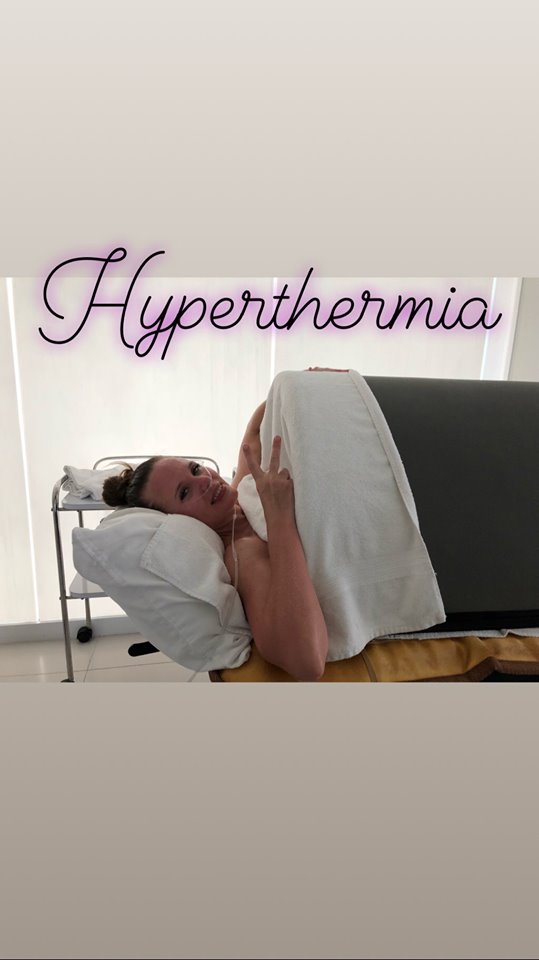
Correct by 40% to 70% proven and patented and also in over 26 peer reviews. Hyperthermia & Lyme in Germany — Hyperthermia Lyme in Mexico
Why Is A Pancreatic Cancer Diagnosis . . . . So Death Shattering!!!
One of the first person I met on Facebook when I started social media — to meet cancer survivors was Lene Maria Søndermølle Steffensen from Denmark. When she told me she survived the same type of cancer Steve Jobs as she prevailed with a Winning Outlook on Life after doing the research. One of the things that I quickly learned about — Lene Maria lead the same type of stress in her life as Steve Jobs. I remember to this day when I heard Steve Jobs transition over. A Computer Turd told me. . .who wanted $150 @ hour to help with the start up of this blog. As I told him–I will learn it on my own in our two minute phone conference.🙁
Steve Jobs’ “magical thinking” may have defined his business brilliance, but it could have been his downfall in his fight against cancer. When Steve Jobs tumor was detected in 2003 it was diagnosed as locally advanced pancreatic cancer. Although cancer of the pancreas has a terrible prognosis—half of all patients. . . with locally advanced pancreatic cancer die within ten months of the diagnosis; half of those whom it has metastasized – die within six months—cancer in the pancreas is not necessarily a death sentence. Jobs was criticized for putting off surgery 9 months while he sought Alternative Treatment, however, Steve lived until Oct 05, 2011 (age 56).
All the other neuroendocrine tumors have got poor life expectancy with a survival rate at 3 and 5 years nearly found to be equal to 60% and 40% respectively [1]. In comparison, to the exocrine pancreatic tumors, these tumors are known to have a good success rate in their treatment because of lower spreading potential and slower growth rate. In general, if the tumor is detected early on. . . .life expectancy is as high as 10-15 years with regular check-ups and mild dosages of chemotherapy to keep it from recurring. However, if the nerve cells are already affected, like in metastatic pancreatic NET, the life expectancy can go down to as little as 23 months. What causes pancreatic cancer?
KATIE COURIC — fought off the painful memory of her husband’s death from cancer 3 1/2 years ago to bravely support her sister Emily as she succumbed to the same killer disease.
But after 54-year-old Emily Couric’s death from pancreatic cancer on October 18, the “Today Show” host collapsed in tears and had to be virtually carried out of a Virginia funeral home by her nephew.
“Katie sobbed, ‘I’m going to miss her. We all wish we could have done more. But Mother knew how much we all loved her.’ “
Katie, 44, was at her older sister’s side when she died at her home in Charlottesville, Va., as was Emily’s entire family — her husband of 20 years, Dr. George Beller, her parents John and Elinor, brother John Jr., sister Clara Couric Batchelor, two sons and three stepchildren.
“Emily died the way she wanted — with all her loved ones around her,” a source declared.
“And Katie was a rock the last few days and hours.”
For three nights, Katie slept on a cot beside her stricken sister, ministering to her needs in her last hours, said a family friend.
“Katie held Emily’s hand, wiped the sweat from her brow and told her how much she loved her.
“Katie was there when they gave Emily morphine for the pain and when they fed her intravenously. She helped drive away the fear she sometimes saw in her sister’s eyes, whispering words of love and encouragement — even though her heart was breaking.”
In the last days as Katie sat at her bedside, Emily reversed roles and offered Katie encouragement, said the family friend.
She urged Katie — whose husband Jay Monahan also died of colon cancer at age 42 in January 1998 — to wed TV executive Tom Werner, Katie’s boyfriend for more than a year.
Werner filed for divorce from his wife of 28 years last October. “Despite her pain, Emily’s thoughts were for Katie’s future,” the friend revealed.
“She told Katie that she needed to go on with her life, and if she truly loved the man in her life, she should marry him.
“Tom was one of the first people to call Katie to offer sympathy after Emily’s death. When she heard his voice, Katie broke down.
“She told him, ‘My heart’s been broken for a second time. But I’ve got to be strong for the sake of my parents, for my own daughters.’ “
Emily, a Virginia state senator since 1996, was so popular and highly respected in Virginia that it was widely believed she would one day become the state’s first woman governor.
On October 22, Katie celebrated her sister in a moving eulogy at a public service at St. Paul’s Memorial Church in Charlottesville, attended by 2,000 people — including her co-host Matt Lauer.
Katie fought back tears several times during her tribute. Twice she had to stop and drink from a glass of water to compose herself. And she made an emotional reference to her beloved Jay’s passing.
“When my husband died,” said Katie, her voice cracking, “Emily decided to act,” and Virginia became the first state in the nation to pay for color cancer screening tests.
“I can’t think of a better tribute to Jay and now a lasting tribute to her. She taught me not about dying, but about living.”
Fact: women and men share similar chances of getting pancreatic cancer. According to statistics from the American Cancer Society, the average lifetime risk of pancreatic cancer for men is about 1 in 63. For women, the lifetime risk is about 1 in 65.
Pancreatic cancer: Here’s why it’s so deadly!!!
By Elizabeth Landau, CNN 2 days ago
Pancreatic cancer was the third-leading cause of death from cancer in the United States in 2018, after lung and colorectal cancers, according to the National Cancer Institute. This year, an estimated 56,770 new cases of pancreatic cancer will be diagnosed and an estimated 45,750 deaths from pancreatic cancer will occur across the nation, according to the American Cancer Society. About 95% of people with pancreatic cancer die from it, experts say. It’s so lethal because during the early stages, when the tumor would be most treatable, there are usually no symptoms. It tends to be discovered at advanced stages when abdominal pain or jaundice may result. Presently, there are no general screening tools.
As people age, the risk of developing pancreatic cancer goes up. Most patients are older than 45, and nearly 90% are older than 55. The average age at diagnosis is 71. Men have a slightly higher likelihood of developing pancreatic cancer than women, which may partly result from increased tobacco use in men. In the past, when men more commonly smoked than women, the gender gap was wider. Currently, the lifetime risk of developing it is about 1 in 63 for men and 1 in 65 for women. There is also a noted association with race: African-Americans are more likely to develop pancreatic cancer than whites. Doctors don’t know why but speculate that higher rates of men smoking and having diabetes, and women being overweight, may contribute to that association.
What are the types of pancreatic cancer?
The pancreas is an oblong organ that lies deep in the abdomen and is an integral part of both the digestive and endocrine system. It secretes hormones to regulate the body and digestive enzymes to break down food. There are two types of pancreatic cancer: exocrine tumors and endocrine tumors. Exocrine tumors are the majority of pancreatic cancers, and the most common form is called adenocarcinoma, which begins in gland cells, usually in the ducts of the pancreas. These tumors tend to be more aggressive than neuroendocrine tumors, the kind that Apple Inc. co-founder Steve Jobs had, but if caught early enough, they can be treated effectively with surgery.
Pancreatic neuroendocrine tumors constitute only 1% of all pancreatic cancers. They can be benign or malignant, but the distinction is often unclear and sometimes apparent only when the cancer has spread beyond the pancreas. The five-year survival rate for neuroendocrine tumors can range from 50% to 80%, compared with less than 5% for adenocarcinoma. More advanced tumors have a higher risk of recurrence and can spread to the liver, said Dr. Steven Libutti, pancreatic cancer expert and director of the Montefiore-Einstein Center for Cancer Care in the Bronx.
Treatment 0ptions:
Pancreatic cancer is usually controllable only through removal by surgery and only if found before it has spread, according to the National Cancer Institute. Palliative care can help a patient’s quality of life if the disease has spread. Two drugs approved in 2011 may help patients with pancreatic neuroendocrine tumors. They are believed to suppress the blood supply and metabolism of the tumor cells. That’s good progress since, the year before, the standard of care was chemotherapy, said Dr. Michaela Banck, medical oncologist at the Mayo Clinic, who treats patients with neuroendocrine tumors.
Everolimus, marketed by Novartis as Afinitor, received United States FDA approval to treat pancreatic neuroendocrine tumors and prevents transplant rejection. Potential side effects are serious, lung or breathing problems, infections and renal failure, which may lead to death. Sunitinib malate, marketed by Pfizer as Sutent, is prescribed for treatment of pancreatic neuroendocrine tumors, as well as kidney cancer and GIST, a rare cancer of the bowel, esophagus or stomach. Also with everolimus, there are risks to consider: It can cause liver problems and death.
Steve Jobs underwent surgery to remove his tumor in 2004 and died in 2011. His seven-year survival after treatment is consistent with the average survival for these kinds of tumors, Libutti said.
If pancreatic cancers are detected early, that may increase the odds of survival, but it depends on how aggressive the particular tumors are in a patient. If surgery leaves behind microscopic aggressive tumor cells, they can also cause a recurrence of cancer. Steve Jobs underwent a liver transplant in Tennessee in 2009, which is “cutting-edge stuff” for when neuroendocrine tumors spread, said Dr. Maged Rizk, director of the Chronic Abdominal Pain Center at the Cleveland Clinic who specializes in gastroenterology and hepatology.
Do Transplants Help?
Because it’s so rare, there isn’t a lot of evidence to support the transplant as a cure; the procedure could extend life, but also, immunosuppression drugs may allow any remaining cancer to grow faster, doctors say. And a European study found the majority of patients who underwent liver transplant for this type of tumor had recurrence of the disease. But many pancreatic cancers are detected in later stages because when the tumor is small, it often does not produce symptoms. As they grow, adenocarcinomas can obstruct the ducts from the liver and cause severe back pain. Neuroendocrine tumors sometimes produce insulin, so a patient’s first symptoms could be low glucose levels. But most tumors do not produce hormones, Libutti said.
There are two rare genetic syndromes — multiple endocrine neoplasia type 1 (MEN1) and Von Hippel-Lindau syndrome (VHL) — that increase the risk of pancreatic neuroendocrine tumors. Other than that, although, it maybe unclear whether having a family member with pancreatic cancer increases an individual’s risk. Pancreatic cancer struck former President Jimmy Carter’s family hard. He lost his father — also all of his siblings, brother Billy and sisters Ruth Carter Stapleton and Gloria Carter Spann.
The Future of Treatment
Researchers are working on better understanding the way in which pancreatic tumors grow and spread, Libutti said. There’s a lot research focused on finding better treatments, targeted therapies, immune therapy, improving surgery and radiation therapy, according to the American Cancer Society. “There are a number of agents that are being looked at in clinical trials that focus on pathways that may allow pancreatic cancer to evade normal processes,” Libutti said.
Another line of research is focused on finding biomarkers of pancreatic cancer so that a simple blood or urine test could be developed. Unlike screenings for other conditions such as colon, breast and prostate cancers, there is no routine way to see whether a patient has a tumor in the pancreas. The future of medicine to help people with pancreatic cancer will involve genetics, Banck said. This would involve. . . matching a person’s particular type of tumor using genomic information with treatment. “What’s going to make real differences in the future to surviving pancreatic cancer is the revolution of the genomic era.”
Cancer patients have reported finding relief from pain and stimulation of appetite from the use of medical marijuana, also known as cannabis. In fact, Patient Central at the Pancreatic Cancer Action Network (PanCAN), which provides free, in-depth and personalized resources and information about pancreatic cancer, has received many questions about the use and effects of medical marijuana. For example, how is marijuana derived and how can it be used by cancer patients?
Marijuana is a plant that contains substances called cannabinoids. The cannabinoids found in marijuana plants may help treat the symptoms and the side effects caused by cancer and cancer treatments. In addition. . . .to the naturally occurring cannabinoids found in marijuana plants and how it helps pancreatic cancer.
The use of marijuana and cannabinoid drugs for medicinal purposes, such as controlling pain and stimulating appetite in cancer patients, have been and continue to be studied in the lab and in clinics. Consequently, conflicting information has been reported in clinical studies using cannabinoids as pain relievers or appetite stimulantsfor cancer survivors.
Some studies have reported that patients regained appetites and sense of taste, while others reported cannabinoids are no more helpful. . . than other prescription appetite stimulant medications. Likewise, some studies about pain relief also report promising results, while others have shown cannabinoids are no more helpful than prescription medications for controlling pain.
Its important for patients to speak with their doctor to determine if marijuana would be helpful in their fight against pancreatic cancer. According to Victoria Manax, MD, PanCAN’s Chief Medical Officer, “Since there has not been sufficient data generated yet to produce consistent clinical results about the benefits of medical marijuana for patients, we encourage patients to discuss problems ( pain and appetite stimulation) with their doctor to determine the right medications to help control such issues.”
Patient Central often receives questions about how medical marijuana can be used when fighting pancreatic cancer. Here are five things to know:
What is marijuana? Marijuana is a plant grown in many parts of the world which produces resin containing compounds called cannabinoids. Some cannabinoids are psychoactive, meaning they act on the brain to change mood or consciousness.
In which states is medical marijuana legal? More than 30 states have some type of legal medical marijuana program. Find out if it is legal in your state.
What are the active ingredients? The main active cannabinoid in marijuana is delta-9-THC. Another active cannabinoid is cannabidiol (CBD), which may relieve pain, lower inflammation, and decrease anxiety without causing the “high” of delta-9-THC.
How can medical marijuana be administered? Cannabinoids are available in a variety of formats. They can be taken by mouth as capsules, sprayed under the tongue, included as an ingredient in food and eaten, inhaled, or used topically.
Comments from those that have Lyme Disease: It’s not living it’s not even existing it’s like being slowly being murdered and being awake to watch. One things for sure if something isn’t working you should look into Taking another route. For your kids. That’s what I had to do. I had to give up here. I wasn’t getting better and my kids and my husband deserved more. So I said fuck it and saw a Dr. in Mexico.
He gave me my life back, my kids momma back and I’m a wife again.
Low dose naltrexone saved my life from Lyme induced autoimmune/neuro illnesses. I highly recommend you join an LDN group. There is no one size fits all approach. What worked best for my husband and I: we started at 1/2 mg at 3 pm. Dr. wanted us to take at bedtime but it initially gave us insomnia. Every two weeks we increased the dose 1/2 mg. I now take 3 mg at bedtime daily bcz my body adjusted to it. My husband takes 4 mg in morning daily. We are all different. You will know your magic dose by the way you feel. When I went above 3 mg I felt it wasn’t helping. My husband feels better at 4 mg. We started low and gradually increased.
So start low build on it and experiment that worked well for us. Some people start at 4.5 mg and can’t tolerate the side effects which subside after a few weeks. Then they quit taking and never achieve the full benefits. I feel it’s better to start low. My neuro gives it to me but most mainstream Drs aren’t keen on prescribing. So my husband gets from a telemedicine Dr from Wisconsin. Google: “Dr. Handler LDN.” High dose Vitamin C, glutathione, B Vitamins, Lysine, & trace minerals IVs have helped me so much. I’m still sick, but not bedridden and wanting to die. My mood has improved tremendously after 4 IVs. I know it’s not a cure, but it helps bring viral loads down so you have some relief. I’ve learned that there is an important way to living with this unexplainable disease and it is to not put too much thought into every feeling you have. We’re human and we feel pretty much everything. Try not to give this disease all of the power over why you are feeling a certain way. I know easier said than done, but part of getting well and feeling better is what you decide to focus on. Think positive!
Our kids and our faith is what keep us going.
No kids but my two dogs are truly sometimes the only reason I keep pushing on.
Once. a long time ago, I lived with that feeling. I even had a gun in my bedroom drawer with a plan to use it if life didn’t change. Then I woke up to a different realization and vowed never to find that low again. Search for reasons to be grateful and hopeful that you will feel better. Hugs
Doesn’t matter what it is that’s keeping you alive as long as you’re alive. If hanging on for your kids is all you can do, then do it. At bare minimum, you’ll have at least the hope of seeing graduations, proms, and achievement awards. For many reasons, being there for your kids is more than enough.
Yes but my severe hundred of ailments finally subsided a lot after an incidental dose of antibiotics. I can move now and things aren’t so flipping grim. So good luck and please hang in there.
Please don’t ever stop fighting. Lyme will take it’s toll but you can come out the other end. I was extremely sick for years and felt like you. It is a lonely treacherous illness. You will beat it and get your like back . It’s important to believe you can get better. ️
I know this might sound grim, please forgive me. Anyone else have kids and they’re the only reason you choose to stay alive? This disease is hell, the ruined relationships, the failed treatments, the fear of never getting your life back, constantly mourning your healthy self. I saw a few successful stories of curing Lyme naturally. http://www.doctoryourself.com/lyme.html Keep on fighting the good fight. I keep the faith and know I am all my kids literally have and I’m all they have. I have to believe God has a plan. I think the hardest part is the people u need to care don’t understand. I have differently lost a lot of people because of this. Don’t ever give up. There is hope. I pray a lot that’s all you can do really. Changing my diet helped so much.
I had those feelings before I was even diagnosed. Last summer was the worst one ever. And I said I don’t wanna die but I can’t imagine living the rest of my life like this. There were many nights I went to bed wondering if I would wake up in the morning. But thankfully with some amazing Nd guidance I am better than I was last year (not by much) but enough that I don’t have those feelings most days. Stay strong, will keep you in my prayers ️
I’m not feeling suicidal at the moment, but yes, during the years I did, it was the kids that kept me alive. I couldn’t do that to them. I’m so sorry you’re having a hard time. Keep talking as much as you need to to those that you need to talk to..
I have just been battling through it for 30 years. My family know I got diagnosed with fibromyalgia years ago but none ever talks about it. I smile through my pain to my kids I force myself through everything I feel so isolated in the Uk. I found out a few weeks ago its Lyme, however, I haven’t told anyone apart from my partner. There was a time in my life that my daughter was the only reason I chose to stay alive.
God brought me through the dark time and I’m so thankful He did! I don’t have kids but I get up to take care of my rescue dogs. They are the only reason I’m still here.. Suicidal depression is a symptom. It’s temporary if you treat. I had this and now it’s gone. My children are 100% the reason I keep fighting. My mother committed suicide Aug 2. I’m still in shock. Both of us having treated 50 year-old Lyme and Mold. She was 76.
I know how you feel: I’m battling chronic Lyme. I have a daughter age 3 and a son who is 14 and I’m married, so yes, it’s very hard to deal with. My son helps me a lot My husband didn’t understand at first so he was confused as to why I couldn’t do things anymore like I used to. So he would get mad at me when you have bad days and just have to nap when you have flareups. I totally understand how you feel but it’s manageable, Just keep your head up and be positive that’s what I tell myself everyday especially for your children!
I’m so sorry. For you and for her and the pain this illness brings. I have severe depression, anxiety, mood swings, personality changes from this hell. I’m so sorry. I’m Gutted. I’m also exhausted by the lack of awareness. I stay alive for my birds (I don’t have kids) — whatever it takes to find that strength, be grateful for it.
Also, there is a new treatment; disulfiram which is usually used for alcoholism, but it is the only drug so far that will break through the cyst that forms when you take antibiotics. It will bust that cyst open and kill the spirochete so that it doesn’t come back! I just try to remember that when you will wake up, you are still alive and that is a blessing! It could be so much worse. We are fighters.
The cure may be around the corner. Your solution may come tomorrow. Yes… all the time! I tried twice to end my life but learned… that ending my life… is NOT my choice. So…I’m stuck in hell on earth until God calls for me.
I share this with each of you as a reminder. A reminder to myself also as I am growing so tired of the fight. Yesterday I saw my Naturopath and after further testing I don’t have only 2 strains of babesia but 10. HUGE SIGH! 4 strains of Bartonella, mold, mycotoxins, parasites but my Lyme seems to be in remission after 16 months of treatment. So he also changed up my treatment and I am on 12 different things to fight and remove the rest of these pesky creatures from my system. KEEP ON FIGHTING!
I tried to end my life too. I had to make the decision to live. Now that all the reasons I told myself I had to live for have been stripped away, I have my sons eyes to look into. Even on my hardest days he the reason I am still here. I had so many reasons to live when I thought I didn’t. Now I have so little (yet so much) to live for.
Yup…my kiddos are my lifeline.. Without them I think I would take too many pills to off myself 🙁 I have chosen to spend this life helping others and sharing what I have been learning along the way. I don’t want this wretched illness to take away any good purpose that I can leave behind.
My kids will also know me as a fighter which will give them hope and encourage them to be brave and tenacious and resourceful in their own lives! Also Never give up hope and enjoy every precious moment you are able. People do get well. Stay strong, learn as much as you can and give back freely. Understanding Lyme Disease. We are all in this together! So Keep fighting… we WILL win this.
I can’t finish any of my sentences because of Lyme. I hear it all the time from coworkers. It sucks!!! When we know what we want to say but it won’t all come out. Lyme Disease, not only, has its own symptoms, but it can cause damage and other disease in your body which leads to non-stop life long issues. Nobody understands what we deal with!!!!! My boss thinks it’s a joke he doesn’t get that we are in pain, people just cant see it. Nothing good comes from GETTIN it ..people don’t realize the after affects… Lyme Disease causes long time problems.
I hate the depression, Crushing fatigue, the brain fog: Losing my brain (memory, speech, words) and everything else. I despise How it changed my life for the worst and that I will leave a young child behind and Same here, my baby boy is 4 yrs old. I’m afraid I have passed it to him. He was born hypotonic. The feeling of guilt is horrible. He is the best thing that has happened in my life, he is fragile and precious and wonderful. I would like to see him grow Healthy. Feeling like I’ve aged twenty years in the past five! I hate the fear of the Unknown.
I hate the exhaustion it causes: Not being able to participate with friend and family because of exhaustion and pain. Not being able to participate with friend and family because of that exhaustion and painful loss of life. I hate that tick stole my brain and emotions.
That’s it’s changed my life and I’m afraid/fearful of dying and leaving my children behind. I hate The havoc it has wreaked on my family & friends. I hate No one ever says “hey how are you feeling today” Everything hurts, there’s always pain. I wish I had my old energy back. I hate How its changed me as a person I am not the same person. After 2 years really understand that it never goes way, its inside of us and it can shows up any time it wants too
I hate Never ending exhaustion. That there is no cure. And we keep taking tons of antibiotics and supplements and all these other expensive therapies thinking maybe it’ll help. When it doesn’t. Ruined my ability to be a musician, an athlete, and to live life as I chose. Never understood people who were boring or lazy. Now i’m both. It took myself from me.
That it completely stole me from my teenage children who are now adults! I couldn’t do things with them like I wanted to and my youngest son was in band and I couldn’t sit in the bleachers long enough to watch him play! I think about that now and it just crushes me! He moved out in 2013 and I’ve only seen him probably four times since then. Not that he’s mad at me but he just grew up alone and is used to being alone and that just breaks my heart! The hate the pain and isolation it brings.. lack of empathy by medical community.
I hate How much it robbed of my life and The $$$$$ and time it costs to search for the right help. That even after getting considerably better you can always relapse or relapse prior to getting well. Absolutely everything! It ruined my whole life! And still is … the pain is excruciating and the neurological stuff is debilitating…. I wish I can be a healthy 21 year old. My youth is over. The pain and unconcern from others since it’s an invisible disease.Nobody can just tell me how to fix it..so I can get on with life. I hate the solitude.
The insomnia The complete exhaustion. Always It took my youth before I could even live it. I HATE How even when the doctors know you have it…. they still think your faking things… and expect you to just roll over and relax when bills still need to be paid and life has to go on! It’s Kind of a catch 22 and it stole almost everything in my life that I care about…it’s the incapacitation and disability, not being able to do things.
Not knowing what NOT having it feels like. Not knowing what weird unexplainable symptom will happen next It destroyed my life!
I hate the ups and downs, dysautonomia and that people don’t get it…until they get it. I hate unpredictability: That people DO NOT understand that just because on most days I don’t look sick doesn’t mean I am magically cured. I hate the other peoples excuses for leaving and giving up and saying its not their illness.. it has stolen my whole life.
I hate the Cluster Headaches were the worst part for me and lasted on and off for years. ,
I hate the Wondering.. Wondering what life without it is like.. Wondering if it will kill me. Wondering if I can get over this flare. Wondering if I will be treated different for my imaginary illness. Wondering where my kids are gonna be, if I can take care of them.. Wondering who will take care of me when I’m too sick to take care of myself.
I hate Being sick and tired of being sick and tired…. and the pain!
Oh! And the fact nobody gets it! Or thinks I’m faking being sick!
I hate The whole damned thing! The extreme migraines with total aphasia, the tinnitus, the dizziness, the blindness, the memory loss, the excruciating spinal pains, the lying, duplicitous doctors, the thieving insurance companies, the pharmaceutical companies their meds that are $6 everywhere else on the planet, except here where they’re $1100, on and on! Just the WHOLE DAMNED THING!!!
I hate That I have to fight to have the strength to earn a living, and that treatment is so expensive or hard to find. I Hate That I have to fight so hard to get treatment while being sick. What it does is steals a big part of you and humbles you! I HATE The controversy over it all. I feel like I have no one to talk to you about it because when I try to explain it to normal people they just can’t comprehend how someone could feel so horrible and have such strange symptoms. Explaining my difficulty thinking clearly, speaking sometimes or learning new information is the most annoying.
I Fear that if i go before my child, there will be no one who believes her or understands what she’s up against or is willing to try to find a way to help her and that’s my biggest feat of them all. What I hate most about Lyme is that you don’t know what you are doing right. I hate the Lack of support on all levels (insurance, medical, friends..family)
I hate Being rejected by those I turned to for support and that’s so sad xx
I hate The moodiness, I push everyone away and pull them back just to push them away again. I never want to see my friends, because I am terrified I am going to hurt them beyond repair. It is so horrible to feel this way. I hate Having to fake every day, trying to not be a bore, complete isolation as no one understands Fighting the medical profession who use all their energy on trying to convince you and don’t have adequate testing. That you don’t have it rather than trying to treat you. Also Complete change of personality, the extreme fatigue and the way it ravages the entire body and mind!! I hate it won’t go away
I hate Not knowing for sure if I’m going to get better or not. I just want a solid answer so I can plan accordingly. I hate those closest me: Friends and family thinking I’m faking it, and not trying to research themselves or even just ask me to explain… so that they can understand. I hate EVERYTHING!!!!! The horrendous 24/7 pain would be top, however, for me the former is an even worse torment to bear. Pain & sheer disbelief from others, combine to make coping (while trying to heal) a very hard journey indeed. Not remembering to keep this attitude if i can And post exertion malaise
I hate The fatigue, brain fog, pain, years of my life wasted in bed, my son of 13 growing up without me, never seeing the real me. I hate how it steals from people. It took away me…. and when I had a good few days it felt like coming out of a coffin… into which I would tumble back, but I had a day or two here or there of how I used to feel – appreciated!
I Hate Not knowing what symptom will get you next.
When it’s going to happen and regardless of if Lyme is written on your medical records the first thing you notice is at the top of the list is hypochondriacal disorder. I am diagnosed as “delusional” apparently I’m fixated on Lyme disease!!!! No kidding!!
I hate the improper medical care from main stream doctors!! I want my insurance to cover my bills. I hate the PAIN-so bad I prayed to die.
I’ve lived with it long enough to learn it is non helpful to focus on the negatives, hard as that may be. But still good to vent once in a while I feel. mostly if those close to you can’t relate, then venting to fellow tick disease people helps me to know I am not alone or forgotten. I hate That it exists bacause in today’s world people are numb and don’t notice much sadly!!! I hate That in my head I’m still me, and want to tackle adventures. But reality is.. I don’t have the stamina, or mental acuity I once had, so my realistic avenues are different today than in the past. We want to but…….I can’t be the person that I was and I don’t like the person I am!!!!!
I hate Not knowing whether to continue treatment or stop after 14 months…. symptoms for me were always mild but positive Igenex test showed me I have/had lyme…. I Hate the Debilitating symptoms to the point of despair, being seen as pretending to be sick when I am really pretending to be normal, being dismissed by doctors, being an outcast, missing my life… I Hate It not being recognized and treated for the illness that it is.
I hate The lack of understanding globally, and for me? It would have a life changing affect on every aspect of our life and our economy if it was.
I hate That it has no limits. Just when you have worked out how to get rid of or ease the pain, it moves onto another part of your body to cause more pain and suffering. I hate the Constant pain that has taken away my life! I hate Being online in the morning on Saturday ( and every day) looking for any advise ( mostly from fellow sufferers) and
no real help from doctors. Tried all, including LLMDs, many of who just exploit our situation for financial gain.
I hate People’s lack of empathy or understanding of this awful disease. Those of us afflicted with it constantly put up with people “helping Us”., sending us newspaper articles etc. I mean really? I have the intelligence and desperation to research my disease on my own, since the medical community turns away from it. Although it Seems that people around you do have some sympathy if they send you articles, how can you ask for more if even doctors dismiss chronic Lyme. The problem is that there is NO REAL SCIENTIFIC RESEARCH funded by the government!
I hate When people quit being your friend/family because you are sick. Isolation makes everything worse. I hate Being so sick and Doctors not knowing enough about it to test and get treatment. Your family thinking your a joke bc Drs. can’t figure it out so it MUST be all in your head. I hate my family gave up on me .They think I’m crazy. I hate that there are so many things to hate about it. I hate That people don’t give af don’t care about your pain, the fatigue and the fact that most people don’t understand!! Oh and you have to beg doctors to see and treat you!!!!
I hate how a flare up comes out of nowhere and lasts for an indeterminate amount of time. can’t tell you how many times that’s screwed up my schedule. I hate the Lack of lasting effective treatment and educated doctors willing to research the coinfections that are destroying us. I hate my wife complains about being exhausted the most. I really wish there was more I could do to help her .. but hate the lack of understanding by everybody?
Lyme Rage is about Life frustration of not knowing. It’s like riding a roller coaster that’s all messed up the fast up and down. I just know the anger it’s in me. I called it tiger with a tooth ache (tame to wild instantly). The only time I’m enraged… is when, I listening to a DR. Tell me I need to exercise. I move my entire body all day until I just can’t anymore, then I feel like I have no strength and lots Of pain, from no rest from too much exercise. Yes, depression and anxiety.
For me Lyme rage is that I would just snap over something I normally wouldn’t snap over. It was the worst in the evening when I was more tired. I wonder…is it plausible that Lyme rage is inflammation/histamine/immune related? I have alpha-gal and when I have had airborne or food exposure…. histamine levels are increased…this can cause reactions otherwise and toward the end of coming out of a reaction like that I have a “rage” (more like extreme irritability I have absolutely no control over even if I tried). Then it suddenly goes away.
My daughter has Lyme and if she has had dairy she also has this extreme irritability…would an antihistamine possibly help to alleviate these symptoms some?
It’s horrible. It’s like every single emotion, especially anger hitting you in full force.
I flipped the heck out today while trying to pay bills online, then again getting my kids maps together for the first day of school. Thank God my husband wasn’t home. He probably would’ve also had me committed. It can happen out of nowhere, and stress, anxiety, sadness and anger make it 100x worse for me some times. I’m normally very calm, cool and collected. Today I was a raging psycho that was acting like my meds wore off.
it’s a scary feeling not to be able to control it. I don’t get like that often, but today I was so hot headed that I’m surprised that my fire alarms didn’t go off. A lot of my issues I think are the fact that I don’t show much emotion to anything other than love. I don’t normally cry, grieve, take time for myself and I do everything for everyone putting myself last. It’ll be a year in October since my dad died a very slow and painful death., and I think that I she’d a few years and called it a day. I’m a very emotionally numb person to certain things, and that’s not healthy for anyone. Especially not for people like us. Then hear and there everything that we feel comes out at once.
I cry a lot lol but I do put everyone before myself and then sometimes I just lose it. I hate taking my random anger outbursts out on those I love. It’s frustrating and I warn people it can happen around me, that simple arguments can turn into world war, yet they still like to push those buttons and I cannot always control myself and walk away, it is a real struggle and hopefully they will write about this and help us not be incarcerated for losing it when something triggers us.. I am uncontrollably angry anything and everything makes me mad I cry I scream and yell. I try to control it but I can’t.
Anything can trigger it also, dirty dishes and laundry actually I could go on and on, not enough time to get things done, my kids talking back (no I try to keep my fits away from them but they’ve seen a few). Lyme rage is when you get really upset about trivial things and make a total ass of yourself…and feel guilty as hell afterward. Once I started taking Empower Q96 and lithium orotate…the rages ceased. Didn’t know this was a thing.
I’m 40, almost 41, and started going through perimenopause at 39. I assumed my crazy moods and rage was due to that and trying to get my hormones sorted through HRT.
1. The International Lyme and Associated Diseases Society (ILADS) is a great way to get a Lyme-literate Doctor referral, and is probably the best place to start. Go to their website www.ilads.org , email them at contact@ilads.org or call them at 301-263-1080 (they are on EST). ILADS is the “gatekeeper” for most Lyme docs in the United States. They may also be able to point you in the direction of an LLMD in another part of the world if you reside outside of the Unites States.
2. Lymenet.org has a Lyme disease forum where they have a “Seeking a Physician” section. Here, members of the forum will give you the contact information for LLMDs in your area from www.lymenet.org. When you go to Lymenet.org’s homepage, click on “Flash Discussion,” and then click on “Seeking a Doctor.” You will be asked to enter your city, state, and contact information, and a Lymenet.org forum member will contact you with a physician referral.
3. The Lyme Disease Association has a Doctor Referral Service: Go to www.lymediseaseassociation.org and click on “Doctor Referral.” You just need to give them your contact information and they will give you a doctor referral.
Based on an Idaho doctor’s important discovery, this revolutionary therapy has been a Godsend for many who have suffered with this debilitating disease.. Whether you’ve just been diagnosed — or have already “tried everything” — we urge you to experience the extraordinary healing power of LymeStop. http://lymestop.com/
Dr. Erlandson recovered from chronic lyme disease through a natural technique
called LymeStop developed by Dr. Tony Smith.
Dr. Erlandson is a licensed LymeStop practitioner serving Wisconsin, Minnesota, and Iowa. For more information go to www.lymestop.com. Dr. Erlandson also has written an article about his journey and the LymeStop technique. You can download and view the article by clicking the link HERE.
.
FEES:
Many of our members had previously paid tens of thousands of dollars for consultations, testing and treatment – which often continued for years. Unfortunately, this major investment of time and money often did not produce significant, long-term results.
Our goal is to help you achieve the best possible results in the most cost effective and timely manner. We strongly believe in treating you the way we would want to be treated.
When compared to conventional Lyme procedures, we believe that you’ll find LymeStop to be more comprehensive and relatively inexpensive.
The LymeStop/CBT Procedures include:
• Consultation and comprehensive LS/CBT examination
• 5 Office Visits to treat:
• All identified Lyme-related infections
• Any other infections and/or allergies
• All nutritional support for 3 months
• Your followup re-examination with any necessary treatment
Total Fee for the above services: $3,200*
* A $500 non-refundable deposit is due at the time your appointment is scheduled. This amount will be applied to the total cost of your care.
There are no fees for blood tests or other lab testing since
they are not required for LymeStop treatment.
There are no insurance billing codes for LymeStop procedures. We are therefore unable to accept any type of insurance as payment. Payment in full is expected at time of service. We accept cash, checks, Visa and MC. http://www.erlandsonclinic.com/lyme-disease.html
These are all protocols you can do on your own, with a doctor, naturopath or herbalist. The key thing is to find someone who knows the protocol you choose. https://store.vitalplan.com/products/restore-kit
Herbs which I have successfully introduced into my personalised protocol for symptom management include: curcumin, teasel root, poke root, motherwort, elecampane, and pasque flower. Coinfections Lyme disease typically occurs in the presence of a range of coinfections, both viral and bacterial, the most prominent of which include: babesia, anaplasma, ehrlichia, bartonella and mycoplasma. https://daretoselfcare.com/herbs-repair-rebuild-lyme/
My Lyme Disease Story is full of frustration, perseverance, and hope! I was sick for 10 years with chronic lyme disease. In this video, I talk about my diagnosis, medical journey and advice for those going through the same thing!
Dr. Bernard Jensen was one of America’s pioneering nutritionists and iridologists. Beginning his career in 1929 as a chiropractor, he soon turned to the art of nutrition for his own health problems. He observed firsthand the cultural practices of people in more than 55 countries discovering important links between food and health. In 1955, Dr. Jensen established the Hidden Valley Ranch in Escondido, California as a retreat and learning center dedicated to the healing principles of nature where he experience firsthand the altered state, value of nutrition and iridology.
Over the years, Dr. Jensen received many honors and awards, including Knighthood in the Order of St. John of Malta; the Dag Hammarskjold Peace Award of the Pax Mundi Academy in Brussels, Belgium; and an award from Queen Juliana of the Netherlands for his nutritional work. In 1982, he also received the National Health Federation’s Pioneer Doctor of the Year award.
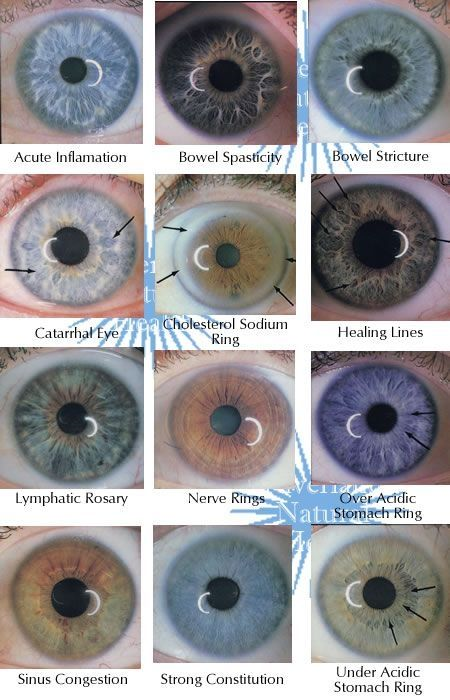
Your eyes may reveal much more about your health than you ever suspected. For over one hundred years, researchers have studied links between your health and the patterns, colors and textures of the iris. In the United States, Dr. Bernard Jensen has brought the art of interpreting iris signs into the twenty-first century. His advancements have made iridology a reliable form of analysis for thousands of practitioners of the healing arts.
In VISIONS OF HEALTH, Drs Jensen and Bodeen describe the basics of iris analysis in easy-to-understand language. They include dozens of illustrations and color photos, as well as charts for reading your own eyes and those of your friends. They believe that, by recognizing inherent weaknesses that are reflected in the iris, and you can adjust your lifestyle accordingly – by picking out trouble spots, you can prevent problems before they develop. With this book in hand, you can clearly set your sights on achieving optimum health.
Iridology, also called iris analysis or iris diagnosis, is the study of the iris (the colored part of the eye). Iris “readings” are made by iridologists to assess a person’s health picture (physical, emotional, mental, and spiritual) and guide them to take measures to improve their health.
Origins
The basic concept of iridology has existed for centuries. The medical school of the University of Salerno in Italy offered training in iris diagnosis. A book published by Philippus Meyers in 1670, called Chiromatica medica, noted signs in the iris indicate diseases. Dr. Ignatz von Peczely, however, wh0 is generally considered the father of iridology, with the date of his discovery given as 1861. Von Peczely was a Hungarian physician. As a child, he accidentally broke an owl’s leg. He observed that a black line formed in the owl’s lower iris at the time of the injury. After the owl’s leg healed, the young von Peczely noted the black streak had changed appearance. As a physician, he also treated a patient with a broken leg in whose eye he observed a black streak in the same location as on the injured owl’s iris. Von Peczely became s0 intrigued by the possibility of a connection between diseases and eye markings. Through observing his patients’ eyes, he became convinced of this connection and developed a chart mapping the iris-body correlations and after several decades of comparative study, von Peczely mapped organs across zones identified by hours and minutes on a clock face superimposed over drawings of the eyes. In 1881, he published his theories in a book called Discoveries in the Field of Natural Science and Medicine: Instruction in the Study of Diagnosis from the Eye.
A Swedish pastor and homeopath named Nils Liljequist also developed the concept of iris-body correlations at roughly the same time but independently of von Peczely’s work. He was the first iridologist to identify the effects of such drugs as iodine and quinine on the iris. Liljequist based his initial observations on changes in his own irises after illness and injuries, publishing writings and eye drawings during the late nineteenth century.
One of his students, Dr. Henry Lahn, brought the practice of iridology to United States. A variety of practitioners, primarily European, have sought to popularize iridology-since these early works. Dr. Bernard Jensen, a chiropractor, is the best-known contemporary American advocate of iridology.
Iridologists claim by studying the patterns of a person’s iris, they can provide helpful and accurate health and wellness information. Iridology is a holistic endeavor in that it addresses the person’s whole being in the reading. The range of information gleaned encompasses physical, emotional, mental and thespiritual aspects of the person’s health picture. In addition to assessing the person’s general level of health, readings can reveal other data, including energy quotients; internal areas of irritation, degeneration, injury, or inflammation; nutritional and chemical imbalances; accumulation of toxins; and life transitions; and subconscious tensions. Iridologists maintain that the eyes reveal information about the person’s physical and emotional constitution, such as inherited weaknesses and risks to which the person may be prone. Strengths may also be revealed, including inherited emotional tendencies from which the person derives particular talents. Cleansing and also healing can be verified by changes in the iris. By looking for certain signs such as healing lines, iridologists obtain information about previous health problems and injuries and discover what may have gone wrong in the person’s past.
An iridology reading reflects the causes of problems, not symptoms. It may, iridologists claim, reveal that organs or systems are overstressed or predisposed to disease before the clinical symptoms even develop. By predicting future problems, iridology can be used as a preventive tool. People can use the information from iridology readings to improve their health and make better behavioral choices in the future, thereby heading off problems before they occur.
In North America, iridology is generally considered to be an assessment tool to be used in cooperation with other health specialties. Iridology is not a diagnostic tool (although it is more likely to be considered so by European iridologists) and should not be used to diagnose or name specific diseases. Not only, would diagnosis represent an improper application of iridology, but also, according to many iridologists, which are noted by the International Iridology Research Association (IIRA), it could also be construed in many countries as practicing medicine without a license.
Description
Iridology is generally based on the concept of neural pathways between the body and the iris. Although iridologists may differ on the exact mechanism, most maintain that the iris reflects what is happening throughout the body via nerve conduction from all parts of the body to the eye. The client’s health is assessed by the iridologist, who interprets patterns, shapes, rings, colors and pigmentation markings, fibers, structures, and changes in the pupil and iris. Many iridologists also use sclerology (reading the lines in the white part of the eyes) in their health evaluation.
Iridology readings are typically performed by such holistically oriented practitioners as naturopaths, chiropractors, or nutritionists. The reading may be done using a bright light, a magnifying glass, and a notepad. The iridologist may also use various tools to better view the eye, a special camera to take pictures of the iris, and/or a computer.
Iridologists conduct their readings using charts on which each area of the iris is mapped to a specific body system or organ. Iridology charts vary, with at least 20 different ones in existence. Some charts are more widely used than others; however, and many iridologists believe that there is more than one correct map and that each practitioner should become familiar with several charts. Some iridologists even develop their own charts. Differences also exist among practitioner techniques; among American, European, and other approaches; and in the interpretation of specific iris signs.
Iridology charts divide the iris into numerous zones corresponding to different parts of the body. Although the specifics may differ on each chart, all share a general pattern. The left eye is mapped to the left side of the body and the right eye to the right side. The top of the eye is mapped to the upper body (e.g., brain, face, neck, chest and heart). The center of the eye is mapped to the stomach and digestive organs, with other organs being represented by concentric circular zones moving outward toward the edge of the iris. The bottom of the eye is mapped to the legs and lower half of body. Paired organs (e.g., the kidneys) are mapped to both irises.
Using a holistic approach that considers each client as an individual with unique health patterns and concerns, behaviors, and experiences, the iridologist will examine the eyes and make a health assessment. Based on the results of that reading, many iridologist generally recommends a wellness program tailored to the individual’s physical, emotional, and life situation. This program may also incorporate various health improvement, maintenance, and prevention regimes. Recommendations may include vitamins, minerals, herbs, supplements, and/or diet and nutrition , among other suggestions.
Preparation
No special preparations are necessary before an iridology reading.
Precautions
An iridology reading is unlikely to cause any physical harm by itself, as it does not involve direct contact with the eye or applying eye drops of any kind. Critics of iridology, however, argue that iridology can be detrimental to the health if a sick person. Delays in treatment for a condition not only suggested by the iridology reading; or that it can cause anguish and unnecessary expense if a reading suggests a problem when there actually is none.
Research & general acceptance:
Rita M. Holl, RN, PhD, states that “Within Western medicine, iridology is considered a controversial science at best and medical fraud at worst.” Proponents of iridology argue that the practice is time-tested with proven results. Although critics acknowledge — that certain symptoms of non-ocular disease do appear in the eyes (e.g., brain injury), there is, they argue, a lack of rigorous scientific testing and no evidence that iridology has any merit. Studies published in the Australian Journal of Optometry, the British Medical Journal, and the Journal of the American Medical Association (JAMA) have also found iridologists’ assessment of patients with diagnosed serious diseases including kidney and gall bladder disease to be inaccurate. Iridologists counter that the research itself was faulty, and citing problems including poor-quality photos; the absence of important additional information including the ability to see/interview the client; and inappropriate expectations of diagnosing specific diseases, a task outside the parameters of iridology. A more recent study conducted to reevaluate JAMA’s findings in regard to renal failure was published in the Alternative Health Practitioner. Acknowledging that the “study leaves several questions unanswered,” the author reported both similarities and variations in the iridologists’ readings and concluded that the iridologist’s level of expertise is extremely important as well.
Training & Certification:
Iridologists receive training from various sources. They may learn their trade through books, tapes, correspondence courses, online classes, or live classes. According to the IIRA, “Iridology operates in a gray area in North America. In general, there are no laws defining or regulating the practice. In Europe, especially in Germany, Iridology is well recognized and routinely used by natural medicine practitioners.”
According to the IIRA, “Because Iridology has no official standards of practice, anyone can call themselves an Iridologist, often with little training or experience. There are also great differences in the Iridology information being taught, especially in North America.”
Resources — BOOKS: Jackson, Adam J. Iridology: A Guide to Iris Analysis and Preventive Health Care. Boston: Charles B. Tuttle, 1993. Jensen, Bernard. Iridology: Science and Practice in Healing Arts, Vol. II. Escondido, CA: B. Jensen, 1982.
Jensen, Bernard. What is Iridology? Escondido, CA: B. Jensen, 1984. Jensen, Bernard and Donald Bodeen. Visions of Health: Understanding Iridology. Garden City Park, NY: Avery Publishing, 1992. Worrall, Russell S. “Iridology: Diagnosis or Delusion?” in Science Confronts the Paranormal, ed. Kendrick Frazier. Buffalo, NY: Prometheus Books, 1986.
ORGANIZATIONS
Canadian Neuro-Optic Research Institute. P.O. Box 29053. 4324 Dewdney Ave. Regina, Saskatchewan S4T 7X3. Canada. (306) 359-7694. Fax: (306) 525-2659. cnricontacts@cnri.edu. http://www.cnri.edu/.
International Iridology Research Association. PO Box 1442 Solano Beach, CALI. 92075-2208. (888) 682-2208. IIRAOffice@aol.com. http://www.iridologyassn.org/.
OTHER: ( Which I don’t agree with. )
Quackwatch: Your Guide to Health Fraud, Quackery, and Intelligent Decisions. http://www.quackwatch.com/01QuackeryRelatedTopics/iridology.html.
Functional Nutrition versus Functional Medicine are two health concepts thrust in the spotlight lately. What do they really mean?
The way most of us think about going to see a nutritionist is to get recommendations on the vitamins and minerals we may need, including some specific supplementation based on our activities. Often, we may go to a nutritionist to get a diet that may help address our symptoms. This is a symptom-based approach, and while a good method with likely good results, it rarely gets to the heart of the problems.
I don’t think its as much Genetics as it is lifestyle & diet, exercise & environment?
If a patient has hypothyroidism, a nutritionist might recommend an anti-inflammatory diet of some variety, iodine salts, selenium, zinc or copper, and maybe the bladderwrack herb. Of course, the list of vitamins, minerals and herbs that may help hypothyroidism symptoms is in the hundreds. The problem is the lack of individual medicine in these scenarios; determining what will work for whom is the crux of the situation.
This is often why the efficacy of natural care can be dubious. These vitamins, minerals and herbs do not cure hypothyroidism. What they do, only if necessary in a particular individual, is deal with certain deficiencies, many of which could be a part of the thyroid family of diseases. What will work for one, will do nothing for another.
True functional nutrition is another animal altogether. The overall concern is not the symptom but the actual functional prowess of the organs and glands of the body. In this view, the symptoms of low energy, hair loss, high thyroid levels, etc., are caused by the breakdown of one or more processes of the body. From this standpoint, hypothyroidism (particularly Hashimoto’s, the most common type) is often caused by dysfunction of the liver, small intestines, adrenal glands and a build-up of toxicity in the body.
Notice, I failed to mention the thyroid itself. If you have been reading my health briefs, you will understand why.
For those that haven’t: Hashimoto’s thyroiditis is an autoimmune disease, meaning the dysfunction is of the immune system, which happens to live in the small intestines and Kupffer cells of the liver. But this is beyond the scope of this health brief.
The term functional medicine is just a keyword for a style of practice that truly is the ultimate in natural health care. We must nd those that are truly experienced in its practice, not just those that took a weekend course or two. In the far majority of cases, improvements with appropriate therapies should occur within four to six weeks, often regardless of how long the person has had symptoms or his/her family history. Great health and vitality are achievable.
What is Functional Nutrition?
You are unique. You have your own genetic makeup, health history, and lifestyle. Your nutrition plan should be unique to your individual body, too! Here at Root, we use functional nutrition as a key part of treating the root cause of symptoms.
But, what is functional nutrition, exactly?
In this blog, we’ll review functional nutrition, how it’s different, and how we use it to help you restore wellness, find balance in the body, and prevent disease.
First, Let’s Review: What is Functional Medicine?
To understand functional nutrition, we need to first quickly review functional medicine as a whole.
Functional medicine is an approach to treating health conditions and preventing disease by finding the root cause of your health issues. However, instead of stamping you with a diagnosis and only treating your symptoms, functional medicine doctors find out WHY you have the diagnosis. They will do an in-depth assessment to look at ALL of your body systems (not just the one causing symptoms), and evaluate how well your body is communicating.
Then, functional medicine doctors will recommend interventions to help restore balance by addressing factors such as nutrition, movement, stress, sleep, and relationships.
What is Functional Nutrition?
Functional nutrition is a powerful cornerstone to functional medicine. It uses food as a natural medicine to help restore balance, replete nutrient deficiencies, heal the gut, and more.
Here are a few ways in which functional nutrition is different from conventional practices.
Functional Nutrition is Personal
Personalization is the main difference between functional and conventional nutrition.
Functional nutrition focuses on the patient instead of the disease. It is a personalized method of optimizing your health based on your individual genetics, lab values, lifestyle, and more. There are no generic meal plans or handouts, because each individual person is different!
Let’s use a case study as an example. Imagine Mrs. M comes in to see the dietitian for nutrition counseling for her Irritable Bowel Syndrome (IBS). She suffers from bloating, indigestion, and occasional diarrhea. In a conventional nutrition setting, Mrs. M may receive a generic low-FODMAP meal plan, which is a standardized diet that eliminates foods that may worsen symptoms in IBS patients. However, the foods are not the direct cause of her IBS, and not all IBS patients have the same reactions to all foods.
Now, let’s imagine Mrs. M’s case from a functional nutrition perspective. While each treatment is different, a functional nutrition dietitian may order personalized lab testing, like the MRT food sensitivity test, to learn how Mrs. M’s individual immune system is reacting to specific foods. They may request nutrition labs to assess underlying vitamin or mineral deficiencies. From there, they would develop a personalized elimination diet based on Mrs. M’s lab results to reduce inflammation, heal the gut, and also (of course) reduce her symptoms!
Functional Nutrition Uses Food as Medicine
A whole food diet rich in fruits, vegetables and minimal processed food is always a great foundation. However, some patients require more targeted interventions with specific foods in order to treat the underlying cause of their health issues.
Functional nutrition honors the fact that food is not only fuel for your body, but also an extremely useful tool to help us address the underlying cause of your condition. Let’s go back to Mrs. M’s story as an example. After 1-2 months of eliminating her food sensitivities, a functional dietitian may want to use specific foods or also supplements to further heal her gut. The dietitian may recommend certain anti-inflammatory foods, gut-healing compounds like glutamine or probiotics, or targeted supplements to replete any nutrient deficiencies found on her lab testing.
Functional Nutrition Is Not Just About Food
While functional nutrition honors the powerful nature of wholesome food, it also respects that there is more to health than what you eat.
For instance, a functional medicine dietitian may ask you about your stress levels, sleeping habits, and overall environment. Not only do these factors play a huge role in your overall health, but they also have a bidirectional effect on your nutrition. For example, chronic stress can worsen IBS symptoms, like in Mrs. M’s case. Additionally, your sleep habits and stress levels all affect how nutrition is digested and absorbed in the body. A functional medicine dietitian can help you establish a stress management routine to further reduce your symptoms. We may recommend various foods or also nutritional supplements to help your body cope with the added stress as well.
Embrace Your Uniqueness
With functional nutrition, we embrace your uniqueness and use it to tailor your individualized nutrition recommendations. We can use personalized lab testing, functional food as medicine, and lifestyle interventions to further your healing process. We work closely with you to find a nutrition plan that is realistic for your lifestyle, while also reducing unwanted symptoms and restoring balance in the body.
What is Integrative, Alternative, or Functional Medicine?
Written By: Oscar Cornelio-Flores, MD
Dr. Oscar Cornelio-Flores is a board certified Family Medicine physician who practices Integrative and Functional Medicine in Avance Care, Durham, NC. He graduated from an Academic Fellowship in Integrative Medicine at Boston Medical Center, and spread his work using group medical visits, mind-body approaches, nutrition, and exercise. As an active sports enthusiast, he enjoys running, biking, swimming and playing soccer; and considers food, mind, and movement as the basis for healthy living. Along with his wife, a Zumba Instructor, he lives with his 3 beautiful daughters in Chapel Hill, NC.
I am sure you have heard one of these terms: Integrative Medicine, Complementary & Alternative Medicine, or even Functional Medicine. Well, at this point you are probably confused, and I don’t blame you, as many of my patients, family or friends often ask me the same question: “What kind of medicine is this?” In the following lines, I will try to summarize what it is all this about, and most importantly, provide really interesting information that could help you get to a better state of health.
Defining Health:
Before I get started defining this kind of medical approach, let’s define what health is in the first place. You might be surprised to learn that the traditional definition of health by the World Health Organization (WHO) comes from 1948 and defines it as “a state of complete physical, mental, and social well-being and not merely the absence of disease or infirmity.”
However, one of the most simple, and yet complete definitions I found was actually on Wikipedia: “health is the level of functional and metabolic efficiency of a living organism” (1). As simple as it sounds, there is so much truth behind this, considering that health is not just the absence of disease, but most importantly how we can make sure our human systems are working efficiently from the molecular/cellular level to the major organs and its relationship with the environment.
Researchers working on a new definition of health expanded a little more: “In humans it is the ability of individuals or communities to adapt and self-manage when facing physical, mental, psychological and social changes with the environment.”
Medical Approaches to Improve Health
Having the basic review of what health is about; let’s move to defining the different terms:
Alternative Medicine: When a “non-mainstream practice” is also used in place of conventional medicine. This includes a wide variety of approaches, like Acupuncture, Massage Therapy, Mind-body technique (Meditation, yoga), Chiropractic, Naturopathy, Homeopathy, Reiki, or Aromatherapy, among the most common ones.
Complementary Medicine: When a “non-mainstream practice” is used together with conventional medicine. Just to clarify that “mainstream” or “conventional” practice refers to Western Medicine (use of drugs, pills and/or surgery).
Integrative Medicine: Is the use of “conventional” medicine along with different evidence-based “Alternative Medicine” approaches, and considers the whole “mind-body-spirit” components of the individual. It may sound similar to Complementary Medicine, but Integrative Medicine focuses strongly on the Provider-patient healing relationship, and goes beyond just recommending Acupuncture and using medications to reduce pain.
Functional Medicine: Similar to Integrative Medicine, Functional medicine has a “holistic” approach, but goes deeper trying to find the “root cause” of the problems, and not just using different techniques or modalities to alleviate the patients’ symptoms.
In fact, important functional medicine principles are the following:
– Every patient is a unique individual, so their conditions should be addressed in the same way.
– Science based goes deep dive into biochemistry dysfunction and genetic predisposition to certain conditions.
– Embraces an approach that focuses on systems and how dysregulation within these systems (immune, gastrointestinal, cardiometabolic, etc.) lead to chronic medical problems like diabetes, hypertension, obesity, even depression.
– Look towards self-regulation of the body, i.e. our “self-healing potential”. Yes, as esoteric as this may sound to you we all have the ability to self-regulate if some metabolic dysfunction is corrected using a better diet, exercise, supplementing vitamin efficiencies, or just improving your sleep.
Putting all these into Perspective:
To get the most sense and understand of all these types of holistic approaches, I invite you to think about a time where you visited your doctor and you had a great time there.
Your doctor probably listened to you, and not only your problems, but also went a mile ahead and asked you for other aspects of your life that were likely affecting your health.
Now, you also probably have been seen by another provider who did not even look at you and focused on the computer, or instead of trying to understand your condition, was just ready to hand you a prescription and let you go.
What makes the first doctor very special is the “Integrative” approach, or in simple terms what I like to call, the “good medicine” that was used.
In summary, we are human beings with physical, emotional, spiritual and environmental factors affecting our health. In the same way, we should look at solutions to improve our well being that consider all these vital aspects, and look forward not only to feeling better but also to reach our maximal potential of happiness and vitality. Read This Article in Spanish.
Conventional medicine focuses on diagnosis of disease through a recognised pattern of symptoms and addressing those symptoms with medications that on the whole are the same for each patient with that given diagnosis
Recommendations from a functional medicine practitioner recognise a client’s biochemical individuality, that each person is different and one size does not fit all. It also acknowledges the mind/body/spirit connection
In fact in 1948 the World Health Organization (WHO) identified health as “a complete state of physical, mental and social well-being, and not merely the absence of disease or infirmity.”
In conventional medicine you see doctors based on their specialties e.g. gastroenterology, endocrinology, gynaecology
Functional Medicine has a holistic approach and views all body systems as an interconnected matrix rather than separate systems.
As the graphic above shows, specific diseases such as arthritis, diabetes and fibromyalgia may be visible above the surface but the underlying cause is the altered physiology below the surface. The underlying imbalances, dysfunctions, exposures, stress load are the real causes of a person’s health issues.
“Treat the person not the disease”
At the Functional Nutrition Clinic our goal is to optimise the health and vitality of each of our clients.
Through the use of comprehensive health and lifestyle history taking, assessment of their unique biochemical factors and the results of functional laboratory testing we identify imbalances in the main body systems and the underlying causes of their chronic health issues.
It’s a patient centered approach.
Hippocrates said, “It is far more important to know what person the disease
has than what disease the person has”
This is the focus of functional medicine
FUNCTIONAL MEDICINE
CONVENTIONAL MEDICINE
Health Oriented
Disease Oriented
Patient Centred
Doctor Centre
Biochemical Individuality
Everyone treated the same way
Holistic
Specialised
Looks at underlying, root cause of disease
Diagnosis based on symptoms
The conventional model works well for acute health problems and believe me if I were to be in an accident, break my leg or suffer a heart attack I can think of no better place to be than in the A & E department of an NHS hospital
But with the rise in chronic health conditions – over 70% of the NHS budget goes on looking after those with chronic health conditions such as diabetes, arthritis, obesity and heart disease – this type of model is clearly less successful.
If you have a stone in your shoe –wouldn’t it make sense to take off your shoe and remove the rock rather than take a painkiller to take away the pain it’s causing?
Surely better to find the root cause of your inflammation that is causing high cholesterol rather than just take a statin to control the cholesterol?
A great example of addressing the root cause of a chronic health issue:
I am Andrea Nakayama, a Functional Medicine Nutritionist, Educator and Speaker pioneering the movement to transform healthcare into a system that WORKS. I know that a functional nutrition approach is the answer to our healthcare crisis, both for individuals and for society at large.
I created Functional Nutrition Lab to teach practitioners of every scope the functional tools, systems, and mindset shifts that have been instrumental in my own success as a clinician.
Dr. Van D. Merkle, 1982 graduate of Logan College of Chiropractic, is a diplomate of the American Clinical Board of Nutrition and the American Board of Chiropractic Internists. He has practiced in the Dayton, Ohio area for more than 25 years, and has hosted the call-in radio talk show “Back to Health, Your Guide to Better Living” since 1995. Dr. Merkle is the president of Science-Based Nutrition . You may be asking yourself, “As a chiropractor, what could Dr. Merkle possibly do for someone with metastatic ductal cell carcinoma?” The answer lies in a series of objective and documented blood test results he uses every day in my practice to prescribe dietary and supplement regimens for patients in their journey toward better health.
Remission is a word I refuse using when sharing my experience with breast cancer. I declare full healing and say I’m cured even though society is conditioned to believe there is no cure.
We are always running for the cures, especially for breast cancer. We see that pink ribbon logo and believe, “There is no cure.” Running for the Cure is a powerful slogan and feels like we are on a hamster wheel.
I am cured 8 years now. I believe saying it makes an impact.
People who are healed from cancer can choose to replace the word remission and the phrase No Evidence of Disease ( NED) with the word cured.
Remission is a fear-appealing word and does not allow us to feel something great! We can thank God for the blessing of healing throughout our life.
Many people, mostly women diagnosed with cancer, reach out to me because of my successful cancer journey. I get a SUPER HIGH VOLUME of messages from my websites and via Facebook messenger. I appreciate all your letters of congratulations, and most of them are letters inquiring the details of how I beat stage 4 breast cancer without chemotherapy. They share what they are going through with me; heart and soul, and I feel privileged that you trust me.
If someone wants to discuss my cancer journey, I will do so via Skype or FB video. Eye contact and body language are necessary to build “mutual” trust and respect.
Since I rarely am afforded the time to reply to messages in writing, I try to answer multitude of frequently asked questions whenever I do video LIVES on Facebook. (I have a video album of my FB LIVES if you want to catch one you missed.)
CANCER TREATMENT IN MY LIFE
I have ” battled” breast cancer twice, stage 3 and stage 4. My diagnosis was HER 2 Negative, Estrogen, and Progesterone Positive. Every choice of treatment I made was tough for me to face because it’s not easy deciding how to save your life. July 19, 2006, I was diagnosed with stage III breast cancer and chose the bilateral Mastectomy recommendation from University of WA medical team. There were complications with the surgery of staph infection, so I was too sick to do chemo or radiation. I did not even do hormone blockers. However, I integrated alternative therapies afterward at a clinic in AZ ( It’s no longer there), and by May 2008, I was deemed cancer-free!
The following year October 2009, I developed a chronic cough and was suffering from chest pain. I was diagnosed with costochondritis and asthma. The prescribed anti-inflammatory treatments and asthma therapies were ineffective, and by July 2010, a biopsy to my sternum confirmed I was, in fact, dealing with a recurrence of metastatic disease. The breast cancer had spread quickly to my bones and all lobes of my lungs. I was in trouble! I went to a UCLA oncologist, so of course, all they could prescribe was the usual, radiation to my sternum, chemo and hormone blockers. I was only able to do 22 radiation treatments out of the 40 they had planned for me. We ceased treatment because my coughing prevented me from laying on my back and holding still on the table for radiation.
September 2011, my UCLA oncologist said I was too sick to do chemo because I had a staph infection. UCLA gave me 3-12 months to live. That was frightening to hear. However, I’m not a quitter.
Today, 8 years later, I am healthy and cancer-free thanks to my decision to go to CMN hospital for alternative cancer treatment. Getting there was not easy and It took a few months to raise money with my friends to get there. We did it, though and Crossing that border made easy by staying in Yuma, Arizona the first night ~ allowing CMN to Uber us there by Hospital Van on Monday Morning 🙂
CMN hospital is in Mexico, so that was another tough decision because I felt dependent on foreigners to save my life and relieve me of that 3-12 month death sentence. I prayed each day in their chapel for healing, I prayed for other patients in the hospital, trying to get well. I made the choice of going to CMN without a single patient testimonial of survival, but I liked the hospital, the doctors, the history, and I trusted my intuition. Once I chose, I did not complicate things by clicking away at my keyboard searching for survivors to talk to about what they did to get well.
Times have changed a lot since then. Hospitals and clinics are getting out their video cameras for patient video testimonials to post on their websites. Many of the patients are approached before they even finish cancer treatment at the hospital or clinic.
I’ve always thought this was exploitive and unethical.
The marketing strategy works because it gives hope even though people are not getting the entire story of each patient’s cancer journey.
Many women who are healed from cancer struggle with fear of it returning again. They are compelled to research on the newest, latest diets, supplements and cannot relax. Having cancer traumatized them, they want to be safe and make sure it does not come back. Sadly many have lost the joy of many things in life; cancer changed them. They are not sure what to eat, drink, or allow them to touch their skin. Does it have chemicals, pesticides, etc.? Almost all conversations revolve around cancer. I know relationships have been affected by it. Lives get altered and are never the same again. There is a stigma attached to cancer.
SELF-COMPASSION
Some women share with me that they are doing 5-6 coffee enemas a day and are too afraid to stop; this is their new norm. I am sad when I hear a woman say they have been doing it for a couple years. I understand the method and how it detoxes the liver, but an excess of anything is not good. Juicing falls in that category too for many. Many are afraid just to eat a regular meal a couple days a week.
My focus as a life coach for women is helping them heal emotionally. I provide my clients with tools and activities to develop self-awareness and recognizing old beliefs that could be sabotaging their own happiness. Many are learning the importance of self-compassion.
WE ARE UNIQUE
We are not clones and are so unique from one another. You could sit in a crowded place all day long, every single day and would agree with me on that. No two people walking by would look like any other. I grew up in a big family and am a twin. Even she learned how different we were from each other. We both got cancer and healed completely. However, we healed differently. I had complications with surgery of infection every single time. She did not. We cannot compare our health & possible outcomes of any cancer treatment with others who seemingly have the same cancer diagnosis.
Emotional healing from past traumas is vital in overcoming cancer regardless of your cancer treatment choice for your body. Our soul is here for a purpose -and getting sick is a wake-up call or a call to action to get busy healing emotionally and to reduce stress. Most women don’t realize how extraordinary they are And just need to learn how to see themselves the way God sees them. I like to show women precisely, and it is a blessing for me to watch them transform so beautifully.
DELAY
Many women delay because they are overwhelmed by so many clinic choices, and all the testimonials they find themselves listening to you. Some women tell me they are waiting for a sign from God, and I’m not talking about just a few weeks. If they had a child with cancer, they need to ask themselves how they would handle decisions for their treatment.
Delaying treatment is a risk.
There is a reasonable time needed to get 2nd and 3rd opinions on treatment. Many have been delaying by self-treating for months or longer. Often the delay is for social events, weddings, graduations, summer vacation, pre-planned trips, birthdays, etc. It feels good to avoid treatment and go on with life as usual, not making cancer the #1 priority.
I tried delaying because I was just scared of the unknown. It took my best friend Heather Rayburn who was always straight with me. We raised the money to also get me to CMN Hospital, and then I tried stalling with reasons such as my birthday and Valentines Day. She snapped me out of my denial stage. She said, “We raised money for you to get cancer treatment and so help me God we will give it to someone else who wants to fight for their life if you are not going now! My delay excuses were ridiculous.
Denial is one of the cancer grief stages we go through.
Many blame themselves and want to fix what they think they did to cause the cancer by drastically changing their diet and avoiding treatment. The delay puts you at a higher risk for metastasis. Delaying impacts success when you finally do decide to get to a doctor for treatment. It’s unfair to put the blame on the treating doctor if your body does not respond favorably to treatment.
SUPPORT GROUPS-PSEUDO DOCTORS
I exited many women’s cancer FB groups. I did not like reading comments where a survivor shared her success story, and then someone responded maliciously. They had the opposite response to treatment and are not coping well with fear and anger; I understand it completely. People want to survive, and the emotional roller coaster is fierce. I have compassion for each and every one of you who are trying to heal. I have a unique life coaching program you can get information about that teaches women how to cope better and feel peace about what they are facing. You are not alone. How do you know a prayer is being answered. When obstacles are obvious, think of it as God guiding you and putting a wall up, so you go where you are supposed to. Kind of like a maze. We hit these walls to turn us to where we need to be.
When I think of Life Entanglement: I think of the gnarled images of the juniper trees in Sedona, Arizona and especially near the healing vortex. These trees are twisted and wound in patterns uncommon to the species and are proof of Sedona’s vortex energy. The stronger the energy, the more twisted the branches of the juniper trees. And the energy of the vortexes causes the branches to grow in an axel twist — rather than in straight lines.
Did you know that disturbing energy can be bad for your health? Emotions such as anger, frustration, anxiety and even jealousy can manifest in the physical body and end up as ulcers, allergies, migraines and even back pain, if not more.
This is one of the reasons that simple practices such as yoga, tai-chi and even chi-gong can be so restorative for the mind, body and spirit.
Everything is energy, and the truth of the matter is that energy cannot be created or destroyed. It can only be transformed. If you believe in this theory, you begin to see that hurtful emotions can often transform into illness and disease.
Physics tells us that if you match the frequency of the reality you want that you cannot help but get that reality.
If this statement is true, then if you choose to focus on healing, then healing will come.
Well-being encompasses all of your parts, not just your physical body. When your emotions are in turmoil and you are continually anxious and stressed, you aren’t really doing yourself any favors when it comes to healing.
A wonderful way to heal the body and spirit is through physical practices such as yoga, tai chi and chi-gong. – Yoga
The ancient practice of yoga has been around for more than 5.000 years. Most Westernized yoga classes focus on physical poses, which are called asanas.
Many cultures practiced some kind of yoga, dating back as far as the mid-third millennium BC.
Yoga is not only beneficial for strengthening the physical body, but it also helps one heal the mind and spirit through its meditative focus.
Yoga has many benefits, including helping to decrease depression and lower your anxiety, and it can even help with sleep disorders and help you better manage pain.
Yoga is described as a general term that represents the physical, mental and spiritual disciplines that originated in ancient India. Yoga is actually one of six schools of the Hindu philosophy.
Most forms of yoga include some form of breathing technique and even some kind of meditative technique. While some forms of yoga focus purely on relaxation, others focus on core strength, muscle toning, balance and flexibility. – Tai Chi
Tai chi, which is an ancient Chinese tradition, is practiced as a very graceful form of exercise. It involves a slow, focused series of movements that are also accompanied by deep breathing.
Tai chi has also been called tai chi chuan, and it is a non competitive very traditional form of exercise and movement. Poses are performed at one’s own pace. with each pose flowing gracefully into the next.
There are many different styles of tai chi, each with its own subtle variety.
Research has shown that tai chi may have some health benefits in addition to its mental benefits, as some studies indicate favorable effects on balance control, flexibility and even cardiovascular fitness.
Studies also show that tai chi can help reduce the risk of falls in elderly patients and those who are recovering from heart failure, stroke, high blood pressure, multiple sclerosis and Alzheimer’s.
Tai chi may also be quite beneficial for stress relief, in addition to mental health, with one study suggesting that one hour to one year of regular practice can increase psychological well-being while reducing stress, depression and anxiety.
Tai chi can also help in enhancing the mood, so it is beneficial to both the body and the spirit. – Chi-Gong
The ancient practice of chi-gong is based on the idea that chi is energy that flows through the body.
The energy pathways can get blocked at any point in the body, creating illness and disease.
When you engage in a practice such as chi-gong, the theory is that you free up these energetic pathways, increasing the flow of chi, which can help you improve your health and your spirit.
Chi-gong involves different movements that can be done in different orders. You may choose to use chi-gong to improve posture, coordination, endurance or even flexibility.
The practice also helps one maintain good health and improve the quality of life. According to the theory of yin and yang, a Chinese based principle, these types of gentle movements can help balance the body’s yin and yang forces. Everything is energy
Any way you put it, these kinds of gentle exercises can help you in many ways because they are not only beneficial for restoring physical health, they are also beneficial in restoring and maintaining good mental health.
When it comes to simple ways to heal the body and spirit, these ancient practices can give you a lot of bang for your buck. Source:
Many believe that there is a torn heart chakra in every patient that has breast cancer. Situations that occur in everyday life such as divorce, death, betrayal, abuse and neglect can wound the heart chakra and lead to disease. The heart chakra is all about emotional empowerment. It helps to teach forgiveness, trust, compassion and unconditional love. Emotions like fear, hope, anger, jealousy and anger all center around the heart chakra which is directly related to the breast area of the body. These emotions and issues affect the health of a woman’s breasts. Over time, this damage to the heart chakra leads to disease and illness.
To help prevent breast cancer due to a damaged heart chakra, the golden flower chakra meditation is also recommended. The golden flower chakra meditation will open the heart chakra, and allow you to experience feeling whole again and bring an over all sense of well being to you. This simple method can be used anytime and anywhere with practice. It will also help to heal past traumas, but may bring emotional release with it. Be prepared for this release at first and allow it to happen.
Chakras are “Hot Spots” of energy where matter and consciousness meet. In yoga, meditation, and Ayurveda, this term refers to wheels of energy throughout the body. Energy passes through the chakras to your etheric energy field or aura and onto the outside world, and from the outside world. . . back through your auric layers to and through your chakras to your body.
When coming from a place of love there is endless possibilities.
⠀⠀
Love breads hope, security, strength and wellness, whereas fear breads worry, self-doubt and loss. When negative thoughts appear, be mindful and replace with thoughts of love.
⠀⠀
Love breads hope, security, strength and wellness, whereas the fear of living breeds worry, self-doubt and loss. When negative thoughts appear, be mindful and replace those thoughts of love. My mom took a loan on her truck to help fund my trip. She has been amazing.
May 2013- This month was the icing on the cake of a very rough 2 years in my life. The lump in my left breast I had felt for four years prior to that day and assumed to be an “inflamed lymph node”, was finally concerning enough for a biopsy. At age 37, I had lost 4 family members and gone through a very difficult divorce after 17 years of marriage. I was still working, studying for my Bachelor of Science in Nursing, and trying to sell the house that I was still living in after my divorce.
The timing could not have been more difficult, yet I realize now this is when Cancer make an entrance. Most people who have cancer can tell you of tragedy or trauma in the near past. As I now know, Cancer and many other dis ease processes start with dis ease, and emotional and spiritual healing is what must be addressed to combat cancer. Many of us do not realize we are distressed emotionally, because we spend all our time trying to “keep it together”.
June 2013- After a couple of months of nonstop physician visits I was scheduled for a lumpectomy. Shortly after surgery I was expected to start radiation and chemotherapy. My daughter who just graduated had to stay home from college to help care for me in case the chemo made me too sick to be alone.
Cancer in young women generally means a very aggressive and ugly disease. Much to everyone’s surprise, testing on the tumor graded it as very slow growing and a very low likelihood to reoccur. So, chemo was not recommended!!! I can not tell you the relief that was to me after seeing what chemo did to people as a nurse.
I completed radiation in October of 2013 and proceeded to put that part of my life behind me as quickly as possible. I rarely discussed those terrifying months and did not accept it as my reality.
September 2018- I had gotten through the toughest times and had moved to the Phoenix area in hopes of a new start. In the 5 years since my cancer and divorce I remained alone and very lonely. I was constantly chasing a new purpose, only to have it fade or not pan out. I started my master’s degree, and then stopped. I got my California state RN license in hopes that another move would be a break through for forward movement in my life.
I even completed a course to teach English as a second language hoping for opportunity to increase my travel time and income. Then one day at work I asked for an MRI. I work in a nuclear medicine department and my coworkers would do them from time to time when they needed to create a new protocol on the machine. At this time. . . . I had been experiencing some bloating, so they scanned my abdomen, which was clear. Then they decided to scan my lungs and found a nodule.
I decided to go on a pre-planned vacation to Peru the following week and hiked Machu Picchu. I was sure that my lungs were just fine since I had no symptoms. Upon returning my oncologist ordered a PET scan. The day of the scan has become the hardest day of my life. . . thus far. The scan came back showing metastasis throughout my left lung, sternum, and right neck lymph nodes. A biopsy 2 weeks later confirmed the cancer was back and had mutated to a much more aggressive form of breast cancer (triple positive).
I spent the next few days getting my affairs in order; my life insurance, and living will, disability retirement, and FMLA. At age 42 I was navigating a death sentence alone and looking at a very short life. It was just me……..and then He was there. God was with me and as I cried and prayed in the bath tub one night, He took this burden from me in an instant.
God began to reveal His plan to me day by day. He told me it was His plan and showed me the way. He was snatching me from the dry desert I was walking in, through Cancer. Everywhere I went He was talking to me. I was fasting, praying, crying out loud to Him on a regular basis. He loves to hear us. Through events, people, and His word He led me to research alternative cancer treatments. I had random encounters with people daily that pointed me to the success of these therapies and lifestyle changes.
Even my physician the Mayo Clinic began pointing me to supplements and alternative care to compliment the medications he would start me on. Once again, to my unbelief, he was not asking me to do Chemo…..yet.
November 2018- My hours of research led me to start a home routine that included a plant based alkaline diet and multiple natural supplements. Also 0ne day, a massage therapist and friend of mine contacted me and said a man she had worked on was asking to take me to dinner. I agreed and at dinner we were both surprised by the gift of 40k he offered to help fund seeing an alternative care physician since insurance did not cover it. As I continued to research God led me to Hope 4 Cancer and this gift would fund my trip to Mexico to get treatment there.
I knew this is where He wanted me to go and upon arrival in November I was 100% sure God was in that clinic. I was surrounded by His love there–as I received so many natural life saving therapies. I spent the month of November there and could feel God working in amazing ways with all the patients and staff. I owe my life to Dr. Antonio Jimenez, M.D., N.D., C.N.C. For over 30 years, Dr. Antonio Jimenez has traveled the world learning and researching new approaches to cancer treatment, with the dream in mind of opening an alternative clinic capable of providing any method to give patients their best chance of recovery.
December 2018- After returning home from Hope 4 Cancer and receiving 4 treatments at the Mayo clinic in the previous 3 months, I had my first repeat PET Scan to check for progress. My daughter was in town to spend December with me all the way from Sweden knowing we may have limited time together. On December 14, 2018 I had the scan and we were together to get the results. After only 3 months and a month at Hope 4 Cancer my scan was completely clean!!! NO EVIDENCE OF DISEASE IN MY BODY!
I won’t lie, I could not digest that first scan and the miracle that God gave me, but every repeat clean scan since has given me more and more confidence. I have become involved with advocating and teaching others in any capacity I can about what I have learned and what God did for me. Hope 4 Cancer is a one of a kind clinic and the expertise of the providers there is remarkable. The love and emotional/spiritual healing they provide along with the physical healing is so huge and necessary.
August 2019- I remain No Evidence of Disease (NED) and continue to follow my new life purpose given to me by God. I just returned from filming a new doc u series with Hope 4 Cancer called ‘Eight Days’ with award winning producer Charles Mattocks (Bob Marley’s nephew). The show follows “five patients fighting cancer” and the hard decisions and life saving therapies that have made us successful.
The show will air in January 2020 and will change how we see this disease. God took this traumatic event and showed me purpose. I do not have question how GOD wants to use me now, I only submit to His path. I never turn down a call, text, or email from someone that is fighting. My first question is always “have you asked God to show you the path to healing?” Our healing is as different as our cancers are. He is the ultimate physician and He knows how to heal you!!!
Since many aboriginal tribes (And hell, the Eskimo people in particular) thrived & lived to see triple digit lifespans whilst subsisting almost entirely upon Ketogenic Diets, I would say it stands to reason it isn’t harmful. I’m not claiming anything magical about Keto. I’m saying specifically, my ancestors subsisted from womb-to-tomb on a very similar diet and they survived to see very very old age. You’re welcome to attribute that specifically to keto if you’d like but I’d combine it with the genetics that were passed down to create a heartier healthier human. Ketogenic and CancerWarning Advise!
Why does it stand to reason that it would be harmful? Just because it’s different?
Is the ketogenic diet healthy or unhealthy?
My answer: Both.
There are two ways to do keto:
The “right” way: Eating high-quality meats, veggies, & fats.
The “dirty” way: Eating “keto” foods that are high in “bad” fats.
Both ways will get you into ketosis, but the “dirty” way will have unhealthy effects on your body in the long term. The true answer is that the keto diet can be the healthiest way a human can eat or it can send you to an early grave — it all depends on the way that you apply the diet to reach the metabolic state.
Humans haven’t eaten the crazy amounts of carbs we eat now until very recently in our existence. Agriculture is a fairly new thing in the history of man. No way were we eating tons of carbs by just gathering, it would have been s0 much more efficient to kill a large animal, eat it’s meat and organs (which supply tons of nutrients that veggies and fruits also do, we don’t get now because most people don’t eat organs) dry out the remaining meat and eat it over a long period of time.
Humans weren’t growing wheat and rice and storing them for the winter at the dawn of humanity. I would say it stands to reason that humans are more capable of sustaining on a large meat and offal diet than one consisting of large amounts of carbs.
“Why does it stand to reason that it would be harmful”
I’m not saying IT’S HARMFUL or even I THINK IT’S HARMFUL, but just that, many things are totally fine when done in controlled ways or done for limited periods of time, but are harmful when extended or taken to the extreme.
For example, fasting is healthy, but not eating for a very long period of time can cause starvation and death.
Another example, consuming small amounts of nutmeg can be good or fine for you, but consume too much and it can literally kill you.
I’m not saying this means that a little ketosis is good for you and a lot is bad for you, just that it seems that it could potentially be the case given how many other examples of such situations there are, so I thought it best to ask and make sure! It’s my body after all!
Keto is easy on the liver purely due to the negative stimulus of a huge reduction in fructose. You could probably find a way to still be hard on your liver eating bad and contaminated food while on keto, but it would still be better than a high sugar diet. Many liver specialist encouraged this diet for weight loss to help with fatty liver 🙂
The ketogenic diet is a high-fat, adequate-protein, low-carbohydrate diet that in medicine is used primarily to treat difficult-to-control epilepsy in children. The diet forces the body to burn fats rather than carbohydrates. Normally, the carbohydrates contained in food are converted into glucose, which is then transported around the body and is also particularly important in fueling brain function.
However, if little carbohydrate remains in the diet, the liver converts fat into fatty acids and ketone bodies. The ketone bodies pass into the brain and replace glucose as an energy source. An elevated level of ketone bodies in the blood, a state known as ketosis, leads to a reduction in the frequency of epileptic seizures. Around half of children and young people with epilepsy who have tried some form of this diet saw the number of seizures drop by at least half, and the effect persists even after discontinuing the diet.
Some evidence indicates that adults with epilepsy may benefit from the diet, and that a less strict regimen, such as a modified Atkins diet, is similarly effective. Potential side effects may include constipation, high cholesterol, growth slowing, acidosis, and kidney stones.
Ketosis happens when your body resorts to fat for energy after your stored carbohydrates have been burned out. It often occurs when people fast and exercise. But most commonly, ketosis occurs in people who eat low-carb, high-protein diets, which is called the ketogenic diets. There’s some evidence ketosis can tax your kidneys, leading to kidney stones and low blood pressure. In diabetics, a variant of ketosis can be fatal. However, a small but growing group of health professionals say ketosis is not the poison you’ve been lead to think it was, and it may be better for you than high-carbohydrate eating. Your specific dietary habits are best advised by your healthcare provider or nutritionist.
Ketosis Facts
Ketosis happens when you get a buildup of a substance known as ketones, or ketone bodies in your blood. They are released when your body’s carbohydrate stores run out and you have to break down fat stores for energy. Dieters try deliberately cause ketosis because it makes you feel less hungry. However, ketosis also makes you feel tired and sluggish, because as “Medical News Today” reports, ketones aren’t the most efficient source of energy, especially for your brain. Ketosis can also harm your kidneys.
Kidney Failure
Annually, more than 100,000 people are diagnosed with kidney failure in the United States, reports the National Institute of Diabetes and Digestive and Kidney Diseases, or NIDDK. The condition is marked by the inability of your kidneys to do their job of eliminating wastes. One treatment for kidney failure is dialysis, a draining & lengthy artificial blood cleansing process. Another option is a kidney transplant. The NIDDK states that the cost of care for patients with kidney failure reached close to $32 billion in 2005. The federal government subsidizes some kidney-related healthcare.
Ketosis Effects on the Kidneys
Very high levels of ketones make your blood more acidic and overburden your kidneys. “Medical News Today” reports one of the side effects of a ketogenic diet is the formation of kidney stones. In processing higher amounts of protein, your kidneys work hard and are forced to excrete more sodium, calcium and potassium, as well as filter more of the byproducts of protein metabolism. This extra fluid & electrolyte loss can cause low blood pressure, another function mediated by your kidneys. Ketosis in the presence of diabetes can lead to ketoacidosis and coma, and can be life threatening.
Ketosis Controversy
A National Institutes of Health researcher, Richard Veech, argues that what’s being reported about ketosis is all wrong. He told the “New York Times” in 2002 that ketosis is a normal metabolic state, and arguably the “natural state of man.” He and others say that the media and some medical authorities have confused the public about ketosis, partially out of the real threat it poses to diabetics. However, for the rest of us, says Veech, ketosis is simply an evolution-driven response to the need to survive on stored fat. Veech goes a step further saying ketones are a more preferred fuel source than carbohydrates.
The Times reported in that article that previous research showed that the heart and brain run 25 percent more efficiently on ketones than blood sugar. In 2004, a group of Kuwait University researchers reported in the journal “Experimental & Clinical Cardiology” that they found no adverse effects of using a ketogenic diet in a sample of obese people over 6 months (Ref 6). If you want to start a high-protein or otherwise ketogenic eating regimen, it’s best to consult your healthcare provider before doing so, and also seek regular care to ensure adequate nutrition. Which Type Keto is right for you By Dr. Josh Axe!!!
Clearing Up Kidney Confusion: Part Deux
It’s funny how our mental state really affects how we write and what we are interested in. When I wrote the introduction to this piece I was just getting settled into our new place in Santa Fe, NM and was looking at over a month at home to work and write. Then a number of wacky events happened, and I’ve been home about 7 days out of the last month and I’ve only made it about 70 pages into Kon-Tiki. Ouch. Now I’m home for 8 days and will then be gone for a project that will take me completely off the grid for nearly 3 weeks.
No phone, email…nada. When I sat down to do this kidney piece it was with a mindset. I had a ton of time and could really sink my teeth into it. Now I’m time crunched and anxious that I will get it done at all! Up front here I’d like to thank Mat “The Kraken” Lalonde with his help on some literature for this piece. Any inaccuracies however are my own tomfoolery. If I wanted to cut to the chase I could boil this whole thing down to the following:
1-Dietary protein DOES NOT CAUSE KIDNEY DAMAGE. 2-Chronically elevated BLOOD GLUCOSE levels DO cause kidney damage. 3-Dietary fructose REALLY causes kidney damage. 4-Many kidney issues have either a hyper-insulinemic characteristic, an autoimmune characteristic, and or a combination of autoimmunity or hyperinsulinism. A standard, low-ish carb paleo diet can fix most of these issues. 5-For serious kidney damage a low-protein, ketogenic diet can be remarkably therapeutic. 6-If you get kidney stones that are from oxalates, reduce your green veggie intake (spinach for example) and have other types of veggies. 7-If you get kidney stones that are from urate salts, you are likely NOT following a low-ish carb paleo diet, you likely have insulin resistance and your liver is not processing uric acid. Continue reading >>
Liver damage caused by ketosis?
When the liver is hot, so are your emotions. When the liver is unstressed and cool, you are calm and relaxed. Altered or hot emotions, is the liver’s attempt to alert you that it needs help. Think of your liver as an oven. If it is cool, your emotions are even and regular. The hotter the liver gets, the more intense your emotions become. https://www.wellnesscenter.net/the-liver-kidneys-and-gallbladder/
The stressors we all face in our daily lives can often be ignored and pushed past, but have you ever wondered how stress affects your body? Well, it is a well known fact that staying tense and stressed about things can take a toll on your heart, and digestion and even your immunity.
In this post Dr. Bhavesh Vora, consultant nephrologist and transplant physician, Asian Heart Institute, Mumbai, tells you how stress can affect your kidneys.
How does stress affect your kidney function?
Increases your blood pressure: Stress can give rise to hypertension, and since high blood pressure is one of the leading causes of kidney disease (apart from diabetes), stress can lead to an increase in blood pressure and have an adverse effect on your kidney function.
Can cause your blood sugar levels to plummet: Stress can worsen your diabetes and often is the reason for uncontrolled blood sugar.
Increases the number of cigarettes you smoke: A common phenomenon in people these days is to smoke to relieve stress. This is again a very bad habit as smoking is very harmful to your kidneys as it causes a reduction in the blood circulation in the organ, which in turn can lead to kidney disease. You may also like to read about the 25 things that happen in your body when you smoke.
Can sudden high levels of stress have an effect on your kidneys?
Not really, but yes it can compound over time and lead to kidney disease. For instance, if you drink less water or smoke too much due to stress, then in the long run it can lead to kidney disease.
Can kidney damage due to stress related ailments be reversed with a healthy lifestyle?
Yes. In fact, it is possible at any stage — even when the kidney damage is severe. For instance, if a person is going to need dialysis in the next five years, with the right lifestyle modifications he 0r she will most likely need it only after about 10 to-15 years or may not require it at all in his life time → lifetime. You may like to read about the natural ways to keep your kidneys healthy.
That being said, while the structural damage that is present cannot be reversed, the functional damage can be. Therefore, by making essential changes in your lifestyle such as drinking enough water and staying hydrated, reducing stress levels, controlling your blood sugar and blood pressure levels, eating healthy, quitting smoking and drinking & exercising regularly, you will be able to see a significant change in your kidney function.
Ketogenic diet increases mitochondria volume in the liver and skeletal muscle without altering oxidative stress markers in rats. https://www.heliyon.com/article/e00975/
Does Ketosis Cause Kidney Damage? Does a diet that is mildly ketotic cause Kidney or Liver Damage.
It has not been associated with kidney damage or disease in individuals who have normally functioning kidneys. Concerns regarding undue stress on the kidneys are often aimed at very low carbohydrate, very high protein ketogenic diets.
Few studies have shown any actual damage, however.
Dietary ketosis is among the most maligned and misunderstood concepts in nutrition medicine. Particularly among researchers who don’t actually treat patients, ketosis (is the presence of ketone bodies in the urine) is often confused with ketoacidosis, which is a life-threatening build-up of ketone bodies due to muscle wasting and dehydration as in states of shock or uncontrolled Type 1 diabetes.
In the Type 1 diabetic, the absence of insulin leads to a toxic build-up of blood glucose and an extreme break-down of fat and also muscle tissue. This condition doesn’t occur in individuals who have a small amount of insulin, whether from natural production or artificially administered. Whereas patients in ketoacidosis are also closely monitored in Intensive Care Units, individuals in ketosis are amongst the healthy, active population. Dietary ketosis is a natural adjustment to the body’s reduced intake of carbohydrates as the body shifts its primary source of energy from carbohydrates to stored fat.
The presence of insulin keeps ketone production in check…. so that a mild, beneficial ketosis is achieved. Blood glucose levels are stabilized within a normal range and there is no break-down of healthy muscle tissue. It would also be difficult to make a credible argument against ketosis, which has been used successfully among both healthy people seeking improved fitness and nutritionally fragile children with epilepsy, diabetes, and cancer.
There has been speculation that ketosis can put undue stress on the kidneys (McArdle, WD, Essentials of exercise physiology. Philadelphia, PA Lea & Febiger, 1994) though few clinical studies have shown any damage. In perhaps the highest protein intake studied, an adult male bodybuilder consumed an average of 2,263 calories, 71% from protein or 2.27 grams per pound for 10 weeks. His weight dropped from 168 lbs. to 139 lbs. and his body fat from 16% to 4.4%. Blood analysis found an increase in a reliable test of kidney function called “blood urea nitrogen” or BUN from 16 to 53 (normal is 6 to 25) without evidence of kidney damage. We would not advocate such high protein intake for such an extended period, however, it’s also interesting to note how much people have pushed the limits without suffering consequences. Everyone is in some degree of ketosis all day.
The most sensitive tests of ketosis (“NMR” and “blood ketone level”) show that we all have ketones under any condition. For instance, anyone off the street (not dieting or exercising, having just eaten) may have a ketosis reading of 0.003 to 0.01; most of us are up to about 50 after not eating overnight; after completing a marathon, runners have readings of over 100; in the first week of a diet (whether or not it’s “ketogenic”), the readings are around 200-300. There is no definition for the precise level that constitutes “ketosis.” Most weight control and ketogenic epilepsy or cancer treatment programs define ketosis as visible color on a urine dipstick.
The problem is, we may have enough ketones in our urine to turn the stick a different color at 6:00 but not at 6:15. It is a very crude, and very transient, measurement. Some of the benefits many people experience while in a state of dietary ketosis for intentional weight loss may include rapid weight loss, decreased hunger & cravings, improved mood, increased energy and, as long as protein intake is adequate, protection of lean mass.
The closest to damage from a low carb diet comes from the odd nutcase who tries to combine keto with no liquid, which does put stress on the kidney (just like any other diet which does not include liquid) but because keto is slightly diuretic, you’ll see the effects a little quicker.
Okay, I’ll start with the assumption that keto is high protein. No, it’s not, it’s moderate protein compared with standard BB diets. The dangers of protein to the kidneys would apply far more to a 40/40/20 diet than to a keto one. If they applied. But they don’t. People with damaged kidneys can not tolerate high levels of protein. So some “experts” have extrapolated this to mean that high levels of protein can damage healthy kidneys. Except there has not been one single case of this in the history of recorded medicine.
Most keto diets do not recommend 14 days or less, that’s the classic way to do it wrong. Most low carb diets recommend making it a lifestyle.
And again, where is the evidence that ketones do any damage to liver or kidneys or any other organ? Not a single case. The closest to damage from a low carb diet comes from the odd nutcase who tries to combine keto with no liquid, which does put stress on the kidney (just like any other diet which does not include liquid) because keto is slightly diuretic, you’ll see the effects a little quicker.
When protein is deflected in this manner, it releases nitrogen into the blood stream, placing a burden on the kidneys as they try to excrete excessive urinary water due to sodium loss. When fat is deflected, the breakup releases fatty acids, or ketones, into the bloodstream, further burdening the kidneys. If ketosis continues for long periods of time, serious damage to the liver and kidneys can occur, which is why most low-carbohydrate, or ketogenic diets recommend only short-term use, typically 14 days.
So I’m about to fire up a keto regiment (again, I always fall off the wagon after about 2 months). Just searching around as it seems the other two times I started it I tend to have diarrhea a lot. Anyway, came across this. Any truth to this?
Keto makes me thirsty and will often drink constantly as long as my glass of water is full.
There was a girl who did a series of nutcase diets, finishing with low carb and zero liquid, and she died. She is widely quoted as an example of the danger of keto diets, not as an example of Eating Disorder.
Normal people drink as normal on keto, and have no problems. If your dumb enough to do something stupid like not drink water…nature has no choice but to end your life…..dumb…. DRINK WATER!!
Does a ketogenic diet damage or overstress your liver?
Matt Saks, studied at New York University School of Medicine
Answered Jun 8, 2018
I have not seen any evidence that supports this notion.
If your liver is healthy, it should have no issues meeting the (minimal) metabolic demands placed on the body by a ketogenic diet. Just remember that when you are on a highly carb-restricted diet, s0 you need to be getting the majority of your daily calories from fat, not protein. Replacing too many of the calories from carbohydrates with calories from protein may have an adverse effect on the kidney over time. A proper diet includes no more than 30-35% of daily calories from protein.
On the flip side, a diet high in carbohydrates (particularly fructose) is very stressful on the liver over time. The reason for this is due to the chronic conversion of blood sugar into fat that surrounds the liver. Over time this can lead to liver inflammation in a condition called non-alcoholic steatohepatitis (NASH)—also known as non-alcoholic fatty liver disease.
Selim Jamil, On a Keto diet and plan to stay on it for life!
Answered Jun 18, 2018
I just had a blood test done after being strictly ketogenic for the past 5 months. My triglycerides, cholesterol, a1c and every other biomarker suggesting inflammation or health concerns are better than they’ve ever been in my adult life. That’s not a guarantee of course that anyone will do better on it but it is strong evidence suggesting that at least some people will have much better health outcomes on keto.
1. If You Have Crohn’s Disease
2. If You Suffer From Cardiovascular Disease
3. If You Have Diabetes
4. If You Have Chronic Fatigue Syndrome
5. If You Suffer From Skin Problems
6. If You Are Anorexic Or Underweight
7. If You Have High Blood Pressure Or
Are Taking Blood Pressure Medications
8. If You Are Pregnant Or Breastfeeding
9. If You Have Mineral Or Vitamin Deficiencies
10. If You Have Other Special Medical Conditions
11. If You’re Lactose-Intolerant
12. If You Have Specific Food Allergies
13. If You’re A Vegetarian Or Vegan
14. If You Are A Picky Eater
15. If You’re On A Tight Budget Related Stories > Keto Benefits.
Point Counter Point:Delina MacDonald Yuill states; Research and Studies have shown Eskimos are not living in ketosis the body did everything it could t0 altered metabolism genes to make sure the body did not stay in ketosis. S0 nature doesn’t seem to want the human body in ketosis and Eskimos are a great example of how the human body adapts itself to human conditions and they don’t live in ketosis even on a high-fat diet.
Anyhow as I read this there are so many things in this article to dissect. realistic all carbs aren’t bad carbohydrates. In fact: broccoli sprouts, broccoli and other well meaning carbs always seem to get bundled in together with cakes and cookies. This is the biggest failure to begin with and the greatest starting point to begin your healing. We must exclude bad fats like vegetable oils and hydrogenated or highly processed oils. Just so you know my mind is absolutely not wrapped against keto. My belief in certain instances a temporary diet like this can be very beneficial. But long-term it can be very detrimental!
I’m in a two-year program for the fifth year because I do – do extra research. Because I don’t always take what everybody is handing me — at face value. Depending on which type of cancer I think it could be very therapeutic. But for breast cancer for instance one should know that fat actually helps metastasized breast cancer cells. I think the metabolic approach to cancer is the best and for some that will be the ketogenic and for others it will not be the right diet. If I had brain cancer I would absolutely do ketogenic diet.
One has to know what works better for themselves after they do their own biological testing through SNP variants.. and not just because somebody said the ketogenic diet will work for them. I went ketogenic when I was first diagnosed and my liver enzymes went through the roof which is why I had DNA testing through 23 and me — and also uploaded the data to find my fitness SNP variants and learned I don’t digest fat well.
I want people to realize that not everything works for everyone it’s fine it worked for Elaine Cantin. But not everybody is like Elaine and we really have to get to know our own bodies through testing and Allergy Testing. S0 whatever tests we can possibly afford, We need to realize that the more you know about how your body works chemically. The easier it will be to determine how to heal it.
I have no visible signs that was showing me that I wasn’t digesting these fats properly.
No pain.. no signs of gas or any indigestion whatsoever.. which is why it was actually a shock given that I was not able to do keda genic. So if one tries ketogenic and just can’t seem to get there liver enzymes down. Maybe they should consider getting SNP variants tested.. there are many ways nowadays you don’t have to go through 23 and me. There many companies that do it all in one step now.
I suggest to anyone trying Keto to get their liver enzymes tested at least six weeks in then maybe every 2 months for 6 unless there are no issues at all in the first 2 bloodwork. In my case I’m also looking at the metabolic approach to cancer. Through The Eyes of Dr. Nasha Winters; I am on the waiting list — to have her speak to my practitioner — in Toronto at the Medicor Cancer Center about my specific case. She takes all of the person’s blood work for the last year and develops a program based on that… for some it’s keto for others it’s not… it’s all dependent on the person’s metabolic numbers.
Ken: Dr. Nasha Winters is very Pro Keto in fact she used it to cure her own cancer… however she takes individual blood work and will customize a protocol admittingly it’s not always keto for some people just won’t do well on it – depending on their metabolic stasis.. and many times when you say metabolic many people think you’re talkin about digestion I’m talking about at a cellular level?
I follow Jack Kruse religiously when you listen to him for any length of time you learn his belief that food doesn’t really matter as long as you have the DHA and get the sunlight. In fact: he talks more about getting out into the sunlight at 7 a.m. then he does ketogenic and I’ve seen him talk where he says he’s not necessarily procured genic to disease!!!
Jack Kruse thinks by getting outside first thing in the morning — to reset your circadian rhythm he wants you out all day long for D. What he has to say since vitamin D is not what he’s talking about necessarily. What he wants — is the full spectrum of light in your eyes at sunrise.. send signals to your skin preparing them for the afternoon sun which is how you don’t get burned. I have a diet very rich in Omega-3s — but I definitely have my vegetables everyday and I would not be considered that ketogenic ..
Mind you most diets I see today are far from being healthy because people are eating processed foods two and three times a day when they should be kept to maybe once a month. I see people who tell me they eat healthy and when we go through their diet Diaries I find out that their diet – is actually atrocious and filled with toxic ingredients in processed foods and refined oils.. and yet they are insistent they eat healthy.
I’m vegetarian because of the Methionine content. Low methionine is well documented and a strategy that the nutritional oncology Research Institute uses.. I was a client there last year and continue to follow certain aspects of that protocol and methionine is one of the pathways.. that fuels cancer.. methionine is high in animal protein. As a nutritionist students I’m interested in many therapies and Protocols …. As a cancer patient! I have found my way and I’ve already been given an all-clear. In May I chose ozone insufflation and lifestyle changes including sun gazing and watching blue light exposure. With time restricted eating and a lot of detox through sauna and colon hydrotherapy.
As we as a low methionine diet with lots of fruits and vegetables.. N0 processed oil or foods, which includes refined sugars and grains.. CBD oil and made a cannabis strain high in CBD:THC… as well as the emotional work with a counselor and energy therapist… and included acupuncture and homeopathic remedies. Then some supplements to support the blood work I had monthly, depending on the blood work results. Which was how I chose my supplements.