I Release and I Let GO

Bitterness is more than just a nasty taste in the mouth. Some psychologists think long-term resentment can become a psychological disorder . And studies suggest bitterness, and the feelings of anger and depression that accompany it and may be linked to health issues like cardiovascular problems and a weak immune system!!
.
Bitterness usually originates in a negative life change, like getting a divorce or losing a  job The psychopathology of posttraumatic embitterment disorders. Linden, M., Baumann,  K., Rotter, M.,  Research Group Psychosomatic Rehabilitation,  Charité,  University Medicine and the Department of Behavioral and Psychosomatic Medicine, BfA Rehabilitation Center Seehof, Teltow, Berlin, Germany. Psychopathology. 2007;40(3):159-65. Epub 2007 Feb 2..

Psychologists think bitterness combines emotions like resentment and hostility (roommate left the dirty dishes out again?) and blaming other people for problems.
And while a bad mood may disappear after a cup of coffee, some research suggests prolonged bitterness can turn into an adjustment disorder called post — traumatic embitterment disorder (PTED).

PTED is not yet a recognized medical disorder, but studies suggest the condition involves feelings of embitterment and injustice as well as invasive memories of significant events . Most people who suffer from embitterment disorders also experience anxiety, depression, and rage.

However, chronic bitterness goes beyond acting like a grump. Research suggests constant bitterness can actually have negative effects on our physical health. Bitterness may predict adverse changes in metabolism, immune system function, and organ function. And while forgiveness is usually the better option, scowling is sometimes beneficial for our health and happiness.

Jack Kungel states: the mind is a powerful thing. . . .it is larger than the universe…. if you get lost in you mind no one can help you find your way back…only you can…your mind can kill you with your own thought…so be careful what you think…because what you think is exactly what happens…

Forgive and Forget — Your Action Plan
Chronic bitterness may take its toll on the body, but in the short term, bitterness may actually boost self-esteem by allowing us to blame others for our problems. Better say someone else caused that scratch on the car— studies suggest pointing fingers at others makes us feel good temporarily because we can protect our own self-image.

But, in the long term, moving on may be a better alternative to bitterness. People can reduce stress by letting go of unattainable goals, which may actually decrease levels of    the stress hormone cortisol. Getting rid of grudges may also reduce anxiety and lower blood pressure; in some people, forgiveness may even improve cardiovascular health.

And it might be time to forgive the boyfriend for forgetting the anniversary, and since moving on can result in healthier relationships. Other research suggests people who    show forgiveness aren’t the same ones putting away a bottle of wine on a weeknight,    since they tend to use alcohol and medication less often.

So take a lesson from Oprah: Let go of resentment and find positive ways to get revenge. At least if you’re going to get back by hacking into someone’s computer, and try not to get caught!

The Takeaway
Long-term bitterness can have serious health consequences, like hurting the immune system. But forgiveness can reduce stress, making us feel healthier and happier!

The Damaging Effects of Resentment
Resentment may feel involuntary – it may feel as if you have no choice but to feel resentful – however, the truth is it is a choice, and there is a way to let it go. Feeling resentful has a powerful effect on your physical, emotional and mental health. The effects of resentment are also detrimental to all other areas of your life. Feelings of resentment affect the choices and decisions you make, the actions you take, the way you communicate with others, and the results you achieve in business.

The Effects of Resentment on Your Physical Health
When you feel resentful, your body is in a stressed state – a state of emergency  known as “fight, freeze or flight”. While you are feeling resentment, stress hormones such as cortisol and adrenaline are coursing through your bloodstream. In fact, it is these chemicals that are causing the sensation of resentment.

In addition to the stress chemicals, the effects on your body include an increase in heart-rate,  blood being redirected from the organs to the limbs (for fighting or running away), and certain systems are minimized or shut down.

The digestive system, healing process and immune system are all negatively impacted when the state of fight or flight is prolonged. The body was designed for this emergency state to be short-lived – just long enough to ensure your survival in the event of a real physical threat to your life.

However, since the brain and body do not know the difference between reality and imagination, when you think of something that bothers you, your body will go into          the same state it would if you were being threatened by a predator.

Fighting or running away from a physical threat means the body is in that emergency state for a limited amount of time.  Living with resentment means your body is under that state of emergency long-term – and this causes significant damage.  Also the prolonged state of emergency can result in illness and disease;  a reduced ability to heal effectively;  and lack of energy and stamina. It means the immune system and digestive system are not working properly and that the organs are not receiving the amount of blood flow they need.

In addition to this, it affects the amount of nutrition the cells of the body are able to absorb. There are many other ways resentment impacts the body negatively, but these    are the main effects.

The Emotional Effects of Resentment
While you are feeling resentment, your body is flooded with matching stress chemicals. These will dilute endorphins and other feel-good chemicals. A person. . . .who is feeling resentment will generally find it more difficult  to enjoy themselves and appreciate the things that others appreciate. They will find it more difficult to feel love, gratitude and kindness since the stress hormones are literally flooding their system. This means that emotional reactions and communication with others are all negatively affected by the  state of resentment.

The Mental Effects of Resentment
The “fight or flight” emergency state that accompanies feelings of resentment causes the prefrontal cortex of the brain to shut down. This means cognitive thinking is impacted, and the person is unable to think clearly. Since cognitive thinking is not needed in order to fight or run away from a threat the body is designed to minimize activity in the prefrontal cortex while it is in this emergency state. This affects problem solving, the ability to see opportunities, the ability to understand intellectually, and so much more.

The Solution
While resentment is an overwhelming emotion,  there is a way to free yourself from it quickly and permanently. But you do need to make the decision and choose to do what it takes. The FasterEFT technique is the quickest, most effective way to get rid of resentment since it works by changing the original cause – the subconscious record that is resulting in the automatic response of resentment. AVOID THOSE WHO CONSTANTLY COMPLAIN!!
Source: https://fastereft.com/blog/the-damaging-effects-of-resentment/


If you seek to be more in sync with your inner sense and are ready to explore spirituality pay heed to these instructions.

1. Be prepared to never stop learning.
When you are discovering your Spirituality, the biggest mistake you can possibly make is to think that you know enough. Learning is a continuous process and none of us is perfect. We should always remain open to new ideas and ready to discard old ones which no longer serve any purpose.
2. Don’t think that you are competing with someone.
Everyone is here by their own choice, and everyone’s pace is different. Don’t compare your journey with someone else and don’t despair if you haven’t reached the milestones others have.
3. Do not try to resist what you are learning.
Don’t think the process will be very smooth. Do not suppress or ignore any emotions you feel. For your evolution you need to introspect and come to terms with all your feelings
4. Don’t be afraid of change.
Don’t think that if you change you will become a different person. Stop thinking of change as something bad. Everyone changes and evolves and when you are on a quest to expand your consciousness then change is inevitable.
5. Look for people who vibe with you.
On your quest to know yourself better and to raise your consciousness to a higher level, you will meet many others who are on the same journey as you. Welcome these kindred spirits as part of your own family. Be each other’s teachers and learners. Treasure this support system, you’ll need them.

Vibes: the energy your immediate surroundings give off. A concept people toss around,  but don’t truly understand. Whether or not you will click with someone else is completely dependent upon the vibes you both are eliciting.  When you try and connect with another person and he or she is not on the same wavelength as you. . . .you will find that the vibes   you both are giving off are opposite in nature. The conversation will not flow naturally; it will be as if you are pulling teeth — it’s forced. https://www.elitedaily.com/life/life-vibes

Do we fight or do we surrender to what is? I’m going with surrendering, because fighting the inevitable and gets me no where…so with all the passion I contain, I’m free falling onto my path, landing peacefully. I can feel it so deeply sound in my heart and gut and that feels pretty damn good. ~Elizabeth April

DNA Upgrade: Abundance & Manifestation

Thoughts. They have the power to heal and the power to destroy.
How many hours have I wasted dwelling on things I have no control over! The future, current circumstances, unrealized dreams, unfulfilled promises…can you relate?
God plainly says it:
“Don’t worry about anything; instead, pray about everything. Tell God what you need,    and thank him for all he has done.” (Philippians 4:6)
We accept it, and even do it.

Oh God, please make this happen. Pleaaase. Help me out here. Please fulfill this.        Please give me a sign. Amen    http://proverbs31gal.com/prayingdifferently/
Unresolved anger, an unforgiving … joy, and peace from the Holy Spirit. Study the following 7 Bible verses to help overcome bitterness: John 16:33 “I have told you these things, so that in me you may have peace. … encourage, and energize And don’t sin by letting anger control you. Don’t let the sun go down while you are still angry, for anger gives a foothold to the devil. -Ephesians 4:26-27. So you’re angry. Don’t let the sun go down while you are still angry.  Find a way to work out the anger,  pray through the    anger, move past the anger before you give the devil an in-road to your psyche.

How to Stop Regretting Your Decisions. Regret is something we all experience from      time to time. While regret has some benefits to your personal growth and development, ruminating too long on the past can have negative impacts on your. Only remorse leads    to a real apology and change. It creates a sense of guilt and sorrow for hurting someone else, and leads to confession and true apology. It  moves the remorseful person to avoid doing the hurtful action again. Regret leads a person to avoid punishment in the future, while remorse leads to avoiding hurtful actions towards others in the future. God gives    us His Word to help us…to set us free and to help remove the guilt and regret that can weigh us down.. “…

Identify your feelings of regret. These may be different from person to person, but feelings of regret include: sadness, loss, remorse, anger, shame, and anxiety. Identify these feelings related to regret.

Director Kelly Noonan’s documentary takes us on a scientific and spiritual journey where we discover that our thoughts, beliefs, and emotions have a huge impact on our health and ability to heal. The latest science reveals that we are not victims of unchangeable genes, nor should we buy into a scary prognosis. The fact is we have more control over our health and life than we have been taught to believe. This film will empower you with a new understanding of the miraculous nature of the human body and the extraordinary healer within us all.
HEAL not only taps into the brilliant mind’s of leading scientists and spiritual teachers, but follows three people on actual high stakes healing journeys. Healing can be extremely complex and deeply personal, but it can also happen spontaneously in a moment.                  Through these inspiring and emotional stories we find out what works, what doesn’t, and why. It’s amazing how emotions can affect our body organs and your overall happiness. Feat. Dr. Deepak Chopra, Anita Moorjani, Marianne Williamson, Dr. Michael Beckwith… A documentary film that takes us on a scientific and spiritual journey where  we discover that by changing one’s perceptions, the human body can heal itself from any dis-ease. ..

I was not expecting the enthusiasm of Rev. Michael Gott and I DID feel HIS Spirit!!! AWESOME  LOVE!! Overcomes Fear

Chris Tomlin-Indescribable (You are amazing God.)

Posted in Thought Provoking | Leave a comment

The Cell Replication Process


In simple terms, Normal cell growth is tightly regulated and controlled by many checkpoints… cancer cells arise when cells stop responding to/or being regulated               by these checkpoints. Step A: Is chaotic and unregulated proliferation of cells that          have stopped responding to cell cycle regulators Step B: Accumulation of genetic mutations due to step A,  normal versus cancerous cells… 

1. A carcinogen or random error during cell division results in an aneuploidic cell             being created.
2. Aneuploidic cell replicates.
3. These new aneuploidic cells replicate more.
4. This results in cells with different types of aneuploidy. Some cannot survive               because they are too unstable.
5. Others are stable enough to survive and continue replicating, but have not yet        stumbled upon a combination of chromosomes and genes that are cancerous.               These are pre-neoplasms and they die off more-or-less as regular cells do.
6. Eventually after many cell generations a cancerous combination is created.                       This is the cancer cell.

It’s not about the amount of mutations one ‘must have’ in order to develop cancer,            it’s about where/in which process the mutation takes place  (ie cell cycle, processes      which inhibit or promote growth/transcription/translation, etc.). There is no cut-off.
We are born and continue to have millions of mutations throughout our lifetime, some which are corrected/caught, some which go undetected – both harmless and harmful.     It’s about the characteristics of the mutation (there any many types) and details of where/ what pathway it is affecting and how through emotional blockage, environmental toxins, chronic stress and the Standard American Diet .
Having said that, keep in mind the more mutations you acquire, the higher the chances that one of those maybe a cancerous one. So protect yourself and refrain from purposely exposing yourself to conditions known for being harmful (ie: for instance no sunscreen on the beach)!

Lots of things are carcinogenic, but we think we understand how ionising radiation is.   See, you have DNA, and DNA has a particular sequence and structure. Radiation is…      OK, for simplicity’s sake, it’s a form of energy, and when this form of energy smacks       into DNA, it alters the structure of the DNA and causes a mutation.

Now, DNA mutates all the time. It’s how evolution works, kind of, but with cancer           the mutations are never beneficial. Instead, you get rapidly dividing cancerous cells       that mutate out of control and interfere with bodily functions. The danger of cancer      cells is that they spread, and generally secondary cancers are nastier than primaries.

Heaps of things can cause DNA to mutate in a non beneficial way.                                    While we haven’t uncovered all the specifics, we know for sure that radiation is one            of the primary causes of cancer. Anything mutagenic would most likely have this effect.
This is the simplest explanation I can give, and it’s probably been oversimplified to the point of inaccuracy,  I hope this provides you with a start on your quest to learn things.

Denis O’Malley, survived cancer and have since studied it, for 18 years.

Most normal cells with a nucleus, regularly reproduce themselves on a schedule that reflects how fast they wear out. Some, maybe most, MD’s that talk about cancer assume that any damaged cell DNA  can readily become a tumor, if irritated.  I have never heard    of a way that could happen. If a cell is damaged, it may be repaired or continue to operate if the damage isn’t deadly.

There’s not a lot (that I’ve seen) in the literature that describes this; it just seems energy-economical for survival reasons. This logically would apply to DNA damage that affected genes that are not usually activated (expressed), 90% of them. Additionally, many ancient genes are permanently turned-off and can’t be expressed. If one or more of them was also altered/damaged would it make energy sense to replace the old cell by initiating mitosis, off schedule?

That’s a question, not an answer, but I am looking for stimulating discussion on my critique of cancer dogma vs my theory of cancer.

That DNA damage would be corrected in the normal replication process (Mitosis) when    it comes around in “the schedule.” Excepting radiation, if there is a way for what are called carcinogens to get thru the double cell membrane and then into the nucleus to damage the specie’s family jewels, its DNA.

I haven’t found it demonstrated, and if a lifelong smoker, for instance, can live without getting any cancer, then smoking can’t be a cause. If carcinogens do not cause cancer in every case, they can’t be causative under scientific theory. It seems to work under “lazy science” which is popular in the medical business, however.

So, how does a normal cell become a cancer.  The killer characteristic of cancer is unregulated reproduction of the cell into a rapidly growing mass that interferes with,     and ultimately causes failure, of an organ. Would later damage to a gene that controls sexuality in the embryo, for instance, cause a cell to ignore replication safeguards that    controls mitosis? The damage is generally to p53, recognized as a tumor suppression  gene.

Start here: Apoptosis in cancer: from pathogenesis to treatment.
As I see it, a normal cell becomes cancer when the apoptosis protection fails, and that failure seems to be by blockage of the irreversible suicide signal during mitosis. Can it happen at any other time? I confess I can’t think of how or why. IOW, would damage to, say, a gene that controlled the proteins that created the digestive system in the embryo, cause a cell, anywhere, to grow uncontrollably?

The same protective protein class governed by the p53 gene has to fail, in every kind of cancer, and the odds are so fantastically high that radiation or copy error would affect the same bit of DNA on the same gene, every time, means that something common to all cells is causing all those different cancers. The statistical data supports a general breakdown of cellular protections associated with a level of frailty.

Just one, but it must  evade the auto-correct, repair process after it’s checked for errors during, and after, the cell replication process, mitosis.  All ten trillion cells but neurons,    in our bodies are constantly replaced on a wear schedule & when damage has been done. Over 1 billion per hour are replaced, and any mistake in the order of the 3 billion-plus DNA instructions is a mutation. 99% of those errors are corrected by one gene in every nucleus that controls the process from beginning to end.

If repair is impossible an irreversible suicide signal is sent to the cell.                                   For unknown reasons, some cells escape this safeguard and continue to grow.                      If they grow uncontrollably, they are malignant tumors.
Forgive how long it has taken to upload this video response for you.
I hope you find this beneficial for you and your loved ones.
Ryan Stuart, Integrative Oncology & Holistic Health 🙂

Posted in Information & Research | Leave a comment

A Shining Star at Night

A star, a star, shining in the night…will bring us goodness in spirit, Love and light.

At anytime, we hear songs that highlight the stars in the sky and how they lead us into  holy directions and toward holy destinations.  They light our path,  and lead us ‘home.’ Following your North Star is unique to you and an opportunity to create a year centered around what you feel most inspired by and for and by which you and your soul desire to   be guided. Just as the other stars in the northern sky of our galaxy rotate around. . . .the North Star, your dream theme helps you by being your guidepost throughout the year.

You know how compasses work? Compasses are designed so that the needle points toward the Earth’s magnetic North Pole.  The compass lets you know where you are,  at any given moment, in relation to all points North. Technically, there are variations in the movement of true north on our planet, but you get the point. While the exact true North is somewhat fluid and always in motion, a compass remains a reliable tool to orient you when you are not sure where you are or where you may be headed.

When in doubt or uncertain about your next move in your career, your relationships, your health or hearth and home, you can always refer back to your dream theme for insights and just follow the star that is your heart.   Lori A. Noonan

Lori is the author of the forthcoming book, The Bus Stops Here: Breaking Free from       the Unhealthy Ties That Bind.  Affectionately referred to as, “Little Miss Sunshine”     meets “One Flew Over the Cuckoo’s Nest,” THE BUS STOPS HERE chronicles Lori’s       life as a girl growing up with family trauma. With each chapter, Lori also provides a “Lesson Learned” section, while taking the reader along with her. . . on her personal development path.

Providing insights on how she successfully moved past the trauma. This book speaks         to the possibilities of moving through family trauma and out the other side.  If you are ready to break free from the unhealthy ties that bind, and write a new story for yourself, you’ll find hope in her book.

What does it mean to have a strong constitution?

When someone refers to someone else as having a “strong constitution,” they usually  mean that the person is  of  strong mind and body.  They see that person as having a grounded, centeredness about them – a hardy,  stable core and of foundation,  from   which all else stems.

What Does Constitution Mean: It can mean the “physical makeup.” If someone has a strong constitution then they are solid or tough or have a lot of endurance. If and when conditions get tough on the outside,  spirituality can play an  even more important role from the inside:  “In spite of all the enforced physical and mental primitiveness of the     life in a concentration camp, it was possible for spiritual life to deepen.

Sensitive people who were used to a rich intellectual life may have suffered much pain (they were often of a delicate constitution), however, the damage to their inner selves     was less. They were able to retreat from their terrible surroundings to a life of inner – riches and spiritual freedom.” (Man’s Search for Meaning.)

The same can be said with regard to this country’s Constitution. The United States           (U.S.) Constitution dates back to 1787 and is the oldest formal national Constitution.

Presidential Oath

In Article VI, Section 1, Clause 8, the U.S. Constitution sets forth (and the one and only place where it does so) a word for word Oath to be taken by a member of the federal government. It is the Presidential oath, and it states, as written in the Constitution:

“I do solemnly swear (or affirm) that I will faithfully execute the Office of the President     of the United States, and will to the best of my ability, preserve, protect and defend the Constitution of the United States.”

Many constitutional scholars contend that this oath was explicitly spelled out in the Constitution precisely. . . .so that the Office of the President and the person holding that  Office would be different from a King – in both power and structure. This was by design. The oath was memorialized in the Constitution to remind future presidents that they are not royalty. Presidents are not to “rule over,”  but rather to act as servants of, the people. This oath was written into the Constitution as a safeguard to ensure Presidential restraint.

All of this, of course, is to be done in service of (not denying), the Constitution and            its tenets. Those tenets include: “Separation of Powers” and a predetermined set of “Checks and Balances.”

As designed, the Constitution established a separation of powers among the three branches of government: the Executive, Legislative, and Judicial. The triangular form        of government was built upon the foundational belief that no one branch should have authority over another. And specifically with regard to the Executive: The Presidential Oath was designed to serve as a reminder and explicit “internal check” on what would otherwise also be unbridled power in the hands of a singular person at the helm of the Executive branch. It is important to note that the Presidential oath is the only oath that      is spelled out in the Constitution itself. Having left behind a monarchy, our country’s founders felt strongly about limiting the powers of the President.

Cooperation and Collaboration

The framers of the Constitution also captured their thoughts and intentions in a series      of essays known as The Federalist Papers. As made clear by James Madison in Federalist Paper No. 51 (entitled, The Structure of the Government Must Furnish the Proper Checks and Balances between the Different Departments):

“[T]he separation of powers frustrates designs for power and at the same time creates      an incentive to collaborate and cooperate, lessening conflict and concretizing a practical community of interest among political leaders.”(Emphasis added).

The nation’s founders desired that the members of our government work together on behalf of the greater good. Collaboration rather than conflict was the message of the day.

In natural medicine what we term as our constitution generally refers to our bodily strengths and weaknesses. In the absence of a geneticist unravelling our individual biological code, the naturopathic fact finding mission digs into our family history &           our medical history to date, lifestyle factors and sometimes alternative assessment        tools such as iridology.

We might hear of someone who’s described as “having the constitution of an ox”,         while another is referred to as having a delicate predisposition. Surprisingly in the     overall assessment of our inherited strengths and weaknesses, neither needs to be               a predictor of longevity.

While the person who “never gets sick”, thrives of an 80 hour week, runs a marathon        on the weekend and boasts about relatives living to 100 years old – may assume their telegram from the Queen is a surety,  this is not always so.  Nor should the individual plagued with minor illnesses, is easily fatigued & make no plans for a long retirement.        A good blueprint may give us a head start in life but things tend to even out by middle    age.

The trick is to work with our constitution.

If your childhood was peppered with sick days, with the exception of congenital    disorders or diseases requiring major intervention, it sometimes also gives you an incentive to understand what you need to stay well.  Your less than average health         may lead you to investigate food allergies, taking control of your diary so you have adequate time to recharge your batteries and maintaining a wholesome diet.

Compared to someone with a strong constitution who takes their body for granted –           if they keep pushing the boundaries of their lifestyle with extremes, age becomes a great leveler. Being born with an innate physical strength. . . .doesn’t always future proof you. For example – smoking and having a high animal fat diet  won’t necessarily be offset by how many kilometers you can run a week.  A physically active lifestyle, while giving you cardiovascular benefits tends to increase your chances of injury & osteoarthritis, which   ups the odds of orthopedic surgery.

Where possible, find out about the medical history of as many people in your biological family as you can. Some useful information includes their age and cause of death, chronic illnesses (allergies like asthma and eczema, psychiatric conditions, autoimmune diseases such as crohn’s  and lupus) as well as the “big ones” – heart disease, stroke and cancer.

Ask your parents and siblings about your health as a baby and small child – did you ever     have any trips to the hospital other than for scrapes and breaks, what was your attendance record like at school,  were you a fussy eater who had a lot of digestive upsets, did a month not go by without having an ear, nose or throat infection. Was anything a regular feature of your well being ’til some miraculous point that you seemed to “grow out of it”?

Naturopaths love these clues; it helps us build a picture of your physical inheritance.

Once we have the blueprint we can see what alterations have been made to the original plan.  While something dramatic like a childhood cancer with lifesaving chemotherapy  may have seed future neoplasms in adulthood, something as simple as regular doses of cortisone as a child  or  teenager may lay the grounds for potential bone weaknesses or hormonal disorders. Knowing such things in advance gives us a head start in damage control.

Iridology, the study of the iris as a reflection of the body as a whole, is an interesting theory. It can also point a naturopath towards an area requiring further investigation. Personally, I find after over 15 years in practice my medical detective skills have been increasingly honed so that I gather most of my information from a detailed medical history.

Having seen thousands of irises,  I believe they add some clues to the general strengths  and weaknesses in the body, however, it generally confirms what a good history taking will uncover.  But it won’t or doesn’t necessarily predict longevity.  In most cases,  there is little difference in lifespan between someone with a weak constitution but a clean, clear iris with little or no toxic accumulation, compared to the well structured constitution. . .who’s iris is muddied with ‘pollution’.   It all depends on how they choose to live with it.

Although I don’t believe  iridology  should be used to predict actual diseases.  It might suggest trends or areas of your diet and lifestyle you should work more on but I am both embarrassed and distressed to hear tales of health food store iridologists using this as a tool to sell a truck load of products or tell clients they will get major diseases.

What you do with your blueprint is up to you.

For example, if your father had high blood pressure leading up to a fatal heart attack in  his 40’s you have a choice of ignoring it or having regular checks of your blood pressure and lipids. As “watchful waiting” alone only alerts you when things begin to you wrong, there are additional proactive options.

You might choose a heart friendly diet based around ‘vegan + fish’, take antioxidants,    stop smoking, curb alcohol intake and exercise as a way of reducing stress. You might     feel motivated to learn meditation. You could also use the lesson from your forebears        as a reminder to live an authentic life, speak your truth and be happy.

Whatever your constitution, we always have an opportunity to make the most of what we’ve got.

Gill Stannard N.D.

Overcoming Obstacles and Pressure

There are people, you believe in, their are mask, fall down and You are disgusted by them. From beginning I had doubts about Lady gaga.  I was absolutely wrong.  The more I watch her, the more I am fascinated by her. She gave me faith, that modern music exist and have sense and beauty. Thanks.

However, from the first moment I heard Alicia Keys sing. . .I knew she was for real!!!

Posted in Thought Provoking | Leave a comment

Healing The Gerson Way

Dr. Bernie Siegal is a cancer surgeon who, when treating cancer patients, found some    that should survive – did not and others that he thought would not make it – lived and recovered.  He researched this  and determined  that there are other forces that affect   ones health. He has written at least 2 books, made many relaxation tapes, and travels giving lectures that focus on all phases of dealing with cancer (or any other terminal illness).     Thank God and Thank Gerson – Jean Griswold 🙂

Bernie’s focus is on attitude and healing powers within each of us. This is not a religious focus at all. He is a medical person and his approach is medical with a lot of compassion and love thrown in.  I don’t normally like emotional approaches to major life crisis – I’m more logical and factual.

As far as being concern about your friend you should be concerned – that is what friends are for.  If you think they made a bad decision all you can do is tell them that and present them with all the options you are aware of.  Help them to choose if that is what they want. Otherwise, give them space to make their own choices and stand by whatever they decide. Bernie believes in a holistic approach.

Some of the non-physical approaches include imaging (seeing yourself as well, imagining your little white cells killing cancer cells), and a positive outlook on life. Unless his views have changed,  I don’t think that he advocates abandoning traditional medical treatment, but feels that there is more than just the radiation and drugs to help fight cancer.

Bernie believes when people get cancer their are those 15 to 20% that just give up and     die refusing to get caught up in the death trap. Then he surmises  between 60 0r 70% would rather have the doctor decide for them going the traditional route.  Lastly,  he believes that between 15 or 20% will refuse to accept what their doctors tell them.

They do their own research and know for themselves and ask the prudent questions.   These are the one’s that believe in themselves and always do well. The warrior spirit ignites their immune system and they weather the storm.

In the bookHealing The Gerson Way.  I have learned that this therapy will eliminate toxins – will keep it that away and will boost your immune system and metabolism so that the body heals itself.  For instance the combination of supplements and juicing produces desired conditions in your body that produce a healing organism (The juicing mixed with liver capsules produces vitamin A.)

This potent agent also causes cancer cells to differentiate, forcing them to turn back to a non-cancerous state.” So vitamin A seems to induce positive, healthy, cell changes. Indeed, this is why vitamin A derivatives are already in wide use to fight cancer.

Mar 24, 2015 · The combination treatment of histone deacetylase inhibitors SL142             or SL325 with retinoic acids exerts a significant anti-tumor activity and is a promising therapeutic candidate to treat human lung cancer and also shows anti-tumor effect in neuroblastoma. While synthetic retinoids are generally promising for cancer treatment, only few of them are FDA-approved or currently undergoing clinical trials for cancer therapy.

Another item I learned in Healing The Gerson Way is the part that backs my theory.  Stress doesn’t cause cancer, however, it sure can produce a condition that suppresses       the immune system to make cancer flourish and Metastasize.

This Journey 0f understanding started mid day. . . for me on October 4, 2014 when Rosa Parkin introduced herself to me inbox on Facebook with a question about my favorite herb Aloe Vera. As we began chatting it nearly felt I knew Rosa immediately from her home in Brighton U.K. with her effervescence.

When Rosa came into our Facebook group she was bedridden with    a 8cm tumor in her uterus. Through HOPE & excitement of learning new therapies and treatments she came out of her despair as she witness her tumor shrink.  It wasn’t until      9 months later she flew to Portland, Oregon  to meet with me and see firsthand her life goal of seeing the Coastline of the United States on Memorial Day Weekend 2015.

Rosa found herself caught in between what she was told by doctors that she had 2 years    to live and a frantic search for the right source of cannabis. Frantic feelings was producing a steady decline in which she feared of being deprived a chance to watch her Son  “Manu” to grow into an adult.  That stress was providing  her cancer a chance to spread and Rosa Passed September 5th, 2015.

My belief is stress may not cause cancer, however, if you have cancer …stress will impede the healing process.  Thereby,  enter Kathryn Alexander D.Th.D., Adv. Dip. Naturopathy, Gerson Therapist.  Kathryn is also an internationally acknowledged expert in the field of detoxification and dietary healing,  holding twenty years experience since qualifying as a dietary therapist in 1987.

Having studied under Dr. Lawrence Plaskett at the College of Dietary Therapy, London. Dietary Healing communicates the truly thrilling concepts of healing through naturopathic nutrition. Too often we end up treating the symptoms of the polluted body — rather than resolving the pollution itself.   Genuine healing programs  always involve detoxification.    By restoring and enabling the cells to replenish with nutrients and oxygen we provide the conditions for the healing to occur. https://www.facebook.com/groups/Gersonsupport/

https://www.youtube.com/watch?v=Rj8JoJXP9dI

Posted in Information & Research | Leave a comment

A Secret to Longevity

                                 Betty White turned 97 years young on January 17, and she’s still razor sharp, healthy,    and enjoying life. What’s her secret? You might be surprised. White shares at least one quality with President Donald Trump. “I don’t need much sleep,  If I get 4 good hours, then I’m fine. I’ve been that way all my life.”  Betty, however, is an optimist, enjoys life  and she still has no plans to retire.

She has a passion for animals.  She works with the Los Angeles Zoo commission, the Morris Animal Foundation,  and has been on the board of the Greater Los Angeles Zoo Association for many years. “I have to keep acting so that I can afford to keep doing my charity work!” she told The Hollywood Reporter. “Half my life working in a profession        I love and the other half is working with animals.”

In rare quiet moments, she enjoys needlepoint, crossword puzzles, and invites friends  over to play poker,  “There’s no spare time, so I’m active all the time,” she told People.        “I think that forces you to stay well.” She never expected to be working in her 90s, she  said. “I’m the luckiest broad on two feet.”
Her active lifestyle she says jokingly is due, in part, to her house. “I have a two-story    house and a very bad memory,” she told People. “I am up and down those stairs all the time. These traits alone could count at least in part for White’s long life. A recent study     of people over the age of 95 found — most of them were positive and upbeat about life.

Another study conducted at the Center for Retirement Research at Boston College found that people who worked longer, lived longer.  The common factors found. . .among these people are — drinking moderately,  taking less stress and staying social and active. Betty too does the same, she stays active, works for good causes like supporting animal non-profit organizations and stays positive.

According to the American Heart Association, people who skip breakfast are at 27 %      risk of getting heart ailments and are also prone to obesity.The Golden Girls star, on       the other hand, stated in a 2014 Harper’s Bazaar article that she was not a breakfast   eater. She has not suffered any heart attack or other cardiovascular issues so far.

“I don’t eat anything special,” she said. “French fries maybe potato chips. Hot dogs if            I can get ’em. And I’m not a big breakfast eater. I’ll have a sandwich at lunch,” she told Harpers. When she gets home, she enjoys a vodka on the rocks, she said, then dinner.

“You can’t get much better.”
While her diet may not be ideal, a daily drink may have contributed to her longevity. Studies have found that moderate drinking — White’s daily drink is the recommended amount for women — lowers the risk of heart disease and Alzheimer’s, and reduces the risk of dying.

So what is White’s secret to looking and feeling great, despite the fact that she has lived almost a century? She claims it has to do with her sense of humor and sense of optimism.
“I know it sounds corny, but I try to see the funny side and the upside, not the downside,” White told Parade earlier this year.  “I get bored with people who complain about this or that. It’s such a waste of time.” Expanding on her theory, she also encouraged readers to “enjoy life” and “accentuate the positive, not the negative.”

SO Betty’s Secret:
Nope, it’s probably not the food that’s helped her age so marvelously. It’s the activity:
“There’s no spare time, so I’m active all the time. I think that forces you to stay well. To be 90… and still be working–that’s what I wouldn’t have expected.  I’m the luckiest broad on two feet.” She also jokes that she has a two-story house and a “very bad memory,” so she’s constantly going up and down the stairs.  She does seem to be living testament by keeping active and involved keeps you smart as a tack.

Researchers who study longevity analyze the traits & habits followed by centenarians. Places such as Okinawa, Japan, the Nicoya Peninsula in Costa Rica and Loma Linda in California, which are described as blue zones as the number of very old people living    there are high.

The common factors found among these people are — drinking moderately, taking less stress and staying social and active. Betty too does the same, she stays active, works for good causes like supporting animal non-profit organizations and stays positive.

Do what you love. Love what you do!

Do what you love and love what you do. That is Brandi Shigley’s theme song for life. Founder of Fashion Denver and B23 Productions, she finds herself juggling a vast amount of projects at one time, but she says that’s what keeps her ticking. Petite in frame.

ßråñÐï §. §hïglê¥ a creative energy force of nature who can’t be ignored. When she walks into a room,  you can actually feel  the atmospheric pressure change.”  If you’re in a room with her for five minutes she’ll fill it with optimism, knowledge and lots of creative ideas.” — Westword

Brandi is a powerhouse of creativity: having entrepreneur spirit; strongly believing what      you put your mind to, can be done. Follow where your heart takes you. Known for helping to launch numerous careers in Denver, at 36-years-old, she has come to a place where she knows that life is too short to not go after what you want.  “One of my biggest passions is   to be able to assist others in helping them start up their businesses,” she says.

“Because I’ve been an entrepreneur with my own businesses, it fulfills my goal to share my   own experiences in helping others.”  She started her first business at age 23  by designing custom handbags under her label “b.shigley designs,” creating funky one-of-a-kind purses. A success both locally and internationally, Brandi’s bags were featured in Lucky Magazine, Denver Business Journal, 5280 Magazine and International Design.

Popular with local fashionistas and beyond, Brandi’s bags were also sold in boutiques in Paris, London, New York, Chicago, San Francisco, L.A., San Diego and her hometown of Denver. Her designs were also used as gifts for donors and performers at the Paris Opera.
Do what you love.  Love what you do!  from Denver’s weekly alt-newspaper Westword for her business insight and efforts on behalf of the independent arts and design community.

ßråñÐï §. §hïglê¥ in her search for answers for her mother’s Leiomyosarcoma diagnosis. believes: We have the power to heal through the power of the Holy Spirit. I never thought that was something. . .that I was capable of.  First hand experience of healing through the power of the Holy Spirit 🕊️💕  Nehemiah 8:10 💪💕 bit.ly/2MqqHiD   This song’s got my heart pumping.  He’s speaking to me through this for sure – Oh give thanks to the Lord  for He is Good. . . Reason Season Lifetime ~ Love you Jesus!

Posted in Thought Provoking | Leave a comment

The Electric IRE Ablation

Electrical Bursts May Help Fight Pancreatic Cancer

Study found procedure improved survival for people with stage 3 disease. Using tiny       but powerful bursts of electricity to make holes in pancreatic cancer cells may improve survival rates for some patients, new research suggests.

Using zaps of electricity in certain patients  “nearly double the survival rate with the best chemotherapy and chemo-radiotherapy,” said study author Dr. Robert Martin II, director of surgical oncology at the University of Louisville.

Surgeons can use the short electrical bursts to kill cancerous cells in delicate areas    without destroying noncancerous tissue nearby, such as nerves. The electrical bursts   make permanent holes, or pores, in the cells, eventually killing them, the researchers   said.  The procedure is called irreversible electroporation,  or IRE.  However, Martin     said the next step for his team is to test the treatment in a clinical trial with a larger    group of patients.

The people in the current study all had a pancreatic tumor that had extended into      nearby organs, making complete surgical removal impossible. The zapping technique        is intended to corral the cancer cells and extend the patient’s survival. One pancreatic cancer expert called the approach another potential treatment opportunity.

“The goal is to eliminate as many cancer cells as possible that linger after other      treatment types, like surgery, chemotherapy or chemoradiation,” said Lynn Matrisian,   vice president of scientific and medical affairs at the Pancreatic Cancer Action Network.

The more opportunities presented to pancreatic cancer patients, the more hope for improved outcomes.” Such opportunities are critical for those with pancreatic cancer because the disease is among the deadliest of all cancers.

By 2020, this cancer is expected to be second only to lung cancer as a cause of cancer-related death, according to the Pancreatic Cancer Action Network. All of the 200 adults with stage 3 pancreatic cancer included in the current study underwent electrical IRE treatment after completing chemotherapy.

About half of the patients in the study experienced complications. But the side effects related to IRE were minimal, according to Martin. Any side effects were “directly related  to the surgical procedure” required to make the tumor area accessible, he said.

The average survival was two years, the study found. The study authors followed some patients for as long as seven years.

The improvement in survival with the procedure is good news for patients whose pancreatic cancer cells haven’t yet escaped the initial tumor, Martin said. Even some patients with an earlier-stage cancer might be good candidates for it if they can’t have     the usual surgery to remove a tumor, he said.

Unfortunately, patients whose cancerous cells have escaped the original tumor probably won’t benefit from the procedure, said Martin. “For stage 4 cancers, we don’t recommend IRE since it is a local therapy,” he said.  Cancers that have traveled beyond their original location require a body-wide treatment.

Matrisian agreed the procedure would likely be best suited for patients with advanced cancer that hasn’t spread elsewhere.  That’s a substantial number of patients with the disease, about 30 percent of pancreatic cancer cases, she said.

“There is currently a lack of consensus in the field on how to treat patients with [this stage of pancreatic cancer], underscoring the importance of novel and effective approaches to improve patient outcomes,” she said.

The electric IRE approach also has been used to treat other types of cancer, including prostate cancer,  said Matrisian,  and other studies  are also in progress in pancreatic cancer patients.

Matrisian added that her organization recommends “that all patients consider clinical trials when exploring treatment options.”  Results of the current study were published       in the September issue of Annals of Surgery.

Additionally, the Soft Tissue Ablation Registry has been created among the centers        that are currently using this technology in the United States, and publications based          on this registry data are being planned. Irreversible electroporation (IRE) — a tissue ablation technique — appears  to  double median survival compared  with historical  controls for patients with locally advanced pancreatic cancer (LAPC),  according to          data extracted from six surgical centers in the United States.   Source: WebMD.

https://www.atlasoncology.com/services/nanoknife-procedure

Posted in Information & Research | Leave a comment

Breast Cancer, Point Counter Point

By Dr. Veronique Desaulniers

Known as “Dr. V” is a natural health pioneer with over 30 years active practice in Bio-Energetics, Digital Thermography, also Meridian Stress Analysis, Homeopathy, and Chiropractic. After being diagnosed with breast cancer in 2004 and healed herself through natural means, she decided to devote her time sharing her personal, also non-toxic healing journey with others.

My [breast cancer] journey lasted from 2004 through 2006 and I have been happy         and healthy ever since. But as I was going through that journey, there was one thing      that was gnawing in my gut.

Her story, wisdom, and knowledge has touched the lives of thousands internationally,   Her years of experience and extensive research have culminated in the award-winning book  “Heal Breast Cancer Naturally”  &  “The 7 Essentials,™”  her coaching program unravels the mystery of healing the body in 7 easy steps.

Dear Joan Lunden: Why I Say “No” to Chemo for Triple Negative Breast Cancer
and “Yes” to Natural Healing.

A big part of awareness for me is dispelling the myths when it comes to the various       types of breast cancer, their supposed causes, and how well they respond to “treatment.” For conventional medicine,  this treatment mostly means chemotherapy, radiation, and surgery.

Today Show personality Joan Lunden’s announcement in 2014  she had triple negative breast cancer (TNBC) created a lot of hype around this form of breast cancer in the media. As a bio-energetic chiropractor with 36 years of experience and as a professional who has worked with thousands of women who have or had breast cancer, I would like to dispel some common myths about triple negative breast cancer.

What Are the Real Facts About TNBC?

When Lunden was diagnosed with triple negative breast cancer and went public about      it,  she began to chronicle her course of action, which included 19 weeks of chemotherapy followed by a lumpectomy and six weeks of radiation therapy.

Here is what she had to say in an online article for the Today Show:

Doctors found 2 tumors in my right breast, both triple negative breast cancer, which means it’s more aggressive and faster growing. From the moment you hear the words    ‘You have breast cancer,’ it’s almost like you’re shot out of a cannon.

You are just propelled at this meteoric speed straight to a cancer surgeon.

The first thing I must question  ( you should too)  is why is there such a stigma around triple negative breast cancer? If a woman has TNBC, is it REALLY the doom-and-gloom scenario that traditional doctors (and Lunden) say that it is?

The reality is that there is much hope for healing TNBC, especially when one is open to adding evidence–based natural medicines to their healing protocol.  The scary scenario  that conventional medicine paints around TNBC is caused by the fact that conventional treatments mostly focus on hormone-positive cancers. TNBC cells do not have receptors for estrogen, progesterone, or Her2/neu proteins.

Therefore, there is nothing for hormone-based treatments to “latch” on to.  So what       does this mean for a woman who has triple negative breast cancer and decides to treat       it with conventional treatment like chemotherapy?

Unfortunately, a less-targeted and more intense round of chemo is often needed.

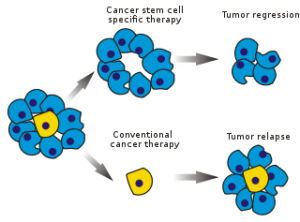
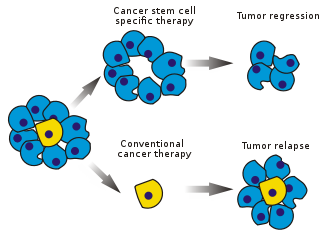
The result is treatment that is more toxic to the body’s immune system and a treatment that creates very resistive breast cancer stem cells. These cells can potentially create a reoccurrence of cancer and metastasis.

Use Nature to Heal Triple Negative Breast Cancer

Through natural medicine there is hope for women with TNBC. Nature-based protocols work with the body to boost the immune system and target unhealthy cells.

Here is a listing of just a few documented studies that show the effectiveness of natural products for TNBC patients: Researches at NYU have discovered the effects of caffeic acid phenethyl ester (CAPE), a major component of bee propolis, which has anti-tumor effects in TNBC-affected women.

Phytochemicals found in blueberries can inhibit the metastatic potential of TNBC by inhibiting tumor growth, according to a joint study published in the Journal of Cancer Research (2010). Curcumin, in turmeric root, has been shown in numerous studies to inhibit the growth of TNBC cells.

It also induces a state of targeted apoptosis, or programmed cell death.

When researchers at the University of Albany in New York gave mice Vitamin D supplements, they discovered that D, which is actually a hormone that regulates over     100 genes in the human body,  suppressed the proteins required  for TNBC survival.  TNBC patients usually have depleted levels of vitamin D,  also making it a defining characteristic of those who have this form of breast cancer.

Some studies, including ones published in January and February 2015, suggest               that cannabinoids may lower the number of inflammatory cancer cell cytokines,         reduce their proliferation, and induce programmed cell death.

Detection Alternatives for Dense Fibrous Breast Tissue

Lunden is a large proponent of early detection for breast cancer, which I am as well.     What I don’t agree with,  however,  is the large-scale advocacy of mammography as the   only option. This trend also continues even though there is no evidence that early stage  breast cancer detection through mammography has reduced the rate of late-stage breast cancers.

However, there is evidence that low dose ionizing radiation, which mammography uses, increases the risk of breast cancer among high-risk women.  (Note:  Learn more about    the stages of cancer here.)

Lunden’s passion for early detection was based on her having dense, fibrous breast    tissue. There are many non-harmful options for early detection, however.

These include thermography and specific blood tests for very early detection.

Did you know that thermography is especially effective for women, like Lunden, who    have dense, fibrous breast tissue?  Thermography,  detects heightened areas of heat in       the body to pinpoint where inflammation may be occurring,  sometimes years before it develops into full-blown cancer. According to a 2008 study, breast thermography has a    97 percent sensitivity rating in discovering breast malignancies, sometimes even before     a lump has formed.

Did you also know that there are hormones and proteins that cancer cells can secrete     that can determine if you have cancer (and where), even when it is the size of a pinhead? In my professional experience, the best test to determine if you have these substances in your system is called the Oncoblot test.

It gives me hope and encouragement to know that 63 to 83 percent of women who are diagnosed with breast cancer now use at least one alternative protocol as part of their overall healing journey.

Each kind of cancer is unique, as is each woman. Choosing healing methods that work with a woman’s own unique body system, instead of against it, is the only way to allow nature to nurture the body towards health.

You Must Rebuild Your Immune System – Since your immune system is your first           line of defense against cancer  and all other diseases,  you must rebuild it because the chemotherapy and radiation treatments will have blasted the hell out of the very thing    you are relying upon to stay well. Yes,  your body  may  eventually do this on its own,     but the process is generally quite slow,  we don’t want to give any open doors for stray cancer cells.

Natural Ways to  Detox after Chemo!!

‘Your Health’ with Dr. Richard and Cindy Becker Show. Dr. Blaylock discusses his book ‘Natural Strategies For Cancer Patients’ and offers crucial advice for those suffering from cancer and or going through chemotherapy. (When video finishes — click onto Part 2.)

Posted in General News | Leave a comment

Deadly, Brain Tumors

Brain tumors grow inside your head within your brain. Knots on the outside (on your head) are not brain tumors, they have to do with the skull bone, scalp muscles or skin.    An actual brain tumor will not change the outward shape of your skull. Your skull is a hard, bony container for your brain.

If you had a brain tumor, it would just be squishing the soft tissue of the brain, but it wouldn’t be able to change the actual shape of the skull. An actual brain tumor will not change the outward shape of your skull.  A big bump,  may be a ruptured blood vessel  inside the skull causing a build up of blood putting pressure on the brain.

The study involving scientists at The Institute of Cancer Research in London, along       with colleagues in Europe and the US,  aimed to find sequence changes in DNA among these people passed on from their parents that increase risk of the disease. Researchers carried out two new genome-wide studies and combined the results with six previous studies in a ‘meta-analysis’ – involving in total 12,496 cases of glioma and 18,190 people without.
They detected 13 previously undiscovered genetic changes that increased the risk of glioma.These were found to affect a variety of cell functions, including nerve cell division, DNA repair, cell cycle control, protein production and inflammation.

11-year-old girl’s brain tumor disappears in medical mystery. 
By Dr. Tara Narula CBS News December 18, 2018, 6:46 P.M.

When 11-year-old Roxli Doss was diagnosed with what appeared to be a rare, inoperable brain tumor in June, she faced it with courage. Each year, some 300 children in the U.S. are diagnosed with this particular brain tumor, also known as a diffuse intrinsic pontine glioma, or DIPG. There is no cure, and less than 1 percent of all people who develop one survive beyond five years. “It’s a devastating disease.

You have decreased ability to swallow, sometimes vision loss, decreased ability to talk. Eventually difficulty with breathing,”  said Dr. Virginia Harrod,  Roxli’s  doctor at Dell Children’s Medical Center in Austin. Roxli was given months to live. She went through weeks of radiation, her parents Scott and Gena Doss prayed for a miracle. “We got it,” Gena said. “Praise God, we did,”  Scott added.  Typically,  radiation is a life-extending treatment and not a cure.  But just over two months after being diagnosed, the tumor appeared to have completely gone away.

Doctors can’t explain the remarkable response.
“It was actually unbelievable.  The tumor is undetectable on an MRI scan,  which is very unusual,” Dr. Harrod said. Doctors acknowledge the tumor may return, but for now Roxli is just as active as she ever was. For the Doss family, Christmas came a little early this year.

Diffuse Intrinsic Pontine Glioma (DIPG)
DIPG is the worst form of brain cancer in that it is inoperable and the median survival rate from diagnosis is 9 months.  A Diffuse Intrinsic Pontine Glioma (DIPG) is a tumor located in the pons (middle) of the brain stem. The brain stem is the bottom most portion of the brain, connecting the cerebrum with the spinal cord.

The majority of brain stem tumors occur in the pons (middle brain stem), are diffusely infiltrating (they grow amidst the nerves), and therefore also are not able to be surgically removed.  Glioma is a general name for any tumor that arises from the supportive tissue called glia, which help keep the neurons (“thinking cells”) in place and functioning well.

A brainstem glioma is a cancerous glioma tumor in the brainstem. The brain stem  contains all of the  “wires”  converging from the brain to the spinal cord as well as important structures involved in eye movements, face and throat muscle control             and sensation.

THE Numbers:  Brain tumors are the leading cause of death from childhood cancer.
We estimate that approximately 300 children are diagnosed each year in the US with DIPG (interpolating this to the world population will lead to a few thousand globally).
Over 90% die within 12 months, 97% within three years.

Usually diagnosed in children from ages 5 to 10.
Diffuse Intrinsic Pontine Gliomas account for about 10 out of every 100 brain tumors         in children but constitutes about 80% of deaths resulting from brain tumors.

DIPG Causes and DIPG Symptoms
We don’t know what causes a diffuse pontine glioma. There is no way to predict that a child  will  get brain cancer.  Some DIPG symptoms are muscle weakness  on one side of    the body, swallowing problems, speech problems, crossed eyes, drowsiness, hearing loss, and personality changes. The brainstem has cranial nerves. . . that control many of these functions. The tumors affect these nerves and cause symptoms.

Treatments
Diffuse Intrinsic Pontine Gliomas are difficult to treat because the tumor cells grow in between and around normal cells. It is impossible to remove a tumor in this area because it interferes with the functioning of this critical area of the brain. Radiation (30 sessions done under general Anesthesia) is the only proven treatment  for DIPG  and  produces a temporary improvement in symptoms (average of 3 months) which eventually reappear and develop at a much faster, more aggressive pace.

While the search for a cure continues, children with DIPG must endure one experimental trial after another,  usually suffering terrible side-effects.  Ultimately,  it is with enormous cruelty that this disease takes its final toll. DIPG spares children of their cognitive abilities, allowing them to remain fully aware of their decline, while robbing them. . . of their motor functions resulting in partial paralysis,  loss of voice,  sight  and  finally  their ability to eat and breath.

Justin Rackley, known as Lakeforkguy in the fishing world, creates fishing and outdoor videos on youtube and other social platforms. LFG provides fishing tips and techniques for mostly largemouth bass fisheries but also travels to other freshwater and saltwater fishing spots to explore new fish species and fishing techniques to help you catch more fish.

Lakeforkguy likes to hang out on any fishing vessel or go bank fishing with his other YouTube Fishing friends and vlog with his Wife Stephanie AKA Ocean Spoon Girl and French bulldog Winston. Since having brain surgery, I explain how it’s changed my life  and what to expect next  with treating the tumor.  Thank you again  for your continued support and uplifting messages.  My heart goes out to everyone with brain tumors and      all other neurological conditions, I wish we knew more about the brain.

One British man from Wirral, Merseyside, has defied conventional medicine and beaten his cancer. After being diagnosed with a Glioblastoma Multiform 4 brain tumor in July of 2015, Dave Bolton took matters into his own hands.  The father-of-two  and former police officer claims that ditching carbohydrates  and  sugar in favor of protein and fat saved his life. A Glioblastoma Multiform 4 (GBM4) brain tumor is often called “The Terminator” by doctors because of its low survival rates. Bolton was given a year to live after his diagnosis. However, after transforming his diet, his tumor began to shrink. This year, doctors say there is almost nothing left of the cancerous mass.

Bolton decided to eliminate all carbohydrates, sugar and most fruits and vegetables from his diet. Instead, he filled up on more meat, dairy and fat. His game plan to fight cancer is based on the principles of a ketogenic diet. Many people believe that following such a diet can help to fight cancer by cutting off the tumor’s primary energy source: sugar. Of course, many mainstream medicine practitioners do not agree with the diet, and insist that there is no evidence to support such a claim.

Mom stuns doctors by beating her deadly brain cancer.  In her case,  the pathology was  “not controversial,” according to her surgeon,  Dr. Robert Spetzler,  director of the Barrow Neurological Institute at Joseph’s Hospital and Medical Center in Phoenix. In his 35 years as a neurosurgeon in the United States, Dr. Spetzler said he has never seen such a triumph against a stage 4 glioblastoma.

Also, Cheryl Broyles was diagnosed with the Glioblastoma Multiforme brain tumor in 2000. She has survived the GBM 18 years.  Presently, Cheryl is still alive and loving life! During that time she has been through 4 brain tumor recurrences and 5 brain surgeries. This video Published on Apr 7, 2013 is encouraging. . . following Cheryl through her 5th brain surgery and recovery. Giving everyone HOPE that brain surgery is not as scary as most may fear.  It takes time and patients recovering,  your brain can work again after a craniotomy! Cheryl’s web page is also inspiring and informative for others battling brain tumors and fighting cancer.

Yet another Famous Brain Cancer Survivor is President Jimmy Carter who credits the   new cancer drug Keytruda. . . . for shrinking his brain tumors completely. It’s one more possible victory for the newest class of cancer drugs that empowers the immune system    to fight off tumors.     What about the future of stem cell research?

Two Other Doctors to Research Who Are Leaps Ahead of the Pact!!!

1/2  this is one of my more incredible research items. I have found in 12 1/2+ years of research and Hrayr Shahinian, M.D. is amazing in Los Angeles.  Hrayr Shahinian, M.D.     of the Skull Base Institute in Los Angeles, California discusses with Dr. Travis Stork and Dr. Andrew Ordon the revolutionary minimally-invasive brain surgery he performed to remove a life-threatening brain tumor on 14-year old Christa Hvidsten.
 2/2  University of Oklahoma Medical Center First in the State to Acquire Advanced Technology for Brain Surgery. Dr. Michael Sughrue in an innovator in skull base and keyhole brain surgery,  establishing one of the busiest awake brain surgery programs         in the United States. Using advanced brain tumor mapping techniques.

When you can legitimately say you have the state’s foremost expert in brain tumors,       you want the state to know about it.  OU Medicine asked us to help share the story of       Dr. Michael Sughrue,  Oklahoma’s only full-time adult brain tumor expert.  This video  documents his cutting-edge techniques,  Dr. Sughrue’s uses the “keyhole” technique    for brain surgery, offering the most forward thinking,  least invasive means to remove brain tumors. Instead of giving up, she decided to blog, hence, getting the attention of neurologist, Dr. Michael Sughrue.
Dr. Michael Edward Sughrue
Neurological surgery
1000 N Lincoln Blvd Ste 4000,                                                                                            Oklahoma City, OK 73104
(405) 271 – 4912

 One of Scott Hamilton’s doctors told him that proton therapy was, “an elegant choice.” BY Scott Hamilton PUBLISHED December 20, 2018. Unlike traditional radiation, where there may be some “pass through,” proton therapy leaves little to no collateral damage by affecting tissue that is not being treated.

Nutrition During Chemotherapy. Practicing healthy eating habits before, throughout and after  cancer treatment is essential.  Staying hydrated and maintaining muscle tissue with enough fluids, calories and nutrients. . . that can reduce treatment delays, will boost your immune system & help minimize debilitating side effects

Scott Hamilton, who survived testicular cancer and a brain tumor,  Scott is optimistic about the future of cancer care, including immunotherapy, targeted therapy and proton therapy. In fact, after his brain tumor recurred, he asked his doctor about proton therapy and was told, “It’s an elegant option.”

I know a 22 year old from Piqua Ohio that had Proton therapy when he was 15 years         for a brain tumor at Indiana University. They have since shut down that center because  the treatment cost to much  and the youngster  couldn’t figure out why they would shut down something that saved his life :'(      Chemocare.com

Another study conducted in 2014 by Wai Lu, an oncologist at St. George’s University          in London found that cannabis is promising in destroying glioma cells. Lu discovered,    the primary cannabinoids THC  and  CBD alone were already beneficial in eliminating almost half of the glioma cells in affected animal models. Additionally, they found that when the cannabinoids were used together with radiotherapy, the treatment caused the tumors in many animal models to stop growing completely.

Lu and his team also found that when CBD and THC were used together, they were         able to achieve the same effects when less of each compound was used. Lu thinks the reason behind the success of the cannabinoid treatment lies in neural pathways used        for radiotherapy.

“We think the cannabinoids are hitting a number of cell signaling pathways, which also primes them to the effects of irradiation,” he says. What’s amazing about this study is it reveals even if THC and CBD kill glioma cells, they don’t have any negative impact on the healthy cells surrounding glial cells.

https://www.youtube.com/watch?v=uxmeSJyztLI

Posted in Thought Provoking | Leave a comment

The Diagnosis? Leiomyosarcoma.

The precise causes for Leiomyosarcoma,  or LMS,  are currently unknown. What they          do know does not, necessarily, point to any specific cause.  However, the most common factors seem to be age  (with most people developing LMS . . . . being over the age of 50), exposure to radiotherapy (many people previously treated for other forms of cancer with radiotherapy may develop soft tissue cancer — a year before my father’s tumor started he had radiation), chemical exposure (especially vinyl chloride, dioxins, and a wide range of herbicides, and genetics.

Diet is extremely important!!

First thing being first: When you have cancer its always important to know your        vitamin and mineral levels; Angiogenesis is the formation of new blood vessels.

Tumors need a lot of new blood vessels to supply blood to its rapid growth.
Copper is needed in order to grow these new blood vessels (Blood Test are Important.)
Copper Depletion Antiangiogenesis is based upon the assumption that there is a window in which the copper concentration in the body is high enough to carry out the necessary business of the body, but too low to enable tumor angiogenesis.

Ammonium tetrathiomolybdate is a copper chelating agent. . . .used to lower body copper stores. It is an FDA approved orphan drug to be used in Wilson’s Disease, a copper storage disease.  If Ammonium tetrathiomolybdate cannot be obtained,  however,  then zinc salts can be used. Either way, a doctor’s supervision is necessary.

However, if you are on a copper chelating medication….while attempting to attain target copper levels. Green leafy vegetables,  nuts,  seeds,  whole grains  and shellfish tend to be high in copper. Vegetable copper levels reflect  the ground they grow in.  Dairy  and  also rice are relatively copper free.  SO HAVE YOUR COPPER LEVEL CHECKED.

High Iron contents increase the Likelihood your cancer will be aggressive and Doctors always made a big deal. . . . about my fathers selenium de·fi·cien·cy, however, wouldn’t     do anything to correct but to tell him it was low.  While its also important to know that vitamin D helps to prevent cancer.

IMPORTANT REMINDER: to eat clean before during and after chemotherapy because the treatment doesn’t distinguish the difference between cancer cells and food additives it will only go after anything foreign to the body. ALSO. . .after chemo has been administered it’s critical to detox your system gradually so the toxins don’t build up in vital organs!!!!

by Patricia Moreira-Cali (Author) Dr. Patricia Moreira-Cali, MNT was registered dietitian nutritional professional specialist in Gainesville, Florida. She graduated from her medical school with her medical degree in 1987  and had over 31 years of experience in the field of medicine.

On April 23, 2013, Patricia’s Cali world turned upside down when she was diagnosed with Leiomyosarcoma (LMS), an extremely rare cancer affecting only 1 in 5 million people. LMS is also a very aggressive type of tumor,  thus nicknamed the Purple Dragon.  After the initial shock of the diagnosis subsided,  Patricia was ready to discover ways to heal herself  and find Hope & Faith.  She went from being a counselor  to thousands of patients on how to be proactive and take charge of their own health,  to taking unknown paths in search of hope for surviving a disease that does not have a single established medical treatment.

Life on A Planet Without Patricia Moreira Cali, 1962-2017 

Patricia Moreira lived for 55 years old 2/15/1962 – 6/12/2017 She embarked on a spiritual journey, which took her to Omega Institute, Bali and Brazil, where she met healers, a guru, a physician and other extraordinary people who became instrumental in her finding peace within and starting to believe that everything can be healed, even the Purple Dragon. Born in Brazil, Patricia moved to the United States at age 20. She also has a Master of Nutrition Science from the University of California, Davis, and has worked as a university professor, researcher, speaker, clinical dietitian and diabetes educator.

She was the proud mother of three children (including an angel in heaven) and the founder of Helping Children Heal (HCH), an NGO that provides medical treatment for impoverished and sick children who don’t have health care. She also traveled the world, having backpacked solo  in Tibet, Nepal, Vietnam, Cambodia, Laos, Namibia, India and many other countries. Above all she is a proactive woman who has been inspiring many   as she travels the paths of healing and discoveries, keeping alive the flame of faith that even the Purple Dragon can be tamed.

For my Good Friend:

Tom Enright and his wife Alice they pay Leiomyosarcoma no mind. With Mind Body & Spirit as their guide:  Tom and Alice’s views about cancer  is out of sight …..out of mind   and this is the protocol we adhere to.  Our protocol: check scans every 3 months to start with then move it back to 4 months and now Susan George at Dana Farber has moved it   to 4-6 months and whatever we deem necessary  (we are going to stay at the 4ish month plan.)

Tom has learned Regular scans are the best awareness one can get for Leiomyosarcoma   at well known Sarcoma Centers like Dana Farber,  Sloan Kettering or M.D. Anderson.  Alice has been clean now for 2 1/2 years  of  high grade uterine LMS.

Since her Vat Surgery:  the plan is if it shows up again she we be headed for another        Vat Surgery.  Alice works and study’s hard and she is very warm,  open and speak to       and would work with anybody if necessary.

Alice and I believe eat clean with mindfulness meditation and being at peace helps with    all things. What we find that works for us is being grateful while feeling blessed, hopeful and thankful. Controls what we can control.  Vat surgery is lung surgery and when LMS recurs the lung is the common spot.

LMS surgery is the best protocol maybe spot radiation if surgery can’t get to it.

It’s critical to find a great surgeon  and  get your butt to either Dana Farber, Sloan Kettering or M.D. Anderson. Alice Vats surgery on July 7 2016 was a major success!      Alice had it at Brigham and Women’s Hospital in Boston with Dr. Yolanda Colston.         She works with Dr. Suzanne George at Dana Farber is one of the best!!!

Problem is people get treated by DR’s who don’t know about sarcoma’s and they want       to throw chemo and other poisons into patients and see if it works…Because that is how they get paid. Thereby, A person has to be their own advocate and not do that stuff. The number one thing a person can do is believe in what they believe and that helps to keep  the cancer away. Also we have Faith what we do… will keep the LMS at bay and away.

Tom Enright Mantra to live by:

Now is the time ~ 2018 was great.
It was yesterday ~ Tomorrow is not promised.
Today is the gold ~ The day is now.
The time is now ~ The present is now.
If we all live in now ~ We Accomplish ALL.
Move it forward!!!
We together have the answers.
It’s a combo recipe ~
It takes a village of committed people.
Are we in the now?
Yesterday we can live in the what if we changed that.
While Living in the Future is filled with what if and hope
Now the present is peaceful and manageable controllable
The teachers message is very clear us students make it complicated.
When the student is ready the teacher appears!
We just have to think NOW!!!
We need to fertilize the positive and weed the negative.
I am what I think ~ thoughts are powerful
I am blessed grateful thankful.
It’s a mindset and commitment to I am me
We are sooo blessed and sooo lucky
Whatever the I am you tell yourself you will become.
I am learning ~ It keeps us healthy on the inside
and the outside and it cleanses our heart <3
~ in his own words… Tom Enright 🙂

Other Options for Leiomyosarcoma…

Kelly Pounds is a vibrant, active, 18 year-thriver who found a rock-hard, though painless lump in her right thigh Memorial Day Weekend, 2000. Fortunately, she was scheduled to see her GP the following Monday later, Kelly saw an orthopedist who took one look at the MRI, ordered an X-ray, and then sent her the following morning to Dr. Craig Jones, an orthopedic oncologist.

After a scheduled biopsy,  Kelly had a three-week wait for the results.  The reason?           The results were so rare that the sample was sent to three different labs for confirmation. The diagnosis? Leiomyosarcoma. A subsequent bone scan showed some inflammation of the periosteum, the covering on the bone, while a CT of her chest, abdomen, and pelvis were negative except for small cyst in the liver.

The treatment plan was for three rounds of AIM: Adriamyacin/doxorubicin, Ifosfamide, and Mesna to be given 21 days apart,  followed by resection of the distal femur and the    four quads where the tumor was growing. The third round of AIM had to be postponed one week because of low blood counts.

Since Kelly’s follow-up surgery could not be scheduled for 2 months,  her own medical oncologist, Dr. Steven Mamus from MD Anderson/Orlando, decided she should have an additional round of ifosfamide/mesna to ensure the cancer did not have the opportunity  tostart growing again.

Another option that A Facebook friend reported in the past is that Dr. Breelyn Ann Wilky is using  Keytruda every three  weeks.  Plus…. 10 mg. of Axitinib for Leiomyosarcoma and that she was so happy to report the three month scan from University of Miami in Florida showed 30% shrinkage on a leg tumor and that the tumors on the liver were gone.

In September 2011, at the young age of 29, Kamala was diagnosed with a rare cancer  called leiomyosarcoma, which is a soft tissue cancer that develops in the supporting or connective tissues of the body,  such as muscle,  fat,  nerves,  blood vessels,  bone  and cartilage, the womb (uterus), and the limbs. Also as a mother of two young children         (age 7 and 10) and a newlywed, she was heartbroken.

She was referred to a  good team of doctors at the Brigham and Womens Hospital & Dana Farber Cancer Institute in Boston.  The tumor was initially detected in her uterus  and was classified as high grade and aggressive.  She had a full hysterectomy  and was in remission for two years,  until she started having back pain  in December 2013.  After a few weeks of unbearable pain  and unable to walk or sit,  it was determined the cancer returned to two sections of her spine.

Kamala was airlifted to Boston on January 17,2014 where she also received six weeks of radiation. While hospitalized she developed a pulmonary embolism.  After three months     it was determined that the cancer once again spread. This time to her lungs. She and her family were devastated but she was ready to fight. Before she was able to start treatment she started having pain again. A pain which was becoming all too familiar to Kamala.

She knew that the cancer was in a new location.

After bone testing, it was determined that there was another tumor in the sternum. All of theses tumors cause Kamala…to be in extreme amounts of pain on a daily basis – – but she somehow continues to smile through it all. She started chemotherapy treatment in August 2014 and is currently still undergoing treatment. She travels to Boston every three months. The costs of these trips are an expense that she does not have in her budget but she must go to these visits as they are crucial a part of her treatment.

Kamala is a strong woman. If you know her, you know she is a bag of smiles, giggles        and laughs! She is independent, smart, funny, and tough as nails. She has the spirit to  fight her cancer, Therefore, She changed to a Vegan diet, alkaline water only, no sugar,     no salt. I also started consuming apricot seeds.

There’s also a product called Medolife escozine… cost about $700 per month and you      can get it at Escozine.com I started taking. I don’t know exactly what worked or if it was     a combination of all.  Even though I’m still battling…. but my life span has been longer than doctors expected.

For Cielo Superticioso I have followed her Facebook post since we met  on July 4th, 2018 and you have taught me a lot in the groups you belong to. When it comes to LMS ..You are more likely to get more detailed answers about this topics on …. LMSDR FB support group for patients and caregivers. To join, you MUST answer the questions that appear when you hit the join button. The moderators appreciate full answers to their questions since it is a private closed groups.

When I was first diagnosed with LMS and began doing my research on the disease,              I was lucky enough to come across the Leiomyosarcoma Support and Direct Research Foundation or LMSDR.  Today I am pleased to have Sharon Anderson join us to talk  about the LMSDR. ~David Carlson

You can find more information on their website: www.lmsdr.org or their FaceBook support group: https://www.facebook.com/groups/lmsdr/

Cancer Survivors and Supporters https://www.facebook.com/groups/CSndS/
Sarcoma Alliance https://www.facebook.com/groups/sarcomaalliance/
Sarcoma Cancer https://www.facebook.com/groups/sarcomacancergroup/
Leiomyosarcoma https://www.facebook.com/groups/2212557369/

Libby Shriver Initiative: http://www.sarcomahelp.org/stories/leiomyosarcoma-alan.html

In the poll : Where did your LMS begin? (add option if yours isn’t listed) in the one group LMS affects these areas the most Uterine = 135, Retroperitoneal = 49, IVC = 21, Thigh =  19 and Arm = 8. I was also surprised to learn that Leiomyosarcoma can affect large blood vessels, particularly the vein that carries blood from the lower part of the body back to the heart (inferior vena cava) and the artery that carries blood from the heart to the lungs (pulmonary artery).

Being my father had a heart attack in 2002. I wonder if bacteria from his stent placement may have been the culprit that also initiated the LMS,  although his tumor was located on the breast bone…. Inferior vena cava (IVC) leiomyosarcoma is a rare malignant neoplasm more commonly seen in women in the fifth  to sixth decade of life.  Complete resection of the tumor with negative margins is the only Therapeutical option  that has demonstrated    a survival benefit. Cielo I am learning a great deal from the groups that you post in about the type of cancer that took my father life in 2006.

Martee L. Hensley, MD
Treatment with trabectedin (Yondelis) significantly improved progression-free survival (PFS) compared with dacarbazine in women with advanced uterine leiomyosarcoma, according to a subgroup analysis of the phase III SAR-3007 trial presented at the 2016 Society of Gynecologic Oncology Annual Meeting.

Panelists on this video are: William D. Tap, MD; Mark Agulnik, MD; Damon Reed, MD; Martee L. Hensley, MD; Shreyaskumar Patel, MD; and George D. Demetri,  discuss the  role of chemotherapy for the various histologies in soft tissue sarcoma and the options     for patients with chemotherapy-insensitive subtypes.

RESOURCES:

LMS Boot Camp webinars were written by Sharon Welton Anderson, herself a LMS survivor & President of Leiomyosarcoma Support & Research Foundation. She talks openly and frankly about the most important things. . . you need to know to survive.   Sharon’s knowledge comes from her research, discussions with sarcoma experts and personal experience helping patients since 2002, after she was diagnosed with stage           4 ULMS. For more guidance from leiomyosarcoma survivors see Words of Wisdom.

https://globalgenes.org/raredaily/my-best-advice-as-a-caregiver-by-annie-achee-of-the-national-leriomyosarcoma-foundation/ https://globalgenes.org/raredaily/leiomyosarcoma-survivor-appreciates-bracelet-of-hope/

Other Sarcoma Recommended Resources: Patient Stories https://mdandersontlc.libguides.com/sarcoma/stories

http://www.ebooksdownloads.xyz/search/my-vegetarian-journey

http://sarcomahelp.org/stories/leiomyosarcoma-lynn.html

It was November of 2008 and has been over 10 years since I was diagnosed with Uterine Leiomyosarcoma. I changed my lifestyle radically to remove stress and consume food like it was my medicine. I was given a 20% change of living 5 years, and I survived. I’ve started a blog to share Integrative and Natural Treatments for Uterine Leiomyosarcoma. It’s also positive site,  looking at the many ways we can enable the immune system to fight cancer. … and empowering my immune system.”  Jeannie Ross Leiomyosarcoma survivor.

Leiomyosarcoma Survivor: Warren Bailey – YouTube

Posted in General News | Leave a comment

How to Become More Resilient

                              Nothing Positive Ever Comes From Negative Thoughts⁉️

The Schachter and Singer two factor theory of emotion was presented by researchers Stanley Schachter and Jerome E. Singer in 1962. The theory suggest that emotional states contain two components, one physiological and one cognitive. In the case of experiencing a physiological arousal  which has no obvious explanation,  the individual will attempt to label or describe the state based on the explanations available to him or her, but where an explanation is necessary, not cognizing as to an explanation is needed.

The theory also states that physiological states can arise from a cognitive evaluation          of an event or situation. The theory suggests that we cannot control our external events  but we can control our internal responses. Basically as humans when we experience life, we are doing it in the “now.” However, we live based off of an accumulation of what ever we live through. That’s why we tend to repeat things unknowingly (unconsciously).

This theory proposes that when something happens , that we LABEL it (oh this is scary, this is sad, this is happy) that we then physically feel that way. (Our heart jumps, sweaty palms)  This theory then proposes the idea that when things happen in our lives, we can change the physical end reaction based off of how we think  and  choose to label events/ give it meaning. Your life truly is all about perception and how you CHOOSE to SEE and UNDERSTAND yourself and the world around you.

Schachter- singer two factor theory- our interpretation of emotion leads to a cognitive  “I’m afraid” label plus our bodies arousal equals actual Emotion ● Zajonc and Ledoux- emotions occur before our conscious interpretations or appraisals of the event ○ with Lazarus emotion that requires cognitive appraisal even if interpretation don’t reach conscious awareness.     Question: “Why does God allow sickness?”

“The man who can keep a secret may be wise, but he is not half as wise as the man         with no secrets to keep.” —E.W. Howe

● Happiness, well- being and health (correlation research) ● Happiness ○ Easy to        make decisions, satisfied life, perceive to world to be happier ○ Feel good-do good phenomenon: when we are happy we are more willing to help others ■ Volunteer 4      hours ○  Subjective well being- self perceived feeling of satisfaction with life ● Our    positive moods rise 6-7 hours  after waking up ●  Eventually our emotions balance            and people adapt to bad situations ● Wealth and well being

○ Money brings temporary happiness ● Lottery winners going bankrupt in five years             ● Students who value love more than money has higher life satisfaction ●  Adaptation-level phenomenon – people adapt to income levels ● More we make the more we spend Relative deprivation- we are worse   off than those we compare ourselves with ● Stress (adrenal gland release stress hormone (cortisol a glucocorticoid)) ○  Independent risk factor- uncontrolled risk factor.

○ How you cope with environment threats & challenges  ○  If it’s short it may help  prolonged it’s harmful (maladaptive)  ○  Psychological stress causes physical illness ○ Causal relationship ○ Measuring stress ■ Physiological- self reported ■ Physiological- immune, endocrine & cardiovascular functioning and also musculoskeletal ■  ALSO Behavioral – directly observe individual and clinical interview ○

Stressful life events ■ Catastrophics events (community event)- earthquakes ■     Significant Life changes- death of aloved one ■ Daily hassel -rush hour traffics ○      Triggers Fight or flight response which can be good ■  Walter Cannon – fight or             flight ■ Evolutionary response- wired to respond to threats ■ Physical stressors –        threats to physical safety ■ Symbolic stressors- threats to self-esteem ●

Memories of past hurts ○ Increases risk of illness and health problems ○

Outpouring of epinephrine and norepinephrine from adrenal glands, increases heart      rate and respiration ○ (HPA axis ) Hypothalamus( fast acting) initiates stress reactivity pathways ■ Endocrine system (slow acting, fight or flight.)

Type A personality – hostility, impatience, difficulty expressing emotions, competitiveness, drive, perfectionism and an unhealthy dependence on external      rewards such as wealth, status, or power.

Type B personality – is that these people do not get irritated or angry easily. They are laid back and relaxed. They rarely tend to be aggressive or frustrated. They are very calm as compared to their highly strung counterparts (type A). They are very patient and usually have a lot of self-control.

10 Surprising Facts About How Our Brains Work!!!

Supporting Evidence
In 1962, Schachter and Singer conducted a study to test their theory. The research included 184 male college students as participants who were told a vitamin compound called Suproxin would be injected to them.  However,  the injection was not Suproxin; rather, it is composed of either 0.5 mL of epinephrine (experiment group) or 0.5 mL          of saline solution as placebo (control group).

Then, the researchers divided the subjects into three conditions:

(1) Informed condition (participants know the potential side effects of the injection),

(2) Ignorant condition (participants do not know the potential side effects), and

(3) Misinformed condition (participants know of the side effects being fabricated).       Then, the participants encountered paired stooges whose roles were to act in either euphoric or angry manner. The variable also being manipulated was the “cognitive circumstance”.

The measurement of emotions was done via two processes: semi-private index               (one-way mirror assessment) and public index (Likert scale self-report).

The result of the study was that the subjects under the Ignorant condition and Misinformed condition revealed considerably and consistently higher scores on both euphoric and angry conditions as compared to participants under the Placebo condition and the Informed condition.

This proved the original hypothesis of Schachter and Singer, that is, cognitive labelling (informed, ignorant or misinformed) together with general autonomic arousal (euphoric or angry) lead to the emergence of emotions. Psychology: Some people are just genetically tougher. But you can train your brain to better handle stress.

How are Brains keep us Sick!!!

The Central Executive Network(CEN)

The Fronto-parietal Central Executive Network (CEN) handles inhibition, task switching, and updating. It inhibits the default mode network, engages your conscious brain to think and maintains attention on a prioritized task. It’s helpful to think of it as active when you put effort forth to keep your mind from wandering during a goal directed task.

Many psychiatric conditions including ADHD are associated with poor inhibitory regulation of DMN activation by the CEN. The dance between the CEN and DMN are coordinated by the Salience Network which, based on the amount of relevant outside stimulus triggers a switch out of REST mode into cognitive functioning.

http://hypnoticthoughts.com/the-central-executive-networkcen/

http://www.creativitypost.com/psychology/the_brain_as_a_network_focusing_your_network

‘My brain simply shut off the pain,’                  said Dr. Michael Moskowitz.  Pain specialist Dr. Michael Moskowitz  was 49 when                 he and a friend decided to take a look at some army tanks & other armored vehicles               that were about to take part in a parade. Dr. Moskowitz couldn’t resist climbing up         onto a tank turret.

But as he jumped off, a metal prong caught his corduroys, and as he fell, he heard three popping sounds: his thigh bone was cracking. When he hit the ground, the leg was at a 90-degree angle to the other one.  Immediately after the fall his pain was a true ten out of ten (ten is meant to be like being dropped in boiling oil),  but as he lay motionless waiting for the ambulance, Dr. Moskowitz felt no pain at all.

‘I had first-hand experience that the brain, all on its own, can eliminate pain, just as            a conventional pain specialist, had tried to do for patients by using drugs, injections,      and electrical stimulation.’ The brain can shut pain off because the function of acute      pain is to alert us to danger.  So, as long as Dr. Moskowitz didn’t move,  he was in no danger, as far as his brain could tell.

In the aftermath of his accident, Dr. Moskowitz nearly died three times. Yet as the years have passed, he’s had very little pain in the leg. He’d learned another pain lesson: the wise use of sufficient morphine. Had prevented his nerves from becoming over-stimulated and saved him from his acute short-term pain turning into the chronic, permanent variety.

For centuries the traditional view of pain was that nerves send a one-way signal up to the brain and intensity of pain is proportional to the seriousness of our injury. In other words, pain files an accurate damage report about the extent of the injury, and the brain’s role is to simply accept that report.

But that view was overturned in the Sixties – we now understand that the pain perception system is spread through the brain and spinal cord, too, and the brain controls how much we feel. When pain messages are sent from damaged tissue, these messages ascend to the brain only if the brain gives them ‘permission’.

If this is granted, a gate will open and increase our feeling of pain by allowing certain brain cells to turn on and transmit their signal. But the brain can also close a gate and block the pain signal by releasing endorphins, the natural narcotics made by our bodies to quell pain.

Knowing that switches exist is one thing, knowing how to turn them off when you are in agony is another. And that’s where the brain’s ‘neuroplasticity’ comes in. Neuroplasticity   is the ability of the brain to change its structure and how it works in response to mental activity and experience. Each time he got an attack, he began visualizing his brain in chronic pain. Then he would imagine the problem areas shrinking!

Dr. Moskowitz, who originally trained as psychiatrist, specializes in treating patients with intractable pain in California.  But he became a world leader  in the use of neuroplasticity for treating pain after making discoveries while treating himself.

Three years before his fall, Dr. Moskowitz suffered another accident when water-skiing with his daughters. He flipped off an inflated tire behind a boat, hitting the water with his head bent backwards. The resulting pain dominated his life. Morphine and other heavy-duty painkillers and treatments including massage, self-hypnosis, ice, rest and anti-inflammatory drugs, barely touched it.

That pain tormented him for 13 years. Dr. Moskowitz was 57 when he hit rock bottom – and then began researching the discovery that the brain is neuroplastic and seeing how this might relate to him. The role of acute pain is to alert us to injury or disease by also sending a signal to the brain.

But sometimes an injury affects the body and the nerve cells (neurons) in the brain. As acute pain continues, these neurons become hypersensitive, firing more easily with less stimulation.  This is where the brain’s ability to change becomes a curse — because the neurons keep firing, the connections between them become stronger.

As a result the acute pain develops an afterlife: it becomes chronic pain. The area of pain  begins to increase.  Ultimately,  the pain neurons fire so easily we end up in excruciating, unremitting pain over a large area of the body – all in response to the smallest stimulation of a nerve.   So for Dr. Moskowitz  this meant that every time  he felt twinges of neck pain, his brain’s neurons got more sensitive to it, making it worse – his brain was learning to feel more pain. The name for this neuroplastic process is ‘wind‑up pain’. I don’t believe in pain management any more. I believe in trying to cure persistent pain.

In 2007, he then began reading 15,000 pages of research to try to understand the laws of neuroplastic change.  He realized that many of the areas  in the brain that fire in chronic pain also process thoughts,  sensations,  images,  memories,  movements,  emotions, and beliefs – when they are not processing pain that is. This explains why, when we’re in pain, we can’t concentrate, tolerate certain sounds or light, or control our emotions well.

Because areas that regulate these activities have been hijacked to process the pain signal.
Dr Moskowitz’s strategy was simple. When his pain started, instead of allowing those areas to be pirated by it, he ‘took them back’ for their original main activities, by forcing himself to perform the activities, no matter how intense the pain.

In April 2007 he put his theory into practice using visualization exercises to overpower   the pain. He knew two brain areas process both visual information and pain, the posterior cingulate and the posterior parietal lobe. Each time he got an attack, he began visualizing his brain in chronic pain. Then he would imagine the problem areas shrinking.

‘I had to be even more relentless than the pain signal itself,’ he told me. He greeted       every twinge with an image of that area of his brain shrinking, knowing he was forcing    his posterior cingulate and posterior parietal lobes to process a visual image.

In the first three weeks he also noticed a very small reduction in pain. After a month he       never let a pain spike occur without doing visualization. It worked. By six weeks, the pain between his shoulders in his back and near his shoulder blades had disappeared, never to return.

By four months, he was having his first totally pain-free periods throughout his neck. Within a year he was almost always pain free.He shared his discovery with his patients, helping with chronic conditions including low-back pain, cancer pain, irritable bowel &    arthritis.  Opioid narcotic drugs,  such as  codeine  or  tramadol ‘ can make chronic pain worse.’

So, is it just a placebo effect? The placebo effect generally doesn’t last long. And unlike medication or placebo, patients who use the neuroplastic technique can reduce their use   of it over time.  Dr. Moskowitz also thinks  once the patients  have learned and practiced the technique over hundreds of hours, their unconscious mind takes over.

Such effects last. He has patients who’ve maintained their reduction in pain for five years, though many still have damage in their bodies (which can on occasion trigger acute pain).
One of his most important insights is that opioid narcotic drugs, such as codeine or tramadol can make chronic pain worse.

The brain adapts to being inundated by long-term opioids by becoming less sensitive to them, which can make chronic pain worse. The problem exists, says Dr Moskowitz, with all pain medicines. ‘I don’t believe in pain management any more,’ he says. ‘I believe in trying to cure persistent pain.’

One of the extraordinary people I’ve met during my research is John Pepper, 77, who     was diagnosed with Parkinson’s more than two decades ago. He was put on medication, but because of a program he developed was eventually able to stop taking it 9 years ago.

Yet he does not appear to have the classic symptoms: no shuffling gait or tremor; he has good balance and seems to walk perfectly normally.  When Pepper,  a businessman who lives in South Africa, was first diagnosed, he spent two years slumped in a chair, ‘feeling sorry for himself’.

He then pledged to alter his attitude. ‘Because it is a movement disorder, I assumed        the more I moved, the slower the Parkinson’s would be able to take over my life,’ he said.
He broke down the normally complex automatic activity of walking into various parts and analyzed each and every muscle contraction, movement & shift of weight.

It took him more than a year of practicing to internalize these changes. His walking       also became normal, as long as he concentrated .With change happening gradually,  Pepper only belatedly began to realize one or another   of his Parkinson’s symptoms,     such as his tremor, had either improved or disappeared.  Walking is one of the most powerful neuroplastic interventions.

When we walk fast, we produce new cells in the hippocampus, the brain area that         plays a key role in turning short-term memories into long-term ones. Walking may promote brain growth factors – or specifically a brain chemical called glial-derived neurotrophic factor (GDNF). This helps promote the development  and survival of dopamine-producing neurons, the cells that die off in Parkinson’s. GDNF helps the nervous system recover from injury.

100,000  is the number of miles of nerve fibres in the human brain.

Research in laboratory animals has shown exercise can boost the production of GDNF, although Pepper did not know this when he began his walking regime. He told me: ‘I walk 15 miles per week, in three sessions of five miles. The GDNF produced in the brain appears to have restored the damaged cells.  But they do not cure the cause of Parkinson’s,  and if I stop exercising, my condition goes backwards.’

He has now taught hundreds of fellow Parkinson’s sufferers how to move more freely.
Science is finally catching up with him.  In 2014, a study of Parkinson’s patients by the University of Iowa found that six months of walking three times a week for 45 minutes improved their symptoms and reduced fatigue.

Not all neuroplastic changes are beneficial, however. With our frequent use of computers and screens, we are rewiring our visual systems to fixate on what’s in front of our eyes.

U.S. children are thought to spend up to eleven hours a day looking at screens.

Their peripheral vision is being underused, meaning they are less able to see things at    the edges of their vision – vision loss more traditionally seen in older people. However, computers can help rewire people’s eyes and brains to use their peripheral vision fully.

U.S. neuroscientist Dr Michael Merzenich and his colleagues developed computer-based neuroplastic exercises to expand peripheral vision in elderly people to keep them driving (one involves watching cars on a screen and taking into account images on the side).

Another company, Novavision has developed brain exercises that can help people who  had strokes, brain injuries, or brain cancer surgery that have radically reduced their vision.
It’s another example of the potential of neuroplasticity, and proof that many ‘incurable’ or ‘irreversible’ problems can improve. The brain really can heal itself.

If you listen to Forrest Maready you know that hypersensitivity to taste & texture can be a vaccine injury. He says if he puts a Dorito in his mouth it feels like there is a flamethrower being held against his tongue.  We never know what torture a child is experiencing when we force feed them.

EXTRACTED from The Brain’s Way Of Healing, by Norman Doidge, published January 29 by Allen Lane, price £20. Copyright © Norman Doidge 2015. Offer price £16 until January 28. Pre-order at mailbookshop.co.uk, p&p is free for a limited time only.

https://www.youtube.com/watch?v=Kp-8tgehFU4

Posted in Thought Provoking | Leave a comment