Amazing the difference A year will make. Last June Ryan was carrying Ryder on all of our hikes in a backpack. We definitely got a lot of sideways looks during that time because he was so big but he just didn’t have the stamina. To see him now though, you just see a little boy living his hard earned best life.
It was 11 days before our sons Ryder’s birthday on May 16, 2014 that he was diagnosed with stage four neuroblastoma, a childhood cancer of the nervous system. After stopping chemotherapy, The Sternagel’s consulted countless doctors and other health experts of all disciplines to employ an integrative approach. . . that cut the amount of conventional treatment Ryder received in half. It was through this integrative mix of super nutrition, complementary therapies and energy medicine. Along with a lot of prayer and healthy lifestyle changes that today Ryder is cancer free.
During pregnancy, Teddy was in a continually stressful and mentally draining work situation…. Coupled with the physical chronic stressor of the EMFs resulting from a tech-heavy job… Combined with the acute stress of a car accident…
We’ll never know for sure of course…
But it’s very interesting given this information that Ryder was born with a cancer of the NERVOUS system.
Neuroblastoma.
As such, as we continue to ensure he is fully healed, we’re particularly interested in regulating his autonomic nervous system.
Sympathetic (fight or flight) vs parasympathetic (rest and digest).
And Ryder seems to know a good thing when he feels it.
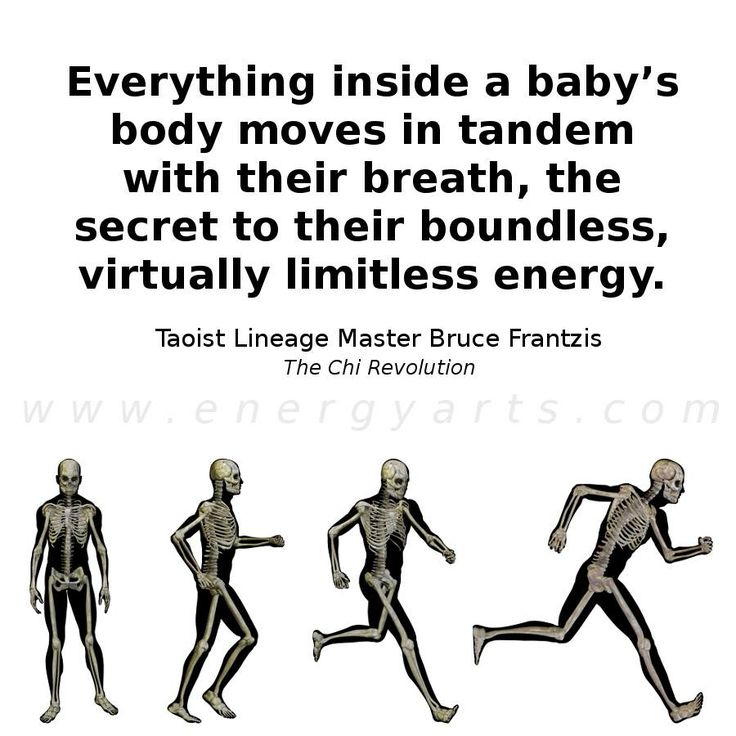
We’ve done deep breathing for a long time, but he’s REALLY taken to these box breaths lately. Also known as square breathing. Breath in, hold, breath out, hold, all for the same number of seconds. It’s super calming and studies have also shown it to down-shift the nervous system… So it’s not surprising (yet highly pleasing) that he can’t get enough of it.
Bob Wright of the American Anti-Cancer Institute was our first “cancer coach.”
Amazing looking back at how things happen.
Bob is known around the world, yet lives in our old home state of Washington.
Immediately after Ryder was diagnosed, a friend pointed us to a friend, who pointed us to Bob.
Within days of diagnosis, Bob was spending hours on the phone with us helping cut through the clutter to what was really important…
Refusing any form of payment for his services.
His book, Killing Cancer – Not People, was the first cancer book we read and was never far from our side in the early days.
It was with us late nights in the hospital, at home, and even made a very helpful companion at the grocery store.
And perhaps best of all were the many stories of hope it included from folks who had “beat the odds.”
Just as we were determined to do.
That was when it was in its third edition and had already sold hundreds of thousands of copies, literally all over the world…
The fourth edition just came out… and look who’s featured in those stories!!!
There have been so many amazing full circle moments over the past couple years, but this one just might take the cake.
It’s truly an honor to be featured as part of work that’s already helped so many and to know that Ryder’s story is now immortalized in this book and find its way to those that need it in the future.
If a DETAILED (like down to preferred brand names and prices detailed) book on reversing cancer…
Based off decades of research and written a passion that after all this time still jumps off the page…
Would be helpful to you…
It’s quite the feeling seeing this, after having just crossed the five year mark since the day he was diagnosed with stage four cancer…
Ryder’s favorite part of this chapter, the one that he asks about most, are the verses following The Good Shepherd passage…
“The works that I do in my Father’s name, they bear witness of me.”
Jesus seems to be saying here that it doesn’t really matter what He says, it’s what He does. As Ryder heads into his sixth year, our greatest hope is that we can guide him to center his thoughts and emotions on the Will of his Creator…
And take action to reflect it.
He’ll probably take to that just fine.
Hopefully, some of it will rub off on us…
And maybe a few others as well.
It’s been quite the six years buddy, you’ve taught us so much.
You are, and have, such a special gift.
And although we often feel like we’re not doing enough to nurture it…
Given the circumstances we’ve probably done alright by you.
We can’t wait to see what the next years bring…
And pray that your fascination with The Good Shepherd stays with you…
And that you do Him proud, as much so as we are of you now, in modeling it.
But one day before his sixth birthday, Ryder has mastered John 10 as well. We’re so proud of our Ryder man!
Ryan and Teddy Sternagel are co-founders of The Stern Method, a platform informing and inspiring families going through cancer to succeed on all fronts. The Stern Method | Inspiration & Suggestions
God gives me eyes so I may see,
And feel your presence close to me.
Give me strength for my stumbling feet,
As I battle the crowd on life’s busy street,
And widen my vision of my unseeing eyes,
So in passing faces I’ll recognize,
Not just a stranger, unloved and unknown,
But a friend with a heart that is much like,
my own… Give me perception to make me aware,
That scattered profusely on life’s thoroughfare,
Are the best Gifts of God that we daily pass by,
as we look at the world with an unseeing eye.
Taking stage in a federal reserve beige, paisley dress, a wry smile, Susan Boyle shocked the world with her incongruous performance on “Britain’s Got Talent.” Gaining the nickname “The Woman Who Silenced Simon Cowell,” also with her overnight fame — overwhelmed the then 47-year-old singer. She had a minor breakdown — shortly after rising to fame, however, has since turned it around, so what is she up to these days?
Susan Boyle’s Early Life
Susan Boyle was born on April 1st, 1961 in Blackburn, Scotland. Her parents, Irish migrants Patrick and Bridget Boyle, were a miner and shorthand typist respectively. She was born the youngest of 8 children and suffered birthing complications, being deprived of oxygen for a short time. This led to a misdiagnosis of brain damage. A more recent analysis from doctors has revealed Susan Boyle suffers from Asperger’s Syndrome, a developmental disorder…. on the autistic spectrum. The diagnosis would explain her musical focus and her lack of close personal relationships.
The town of Blackburn isn’t exactly known for music, and school was no real refuge for the young Susan Boyle. Kids can smell difference and she was mercilessly mocked by peers for her perceived simple-mindedness. She left school with few qualifications, but was undeterred and redoubled her efforts in mastering her voice. She would spend her free time practicing and seeing the occasional show to listen to professional singers. She saw Les Misérables for the first time shortly after leaving school and she fell in love with the song that would make her famous, I Dreamed a Dream.
In 1995 Susan auditioned for the Michael Barrymore talent show “My Kind of People.” Her performance never made it to television, but I was able to find candid footage of the event. She sang as well as you would imagine, but the event was marred by the audience’s jeers and Barrymore’s juvenile antics, at one point laying on the floor and attempting to see up her skirt, at this point Barrymore was still in the closet. It’s a sad thing to think she could have seen recognition for her talents much sooner.
As The World Always Turns Upside Down
She lost her father in 1997 and had to put her dreams of stardom on hold to look after her mother. Bridget, her mother, was her biggest fan though, it was her that encourage Susan Boyle to get back out there and take part in competitions and Karaoke again. She cut a demo tape in 1999 and sent it to record labels and radio shows. Unfortunately, she was hit with another tragedy in 2000 when her sister Kathleen died of an Asthma attack. She took the loss hard and threw her emotions into her music.
She started singing lessons in 2002, with voice coach Fred O’Neil. That year she appeared in numerous benefits and local shows. She was hit with a final tragedy in 2007, when her mother passed away. Unlike with her sister’s death, which made her refocus, her mother’s death drove Susan Boyle into a hermitage. She didn’t sing for nearly 2 years and spending her time seeing to elderly neighbors and her local church. Then In 2008 her singing coach convinced her to try out for “Britain’s Got Talent” and in 2009 she did.
Susan Boyle International Stardom
Susan Boyle’s studio quality voiced juxtaposed with her homely looks flabbergasted the cynical audience, she received a standing ovation before hitting her first crescendo. She made it to 2nd place in the competition overall, losing to the dance troupe Diversity in the final. There were accusations of online voting fraud at the time, and considering how easy it is to set up a voting script there may well be truth to the claims. Her début album was released in 2009, called I Dreamed A Dream, It sold extremely well, topping the charts in both the UK and the USA.
The following year she released a Christmas album. She held a small competition before the release of the Christmas record, The Gift, the winner of which got to perform a duet with her on the album. She released her third album in 2011, Someone to Watch Over Me, which again hit the number one spot in the UK. Another album followed in 2012, though it did not sell quite as well. She made her acting début in 2013 — as Eleanor Hopewell in “The Christmas Candle.”
The film is based on the novel of the same name by Max Locado. Which is Set in 9th century English village of Cotswolds, about the simple townsfolk in need of a miracle. Susan Boyle said at the time; “I can’t believe I’m making a film. I’m very excited to be a part of The Christmas Candle. Also everyone on set is a delight to work with and it’s a fantastic experience to be part of the team.” She sang an original song for the film, Miracle Hymn, which was featured in her fifth album Home For Christmas.
What is Susan Boyle Doing Now?
Susan Boyle has had a musical based on her life made, opening in 2012 it received positive reviews and went on to tour the UK and Ireland. Fox Searchlight has since purchased the film rights and it is in pre-production.
Her last album released in 2014, with nothing appearing from the singer at all in 2015. Seems she took a year out to actually enjoy her new-found fame, showing up at various venues and festivals to just have a good time. I’m glad to see it. Her holding companies have drawn in a combined $3.5 million dollars, showing the Susan Boyle brand is still a hot commodity. She has begun dating for the first time in her life, seeing a man close to her own age. It is confirmed – Susan Boyle is back in the studio recording new material, set for release at the beginning of 2017, though that is now in jeopardy.
Simon Cowell resigned the singer to his label for a multi-album deal, despite the lackluster performance of her November release. She failed to have a charting single for over 4years now, and she cites her worsening Asperger’s Syndrome as the reason. . . behind her lack of touring. She has seen much success from her company holdings, with them also posting a 2.2 million pound profit this past week. At the very least she is set for life.
Singing farmer’s win nearly upstaged by Susan Boyle’s ‘Wild Horses’(Although performance is from January 2019.) 🙂
Tomorrow Never Comes, As Tomorrow is Always Today.
Kevin skinner winner of 2008 audition of America’s Got Talent. His audition moved and helped me get over the depression of my father’s death from cancer two years earlier. It was how Kevin an honest hard working man. . .told that he worked in Kentucky as chicken catcher and was introduced as Jobless farmer. Farmers catch chickens around my area all the time and is an every day job.
What the hell do people think … chickens run to there dinner tables …. they don’t line up and say kill me, why do we laugh at a persons job. And bewildered me that everybody laughed at him. After he completed the performance he gets a standing ovation and was praised by the judges and the whole world loved him.It’s so sad people laugh at such a humble person before they find out what a genuine person they can be. He also seemed like a nice guy. He did a great job. He has two talents, his singing and how to shut up an unsuspecting crowd in 2secs.
I knew he was the real deal when he had a baseball cap on the wrong way round instead of a cowboy hat. The only nice judge there was Hoff, he was respectful. Also with Sharon laughing like a dying hyena at him and with Sharon married to Ozzie. I felt…do we laugh at her family. While Piers turned his nose up like he did with Susan Boyle.
Then make out they are best friends when they win!!
I always thought Garth was pretty authentic as a performer, but this comes off as so amazingly genuine. I never judge the book by the cover! Its that moment at 2:45 when Kevin nods his head while singing “…just what you’re thinking of..” is just so powerful. Gives me chills. Something fitting about the video… is when Kevin listen to the judges responses Love the song.… I’ll be by Edwin McCain…. Strikes Home. Thanks Kevin 🙂
When Kevin Skinner first stepped on the America’s Got Talent stage, they couldn’t help but laugh at this ‘hillbilly’ performer. With a guitar in hand, he left the judges speechless. It also takes courage to get up on stage in front of millions, but this Kentucky native gave everyone the shock of a lifetime. With his thick country accent, and stories of his chicken catching days, no one knew exactly what to expect. Even making a comment… about his lack of education when asked about how many chickens he has caught.
“I’m not math…real good at math”
This introduction didn’t leave the judges confident in his professionalism or talent. But he showed everyone! When he began to sing the Garth Brooks classic,
“If Tomorrow Never Comes”, they were speechless.
“If Tomorrow Never Comes” was released by Brooks in 1989 as the second single from his Garth Brooks album. The hit peaked #1 on the Billboard Hot Country Singles chart, and remains a popular song today. Being Brooks’ first love song, it has special meaning compared to others featured on the record. Kevin went on to win the fourth season of America’s Got Talent, showing everyone – you should never judge a book by its cover.
Watch as this chicken catcher wows millions!
He beat an opera singer from Houston, a recycled-instrument percussion group from New Hampshire, the Texas Tenors and the singing siblings Voices of Glory. And though his victory was almost upstaged by the American debut of another talent-show phenom, Susan Boyle, singing “chicken catcher” and farmer Kevin Skinner of Mayfield, Kentucky, triumphed taking the top prize on the fourth season of “America’s Got Talent.” However,
Unfortunately, Skinner seems to have completely disappeared from the limelight.
So where has Kevin Skinner been hiding himself these last few years?
What’s Kevin Skinner Doing Now – Recent Updates
Kevin Skinner has not had a good time of it since winning America’s Got Talent back in 2009. He won a decent sum of money, that coveted $1 million prize, and choose to put it in an annuity. A smart move, as many people find themselves broke after spending right their way through any amount of winnings, but shortly after the show, his wife left him.
It did a number on him, and he fell into a depression.
His shows in Vegas sold well, but that gig only lasted so long. In 2010, he released his debut record, and sadly it was not very well received. It sold, because all America’s Got Talent records sell, but figures fell off pretty well, but it did not make it into the Billboard Hot 200. This career downslide so soon after the high of America’s Got Talent exacerbated his already fragile mental state, and he withdrew from the public eye. In 2014 he withdrew from his families eye as well, with them reporting him missing.
He was found a few days later, uninjured. He sought help in coping with his illness, but it is unlikely that we will be seeing Kevin Skinner anytime soon. I wish him the best, as I am sure all his other fans do also.
Kevin Skinner – Career Highlights
Kevin Skinner born on February 25th, 1974 in the Jackson Purchase region of Kentucky. He grew up in Dublin, in Graves County Kentucky, not Ireland, and was surrounded by music from a young age. He was given a guitar for his 12th birthday and has been writing and playing ever since. His father was also a fan of the legendary Country musician Hank Williams, the man had good taste, you can hear the Williams influence on Skinners’ work.
Before auditioning for America’s Got Talent he worked as a chicken catcher, claiming that he and his buddies set a record of 60,000 chickens in one night. A chicken catcher is someone who works for a farmer, they go in, grab the chickens and transport them for processing. The work is grueling, disgusting, and exactly what it sounds like. Working a round chicken’s. The smell alone would kill you and it hurts to be laughed at.
It took great courage to auditioned for the fourth season of America’s Got Talent, with his live performance airing on the August 4th, 2009 episode. He played a cover of Garth Brooks’ If Tomorrow Never Comes with his own unique sound and he was unanimously voted into the next round. Winning over the audience and fans for his quiet unassuming personality, and top-notch country skill. He went on to win the competition, with his final performance, a cover of Aerosmith’s I Don’t Want to Miss a Thing, receiving a standing ovation.
It’s my 59th Birthday today; and it was in October 1990 that my father had his first bout with Bladder Cancer which he fought for the next 14 years. Three times he was pronounce cancer free, however, the fourth time they told him it was a rare “Leiomyosarcoma.” And he might have a year. So its safe to say, “half my life has been thinking about, how NOT to get cancer and if you do get it HOW to fight it off.” I am never tire of hearing stories about people who survive cancer against the odds or hearing new quotes.
We sacrifice our health in order to make wealth, then we sacrifice our wealth in order to get back our health.” – Dalai Lama 🙂
S0 it was last October: when I went to visit with Carl O Helviein Hampton, Virginia which I deem the highlight of my 58th year in this life time. While I was there talking to Carl, 0ne thing that sticks out in my mind the most was when he stated, Ken if I had to do it all over again. I would do my protocol because each item used served a purpose to help the other item kill the cancer and compared to all other protocols its something everybody can afford to implement.
You don’t read about these stories in medical journals. You’re more likely to find them in a Chicken Soup for the Soul book, or on a blog. In rare cases, you will find collections of these “miraculous” stories gathered together in a book (such as, “From Incurable to Incredible,”by Tami Boehmer). But it’s not the stuff that science or modern medicine is made of. After all, if a doctor TELLS you that you have six months left to live, he is not going to shout it from the roof tops when you are alive 38 years later!
When you do this consistently, you will never lose focus. Humility is about knowing life would not be as it is without the help of God. Acknowledging God Grace is the humility in every aspect of life and of the core wisdom and belief 0f Christian humility.
But if you are led by the Spirit, you are not under the law….
Now the works of the flesh are evident, which are adultery, fornication, uncleanness, lewdness, idolatry, sorcery, hatred, contentions, jealousies, outbursts of wrath, selfish ambitions, dissensions, heresies, envy, murders, drunkenness, revelries, and the like; of which I (Paul the Apostle) tell you beforehand, just as I also told you in time past, that those who practice such things will not inherit the kingdom of God.
But the fruit of the Spirit is love, joy, peace, long-suffering, kindness, goodness, faithfulness, gentleness, self-control, against such there is no law. If we live in that Spirit, let us also walk in the Spirit.
Let us not become conceited, provoking one another, envying one another.
Galatians 5:18-26
Dr. Carl O Helvie ((b. August 13, 1932) grew up in Gouverneur, New York and functioned as a nurse practitioner, educator, author, and researcher for 60 years. Most of his degrees and practice have been in public health and wellness.
During his years in academia, he wrote ten books and book chapters, over 55 articles, contributing 57 research papers around the United States and also Europe, developed a nursing theory and received funding and established a nursing center that provided primary care for homeless and low-income individuals and families.
If you were given a diagnosis of lung cancer and told you had 6 months to live – that’s pretty much a death sentence! When Dr. Carl O. Helvie was given that very diagnosis 45 years ago. Dr. O. Helvie decided his last months would be without the debilitating effects of traditional medicine. Now, at age 86, he’s not only free of chronic illnesses & prescribed medications but is the longest living lung cancer survivor in the world!
Also In his book, You Can Beat Lung Cancer: Using Alternative/Integrative Interventions (Ayni Books), which is one of the most comprehensive books on alternative treatment for lung cancer available today. We have been conditioned to believe surgery, chemotherapy and radiation are the only way to fight cancer but, according to Helvie, “this could not be more wrong!”
Interestingly, a team of researchers in Washington state recently discovered by ‘accident’ that chemotherapy does not treat or cure cancer at all but rather fuels the growth of cancer cells, making it even more difficult to destroy the second time around. Dr. Carl O. Helvie is not surprised by the findings of a team of researchers. . . .in Washington State who found, purely by accident, chemotherapy actually fuels the growth of cancer cells, making it more difficult to destroy the second time around.
A registered nurse with 2 masters and a doctorate in public health and wellness, Dr. Carl Helvie has decades of experience as a nurse practitioner, educator, author and researcher. He is the recipient of numerous awards with listings in Who’s Who In American Nursing, Men of Achievement, American Men and Women of Science, just to name a few. He also has eight published books as – well – as being a contributor to others, and has published or presented internationally over 100 papers and articles.
My Cancer Journey
I volunteered during the summers as the nurse for the Edgar Cayce Summer Camp in the western part of Virginia for a few years beginning in 1970 and thereafter, used Cayce holistic interventions with clients when needed. At the same time, I was part of a Cayce Search for God group and learned to meditate daily and to include spirituality in my life. When I was diagnosed with lung cancer in 1974. I remembered the pain and suffering of patients in my care who received traditional treatment over the past years.
In July, 1974: I had a dream that told me to go for a chest x-ray. I pay attention to dreams because believe this is one way God speaks with us if we listen. After the doctor consented to x-rays and the results were returned he called me and said there was a spot that had not been there previously and he wanted a biopsy which I consented to.
The biopsy was positive for lung cancer and the doctor told me I had six months to live and he was prescribing chemotherapy and surgery. I told him I don’t make snap decisions and was going home, think about it, pray, and make a rational decision. Ultimately, Carl eschewed the traditional route and took a holistic pathway. . . that he now credits with his survival. Based upon my previous experience with cancer patients as a registered nurse and my prayers I decided against traditional care and used all an natural holistic protocol.
In addition, when the doctor said surgery and chemotherapy would give me 6 months to live I then decided I did not want that discomfort for my last 6 months of life. A friend offered to help me apply. . .the Cayce concepts of holism and referred me to a doctor who prescribed alternative treatments. Thus, It seemed natural to follow an alternative holistic treatment plan despite doubts by my family, colleagues, and doctor.
Through that friend. . . I found a doctor who prescribed physical things to do and I added mental/spiritual interventions. This doctor also reconfirmed the diagnoses and prescribed laetrile 2,000 mg daily (that was illegal) and told me where to purchase it. Laetrile also has cyanide in that is activated by the enzymes in cancer cells but does not have those enzymes in normal so it kills cancer cells but does not affect normal cells. Pancreatic enzymes were required to soften the cancer cells so the laetrile could enter and also zinc was required as a carrier of the laetrile to the cancer cells.
High dose vitamin A was prescribed for a short time followed by 50,000 IU for a year and as the reader may know the daily recommended dose is 5,000 IU. Hi dose vitamin E was also prescribed to reduce the toxicity of the vitamin A. Both are fat soluble vitamins so excess is stored in the body. Research about five years ago conformed what my doctor had told me and that is that vitamin A converts precancerous cells to normal cells.
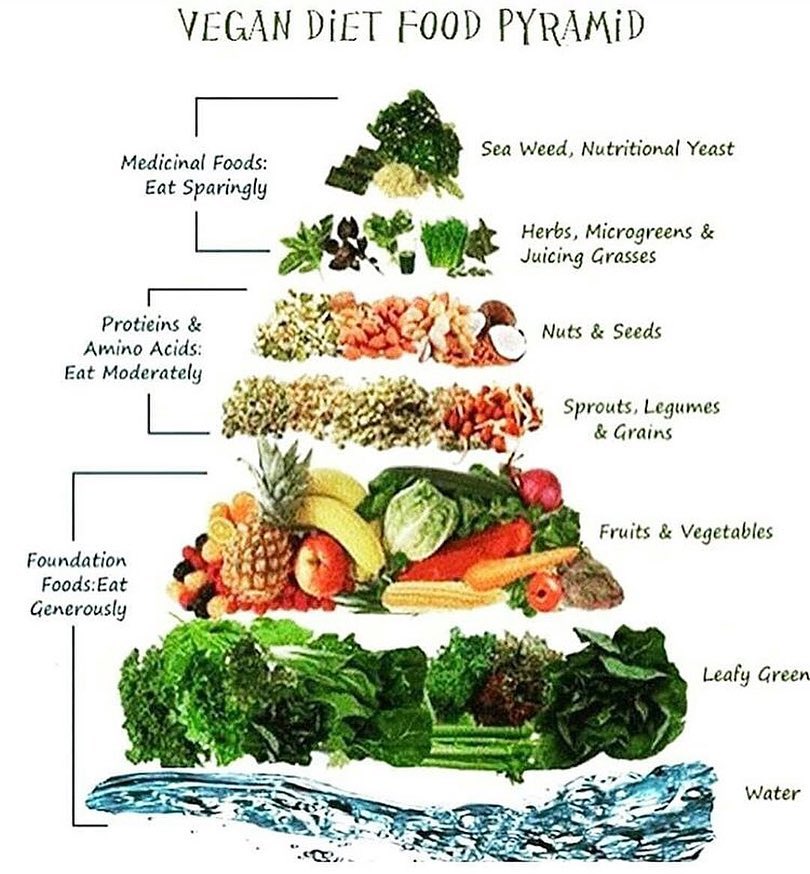
Other vitamins and supplements were recommended. In addition, a vegan diet of 75 % raw fruit, vegetables with some additional cooked ones and limited nuts and grains was prescribed. Peanuts that are high in protein were not allowed. . . .because of the toxins in them. However, a supplemental protein was prescribed. This again was very progressive and doctors whom I have interviewed on my radio show. Most recently, that are in fields of cardiology, cancer, multiple sclerosis and other areas of diseases are recommending a vegan diet because of its effect on specific diseases.
As a nurse with an interest in holistic health, in time, I added the mental/spiritual interventions such as prayer, meditation, affirmations, visualization, optimism, faith, gratitude and others. Back in 1974, there was almost no research in this area of health. But they were recommended by Edgar Cayce in his readings that I had volunteered at their camp in western Virginia and found these practices beneficial. In addition, to my background in public health that was holistically oriented I felt this approach seemed natural.
I followed progress every six months with my primary doctor who thought we were in a wait and see mode because I had not shared with him what I was doing because of his conservative background. However, after 2 years he said the spot was gone and another physician friend who I had worked with at Duke University asked to see the biopsy, lab and other reports because of his concern. After reviewing everything: he also confirmed that it had definitely been cancer and was now gone. That was 44 years ago and I never had a recurrence which I attribute to the holistic protocol.
Why is it Important to Use a Holistic Approach?
Although there is no research to support mental/spiritual interventions toward killing cancer cells. There is now research to show the supplemental role thereby, Reduced blood pressure, heart & breathing rates, improving memory. While increasing DHEA, a hormone that reduces aging and decreasing cortisol by 23%, which also increases happiness and self esteem, improves immune functioning.
Which improves tolerance to aches & pains, reduces stress, improves quality of life and others. Specifically. Cancer patients with a sense of purpose have an increased life spam, and those who are spiritual have less pain and a higher quality of life. Also patients who meditate have a 31% lower stress symptoms, and 67% less mood disturbances. There is also studies that state music can lower patients anxiety, pain, heart rate, breathing rate and blood pressure. Visualization can improve immune functioning.
Why did you decide to write the book?
I originally wrote the content for a section on my cancer website that included content on prevention, diagnosing, selected interventions, and reducing side effects. S0 I decided t0 make it available to more people other than only those viewing the website. MY goals became: 1) to help people learn ways to prevent cancer that statistic now show that 1 of every 2 people will get cancer in their lifetime, 2) to make people more aware of the cancer foundation and its content, 3) to make some money for the cancer foundation (all funds received from the book go to the foundation).
Like many cancer survivors, I developed a passion to help others overcome cancer without harmful side effects. For many years after recovery and while continuing my career in academia. I talked with students about alternative holistic ways to deal with cancer and other diseases and also applied these interventions in my own life. After I retired I continued these activities with neighbors and anyone I met who would listen.
In order to reach more people, I began hosting a radio show on holistic health 10 years ago with an emphasis on all diseases but especially cancer. I then wrote a book about my lung cancer experience, founded a cancer foundation, and wrote Reducing Your Cancer Risk as a way to inform the public about simple ways to reduce their cancer risk, to make some money for my cancer foundation that receives all money from book sales, and also to make the public aware of information on my cancer foundation website.
Being diagnosed with a terminal illness can have a detrimental effect on your mental health. My diagnosis was a result of a dream telling me go for a chest x-ray and I believe this is one way God speaks to us if we listen. Thus, there was comfort in believing God was with me and looking over me. In addition, because there was no pain I continued teaching and working with students, writing and doing research.
This kept me very busy and I had little time to think about myself. I have since learned that helping others takes your mind off yourself and is a healing intervention that I call helping others and that helps keep us healthy because of the joy of helping & caring for others. In addition, through mental/spiritual interventions and the emotional support of others helps to keep me positive.
It has been said that we all carry cancer genes. It’s best to eat healthy to keep cancer dormant. Of all physical activities in my protocol for overcoming cancer. Nutrition and exercise were two of the most important. Research now shows that nutrition can reduce your risk of cancer by 35% and exercise by 50%.
-By following a regular exercise program, I can reduce my risk of having a cancer recurrence by as much as 40%.
-By eating a mainly whole food, plant based diet, I can reduce my risk of recurrence by a whopping 30%.
Studies have shown a link between vitamin D deficiency and breast cancer. Vitamin D is the sunshine vitamin. I live in Virginia and people who live in northern climates are at high risk of being deficient in this vitamin, which in turn puts them at risk of developing breast cancer. To reduce the risk, take a supplement (new studies show that you should take K2 along with D3, taking K2 helps D3 absorb more readily into your blood stream.)
To repeat the highlights of what I learned: When diagnosed I consulted an alternative doctor who highlighted to me the physical interventions and nutrition was an important one. He placed me on a vegan diet with 75% raw fruit and vegetables with some addition cooked ones. This was in the days before juicing — S0 there were lots of salads for me. In addition, I could have all the nuts all wanted except peanuts that are high in protein, but have high levels of Aflatoxin B 1.
He also states I could eat some whole grains, however, be weary of genetically modified organisms, pesticides, growth hormones in meat and other pollutants and he highly stated recommended that organic fruit and vegetables (avoid pesticides.) Eating healthy includes supplementing vitamin A that prevents precancerous cells from converting to cancer cells and turmeric that does the same and also prevents cancer in animal studies.
Good nutrition also includes anti-inflammatory foods and antioxidants. Some doctors believe that avoiding inflammation will reduce or eliminate diseases, and it is also known that antioxidants help balance free radicals given off in waste products from cells and that causes inflammation and can be a precursor to diseases such as cancer. Although the body provides some antioxidants it is not possible for the body. . . .to keep up with needs in our current environment.
In my protocol: I subsequently used all natural holistic interventions including laetrile, pancreatic enzymes, digestive aids, therapeutic doses of vitamins, minerals, and a vegan type diet. I also used prayer, meditation, visualization, affirmations, service to others and additional mental and spiritual interventions. While also following. . . a modified lifestyle plan after overcoming cancer, I never had a recurrence and at age 86 I am free of chronic diseases and prescribed medications. Video courtesy of the Cancer Control Society in Los Angeles, California.
Using holistic natural interventions of supplements, herbs, enzymes, prayer, meditation, visualization and a healthy diet, Dr. Helvie. not only, overcame his cancer but prevented a recurrence. So, considering only 11% of Americans over age 65 are free of chronic illnesses, and by age 75 the average is three chronic illnesses and five prescribed medications.
A holistic lifestyle has continued to produce results for him. He is healthy and takes no prescription drugs, while 89% of Americans over age 65 have some form of chronic illness. Dr. Carl O. Helvie remains active in his retirement. Since being has written two additional books and has been the host of the holistic health radio show for the past 11 years. With all of his current work focusing on natural interventions for health problems. While applying these concepts to life.
Bottom line: people believe what they want to believe, and for the most part, they don’t want to hear the bad news about their bad habits. It takes guts to make lifestyle changes, and change is not for the faint of heart. So are you ready for a change?
MY Two Favorite Holistic Health Care Interviews Are:
Emotional Stressors: It does, however, it does not affect every body uniformly. Most people want to know why emotional stress cause breast cancer and why it occurs in some people rather than in others. Some of the answers depend on how far people can cope with emotional stress & trauma.
If you are vulnerable to breast cancer there are chances that you can easily succumb to stress and trauma that life will put in your way. More so, you may likely be a stickler. Living in fear of negative happenings or fear of failure. When unavoidable events bring about stress and trauma occur you may not be able to cope at all because you have the tendency of being diagnosed with cancer.
Adrenaline is said to be the hormone that removes sugar from the cell. When sugar is produced in excess in cells it makes the body – to become filled with too much acid. Making the body cell deprived of oxygen and cancer cells are said to survive better in stumpy oxygen condition. What this means is that you should not allow yourself to go through so much stress as it provide the chance for cancer cells to grow well.
Do you know that cancer normally forms in a cellular state?
When stress occurs in the body cells it can cause them to be short of adrenaline from there the cells become high in sugar and lower in oxygen, making them more susceptible to becoming cancerous. Treatment of breast cancer — comes in different stages and also categories. Hence if you are diagnosed with breast cancer you will need to know the level the tumor has grown to, your age and status of your menopause and other factors that might influence the treatment. Healing Leukemia:with Laura Starflower
Stress – Mental and Emotional Cause of Cancer
How can you live a stress free life and prevent cancer and other health problems? By learning to manage your cortisol stress hormone levels and by putting the mental/ emotional stress in your life in the proper perspective. Once you know how to balance the physical factors of sleep, diet & exercise . . . . along with the mental and emotional stresses in your life then you will restore health in your body and mind. This is critical in any alternative cancer treatment.
The question is how does stress cause cancer?
Dr. Hans Selye gained world-wide recognition for introducing the concept of stress in a medical context. A distinguished physician and endocrinologist, his theories on the role of organic responses to emotion, illness & injury have revolutionized our understanding of the causes and mechanisms of disease and of the mind-body connection.
Your pituitary is a pea-sized gland at the base of the brain that produces ACTH (adrenocorticotropic hormone). This hormone, in turn, causes the adrenal glands (which sit at the top of your kidneys) to make cortisol. Cortisol is a hormone with some important jobs: It helps regulate your blood pressure
To answer this, one must look at what the stress response does physiologically in the body. It is a fact that high stress is a major contributing factor to cancer and many other diseases. Hans Selye, the father of stress research, said there are two types of stressors, distress and eustress.
Distress is a longer, more damaging response which negatively affects the organs, glands and systems including the immune system. Eustress is a short term — beneficial stimulus to the system. If you run up and down the stairs ten times you feel invigorated. Now if you run up and down the stairs one thousand times you are exhausted and totally drained, so eustress is health boosting whereas distress is health depleting.
The stress response is controlled by the brain via the hypothalamus pituitary adrenal axis or HPA axis. The hypothalamus, which has been called the brain of the brain, is the part of your brain that senses biochemical changes similar to the thermostat in your house. If certain biochemicals go high or low, it triggers the brain to respond.
The hypothalamus does so by telling the master hormone gland, the pituitary, to send messages to the adrenal glands to secrete a hormone called cortisol. When cortisol is at the proper level it is anti-inflammatory and promotes health. When cortisol goes too high with acute stress or too low with chronic stress, it also causes your immune and digestive systems to shut down, inflammation to increase, blood sugar to rise, hormones to go out of balance and bones to become osteoporotic. When your cortisol level stays high or low it predisposes you to cancer and many other diseases.
What causes cortisol to go out of balance?
Mental/emotional stress (distress)
Lack of total sleep (8-9.5 hours) and pre-midnight sleep (four hours is ideal)
Diet high in sugar, starch or acid forming foods
Too little or too much exercise.
Cancer forms when cortisol becomes chronically high or low because adrenal exhaustion causes immune system suppression and your immune system is what keeps the individual cancer cells (which everyone has), from growing into colonies called tumors.
The most important stress management plan starts with proper sleep, diet, and exercise along with learning how to change your perception of the situation. When you change your perception you can change your reality and your health. To reduce the mental/emotional distress one must live fully in the moment without spending time thinking about the “if only I would have” past or the “if only I could” future.
If you had excruciating pain in your body, what does your mind say? “I am going to die if I don’t get out of this pain.” But is this really true? Can you endure the pain for one second? The answer is yes and this is how you will endure any storm in your life, by living one moment at a time instead of living in the past or the future. This type of living keeps your cortisol and immune system in balance and keeps you healthy in mind and body.
Stress and Emotional Problems. the affects of stress on the body is often over looked. When the body and mind is in a state of balance and unity you experience good health. Most people don’t experience a state of perfect harmony so that disease manifest itself! Watch this video it says a lot.
11 Natural Ways to Lower Stress.
Stress is conceivably the biggest health challenge facing us today. Stress is implicated in all chronic diseases, which cause more deaths in the world than any other factor. In fact, the World Health Organization estimates that over 60% of all deaths are a result of chronic diseases. Not only can stress affect physical health, it also plays a major role in our mental health. Stress can lead to depression, loss of self- confidence and even suicidal tendencies. Managing stress is vital for your health and happiness. The good news is that it is possible to reduce stress without having to resort to medication, which has numerous negative side effects.
1. Organize Your Life, Thoughts & Emotions. Disorganization is guaranteed to add to your the stress you have in life. Simple task like time management can be wonderful de-stressors. When we stop to think that every hour wasted is a part of our life wasted, it makes a lot of sense to get organized. A simple way to do this is to make a list every evening of what you need to do the next day. Prioritize the items in order of importance. S0 do the most important things first. Another great de-stressor is to tidy up. Clutter causes stress because you can’t find things and because it creates a negative picture in your mind that puts you on edge.
2. Exercise
Numerous studies have shown that exercise greatly helps to reduce stress and improve overall health. The Nurse’s Study showed that women who go from no exercise to just one hour a week cut their risk of heart attack by an amazing 50 percent. You don’t have to run a marathon or sweat it out in the gym. A brisk thirty minute walk will do wonders for you. Disciplines like yoga and tai chi are great for relieving stress, helping increase suppleness and flexibility and lower blood pressure. Exercise releases endorphins, ‘happy hormones’ that improve mood and make you feel better. It also has the added benefit of helping weight management, another factor that often adds to stress.
3. Gratitude
Developing an ‘Attitude of Gratitude’ can have an amazing effect on one’s stress levels. Focusing on the things that are going right, and we all have many, helps us realize that things are not as bad as they appear. The very fact that you woke up this morning is a reason to give thanks, tens of thousands didn’t. The fact that you’re reading this means you have eyes that work, there are about 160 million people in the world who are blind. Don’t have a roof over your head, or clothes to wear, food to eat, a job (no matter how stressful) to go to? You’re better off than tens of millions. Learning to appreciate all you do have, and to stop focusing on the things you don’t have, will have a major impact on reducing your stress levels.
4. Diet
Science is telling us that diet plays a significant role in stress. Studies have shown that junk food helps to make us depressed, and fat! Also cutting down on processed, packaged and fast foods will not only reduce your stress levels but also help to improve your overall health. Sugar depresses the immune system, too much caffeine will leave you also feeling jittery, anxious and the Omega 6 found in all processed plant oils and margarines causes inflammation, a major contributor to ill health. Increasing the amount of fresh foods and whole grains in your diet will help improve your mood, give you more energy and improve your ability to cope with stress.
5. Sleep
Current studies show a significant percentage of the US population is not getting enough sleep, a sure way to raise stress levels. Too little sleep leads to irritability, depression and reduced ability to perform mentally and physically, as well as ill health. Establishing good sleeping conditions will help. Start by establishing bedtime routines that tell your brain that it’s time to go to sleep. Things that will assist are going to bed at the same time every night, avoiding eating too late and not watching TV just before going to bed. Taking a hot bath or shower can help relax you before going to bed and certain foods, such as complex (unrefined) carbohydrates and dairy can help promote sleep, so a cup of warm milk and a oatmeal cookie (without masses of sugar) could be just the thing to help you fall asleep.
6. Supplements Certain supplements can help reduce stress. Adequate amounts of Calcium also has a wonderful, natural calming effect on the body. The B vitamins help promote the proper functioning of the nervous system and help prevent depression and stress. Herbs like chamomile, passionflower and lavender all help to relax and calm. When you choose supplements, look for those made from organic, whole food (as opposed to synthetic) sources, as these are better utilized by the body, providing superior results. Ensure that you get sustained release B vitamins and chelated calcium and magnesium supplements, so that you get maximum absorption and results.
7. Hobbies and activities People who have an interesting hobby or activity have been found to have less stress are able to handle stress better than those who don’t. So ball room dancing, restoring a vintage car or collecting stamps will all help you handle your stress better. Just the fact that you can concentrate on something other than the normal day-to-day grind helps to lighten the mood and reduce stress and depression. Even more effective are activities that involve other people, as the social interaction helps to shift the focus off one’s self and your problems.
8. Meditate
Many studies and experts recommend meditation as an effective tool for dealing with stress. Best of all, meditation is easy, you don’t need any equipment, it doesn’t take a lot of time and it is free, you only need your mind. At the simplest level, all you require is to find a quiet place where you can sit comfortably with both feet on the ground. Close your eyes, breathe deeply and rhythmically, and repeat a positive mantra to yourself. Saying something like “I feel peaceful, I’m in control, everything is working out just fine.” Clear your mind of all other thoughts and feel yourself relax and unwind. Alternatively, find a recognized meditation teacher and learn a technique that helps you.
9. Get Social Interacting with other people. . .can be a great way to help reduce stress. Getting around positive, supportive people who will encourage and uplift you is one of the greatest stress relievers there is. So whether you join a church, a sports club or simply get together with friends on a regular basis, the bottom line is to get around people and talk about the things stressing you. Today we also have the benefit of social media, so if you’re feeling stressed take a quick break and interact with a Face Book or Twitter friend. At the very least, phone someone and have a chat.
10. Get Outdoors There’s something almost magical about getting out into nature. Over 100 studies have shown that being outdoors, especially in the wilds, or also helps reduce stress and anxiety. One Dutch study found that people who live within one kilometer (0.6 miles) of a park or wooded area experience less depression and anxiety. Another study showed that even the view of greenery through a window speeded recovery from surgery, improved productivity and increased job satisfaction. So if you’re suffering from stress, make a plan — to get out into the woods next weekend or visit your nearest park.
11. Music You don’t have to be a genius to know music can evoke strong feelings of pleasure in all us. Researchers have shown that listening to soothing music can help reduce stress and anxiety and even lower blood pressure and pulse rates. You don’t need a music therapist, simply create a play list of soothing music, then sit back and allow the music to work its wonders on you. Alternatively, tune into one of the hundreds of internet radio stations that broadcast relaxing music. If you’re really feeling uptight, try playing your favorite rock music and singing along at the top of your voice, it’s a great way to blow off steam. Source: http://dailyhealthlifestyles.com/10-24-2016-11-natural-ways-to-lower-stress/
Modern medicine probably hasn’t given you a satisfactory explanation. Here are some other perspectives that you might want to consider. One of our primary premises is that cancer and indeed all illness are a result of chronic physical, mental & emotional and other types of stressors. Many healers and experts also hold this opinion.
Let’s understand what causes breast cancer through a symbolic view.
1. Louise Hay, is a vaginal cancer survivor and world-renowned author, also attributes the development of her own cancer to being raped in early childhood. In her best-selling book, You Can Heal Your Life, she says that her cancer was caused because she held on to the anger and resentment of being raped. Louise speaks of healing herself by letting go of this long-stored emotional turmoil. This is an example of how emotional stress can lead to illness.
She further adds, breasts represent mothering, nurturing and nourishment. Breast problems represent a refusal to nourish the self, putting everyone else first and over-mothering, overprotecting and overbearing attitudes. Babies and the unborn can also receive self-devaluation conflicts through their mother. An unexpected nasty insult during pregnancy that upsets the mother will also will affect the fetus.
Louise Hay changed my life.
Things that I would never say to another living human being were looping constantly through my brain unchecked throughout the day. I would never allow anyone to speak to me like that so I needed to make a change. I learned how to recognize and change my inner dialogue by studying the work of Louise Hay, one of the world’s greatest teachers and my positivity mentor.
Her work has shown how to create radical change of all kinds in my life. Louise Hay taught me how to begin to love myself and to learn how to treat myself with value and kindness. It has taken many years of practice. I now find myself saying and repeating positive things to myself throughout the day with ease. They are a welcome reprieve from the incessant, negative self-talk that I used to hear all day.
October 8th would have been Louise’s 93rd birthday. One of the highlights of her life was the release 0f her movie, You Can Heal Your Life which is one of my very favorite movies and leaves me feeling strong, understood and like I can create any thing at all that I desire. It’s like a session with a half dozen life coaches that gets you into the right frame 0f mind.
So watch this movie and see if it speaks to you. You just may learn a new way to speak to yourself.
This entertaining and inspirational movie based on the best-selling book of the same name is hosted by author and teacher Louise L. Hay. This film gives penetrating insights into Louise’s fascinating personal story; and shows how her views on self-esteem, and the metaphysical causes behind physical ailments were developed. It reveals how she applied these concepts to her own emotional, spiritual, and professional life.
With many luminaries in the fields of self-help, philosophy, health, spirituality, and New Thought join Louise, giving their take on success, happiness, and the myriad ways in which people can heal their own lives.
You Can Heal Your Life Full Movie Here.
Its Namastay amazing!!
The 4th chakra connection!!!
A leading authority in holistic health, and author of many books about the human energy field, Dr. Caroline Myss. . . .makes a correlation between the body’s energy chakras (also described in Yoga texts) and the stresses that can disturb the flow of life energy, leading to illness.
There are 7 chakras, starting from the base of the spine and ending at the top of the head. Each chakra supplies life energy to its surrounding organs.
The chest/breast area is served by the 4th or heart chakra. The heart chakra is associated with love, forgiveness and compassion – qualities of the heart.
Breast cancer is caused by a disturbance in the energy flow in this chakra.so lists cancer as being caused by long-held anger and resentment.
Reflection
Do you consider yourself a caring, nurturing person, prone to being over-caring?
Do you mostly put your needs last?
What resentment do you need to let go of? Whom do you need to forgive?
What emotional memories do you still need to heal? Are there any relationships in your life that require healing?
Who are the people that you are yet to forgive and what prevents you from letting go of the pain you associate with them?
Do you ever use emotional wounds to control people or situations?
What have you done that needs forgiving? Which people are working to forgive you?
Has this article helped? Have you been able to detect what could be the possible causes of breast pain and probable answers to what causes breast cancer? Leave us a comment. And please share this information with anyone that you think might need it.
First you have to remain hopeful… second you have to do what’s best for you… take care of you. Negative energy is feeding the situation. I am praying for your healing. Healing of the mind, body and soul. All three go together my friend. . . .so firstly, start with positivity. It’s difficult at first, but the Facebook groups are super helpful. Start researching. Read books, such as How to Starve cancer etc. There are so many other options out there you just have to find what is right for you…. No one knows when it’s our time to go. Negativity feeds the cancer, so I am sending you all the I can do this positive vibes and energy. I can. . . You’ve got this 🙂
Stay positive! And look into epigenetics and Bruce Lipton. We can turn genes on and off with our thoughts, the way we live, diet — so having certain genes like BRCA is not as big a deal as they would like us to believe. Read Radical Remission. Lots of success stories out there!! I agree wholeheartedly…genetics 5% Epigenetics 95%….Also a positive Mind-set is imperative, absolutely….Deepak Chopra says, “each and every one of our cells hears, feels, and can absorb everything…the good and the bad. . .so to heal. . . .we need to stay positive energy…believe, believe, believe…..
Caris – Molecular test. This “fingerprint” is created by identifying biomarkers in your tumor at the level of genetic material (RNA and DNA) and the level of proteins in the tumor. That provide extensive information about the tumor’s ability to respond to specific drugs. Most people don’t need this type of testing. It’s usually recommended when certain types of cancer run in a family and a gene mutation is suspected. You might consider this type of testing if: You have several first-degree relatives (mother, father, sisters, brothers, children) with cancer.
Healing for the body encompasses fitness, nutrition and physical connection. With a clear mind, you will be able to compare the feeling of clarity to a mind controlled by a balance of awareness. Holistic therapy also focuses on improving the wellbeing of the entire person, because mental health and physical health are linked, problems in one area can impact the other. At the same time, improving your physical health. . .can benefit your mental health, and vice versa.
Just like drug or alcohol abuse changes the brain causing it to lose control of its normal functions. When the mind becomes clouded with toxic substances, it ends up suppressing critical thinking, motor skills, and responsibilities. Spiritual healing anchors us — to what makes us human, fallible, and complete in recovery. It keeps us grounded — in our beliefs so we can turn to a higher power, which gives us purpose, peace, and security. When the spirit is fed, the mind and body are in harmony for a fulfilling and healthy recovery.
Recovery is a lifelong process. There is always a risk of relapse and challenges in recovery. Develop a plan to avoid high-risk situations. An effective treatment program will help you prepare for lifestyle changes you need to make for a successful recovery.
Though some healthcare professionals may dispute whether alternative holistic approaches are evidence based the majority of addiction counselors will opine that a holistic healing approach is essential to recovery.
In order to first understand what holistic healing is one must understand its’ principles. Holistic Healing is a treatment plan which encompasses the three factors mind, body and spirit and its theory is based in the theology that in order to have a successful recovery one must be “healed” in all three areas: the mind, the body and the spirit. It’s further theorized it is only when all three factors are incorporated is someone able to properly and “wholly” heal from recovery.
Holistic healing includes the following belief systems:
That in order for a body to recover from a depleted nutrition system one must maintain a healthy diet that will sustain and re-energize the body that has been denied healthy nutrients by addictive-dictated unhealthy diets;
That proper exercise reinvigorates the body and provides the release of endorphins which leaves the body feeling good;
A regimen of supplements refurbish the depleted body of the addictive individual;
Recognizing and releasing emotions such as anger and resentment that lead to the triggers to addiction;
That support systems are essential to a successful recovery;
meditation and yoga help relax the body and put you at ease with a concentration on regaining a strong sense of spirit which includes peace and serenity;
Finally, the act of service to others. It is the theory that in helping others it will leave you with a strong sense of self-gratification which will nourish your soul.
Healing the Body
Any illness addiction will cause changes to your body and especially your brain. Your body and brain need time to heal from the illness and adjust to life without substances. There are some things that you can do in the meantime to help your body heal.
Proper nutrition – During active addiction, most addicts don’t have the money or the inclination to eat properly. The body may be depleted of the essential nutrients that it needs to function. A balanced diet with lean protein, whole grains, fruits and vegetables will provide you with the vitamins and minerals you need.
Supplements – Because those who are ill are often deficient of nutrients. Even with proper nutrition, it is difficult to eat a sufficient variety of foods to get all the vitamins and minerals the body needs. There are over the counter supplements. . .that can help with some problems that are common among recovering addicts. Some examples are melatonin for sleep, and vitamin D for depression. Always check with your doctor before taking any vitamins and minerals. Even over the counter supplements can sometimes interact with medications that you take or cause problems with certain disorders.
Water – It’s important to drink plenty of water every day. Your body is composed mostly of water and needs to be replenished to keep your organs in good working order.
Everyone is different and may need different amounts of water.
However, it is recommended that men drink about 13 cups of water and women drink 9 cups of water a day. Exercise – Getting regular exercise will help reduce depression which is common in people recovering from addiction. Exercise releases endorphins which make you feel good. Endorphins are the body’s natural morphine. They also bind to the same receptors in the brain as pain medication, heroin and other opiates.
Healing the Mind
Your psychological health is just as important as your physical health, and it can be severely damaged by an illness. Recovering patients often have low self-esteem, guilt, shame, depression and anxiety. They are prone to cravings to return to their prior self. During active recovery they often over view life problems, emotions and other issues. In recovery, the who are ill often needs to learn to use other coping skills to deal with these issues. There are a lot of things that you can do to help heal your mind.
Here are a few things to try.
Self-esteem – You can improve your self-esteem by changing negative thoughts about yourself. When you notice yourself thinking things like, “I’m stupid” or “I can’t do anything right” make a conscious effort to change these thoughts to something more neutral or positive. Positive self-talk can help improve self-esteem. Positive self-talk is simply reminding yourself of your good qualities and your strengths. Try this exercise to improve self-esteem. Write down five to ten of your good qualities. Pick a couple of these qualities and write a paragraph about why these qualities are important and how they help you in life.
Guilt and Shame – When we do something we know is wrong, we feel guilty. Shame is also felt. . . .when we internalize guilt and feel we are a bad person because we have done something wrong. Guilt and shame help us to do the right thing in moral situations. While they serve a purpose, they are not meant to be held onto for long periods. To alleviate guilt and shame, try making amends for the wrongs you have committed. Amends can be more than just an apology. They can involve doing something good for the person harmed or the community. Amends do not have to be made directly to the person harmed to be effective.
It is not always possible to make amends directly but doing volunteer work or helping someone anonymously, can help too.People who are depressed tend to dwell on the past and think more negative thoughts than happy people. Try this exercise. . .to let go of the past. Write down all of the things that you are dwelling on. You can symbolically let go of the things you wrote down by burning the paper or by attaching it to a balloon while imagining the past floating away with the balloon. Remind yourself you cannot go back and change the past so you need to let go of it. Also there are obviously some forms of depression that are more serious. . . cannot be relieved so easily.
If your depression persists, interferes with your functioning or you have thoughts of harming yourself or others, seek professional help. Some depression can be more chemical than psychological and may need medication to be alleviated. Therapy can also help you work on letting go of the past and learn to think more positively.
Anxiety – People who have anxiety tend to be more focused on the future and worry about things that might happen. Staying in the present moment and learning about mindfulness can help relieve anxiety. Changing thoughts that start with “what if” or “I should” can help relieve anxiety. Relaxation techniques like breathing exercises, meditation or yoga can help alleviate anxiety symptoms. However like depression, if your anxiety persists or interferes with your functioning, seek professional help.
Cravings – It is normal for the addicted person to have cravings for their substance of choice. Having a good support system can help because cravings can stop when you talk about them. 12 Step groups have a saying, “secrets keep you sick.” This means that when you don’t verbalize a craving & you keep it a secret, you are more likely to act on it. The need for support is why many addicts choose to go to Alcoholics Anonymous or Narcotics Anonymous meetings.
Other recovering addicts understand cravings and can help you cope with them. Focusing on the consequences of returning to active addiction…. can be a good tool as well. Try keeping a list of the negative things that could happen if you return to active addiction. You can include things on your list like health problems , jail, 0r arguments with family members or your spouse and losing material possessions.
Coping Skills – An important part of healing the mind is developing healthy coping skills. There will be times in recovery when life doesn’t go the way you want it to go. Or you will feel things that you don’t want to feel like pain, anger or sadness. Coping skills are the tools that will help you deal with life’s problems. Some examples of coping skills are talking to someone, distracting yourself, doing something active or physical, doing something fun, finding a creative outlet and spending time with family and friends.
Healing the Spirit 🙂
Spirituality can be an important part of your life, and it’s often neglected while in active addiction. Spirituality is not necessarily about any particular religion – it can be about believing in something bigger than you are — or it can be about your personal well-being and personal development. However you think about spirituality, it can be an important part of your recovery to heal your spiritual self. Here are some ways to heal spiritually.
If you attended a particular church or believed in a particular religion try attending to your church masses regularly. Attending regular services and participating in religious activities may help you heal spiritually.
If you are unsure what you believe in, you can try going to different churches and learning about different religions. Research churches in your area online and find a couple that feel right to you. Try going to a different service each week until you find one you feel good about.
Talk to religious leaders in your area to learn more about their beliefs and explore your own. Let them know you want to work on healing your spiritual self and ask them what they suggest.
Try reading the sacred books of different religions. The more you learn about what other people believe, the more that you may find that some feel right to you while others do not. This does not mean that any particular spiritual path or religion is right or wrong. It’s more about finding the one that is right for you.
Read books about spirituality. Examine what the authors believe in and see if it fits with your life and what you believe in.
Try watching television shows or documentaries about spirituality. Look for something that you feel is right and you think you can believe in.
You can find a Higher Power that you believe in. A Higher Power does not have to be connected to any religion but it can be. A Higher Power can be nature, science or God. It is whatever you believe in that is greater than you.
You can choose to work on your personal development as a part of healing your spiritual self. Look for things that you feel will make you a better person. Try new activities and learn more about the world. Think about your values and beliefs. Ask yourself questions like, “What can I do to better myself and my world?” and “What are my values, beliefs and morals?” Think about who you are as a person and who you want to be.
Having a purpose in life can help heal your spiritual self as well. Try finding a cause that you believe in. Doing volunteer work can help you work toward a purpose. Or find something…. that you believe in that you can work to improve. Many people recovering from illness choose to connect with those that are dealing with the same problems as them for support and to help each other.
I know that healing your body, mind and spirit may seem overwhelming. However, you have plenty of time to work on healing your whole self. It is an ongoing process which you may work on over your entire lifetime. You spent years healthy and it will take time to heal from the damage done. The important thing is to continue working to improve yourself and your life.
Why the Mystery and myth around mind body Spirit Healing?
It is important to keep in mind that most medical research is sponsored by the pharmaceutical companies who have a lot to lose from alternative approaches to treating disease.
A few years ago I was a key note speaker at a convention in Houston, Texas. One of the other speakers happened to be Gregg Braden, a scientist who shared some provocative analytical data on consciousness and the mind-body spirit connection. I have followed his work since.
Here is a video of him discussing collective consciousness and mind body spirit healing. In the video you will see a woman being cured of cancer in less than three minutes at a medicine-less hospital in China.
There are various mind power techniques you can use for self healing, but the following success factors seem to always be present in the more successful cases.
SEVEN success ingredients for mind body spirit healing!!!
In the words of Eric Butterworth, realize that “God can do no more FOR you than he can do THROUGH you.” In other words, recognize that life is always on the side of wellness – but spirituality can only help you. If you help yourself through your thoughts, your faith, your actions and your vision. If you are constantly in a state of resistance and stress, you are behaving in opposition to healing.
To heal, we must let go of our ideas about how we believe things should be. We have to accept the current situation, relax, surrender and allow Spirit to work through us.
1. Focus and awareness
Be mindful of your thoughts, words, and actions (please see this article for powerful autosuggestion techniques).
Observe what creates stress for you and make changes where appropriate. Ways to manage stress.
Apply the power of positive thinking.
Do not allow negativity to creep in.
See yourself as a channel of positive, divine energy. Start your day imagining healing energy flowing into your body through the crown of your head — from an unseen source above. See yourself filling up with so much of it that you are able to radiate some of that excess energy out though your heart. Use affirmations for healing that help you stay centered in that spiritual space of giving and receiving. Learn how to do meditation and/or self hypnosis and use it. . . on a daily basis for centering yourself.
2. Take control of your mind
Sometimes it is hard to accept bad news. It can be even harder to accept responsibility for your thoughts that contribute to a situation you don’t want.
The irony is that until we come to acceptance, we cannot truly begin healing on a spiritual level. If you want a different result you must change your thinking and move out of resistance.
You are probably already familiar with the remarkable Louise Hay, a woman who cured herself from cancer and then started Hay House, a very successful publishing company:
3. Apply the Law of Visualization.
Understand that each of us interprets the world through our own set of filters. You see what your awareness has conditioned you to see.
Or perhaps better said, you see what you believe. Visualization is a powerful mind tool for mind body spirit healing. If you create pictures in your head of worrisome thoughts, you are attracting worrisome outcomes to you. For more on this topic see Body Mind Health and the Placebo Effect.
“See” yourself in perfect health and it will be so. Be diligent about your thoughts, your words, and deeds. Never allow negativity to creep in. Stay positive, joyous, and hopeful.
4. Be strong in your belief and your faith.
Don’t allow a moment of doubt. Visualization exercises will certainly help in this regard. So will some of the other mind power tools offered on this site. The power of positive thinking cannot be over-stated. Surround yourself with positive people and evidence of mind body spirit healing successes through books, videos, etc. Use positive daily affirmations to anchor your faith. Always begin your day with positive thoughts.
5. Live in gratitude
Every morning find something to feel grateful for. Cultivating a grateful heart is not for God’s benefit — but for your own. It raises your consciousness and centers you in the divine flow. I like to fall asleep at night: making my way through the alphabet, finding things for each letter I am grateful for. It is like counting sheep — but better.
6. Practice relaxation techniques to improve YOUR immune system
Practice relaxation techniques such as hypnosis for stress relief, at least three times a day to strengthen your immune-system. Stress relief techniques are SO important that a well-known Harvard professor once said, “that if a pill were invented which gave us this same benefit, people would line up around the block to buy it.”
7. Let go of resentment: Learn how to forgive and forget
Realize that your emotions affect your health and well being. Let go of resentment, anger, and other negative emotions. Forgive people that have harmed you – including yourself. Open your heart to love and wellness. Most of all, be happy.
Bonus: Hey, this is Leo for Actualized.org, and in this video I want to talk about the most advanced, most profound, most important and most challenging concept that I have discovered in all of my personal development research, and that is spiritual enlightenment.
Wayne Dyer and Dr. Arnald Friedman discussing inner healing.
The one major Jack Kungel taught me about being a cancer survivor is to be successful you have to change everything about your life Mind, Body within spirit to live. For Jack he overcame many obstacles in his life, strictly by taking a, different outlook on his life. First thing every morning living in Canada is he takes and early morning walk, loves his music and knows the importance of a balance Endocannabinoid System!!! I remember Lisa Williams from Australia telling me through our Facebook Group that she cured her cancer. Solely through over loading her body with Omega 3’s through grass fed animal product and balancing out her nutrients in her body.
Many of us don’t realize the important of “balance” in our daily lives. Balancing work & play is a critical part of our physical and mental health. Nutritional scientists have shown that balancing omega-6 fats (which are generally, but not always, pro-inflammatory and therefore, considered the “bad guys”) with omega-3 fats (the “good guys”) can impact a multitude of health outcomes. For example, replacing omega-6 rich processed foods (e.g., french fries, potato chips, and pastries) with omega-3 rich healthy food ( salmon steak, sardines, and fresh leafy vegetables) which improves cardiovascular health, brain health, and metabolic wellness. A similar analogy can be used when discussing endocannabinoid and endocannabinoid “tone/balance” systems.
To briefly review, the endocannabinoid system is a group of specialized lipids, also their receptors, and the enzymes that produce and degrade them. Through direct and indirect actions, endocannabinoids are known to modulate and influence a variety of physiological systems, including appetite, pain, inflammation, thermoregulation, intra-ocular pressure, sensation, muscle control, energy balance, metabolism, sleep health, and stress responses, motivation/reward, mood, also memory.
What Are Cannabinoid Receptors?
Cannabinoid receptors are an important class of cell membrane receptors that are also known to have a serpentine shape. Receptors are akin to “locks,” and the ligand compounds that bind to them are akin to “keys” in a lock & key system. They have about seven sections that pass through the outer cell membrane. Cannabinoid receptors are also coupled to G-proteins, where a lot of the signaling “magic” happens when a molecule or compound binds to the outer portion of these receptors. The three main ligands that bind to cannabinoid receptors are all lipophilic (fatty or “fat-loving” compounds), and include endocannabinoids (synthesized within the body), phytocannabinoids (plant-derived, such as from cannabis), and synthetic cannabinoids.
The cannabinoid receptors are further divided into two main subtypes, known as CB1 and CB2. Although they have some similarity, they are mostly differentiated by what tissue or organ system they are associated with in the body. CB1 is found mostly in the brain, with some presence in lung, kidney, liver, fat, heart, muscle, and bone. CB1 receptors are also mostly associated with the psychoactive and euphoric aspects of THC. However, CB2 receptors are mostly found within the immune system and blood cells, and secondarily in lesser density within the nervous system, liver, gut, muscle, and bone.
How Do Cannabinoid Receptors Contribute to the Balance of the Endocannabinoid System?
Endocannabinoid tone/balance is the relative contributions of CB1 vs. CB2 activity at any given time. Research is accumulating that shows CB1 dominance is associated with increased perception of stress, anxiety, paranoia, augmented appetite, and decreased nausea/vomiting and pain, as well as enhanced immune surveillance, the latter of which has been demonstrated in certain cancer models. In contrast, CB2 dominance is associated with decreased inflammation and tissue injury, in conjunction with improvements in metabolic health, also insulin signaling/sensitivity, satiety, and energy balance. Using this information, some scientists are also zeroing in on specific CB1 blockers that could improve many of the symptoms of metabolic syndrome.
Metabolic syndrome is a cluster of risk factors that will increase the risk of heart disease, stroke, and diabetes. Specifically, it includes increased blood pressure, high blood sugar, excess body fat around the waist, and abnormal cholesterol levels. Some research in this area has already demonstrated: peripheral CB1 inhibition reduces blood pressure and blood sugar and improves cholesterol levels, as well as leads to visceral fat loss resulting in a lower risk for cardiovascular disease and type II diabetes.
What Does a Balanced Endocannabinoid System Look Like?
Recent biochemical and behavioral findings demonstrate “optimal” activation of CB1 receptors promotes antidepressant-like neurochemical changes and behavioral effects consistent with antidepressant/anti-stress activity in rodents. These findings reinforce the importance of a balanced endocannabinoid system.
The endocannabinoid system is known to control the proliferation, differentiation, survival, and immune competence of the often-neglected integumentary organ system (i.e., skin cells and hair). Targeting & manipulating endocannabinoid balance with the intent to normalize unwanted skin cell growth & skin inflammation might be extremely beneficial for a variety of human skin conditions (psoriasis, eczema, acne, dermatitis, systemic sclerosis, etc).
Our initial example drawing comparisons between the omega-6: omega-3 essential polyunsaturated fatty acid (PUFA) balance and the CB1: CB2 endocannabinoid tone is even more appropriate as dietary PUFA intake … has been shown to influence the levels of anandamide & 2-AG (the 2 most prominent endocannabinoids in humans). Therefore, the balance of omega-6 and omega-3 PUFA is an important modifier for the activation and suppression of cannabinoid signaling in cells.
To illustrate this point, Hutchins-Weise et al. published findings from rodent model of immobilization-disuse atrophy. . . . in combination with fish oil supplementation. The increased omega-3 levels from fish oil consumption caused significant changes in the endocannabinoid system (increased receptors of CB2, but decreased levels of 2-AG and CB1 activity) of the mice. By sensitizing the muscle to counter the effects of immobilization and hind-limb suspension.
What Happens When the Endocannabinoid System Becomes Imbalanced?
Keep in mind that “balance” is critical, as research has shown if we tip the scales heavily in the direction of CB1 inhibition, there may be, an associated decrease in fertility, with increased risk of depression, mood disturbance, and also immuno -suppression. An overabundance of CB1 signaling also has been associated with increased psychoactivity, systemic inflammation, cardiovascular risk, diabetes, and obesity. In contrast, CB2 over-activation and dominance could also lead to decreased immune function and diminished wound healing.
Chemical compounds called cannabinoids are found in marijuana and also are produced naturally in the body from omega-3 fatty acids. A well-known cannabinoid in marijuana, tetrahydrocannabinol, is responsible for some of its euphoric effects, but it also has anti-inflammatory benefits. A new study in animal tissue reveals the cascade of chemical reactions that convert omega-3 fatty acids into cannabinoids that have anti-inflammatory benefits — but without the psychotropic high.
The findings are published in the Proceedings of the National Academy of Sciences.
Foods such as meat, eggs, fish & nuts contain omega-3 and omega-6 fatty acids, which the body converts into endocannabinoids — cannabinoids the body produces naturally, a University of Illinois professor of comparative biosciences and biochemistry, who led the study. Aditi Das said, Cannabinoids in marijuana and endocannabinoids produced in the body can support the body’s immune system and therefore are attractive targets for the development of anti-inflammatory therapeutics, she said.
In 1964, the Israeli chemist Raphael Mechoulam was the 1st to discover and isolate THC from marijuana. To test whether he had found the compound that produces euphoria, he dosed cake slices. . .with 10 milligrams of pure THC and gave them to willing friends at a party. Their reactions, from nonstop laughter, to lethargy , to talkativeness, confirmed that THC was a psychotropic cannabinoid.
After THC is ingested, your liver goes to work on it, converting it into other molecules in order to eliminate it from your body. These other molecules are called metabolites. Usually metabolites are less active than the parent molecule, but sometimes you get one that is even more potent! What is especially interesting about THC metabolites is that their levels in your body can be more than 10 times higher if you take cannabis in an edible or ingested form rather than through other routes (smoking it.)
It wasn’t until 1992 that researchers discovered endocannabinoids produced naturally in the body. Since then, several other endocannabinoids have been identified, but not all have known functions.
Cannabinoids bind to two types of cannabinoid receptors in the body — one that is found predominantly in the nervous system and one in the immune system, Das said.
“Some cannabinoids, such as THC in marijuana or endocannabinoids can bind to these receptors and elicit anti-inflammatory and anti-pain action,” she said.
“Our team also discovered an enzymatic pathway that converts omega-3-derived endocannabinoids into more potent anti-inflammatory molecules that predominantly bind to the receptors found in the immune system,” Das said. “This finding demonstrates how omega-3 fatty acids can produce some of the same medicinal qualities as marijuana, but without a psychotropic effect.” Understanding the Metabolic Effects 0f Cancer!!!
Your metabolism is an ever changing part of your body and while it is not something that you can see with your bare eyes, your metabolism can tell a lot about your health and wellness. Those who make endless attempts at losing weight may be able to attest to a slower metabolism whereas some skinnier people who claim they can eat anything may state they have a high metabolism. Regardless of your body type, your metabolism changes throughout the day, week, year, and over the course of your life on earth.
With that said, there are some factors that can change your metabolism, with lifestyle being a vital component. Let’s take a look at 20 foods that can increase your metabolism and assist with your weight management and Super ~ Charge Your Health.
1. Quinoa: is considered a super food by many authorities and there is a reason. This food contains ample carbs and protein with even more vitamins, minerals, iron, and fiber. All of these nutrients come at a small cost though, as quinoa has been continuously found to be a food that can help to boost your metabolism and help you to lose weight. Quinoa goes best when added with chicken and bell peppers at lunch time. While quinoa is also a grain, it’s loaded with good sources of protein, which can help to boost muscular activity in the body. In addition, quinoa is a good source of A & B vitamins
2. Broccoli: The humble broccoli is a cruciferous vegetable that helps boost metabolism and promote weight loss. It is loaded with calcium, folate, fiber, vitamin A and vitamin C. It is packed with powerful phytochemicals that play an important role in the development of a strong immune system. Eating more broccoli means your body is 30 percent better at burning fat and making broccoli a great addition to your diet when you’re trying to lose weight and stay in shape.
3. Fruit and vegetables: Celery, Carrots and Fruit such as blueberries and strawberries are high in fiber, which helps your body burn fat by moving this macronutrient through your digestive system faster. Also, foods that are rich in vitamin C, such as citrus fruits help your body burn fat quickly & boost your metabolism. According to a study conducted by the researchers at Scripps Clinic, citrus fruits such as lemons, limes, oranges and grapefruit possess chemical properties that help decrease insulin levels, promoting weight loss.
4. Olive Oil: Many people actually stray from fats like olive oil because they contain high amounts of fat. However, it is these fats that are important for good health and eating more of this oil can help to boost your polyunsaturated and monounsaturated fat content. The unsaturated fats in olive oil may play a metabolic role in your health and the extra boost that you get may add up over the years. Be cautious as to not over consume any oil, as this will negate the metabolic boost. Drizzle it on your salad next time you order out.
5. Green Tea: Green tea contains a natural stimulant called caffeine that increases the heart rate, triggering the metabolism to burn at a higher rate. Also, it stimulates the use of fatty acids, thus avoiding fat storage. One cup of green tea contains approximately 30 milligrams of caffeine. According to a study that was published in the April 2010 issue of the journal ”Physiology and Behavior,” the combination of green tea & caffeine helps improve fat oxidation and weight maintenance. Caffeine is not only harmful when taken in moderation, but too much caffeine can cause nausea, increased blood pressure and insomnia. The green tea chemical epigallocatechin gallate, or ECGC, helps boost your metabolism and improves brain and nervous system function. ECGC is an antioxidant that helps protect against heart disease and stroke. In addition, it helps fight cancer, promote weight loss, lower cholesterol and boost your body’s immune system.
6. Almonds: are a great snack and a really tasty nut. They’re packed full of nutrients and studies have shown almonds can lower cholesterol, give you a huge boost in vitamin E and fiber, also helps you lose weight and boost your metabolism with their low calorie content and high nutritional density. Eat a handful of almonds as a snack each day and you’ll soon start seeing the benefits.
7. Asparagus: In one cup of chopped asparagus you can expect to get around four grams of protein, helping boost your metabolism and making your healthy diet much tastier. Asparagus is really versatile, yet seasonal, meaning you won’t be able to enjoy it fresh all year round. This metabolism-boosting food is great chopped, grilled or steamed.
8. Garlic: part of the allium family (meaning it’s related to chives, shallots, onions and the likes) lower your blood cholesterol, stimulate glutathione production and boost your immune system. Garlic also improves your metabolism, meaning the other good foods you eat will be digested and used efficiently.
9. Avocado: is full of protein. You’ll get roughly 2g of protein in half an avocado. The fruit also contains all nine of the amino acids that our body needs, including omega-3 fatty acids – meaning it’s a great source for people who aren’t a fan of fish! The protein in avocado greatly improves your metabolism for good health and weight loss.
10. Chia or (Hemp Heart) Seeds: are very tiny black seeds that resemble small dots. A once serving, which is a lot, contains under 150 calories, some protein, but more than ten grams of fiber. This fiber content is almost 50 percent of your daily needs and it can certainly be a good boost to consume more chia throughout the day. Perhaps the high fiber content of chia seeds is the reason behind a slight metabolic boost, but it could also be the combination of proteins as well as fiber. Chia can be sprinkled in oatmeal and you can even make your own pudding using chia seeds and milk. Hemp Seed Hearts can be sprinkled on salads or yogurt and provides omega 3’s.
11. Spinach: is one of those amazing, dark leafy greens that is packed full of antioxidants that protect your body against oxidative stress. Studies also having shown that spinach can help protect the brain against this stress, and even help prevent colon cancer, heart disease and bowel cancer. And To top it all off, spinach is great as a part of a balanced diet if you’re intending to improve your metabolism overall. Spinach can also help your digestive system become more efficient.
12. Red Beans: Red beans, when prepared properly (so don’t refry them!), are great for your metabolism. They’re full of resistant starch, which repairs your intestine’s lining to fight against infection, cancer and inflammation. Red beans have also been shown as powerful metabolism boosters!
13. Whole Eggs: have not been very popular in recent years as egg whites have become the new and healthier way to eat in the morning. However, raw eggs are a good health boosting food and they contain protein and valuable minerals to help boost your health for the day. Whole eggs taste great and they give off a small thermic effect after eating. This thermic effect comes with most all foods, but it is higher in the metabolic boosting foods. Fried eggs taste great, but hard boiled eggs can be consumed any time and make a fine snacking option as well.
14. Cottage Cheese & Greek Yogurt: If you’re not intolerant of dairy products, Cottage cheese is very high in sodium in each serving, but it also is very high in protein, closely comparing to lean meats in this category. Perhaps the high sodium content adds to the thermic effect of food, but cottage cheese, certainly gives a metabolic boost… due to its high protein content. Add some fresh fruit, berries, or even cinnamon to your cottage cheese and enjoy it as a morning meal or late day snack. Finally, think about incorporating Greek yogurt into your breakfast. You’ll get around 20g of protein per six ounces of yogurt, and it can be paired nicely with antioxidant-rich fruits like blueberries, and even eaten with oats.
15. Brown Rice: is one of the most widely consumed foods in the entire world and the best variety for health is the brown rice. This type contains all of the nutrients and you also gain more fiber in each serving than the white rice type. Brown rice takes longer to digest than white rice because the body needs to breakdown more of the food. The process of digesting all of the rice is where you get your metabolic boost and it can actually last a good while. Rice made in a rice cooker is one of the easiest and best ways to enjoy this food.
16. Dark Chocolate: is still considered a sweet food, but the good news is that it contains nutrients that may help with your brain functioning, cholesterol, blood pressure, as well as your metabolism. Dark chocolate, with at least 85 percent cacao content, can certainly cause a quick thermic effect following a light snacking. It is important to not over-indulge this food, as it can cause weight gain in a hurry. A small serving size of dark chocolate (unlike its cousin milk chocolate) is a good way to enjoy this, as eating the chocolate is more satisfying than drinking it.
17. Low-Fat Milk: is food for your health and especially for your bones. Milk contains high amounts of calcium, vitamin D, protein, and sometimes potassium if it is fortified. The combination of the nutrients as well as the little amount of fat in milk makes this a good option for your metabolism as well. Milk may also add a slight thermic effect after consuming it, which can help you to lose weight. Many people who attempt weight loss drink milk before a meal as a way to boost metabolism and to curb appetite. Ways to Enjoy: A glass drank straight up is a good choice.
18. Water: It might sound off, but water is actually a great thing for boosting your metabolism. Sure it’s just water, but it’s essential for our good health. Remember: your bone is 20% water, your brain is 75% water and we need around eight glasses of the stuff each day.
19. Coffee: should be a no brainer when it comes to boosting metabolism. Coffee has long been shown to benefit brain health as well as improve certain aspects in daily life. The thermic effect of coffee is not necessarily from caffeine, but it is a plus. Coffee contains many compounds that boost enzymes in the body, which is why you feel great after having your cup in the morning. A black cup of coffee is the best way to enjoy this, but adding a slight creamer to it may help to boost metabolism as well.
20. Hot Peppers & Red Onions: Peppers contain a chemical compound called capsaicin that gives your metabolism a boost and increases your heart rate. Capsaicin will increase your body’s internal temperature, thus helping you burn more calories. Also, it helps to promote weight loss. According to a study from Laval University in Quebec, men who ate snacks that contain red pepper and drank coffee burned nearly 1,000 more calories a day than their control group counterparts. Red Onions are a good source of the antioxidant quercetin. Quercetin may help increase energy expenditure, or calorie burn, in your body while also reducing inflammation, says Laura K. Stewart, lead author for a 2008 study published in the journal “Metabolism.”
21. Salmon: As well as being delicious, salmon is low in saturated fat and packed full of protein. It also contains loads of omega-3 fatty acids, which help your body maintain good health and gives you cells the nutrients they need to reproduce and stay strong. Omega-3 fatty acids help keep your heart in shape and your bad cholesterol down, helping your metabolism stay strong and efficient.
22. Lean-Protein Foods: Lean-protein foods such as lean chicken, turkey, nuts, lentils & grains help to run metabolism at full speed. These foods help you build lean muscle tissue and lose fat. They provide a feeling of fullness for a long time. High-protein foods such as beef contain essential amino acids that help increase energy expenditure and metabolism. A high-protein diet also prevents weight gain after weight loss.
23. Oatmeal: Love a bowl of porridge in the morning? Well you’re doing wonders for your metabolism! Oatmeal is extremely healthy, as long as you’re not eating the pre-packaged products you can buy from the supermarket. Prepare your own oatmeal and mix it with blueberries and other fruits, and you’ll fill yourself up, get the soluble fiber you need to keep your digestive system working, and also boost your metabolism at the same time.
24. Gluten Free Whole Grain: Don’t forget about whole grain. It’s time to ditch all the products made of bleached flour and to go for whole grain products that are full of fiber, and able to slow down the release of sugar into the blood. Whole grains are amazing for your immune system too, allowing your cells, to properly use the nutrients provided to them.
25. Legumes: Like red beans, legumes will pack a good amount of protein, helping boost your metabolism and give your cells the resources they need. In a half cup of legumes you can expect up to 10grams of protein.
First and foremost, I am a wife, pet mama, cancer wellness advocate, and a mindset coach. My sole mission in life is to help others navigate the messy waters of healing. I experience so much joy sharing the tools I utilize to maintain a Cancer Healing Mindset. Living with cancer does not have to be doom and gloom. With the right attitude and motto, you too will feel empowered to “Fear Less, Slay More” just as I do.
When I started My blog in 2015, I declared myself to be the “Breast Cancer Maven.” By definition, a maven is an accumulator of knowledge who seeks to pass on their information to others. To be honest, I never wanted to be a maven of this subject, who does? Post-diagnosis, I found myself feeling helpless, lost, and like a victim.
My plan of attack to avoid the victim mentality was through knowledge, strength, and empowerment. Learning as much as I could about all aspects of cancer allowed me to play a very active role in my treatment and healing process. Unfortunately, there is no magic bullet to “cure cancer” or “prevent cancer.” There are ways to focus on factors you can control in order to give yourself the best chance for living a long healthy life.
I strive each and every day to improve the way I look at the world. I wake up daily and make the choice to believe that it is possible to experience a fulfilled and hopeful life despite having cancer. The decisions I make are geared towards living with more passion, purpose, joy, love, adventure, and excitement.
This blog is a way for me to share my unique experiences in a totally uncut raw way. My heart overflows with joy anytime my experiences helps just one person turn their mindset around. Opening the door of possibility of belief that they too have the right to choose a more positive and healing mindset. Cancer no longer has to be a state of living in constant fear. Instead we can choose to see this as an opportunity to seize the day with genuine gratitude and a fearless healing mindset.
and here is my CANCER story:
What I am sharing is a truthful account of my experience since discovering my recurrence in the summer of 2016. It was one small lump in my breast right where it had also been removed four years before in my 2012 with conventionally treated (surgery, radiation, hormonal) scarline.
I spent the next 2.5 years treating my cancer holistically rotating various protocols every six weeks and monitoring my progress along the way. My primary treatment plan involved the use of Bloodroot Black salve both internally and externally. If you are unfamiliar with this, I will warn you to be careful when googling. The images are not for the faint of heart. While this process was very painful and life hindering, I was able to keep my cancer stable until the beginning of the year.
Then something changed.
It was as if my body decided enough was enough. . . with the painful salves and it started producing tumors in both my breasts. These tumors were growing rapidly and multiplying like rabbits. I was declining so rapidly it was almost unbelievable. By the time all was said and done I now have lesions in my brain, lymphs, breasts, sternum, spine, sacrum and lungs.
I began to lose hope and started saying things I had l never said before like “I don’t know how much longer I can do this” or “What is the point in fighting so hard just to suffer like this?” I started asking for guidance on which direction to go. In swoops the Hope4Cancer Treatment Centers. https://hope4cancer.com/ I have a few virtual friends that had been posting about their great successes there. I decided it was time to do something different to try and get different results.
When I arrived there, I wheeled into the building because I couldn’t walk. I was so sick from the airplane (because of brain tumors I did not know I had) they went to work on making me comfortable right away. I was violently vomiting and had the worst headache of my life. I couldn’t swallow even water without choking.
My first 7 days in the clinic, I was being fed and hydrated via IV nearly 20 hours a day and could hardly leave my room. My state of affairs was looking pretty bleak. Also My husband said he literally said his goodbyes to me on a few occasions. Despite being so sick, I was determined to keep pushing.
I spent day and night going from therapy to therapy working to heal my body. With some of my favorites being getting bloodwork completed to see when my body will be ready to begin IPT (low dose chemo), also Photodynamic Therapy and favorite nap times is in the hyperbaric chamber. As soon as my head hits the pillow in there, I am knocked out for an entire hour.
My Drs. and nurses held my hand and never once let on that they thought I was hopeless. Instead they took care of me the whole time and made sure my pain was managed. Slowly but surely as time passes I am healing each and everyday.
I just keep doing the work, receiving the treatments, and keeping faith that I am a walking miracle. Perhaps your healing path leads you down a different road. A road filled with different forks, potholes, and u-turns. Regardless of how you are traveling to find healing, one constant is your mindset. You must have the right mindset if you want to heal.
I have been learning through my self reflection that I have never really dealt with any emotions my whole life. Anything bad that happened to me was shoved in “a black hole” in my mind, never to be thought of or found again. As I am going through this healing journey, my mind is starting to unlock these memories one by one. Some of the things I am remembering have me double-taking and wondering if they are real memories or just something my mind made up.
Here at the clinic we practice recall healing. Basically the belief is that cancer is also an emotional disease. In questioning many patients, you will find that typically within six months or a year before their diagnosis, something traumatic occurred in their life. Something that was shocking enough. . . . that it set off some automatic physiological responses in the body because you went into fight or flight mode. It could be as major as a death, divorce, job loss, relocation, etc.
I have been having a really challenging time narrowing down what my trauma was that caused my stable cancer to go haywire so quickly. I try to avoid dwelling on the past too much as I am really present moment focused, however, I think it is important to get some clarity up on what happened so I can work on healing it.
Unbreakable faith and belief that miracles happen. If you are willing to do the work, to buy all the way in, to do whatever it takes to get better, your chances of healing are going to multiply. I know how important sleep is for healing. Especially during the hours of 10pm-2am which is when I have my most problematic sleep patterns. I do wear blue light blocking glasses starting at 9pm which helps let my mind know its time to start winding down. I have this new sleep music device, I got at the clinic that has been helping as well. The strange thing is that I wake up at 2am without fail every night. At that time, my mind thinks its already slept the whole night.
All of a sudden I just feel like I have made this remarkable turnaround. I am walking around much easier without getting winded. Also most of my hard tumors are softer, smaller, or gone. The worst offender has gone from a huge angry red walnut to a tiny little peanut in just five weeks. These are results I can see and feel!
I am a miracle in the works. I see how I get better everyday. It’s unexplainable but I just keep believing I am gonna be one of those survivor stories of how I was revived from my deathbed to live the long and happy life I deserve. I’m shooting for a celebration in New Orleans for my 40th birthday this year. I know I am going to make it with ease because I have unwavering faith in my ability to heal.
If interested in going to Hope4Cancer: the best bet is to call & speak with their amazing admissions staff. They ask you a lot of stuff & base their plan of action on those answers. Everyone comes in here and does different programs which vary in cost. I worked with Claudette and loved her. Her number is +1 (619) 536-9141 and her email is claudette@hope4cancer.com if you want to give her a call. They are not “pushy salespeople” and genuinely want to help line you up for the care you need. Also, Tara Mann is the patient advocate for the center and can point you in right direction as well or answer some questions.
Remember the price is “all inclusive.” From accommodations to gourmet vegetarian meals to laundry service is included for you and a caregiver so you can focus entirely on treatment and healing. It includes hassle free transportation to – from the airport and all around for errands. With an interesting side trip to Rosarito being only 20 minutes away where Sanoviv another fine clinic is located. The culture is really neat there. The beach is fun and there is this really cool little flea market kinda experience.
Moving forward: I created a Facebook group because this is the help I need right now. Sometimes our best lessons are those we try to teach others. Keeping my mind right while getting better is really working. I also picked my blog back up and have been writing there. My husband jokes that these brain tumors have awakened my creative side. Sleeping right now is off and on, so I have alot of waking hours to do things and wishing you love while I am also providing guidance on your journey. http://www.lovelightpeas.com/what-i-do-every-day-to-slay-cancer/
Living in a Socialist country like Canada cost of living can exceed the mean. The tax rate in Canada are usually higher than in the United States. In Canada, tax revenue makes up 38.4 percent of the GDP, in the United States, our tax revenue makes up 28.2 percent. This is largely due to the differences in the way each government spends money. However, when your paying higher taxes you get better roads, educational system and health care. Because its universal and free of charge? However, from 2005 to 2015, the United States saw an average of 1,079,377 immigrants becoming permanent @ year where as in Canada they averaged 236,753 immigrants. Maybe we should invest in health care not a wall?🙁
The United States approach is limited — in what it can offer patients and not all patients fall in the western medicine hole. If it works for you, fantastic. However, Our Government feels The US economy would crash if we had efficient health care. We have so many people employed in the system where we have to go to 10 appointments to try to get better. But if you actually became well with a few visits — then all those jobs would be unnecessary and they would loose jobs. When we get a 3 hour 10 minute knee scope that cost our insurance $10,300. Not to mention a MRI charges as little as $425 or as high as $13,259, depending on where you go and length of the scan.
No politician wants those type of medical practices — tied to their name — so they keep “claiming we will fix” the problem. Also Health care will NEVER be affordable unless we have health care that works. There isn’t the same quality of care for everyone because only a handful of the doctors are so far out in front of all the others with breakthrough research and knowledge. Much like chemo sensitivity testingthat improves your odds when being treated with chemotherapy.
Also another thing that is quite obvious when it comes to prescriptions we have to pay astronomical prices for pays insurance refuse to pay for and end up getting a pill that’s not as effective. Brilanta versus Plavix. The cost for Brilinta oral tablet 60 mg is around $377 for a supply of 60 tablets, depending on the pharmacy you visit. Plavix cost around $200 for a month supply. The cost for Clopidogrel (generic) oral tablet 75 mg. is around $13 for a supply of 30 tablets, depending on the pharmacy/insurance you have with a retail price $102.26 to insurance. Our systems does not work so well and pays to shop around!!!
Within the entire system they’re sadly just masking symptoms at a greater cost to the whole. Because I seriously doubt that anyone goes into the field of medicine without the true passion to see people and animals regaining their true health. As we know, the key to getting better is to seek out the root cause and not treat symptoms. We have to figure out what is causing the symptoms in order to heal. The body wants to heal and given the right ingredients it will heal, so we have to put our investigator hat on to figure this out.
There’s a modality that treats root cause and addresses symptoms as well. Unfortunately, for those with chronic conditions like Lyme and mold toxicity, mainstream medicine also is pretty much useless, and integrative/functional medicine doctors most often don’t take insurance. S0 there’s a significant segment of the population that falls through the cracks. I’ve done alternative therapies, but I’m not familiar with energy medicine, per se. Can you explain a little?
The body is energy fundamentally and there is technology that can analyze the body’s energetic field to see imbalances and weaknesses and quantifies it. It is really amazing stuff to help people better understand what is going on in their bodies. This field is also advancing all the time. There are all kinds of therapies out there, However, you need to address the root cause of the issue and energy medicine helps with that. SensitivImago is absolutely amazing. The SI (which I experienced in the past) also shows emotional burdens. Financial stress, hardship, fear of self (suicidal) and feeling of weakness.
The SensitivImago shows the parts of the body that also becomes affected when stressed. It dramatically helps people to see how their emotional regulation and also focus on their thoughts affect how their bodies function. I’m glad that others are out there doing this and I also had many health issues, was losing the battles until I found this. Many people don’t want to know their psychological stresses — strangely. They’ll believe the physical energies but not how the emotional energies are part of the feedback loop.
We see all kinds of things compromising the immune system. Obviously, the immune system needs to be strong to deal with these opportunistic infections. It is all about the immune system doing its job. These things get out of hand when the immune system is not able to keep things in check. The issues are multi-factorial and energy medicine deals with the whole person. Emotions are very important is this whole process. You can do a great job in eliminating pathogens, but if the mind is not right it will be harder to heal so it is very complex the whole healing process.
The technology that have encompasses many areas in regards to healing including the emotional state of clients which is extremely important. There really is no one answer to these issues but needs to be approached from a whole body perspective. Mind, Body and Soul. I gained all this insight due to my own chronic illness and searching for answers to help me since western medicine could not help me but give me an anxiety pill. I knew there was a better way to heal than pharmacopoeia.
Enhancement of systemic immune function: if you have cancer you have a stressed Immune system, you have T cells not functioning properly, Job of GSH: The immune system works best if the lymphoid cells have properly balanced glutathione. The cloning of T-cells consumes large quantities of cysteine. Macrophages (type of white blood cells), which are only present in sufficient quintiles when there is sufficient glutathione, provide the cysteine for the T-cell cloning.
Glutathione regulates the binding, internalization, degradation and T-cell proliferation by increasing, as much as two times, the number of binding cellular receptors. Also more receptors equates to more T-cells being produced simultaneously (multiple T-cell cloning). Cellular GSH also affects the growth and replication of T-cells through growth stimulating cytokines. This is Pretty Important I would say, do you have adequate GSH? NOT unless you replenish on a daily basis.
The tips below will help keep your T Cells healthy and functioning to their optimum for YOU!!! Functions of T cells include direct attacks on bacteria, viruses and foreign tissues and producing substances called cytokines with direct responses and activities in other immune cells and cancer cells.
The human body is designed to defend against attacks all day long and to fend off germs, bacteria, and viruses. One of the biggest lines of defense is the immune system, and while it is designed to be self sufficient and does a great job most of the time, every now & then it needs a little extra boost. That is where these ten easy tips can come into play.
1. Eat lean protein once a day at the least. No one food can make you immune to cold, flu, or other viruses and bacteria, but lean meat can be a great food to start off your immune system kick start program. One of the most important reasons why…lean meat should be a part of your daily diet is that many meats are full of the powerful antibodies that help protect the body and these are often made up of protein. Many other immune-boosting nutrients can be found in all types of meats. Seafood is known to be high in the omega 3’s & other nutrients that can boost brain functions and regulate hormone levels that keep us healthy. Chicken and fish are full of protein, zinc, iron, and other essential nutrients that help keep the body functioning as it should. Nuts are also good sources of protein and many trace elements and minerals that are necessary to support a healthy immune system.
2. Cook with healthy oils instead of all the man made stuff. Natural olive and canola oils are the best ones that you can use in your daily menu planning. These oils are high in healthy fats, which ac as lubricants for cell structures and helps improve the relay of messages between cells. It is also thought to help with the develop of new cells and the repairing of sick and damaged cells. Be careful not to consume too much though. Just because it is healthier than other alternatives, consuming too much natural oils can still bog down your system and make you less able to fight off infections and illness.
3. Daily fruit and veggies is a must. Most health care professionals recommend that people try to get around 5 cups of veggies and fruit every day. Most veggies are good but the ones with bright green, deep red, and oranges are usually the best. Vitamin A is a common nutrient found in sweet potatoes and leafy greens and helps the body produce white blood cells and gives a boost to the body’s ability to fight off infections effectively. Citrus fruits as well as papayas, peppers, and broccoli are high in vitamin C, which has been shown to help the absorption of iron and boosts the immune system. The final vital nutrient the body needs from vitamins an fruits is vitamin E, most com only found in nuts and greens. Give your body and immune system the boost it needs by including fresh fruit and vegetables in every meal you eat during the day.
4. Limit the number of alcoholic drinks that you have. One serving size a day is usually fine for most people, and even two can be alright for some, however, drinking more than that in a day, over a period of time…. could suppress and weaken the immune system. New research has shown that consuming excessive amounts of alcohol can be very toxic to immune system cells that serve the body by seeking out, identifying, and targeting foreign cells such as germs, viruses, and bacteria. This can cause serious life — threatening medical conditions, damage to the body’s cells, allow infections to run rampant, and to slow down the process of healing.
5. Get enough vitamin D. If you are having a serious lack of energy or get up and go, you might want to have your levels of vitamin D checked out. About 50 nmol/L will be enough in most cases to keep your healthy and to power your body to maintain your overall health; less than 30 nmol/L signals low vitamin D levels and can pinpoint some issues of healthy and motivation. New research has been found that points to vitamin D being an important boost to the body’s immune response and low levels make someone more susceptible to seasonal colds and flu. Most people suffer from low levels and it is found in very few foods and through safe exposure to the sun; this is why many people need to increase Vitamin D levels with natural supplements.
6. Reduce the levels of stress that you put up with each day. 1 of the biggest immune system killers is stress levels. Many studies have shown that stress can greatly alter how well the body functions and how well your immune system can protect you and keep you healthy. Preliminary research has found that when stress levels flare up, something goes awry with the white blood cells levels and functions. This means the body’s immune system is less responsive to inflammation. Stress impacts every part of the body and raises a person’s risk of illness. Finding ways to relax and destress can go a long way in keeping you healthy- music, yoga, meditation, and walking are the most common ways to relieve stress.
7. Get up and moving for a few minutes throughout the day. Even if you work at a job that requires you to sit at a desk most of the day, you need to make sure you get up and walk for 5-10 minutes a few times a day. Getting up or just a minute or two every few hours is also important to your overall health. Getting around a 1/2 hour of physical activity each day — even just walking around the office — or getting up and doing some stretches or a short yoga exercise, is a huge boost to the effectiveness of your immune system. Exercise has been shown to help the antibodies and white blood cells moving in the blood stream and get them spread throughout you body faster. This can help your body detect warning signs of invasions by pathogens sooner and making your body can begin defensive measures sooner, therefore reducing your chances of getting sick. Keep the routines moderate, and tailored to your environment to get the maximum results.
8. Take care of your gut. The microbes that naturally occur living in your gut help to improve digestion and food absorption but they also play a role in hormone levels and the body’s ability to fight off a number of illnesses. It is thought that as much as 70 percent of your body’s naturally occurring immune system either starts, relies on, or is located in the gut. Probiotics are “good” bacteria and are necessary to keeping your entire body balanced and healthy, which is why eating fermented foods. . .because they contain these probiotics naturally. So with these healthy immune system boosters in mind. . . you can help fight off illnesses and infections before they even attack. Get your body in shape and back on track!
9. Grief Can Weigh Down Your Immune System. Experiencing the loss of a loved one takes a heavy toll on your emotional health, however, it doesn’t stop there. The extreme stress that results during bereavement affects you physically, too, and can manifest as both chronic disease and acute illness. Stress also plays a major role in your immune system, and can impact your blood pressure, cholesterol levels, brain chemistry, blood sugar levels, and hormonal balance. This disparity seems to be due to the balance of two stress hormones, cortisol and dehydroepiandrosterone sulphate (DHEAS), which respond differently to grief with age. In short, while the stress hormone cortisol is known to suppress the immunity, DHEAS is immune enhancing, so maintaining a relatively balanced ratio helps keep your immune system functioning properly. It is through this latter factor, hormonal balance that grief may leave you vulnerable to infections and other illness.
10. You Have to Excite Your Immune System. Doing fun stuff increases your levels of IgA, or immunoglobulin A. IgA has also been shown to increase resistance to sicknesses like colds. Studies show that by upping your heart rate once or twice a week leads to thirty percent higher levels of IgA. Through excitement and having fun or FAITH is giving your immune system a definite boost. Combine that with the fact. . . .it lowers your stress levels and generally makes you feel like a super star, you’ll be in the best position to smack down the your next cold and reduces your chances of succumbing a chronic illness.
Marcin “Maskow” Kowalczyk is a speed-cuber. That means he can solve a Rubik’s Cube very quickly. Oh yeah …. he can do it while blindfolded. Has Advice For Doing Amazing Things With Your Brain !!!!!
Lack of sleep can rob your brain of the skills required to successfully navigate life, and new research has added another impairment to the list. In this study (described here), https://www.sciencedaily.com/releases/2017/03/170323132524.htm people deprived of sleep for a night had trouble identifying a facial expression as happy or sad. That’s on top of the purely cognitive impairments that sleep deprivation can bring. We frequently discuss how sleep issues lead to brain issues, and we will have more to say as we analyze the results of The World’s Largest Sleep Study. The authors speculate this could affect everyday social interactions. Misreading a spouse or co-worker as happy when they are actually sad could cause an inappropriate response, putting a strain on relationships.
The Treatable Disease That’s Misdiagnosed as Alzheimer’s.
It tends to strike older Americans, causing memory loss, difficulty walking, and other symptoms that lead many doctors to misdiagnose it as dementia or Alzheimer’s disease.
But experts say up to 5 % of Americans diagnosed with those incurable brain disorders actually have a treatable condition called “normal pressure hydrocephalus.”
Many of the estimated 375,000 Americans who have NPH don’t even know it, because its symptoms are strikingly similar to dementia, mental-health specialists say. As a result, thousands of NPH patients never benefit from surgical procedures that can miraculously correct and reverse the condition.
Gary Small, M.D., a University of California-Los Angeles professor of psychiatry and aging, tells Newsmax Health that NPH can be detected by MRI or CT scans of the brain that help patients get the help they need. But doctors never order such tests for untold numbers of Americans with NPH.
“What can happen, and I’m not sure how frequent this misdiagnosis occurs, is people go in to their doctor with what look like dementia, or Alzheimer’s symptoms or even Parkinson’s — memory problems, and this unsteady gait, and incontinence,” says Dr. Small, director of the Longevity Center and author of The Alzheimer’s Prevention Program.
“The doctor may think it looks like so many of my other [dementia] cases that I’m not going to bother to have a scan.” The condition, which is caused by a buildup of fluid in the brain, is rare and was only discovered in the 1960s, which may explain why it is frequently missed or misdiagnosed.
“In my 30 years of practice, I’ve seen at most three to four cases, so it’s not that common,” notes Dr. Small, author of The Mind Health Report newsletter. “But we always look for it and [doctors should] always check for it.”
NPH has received an increased dose of media attention recently, but still remains under the radar for many doctors and patients.
According to the Hydrocephalus Foundation, NPH occurs when the brain’s natural system for draining and absorbing cerebrospinal fluid malfunctions. The cavities in the brain — known as ventricles — enlarge and fill with extra fluid and put pressure on areas of the brain that control the movement, bladder functions, and mental processes such as memory, reasoning, problem solving, and speaking .
What causes NPH is unknown, but experts say it typically occurs after a head injury, stroke, meningitis, brain cancer, or surgery. Most people with NPH are diagnosed after age 60. In addition to memory loss and a decline in mental processes (similar to Alzheimer’s), NPH typically can causes difficulty walking (like Parkinson’s) and urinary incontinence. It can also cause speech problems, changes in mood and behavior, headache, nausea, and vision problems.
What causes Parkinson disease?
Parkinson disease arises from decreased dopamine production in the brain. The absence of dopamine makes it hard for the brain to coordinate muscle movements. Low dopamine also contributes to mood and cognitive problems later in the course of the disease. Experts don’t know what triggers the development of Parkinson disease. As early onset Parkinson disease is often inherited and is the result of certain gene defects.
Experts don’t understand how or why dementia often occurs with Parkinson disease. It’s clear, though, dementia and problems with cognitive function are linked to changes in the brain that cause problems with movement. As with Parkinson disease, dementia occurs when nerve cells degenerate, leading to chemical changes in the brain. Parkinson disease dementia may be treated with medicines also used to treat Alzheimer’s disease, another type of dementia.
The Hydrocephalus Association estimates about 5 percent of Americans diagnosed with dementia actually have NPH, with a total of 375,000 cases in the U.S. But that figure is expected to grow as the population ages. The good news is that NPH, unlike Alzheimer’s and Parkinson’s — can be treated and its symptoms reversed, but only if it is diagnosed correctly, Dr. Small notes. Brain scans can identify the hallmark signs of NPH — dilated ventricles in the brain that fill with cerebrospinal fluid.
“If you see what look like dilated ventricles, it suggests concern [for NPH],” he explains. “Those ventricles surround that fluid in the brain. Hydrocephalus means ‘water on the brain.’ ” NPH can be treated through surgery, during which a shunt — a thin tube — is implanted in the brain by a neurosurgeon to drain excess fluid.
The tube is threaded under the skin from the head to another part of the body, usually the belly. A valve can be opened to release the fluid when the pressure builds up. The fluid drains harmlessly and is absorbed by the bloodstream. Although a shunt operation won’t cure the underlying cause of NPH, it can relieve the symptoms.
Shunt operations don’t work for everyone, but the Hydrocephalus Association reports many patients report miraculously regaining their ability to remember, walk, talk, and control their physical and mental abilities. The earlier the NPH is diagnosed, the better the odds a patient will benefit from surgery.
“If it’s recognized early you have the opportunity to intervene and have the benefit of that intervention, and release the pressure surgically,” Dr. Small says. “Neurosurgeons have a way of testing to see if surgery will help.”
A widely publicized study of NPH suggests almost one-third of American physicians have never even heard of NPH. Harold Conn, M.D., a retired Yale University professor, was diagnosed with NPH 10 years ago after mistakenly being told by his doctors that he had Parkinson’s. After recovering he surveyed 166 doctors and found 30 percent were completely unaware of NPH. Most graduated from medical school before NPH was first described in medical literature in 1965.
Dr. Small says the upshot is that family members of individuals with symptoms of dementia should be aware that they may actually be suffering from NPH or other conditions that are treatable.
“What’s important is people need to know if they’re having memory problems or a cognitive decline — even though Alzheimer’s is the leading cause of these things — there are a lot of other things that can cause these symptoms,” he notes.
“It could be NPH, depression, a thyroid imbalance, anemia. Even a drug toxicity, a sleeping medicine, or medicine that interacts badly with other medicines [can] cause this. And sometimes some of these causes are reversible.”
Dementia is an umbrella term for a group of symptoms caused by disorders that affect the brain, including devastating diseases like the most common form of dementia, Alzheimer’s disease and lesser-known forms of dementia like Lewy body dementia. Even stroke can cause dementia.
More than 5 million people in the U.S. alone are living with Alzheimer’s, so there’s a good chance you know someone affected by dementia. It can be very difficult to watch someone you love deal with – symptoms of dementia, which often includes memory loss and trouble with language, along with personality changes, delusions, agitation and less ability to solve problems or control their emotions. It’s also important to note that although dementia risk increases with age, it is not part of the normal aging process.
With comprehensive treatments on the horizon, we can feel hopeful that integrative, personalized approaches could be the key to fighting this disease. In the meantime, though, it’s important you take relatively simple steps to lower your risk of dementia now — before the disease has a chance to set in. Tune in now to hear about some unexpected causes of dementia and how small lifestyle changes you make today can naturally prevent dementia later in life! https://www.alz.org/facts/
Doctors help you with trusted information about Difficulty Walking in Dementia:
Dr. Daniel G.Krauser on dementia and walking problems: Walking is a complex process, and many different medical problems can affect it. To walk talk & laugh helps your brain to stay active.
There is no known way to prevent Alzheimer’s disease and other related dementias. However, there are actions that one can take to reduce the risk for dementia and, in some cases, slow the progression of the disease.
Healthy Diet (coconut oil.) Omega 3s and B Vitamin’s
Heart Healthy Behaviors
Avoiding Head Injury Physical Exercise Mental Activity
Socializing….
Some factors may decrease the effect of brain damage due to dementia by developing more connections between the remaining brain cells, rather than preventing damage. With more connections between brain cells, function can be maintained longer despite damage to the brain.
Slight changes in the way a person walks, like slowing down or developing a variable -stride, could be early signs of Alzheimer’s disease. Previous studies have linked walking speed in the elderly with overall good health & even longevity, with the current research among the first to associate gait with risk of Alzheimer’s. The 4 new studies, presented over the weekend at the Alzheimer’s Association International Conference in Vancouver, find that changes in physical movements like walking can even precede symptoms of cognitive decline.
One study by researchers at the Basel Mobility Center in Switzerland followed 1,153 elderly participants including patients at the center being treated for memory & mobility problems as well as volunteers in a separate 2007-11 cohort study. The participants were separated into groups based on their cognitive status: cognitively healthy, diagnosed with mild cognitive impairment (MCI) or diagnosed with Alzheimer’s dementia.
Researchers tested participants’ gait on a 33-ft. electronic walkway containing 30,000 integrated pressure sensors. The participants were tested for “normal” walking and for performance on two “dual tasks,” which included normal walking while simultaneously counting backward out loud or while naming animals.
When people are asked to walk and perform a cognitive task at the same time, these regions of the brain become overloaded because they have to share the resources between the two tasks. In people who are cognitively impaired, these networks become increasingly overloaded due to having less cognitive reserve. Thus, the amount of gait slowing a person exhibits while performing a dual-task gait test, compared with his or her usual gait velocity (without a cognitive task) provides a measure of the person’s deficits in executive function, attention, and memory processes.
This magnitude of gait slowing can be expressed as a dual-task gait cost, which adjusts for the individual’s own usual walking characteristics. In one recent study, they examined the association of dual-task gait performance and the incidence of dementia in people with MCI. These participants were followed for six years as part of the Gait and Brain Study, an ongoing study (clinicaltrials.gov identifier: NTC03020381) designed to determine whether gait deficits can predict cognitive and mobility decline and progression to dementia among community-dwelling older adults.
Overall, everyone walked slower while attempting to multitask, however, walking speed was also linked with people’s varying levels of cognitive decline. People with Alzheimer’s walked slower than those with MCI, who walked slower than cognitively healthy adults ”Mobility impairments are often associated with dementia, and some gait changes may even appear before cognitive decline can be detected by traditional testing methods,” said lead study author Dr. Stephanie Bridenbaugh in a statement. “Gait analysis can simply, quickly and objectively measure walking. When problems emerge, this may provide early detection of fall risk and the earliest stages of cognitive impairment in older adults.”
Dr. Joe Verghese has found that nearly in 1 in 10 older adults met criteria for pre-dementia based on a simple test measuring how fast people walk and to whether they have cognitive complaints. People who tested positive for this pre-dementia were twice as likely as others to develop dementia within twelve years.
In this extended version, Dr. Verghese gives specific walking speeds that are considered unusually slow and explains why those with vascular disease, diabetes or high blood p.s.i., pressure are at increased risk for dementia. The paper was published online on July 16 in Neurology. Dr. Verghese is professor of neurology and medicine at Albert Einstein College of Medicine and chief of geriatrics at Einstein and Montefiore Medical Center.
Walking may slow the cognitive decline in adults with Alzheimer’s disease, according to a new study presented Monday at the annual meeting of the Radiological Society of North America.
The study, done by Cyrus Raji at the University of Pittsburgh, found that walking about eight kilometres per week helped to slow memory loss.
“We found that walking . . . protects the brain structure over 10 years in people with Alzheimer’s and MCI, (mild cognitive impairment) especially in areas of the brain’s key memory and learning centres,” said Raji. “We also found that these people had a slower decline in memory loss over five years.”
Alzheimer’s is an incurable brain disease that destroys memory and cognitive skills. According to the Alzheimer’s Society of Canada, there were about 480,000 Canadians with Alzheimer’s and related dementia in 2008. The society estimates that number will reach 1,125,200 by 2038.
The society also estimates the economic burden of dementia in Canada doubles every decade, increasing from $15 billion in 2008 to $153 billion in 2038.
“Because a cure for Alzheimer’s is not yet a reality, we hope to find ways of alleviating disease progression or symptoms in people who are already cognitively impaired,” Raji said.
For the ongoing study, Raji and his colleagues analyzed the relationship between physical activity and brain structure in 426 people, including 299 healthy adults (average age 78), and 127 cognitively impaired adults (average age 81), including 83 adults with MCI and 44 adults with Alzheimer’s dementia.
The study looked at how far patients walked in a week. After 10 years, all subjects underwent MRI exams to identify brain volume changes.
“Volume is a vital sign for the brain,” Raji said. “When it decreases, that means brain cells are dying. But when it remains higher, brain health is being maintained.”
Subjects were also given mental state exams to track cognitive decline over five years. Physical activity levels were correlated with the exam and MRI results.
Raji said the findings showed that greater amounts of physical activity were associated with greater brain volume.
“Cognitively impaired people needed to walk at least 58 city blocks, or approximately 5 miles (eight kilometres), per week, to maintain brain volume and slow cognitive decline. The healthy adults needed to walk at least 72 city blocks, or six miles, per week maintain brain volume and significantly reduce their risk for cognitive decline,” Raji said in a release Monday.
“Alzheimer’s is a devastating illness, and unfortunately, walking is not a cure, “Raji said. “But walking can improve your brain’s resistance to the disease and reduce memory loss over time.”
The Alzheimer’s Society of Canada, in its Rising Tide report, urges a national dementia strategy be adopted in Canada which would include recognizing the importance of informal caregivers and an increase in all areas of dementia research.
Compared to Alzheimer’s disease, which happens when the brain’s nerve cells break down, vascular dementia happens when part of the brain doesn’t get enough blood carrying the oxygen and nutrients it needs. What are the symptoms of vascular dementia?
Not all patients who suffer from dementia or Alzheimer’s will exhibit Sundowner’s, however. Conversely, some people exhibit symptoms of dementia all day which grow worse in the late afternoon and evening, while others may exhibit no symptoms at all until the sun goes down.Sundowner’s Syndrome largely remains a mystery to medical science, although there are several theories about why these symptoms begin at night. More and more studies are being conducted to try to determine the exact cause.
Walking may slow cognitive decline in adults with mild cognitive impairment (MCI) and Alzheimer’s disease, as well as in healthy adults, according to a study presented November 29 at the meeting of the Radiological Society of North America (RSNA).
“We found that walking five miles per week protects the brain structure over 10 years in people with Alzheimer’s and MCI, especially in areas of the brain’s key memory & learning centers,” said Cyrus Raji, Ph.D., from the Department of Radiology at the University of Pittsburgh in Pennsylvania. “We found that these people had a slower decline in memory loss over five years.”
Alzheimer’s disease is an irreversible, progressive brain disease that slowly destroys memory and cognitive skills. According to the National Institute on Aging, between 2.4 million and 5.1 million Americans have Alzheimer’s disease. Based on current population trends, that number will increase significantly over the next decade. 🙁
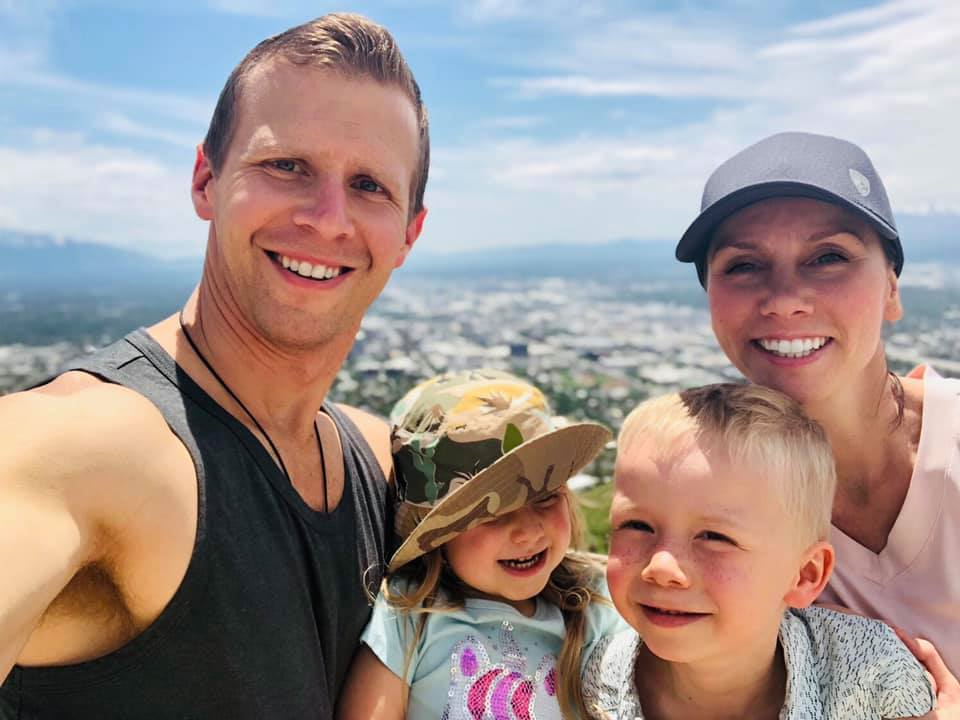 Amazing the difference A year will make. Last June Ryan was carrying Ryder on all of our hikes in a backpack. We definitely got a lot of sideways looks during that time because he was so big but he just didn’t have the stamina. To see him now though, you just see a little boy living his hard earned best life.