I am a survivor/ warrior and teal sister for all the ovarian cancer ladies out there; and I will advocate this till I die. What has helped me is determination, faith, and the power of positive thinking.
Well, the #1 factor I have found is that from the beginning of being diagnosed, I started smoking marijuana for my nerves, and then found it helped my pain from surgery; then I found it helped my nausea and appetite from hard chemo; then I found it was bringing my blood markers up; then I found it was helping with my energy, color of skin, and all the side effects every one else was having; I was NOT.
I tried to explain to the doctor’s what I was doing and they did not want to hear any of it and shrugged me off after that; ended up closing me out as a patient since I was not following protocol.
When they did that; I went into colon failure; and lost my colon (and it was dx as stress related, hmmm) and then I went into renal failure (due to the doctor’s putting in stents in my ureters and ripping them so bad they were not usable at that point on. No urine could come out so it all backed up in my abdomen; so that is why I am now on dialysis.
My cancer will not kill me; Dr’s told me this to my face; my kidney failure will; however, I am back smoking and vaping Thc oil along with Cbd oil and my lab work has never been better; go figure. I will be on dialysis till the end of life; due to the failure of care from my Dr’s over the years; but Thc is keeping me alive as well; happy, and pain free and also free of any narcotics what so ever; pill free 🙂
You first must have determination once you are diagnosed with cancer; that means your determined to win this fight. Faith – this is a must have, based upon your religion or just your personal intuition that helps you believe in something that is so powerful it actually will happen if you have faith.
Finally, the power of positive thinking, well if you don’t have this you don’t have the IT factor and you need the IT factor of positive thinking in order to train your thoughts to a more positive approach to any situation that you are involved in good or bad.
If you look at things in a negative mind set; there will be negative outcomes; if you look at things in a positive approach; things just seem to come out looking better and brighter no matter what. My nurse at dialysis tells me every day when I arrive; Sunshine – were gonna have a good day “right”, she sets the tone before I even begin.
There is NO room for negativity in any situation. You will always be happier, smile more, and just learn to adapt to life much easier when you have started with the right mind set, which again is, determination, faith and the power of positive thinking.
What these thoughts have brought me a peace of mind, and restful nights, that once were full of tears and fears. From having gone through a divorce and an ugly one at that. But that was when I found out that I had the cancer and my husbands mother paid him two million dollars to divorce me before the 10 year mark; so I would not get a thing; and moved his ass to Naples FL where he’s living the good life playing golf everyday. Bastard.
This very typical of men who are the only child or only male child and are typically a mamas boy; I should of seen all the red flags over the 9 years; however, I ignored them as we all do. How’s that for details, lol.
The word “bacteria” is enough to make most people cringe.The knowledge there are about 39 trillion bacteria in the human body can seem horrifying (there are more bacteria in the body than there are cells!). Yes, there are the bad, harmful bacteria that can cause disease and illness. But there are also the helpful, good bacteria that research increasingly indicates play a role in health promotion and disease prevention.
We all have bacteria in our digestive tract. While it’s also unpleasant to think about, the reality is that they’re there to stay. The collection of bacteria, fungi, viruses, and parasites (called microorganisms) in our gut is called the microbiome. Some are potentially harmful, but many of them are the good guys with the potential to help fight off illness and chronic disease.
Everyone’s microbiome is unique; in other words, no two people have the same microbiome. That’s because the microbiota is determined, initially, by your DNA.
When you’re born, you’re exposed to your mother’s microorganisms during delivery, and, if you’re breastfed, through your mother’s breast milk. Over time, the environment and your diet influence the type of microorganisms. For example, people who eat foods of animal origin have a very different microbiome (or gut flora) than those who eat plant-based foods.
Dysbiosis is a term for a microbial imbalance or maladaptation on or inside the body, such as an impaired microbiota. For example, a part of the human microbiota, such as the skin flora, gut flora, or vaginal flora, can become deranged, with normally dominating species underrepresented and normally outcompeted or contained species increasing to fill the void.
Dysbiosis is most commonly reported in the gastrointestinal tract, particularly during small intestinal bacterial overgrowth or small intestinal fungal overgrowth. It has also been reported to be associated with illnesses, such as periodontal disease, inflammatory bowel disease, chronic fatigue syndrome, obesity, cancer, bacterial vaginosis, and colitis. http://www.saragottfriedmd.com/dysbiosis-symptoms-and-conditions/
“Sugar and artificial sweeteners are major culprits in feeding bad bacteria and disrupting the balance and diversity of gut microbiota,” says gastroenterologist James J. Lee, MD and can worsen blood sugar control. Try Stevia which has shown not to have a negative impact on your stomach. Your digestive system keeps you healthy, protecting against everything from diabetes to depression, heart disease to cancer, say Harvard experts.
In fact, 90% of all disease can now be traced to a healthy microbiome. Dr. Joel Fuhrman M.D., President of the National Research Foundation advises filling up on “G-Bomb,” an acronym for the most important foods to eat everyday: green veggies, beans, onions or garlic, mushrooms, berries, seeds and nuts. Microbiome Diet Part 1Part 2
With cruciferous veggies containing an enzyme that metabolizes sugars in the gut to help ward of disease. Having the proper gut microbiome helps with proper absorption of essential vitamins and minerals which helps your body heal from disease.
Research has shown that people who eat a Standard American Diet have less diverse microbiota than those eating a plant — based diet. The more diversity you have in your gut, the more likely you are to have better digestion, nutrient absorption, and a healthy immune system. Other factors affect it as well, including antibiotics (which tend to wipe out the good bacteria along with the bad) and illness. An imbalance of bacteria is thought to lead to digestive disorders (including diarrhea and constipation), skin problems, urinary and vaginal infections, colds, mental health issues, and even weight gain.
Of course, we all want good bacteria (probiotics) in our gut. But how do we get it? Probiotics are usually bacteria, although yeasts can be probiotics, too. You can affect the balance of bacteria in your gut in three ways: via the environment, by food, and by taking supplements.
The environment: Believe it or not, the more we’re exposed to dirt, the better our microbiome may be. Now, no one is saying that you need to live in filth, but our culture tends to promote excessive cleanliness, and that may not be such a good thing, especially if you have kids in the house. Studies show that being exposed to a variety of microbes, especially during childhood, helps to strengthen your immune system. So don’t be afraid to dig in the dirt, go camping, or be outside, in general. Other things that can help include having a pet (or being near animals), avoiding antibacterial cleaners, and occasionally washing dishes by hand versus using the dishwasher.
Food: Eating certain foods is a great way to get your probiotics. Choose foods that contain live cultures, such as yogurt, buttermilk, acidophilus milk, kefir (a fermented probiotic milk drink), kimchi (a fermented Korean vegetable dish), sauerkraut (fermented cabbage), tempeh (fermented soybeans), miso (fermented soybean paste), olives, and kombucha (a fermented tea drink). Some cheeses (Brie, feta, gruyere) may contain probiotics, too.
Supplements: Not surprisingly, there are many types of probiotics supplements available. Supplements may contain just one strain of probiotic, or they may have multiple strains. Common strains of probiotics include the Lactobacillus, Bifidobacteria, Saccharomyces boulardii, and Bacillus coagulans. It’s a good idea to check with your doctor before taking a probiotic supplement. Some people should not take them, including people who have an overgrowth of yeast, small intestine bacterial overgrowth, or a compromised immune system that overtime can lead to cancer.
Probiotics and diabetes
It seems like probiotics can help a whole host of issues (although more research is needed). What about diabetes? Last year, research from Ontario was presented at the American Heart Association’s Scientific Sessions.
In this study, 80 people followed either the DASH diet (for high blood pressure) or the DASH diet plus probiotic-rich foods. Of the 80 people, 15% had prediabetes. After 3 months, those on the DASH diet plus probiotics had lowered their A1C by 8.9% compared to 3.4% for the DASH diet–only group.
Other studies have indicated probiotics can lower glucose and insulin levels in those with diabetes. Lactobacillus acidophilus and L. casei improved glucose tolerance and hyperglycemia (high blood sugar) in animal studies. Human studies have also shown promise, but many of these studies had fewer than 20 participants, and it’s hard to rule out the effect of other factors that may have affected glycemic control. Still, things look promising as far as the link between probiotics taken for more than 8 weeks and lower fasting blood sugar and A1C levels.
In 1 study, people with Type 2 diabetes were given C. ficifolia (a type of pumpkin), C. ficifolia and probiotic yogurt, or simply dietary advice. Those given C. ficifolia and probiotics alone or together had lower total cholesterol and triglycerides (blood fats), higher HDL (“good”) cholesterol, and lower blood pressure. All interventions lead to lower LDL (“bad”) cholesterol, A1C, and blood sugar.
While it’s too soon to advise people who have diabetes to take a probiotic supplement or eat a specific probiotic-rich food to lower blood sugars, there is growing evidence that probiotics, in general, can support health. In particular, probiotics may promote heart health, which is extremely important if you have diabetes.
For now, your best bet is to take advantage of foods that are natural sources of probiotics. If, after checking with your doctor, you decide to take a probiotic supplement, choose one with multiple strains of probiotics and with. . . . at least 30 billion Colony Forming Units (CFUs). It’s also advisable to go with a supplement that has a “USP Verified” seal. Don’t forget, too, that checking your blood sugar is an important way to see if probiotic foods and/or supplements have an effect on your diabetes control.
Want to learn more about probiotics? Read “Probiotics and Prebiotics: Parts of a Healthy Diet,” “Probiotics: The Bugs That Are Our Friends (Part 1),” and “Probiotics: The Bugs That Are Our Friends (Part 2).”
You may have heard a lot of buzz in the past few years about probiotics. Probiotics are a kind of bacteria found in our gut that can help with digestion. “They crowd out harmful bacteria and might even be an important mediator for other, more systemic diseases and disorders,” says Rachele Pojednic, an assistant professor of nutrition at Simmons College and a staff scientist at Beth Israel Deaconess Medical Center at Harvard Medical School in Boston.
There’s more and more evidence that probiotics can provide relief from diarrhea or help to repopulate your gut after you’ve taken antibiotics. Researchers are even looking to the benefits of probiotics in foods or via supplements to help with weight regulation, mental health, immune health and inflammatory gut diseases like Crohn’s disease and inflammatory bowel syndrome, Pojednic says.
There’s also more and more evidence that the flora in your gut can affect more than just digestive health, says Los Angeles-based Vandana Sheth, a registered dietitian nutritionist, certified diabetes educator and spokesperson for the Academy of Nutrition and Dietetics. In other words, better gut health could improve your overall health.
“As more research is devoted to the human microbiome, stronger evidence points to healthy bacteria in the gut having a positive impact on body weight, inflammation and even mood disorders,” says New Jersey-based Erin Palinski-Wade, a registered dietitian and certified diabetes educator and author of “2-Day Diabetes Diet.” Yet another potential benefit is that probiotics appear to help reduce cholesterol levels – important when you have diabetes because of your increased risk for heart disease, Palinski-Wade says.
Probiotics have become a greater research focus as increased antibiotics use, stress and the consumption of processed food and sugar are changing our gut bacteria, Sheth says.
With all of the buzz, there’s even been some research focused on probiotics use and better blood sugar control for people with diabetes. However, the bottom line is that the evidence is still limited, at least in humans, at this time. The research has mostly focused on cell culture and animal models.
“There are some promising animal studies … but there have been very few clinical trials that look at whether the actual supplementation of probiotics has a lasting effect on the treatment or prevention of diabetes,” Pojednic says.
Yet other studies on this are underway. Some early findings are linking probiotic use to a reduction in fasting blood glucose levels and a reduction in hemoglobin A1C levels in people with Type 2 diabetes, Palinski-Wade says. The effects are particularly noted when probiotics are consumed for more than eight weeks, she adds.
Because diabetes can affect the immune system, making it harder for wounds to heal, one benefit of probiotics is a boosting of the immune system, says Grace Derocha, a certified diabetes educator and registered dietitian with Blue Cross Blue Shield of Michigan. That makes those sometimes stubborn wounds heal faster.
A number of diabetes experts believe in the benefits of probiotics, even if it’s more for gut or immune health than specifically for diabetes. Here are a few ways you can approach the use of probiotics.
Start with real food.
There are supplements available, but real food is always ideal. Look for food that has live cultures. This can include yogurt and kefir but also pickles, kombucha, sauerkraut, kimchi, miso and tempeh. “You can find many functional foods now where probiotics are added,” Pojednic says. If you find the food options confusing, but don’t worry.“I would recommend sticking to a high-quality yogurt a day, which has been associated with other health benefits as well,” Pojednic says.
Consider supplements.
Although supplements should be additive to an already balanced diet, they can be helpful. “I do recommend supplementation as well as food since it can be hard to be consistent with probiotic intake through food alone, and I feel the research is strong enough to warrant additional supplementation for the diabetic population,” Palinski-Wade says.
“If patients opt for a probiotic supplement, they should make sure it has at least 30 parts per billion and is in a form that’s easy for them to consume,” Derocha says.
How do you find that out about the product? Well…
Read labels. By reading labels, you’ll better understand the product strength. Many companies are cashing in on the popularity of probiotics. You could find yourself consuming a supplement that doesn’t have the probiotics power that it touts. That’s because supplements are not regulated the same way medications are. Look for a USP seal on the product packaging or check the site ConsumerLab.com. “These outside agencies review the supplements to ensure you are truly getting what the label says you are getting,” Palinski-Wade says.
By reading labels, you’ll also see if your probiotic has any added sweetener – an important consideration for your carb counting, Derocha cautions.
Talk to your health care provider. Probiotics may not be ideal for everyone. “If clients are having an overgrowth of yeast or have small intestinal bacterial overgrowth, adding fermented foods to the diet may actually make things worse,” Sheth says. “They would need to wait to introduce fermented foods after their gut has healed. Also, anyone with a histamine intolerance may not tolerate fermented foods.” In other words, those foods could cause allergy-like symptoms because they naturally contain a large amount of histamine.
Also, make sure that probiotics will not negatively affect other supplements or medications you currently use.
Don’t expect miracles. “Probiotics do not cure or resolve Type 2 diabetes,” Derocha says. “They simply contribute to a healthier digestive system and overall health, which can help make diabetes easier to manage.” Continue to check your blood sugar regularly, count carbohydrates, see your health provider regularly and take medicine as prescribed.
Probiotics and Diabetes: The Science Behind It
How does probiotics help diabetics? Probiotics are live microorganisms which, when administered in correct dosages and form, give you a ton of health benefits. Probiotic supplements have been proven to have positive effects on cardio-metabolic parameters in patients with Type 2 Diabetes.
According to research conducted at Loughborough University, probiotics prevent insulin resistance. Insulin resistance is often caused by consuming foods that contain trans fats for a long time. The study found that a high trans-fat and processed food diet can reduce insulin sensitivity by as much as 27%, in healthy adults. Supplementation with probiotics helped normalize insulin functioning.
“Even short-term consumption of high-fat, processed foods aids the development of metabolic diseases, diabetes type 2 being one of them. However, probiotics’ impact on insulin resistance is a significant breakthrough. Also, probiotics can reduce fasting blood glucose levels in type 2 diabetic patients,” said Dr. Carl Hulston of Loughborough University.
Type 1 diabetics are people who have lost the ability to produce any insulin naturally. In a ground-breaking study, researchers engineered a strain of Lactobacillus, a human probiotic. This was done to secrete a chemical called GLP-1 from it (which is naturally produced in the human body.) It was, then, administered orally to diabetic rats.
The compound GLP-1 made the inner skin cells of the rats’ intestines act like pancreatic cells. Pancreatic cells monitor blood glucose levels and balance insulin in the body. After 90 days, it was found that the diabetic rats were able to reduce their blood glucose levels since they were able to produce insulin by themselves. This study gives hope for gauging the advantages of probiotics for Type 1 diabetics as well.
Can Probiotics Help Diabetes?
Probiotics have significant effects on the reduction of the following in individuals with diabetes
Glucose
HbA1c
Insulin levels
Insulin resistance
Probiotic bacteria communicate with and trigger immune responses, not just in the GI tract but throughout the body. Probiotics mediate stress responses and handle blood sugars better, rather than flooding the system. . . . when exposed to everyday stressors.
Obesity and a diet rich in processed, high-fat foods result in insulin resistance, which eventually leads to type 2 diabetes. It leads, also, to less glucose uptake by muscle cells. More sugar is released from the liver, in this situation.
The pancreas is also impacted, leading to reduced insulin secretion. Studies also reveal that when you eat the wrong foods and upset the balance of good bacteria in the gut, you make yourself vulnerable to several other health conditions. The wrong bacteria make your gut leaky which can, in turn, lead to toxins leaking into the blood. With time, this could cause a host of autoimmune diseases like –
Crohn’s disease
Multiple Sclerosis
Lupus
Rheumatoid Arthritis and many others
All this only adds to the benefits that probiotics have on diabetics in ways that go beyond blood sugar control. However, it is also important to realize that several factors, besides diet, affect blood sugar control and insulin function in the human body.
For example, if you’re not sleeping right, it can affect your blood sugar in the morning. A simple walk, after dinner, can make a huge difference on how your body handles blood sugar. Ensuring that your body gets the right nutrients, like Magnesium, also Vitamin D and Chromium and make a huge difference.
Diabetes is a system-wide disorder, one that can respond amazingly well to small changes across a variety of areas. That’s where probiotics come in.
Present research data shows that probiotics can improve glucose metabolism. The effect is more powerful when the duration of the intervention is more than 8 weeks. Ensuring that the probiotic has multiple species of good bacteria also seems to make a marked difference. Choosing the right probiotic is an important first step.
Probiotic food and supplements (taken separately or together) have beneficial effects on lipid profile, glycemic control, inflammation and blood pressure in T2D patients.
Please try Intestinal Care by Ethical Nutrients – it’s amazing! I bought it for the first time at a nearby health food store about 2 years ago when they first started carrying it. I told them how much I liked it and soon they had so many customers buying it that they now carry a huge supply of it all the time – it’s their best seller. It has to be refrigerated and is shipped with an ice pack overnight, so is fresh. About 15 minutes after I take it (or sooner) I often get relief from what I call “trapped gas” and I am able to have bowel movements as well (but I have really bad IBS-C, so I have to take other measures as well). ~Anonymous
The American Lung Association has an annual report out anually on the troubling state of US air quality. While you might think of smog-shrouded cities as the biggest offenders when it comes to air pollution, in the United States the most dangerous air to breathe is actually found far outside of its biggest metropolises. Which is actually far more troubling.
The type of air pollution that is most damaging to humans is caused by “fine particulate matter,” where particles from smoke or soot less than 2.5 micrometers in diameter are present in high numbers (you’ll see this referred to as PM 2.5).
This is the same kind of air pollution that kills about 5.5 million people globally every year. In the 17 years that the American Lung Association has been putting together this report, long-term particle pollution has generally gone down across the country. Ozone, another pollutant the report measures, has also gone dramatically down, mostly due to more fuel-efficient vehicles.
But there’s a very disturbing anomaly. Since 2015, there have been more short-term spikes in particle pollution—in fact, seven of the 25 most polluted cities had their highest number of unhealthy short-term particle pollution days on average ever reported. These can be caused by the processing and burning of fossil fuels, like coal-fired power plants and diesel vehicles.
But these spikes are exacerbated by and directly correlated to climate change-related events like extreme heat, drought, and wildfires. So it’s no surprise that most of the cities seeing the worst spikes in particle pollution are in California, which has experienced heavy doses of all three of these things.
Geo-Engineering: The chemtrail conspiracy theory is the false claim that long-lasting condensation trails, called “chemtrails” by proponents, consist of chemical or biological agents left in the sky by high-flying aircraft and also deliberately sprayed for purposes undisclosed to the general public. Believers in the theory argue that normal contrails dissipate relatively quickly and contrails that do not dissipate must contain additional substances which might be changing our weather patterns!!!
Air pollution in America
How clean is the air you breathe? For the past 19 years, the American Lung Association has released an annual “State of the Air” report, using data from official air quality monitors to look at pollution levels in cities across the U.S.
Over 133.9 million Americans now live in counties with unhealthy levels of air pollution, the organization says — more than two of every five people. That’s up from 125 million people in the 2017 report. Not to mention the rising arsenic levels caused by the oil spills in the Gulf of Mexico
The American Lung Association evaluated cities for three types of air pollution: ozone (often called “smog”), year-round particle pollution, and short-term particle pollution. Particle pollution refers to the small liquid and solid particles that come from burning fossil fuel and other sources, small enough to float in the air and get inhaled into the lungs.
The health risks include lung cancer, asthma attacks, and developmental problems among children, among other issues.
Here’s a look at the 16 communities with the highest year-round particulate levels — some of the places where air pollution could pose the greatest risk to your health.
#15 (tie): Houston-The Woodlands, TX
Houston tied 15th highest year-round particle pollution out of 187 metro areas included in the report. It also ranked 11th out 227 cities for high ozone days.
#15 (tie): Harrisburg-York-Lebanon, PA
This metro area tied for 15th highest annual particle pollution levels. It ranked 22nd for 24-hour particle pollution.
In addition to fossil fuels, “burning firewood and trash are among the major sources of particle pollution (soot) in many parts of the country,” the report notes.
#15 (tie): Birmingham-Hoover-Talladega, AL
The Birmingham metro area tied for 15th highest annual particle pollution levels. But it was #1 on the list of cleanest metro areas in 24-hour particle pollution.
#14: Detroit-Warren-Ann Arbor, MI
Motor City and its neighbors ranked 14th out of 187 metro areas for annual particle pollution levels, but scored somewhat better when it comes to high ozone days: 40th out of 227.
#13: Indianapolis-Carmel-Muncie, IN
The Indianapolis-Carmel-Muncie metro area of Indiana had high year-round levels of particle pollution, ranking 13th out of 187. Studies have shown that chronic exposure to particle pollution can shorten life by one to three years.
#12: Philadelphia-Reading-Camden, PA-NJ-DE-MD
The metropolitan area encompassing Philadelphia ranked 12th out of 187 in the country for year-round particle pollution. It was also 24nd out of 227 cities for its high ozone levels.
“The burden of air pollution is not evenly shared. Poorer people and some racial and ethnic groups are among those who often face higher exposure to pollutants,” the report says.
#10 (tie): San Jose-San Francisco-Oakland, CA
The San Jose-San Francisco-Oakland metropolitan area tied for 10th out of 187 cities for annual particle pollution, and was 6th out of 201 cities for 24-hour particle pollution. It ranked 13th for high ozone levels.
#10 (tie): Cleveland-Akron-Canton, OH
This area was number 10 out of 187 metropolitan areas for yearly particle pollution but scored much better — No. 68 — for 24-hour particle pollution. It ranked 30th for high ozone.
#8 (tie): Pittsburgh-New Castle-Weirton, PA-OH-WV
This region was 8th out of 187 metropolitan areas for annual particle pollution. It ranked 10th for 24-hour particle pollution and 32nd for high ozone days.
#8 (tie): Lancaster, PA
Lancaster ranked 8th for annual particle pollution out of 187 metropolitan areas. But its ozone levels were better, placing the community at No. 62 out of 227 metro areas in the rankings.
#7: El Centro, CA
El Centro, near the Southern California border, ranked 7th out of 187 cities for yearly particle pollution. It ranked high in the other categories as well — 9th for 24-hour particle pollution and 15th for high ozone days.
The health risks of air pollution can be especially worrisome for children, the report notes, “because their lungs are growing and because they are so active.”
#6: Modesto-Merced, CA
The Modesto-Merced area in California’s Central Valley had poor air quality by all measures in the American Lung Association report. It ranked 6th for annual particle pollution, 5th for 24-hour particle pollution and 7th for high ozone days.
#5: Fresno-Madera, CA
The Fresno-Madera metro area in California ranked 5th out of 187 metropolitan areas for yearly particle pollution. It also ranked very high in the other categories, coming in 3rd for 24-hour particle pollution and 4rd for high ozone days.
#4: Los Angeles-Long Beach, CA
Notorious for its smog, the Los Angeles-Long Beach, California, area has seen air quality improve in recent years, but it still placed 4th for annual particle pollution and 7th for 24-hour particle pollution.
L.A. ranked worst out of 227 metropolitan areas for high ozone days.
To protect yourself, the American Lung Association advises avoiding outdoor exercise when air pollution levels are high, and avoiding exercise near high-traffic areas.
#3: Bakersfield, CA
Bakersfield has some unhealthy air. Beyond being ranked third for yearly particle pollution, it ranked worst for 24-hour particle pollution and 2nd for high ozone days.
#2: Visalia-Porterville-Hanford, CA
Coming in second on the list was the Visalia-Porterville-Hanford metro area in California’s San Joaquin Valley. It’s a bit of an improvement over 2017’s #1 worst ranking. It ranked 2nd for 24-hour particle pollution and 3rd for high ozone days.
#1: Fairbanks, AK
This city in central Alaska ranked worst for annual particle pollution levels for the first time, due to the burning of wood and other solid fuels to heat homes during the long winter.
But on the bright side, it also tied for first place on the list of cleanest cities when it comes to ozone pollution.
A few of the top cities that have the most dangerous air —Bakersfield, Fresno, Visalia, and Modesto—are all located in California’s Central Valley. These are not big cities, nor are they necessarily large industrial centers. These are agricultural regions. Farming is actually a huge source of pollution, thanks to emissions from fertilizers and animal waste.
And because of the geography of the Central Valley, it ends up catching and trapping everything else that drifts over from those larger cities, including the emissions from power plants and vehicles. The increased oil and gas production in the Central Valley isn’t making things any better.
What’s messed up is that these cities—housed in some of the lowest-income counties in the state—are now shouldering both the economic and environmental burden for the rest of the country. The drought has been hard enough on those who are working to grow our food. Now the people who live there are being subjected to poisoned air and shortened lives thanks to the country’s fossil fuel addiction.
Curbing carbon emission has been an issue for many countries around the globe. Climate change fueled by global warming has brought about a sense of urgency among world leaders to reduce carbon footprints and focus on green energy. On the other hand, most countries like the U.S has an economy that thrives on manufacturing. Several industries around the country manufacture products that greatly contribute to the foreign exchange earnings and also provide employment to many citizens of the U.S. These industries are however a great source of pollution because of the waste products such as chemical wastes and toxic fumes that are let out into the environment.
Power plants also play a big role in industrial pollution and together with the heavy industries they account for nearly 80% of all greenhouse gas emissions. Some states are known to be industrial states and have a number of big and robust industries. Apart from employment that these industries provide to its local people, they also greatly pollute the environment leading to low quality of air and other health complications. States which have fewer industries and manufacturing plants are less polluted and have a lower amount of carbon emission.
Worst Polluters In The United States
The state of Ohio has several manufacturing plants and is one of the states that has a big electricity generation sector. The harmful fumes emitted from the plants and other industries makes the state one of the highest polluted states in the U.S. Ohio is also home to a coal plant which contributes a very large amount of greenhouse emissions into the environment.
utting down on these emissions will mean that Ohio shifts to green energy but that will be a tall order given the significance of these industries to the state and also to the country as a whole. Kentucky has seen its level of pollution rise because the authorities have not been able to find ways of reducing emissions from its coal fired power plants that release a lot of toxic fumes into the environment. Pollution from its electricity sector has continued to rise placing it just behind Ohio in toxic air pollution.
States like Florida have continued to fall down the list of highly polluted states because there has been a deliberate shift from coal to natural gas which is much of a less polluter. There are also states like Michigan which are experiencing a decline in manufacturing and in retrospect experiencing less pollution. By default, they have continued to experience a decline in air pollution and not through a well laid out plan to reduce the same.
Trends In Industrial Air Pollution
Some states in the U.S have continued to experience a gradual decline in industrial air pollution, either through deliberate government policies or by default when manufacturing plants begin to close shop. Shifting to more renewable energy sources has greatly helped some states in cutting carbon emissions while in others where different stakeholders have continued to do nothing, air pollution has continued to rise. It is apparent that through deliberate actions to shift to green energy, air pollution can be reduced as has been the case with Florida. US States Most Affected By Industrial Air Pollution
Cancer: 20 Deadliest States
Cancer is the second leading cause of death in America, taking more than half a million lives each year, according to the American Cancer Society. That’s 1,500 lives lost each day. One in four Americans will succumb to the disease.
But not all states are created equally, according to a new national health survey by the United Health Foundation, American Public Health Association and the Partnership for Prevention.
The study doesn’t explain why some states have more cancer deaths per 100,000 people than others. But if you want to know which are the 25 states that fared the worst, read on. http://www.worldlifeexpectancy.com/cancer-clusters-in-america
Cancer Deaths Per 100,000 People
20. Maryland (19) 197.5
19. Illinois (13) 200.1
18. Michigan (12) 201.1
17. North Carolina (7) 202.6
16. South Carolina (10) 203.5
15. Pennsylvania (5) 203.7
14. Missouri 206.3
13. Delaware (20) 206.7
12. Oklahoma 208.4
11. Indiana (4) 208.4
10. Ohio (1) 210.2
9. Maine 210.4
8. Washington D.C. 211.1
7. Alabama (11) 211.3
6. Arkansas 213.1
5. Tennessee (9) 215.3
4. Mississippi (16) 217.7
3. Louisiana 220.1
2. West Virginia (15) 221.6
1. Kentucky (2) 227.0
The President’s Cancer Panel (the Panel), a three-person, federal advisory committee appointed by the President, was established in 1971 with the passage of the National Cancer Act. The Panel is charged with monitoring the development and execution of the activities of the National Cancer Program. Each year, the Panel holds at least four public meetings to solicit input from a variety of stakeholders and submits an annual report to the President of the United States with recommendations focused on improving the National Cancer Program.
It’s there to humble you and teach you a thing or two about yourself. Life should not be met to be lived by the status quo “old money” versus “new money” and who has the most. Before my cancer: I had an extremely stress filled job in my life. . . as an insurance claims adjuster with clients always wanting you there yesterday. Heck my work schedule was always three weeks out … adjusters are scarce people nobody wants those jobs.
So it was always go – go, push and shove and not thinking about your health. Therefore, having cancer has a steep learning curve and a tough lesson about seeing the good and bad in all of us. Why is jealousy such a powerful emotion that it can cause people to say hurtful things.
Within that learning curve: I even look at the Alabama Gulf Coastline differently today. With four main rivers flowing into the Gulf ( The Great Mississippi, Rio Grande, Grijalva and Usumacinta.) Each spring the farmers spread fertilizer on their land and rain washes these fertilizers off the land…. into the streams and rivers flowing into the Gulf reducing oxygen (hypoxia) creating dead zones.
It’s when these dead zones being created in disputed depths of between 3750 to 4384 feet of water. While water testing in the Gulf of Mexico is showing increased levels of arsenic out of the Gulf. So why eat any seafood from it. . . for Christ Sakes people why are we messing with mother nature and an ecosystem that is so vital for life and living.
However the greatest thing cancer has taught is that no matter what … Live the Life You Love and Love the Life You Live. While living where you love to live it and love doing the things you love doing. Also never take life for granted its way to short. Hurricane Frederic in 1979 was the last hurricane to strike Alabama Coastline and prior to that the last Cat 3 wind storm was in 1916. Hurricanes usually go either to the east or west of Alabama.
That said though, ‘never take your life for granted or what it has given you. . . it can changed instantly. It could have been the stress of last season’s hurricanes that caused my recurrence but I don’t know for sure. ALL I KNOW IS That I became very ill and there’s nothing to blame.
Different strokes for different folks if you Love Living along the coast I promise you… you will live where your heart is. Some people love paddle boarding out into the gulf to paddle where the dolphin swim. For me I find the excitement that enters into my body comes from walking nature paths and listening to The Old Oak Tree Andrew Jackson stood upon to talk to his troops.
What’s important to Mallory:
Having fun at family gatherings!!!
And the nature walks she takes which she feels stimulates the lymph fluid in a positive way!!
I like spotting 14 foot gators by The Gator Park boardwalk and watching them graze in the sunlight. I promise you if the sun is out they will be out. Most don’t realize that Alabama has Gator and they’re all the way upstream to Birmingham.
I like climbing to the top of mountain tops just to see the view after and all out effort. Someday I will be capable again!!!
It takes a lot of hardwork leading a healthy lifestyle after a cancer diagnosis. It’s the time also invested in the research and the thought process of learning about who you really are what you want to become. What I have learned about myself is that I have a strong spirit within myself as I put myself in GOD’s Hands, Mallory states.
Though out all Mallory had developed a strong connection with GOD and has learned that everybody’s fears are contagious and Hope is too. This strong faith has worked for her through power of prayer.
You will be surprised what you can do when you aren’t paled out by your own fears of living. If I was not met to be living this life I Love. . . I would not be here to live it. This outlook on life are reasons why Mallory has bounced back from being 70 pounds at her weakest and feeling like she was near death to 97 pounds once again today with the help of her personal trainer. Being bedridden back then, going from wheel chair to walker to cane and becoming functional (which will take a little more time because her balance is still a little off.)
For many this setback may have been overwhelming but Mallory’s displays a “stubborn streak” and a willingness to work through it all. Mallory Loves her life and sure doesn’t want to leave it quite so soon. Mallory never places a burden upon herself with negative thoughts. She knows nothing positive ever comes from being negative and is grateful for the life she has and living it where she is presently. Fighting hard comes easily when you appreciate the people you have in your life presently. I believe Mallory is also Thankful for what she has gained by all of these life lessons as well.
.
Part of her cancer battle is doing her own research and knowing for herself. . . that it is a multitude of the things that helps her heal. Her belief is how would any doctor or anybody else know what you or your body feels. When everybody’s body chemistry is different and after you have done a treatment. Mallory always listens to her body when it’s trying to tell her . . . what its trying to tell her what it takes to get her body to heal.
Mallory states, “why is so taboo — to others — for some to be doing nature therapy when they can see it’s working for you. Why does people tell you that if you wouldn’t be doing nature treatments your cancer wouldn’t return when she looks around and see’s other dying doing conventional medicine.
Sure presently Mallory is doing the less toxic route of immunotherapy to get the cancer out of her bone. But she would never consider chemotherapy the side effects she is seeing with immunotherapy “Brain fog” and also “neuropathy” are harsh enough. And I am sure she would never consider another bone marrow biopsies because through past experience. Mallory knows the damage it can do to your body.
Your body has an amazing way of adapting to the summer heat if your out in it long enough. With that said, if you’re stubborn enough, Mallory feels the body has a unique way of helping you fight off the cancer if your willing to put in the work. Healing is also a positive mindset!!!
Mallory feels emotional therapy is a key as well being she had a few pets pass away with cancer in the last 8 years since she was first diagnosed. Feeling those pets picked up on the emotional disturbance of the person they became attached with. Recently Mallory has been seeing an emotional therapist and she told Mallory her heart chakra is blocked!! Because having cancer toughens you up and feels these feelings are holding up the healing process. How to Build an Infrared Sauna for around $150 : Infrared Sauna Detox Pt 1
Other FootNotes For Mallory!!!
My chiropractor told me his uncle has spots of cancer either disappearing or reducing in size do to his “no sugar” and “highly fermentable diet for cancer.” Suggested to him by Dr. Van Merkle DC.and the blood test he administered. Showcasing the deficiencies he has in his system and recommended supplements. It’s important to remember no 2 cancer are the same and is different for everybody’s body chemistry!!
Few doctors have engaged in the type of research. . . . that Dr. Russell Blaylock does on how our food today is affecting our brains and our bodies. Dr. Russell Blaylock, retired neurosurgeon, author, lecturer, and educator is a prolific researcher. Also his extensive research, which is documented on both of his websites, The Blaylock Center for Wellness and Russell Blaylock, M.D., contains information on a wide variety of subjects, including excitotoxins, nano aluminum, cancer, fluoride, vaccines and more.
JONATHAN D. STEGALL, MD
The Center for Advanced Medicine
10700 Medlock Bridge Road, Suite 207
Johns Creek, GA 30097
Phone: (770) 551-2730
Fax: (770) 551-2731 https://drstegall.com/
Three generations (father, son and his son) U.S. Army Air Corp/ U.S.A.F.
IT is coincidental for me my father would have been 97 years old today (May 28 1921.) I always wonder what if he would have got killed running …. onto Ohama Beach during WWII. During W.W.II they didn’t send you new equipment you repaired what you had. Being one of the Seven devils who would run through hell to fix a jeep or tank in the Heart of Socialist Nazi Country in Nuremburg Germany. As well he could have lost his life in train cars trying to get a little sleep with bombs going off all around him.
I ask myself over and over. . . many times while he was a live . . . who would I be . . . if he had been a casualty of war. IN Remembrance those who served!!!
My father had a strong constitution from being a WWII Veteran to also driving a truck without power steering through the back roads of Pennsylvania during the 1950’s when this country was striving to make it out of the depression. He always stated this country didn’t have much until Unions where formed and Americans got fed up with having little so they fought their way out and was coined. . . The Greatest Generation for that effort. Until his death his thoughts was this generation would manage themselves back into a depression . . . if we didn’t have that will to fight back (Political correctness wasn’t in his calling.)
.
In his Lifetime my father loved traveling the Interstate System!!!
In December 1918, E. J. Mehren, a civil engineer and the editor of Engineering News-Record, presented his “A Suggested National Highway Policy & Plan” during a gathering of the State Highway Officials & a Highway Industries Association at the Congress Hotel in Chicago. In the plan, E.J. Mehren proposed a 50,000-mile (80,000 km) system, consisting of five east–west routes and 10 north– south routes. The system would include two percent of all roads and would pass through every state at a cost of $25,000 per mile providing commercial as well as military transport benefits.
The Dwight D. Eisenhower National System of Interstate and Defense Highways, commonly known as the Interstate Highway System, is a network of controlled-access highways that forms part of the National Highway System in the United States. The system is named for President Dwight D. Eisenhower, who championed its formation. Construction was authorized by the Federal Aid Highway Act of 1956, and the original portion was completed 35 years later, although some urban routes were cancelled and never built. The network has since been extended and, as of 2016, it had a total length of 48,191 miles. As of 2016, about one-quarter of all vehicle miles driven in the country use the Interstate system. In 2006, the cost of construction was estimated at about $425 billion. https://en.wikipedia.org/wiki/Interstate_Highway_System
This Memorial Day Weekend I think back to 12 years ago when I lost my father to Leiomyosarcoma. Leiomyosarcoma is one of the more common types of soft tissue sarcoma to develop in adults. It is rare though with 4 in 1 million cancer patients getting this type of cancer. (LMS) is a type of soft tissue sarcoma. Soft tissue sarcomas can develop in muscle, fat, blood vessels, or any of the other tissues that support, surround and protect the organs of the body. With chemotherapy rarely being effective against their spread. Looking back what would had been a better option.
For my father cancer began when he was 70 years old with bladder cancer and with each time he was treated. They the medical profession thought they got it all. First go around was radium treatments. Then radiation and the last go around was chemotherapy which made survival for him taxing with harsh side effects. With each time the secondary cancer would be more aggressive than the last. Many days he would get up telling us toward the end stage that he would get up sick and tired of being sick and tired. Leiomyosarcoma was 10 times worse than WWII because during the war you had a better chance of survival.
.
That constitution served him well during his 14 year battle with cancer. By talking to him. . . he never allowed having cancer stop him from doing what he wanted do. I had a greater helpless feeling than he had. In those 14 months that he was labeled terminal (Ohio State Labeled it a year) February 24 2005. . . until his death on April 3 2006. He still constantly played the game of solitaire which seen him through an abusive father, the depression and WWII, However, in those 14 months he won hands of solitaire 14 times simply by walking through the hand with the 4 aces at the top of the board. This he said put him at peace at where he was heading must be much easier than life!!!
For me watching someone terminal created a helpless feeling that drove me into severe depression. Motivated me to do my own cancer research after his death and to start this blog that guides people through a dysfunctional health care system that should be considered a cancer maze. Without little concrete answers.
The lyrics are just ambiguous enough to lend the listener many different meanings. The take we get on a song is so very much based on our perception of life and our vantage points in our life at any given time. This song is a perfect example of that. https://www.youtube.com/watch?v=f6pQcpFnXOI
.
However, looking back I wish I knew what I know today because that type of understanding and being made aware of the facts may have serve him well.
Do I have regrets … Sure DO!!
Divine Intervention:
The vision for this blog post started after I prayed the rosary and attended mass at The Basilica and National Shrine of. Our Lady of Consolation in Carey Ohio. This was mid March 2006 and on the drive home. I visualized a website on the internet with answers to cancer and cancer survivor stories. It was the following weekend when I met a Chinaman in Kettering that had been researching cancer for seven years. In this chance meetings I had with Mant Prowg told me it was culture shock when he came here and seen what people ate and taught me the basic difference between Eastern and Western Medicine and taught me that in China the youth are educated better nutritionally than in the United States.
In the coming years it was always the next person that taught me something needed to finally helped me gain the skill to write blog post. I truly believe that GOD puts people in our walk that helps us to fulfill our walk on life that completes our mission in the end. https://www.youtube.com/watch?v=qyAdlngs6Nk
Life will break you. Nobody can protect you from that, and living alone won’t either, for solitude will also break you with its yearning. You have to love. You have to feel. It is the reason you are here on earth. You are here to risk your heart. You are here to be swallowed up. When it happens that you are broken, or betrayed, or left, or hurt, or death brushes near, let yourself sit by an apple tree and listen to the apples falling all around you in heaps, wasting their sweetness. Tell yourself you tasted as many as you could. ~Louise Erdrich
Take time to be thankful for everyone in your life; whether they are in your life for a Reason, a Season, or a Lifetime. Know that most relationships are two ways. Don’t presume you are in someone’s life to serve them for a reason or season without considering what it is you need to learn from them. We are all here for each other.
His cancer was first mentioned to me shortly after his retirement began. Which my Father truly felt a sense of lost being a machinist of trade through World War II. where he turned a part in the shop and went on a mission to repair a jeep or tank. After 32 yrs. of employment and being a machinist: he then was afforded an opportunity to go back to Germany to visit his youngest (my brother) stationed near Kaiserslautern (Ramstein Airbase) Kaiserslautern → Nuremberg which was 200 miles.
.
.
On that trip. . . . he went thru Munich to Hitler’s “Eagle’s Nest” Retreat – Berchtesgaden, Germany and didn’t recognize one thing. YES it all had changed and through that transformation of being war torn when he left to modern day times. He wondered how many American Soldiers that he buried had their remains not there.
Maybe it was some of those lost emotions he had to relive on that trip is what gave him cancer. Or maybe it was the coolant he used to turn parts or the diesel fuel to drive the truck when he arrived home after the war. He was always a Corn Flake, beef eater and microwave popcorn & coke drinker kinda guy as well!!!
By doing my own research and not putting blind faith in the health care system I would have known his best options. I have learned since that his diet made my father an innocent bystander for cancer. GMO’s, hormones and a extremely high acidic diet :'(
When a loved one enters the dying process, it would be so helpful to know what to expect, what to look for. After being at the bedside of hundreds of deaths, I decided to write a hand book for families to help them navigate these waters. Gone From My Sight is the first and most widely used handbook on the signs of approaching death. Churches, families, social workers, nurses, chaplains need this book. Do you have yours?
Beautiful tear…
I have seen this tear often on my med floor for those patients I was at their bedside when they died. I also saw it 2 years ago when my own mother passed away gently at home. I would gently wipe the tear away, but I never thought of anything about it except as a physical proponent of death. The tears I saw never left the eye to run down the face. The tear was in the inner or outer canthus, depending on gravity. The ones who had the tear had a quiet death usually on a morphine gtt and an ativan gtt if it was in-hospital. My mother was ready to die for 10 years and vocally would express this wish. I was surprised by your question as I had never thought of it as anything else. To answer your question, I would say it is a relief to them that death is happened and they can now join their parents, siblings and other family members.
It is usually the matriarch or patriarch of the family who is passing so tears on their part is unusual as this is a defining moment for them in front of people who they’ve raised and influenced their whole lives. They are experienced in life and have told me they want to be remembered as accepting and content to pass. There’s that “I don’t want to stress any of them, so I’ll leave when they do” phenomenon, which is witnessed quite often.
I understand it could be physiological, but I personally believe there’s an emotional reason behind it. I have 2 theories.
First, people who have had near death experiences always talk about how beautiful and peaceful it is. It would be very interesting to know if these people had this tear during their experience. My second theory is this: Many of my patients (when they were alert and could speak) knew they would be passing soon.
People usually become very lethargic or unresponsive when they are close to passing and are no longer able to speak. I believe they are still aware though, and that tear may be caused by them being sad because they know it’s time to leave. Yes, I am sorry they feel sadness, but on the other hand, it is the intense love they have for you that makes them sad to leave. This is something I explain to my family members who are afraid to say good-bye to their loved one because they feel they will cry too much and make the patient feel bad. You cry so hard for them because you love them so much.
It’s an absolute blessing to have someone you love so much you don’t want to leave them. Tears are proof of that intense love.
Like I said earlier, that it could possibly be physiological, but most of my patients are dehydrated and their eyes are very dry. Some people even keep their eyes open, so they are excessively dry. I’ve seen single tears in these people as well. Something I’m sure of though, is that the single tears I’ve seen were definitely not due to discomfort or physical pain.
You also spoke about hearing being the last sense to go and for how long. I am a firm believer in people being able to hear until the end. The reason why I believe this so strongly is I’ve had several people who were completely unresponsive and waited until their family left before they passed. Family would be at the bedside 24/7, and they step into the bathroom for 5 minutes, and the person passes. I’ve also had people hold on when it looked absolutely impossible, and less than 5 minutes after the family arrives the person passes. We have all seen it too many times to be coincidental. If I’m alone with someone when they pass, I always assume they can hear me and wish them a peaceful journey.
I have to say though, please forgive me in advance for being blunt and having a bit of an angry tone. Firstly, in my research, it is VERY COMMON when someone is moments from death who has been ill for a long time to have tears seconds before they pass. This is a natural response by the body. There is no emotional or cognitive association to this. It IS a physiological response.
I can only come to the following conclusions in regard to these comments where posters are writing that they never seen this before. My assumptions are that those who allegedly work in the field either haven’t been in the industry very long, are on auto-pilot at work, are oblivious or lack any observation skills when dealing with the dying. If it’s the latter, I really have to ask, “what are you really doing here”? Is this simply a job for you or are working here to help others? Are you blindly going on about your job without any care and attention and tuning everything out? That’s not the kind of person I want to be assisting a loved one.
Secondly, to write “who really knows”? Well, is this comforting to the loved ones still alive? Science says tearing is a normal part of the dying process and the living should not read anything more into this. Regardless of your faith, if you have a faith, this kind of comment is not helpful whatsoever. The family is already in mourning and if they think in any way their loved one did not die in peace or has regrets, this may be one of the most traumatic events one can endure in their lives.
Thirdly, if someone dies in a hospice or who is receiving palliative care, the person has likely “left on their journey” soon after the heavy, heavy increase in narcotics to help the patient die more peacefully. The deep and struggling breaths is the body shutting down. The body becomes slowly colder and the the breathing between breaths become longer and longer until the both the heart and breathing stops.
Finally, based on some of the responses here, I am further disturbed by the lack of training given to palliative/hospice care employees in regards to the death process and what the loved ones may see. When we are told “hearing is the last to go”.
The real question I have is, “when is that”? Before the last breath? After a period of heavy sedation?
I truly hope my post helps others not feel guilty or sad about their loved one should they see them teary eyed moments before death.
You also spoke about hearing being the last sense to go and for how long. I am a firm believer in people being able to hear until the end. The reason why I believe this so strongly is I’ve had several people who were completely unresponsive and waited until their family left before they passed. Family would be at the bedside 24/7, and they step into the bathroom for 5 minutes, and the person passes. I’ve also had people hold on when it looked absolutely impossible, and less than 5 minutes after the family arrives the person passes. We have all seen it too many times to be coincidental. If I’m alone with someone when they pass, I always assume they can hear me and wish them a peaceful journey.
He had a few tears in the last moments. It bothered me to wonder if he was sad. To my relief, I found the following information at Webmd.com. Hope it helps all of us who are grieving (What to Expect When Your Loved One Is Dying) : Signs That Death Is Near continued…When death is within days or hours, your loved one may:
Not want food or drink
Stop peeing and having bowel movements
Grimace, groan, or scowl from pain
You may notice their:
Eyes tear or glaze over
Pulse and heartbeat are irregular or hard to feel or hear
Body temperature drops
Skin on their knees, feet, and hands turns a mottled bluish-purple (often in the last 24 hours)
Breathing is interrupted by gasping and slows until it stops entirely
Pictured is Charlotte Gerson with Angie Cooper and mum Val 🙂
Kathleen Blake was diagnosed with thyroid cancer 32 years ago, was told the surgeon wanted to remove her thyroid. This didn’t sound right to her, So she started to look for alternatives, prayed for guidance. At a health food store a few days later, she found Dr. Gerson’s book, A Cancer Therapy: Results of 50 Cases. Instinctively, she knew this was the right way to go, but, as the mother of four young children, could not afford the time or cost to go to the Mexican clinic for two weeks.
So she proceeded to do the Gerson Therapy herself, very strictly at home for two years, and to this day, stays close to the Therapy’s recommendations for good health. She has continued to research natural health, worked in the local health food store, and is a vocal advocate for natural healing, including facilitating local seminars for Charlotte Gerson in Sedona, AZ.
If your on Facebook: Kathleen Blake’s Gerson Therapy Support Group has a high success rate of members. . . if they stay committed like Angie Cooper.
S0 Here is Angie’s Story In Her Own Words 🙂
I was diagnosed in June 2012 with stage 3 nodular melanoma the tumour presenting as a small sore on my upper right arm. Having no knowledge whatsoever at this time that people were curing themselves with natural treatments I chose to follow the conventional route and completed one month of interferon treatment in December 2012.
.
My oncologist encouraged me to give the treatment a try and told me it would increase my five-year survival rate by 5% with little to no side effects. How wrong he was I ended up with horrendous side effects including hair loss, severe depression, vomiting blood and damage to the liver, I ended up in emergency and was admitted for three days and placed on a drip, my weight plummeted, I was in bad shape.
.
I completed the month long treatment of daily IV’s the week before Xmas 2012.
.
In January 2013 I felt a lump in my hip and after further scans and a biopsy it was confirmed that the cancer had metastasized, I was given a terminal diagnosis from my oncologist. I was offered no further treatments and there were no clinical trials available. The only course of action to be taken was a pet scan every 3 months to see further tumours as they appeared, when I queried him why so often he said so that they only find one tumour in my liver at a time not 20.
From the time I was diagnosed I started to do research into both conventional and natural treatments. I went on you tube and Google searching for any survivor story. I could find from people who had received the same diagnosis as myself and had healed. It consumed most of my days reading and watching one story after another. Time after time I was lead to the Gerson Therapy this therapy became my focus and backup plan when conventional treatments failed me.
.
In March 2013 I applied to the Gerson Institute in San Diego, within a few days I received an early morning phone call advising me that my application had been accepted. You can’t imagine my relief and excitement knowing that the Institute felt that they would be able to help me, I had hope and a plan to reverse the diagnosis I was given.
.
I left Perth 10th May arriving in Mexico 11thMay 2013. I was introduced to Dr. Cervantes, the nurses and staff, I was shown to my room where I stayed for three weeks with my Mum who traveled the 24 hours with me to be my companion. I have only positive feedback with regards to my time spent at the clinic, Dr. Cervantes was very thorough, and I felt he was 100% invested in my treatment program.
My schedule started off with 10 juices and 3 coffee enemas a day but by the end of the first week I was consuming the full 13 juices and doing 5 coffee enemas a day. Meal times were set the same for all patients 8am Breakfast, 1pm Lunch and 6pm dinner. In addition to these meal times and juices I was given a vegetable sandwich at both 11am and 4pm and an extra bowl of oats after dinner. This was because I was malnourished having lost 8-9 kilos on an already slight frame.
.
I was consuming many supplements approximately 80 per day. I was privileged in the first week to have Charlotte Gerson and her daughter Margaret Strauss attend the clinic for our own personal lessons, it was amazing here in front of me was the daughter and grand daughter of Dr. Max Gerson. By the second week Dr. Cervantes introduced Castor oil to my schedule, this included drinking a tablespoon of castor oil followed by a black coffee chaser, this was the only time we could drink coffee. This would continue to be part of my therapy every second day for the first six weeks gradually tapering off to twice a week, then weekly, monthly etc.
.
After three weeks at the clinic I returned home to follow the full therapy for the minimum two years required to totally rebuild my body and liver. My day included three meals, 13 juices, 5 coffee enemas and over 80 supplements a day, drinking castor oil every second day. I dreaded castor oil days as not only had my one tablespoon spoon increased to two but the thought of drinking it had me gagging at just the thought of it.
On castor oil days I was completely left without energy and had detoxing side effects of dry retching and feeling ill. Over time the symptoms lessened like I was told they would do and eventually I could drink the castor oil with no ill effects at all, apart from not going to far from the bathroom castor oil days were manageable.
.
I experienced a lot of emotional healing reactions and also a few physical ones, I had a lot of ulcers in my mouth in the beginning and I would have to keep swallowing. It was like I had fluid draining continually down the back of my throat. I never experienced the high temperatures some patients talk of.
.
Where I had surgery to remove the tumour from my hip I would have pain in that area on and off eventually it never bothered me again. The emotional flare ups were intense:
I would feel like I was suffering depression for a few days then as quickly as these feelings began they would disappear, I could literally feel the depression starting or finishing.
I would go through days of anxiety that was to the point I would gag on the oats I enjoyed, or I would throw up the juice I had just finished. Tears were never to far from my eyes and I would vent my frustration at these feelings I was constantly having with my new Gerson Friends who were all feeling the same way.
.
3 months after I had surgery to remove the tumour from my hip my oncologist wanted me to have a pet scan, Dr. Cervantes however wanted me to wait 6 months to allow the Gerson Therapy time to start healing my body. I fully trusted the Gerson Therapy so chose to wait the six months. The oncologist was not happy and expressed this to me.
At the six months mark I did have the pet scan which showed no evidence of disease, the oncologist never once congratulated me for staying cancer free nor did he ever show any interest in what I had been doing. In fact, he refused to let me tell him what I was doing, needless to say I sacked him and never went back.
I continued the Gerson Therapy for the full two years not once cheating as I knew that meant I was only cheating myself and my chance at a full life. Every month I would do full blood work and send my results to Dr Cervantes, we would then have a phone consultation to discuss the changes that were happening. Very gradually the therapy reduced and by the end of the two years I was doing 9 juices and 2 coffee enemas a day and the odd castor oil day when I felt I needed it.
I am now (May 11th) five years cancer free and still live my life following the teachings of Dr. Gerson, I have allowed more foods to be added to my diet staying with a plant-based diet. I chose to continue to one coffee enema a day and drink five juices, I do not know if I will do this forever but for now it just feels right.
“Courage is resistance to fear, mastery of fear, not absence of fear” ~Mark Twain
The medical establishment has been proving that the mind can heal the body for over 50 years. We call it “the placebo effect,” and we know that when patients in clinical trials get nothing but sugar pills, saline injections, or fake surgeries, but believe they might be getting the new wonder drug or miracle surgery, their bodies get better 18-80% of the time.
While many are aware of the seemingly mysterious placebo effect, fewer people know about its evil twin, “the nocebo effect.” When I was researching my book Mind Over Medicine: Scientific Proof That You Can Heal Yourself, I became convinced, without a shadow of a doubt, that a combination of positive belief and the nurturing care of the right healer can activate the body’s natural self-repair mechanisms and help the body heal itself.
But was the opposite also true? Do negative beliefs about our health or harsh care from insensitive doctors harm the body?
Turns out they can.
Harmful Beliefs Poison Your Body
As reported in an article in The Lancet, researchers in San Diego examined the death records of almost 30,000 Chinese-Americans and compared them to over 400,000 randomly selected white people. What they found was that Chinese-Americans, but not whites, die significantly earlier than normal (by as much as 5 years) if they have a combination of disease and birth year which Chinese astrology and Chinese medicine consider ill-fated.
The researchers found that the more strongly the Chinese-Americans attached to traditional Chinese superstitions, the earlier they died. When they examined the data, they concluded that the reduction in life expectancy could not be explained by genetic factors, the lifestyle choices or behavior of the patients, the skill of the doctors, or any other variable.
Why Did The Chinese-Americans Die Younger?
The researchers concluded that they died younger not because they have Chinese genes, but because they have Chinese beliefs. They believe they will die younger because the stars have hexed them. And their negative beliefs manifested as a shorter life span.
It’s not just Chinese Americans whose fears about their health can result in negative health outcomes. One study showed that 79% of medical students report developing symptoms suggestive of the illnesses they are studying. Because they get paranoid and think they’ll get sick, their bodies comply by getting sick.
I know this from personal experience. I was a first-year medical student, studying the numerous ways the body can run amuck, burning the midnight oil memorizing the litany of pathological processes that can lead to thousands of different illnesses – everything from porphyria to Dengue fever to osteogenesis imperfecta to narcolepsy.
Then suddenly, my heart rate was 230 on my ICU rounds, and suddenly, what I had feared when I was reading my chapter about cardiac arrhythmias was actually happening to me. My attending physician hooked me up to an EKG, my fellow medical students diagnosed me with “supraventricular tachycardia,” and for years, I was plagued with heart palpitations.
And it wasn’t just me. The student health clinic didn’t seem the least bit surprised to see me and my fellow students, traipsing through just before finals with bizarre complaints and a slew of strange symptoms we had self-diagnosed. Not only had the doctors and nurses staffing these clinics heard similar complaints from years of experience caring for medical students. They also informed me that the syndrome had actually been given a name: “medstudentitis,” or more formally “medical student disease.”
You Can Think Yourself Sick
Whether you’re a Chinese-American, a medical student, someone like Angelina Jolie, who may have been “medically hexed” with a poor prognosis or a high risk of disease or death, or even if you’re just someone whose subconscious mind is filled with limiting beliefs from your childhood like “I’m the sickly type” or “My family gets cancer,” focusing your attention on illness has been scientifically proven to predispose the body to illness. Excessive knowledge about what can go wrong with the body can actually harm you. The more you focus on the infinite ways in which the body can break down, the more likely you are to experience physical symptoms.
While the placebo effect demonstrates the power of positive thinking, expectation, hope, and nurturing care, the nocebo effect demonstrates the physiological effects of negative belief, fear, anxiety, and what Martin Seligman terms “learned helplessness.” These negative emotions trigger the amygdala in the limbic brain to send out a red alert that activates the “fight-or-flight” stress response. And as I describe in great detail in Mind Over Medicine, when the nervous system is in “fight-or-flight,” the body’s self-repair mechanisms don’t function properly and the body is predisposed to illness. All because you thought yourself sick.
How Long Do You Believe You’ll Live?
The good news is by changing your thoughts, you can change your health! Becca Levy studied how our beliefs about longevity affect how long we live. What did she find?
Spoiler alert: Those who lived longest were those who believed they would live the longest.
When I first met Dr. Bernie Siegel, author of Love, Medicine & Miracles and one of the faculty in the MD training program I founded, the Whole Health Medicine Institute, Bernie asked me how long I intended to live. I said “100 years,” and he said, “Good answer, because what you believe will come true.”
I’m not suggesting that positive belief is the only factor. Obviously, accidents happen, genetic risk factors influence our health, and bad things happen to good people with positive thoughts. But the studies show that, even in light of these things we can’t always prevent, what we believe, especially what we fear, has a tendency to manifest itself in reality because negative beliefs fill our bodies with harmful cortisol and epinephrine, while positive beliefs relax our nervous systems and allow our bodies to heal. (Read here for 10 Signs You Have WAY Too Much Cortisol. And if you don’t like what you read, read 10 Fun Ways To Reduce Your Cortisol Levels).
You Are The Gatekeeper Of Your Mind
You wouldn’t take a pill from a bottle with a skull and crossbones on it, but every time you think negative thoughts about your health, you’re potentially poisoning your body with stress hormones that deactivate your body’s natural self-repair mechanisms. You are the gatekeeper of your mind, and it’s your responsibility to protect what you think.
What thoughts do you choose to think about your body?
What do you believe about the mind’s ability to heal the body?
Faith is like a muscle~ Joyce Meyer
It only grows through repeated use. Joyce teaches how to release our faith in our everyday lives. Joyce shares Overcoming Fear With Faith isn’t a guarantee we’ll get whatever we want and The Shield 0f Faith it makes us to realize God may have something better in mind.
.
Faith overcomes our Fear
Fear is a necessary component to life on the physical plane. Some common fears are heights, snakes, and water. These real fears serve an important purpose: to keep you safe. Your ancestors relied on the warning system of fright to protect them from falling off a cliff, getting bitten by a poisonous reptile, or drowning in a river. Your brain continues to use thousands of years of programmed fear to shield your body from harm.
But what happens when fear becomes psychological? Fear of inadequacy, of loneliness, of failure—these fears burrow into your psyche and can affect you a on a daily basis, sometimes even preventing you from living a meaningful life full of positive relationships and experiences. These psychological fears are unnecessary. The only purpose they serve is to damage your chances of living in light and love. It’s time to get those fears under control!
Psychological fear wears many masks you need to watch for, including anxiety, worry, depression, and embarrassment. Even fate can camouflage fear, as in, “I’ve had three bad dates, so it must be a sign I’m not meant to find love,” when really you’re afraid of vulnerability. As a spiritual teacher and energy healer, I often see the trickster of fear masquerade as logic. For example, my student Molly wanted to join a choir. The choir required an audition that Molly had prepared for and felt good about. But when the day arrived, she came up with a dozen logical reasons why it was impractical for her to join the group: the commute was too far, the choir would cost money, she was particularly busy at work, who would feed her kids those nights, etc., etc. But the real, honest reason was that she was scared of failing. The audition was emotionally risky, so fear donned the mask of common sense and convinced Molly it was a bad idea.
Fears and their guises take years to become buried in your mind and heart so you can’t expect them to disappear overnight. But here are five ways you can begin to slowly move out from under those dark clouds of fear and walk into the light.
1. Acknowledge Your Fears
As a former addict, I know that the first step to any recovery is awareness. Ignoring your fears will only make them worse and give them more power over your life. Admit to yourself what you are truly afraid of, whether it is being wrong, or being alone, or losing a loved one. Open up and identify the truth of your fear so you can start the healing process.
2. Uncover the Cause
Psychological fears always have a root source. In working with Molly, I discovered the foundation of her fear of auditioning was a childhood in which she was expected to always be the best and was met with disappointment and even disapproval from her parents when she received less than an A+ or didn’t make the team. This had created in Molly an intense fear of failure, which also manifested as anxiety over trying new things or taking risks. Ask yourself, “What is the underlying cause of my fear? What is its origin?”
3. Express Yourself
Expressing your fears helps to release the grip they have on your psyche and helps you regain the power and energy they take from you. In my workshops and healing courses, I recommend journaling as a way to release negativity and liberate those pent-up emotions. Writing allows the scared pieces of you to be exposed to the light so they can start to mend. Talking through your fears can be incredibly beneficial as well. Whether it is a trusted friend or a professional listener like a religious counselor or trained therapist, speaking your fears aloud frees them from your mind and leaves room for peace.
4. Manage Stress
When you’re stressed, you become vulnerable to attack. Fear walks right through those open doors of exhaustion and strain and settles in your mind and body. Your chakras are especially susceptible to fear’s draining energy and can become blocked. Meditation is one of the best ways to manage your stress levels so you can keep those doors closed to fear and your chakras clear and unencumbered. Meditate every day, and I promise that your fears—along with some of those pesky fear-in-disguise feelings like anxiety and depression—will begin to decrease. Exercise, including walks and yoga, can also go a long way in lowering your stress levels and keeping you protected from the constant fight-or-flight response produced by psychological fears.
5. Practice Love
Love is the greatest power in the universe, and the best weapon against fear. Work on bringing more love into your life by spending more time with friends and family, volunteering for those less fortunate than yourself, and basking in the unconditional adoration of your pets. Connection to other living beings can alleviate feelings of isolation and improve the frequency and quality of love in your life. Don’t forget to practice self-love, too! Whatever form your fear takes, love is the one thing that will truly conquer it.
Bruce Lipton – Fear versus Love State and Stress’s Effect on Your Body Bruce origins are from the area of Cellular Biology study. A fascinating path. This became his metaphoric platform to a greater understanding of how our perceptions of our environment has on the physical temples our consciousness reside within.
He came into my own awareness quite early on when my Conscious Exploring really kicked in. What he taught me is the vitalness in mastery of my emotional state. Revealing Meditation’s importance. Then be foundational component in gaining my own Sacred Neutral Perspective of our Reality.
This segment was one that I integrated into my observation of my emotional state very early on. The 2 core emotional states we can reside in. Fear or Love. I also learnt I do not need to be a passenger to my emotions. I have a choice in what i wish to experience.
Bruce explains the effect of Fear vs. Love on the body. The growth our body receives when in love verses the cost of experiencing and living in fear. The vital role of our perception of the environment in which we find ourselves based upon our Beliefs. How the experience of stress has in our ability to master this all. And, much more. I thank Bruce greatly for this and offer a taste of his wisdom to you here. https://www.youtube.com/watch?v=Nro0wlXIwd4
Just as there are many different experiences of anxiety and depression, there are a variety of options for treatments and coping techniques to help manage symptoms. The recommendations in this section take an integrative mental health approach, which incorporates health-promoting lifestyle changes; evidence-based holistic therapies and healing practices; and mainstream interventions, including psychosocial therapies and the judicious use of prescription medication. We cover each of these areas in detail–click the links or see the menu on the left for more information.
Note that some of the treatments for depression and anxiety overlap, so it is beneficial to learn about both disorders.
How you can start to deal with anxiety and depression
Here are some ways to start to take care of your brain (and the rest of your body) and perhaps alleviate your anxiety and depression. But be sure to read about all the treatment options in the menu (above left).
Living under constant threat has serious health consequences.
Physical health. Fear weakens our immune system and can cause cardiovascular damage, gastrointestinal problems such as ulcers and irritable bowel syndrome, and decreased fertility. It can also lead to accelerated ageing and even premature death.
Memory. Fear can impair formation of long-term memories and cause damage to certain parts of the brain, such as the hippocampus. This can make it even more difficult to regulate fear and can leave a person anxious most of the time. To someone in chronic fear, the world looks scary and their memories confirm that.
Brain processing and reactivity. Fear can interrupt processes in our brains that allow us to regulate emotions, read non-verbal cues and other information presented to us, reflect before acting, and act ethically. This impacts our thinking and decision-making in negative ways, leaving us susceptible to intense emotions and impulsive reactions. All of these effects can leave us unable to act appropriately.
Mental health. Other consequences of long-term fear include fatigue, clinical depression, and PSTD.
Are you able to put the bad days in perspective and live with a sense of purpose?
If you answered yes, then you are experiencing wellbeing, a state of being in alignment (body, mind, and spirit).
But many of us aren’t there. Our lifestyle is causing us pain, whether we are tired or stressed or overweight. We feel disconnected from others or stuck in a routine that hold no meaning. We are dissatisfied with our daily lives. We live in worry.
The good news is that—with practice, we can enhance our wellbeing and achieve a state of balance and contentment.
Begins with a question
Wellbeing begins with the simple question—what can I do to feel content and balanced? Asking this shifts our whole perspective—we are no longer looking to our healthcare providers or government or food companies to tell us what we need to do. We are empowering ourselves to explore what we really need and to evaluate for ourselves what makes sense.
Easing emotional stress is important not only for your mental health, but also to help your body properly heal. The relationships between wounds and stress go both ways: A wound can cause stress, which can in turn negatively affect wound healing.
If severe, psychological stressors can lead to a weakening of the immune system that increases the chance of infection and ultimately slow the stages of recovery.
Daytime and nighttime wounds
According to a team of British scientists, wounds (including burn wounds and cuts) healed almost 60 percent sooner if the injury originally occurred during the daytime as opposed to during the night, as reported by CNN.
The researchers from the Medical Research Council Laboratory of Molecular Biology in Cambridge, England, looked at the treatment records of more than 110 burn patients from facilities in Wales and England. The findings published in Science Translational Magazine.
The scientists found that patients whose burn wounds occurred between 8 p.m. and 8 a.m. took more time to heal than those that happened between 8 a.m. and 8 p.m. More specifically, wounds that happened at night healed in approximately 28 days, compared to wounds incurred in the day, which healed in approximately 17 days.
So why does the wound healing process differ depending on the time of day the wound happened? The research points to circadian rhythms, which also naturally control your sleeping cycles, as well as your blood pressure and the behavior of your genes.
The scientists pointed out that each cell has an individual biological clock and they all synchronize thanks to temperature and hormones, as well as other bodily factors. The entire system is controlled by the section of the brain called the hypothalamic suprachiasmatic nuclei.
The body clock
They believe the faster healing in the daytime is due the body clock, which moved skin cells faster to the wound site to aid in repair. The increased speed of healing was reportedly due to the heightened activity of proteins during that time of the day, or more responsive during the active phase than during the resting phase.
Experiments on the effects of the time of day on wound healing were conducted on mice. According to the lead author of the study, Ned Hoyle, it is the individual cells, and not body signals, that drive the response.
“One of the main jobs of these cells in a whole animal is to respond to wounds by moving into them and secreting proteins to repair the damage,” Hoyle told CNN.
Furthermore, Hoyle and other researchers believe that the healing properties and cellular clock of the individual cells can possibly be adjusted to respond to the best time for healing. They suggest that surgery could be performed to coincide with the patient’s individual biological clock. Patients who are “morning people,” for instance, could have their surgery done in the daytime when their cells will respond better, while “night owls” can have theirs performed in the evening.
Fear of failure or “atychiphobia” can be so paralyzing that it can prevent you from moving forward to achieve your true goals. People who suffer from this fear often subconsciously undermine their own efforts to avoid disappointment or failure. Many people who grow up with overly critical parents, carry the humiliation and negativity into adulthood with them. This fear can be show up as a reluctance to try something new, self-sabotage, anxiety, low self-esteem and perfectionism.
The fear of failure can act as the catalyst for mental illness such as generalized anxiety disorder, depression, or obsessive-compulsive disorder. Some people with a fear of failure may appear successful in one area such as wealth accumulation, but suffer in their interpersonal relationships. They are unable to achieve a work-life balance and never feel happy no matter how much money they acquire. https://www.activebeat.co/your-health/the-10-most-common-fear-motivators/
The more we engage with fear and collaborate with it the more we heal.
There are many reasons why this is true. Some of my top favorites are…
Standing still in the face of fear starts to shift you out of a sensation of being powerless and into a sensation of being powerful. This is a process that takes time but is the essential shift of healing.
Fear contains powerful messages, facts and information useful to healing. The more you connect with, identify and act on these messages the more direct, focused and efficient recovery becomes.
Healing is about more than creating a sensation of safety and control; it’s about directly addressing what we’ve been so afraid of and finding ways to become bigger, more powerful and more strong than the origin of the fear itself.
Healing Anxiety and PTSD Symptoms is Frightening
There are many reasons to be tempted to dismiss fear as the enemy; this is a mistake. Fear is a mirror. It reflects back to you where you feel weak, powerless, unsure, uncertain and overwhelmed. These reflections let you know where you need to do some work.
But that’s not all.
In fear’s reflection are many positive elements, too. Fear lets you know who you are, what matters to you, where you need to grow and in what way you and/or your circumstances need to change so that you learn how to reduce symptoms of anxiety and PTSD. Fear has much to teach and it doesn’t all need to be learned at once. Engaging with fear can begin simply with conscious awareness, and by replacing resistance with acceptance.
When I started the process of engaging with fear I literally spent a day admitting it, saying to myself, “For such a long time I’ve been living in so much fear!” (Amazingly, this was a big revelation to me.) I also had sympathy and compassion for myself for feeling fear. Then, I wrote out a list of what I was afraid of. I still have the list. It completely covered both front and back of an 11 x 17 sheet of paper. From there I systematically started to address each item on the list.
As a catalyst, directly confronting fear can embolden recovery, remove resistance to the healing process (especially if that’s one of the things on your fear list) and give you a more clear strategy for the work that needs to be done. In a healing process that lacks a road map the street signs of fear can be tremendously useful in helping you chart a successful recovery route. This terrific talk by Constanzia Hooker is on releasing unconscious “blocks,” and has a really encouraging Spirit on it. Enjoy. https://www.youtube.com/watch?v=1EtGio1oHms
”How Autoimmunity Changed My Practice of Medicine” is a presentation by Cynthia Li, M.D. that took place at Silicon Valley Health Institute on December 15, 2016. Up until my early 30s, I was living life at the fullest: traveling abroad for 6 months with my husband, working full-time in a primary HIV/AIDS clinic, exercising regularly, and eating a diet of mostly organic low-fat foods. Living life forward, I thought I was quite healthy. Now, with hindsight being 20/20, I realize also I had underlying imbalances for many years already– starting out as subtle symptoms I either disregarded or pushed beyond– that were signs of mounting inflammation and physiological stress.
These underlying imbalances and what I know now to be a genetic predisposition, led to postpartum thyroiditis after my first child was born. I followed the usual course of seeing an endocrinologist and taking medication, however, even after my numbers normalized.
Nonetheless, I was still functional, so in my doctors’ and my own opinions, I was doing well enough. Soon thereafter, a 2nd pregnancy, along with other inciting factors, threw me into a chronic state of debilitating symptoms no one could decipher– not my primary care doctor, various specialists, my acupuncturist, or myself.
I found myself in the group of patients that either (a) was not recognized or validated by the health community, and/or (b) was not help able. I was spiraling in a vortex of diagnoses that included autonomic dysfunction, multiple food sensitivities, and chronic fatigue syndrome. I wasn’t even sure if some of these conditions truly existed, but the experience of my symptoms was undeniable. In the years that followed, I explored the fundamental connection between nourishment and health.
I explored our inextricable spiritual and physical connectedness to our own environments as well as our inner environments of the microbiome (the gut, the skin, and respiratory microorganisms with which we co-evolved). I delved deeper into evolutionary biology and the effects of epigenetics (how gene expression is affected by environmental factors).
I experimented with integrative medicine, acupuncture and herbs, mind/body medicine with a focus on neuroplasticity (rehabilitation exercises to rewire the communication between our brain and hormonal pathways), and whole foods-based ancestral diets like WAPF, GAPS and the Paleo Diet. I learned how to cook delicious, nutrient-dense foods.
I also learned to tap into the support offered by the strong, loving community around me, and how to practice pleasure again. After a 2 year medical leave, I returned to clinical practice, but with a very different set of eyes. I saw more clearly the beautiful complexity of the human mind, body, and spirit; as well as what it looks like when that delicate balance is disturbed. https://www.youtube.com/watch?v=om0wg0eXpAg&app=desktop
2018 marks the 34th year since Palmer Kippola was diagnosed with Multiple Sclerosis (MS). Against the diagnosis and grim outlook provided by my neurologist at age 19,
I’m now thriving, symptom and medication-free. But it wasn’t always this way.
The First Day
One day in August 1984, home on summer break after my freshman year at college.
I woke up with a creepy tingling in my feet which slowly rose to my chest.
Later that day my parents and I sat in a neurologist’s office where she made the dreadful pronouncement: “I’m 99% sure you have multiple sclerosis (MS), and there’s nothing we can do.” At home later that day, my body went numb from the chest down and I had no sense of my body in space. For nearly two months my body remained completely numb. This was a devastating time for me and my family. We had little information about this mysterious MS and no idea what the future would present. We started planning for my life in a wheelchair. By late September the shroud of numbness started to retreat (thank heavens! my mom would say), but it took a full 2 years for it to vanish. And thus began my relapsing-remitting relationship with MS.
The first 15 years were marked by significant episodes of symptoms every 2–4 years, ranging from similar tingling and numbness to profound fatigue and searingly painful optic neuritis that landed me in the hospital 3 times in two weeks. During these last 15 years, I have been on a steadily improving course. Effective stress-reduction techniques definitely helped, as did removing sugar; but my holy grail was giving up gluten and dairy in 2010. Since then I have been completely symptom-free and, finally, medication-free.
Excellent 30 minutes of her story. I could see so much of my sister who just passed late last year after her long battle. STRESS stands out, As does Going GLUTEN free. I’m sure MANY of you know this, but good to hear Palmer’s story.
There are new people entering the MS world all the time. And I suppose I’m still fighting the battle on behalf of Barbara and she’s no longer here.
1. Whether Palmer Kippola had MS or didn’t, I don’t know. My sister didn’t know FOR SURE for decades. Very early one doctor said “may be MS”…the others did not know… she was in her early 20’s…they knew a lot less back then perhaps. She went on to work in her profession for many years, lots of stress, bad sleep patterns, and rich foods. She was on the GO for many years. And then it all hit her.
2. I gave her suggestions over the years like LDN, eliminating sugars/carbs and what I could do without being pushy and invasive on how she was dong her treatments. And talked about Grape Seed Extract and Pycnogenol and the IMMUNE SYSTEM. She had pneumonia quite a bit over the last couple decades… She never got on these antioxidants.
3. Combining so much of the information out there is key, I believe. It’s certainly what I would do if I was challenged with MS, it’s what I do with my health challenges which is MOSTLY arthritis.
4. I did a search on Integrative Approach to MS and found a lot of info. Maybe some of the newbies would want to do that.
5. I mentioned the doctors kept my sister hanging with the hope of Stem Cells and was going on 10 yrs ago when she started talking about this. Hasn’t happened, will it ever? I know the family asked that donations be given to the stem cell research of one of the doctors she saw in NYC.
Anyway, I can’t let go YET on Fighting for My Sister and just putting stuff out there from my mind. There is so much info today on EVERYTHING….this study, that study, this research etc etc etc.
Do not give up hope! There is lots of ways to help. I would do everything I could do go to a naturopathic doctor. I know a lot of states don’t have them but if possible at least get a consultation. A lot of times you can get one online through a video chat. Contact Dr. Josh Axe if you can’t find one near you. He takes on personal clients and reversed his mother’s cancer. He believes in CBD. Someone else that can also take consultations. Dr. John Sessions in Kirbyville, Texas. He does heavy metal detoxing.
Are you aware of low dose naltrexone for MS?
.
Read the book Honest Medicine or search LDN and MS.
Julia Schopick (“Honest Medicine”): Effective Treatments for Life-Threatening Diseases
It’s a life changer. Look into low dose naltrexone (LDN), an inexpensive off-label medication that helps a *lot* of people with MS and other autoimmune diagnoses–not a cure, but often it halts progression and relieves symptoms. The “Linda Elsegood, LDN Research Trust (Low Dose Naltrexone)” Facebook group is a good place to start. lowdosenaltrexone.org
Diet and exercise works for MS:
I have multiple autoimmune disorders and several traumatic injuries to boot. CBD changed my life. I have a routine of capsules in the morning – ointment and vaping during the day (so I can function – they are lower doses) then oil at bedtime. But even the doctor I sparked with at the start told me dosage is a very personal trial and error process. Feco can be used years down the line for pain management (MS groups recommend sativex.) I almost asked my neuro to put me on Sativex, for my ms until I did my research. It contains equal parts of CBD and THC, peppermint oil and propylene glycol. Propylene glycol is an ingredient in antifreeze used for HVAC systems. Just use strait up natural CBD and THC. You don’t need any more toxins in your body, you’re dealing with enough as it is. Oh, and it also has side effects. My neuro said that the few ms patients he’s prescribed it to are no longer taking it. I’ve been on CBD oil for almost a month, with zero side
A clean diet will be the foundation. No processed food, no sugar and unhealthy grains like cheap breads.
Juice veggies… get as much veggies and clean water (not tap with fluoride) as you can. The ketogenic diet is good for neurological issues. Just try to follow it the clean way with the least processed food. A friend of mine got a brain tumor and the doctors said he’d die but he didn’t! It’s been over a few years now and he is improving by eating healthy.
I started on OMS, and did it for a year. It initially helped with tingling, burning and numbness. Improvements started happening after on it for 6 months.
Yes! My daughter was diagnosed 4 years ago! She said this doctor has saved her. She follows the diet and exercise plan. You should see her at gym. You’d never know she has MS!!!
I did Wahls for a bit, it only made me worse. Yes! My daughter was diagnosed 4 years ago! She said this doctor has saved her. She follows the diet and exercise plan. You should see her at gym. You’d never know she has MS!!!
Black seed oil capsules are what I have taken for years. I was diagnosed at 33 and told I would be in a wheelchair by the time I was 40. I will be 59 in August …so far no wheelchair ️️
Sacred frankincense essential oil from
Young living can cross the blood brain barrier to help the brain balance. It helps MS.
Lion’s mane mushroom and chaga: Chaga is easy to find in health stores or right off a birch tree if you live in the right area. Simmer (not boil) it for a couple hours and cool about the same length in the fridge before drink. Lion’s mane is a little harder to find in it’s raw form (Google a Source). Also one can simply put it in foods they are eating.
Cannabis. I have MS and I’ve been taking cbd everyday for a week. unknown 😉
I personally haven’t had much improvement but I’m a believer and know it takes more time. It does however steady my mind so I’m not constantly thinking and can sleep better. I have ms and got my card here in Florida. I have been taking 3x a day 5 drops of 1500 CBD and 2% thc and I feel a world of better. No more migraines, have more energy and wish I knew about this when I was first diagnosed!
The high CBD and low thc probably took a good week to start realizing little things here and there and then it hit me when it started pouring and I got to actually enjoy the rain instead of in bed with ice packs and migraine remedy of pills and till puking and miserable until it passed. Once I realize that it helped me get through the storms we have her in south west Florida, I knew I was hooked. My energy levels starting getting better a little at a time. I was told by the doctor to take it on an empty stomach then eat after. It kind a just gets better the more I use and then I’ve become more aware of my body.
See videos and read the book by Montel Williams, diagnosed with MS long time ago. He uses Cannabis oil and juices raw cannabis plants. Not only stopped the MS from progressing but reversed many symptoms. If you are not in a legal state, you can get the seeds , Google marijuana seeds for sale. Many UK growers sell and ship the seeds all over the world, plain wrapper. Read the reviews. I bought from ilovegrowingmarijuana.com
Make sure he has the spiritual side of things balanced too like how there is powerful healing in forgiving others and being at peace with others in your life and with yourself.
I’m praying for his healing and guidance for you guys in Jesus name. I know not everyone believes like I do but I wanted to share. God bless.
When Matt Embry was diagnosed with MS over 20 years ago, he and his father sought out a way to keep Matt’s MS symptoms to a minimum by incorporating nutrition and fitness into his lifestyle. Being able to maintain a healthy drug-free life for over two decades has driven Matt to share his ideas with MS patients across the world through his website MS Hope.
Last year Matt decided to share his journey with MS through his documentary “Living Proof”. The film is a story of hope told from Matt’s perspective as patient and filmmaker as well as the perspective of different people, with varying degrees of symptoms, Matt met while on his MS Hope tour.
Matt tells me all about his lifestyle, the research his father has done and advocating for a drug-free way of living with MS. https://www.truthbetold.ca/podcasts/
What is the difference between drug dealers and pharmaceutical corporations?
First drug can kill anyone or turn someone into an addict, which is the same thing, while the second one still can kill, but it won’t provide necessary medicine. Every day there are many people who die from MS (multiple sclerosis) or from any type of cancer. Only a few survive.
Some do because they are very lucky or have enough money to buy the most expensive treatment. But what happens if someone is a regular person that has nothing to do with medical education but is capable of finding something that might cure or even slow down the progress of MS, for instance?
That sounds too good to be true though. But there is a problem: how will the money making machine, such as The MS Society or pharmaceutical companies react to it when all of a sudden patients will turn their attention from medical treatment to non-medical treatment? Exactly! Because one will lose money, while another one will get an opportunity to buy a few extra years more without spending a dollar. And that is not profitable for any one who produces so-called medicine that won’t provide a long term solution, but rather killing slowly.
Matt Embry, a writer and a director of Living Proof back in 1995, when he was 19-years-old and too young to cope with major challenge of life, finds himself diagnosed with Multiple Sclerosis. 20 years later, he still looks healthy and strong due to the diet that his father, a geologist, put him into. Releasing himself from damaging and useless treatment from MS Society, Matt and his father sent their findings to the MS Society of Canada who simply ignored the fact of helpful and clearly effective diet that can allow MS patients to continue living their life, maybe not to the fullest, but way better than the one they could have had with the same medicine which was sold to them by the pharmaceutical corporations.
From Dr. Paolo Zamboni, the audience will learn that the majority of MS patients he examined had dangerous blockages in their jugular veins, a condition known as CCSVI. But the challenge is Dr. Zamboni is not able to get funding to extend his research, and moreover is at high risk losing his license if he continues providing treatment that works. Funny, isn’t it. But that’s alright if you feel you want to get angry. Because I was and still am. But when another specialists know how to treat CCSVI effectively and with visible sign of improvement in MS patients, the same treatment was forbidden for unknown reasons. But let’s not forget we all can draw our conclusion from it, isn’t it?
Matt’s struggle, which should have never happened in the first place, continues when the MS Society of Canada started focusing on wrong things such us the design of Matt’s website, www.mshope.com rather than on a diet he provided that could benefit every MS patient.
Curious to know what the movie’s about? Here’s the plot: “Filmmaker Matt Embry, who has been diagnosed with multiple sclerosis, journeys from Italy to Canada to examine the politics of treating the illness.”
As the film title says, director Matt Embry is “living proof” there are effective alternatives to fighting Multiple Sclerosis than conventional pharmaceuticals, but you won’t hear his inspirational story from Big Pharma or research corps. like the Multiple Sclerosis Society of Canada.
At 18, Embry was diagnosed with MS. Shortly after, his father, Ashton Embry Ph.D, dedicated himself to finding answers in scientific literature. When he discovered a link between MS and nutrition, his son eventually began to show great progress in fending off the incurable disease. But when his father shared his promising medical treatment to the Multiple Sclerosis Society of Canada, the nation’s largest MS research company, they didn’t want to hear it. Strange, especially when Matt Embry doesn’t show any symptoms of the disease — even to this day, twenty-two years later.
Living Proof is a heartfelt film that follows the director’s journey of coming to terms with his looming infliction. It’s also an engaging exposé that shines the spotlight on what appears to be corporate collusion to continue to profit on the sick (i.e. MS patients are also kept in the dark about cheaper medical alternatives and encouraging experimental treatments are tied up in FDA bureaucracy).
Matt Embry takes audiences on an unexpectedly emotional journey in Living Proof. The Calgary-born filmmaker pulls double duty as the director and subject of this compelling film that uses his own diagnosis with multiple sclerosis to interrogate the recommendations and prescriptions that encourage people to lead healthy lives. After tackling the lives of numerous Canadians, most notably hockey player Theo Fleury in the acclaimed Theo Fleury: Playing with Fire.
Embry puts himself before the camera with a personal quest that consistently moves and surprises. The film reveals the fallacies of Big Pharma and the prescription drugs that do little to yield a hopeful future, while Embry’s experience yields another story. Living Proof offers a hopeful journey…. as Embry and his father, Dr. Ashton Embry, commit themselves to researching alternative efforts to treat this disease that has no known cause or cure. Using his personal quest to save his own life and those of others to come, Embry meets with doctors and other people living with MS to listen and learn about their experiences.
The film also shows the director and his father on their tours sharing the message of Embry’s MS Hope, which advocates practical action plans, like the MS Best Bet Diet, that offer healthy alternatives to costly drugs and campaigns. Also Embry’s efforts show the benefits of these alternatives compared to the paths chosen by others who aren’t as fortunate and experience the debilitating effects of the disease, Living Proof offers powerful and hopeful evidence for change. It’s an amazing story told with the kind of sincerity and conviction that should inspire action.
In the Q&A, Matt Embry emphasized that he’s not a doctor or researcher, he’s advocating for change. “I believe that the Multiple Sclerosis Society of Canada is important to have. They have programs that are supporting people. The question is: What can that change look like? That’s what we’re trying to get to.”
To learn more, visit Matt Embry’s website MSHope.com.
Your Emotions Are Powerful Influences Upon Your Life!!!
Research has shown that by suppressing your emotions pretty well also shuts down communication within that relationship. Let’s chat about what the findings from one study might mean for your relationship. James Gross, a scientist who studies emotion, found that when we try to suppress emotion, this is what happens:
• It’s very hard to do – basically it doesn’t work. We have to work very hard to shut an emotion down once it is up and running, and in the process, we often get more agitated and tense. This is especially true in close relationships when the trigger for the emotion, the other person, is still there giving us signals that get us all
fired up.
• Emotion doesn’t stay inside our skin. When we try to shut feelings off, the people we are relating to also get more and more tense.
When we are denying our feelings, our partners probably get tense because our faces register our feelings way faster than the thinking part of the brain can shut them down. So our partner knows there is something going on when we say “Oh, nothing is wrong. I am fine.” This partner also knows that we are shutting them out. When partners can’t read our cues, they can’t predict our behavior. We say one thing but they see another. It makes sense that they get tense. Probably this uncertainty puts everyone off balance and adds to the likelihood that the conversation, or even the whole evening, goes sour.
Emotions are fast. It takes about 100 milliseconds for our brain to react emotionally and about 600 milliseconds for our thinking brain, our cortex, to register this reaction. By the time you decide that it’s better not to get mad or to be sad, your face has been expressing it for 500 milliseconds. Too late! The emotional signal has been sent. It’s like pressing “send” on your email before you double-check content and email address. Not only that, but when you deny the message, this is so puzzling for your partner and makes it harder for them to feel relaxed and safe with you. You are suddenly someone who can shut them out as if they don’t matter!
What does all this tell us as lovers and partners? It tells us that the shut down and suppress strategy should be used with care. That it doesn’t do what we usually hope it will do, namely calm us down, lower the tenor of a conversation or bypass a fight. Most of the time, we shut down out of habit. We do it because we don’t know what else to do. What I see, as a couple therapist, is that it really isn’t so dangerous to just say that you are mad, sad, scared, surprised, somehow ashamed or full of joy. This list is about it for the real core universal emotions. When we name our emotions we often feel more grounded, more in control. And we give our partner the chance to respond – to empathize.
And in the end, giving our partner a chance to show us they care, that they can be with us and be there for us, is one of the magic ingredients of a loving relationship.
Do you believe that your mind and body are connected? Do you think that what your mind manifests, so does your body? For centuries and beyond, wellness experts have been arguing in the favour of an ethereal connection that binds our mental state with our physical reality and Louise Hay is one glorious believer among them.
A bestselling author and a teacher by profession, Hay’s ‘You Can Heal Your Life’ have done a tremendous job at building connection between the physical diseases and the mental diseases.
.
“I listen with love to my body’s messages,” she says. And asks everyone to do alike. She finds a mental root for any and every kind of illness. Here we take a look at what she says about the following problems in the book and otherwise. ORGAN-WISE PROBLEM
Problems with the head: Feeling that something is wrong with “us.” Hair problems: Lack of strength; tension. Ear problems: Unwillingness to hear what’s going on around you; anger about what is heard. Stomach problems: Inability to assimilate new experiences; fear of new ideas. Neck problems: Stubbornness; inability to see the other side of the equation.Throat problems: Feeling inadequate to stand for yourself; repressed anger; swallowing emotional hurt.Back problems: Lack of support. Upper back: lack of emotional support, holding back love; Middle back: Guilt; Lower back: lack of financial support, fear of money. Eye Problems: Not liking what you see in your life; Not wanting to see the past, present or the future; Not seeing Truth. Knee problem: Inflexibility; stubbornness; inability to bend; ego. Lung problems: Feeling that we do not have the right to live life fully. Mouth problems: Incapacity to take ideas; closed mind; set opinions. Nerve problems: Confused thinking; fear; struggle; anxiety. Breast problems: Over-mothering a place, person, a thing or an experience. Heart problems: Denying yourself joy and love. Bladder problems: Being pissed off. Colon problems: Inability to let go; holding on to the old. Leg problems: Inability to move forward; reluctance for the future.
One study conducted by psychologists from Harvard School of Public Health and the University of Rochester found that suppressing emotions may increase the risk of dying from heart disease and certain forms of cancer. This confirms earlier studies that have linked negative emotions like anger, anxiety, and depression to the development of heart disease.
The health risks increase, it seems, when people have no way of expressing or acting on their feelings, the researchers say. We know that stress can build up and become chronic when our “natural” fight-or-flight responses meant to help us survive in conflict situations are frustrated. Similarly detrimental effects may occur when negative emotions remain unexpressed.
Some experts suggest that acknowledging emotions, especially distressing ones, and airing them from time to time is an important component of mental health.
As youth, we’ve always wanted to see a “change” in our world.
– a change that should happen in our government, education system, environment, etc. But if we are going to ask ourselves as to the change we want to see in ourselves, we don’t know what to answer yet. I’ve always believed that in order to start a change in our society, we must change ourselves first.
We can only appreciate other people if we begin to to appreciate and love ourselves first, “save yourself before you can save others.”
Same thing applies when it comes to appreciating and loving ourselves.
And as we begin to love ourselves, we should make sure that we love our country as well. Loving our country doesn’t always mean that we have to choose a particular side in our political battlefield. Loving our country means that we have to be proud of our nationality and our flag. Loving our country means that we have to appreciate our culture, tradition, history, fellowmen…. even if you don’t like our government. Anyone else?
In our culture, people quickly feel guilty or ashamed when they appear as being overly negative or critical, says Tori Rodriguez, a psychotherapist and writer based in Atlanta. We are biased toward positive thinking, which is worth cultivating, but problems arise when people start believing they must be upbeat all the time, she says.
“Anger and sadness are an important part of life, and new research shows that experiencing and accepting such emotions are vital to our mental health. Attempting to suppress thoughts can backfire and even diminish our sense of contentment. Acknowledging the complexity of life may be an especially fruitful path to psychological well-being.”
But how about positive emotions? Can they make us healthier? Yes, especially if we allow ourselves to express them, a separate study from Harvard found.
Individuals with great emotional vitality have a much lower risk of developing heart disease compared to the less emotionally expressive, according to Dr. Laura Kubzansky, a professor of human health and development at Harvard School of Public Health and lead author of the study report. There are mechanisms at play we don’t fully understand yet, she says, but there is evidence that positive emotions can provide some sort of “restorative biology.”
Obviously, neither positive nor negative feelings arise in a vacuum. An essential part of emotional well-being is our ability to create and maintain a conducive environment where our various needs are satisfied and our bodies, minds and souls are nourished. Not all, but a great deal of that is within our control and can benefit from our care. That in itself should give us cause to feel better.
Albert Einstein proved that everything in the universe is energy. Have you ever thought about what it means practically? It means that any problem that you experience in your life is energy-related. Simply- It can not be otherwise !
Your emotions and bad feelings (anxiety, depression,
stress, grief, anger, fear, etc) are low vibrational energies.
We accumulate these energies in our body since our birth.
These bad energies are responsible for our problems in
life and blocks our further success.
Like all living systems, your body is a unified collection
of energy fields. If you alter the quality of these fields
then you can change the way your body functions and
your life also.
We have heard in recent years how stress can kill you.
Well, it is really not the stress in and of itself that will kill you, it is the way you choose to process the stress that could hurt you or make you very sick. The body in essence is a mirror of our inner thoughts, emotions and beliefs. Every single cell in your body has its own intelligence and is able to listen to what you are thinking and feel what you are expressing emotionally.
In reality, your cells and your body respond to every thought you think, every emotion you have and every word you speak. Repetitive modes of thinking and suppressing negative feelings and emotions such as fear, anger, resentment, depression, and hatred can and will eventually manifest as dis-ease in the body. Literally, your suppressed emotions become like ticking bombs that a wait for the perfect conditions to detonate and manifest as dis-ease.
The holistic energy therapy is a surprisingly effective method to get rid of bad feelings, to increase the energy within us and to preserve the momentum in any area of our lives. In this way, we can renew the foundation for our development and live a more successful happier life. More info: www.holisticpersonaldevelopment.com
Emotion cause of Cancer/tumor: long-standing resentment, suppressed feelings anger or grief, shock, feel remorse, lack of love or sense of loss.
Cancer Patients Need Rehab, Not Just Treatment
When Dr. Silver was a 38-year-old physician and a mother of three, she had breast cancer. After surgery and chemotherapy, she was discharged from treatment with no follow-up care plan. When she looked to our health care system for support, there were no rehab programs in place to help her with her recovery.
If Julie Silver, M.D., had suffered a stroke or was injured in a car accident, her doctor would have sent her to rehabilitation. This would likely involve months of physical therapy, as well as other medical treatments to help her regain her strength and flexibility, and to decrease her pain and fatigue. If she had survived nearly any serious illness, or even a relatively minor injury such as an ankle sprain, she would have been referred to a rehab program in order to expedite her recovery.
As your scroll downward onto page 2 of this website you will find blog upon blog of cancer survivors and research that may help overcome the trial and tribulations that find yourself presently. With undying faith you can…. you will ….you must change the course with the confidence of following your inner being and devote guidance within called your spirit!! Dr. Julie Silver is a physician, an associate professor at Harvard Medical School, and a breast cancer survivor. She’s come up with a program of “pre-rehabilitation and habilitation that maybe the understanding to put you on the path of cancer survivorship.”
Patients Do Better After Surgery If They Do ‘Prehab’ First
Dr. Silver, a specialist in physical medicine and rehabilitation, was faced with post-treatment symptoms that left her too sick to care for her family or return to work. She began to wonder why the same principles of rehab that are widely recognized as beneficial in fields such as cardiac and orthopedic medicine, were not being applied to oncology. Why weren’t cancer patients offered rehab services similar to those that had become the standard of care for survivors of other serious illnesses and injuries?
Encouraged by their oncologists to get back to the busy lives they led before the cancer diagnosis, many survivors — there are currently more than 11 million in the U.S. alone — find the going tough, if not impossible.
Cancer treatments are extremely toxic. Chemotherapy, immunotherapy or radiation and surgery cause debilitating physical problems that impede daily activities. Troubling symptoms include pain, fatigue, loss of strength, cognitive impairment, sleep difficulties, sexual dysfunction, depression and anxiety. If left unresolved, they can plague individuals for a lifetime. Here is a typical story:
In 2003, I started chemo and simultaneous radiation — a horrid combination. The chemo made me bald, nauseous, no appetite, dry mouth, neuropathy and incredibly fatigued. No one told me that without eyelashes, dust and dirt fly into your eyes; and that my nose would constantly run and run and frequently bleed.
The radiation was even worse. For three days I was living in a star-wars movie with beams of light shooting across the room — the cold room where I was half naked, forced into a uncomfortable position and told not to move while strangers drew lines on my chest with markers and placed little bb’s — and this was just the pre-work.
Then the physiologists started taking measurements. They had a tough job to aim at a malignant node under the chest bone while avoiding my heart and working around my implants. The radiation itself was okay for a while, but then my skin started to burn. I stopped going, was told to go to the burn unit for “burn baths” till I healed enough to continue the treatments. That was my entry into the world of cancer treatment.
—Ellen
A Hidden Need
This year, more than 1.5 million Americans will be diagnosed with cancer and will undergo treatments not unlike those just described. Desperate to keep pace with the growth of this disease, medical technology is rapidly improving cancer treatment. But cancer patients like Ellen and Dr. Silver pay a high price for these life-saving treatments.
Quality survivorship programs include cancer rehab services could enable survivors to recover their health and resume happy, fulfilling lives. However, in the absence of knowledge of such programs, many cancer patients may be left to suffer longer, and needlessly. In this regard, the results of a 2011 survey co-sponsored by the AARP, the National Center for Complementary and Alternative Medicine, are instructive.
That survey found that while roughly half of adults age 50 and older use some form of complementary treatment (acupuncture, physical therapy, massage, meditation, etc.), less than half reported ever talking with their primary health provider about it.
And of those who did have such a conversation, twice as many said it was they, not their health care provider, who initiated that conversation. In other words, the much-needed rehabilitation of cancer patients is still in many ways an untold story. Moreover, that rehabilitation may actually enhance patients’ survivability.
Linking Stress, Rehabilitation and Survivability
According to a study conducted at Stanford University School of Medicine, women with breast cancer who are clinically depressed are at higher risk for a recurrence of cancer than women who have only the cancer but not the depression. The reason may well have to do with the way depression affects the immune system. This was a study of women with metastatic breast cancer and there is little doubt that these women were under chronic stress.
In fact, the more symptoms of depression these women had, the less their immune systems were able to respond to a variety of bacteria, fungi and yeasts. Meanwhile, researchers at the Health Sciences Center at the State University of Londrina in Brazil, published in The Lancet also concluded from the many studies on the immune system, “chronic stress impairs the immune response and contributes to the development and progression of some types of cancer.”
If the above is the bad news, then here is the good news: According to a growing body of research, complementary treatments might significantly reduce stress. And if we can effectively reduce stress in cancer patients, can’t we reasonably expect to improve their prognosis and at the same time it facilitate their rehabilitation?
In the battle against cancer, patients and physicians can pull out all the stops – surgery, chemotherapy, radiation therapy.
If all goes as planned, the patient goes into remission and gets back to his or her life.
But what about the physical toll of all of these cancer therapies? Some treatments are inherently toxic.
Dr. Julie Silver is a physician, an associate professor at Harvard Medical School, and a breast cancer survivor. She’s come up with a program of cancer rehabilitation and “pre-habilitation.”
Patients Do Better After Surgery If They Do ‘Prehab’ First
Mental and emotional recovery is just as important as physical recovery, Silver said.
“When you think women would feel terrific, there is actually a spike in depression, so the physical and emotional go hand in hand,” she said. “As we help women physically heal their emotions go right along with it. They feel so much better emotionally.”
Silver had tips for people who are recovering from breast cancer:
Start walking.“I tell my patients to get a pedometer and track how many steps they are taking,” she said. “The first goal is just to get to 5,000 steps a day. The second goal is 10,000 steps a day. It’s a fun way to track what you are doing and set goals for your self and pay attention to how active you are.”
Get eight hours of sleep a night and don’t take naps.“During sleep there are so many chemical reactions that have to do with healing that go on,” Sliver said. When women have been through breast cancer treatment they are often awakened with hot flashes or pain and be anxious or have insomnia. It’s important to treat sleep.”
Eat healthy food. “I recommend eat regularly throughout the day,” she said. “Three small to medium meals, high in protein and low in fat and high in fruits and vegetables and two good snacks. Fatigue is one of the biggest complaints women have after treatment, and keeping their energy level up rather than having spikes in blood sugar.”For much more about Dr. Silver’s book,click here.
Julie Silver, MD
Sacrament, CA
Julie’s Story:
After my last chemotherapy appointment, I asked my oncologist, “What do I do now?” When he responded that I needed to go home and try to heal and return to work at some point if I could, I knew that there was a better way—cancer rehabilitation. I’m a rehab doctor, so I’ve spent my entire career helping people to heal as well as possible from serious injuries and illnesses. In 2009, 6 years after I was diagnosed with cancer, I developed the STAR Program (Survivorship Training and Rehabilitation[J1] ). The STAR Program® has been adopted by hospitals and cancer centers throughout the United States. There are more than 2,000 STAR Clinicians® and STAR Providers™ in the U.S. who are trained to help cancer survivors have the best quality of life possible, whether they are cured, in remission or living with cancer as a chronic condition. https://www.bostonglobe.com/lifestyle/health-wellness/2013/12/02/new-nutrition-group-offers-dietary-help-cancer-patients/dyTOo8ICzthcIgOYmUrwLL/story.html
How do you hope to inspire others with your story?
My goal is to make evidence-based cancer rehabilitation care available to all survivors.
What is one thing you have learned about yourself by having breast cancer?
How has breast cancer been a blessing in your life?
I don’t believe that serious illness is a blessing, but I think it’s an opportunity to learn and to use the experience to help others.
What advice would you give someone newly diagnosed with your type of breast cancer?
My advice to people who are newly diagnosed is to focus on all of the survivors. I edited a book for the American Cancer Society called “What Helped Get Me Through: Cancer Survivors Share Wisdom and Hope”. It’s a wonderful collection of survivors’ stories with their wisdom about what really helped them. http://www.genconnect.com/angelina-jolie-breast-cancer-risk-has-mastectomy-womens-health-video/
What breast cancer stress or worry wakes you up at 1 AM?
I changed my life with the 90 / 10 Rule living right 90 % of the time by watching my diet keeping all the toxins and toxic people out of my personal life.
Recently in a cancer forum I seen them debating estrogen causing cancer and one person stated she doesn’t believe estrogen causes cancer. Estrogen isn’t carcinogenic it’s an imbalance of estrogen. Hormonal imbalances which are largely due to nutritional deficiencies. When there is too much estrone (E1) and estradiol (E2), also known as the “aggressive estrogens”, as compared to estriol (E3), which is the “protective estrogen.” If saliva tests are performed, finding the ratio is easy – simply divide the estrogen result into the progesterone result. Adding to this complication which is often overlooked is that in blood tests, estrogen is measured in pg/ml and progesterone is ng/ml. A pg is 1000 times small than an ng, so divide the estrogen result by 1000 … Dr. David Brownstein also states that iodine deficiency results in increased ovarian estrogen production, as well as increased sensitivity of estrogen receptors in the breast.
.
“I have a second chance at life. If I really want to do something I am going to go and do it and not put it off.”
These inspiring words from cancer survivors describe the insights they’ve learned and challenges they’ve faced as they’ve lived through cancer.
“What helped get me through was my innate and very deep love for life mostly, my belief that life is worth fighting for, as well as my knowledge that even cancer is treatable and beatable. And I think, too, my ability and willingness to think outside the box and do my own research, to ask questions and discover on my own how to really survive and thrive.”
“You have to be knowledgeable and aware of the latest research. Knowledge is power. You and the doctors are working together for the greater good of your health and your survivorship. I’m blessed to live in an era where there are treatments that can help me live.”
“There is always hope, and that hope is sometimes changing. It means something different for each person in any given situation. When one doctor tells you there is nothing more that can be done, he is merely saying that he has exhausted his expertise. The next oncologist may have more up his sleeve. Hope may come in the second, third, or fourth opinion, or totally evolve into a different form.”
“I want people to know when they hear the word cancer, it’s not associated with death anymore. When the doctor told me I had cancer I thought about death. Then I found a way to beat it. I want to share my story and the glimmer of hope – I want to let people know that this isn’t a death.”
“Today, I find it hard even to remember most of that time, which is so strange because in the beginning, it consumed me. Every waking moment dealt with cancer in one way or another. Sometimes I feel like it happened to another person…and then I realize, it did. I will never again be that person who felt a lump in her breast one night and knew intuitively, ‘I have breast cancer.’ “
“I’ve coped with the ‘mack truck’ collision that occurs when news of a cancer diagnosis brings your life and your plans to a screeching halt. I’ve known what it’s like to be sicker than I ever thought possible…and to get better; to be so fatigued that I couldn’t sit up; to know the kindness of hospital workers and friends; to feel so very alone…and at the same time part of a huge community of people out there who also proudly call themselves cancer survivors. To me, cancer survivorship is not about getting through cancer without dying. To me, it is about living through cancer treatment and then finding a way to integrate the impact of that news and that treatment back into your life.”
“The worst thing you can do with any life-threatening disease is sit around all day waiting for the next test. If I die tomorrow I think I could look at myself in the mirror and say I tried everything I could to live as healthy a life as possible. I didn’t just sit around and hope that the next treatment might work.”
“Using the term survivor to describe myself was one of the hardest things I had to overcome. I was superstitious about it and afraid to use it. It took me years to feel comfortable with it and to be able to say (in the past tense), ‘I had cancer.’”
“I’ve been a cancer survivor so long I don’t know anything else. It means my life is different from that of most people at my age, and it takes a lot of strength to keep going.”
Pamela, Hodgkin disease, basal cell carcinoma, and breast cancer survivor
~ From What Helped Get Me Through
“I don’t like the term ‘survivor.’ I prefer ‘conqueror.’ To me, survival seems like something blew in and out like a storm, and somehow you made it through. No matter what, I want to be who I am and become a better person through my experiences. I want to take it almost as an opportunity to learn what I need to learn, to appreciate every little thing, to see the world from a different perspective. No matter what, I want to conquer a sense of hopelessness.”
“I’m proud that I have survived this and have come to learn what is really important in my life. I don’t have a lot of time for worrying because that just wastes energy that could be used towards doing something meaningful.
“Cancer cannot take from you what you refuse to give up. After two diagnoses of advanced cancers, I am cancer free! I have not lost my joy, my peace, or my laughter.”
“I’m proud to be a survivor, but I wish I had never been put in the position to play that role. Survivorship means you are alive to advocate for research, to help those who need help, and to gain a better perspective on what life is really about – loving and being loved, giving and sharing.”
“I have found that the human spirit is much more resilient than I had imagined. I have found that friends appear, unasked and undemanding, just when they are needed most –the love of friends is incredibly reaffirming.”
“I have my life back, but now it’s even better. I appreciate every day, every smile I see on my children’s faces, every laugh I share with a friend. It’s important to keep the faith. Brighter days are ahead.”
“To be a survivor is to –
Celebrate every day that both feet hit the floor and you can take a step.
Celebrate every time we get together with friends, no matter what the reason.
Not assume that tomorrow will come; cherish this day for what it is.
Just smile; everything is so much better with a smile.”
“To me, survivorship is very much an attitude; it’s a state of mind. How we interpret the experience of cancer and integrate it into our lives is fundamental to how we coexist with it. I have learned that hope is forever changing, and healing can come without curing.”
“I realized how quickly life can be taken away. I learned to appreciate what I have and just enjoy life and live in the moment. I appreciate just being able to see my friends and hang out and appreciate all the other people around me that I have. I realized not to take things for granted. If I really want to do something I am going to go and do it and not put it off.”
“Cancer is a very individual experience. Each and every survivor (and we are all survivors from the day of diagnosis) will have a unique walk down the cancer path. However, we will all meet challenges and successes and failures that have been met and dealt with before us and will be met and dealt with again after us. It behooves us, therefore, not only to avail ourselves of the knowledge of those who have gone before us, but to endeavor to leave behind whatever we can that will benefit those who walk the path after us.”
A man diagnosed with a brain tumor and given just two years to live says “his brain tumor has almost completely disappeared after ‘vaping cannabis’. James attributes his “recovery” to his use of Cannabidiol (CBD) Indica.” He exclaims, “I would rather be illegally alive than legally dead. I do put it down to diet and taking CBD.”
Phil James, 32, from Oakenholt Flint, UK testifies that using CBD Indica, found in cannabis through a vaporizer significantly shrunk his brain tumor. According to James, he has not experienced a seizure in almost a year since he started using cannabis when in the past, he would suffer from their occurrence every six to eight weeks.
James is an advocate of legalizing medical marijuana based on his own survival story and how his use of it surpassed the lifetime that he was given by doctors. He said, “I was told I had two years to live. I was told there was nothing that could be done.”
More than two years after his diagnosis of grade three Anaplastic Astrocytoma (a brain tumor) and six clear brain scans later with only a minimal trace of his tumor, James said, “I am able to work as a freelance 3D artist for science education and I pay my taxes. I’ve even been able to get my driving license back.”
The Research that Urged James to Use CBD Indica
What convinced James to use CBD Indica is a research paper at St. George’s, University of London by Katherine Scott, Angus Dalgleish, and Wai Liu on the anti-cancer effects of CBD and Tetrahydrocannabinol (THC) on glioma (brain cancer).
Within this research paper entitled, “The Combination of CBD and THC Enhances the Anticancer Effects of Radiation in an Orthotropic Murine Glioma Model,” cannabinoids in pure form and as botanic drug use (BDS) were tested both alone and in combination with radiotherapy in a number of glioma cell lines. Results showed a duration and dose-dependent reduction in cell viability.
.
The data in this particular study concluded that cannabinoids can possibly help glioma cells to respond better to ionizing radiation.
.
One of the researchers, Dr. Wai Liu presented this finding at a ‘spotlight on science’ event at the university. The writer of Make William Well blog who happens to be the father of a child (William) with a rare form of brain tumor called Ependymoma was one of the attendees and he gives a quick breakdown of the presentation regarding cannabis in relation to cancer.
Now, Dr. Wai Lui, a Senior Research Fellow at St George’s, University of London, and lead researcher on a study describes his work in detail. Dr. Lui investigated the anti-cancer effects of a standardized cannabis extract called Sativex in glioma cells.
“The results are promising. There may be other applications but for now it could provide a way of breaking through glioma and saving more lives,” Lui concludes.
Pot’s two main active ingredients, THC and CBD, combined with irradiation “virtually” brought cancer growth to a stand still in cell and mouse trials. Natural cannabinoid extract worked better than lab-made THC.
“High-grade glioma is one of the most aggressive cancers in adult humans and long-term survival rates are very low as standard treatments for glioma remain largely unsuccessful,” according to researchers Katherine A. Scott, Angus G. Dalgleish, and Liu from the Oncology Department at St. George’s University of London.
The federal government lists cannabis as a Schedule I drug. Under the statute, in order for a drug to be classified as Schedule 1, there must be a finding that it has no medical value. Increasing scientific evidence to the contrary when it comes to cannabis, makes its place on Schedule 1 a veritable anomaly. However, 23 states have medical marijuana laws, and untold thousands of patients with untreatable gliomas are turning to cannabis not only for palliative treatment of chemo nausea and pain, but as an adjunctive therapy for treating the cancer itself.
Dr. Liu’s Explanation on Cannabis and Cancer
Dr. Liu shared briefly about cancer occurring as a result of uncontrolled growth of cells and the mechanisms that signal that growth. More specifically, these signals pass through a series of proteins that can mutate and cause cancer.
Now the role of cannabis, which is made up of two ‘phytocannabinoids’ that we mentioned above under the acronyms CBD and THC have been proven in the laboratory to alter these signal pathways that affect the growth of cancer cells.
.
However, different cancers are caused by the mutation of different proteins, so the effects of THC and CBD depend on the type of cancer it’s being used. According to Dr. Liu and the rest of his team’s research, cancers of the blood and brain appear to be specifically susceptible.
James’ Personal Experience In Relation to The Research
This cumulative research is what urged cannabis user James to “treat” his brain tumor and while we celebrate with him in his victory, keep in mind that there is no direct evidence of his use of CBD Indica healing him of brain cancer.
.
The specific research that he referenced, which tackled the subject of cannabis in relation to glioma is only one study and it does not definitely prove to be the answer to cancer. Furthermore, this research showed the effects of cannabis in addition to radiation therapy.
James’ story lacks detail such that it is unknown whether he received standard treatment before vaping CBD Indica.
Disclaimer
This is anecdotal evidence even if promising. It’s only one case study.
There is evidence that CBD and THC have anti-cancer properties, particularly with brain cancer
The study uses CBD and THC as adjunctive therapy (in addition to radiation)
It’s unclear if Phil James received standard treatment before he began vaping CBD
CBD oil treatment is beneficial and lessens the THC “high” to treatment for cancer patients, also providing pain relief, nausea relief, aiding with appetite, and more.
Cannabis extract can have dramatic effect on brain cancer, says new research
Experts have shown that when certain parts of cannabis are used to treat cancer tumours alongside radio therapy treatment the growths can virtually disappear.
“The results are extremely exciting,” says Dr Wai Liu
The new research by specialists at St George’s, University of London, studied the treatment of brain cancer tumours in the laboratory and discovered that the most effective treatment was to combine active chemical components of the cannabis plant which are called cannabinoids.
Two of these called tetrahydrocannabinol (THC) and cannabidiol (CBD) were tested as part of the research into brain cancer which is particularly difficult to treat and claims the lives of about 5,200 each year. It also has a particularly poor prognosis as the rate of survival after five years of patients’ diagnosis is around 10%.
Cannabinoids are the active chemicals in cannabis and are also known more specifically as phytocannabinoids. There are 85 known cannabinoids in the cannabis plant.
The new research is the first to show a drastic effect when combining THC and CBD with irradiation. Tumours growing in the brains of mice were drastically slowed down when THC/CBD was used with irradiation.
Dr Wai Liu, Senior Research Fellow lead researcher on the project, said: “The results are extremely exciting. The tumours were treated in a variety of ways, either with no treatment, the cannabinoids alone, and irradiation alone or with both the cannabinoids and irradiation at the same time.
“Those treated with both irradiation and the cannabinoids saw the most beneficial results and a drastic reduction in size. In some cases, the tumours effectively disappeared in the animals. This augurs well for further research in humans in the future. At the moment this is a mostly fatal disease.
“The benefits of the cannabis plant elements were known before but the drastic reduction of brain cancers if used with irradiation is something new and may well prove promising for patients who are in gravely serious situations with such cancers in the future.”
The research team are discussing the possibility of combining cannabinoids with irradiation in a human clinical trial.
The research has been published in the Molecular Cancer Therapeutics journal.
Cannabinoids are the active chemicals in cannabis and are also known more specifically as phytocannabinoids. There are 85 known cannabinoids in the cannabis plant. The primary psychoactive component of cannabis is called tetrahydrocannabinol (THC).
Katherine A. Scott, Angus G. Dalgleish, and Wai M. Liu. The Combination of Cannabidiol and Δ9-Tetrahydrocannabinol Enhances the Anticancer Effects of Radiation in an Orthotopic Murine Glioma Model. Molecular Cancer Therapeutics, 2014; DOI: 10.1158/1535-7163.MCT-14-0402
Cannabinoid Cancer Treatment Study at the University of London
A recent study at St. George’s University of London found that a combination of CBD and THC paired with radiation therapy drastically reduced brain tumors in mice. The study, published in Molecular Cancer Therapeutics, looked at three groups of mice with glioma. Glioma is an aggressive cancer with a very low long-term survival rate. Current treatment includes the following options: surgery, radiotherapy, and chemotherapy. The drug temozolomide is taken to treat glioma, which has potential side effects including nausea, infertility, and respiratory failure. These treatments remain mostly unsuccessful, with less than 10% of patients surviving beyond five years, according to statistics of adult patients in the UK. .In this study on cannabinoid cancer treatment, one group received CBD and THC, the other irradiation, and another took a combination of both. Their results showed that the mice treated with irradiation alone had no dramatic effect on their tumor growth. The group that received CBD and THC saw a reduction in tumor progressions, but a significantly greater reduction occurred in the group that received the cannabinoids and irradiation treatments together..Tetrahydrocannabinol (THC), as many are aware, is the psychoactive compound in cannabis that can cause a “high” when taken above certain concentrations.According to this study, to achieve a 50% kill rate of glioma cells, 19mM (millimolar) of THC was needed. However, when paired with the non-psychoactive cannabidiol (CBD), only 7mM of each cannabinoid was needed. That amount of THC, according to the researchers, is under the psychoactive level. .Additionally, CBD has been found to counteract the negative effects of THC. Best Strains for cancer are with 15% thc and 10% cbdThis is debated often: is there big difference in treating estrogen positive cancer with CBD over THC. You need 4:1 CBD to THC!!!Senior Researcher Wai Liu writes: “The results are promising. There may be other applications but for now it could provide a way of breaking through glioma and saving more lives.”.A recent compelling study published in the journal Molecular Cancer Therapeutics adds to the growing evidence that marijuana possesses medical properties and should be legally available for medicinal purposes. Katherine A. Scott, Angus G. Dalgleish, and Wai M. Liu, who are affiliated with the Department of Oncology, Division of Clinical Sciences, St George’s, University of London, studied the effects of Δ9-tetrahydrocannabinol (THC) and cannabidiol (CBD) both by themselves and in combination with radiation therapy on glioma cells in-vitro and on laboratory mice.Gliomas are a type of brain and spine cancer and are one of the most aggressive forms of cancer in humans..Gliomas takes its name from the glial cells of the brain and spine they originate in. Glial cells are the tissue surrounding and supports neurons in the brain and spine, but the most glioma sites are in the brain..The researchers found a good dose combination of 7mM (millimolar – a measure of amount-of-substance concentration) each of THC and CBD to minimize the psychoactive effects of the THC and still maintain their anti-cancer effectiveness. The researchers found in order to achieve a 50% kill rate of the glioma cancer cells they would have had to use 19mM of THC or 14mM of CBD if they were used separately, so using THC and CBD together was more effective..
A Spanish research team headed by Dr Torres found that cannabinoid receptor agonists like THC the major active ingredient of marijuana, and other cannabinoid receptor agonists inhibit tumor growth in animal models of cancer, including glioma, an effect that relies, at least in part, on the stimulation of autophagy-mediated apoptosis-a type of suicide for tumor cells. http://realfarmacy.com/spanish-study-confirms-cannabis-oil-cures-cancer-without-side-effects/
Dr. Liu, given the current state of knowledge, how do you think LDN is best used as a support to other cancer treatment(s)?
My general feeling is that the multi-faceted nature of LDN means it is quite an adaptable compound. We and others have shown that it can impact both immune cells and cancer cells, and in doing so, possibly alter the way that the body’s immune system interacts with cancer cells. Specifically with regards to the direct effects on cancer cells, there is evidence to suggest that LDN can modify a number of proteins within these cancer cells. As these proteins can influence the way that some cancer cells grow and survive, I think that LDN could be used in conjunction with, and to support the effects of, more conventional treatments.
Specifically with regards to the direct effects on cancer cells, there is evidence to suggest that LDN can modify a number of proteins within these cancer cells.
Which cancers have you studied using LDN, and which seem to be most responsive to LDN therapy?
My work has been limited to in vitro (laboratory) studies in cancer; as part of this approach, a large number of cancer types have been screened. We have seen modulation of cancer function in a number of these cancer cell lines, but so far, there have not been any particular types that stand out as being “more responsive” to LDN. In a bizarre way, this makes LDN a more interesting drug!
Sometimes we can get too distracted by the positive results. It is always exciting to see LDN altering cancer cells, causing them to die; however, I want to understand why some cancer cells are less responsive, why some do not die. Are there ways we can adapt treatment schedules to improve effectiveness? I believe that it is only by understanding the limitations of LDN we can push through them, and ultimately increase the number of patients that could benefit from using it.
It is always exciting to see LDN altering cancer cells, causing them to die; however, I want to understand why some cancer cells are less responsive, why some do not die.
What are the current questions you are exploring in your LDN research? Please describe the current clinical trial you are working on.
We feel that LDN has the potential to be used in a cancer setting through its effects on intracellular functions. Our earlier data provided us with clues as to how LDN may be working to counteract cancer growth, and so we’re currently exploring the best combinations and schedules that could be employed to optimize this effect overall. The longer term plan is: guided by these in vitro (laboratory) studies, to design formal clinical trials to assess the efficacy of LDN in patients.
What do you think are the next questions we should be asking in determining LDN’s effectiveness in cancer treatment?
I think it is important to establish the best therapeutic regimen/schedule by which LDN should be used. Although the science supports strongly the “anti-cancer” effects of LDN, without the formal clinical trials, this drug will never be accepted more widely.
I also think that establishing the interaction between LDN and immune-function is crucial in determining the overall role for LDN in patients. I have only mentioned the direct effects of LDN, as my work has recently been in this field, but it is important to also establish how best to dovetail these direct anticancer effects with the immune-modulatory ones, in order to optimize and maximize efficacy.
I also think that establishing the interaction between LDN and immune-function is crucial in determining the overall role for LDN in patients.
What is your advice to physicians who have yet to prescribe LDN because of the absence of “gold standard” clinical trials?
This is always a difficult question to answer. I am not a clinician, and so will always cede to them all things to do with the patient-physician relationship. I would just say that the science suggests LDN has a particular mechanism of action that has been shown in studies to be capable of impeding the way that certain cancer cells grow and survive.
I sense that, in some situations, the difficulty can be determining: which drug should I use for this patient? So physicians profile the cancer in their patients, and they rightly use these signatures to select treatments best suited to target the cancer cells.
LDN is one drug that may just fit the bill.
…the science suggests LDN has a particular mechanism of action that has been shown in studies to be capable of impeding the way that certain cancer cells grow and survive.
What are your current thoughts for patients who have failed conventional cancer therapies and are interested to try LDN?
Although LDN has been shown to be active in certain cancers in the laboratory, and compelling testimonies about its activity gleaned from websites, it has not officially been recognized as an anticancer drug. I am conscious that this may not be helpful, but the situation is that LDN, as a potential cancer therapy, is still in development.
I would say there are always a number of clinical trials that are regularly initiated. These can be found on a number of websites, and they would be a good gateway to understanding and getting a feel for what potential new therapies may be available. I would urge patients to collect as much information about possible new treatments, and then mention them to their doctors, posing such questions as,
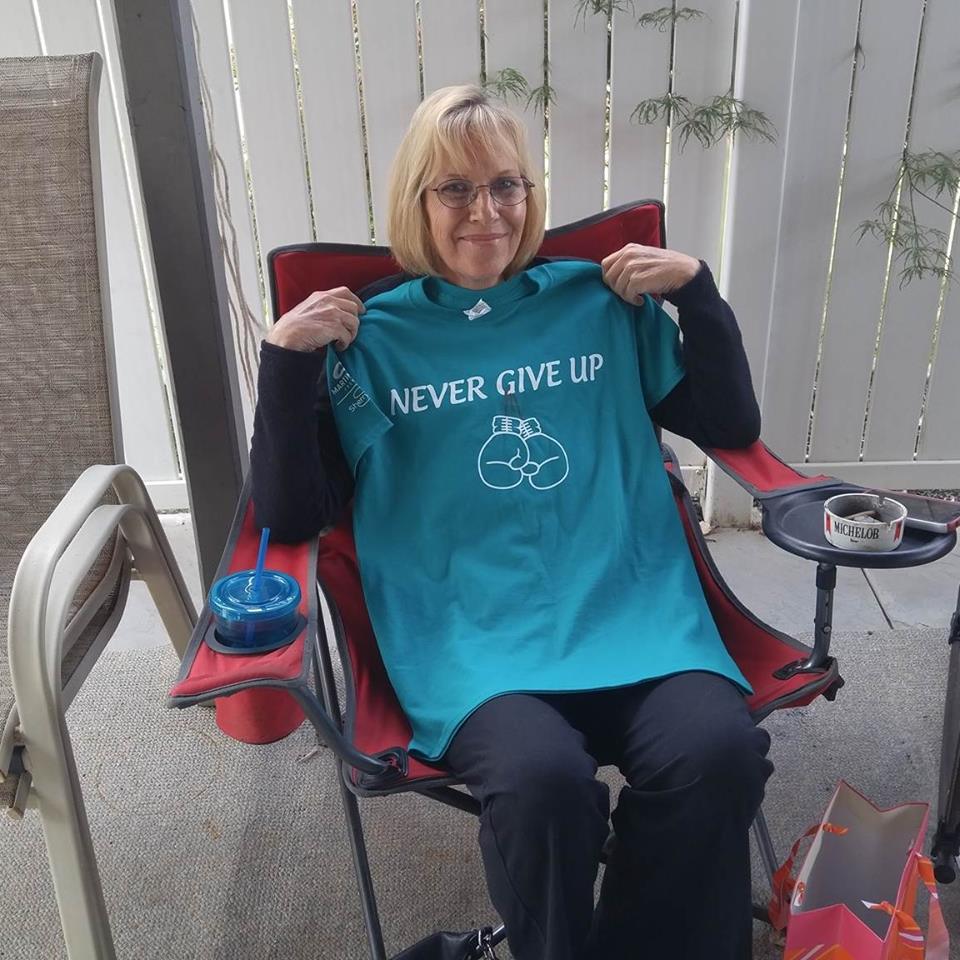
 NEVER GIVE UP, AND ALWAYS GIVE IT TO GOD IN PRAYER
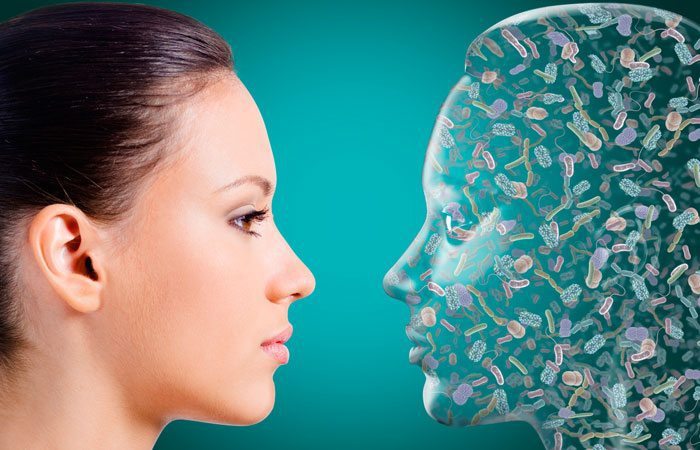

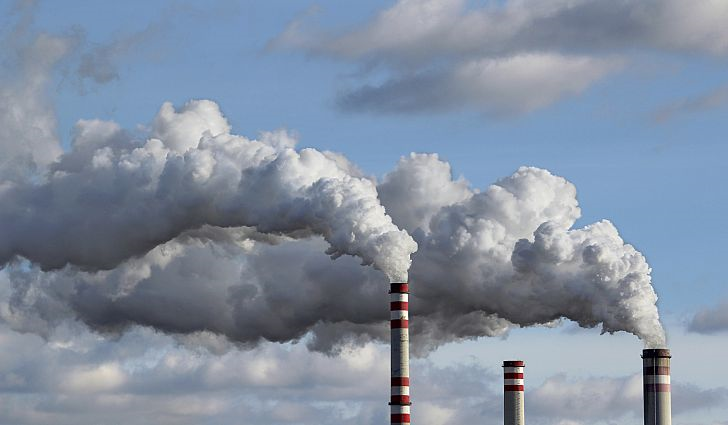



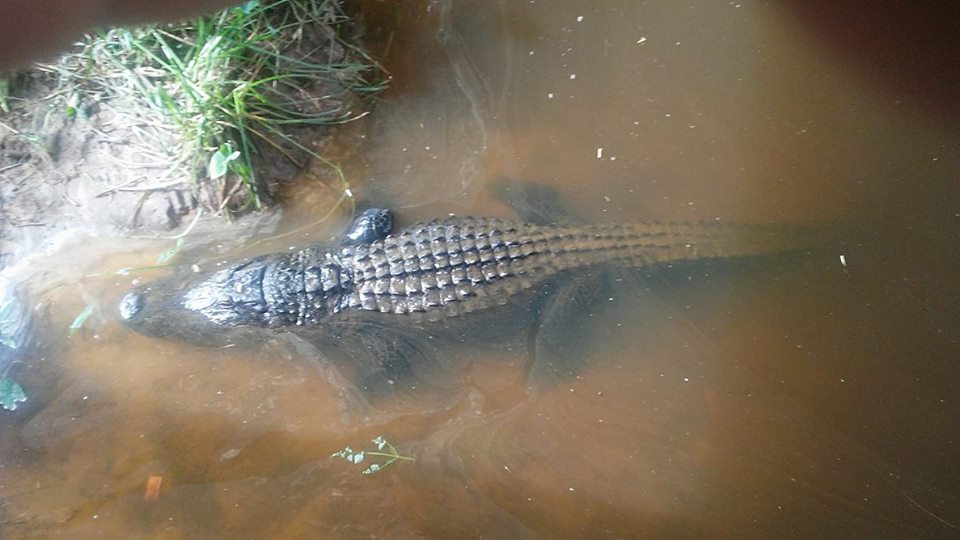
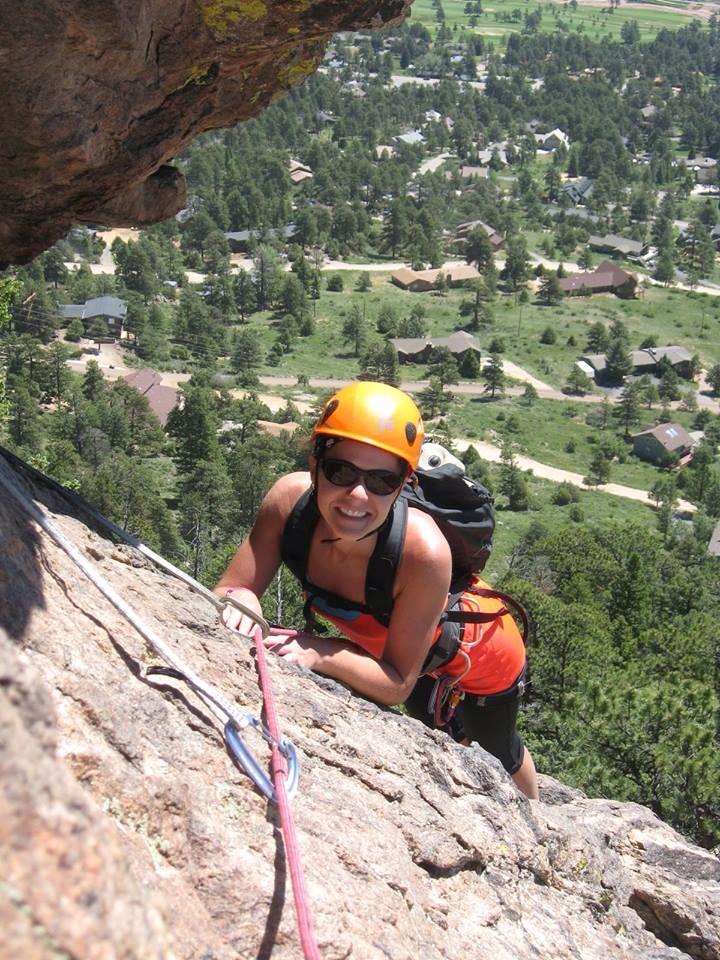
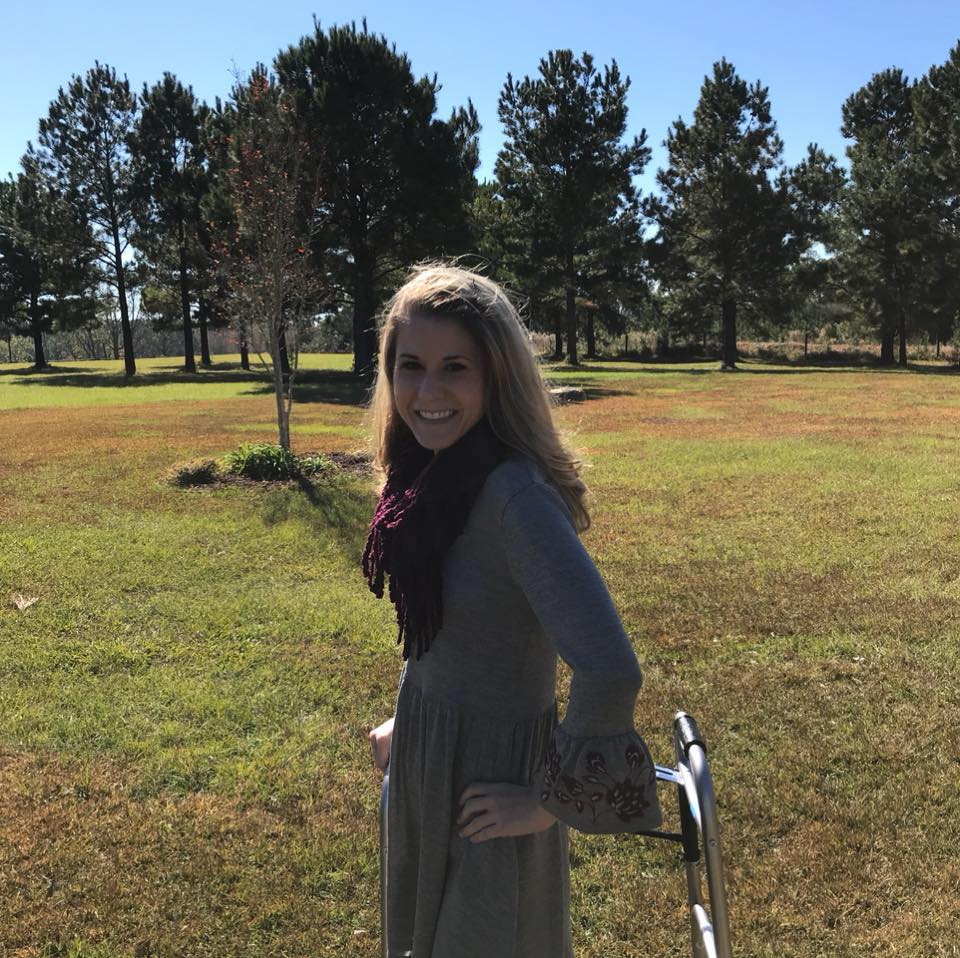



 IN Remembrance those who served!!!
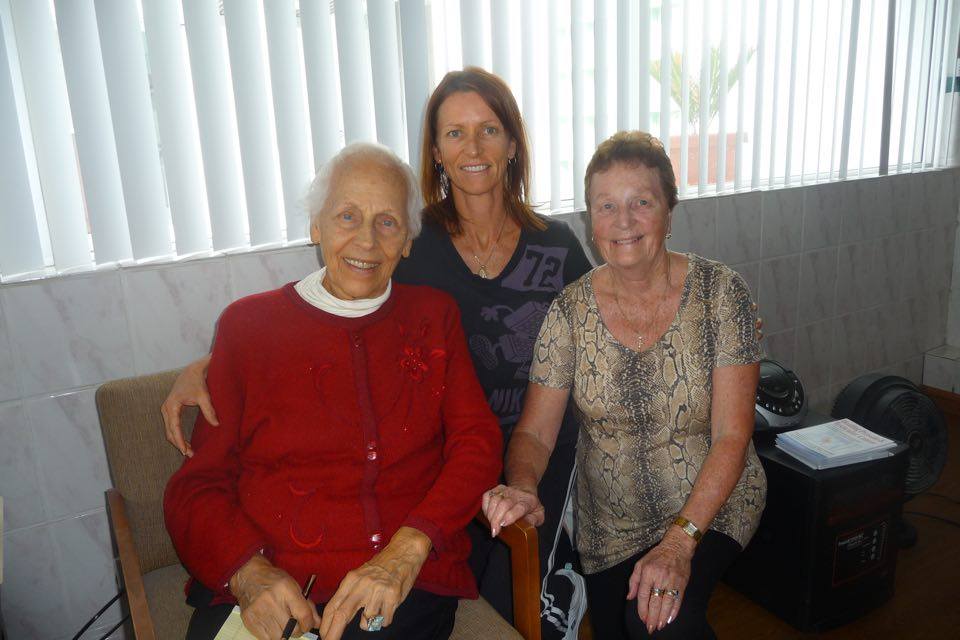

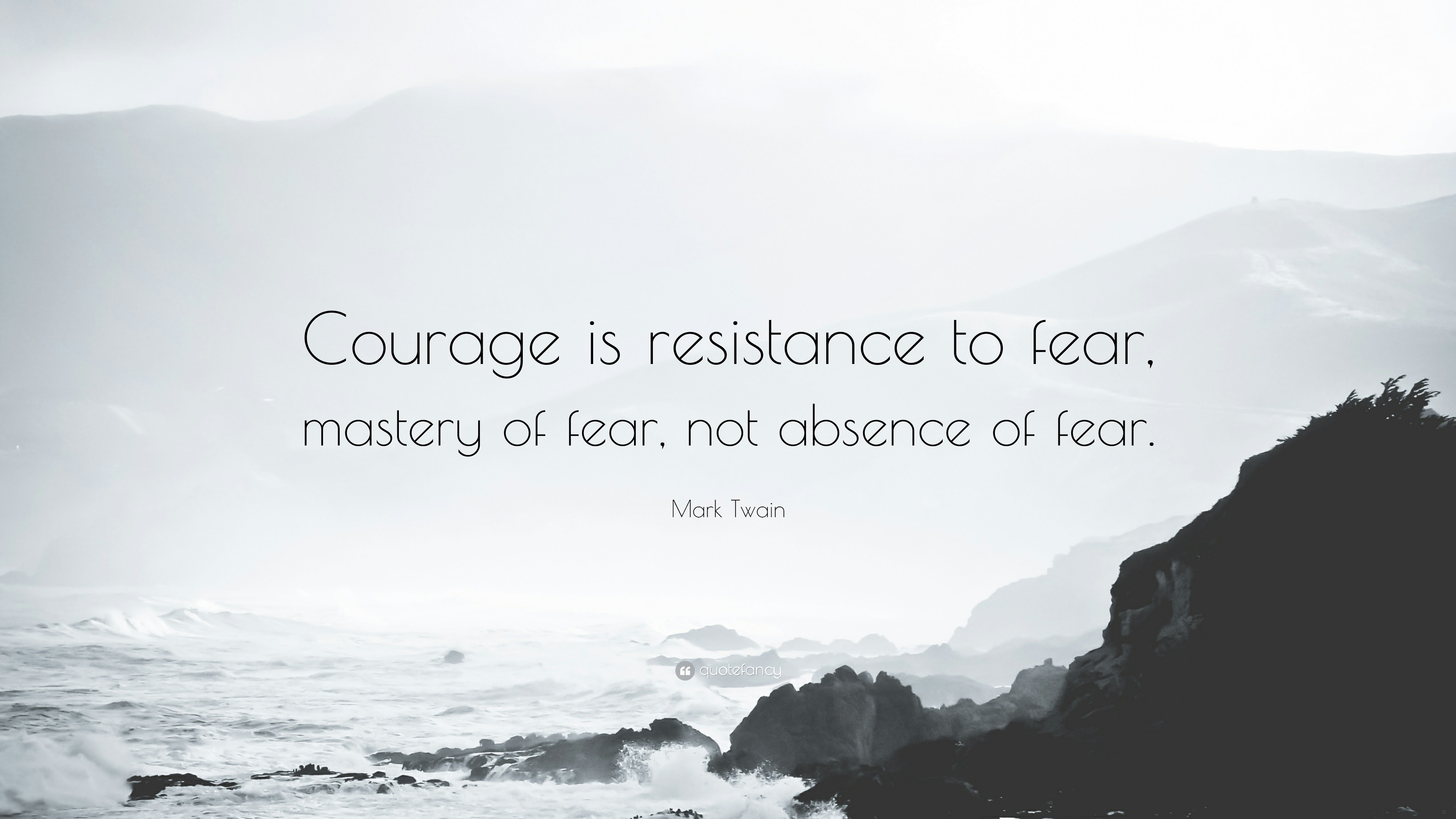


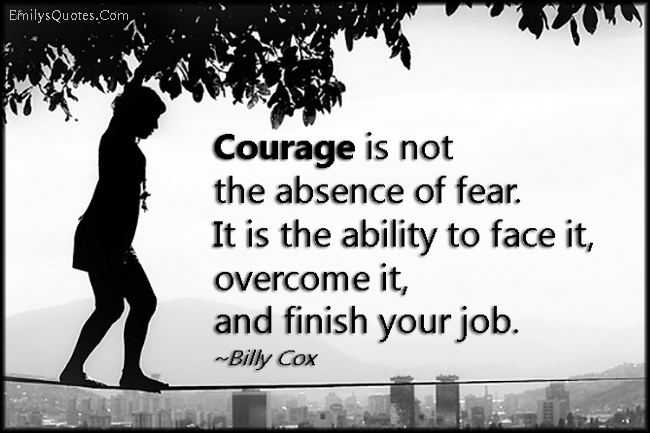


 ”How Autoimmunity Changed My Practice of Medicine” is a presentation by Cynthia Li, M.D. that took place at Silicon Valley Health Institute on December 15, 2016. Up until my early 30s, I was living life at the fullest: traveling abroad for 6 months with my husband, working full-time in a primary HIV/AIDS clinic, exercising regularly, and eating a diet of mostly organic low-fat foods. Living life forward, I thought I was quite healthy. Now, with hindsight being 20/20, I realize also I had underlying imbalances for many years already– starting out as subtle symptoms I either disregarded or pushed beyond– that were signs of mounting inflammation and physiological stress.