Anneke Adams is a remarkable Belgian-American author, motivational speaker, and health coach who has survived cancer seven times—a testament to her resilience and unwavering spirit. Her journey spans over two decades, beginning with a diagnosis of Stage-3 breast cancer and later including Stage-2 melanoma. Despite facing immense physical and emotional challenges—including cancer, sexual assault, and the loss of loved ones—she’s become a beacon of hope for others.
She founded the nonprofit How to Cancer 101, which supports patients, survivors, and caregivers through storytelling, support groups, and her book of the same name The book isn’t just about cancer—it’s a guide to overcoming life’s toughest obstacles with positivity, faith, and determination.
Anneke credits her healing to a combination of mindset, meditation, and a plant-based diet rooted in her European upbringing. Her story is not just inspiring—it’s empowering. She wants to be remembered as a fighter, a warrior, and a source of light for those navigating darkness.
Absolutely. Anneke Adams’s journey is nothing short of extraordinary—a story of grit, grace, and purpose forged through unimaginable adversity.
Her cancer battles began at age 26, when she was diagnosed with Stage-3 breast cancer. Over the next 22 years, she faced cancer seven times, including a Stage-2 melanoma on her foot. Doctors once gave her five years to live—six years ago. But Anneke refused to accept that prognosis. Her mindset became her medicine.
Alongside her health struggles, she endured sexual assault and the loss of loved ones, yet she never lost her smile or her drive to uplift others. She describes a moment of spiritual awakening during her sixth diagnosis, realizing her calling was to help others navigate trauma and illness.
That calling led her to create the nonprofit How to Cancer 101, which offers:
Support groups for patients, survivors, and caregivers
Live storytelling events
Her best-selling book How to Cancer 101, which blends personal stories, plant-based recipes, and motivational guidance
Her healing philosophy centers on:
A plant-based diet inspired by her European upbringing
Daily meditation to align mind, body, and spirit
A refusal to dwell on “why” something happened—focusing instead on “what’s next”
Anneke’s message to others: “Magic is believing in yourself. If you can make that happen, anything is possible.” She wants to be remembered not just as a survivor, but as a warrior, a light, and a source of hope.
Anneke G.J. Adams is a remarkable Belgian-American author, motivational speaker, and health coach who has survived cancer not just once—but seven times. Her journey spans over two decades of battling various forms of cancer, including Stage-3 breast cancer and Stage-2 melanoma.
Despite enduring immense physical and emotional pain, Anneke transformed her experience into a mission to uplift others. She founded the nonprofit How to Cancer 101, which offers support groups, live storytelling events, and resources for patients, survivors, and caregivers,
Her book, How to Cancer 101, is a guide not only for those facing cancer but for anyone navigating life’s toughest challenges. It blends personal stories, plant-based recipes, and spiritual insights to promote healing and hope.
Anneke credits her positive mindset, daily meditation, and refusal to dwell on “why” something happened as key to her resilience. She’s known for saying that her sixth diagnosis felt like a spiritual awakening—a moment when she realized her true calling was to help others.
Anneke Adams was driven by a powerful blend of purpose, positivity, and spiritual awakening. After her sixth cancer diagnosis, she described feeling as though she had finally discovered her calling—to help others navigate pain, illness, and loss.
Here’s what fueled her resilience:
A sense of mission: Anneke founded How to Cancer 101 to support patients, survivors, and caregivers. She saw her journey not as a burden, but as a platform to uplift others.
Spiritual clarity: She called her sixth diagnosis a “spiritual awakening,” realizing her life’s purpose was to guide those facing cancer, sexual assault, or grief.
Unshakable mindset: Anneke never asked “why me?”—instead, she focused on “what’s next?” Her refusal to dwell on the past helped her stay mentally strong.
Daily meditation and gratitude: She began and ended each day with meditation, keeping her mind clear and her spirit grounded.
Stubborn optimism: Even her father joked that her stubbornness was her secret weapon. She believed in celebrating small wins and never giving up.
Anneke’s story is a reminder that sometimes the darkest moments reveal the brightest purpose. Want to explore her book or hear her speak? I can point you to some highlights.
What challenges did Anneke face while fighting cancer?
Anneke Adams faced a staggering array of challenges—both physical and emotional—through her seven battles with cancer. Her story is one of grit, grace, and growth in the face of unimaginable adversity.
Major challenges she endured:
Multiple aggressive diagnoses: Anneke was diagnosed with Stage-3 breast cancer and Stage-2 melanoma, among other forms. Each diagnosis came with its own treatment hurdles and recovery demands
Physical pain and exhaustion: Chemotherapy, surgeries, and radiation took a toll on her body. She described the experience as “the most painful of her life”.
Emotional trauma: Beyond cancer, Anneke also survived rape and the loss of loved ones, compounding her emotional burden
Mental health struggles: She was given just five years to live—six years ago. Yet she refused to accept that prognosis, choosing hope over despair.
Isolation and fear: Like many cancer patients, Anneke faced moments of loneliness and uncertainty. But she leaned into meditation and spiritual connection to stay grounded.
Lifestyle overhaul: She adopted a plant-based diet and holistic wellness practices, which required discipline and consistency.
Despite all this, Anneke never lost her smile. She turned her pain into purpose, founding How to Cancer 101 and writing a book that’s become a beacon of hope for others.
How did Anneke cope with her challenges?
Anneke Adams coped with her extraordinary challenges through a powerful mix of mindset, spirituality, and lifestyle transformation. Her approach wasn’t just about surviving—it was about thriving with purpose.
Daily meditation Anneke began and ended each day with meditation to clear her mind, boost energy, and stay spiritually grounded. She believed this ritual aligned her mind, body, and soul.
Plant-based nutrition She embraced a clean, natural diet inspired by her European upbringing—free of preservatives and steroids. Her book includes recipes that are both healing and surprisingly delicious.
Helping others Anneke found strength in service. She offered one-on-one coaching, founded How to Cancer 101, and used storytelling to connect with others facing illness, grief, or trauma
Positive mindset She refused to ask “why me?” and instead focused on “what’s next?” Her father joked that her stubbornness was her secret weapon—and she embraced it.
Creative expression Writing her book How to Cancer 101 was therapeutic. It allowed her to channel pain into purpose and offer hope to others navigating life’s darkest moments.
Spiritual awakening Her sixth diagnosis sparked what she called a “spiritual awakening,” helping her realize her true calling: to guide others through adversity with compassion and courage
How can I start a plant-based diet like Anneke’s?
Starting a plant-based diet like Anneke Adams’—rooted in healing, simplicity, and purpose—can be both empowering and delicious. Here’s how to ease into it without feeling overwhelmed:
Begin with small swaps
Replace meat with legumes like lentils, chickpeas, or black beans in familiar dishes (think tacos, stews, or pasta).
Try plant-based milks (almond, oat, soy) instead of dairy.
Following a simple meal structure Anneke’s meals often focus on whole, unprocessed foods. A typical day might look like:
Meal
Example Dish
Breakfast
Oatmeal with berries, flaxseed & almond milk
Lunch
Quinoa bowl with roasted veggies & hummus
Snack
Apple slices with almond butter
Dinner
Stir-fried tofu with greens & brown rice
Stock your kitchen with essentials
Whole grains: quinoa, brown rice, oats
Protein sources: tofu, tempeh, beans, lentils
Healthy fats: nuts, seeds, avocado
Flavor boosters: herbs, spices, garlic, lemon
Adopt Anneke’s mindset She didn’t just change her diet—she embraced a lifestyle. Meditation, gratitude, and a refusal to dwell on “why me?” were key to her transformation. Let your food choices reflect self-care and intention.
What are the health benefits of a plant-based diet?
A plant-based diet isn’t just a trend—it’s a powerhouse of health benefits backed by science and loved by nutritionists. Here’s what it can do for you:
Heart health
Lowers blood pressure and LDL (“bad”) cholesterol
Reduces risk of heart disease and stroke by up to 31%2
Promotes anti-inflammatory effects through nutrient-rich foods like leafy greens and whole grains
Diabetes prevention & management
Improves insulin sensitivity and stabilizes blood sugar levels
Reduces risk of developing Type 2 diabetes by 34%
High fiber intake helps regulate glucose and cholesterol
Brain & cognitive support
May lower risk of dementia and cognitive decline
Antioxidants and anti-inflammatory compounds in plants protect brain cells
Weight management
Helps maintain a healthy weight without calorie counting
Plant eaters tend to have lower BMI and body fat
Fiber-rich foods keep you full longer and reduce overeating
Cancer risk reduction
Fiber, phytochemicals, and antioxidants in plants help protect cells from mutations
Associated with lower risk of colorectal, breast, and pancreatic cancers
Gut health & digestion
High fiber improves bowel regularity and gut microbiome diversity
Supports nutrient absorption and immune function
Longevity & overall wellness
Linked to lower all-cause mortality by 25%
Reduces inflammation, boosts immunity, and supports healthy aging
Felix Baumgartner, in 2012, became the first human to break the sound barrier with only his body, reaching 843.6 mph in his pressurized suit during a 9-mile descent from a capsule hoisted more than 24 miles above the Earth by a helium balloon. FILE/Jay Nemeth/Red Bull Content Pool
MILAN — Extreme athlete Felix Baumgartner, the first skydiver to fall faster than the speed of sound during a 24-mile leap through the stratosphere more than a decade ago, died in a crash Thursday along the eastern coast of Italy, according to an official. He was 56. Italian firefighters who responded said a paraglider crashed into the side of a swimming pool in the city of Porto Sant’Elpidio.
Baumgartner, known as “Fearless Felix,” stunned the world in 2012 when he became the first human to break the sound barrier with only his body. He wore a pressurized suit and jumped from a capsule hoisted more than 24 miles (39 kilometers) above Earth by a giant helium balloon over New Mexico. The Austrian, who was part of the Red Bull Stratos team, topped out at 843.6 mph — the equivalent of 1.25 times the speed of sound — during a nine-minute descent.
“When I was standing there on top of the world, you become so humble, you do not think about breaking records anymore, you do not think about gaining scientific data. The only thing you want is to come back alive,” he said after landing in the eastern New Mexico desert. The altitude he jumped from also marked the highest ever for a skydiver, shattering the previous record set in 1960 by Joe Kittinger, who served as an adviser to Baumgartner during his feat.
Baumgartner’s altitude record stood for two years until Google executive Alan Eustace set new marks for the highest free-fall jump and greatest free-fall distance. In 2012, millions watched YouTube’s live stream as Baumgartner coolly flashed a thumbs-up when he came out of the capsule high above Earth and then activated his parachute as he neared the ground, lifting his arms in victory after he landed.
Baumgartner, a former Austrian military parachutist, made thousands of jumps from planes, bridges, skyscrapers and famed landmarks around the world, including the Christ the Redeemer statue in Brazil. In 2003, he flew across the English Channel in a carbon fiber wing after being dropped from a plane.
In recent years, he performed with The Flying Bulls as a helicopter stunt pilot in shows across Europe. Baumgartner said after his record-breaking jump in 2012 that traveling faster than sound is “hard to describe because you don’t feel it.”
“Sometimes we have to get really high to see how small we are,” he said.
Felix Baumgartner glides through the air past the Dois Irmãos peaks in Rio de Janeiro in 2001. – Reuters Story by Mitchell McCluskey and Sharon Braithwaite, CNN
Felix Baumgartner, an Austrian base jumper and skydiver renowned for his record-breaking jump from the stratosphere, died while paragliding in Italy on Thursday, local media reported. Baumgartner, 56, lost control of his paraglider and crashed into a hotel swimming pool in the coastal town of Porto Sant’Elpidio, CNN affiliate SkyTG24 reported. The apparatus struck a woman who was not seriously injured, according to SkyTG24.
Italy’s national broadcaster RAI reported that authorities are working to determine the exact cause of the crash.
CNN has reached out to Baumgartner’s representatives.
The mayor of Porto Sant’Elpidio, Massimiliano Ciarpella, said on his official Facebook page that his community was “deeply affected” by the death of Baumgartner, who he called a “symbol of courage.” Baumgartner, who had base jumped from landmarks like the Petronas Towers in Malaysia and the Christ the Redeemer statue in Rio de Janeiro, achieved international recognition in 2012 when he broke a world record by skydiving from a pressurized pod about 24 miles above the ground.
Red Bull, which sponsored Baumgartner’s record-breaking feat, issued a statement Thursday stating in part, “We are shocked and overwhelmed with sadness to hear the devastating news of our longtime friend Felix Baumgartner. “Felix was “born to fly” and was determined to push the limits. He was also smart, professional, thorough, and meticulous, never leaving anything to chance. He was generous, giving much of his time to help and inspiring so many people.”
A decade after his famed leap, he described to CNN how he felt at that moment.
“I’m standing there on top of the world outside of a capsule in space and in the stratosphere. I looked around and the sky above me was completely black,” Baumgartner told CNN Sport’s Patrick Snell. “I was really trying to inhale that moment,” he added. As he fell to Earth, his speed reached more than 840 mph, breaking the sound barrier.
The so-called Red Bull Stratos freefall took six years to plan as the team worked out every detail of the jump. “We thought, we’re going to build the capsule, build the pressure suit, practice for a while, and then we go all the way up to the stratosphere and come back to Earth at supersonic speed,” said Baumgartner. “Sometimes we’d go into a meeting with three problems and then leave that meeting eight hours later with another five … and no solution for the previous problems.”
To get Baumgartner up to the stratosphere, his team had to construct a helium balloon the size of 33 football pitches, weighing 3,708lbs. It took as many as 20 people to move without damaging the balloon’s material, which was 10 times thinner than a sandwich bag. But the biggest threat to the project was perhaps the most unforeseen – Baumgartner’s mental fortitude. The suit had to be both pressurized and able to handle temperatures of minus 72° Celsius (minus 97.6° Fahrenheit).
Astronaut Buzz Aldrin, pictured right, presented an award to Felix Baumgartner during Spike TV’s Guys Choice 2013. – Jason Kempin/Getty Images
“It’s very uncomfortable,” said Baumgartner. “You have a total lack of mobility. It always feels like you’re breathing through a pillow. You’re completely separated from the outside world. So once the visor is down, all you can hear is yourself breathing.” Soon after landing, Baumgartner said he struggled to process his emotions as he approached the Earth.
“I had tears in my eyes when I was coming back a couple of times because you’re sitting there and you thought about that moment so many times, you know, how it would feel and how it would look like.” “And this is way bigger than I had anticipated,” he said.
For more CNN news and newsletters create an account at CNN.com
Serious bummer, dude. I actually looked him up on Wiki a couple weeks ago after seeing the film of his progenitor (who planned the Red Bull jump) do the same skydive from a lower altitude back in the sixties. It was the video from Boards of Canada – Dayvan Cowboy I’ve always admired people who push the limits like Felix did…but always mourn their passing when they sometimes find them. RIP.
As people say he died while doing something he loved, think about the rescuers who had to deal with the aftermath. As a long time SAR team member, I have been in the unfortunate position of having to call the loved ones of people who have died doing something like this (and other sports). Believe me, it can take a toll on us. If you have never had to place someone in a body bag, or call relatives, or deal with witnesses, or assist law enforcement in a scene analysis, believe me, you don’t want to do any of that. Such things become far more than simply “the guy died while doing something he loved.”
I can/ Of old age. I do what I enjoy, but I don’t do things that will kill me. Yes, it will happen anyway, but he will not see what happens to his family for the next 20 years. To do things like this, is to take a risk that is not called for. I hike. I play sports. I treasure hunting. I take risks. But this was beyond boundaries. So, while people can say ““We are shocked and overwhelmed with sadness “I say you can be overwhelmed, but not shocked.
Stephanie Stolba BOOK – Overcoming Cancer: My Journey To Restored Health and Things I Wish I’d Known
It is a heartfelt and empowering memoir that chronicles her experience navigating a cancer diagnosis and recovery. Published on December 8, 2024, this 59-page paperback offers both personal reflection and practical advice for others facing similar challenges.
This book is one I never thought I would write, one that sprang from a terrible cancer diagnosis. In the darkness of those days, I learned so much that I now feel compelled to share. At so many junctions in my journey, I found myself thinking “I wish someone would have told me that.”
This book is not just about the mystery of overcoming, it is also full of all the things I wish I‘d known, tips that would have been helpful to have before I was in the depths of certain situations or treatments.
My prayer as you read this book is that you will find the courage to be your best advocate, that you would know you have options and can pursue a journey back to health in your way—however that looks for you.
What makes this book stand out:
Stolba shares candid insights into the emotional and physical toll of cancer.
The book includes tips and lessons she wishes she’d known earlier—making it a valuable resource for patients, caregivers, and advocates.
Her message encourages readers to become their own best advocates and explore healing in a way that feels right for them.
If you’re interested, you can find it on Amazon.com: Books where it’s available in both paperback and Kindle formats. It’s a short but powerful read that’s resonated with early reviewers for its honesty and hope.
Stephanie Stolba’s Overcoming Cancer: My Journey To Restored Health and Things I Wish I’d Known offers a deeply personal roadmap for navigating cancer with courage and clarity. While the full list of lessons is woven throughout her story, several standout themes emerge from her reflections:
Be Your Own Advocate Stephanie emphasizes the importance of speaking up for yourself—whether it’s with doctors, during treatment decisions, or when navigating emotional challenges. She encourages readers to trust their instincts and ask questions.
Healing Is Personal There’s no one-size-fits-all approach to recovery. Stolba urges readers to explore healing in a way that feels authentic, whether that includes conventional medicine, holistic practices, or emotional support systems.
“I Wish Someone Had Told Me…” Moments The book is filled with practical tips she wishes she’d known earlier—like how to prepare for treatment side effects, manage fatigue, and also handle unexpected emotional shifts. These insights meant to help others feel less alone and more prepared.
Hope and Resilience Above all, Stolba’s journey is a testament to the power of hope. She shares how even in the darkest moments, small acts of self-care and connection helped her move forward.
If you’re curious to explore more, you can check out her book’s Amazon.com: Books which includes a sample preview. Would you like help summarizing a specific chapter or theme next?
Can you elaborate on the healing approach she discusses?
Absolutely. Stephanie Stolba’s healing philosophy in Overcoming Cancer: My Journey to Restored Health and Things I Wish I’d Known is deeply rooted in empowerment and individualized care.
Here’s a closer look at the approach she advocates:
Personalized Healing Journey Stolba encourages readers to pursue recovery in a way that feels right for them. She stresses that healing isn’t linear or one-size-fits-all—it’s about listening to your body, exploring options, and making choices that align with your values and needs.
Self-Advocacy as a Cornerstone One of her strongest messages is to be your own best advocate. That means asking questions, seeking second opinions, and not being afraid to challenge conventional wisdom if it doesn’t feel right for you.
Holistic and Integrative Practices While the book doesn’t prescribe a specific regimen, Stolba’s tone suggests openness to holistic methods—such as nutrition, emotional wellness, and spiritual support—as complements to traditional treatment. She believes in honoring the whole person: mind, body, and spirit.
Lessons Learned Through Experience Her reflections are filled with “I wish I’d known…” moments—practical tips about managing side effects, preparing for treatment, and navigating emotional ups and downs. These are shared not as medical advice, but as lived wisdom meant to empower others.
Her approach is less about rigid protocols and more about restoring agency to those facing cancer. If you’d like, I can help you explore similar healing philosophies or guide you to resources that align with her mindset.
How can I apply Stolba’s approach to my own healing?
Applying Stephanie Stolba’s healing approach to your own journey starts with reconnecting to your inner compass. Her message isn’t about rigid rules—it’s about reclaiming your voice and building a healing path that reflects you.
Here’s how you might translate her perspective into action:
1. Listen to Yourself First Stolba’s philosophy begins with self-trust. Take time to notice what your body, emotions, and intuition are telling you. Journal your experiences, track how you feel after different treatments or foods, and explore what brings you comfort or stress. Healing begins with awareness.
2. Speak Up Without Apology If something doesn’t feel right—say so. If a medical decision confuses you—ask for clarification. Stolba encourages radical self-advocacy: requesting second opinions, bringing a support person to appointments, or choosing doctors who respect your questions.
3. Explore Holistic Support Healing isn’t only physical. Nutrition, movement, meditation, and emotional support can all play roles. You might try:
Gentle yoga or breathwork
Nutritional consultations for energy and immunity
Support groups or therapy for emotional processing
Even small additions can make you feel more in control
4. Learn From Others—but Adapt Her book offers “I wish I’d known” insights—but she’s clear: everyone’s journey is different. Use her tips as inspiration, not doctrine. You might find her experiences echo your own, or spark ideas to research further.
5. Make Space for Joy and Meaning Even in struggle, Stolba seeks joy. Music, nature, creativity—whatever reminds you of life’s beauty, lean into it. It’s not a distraction—it’s part of recovery.
If you’d like, I can help you design a personalized healing journal inspired by Stolba’s style—or even draft affirmations you can return to on hard days. Just say the word.
What are more specific examples of applying Stolba’s approach?
Stephanie Stolba’s healing philosophy is all about personal empowerment, and there are many ways her approach can be applied in real life. Here are some specific examples inspired by her book:
Medical Advocacy in Action Instead of passively accepting a treatment plan, a patient might:
Request a second opinion before starting chemotherapy.
Bring a trusted friend to appointments to help ask questions and take notes.
Keep a binder of medical records, test results, and questions to stay organized and informed.
Guided meditation or breathwork to reduce anxiety.
Anti-inflammatory foods and hydration routines to support recovery.
Creating a Healing Journal Inspired by Stolba’s reflections, a person could:
Track daily symptoms, moods, and energy levels.
Write affirmations like “I am more than my diagnosis.”
Reflect on what brings joy or peace—even during tough days.
Sharing the Journey Applying Stolba’s approach might mean:
Joining a cancer support group to exchange stories and tips.
Starting a blog or social media account to document the healing process.
Speaking at local events to raise awareness and offer encouragement.
Finding Joy in Creativity Even small acts of self-expression can be healing:
Painting, music, or photography as emotional outlets.
Gardening or walking in nature to reconnect with the body and spirit.
Creating a “hope board” with images and words that inspire resilience.
These examples show how Stolba’s philosophy isn’t just about surviving—it’s about thriving with intention. If you’d like, I can help you design a personalized healing plan or journal template based on these ideas.
Here are some key points: Self-Reflection: Writing down your thoughts helps you find meaning and aligns your actions with your goals.
Clarity and Manifestation: By setting clear intentions and exploring them through journaling, you can better understand yourself and make positive changes in your life.
Practical Tips: Implementing strategies grounded in mindset and neuroscience can enhance your goal-setting process.
Prompts: Utilize journaling prompts to inspire self-reflection and help you live with purpose and self-awareness.
These practices can significantly enhance your journey towards achieving your goals.
What benefits have people experienced using this approach?
Stephanie Stolba’s healing approach—centered on self-advocacy, holistic care, and emotional resilience—has resonated with many readers and patients who’ve embraced similar philosophies. While her book shares personal reflections rather than clinical data, the broader benefits of this kind of integrative healing are well-documented. Here’s what people often experience when applying her mindset:
Improved Emotional Well-being By prioritizing self-awareness and emotional support, individuals report feeling more grounded, less anxious, and better equipped to handle the ups and downs of treatment.
Reduced Stress and Anxiety Holistic practices like meditation, breathwork, and gentle movement can calm the nervous system, helping people feel more in control during uncertain times.
Enhanced Physical Recovery When people combine conventional treatment with nutrition, rest, and complementary therapies (like acupuncture or massage), they often experience fewer side effects and faster recovery.
Greater Self-Awareness and Empowerment Stolba’s emphasis on journaling and reflection helps individuals tune into their needs, make informed decisions, and feel more confident in their healing journey.
Stronger Sense of Purpose and Connection Many find that embracing joy, creativity, and spirituality—key themes in Stolba’s story—leads to deeper meaning and more fulfilling relationships.
Resilience Through Lifestyle Changes People who adopt healthier habits (like sleep routines, anti-inflammatory diets, and mindfulness) often report long-term improvements in both physical and emotional health.
Recovering from cancer is a journey that involves healing both body and mind. Here are some practical, research-backed tips to support your recovery and help you thrive:
Nutrition & Hydration
Eat a plant-forward diet: Fill two-thirds of your plate with vegetables, fruits, whole grains, and legumes.
Choose lean proteins: Opt for fish, poultry, eggs, or beans over red or processed meats.
Limit alcohol: Women and older adults should stick to one drink per day; men under 65 can have up to two.
Stay hydrated: Drink plenty of water throughout the day to support healing and energy.
Physical Activity
Start slow: Begin with light activities like walking or gentle yoga for 10–15 minutes a day.
Build up gradually: Aim for 150 minutes of moderate activity per week, plus two days of strength training.
Make it enjoyable: Choose activities you love—gardening, dancing, or walking with a friend.
Emotional & Mental Health
Prioritize rest: Fatigue is common—listen to your body and allow time to recharge.
Seek support: Talk to a therapist, join a support group, or connect with other survivors3.
Practice mindfulness: Meditation, journaling, and breathing exercises can ease anxiety and improve mood.
Medical Follow-Up
Stick to your care plan: Attend regular check-ups and screenings to monitor your health.
Track symptoms: Keep a journal of physical and emotional changes to share with your care team.
Ask questions: Don’t hesitate to reach out to your doctor about concerns or side effects.
Lifestyle & Wellness
Sleep well: Create a calming bedtime routine and aim for consistent sleep hours.
Avoid tobacco and excess alcohol: These can increase the risk of recurrence and slow recovery.
Stay connected: Lean on loved ones and ask for help when needed—community is key.
Would you like a printable checklist or a personalized recovery plan based on your needs?
Great question! Including the right foods in your diet during cancer recovery can make a big difference in how you feel and heal. Here’s a breakdown of specific foods that are especially beneficial:
Plant-Based Powerhouses
Leafy greens: Spinach, kale, and Swiss chard are rich in vitamins A, C, and K.
Cruciferous vegetables: Broccoli, cauliflower, and Brussels sprouts contain compounds that may help fight cancer cells.
Colorful veggies: Carrots, bell peppers, and sweet potatoes offer antioxidants and fiber.
Fruits for Immunity & Healing
Berries: Blueberries, strawberries, and raspberries are loaded with antioxidants.
Citrus fruits: Oranges, lemons, and grapefruits provide vitamin C to support immune function.
Bananas & apples: Easy on the stomach and great for digestion.
Protein-Rich Foods
Lean meats: Chicken, turkey, and fish (especially salmon and mackerel for omega-3s).
Plant proteins: Lentils, beans, tofu, and chickpeas are excellent for muscle repair.
Nuts & seeds: Almonds, walnuts, chia, and flaxseeds offer healthy fats and protein.
Whole Grains & Fiber
Quinoa, brown rice, oats: Provide energy and support gut health.
Whole wheat bread & pasta: Better than refined grains for blood sugar stability.
Healthy Fats
Avocados: Rich in monounsaturated fats and easy to digest.
Olive oil & flaxseed oil: Anti-inflammatory and heart-healthy.
Fatty fish: Salmon and sardines for omega-3s.
Hydration Helpers
Water-rich foods: Cucumbers, watermelon, and celery.
Herbal teas: Ginger or chamomile to soothe nausea and aid digestion.
Broths & soups: Nourishing and hydrating, especially when appetite is low.
Would you like help building a sample meal plan or grocery list based on these foods?
What are the health benefits of including these foods in my diet?
Including nutrient-rich foods in your diet during cancer recovery isn’t just about eating well—it’s about fueling your body’s healing process. Here’s how the foods we discussed earlier can support your health:
Cell Repair & Immune Support
Lean proteins (like fish, chicken, tofu, and legumes) help rebuild tissues and maintain muscle mass.
Vitamin-rich fruits and vegetables (such as berries, citrus, and leafy greens) boost immunity and protect cells from damage.
Zinc and magnesium from seeds and whole grains aid in wound healing and reduce inflammation2.
Energy & Strength
Whole grains (like oats, quinoa, and brown rice) provide sustained energy and support digestive health.
Healthy fats (from avocados, nuts, and olive oil) reduce inflammation and help absorb fat-soluble vitamins.
Antioxidants in colorful produce (like carrots, sweet potatoes, and berries) help combat oxidative stress, which can affect mood and cognition2.
Hydrating foods (such as watermelon, cucumbers, and herbal teas) improve energy levels and reduce treatment-related side effects like nausea.
These foods don’t just nourish—they empower your body to recover, rebuild, and thrive. Would you like help creating a weekly meal plan that incorporates these benefits?
Absolutely! Here are some delicious, nutrient-packed recipes that feature cancer recovery–friendly ingredients like leafy greens, berries, whole grains, lean proteins, and healthy fats:
These recipes are designed to be gentle on the digestive system while delivering powerful nutrients to support healing. Want me to help you build a weekly meal plan using these?
How do these ingredients support cancer recovery?
The safeguard ingredients we discussed—like leafy greens, berries, whole grains, lean proteins, and healthy fats—aren’t just nutritious; they’re strategic allies in your body’s healing process. Here’s how they support cancer recovery:
Cellular Repair & Immune Boost
Lean proteins (chicken, fish, tofu, legumes) rebuild damaged tissues and support immune cells.
Vitamin-rich produce (berries, citrus, leafy greens) provides antioxidants that protect cells from oxidative stress caused by treatments.
Zinc and magnesium from seeds and whole grains help with wound healing and immune regulation2.
Energy & Strength Restoration
Whole grains (quinoa, oats, brown rice) offer sustained energy and support gut health.
Healthy fats (avocados, olive oil, nuts) reduce inflammation and help absorb fat-soluble vitamins like A, D, E, and K.
Omega-3s from fatty fish (salmon, sardines) combat fatigue and support brain function.
Digestive & Gut Health
Fiber-rich foods (whole grains, legumes, fruits) promote regularity and help manage treatment-induced constipation.
Fermented foods (yogurt, kefir) introduce probiotics that balance gut bacteria and support immunity.
Reduced Risk of Recurrence
Cruciferous vegetables (broccoli, cauliflower, Brussels sprouts) contain sulforaphane, which may help prevent cancer cell growth.
A diet rich in phytonutrients (found in cruciferous vegetables, in berries, legumes, and leafy greens) supports long-term cellular health, reduce inflammation may help prevent cancer recurrence.
Limiting processed meats, sugary foods, and alcohol is linked to lower risk of inflammation and chronic disease2.
Herbs, Vitamins & Supplements Discover medically validated uses for vitamins, minerals, amino acids, and other substances used as nutritional supplements.
These ingredients work together like a well-orchestrated symphony—each playing a role in helping your body recover, rebuild, and thrive. Want help turning this into a weekly meal plan or a personalized grocery list?
Fully active athletes may experience cancer and health issues, but athletes generally have a lower incidence of cancer, and a longer lifespan compared to the general population. This is supported by research indicating that physical activity is linked to reduced cancer risk. However, individual health risks can vary based on factors such as sports classification and lifestyle choices, warranting further investigation into the specific health consequences of elite athletic careers.
Increase Oxidative Stress in Athletes Can Cause Cancer – Search The relationship between oxidative stress and cancer is complex. While high levels of oxidative stress can lead to the development of carcinogens, regular physical activity may help modify oxidative stress markers and antioxidants in cancer patients. However, the evidence is still uncertain, and further research is needed to fully understand the implications of increased oxidative stress in athletes and its potential link to cancer.
Why Exercise is Important in our Daily Life
Exercise is crucial for maintaining physical health, enhancing mental well-being, and improving overall quality of life.
Physical Health Benefits Weight Management: Regular exercise helps control weight by burning calories and increasing metabolism. It can prevent excess weight gain and assist in maintaining a healthy weight.
Disease Prevention: Engaging in physical activity reduces the risk of chronic diseases such as heart disease, stroke, type 2 diabetes, and certain cancers. It improves cardiovascular health by boosting good cholesterol (HDL) and lowering unhealthy triglycerides.
Muscle and Bone Strength: Exercise, particularly strength training, helps build and maintain muscle mass and bone density, which is essential as we age to prevent injuries and conditions like osteoporosis.
Mental and Emotional Well-Being Mood Enhancement: Physical activity is known to improve mood and reduce feelings of depression, anxiety, and stress. Exercise increases the production of endorphins, which are natural mood lifters.
Cognitive Function: Regular exercise has been linked to improved brain health, including better memory and cognitive function. It may help delay the onset of dementia and cognitive decline.
Sleep Improvement: Engaging in regular physical activity can lead to better sleep quality, helping you feel more rested and energized throughout the day.
Overall Quality of Life Increased Longevity: Studies suggest that regular exercise can lead to a longer life, with healthier years. Active individuals tend to maintain their independence and quality of life as they age.
Social Interaction: Participating in group exercises or sports can foster social connections, which are important for emotional health and well-being.
Daily Functionality: Regular physical activity enhances overall physical fitness, making daily tasks easier and improving your ability to perform everyday activities.
Incorporating exercise into your daily routine, even in small amounts, can lead to significant health benefits and improve your overall quality of life. Aim for at least 150 minutes of moderate-intensity aerobic activity each week, along with muscle-strengthening activities on two or more days a week. 3 Sources 1- American Heart Association2- Healthline3 – Bing Search
Matt Mauser came on America’s Got Talent (AGT) to honor his late wife, Christina, who was tragically lost on January 26 2020 in the same helicopter crash with Kobe Bryant. His performance of Phil Collins’ “Against All Odds” was deeply emotional, reflecting his loss and the impact it has had on his life.
“Jesus, I Need You in Everything I Do” is a heartfelt prayer turned into — a song for anyone who’s ever felt overwhelmed, uncertain, or in need of divine guidance. 💛 Written and performed by Ella Scott, this gospel track is a personal cry for strength, wisdom, and grace in every part of life — as a leader, a friend, a woman walking by faith.
Robert O. Young had his adversaries: from him I learned about how our amazing bodies are constantly working to maintain a tight pH balance (no alkaline diet required). But Registered Dietitians Becca Harris & Sarah Muncaster who no longer have much of a following online. Hear them BASH Robert O Young about being a convicted medical fraudster who made tons of money selling fake medical “cures”, pseudoscientific diets, and unregulated supplements to terminally ill people. pH Miracle Living “Dr.” Robert O. Young is finally arrested, but will it stop him? | Science-Based Medicine @Bad Guy David Gorski
Introducing season 2 of Unsavory.
Join Registered Dietitians Becca Harris & Sarah Muncaster as they use their backgrounds in nutrition and criminology to discuss fascinating food-related scandals using an evidence-based lens. We’re talking about diet culture, nutrition misinformation, Grab a snack, put on your comfy pants, and get ready to dive into the weird and wonderful world of Unsavory.
There’s a sacred pause in the golden hour, when the world outside softens and the light invites you inward. This is where the deepest work happens—not in constant motion, but in stillness. Allowing myself to simply *be*, to feel the quiet hum of gratitude for this sanctuary and the journey I’m on.
Every breath is a reminder that nurturing our inner world is the most beautiful form of self-love, making us truly worthy of all the good that flows.
Transcript of the video which begins at 30:33
Sacha Stone Interviews Commissioner Dr Robert O Young of the ITNJ [PART 2]. Disease elimination it depends on are you managing and maintaining the alkaline design of your internal fluids let me give you an example if you take seeds and throw them in soil will they grow if you water them if you take seeds and throw them on concrete or asphalt will they grow well it’s highly unlikely so the terrain is everything the germ is nothing so the train is responsible for what then expresses itself if you have an acidic lifestyle and diet then you’ll express acidic and lifestyle diet symptomologies there are no specific diseases i want to say that again there are no specific diseases there’s only specific disease symptomologies.
For example: cancer is a disease not of the cells but of the fluids sars is not a disease of the cells, but of the fluids what is the acid the acid is an increase of lactic acid and all those that we have tested with a degenerative or infectious disease have high levels of citric and lactic acid in their body fluids and it’s not just vascular we’re talking about intracellular fluids when we eliminate those acids you know through mediating through an alkaline lifestyle and diet and alkalizing supplementations we reduce lactic acid or acid loads the symptoms go away,
So if you go even back to to this whole game well what was causing hiv hiv was associated with the use of some specific drugs one of those drugs in the homosexual environment was called poppers okay these poppers or relaxants they create an acidic environment that causes the release of exosomes wow so when we’re talking about polio what was causing polio was it a virus.
NO, it was not a virus it was DDT poisoning right what was calling causing Zika glyphosates – Search why are we seeing an increase in post-polio, because of glyphosate we’re talking about pesticides herbicides insecticides within our food.
These chemicals poison our environment which then causes the release of exosomes as a form of protection against ebola. Ebola is the same thing yeah so if we’re talking about ebola or hantavirus ,ovine flu swine flu, avian flu all of these all of these may include biologicals but have not gone through the gold standard to determine their valency does i mean have they isolated the virus the polio virus no have they isolated HIV no have they then injected it into an animal to produce the same symptoms that are shown in those symptomatic patients that are expressing the assembler it’s called monkey business in 1999.
When the government stopped funding monkey business because they couldn’t determine the connection between HIV and immune deficiency and so that that line was cut so they had to look for something else what is this okay so we have to come up with some theory well people have just stopped talking about HIV but the problem’s still the same if i’m dealing if i’m dealing with someone who’s been diagnosed with sars or diagnosed with hiv or has polio-like symptoms you know these symptoms are not what we treat we treat the environment because the symptom is an expression of the internal environment.
And what’s the internal environment it’s vascular it’s interstitial it’s intracellular and for those who have diseases within their body cavities where fluids not coming out through the elimination organs then we have peritoneal diseases where they’re actually retaining fluids in the body cavities and this is what causes the bloating but that’s
that’s all end stage stuff that leads to sepsis did you know sasha that the number one cause of disease or disease not disease but disease the symptom is sepsis and sepsis is the poisoning of the body fluids it’s then breaking down the cells and and we’re talking about hundreds of thousands of people every month dying from this over a hundred thousand a month
Nobody talks about it because they don’t know the pathology of it but it’s just another stage of symptomologies showing how the environment what is their environment the internal fluids which which is 60 percent of our our body is fluid that fluid has been compromised with chemicals acidic waste from what we eat what we drink what we breathe what we think what we feel and what we believe all of these chemicals have accumulated in compartments called the interstitial fluid interstitium compartments to be deposited into the fatty tissues
This is the answer to the question is why do people get fat people give me i want to bring it back to shotgun question is covert a virus or an exercise uh it’s identical to HIV which is an exosome right so Covid is actually a response to an acidic condition it’s not a disease it’s a symptom the symptoms of fever dry cough and fatigue and tiredness is a result of a polluted internal environment this is this is the terrain theory the germs the germs are born in us and from us and are not the cause of disease but the symptoms of disease so if you have increased amounts of strep or staph or E-coli here again anything from the outside world can only contribute to a state of imbalance but cannot cause any specific disease that means you can be exposed to someone who’s symptomatic with Sars or covid but not catch anything because you have an environment an internal environment and protection which is true immunity you are managing and maintaining the alkaline design of the internal fluids at a ph between
Here again we’re testing this by urine with a ph of the urine running between 7.8 to 8.4 but never less than 7.2 and you can get these little testing strips test your urine and if your urine ph is below 7.2 you’re at risk you’re acidic you have to be above that particular number for ultimate immunity okay protect your fluids very good um let’s talk about the covert testing because i was just raped in my skull last week it was a horrendous experience frankly having something stuck up my brain what’s what is with these swab tests up the nasal cavity can you explain a little bit about this well here again Ii mean the the respiratory system uh
Which includes our our nasal systems and and that is a point of congestion if you have congestion of the lung here again it’s going to build up and you’re going to have you’re going to have problems within the nasal cavities but here again they’re not testing the interstitial fluids so they’re not getting a chemistry or a ph of true alkalinity or true immunity by testing the vascular fluids and comparing them to the interstitial fluids which is 80 percent of what is called the extracellular fluids extracellular fluids are the fluids outside the cell 20 is vascular eighty percent yeah and if these cover tests uh swab tests they’re not they’re not testing the blood fluids right they’re not they’re not testing for uh disseminated intravascular coagulation they’re not testing what are they doing what what are the what they’re pulling their they’re pulling off uh fragments of rna or dna and testing those and they’re putting in what is called an rt pcr test which uh the inventor of that says this is not to be used for this process uh we’re talking about the nobel prize winner who actually made this this statement moles
Dr Mullis he said no it’s you can’t determine any disease so whatever they’re pulling could be associated with your argument that you had with your spouse last night i mean that’s a far stretch of it but there’s no specific direction they can call it whatever because nobody really knows so out of sight out of mind is there any danger to the test well the danger is is in the diagnosis because it’s it’s either false positive or false negative right because they have cut off points within that testing and the cdc is is suggested 10 different cutoff points in other words to stop the testing because if it goes too high guess what everybody’s positive right there you go there you go
[Music] and the virus what’s an antibody in an antigen well antibodies are are chemical compounds particularly uh what is called what i refer to as reactive oxygen species that are released by the lymphocytes okay they’re a protein or they’re a chemical that are released by lymphocytes to neutralize a particular antigen which is antagonistic or toxic to the body now here again we’re talking about biologicals and biological is not is not where the issue is all of these symptomologies from cancer to polio to hiv even the spanish flu epidemic ebola sars and now a foreign ovirus which is covid are are chemical poisoning is or caused by chemical poisoning either directly through vaccination or through chemical poisoning from the air or chemical poisoning from what we eat such as glyphosate
there has to be a poison in there because just testing rna fragments doesn’t get us to the diagnosis by swabbing your nose and getting rna or dna fragments doesn’t tell you anything about a specific dis-ease so it’s totally invalid but if you want to if you want to go in prior to testing what you do is you take a product called nasopure and i have i don’t i don’t sell it you can get it on the internet but they have a packet that you put with distilled or purified water that packet contains sodium bicarbonate you put it in there and then you inject sodium bicarbonate through this process so it goes in one nostril and out the other and cleanse and purify that environment i promise you we’ll test negative on the test well and what about um um uh mms or claudia as a sodium chlorine dioxide well uh chlorine dioxide is is a reduced form of a more stable form called sodium chlorite
C-h-l-o-r-i-t-e so when anybody’s talking about chlorine dioxide that’s a very unstable molecule so it’s stabilized with sodium i wrote one of the first papers in the 90s on sodium chloride and it’s and sodium chloride is naclo2 chlorine dioxide is clo2 okay and so what happens how do you go from sodium chloride to
Chlorine dioxide and then eventually what you really want is oxygen in the reduced form so the oxygen in the reduced form is not 02 but 01 right so ozone is 03 atmospheric oxygen is 02 and nasi and oxygen guess what is released by what i told you earlier the lymphocytes so the lymphocytes are releasing nasi and oxygen the reason why chlorine dioxide or sodium chloride is so effective and is not being used because number one you can’t copyright or patent it so it’s a general compound that anyone can use it’s just it’s been considered dangerous because you have to know what you’re doing it has to be in a diluted form no greater than five percent and you can put it then in another dilution so you take a five percent solution of chlorine dioxide or sodium chloride you put it into water one glass of water of distilled water preferably 10 drops that’s it and then you drink that glass of water and as soon as it hits the hydrochloric acid in or lactic acid in the body the sodium the bonds of this molecule break apart and release two because the oxygen is not attached
Like an o2 the the oxygen atoms are attached or attached but in in sodium chloride and chlorine dioxide they’re separate so you have a chlorine i ion and two atoms of oxygen so when it hits the hydrochloric acid or the citric acid the oxygen releases and it then goes to its opposite polarity because it’s negatively charged it’s a minus and it neutralizes that acid that’s causing you to be sick so you so what i’m trying to say to you very clearly you cannot have a sickness without a specific acid and specific acids like carbon dioxide that causes you know toxemia of the lungs and of the blood can cause lots of different hosts of symptomologies
But once you neutralize the chemistry that’s going on the biochemistry and you’re measuring it and checking it ideally with instruments that Dr Galena and i have used now over close to 10 years which is the methodology of our publication which was just released on how do i deal with these increased biochemicals from the outside world the inside world because when you metabolize you produce lactic acid when you over exercise you feel that acid well if that acid isn’t neutralized it’ll cause a sarcoma or carcinoma. So, cancer is a disease of the fluids it’s a chemistry that we need to understand here that’s affecting the cells so these are all things once we understand them, we can protect and prevent a disease by managing and maintaining the internal environment and by doing a simple test every morning
Take some ph paper test your urine if it’s below 7.2 you’re at risk if it’s between 7.8 to 8.4 which is ideal then you know you can rest assured if you’re if you’re low what do you do is you take an alkalizing dose of that water we just talked about of nasi and oxygen or you can take two compounds in a re research study that was released in 2016 by the University of Utah on the benefits of mortality of drinking sodium and potassium bicarbonate by reducing mortality by reducing the risk of disease or death by 25 and this was in an age group which has targeted the elderly between 70 to 80 years old so they found that those who were taking sodium and potassium bicarbonate lived an additional 25 percent longer. wow wow that’s huge someone might break it down again if you will if you were very unlikely
SO, if you were diagnosed with the stage two three or four cancer next tuesday what are the three protocols that you would instantly default to the simplest layman’s protocol well hyper means to to increase but i would hyper perfuse so i would start eating drinking soaking you know doing rectal infusions of sodium and potassium bicarbonate uh you know they’re i mean you want them aluminum oxide free that’s why i developed the four salts you know to help people so the the 4 electrolytes uh sodium potassium magnesium and calcium were all included within this process because those are being used up so if the body doesn’t have alkaline reserves it starts taking them from the bones and the muscles so it’ll take magnesium from the muscles it’ll take calcium from the bone
So we have the incredible shrinking human being who’s losing height and their bones are becoming brittle. Because they’re not ingesting so number one i would hyper perfuse the the fluids of the body through the orifices of the body with alkalinity using sodium potassium magnesium and calcium okay that’s number one two i would start building healthy blood
okay and how do i do that i’d have to change my diet if you’re unwilling to change your diet then don’t listen to what i’m saying or do and because there’s no cure out there unless you’re willing to change your diet and that means i’m going to do implement what is called an acronym called the cows program so i’m going to i’m going to suggest to you c stands for chlorophyll o stands for oxygen and oils w stands for water alkaline water and s stands for sunshine, salt and or sex, Okay so … so if you’re not if you’re not if you’re not getting in daily love you know if you’re not getting in sunshine photons you’re not energizing your body and and if you’re not getting salt prepare to die you know because salt is the glue that holds you together
SO i want you to remember that acronym cows chlorophyll oil and oxygen water and salt and it’s very important that we define you know the source of chlorophyll we don’t want chlorophyll and we don’t want copper-based chlorophyll the greatest chlorophyll i’ve ever witnessed was dr galena i mean my god there’s some very special stuff there that she’s well she has she has uh two chlorophylls uh one is one is from spinach and uh it’s a 28 concentration of pure of chlorophyll okay and then she has one that’s a hundred percent and you have to you only take a little bit and put it in it yeah yeah and that comes that comes from the mulberry leaf The mulberry leaf chlorophyll – Search and and when you take this you feel like when you put this into your body and you only put a little bit into a glass of water and ideally distilled or purified water once you drink that you feel like somebody just turned the lights on in your inside your house right the cells wake up that’s right yeah it’s like all of a sudden wow oh i’ve been waiting for this you know i’ve been you know looking for more green in my life and it’s not that easy being green ask kermit the frog it’s it’s uh it’s it’s a challenge for those who have been eating you know an acidic diet because there’s an addiction to that just like you know some of the addicting foods some of the most addicting drugs are all acidic and the alkaline foods
Well this doesn’t taste very good what happens after about two weeks of doing this your taste buds change and it’s like oh you can stay taste the natural benefits of this you can feel the natural benefits of this and all of a sudden foods that were bland all sudden taste sweet to you in a different way right right beautiful well you know there was a third one let me tell you the third one the last one is you have to open up the channels of elimination so you have to improve circulation elimination uh you’ve got to defecate to circulate you know if you want to energize your body things need to be moving and that requires you know a little more understanding about you know in research
But we’ve done all that for you there’s three basic aminos that are just paramount in improving circulation first one is called l-arginine the second one is called l-citrulline and the third one is Called l-ornithine and this will this is a natural way as you’re taking these aminos with some anti-inflammatories uh like Resveratrol – Search and Pycnogenol – Searchand Magnesium Chloride – Search when you’re taking that in combination with Vitamin D3 at 50 000 international units per day and you’re getting Vitamin K1 in there when you’re taking this circulation improves you start feeling your toes again you start feeling they’re not cold or you’re not feeling that that tingling feeling or so circulation goes to the extremities and so you start building
Your micro circulation so opening up the channels of elimination improving circulation is probably the third and fourth thing so hyper perfusion your body with alkalinity with the four alkaline salts yeah start building blood using the cows program three improve your circulation using amino acids not anti-anticoagulants because they’re toxic to the membrane and will cause the release of exosomes and damage the we don’t want anything we don’t want to take anything that’s going to damage the lining of our body cells and then open up the channels of elimination you know and that may that may mean you may have to nebulize that means you may have to use nasal pure to flush your sinuses that may mean you may have to have some colon hydrotherapy infusions to infuse alkalinity rectally into the hemorrhoidal vein or
uh it may mean taking magnesium oxide to help you know break down some of the undigested proteins in the nine yards of the intestine all of this has been time tested now for four decades this is why we have such a high success because of these four principles that we implement in any symptomatology that medical science terms as disease. Yeah, once again there are no diseases there’s only dis-ease symptomologies very good that’s beautiful well thank you for that you’ve broken that down into three well with the cows of course you’ve got a whole host there of other pointers but i’ve actually i think i’m ahead of you i’ve broken it down to simply one protocol
If i was diagnosed with a stage two three or four i’d simply get on a plane and come to you dr robert young uh this has been fantastic and i just want you to for the last one comes the top of the hour what i’d like to do is just ask you for two minutes please to just give us some background on the paper the scientific paper you’ve just published which I’m really excited to read yes well I tried to use not just words and scientific terms but pictures that you can look at to relate to really what I’m talking about and what I’m talking about is oxygen deprivation that leads to pathological blood coagulation of the blood okay another medical term is dics that’s an acronym for disseminated
intravascular coagulation that then leads to sars that then leads to lung congestion because because the blood cannot relieve itself of its waste that’s then being held back and then pushed out into the interstitial fluids and i didn’t say this but i’ll say it now the interstitial fluids flow around every cell of your body every organ,
And every every system organ system is touched by the interstitial fluids and this is where the blood and the intracellular fluids eliminate their bathroom is the interstitial fluids it becomes the septic tank and then from there it’s supposed to be pushed out to the lymphatic system and that out through the pores of the skin or urination defecation
Respiration i talk about this in this study that sars or covid is nothing more than pathological blood coagulation that’s causing oxygen deprivation that leads to interstitial lung disease prior to that i did publish a paper at the end of last year that dealt specifically on interstitial lung disease and uh that was uh with a with another publishing house so these are these are all peer-reviewed journal articles that we can make available to you you can share this paper if you’d like and let people know yeah let people know that there is a pathology see currently sars is idiopathic
In other words there’s no pathology to it there’s all this well it must be this must be that oh it’s exosomes no it’s virus even though it hasn’t been identified you know blah blah blah but here in this paper i’ve tried to develop a cohesive logical and also scientific validated pathway to what causes these not diseases but symptomologies are a result of a decrease in in alkalinity in the interstitial fluids of the body and i make this very bold statement that the genesis of all sickness and disease begins in the interstitium organ in the interstitial fluid compartments and the only way that you can measure this is because the urine is a product of the interstitial fluids is to test the ph this is the test that should be done not swabbing your nose not wearing a mask not social distancing you know these are political questions these are not scientific questions because if you look at the scientists evidence about all of those requirements
which i believe are political not scientific you’ll take off your mass you won’t have a test which doesn’t prove anything other than what they want to prove and everything as it relates to sars is with it’s cancer with science it’s cancer with this with that you know here again we’re out of the so-called influenza flu we still have people dying from sepsis because medical science does not how to control true immunity which is found in managing and maintaining the alkaline design of the body and understanding that all bodily functions produce acidic waste if not properly eliminated through the four channels of elimination or five for women this is what then builds up that causes what the medical world says are diseases which are just nothing more than i eat drink breathe too much crap and elimination must be possible.
The channels of elimination in the body can be categorized into four main channels and five channels for women.
Maintaining these channels in optimal function is essential for overall health and detoxification.
Very good dr Robert Young commissioner dr Robert Young thank you very much indeed wonderful talking to you yeah nice talking to you Sasha it’s always a pleasure thank you always a pleasure for us too dr young lots of great feedback on the thread and the live this will be posted on the youtube channel and and then on our website which is reclaimyourlives.com where everyone can get the archive of all the conversations, as well the resources i’ll put that link in the comments but we’ll include that in our database resource library as well we’ll have you back on soon doctor young with Dr Helena yeah
i think this is going to be a pretty consistent i do too well you know you know there’s one thing that people will find out about me is is i like to share because for me sharing is caring and i don’t mean to be you know you know sentimental about this but i really do care i mean that’s why i got up early this morning not because i’m not awake at six in the morning but but i really enjoy sharing and and i hope people enjoy learning because if you just learn one thing every day just one new thing just think how intelligent you’re gonna be after one year after two years after three years you’ll know everything that you need to
know and you can become your own doctor and you can take care of your own body because this is the truth this is your body this this is my body this is my body this is my life and by god’s grace it is my choice he gave me the free agency i do not get that from the government what the government is saying this is your body yes this is your life yes but guess what this is our choice we’re going to mandate things and this is what this is when we lose when we lose our free agency we have not only lost our freedom but we’ve lost it to the even to the cellular to the minute level we’ve lost everything people need to understand that we need to protect that freedom remember Sasha it’s your body your life your choice you can use what i’ve said to help improve the quality and quantity of your life or you don’t have to.
I’m not going to force you to do anything other than you know educate research you know have faith we’re jumping off we’re going to go dead in about 30 seconds so thank you very much indeed um and that is the price ofreclaim HOME – Reclaim Your Lives – TruthSearchEngine.com Everything you’ve said is about consciousness about sovereignty and actually about navigating in full in full pure truth and right action thank you so much robert thank you so much all the best have a wonderful day yes you do we learned more than one thing today robert thank you great thank you very much thank you bye-bye
We must know O Young is just one of the most courageous men on the planet telling the truth he has a brand new book you’re going to uh we’re going to go through his book on truth versus deception and he is on the threshold of a new biology. Whose principle if proven could revolutionize that biology and Medicine worlds uh Neil Simon MD former head of research of John Hopkins university has said, “that about it over the past two and a half decades Robert O Young has been widely recognized as one of the top research and clinical scientists in the world.
We have him here today so let’s bring him on the screen. Thank you for waiting in the background Dr Young. We appreciate you giving us your time today
4:58 well thank you so much for having me onwell thank you so much for having me on your show again Laura and it’s always a a pleasure to hear from uh others uh the word of God especially uh the scriptures because you know you you hear the warning in those in the in Deuteronomy God to the people the children of Israel who were let out of bondage uh and where to go of course saw a miracle. The Parting of the Seas and saw a miracle and they uh you know and the sad part of that whole story is they did not hearken to God nor his Commandments and all of those.
Every soul except for two all of the souls that came out of Egypt and their posterity died wandering in the desert all of them a half a million people came out they grew to a million they all perished because of ignorance and that’s what Moses said uh my uh my people perish well it’s actually Hosea my people perish because of ignorance because of lack of knowledge and uh they would not heed Moses uh they didn’t understand that even with Mana that would preserve their life and extend the quality of their life they were not prepared and therefore were not allowed to go home to their promised land and for that they have some they suffered greatly,
That’s what a lot of people don’t realize that God’s promises are real and yet those consequences which are brought on by themselves the people when they don’t, they don’t live the simple Commandments. One of those is to love God with all your heart might mind and strength and the other one is to love your neighbor as yourself now would that solve a lot of problems if we loved our neighbor do you think that we would be crossing boundaries uh which have been crossed and you know for whatever reason but what unfortunately exists today is an example of what happened.
When Cain slew Abel and he was uh and and the son of the morning Lucifer whispered into his ears that you can have all of the hard work of Abel all you need to do is pick up that stone pick up and and and kill him and that is what is called the Great and abominable secret when you kill others injure others and take that which is not yours. You’ve created you have actually uh participated in the greatest of all sins and that is to take what’s not yours.
Thou shalt not steal Thou shalt not kill Thou shalt not covet and the penalty for that sooner or later is death and that’s not just physical death. It’s emotional, it’s mental and it’s also spiritual death and as an ordained minister at the young age of 19.
You know I have cherished the words of God it has been in my heart. I was a young boy at the age of five and I would sing songs at primary: do what is right and allow the consequences to follow. Do what is wrong let the consequences follows people are being injured people are dying prematurely we have sudden death or excess deaths Watch the video Here Bing Videos
Jenn Johnson of Bethel Music recently recounted the moment she claims to have seen an angel in her hospital room — an encounter that brought her great joy and peace. Johnson told CBN News the shocking moment took place when she was about to be taken in for a C-section to usher in her daughter’s birth.
“I’ve never before or since seen an angel, but an angel appeared in my room,” she said on the red carpet of the 2025 KLOVE Fan Awards. “He had a bald head and a gold earring, and he just looked at me and nodded and then turned back to his posture.” It was a moment that had a profound impact on the singer — so much so that she wrote a song based on the experience. “Peace went through my body,” Johnson said. “And I wrote the song ‘Mention of Your Name’ out of that moment.”
The worship leader said she assumed she would be scared during the encounter — but wasn’t. Johnson said she actually hopes to have more experiences like it in the future. The moment was especially encouraging as Johnson was facing a C-section and needed in those moments the peace the angelic meeting offered. “I was so peaceful and I was just like, ‘Oh, you’ve got this, Lord — you’ve got this,'” she said. “And it was amazing.
I wanna see more. I’ve never before or since, but I’m like, I’d love to see more.” And this wasn’t Johnson’s only supernatural encounter. She also recalled a miraculous healing from a leg injury. For a few years, a back problem left her leg essentially “dead,” but she recalled powerful prayers that changed everything. “My leg was dead for a couple years where I couldn’t really feel anything,” she said, noting that she was prayed over one day and her leg instantly healed.
A 12-year-old girl has traced all US Presidents back to just one British King in one of the greatest discoveries in genealogical history.
BridgeAnne d’Avignon made the discovery whilst tracing back her genealogical roots in France. Whilst doing so, she found out that all US presidents were related to John Lackland Plantagenet – the King of England in 1166 who signed the “Magna Carte” in 1215.
For anybody who is familiar with the “Illuminati”, this news probably comes as no surprise, especially if you knew that pretty much all our Presidents, including George Bush’s Jr. and Sr., Bill Clinton, Jimmy Carter and even President Barack Obama are distant cousins to Elizabeth, The Queen of England.
12 Year Old Girl Discovers That All But One US President Are Directly Related To Each Other
That’s right! BridgeAnne d’Avignon, a 12-year-old from California, made headlines for her genealogical deep dive tracing the lineage of U.S. presidents. Her research revealed that all but one American president—Martin Van Buren—are related through a common ancestor: King John of England, the infamous monarch who signed the Magna Carta in 1215.
She compiled her findings into an infographic titled “We Are All Related,” which mapped out this presidential family tree. The chart was so compelling it was even featured in a Library of Congress exhibit on the Magna Carta. BridgeAnne reportedly sifted through over 500,000 names with help from her grandfather, a seasoned genealogist, and traced both male and female lines—something earlier researchers hadn’t done.
However, BridgeAnne managed to make the first Family Tree of its kind, which not only traced back through male family bloodlines of the Presidents, but since she was able to trace the female sides of the family tree, she managed to link all Presidents except for one, Martin Van Buren, back to King John “Lackland” Plantagenet.
In essence, as BridgeAnne explains it, ALL Presidents are cousins, as well as grandsons of King John. Before BridgeAnne’s discovery, genealogists were only able to link 22 families of presidents. She also discovered that she herself is an 18th cousin to Barack Obama.
She tried contacting Obama, by writing him a letter: “I’ve written a letter to Obama, however, I’ve just gotten a standard reply. I hope to meet him and explain it to him.”
In 2009, a 12-year-old girl stumbled onto an incredible genealogical connection:
Every American president but Martin Van Buren shares a common ancestor.
BridgeAnne d’Avignon, then a seventh-grader from Salinas, California, began studying ancestral lineage as part of a summer project inspired by her grandfather’s 60-year-long dedication to studying presidential genealogy. With plenty of help from the 80-year-old man, BridgeAnne learned the process of tracing ancestry on her own line.
Once comfortable searching through countless records and certificates, the young girl started looking into the background of several presidents.
Soon, she noticed an odd coincidence: Each president seemed to be related to John “Lackland” Plantagenet, perhaps best known as Robin Hood’s enemy, King John. The prodigious royal even signed the Magna Carta in 1215. It took an estimated 500,000 documents and many months of arduous work, but BridgeAnne had finally solved a historical mystery.
Although genealogists had previously genetically linked 22 of the presidents, they hadn’t been able to find a common ancestor for the majority of the men. BridgeAnne published her results in an infographic titled “We Are All Related,” which is still for sale five years later. In fact, the chart even made it into the Library of Congress’s exhibit on the Magna Carta earlier this year.
She told Good Times Weekly,
I think it would be nice to pass [the chart] along from generation to generation and keep it alive so they can know about this information and spread this information. It’s important to know about your culture, where you’re from, and where your leaders are from.
Perhaps most important for the budding genealogist, BridgeAnne discovered she’s actually the 18th cousin of President Barack Obama. At the time of discovery, she even wrote him a letter to let him know.
USA Is Full of Ungodly Very Hateful Intolerant People That Love Destroying Other Nations To Steal Their Wealth & Natural Resources. According to genetic research from Johns Hopkins University, 97.5% Jews living in Israel have no ancient Hebrew DNA at all, and are therefore not Semitic and have no ancient kinship with the land of Palestine.
The claim that 80% of Palestinians carry ancient Hebrew DNA is based on a study by Eran Elhaik, which explored the genetic links of Ashkenazi Jews. Elhaik’s findings suggest that only a small proportion of the genetic makeup of European Jews is linked back to Israel. However, the study did not involve any Jews living in Israel, and the claim has been proven false. The study’s author confirmed that it did not look at Israeli Jews or “Judaics living in Israel” as the claim puts it. 2
The genetic study published in 2012 by Eran Elhaik and his team found that Ashkenazi Jews, who have significant European ancestry, do have genetic links to the ancient Khazars, with roots also in the Middle East and Europe. However, the study did not include Israeli Jews or “Judaic living in Israel” in its sample. 2 The genetic study published in 2021 by the New York Genome Centre revealed that the DNA of modern Palestinians matches that of Bronze Age people 3.
The genetic study published in 2001 by a group of Spanish researchers also examined the genetic relationships of Palestinians with their neighbors, particularly the Jews, and other Mediterranean populations. The study aimed to discover the Palestinian origins and explain the historic basis of the present-day Middle East conflict between Palestinians and other Muslim countries with Israelite Jews. 4
The genetic study published in 2021 by the New York Genome Centre revealed that the DNA of modern Palestinians matches that of Bronze Age people who lived in the Holy Land around 2500-1700 BCE. 5
Are all the US Presidents related to the illuminati …Not Trump!!!
Not all U.S. Presidents are connected to the Illuminati—at least not in any verified or factual way. The idea that every president is part of a secret society like the Illuminati is a popular conspiracy theory, but it’s not supported by credible evidence.
Here’s what fuels the theory:
Freemasonry ties: Several presidents, including George Washington and Harry S. Truman, were Freemasons—a fraternal organization often linked to Illuminati theories due to its secretive rituals.
Elite networks: Some presidents have belonged to exclusive groups like Skull and Bones (e.g., George H. W. Bush), which conspiracy theorists associate with Illuminati-like influence.
Historical paranoia: In the late 1700s and early 1800s, fear of Illuminati infiltration was widespread, especially after the French Revolution. Even George Washington acknowledged concerns about Illuminati doctrines spreading in the U.S., though he didn’t claim to be part of it2.
Reality check:
The original Bavarian Illuminati was a short-lived Enlightenment-era group that dissolved in the late 1700s.
Modern references to the Illuminati are mostly speculative and symbolic, often used to explain complex political events or elite influence.
So while some presidents have belonged to secretive or elite organizations, that doesn’t mean they were part of a global Illuminati cabal. But it does make for some intriguing late-night rabbit holes. Want to explore how these theories evolved or which presidents were Freemasons?
Which U.S. Presidents were Freemasons?
Quite a few U.S. Presidents were Freemasons—15 in total, with some additional honorary or disputed cases. Here’s a rundown of the most notable ones:
Confirmed Freemason Presidents
George Washington – Initiated in 1752; served as Worshipful Master.
James Monroe – Joined in 1775 while studying at the College of William & Mary.
Andrew Jackson – Grand Master of Tennessee (1822–1824).
James K. Polk – Initiated in 1820 in Columbia, Tennessee.
James Buchanan – District Deputy Grand Master in Pennsylvania.
Andrew Johnson – Initiated in 1851 in Greeneville, Tennessee.
James A. Garfield – Active in multiple Ohio lodges; served as lodge chaplain.
William McKinley – Became a Mason in 1865; later a Knight Templar.
Theodore Roosevelt – Initiated in 1901 in Oyster Bay, New York.
William H. Taft – Made a Mason “at sight” in 1909.
Warren G. Harding – Raised to Master Mason in 1920.
Franklin D. Roosevelt – Initiated in 1911; Honorary Grand Master of DeMolay.
Harry S. Truman – Grand Master of Missouri; received the 33rd Degree.
Lyndon B. Johnson – Initiated but did not advance beyond the first degree.
Gerald Ford – Became a 33rd Degree Mason; Honorary Grand Master of DeMolay.
Honorary or Disputed Cases
Ronald Reagan – Honorary Freemason (1988).
Joe Biden – Declared a “Mason at Sight” by Prince Hall Grand Lodge in 2025, though acceptance is disputed.
Would you like to explore how Freemasonry influenced their leadership or public image?
Freemasonry played a surprisingly influential role in shaping early U.S. history—both politically and culturally. While often shrouded in mystery, its impact is woven into the fabric of the nation’s founding and development.
Founding Fathers & Revolutionary Ideals
George Washington, Benjamin Franklin, and other key figures were active Freemasons.
Masonic lodges served as hubs for Enlightenment thinking—promoting liberty, equality, and self-governance2.
About 9 of the 56 signers of the Declaration of Independence and 14 of the 39 signers of the Constitution were Freemasons.
Influence on American Institutions
Masonic principles like democratic governance, moral integrity, and religious tolerance mirrored the values embedded in the Constitution and Bill of Rights.
Washington laid the cornerstone of the U.S. Capitol in a Masonic ceremony in 1793—a symbolic gesture of Freemasonry’s role in nation-building.
Controversy & Decline
The William Morgan affair in 1826, where a former Mason disappeared after threatening to expose secrets, sparked public backlash.
This led to the rise of the Anti-Masonic Party, the first third-party in U.S. politics, which briefly gained traction in the 1830s.
Cultural & Social Impact
Freemasonry helped redefine masculinity through ritual and symbolism, offering an alternative to mainstream religious and social norms.
Lodges became spaces for networking, charity, and community leadership, especially in small towns.
International Connections
Freemasonry fostered global cooperation, especially during WWI and in support of the League of Nations.
Figures like Franklin D. Roosevelt and Winston Churchill used their shared Masonic values to strengthen diplomatic ties during WWII.
Freemasonry wasn’t just a secret handshake club—it was a philosophical engine behind some of America’s most enduring ideals. Want to dive into how its symbols or rituals influenced American architecture or culture?
What is Freemasonry’s influence in today’s society?
Freemasonry’s influence today is more subtle than in centuries past, but it still leaves meaningful footprints across society—especially in areas like philanthropy, community service, and cultural heritage.
Modern Contributions
Charitable Work: Masonic organizations fund hospitals, scholarships, disaster relief, and youth programs. Institutions like the Shriners Hospitals for Children and Scottish Rite RiteCare clinics offer free or low-cost care to thousands.
Community Engagement: Lodges often serve as hubs for civic involvement, hosting blood drives, food banks, and mentorship programs.
Education & Personal Growth: Freemasonry promotes lifelong learning, ethical behavior, and self-improvement through lectures, rituals, and symbolic teachings.
Cultural & Architectural Legacy
Symbolism in Design: Masonic symbols like the square and compass appear in architecture and city planning—Washington D.C.’s layout is famously influenced by Masonic ideals.
Arts & Literature: Freemasonry has inspired works from Mozart’s The Magic Flute to modern thrillers like National Treasure, fueling public fascination.
Challenges & Adaptation
Declining Membership: Freemasonry has seen a steady drop in numbers, especially in the U.S., due to changing social norms and less interest in fraternal organizations.
Digital Transformation: Lodges are embracing online platforms and virtual meetings to stay connected and relevant.
Inclusivity & Transparency: Modern Freemasons are working to dispel myths and open up about their values, countering conspiracy theories and outdated perceptions.
Looking Ahead
Freemasonry today is at a crossroads—balancing tradition with innovation. Its future may depend on how well it adapts to modern values while preserving its core principles of brotherhood, charity, and truth.
Want to explore how Freemasonry is evolving in the digital age or how its symbols show up in pop culture?
What are the reasons for declining Freemasonry membership?
Freemasonry membership has been steadily declining in the U.S. since its peak in 1959, when over 4.1 million men were members. Today, that number has dropped by about 75%, and the reasons are multifaceted2:
Social & Cultural Shifts
Changing lifestyles: Modern life is fast-paced, and people have less time for traditional clubs and rituals.
Decline in “joiner culture”: Americans are less likely to join fraternal organizations than in previous generations.
Generational gaps: Gen X largely skipped Freemasonry, and younger generations often find it outdated or irrelevant.
Perception & Relevance
Loss of mystery: Masonic secrets are now easily accessible online, reducing intrigue.
Outdated practices: Some lodges still resist modernization, making them less appealing to younger members.
Exclusivity concerns: Limited diversity and resistance to change have alienated potential members.
Internal Challenges
Rigid traditions: Strict adherence to rituals and hierarchy can feel unwelcoming or inflexible.
Lack of engagement: New members often feel disconnected or underutilized, leading to early exits.
Resistance to innovation: Some lodges struggle to adopt digital tools or rethink their outreach strategies.
External Factors
COVID-19 pandemic: Lockdowns disrupted lodge meetings and slowed recruitment.
Economic pressures: Financial instability and shifting priorities have made dues and time commitments harder to justify.
Freemasonry isn’t alone—many fraternal and civic organizations are facing similar declines. But some lodges are adapting by embracing technology, engaging families, and rethinking their purpose for a new generation. Want to explore how some lodges are successfully reinventing themselves?
What would you do if you were told you had cancer ravaging throughout your body and may only have three months to live?
This is the inspirational and informative story of how Mercedes A. LaPine acquired that news over thirty years ago, rejecting chemotherapy and radiation and found a program that would ultimately turn her fate around. It wasn’t a miracle or a new promising product but a very simple concept that became profoundly revolutionary and flatly rejected by the American Medical Association and the American Cancer Society, over 60 years ago.
Although there have been advances in chemotherapy and surgery in recent years, First Circle Medical, Inc. reported five years ago that over 1,800,000 patients die every year in Europe, North America and Japan with lung, prostate, breast cancer and melanoma. Mercedes A. LaPine did not become a statistic, she experienced first hand how to regenerate her ailing body and restored it back to health by flooding it with nutrients from organic raw juices plus raw and cooked organic vegetarian foods.
Incorporating organic ingredients into soups can significantly improve their nutritional profile and health benefits. Mercedes used the body’s own healing mechanisms for eliminating the cancer that had invaded her body. This advanced dietary program has cured many chronic and degenerative diseases to include cancer.
Now you can read this account of Mercedes’ journey and absorb the accumulated wisdom of a remarkable woman’s challenge to sustain life. This information will not only help you to restore your body to wellness, but maintain good health permanently and provide you with an enormous amount of alternative resources. Alive at 75 and cancer free book – Search Images
Mercedes A. La Pine shared her remarkable journey in the book Alive at 75! and Cancer Free Due to Alternative Therapies. After being told she had only three months to live due to widespread cancer, she chose to reject conventional treatments like chemotherapy and radiation. Instead, she embraced a holistic healing approach centered around organic raw juices, vegetarian foods, and natural therapies2.
Her story highlights how she used the body’s own healing mechanisms to restore her health, and she credits this lifestyle shift with eliminating the cancer that had invaded her body. It’s an inspiring account of resilience and alternative healing that challenges mainstream medical norms.
Would you like a summary of the therapies she used or a peek into her dietary regimen?
Mercedes A. La Pine’s healing journey involved a blend of nutritional, herbal, and detoxifying therapies that she believed helped her overcome cancer without conventional treatment. Here are the key components she embraced:
Her story is deeply personal and unconventional, and she emphasizes that these therapies worked for her—but they may not be suitable or effective for everyone. If you’re exploring alternative health paths, it’s always wise to consult with a qualified practitioner. Want to dig into one of these therapies more deeply?
What specific dietary changes did she make for recovery?
Mercedes A. La Pine credited her recovery from cancer to a dramatic shift in her diet that focused on nourishing the body naturally.
Here’s a breakdown of the key dietary changes she made:
Enzyme-rich diets: Aimed to aid digestion and detoxification.
Whole, Unprocessed Ingredients: She avoided artificial additives, preservatives, and refined sugars, opting for whole foods that support cellular health.
Core Dietary Principles
Organic Raw Juices: She flooded her body with nutrients by consuming freshly made juices from organic fruits and vegetables.
Vegetarian Foods: Her meals centered around raw and cooked organic vegetarian dishes, eliminating meat and processed foods.
Raw and cooked vegetarian foods: Focused on plant-based meals to reduce toxins and boost immunity.
Healing-Focused Additions
Herbal Remedies: She incorporated a dozen specific herbs believed to support detoxification and immune function.
Enzyme-Rich Foods: Raw foods provided natural enzymes to aid digestion and cellular repair.
Detox Practices: Techniques like coffee enemas were used to cleanse the liver and support toxin elimination.
Hydration & Cleansing
Pure Water & Herbal Teas: Staying hydrated with clean fluids was essential to her regimen.
Colon Cleansing: Regular detox routines were part of her holistic approach to healing.
Detox & Bodywork
Coffee enemas: A controversial method she used to detoxify the liver.
Massage therapy: To stimulate circulation and support healing.
Colon cleansing: Believed to help eliminate toxins and improve gut health.
Other Approaches
Homeopathy and naturopathy: Guided by natural medicine principles.
Gerson Therapy and Laetrile: Referenced as part of her research into alternative cancer treatments.
Herbal Remedies
A dozen herbs: Including chamomile, peppermint, elder flowers, mullein, ginger, goldenseal, and lavender.
Herbal teas and infusions: Used for their anti-inflammatory and immune-supporting properties.
These changes weren’t just about avoiding harmful substances—they were about actively rebuilding the immune system and creating an internal environment where healing could thrive.
How does her approach compare to Gerson Therapy?
Mercedes A. La Pine’s healing approach shares several core principles with Gerson Therapy, but there are also notable differences in philosophy, intensity, and scientific scrutiny. Here’s a side-by-side comparison to help you see how they align and diverge:
Similarities
Element
Mercedes A. La Pine
Gerson Therapy
Plant-Based Diet
Emphasized organic vegetarian meals
Strictly vegetarian, high in potassium
Raw Juices
Used organic raw juices to flood the body with nutrients
Requires 13 daily glasses of fresh juice
Detoxification
Included coffee enemas and colon cleansing
Heavy use of coffee enemas (up to 5/day)
Avoidance of Toxins
Eliminated processed foods, additives, and refined sugars
Forbids salt, oils, canned/frozen foods, and aluminum cookware
Natural Supplements
Used herbs and enzyme-rich foods
Includes supplements like CoQ10, pancreatic enzymes, and iodine solutions
Key Differences
Intensity & Structure: Gerson Therapy follows a rigid protocol with specific juicing schedules, supplement regimens, and detox routines. Mercedes’ approach was more personalized and intuitive, based on her own research and experience.
Scientific Evaluation: Gerson Therapy has been widely criticized for lacking scientific evidence and posing health risks like malnutrition and electrolyte imbalance. Mercedes’ story is anecdotal and inspirational, but not backed by clinical trials either.
Philosophy: Gerson Therapy is built on the idea that cancer stems from nutritional deficiency and toxicity, and aims to restore metabolic balance. Mercedes focused more on empowering the body’s natural healing mechanisms through nourishment and detox.
Both approaches challenge conventional medicine and emphasize the body’s ability to heal when given the right conditions. But Gerson Therapy has a more formalized—and controversial—legacy, while Mercedes’ journey is a personal testament to holistic healing.
Would you like to explore the risks and criticisms of Gerson Therapy or dive deeper into the herbs Mercedes used?
What are the risks and criticisms of Gerson Therapy?
Gerson Therapy has attracted attention for its bold claims, but it’s also faced serious criticism and safety concerns from the medical community.
Here’s a breakdown of the major risks and critiques:
Health Risks
Electrolyte Imbalances: Frequent coffee enemas can deplete potassium and disrupt sodium levels, leading to dangerous imbalances.
Nutrient Deficiencies: The restrictive diet may cause deficiencies in calcium, vitamins D and B12, and protein, especially in cancer patients who need high-calorie, high-protein nutrition.
Digestive Issues: Raw foods can be hard to absorb, particularly for those with gastrointestinal cancers or chemotherapy-induced gut problems.
Enema Complications: Long-term use of enemas has been linked to infections, dehydration, colitis, and even death in rare cases.
Malnutrition: The therapy’s extreme dietary restrictions can lead to anemia, weakness, and impaired healing.
Scientific Criticism
Lack of Evidence: Major institutions like the American Cancer Society and National Cancer Institute do not support Gerson Therapy due to the absence of credible clinical trials
Unproven Claims: While anecdotal success stories exist, they’re not backed by peer-reviewed research or consistent follow-up data.
FDA Disapproval: Gerson Therapy is not approved by the FDA for treating cancer or any other condition.
Risk of Delaying Effective Treatment: Some practitioners advise patients to avoid conventional therapies like chemotherapy, which can lead to disease progression.
Psychological & Social Concerns
False Hope: Critics argue that the therapy offers a seductive but misleading promise of healing, especially to vulnerable patients.
Conspiratorial Framing: Some proponents frame Gerson Therapy as a “truth suppressed by Big Pharma,” which can erode trust in evidence-based medicine.
Despite its popularity in some alternative health circles, Gerson Therapy remains highly controversial and potentially dangerous when used in place of proven treatments. If you’re exploring complementary therapies, it’s crucial to consult with a qualified healthcare provider.
Would you like to see how Gerson Therapy compares to other alternative cancer treatments like the Budwig Protocol or Kelley Enzyme Therapy (Which maybe the best?)
What studies have been conducted on Gerson Therapy?
Several studies have explored Gerson Therapy, but most are retrospective case reviews rather than rigorous clinical trials.
Here’s a summary of what’s been done:
Key Studies & Reviews
National Cancer Institute (NCI) Reviews (1947 & 1959) Reviewed 60 patient cases treated by Dr. Max Gerson. The NCI concluded that the available data did not demonstrate therapeutic benefit.
Retrospective Study of 38 Patients (1983–1984) Conducted by the Gerson Research Organization. Based on patient interviews, not medical records. No conclusive evidence of effectiveness.
Melanoma Survival Study (1995) Compared 5-year survival rates of 153 melanoma patients treated with Gerson Therapy to conventional treatment outcomes.
Found higher survival rates in some stages, such as:
Stage II: 100% (vs. 79% conventional)
Stage IIIa: 82% (vs. 39%)
Stage IVa: 39% (vs. 6%)
Case Review of 6 Patients with Metastatic Cancer (2007) Published in Integrative Cancer Therapies. Found some physical and psychological support, but emphasized the need for more scientific scrutiny.
Austrian Study (1990) Evaluated a modified Gerson-like diet alongside conventional treatment. Reported improved survival and fewer side effects, but lacked detailed methodology.
Scientific Limitations
No randomized controlled trials have been conducted.
Most studies rely on anecdotal evidence or incomplete medical documentation.
The therapy is not FDA-approved and is not recommended by major cancer organizations like the American Cancer Society.
Several alternative healing protocols are often used alongside or in the spirit of Gerson Therapy, aiming to enhance detoxification, immune support, and cellular regeneration.
Here are some that complement its principles:
Complementary Protocols
Protocol
Core Focus
How It Aligns with Gerson
Budwig Protocol
Combines flaxseed oil with cottage cheese to restore cellular function
Emphasizes anti-inflammatory nutrition and oxygenation, similar to Gerson’s metabolic support
Kelley Enzyme Therapy
Uses pancreatic enzymes to break down cancer cells
Shares Gerson’s belief in supporting the body’s natural defenses
Juice Fasting
Periods of consuming only fresh juices
Mirrors Gerson’s nutrient-dense juicing regimen for detox and nourishment
Raw Vegan Diets
Focus on uncooked plant-based foods
Aligns with Gerson’s emphasis on enzyme-rich, unprocessed nutrition
Hyperthermia Therapy
Uses heat to stimulate immune response and kill cancer cells
Often paired with detox protocols like Gerson for synergistic effects
Mistletoe Therapy
Injected mistletoe extract to modulate immunity
Sometimes used in integrative clinics alongside Gerson for immune support
Ozone Therapy
Introduces ozone to improve oxygenation and kill pathogens
Complements Gerson’s detox philosophy by enhancing cellular respiration
Things to Consider
These protocols are not universally accepted in mainstream medicine.
Combining therapies should be done under the guidance of a qualified integrative practitioner.
Some combinations may intensify detox symptoms or interact with medications.
If you’re curious, I can walk you through how the Budwig Protocol works or explore the science behind enzyme therapy. Want to dive deeper?
Here’s a roundup of scientific studies that support the health benefits of chamomile, peppermint, goldenseal, mullein, lavender, and ginger — all commonly used herbs in traditional and modern wellness practices. While the exact list of herbs isn’t fully detailed in the search results, the book mentions several commonly used ones in alternative cancer therapies, such as:
Chamomile
Goldenseal
Peppermint
Lavender
Mullein
Ginger
These herbs are known for their anti-inflammatory, immune-boosting, and detoxifying properties. Her regimen also included coffee enemas, colon cleansing, and nutrient-dense juices, all aimed at supporting the body’s natural healing mechanisms.
Absolutely — these herbs have earned their place in both traditional medicine and modern research. Here’s a breakdown of what science says about each one:
Chamomile (Matricaria chamomilla)
Key Benefits:
Anxiety & Sleep: Chamomile extract may reduce symptoms of generalized anxiety disorder and improve sleep quality
Digestive Support: Shown to help with indigestion, diarrhea, and colic, especially in children.
Anti-inflammatory & Antioxidant: Contains apigenin and other flavonoids that combat inflammation and oxidative stress
Skin & Oral Health: Chamomile mouthwash may soothe mucositis and promote wound healing
Supported Benefits:
Anxiety & Depression: A 2020 study found chamomile extract may have antidepressant effects in people with generalized anxiety disorder.
Sleep Quality: A 2019 meta-analysis showed chamomile improved sleep quality in older adults and postpartum women.
Digestive Health: Chamomile combined with apple pectin reduced diarrhea severity in children.
Anti-inflammatory & Antioxidant: Chamomile contains flavonoids like apigenin and terpenoids that reduce inflammation and oxidative stress.
Notable Studies:
A 2020 study found chamomile extract helped with anxiety and depression symptoms.
A 2019 meta-analysis supported chamomile’s role in improving sleep quality.
Peppermint (Mentha × piperita)
Key Benefits:
Digestive Relief: Peppermint oil is effective for IBS, bloating, and nausea.
Headache Relief: Topical peppermint oil can reduce tension headaches and migraines.
Respiratory & Sinus Support: Menthol in peppermint may ease breathing and reduce congestion.
Antibacterial & Antiviral: Shown to inhibit growth of harmful bacteria like E. coli and Staphylococcus.
Supported Benefits:
Irritable Bowel Syndrome (IBS): A 2014 review of 9 studies found peppermint oil significantly reduced IBS symptoms.
Headache Relief: Peppermint oil applied to the forehead reduced migraine pain in clinical trials.
Antibacterial & Antiviral: Peppermint oil inhibited growth of E. coli, Listeria, and Influenza A in lab studies.
Menstrual Pain: Peppermint extract was as effective as NSAIDs in reducing menstrual cramps.
Notable Studies:
A 2014 review found peppermint oil significantly improved IBS symptoms.
A 2023 study showed peppermint essential oil reduced headache intensity and frequency.
Goldenseal (Hydrastis canadensis)
Key Benefits:
Antimicrobial & Antiviral: Contains berberine, which has shown activity against bacteria and viruses.
Digestive Health: Traditionally used for diarrhea, gastritis, and gut infections.
Immune Support: May help prevent UTIs and support immune function.
Supported Benefits:
Antimicrobial & Antiviral: Berberine, a key compound in goldenseal, showed activity against bacteria and viruses including HSV and Influenza A.
Digestive Health: Goldenseal extracts inhibited H. pylori and C. jejuni, bacteria linked to ulcers and gastroenteritis.
Urinary Tract Support: Berberine may prevent bacteria from adhering to bladder walls, reducing UTI risk.
Caution: Goldenseal may interact with medications and is not recommended during pregnancy.
Notable Studies:
A 2020 review highlighted goldenseal’s antimicrobial and anti-inflammatory properties.
A 2023 study found berberine from goldenseal may reduce blood sugar and cholesterol.
Mullein (Verbascum thapsus)
Key Benefits:
Antimicrobial: Effective against bacteria like Klebsiella and fungi like Candida.
The Title of the Blog Solitarius.org Originating from Ken’s Father being an Avid Card Player of Solitaire. Ken always inspired to deal out Answers to Cancer Simply By Playing Out a Hand of Solitaire
Kenneth E. Goubeaux is the founder and voice behind Cancer Quick Facts at Solitarius a blog dedicated to sharing personal reflections, cancer awareness, holistic healing, and spiritual growth. His writing is deeply personal, often drawing from his own experiences with grief, depression, and transformation—particularly following the loss of his father to a rare cancer called Leiomyosarcoma. Goubeaux’s blog I am ME. The 1 | Cancer Quick Facts are deeply shaped by his father’s battle with Leiomyosarcoma, and several posts stand out as direct reflections of that influence.
Emotional and spiritual reflections on life’s challenges
Cancer-related insights and alternative healing perspectives
Personal growth through adversity and existential change
Holistic health topics, including nutrition and mental wellness
Goubeaux’s posts are raw and introspective, often exploring themes like:
The pain of letting go and the difficulty of healing
The impact of grief and depression on identity
The journey of personal transformation through suffering
The importance of self-awareness and spiritual resilience
His writing style is poetic and philosophical, blending personal anecdotes with broader reflections on humanity, growth, and the fragility of life. If you’re drawn to deeply reflective content that explores the emotional and spiritual dimensions of healing, his work might resonate with you.
His writing often explores themes of grief, transformation, and healing—particularly through the lens of his father’s battle with cancer and his own journey through depression and existential crisis.
Personal stories of loss, growth, and resilience
Reflections on cancer, mental health, and alternative healing
Commentary on societal issues and spiritual awakening
A blend of emotional honesty and motivational insight
Goubeaux’s work is not just informational—it’s deeply introspective. He shares how pivotal life events, like his father’s diagnosis with Leiomyosarcoma, led him to create the blog as a form of healing and purpose. His writing style is raw and poetic, often touching on the difficulty of letting go, the pain of change, and the hope found in growth.
If you’re drawn to deeply personal narratives that intersect with health, spirituality, and transformation, 1www.solitarius.org might resonate with you.
How did his father’s illness influence Goubeaux’s writings?
Goubeaux’s father’s illness—specifically his battle with Leiomyosarcoma, a rare and aggressive form of cancer—was a profound turning point that shaped the emotional and philosophical core of Goubeaux’s writings on Cancer Quick Facts at Solitarius
His father’s diagnosis and eventual passing weren’t just personal tragedies—they became the catalyst for Goubeaux’s deep dive into themes of mortality, healing, and spiritual awakening.
Key Influences on His Writing:
Search for Meaning: Goubeaux began exploring existential questions and alternative healing methods, driven by the helplessness he felt during his father’s illness.
Emotional Catharsis: Writing became a therapeutic outlet, allowing him to process grief and depression while offering others a space to reflect and heal.
Spiritual Exploration: His father’s suffering led him to question conventional medicine and embrace holistic, spiritual, and metaphysical perspectives.
Advocacy for Awareness: Goubeaux often writes about cancer not just as a disease, but as a wake-up call for deeper self-awareness and lifestyle change.
His blog is filled with raw reflections, poetic musings, and impassioned calls to live more consciously. It’s not just a tribute to his father—it’s a living archive of how pain can be transformed into purpose.
Notable Works Reflecting His Father’s Impact:
“The Journey Begins”: This foundational post recounts the emotional turmoil and awakening Goubeaux experienced after his father’s diagnosis. It sets the tone for the blog’s introspective and healing-centered mission.
“Cancer: A Spiritual Wake-Up Call”: Goubeaux explores how his father’s illness pushed him to question conventional medicine and seek alternative paths to healing—both physical and emotional.
“Letting Go with Grace”: A poignant meditation on grief, this piece captures the raw vulnerability of watching a loved one suffer and the spiritual lessons learned through that pain.
“The Power of Purpose”: Here, Goubeaux reflects on how his father’s struggle inspired him to create Cancer Quick Facts at Solitarius as a platform for hope, awareness, and transformation.
These writings aren’t just tributes—they’re emotional blueprints of how trauma can evolve into purpose. Goubeaux’s voice is often poetic, philosophical, and unflinchingly honest.
Goubeaux’s relationship with his father was deeply formative and emotionally intense, especially during his father’s battle with Leiomyosarcoma, a rare and aggressive cancer. While specific biographical details are limited, Goubeaux’s writings on Cancer Quick Facts at Solitarius offer a vivid emotional portrait of their bond.
Emotional and Spiritual Connection:
Goubeaux often describes his father as a source of strength and wisdom, someone who’s suffering became a mirror for his own spiritual awakening.
The experience of watching his father endure cancer led Goubeaux to confront existential questions, sparking a journey into holistic healing, metaphysics, and emotional resilience.
Reflections in His Writing:
His posts frequently reference the pain of loss and the lessons learned through caregiving and grief.
Goubeaux’s tone suggests reverence and gratitude, portraying his father not just as a parent, but as a spiritual guide whose illness became a catalyst for transformation.
Legacy and Purpose:
The creation ofCancer Quick Facts at Solitarius itself is a tribute to his father’s influence. Goubeaux channels his grief into advocacy, reflection, and healing—turning personal tragedy into communal insight.
How did his father’s illness influence Goubeaux’s writing style?
Goubeaux’s writing style on Cancer Quick Facts at Solitarius was profoundly shaped by the emotional and existential impact of his father’s battle with Leiomyosarcoma. The experience didn’t just influence what he wrote—it transformed how he wrote.
Stylistic Shifts Inspired by His Father’s Illness:
Raw Emotional Tone: Goubeaux’s prose became more vulnerable and introspective, often blending poetic reflection with candid grief. His writing carries a sense of urgency and emotional depth that mirrors the chaos and helplessness of watching a loved one suffer.
Spiritual and Philosophical Depth: His style evolved to include metaphysical musings, spiritual questioning, and philosophical inquiry. He often uses rhetorical questions, allegories, and symbolic language to explore themes of mortality and healing.
Memoir Meets Advocacy: Goubeaux’s posts straddle the line between personal memoir and public awareness. His father’s illness pushed him to write not just for catharsis, but to educate and inspire others facing similar struggles.
Auto Fictional Elements: Like many illness narratives, his writing sometimes blurs the line between autobiography and fiction, allowing him to explore emotional truths through metaphor and narrative structure.
This shift aligns with broader literary trends in illness narratives, where personal trauma often leads to a more performative, emotionally resonant style that challenges conventional storytelling.
How has Goubeaux’s writing influenced others dealing with illness?
Goubeaux’s writing—especially through Cancer Quick Facts at Solitarius and also his book The Winning Hand to Good Health: Amazon.com: Books—has offered a lifeline to many navigating the emotional and physical toll of illness. His deeply personal reflections and holistic approach resonate with readers who feel unseen or overwhelmed by conventional medical narratives.
Ways His Work Has Influenced Others:
Emotional Validation: Goubeaux’s raw honesty about grief, fear, and spiritual questioning helps readers feel less alone in their own struggles.
Alternative Healing Inspiration: He encourages exploration of nutrition, supplements, and holistic practices, empowering readers to take control of their health journeys.
Spiritual Awakening: His writings often frame illness as a catalyst for deeper self-awareness and transformation, which many find comforting and motivating.
Community Building: Through his blog, Goubeaux fosters a space Solitarius.org | Facebook where people can share stories, reflect, and find solidarity in shared experiences.
What holistic health practices are recommended on Solitarius.org?
Emphasis on a vegan or plant-based diet rich in raw fruits, vegetables, nuts (excluding peanuts), and whole grains2
Use of Laetrile (Vitamin B17) and apricot kernels as part of alternative cancer protocols
Supplementation with zinc, pancreatic enzymes, high-dose Vitamin A, and antioxidants
Mental & Spiritual Wellness
Meditation and visualization to reduce stress and enhance immune function
Faith and optimism as tools for emotional resilience and healing
Helping others to foster purpose and joy during recovery
Lifestyle & Physical Activity
Daily exercise to reduce cancer risk and improve overall health
Detoxification and environmental awareness to minimize exposure to carcinogens
Environmental & Social Awareness
Avoidance of environmental toxins and processed foods
Advocacy for political and social change to improve access to holistic care
Educational Resources
Interviews with experts in holistic medicine, including discussions on the Budwig Protocol, functional oncology, and integrative therapies3
Books like Reducing Your Cancer Risk: A Holistic Approach and You Can Beat Lung Cancer by Dr. Helvie
Cancer Quick Facts at Solitarius promotes the idea that healing is not just physical—it’s a whole-person journey. Carl Helvie was a promoter of 2000 mg in the role of Laetrile and apricot kernels in his healing?
Laetrile and apricot kernels are often discussed in alternative cancer therapies, though their use remains highly controversial and scientifically debated.
What They Are
Laetrile is a semi-synthetic form of amygdalin, a compound found in the seeds of apricots, apples, peaches, and bitter almonds.
Apricot kernels contain natural amygdalin, sometimes marketed as “Vitamin B17”, though it’s not officially recognized as a vitamin
Proposed Healing Mechanism
Advocates claim that amygdalin breaks down into cyanide, which selectively targets and destroys cancer cells while sparing healthy ones.
Some theories suggest cancer cells contain enzymes that activate amygdalin’s toxic effects, while healthy cells neutralize it with protective enzymes.
Scientific Evidence
Mixed results: Some lab and animal studies show mild anti-tumor effects, while others show no benefit
A 1982 clinical trial found no significant improvement in cancer outcomes with Laetrile therapy.
Some users report pain relief and improved well-being, but these are anecdotal and not clinically verified
Safety Concerns
Cyanide toxicity is a major risk, especially when consumed in large quantities or combined with foods that enhance cyanide release (like vitamin C or raw almonds)
Symptoms can include nausea, dizziness, low blood pressure, and in extreme cases, coma or death.
Holistic Context
On platforms like Cancer Quick Facts at Solitarius Laetrile and apricot kernels are part of a broader holistic healing philosophy that includes plant-based diets, detoxification, and spiritual wellness.
They’re often used as complementary therapies, not standalone treatments.
If you’re curious, I can walk you through how some people incorporate these into their routines—or explore safer, evidence-backed alternatives.
What does scientific research say about amygdalin?
Scientific research on amygdalin—also known as Laetrile or Vitamin B17—offers a complex and often conflicting picture. While some studies suggest potential anticancer properties, others raise serious concerns about safety and efficacy.
Potential Anticancer Effects
In vitro studies (lab-based, not in humans) show that amygdalin may:
Induce apoptosis (programmed cell death) in cancer cells such as lung, breast, prostate, and colorectal2
Inhibit cell proliferation and metastasis by affecting cell cycle-related genes3
Modulate expression of genes like Survivin and XIAP, which are linked to cancer cell survival
Mechanisms proposed include:
Activation of caspase-3 and Bax proteins (pro-apoptotic)
Downregulation of Bcl-2 (anti-apoptotic)
Suppression of pathways like Akt-mTOR, which are involved in cancer cell adhesion and migration2
Safety and Controversy
Amygdalin contains cyanogenic compounds that can release hydrogen cyanide, a toxic substance. This raises concerns about cyanide poisoning, especially when consumed in large doses or combined with certain foods
The FDA has not approved amygdalin for cancer treatment due to lack of conclusive evidence and potential toxicity
A 1982 Mayo Clinic trial found Laetrile ineffective in treating cancer, though some critics argue the methodology was flawed
Emerging Research
New approaches like photo-amygdalin aim to control cyanide release using light, potentially reducing toxicity while preserving anticancer effects
Nanoparticle delivery systems are being explored to enhance efficacy and safety
Bottom Line While amygdalin shows promise in lab settings, there’s insufficient clinical evidence to support its use as a safe or effective cancer treatment. More rigorous human trials are needed to determine its true potential. Curious about how it compares to other alternative therapies or what holistic protocols include it?
Can you summarize the main findings about amygdalin?
Sure thing! Here’s a concise overview of what scientific research says about amygdalin (also known as Laetrile or Vitamin B17):
Main Findings at a Glance
Aspect
Summary
Anticancer Potential
Lab studies suggest amygdalin can trigger apoptosis (cell death) in cancer cells and inhibit tumor growth—but mostly in test tubes or animal models, not proven in humans.
Safety Concerns
Contains cyanide, which can be released in the body and lead to poisoning, especially with high doses or when combined with certain foods.
Clinical Trials
A major 1982 study found no meaningful effect of Laetrile on cancer outcomes. No large-scale human trials have confirmed its effectiveness.
Emerging Science
Novel approaches like photo-amygdalin (activated by light) and nanoparticle delivery may reduce toxicity and improve targeting—but still experimental.
Not FDA-Approved
The FDA does not recognize amygdalin as a safe or effective cancer treatment due to toxicity risks and lack of solid clinical evidence.
Despite anecdotal support in holistic circles, the medical consensus is cautious: it’s promising in theory but risky and unproven in practice.
Would you like to explore safer natural compounds with anticancer research behind them? I’ve got a list ready.
What are other natural compounds with anticancer research?
Here’s a roundup of natural compounds that have shown promising anticancer properties in scientific research:
Nano-formulations and drug delivery systems are improving bioavailability and targeting.
Synthetic derivatives are being developed to reduce toxicity and enhance potency.
These compounds are being explored both as standalone therapies and as adjuncts to conventional treatments.
Want to dive deeper into Goubeaux’s BOOK:
In The Winning Hand to Good Health”, Goubeaux uses metaphors of playing cards to illustrate how individuals can “play their hand” wisely when facing chronic disease. It’s not just a guide—it’s a philosophical call to reclaim agency and hope.
His influence lies in turning personal pain into public purpose. Would you like to explore how his ideas compare to other illness narratives or holistic health advocates?
Cancer Quick Facts at Solitarius is a blog that explores personal growth, cancer awareness, holistic healing, and spiritual reflection. His writing is deeply personal, often drawing from his own experiences with grief, depression, and transformation—especially following the loss of his father to a rare cancer called Leiomyosarcoma.
Themes in His Work:
Emotional healing and existential reflection
Alternative approaches to cancer treatment and prevention
The impact of grief and personal loss
Growth through adversity and spiritual awakening
Goubeaux shares stories that blend raw emotion with philosophical insight, often encouraging readers to embrace change, seek inner peace, and challenge conventional thinking. His writing style is introspective and poetic, with references to music, personal anecdotes, and broader societal issues.
If you’re curious about his journey or want to explore his reflections on life, loss, and healing, this post titled “I am ME. The 1” is a powerful place to start.
Goubeaux approaches grief with a deeply personal and reflective lens, often drawing from his own experience of losing his father to Leiomyosarcoma.
Personal storytelling: Goubeaux shares intimate memories and emotional struggles, allowing readers to witness his journey through loss rather than just read about it.
Spiritual reflection: He often invokes faith, divine purpose, and metaphysical ideas to make sense of suffering and death.
Holistic healing: His grief narrative includes alternative therapies, lifestyle changes, and emotional detox as part of the healing process.
Empowerment through adversity: Rather than portraying grief as a passive experience, he encourages readers to grow from it—transforming pain into purpose.
His writing style is poetic and philosophical, often weaving in music lyrics, cultural references, and existential questions. It’s not just about mourning—it’s about awakening.
Would you like a quote or excerpt from one of his posts that captures this tone?
What strategies does he suggest for coping with grief?
Kenneth E. Goubeaux’s approach to coping with grief is deeply rooted in spiritual awareness, emotional honesty, and holistic healing. While he doesn’t lay out a clinical step-by-step guide, his writings on Cancer Quick Facts at Solitarius offer a tapestry of strategies woven from personal experience and philosophical reflection.
Strategies He Emphasizes:
Embrace vulnerability: Goubeaux encourages readers to confront their pain head-on rather than suppress it. He sees grief as a gateway to transformation.
Seek spiritual grounding: Faith, divine purpose, and metaphysical exploration are central to his healing process. He often reflects on the soul’s journey and the idea that loss can awaken deeper truths.
Use writing as therapy: His own blog is a testament to the power of journaling and storytelling. He suggests that expressing grief through words can be cathartic and clarifying.
Connect with nature and energy: Goubeaux often references natural elements and energy healing, suggesting that reconnecting with the earth and universal forces can soothe emotional wounds.
Honor the memory: Rather than “moving on,” he advocates for integrating the memory of loved ones into daily life—through rituals, reflection, and gratitude.
Challenge conventional thinking: He questions mainstream approaches to grief and healing, urging readers to explore alternative therapies and question societal norms around mourning.
His tone is more poetic than prescriptive, but the underlying message is clear: grief is not something to be “fixed”—it’s something to be lived through, learned from, and ultimately transformed by.
What are the main themes in Goubeaux’s philosophy on grief?
Kenneth E. Goubeaux’s philosophy on grief, as expressed through his writings on Cancer Quick Facts at Solitarius is rich with emotional depth, spiritual inquiry, and a challenge to conventional narratives.
His reflections are not just about mourning—they’re about transformation. His writing style is poetic, often weaving in music lyrics, philosophical musings, and personal anecdotes. It’s not just a guide—it’s a companion for those navigating the storm.
Core Themes in His Grief Philosophy:
Grief as a spiritual awakening: Goubeaux often frames grief as a catalyst for deeper spiritual understanding. He explores how loss can open pathways to divine connection, metaphysical insight, and personal rebirth.
Emotional transparency and vulnerability: He advocates for confronting grief head-on, embracing the rawness of pain rather than numbing or avoiding it. This vulnerability is portrayed as a strength, not a weakness.
Holistic healing and alternative therapies: Goubeaux integrates nontraditional approaches—like energy work, natural remedies, and emotional detox—as part of the grieving process, suggesting that healing is multidimensional.
Memory as a living force: Rather than “letting go,” he encourages readers to carry the essence of lost loved ones forward. Rituals, reflection, and storytelling become tools for keeping their presence alive.
Grief as identity reconstruction: He views grief as a moment of existential reckoning—where one’s sense of self is dismantled and rebuilt. The loss of a loved one becomes a mirror for rediscovering purpose and values.
Resistance to societal norms: Goubeaux challenges the idea that grief should be brief or hidden. He critiques cultural expectations around mourning and urges readers to honor their own timelines and emotional truths.
A pastor and clinical psychologist, Dr. Kenneth C. Haugk has counseled and cared for many people in crisis. Recognizing the need to “equip the saints for the work of ministry” (Ephesians 4:12)
To expand that care beyond what anyone can do alone, he developed theStephen Ministries system of lay caring ministry, which has reached over 14,000 congregations worldwide. As the founder and Executive Director of Stephen Ministries St. Louis, he has devoted his professional life to helping congregations train their members to minister to those who are struggling with a wide range of life difficulties.
His ministry took on deeper significance as he dealt with the death of his wife, Joan, in early 2002 from ovarian cancer. In writing Journeying through Grief and Don’t Sing Songs to a Heavy Heart, Dr. Haugk drew from his professional work, his own experience of grief, and what he has learned from others experiencing suffering in their lives.
In 2003, he received the National Samaritan Award from the Samaritan Institute for the significant contributions he has made to the field of caring ministry.
His newest book, The Gift of Empathy—coauthored with Joel Bretscher, Stephen Ministries’ Program Director—offers a fresh approach to the familiar topic of empathy, providing practical insights and real-life examples that equip readers to better understand, connect with, and care for others.
Dr. Haugk is a nationally known speaker and educator, as well as the author of numerous books and resources, including:
“Cancer—Now What?” by Kenneth C. Haugk is a compassionate and practical guide designed to support individuals facing a cancer diagnosis, as well as their loved ones. It’s published by Stephen Ministries and offers help across four key areas:
Medical: Tips on asking the right questions, tracking information, and working effectively with your healthcare team.
Emotional: Guidance for coping with shock, expressing difficult feelings, and maintaining self-care.
Relational: Advice on getting support, updating others without burnout, and creating safe spaces within your relationships.
Spiritual: Encouragement for finding spiritual strength, being honest with your beliefs, and navigating faith-related challenges.
Each copy includes a Quick Tips card to help readers use the book effectively. You can find it on Amazon, BetterWorldBooks, or Stephen Ministries’ official site.
If you’re looking for something shorter and more personal, there’s also Cancer—What Now? by a cancer survivor, offering a quick-read overview with firsthand insights.
Would you like help choosing between them or finding similar resources?
How can I apply the advice in this book to my life?
You’ve taken the first brave step by asking that question—now we can build from there.
Cancer—Now What? is packed with real-world guidance.
The real power comes when you connect its ideas to your personal journey.
Here’s how to make it meaningful:
Start with What Speaks to You
Skim through the table of contents or chapter headings.
Pick one or two sections that feel most relevant—whether it’s dealing with doctors, managing fatigue, or coping emotionally.
Treat it like a toolbox, not a novel; dip into the parts that meet your current needs.
Put Advice into Action
Use a notebook or app to jot down simple goals. Example: “Ask my oncologist about a nutritionist” or “Schedule a quiet hour each evening for mental reset.”
Follow tips on organizing medical info, like creating folders for test results, insurance documents, and appointment notes.
Try out communication strategies for updating friends and family—less stress, fewer misunderstandings.
Lean into Support and Self-Compassion
Let the chapters about relationships and emotional health guide conversations with your loved ones.
The book emphasizes grace and patience—apply that to yourself, especially on tough days.
If you have a spiritual background, use the spiritual guidance to reflect or find comfort.
Take It Slow and Revisit Often
Don’t feel pressured to apply everything at once.
Keep the book nearby as a resource—something you return to whenever a new challenge or question comes up.
Read a few pages during quiet moments—it can be grounding.
This book isn’t just advice—it’s encouragement in print. If you’d like, I can help turn its ideas into a personalized checklist or weekly reflection guide.
What are effective emotional coping strategies when facing cancer?
Facing cancer is an emotional marathon, and while there’s no one-size-fits-all approach, there are several strategies that have proven to help people stay grounded, resilient, and emotionally supported throughout the journey:
Psychological Support
Counseling or Therapy: Talking with a licensed therapist—especially one trained in Cognitive Behavioral Therapy (CBT)—can help reframe negative thoughts and reduce anxiety and depression.
Dialectical Behavior Therapy (DBT): Offers tools for emotional regulation and balancing uncertainty with hope, especially helpful for navigating intense emotions.
Social Connection
Support Groups: Sharing experiences with others facing cancer can reduce isolation and foster empathy. Some studies even suggest improved outcomes for those who participate3.
Family & Friends: Leaning on loved ones for emotional and practical support can ease feelings of self-blame and denial.
Mind-Body Practices
Mindfulness & Meditation: These techniques help reduce stress hormones and improve sleep and mood.
Yoga & Relaxation Techniques: Gentle movement and breathing exercises promote calm and emotional resilience.
Emotional Expression
Journaling or Creative Outlets: Writing, art, or music can help process complex emotions and provide a sense of accomplishment.
Open Communication: Expressing feelings to trusted people or professionals helps prevent emotional bottling and builds stronger relationships.
Positive Framing
Maintaining Hope & Optimism: Focusing on meaningful relationships, living in the present, and celebrating small wins can boost emotional well-being.
Acceptance Coping: Acknowledging the reality of the diagnosis without resistance can reduce emotional struggle and foster peace.
Practical Coping
Problem-Solving Approach: Tackling logistical challenges (appointments, finances, care plans) can restore a sense of control.
Education: Understanding your diagnosis and treatment options empowers decision-making and reduces fear of the unknown.
If you’d like, I can help you build a personalized coping plan or explore resources tailored to your situation. Would that be helpful?
A Way to Offer Help and Hope to Those Facing Cancer
All too often we hear that someone we know is facing cancer. A friend, relative, or neighbor—or a colleague, church member, customer, patient, care receiver, or client—receives the devastating news of a cancer diagnosis.
During such a difficult time, we want to reach out with support and care, to offer help and hope. But how? A simple, powerful way is to give a copy of Cancer—Now What? This book is a comprehensive how-to guide that helps cancer patients and their loved ones navigate the medical, emotional, relational, and spiritual challenges of cancer.
A Practical, User-Friendly Resource
Cancer—Now What? covers a wide range of challenges that those with cancer and their loved ones may face. This book is organized into four topical sections.
Each copy of Cancer—Now What? also includes a Quick Tips card, which offers suggestions for how readers might use the book.
With unusual warmth and humanness, Amy Harwell shares from her own experience of cancer and the power of friendship. This new book, designed to be read at one sitting, offers practical help on how to be a true friend indeed.When Your Friend Gets Cancer by Amy Harwell – Search
Mar 12, 2024, SciShow has done a lot of videos about cancer lately, which is not entirely a coincidence. When Hank Green was diagnosed with Hodgkin’s lymphoma last year, we all wanted to learn more about the disease. This compilation explores cancer from every angle—testing, treatment, causes, and prevention. #SciShow#learning#education
July 19, 2006 – my brother’s birthday is the day I was diagnosed with stage three breast cancer. I had no idea the journey I would be led on starting on this day.Shannon Knight | Facebook
The Cancer Journey — Shannon Knight is a testament to her resilience and the power of alternative therapies 1. After being diagnosed with stage 3 breast cancer in 2006, she faced the challenge of stage 4 cancer in 2010 2. Despite the prognosis of only 3-12 months to live, Shannon moved forward with determination and sought advanced alternative cancer treatments at CMN Hospital in Mexico.
Her story is one of courage, self-empowerment, and the transformative power of holistic healing 3. Shannon has since become a cancer advocate and certified life coach, sharing her experiences to inspire others facing similar challenges 4.
Shannon Knight survived breast cancer twice. Like millions of others she was faced with the challenge of deciding how to save her life. She refused chemotherapy and did some radiation and mastectomy. When conventional medicine failed, she discovered alternative healing at a hospital in Mexico.
Here are 10 powerful Q&As based on Shannon Knight’s inspiring journey of surviving stage 4 breast cancer without chemotherapy:
Top 10 Questions & Answers from Shannon Knight’s Cancer Survival Story
What type and stage of cancer did Shannon have? Shannon was diagnosed with stage 4 breast cancer in 2010, with metastases to her lungs, bones, and other areas.
What treatment path did she choose? She opted for alternative therapies at CMN Hospital in Mexico, including dendritic cell therapy, ozone therapy, high-dose vitamin C, and more—no chemotherapy.
Why did she reject conventional treatments like chemo and hormone blockers? Shannon believed the side effects outweighed the benefits. Instead of hormone blockers, she chose an oophorectomy (ovary removal) to avoid drug-induced menopause.
How long did it take her to heal? Within eight months of starting treatment at CMN Hospital, Shannon was declared cancer-free and has remained so since 2011.
What role did faith and mindset play in her recovery? Shannon credits her faith in God, strong intuition, and refusal to give up as key factors in her healing journey.
Did she face criticism for her choices? Yes—many doubted her decision to leave the U.S. for treatment. But she stood firm, saying, “Once I make up my mind, I go for it”.
What emotional challenges did she face? Shannon battled panic attacks, fear of paralysis, and trauma from past experiences. She emphasizes the importance of self-compassion and emotional healing.
How did her personal history shape her resilience? Before cancer, Shannon survived stalking and had to change her identity for safety. These experiences taught her to fight for her life and trust her inner strength.
What message does she share with other cancer patients? “Don’t give up. There is always hope.” Shannon encourages others to explore all options and trust their instincts.
Where can people learn more or connect with her? Shannon shares her story and resources on her ShannonKnight.com and she’s active in coaching and advocacy for women facing cancer.
What are the alternative therapies Shannon used in her treatment?
Shannon Knight’s healing journey from stage 4 breast cancer is remarkable for the range of alternative therapies she embraced—many of which are considered integrative or non-toxic approaches. Here’s a breakdown of the key treatments she used:
Alternative Therapies Shannon Knight Used
Dendritic Cell Therapy Boosts the immune system by using the body’s own dendritic cells to target cancer cells.
High-Dose Vitamin C Therapy Administered intravenously to act as a pro-oxidant, potentially damaging cancer cells while supporting healthy tissue.
Laetrile (Vitamin B17) A controversial compound derived from apricot seeds, believed by some to have anti-cancer properties.
Ozone Therapy Introduces ozone into the body to increase oxygenation and stimulate immune response.
Hyperthermia Therapy Uses heat to raise body temperature and weaken or kill cancer cells.
Enzyme Therapy Involves proteolytic enzymes that may help break down the protective coating around cancer cells.
Coffee Enemas Used to detoxify the liver and stimulate bile flow, often part of holistic cancer protocols.
Hyperbaric Oxygen Therapy Delivers oxygen at high pressure to promote healing and inhibit cancer growth.
These treatments were administered at CMN Hospital in Mexico where Shannon found a supportive and compassionate medical team that aligned with her values and healing philosophy2.
Shannon Knight’s healing journey from stage 4 breast cancer is remarkable for the range of alternative therapies she embraced—many of which are considered integrative or non-toxic approaches. Here’s a breakdown of the key treatments she used:
How do alternative therapies compare to conventional cancer treatments?
Great question—this comparison is at the heart of many cancer care decisions. Here’s a clear breakdown of how alternative therapies stack up against conventional treatments:
Conventional Cancer Treatments
These are the standard medical approaches backed by rigorous scientific research:
Chemotherapy: Uses drugs to kill or slow the growth of cancer cells.
Radiation Therapy: Targets cancer cells with high-energy beams.
Surgery: Removes tumors or affected tissues.
Immunotherapy & Hormone Therapy: Stimulate the immune system or block hormones that fuel cancer.
Pros:
Proven effectiveness through clinical trials.
Regulated and monitored for safety.
Often covered by insurance.
Cons:
Can cause significant side effects (e.g., fatigue, nausea, hair loss).
May impact quality of life during treatment.
Alternative Therapies
These are non-mainstream treatments often used instead of conventional medicine:
Examples include laetrile, ozone therapy, high-dose vitamin C, and herbal remedies.
Pros:
May align with personal beliefs or holistic philosophies.
Some people report improved well-being or fewer side effects.
Cons:
Most lack scientific validation and regulatory oversight
Can be risky if used in place of proven treatments.
May interfere with conventional therapies or delay effective care.
Complementary vs. Alternative
Complementary therapies (like acupuncture, yoga, meditation) are used alongside conventional treatment to ease symptoms5.
Alternative therapies are used instead of conventional treatment—and that’s where the risk increases.
Bottom Line
Conventional treatments are the cornerstone of cancer care due to their proven track record.
Complementary therapies can enhance quality of life and help manage side effects.
Alternative-only approaches should be approached with caution and discussed with a healthcare provider.
Would you like help exploring integrative options that combine both worlds safely?
What are some examples of effective complementary therapies?
Here are some widely recognized complementary therapies that can support cancer patients by easing symptoms and improving overall well-being—when used alongside conventional treatment:
Mind–Body Therapies
These help reduce stress, anxiety, and pain:
Meditation: Promotes relaxation and emotional balance.
Yoga: Combines movement and breathwork to improve sleep and reduce fatigue.
Tai Chi & Qigong: Gentle exercises that enhance balance and calm.
Hypnosis: May help with pain, anxiety, and chemotherapy-related nausea.
Sensory & Creative Therapies
These engage the senses and emotions:
Music Therapy: Can relieve pain, reduce stress, and improve mood.
Art Therapy: Helps express emotions and cope with trauma.
Aromatherapy: Uses essential oils to ease nausea and promote relaxation.
Physical Therapies
These focus on touch and movement:
Massage Therapy: Reduces pain, anxiety, and muscle tension.
Acupuncture: Shown to help with nausea, fatigue, and certain types of pain.
Acupressure: Gentle pressure on specific points to relieve symptoms like nausea.
Psychological Support
These therapies support mental health:
Cognitive Behavioral Therapy (CBT): Effective for sleep issues and emotional resilience.
Biofeedback: Helps control physical responses like heart rate and muscle tension.
Nutritional & Lifestyle Support
While not curative, these can enhance vitality:
Ginger: May help with chemotherapy-induced nausea.
Exercise: Boosts energy, mood, and long-term outcomes.
Sleep Hygiene & Relaxation Techniques: Improve rest and reduce stress.
Want help building a personalized complementary care plan or exploring which ones pair best with your current treatment?
How can I incorporate art therapy into my routine?
Incorporating art therapy into your daily routine doesn’t require artistic talent—just a willingness to explore and express. Here’s how you can make it a meaningful part of your life:
Simple Ways to Start
Set a creative time: Dedicate 10–15 minutes daily to doodling, coloring, or sketching. Morning journaling or bedtime drawing can be grounding.
Create a visual journal: Combine sketches, colors, and written reflections to track your emotions and experiences.
Use prompts: Try drawing your mood, creating a collage of your week, or painting with colors that match how you feel.
Focus on process, not product: Let go of perfection. The goal is expression, not masterpieces.
Make It Mindful
Sync with breath: Draw patterns or shapes while breathing deeply—this turns art into meditation.
Try mandala drawing: Repetitive circular designs promote calm and focus.
Use sensory elements: Add calming music, essential oils, or soft lighting to enhance the experience.
Build Your Space & Supplies
Create an art corner: Keep basic supplies like markers, paper, and glue easily accessible.
Explore digital tools: Use apps for drawing or photo editing if physical materials aren’t available.
Rotate mediums: Switch between painting, collage, clay, or even photography to keep things fresh.
Make It Social
Join a group: Attend local workshops or online art therapy communities.
Share your work: Post your creations or discuss them with friends—it builds connection and confidence.
Collaborate: Try joint projects with family or friends for bonding and fun.
I Help People Living with Lyme Disease: My Journey and How I Can Help You
I have battled Lyme disease for most of my life—40 years to be exact. Despite its challenges, I try to never let it get me down. Instead, I learned how to treat my body to help it heal from the symptoms and illness.
YAY I am in GREAT health now…
Lyme is known as the “Great Mimicker” because it can be misdiagnosed as conditions like fibromyalgia, Parkinson’s, MS, seizures, chronic pain, fatigue, food reactions, sensory overload, POTS syndrome, or even lupus. One day you might feel fine, and the next, you could be struggling with the sudden onset of symptoms caused by a tick bite.
If you suspect you might be dealing with Lyme disease, please reach out. I am 100% Lyme literate and continually educate myself on new protocols to help those battling Lyme symptoms feel better. You don’t have to face this alone—let’s work together to improve your health and well-being.
A LETTER FROM LYME DISEASE
Hi. My name is Lyme Disease. I’m a bacterial infection caused by Borrelia burgdorferi, and I’m transmitted through the bite of infected blacklegged ticks. I’m incredibly sneaky and complex, and I’m about to become your most unwelcome, persistent companion. You might not even remember the tick bite that brought me into your life—my tick friends are tiny, sometimes as small as a poppy seed, and they can bite you without you ever knowing.
You might have seen my calling card—that distinctive bull’s-eye rash called erythema migrans. But here’s my first trick: only about 70-80% of people infected with me get this rash, and it doesn’t always look like a perfect bull’s-eye. Sometimes it’s just a red patch, sometimes it’s nothing at all. So you might have me and not even know it yet.
If you caught me early and got the right antibiotics, you might have gotten rid of me quickly. But if you didn’t—if I was missed, misdiagnosed, or inadequately treated—then welcome to my world of chronic havoc. I can hide in your tissues, your joints, your nervous system, and your heart. I’m a master of disguise and persistence.
I’m called “The Great Imitator” because I can mimic so many other diseases. I can make you think you have fibromyalgia, chronic fatigue syndrome, multiple sclerosis, ALS, Parkinson’s, or even psychiatric disorders. This is one of my greatest weapons—confusion. While doctors are trying to figure out what’s wrong with you, I’m spreading and establishing myself deeper in your system.
Let me tell you about the gift of symptoms I bring. I can give you crushing fatigue that makes you feel like you’re moving through quicksand. I can cause joint pain that migrates from one place to another—your knee one day, your shoulder the next. I can give you muscle aches and weakness that make you feel like you’ve run a marathon when you’ve barely gotten out of bed.
Your brain? That’s one of my favorite playgrounds. I can cause what people call “brain fog,” but it’s so much more than that. I can make you forget words mid-sentence, lose your train of thought completely, or make you feel like you’re thinking through cotton. I can affect your memory, your concentration, your ability to process information. Some people call it “Lyme brain,” and it can be terrifying when you can’t trust your own mind.
I can mess with your nervous system in countless ways. Numbness, tingling, burning sensations, shooting pains—I can make you feel like your nerves are on fire or completely dead. I can cause facial paralysis (Bell’s palsy), severe headaches, and even seizures. I can affect your vision, your hearing, your balance.
Sleep? I can make that a nightmare too. I can keep you awake with pain, anxiety, or night sweats, or I can make you so exhausted that you sleep for hours and still wake up feeling like you haven’t slept at all.
I can affect your heart, causing irregular rhythms or chest pain that might land you in the emergency room thinking you’re having a heart attack. I can cause breathing problems, digestive issues, and make you feel like you have the flu that never goes away.
Here’s where I get really cruel: I’m controversial. There’s something called “chronic Lyme disease” that many mainstream doctors don’t believe exists. They’ll tell you that if you’ve been treated with antibiotics, I should be gone. But I know better—I know how to hide, how to form biofilms, how to change into different forms that are harder to kill. I know how to persist.
You’ll find yourself in the middle of a medical debate that shouldn’t involve your suffering body. Some doctors will dismiss your ongoing symptoms as something else—depression, anxiety, fibromyalgia, or just stress. They might make you feel like you’re making it up or that it’s “all in your head.”
You’ll go from doctor to doctor, specialist to specialist. You’ll have blood test after blood test, and many of them will come back negative or inconclusive because I’m so good at hiding and because the tests aren’t perfect. You might be told you’re a hypochondriac or that you need psychiatric help.
The financial burden I bring is crushing. Many insurance companies won’t cover long-term treatment for me because of the controversy around chronic Lyme. You might spend thousands of dollars out of pocket seeing Lyme-literate doctors, getting specialized tests, trying different treatments. I can bankrupt you while I’m destroying your health.
Your relationships will suffer. Family and friends will get tired of hearing about your symptoms, especially when you look fine on the outside. They’ll suggest you just need to exercise more, eat better, and think more positively. They won’t understand that I’ve stolen your energy, your joy, your ability to participate in life the way you used to.
You might lose your job because you can’t perform the way you used to. You might have to give up hobbies, activities, and dreams because I’ve made you too sick to pursue them. I can make you feel like a prisoner in your own body.
The isolation is profound. You’ll feel alone in your illness, misunderstood by the medical community, and abandoned by a society that doesn’t recognize the severity of what you’re going through. You might even start to doubt yourself—am I really this sick? Am I making this worse than it is?
But here’s what I don’t want you to know: There are doctors who understand me, who know how to fight me effectively. There are treatments beyond the standard antibiotic protocols that can help. There are other people fighting the same battle who can offer support and understanding when no one else can.
You are not crazy. Your symptoms are real. Your suffering is valid. You deserve to be heard, believed, and treated with respect and compassion. You deserve healthcare providers who will keep searching for answers and won’t give up on you.
The journey with me is long and difficult, but you are stronger than you know. You will learn to advocate for yourself in ways you never thought possible. You will find your tribe of fellow warriors who understand this battle intimately.
Recovery is possible, even when it feels impossible. Don’t give up hope, and don’t give up fighting.
I am Lyme Disease, and I underestimated your strength.
*****************
Alane Wincek – Search a holistic nutritionist and Lyme-literate naturopath, who has spent decades battling and helping others recover from chronic Lyme disease. Her journey began in the early 1980s after a tick bite in upstate New York, which led to years of debilitating symptoms—pain, fatigue, neurological issues, and misdiagnoses 1
Lyme Disease: A Journey to Understanding and Healing
Did you know that Lyme disease often goes undiagnosed or misunderstood, leaving so many people struggling with unexplained symptoms? It’s something close to my heart because I have battled it since my 20s and so many of my patients have it and go undiagnosed for years .
Symptoms like fatigue, joint pain, brain fog, and more can take over your life—but there’s hope. I’ve written a blog to share insights on Lyme disease, including how to recognize it, run proper testing, and explore natural ways to support your recovery.
If you or someone you love is dealing with mysterious health struggles, this blog might offer the clarity and support you’ve been searching for.
How does Nutritionally Yours support patients with chronic Lyme?
Nutritionally Yours offers a deeply personalized and holistic approach to chronic Lyme disease care, led by Alane Wincek, a Lyme-literate naturopath and nutritionist.
Here’s how they support patients:
Comprehensive Testing
Advanced diagnostic tools: Stool analysis, food sensitivity testing, and immune function panels to uncover root causes.
Tick-borne illness screening: Includes Lyme and co-infections like Babesia and Bartonella.
Nutrition & Supplement Protocols
Customized dietary plans: Anti-inflammatory, gluten-free, and sugar-free diets to reduce symptoms and support gut health.
Targeted supplements: Natural antimicrobials, immune boosters, and detox support tailored to each patient’s needs.
Mind-Body Healing
Emphasis on emotional wellness: Recognizing the psychological toll of chronic illness, they offer compassionate guidance and stress-reduction strategies.
Faith-based encouragement: For those who seek it, spiritual support is woven into the healing journey.
Virtual Consultations
Accessible care nationwide: Patients can receive guidance from anywhere in the U.S. through secure telehealth sessions.
Real Patient Success
Testimonials highlight dramatic improvements in joint pain, neurological symptoms, fatigue, and overall quality of life—even after years of misdiagnoses.
If you’re curious, I can walk you through one of her protocols or help you explore how to get started with a virtual consultation. Want to dig into her dietary strategies next?
Absolutely! Nutritionally Yours uses a Lyme-friendly dietary strategy that’s anti-inflammatory, gut-healing, and immune-supportive. Here’s how it breaks down:
Core Principles of the Lyme Diet
Anti-inflammatory focus: Reduces joint pain, brain fog, and fatigue by avoiding foods that trigger inflammation.
Gut health restoration: Supports digestion and nutrient absorption, which are often compromised in chronic Lyme.
Immune system support: Strengthens the body’s defenses to help fight lingering infections.
Foods to Emphasize
Leafy greens & cruciferous veggies: Spinach, kale, broccoli—rich in antioxidants and fiber.
Wild-caught fish & lean proteins: Salmon, sardines, organic poultry—packed with omega-3s and amino acids.
Fermented foods: Sauerkraut, kefir, kimchi—restore gut flora and improve immunity.
Healthy fats: Avocados, olive oil, flaxseeds—reduce inflammation and support brain health.
Herbs & spices: Garlic, ginger, turmeric—natural antimicrobials and anti-inflammatories.
Gluten & dairy: Often linked to increased pain and digestive issues in Lyme patients.
Alcohol & caffeine: Stress the liver and disrupt sleep and hydration.
Hydration & Detox
Electrolyte-rich fluids: Herbal teas, lemon water, and mineral salts help flush toxins.
Bone broth: Supports gut lining and provides collagen for joint health.
Personalized Adjustments
Nutritionally Yours tailors plans based on food sensitivities, immune markers, and digestive health.
They may recommend IgG food allergy testing to identify hidden triggers.
Would you like a sample meal plan or a breakdown of supplements that pair with this diet? I can walk you through a typical day on the protocol.
What are the health benefits of following these strategies?
Following the dietary strategies from Nutritionally Yours for chronic Lyme disease can offer a wide range of health benefits—especially for those dealing with persistent symptoms. Here’s how these approaches can make a meaningful difference:
Improved Cognitive Function
Anti-inflammatory foods like wild-caught fish and berries help reduce brain fog and support memory and focus.
Omega-3s and antioxidants protect against neuroinflammation, which is common in chronic Lyme2.
Reduced Pain & Inflammation
Avoiding gluten, dairy, and sugar helps lower systemic inflammation, easing joint and muscle pain4.
Herbs like turmeric and ginger act as natural pain relievers and anti-inflammatories.
Strengthened Immune System
Nutrient-dense foods (e.g., leafy greens, citrus fruits, nuts) provide essential vitamins like C, D, and zinc that boost immune defenses2.
Probiotic-rich foods restore gut flora, which plays a key role in immune regulation1.
Enhanced Detoxification
Hydration strategies and antioxidant-rich foods support liver function and help flush out toxins from Lyme treatment.
Bone broth and herbal teas aid in cellular repair and detox pathways.
Better Gut Health
Fermented foods and prebiotic fibers (like garlic and onions) rebuild a healthy microbiome, improving digestion and nutrient absorption5.
A balanced gut reduces inflammation and supports overall recovery.
Increased Energy & Vitality
B vitamins and magnesium-rich foods help combat fatigue and support nerve function.
A clean, whole-food diet reduces the body’s toxic load, freeing up energy for healing.
These benefits aren’t just theoretical—many patients report noticeable improvements in mood, stamina, and symptom relief after adopting these strategies. Want help building a sample meal plan or exploring supplement pairings next?
Can you explain the benefits of Omega-3s in more detail?
Absolutely! Omega-3 fatty acids are powerhouse nutrients that support nearly every system in your body. Let’s break down their science-backed benefits:
Brain & Mental Health
Supports cognitive function: DHA, a type of omega-3, is a major structural fat in the brain and retina. It helps with memory, focus, and learning.
Reduces depression and anxiety: EPA, another omega-3, has shown promise in improving mood and reducing symptoms of mental health disorders.
May slow age-related decline: Higher omega-3 intake is linked to reduced risk of Alzheimer’s and dementia.
Heart Health
Lowers triglycerides: Omega-3s can significantly reduce blood fats that contribute to heart disease.
Improves cholesterol balance: They may raise HDL (good cholesterol) and reduce LDL (bad cholesterol) in some people.
Reduces blood pressure and clotting: Helps keep arteries clear and lowers risk of heart attacks and strokes.
Eye Health
Protects vision: DHA is vital for retinal health and may reduce the risk of macular degeneration and dry eyes2.
Pregnancy & Development
Boosts fetal brain development: Omega-3s are crucial during pregnancy for the baby’s cognitive and visual growth2.
May reduce risk of preterm birth: Supplementation has been linked to healthier birth outcomes.
Joint & Inflammation Support
Reduces chronic inflammation: Omega-3s help calm the immune system, which is key in conditions like arthritis, asthma, and autoimmune diseases3.
Eases joint stiffness and pain: Especially helpful for athletes and those with rheumatoid arthritis.
Other Benefits
Supports skin health: EPA helps regulate oil production and hydration, improving conditions like acne and eczema.
May reduce cancer risk: Some studies suggest omega-3s may lower the risk of breast, colon, and prostate cancers.
Improves liver function: Can help reduce fat buildup in the liver, especially in metabolic syndrome.
Would you like help choosing omega-3-rich foods or supplements next? I can also show you how to balance EPA and DHA for your specific goals.
In her YouTube video, Alane shares how chronic Lyme isn’t “in your head”—it’s a complex, often invisible illness that requires comprehensive testing and personalized care. She emphasizes natural treatments, dietary changes, and emotional support as part of the healing journey.
If you’re curious about her approach or want to explore her resources, she’s also an author and offers virtual consultations across the U.S..
Would you like to dive deeper into her protocols or hear more stories from others she’s helped?

 Anneke Adams is a remarkable Belgian-American author, motivational speaker, and health coach who has survived cancer seven times—a testament to her resilience and unwavering spirit. Her journey spans over two decades, beginning with a diagnosis of Stage-3 breast cancer and later including Stage-2 melanoma. Despite facing immense physical and emotional challenges—including cancer, sexual assault, and the loss of loved ones—she’s become a beacon of hope for others.
 She founded the nonprofit How to Cancer 101, which supports patients, survivors, and caregivers through storytelling, support groups, and her book of the same name The book isn’t just about cancer—it’s a guide to overcoming life’s toughest obstacles with positivity, faith, and determination.
 Anneke credits her healing to a combination of mindset, meditation, and a plant-based diet rooted in her European upbringing. Her story is not just inspiring—it’s empowering. She wants to be remembered as a fighter, a warrior, and a source of light for those navigating darkness.
 Alongside her health struggles, she endured sexual assault and the loss of loved ones, yet she never lost her smile or her drive to uplift others. She describes a moment of spiritual awakening during her sixth diagnosis, realizing her calling was to help others navigate trauma and illness.
 Anneke’s message to others: “Magic is believing in yourself. If you can make that happen, anything is possible.” She wants to be remembered not just as a survivor, but as a warrior, a light, and a source of hope.
 Anneke G.J. Adams is a remarkable Belgian-American author, motivational speaker, and health coach who has survived cancer not just once—but seven times. Her journey spans over two decades of battling various forms of cancer, including Stage-3 breast cancer and Stage-2 melanoma.
 Despite enduring immense physical and emotional pain, Anneke transformed her experience into a mission to uplift others. She founded the nonprofit How to Cancer 101, which offers support groups, live storytelling events, and resources for patients, survivors, and caregivers,
 Anneke credits her positive mindset, daily meditation, and refusal to dwell on “why” something happened as key to her resilience. She’s known for saying that her sixth diagnosis felt like a spiritual awakening—a moment when she realized her true calling was to help others.
  Anneke Adams was driven by a powerful blend of purpose, positivity, and spiritual awakening. After her sixth cancer diagnosis, she described feeling as though she had finally discovered her calling—to help others navigate pain, illness, and loss.
 Positive mindset She refused to ask “why me?” and instead focused on “what’s next?” Her father joked that her stubbornness was her secret weapon—and she embraced it.
 Creative expression Writing her book How to Cancer 101 was therapeutic. It allowed her to channel pain into purpose and offer hope to others navigating life’s darkest moments.
 Spiritual awakening Her sixth diagnosis sparked what she called a “spiritual awakening,” helping her realize her true calling: to guide others through adversity with compassion and courage
 Begin with small swaps
 Following a simple meal structure Anneke’s meals often focus on whole, unprocessed foods. A typical day might look like:
 Stock your kitchen with essentials
 Want a deeper dive? Check out Plant-Based Diet for Beginners or The Ultimate Guide to Starting a Plant-Based Diet – Plant Based with Amy for meal plans and tips.
 Heart health
 Diabetes prevention & management
 Weight management
 Cancer risk reduction
 Gut health & digestion
 Longevity & overall wellness

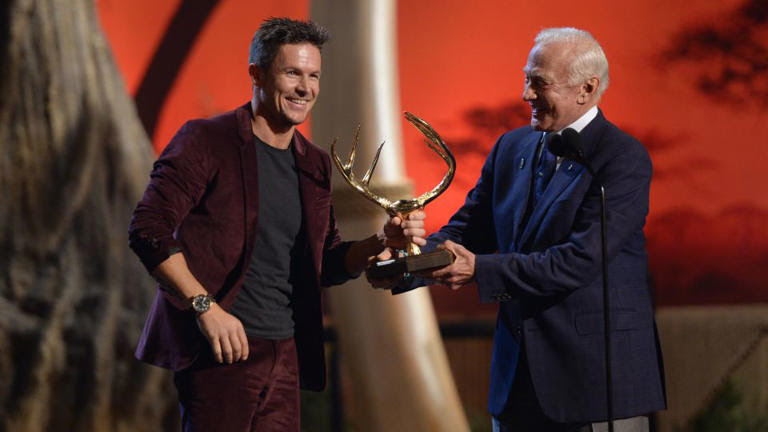

 What makes this book stand out:
 Be Your Own Advocate Stephanie emphasizes the importance of speaking up for yourself—whether it’s with doctors, during treatment decisions, or when navigating emotional challenges. She encourages readers to trust their instincts and ask questions.
 Hope and Resilience Above all, Stolba’s journey is a testament to the power of hope. She shares how even in the darkest moments, small acts of self-care and connection helped her move forward.
 Self-Advocacy as a Cornerstone One of her strongest messages is to be your own best advocate. That means asking questions, seeking second opinions, and not being afraid to challenge conventional wisdom if it doesn’t feel right for you.
 Holistic and Integrative Practices While the book doesn’t prescribe a specific regimen, Stolba’s tone suggests openness to holistic methods—such as nutrition, emotional wellness, and spiritual support—as complements to traditional treatment. She believes in honoring the whole person: mind, body, and spirit.
 Creating a Healing Journal Inspired by Stolba’s reflections, a person could:
 Finding Joy in Creativity Even small acts of self-expression can be healing:
 Nutrition & Hydration
 Physical Activity
 Lifestyle & Wellness
 Fruits for Immunity & Healing
 Protein-Rich Foods
 Whole Grains & Fiber
 Healthy Fats
 Hydration Helpers
 1.
1.  2.
2.  3.
3.  5.
5.  6.
6.  Reduced Risk of Recurrence
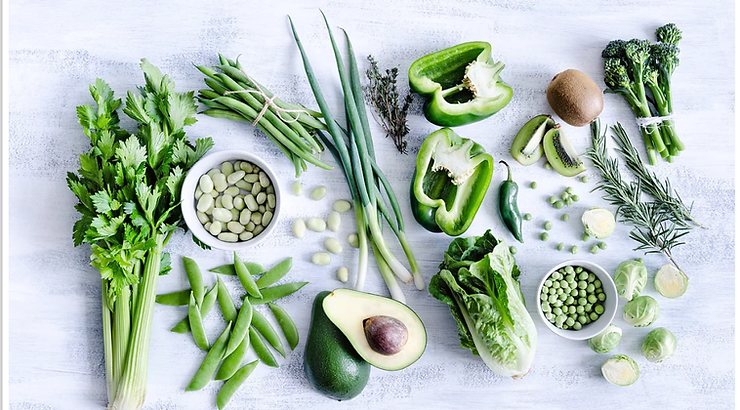


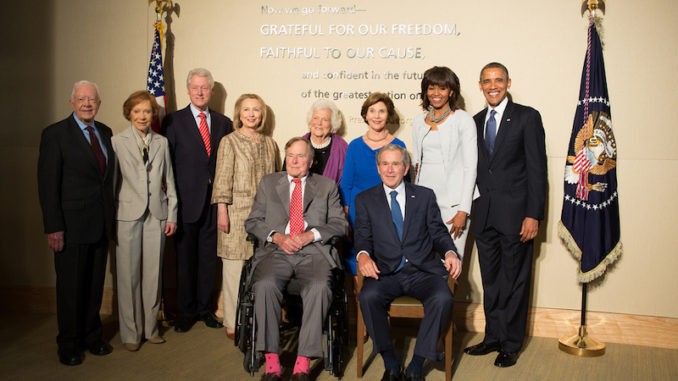
 She compiled her findings into an infographic titled “We Are All Related,” which mapped out this presidential family tree. The chart was so compelling it was even featured in a Library of Congress exhibit on the

 Here’s what fuels the theory:
 Quite a few U.S. Presidents were Freemasons—15 in total, with some additional honorary or disputed cases. Here’s a rundown of the most notable ones:
 Confirmed Freemason Presidents
 Honorary or Disputed Cases
 Founding Fathers & Revolutionary Ideals
 Controversy & Decline
 Looking Ahead
 Social & Cultural Shifts
 External Factors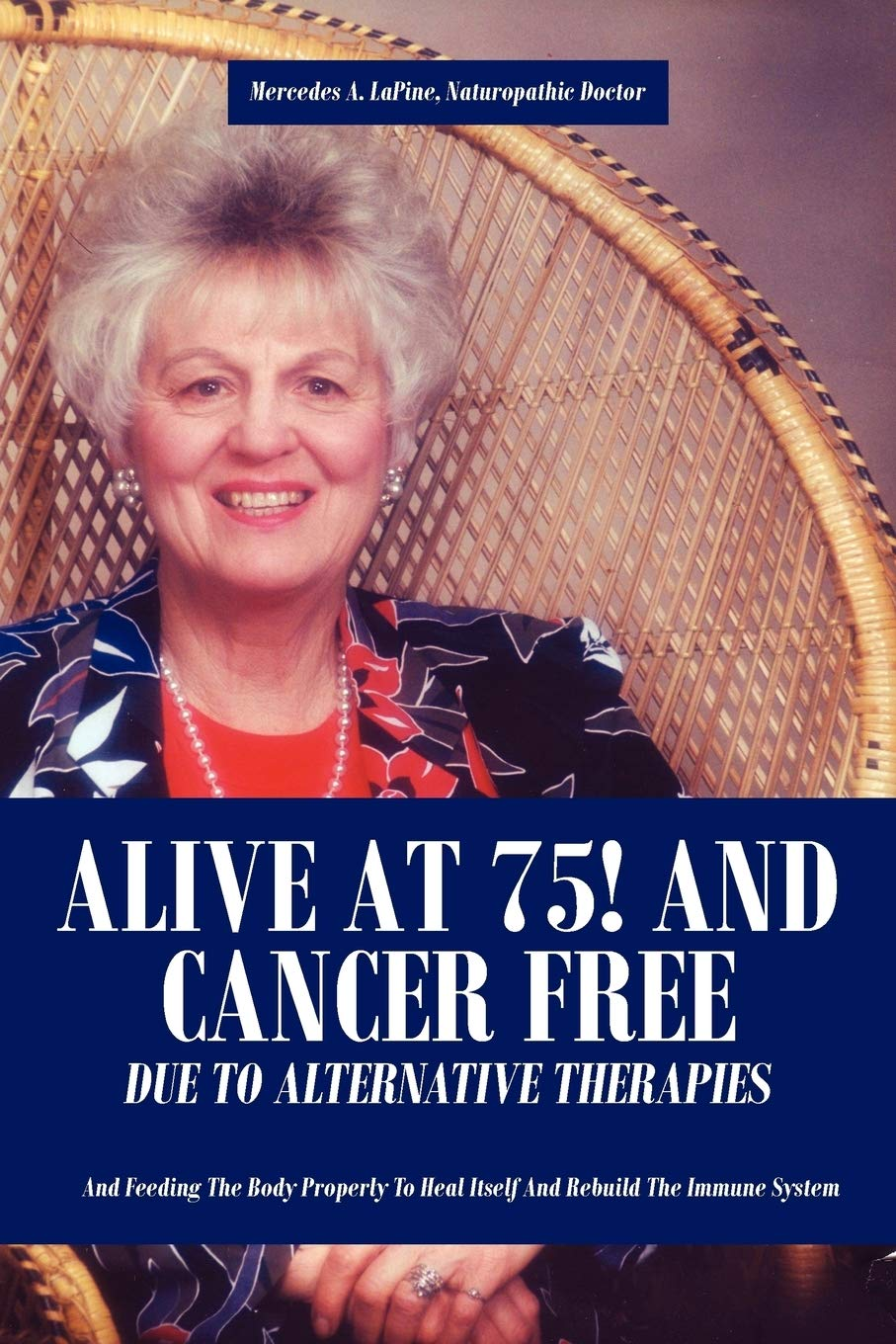
 Core Dietary Principles
 Other Approaches
 Health Risks
 Scientific Criticism
 Chamomile (Matricaria chamomilla)
 Lavender (Lavandula angustifolia)
 Ginger (Zingiber officinale)

 Reflections in His Writing:
 Stylistic Shifts Inspired by His Father’s Illness:
 Lifestyle & Physical Activity
 Environmental & Social Awareness
 What They Are
 Potential Anticancer Effects
 Anticancer Potential
 Emerging Technologies

 Take It Slow and Revisit Often
 Social Connection
 Practical Coping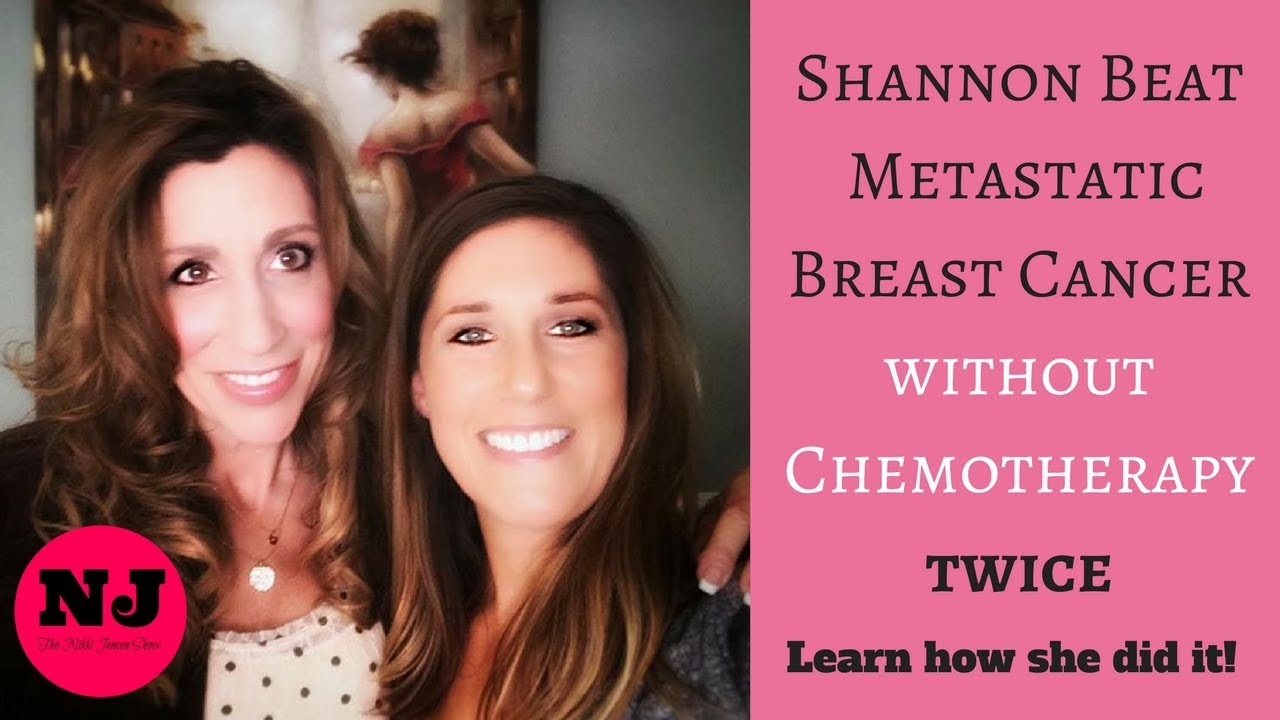
 Sensory & Creative Therapies
 Physical Therapies
 Build Your Space & Supplies
 Make It Social
 I Help People Living with Lyme Disease: My Journey and How I Can Help You
  Lyme Disease: A Journey to Understanding and Healing
  If you or someone you love is dealing with mysterious health struggles, this blog might offer the clarity and support you’ve been searching for.
 Click here to read:
 Virtual Consultations
 Foods to Emphasize
 Foods to Avoid
 Hydration & Detox
 Increased Energy & Vitality
 Eye Health
 Pregnancy & Development
 Joint & Inflammation Support
 In her YouTube video, Alane shares how chronic Lyme isn’t “in your head”—it’s a complex, often invisible illness that requires comprehensive testing and personalized care. She emphasizes natural treatments, dietary changes, and emotional support as part of the healing journey.