Hidden America: Children of the Plains

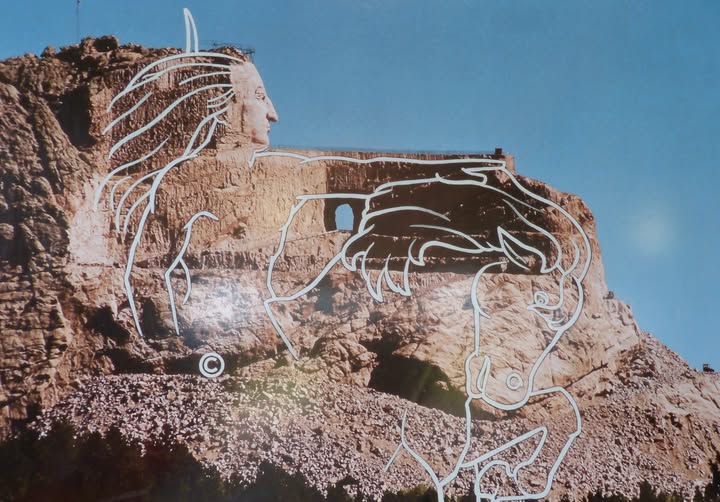
p1080171.jpg (3983×2780)

The Crazy Horse Memorial – Search Videos is a mountain monument under construction on privately held land in the Black Hills, in Custer County, South Dakota, United States.

It will depict the Oglala Lakota warrior Crazy Horse, riding a horse and pointing to his tribal land. The memorial was commissioned by Henry Standing Bear, a Lakota elder, to be sculpted by Korczak Ziolkowski. It’s operated by Crazy Horse Memorial Foundation,nonprofit organization. The monument has been in progress since 1948 and is far from completion.[4][5]

Overview

The memorial master plan includes the mountain carving monument, a Native American Museum of North America, and a Native American Cultural Center. The monument is being carved out of Thunderhead Mountain, on land considered sacred by some Oglala Lakota, between Custer and Hill City, roughly 17 miles (27 km) from Mount Rushmore.[5]

The sculpture’s final dimensions are planned to be 641 feet (195 m) long and 563 feet (172 m) high. The outstretched left arm will be 263 feet (80 m) long, the opening under arm 70 feet (21 m) wide and 100 feet (30 m) high, and the extended index finger 29 feet 6 inches (9 m) long.[1] The face of Crazy Horse, completed in 1998, is 87 feet 6 inches (26.7 m) high;[1] by comparison, the heads of the four U.S. Presidents at Mount Rushmore are each 60 feet (18 m) high.

Crazy Horse

Main article: Crazy Horse

Crazy Horse was a Native American war leader of the Oglala Lakota. He took up arms against the U.S. Federal government to fight against encroachments on the territories and way of life of the Lakota people.

His most famous actions against the U.S. military included the Fetterman Fight (21 December 1866) and the Battle of the Little Bighorn (25–26 June 1876). He surrendered to U.S. troops under General George Crook in May 1877 and was fatally wounded by a military guard, allegedly[6][7] while resisting imprisonment at Camp Robinson in present-day Nebraska. He ranks among the most notable and iconic of Native American tribal members and was honored by the U.S. Postal Service in 1982 with a 13¢ postage stamp that is part of its Great Americans series.[8]

History of the monument

Henry Standing Bear (Mato Naji), an Oglala Lakota chief, and well-known statesman and elder in the Native American community, recruited and commissioned Polish-American sculptor Korczak Ziolkowski to build the Crazy Horse Memorial in the Black Hills of South Dakota.

In October 1931, Luther Standing Bear, Henry’s older brother, wrote to sculptor Gutzon Borglum, who was carving the heads of four American presidents at Mount Rushmore. Luther suggested that it would be “most fitting to have the face of Crazy Horse sculpted there. 

Crazy Horse is the real patriot of the Sioux tribe and the only one worthy to place by the side of Washington and Lincoln.” Borglum never replied.[9] Thereby, Henry Standing Bear began a campaign to have Borglum carve an image of Crazy Horse on Mount Rushmore.[10] In summer of 1935, Standing Bear, frustrated over the stalled Crazy Horse project, wrote to James H. Cook, a long time friend of Chief Red Cloud‘s, “I am struggling hopelessly with this because I am without funds, no employment and no assistance from any Indian or White.”[11]

On November 7, 1939, Henry Standing Bear wrote to the Polish-American sculptor Korczak Ziolkowski, who worked on Mount Rushmore under Gutzon Borglum. He informed the sculptor, “My fellow chiefs and I would like the white man to know that the red man has great heroes, too.”[12] 

Standing Bear also wrote a letter to Undersecretary Oscar Chapman of the Department of the Interior, offering all his own fertile 900 acres (365 ha) in exchange for the barren mountain for the purpose of paying honor to Crazy Horse.

The government responded positively, and the U.S. Forest Service, responsible for the land, agreed to grant a permit for the use of the land, with a commission to oversee the project. Standing Bear chose not to seek government funds and relied instead upon influential Americans interested in the welfare of the American Indian to privately fund the project.[13]

In the spring of 1940, Ziolkowski spent three weeks with Standing Bear at Pine Ridge, South Dakota, discussing land ownership issues and learning about Crazy Horse and the Lakota way of life. According to Ziolkowski, “Standing Bear grew very angry when he spoke of the broken Treaty of Fort Laramie (1868). That was the one I’d read about in which the President promised the Black Hills would belong to the Indians forever. I remember also how his old eyes flashed out of that dark mahogany face, then he would shake his head and fall silent for a long while.”[12]

Construction under Ruth Ziolkowski (1982–2014)

After Ziolkowski died in 1982 at age 74, his widow Ruth Ziolkowski, took charge of the sculpture, overseeing work on the project as CEO from the 1980s to the 2010s.[14][15] Ruth Ziolkowski focused on the completion of Crazy Horse’s face first, instead of the horse as her husband had originally planned. She believed that Crazy Horse’s face, once completed, would increase the sculpture’s draw as a tourist attraction, which would provide additional funding.[14] She also oversaw the staff, which included seven of her children.[15]Construction on the monument in 2020

Sixteen years later, in 1998, the head and face of Crazy Horse were completed and dedicated; Crazy Horse’s eyes are 17 feet (5.2 m) wide, while his head is 87 feet (27 m) high.[16][17][18] Ruth Ziolkowski and seven of the Ziolkowskis’ 10 children carried on work at the memorial.[19] 

Daughter Monique Ziolkowski, herself a sculptor, modified some of her father’s plans to ensure that the weight of the outstretched arm was supported sufficiently.[20] The foundation commissioned reports from two engineering firms in 2009 to help guide completion of the project.[20] 

Work commenced on the horse after two years of careful planning and measurements.[14] Since the completion of the head and face, much of the monument’s sculpting work has been dedicated to the much larger horse portion.[21][16][17]

Ruth Ziolkowski died on May 21, 2014, at the age of 87.[22] Monique Ziolkowski became CEO and three of her siblings continued to work on the project, as well as three of the Ziolkowskis’ grandsons, including Caleb, who has gone on to become the “chief mountain officer”.[23]

Construction since 2014

With Monique Ziolkowski as CEO, work focused on finishing the outstretched left arm of Crazy Horse, in addition to expanding the on-site Indian University of North America,[24] a joint-venture with Black Hills State University that has offered summer programs for university students of Native American descent since 2011.[25] 
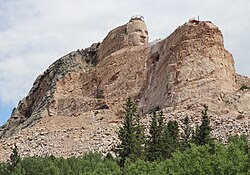
The Crazy Horse Memorial in 2020

Monique Ziolkowski stepped down as CEO in 2021 to focus on artwork and other aspects of the memorial site,[26] with the foundation eventually naming Whitney A. Rencountre II, who had held various education-based positions including associate director of the Indian University, as its new CEO in August 2022.[27]

The memorial celebrated its 75th anniversary in 2023.[28] Crazy Horse’s left hand was finished by 2024, with finishing work commencing in summer 2024 on the backside of his arm to make way for a new tower crane designed to reach all parts of the carving. The crane, with an estimated cost of $5.2 million, was made possible by several anonymous donations and was procured in 2023, with all parts weighing 25,000 pounds (11,000 kg) combined, and was shipped to the mountain on 17 truck beds.[29]     

Source:  Crazy Horse Memorial – Wikipedia

What is the current status of the Crazy Horse Monument?

As of now, the Crazy Horse Monument remains a work in progress—more than 75 years after construction began in 1948. The face of Crazy Horse was completed and unveiled in 1998, but the rest of the sculpture, including the horse and extended arm, is still under development.

The project is entirely privately funded, which means it relies on admission fees and donations rather than government support. This, combined with the technical challenges of carving into iron-heavy rock and the harsh South Dakota weather, has contributed to the slow pace.

There’s no official timeline for completion, and the Crazy Horse Memorial Foundation has emphasized that the monument is as much about the journey and cultural preservation as it is about the final sculpture. If you visit today, you’ll see the completed face, ongoing work on the rest of the figure, and a cultural center that includes a museum and educational exhibits.

The outstretched arm of the Crazy Horse Memorial is intentionally pointing toward the lands of the Lakota people, specifically Pine Ridge, South Dakota. This gesture is deeply symbolic—when asked where his lands were, Crazy Horse is said to have replied, “My lands are where my dead lie buried.”

The sculpture captures that sentiment, with Crazy Horse pointing to his ancestral homeland. It’s a powerful tribute carved into Thunderhead Mountain, and when completed, it will be the largest mountain carving in the world.

Pretty awe-inspiring, don’t you think?

1www.distractify.com  2en.wikipedia.org   

“A Hidden America: Children of the Plains” [Original Air Date 10/14/2011]

Was a White American television documentary about four children who live at Pine Ridge, a Lakota Sioux Indian reservation in south-western South Dakota. The show appeared on ABC as part of “20/20”. It was hosted by Diane Sawyer.

One of the children tried to hang herself at age 11. She drew a picture of it complete with a broken heart. Her mother is being destroyed by drink. Her bedroom is too cold to sleep in. She showed Diane Sawyer all her clothes – on three hangers. She does well at school and wants to become a schoolteacher, teaching children Lakota.

Families: Most parents are absent or hooked on drugs and drink. Most are out of work. Uncles and grandparents try to hold things together. People live in falling-apart, ill-heated houses. In one three-bedroom house there were 19 people.

Schools: lack money and are falling apart too. One school they showed still had asbestos, which causes cancer. What little money they get has to go to books, computers and teachers.

Food: The free food the government sends is not healthy.  Half the people have diabetes. Most Lakota Indians never see 60. For many children their only solid meal is at school. When a Subway sandwich shop opened one women was amazed by the cucumbers: fresh vegetables are that expensive.

Businesses: There are no banks or malls or cinemas. The few businesses there are more regulated than a nuclear power plant.

Liquor stores: Just outside the reservation stand four liquor stores. Together they sell 4 million cans of beer a year. They are owned by outsiders.

The show was excellent:

  • Visibility: American television almost never shows Indian reservations – or other poor places in America that are far from Hollywood and New York. In American society Native Americans are out of sight, out of mind.
  • Large audience: ABC can easily pull in millions of viewers, unlike PBS or YouTube.
  • Material help: The show gave viewers ways to help Pine Ridge – and some have. The show even helped one of the children find his father.

But it was terrible too:

  • Teflon history: Near the beginning Diane Sawyer said, “But tonight is not about history.” We are given almost no way to understand what we are seeing, like the drunken men sleeping on sidewalks. Just passing references to broken treaties, boarding schools and such.
  • Helpless darkies: You hear little about what the Lakota have been doing and are doing to make things better.
  • White gaze: This show was made by and for white people. It would have been ten times better if Diane Sawyer had just walked down the street and let people speak their minds. Or what about segments written and produced by people from Pine Ridge? Where is the Lakota gaze?
  • Do not talk to the old people: Except for Diane Sawyer herself, everyone over the age of 30 appears only briefly and almost accidentally. As if Sawyer is not particularly interested in understanding what is going on.

See also:

The Plight of Pine Ridge Indian Reservation

Faces a multitude of challenges, including poverty, lack of access to healthcare, education, and healthy food options. As of 2025, South Dakota has the highest Native American poverty rate in the country at 45.18%, with Pine Ridge Reservation residents living in poverty at an estimated 53.75%.

The reservation’s per capita income is just $8,768, and unemployment is as high as 89%, limiting economic mobility and access to basic needs. Residents often struggle with inadequate housing and overcrowded living conditions, and the educational system faces significant challenges, impacting the youth’s access to quality education and hindering long-term opportunities.

Healthcare disparities are severe, with life expectancy on the reservation being the lowest in the United States, at just 52 years for women and 48 years for men. Limited medical facilities and high rates of chronic illness and mental health conditions create a public health crisis that further compounds the effects of poverty.1

Pine Ridge Reservation: waiting for stimulus help. 153,849 views May 13, 2009

In communities where it is a struggle to meet the most basic needs, the country’s 565 tribes are gearing up to apply for economic stimulus money that will help build and repair ailing infrastructure on their reservations. Video by Marisol Bello and René Alston/USA TODAY

ABC: A Hidden America: Children of the Plains – watch the show (5 PARTS)

Inside life on the Lakota Sioux reservation l Hidden America: Children of the Plains PART 1/5

Suicide rates, alcoholism among Lakota tribe | Hidden America: Children of the Plains PART 2/5

Lakota girl dreams of being next ‘American Idol’ | Hidden America: Children of the Plains PART 3/5

Lakota girl dances through family tragedy | Hidden America: Children of the Plains PART 4/5

Low life expectancy on Pine Ridge Reservation | Hidden America: Children of the Plains PART 5/5

Ted Cruz, Cory Booker have tense exchange during Senate hearing tied to Trump’s executive powers

Toby Keith Performs “Don’t Let the Old Man In” at the 2023 People’s Choice Country Awards | NBC
Posted in Uncategorized | Leave a comment

A COMPLICATED ISSUE

 Sheriff Whittaker talks immigration – Search Videos

June 18, 2025 – Daily Advocate

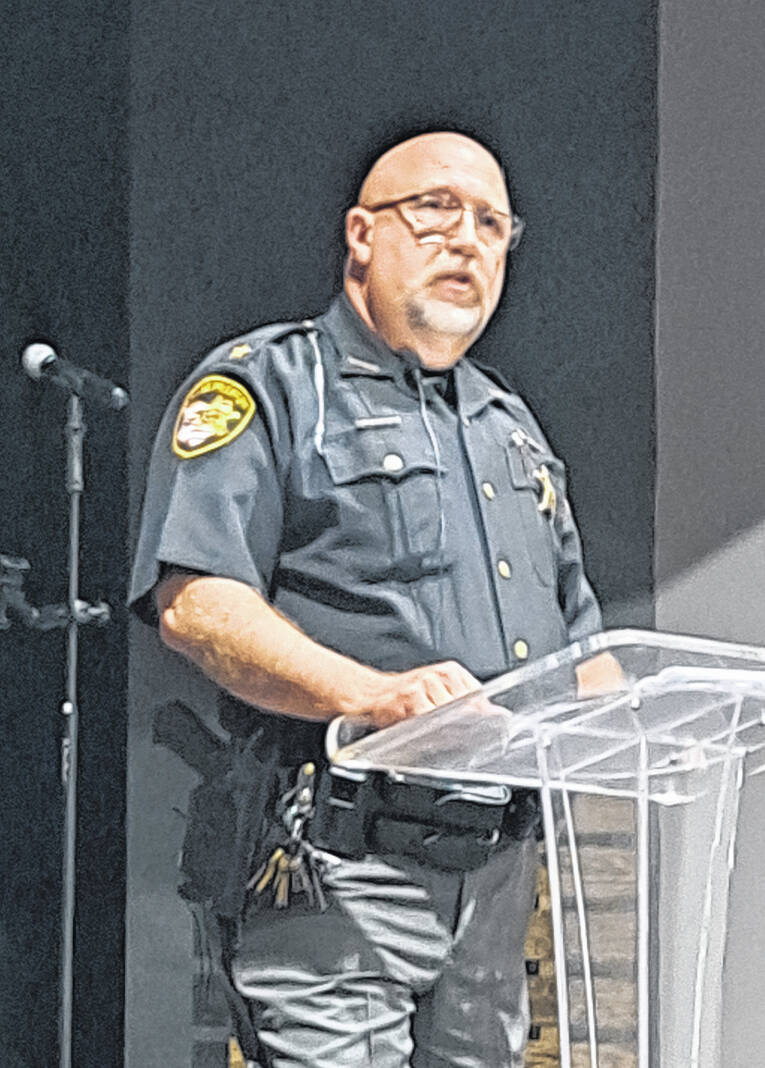
GREENVILLE, OHIO — Sheriff Mark Whittaker spent a recent evening explaining the Darke County Sheriff’s role in immigration. The evening was presented by the Darke County Republican Women’s Club (DCRWC) as an educational public service event. It was held at the Radiant Lighthouse Church.

DCRWC President Delores Ely opened the event with a welcome and explanation of the ground rules for the evening. Pastor Hershel Fee gave the prayer and Ben Thaeler, from Representative Warren Davidson’s office, led the Pledge of Allegiance. DCRWC First Vice President Lyn Bliss introduced Sheriff Whittaker.

Whittaker explained that his grandmother was a legal immigrant who came to the United States as a war bride after World War Two. He gave a brief history on immigration in the United States, stating it was of consideration even before the Constitution was adopted. Immigration control is put in place for the safety and well-being of the country’s citizens.

He started the presentation by explaining that immigration is governed by Title 8 of the United States Code, where the process to become a citizen is enumerated. He went further by stating that he and his office are not a formal part of Immigration and Customs Enforcement (ICE). However, his office needs to know of the immigration status of county residents in order to keep the peace and protect its residents.

Whittaker stated that he can enforce the federal immigration laws, but his authority is very limited. A person must be in his custody through law infringement before he can check citizenship. If an illegal immigrant is identified, the sheriff’s office then notifies the local ICE office in Cincinnati.

When ICE agents are planning to enter Darke County, Whittaker is informed prior to arrival and upon departure. The Sheriff identified a new program which would be a memorandum of understanding between his office and ICE. This is in early development and has been adopted by very few counties in Ohio.

A better understanding of the rules and requirements are being pursued prior to proceeding. It should be noted this new program has not yet withstood challenges in the court system. There is an ICE agent serving this area. His job is to carry out President Trump’s orders regarding deportation. The second phase of the ICE agent’s responsibility will be to work with employers on employment immigration laws.

Whittaker stated that it is the responsibility of the sheriff’s office to keep criminals off the streets – including criminal illegals. There were eight illegal immigrant detainees in 2024. In 2025 there were six apprehensions of illegal immigrants for traffic incidents and two for sexual assaults.

Questions were taken from the audience following the Sheriff’s presentation.

A question was asked about how an illegal immigrant obtains a driver’s license and a car. Whittaker explained that most of the moving violations involve drivers without licenses and the cars are registered to LLCs.

Employment of illegal immigrants without a social security number was questioned. The Sheriff stated that most have fraudulent documents.

It was asked how long ICE has been in existence. Whittaker explained that immigration concerns are older than our government. ICE is under the Department of Homeland Security. It was previously called Immigration and Naturalization Services.

Another person asked why the process to become a citizen has been shortened. He said that there are quotas set for the number of legal immigrants allowed annually. Whittaker explained that he believes the quota is driven by the need for immigrants, political policies, a person’s attributes, and social acceptance.

Sheriff Whittaker also spoke on the planned demonstration in Greenville on June 14. He said his office worked directly with the Greenville police office and a plan was in place. He stated they are planning for the worst and hoping for the best.

Pepper Wright, a naturalized local citizen and member of the DCRWC, spoke on the efforts required for her to become a United States citizen. She emphatically stated her belief that all immigrants should be required to follow the same legal procedure as she did. After she spoke, the audience gave her a very enthusiastic round of applause.

Just a thought for those who disagree. I think it’s important to note that there isn’t a path towards lawful citizenship that doesn’t take more than a decade. In light of that, why wouldn’t we hold congress accountable to reform our currently outdated & broken system instead of going after people who work, contribute to taxes & just want the opportunity to live in a country where they can support themselves & loved ones safely & with dignity? 

janet44.441w I was an undocumented child and although I was here at only a couple months of age wasn’t able to receive “legal” status until I was in third grade and only because my parents received amnesty in 1986. Seven years is a lengthy bureaucratic process that also costs thousands of dollars. Now if you weren’t lucky to be here before 1986 then the process takes decades if that. The performative theatrics of ice raids to intimidate and instill fear is absolutely dehumanizing. Instagram

It’s not right ~ Heartbreaking. 💔 Let’s stand with humanity.    

 xxxxxxxxxxxxxxxxxxxxxx  

Let’s be honest:
Most of us want a solution to immigration that’s safe, fair, and human.

But what do we’ve got?
A broken system, political posturing, and viral videos of raids & reactions that make us feel something—but fix nothing.

Here’s what’s true:
– Most undocumented immigrants aren’t violent criminals.
– Most arrests aren’t about safety—they’re about paperwork.
– ICE does important work.
They have been investigating human trafficking, fighting child exploitation, stopping arms smuggling since 2003.

But when we use them to detain moms and dads with no criminal history while ignoring the bigger policy failures… we’re not making the country safer—we’re making it a spectacle. (To be fair I think that’s the whole point of how this is all going down…)

This isn’t about open borders.
This is about open eyes.

We can care about our country and care about the people trying to make a life here.
We can support enforcement without cheering fear.

There are real solutions:
– Prioritize enforcement on violent threats
– Streamline legal immigration pathways
– Stop turning desperate families into political pawns
– Create a system that’s actually workable—for everyone

That’s not extreme.
That’s just common sense wrapped in compassion.

We don’t need louder arguments.
We need better policies—and better hearts to build them.

Let’s be those people. 💞    

Posted in Uncategorized | Leave a comment

Shannon Knight’s Cancer Experience

My wonderful husband Michael Madden took this photo 🥰

Written By Shannon Knight 

 The Day I Became Shannon Knight

April 7th, 2000—I started a new life as Shannon Knight for my safety through the Victims of Crime program. I picked the name Knight so I would always remember that with God, I was never alone. As Ephesians 6:10 says, “Put on the full armor of God.”

From the moment I became Shannon Knight, I had to keep my former name buried. Four years of watching my words in every way became my new way of applying for a job, meeting people. Every job interview, every handshake, every new beginning—I had to pretend the name I carried didn’t feel foreign. I’m a deeply honest woman. Pretending was almost unbearable.

Our name is significant in life—let’s face it—and getting a new identity means changing every document just to live day to day. Signatures felt fake. Everything was harder than I imagined. I couldn’t reference my work experience, my college education, or any references connected to my birth name. My life approach was like a first-timer in the United States. Brand new beginnings became my way of living.

The women I met were kind, but I couldn’t be 100% genuine with them. I couldn’t talk about anything connected to my past—where I went to school, the jobs I had, or even places I’d lived—because any of it could lead to more questions that pointed back to Jennifer. I felt like an imposter, building friendships with no roots of my own.

There were two friends from California who knew the truth, and I stayed in touch with them. I trusted them because they were my roommates before I fled and had witnessed everything. We wrote letters. Their words made me feel connected to the familiar, giving me just enough familiarity of who I used to be. The contact I did have with family was mostly with my mom and sometimes with a few siblings, but none of them knew what had actually happened. 

Years later, my younger brother admitted he thought I had just disappeared—and for lack of a better explanation, believed I must have had a breakdown and walked away from my life. That misunderstanding was so embarrassing and painful. I hadn’t walked away. I had been forced to disappear—for survival.

When you’re someone who craves honesty, hiding the truth becomes a wound all its own, deep in your heart. I wasn’t lying. But I wasn’t whole either. That fracture lived in me. I knew, though, that God never lost track of me. He didn’t need me to explain a thing. He knew exactly why I left. And He never looked away.

The rules were clear: if I returned to California and something happened to me, the Victims of Crime program wouldn’t protect me. I wasn’t banned from going back—I was warned. If I put myself in danger, they’d pull any assistance—rerouting of my mail, counseling, medical care—everything. The full story of what happened to me is on my website—ShannonKnight.com—for anyone who genuinely wants to know. 

But this post isn’t about retelling those details. This is a quiet, firm acknowledgment of the twenty-five year mark. A moment to honor what it meant—and still means—not only to survive and to heal, but to rise. To live with purpose because of adversity. To allow the suffering to mean something greater by becoming hope for someone else walking through their own unthinkable storm. This is why I share. Not to retell all the pain, but to let someone know—they’re not alone. I promise, you can get through. Just hold on to your faith in God.

Making new friends was hard. I tried. I tested the waters. Shared just a sliver. People gossiped. Some didn’t believe me. Others thought I was making it up. The truth unnerved them. It was too much. And so, I shut down.

What they didn’t understand (How could they?) was that even those tiny pieces I shared were monumental for me to say out loud and instead of care, I got curious. Questions. Prodding. It brought the rawness of what I went through rushing back. I felt exposed and vulnerable and I withdrew- stayed in my room at times wondering where I belonged – that was on me, I was the one who was unsure.

It took four years before I could speak a word of what happened to my new friends in Washington—and I had to trust them first. Those friends are family to me to this day. They may not fully realize how much I value their love and support but I hope one day they will feel the magnitude of my gratitude.

Four more years went by before I could return to CA.

When I returned to California, iI was carrying both a name that had saved me and an awkwardness that had cost me the luxury of just being known without complicated explanations. This was not easy to explain to those who were part of my former life—the most familiar part of my life.

Most people who know me today through social media know me because I healed from stage four breast cancer without chemotherapy. While some know what I endured before that diagnosis, many do not. And that experience—the one before cancer—is the reason I became a coach for women today, teaching self-compassion.

In 2010, I was diagnosed with stage four breast cancer and given only months to live. I was terrified—again. But I was strong. I had already survived so much darkness. I knew God was with me, and with the help of my friends, I healed without chemotherapy in 2011.

Living with a new identity was the hardest thing to endure—and still is today at times. Becoming Shannon Knight was the most brutal part of my story. Not because of the name, but because it was misunderstood. Treated like a lie. When in truth, it was the only way I had to live in peace and feel safe.

The pain from everything I endured is what shaped me into a woman who knows what it means to survive—not because I’m fearless, but because I’ve lived through things most people can’t fathom and still found my way. Courage isn’t something we walk around showing off. It shows up when you’re terrified—you have a choice: either crumble or fight and persevere.

My children—my son and my daughter—are part of this story. But I’ve left them out of this post on purpose.

 They lived it in their own way. Their truth is theirs to tell.

I share mine now not to reopen old wounds—but to reach the woman who thinks she’s too far gone. Too bruised. Too broken. I’m here to say: you are not.

Sharing this story isn’t easy—it takes courage. It brings up every fragile layer I once had to bury. But I believe it holds value. Not because it’s extraordinary, but because it’s familiar to any woman who’s been through her own hell and lived to question her worth, wondering if she’ll make it through and being able to be honest about the pain. It can show someone else that they aren’t walking through trauma alone. That maybe, just maybe, there’s a light at the end of what feels like a tunnel that has been dark for too long.

Self-criticism used to be the voice I heard most. 

It told me worse things than anyone else ever could; that I was too broken to be truly loved or too strange to be accepted—yes, strange. That voice was a liar and it needed to be quieted.

The truth is there is a greater love we all deserve—and it is God’s love. His is the truth, one of compassion. He could find me even when I was hiding. He knew me and saw everything even when I felt invisible. That love—God’s love—never left me, and it taught me about self-compassion.

Healing didn’t come all at once. But I did the work. 

Slowly and sometimes it was a few steps forward—and even more stumbling backward. But I eventually gained meaningful strides in my emotional and spiritual healing. I faced the parts of me that hurt the most head-on. And with faith in God’s perspective of me, I learned self-compassion. I began to see myself the way God sees me—with truth, tenderness, and grace.

Now, as a faith-based life coach for women, I sit across from them in their pain. I listen. I understand. And I tell them, not with platitudes—but with grit, empathy, and transparency:  “I’ve been there.”

This isn’t just my story. It’s the reason I show up—for the woman who needs someone to look her in the eye and say, “You matter. You always have.”

Do You Suffer From Panic, Keeping It Hidden So You Won’t be a Burden?

I nearly held back from writing this because revealing that you sometimes suffer from panic or anxiety can be . But if I’m going through something difficult and sharing it helps even one person who experiences the same thing and helps them feel less alone, then I believe it’s worth it. I want to use any experience I’ve been through that could help someone else get through theirs.

I’m feeling sensitive just writing this.

For ten years, I’ve walked alongside women facing cancer, and I’ve seen some struggle with panic attacks—many who hide them. These attacks feel like someone’s standing over you, threatening your life, leaving you afraid and helpless.

I’ve faced panic most of my life, since 2000 but it hit me hardest in 2010 when I was diagnosed with stage four breast cancer and was told I had only months to live. That diagnosis, combined with other painful chapters of my life, left emotional scars. Even when years pass, the brain holds on to those wounds, and they can trigger panic and anxiety without warning.

For women with cancer, there’s something so deeply misunderstood: when they get that diagnosis, their life has been threatened. And even after healing, that threat lingers in the mind and body. A cancer diagnosis sends you into a mental battle for survival and many of my clients don’t realize their anxiety attacks are tied to the trauma of that moment in life.

Life can feel peaceful, and then out of nowhere, it’s as if someone pounds on your door delivering a message that says, “You’re in danger.” That bone-chilling terror can feel like a sudden ambush.

No matter the trigger, we need tools. And I want to share something that helps me. When I am overwhelmed I say the Lord’s Prayer out loud. It draws me close to Him and reminds me I’m not alone.

And, for the mind, there is something I share with my coaching clients, and I want to share it with you.

A Simple Exercise for Panic:

When a panic attack hits, your amygdala (your brain’s fear center) leaps into overdrive—even when there’s no real threat. It’s like an overprotective guard dog reacting to a sound it thinks is danger. It floods you with adrenaline. Your heart races. Your breath shortens. You feel trapped.

Here’s how I calm that overprotective part of my brain. 

Say everything out loud:

1. Name what you feel:

“I feel afraid.”

“I feel like I’m going to die.”

“I feel like I’m out of control.”

Saying it out loud activates the thinking part of your brain—the part that can help you calm the panic.

2. Name three things you see around you:

“Lamp.”

“Chair.”

“Notebook.”

This grounds you in the present. It tells your brain: you are safe right now.

3. Repeat these steps until you feel safe again.

You might need to do this multiple times. That’s okay. Your brain needs proof that everything is okay. Each repetition helps your nervous system settle.

Share this exercise with someone you trust. Let them be your support. My husband Michael is mine. If I am going through an anxiety attack he’ll remind me of what I need to do. It’s tricky while you are having the panic because it can make you forget. So we need someone who can guide us back when fear takes over.

If you’re someone who feels you need to stay strong, and asking for help makes you worry that you’ll be a burden—you won’t. I reached out to someone today. I was vulnerable and said what I needed. I got help. It’s humbling too but it’s human too.

This exercise is yours now and I have many more but you can carry it with you. Practice it. And know that when panic comes—you are not alone. For me the attacks have become further apart and I know healing is happening because I am with a spouse who shares my faith and is very safe and kind to me.

I hope this helps someone, with all my love,

God is in all the details of your life ✝️✨
ShannonKnight.com

image.png

In the photo is Dr. Payan and Dr. Campa at CMN Hospital, and they are still there today.

https://www.cmn alternative cancer treatment.com/

This is Dr. Payan and Dr. Campa who have known each other since they were kids and are still working together treating patients at CMN Hospital in San Luis Rio Colorado MX. 

Dr. Payan treated me successfully with alternative cancer treatment for stage four breast cancer in 2011 February.  I have never had a recurrence since then and I’ve never had to use chemotherapy since my diagnosis in 2006.   What a blessing that was for me.

Shannon Knight is at CMN Advanced Cancer Treatment.

July 11, 2024  ·   · 

Imagine being told you have only months to live. 

In 2010, I found myself in that exact situation, diagnosed with stage 4 breast cancer. UCLA informed me that I was too sick for chemo, and that surgery and radiation had failed. They had no further options and advised me to get my affairs in order. I was devastated, heartbroken, and terrified, but I wasn’t ready to give up.

With the help of my friends, we managed to raise money for alternative treatments. This unexpected journey led me to Dr. Payan at CMN Hospital, where my life was saved using treatments I never knew existed. By 2011, I was completely healed. The gratitude and appreciation I feel are beyond words.

I know that unless you’ve been through something like this, it can be difficult to understand the depth of what I experience daily. Every day feels like a precious gift, and I no longer take anything for granted. My perspective on life has changed dramatically. I used to worry so much about minor things that never even happened. Now, I see just how small those worries were in the bigger picture.

image.png

Understanding the Five Stages of Grief

Denial is one of the five stages of a cancer diagnosis. 

My loved ones thought I was in denial when I refused to quit, but I knew I had to keep fighting. I had to believe in a different outcome.

Anyone who has had their life saved will feel a deep sense of love and appreciation for the person who helped them. Dr. Payan from CMN Hospital deserves all the praise for his incredible dedication, genuine professionalism, and kind heart.

I know my experience with Dr. Payan and CMN Hospital has shaped my views. It’s like having a trusted friend who stood by you during the hardest time of your life. Naturally, I hold them in the highest regard. However, I understand that cancer is deeply personal for each of us, and what worked for me may not be the answer for someone else. If I ever face cancer again, I would return to him without hesitation, knowing I can trust him with my life.

People often reach out to me with questions. 

Now, I’d like to gently ask you to consider a few thoughts:

Can you imagine the feeling of having a doctor save your life against all odds? Finding a doctor who gives you not just months or years, but over a decade more to live—how would that change your outlook on life?

Can you picture the gratitude I feel? I am deeply thankful and blessed. Dr. Payan’s intervention was nothing short of a miracle, and I will always hold a deep appreciation for him and God because I prayed hard for an answer besides just giving up.

If someone asked if Dr. Payan was trustworthy, what do you think I would say?

 I would happily vouch for him, sharing my personal experience of how he saved my life and expressing my strong trust in his expertise and dedication.

How fair do you feel it is to ask me what you should do to save your life or to heal? While I can share my perspective and support, it’s important to understand that each person’s situation is unique. What worked for me might not work for others, and it’s crucial to seek personalized medical advice.

Would you trust a doctor who promises to save your life with any type of cancer treatment? No doctor can guarantee a cure. Being honest about the potential outcomes and the limitations of treatments is essential.

How much of a role in the decision-making process, do you think fear contributes? Fear plays a significant role. Speaking with someone who has faced a similar situation can provide comfort, understanding, and valuable insights but that is all. You have to have your own faith, trust your intuition and research.

Do you think it’s important to be cautious of anyone who guarantees 100% success with any doctor or treatment? Yes, it’s important to have realistic expectations. While I highly recommend CMN Hospital and Dr. Payan’s team based on my positive experience, remember that no one can promise a cure.

If I ever got cancer again do you think I would trust Dr. Payan again to help me heal? Absolutely, I would trust him again. My past experience has built a strong foundation of trust in his abilities and care.

Do you think that I am the only one Dr. Payan healed or that others are not so open with their story of cancer, especially breast cancer? No, I am not the only one. Dr. Payan has helped many others, each with their own incredible stories of healing and recovery.

Overcoming stage 4 cancer felt like a miracle, especially back in 2010. 

When I was diagnosed, the prognosis was grim. Stage 4 means the cancer has spread to other parts of the body, and survival rates are often low. Many people are given only months to live and are told there are no more options. But here I am, years later, sharing my story of hope and gratitude. Cancer runs rampant in my family, yet Dr. Payan’s treatments helped me achieve complete healing by August 2011, with minimal side effects.

It’s important to make decisions that feel right “for you.” Trust yourself, seek guidance, pray and know that you’re not alone—many of us stand at similar crossroads, making difficult choices.

When it comes to learning about CMN Hospital and their treatments, visiting their website and spending time learning about their treatments can be helpful. It gave me a clearer understanding of their approach and reassured me during a challenging time. Dr. Payan truly understands how personal and important these decisions are and will support you without any pressure. It’s important to make the choices that feel best for you and to trust yourself. People will have their opinions and good intentions but ultimately they do not have to live with the result of the decision you make, you are.

Shannon Knight @ FACEBOOK

INTRO: My name is Michael Winegar CEO ESSANTE ORGANIC – Search Videos and you know today is a real special day because uh we got Miss Shannon Knight with us and you know Shannon’s really done a lot helping other people going through some really really life-changing things in their lives.

Shannon’s you know she’s a compassionate life coach writer an advocate who has you know dedicated her life to supporting women through some of life’s most challenging uh moments and with a deep personal understanding of trauma having overcome stage four breast cancer herself sexual assault stalking domestic violence

Shannon’s journey is one of the most profound resilience and hope right and after being given only to live by UCLA in 2010 Shannon sought alternative cancer treatment at cmn hospital which saved her life and that’s exactly where I went and today she combines her experiences of her journey and health coaching expertise to inspire others to embrace self-compassion

Faith a holistic approach to uh healing and Shannon’s unique insights drawn from her own path to recovery have empowered countless women to transform their lives and discover their true purpose and you know so you don’t want to miss you know get
people on here and then and they want to hear Shannon’s story and gain value and valuable insights into navigating nutrition and lifestyle and wellness in this what we call the Post pandemic and post cancer world. So, with that I want to start by saying thank you Shannon for being here. 

Posted in Uncategorized | Leave a comment

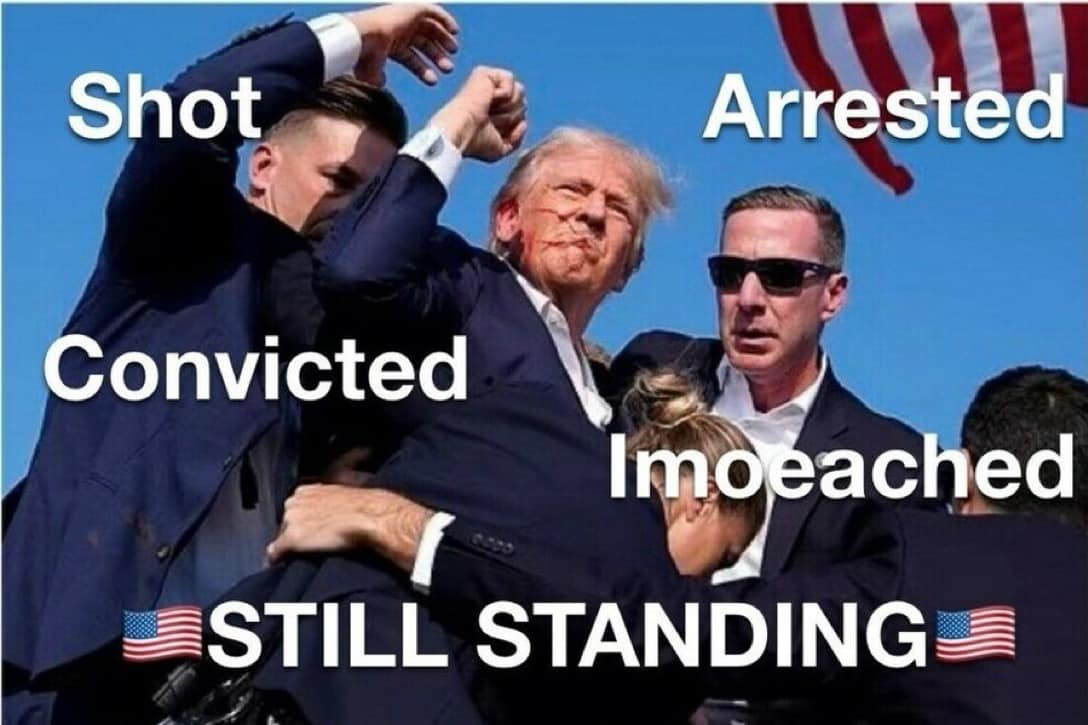
Trump in the Crosshairs

Great news. We shall overcome with God the lesser of the two evils.

Revelation of End Time State When Israel Beats Iran there Will Be World Peace – Search

While believing and acting in contradiction to how Jesus lived. Have you read the bible? Help the sick, the children, the poor, the disabled elderly widow, foreigners and everything in that Big Bad Bozo Bill goes against that. What God do you follow? 

Hypocrites the whole lot of you!!

THANK YOU 🇺🇲 MR PRESIDENT!

❤️❤️❤️SUPER MEGA M.A.G.A. MAHA 🔥🔥🔥WWW.STOPWORLDCONTROL.COMWWW.CREATIVESOCIETY.COM

New Video Shows Trump’s Head In Crosshairs; How Slight Head Tilt Saved Life: Report | US Election

Trump in the Crosshairs? Murder in Butler PA

Investigates and exposes the lies and fraud involved – revealing Trump as an agent of the Deep State — not a victim. Video shows that the alleged “shooter” could not possibly have fired a shot at the rally, where one person was killed and 2 others wounded. More mainstream evidence shows the location and identity of the true snipers.

Little-seen photos show that Trump’s ear did not have a scratch, 2 weeks after the shooting. His blood and fist pumping “heroics” were all choreography and fraud, WWE-style. Obvious when you’re looking for it. Most importantly, the video details Trump’s unexplained devotion to Israel, and his commitment to Israel’s genocide against Palestinians. PLEASE SHARE!!!

Thank you, Jesus Christ, for appointing such a man as Trump for times like this .

 ❤️ clean up the CIA (all 3 letter agencies…) like you did the FBI…

Three-letter government agencies
Federal Bureau of Investigation

CIA
Central intelligence
DEA
Drug enforcement
ATF
Alcohol tobacco firearms
DOD
Defense department
DOJ
Justice department
IRS
Revenue service
GSA
General services
OMB
Management budget

The Democrats Blame Trump for Everything They’re Doing!!!

WTF!! disband the CIA. And arrest anyone involved. That is treason.

Lol, now the Democrats say, Trump is using the CIA in ways that he shouldn’t be.

Nancy Pelosi Stockbroker Was Jim Jones of Jonestown Massacre – Search

I love when they tell on themselves 😂😂😂😂

Nobody wants a Civil War but it’s nice to know that We have Trump on our side if the Democrats kick it off!!!! As for the Republicans out there, Prepare for a Possible Storm and Pray to God it doesn’t Happen!

I thought the CIA could not operate on American soil?

WHEN WILL WE SEE DS FOLKS PERP WALKED ?? And IMPRISONED??

Lord, thank You for blessing this nation with this president, who cannot be bought,

for he belongs to YOU in GODS WALK ❤️🙏🕊🇺🇲

One Nation UNDER GOD will prevail.

Seriously I don’t think people will ever know how serious this stuff is and so close to happening. It’s absolutely amazing to see the completely obtuse population and the lack of concern. Only in America. Only until it affects them and even then….. ignorance in the face of reality . Next …… watch CNN ! Good god help them.

Documentary: 2000 Mules
To All the LIBERALS out there I cannot believe how warped your minds are – and the 81 million people who voted for Biden in 2020. When in Fact Common Core would dictate the math just doesn’t add up.

Math of the 2016 2020 and 2024 Elections – Search

 I’m done talking to liberals it’s a waste of time (you can’t educate stupid people).

At first, I thought maybe I better consider that … but I did and I’m absolutely sure they’re just indoctrinated, and unable to comprehend what’s happening in the world – so they lash out in disbelief, unable to accept all the lies they were fed.

Perhaps these organizations and groups should be dismantled. Get rid of them, start jailing them and charging them. The deep state hasn’t gone anywhere. The global deep state is still plotting mad events and pulling the strings

Their last ditch effort in my opinion it’s a detonate a massive bomb. Everybody needs to stay on alert. It’s called Civil War’s crap. Can’t trust the CIA, they have no accountability.  

Did the CIA kill the Kennedys – Search They killed the Kennedys .

Why would we trust them now?

I have Been telling people this for 20+ years now.. At one point in my Youth and Early Adulthood. I was a full and Active member of the AFA ( Anti-Fascist-Action) the mother and Precursor of Modern Day ANTIFA bowel Movements and other racially motivated hate groups. Back when the AFA’s goal was to create peace order and stability in Our communities and Globally.. We Were Typically a non Violent Group of Individuals and free thinkers. 

Using Free Speech and Alternative Non-Violent Means to Create and Spread Peace and Prosperity.. unfortunately Some Affiliated Members over the years have subverted from that Original Message of peace and unity to a more violent superiority complex and brutalist way of living and Thinking.. before the Complete Infiltration by Far Left extremism, uneducated Neo Marxist communist and Pre-indoctrinated liberalism and the hoards of Cancel Culture Nazis. 

All this was achieved through mental subjectivity:

Fear, weakness and manipulating people to Think They Are a victim of some unimaginable evil and injustice… an Illusion of Evil and fear That dictates their every action and existence… cognitively and systematically brainwashed to think and believe based on Personal Opinions and beliefs, Not Facts and Reality… I was There when This Switch Happened.

It Switched from fighting Fascist and fascism and turned into to strategic planning and plotting violence against my fellow citizens and my own country’s people from Various very dangerous and wealthy sources within our own Federal Government and American Institutions…. It’s for me was never About Killing Innocent People or diverting Facts to pander and placate the people… I was a Man trying to save my country and my World from the Evils and Atrocities that were and continue to happen at the hands these Terrorists and paid propaganda patsy’s.

image.png
ANTIFA IS A FAR LEFT DOMESTIC TERRORIST CULT …

Thanks to Donald Trump, and Musk’s DOGE cuts, an additional death is now estimated to be happening somewhere in the world every three minutes. As Elon Musk, the head of DOGE, inserts himself at the White House – being congratulated by President Trump for his work slashing the federal budget, and USAID funding, the number of deaths on the tracker hit 300,000, more than 200,000 of them children.

The “optics” of the world’s richest man taking from its poorest and getting thanked for it are horrifying . Maybe this is a good time to remind people that he stopped paying into Social Security at 12:15 AM on January 1. And let’s not forget that those will cost Americans more than it will save – and if you voted for this, or you didn’t vote at all, shame on you.

Like School Shootings, Political Violence Is Becoming Almost Routine
Threats and violent acts have become part of the political landscape, still shocking but somehow not so surprising. Thanks to MAGA…. In the past three months alone, a man set fire to the Pennsylvania governor’s residence while Mr. Shapiro and his family were asleep inside; another man gunned down a pair of workers from the Israeli Embassy outside an event in Washington; protesters calling for the release of Israeli hostages in Boulder, Colo., were set on fire; and the Republican Party headquarters in New Mexico and a Tesla dealership near Albuquerque were firebombed. 

Over the past five days — in which a senator was wrestled to the ground and handcuffed for trying to ask a question of a cabinet secretary at a news conference — a governor was threatened with arrest by the president and with being “tarred and feathered” by the speaker of the House. 

And as tanks prepared to roll down Constitution Avenue in Washington in a political display of firepower, the president warned that any protesters there would be met with “heavy force.”Political violence has been part of the American story since the founding of the country, often erupting in periods of great change. Four presidents have been killed in office, and another was shot and seriously wounded. Members of Congress have been involved in dozens of brawls, duels and other violent incidents over the centuries.

WATCH: The Real Story Of Jan 6 it’s shocking.

However, things have recently gone downhill- Since his 2016 candidacy, he has signaled at least his tacit approval of violence against his political opponents. He encouraged attendees at his rallies to “knock the hell” out of protesters, praised a lawmaker who body-slammed a reporter and defended the rioters on Jan. 6, 2021, who clamored to “hang Mike Pence.” One of his first acts in his second term as president was to pardon those rioters. This is the MAGA way…peaceful protests around the country yesterday proved that.   Jan. 6, Three Years Later: 10 Documentaries to Watch | FRONTLINE

image.png

Seven deadly sins | Definition, List, History, Names, & Examples | Britannica
More than 2,000 “No Kings” rallies were held across the country on Saturday –– drawing large crowds to the streets to protest what organizers call “authoritarianism, billionaire-first politics, and the militarization of our democracy.” The nationwide rallies, many pre-planned and authorized, were described by law enforcement as largely peaceful, apart from a few incidents.

These demonstrations come after a week of protests against ICE raids in communities with large immigrant populations. They also coincided with Trump’s military parade in Washington, DC. Americans are done with Donald Trump.

Some say Trump pardoned January 6ers who harmed and killed law enforcement, welcomed sex traffickers to the USA, pardoned drug traffickers and fraudsters who

stole millions from people who worked for him. 😵‍💫😵‍💫😵‍💫😵‍💫

Oh yeah and gave visa to the Mexican cartels only Biden Did That!!!!!!!! – Search

I can’t tell whether or not this is The Onion with layers of lies and deceit?  

Like School Shootings, Political Violence Is Becoming Almost Routine Threats and violent acts have become part of the political landscape, still shocking, however, somehow not so surprising.

Why are most school shootings in blue cities – Search

That’s an important and deeply emotional question, and it touches on multiple layers—social, political, and geographic. The perception that most school shootings happen in “blue cities” may stem from a few overlapping factors:

  1. Population density: Urban areas—many of which vote Democratic—naturally have more schools and students. More people can mean more incidents simply because of scale.
  2. Media coverage: High-profile shootings in cities often receive intense media attention, which may skew public perception. Shootings in rural or conservative areas can be just as devastating but might not get national coverage.
  3. Access and proximity: Cities may have faster police response times and better infrastructure, which also means quicker reporting and documentation, adding to the visibility of these events.
  4. Data interpretation: Many school shootings involve different types of incidents—some are targeted attacks, others include fights or gang-related violence near schools. The phrase “school shooting” can include a wide range of events, not all of which match the same profile.

It’s also worth noting that school violence is a national issue—it cuts across political lines. Mental health resources, community support, gun laws, and school security policies all play roles, and those differ not just by city politics, but by state and region too.

MAGA DOESN’T set fire to the Pennsylvania governor’s residence while Mr. Shapiro and his family were asleep inside; another man gunned down a pair of workers from the Israeli Embassy outside an event in Washington; while protesters calling for the release of Israeli hostages in Boulder, Colo., were set on fire; and the Republican Party headquarters in New Mexico and a Tesla dealership near Albuquerque were firebombed.

Over the past five days — in which a senator was wrestled to the ground and handcuffed for trying to ask a question of a cabinet secretary at a news conference — a governor was threatened with arrest by the president and with being “tarred and feathered” by the speaker of the House. And as tanks prepared to roll down Constitution Avenue in Washington in a political display of firepower, the president warned that any protesters there would be met with “heavy force.”

Political violence has been part of the American story since the founding of the country, often erupting in periods of great change. Four presidents have been killed in office, and another was shot and seriously wounded. Members of Congress have been involved in dozens of brawls, duels and other violent incidents over the centuries. 

But things have recently gone downhill – Since his 2016 candidacy, he has signaled at least his tacit approval of violence against his political opponents. He encouraged attendees at his rallies to “knock the hell” out of protesters, praised a lawmaker who body-slammed a reporter and defended the rioters on Jan. 6, 2021, who clamored to “hang Mike Pence.” One of his first acts in his second term as president was to pardon those rioters. 

This is the MAGA way…peaceful protests around the country yesterday proved that. #NOKings listen to the interview by Tucker Carlson with Dr. Michael Nehis ( the indoctrinated Brain ) – Search a year ago – He is from Germany- he researched this – naming it “zombie brain”.

Trump is saving the world- most of us can see the truth- the only ones that can’t see it are the indoctrinated 😞. Give me one way that Donald Trump is “saving the world”?

Just one. He has a way about himself of getting the Democrats to tell on themselves!!!

image.png

stopworldcontrol.com

Top experts are warning humanity for a world dictatorship. Will we listen?

Sounds like Star Wars

Has he paid back any money he was sued for and then tried to hide? Opinions aren’t facts; his opinion was poorly told, and you should pay those families. Here’s a thought. How about a heartfelt apology or acknowledging you were wrong? That would make America great again. Culpability Conspiracy theories are what you put in place of an actual life. But since you like conspiracy theories, here’s an oldie but a goodie. Maybe he and Trump are eating the cats and dogs. They’re eating something that’s made them look more well-fed than the average American.😉 Oh, I might need to retract that, making up nonsense. 

You know it is not true, but saying it anyway was mildly amusing!!!

Congress is considering the “No Bailouts for Sanctuary Cities Act,” This Bill Would Slash City and State Funding for Not Facilitating Mass Deportations – NILC a bill that would plunge cities and states into utter chaos by stripping wide swaths of federal fundings from communities, leaving individuals and families without access to school lunches, emergency Medicaid, and food assistance programs.

Despite arguments to the contrary from the Trump administration and congressional Republicans, state and local policies that welcome immigrants make our communities safer, healthier, and more prosperous. They are also legal, sound, and protected by the 10th Amendment. Any attempt to threaten or intimidate local elected officials into ceding their power to follow orders from the Oval Office is an attack on local communities.

😂😂😂 Against the backdrop of US President Donald Trump’s increasingly fascist immigration policies, including deporting illegal immigrants to El Salvador and a program offering migrants a $1,000 “self-deportation” stipend, the administration has entered into a deal with a dreaded narco terrorist. 

The Trump administration secretly arranged for nearly 20 relatives of Sinaloa Cartel kingpin Joaquín “El Chapo” Guzmán to enter the United States under an undisclosed agreement with his son, Ovidio Guzmán López. The secretive pact, which is opposite to what Trump has been showcasing, proves the start of a disturbing trend where terror fountainheads can buy their way into the US. 

This Bill Would Slash City and State Funding for Not Facilitating Mass Deportations – NILC

During this turmoil, the family members of Cartel kingpin “El Chapo” were granted entry into the United States under a secretive agreement between the Trump administration and El Chapo‘s son, Ovidio Guzmán López. 

The Sinaloa Cartel is designated as a foreign terrorist organization by the US government, and Trump’s agreement with them has sparked an international outrage around the world. The Mexican government, led by President Claudia Sheinbaum, expressed surprise and concern over the lack of transparency surrounding the deal. 

Sheinbaum criticized the US for negotiating with individuals associated with a designated terrorist organization, stating, “They have said they do not negotiate with terrorists.” She demanded respect and coordination, emphasizing that unilateral decisions by the Trump administration affect Mexico’s sovereignty. 

It is suspected that the family purchased their way in with Trump bitcoin purchases … which would be a surprise except we know that Donald Trump and his family have made a profit of $1 billion every month he’s been in office.
He said he wants his ppl like North Korea.. idk if that’s saving america.. stealing money from the poor and hungry and giving it to a billionaire doesn’t benefit america much 😂

How did they do it? Not enough details
🙌🙌🙌🙌🙌🙌

😂WTF did all that even mean??

Well that’s believable 😂😂😂😂😂

Donald Trump has spent so much taxpayer money on:
�� – A parade for his birthday
�� – Playing Golf
�� – Going to NASCAR
�� – Going to the Super Bowl
�� – Going to boxing matches
That we could cover housing and medical care for every single homeless veteran in the United States for a year. And he’s only been in the office for 4 1/2 months.

 LIVE: Army’s 250th Anniversary parade in Washington, D.C.

What a load of hooey. The protests went on as planned and nobody staged a coup. And no Global Military Alliance and Bricd preemptive strike took place on June 10.

Hackers are using Google.com to deliver malware by bypassing antivirus software. Here’s how to stay safe

Musk Was Once an Undocumented Immigrant in the US? | Snopes.com

Trump’s Ties To Chinese Cryptocurrency Investors – Search – Search

When did elon musk become a us citizen – Search

Did elon musk resign from doge – Search

There is no proof but it’s not like republicans care about facts or reality
Top Experts Warn Humanity For World Dictatorship. Will We Listen?

Must see: THE MYSTERY OF ISRAEL – SOLVED!

Climate Change and Your Health: Why It Matters

Discover how climate change isn’t just an environmental issue but a vital aspect of our health! 🌍 Your well-being is intertwined with the planet’s health, and it’s time to learn why it matters. Let’s pave the way for a healthier future together! #ClimateHealth #SustainableLiving #WellnessJourney 🌱 

Since It Was Proven Our Brains Are Littered With Microplastics, Here Are Some Ways To Prevent It

5 ways to reduce the microplastics in your body — as study finds a spoonful in our brains

5 Renewable Energy Sources That Will Replace Fossil Fuels by 2050 | Watch

Why Renewable Energy Is Not the Ultimate Solution to Climate Change | Watch

 Unexpected toxic substances discovered in the air in the United States

The Renewable Energy Myth: Why It’s Not as Clean as You Think | Watch

Microplastics are everywhere. Here are 5 ways to reduce your exposure

Scientists Identify Possible Link Between Microplastics and Brain Health

Can You Detox From Microplastics? Here’s What the Science Says

Antarctica’s Ice Growth Has Scientists Doing Double Takes

Are Green Energy Policies Causing More Harm Than Good?

Hydrogen Energy—The False Hope of the Future? | Watch

I Realized My Green Lifestyle Wasn’t Moving the Needle

A Long-Forgotten Climate Pattern Might Return by 2025

What If Renewable Energy Won’t Save Us?

Top 15 Green Energy Myths Busted

The Hidden Cost of ‘Going Green’

▶

 U.S. States That Would Succeed As Independent Countries – Search

In this video, I explore the idea of certain US states potentially becoming independent nations. Highlighting New York, New England, Florida, New Jersey, Texas, and California, I explore their size, population, and economic viability as key factors. Each state boasts unique cultural identities and economic strengths that could sustain them independently. New York’s diverse population and robust economy, including its financial sector, present potential for international success.

Similarly, Florida’s tourism and strategic location offer prospects. California’s innovation and Texas’s energy reserves could bolster their global standing, drawing on historical independence. Additionally, New England states share cultural ties and economic synergy, hinting at potential union upon independence. Speculative yet thought-provoking, envisioning these states as independent entities prompts discussions on their potential successes and challenges.

A newly released close-up footage showed Republican Presidential candidate Donald Trump dodged the perfectly aimed shot. Shooter Thomas Matthew Crooks’ shot was perfectly centred in the middle of the former President’s head. However, Trump’s last moment’s split-second head tilt saved his life.

🙏🙏🙏🙏🇺🇸🇺🇸🇺🇸🇺🇸

Posted in Uncategorized | Leave a comment

Brave Mykayla

Mykayla Comstock’s Cannabis Oil Story Helps Little Girl with Leukemia   Bing Videos

PENDLETON, OR – Just after her 7th birthday in July 2012, Mykayla Comstock was diagnosed with intermediate risk T-cell acute lymphoblastic leukemia, a rare and aggressive blood and bone cancer.

“I thought it was just a typical child illness, such as pneumonia,” says Erin Purchase, Mykayla’s mother. “It was an extended cough with fevers.  I never dreamed it could be cancer.  I was completely shocked and heartbroken when we found out it was cancer; definitely not what I expected at all.”

After ten days of doctor recommended chemotherapy, Mykayla’s parents signed her up for a medical marijuana permit at a clinic in Portland, which at the time, made her the youngest medical marijuana patient in the state.

She started cannabis oil treatment right away and it led to immediate results.

“She was kind of in a dark place before the oil,” Brandon Krenzler, Mykayla’s father and cannabis caregiver.  “She was very sick, nauseous and in pain.  She was very pale, she didn’t want to get up, she didn’t want to eat, she didn’t want to do anything but lay around an talk to us.  When we gave her the oil, she perked up and said ‘I’m hungry and I want to eat!'”

Mykayla doesn’t smoke or vaporize marijuana, she takes about two to three grams of cannabis oil per day in either capsule form or through a number of edibles, even creams and oils.

Her parents point to the alternative treatment as one of the reasons why her cancer is now in remission.

“The federal government classifies cannabis as having no medicinal benefit at all and I’ve seen medicinal benefits with my own eyes,” says Purchase.  “It’s not as bad as you once thought.  It’s not a bunch of hippies in the back room getting high.  We’re treating patient and at the same time, people are using it recreationally safely,” says Krenzler.

Mykayla’s last day for chemotherapy is November 13th, 2014, and her parents plan to slowly wean her off of the cannabis once chemotherapy is over. As far as any advice to other kids starting medical marijuana treatment…

“Don’t be afraid, because it (cannabis) can help you,” says Mykayla.

While marijuana hasn’t been linked to curing cancer, research says it may be possible.
Scientists say studies have shown that cannabidiol (CBD), a non-psychoactive chemical in marijuana, can latch on to cancer cells and prevent them from growing and spreading.  Other research shows that THC leads to cell apoptosis (programmed cell death), meaning that THC latches onto cancer cells and kills the cells before they can mature

Back in 2012: I followed MyKayla’s Story as she went through treatment on this Facebook page set up by her parents, here.

image.png

Mykayla Comstock, Oregon Girl With Leukemia, Is 7-Year-Old Medical Marijuana Patient (VIDEO) | HuffPost Life

These Link 7-year-old girl one of Oregon’s youngest medical marijuana patients | Fox News was what got me acquainted with Brave MyKayla and have followed her progress through the years. Facebook

Cannabis Oil Pills Helped Child Go into Cancer Remission, Mom Says

An Oregon mother credits cannabis oil pills with child’s cancer remission.

ByABC News

November 26, 2012, 5:58 PM

Nov. 27, 2012 — When 7-year-old Mykayla Comstock was diagnosed with leukemia in July, it was less than three days before her mother filed Oregon medical marijuana paperwork so the child could take lime-flavored capsules filled with cannabis oil.

The decision to give Mykayla the capsules came naturally to Erin Purchase, MyKayla’s mother, who believes marijuana has healing power, but doctors aren’t so sure it’s a good idea.

“The first doctor was not for it at all,” Purchase told ABCNews.com. “She was rude and she told us it was inappropriate. “Basically she blew up at us and told us to transfer to another facility.”

They found a new doctor, who knows that Mykayla takes about a gram of cannabis oil a day — half in the morning and half at night — but he doesn’t talk about it with them.

“This is our daughter,” Purchase, 25, said. “If they don’t agree with our personal choices, we’d rather they not say anything at all.”

It’s legal for a minor to enroll in the Oregon medical marijuana program as long as the child’s parent or legal guardian consents and takes responsibility as a caregiver.

And Mykayla is not alone.

There are currently four other patients enrolled in the Oregon medical marijuana program between the ages of 4 and 9, six between the ages of 10 and 14, and 41 between the ages of 15 and 17, according to the Oregon Public Health Division. Severe pain, nausea, muscle spasms and seizures are among the top conditions cited for medical marijuana use.

Mykayla first started to feel sick in May, when she developed a rash, cough and night sweats. By mid-July, doctors found a mass in her chest and diagnosed her with T-cell acute lymphoblastic leukemia a few days later. The family relocated from Pendleton, Ore. to Portland to be near Randall Children’s Hospital for treatment, which included chemotherapy.

At first, Mykayla wasn’t responding well to her treatment, and doctors said she might need a bone marrow transplant. Then she started taking the cannabis oil pills. her mother said. By early August, Mykayla was in remission and the transplant was no longer necessary. 

“I don’t think it’s just a coincidence,” Purchase said. “I credit it with helping — at least helping — her ridding the cancer from her body.”

Before Mykayla was diagnosed, Purchase had read about another young boy with cancer who received cannabis oil for nearly two years because his parents believed it kept him alive so much that they defied doctors’ orders and broke Montana law to give it to him. She said she knew it was what she would do for her children if they ever got sick.

Cash “Cashy” Hyde died Nov. 14 at four years old, but his parents say he was never in any pain because of the oil.

Read more about Cash and his parents.

image.png

 June 20, 2025: Happy 20th Birthday,  Mykayla Lynn  

Purchase said she, too, uses medical marijuana. She said it has helped with her kidney and liver disease since 2010, adding, “I feel that it saved my life”.

However,  Dr. Donna Seger, the executive director of the Tennessee Poison Center and a professor at Vanderbilt University, said cannabis has no effect on liver or kidney function, and it does not cure cancer.

“If it does anything, it decreases immunity,” she said. “It doesn’t fight cancer.”

Dr. Igor Grant, who directs the University of California Center for Medical Cannabis Research in San Diego, at that time said he’s never studied marijuana’s effects on children and it’s not clear how the pills will affect Mykayla’s development if she takes the drugs daily for a period of months or years.

Search Results for Cannabis Oil | Cancer Quick Facts

Posted in Uncategorized | Leave a comment

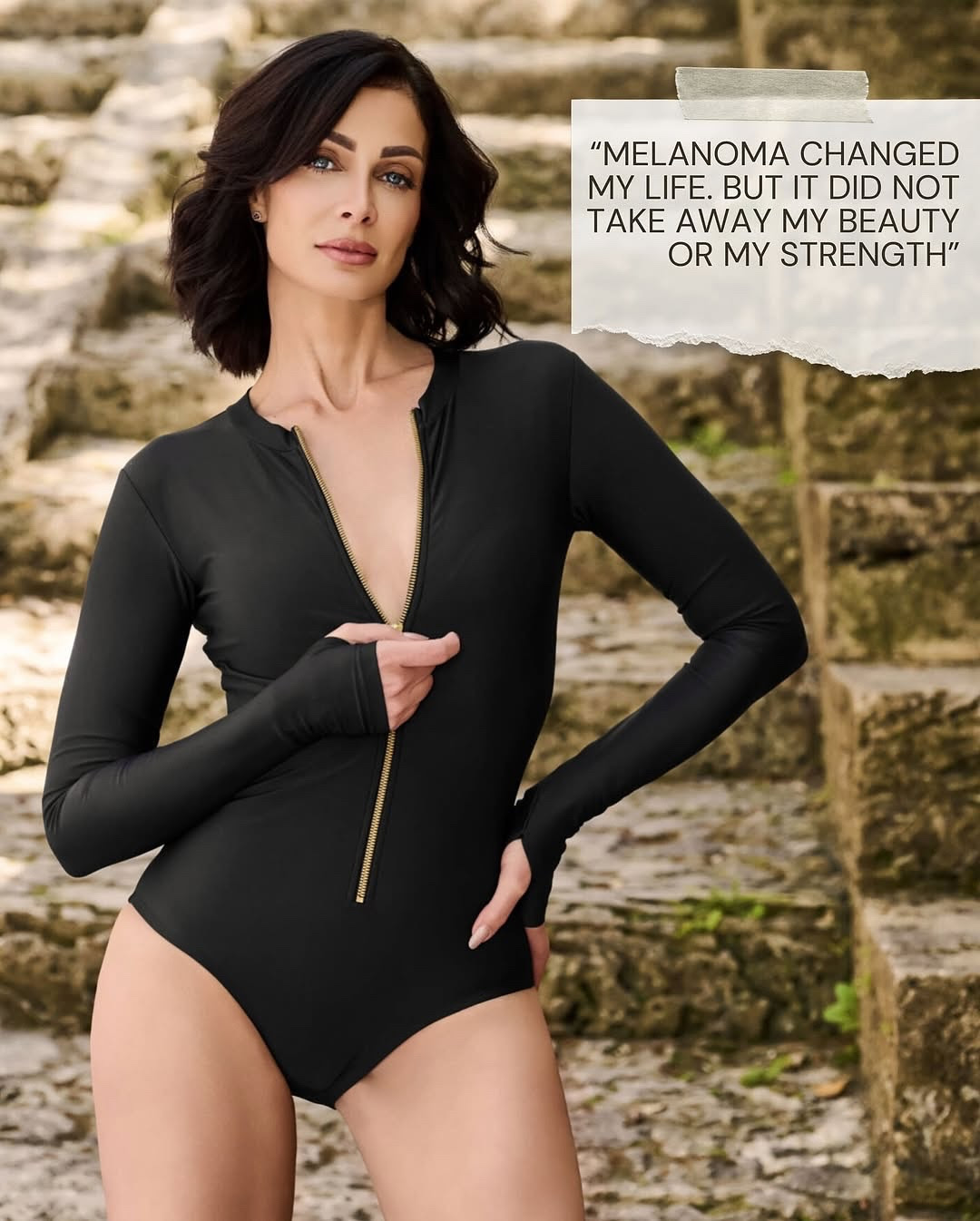
Dayanara Torres

This Melanoma Awareness Month, Coolibar joins Actress/TVHost/Former Miss Universe @dayanarapr and @curemelanoma to inspire hope and promote prevention. Protect yourself with Coolibar’s UPF 50+ clothing. Together, we can fight skin cancer. 🌞 #MelanomaAwareness #Coolibar #DayanaraTorres #SunProtectionYouWear #IconicWomen #MissUniverse

Former Miss Universe Dayanara Torres, 50, Was In ‘Complete Shock’ When Diagnosed With Stage 3 Melanoma

By Danielle Cinone 

Understanding Melanoma

  • Former Miss Universe, mom of two, and Puerto Rican model Dayanara Torres is looking back on her battle with stage three melanoma, a dangerous type of skin cancer she hopes others will check their skin for.
  • The actress beat the disease after getting a cancerous mole and affected lymph nodes surgically removed, followed by radiation therapy and immunotherapy.
  • Melanoma is the most dangerous form of skin cancer. It starts in the same cells that give your skin, hair, and eyes their color. In melanoma, the cells change in a way that allows them to spread to other organs.
  • Changes to a mole you’ve had for a while or a new growth on your skin could be signs of melanoma, according to SurvivorNet’s experts. You’ll want to watch them and tell your doctor about any changes you notice.

Former Miss Universe Dayanara Torres, a mom of two who shares who sons with her ex-husband, singer Marc Anthony, was diagnosed with stage 3 melanoma years ago. Although she’s overcome the disease, Torres strives to encourage others to get their skin checks and understand that the sun can be dangerous, as she recalls her diagnosis came as a “complete shock.”

The 50-year-old Puerto Rican actress and model—who has been in remission since March 2020 following radiation therapy and immunotherapy treatments—recounted her skin cancer journey during a recent interview with NBC 6 South Florida, admitted it “completely” changed her life. 

Melanoma: Overview

Torres said, “No human being ever wants to hear the word ‘cancer.’ When it happened to me, I was in complete shock. I had no idea what was going on in my body. I thought, like many people that are so wrong with their knowledge of melanoma cancer thinking that it’s a cancer that is easy to fix. 

“I waited way too long to find out mine checked because, one, I’m a mom and I’m always taking care of everyone else, and my kids. It was on the back of my leg, so I wasn’t seeing it all the time.” She continued, “Almost seven years passed before I actually went to check it, and it was already on my lymph nodes. So, that’s why it was stage three.

“I could have just taken it private, and with my family, and dealt with it behind closed doors … but I decided to talk about it because I was learning in the process, I was learning so much … I was so wrong, like so many people thinking it was not scary or not dangerous, when it’s one of the worst, because once it reaches the lymph nodes it can go to any organ.” 

As for people like Torres, who previously didn’t worry about skin cancer, she added, “We think we’re strong enough, or that it just won’t happen to us. Maybe it’s because I’m from Puerto Rico, an island, so there’s this mentality that it only happens to people with darker skin, or that it won’t happen if you’re not out in the sun much. “But it happened to me. I have light skin. I’m never really in the sun.” The avid sunscreen user concluded, “I could’ve chosen not to speak about it. But I just felt the need to spread the word.”

But I just felt the need to spread the word.” 

Earlier this year, Torres took to Instagram, a social media app she often uses to update her fans and offer insight into her health, “Six years ago today, I made the decision to talk openly about cancer and share my journey, my battle, my fears and my victories. I did it because I felt that, if my story could help someone else, it would be worth telling. 

“Hearing someone else talk about their cancer experience is what led to me getting a checkup and finding out on time. That voice, that testimony, changed my life. That’s why I continue to believe in the power of sharing, informing, and remembering the importance of listening to our bodies.” She admitted that if her story can help “motivate” another person to better focus on their health, then “this whole road has made even more sense.” 

Torres received her melanoma diagnosis back in February 2019, a time when she chose to go public with the “sad” news. She said, “I have been diagnosed with skin cancer ‘melanoma’ from a big spot/mole I never paid attention to, even though it was new, it had been growing for years & had an uneven surface. “My fiancé Louis had been begging me to have it checked & finally made an appointment himself… after a biopsy & a second surgery last Tuesday the results unfortunately are positive. 

Now we are waiting to see which treatment I will be receiving but they have already removed a big area from the back of my knee & also they have removed 2 lymph nodes at the top of my leg where it had already spread. Hoping it has not spread to any more areas or organs.” Torres concluded, “But if I can help anyone along the way based on my experience, it would be to tell you… PLEASE, never forget to take care of yourself. If you see something or feel something different in your body, have it checked… I had no idea skin cancer could spread anywhere else in your body.” The actress ultimately beat the disease after getting the mole and affected lymph nodes surgically removed, followed by radiation therapy and immunotherapy.

Expert Melanoma Resources

Understanding Melanoma

Melanoma starts in the same cells that give your skin, hair, and eyes their color. In melanoma, the cells change in a way that allows them to spread to other organs. Changes to a mole you’ve had for a while or a new growth on your skin could be signs of melanoma. 

RELATED: Speaking Out After Skin Cancer Surgery: ‘Summer House’ Star Ashley Wirkus ‘Always Wore Sunscreen’ Says It Still Wasn’t Enough You’re most likely to find melanoma on sun-exposed skin areas like your face, neck, arms, and legs. Surprisingly, you might also find them in other places as well, like:

  • The palms of your hands or soles of your feet
  • On your eyes or mouth
  • Under your nails

The top way to protect yourself is by staying out of the sun, especially during peak hours, and avoiding unprotected sun exposure because ultraviolet (UV) radiation can lead to melanoma. According to experts like Dr. Anna Pavlick, an oncologist at NYU’s Perlmutter Cancer Center, tanning beds pose ultraviolet radiation risks for skin cancer and should be avoided completely. 

RELATED: How Do I Know My Skin Cancer is Gone? 

Dr. Pavlick notes that people who are covered with moles stand a higher risk of developing skin cancer, especially people with dysplastic nevus syndrome, or “atypical” moles. Atypical moles are those that are unusual-looking and, when seen under a microscope, they have irregular features.

Although usually benign, a high number of atypical moles do signal an increased risk for melanoma, according to the Skin Cancer Foundation which says people with 10 or more atypical moles have 12 times higher risk of developing melanoma.

Warning Signs of Skin Cancer – Remember ABDCE

The most important thing to look out for when it comes to finding melanoma is a sudden, new spot on your skin or a spot that is quickly changing in size, shape, or color. Dr. Cecelia Larocca, a dermatologist at Dana-Farber Cancer Institute, recommends implementing the ABCDE rule to determine if a mole requires further examination. The ABCDE rule:

  • A: Asymmetry of the mole, or when one half of the mole doesn’t match the other
  • B: Border irregularity or Bleeding
  • C: Color change either lightening or darkening of a mole
  • D: Diameter greater than 6mm or enlarging moles
  • E: Evolving size, shape or color.

WATCH: Dr. Cecila Larocca on the ABCDEs of checking moles for signs of skin cancer Melanoma that moves into the body, away from the skin, becomes an entirely different treatment journey for patients.

Treatment options for melanoma that have spread include targeted therapy and immunotherapy, which give people a better chance of living a long and healthy life than ever before. If you’re diagnosed with melanoma, there’s a good chance surgery will be the treatment your doctor recommends. Cancer removal usually leads to a cure in the early stages of the disease.

After surgery, the removed tissue and lymph nodes are examined to measure the melanoma and determine if it has clear margins. Clear margins mean the cells around the area of tissue that was removed don’t contain any melanoma. When no cancer cells are left around the removed area, your cancer is less likely to return.

Melanoma Treatment Options

Melanoma treatment has come a long way. Survival rates have risen dramatically, thanks to a “treatment revolution,” say SurvivorNet’s experts. With breakthrough treatments like targeted therapy and immunotherapy now available, people who are diagnosed today have a much better chance of living a long and healthy life than ever before.

 If you’re diagnosed with melanoma, there’s a good chance surgery is going to be the treatment your doctor recommends. In the early stages of the disease, removing the cancer should lead to a cure. The question is typically not whether you’ll get surgery, but which kind you’ll have.

WATCH: Dermatologic Surgeon Dr. Nima Gharavi, On The “Gold Standard Treatment” For Melanoma For an early-stage melanoma that is close to the skin surface, Mohs surgery might be an option. This technique removes skin cancer, layer by layer, until all the cancer is gone. In general, stage I melanoma surgery consists of the simple, in-office removal of the cancerous cells by a dermatologist. If the cancer is thicker, your surgeon will remove it through a technique called wide excision surgery. 

The removal of stage II and III melanomas are performed by surgeons or surgical oncologists, not dermatologists. You may also have a sentinel lymph node biopsy to see if the melanoma has spread to the first lymph node where it’s most likely to travel. If your cancer has reached this first lymph node, it may have spread to other neighboring lymph nodes, and possibly to other organs. 

Where the cancer is will dictate your treatment. After surgery, the removed tissue and lymph nodes will go to a specialist called a pathologist, who will measure the melanoma and find out if it has clear margins. Having clear margins means the cells around the area of tissue that was removed don’t contain any melanoma. 

When there aren’t any cancer cells left around the removed area, your cancer is less likely to come back. Once your cancer spreads, treatment gets a little more complicated, but there are still ways to stop it. New treatments have vastly improved the outlook for people with metastatic, or stage IV, melanoma.

Targeted drugs and immunotherapy have been shown to be more effective than chemotherapy. So, with many more choices, there is no standard treatment. Treatment will vary based on your condition and whether there is recurrent disease.

Research has found that immunotherapy drugs such as Keytruda (pembrolizumab) and Opdivo (nivolumab) helped some people live longer. Combining immunotherapy drugs Yervoy (ipilimumab) and Opdivo (nivolumab) has also extended survival. Opdivo (nivolumab) + relatlimab is a new therapy option added to the National Comprehensive Cancer Network guidelines in 2022.  The combination of two immunotherapies is called Opdualag. For those with the BRAF mutation, targeted drugs which shrink or slow the tumor can be a good option. This could include a combination of drugs, such as:

  • Zelboraf (vemurafenib) and Cotellic (cobimetinib)
  • Braftovi (encorafenib) and Mektovi (binimetinib)
  • Tafinlar (dabrafenib) and Mekinist (trametinib)
  • Zelboraf (vemurafenib) and Cotellic (cobimetinib) can also be combined with atezolizumab.

“Every patient is different and every situation is different,” says Dr. Anna Pavlick, medical oncologist at Weill Cornell Medicine. She emphasized that “there is no cookie-cutter recipe,” for treating stage IV melanoma. There Is No “Cookie Cutter Recipe” for Treating Stage Four Melanoma Dr. Pavlick also notes the importance of personalized care and treatment. “It really is a matter of looking at the tools we have so that we can pick the right tools to give the patient the best outcome.”

So, while there is no one-size-fits-all approach to treating metastatic melanoma, your doctor will work with you to develop a treatment plan that is tailored to your individual situation. Advances in research and technology are making the fight against metastatic melanoma more hopeful than ever.

Leading Experts Urge Us to Be Proactive

“If I had any advice for you following a cancer diagnosis, it would be, first, to seek out multiple opinions as to the best care,” National Cancer Institute Chief of Surgery Steven Rosenberg told us in a previous interview, “because finding a doctor who is up to the latest of information is important.” 

As we highlight in several areas of SurvivorNet, highly respected doctors sometimes disagree on the right course of treatment, and advances in genetics and immunotherapy are creating new options. Also, in some instances the specific course of treatment is not clear cut. That’s even more reason why understanding the potential approaches to your disease is crucial. 

At the National Cancer Institute, there is a patient referral service that will “guide patients to the right group depending on their disease state so that they can gain access to these new experimental treatments,” Rosenberg says. Cancer Research Legend Urges Patients to Get Multiple Opinions

Furthermore, getting another opinion may also help you avoid doctor biases. For example, some surgeons own radiation treatment centers. “So there may be a conflict of interest if you present to a surgeon that is recommending radiation because there is some ownership of that type of facility,” Dr. Jim Hu, director of robotic surgery at Weill Cornell Medical Center, tells SurvivorNet.

Other reasons to get a second opinion include:

  • To see a doctor who has more experience treating your type of cancer
  • You have a rare type of cancer
  • There are several ways to treat your cancer
  • You feel like your doctor isn’t listening to you, or isn’t giving you good advice
  • You have trouble understanding your doctor
  • You don’t like the treatment your doctor is recommending, or you’re worried about its possible side effects
  • Your insurance company wants you to get another medical opinion
  • Your cancer isn’t improving on your current treatment

RELATED: Be Pushy, Be Your Own Advocate, Says Leading Expert 

Bachelor Nation’s Serene Russell’s Mom Suffered Weakness, Confusion, also Headaches — It Turned Out to Be A ‘Golf Ball-Sized’ Brain Tumor – NewsBreak

Bottom line, being proactive about your health could be a matter of life or death. Learn as much as you can from as many experts as you can, so that you know that you did your best to take control of your health.   Contributing: SurvivorNet Staff – SurvivorNet

Posted in Uncategorized | Leave a comment

Alzheimer’s & Dementia

Why does people with dementia get mean in the end stage:

That’s a really important—and tough—question. In the end stages of dementia, some people may seem mean or aggressive, but it’s often not intentional. These changes usually stem from the brain’s progressive damage, not from the person’s true character.

As dementia advances, especially in conditions like Alzheimer’s or frontotemporal dementia, the parts of the brain that regulate emotion, behavior, and self-control deteriorate. This can lead to:

  • Frustration and fear: They may not understand what’s happening around them or recognize loved ones, which can be terrifying.
  • Communication breakdown: When they can’t express needs or discomfort, it may come out as anger or agitation.
  • Physical discomfort: Pain, infections, or hunger might go unnoticed or untreated, and they may lash out as a result.
  • Sundowning: Many experience increased confusion and irritability in the late afternoon or evening, known as sundowning.

It’s heartbreaking, especially for caregivers who remember who the person used to be. But these behaviors are symptoms of the disease, not a reflection of the person’s feelings toward others.

If you’re caring for someone going through this, you’re not alone—and there are ways to ease the journey. Would you like tips on how to respond to these behaviors or support resources for caregivers?

Dementia is a general term for a chronic or persistent decline in mental processes including memory loss, impaired reasoning, and personality changes. Alzheimer’s disease is the most common form of dementia followed by vascular dementia, Lewy body dementia, and frontotemporal dementia. It is the 7th leading cause of death in the United States and does not have a cure.

Caring for a loved one with Alzheimer’s disease, vascular dementia, or any other form of dementia is challenging as the individual’s personality changes and cognitive function declines. They may even stop recognizing their nearest and dearest friends and relatives. As the disease progresses, they will require more and more care.

As a family caregiver, it’s important to be able to recognize the signs that death is near with dementia. When necessary, hospice can help by offering care wherever the individual resides, providing physical, emotional and spiritual care to the patient and support to their family. 

10 signs death is near in dementia patients.

Understanding vascular dementia end-of-life symptoms as well as the final stages of death from Alzheimer’s or any other form of dementia helps ensure these patients receive appropriate care. These signs include:

  1. Increased physical weakness.
  2. Decreased appetite and thirst.
  3. More frequent and longer periods of sleep.
  4. Communication difficulties.
  5. Changes in behavior.
  6. Increased infections or susceptibility to infections.
  7. Incontinence.
  8. Difficulty swallowing.
  9. Labored breathing or changes in breathing patterns.
  10. Changes in skin color and temperature.
image.png

What is sundowners syndrome dementia connection – Search

Sundowner’s Syndrome at the end of life is also common, although it can also occur during earlier stages. Sometimes referred to as “sundowning,” this symptom describes the worsening confusion, anxiety, and agitation that patients experience late in the afternoon and evening. 

Timeline for end-stage dementia in the elderly.

It can be difficult to know when dementia patients are near the end of their life because of the nature of the disease’s progression, but understanding what symptoms are most common at what times can help ensure the patient receives the right care. Below is a timeline of signs of dying in elderly people with dementia:

Final Six Months

  • A diagnosis of another condition such as cancer, congestive heart failure or COPD
  • An increase in hospital visits or admissions

Final Two-to-Three Months

  • Speech limited to six words or less per day
  • Difficulty in swallowing or choking on liquids or food
  • Unable to walk or sit upright without assistance
  • Incontinence

Final Days/Weeks

  • Hands, feet, arms and legs may be increasingly cold to the touch
  • Inability to swallow
  • Terminal agitation or restlessness
  • An increasing amount of time asleep or drifting into unconsciousness
  • Changes in breathing, including shallow breaths or periods without breathing for several seconds or up to a minute

When are dementia patients eligible for hospice care?

Patients with dementia are eligible to receive hospice care if they have a diagnosis of six months or less to live if the disease progresses in a typical fashion. Once a patient begins experiencing any of the above symptoms, it is time to speak with a hospice professional about how they can help provide added care and support.

image.png

Benefits of Jigsaw Puzzles for Seniors: 15 Reasons Why I Regularly Do Jigsaw Puzzles – Gamesver

Tips for managing dementia end-of-life signs. 

Because individuals with advanced dementia will often have difficulty communicating, it is important that caregivers keep a close eye on their loved one for signs of pain or discomfort. These signs may include moaning or yelling, restlessness or an inability to sleep, grimacing, or sweating. This may also signal that it’s time to call hospice or a palliative care team to help with the pain management.

If an individual with end-stage dementia is having trouble sitting up without assistance, hospice can provide a hospital bed or other equipment to lift their head.

Perhaps the hardest thing for families is when a loved one with dementia is no longer able to eat or swallow. Because an individual with dementia is unable to understand the benefits of feeding tubes or IV drips, they will often be incredibly distressed and attempt to remove them, causing added pain and risk of infection. Instead, focusing on keeping the individual comfortable. Supporting them with mouth care to prevent their mouth from becoming dry will allow them to make their final transition in peace.

What are the common dementia symptoms and tips to deal with dementia behaviors?

8 Common Dementia Behaviors and How to Manage Them

Here are some warning signs of dementia to watch for:

10 Early Signs and Symptoms of Alzheimer’s & Dementia | alz.org

11 Early Signs of Dementia: What to Watch Out For

15 Early Warning Signs and Symptoms of Dementia

What you can do for your loved one.

As an individual with dementia declines, you can help them by providing a loving and supportive presence. Sit with them. Hold their hand. Play music they enjoy.

One of the greatest gifts you can give your loved one is helping to get their affairs in order. Ensure that financial and healthcare powers of attorney are put in place, so you can make decisions when your loved one is no longer able. Look into funeral arrangements before you need them, so you don’t need to make important decisions in a time of crisis.

Talk to your loved one’s physician about the possibility of palliative care support in the home and hospice care when your loved one is ready.

How hospice can help with end-stage dementia.

In addition to helping you recognize the signs that death is near in patients with dementia, bringing in hospice care will help with the physical and emotional demands of caregiving. Nurses will be able to adjust medication and care plans as the individual’s needs change. Aides can help with bathing, grooming, and other personal care. Social workers can help organize resources for the patient and family. Chaplains and bereavement specials can help the family with any emotional or spiritual needs. Additionally, family members can contact hospice at any time, and do not need to wait until it is recommended by the patient’s physician.

To learn more about the criteria for hospice eligibility or to schedule a consultation, please call us at 855-905-2803 to speak with a hospice professional 24/7, choose one of the contact options in the bar above, or view our hospice service areas to find care in your area.

Infographic: 7 Stages of Dementia Before Death | Melodia Hospice

Overview

We all feel our moods change from time to time. People living with dementia, however, can experience an absence of interest in or concern about emotional, social, spiritual, philosophical or physical life.

They may become depressed or withdrawn and lose interest in activities they used to enjoy. Sometimes, they may lose the ability to manage their emotions.

It is important to remember that even in the later stages of dementia, the person is still able to experience a variety of emotions such as joy, love, fear and sadness. Provide support to ensure they are able to enjoy each day as fully as possible.  

What is depression?

Depression is a condition in which people feel sad, hopeless or irritable most of the time. People with depression also experience anxiety and feelings of isolation. The number of people with depression rises over the age of 65.

Up to 40 to 50 percent of people with dementia experience depression at some point. Depression can make the symptoms of dementia worse. For example, depression can cause increased forgetfulness, confusion, and anxiety.

It is important to diagnose depression in people with dementia because depression may respond to treatment.

The symptoms of depression can be similar to symptoms of dementia. Therefore, it is often difficult to identify depression in people with dementia. There are some common signs of depression to be aware of:

  • Loss of interest in previously enjoyed activities
  • Lack of energy
  • Problems sleeping
  • Increased confusion
  • Loss of appetite and weight

If you are concerned about depression, speak to the person’s doctor. 

What is apathy?

Apathy is a word that describes loss of interest, motivation and/or persistence. It means not caring and not being social with others. The person with dementia may develop this apathy (become apathetic) and feel unmotivated to do anything. Apathy can be a symptom of depression but it can also occur separately from depression.

It can be distressing for a caregiver or family member to see the person with dementia withdrawing from social gatherings and other activities. Understanding the causes of apathy and how to respond to it can be helpful.

Possible causes of depression

  • In the early stages of dementia, the person may experience depression after hearing their diagnosis.
  • Social isolation may also cause depression in some people with dementia.
  • Fatigue is associated with depressive symptoms.
  • Depression can be a side effect of certain medications. Ask the person’s doctor to review the drugs they are currently taking.

Possible causes of apathy

  • Apathy happens because the frontal lobe, an area of the brain responsible for planning, judgment, and insight, becomes damaged.
  • Apathy may also happen to a person with dementia who does not understand what is happening.

If you are worried about any of these symptoms, talk to your family doctor.

Tips and strategies

Responding to depression

  • Encourage pleasant activities that the person can still enjoy, such as short walks or outings.
  • Set realistic expectations. If you expect too much from a person, they may feel frustrated and discouraged.
  • Establish a consistent daily routine. This will help reassure the person as well as reduce confusion.
  • Counselling, cognitive behavioural therapy, and group therapy may be helpful.
  • Antidepressant medications may help. Talk to the person’s doctor about the options.

Responding to apathy

  • Try to engage the person with dementia in activities that they enjoy.
  • Make sure that they can participate at all levels and that they are not overwhelmed.
  • Try introducing a small amount of the activity at a time.
  • Choose flexible activities that can be changed to suit the person’s needs.
  • Emphasize more on the process of doing things and not the results.
  • Avoid activities where the person may not be able to complete the task.
  • Make the person feel valued and productive.
  • Be ready to help the person start an activity.
  • Make the person with dementia feel included in groups.
  • Have the person participate in activities that do not require active participation, such as listening to music.
  • Some people with dementia may respond to a type of medication called a cholinesterase inhibitor. You may want to discuss this with a doctor.

More information and resources

Behaviours in Dementia Toolkit by the Canadian Coalition for Seniors’ Mental Health is an online library of over 200 free resources to help care partners and health-care providers better understand and compassionately respond to dementia-related changes in mood and behaviour.

Depression – Older Adults and Care Partners by the Canadian Coalition for Seniors’ Mental Health includes resources on depression and prevention of suicide in older adults.

Shifting focus: Guide to understanding dementia behaviour by the Alzheimer Society of Ontario and Behavioural Supports Ontario is meant to help family members, friends and caregivers of people with dementia understand behaviours and actions.

Distinguishing apathy from depression in neurocognitive disorders by Canadian Consortium on Neurodegeneration in Aging (CCNA). A tool for health-care providers to distinguish apathy from depression in neurocognitive disorders.

1www.crossroadshospice.comwww.crossroadshospice.com  

Posted in Uncategorized | Leave a comment

Overcoming the ODDS

J.J. Spaun’s career took a pivotal turn with his dramatic victory at the U.S. Open. Despite a tough start with five bogeys in the first six holes, Spaun rallied after a lengthy rain delay, showcasing remarkable resilience. His shift in mindset over the past year, prioritizing perspective over pressure, enabled him to play freely. Ultimately, a birdie on the 18th hole secured his win, marking a significant milestone in Spaun’s career.

By the Numbers:

  • Spaun’s first six holes included five bogeys, leading to a front-nine score of 40.
  • Following the rain delay, he managed to shoot a birdie on hole 12 and finished the tournament with 1-under-par.

State of Play

  • Spaun faced immense pressure early in the championship with many fans witnessing his struggle.
  • The rain delay allowed him to regroup, influencing his turnaround during the final round.

What’s Next

Following his victory, Spaun’s newfound freedom from pressure suggests potential for continued success. He may focus on maintaining this mindset as he enters future tournaments, aiming for a consistent performance on the PGA Tour.Bottom Line

Spaun’s journey emphasizes the importance of mindset in sports—letting go of pressure can lead to breakthrough moments. His U.S. Open win not only highlights his talent but also serves as a reminder that resilience and perspective can transform a player’s career.

Read more at Golf

JJ Spain US Open Highlights – Search

These highlights capture the essence of J.J. Spaun’s remarkable performance at the 2025 U.S. Open, showcasing his skill and determination in overcoming challenges to claim his first major championship.  

J.J. Spaun plays his shot from the first tee during the first round of the Travelers Championship golf tournament.© Bill Streicher-Imagn Images

U.S. Open winner J.J. Spaun’s health issues posed greater threat than Oakmont

Story by Adam Schupak, Golfweek

As soon as J.J. Spaun won the 2025 U.S. Open at Oakmont on Sunday, Andy Bessette fired off an email to Spaun to congratulate him.

“For a man with Type 1 diabetes to win the U.S. Open with four days of pressure – pressure is the enemy of Type I diabetes – I said with your burden there is nothing more amazing than you winning the U.S. Open,” said Bessette, executive vice president and chief administrative officer at Travelers and a hammer thrower on the 1980 U.S. Olympic Team. “To me, it’s one of the greatest accomplishments in sports given the burden he lives with.” 

In the fall of 2018, Spaun was diagnosed with Type 2 diabetes. 

“I wasn’t feeling great, so I knew something was up,” he said Wednesday during his press conference ahead of the Travelers Championship in Cromwell, Connecticut.

The 34-year-old started taking medicine for Type 2 but still felt lethargic, kept losing weight and, most concerning, losing distance. By mid-2021 his ranking dipped to No. 584 in the Official World Golf Ranking.

Before COVID canceled the 2020 Players Championship, Bessette was chatting with pro Harold Varner III, who expressed his concern that his pal Spaun was struggling with diabetes.

Bessette’s son, Chris, had been diagnosed with Type I diabetes at age 18, and Bessette was familiar with the disease – the beta cells in the pancreas stop working and produce zero insulin. Spaun goes into insulin shock if he doesn’t control his insulin levels. Varner called Spaun via FaceTime to connect him with Bessette, who listened to his list of symptoms.

Related video: CNBC Sport: U.S. Open winner J.J. Spaun on his CVS run, overcoming health obstacles and the state of the PGA Tour (CNBC) – Search

“I said, ‘Are you sure you have Type 2?’

You should get yourself checked by a good endocrinologist to make sure,” Bessette recalled advising. He made some calls on Spaun’s behalf to the CEO of the Juvenile Diabetes Research Foundation (since renamed Breakthrough T1D), which funds research for the development of new therapies and treatments for type 1 diabetes. Spaun eventually discovered he was misdiagnosed. 

“I just was kind of going through the whole learning experience of what diabetes is and how to treat it and how to approach this disease,” Spaun said.

He has been approved by the Tour to wear a Libre blood-sugar monitor and check his levels while competing. If his blood sugar is low, he can faint. If it gets too high, his vision starts to blur.

Later that year at the Travelers Championship, Spaun wedged to 19 inches in a closest-to-the-pin contest at the red floating umbrella in the middle of a lake dubbed hole No. 15 ½ at TPC River Highlands. As the winner, Spaun could donate $10,000 to the charity of his choice. He chose JDRF. Bessette was touched by Spaun’s gesture and personally matched the donation.

“So that initiated our connection,” Spaun said. “He’s kind of been there for me the whole way, where if it was doctors I needed to get in touch with or CEOs of JDRF, it’s been nice to have that connection and his network to kind of help me along this journey because I had just been diagnosed with it, but diagnosed incorrectly. Even when I got my diagnosis corrected, I guess, it was even more so helpful to have JDRF and Andy on my side to kind of help me navigate another new territory.”

Bessette was moved again Sunday when Spaun achieved a career-defining moment at Oakmont – Type I Diabetes be damned. “It changed his life,” Bessette said of being diagnosed correctly. “It’s a brutal disease.”

This article originally appeared on Golfweek: U.S. Open winner J.J. Spaun’s health issues posed greater threat than Oakmont

What a one-handicap golfer shot around Oakmont the day after the US Open

Braden Newcomer of Golf Channel, a 0.6 handicap, got his chance to find out.

Photo by Warren Little/Getty Images© HITC

On Monday, with the course still set up exactly as it had been for the final round, Newcomer played Oakmont from the back tees and walked off with a 23-over-par 93.

That number might raise eyebrows, but in the context of what Oakmont was dishing out, it’s more impressive than it looks on paper. Every small miss was magnified. Every mistake cost double the usual penalty.

For context, even a 10-handicap golfer would be given 21 shots at Oakmont, according to the USGA’s course handicap calculator. That number gives a sense of just how daunting the setup really is.

You can check how many strokes you’d get yourself using the USGA’s course handicap calculator. Newcomer’s experience proves what every pro learned the hard way: at Oakmont, nothing comes easy. And even for a scratch golfer, survival often feels like an accomplishment.

Spaun: JJ Spaun says the Rory McIlroy ‘experience’ helped his mindset after play restarted at the 2025 US Open

In a test of resilience, journeyman J.J. Spaun shows himself, world how good he can be – PGA TOUR

I’ve Had My Eye on J.J. Spaun For a While And He’s Got Oakmont’s Number

J.J. Spaun’s Mental Resilience — ATX Golf Performance

Neutral Hand Grip Explained | Watch

Posted in Uncategorized | Leave a comment

Lois Olmstead Breast Cancer Survivor

Lois Olmstead Cancer Survivor

For those whose lives have been affected by breast cancer,

hope and faith can make a profound difference!!!

Lois Olmstead was diagnosed with breast cancer in the early 1990s. While the exact date isn’t publicly specified, her book Breast Cancer and Me: The Hope-filled and Sometimes Humorous Story of a Breast Cancer Survivor recounts her journey from diagnosis through treatment and recovery. It’s a deeply personal and faith-filled account of how she faced the disease with courage and humor. 1www.amazon.com 2www.christianbook.com

Lois Olmstead is a breast cancer survivor who shares her journey with hope and humor in her book, “Breast Cancer and Me: The Hope-filled and Sometimes Humorous Story of a Breast Cancer Survivor.” The book is a personal account of her battle with breast cancer, from diagnosis to treatment, and she draws parallels with the biblical figure Jehoshaphat, who faced a great multitude and won.

Lois Olmstead’s story is not only a testament to her resilience but also a source of inspiration for others facing similar challenges. Her wit, wisdom, and faith are evident in her writings, making her a beloved figure in the community of breast cancer survivors. 2 3

Lois Olmstead is a breast cancer survivor who turned her personal battle into a source of hope and humor for others. She authored Breast Cancer and Me: The Hope-filled and Sometimes Humorous Story of a Breast Cancer Survivor, where she shares her journey with candor, faith, and a touch of wit.

Beyond her writing, Lois is a speaker who inspires audiences at women’s retreats, conferences, and civic events. She’s also been a radio host and newspaper columnist, using her voice to uplift and encourage. Lois lives in Livingston, Montana, and volunteers with the American Cancer Society, continuing to support others facing similar challenges.

Would you like a quote from her book or maybe a summary of her key messages? She’s got a way of making even the toughest moments feel a little lighter.

Can you share more about Lois Olmstead’s story?

Lois Olmstead’s story is one of resilience, faith, and the power of humor in the face of adversity. A breast cancer survivor, Lois was diagnosed after discovering a lump she later described with characteristic wit as “feeling like a mint.” That moment launched her into a journey filled with surgeries, chemotherapy, and emotional upheaval—but also one that deepened her spiritual life and inspired her to uplift others.

She chronicled her experience in her book Breast Cancer and Me: The Hope-filled and Sometimes Humorous Story of a Breast Cancer Survivor. In it, she shares how she leaned on her Christian faith, drawing strength from biblical stories like that of Jehoshaphat, who faced overwhelming odds by sending a choir ahead of his army. Lois used that metaphor to face her own “great multitude” of cancer cells with courage and praise.

But Lois didn’t stop at surviving—she turned her experience into a mission. She became a speaker at women’s retreats and conferences, hosted a daily radio program, and wrote a weekly newspaper column. Her storytelling blends honesty, vulnerability, and humor, helping others find light in their own dark moments. She also volunteers with the American Cancer Society, offering support to those walking the same path she once did.

Tell me more about Lois’s cancer journey

Lois Olmstead’s cancer journey is a powerful blend of faith, grit, and unexpected humor. When she first discovered a lump—described with her signature wit as feeling “like a mint”—she and her husband were both shaken. That moment marked the beginning of a deeply personal battle with breast cancer.

Throughout her diagnosis, surgery, and treatment, Lois leaned heavily on her Christian faith. She found strength in the biblical story of Jehoshaphat, a king who sent a choir ahead of his army into battle. Inspired by that image, Lois imagined herself going into her own battle—flanked by God, Jehoshaphat, and a chorus of hope.

.image.png

Her book, Breast Cancer and Me

Captures this journey with raw honesty and a surprising dose of humor. She doesn’t shy away from the hard parts, but she also finds light in the darkest moments—like joking with her husband during doctor visits or finding spiritual metaphors in everyday struggles.

Would you like a quote from her book or maybe a glimpse into how she uses her story to inspire others today? She’s got a way of making courage contagious.

What specific challenges did Lois face during treatment?

Lois Olmstead faced a range of emotional, physical, and spiritual challenges during her breast cancer treatment—but she met them with remarkable resilience and humor.

One of the most daunting hurdles was the emotional toll of the diagnosis itself. She described the moment she found the lump as surreal, and the fear that followed was intense. Navigating the uncertainty of test results, surgery, and treatment plans tested her faith and inner strength.

Physically, she endured the typical rigors of treatment—surgery, chemotherapy, and the side effects that come with them. Fatigue, pain, and the loss of her hair were deeply personal battles. But Lois often used humor to cope, joking about her bald head and even finding ways to laugh during doctor visits.

Spiritually, she leaned heavily on her Christian faith. She often referenced the biblical story of Jehoshaphat, imagining herself going into battle with a divine choir leading the way. That image helped her reframe her struggle—not as a solitary fight, but as a journey supported by God and her community.

She also faced the challenge of maintaining her identity beyond the label of “cancer patient.” Through writing, speaking, and connecting with others, Lois reclaimed her voice and used her story to uplift others walking a similar path.

Would you like a quote from her book that captures one of these moments? She has a way of turning even the hardest truths into something hopeful.

Can you elaborate on her emotional challenges?

Absolutely. Lois Olmstead’s emotional challenges during her cancer journey were as profound as the physical ones—and in many ways, even more defining.

She described the initial shock of diagnosis as a moment that shattered her sense of normalcy. Fear, uncertainty, and vulnerability crept in quickly. Lois was suddenly thrust into a world of medical jargon, invasive procedures, and life-altering decisions. The emotional weight of not knowing what the future held—whether she’d survive, how her body would change, and how others would respond—was immense.

One of her biggest emotional hurdles was maintaining her identity beyond the label of “cancer patient.” She wrestled with feelings of isolation and the fear of being seen only through the lens of illness. But instead of letting that define her, she leaned into her faith and sense of humor. She found strength in imagining herself like the biblical King Jehoshaphat, going into battle with a choir leading the way—an image that gave her courage and reminded her she wasn’t alone.

Lois also faced the emotional challenge of vulnerability in her relationships. She had to let others help her, which wasn’t always easy. But in doing so, she discovered deeper connections—with her husband, her friends, and even strangers who became part of her support system.

What practical tips does Lois provide for cancer recovery?

Lois Olmstead’s approach to cancer recovery blends faith, humor, and practical wisdom. While her book Breast Cancer and Me is deeply personal, it also offers guidance that many survivors find relatable and helpful.

Here are some of the practical tips and themes she emphasizes:

  • Lean into faith and community: Lois often speaks about drawing strength from her spiritual beliefs and surrounding herself with supportive people. She encourages others to find their own sources of hope and connection.
  • Use humor as a healing tool: She doesn’t shy away from the absurd or awkward moments of treatment—like describing her tumor as feeling “like a mint.” Humor, she believes, can lighten even the darkest days.
  • Acknowledge the emotional journey: Lois is candid about the fear, uncertainty, and identity shifts that come with cancer. She encourages survivors to be honest about their feelings and to seek support when needed.
  • Celebrate small victories: Whether it’s making it through a tough treatment or simply getting out of bed, she reminds survivors to recognize progress in all its forms.
  • Stay engaged: Through volunteering, writing, and speaking, Lois models how staying active and purposeful can be a powerful part of healing.

You can find more of her insights and resources on her website. If you’d like, I can also share tips from other survivors or medical professionals to round out the picture. Just say the word.

Can you provide more detailed examples of her tips?

Absolutely—Lois Olmstead’s book Breast Cancer and Me is full of vivid, down-to-earth moments that bring her advice to life. Here are a few more detailed examples of the practical tips she shares:

  • Reframing fear with faith: When Lois first felt the lump, she described it as “feeling like a mint.” That moment, though laced with fear, became a turning point. She leaned into her faith by drawing inspiration from the biblical story of Jehoshaphat, who sent a choir ahead of his army. Lois used that image to remind herself that praise and trust could lead the way—even into surgery and chemo.
  • Humor in the hard stuff: She recounts asking her husband, “Are you okay?” after seeing his pale face during her diagnosis—only for him to ask the same thing back. That “okay question” became a running theme, helping them laugh through the uncertainty.
  • Creating a new rhythm: Lois talks about the importance of finding a new normal after treatment. She encourages survivors to embrace small routines—like journaling, walking, or volunteering—as anchors during recovery. These habits helped her regain a sense of control and purpose.
  • Speaking life into others: Through her speaking engagements and writing, Lois emphasizes the healing power of sharing your story. She believes that when survivors speak openly, they not only process their own journey but also offer hope to others walking a similar path.

If you’d like, I can help you find excerpts from her book or similar survivor stories that echo her approach. Want to explore that?

How can humor help during tough times like cancer treatment?

Humor can be a surprisingly powerful ally during cancer treatment—it doesn’t cure the disease, but it can help heal the spirit.

Here’s how:

  • It relieves stress: Laughter lowers cortisol (the stress hormone) and boosts endorphins, which are your body’s natural feel-good chemicals. Even a brief chuckle can help relax muscles and ease tension.
  • It shifts perspective: When everything feels out of control, humor can give you back a sense of agency. It helps reframe the situation—not by denying the pain, but by finding light in the cracks.
  • It strengthens connection: Sharing a laugh with loved ones, caregivers, or even fellow patients can break down emotional walls. It creates moments of normalcy and reminds everyone that joy still exists, even in the midst of hardship.
  • It boosts physical resilience: Studies show that laughter improves circulation, strengthens the immune system, and can even increase pain tolerance. One study found that children watching funny videos could keep their hands in freezing water longer—proof that laughter really can be a kind of medicine.
  • It fosters emotional healing: Humor can help people process fear, sadness, and anger in a gentler way. It doesn’t erase those feelings, but it makes them more manageable.

Lois Olmstead embodies this beautifully—she used humor to navigate her own cancer journey, turning awkward moments into shared smiles and fear into faith-filled laughter. If you’d like, I can share some of her funniest or most moving anecdotes.

They’re as heartwarming as they are hilarious.

1b-present.org    2beatcancer.eu    3. Lois Olmstead Cancer Survivor – Search

What resources does Lois provide for cancer survivors?

Lois Olmstead offers a blend of heartfelt storytelling, faith-based encouragement, and community engagement to support cancer survivors:

  • Her bookBreast Cancer and Me: The Hope-filled and Sometimes Humorous Story of a Breast Cancer Survivor, is a central resource. It’s filled with personal anecdotes, spiritual insights, and humor that many survivors find uplifting.
  • Speaking engagements: Lois shares her journey at women’s retreats, conferences, and civic events, offering hope and practical wisdom drawn from her own experience.
  • Radio and writing: She’s hosted a daily radio program and writes a weekly newspaper column, both of which often touch on themes of resilience, faith, and healing.
  • Volunteer work: As a breast cancer survivor, she actively volunteers with the American Cancer Society, providing peer support and advocacy.

If you’re looking for something specific—like a support group, devotional content, or survivor tips—I’d be happy to help you dig deeper.

Just say the word.  1www.logos.com  2www.moodypublishers.com 

 3. Time Out With Lois • A podcast on Spotify for Creators

Is Free Will Just an Illusion in a Determined World?

The curious minds at Aperture ask whether our choices are truly free or just illusions within a predetermined universe.

Is the Universe Aware? Consciousness Explored | Watch

The curious minds at Aperture explore whether the universe might possess a form of awareness or consciousness.

Are We Seriously Misunderstanding Artificial Intelligence?

The curious minds at ColdFusion explore whether society has fundamentally misunderstood the nature and limits of artificial intelligence. 

On Today’s Internet So Much Can Be Learned Microsoft Copilot: Your AI companion Welcome to GROK | xAI  or   ChatGPT

HEAL BREAST CANCER NATURALLY: 7… book by Veronique Desaulniers

What happened when a one-handicap amateur played Oakmont the day after the US Open

I Love This Video for Inspiration and Believing in a Higher POWER!!!

Posted in Uncategorized | Leave a comment

Lizabeth Yandel

We saved money on a lot of things when we moved from Los Angeles to a small town in Oregon. Lizabeth Yandel© Lizabeth Yandel

We moved from Los Angeles to rural Oregon to save money. It’s been great, but small-town life has its downsides.

Story by insider@insider.com (Lizabeth Yandel ) 

Originally from Chicago, Lizabeth Yandel has lived and worked as a Vocalist/Guitarist/Songwriter    and writer in cities around the country, including New Orleans, San Diego, Los Angeles, and Portland, OR. She now lives in rural Oregon with her husband, Sebastian Pigott, with whom she’s building an independent film production company called Dog Unlimited. The Oregon-based indie film production house is currently in post-production on its 2nd feature film. Its 1st feature, Bring it all Back Home, was acquired by Gravitas Ventures and is now streaming.

Lizabeth received her MFA in poetry from UC Irvine, where she also taught undergraduate poetry craft & writing composition for 3 years. Upon graduating, she was awarded the 2022 University of California Graduate Prize for Excellence in Poetry. Her poems are published or forthcoming in the 2023 Best New Poets Anthology, The Southern ReviewCopper NickelRattle, Narrative Magazine’s Poem-of-the-Week series, The American Journal of Poetry, and took 2nd place in Palette Poetry’s 2023 Sappho Prize.

Her first screenplay, a feature-length coming-of-age narrative called Freight, was chosen as a semi-finalist in the reputable Blue Cat Screenwriting Competition in 2022. Lizabeth Yandel

  • In 2023, my partner and I left Los Angeles and moved to a more rural part of Oregon to save money.
  • We spend less on rent, groceries, and activities but often have more limited options.
  • Our internet and garbage services have been surprisingly frustrating, but we love living here.

Back in 2022, we were a childless, broke-but-not-poor filmmaker couple in Los Angeles.

We adored our Koreatown apartment, but between soaring rent, gas, utility, and grocery bills, we were truly scraping by.

With our dreams of financial stability and having a child in the next couple years, we decided it was time to leave LA. We were able to work remotely so we had flexibility to do it.

In July 2023, we packed our dog and belongings into an F150 and made the move to a small town in rural Oregon.

Living here has been cheaper, and we’ve made some surprising adjustments

We have access to fresh produce at lower prices. © ZCPerson/Getty Images

One reason we chose Oregon is I lived there before and felt confident our dollars could go further here, especially in a smaller, more remote town.

Although our rent isn’t quite as low as we’d hoped, living here is decidedly cheaper than LA. Plus, many properties here have way more outdoor space, which is a huge value add (especially for our dog, Stella).

Although Oregon is not immune to current inflation, our groceries are still more affordable now. What’s more, food quality is often better since we have easier access to locally grown produce and lots of farmers’ markets.

That said, our options can feel a bit more limited since there are only two grocery stores near our home and absolutely nothing like a Whole Foods, which was everywhere in LA.

Beyond the basics, there are other trade-offs of going from a big city to a small town that I hadn’t considered before moving.

The main one is that leisure activities are generally cheaper, but there are far fewer of them. Going out for drinks sets us back way less than it did in LA, but there are only four bars in town — and only two are worth the visit.

Thankfully, outdoor leisure here in the Pacific Northwest is plentiful, mostly free, and requires almost no commute.

Even so, we’ve run into a few extra costs and higher service fees

Although living in a major city can get expensive fast, our more rural life still has still come with costs and inconveniences we weren’t anticipating.

For example, reliable internet is not guaranteed in our area. Our first Oregon house wasn’t set up for internet at all and it took months to get fiber internet installed (Spectrum would have taken even longer).

To survive the first few months after the move, we paid through the nose for a high-powered mobile hotspot.

Our garbage service is also significantly more expensive than it was in Los Angeles, in part because our local provider has to travel farther for collection and disposal.

At our first house, trash service cost us a whopping $70 a month, far more than it ever did in LA. Worse, the garbage truck couldn’t drive down our narrow gravel road, so we had to drag our trash can some 200 yards each week.

Still, we’re grateful to be here — especially now that we have a kid

It’s been nice raising our daughter in such a beautiful state. © John Nilsson/Getty Images

Our daughter was born this past January. Walking her around the sleepy streets of our charming little town has been an experience I know we’ll cherish forever.

We feel lucky we can make a living as filmmakers without living in LA. After all, making this kind of move wouldn’t be possible for many families, as finding work in such a limited commercial pool is vastly more difficult than in a city.

I’d be lying if I said I don’t miss La-La-Land’s never-ending stream of entertainment, cultural events, and unparalleled people watching. But if I had to make the choice to move to the country again, I would.

Overall, our new small-town life has saved us in more ways than one: money, stress, hours of sitting in traffic, and time spent deciding between too many options for just about everything.

And as the cherry on top, we now get to be woken up not by an alarm clock but by our neighborhood rooster … every. single. morning. We may not be small-town folks forever, but, for now, we’re home. SOURCE:  We moved from Los Angeles to rural Oregon to save money. It’s been great, but small-town life has its downsides. | Business Insider Africa

The Apple and Biscuit Show, Episode 1 – Bring It All Back Home – Dr. Neil Hillman

Lizabeth Yandel (@lizabeth_yandel) • Instagram photos and videos

I Have a Father, I Have a Thousand Fathers – Philadelphia Stories

Villanelle over Spilled Milk by Lizabeth Yandel – Rattle: Poetry

Lizabeth Yandel – Musician in Roseburg OR – BandMix.com

Music & Sound — Lizabeth Yandel

Lizabeth Yandel Music – Search

image.png

Shakira Music – Search is speaking up for immigrants living in the United States.

U-Haul Growth States of 2024: South Carolina Tops List for First Time | U-Haul

Jimmy Kimmel, Kerry Washington, Ayo Edebiri Join ‘No Kings’ Protests Against Trump Administration: ‘Love One Another.

Shakira Says Being an Immigrant in the United States Means ‘Living in Constant Fear’: ‘The Treatment of All People Must Always Be Humane’

By Jack Dunn,14 hours ago

 It Really Is as Simple as That’

In a recent interview with BBC News, Shakira was asked what it’s like living in the U.S. as an immigrant. The four-time Grammy winner gave a somber but honest response.

“It means living in constant fear,” she said. “And it’s painful to see.”

She continued, “Now, more than ever, we have to remain united. Now, more than ever, we have to raise our voices and make it very clear that a country can change its immigration policies, but the treatment of all people must always be humane.”

Trump Lawyers Confirm They Are in ‘Active Settlement Discussions’ With Paramount Over President’s ’60 Minutes’ Lawsuit

Immigration has been top of mind for many Americans as President Donald Trump’s aggressive deportation tactics tear through homes and communities. The backlash against the U.S. Immigration and Customs Enforcement (ICE), as well as the Trump administration, began last week with protests in Los Angeles. The fight went nationwide on Saturday with the “No Kings” protests, seeing thousands of Americans marching against Trump. 

Earlier in the same interview, Shakira spoke about her own experience immigrating to the United States and how American musicians came to influence her upbringing and musical style.

“I was only 19 when I moved to the U.S., like many other Colombian immigrants who come to this country looking for a better future,” she explained. “I got into poetry and started reading a little bit of Leonard Cohen and Walt Whitman and Bob Dylan, trying to understand how the English language works within songwriting. I think that’s how I got good at it.”

Does Shakira have legal immigration status – Search

Shakira is a legal resident of the United States, having moved there at the age of 19 to pursue her music career. She has spoken out against the treatment of immigrants in the U.S., emphasizing the challenges faced by many, including the constant fear associated with living in the country. Shakira has expressed her solidarity with immigrant communities and has dedicated her Grammy Award to them, highlighting the importance of humane treatment regardless of legal status 2 4 6.

Federal Appeals Court Pauses Judge’s Order to Return Control of National Guard to California in Late Night Ruling

Sassy

Believe me our country is more humane to immigrants compared to other countries.

George Washington

I have a great idea. Instead of deporting the illegal criminals all you “humane” folks can take half dozen of them. You can be responsible for feeding them, housing them and their healthcare.Reply131

Jdon Kirkhuff

So you wanna compare America to the worst countries in the world? Well that’s just great! Think about that.

Tonea Parker Myers

@George Washingtonmy thing on this is that immigrants could become legal & b a citizen., get jobs, etc.. but immigrants got free stuff under Biden/Harris admin.. free food, food stamps, housing etc that took away from us Americans, even when tornados came last yr, there was no $ bc it went 2 illegals.. if ppl wants them here, I agree w u, let those ppl pay their way. 

Esmie Wilson

🇺🇲🇺🇲🇺🇲🇺🇲🇺🇲🇺🇲🇺🇲🇺🇲🇺🇲🇺🇲🇺🇲🇺🇲🇺🇲🇺🇲🇺🇲🇺🇲🇺🇲🇺🇲🇺🇲🇺🇲🇺🇲🇺🇲 USA🙏🌸💕

3033

Total fan of Shakira, but if ur not legal, it’s only natural that u will always be scared of being caught. there is a process. but these mass deportation directives are nazi like, and that is unacceptable. whether u r an illegal or on visa or getting ur green cards or going through the process, or have already been granted citizenship.

bulging caulk

This rich chick sitting on her mansion gated community with security where no crime happens, these celebrities need to get off their high horse

Ronell Allred

Get your citizenship and then you wouldn’t have to live in fear

fuzzy

They don’t even need citizenship you have to be in this country 6 years on a green card in good standing have a good work history and new criminal background there’s two things here there’s legal immigrants who have paperwork and there are illegal aliens those who just came here with no paperwork there’s a big difference

Evangelos Katsioulis

No no Shakira Being an ILLEGAL Immigrant in the United States Means ‘Living in Constant Fear’. There’s a difference!

Ti13r C.

Yup. They conflate the Illegals with the Legals. The Illegals are alien to the country not a Legal Immigrant to the country. And seeing that many are not abandoning their country of origin flag, they never intended on assimilating. And honestly, no country should permit dual citizenship. Pick one.

Angela McLeroy Miller

EXACTLY!!

Secret Agent

@Ti13r C.I hear you loud and clear 👏 The thing that gets me is that they come here supposedly to become an American and live the dream, right? So why do they always refer to the place they just left as “my country”. Then, when they die, they want to be buried “at home.” Isn’t America their home, cause they didn’t have a problem taking them benefits. Heck, they can just stay right where they are in “their country” for all I care!

Jason Kohut

She can move at anytime. Nobody is keeping her here!

proud Irish American born

Jason Kohut She is a Colombian Citizen just getting rich off American fans . Her country would not permit her to speak down about it. Don’t come here and do it to our’s

MATTER D.

I’m going to illegally cross into Columbia, and the people and Colombian Government will welcome me with open arms and give me free room and board?

Shakira Spain Tax Evasion Case Explained: How Did She Try to Evade Paying Spanish Taxes While Living in Barcelona?

Shakira from Colombia through Spain into venezuela – Search

Shakira left Spain because she didn’t pay her taxes – Search

Posted in Uncategorized | Leave a comment