2025 Convention Recap | Tim Goodwin, Marion Local HS Great Teachers = Great Coaches
May 5, 2025
While Those Big Schools That Don’t Recognize Small School Accomplishments. In 2024 AFCA/AFCF Regional Power of Influence Award winners are: Region 1: Dave Hearn, Delmar (Del.) High School; Region 2: Roosevelt Nelson, Crestwood (S.C.) High School; Region 3: Tim Goodwin, Marion Local (Ohio) High School; Region 4: Mike O’Dwyer, Limon (Colo.) High School; and Region 5: Steve Pyne, Central Catholic (Ore.) High School.
This is the sixth year that the AFCA has recognized regional winners for the Power of Influence Award. The award was created as a way for the AFCA® and AFCF® to honor deserving high school football coaches. Coaches who receive this award are recognized for their impact on their team, as well as the legacy they leave with the school and surrounding community. This award is not based on wins and losses; however, it should be noted that coaches of powerful influence have longevity and success. The winners are selected by members of the AFCF Board of Directors. Tim Goodwin has been the head football coach at Marion Local High School in Ohio since 1999. He began his career as a coach and math teacher, and in 2011, he added the role of High School Principal. A native of Ohio, Goodwin has established a legendary coaching legacy in the state, with 14 state championships (a record in Ohio), three state runner-up finishes, and three state semifinal appearances. Over his career, he has compiled an impressive 325-48 record (with most of the loses versus State rate Teams) and is currently on a 64-game win streak.
Goodwin holds his players to lofty standards, placing a strong emphasis on building a family-oriented environment. This commitment to fostering relationships and leadership within his team is reflected in both his players’ respect for him and his remarkable accomplishments.
In 2011, Goodwin also began serving as a Fellowship of Christian Athletes (FCA) Huddle Leader, using his position to help student-athletes grow spiritually. Through FCA, he has led numerous service projects, instilling a sense of community and service among his athletes. Goodwin’s leadership challenges both his staff and students to excel in all areas of life, setting the tone for the entire school.
He believes that a community reflects the example set by its leaders, which is why he is intentional about modeling behavior that lifts others up. This philosophy has earned him the deep respect of his staff, athletes, and the broader community, who believe in his powerful influence and ability to inspire everyone he encounters.
Known for his focus on family values and leadership, Goodwin is currently on a 62-game win streak and has guided Marion Local to a 14-0 record in 2024. His commitment to excellence and his community-centered philosophy have earned him widespread respect.
Coach Tim Goodwin dives into the connection between great teaching and building a successful football program. Drawing from his experience as a high school principal, he explains how observing outstanding classroom teachers has enhanced his coaching style.
This clip offers valuable insight for high school coaches, emphasizing how strong classroom practices can directly impact team culture, communication, and player relationships on the field.
Tim Goodwin is widely considered to be among the best high school football coaches in Ohio, and his Marion Local (Maria Stein, OH) program owns the longest active winning streak in the nation. Goodwin visits with Says Who Sports to discuss the importance of humility despite incredible success, including Marion Local’s record fourteen state championships, the core values of his program, the strong value of a coaching staff that brings a wealth of experience and ideas, and his thoughts on competing in the Midwest Athletic Conference, a powerhouse small school league in west central Ohio where multiple schools winning state championships in a variety of sports, not just football, each year has become commonplace. Goodwin shares his perspectives on the work ethic and strong family values inherent to kids growing up in a community and surrounding area with a rich history of farming and agriculture, life lessons learned from the toughest moments in coaching including tragedy, the ever-increasing spotlight on his program and his disdain for self-promotion, the intense practices that prepare his teams for crunch time in the biggest games, the intense debate among high school football fans in Ohio and beyond about the possibility that his teams could compete with and/or defeat the best ‘big school’ teams in the state, the influence of Bill Belichick on his coaching approach, and much more!
Most Coaching Wins, Ohio Only (minimum 250)
1 401 Jim France, Akron Coventry (1971) 3-7-0, Akron Manchester (1972-2014) 370-103-3 2 381 Bob Lutz, Ironton ended his career with an overall record of 381–91–5.[6]
6 Blessed are they which do hunger and thirst after righteousness: for they shall be filled. 7 Blessed are the merciful: for they shall obtain mercy. 8 Blessed are the pure in heart: for they shall see God. 9Blessed are the peacemakers: for they shall be called the children of God.10 Blessed are they who are persecuted for righteousness’ sake: for theirs is the kingdom of heaven. 11 Blessed are ye, when men shall revile you, and persecute you, and shall say all manner of evil against you falsely, for my sake. 12 Rejoice, and be exceedingly glad: for great is your reward in heaven: for so persecuted the prophets which were before you.
In Isaiah 66:22-23 it says very clear: For as the new heavens and the new earth that I make ( GOD ) remain before me, declares the LORD, so shall your seed and your name remain. ( the name in the book of life ) And it shall be that month by month, and from Saturday to Saturday, all flesh shall come to worship before me, said the Lord.
This verse says that everything will be new, clean, orderly for us all to worship the King Eternal month in month and on Saturday, on Saturday, all flesh will worship Him, which means that also in heaven will worship God in heaven, and then also on the new earth.
The worship will be a regular event, and continues, as is Holy Holy Saturday. Worship will be universal, and not just for a specific nation or group. The same God is the one who establishes beforehand. Saturday is an important worship for all, and for life. A rest for your SOUL. It will be a way to celebrate GOD’s creation and rest, just as we should rest from our work, and thank God who gives us Holiness!
In Isaiah 66:22-23 it says very clear: For as the new heavens and the new earth that I make ( GOD ) remain before me, declares the LORD, so shall your seed and your name remain. ( the name in the book of life ) And it shall be that month by month, and from Saturday to Saturday, all flesh shall come to worship before me, said the Lord.
This verse says that everything will be new, clean, orderly for us all to worship the King Eternal month in month and on Saturday, on Saturday, all flesh will worship Him, means that also in heaven will worship God in heaven, and then also on the new earth . The worship will be a regular event, and continues, as is Holy Holy Saturday. Worship will be universal, and not just for a specific nation or group.
The same God is the one who establishes beforehand. Saturday is an important worship for all, and for life. A rest for your SOUL. It will be a way to celebrate GOD’s creation and rest, just as we should rest from our work, and thank God who gives us strength, and work. We will be imitators of Jesus Christ, and keep the holy commandments in their entirety, if you want to be saved eternally I will be the world director of technology Blessings
Reflection: Do you need a religion to be Saved, or rather, do you need Jesus Christ as savior in your life?. No religion saves, nor do you have a genuine communication with Jesus Christ on a daily basis, and in obedience to the holy commandments of GOD Lords: The door of God’s grace will soon close and there will be no more opportunity for repentance Today is your day eternal salvation
“Just sit right back and you’ll hear a tale, a tale of a fateful trip, that started from this tropic port, aboard this tiny ship. The mate was a mighty sailor man, the skipper brave and sure. Five passengers set sail that day for a three-hour tour.
In 1965, the American public was first treated to the whimsical story of Gilligan and six other hapless castaways, trapped on a small Pacific Island after their pleasure cruise ends in a violent shipwreck.
During the show’s three-year run (ninety-eight episodes), the island’s inhabitants attempted to leave the island by broadcasting radio messages, sending smoke signals, repairing the Minnow, building a raft, and fixing a deep diving suit to permit Gilligan to walk along the ocean floor back to Hawaii.
They were visited by headhunters, a wayward trans-Atlantic stunt pilot, and astronauts in a returning moon capsule. A television special brought the entire Harlem Globe Trotters to the island. Yet the castaways were strangely unable to get off the island, apparently doomed to spend eternity in each other’s company.
In fact, what seemed to be perfectly disarming, if somewhat frustrating, situation comedy was a representation of a Sartre-like nether-world in which the characters represent the Seven Deadly Sins, forced in the days after Armageddon (in the form of the Flood) to live in unceasing torment with each other.
The viewers witness the characters’ eternal damnation through Gilligan, a name derived from the Scottish “gillie”, a hunting or fishing guide. Also symbolizing the sin of Sloth, Gilligan has fallen among the other sinners through his own inability or unwillingness to escape. In the show, it is almost always Gilligan who wore Red was the Devil who unwittingly sabotages the castaways’ attempts at rescue.
Each one of the characters represents one of the 7 deadly sins:
One interpretation of the Gilligan’s Island/Deadly Sins correspondence:
Nobody on the island wants to be there, yet none are able to leave.
This leaves Gilligan. Gilligan is the person who put them there. He prevents them from leaving by foiling all of their escape plots. Also, it is HIS island. Therefore, Gilligan is SATAN. .
Religion is a set of beliefs or dogmas about divinity, of feelings of reverence and fear towards her, of moral rules for individual and social behavior and of practices that GOD established, such as the commandments, prayer and sacrifice to give Him worship. In Matthew 18:20 it says: For where two or three are gathered together in my name, there am I in the midst of them. Therefore anyone who loves God, and respects Him, can form a religion. The world is full of “pastors” and “religion” that are not of God
The Holy Spirit is withdrawing from the earth because it’s too much pollution of SINS. SODOM AND GOMORRAH is in the world heard, the multiple divorces, adultery getting worse, and very little Justice The door of God’s grace will soon be closed and there will be no more opportunity for repentance. Make sure you are in n the BOOK of ETERNAL LIFE
There are people who complain about the misfortunes of the world!
Who causes the misfortunes. but,
Humans who sin might be the problem. If everyone will obey GOD’S LAW, there will be no misfortune… The struggles for good Health. Processed foods, and full of harmful chemicals to the body, also many doctors are sick to customers.
Look The pharmacies are full of medicines and force you to take medicines that make you sicker, and the body becomes addictive, damaging the other organs of the body. We are a trade of $ and then the consequences, and wallet cons without money $ because good treatment is very expensive $.
We must raise awareness of what we eat, and where we eat, because there are restaurants, cafes, or food places that even put poison, simply because you feel bad, or for the pleasure of doing evil, or they send you to damage your organs.
Yes definitely money $ is important, without money $ you don’t eat, no roof, no clothes, nothing is free. The matter of money $ is how you handle it wisely and decently, and I mean decently, because the world is full of “THIEVES” There are people who have a lot of $”money”$ but how does money $ have? The world is full of fraud $ cyber thieves, people with tie and they are thieves $ Yes, it’s money $it’s good, if you work it with decency, and honesty
Those situations will soon be worldwide and not even the rich $ will be saved, because money $ won’t be worth anything. It’s best to CLING to GOD and live by FAITH, and in Obedience to the scriptures Pray constantly in mercy because every time it will get worse and worse.
Jesus Christ is Salvation
In Jeremiah 17:5 it says, “Cursed is the man who trusts in man, and puts flesh in his arm, and his heart turns away from the Lord.” This verse warns that trusting humans is an error. Humans are finite beings and cannot offer an eternal solution or reliable guidance. True trust must be in GOD, who is eternal and omniscient. Humans should not depend on human strength rather than GOD’S strength.
Our mind and heart to be focused, and held onto trusting God and not to be held onto humans. Jeremiah is warning the Israelites that their trust in kings and neighboring nations has led them to disobedience and misadventure. The contrast between the curse of those who trust in man and the blessing of those who trust God is very clear. This verse teaches us that true blessing comes from trusting GOD who is faithful and will always be there for us. We must always hold ourselves to GOD, and obey his commandments.
That reminded me of Luke 17 where 10 men asked Jesus for help, and only 1 gave them thanks (thanks) while the 9 didn’t thank them. So there are people, they don’t appreciate anything, and what’s worse is, the many “Judas” in the world who do anything undue for $$$ And where is the Justice ? Today it’s quite rare that someone helps from the heart Most “help” is for some interest, nothing is free. But God knows everything, and every one his judgment will come because of his evil heart
In Proverbs 4:23 it says: that there is to live carefully, to help, but guard our heart because above all things guarded, guard (guard) your heart because from it rules life. In this verse, he does not refer to the physical organs, but to the spiritual heart, which is the center of our thoughts, emotions, and motives. It implies that caring for the heart is top priority, more important than anything else. It’s to love you, and to love you, is to take care of you
That’s right, everything will be lost, and the rich, with all their riches and vanities, their mentions, their cars, etc. , nothing will benefit them, because everything will be destroyed, even their soul will be destroyed if they are not allied with God and in obedience to his holy law . The door of God’s grace will soon close and there will be no more opportunity for repentance. No matter how much they beg, as people begged when the flood came, it will be late. Today is the day of his eternal salvation .
Recently I was invited to a seemingly nice restaurant, which I have never visited, but I felt something was wrong, and I told them I was not hungry, and it was true, and they insisted, I told him I would try a little of them, then they insisted on having something, a pina colada without alcohol, I drew portrait of the pina colada,, it tasted good, but also weird, I drank half of it, and they insisted I take all of it. I got a horrible pain, it was May 25, 2025 and today June 6, the pain hasn’t gone away, it has decreased, but I’m still in pain. Twice in the hospital for the same situation, with injections for pain You have to be very careful of EVIL Whether it’s friendships, neighbors, family, and even in churches there’s EVIL
Romans 12:19 says: Beloved, never avenge them for what harms you, but rather leave them to the wrath of GOD, for it is written! Vengeance is mine, I will pay, says the LORD GOD ALMIGHTY and MIGHTY. Let’s pray for Salvation
Where is the real “ justice ” in America?. Too bad is good, and too good is bad. It’s like a pig pen a lot of mental dirt I really wanted it to come Ya GOD
The world is getting more and more filled with envy, greed, with haters and very little love. Many think going to church saves, but in Matthew 22:39 and Luke 10:27 it says: You shall love God with all your heart is the first, and the second is like this, and it is to love your neighbor as yourself. To love a neighbor is to do no harm….. And it’s sad how evil has multiplied, so where is your love for your neighbor ? The door of God’s grace will soon close and there will be no more opportunity for repentance
HOLD ON to something that at the moment makes you good, and then hurts your life, it’s like eating a sweet that you love, but hurts you. It’s like being with a man who makes you delicious, very rich, and then humiliates you, mistreats you, it’s like going to a church in search of peace, and they look at you badly, talk behind you, criticize you, judge you, and don’t even know you….. It’s to be a masochist, it’s to have low esteem, not to respect yourself, putting up with the wrong people. Love is complete health
Reflection: In what part of the bible which verses says to keep Sunday and go to church on Sunday? I search and search where it says in the Bible where are the verses that say today to keep Sunday, and I can’t find it. But did I find verses in the Bible about the Sabbath.
Here I leave you these verses that I found in the bible about the Holy Saturday Holy and Blessed by GOD. Genesis 2:3, (The Sabbath is blessed by God ) Exodus 20:8-11 ( Six days you shall work….. but the Sabbath will rest ) Ezekiel 20:19-20 ( The Sabbath is dedicated to GOD ) Deuteronomy 5:12-14 ( The Sabbath is kept to GOD, and no one must work, nor anyone in your house, because it is dedication to GOD ) Matthew 12:12 The Sabbath is done good, as visiting a sick helping the needy etc. ) Hebrews 4:9-10 ( The Sabbath is for the whole world, God rested on Sabbath from all his work and asks that you rest on Sabbath ) Leviticus 23:3 The Sabbath is like a solemn feast consecrated in honor of GOD ) Leviticus 26:2 Observe my Saturdays and show reverence for my sanctuary (church).
I AM THE LORD.
Hebrews 4:11 Let us focus, then, to enter into that summary, so that no one falls by following that example of disobedience. ( You have to obey God his laws ) Luke 13:10-17 Jesus taught in the synagogues ( churches ) on Saturday, and it was the day Jesus healed the most ) How wonderful is the Saturday. And there are more verses about it being Holy Saturday.
John 14:15-31 If you love me you would keep (respect) my Commandments, and I will ask the Father, or he will give you another Comforter, that he may be with you forever: the Spirit of truth…. John 14:21-24 He who has my commandments and keeps them that is the one who loves me Isaiah 66:22-23 For as the new heavens and the new earth , which I make, remains before me, says the Lord, so remains your seed and your name. And it shall be that month to month, and Saturday to Saturday, shall all flesh come to worship before me.
I agree with that. The importance of knowing who you relate with, because being next to someone whether it is positive or negative you transmit good or bad, and that happens without taking, touching is transmitted more, and if it is sexual, more depth.
That’s why Proverbs 13:20 says: He who walks with the wise will become wise, but he who joins with fools will suffer harm. The environment in which we live can put us in hell for good and for evil. Because of these facts revealed in vehicles, we must associate with people who have the same goal as us. Seek to walk close to those who seek God in spirit and truth, helping each other grow in faith and in grace.
Good company strengthens our faith. 2 Corinthians 8:21 says: For we seek to keep things honest, not only before the Lord, but also before men. Proverbs 18:24 A man who has friends must show himself a friend, and a friend sticks closer than a brother. Ecclesiastes 4:9-10 Two are better than one, because they have better reward for their labor. For if he falls, one will lift up his fellow, but woe to him alone! that when I fall, there won’t be a second to pick it up. It is the importance of relating, and helping each other, but knowing with whom.
Mark 12:30 and Matthew 22:36 Seek to Love God with all your heart and with all your Soul and with all your mind and with all your strength. And with all your spirit. This is the greatest and the first commandment. The second is like the first: You shall love your neighbor as yourself. Romans 8:1 There is no condemnation to them which are in Christ Jesus, who walk not after the flesh, but after the Spirit. Portal law of the Spirit of life in Christ Jesus has set me free from the law of sin and death. Glory to God in the highest!
No one is perfect but Jesus Christ powerful God if he is perfect and all who follow Jesus and obey the holy commandments, and his rules you will become perfect like Jesus Matthew 5:48 “Be ye therefore perfect, even as your Father which is in heaven is perfect” In in this context, perfection does not refer to an absence of mistakes or sins, but a continuous pursuit of spiritual growth and maturity. Perfection is spiritual, which is achieved through imitating the life and teachings of Jesus..
The pursuit of perfection is a call to moral and spiritual excellence. It involves a continuous effort to reach maturity and holiness, guided by the example of Jesus. It is to be like God, who is Love compassion, Justice and wisdom. Genesis 17:1 “I am the Almighty God, walk before me and be perfect.” In this verse it talks about the pursuit of perfection, not as a status achieved, but a goal to pursue. Matthew 5:48 is an invitation to seek spiritual perfection, through imitation of Jesus and the pursuit of holiness. Hebrews 12:14 Seek peace with all men, and Holiness, without which no man shall see the Lord.
MATTHEW 22:37-40 You shall love the Lord your God with all your heart and with all your soul, and with all your mind. This is the first and great commandment. And the second is like it: You shall love your neighbor as yourself. The whole LAW depends on these two commandments…. and the prophets. These verses emphasize the importance of loving God above all things in the world and loving our fellows as ourselves. It is, don’t hurt anyone…. Jesus says these two commandments are the foundation of all the LAW and the Prophets.
Is love for God and love for neighbors.
ROMANS 13:8-10 Owe no one, but to love one another: for he that loveth his neighbor has fulfilled the LAW For: Thou shalt not commit adultery, Thou shalt not kill, Thou shalt not steal ( steal ) Thou shalt not bear false witness ( Thou shalt not lie or slander ) Thou shalt not covet, and any other commandment, This sentence is summed up: You shall love your neighbor as yourself. Love does no harm to a neighbor,so the fulfilling of the LAW is LOVE
The love of God and neighbor is the heart of the law and the new covenant.. It doesn’t mean there are no rules or rules, but love becomes the source of the new law, the “law of love” and the fulfillment of the obligations God has given us. ( The Commandments ).
JOHN 14:15 If you love me, I will keep my commandments. This verse, along with John 14:21 and 14:23, emphasizes the relationship between loving Jesus and obedience to His teachings…. 1 JOHN 2:4 He that saith, I know him, and keepeth not his commandments, is a liar, and the truth is not in him: but he that keepeth his word, in him the love of God truly is perfected, thus shall we know that we are in him.
JOHN 8:32 If you abide in my word, you are truly my disciples and you will know the truth and the truth will make you free. Philippians 4:7 And the peace of God, which surpasses all understanding, will guard your hearts and your minds in Christ Jesus
Professions are being fulfilled quickly. Isaiah 5:20 says: Woe unto them that call evil good, and good evil, that put darkness to light, and darkness to light, that put bitter for sweet, and sweet for bitter!. This verse condemns those who distort reality, to replace truth, with falsehood and justice with injustice. They are those who deny or ignore the distinction between good and evil, which is a form of moral perversion….
1 THESSALONIANS 5:3-20 For when they shall say, Peace and Security, then shall sudden destruction come upon them, as the pangs of a pregnant woman, and they shall not escape. This verse warns of a false sense of security and peace, as destruction will come like a thief. But you, brothers, do not be in stores, lest that day surprise you like a thief PSALM 4:8 In peace I will lie down, and sleep, for you alone, O LORD, make me live confidently. This verse expresses trust in God to find peace and security in GOD REVELATION 21:4 All tears God will turn into joy when he comes to find the people who truly love him Be Faithful, whole to God with all your The door of the grace of God will soon be closed and there will be no more opportunity for repentance. I am Coming Soon
Those verses emphasize that worship of GOD will be a constant practice in eternity, and that Saturday will be a day set aside for worship, relevance even in heaven, in the new creation, suggesting the continuation of Sabbath observance in eternity.
Thank you, Jesus Christ God, for your teachings ✝️⛪
Walking through a Kyoto garden at dawn, you might hear nothing but the hush of bamboo leaves and the soft clack of geta sandals. In Japan, life expectancy soars above 84 years, and it’s easy to see why.
Locals begin their days with calming routines: green tea brewing, sun salutations, and a breakfast of grilled fish and pickled vegetables. The famed Okinawan diet—rich in sweet potatoes, seaweed, and tofu—has been linked to extraordinary longevity.
But it’s not just food; it’s the deep sense of purpose, or “ikigai,” and the tradition of gathering with family and neighbors for laughter and shared stories. Visit in spring to wander under clouds of cherry blossoms, or in autumn when the maples turn crimson.
**Tip: Join a local for a tea ceremony—time slows down, and you’ll taste a centuries-old secret to a long, mindful life.**
Italy’s rolling hills and bustling piazzas aren’t just postcard-perfect—they’re the backdrop to one of the world’s longest-living cultures. With an average life expectancy of 83 years, Italians know how to savor every day.
Imagine the aroma of tomatoes and basil wafting from a Tuscan kitchen, or the tang of olive oil on your tongue as you dip fresh bread. Meals here are rituals, not rushed affairs.
In villages, older folks gather under cypress trees, sipping wine and trading jokes. The Mediterranean diet, rich in veggies, seafood, and nuts, is a nutritionist’s dream.
Plan your visit in late September for the grape harvest, when the countryside bursts into song and celebration. **Travel hack: Slow down—embrace the art of the passeggiata, an evening stroll, to see and be seen.**
Singapore is a city that feels like it’s from the future—gleaming skyscrapers, spotless streets, and lush gardens blooming on every rooftop. Yet despite its fast pace, life expectancy here climbs to 84 years.
Step into a hawker center at lunchtime and you’ll see why: steaming bowls of laksa, fresh fruit juices, and vibrant stir-fries crafted with care. Locals walk everywhere, making daily movement part of the routine.
Health care is world-class, and public parks thread through the city like green veins. The best time to go?
December to February, when the air is cool and festivals light up the night. **Insider tip: Try a yoga class in the Botanic Gardens at sunrise—nature and city life blend, and your stress melts away.**
In Spain, the sun seems to shine just a little brighter, and laughter spills out from tapas bars onto ancient stone streets. The average Spaniard lives to 83—and they do it with style.
Meals are social events: plates of olives, grilled fish, and tomatoes brushed with olive oil are passed around as stories flow. The famed siesta is still alive in smaller towns—shops close, people nap, and the whole country pauses to recharge.
Flamenco music drifts through the air, and festivals fill the calendar. Spring and fall bring mild weather and fewer crowds, perfect for wandering or joining a local fiesta.
**Must-do: Embrace the late dinners and try a traditional Spanish tortilla—simple, hearty, and made for sharing.**
Wake up in Switzerland and you’re greeted by crisp mountain air, cowbells echoing across green valleys, and the distant sparkle of snowcaps. With a life expectancy of 83 years, the Swiss blend outdoor adventure with a sense of calm.
Residents walk or bike almost everywhere, and weekends are reserved for hiking, skiing, or just picnicking by a lake. Their diet is balanced: think fresh bread, mountain cheese, and rich chocolate for a treat.
The health care system is top-notch, and cities are clean and safe. July and August are best for hiking; winter brings world-class skiing.
**Travel tip: Buy a Swiss rail pass and hop from town to town—every stop offers a new postcard view.**
The scent of wild oregano, the sound of waves on pebbled beaches, and the laughter of friends gathered around a simple feast—this is life in Greece. People here regularly live into their eighties and beyond.
The Mediterranean diet prevails: olive oil, fresh fish, beans, and mountains of vegetables. But it’s also about community.
In villages, generations gather nightly to share stories and music under the stars. Visit in May or September to beat the crowds and enjoy perfect weather.
**Don’t miss: Spend a day on Ikaria, dubbed “the island where people forget to die”—locals will welcome you like family, and you may never want to leave.**
The United States dazzles with its natural wonders, but when it comes to longevity, the picture isn’t as rosy. Life expectancy hovers around 79 years, lower than many other developed nations.
Fast food is everywhere, and long work hours mean less time for rest and connection. While cities like Boulder or Honolulu offer healthy lifestyles, much of the country faces challenges with diet and healthcare.
The pace can feel relentless, and stress is a frequent companion. If you visit, seek out farmer’s markets and local hiking trails to get a taste of the better side.
**Heads up: Small lifestyle tweaks—like walking more and cooking fresh—can help counter the fast-lane culture.**
Canada Life Expectancy 2025 Men. Metrics visualized on the dashboards are: Chart and table of canada life expectancy from 1950 to 2025.
British columbia has the highest. Health adjusted life expectancy (hale) is a summary indicator that incorporates information on mortality (such as life expectancy) and health status (such as morbidity) into a single.
Canada’s Life Expectancy 2025 Teddi, Metrics visualized on the dashboards are:
Average Lifespan In Canada 2025 Nissa Carmelina, Metrics visualized on the dashboards are:
Canada Life Expectancy 2025 Cinda Delinda, Canada’s average life expectancy is 82 years old, with women living slightly longer than men.
Canada Life Expectancy At Birth, Total (years) 19602019 Data, Chart and table of canada life expectancy from 1950 to 2025.
Average Life Expectancy 2025 In The World Roxi Jobyna, Canada’s average life expectancy is 82 years old, with women living slightly longer than men.
Current Life Expectancy 2025 For Men Drusi Stephi, Number of deaths, death rate per 100,000.
Countries By Life Expectancy 2025 Aleen Aurelea, Take 2 minutes to get your results.
Wellbeing in Canada Are we satisfied? rabble.ca, The current average life expectancy for Canada in 2025 is 83.1808 years of age.
Canadian life expectancy is higher than the US due to…free healthcare, Note life expectancy at birth for both females and males was slightly lower than from 2017 to 2019 (female:
Mortality Overview, 2012 and 2013, Comparatively, the life expectancy for males born in Canada in 1990.
Mexico bursts with color, flavor, and music on every street corner. Markets overflow with fresh fruit, and beach towns hum with energy.
Yet average life expectancy is about 75 years, with challenges related to healthcare access and nutrition. While you’ll find healthy, homemade food in many places, processed snacks and sugary drinks are popular, too.
Still, the sense of community is strong—families gather for big Sunday meals, and strangers are quick to become friends. The best times to visit are November to April when the weather is dry and festivals fill the calendar.
**Pro tip: Stick to bottled water and savor street tacos at bustling markets for a taste of the real Mexico.**
Life Expectancy Difference Between Genders Across North America
Canada exhibits the highest life expectancy for both males and females, with males expected to live up to 80 years and females up to 84 years. This marks a consistent gender gap where females live longer than males by 4 years in Canada. Similarly, in the USA, females have a higher life expectancy (79 years) compared to males (73 years), with a gap of 6 years. The aggregated data for North America reflects this gender disparity, showing females living up to 80 years and males up to 74 years, indicating a continent-wide average gender gap of 6 years.
Comparison of Life Expectancy Within North America
Canadaleads in life expectancy within North America, with its females and males living longer than their counterparts in the USA and the overall average for North America. Canadian males have a life expectancy of 80 years, which is 7 years higher than the North American average for males and 7 years higher than males in the USA. Canadian females outlive their North American counterparts by 4 years and American females by 5 years. The USA’s life expectancy is below the North American average for both genders, with American males living 1 year less and females living 1 year less than the North American average.
Gender Gap in Life Expectancy Across Countries
The gender gap in life expectancy varies across countries within North America. Canada and the overall North American average show a gender gap of 4 and 6 years, respectively, favoring females. The USA presents a more pronounced gender gap, with females living 6 years longer than males. This variation highlights the consistency of females outlive males across different geographical locations within North America, but also indicates the gap’s magnitude can vary significantly from one country to another.
Russia’s grand cathedrals and sweeping landscapes are legendary, but the average lifespan is just 72 years. Harsh winters make outdoor activity tough for much of the year, and high rates of smoking and alcohol consumption add to health challenges.
Healthcare access varies widely between cities and rural areas. Even so, you’ll find warmth in the culture—locals love to host guests with homemade borscht and tea from a samovar.
If you go, pack for the cold and be ready for hearty, filling meals. **Tip: Visit in late spring when the days are long and the parks come alive with music and laughter.**
In Costa Rica, the average life expectancy is 81 years. Women live up to 83 years, while men average 78.5 years. Life expectancy has increased steadily, driven by a strong healthcare system. In Nicoya, the average lifespan reaches 85 years, thanks to a unique lifestyle and lower income levels.
Costa Rica’s healthcare system prioritizes preventative care. It emphasizes early detection and treatment of diseases, which significantly contributes to public health. Additionally, the typical Costa Rican diet is rich in fruits, vegetables, and whole grains, promoting overall well-being. Social factors also play a critical role; strong family ties and community support foster mental health and resilience.
When comparing Costa Rica to other countries, particularly in Latin America, it consistently ranks at the top for life expectancy. Neighboring countries often face higher rates of violence and limited healthcare access, which negatively impact their average life spans.
Understanding these key factors provides a framework for discussing other nations with high life expectancies. This exploration can uncover diverse strategies and policies that contribute to longer lives in various cultural contexts.
Your moral compass is tied to how in tune you are with your body, study hints
Story by Skyler Ware
When wrestling with a moral dilemma, a person may reach a decision not only by thinking through the problem but also by tuning into physical signals from their body, a new study suggests.
The research found that people who are more in tune with their body signals — such as shifts in their heart rate — tend to make moral decisions that align with the judgments that most other people would make if presented the same scenario. These findings suggest that such internal, physical cues could thus play a role in guiding a person’s moral intuition, the study authors said.
“Morality is often viewed as a product of culture and context,” Tamami Nakano, a cognitive neuroscientist at the University of Osaka who was not involved in the study, told LiveScience in an email. “Showing that bodily signals actively mediate this calibration is both novel and compelling.”
In short, the study supports the idea that these bodily reactions form part of a feedback loop that helps guide people in their decision making.
What’s more, previous studies have suggested that siding with the majority in a moral dilemma could help take some strain off the brain, and the new study seems to align with that notion, too.
“Recent theories suggest that our brains are designed to minimize physical resource consumption while maintaining survival,” study co-author Hackjin Kim, a neuroscientist at Korea University, told LiveScience in an email.
“One way to do this [conserve energy] is to learn others’ expectations to avoid social conflict,” Kim suggested. Combining these ideas, Kim and colleagues proposed that people who are better attuned to their bodily feedback signals may use that information to keep their decision-making in line with others’ expectations.
In their new study, published May 5 in The Journal of Neuroscience, the team tested this hypothesis by presenting participants with moral dilemmas and asking them to choose between two decisions — one “utilitarian,” which prioritized minimizing harm for the most people, and one “deontological,” which prioritized following established rules and norms.
In a separate test, the researchers asked the participants to focus on their bodies and count their heartbeats over a short interval while the participants’ heartbeats were simultaneously recorded with an electrocardiogram.
People who were more accurate at counting their heartbeats also tended to choose the moral decision that most other people chose, the team found. This was true whether more people chose the utilitarian or deontological option for a given moral dilemma.
It may be that cues from a person’s body help signal when the person is about to do something that could run up against social norms — a scenario that requires more energy and effort to navigate, the study authors propose. Basically, it’s easier to go with the flow than run against the grain.
“The idea is that feeling that anxiety is going to make you notice that you did something to cause that anxiety, and then make you try to avoid doing those things in the future,” said Jordan Theriault, a psychologist and biologist at Northeastern University who was not involved in the study. “You feel that feedback from your body, and then you learn not to do that again in the future,” he told Live Science. As Theriault describes, you learn over time what others expect of you morally, and your physical reactions form part of the feedback loop that helps guide future decision making.
In the study, participants responded to each dilemma without knowing which of the two options other people chose. They weren’t pressured into making a certain decision or conforming to what the rest of the group unknowingly agreed upon, so the results reflect each individuals’ moral intuition. Notably, all 104 participants were Korean university students, so it’s possible they shared similar cultural and demographic backgrounds as well as similar moral norms.
The team also studied people’s brains while at rest to determine how much time they spent in different “brain states” — patterns of brain activity associated with different kinds of tasks. The brain switches back and forth between many different states even when a person isn’t doing anything specific.
To track these states, the team used functional magnetic resonance imaging (fMRI), which tracks blood flow as an indirect measure of brain activity. The researchers found that the people who were more aware of their body’s signals tended to spend more time in a brain state associated with evaluation and judgment. This particular state was marked by activity in a brain region called the medial prefrontal cortex, which has previously been linked to the process of adjusting choices to meet other people’s expectations.
These brain scans may further support the idea that people who are more in tune with their bodily signals use those cues to stay aligned with majority opinion. However, because these data were collected separately from the moral-decision tasks, “we still need task-based evidence showing which specific brain regions process body-related signals when people face real moral dilemmas and how these signals influence behavior in real time,” Nakano told Live Science. This might involve having people contend with moral dilemmas while in an fMRI scanner.
In future work, Kim plans to investigate how the relationship between moral intuition and awareness of body signals varies among cultures, types of moral dilemmas and individual personality differences. But for now, Kim said, “this research lays a new theoretical framework for understanding cultural and individual differences in moral behavior and predicting norm-following behavior in group or online settings.”
A sharp mind and a healthy brain are invaluable assets. As we age, protecting our cognitive health becomes crucial to maintaining our quality of life. Cognitive decline can be influenced by various factors, and understanding how to avoid these triggers is essential for a thriving brain. In this comprehensive guide, we’ll address the top three triggers of rapid brain aging, drawing from both expert knowledge and real-world experiences.
Avoid These 3 Triggers Of Rapid Brain Aging
Stress: The Silent Culprit
Stress is a silent but potent trigger for rapid brain aging. Chronic stress can lead to a host of cognitive issues, including memory problems, reduced concentration, and even the risk of neurodegenerative diseases. The body’s stress response releases cortisol, a hormone that can damage the brain’s hippocampus, a region vital for memory. To avoid this trigger, we must learn to manage stress effectively.
Expert Insight:
Dr. Sarah Williams, a renowned neurologist, advises, “Practicing mindfulness, deep breathing, and engaging in regular physical activity can significantly reduce stress levels and protect your brain from aging prematurely.”
Poor Diet: Fueling Cognitive Decline
Our diet plays a pivotal role in maintaining brain health. Consuming processed foods, excessive sugars, and unhealthy fats can accelerate brain aging. Nutrient-rich foods, on the other hand, can enhance cognitive function and protect against age-related brain decline. A diet high in antioxidants, omega-3 fatty acids, and vitamins is essential for a healthy brain.
Expert Insight:
Nutritionist, Mark Johnson, emphasizes, “A balanced diet that includes plenty of fruits, vegetables, and lean proteins is essential for optimal brain health. These foods provide the necessary nutrients to combat cognitive decline.”
Sedentary Lifestyle: The Brain's Worst Enemy
Leading a sedentary lifestyle can be detrimental to your brain. Regular physical activity promotes healthy blood flow to the brain, which, in turn, supports the growth of new neurons and the formation of connections between them. A lack of exercise can lead to brain atrophy, diminishing cognitive abilities.
Expert Insight:
Dr. Emily Turner, a sports medicine specialist, states, “Exercise is a powerful brain booster. Engaging in aerobic activities, like brisk walking, swimming, or dancing, can protect your brain from aging too quickly.”
Frequently Asked Questions
Q: Can rapid brain aging be reversed?
A: While we can’t turn back the clock, adopting a brain-healthy lifestyle can slow down the aging process and improve cognitive function.
Q: How much stress is too much for the brain?
A: Chronic stress can be harmful. It’s essential to find effective stress management techniques to prevent cognitive decline.
Q: What are some brain-boosting foods?
A: Foods like blueberries, salmon, and nuts are known for their brain-boosting properties. Incorporating them into your diet can help protect your cognitive health.
Q: How often should I exercise to maintain a healthy brain?
A: Aim for at least 150 minutes of moderate-intensity exercise per week to keep your brain in top shape.
Q: Are there any supplements that can help with brain aging?
A: Some supplements, like fish oil and ginkgo biloba, have shown promise in supporting brain health, but it’s essential to consult with a healthcare professional before using them.
Q: Can genetics play a role in rapid brain aging?
A: Genetics can influence brain aging, but a healthy lifestyle can offset genetic predispositions to some extent.
Conclusion
Our cognitive health is a treasure, and by avoiding the three key triggers of rapid brain aging—stress, poor diet, and a sedentary lifestyle—we can safeguard our brain’s vitality. It’s never too late to make positive changes for a healthier, more vibrant mind. As you embark on this journey to protect your cognitive health, remember that your brain deserves the best care. Let’s commit to a lifestyle that nurtures our minds, so they can serve us well for years to come.
Remember, to protect your brain, prioritize stress management, nourishing your body with a wholesome diet, and staying active. By doing so, you’re taking a proactive step towards preventing rapid brain aging.
A simple morning habit is raising red flags among brain health experts — especially for those concerned about memory issues, brain fog, and long-term cognitive decline.
After nearly a decade of neurological research, scientists made a discovery that shifted how we understand the early signs of memory deterioration. Shockingly, they found that one everyday habit — something millions do without thinking — may quietly contribute to cognitive issues over time.
During a collaboration among independent neuroscientists, archived notes were uncovered from a private brain and aging clinic. These notes revealed quiet tests of a natural protocol designed to counteract the effects of this very habit. The results were compelling enough to capture the attention of leading experts in brain health, sparking deeper investigation.
Now, a growing number of people are learning about this surprising connection — and the natural approach that may help protect memory, focus, and long-term brain health. Are you unknowingly starting your day with this brain-draining habit?
A new video has just been released that reveals the full story — including the common trigger many overlook and a promising natural method now gaining attention across the health community.
The emotional toll of loss and other strong emotions can have life-threatening physical effects. Most of us have experienced some sort of heartbreak before.
Maybe it was the breakup of a relationship that left you feeling lonely, disconnected or rejected. Or the death of a loved one that left your heart wrenched. Even losing a job can leave a void in your life that feels like a gaping hole you may never climb out of.
Any loss in your life can fuel feelings of grief. And grief is a powerful emotion — one that can even make you physically sick.
But can you die from a broken heart?
It’s possible, yes. But is it likely? Not at all.
“Strong emotions like grief, anger, fear and even excitement elicit physical changes in your body,” explains cardiologist Marc Gillinov, MD. “Emotional responses absolutely affect your physical well-being. But the likelihood that you’ll actually die from a broken heart is pretty slim.”
We talked with Dr. Gillinov about how a broken heart can physically affect your health.
When heartbreak physically hurts
When you think about a broken heart, you’re probably thinking more in terms of emotional well-being than your physical heart health. But it turns out there’s a lot of overlap.
That’s because our emotional state has a real impact on our physical state (and vice versa). Let’s take a look at a few ways experiencing heartbreak can — quite literally — hurt your heart, as well as the rest of your body.
The Difference Between Negative Emotions and Negative Feelings
My mother states there’s no worse feeling in the world than being left alone, feeling forgotten. When we think of negative feelings and emotions, we think of rejection, fear, jealousy, loneliness, anger, sadness, self-criticism, and other forms of mental anguish and pain.
Understandably, feelings and emotions are often commingled as the same thing. However, positive or negative feelings don’t exist without the corresponding emotions, but those emotions can stand alone.
Negative emotions are reactions to negative stimuli. It happens when brain activity affects the way we behave. It also invokes emotional and somatic responses (an involuntary response to stimuli like pulling your hand back after touching a hot iron).
Feelings are learned responses to the things that trigger our emotions. Negative feelings manifest in our thoughts because we are still bothered by the emotion of a dire circumstance from the past. It could have happened to us or others.
Emotions and feelings should never be suppressed. Instead, we must take the steps needed to cope with our emotions and feelings in a healthy way. For example, some people are fearful and anxious about visiting the dentist.
This feeling comes from an underlying negative emotion to something that happened to them in the past while in a dentist’s office or a response because of what someone else experienced at the dentist.
.
Broken heart syndrome (it’s real)
When you experience emotional or traumatic events, your nervous system triggers stress hormones, like adrenaline and epinephrine. That’s normal.
But rarely, and for reasons that aren’t well understood, a person in emotional distress can experience a heart attack-like event. It’s called broken heart syndrome, or more formally, stress cardiomyopathy or takotsubo cardiomyopathy. It can be an emergency situation that requires prompt medical attention.
Here’s what happens.
Following an emotionally charged situation, you get a huge surge of adrenaline — much more than a typical emotional response. The rush of hormones can cause your heart muscle to stop contracting normally, putting you in short-term heart failure.
The symptoms of broken heart syndrome can feel like a heart attack and include:
Even on an EKG (electrocardiogram), broken heart syndrome can look like you’re having a heart attack. But you’re not.
“Broken heart syndrome is probably caused by hormonal factors,” Dr. Gillinov says. “It can imitate a heart attack, but heart attacks are caused by a blood clot in the arteries.”
Most of the time, the heart failure will resolve. But if not, broken heart syndrome could cause death in extremely rare circumstances — as in, less than 1% of cases. So, it’s important to seek emergency medical attention if you’re experiencing heart attack-like symptoms.
Grief is the most common emotional stressor associated with broken heart syndrome (hence the name). But the symptoms can show up within minutes or hours of any highly emotional event. A breakup or the death of a loved one, yes. But also flashes of intense excitement, like winning the lottery. Or after surviving an act of violence, a car crash or a natural disaster.
High blood pressure
Living with heartbreak and grief can be stressful. And as a natural response during times of high stress, your body kicks into fight-or-flight mode (also called a stress response). That causes a cascade of changes in your body.
Your pupils dilate. You tense up or tremble. And, importantly, your heart rate and blood pressure climb.
“Negative emotions, including ones you’d commonly associate with heartbreak or grief, can cause blood pressure to rise, increase vascular reactivity and heighten the risk for blood clots,” Dr. Gillinov states.
A short-lived rise in your blood pressure probably isn’t going to be problematic for most people. But if you already have high blood pressure or if you’re at risk for other heart conditions, the stress of a broken heart could be damaging over time.
Heart attack
A quick rise in blood pressure could potentially lead to a heart attack. That’s particularly true for people who are already at high risk. “Stressful emotions can trigger a heart attack in people who are vulnerable,” Dr. Gillinov emphasizes.
It’s not common, but in some cases, a quick rise in blood pressure may be too much for your heart to handle, especially if you’re living with heart disease or if you have a personal or family history of heart attack.
Heart attacks can be very serious and life-threatening. If you’re showing signs of a heart attack, it’s critical to get immediate medical attention.
Depression
Grieving and heartbreak can feel debilitating. And while it’s perfectly normal to feel “down” for a bit when you’re heartbroken, prolonged periods of sadness can cross over into the realm of depression.
You may think of depression as something that affects your mental state, and it does. But living with depression can also damage your physical health.
“People with depression have an increased likelihood of developing heart disease, and vice versa,” Dr. Gillinov shares. “The link is strong enough that anyone with depression should be screened for heart disease, and heart patients should be evaluated for depression.”
Like dominoes in a line, long-term feelings of heartbreak can lead to depression, which could lead to heart disease, which is the leading cause of death in the United States.
Broken Heart Syndrome is usually the result of severe emotional or physical stress.
This condition predominantly occurs in post-menopausal women.
The heart, like the nervous system, possesses the properties of memory and adaptation.
Broken Hearted ~Source: Alexas Fotos / Pixabay
One day this winter, Bill, 76, a retired engineer, hit a patch of ice while walking to the local grocery store, fell, and broke his hip. Three days later, he died. His wife, Margaret, 60, who had been married to Bill for 35 years, was devastated. Her sorrow consumed her and she became gradually more withdrawn and more depressed. Within a few days, Margaret succumbed to the emotional torment and died in hospital of what her cardiologist called the Broken Heart Syndrome.
The broken heart syndrome, also called takotsubo cardiomyopathy (TTC) or stress-induced cardiomyopathy, was first described in 1990 in Japan. The condition is usually the result of severe emotional or physical stress, such as a sudden illness, the loss of a loved one, a serious accident, or a natural disaster, such as an earthquake. Symptoms may include severe chest pain, cold sweats, lightheadedness, marked fatigue, and shortness of breath resembling a heart attack. Research suggests that up to 5% of women suspected of having a heart attack actually have this disorder.
TTC predominantly occurs in post-menopausal women. People who have (or had) anxiety or depression are at a higher risk of developing TTC. Most people who have broken heart syndrome quickly recover and don’t have long-lasting effects. But sometimes the condition occurs again. Rarely, broken heart syndrome can cause death.
The incidence and prevalence of TTC seem on the increase. This may be due to a more sensitive clinical screening of patients as well as the effects of SARS‐CoV‐2 exposure, and lately, the COVID‐19 pandemic.
In terms of etiology, cardiologists hypothesize that a sudden surge of stress hormones such as adrenaline and cortisone shock the heart, triggering changes in heart muscle cells or coronary blood vessels (or both) that prevent the left ventricle from contracting effectively.
I don’t believe that an outpouring of stress hormones is an adequate or sufficient explanation for broken heart syndrome. When we look at such common expressions as, “He died of a broken heart,” “Follow your heart,” “She had a change of heart,” “His heart was not in it,” etc. And it becomes very clear that in people’s collective imagination, the heart is not only a machine that pumps blood but also the seat of emotions (aching heart, change of heart), thought and reason (his heart is in the right place) and personality (bleeding heart, faint heart).
Nobody says, “Follow your liver” or “Absence makes the kidneys grow fonder.” Only a comedian would say, “The pancreas has its reasons, of which reason knows nothing.” (I am referring here to Pascal’s famous saying, “The heart has its reasons, of which reason knows nothing.”) And no doctor has ever claimed that their patient died of a broken brain. These expressions and metaphors reflect centuries of folk wisdom and are surprisingly closer to recent discoveries in cardiac function than science previously assumed.
Interestingly, in Japan, takotsubo cardiomyopathy is more prevalent among men. Obviously, psycho-social factors play a prominent role in the origins of this condition, and so does the brain–heart axis. For example, researchers in Japan measured cerebral blood flow (CBF) in patients with TSS in the acute and chronic phases. In all patients, CBF was significantly increased in the hippocampus, brain stem, and basal ganglia and significantly decreased in the prefrontal cortex in the acute phase. These changes subsided with full recovery.
New research by J. A. Armour of Hôpital du Sacré Coeur de Montréal has found that the human heart contains an intrinsic nervous system that exhibits both short and long-term memory functions. This intrinsic nervous system of the heart consists of approximately 40,000 neurons called sensory neurites which relay information to the brain.
Supporting these findings are studies from Buenos Aires, Argentina, and Texas, in which the researchers demonstrated that changes induced in cardiac activation rhythms persist long after the trigger that induced those changes is removed. Response to the same stimulus later on is much greater than the earlier response. The scientists concluded that the heart, like the nervous system, possesses the properties of memory and adaptation.
These studies and others like them prove the existence of the intimate connection between the heart and the brain, both of them containing vast amounts of memories and emotions working as a feedback system, complementing each other and constituting the better part of our mind.
I suggest that there are many benefits to be gained by viewing the heart as the center of the human personality, of one’s emotional connection to oneself and to others. It’s the compass that guides us through life, shaping our inner landscape and leading us toward spiritual growth and transformation. Small daily efforts to grapple with the sometimes tough reality of feelings might make it easier to accept a big shift when it comes.
Final thoughts
Our mental and physical selves are intricately linked. And living with heartbreak, grief and sadness can be physically damaging to your body. It’s rarely life-threatening but potentially harmful, particularly in the long run.
If you’re experiencing sudden signs of a heart attack, get emergency medical attention. For longer-lasting feelings of heartache or grief, consider talking with a mental health professional. They can help you learn to live with a new normal and improve your overall well-being.
Science just proved your heart holds memory—Measured. Peer-reviewed.
Your heart doesn’t just beat. It remembers.
Biological fact.
The human heart contains an intrinsic neural network, emits a structured, coherent electromagnetic field, and demonstrates synaptic, biochemical, and geometric mechanisms for encoding information—comparable to memory centers in the brain.
In Frontiers Neuroscience researchers documented over 40,000 neurons embedded within the heart wall. These form ganglia, display synaptic plasticity, and operate with a degree of autonomy once thought exclusive to the brain.
Not theory. Mechanism. This changes everything we thought we knew about where memory lives.
The Heart’s Neural Intelligence
The Intrinsic Cardiac Nervous System (ICNS) is capable of sensory processing, short-term memory encoding, and bidirectional brain communication. Cardiac neurons express acetylcholine, norepinephrine, and dopamine—the same neurotransmitters used in hippocampal memory. They learn, adapt, and remember.
Memory Structures in the Heart
Peer-reviewed studies show heart neurons are organized in ganglia, supported by glial scaffolding, contain microtubules (linked to quantum coherence), and encode memory via phase-locked vibrational patterns—mirroring brain-based spatiotemporal memory mechanisms.
The Heart’s Electromagnetic Field
The heart emits a magnetic field up to 5,000x stronger than the brain’s, extending up to 2 meters, measurable via magnetocardiography (MCG), and modulated by emotional state. This field is structured, not random—and communicates coherent signals via afferent pathways to the brain. Its waveform encodes not just rhythm, but affective state.
Memory Transfer in Heart Transplant Recipients
Peer-reviewed case studies reveal recipients inheriting donor-specific traits: food cravings, emotional tendencies, even handwriting. One 8-year-old began dreaming of being murdered—details matched the donor’s cause of death. Another woman developed cravings for chicken nuggets and beer—never consumed them before, but her donor had loved both. These cases defy standard neuroscience but align with cardiac memory field models.
Explains my cravings for asparagus and pimento cheese after receiving stem cells from my donor. Also, explains the interplay of different organs throughout the body, not as stand alone entities, but as an integrated whole.
My husband had a heart transplant and began wanting nachos. Found out his donor also loved nachos
η³ Unified Resonance Theory
Memory = geometry + coherence + frequency. The heart acts as a morphogenetic field archive. Heart neurons store identity through phase-locked resonance. Healing is signal restoration. This model merges neurocardiology, biophotonics, fractal neuroscience, and field dynamics.
This is the work of the HeartMath Institute . https://www.heartmath.com/ I became a trainer for them because their coherence and energetic management practices literally changed my life for the better in every way. It is not only the latest quantum bioscience, but it is also the knowledge of ancient hermetic and esoteric wisdom/mystery traditions which science would call spiritual, but they are yin and Yang.
Mamie-Louise Anderson what becomes of the broken hearted depends on their story of their becoming, and the degree to which they understand the links between the heart, frequency, thought and intention, and free will
There’s no shortage of people ‘dying from’ (having an actual fatal physiological event) after a significant emotional impact that affects the heart at an energetic level as the ‘home’ of love and grief etc.
But perception is key. We are what we proclaim.
There are 11 times more communication pathways from heart TO head than the other way round. So if we consciously connect with genuine gratitude to the heart and the gift of feeling…..whatever that feeling is (no bypassing!).
Oxygenate in your favorite way……then send the energy from the heart up to the brain. Using your thoughts ONLY as a tool to execute the will of the heart, instruct it to assist you in the process of extracting the ‘gifts in the wound’ so to speak.
Activate the ‘wanted’ frequencies, gratitude for the commitment to chosen soul contracts and subsequent learnings; the increased resilience on all levels as we crack open, break down, and rebuild; appreciating whatever we connect more deeply to in our spiritual practice (as we tend to in crisis ), prayer/creative expression/connection with others/(especially pets!)/meditation; music; nature; exercise; the development of new insights and intentions based on the contrast of experience.
Draw that energy back into the heart and illuminate the other chakras.
Pull the pillar of light down from the cosmos, through the crown, fill the body and run it to earth’s core. Encode the cosmic light residing in the solar plexus chakra with filaments of light containing the information from the frequencies generated by thought and send them to the heart. Oxygenate again, while illuminating the heart with light, information, frequency, intention, and most of all……
GRATITUDE!!!
Pull the pillar of light into the body from crown and root, and close the connection.
Sit in stillness and silence for a few minutes reflecting on your experience
The human heart has always been a symbol of love and romance. In reality, however, it is an organ that pumps blood around our bodies.
So where has this emotional connection to love come from?
No other organ in the human body has this connection with an emotion, so could there be something behind the literature and poetry, and if so, could science provide an explanation?
There are some researchers that believe this connection is possible because the human heart has a mind of its own. And these connections are not based on theories, but actual scientific experiments.
But in order to have a mind we have to be able to think, and for that we need neurons. It was once thought that the only organ in the human body to have neurons was the brain, but now we know this is not true.
One researcher to explore this juxtaposition of the human heart as an organ and a symbol of love science documentary filmmaker David Malone. His film “Of Hearts and Minds” examines several experiments, and the results might surprise you.
There are neurons in your heart
We assume that the brain is controlling our emotions, but Professor David Paterson, Ph.D. at Oxford University, disputes this. He says that the brain is not the only organ that produces emotions. This is because the heart actually contains neurons similar to those in the brain, and these fire in conjunction with the brain. The heart and the brain are therefore connected:
When your heart receives signals from the brain via the sympathetic nerves, it pumps faster. And when it receives signals through the parasympathetic nerves, it slows down, says Paterson.
Neurons are associated with thought processes in the brain, but highly specialized ones have been found situated on the right ventricle surface. It begs the question, what are thought process neurons doing in an organ that pushes blood around our body?
These heart neurons can think for themselves
In an experiment, a piece of right ventricle from a rabbit, where these specialized neurons have been found, is placed in a tank with oxygen and nutrients. The piece of heart manages to beat on its own, despite being unattached, suspended and having no blood flowing through it. When Professor Paterson shocks the heart tissue it immediately slows down this beating. Professor Paterson believes that is a direct decision made by the neurons as they respond to the impulse.
The human heart reacts strongly to negative emotions
Health studies have proved that intense anger has an adverse effect on the heart, increasing the risk of a heart attack by five times. Also, Intense grief is also extremely unhealthy. You are 21 more times more likely to have a heart attack the day immediately after you have lost a loved one. Studies have shown that people who have suffered prolonged stressful situations, such as soldiers, combat veterans, doctors, all have higher rates of heart problems than the rest of the population.
On an ECG readout, if we are under stress, our heartbeat shows up in a series of jagged and erratic lines. This is called an incoherent heart rhythm pattern. This means that our autonomic nervous system (ANS) is out of sync with each other. Scientists liken this to driving a car and having one foot on the gas (the sympathetic nervous system) and the other on the brake (the parasympathetic nervous system) simultaneously.
But it also reacts strongly to positive emotions
By contrast, when we experience pleasure, joy or contentment, our heart rhythms become very orderly and look like a smooth wave. Scientists call this a coherent heart rhythm pattern where the two branches of the ANS are completely in sync and working together.
Positive emotions, therefore, have some bearing on our hearts and can actually have healing properties. Studies have shown that in cases of people who had an increased risk of early-onset coronary artery disease, those that showed a happy outlook and cheerful persona had their risk of a heart attack reduced by one-third.
In a final test in the film, Malone looks at images, some neutral and some frightened. Some are synced in time to his heartbeat, and others are not. The results revealed that when he saw the frightened images in sync with his heartbeat he perceived them as being ‘more intensely frightened’ than when he saw them out of sync.
This would suggest that his heartbeat is affecting his mind, and processed a greater reaction in connection with the images and the heartbeat. During the test, researchers mapped the exact area of the brain that was affected by the heart, which was the amygdala.
The amygdala is known as the fight or flight brain structure and processes fear reactions, alongside signals from the heart. In this experiment, however, it is the human heart that is affecting the brain in the first instance.
Malone argues that:
It is our heart working in tandem with our brain that allows us to feel for others… It is ultimately what makes us human… Compassion is the heart’s gift to the rational mind.
Is this just wishful, poetic thinking?
However, there are still some scientists that argue having neurons in the heart does not make it a thinking organ. There are also neurons in the spinal cord and the nervous system, but they do not have minds either.
Some scientists believe the reason for neurons in the heart is that it is a highly specialized organ that requires neurons to regulate and process the extreme demands of the cardiovascular system.
The neurons in the brain are not the same as the neurons on the heart, and having neurons present does not indicate consciousness. The brain consists of an intricate pattern of neurons, organized in a specialized way that allows us to produce cognitive thought.
Janey Davies has been published online for over 10 years.
She has suffered from a panic disorder for over 30 years, which prompted her to study and receive an Honours degree in Psychology with the Open University. Janey uses the experiences of her own anxiety to offer help and advice to others dealing with mental health issues.
There are simple illnesses and there are complex illnesses. Pneumonia is an example of a simple illness. It usually has one dominant contributor, like the bacteria streptococcus pneumoniae, and therefore a single treatment like penicillin can kill the bacteria and cure the problem.
But complex illnesses have many contributors, and none of them are dominant. To deal effectively with a complex illness—to prevent, slow or reverse it—you have to identify and address multiple factors. Alzheimer’s disease (AD) is a complex illness.
There are many factors that can trigger the amyloid plaques and tau tangles that damage neurons and produce the memory loss, language problems, confusion, mood swings, and other symptoms of AD. But conventional care for AD usually overlooks these multiple factors, with doctors telling patients, “There is not much we can do.”
This hopelessness is false. In the majority of cases of cognitive decline and AD, triggers can be detected and treated. This approach is called precision or personalized medicine. It identifies and corrects the triggers of a particular individual. And science is proving that it works.
In a paper published in the August 6, 2024, issue of Biomedicines, a team of scientists reported “sustained cognitive improvement” for more than a decade in AD patients treated with a personalized protocol.
In a study of 255 people, also published in Biomedicines, enrolling in a precision medicine protocol for cognitive decline significantly improved or stabilized cognitive scores after a few months of treatment. In research published in the Journal of Alzheimer’s Disease, 25 people with mild cognitive impairment or dementia were evaluated and treated for several triggers of cognitive decline. After nine months of treatment with a personalized, precision medical protocol, the study participants had significant improvements in cognitive ability, as rated by three tests.
The most common triggers
Almost everyone with any degree of cognitive decline—from age-related memory loss to AD—has at least one of the most common triggers. The key is getting tests to detect your triggers, and getting treatments for them. Here are some of the most important (and often overlooked) triggers in AD:
Trigger #1: Nutritional deficiencies. The most important nutrients for brain health aid in the formation and maintenance of synapses, which help send messages from neuron to neuron. They include omega-3 fats, choline, vitamin B12, vitamin D, vitamin A (retinol), and zinc.
People with vitamin D deficiency are twice as likely to develop dementia. The most protective blood level of vitamin D is between 50 and 80 ng/mL. To reach your optimal level, use the “hundreds rule”: Subtract your current level (25 is fairly typical), from your target (let’s say, 60), which equals 35—which means you would take 3,500 IU daily of vitamin D.
Vitamin D boosts the absorption of calcium, so include at least 100 micrograms of vitamin K2 to prevent the deposition of calcium in arterial walls. And to prevent toxicity, don’t exceed a daily dosage of 10,000 IU.
Trigger #2: Insulin resistance.The hormone insulin helps move blood sugar (glucose) out of the bloodstream and into cells, including brain cells. Adequate glucose is a must for brain health and cognitive health. The brain is 2 percent of body weight, but it uses 20 percent of the body’s total glucose supply. Half of all American adults have insulin resistance, which stops needed glucose from reaching cells and increases the risk of AD by 30 to 100 percent.
A fasting insulin test can detect insulin resistance, with a target range of 3 to 5 µIU/mL (micro-international units per milliliter). You’re very likely to be insulin resistant if you’re a man with a waist circumference of 40 inches or over, or a woman with a waist circumference of 35 inches or over.
There are several key ways to correct insulin resistance:
Eat a plant-rich, fiber-rich diet, high in healthy fats and low in refined carbohydrates. Fast overnight for at least 12 hours. Take zinc (20 to 50 milligrams [mg] daily), which helps regulate insulin and its use. Reduce stress—for example, by not overscheduling or multitasking. Or for immediate relief, try a few minutes of “square breathing,” exhaling slowly through your mouth to the count of four, holding to the count of four, inhaling slowly through your nose to the count of four, and holding to the count of four. Take a glucose-regulating supplement, like berberine (500 mg, three times daily) or cinnamon (½ teaspoon daily).
Trigger #3: Reduced oxygen while sleeping. To function well, the brain needs oxygen. If you want to prevent, slow, or reverse cognitive decline, you must be checked for your nighttime oxygen levels. It’s easy to do on your own. Just purchase an oximeter, which you wear on your finger overnight, checking it whenever you wake up. Optimally, your “oxygen saturation” level should stay in the 96 to 98 percent range. If you’re down in the 80s or 70s, you’re doing your brain a disservice. The usual cause of reduced oxygen during sleep is sleep apnea, repeated interruptions in breathing during sleep. If oxygen levels are low, talk to your doctor about trying a dental device to improve breathing. Or use a CPAP (continuous positive airway pressure) device, which works by maintaining a continuous airflow, preventing airway collapse.
Trigger #4: Circulatory disease. Any reduction in blood flow to the brain can trigger cognitive decline. There are many ways to improve circulation, including regular aerobic exercise and strength training. Increase your movement throughout the day by getting up regularly whenever you’re sitting for hours at a time and walk around for a minute or two. For supplementation, consider beet root extract, which increases nitric oxide, a biochemical that dilates blood vessels. (Follow the dosage recommendation on the label.)
Trigger #5: Toxins. You are exposed to hundreds of toxins—from the mercury in seafood to air pollution to the benzene in paraffin candles to poisons from the black mold growing in water-damaged homes. All of these toxins affect neurons, compromising cognition.
The key is to minimize exposure, identify any toxins to which you are exposed (using a range of tests that you can discuss with your doctor, such as a urine test for chemical toxins like benzene and toluene, and the urinary test for mycotoxins), and increase the metabolism and excretion of toxins.
To increase excretion, increase glutathione, a compound the liver uses to detoxify. To do that, eat more cruciferous vegetables like broccoli and Brussel sprouts, and more onion and garlic, mushrooms, spinach, asparagus, avocados, okra, and liver.
Supplements that aid in detoxification include curcumin, N-acetylcysteine, alpha-lipoic acid, selenium, zinc, and milk thistle. (Follow the dosage recommendations on the label.)
Also, stay well hydrated, eat plentiful amounts of plant fiber, and induce sweating with exercise or by taking regular saunas.
Trigger #6: Leaky gut. The lining of the gut is a one-cell thick barrier—a barrier that’s constantly battered by toxins and stress. If the junction between cells loosens, you have what is called leaky gut, or increased intestinal permeability. The compounds that sneak through the barrier cause inflammation, which, in turn, causes neuroinflammation.
You can help protect and heal your gut lining—tightening the junction between cells—with bone broth, which is rich in glutamine, the preferred fuel of enterocytes, the cells that line the gut. Enjoy three or four servings per week. (More is not helpful.)
Trigger #7: Poor oral health. The bacteria generated by gum disease (periodontitis)—like P. gingivalis, T. denticola, and F. nucleatum—have been found in the brains of people with AD, and are linked to AD. A study published in Alzheimer’s Research & Therapy looked at 25,000 people ages 50 and older and found that people who had gum disease for 10 years or more were 70 percent more likely to develop AD.
To counter poor oral health, brush and floss regularly, and have routine dental checkups, including cleaning. You can also take an oral probiotic, a supplement of friendly bacteria that crowd out and replace the disease-causing bacteria of periodontitis
Dale Bredesen, MD, the Augustus Rose Professor of Neurology and director of the Mary S. Easton Center for Alzheimer’s Disease Research, the Alzheimer’s Disease Program and Neurodegenerative Disease Research in the David Geffen School of Medicine, UCLA. He is founding president of the Buck Institute for Research on Aging in Novato, California. Dr. Bredesen has authored or coauthored more than 200 scientific papers that have appeared in Journal of Alzheimer’s Disease and other medical journals.
xxxxxxxxxxxxxxxxxxxxxxxxxx
What Is Type 3 Diabetes? Understanding diabetes is crucial for managing its impact on health, and recently, there has been increasing discussion about a term known as “Type 3 diabetes.” Unlike Type 1 and Type 2 diabetes, which are well-defined conditions, Type 3 diabetes is not a recognized medical diagnosis categorically accepted in medical communities such as the American Diabetes Association or the World Health Organization. Instead, it is often used to describe the progression and intertwining of Alzheimer’s disease with diabetes, particularly Type 2 diabetes. This article explores the concept, implications, and current research surrounding Type 3 diabetes.
Type 1 Diabetes Type 1 diabetes is an autoimmune condition where the immune system attacks insulin-producing beta cells in the pancreas. This results in little or no insulin production, leading to elevated blood glucose levels. Generally diagnosed in children and young adults, Type 1 diabetes requires lifelong insulin therapy.
Type 2 Diabetes Type 2 diabetes is characterized by insulin resistance, where the body fails to use insulin efficiently. Over time, the pancreas cannot produce enough insulin to maintain normal glucose levels. Primarily diagnosed in adults, lifestyle factors like diet and physical activity significantly influence Type 2 diabetes management.
Exploring Type 3 Diabetes Type 3 diabetes is not a form of diabetes in the traditional sense but is a term sometimes used to describe Alzheimer’s disease’s shared pathological and biochemical features with diabetes. Understanding this requires looking at how insulin resistance plays a role beyond blood sugar regulation and its impact on brain health.
Alzheimer’s Disease and Insulin Resistance Alzheimer’s disease is a progressive neurological disorder characterized by memory loss, cognitive decline, and behavioral changes. Growing evidence suggests a link between insulin resistance (a hallmark of Type 2 diabetes) and Alzheimer’s pathology. Some researchers propose that Alzheimer’s could be termed “Type 3 diabetes” because of the brain’s insulin resistance.
Key Points in the Relationship: Insulin’s Role in the Brain: Insulin in the brain regulates neurotransmitter functions crucial for learning and memory. Brain cells need insulin to metabolize glucose and function properly. Impact of Insulin Resistance: Like Type 2 diabetes, where cells resist insulin’s effects, brain cells can also become insulin resistant. This leads to impaired glucose metabolism, contributing to cognitive decline. Amyloid Plaques and Tau Tangles: These are hallmark signs of Alzheimer’s. Insulin resistance affects the brain’s ability to clear these plaques and tangles, exacerbating Alzheimer’s symptoms.
Is Type 3 Diabetes a Real Diagnosis? Currently, Type 3 diabetes is not an officially recognized diagnosis. The term remains largely conceptual, illustrating the similarity between diabetes-related insulin resistance and Alzheimer’s disease progression rather than categorizing it as another diabetes type.
Why the Terminology Matters The term “Type 3 diabetes” can help in understanding the significance of insulin resistance beyond glucose metabolism. It calls attention to the cross-disciplinary considerations needed when approaching Alzheimer’s research and treatment, urging a broader look at metabolic diseases’ systemic impacts.
Research on Type 3 Diabetes Ongoing research aims to elucidate the potential connections between metabolic disorders like diabetes and neurodegenerative diseases such as Alzheimer’s.
Key Research Areas: Biochemical Pathways: Studies investigate how insulin resistance impacts neural pathways and potentially contributes to the development of Alzheimer’s disease. Genetic Factors: Research examines genetic predispositions that might make individuals more susceptible to both Type 2 diabetes and Alzheimer’s, opening up potential for personalized medicine. Therapeutic Interventions: Clinical trials assess medications used in diabetes management for their effectiveness against Alzheimer’s symptoms, such as the evaluation of insulin sensitisers. Implications for Health Management Understanding the interplay between diabetes and Alzheimer’s implies a multifaceted approach to treatment and prevention strategies.
Lifestyle Modifications Diet: A balanced diet low in processed sugars and high in fiber, antioxidants, and healthy fats could potentially mitigate risks. Physical Activity: Regular exercise improves insulin sensitivity and promotes overall brain health. Mental Engagement: Cognitive training through activities that challenge the brain may reduce Alzheimer’s progression. Medical Interventions Patients with diabetes should consistently manage their blood sugar levels and work closely with healthcare providers to monitor for any cognitive decline, enabling early interventions.
FAQs About Type 3 Diabetes Is Type 3 diabetes different from regular diabetes? Yes, Type 3 diabetes is not a formal category like Type 1 or Type 2 diabetes. It’s a term used more in research and discussions about Alzheimer’s as it relates to insulin resistance.
Can lifestyle changes reduce my risk of Alzheimer’s if I have diabetes? Yes, lifestyle changes can reduce the risk. A healthy diet, regular physical activity, and mental exercises can improve insulin sensitivity and overall health.
Will diabetes medication help with Alzheimer’s symptoms? While some studies suggest insulin-related treatments could have cognitive benefits, more research is needed before such approaches become mainstream medical practices.
Future Directions As research progresses, the understanding of how metabolic diseases like diabetes impact neurological health will influence preventive strategies and therapeutic options. This interdisciplinary focus holds promise for better managing and potentially lowering the incidence of Alzheimer’s disease, offering hope and clarity for those at the intersection of these conditions.
In conclusion, while Type 3 diabetes isn’t an officially sanctioned medical diagnosis, the concept underscores the importance of holistic health management and vigilance in how lifestyle and metabolic health impact cognitive decline. As we continue to explore these connections, individuals with diabetes should remain proactive in managing their health to maintain well-being across the spectrum of body systems.
Type 3c diabetes develops when your pancreas experiences damage that affects its ability to produce insulin. Conditions like chronic pancreatitis and cystic fibrosis can lead to pancreas damage that causes diabetes. Having your pancreas removed (pancreatectomy) also results in Type 3c diabetes.
Diabetes is a condition that happens when your blood sugar (glucose) is too high. It develops when your pancreas doesn’t make any or enough insulin (a hormone), or your body isn’t responding to the effects of insulin properly.
Your pancreas has two main functions:
Exocrine function: Produces enzymes that help with digestion.
Endocrine function: Sends out hormones (mainly insulin and glucagon) that control the amount of sugar in your bloodstream.
Pancreas damage that leads to Type 3c diabetes often also affects your pancreas’s ability to produce the enzymes that help with digestion. This condition is called exocrine pancreatic insufficiency (EPI).
Other names for Type 3c diabetes include:
Pancreatogenic or pancreatogenous diabetes mellitus.
Pancreatic diabetes.
Pancreoprivic diabetes.
How common is Type 3c diabetes?
Researchers estimate that Type 3c diabetes represents 1% to 9% of all diabetes cases. This range is wide because Type 3c isn’t as well-known, and people with the condition are often misdiagnosed with Type 2 diabetes.
What’s the difference between Type 1, Type 2 and Type 3c diabetes?
The main difference between these types of diabetes is what causes them.
Type 1 diabetes is an autoimmune disease in which your immune system attacks and destroys insulin-producing cells in your pancreas for unknown reasons. People with Type 1 always need insulin to manage the condition.
Type 2 diabetes develops when your body doesn’t make enough insulin and/or your body’s cells don’t respond normally to the insulin (insulin resistance). People with Type 2 diabetes may manage the condition with lifestyle changes, oral medication and/or insulin.
Type 3c diabetes results from damage to your pancreas that isn’t autoimmune. People with Type 3c often also lack the enzymes their pancreas makes for digestion. In this type, the amount of insulin your pancreas makes can vary. Some people take oral diabetes medications and others need insulin to manage the condition.
Pancreatitis is inflammation of the pancreas having several causes and symptoms and requires immediate medical attention. It occurs when pancreatic enzymes (especially trypsin) are activated in the pancreas instead of the small intestine. It may start out as acute – beginning suddenly and lasting a few days, or become chronic and lasting indefinitely.
NOTE: I AM NOT SURE HOW MUCH THIS POST WILL HELP YOU. BUT BACK IN 2014 IT ASSISTED A FACEBOOK FRIEND OF MINE SHARING THIS COMMONSENSE AWARENESS WITH HER. BECAUSE SHE COULDN”T FIND A DOCTOR WILLING TO COME UP WITH THE ANSWERS SHE SEEKED!!!
Our Mission Our Story – Do Cancer we believe that everyone should have access to the best cancer care. We are committed to sharing proven treatment plans, wellness education, carefully vetted products, and complementary care programs for whole-person healing.
My perspective changed in the most wonderful way. Cancer is the best worst thing to happen to me.
Chemotherapy Without Supplements is Barbaric.
Zinc, Vitamin D, probiotics, elderberry, calcium
Favorite Quote
“No rainbow without the rain.“
Advice for Others
1. Seek a second opinion! 2. Believe in your healing. 3. Fuel your body for this fight with clean eating, water and sleep.
My Story
My life was perfect. I was married to an amazing human, had three healthy children, was proud of my career and was in the best shape of my life. Then, at 34 years old I was diagnosed with stage 3 triple negative breast cancer.
My focus shifted from my 5-, 3- and 18-month-old’s nap schedules to living. This wasn’t a common breast cancer, so I began rigorous research into the best doctors and most effective treatments for this “new” and incredibly aggressive disease. I was not going to leave my children motherless, my husband a widower and my sisters without their middle.
The cancer pulsing inside my body was aggressive; surgery was not an option until after chemotherapy. I began my cocktail right away – 5 months of the strongest chemo drugs available, followed by a mastectomy and removal of all lymph nodes in my left arm.
When chemo was over and it was finally time for my surgery. I was ready to move on – as this “finish line” had been on my calendar and in my crosshairs for 6 months. However, my surgery revealed I still had some residual disease in my breast tissue as well as a lymph node, so that meant at least6 more months of chemo to be started during my 32 radiation treatments. At the time that news was difficult to receive. I thought this mountain was behind me. I wasn’t even halfway through chemotherapy. How?
How could this be? I did everything right. We were so aggressive, I completed all of my treatments, I dramatically changed my diet and had a deep focus on mindfulness and gratitude. How could there still be cancer in my body?
I felt like I wasn’t physically or mentally prepared to extend my therapies, but I am eternally grateful I was able to receive the additional treatment. I realized without the improvements I made; my body might not have been able to manage such aggressive treatment. So, I persevered.
In the middle of my radiation therapy, I received another cancer diagnosis – melanoma. (I noticed a dark spot on my toe during one of my chemotherapy infusions and had it biopsied) Strangely enough, melanoma wouldn’t have been killed by my chemotherapy regimen (this stage melanoma is not treated with intravenous chemotherapy). Yet another unpredictable thing moved my finish line further away.
Again, what felt like a surreal blow ended up being one of the best things to happen to me. At the time, an immunotherapy drug used to treat melanoma (Keytruda) was proving very successful in trials with triple negative breast cancer, but not yet approved. Being diagnosed with melanoma allowed my oncologist to write me a prescription for the drug to treat my melanoma and to begin treatment immediately following my melanoma surgery (toe amputation). I received KeyTruda for two years and that drug is now approved by the FDA to fight triple negative breast cancer!
Western medicine saved my life. I would not be here if it wasn’t for the drugs, therapies, doctors and surgeries I completed. However, I would not be the person I am today without the support of my friends and family, as well as the supplemental treatment I received. Nutritionists, acupuncturists, therapists and trainers all helped give my body the best fighting chance against this terrible disease.
The most influential of them being Shenell, one of my closest friends who was diagnosed just weeks ahead of me on her stage 4 glioblastoma cancer journey. For her guidance and research I am eternally grateful. She taught me that cancer can be a life sentence. Together, we made the mental decision to choose joy, to choose to live, and to choose to see the good. We focused on clean food, therapy, and to surround ourselves with positive situations and people. We told ourselves we were healed and that one day we would hold our grandchildren. I always maintain that cancer is a mental journey – not a physical one. And changing how I thought about and approached this hardship in my life has made all the difference.
I might have had an aggressive cancer spreading quickly throughout my body, but looking back on it, I feel lucky. Lucky that I had one of my best friends to go through this journey with me, lucky that I had the knowledge and generosity of previous survivors shared with me, lucky that an altruistic doctor at MD Anderson wanted to help me and most importantly, lucky that I was able to gain a new perspective and reprioritize my life in a way very few get to.
During that time of reflection, it became clear to me that spreading knowledge and treatment options for the newly diagnosed was a passion of mine. I truly believe that I am alive today because of new treatment options and coping therapies. Those options should be known to all facing cancer. Shenell felt the exact same way, and thus, Do Cancer was born!
I look back at this time, not all that long ago, and I cannot believe it actually happened to me. I survived two aggressive cancers and three years of arduous treatment and I am not only just living, I am thriving in this gift of a second chapter of my life.
Together We Are Stronger. Together We Can Do Cancer.
And you can too.
There’s a spark in every soul — sometimes quiet, sometimes fierce — waiting to rise when life tries to dim the light. This is your reminder: your voice matters, your heart is strong, and your story isn’t over. Rachel Platten’s “Fight Song” is more than an anthem — it’s a declaration of resilience, healing, and the will to keep going when everything says stop.
Whether you’re walking through something hard or finding your strength again, let this lyric video be a soundtrack to your comeback. Take a moment to breathe, reflect, and let this song lift you. 🎧 and resonate with your journey. Bible Verse: “The light shines in the darkness, and the darkness has not overcome it.” — John 1:5 ✨
What is your athletic background, and how did you get involved with bikini competitions?
GRACE De La ROSA – Search Images was not an athletic child, but at the age of 18, when I saw a magazine photo of Rachel McLish as the first Miss Olympia, I knew this was a sport for me. I wanted to sculpt my straight and skinny body with healthy curves and definition. I learned all I could about proper weightlifting techniques and nutrition. Eventually, I became an AFAA-certified group exercise instructor before I decided to compete in the NPC Bikini division. There is nothing about bodybuilding that I do not enjoy.
Quick Stats
Name: Grace De La Rosa
Location: Jacksonville, FL
Born: May 11th, 1967 (58 years)
Height: 5’1”
Competition Sport NPC Bikini
Major Accomplishment 5th Place, Ft. Lauderdale Cup 2010, Bikini Over-35 Short Class
Grace De La Rosa has been training for 27 years. She started her fitness journey at the age of 18, inspired by a magazine photo of Rachel McLish, the first Miss Olympia. Over the years, she has honed her skills in weightlifting, nutrition, and even became an AFAA-certified group exercise instructor before competing in the NPC Bikini division. Quite the transformation!
I love how I feel productive after every workout. The only thing I do not like is the post-competition blues. It’s hard to get back into the swing of everyday life without the regimented pre-contest training and dieting schedule. And getting back to a “normal” weight is depressing, knowing how good I can look. Is it vain to think this way? Sure, but it’s merely part of this lifestyle—always striving for better than average.
What were the major milestones that gave you that “extra” motivation boost?
I was diagnosed with Stage III Colon Cancer in 2005, ironic because I had always eaten well, worked out on a regular basis and never had a weight issue. I have no family history of any type of cancer. By the end of my 12th and final chemo treatment in 2006, I gained over 50 pounds due to the steroids in my chemo and lack of activity (and energy!).
I lost most of the excess weight over a three-year period and decided to train for a figure show to keep me on track. I was ecstatic to hit the stage in April 2010 with my best physical shape since my cancer diagnosis. I then hit my peak in November of that year at an NPC bikini show. Two weeks later, I won 5th place at my final bikini show of the year.
What keeps you motivated?
Memories of my chemo days, when I was hooked up to my chemo pump and stuck in bed because I didn’t have the energy to do anything but look outside my bedroom window and watch my kids play. A side effect of the chemo that I experience to this day is peripheral neuropathy – I don’t have much feeling in my toes, feet and fingers. I tend to trip while walking and fall when running. My chemo memories remind me of how lucky I am to be alive and in good health; to work around what I cannot do and take full advantage of what I am able to do TODAY!
Home Page – Chemocare.com is a comprehensive resource for cancer patients and their caregivers that provides chemotherapy drug and side effect information, cancer wellness information, and links to additional reliable resources and organizations.
What are your future goals, dreams and plans?
I hope to always be involved in the fitness industry in one capacity or another, not necessarily as a competitor, but maybe as a TV/Internet host, reporter or even a judge. Otherwise, I plan to fulfill my dreams of traveling the Greek Islands and Italy with my husband within the next year or two. I’m learning Italian as we speak!
Do you have any gym, muscle building or fitness pet peeves?
Yes, I certainly do have some pet peeves! Please use the sanitary wipes/spray after equipment use, especially the sweaty ones using benches! Please re-rack your weight plates – I’d like to conserve my energy for my actual workout!
What advanced training techniques work well for you?
I like using all of the techniques, but I favor supersets. Supersets allow me to maximize my time in the gym in the shortest possible time. I don’t like moving from one side of the gym to the other nor do I like moving my bench position from incline to upright to complete a superset. This wastes time and energy. I will grab all what I need for my supersets and place them in front of me.
I sometimes superset incline dumbbell bench presses with incline dumbbell curls or flyes; flat bench dumbbell pullovers with dumbbell skull crushers; wide-grip barbell curls with barbell upright rows or stiff-legged deadlifts. Or if I’m concentrating solely on delts, I’ll superset seated Arnold presses with bent-over reverse flyes and standing alternating lateral raises with alternating front raises. I finish up with my targeted muscles du jour, and I’m out the door. You get the picture (smile).
What are some of your favorite motivational quotes?
Just DO it!
If someone wants to connect with you, where can you be found?
My website address is www.grace delarosa.com. It includes my online Cancer Journal, Before/During/After Chemo photos, plus my TV demo reel, modeling portfolio and contact information. I am also on Facebook.
Do you have any tips for someone who is looking to compete in your sport?
Hire a trainer/nutritionist who specializes in competition figure/fitness/bikini athletes. Be strict with your diet…the results won’t lie. Don’t forget to take before and after photos! Enjoy the journey to becoming the best you!
What attracts you to the natural side of sports and competition?
There’s nothing but hard work and dedication involved…no ifs, ands, or buts!
Favorite activities and hobbies you enjoy when away from the gym?
There is nothing better than being with my husband, children, parents, siblings, nieces and nephews for family dinners! We also love having picnics at the beach.
Which college or professional sports teams do you root for?
My husband would kill me if I didn’t mention his alma mater–Virginia Tech Hokies (gobble-gobble!)! I always root for my hometown team, the Jacksonville Jaguars!
Grace De La Rosa Bio:
Grace has over 35 years of experience in the health, wellness and fitness industry as an AFAA-certified fitness instructor, professional fitness/swimwear model, contributing fitness writer and NPC fitness and bikini competitor. Her evidence-based approach to holistic health and wellness includes weaving mindfulness in both movement and stillness meditation.
Grace was diagnosed at the age of 38 with Stage 3 colon cancer in 2005 and treated with a “chemo cocktail” called FOLFOX, a mix of several drugs plus steroids. Looks can be deceiving: she’s deemed permanently physically disabled due to the long-term side effects of chemo. This includes bone and joint degeneration as well as peripheral neuropathy (extensive nerve damage particularly to hands and feet).
After years of chronic pain, medical scares, complications, numerous surgeries and what seemed like never-ending doctor appointments, she decided that enough was enough. By then, her daily pill box included up to 24 prescription and over-the-counter (OTC) medications–half of the pills supposedly counteracted the side effects from the other pills. With the help of her general physician, she titrated down and discontinued all but one of her medications.
Today, Grace attributes her good health to the practice of mindful living, to include prayer and meditation; Taoist Tai Chi, a form of martial arts and moving meditation; non-violent communications; choosing more whole foods vs. processed; and maintaining healthy, meaningful relationships with family, friends, colleagues, acquaintances and yes, strangers–who are simply, in essence, potential friends.
In 2014, she created Be a Blue Buddy, a colon cancer awareness campaign with a mission to advocate for and support patients, survivors, and their support system (friends, family, caretakers, clergy). As a survivor wanting to give back to the community, Grace educates on the disease and shares her story to empower and inspire others, and to help save lives.
Be a Blue Buddy is not an organization, but rather a grassroots, personal call-to-action to educate the community about the disease through public speaking engagements, participating with other organizations, and connecting with the community through social media to help raise awareness of colon cancer, the importance of screening and early detection in support of survivors and their support team; to give hope to newly diagnosed patients; and to honor those who have died from this disease.
Grace has also been a professional TV Commercial and Corporate Training spokesperson, voice-over talent and print model since 1986. She attended the University of North Florida (UNF), received her Bachelor of Arts degree in Communications/TV Broadcasting with a minor in Psychology, volunteered at WJCT public radio, shadowed at WTLV TV-12 and interned as a TV reporter at WJXT-TV4.
Grace strives for joyful learning and living, and is willing to step outside of her comfort zone. She has experienced snow skiing, scuba diving, skydiving, paintball wars, and traveling. Grace likes to soak in the culture’s history of traditions, arts, architecture and daily lifestyle–eating and sleeping as the locals do. She realized her childhood dream of visiting Greece; Oia-Santorini completely captured her heart!
She enjoys the arts (e.g. music/theatre/live entertainment, museums, paintings, photos, architecture), literature, and botanical gardens. She is a beach girl at heart. Anything related to the sun, clouds, moon, stars, rainbow and other skyscapes capture her attention.
Her favorite splash of color is bright citrus orange. A few of Grace’s favorite scents are flowers/plants (magnolia, rose, gardenia, peony, plumeria, honeysuckle, Hawaiian ferns, citrus), aromatic wafts of food cooking in the kitchen, the ionic shift just before rainfall, and the scent of a freshly mowed lawn.
A voracious researcher and a lover of life experiences, her interests include philosophy, neuroscience, astrophysics, quantum physics, cosmology, the collective consciousness, semiosis, audiology, adult giftedness, equanimity in the realms of social justice, cultural diversity, global cohesiveness, economy, trade, politics, government, education, healthcare, media, religion, non-religion, and spirituality.
Grace is committed to community wellness endeavors. She is the President of the Holistic Chamber of Commerce Jacksonville Beaches Chapter. She serves as a member of The Salvation Army’s Adult Rehabilitation Center Advisory Council and assists 150 men being treated for alcohol or substance use disorder (SUD), mental health issues and homelessness.
She served as the Founding Chairperson of the First Coast Recovery Advocates, Inc. (FCRA), a Recovery Community Organization (RCO) addressing the needs of people with addictions and mental health issues. She served on the Forensic Peer Work Group for the Florida Department of Children & Families and assisted in the development of the Forensic Peer policies and procedures.
She also recommended that the incarcerated be assigned a peer six months prior to their release date to begin the process of beginning a new life by obtaining a place to live, finding a job, or returning back to school. This will allow for the individual to transition back into the community as a productive, law-abiding citizen.
She is a member of the Taoist Tai Chi International Society; Crime Survivors for Safety and Justice; Florida Recovery Advocacy Project (RAP); Northeast Florida Council on Alcohol and Drug Abuse (NEFCADA); and the World Affairs Council of Jacksonville. She also volunteers her time at local mental health and corrections facilities as well as various alcohol/drug/substance use addiction treatment and recovery centers.
Grace is an ordained minister of non-denomination/non-religion. Her philosophy is based on love: acceptance, kindness, hope, inclusivity and non-violence. She espouses celebrating diversity while communing in unity.
Grace grew up in Atlantic Beach, FL–the eldest of four in a family where her parents are still happily married after 50+ years. She is a proud U.S. patriot and considers herself an honorary military veteran having had both a father and former spouse who served in and retired from the Navy. She traveled around the world, including Spain, Guam, California, Hawaii, the Philippines and Japan. Grace’s former spouse of 20 years served as a USN F/A-18 Strikefighter pilot (think Blue Angels jets); a P-3 pilot; a commercial pilot, and Boeing Subject Matter Expert (SME). She has two adult children: daughter Armani and son Andrew, and after having lived in South Carolina, Hawaii and Maryland, Grace is happy to be “back home” in Jacksonville, FL.
You’re conscientious of your diet and you work your body hard, but how often do you think about the fitness of your mind, especially at a time when it seems like mental health issues, including stress, anxiety, worry and depression are front, center and on the rise?
We can certainly recognize our state of consciousness through our actions and inactions. Thoughts are things. So too are emotions. They color your world and it shows through all that you do and don’t do. And when your thoughts and emotions are in alignment with your values, you will find yourself at peace no matter the challenges.
My first day as a Volunteer Improv Pianist at Mayo Clinic has come and gone—and I’m holding this moment with quiet gratitude.
Over ten years ago, I sat in this same space as a patient, soothed by the unexpected grace of live piano music during post-chemo appointments. I remember thinking, “When I heal, I want to become a vessel of healing hope, peace and comfort to others in their journey.” That quiet prayer stayed with me. And this week, it came full circle.
A few dear friends showed up to support me on this first day. Dr. Terri Gnann, John Arnold, and Meditative Mare—THANK YOU! Your presence alone made the day even more special. Just seeing you there—centered, encouraging and joyful—added a layer of meaning I’ll carry with me.
Terri, you brought roses . Simple in their offering, rich in presence. Their scent was soft but certain, like memory. They didn’t fill the space; they held it. A reminder that beauty, when offered with care, can steady the soul.
In that instant, I came across a small rubber Jesus figure—one that makes you smile and sense that Divine fate is at work. I placed it beside the vase. It reads simply, “Jesus You.” Indeed!
It felt like grace wrapped in whimsy, a playful but powerful reminder that love often speaks in small, surprising ways.
Some moments don’t ask for attention. They simply open your heart and remind you that you’re exactly where you’re meant to be. This was one of those moments.
My first day as a Volunteer Improv Pianist at Mayo Clinic has come and gone—and I’m holding this moment with quiet gratitude.
Over ten years ago, I sat in this same space as a patient, soothed by the unexpected grace of live piano music during post-chemo appointments. I remember thinking, “When I heal, I want to become a vessel of healing hope, peace and comfort to others in their journey.” That quiet prayer stayed with me. And this week, it came full circle.
A few dear friends showed up to support me on this first day. Dr. Terri Gnann, John Arnold, and Meditative Mare—THANK YOU! Your presence alone made the day even more special. Just seeing you there—centered, encouraging and joyful—added a layer of meaning I’ll carry with me.
Terri, you brought roses
. Simple in their offering, rich in presence. Their scent was soft but certain, like memory. They didn’t fill the space; they held it. A reminder that beauty, when offered with care, can steady the soul.
In that instant, I came across a small rubber Jesus figure—one that makes you smile and sense that Divine fate is at work. I placed it beside the vase. It reads simply, “Jesus
You.” Indeed!
It felt like grace wrapped in whimsy, a playful but powerful reminder that love often speaks in small, surprising ways.
Some moments don’t ask for attention. They simply open your heart and remind you that you’re exactly where you’re meant to be. This was one of those moments.
Health is more than just a lack of disease or illness. Rather, it is a balance of the WHOLE[listic] person’s human experience–mental, emotional, physical, spiritual, occupational, financial, social and environmental–that determines one’s overall wellness.
I remember around Thanksgiving 2015 going on a field trip to visit with an Amish Doctor to get his insight into cancer and I thought he would teach me about Herbs. Instead, Jake told me in the Amish Community he has a greater success rate healing cancer with the Gonzalez Protocol than any Herb he had on his shelf in his office.
Dr. Nicholas Gonzalez, a prominent alternative cancer doctor, died July 21, 2015, of an apparent heart attack at his home in New York City. Dr. Gonzalez was probably the world’s foremost expert on cancer, often recommended by other alternative doctors as the “go-to doctor” with the best results for supposedly “terminal” cancers such as pancreatic cancer.
What are some common recipes included in this diet?
The Gonzalez Protocol Diet includes a variety of recipes tailored to different metabolic types—ranging from extreme vegetarian to extreme carnivore. Some common recipes include:
Vegetable Juices & Smoothies – Fresh, organic juices are a staple, often including carrots, beets, and leafy greens.
Bone Broths & Soups – Nutrient-rich broths made from beef, chicken, or fish bones, often combined with vegetables.
Organ Meats – Liver, heart, and other organ meats are emphasized for their high nutrient content.
Fermented Foods – Sauerkraut, kimchi, and yogurt to support gut health.
Whole Grains & Legumes – Brown rice, quinoa, lentils, and beans for balanced energy.
Grass-Fed Meats & Seafood – Depending on metabolic type, meals may include beef, lamb, poultry, or fish.
Salads & Dressings – Fresh vegetable salads with homemade dressings using olive oil, lemon, and herbs.
If you’re interested in more detailed recipes, you can check out the Gonzalez Protocol Cookbook – Search for a full collection of meal ideas! Would you like recommendations based on a specific metabolic type?
The foods included in the Gonzalez Protocol Diet are chosen for their potential to support metabolic balance and overall health.
Here are some key benefits:
Vegetable Juices & Smoothies – Rich in vitamins, minerals, and antioxidants, these help detoxify the body and support immune function.
Bone Broths & Soups – Provide collagen, amino acids, and minerals that support gut health, joint function, and skin elasticity.
Organ Meats – High in essential nutrients like iron, B vitamins, and CoQ10, which are crucial for energy production and cardiovascular health.
Fermented Foods – Promote gut health by supplying beneficial probiotics that aid digestion and immune function.
Whole Grains & Legumes – Offer fiber, protein, and slow-digesting carbohydrates that help maintain stable blood sugar levels.
Grass-Fed Meats & Seafood – Provide omega-3 fatty acids, which support brain health, reduce inflammation, and improve heart function.
Salads & Dressings – Fresh vegetables supply fiber, vitamins, and phytonutrients that contribute to overall wellness.
The Gonzalez Protocol emphasizes individualized nutrition, meaning the benefits can vary depending on a person’s metabolic type. If you’d like to explore how these foods might fit into your own health goals, I can help with that!
The Nicholas Gonzalez Protocol is a holistic approach to health that includes individualized diets, nutritional supplements, and detoxification routines. The supplement regimen is tailored to each patient and includes vitamins, minerals, trace elements, antioxidants, and animal glandular concentrates.
A key component for cancer patients is a pancreatic enzyme supplement derived from pig pancreas, which is taken in large quantities—up to 45 grams per day. Patients on this protocol may consume 150-200 capsules daily, depending on their health needs.
If you’re interested in learning more, you can check out the full details:
What is the scientific evidence supporting this protocol?
The scientific evidence supporting the Nicholas Gonzalez Protocol is limited and controversial. According to the National Cancer Institute, existing clinical data on the protocol’s effectiveness for cancer treatment are conflicting, and the regimen is not widely accepted in mainstream medicine. The protocol includes pancreatic enzymes, dietary changes, and detoxification methods, but studies have not demonstrated clear benefits over conventional treatments.
A non-randomized clinical trial found that patients with pancreatic cancer who followed the Gonzalez regimen had shorter survival times compared to those receiving standard chemotherapy. Additionally, the protocol requires strict adherence, including consuming up to 150 pills per day, which can be challenging for patients.
What specific studies have been conducted on this protocol?
Several studies have examined the Nicholas Gonzalez Protocol, though the scientific community remains divided on its effectiveness. Here are some notable research efforts:
Case Reports: Dr. Gonzalez published 32 case reports of cancer patients who followed his protocol, detailing their outcomes.
Pancreatic Cancer Trial: A National Cancer Institute (NCI)-funded clinical study was conducted to evaluate the protocol for pancreatic cancer patients, but it was criticized for methodological flaws.
Animal Study (2004): A study published in the journal Pancreas tested the pancreatic enzyme therapy on mice with experimentally induced pancreatic cancer, showing positive results.
Trophoblast Model of Cancer: Research has explored the theoretical basis of the protocol, linking it to the trophoblast model of cancer, which suggests that cancer cells behave similarly to early-stage embryonic cells.
How does this protocol compare to standard cancer treatments?
The Nicholas Gonzalez Protocol differs significantly from standard cancer treatments like chemotherapy, radiation, and surgery. Here’s how they compare:
Scientific Evidence: Standard treatments are backed by extensive clinical trials and are widely accepted in oncology. The Gonzalez Protocol, however, has limited scientific support, and studies have shown shorter survival times for pancreatic cancer patients following this regimen compared to chemotherapy.
Mechanism of Action: Conventional treatments directly target cancer cells, aiming to destroy or remove tumors. The Gonzalez Protocol focuses on detoxification, diet, and pancreatic enzymes, based on the theory that enzymes help the body eliminate cancer-causing toxins.
Survival Rates: A clinical trial comparing the Gonzalez Protocol to chemotherapy found that patients on chemotherapy survived an average of 14 months, while those on the Gonzalez regimen survived only 4.3 months.
Quality of Life: Patients undergoing chemotherapy often experience side effects like nausea, fatigue, and hair loss, but the Gonzalez Protocol requires strict adherence to a demanding regimen, including consuming up to 150 pills daily and performing coffee enemas.
Regulatory Approval: Standard treatments are FDA-approved and widely used in hospitals. The Gonzalez Protocol is not FDA-approved and is only available through specific practitioners.
If you’d like more details, you can check out the full report here. Let me know if you want a deeper dive into any aspect!
Can you explain the survival rates in more detail?
Survival rates for the Nicholas Gonzalez Protocol are difficult to quantify due to the lack of large-scale clinical trials and the individualized nature of the treatment. However, here are some key points:
Pancreatic Cancer Trial: A National Cancer Institute (NCI)-funded study compared the Gonzalez Protocol to standard chemotherapy for pancreatic cancer patients. The results showed that patients on chemotherapy had a median survival of 14 months, while those following the Gonzalez regimen had a median survival of 4.3 months.
Challenges in Data Collection: Dr. Gonzalez himself noted that meaningful survival statistics are difficult to generate because his practice was private, and patients had varied cancer types and stages.
Individual Case Reports: Some patients have reported long-term survival using the protocol, but these cases are anecdotal and not part of controlled studies.
How does the Gonzalez Protocol compare to other cancer treatments?
The Nicholas Gonzalez Protocol differs significantly from conventional cancer treatments like chemotherapy, radiation, and surgery. Here’s how they compare:
Scientific Basis: Standard treatments are backed by extensive clinical trials and are widely accepted in oncology. The Gonzalez Protocol, however, is based on alternative medicine principles, including pancreatic enzymes, detoxification, and individualized diets.
Mechanism of Action: Conventional treatments directly target cancer cells, aiming to destroy or remove tumors. The Gonzalez Protocol focuses on detoxification and metabolic therapy, based on the theory that enzymes help the body eliminate cancer-causing toxins.
Survival Rates: A clinical trial comparing the Gonzalez Protocol to chemotherapy found that patients on chemotherapy survived an average of 14 months, while those on the Gonzalez regimen survived only 4.3 months.
Quality of Life: Patients undergoing chemotherapy often experience side effects like nausea, fatigue, and hair loss, but the Gonzalez Protocol requires strict adherence to a demanding regimen, including consuming up to 150 pills daily and performing coffee enemas.
Regulatory Approval: Standard treatments are FDA-approved and widely used in hospitals. The Gonzalez Protocol is not FDA-approved and is only available through specific practitioners.
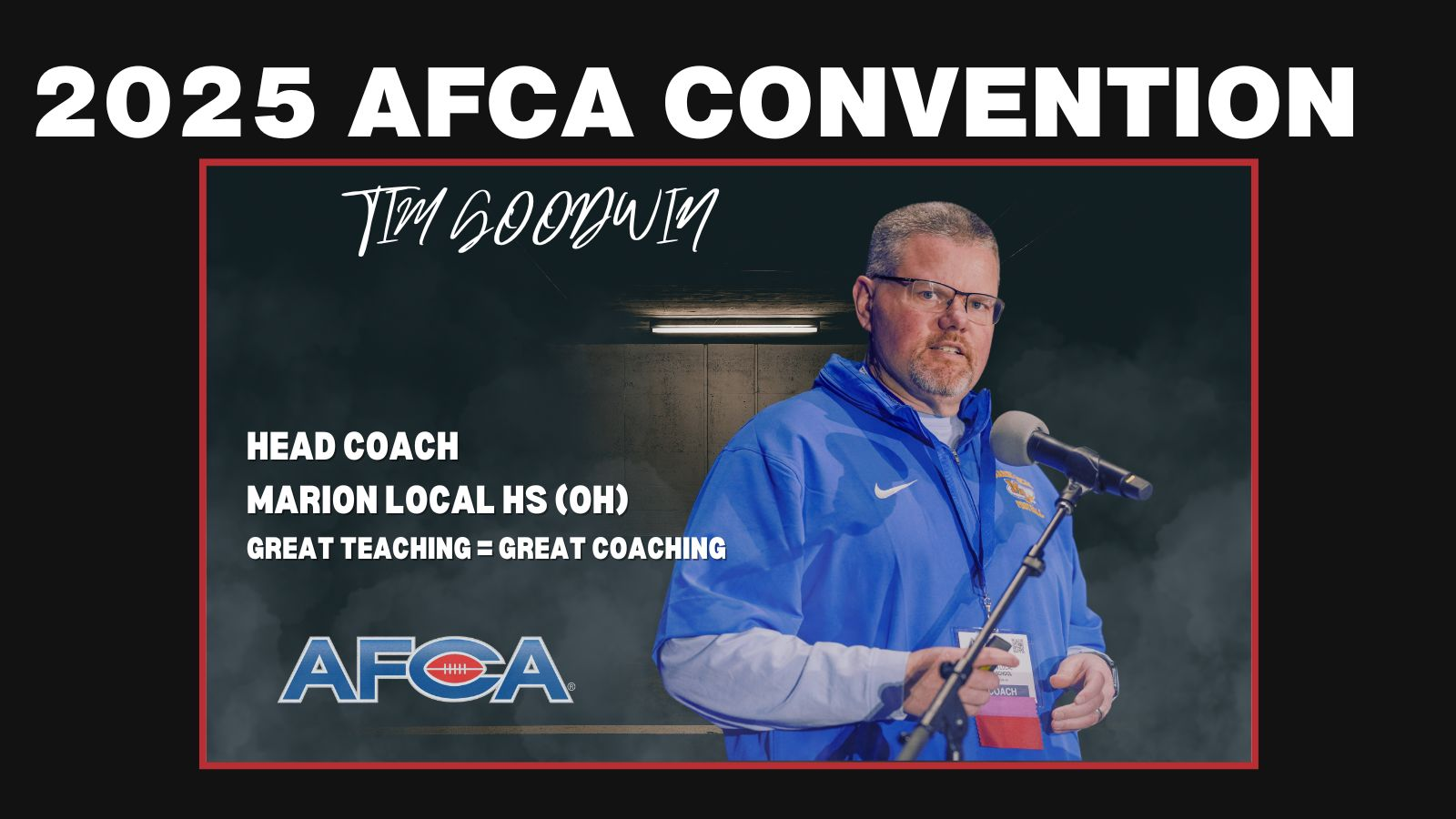

 that I make ( GOD ) remain before me, declares the LORD, so shall your seed and your name remain. ( the name in the book of life ) And it shall be that month by month, and from Saturday to Saturday, all flesh shall come to worship before me, said the Lord.
 Eternal month in month and on Saturday, on Saturday, all flesh will worship Him, means that also in heaven will worship God in heaven, and then also on the new earth
  I will be the world
  Blessings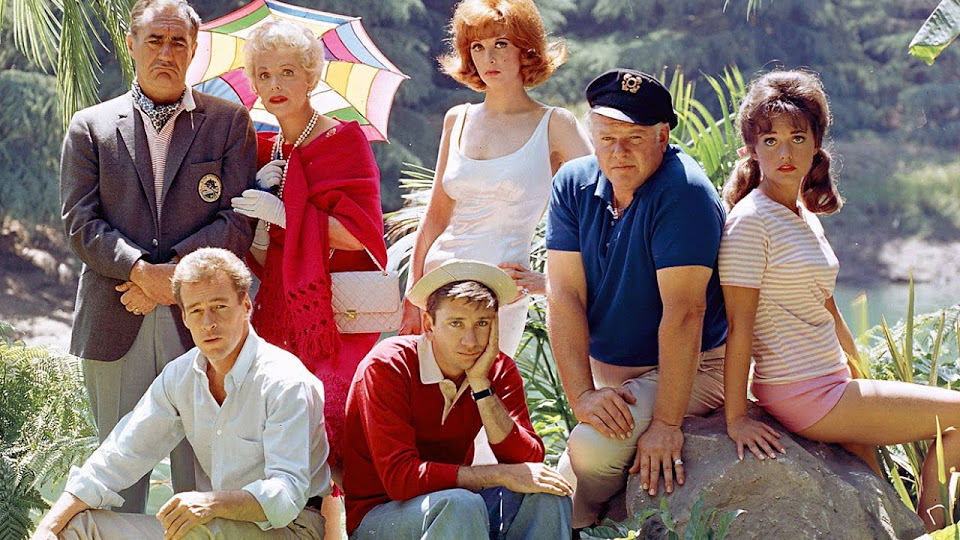
 The door of God’s grace will soon be closed and there will be no more opportunity for repentance. Make sure you are in n the BOOK of ETERNAL LIFE
  Humans who sin might be the problem. If everyone will obey GOD’S LAW, there will be no misfortune… The struggles for good Health. Processed foods, and full of harmful chemicals to the body, also many doctors are sick to customers.
 The pharmacies are full of medicines and force you to take medicines that make you sicker, and the body becomes addictive, damaging the other organs of the body. We are a trade of $ and then the consequences, and wallet cons without money $ because good treatment is very expensive $.
 is important, without money $
 and they are thieves $ Yes, it’s money $
 Pray
Pray  because of his evil heart
 colada,, it tasted good, but also weird, I drank half of it, and they insisted I take all of it. I got a horrible pain, it was May 25, 2025 and today June 6, the pain hasn’t gone away, it has decreased, but I’m still in pain. Twice in the hospital for the same situation, with injections for pain
  You have to be very careful of EVIL
  of GOD, for it is written! Vengeance is mine, I will pay, says the LORD GOD ALMIGHTY and MIGHTY. Let’s pray
  a lot of mental dirt
 I really wanted it to come Ya GOD
  helping the needy etc. ) Hebrews 4:9-10 ( The Sabbath is for the whole
  consecrated in honor of GOD
  and all who follow Jesus and obey the holy commandments, and his rules you will become perfect like Jesus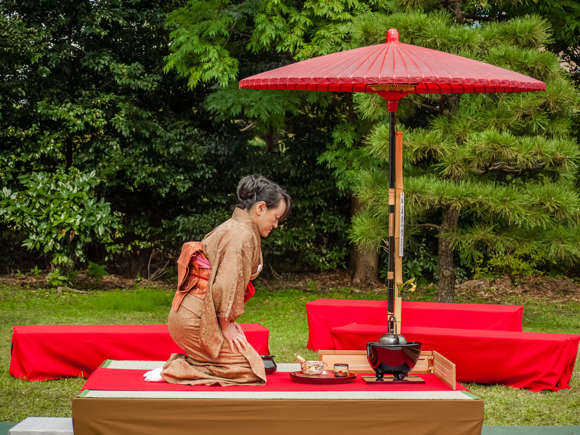



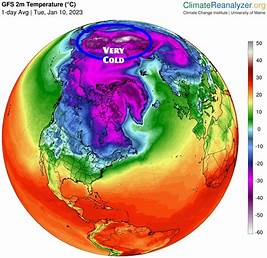
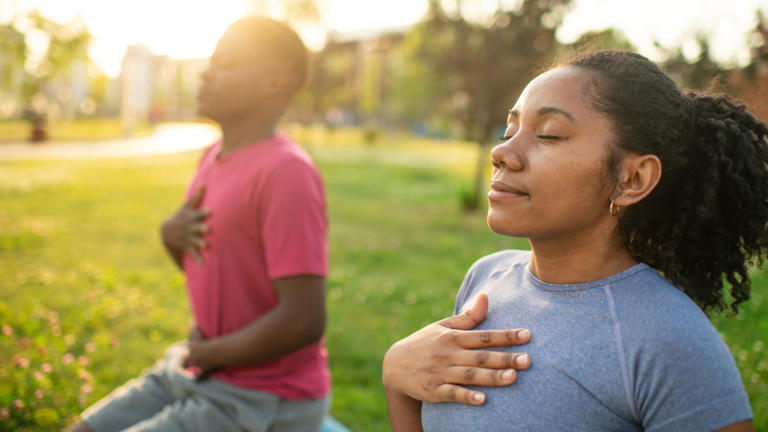


 Li
Li.jpg)
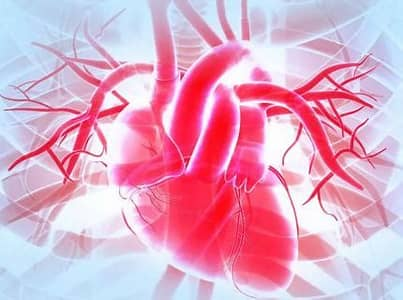

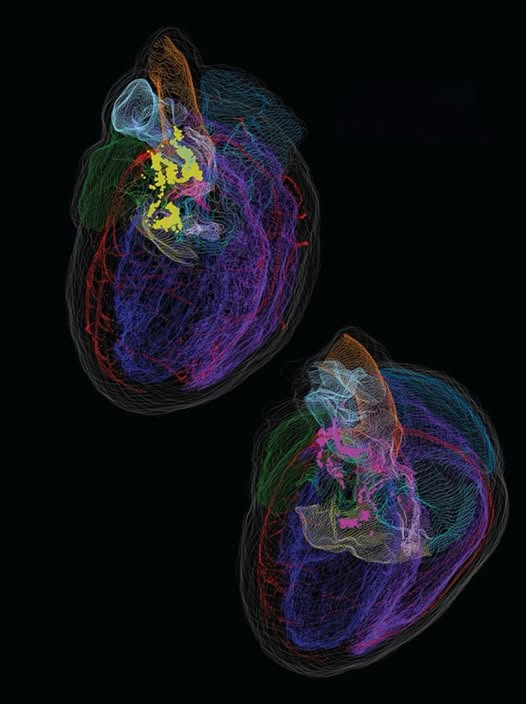


 ), prayer/creative expression/connection with others/(especially pets!)/meditation; music; nature; exercise; the development of new insights and intentions based on the contrast of experience.







 You.” Indeed!