Love is Healing You

“Eventually you will come to understand love heals everything, and love is all there is.” — Gary Zukav

Reconnect With Your Soul

“What is love?”

“The total absence of fear,” said the Master.

“What is it we fear?”

He concluded: “If the withered tree had survived, nothing would have induced the bird to give up its security and fly.”

“Love,” said the Master.

Such is the power of love, it surrenders itself so its presence is known.

I am reminded of the quote by author Leo Buscaglia who writes: “Love and self are one and the discovery of either is the realisation of both.”

The realisation he speaks of is that at the core of our being we are pure unbounded love. Any thoughts you hold to the contrary distort this truth.

You must go to the source of your pain to heal any thoughts of separation.

When you let go of resistance, what is discovered is pure love. To heal the physical body of undesirable symptoms, reconnect to that source.

Healing signifies a return to wholeness.

Through distorted beliefs, the mind reinforces this image by disrupting the body’s homeostasis.

It was Eugene T. Gendlin, the American philosopher and psychotherapist who coined the term felt sense. He was referring to an internal bodily awareness or body-sense of meaning that develops when we align with the truth.

If you perpetuate fear, your body responds by adopting the physiology of this fearful state. However, love heals and brings the body back into balance when you associate with this all-powerful energy.

It was the late David R. Hawkins, M.D., Ph.D., a renowned psychiatrist and consciousness researcher who said: “If we are willing to let go of our illness, then we have to be willing to let go of the attitude that brought about the illness because disease is an expression of one’s attitude and habitual way of looking at things.”

When you disconnect from your authentic nature, you detach from your state of ease and the body becomes dis-eased.

Dis-ease signifies disharmony in one’s thoughts.

Love renews and restores inner harmony because every cell in your body is attuned to this natural healing state. I liken it to returning home after being away, to find your key still fits the same door lock.

Healing arises when you align your mental and emotional frequency to coincide with love.

Love is a healing agent because its energetic frequency is stronger than other emotions and is the foundation of universal order.

“Your body is your subconscious mind and you can’t heal it by talk alone,” affirmed the neuroscientist and pharmacologist Candace Pert.

As an example of the healing power of love, the Institute of HeartMath states that your heart has an electromagnetic field 50,000 times stronger than the brain’s.

Ancient wisdom has known for centuries the heart is the seat of the soul.

To heal means to reconnect with your soul within the embodiment of love. So, at the deepest level, healing is a return to the source of your being.

You disconnect from this wisdom by identifying with fear and anxiety. This creates an inaccurate mental image expressed in the body as illness and disease.

Photo by Marc-Olivier Jodoin on Unsplash

A Toxic Cocktail Of Messages

“Love one another and help others to rise to the higher levels, simply by pouring out love. Love is infectious and the greatest healing energy.” — Sai Baba

In his book Healing and Recovery, Dr. David Hawkins affirms: “A loving thought then heals and a negative thought creates illness. Choosing to become a loving person results in the release of endorphins by the brain which has a profound effect on the body’s health and happiness.”

I consider the cause of illness and disease a spiritual abandonment from oneself. The body is crying out to reunite with its core self.

We internalise fear in all forms nowadays to the detriment of our physiology. Over time, your body learns the language of fear by inhibiting vital biological processes.

You must learn to love yourself and embrace the wholeness of your being if you seek to heal any physical symptoms.

Consider this.

How is your body able to heal when it receives negative messages on how it looks or cannot act?

To heal, you no longer oppose what is, yet embrace it.

Love means accepting your current circumstances without opposition.

Your opposition to what is, manifests as fear. Thus, turn your attention away from fear and embrace your core nature.

At the deepest level, your separation from the Self intensifies disease and illness. To merge with the wholeness of your being is a call to love as Marianne Williamson states.

Self-criticism and self-hate instructs the body to turn on itself.

The rise of cancers, diabetes and autoimmune conditions have accelerated over the years. We are feeding our bodies with a toxic cocktail of messages that manifest as unhealthy conditions.

In summary, this article may be condensed to the following points:

  1. Love is the healing agent in the body.

2. Fear, anxiety, anger and other lower emotions overshadow this healing force.

3. You are not broken or flawed.

4. Learn to embrace your wholeness and perfection.

5. Transform your thoughts relating to your unworthiness or imperfections.

6. As you heal your thoughts, your body discovers its inherent healing power.

7. Meditate on aspects of love in your daily life.

I wish to leave you with something the Master knew all along: love is simply the absence of fear.

For what is eternal is love’s enduring power.

Picture of Dr. Jill C. Carnahan, MD, ABIHM, IFMCP

Dr. Jill C. Carnahan, MD, ABIHM, IFMCP – Search Videos

Dr. Jill is Your Functional Medicine Expert!

She uses functional medicine to help you find answers to the cause of your illness and addresses the biochemical imbalances that may be making you feel ill. She’ll help you search for underlying triggers contributing to your illness through cutting edge lab testing and tailor the intervention to your specific needs as an individual.

She may use diet, supplements, lifestyle changes or medication to treat your illness but will seek the gentlest way to help your body restore balance along with the least invasive treatment possible. Dr. Jill is a functional medicine expert consultant and treats environmental and mold-related illness as well

Love is you and is healing you – Search Videos

We’ve all heard some version of the phrase “Love heals all wounds”.  And while this line might sound a little corny, there’s actually more truth to that statement than you might think. As it turns out, love really does have the power to heal us from the inside out.

So, let’s dive into the science behind exactly why love is so important for your health and how you can cultivate more lovely health benefits.

Loneliness: The Silent Epidemic

We’ve all felt the pang of loneliness at some point in our lives. But when feelings of loneliness and social isolation become a constant part of life, it can take a disastrous toll on your emotional and physical health.

Loneliness has been linked to:

  • Chronic inflammation
  • Immune system dysfunction
  • Cancer
  • Cardiovascular disease
  • Elevated blood pressure
  • Increased cortisol levels
  • Pain
  • Fatigue
  • Depression
  • Anxiety
  • Increased reactivity to stress

Loneliness has even been associated with a 26 percent increase in the risk of premature death – making loneliness on par with cigarette smoking in terms of risk of mortality. While the physiological effects of loneliness are serious and even deadly, it doesn’t end there. Loneliness is also a major risk factor for suicide – which has sadly been reflected by a huge jump in suicide rates in recent years. 

Loneliness truly is a silent killer in more ways than one. So what’s the antidote to the deleterious effects of loneliness? The answer is unconditional love. 

The Healing Power Of Unconditional Love

Love quite literally has the power to not only heal but to also have a positive impact on your overall health and longevity. 

  • Studies have found that couples in happy, loving relationships have significantly faster wound healing times than those lacking love in their lives.3
  • Cultures that prioritize social connections (like regular family gatherings) and feelings of love are some of the healthiest and longest-living populations on the planet. In fact, having loving healthy relationships predicts a 50 percent increase in longevity.4 
  • Chronically ill patients that have a strong loving relationship with God, have a 40 percent more positive perception of their health than those without a strong connection to spiritual love.5

There’s no denying that giving, receiving, and feeling love is a potent form of medicine. But what exactly is love? Love is an emotional and mental state of being that encompasses a wide range of thoughts and feelings:

  • It’s the strong romantic love you feel when you embrace your spouse 
  • It’s the parental love you feel when you look at your children
  • It’s the joy you feel when you get a phone call from an old friend
  • Or it can even be as simple as the pleasure of enjoying a delicious bite of your favorite dessert

Love encompasses all feelings of kindness, compassion, affection, and feelings of goodwill towards others, yourself, and life in general. It’s not just about the number and depth of relationships in your life, but also about the attitude with which you move through life. And this attitude creates a distinct physiological response that triggers some incredible health benefits.  

The “Love” Hormones and How They Affect Your Well-Being

When you experience loving thoughts, you set off a response that releases a cocktail of hormones and neurotransmitters. Two of the most notable “love” hormones and their health-boosting effects are oxytocin and dopamine.

Oxytocin

Oxytocin is also known as “the love hormone” or “the cuddle chemical.” It’s the trademark neurotransmitter released when we experience feelings of love. It’s the hormone that makes us feel warm and fuzzy and attached to the people and things we love. But oxytocin has many positive effects on the rest of your body by:6,7

  • Reducing cortisol levels (cortisol is the signature stress hormone)
  • Lowering blood pressure
  • Increasing pain thresholds
  • Promoting growth and healing
  • Improving memory
  • Promoting sexual health
  • Preventing neuroinflammation (which protects your brain)

So, as you can see, oxytocin gives us a lot more than the “warm fuzzies”, it positively affects our entire wellbeing. 

Dopamine

Dopamine is known as the “feel-good hormone” because of its mood-boosting effects. Dopamine’s feel-good effects stem from its association with pleasure. When we anticipate or experience something pleasurable – like spending time with loved ones or enjoying a batch of fresh-baked cookies, we get a hit of dopamine. Besides giving us temporary feelings of euphoria, dopamine also:8

  • Improves memory and learning
  • Boosts motivation
  • Decreases inflammation
  • Promotes healthy sleep
  • Increases bone strength
  • Prevents Parkinson’s and other movement disorders
  • Improves sexual health

In this way, dopamine’s positive effects are worth cultivating more pleasurable experiences in our lives. 

How to Cultivate More Love for Improved Life and Longevity

Love is a state of being, not just the intimate head-over-heels in love you have with your partner. Actively and intentionally seeking, giving, and experiencing love creates an upward spiral – the more you love life, the more life loves you back. So here are some simple ways to cultivate more love in your everyday life.

Stay Connected

Reach out to family and friends and engage in real-life connections – not just text messages or phone calls. Regularly connecting with others face to face is crucial for developing the deep meaningful relationships we all seek. 

Whether it’s re-connecting with old friends or meeting new and interesting people, there are endless ways to create more frequent and meaningful encounters in your life. You just have to be intentional about your actions. Get off your phone and connect with people in real life more. Schedule time with friends and family. It takes a little more attention, but it’s so worth it. 

Tell Others How You Feel

Tell people you love them. Show your appreciation when someone does something kind. Give compliments freely. Expressing and giving love, gratitude, and kindness is one of the very best ways to cultivate more love in your life.

And this goes the other way too. Don’t be afraid to reach out and seek support or let others know you need them. Being vulnerable and seeking connection in times of need can strengthen bonds and provide you with the love and support you need.

Be Generous

Participating in selfless giving and generosity is not only a powerful way to create more love in your life, but it also has some potent health benefits. Studies have found that altruism is a strong predictor of a longer lifespan.9 

Whether you’re giving time or money when you sincerely strive to help others, it turns out you reap the benefits as well. It’s just like the old saying, “what goes around comes around.” When you practice generosity, I think you’ll find more of it coming your way. 

Physical Touch

Physical touch releases the “love hormones” and makes us feel good. Any form of positive physical affection can give you a boost, whether its:

  • Hugging
  • Kissing
  • Holding hands
  • Cuddling
  • Massage
  • Or even petting your dog 

Try to find ways to intentionally incorporate more physical touch in your life. 

Meditate and Pray

Meditation and prayer are powerful ways to feel more connected to yourself and to God. Taking time to cultivate a deeper relationship with yourself and a higher power is one of the most compelling forms of love. 

Meditation and prayer literally have the capacity to rewire your brain and help you create a happier, more love-filled life. If you need help getting started with meditation, head over to my article: Be Happier & Less Anxious With 7 Minutes A Day.

Eat Well

The food you eat is the foundation for the neurotransmitters and hormones your body needs to feel good. In fact, new research is revealing just how influential our diets are to our mental health. Scientists are finding specific connections between gut health and brain health that could even change how we treat mental illness. 

In the meantime, eating a well-rounded and healthy diet will help your body maintain balance, and produce hormones and neurotransmitters properly. Plus, actively loving and appreciating your physical body by treating it well is an excellent way to practice “self-love”.

Commit to a Life of Love 

Now it’s time to hear from you? Are you surprised to hear that love really does have the power to heal? How do you plan to cultivate more love in your life?

References:

  1. https://www.sciencedirect.com/science/article/pii/S0889159102000739
  2. https://www.thelancet.com/journals/lancet/article/PIIS0140-6736(18)30142-9/fulltext
  3. https://www.ncbi.nlm.nih.gov/pmc/articles/PMC2888874/
  4. https://journals.plos.org/plosmedicine/article?id=10.1371/journal.pmed.1000316
  5. https://www.ncbi.nlm.nih.gov/pubmed/15834840
  6. https://www.ncbi.nlm.nih.gov/pmc/articles/PMC5908892/
  7. https://ajph.aphapublications.org/doi/abs/10.2105/AJPH.2012.300876
  8. https://onlinelibrary.wiley.com/doi/abs/10.1002/9781118539415.wbwell046?deniedAccessCustomisedMessage=&userIsAuthenticated=false

Love is you and is healing you – Search Videos

The information in this article is not intended to diagnose, treat, cure, or prevent any disease state or medical condition and hasn’t been evaluated by the “https://www.fda.gov/“. This is not intended to replace any recommendations by or relationship with your physician. The references included in each article allude to the level of scientific rigor I have applied to my writing. When changes become apparent, we will update the information if appropriate.

These statements have not been evaluated by the Food and Drug Administration. The product mentioned in this article are not intended to diagnose, treat, cure, or prevent any disease.   The information in this article is not intended to replace any recommendations or relationship with your physician.  Please review references sited at end of article for scientific support of any claims made.

Posted in Uncategorized | Leave a comment

Jenica Matos is Unstoppable

While Jenica Matos can’t see home plate when she is standing in the pitcher’s circle, she can find the strike zone with her fastball. © Corley Fleming/Special to USA TODAY

She can’t see home plate. But this softball pitcher just landed a D1 scholarship

Story by David Dusek, USA TODAY

CHESHIRE, Conn. – As a Cheshire High School sophomore, Jenica Matos threw three no-hitters last season before the Rams squared off against their archrival, Southington High School, in a Connecticut Class LL State Championship semifinal game last June. One of those no-hitters came at the expense of the Blue Knights, so they were focused heading into the game, but Matos nearly repeated her performance, yielding just one hit while striking out 13 to help Cheshire win 4-0.   

A few days later, Chesire lost the state championship game to Fairfield Ludlowe, 3-2 in 10 innings, but Matos sparkled again as she threw 191 pitches, allowed just three hits and recorded 16 strikeouts. Not bad for a young woman who is legally blind. 

A rare diagnosis 

In 2018, after her 10-year-old daughter complained that her vision was fuzzy, Becky Matos took Jenica to a local eye doctor to have her vision checked. Nothing seemed out of the ordinary, but the doctor felt the girl needed glasses and fit her for them. However, as days and weeks passed, Becky Matos noticed her daughter was striking out a lot, and her maternal intuition told her something was wrong. 

“We took her back to the eye doctor, and this time the doctor was like, ‘Can I check the back of her eyes?'” Becky Matos said. “We’re like, ‘Yeah, sure, do what you’ve got to do.'” 

The local eye doctor ran tests, got the results and sent them to doctors at nearby Yale New Haven Hospital for a second opinion. Henri Matos, Jenica’s father, got the call and immediately reached out to his wife. 

“He called me and said, ‘I need to take her to Yale, like, now. Today,'” Becky Matos recalled. 

After a battery of tests, doctors determined that Jenica Matos has a rare genetic disorder called Stargardt disease. It is linked to a mutation in the ABCA4 gene, which is responsible for making proteins that remove toxic substances from the retina.

In people with Stargardt disease, fatty deposits and material form over time on a small part of the retina called the macula, which is used for sharp, central vision. As the deposits enlarge or grow in number, central vision gets blurrier, sensitivity to bright light often develops, and dark areas form in a person’s central vision. 

There is no treatment or cure for Stargardt disease, and while estimates on the number of people in the United States who have it vary, according to the Cleveland Clinic, the number is between 30,000 and 200,000.

“We left after everything and I went to my mom’s house and just broke down,” Becky Matos said. “I was like, ‘I don’t know what to do.’ I came home and talked to Henri, and we just cried.” 

“It started getting blurrier when I was 11 or so,” Jenica Matos said. “When I was maybe 13, I really couldn’t see. Since I was 13, I think it got a little bit worse, but right now, it’s steady.” 

Today, Matos is legally blind but does not see a world of black or total darkness. If you talk with her, she looks at you but even faces across a kitchen table are somewhat blurry. She can’t clearly see someone standing 5 or 6 feet away, and while contact lenses help, they don’t fix the problem. 

“It’s just like, it goes from everything being blurry to being more clear, but if there is a sign somewhere, I can’t really read it,” she explained. “But without them, everything just looks like a big blur and the colors kind of blend.” 

(2) Greg Lederer on X: “Final: Cheshire softball (11-1) wins 11-inning marathon, 1-0, at Amity (8-1). Jenica Matos pitched a 2-hitter with 2 walks and 25 strikeouts (CH). #ctsb https://t.co/3PVAUJudKL” / X

Overcoming challenges 

Matos turned 17 on April 17, but her vision will prevent her from ever having a driver’s license, and she can’t read the whiteboard at the front of the classroom. Her teachers often provide her with notes she can copy and study. 

While Matos can’t see home plate when she is standing in the pitcher’s circle, she can find the strike zone with her fastball, which reaches speeds up to 64 mph. For context, that translates to a baseball pitcher throwing in the low 90s. 

In addition to playing for Cheshire High School, Matos plays for a travel team, the Empire State Huskies 16U National, and has competed in events as far from New England as Colorado, Florida and Georgia. At 5 feet, 6 inches tall, she is not as physically imposing as some pitchers, but Matos is powerful and intense on the mound, with her sunglasses – which she wears rain or shine – giving her an imposing presence. 

“She’s a competitor, and she’s a thinking competitor,” said Kristine Drust, Cheshire’s head softball coach. “She truly does seek out the game within the game to beat her opponents. When you see her, you will see that she is a gritty, gritty competitor.” 

Drust said that while she and her coaching staff could make defensive accommodations for Matos’ vision, that hasn’t been necessary. 

“She’s a great defensive player, she really is, and I wish that we could all really understand what she sees and how she sees it. But she does, and she gets it done,” Drust said. “We have never, ever found any holes in how she feels about her position on the mound.” 

Matos only needs two accommodations in order to pitch. First, her catcher needs to have a chest protector and glove that are in contrasting colors. To make sure that happens, the family bought a white chest protector and brings it to games because most catcher’s gloves are black or dark brown. 

Last season, Cheshire’s catcher had a white chest protector and a white glove, which necessitated some creativity. “We colored in the webbing of her glove with a black Sharpie,” Matos said. 

The second thing Matos needs is a way to get pitching signals from her coaches. Ordinarily, catchers relay signals and information on what pitch to throw, but Matos can’t tell how many fingers her catcher may be flashing, so once again, Matos’s coaches have used some creativity. 

“Coach Kelly (Brenner-Hennessey, Cheshire’s pitching coach) also wears a black coat or black clothes, and she wears a neon winter glove,” Drust said. “That’s how she signals the signs to the catcher and Jenica.” 

Starting in January, when she played for the Empire State Huskies, Matos and her coaches began using a high-tech watch. 

“It’s got a white screen with black lettering, and it’ll say ‘FB Out’ for fastball outside,” Jenica explained, gesturing that she needs to hold the watch close to her eyes to read the notes. “It’s kind of simple.” 

Recruiting and college commitment 

A high school sophomore who throws in the 60s, tosses three no-hitters and routinely collects double-digit strikeouts will get the attention of college softball coaches, but the Matos family was nervous about the recruiting process. 

“I was kind of concerned that, like, colleges wouldn’t look at me or take me because of (my condition),” said Jenica Matos, who is now a junior. “At the same time, I kind of wanted them to know, rather than not know, because if they knew and they still contacted me, then I’d know that it wouldn’t bother them as much.” 

Drust, on the other hand, saw the challenges Matos faced and her track record of success as a positive—something that could attract coaches. 

“I had concerns, but it was super important to get out to the public just how much success, even with some adversity, she was obtaining,” Drust said. “In my conversations with the coaches that were recruiting her, that was a huge plus.

Yes, she does have a disability, but to know how much grit, resiliency and success she has found. That is a player that every coach wants.” It turns out Drust’s instincts were correct, and Matos had no reason to worry. 

At midnight on Sept. 1, the moment college coaches could contact her, Matos started receiving text messages and emails. “She went from 8 a.m. on Sept. 1 until like 8 or 9 at night talking to college coaches,” Becky Matos said. 

After being contacted and visiting schools such as Seton Hall, the University of Massachusetts and other northeastern colleges, on Nov. 3, Matos announced her verbal commitment to play college softball at St. John’s University on X. Located on Long Island in Jamaica, New York, the Red Storm’s campus is less than 100 miles from Matos’ house. 

“I want my parents to be able to come and see my games,” she said. 

Erin Hersh (catcher, left) and sophomore pitcher Jenica Matos are part of a Cheshire softball team that has epitomized cohesiveness and success as the Rams are 19-1 and will be top-seeded in the Class LL state tournament, which begins May 28 (Lori Riley photo)

Erin Hersh (catcher, left) and pitcher Jenica Matos are part of a Cheshire softball team that has epitomized cohesiveness and success as the Rams are 19-1 and will be top-seeded in the Class LL state tournament, which begins May 28 (Lori Riley photo)

Looking ahead 

For the last four years, Matos’ central vision has not deteriorated as quickly as it has for others diagnosed with Stargardt disease. She gets her eyes checked routinely, and while Stargardt disease typically does not lead to complete blindness, that does not provide much comfort. 

“I don’t know if I’m going lose my vision or not,” she said, sitting at her family’s dinner table. “That’s kind of hard.” 

Many things about Jenica Matos’s future are out of her control, but with the winter’s snow gone and her high school team’s season started, she is back in a place where she is in total control—the softball field.  

“I want to get the Gatorade Player of the Year award,” she said, referring to an all-sport honor bestowed every year on one athlete in every state. As lofty as that goal may seem, it’s attainable. Matos was named to the Connecticut Class LL All-State team and was the Pitcher of the Year last season after posting a record of 21-2 while compiling 318 strikeouts in 156 2/3 innings.  

As for her high school team, Matos wants the Rams to repeat as the Southern Connecticut Conference champions and win the state championship. Through April 29, the team was 11-1, with the lone loss to LaSalle Academy, a private school in Rhode Island. Cheshire is ranked No. 1 in the state.

On Monday, Cheshire defeated No. 4 Amity 1-0 in 11 innings, behind Matos’ two-hitter with 25 strikeouts. “Even though I have an eye disease, it doesn’t really shape who I am as a player and a person,” Matos said.

“It’s my talent and how hard I work. I don’t get anything given to me because I have an eye disease. I actually work for it, and I love doing what I do, even if it’s hard most of the time.” 

This article originally appeared on USA TODAY: She can’t see home plate. But this softball pitcher just landed a D1 scholarship

Posted in Uncategorized | Leave a comment

Mike “Mish” Shedlock

About Mike “Mish” Shedlock

Mish is a highly acclaimed macro-economic writer who typically posts several articles a day on his MishTalk website.

Topics include interest rates, central bank policy, gold and precious metals, jobs, and economic reports, typically from an Austrian Economic perspective.

Twitter Handle: Mike “Mish” Shedlock (@MishGEA) / X

Citations

New York Times: NYT 10th Annual Year in Ideas – #1 Idea of the Year ‘Do-It-Yourself Macroeconomics’

Time Magazine: Best 25 Financial Blogs

CNBC: Best Alternative Financial Websites

Intelligent Economist: Top 100 Economics Blogs of 2023

Personal Life

My wife Joanne, for 27 years, passed away on May 16, 2012, from ALS, better known as Lou Gehrig’s Disease. I am proud to have raised through my website, about $500,000 for the Les Turner ALS foundation.

I was their 2012 man of the year.

I remarried in June of 2013 to Liz Hintz. Joanne’s best friend, Kathy, was my “best man” at the wedding.

Photography

When not writing about stocks or the economy I spend a great deal of time on photography. I have over 80 magazine and book cover credits.

Please check out my MishMoments photography website. The main website consists of my images for sale. But there is a section called Mish’s Articles where I describe where to go, when to be there, how I made many of my images.

Mike “Mish” Shedlock, an economic analyst, shared his personal journey with prostate cancer. 

In October 2012, He was diagnosed after a biopsy revealed cancer in one of the samples, with a Gleason score of 6, indicating an early-stage cancer. Shedlock explored various treatment options, including surgery, radiation, and active surveillance. He also created a supplement regimen, which he referred to as a “Prostate Cancer Cocktail,” (See Below) to manage his condition. While his oncologist was skeptical about its effectiveness, Shedlock believed it helped him.

His story highlights the complexities of interpreting medical information and making treatment decisions, especially for conditions like prostate cancer. If you’d like to dive deeper into his experience, let me know!

Cancer: Story of a Real Patient – Search Videos

A large number of papers get published on cancer cell-lines, cancer GWAS – Search, cancer microarray analysis and so on. Doing research on cancer is quite lucrative for the researchers, who made their self-serving measure of productivity (number of publications) to keep the racket going. The real productivity should be defined in terms of the number of patients cured, but that aspect gets lost in the whole process.

Research production and international cooperative teamwork in the 2 main journals of gynecologic oncology increased within the 10 last years; 65.3% of all published articles dealt either with epithelial ovarian cancer, cervical cancer, or endometrial cancer. Endometrial cancer had the worst ratio of publications to estimated national incidence (United States, 2007).

The United States (41.15%) and Europe (29.72%) make up a striking 70.87% of the world’s research production in the field of gynecologic oncology. However, the highest rate of increase shows in Turkey (22.5), the People’s Republic of China (6.87), and South Korea (5.83). Adjusted to the national GDP per capita and population for the year 2006, research productivity seems best in Israel, Austria, and Turkey.

Real patients, on the other hand:

Are figuring out that leaving the cancer racket altogether and taking matters in their own hand works better for them. Here is a beautiful story of a blogger, who cured his own cancer. Mish is one of my favorite financial bloggers.

He began writing his blog in early 2005 around the time I posted my deflation articles at safehaven. Not only are his economic views very similar to mine, but our original training also happened to be in the same field (electrical engineering). His blog usually ranks around the top among the alternate economic and financial websites, which says a lot about academic economists.

Today he wrote in “Cancer Free: I Beat Prostate Cancer; Mish the Guinea Pig”:

In October 2012 I was diagnosed with prostate cancer. I am now cancer free. Here is my story, a detailed one, with test results.

I have been taking PSA tests every couple years since 2007. It’s a routine blood test recommended for men as they get older.

PSA stands for Prostate Specific Antigen. Elevated readings may indicate evidence of prostate cancer. Any reading under 3.0 is normal but some doctors may say 4.0 and others 2.5. It’s not an exact science to be sure.

My test in August of 2012 was elevated (6.65). Another test in October was also elevated (7.13)

My regular doctor strongly recommended a biopsy.

The biopsy showed I had cancer.

It is a fascinating story that includes many aspects of the fraudulent medical system, the cancer research racket, other freely available information on cancer-curing agents and how a curious person can heal himself by taking calculated risks.

Following is the cocktail he designed for himself. For details on why, please go through Mish’s story.

What follows is the cocktail that it took. It is based on the above research as well as numerous other articles. The first four items in my cocktail mix list were mentioned above.

I also took a few other things for other reasons. Explanations follow my list.

This is not a recommendation. Consult your doctor.

**Mish Cocktail **

Resveratrol: 250 mg twice daily

Indole-3-Carbinol: 200mg twice daily

Bromelain: 500mg twice daily

Quercetin: 300 mg twice daily

Turmeric Extract: 300 mg twice daily

Vitamin D3: 5,000 IU twice daily

Vitamin K2: 100 mcg twice daily

Vitamin B12: 100 mcg twice daily

Selenium: 50 mcg twice daily

Sodium bicarbonate orally: One half teaspoon twice daily – 1 hour in the morning right after I get up, and again in the evening right before bed empty stomach

I am noticing other similar stories popping up at various places online. We are talking about real people getting cured and not scientific theories. Hopefully, the general public will soon reach the same conclusion as the researchers like MIT professor M. B. Yaffe that the gigantic cancer genome sequencing projects are extremely wasteful.

Checkout –  “Cancer Genomics and Parable of Streetlight Effect” 

The massive resources devoted to genome sequencing of human tumors have produced important data sets for the cancer biology community. Paradoxically, however, these studies have revealed very little new biology. Despite this, additional resources in the United States are slated to continue such work and to expand similar efforts in genome sequencing to mouse tumors.

It may be that scientists are addicted to the large amounts of data that can be relatively easily obtained, even though these data seem unlikely, on their own, to unveil new cancer treatment options or result in the ultimate goal of a cancer cure. Rather than using more tumor genetic sequences, a better strategy for identifying new treatment options may be to develop methods for analyzing the signaling networks that underlie cancer development, progression, and therapeutic resistance at both a personal and systems-wide level.

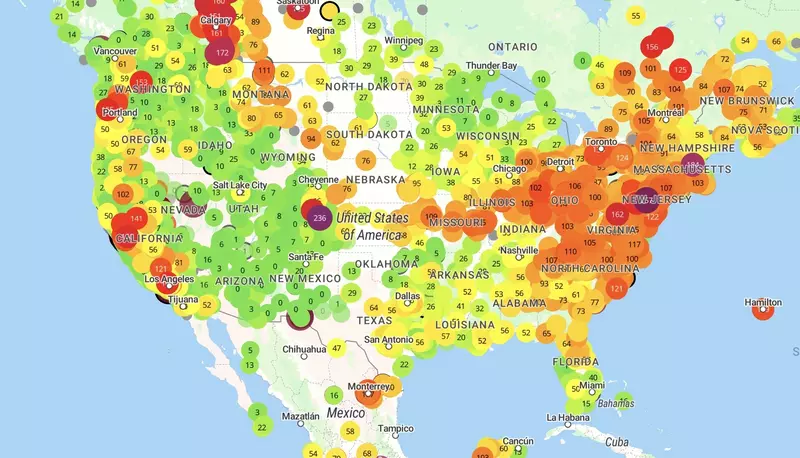
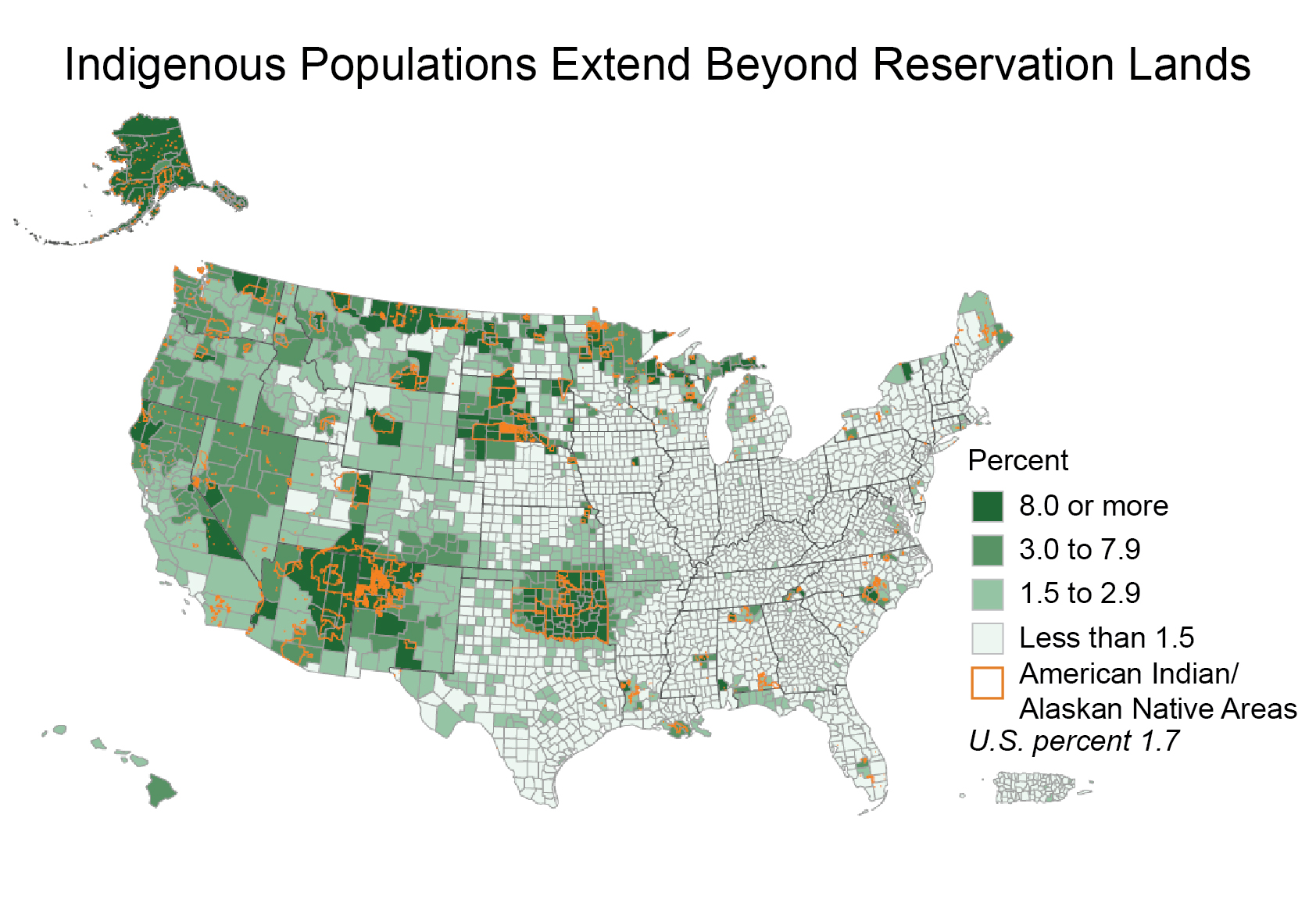
Also note that the prevalence of cancer, stroke and diabetes in USA have the same geographical distribution, closely matching poverty distribution. That alone suggests that lifestyle has a much bigger contribution to these diseases than the genomes.

Cancer, Stroke and Diabetes in USA Environment versus Genetics

Written by M. //2013-12-18

On Wed, Apr 30, 2025 at 9:28 PM K Goubeaux <gooberism102@gmail.com> wrote:

image.png

County-Level Disparities Found in Cancer Deaths – NCI

1sciencebasedmedicine.org2elitemanliness.com

Another Misguided Cancer Testimonial –

Cancer Free: I Beat Prostate Cancer; Mish the Guinea Pig – MishTalk15 Year Old Kid Develops Foolproof Test for Pancreatic, Ovarian and Lung Cancer; Test Costs 3 Cents, Takes 5 Minutes – MishTalk

Mish’s Global Economic Trend Analysis: Cancer Free: I Beat Prostate Cancer; Mish the Guinea Pig

Mish is a highly acclaimed macro-economic writer and one of the early financial pioneer bloggers. Mish has written articles every day since 2003. That’s 20 straight years of publishing at least one economic post per day allowing for “Merry Christmas” and “Happy New Year” articles.

In summer of 2006, Mish called the top of the residential housing bubble, and the bottom in March of 2009.

In 2009, Mish’s Global Economic Trend Analysis was on the cover of online Time Magazine, Best 25 Financial Blogs.

In 2010, the New York Times cited Mish along with Barry Ritholtz and Calculated Risk in its #1 Idea of the year called: Do-It-Yourself Macroeconomics. The article was about people who called the global economy better than any formally trained economists.

Mish is a believer in free markets and small government. He writes from a Libertarian and Austrian economist point of view.

Discussion posts, typically multiple times a day, include interest rates, central bank policy, gold and precious metals, jobs, global politics, and economic reports from the BLS, BEA, and Commerce Department. On the first Friday of every month, Mish goes over the monthly job statistics in much greater detail than anything in mainstream media. The same applies to the monthly CPI, PPI, and housing reports from the BLS and commerce department.

You can follow Mish on Twitter at @MishGEA

Citations
New York Times: NYT 10th Annual Year in Ideas – #1 Idea of the Year ‘Do-It-Yourself Macroeconomics’
Time Magazine: Best 25 Financial Blogs
CNBC: Best Alternative Financial Websites
Intelligent Economist: Top 100 Economics Blogs of 2023

image.png

Counties With the Highest Cancer Rates in the U.S. | Healthiest Communities Health News | U.S. News

Cancerville, USA: Shocking interactive map reveals hotspots where young people are worst hit by disease – see rates in your county | Daily Mail Online

Cancer: Story of a Real Patient

Cancer Rates by State 2025

image.png

Tackle the epic Appalachian Trail©MarkVanDykePhotography/Shutterstock

The Appalachian Trail might be the world’s most iconic hiking route. The pathway runs from Maine to Georgia, spanning 14 states and winding for more than 2,180 miles and is the longest continuous hiking-only stretch in the world. Whether you pick a portion or tackle the entire route (which typically takes around six months), it’s sure to be a walk to remember, traversing some of the country’s most breathtaking mountain scenery.

Key Takeaways

  • The Appalachian Mountains are one of the oldest mountain systems and once stood as tall as the Himalayas.
  • The Appalachians are divided into seven regions, with different rock types showing their rich geologic past.
  • Four major mountain-building events formed the Appalachians, with each adding layers to its complex history.

The Appalachian Mountain range is one of the oldest continental mountain systems in the world. The tallest mountain in the range is the 6,684-foot Mount Mitchell, located in North Carolina. Compared with the Rocky Mountains of western North America, which have 50 plus peaks over 14,000 feet in elevation, the Appalachians are rather modest in height. At their tallest, however, they rose to Himalayan-scale heights before being weathered and eroded down over the past ~200 million years.

image.png

A Physiographic Overview

The Appalachian Mountains trend southwest to northeast from central Alabama all the way to Newfoundland and Labrador, Canada. Along this 1,500-mile path, the system is split up into 7 different physiographic provinces that contain distinct geologic backgrounds.

In the southern section, the Appalachian Plateau and Valley and Ridge provinces make up the western border of the system and are composed of sedimentary rocks like sandstone, limestone, and shale. To the east lie the Blue Ridge Mountains and Piedmont, composed primarily of metamorphic and igneous rocks. In some areas, like Red Top Mountain in northern Georgia or Blowing Rock in northern North Carolina, the rock has eroded down to where one can see basement rocks that formed over a billion years ago during the Grenville Orogeny. 

The northern Appalachians are made up of two parts: the St. Lawrence Valley, a small region defined by the St. Lawrence River and St. Lawrence rift system, and the New England province, which formed hundreds of millions of years ago and owes much of its present topography to recent glacial episodes. Geologically speaking, the Adirondack Mountains are quite different than the Appalachian Mountains; however, they are included by the USGS in the Appalachian Highland region. 

image.png

Coal’s demise in Appalachia leaves education in the lurch – ThinkProgress

About the Appalachian Region – Appalachian Regional Commission

Geologic History

To a geologist, the rocks of the Appalachian Mountains reveal a billion-year story of violent continental collisions and the subsequent mountain building, erosion, deposition and/or volcanism that came with. The geologic history of the area is complex but can be broken down into four major orogenies, or mountain building events. It is important to remember that between each of these orogenies, millions of years of weathering and erosion wore the mountains down and deposited sediment in the surrounding areas. This sediment was often subjected to intense heat and pressure as the mountains were uplifted again during the next orogeny. 

  • Grenville Orogeny: This mountain-building event occurred around 1 billion years ago, creating the supercontinent Rodinia. The collision formed tall mountains along with the igneous and metamorphic rocks that make up the very core of the Appalachians. The supercontinent began to break apart around 750 million years ago and by 540 million years ago, an ocean (the Iapetus Ocean) existed between the paleocontinents. 
  • Taconic Orogeny: Approximately 460 million years ago, as the Iapetus Ocean was closing, a volcanic island arc chain collided with the North American Craton. The remnants of these mountains can still be seen in the Taconic Range of New York.
  • Acadian Orogeny: Starting 375 million years ago, this mountain-building episode occurred as the Avalonian terrane collided with the North American Craton. The collision did not happen head on, as it struck the northern section of the protocontinent and then slowly moved southward. Index minerals show us that the Avalonian terrane struck the North American craton at different times and with different collisional forces.
  • Alleghanian Orogeny: This event (sometimes referred to as the Appalachian orogeny) formed the supercontinent Pangea ~325 million years ago. The ancestral North American and African continents collided, forming Himalayan-scaled mountain chains known as the Central Pangean Mountains. The modern-day Anti-Atlas Mountains of northwestern Africa were part of this chain. The mountain building ended some 265 million years ago, and the ancestral North American and African continents began drifting apart ~200 million years ago (and continue to do so to this day).

The Appalachians have weathered and eroded away over the past hundreds of millions of years, leaving only remnants of the mountain system that once reached record heights. The strata of the Atlantic Coastal Plain are made up of sediment from their weathering,  transportation, and deposition. 

Hiking the Appalachian trail – Search

Geology of the Appalachian Mountains

Appalachian Mountains States – WorldAtlas

Take Me Home Country Roads: A Trip Through Appalachia – Newsweek

Trump slashes Appalachian agency funding that helps Eastern Ky. | Lexington Herald Leader

Tornado Alley Is Expanding South: Here’s Where Deadly Outbreaks Are Becoming More Common

Posted in Uncategorized | Leave a comment

The Meaning of Life

What Is the Meaning of Life for You? Ask Yourself These 8 Questions to Find Out! – Learning Mind

Why Life Exists | Watch

The big question of why life exists has challenged minds for countless centuries, but what does science have to say on this matter? Could life arise on other worlds and in other Universes, and what is the reason for it?

Ah, the timeless question!

Philosophers, scientists, artists, and dreamers have pondered this for centuries. 

While there’s no definitive answer, some might say the meaning of life is about finding joy in the connections we build—relationships, experiences, and the impact we have on others. Others might argue it’s about self-discovery, pursuing passions, or understanding the universe around us.

For many, the meaning of life is deeply personal, shaped by beliefs, values, and the unique journey each person takes. But perhaps it’s less about finding one singular answer and more about embracing the mystery, creating purpose, and savoring the moments along the way.

 Philosophers, poets, scientists, and dreamers have wrestled with this mystery for centuries. Some find meaning in relationships, love, and human connection. Others seek purpose in creativity, knowledge, or the pursuit of truth. For some, it lies in faith, spirituality, or contributing to a greater good.

What resonates most often is that meaning isn’t singular—it’s deeply personal. The beauty of life might just lie in the journey of discovering what feels most meaningful to you. 

What’s your take? Do you think life’s meaning is found, or created?

What are ways to discover personal meaning in life?

Discovering personal meaning in life can be a deeply rewarding journey. Here are a few approaches to guide the process:

  1. Reflect on Values: Spend time identifying what matters most to you—family, creativity, growth, helping others, or perhaps adventure. Aligning your actions with your values can bring a sense of purpose.
  2. Explore Passions: Try out activities that spark curiosity or joy. Whether it’s art, sports, volunteering, or learning, new experiences might illuminate what feels meaningful.
  3. Seek Connection: Meaning often thrives in relationships. Build and nurture bonds with loved ones, friends, or communities to deepen your sense of belonging.
  4. Contribute to Something Bigger: Engage in causes or projects that have a positive impact on others or the environment. Giving back can provide fulfillment and purpose.
  5. Practice Mindfulness: Pause to appreciate the present moment—nature, art, or even small acts of kindness. Sometimes meaning emerges in simplicity.
  6. Set Goals: Define what success looks like for you—personally, professionally, spiritually—and work steadily toward achieving it.
  7. Embrace Challenges: Personal growth often happens through overcoming difficulties. Reflecting on what you’ve learned can provide insight into your strengths and purpose.

These aren’t one-size-fits-all, but perhaps one or more could resonate with your own journey. Are there any areas you’d like to explore more deeply?

What gives your life meaning or makes you feel fulfilled?

The meaning of life is a deeply philosophical question that varies across cultures and individuals. Here are some perspectives:

Every Person You Meet has a Purpose in Your Life: Are They?

I will repeat every person you meet has a purpose in your life, whether it is to teach you a lesson, inspire you to grow, or support you in your journey. No encounter is accidental or meaningless. Each person is a reflection of yourself and an opportunity to learn more about who you are and what you want. By appreciating the value of every person you meet, you can enrich your life and theirs

What are some famous philosophical perspectives on life’s meaning?

There are many profound and varied perspectives on the meaning of life from philosophers throughout history. Here are a few influential ones:

  • Aristotle: He believed the purpose of life is to achieve eudaimonia, often translated as “flourishing” or “happiness.” According to him, this comes from living a virtuous life, fulfilling one’s potential, and engaging in rational thought.
  • Existentialism (Søren Kierkegaard, Jean-Paul Sartre, etc.): Existentialists emphasize individual freedom and responsibility in creating meaning. Sartre famously said, “Existence precedes essence,” meaning humans are not born with an inherent purpose but must create their own meaning through choices and actions.
  • Friedrich Nietzsche: He rejected traditional notions of life’s meaning and instead championed the idea of creating one’s own values and purpose. His concept of the “Übermensch” symbolizes striving for greatness and self-overcoming.
  • Utilitarianism (Jeremy Bentham, John Stuart Mill): According to this view, the meaning of life is connected to maximizing happiness and reducing suffering for the greatest number of people.
  • Albert Camus: He explored the idea of the “Absurd,” the conflict between humanity’s search for meaning and the universe’s indifference. Camus proposed embracing life’s lack of inherent meaning and finding joy in the struggle itself.
  • Buddhism: Life’s meaning is often tied to the cessation of suffering and achieving enlightenment through practices like mindfulness, compassion, and understanding the nature of reality.
  • Confucianism: Confucius focused on living a life of harmony and fulfilling one’s role within society, emphasizing virtues like benevolence and respect.
  • Modern perspectives: Thinkers like Viktor Frankl, in his book Man’s Search for Meaning, argued that meaning comes from finding purpose in suffering and living for something greater—whether it’s love, work, or helping others.

Each of these philosophies offers a unique lens through which to reflect on life’s purpose. Do any of these resonate with you? Or would you like to dive deeper into one?

Can you elaborate on Aristotle’s concept of eudaimonia?

Certainly! Aristotle’s concept of eudaimonia is central to his ethical philosophy, particularly as outlined in his work Nicomachean EthicsEudaimonia is often translated as “happiness,” but a more accurate interpretation might be “flourishing” or “living well.” It’s not about fleeting pleasure or momentary satisfaction, but rather achieving a fulfilled and meaningful life over the long term.

Here are the key elements of eudaimonia according to Aristotle:

  1. Living a Virtuous Life: Aristotle argued that eudaimonia is achieved by living in accordance with virtue (arete). Virtues are character traits that lie between extremes (the “golden mean”). For example, courage is the virtue between recklessness and cowardice. Practicing virtues helps individuals achieve balance and excellence in their actions.
  2. Rational Activity: Aristotle viewed humans as rational beings, and he believed our highest fulfillment comes from exercising our rational capacities. Engaging in activities like learning, thinking, and making wise decisions is essential to achieving eudaimonia.
  3. A Lifelong ProcessEudaimonia is not a momentary state but a lifelong journey. It requires ongoing effort, reflection, and the cultivation of good habits. It is only fully accessible at the end of a life well-lived.
  4. External Factors: While Aristotle emphasized individual virtue, he acknowledged that external factors (such as health, friendships, and material stability) also play a role in achieving eudaimonia. These factors provide the conditions in which a virtuous life can thrive.
  5. Engagement with Society: Aristotle believed that humans are social beings, and living well involves contributing to the community. Interpersonal relationships and fulfilling societal roles are integral to flourishing.

In essence, eudaimonia is about reaching one’s full potential through a harmonious combination of virtuous behavior, intellectual activity, and engagement with others. It’s a comprehensive and holistic view of personal fulfillment.

Does this perspective resonate with you or spark any thoughts? 

I’d love to hear how you see these ideas connecting with modern life!

It seems like you’re delving into the profound impact of modern philosophy on personal fulfillment! There are some intriguing books that explore these themes further, such as “Universal Holistic Philosophy: And How To Understand The Universe” and “Fulfilled: How The Science Of Spirituality Can Help You Live A Happier, More Meaningful Life.” These could provide valuable insights and deepen your understanding of how philosophy can enhance personal fulfillment.

What are some modern philosophical views on life’s meaning?

What activities can help me discover my passions?

Discovering your passions often involves exploration and self-discovery. Here are some activities that can help you along the way:

  1. Try Creative Hobbies: Experiment with painting, writing, photography, music, or crafting. You might uncover a hidden talent or simply enjoy the creative process.
  2. Volunteer: Helping others can introduce you to new environments, skills, and perspectives while giving a sense of purpose.
  3. Take Classes or Workshops: Sign up for lessons in something new—dance, coding, cooking, woodworking, or even pottery. Learning something unfamiliar can be eye-opening.
  4. Engage in Physical Activities: Whether it’s yoga, hiking, cycling, or martial arts, physical pursuits can be both invigorating and inspiring.
  5. Travel or Explore Locally: Visiting new places or even rediscovering your hometown can spark curiosity and a love for culture, history, or adventure.
  6. Read or Listen Widely: Dive into books, articles, podcasts, or audiobooks on various topics. Something might ignite your interest.
  7. Meet People with Different Interests: Joining clubs, communities, or attending social events can expose you to new passions through shared experiences.
  8. Reflect on Childhood Joys: Think about activities you loved as a child—these can sometimes point to overlooked passions.
  9. Experiment with DIY Projects: Tackling something hands-on, like gardening, furniture upcycling, or home improvement, might surprise you.
  10. Take Time to Reflect: Spend quiet moments journaling or meditating on what excites and motivates you. Sometimes introspection reveals more than action.

Have any of these sparked an idea or intrigued you? Or would you like me to dive deeper into any specific activity?

It seems like you’re delving into the profound impact of modern philosophy on personal fulfillment! There are some intriguing books that explore these themes further, such as “Universal Holistic Philosophy: And How to Understand the Universe” and “Fulfilled: How the Science of Spirituality Can Help You Live A Happier, More Meaningful Life.” These could provide valuable insights and deepen your understanding of how philosophy can enhance personal fulfillment.

Posted in Uncategorized | Leave a comment

Cannabis Studies and Cancer

A groundbreaking meta-analysis study, published in the journal Frontiers in Oncology, 

Has revealed overwhelming scientific support for the use of medical cannabis in cancer treatment.

The extensive research, which analyzed data from over 10,000 peer-reviewed research papers, found that more than 70% of studies support the therapeutic benefits of cannabis for cancer patients. 

Researchers from the Whole Health Oncology Institute and Chopra Foundation reviewed findings from studies containing nearly 40,000 data points related to cannabis and various health outcomes. 

Their analysis revealed that “support for medical cannabis is 31.38× stronger than opposition to it” across all cancer topics examined.

“The findings indicate a strong and growing consensus within the scientific community regarding the therapeutic benefits of cannabis, particularly in the context of cancer,” the study authors stated. “The consistent correlation strengths for cannabis as both a palliative adjunct and a potential anticarcinogenic agent redefine the consensus around cannabis as a medical intervention.”

The meta-analysis, described as “the largest ever conducted on medical cannabis and its effects on cancer-related symptoms,” examined three main categories: health metrics, cancer treatments, and cancer dynamics. In health-related measures, the supportive sentiment was nearly 47 times stronger than opposition, with researchers noting “a robust consensus indicating that cannabis’ benefits in reducing inflammation significantly outweigh potential risks.”

For managing cancer treatment side effects, the study found strong support for cannabis use in alleviating pain, nausea, and appetite loss. The evidence for pain relief was particularly compelling, with supported sentiments being 211.96% more likely than not supported sentiments. “This indicates that studies involving medical cannabis and pain were significantly more likely than average to result in supported sentiment and significantly less likely than average to report not supported sentiments,” the researchers explained.

Perhaps most striking was the evidence supporting cannabis as a potential anticarcinogenic agent. The analysis revealed particularly strong associations between cannabis and reduced tumour growth, with no significant opposition found in the literature. “Studies investigating therapeutic use of cannabis were overwhelmingly likely to present supported sentiments, with inverse relationships between not supported and unclear sentiments,” the study noted.

“We expected controversy. What we found was overwhelming scientific consensus. This is one of the clearest, most dramatic validations of medical cannabis in cancer care that the scientific community has ever seen,” said Ryan Castle, Head of Research at Whole Health Oncology Institute, in a press release.

The findings are especially significant given the legal restrictions on cannabis, which have historically complicated research into its therapeutic potential. The authors suggest that their results challenge this classification, stating that “the strong consensus supporting the therapeutic use of cannabis, particularly in the context of cancer, suggests that there is a substantial scientific basis for re-evaluating cannabis’ legal status.”

The meta-analysis also identified areas requiring further research, including the precise mechanisms of cannabinoid interaction with inflammatory processes and the topic of cannabis and opioid use in pain management. Despite these knowledge gaps, the study concludes that “the consistency of positive sentiments across a wide range of studies suggests that cannabis should be re-evaluated within the medical community as a treatment option.”

The findings have significant implications for public health research, clinical practice, and policy discussions surrounding the legal status of medical cannabis. As the researchers note, “These results suggest a need for further research to explore the full therapeutic potential of cannabis and address knowledge gaps.”

Cannabis Use in Patients With Cancer: A Clinical Review

AuthorsBrooke Worster, MD https://orcid.org/0000-0002-6687-1760 Brooke.Worster@jefferson.eduEmily R. Hajjar, PharmD, and Nathan Handley, MD, MBA https://orcid.org/0000-0001-5804-4784Authors Info & Affiliations

Abstract

Cannabis use and interest continues to increase among patients with cancer and caregivers. High-quality research remains scant in many areas, causing hesitancy or discomfort among most clinical providers. Although we have limitations on hard outcomes, we can provide some guidance and more proactively engage in conversations with patients and family about cannabis. 

Several studies support the efficacy of cannabis for various cancer and treatment-related symptoms, such as chemotherapy-induced nausea and cancer pain. Although formulations and dosing guidelines for clinicians do not formally exist at present, attention to tetrahydrocannabinol concentration and understanding of risks with inhalation can reduce risk. 

Conflicting information exists on the interaction between cannabis and immunotherapy as well as estrogen receptor interactions. Motivational interviewing can help engage in more productive, less stigmatized conversations.

Accompanying Article

Free access

CLINICAL REVIEWS

Understanding the Role of Cannabis in Cancer Care: An Emerging Priority

Publication: JCO Oncology Practice

Volume 18, Number 11

https://doi.org/10.1200/OP.22.00080

Mr Jones is a 55-year-old man with a medical history of hypertension, gastrointestinal reflux disease and ulcerative colitis who presented to a local hospital with weight loss and jaundice. He received a diagnosis of metastatic cholangiocarcinoma, underwent stent placement, and recently began systemic chemotherapy. 

He is six feet tall and originally weighed 215 lbs. When he comes in for treatment today, his weight has decreased to 192 lbs. He reports that he has pain with anything he tries to eat. He does not like how much constipation resulted from opiates, so he is using only sparingly. He currently takes acetaminophen, famotidine, amlodipine/hydrochlorothiazide senna, and oxycodone as needed. He asks you what can be done for his appetite and pain.

Introduction

Of the 15.5 million Americans living with cancer,1 moderate to severe pain (0-10 numerical rating score ≥ 5) is experienced by more than a third because of consequences of cancer, its treatments, or both.2 According to a large, longitudinal study done by the American Cancer Society, pain was among the top three symptoms contributing the greatest negative impact to patients’ quality of life (QoL).3

Although improving QoL in patients with cancer remains a top priority, we continue to struggle with effective and safe interventions for many of the cancer and cancer treatment–related side effects including pain and anorexia. Given the increasing awareness of risks associated with long-term or high-dose opioid use, many patients now want to limit or avoid opioid use when possible.4,5 Recent surveys report that between 25% and 40% of patients with cancer use cannabis in any form, from a state-regulated dispensary or obtained from illicit sources,6,7 and among those, a large majority report using it to manage symptoms such as pain or anxiety.8

At least 36 states and the District of Columbia have approved cannabis for medical use, and 18 have laws allowing legal recreational access.9 Understanding the terminology associated with cannabis is important to have a basis for composition, safety, or availability.

The US government created the distinction between high (> 0.3% tetrahydrocannabinol [THC]) and low THC (< 0.3% THC) cannabis as a regulatory mechanism. The Farm Bill10 of 2018 deregulated low THC cannabis, known as hemp. Hemp is often referred to as cannabidiol (CBD); however, this nomenclature is inaccurate, as hemp contains numerous compounds, including THC.

Subsequently, innumerable CBD-based products flooded the marketplace with little to no regulation in content or quality.11 Although patients have online or even convenience store access to these CBD products, there is minimal assurance of composition (Table 1).

Table 1. Distinguishing Factors: Cannabis, Marijuana, and HempOpen in viewer

There remains wide discrepancy between state-to-state regulation and operational procedures surrounding cannabis. Rapid expansion of legislation allows greater access, but high-grade scientific evidence remains limited.12 Thus, it is not surprising that national guidelines lack recommendations about possible therapeutic uses of cannabis, which creates clinical challenges for clinicians.13 A recent nationally representative sample of medical oncologists found that 70% of oncologists did not feel equipped to make clinical recommendations regarding cannabis, and only 46% had recommended its use.13

Mr Jones reports a desire to avoid higher-dose opioids and denies significant nausea as the cause of his poor appetite. In conversation with his care team, cannabis use is brought up as a potential treatment. He does not feel comfortable smoking or inhaling anything and wonders if there is another way for him to use cannabis.

Formulations, Pharmacokinetics, and the Endocannabinoid System

It is important to understand both the endocannabinoid system, where phytocannabinoids are primarily active, and the range of cannabis-based products available to patients, as the potency, tolerability, and pharmacokinetics can vary widely (Table 2).

Table 2. Potential Benefits and Risks of Cannabis on the Basis of FormulationOpen in viewer

Although there are more than 100 known phytocannabinoids, the most well recognized are Δ9 THC and CBD. The two best-studied targets for cannabinoids in the human body are the endocannabinoid system receptors CB1 and CB2.14 There are other receptors that both THC and CBD activate or antagonize; however, these remain less mapped than the CB1 and CB2 receptors. CB1 is found predominantly in the central and peripheral nervous system, whereas CB2 has a more limited distribution in the immune and hematopoietic system.15

There are four main methods of ingesting cannabis: inhalation (vaporization or smoking), oral, sublingual, and topical. Each method has unique pharmacokinetics and other considerations that may make it more or less tolerable to specific patients (Table 3). Cannabis is metabolized by the liver and primarily excreted in feces. Metabolites are highly lipophilic, leading to a very long half-life in humans (up to 70 days).16

Table 3. Cannabis PharmacokineticsOpen in viewer

Inhalation

Inhalation remains the most common method of cannabis consumption in the United States and worldwide.17 This can include smoking, which is the burning of the dried flower and inhaling the components that are released. Smoking can occur via several forms (eg, rolled cigarette joint v pipe bong). Vaporization is similar; however, the plant is not burned, but instead heated to a temperature at which the active ingredients in the plant are released as vapor that is inhaled by the consumer. 

Although much is still unknown about long-term side effects of inhalation of cannabis via vaporization, a meta-analysis from 2018 published in Annals of Internal Medicine showed minimal impact on pulmonary function with short-term cannabis vaporization.18 However, vaporizers use concentrated oil extracted from the plant and can contain up to as much as 90% THC, which can result in serious side effects for a novice consumer. 

Inhaling high THC concentrations, via either smoking or vaporizing, may increase risk for arrhythmia or myocardial infarction in susceptible patients.19 Common side effects specific to inhalation include sore throat, irritation of oral mucosa, and cough. A potential benefit of inhalation is both rapid onset of action (helpful when nausea is a prominent symptom) and ability to easily titrate one’s dose, making overconsumption less likely.20

Oral/Sublingual

Oral ingestion is rapidly becoming a more prominent form of cannabis ingestion, and much research and development has gone into formulations of cannabis-infused candy, beverages, and other food products.21 Formulations include pills, edibles (food-based products and candies), and beverages. 

Sublingual ingestion includes sprays, dissolvable strips, tinctures, and lozenges. The largest limitation in oral or sublingual ingestion is poor pharmacokinetics: bioavailability is low (between 6% and 25%) because of the lipophilic nature of the bioactive substances and absorption is erratic, as it can be delayed and otherwise affected by other stomach contents.22

This makes oral ingestion difficult to effectively titrate as well as more prone to overconsumption, especially with high-THC products, in that patients may need to wait longer than expected for the onset of effect and assume they need more. Over Ingestion of THC can lead to nausea, anxiety, paranoia, disorientation, and short-term psychosis.23  Additionally, most edible products are potentially appealing to children or pets (candy, cookies, and flavored drinks); so, caution must be used in storage.

Sublingual use may improve bioavailability and absorption. Sativex (nabiximols), the one plant-based cannabinoid medication, approved for medical use in Canada and parts of Europe but not yet in the United States, includes the entire spectrum of natural cannabinoids and is delivered as a sublingual spray. The time of onset is similar to those seen in general oral consumption; however, some studies have reported an earlier onset.22

Topical

A final common way to consume cannabis is topical use in the form of lotions, salves, oils, and patches. Topical administration of cannabis potentially allows a steady infusion of a drug to be delivered over a prolonged period of time, while also minimizing the adverse effects of higher drug peak concentrations because of limited systemic availability, which can reduce unwanted side effects. 

Topical administration is potentially ideal for localized symptoms, such as those found in dermatologic conditions and arthritis. However, local skin irritation can occur, and the absorption capacity of both the cannabis preparation and the additives may not be well described.24 Topical use is often popular in novice users or older adults who wish to avoid the intoxicating effects of cannabinoids.

Rick Simpson Oil

Rick Simpson oil (RSO) refers to a full-spectrum extract that is known to be high in THC. These products are highly potent and have a viscous consistency.25 Because of the activation of the THC in the extraction process, RSO can be ingested orally, sublingually, or topically. It does not need to be heated to work like other preparations require.26  Although RSO products have the same considerations as other formulations listed above, special consideration should be noted on the potency, as unintentional overdose can occur more frequently with this type of product. Although some believe the topical application of RSO products may cure cancers, this is only supported by anecdotal stories.27

Risks

It is important to consider risks and side effects of cannabis use when counseling patients. Cannabis smoke carries many of the same carcinogens found in tobacco smoke. However, large cross-sectional and longitudinal studies have not found a link between cannabis smoking and long-term pulmonary consequences, such as chronic obstructive pulmonary disease and lung cancer.28,29

More recent evidence highlights cardiovascular concerns among cannabis users as well. Randomized controlled trials evaluating the therapeutic use and safety of cannabis are lacking, but a growing body of evidence suggests that marijuana consumption may be associated with adverse cardiovascular risks.30 There is much to be learned, and most studies now are retrospective analyses with confounding variable such as high prevalence of tobacco use in the populations as well.31

Data regarding the relationship between cannabis use and psychiatric disorders are incompletely understood, often in conflict, and vary on the basis of cannabinoid type, potency, and composition, with synthetic, illicit THC products carrying a much higher risk than whole plant or extract.32

Mr Jones has an appointment with the interprofessional Supportive Oncology team.

The team evaluates his perceptions and prior experiences surrounding cannabis use in an effort to create open dialogue about his fears and interest in using cannabis. He admits that a friend gave him a gummy that was helpful for both pain and appetite but made him somewhat dizzy. He is not sure what the composition of that product was. 

The physician certifies him for the state-approved medical cannabis program, and the social worker helps guide him through the cost, payment, and dispensary access, reminding him that these are all state-specific. Recommendations given for a tincture to use for both pain and appetite with initial use of a 2.5 mg dose of THC and to prioritize formulations that also have CBD.

Select Indications and Evidence Base

Pain

Very few well-designed, randomized controlled trials exist examining medical cannabis in patients with cancer pain. However, there has been increasing interest in cannabis use for cancer pain, given the lack of safety or tolerability of opioids and other analgesics (eg, renal impairment and nonsteroidal anti-inflammatory drugs, polypharmacy, and risk of addiction). 

Although evidence is mixed,33 there appears to be at least a weak indication for cannabis use if standard of care has failed across pain types. Although the evidence is somewhat better for neuropathic pain34 and cancer pain,34 it is difficult to control for route of administration as well as composition of products. The risks of inhalation as the route of administration often lead many guidelines to steer away from this as a method of consumption.35

Therapeutic trials of cannabis for naive users should start with low dose, non inhaled products, possibly with higher CBD component or a CBD:THC 1:1 ratio with slow increases of THC as indicated and tolerable (Table 4). Patients who have had prior exposure to cannabis may be able to tolerate higher THC concentrations. Dosing or oral or sublingual products should start with no higher than 5 mg THC for inexperienced users. Dosing of CBD can be more liberal and is generally well tolerated.

Table 4. Guidelines for Initial Dosing on the Basis of THC Amount for Cannabis-Naive UsersOpen in viewer

Insomnia

Impaired sleep onset and latency are frequent concerns among patients with cancer and may affect up to 19% of the general population.36 One very common patient-reported use of cannabis is to treat insomnia. However, research into cannabis use and sleep is very conflicting. There is some evidence that short-term, high-dose CBD may be helpful in decreasing sleep onset and lengthening time asleep37 possibly through its anxiolytic effects.38 Conflicting evidence suggests that cannabis cessation after prolonged use can cause or exacerbate insomnia.39

Chronic pain affects individuals’ ability to get restful sleep. Research, primarily with nabiximols (Sativex THC:CBD 1:1 oromucosal spray), has started to examine the potential role of cannabinoids in addressing sleep disturbances in the context of pain. A significant majority of study patients reported a subjective improvement in sleep quality, although possibly more related to reduced pain levels than a change in biological sleep patterns. Frequent cannabis use, especially with high-THC products, results in tolerance and may trigger self-titration and very high THC use over prolonged exposure for sleep.40

Although many patients may turn to cannabis for help with sleep impairments, there is little in the way of evidence-based guidance for dosing or composition of product to recommend. Given the longer half-life of oral or sublingual products, this may be the preferred formulation to help with sleep duration.

Anxiety

Anxiety disorders, as a group, are the most common mental illness in the world, leading to high psychosocial and financial burden.41 The first-line treatment of anxiety disorders includes various antidepressants (selective serotonin reuptake inhibitor and serotonin and norepinephrine reuptake inhibitor) and benzodiazepines as well as psychotherapy. Up to 40% of patients still experience anxiety symptoms despite this treatment,42 thus driving interest in additional effective therapeutics. 

CBD has therapeutic potential as a treatment for anxiety as shown by the burgeoning number of studies and meta-analysis examining use in several anxiety disorders, ranging from post-traumatic stress disorder to public speaking. There is well-supported data that high THC can exacerbate anxiety, induce panic attacks, or even trigger transient psychosis in infrequent users or if overingested,43 whereas CBD has shown tolerability and effectiveness in social anxiety, post-traumatic stress disorder, and general anxiety treatment.44 Studies have examined both oral and inhaled forms of CBD predominant cannabis with similar efficacy.

Nausea and Anorexia

There are two US Food and Drug Administration (FDA)–approved delta-9-THC pharmaceutical agents, dronabinol and nabilone, for use in treating nausea and vomiting associated with cytotoxic chemotherapy. A meta-analysis summarizing 28 trials, most completed before 2000, favored these over placebo or other antiemetics available.45

Additional studies completed more recently also support that although patients reported more frequent side effects, they preferred cannabinoids over other antiemetics.46 There are no published trials examining the impact of CBD alone on chemotherapy-induced nausea and vomiting. A review published in 2020 demonstrated a small number of smoked or inhaled plant strains with CBD present but no controlled data regarding CBD-predominant cannabis formulations for appetite or nausea currently exist.12

Similarly, patients often subjectively report improvements in appetite with cannabis use. Marinol originally received FDA approval for this indication in HIV patients in the 1980s. Studies show that smoked cannabis increase blood levels of ghrelin and leptin, hormones associated with hunger.47 Small trials of THC supplementation in patients with advanced cancer have shown subjective reports of improved taste and appetite.48 However, there are minimal studies examining CBD-predominant products in appetite stimulation or weight gain to date.

It is important to note that of all the antiemetics currently available, cannabis and corticosteroids are the only two options with both antiemetic and orexigenic effects. Balancing risk, benefit, or drug-drug interactions between corticosteroids may limit its use at times, especially in those patients with cancer receiving immunotherapy.

Cancer-specific Concerns for Cannabis

Immunotherapy

The biological impact of cannabis is mediated by the endocannabinoid system. Although the two best-studied targets for cannabinoids in the human body are the endocannabinoid receptors CB1 and CB2, it is increasingly recognized that additional receptors, enzymes, and endocannabinoid-like lipids appear to be part of an extended endocannabinoid system, or endocannabinoidome.4951

This extended system has been implicated in immune system regulation, leading to the hypothesis that cannabis may affect the activity of immunomodulatory agents, including immunotherapy for patients with cancer. Some preliminary data suggest this may be the case. In one retrospective study of 140 patients with melanoma, small-cell lung cancer, and clear cell renal cell carcinoma, receiving either nivolumab alone or nivolumab and cannabis, cannabis use was the only significant factor that decreased response rate (37.5% relative risk in nivolumab alone versus 15.9% in the nivolumab-cannabis group; P = .016; odds ratio = 3.13; 95% CI, 1.24 to 8.1). 

However, cannabis use did not significantly affect either progression-free survival or overall survival.52

Similarly, a prospective observational study including 102 patients with metastatic disease (68 receiving immunotherapy—pembrolizumab, nivolumab, durvalumab, atezolizumab, or ipilimumab and nivolumab—and 34 receiving immunotherapy plus cannabis) suggested that cannabis users had a lower rate of clinical benefit (39% in users v 59% in nonusers, P = .035). 

Similarly, median time to progression was 3.4 months (95% CI, 1.8 to 6.0) for users versus 13.1 months (95% CI, 60 to not available) for nonusers, and median overall survival was 6.4 months versus 28.5 months (P = .0025).53 Cannabis users also had a significant reduction in immune-related adverse events (P = .057). Although these studies raise some concerns, additional prospective studies are needed to further examine the association between cannabis use and immunotherapy efficacy.

Antitumor Characteristics

Several cancer types express cannabinoid receptors in a manner related to the degree of anaplasia and grade of the tumor.54 In vitro and in vivo cancer models have demonstrated that cannabinoids can modulate tumor growth, although the data remain nascent.55 Similarly, cell- and animal-based studies have demonstrated similar anticancer effects to plant-derived cannabinoids.56

Understanding the process by which cannabinoids regulate cellular processes involved in tumor development remains an important area of research. In 2017, the National Academy of Sciences convened a committee to review the health effects of marijuana.57 In evaluating potential antitumor characteristics for patients with cancer, the committee found one systematic review focusing specifically on gliomas.58

The review identified 2,260 studies. Of these, 35 met inclusion, and all were preclinical (with the exception of one small clinical trial); all 16 of the in vivo studies described an antitumor effect of cannabinoids. The committee concluded that there is insufficient evidence to support or refute the conclusion that cannabinoids are an effective treatment for cancers (including glioma), and suggested that signals from the preclinical literature suggest additional clinical research needs to be conducted.

Estrogen Receptor Interactions

Animal models demonstrate that cannabinoids can alter multiple hormonal systems—including suppression of gonadal steroids, growth hormone, prolactin, and thyroid hormone, and activation of the hypothalamic-pituitary-adrenal axis.59 Crude marijuana extract and condensed marijuana smoke can compete with estradiol for binding to the estrogen receptor; of purified cannabinoids, CBD also demonstrates binding.60

These observations have led to the hypothesis that cannabis may play a role in hormone-positive breast cancer. Indeed, several studies have demonstrated that THC, CBD, and other CBs can inhibit disease progression in breast cancer models.61 One study suggests that the effect of a botanical drug formulation may have greater antiproliferative effects than that of pure CBs.62 

Additionally, one study of human breast cancer tissue specimens demonstrated that 75.6% of breast adenocarcinoma expressed CB2, regardless of the subtype (although expression was most highly associated with tumors expressing human epidermal growth factor 2.63 However, there are not yet clinical data evaluating the effect of either exogenous or endogenous CBs on treatment outcomes or disease prognosis of any breast cancer subtype.64

Talking with Patients About Cannabis

Given the social, cultural, and regulatory complexity surrounding cannabis, discussing its use with patients can pose a challenge. Motivational interviewing, which seeks to understand a patient’s perspective before attempting to impart information, can be an effective tool to have these discussions when a provider senses that cannabis may be of benefit to a patient. In motivational interviewing, a health care provider uses a four-step approach to engage the patient: engaging, focusing, evoking, and planning.65

In the engaging phase, a provider first listens to the patient to elicit their pre-existing perceptions regarding cannabis. In the focusing phase, a provider then clarifies the goal of the treatment (in this case, symptom management). In evoking, the provider then works to understand motivations that may support or inhibit use of cannabis. Finally, in the planning phase, the provider and patient work together to develop a mutually agreeable plan for cannabis use, if appropriate.

In conclusion, improving QoL in patients with cancer remains a top priority. Although the field is early in development, cannabis may play an important role for symptom management in this population. It is important to discuss the potential benefits and adverse effects of cannabis along with counseling points to allow patients to use each dosage form properly.

SOURCE: Cannabis Use in Patients With Cancer: A Clinical Review | JCO Oncology

Search Results for Cannabis Oil | Cancer Quick Facts

Cannabis Studies and Cancer – Search Videos

Posted in Uncategorized | Leave a comment

Get Well Herb Post

Foods That Fight Cancer: The Ultimate Science-Based List

Foods That Fight Cancer: The Ultimate Science-Based List

Story by Marian Avila

In the fight against cancer, nutrition has become a scientific ally. According to the American Institute for Cancer Research, 30-40% of cases could be prevented with dietary changes. The secret lies in phytochemicals: bioactive compounds that modulate gene expression and create a hostile environment for cancer cells.

These foods work through proven mechanisms:

? Inducing apoptosis (programmed cell death)

? Inhibiting angiogenesis (cutting off blood supply to tumors)

? Detoxifying carcinogens

? Protecting DNA

Discover how to transform your plate into an evidence-based preventive strategy.

Key Takeaways:

The best diet for cancer-prevention is a plant-based eating pattern.

No single food can prevent, cure or treat cancer, so the pattern matters more than any single food.Top 10 cancer prevention foods to include in a plant-based diet include leafy greens, beans, nuts and whole grain, plus beverages such as coffee and tea.

No single food can prevent cancer by itself, but dietary patterns than include an array of nourishing foods can certainly help reduce cancer risk. Research shows that a plant-based diet helps lower cancer risk, so it’s not surprise that all 10 foods on this list come from plants!

What kind of diet helps prevent cancer?

Research shows that eating mostly plant-based foods such as whole grains, vegetables, fruits and beans, plays a big role in preventing cancer and contributing to a healthier life.

That’s because plant-based foods are high in fiber, nutrients and phytochemicals (natural substances) that may help prevent cancer.

One of the 10 Cancer Prevention Recommendations from AICR is to eat a diet that’s rich in whole grains, vegetables, fruits and beans. Independent studies show that the more closely you follow AICR recommendations (which also include advice to be physically active and cut back on sugar-sweetened beverages and fast food), the more you reduce risk of developing cancer.

What are the Top 10 Cancer-Fighting Foods?

Plant-based diet for cancer prevention

Here is a list of top cancer-fighting foods that can be included in your cancer prevention diet:

Leafy greens: Carotenoids found in leafy vegetables such as spinach and kale act as antioxidants and boost the body’s own defenses. You can also try romaine, arugula, Swiss chard and collards. Enjoy this recipe for Warm kale salad.

Whole grains: Whole grains such as oats, barley and quinoa provide fiber, which can help reduce the risk of developing colorectal cancer. They also help stop free radical damage (that’s a good thing, since free radicals can increase cancer risk).

Soy foods: Limited but suggestive evidence supports the potential for greater overall breast cancer survival and perhaps decreased breast cancer recurrence in women who eat soy-based foods, such as tofu and edamame.

Try this Scrambled turmeric tofu with greens.

Walnuts: All nuts contain beneficial cancer-fighting nutrients. Walnuts have been specifically researched because they contain ellagitannins, melatonin and gamma- tocopherol, which help reduce oxidative stress, inflammation and gene expression that can lead to certain cancers.

Pulses: Beans and lentils contain fiber, resistant starch and phenolic compounds, which may support the growth of health promoting gut bacteria. Research is ongoing on how these contribute to cancer risk reduction. Use chickpeas or another favorite bean in this Moroccan chickpea sorghum bowl recipe.

Citrus fruits: Lemons, oranges and other citrus fruits provide phytochemicals and vitamins that act as antioxidants and help protect against cell damage. Enjoy the refreshing citrus flavors in this Quinoa citrus avocado salad.

Berries: The phytochemicals and nutrients in berries show potential anti-cancer effects in laboratory studies. For example, blueberries increase antioxidant activity in the blood and may help prevent DNA damage.

Cruciferous vegetables such as broccoli and cauliflower: Glucosinolates in these vegetables may help thwart the development and progression of certain cancers. Try this Creamy broccoli apple salad

Coffee: Phytochemicals in coffee are linked to a lower risk of developing endometrial and liver cancers.

Tea: Limited evidence suggests that tea may decrease the risk of bladder cancer. This refers specifically to black or green tea, not to herbal teas such as peppermint or camomile.

A combination of these foods that prevent cancer can form a dietary pattern that’s nutritious and delicious. There is no single food that can cure, treat or prevent cancer—it’s the whole dietary pattern that matters most.

You can read more about Foods that Fight Cancer here.

Food Synergy – The Art of Matching and Combining

December 4, 2013 | Author: Judith DeCava, CNC, LNC.

Food_Synergy1 - Beat Cancer Blog

Fish is good for you, and broccoli is good for you.

Fish with broccoli must be twice as good, right?

Actually, together just looking at two nutrients, the selenium in fish and the sulforaphane in broccoli they are up to 13 times more effective than either nutrient alone. This is food synergy: food components working in concert to produce a symphony of health benefits.

And because other examples of this type of cooperation between food factors have been identified, the focus in nutrition research is shifting. The old way was to look for one variable, but now scientists are looking at the synergy of dietary patterns.

For example, vitamin C increases absorption of iron, giving food combinations like red peppers with quinoa or steak a new power image.

Inulin, a type of carbohydrate found in bananas, provides nourishment for beneficial bacteria such as yogurt’s bifidus, which aids digestion and boosts immune function. Innumerable synergies have yet to be discovered. You don’t find a single nutrient in a single food; foods come as packages of nutrients, and the nutrients we know about don’t tell the whole story.

Several studies have shown a connection between consumption of vegetables and fruits and body weight. People who eat plenty of produce have lower weights, whereas those who consume only a little have higher weights. In a study that boosted participants’ intake of fruits and vegetables by four servings a day, there was a 24 percent lower risk of obesity for those who cut their fruits and veggies by two servings a day.

For more insightful combinations…

Read:  The Cancer-Fighting Fruits and its Cancer-Fighting Properties 

and The Cancer-Fighting Vegetables that Should be Top of your List!

5 gut-healthy foods everyone should be eating, according to science

10 Foods You Didn’t Know Were Good for Digestion | Watch

The best foods to eat for a healthy stomach

The Best-Studied Anti-Cancer Foods.

Broccoli (and other cruciferous veggies)

Star compound: Sulforaphane

Study: Reduces prostate cancer risk by 41% (Journal of Nutrition)

Effective dose: 1/2 cup daily (best raw or lightly steamed).

Matcha Green Tea

Polyphenols: EGCG inhibits telomerase (a key enzyme in cancer cell division)

Protocol: 2-3 cups/day (158°F to preserve compounds).

Brazil Nuts

Key mineral: Selenium (1 nut = 175% DV)Meta-analysis: Linked to 50% lower breast cancer risk (Nutrients 2023)

The full list includes turmeric, dark berries, garlic, pomegranates, medicinal mushrooms, flaxseeds, fatty fish, cooked tomatoes, and legumes.

Related video: 10 Common Foods That Reduce Inflammation (TheQuickReport) – Search

Powerful Combinations1. Turmeric + Black Pepper + Olive Oil

Piperine increases curcumin bioavailability by 2000%. Tomato + Avocado

Healthy fats enhance lycopene absorption by 400%. Green Tea + Lemon Juice

Vitamin C triples catechin uptake

Optimal Preparation

Garlic: Chop and let sit for 10 min before cooking (activates allicinase)

Broccoli: Steam for a maximum of 3 min to preserve myrosinase.

Tomatoes: Cooking increases bioavailable lycopene.

Common Mistake Consuming isolated supplements:

Solution: Whole foods offer synergies that pills can’t replicateA Harvard University trial showed that women with higher flavonoid intake (berries, tea) had a 31% lower risk of ovarian cancer.

Sample Anticancer Menu

Breakfast: Spinach, blueberry, and ground flaxseed smoothie

Lunch: Wild salmon with steamed broccoli and quinoa

Dinner: Tomato and garlic soup with turmeric + 1 ounce dark chocolate

Chemo FAQ | Cancer Quick Facts

Home Page – Chemocare.com is a comprehensive resource for cancer patients and their caregivers that provides chemotherapy drug and side effect information, cancer wellness information, and links to additional reliable resources and organizations.

All information provided on this website is created and reviewed by a multidisciplinary team at Cleveland Clinic or is referenced from reliable medical and community resources.

While undergoing chemotherapy, it is recommended to eat thoroughly cooked foods and washed produce1Avoid uncooked and unpasteurized foods, including meat and produce1.

 Additionally, consider trying new foods, choosing different plant-based foods, eating more fruits and vegetables, and limiting red or processed meats, sugar-sweetened beverages, and processed foods2.

 When it comes to produce, use the Environmental Working Group’s list to determine which items may have higher pesticide levels and consider buying organic for those items3.

Eat to Defeat Cancer: 7 Steps for Fighting Cancer Every Day50 Jaw Droppingly Toxic Food Ingredients & Artificial Additives to Avoid | MPHProgramsList.com36 foods that can help lower your cancer risk | MD Anderson Cancer Center

Top-rated diet lowers cancer risk in a surprising way, new study finds Foods to avoid while undergoing chemotherapy – Search

8 Best Foods That Support Your Heart & Gut at the Same Time, Recommended by Dietitians

These 20 Foods Are the Healthiest You Can Put on Your Plate

Red Raspberry and cancer stem cells | Elyn Jacobs

What Should You Eat While Fighting Cancer?

Eating in Synergy to beat cancer – Search Videos

Avoid jawbreaking food additive – Search

View on Watch
Posted in Uncategorized | Leave a comment

What Does Estrogen Do in the Brain

Why are women more likely to develop Alzheimer’s disease?

By Andrew E. Budson, MD, Contributor; Editorial Advisory Board Member, Harvard Health Publishing

Did you know that of the 6.2 million people with Alzheimer’s disease who are 65 or older in this country, almost two-thirds are women? This means that Alzheimer’s disease is almost twice as common in women compared to men. Why is Alzheimer’s disease more common in women? 

Women live longer

The first and most important reason is that women tend to live longer than men. If you look at actuarial life tables, you can see that a baby girl born in 2019 is likely to live five years longer than a baby boy: 81 versus 76 years.

The greatest risk factor for Alzheimer’s disease is age: the older you are, the more likely you are to develop Alzheimer’s disease. For example, out of 1,000 people, the incidence (the number who develop Alzheimer’s each year) depends on age:

  • 4 out of 1,000 people ages 65 to 74 develop Alzheimer’s each year
  • 32 out of 1,000 people ages 75 to 84 develop Alzheimer’s each year
  • 76 out of 1,000 people ages 85 and older develop Alzheimer’s each year.

So, one reason that there are more women with Alzheimer’s disease than men is simply that there are more older women than older men living in our society — 5.7 million more of them — and the older you are, the more likely you are to develop Alzheimer’s disease. But that’s not the whole answer.  

The incidence of Alzheimer’s is greater in women

Your chances of developing Alzheimer’s disease late in life are somewhat greater if you are a woman than a man. One study followed 16,926 people in Sweden and found that, beginning around age 80, women were more likely to be diagnosed with Alzheimer’s disease than men of the same age. Similarly, a study based in Taiwan found that one’s chances of developing Alzheimer’s disease over seven years was greater in women compared to men. And a meta-analysis examining the incidence of Alzheimer’s disease in Europe found that approximately 13 women out of 1,000 developed Alzheimer’s each year, compared to only seven men.

So, women living longer than men cannot be the whole answer as to why women are more likely than men to develop Alzheimer’s disease, because even among individuals who are living and the same age, women are more likely to be diagnosed with Alzheimer’s than men. 

The incidence of non-Alzheimer’s dementia is not greater in women

One clue to the answer to this puzzle is that your chances of developing dementia from a cause other than Alzheimer’s disease is not greater if you are a woman. For example, the study examining dementia rates in Sweden found that both women and men were equally likely to develop a non-Alzheimer’s dementia as they aged. That rates of Alzheimer’s disease differ by gender, whereas rates of non-Alzheimer’s dementias do not, suggests that there must be a specific interaction between Alzheimer’s disease and gender.  

Amyloid deposition in Alzheimer’s may be fighting infections

Another clue to this puzzle comes from the work of Harvard researchers, who have suggested that amyloid, one component of Alzheimer’s disease pathology, may be deposited in order to fight off infections in the brain. If their suggestion turns out to be correct, we might think of Alzheimer’s disease as a byproduct of our brain’s immune system. 

Autoimmune disorders are more common in women

The last piece of the puzzle is that women are about twice as likely to have an autoimmune disease compared to men. The reason for this difference is not entirely clear, but it is clear that the immune system is generally stronger in women than men, and many autoimmune diseases are more common during pregnancy. It may be that women’s stronger immune system developed through evolution to protect the fetus from infections. So, as part of their stronger immune systems, women may end up having more amyloid plaques than men. 

Putting the pieces together

By combining all of this information, one possible explanation as to why women’s risk of Alzheimer’s disease is greater than men’s — in addition to women living longer — is:

  • The amyloid plaques that cause Alzheimer’s disease may be part of the brain’s immune system to fight against infections.
  • Women have stronger immune systems than men.
  • As part of their stronger immune systems, women may end up having more amyloid plaques than men.
  • Because they may have more amyloid plaques than men, this theory may explain why women end up having a greater risk of developing Alzheimer’s disease.

Please note the italicized words “may” that was used. Although the ideas I have presented here are logical, coherent, and form the basis of a good theory, they have not yet been proven to be correct. More research is needed! 

The Bottom line

You are more likely to develop Alzheimer’s disease over your lifetime if you are a woman, because women live longer than men and, possibly, because women have stronger immune systems compared to men.

Does that mean that if you’re a woman, you’re more likely to develop Alzheimer’s disease and there’s nothing you can do about it? Not at all! You can do many things to reduce your risk of Alzheimer’s today.

What Does Estrogen Do in the Brain? A Lot More Than You Might Realize.

What Does Estrogen Do in the Brain? A Lot More Than You Might Realize.© Danii Pollehn/Adobe Stock

What Does Estrogen Do in the Brain? 

A Lot More Than You Might Realize.

Story by Cassie Shortsleeve

Higher levels of estrogen can contribute to the development of breast cancer. Estrogen stimulates cell growth in the breast tissue, and prolonged exposure may increase the risk. Hormone receptor-positive breast cancers, which respond to estrogen, are common. Hormone therapy and medications that reduce estrogen’s effects can be part of breast cancer treatment to inhibit tumor growth fueled by estrogen. 

Lowered estrogen levels may be a factor in the possible connection between early menopause and dementia. The lack of estrogen over the long term enhances oxidative stress, which may increase brain aging and lead to cognitive impairment.

Women who took estrogen in mid-life but not in late life had a 26 percent decreased risk of developing dementia in old age compared with women who had never taken estrogen at any age.

The drop in estrogen levels that occurs with menopause brings declines in the volumes of “gray matter,” the cellular matter of the brain, in key brain regions that are also affected in Alzheimer’s disease.  

Lack of estrogen and dementia – Search  | American Heart Association+2

Progesterone and estrogen imbalancesImbalances between estrogen and progesterone can lead to various health issues, including menstrual cycle disruptions, mood changes, hot flashes, infertility, and increased risk of certain cancers12These hormones also play a role in metabolism and gastrointestinal function3Search Videos

For decades, estrogen was discussed primarily as a “sex hormone.” After all, it does play a crucial role in reproductive health. Yet, starting in the 1980s, the conversation shifted when emerging science suggested estrogen positively impacts brain areas linked with memory. This is the message that Jill Daniel, Ph.D., professor of brain science and psychology at Tulane University, opens up most of her professional presentations with. “It was really exciting at the time to find out estrogens have these effects in brain areas other than the reproductive ones,” Dr. Daniel, who studies estrogen’s brain impacts.

Since the 80s, a large body of research has indicated that estrogen impacts everything from cognition to mood to a person’s risk of developing neurodegenerative diseases such as Alzheimer’s. “One of the hypotheses is that the loss of estrogens in middle age increases our vulnerability for diseases of brain aging; we lose this neuroprotective effect of estrogen,” says Dr. Daniel.

Of course, science around estrogen and menopause—a noteworthy time of estrogen loss—is largely lacking; research suggests that 99% of studies on the biology of aging leave menopausal subjects out. Needless to say, there’s a lot we don’t know, but there’s also a lot we do. Here’s a bit more about the ways estrogen impacts how we feel and think from those who study it—and tips for maintaining some stability during times of hormonal upheaval. 

Estrogen impacts everything from learning, to memory, to mood.

Estrogen has a direct impact on cognition. Some of Dr. Daniel’s research on the hippocampus—a brain region key for learning and memory—has indicated that high estrogen levels are linked with increased connectivity throughout the brain. “There’s a pretty dramatic change when estrogen levels are high versus when they’re low.” Levels of neurotransmitters (brain chemicals important for memory) are also higher when estrogens are around, she says. So, it’s not surprising that the loss of estrogen can result in changes such as brain fog, Daniel says.

2/3 of Alzheimer’s Patients are Women, Here’s What it Does to the Brain – Search

The aspect of cognition that appears to be affected most by estrogen is verbal learning in memory—essentially, the ability to learn something new then recall it later. Studies indicate that menopausal women experience declines in these abilities. But it’s not just during times of low estrogen that you might notice changes; it’s also during times of fluctuating estrogen levels: the luteal stage of the menstrual cycle (after ovulation and before your period), pregnancy, postpartum, or during perimenopause, the transformation between your reproductive years and menopause where estrogen levels go through a rollercoaster of ups and downs before finally leveling off.

“Women’s brains don’t like changes in hormones,” Pauline Maki, PhD, director of Women’s Mental Health Research Program at the University of Illinois Chicago, tells SELF. Most conversations around the hormone are focused on estrogen withdrawal, but there are some women who are very sensitive to increases in estrogen, too, Dr. Maki says. “During perimenopause, you have both the increases in estrogen and withdrawal; it’s unpredictable.”

Variable estrogen levels impact mood, says Dr. Maki, who co-authored the first guidelines to identify and treat depression in perimenopause. She says that “elevated depressive symptoms” (where you may feel depressed but don’t meet a clinical definition of depression) “reliably increase in the perimenopause regardless of whether a woman has a history of depression.”

There’s also research that shows some women become depressed during the perimenopause transition for the first time, suggesting some of us might carry a “predisposing factor to getting depressed at the time of a withdrawal from estrogen,” says Dr. Maki; it’s an avenue for future research into other times of estrogen withdrawal, including the postpartum period and the late luteal stage of the menstrual cycle.

Sometimes, symptoms are short-lived. In the setting of menopause, the brain rewires and women’s cognitive abilities commonly resolve, says Dr. Maki. Yet, some women’s symptoms linger, and while some data suggests who might be more vulnerable to longer-lasting issues (more on that later), Dr. Maki says “much of that science is nascent.”

Of course, hormones aren’t solely to blame for mental health-related symptoms. Sleep disturbances—common around menopause and other times of fluctuating estrogen levels like pregnancy—can affect a whole group of cognitive functions, too, Dr. Maki explains, and hot flashes—another common menopause symptom—can also contribute to sleep issues.

Stress can also play a role. “When you have estrogen variability in the presence of a significant life stressor, those stressors will have a more negative effect,” says Dr. Maki. Those with significant life stressors during perimenopause are also disproportionately at risk for becoming depressed, she adds. 

How to feel better during hormonal changes

Fortunately, there are ways to take care of your brain and mental health throughout your cycle, perimenopause, and menopause. Here are seven strategies, according to experts who study estrogen. 

First: Know your symptoms are real.

Too often, women are not heard or believed in medical appointments, but research on measurable hormonal changes regularly matches women’s stories. In other words: “Women’s complaints of forgetfulness correlate with performance on tests of verbal learning and memory,” explains Dr. Maki. “The subjective complaint is, in fact, related to objective performance on these tests.” Adds Dr. Daniel: The research is clear that symptoms are not in your head. “These are real symptoms, and the loss of estrogens is likely one contributor,” says Dr. Daniel.  

Find a provider who understands menopause.

Historically, physicians are not given extensive training on menopause. “It’s a women’s rights issue that we do not have these practitioners trained; it’s a huge gap,” says Dr. Maki. She recommends considering getting your general medical care from an ob-gyn (vs a primary care provider or family medicine doctor), who may have a deeper understanding of menopause-related changes in your midlife.

 The Menopause Society and Let’s Talk Menopause also have databases of specially trained providers—because not all ob-gyns are trained specifically in menopause care. Working with a trained provider, even before menopause, is important as research suggests that depression and other brain-related symptoms can occur throughout perimenopause. Says Dr. Maki: “We may need, scientifically, to move our spotlight earlier in women’s lives to make sure we’re seeing when the onset of these symptoms is.”  

Look back on your life to get an idea of what could lay ahead.

Felt depressed when you were first pregnant? That could be an indicator that you’re sensitive to the onboarding of hormones, explains Dr. Maki. Struggled postpartum? It could be that you are more sensitive to a drop off in hormones. According to research, about 59% of women with a past history of clinical depression also experience a recurrence of their depression during perimenopause, she says, noting that the recommended treatment for women with a history of depression who experience a recurrence is what worked in the past for them. Other stressors such as a culture focused on beauty and youthfulness that doesn’t embrace aging, or fertility issues, could also present added stress at times of estrogen fluctuations, says Dr. Maki. “You have to personalize your treatment.” A big part of that is understanding yourself and your history. 

Consider hormone therapy.

In the early 2000s, The National Institutes for Health published a large clinical trial called the Women’s Health Initiative, which, among other things, found that women on hormone therapy (sometimes called hormone replacement therapy or HRT) had an increased risk of dementia and other negative outcomes, such as blood clots and stroke. 

“The recommendation, then, was that women shouldn’t take hormones,” explains Dr. Daniel. But there was backlash against the research because of its design—namely that it included giving women in their 60s and 70s HRT. “That’s not how women use hormones,” says Dr. Daniel. “As people look back at the data, what’s most evident is that the women in their 50s, the younger postmenopausal women, were fine taking the hormones.”

Today, FDA-approved hormone therapy is the gold standard treatment for hot flashes and considered safe when started before age 60 or within 10 years of the start of menopause. (Though there are some medical conditions that may make hormone therapy unsafe for you, like a history of blood clots, so it’s critical to consult with your provider to find the best treatment for you.)

However, Dr. Maki notes that none of the large clinical trials have examined whether hormone therapy improves memory in women with hot flashes. That said, there could be potential: One proof-of-concept study of Dr. Maki determined that treating hot flashes—in the case of the study, with a non-hormonal intervention—improved memory to the extent that the hot flashes improved. “We’ve published studies showing that the more hot flashes you have, the worse your memory performance, the more your brain circuitry has to work to sustain your memory performance, the more Alzheimer’s disease markers we observe in blood, and the more tiny stroke-like lesions you have in the brain.” If you don’t have any symptoms? “We have four clinical trials that show that [hormone therapy] is not beneficial for cognition in women with minimal to no hot flashes.” 

Know that other medications can help, too.

Oral contraceptives effectively treat hot flashes and, obviously, provide birth control; they also take away hormonal variability making them a good choice for managing the symptoms of perimenopause, says Maki. Antidepressants can also help treat clinically significant mood symptoms. 

Give your body and mind some TLC.

There are plenty of lifestyle changes within your control that can help you feel your best. “Aerobic exercise has antidepressant effects, even in people with clinical depression, and it is very important for anxiety, too,” Maki says. She also favors Mindfulness Based Stress Reduction, yoga, and engaging in social activities even when you don’t feel like it. Avoiding controlled substances, like alcohol and recreational drugs, can be important too. “The perimenopausal and postmenopausal brain has this kind of ‘carryover’ effect,” she explains. “It takes longer for the effects [of substances] to wear out. So you actually often feel worse the next day.”  

Get help from a mental health professional.

Maki calls therapy an “underutilized tool” in the toolbox—particularly during the perimenopausal years. Specifically, she notes that cognitive behavioral therapy can “limit the activation of the stress response system,” helping you feel better.

Again, everyone’s hormones and needs are different, so there’s no one-size-fits-all approach when hormones may be messing with your mental health. It could take a little trial and error to figure out what helps you feel your best, especially during times of major hormonal change. Just know that you don’t have to simply let haywire estrogen levels dictate your mood, memory, and overall brain power—there are lots of things you can try, and your doctor can help you figure out the best approach for you.

Related:

The Largest Flood in Earth’s History Exploded in the Atlantic 5 Million Years Ago, Refilled the Entire Mediterranean | Capitalism, Global Warming & 1.5 Degrees

The Winning Hand to Good Health: Amazon.com: Books

Posted in Uncategorized | Leave a comment

Pete Rose; The Hit King

Peter Rose – Search Videos“Charlie Hustle” redirects here.

 Charlie Hustle: The Blueprint of a Self-Made Millionaire i – Search Videos

For other people named Pete Rose, see Pete Rose (disambiguation).

The INSANE Prime of Pete Rose

Pete Rose, famously known as Charlie Hustle, epitomized relentless determination. He put everything on the line – both figuratively and literally – to help his team win. Known for his aggressive, sometimes controversial style, Rose played with a bold arrogance that could provoke both admiration and disdain. An incredibly tough out, he was a line-drive hitter who used the entire field. This approach, coupled with durability, earned him the title of baseball’s hit king. Unfortunately, Pete’s legacy is clouded by a betting scandal, persistent denial, and other off-the-field transgressions which have prevented his enshrinement in the Hall of Fame.

Peter Edward Rose Sr. (April 14, 1941 – September 30, 2024), nicknamed “Charlie Hustle”, was an American professional baseball player and manager. He played in Major League Baseball (MLB) from 1963 to 1986, prominently as a member of the Cincinnati Reds lineup known as the Big Red Machine for their dominance of the National League in the 1970s.

He also played for the Philadelphia Phillies, where he won his third World Series championship in 1980, and had a brief stint with the Montreal Expos.

He managed the Reds from 1984 to 1989.

Rose was a switch hitter and is MLB’s all-time leader in hits (4,256), games played (3,562), at-bats (14,053), singles (3,215), and outs (10,328).[1] He won three World Series championships, three batting titles, one Most Valuable Player Award, two Gold Glove Awards, and the Rookie of the Year Award.

He made 17 All-Star appearances in an unequaled five positions (second basemanleft fielderright fielderthird baseman, and first baseman). He won two Gold Glove Awards when he was an outfielder, in 1969 and 1970. He also has the third longest hit streak in MLB history at 44, and remains the last player to hit safely in 40 or more games.

In August 1989 (his last year as a manager and three years after retiring as a player).

Rose was penalized with permanent ineligibility from baseball amid accusations that he gambled on baseball games while he played for and managed the Reds; the charges of wrongdoing included claims that he bet on his own team.

In 1991, the Baseball Hall of Fame formally voted to ban those on the “permanently ineligible” list from induction, after previously excluding such players by informal agreement among voters. After years of public denial, he admitted in 2004 that he bet on baseball and on the Reds.[2] The issue of his election to the Hall of Fame remains contentious throughout baseball.[3]

NEW YORK (AP) — Pete Rose, baseball’s career hits leader and fallen idol who undermined his historic achievements and Hall of Fame dreams by gambling on the game he loved and once embodied, has died. He was 83.

Stephanie Wheatley, a spokesperson for Clark County in Nevada, confirmed on behalf of the medical examiner that Rose died Monday. Wheatley said his cause and manner of death had not yet been determined. Over the weekend, he had appeared at an autograph show in Nashville with former teammates Tony Perez, George Foster and Dave Concepcion

For fans who came of age in the 1960s and ‘70s, no player was more exciting than the Cincinnati Reds’ No. 14, “Charlie Hustle,” the brash superstar with the shaggy hair, piggish nose and muscular forearms.

At the dawn of artificial surfaces, divisional play and free agency, Rose was old school, a conscious, dirt-stained throwback to baseball’s early days.

Millions could never forget him crouched and scowling at the plate, running full speed to first even after drawing a walk, or sprinting for the next base and diving headfirst into the bag.

Major League Baseball, which banished him in 1989, issued a brief statement expressing condolences and noting his “greatness, grit and determination on the field of play.”

Reds principal owner and managing partner Bob Castellini said in a statement that Rose was “one of the fiercest competitors the game has ever seen” and added: “We must never forget what he accomplished.”

Longtime Reds teammate and Hall of Famer Johnny Bench posted his reaction to Rose’s death in a social media post, saying: “My heart is sad. I loved you, Peter Edward. You made all of us better. No matter the life we led. No one can replace you.”

A 17-time All-Star, the switch-hitting Rose played on three World Series winners. He was the National League MVP in 1973 and World Series MVP two years later. He holds the major league record for games played (3,562) and plate appearances (15,890). He was the leadoff man for one of baseball’s most formidable lineups with the Reds’ championship teams of 1975 and 1976, featuring Hall of Famers Perez, Bench and Joe Morgan.

But no milestone approached his 4,256 hits, breaking his hero Ty Cobb’s 4,191 and signifying his excellence no matter the notoriety which followed. It was a total so extraordinary that you could average 200 hits for 20 years and still come up short. Rose’s secret was consistency, and longevity. Over 24 seasons, all but six played entirely with the Reds, Rose had 200 hits or more 10 times, and more than 180 four other times.

He batted .303 overall, even while switching from second base to outfield to third to first, and he led the league in hits seven times.“ Every summer, three things are going to happen,” Rose liked to say, “the grass is going to get green, the weather is going to get hot, and Pete Rose is going to get 200 hits and bat .300.”

Rose was Rookie of the Year in 1963, but he started off 0 for 12 with three walks and a hit by pitch before getting his first major league hit, an eighth-inning triple off Pittsburgh’s Bob Friend. It came in Cincinnati on April 13, 1963, the day before Rose’s 22nd birthday. He reached 1,000 in 1968, 2,000 just five years later and 3,000 just five years after that.

He moved into second place, ahead of Hank Aaron, with hit No. 3,772, in 1982. No. 4,000 was off the Phillies’ Jerry Koosman in 1984, exactly 21 years to the day after his first hit. He caught up with Cobb on Sept. 8, 1985, and surpassed him three days later, in Cincinnati, with Rose’s mother and teenage son, Pete Jr., among those in attendance.

Rose was 44 and the team’s player-manager.

Batting left-handed against the San Diego Padres’ Eric Show in the first inning, he smacked a 2-1 slider into left field, a clean single. The crowd of 47,000-plus stood and yelled. The game was halted to celebrate. Rose was given the ball and the first base bag, then wept openly on the shoulder of first base coach and former teammate, Tommy Helms. He told Pete Jr., who would later play briefly for the Reds: “I love you, and I hope you pass me.” He thought of his late father, a star athlete himself who had pushed him to play sports since childhood. And he thought of Cobb, the dead-ball era slasher whom Rose so emulated that he named another son Tyler.

Baseball Commissioner Peter Ueberroth, watching from New York, declared that Rose had “reserved a prominent spot in Cooperstown.” After the game, a 2-0 win for the Reds in which Rose scored both runs, he received a phone call from President Ronald Reagan. “Your reputation and legacy are secure,” Reagan told him. “It will be a long time before anyone is standing in the spot where you’re standing now.”

Pete Rose Top 14 Moments

Four years later, he was gone.

On March 20, 1989, Ueberroth (who would soon be succeeded by A. Bartlett Giamatti) announced that his office was conducting a “full inquiry into serious allegations” about Rose. Reports emerged that he had been relying on a network of bookies and friends and others in the gambling world to place bets on baseball games, including some with the Reds.

Rose denied any wrongdoing, but the investigation found that the “accumulated testimony of witnesses, together with the documentary evidence and telephone records reveal extensive betting activity by Pete Rose in connection with professional baseball and, in particular, Cincinnati Reds games, during the 1985, 1986, and 1987 baseball seasons.”

Betting on baseball had been a primal sin since 1920, when several members of the Chicago White Sox were expelled for throwing the 1919 World Series — to the Cincinnati Reds. Baseball’s Rule 21, posted in every professional clubhouse, proclaims that “Any player, umpire or club or league official or employee who shall bet any sum whatsoever upon any baseball game in connection with which the bettor has a duty to perform shall be declared permanently ineligible.’’

In the decades following the 1919 Series, Dodgers manager Leo Durocher and Detroit Tigers pitcher Denny McLain were among those suspended for gambling, and Willie Mays and Mickey Mantle were reprimanded for associating with casinos, even though both had retired years earlier. As far back as the 1970s, Bench and others had worried about Rose.

By all accounts, he never bet against his own team, but even betting on the Reds left himself open to blackmail and raised questions about whether a given managerial decision was based on his own financial interest.

In August 1989, at a New York press conference, Giamatti spoke some of the saddest words in baseball history: “One of the game’s greatest players has engaged in a variety of acts which have stained the game, and he must now live with the consequences of those acts.” Giamatti announced that Rose had agreed to a lifetime ban from baseball, a decision that in 1991 the Hall of Fame would rule left him ineligible for induction. Rose attempted to downplay the news, insisting that he had never bet on baseball and that he would eventually be reinstated.

Within weeks of his announcement, Giamatti was dead from a heart attack. But the ban remained in place and Rose never made it to the Hall in his lifetime, although he did receive 41 votes in 1992 (when 323 votes were needed), around the time the Hall formally ruled that those banned from the game could never be elected. His status was long debated. Rose’s supporters including Donald Trump, who in 2015, the year before he was elected president, tweeted: “Can’t believe Major League Baseball just rejected (2) Pete Rose (@PeteRose_14) / for the Hall of Fame.  For the Hall of Fame. 

🌹

The Greatest Hitter of All Time paid the price.

So ridiculous — let him in!

”Meanwhile, his story changed.

In a November 1989 memoir, written with “The Boys of Summer” author Roger Kahn, Rose again claimed innocence, only to reverse himself in 2004. He desperately wanted to come back and effectively destroyed his chances. He would continue to spend time at casinos, insisting he was there for promotion, not gambling. He believed he had “messed up” and that his father would have been ashamed, but he still bet on baseball, albeit legally.

“I don’t think betting is morally wrong. I don’t even think betting on baseball is morally wrong,” he wrote in “Play Hungry,” a memoir released in 2019. “There are legal ways, and there are illegal ways, and betting on baseball the way I did was against the rules of baseball.”

His disgrace was all the harder because no one seemed to live for baseball more than Rose did. He remembered details of games from long ago and could quote the most obscure statistics about players from other teams. He was as relentless in spring training as he was in the postseason, when he brawled with the New York Mets’ Buddy Harrelson during the 1973 NL playoffs.

His compulsion was most memorably defined in an otherwise meaningless contest — the 1970 All-Star Game, in Cincinnati. In the bottom of the 12th inning, the score tied at 4, he singled with two outs and advanced to second on a single by Billy Grabarkewitz. When Jim Hickman followed with a single, Rose raced past third and crashed at home into the Cleveland Indians’ Ray Fosse, scoring the winning run and fracturing Fosse’s shoulder.

It was a collision often replayed, and an injury from which the catcher would say years later still pained him. “Would I do the same thing again today in the same situation? Damn right I would,” Rose wrote in his 2019 memoir. “But would I rather it had all gone down without Ray having suffered an injury that would dog his career? You bet.”

Rose didn’t drink or smoke but indulged himself in other ways. He cared openly about money, vowing to become the first singles hitter to make $100,000 a year and leaving the Reds for the Phillies after declaring free agency at the end of the 1978 season (Rose returned in 1984).

He was a longtime womanizer whose two marriages ended in divorce and who acknowledged fathering a child out of wedlock. In 1990, he pleaded guilty to two charges of filing false income tax returns and served five months in prison, the prosecutor calling his sentencing ″a sad day for those young Americans to whom Pete Rose was an idol.

″In the beginning, it was all about the game. He was a Cincinnati native from a working-class neighborhood whose father, Harry Francis Rose, like the father of Mickey Mantle, taught his son to be a switch hitter. Rose mastered his skills with a broom handle and a rubber ball, thrown to him by his younger brother, Dave.“ I’d let him get as close as he wanted,’’ Pete Rose told The Cincinnati Enquirer in 2015.

“The closer he got, the harder it was to hit. Hour after hour, he’d try to strike me out. I wore that wall out.’’ The Roses attended numerous games at Cincinnati’s Crosley Field, where the elder Rose noticed that St. Louis outfielder Enos Slaughter would always run full speed, whether at bat or in the field, and tell his son to do the same.

Pete Rose graduated from high school in June 1960. He flew to Rochester, New York, two days later, and then rode a bus some 45 miles to Geneva, home of the Reds’ level D minor league team. By 1962, he had been promoted to level A, in Macon, Georgia. He batted .330 and vowed to displace Reds second baseman Don Blasingame in 1963, telling a reporter “I’m going to be on his heels.”

Blasingame was with the Washington Senators by midseason and Rose was a phenomenon: “Charlie Hustle,” Yankees pitcher Whitey Ford reportedly called him, mockingly, after watching him hurry to first upon drawing a walk in spring training. Rose hit .273 as a rookie and, starting in 1965, batted .300 or higher 14 out of 15 seasons. He was so dependable that in 1968, the “Year of the Pitcher,” he led the league with a .335 average, one of three batting titles.

“You could see he was going to be something, even in the minor leagues,” Dave Bristol, who managed him in the minors and for the Reds, told the Los Angeles Times in 1985. “You knew he was going to set records at something, if not Cobb’s. All that determination. He didn’t hit a ball, he attacked it. He was like a guy breaking up a dogfight. He loved to hit and hit and hit. You go to his hotel room at night, and he’s hitting the bed post.”

After the 1969 season, when the Reds finished third, Bristol was fired and replaced by a minor league manager, 36-year-old Sparky Anderson. The age of “The Big Red Machine” had arrived. Anderson was known as “Captain Hook” for his willingness to replace pitchers, but he flattered and pampered his hitters, naming Rose team captain and letting Rose practice separately with Morgan, Bench and Perez. Between 1970 and 1976, the Reds won five division titles, four pennants and two World Series.

As much as any player, Rose made the machine run, and not just on offense. With the Reds struggling at the start of the 1975 season, he agreed to move from left field to third base and make room for power hitter George Foster. The Reds were soon unstoppable, finishing 108-54 and sweeping Pittsburgh in the playoffs.

In the World Series, one of baseball’s most dramatic, they outlasted the Boston Red Sox in seven games and won their first championship since 1940. Rose batted .370 and enjoyed himself so completely that during Game 6, won by Boston on Carlton Fisk’s 11th-inning homer, he turned to the Red Sox catcher during a previous inning and marveled at what a great game they were in.

The Reds faded after the 1976 season and their World Series sweep against the Yankees, but Rose’s hits continued. In 1978, he batted safely in 44 straight games, 12 behind Joe DiMaggio’s record of 56.

Pete Rose 44-game hitting streak 1978 | Bing Videos | Search Videos

In 1978, Pete Rose achieved a 44-game hitting streak, the third-longest in MLB history. During this remarkable run, he maintained a .385 batting average and collected 70 hits1 2.

After leaving for the Phillies in 1979, he surpassed Stan Musial as the National League’s career hit leader and helped lead Philadelphia to its first World Series title in 1980. At age 39, he batted a solid .282 and scored 95 runs, and, always hustling, made one of the World Series’ most memorable defensive plays.

In the decisive Game 6 against Kansas City, the Royals trailed 4-1 going into the ninth inning but loaded the bases with one out against reliever Tug McGraw. Kansas City’s Frank White then lofted a foul pop fly to the first base side of home plate. Catcher Bob Boone raced under it, only to have the ball pop out of his glove. Rose, sprinting in from first, snatched the ball for the out. McGraw struck out Willie Wilson to end the game.

Rose played in one more World Series, in 1983, when he batted .313 even as the Phillies fell to the Baltimore Orioles in five games. He signed with the Montreal Expos in 1984, but rejoined the Reds in August as player-manager, replacing the fired Vern Rapp after the Reds acquired him in exchange for a minor leaguer.

The Cincinnati Reds traded for Pete Rose on August 16, 1984, acquiring him from the Montreal Expos in exchange for Tom Lawless. 1www.baseball-almanac.com  Rose returned to the Reds as a player-manager, a role that marked a significant chapter in his career.

Are you a fan of the Reds or just curious about baseball history? “There’s no question I’ll make some mistakes,” he told reporters. Rose had planned to limit himself to pinch-hitting with the Reds, but the trade revived him and he hit .365 over the rest of the season after batting just .259 for Montreal. He retired as a player after the 1986 season and his last game as a manager came two days before his banishment, Aug. 21, 1989, a 6-5 victory over the Chicago Cubs.

His career managerial record was 412-373.

In his post-baseball life, he did make it to a few honorary associations. The Reds voted him into the team’s Hall of Fame in 2016, the year before a bronze sculpture of Rose’s iconic slide was unveiled outside of Cincinnati’s Great American Ball Park, and retired his uniform number.

Rose the man was never inducted into Cooperstown, but his career was well represented. Items at the Baseball Hall include his helmet from his MVP 1973 season, the bat he used in 1978 when his hitting streak reached 44 and the cleats he wore, in 1985, on the day he became the game’s hits king.

Pete Rose played in a total of 3,562 games during his Major League Baseball career, and his teams won 1,972 of those games, giving him a winning percentage of approximately 55.5%. Quite an impressive record for “Charlie Hustle”!Are you a fan of his playing style or just exploring baseball history?

___Associated Press staffer Rio Yamat in Las Vegas contributed to this report.___AP MLB: https://apnews.com/hub/MLB

Baseball legend Pete Rose’s cause of death revealed

Cydney Henderson

USA TODAY

The cause of death for baseball legend Pete Rose has been revealed.Rose, MLB’s all-time hits leader who was banned from baseball in 1989 for gambling on Cincinnati Reds games while he served as manager, died Monday at 83, the Reds confirmed to USA TODAY Sports. The Clark County (Nevada) Coroner’s Office confirmed to The Cincinnati Enquirer, part of the USA TODAY Network, that Rose died of hypertension and atherosclerotic cardiovascular disease.

Hypertension, commonly known as high blood pressure, forces the heart to work harder to pump blood due to the force of the blood pressing on the artery walls, according to the Mayo Clinic, while atherosclerosis is a heart condition where a buildup of plaque blocks blood flow.

Rose made his last public appearance at the Music City Sports Collectibles and Autograph Show in Nashville, Tennessee, on Sunday, one day before he died Monday at his Las Vegas home. At the show, Rose was pictured using a wheelchair as he reunited with former teammates Dave Concepcion, George Foster, Tony Perez and Ken Griffey Sr.

image.png

“Amazing that they all got to see each other one last time,” the collectibles company wrote in the caption of the photo of the quintet.

All things Reds: Latest Cincinnati Reds news, schedule, roster, stats, injury updates and more.

During an appearance on “The Dan Patrick Show” Tuesday, fellow Reds legend Johnny Bench said he attended Saturday’s collectible show and narrowly missed reuniting with Rose on Sunday. Despite not seeing Rose, Bench said he was worried about him after his teammates expressed concern over his health.”The guys were very concerned about him on Sunday because they said he just wasn’t the same old Pete,” Bench said. “It’s sad. It really is.” Pete Rose – Wikipedia

Rose disclosed in 2018, during divorce proceedings, that he was “currently disabled and can barely walk or travel.” According to the court documents, Rose’s lawyers revealed his “health is deteriorating,” adding he was on blood thinners and had three heart procedures in five years.

Pete Rose shares exclusive hitting secrets | MLB Coverage FOX Sports

Pete Rose Unplugged  Part 1 | Episode #02 Fiterman & Friends

Pete Rose Unplugged  Part 2 | Episode #02 Fiterman & Friends

Contributing: Erin Couch, Dan Horn; Cincinnati Enquirer  

Pete Rose gets hit No. 4,192 to break the all-time record, 9/11/1985

Pete Rose breaks Ty Cobb’s hit record – Full Radio Call

SD@CIN: Rose becomes hit king with No. 4,192

Posted in Uncategorized | Leave a comment

Anxiety Stress Depression & Dementia

Dementia 101: Symptoms, Types, Stages & Prevention – Homage

Dementia 101: Symptoms, Types, Stages, Treatment and Prevention

Alzheimer’s Facts and Figures Report | Alzheimer’s Association

The number of Americans living with Alzheimer’s is growing — and growing fast. Nearly 7 million Americans have Alzheimer’s.

  • An estimated 6.9 million Americans age 65 and older are living with Alzheimer’s in 2024. Seventy-three percent are age 75 or older.
  • About 1 in 9 people age 65 and older (10.9%) has Alzheimer’s.
  • Almost two-thirds of Americans with Alzheimer’s are women.
  • Older Black Americans are about twice as likely to have Alzheimer’s or other dementias as older Whites.
  • Older Hispanics are about one and one-half times as likely to have Alzheimer’s or other dementias as older Whites.

As the size of the U.S. population age 65 and older continues to grow, so too will the number and proportion of Americans with Alzheimer’s or other dementias. By 2050, the number of people age 65 and older with Alzheimer’s may grow to a projected 12.7 million, barring the development of medical breakthroughs to prevent or cure Alzheimer’s disease.

Anxiety Stress Depression and Dementia – Search Videos

How Long Do The 7 Stages Of Dementia Last?

Dementia is a progressive neurological condition that affects memory, thinking, behavior, and the ability to perform everyday tasks. Understanding the stages of dementia is crucial for caregivers, healthcare professionals, and individuals impacted by the condition. This response will comprehensively explore how long each of the 7 stages of dementia typically lasts, providing insights into what each stage entails and how to recognize them.

Overview of Dementia Stages

Before diving into the duration of each stage, it is essential to recognize that dementia does not progress uniformly. The rate at which a person moves through the stages can vary widely based on factors such as the type of dementia, genetic factors, overall health, and the quality of care they receive. Here is a summary of the 7 stages:

  1. No Impairment
  2. Very Mild Cognitive Decline
  3. Mild Cognitive Decline
  4. Moderate Cognitive Decline
  5. Moderately Severe Cognitive Decline
  6. Severe Cognitive Decline
  7. Very Severe Cognitive Decline

Stage 1: No Impairment

Duration: This stage can last for several years, possibly spanning decades.

At this initial stage, individuals do not exhibit any noticeable symptoms of dementia. Cognitive abilities remain intact, and daily functions are unaffected. During routine check-ups, doctors might not recognize any signs of cognitive decline.

Stage 2: Very Mild Cognitive Decline

Duration: This stage may last from 2 to 15 years.

Individuals start to experience minor memory lapses, such as forgetting familiar words or the location of everyday objects. These lapses are often attributed to normal aging rather than dementia. This stage is subtle and often goes unnoticed by family and friends.

Stage 3: Mild Cognitive Decline

Duration: This stage typically spans 2 to 7 years.

At this stage, cognitive impairments become more apparent. The individual might experience noticeable challenges with memory and concentration. Friends and family might start to recognize subtle difficulties, such as:

  • Trouble remembering names.
  • Difficulty organizing tasks.
  • Misplacing valuable items more frequently.

Medical professionals can often diagnose mild cognitive impairment (MCI) during this stage with proper cognitive testing.

Stage 4: Moderate Cognitive Decline

Duration: Generally lasts about 2 years.

Stage 4 marks the onset of early-stage dementia. Memory loss becomes more evident, and challenges in everyday activities are noticeable. Symptoms may include:

  • Difficulty handling finances and complex tasks.
  • Forgetfulness about recent events or personal history.
  • Increasing tendency to withdraw from social situations.

At this stage, a healthcare provider can diagnose dementia with confidence through clinical evaluation and symptom observation.

Stage 5: Moderately Severe Cognitive Decline

Duration: Can last between 1.5 to 2.5 years.

In stage 5, individuals require assistance with daily activities. Memory deficits are significant and may include:

  • Inability to recall personal details such as address or phone number.
  • Confusion about time and place.
  • Difficulty recalling significant life events.

However, individuals typically retain knowledge of themselves and their immediate family members. Supportive care becomes critical in managing everyday tasks.

Stage 6: Severe Cognitive Decline

Duration: This stage can extend for 2.5 years or longer.

Stage 6 is characterized by a marked decline in memory and cognitive abilities. Individuals may:

  • Forget the names of close family members.
  • Require help with daily personal care, such as bathing and dressing.
  • Experience changes in personality and behavioral symptoms (e.g., delusions, anxiety).

Individuals in this stage often struggle with basic communication and require assistance to ensure personal safety and well-being.

Stage 7: Very Severe Cognitive Decline

Duration: This final stage typically lasts from 1.5 to 2.5 years.

Stage 7 encompasses late-stage dementia, where individuals lose the ability to respond to their environment and communicate verbally. They may:

  • Require assistance with almost all daily activities.
  • Experience severe limitations in physical movement.
  • Show signs of significant health decline, such as difficulty swallowing.

End-of-life care is a critical focus in this stage, emphasizing comfort and maintaining dignity.

Factors Influencing Duration of Each Stage

The progression through these stages is not uniform and can vary based on several factors:

  • Type of Dementia: Alzheimer’s disease, vascular dementia, and other forms of dementia progress differently.
  • Age: Older individuals might experience faster progression.
  • General Health: Coexisting medical conditions can impact the rate of deterioration.
  • Lifestyle: Physical, mental, and social activities can potentially slow progression.
  • Interventions: Medications and therapies might help mitigate symptoms in the earlier stages.

Supporting Individuals Through Dementia

Providing care for someone with dementia involves understanding their changing needs and adapting strategies accordingly. Here are some tips to ensure supportive care:

  • Create a Safe Environment: Installing safety devices and removing hazards can prevent accidents.
  • Promote Routine: Structured daily activities can reduce confusion and anxiety.
  • Stay Engaged: Maintaining social interactions and cognitive activities can stimulate mental acuity.
  • Support Communication: Use clear, simple language and nonverbal cues to aid understanding.

Common Questions and Misconceptions

Is dementia the same as Alzheimer’s disease? While Alzheimer’s disease is the most common cause of dementia, dementia itself is a broader term for a set of symptoms that affect cognitive abilities.

Can dementia be reversed or cured? Currently, there is no cure for dementia, but early diagnosis and two treatments can help manage symptoms and improve quality of life.

Do lifestyle choices impact dementia progression? Yes, engaging in physical activity, maintaining a healthy diet, and staying socially active can support cognitive health and potentially delay progression.

Additional Resources

For further reading and support, consider reaching out to organizations such as:

  • Alzheimer’s Association: Offers resources and guidance for those affected by dementia.
  • National Institute on Aging: Provides in-depth information about dementia research and management.

Dementia is a challenging yet manageable condition, and understanding the stages can empower caregivers and families to provide compassionate and effective support. As dementia progresses uniquely for each person, tailoring care to meet individual needs is crucial for enhancing quality of life through each stage.

One Thing That Helps my mother.

Buspirone is an anti-anxiety medication that helps treat symptoms of anxiety, such as fear, tension, irritability, and physical symptoms like dizziness and pounding heartbeat. It works by balancing the levels of dopamine and serotonin in the brain, which are hormones that help regulate mood.

Buspirone is generally well tolerated and is not associated with sedation, cognitive impairment, or physical dependence, making it a safer option compared to some other anti-anxiety medications. It is important to note that buspirone is not a drug of abuse and does not produce euphoria. Always consult with a healthcare provider for personalized advice and information regarding its use.

Low Iron B Vitamins and Dementia – Search

Low vitamin B12 levels can cause serious health issues, including megaloblastic anemia, inhibition of cell division, and dysfunctional myelination1

Elevated methylmalonic acid and serum homocysteine levels are specific markers of vitamin B12 deficiency, and are also associated with poor myelination1.

 There is conflicting evidence as to whether changes in blood iron levels increase a person’s risk of developing dementia, but researchers have discovered a relationship between increased iron in the brain and a worsening of symptoms2.

 The B-vitamins, including vitamins B12, B6, B1, B2, niacin (B3) and folate (B9), have been implicated as protective risk factors against cognitive decline and Alzheimer’s disease3.

 Low levels of vitamin B12 can cause symptoms of dementia, which may be confused with Alzheimer’s disease4“Normal” levels of vitamin B12 may not be enough to ward off dementia, new research finds5.

Geritol Complete Oral: Uses, Side Effects, Interactions | Geritol – Wikipedia

The Relationship Between Anxiety and Alzheimer’s Disease – PMC

Understanding Different Types of Dementia | Codex Genetics

An Introduction to Different Types of Dementia | CareLinx

Top 5 Multivitamin Supplements in 2025 – See Our #1 Choice

Related Topics

Depression in Dementia and the Cornell Scale | Ausmed

Posted in Uncategorized | Leave a comment

Who Was Prof. Arnold Ehret?

The following Biography of Prof. Arnold Ehret is an excerpt from the Mucusless Diet Healing System: Annotated, Revised, and Edited by Prof. Spira:

Biographical Sketch of Prof. Arnold Ehret by Prof. Spira

Professor Arnold Ehret was a German healer, dietitian, philosopher, teacher, visionary, and one of the first people to advocate fasting and a plant-based, vegan, and mucus-free lifestyle as a therapy for healing. For over 100 years, his written works and teachings have touched the lives of thousands of health-seekers pursuing higher levels of vitality. Ehret’s most famous books, Mucusless Diet Healing System and Rational Fasting, continue to increase in popularity as plant-based, vegan, and raw-food diets become more prevalent. Ehret believed that pus- and mucus-forming foods were unnatural for humans to eat, and suggested that a diet of fruits and green leafy vegetables (i.e., mucus-free foods), are the most healing and powerful foods for humans. Ehret offers a sophisticated yet simple and safe transitional system for those who endeavor to stop eating pus- and mucus-forming foods.

Early Life

Arnold Ehret was born July 29, 1866, near Freiburg, in Baden, Germany. His father was a gifted farmer who was so technologically advanced that he crafted all of his own farming equipment. Like his father, Ehret would be endowed with a passion for studying the cause and effect of phenomena. His courses of interest were physics, chemistry, drawing, and painting. He also had an affinity for linguistics and could speak German, French, Italian, and English.

At the age of 21, he graduated as a professor of drawing and was drafted into the military only to be discharged because of heart trouble. At the age of 31, he was diagnosed with Bright’s disease (inflammation of the kidneys) and pronounced incurable by 24 of Europe’s most respected doctors. He then explored natural healing and visited sanitariums to learn holistic methods and philosophies. In a desperate attempt to quench his misery, Ehret decided to stop eating. To his amazement, he did not die but gained strength and vitality.

In 1899, he traveled to Berlin to study vegetarianism, followed by a trip to Algiers in northern Africa where he experimented with fasting and fruit dieting. Due to his new lifestyle, Ehret completely cured himself of all of his diseases and could then perform great feats of physiological strength, including an 800-mile bicycle trip from Algiers to Tunis. His discovery caused him to posit that pus- and mucus-forming foods are the fundamental cause for all human illness, and that fasting (simply eating less) is Nature’s primary method of cleansing the body of the effects of unnatural eating.

Successful Healer

In the early 1900s, Ehret opened a hugely popular sanitarium in Ascona, Switzerland where he treated and cured thousands of patients considered incurable by the so-called “medical authorities.” During the latter part of the decade, Ehret engaged in a series of fasts monitored by German and Swiss officials. Within a period of 14 months, Ehret completed one fast of 21 days, one of 24 days, one of 32 days, and one of 49 days, which stood as a world record for many years. Ultimately, Ehret became one of the most in-demand health lecturers, journalists, and educators in Europe, saving the lives of thousands of people.

On June 27, 1914, just before World War I, Ehret left from Bremen for the United States to see the Panama Exposition and sample the fruits of the continent. He found his way to California, which was of special interest to him. This was because the region was undergoing a horticultural renaissance due to botanists like Luther Burbank, who later paid tribute to Ehret.

At the time, the University of California, Riverside also owned the world’s largest collection of rare fruits. When the war prevented Ehret from returning to Germany, he settled in Mount Washington (Los Angeles), where he prepared his manuscripts and diplomas in his cultivated eating gardens. He and other “Back to Naturists” began to influence local populations of young people to investigate plant-based, natural living.

Benedict Lust, a student of Ehret’s and early proponent of naturopathy, initially distributed the English-language books of Ehret, Kneipp, Kuhne, Just, and Engelhardt in the United States. This included Ehret’s Kranke Menschen (literally, sick human beings) which became a best seller. Ehret worked at Lust’s Yungborn Sanitarium for 5 years.

Then, Ehret opened his own sanitarium in Alhambra, California before a lecture tour. His course on the Mucusless Diet Healing System became a book of 25 lessons for his students. The book, along with Rational Fasting, became his most important and popular publications. Ehret also developed and marketed his popular Inner clean Herbal Laxative formula.

Death

On October 9, 1922, just 2 weeks after he completed the Mucusless Diet Healing System, he finished a series of four lectures on regaining health through fasting and the “Grape Cure” (grape and grape juice fasting) at the Assembly Room of the Angelus Hotel on 4th and Spring Streets, where it was reported that over a hundred persons were unable to find seats. After leaving the building, between 11:00 p.m. and 11:30 p.m., Ehret, aged 56, fell and sustained a fatal blow to his skull.

According to Ehret’s business partner and publisher, Fred S. Hirsch, DNS, he was walking briskly on a wet, oil-soaked street during foggy conditions when he slipped on the curb and fell backward onto his head. Hirsch did not actually witness the fall but found Ehret lying on the street. Carl Kuhn, Ehret’s German publisher during the 1920s, even questioned whether Ehret’s fall was really an accident. Benedict Lust maintained that Ehret was wearing his first pair of new dress shoes and slipped as a result of his unfamiliarity with the footwear.

To this day, the true nature of Ehret’s death raises suspicion among his followers. Ehret’s powerful healing successes along with his influential and revolutionary new lifestyle threatened the medical, meat, and dairy industries. Due to these factors, many believe that foul play was involved in Ehret’s untimely death. His writings on religion and family were also considered quite controversial. In the decades following Ehret’s death, Fred Hirsch had many legal battles with medical authorities over the word “mucus” and the Innerclean laxative.

Legacy

Arnold Ehret is a cultural icon and was an important protagonist of the emerging back-to-nature renaissance in Germany and Switzerland during the latter part of the nineteenth century. The influence of this renaissance spread to America and influenced many counter-cultural movements including the beat generation, the vegetarian-driven “hippie” movement, veganism, and fruitarianism. Throughout the twentieth century, Ehret’s teachings have thrived and developed through the sincere efforts of a small group of dedicated Ehretists. Today, Ehret’s teachings are gaining wider acceptance throughout the world as more people seek to investigate plant-based, vegan healing and detoxification.  

Arnold Ehret’s Mucusless Diet Healing System is a dietary and lifestyle approach that emphasizes the elimination of mucus-forming foods to promote health and healing. Ehret, a German healer and philosopher, believed that many diseases stem from the accumulation of mucus and toxins in the body. His system combines fasting with a diet primarily consisting of raw and cooked fruits, starchless vegetables, and leafy greens, which he referred to as “mucus-free foods.”

Ehret’s philosophy also includes the idea that the body has a natural ability to heal itself when freed from obstructions like mucus and waste. He advocated for a gradual transition to this diet, allowing the body to adapt and cleanse itself over time. His teachings have influenced many in the fields of natural health and plant-based living.

If you’re interested in exploring his work further, you can find more details in his book, which is available on platforms like Internet Archive or Mucus Free Life. Let me know if you’d like to dive deeper into any specific aspect!

Arnold Ehret’s Mucusless Diet Healing System is a dietary and lifestyle philosophy that emphasizes the elimination of mucus-forming foods to promote health and healing. Ehret believed that mucus-forming foods, such as meat, dairy, and processed items, are unnatural for humans and contribute to illness. Instead, he advocated for a diet rich in fruits, green leafy vegetables, and other plant-based, mucus-free foods2.

The system also incorporates fasting as a method to cleanse the body of accumulated waste and toxins. Ehret’s approach is designed to transition individuals gradually to a mucus-free diet, allowing the body to adapt and heal over time. His teachings have influenced many health enthusiasts and proponents of plant-based diets2.

If you’re curious to explore more, you can find additional details here or here. What are your thoughts on this philosophy?

1healsa.co.za  2www.mucusfreelife.com

Arnold Ehret’s Mucusless Diet Healing System stands out from other health diets due to its unique focus on eliminating mucus-forming foods to promote healing and vitality. Here’s how it compares:

  1. Philosophy: Unlike many diets that emphasize calorie counting or macronutrient balance, Ehret’s system is rooted in the idea that mucus-forming foods are the primary cause of disease. This contrasts with diets like keto or paleo, which focus on specific food groups for weight loss or energy optimization2.
  2. Food Choices: The Mucusless Diet prioritizes fruits, leafy greens, and starchless vegetables, avoiding processed foods, dairy, and meat. This aligns somewhat with plant-based diets but diverges from others like Mediterranean or DASH diets, which include a broader range of foods3.
  3. Fasting: Ehret’s system incorporates fasting as a key component for detoxification and healing. While intermittent fasting is popular in many modern diets, Ehret’s approach is more holistic, combining fasting with dietary transitions3.
  4. Transitioning: Ehret emphasizes a gradual shift to mucus-free foods, allowing the body to adapt. This is different from diets that often encourage abrupt changes or strict adherence.
  5. Health Goals: While many diets focus on weight loss, heart health, or managing specific conditions, Ehret’s system aims for overall vitality and natural healing.

If you’d like, I can dive deeper into specific comparisons or explore how this diet might align with your health goals!

1www.mucusfreelife.com  2www.neuronutritionhealth.com  3www.mucusfreelife.com

The key principles of Arnold Ehret’s Mucusless Diet Healing System revolve around promoting health by eliminating mucus-forming foods and cleansing the body. Here are the main ideas:

  1. Mucus-Free Foods: The diet emphasizes consuming fruits, green leafy vegetables, and other plant-based, non-mucus-forming foods. These are considered natural and optimal for human health.
  2. Elimination of Mucus-Forming Foods: Foods like meat, dairy, processed items, and starchy vegetables are avoided, as they are believed to produce mucus and contribute to illness.
  3. Fasting and Cleansing: Periodic fasting is a core component, aimed at detoxifying the body and removing accumulated waste and toxins.
  4. Gradual Transition: Ehret advocated for a gradual shift to a mucus-free diet, allowing the body to adapt and heal over time.
  5. Vitality and Healing: The system views disease as the body’s effort to eliminate waste and toxins. By following the diet, the body is supported in its natural healing processes.
  6. Individualized Approach: The diet is tailored to each person’s needs, with adjustments made based on their health condition and progress.

Ehret’s philosophy is rooted in the idea that a clean, mucus-free body leads to better health and vitality. If you’d like to explore this further, let me know!

How does fasting support the mucusless diet?

Fasting plays a central role in Arnold Ehret’s Mucusless Diet Healing System as a method to cleanse and rejuvenate the body. Here’s how it supports the diet:

  1. Eliminates Toxins: Fasting allows the body to focus on eliminating accumulated waste, mucus, and toxins, which Ehret believed were the root causes of disease.
  2. Rest for the Digestive System: By abstaining from food, the digestive system gets a break, enabling the body to redirect energy toward healing and repair.
  3. Accelerates Transition: Fasting helps ease the transition to a mucus-free diet by clearing out residues of mucus-forming foods from the body.
  4. Enhances Vitality: Ehret viewed fasting as a way to restore the body’s natural vitality and energy by removing obstructions caused by unhealthy eating habits.
  5. Supports Natural Healing: Ehret believed that the body has an innate ability to heal itself when freed from the burden of processing mucus-forming foods and toxins.

Fasting, combined with a gradual shift to mucus-free foods, is a cornerstone of Ehret’s philosophy for achieving optimal health. If you’d like, I can share more about how to approach fasting safely!

Arnold Ehret’s Mucusless Diet Healing System recommends fasting as a key practice for cleansing and healing. Here are some fasting methods highlighted in his philosophy:

  1. Short Fasts: These are brief periods of fasting, such as skipping breakfast or fasting for a day, to give the digestive system a break and promote gradual detoxification.
  2. Extended Fasts: Longer fasting periods are suggested for deeper cleansing, but Ehret emphasized the importance of preparing the body through a gradual transition to a mucus-free diet before attempting extended fasts.
  3. Fruit-Based Fasting: Consuming only fruits during a fast is recommended as a gentle way to cleanse the body while still providing some nutrients.
  4. Dry Fasting: Ehret occasionally mentioned fasting without food or water, but this method requires caution and should only be undertaken with proper understanding and preparation.
  5. Rational Fasting: Ehret’s concept of “rational fasting” involves fasting in a way that aligns with the individual’s health condition and readiness, ensuring safety and effectiveness.

Ehret believed that fasting should be approached thoughtfully and tailored to each person’s needs. If you’re considering fasting, it’s essential to consult with a healthcare professional to ensure it’s safe for you. Would you like to explore more about how to transition into fasting?

What are the health benefits of fasting in this diet?

Fasting, as part of Arnold Ehret’s Mucusless Diet Healing System, is believed to offer several health benefits by promoting detoxification and supporting the body’s natural healing processes. Here are some key benefits:

  1. Detoxification: Fasting helps the body eliminate accumulated waste, mucus, and toxins, which Ehret considered the root causes of many illnesses.
  2. Improved Digestion: By giving the digestive system a break, fasting allows it to reset and function more efficiently.
  3. Enhanced Vitality: Ehret believed that fasting restores the body’s natural energy and vitality by removing obstructions caused by unhealthy eating habits.
  4. Support for Healing: Fasting is thought to accelerate the body’s ability to heal itself by redirecting energy from digestion to repair and regeneration.
  5. Mental Clarity: Many proponents of fasting report improved focus and mental clarity, which Ehret attributed to the removal of toxins affecting the brain.
  6. Gradual Transition to Healthier Eating: Fasting can ease the shift to a mucus-free diet by clearing out residues of mucus-forming foods.

These benefits align with Ehret’s philosophy of achieving optimal health through cleansing and nourishment. If you’d like, I can share more about how to approach fasting safely or explore other aspects of this system!

Safe fasting in Arnold Ehret’s Mucusless Diet Healing System requires careful preparation and mindfulness.

Here are some tips to ensure a safe and effective fasting experience:

  1. Gradual Transition: Begin by reducing mucus-forming foods and incorporating more fruits and vegetables into your diet before attempting a fast. This helps your body adapt.
  2. Stay Hydrated: Drink plenty of water during fasting to support detoxification and prevent dehydration.
  3. Start Small: Begin with short fasting periods, such as skipping a meal or fasting for a day, and gradually increase the duration as your body becomes accustomed.
  4. Listen to Your Body: Pay attention to how you feel during fasting. If you experience discomfort or weakness, consider breaking the fast and consulting a healthcare professional.
  5. Break the Fast Gently: After fasting, reintroduce food gradually, starting with light, mucus-free options like fruits and vegetables.
  6. Seek Guidance: If you’re new to fasting, consider consulting a healthcare provider or a practitioner familiar with Ehret’s system for personalized advice.
  7. Avoid Overexertion: Rest and avoid strenuous activities during fasting to allow your body to focus on healing and detoxification.

These tips align with Ehret’s philosophy of fasting as a tool for cleansing and rejuvenation. If you’d like to explore more about fasting or the diet itself, let me know!

Popular diets emphasize different foods based on their goals and philosophies. Here’s a snapshot of key foods recommended in some well-known diets:

  1. Mediterranean Diet: Focuses on whole grains, fresh fruits and vegetables, nuts, seeds, olive oil, and lean proteins like fish and poultry. Red wine is also included in moderation.
  2. Keto Diet: Prioritizes high-fat foods like avocados, nuts, seeds, fatty fish, and oils, while minimizing carbohydrates. Low-carb vegetables like spinach and broccoli are staples.
  3. Plant-Based Diets (e.g., Vegan): Centered around fruits, vegetables, legumes, whole grains, nuts, and seeds. Animal products are excluded.
  4. DASH Diet: Designed to lower blood pressure, it includes fruits, vegetables, whole grains, lean proteins, and low-fat dairy while limiting salt and saturated fats.
  5. Paleo Diet: Encourages eating like our ancestors, focusing on lean meats, fish, fruits, vegetables, nuts, and seeds, while avoiding processed foods, grains, and dairy.
  6. High-Fiber Diet: Emphasizes fiber-rich foods like whole grains, legumes, fruits, and vegetables to promote digestion and satiety.

Each diet has its unique approach to health and nutrition. Which one resonates with you?

1nutritionsource.hsph.harvard.edu  2thewell.northwell.edu  3health.usnews.com

What are some recipes for these recommended foods?

Here are some recipe ideas for the foods recommended in popular diets:

  1. Mediterranean Diet: Try a classic Greek salad with tomatoes, cucumbers, olives, feta cheese, and a drizzle of olive oil. Pair it with grilled salmon seasoned with lemon and herbs.
  2. Keto Diet: Make a creamy avocado and spinach smoothie with almond milk. For dinner, enjoy a zucchini noodle pasta with a rich pesto sauce and grilled chicken.
  3. Plant-Based Diet: Whip up a hearty lentil and vegetable stew with carrots, celery, and tomatoes. For dessert, indulge in a chia seed pudding with almond milk and fresh berries.
  4. DASH Diet: Prepare a quinoa bowl with roasted vegetables, grilled chicken, and a sprinkle of low-fat cheese. Add a side of steamed broccoli for extra nutrients.
  5. Paleo Diet: Grill a grass-fed steak and serve it with roasted sweet potatoes and sautéed spinach. For breakfast, try a fruit salad with nuts and seeds.
  6. High-Fiber Diet: Bake a batch of oatmeal muffins with bananas and walnuts. For lunch, enjoy a black bean and corn salad with a lime vinaigrette.

Here are some additional plant-based recipe ideas to inspire your meals:

  1. Lentil and Veggie Buddha Bowl: Cook lentils and season with cumin, olive oil, and a squeeze of lemon. Add roasted cauliflower, shredded carrots, bell peppers, and leafy greens. Drizzle with tahini sauce and sprinkle with seeds or nuts.
  2. Avocado Toast with Berries: Toast whole-grain bread, mash half an avocado on top, and add fresh berries. Finish with a drizzle of honey and a sprinkle of vegan cheese.
  3. Black Bean-Tomato Chili: Combine black beans, diced tomatoes, onions, and spices like cumin and chili powder. Simmer until thickened and serve with a side of cornbread.
  4. Roasted Pumpkin and Brussels Sprouts: Toss pumpkin chunks and Brussels sprouts with olive oil, salt, and pepper. Roast until caramelized and serve as a side or over quinoa.
  5. Grilled Cauliflower Wedges: Slice cauliflower into thick wedges, season with olive oil and red pepper flakes, and grill until tender. Serve with a tahini or chimichurri sauce.

If you’d like more recipes or detailed instructions, let me know! You can also explore more ideas here. 1 Feasting At Home 2 Fit Foodie Finds 3 www.tasteofhome.com

Prof. Arnold Ehret’s Mucusless-diet healing system : Ehret, Arnold, 1866-1922 : Free Download, Borrow, and Streaming : Internet Archive

https://mucusfreelife.com/wp-content/uploads/2016/06/Annotated-Revised-and-Edited-Mucusless-Diet_2nd-ed.-BreathairPub.pdf

If you’d like detailed recipes or cooking tips for any of these, let me know! You can also explore more ideas here. A Scientific Method of Eating Your Way to Health

Arnold Ehret’s mucusless diet healing system – Search Videos

Posted in Uncategorized | Leave a comment