Samantha Rose Baldwin holds her cat Kitty after fleeing the Palisades Fire. (@samantharosebaldwin)
Story by Glenn Garner
‘Gossip Girl’s Samantha Rose Baldwin Ran Through Palisades Fire to Save Her Cat, As wildfires ravage Southern California, many evacuees have been separated from their pets while fleeing impacted areas.
The amount of support I’ve received over these last few days has been positively overwhelming and to everyone who has reached out—friends old and new—I’d like to extend a massive “thank you.” While my cat and father are safe and I’m grateful to be alive, I’d like to encourage anyone looking to help me or others during this devastating time to extend those efforts towards those who have not been as lucky as my family and myself. I’m collecting donations for two local resources are helping those displaced by the wildfires here in Los Angeles,
Samantha Rose Baldwin, an actress who appeared in the Gossip Girl reboot, detailed the “terrifying” experience of running through the Palisades Fire to save her 10-year old tortoiseshell cat Kitty.
“It was an immediate spring into action and an amalgamation of questions racing through my head – can I get my cat out? Is my dad safe and getting ready to leave?” she explained to DailyMail.com.
While her father was helping evacuate students at a nearby elementary school, where he worked as a security guard before it ultimately burned down in the fires, Baldwin attempted to get home.
With bumper-to-bumper traffic that would have taken her two hours to get to her apartment, Baldwin “decided to park my car and run,” adding: “I ran for about 15 minutes on Sunset Boulevard until I made it home.”
The actress said it “took 20 minutes for me to find her” once she got inside her apartment, as Kitty “had gone into her best hiding spot which was inside the couch. I grabbed her and wrapped her up in a blanket and put her inside my cat carrier backpack.”
“Once we got outside, the fire had gotten closer to us and the path going back to my car was now no longer an option,” she continued. “I thought to myself, ‘Where am I supposed to go?’ The fire was all around us. The terrifying part was when a big gust of wind and smoke came in so fast that you couldn’t see anything.”
Baldwin said, “Here I was stuck between the fire and the ocean, so it only made sense to get to the water. I was genuinely running for my life with my cat strapped to my back and a suitcase rolling behind me.
“I had to dart in and out of the cars and dodge flaming branches and palm leaves falling to the ground all around me like a minefield. It felt like something I would see or do in an action movie, not my real life,” she explained, adding: “While I was running towards the ocean, I called my Mom and told her I loved her. I honestly didn’t know if I was going to make it.”
CALIFORNIA, USA – JANUARY 10: A view of wild fire as firefighting planes and helicopters drop water over flames in Mandeville Canyon during ‘Palisades Fire’ in Los Angeles, California, United States on January 10, 2025. (Photo by Tayfun Coskun/Anadolu via Getty Images)
Baldwin was reunited with her father and is now staying with a friend in North Hollywood.
“My body aches. I feel like I got hit by a bus and ran over three times. I had so much ash on my face yesterday that I looked like I just walked out of Mad Max,” she noted. “My chest hurts and my throat is a bit scratchy, but overall I am so thankful to be alive, and that my Dad and cat are safe.”
As of Saturday, at least 11 people have died in the Southern California wildfires, which have forced approximately 105,000 people to evacuate the Palisades area, destroying at least 5,316 structures, including 426 homes. Meanwhile, the Los Angeles County Sheriff’s Department has received 13 missing persons reports.
“Over 100,000 people have been ordered to evacuate communities impacted by the Southern California wildfires,” wrote Biden on X. “At least two people have been killed. And many more are injured – including firefighters. It’s devastating. To the residents of Southern California: We are with you.”
In Georgia, numerous generations of Carters worked as cotton farmers.[5] Plains was a boomtown of 600 people at the time of Carter’s birth. His father was a successful local businessman who ran a general store and was an investor in farmland.[6] Carter’s father had previously served as a reserve second lieutenant in the U.S. Army Quartermaster Corps during World War I.[6]
During Carter’s infancy, his family moved several times, settling on a dirt road in nearby Archery, which was almost entirely populated by impoverished African American families.[2][7] His family eventually had three more children, Gloria, Ruth, and Billy.[8]
Carter had a good relationship with his parents, even though his mother was often absent during his childhood since she worked long hours. Although his father was staunchly pro-segregation, he allowed Jimmy to befriend the black farmhands’ children.[9] Carter was an enterprising teenager who was given his own acre of Earl’s farmland, where he grew, packaged, and sold peanuts.[10] Carter also rented out a section of tenant housing he had purchased.[2]
Education
Carter attended Plains High School from 1937 to 1941, graduating from the 11th grade as class valedictorian;[11] the school did not have a 12th grade.[12] By that time, Archery and Plains had been impoverished by the Great Depression, but the family benefited from New Deal farming subsidies, and Carter’s father became a community leader.[10][13]
Carter was a diligent student with a fondness for reading.[14] According to a popular anecdote, he was passed over for valedictorian after he and his friends skipped school to venture downtown in a hot rod. Carter’s truancy was mentioned in a local newspaper, although it is not clear he would otherwise have been valedictorian.[15] As an adolescent, Carter played on the Plains High School basketball team and joined Future Farmers of America, which helped him develop a lifelong interest in woodworking.[15]
While at Georgia Tech, Carter took part in the Reserve Officers’ Training Corps.[18] Van Leer encouraged Carter to join the Naval Academy.[19] In 1943, he received an appointment to the Naval Academy from the U.S. Representative Stephen Pace, and Carter graduated with a Bachelor of Science in 1946.[20][18] He was a good student, but was seen as reserved and quiet, in contrast to the academy’s culture of aggressive hazing of freshmen.[21]
While at the academy, Carter fell in love with Rosalynn Smith, a friend of his sister Ruth.[22] The two wed shortly after his graduation in 1946, and were married until her death on November 19, 2023.[23][24] Carter was a sprint football player for the Navy Midshipmen and a standout freshman cross country runner.[25][26] He graduated 60th out of 821 midshipmen in the class of 1947[a] with a Bachelor of Science degree and was commissioned as an ensign.[28]
Carter was promoted to lieutenant junior grade in 1949, and his service aboard Pomfret included a simulated war patrol to the western Pacific and Chinese coast from January to March of that year.[31] In 1951, Carter was assigned to the diesel/electric USS K-1 (SSK-1), qualified for command, and served in several positions, to include executive officer.[32]
In 1952, Carter began an association with the Navy’s fledgling nuclear submarine program, led by then-Captain Hyman G. Rickover.[33] Rickover had high standards and demands for his men and machines, and Carter later said that, next to his parents, Rickover had the greatest influence on his life.[34] Carter was sent to the Naval Reactors Branch of the Atomic Energy Commission in Washington, D.C., for three-month temporary duty, while Rosalynn moved with their children to Schenectady, New York.[35]
On December 12, 1952, an accident with the experimental NRX reactor at Atomic Energy of Canada‘s Chalk River Laboratories caused a partial meltdown, resulting in millions of liters of radioactive water flooding the reactor building’s basement. This left the reactor’s core ruined.[36] Carter was ordered to Chalk River to lead a U.S. maintenance crew that joined other American and Canadian service personnel to assist in the shutdown of the reactor.[37]
The painstaking process required each team member to don protective gear and be lowered individually into the reactor for 90 seconds at a time, limiting their exposure to radioactivity while they disassembled the crippled reactor. When Carter was lowered in, his job was to turn a single screw.[38] During and after his presidency, Carter said that his experience at Chalk River had shaped his views on atomic energy and led him to cease the development of a neutron bomb.[39]
In March 1953, Carter began a six-month nuclear power plant operation course at Union College in Schenectady.[29] His intent was to eventually work aboard USS Seawolf, which was intended to be the second U.S. nuclear submarine.[40] His plans changed when his father died of pancreatic cancer in July, two months before construction of Seawolf began, and Carter obtained a release from active duty so he could take over the family peanut business.[41][42]
Deciding to leave Schenectady proved difficult, as Rosalynn had grown comfortable with their life there.[43][44] She later said that returning to small-town life in Plains seemed “a monumental step backward.”[45] Carter left active duty on October 9, 1953.[46][47]
After debt settlements and division of his father’s estate among its heirs, Jimmy inherited comparatively little.[51] For a year, he, Rosalynn, and their three sons lived in public housing in Plains.[b] Carter was knowledgeable in scientific and technological subjects, and he set out to expand the family’s peanut-growing business.[53]
Transitioning from the Navy to farming was difficult as his first-year harvest failed due to a drought, and Carter had to open several bank lines of credit to keep the farm afloat.[54] Meanwhile, he took classes and studied agriculture while Rosalynn learned accounting to manage the business’s books.[55] Though they barely broke even the first year, the Carters grew the business and became quite successful.[52][55] Source: Jimmy Carter – Wikipedia
The former president — who holds the record for the nation’s longest-lived president — has spent 19 months in hospice care but has overcome many health issues over the years, most notably his battle with cancer.
Carter was 91 years old in August 2015 when he announced that melanoma had been discovered during surgery to remove a small mass in his liver. At that point, the disease had spread to other parts of his body, including four “very small” spots in his brain.
But within months, the Nobel Peace Prize winner revealed that the cancer was completely gone following a successful surgery and innovative immunotherapy treatments.
“For the public, Carter put immunotherapy on the map, period,” Drew Pardoll, director of the Bloomberg-Kimmel Institute for Cancer Immunotherapy at Johns Hopkins, told the Washington Post. “Patients started asking for it.” It was called “the Jimmy Carter effect.”
Here’s what to know about the immunotherapy treatment that extended his life.
“Immunotherapy is now considered a standard pillar of cancer therapy alongside surgery, radiation, chemotherapy, and targeted therapy,” Dr. Jedd Wolchok, director of the Meyer Cancer Center at Weill Cornell Medicine, tells PEOPLE.
“The particular kind of immunotherapy that President Carter and many other people receive is called checkpoint blockade, which is essentially a treatment that cuts off molecular breaks that usually keep our immune system under control,” he explains. “And the idea is that by cutting off these molecular breaks, we let the immune system run at a higher level than it otherwise could, and therefore overcome some of the ways in which cancer can cloak itself from the immune system.”
Following his diagnosis, Carter’s melanoma was treated with immunotherapy drug pembrolizumab, which had only been FDA-approved the previous year.
Wolchok — a member of the American Association for Cancer Research’s Board of Directors — says that the entire class of medication “transformed” the treatment of melanoma. There had been no previous drugs to treat the disease and improve survival time.
Wolchok recently published a study in the New England Journal of Medicine that analyzed these immunotherapies and improving survival rates after a decade of treatment.
Survival times for brain metastases, which is what President Carter had, were even shorter than that six and a half months, Wolchok notes. Although immunotherapy was fairly new when Carter was treated, Wolchok adds that it is now crucial in almost every patient’s treatment plan for metastatic melanoma.
In Carter’s case, he was able to stop treatment after about six months. Nine years later he is still cancer-free at 100 years old.
Wolchok tells PEOPLE that this is one of the benefits of immunotherapy.
“President Carter has been off treatment for many years, and I think that’s an advantage of immunotherapy because the drugs are not directly targeting the tumor cells. The drugs are actually enabling immune cells to do the heavy lifting and controlling the cancer,” he explains. “So if the drugs are working well, you shouldn’t need to continue them for very long periods of time because the job of the medicines is to really invigorate the immune cells and recognize the cancer in a more forceful way.”
“We know that the immune system has a memory and it remembers those educating events for decades,” Wolchok continues. “Now, it is true of course, that the immune system can become less effective as we get older, but thankfully we have seen that this kind of treatment can help people even when they reach an advanced age.”
“With 10 years of follow-up in the groups in the trial, nearly half of the patients were free from dying from metastatic melanoma. This is a disease where the average survival as recently as 2010 was six and a half months. Now the average survival is actually about six years,” he shares.
Film Description
Jimmy Carter’s story is one of the greatest dramas in American politics.
In 1980, he was overwhelmingly voted out of office in a humiliating defeat. Over the subsequent two decades, he became one of the most admired statesmen and humanitarians in America and the world. Through interviews with the people who know him best, Jimmy Carter traces his rapid ascent in politics, dramatic fall from grace and unexpected resurrection, including Carter family home movies and a rare film sequence of Carter’s final hours in the Oval Office, when he and his advisors waited in vain for the release of the Americans who had been held hostage in Tehran for 444 days.
Carter was the first president to confront the challenge of militant Islam, then embodied by Ayatollah Khomeini, leader of the Iranian revolution. Carter was also the first president to embark on what would prove to be the excruciating road to peace in the Middle East. But in the end, his presidency was undone by his failure to secure the hostages’ release and by a plummeting economy.
Yet the memories of his presidency — gas lines, inflation, recession, the Iran hostage crisis, an ineffectual and fractured administration, and the so-called national malaise — would be eclipsed, finally, by his post-presidential successes as a peacemaker in the world’s most troubled areas, and his emergence as a champion for the poor in his own country.
High fructose corn syrup was introduced in the 1970s as a bid to stabilize food prices. At the time, President Richard Nixon authorized subsidizing corn crops to get farmers to grow more of them.
That excess led to the development of high-fructose corn syrup, which became cheaper to produce than sugar. Thus, it ended up everywhere.
Seed oils – which include sunflower, canola, corn and grapeseed – became popular in the United States after WWII thanks to agricultural advances.
Now, experts estimate the average American consumes almost 100 pounds of them per year, according to some estimates, which is up 1,000-fold compared to the 1950s.
I’m a colon cancer doctor – a few common ingredients may be the cause
Dr Maria Abreu, a gastroenterologist at the University of Miami, shared that preventing colon cancer needs to start at any early age
Dr Abreu said these ingredients wreak havoc on the microbiome, a network of healthy bacteria in our guts. When this delicate ecosystem becomes damaged, it reduces our ability to protect the digestive tract from pathogens that irritate our cells and create inflammation.
Over time, that inflammation can cause the formation of premalignant cells and lead them to multiply quickly, a process called proliferation.
Chronic inflammation can also lead to inflammatory bowel conditions like Crohn’s disease and ulcerative colitis, which Dr Abreu said ‘significantly’ raises the risk of colon cancer.
She notes the introduction of high-fructose corn syrup and emulsifiers in the 1970s and 80s could explain why so many adults in their 40s are getting colon cancer at record rates.
Researchers from the University of Missouri-Kansas City recently looked at rates of colorectal cancer in people 10 to 44 years old over the last two decades and found cases had risen in all age groups.
The rate of colorectal cancers grew 500 percent among children ages 10 to 14 and 333 percent among teenagers aged 15 to 19 years.
Rates rose by 71 percent among people 30 to 34 to seven cases per 100,000 people. Among people 35 to 39, rates rose by 58 percent to 12 cases per 100,000 people.
Dr Abreu said: ‘Chronic inflammation leads to colon cancer, and I suspect that’s transformative in this new rise of young people developing colon cancer.’
She noted similar effects have been seen with emulsifiers.
I’m a doctor on the frontlines of America’s colon cancer crisis
Joe Faratzis, now 34, pictured in the hospital during his treatment
Emulsifiers are common additives that help give dairy-free and low- and nonfat foods their combined and creamy texture. Ice cream and cream cheese are some of the most common foods containing these additives.
Common emulsifiers include soy lecithin, sucralose, xanthan gum, carrageenan, maltodextrin and polysorbate, all of which appear on ingredient labels.
Dr Abreu said: ‘One of the things that has changed very dramatically in our food supply is the addition of emulsifiers.’
A 2021 study published in the Journal of Physiology found six-week-old mice – the equivalent of a human teenager – who were given diets high in high-fructose corn syrup had ‘profound’ changes to their microbiome.
As for emulsifiers, one 2022 study found when mice consumed diets high in emulsifiers, their offspring experienced destruction of their intestinal barrier, leading to inflammation. The mice in the experiment were three weeks old, the equivalent of a human infant.
Dr Abreu noted this could be because children’s microbiomes are not as diverse and stable as an adult’s, so additives like emulsifiers and high-fructose corn syrup could have a larger impact on them than they would as adults.
To cut down on both additives, she recommends parents avoid pre-flavored or pre-sweetened foods and instead add sweeteners or flavors at home.
She uses Greek yogurt as an example.
While the breakfast staple is high in healthy bacteria called probiotics, which help regulate the microbiome, flavored varieties can be sweetened with high-fructose corn syrup.
Dr Abreu said: ‘I certainly don’t want to rat out yogurt as bad for you. Yogurt is one of the best things you can buy.
‘Greek yogurt, made naturally, can be a wonderful snack for people. But if you start eating stuff that’s really more sugar and milk than there is yogurt, that’s changing our gut bacteria.’
Instead, she suggests buying plain, unsweetened varieties and adding your own toppings like honey, granola, and fruit to make it taste better.
‘Even if you added table sugar to it, it would still have a whole lot less sugar than what they’ve added for you,’ she said.
‘Food made at home is still much better.’
However, other experts aren’t so sure these additives are all bad.
While high-fructose corn syrup has no known health benefits, some experts have claimed it’s not detrimental to health as long as the rest of your diet is balanced.
Daniel Feldman, a registered dietitian in New York, said in an interview with gynecologist Dr Jen Gunter: ‘If other aspects of your nutrition are on point (total calories, macronutrients, vitamins, minerals, fiber, and water) then there is no need to worry about HFCS.
.
Laurie Koshers, pictured above with two of her children, was diagnosed with stage 3 colon cancer at 44 years old
Laurie Koshers, pictured above with two of her children, was diagnosed with stage 3 colon cancer at 44 years old. Mrs Koshers was a lifelong vegetarian and avid runner, so her cancer diagnosis came as a shock
‘That being said, since HFCS is a sweetener found in processed foods, and processed foods tend to be less nutrient dense and more calorically dense than unprocessed foods, foods with HFCS should generally constitute a small part of your diet (especially if your goal is weight loss).
‘But there is nothing inherently bad about HFCS.’
And when it comes to emulsifiers, Abbey Sharp, a myth-busting dietitian with more than 800,000 TikTok followers, said on TikTok these are typically only added to foods in small amounts and have not been well tested in humans.
Other experts also say the picture is more complex and have suggested the surge in young colorectal cancer cases could be due to a lack of fiber, which helps regulate digestion, and high amounts of processed and red meats.
The US also isn’t the only country experiencing a rise in young colorectal cancer cases. The UK, for example, is seeing a similar increase, with the disease rising 50 percent in people under 50 over the last 30 years.
However, the UK largely avoids high-fructose corn syrup in favor of cane sugar, so it’s unlikely the additive is responsible for those cases.
For both additives, Dr Abreu said: ‘I think it’s good to convey to parents that they should have their children minimally exposed to these things.
‘I’m a believer that colon cancer is preventable. Some of it has to start by transmitting this message to parents because we believe this is set in motion at a very early time.
‘It takes a lifetime of making good choices.’
Too much consumption of fast food, little fiber, and little exercise are all culprits in the rise of cancer among today’s young.
Then you will disrupt the gut flora balance by consuming foods which disrupt the microflora balance and irritate the gut lining, opening tight junctions which then allows things to enter the bloodstream which should not be there. Dysbiosis in the gut causes countless health issues.
High-fructose corn syrup is not healthy for your liver Or any other organ in your body
How about I just eat what I like and take supplements for my fiber & vitamins ?
THE CANCER-BUSTING, FIBER-LOADED DIET
An ideal lunch would include two slices of whole wheat bread, which provides six grams of fiber, one cup of tossed salad for three grams of fiber, two ounces of roast beef, a medium apple, which contains about three grams of fiber, and a glass of lemonade.
And for dinner, doctors recommend one baked potato with skin for three grams of fiber, three ounces of baked chicken, half a cup of broccoli for three grams of fiber, and a large glass of water.
The average American diet comprises processed foods, red meat, fats, simple carbohydrates, and just 15 grams of fiber a day.
In early 2023, the American Cancer Society (ACS) reported that 20 percent of diagnoses in 2019 were in patients under 55, roughly double the rate in 1995.
With the threat of excess deaths due to CRC in younger adults looming closer by the year, both the US Preventive Services Task Force (USPSTF) and the Mult society Task Force on Colorectal Cancer, two organizations that offer preventive health guidelines, now advise that most Americans begin colorectal cancer screening at age 45—five years earlier than before—and continue to get screened regularly until age 75.
Trump, wearing a dark suit and seated next to one of his lawyers with an American flag in the background, appeared on a video screen as he again insisted he did not commit a crime.
President-elect Donald Trump was sentenced Friday in his felony hush money case, but the judge declined to impose any punishment, an outcome that cements his conviction but frees him to return to the White House unencumbered by the threat of a jail term or a fine.
The punishment-free judgement marks a quiet end to an extraordinary case that for the first time put a former president and major presidential candidate in a courtroom as a criminal defendant. The case was the only one of four criminal indictments that has gone to trial and possibly the only one that ever will.
Manhattan Judge Juan M. Merchan could have sentenced the 78-year-old Republican to up to four years in prison. Instead, he chose a sentence that sidestepped thorny constitutional issues by effectively ending the case but assured that Trump will become the first person convicted of a felony to assume the presidency.
Unlike his trial last year, when Trump brought allies to the courthouse and addressed waiting reporters outside the courthouse, the former president did not appear in person Friday, instead making a brief virtual appearance from his home in Palm Beach, Fla.
Trump called the case “a weaponization of government” and “an embarrassment to New York.” “It’s been a political witch hunt. It was done to damage my reputation so that I would lose the election, and obviously, that didn’t work,” Trump said.
Trump’s sentence of an unconditional discharge caps a norm-smashing case that saw the former and future president charged with 34 felonies, put on trial for almost two months and convicted on every count. Yet, the legal detour — and sordid details aired in court of a plot to bury affair allegations — didn’t hurt him with voters, who elected him to a second term.
Merchan said that like when facing any other defendant, he must consider any aggravating factors before imposing a sentence, but the legal protection that Trump will have as president “is a factor that overrides all others.”
“Despite the extraordinary breadth of those legal protections, one power they do not provide is that they do not erase a jury verdict,” Merchan said.
Before Friday’s hearing, Merchan had indicated he planned the no-penalty sentence, called an unconditional discharge, which meant no jail time, no probation and no fines would be imposed.
Prosecutors said Friday that they supported a no-penalty sentence, but they chided Trump’s attacks on the legal system throughout and after the case.
“The once and future President of the United States has engaged in a coordinated campaign to undermine its legitimacy,” prosecutor Joshua Steinglass said.
Rather than show remorse, Trump has “bred disdain” for the jury verdict and the criminal justice system, Steinglass said, and his calls for retaliation against those involved in the case, including calling for the judge to be disbarred, “has caused enduring damage to public perception of the criminal justice system and has put officers of the court in harm’s way.”
As he appeared from his Florida home, the former president was seated with his lawyer Todd Blanche, whom he’s tapped to serve as the second-highest ranking Justice Department official in his incoming administration.
“The American voters got a chance to see and decide for themselves whether this was the kind of case that should’ve been brought. And they decided,” Blanche said. “And that’s why in 10 days President Trump is going to assume the office of the president of the United States.”
Before the hearing, a handful of Trump supporters and critics gathered outside. One group held a banner that read, “Trump is guilty.” The other held one that said, “Stop partisan conspiracy” and “Stop political witch hunt.”
The hush money case accused Trump of fudging his business’ records
To veil a $130,000 payoff to porn actor Stormy Daniels.
She was paid, late in Trump’s 2016 campaign, not to tell the public about a sexual encounter she maintains the two had a decade earlier. He says nothing sexual happened between them, and he contends that his political adversaries spun up a bogus prosecution to try to damage him.
“I never falsified business records.
It is a fake, made-up charge,” Trump wrote on his Truth Social platform last week.
Democratic Manhattan Dist. Atty. Alvin Bragg’s office, which brought the charges, said in a court filing Monday that Trump committed “serious offenses that caused extensive harm to the sanctity of the electoral process and to the integrity of New York’s financial marketplace.”
While the specific charges were about checks and ledgers, the underlying accusations were seamy and deeply entangled with Trump’s political rise. Prosecutors said Daniels was paid off — through Trump’s personal attorney at the time, Michael Cohen — as part of a wider effort to keep voters from hearing about Trump’s alleged extramarital escapades.
Trump denies any encounters occurred. His lawyers said he wanted to squelch the stories to protect his family, not his campaign. And while prosecutors said Cohen’s reimbursements for paying Daniels were deceptively logged as legal expenses, Trump says that’s simply what they were.
Trump’s lawyers tried unsuccessfully to forestall a trial.
Since his May conviction on 34 counts of falsifying business records, they have pulled virtually every legal lever within reach to try to get the conviction overturned, the case dismissed or at least the sentencing postponed.
Trump was a private citizen and presidential candidate when Daniels was paid in 2016. He was president when the reimbursements to Cohen were made and recorded the following year.
Merchan, a Democrat, repeatedly postponed the sentencing, initially set for July. But last week, he set Friday’s date, citing a need for “finality.” He wrote that he strove to balance Trump’s need to govern, the Supreme Court’s immunity ruling, the respect due a jury verdict and the public’s expectation that “no one is above the law.”
Trump’s lawyers then launched a flurry of last-minute efforts to block the sentencing. Their last hope vanished Thursday night with a 5-4 Supreme Court ruling that declined to delay the sentencing.
Meanwhile, the other criminal cases that once loomed over Trump have ended or stalled ahead of trial.
After Trump’s election, special counsel Jack Smith closed out the federal prosecutions over Trump’s handling of classified documents and his efforts to overturn his 2020 election loss to Democrat Joe Biden. A state-level Georgia election interference case is locked in uncertainty after prosecutor Fani Willis was removed from it.
Sisak, Peltz, Offenhartz and Price write for the Associated Press.
I voted for President Trump and I Respect and Trust Him and Thank Him for Fighting for America 🙏🙏🙏 So Proud of President Trump for Standing up to this corrupt government COUP and Justice System!!!
FJB … God and Trump Always Wins!
I love my felon. He’s in good company with many who have been persecuted!
Thank The Lord for Standing with Trump & protecting him 🙏🇺🇸❤️
My President is a felon, and I’m proud!
Everyone with a brain knows this was a sham show!!
Absolutely not. Jesus was convicted in a shame trial, and I still follow Him.
I think the Department of “Injustice” weaponization helped get President Trump elected. He will be vindicated! Biden , although not proven guilty of anything because he’s too much of a doodling old man to stand trial, is guilty of crimes….DJTs one misdemeanor morphs into 34 felonies….That’s the real travesty here.
No I do not … this was a sham trial where Trump has a gag order, and both the judge and daughter are making money off this. and to top it off a group that Brennen is part of is funding it.
It was bull case they were out to get the Real POTUS
It just solidifies that democrats will do anything to smear him.
Not at all. I would vote for Trump again, and again. You see, I don’t appreciate the weaponization of the justice system. I don’t appreciate Matthew Colangelo moving from the Biden DOJs #3 position moving to a state case to get Trump. I don’t appreciate Alvin Bragg running for office on getting Trump. I don’t appreciate Judge Merchan’s daughter raising millions for Democrats with an unconstitutional gag order.
The case was a sham and anyone with a brain knows it.
Also add – NY had to change the law to allow these charges to be brought. And, Merchan’s instructions to the jury were highly unethical. The whole thing will be overturned on appeal. Hopefully, Merchan and all who participated in the lawfare will be charged. And now there is no gag order. He can say and show to the public whatever he wants.
I would rather a President, whom the Democratic Party has convicted as a felon, than a President who once was an official from California, where they allow the homes of their residents to burn to protect the wildlife or are simply incapable of local management!
SIMPLIFIED SUMMARY- Why TRUMP IS NOT GUILTY of any crime according to legal experts of every political persuasion.
1. **Allegations and Denial**: Trump was accused of sexual misconduct, which he claims were slanderous.
2. **Legal Payment**: His attorney made a payment to the accuser in exchange for a Non-Disclosure Agreement (NDA), which is legal.
3. **Reimbursement**: Trump made 34 monthly payments to reimburse this legal expense.
4. **Prosecution’s Argument**: The prosecution argued these payments were mislabeled as legal fees by claiming the intent was solely to influence the campaign, not to address a personal matter. (Imagine if this scenario involved you and your family.)
5. **Misdemeanor Status**: Normally, this would classify as a single misdemeanor, which was also past the statute of limitations.
6. **Felony Elevation**: To bypass this, the prosecution suggested motives like election fraud or tax evasion, arguing the payments were purely a campaign strategy rather than personal defense.
7. **Jury Instructions**: Judge Merchan instructed the jury that they didn’t need to unanimously agree on the specific additional crime for it to be considered a felony, allowing the prosecution to use multiple insinuations to sway the jury.
8. **Bias Concerns**: The trial took place in an area with a strong anti-Trump sentiment, with a judge perceived as biased against Trump and whose daughter profited from anti-Trump campaigns, circumstances that historically require a judge to recuse themselves.
9. **Irony and Legal Critique**: Many legal experts view this case as an attempt by the prosecution, possibly in collusion with the administration and supportive media, to engage in election interference through never seen before legal maneuvers.
The address stems from behind this creepy red-roof mansion that is straight out of a horror movie. I am launching a full investigation into the neighborhood and the owners of those compounds. THE ELITES WILL NEVER AGAIN BE ABLE TO OPERATE IN THE SHADOWS
.RUMORS ARE CIRCULATING THAT THE PACIFIC PALISADES
CA had 8200 fires in 20 years. Over 100,000 homes burned in 10 years Over 25% of the entire state has burned. How, in the name of all that is holy, is fire suppression not the NUMBER ONE thing on everyone’s list? Is as absurd as it is tragic. And it’s as predictable as it is inevitable. https://headwaterseconomics.org/natural-hazard
Its burning inward with outward (to the ocean) winds
s/structures-destroyed-by-wildfire/ Well look at all of the bills Newsom has signed preventing the collection of runoff water in order to preserve things like the alkalinity of the water for smelt fish. Look it up. – Search
It appears to be some type of huge huge fog system or smoke system up above. It seems like maybe two or three levels of it. It seems unusual in its nature, and it reminds me of a cloud to be honest with you and I don’t know exactly what I’m looking at, but it just doesn’t look natural at all. I’ve never seen this type of devastation and it to happen in so many places within the United States to me is just not an accident anymore.
They warned us of such events happening and now I believe that there’s a reason why we saw a lot of things happening: the drones and the unnatural ones.
Maui fire WEF who knows what it was but it’s all weird shit.
It’s not something that is natural at all and I feel like it’s being done on purpose at a very serious time within the shifting of the world orders.
It’s a paradigm shift.
I feel like there are a few superheroes that know that this needs to be stopped and we’re just being barely leaked in on the event of how extremely dangerous the period that we are entering into right now..
Lots of theories about what’s happening…. – ‘Another AQ operative, Brooklyn-born Jose Padilla, determined that a “dirty bomb-” attack might be too difficult to execute, so instead he planned to set wildfires, as well as ignite high-rise buildings by damaging the gas lines in apartments’
LOS ANGELES, CALIFORNIA – JANUARY 8: A Firefighter watches the flames from the Palisades Fire burning in front of the Pacific Palisades Presbyterian Church during a powerful windstorm on January 8, 2025, in the Pacific Palisades neighborhood of Los Angeles, California. (Photo by Apu Gomes/Getty Images)
The fast-moving wildfire is threatening homes in the coastal neighborhood amid intense Santa Ana Winds and dry conditions in Southern California. It’s always heartbreaking to see such historic and cherished places damaged by natural disasters. How are you feeling about this news?
The fire caused significant damage to the area, and the church was seen engulfed in flames during the blaze. Thankfully, it appears that no one was hurt, and the church community is receiving support and prayers from people all over.
It’s always heartbreaking to see such historic and cherished places damaged by natural disasters. How are you feeling about this news?
The church:Pacific Palisades Presbyterian Church, Pacific Palisades, California, USA.
Denomination: Presbyterian Church (USA).
The building: A stunner. Completed just last year, this beautiful postmodern study in California blonde, dove grey and peachy-pink seems to coordinate perfectly with the mostly California blonde, dove grey and peachy-pink congregants.
The 62-foot bell tower includes stones from Westminster Abbey, St Paul’s Cathedral and John Calvin Church in Geneva. The focal point of the sanctuary is a large, unfinished Celtic cross (see below) carved into the wall to allow sunlight to stream through.
According to the church’s website, it represents that “the work of the cross is far from finished. It is a lifetime obligation for each of us.” I could quibble with the theology behind the statement that the work of the cross isn’t finished, but perhaps I’m reading too much into the symbolism.
Overall, the building is an argument-ending rejoinder to those who say, “they don’t build ’em like they used to.”
The neighborhood: Located in Pacific Palisades, a ritzy suburb of Los Angeles, the church is situated about a mile from the ocean on (no kidding) Sunset Boulevard, sandwiched next to a handsome Lutheran church and a synagogue.
The Biden Presidency: Four Illusions, Four Deceptions
Americans tend to have a soft spot for our former presidents.
Even the bad ones. By the time Richard Nixon died in 1994, his presidency was as likely to be lauded for the opening to China or the creation of the Environmental Protection Agency as it was to be damned for Watergate.
Gerald Ford’s pardon of Nixon, furiously condemned at the time as a dirty political bargain, was later celebrated as an example of selfless statesmanship. Jimmy Carter’s reputational resurrection — not just for the way he conducted his post-presidency, but also for his acts in office — would have astounded the country that sent him packing in 1980 amid stagflation and a hostage crisis.
Will Joe Biden enjoy a similar place in our national memory?
It’s possible, and his administration had its achievements: NATO enlargement, the bipartisan infrastructure bill, defending Ukraine and Israel, strengthening alliances in the Pacific. But Biden’s presidency will also be remembered for four big illusions — and four big deceptions.
Second, that the Taliban would not swiftly seize Afghanistan (“the likelihood there’s going to be the Taliban overrunning everything and owning the whole country is highly unlikely,” as he said that July);
Third, that inflation was transitory (“Our experts believe, and the data shows, that most of the price increases we’ve seen are expected to be temporary,” also that July).
The fourth, and the biggest: that he was the best Democratic candidate to defeat Donald Trump: “I beat him once, and I will beat him again,” he often insisted, even after the debate debacle.
That last illusion was pure hubris. But there was an arrogance to the first three, since he was loudly alerted (includingby, well, me) on each point that he was making a fundamental mistake. The White House spent months in 2021 refusing to use the term “crisis” for the border — it was, instead, a “challenge.”
Pentagon leaders warned the president that the Afghan government would soon collapse if the United States withdrew. Biden shrugged. Larry Summers was outspoken about the inflationary risks of Biden’s $1.9 trillion stimulus package. Biden ignored that, too.
Those misjudgments doomed the Biden presidency, which never had a positive approval rating after the Afghan withdrawal. Maybe senior Democrats like Nancy Pelosi could have helped their party’s chances if they had had the talk with Joe and Jill Biden about his re-election prospects in the spring of 2022 instead of the summer of 2024.
It was left to Dean Phillips, the former Minnesota representative, to play the part of the boy who says the emperor has no clothes. Someone ought to nominate him for a Profile in Courage Award.Behind the misjudgments were the deceptions.
Biden ran in 2020 on the implicit but clear pledge that he intended to serve a single term. (“If Biden is elected, he’s going to be 82 years old in four years,” one campaign adviser told Politico in 2019, “and he won’t be running for re-election.”)
He promised to be a bipartisan and moderate figure in the White House: “Unity” was the theme of his Inaugural Address. He, along with his entire administration, insisted he was mentally and physically fit to serve a second term. And he promised not to pardon his son Hunter if he were convicted of crimes.
Of these deceptions, the first was the most forgivable and the most foolish: It’s precisely because power is so alluring that the voluntary abdication would have been so admirable. His grudging decision in July not to run came too late to qualify as statesmanship.
The other deceptions: less forgivable. The centrist voters who put Biden in the White House saw him as a safe and consoling pair of hands. Instead, he sought to govern as the second coming of Lyndon Johnson, with spending proposals amounting to $7.5 trillion — nearly twice what we spent to win World War II, adjusted for inflation. And he took to denouncing “MAGA Republicans” as a threat to “the very foundations of our Republic.”Those MAGA Republicans responded the next year by rallying again to Donald Trump, who now owes his second term to Biden’s only term.
Worst of all were the last two deceptions. Last month, The Wall Street Journal published a comprehensive and devastating report on the president’s failing health. The paper reported that a former aide recalled a national security official saying, “He has good days and bad days, and today was a bad day so we’re going to address this tomorrow” — in the spring of 2021.
Perhaps the president didn’t notice his own decline, so the deception might not have been his. But his entire senior staff must have noticed, and, as The Journal reported, they took advantage of it to enhance their own power. It’s a national scandal that deserves a congressional inquiry.
And Hunter? A father’s love is admirable. A president’s lie is not. In one of his last major political acts in office, Joe Biden forgot who he was. But it seems as if that already happened years ago. History won’t be kind.The post The Biden Presidency: Four Illusions, Four Deceptions appeared first on New York Times.
Aging is a process that goes on over the entire adult life span of any living thing1. It takes place in a cell, an organ, or the total organism with the passage of time1. Gerontology is the study of the aging process and is devoted to the understanding and control of all factors contributing to the finitude of individual life1. Some aging is caused by the body, like kids growing and teenagers going through puberty, while other aging accumulates over time, like skin damage caused by sun exposure 2.
Aging represents the major risk factor for cancer.
Cancer and aging are characterized by a similar dysregulated metabolism consisting in upregulation of glycolysis and downmodulation of oxidative phosphorylation. In this respect, metabolic interventions can be viewed as promising strategies to promote longevity and to prevent or delay age-related disorders including cancer.
Aging drives large systemic reductions in oxidative mitochondrial function, shifting the entire body metabolically toward aerobic glycolysis, a.k.a, the Warburg effect. Aging is also one of the most significant risk factors for the development of human cancers, including breast tumors. Is Cancer a Metabolic Imbalance from Aging – Search Videos
Life Turns on You at Sixty.
As we live longer, we witness our life die before we do, your parents, your siblings, your friends close neighbors in no particular order and if you live into your 90’s most are gone. How you view all this lost is all about your mindset and how you view life.
A deceased aunt once told me you have to experience depression once in your life to overcome the grief of growing older and she was right. She told me if you live to be 100 you will have lost everyone around you.
It’s the outlook on life that gets you to 100 with the help of a multivitamin. Most of us think of aging as a slow, inevitable creep—an accumulation of gray hairs, wrinkles, and aches. Yet, according to scientists at Stanford University, this story is far from linear.
They discovered two distinct periods of dramatic molecular change, occurring around the ages of 44 and 60. These “peaks of aging” reveal that our bodies may transform more abruptly than previously thought.
These findings shed light on why age-related diseases, like cardiovascular conditions or Alzheimer’s, tend to emerge not gradually, but suddenly—seemingly all at once.
Molecular Milestones: Ages 44 and 60
To understand how aging affects our bodies at a molecular level, the research team analyzed over 135,000 molecules and microbes from blood and biological samples collected from 108 participants aged 25 to 75.
Over several years, scientists tracked nearly 250 billion data points, mapping age-related changes in RNA, proteins, metabolites, and the microbiome. They discovered that 81% of these molecules underwent significant shifts at two critical ages: 44 and 60. Molecules linked to metabolism, cardiovascular health, immune function, and even skin and muscle health surged or dwindled during these windows.
The changes at 60 were expected, coinciding with the well-documented decline in immune function and the rise in chronic diseases. But the shifts at 44 were a surprise. “We initially thought menopause might explain the mid-40s changes in women,” said Xiaotao Shen, PhD, a co-author of the study. “But it turns out men experience these shifts, too. This suggests other, potentially more significant factors at play.”
How These Changes Affect Health
In your 40s, the molecular changes primarily affect alcohol, caffeine, and lipid metabolism. These shifts might translate into feeling less tolerant of your favorite drink or noticing subtle changes in your skin’s elasticity or muscle tone. At this stage, you start to feel much older than before and look the part too. In your 60s, the changes extend to carbohydrate metabolism, immune regulation, and kidney function—factors tied to age-related illnesses like diabetes and cardiovascular disease.
These molecular milestones are really important. They provide insight into the biological mechanisms behind aging and may help identify targets for therapies to keep people healthier for longer.
“We can track these changes and take preventative measures,” Snyder said. For instance, starting statins in your 40s could curb cholesterol buildup, while drinking more water and boosting your immune system in your 60s might mitigate kidney and immune decline.
The reasons for these sharp transitions remain unclear. Snyder speculates they could stem from lifestyle factors, cellular senescence, or a combination of both. Stress, diet, and exercise—or the lack thereof—often reach critical points in midlife, potentially driving these molecular cascades.
“There’s still so much we don’t know,” Snyder admitted. “But what’s clear is that these changes are happening, and they’re affecting how we age.”
However, that doesn’t mean there aren’t lessons to be gleaned. For instance, in your 40s, reducing alcohol consumption and maintaining regular exercise can bolster heart and muscle health. In your 60s, staying hydrated and eating immune-boosting foods could help mitigate declines in kidney and immune function. While aging is unavoidable, its worst effects can be managed with thoughtful lifestyle choices.
The findings appeared in the journal Nature Aging.
Wonder what’s considered a natural part of the aging process? Here’s what to expect as you get older — and what you can do about it.By Mayo Clinic Staff
You know that aging will likely cause wrinkles and gray hair. But do you know how aging will affect your teeth, heart and sexuality? Find out what changes to expect as you continue aging — and how to promote good health at any age.
Your cardiovascular system
What’s happening
The most common change in the cardiovascular system is stiffening of the blood vessels and arteries, causing your heart to work harder to pump blood through them. The heart muscles change to adjust to the increased workload. Your heart rate at rest will stay about the same, but it won’t increase during activities as much as it used to. These changes increase the risk of high blood pressure (hypertension) and other cardiovascular problems.
What you can do
To promote heart health:
Include physical activity in your daily routine. Try walking, swimming or other activities you enjoy. Regular moderate physical activity can help you maintain a healthy weight and lower your heart disease risk.
Eat a healthy diet. Choose vegetables, fruits, whole grains, high-fiber foods and lean sources of protein, such as fish. Limit foods high in saturated fat and salt.
Don’t smoke. Smoking contributes to the hardening of your arteries and increases your blood pressure and heart rate. If you smoke or use other tobacco products, ask your doctor to help you quit.
Manage stress. Stress can take a toll on your heart. Take steps to reduce stress, such as meditation, exercise or talk therapy.
Get enough sleep. Quality sleep plays an important role in the healing and repair of your heart and blood vessels. Aim for seven to nine hours a night.
Your bones, joints and muscles
What’s happening
With age, bones tend to shrink in size and density. This weakens them. Age-related bone changes also might cause you to become a bit shorter. Muscles tend to lose strength, endurance and flexibility. That in turn can affect coordination, stability and balance. These changes raise the risk of falls.
Falling with weaker bones makes it more likely that you could break a bone.
Get enough calcium. Adults should aim to get at least 1,000 milligrams (mg) of calcium a day. Women age 51 and older, and men 71 and older should aim to get 1,200 mg a day. You can get calcium from foods such as dairy products, broccoli, kale, salmon and tofu. If you find it hard to get enough calcium from your diet, ask your doctor about calcium supplements.
Get enough vitamin D. Adults up to age 70 should aim to get 600 international units (IU) of vitamin D a day. Adults older than 70 should aim to get 800 IU a day. Sources of vitamin D include tuna, trout, salmon, eggs, vitamin D-fortified milk and vitamin D supplements. The body also makes vitamin D when exposed to direct sunlight.
Include physical activity in your daily routine. Weight-bearing exercises can help you build strong bones and slow bone loss. These exercises include walking, jogging, tennis, climbing stairs and weight training.
Don’t abuse substances. Smoking tobacco and drinking too much alcohol can lessen bone mass and raise the risk of fractures. If you smoke, get help quitting. If you drink alcohol, you’ll likely feel its effects more strongly as you get older. That can raise the risk of serious injuries from falls and car accidents. Ask your healthcare professional how much alcohol might be safe for your age, sex and general health.
Your digestive system
What’s happening
Age-related structural changes in the large intestine can result in more constipation in older adults. Other contributing factors include a lack of exercise, not drinking enough fluids and a low-fiber diet. Medications, such as diuretics and iron supplements, and certain medical conditions, such as diabetes, also might contribute to constipation.
What you can do
To prevent constipation:
Eat a healthy diet. Make sure your diet includes high-fiber foods, such as fruits, vegetables and whole grains. Limit high-fat meats, dairy products and sweets, which might cause constipation. Drink plenty of water and other fluids.
Include physical activity in your daily routine. Regular physical activity can help prevent constipation.
Don’t ignore the urge to have a bowel movement. Holding in a bowel movement for too long can cause constipation.
Your bladder and urinary tract
What’s happening
Your bladder may become less elastic as you age, resulting in the need to urinate more often. Weakening of bladder muscles and pelvic floor muscles may make it difficult for you to empty your bladder completely or cause you to lose bladder control (urinary incontinence). In men, an enlarged or inflamed prostate also can cause difficulty emptying the bladder and incontinence.
Other factors that contribute to incontinence include being overweight, nerve damage from diabetes, certain medications, and caffeine or alcohol consumption.
What you can do
To promote bladder and urinary tract health:
Go to the toilet regularly. Consider urinating on a regular schedule, such as every hour. Slowly, extend the amount of time between your toilet trips.
Maintain a healthy weight. If you’re overweight, lose excess pounds.
Don’t smoke. If you smoke or use other tobacco products, ask your doctor to help you quit.
Do Kegel exercises. To exercise your pelvic floor muscles (Kegel exercises), squeeze the muscles you would you use to stop passing gas. Try it for three seconds at a time, and then relax for a count of three. Work up to doing the exercise 10 to 15 times in a row, at least three times a day.
Avoid bladder irritants. Caffeine, acidic foods, alcohol and carbonated beverages can make incontinence worse.
Avoid constipation. Eat more fiber and take other steps to avoid constipation, which can worsen incontinence.
Your memory and thinking skills
What’s happening
Your brain undergoes changes as you age that may have minor effects on your memory or thinking skills. For example, healthy older adults might forget familiar names or words, or they may find it more difficult to multitask.
What you can do
You can promote cognitive health by taking the following steps:
Include physical activity in your daily routine. Physical activity increases blood flow to your whole body, including your brain. Studies suggest regular exercise is associated with better brain function and reduces stress and depression — factors that affect memory.
Eat a healthy diet. A heart-healthy diet may benefit your brain. Focus on fruits, vegetables and whole grains. Choose low-fat protein sources, such as fish, lean meat and skinless poultry. Too much alcohol can lead to confusion and memory loss.
Stay mentally active. Staying mentally active may help sustain your memory and thinking skills. You can read, play word games, take up a new hobby, take classes, or learn to play an instrument.
Be social. Social interaction helps ward off depression and stress, which can contribute to memory loss. You might volunteer at a local school or nonprofit, spend time with family and friends, or attend social events.
Treat cardiovascular disease. Follow your doctor’s recommendations to manage cardiovascular risk factors — high blood pressure, high cholesterol and diabetes — that may increase the risk of cognitive decline.
Quit smoking. If you smoke, quitting smoking may help your cognitive health.
If you’re concerned about memory loss or other changes in your thinking skills, talk to your doctor.
Your eyes and ears
What’s happening
With age, you might have difficulty focusing on objects that are close up. You might become more sensitive to glare and have trouble adapting to different levels of light. Aging also can affect your eye’s lens, causing clouded vision (cataracts).
Your hearing also might diminish. You might have difficulty hearing high frequencies or following a conversation in a crowded room.
What you can do
To promote eye and ear health:
Schedule regular checkups. Follow your doctor’s advice about glasses, contact lenses, hearing aids and other corrective devices.
Take precautions. Wear sunglasses or a wide-brimmed hat when you’re outdoors, and use earplugs when you’re around loud machinery or other loud noises. Source: Aging: What to expect – Mayo Clinic
WASHINGTON — To hear President-elect Donald Trump tell it, he is about to take over a nation ravaged by crisis, a desolate hellscape of crime, chaos and economic hardship.
“Our Country is a disaster, a laughingstock all over the World!” he declared on social media last week. But by many traditional metrics, the America that Trump will inherit from President Joe Biden when he takes the oath for a second time, two weeks from Monday, is actually in better shape than that bequeathed to any newly elected president since George W. Bush came into office in 2001.
For the first time since that transition 24 years ago, there will be no U.S. troops at war overseas on Inauguration Day. New data reported in the past few days indicate that murders are way down, illegal immigration at the southern border has fallen even below where it was when Trump left office and roaring stock markets finished their best two years in a quarter-century.
Jobs are up, wages are rising and the economy is growing as fast as it did during Trump’s presidency. Unemployment is as low as it was just before the COVID-19 pandemic and near its historic best. Domestic energy production is higher than it has ever been. The manufacturing sector has more jobs than under any president since Bush.
Drug overdose deaths have fallen for the first time in years. Even inflation, the scourge of the Biden presidency, has returned closer to normal, although prices remain higher than they were four years ago.
“President Trump is inheriting an economy that is about as good as it ever gets,” said Mark Zandi, chief economist of Moody’s Analytics. “The U.S. economy is the envy of the rest of the world, as it is the only significant economy that is growing more quickly post pandemic than pre pandemic.”
Those positive trends were not enough to swing a sour electorate behind Vice President Kamala Harris in the November election, reflecting a substantial gap between what statistics say and what ordinary Americans appear to feel about the state of the country. And the United States clearly faces some major challenges that will confront Trump as he retakes power.
The terrorist attack that killed 14 people in New Orleans early on New Year’s Day, carried out by an American man who said he had joined the Islamic State extremist group, served as a reminder that the group — which Trump likes to boast he defeated during his previous term — remains a threat and an inspiration to radicalized lone wolves.
The wars in Ukraine and in the Gaza Strip are daunting challenges even without U.S. troops engaged in combat there.
Thanks in part to COVID relief spending by both Trump and Biden, the national debt has ballooned so much that it now represents a larger share of the economy than it has in generations, other than during the pandemic itself.
However in Trump’s first three years in office the Federal Govt spent $3.1 trillion and during the pandemic year of 2020 the Democrats balloon the deficit by $5 trillion through wasteful pork barrel spending. When Trump left office the federal debt was at 27 trillion dollars today’s Debt under Biden its at 36.3 trillion U.S. National Debt Clock : Real Time
On Biden’s first day in office, he signed off on energy through fossil fuel. Thereby, Families remain pressed by the cost of living, including housing, health care and college tuition. The cost of gasoline, while down from its peak, is still about 70 cents per gallon higher than when Biden took office. This Administration can lie all they want inflation went up 25% under Joseph “Robinhood” Biden.
The year 2024 has seen a significant increase in store closures across the United States, with over 7,300 stores shutting their doors, according to CoreSite Research. This marks a 57% rise from the previous year and the highest annual number since the pandemic’s peak in 2020.
Yes, 2024 was a tough year for many retailers. According to Coresight Research, over 7300 store closures in 2024, marking a 57% increase compared to 2023. This spike in closures was the highest since the pandemic in 20202.
Some of the most affected retailers included Family Dollar, Walgreens, CVS, Party City, and Big Lots. Even larger retailers like Macy’s and LL Flooring had to shut down multiple locations.
The rise of e-commerce, inflation, and changing consumer habits were major factors contributing to these closures. It’s definitely a challenging time for brick-and-mortar stores. Is there a specific store or aspect of this trend you’re particularly interested in?
Moreover, Americans remain as divided as they have been in many years — politically, ideologically, economically, racially and culturally. As healthy as the country may be economically and otherwise, a variety of scholars, surveys and other indicators suggest the U.S. is struggling to come together behind a common view of its national identity, either at home or abroad.
Indeed, many Americans do not perceive the country to be doing as well as the data suggests, either because they do not see it in their own lives, they do not trust the statistics or they accept the dystopian view promoted by Trump and amplified by a fragmented, choose-your-own-news media and online ecosphere.
Only 19% of Americans were satisfied with the direction of the country in Gallup polling last month. In another Gallup survey in September, 52% of Americans said they and their own family were worse off than four years ago, a higher proportion than felt that way in the presidential election years of 1984, 1992, 2004, 2012 or 2020.
It was in Trump’s political interest, of course, to encourage that sentiment and appeal to it during last year’s campaign. He was hardly the first challenger to emphasize the negative to defeat an incumbent president.
Dwight Eisenhower disparaged the state of the country when he first ran in 1952, much to the irritation of President Harry S. Truman, only to have John F. Kennedy do the same to him when running in 1960. Kennedy hammered away at a “missile gap” with the Soviet Union that did not exist, then after winning declared that the U.S. was in “its hour of maximum danger,” in contrast to Eisenhower’s view of his security record.
“This is a contrast you often find,” said Michael Beschloss, a historian who has written nine books on the American presidency. “Candidates who are running against incumbent presidents or sitting governments make it sound much worse than it is.”
Still, few have been as extreme in their negative descriptions as Trump, or as resistant to fact-checking. He has suggested falsely that immigration, crime and inflation are out of control, attributed the New Orleans incident to lax border policies even though the attacker was an American born in Texas and as recently as Friday called the country “a total mess!”
Yet Trump is moving back into the White House with an enviable hand to play, one that other presidents would have dearly loved on their opening day. President Ronald Reagan inherited double-digit inflation and an unemployment rate twice as high as today. President Barack Obama inherited two foreign wars and an epic financial crisis. Biden inherited a devastating pandemic and the resulting economic turmoil.
“He’s stepping into an improving situation,” William J. Antholis, director of the University of Virginia’s Miller Center, which has studied presidential transitions, said of Trump.
Antholis compared the situation to President Bill Clinton’s arrival in 1993, when he took over a growing economy and a new post-Cold War order. While the country had already begun recovering from recession during the 1992 election, many voters did not yet feel it and punished President George H.W. Bush.
“The fundamentals of the economy had turned just before the election, and kept moving in the right direction when Clinton took over,” Antholis recalled.
Much as it did for the first Bush’s team, the disconnect between macro trends and individual perceptions proved enormously frustrating to Biden and Harris, who failed to persuade voters during last year’s election that the country was doing better than commonly believed. Rattling off statistics and boasting about the success of “Bidenomics” did not resonate with voters who did not see it the same way.
“Of course, not everyone is enjoying good economic times, as many low-middle income households are struggling financially, and the nation has mounting fiscal challenges,” Zandi said. “But taking the economy in its totality, it rarely performs better than it is now as President Trump takes office.”
Andrew Bates, a White House spokesperson, said the latest reports demonstrated that Biden’s policies are working and argued that Republicans should not seek to repeal them once they take control of the presidency and both houses of Congress.
“After inheriting an economy in free-fall and skyrocketing violent crime, President Biden is proud to hand his successor the best-performing economy on Earth, the lowest violent crime rates in over 50 years, and the lowest border crossings in over four years,” Bates said.
Karoline Leavitt, a spokesperson for Trump, responded by citing the election: “Americans delivered an overwhelming Election Day rebuke of the Biden-Harris administration’s abysmal track record: communities being overrun with millions of unvetted migrants who walked over Biden’s open border, lower real wages, and declining trust in increasingly politicized law enforcement agencies that are unable to even publish accurate crime data.”
Trump does not have to share a positive view of the situation to benefit from it. When he takes office on Jan. 20, absent the unexpected, he will not face the sort of major immediate action-forcing crisis that, say, Obama did in needing to rescue the economy from the brink of another Great Depression.
Trump instead will have more latitude to pursue favored policies such as mass deportation of immigrants living in the country illegally or tariffs on foreign imported goods. And if past is prologue, he may eventually begin extolling the state of the economy to claim successes for his policies.
He has already taken credit for recent increases in stock prices even before assuming office. He has a demonstrated skill for self-promotion that eluded Biden, enabling him to persuade many Americans that the economy during his first term was even better than it actually was.
At the same time, with unemployment, crime, border crossings and even inflation already pretty low, it may be difficult for Trump to improve on them significantly. Trump obliquely seemed to acknowledge as much when he noted in a post-election interview with Time magazine that he may not be able to live up to his campaign pledge to lower grocery prices. “It’s hard to bring things down once they’re up,” he said. “You know, it’s very hard.”
On the contrary, Trump faces the risk that the economy goes in the other direction. Some specialists have warned that a tariff-driven trade war with major economic partners could, for instance, reignite inflation.
N. Gregory Mankiw, an economics professor at Harvard University and chair of the President’s Council of Economic Advisers under the second Bush, recalled that even his former boss faced significant challenges when he took office in 2001 as the economy was already heading into a relatively mild recession following the bust of the dot-com boom.
“There are no similar storm clouds on the horizon right now,” Mankiw said. “That is certainly lucky for Mr. Trump. On the other hand, all presidents must deal with unexpected shocks to the economy. We just don’t know yet what kind of shocks President Trump will have to handle.”
The Seattle Times does not append comment threads to stories from wire services such as the Associated Press, The New York Times, The Washington Post or Bloomberg News. Rather, we focus on discussions related to local stories by our own staff. You can read more about our community policies here.
Story by Maria BolevichIn a surprising case, two people living with Alzheimer’s have come out in public to claim that they have defeated the deadly disease by simply changing their lifestyle.The lifestyle changes, which were strictly followed according to the two, were done as part of a trial to determine their impact on the disease.
The documentary ‘The Last Alzheimer’s Patient’ featured two patients with Alzheimer’s disease. These patients are part of a study that will be published in June in the journal Alzheimer’s Research & Therapy.
The trial was conducted by Dr. Dean Ornish.
The impact of a plant-based diet and regular physical activity
Cici Zerbe and Simon Nicholls shared their experiences with Dr. Sanjay Gupta, the medical correspondent for CNN. For Zerbe, meditation, support, exercise, and diet are of utmost importance. Nicholls also pointed out that dietary restriction like eliminating sugar and ultra-processed food led to significant improvements in his condition.
Nicholls also pointed out the importance of switching to a plant-based diet and strength training. “I love going for a walk every morning at sunrise for an hour and a half with a podcast. I take 10,000 steps or more every day. I’m very consistent,” he revealed.
Zerbe said that she feels much better since switching to a plant-based diet. However, she also pointed out that she hasn’t eaten her favorite food, veal chops, in five years.
What do the experts say?
Interventional neurologist Dr. Richard Isaacson supervised Nicholls’ case. According to the interview, he said that he was surprised to see Alzheimer’s biomarkers disappear in just over a year.
He added that he avoids using the term “reverse” when it comes to Alzheimer’s.
“I don’t know what reverse means when it comes to the Alzheimer’s field,” said Isaacson. “But the results we’ve seen with Simon and some of the other patients in our study are extremely exciting.”
Dr Ornish is an American physician and researcher. Back in 1977, he developed the Ornish diet. His program includes not just a plant-based diet and regular exercise, but also group support, yoga, or meditation. He is also the founder and president of the nonprofit Preventive Medicine Research Institute.
Previous data
Additional investigations are needed in this case. Some studies point to the importance of nutrition, especially when it comes to oxidative stress, that is, food that has beneficial properties.
Scientists are also researching the relationship between intestinal microbes and the connection with aging, that is, with Alzheimer’s disease. On the other hand, physical activity has an impact on the health of the cardiovascular system.
According to a study from 2023, brain autopsies revealed that people who followed a Mediterranean diet showed fewer signs of Alzheimer’s.
In another study, a dietary analysis was conducted. After about 4.5 years, people who followed the MIND diet most closely had a 53% reduced rate of Alzheimer’s. This was compared to those who did not strictly follow the diet. The MIND diet is a mix of two – Mediterranean and the Dietary Approaches to Stop Hypertension diet.
The research paper and any more substantial details about the claims made by the duo are yet to be made public.
In a report spanning five years, Dr. Gupta follows Alzheimer’s patients through their courses of treatment and explains why so many experts are calling it the “most hopeful” era for dementia patients and their loved ones. A practicing neurosurgeon, Dr. Gupta also evaluates the pros and cons of the latest tests designed to measure an individual’s risk for the disease and even undergoes the battery of tests himself, weighing his own risk for the world’s most common neurodegenerative disorder.
“Preventing problems down the road is health care, instead of sick care,” said Dr. Gupta. “Today, getting off the road to Alzheimer’s disease and other dementias is so much simpler than we previously thought. The decisions we make every day – to eat healthy, to move more, to learn new skills, and to spend time with loved ones – sounds easy, but the evidence is clear. It can, and it will, lead to better brain health.”
Today, nearly 7 million Americans are living with Alzheimer’s disease. In “The Last Alzheimer’s Patient,” Dr. Gupta also details what viewers can do in their everyday lives that could help drive down their own risk for developing the devastating disease.
The number of people with diabetes is currently on track to rise to over 780 million by 2045, according to the International Diabetes Federation (IDF).
It’s estimated that more than 6.7 million people die from diabetes every year and it’s one of the top 10 causes of death globally.
Changes to diet, exercise and quitting smoking can stop or even reverse the condition.
A new World Economic Forum report shows how, by implementing workplace well-being programmes, both employers and employees can benefit.
Diabetes is a chronic condition that occurs when the body cannot produce any or enough insulin, or cannot effectively use the insulin it produces. It can cause blindness, kidney failure, heart attacks, stroke and lower limb amputation, among other medical issues.
In a bid to change that trajectory, in 2022, the World Health Organization (WHO) laid out five global diabetes coverage targets to be achieved by 2030. They are:
80% of people with diabetes are diagnosed
80% of people with diagnosed diabetes have good control of glycaemia
80% of people with diagnosed diabetes have good control of blood pressure
60% of people with diabetes of 40 years or older receive statins
100% of people with type 1 diabetes have access to affordable insulin and blood glucose self-monitoring.
Insulin is one of many essential hormones that keeps your body functioning smoothly. More specifically, it plays an important role in blood sugar (glucose) control.
You’ve probably heard of insulin in association with diabetes, a condition that occurs when your body can’t make enough of the hormone or can’t use its insulin supply effectively. Many people with diabetes must take insulin as an injection or through a pump to control their blood sugar and avoid diabetic complications.
Almost 40% of adults in the United States are insulin resistant, which means their cells have trouble responding to insulin. As a result, the pancreas pumps out more of the hormone as your blood sugar rises. This sets the stage for prediabetes which may lead to Type 2 diabetes if you don’t make some necessary changes to your diet and habits.
Type 1 diabetes isn’t the same as insulin resistance, however. It’s an autoimmune condition that results in little to no insulin production in the first place.
Whether or not you’ve been told you have high blood sugar, learning about insulin’s role in your body is well worth your time. At his private practice on the Upper East Side of Manhattan, New York, Jeffrey H. Graf, MD, specializes in internal medicine and can screen you for insulin-associated conditions like diabetes. He can help you regulate your blood sugar if it’s high or prescribe insulin if you’re diabetic and need to supplement it.
So what exactly does insulin do and how does it relate to glucose? Here, we cover the basics of the critical role insulin plays in your metabolism.
Finding insulin at its source
Your pancreas, a gland behind your stomach, produces insulin. The gland also produces several digestive enzymes as well as a few hormones that participate in digestion and metabolism.
Insulin and blood sugar regulation
You can thank the hormone insulin for facilitating the transfer of glucose from your blood into your cells. Your cells use that glucose as a source of energy, allowing every organ and muscle in your body to function. Glucose comes from the foods you eat and from your body’s own stored supply, but without insulin, it’s essentially useless.
When you don’t have enough insulin or you’re insulin resistant, the glucose has nowhere to go. It builds up in your bloodstream to cause high blood sugar, which is the main cause of serious diabetes complications like vision loss, kidney failure, heart attacks, and neuropathy.
Low blood sugar caused by too much insulin is also potentially harmful, causing complications such as weakness, confusion, and seizures.
Other roles of insulin
While transferring glucose into your cells for use as energy is insulin’s main specialty, the hormone boasts other functions, too. It helps break down fats and proteins, further contributing to your body’s energy supply. Additionally, insulin plays a role in helping you rebuild muscle tissue after it dwindles with sickness or injury.
If you’d like to learn more about insulin, insulin resistance, and diabetes, book an appointment with us today. Call Jeffrey H. Graf, MD, for all of your internal medicine needs.
What organ creates insulin in the human body
What organ creates insulin in the human body, insulin is a hormone produced by the pancreas. This hormone controls blood glucose level, so it plays an important role in maintaining healthy blood glucose level. In this blog post, we’ll discuss the importance of insulin, what organ creates insulin in the human body, and how insulin contributes to health.
How your cells create insulin.
Insulin is a hormone that secretions from the pancreas. It is produced in the beta cells of the islet of Langerhans.
It is also a hormone that helps control the concentration of glucose in your blood. Glucose is the blood’s main source of energy, and your cells can use glucose for energy. Insulin reduces the amount of glucose that your cells can absorb, making them less able to use this source of energy.
Your pancreas produces insulin when needed, but your body has to produce insulin continuously to keep your blood sugar under control. If you eat too much or don’t exercise, your pancreas has to produce more insulin.
If your body produces too much insulin, your cells will absorb too little glucose. This causes the blood sugar level to rise, and you may feel shaky, tired, and hungry. If this happens, eat something low in fat and high in carbohydrates, such as crackers or a banana. When you don’t eat for some time, your blood sugar level may drop, leaving you feeling weak and sleepy. When this happens, eat a small snack, drink something sweet, or take a quick-acting carbohydrate sugar.
How the liver creates insulin.
The liver helps to produce insulin in our bodies. Production of the hormone called insulin, which is then used by the cells in the body to convert sugars into energy.
It also produces the hormone glucagon, which is the opposite of insulin. When Glucagon is released from the pancreas, it causes the pancreas to release more insulin, which lowers the amount of glucose in the blood stream.
Together, insulin and glucagon create blood glucose levels that are consistent to help bring our bodies into balance.
How your pancreas creates insulin.
The pancreas is an organ located in the abdomen that performs several important functions. One important function is to produce several hormones that control digestion, including insulin. Insulin helps the body use sugar, or glucose, from the blood.
The pancreas is divided into two major sections: the exocrine portion and the endocrine portion. The exocrine portion is responsible for producing digestive enzymes and releasing hormones into the digestive system. The endocrine portion produces the hormones insulin and glucagon. Creon help to replace the digestive enzymes that your pancreas no longer makes.
Insulin production happens when the liver converts glycogen, a storage form of glucose, into glucose. The pancreas releases insulin into the bloodstream, and insulin helps the body transport glucose from the blood into the cells. The pancreas also releases glucagon when blood glucose levels drop below normal. Glucagon causes the liver to release glucose, which can then enter the bloodstream and raise the blood glucose levels.
The pancreas is important for regulating blood glucose levels. If the pancreas is not functioning properly, it can lead to obesity, type 2 diabetes, and other metabolic disorders.
How the islets of Langerhans create insulin.
Insulin is a hormone that regulates the metabolism of carbohydrates, fats, and proteins. Insulin is produced in the islets of Langerhans in pancreatic tissues.
The islets of Langerhans is a cluster of cells that produce insulin to control the levels of glucose in the blood. Insulin controls levels of glucose in the blood by stimulating cells to absorb glucose from the blood. This also helps the body to maintain steady levels of blood sugar.
Islets of Langerhans is only found in the pancreases of mammals. In humans, the islets of Langerhans are present only in the head of the pancreas. They are located in the pancreatic islets, which are also called pancreatic islets.
What organ creates insulin in the human body.
The pancreas is an organ located in the upper abdomen. It produces and releases insulin, a hormone that regulates blood glucose levels. Insulin is necessary for energy, protein, fat, and carbohydrate metabolism in the body. When blood glucose levels are elevated, the pancreas senses and releases insulin into the bloodstream. Insulin causes the cells of the body to absorb glucose and free fatty acids. The cells use insulin to store glucose as glycogen or transform it to other forms, such as fat and protein.
Insulin is essential for human health; without it, we would die. However, diabetes is a disease in which the body produces little to no insulin. As a result, blood glucose levels are high, and glucose builds up in the blood. Diabetes can lead to a number of serious health issues, including kidney and heart disease, nerve damage, and blindness.
The pancreas produces insulin in the islets of Langerhans. Insulin is released by the beta cells of the islets of Langerhans and enters the bloodstream. Blood glucose is then absorbed in the cells.
The pancreas is divided into two major sections: the exocrine portion and the endocrine portion. The exocrine portion is responsible for producing digestive enzymes and releasing hormones into the digestive system. The endocrine portion produces the hormones insulin and glucagon. Creon helps to replace the digestive enzymes that your pancreas no longer makes.
Insulin production happens when the liver converts glycogen, a storage form of glucose, into glucose. The pancreas releases insulin into the bloodstream, and insulin helps the body transport glucose from the blood into the cells. The pancreas also releases glucagon when blood glucose levels drop below normal.
Glucagon causes the liver to release glucose, which can then enter the bloodstream and raise the blood glucose levels.
The pancreas is important for regulating blood glucose levels. If the pancreas is not functioning properly, it can lead to obesity, type 2 diabetes, and other metabolic disorders.
How the islets of Langerhans create insulin.
Insulin is a hormone that regulates the metabolism of carbohydrates, fats, and proteins. Insulin is produced in the islets of Langerhans in pancreatic tissues.
The islets of Langerhans is a cluster of cells that produce insulin to control the levels of glucose in the blood. Insulin controls levels of glucose in the blood by stimulating cells to absorb glucose from the blood. This also helps the body to maintain steady levels of blood sugar.
Islets of Langerhans are only found in the pancreases of mammals. In humans, the islets of Langerhans are present only in the head of the pancreas. They are located in the pancreatic islets, which are also called pancreatic islets.
What organ creates insulin in the human body.
The pancreas is an organ located in the upper abdomen. It produces and releases insulin, a hormone that regulates blood glucose levels. Insulin is necessary for energy, protein, fat, and carbohydrate metabolism in the body. When blood glucose levels are elevated, the pancreas senses and releases insulin into the bloodstream. Insulin causes the cells of the body to absorb glucose and free fatty acids. The cells use insulin to store glucose as glycogen or transform it to other forms, such as fat and protein.
Insulin is essential for human health; without it, we would die. However, diabetes is a disease in which the body produces little to no insulin. As a result, blood glucose levels are high, and glucose builds up in the blood. Diabetes can lead to a number of serious health issues, including kidney and heart disease, nerve damage, and blindness.
The pancreas produces insulin in the islets of Langerhans. Insulin is released by the beta cells of the islets of Langerhans and enters the bloodstream. Blood glucose is then absorbed in the cells.
Follow these four steps to help you manage your diabetes, avoid complications, and live a long, active life.
Step 1: Ask your doctor to refer you to diabetes self-management education and support (DSMES).
DSMES services will teach you how to stay healthy and how to make what you learn a regular part of your life. DSMES services will also help you:
Make decisions about your diabetes care.
Work with your health care team to get the support you need.
Learn the skills to take good care of yourself.
To find American Diabetes Association recognized or Association of Diabetes Care & Education Specialists accredited DSMES services, visit Find a Diabetes Education Program in Your Area.
Step 2: Know your diabetes ABCs.
Talk to your health care team about how to manage your ABC numbers—A1C, blood pressure, and cholesterol—and how to quit smoking. These actions can help lower your chance of having a heart attack, stroke, or other serious complications of diabetes.
A: Get a regular A1C test to measure your average blood sugar over 2 to 3 months. Ask your health care team what your goal should be.
B: Try to keep your blood pressure below 140/90 mm Hg (or the target your doctor sets).
C: Control your cholesterol levels.
s: Stop smoking or don’t start.
Keeping your ABC numbers close to target levels can lower your risk of long-term health problems. Ask your health care team to help you set personal targets.
Step 3: Learn how to live well with diabetes.
Learn coping skills
Having diabetes can be overwhelming at times. But there are things you can do to cope with diabetes and manage stress. Spend time with your friends or do something you enjoy. That could be gardening, taking a walk, working on a hobby, or listening to your favorite music.
Ask for help if you feel down. Talk with a mental health counselor, support group, clergy member, friend, or family member who will listen to your concerns.
If you feel down on most days, you may be depressed. Talk to your health care team, family member, or some other person you trust. They may be able to help you get the support you need.
Work with your health care team to make a meal plan that fits your life. Ask for a referral to a registered dietitian nutritionist (RDN) who knows about diabetes and can help you create a personal meal plan to meet your specific needs.
Keep a food record or journal to keep track of how you are doing with your meal plan.
Plan ahead. Plan your food each week so you have healthy options at home. When you go out, carry healthy snacks—like baby carrots, sliced apples, or nuts—with you.
Ask your diabetes care and education specialist, RDN, or health care team for help learning skills such as reading nutrition facts and labels, managing portion sizes, and making healthy food choices when eating out.
Be physically active
Set a goal to be physically active for 30 minutes most days of the week. Start slow by taking a 10-minute walk 3 times a day.
Twice a week, work to increase your muscle strength. Use stretch bands, do yoga, or do heavy gardening like digging and planting with tools.
Know what to do every day
Take your medicines even when you feel good. Tell your doctor if you can’t afford your medicine or if you have any side effects.
Check your feet every day for cuts, blisters, red spots, and swelling. Call your health care team right away about any sores.
Brush your teeth and floss every day to keep your mouth, teeth, and gums healthy.
Ask your health care team how often and when to check your blood sugar.
Keep track of your blood sugar and keep a record of your numbers.
Check your blood pressure if your doctor tells you to and keep a record of your numbers.
Don’t smoke and if you already do smoke, ask for help to quit. Call 1-800-QUIT-NOW (1-800-784-8669).
See your health care team at least twice a year to find and treat any problems early.
Follow your diabetes care schedule to stay on track with health care. You can also use this worksheet to keep track of your goals and progress. If you have Medicare, check to see how your plan covers diabetes care.
There are many different sources of insulin. One of the most common sources for insulin is the human body. It’s usually produced in the pancreas. In fact, the pancreas is the only organ in the human body that produces insulin.
When the pancreas is removed or destroyed, insulin can no longer be produced by the body. This will cause blood glucose to become more difficult to control and may actually lead to death by diabetic coma within 3–4 days.
WHO AM I? I’m Drew Binsky and I have been to EVERY country in the world (197/197). I make documentaries about interesting people and cultures in faraway places. My ultimate goal is to inspire you to travel because I think it’s the best education that you can get. And our planet is beautiful!
In this eye-opening story, I explore the lives of the Swartzentruber Amish – the most conservative subgroup of Old Order Amish. They arguably lead the most conservative, traditional lives of any humans on our planet. I gotta say, even after visiting all 197 countries in the world, I found the Swartzentruber Amish to be among the most fascinating groups of people I’ve come in contact with. And it’s in my own country!
A former Swartzentruber Amish who grew up in Holmes County, Ohio, I gained rare access to this secluded community that is off-limits to outsiders. Join me as we learn first-hand from the Swartzentruber Amish, as well as get a deep dive into Lizzie’s childhood as she remembers it. Nowadays, Lizzie is an incredible entrepreneur and runs her own business in the health & wellness industry.
Here’s a little more information on the Swartzentruber Amish:
They are renowned for their extreme adherence to tradition and rejection of modern conveniences. They maintain the strictest rules regarding technology, shunning electricity, indoor plumbing, and even bicycles. Their church services are marathon-like, often lasting up to six hours, emphasizing their deep spiritual devotion to God. What makes the Swartzentruber Amish even more fascinating and shocking is their commitment to living without modern healthcare, relying solely on traditional remedies and community support. They also practice rigorous schooling and they complete education at the 8th grade, focusing instead on practical skills and Amish traditions.
The Swartzentruber Amish are one of the largest and most conservative subgroups of Old Order Amish.[1] The Swartzentruber Amish are considered a subgroup of the Old Order Amish, although they do not fellowship or intermarry with more liberal Old Order Amish. They speak Pennsylvania German as their mother tongue as well as English (with outsiders).
History
The Swartzentruber Amish formed as a result of a division that occurred among the Amish of Holmes County, Ohio, in the years 1913–1917. The bishop who broke away was Sam E. Yoder. The Swartzentruber name was applied later, named after bishop Samuel Swartzentruber who succeeded him.[2]
In the early 1980s, several church districts in Minnesota, Tennessee, and Ohio split from the Swartzentruber church districts elsewhere because of disagreements over shunning (“Bann und Meidung”). This group, known as the “Jeck Jeckey Leit”, is now affiliated with the Nebraska Amish.[2]
In the 1990s, two more splits occurred, resulting in three Swartzentruber Amish groups: the main Joe Troyer group; the Mose Miller/Isaac Keim group; and the Andy Weaver group. The Swartzentruber Andy Weaver group should not be confused with the Old Order Andy Weaver group. In this three-way split, the Andy Weaver group is the most conservative, while the Joe Troyer group is at the other end of the spectrum, leaving the Mose Miller group somewhere in between.[2]
Riding in cars is prohibited among the Swartzentruber Amish, except in emergencies, whereas average Old Order Amish are allowed to use cars as long as they do not own them. Swartzentrubers are the most restrictive concerning the use of technologies among all Amish affiliations:
The Swartzentruber style of dress tends to be heavier and plainer, especially in the case of women; only the Nebraska Amish dress in a more conservative style. Swartzentruber church services tend to be longer, even up to four hours.[4]
Like some other Old Order groups, they avoid the use of electricity and indoor plumbing. Many other common devices and technologies are also disallowed for being too worldly, including Velcro and bicycles. Swartzentruber farms and yards are often unkept. The Swartzentrubers discourage interest in outward appearance, as such an interest could promote vanity and pride. Their farms can be identified by dirt drives and surrounding roads, while most roads of the Old Order contain either gravel or paving to keep out the mud. The roofs of the houses and outbuildings are often made of tin. The clothing differs from that of the other Old Order Amish in subtle ways: all colors are dark and somber rather than the bright blues and mauves; more common is navy, dark burgundy, and even gray. The dresses of the women, rather than reaching mid-calf, usually reach to the top of the shoes. The brims on the hats of Swartzentruber men are four inches (10 cm) wide, wider than the brims of more liberal affiliations.
The tack on the horses and buggies is often all black, rather than brown leather. Swartzentruber Amish use reflective tape on the back of their buggies, in place of bright triangular “slow moving” signs for road travel, which they regard as too worldly.
These buggies will also use lanterns, rather than battery-operated lights or reflectors.[5] The lanterns are also often staggered, one side slightly higher than the other, so as not to appear like the tail lights of a vehicle. There have been several court cases across the country where the state and county challenged the local Swartzentruber group to use the regulation orange triangle.
So far, even as far as the federal Supreme Court, the Amish have prevailed, although statistics suggest that in areas where these groups exist, accidents involving buggies are more prevalent.[citation needed]
On September 13, 2011 (13 years ago), nine Old Order Swartzentruber men were jailed for not paying a fine for refusing to display an orange reflective triangle on their horse-drawn carriages.[6]
Swartzentruber Amish normally do not allow teenagers to leave the community during rumspringa,[7][8] although most of them allow teenagers to “court” in order to find a marriage partner, which includes hugging in a bed while being fully clothed and rocking in a chair together.[9][10][11]
Population and Church districts
As with other conservative affiliations, the Swartzentruber tend to have more children than the average Old Order Amish. In one sample that Kraybill et al. give, the average number of children born to Swartzentruber women was 9.3. Combined with a high rate of retention concerning their youth, the Swartzentruber have one of the highest growth rates among all Old Order Amish. Between 1991 and 2010 the number of church districts grew from 38 to 103, a growth of 171 percent.[12]
In 1936 there were three Swartzentruber church districts and in 1957, five, with approximately 200 families.[2] In 1944 a settlement was founded in Ethridge, Tennessee, which had ten church districts around 2013 with a population of 1,520 people. It is the largest Amish settlement in the South.[13] The settlement near Lodi and Homerville, Ohio, which was founded in 1952 had 14 church districts around 2013 with a population of 2,148 people. In 1975 the settlement near Heuvelton, New York, was founded, that had 12 church districts around 2013 with a population of 1,671 people.
As of 2000, the Swartzentruber Amish had 64 districts, 3,165 members, a total population of 7,101 in 12 states with 33 districts in Ohio alone.[14] There are nineteen districts of Swartzentruber in Holmes County and Wayne County, where the subgroup originated. The Swartzentruber share of the Old Order Amish is about 7 percent.[15] As of 2011 there were 119 Swartzentruber Amish church districts and 43 settlements in 13 states of the US as well as in Ontario, Canada.
Etymology
Swartzentruber is a Mennonite and Amish surname of Swiss origin, coming from the Trub river valley, located approximately midway between Bern and Lucerne. It has been thought to mean “seller of black grapes”.[16] Other English spellings of the name include Schwartzentruber, Swartzendruber, Schwartzendruber, Schwarzentruber, and Schwarztrauber. #usa#travel#ohio
The Amish family is the foundation of the Amish way of life. The family structure and traditions that seem to be taken from a page out of history, have remained an integral part of the Amish culture.
This is not by accident. They have an unwritten blueprint for Amish living called the Ordnung that guides them through all the details of everyday life.
To us, these rules might seem extremely legalistic. But the Amish consider the Ordnung to be a sacred trust that separates them from the outside world.
It binds them together in their quest for eternal salvation and creates a desire for unity and conformity. When its members live together, work together, worship together and socialize together, the Amish family is made stronger.
The Marriage Relationship
The Amish family is traditionally farming based. As leader of the family, the man makes all the major decisions in regard to the family, farm, and household. The Amish marriage ceremony directs the bride to be submissive to her husband.
Of course marriage is a partnership so the degree to which the husband includes his wife in the decision making process varies from family to family. As with any human relationship, the attitude of the each partner probably determines how much weight the husband gives to his wife’s input.
The man is the primary breadwinner of the Amish family.
In the past the Amish family income was produced on the farm. For nearly 300 years the Amish man has tilled the soil to produce crops and livestock for a living. Most Amish still prefer this lifestyle today.
But in recent decades, the scarcity of affordable farmland has forced many Amish men to seek alternative means of producing income. In some areas, less than half the men farm for a living.
The best alternative to farming is a cottage industry that allows the man to work at home. Businesses such as:
Bakery
Cabinet shop
Furniture manufacturing shop
Engine repair shop
Greenhouse Bookstore
Dry goods store
Harness and leather goods shop
Clock and watch repair shop
Sawmill
A home business keeps the father close to the home. The traditional Amish family depends on having both the parents available to supervise and train the children.
Every family member is indoctrinated into the Amish lifestyle beginning at the earliest age. The home shop, like the farm, becomes a learning laboratory where the children can observe and learn while helping to produce income for the family.
Other possible occupations include the trades. Working in the building industry is a popular choice for many. Carpentry, plumbing, roofing and other trades where the man can work for himself, are considered compatible with the Amish culture.
Working in a factory is the least desirable form of occupation. It is considered a threat to the Amish family. So the church encourages farming or home business whenever possible.
The mother is in charge of running the household.
The Amish woman must be an excellent manager. The efficiency of an Amish family depends upon the skill of the mother in many areas.
She is the head cook and seamstress. The garden is also the mother’s realm. A productive garden is a great asset to the family since Amish food is home grown, when possible.
Mom oversees child care, cleaning, yard work, laundry and food preservation. She might make crafts to sell at a roadside stand. In addition to all that, she often helps with barn chores and harvesting.
She will have help from the older girls. A young Amish girl is expected to hone her skills at running the household so she will be fully prepared when her time comes to run a household of her own.
Amish women make most of the clothing in for the family. Clothes are very plain and of usually solid colors, which is why the Amish are often referred to as plain people. Even Amish wedding dresses are handmade.
Grandparents remain a vital part of the family.
When the grandparents pass the farm down to one of their children, they usually continue to live on the farm in a house that is attached to the main house or in a nearby separate house.
Though retired, the grandparents continue to help with chores and contribute to the family in many ways. They might tend a roadside stand to sell food or crafts produced by the family.
The wisdom of the grandparents is a treasured asset to the family.
Their advice is often sought and followed.
Contrary to popular belief, the farm is not always inherited by the oldest child. Usually, the parents are not ready to retire until after their entire family has been raised. Then the empty nest is ready to be occupied by a new family. By this time, the older children might have families of their own and be well established elsewhere.
Since there are many children and there is only one farm to inherit, many Amish homes do not include three generations.
Children are also seen as a valuable asset to the Amish family.
There is an average of six children per household. Very young Amish children are pampered as much as children in the outside world. Until about the age of two, the toddler gets away with some behavior that won’t go uncorrected later. After the age of two, Amish children can expect to be spanked for their lapses in good judgment.
For the most part, their very early years are spent playing and interacting with their siblings. Amish toys are very simple and of course, non-electrical.
By the age of five, Amish children are performing simple chores in the house or around the barn. Their workload is increased as they develop the required strength and skills.
The Amish family needs the additional labor of its children. Working on a farm the children get a feeling of accomplishment and actually see the important contribution they are making to their family. They are instilled with the work ethic that prepares them for their life in the Amish community.
Having a large family is also valued by the church because growth comes almost entirely from within. There are very few converts to the Amish religion because outsiders are not equipped to cope with the psychological and physical rigors of Amish life.
Down time
The Amish family works every day. On Sunday, they milk and feed the livestock and any other chores that must be done daily. They then go to church services which are held on alternating Sundays. A light lunch is served after the service. Then the afternoon is spent socializing.
On the “off” Sundays, they visit other families or just stay home and rest. The Amish observe Christmas, Thanksgiving, Pentecost Easter and Ascension Day as a part of their Amish culture and traditions.
The Amish enjoy gathering at occasions such as weddings and auctions. They also enjoy getting together to help their neighbors on occasions like a barn-raising which they might refer to as a frolic.
When a family settles in a new home…
…they usually stay there for life. This is especially true if they settle close to their extended families. If you include both sets of parents and six married siblings with families, there might be eighty to one hundred immediate relatives nearby.
When you add aunts and uncles all with their own extended families, the number of relatives balloons out to hundreds. All these close connections to relatives are a tremendous incentive to stay put.
As the couple grows old, their children will be married and produce thirty to fifty grandchildren of their own and the cycle starts over. Once again, this shows why the large Amish family is such a great asset to the community.
Trouble in Paradise
A problem has surfaced over the last couple of decades. It would seem that the large family has become a threat to the Amish way of life. As population increases in and around the Amish settlements, farmland is becoming scarce.
Even if a young Amish family can find an available farm, they will probably find the price of the land beyond their reach. This poses a potentially devastating problem for the Amish family. Faced with this threat to its very survival, this society must look beyond its traditional farming based culture for other ways to support their Amish life. Many have started cottage industries or become tradesmen.
Others have opted for factory work, a choice that could also threaten the traditional Amish family. Working in the outside world exposes them to worldly culture.
Working beside non-Amish, often both men and women can influence the Amish man’s point of view. The fact that he can make so much money working only forty hours a week, might tend to make him look at the Amish life in a different, less desirable light.
The father is also away from home during the day and cannot supervise his children. The Amish family is grounded in having the father readily available at home.
Children learn by watching. The father’s absence denies the children a vital role model that teaches the work ethic needed to sustain the rigorous Amish life.
The Amish continue to survive and prosper.
Despite these threats, the Amish population is thriving. It continues to almost double every twenty years. As of 2008 there were nearly 230,000 Amish.
The influence of the trend toward a post agricultural lifestyle may eventually change the fundamental identity of the Amish family. Based on Ohio’s age-adjusted rate, the total degree of cancer for the Amish is 60%. Additionally, the overall rate of cancer among the Amish makes up 56% of the countrywide rate. Due to their conservative beliefs, Amish people do not partake in Alcohol or tobacco. As the Amish turn more toward Carpenter work and Tourism they see their cancer rates are in the rise…





:max_bytes(150000):strip_icc():focal(749x0:751x2):format(webp)/jimmy-carter-stars-who-reached-100-55-09302024-fe10993ebb084072bb4eea177cf5bb81.jpg)


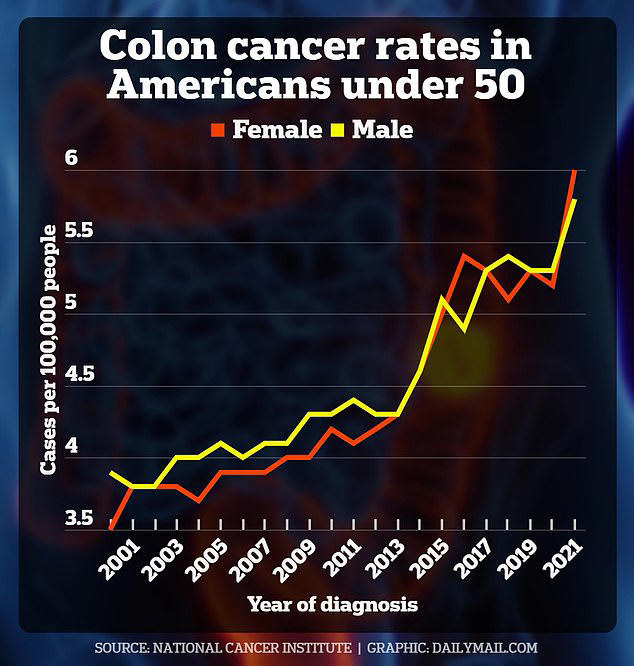



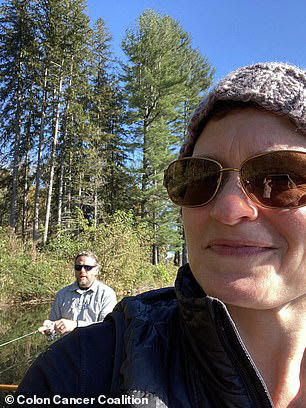

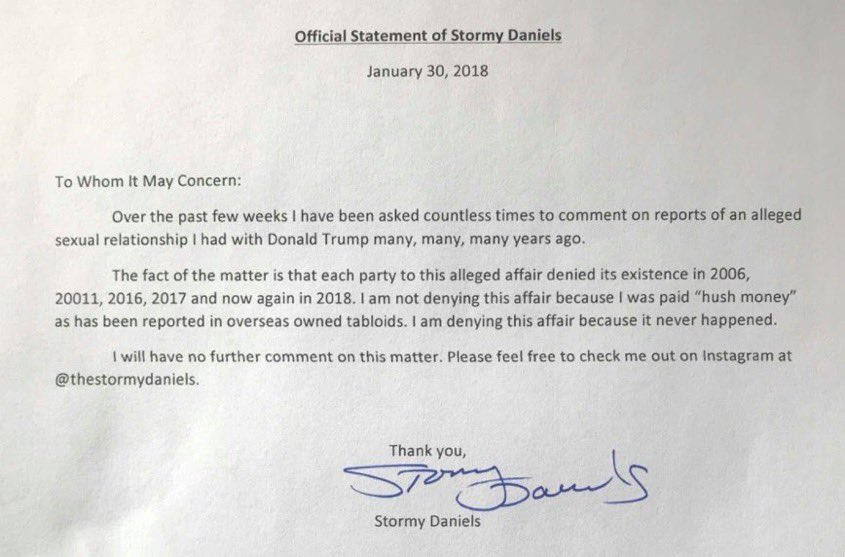



 case they were out to get the Real POTUS










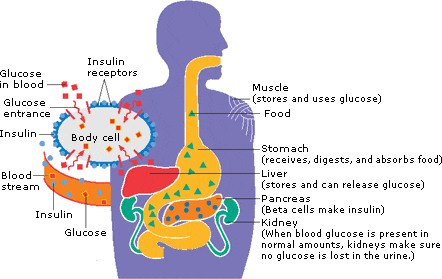
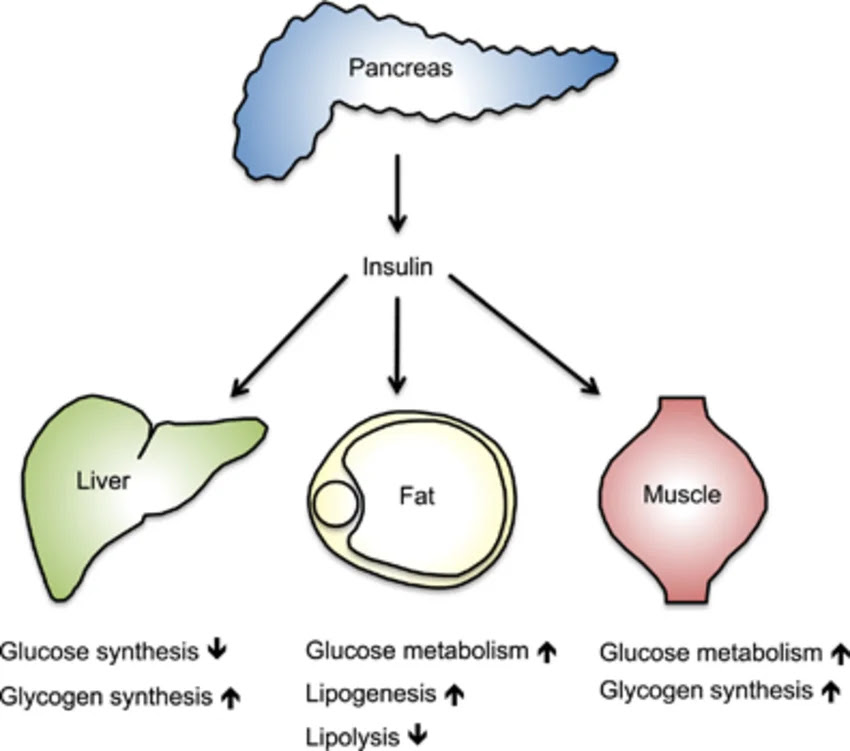
 WHO AM I? I’m Drew Binsky and I have been to EVERY country in the world (197/197). I make documentaries about interesting people and cultures in faraway places. My ultimate goal is to inspire you to travel because I think it’s the best education that you can get. And our planet is beautiful!
 Don’t forget to SUBSCRIBE to my channel by clicking here ➞
  Watch my favorite videos ➞